How to Choose the Right Air Circuit Breaker for Your Needs?
Choosing the right Air Circuit Breaker (ACB) is crucial for ensuring electrical safety and efficiency. An ACB acts as a protective device in electrical systems, managing overloads and short circuits. Understanding your specific needs is essential to select the appropriate model.
Consider the application where the ACB will be installed. Different environments, such as commercial or industrial, may require different features. For instance, high-traffic facilities may need a higher interrupting capacity. Moreover, different manufacturers offer various functionalities, so doing proper research is vital.
Remember, an ACB is not a one-size-fits-all solution. Each system has unique requirements that influence the decision. Regularly reviewing your choices and understanding their impact can prevent costly mistakes. A faulty selection could lead to extensive damage or decreased efficiency. By approaching your selection process thoughtfully, you'll enhance safety and performance in your electrical systems.
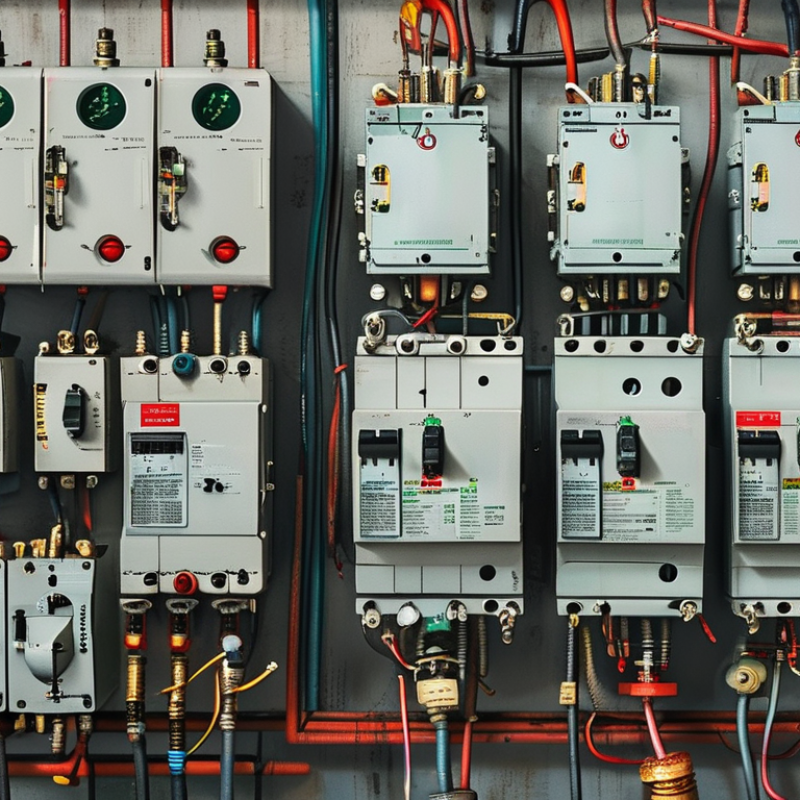
Understanding the Functionality and Importance of Air Circuit Breakers
Air circuit breakers (ACBs) are crucial in electrical systems, protecting circuits by interrupting excess current. Their role in safety and equipment longevity cannot be overstated. According to a report by Grand View Research, the global air circuit breaker market is expected to reach $13 billion by 2025. This growth underscores the increasing reliance on ACBs in both industrial and commercial settings.
Understanding ACB functionality is essential. They not only prevent overcurrent but also improve energy efficiency. ACBs can handle high fault currents, which is vital in modern electrical networks. For example, they provide precision tripping settings that allow customization for specific applications. However, there are challenges in selecting the right ACB. It's crucial to assess load types and environmental conditions. Poor choices can lead to equipment failures and safety hazards, illustrating the need for careful evaluation.
Failure rates often highlight the complexity of integrating ACBs into systems. Delayed maintenance or inappropriate sizing frequently leads to issues. Data from the National Fire Protection Association indicates that electrical failures are a leading cause of commercial fires. Evaluating these factors is important in choosing ACBs that align with operational needs.
Key Specifications to Consider When Selecting Air Circuit Breakers
When selecting an air circuit breaker (ACB), understanding key specifications is vital. ACBs are essential for protecting electrical circuits. Start with the rated current. This value affects how much load the circuit can handle. Ensure that the current rating matches the requirements of your installation.
Next, consider the breaking capacity. This specification indicates the maximum fault current the ACB can interrupt without damage. Choosing the right breaking capacity is crucial. If it's too low, the ACB may fail during a fault, leading to potential hazards. It’s essential to calculate the prospective short-circuit current in your system accurately.
Another important aspect is the operating mechanism. ACBs can have thermal, magnetic, or a combination of both. This affects the trip response time. A thermal mechanism reacts to heat, while a magnetic one responds to current levels. Depending on your specific needs, you might prefer one over the other.
Tip: Assess your system's configuration before making a choice. Take into account future upgrades or expansions. This foresight helps prevent overspending or under-specifying your circuit protection needs.
Also, don't overlook environmental factors. Humidity and temperature can impact ACB performance. For outdoor installations, consider models rated for harsher conditions. This can extend the lifespan of your equipment. Inadequate protection can lead to costly mistakes.
Types of Air Circuit Breakers and Their Applications in Electrical Systems
Air circuit breakers (ACBs) are vital for protecting electrical systems from overloads and short circuits. Understanding the different types and their specific applications can lead to informed decisions. ACBs are classified mainly into two types: standard ACBs and intelligent ACBs. Standard ACBs are often employed in industrial environments. They provide reliable performance and are best for systems with predictable load patterns. In contrast, intelligent ACBs integrate with modern building management systems. These models often feature advanced monitoring and control capabilities.
Reports show that intelligent ACBs can reduce energy losses by up to 30%. This efficiency makes them desirable for sectors focused on energy conservation. These breakers can adapt to fluctuating loads, which is essential for optimizing performance in dynamic environments. Conversely, standard ACBs may not offer the adaptability needed for emerging technologies. Choosing between these types requires considering both current and future operational needs.
In practice, many facilities still use standard ACBs out of habit. This can lead to inefficiencies as newer energy-saving technologies become available. Evaluating the existing infrastructure is crucial. Often, upgrades to intelligent ACBs can result in significant cost reductions over time. However, the initial investment can be a barrier. Balancing these factors demands careful analysis to ensure optimal reliability and performance.
Evaluating Load Requirements and Fault Protection in Breaker Selection
When selecting an air circuit breaker (ACB), understanding load requirements is crucial. Different applications demand varying levels of current handling. For instance, industrial machinery might require high current ratings, while residential applications can often function with lower specifications. To make an informed decision, assess the maximum load your system will carry. Consider future expansions and potential load increases. Analyzing these factors prevents under-sizing or over-sizing the breaker.
Fault protection is another critical aspect in breaker selection. The ACB must be equipped to detect and interrupt fault currents effectively. This capability protects equipment and ensures safety. It’s vital to evaluate the fault currents that could arise in your system. Learn about short-circuit currents and select a breaker that can handle them. However, don't overlook the need for proper coordination with downstream devices. Misleading assumptions about load requirements can lead to unnecessary replacements. Reflect on specific environmental conditions that might impact the ACB's performance. Ultimately, the right balance of load capacity and fault protection ensures reliability and safety.
Performance Standards and Regulatory Compliance for Air Circuit Breakers
Selecting the right air circuit breaker (ACB) involves understanding performance standards and regulatory compliance. These standards ensure the breaker operates safely and effectively in various settings. According to the International Electrotechnical Commission (IEC) 60947-2, ACBs should adhere to specific requirements regarding environmental conditions, mechanical endurance, and short-circuit protection. Compliance with these standards guarantees that the breakers can function without failure in critical situations.
Additionally, industry reports reveal that about 30% of circuit breaker failures are attributed to non-compliance with regulatory guidelines. It's crucial for engineers to verify that the chosen ACB meets local regulations. This may include the National Electrical Code (NEC) in the United States or regional mandates in Europe. Such compliance not only enhances safety but also supports energy efficiency. ACBs that are compliant often exhibit reduced operating costs due to lower failure rates and longer service life.
Despite strict standards, challenges remain in the interpretation of regulations across different jurisdictions. This inconsistency can lead to misselection of products. It's essential to engage with professionals who understand these regulations deeply. Collaboration between manufacturers and regulatory bodies can result in streamlined processes. Ultimately, this ensures that ACBs not only protect equipment but also align with evolving safety standards and technologies.
How to Choose the Right Air Circuit Breaker for Your Needs? - Performance Standards and Regulatory Compliance for Air Circuit Breakers
| Criteria |
Description |
Performance Standards |
Regulatory Compliance |
| Current Rating |
The maximum current the breaker can handle. |
IEC 60947-2 |
UL 489 |
| Voltage Rating |
The maximum voltage the breaker can operate at. |
IEC 60947-1 |
CSA C22.2 |
| Breaking Capacity |
The maximum fault current the breaker can interrupt. |
IEC 60947-2 |
IEEE C37.13 |
| Thermal Trip Setting |
Adjustable feature for temperature overload protection. |
IEC 60255 |
UL 1053 |
| Environmental Rating |
Protection level against moisture and dust. |
IP Rating (IP54, IP65) |
RoHS Compliance |



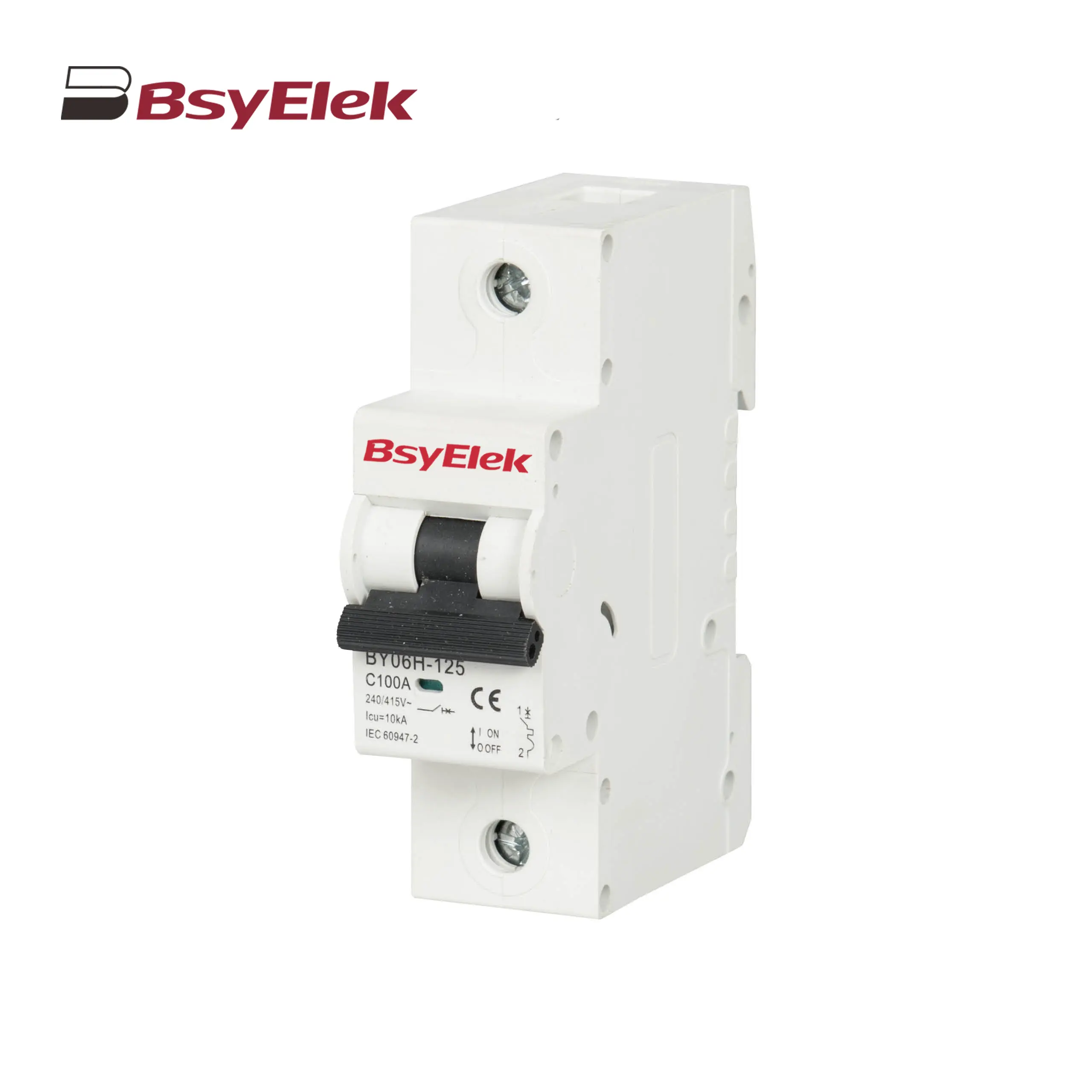 BY06H-125 MCB 10-15KA Miniature Circuit Breaker
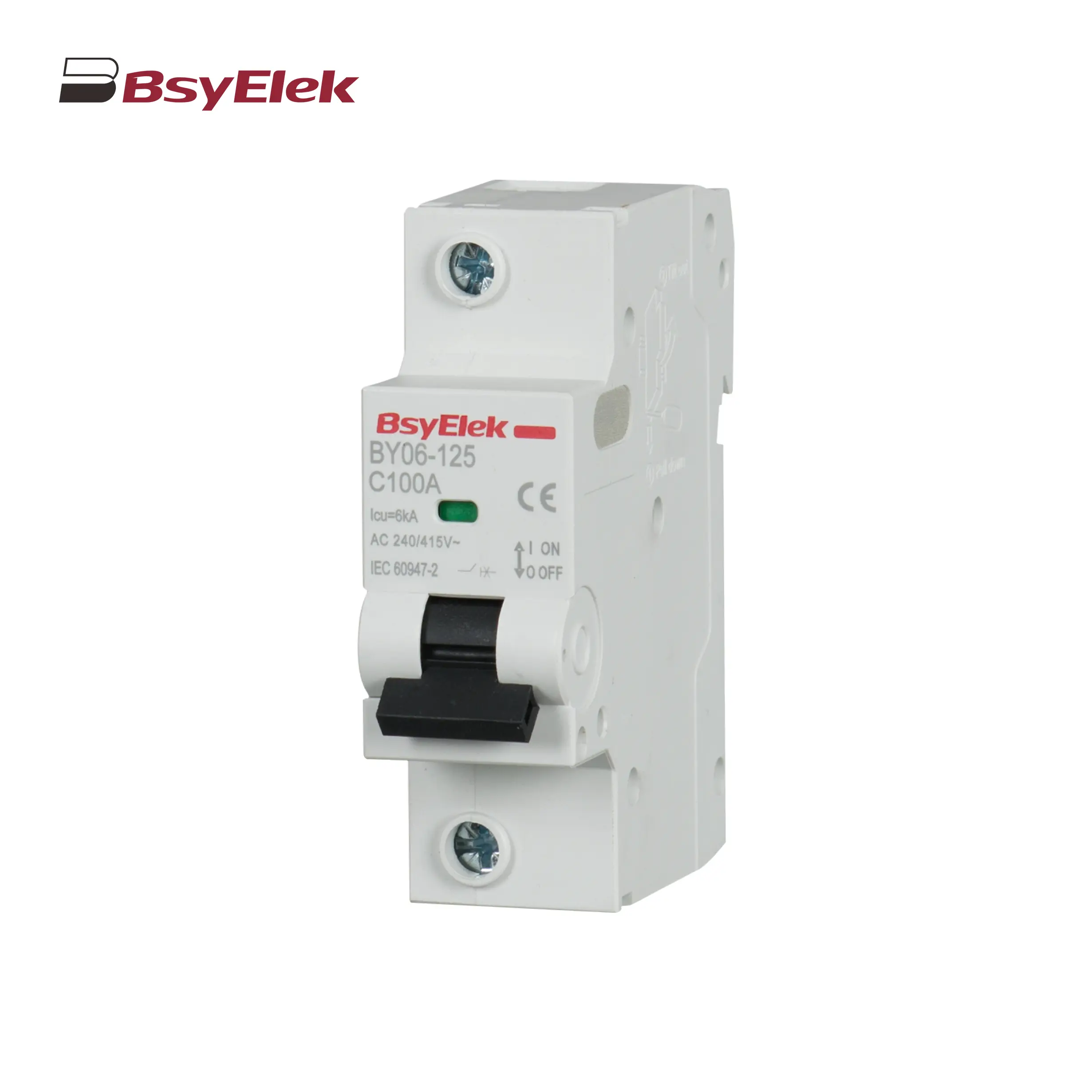 BY06-125 MCB 6KA Miniature Circuit Breaker
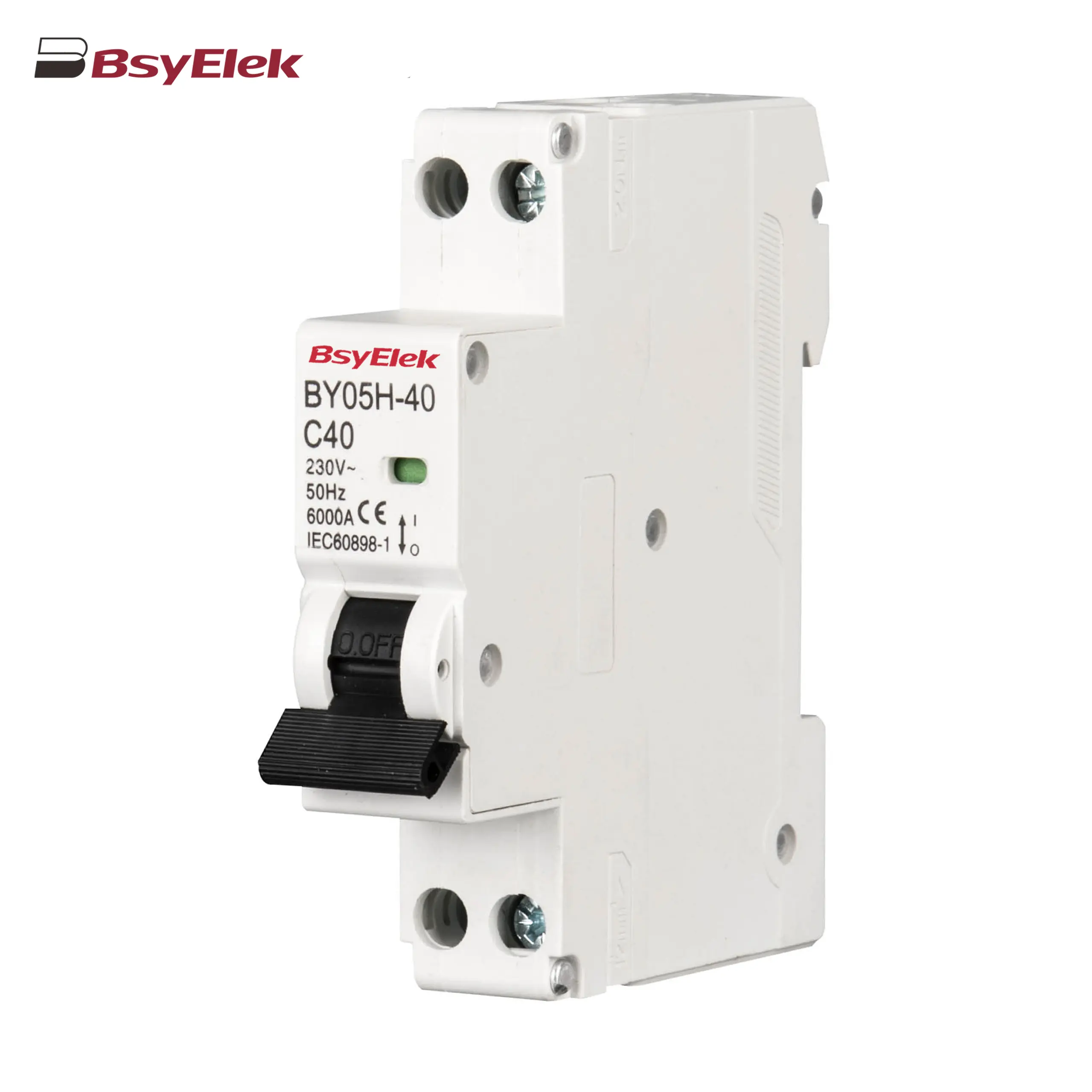 BY05H-40 MCB Single Modular 6KA Miniature Circuit Breaker
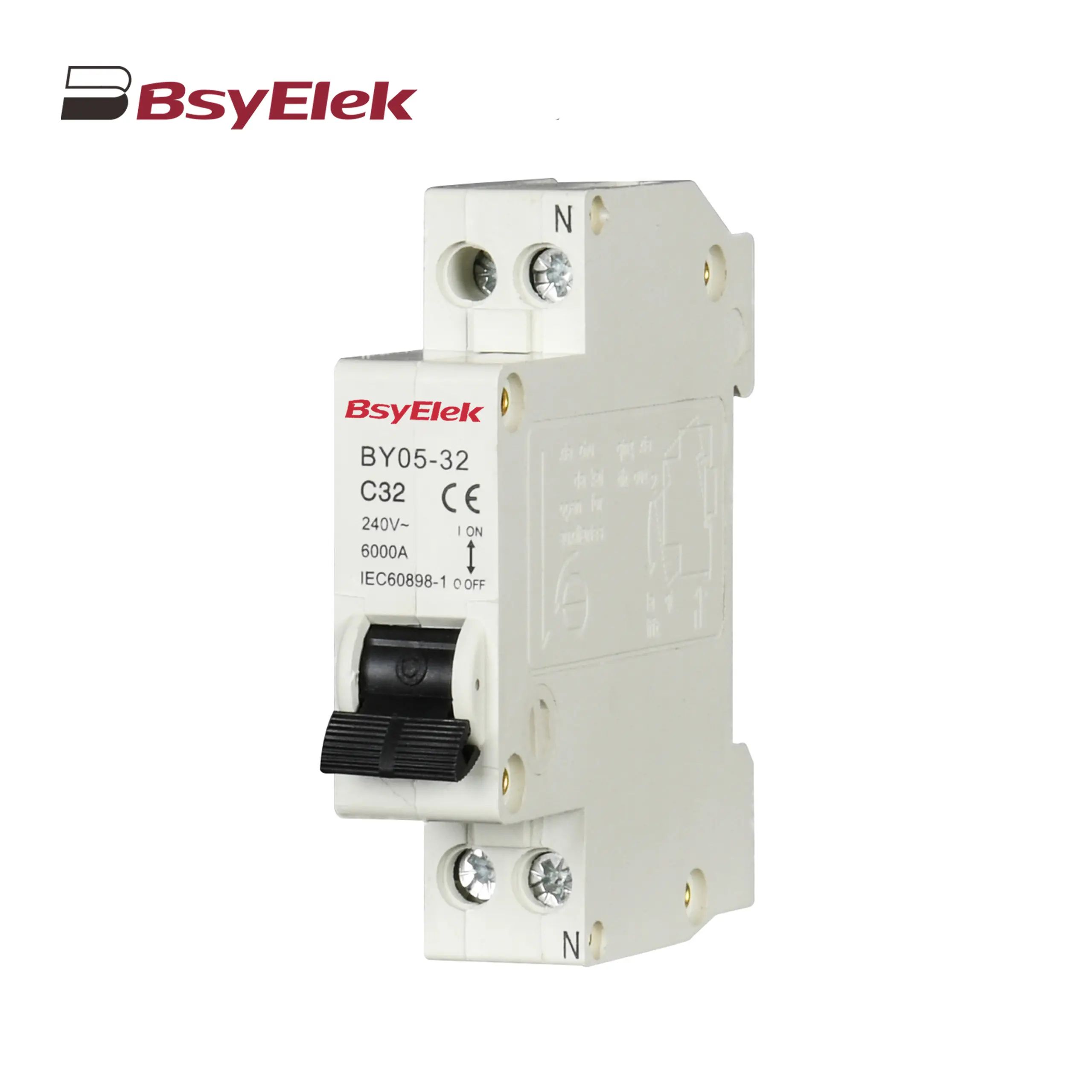 BY05-32 MCB Single Modular 3KA Miniature Circuit Breaker
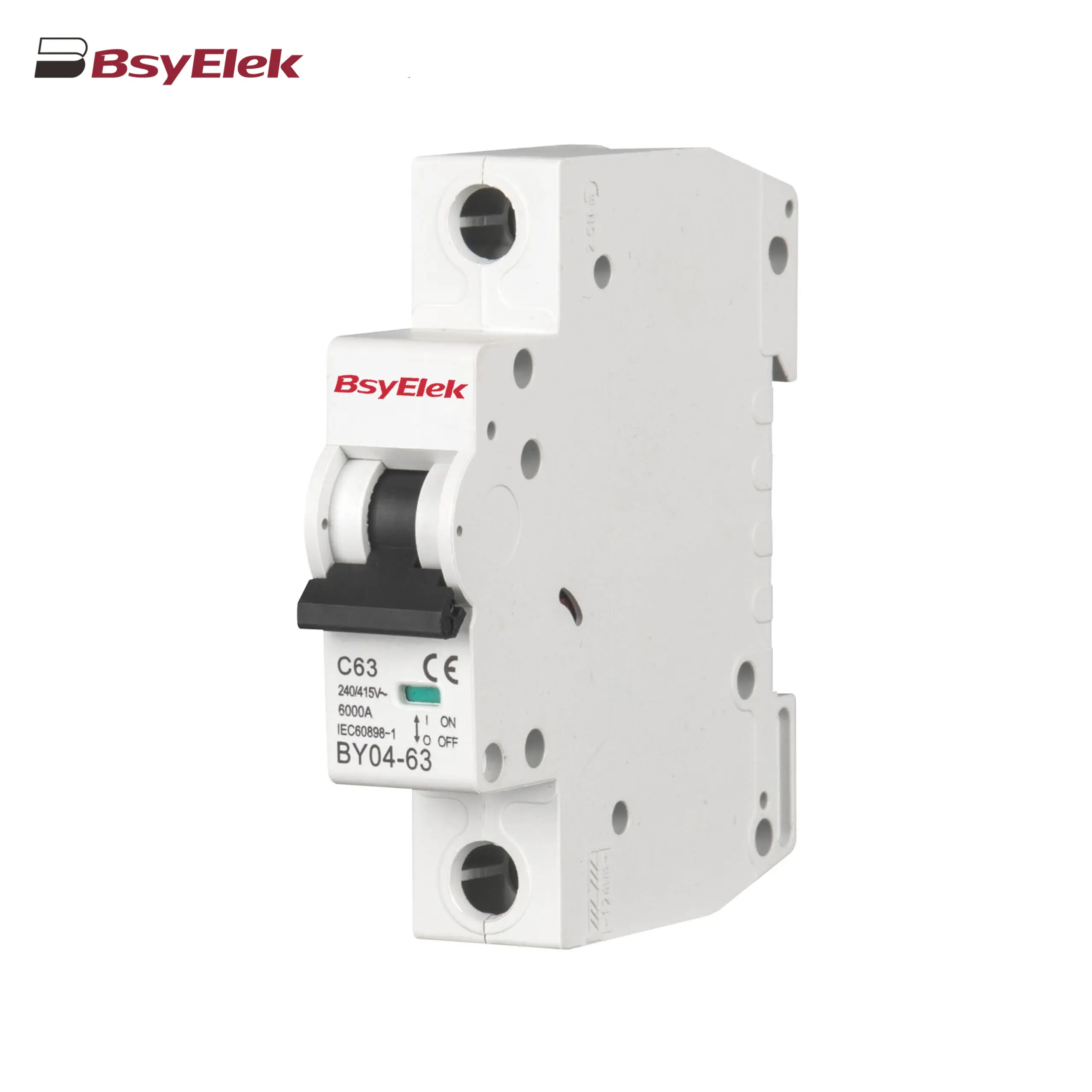 BY04-63 MCB 6-10KA Miniature Circuit Breaker
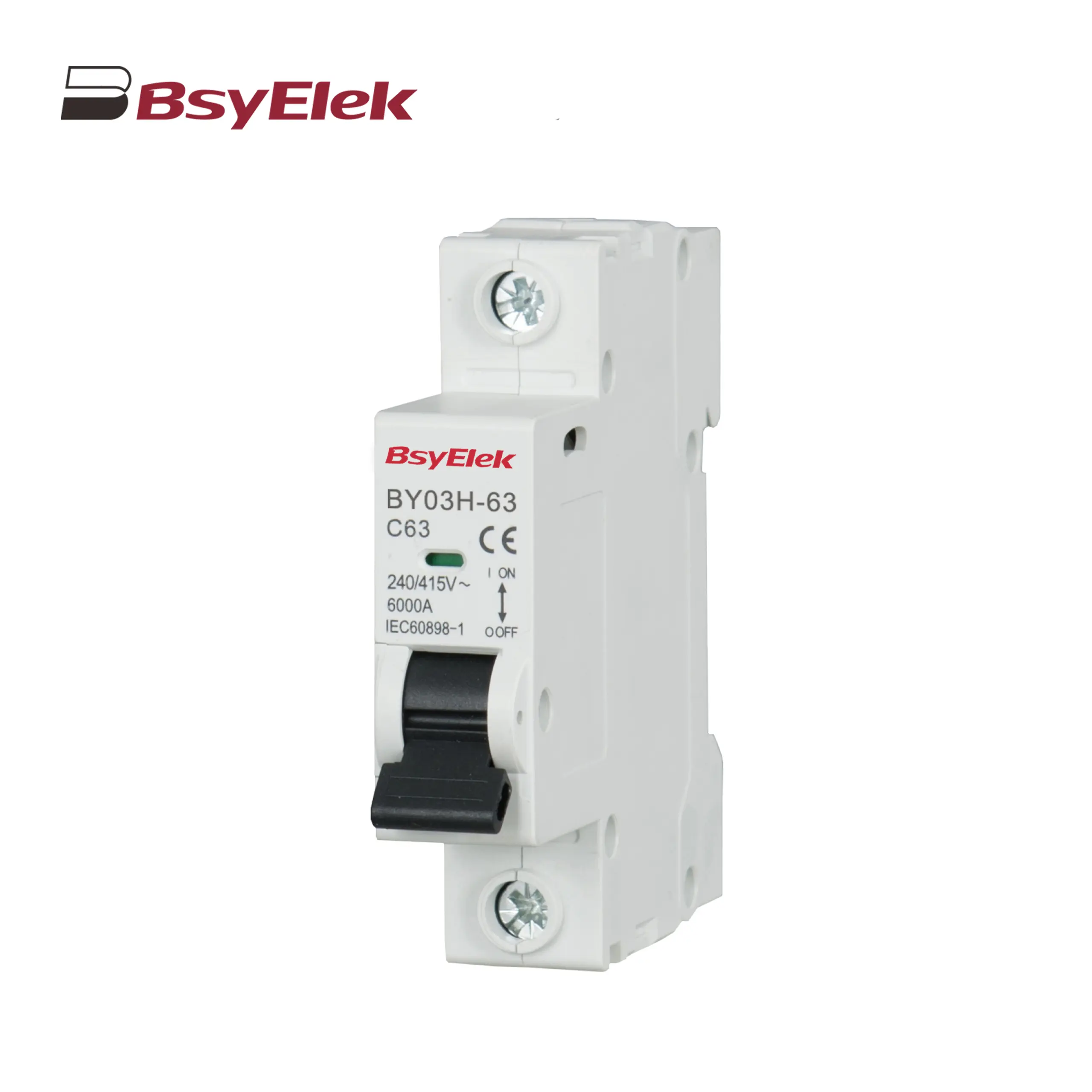
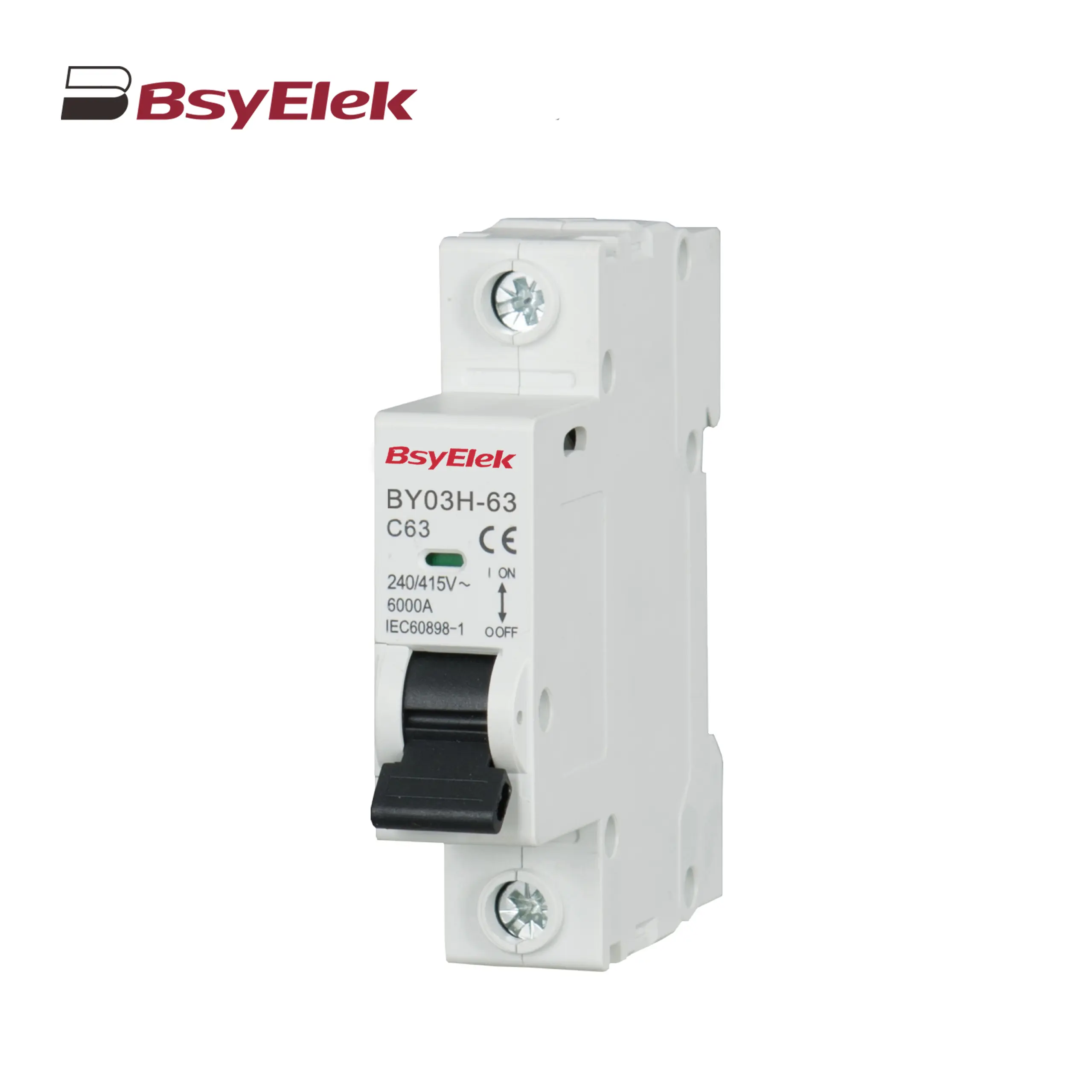 BY03H-63 MCB 6KA Miniature Circuit Breaker
 BY03-63 MCB 4.5KA Miniature Circuit Breaker
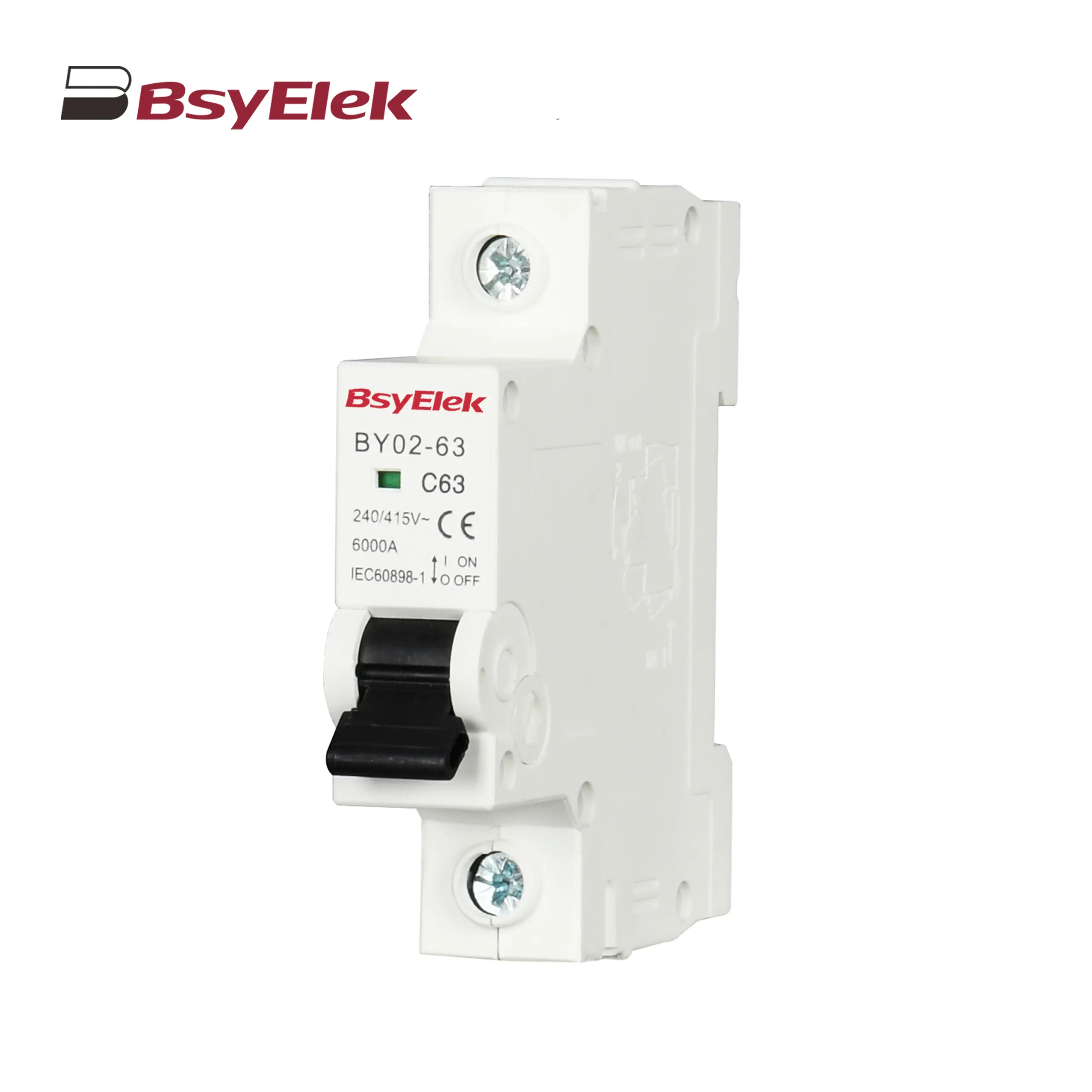 BY02-63 MCB 3kA Miniature Circuit Breaker
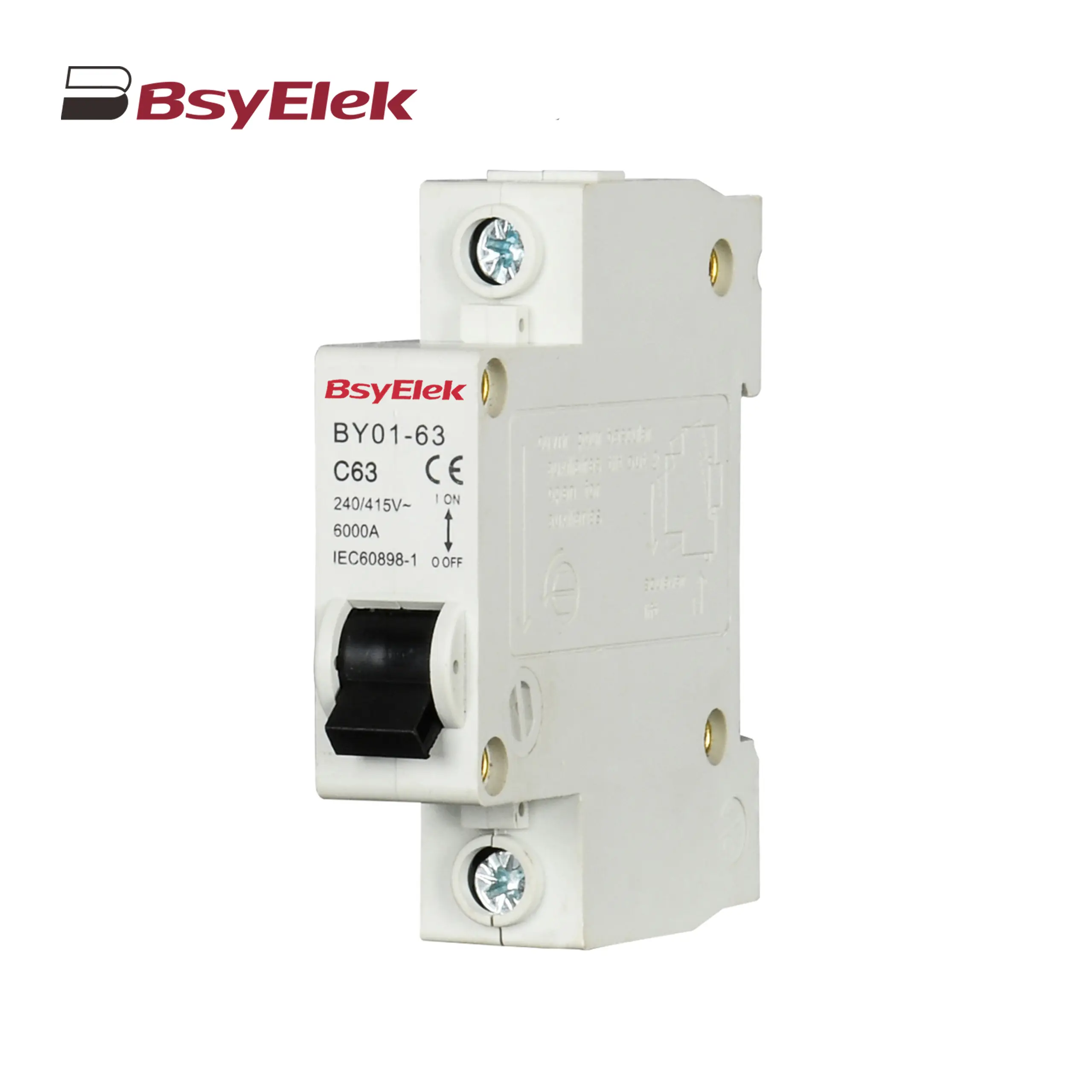 BY01-63 MCB 3kA Miniature Circuit Breaker
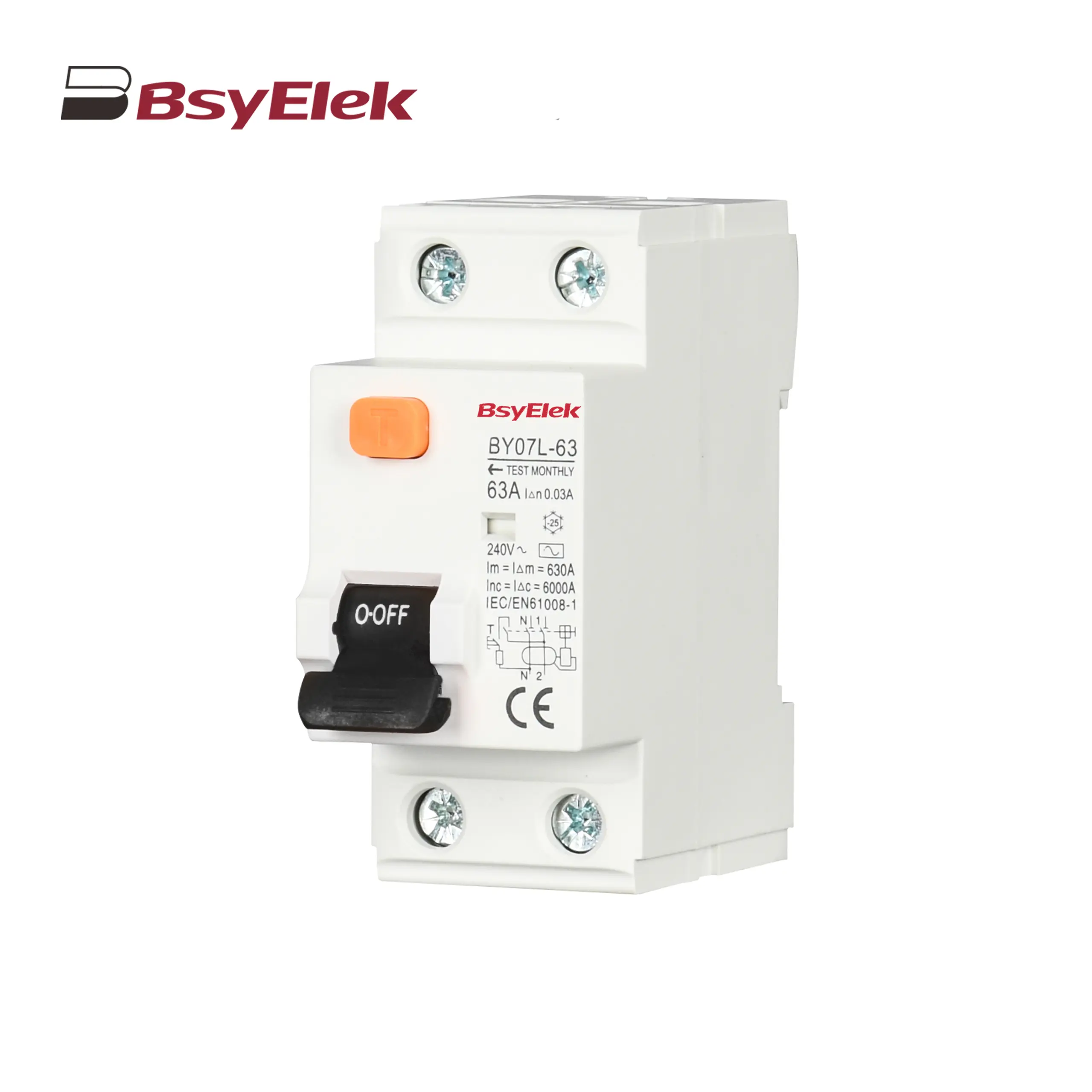 BY07L-63 RCCB 6KA Residual Current Circuit Breaker
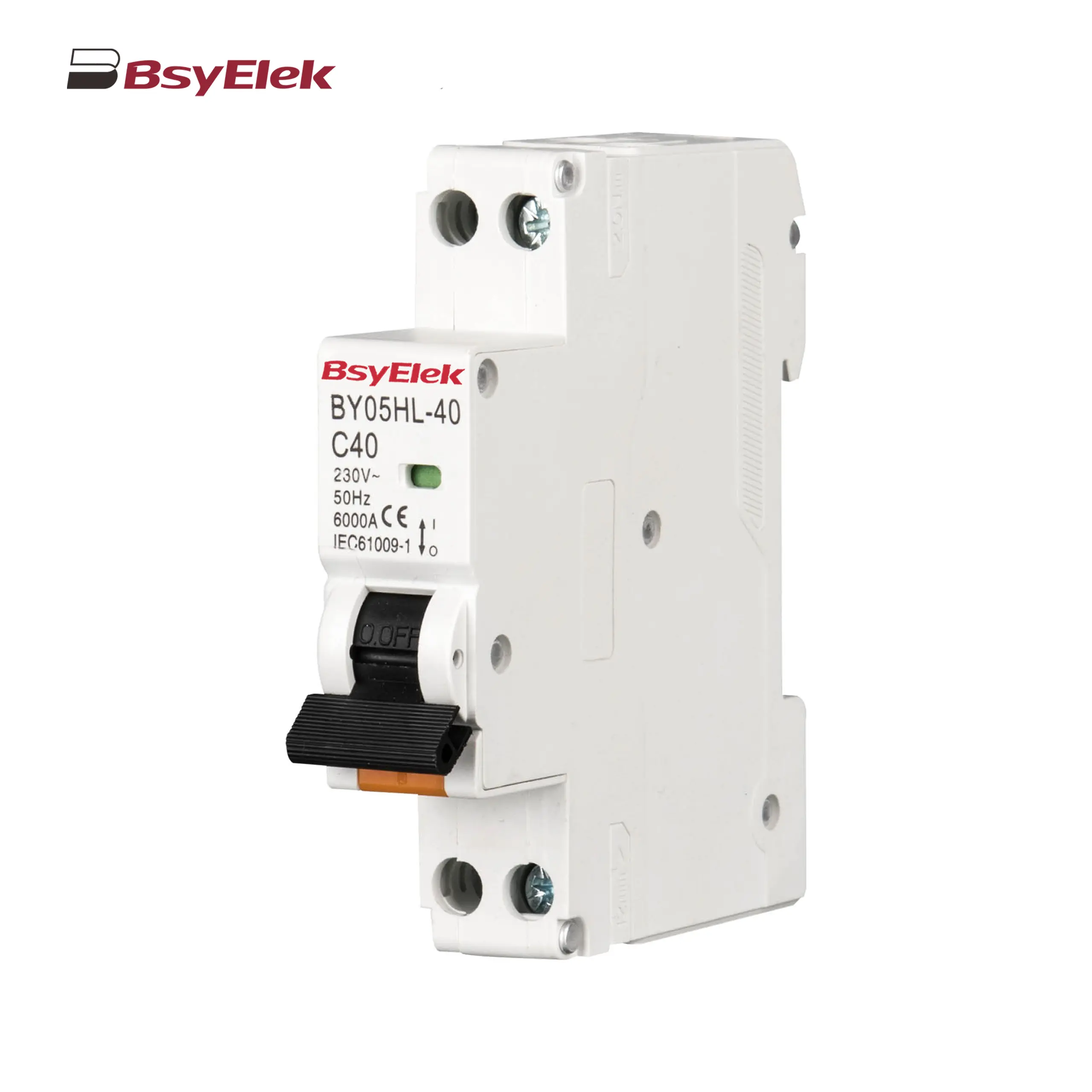 BY05HL-40 RCBO 6KA Residual Current Circuit Breaker with Over-current Protection
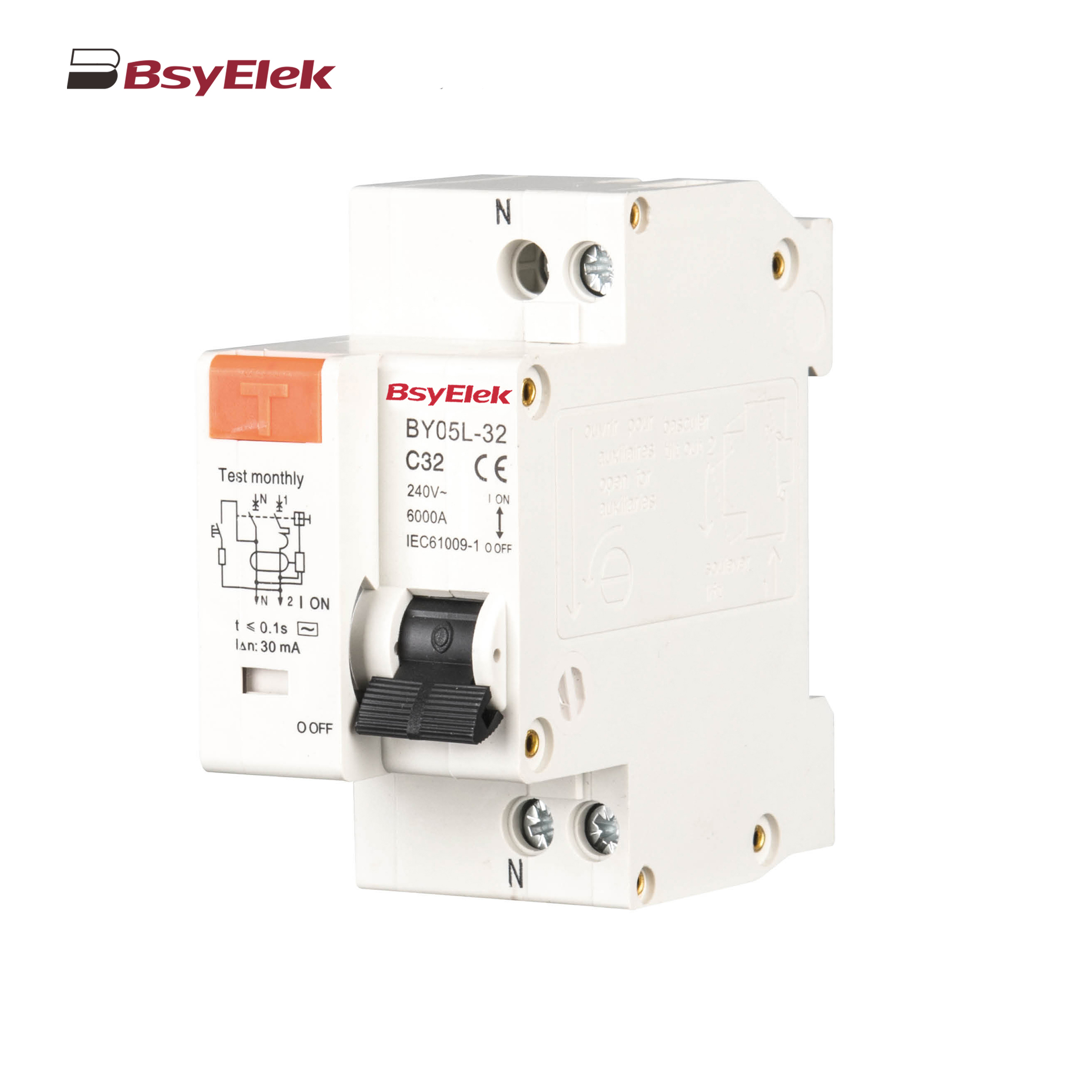 BY05L-32 RCBO 3KA Residual Current Circuit Breaker with Over-current Protection
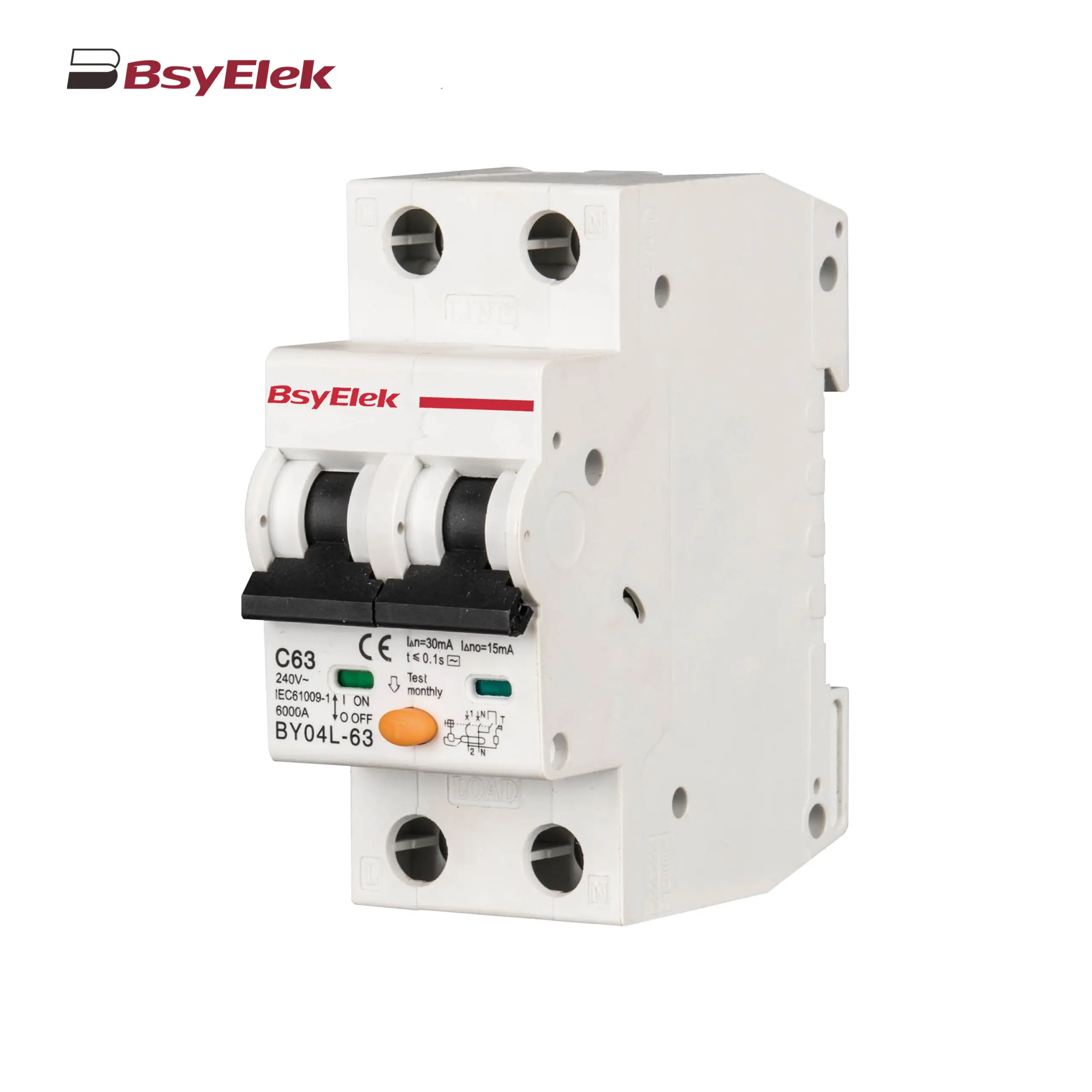 BY04L-63 RCBO 6KA Residual Current Circuit Breaker with Over-current Protection
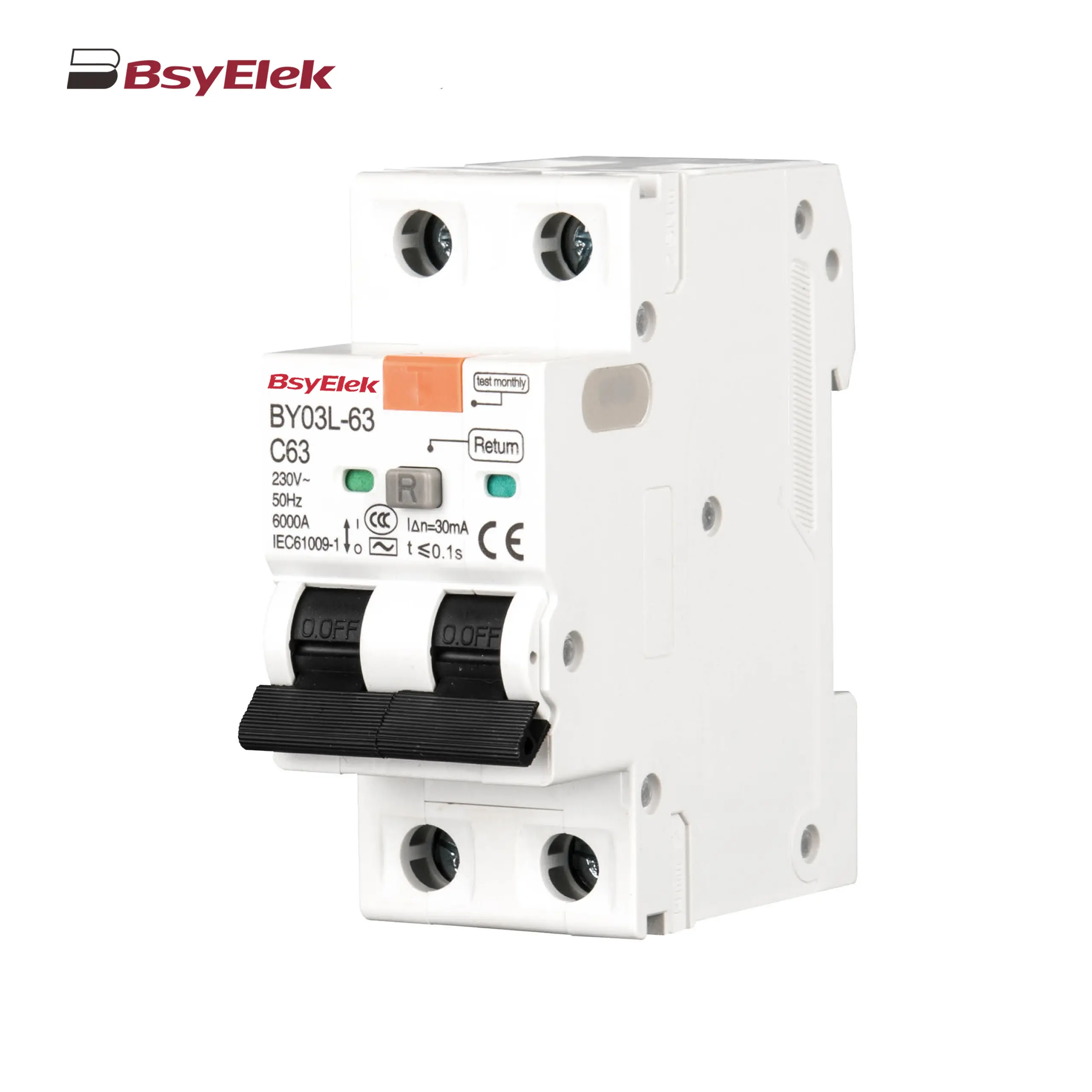 BY03L-63 RCBO 4.5KA Residual Current Circuit Breaker with Over-current Protection
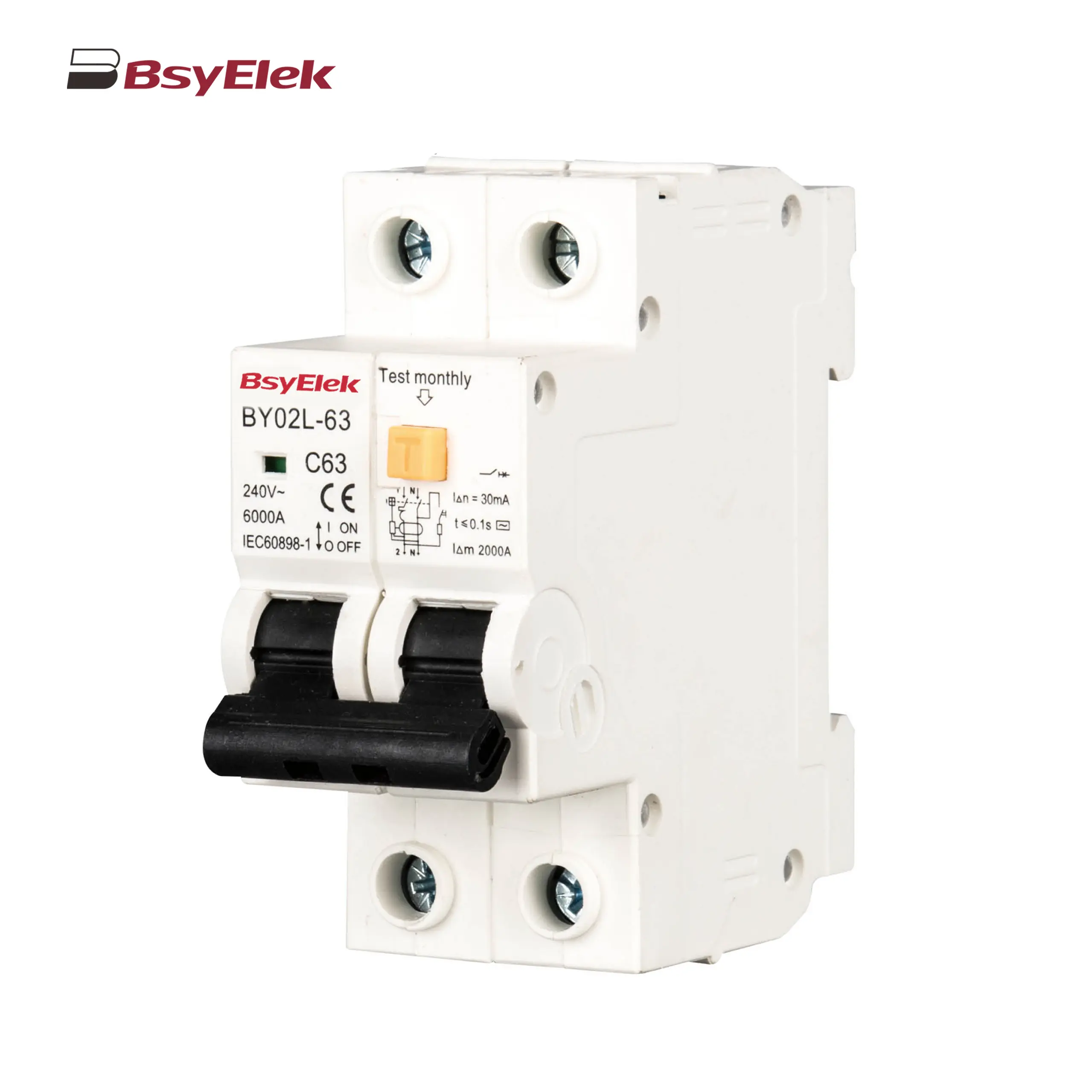 BY02L-63 RCBO 3KA Residual Current Circuit Breaker with Over-current Protection
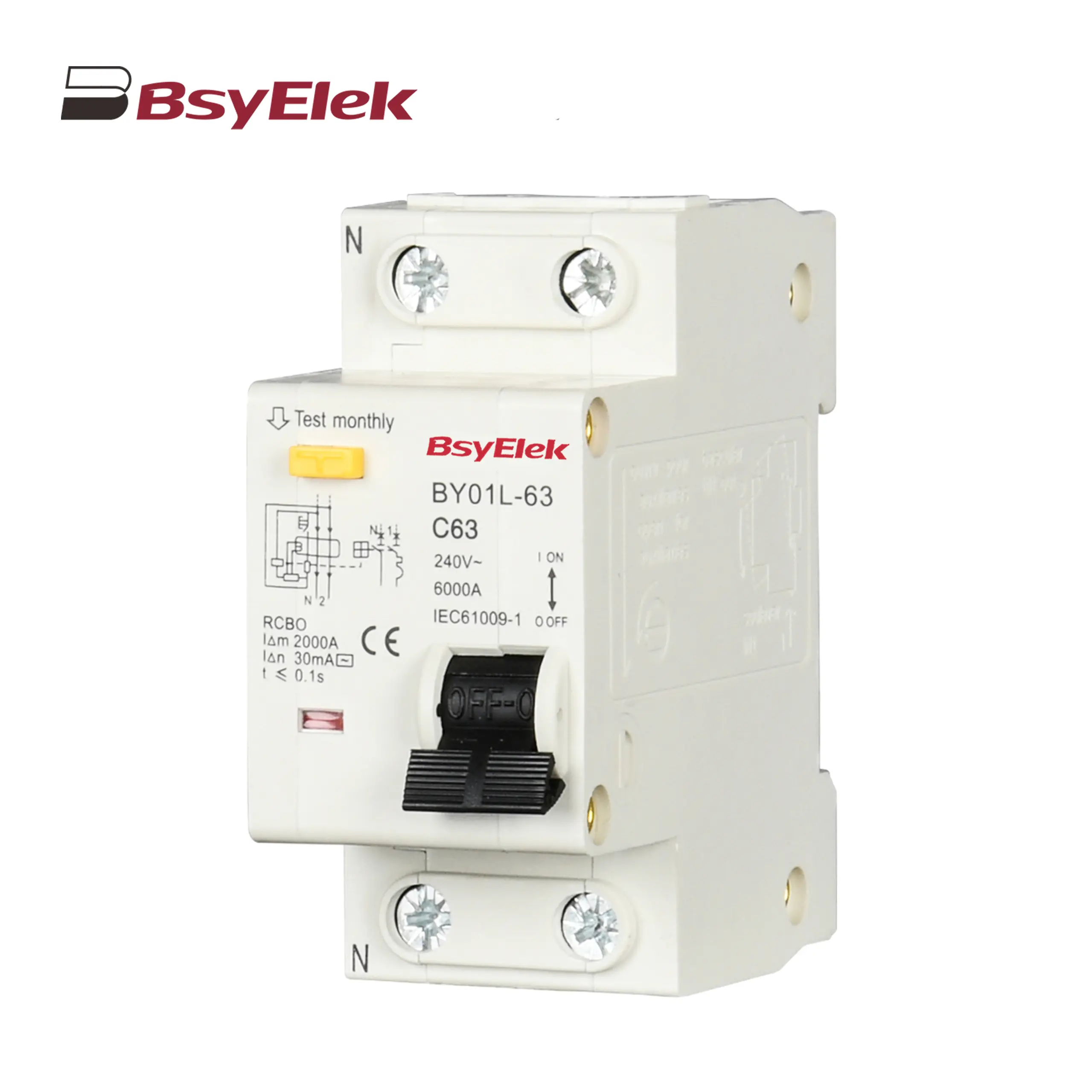 BY01L-63 RCBO 1P+N 3KA Residual Current Circuit Breaker with Over-current Protection
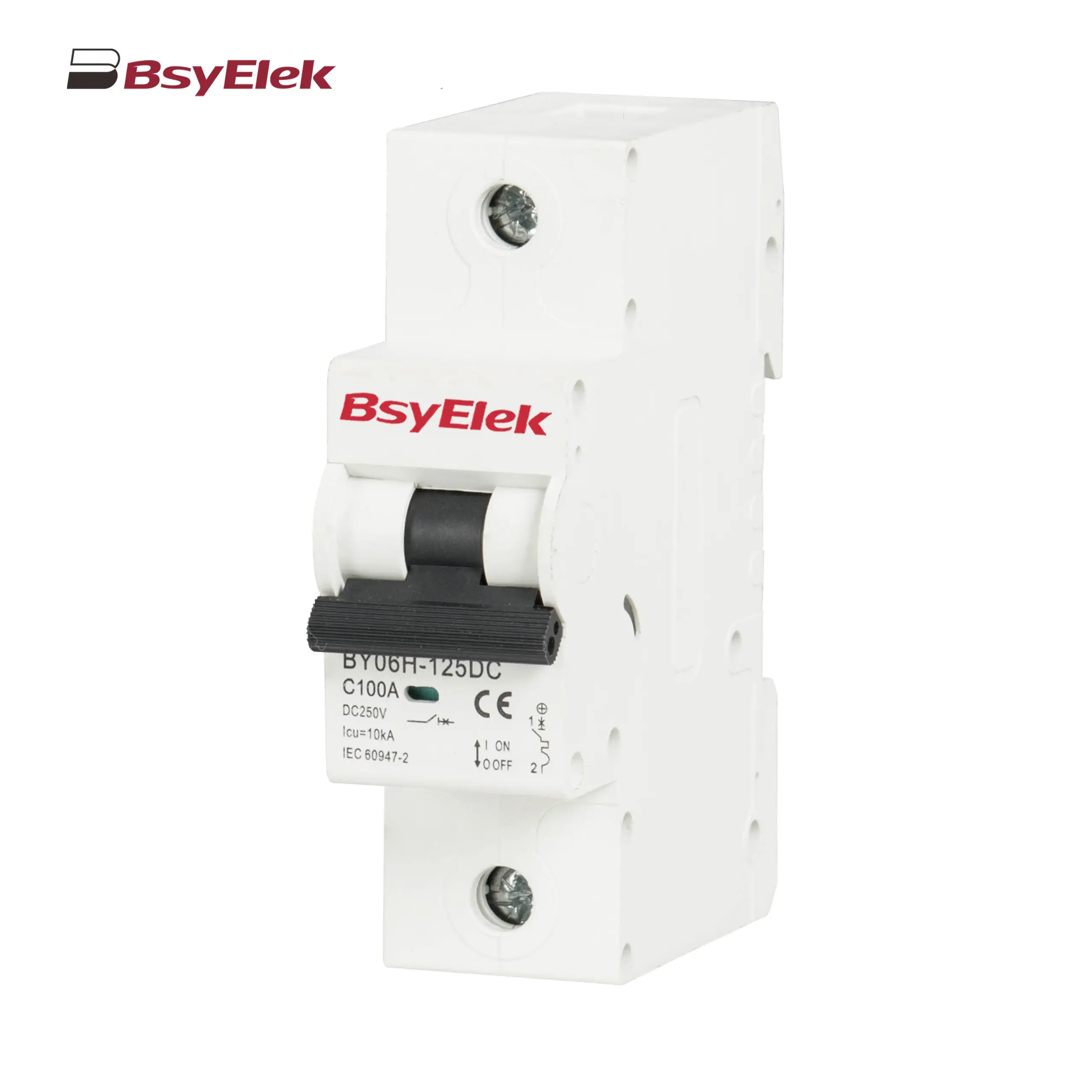 BY06H-125DC MCB 10-15kA DC Miniature Circuit Breaker
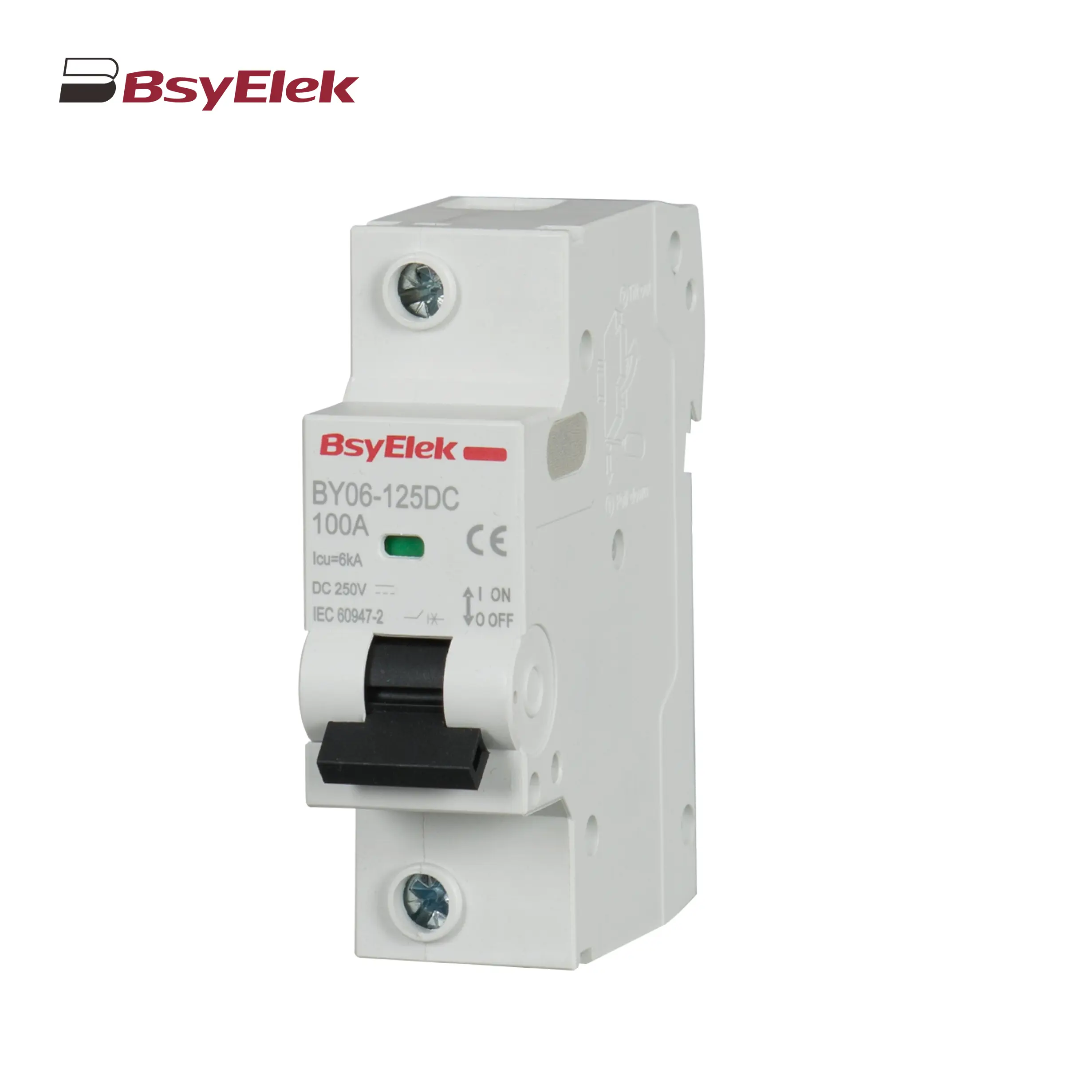 BY06-125DC MCB 6kA DC Miniature Circuit Breaker
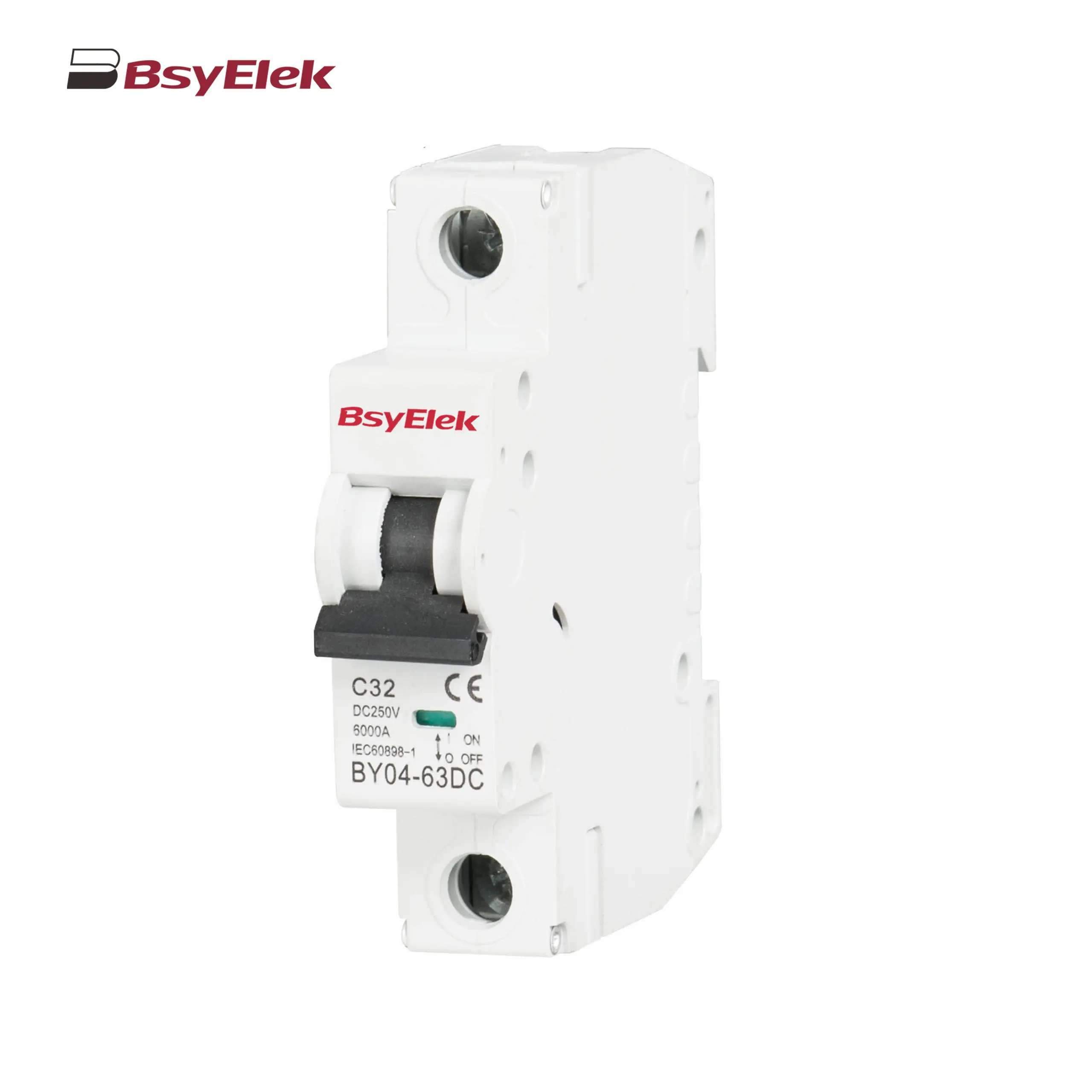 BY04-63DC MCB 6-10kA DC Miniature Circuit Breaker
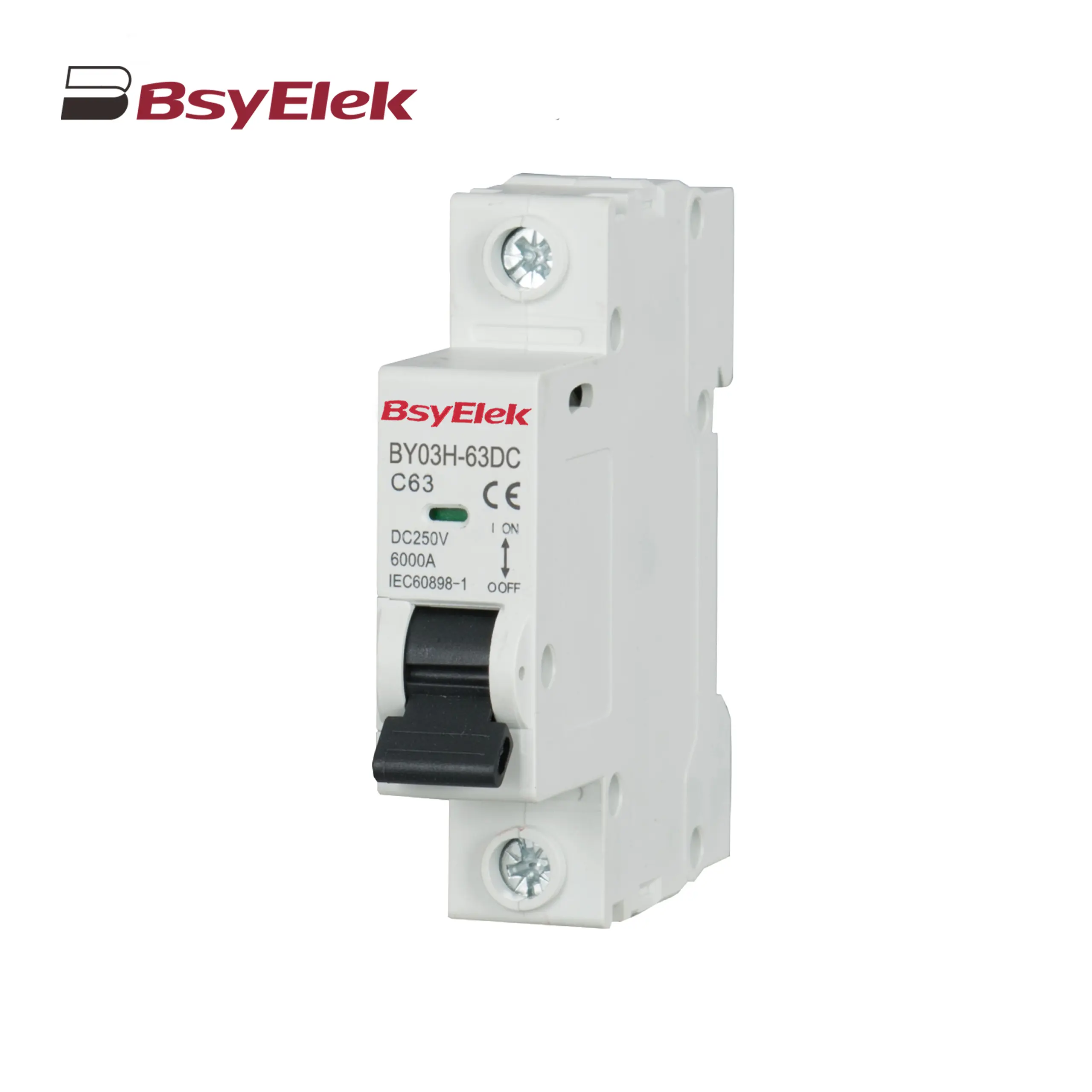 BY03H-63DC MCB 6kA DC Miniature Circuit Breaker
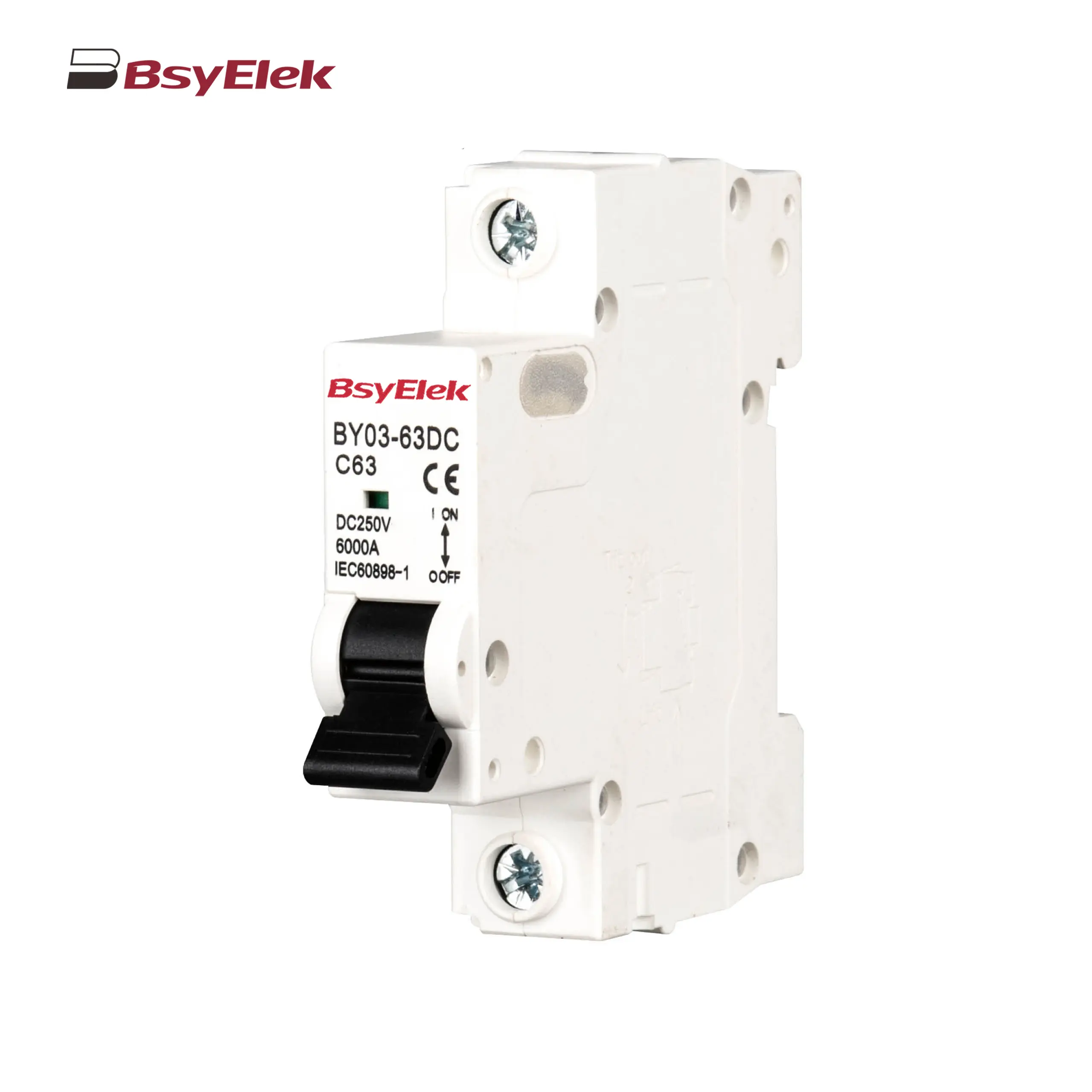 BY03-63DC MCB 4.5kA DC Miniature Circuit Breaker
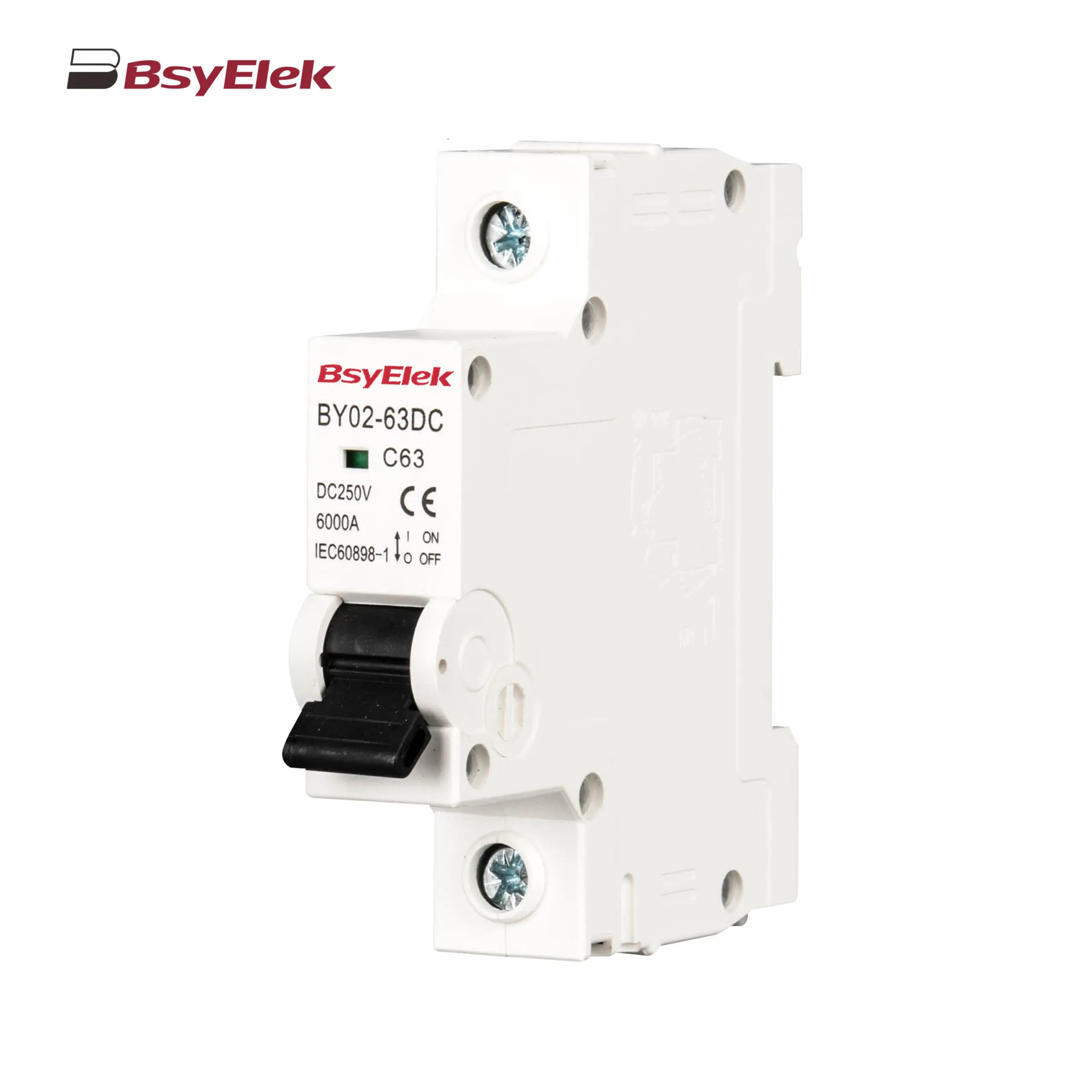 BY02-63DC MCB 3kA DC Miniature Circuit Breaker
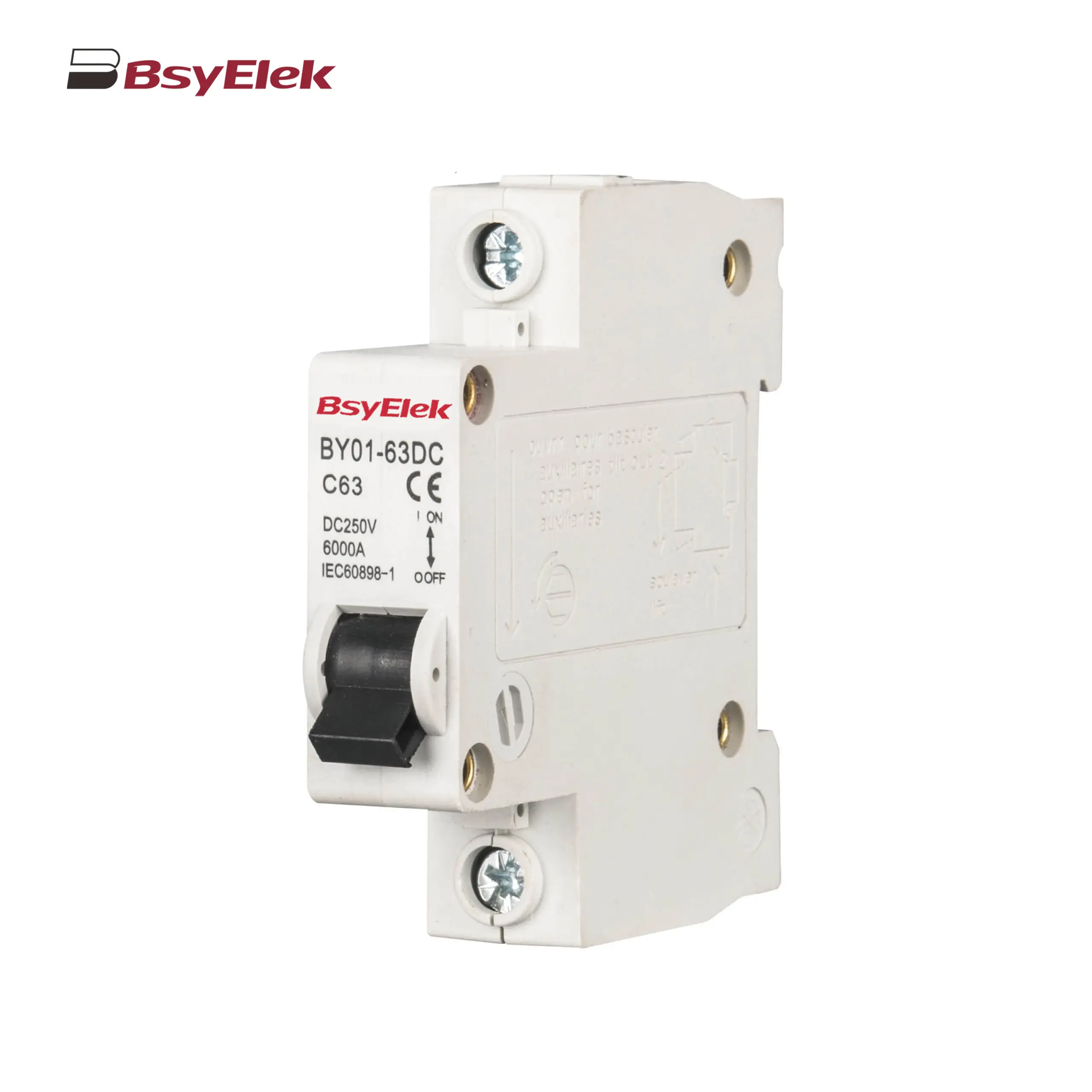 BY01-63DC MCB 3kA DC Miniature Circuit Breaker
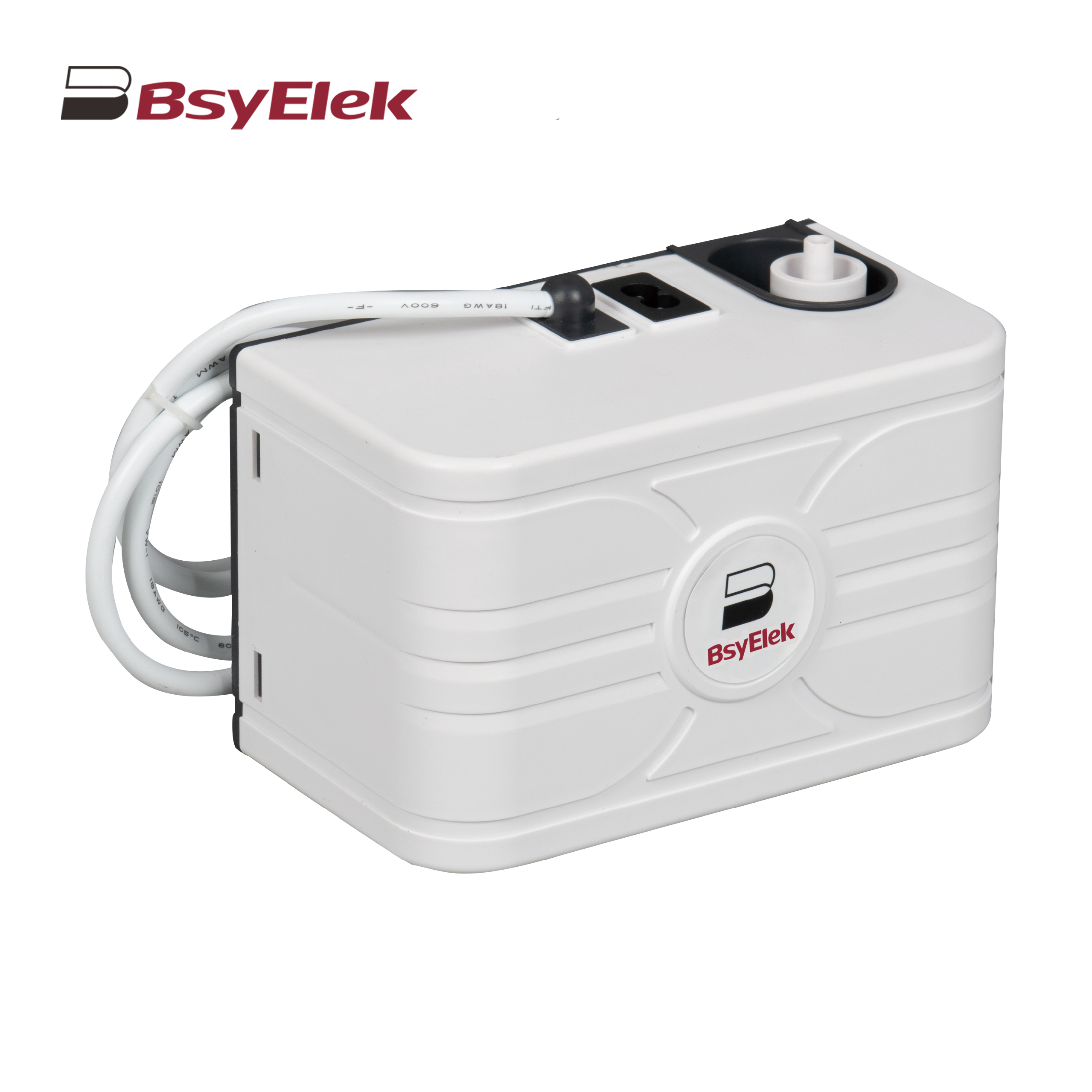 BY-5018 1.8M Engineering Drainage Pump
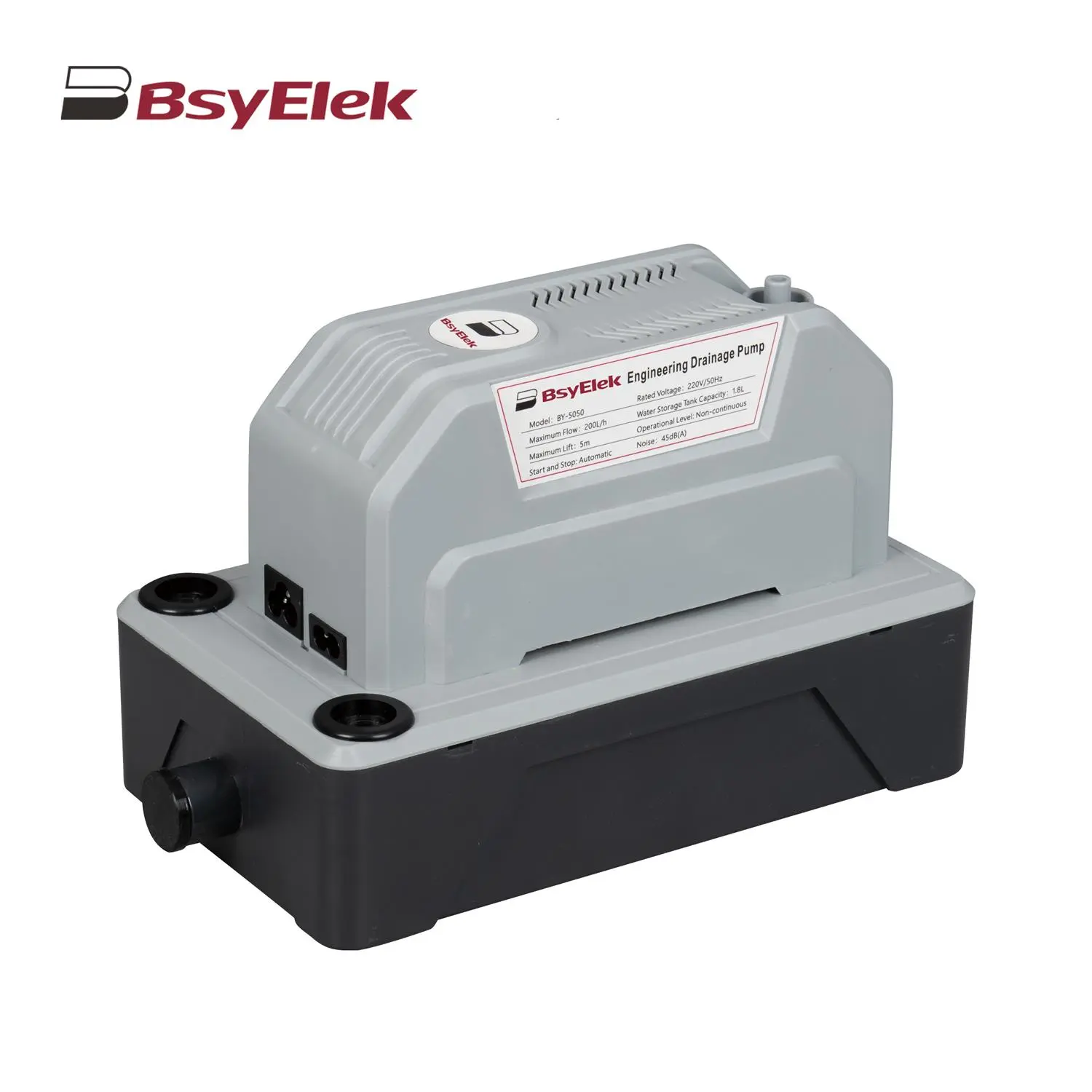 BY-5050 5M Engineering Drainage Pump
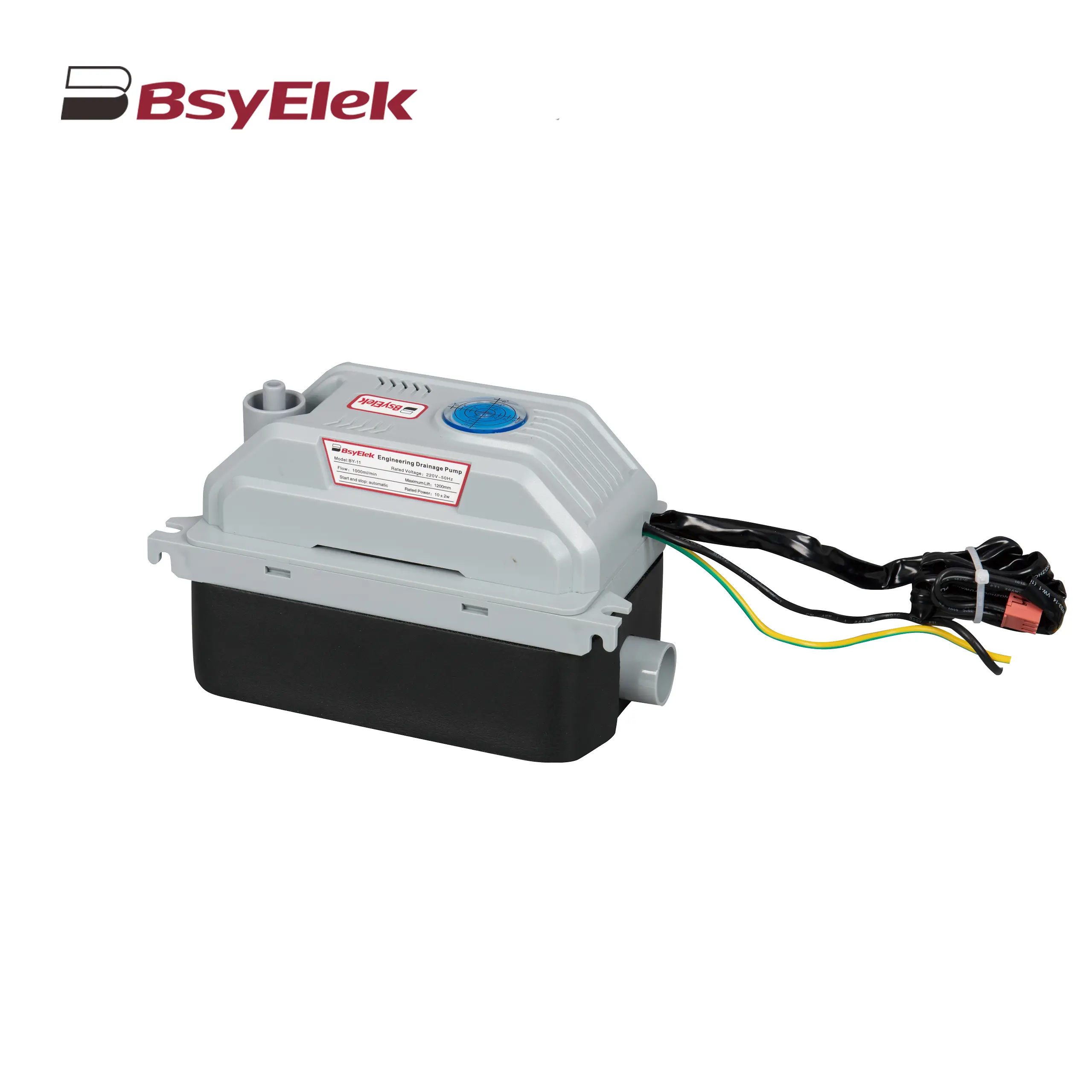 BY-11 1.2M Engineering Drainage Pump
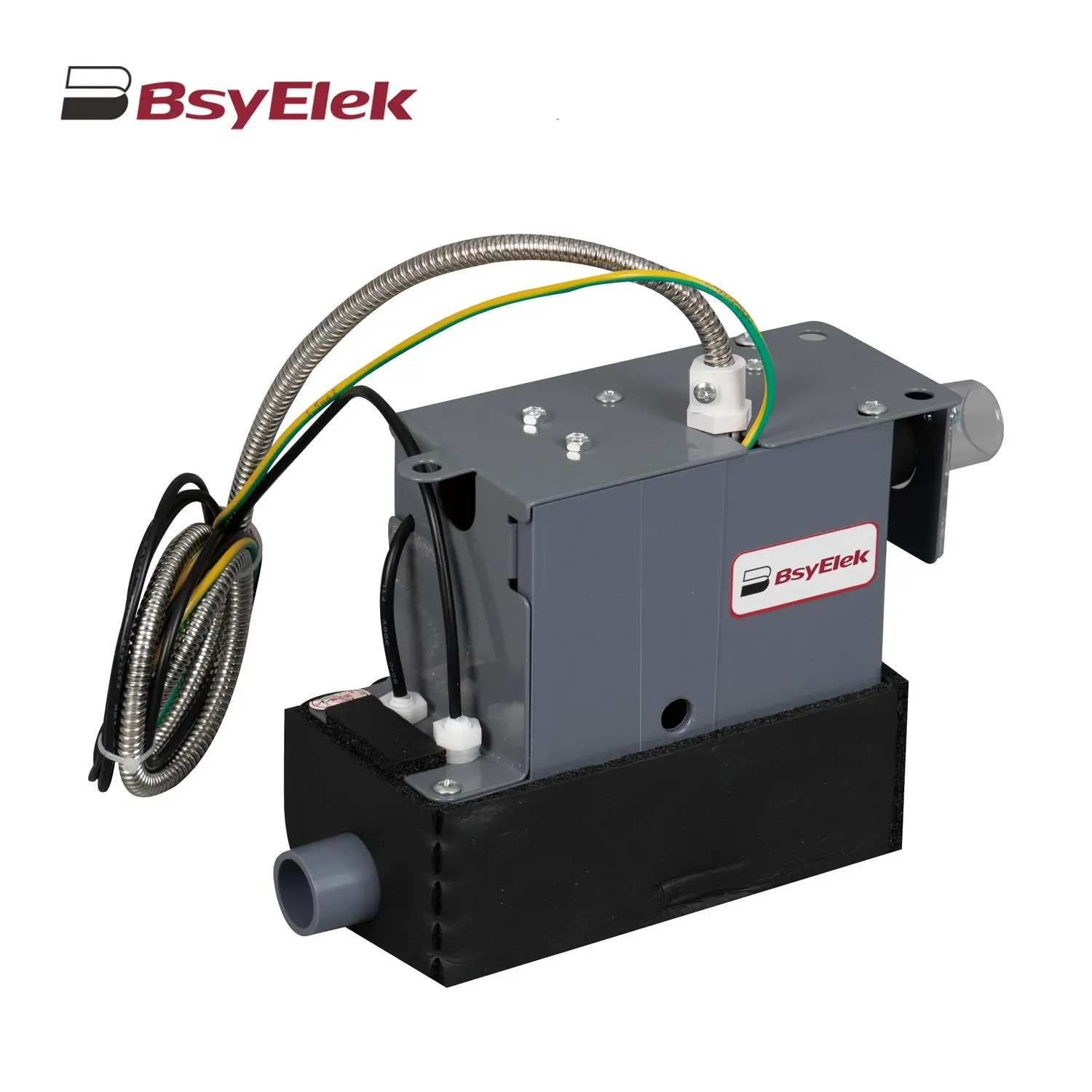 SBH-05 0.7M Original Drainage Pump of Duct Type Air Conditioner
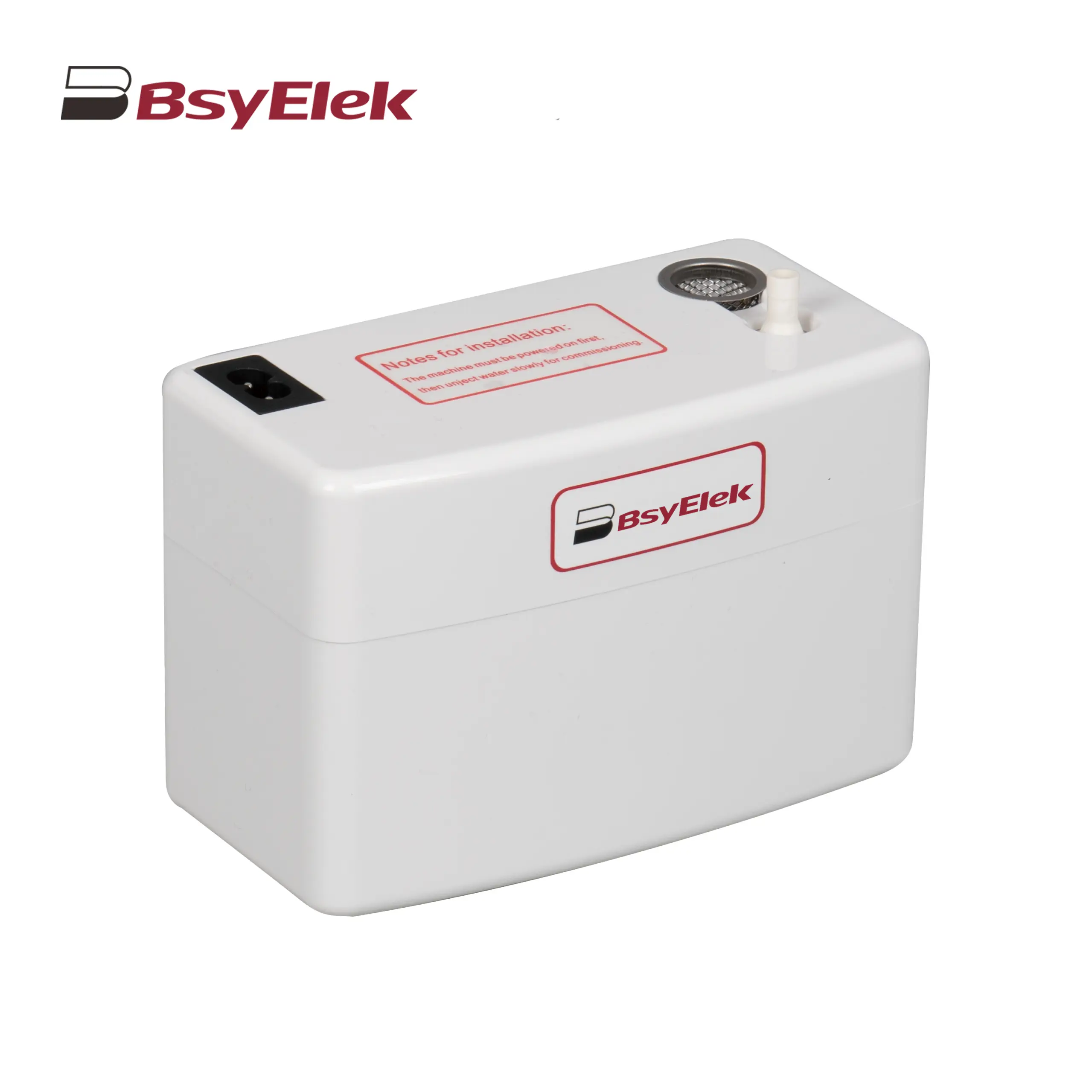 BY-24A/40A 10M Drainage Pump of Air Conditioner
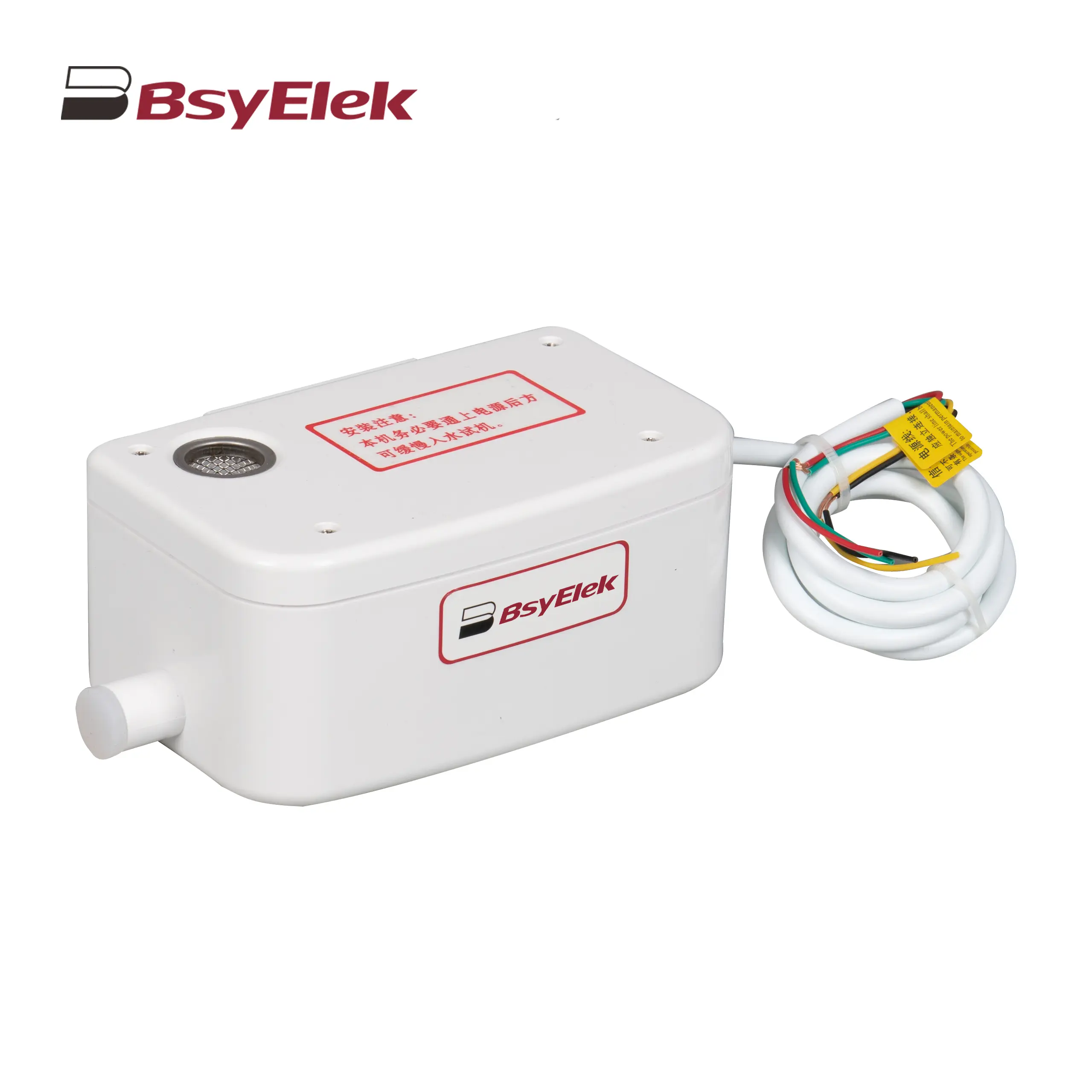 BY-50A 12M Drainage Pump of Air Conditioner
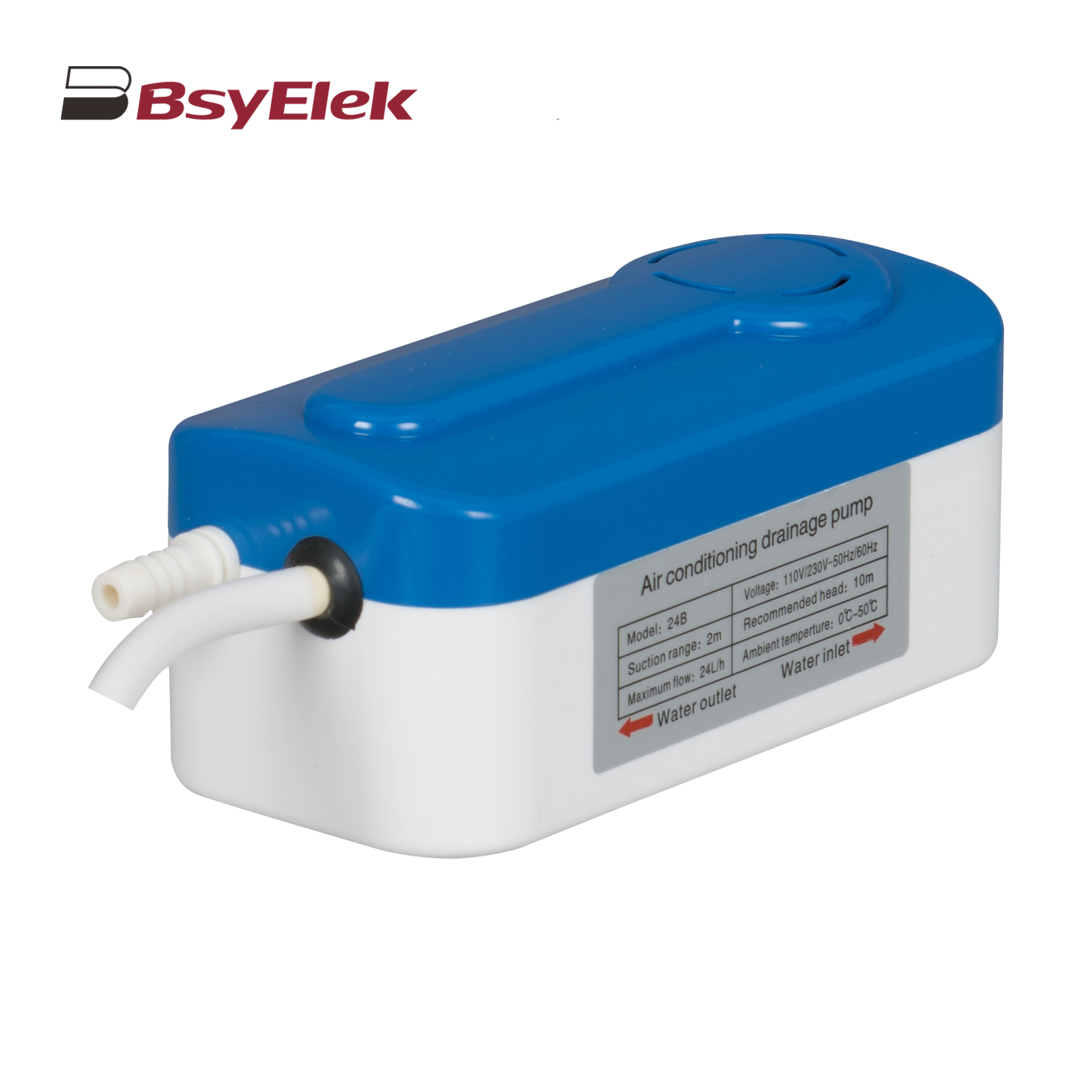 BY-24B/40B 10M Split Type Drainage Pump
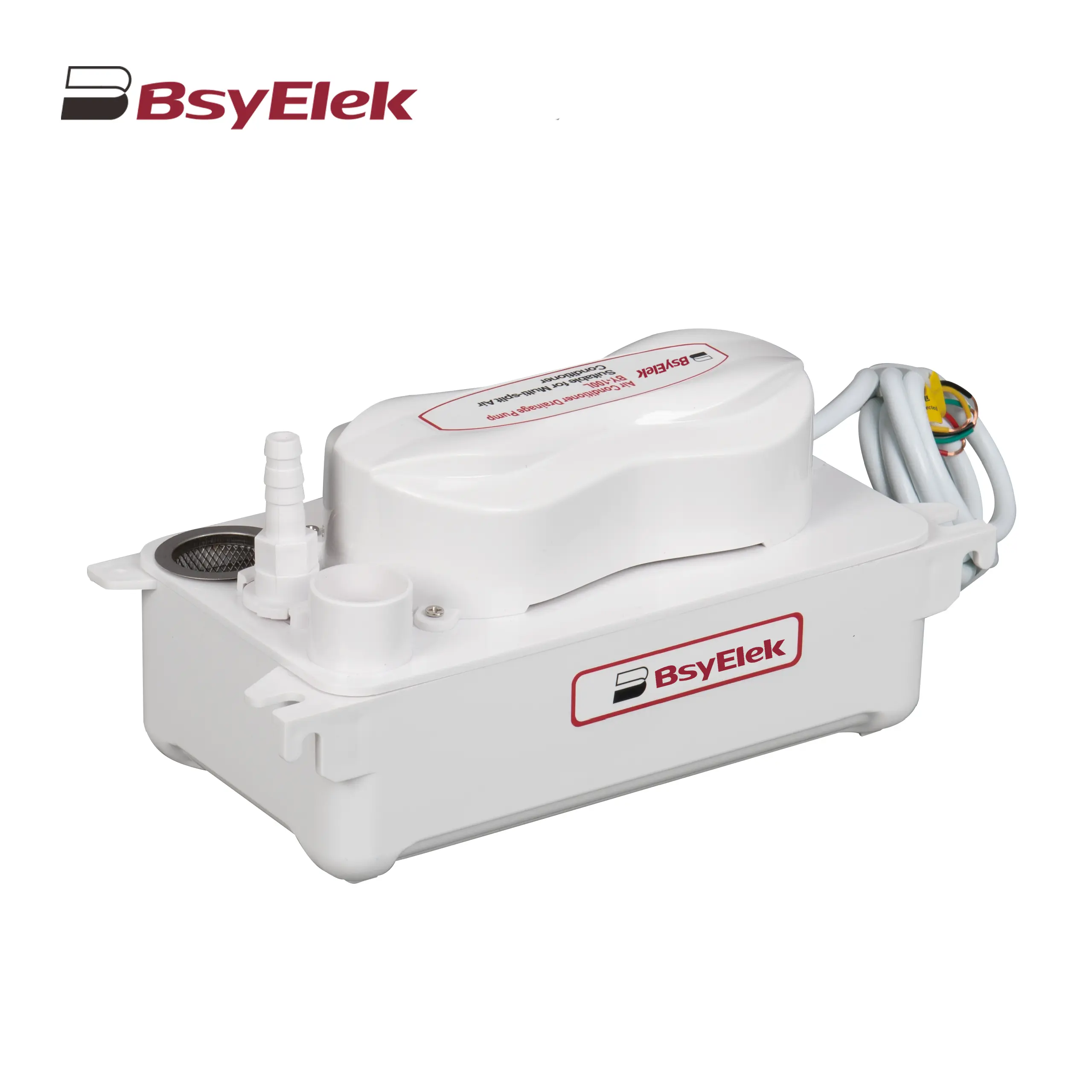 BY-100L 2M Drainage Pump of Air Conditioner
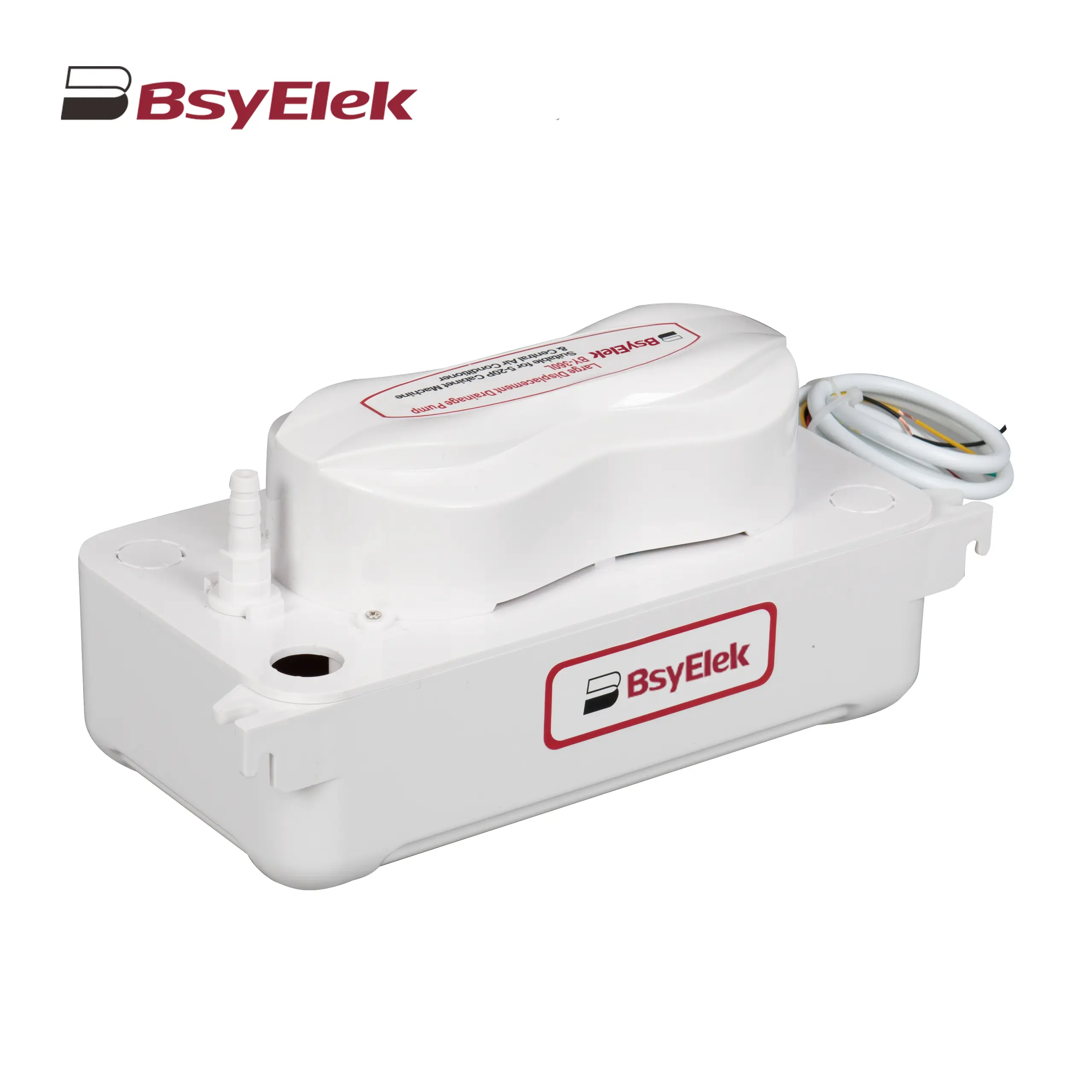 BY-360L 6M Large Displacement Drainage Pump
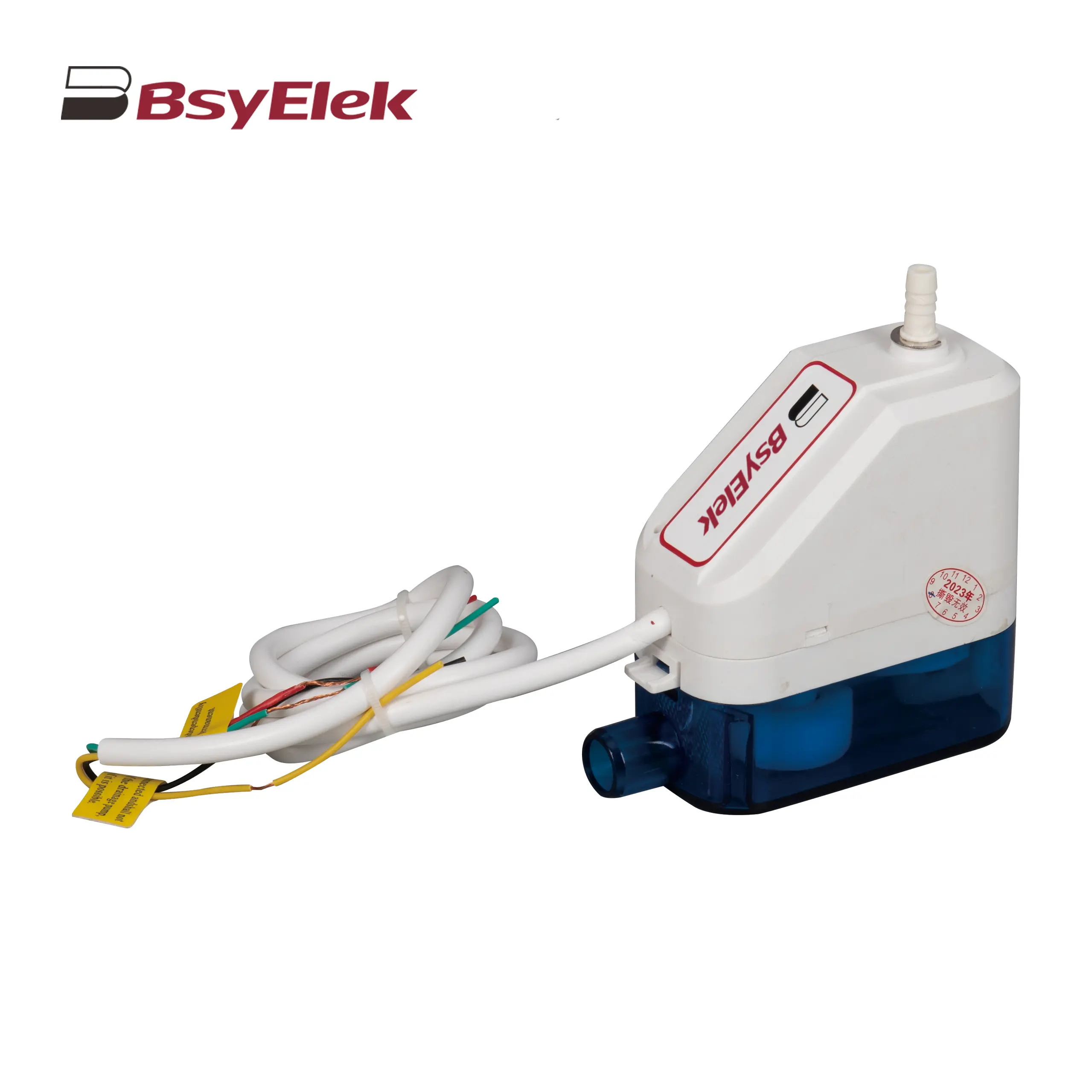 BY-24C/40C 10M Corner Drainage Pump
What is a miniature circuit breaker (MCB)?
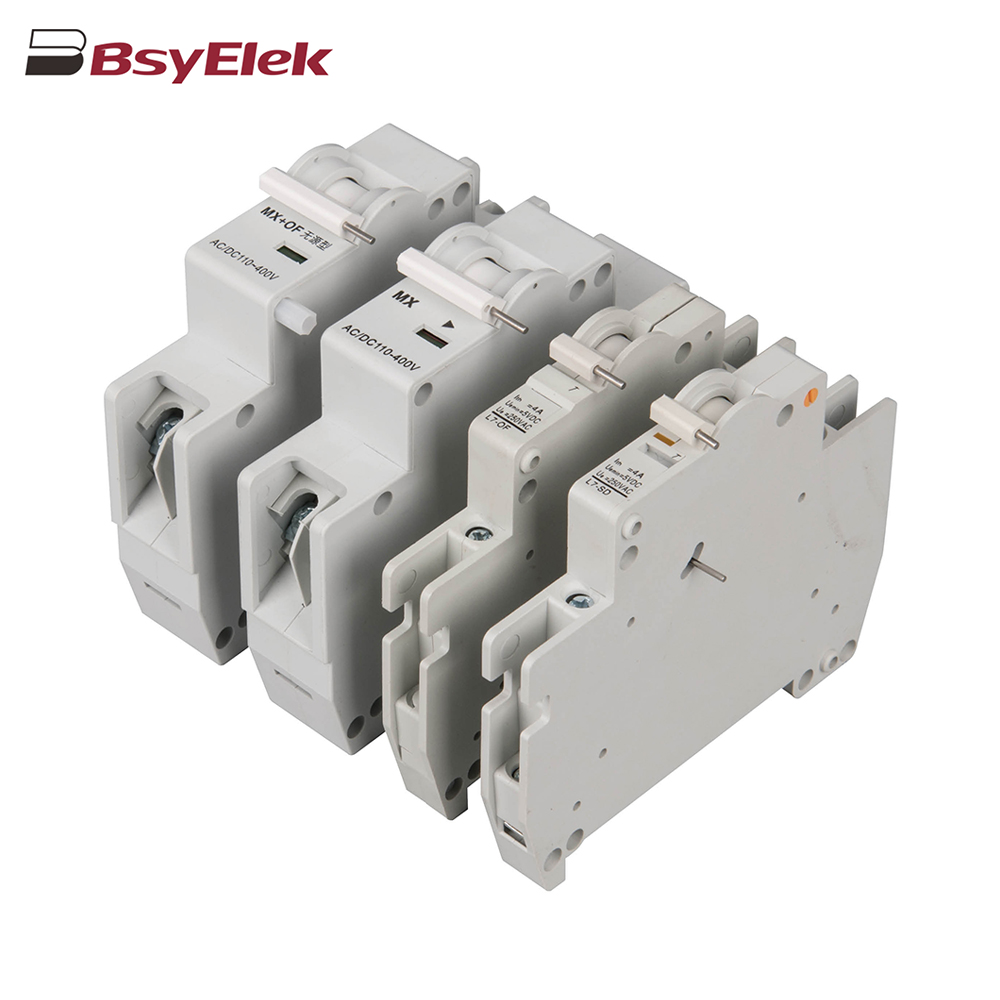 OF SD MX OF MCB Miniature Circuit Breaker Accessories
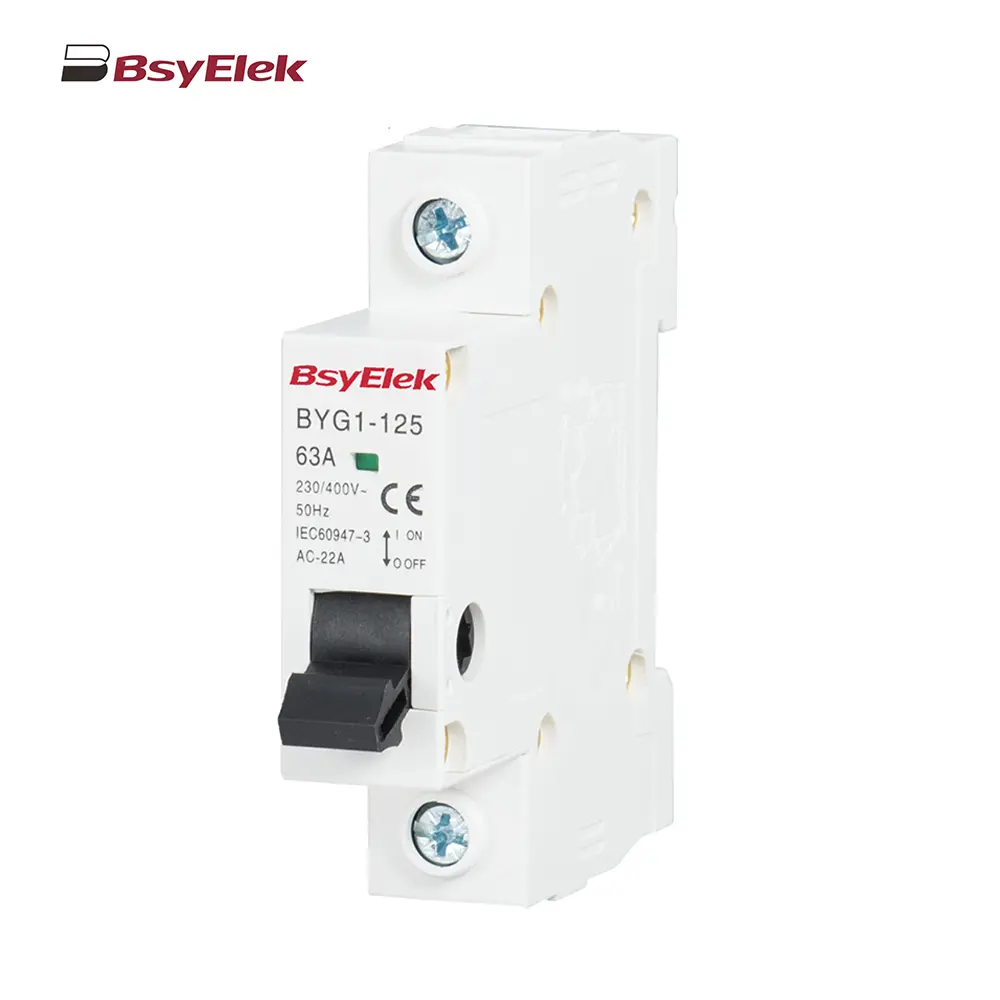 BYG1-125 Main Switch MCB Isolator Switch
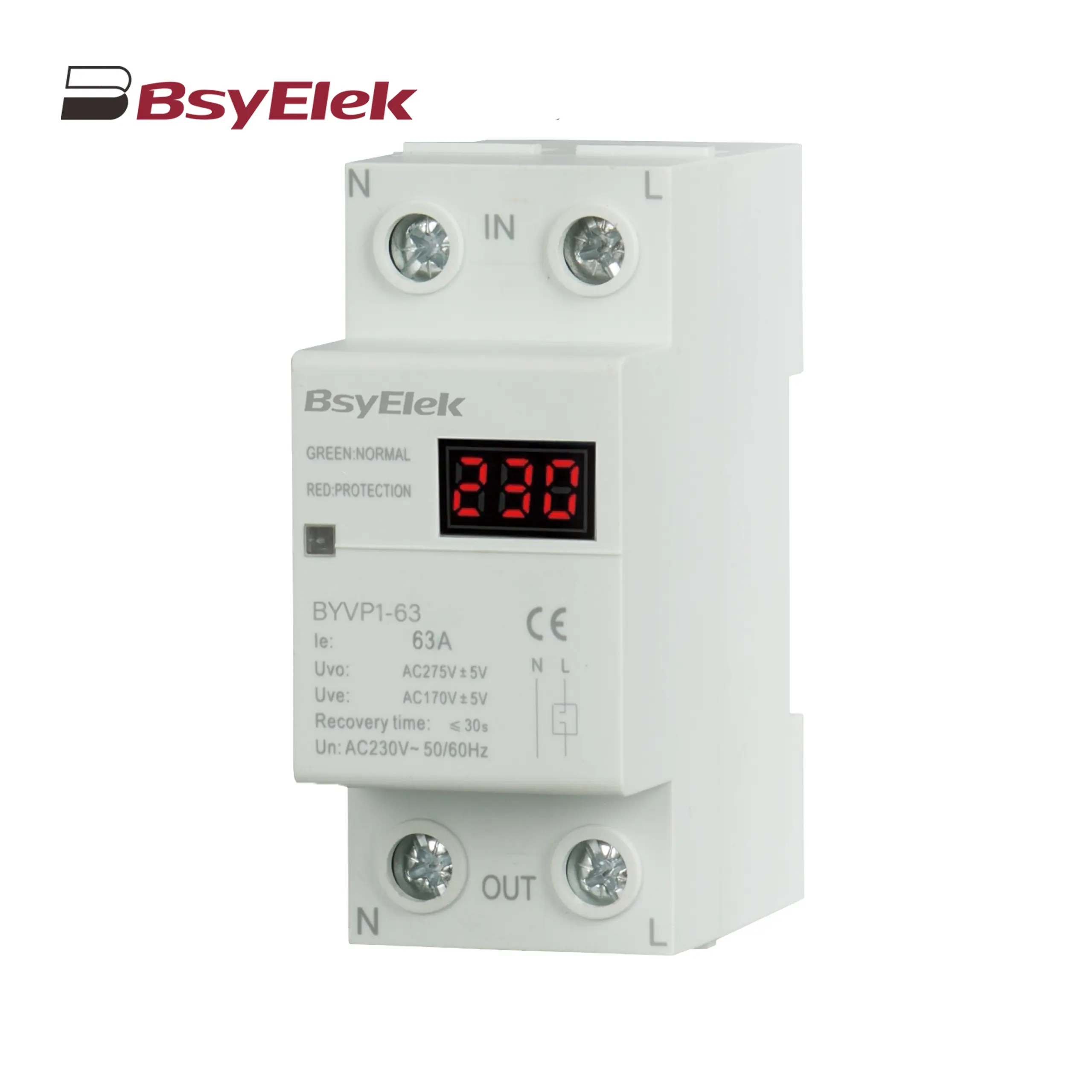 BYVP1-63 100A Single Display Overvoltage and Undervoltage Protector
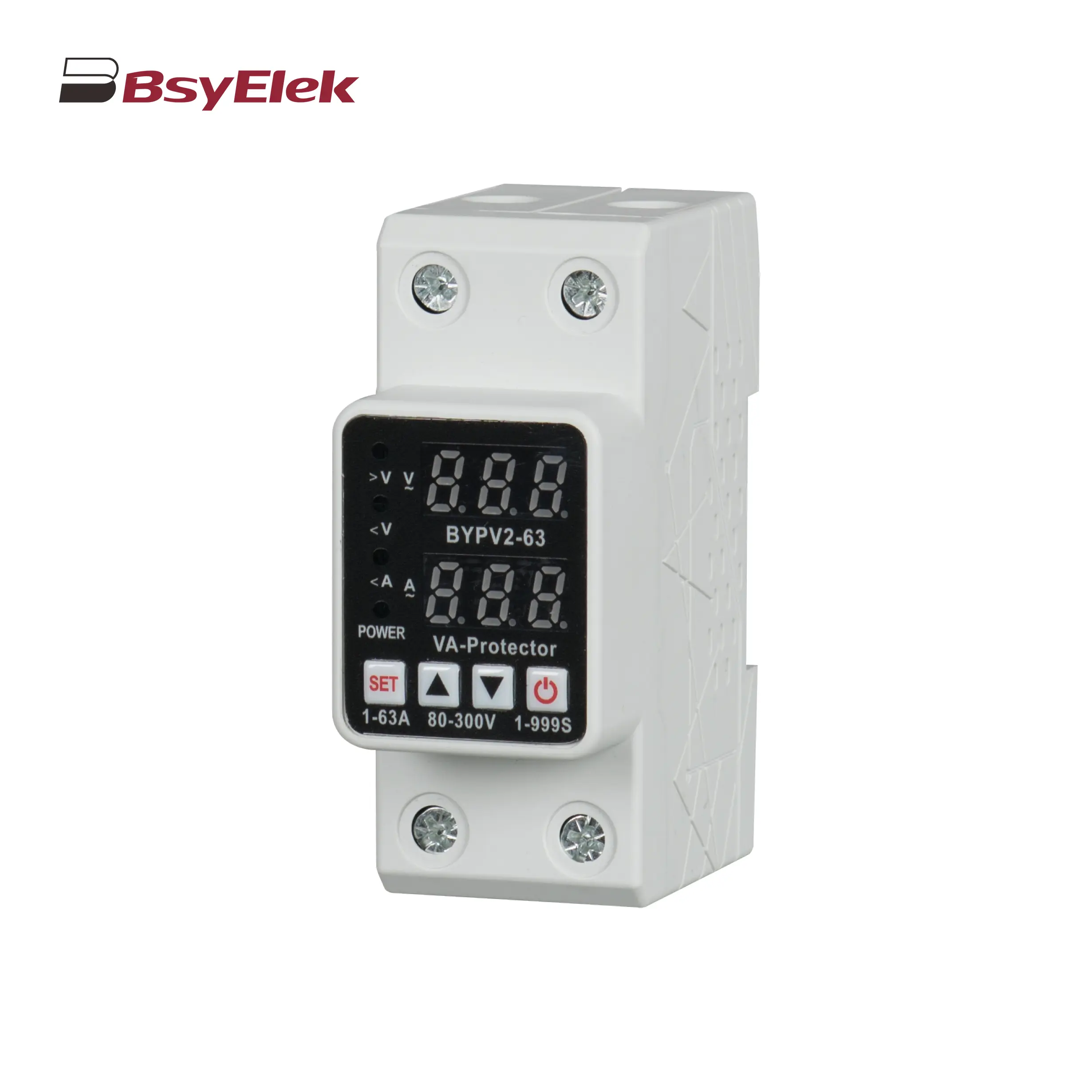 BYVP2-63 40A 63A Adjustable Dual Display Overvoltage and Undervoltage Protector
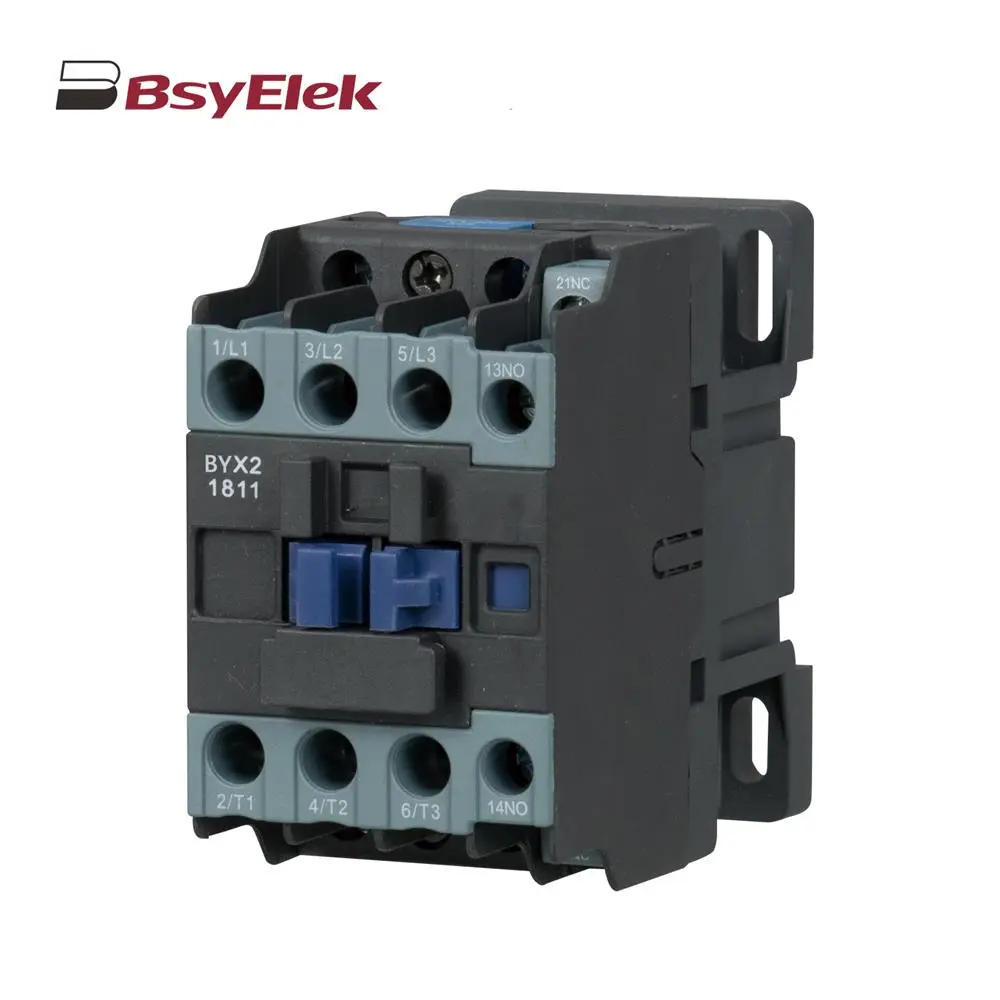 BYX2 6-95A AC Contactor
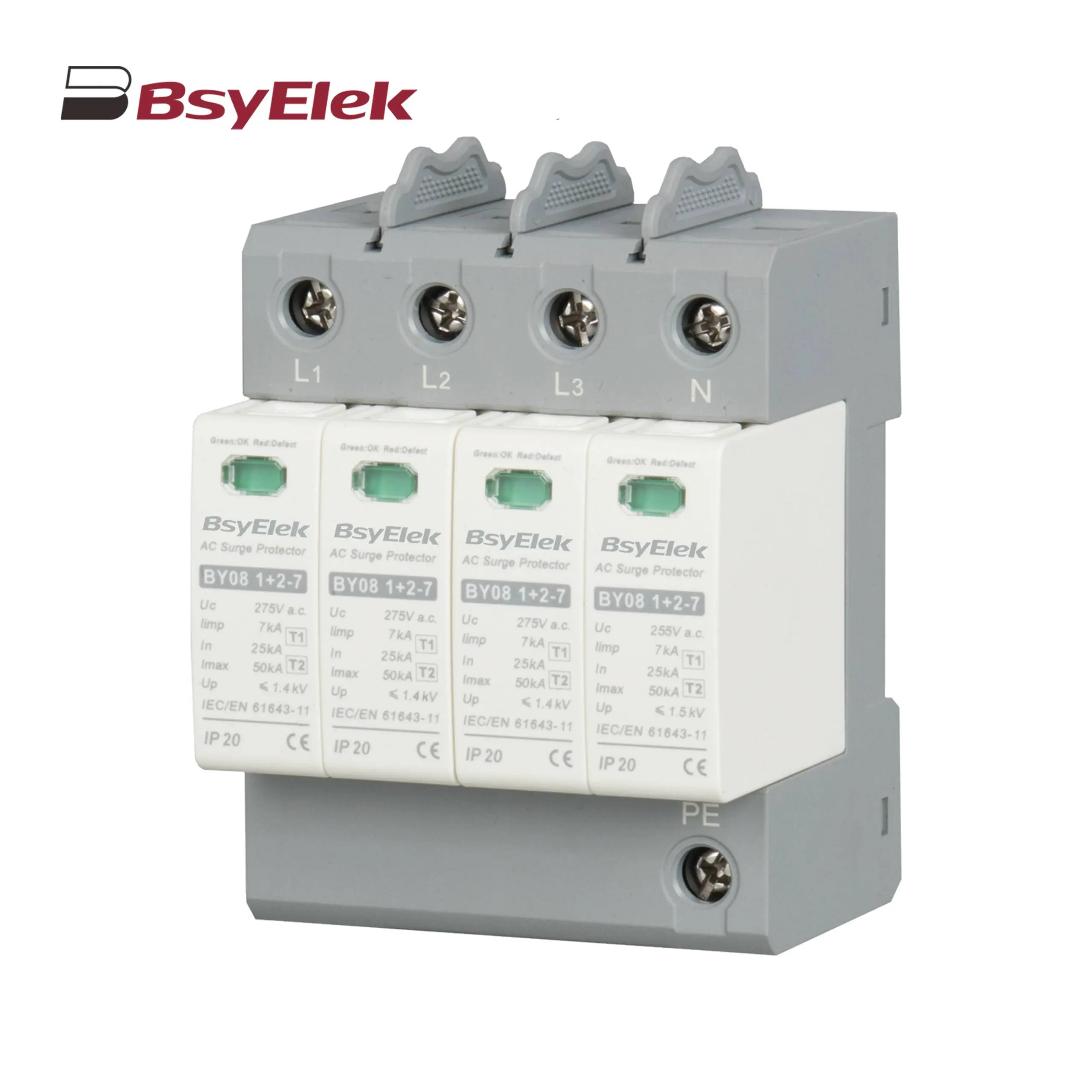 BY08 1+2-7 SPD Class T1+T2 Imax 50KA Surge Protective Device
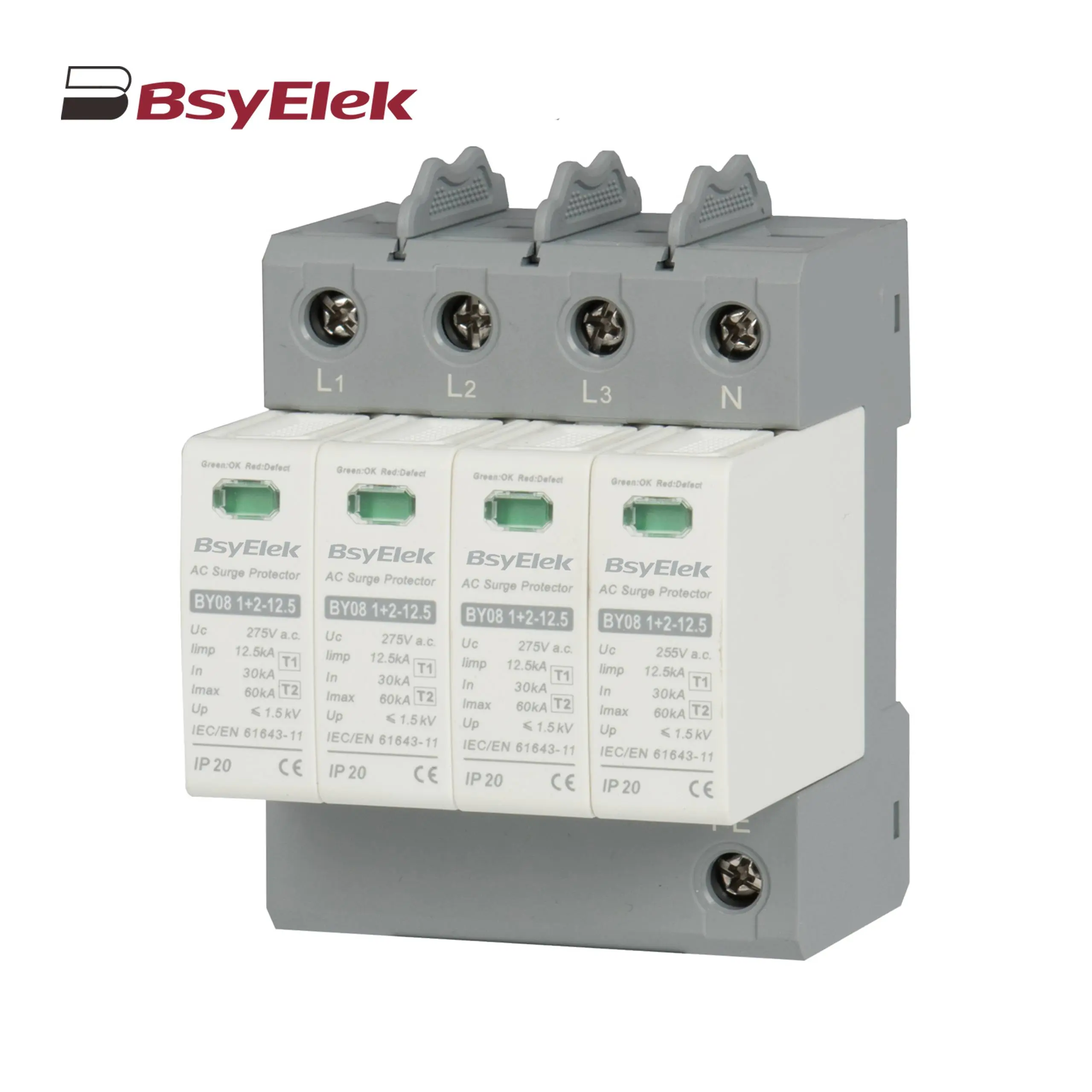 BY08 1+2-12.5 SPD Class T1+T2 Imax 60KA Surge Protective Device
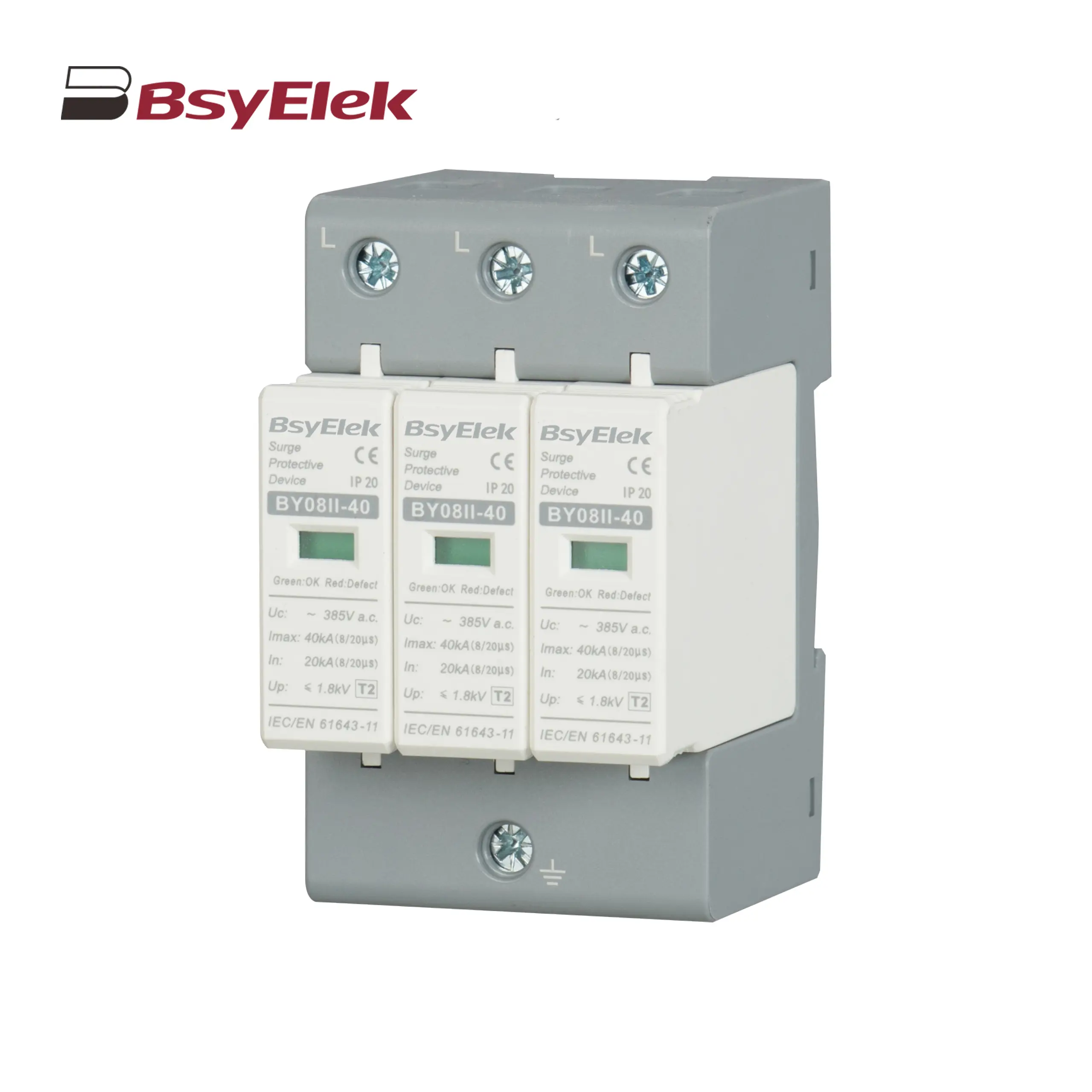 BY08II-40 SPD Class T2 Imax 40KA Surge Protective Device
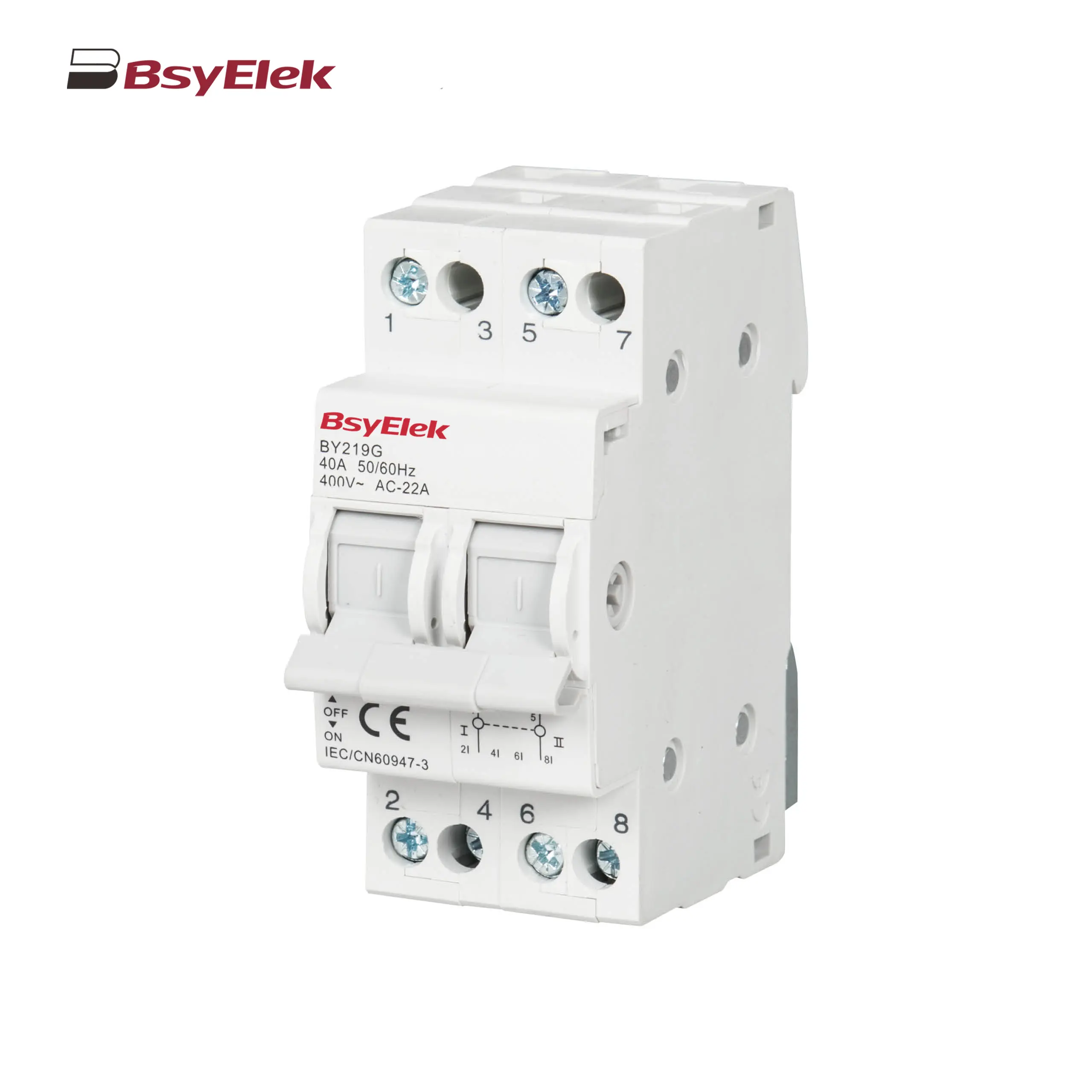 BY19G 63A Manual Changeover Switch
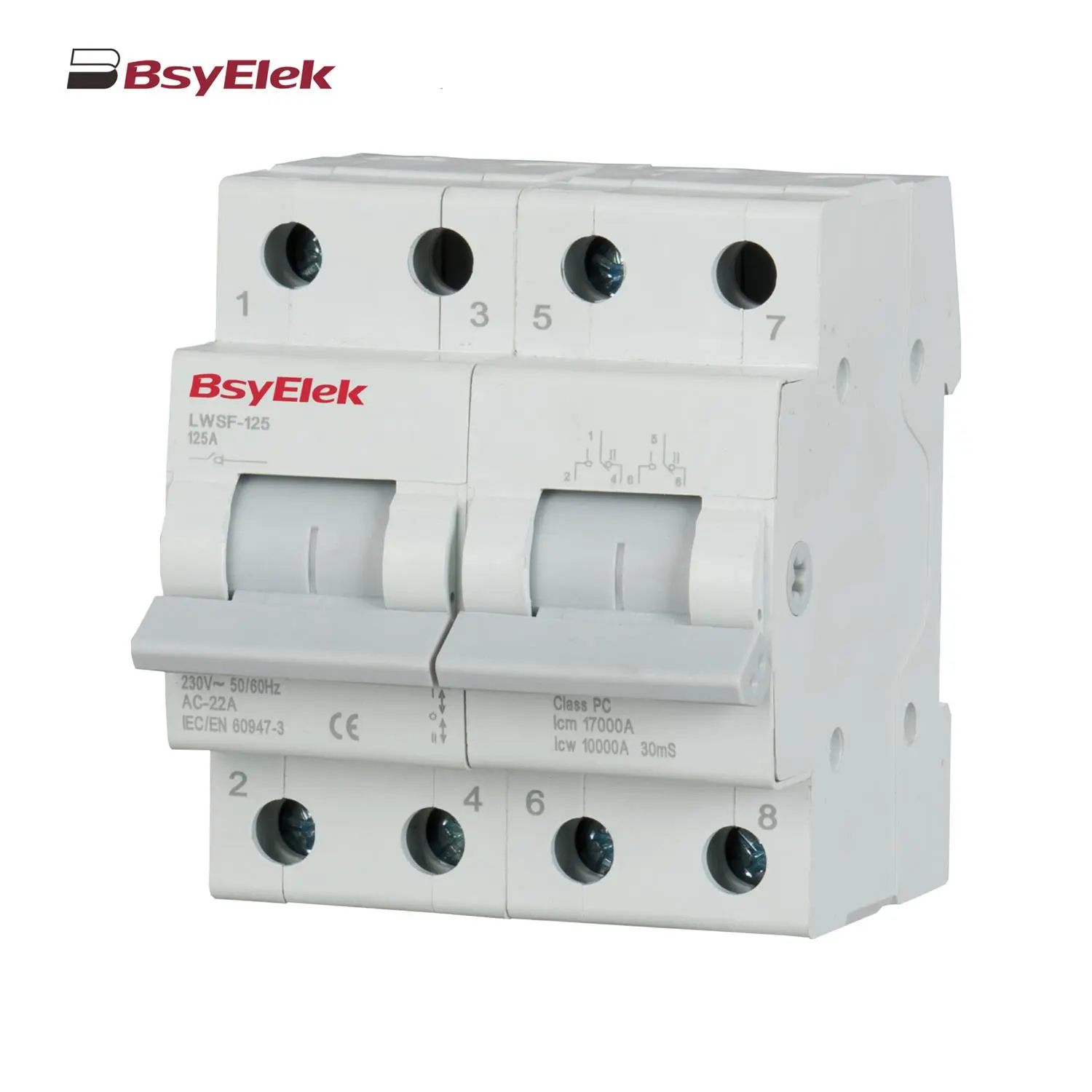 LWSF-125 125A Manual Changeover Switch
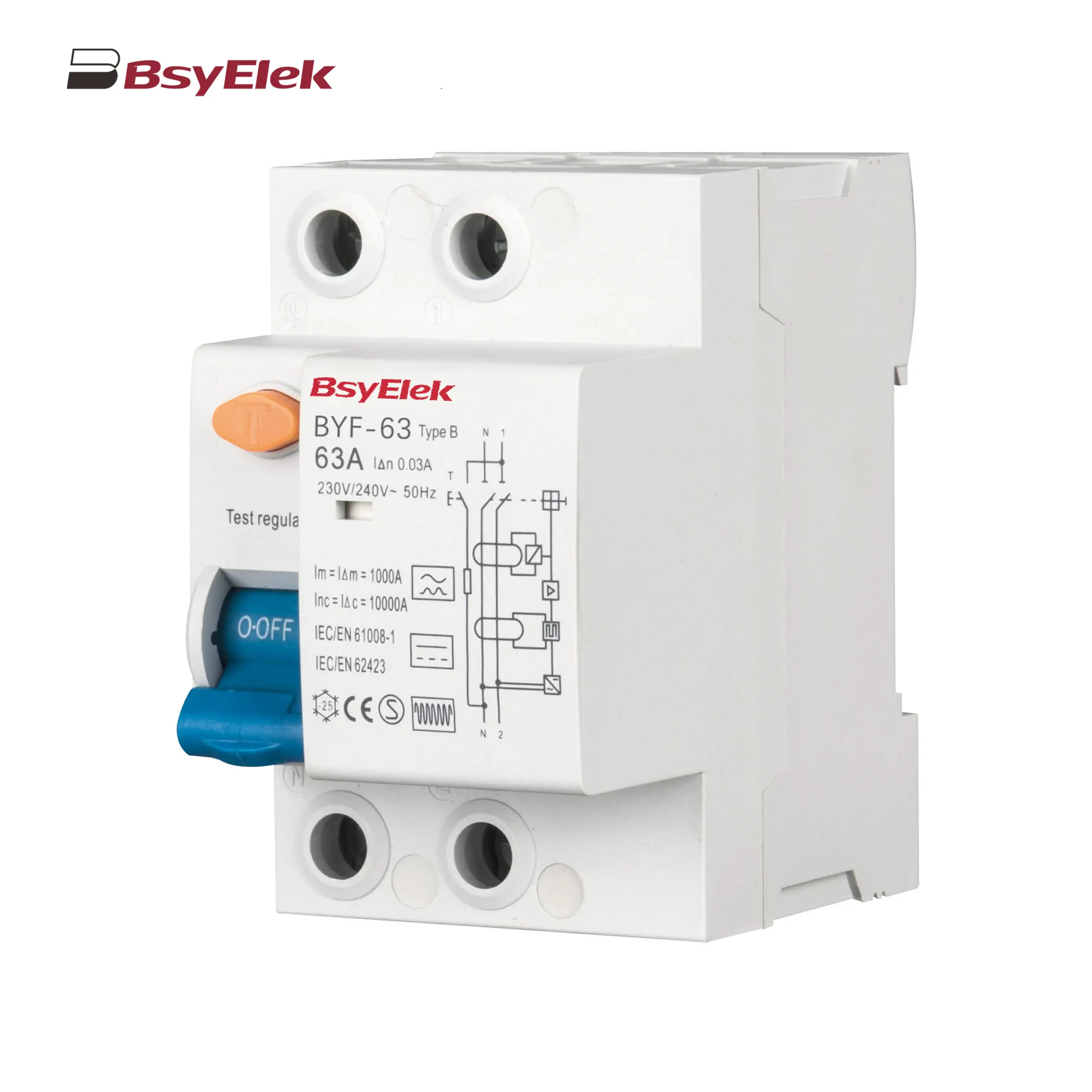 BYF-63 RCD 10KA Type B AC+A+Smoothing DC Residual Current Device
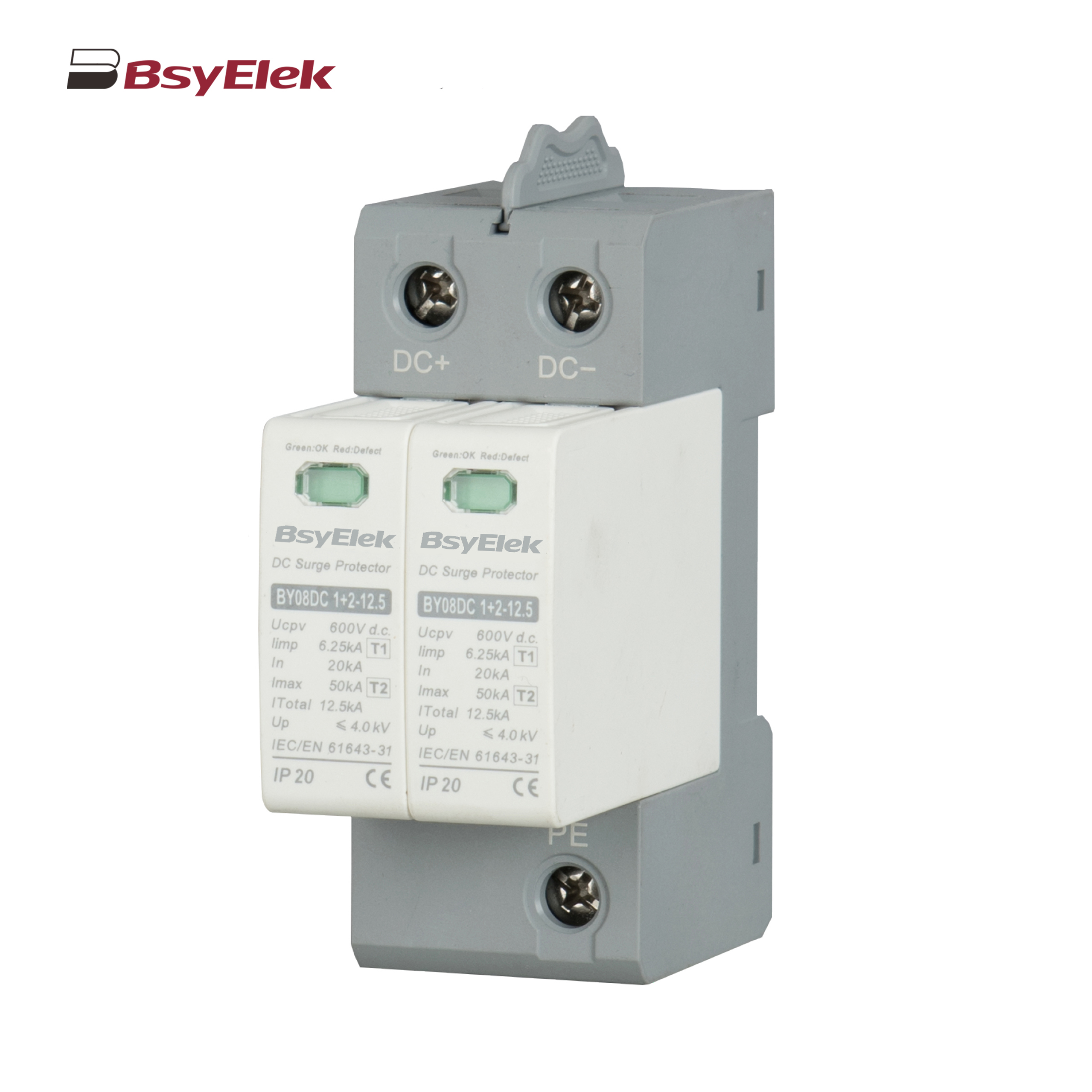 BY08DC 1+2-12.5 SPD Class T1+T2 40KA DC Surge Protective Device
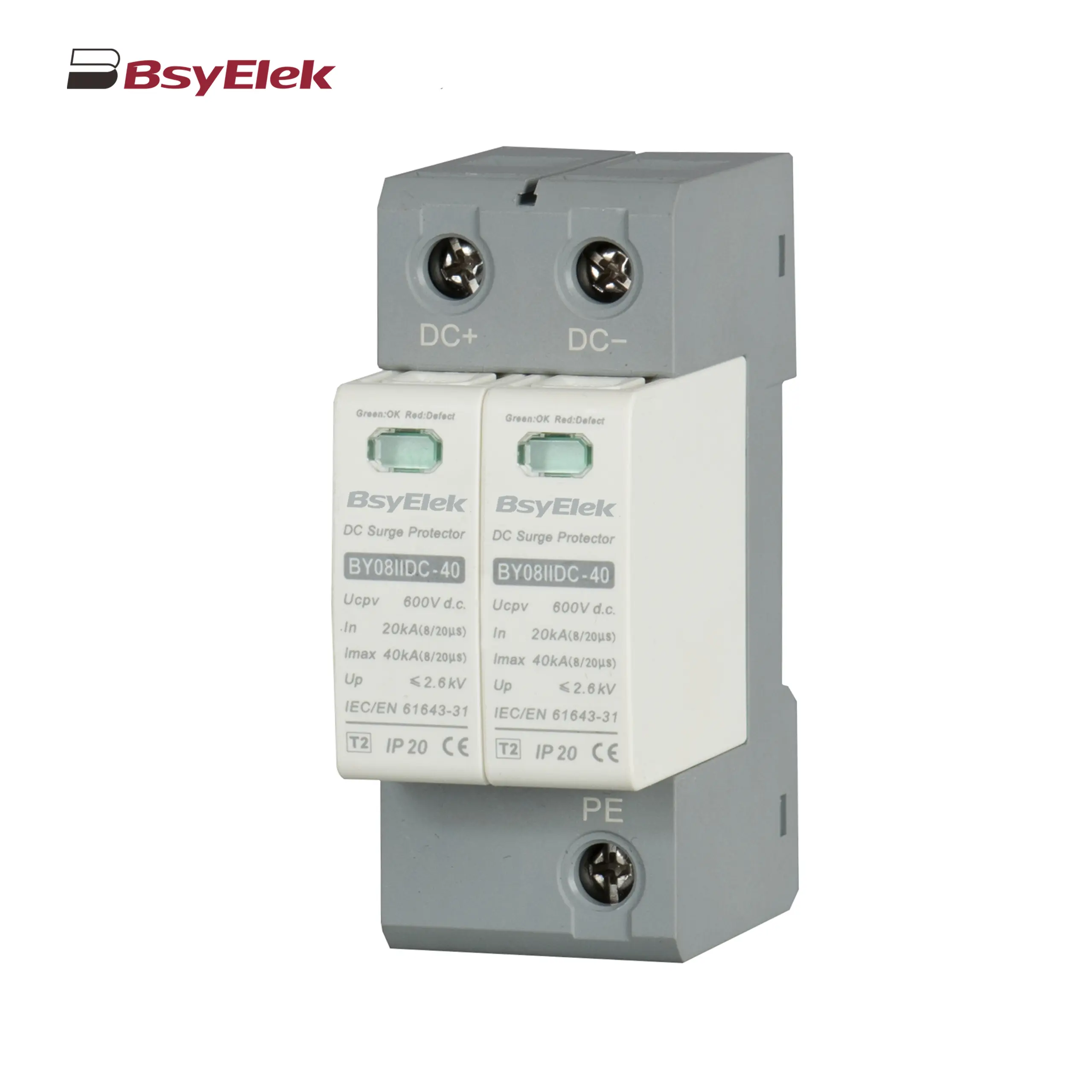 BY08IIDC-40 SPD Class T2 40KA DC Surge Protective Device
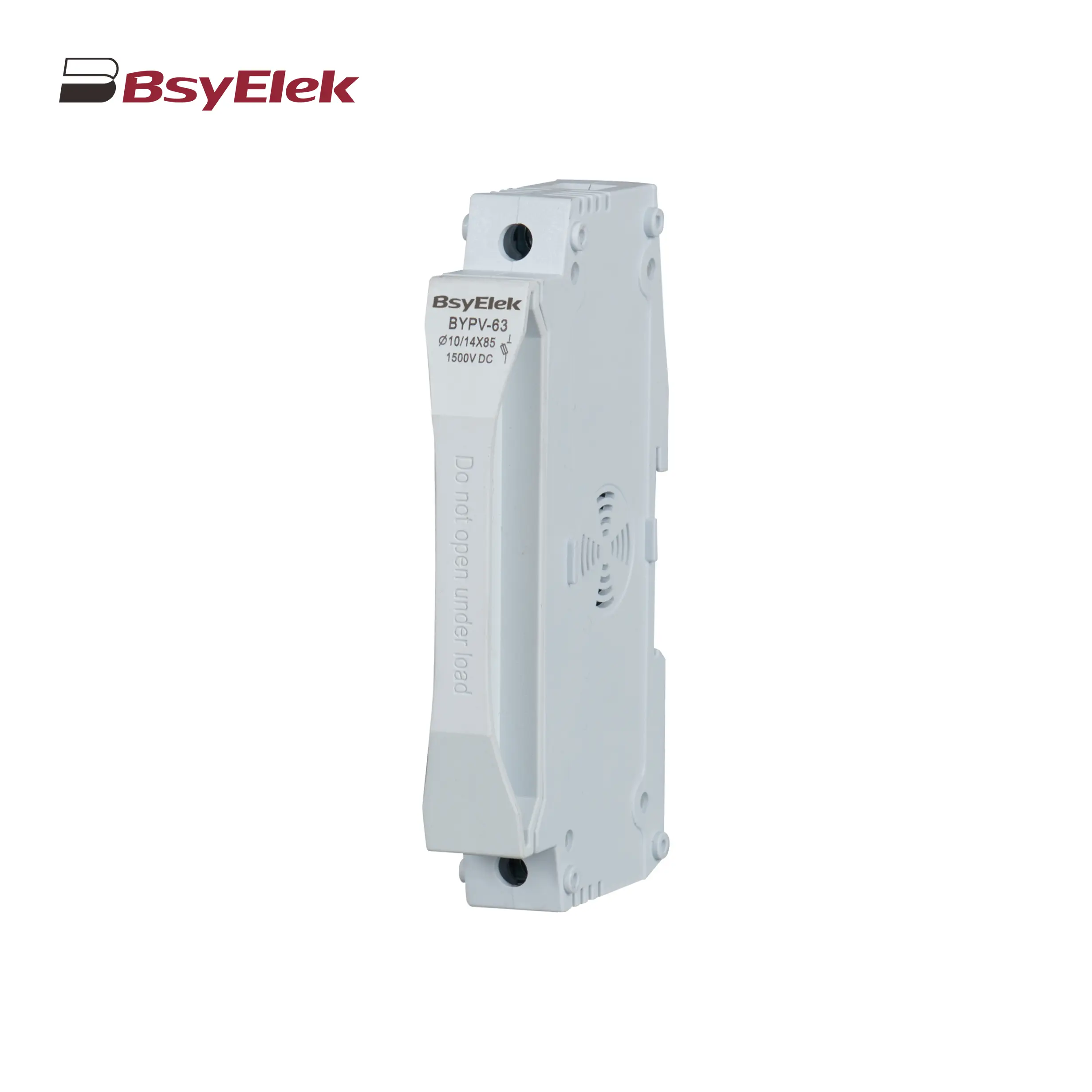 BYPV-63 1500VDC 50A Fuse Holder with 10x85mm 14x85mm Fuse Link
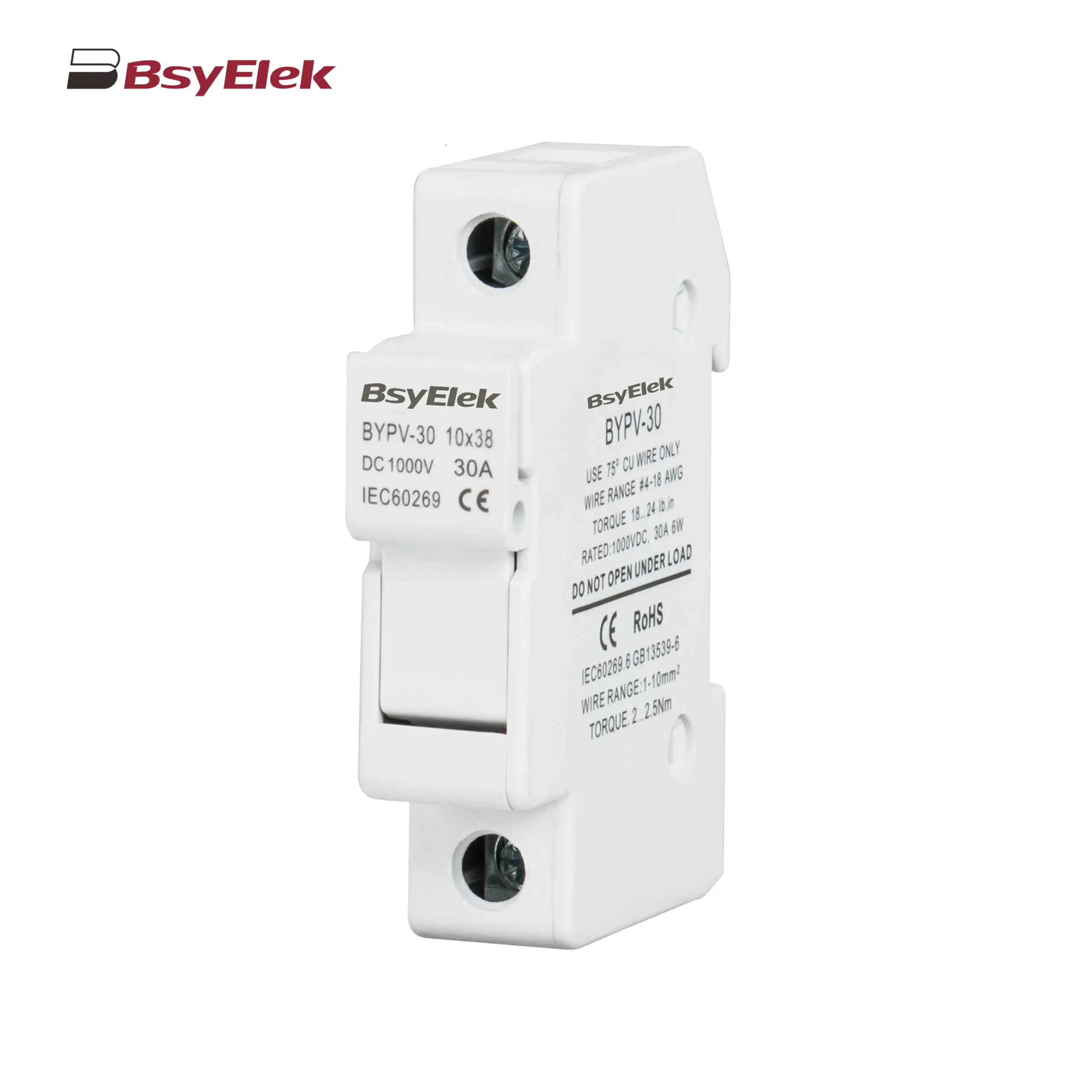 BYPV-30 1000VDC 32A Fuse Holder with 10x38mm Fuse Link
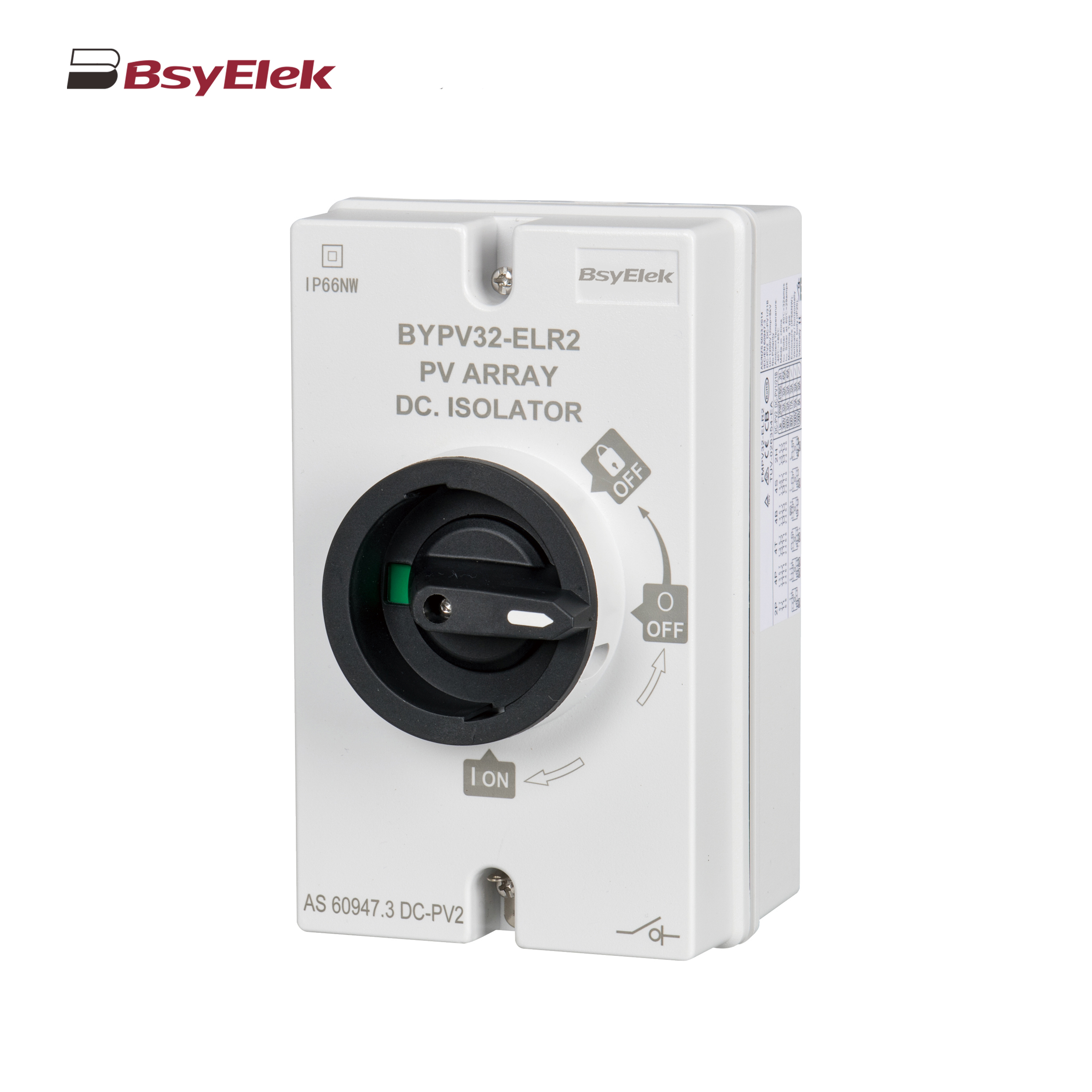 BYPV-ELR2 PV Isolator Switch with Enclosed Version
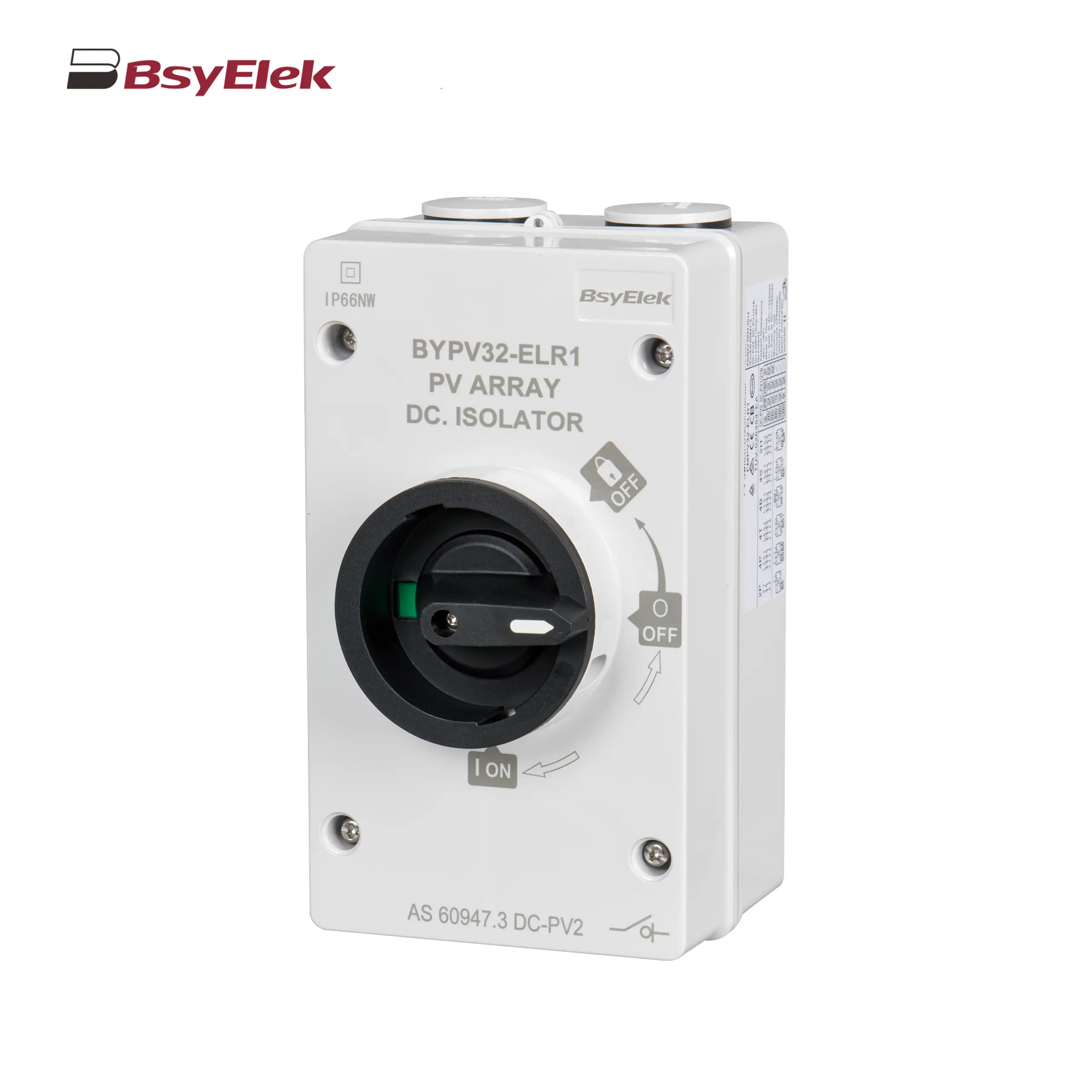 BYPV-ELR1 PV Isolator Switch with Enclosed Version
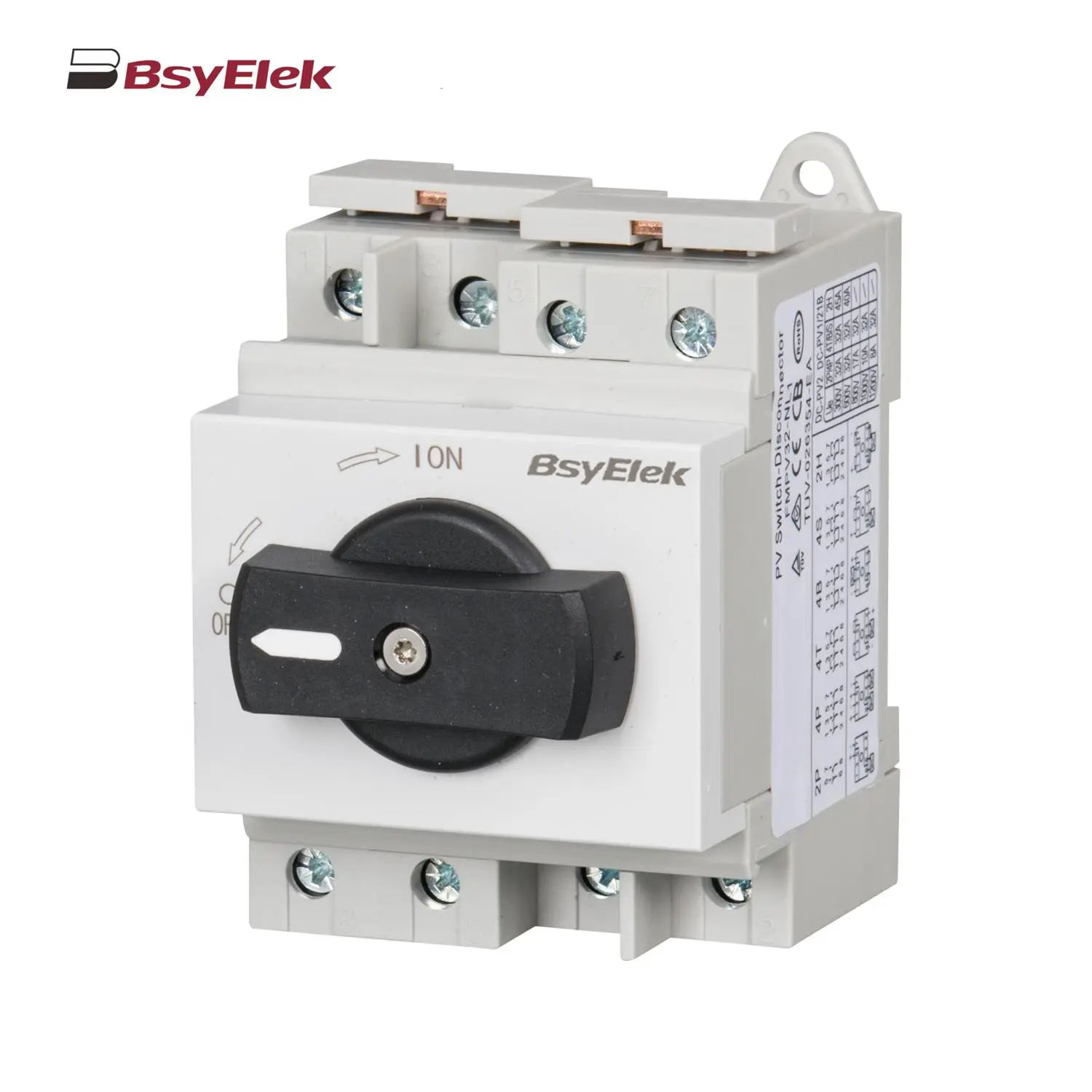 BYPV-NL1/T PV Isolator Switch with Ultra-thin Lever Handle
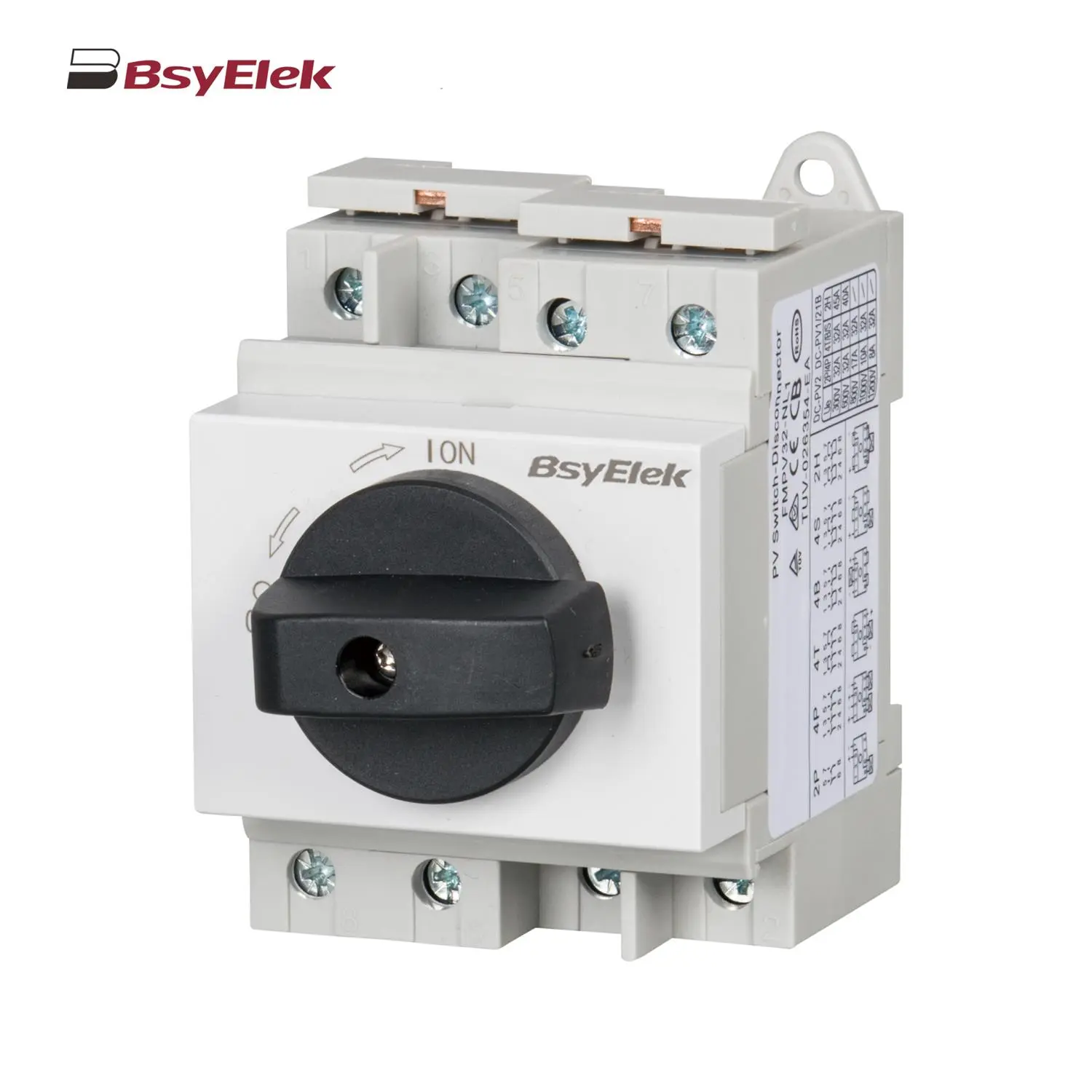 BYPV-NL1 PV Isolator Switch with Lever Handle
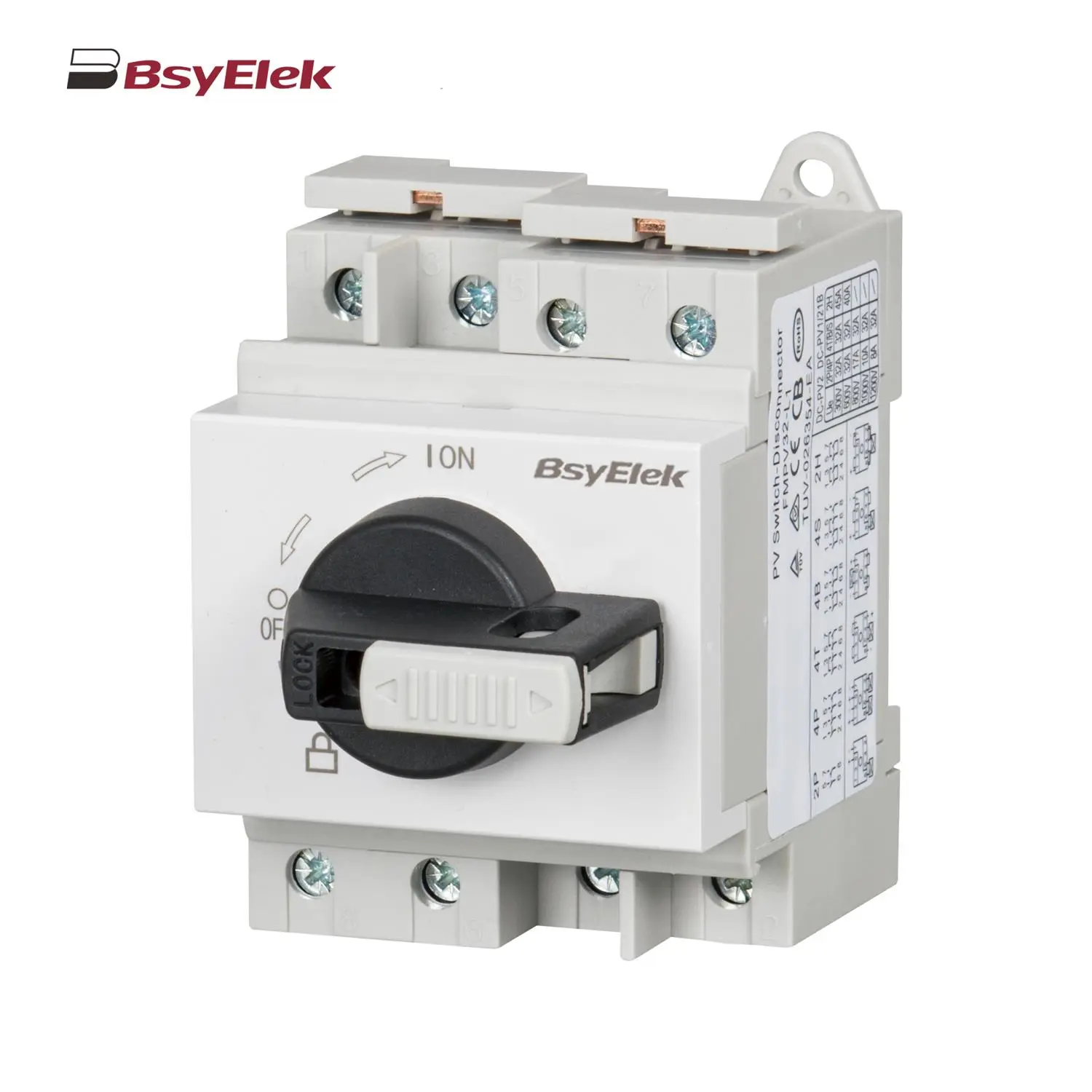 BYPV-L1/L2 PV Isolator Switch with Lockable Lever Handle
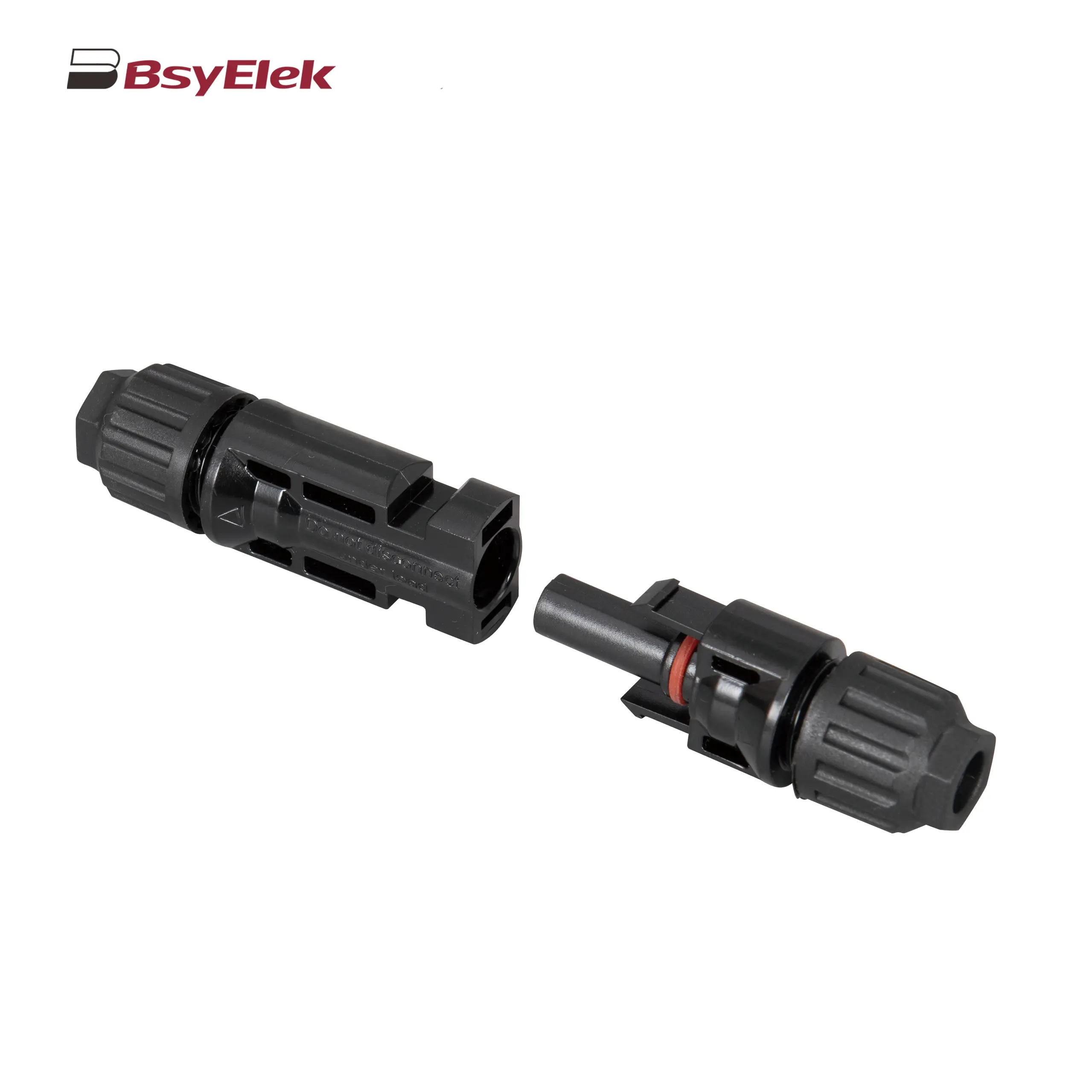 PV-BY-01 30A/50A 1000V Photovoltaic Connector
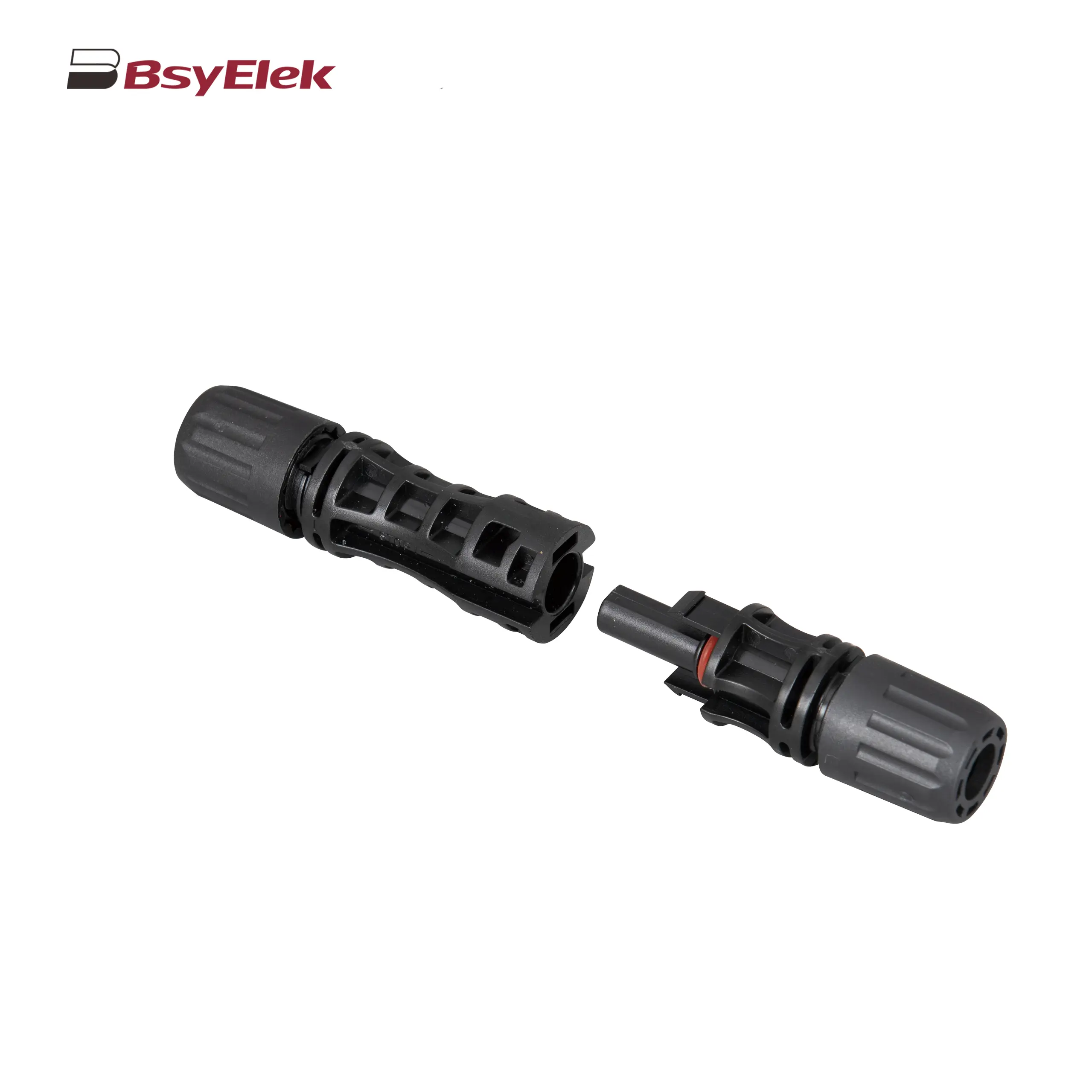 PV-BY-02 30A/50A 1500V Photovoltaic Connector
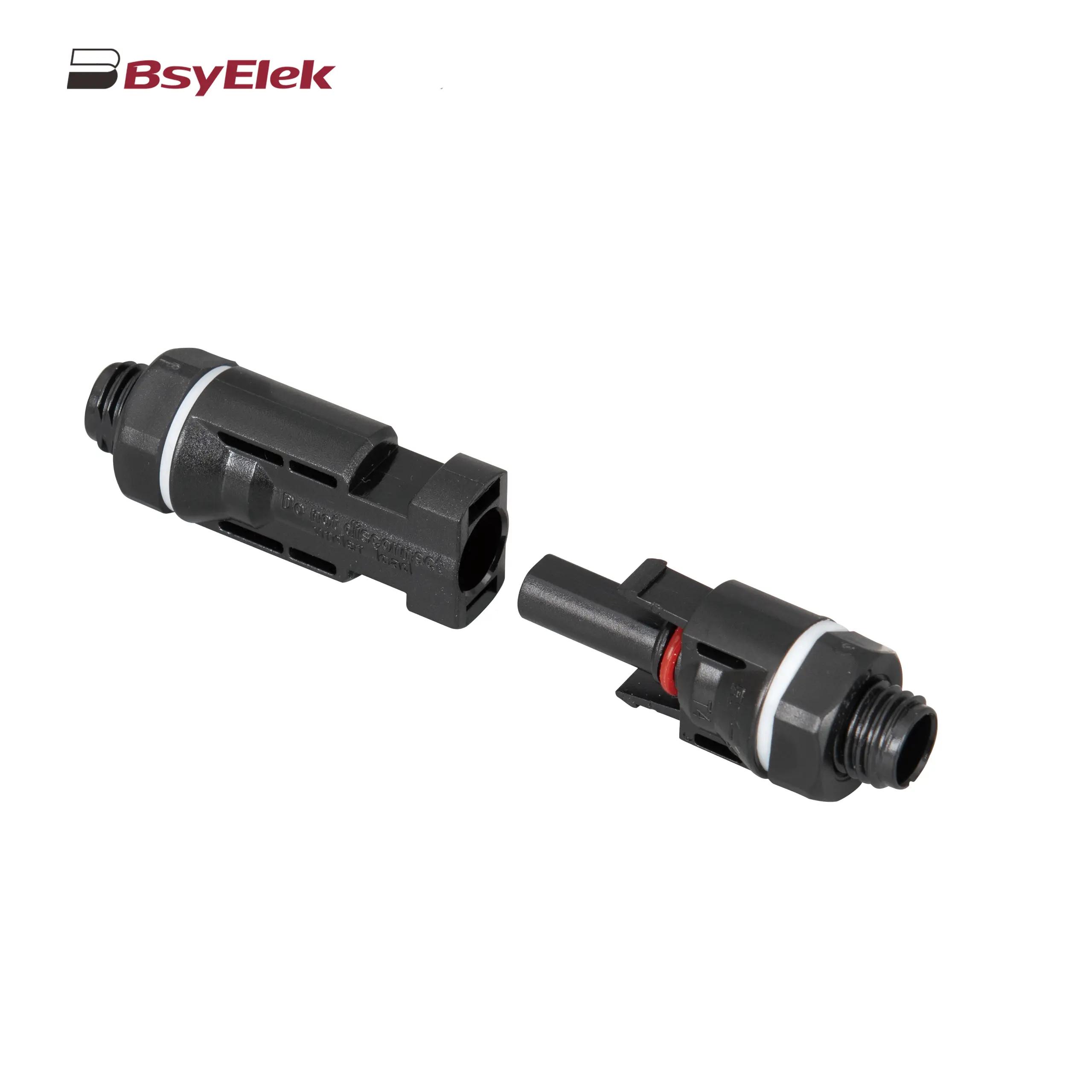 PV-BY-03 30A/50A 1000V Panel Mount Photovoltaic Connector
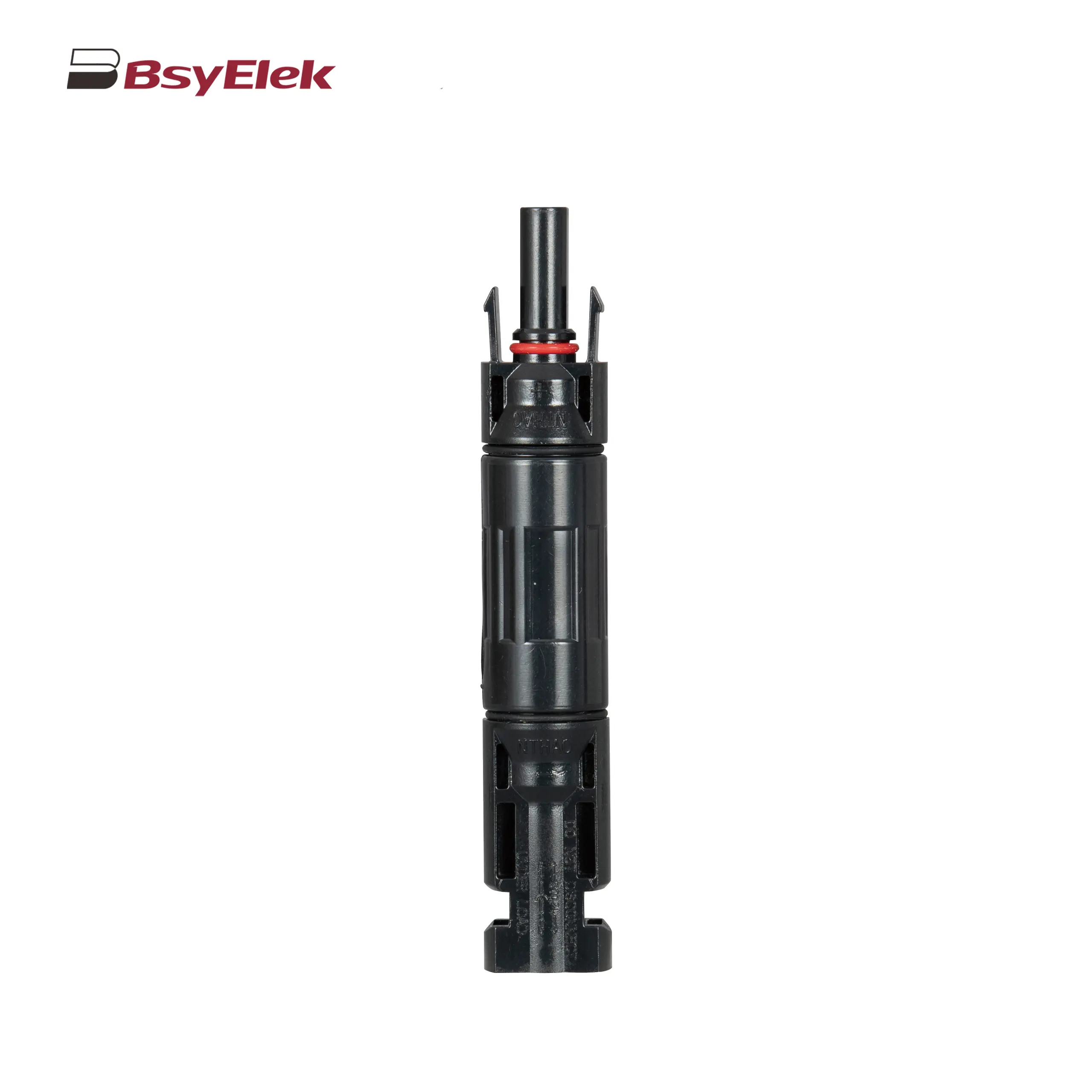 PV-BY-F01 30A 1500V Diode/Fuse Type Connector
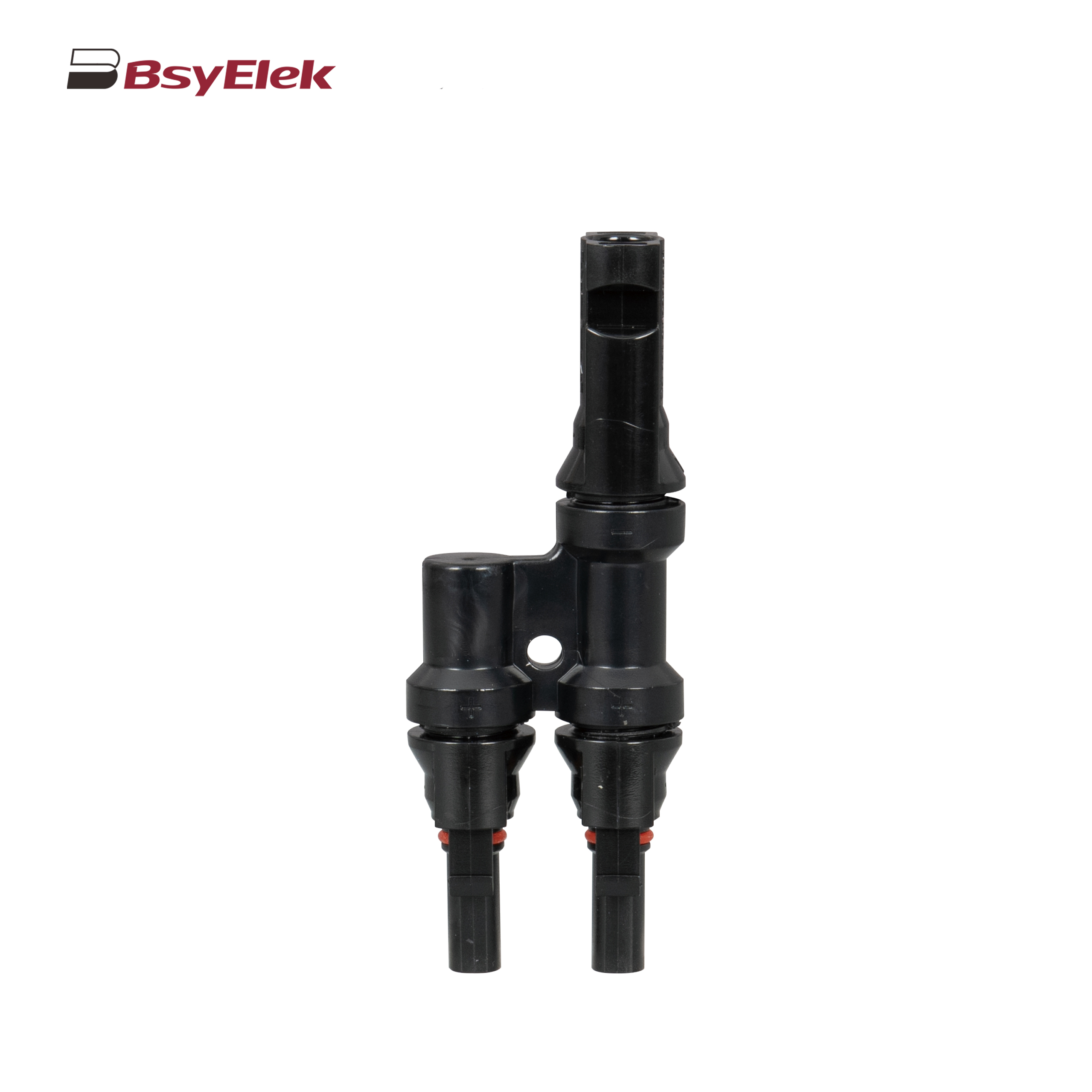 PV-BY-T 50A 1500V T Type Branch Connector
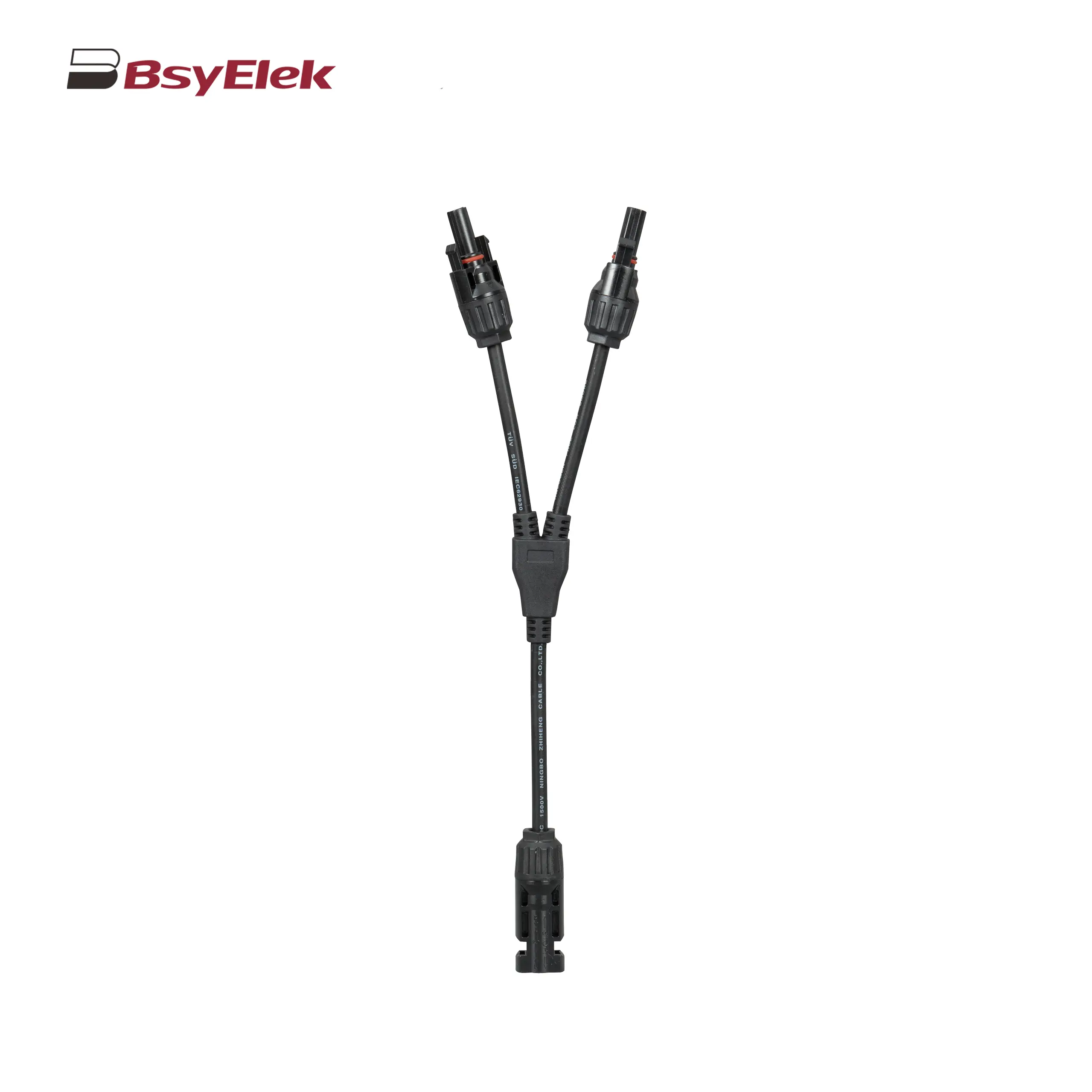 PV-BY-Y 30A 1500V Y Type Branch Connector
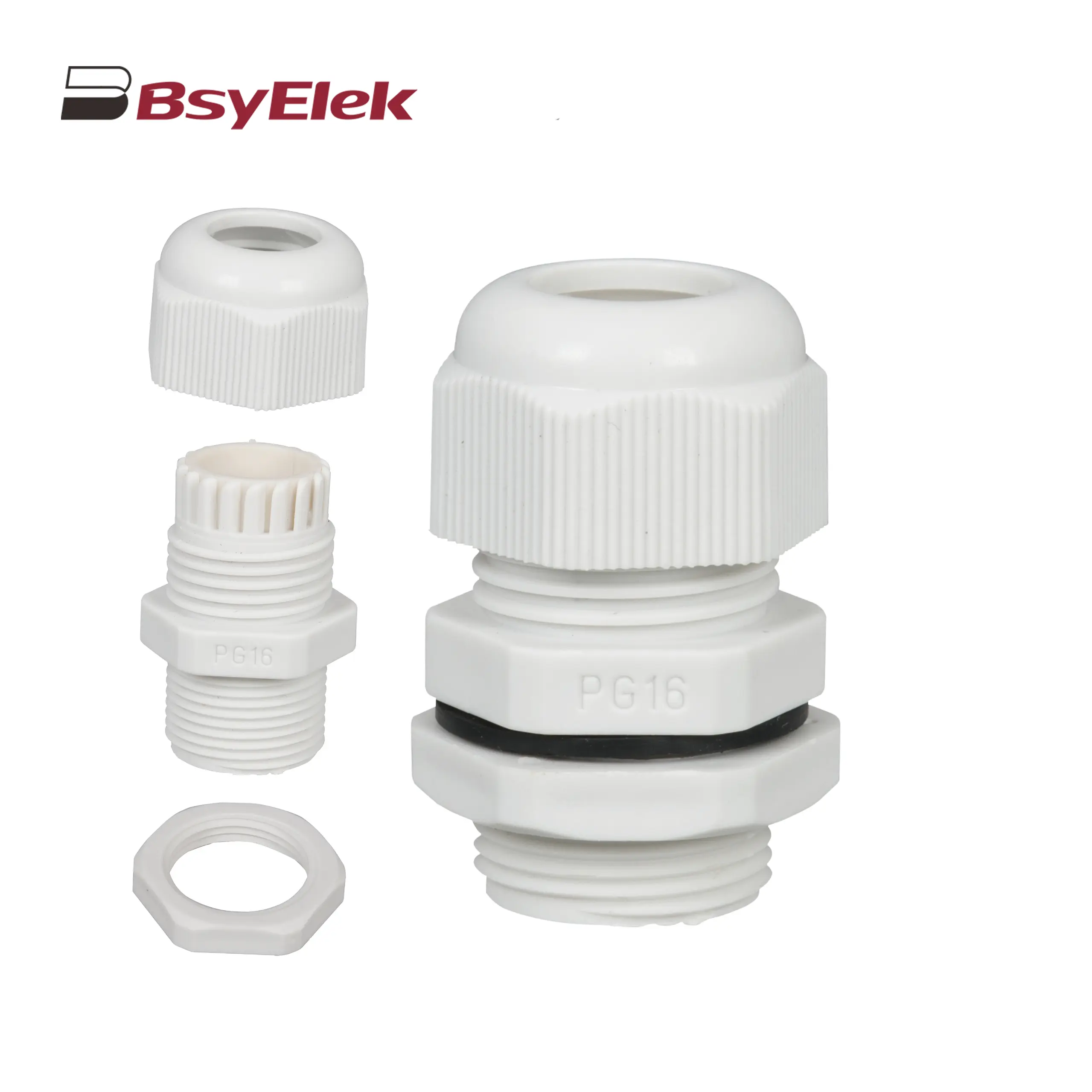 PG Waterproof Cable Gland with Washer
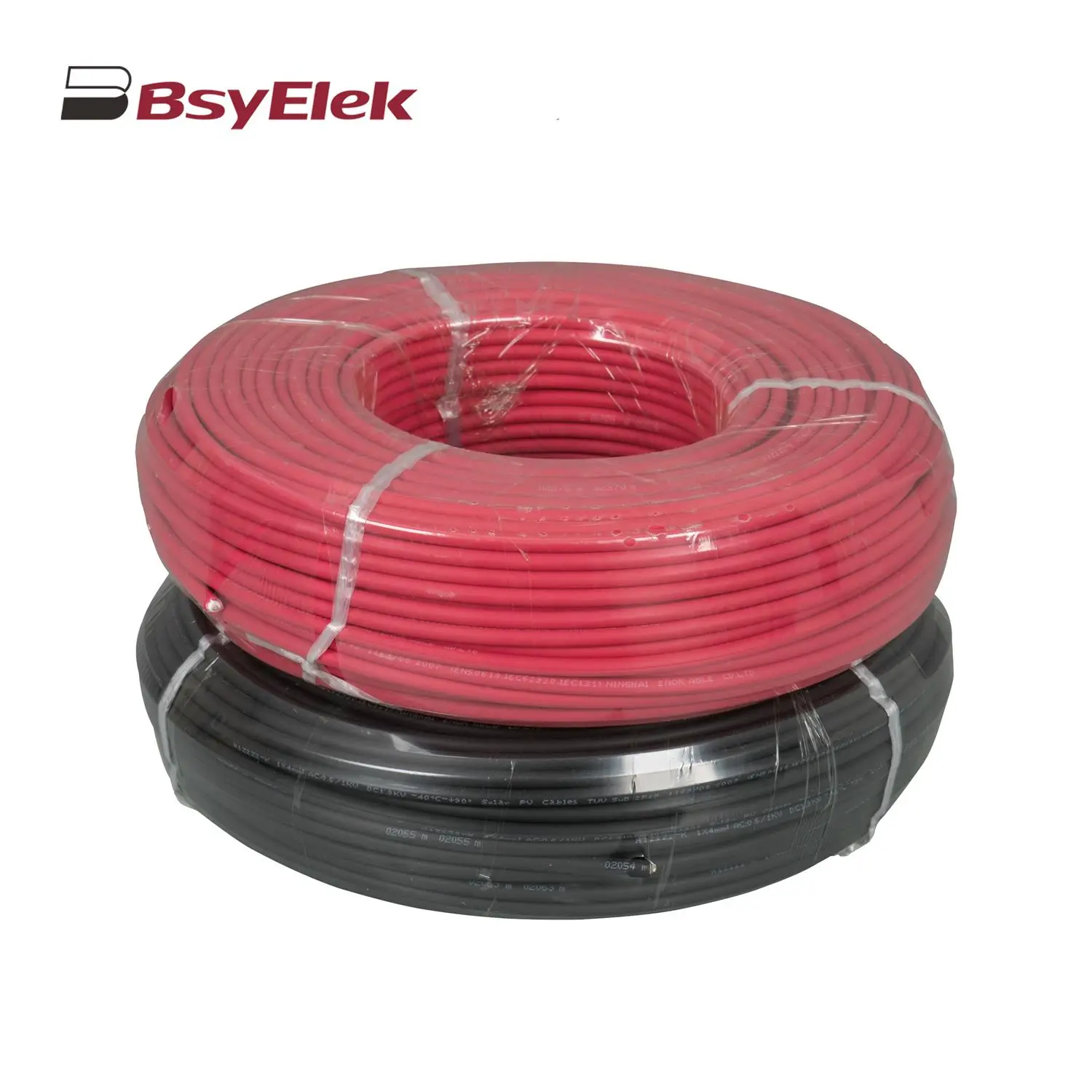 Photovoltaic Cable
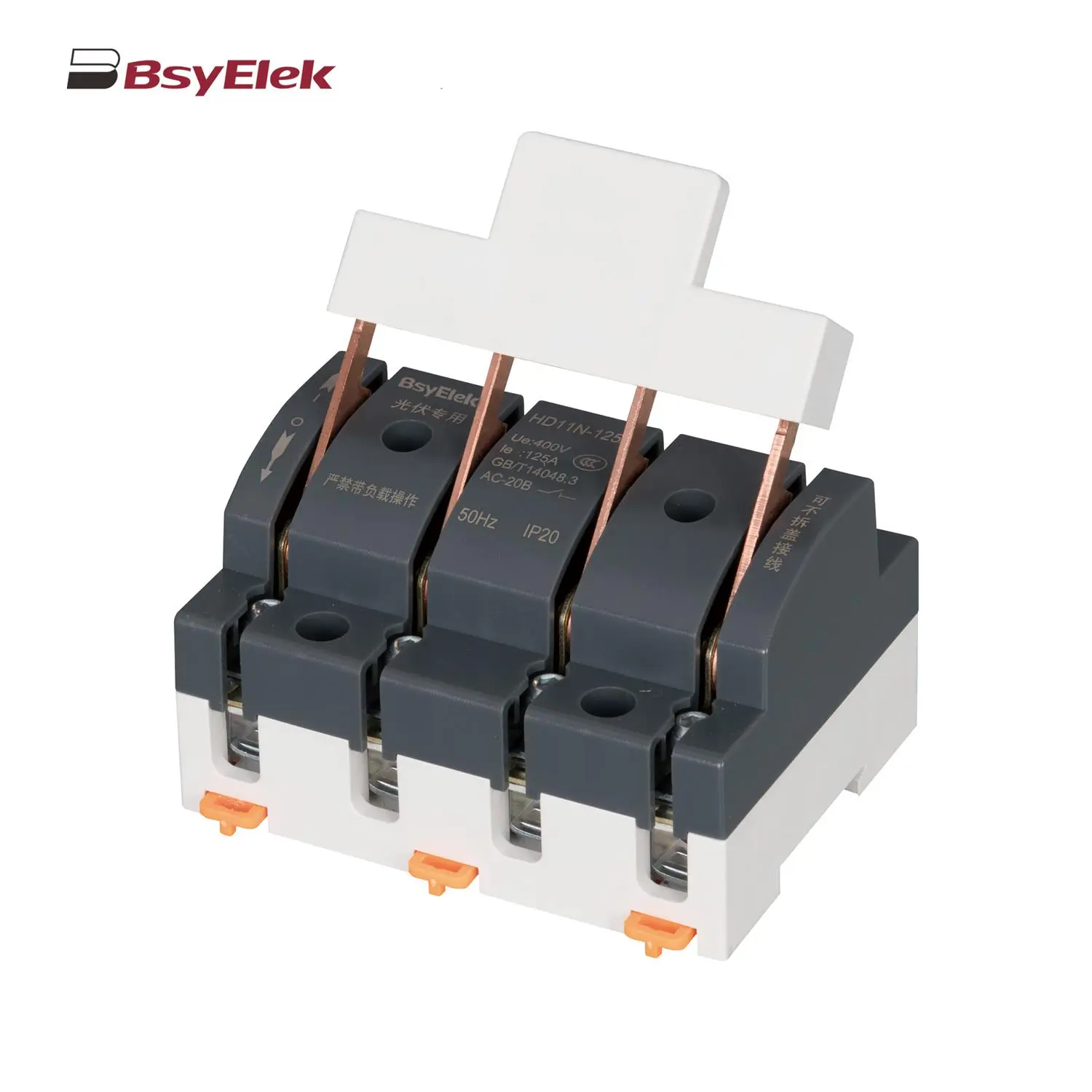 HD11N Photovoltaic Knife Switch
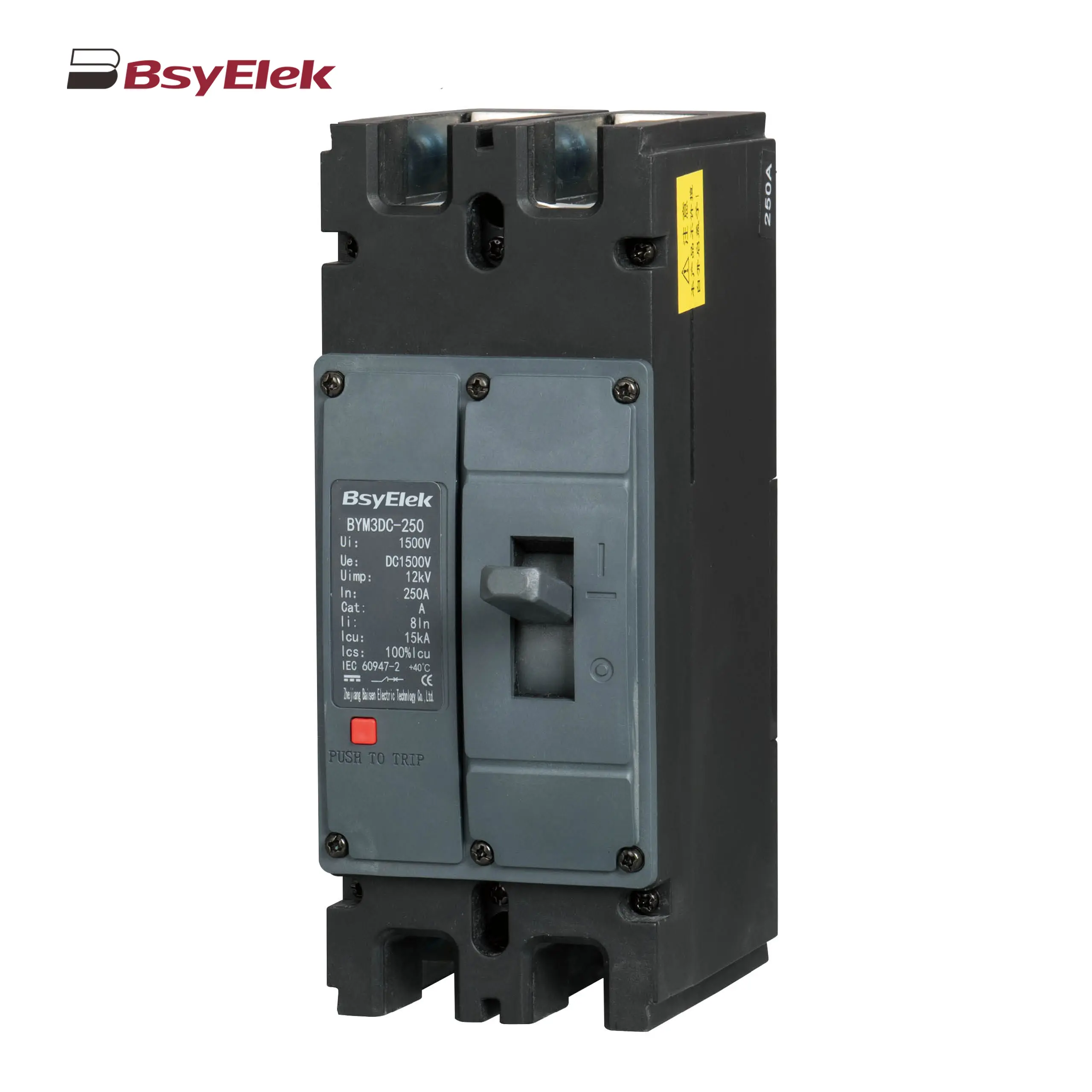 BYM3DC MCCB Photovoltaic DC Molded Case Circuit Breaker
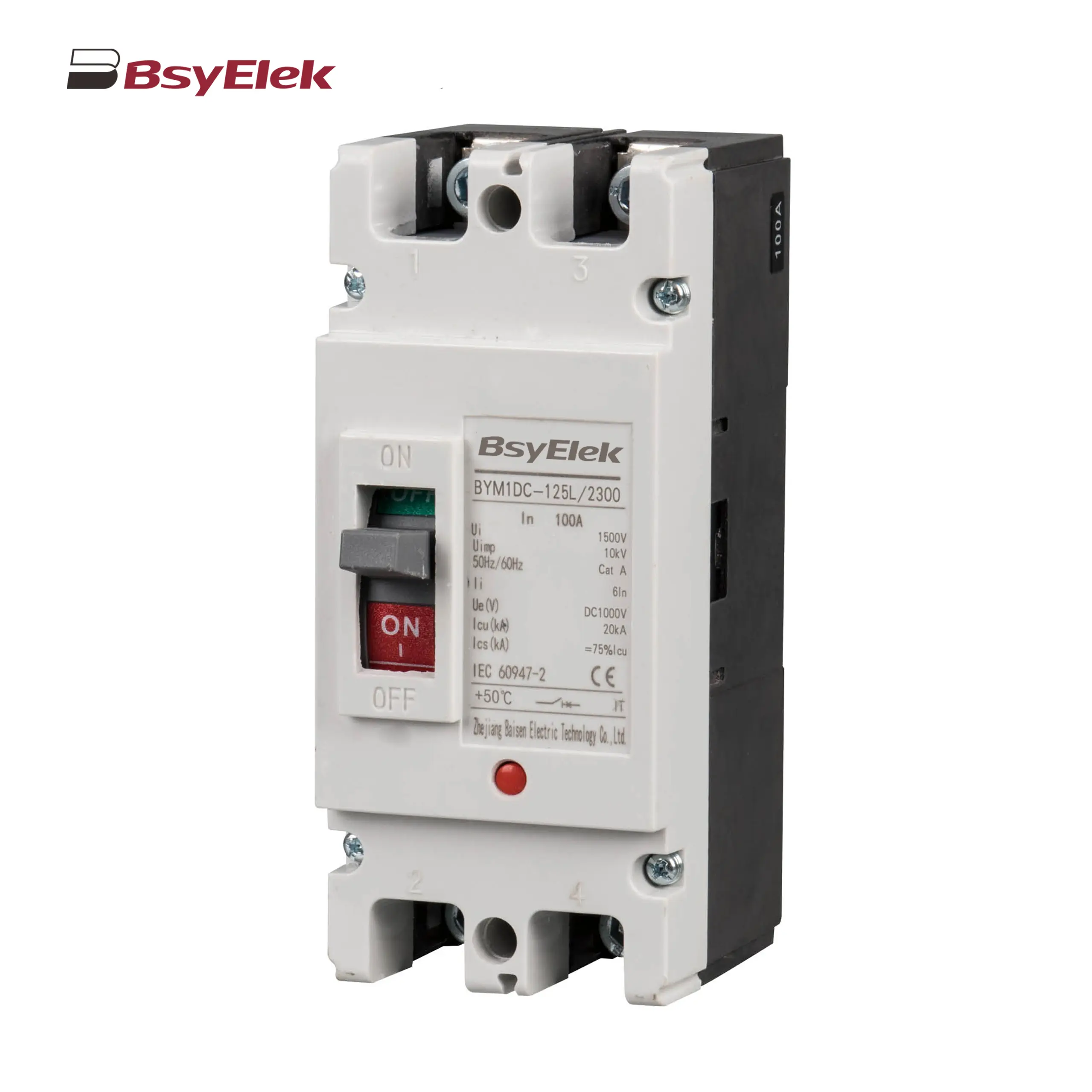 BYM1DC MCCB 1000VDC Thermal Magnetic Type DC Molded Case Circuit Breaker
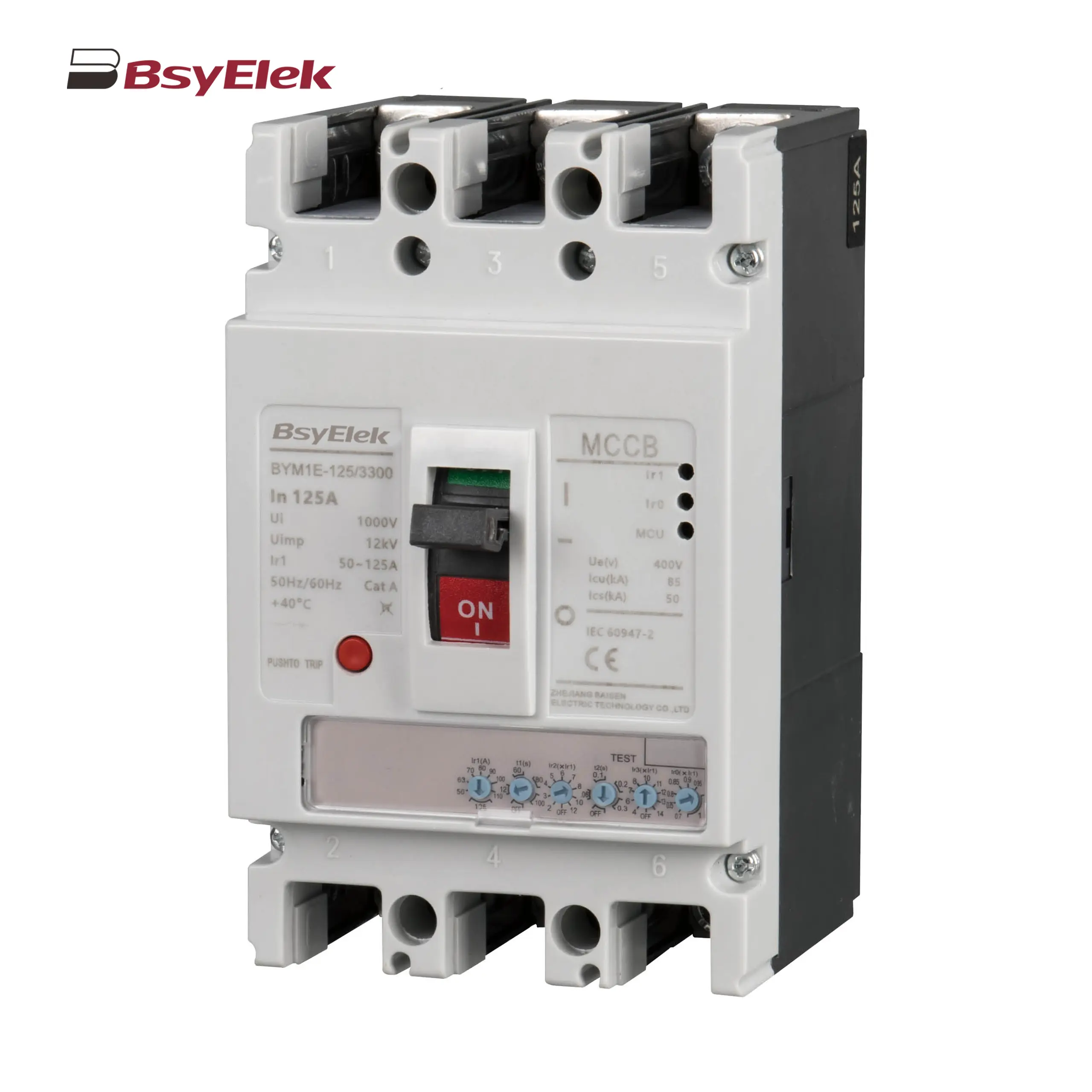 BYM1E MCCB Electronic Type Molded Case Circuit Breaker
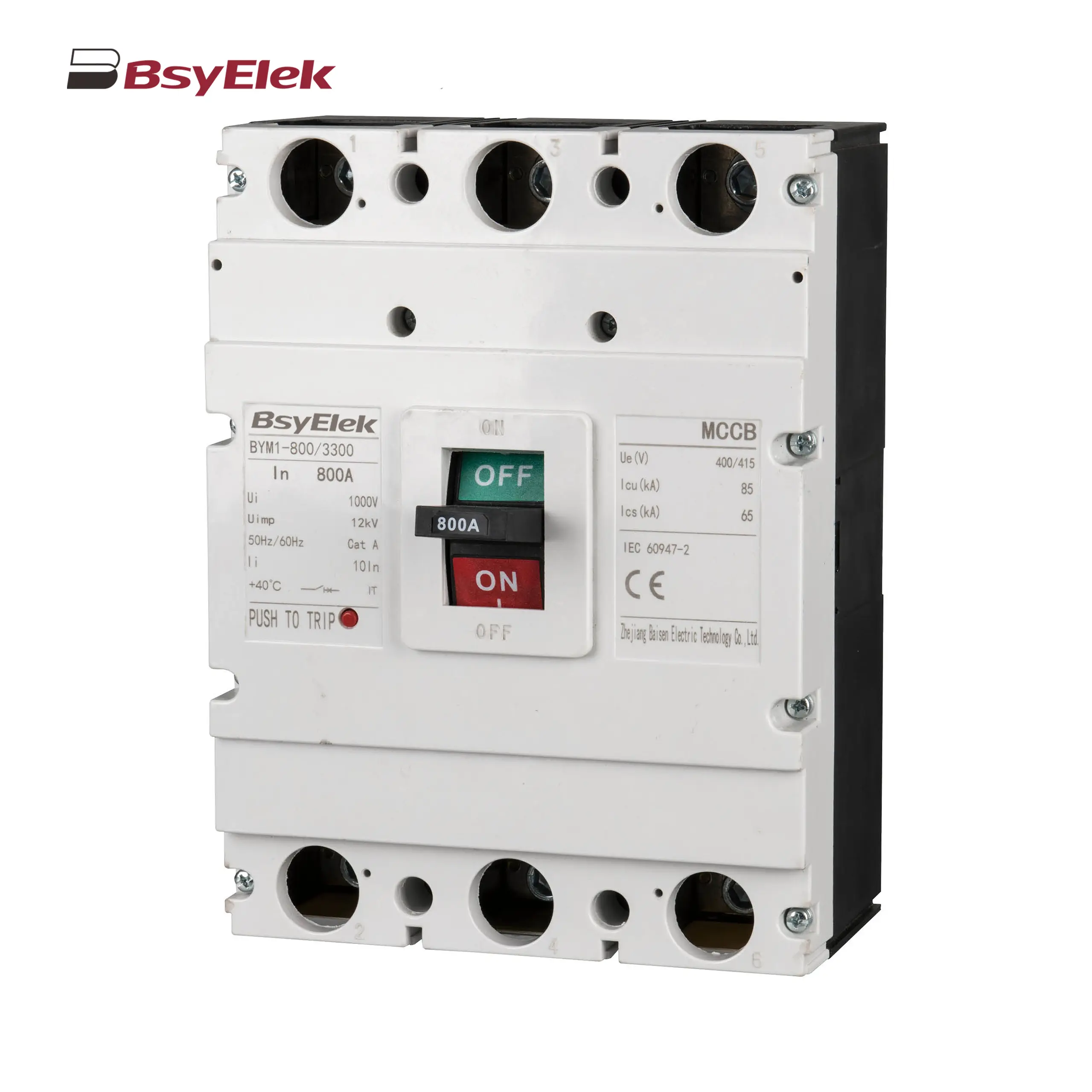 BYM1 MCCB Thermal Magnetic AC Molded Case Circuit Breaker
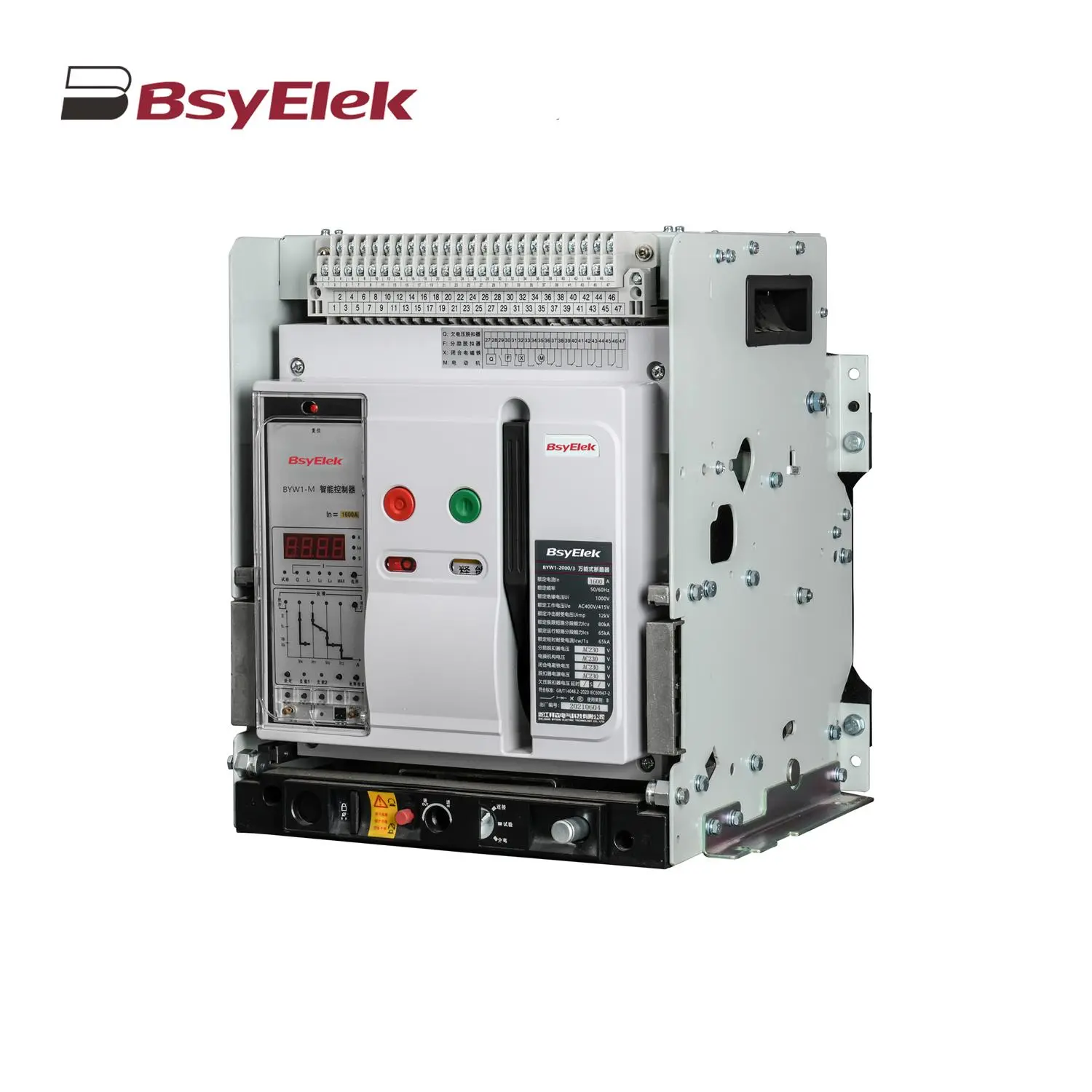 BYW1 ACB Intelligent Universal Air Circuit Breaker
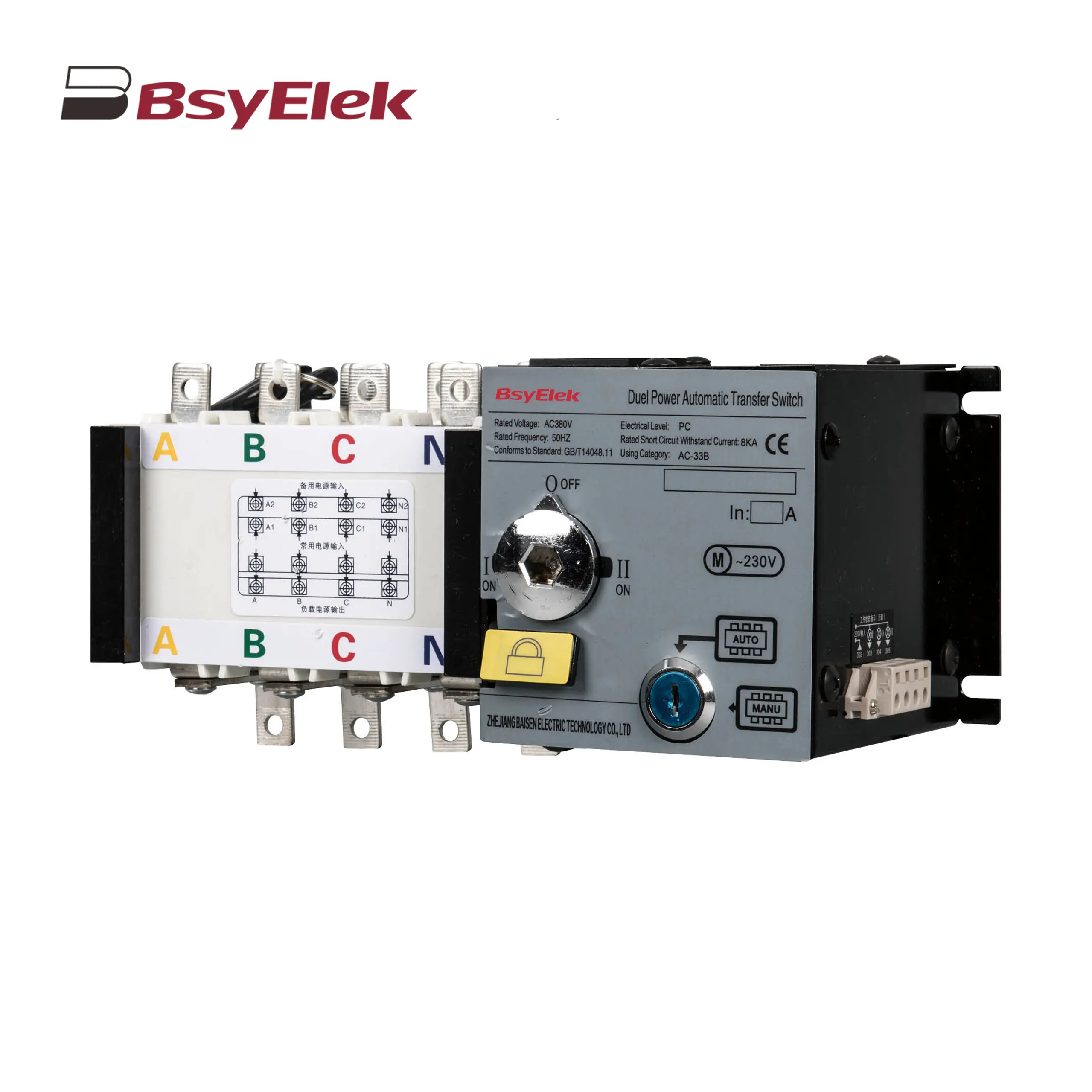 BYQ1 ATS Isolated Type PC Level Dual Power Automatic Transfer Switch
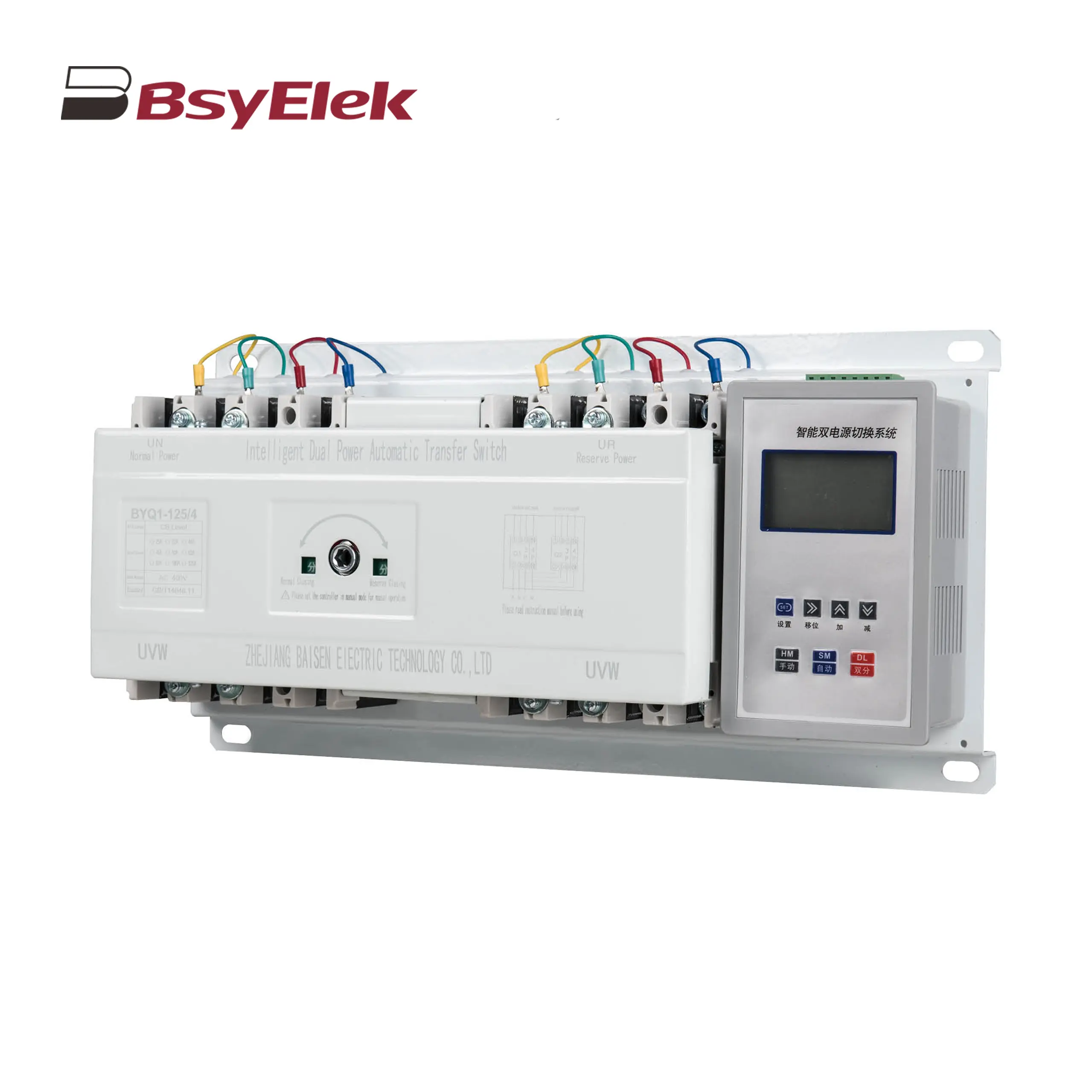 BYQ1 ATS Intelligent Type CB Level Dual Power Automatic Transfer Switch
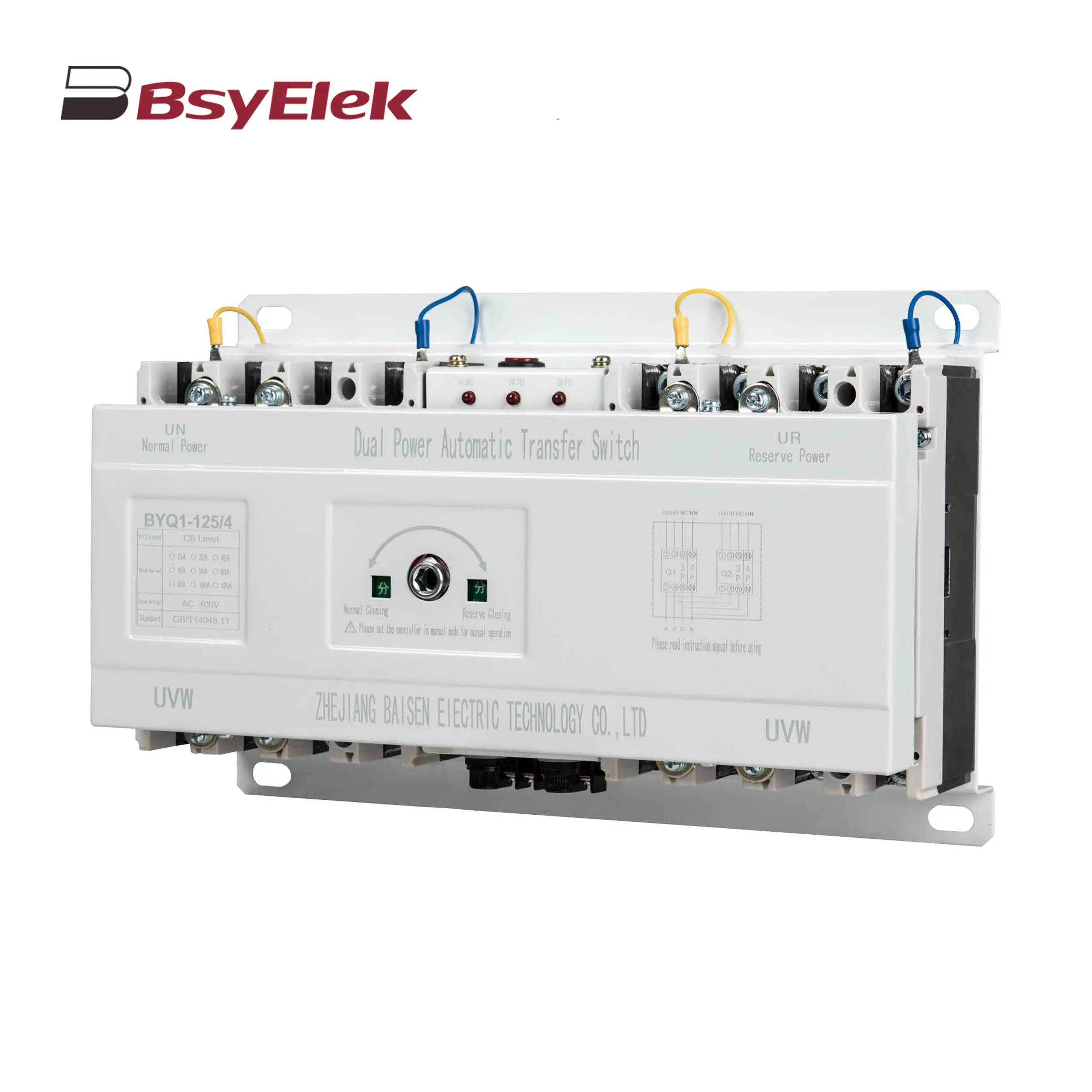 BYQ1 ATS End Type CB Level Dual Power Automatic Transfer Switch
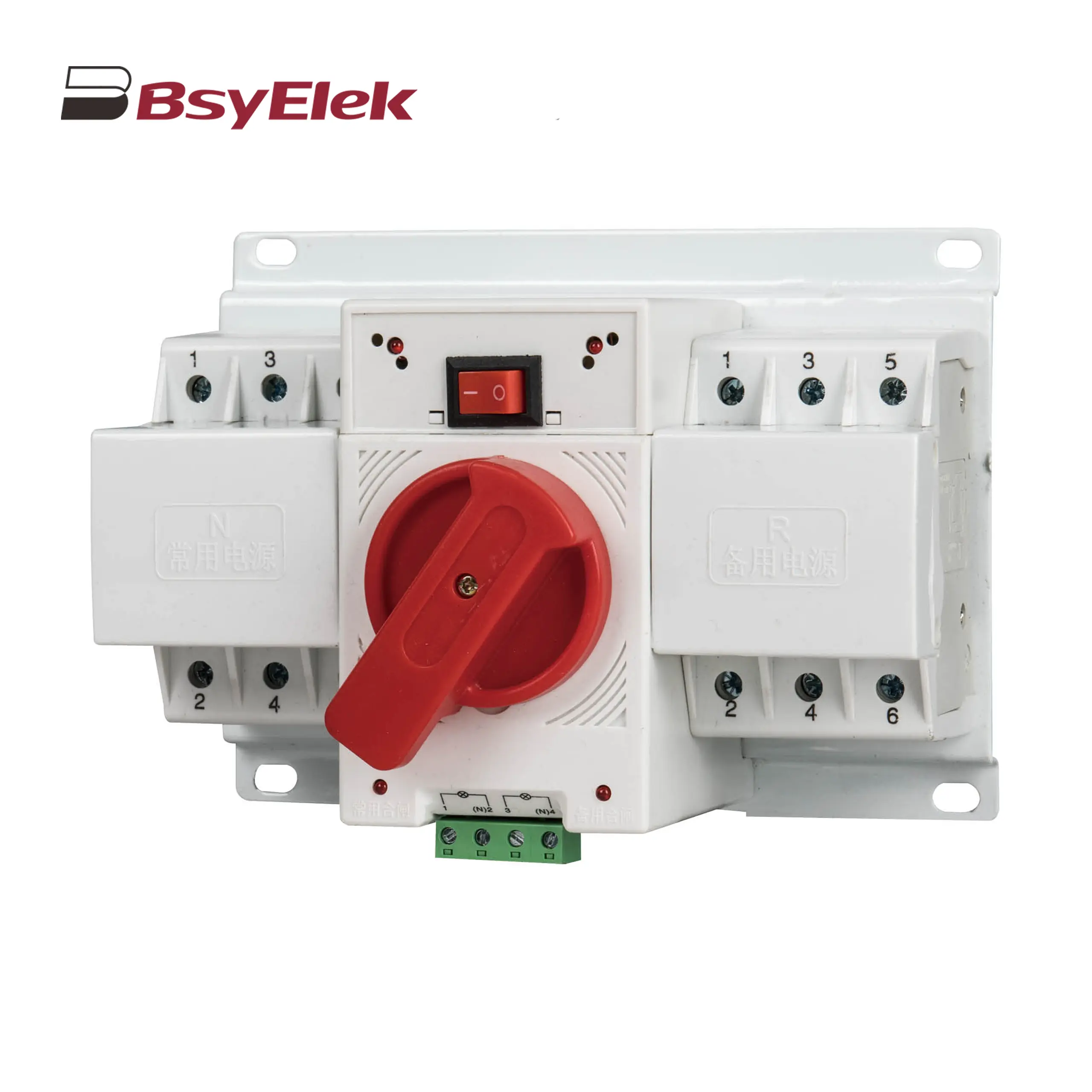 BYQ1 ATS Mini Type CB Level Dual Power Automatic Transfer Switch
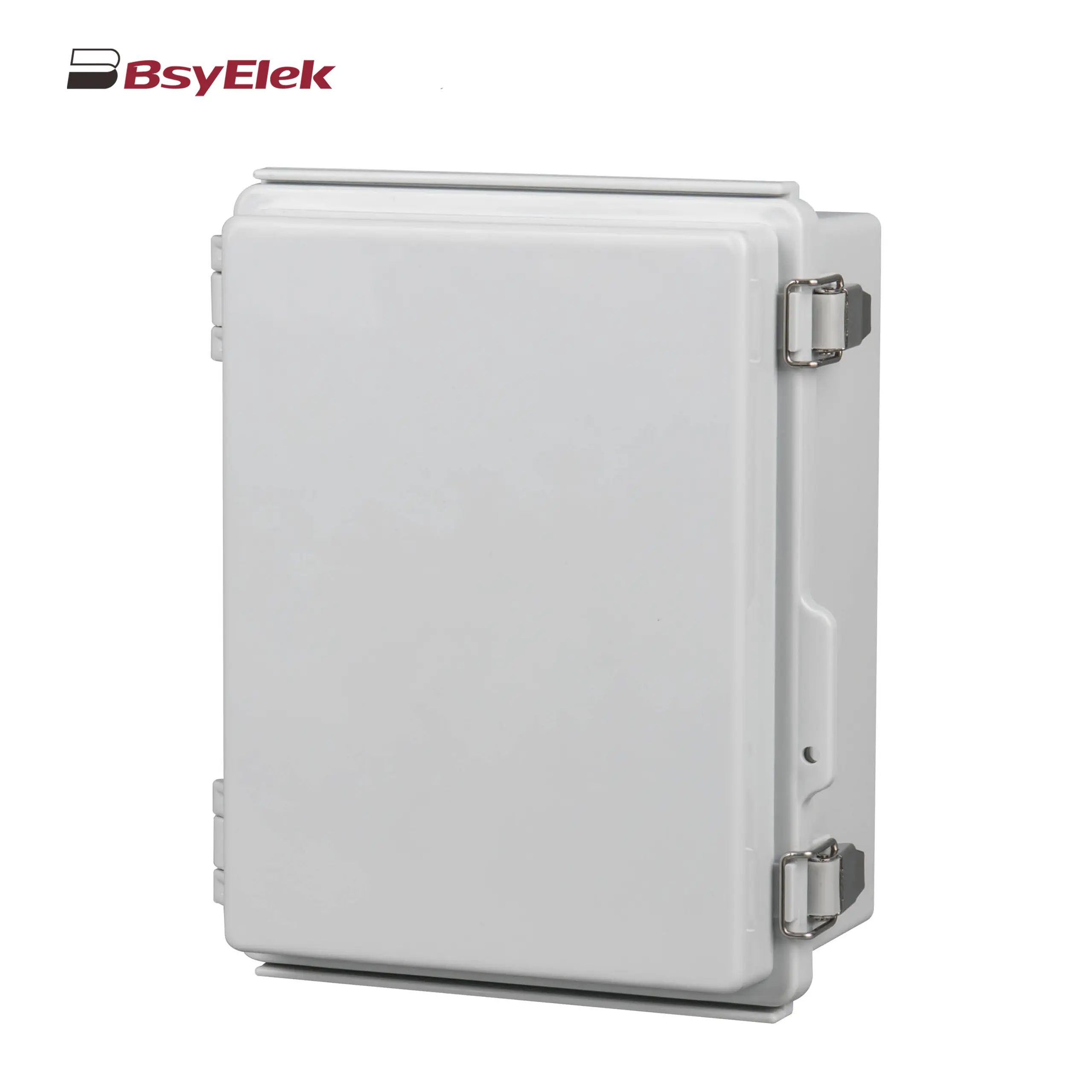 Stainless Steel Hinge Type Electrical Box
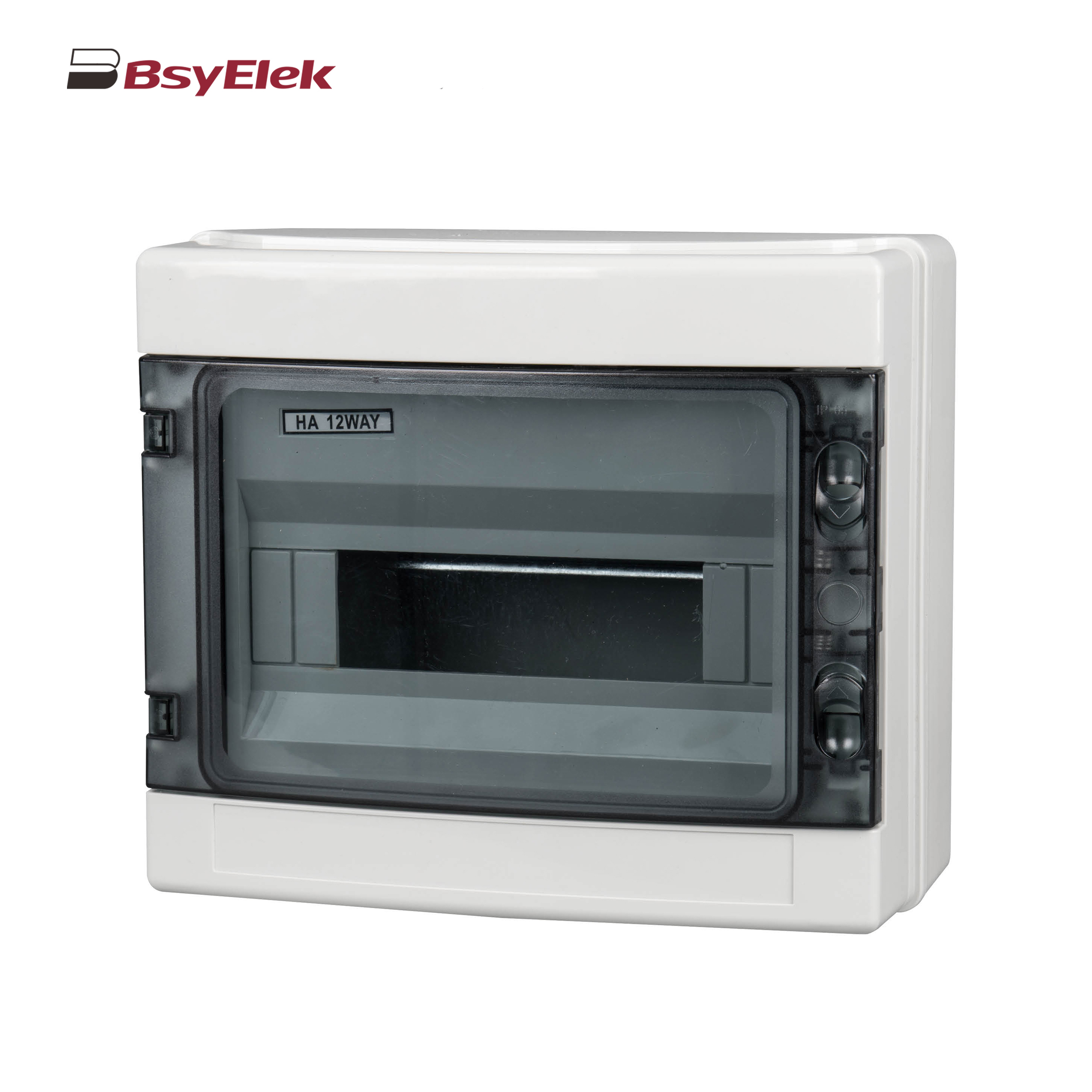 HA Waterproof Distribution Box
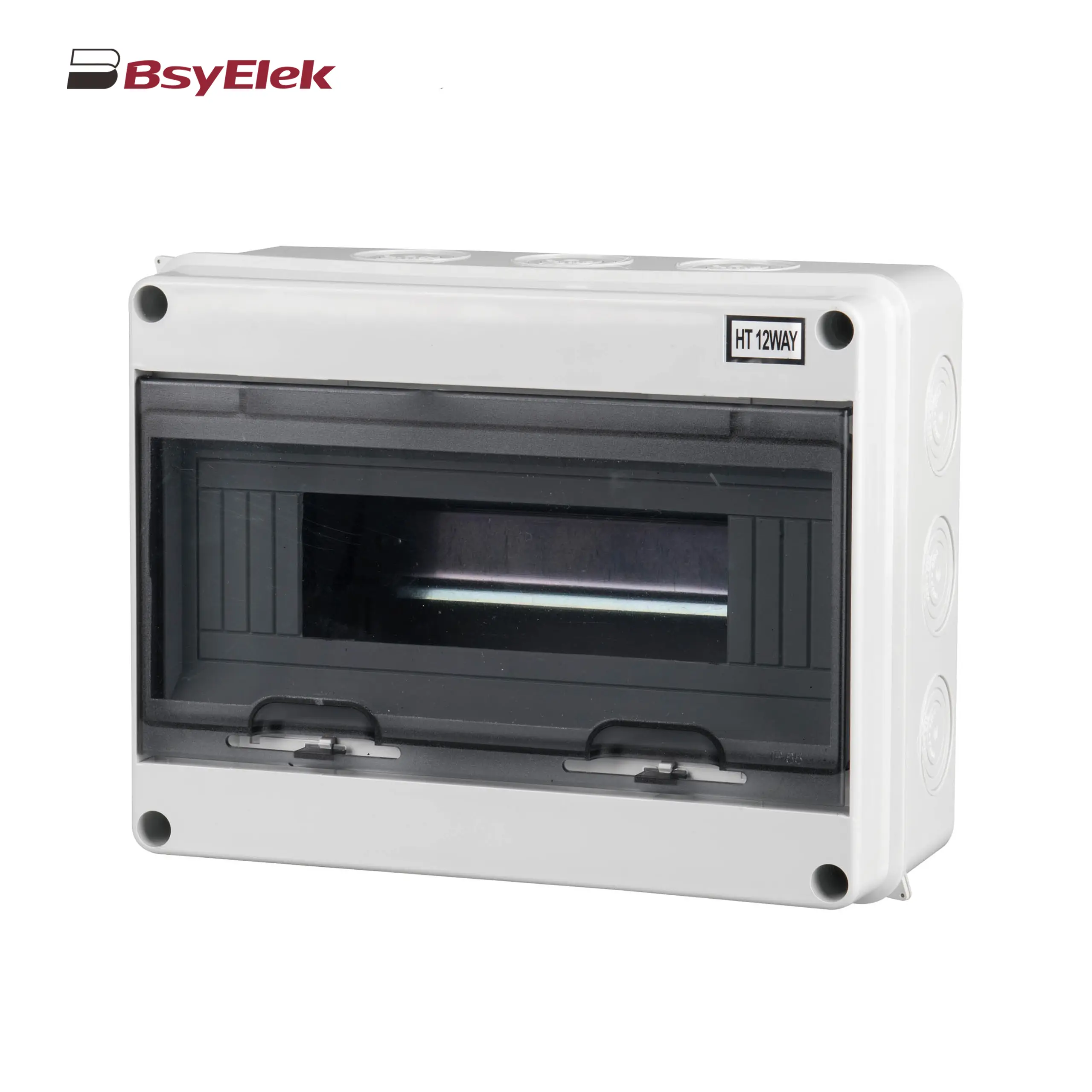 HT Waterproof Distribution Box
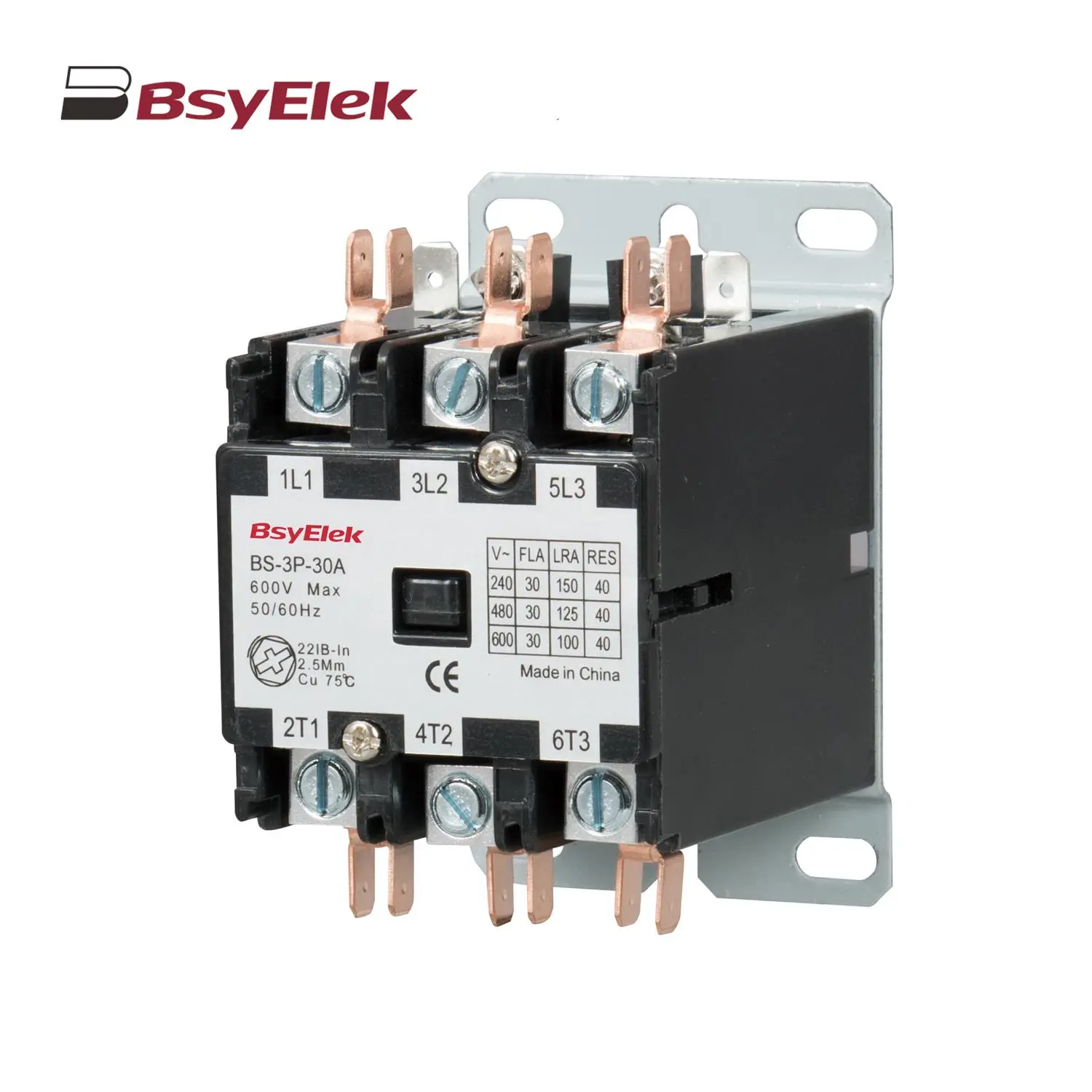 BS Definite Purpose Magnetic AC Contactor