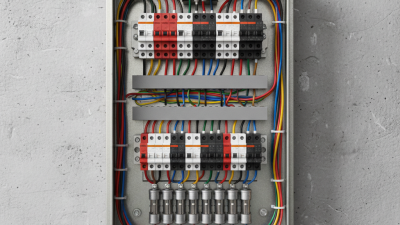
Top 10 Benefits of Using Air Circuit Breakers for Electrical Safety?
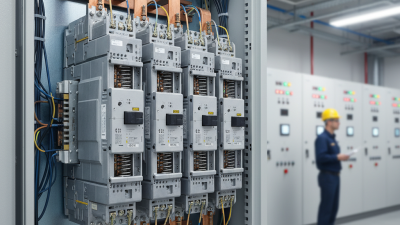
The importance of electrical safety cannot be overstated. According to Dr. John Smith, an expert in electrical engineering, "Air Circuit Breakers are crucial for protecting both people and equipment." This emphasizes the essential role of the Air Circuit Breaker (ACB) in modern electrical systems.
ACBs provide numerous advantages that enhance safety and reliability. They can quickly disconnect circuits during faults, limiting potential damage. The ability to adjust settings allows for tailored protection, making them suitable for various applications. Dr. Smith notes, "When properly implemented, ACBs can significantly reduce electrical hazards." However, the challenge lies in ensuring proper installation and maintenance. Many facilities overlook regular checks, which can lead to safety risks.
Investing in an Air Circuit Breaker is a step toward responsible electrical management. Understanding its benefits can save lives and prevent costly damage. Yet, reliance on technology requires continuous learning and vigilance. The blend of expertise and practical application is vital in this field.
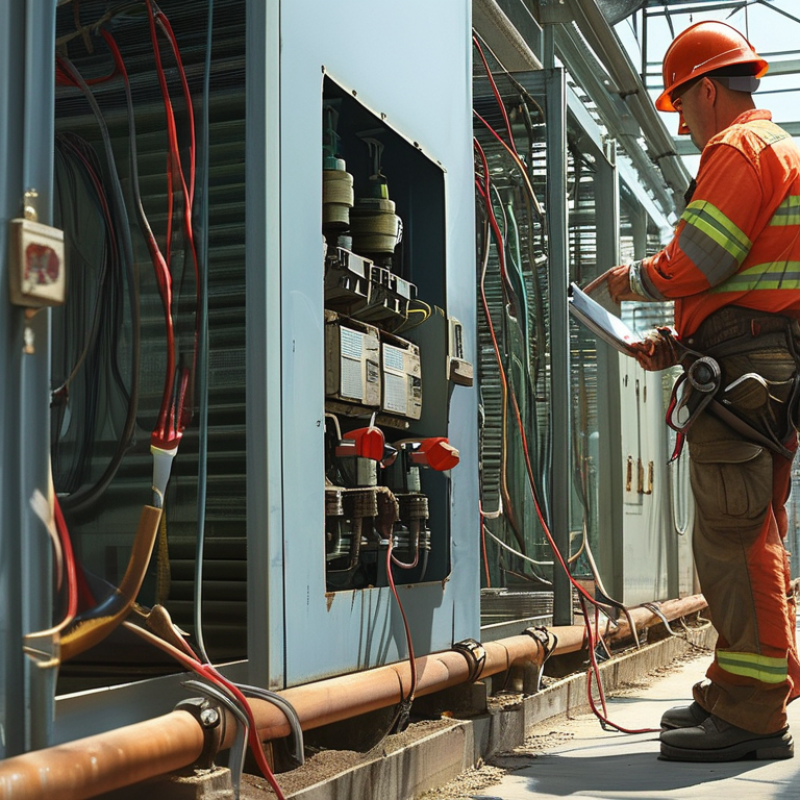
Benefits of Enhanced Electrical Safety with Air Circuit Breakers
Air circuit breakers (ACBs) play a crucial role in enhancing electrical safety. They offer various protective features that can mitigate hazards in electrical installations. A report by the International Electrotechnical Commission (IEC) noted that up to 30% of electrical fires stem from faulty circuit systems. ACBs can prevent these incidents by rapidly disconnecting power in case of overload or short circuits.
Using ACBs not only enhances safety but also improves reliability. They provide real-time monitoring of electrical parameters, allowing for quick responsiveness to anomalies. According to a study by the National Fire Protection Association (NFPA), proper circuit protection can reduce electrical faults by up to 40%. This is vital for maintaining operational integrity in industrial facilities.
Tip: Regularly inspect your ACBs. Dust and debris can impede their functionality.
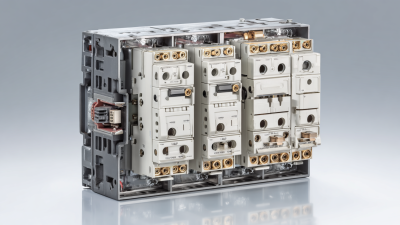
Moreover, the design of ACBs allows for easy maintenance and replacement. Their modular nature means that unnecessary downtime can be avoided. A survey revealed that nearly
25% of maintenance issues arise from outdated protective devices. Thus, upgrading to modern ACBs is a proactive strategy worth considering.
Tip: Establish a routine check schedule. Consistent monitoring helps catch potential issues early.
Improved Protection Against Overloads and Short Circuits
Air circuit breakers (ACBs) are critical for protecting electrical systems. They offer improved safety against overloads and short circuits. According to industry reports, electrical failures contribute to 25% of facility fires. This statistic emphasizes the need for reliable protection mechanisms.
ACBs detect excess current, automatically disconnecting the circuit. This helps prevent potential fire hazards and equipment damage. Studies show that ACBs can reduce electrical faults by up to 40%, making them indispensable in modern installations.
**Tip:** Regularly inspect ACBs to ensure they function correctly. Any signs of wear should prompt immediate replacement. Utilizing ACBs equipped with advanced technology enhances protection levels, but routine maintenance cannot be overlooked.
The complexity of electrical systems sometimes leads to underestimating the importance of ACBs. Many professionals remain unaware of their capabilities until it’s too late. Awareness of best practices in circuit protection is crucial.
**Tip:** Educate staff about electrical safety measures. Engage in regular training to keep everyone informed on the significance of circuit breakers. Understanding equipment limits can significantly enhance overall safety.
Top 10 Benefits of Using Air Circuit Breakers for Electrical Safety
Versatility in Applications Across Various Electrical Systems
Air circuit breakers (ACBs) are essential in various electrical systems. Their versatility makes them suitable for residential, commercial, and industrial applications. In homes, ACBs protect against overloads and short circuits, ensuring safety for families. They seamlessly integrate with different voltage levels and electrical setups. This adaptability makes them a go-to choice for electricians.
In industries, ACBs safeguard critical machinery. They help prevent costly downtime and equipment damage. With their ability to operate in harsh environments, they are reliable. ACBs support renewable energy sources, like solar and wind, adapting easily to changing loads. Yet, not all electrical systems may adequately incorporate them.
Despite their benefits, installation requires careful planning. Improper setup can lead to safety hazards or inefficiencies. Regular maintenance is crucial for optimal performance. Users must be aware of their systems' specific needs. Inadequate knowledge can undermine the advantages of using ACBs. This highlights the importance of consulting professionals.
Top 10 Benefits of Using Air Circuit Breakers for Electrical Safety
| Benefit |
Description |
Application Areas |
| Overload Protection |
Prevents damage to circuit due to excessive current. |
Industrial and commercial electrical systems |
| Short Circuit Protection |
Cuts off power during short circuit conditions. |
Power plants and substations |
| Selectable Current Ratings |
Allows for adjustable ratings to suit specific needs. |
Commercial buildings |
| Improved Safety |
Minimizes risk of electrical fires and shock hazards. |
Residential areas and healthcare facilities |
| Ease of Maintenance |
Simplifies routine checks and replacements. |
Industrial applications |
| Versatile Mounting Options |
Can be mounted in various orientations. |
Control rooms and switchgear |
| Compact Design |
Saves space while providing powerful protection. |
Tight electrical setups, data centers |
| Environmentally Friendly |
Uses minimal harmful materials and offers efficient performance. |
Sustainable installations |
| Remote Monitoring |
Supports integration in smart grid technologies. |
Modern industrial setups |
| Cost-Effectiveness |
Long-term savings through reduced maintenance and failures. |
All electrical systems |
Cost-Effectiveness and Reliability for Long-Term Use
Air circuit breakers (ACBs) are becoming essential in various industries for electrical safety. They provide reliable protection against overloads and short circuits. According to a report by the International Electrotechnical Commission, ACBs reduce equipment damage by up to 30% when properly utilized. Their design allows for quick interruption of electrical faults, which safeguards systems from extensive damage.
Cost-effectiveness is a major benefit of ACBs. Compared to traditional fuses, they can be reset without needing replacement, saving costs on materials and labor. Studies show that the lifecycle cost of ACBs can be 20-25% lower than that of conventional circuit protection devices. ACBs also have a longer operational lifespan, typically lasting over 20 years with proper maintenance. This longevity results in fewer replacements and ensures better budget management over time.
However, the implementation of ACBs does require upfront investment and careful planning. Some installations may see a steep learning curve for maintenance staff. This could lead to improper handling in the early stages. As organizations adopt ACBs, ongoing training and risk assessments are necessary to fully realize their benefits. Regular evaluations can help refine processes and ensure these systems are used effectively.
Ease of Maintenance and Accessibility for Electrical Inspections
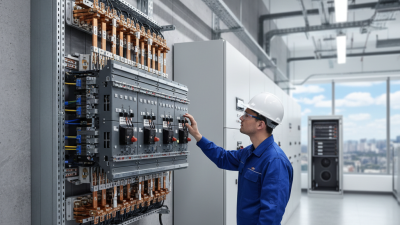
Air circuit breakers (ACBs) offer significant advantages in electrical systems, particularly regarding maintenance and accessibility for inspections. Their design enables quick access to critical components, allowing technicians to perform routine checks with ease. This accessibility reduces downtime and enhances safety for personnel responsible for electrical maintenance. According to a recent industry report, 30% of electrical issues stem from inadequate maintenance and inspection processes. Ensuring that ACBs are user-friendly can mitigate these risks effectively.
Moreover, regular inspections of ACBs not only prolong their lifespan but also ensure compliance with industry safety standards. Easy maintenance leads to more frequent checks, promoting a proactive approach to electrical safety. Alternatively, outdated systems can result in unexpected failures and costly repairs. In fact, the National Fire Protection Association reported that electrical failures cause about 22% of all structure fires. This statistic emphasizes the necessity of accessible and reliable ACBs in safeguarding properties and lives.
It’s essential to reflect on the fact that while ACBs simplify maintenance, the knowledge and training of the personnel involved remain crucial. Insufficient training can diminish the benefits of ACBs, leading to potential oversights. Continuous education and hands-on practice are vital in ensuring that the advantages of using air circuit breakers are fully realized. With proper training, technicians can navigate inspections, identifying issues before they escalate into significant problems.



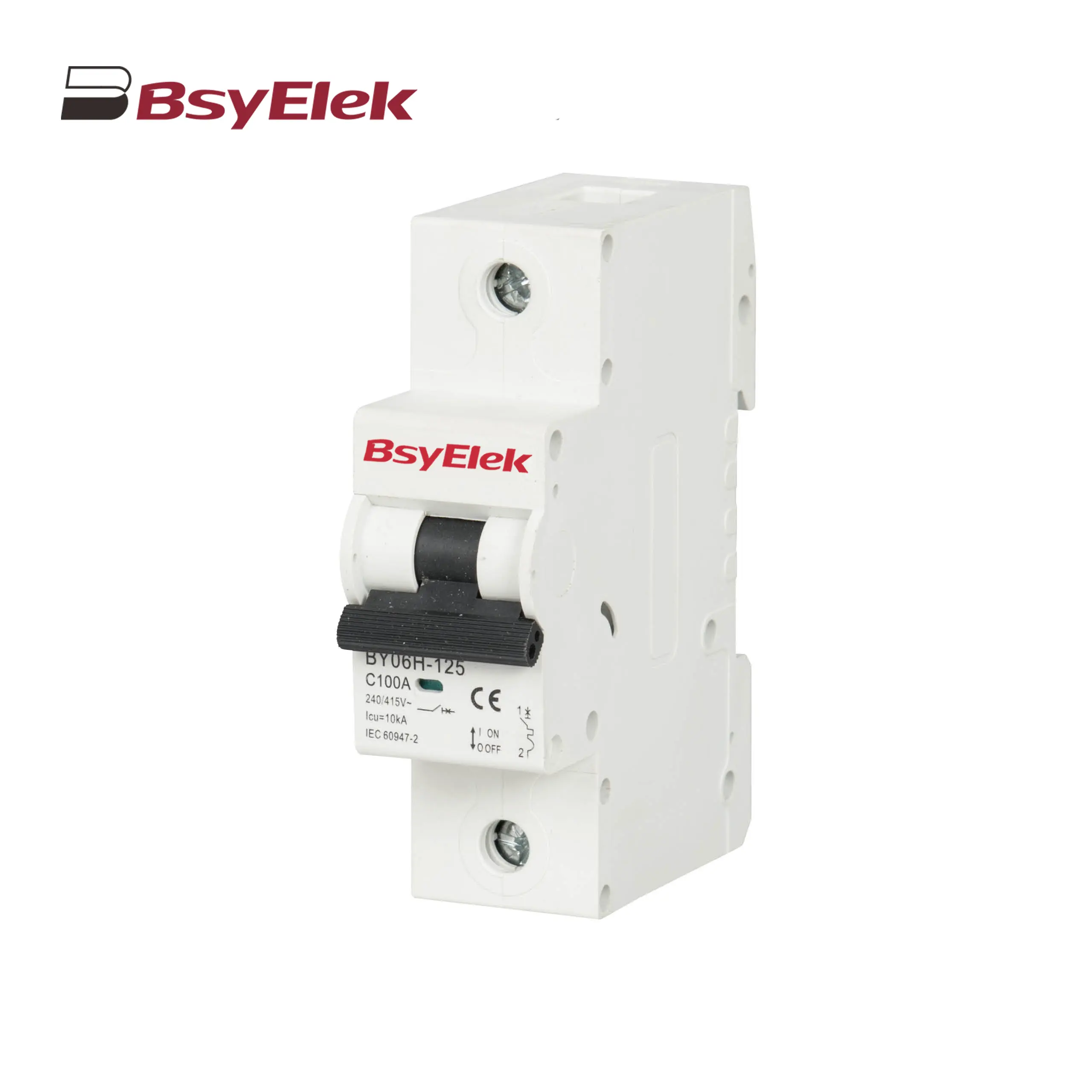 BY06H-125 MCB 10-15KA Miniature Circuit Breaker
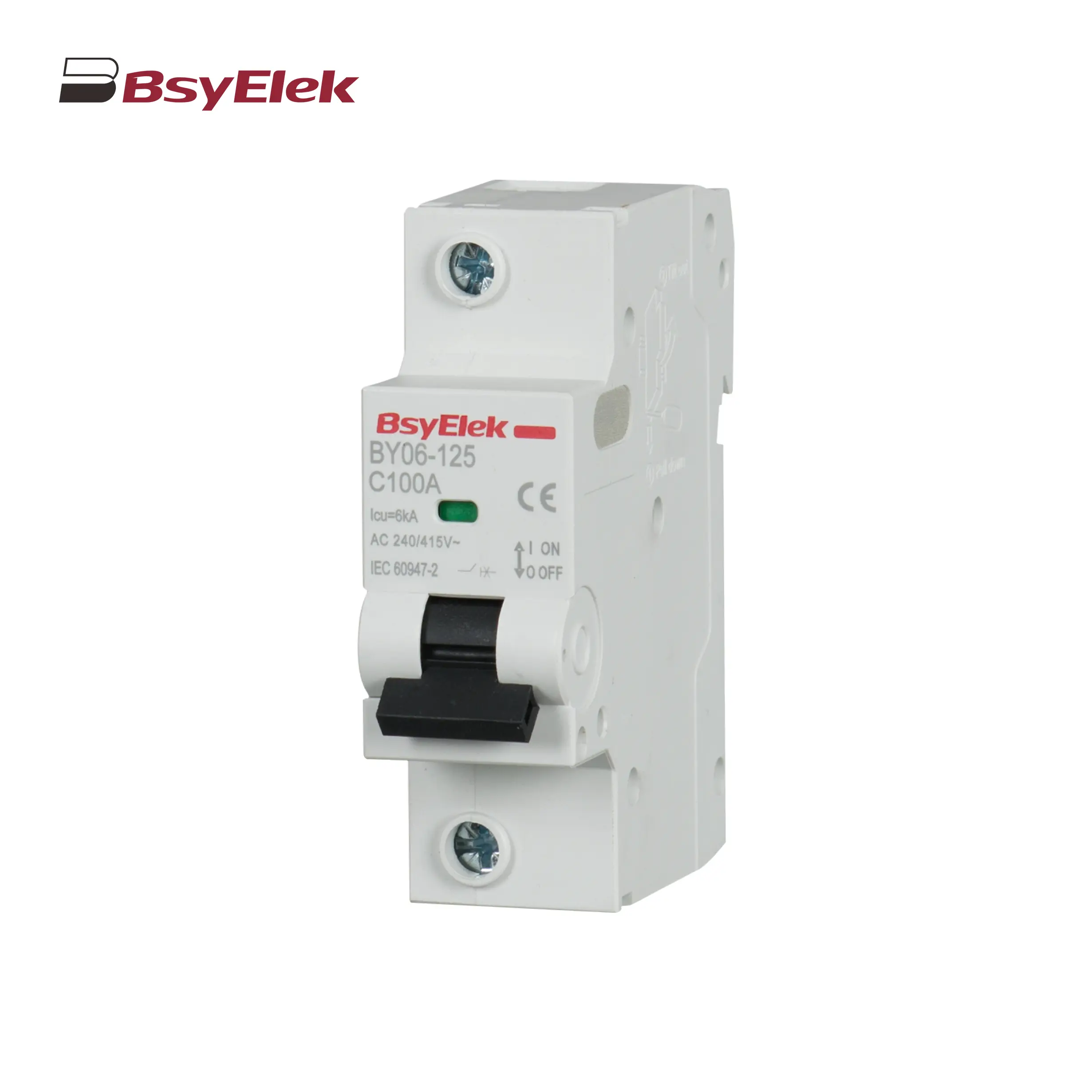 BY06-125 MCB 6KA Miniature Circuit Breaker
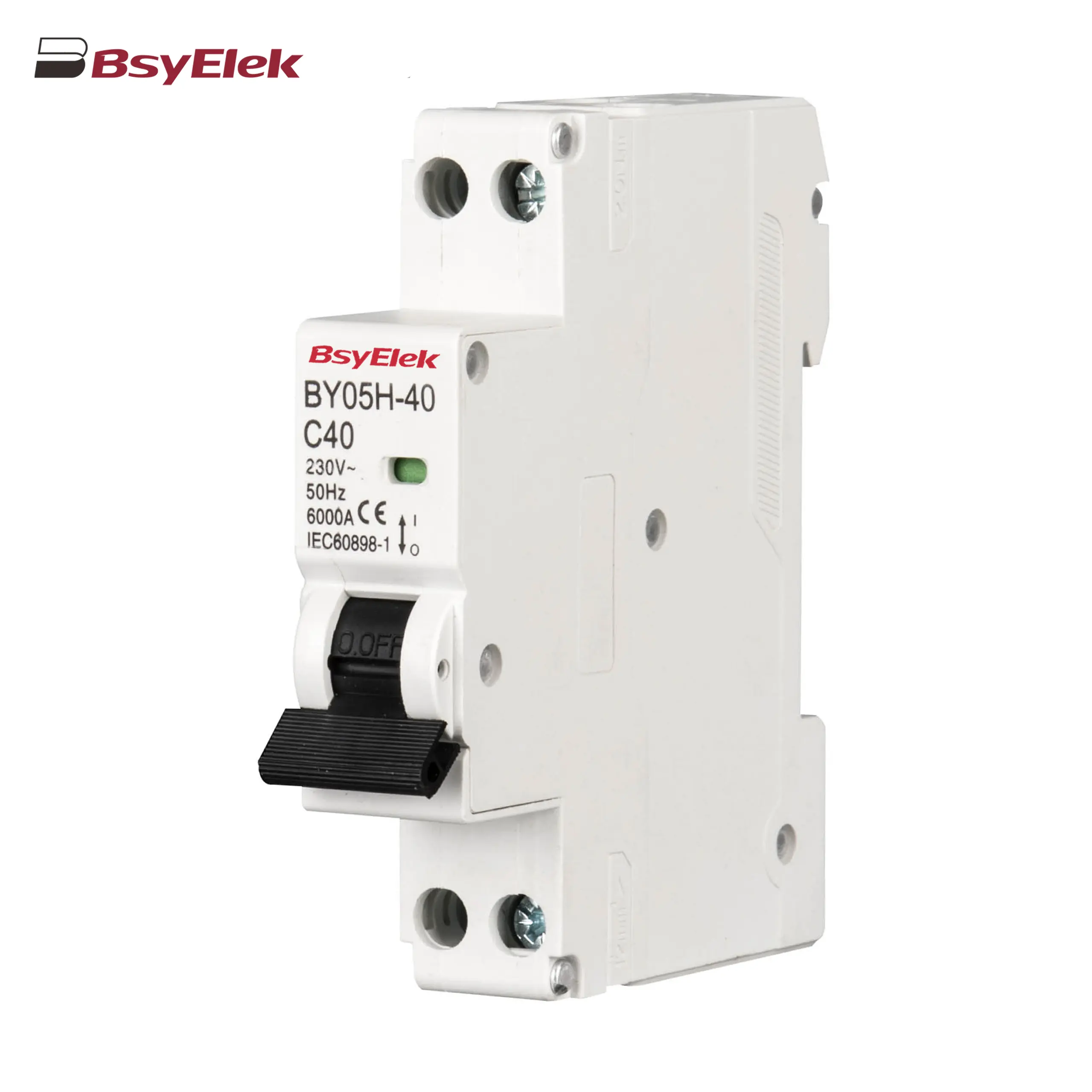 BY05H-40 MCB Single Modular 6KA Miniature Circuit Breaker
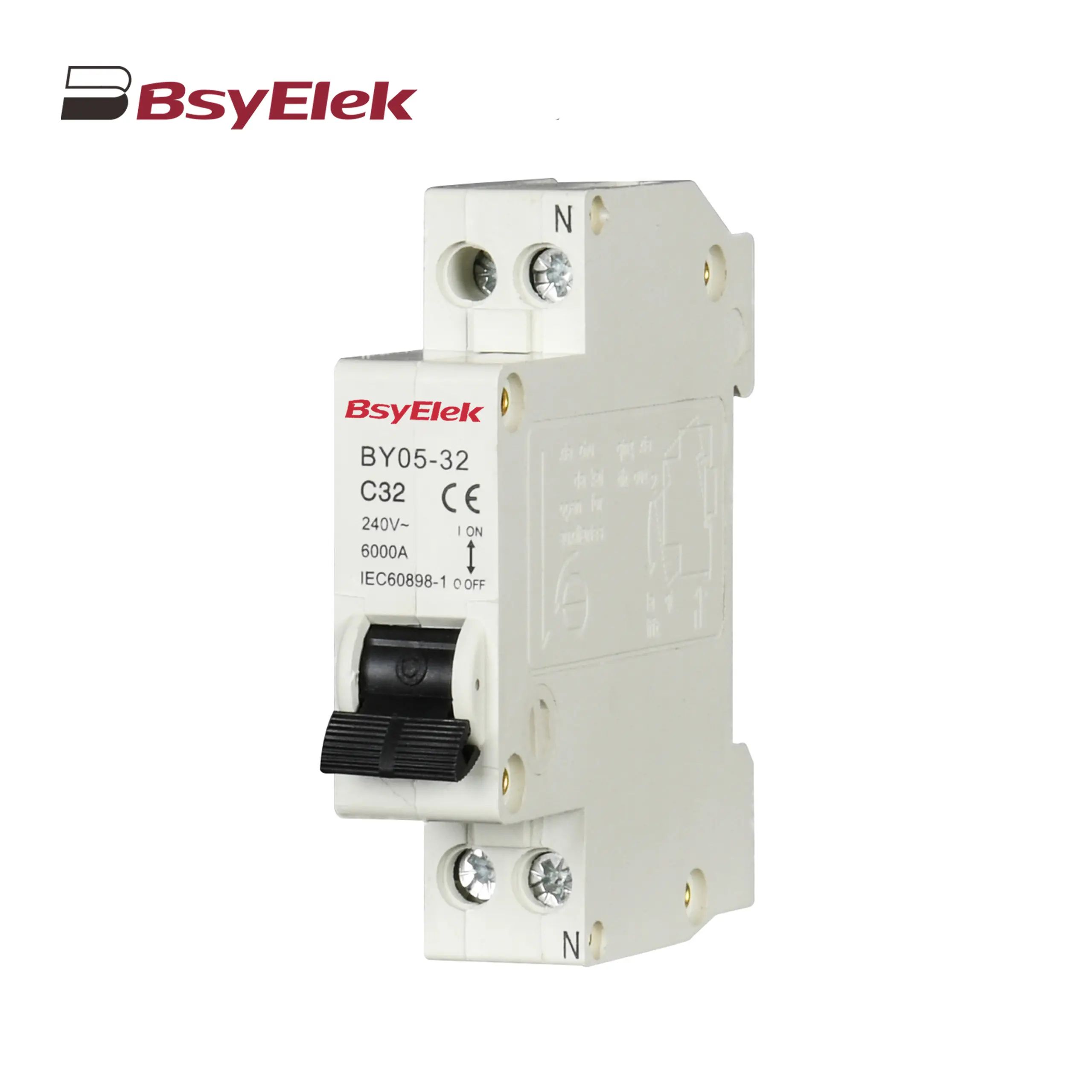 BY05-32 MCB Single Modular 3KA Miniature Circuit Breaker
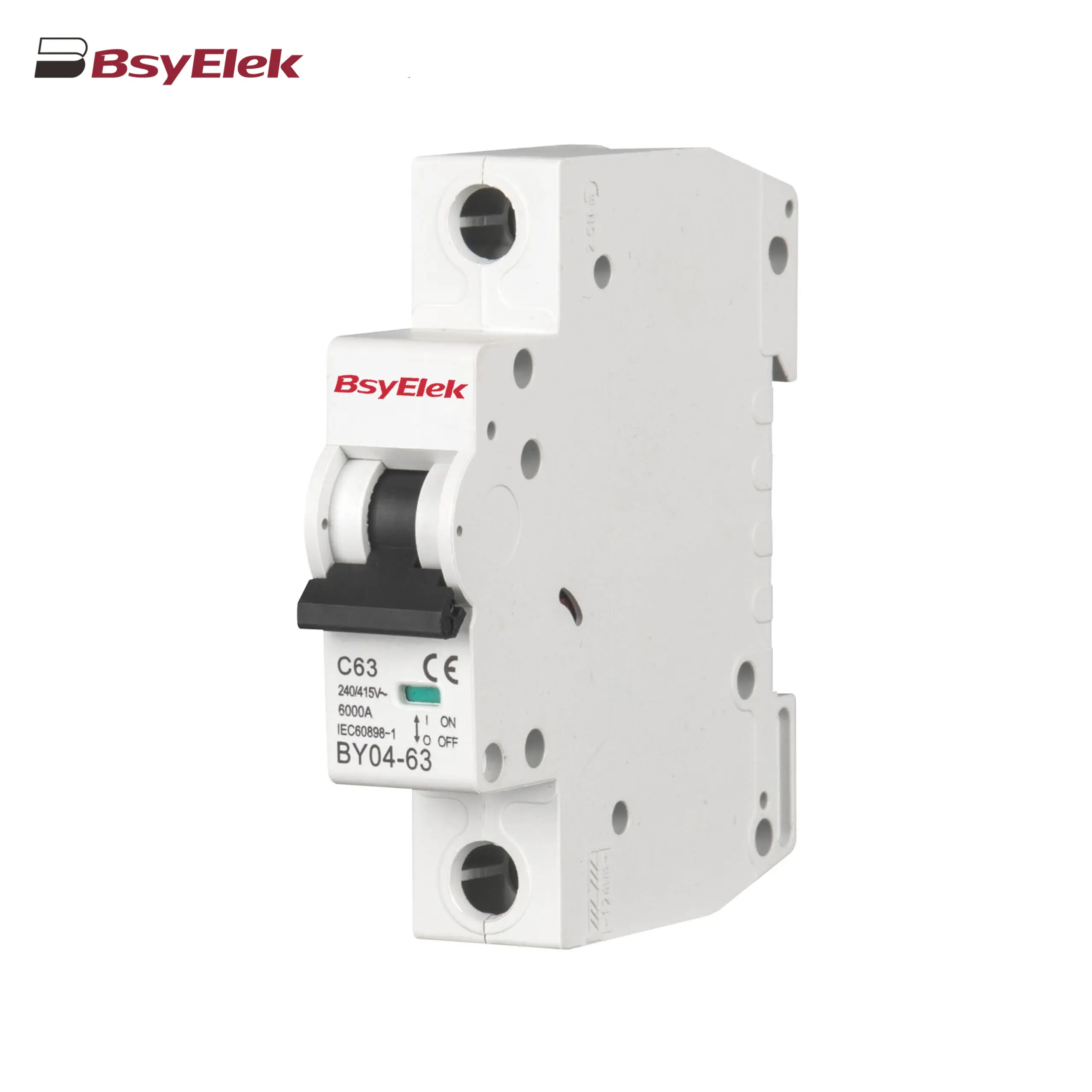 BY04-63 MCB 6-10KA Miniature Circuit Breaker
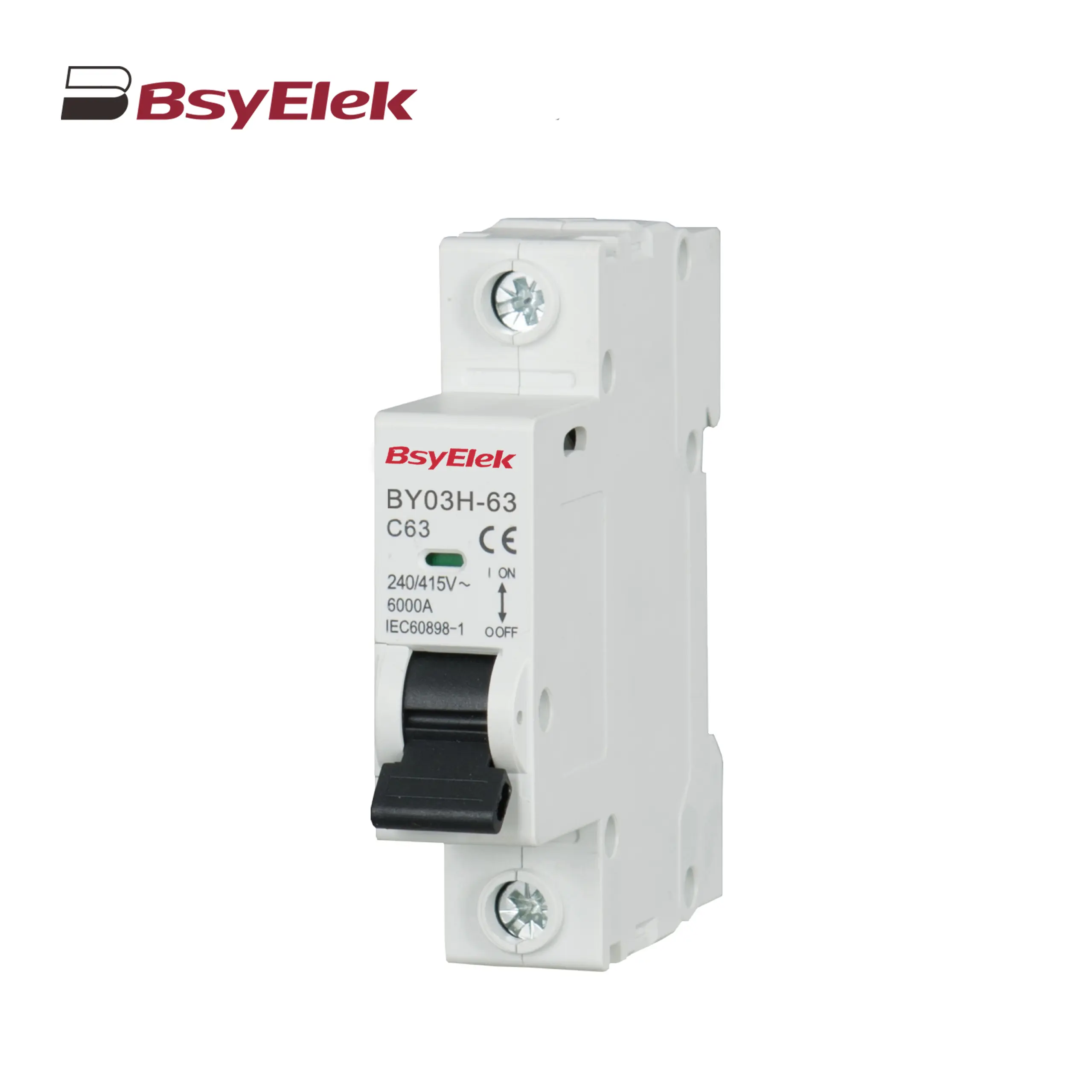 BY03H-63 MCB 6KA Miniature Circuit Breaker
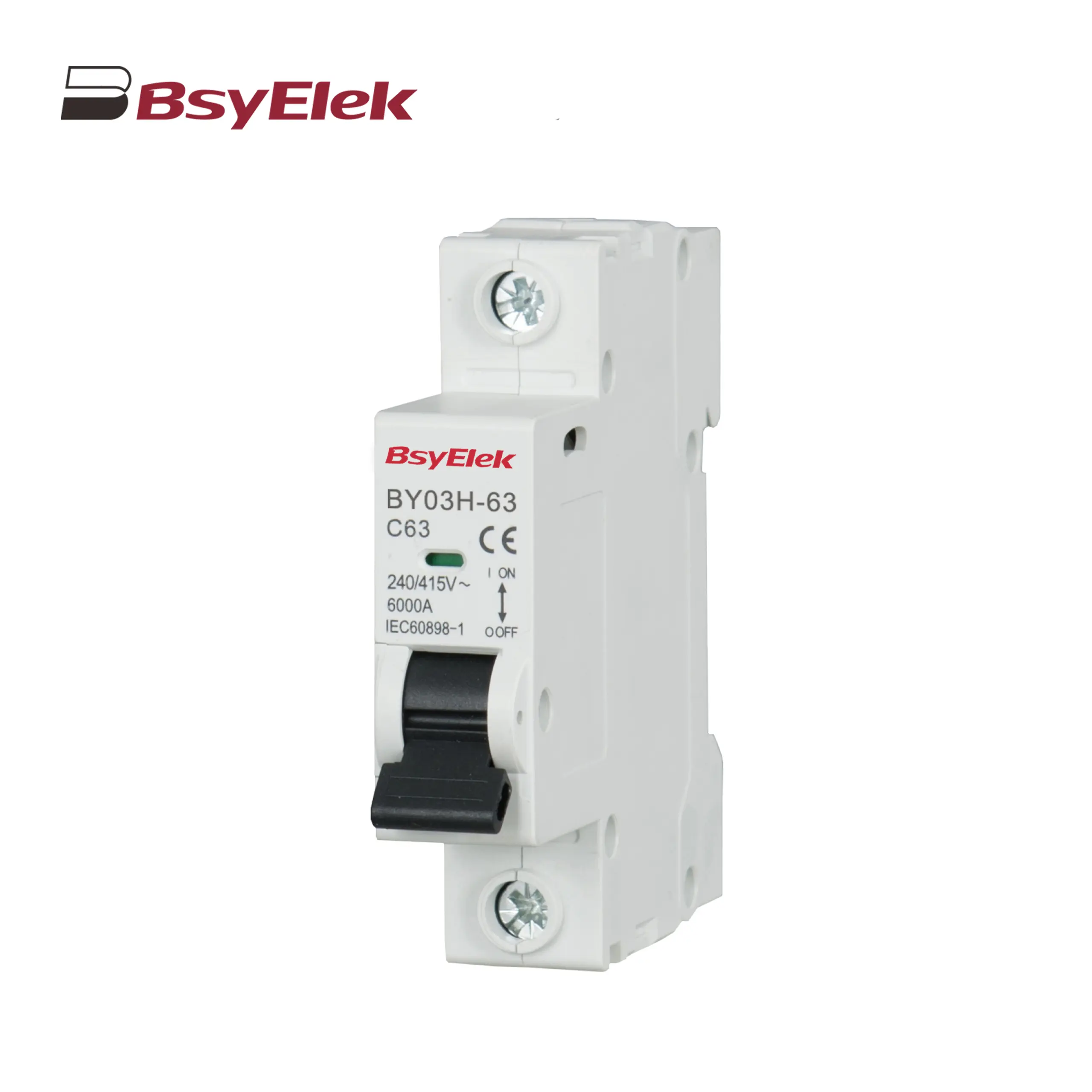 BY03-63 MCB 4.5KA Miniature Circuit Breaker
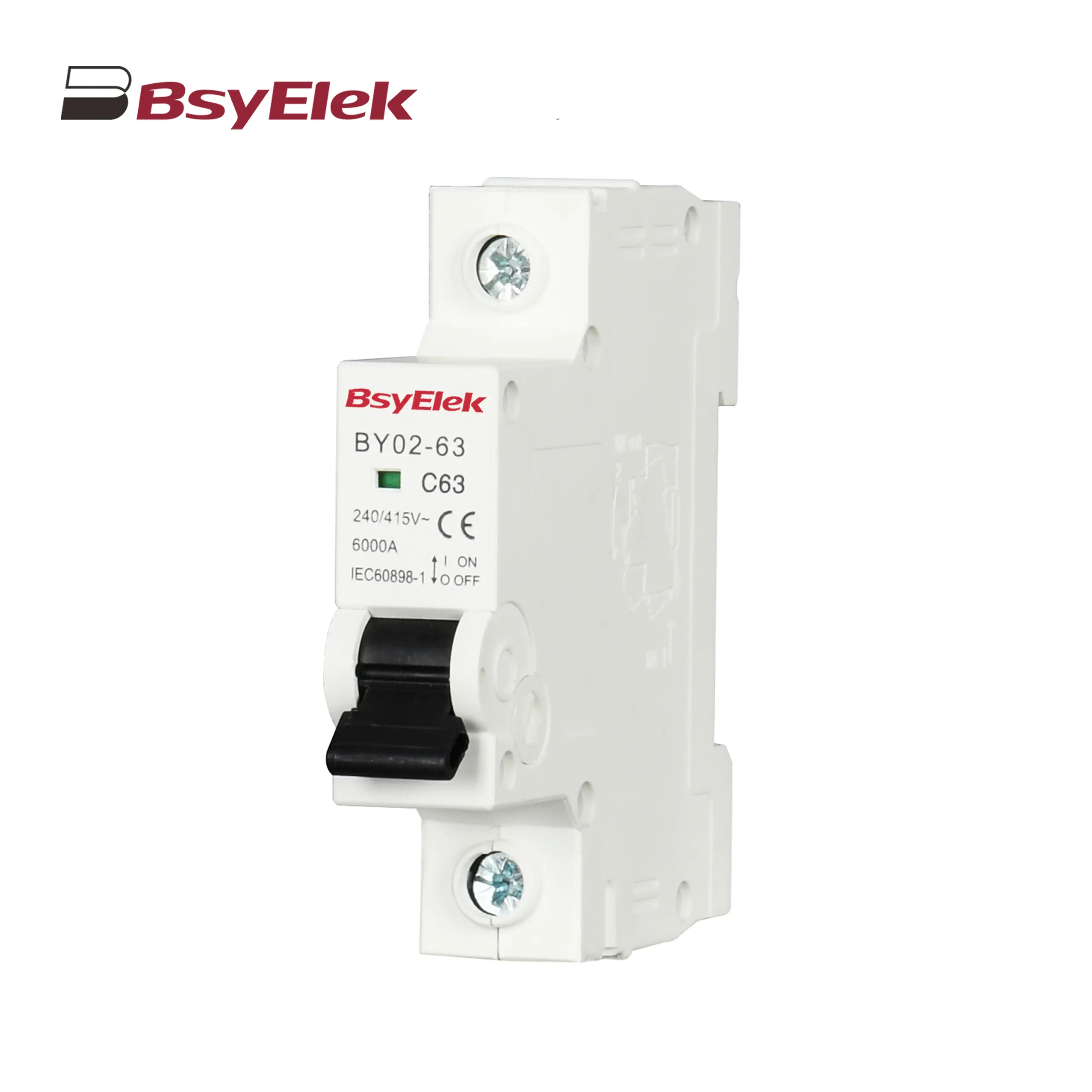 BY02-63 MCB 3kA Miniature Circuit Breaker
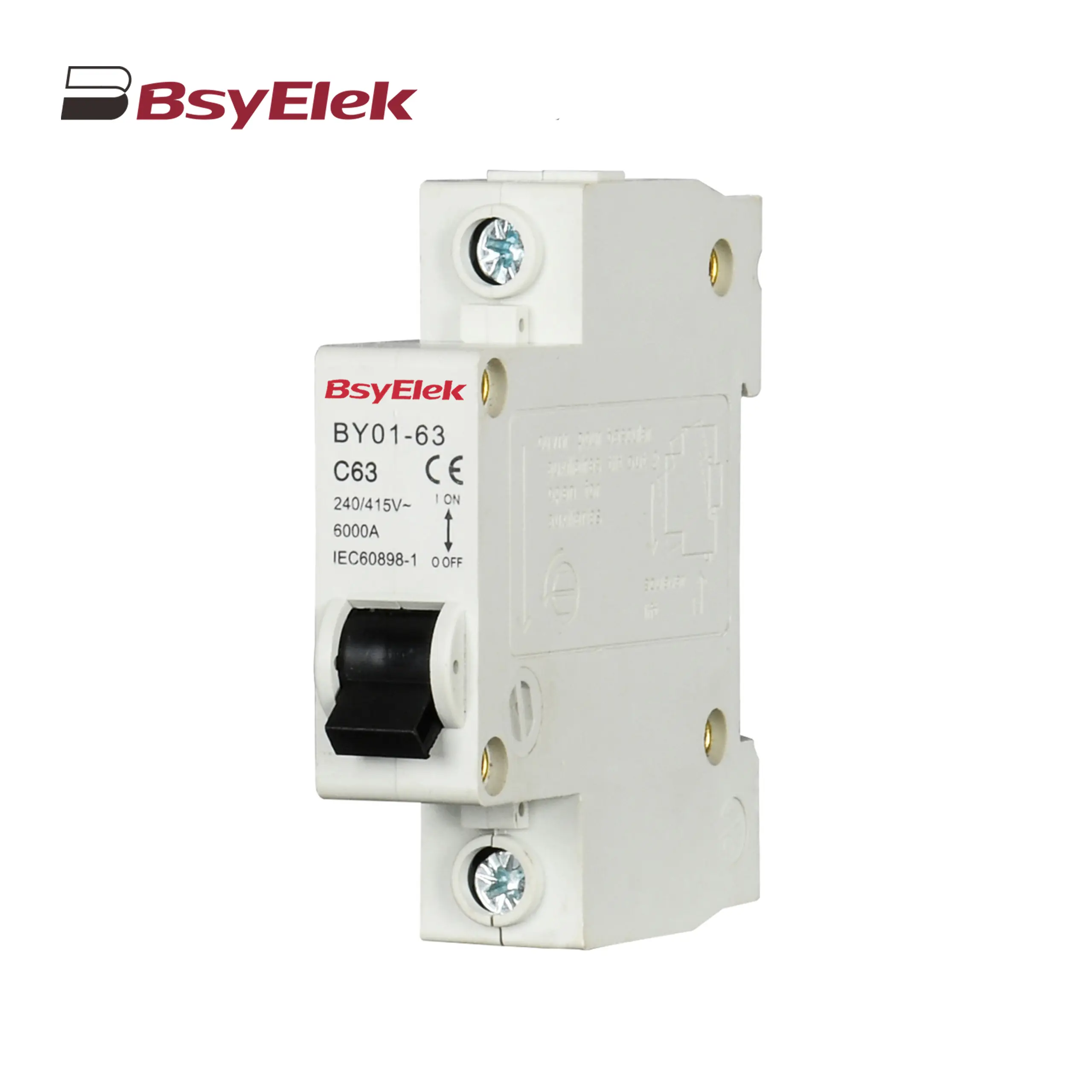 BY01-63 MCB 3kA Miniature Circuit Breaker
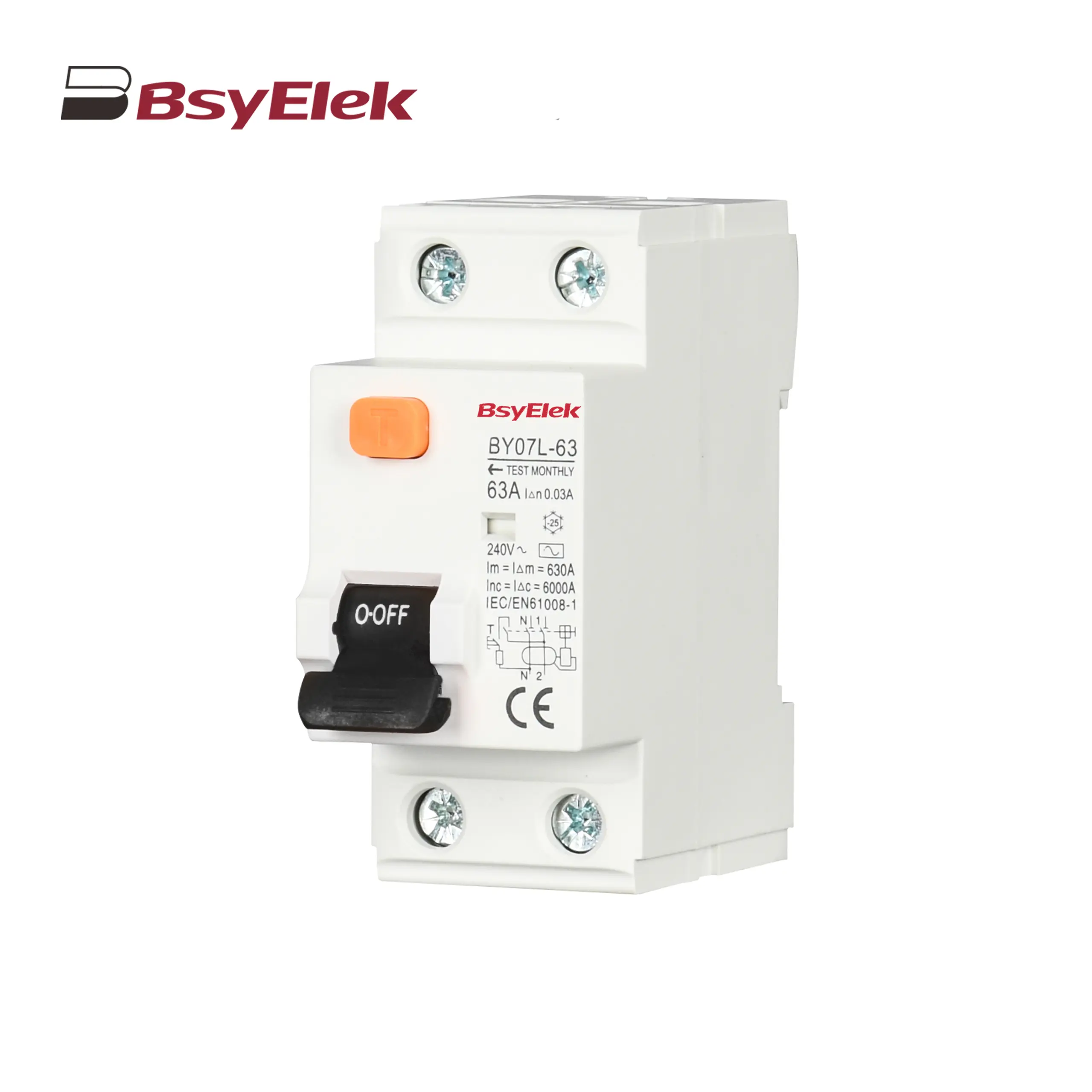 BY07L-63 RCCB 6KA Residual Current Circuit Breaker
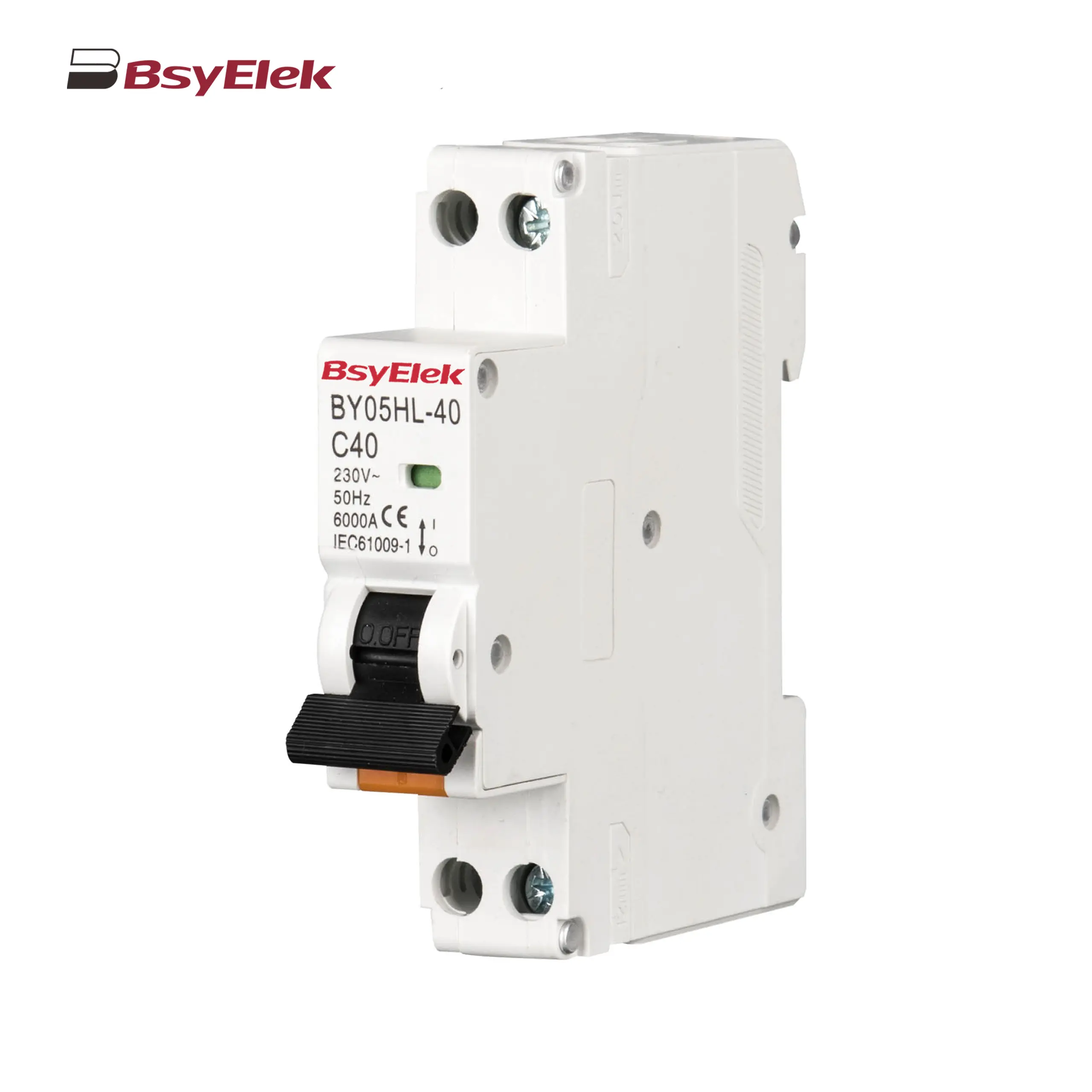 BY05HL-40 RCBO 6KA Residual Current Circuit Breaker with Over-current Protection
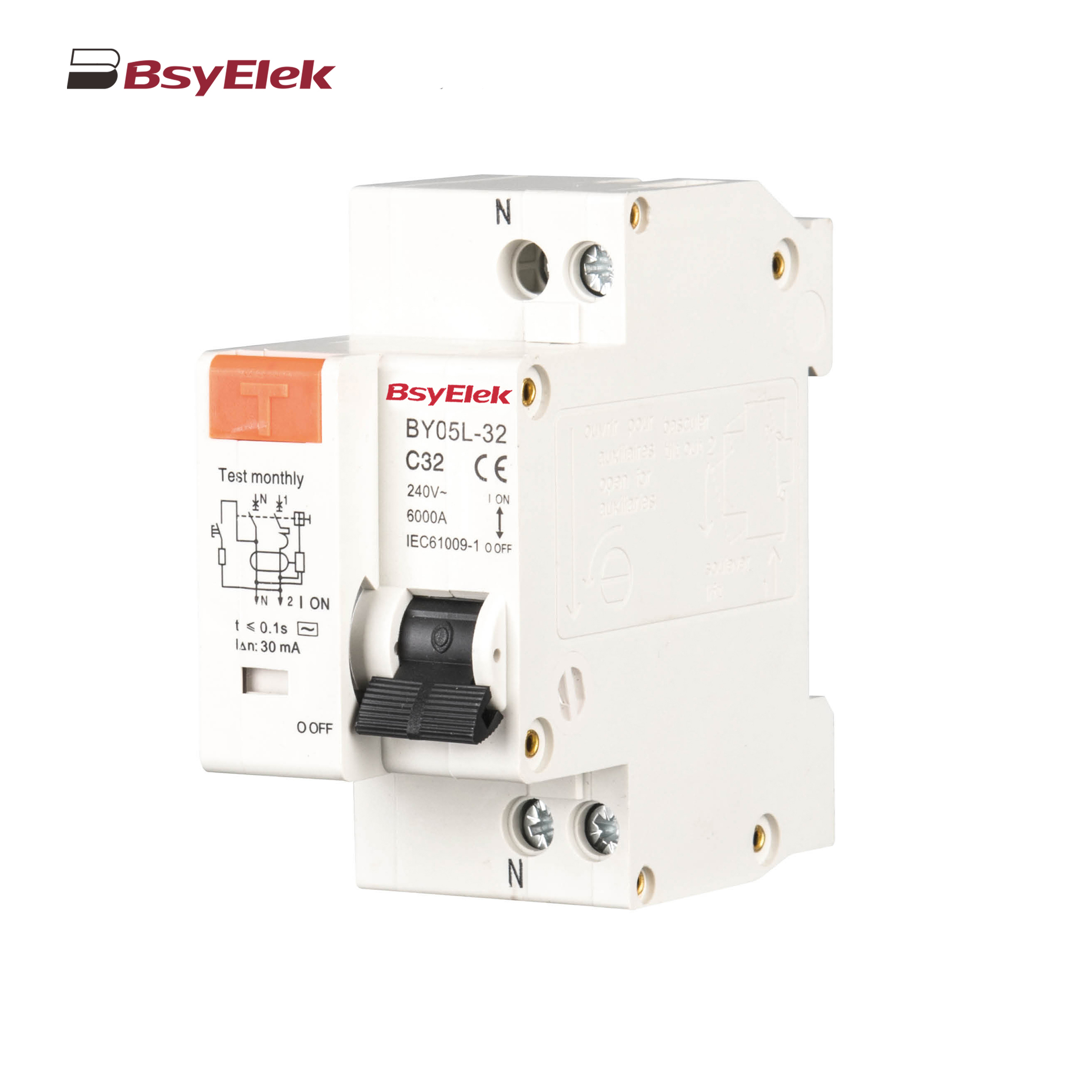 BY05L-32 RCBO 3KA Residual Current Circuit Breaker with Over-current Protection
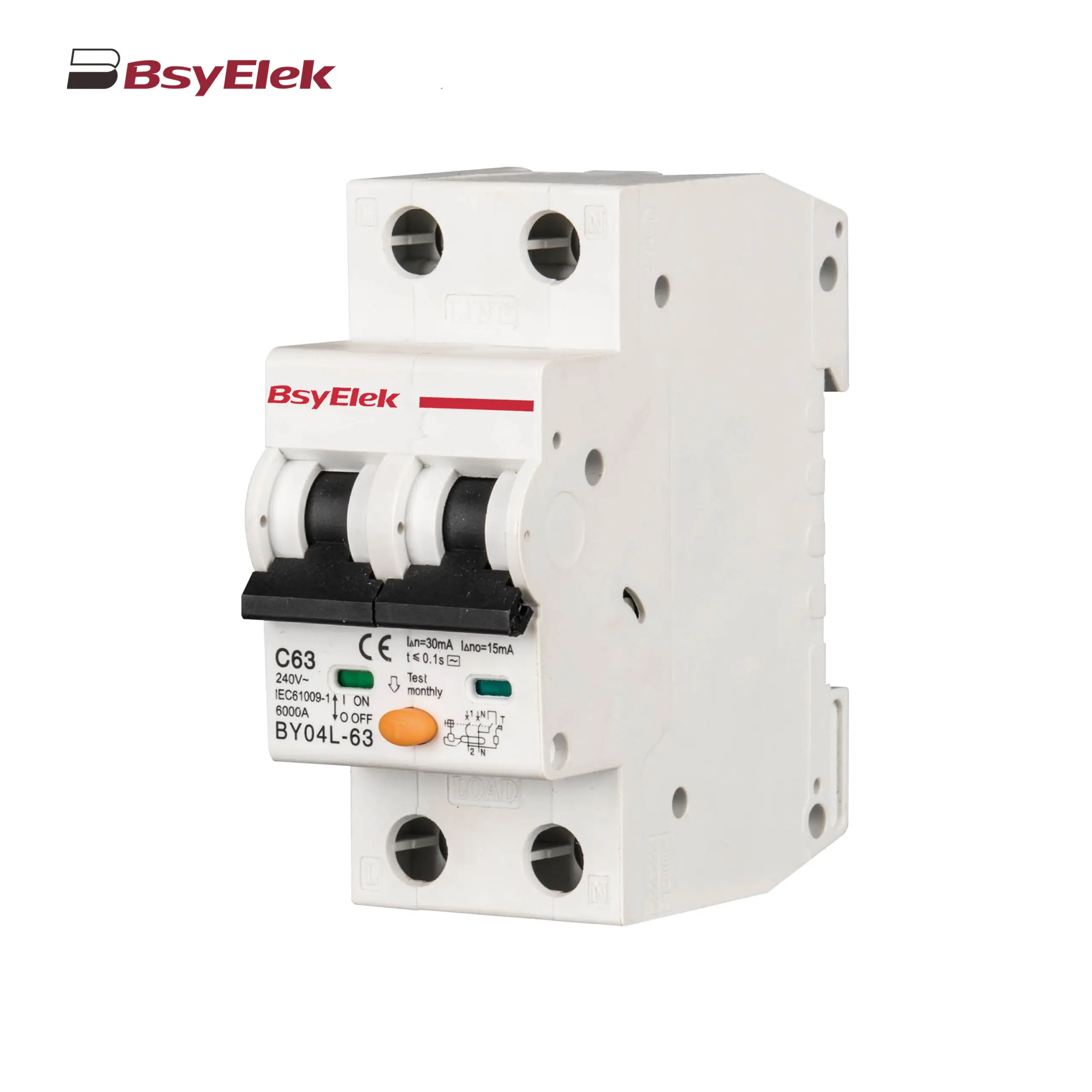 BY04L-63 RCBO 6KA Residual Current Circuit Breaker with Over-current Protection
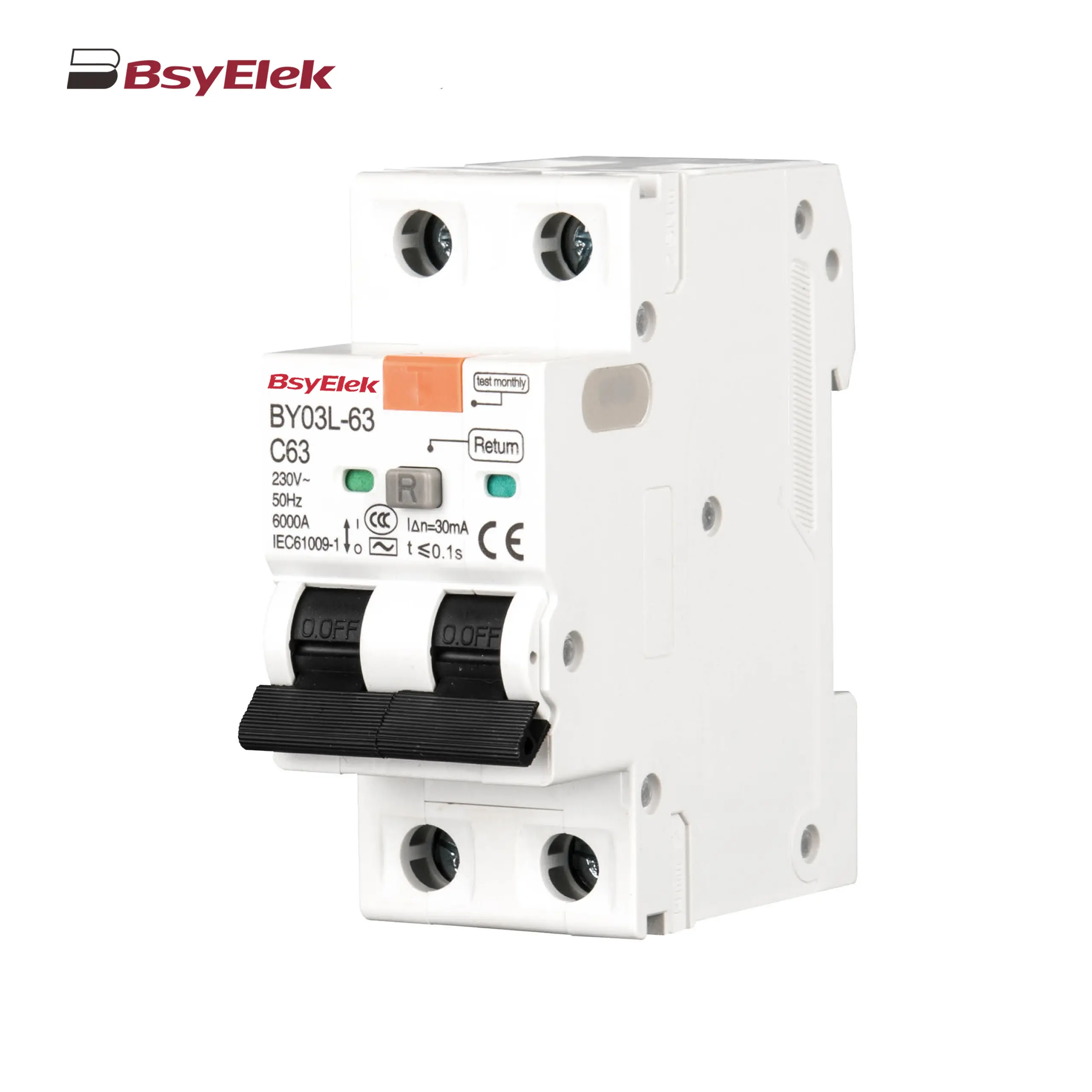 BY03L-63 RCBO 4.5KA Residual Current Circuit Breaker with Over-current Protection
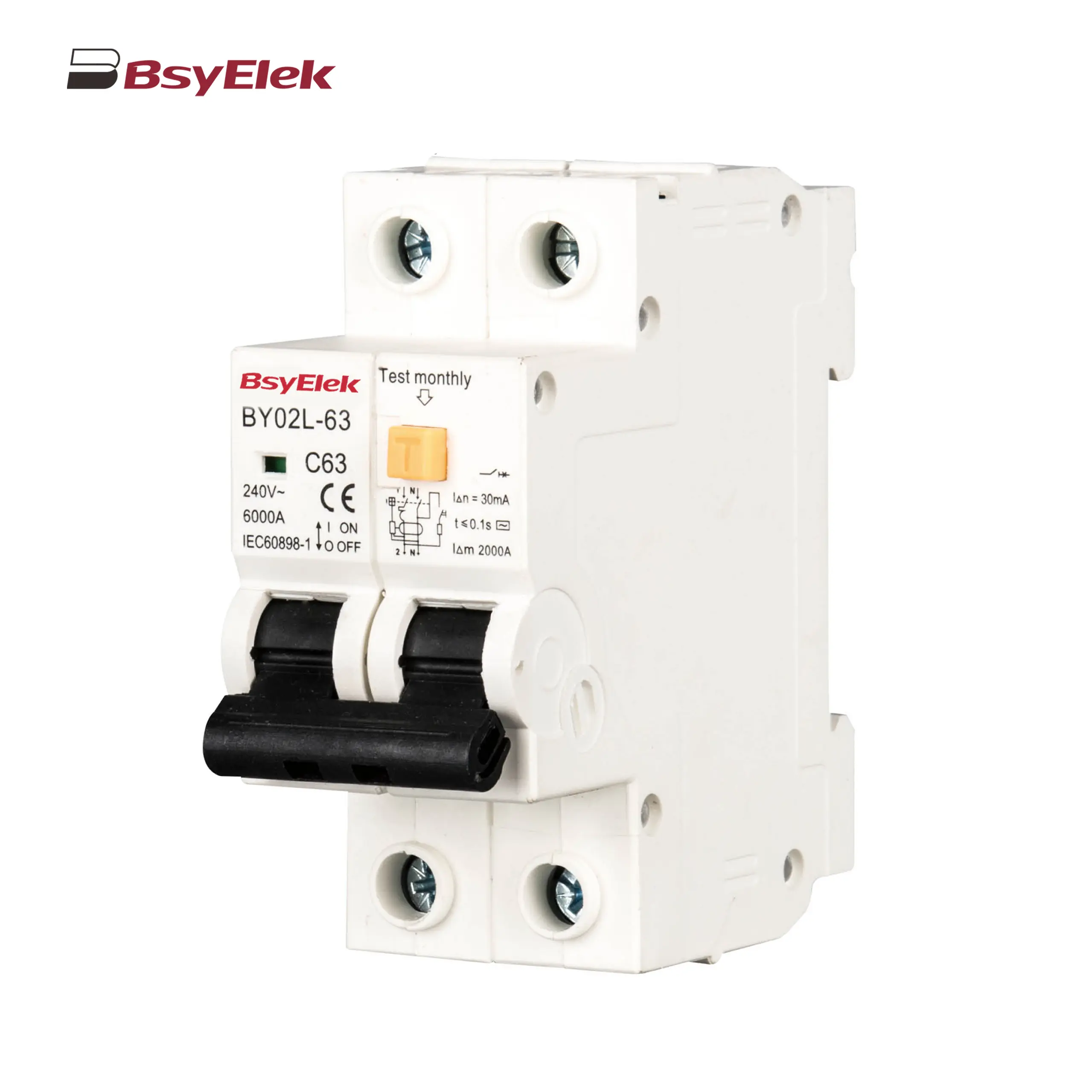 BY02L-63 RCBO 3KA Residual Current Circuit Breaker with Over-current Protection
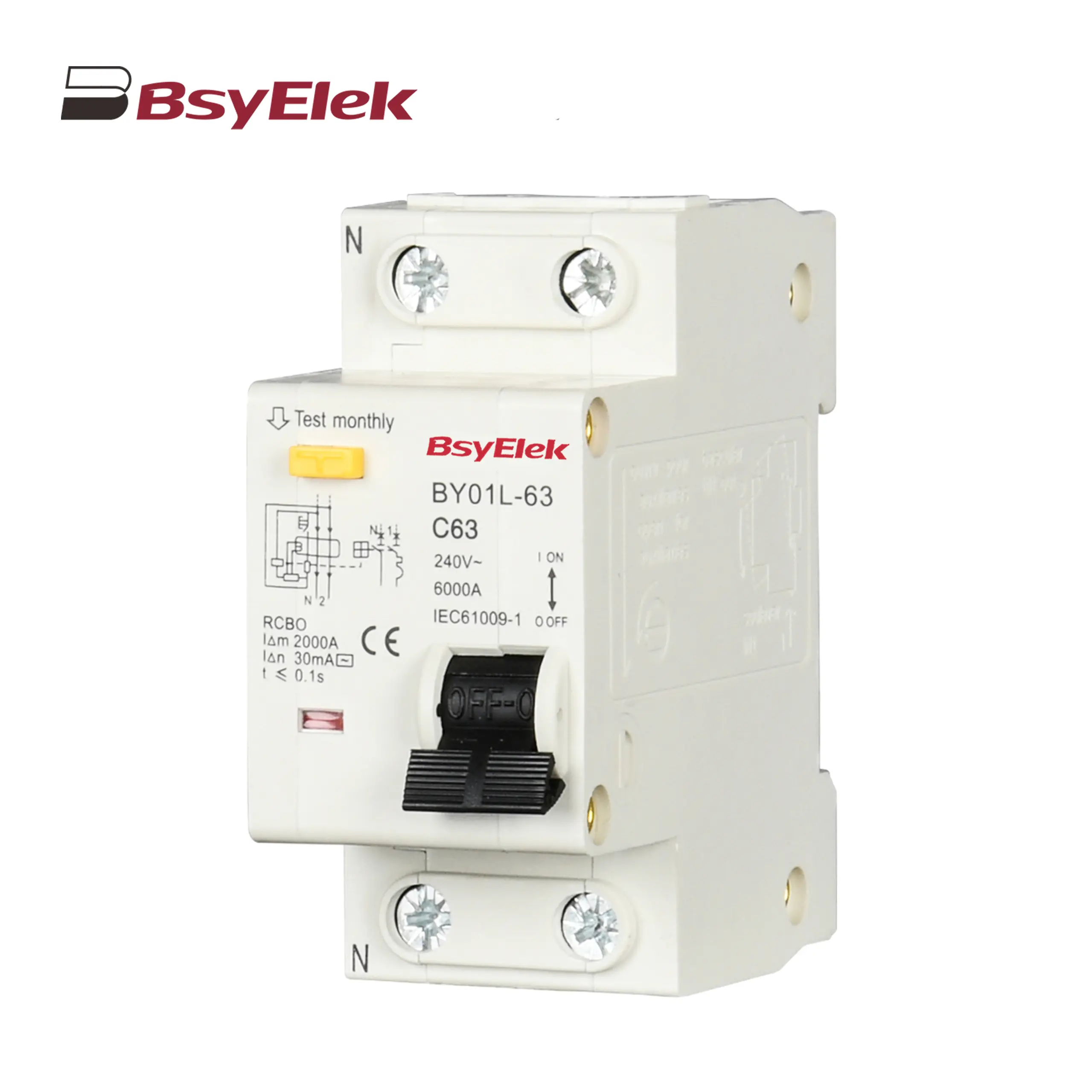 BY01L-63 RCBO 1P+N 3KA Residual Current Circuit Breaker with Over-current Protection
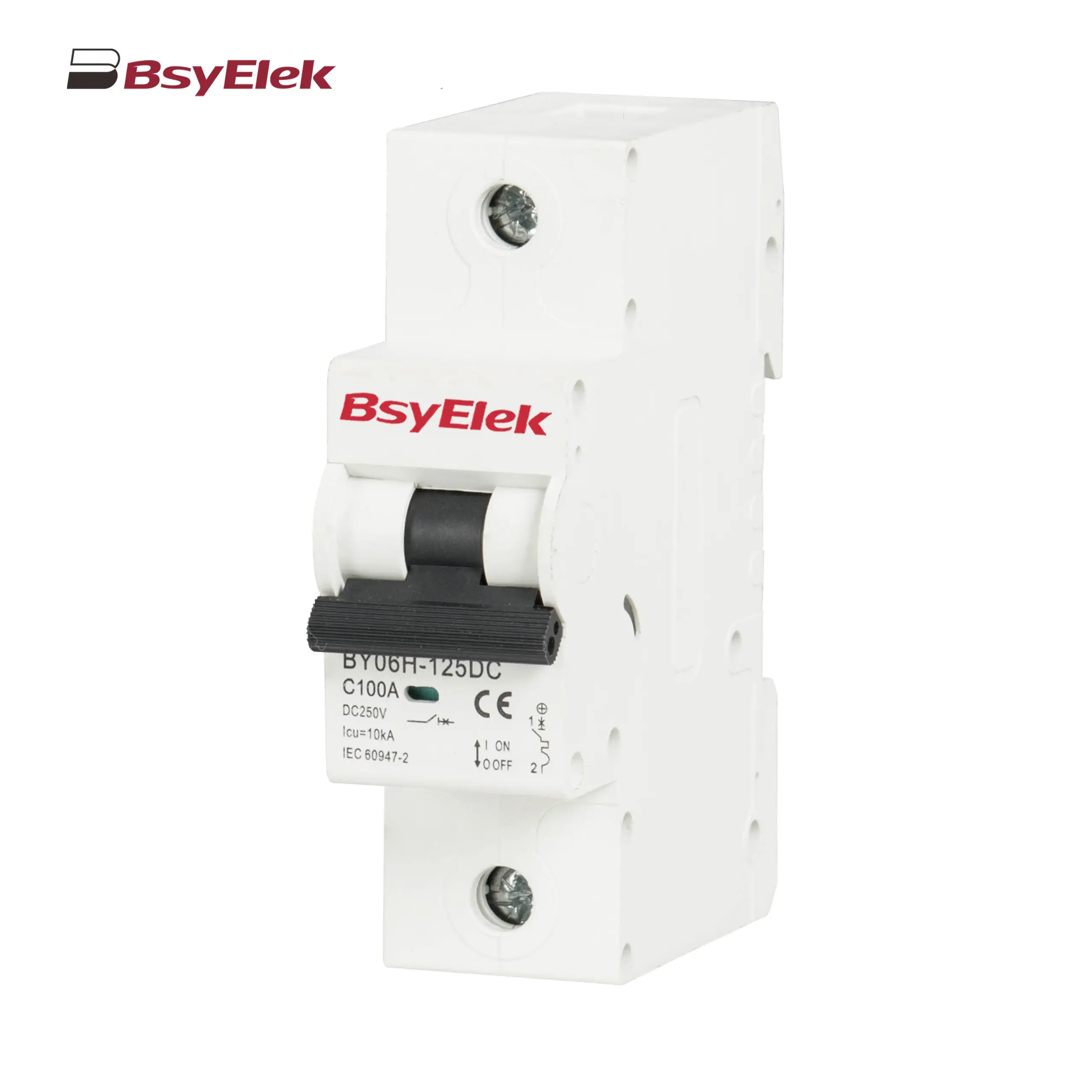 BY06H-125DC MCB 10-15kA DC Miniature Circuit Breaker
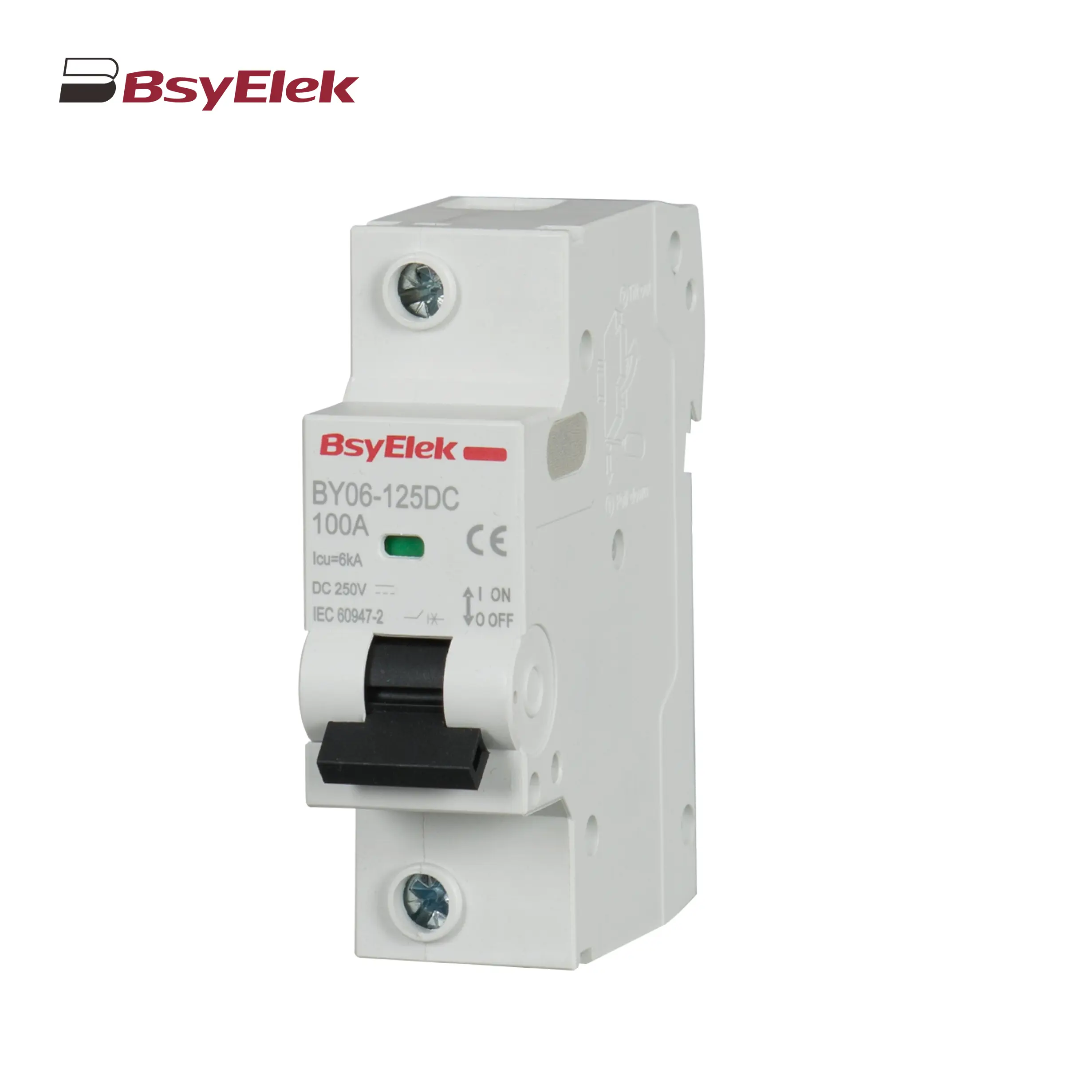 BY06-125DC MCB 6kA DC Miniature Circuit Breaker
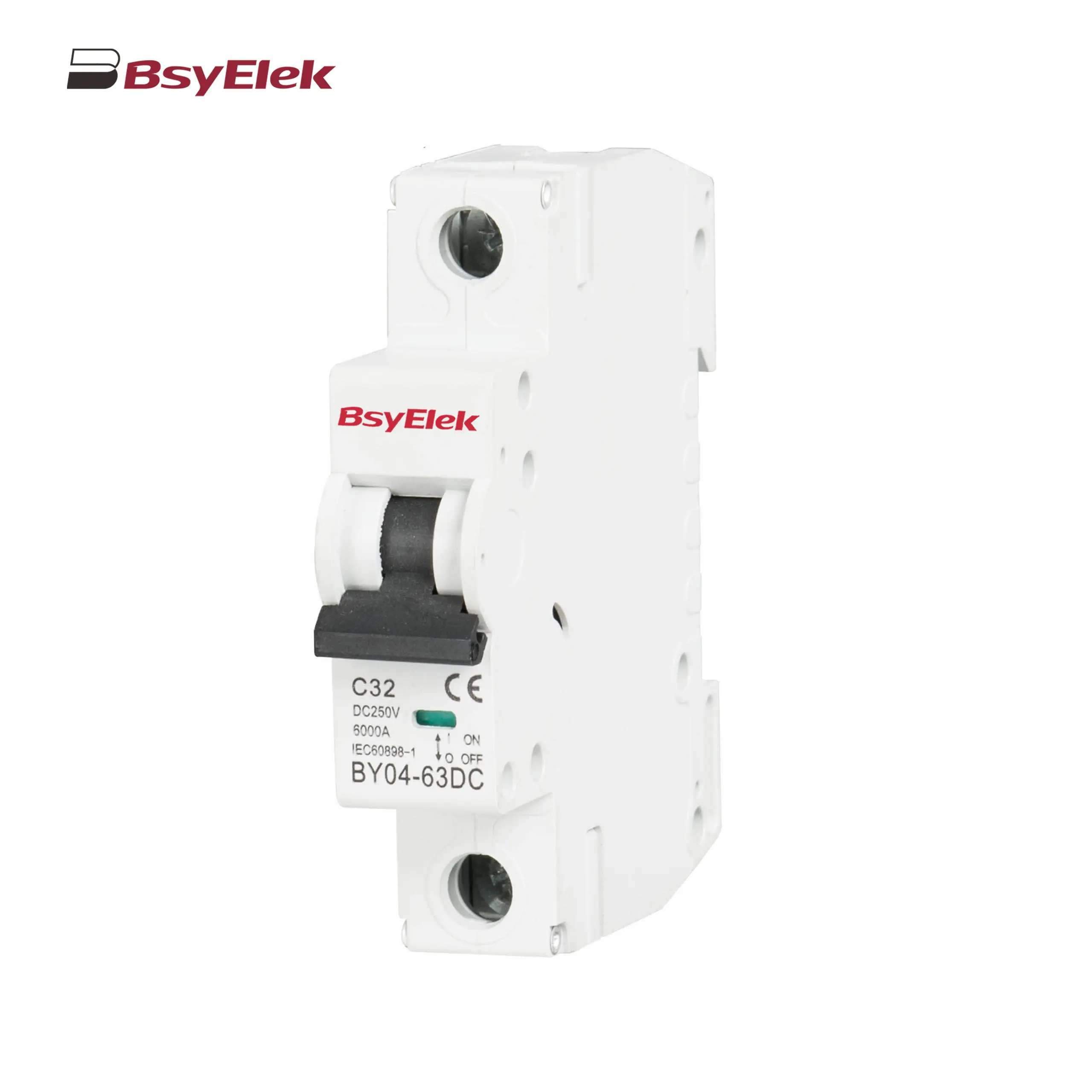 BY04-63DC MCB 6-10kA DC Miniature Circuit Breaker
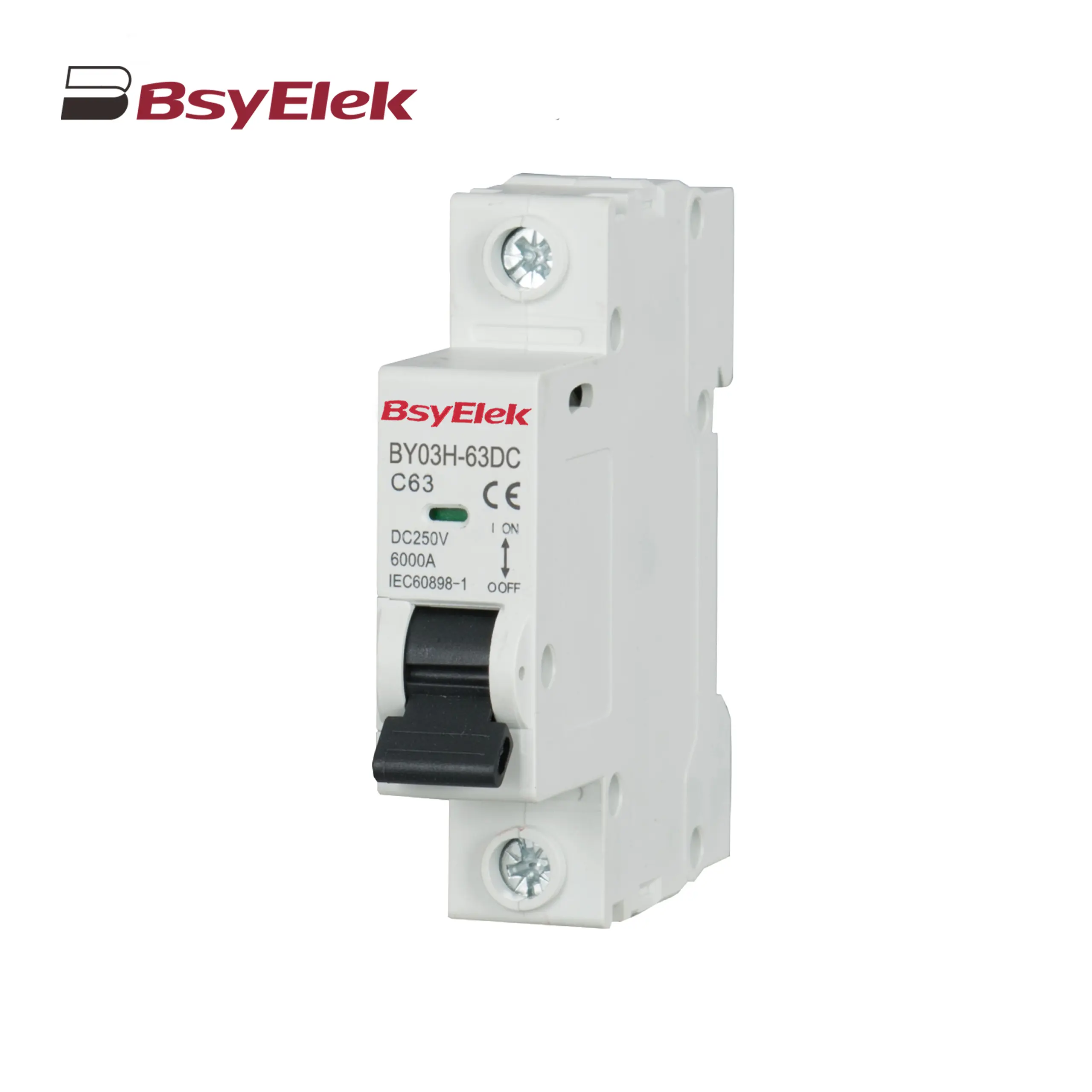 BY03H-63DC MCB 6kA DC Miniature Circuit Breaker
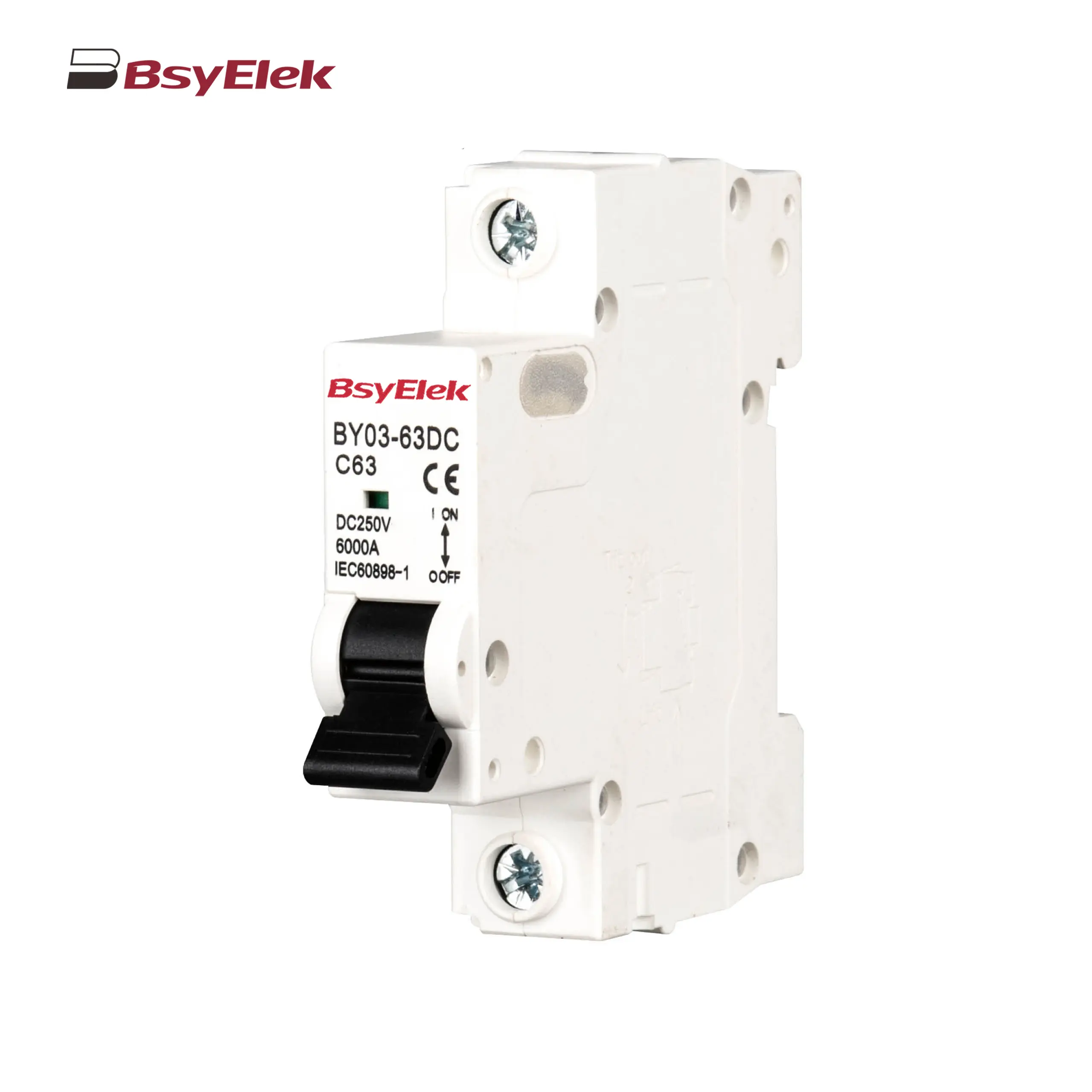 BY03-63DC MCB 4.5kA DC Miniature Circuit Breaker
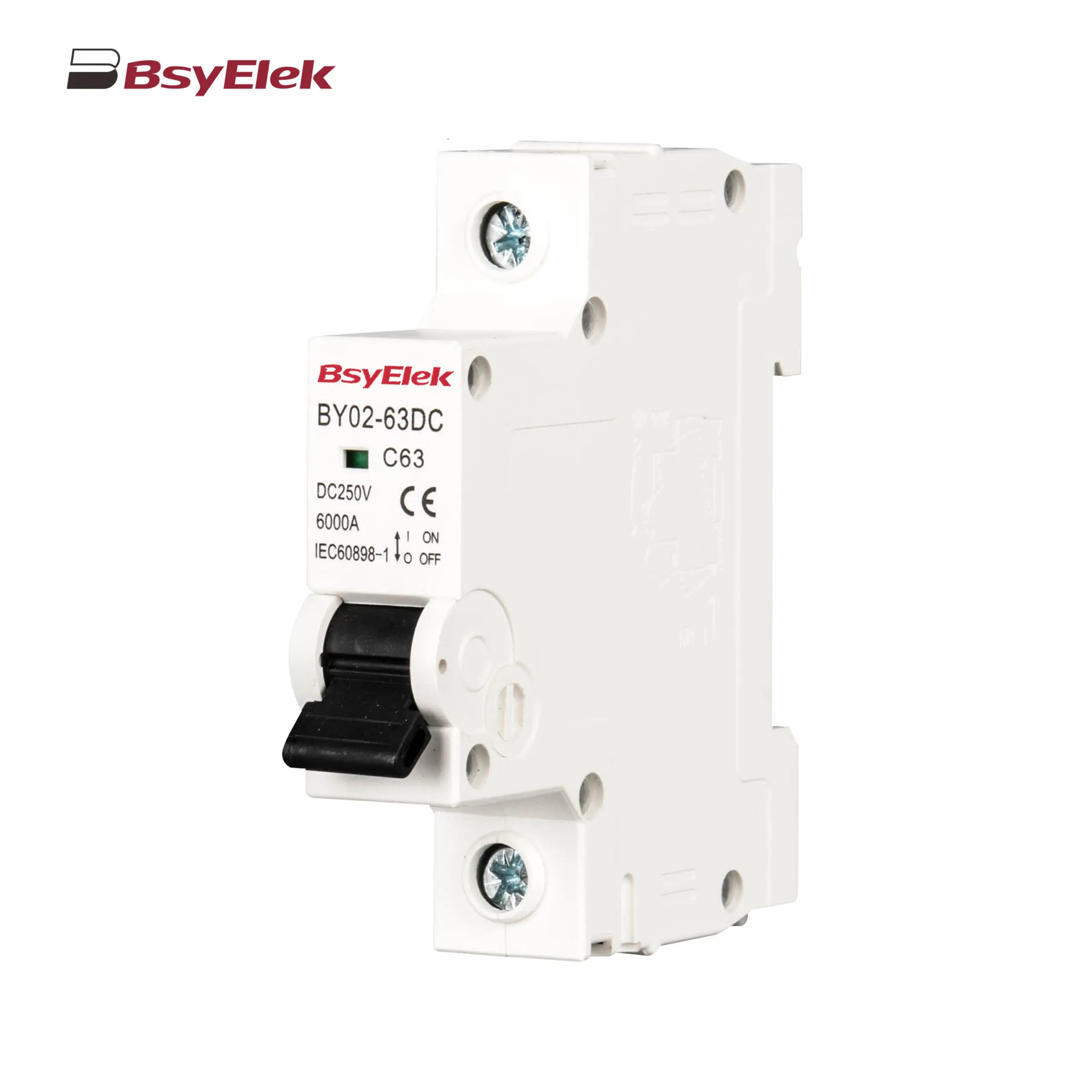 BY02-63DC MCB 3kA DC Miniature Circuit Breaker
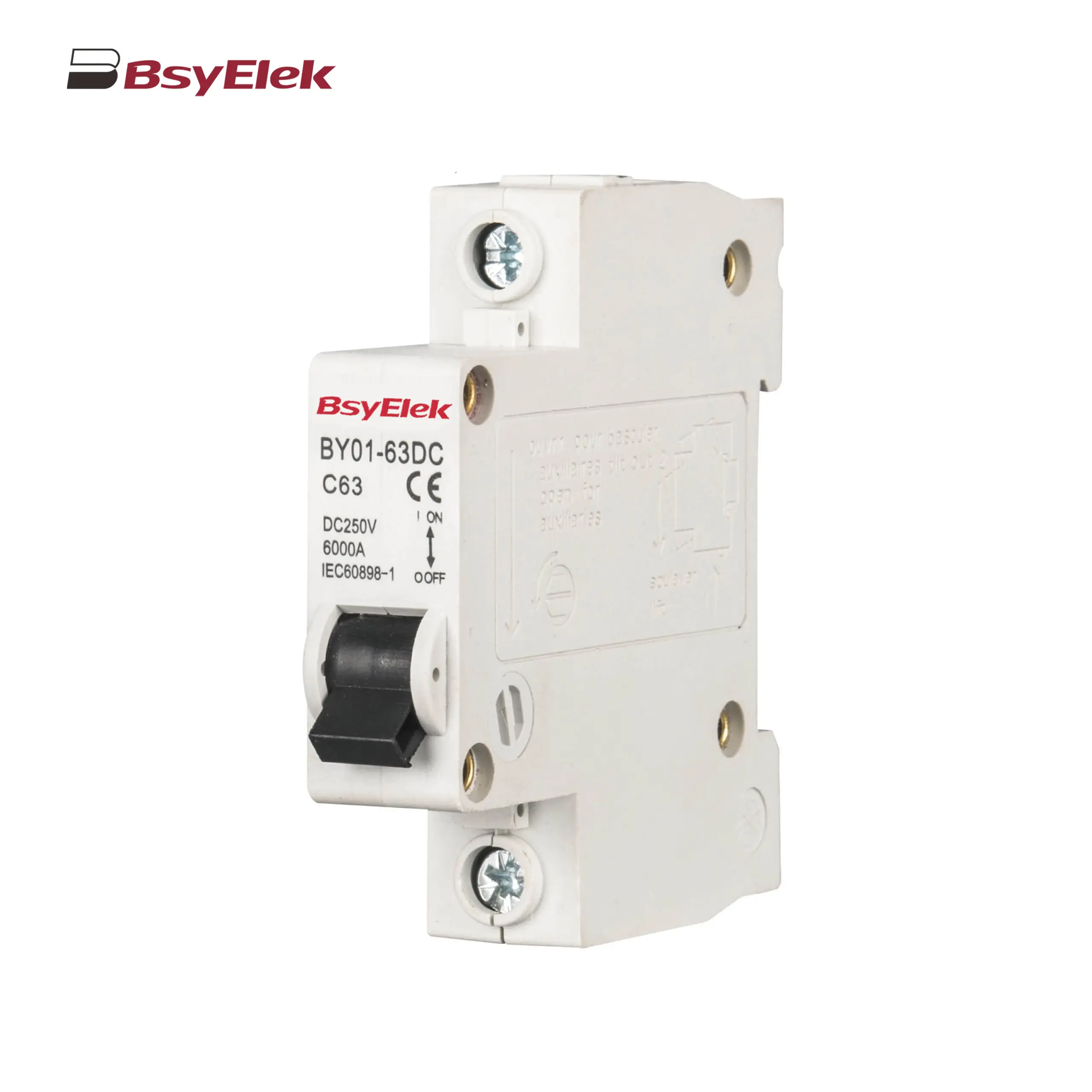 BY01-63DC MCB 3kA DC Miniature Circuit Breaker
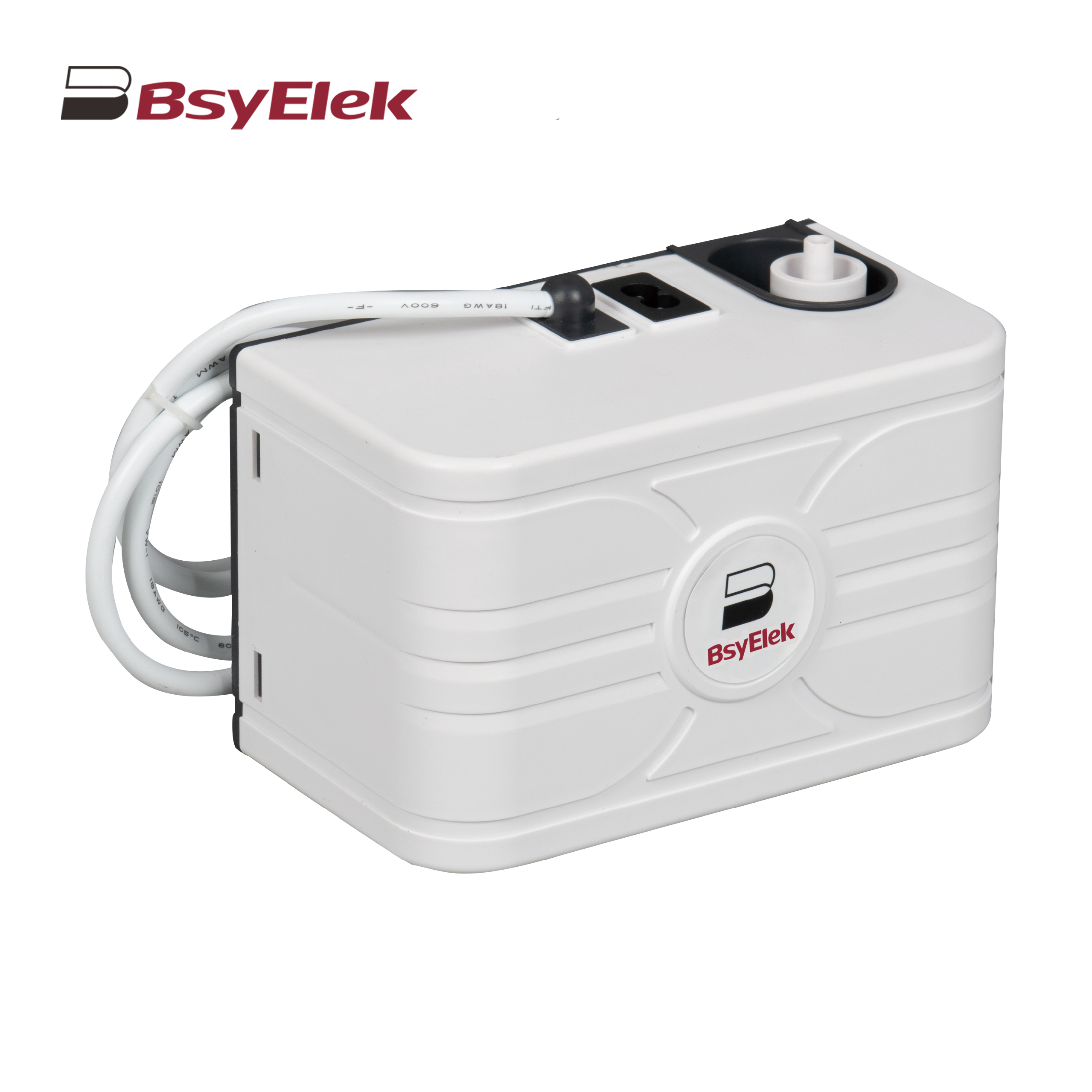 BY-5018 1.8M Engineering Drainage Pump
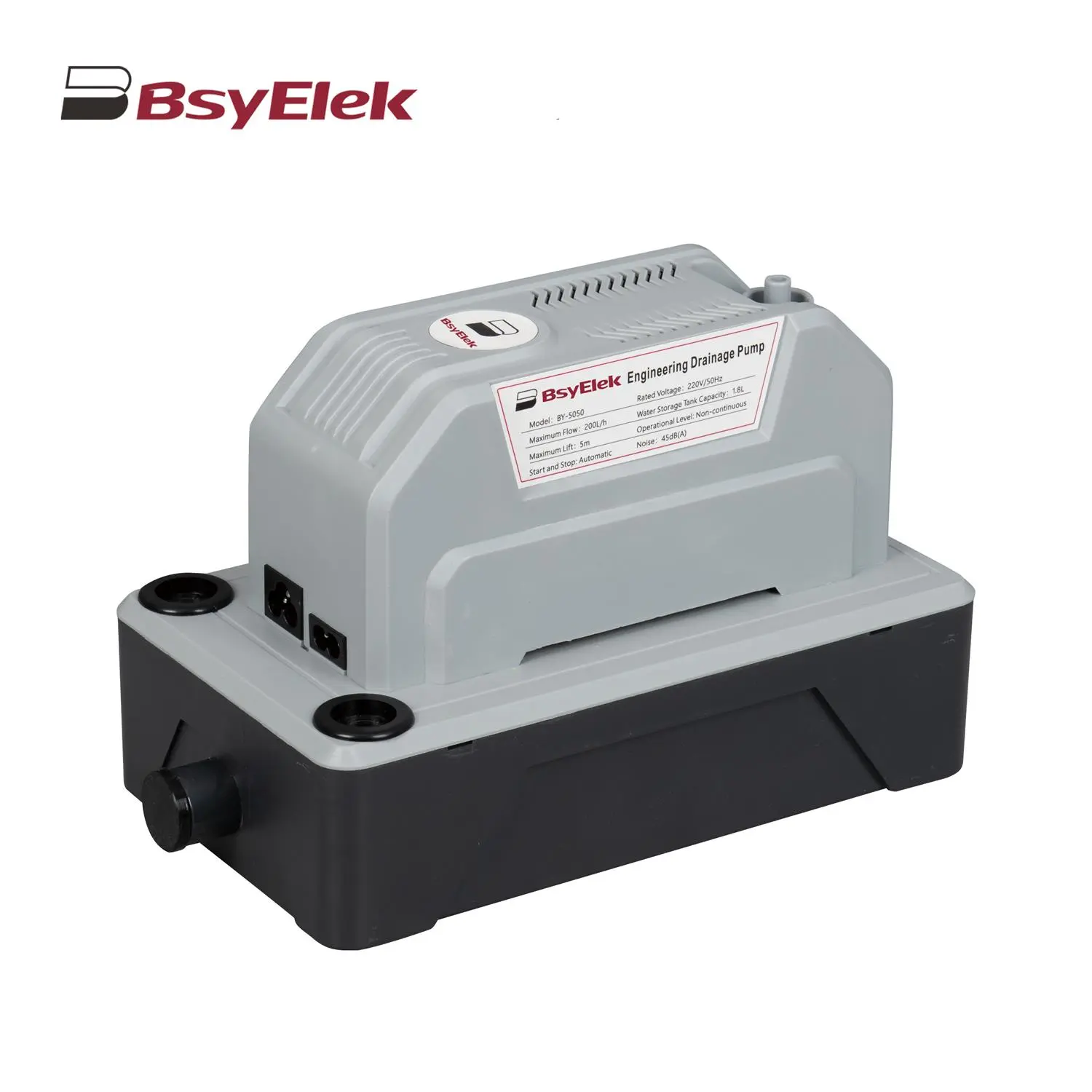 BY-5050 5M Engineering Drainage Pump
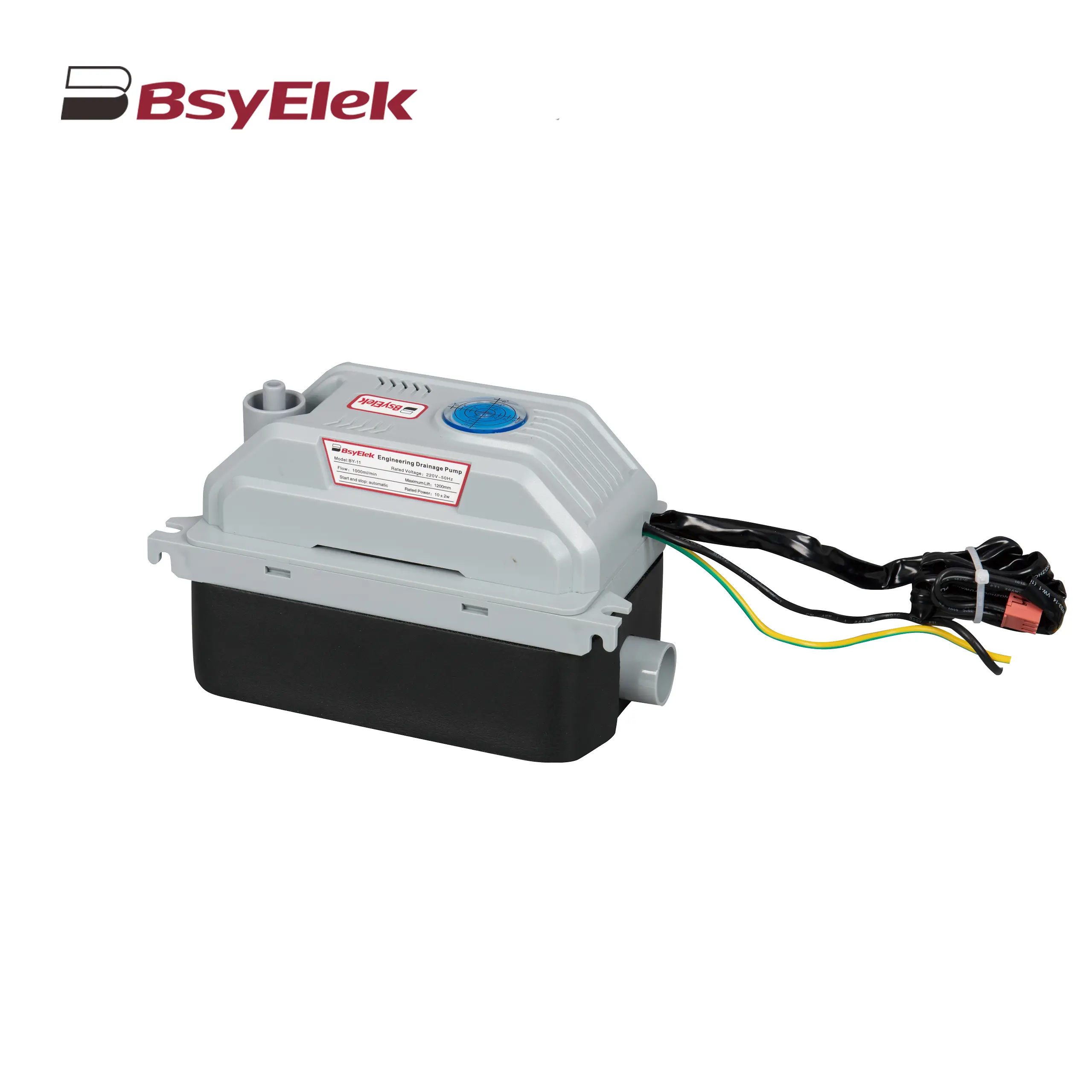 BY-11 1.2M Engineering Drainage Pump
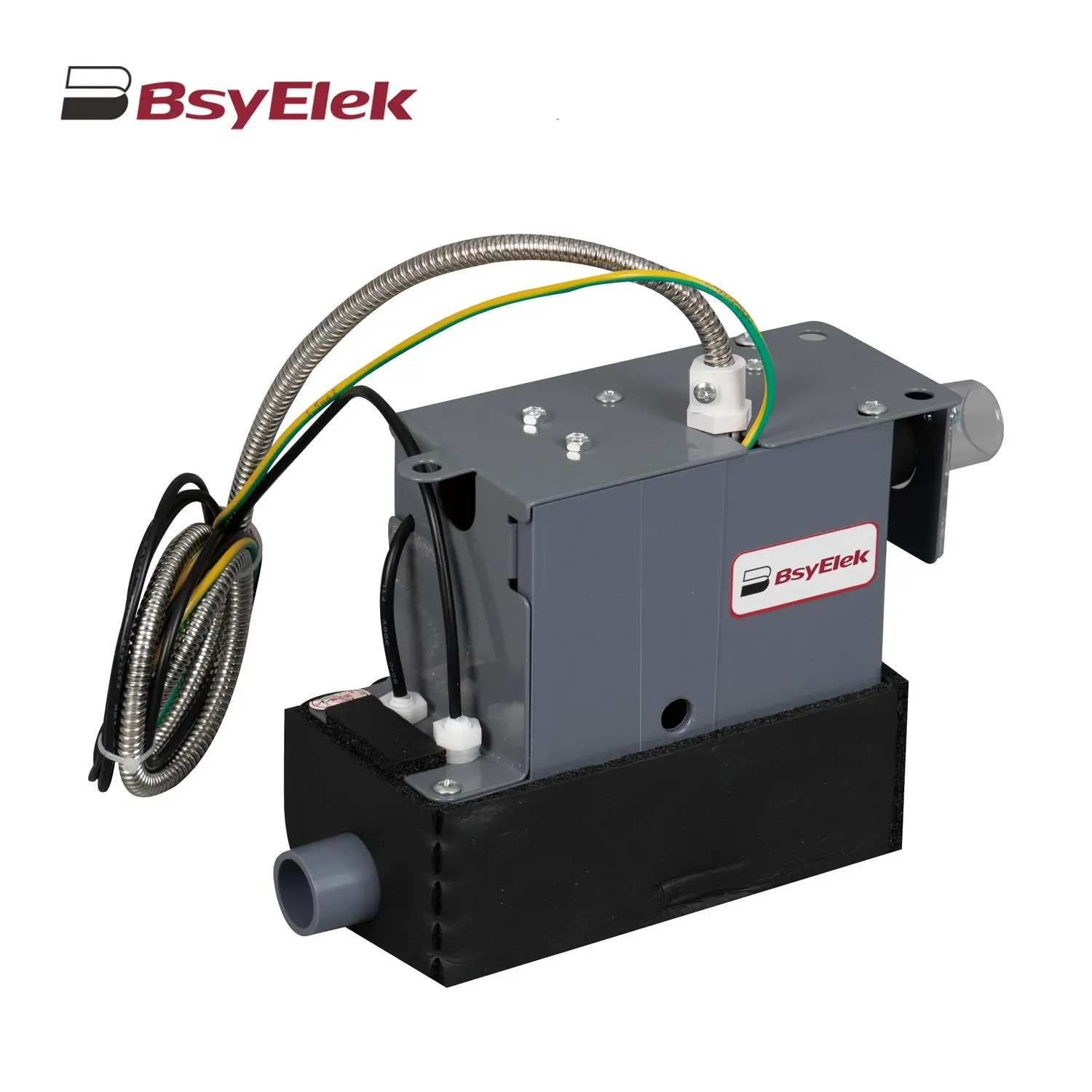 SBH-05 0.7M Original Drainage Pump of Duct Type Air Conditioner
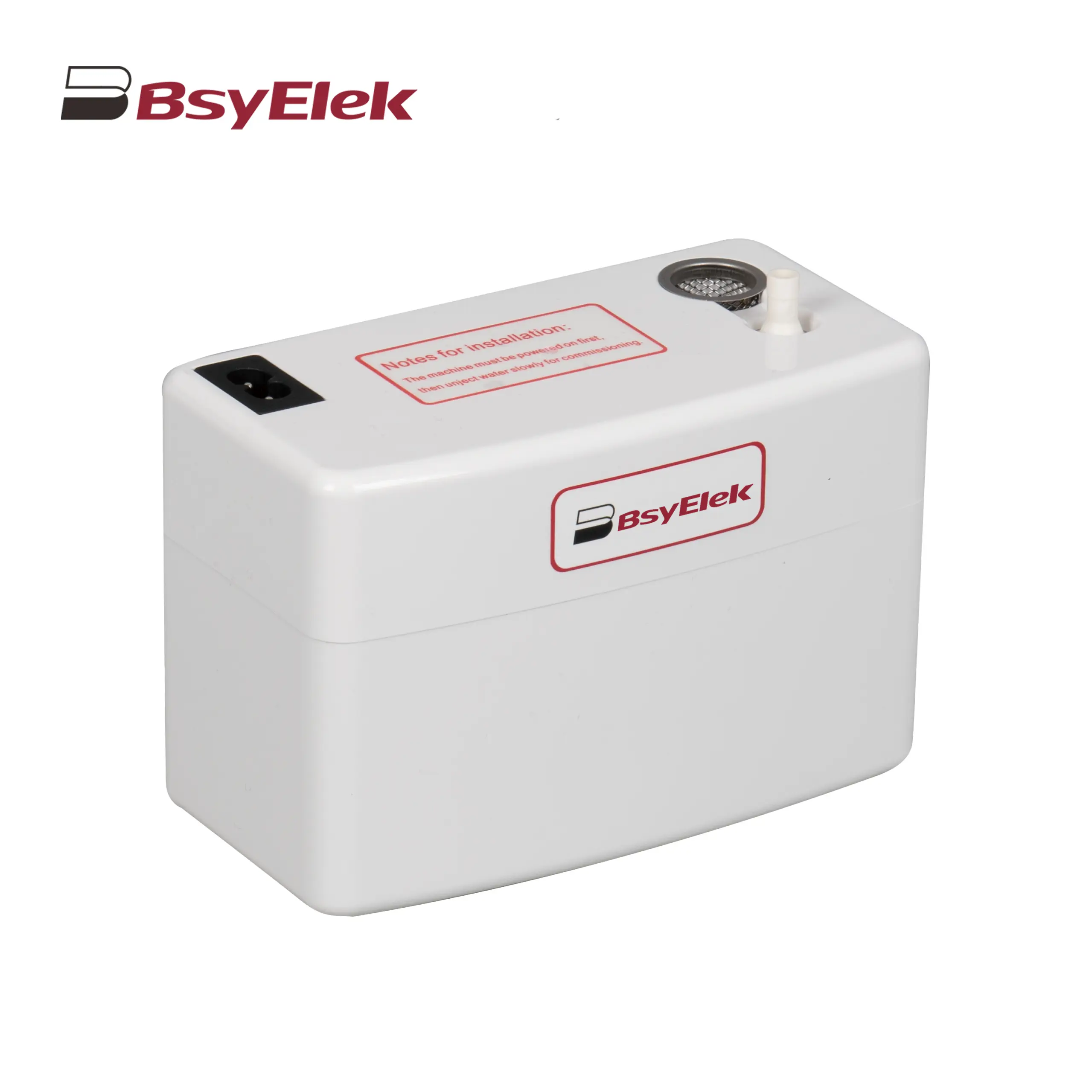 BY-24A/40A 10M Drainage Pump of Air Conditioner
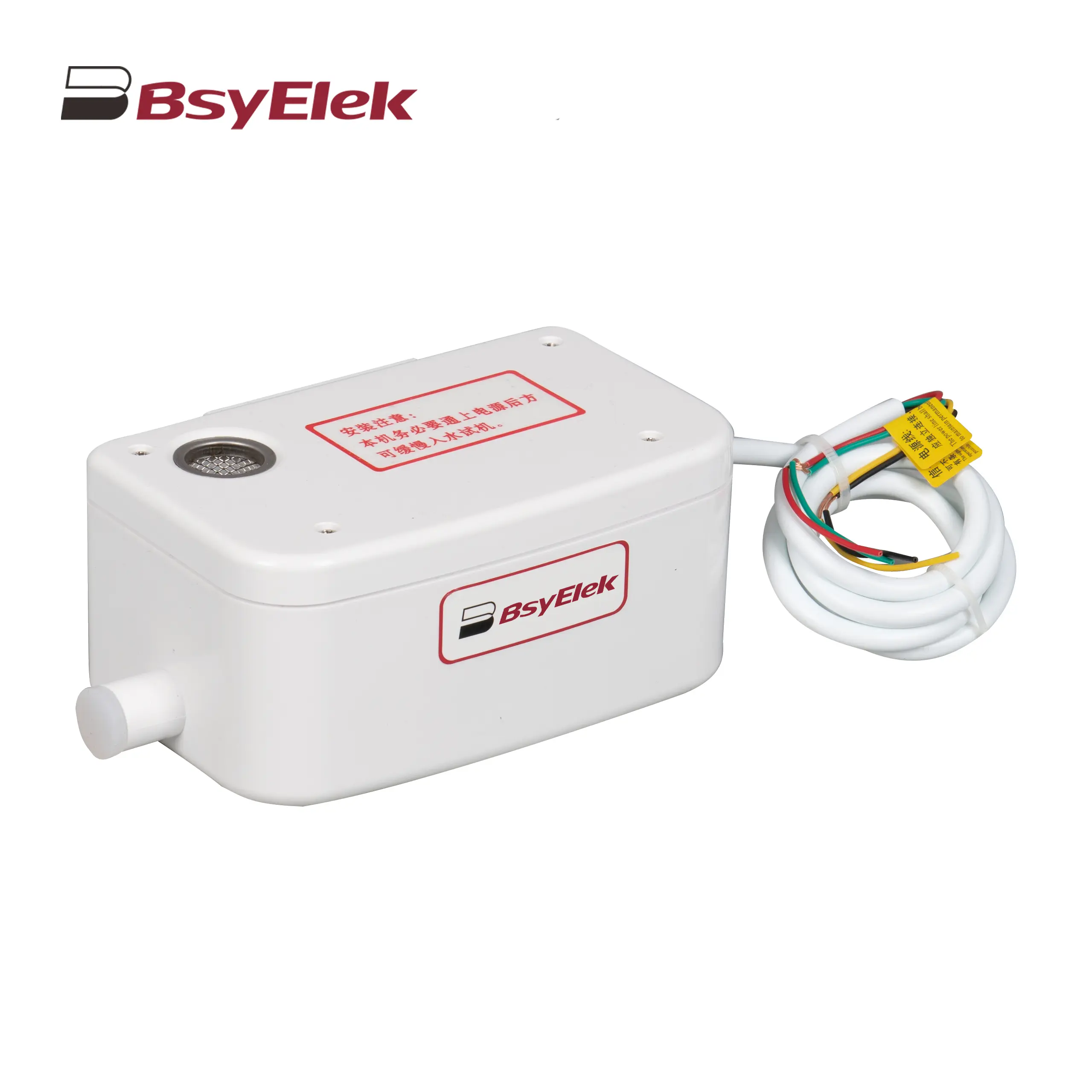 BY-50A 12M Drainage Pump of Air Conditioner
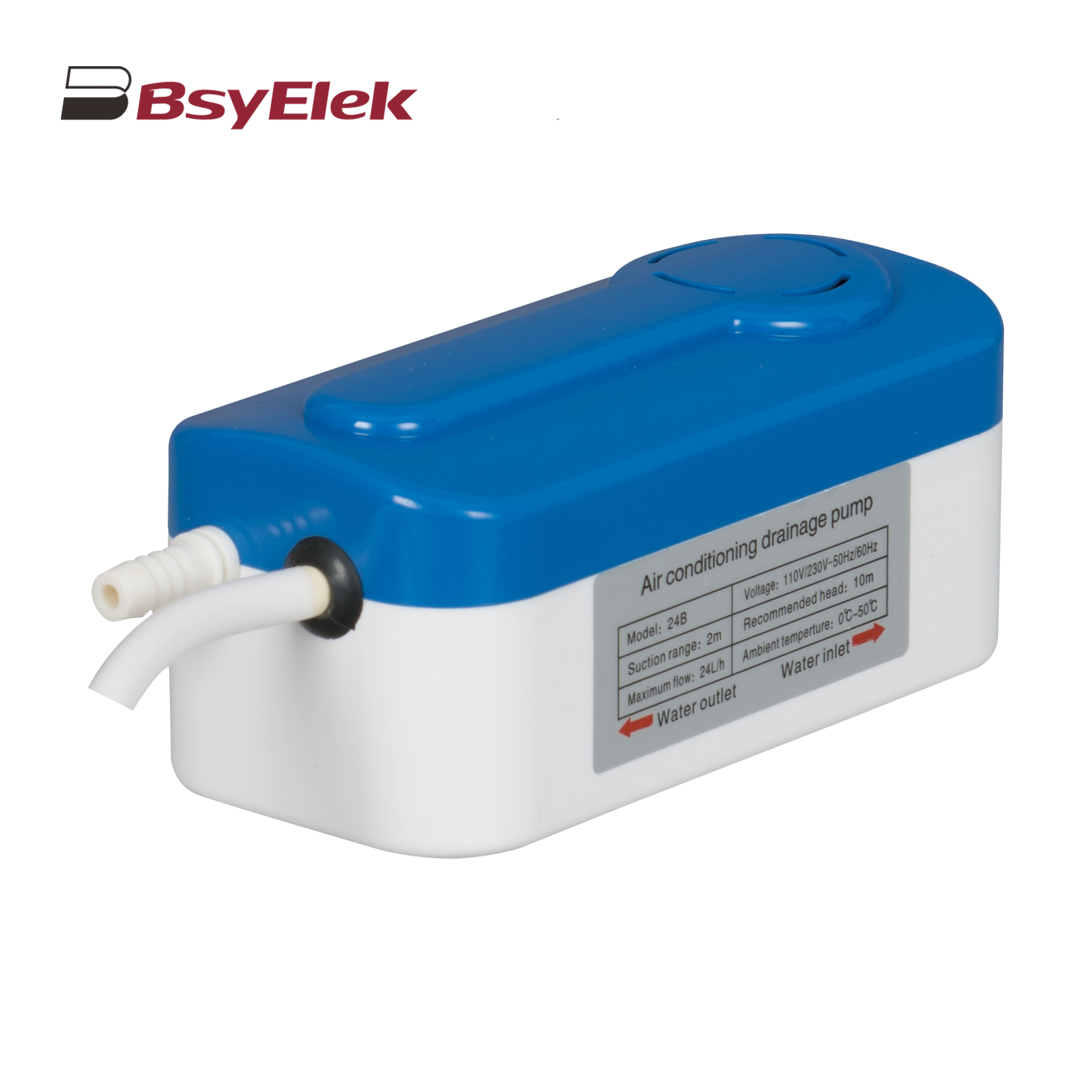 BY-24B/40B 10M Split Type Drainage Pump
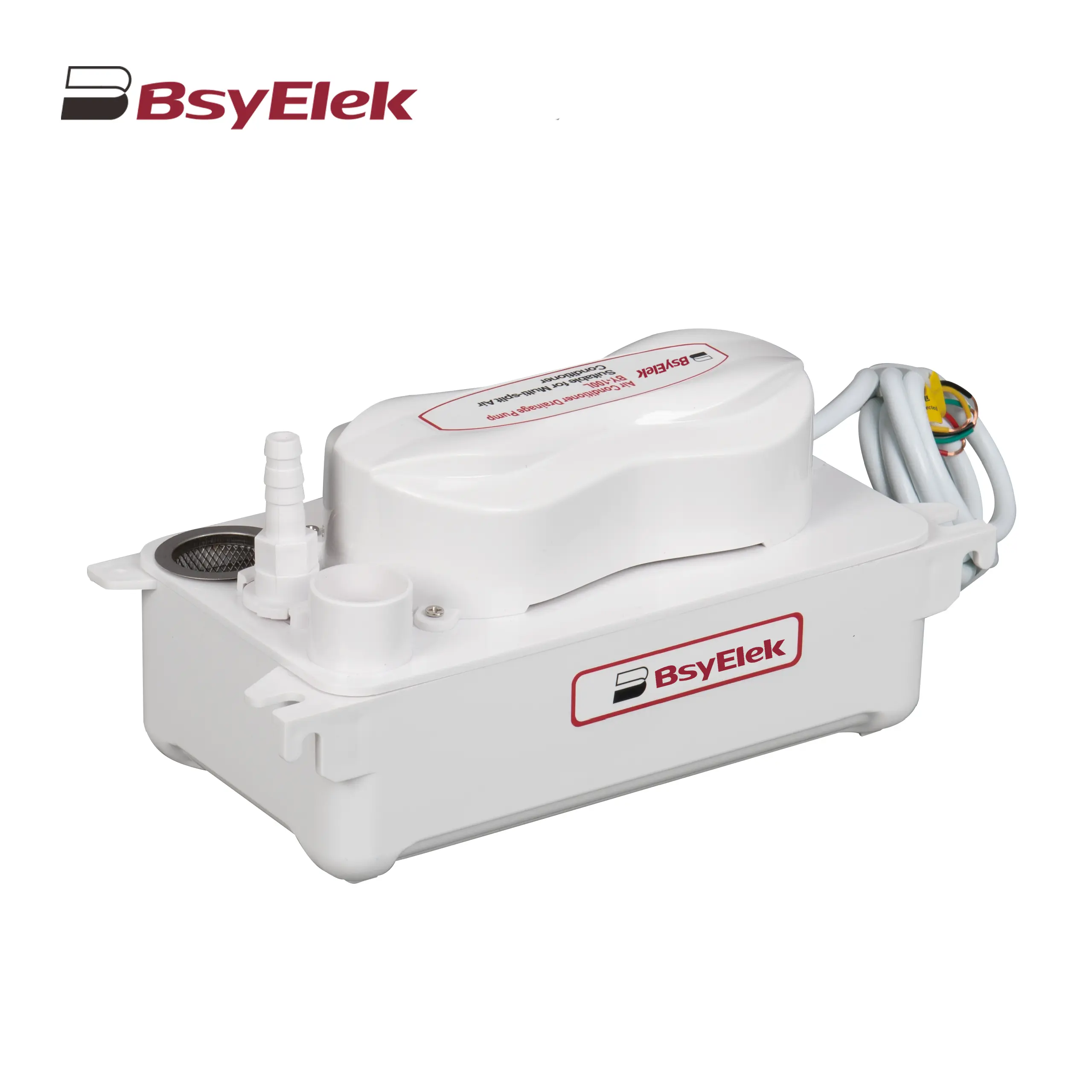 BY-100L 2M Drainage Pump of Air Conditioner
 BY-360L 6M Large Displacement Drainage Pump
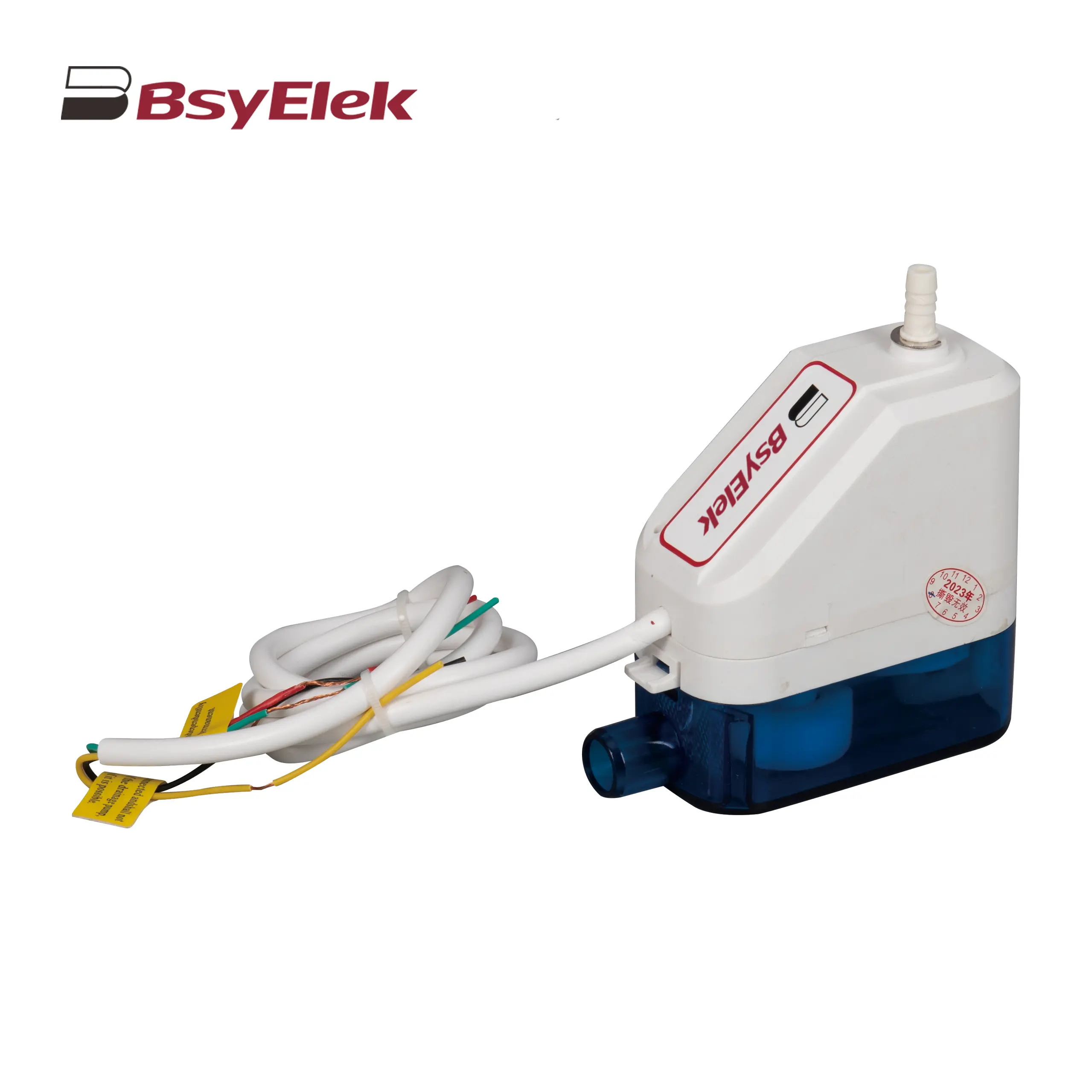 BY-24C/40C 10M Corner Drainage Pump
What is a miniature circuit breaker (MCB)?
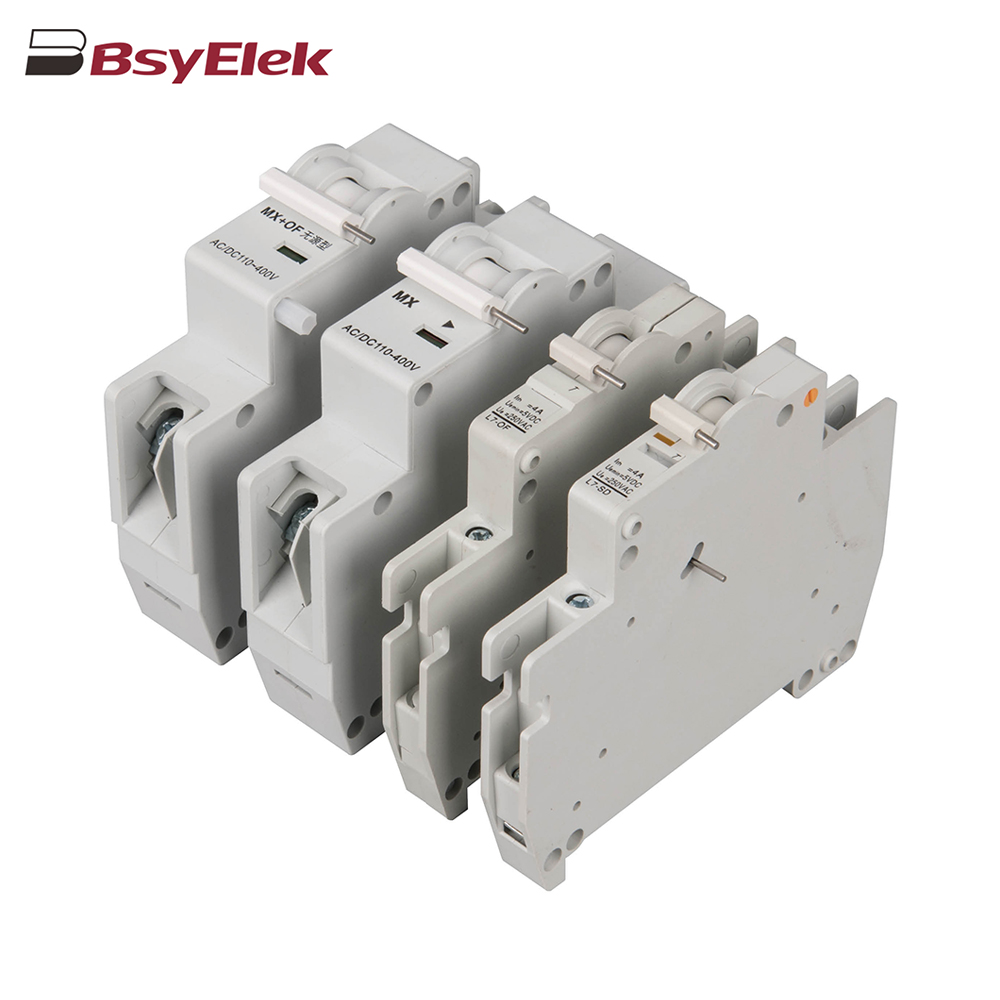 OF SD MX OF MCB Miniature Circuit Breaker Accessories
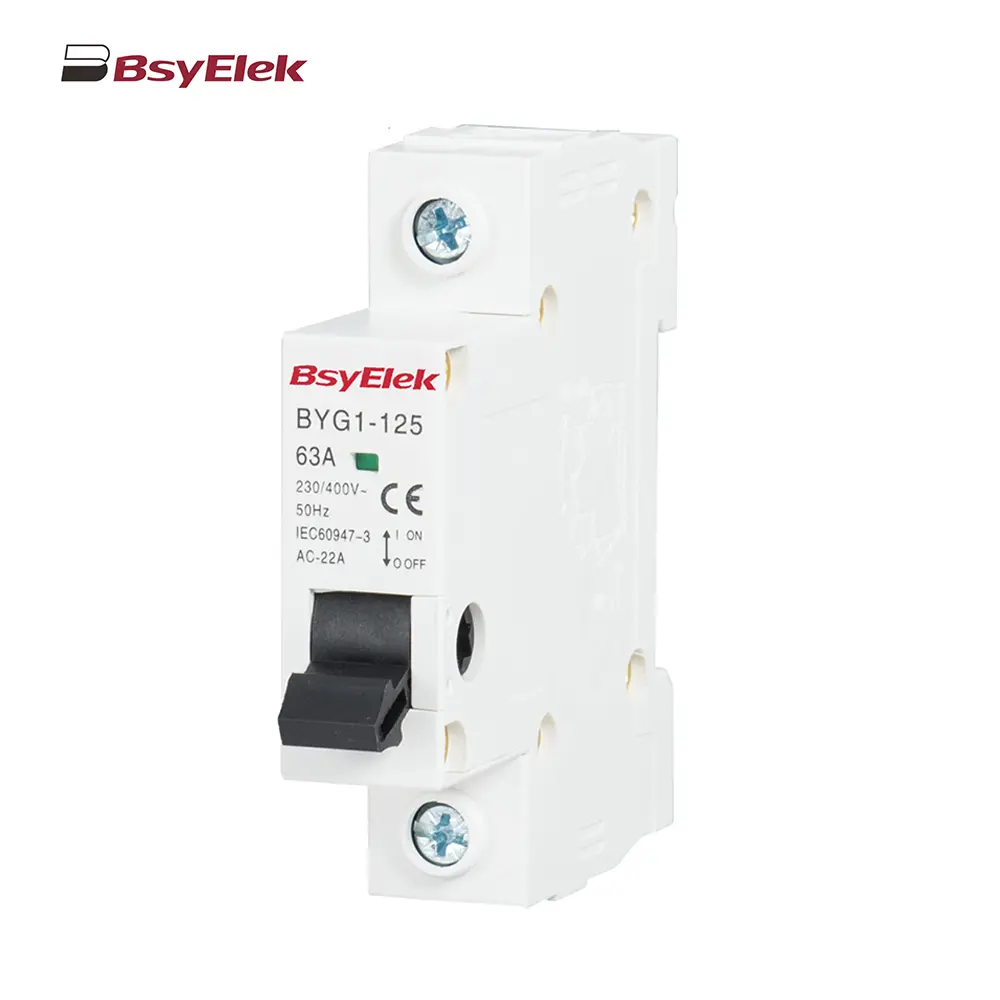 BYG1-125 Main Switch MCB Isolator Switch
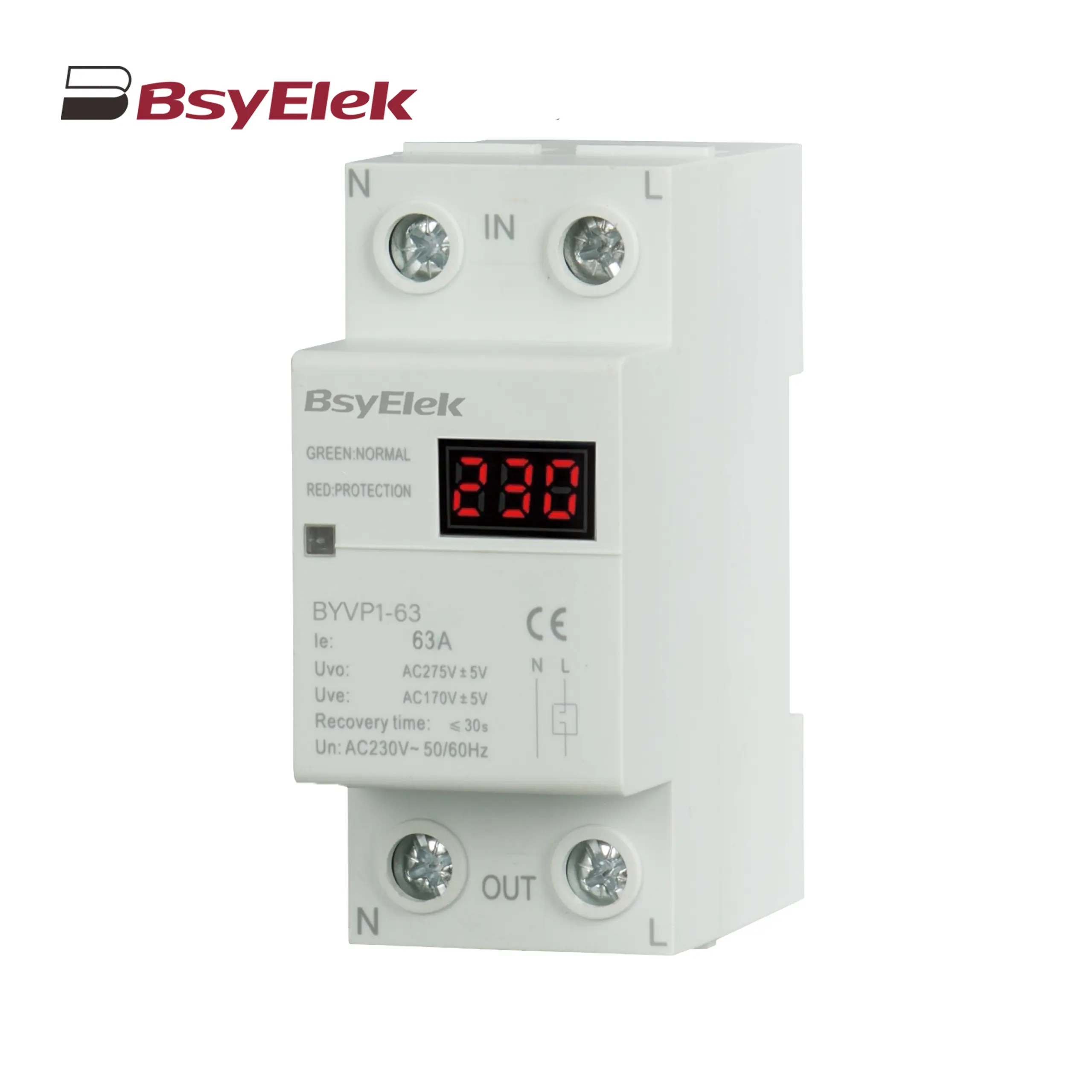 BYVP1-63 100A Single Display Overvoltage and Undervoltage Protector
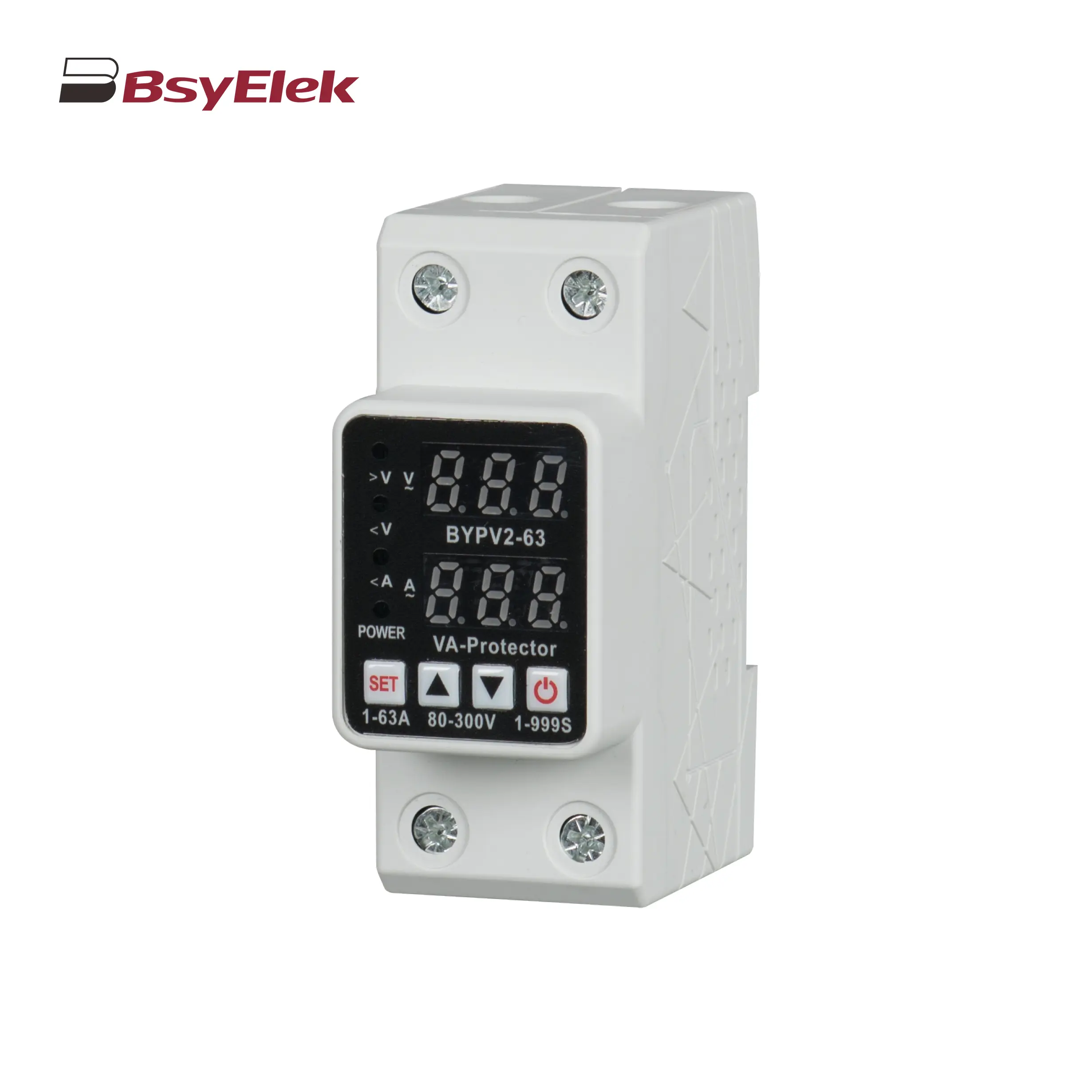 BYVP2-63 40A 63A Adjustable Dual Display Overvoltage and Undervoltage Protector
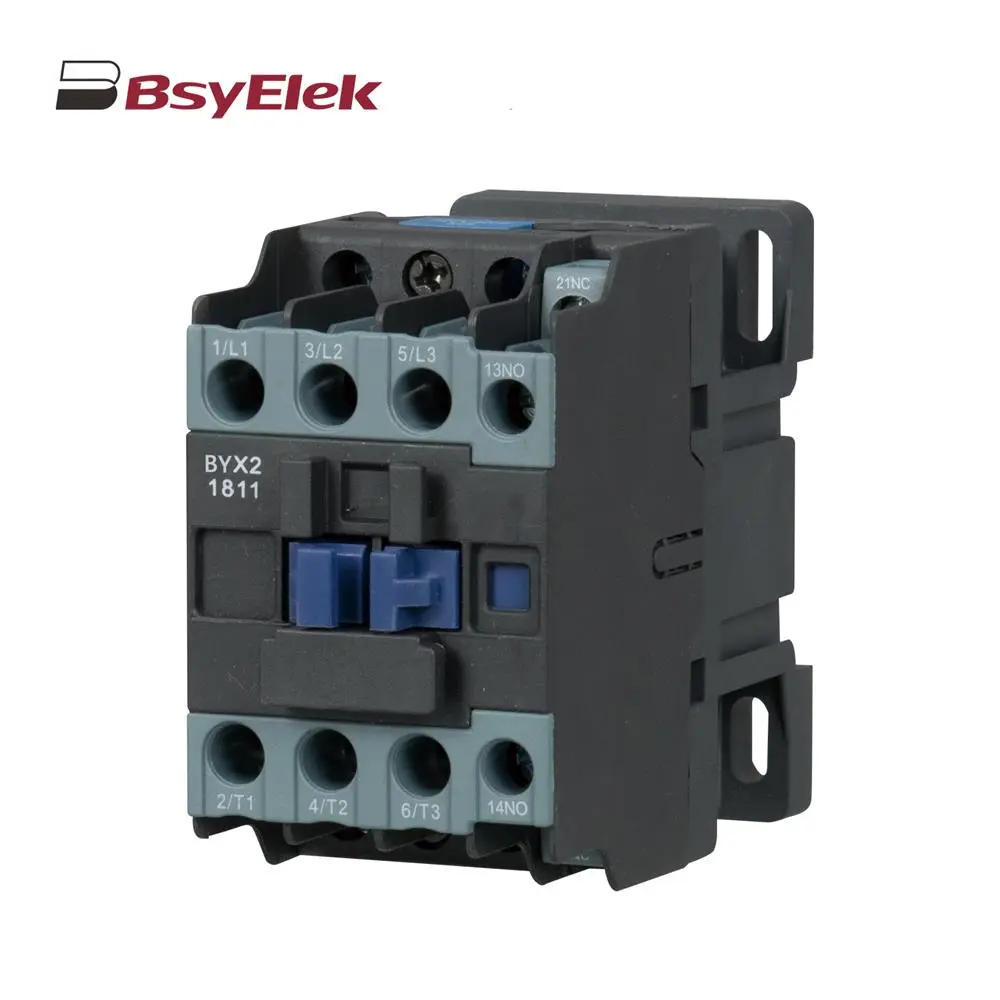 BYX2 6-95A AC Contactor
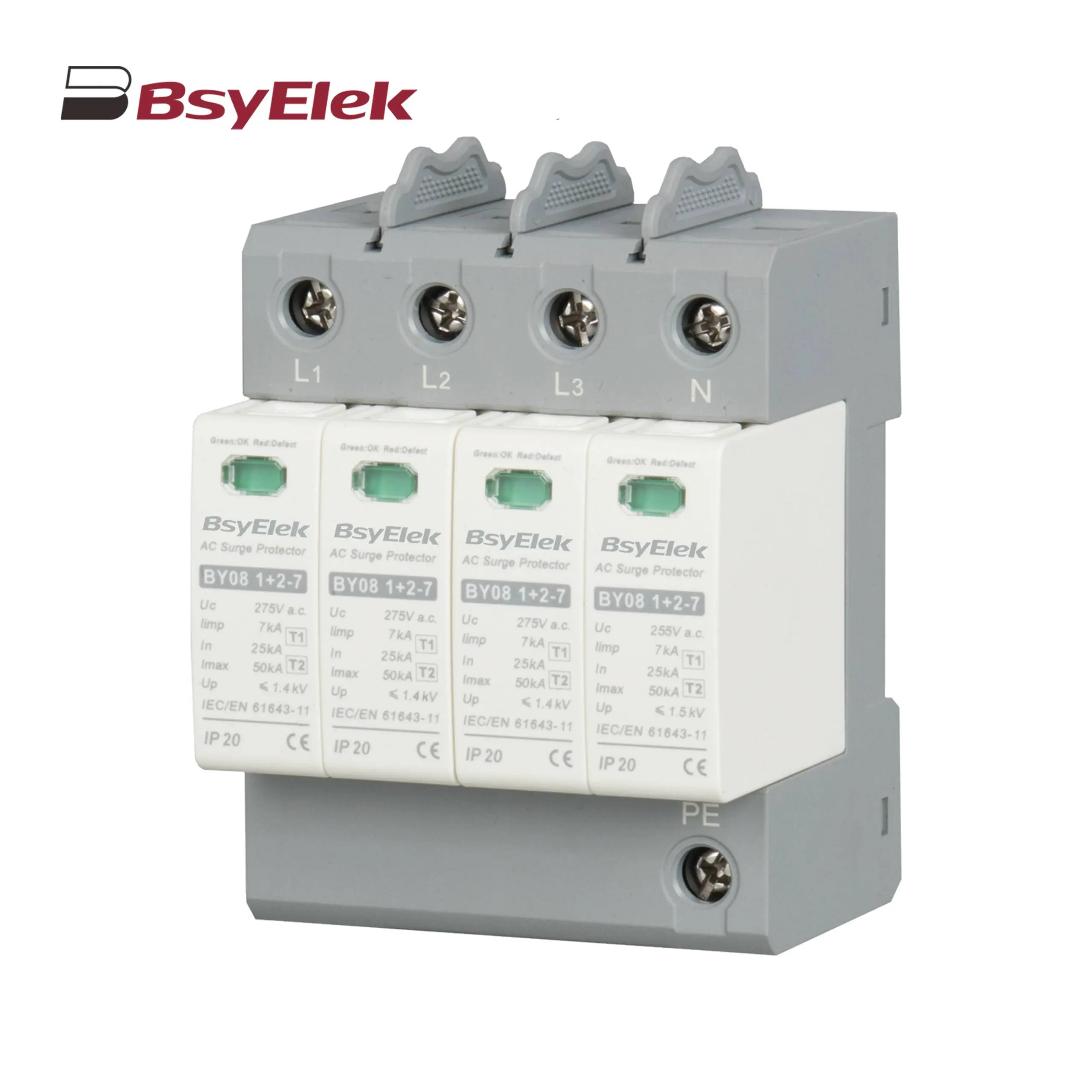 BY08 1+2-7 SPD Class T1+T2 Imax 50KA Surge Protective Device
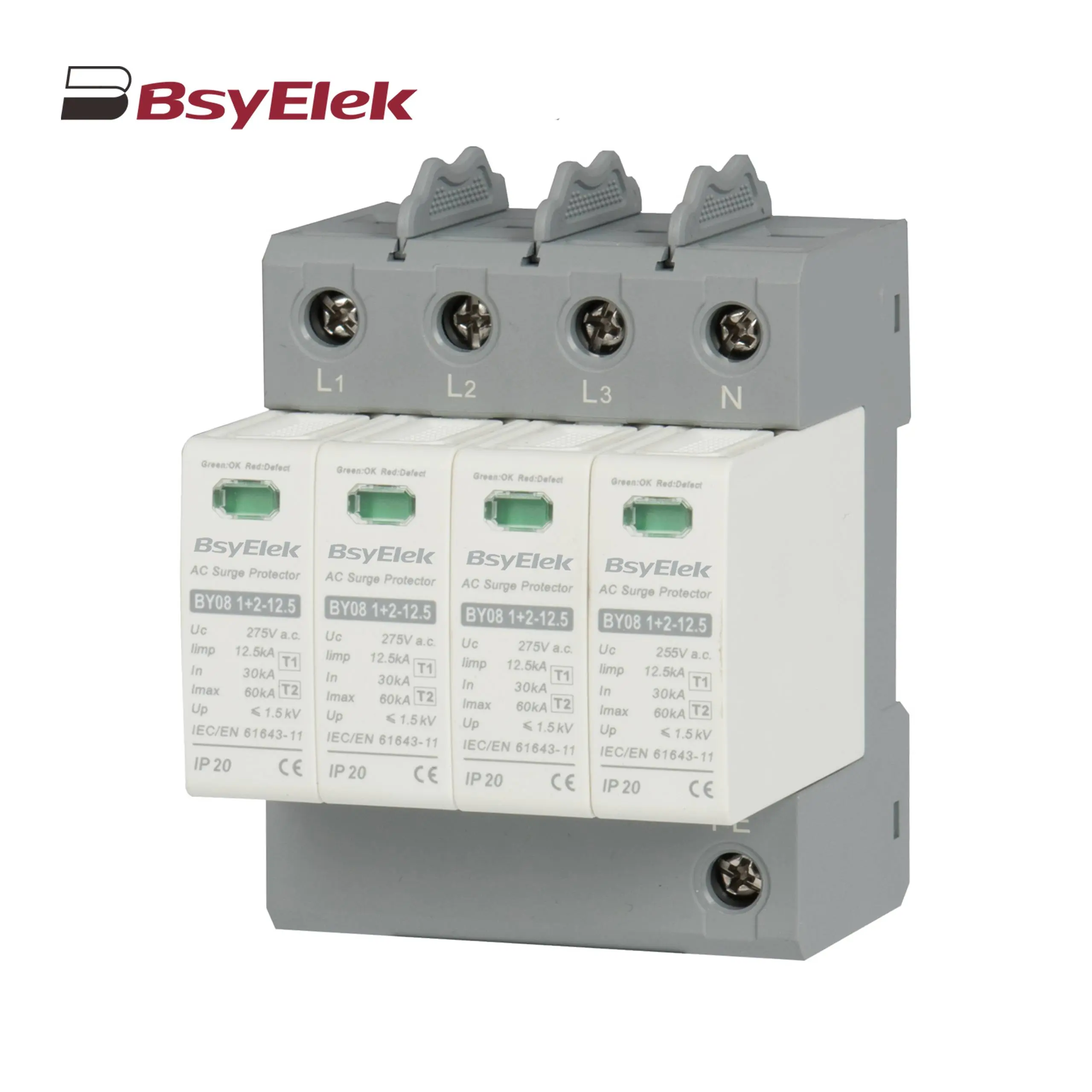 BY08 1+2-12.5 SPD Class T1+T2 Imax 60KA Surge Protective Device
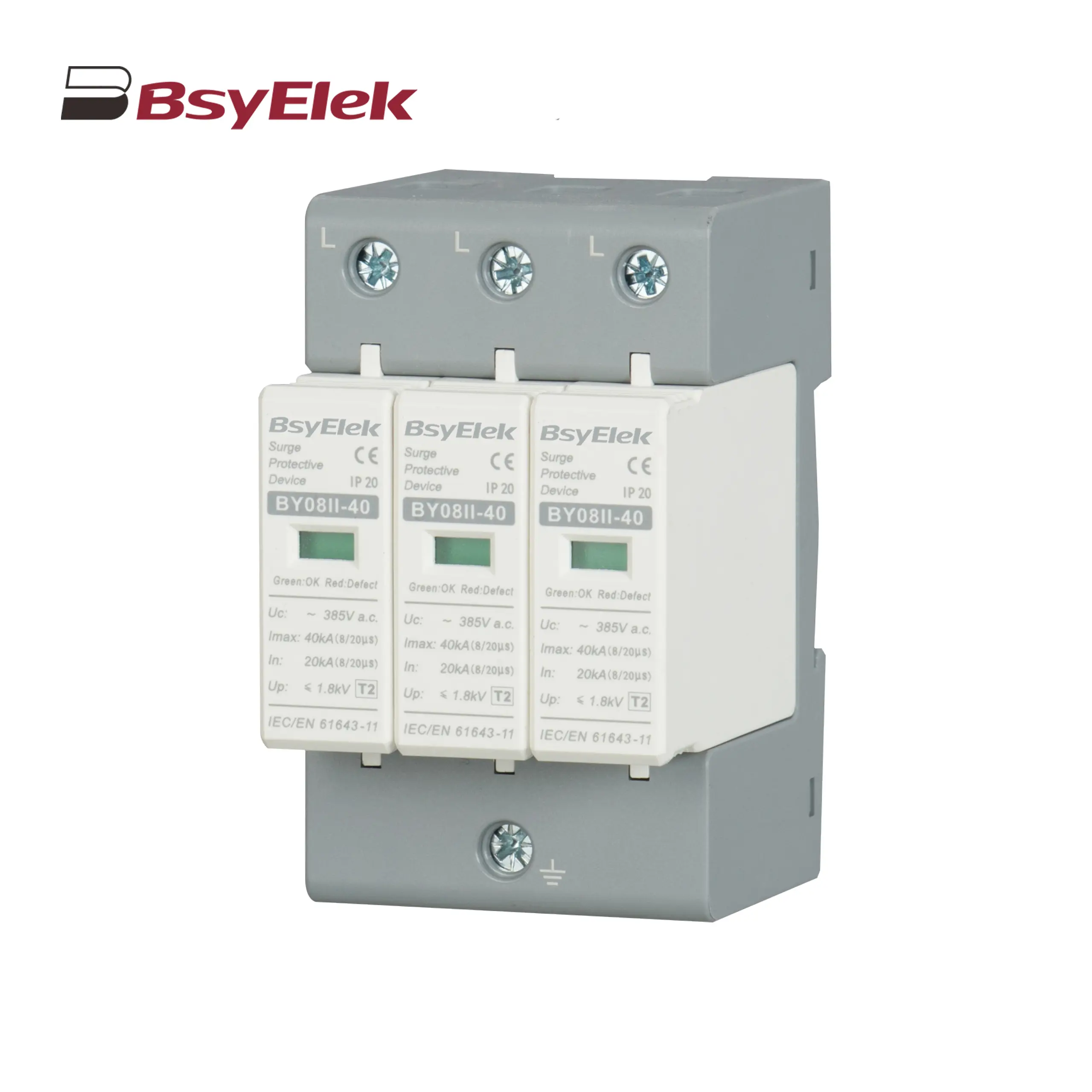 BY08II-40 SPD Class T2 Imax 40KA Surge Protective Device
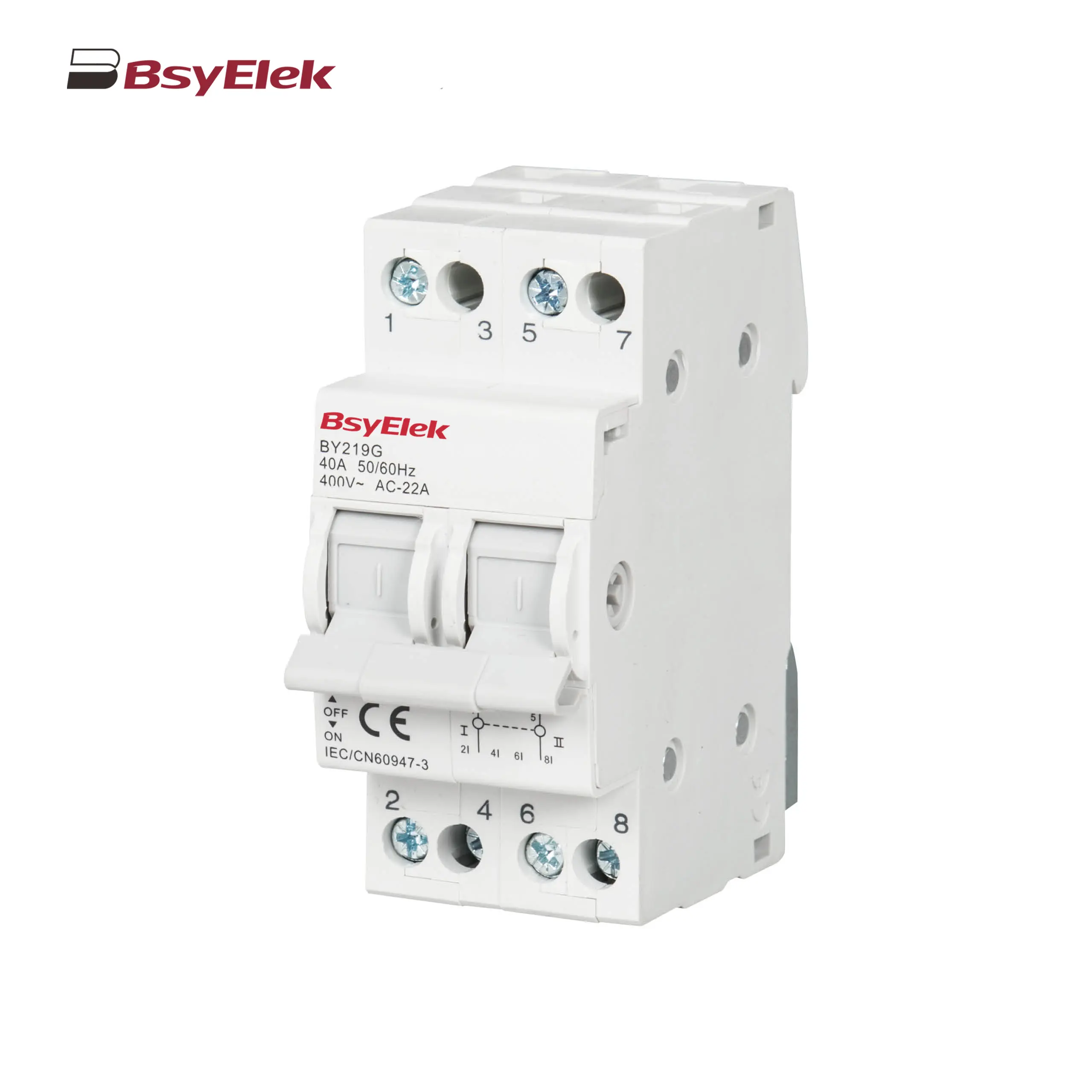 BY19G 63A Manual Changeover Switch
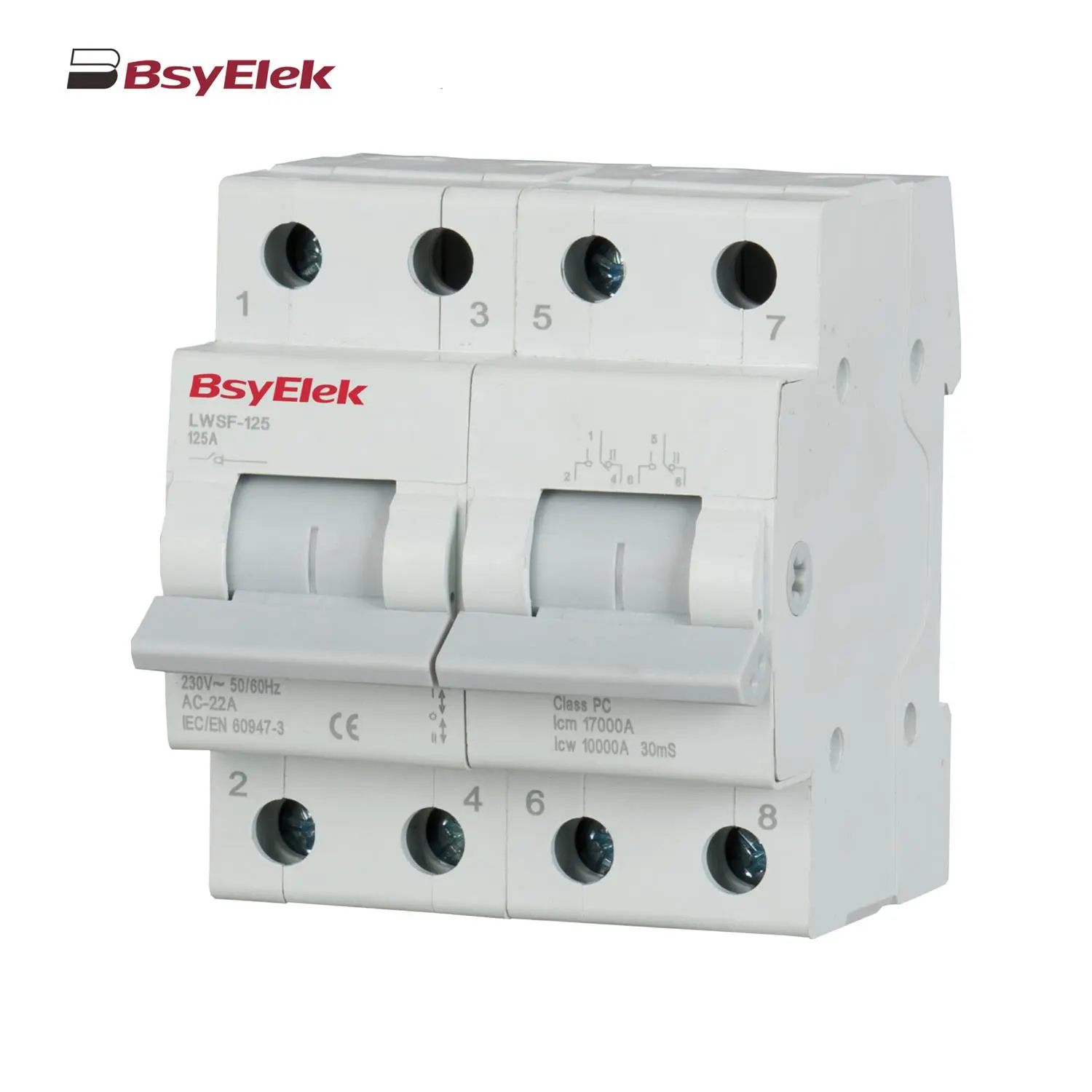 LWSF-125 125A Manual Changeover Switch
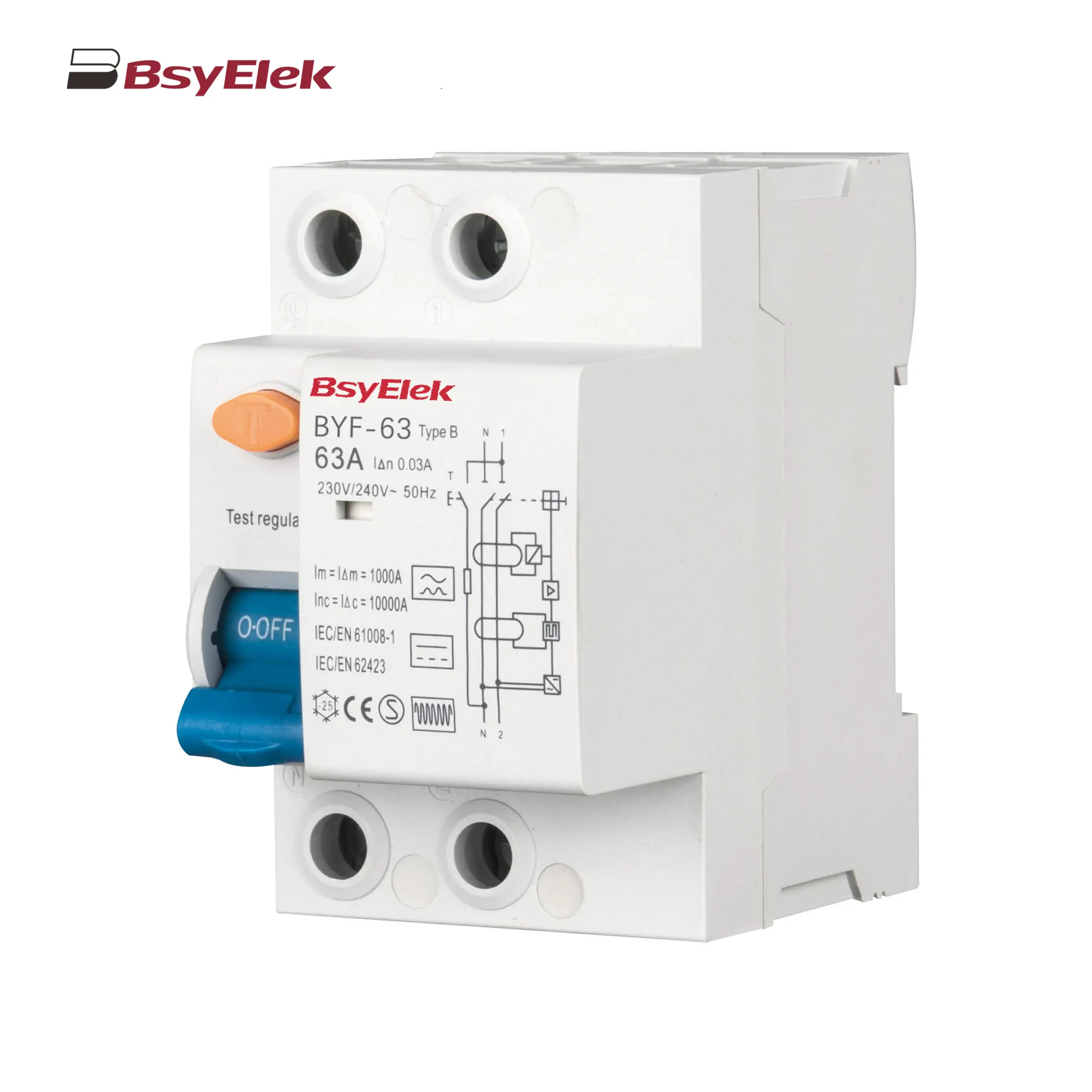 BYF-63 RCD 10KA Type B AC+A+Smoothing DC Residual Current Device
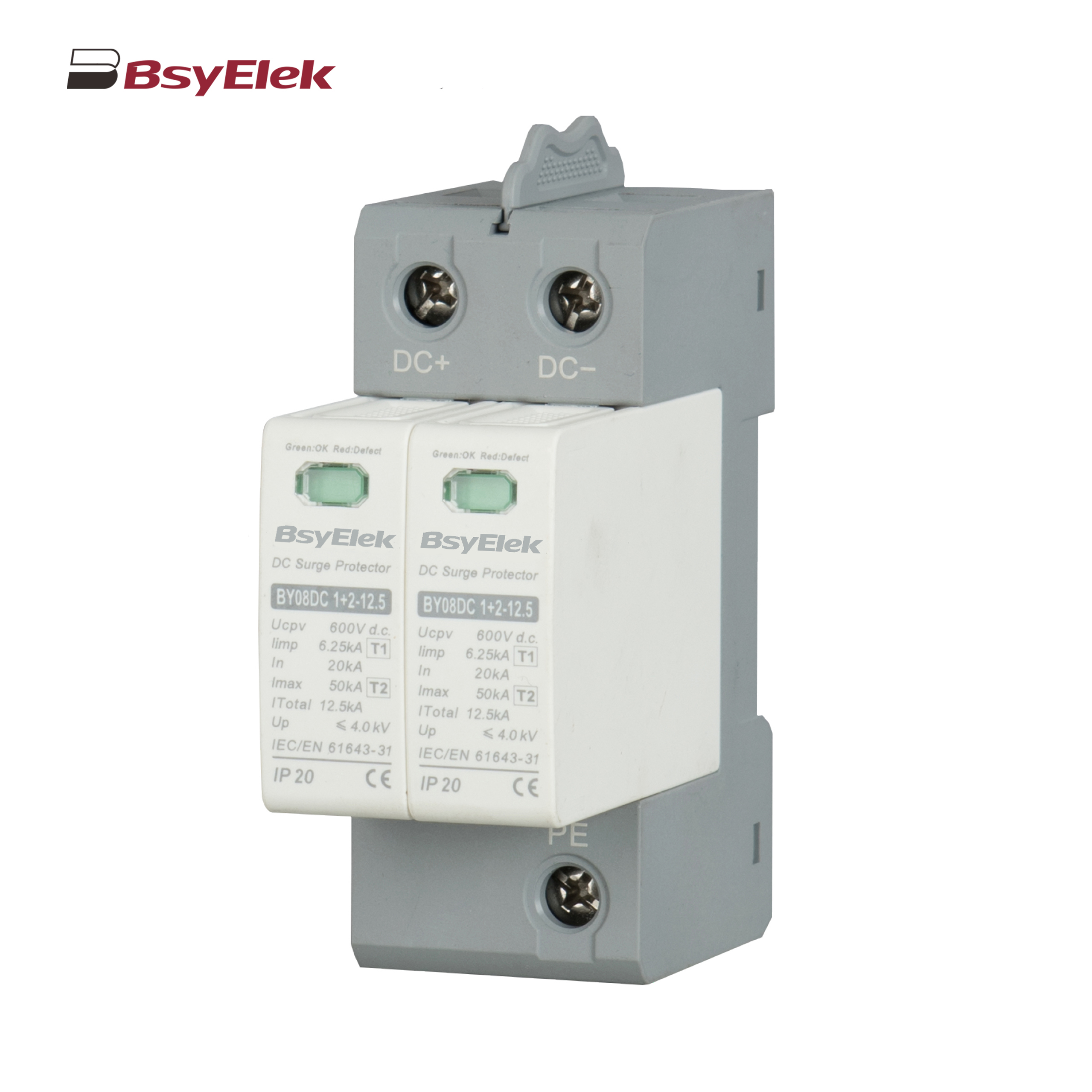 BY08DC 1+2-12.5 SPD Class T1+T2 40KA DC Surge Protective Device
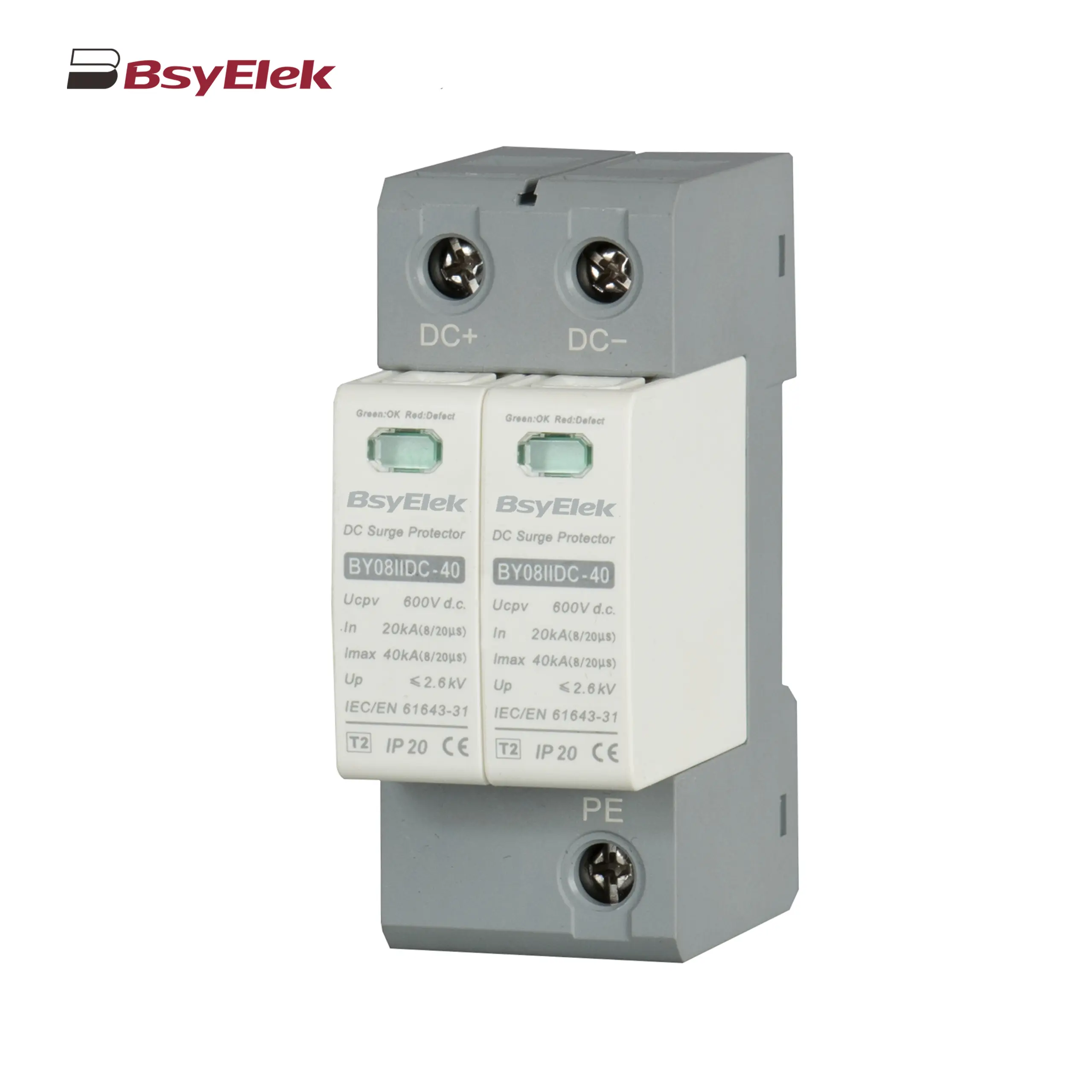 BY08IIDC-40 SPD Class T2 40KA DC Surge Protective Device
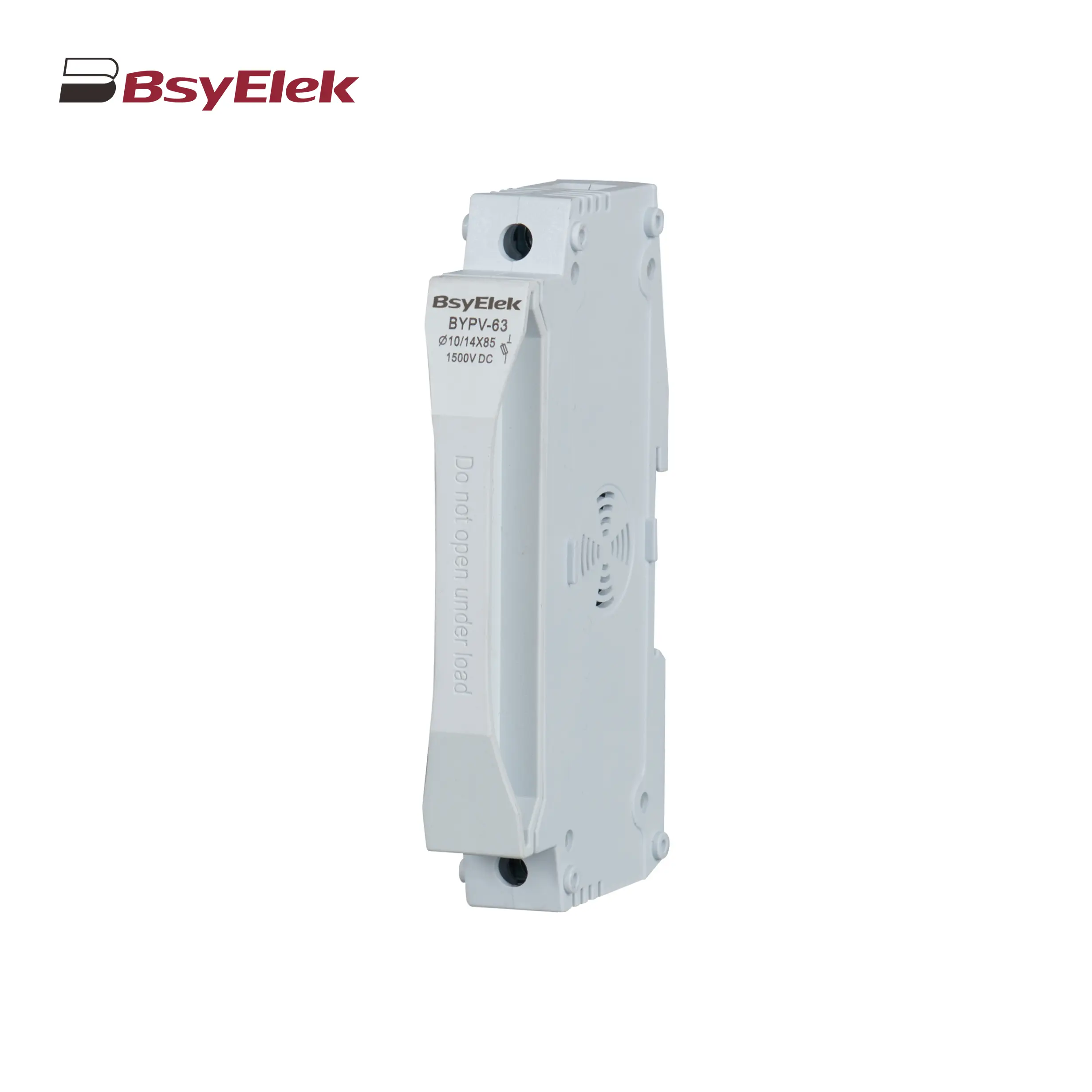 BYPV-63 1500VDC 50A Fuse Holder with 10x85mm 14x85mm Fuse Link
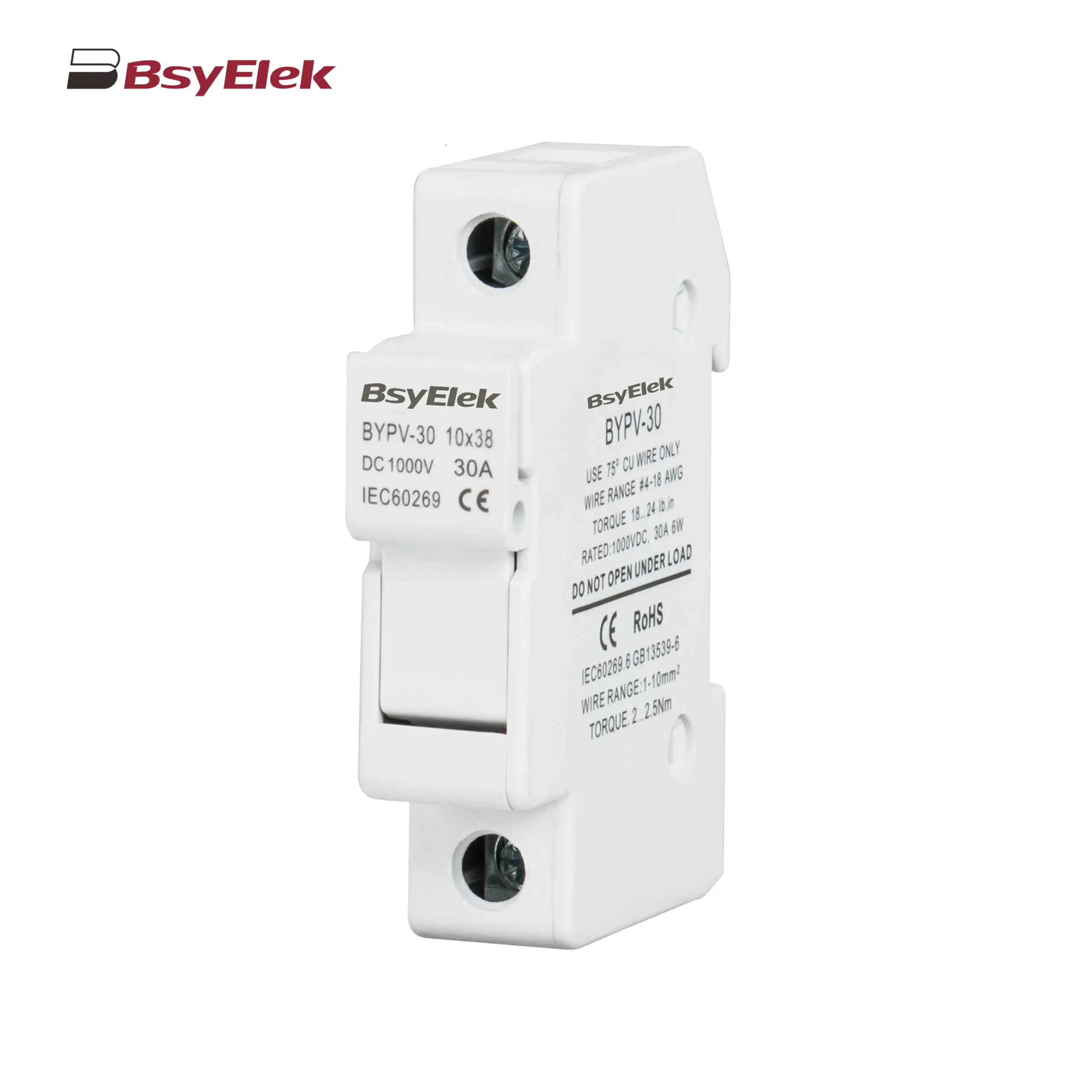 BYPV-30 1000VDC 32A Fuse Holder with 10x38mm Fuse Link
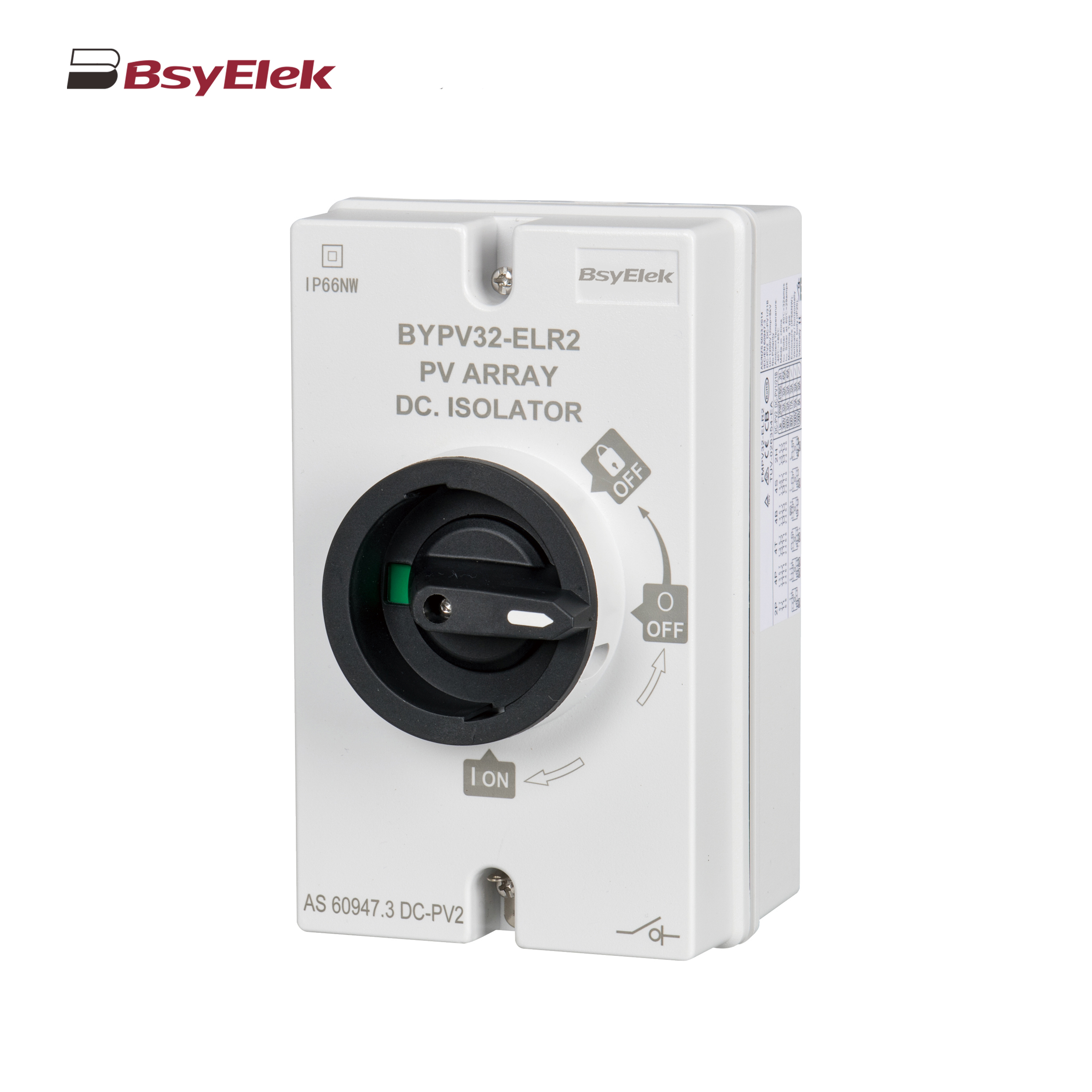 BYPV-ELR2 PV Isolator Switch with Enclosed Version
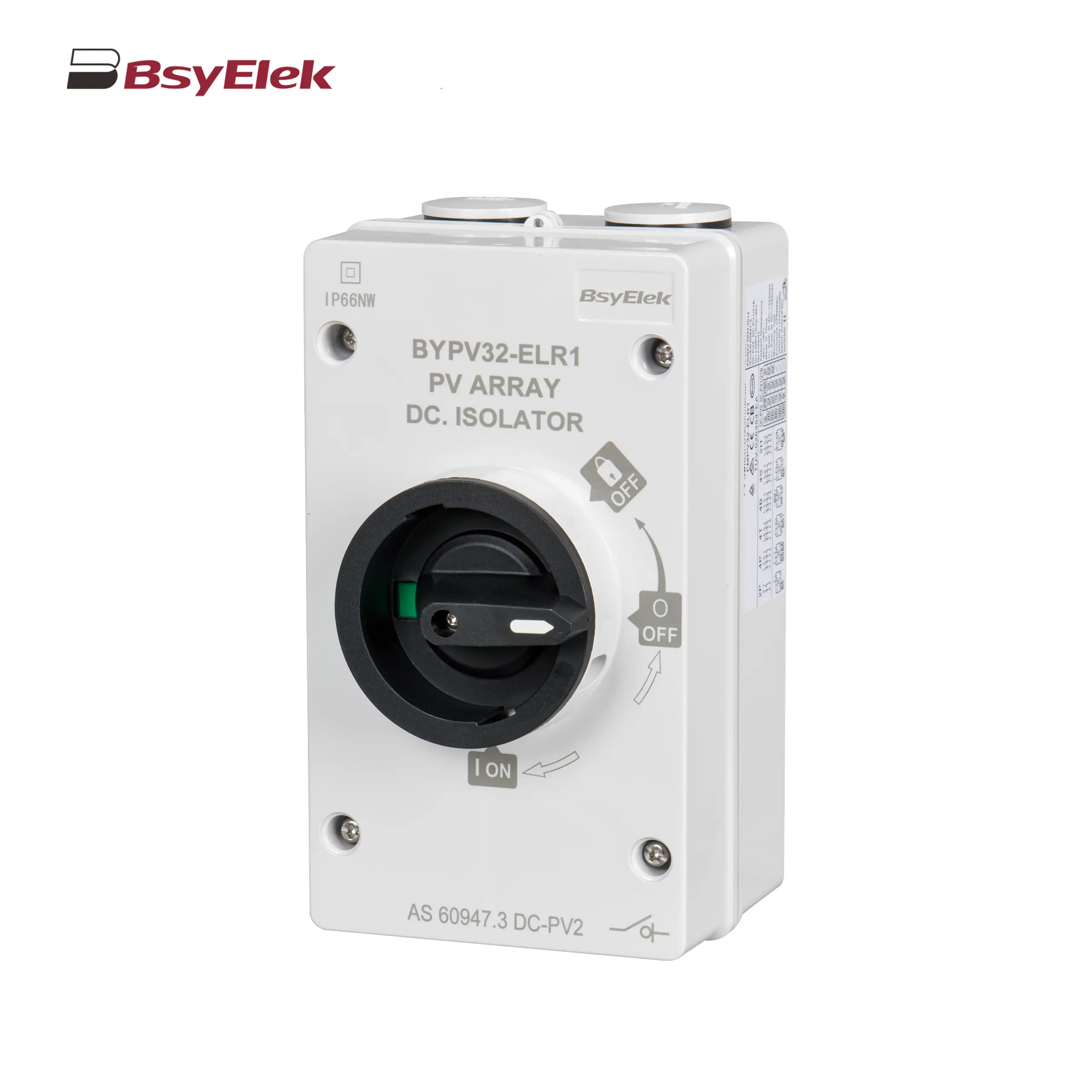 BYPV-ELR1 PV Isolator Switch with Enclosed Version
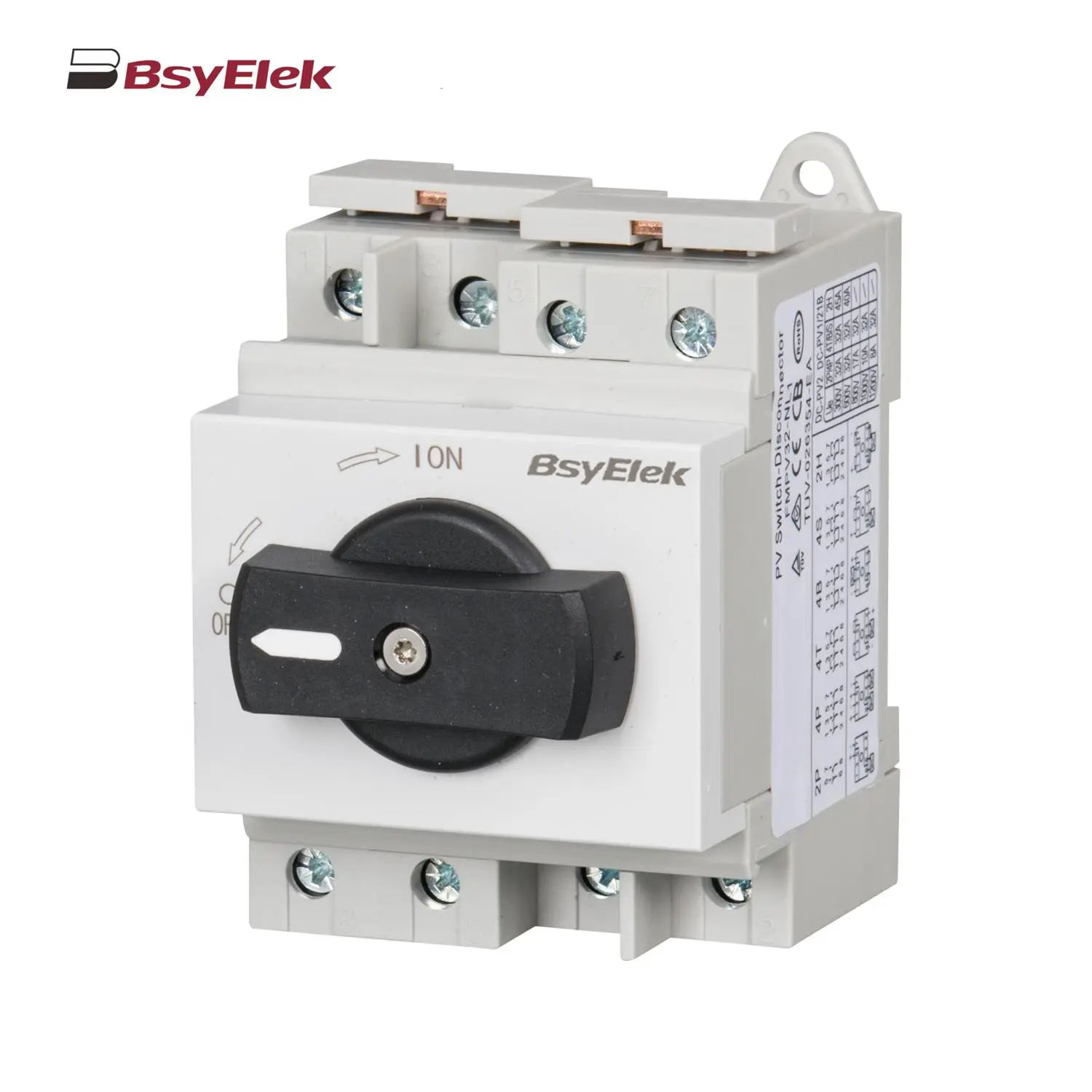 BYPV-NL1/T PV Isolator Switch with Ultra-thin Lever Handle
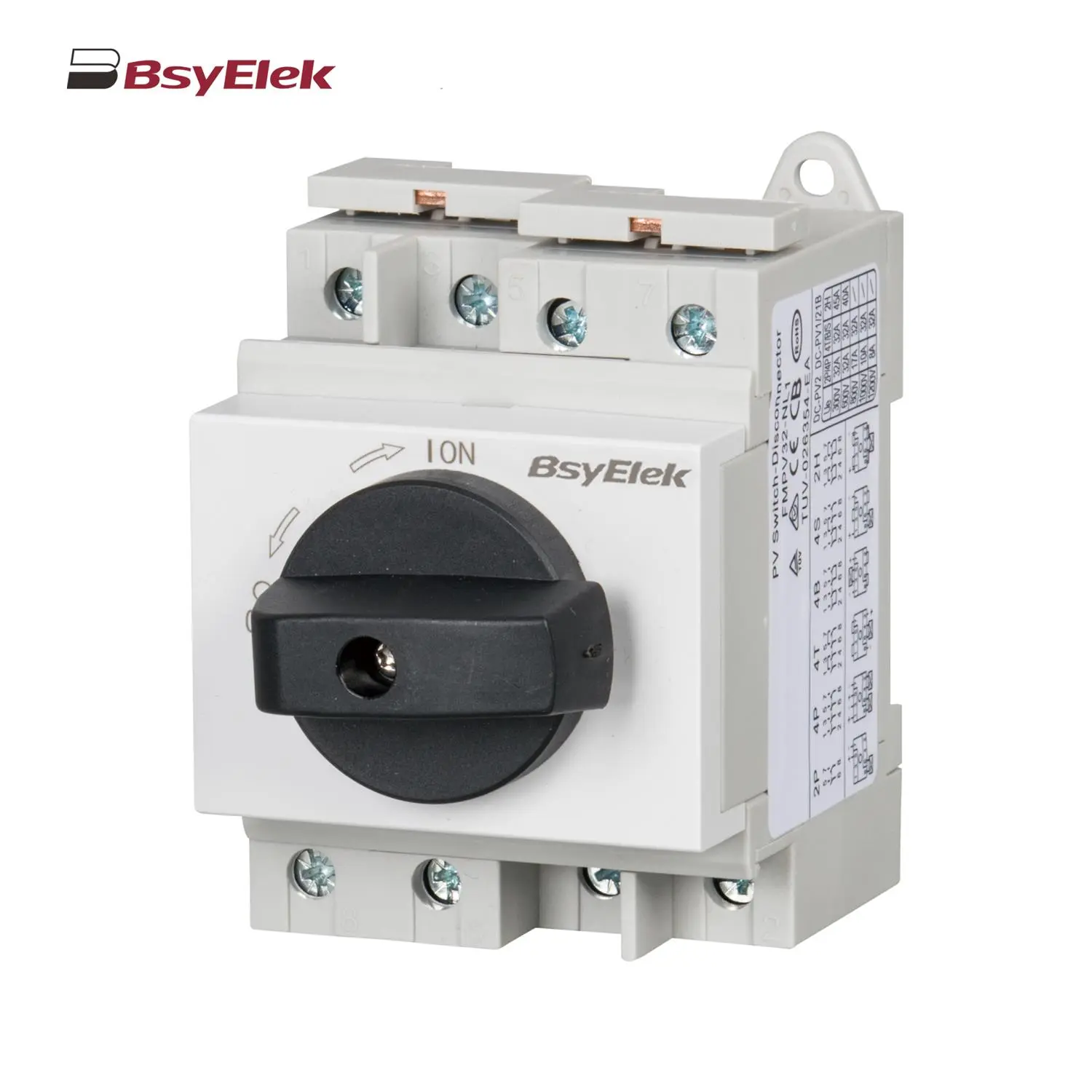 BYPV-NL1 PV Isolator Switch with Lever Handle
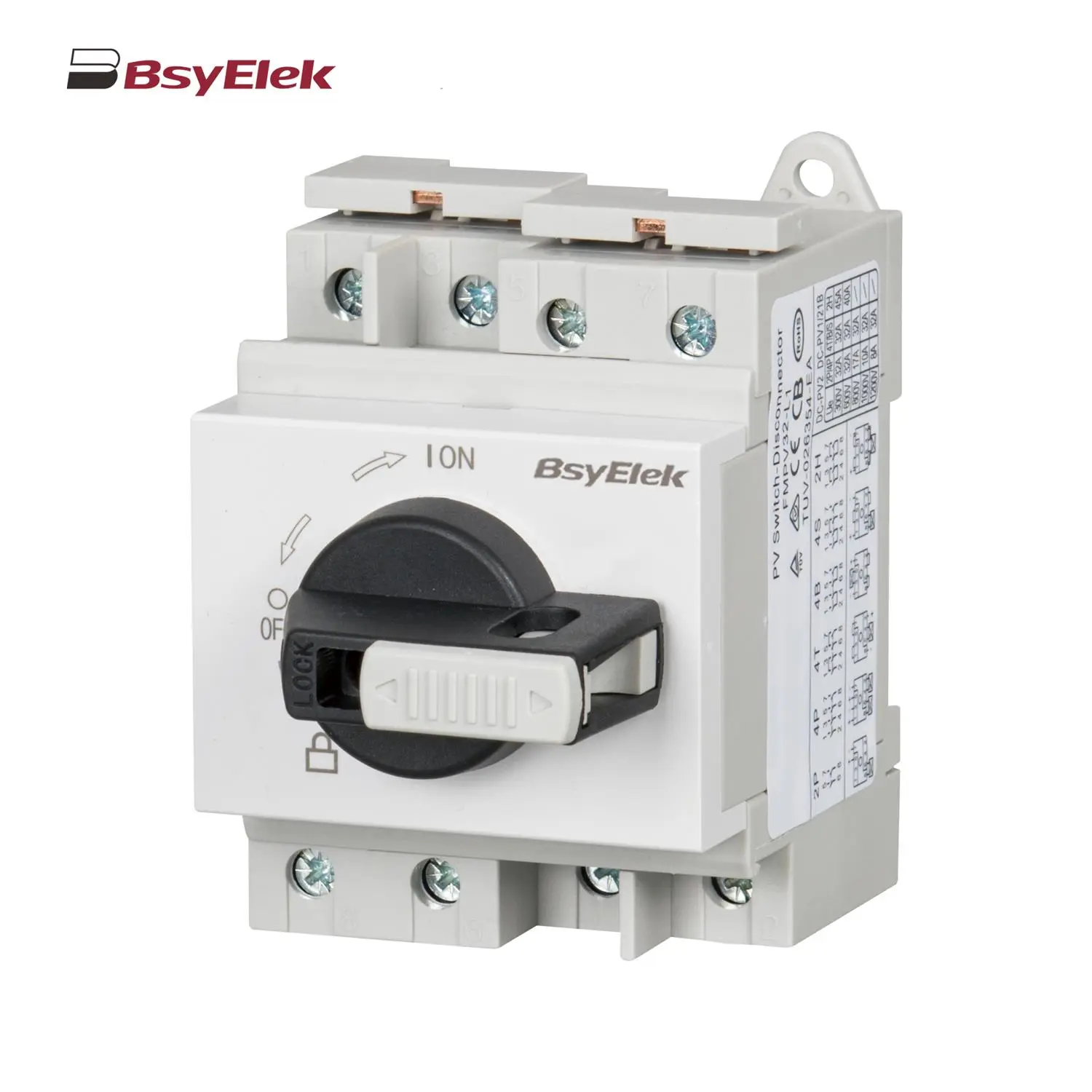 BYPV-L1/L2 PV Isolator Switch with Lockable Lever Handle
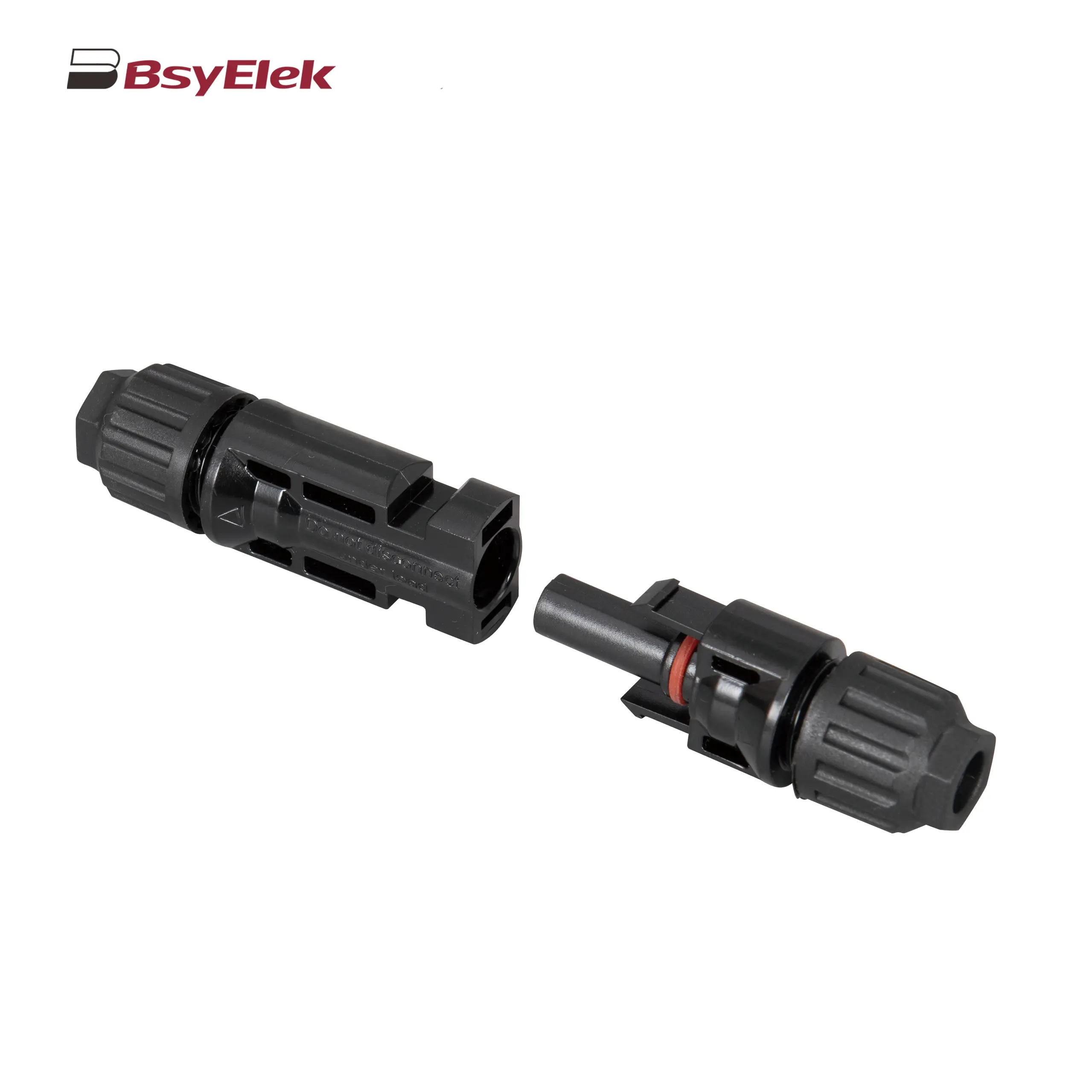 PV-BY-01 30A/50A 1000V Photovoltaic Connector
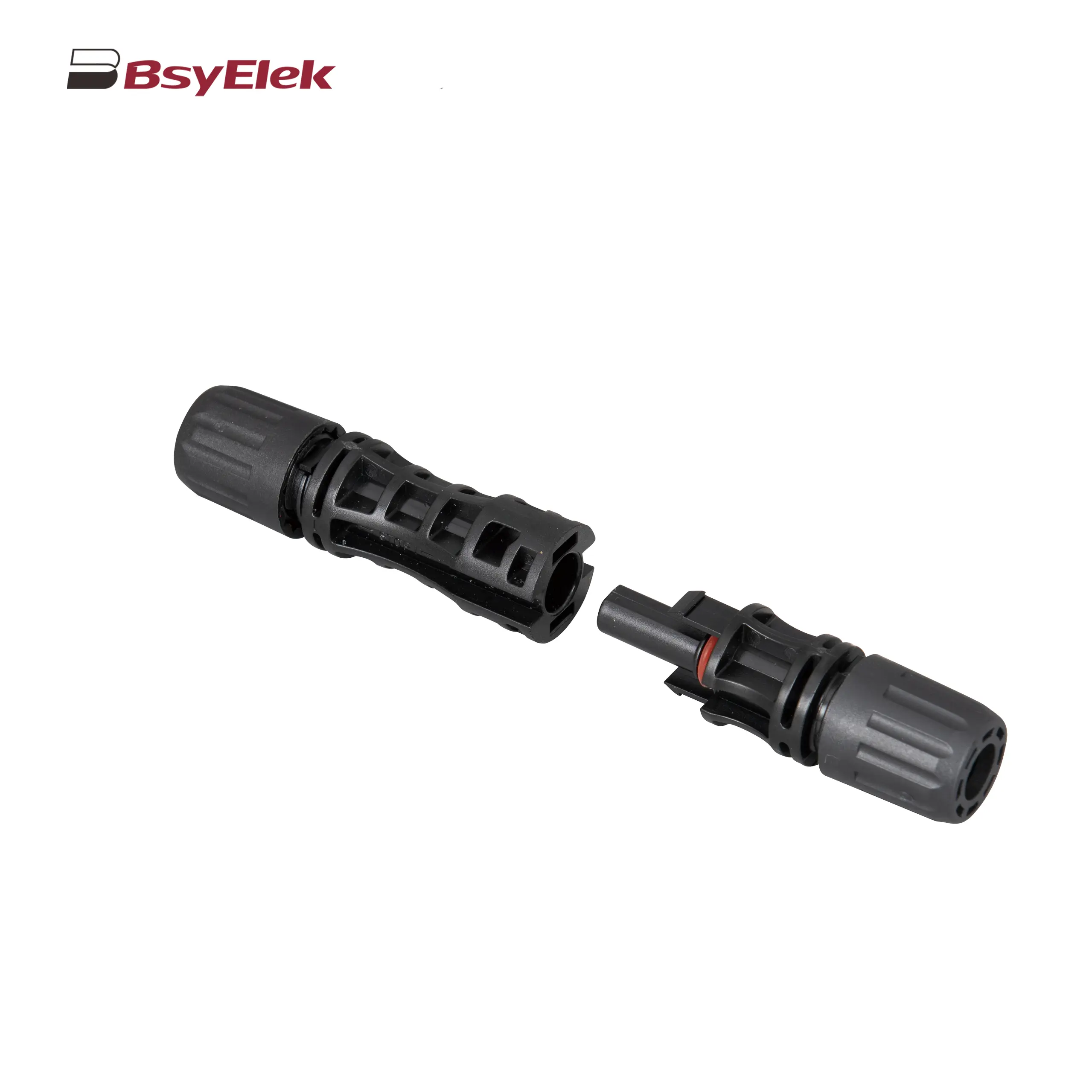 PV-BY-02 30A/50A 1500V Photovoltaic Connector
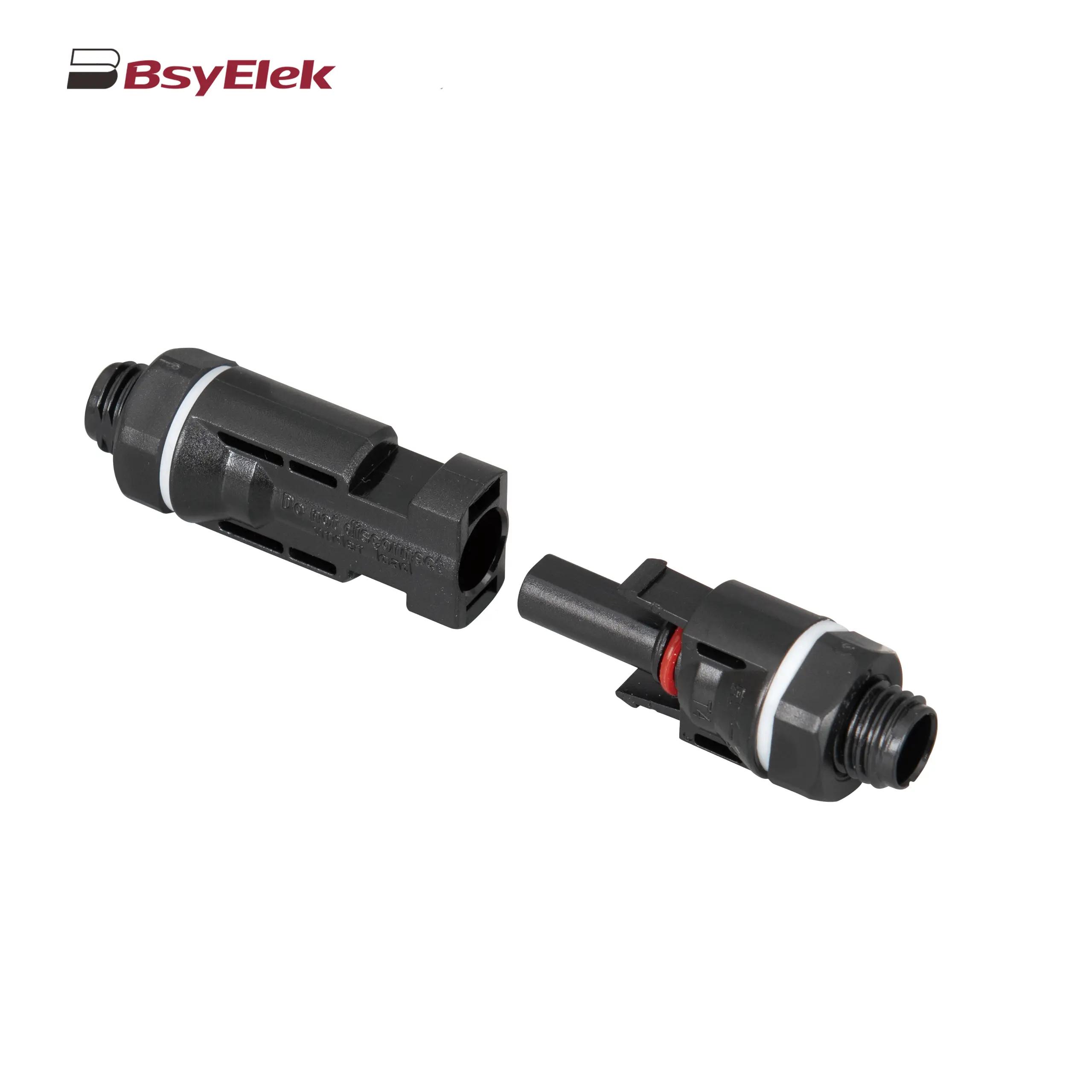 PV-BY-03 30A/50A 1000V Panel Mount Photovoltaic Connector
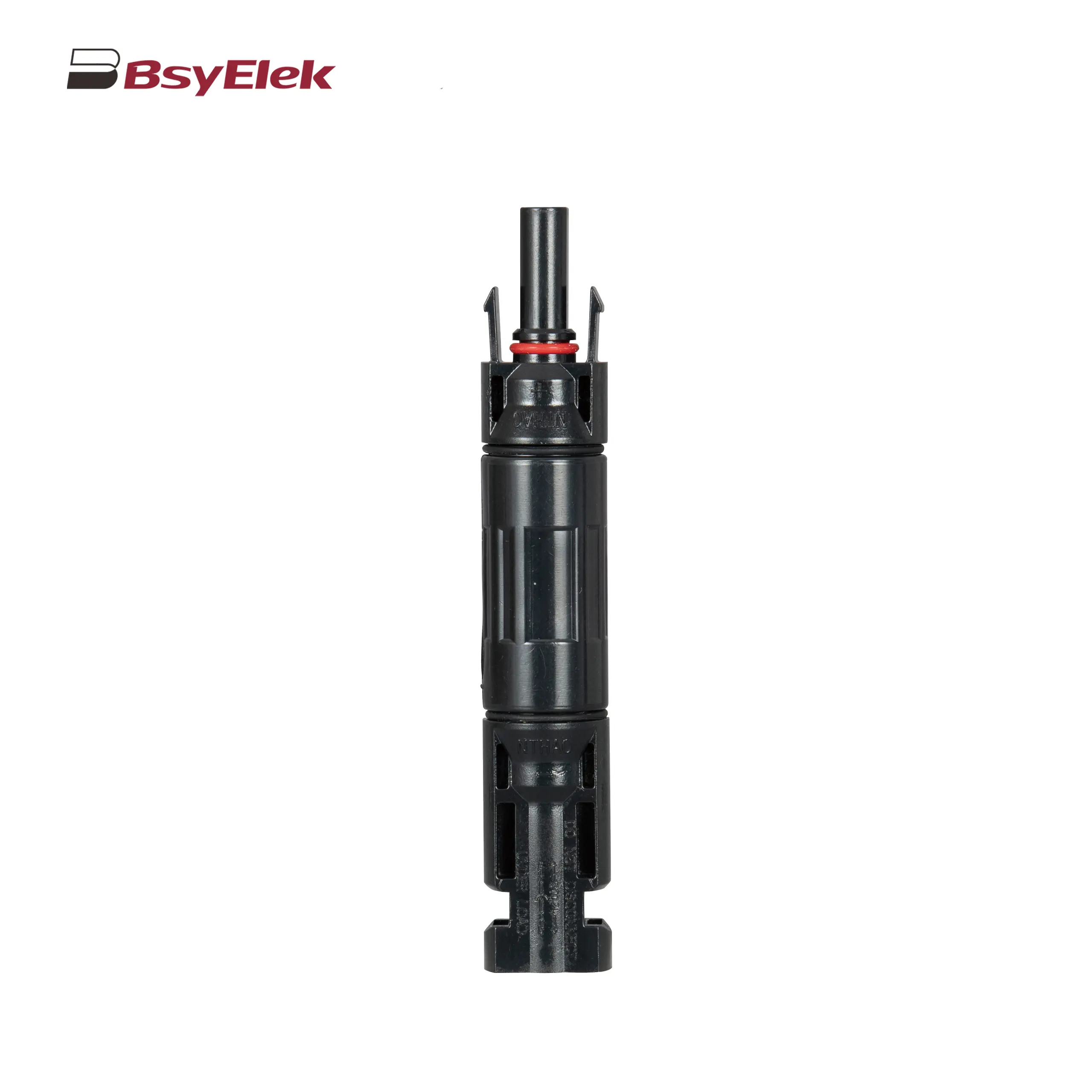 PV-BY-F01 30A 1500V Diode/Fuse Type Connector
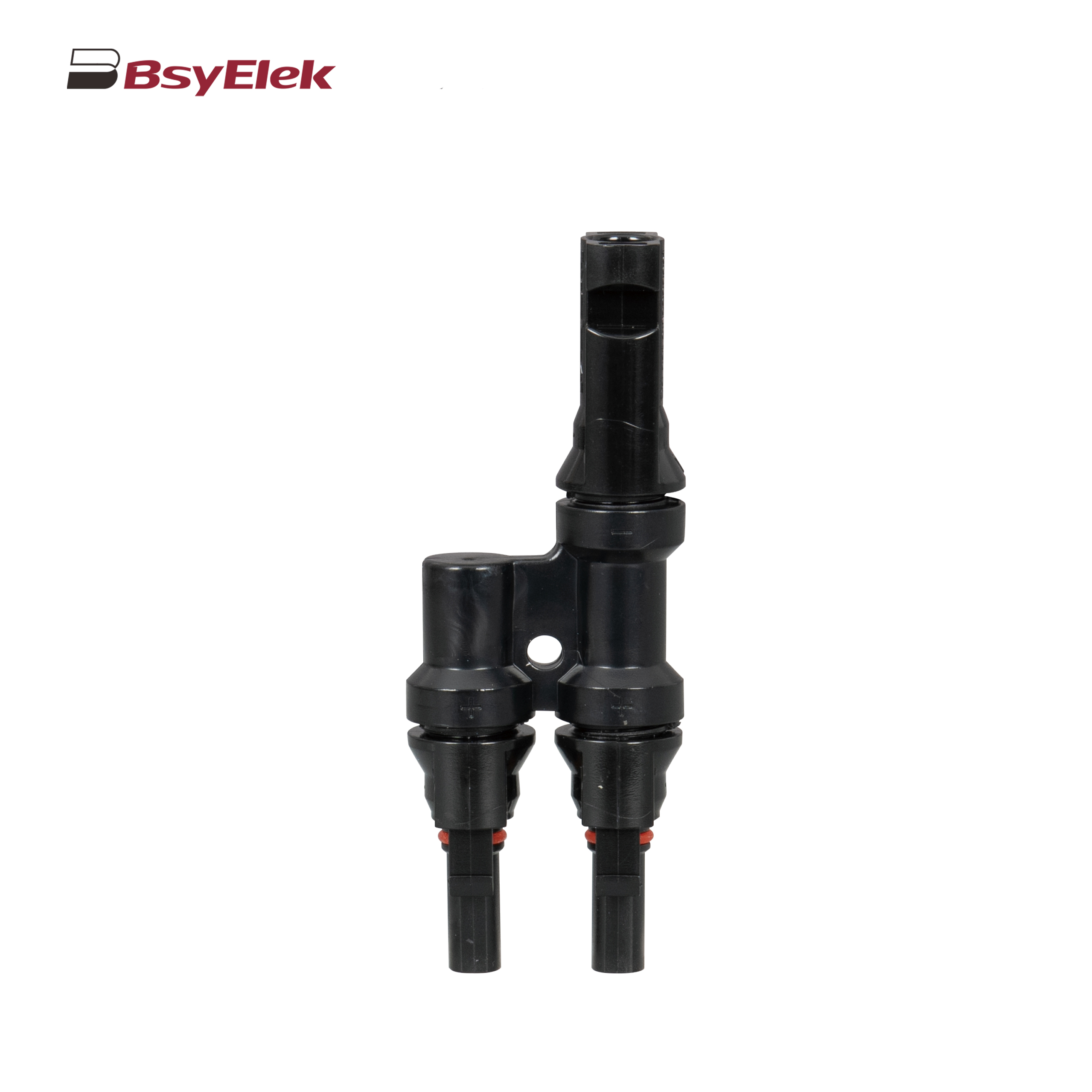 PV-BY-T 50A 1500V T Type Branch Connector
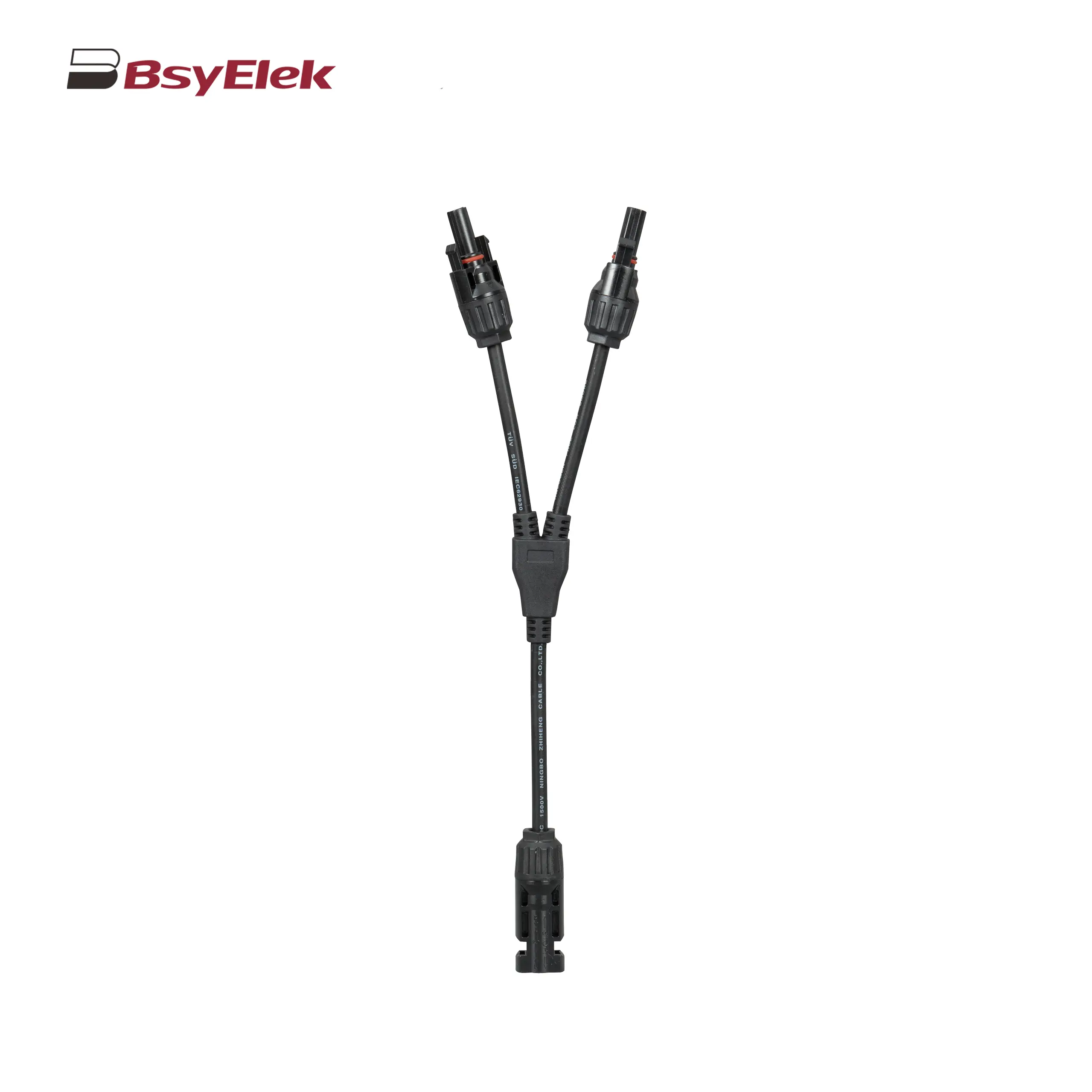 PV-BY-Y 30A 1500V Y Type Branch Connector
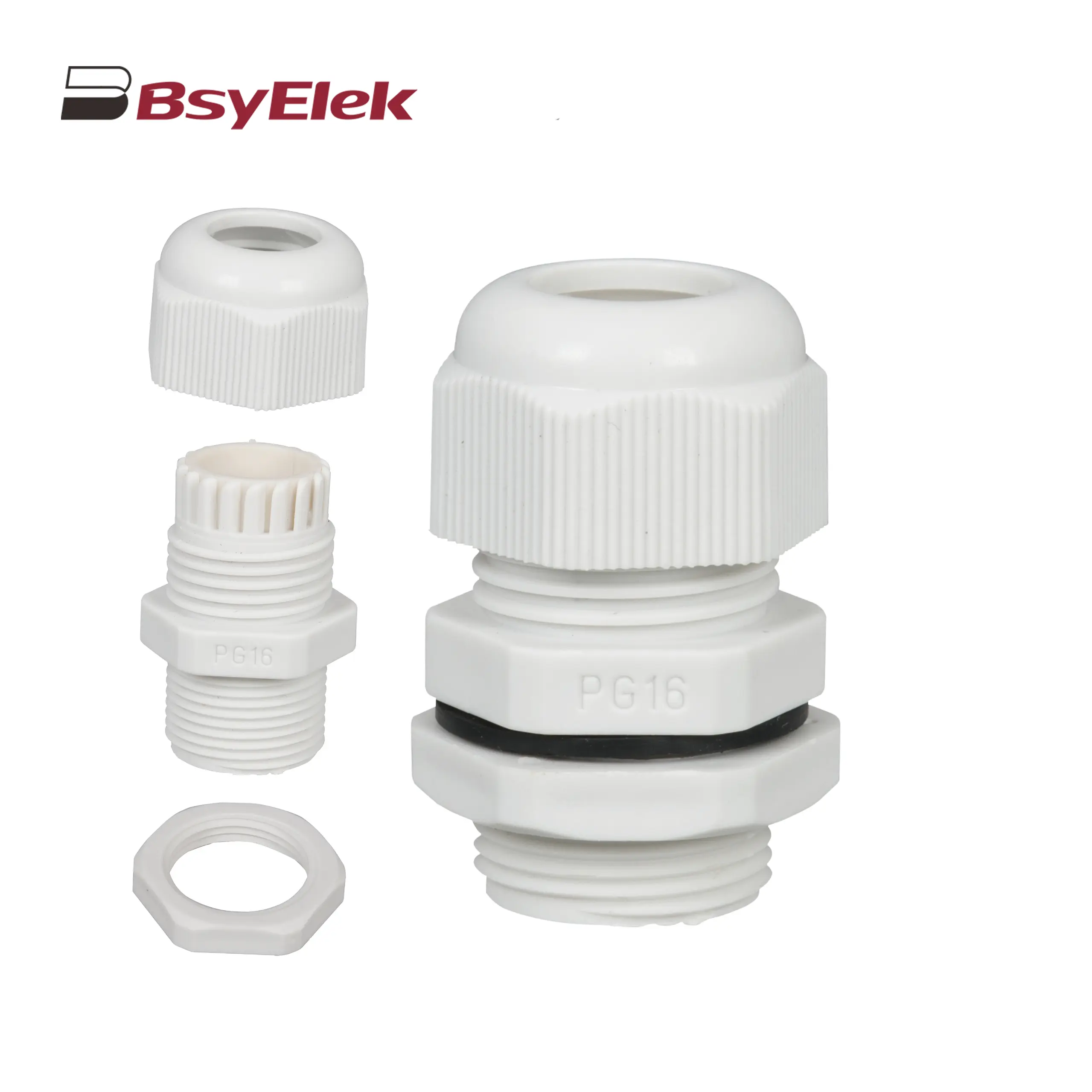 PG Waterproof Cable Gland with Washer
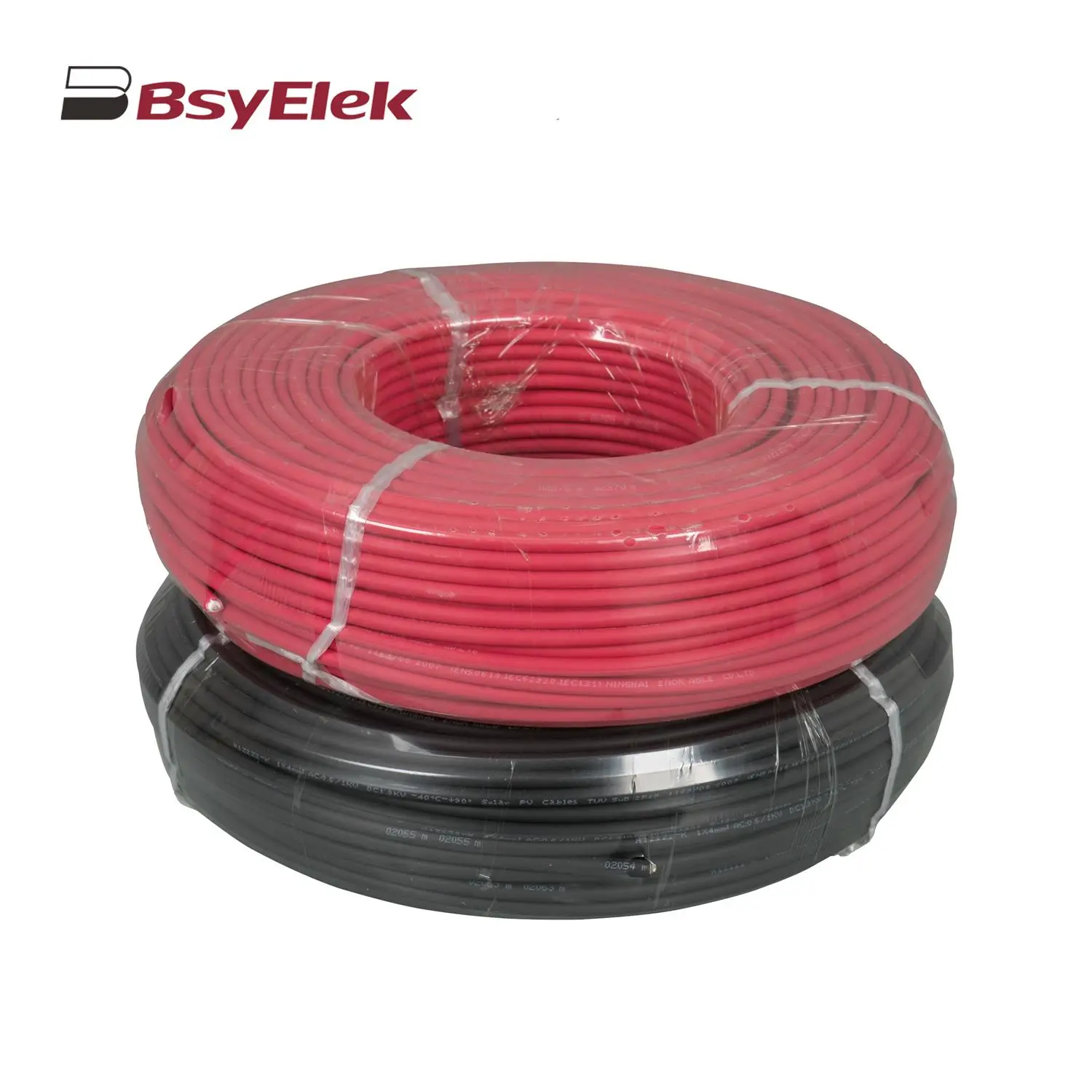 Photovoltaic Cable
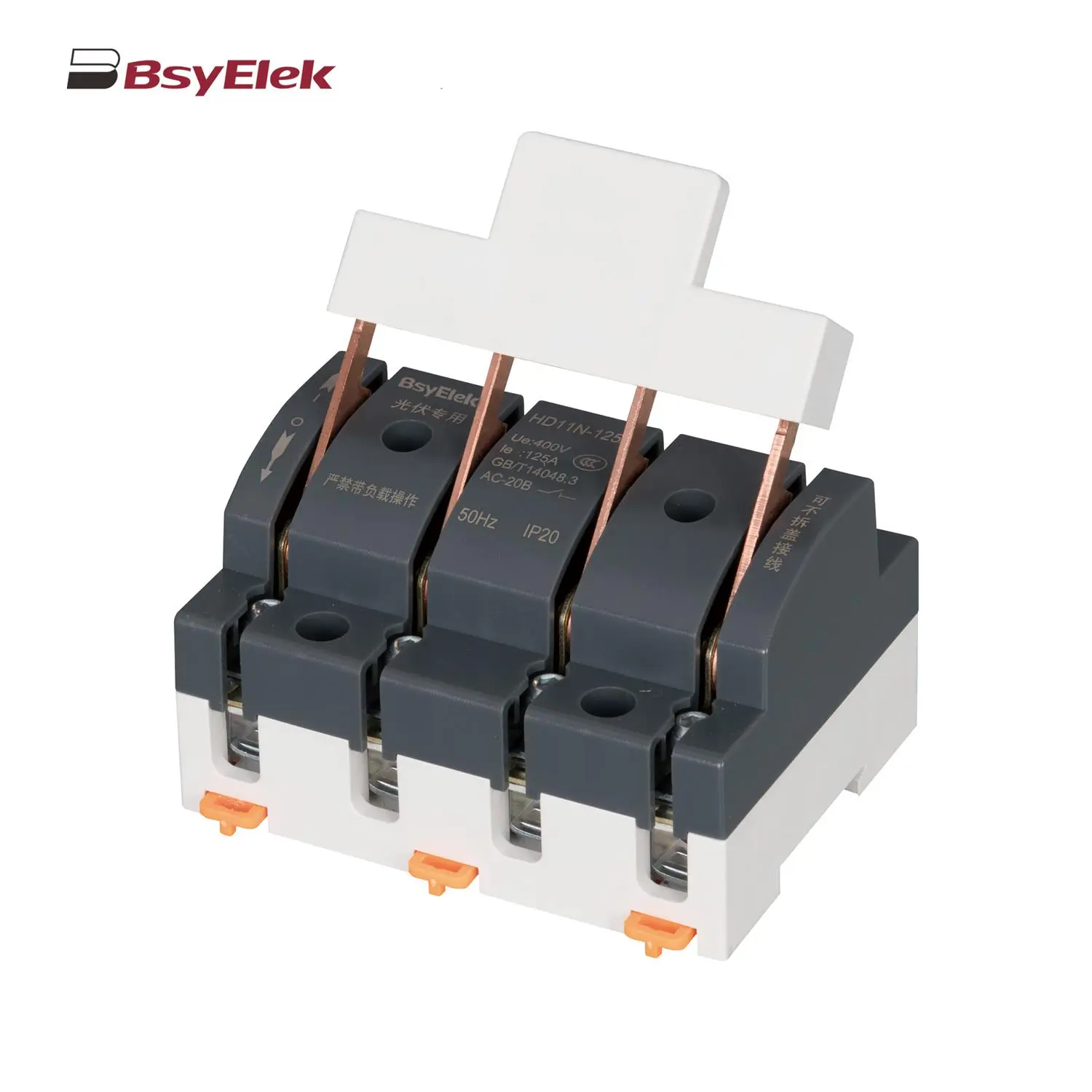 HD11N Photovoltaic Knife Switch
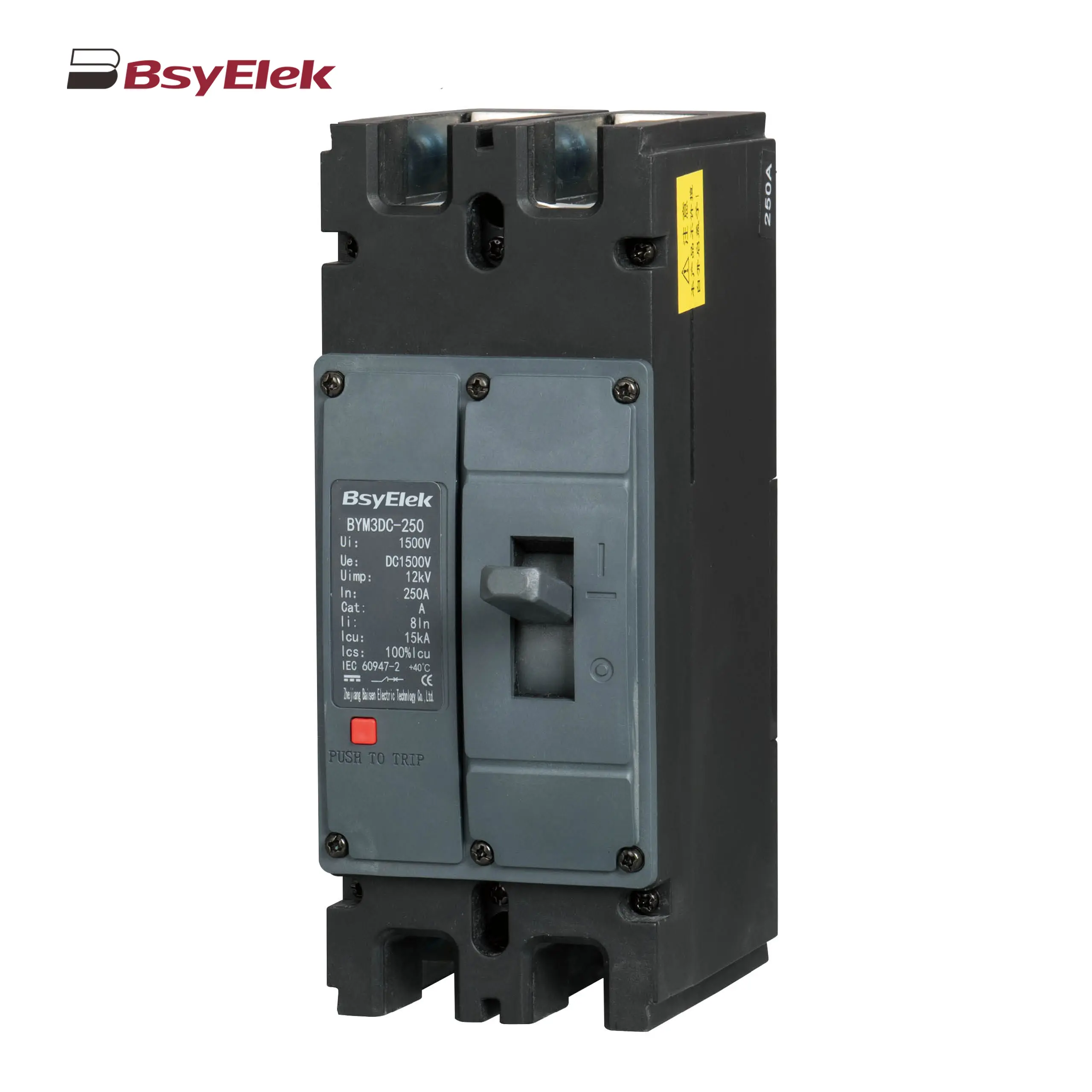 BYM3DC MCCB Photovoltaic DC Molded Case Circuit Breaker
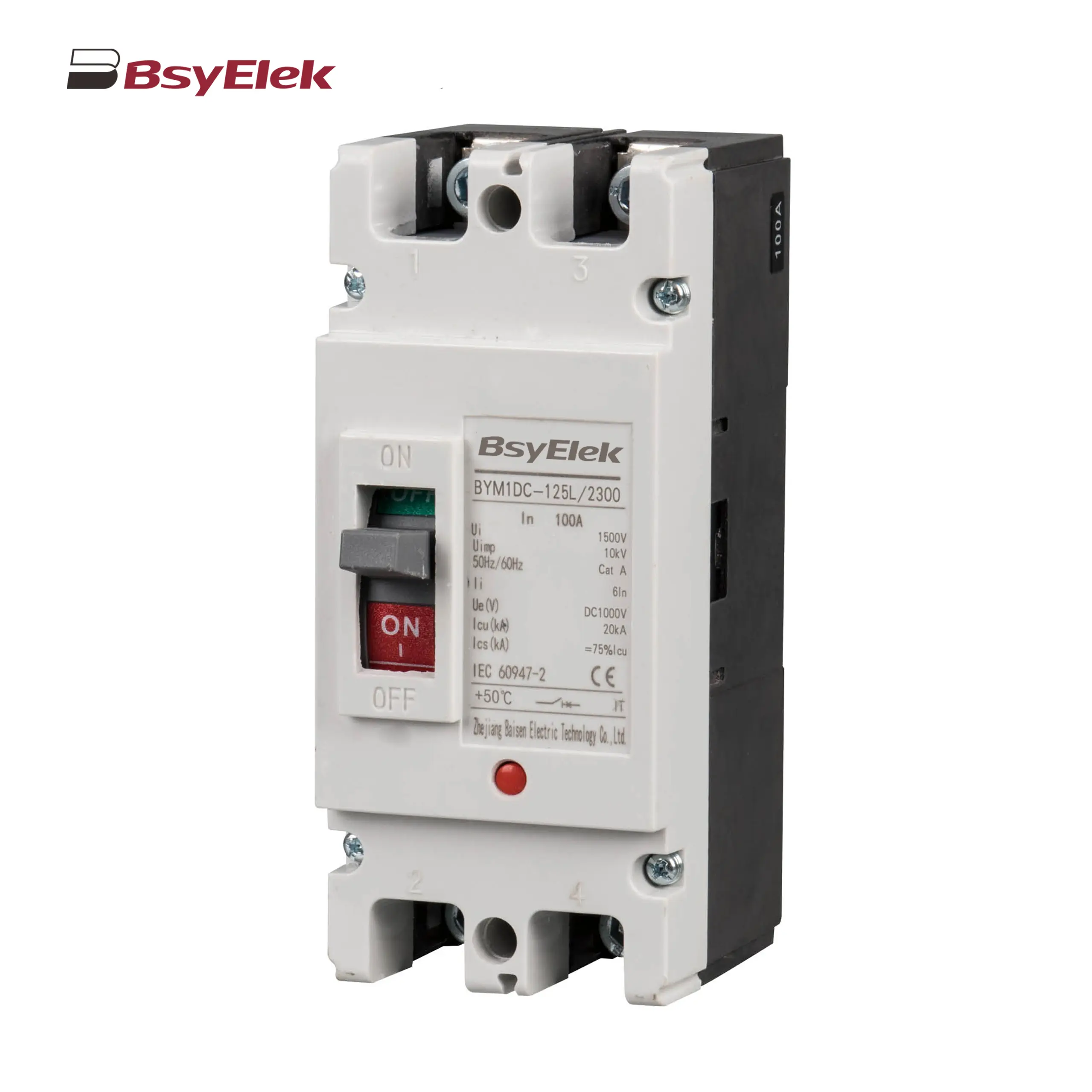 BYM1DC MCCB 1000VDC Thermal Magnetic Type DC Molded Case Circuit Breaker
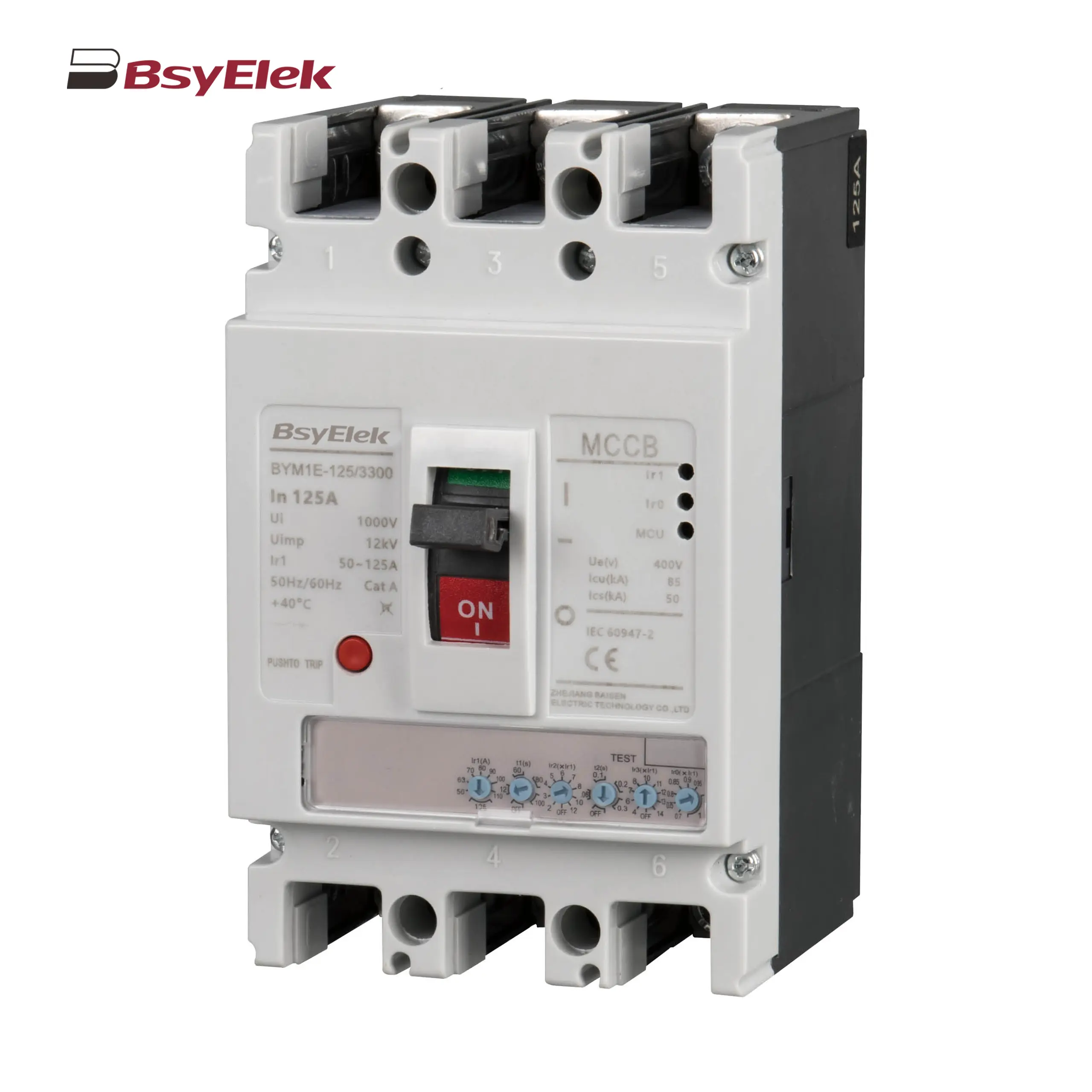 BYM1E MCCB Electronic Type Molded Case Circuit Breaker
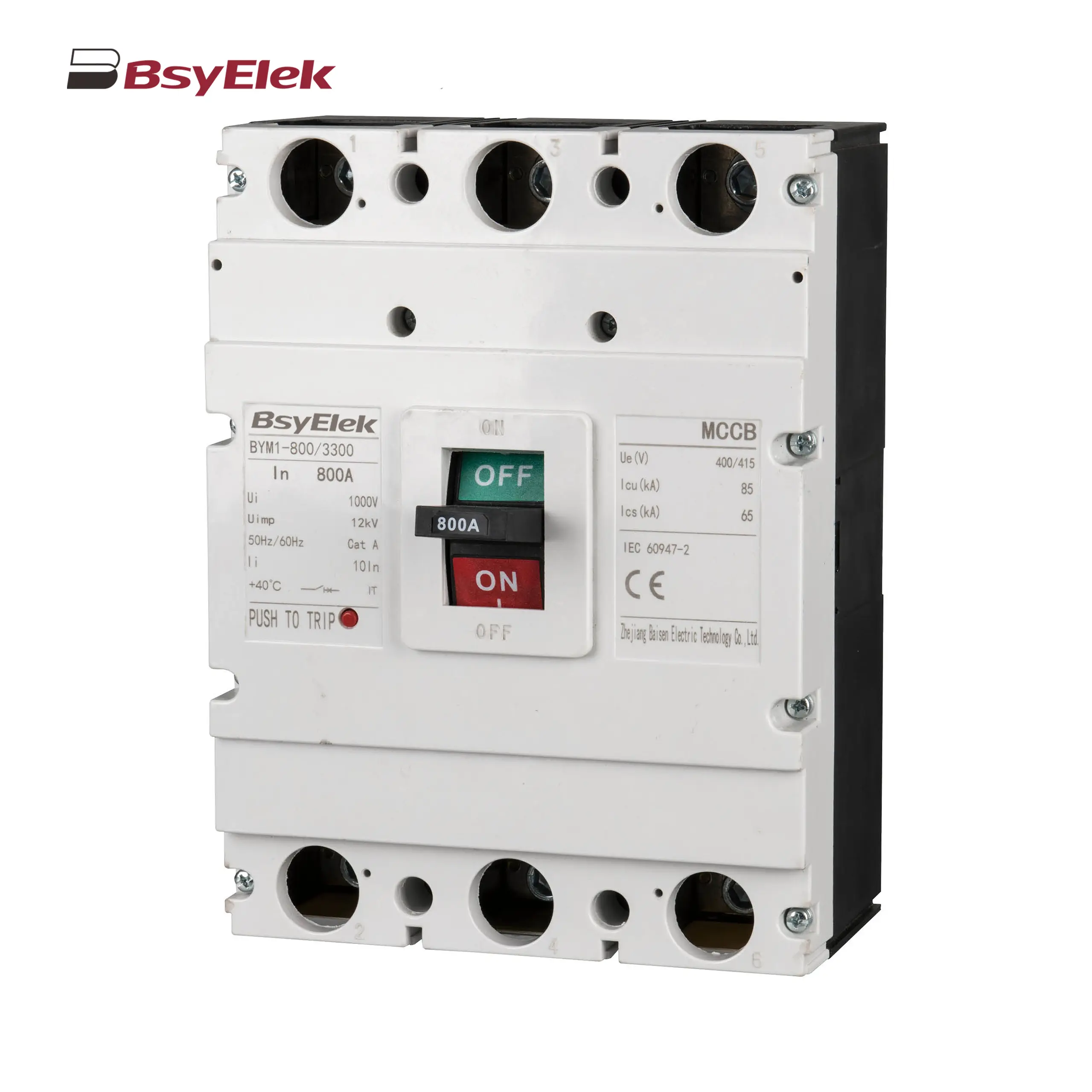 BYM1 MCCB Thermal Magnetic AC Molded Case Circuit Breaker
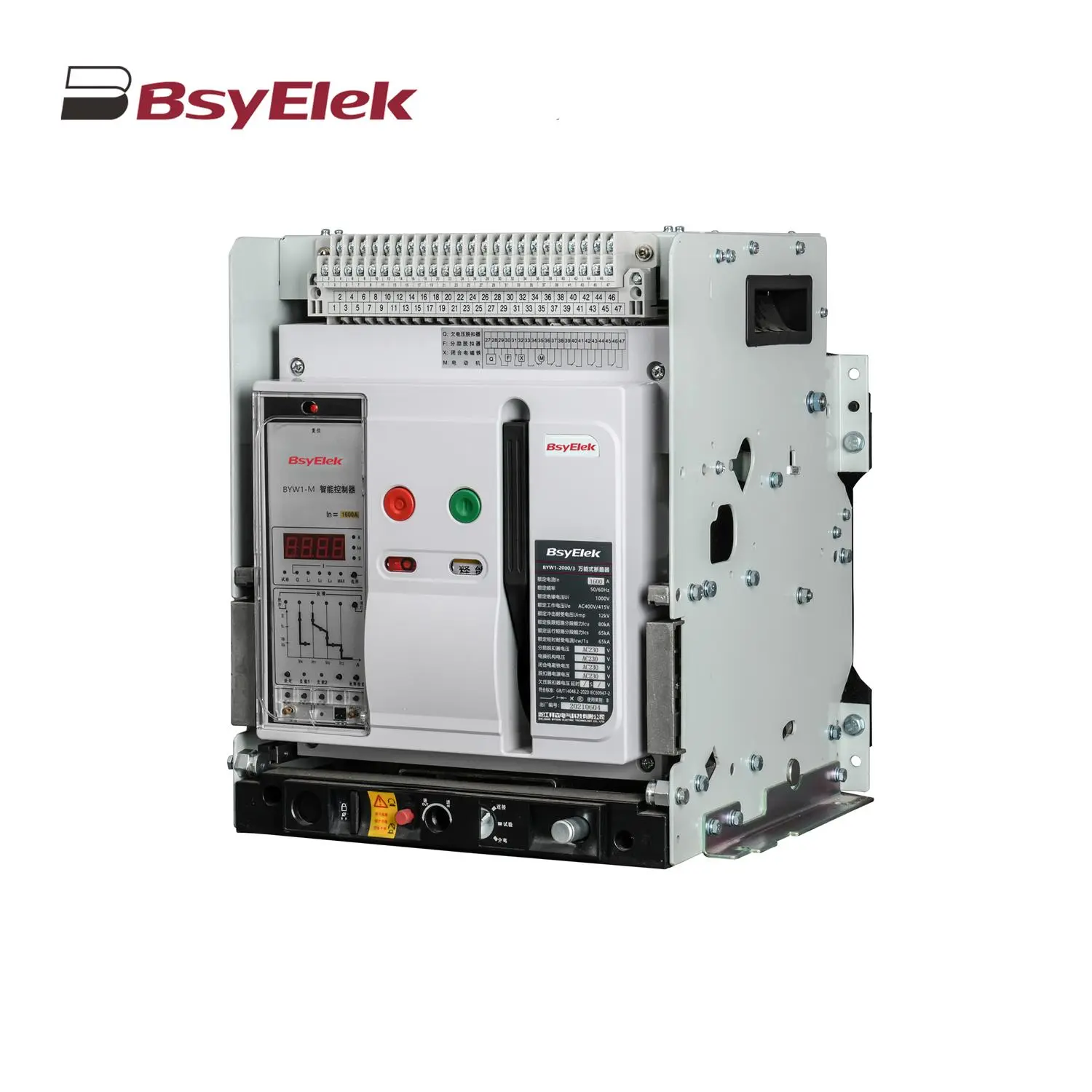 BYW1 ACB Intelligent Universal Air Circuit Breaker
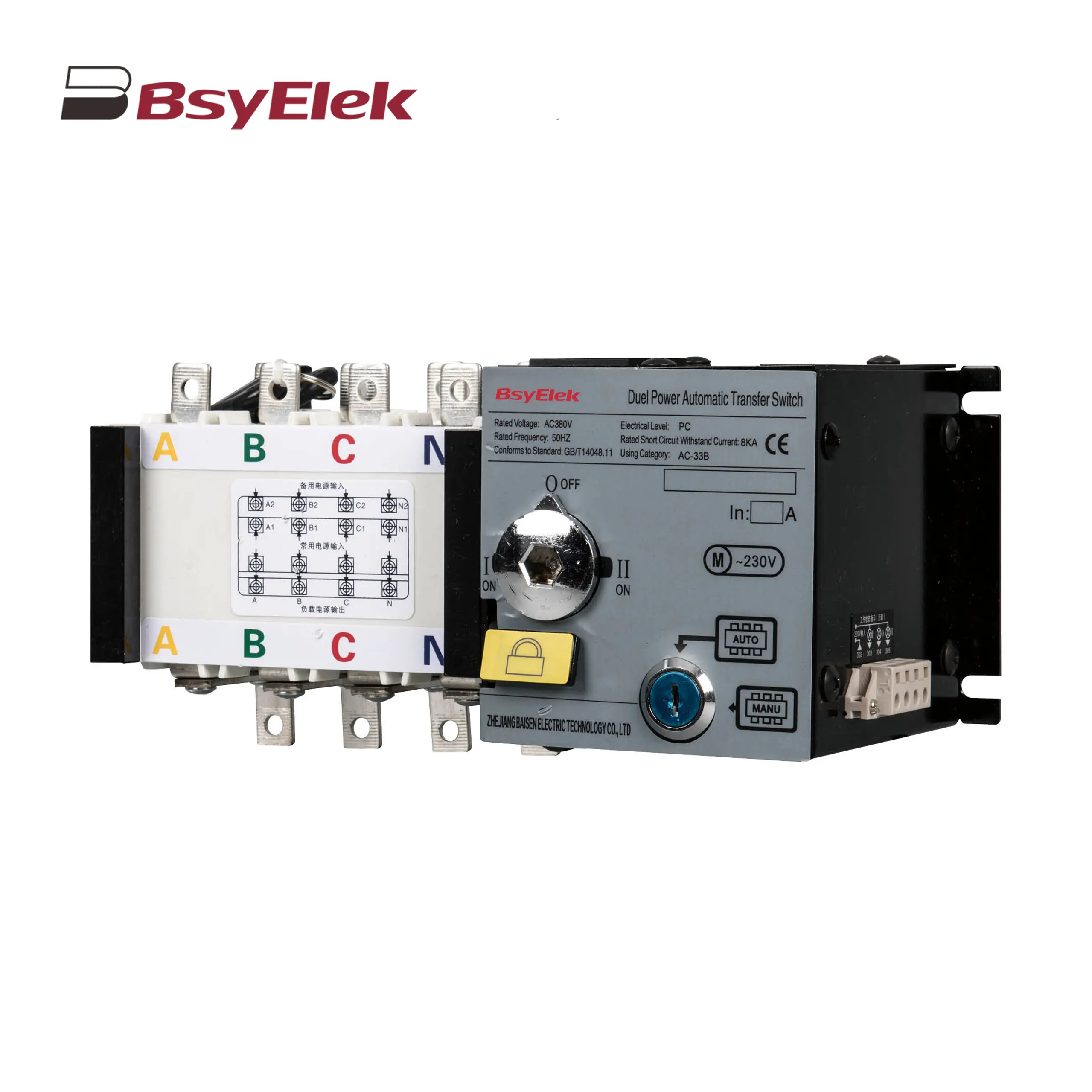 BYQ1 ATS Isolated Type PC Level Dual Power Automatic Transfer Switch
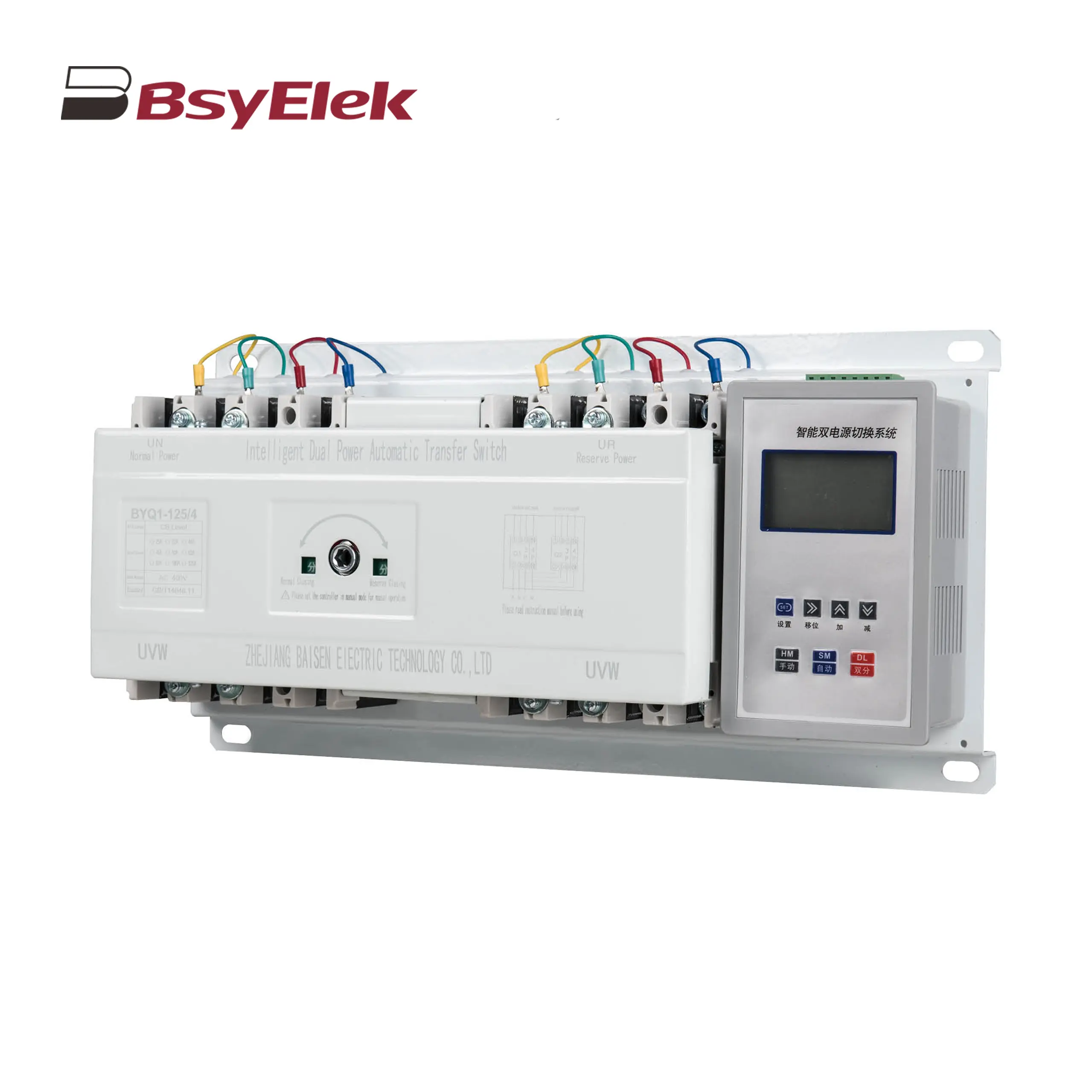 BYQ1 ATS Intelligent Type CB Level Dual Power Automatic Transfer Switch
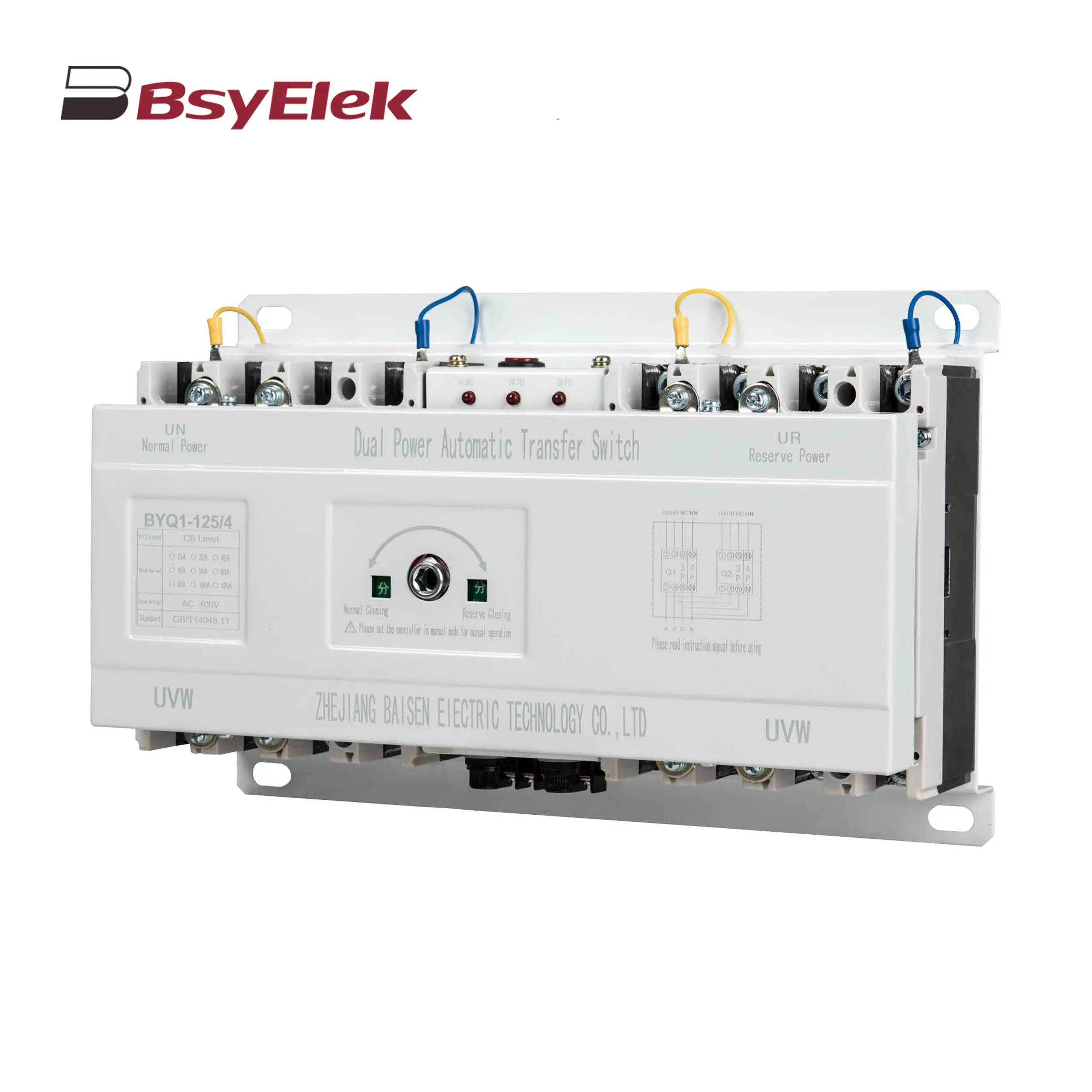 BYQ1 ATS End Type CB Level Dual Power Automatic Transfer Switch
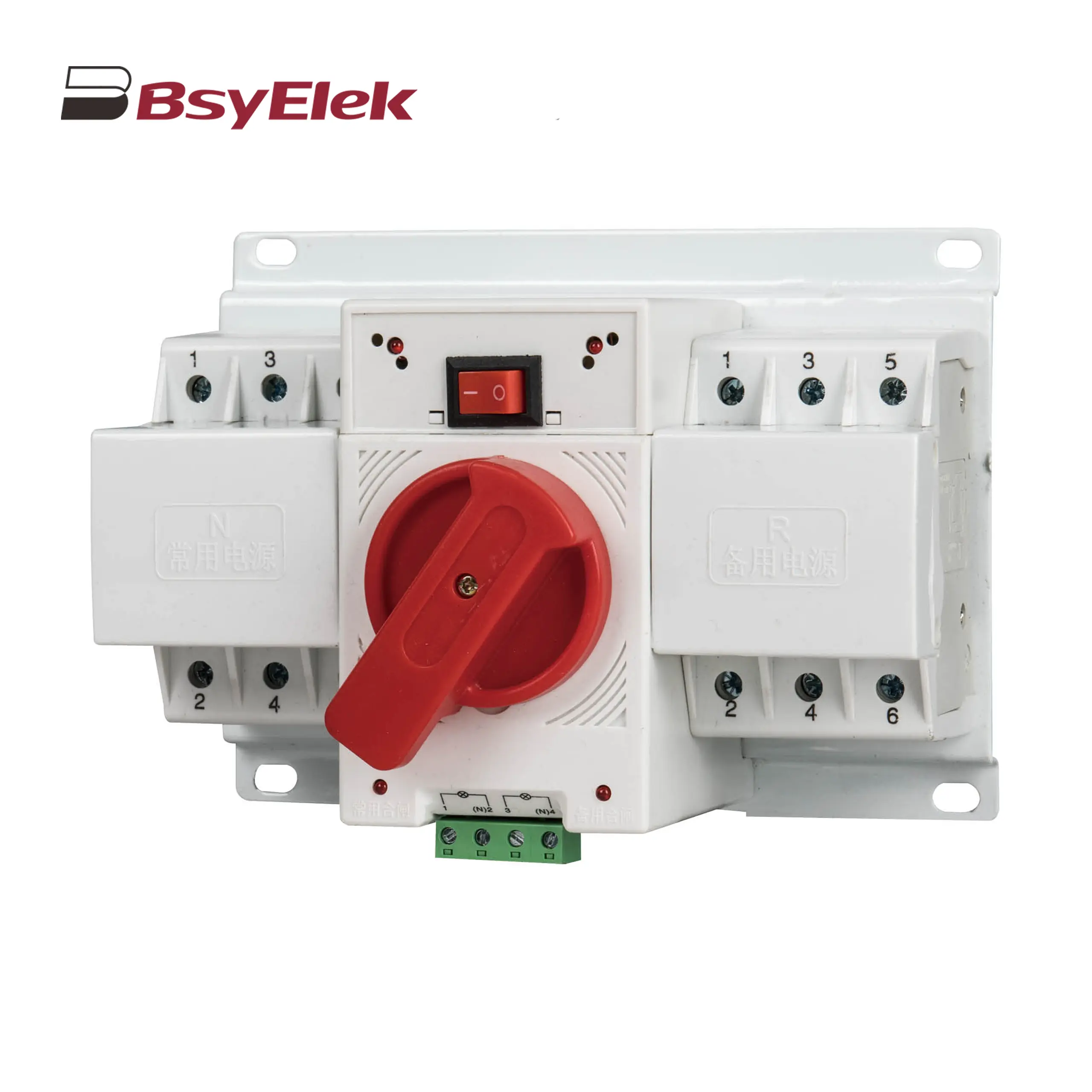 BYQ1 ATS Mini Type CB Level Dual Power Automatic Transfer Switch
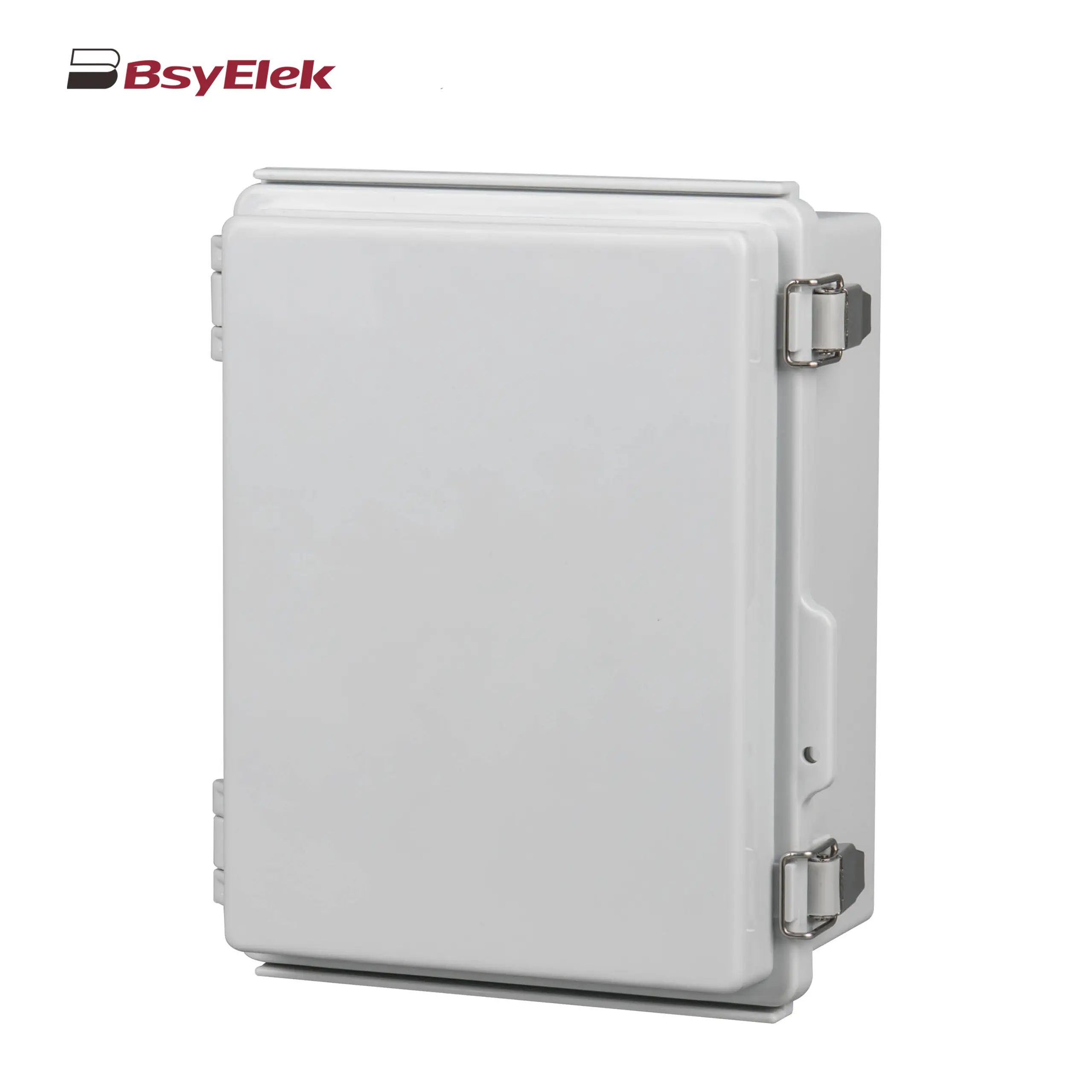 Stainless Steel Hinge Type Electrical Box
 HA Waterproof Distribution Box
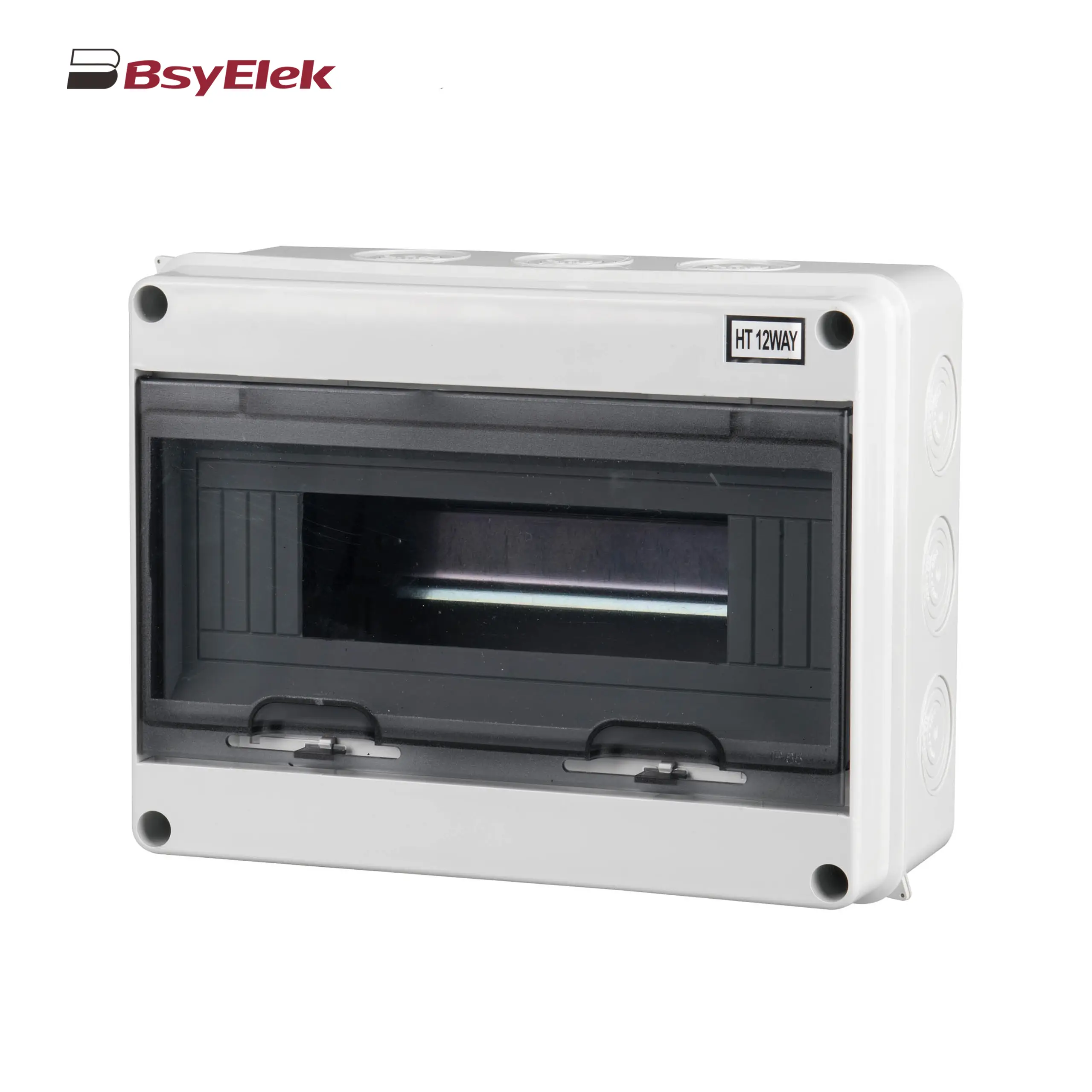 HT Waterproof Distribution Box
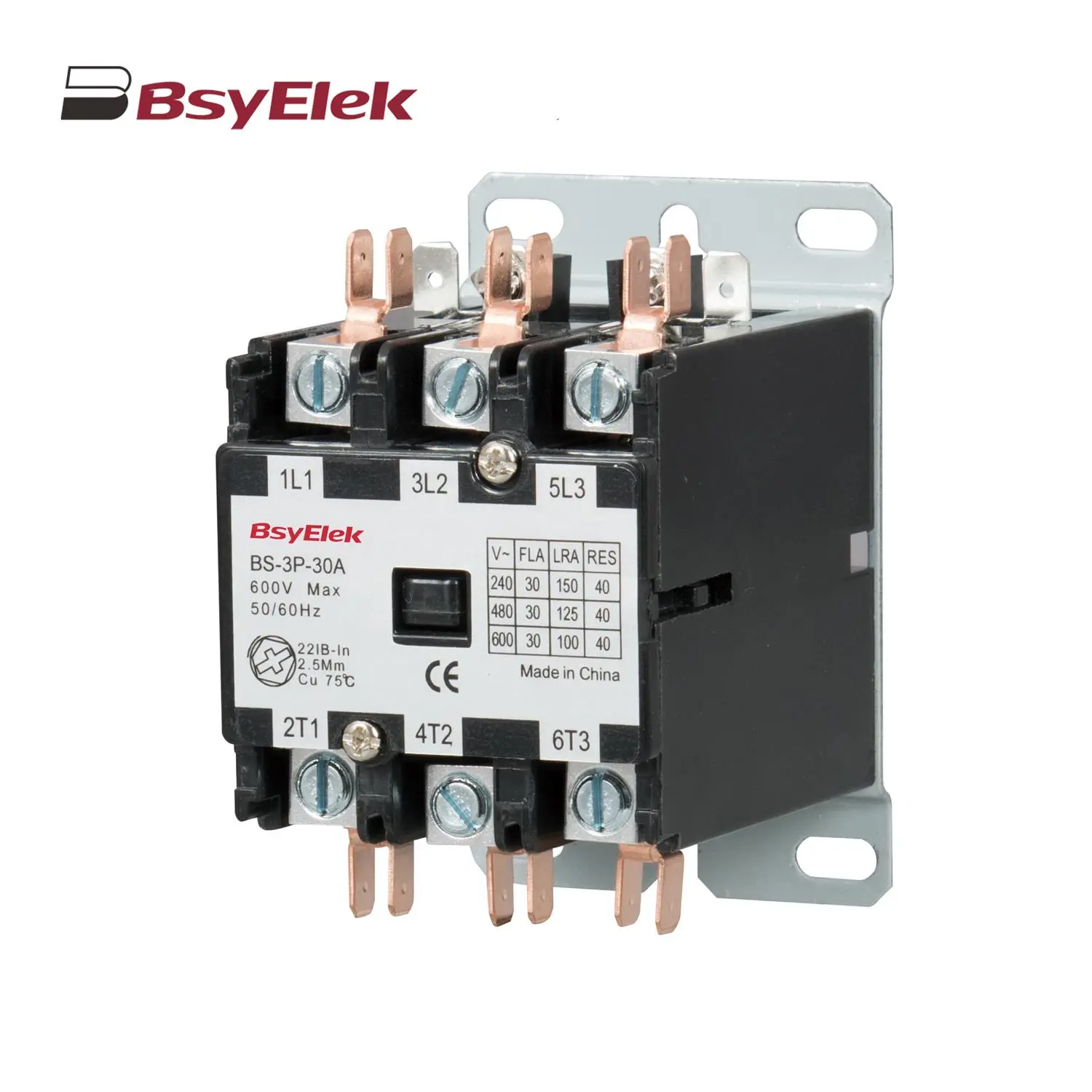 BS Definite Purpose Magnetic AC Contactor