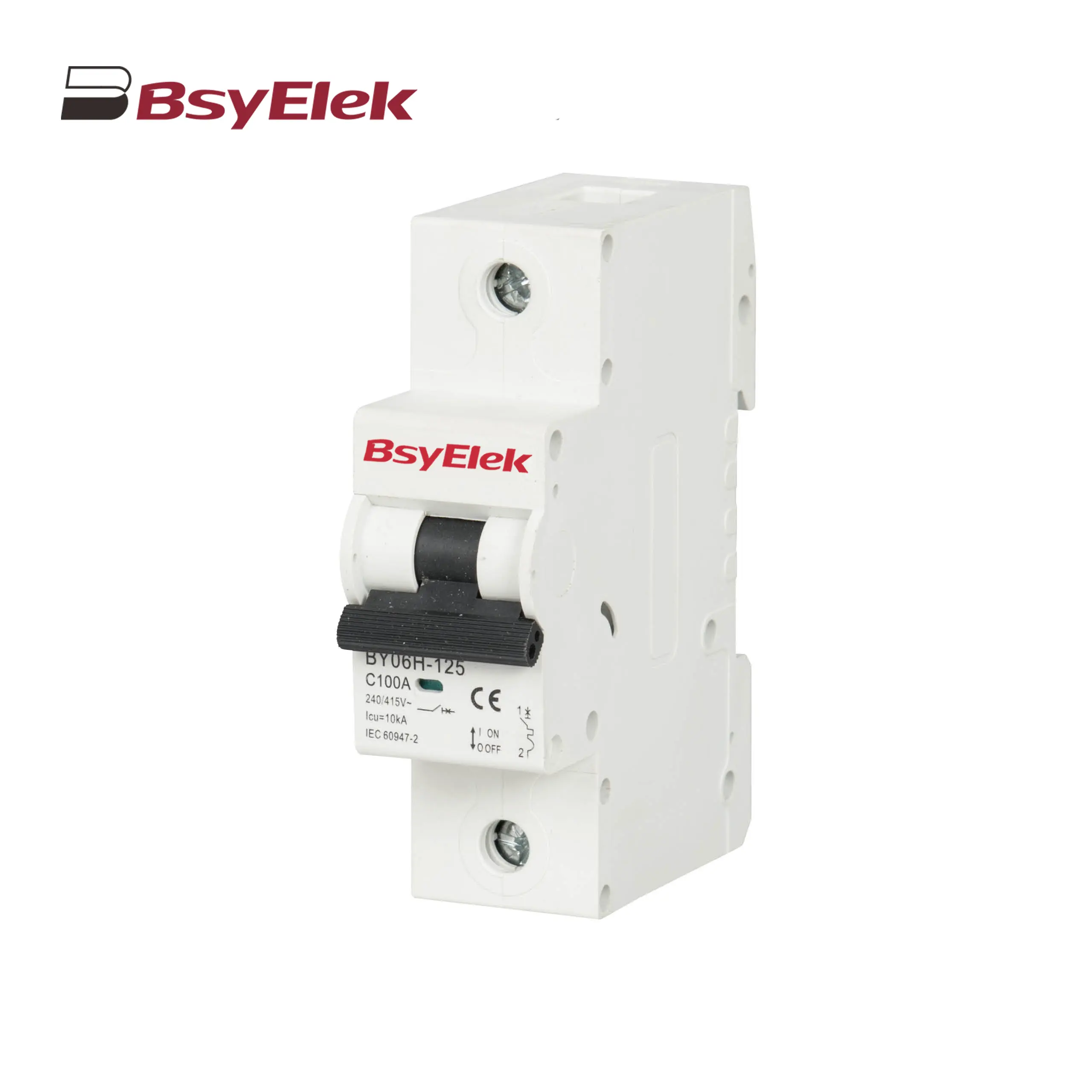
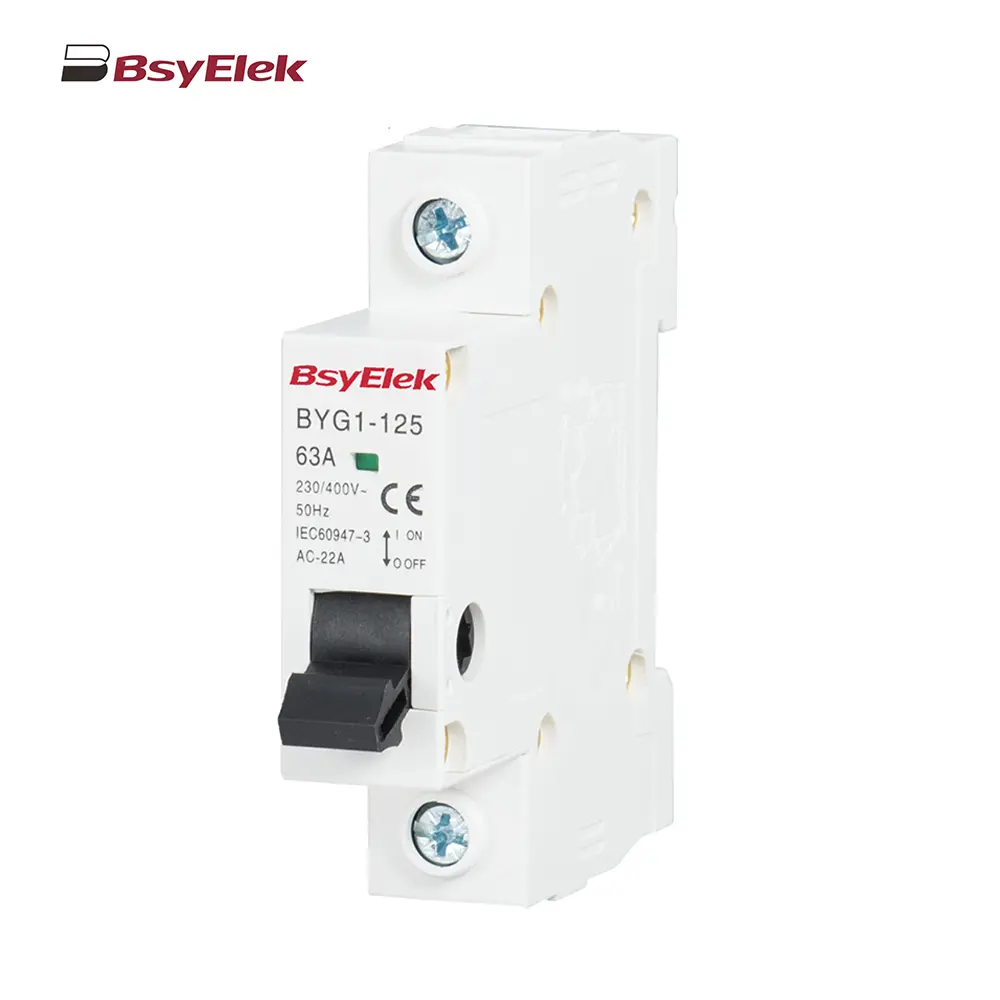
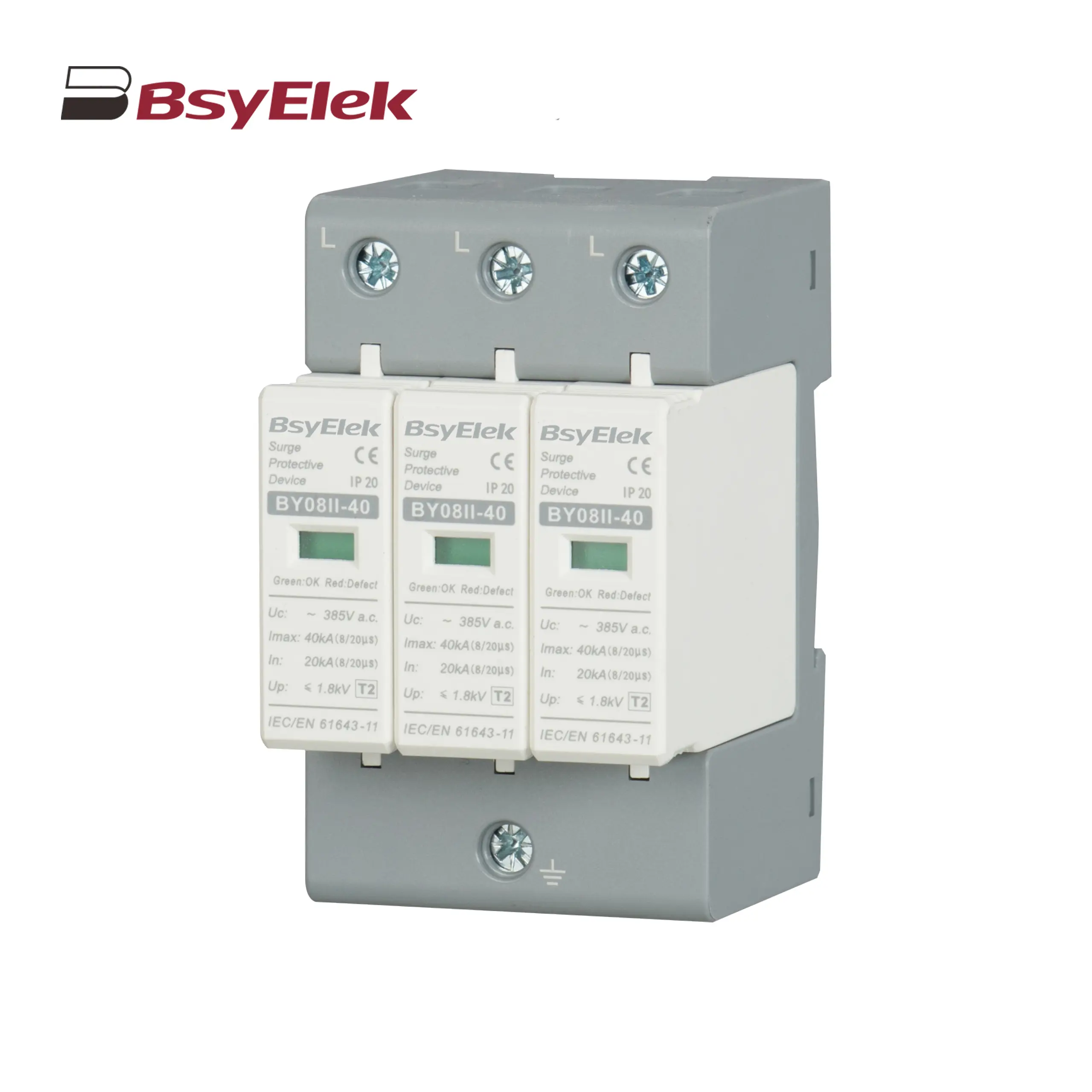
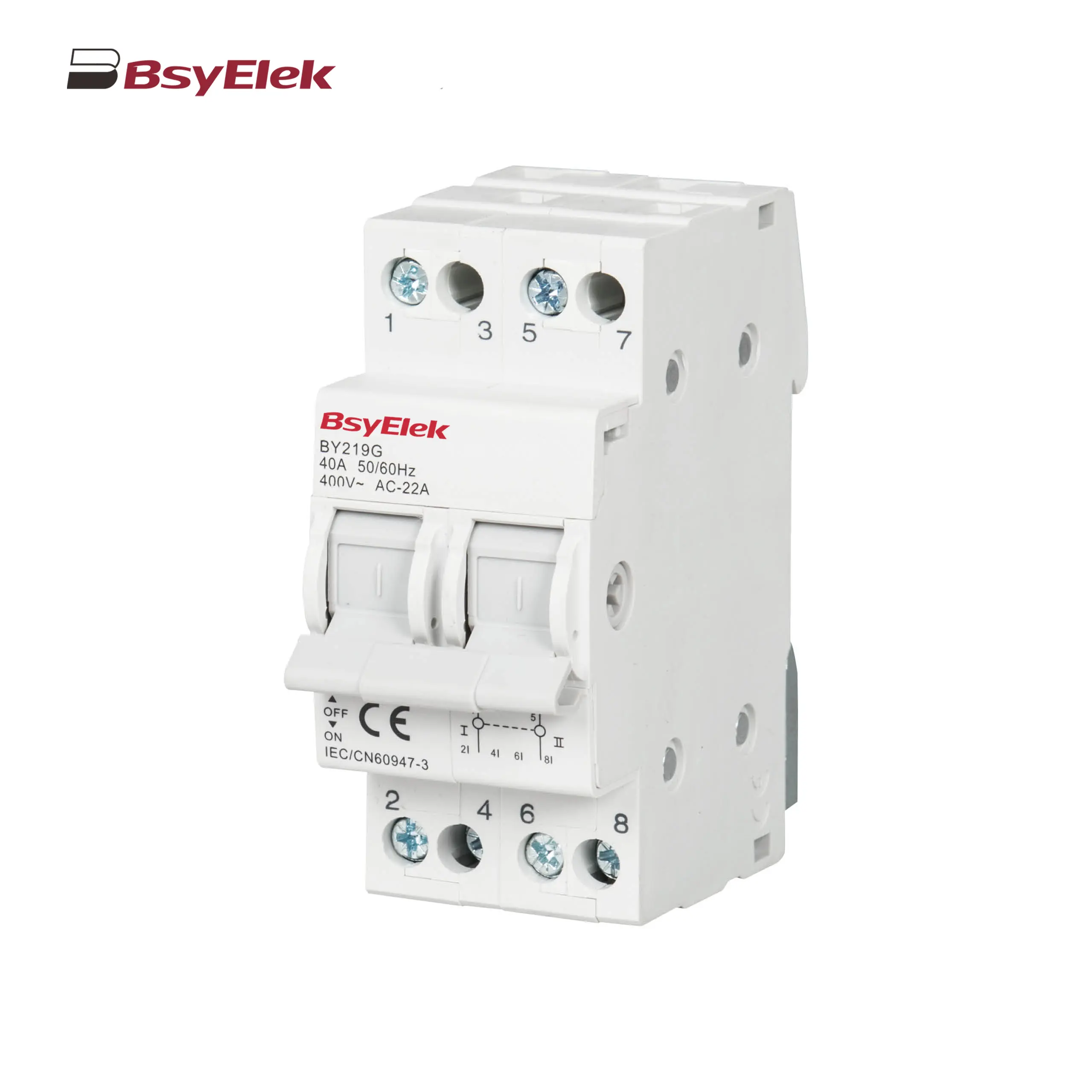
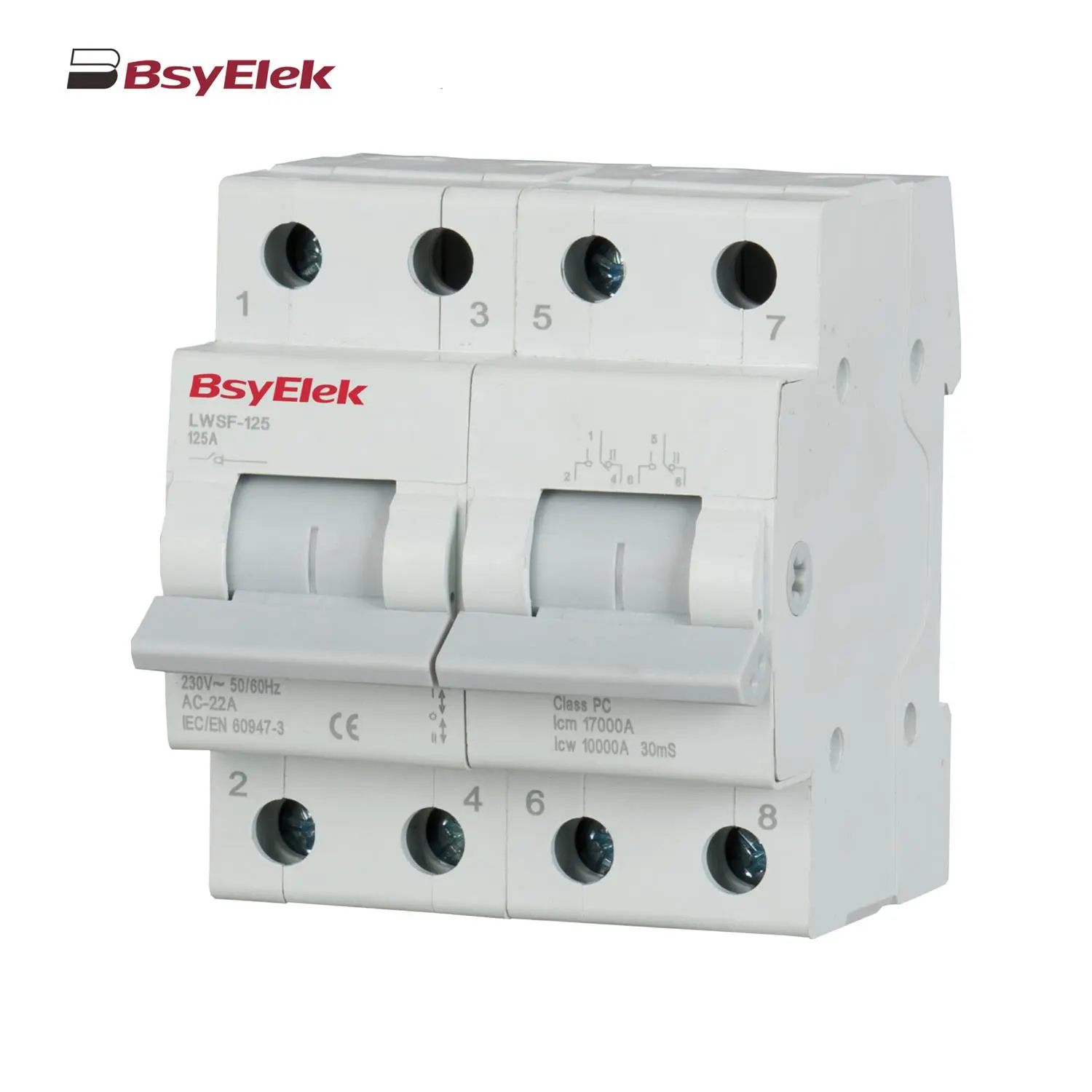
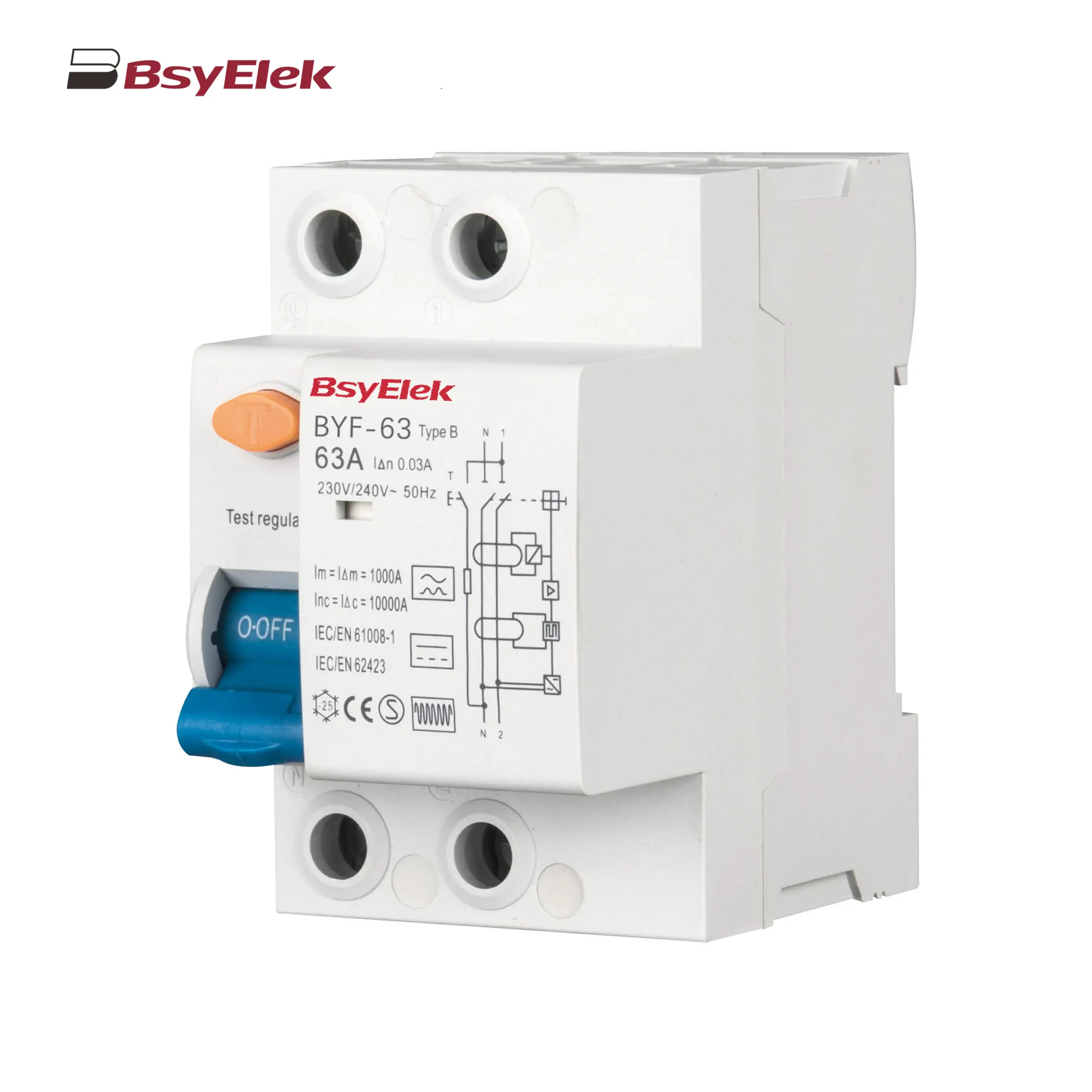
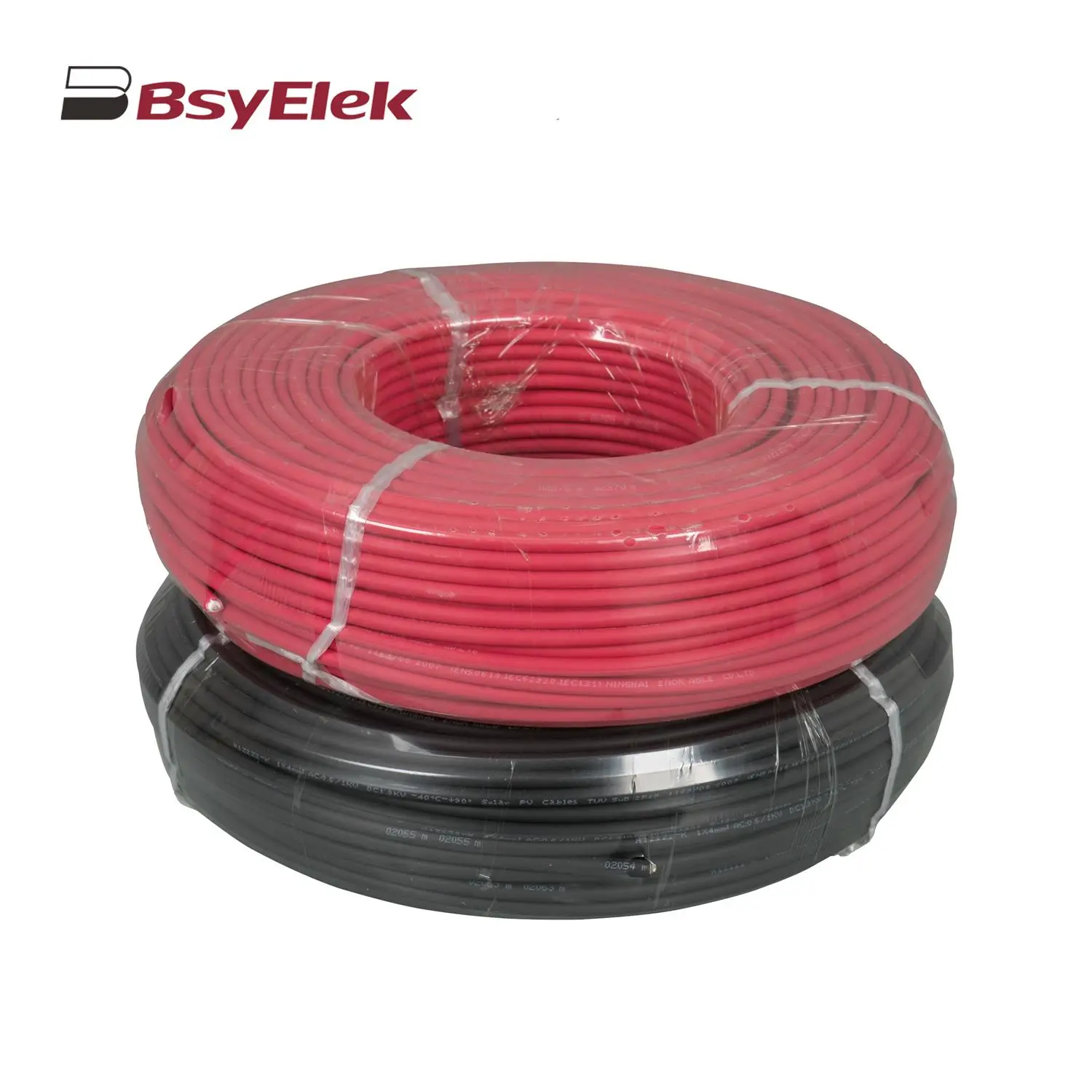
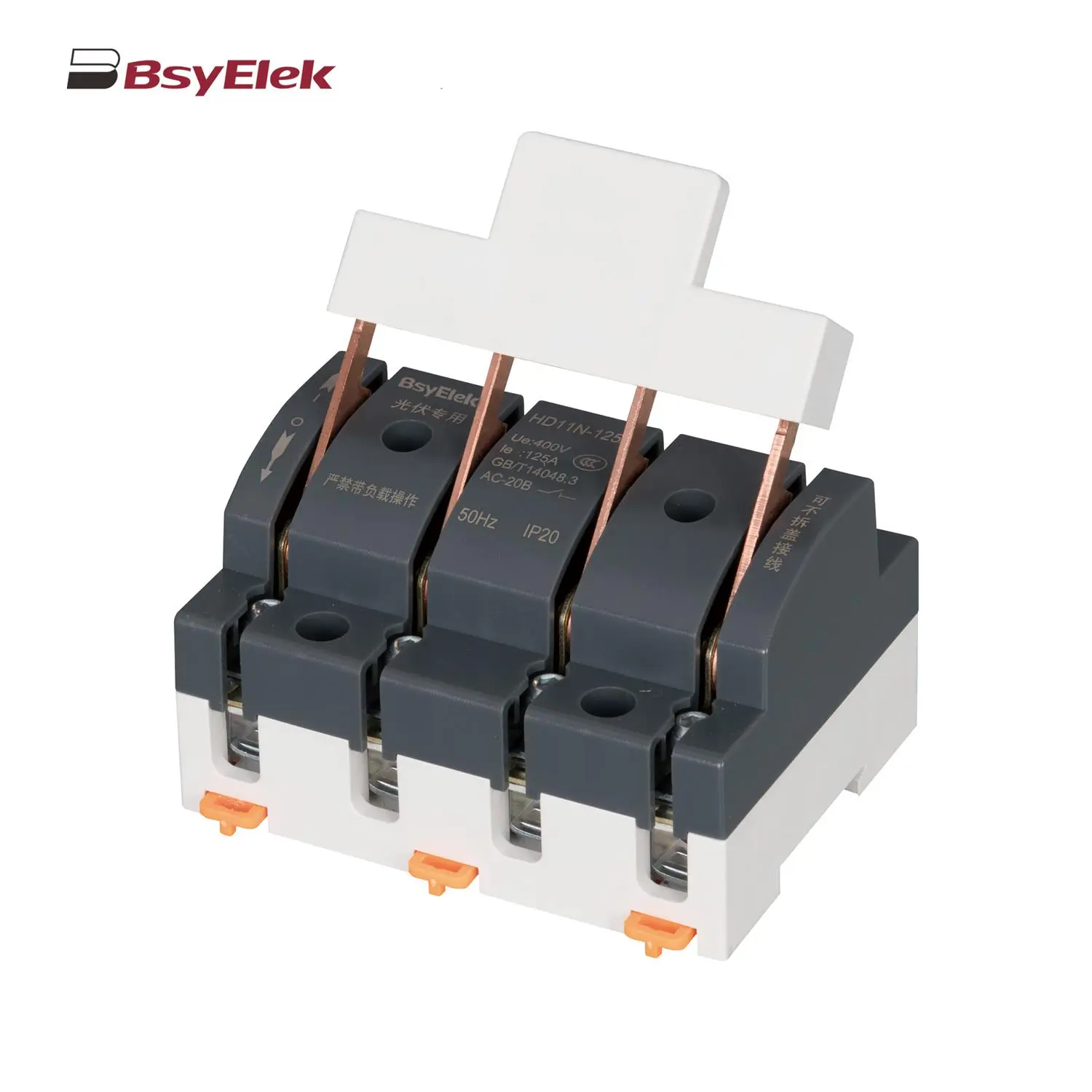
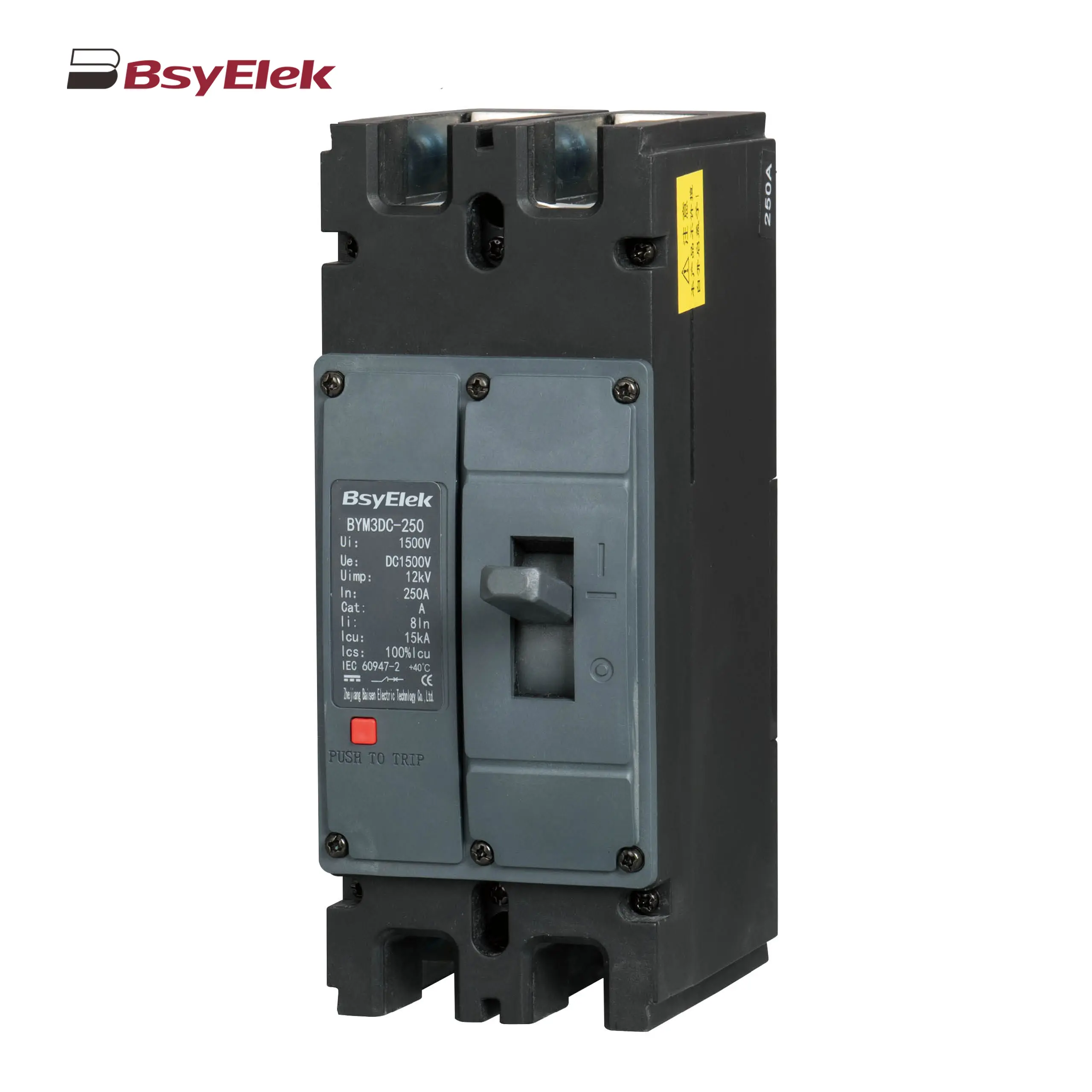
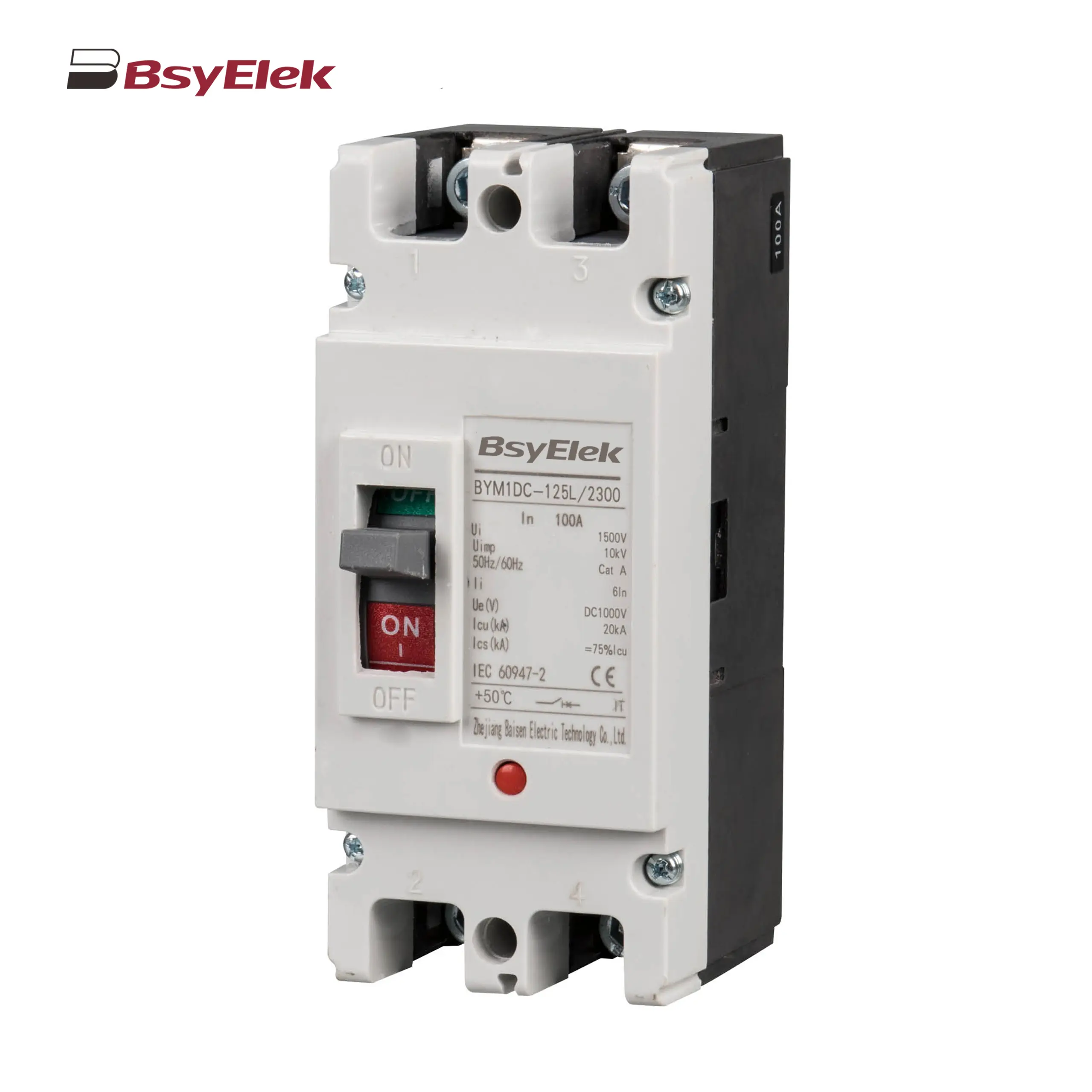
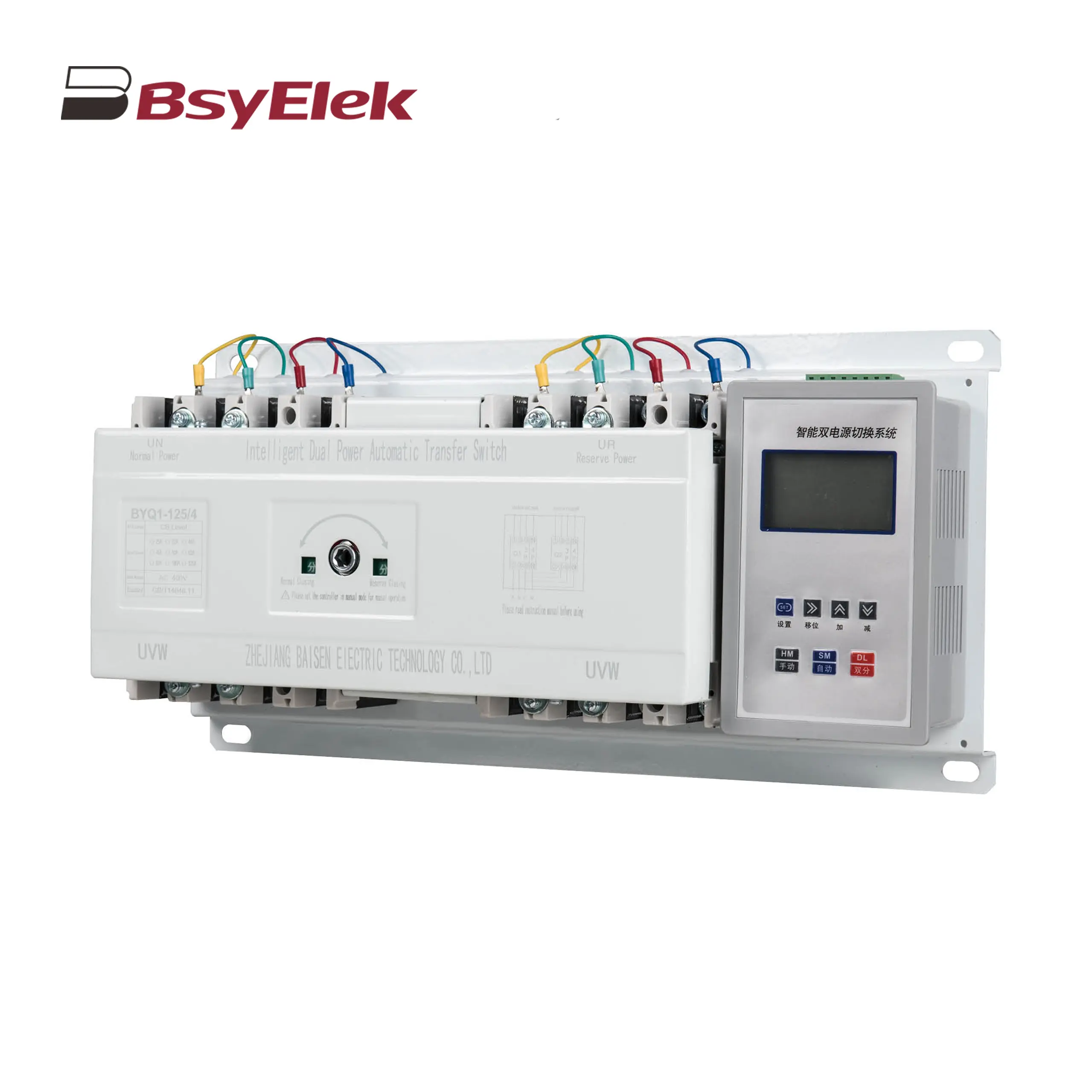
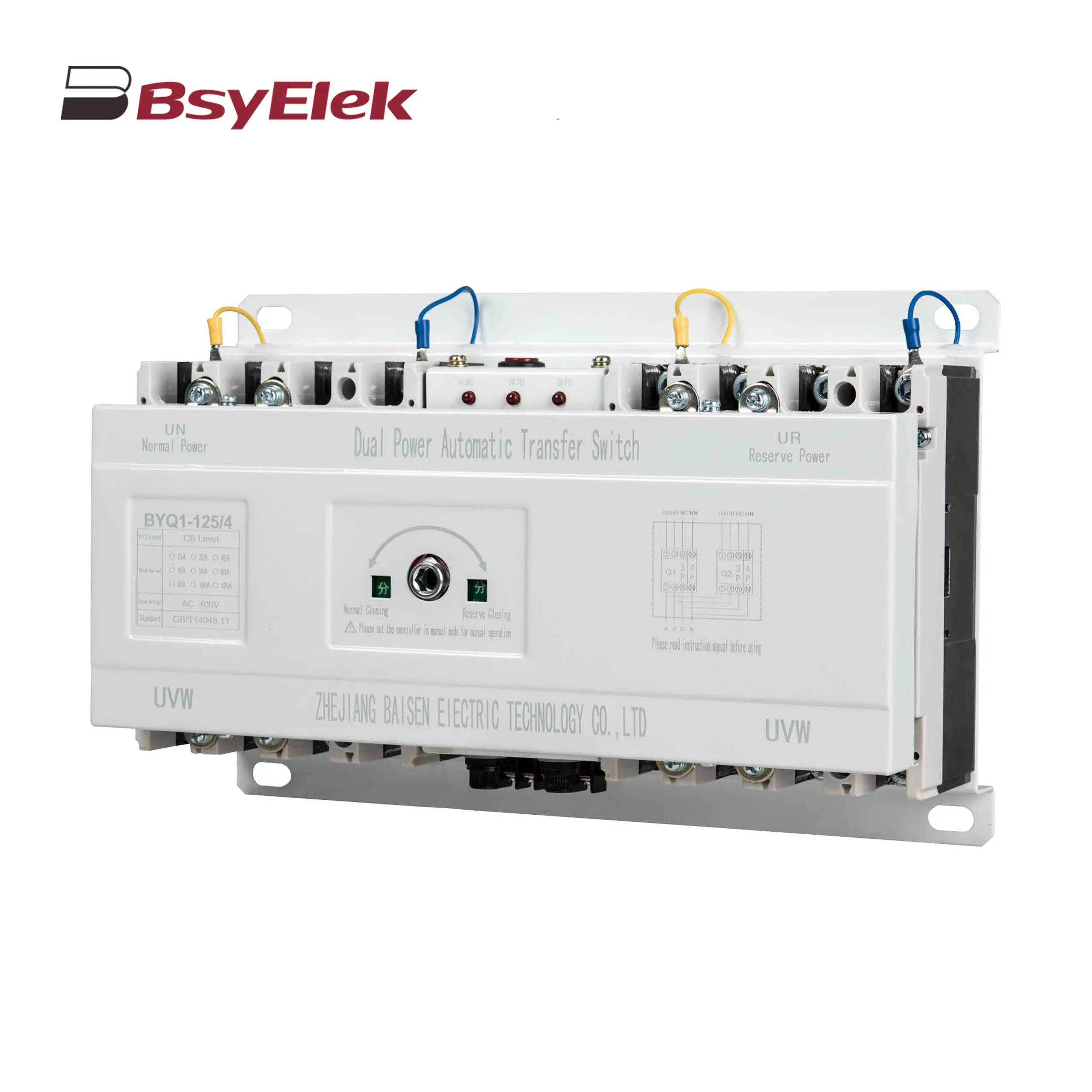
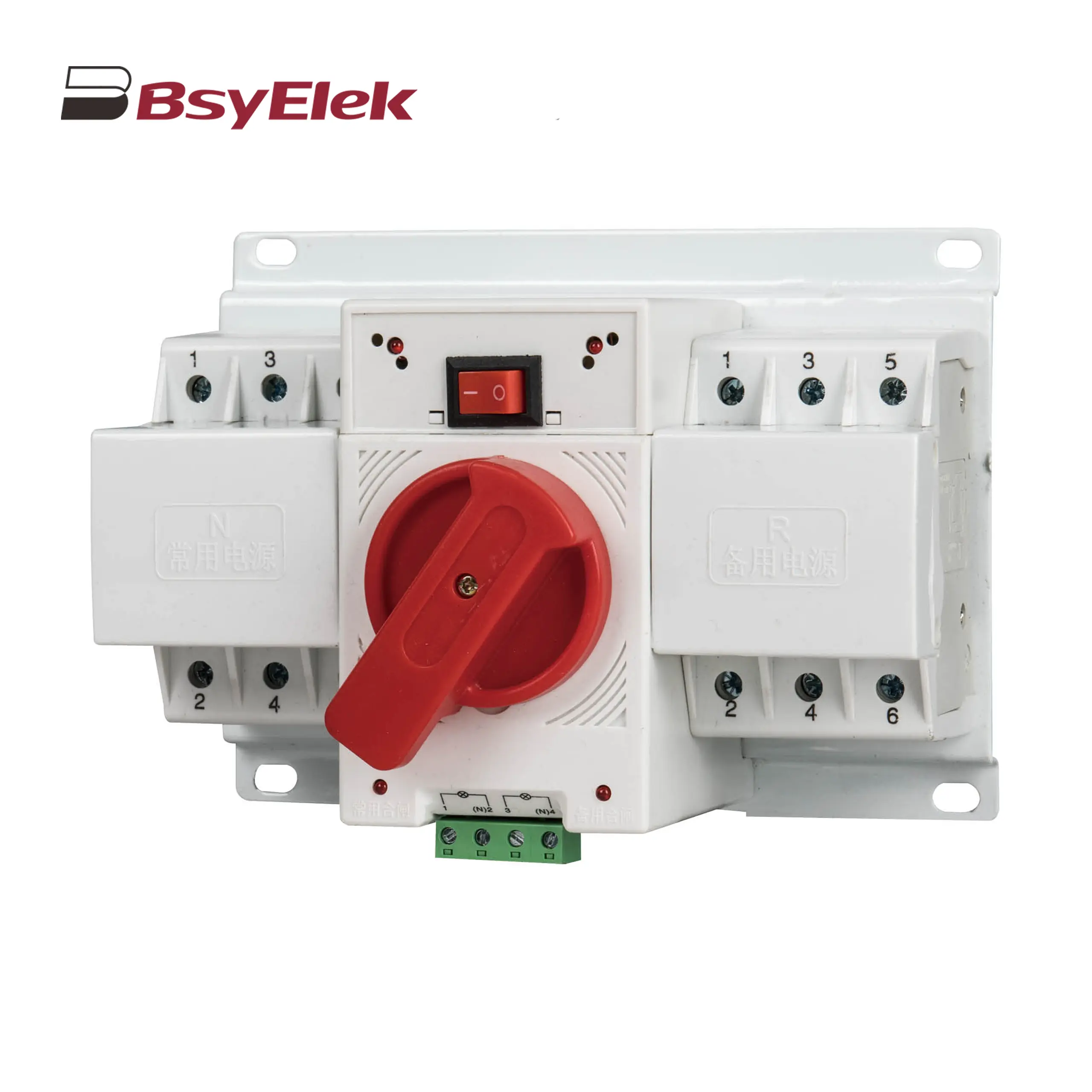
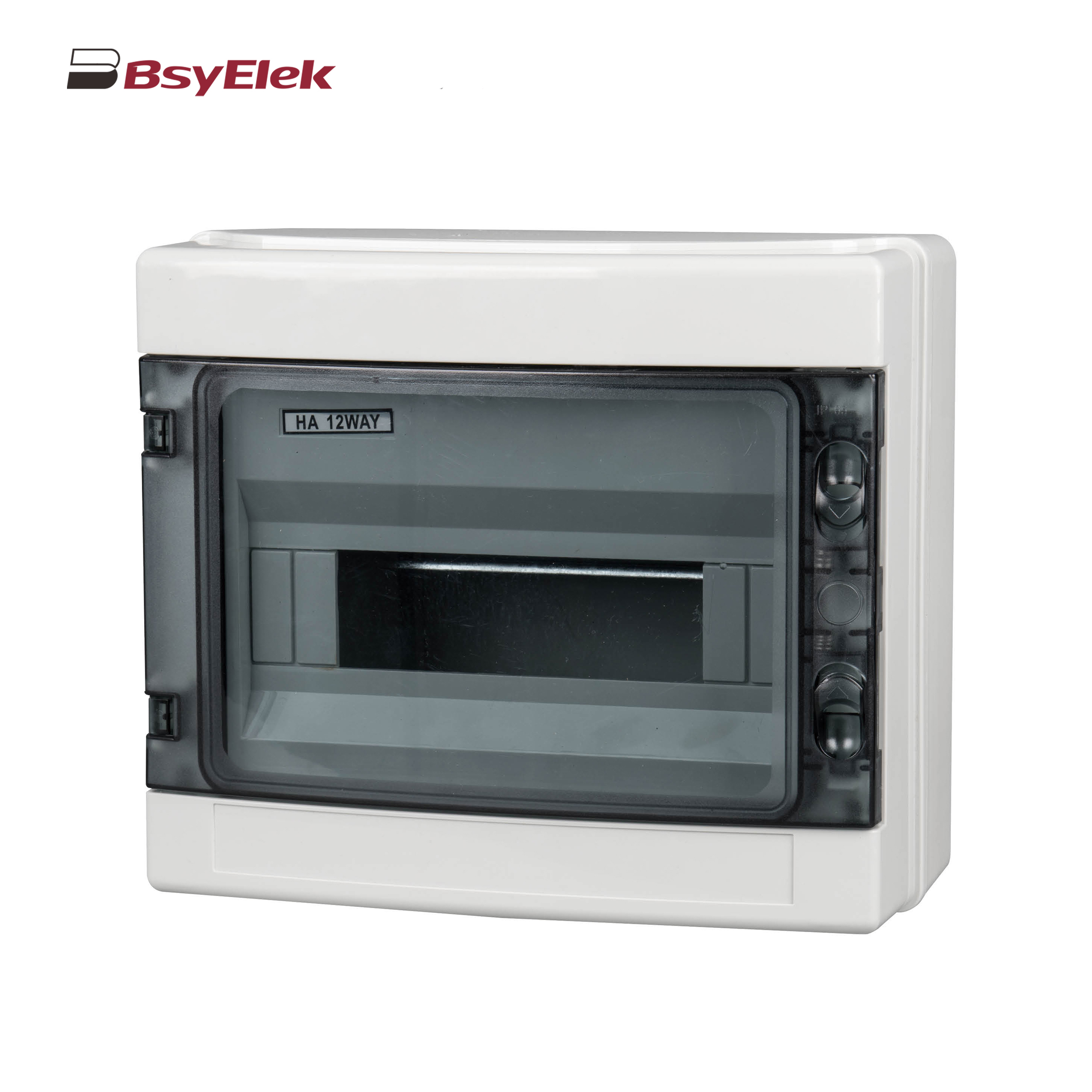
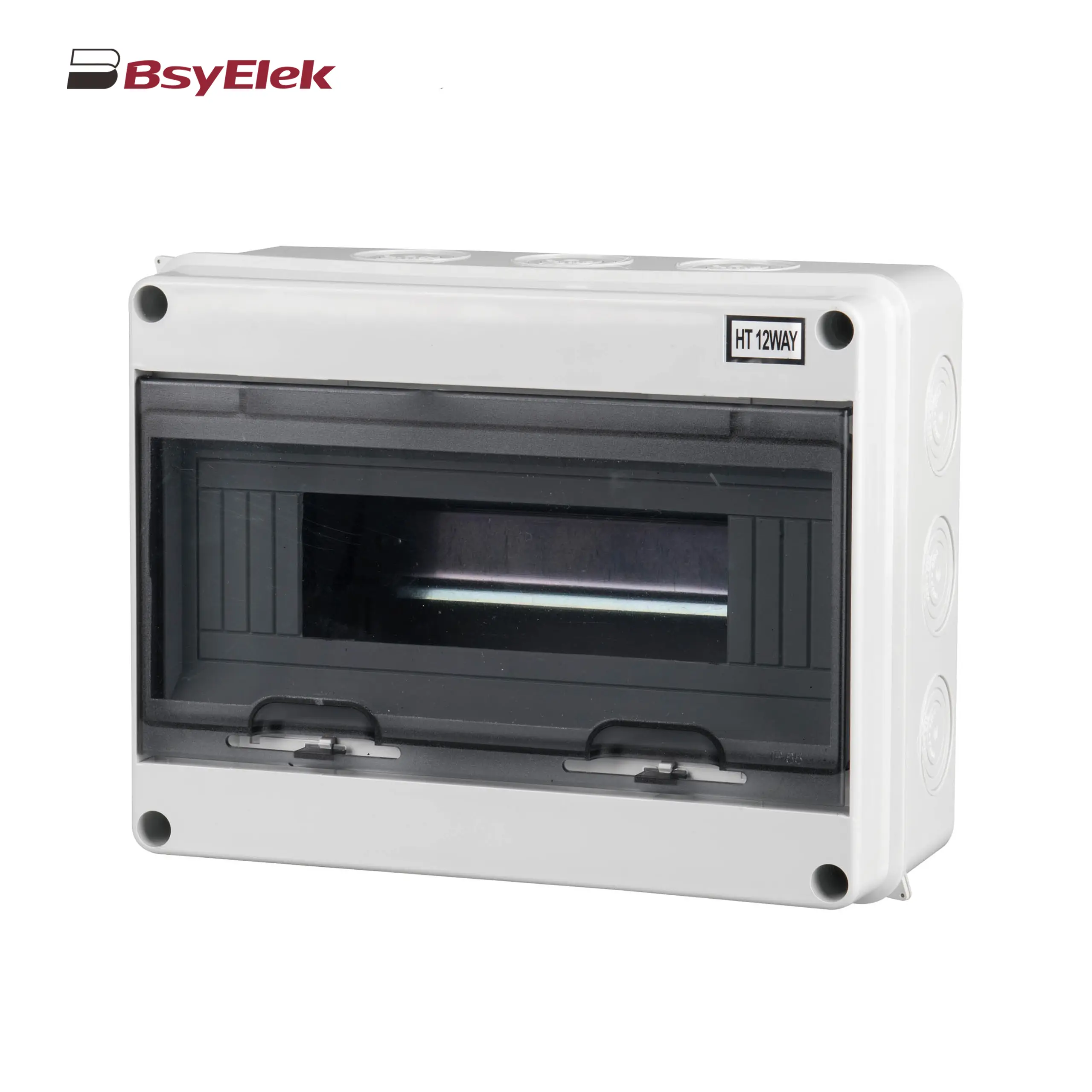
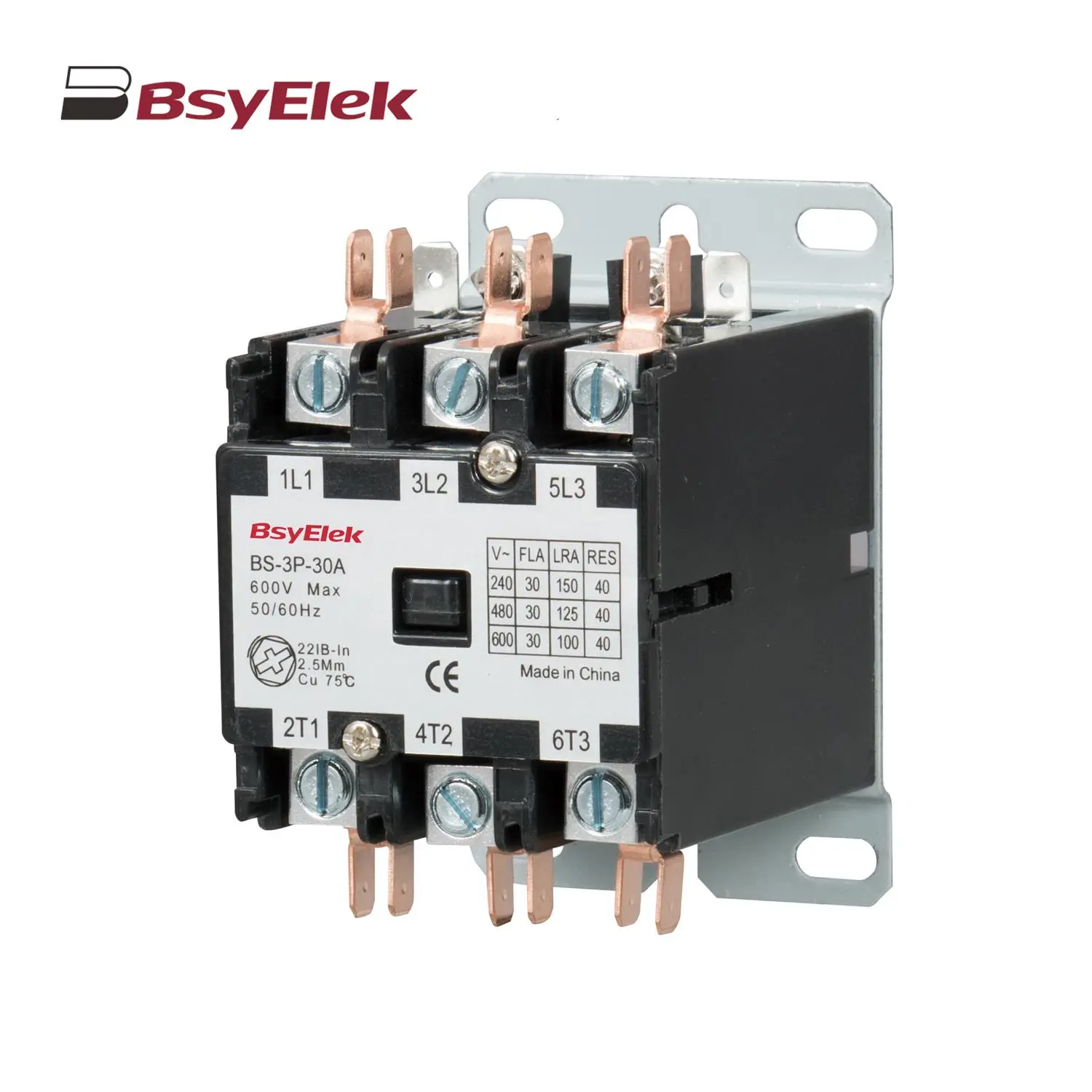
BY06H-125 MCB 10-15KA Miniature Circuit Breaker
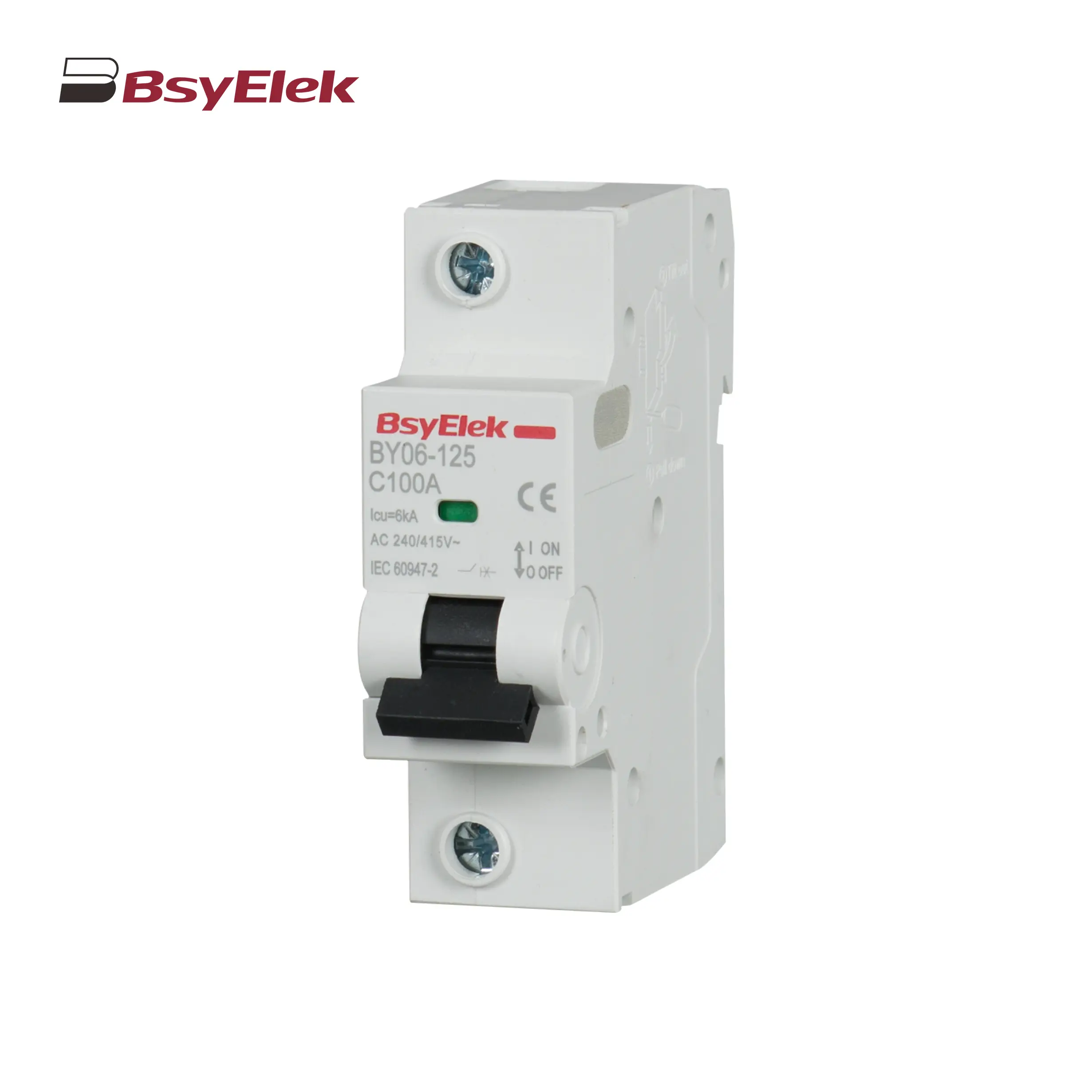
BY06-125 MCB 6KA Miniature Circuit Breaker
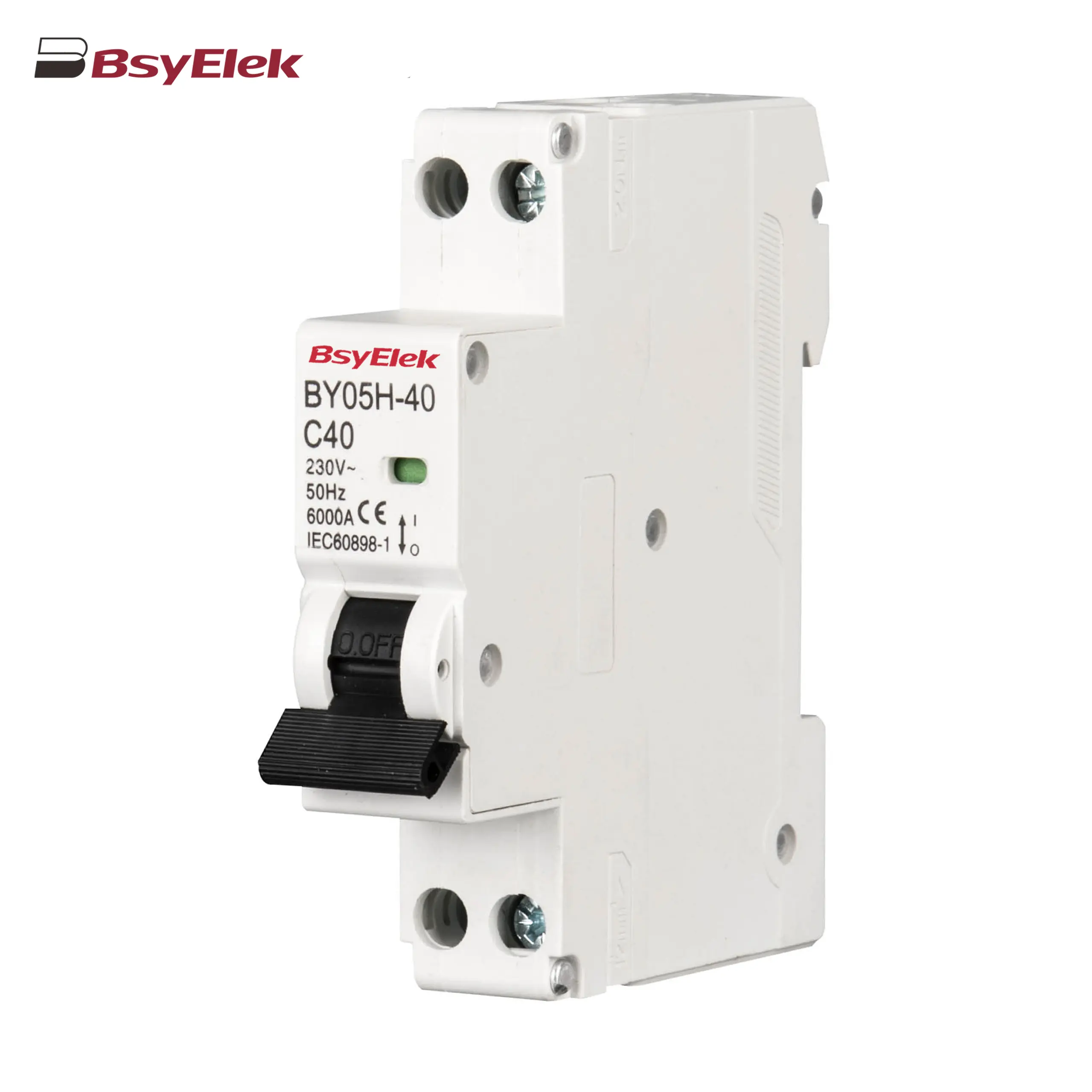
BY05H-40 MCB Single Modular 6KA Miniature Circuit Breaker
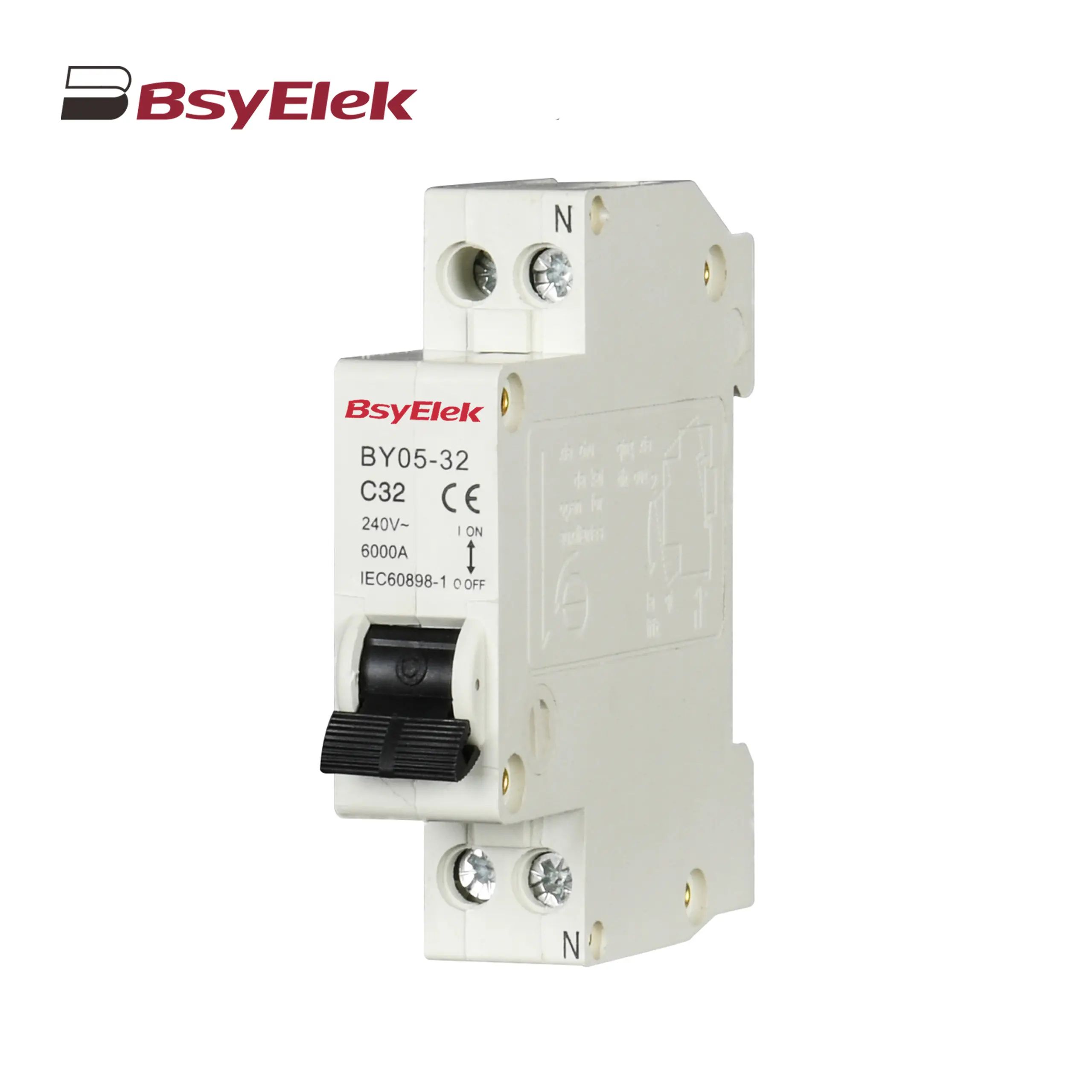
BY05-32 MCB Single Modular 3KA Miniature Circuit Breaker
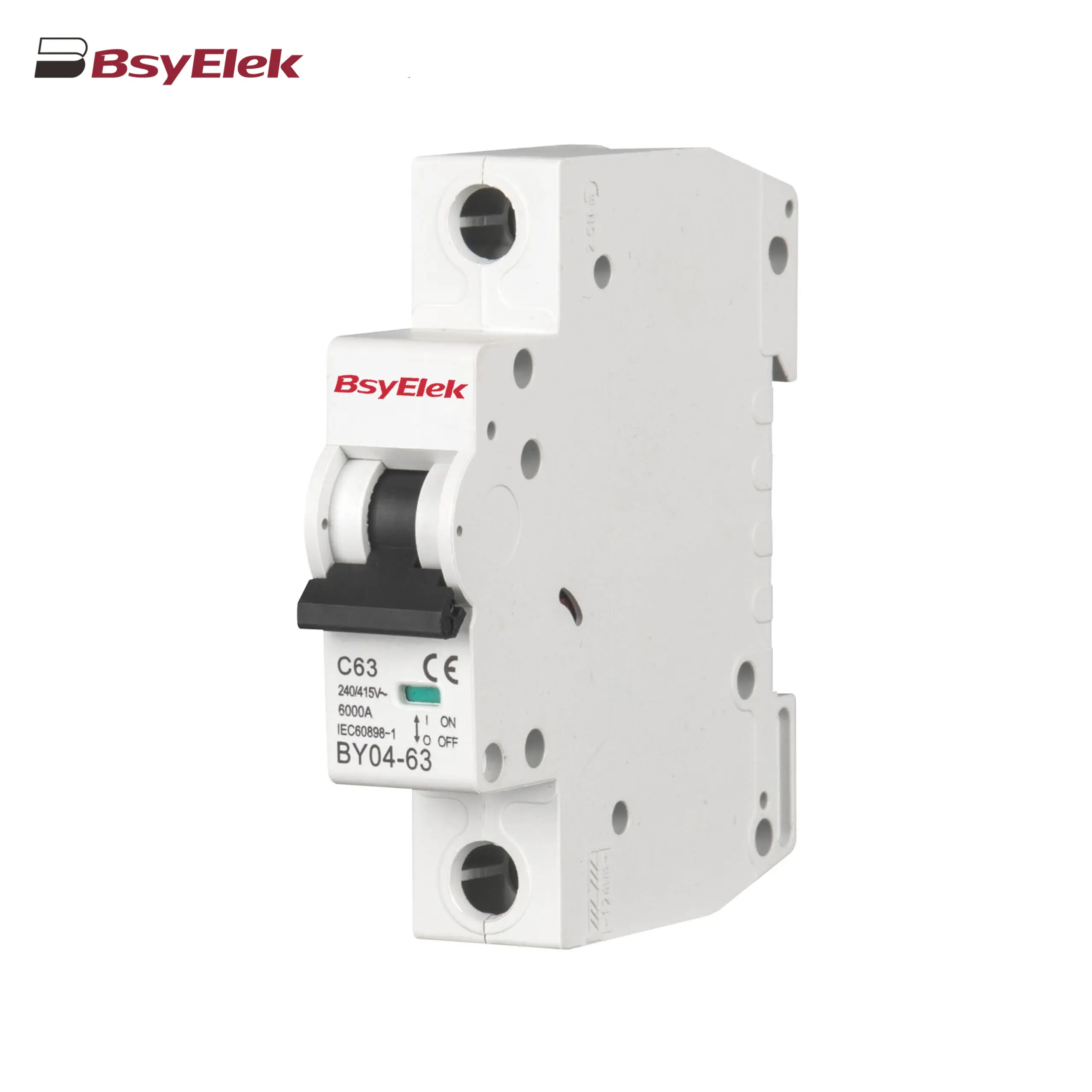
BY04-63 MCB 6-10KA Miniature Circuit Breaker
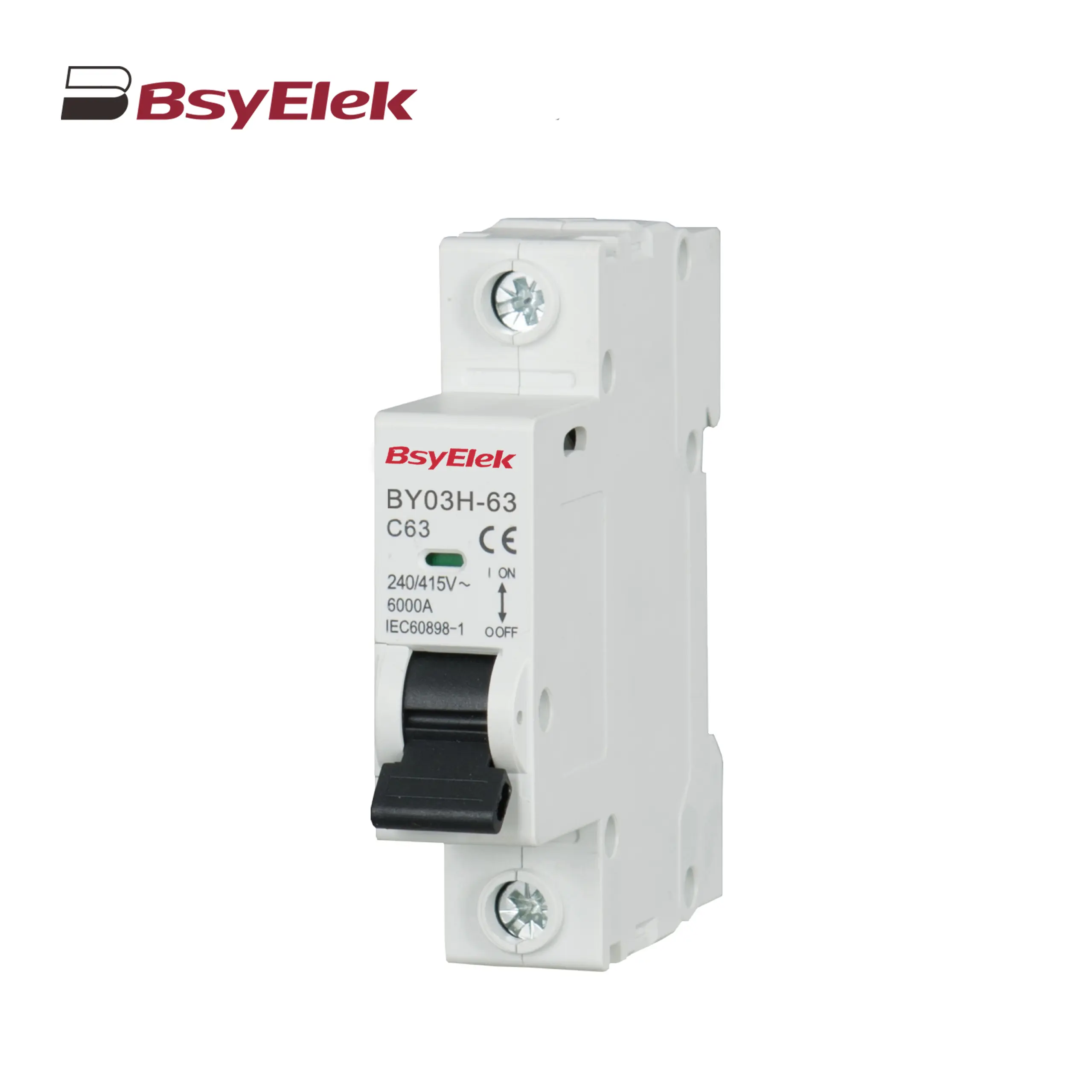
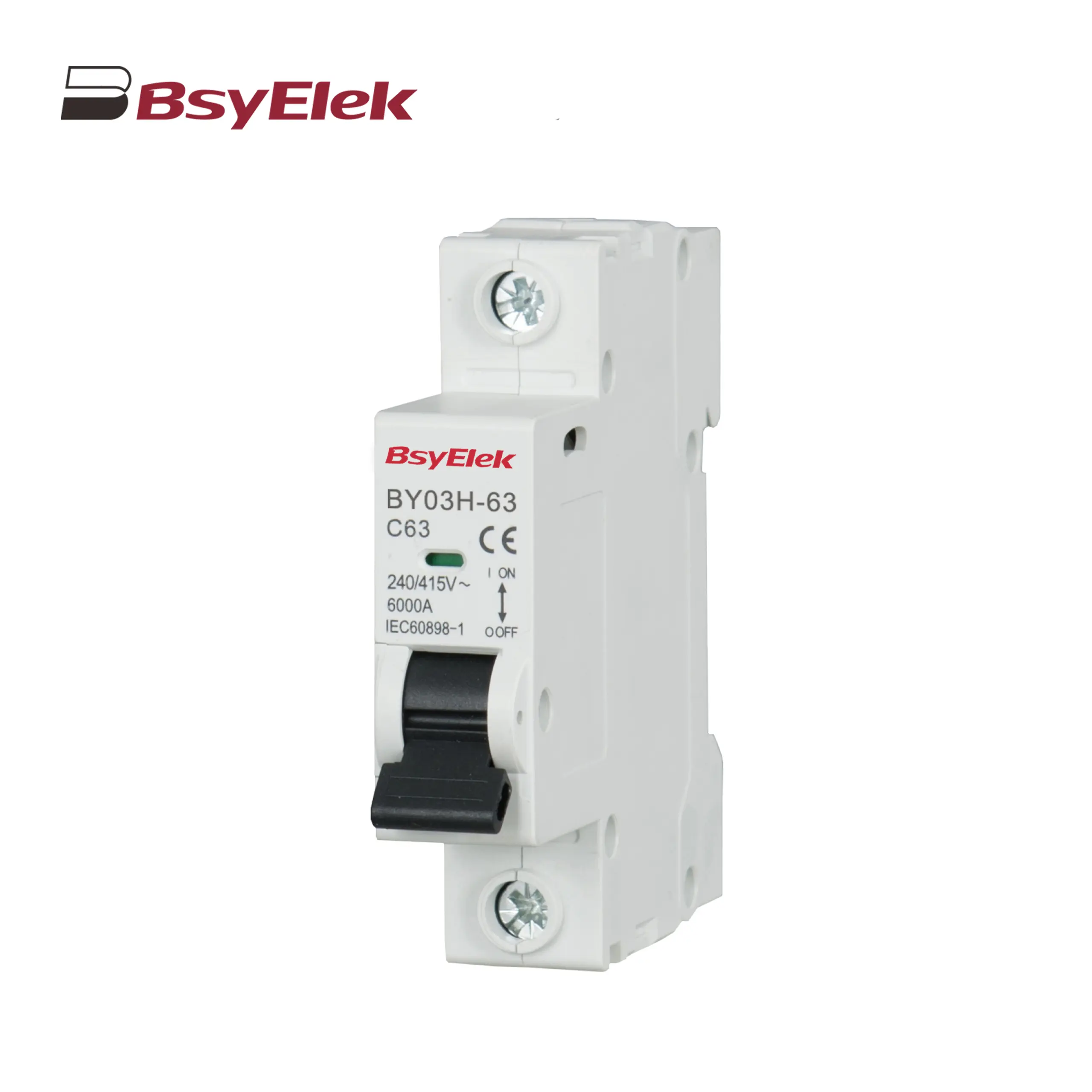
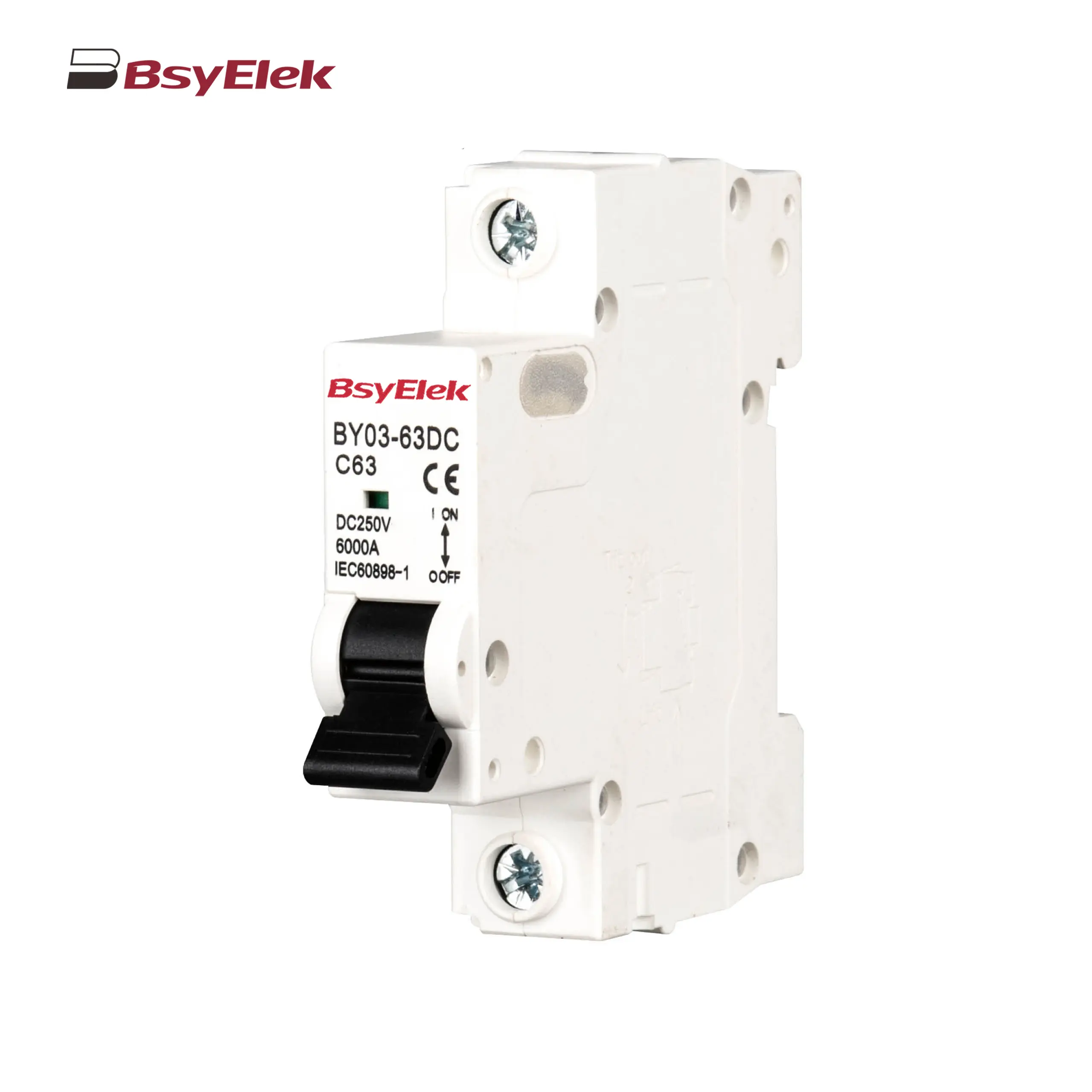
BY03H-63 MCB 6KA Miniature Circuit Breaker
BY03-63 MCB 4.5KA Miniature Circuit Breaker
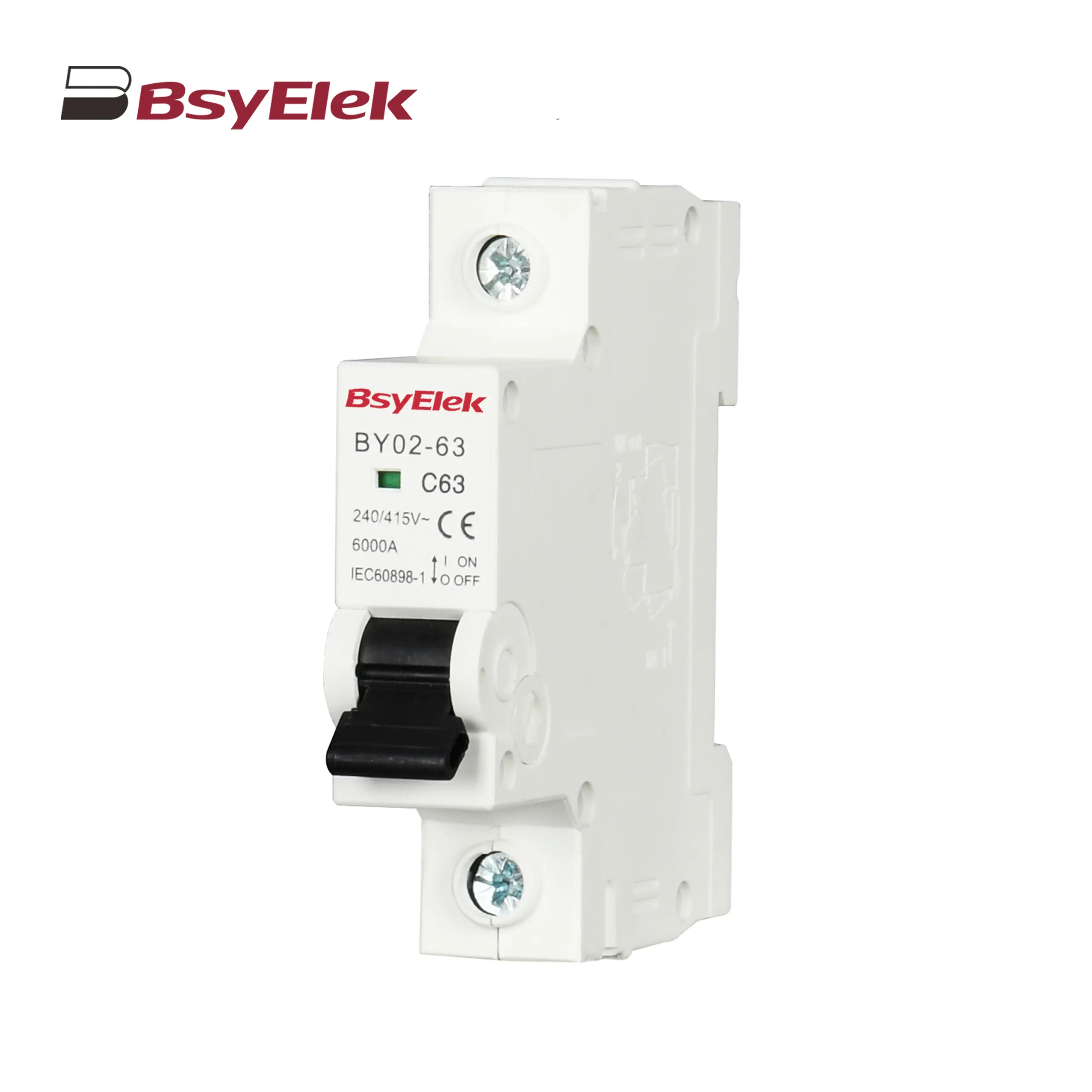
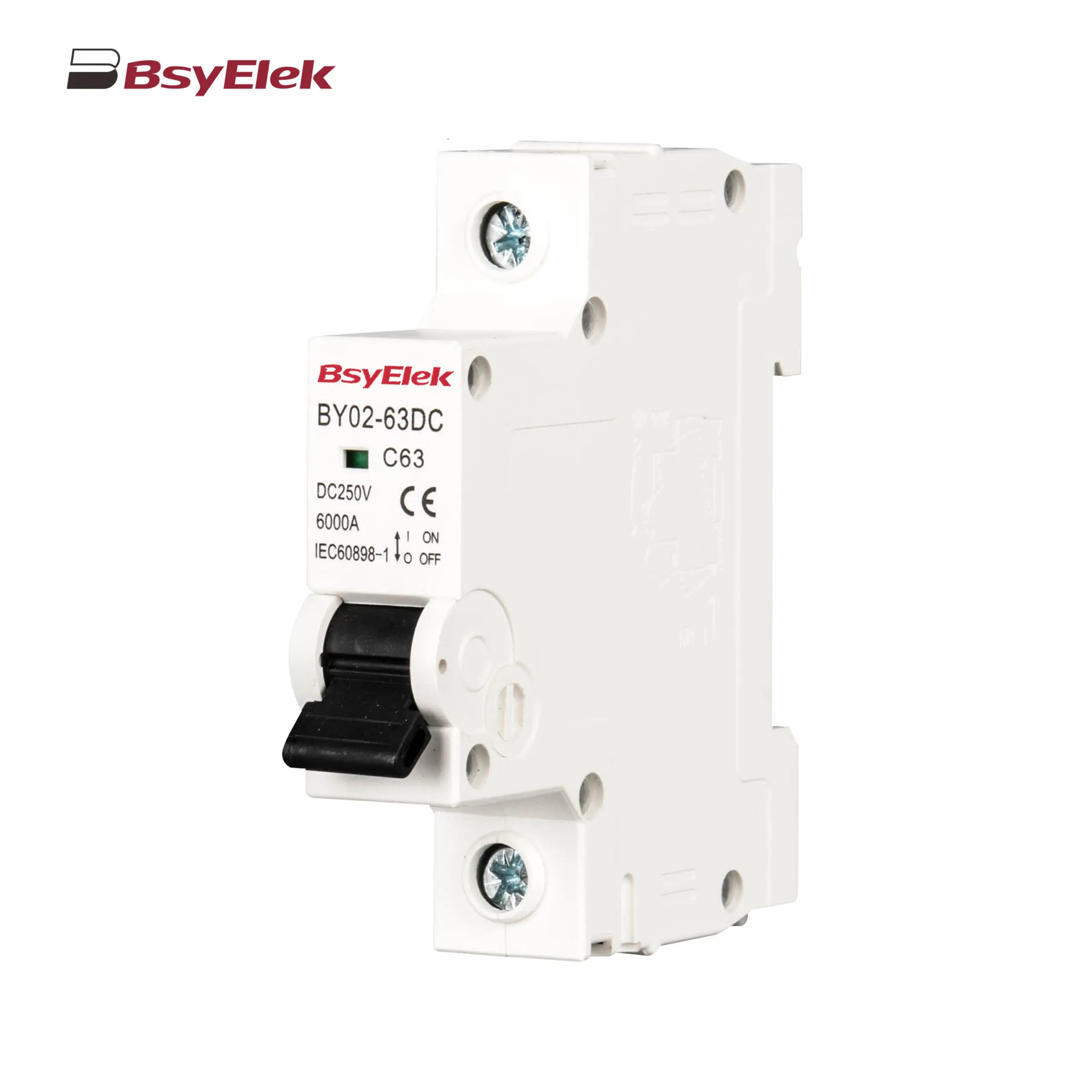
BY02-63 MCB 3kA Miniature Circuit Breaker
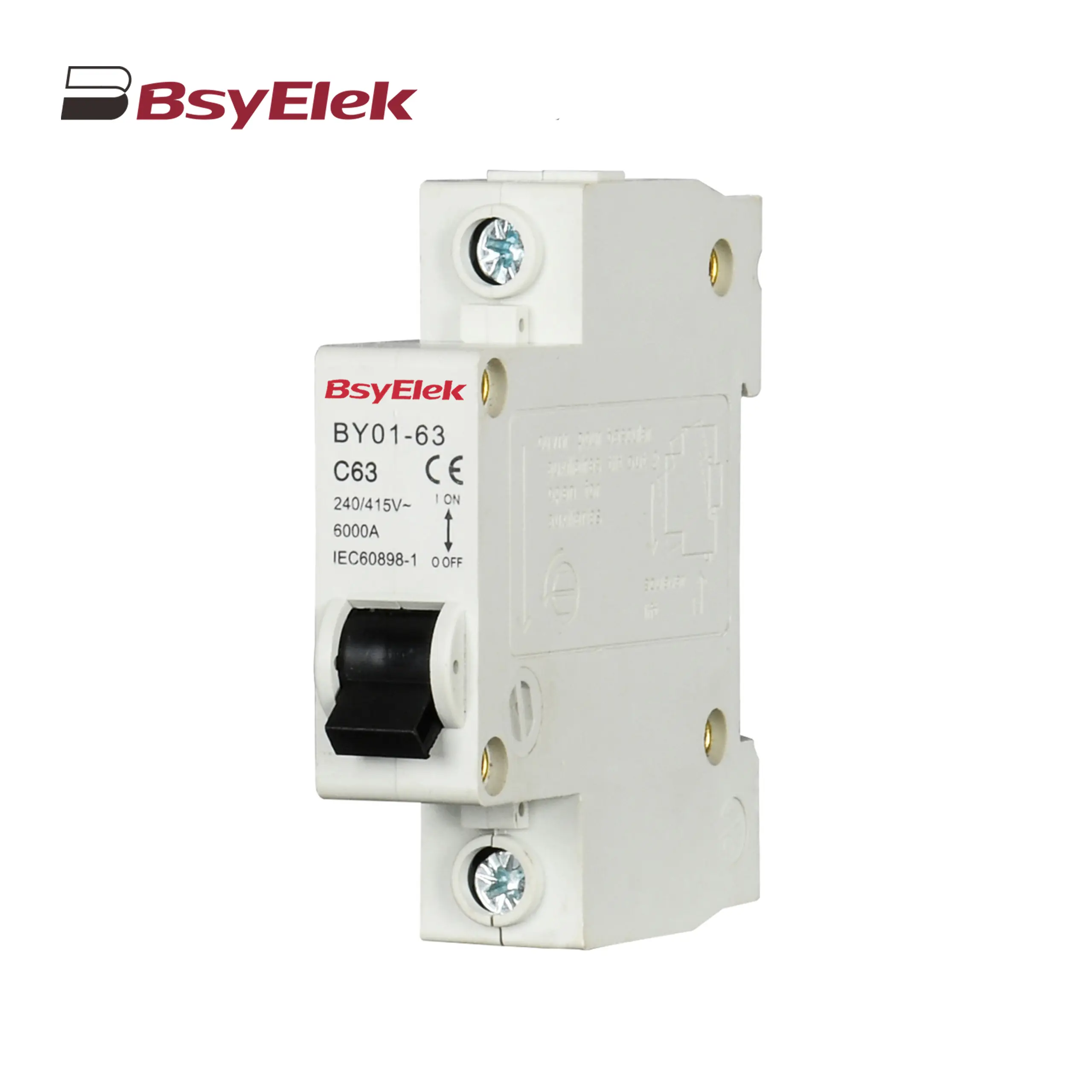
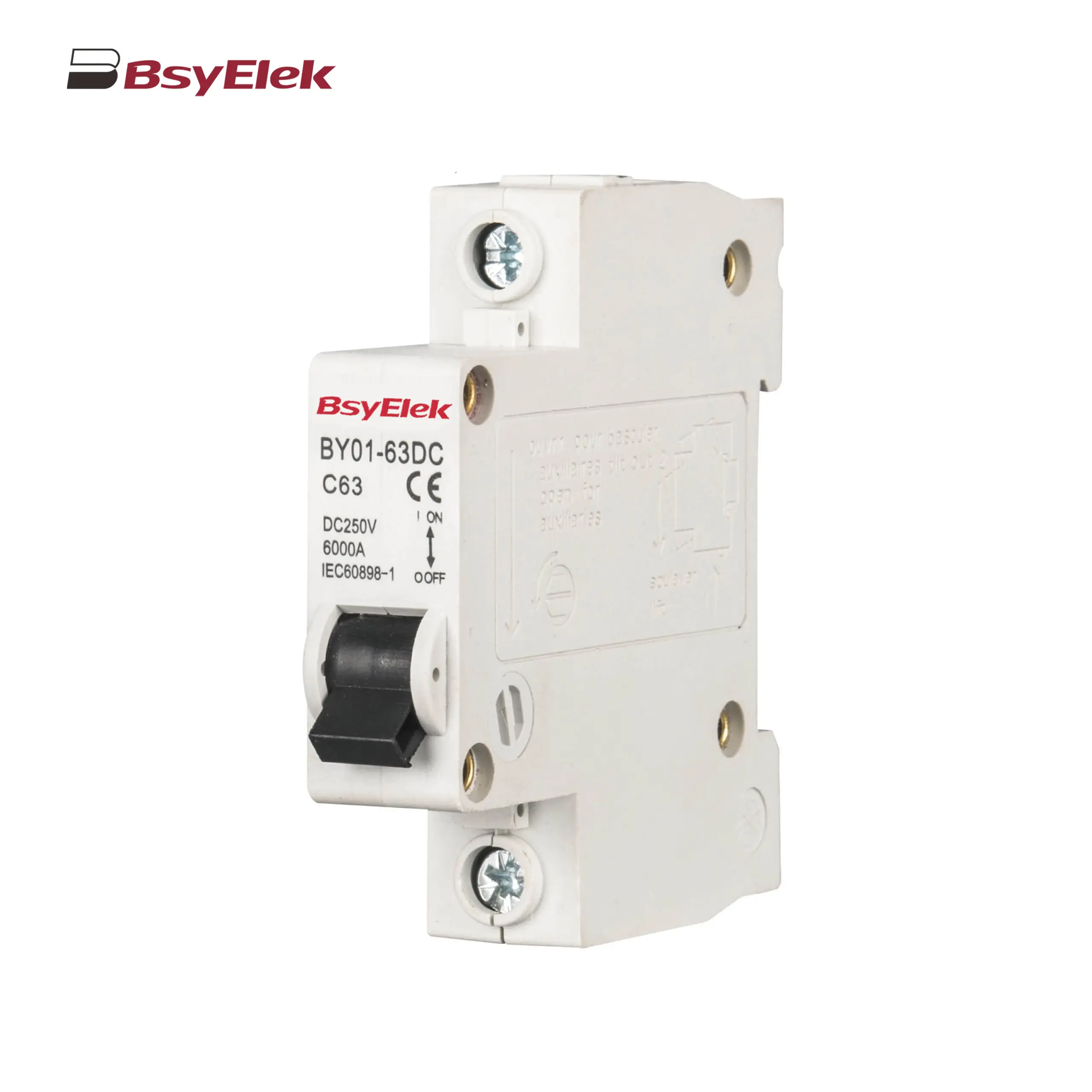
BY01-63 MCB 3kA Miniature Circuit Breaker
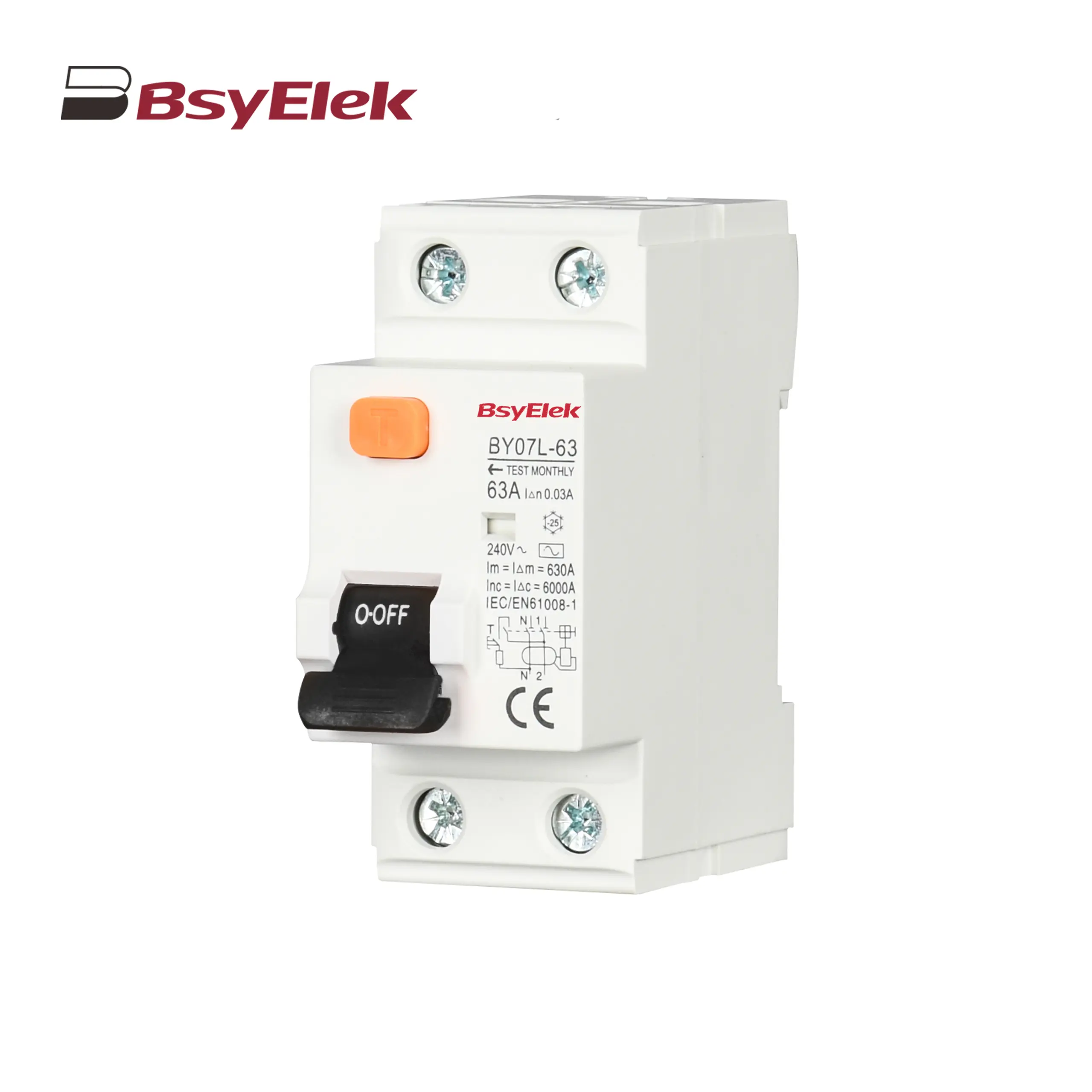
BY07L-63 RCCB 6KA Residual Current Circuit Breaker
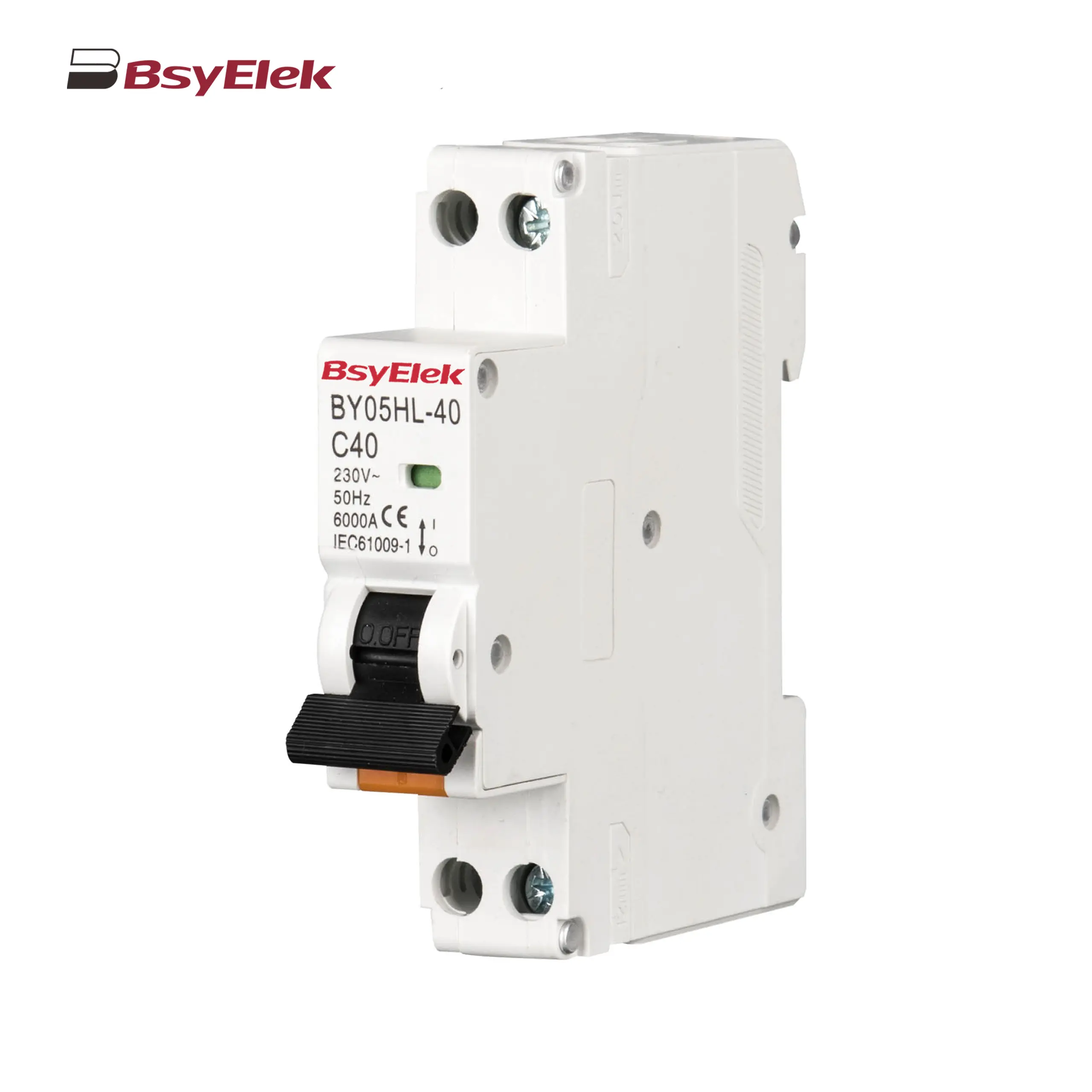
BY05HL-40 RCBO 6KA Residual Current Circuit Breaker with Over-current Protection
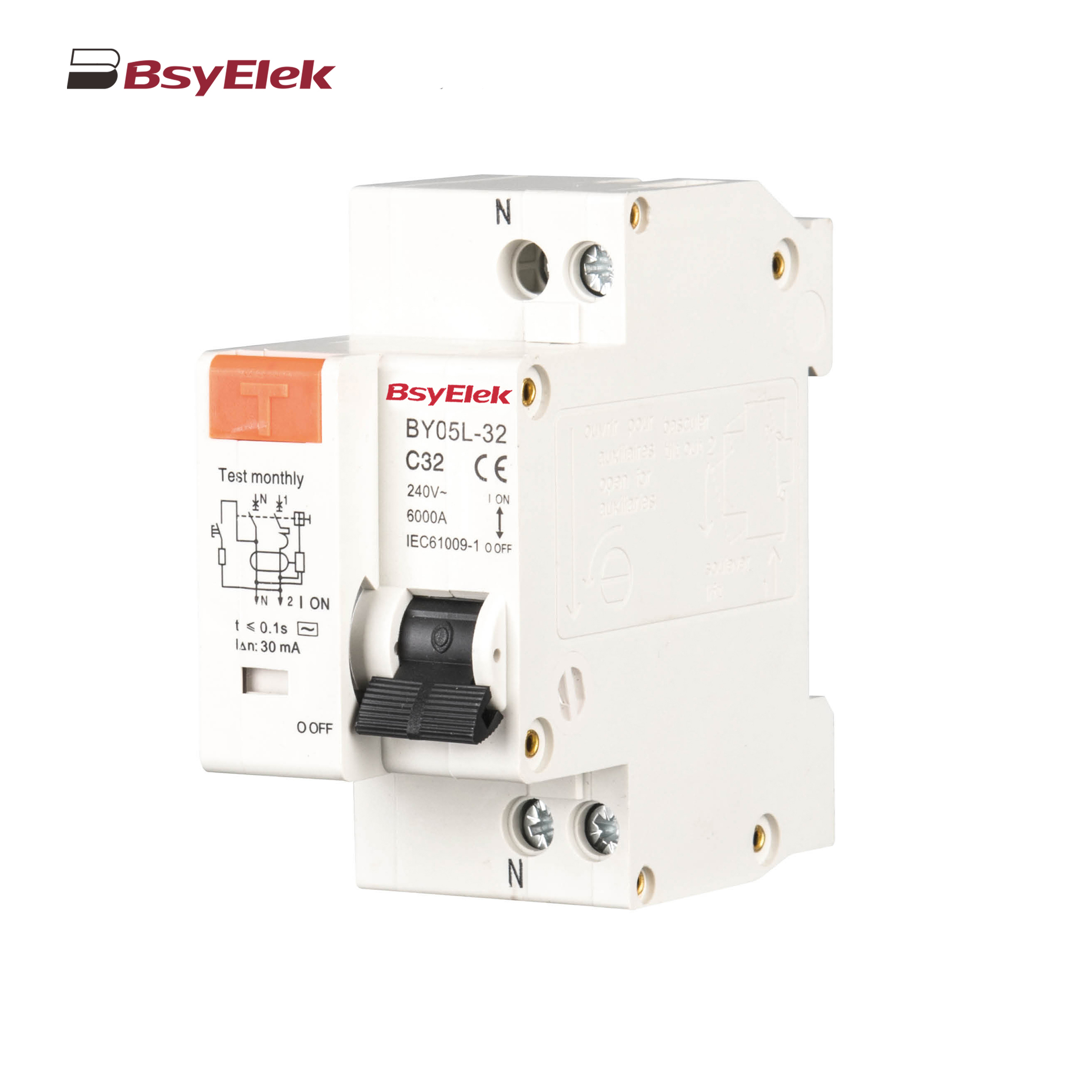
BY05L-32 RCBO 3KA Residual Current Circuit Breaker with Over-current Protection
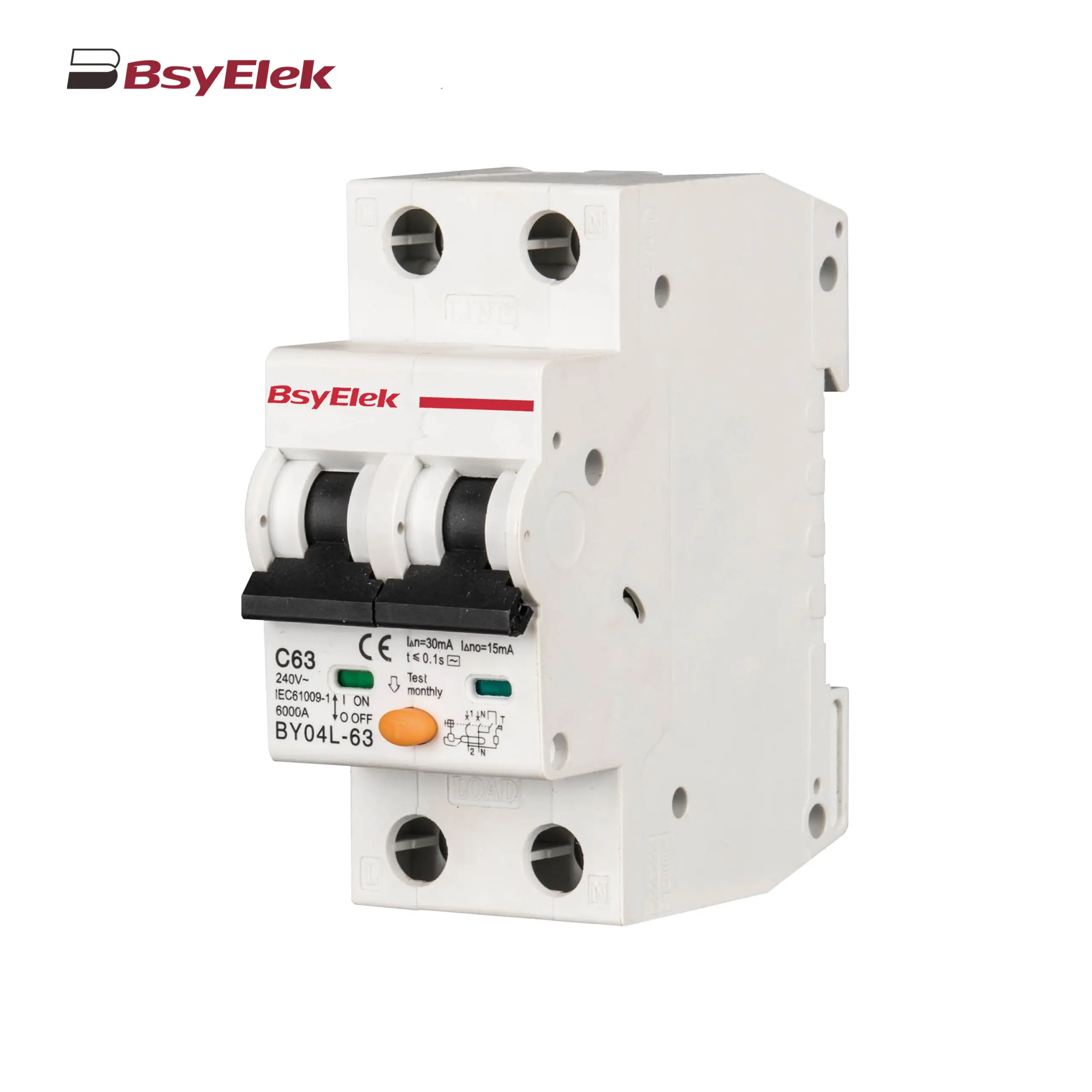
BY04L-63 RCBO 6KA Residual Current Circuit Breaker with Over-current Protection
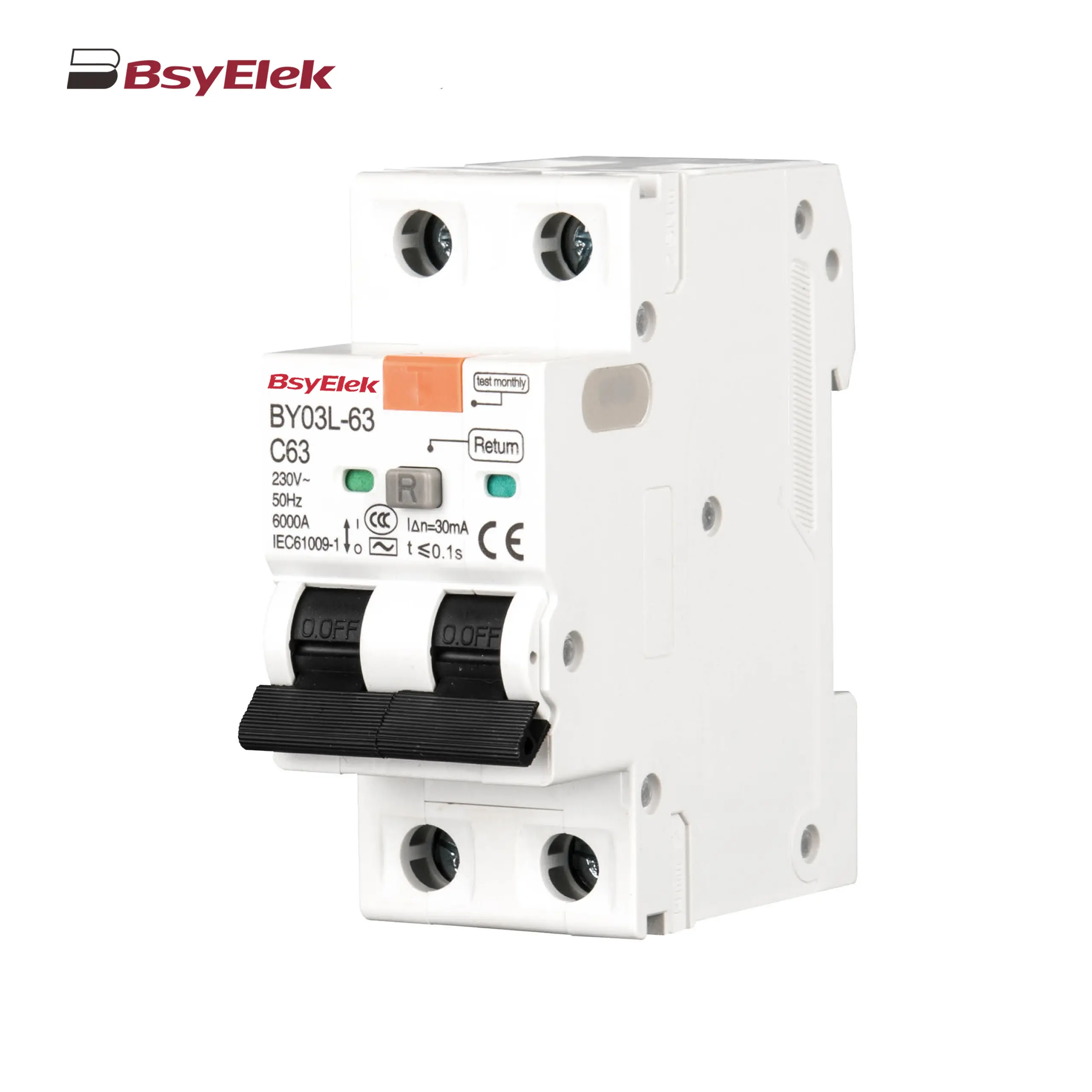
BY03L-63 RCBO 4.5KA Residual Current Circuit Breaker with Over-current Protection
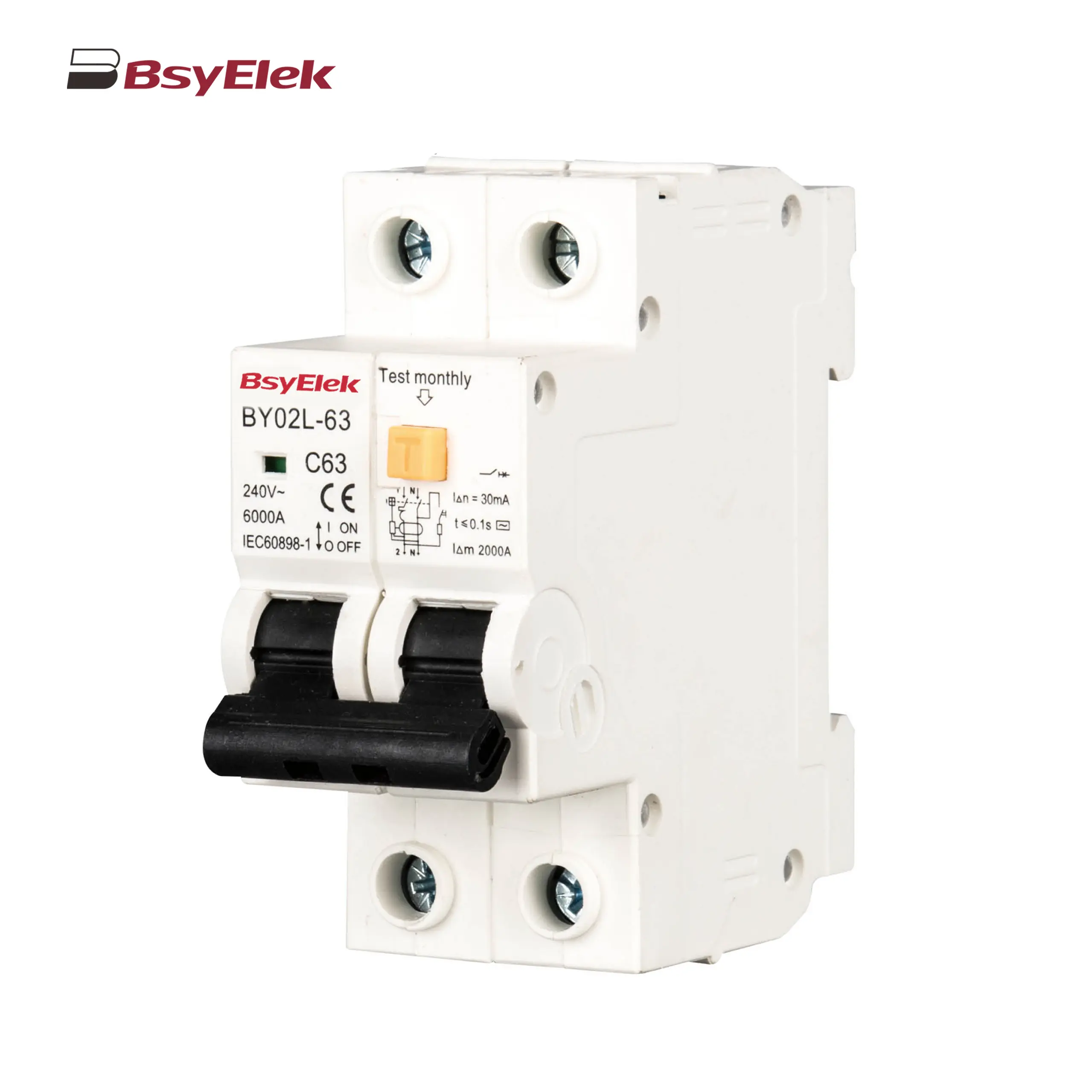
BY02L-63 RCBO 3KA Residual Current Circuit Breaker with Over-current Protection
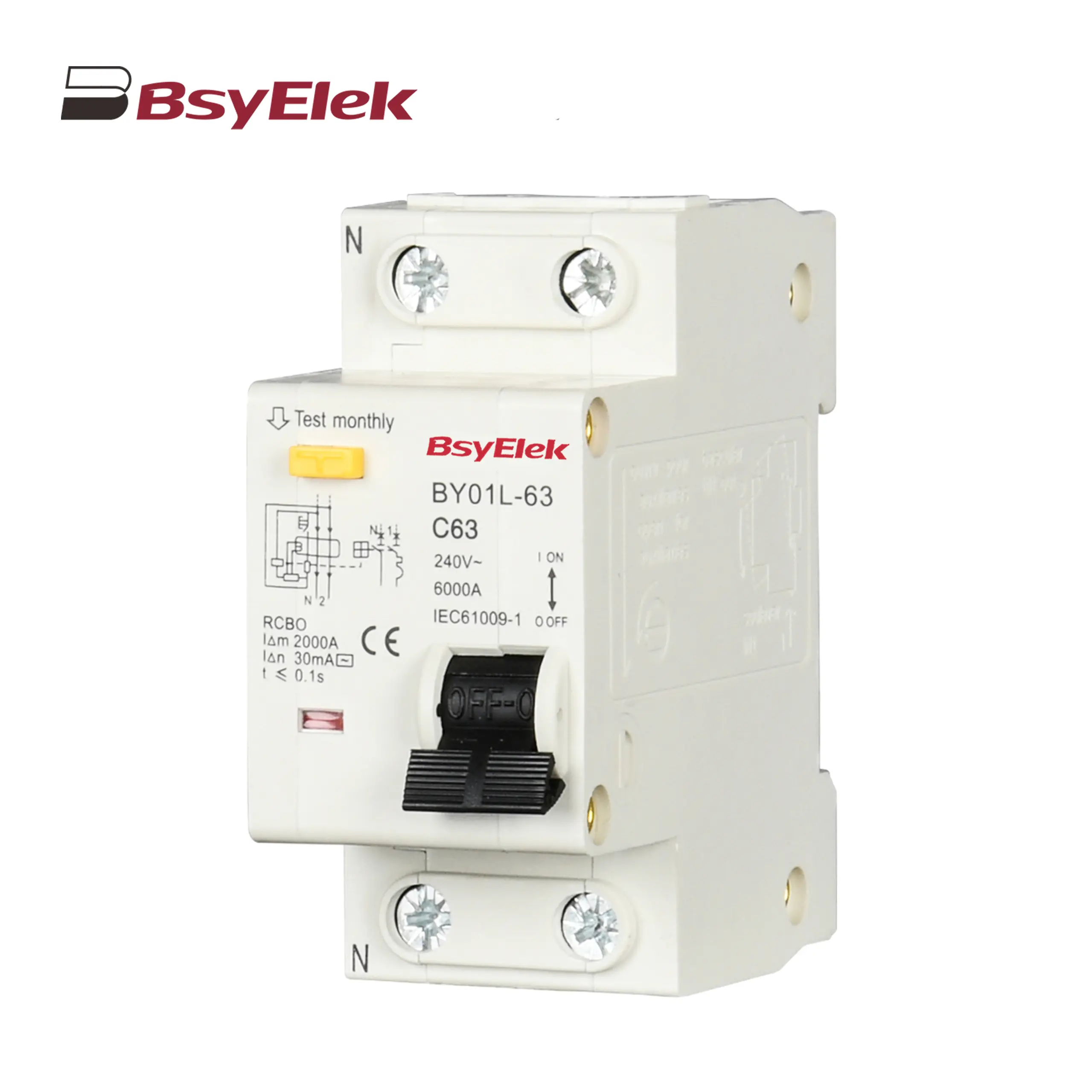
BY01L-63 RCBO 1P+N 3KA Residual Current Circuit Breaker with Over-current Protection
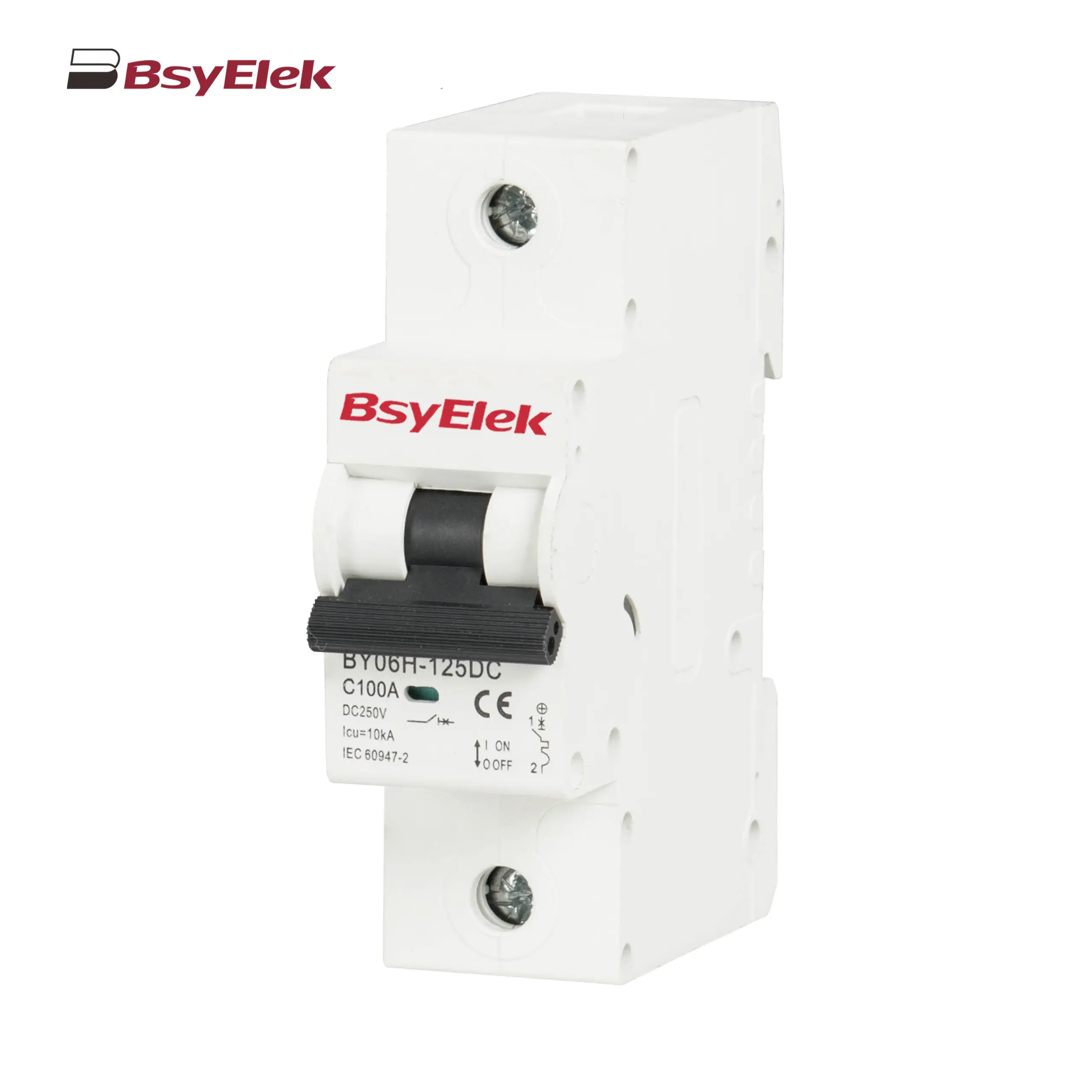
BY06H-125DC MCB 10-15kA DC Miniature Circuit Breaker
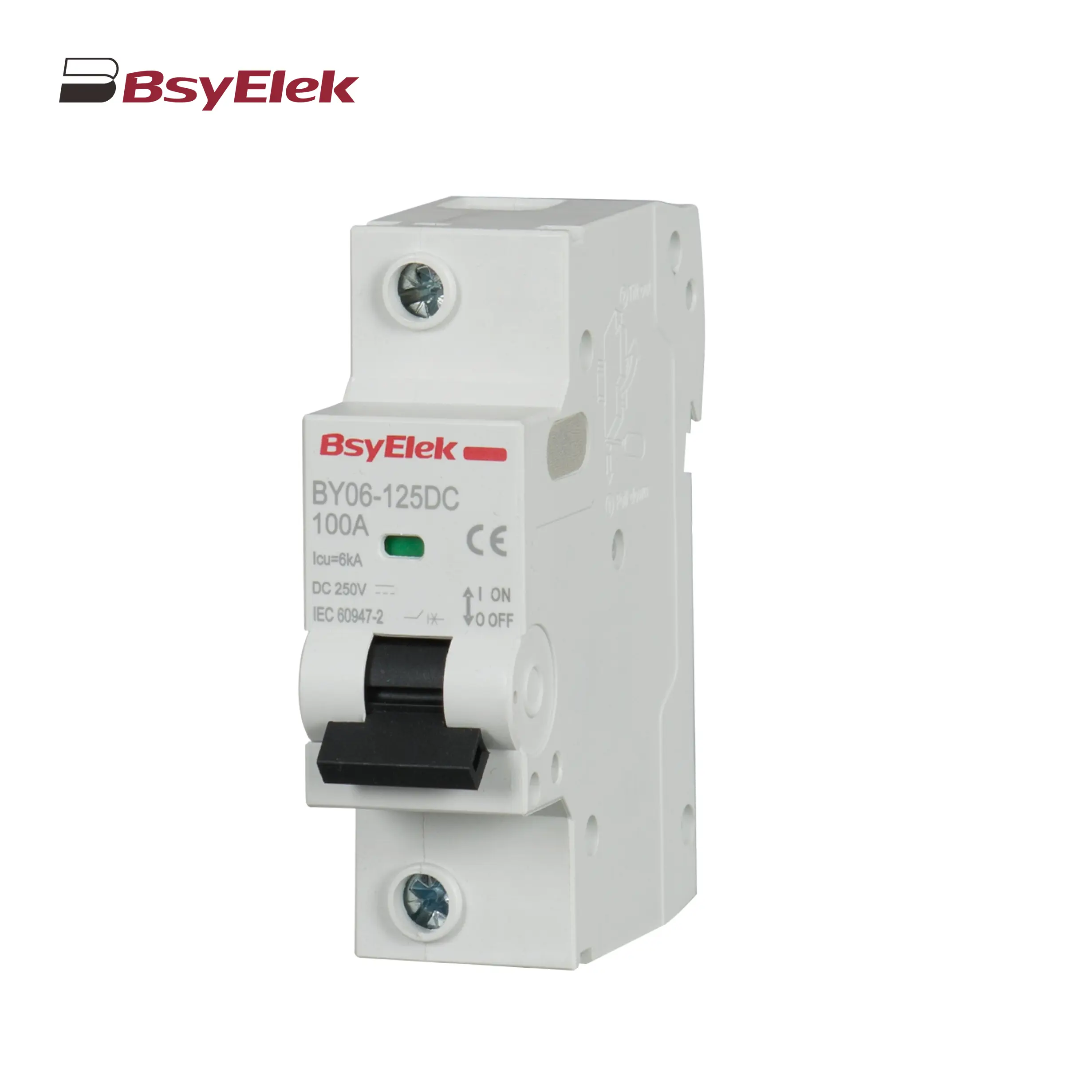
BY06-125DC MCB 6kA DC Miniature Circuit Breaker
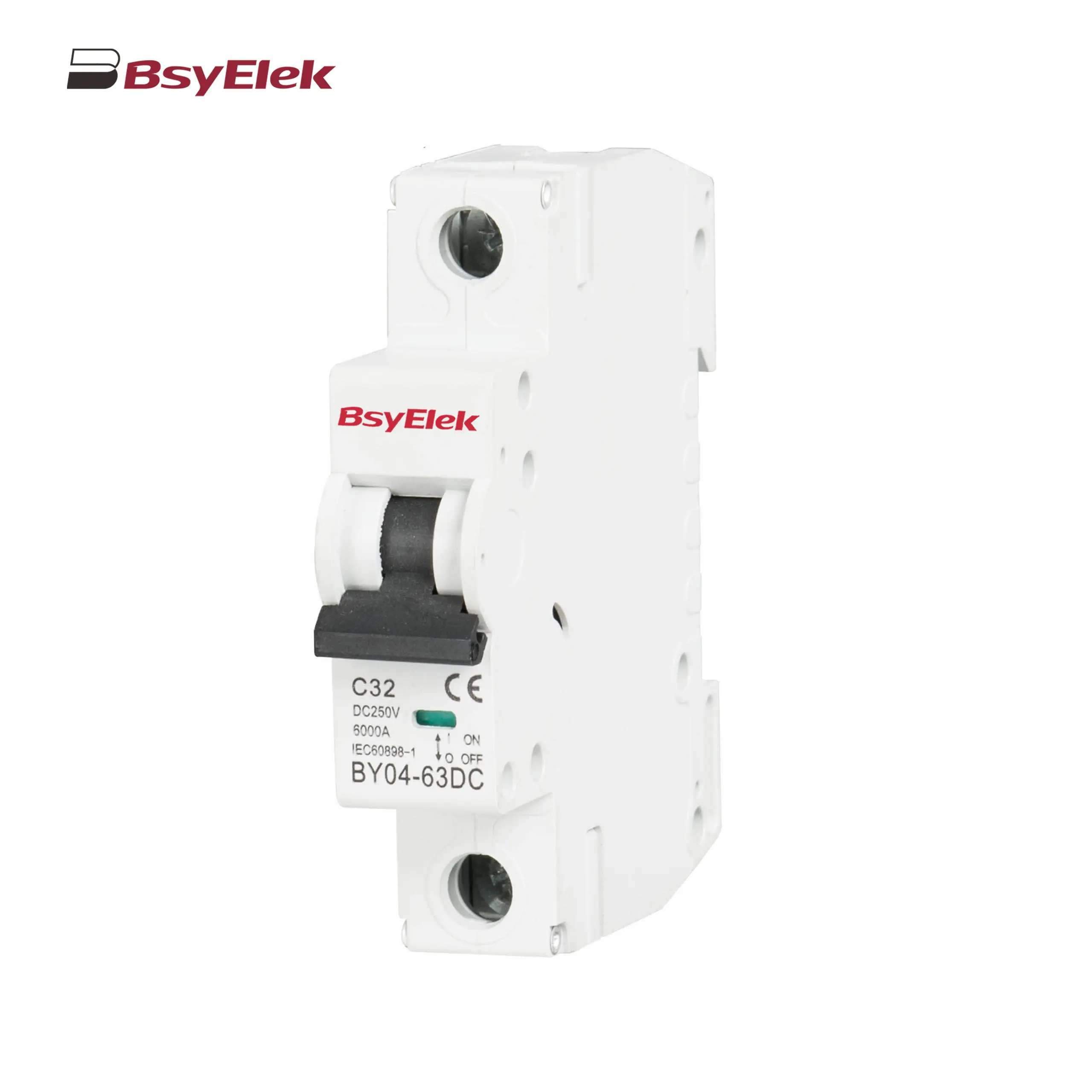
BY04-63DC MCB 6-10kA DC Miniature Circuit Breaker
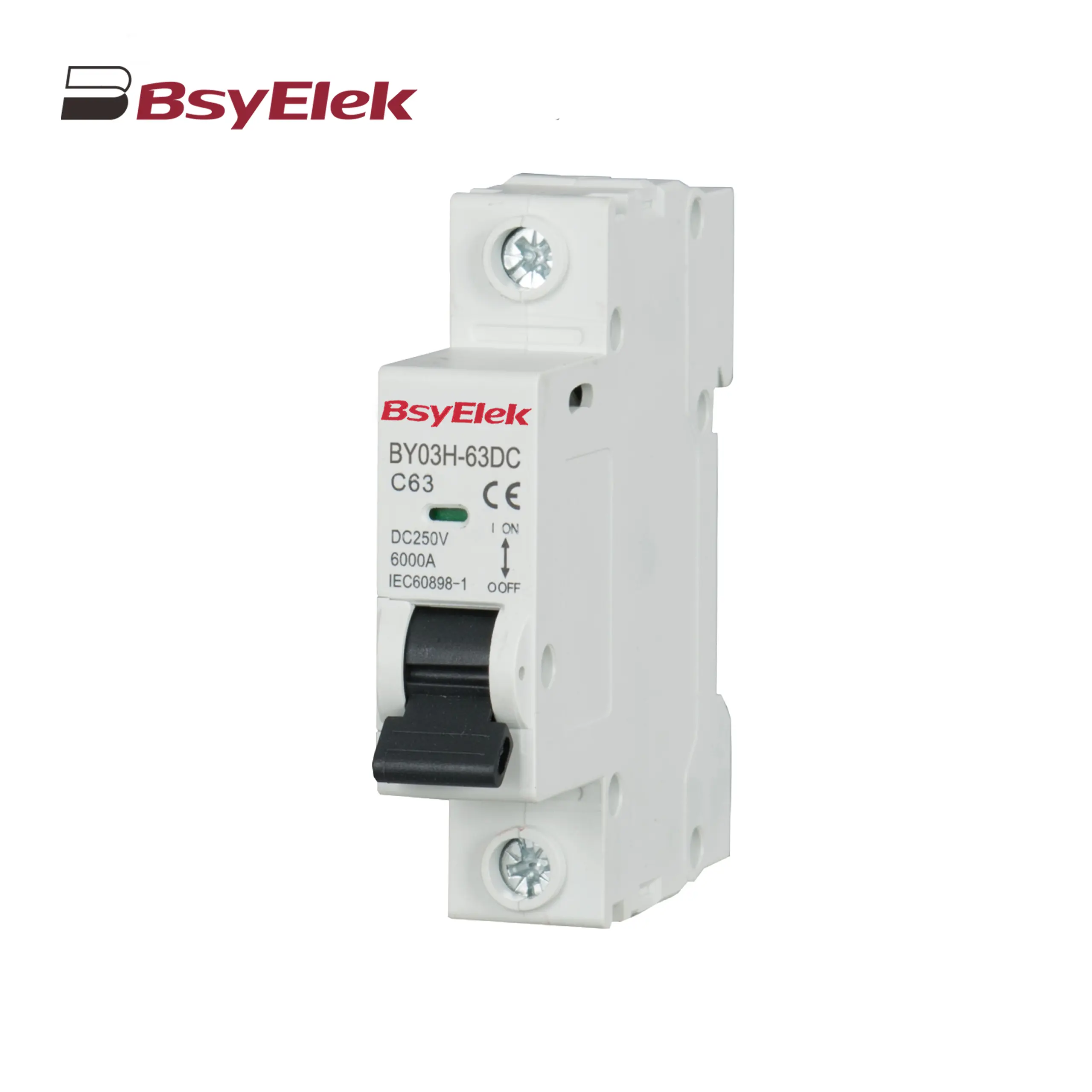
BY03H-63DC MCB 6kA DC Miniature Circuit Breaker
BY03-63DC MCB 4.5kA DC Miniature Circuit Breaker
BY02-63DC MCB 3kA DC Miniature Circuit Breaker
BY01-63DC MCB 3kA DC Miniature Circuit Breaker
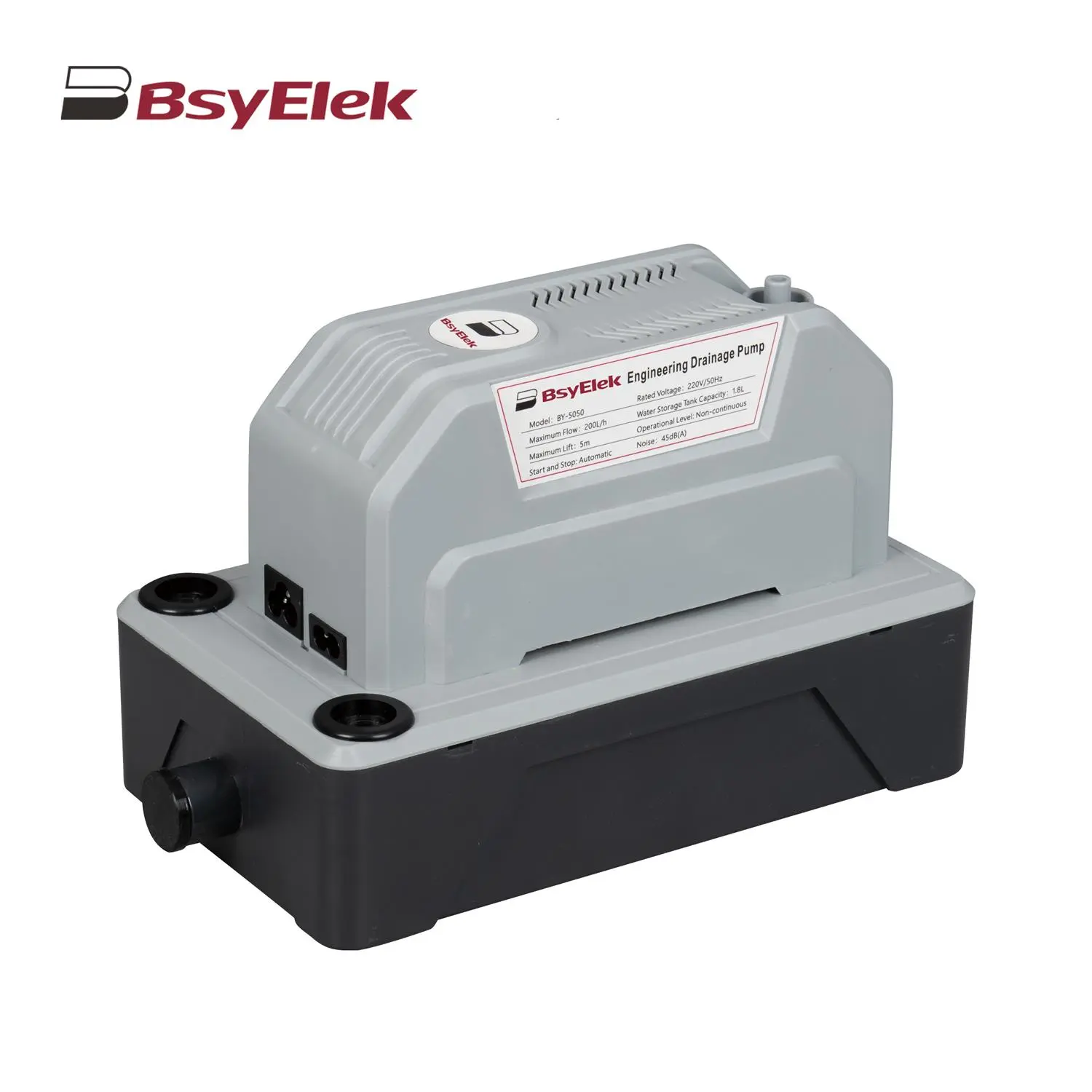
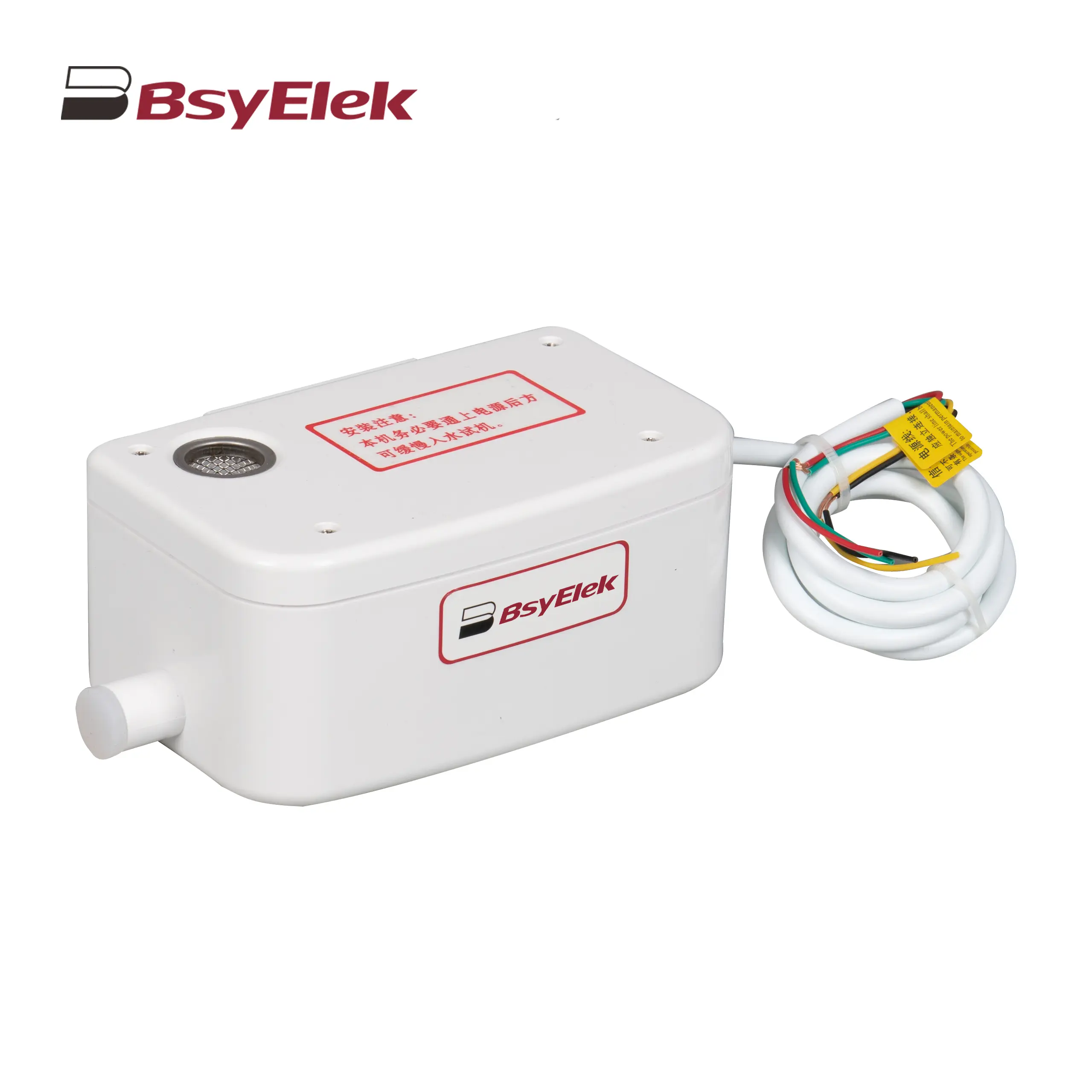
BY-5018 1.8M Engineering Drainage Pump
BY-5050 5M Engineering Drainage Pump
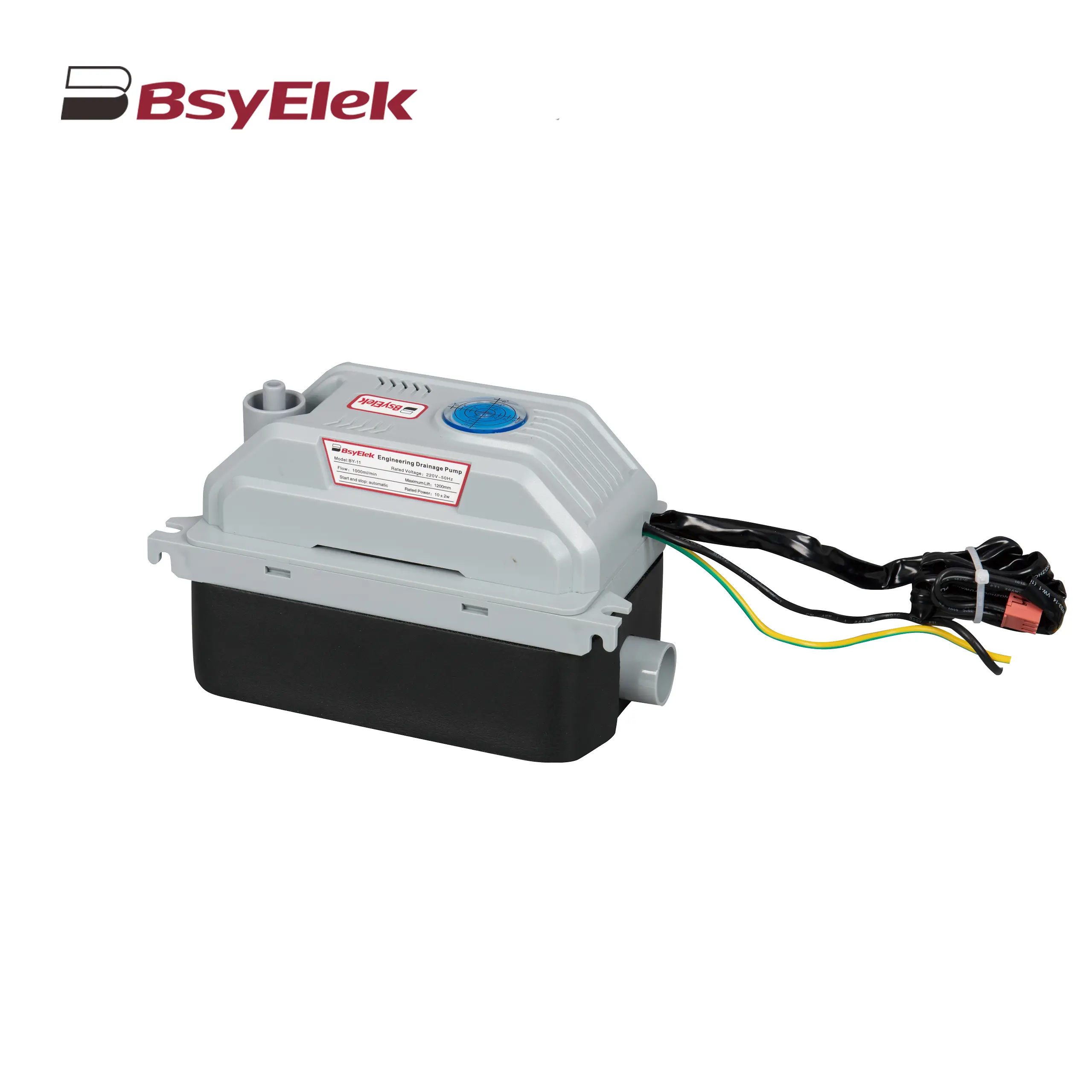
BY-11 1.2M Engineering Drainage Pump
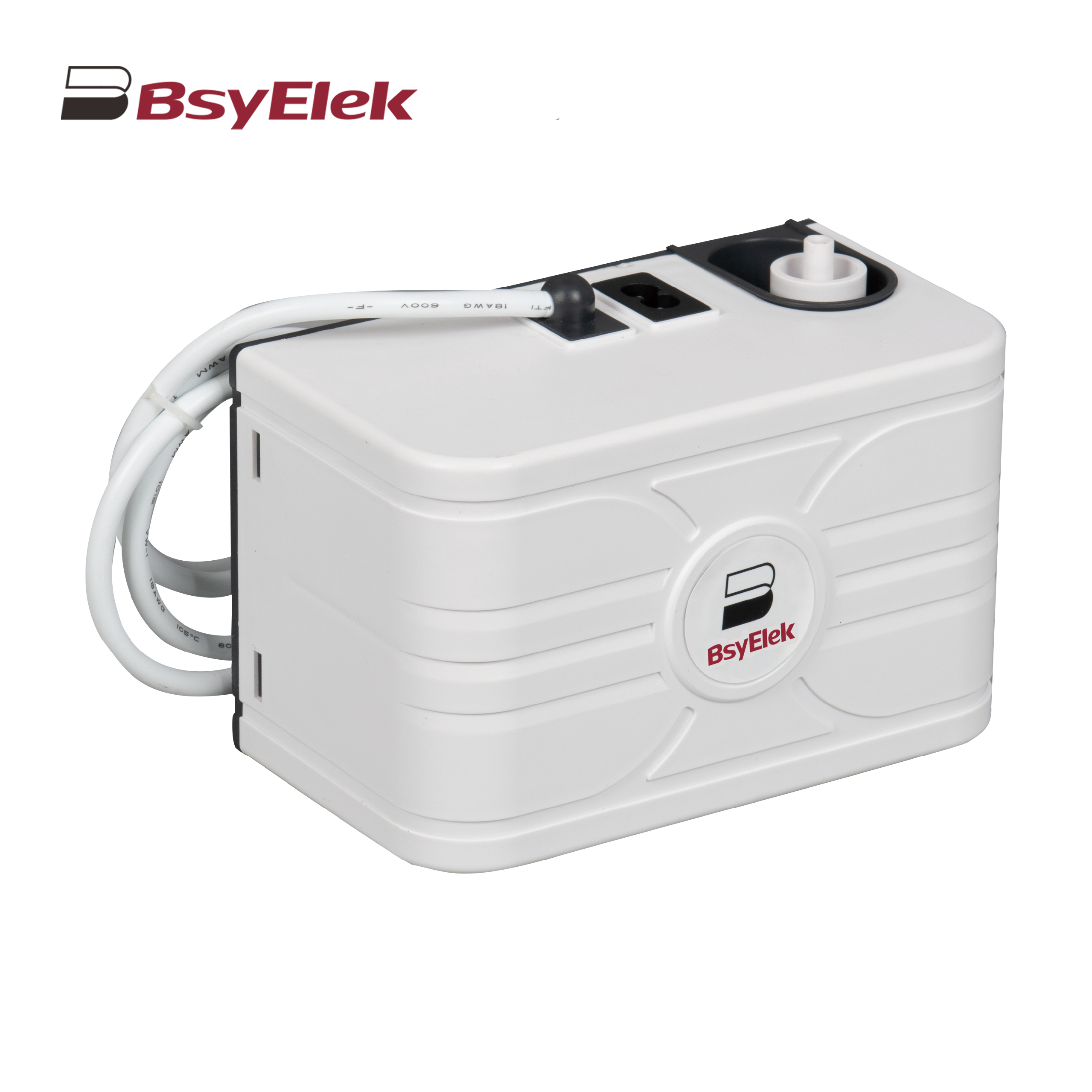
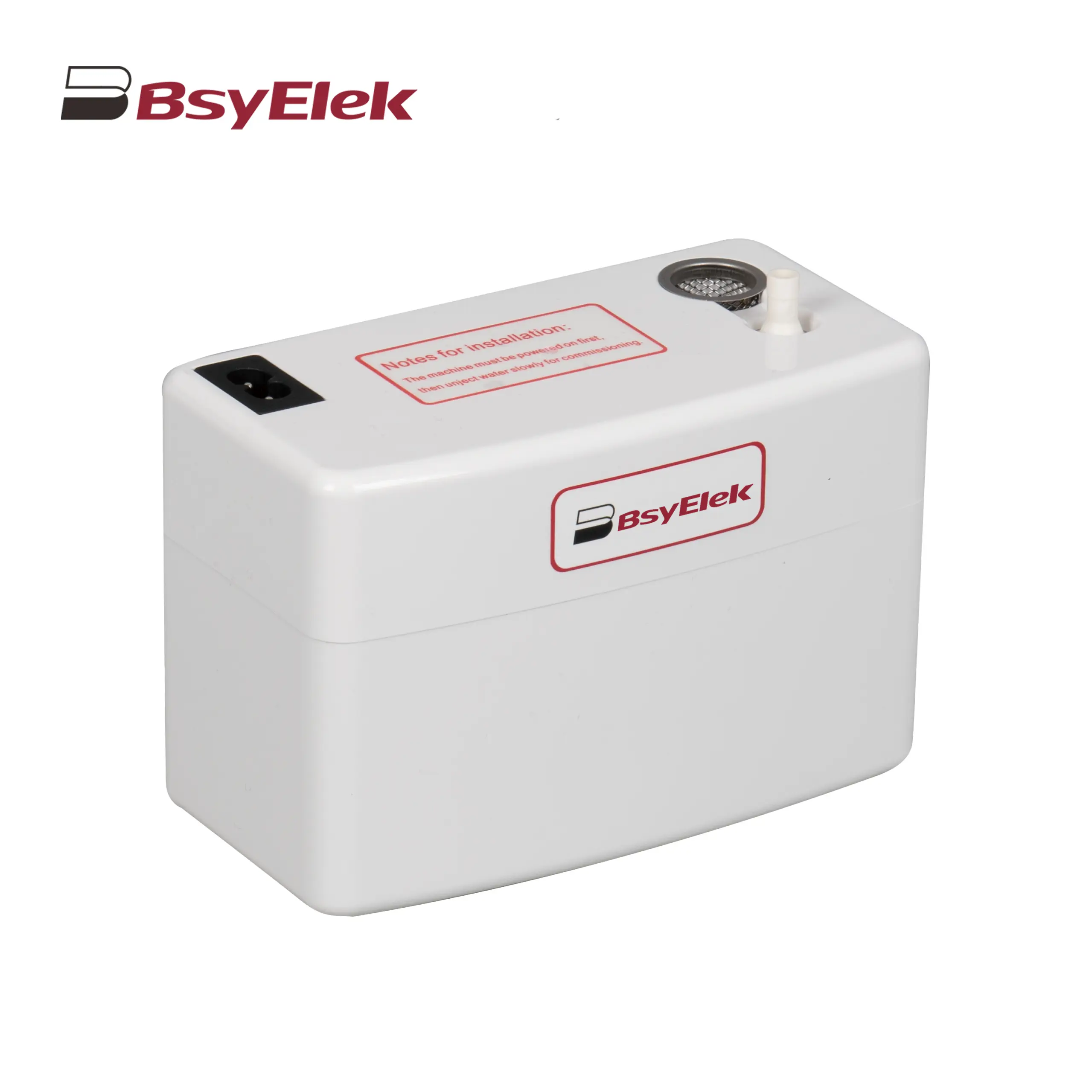
SBH-05 0.7M Original Drainage Pump of Duct Type Air Conditioner
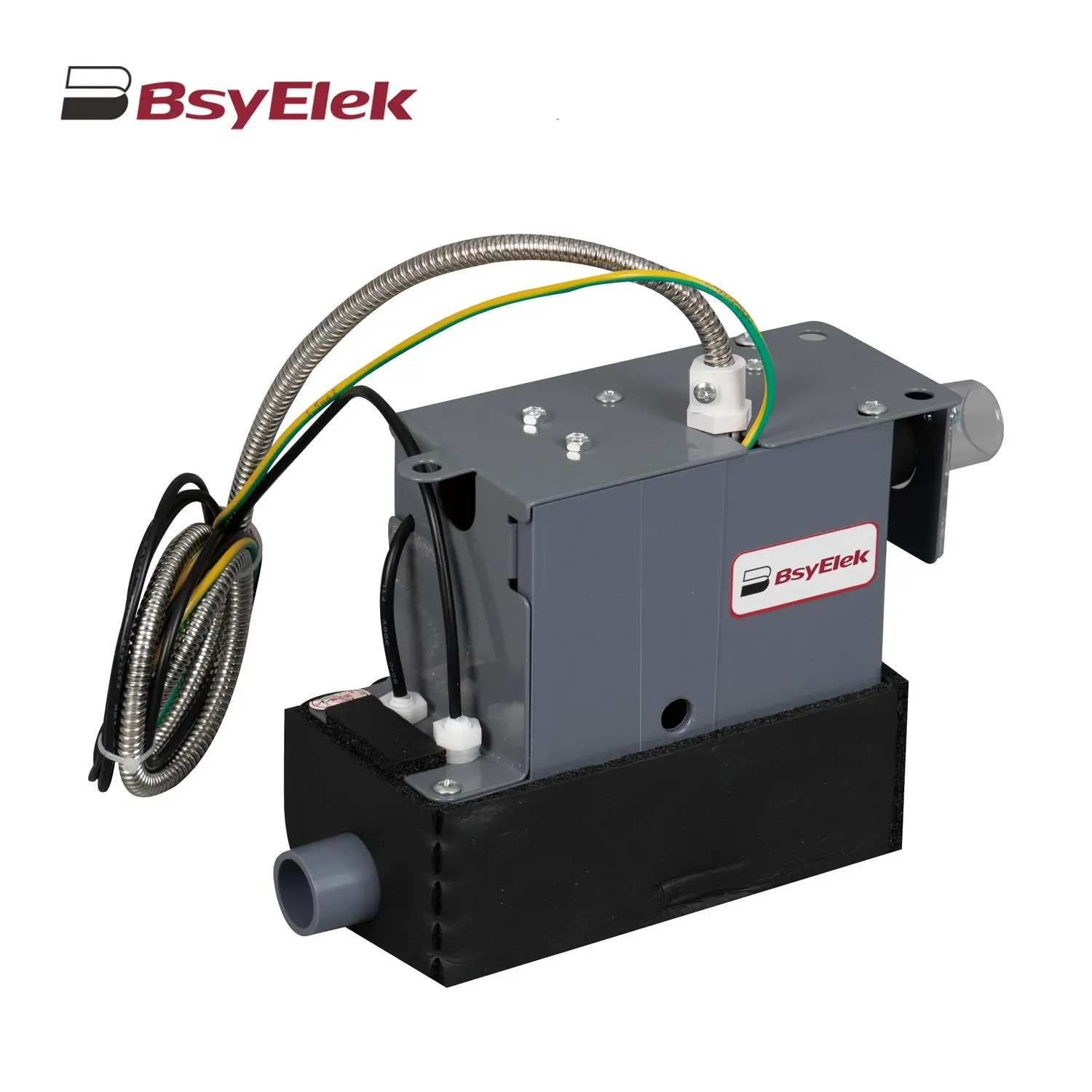
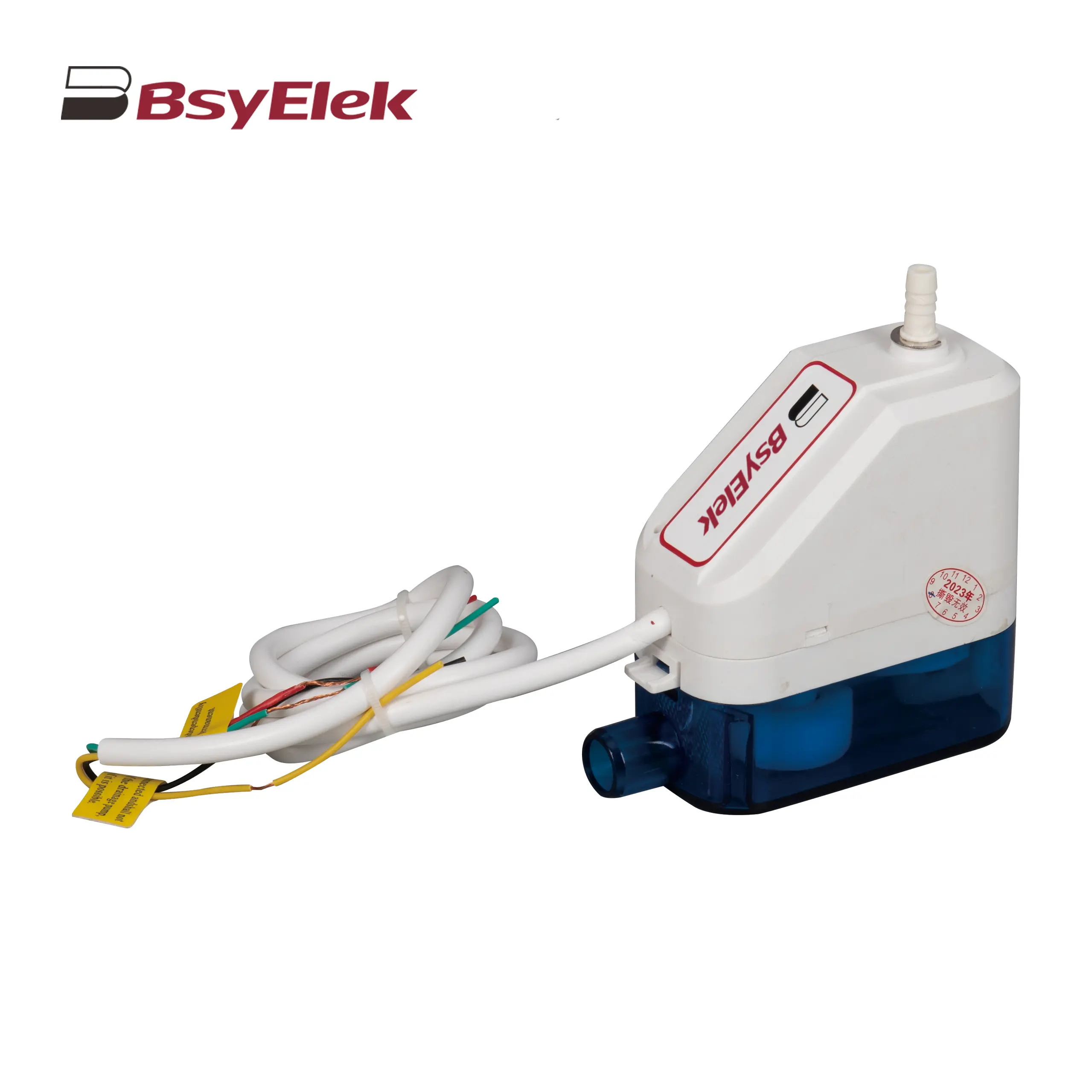
BY-24A/40A 10M Drainage Pump of Air Conditioner
BY-50A 12M Drainage Pump of Air Conditioner
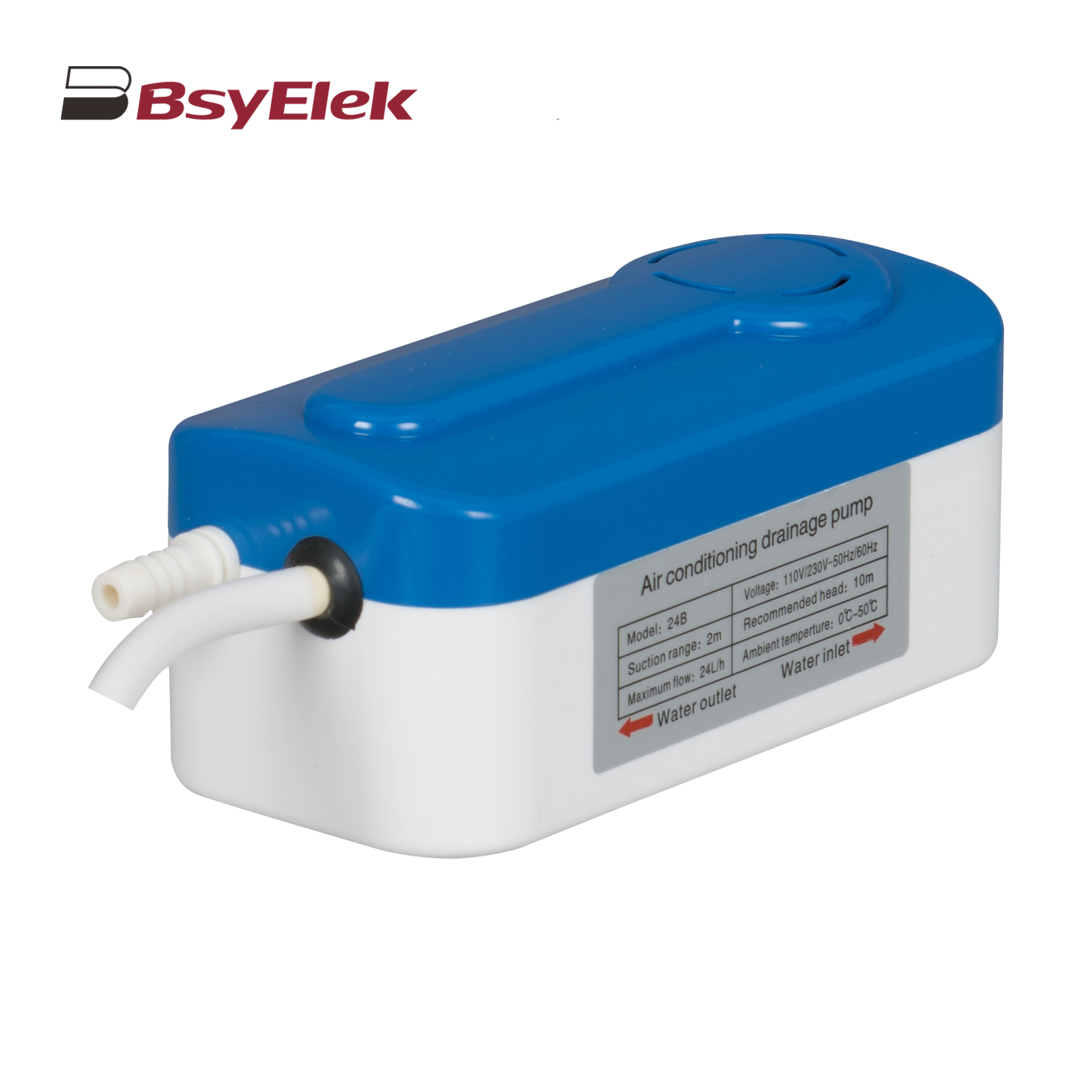
BY-24B/40B 10M Split Type Drainage Pump
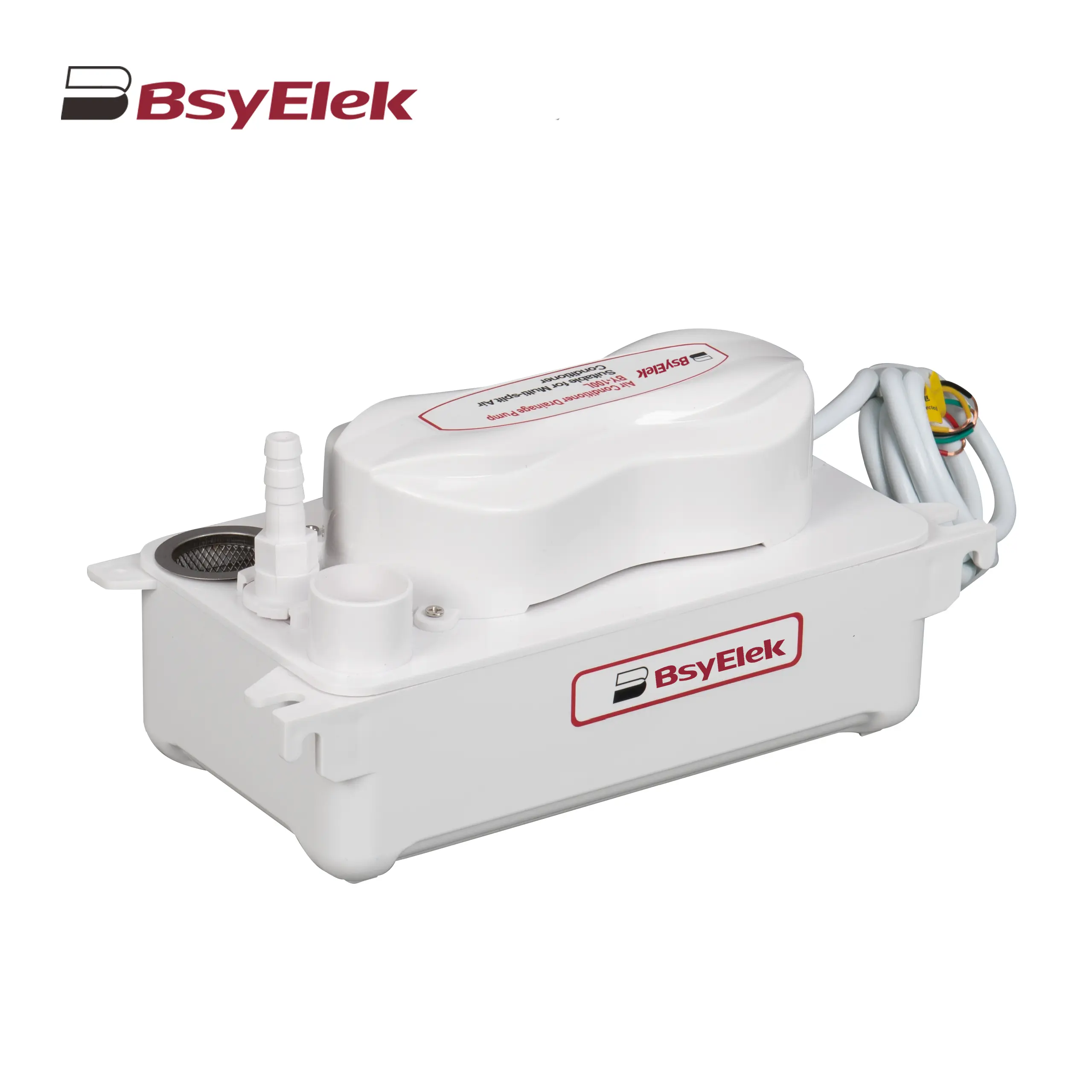
BY-100L 2M Drainage Pump of Air Conditioner
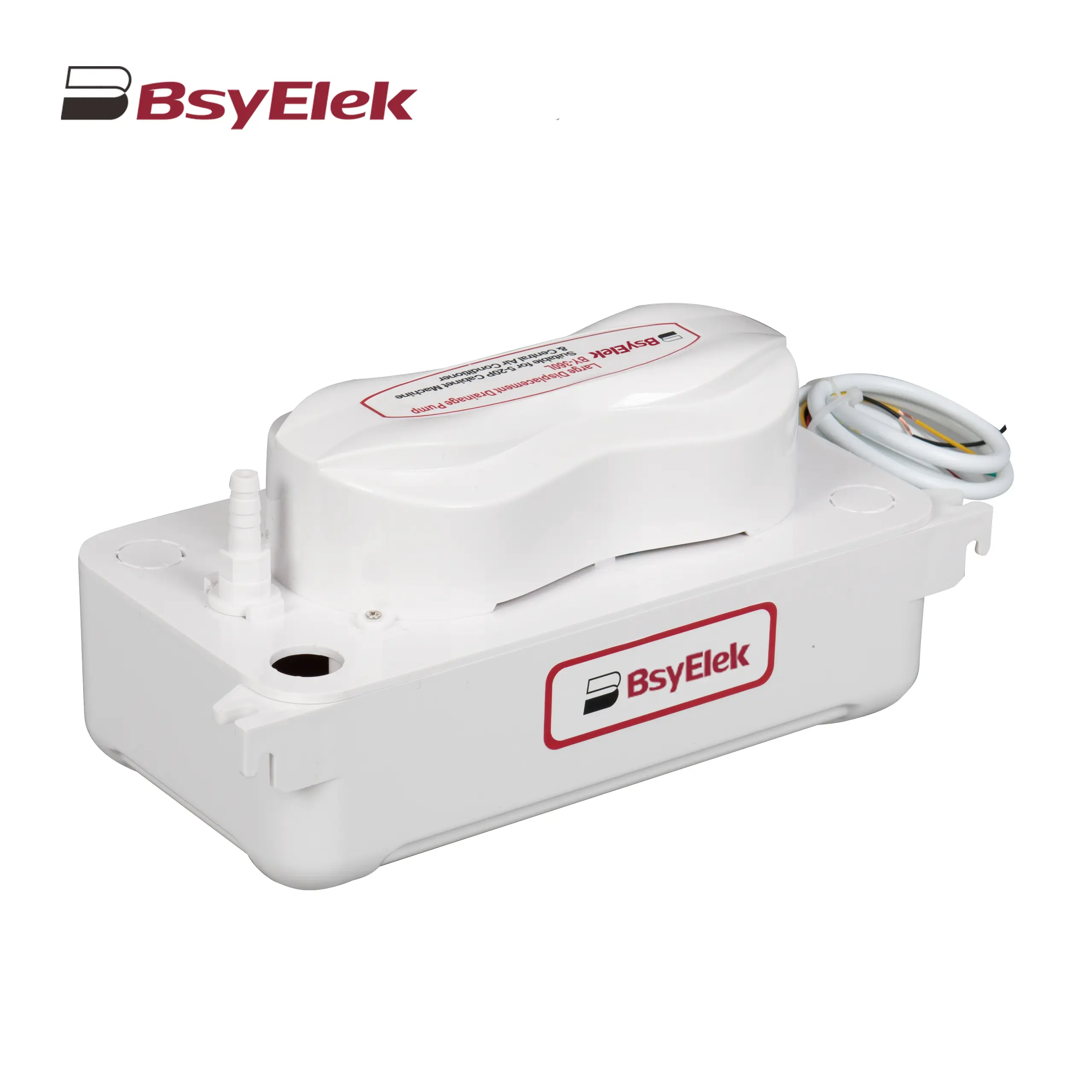
BY-360L 6M Large Displacement Drainage Pump
BY-24C/40C 10M Corner Drainage Pump
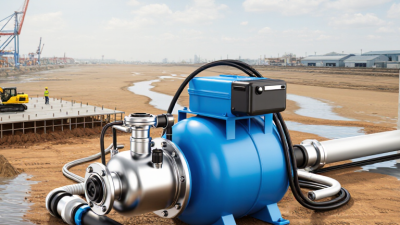
Choosing the right Drainage Pump in 2026 requires more than comparing flow rates and prices. Global buyers face different water conditions, power systems, installation standards, and maintenance capabilities. A pump that performs well in a clean basement may fail quickly in muddy construction runoff. Small details matter.
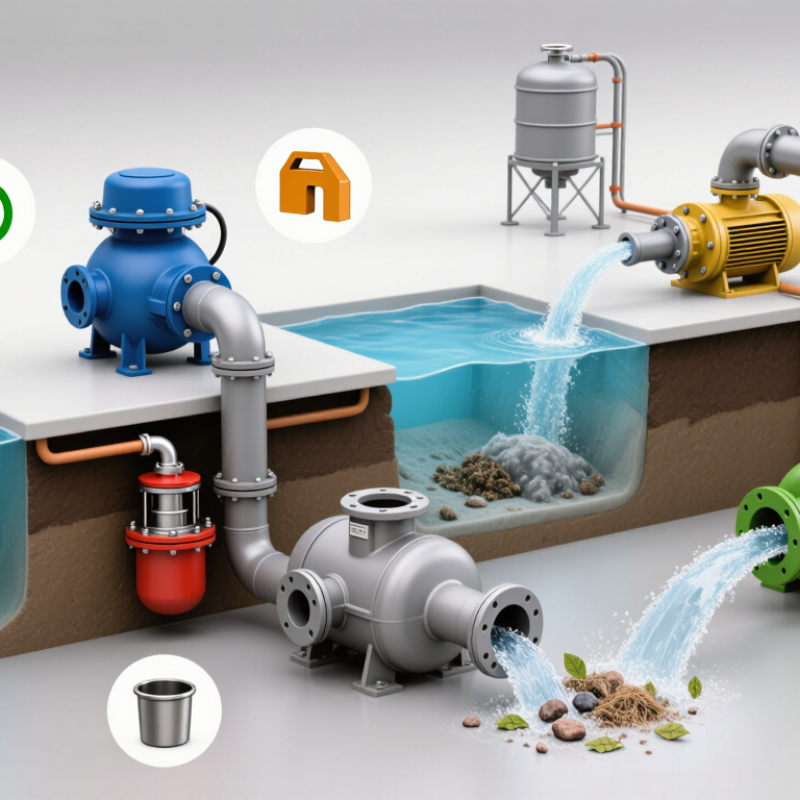
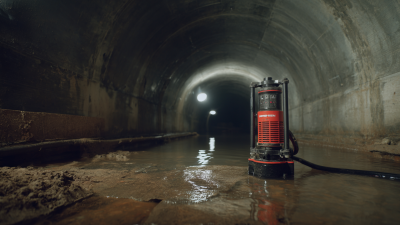
This guide examines submersible, surface-mounted, sewage, trash, and high-head drainage pumps. Each type serves a different operating environment. Submersible models fit flooded pits and narrow tanks. Their sealed motors can work below water, but cable quality and seal protection deserve careful inspection. Surface pumps are easier to access, although they need proper priming and suction control. For water containing stones, leaves, or fibrous waste, a trash pump with a wide passage can reduce blockages.
Real purchasing decisions also involve noise, fuel use, spare parts, corrosion resistance, and local technical support. Stainless steel may suit aggressive water, while cast iron can provide economical strength. Energy efficiency matters during long pumping cycles. Yet efficiency alone should not decide the purchase. A lower-priced unit may create higher costs through frequent impeller replacement or difficult servicing.
Manufacturers should provide tested performance curves, clear motor ratings, and realistic head-flow data. Buyers should verify voltage, frequency, discharge size, and required protection before ordering. Site conditions are often estimated too casually. That is a weakness worth acknowledging. Mud depth, water temperature, and solids content can change the final choice. The best pump is not always the largest one. It is the model that delivers reliable drainage, manageable maintenance, and measurable value in its actual working environment.
2026 Best Drainage Pump Types for Global Buyers?
What Is a Drainage Pump and How Does It Work?
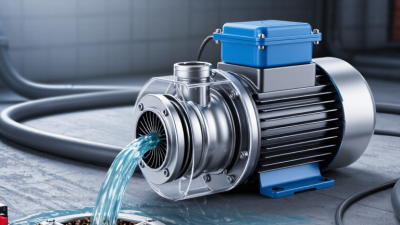
A drainage pump removes unwanted water from basements, construction areas, tanks, and low-lying spaces. Most units use an electric motor to rotate an impeller inside a sealed casing. The impeller creates pressure and pushes water through a discharge pipe. A float switch may start the motor when water reaches a set level. It stops the pump after the level drops.
The pump must match the water condition. Clear-water models suit rainwater and shallow flooding. Vortex or heavy-duty models handle water containing sand, leaves, and small solids. Submersible pumps operate underwater, while surface pumps remain outside the collection area. Check the required flow rate, lifting height, pipe diameter, and power supply before purchasing. Small details matter.
In field inspections, incorrect sizing causes many drainage failures. A powerful pump can still perform poorly with a narrow or excessively long pipe. Cable protection, corrosion resistance, and thermal overload protection also deserve attention. For global buyers, local voltage, frequency, plug standards, and service access require careful verification. A pump may appear suitable on paper yet overheat in muddy water. That mistake is easy to repeat. Regularly clean the intake screen and inspect seals, cables, and float movement. Performance records help, but they cannot replace an on-site water test.
A drainage pump removes unwanted water from construction sites, basements, agricultural areas, mines, and flood-prone locations. The chart compares representative total head ranges for common drainage pump types. Submersible and centrifugal pumps are widely used for general drainage, while axial-flow pumps are suitable for moving large volumes of water at low lifting heights. Actual performance depends on pump size, pipe diameter, fluid condition, and operating point.
Indicative engineering ranges shown in metres of total head; actual specifications vary by model and installation.
In 2026, global buyers can choose submersible, sewage, centrifugal, axial-flow, diaphragm, and slurry drainage pumps. Each type handles a different site condition. Submersible pumps work inside flooded pits, basements, and construction trenches. They save installation space, but seals and cables need careful inspection. Centrifugal pumps suit clear or lightly contaminated water. They offer steady flow for irrigation channels and stormwater transfer.
Sewage pumps handle solids through vortex or cutter designs. Cutter units are not always necessary. They may increase maintenance when debris is unpredictable. Diaphragm pumps tolerate abrasive water and intermittent operation, making them useful for muddy excavation sites. Slurry pumps use reinforced wet-end parts for sand, gravel, and mineral particles. Axial-flow pumps move large water volumes at low lifting heights. They fit flood-control stations, drainage canals, and coastal projects.
The UN World Water Development Report 2024 states that agriculture accounts for about 70% of global freshwater withdrawals. This figure supports demand for efficient drainage and water-reuse systems. The International Energy Agency’s Energy Efficiency 2023 report also stresses the importance of reducing energy waste across water systems.
Buyers should compare flow rate, total head, solids passage, motor efficiency, corrosion resistance, and service access. The right pump is not always the largest one. Oversizing can cause unstable operation and unnecessary power use.
Field measurements often remain incomplete. That is a costly weakness. Recovery time, spare-part availability, and local technician skills deserve equal attention.
Choosing the best drainage pump in 2026 starts with the water, not the catalogue. Clear rainwater usually suits a submersible centrifugal pump with a screen and automatic float switch. It should handle the required flow rate without running near its maximum capacity. Measure the water.
Wastewater containing soft solids needs a larger passage and a clog-resistant impeller. For fibrous materials, a cutter pump may reduce blockages, but it can increase energy use and maintenance. Thick sludge often requires a diaphragm or progressive cavity pump, especially when abrasive particles settle quickly. These options are slower, but they can move difficult mixtures more steadily.
Site conditions change the choice. Deep pits require checking total head, including pipe friction and vertical lift. Flooded construction areas may need a self-priming surface pump when operators cannot safely enter the pit. Saltwater and acidic drainage demand compatible wetted materials, not ordinary cast iron. Dry-running protection also matters during fluctuating inflow. That mistake is common.
Field technicians should record solids size, temperature, pH, flow demand, operating hours, and power availability before purchase. A pump that works well in a clean test tank may fail beside a muddy excavation. Portable units offer flexibility, while fixed systems usually provide better level control. I would still question any selection based on flow alone; real drainage rarely behaves as neatly as a specification sheet suggests.
| Pump Type | Operating Principle | Best-Matched Drainage Conditions | Typical Flow Range* | Typical Head Range* | Solids and Debris Capability | Main Advantages | Key Limitations | Selection Guidance |
|---|---|---|---|---|---|---|---|---|
| Submersible Centrifugal Pump | An electric motor drives an impeller while the pump operates below the water level. | Construction pits Basements Stormwater General drainage | Approximately 5–1,000 m³/h | Approximately 5–50 m | Common drainage models handle suspended solids through passages typically about 10–100 mm, depending on impeller design. | Compact installation, self-priming through submergence, low operating noise, and good efficiency for clean or moderately dirty water. | Requires suitable electrical protection; abrasive sand can accelerate impeller and seal wear. | Choose the impeller type, motor protection, cable length, and solids passage according to water quality and installation depth. |
| Vortex Impeller Submersible Pump | A recessed impeller creates a vortex that moves liquid with limited direct contact between solids and the impeller. | Dirty water Wastewater pits Organic debris Intermittent drainage | Approximately 5–500 m³/h | Approximately 5–40 m | Typically provides better clog resistance than closed-impeller designs; practical passage size often ranges from about 25–100 mm. | Good resistance to clogging, suitable for fibrous or irregular solids, and generally tolerant of fluctuating water quality. | Usually less hydraulically efficient than a comparable closed impeller and may require a larger motor for the same duty point. | Use when clogging risk is more important than maximum hydraulic efficiency; confirm the required free passage with the supplier. |
| Sewage Cutter or Grinder Pump | A cutting mechanism shreds fibrous and stringy materials before the liquid passes through the pump or discharge pipe. | Long discharge lines Small-diameter pipelines Foul wastewater Fibrous solids | Approximately 2–150 m³/h | Approximately 10–60 m | Designed to reduce soft, fibrous solids; it is not intended for large stones, metal objects, or heavy mineral grit. | Helps reduce blockage risk in smaller pipelines and can develop relatively high pressure for sewage transfer. | Cutting components wear in abrasive service, consume additional power, and require inspection when hard objects enter the system. | Select only when cutting is necessary. For large solids, a non-clog or vortex pump with a larger passage may be more appropriate. |
| Diaphragm Pump | A flexible diaphragm reciprocates to create suction and discharge, usually with check valves controlling flow direction. | Sludge Mud Abrasive water Remote sites | Approximately 0.5–50 m³/h | Approximately 10–80 m | Can handle solids and abrasive mixtures when the diaphragm, valve, and wetted materials are correctly selected. | Can run dry for limited periods in many designs, offers good suction capability, and is suitable for variable or difficult fluids. | Pulsating flow, lower capacity than many centrifugal pumps, diaphragm wear, and possible air-system or engine maintenance requirements. | Consider an air-operated model where electricity is unavailable or flammable atmospheres require a suitable non-electric drive arrangement. |
| Self-Priming Surface Centrifugal Pump | A surface-mounted centrifugal pump removes air from the suction line through a self-priming casing arrangement. | Open excavations Flood response Temporary bypass Accessible work areas | Approximately 20–2,000 m³/h | Approximately 10–80 m | Common models handle suspended solids, but the allowable passage depends strongly on the impeller and casing design. | Easy access for maintenance, no submerged motor, flexible use with electric, diesel, or other suitable drives. | Must remain within suction-lift limits; suction hoses, foot valves, and air leaks can reduce performance or prevent priming. | Use when the pump can be positioned near the water source and regular inspection or rapid deployment is important. |
| Axial-Flow Pump | A propeller-like impeller moves a large volume of water primarily in the axial direction. | Flood control Large drainage channels Low-lift transfer Stormwater stations | Approximately 500–10,000 m³/h | Approximately 1–10 m | Best suited to screened or relatively low-debris water; solids tolerance varies by propeller and inlet arrangement. | Very high flow at low head and good suitability for moving large stormwater volumes. | Not suitable for high-pressure discharge or heavily clogged fluids; inlet screening and hydraulic submergence are important. | Choose this type when required flow is high and total dynamic head is low. Check for possible cavitation and inlet vortices. |
| Mixed-Flow Pump | An impeller produces both radial and axial flow, balancing high capacity with moderate pressure generation. | Drainage stations Canal dewatering Floodwater transfer Moderate lift | Approximately 100–5,000 m³/h | Approximately 3–25 m | Generally suitable for screened or moderately dirty water; solids handling depends on the impeller and suction design. | Provides more head than an axial-flow pump while retaining high flow capability. | Usually requires more careful hydraulic matching than a basic low-lift axial-flow installation. | Consider it when an axial-flow pump cannot provide enough head but a radial centrifugal pump would sacrifice too much flow. |
| Progressive Cavity Pump | A rotating helical rotor moves liquid through sealed cavities formed inside an elastomeric stator. | Thick sludge High-viscosity liquids Dewatering sludge Metered transfer | Approximately 0.1–300 m³/h | Approximately 10–60 m | Can handle certain soft solids and high-solids mixtures, subject to rotor, stator, and solids-size limitations. | Stable flow, good low-flow control, and the ability to move viscous fluids with relatively low pulsation. | Dry running can quickly damage the stator; abrasive particles and incorrect speed selection can significantly reduce service life. | Use for sludge or viscous drainage rather than clear water. Install dry-run protection and verify compatibility of elastomer materials. |
Global drainage buyers should compare pumps by duty conditions, not by maximum flow alone. The U.S. Department of Energy notes that pumping systems can represent significant industrial electricity use, so efficiency deserves early attention. Start with required flow, total dynamic head, and daily operating hours. A pump rated at 100 m³/h may deliver far less at eight metres of head. Check the performance curve at the actual operating point.
Solids handling is equally important. Construction water may contain sand, while stormwater can carry leaves, gravel, or textile waste. Compare the clear passage diameter, impeller design, abrasion resistance, and expected clogging frequency. Submersible pumps also need suitable ingress protection, cable sealing, and continuous-duty ratings. ISO 9906 provides a recognised framework for pump performance testing. Ask for test conditions, tolerances, and efficiency data, rather than accepting a single catalogue figure.
Electrical specifications often expose hidden costs. Match voltage, frequency, phase, starting current, and motor protection with the installation. The International Energy Agency reports that motor-driven systems consume more than half of global electricity, making efficient control valuable. Variable-speed operation can help where flow changes, but it may be unnecessary for simple emergency drainage. Compare NPSH requirements, maintenance access, spare-part availability, and noise limits. I have seen buyers overlook discharge-coupling dimensions. That mistake can delay installation. The comparison is not perfect without site measurements, especially when sludge depth and hose friction are uncertain. Data from the UN World Water Development Report 2024 also reinforces the importance of reliable water infrastructure in changing climate conditions.
Selecting a drainage pump starts with the water, not the price. Clear seepage may suit a small submersible pump. Muddy water needs a wider passage and a solids-handling impeller. Measure the required flow rate, lifting height, discharge distance, and pipe diameter. A pump rated only by maximum flow can disappoint under real pressure. Check voltage, frequency, insulation, and protection ratings before ordering internationally. Local electrical requirements still matter.
Safety begins with isolation. Disconnect power before touching the pump, float switch, or cable. Use a residual-current protection device where regulations require it. Never lift the pump by its power cord. Lower it with a rope, keeping the intake above loose gravel and sludge. Secure the discharge hose against sudden movement. The installation should include a non-return valve when backflow could flood the area. Keep connections dry and above standing water. Small details prevent serious failures.
Maintenance is practical, not complicated. Inspect the intake screen after heavy rain. Remove hair, stones, and sediment before they restrict flow. Listen for grinding, unusual vibration, or repeated cycling. These signs often appear before a motor fails. Clean the pump with fresh water and follow the service instructions for seals and bearings. Experienced technicians record running hours and inspection dates. A common mistake is trusting an automatic float without testing it. Even careful teams sometimes overlook a damaged cable. Replace questionable parts rather than improvising repairs. Test the complete system after maintenance, because a pump can run while the drainage route remains blocked.