Top Waterproof Electrical Box Options for Global Buyers?
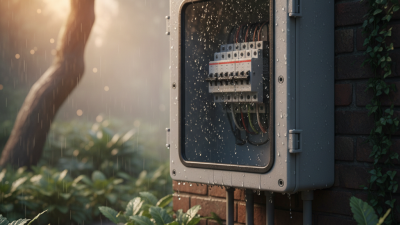
When considering electrical installations in wet environments, a reliable waterproof electrical box is crucial. These boxes protect wiring and connections from moisture and corrosion. Choosing the right product can be challenging, given the numerous options available globally.
This guide aims to present top waterproof electrical box options for buyers worldwide. Each option has distinct features, catering to various needs. Waterproof electrical boxes come in various materials and designs, ensuring durability and safety. Understanding these characteristics is essential for making informed decisions.
In this landscape of choices, it’s important to reflect on your specific requirements. Not all waterproof electrical boxes meet the same standards. Consider factors like installation location and environmental conditions. Critical assessment leads to better choices. The right waterproof electrical box can enhance safety and longevity in electrical systems.
Top Features to Consider in Waterproof Electrical Boxes
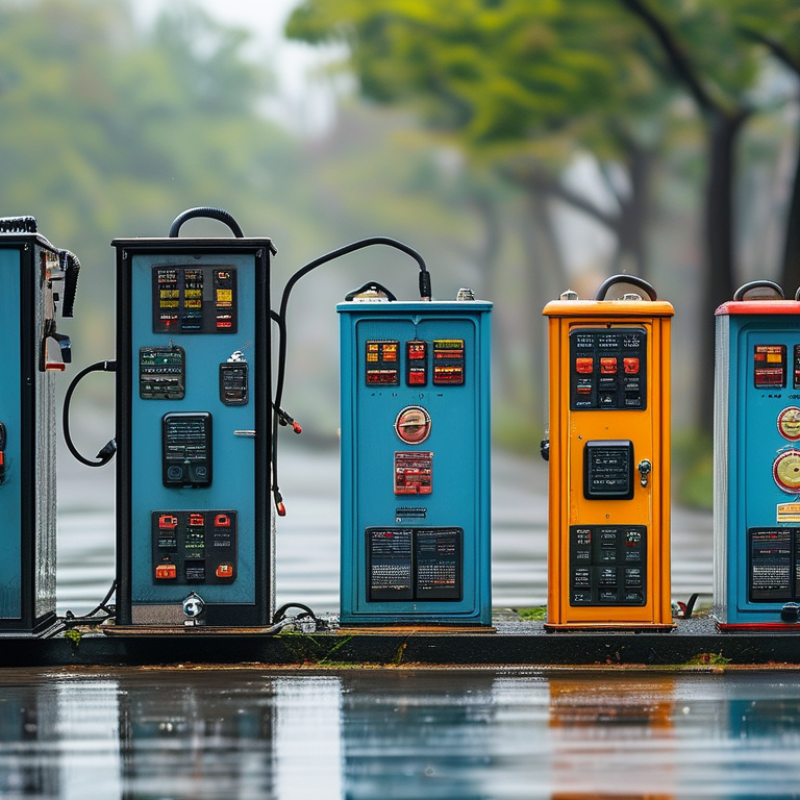
When selecting waterproof electrical boxes, several key features deserve attention. Material quality is crucial. High-grade materials like polycarbonate or fiberglass offer better durability. They withstand harsh environmental conditions, ensuring long-term performance. Additionally, make sure the box has a proper rating for water resistance, such as IP65 or IP67. This indicates effective protection against water ingress.
Another important consideration is the design. Look for boxes with gaskets and seals that prevent moisture entry. These components enhance the integrity of the box in wet conditions. Also, evaluate the mounting options available. Flexible mounting solutions allow for easier installation and better adaptability to various environments.
Think about your specific needs. A larger box may provide more space for wiring and connections. However, it could also pose challenges in compact areas. Reflect on your project requirements before making a decision. Always prioritize safety and reliability in your choice. Weather conditions in the installation area may change unexpectedly, so ensuring robustness is essential.
Industry Standards for Waterproof Ratings: IP68 and Beyond
Waterproof electrical boxes are crucial for various applications. When evaluating these products, understanding their waterproof ratings becomes essential. The IP rating system defines how resistant a product is to water and dust. IP68 is one of the highest standards available, indicating complete protection against dust and immersion in water beyond 1 meter.
Achieving an IP68 rating requires stringent testing. These boxes must endure continuous immersion. This testing simulates real-world conditions, ensuring reliability even in extreme environments. Buyers should look for certifications that validate these ratings. Not all products claiming to be waterproof meet the same standards.
While many options exist, not every choice will serve well in all scenarios. Some waterproof boxes may perform flawlessly in controlled settings but falter under harsh weather. Users should consider their specific needs and known challenges, like exposure to chemicals or temperature fluctuations. This thought process can help in selecting the right box for your project. Being informed and cautious can lead to better choices and enhanced safety.
Top Waterproof Electrical Box Options for Global Buyers
Material Comparisons: Polycarbonate vs. Stainless Steel in Durability
When choosing waterproof electrical boxes, material selection plays a critical role in durability and longevity. Polycarbonate and stainless steel are two prominent choices.
Polycarbonate boxes are lightweight. They have excellent impact resistance. Studies show that polycarbonate can withstand up to 250 times the impact of glass. This makes it ideal for environments where durability is essential, like construction sites.
On the other hand, stainless steel offers remarkable corrosion resistance. According to industry data, it maintains its structural integrity in harsh weather conditions. This is crucial for electrical boxes exposed to rain and humidity.
Stainless steel can last more than 20 years in coastal areas, where salt and moisture are prevalent.
However, both materials have their drawbacks. Polycarbonate may become brittle under extreme temperatures over time. Stainless steel can be prone to dents and scratches. Buyers must carefully evaluate their specific needs and the conditions in which they will use the electrical boxes. Understanding these aspects ensures better performance and reliability in various applications.
Market Insights: Leading Brands and Their Waterproof Box Innovations
The global market for waterproof electrical boxes is expanding rapidly, driven by advancements in materials and technology. Industry reports estimate a growth rate of around 5% annually, particularly in regions prone to extreme weather. The demand for reliable electrical housing solutions is rising, especially in sectors such as construction, industrial applications, and home electronics.
Leading manufacturers are innovating to enhance the durability and functionality of waterproof boxes. Many brands now incorporate advanced polymer materials to improve corrosion resistance and impact strength. According to a recent market analysis, boxes with enhanced sealing features are gaining traction. These innovative designs provide better protection against water ingress and dust, crucial for outdoor installations.
Despite these innovations, there are challenges. The implementation of more complex features can increase manufacturing costs. Some users are not fully aware of the specific environmental conditions their electrical installations face. Misunderstandings about ratings, such as IP65 or NEMA 4X, may lead to improper product selection. Ongoing education is essential in this industry to ensure that users choose the right waterproof solutions for their needs.
Top Waterproof Electrical Box Options for Global Buyers
| Feature |
Details |
| Material |
Polycarbonate, Stainless Steel, PVC |
| Ingress Protection Rating |
IP65, IP66, IP67 |
| Usage Temperature Range |
-20°C to 70°C |
| Mounting Options |
Wall-mounted, Pole-mounted, Free-standing |
| Dimensions |
Various sizes available |
| Cover Type |
Hinged, Removable, Lockable |
| Applications |
Industrial, Residential, Outdoor Lighting |
| Warranty |
Up to 5 years |
Global Regulations Impacting Waterproof Electrical Box Designs
Global regulations greatly influence the design and manufacturing of waterproof electrical boxes. Understanding these regulations is crucial for ensuring product compliance and safety. For instance, the National Electrical Code (NEC) in the United States emphasizes the need for protective enclosures in wet locations. Likewise, European regulations, such as IEC 60529, define the IP (Ingress Protection) ratings that specify how well products can withstand water intrusion.
According to a recent industry report by Frost & Sullivan, the demand for waterproof electrical boxes is projected to grow by 5.3% annually. This growth is driven by increasing outdoor installations and the need for safer electrical systems. Manufacturers must navigate diverse international standards, which can be challenging. Some countries may have stricter requirements for UV resistance and corrosion protection, while others focus on specific environmental conditions that impact materials.
There is often confusion regarding certification processes. Some products that appear compliant might not meet local regulations during inspections. Manufacturers can face delays and additional costs if their designs lack proper backing. Regular updates to safety standards mean companies must stay informed to avoid pitfalls in their product development. Staying ahead requires a commitment to testing and quality assurance processes that align with evolving regulations.



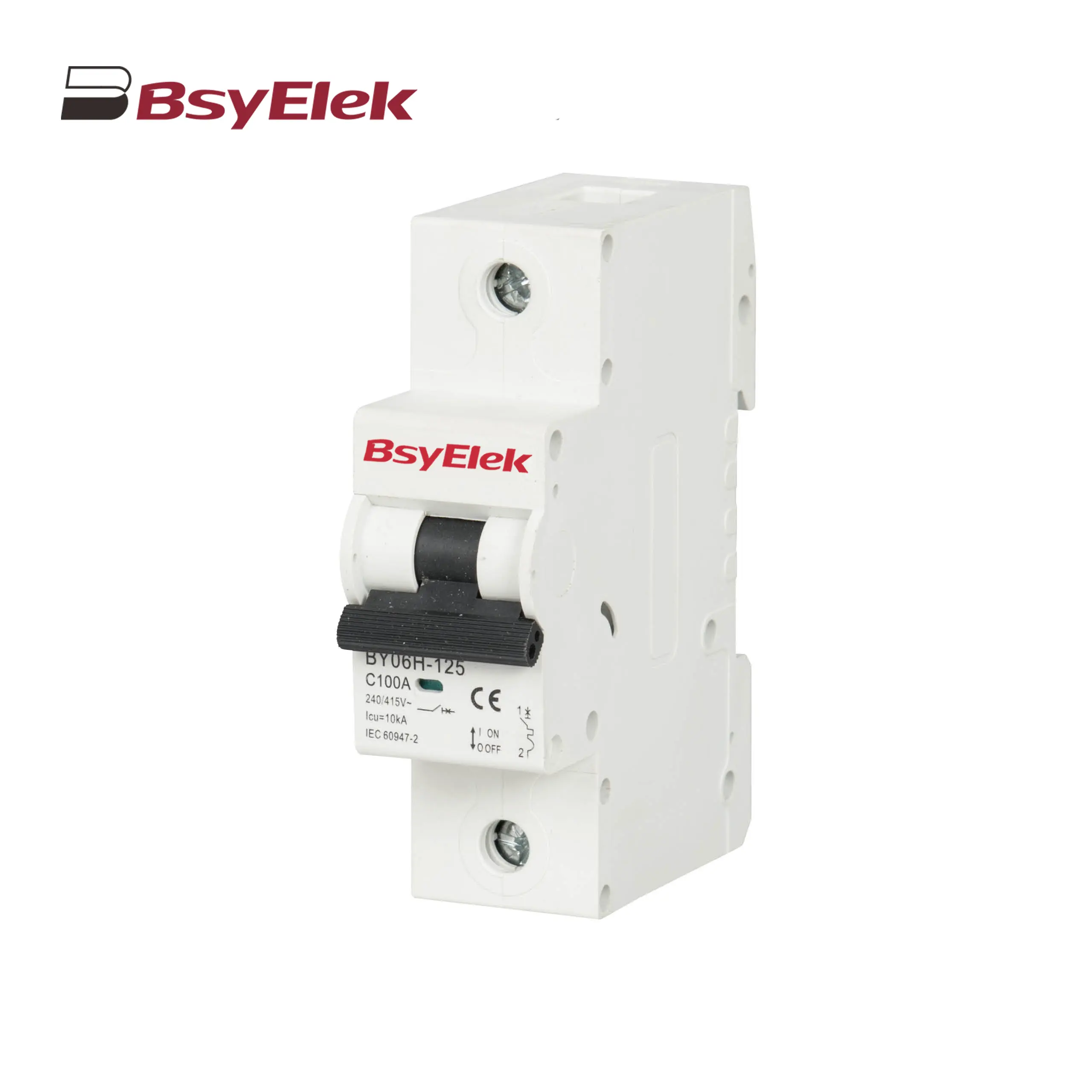 BY06H-125 MCB 10-15KA Miniature Circuit Breaker
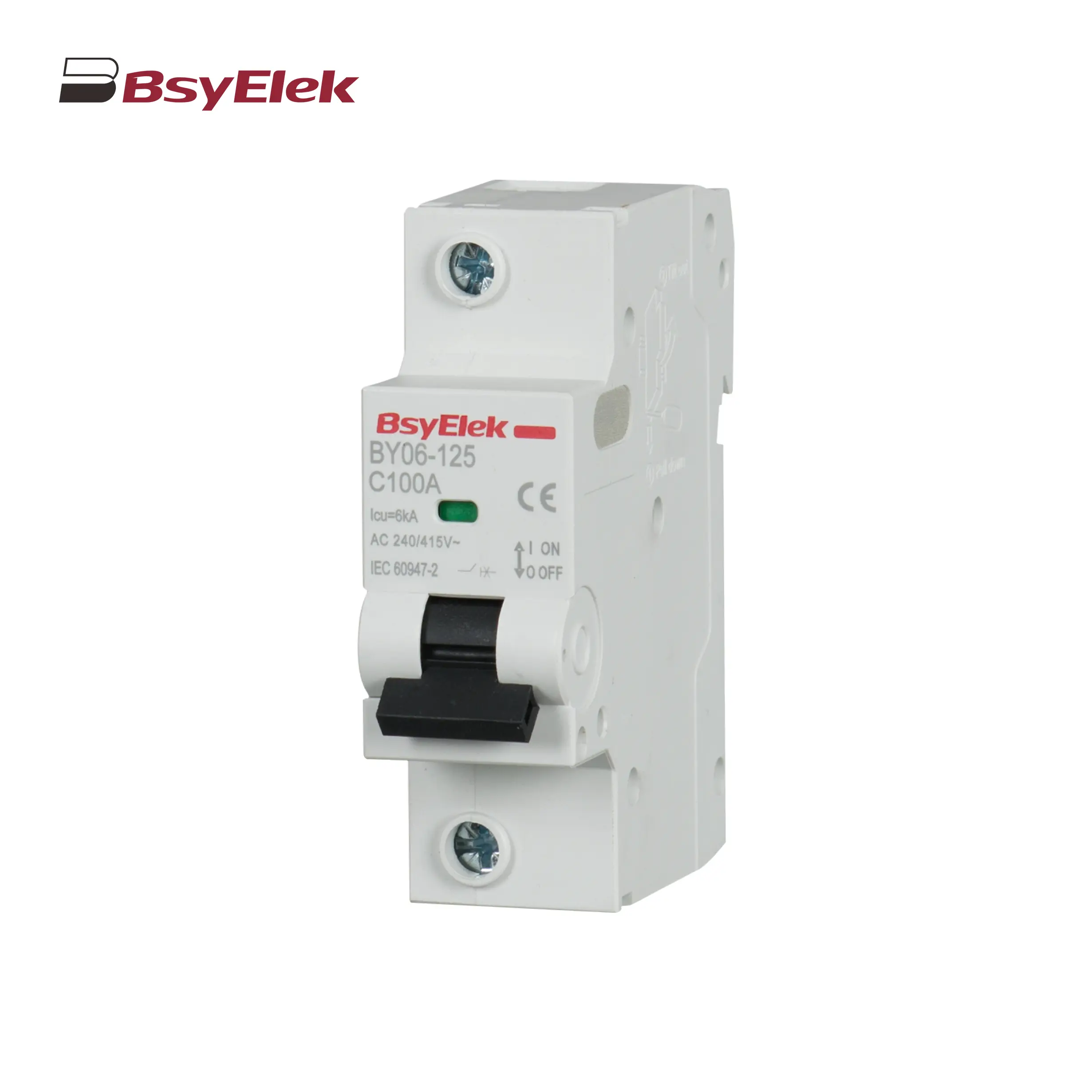 BY06-125 MCB 6KA Miniature Circuit Breaker
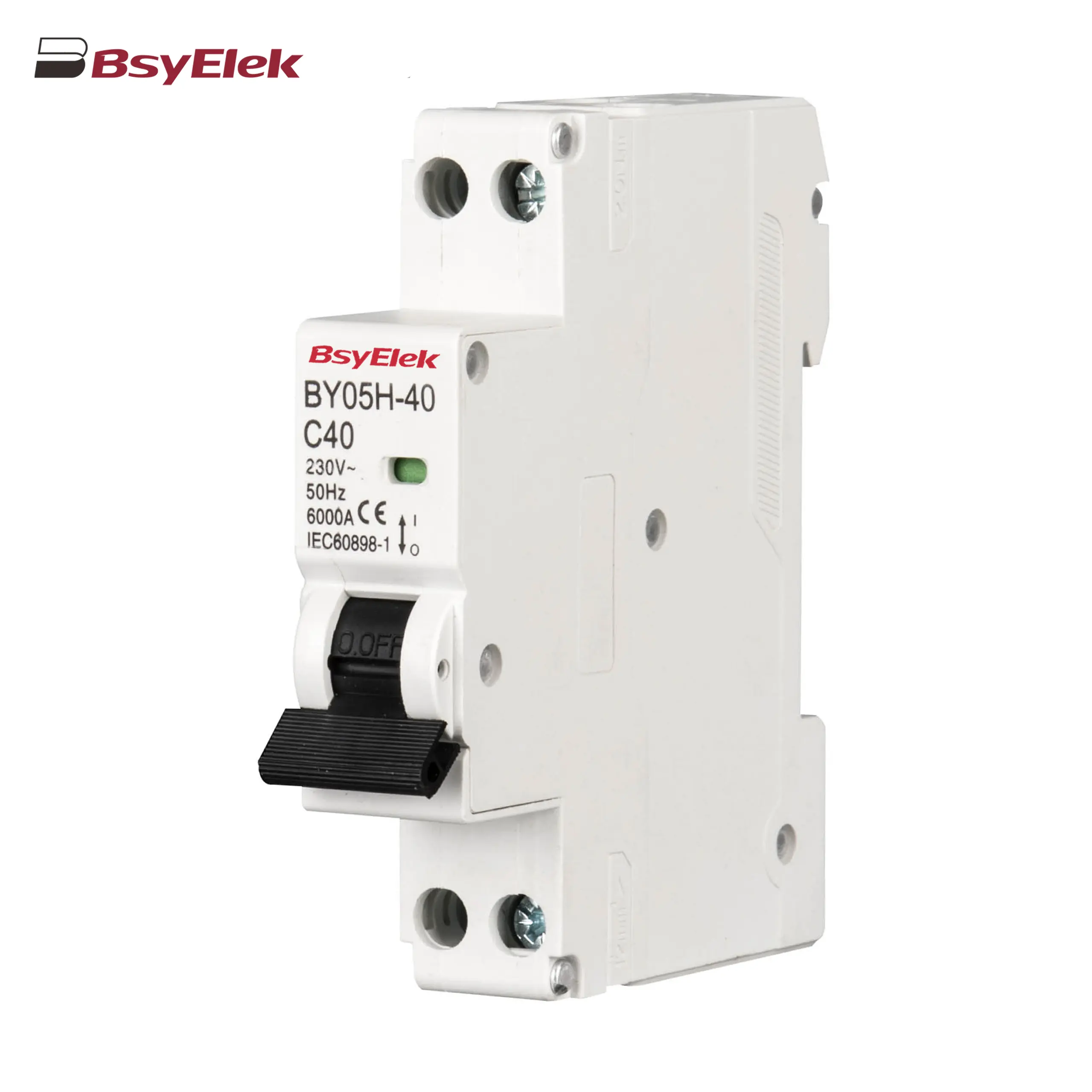 BY05H-40 MCB Single Modular 6KA Miniature Circuit Breaker
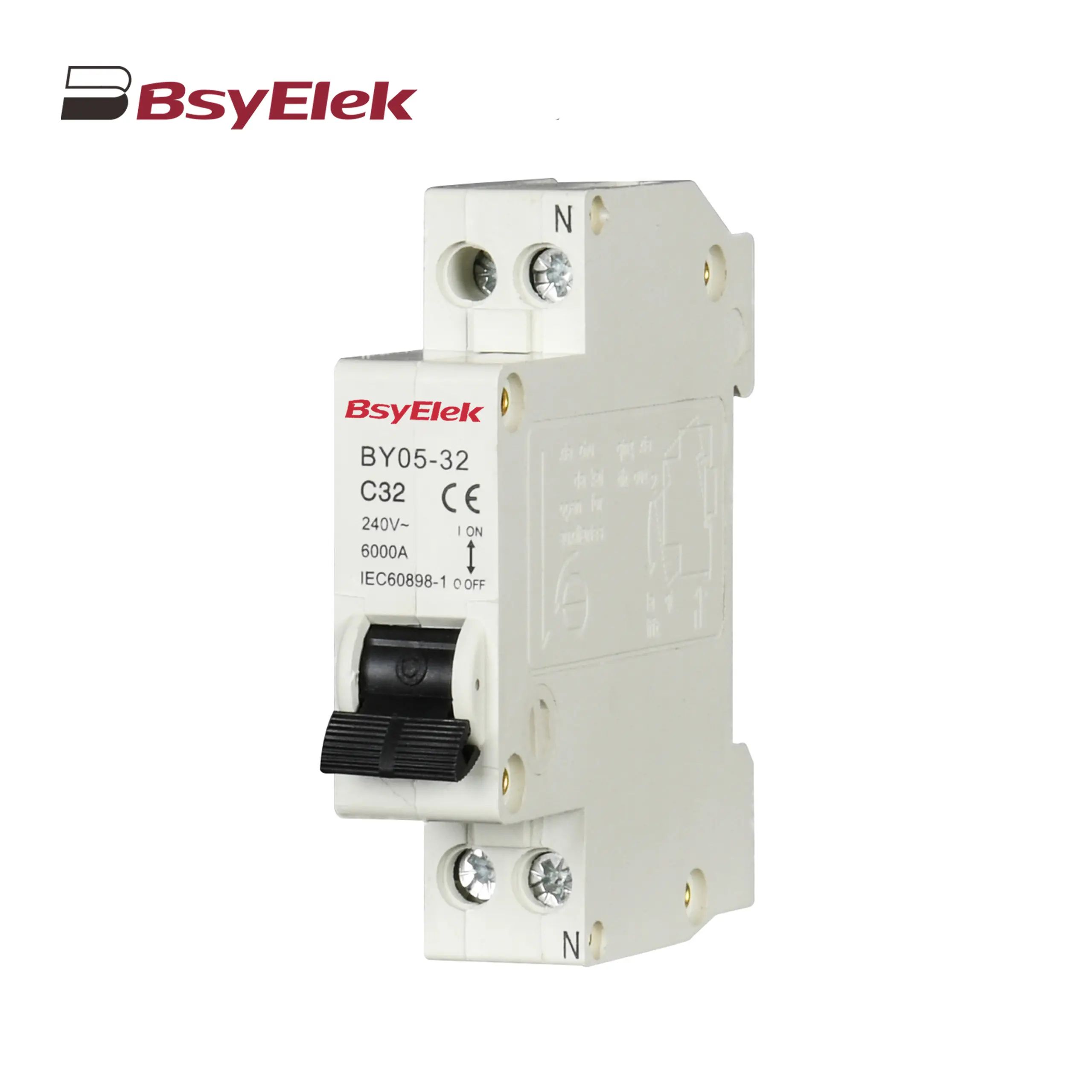 BY05-32 MCB Single Modular 3KA Miniature Circuit Breaker
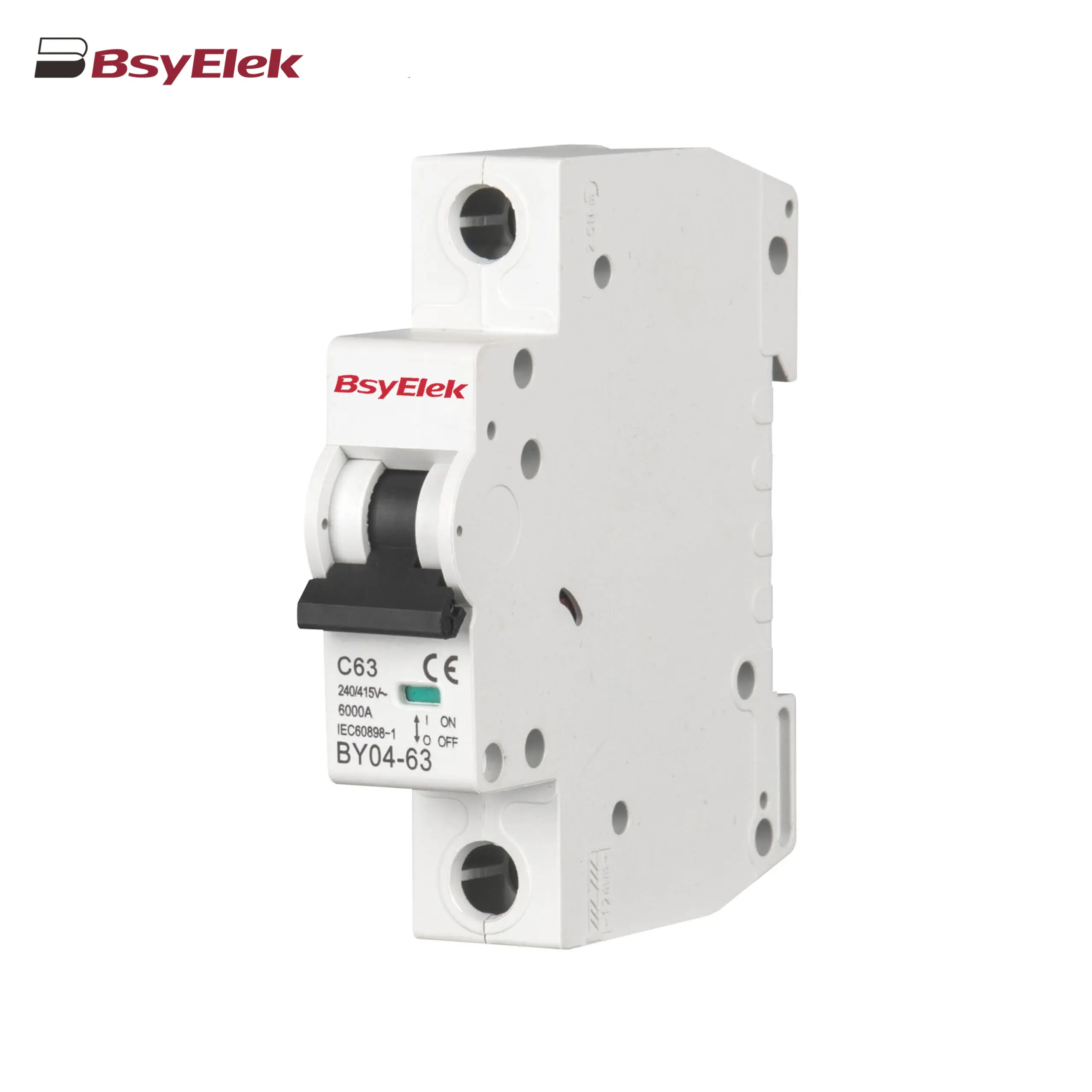 BY04-63 MCB 6-10KA Miniature Circuit Breaker
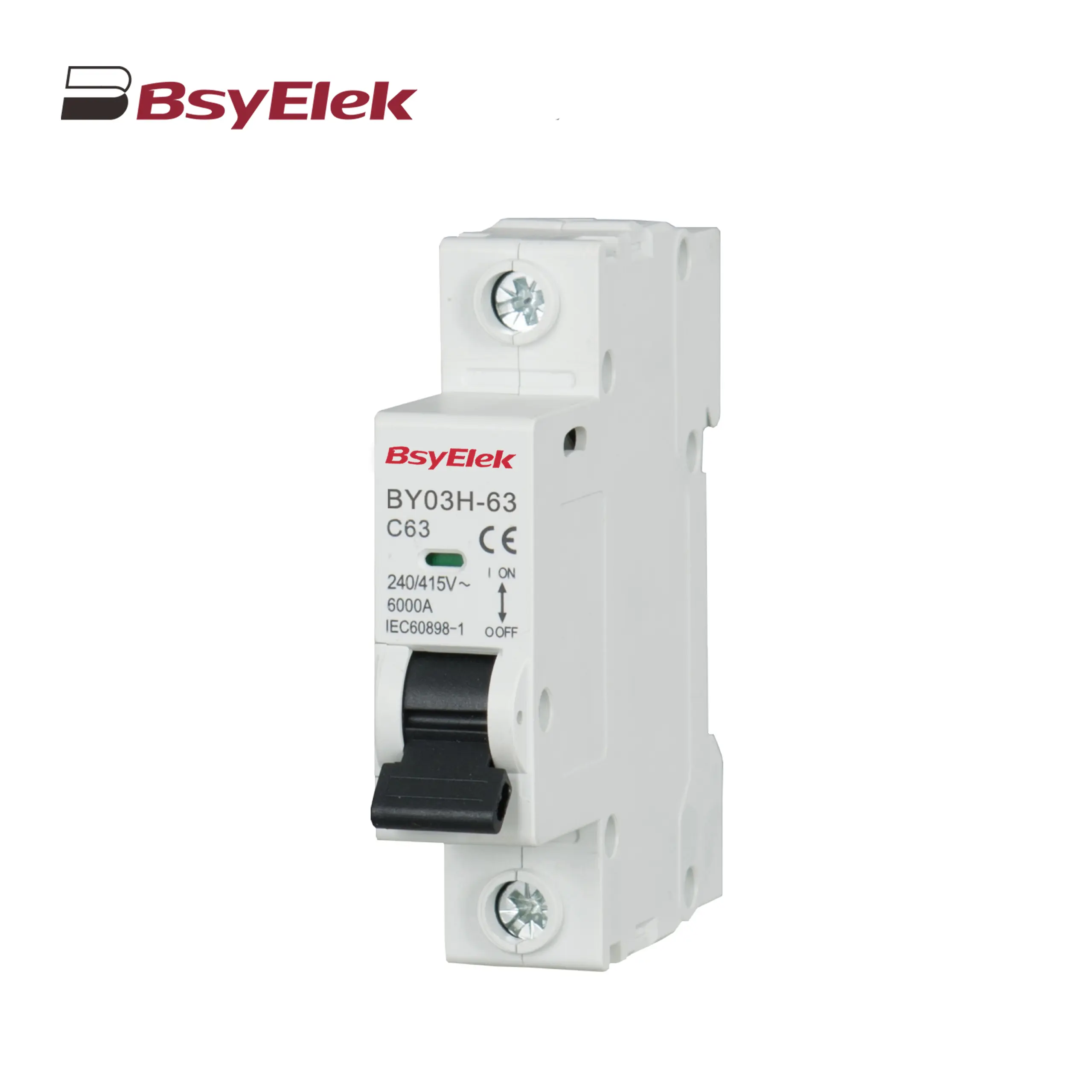 BY03H-63 MCB 6KA Miniature Circuit Breaker
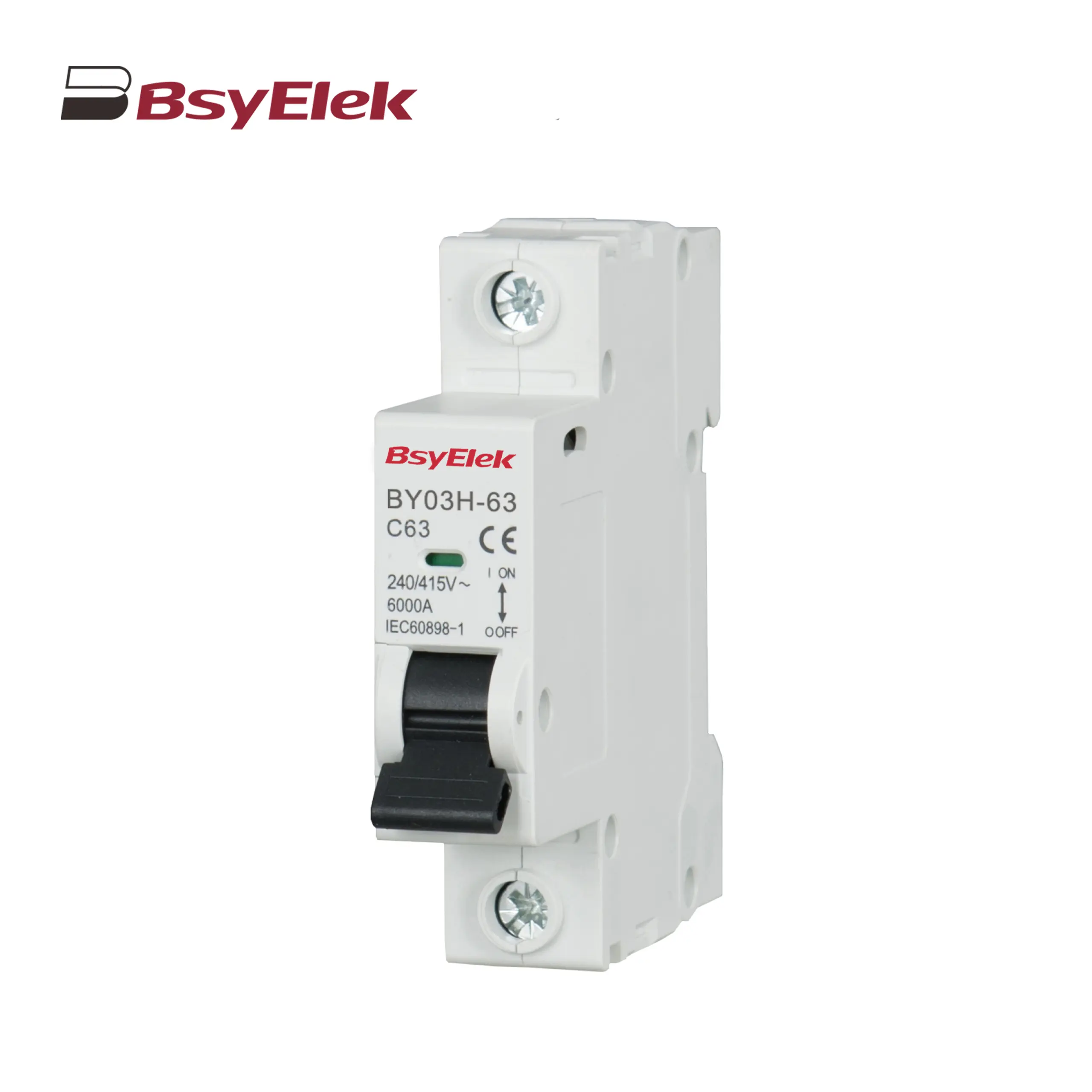 BY03-63 MCB 4.5KA Miniature Circuit Breaker
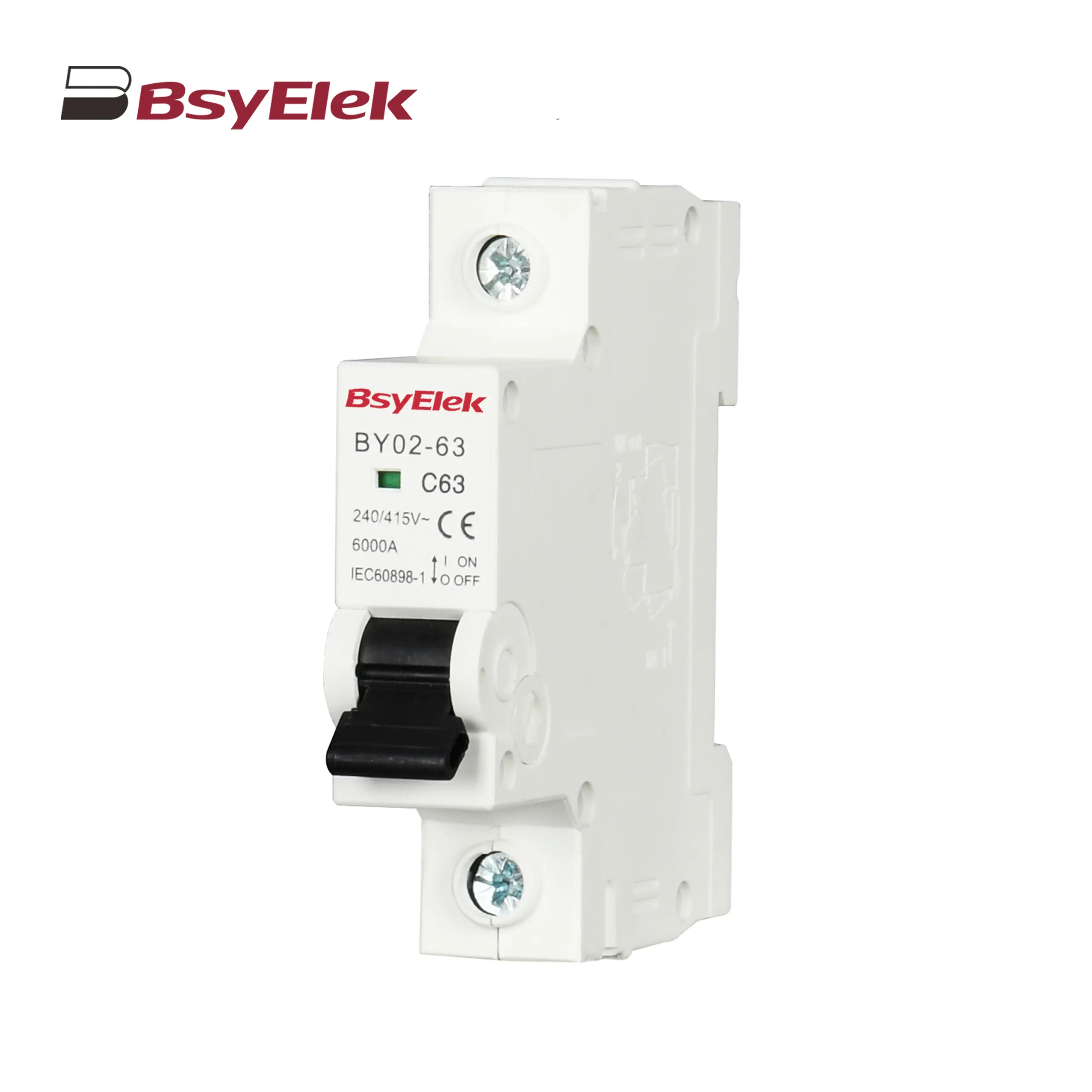 BY02-63 MCB 3kA Miniature Circuit Breaker
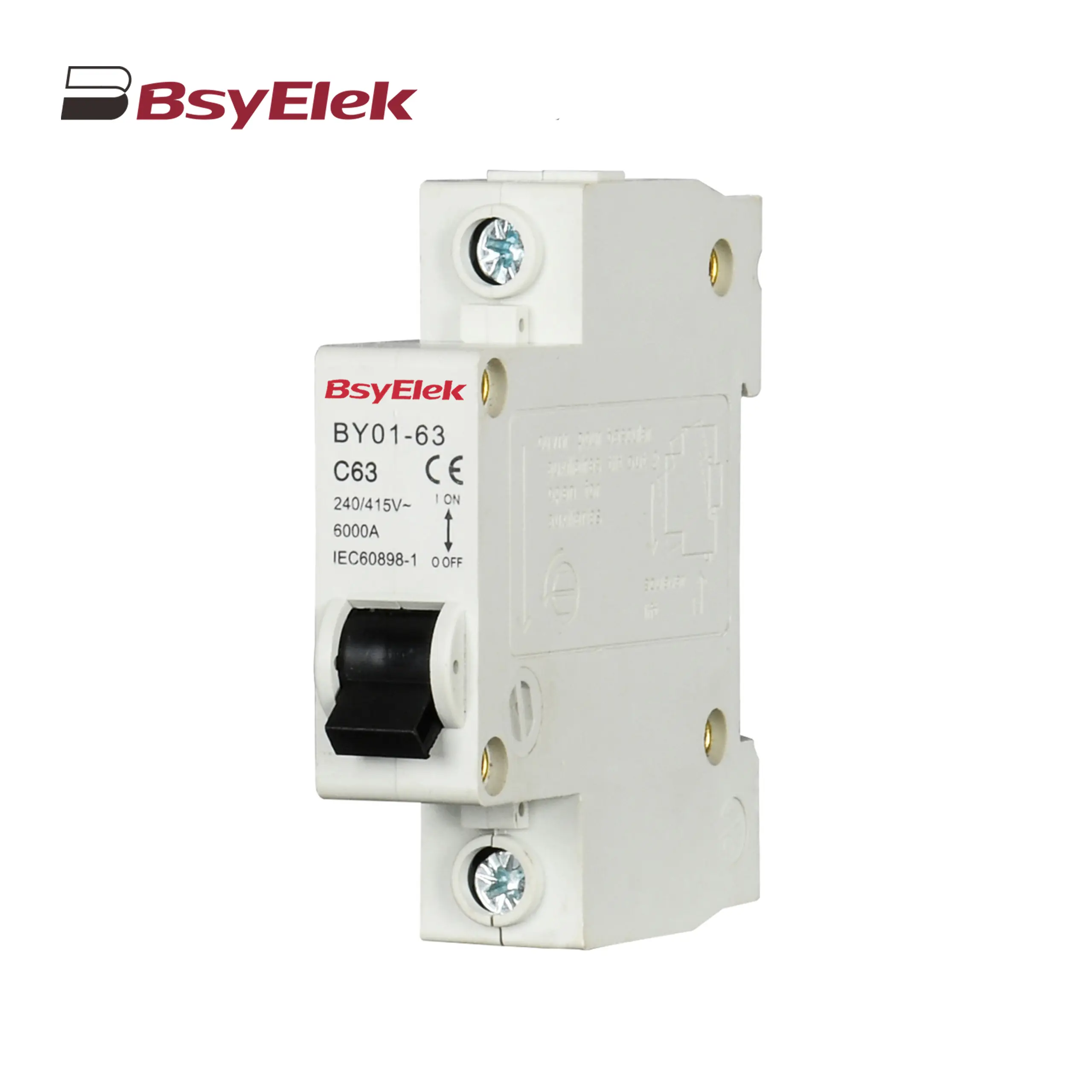 BY01-63 MCB 3kA Miniature Circuit Breaker
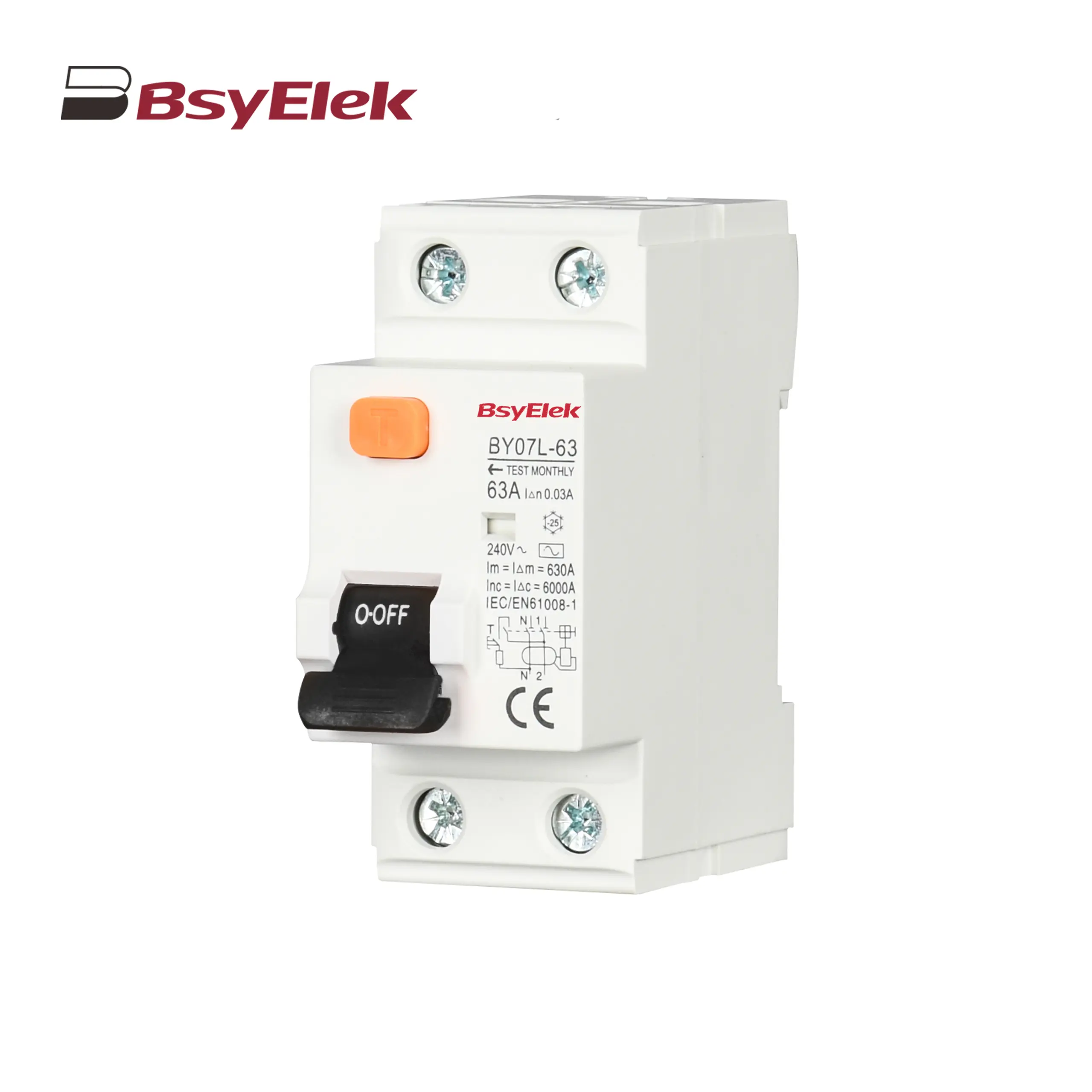 BY07L-63 RCCB 6KA Residual Current Circuit Breaker
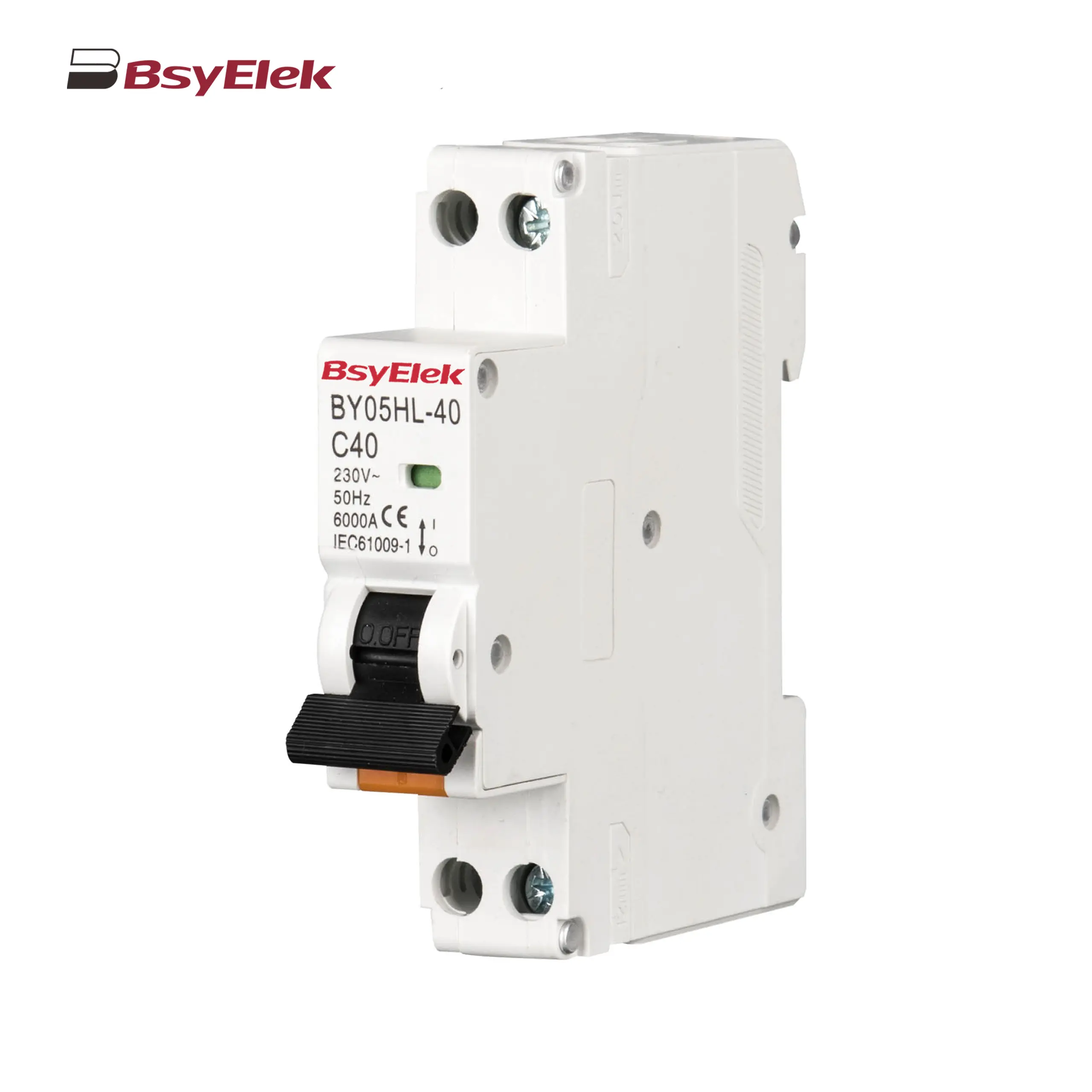 BY05HL-40 RCBO 6KA Residual Current Circuit Breaker with Over-current Protection
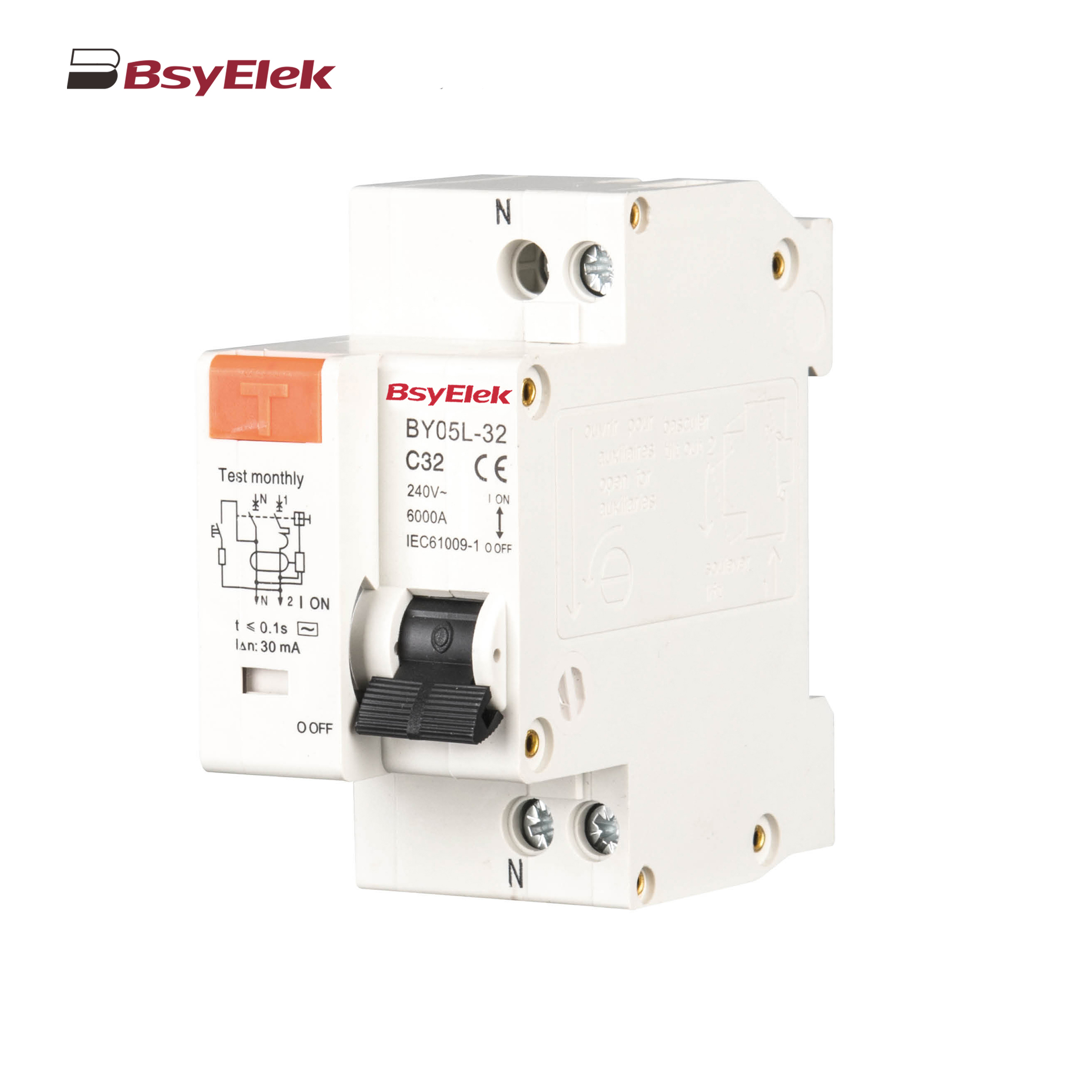 BY05L-32 RCBO 3KA Residual Current Circuit Breaker with Over-current Protection
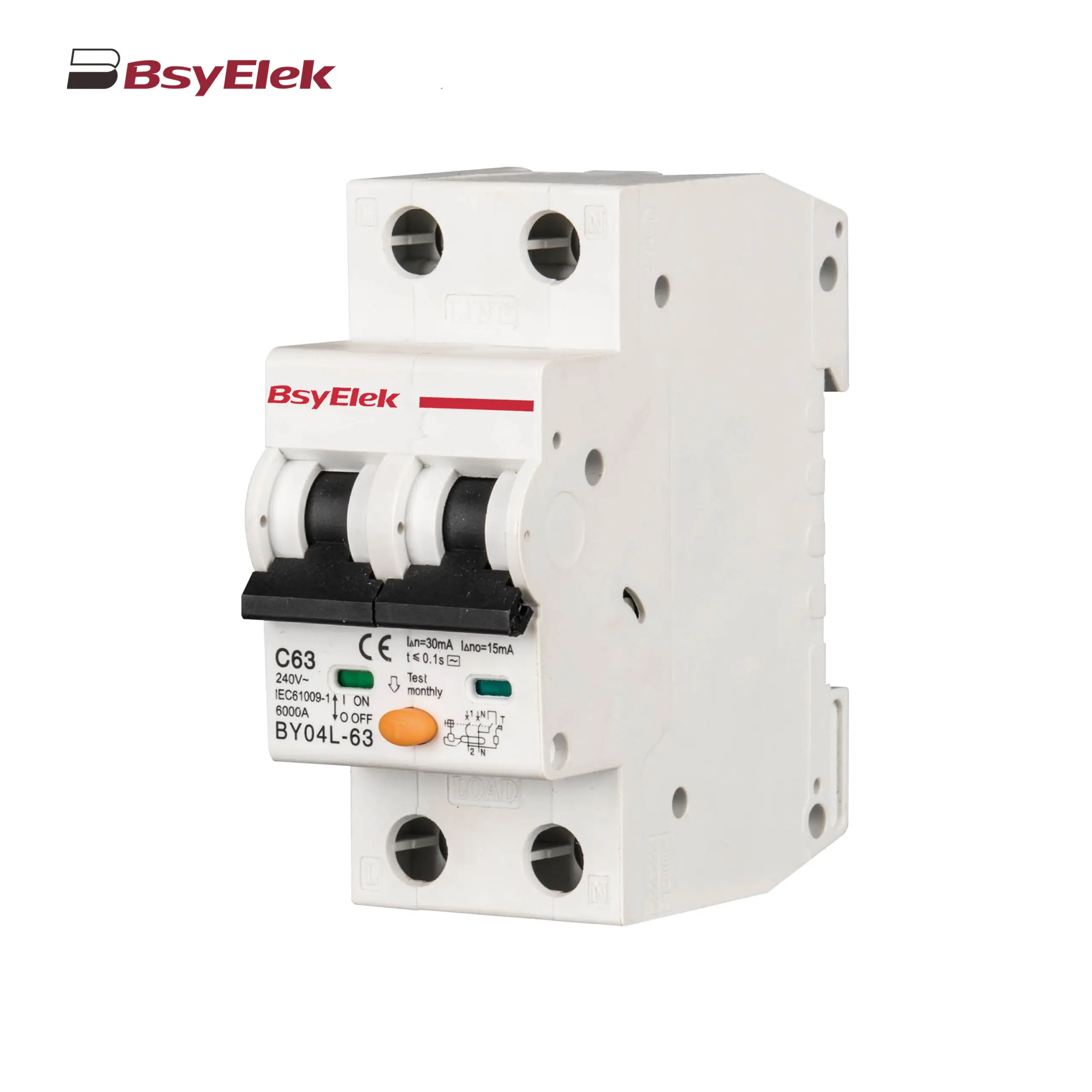 BY04L-63 RCBO 6KA Residual Current Circuit Breaker with Over-current Protection
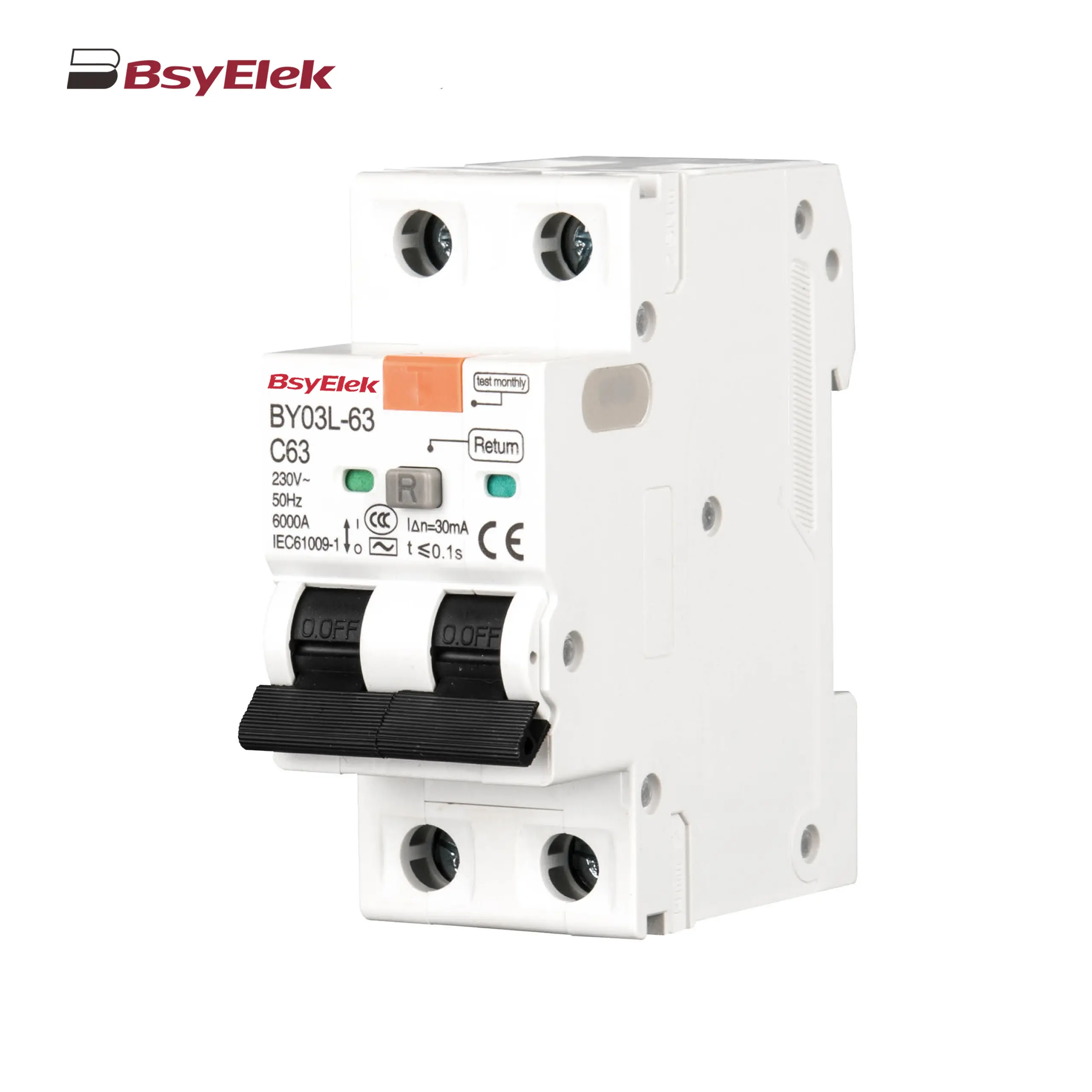 BY03L-63 RCBO 4.5KA Residual Current Circuit Breaker with Over-current Protection
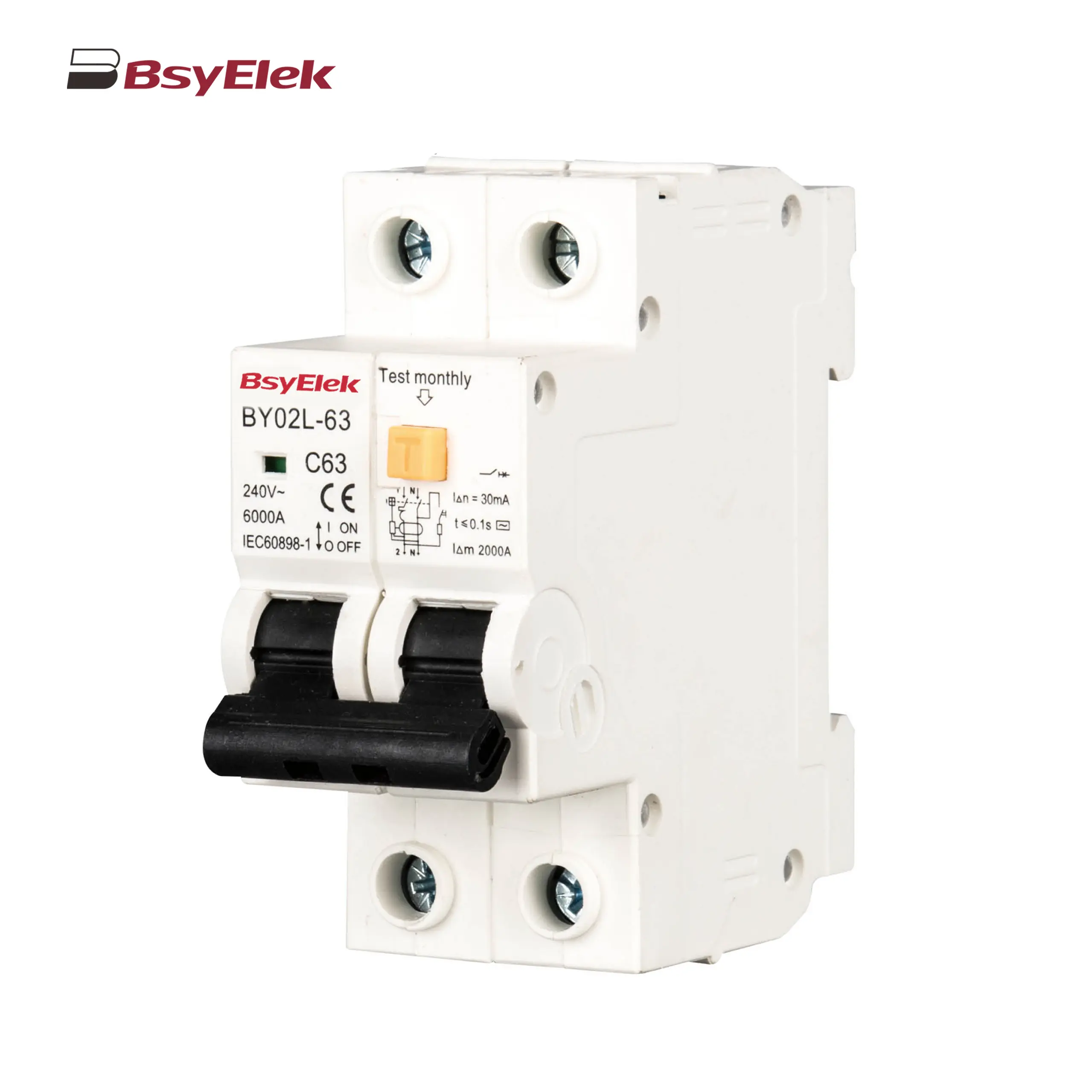 BY02L-63 RCBO 3KA Residual Current Circuit Breaker with Over-current Protection
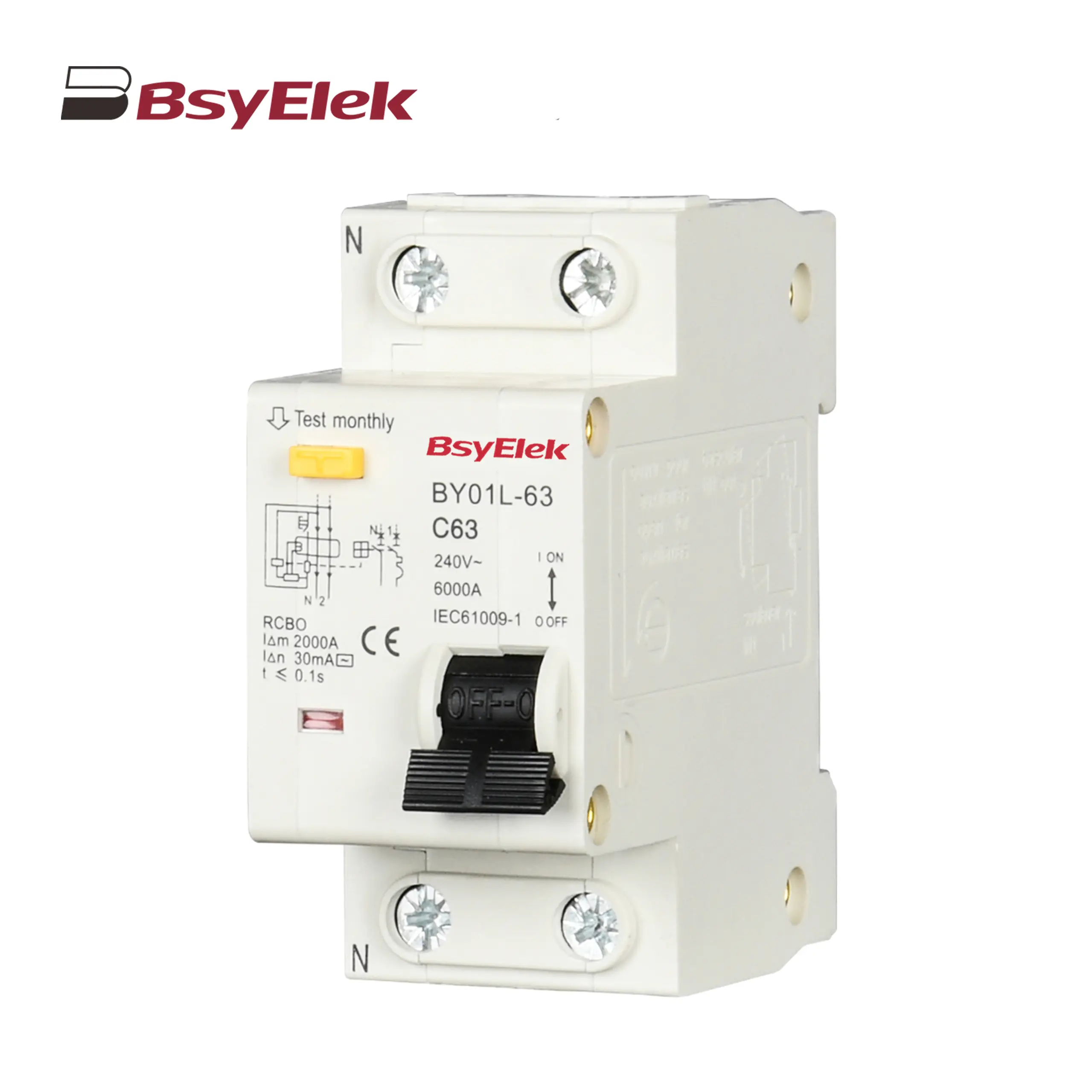 BY01L-63 RCBO 1P+N 3KA Residual Current Circuit Breaker with Over-current Protection
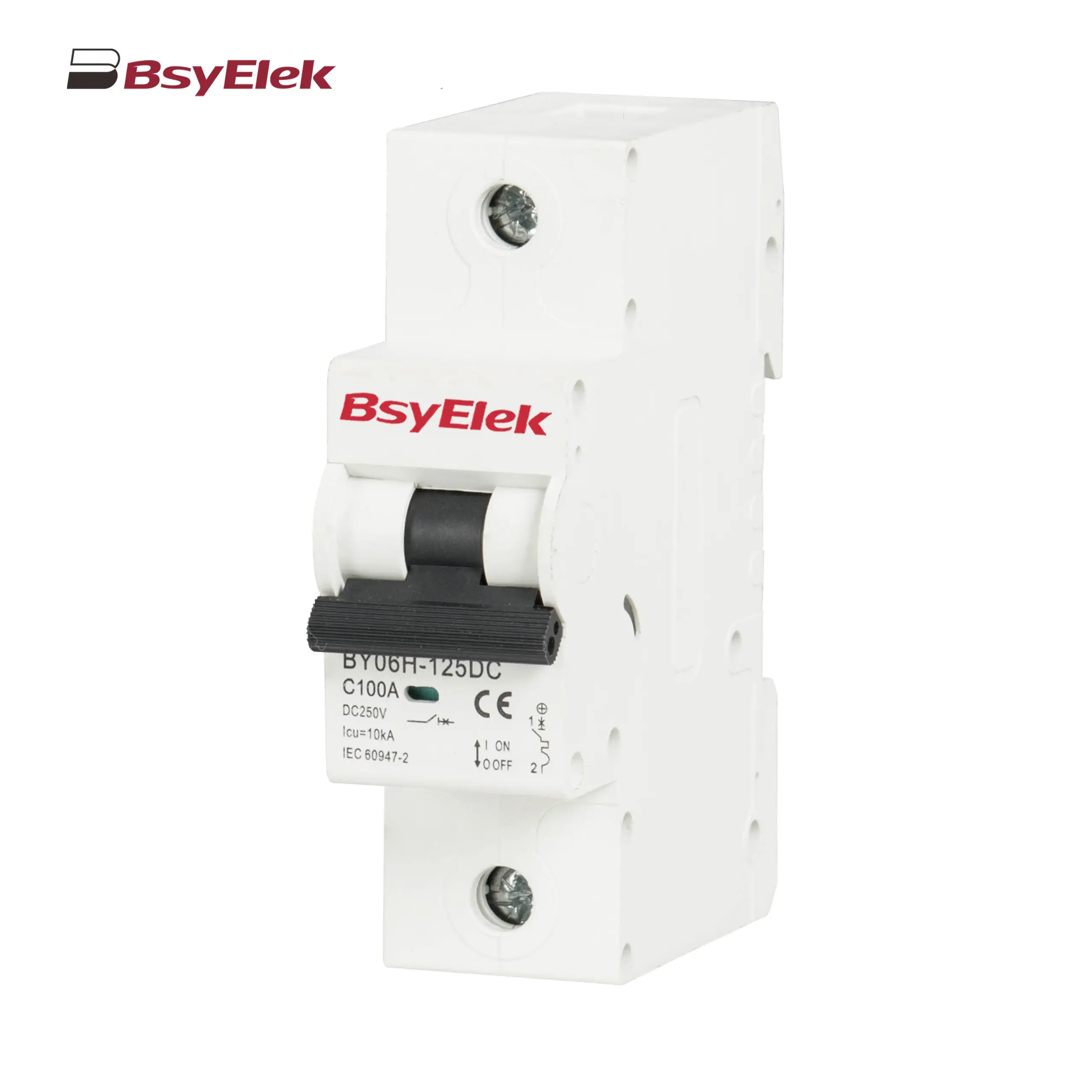 BY06H-125DC MCB 10-15kA DC Miniature Circuit Breaker
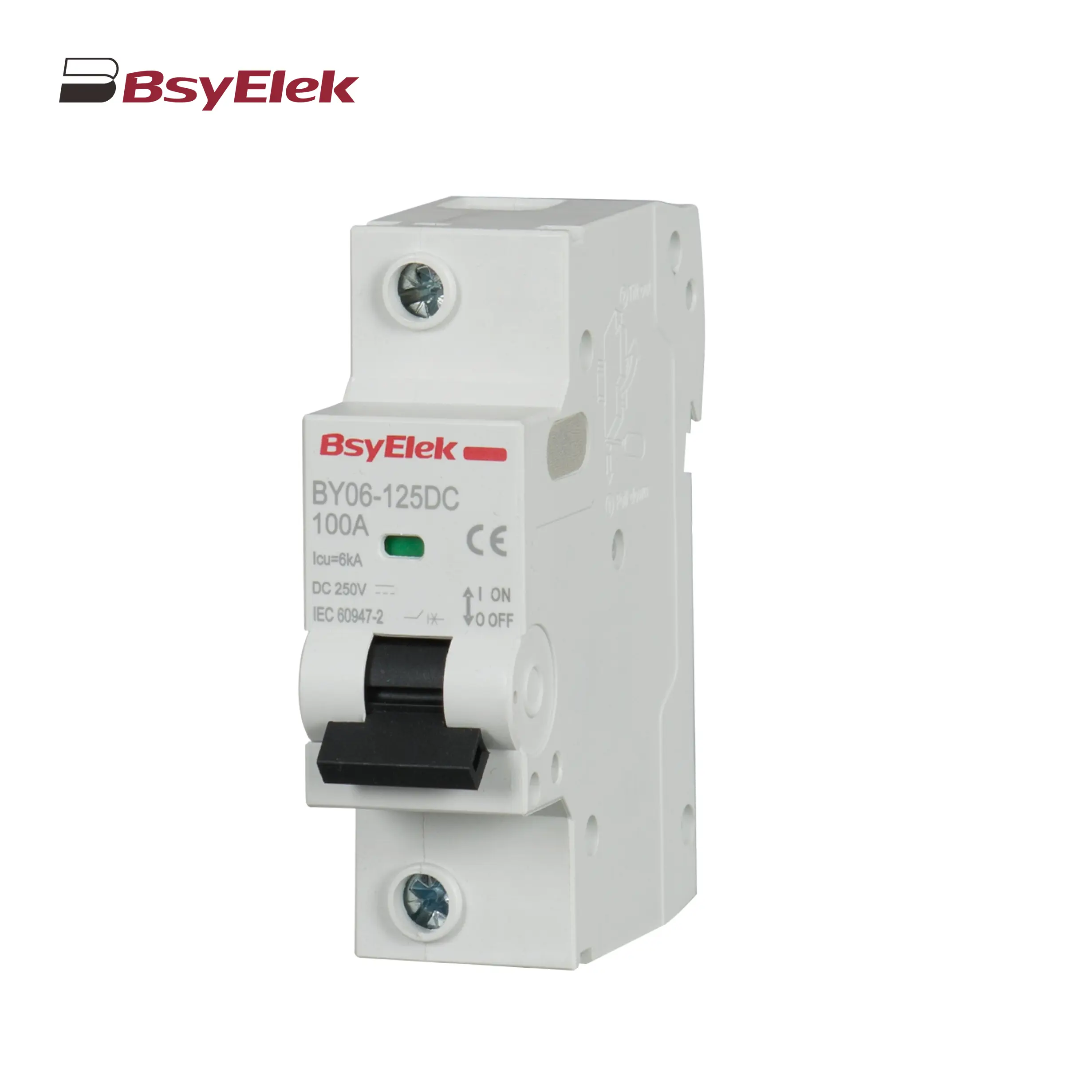 BY06-125DC MCB 6kA DC Miniature Circuit Breaker
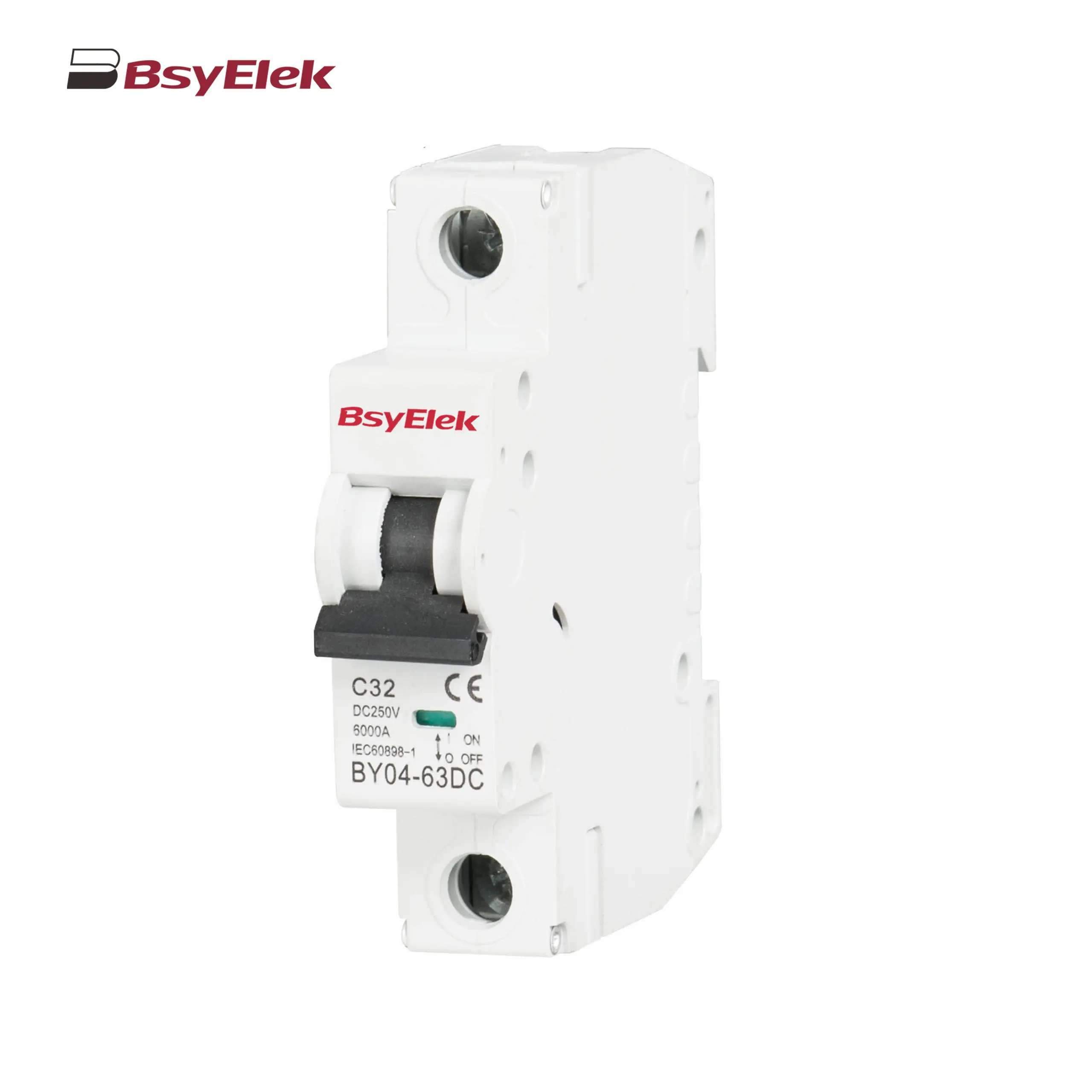 BY04-63DC MCB 6-10kA DC Miniature Circuit Breaker
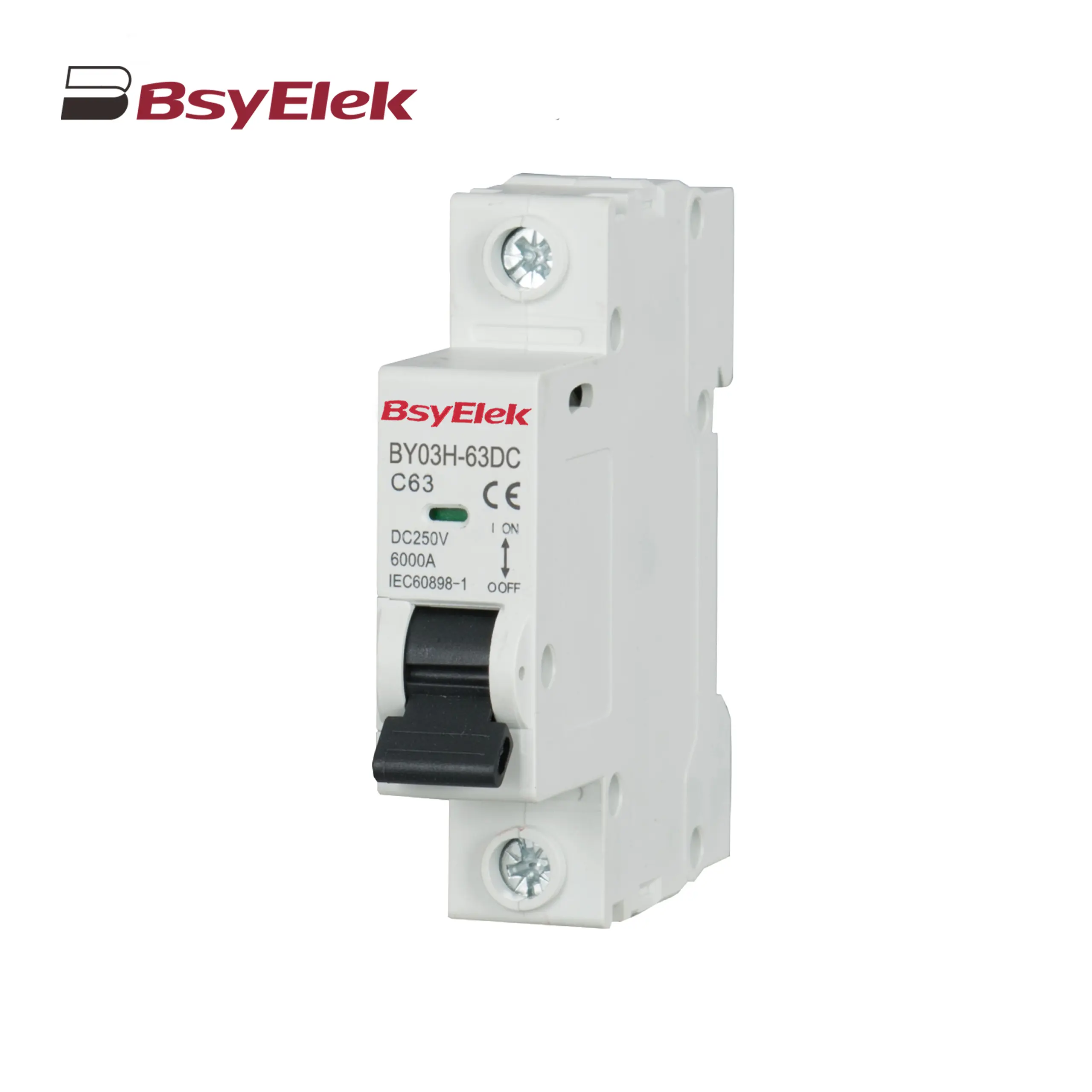 BY03H-63DC MCB 6kA DC Miniature Circuit Breaker
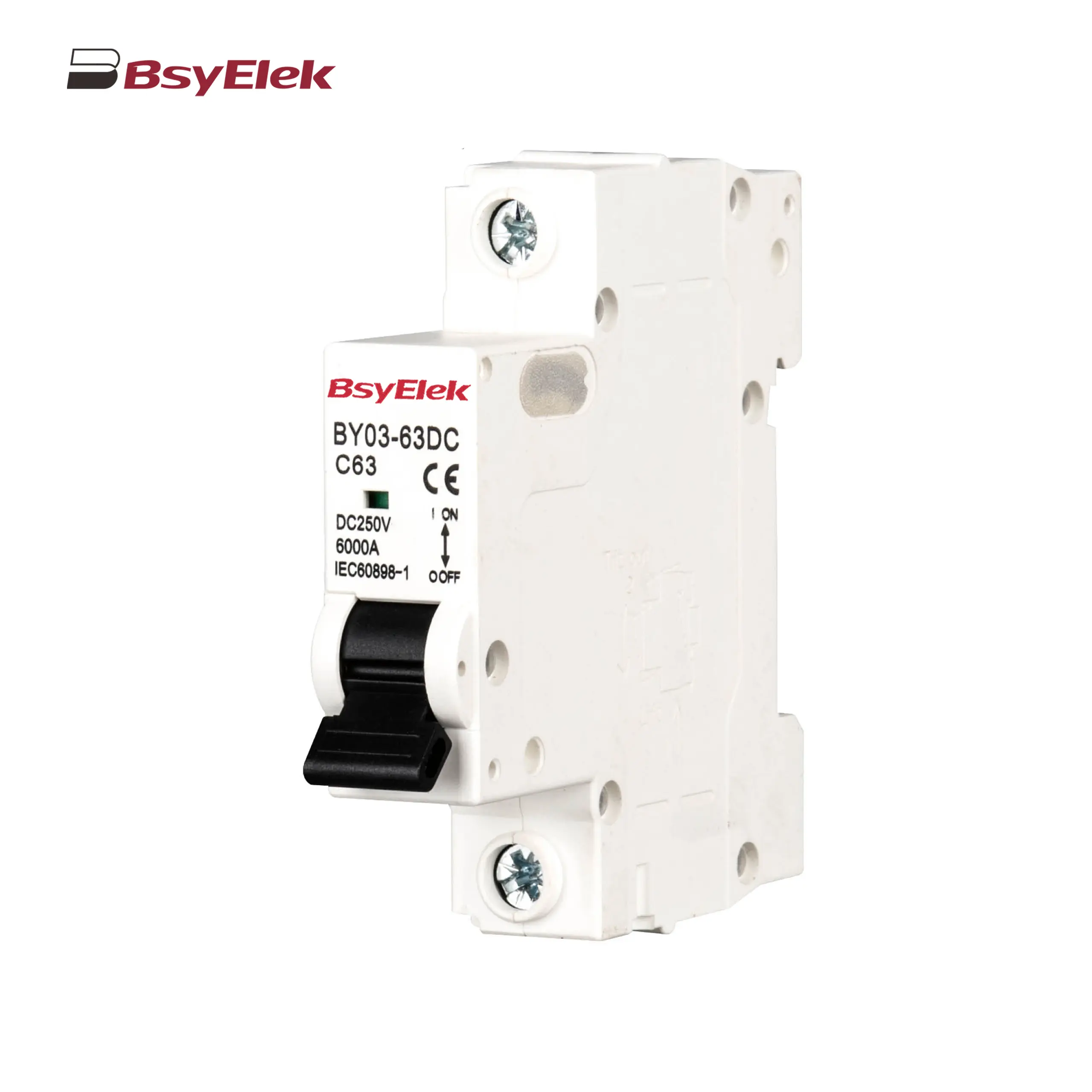 BY03-63DC MCB 4.5kA DC Miniature Circuit Breaker
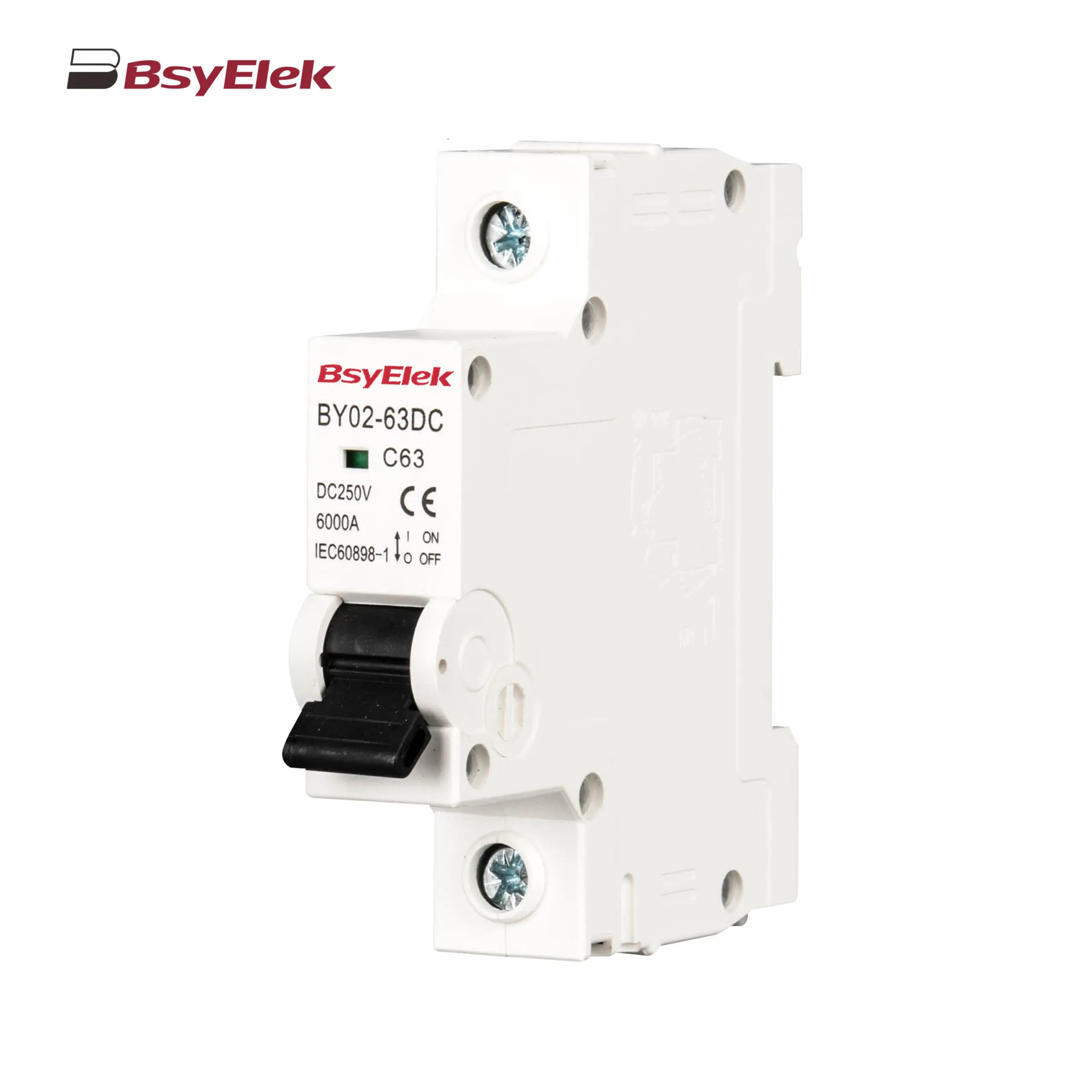 BY02-63DC MCB 3kA DC Miniature Circuit Breaker
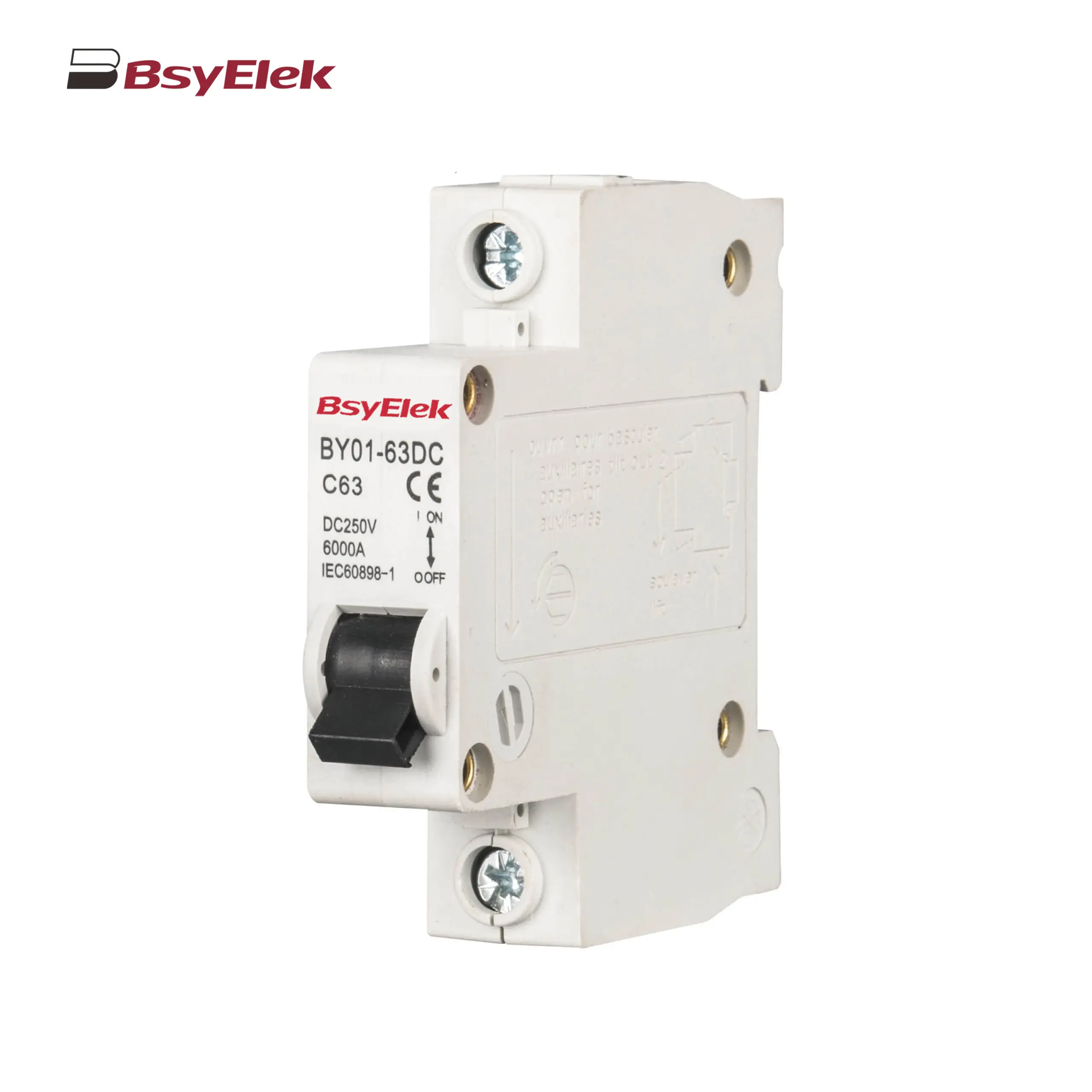 BY01-63DC MCB 3kA DC Miniature Circuit Breaker
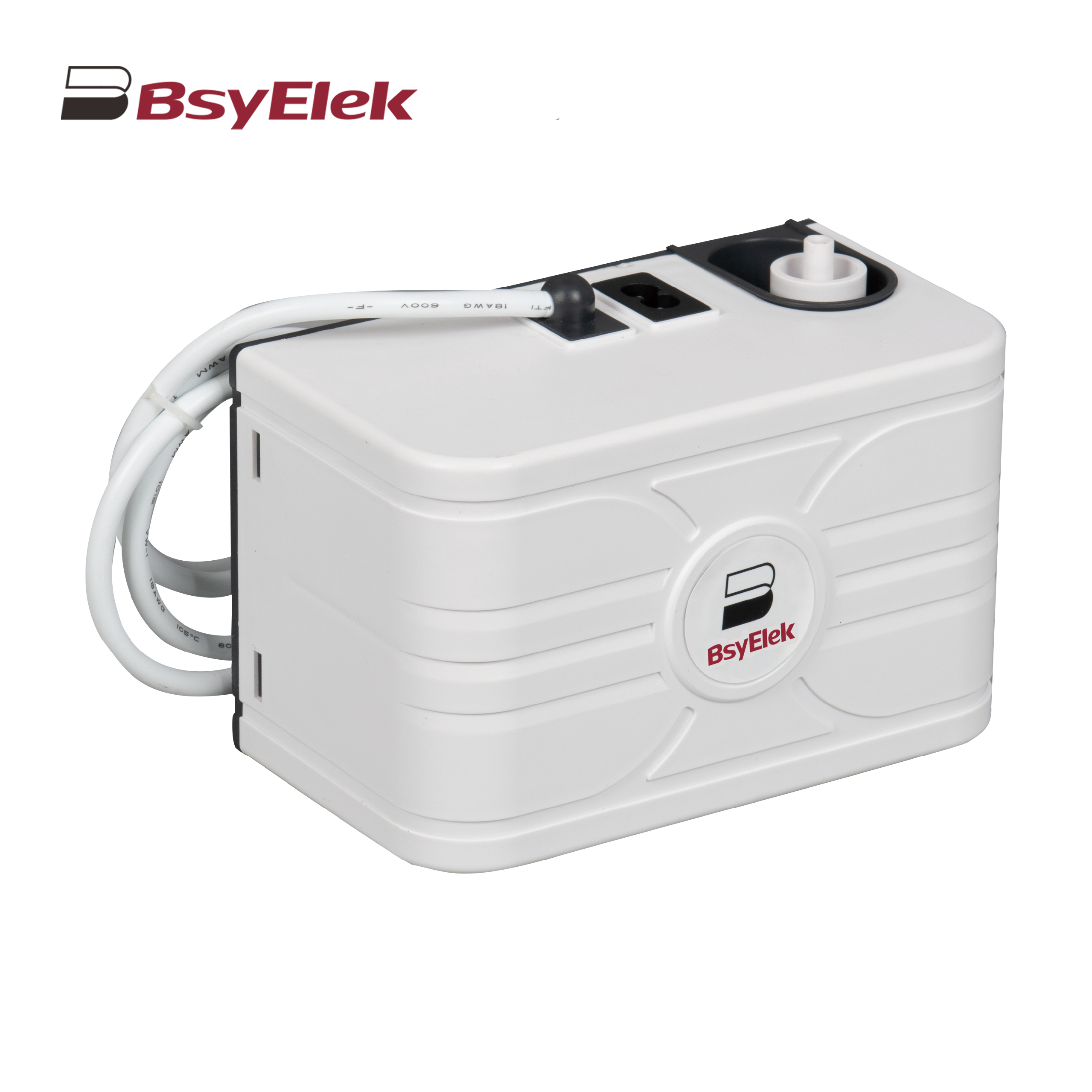 BY-5018 1.8M Engineering Drainage Pump
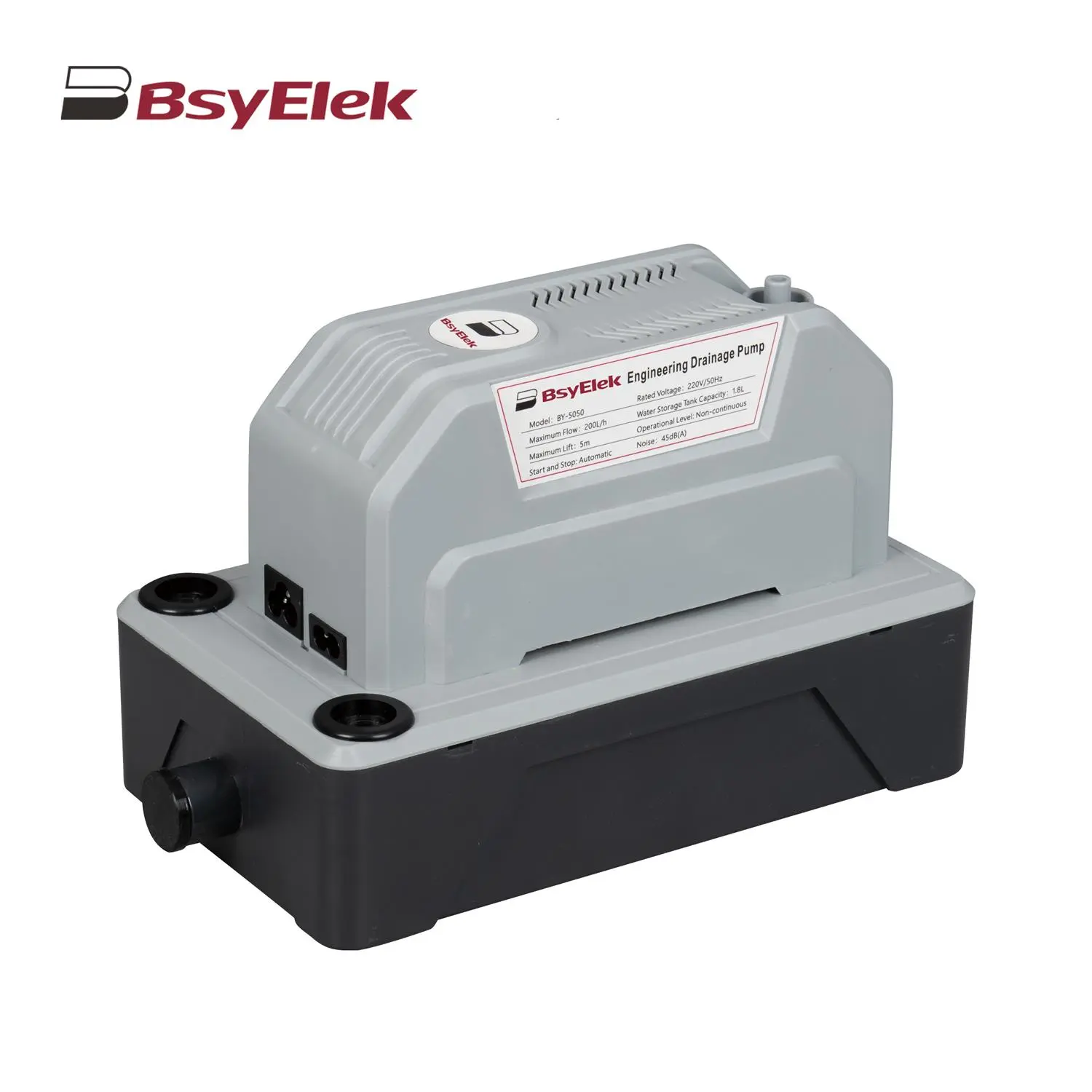 BY-5050 5M Engineering Drainage Pump
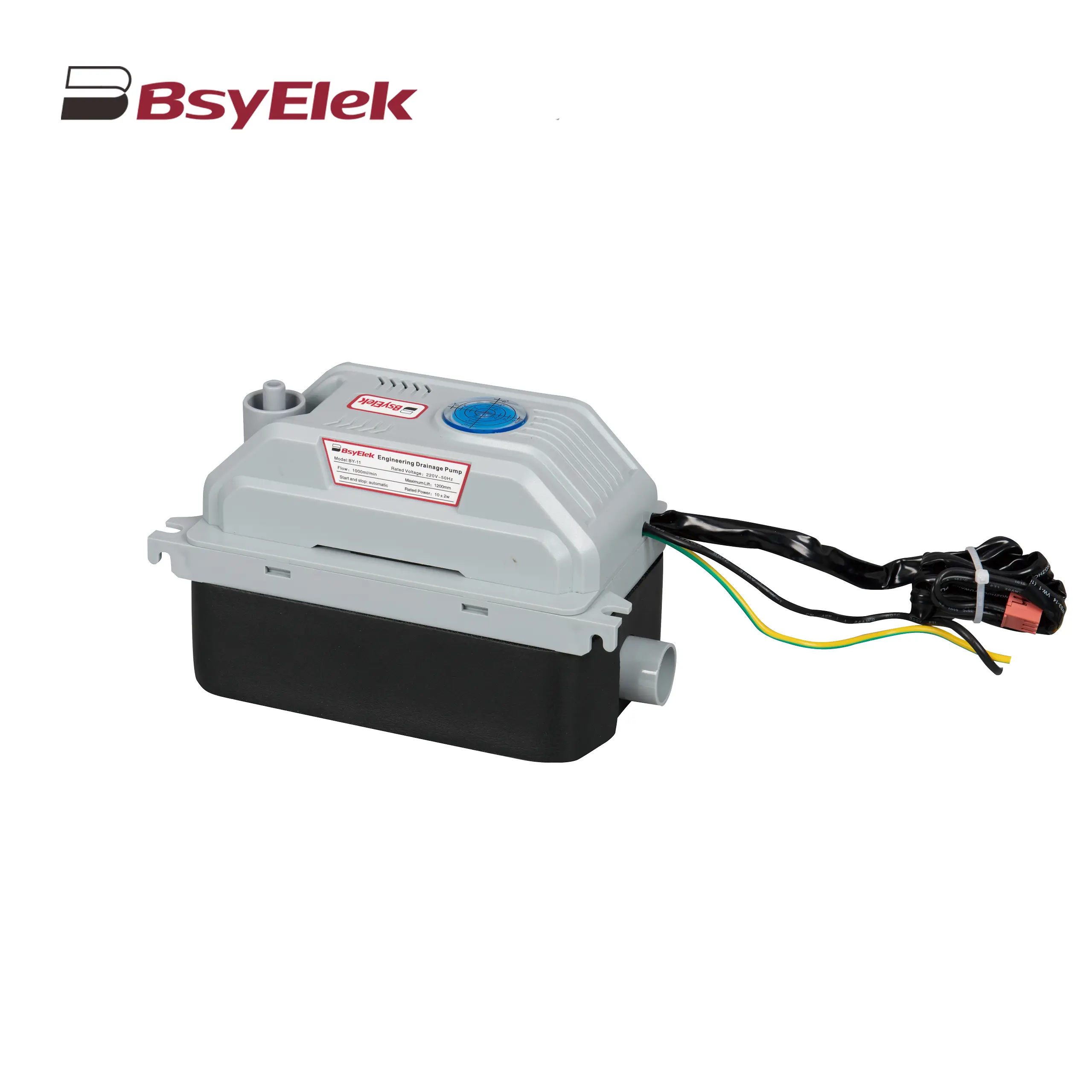 BY-11 1.2M Engineering Drainage Pump
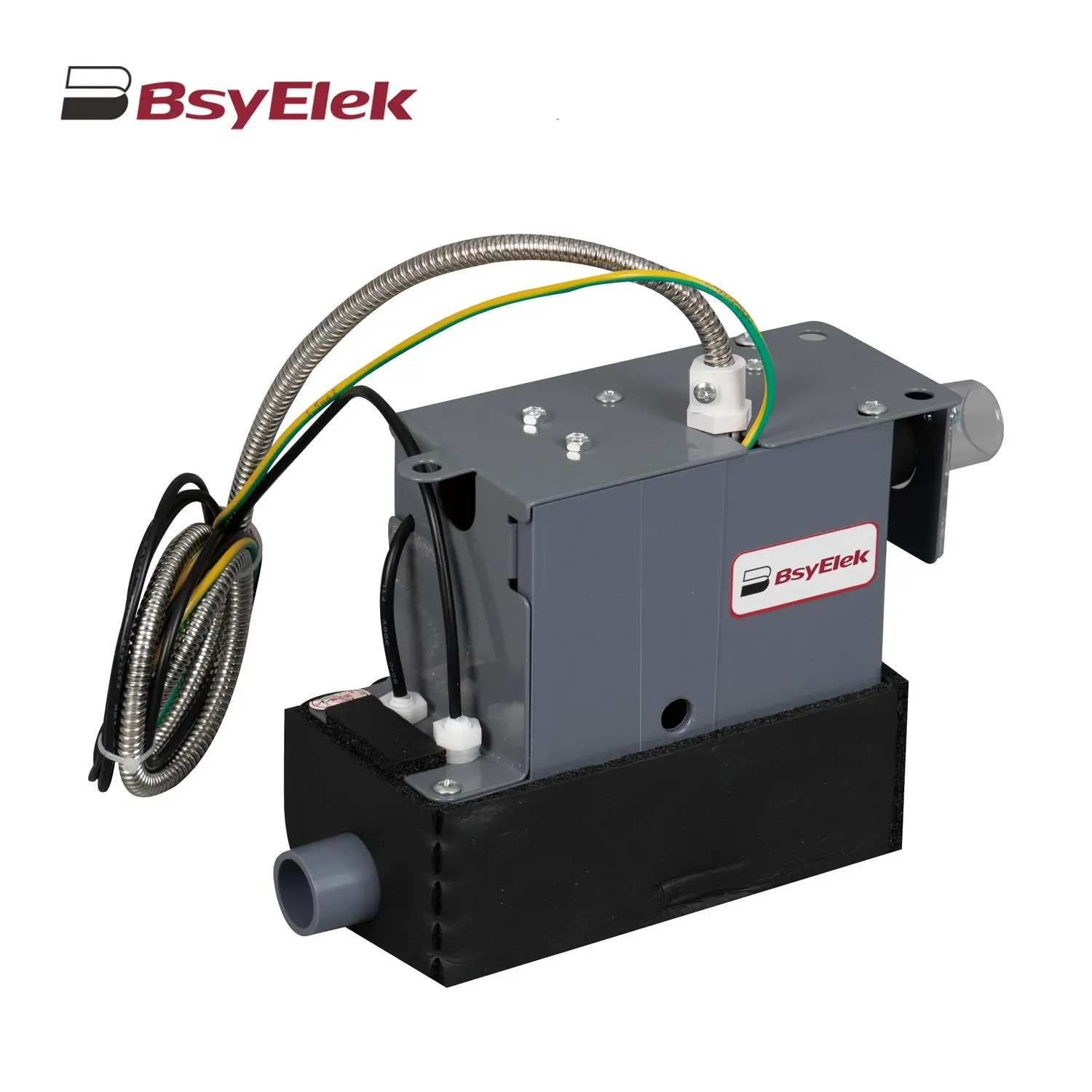 SBH-05 0.7M Original Drainage Pump of Duct Type Air Conditioner
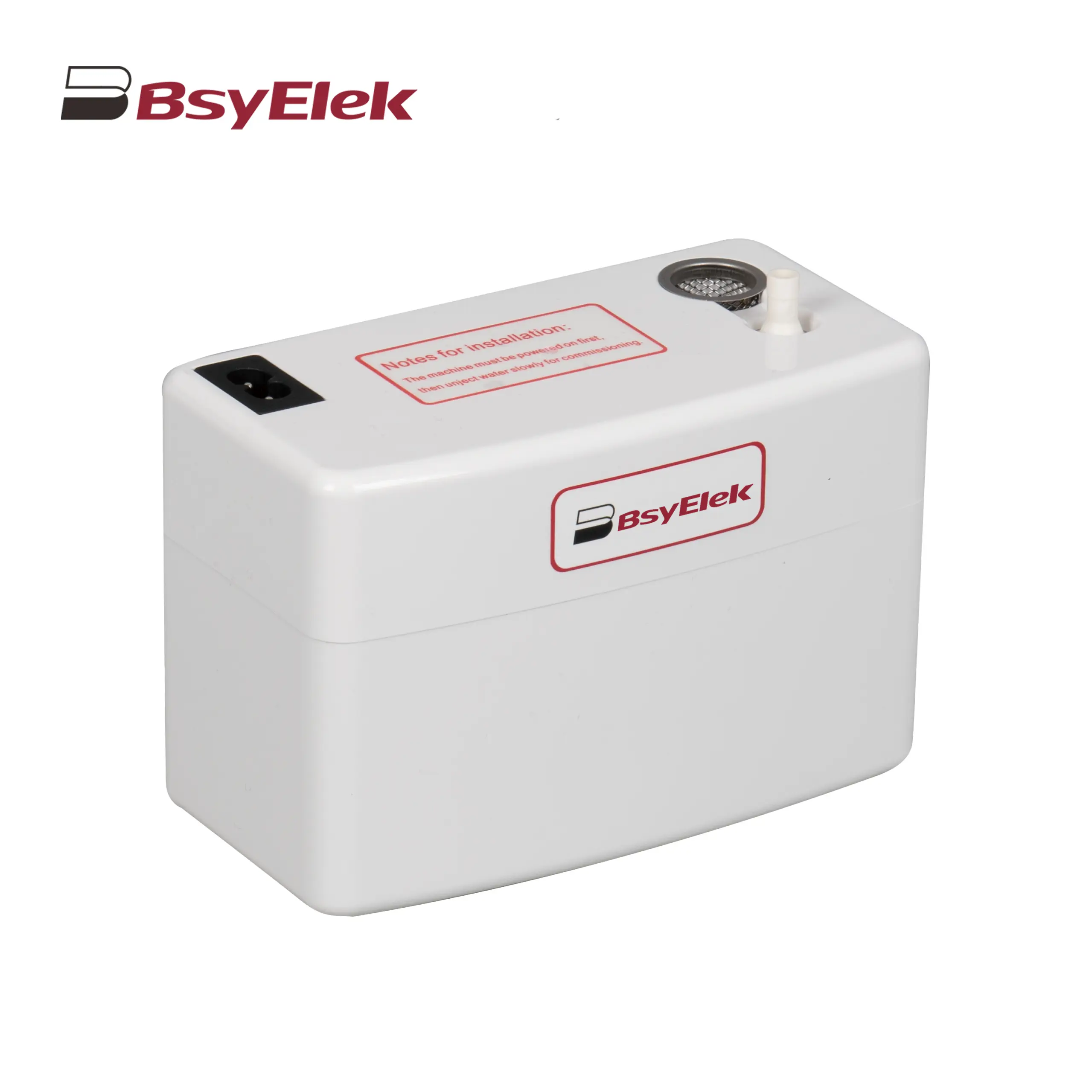 BY-24A/40A 10M Drainage Pump of Air Conditioner
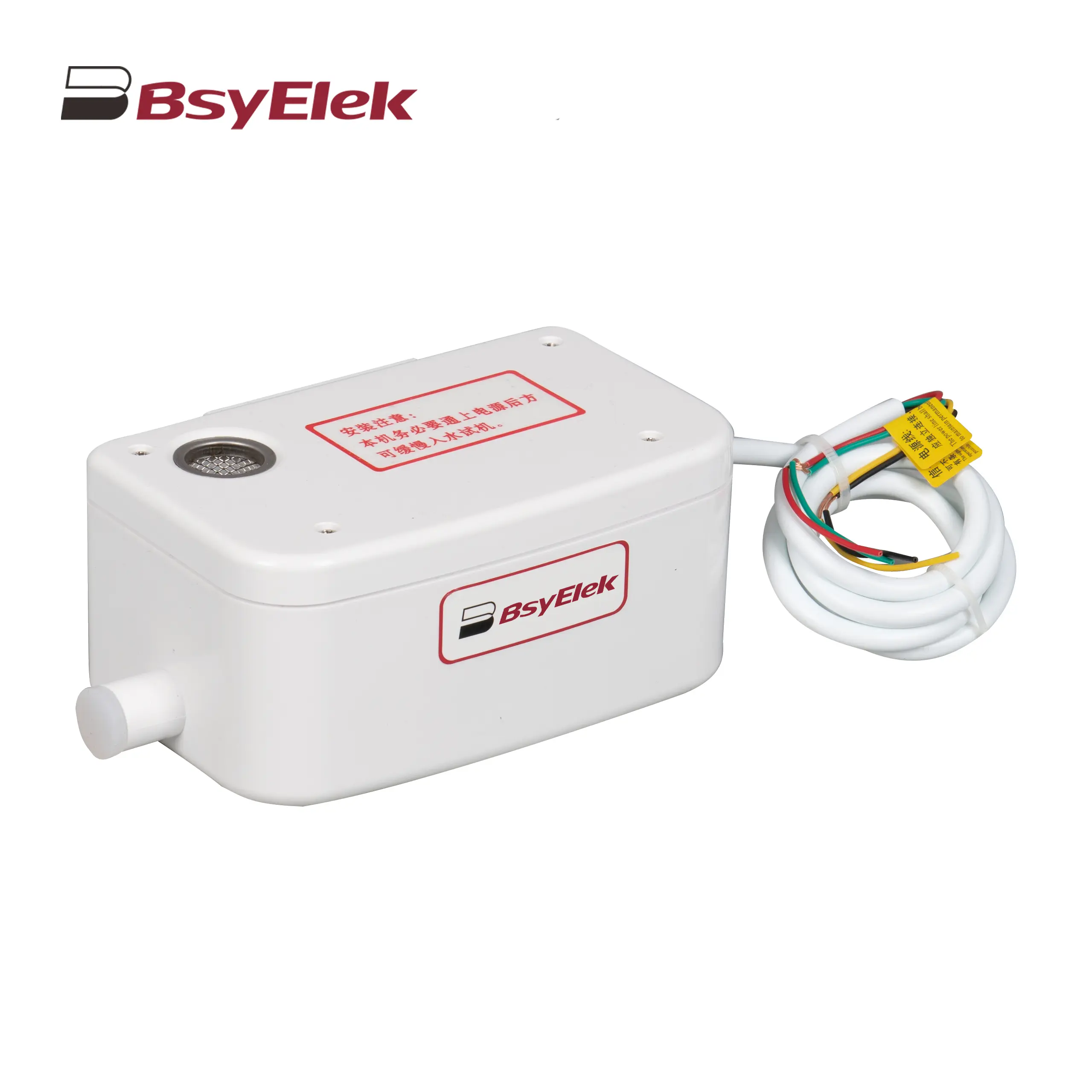 BY-50A 12M Drainage Pump of Air Conditioner
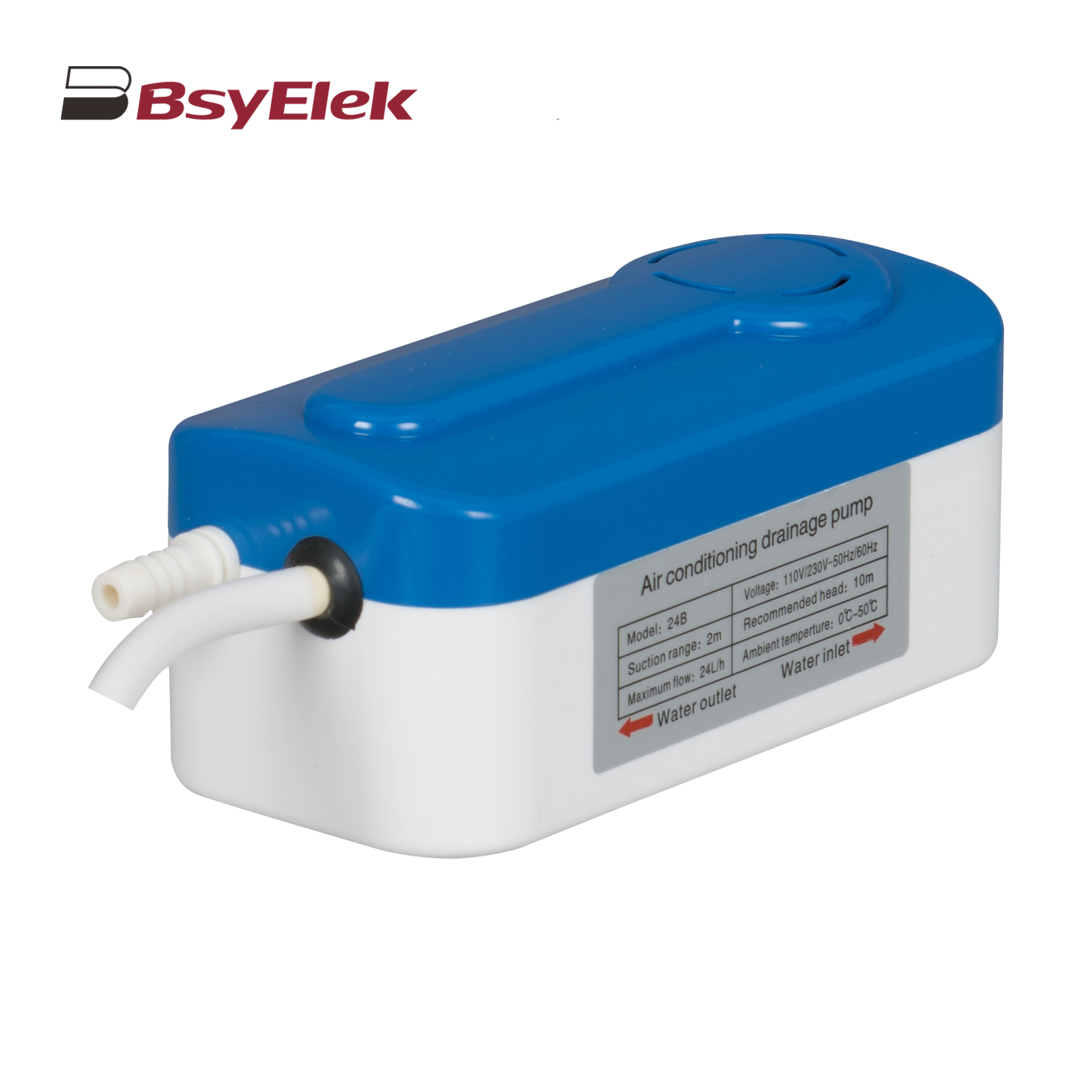 BY-24B/40B 10M Split Type Drainage Pump
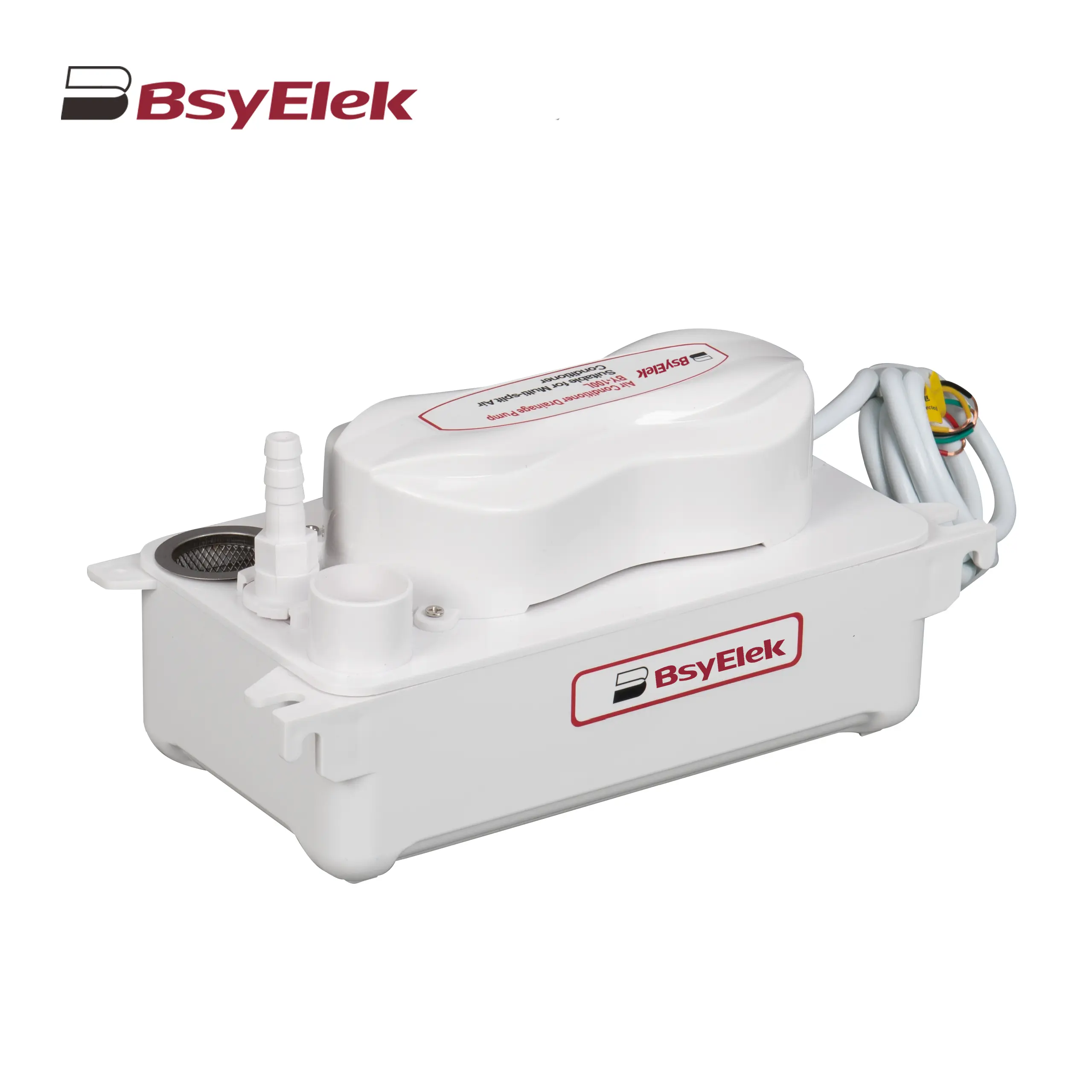 BY-100L 2M Drainage Pump of Air Conditioner
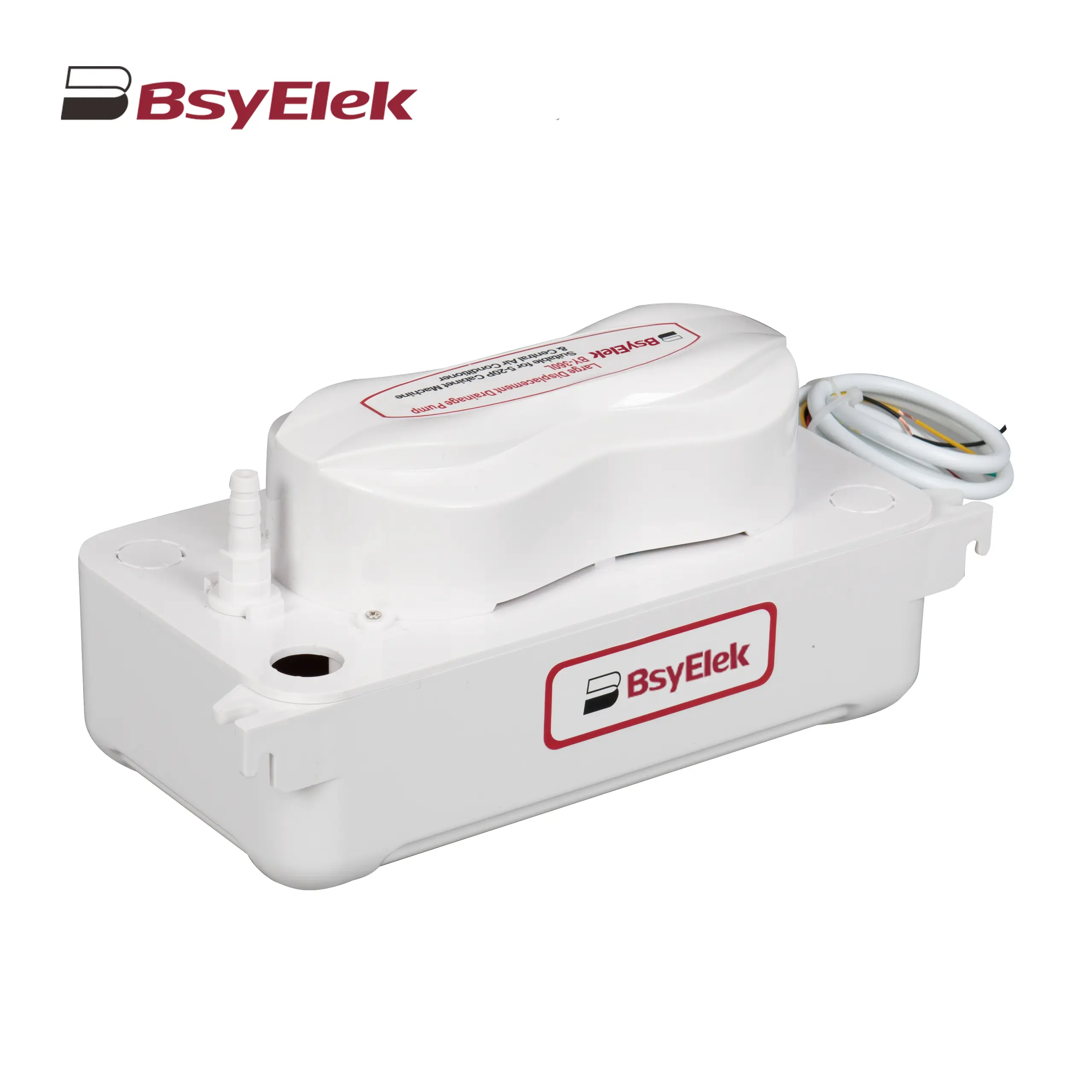 BY-360L 6M Large Displacement Drainage Pump
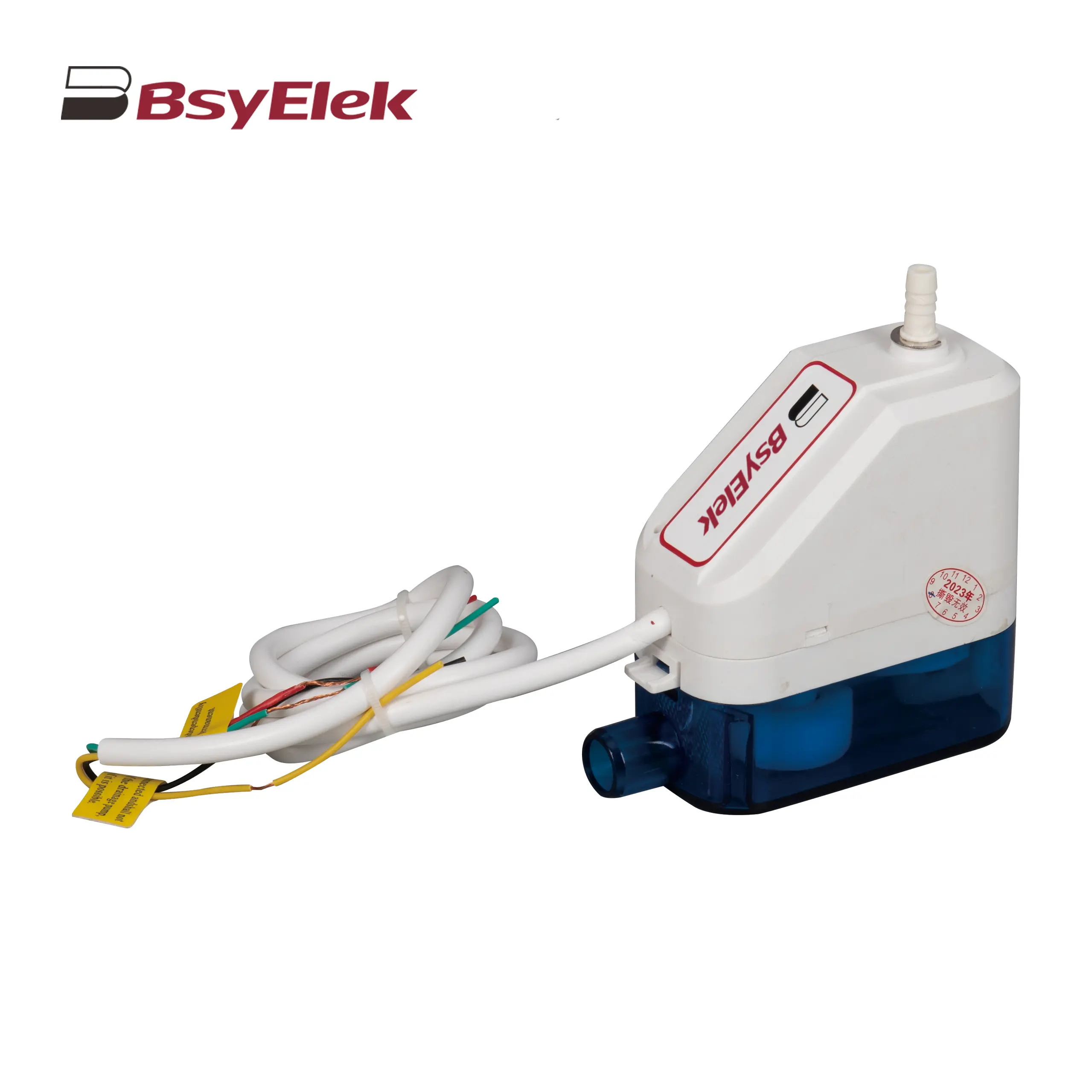 BY-24C/40C 10M Corner Drainage Pump
What is a miniature circuit breaker (MCB)?
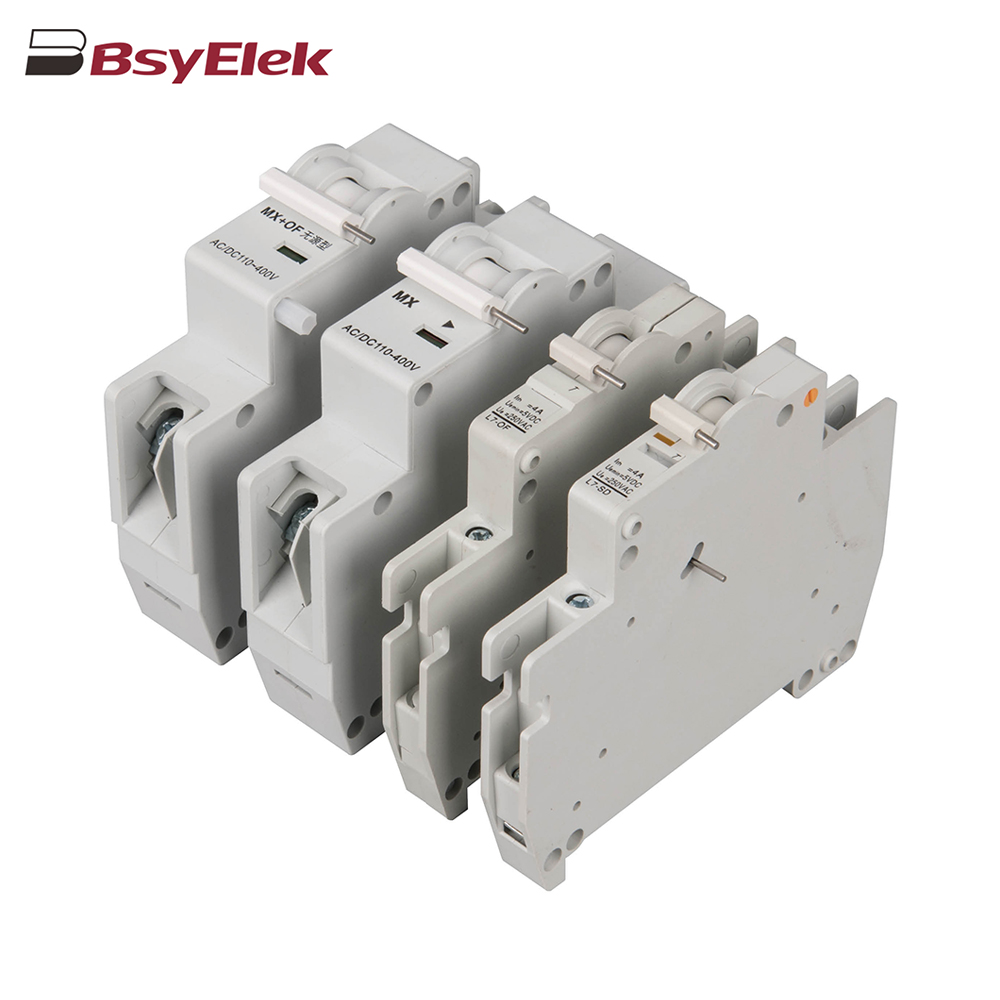 OF SD MX OF MCB Miniature Circuit Breaker Accessories
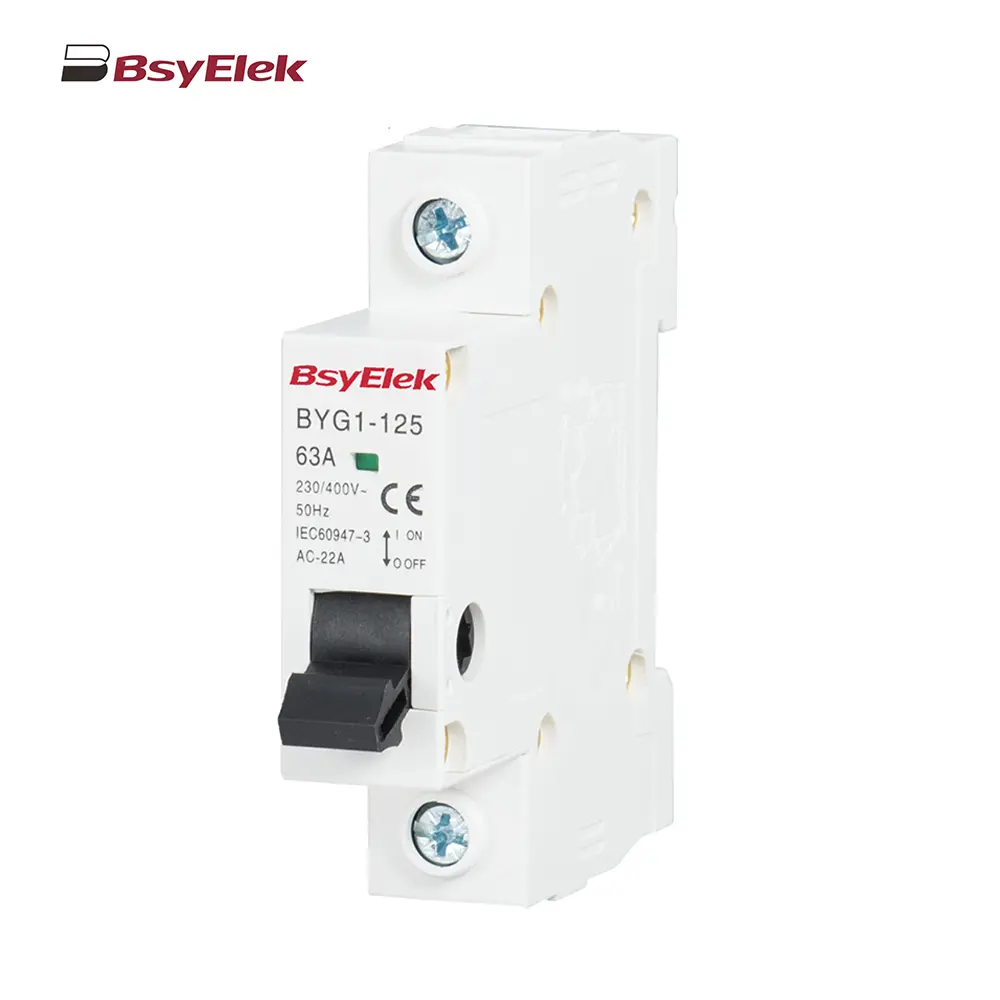 BYG1-125 Main Switch MCB Isolator Switch
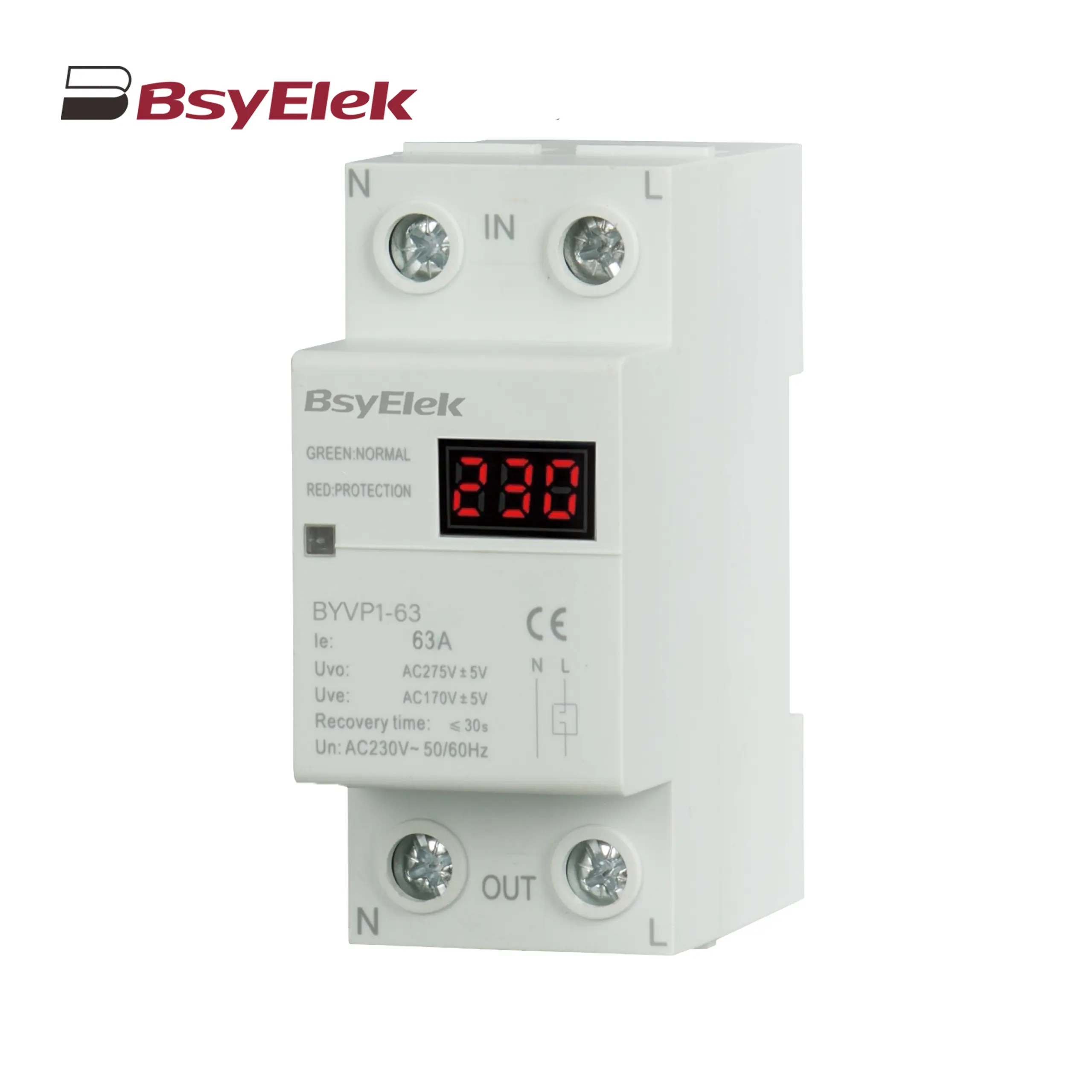 BYVP1-63 100A Single Display Overvoltage and Undervoltage Protector
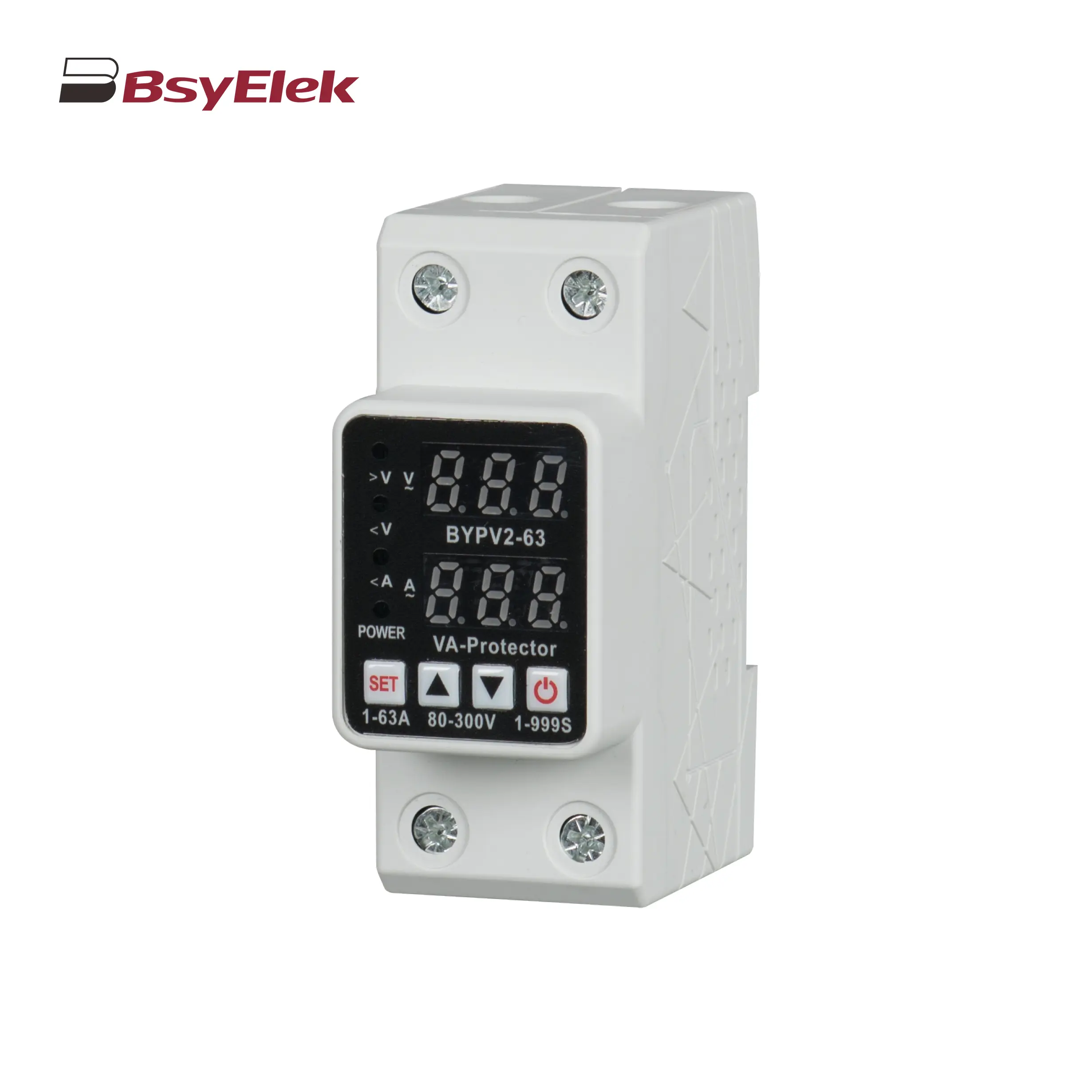 BYVP2-63 40A 63A Adjustable Dual Display Overvoltage and Undervoltage Protector
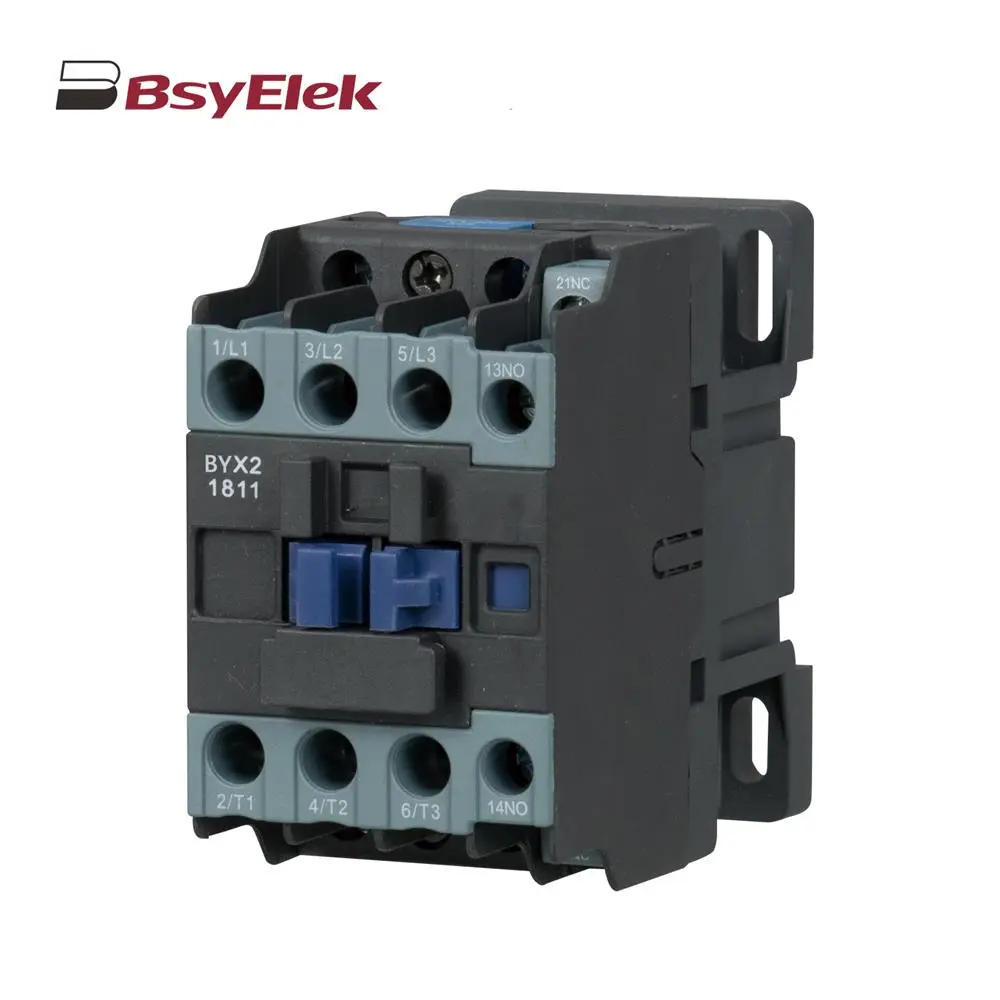 BYX2 6-95A AC Contactor
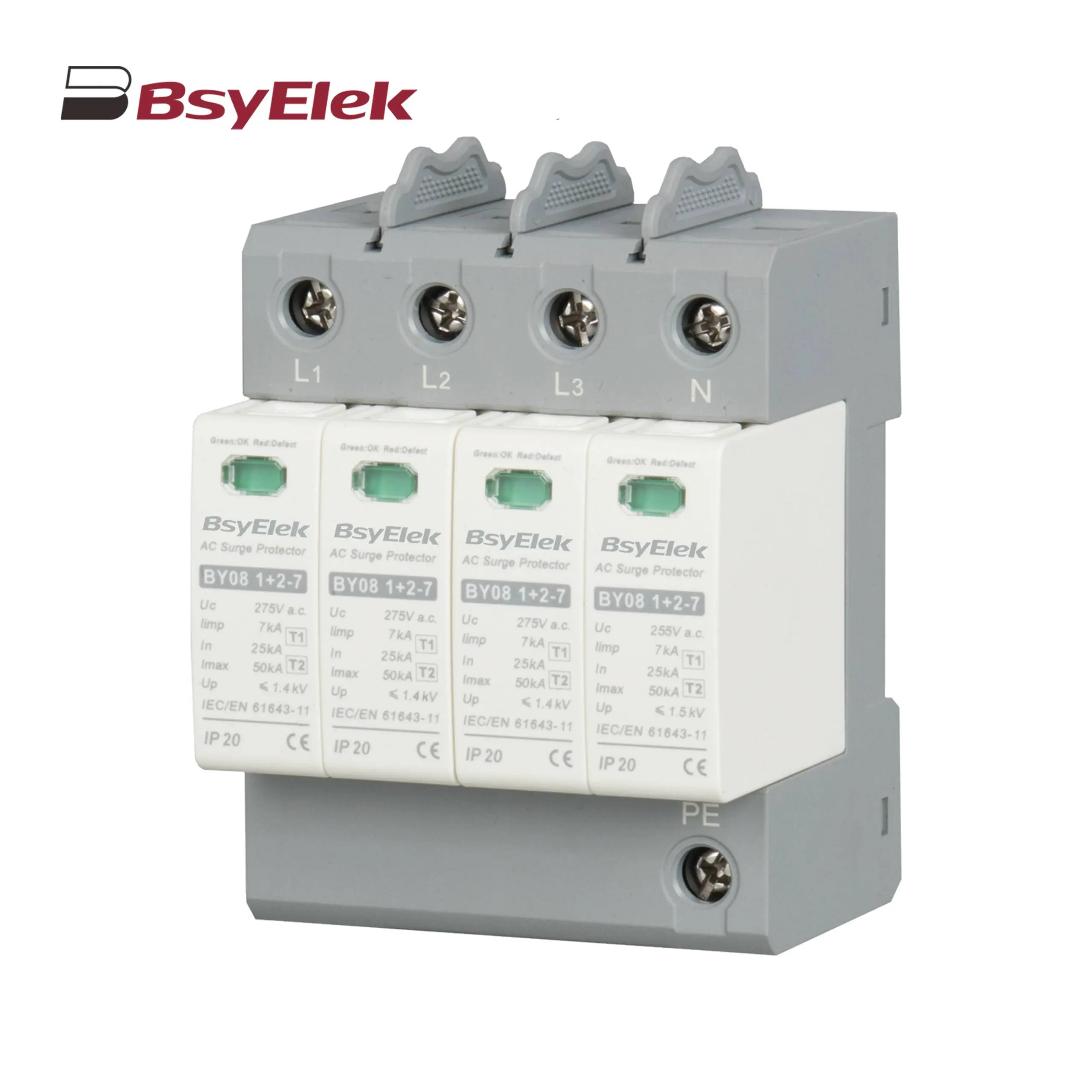 BY08 1+2-7 SPD Class T1+T2 Imax 50KA Surge Protective Device
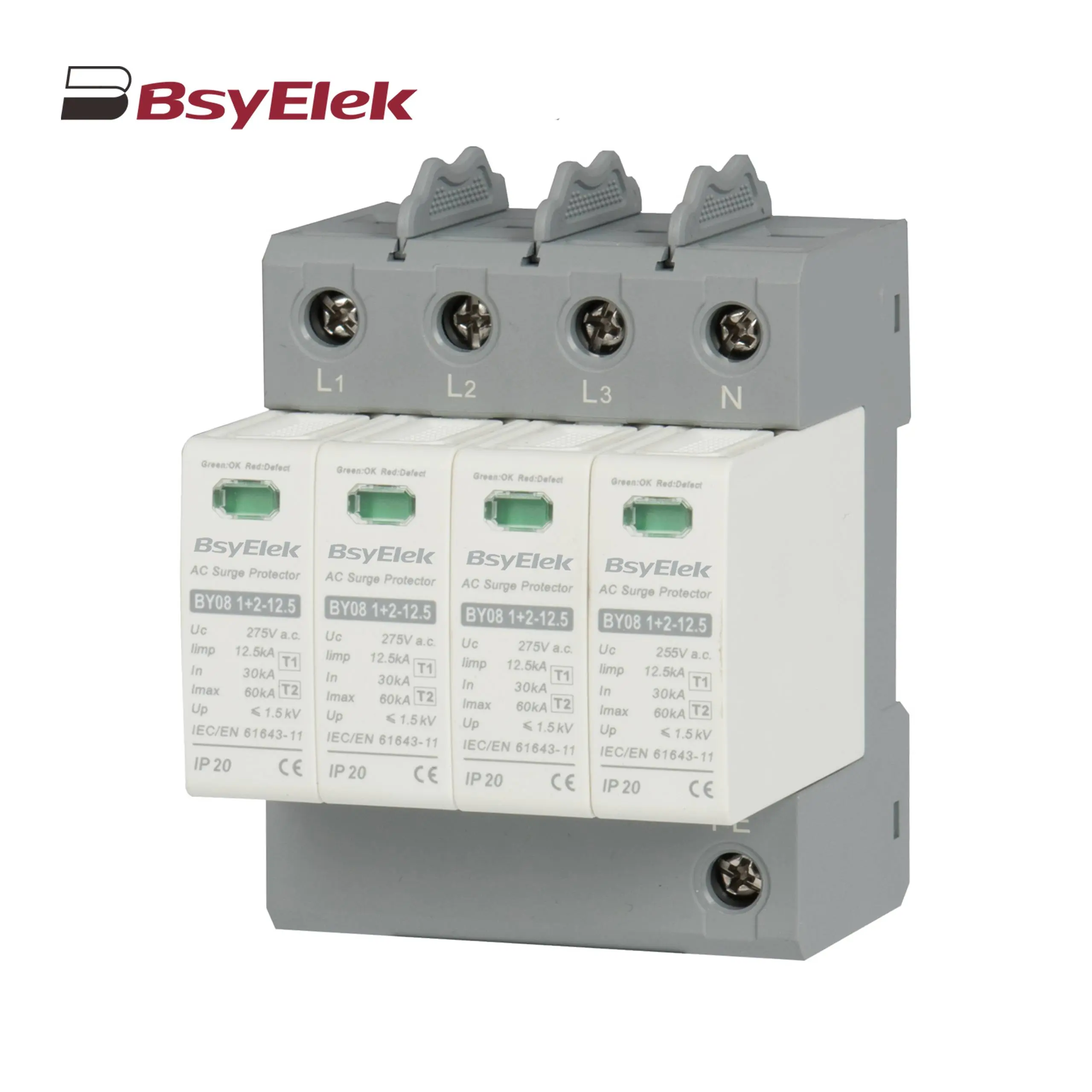 BY08 1+2-12.5 SPD Class T1+T2 Imax 60KA Surge Protective Device
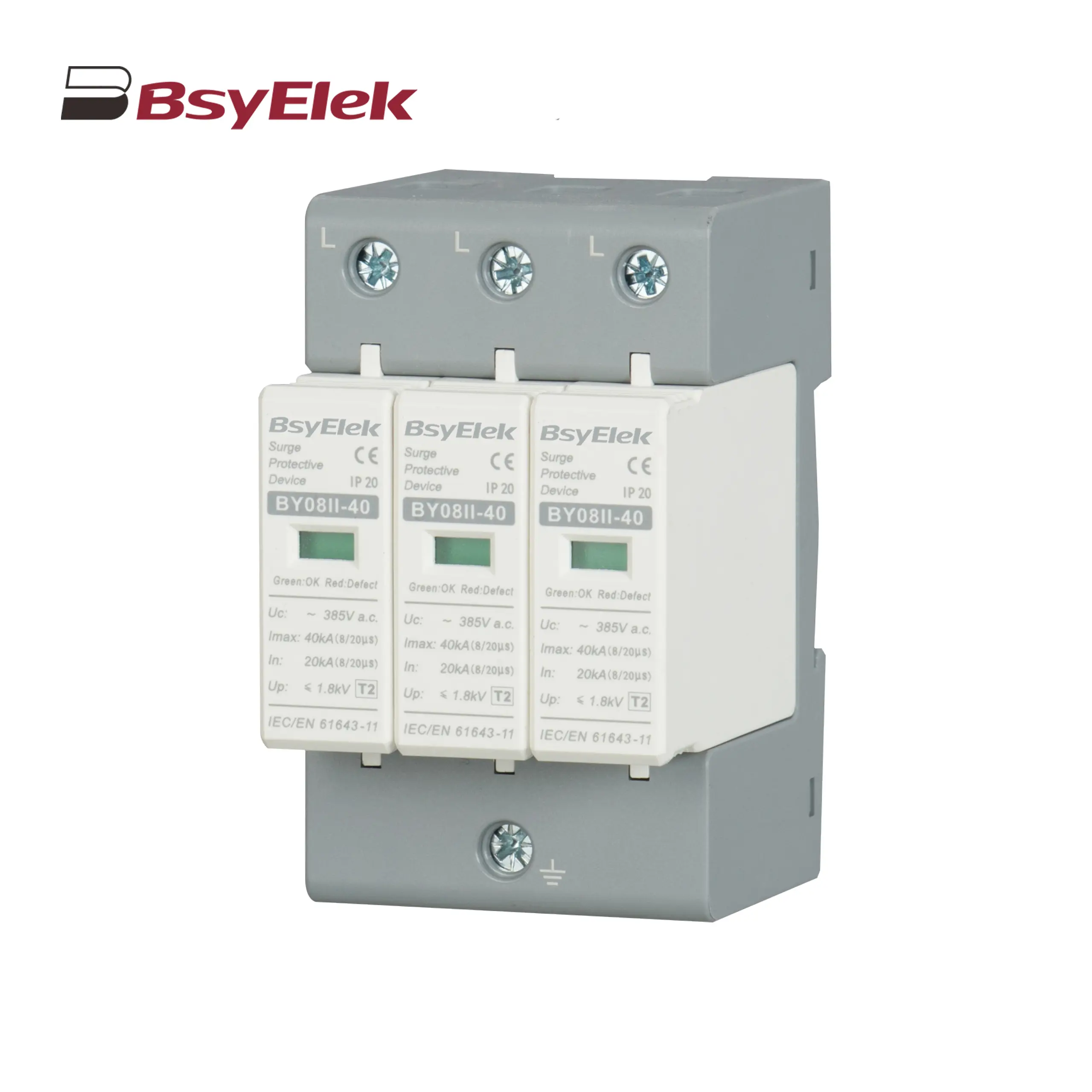 BY08II-40 SPD Class T2 Imax 40KA Surge Protective Device
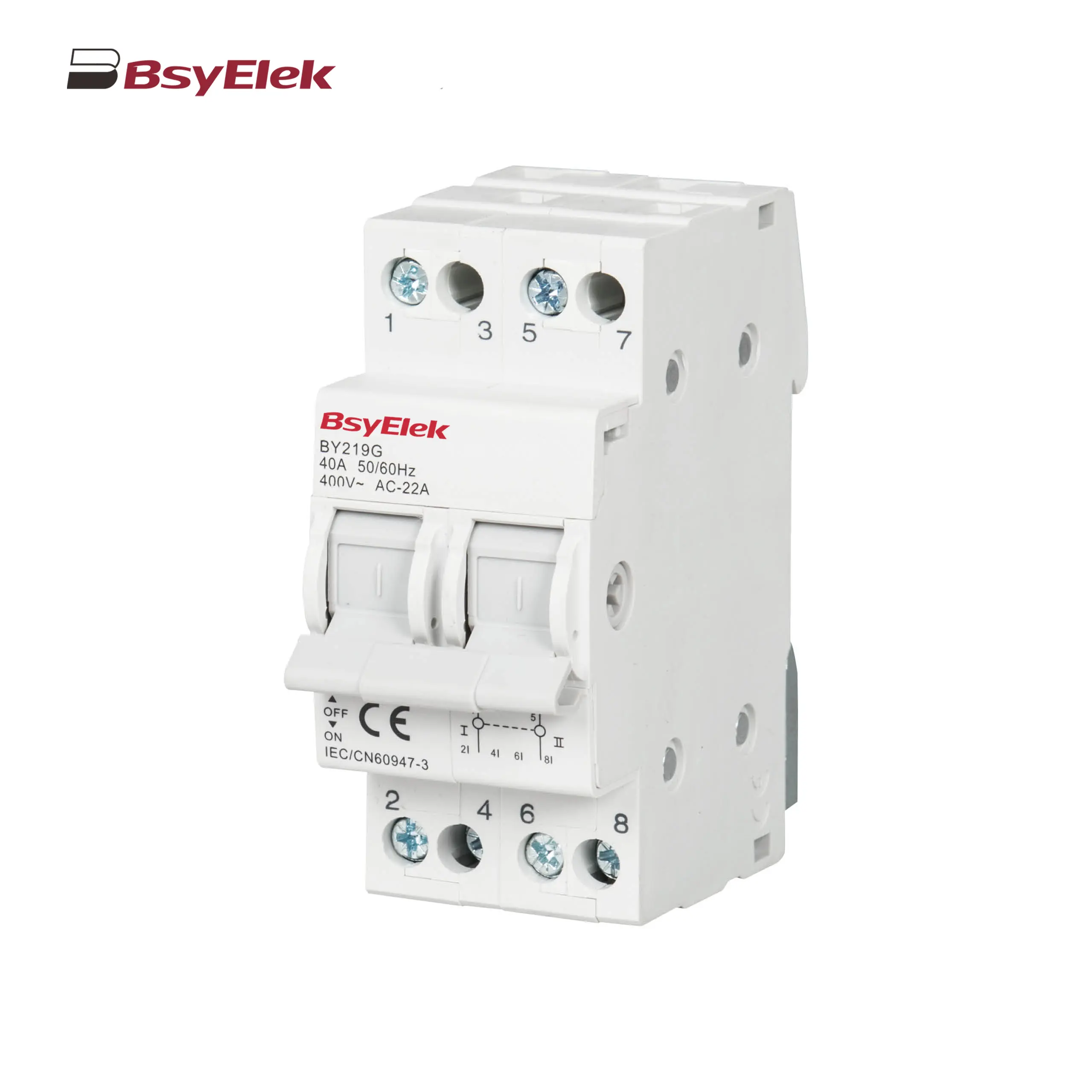 BY19G 63A Manual Changeover Switch
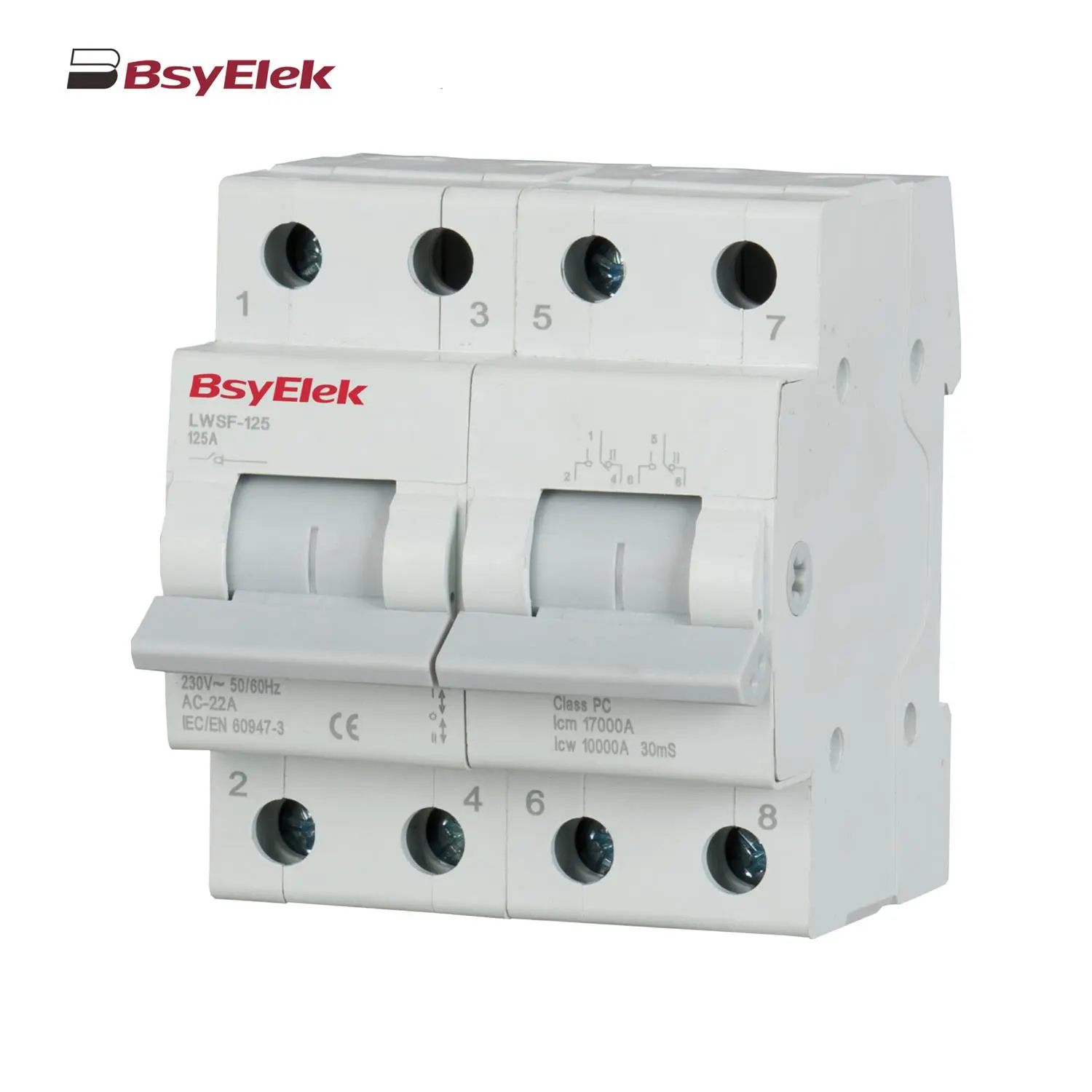 LWSF-125 125A Manual Changeover Switch
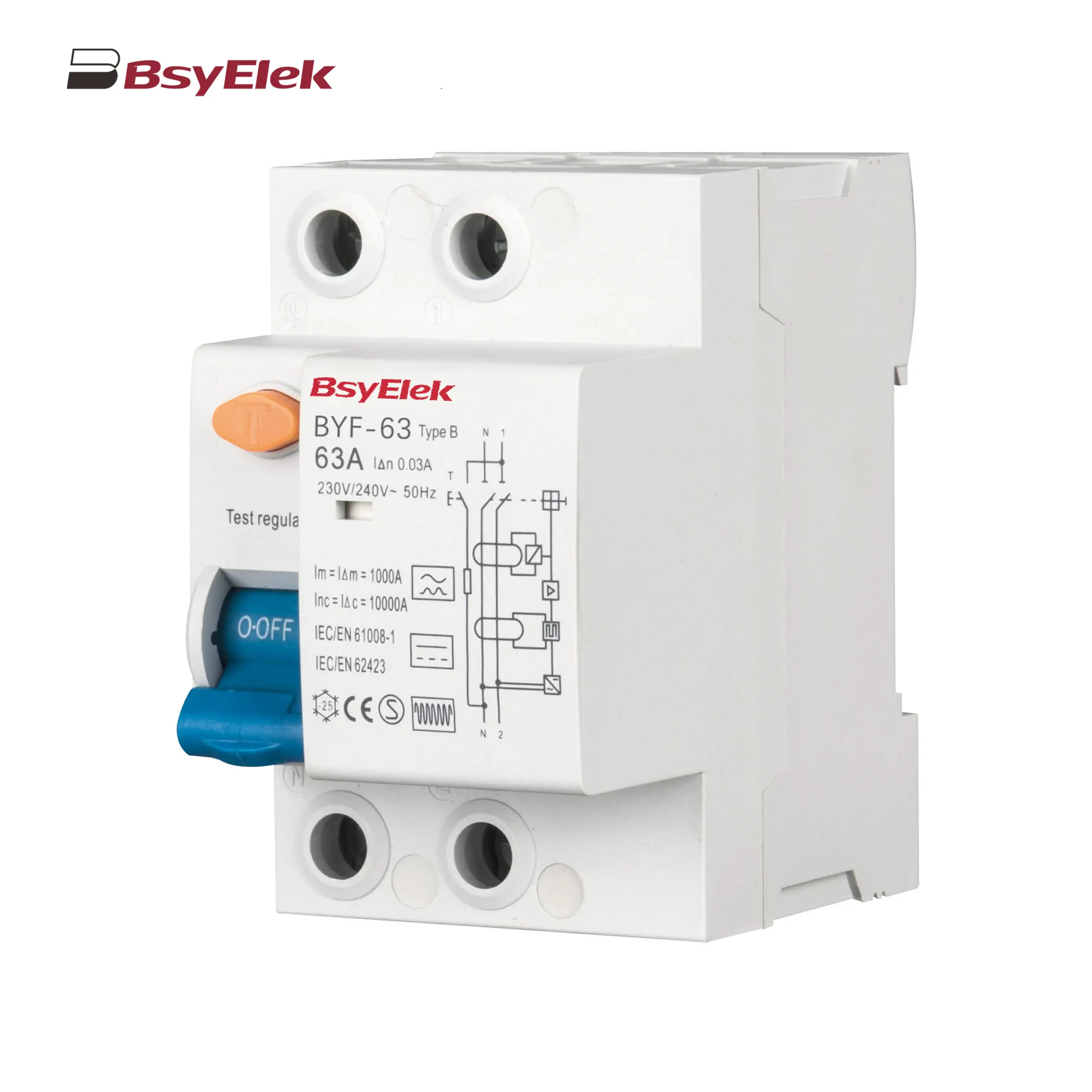 BYF-63 RCD 10KA Type B AC+A+Smoothing DC Residual Current Device
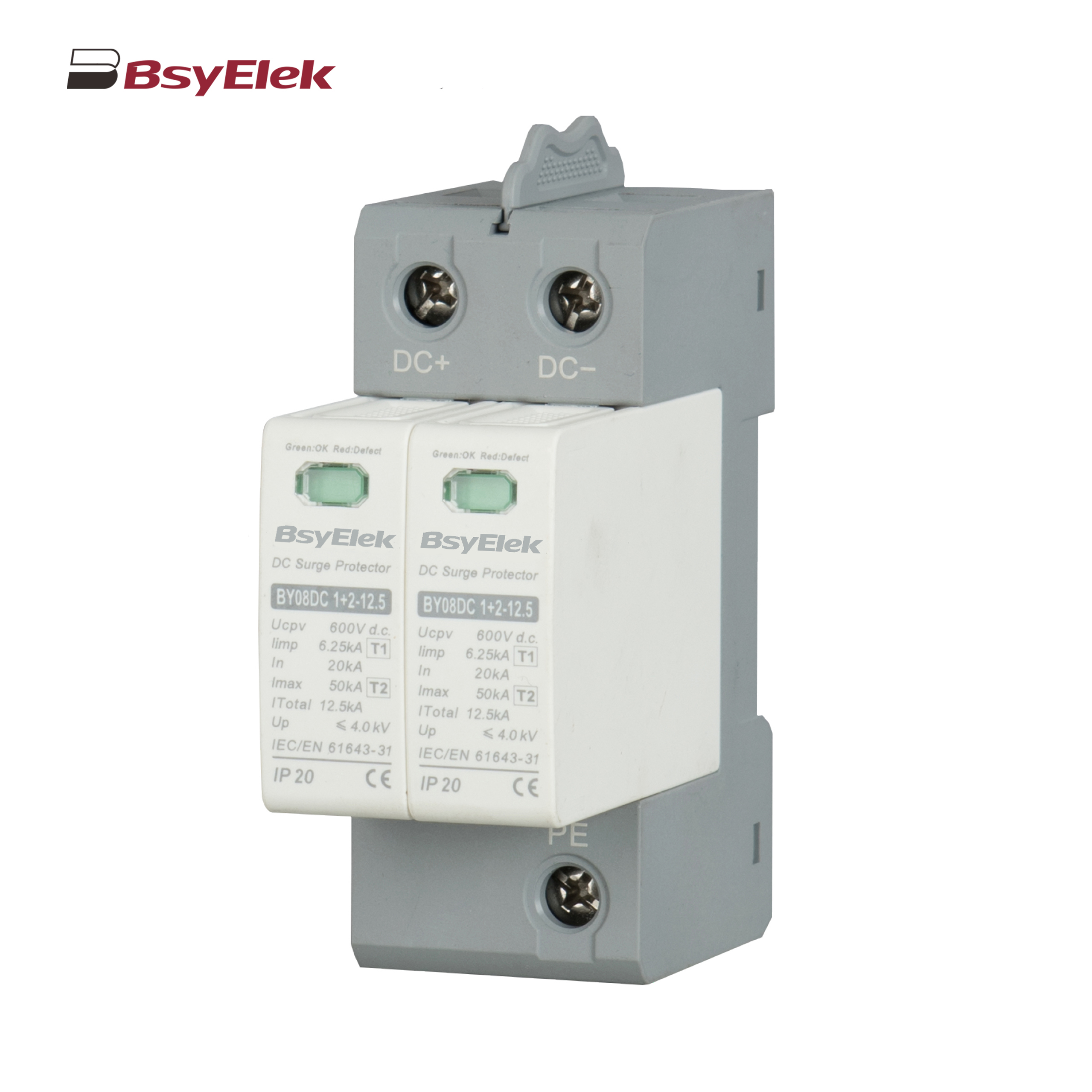 BY08DC 1+2-12.5 SPD Class T1+T2 40KA DC Surge Protective Device
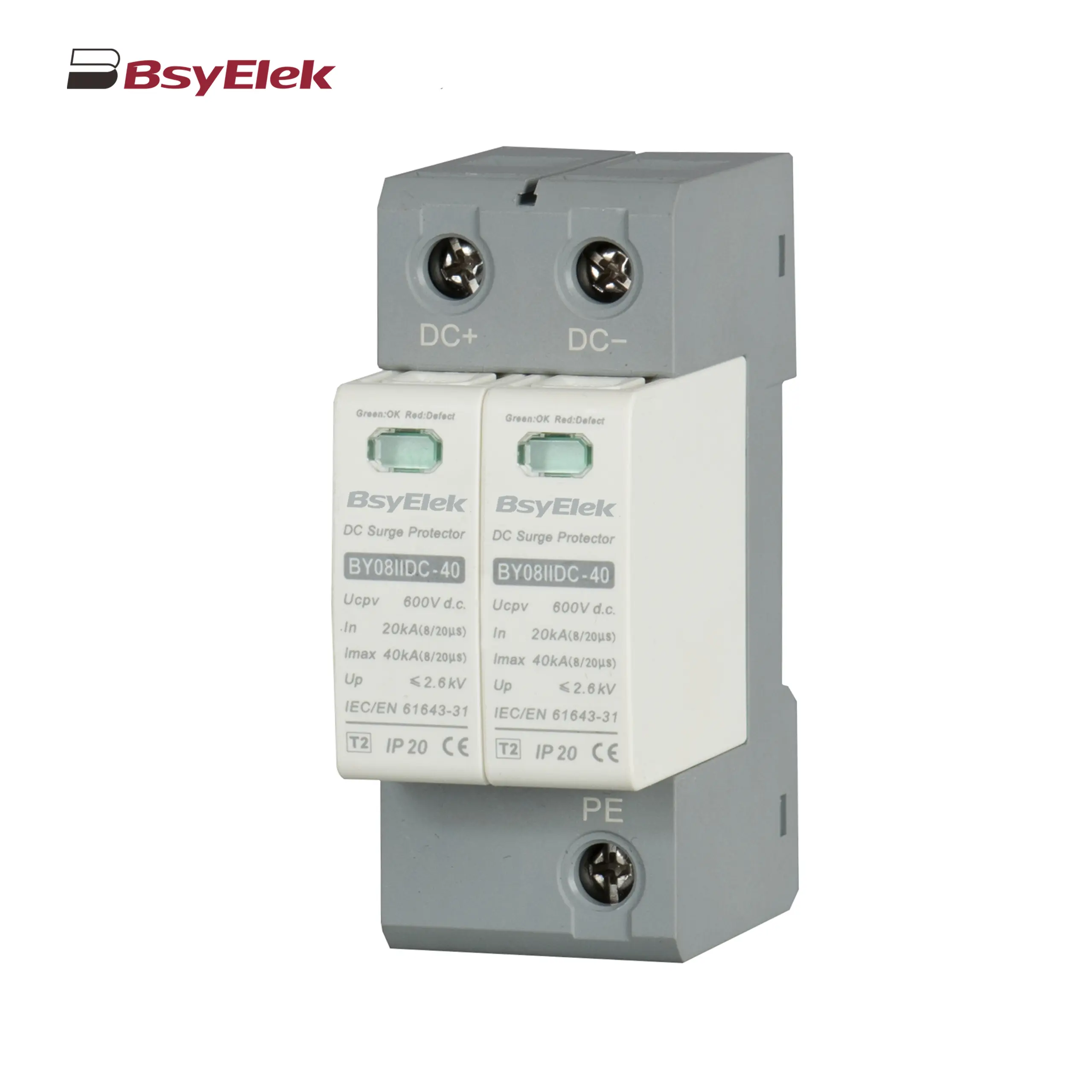 BY08IIDC-40 SPD Class T2 40KA DC Surge Protective Device
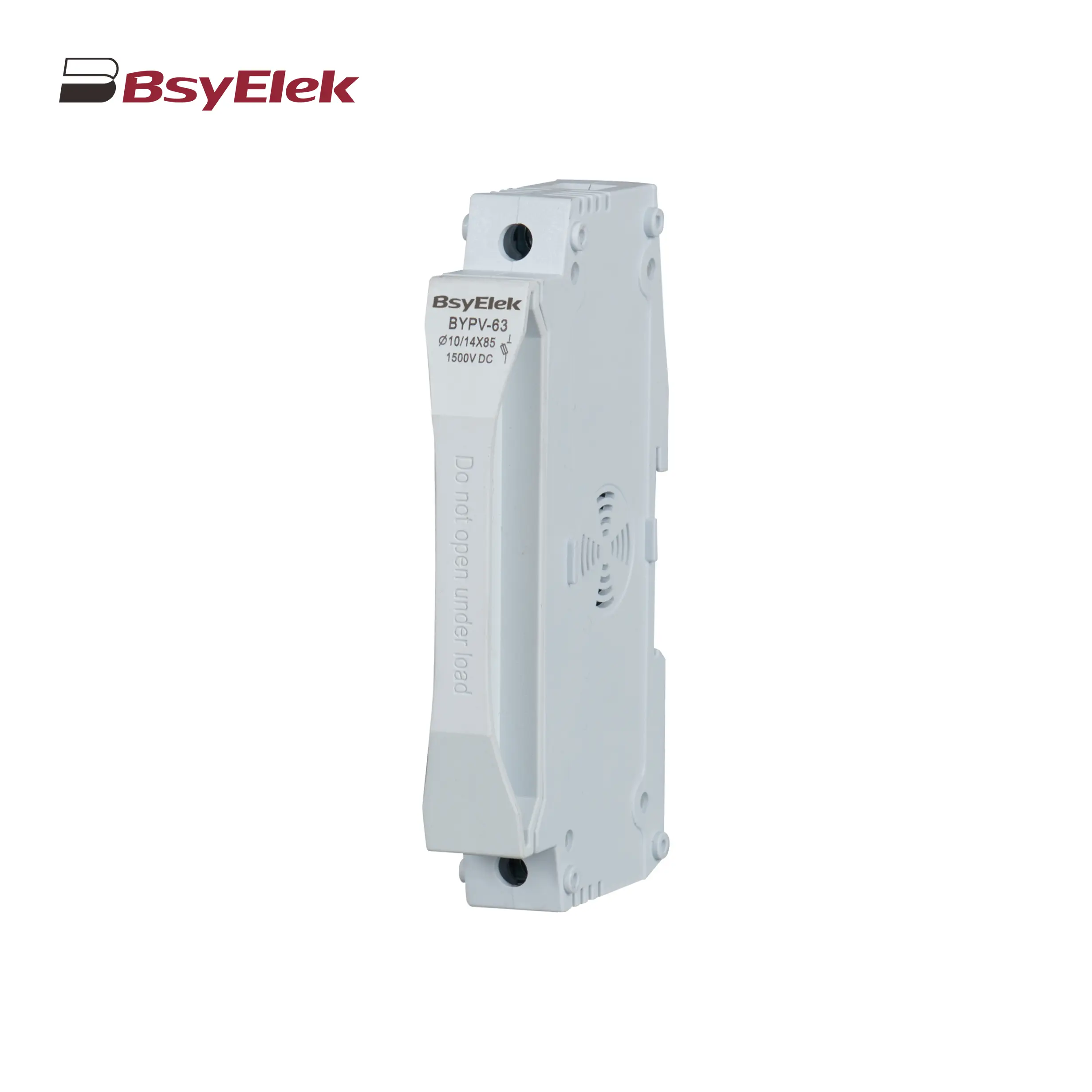 BYPV-63 1500VDC 50A Fuse Holder with 10x85mm 14x85mm Fuse Link
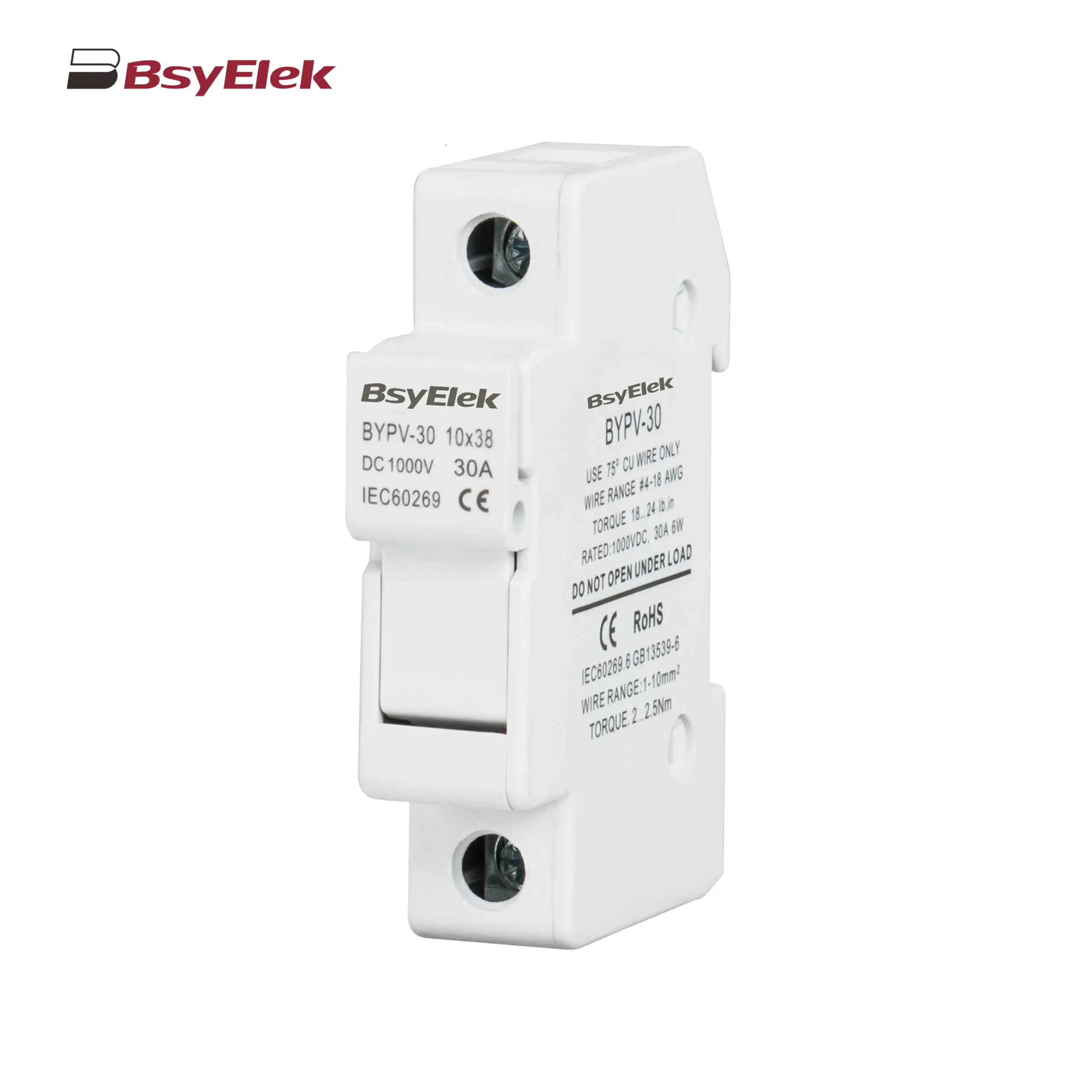 BYPV-30 1000VDC 32A Fuse Holder with 10x38mm Fuse Link
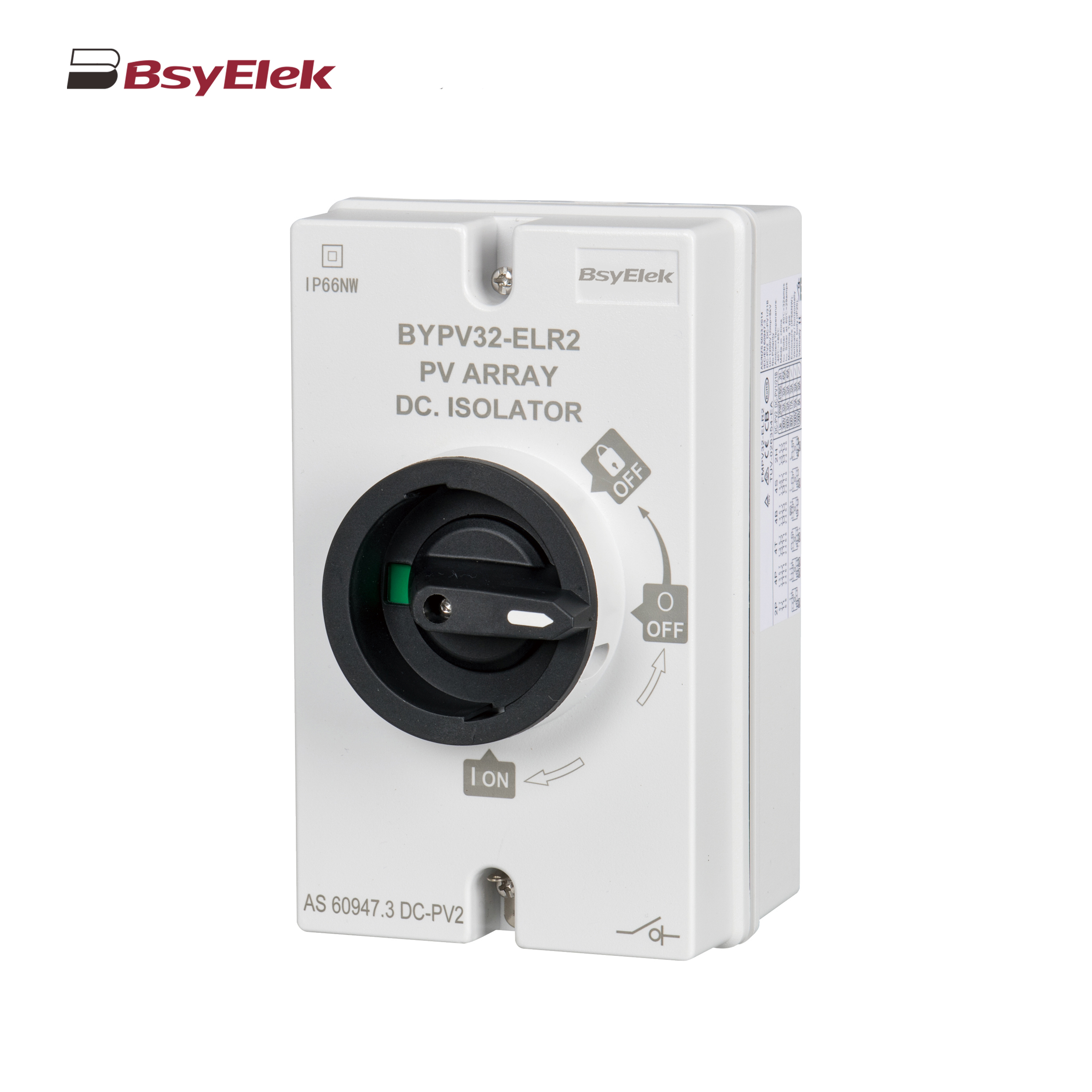 BYPV-ELR2 PV Isolator Switch with Enclosed Version
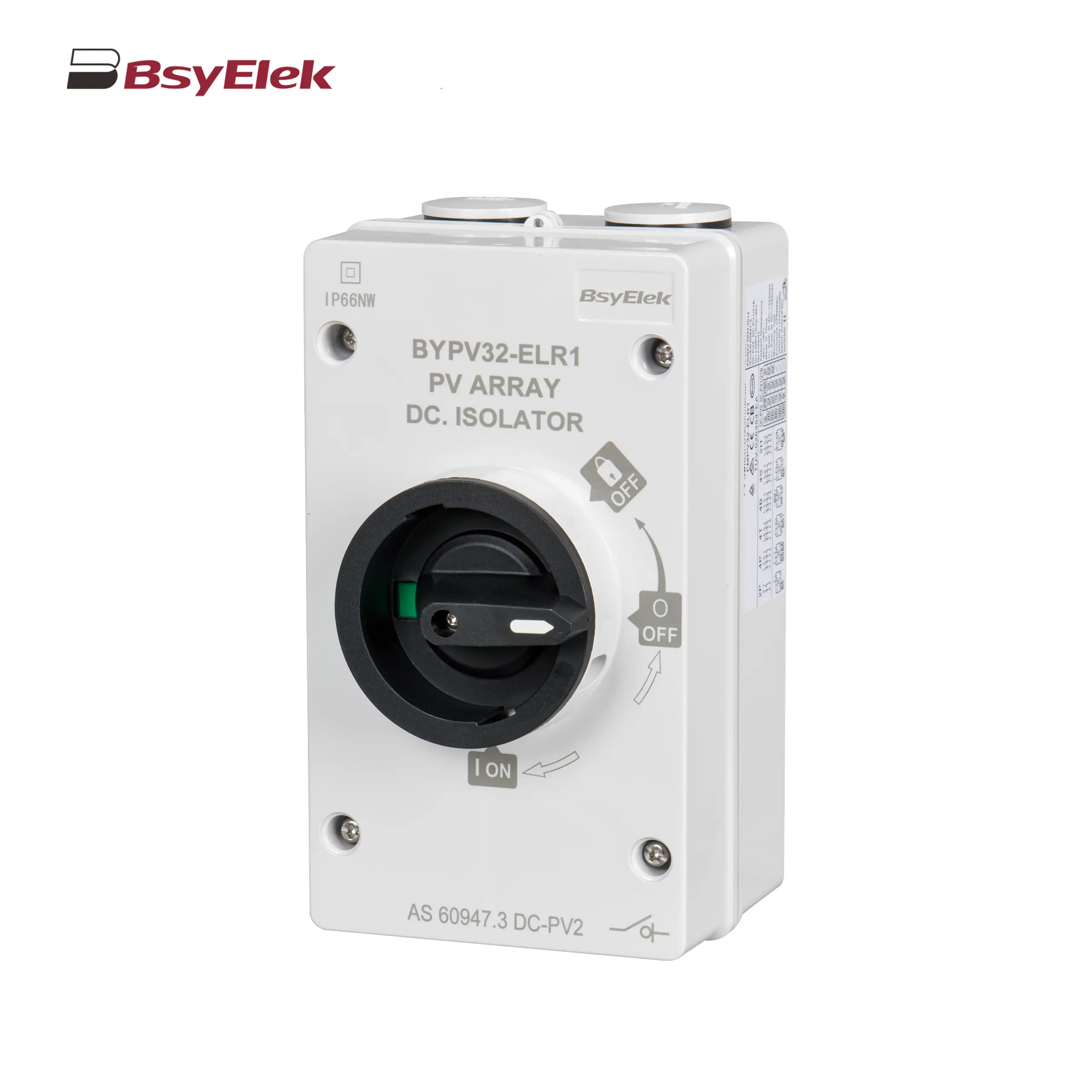 BYPV-ELR1 PV Isolator Switch with Enclosed Version
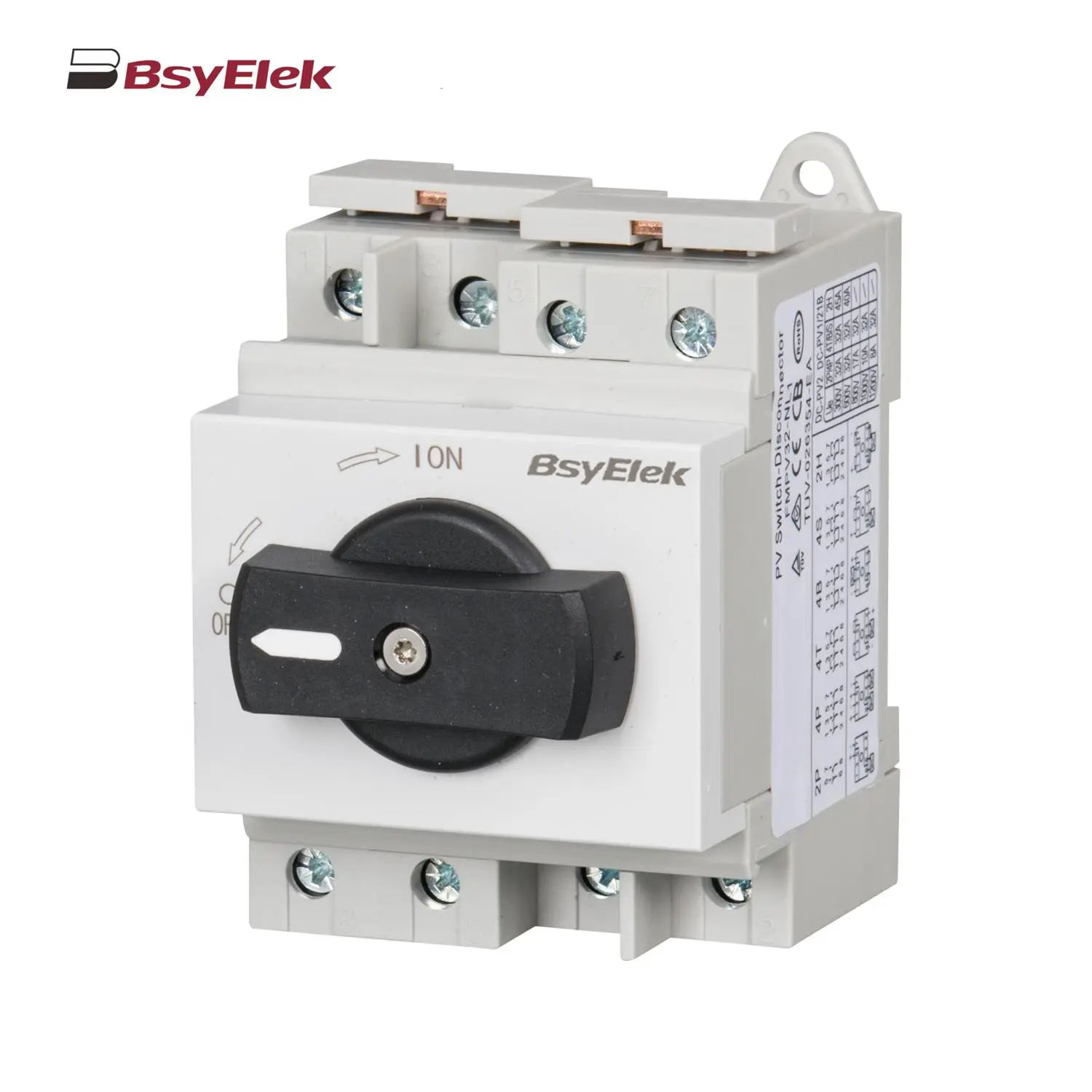 BYPV-NL1/T PV Isolator Switch with Ultra-thin Lever Handle
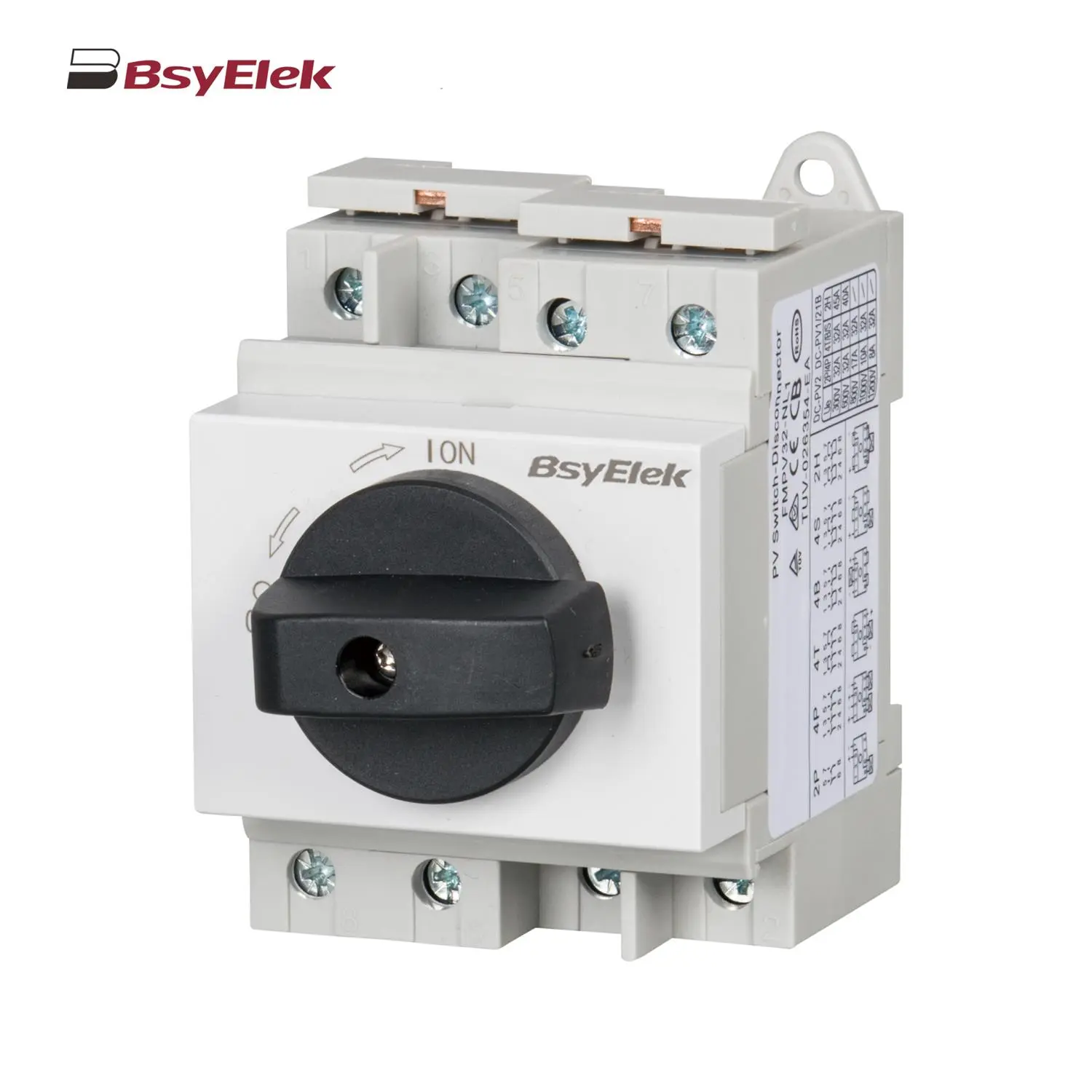 BYPV-NL1 PV Isolator Switch with Lever Handle
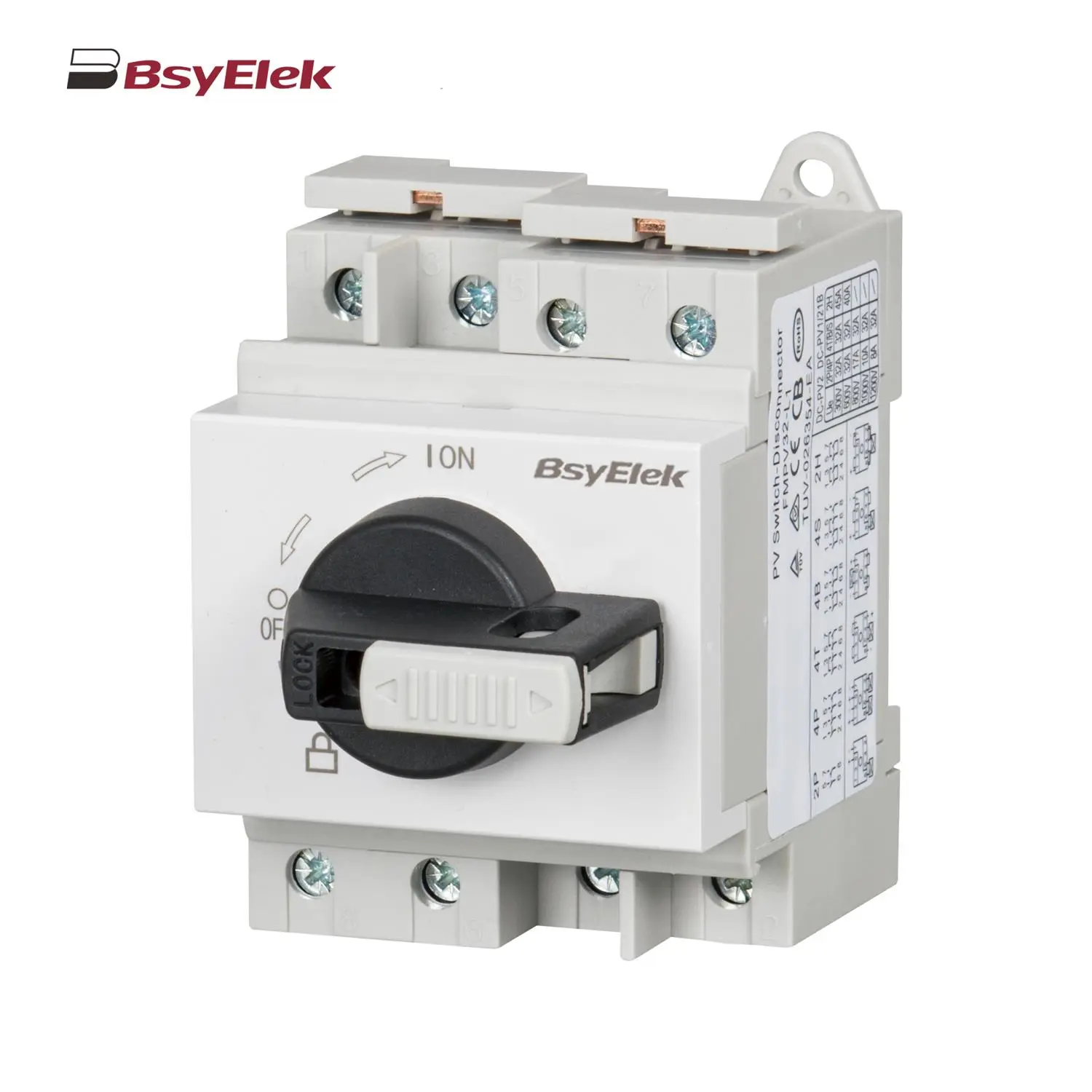 BYPV-L1/L2 PV Isolator Switch with Lockable Lever Handle
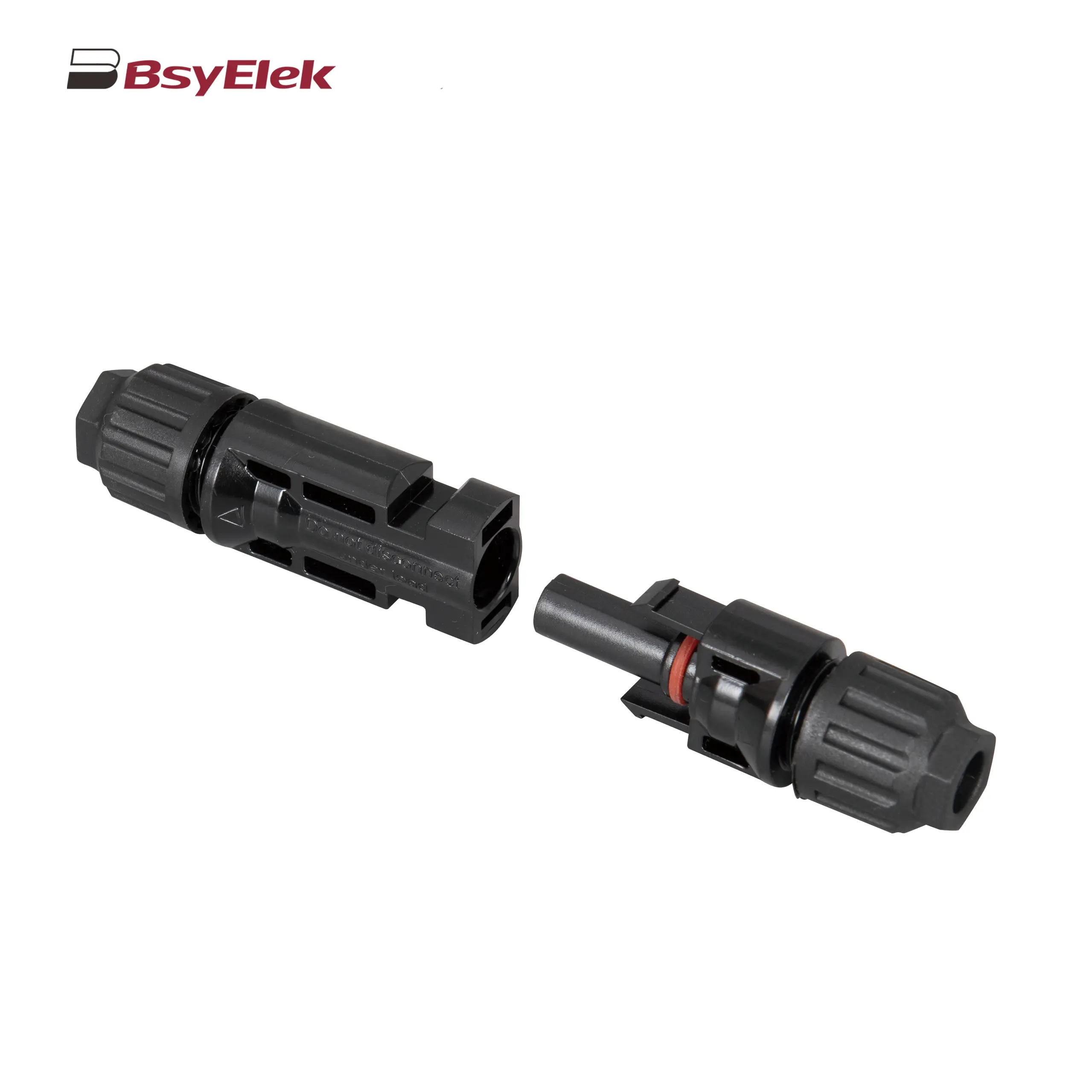 PV-BY-01 30A/50A 1000V Photovoltaic Connector
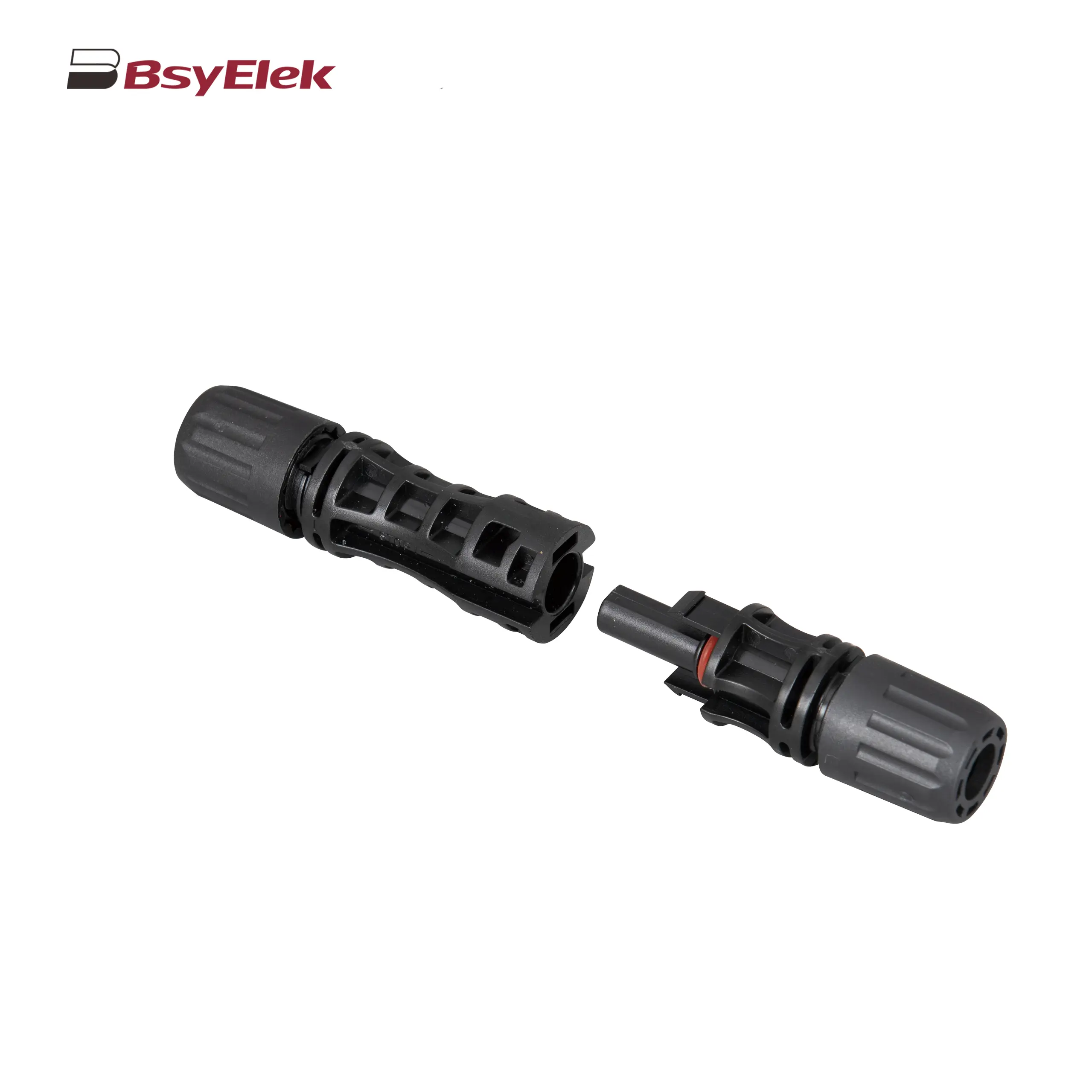 PV-BY-02 30A/50A 1500V Photovoltaic Connector
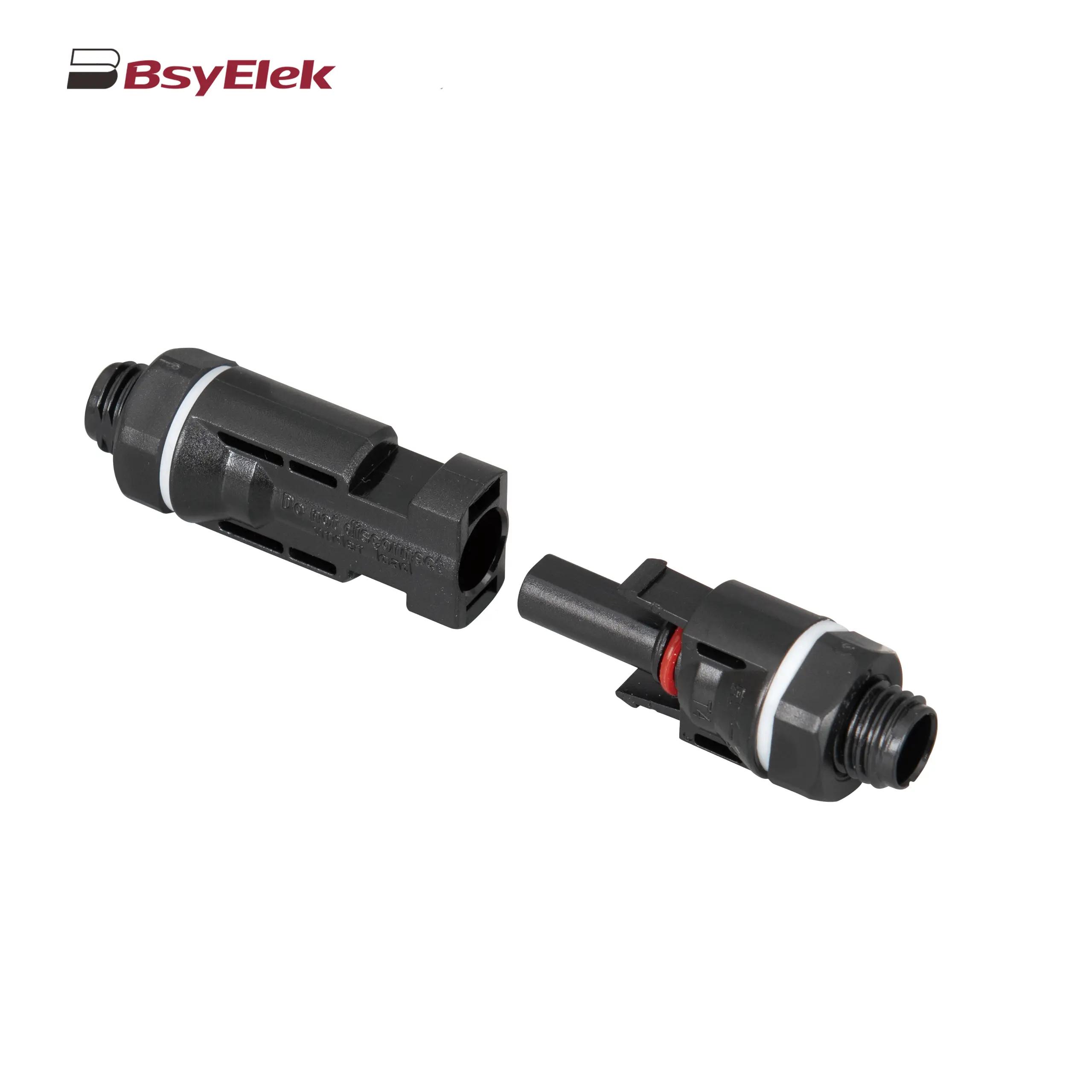 PV-BY-03 30A/50A 1000V Panel Mount Photovoltaic Connector
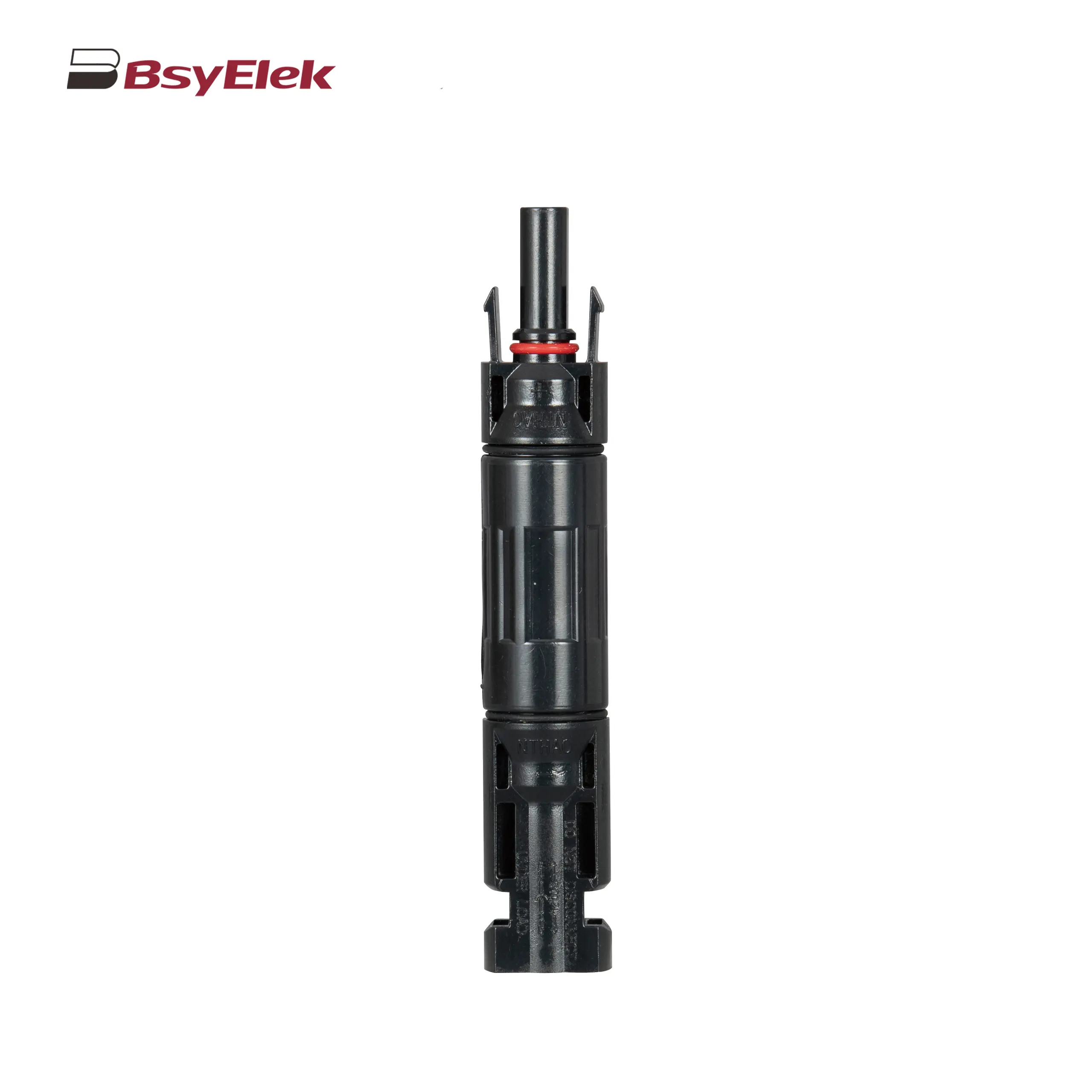 PV-BY-F01 30A 1500V Diode/Fuse Type Connector
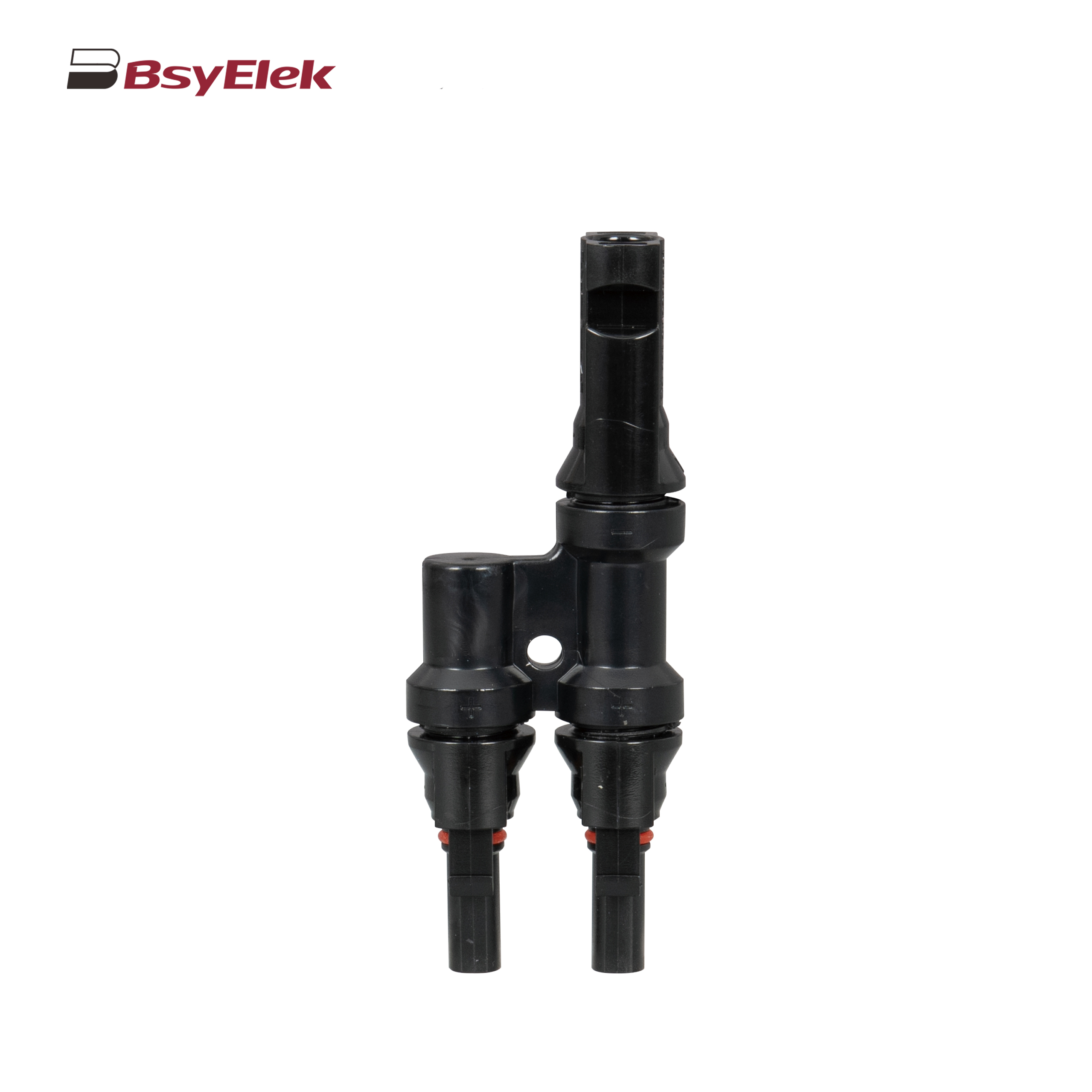 PV-BY-T 50A 1500V T Type Branch Connector
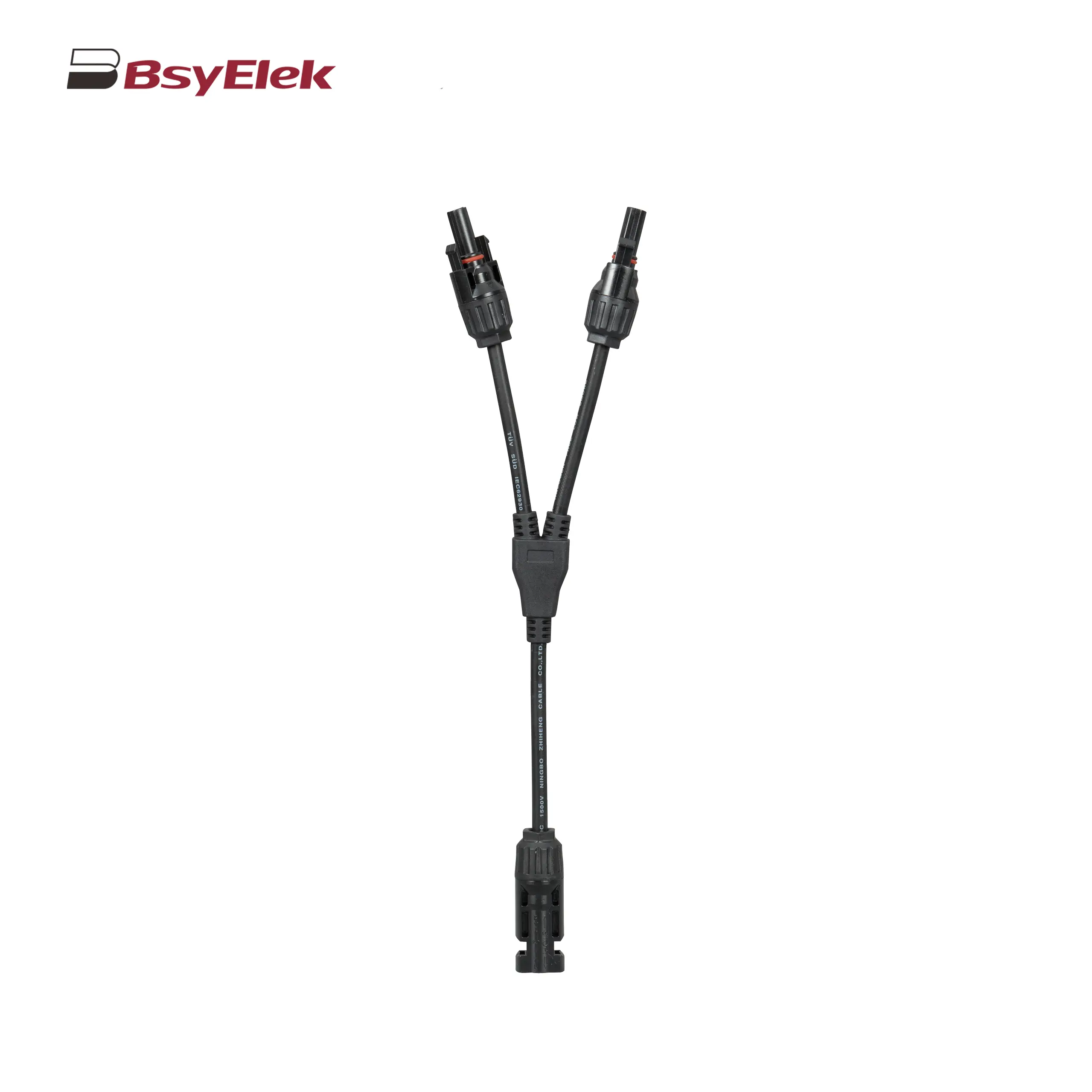 PV-BY-Y 30A 1500V Y Type Branch Connector
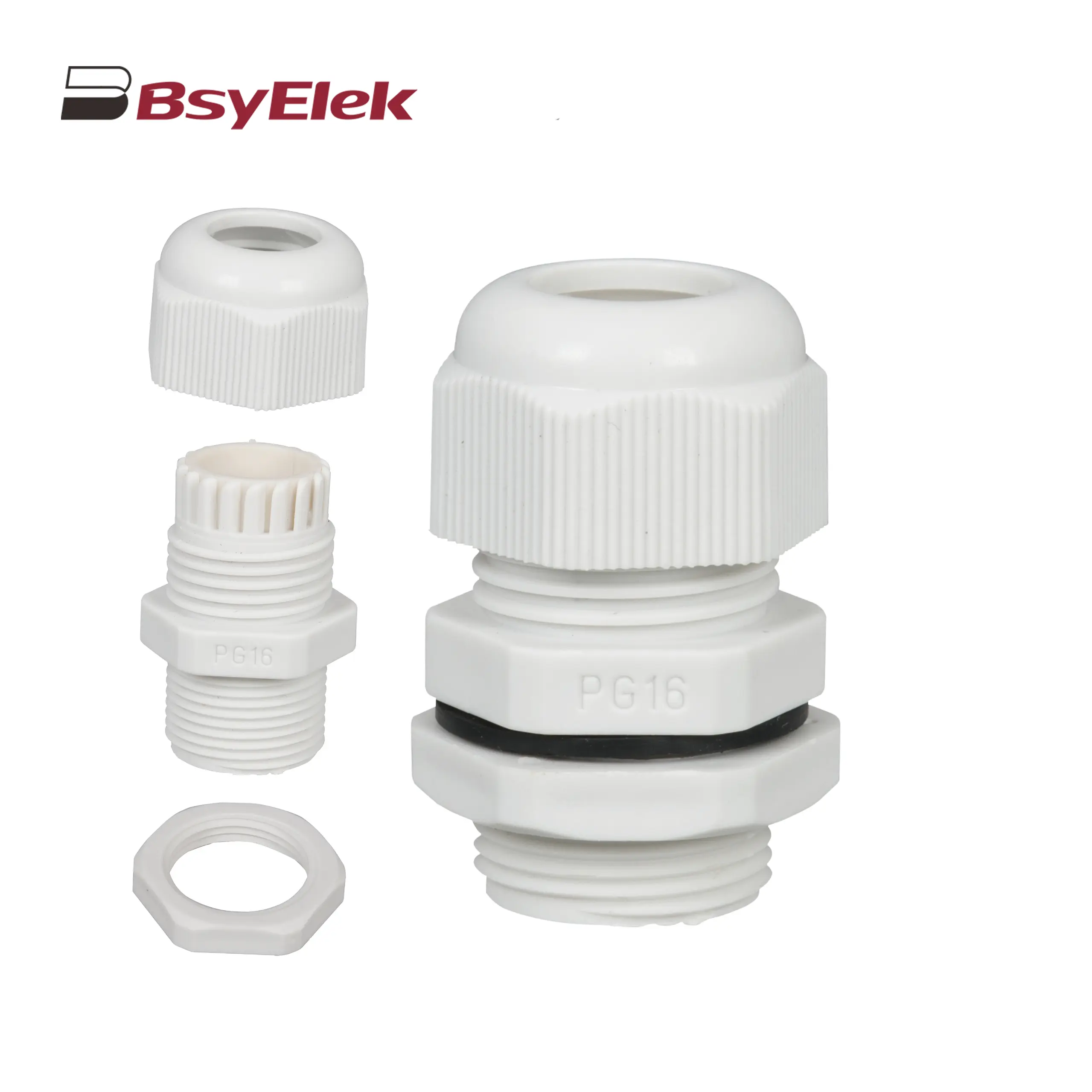 PG Waterproof Cable Gland with Washer
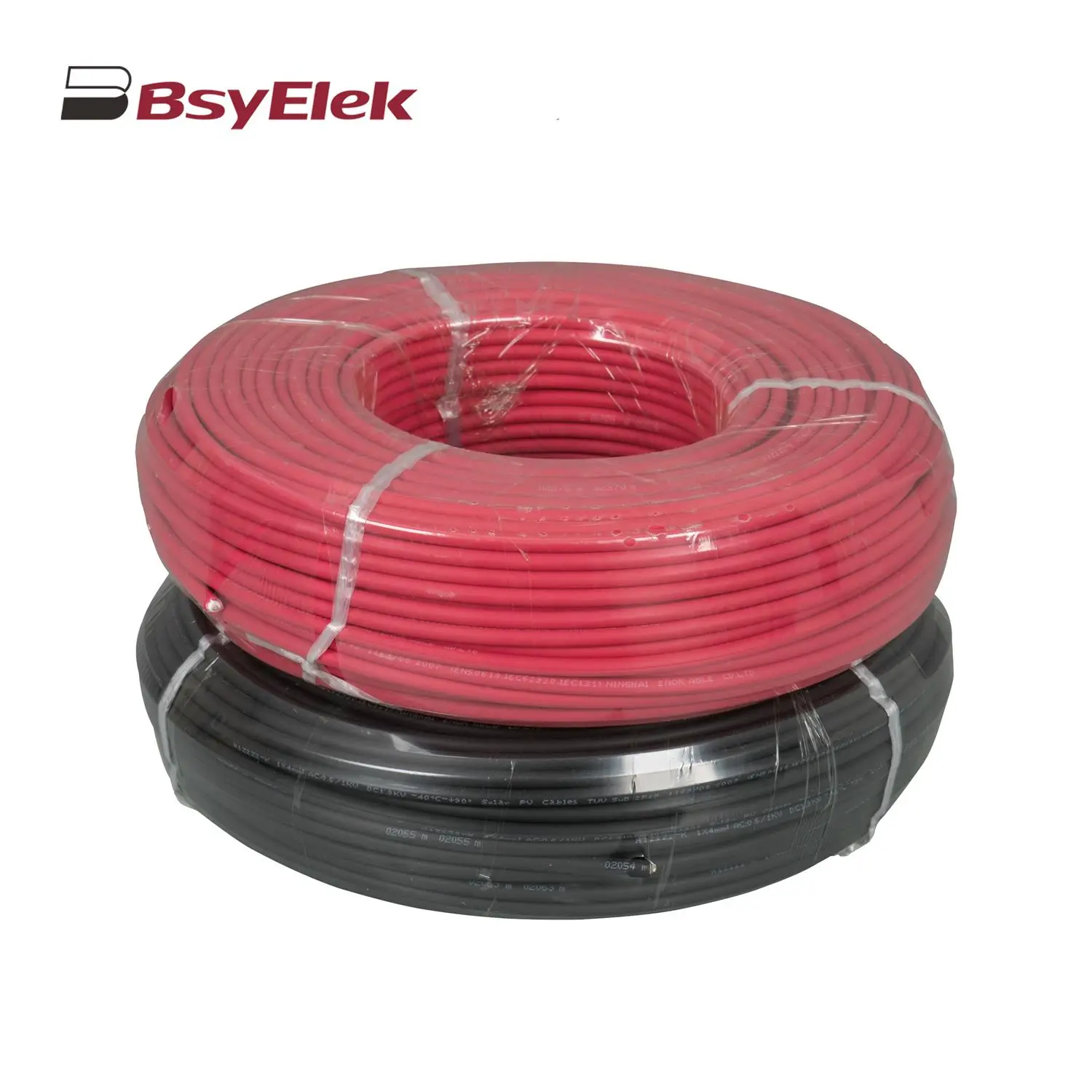 Photovoltaic Cable
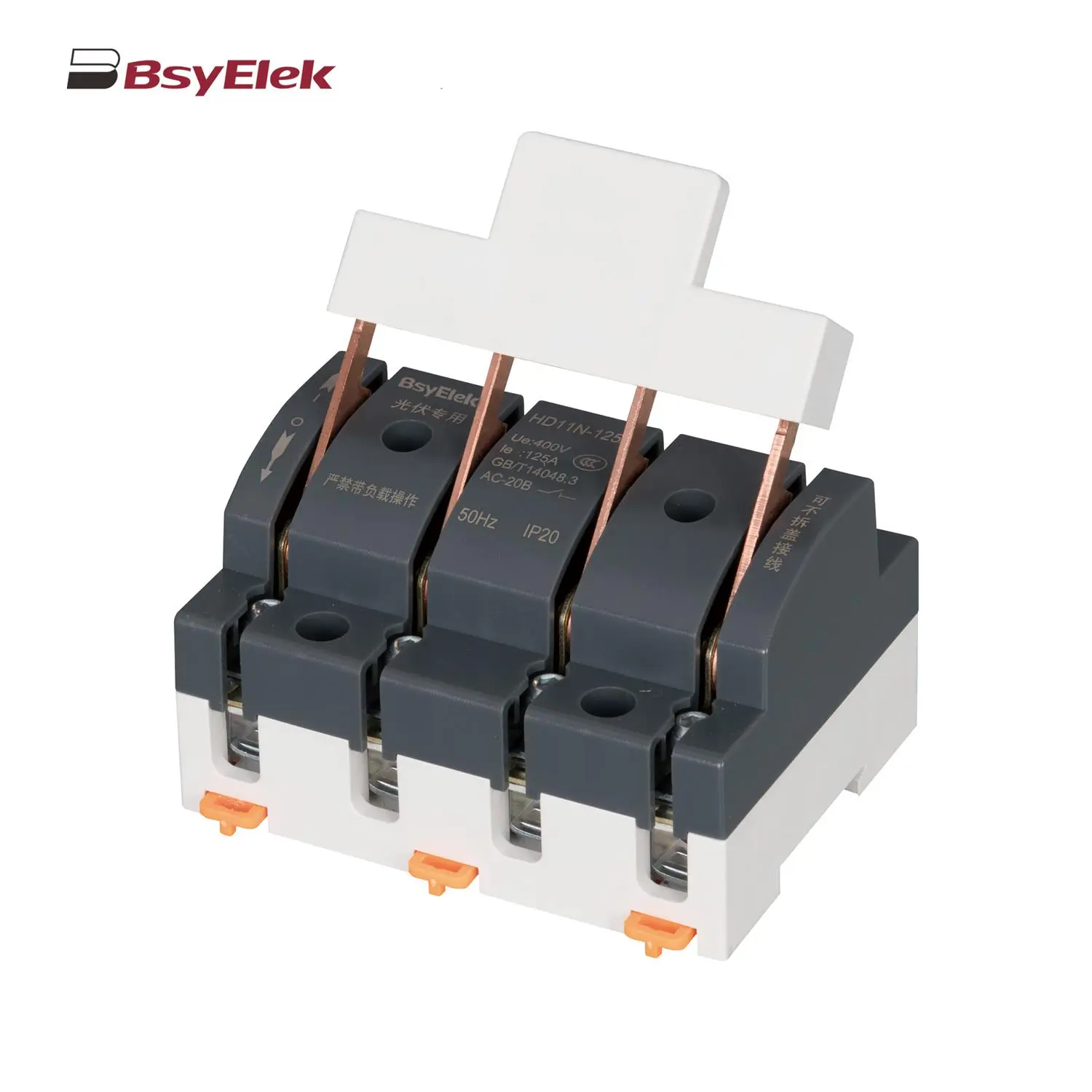 HD11N Photovoltaic Knife Switch
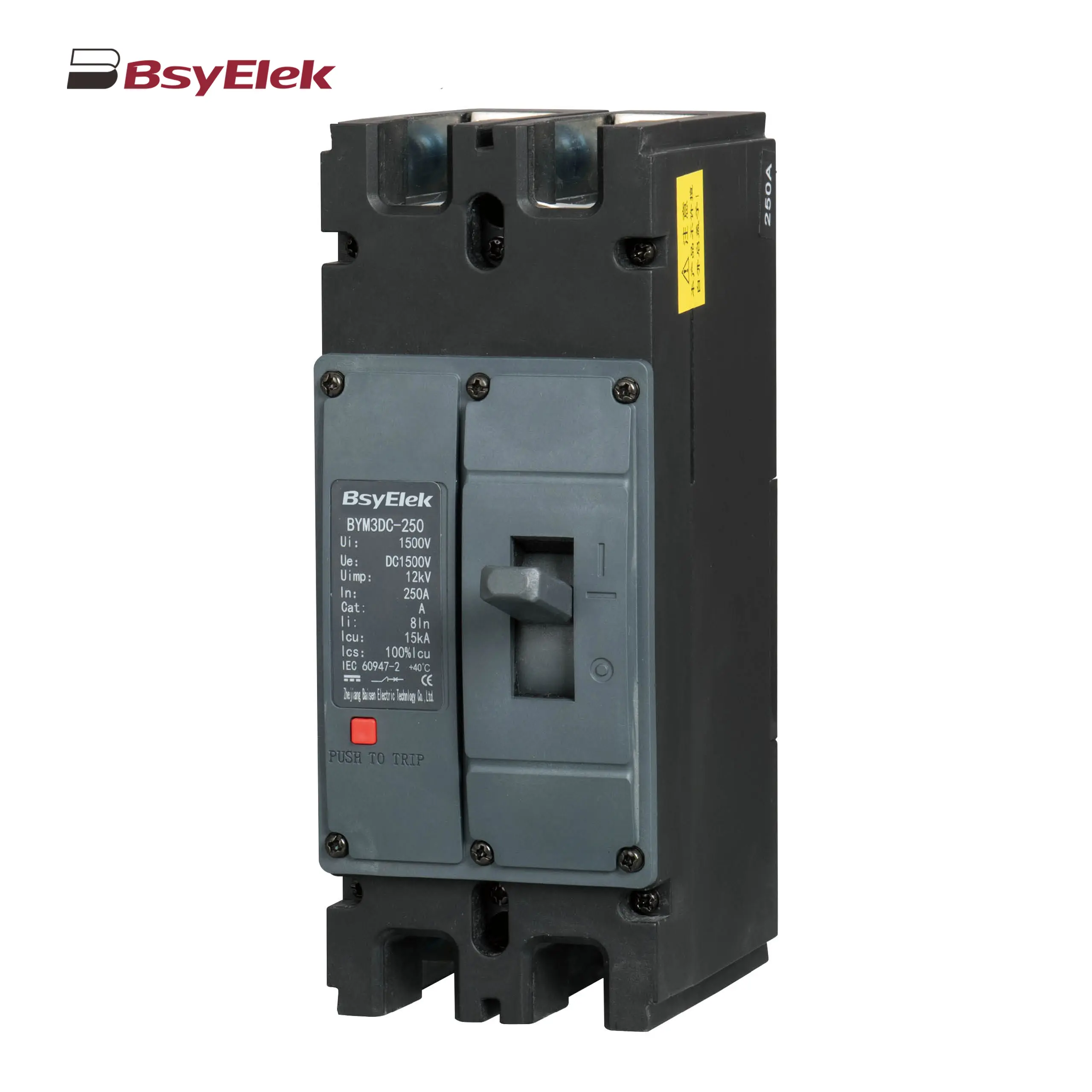 BYM3DC MCCB Photovoltaic DC Molded Case Circuit Breaker
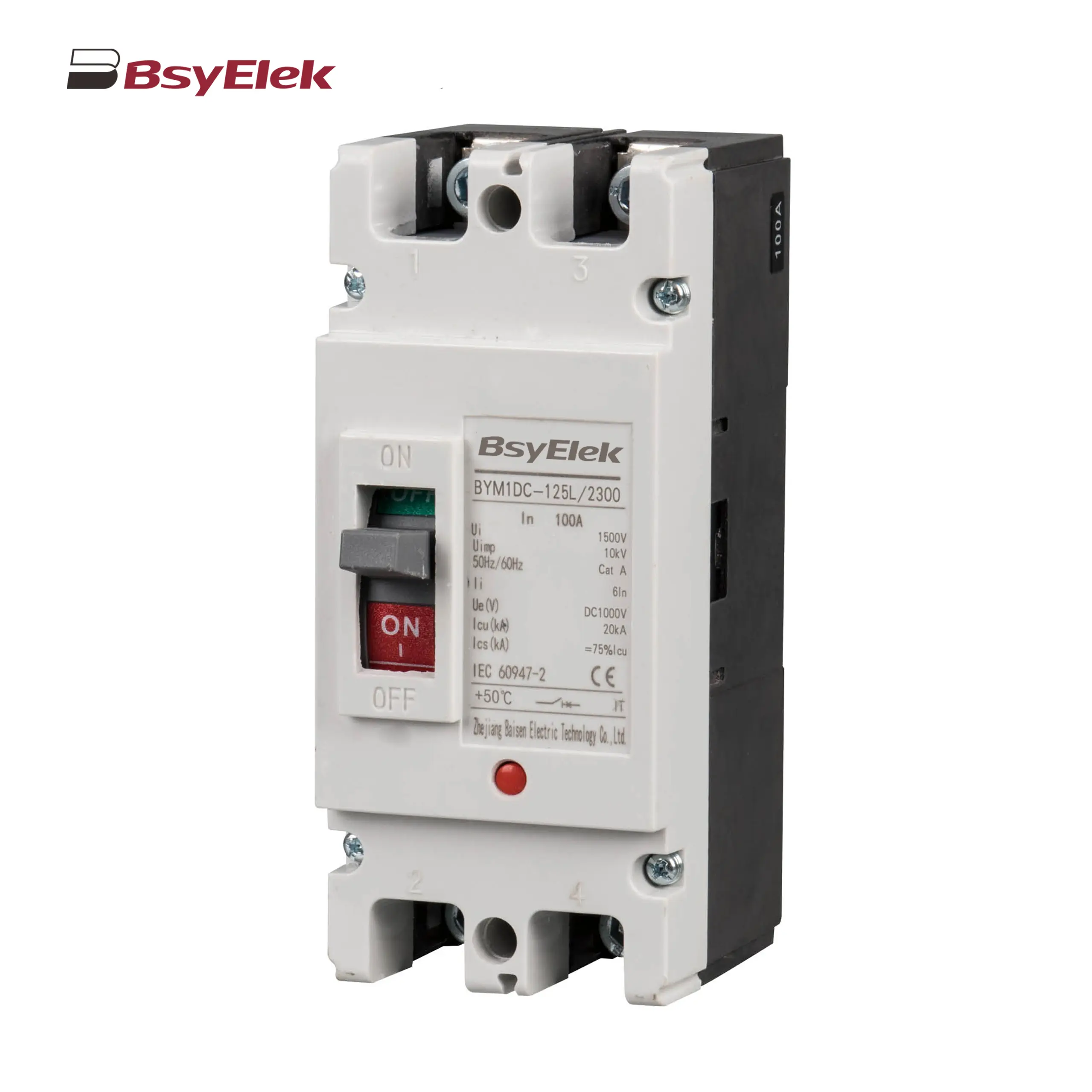 BYM1DC MCCB 1000VDC Thermal Magnetic Type DC Molded Case Circuit Breaker
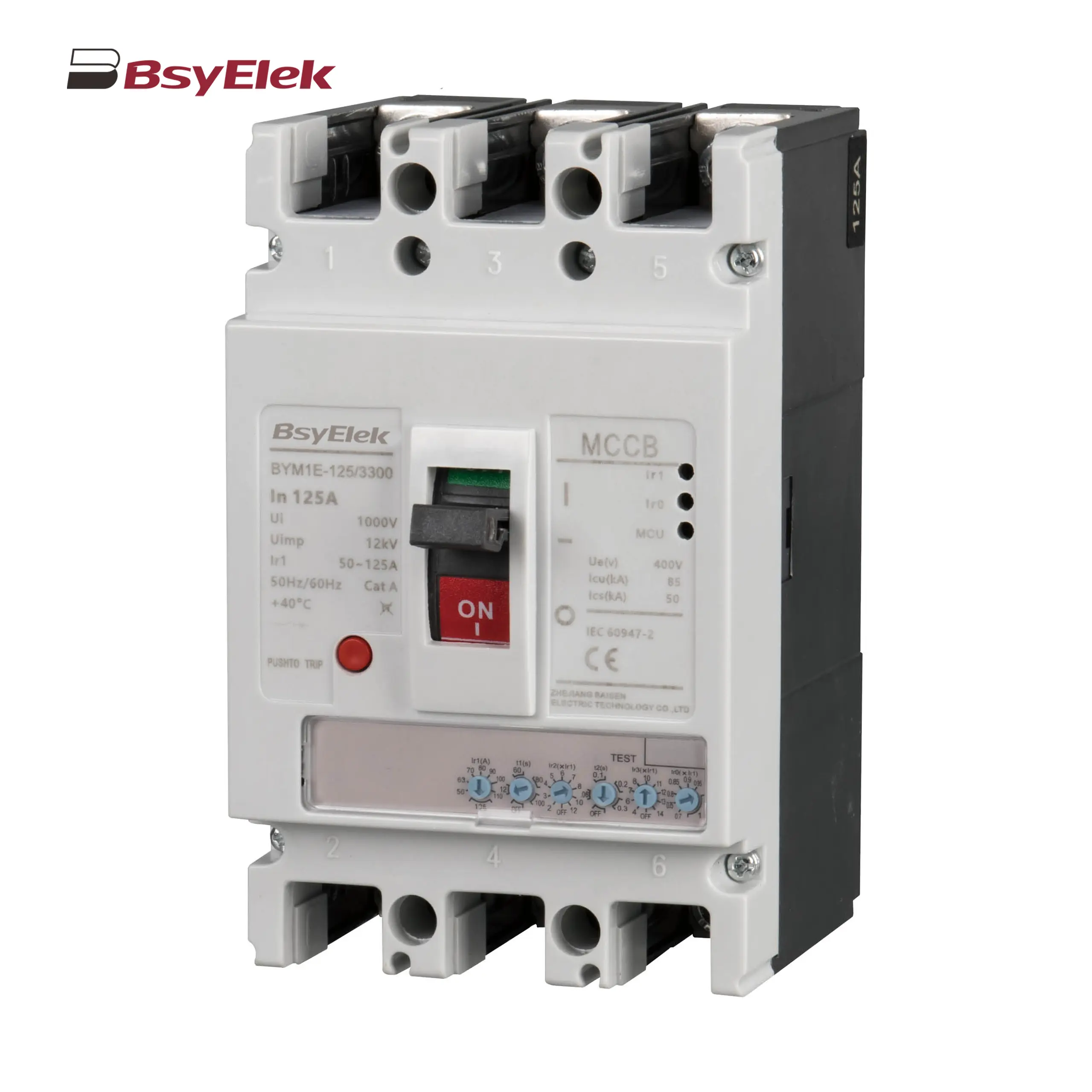 BYM1E MCCB Electronic Type Molded Case Circuit Breaker
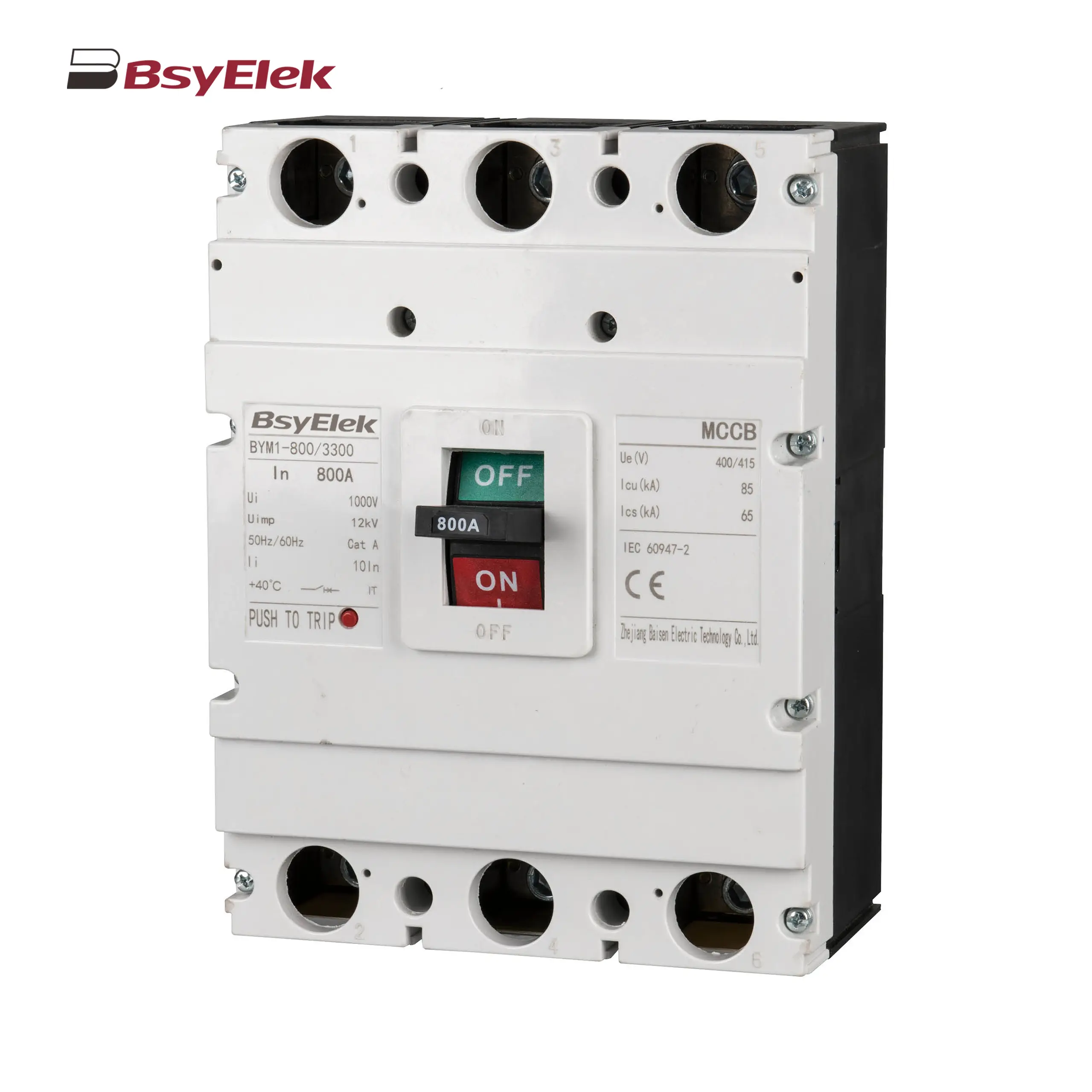 BYM1 MCCB Thermal Magnetic AC Molded Case Circuit Breaker
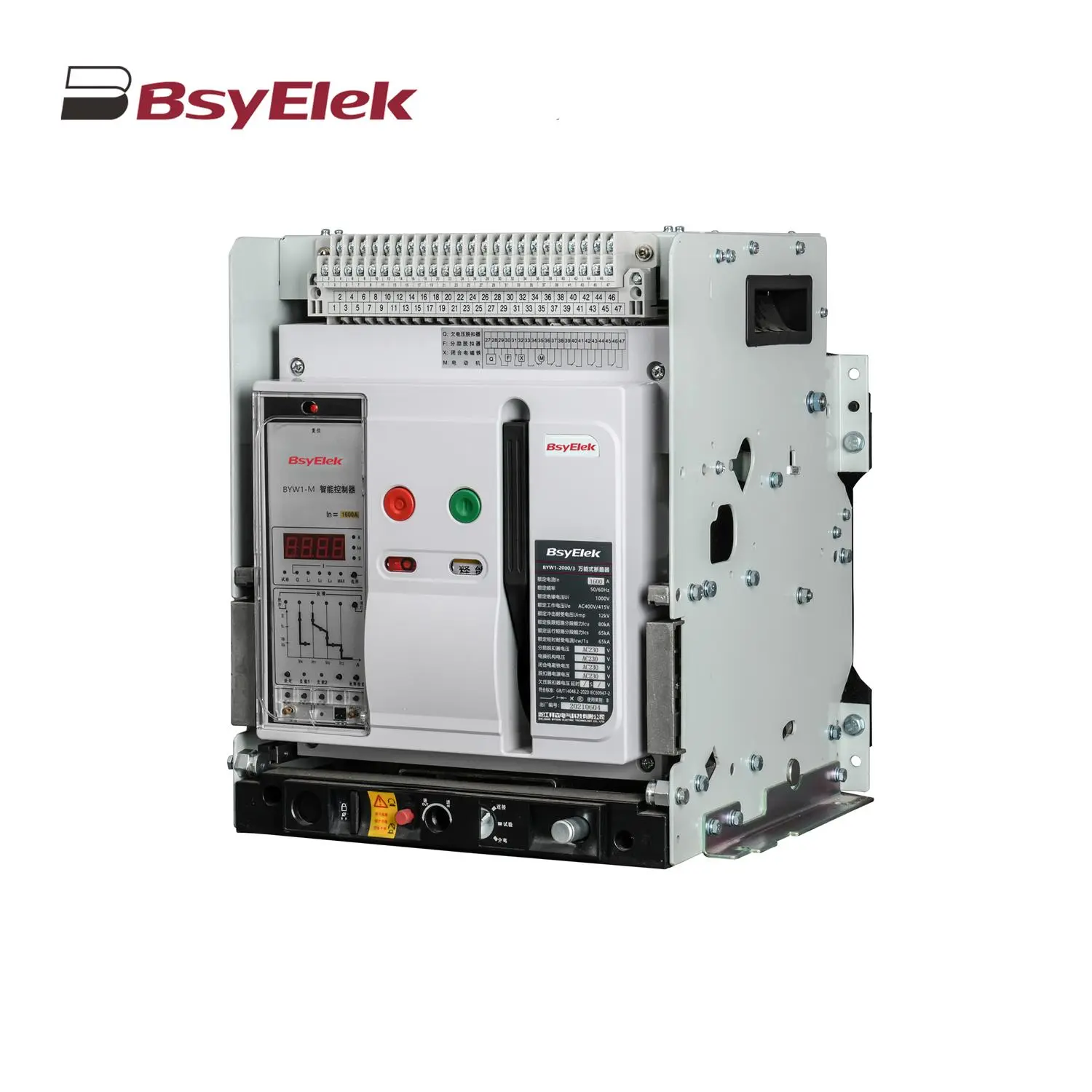 BYW1 ACB Intelligent Universal Air Circuit Breaker
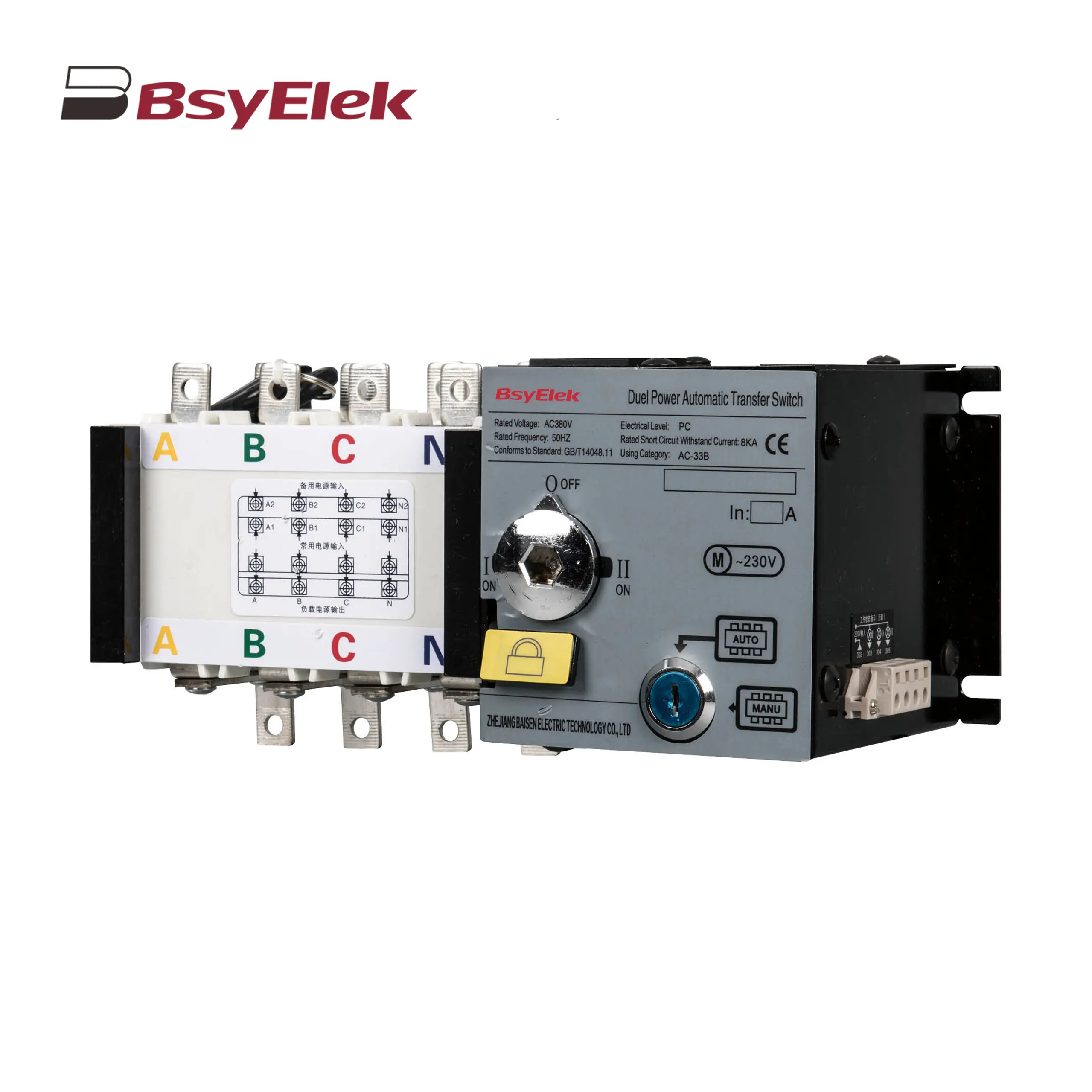 BYQ1 ATS Isolated Type PC Level Dual Power Automatic Transfer Switch
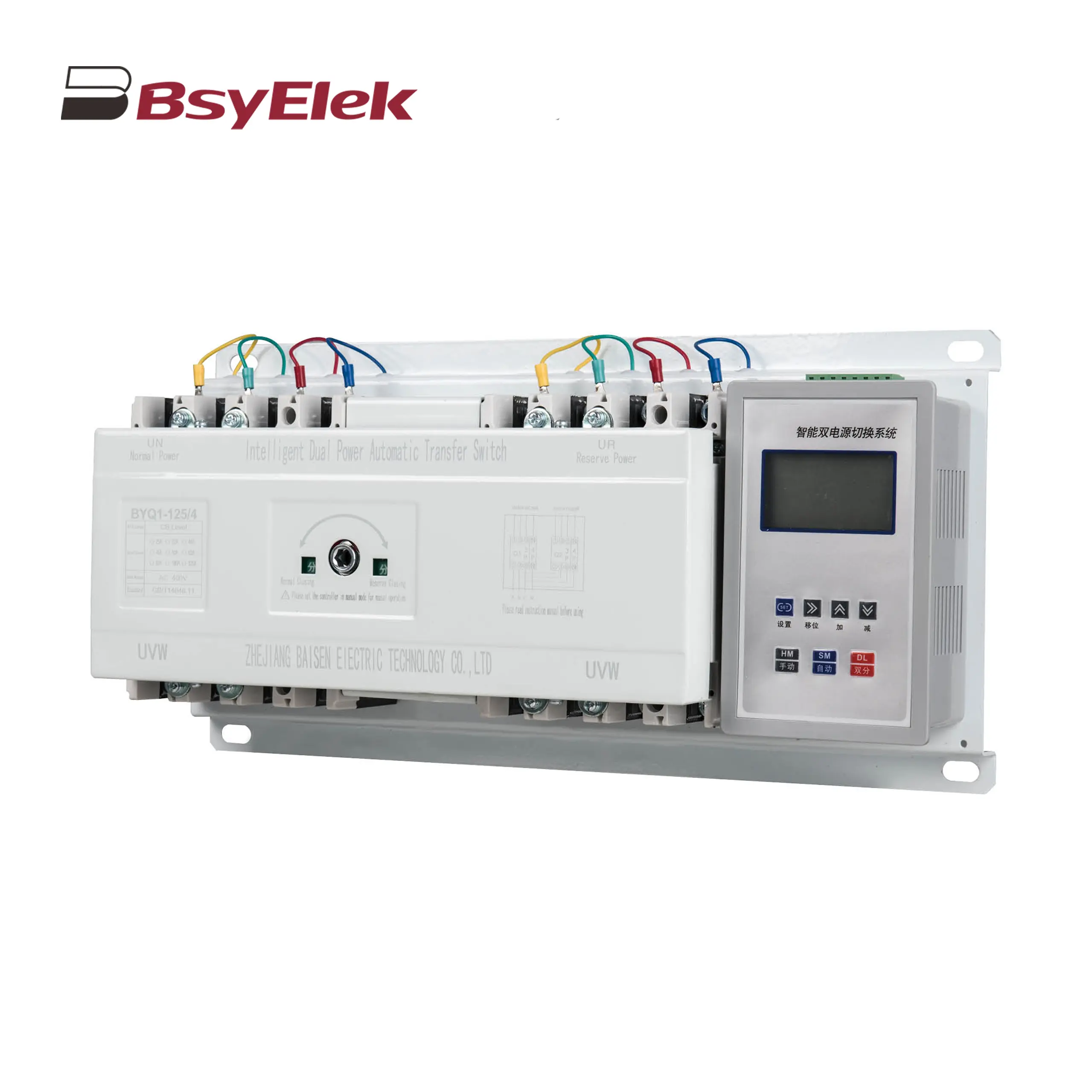 BYQ1 ATS Intelligent Type CB Level Dual Power Automatic Transfer Switch
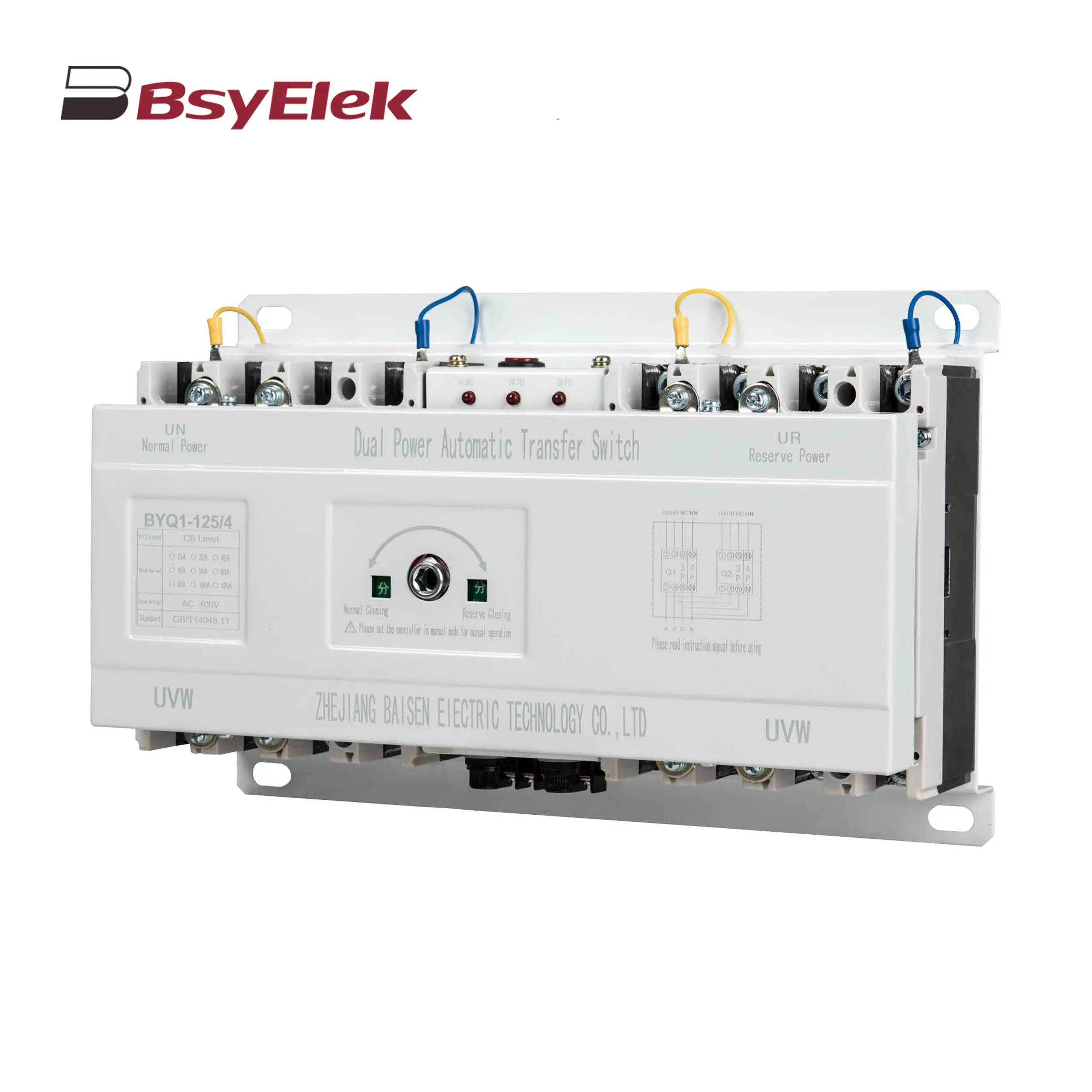 BYQ1 ATS End Type CB Level Dual Power Automatic Transfer Switch
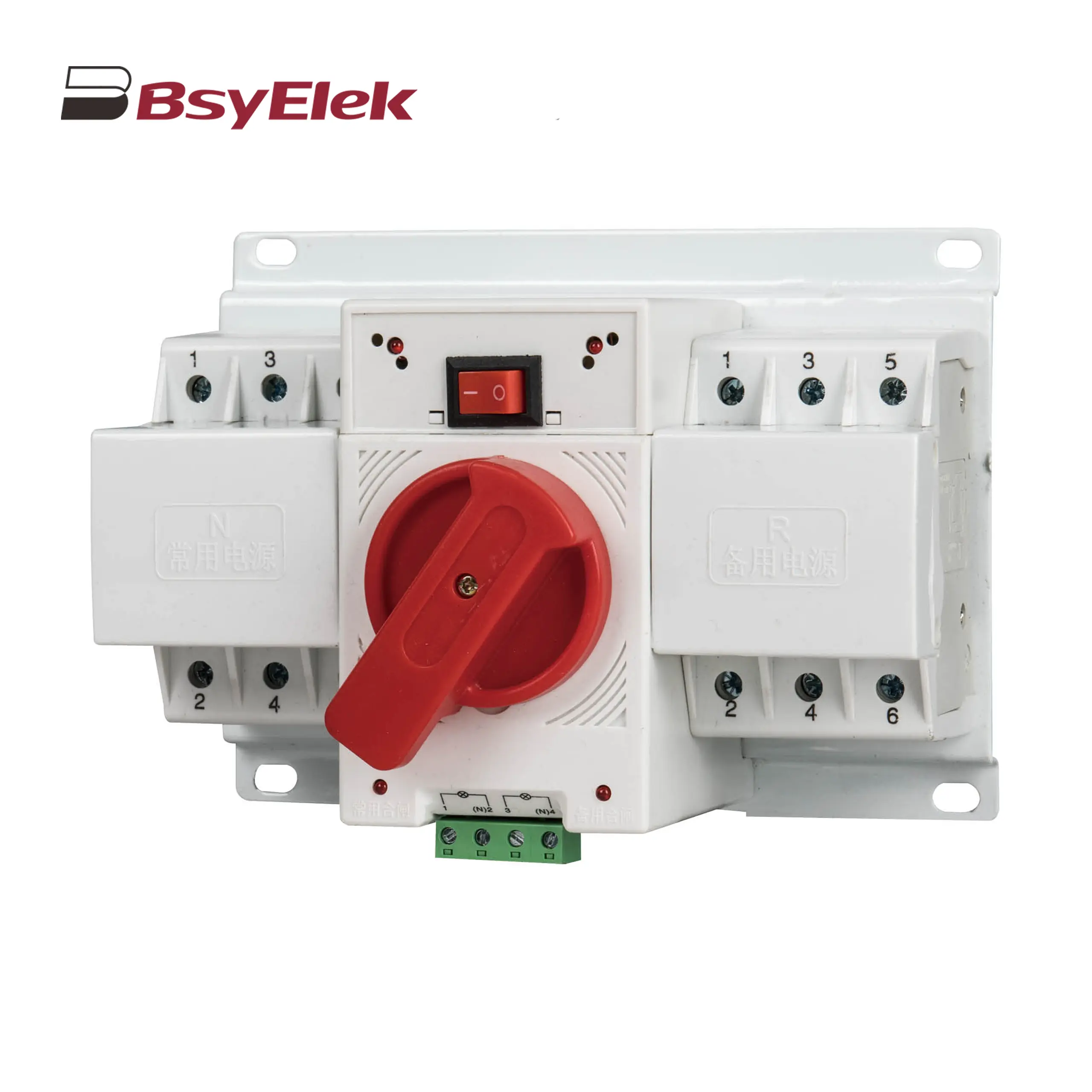 BYQ1 ATS Mini Type CB Level Dual Power Automatic Transfer Switch
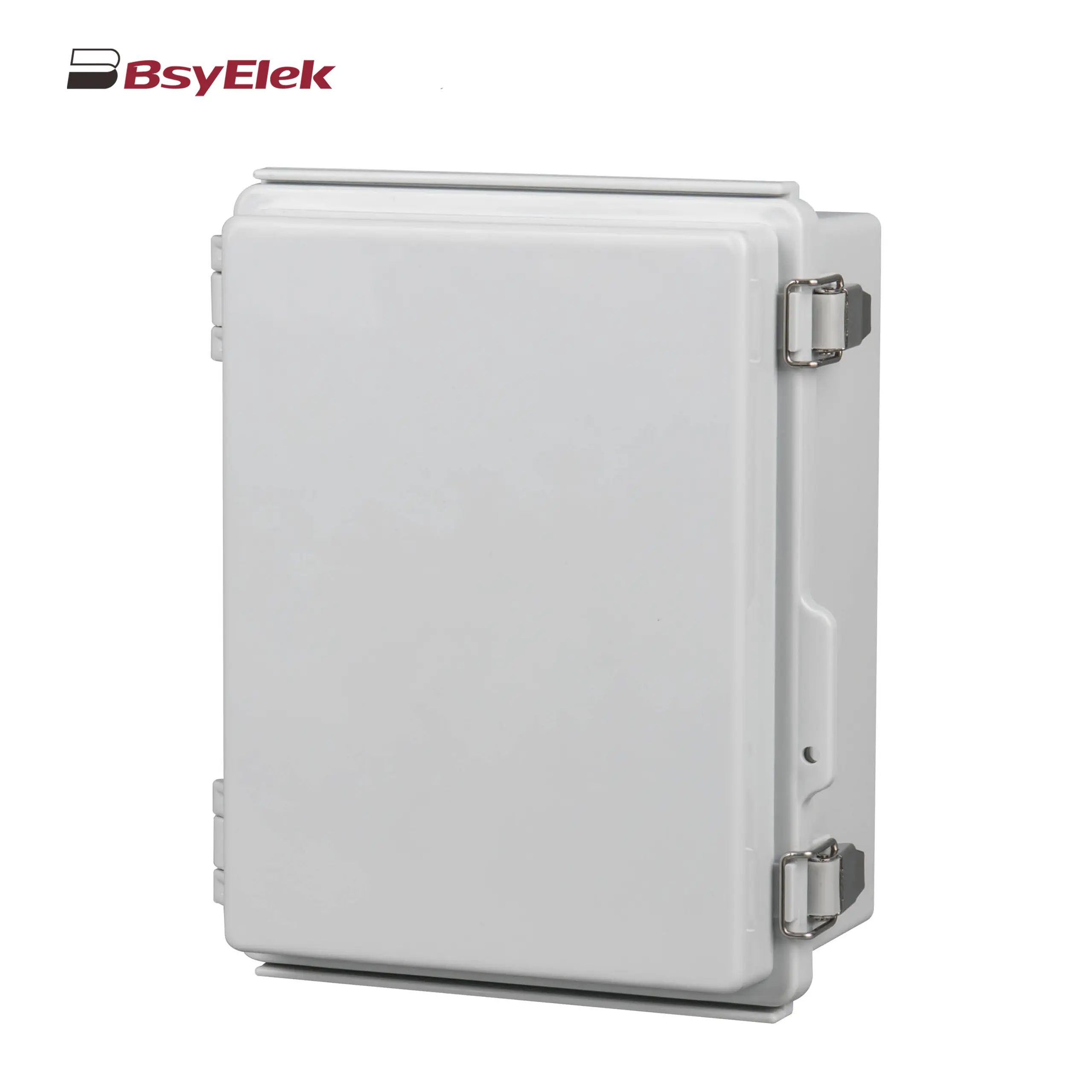 Stainless Steel Hinge Type Electrical Box
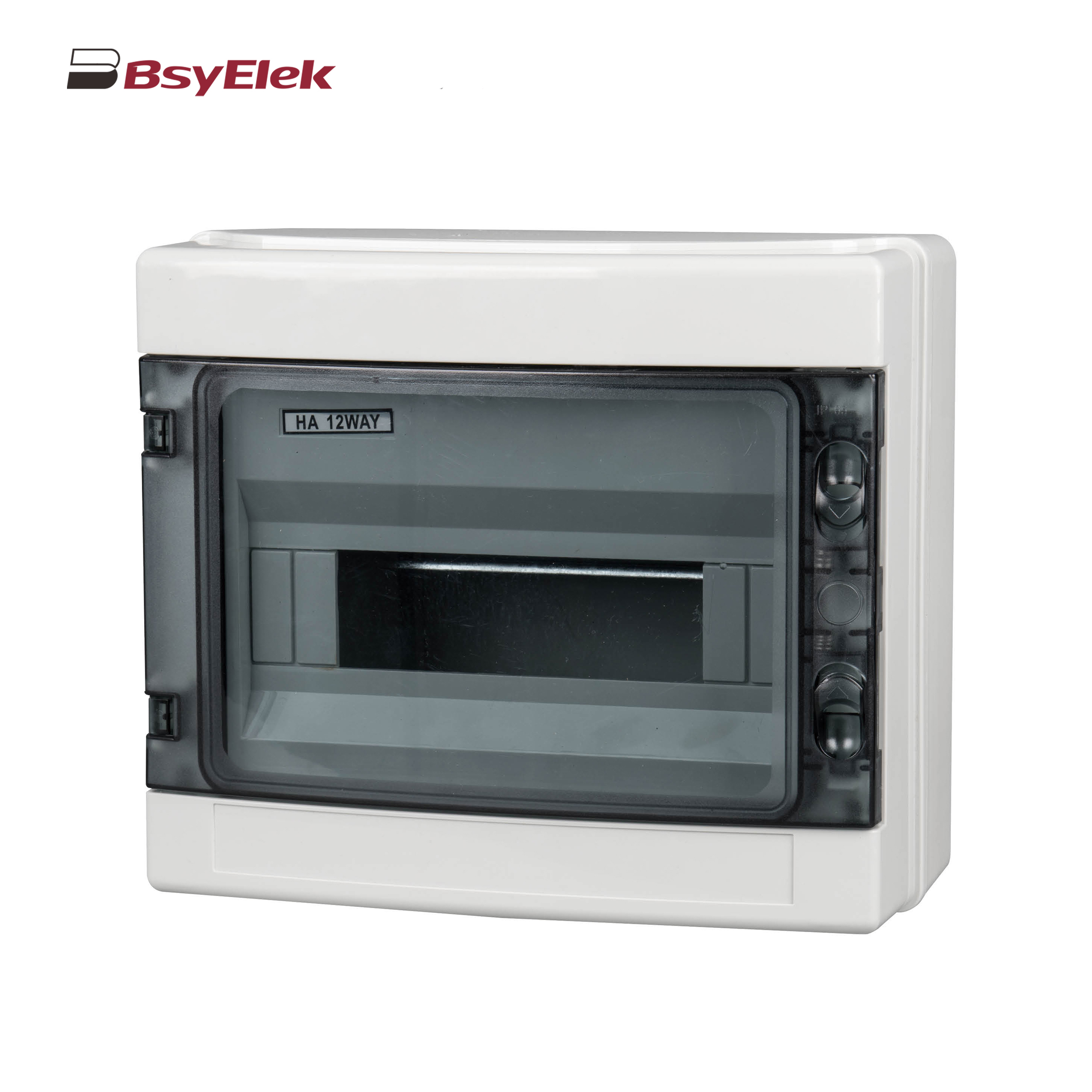 HA Waterproof Distribution Box
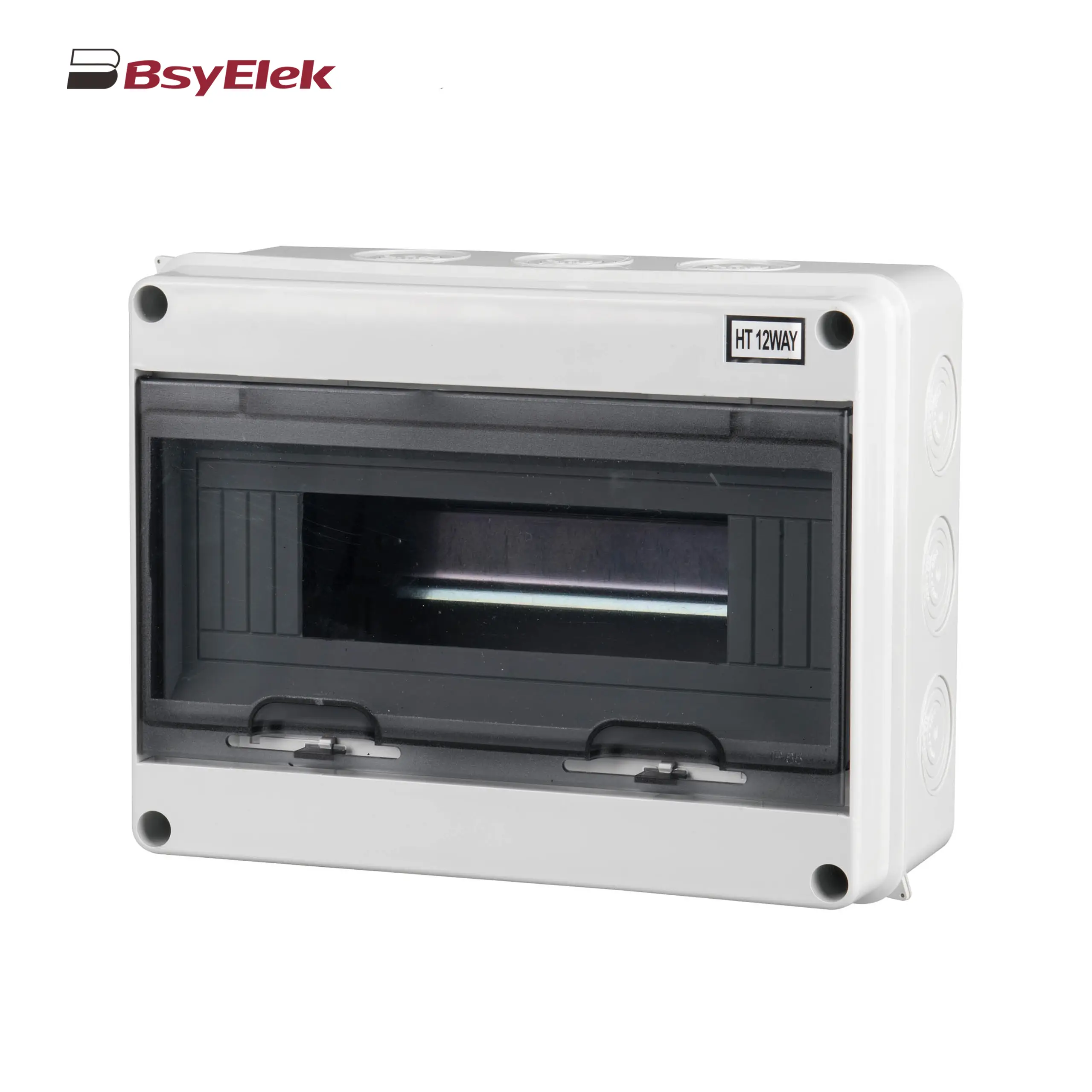 HT Waterproof Distribution Box
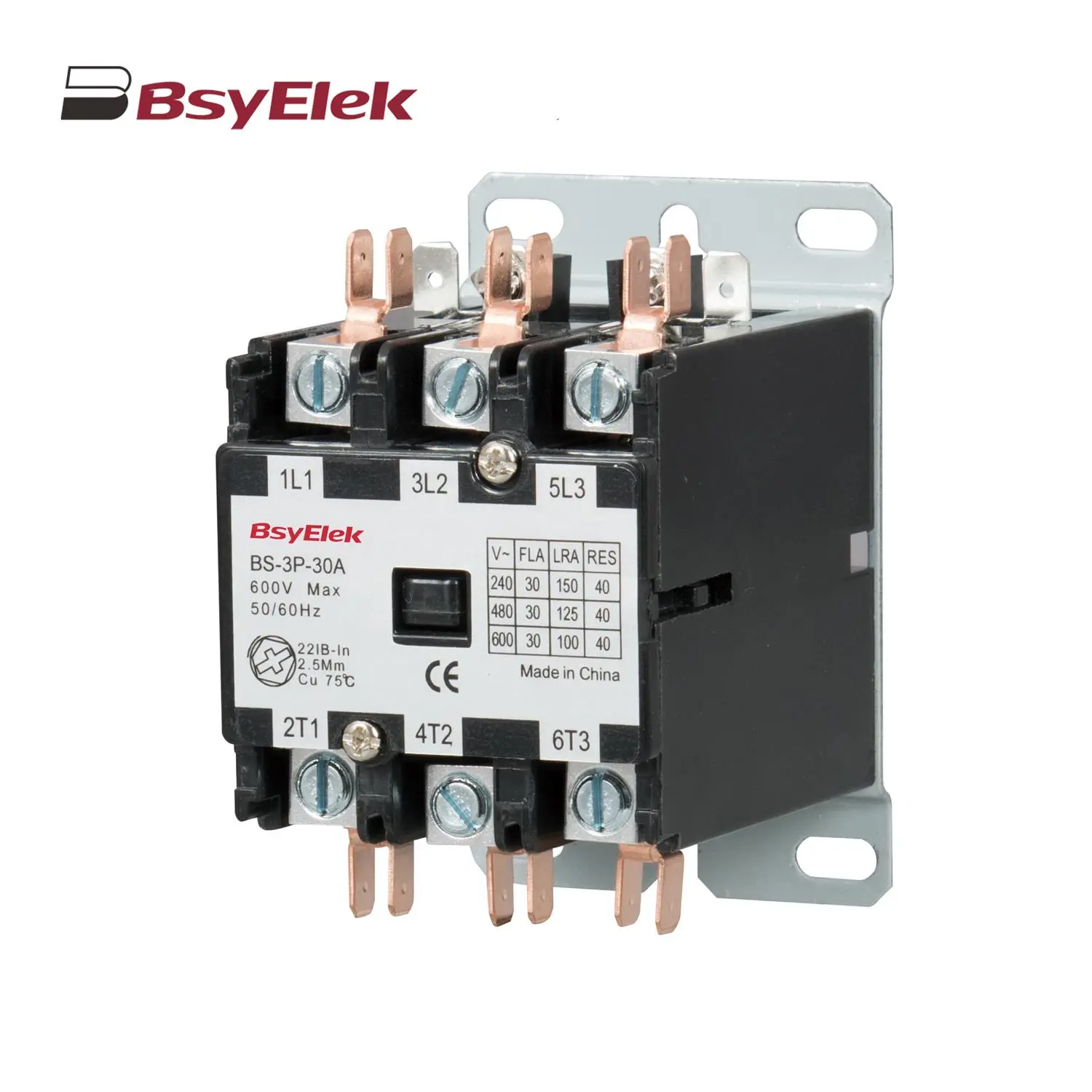 BS Definite Purpose Magnetic AC Contactor