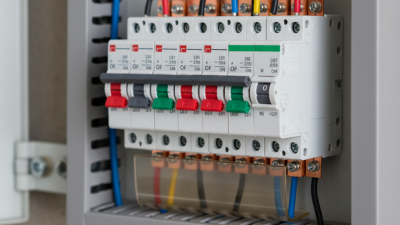
Top Waterproof Cable Gland Options for 2025 to Enhance Your Project's Durability
In today's fast-paced construction and engineering landscape, ensuring the longevity and reliability of various projects is paramount. One of the critical components that can significantly enhance the durability of electrical installations is the Waterproof Cable Gland. These essential fittings not only secure the entry points of cables but also provide outstanding protection against moisture and environmental hazards, making them indispensable in both indoor and outdoor applications.
As we look forward to 2025, the demand for high-quality waterproof solutions continues to rise, driven by the increasing complexity of modern infrastructure and the need for sustainable practices. Selecting the right Waterproof Cable Gland is crucial for project success, as it directly impacts the performance and safety of electrical systems. In this article, we will explore the top options available in the market, focusing on their features, benefits, and the factors to consider when choosing the perfect cable gland for your specific needs. By understanding the advancements in design and technology, you can ensure that your projects not only withstand the test of time but also deliver reliable service in the face of challenging environmental conditions.

Top Waterproof Cable Glands: Importance in Project Durability
Waterproof cable glands play a critical role in enhancing the durability of electrical installations across various industries, especially in environments prone to moisture and harsh conditions. According to a report by MarketsandMarkets, the global cable gland market is expected to grow significantly, with waterproof options increasingly becoming a preferred choice due to their reliability and protective features. By effectively sealing cable entries, these glands prevent water ingress and shield electrical connections from damage caused by moisture, dust, and other environmental factors. This protection is crucial for maintaining operational integrity and avoiding costly repairs or downtimes in industrial settings.
The importance of waterproof cable glands extends beyond mere protection; they also contribute to safety standards in project implementations. A study from the International Electrotechnical Commission (IEC) emphasizes that improper sealing can lead to catastrophic failures, including electrical shorts and fires. The adoption of high-quality waterproof cable glands can minimize these risks, offering peace of mind for project managers and engineers. With the increasing prevalence of smart technologies and IoT devices, securing electrical connections with robust cable glands ensures that these systems can perform reliably in various applications, which is essential for advancing project durability and longevity in the face of environmental challenges.
Top Waterproof Cable Gland Options for 2025
This chart displays the anticipated performance ratings of various waterproof cable gland options for 2025, focusing on their effectiveness in enhancing project durability.
Key Features to Consider in Waterproof Cable Glands for 2025
When selecting waterproof cable glands for your projects in 2025, there are several key features to consider that directly impact the durability and effectiveness of your installations. One vital feature is the ingress protection (IP) rating, which indicates how well the gland can resist dust and water. According to industry standards, an IP68 rating is crucial for applications exposed to harsh environmental conditions, ensuring that the cables are well-protected against water infiltration and dust accumulation. Data from the Global Cable Gland Market Report suggests that the demand for IP68 rated products has surged by over 25% in recent years, highlighting the growing awareness of reliability in outdoor and industrial environments.
Another significant factor is the material used in the construction of the cable glands. High-quality materials such as Polyamide (PA), brass, or stainless steel enhance not only resistance to moisture but also mechanical strength. A study conducted by the Electrical and Electronic Manufacturers Association notes that cable glands made from corrosion-resistant materials have a lifespan that can be up to 30% longer than those made from standard materials. This longevity is particularly important in sectors such as marine, construction, and renewable energy, where the costs associated with maintenance and replacements can be substantial. By prioritizing these features, project managers can ensure the longevity and robustness of their installations.
Comparative Analysis of Leading Waterproof Cable Gland Brands
When selecting waterproof cable glands, understanding the comparative strengths of leading brands is vital for enhancing project durability. Recent industry reports indicate that the global market for waterproof cable glands is expected to reach $1.2 billion by 2025, driven by the increasing demand for robust electrical connectivity in various applications, from marine to industrial sectors. The key parameters for comparison include materials used, ingress protection (IP) ratings, and temperature resistance.
High-performance cable glands typically offer IP68 ratings, ensuring complete protection against dust and water immersion, which is crucial for maintaining system reliability in harsh environments.
To choose the right waterproof cable gland, consider these tips:
First, evaluate the environmental conditions where the cable will be installed. Extreme temperatures and exposure to chemicals can significantly affect material longevity. Second, check the product certifications and compliance with industry standards, such as ISO or IEC ratings, which are essential for ensuring safety and performance. Lastly, assess the manufacturer's track record and customer reviews, as trustworthy feedback can provide insights into the real-world reliability of the glands.
Furthermore, regional variations in the manufacturing of waterproof cable glands can influence performance characteristics, shaped by local standards and material availability. In Europe, for instance, the focus may be on higher certification levels compared to other markets. Being aware of these differences can guide engineers and project managers in making informed purchasing decisions that align with their specific project requirements and environmental considerations.
Installation Best Practices for Optimal Performance of Cable Glands
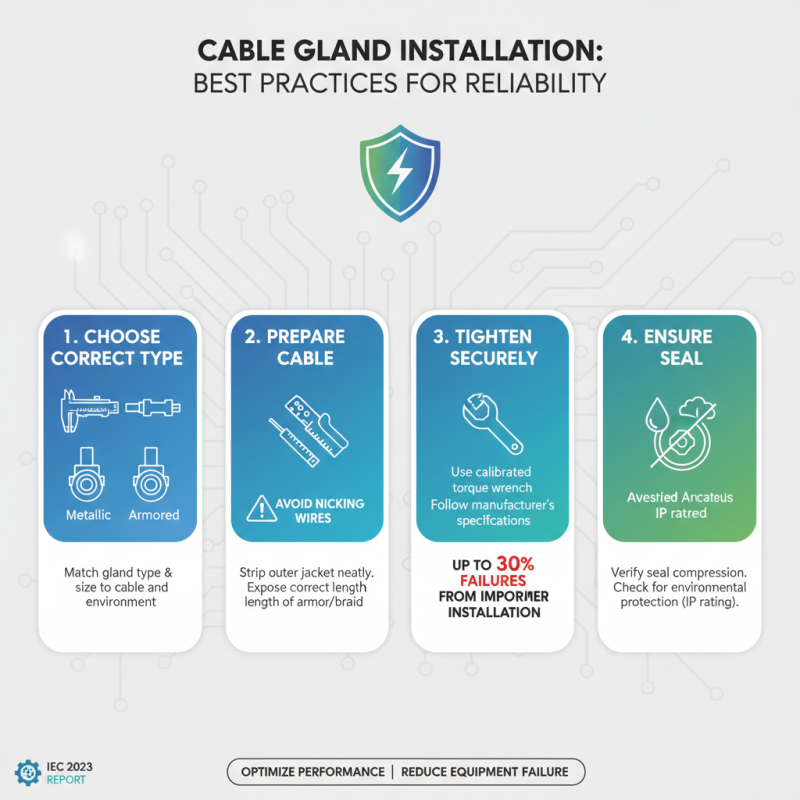
When it comes to ensuring the longevity and reliability of electrical installations, the correct installation of cable glands is crucial. According to a 2023 report by the International Electrotechnical Commission (IEC), improper installation can lead to up to 30% of equipment failures in electrical junctions. To optimize performance, it is essential to adhere to best practices during the installation process.
One of the primary considerations is selecting the right type of cable gland for specific environmental conditions. In environments exposed to moisture, dust, or potential chemical exposure, using IP-rated or NEMA-rated cable glands can provide protection against ingress. Additionally, ensuring a proper seal will prevent water and dust from entering the installation, which, according to a 2022 research study conducted by the Electrical Safety Foundation International, can reduce maintenance costs by 25% in industrial settings.
Furthermore, it is vital to follow manufacturer guidelines for torque settings and cable preparation. A recent industry survey indicated that 40% of installation errors result from insufficient torque application, which can compromise sealing effectiveness. Employing a systematic approach to cable gland installation, including pre-installation inspections and post-installation testing, can significantly enhance the project’s overall durability and performance, ultimately leading to increased safety and reduced operational downtime.
Future Trends in Waterproof Cable Gland Technology and Design
The evolution of waterproof cable gland technology is set to play a crucial role in enhancing the durability and reliability of electrical installations in 2025 and beyond. Recent industry reports indicate that the global cable glands market is projected to reach $5.1 billion by 2025, with a compound annual growth rate (CAGR) of 6.3% from 2020 to 2025. This growth is primarily fueled by advancements in materials and design that not only ensure waterproofing but also address factors like chemical resistance, temperature extremes, and mechanical stress.
Future trends in cable gland technology are leaning towards the integration of smart materials and environmentally friendly designs. As sustainability becomes a focal point in engineering, manufacturers are increasingly adopting bio-based plastics and recyclable materials in their products. Reports suggest that the use of composite materials can enhance the strength and longevity of cable glands, thus meeting the demands of more rigorous environmental conditions. Additionally, the incorporation of innovative sealing technologies—such as gel-filled or elastomeric seals—promises to improve performance in extreme weather settings, ensuring that installations remain secure and operational for longer periods.
Overall, as the industry moves forward, the emphasis on
durability and resilience in waterproof cable glands will be pivotal for projects across various sectors, including
telecommunications,
renewable energy, and
industrial applications. The anticipated advancements not only align with safety and regulatory standards but also represent a significant leap towards more durable and efficient electrical infrastructures.



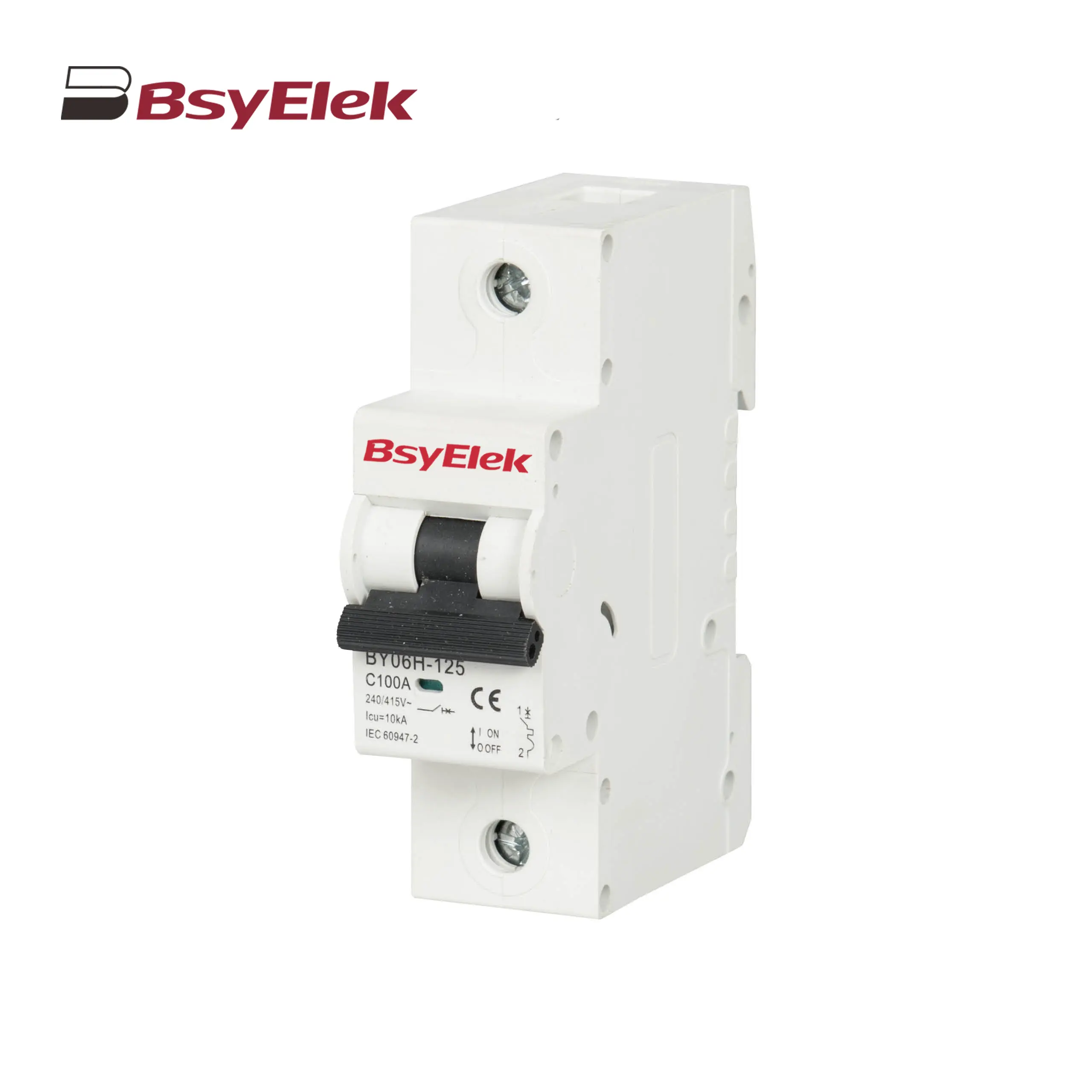 BY06H-125 MCB 10-15KA Miniature Circuit Breaker
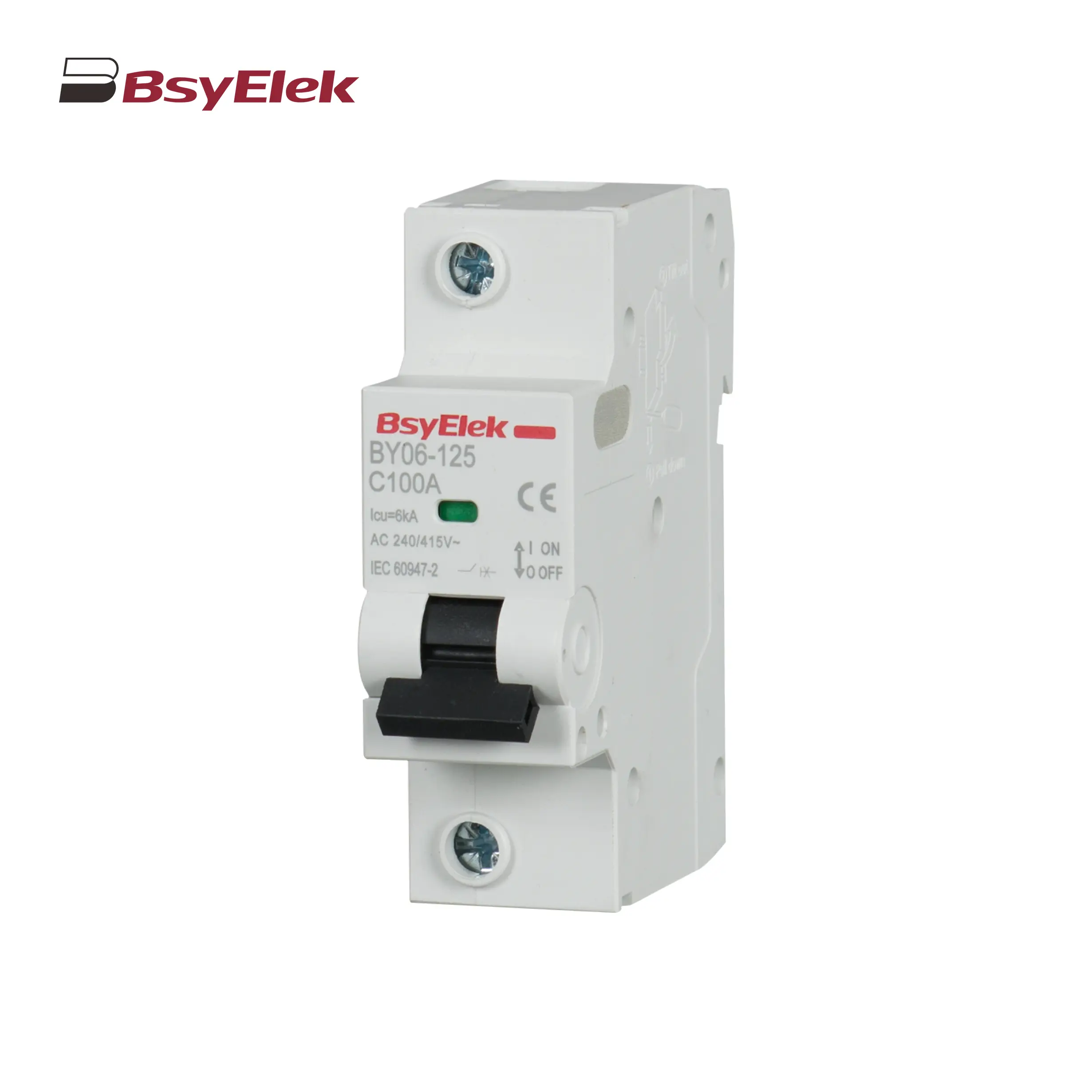 BY06-125 MCB 6KA Miniature Circuit Breaker
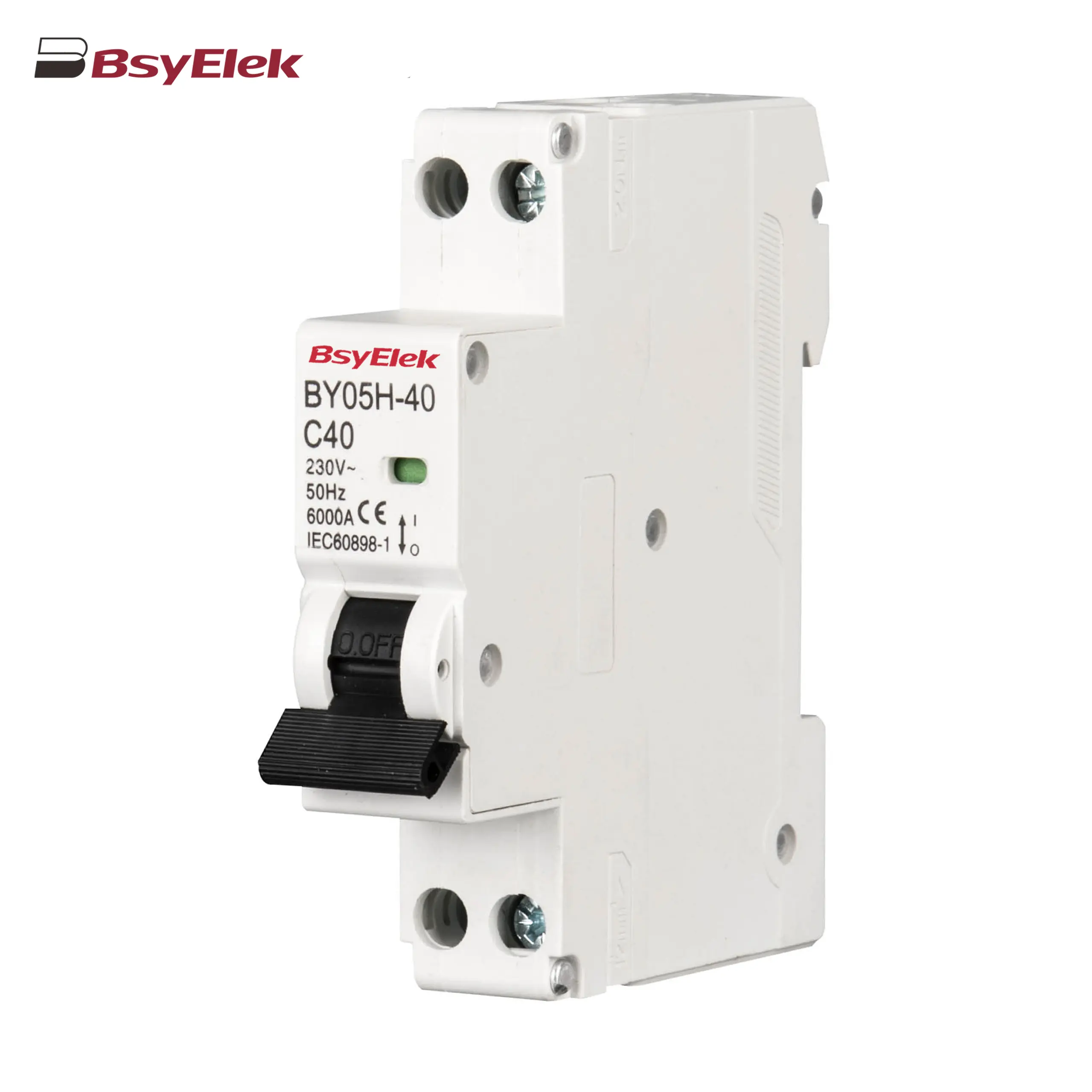 BY05H-40 MCB Single Modular 6KA Miniature Circuit Breaker
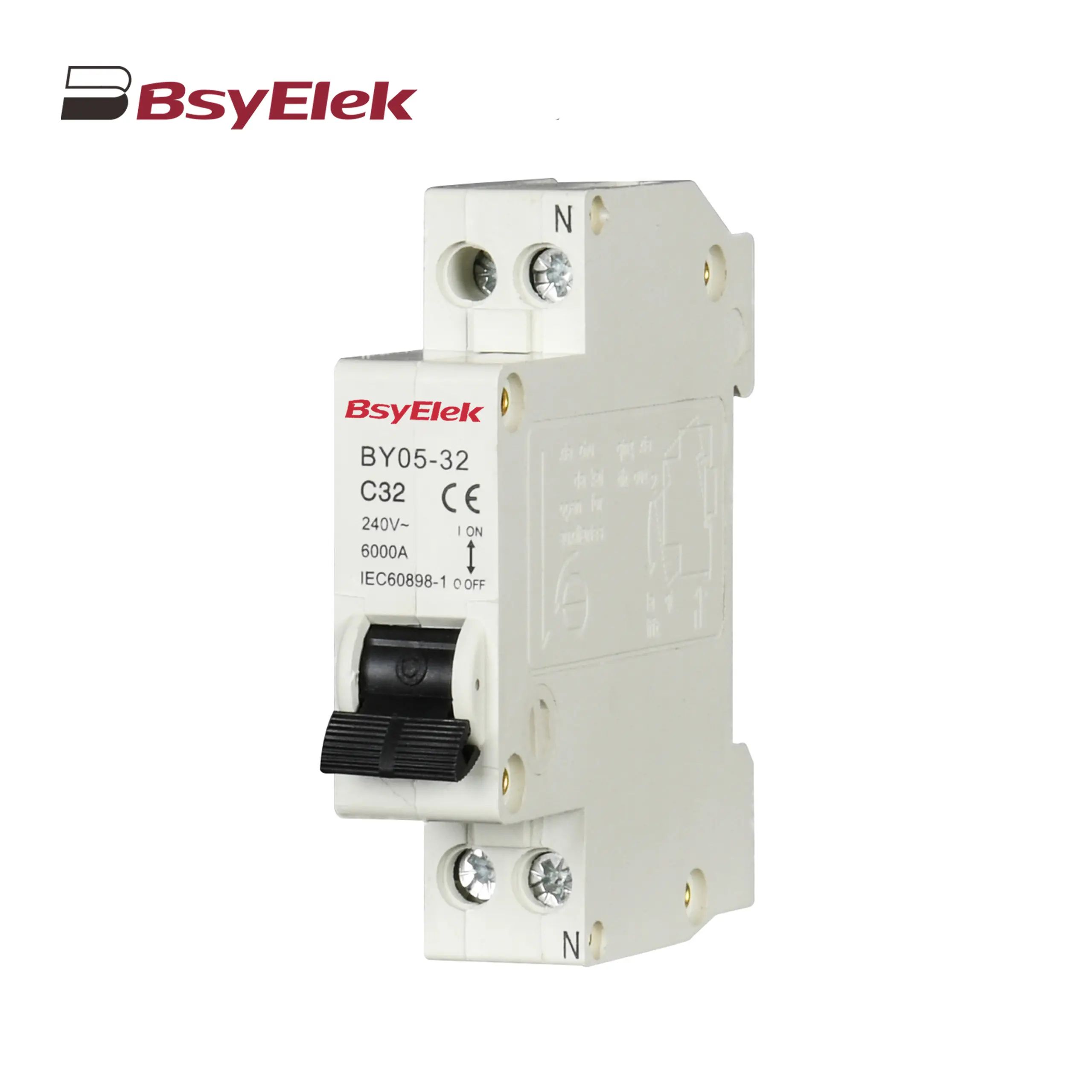 BY05-32 MCB Single Modular 3KA Miniature Circuit Breaker
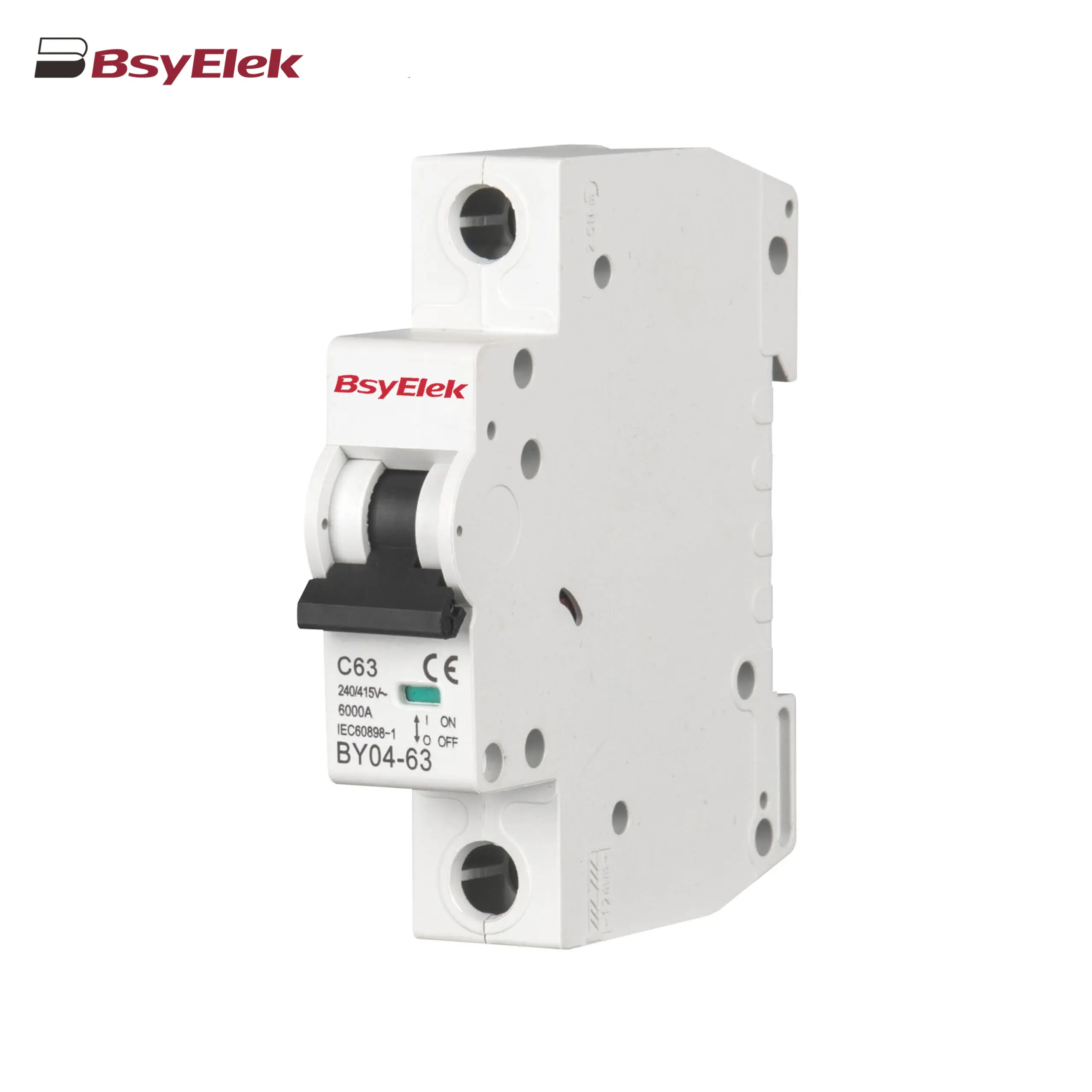 BY04-63 MCB 6-10KA Miniature Circuit Breaker
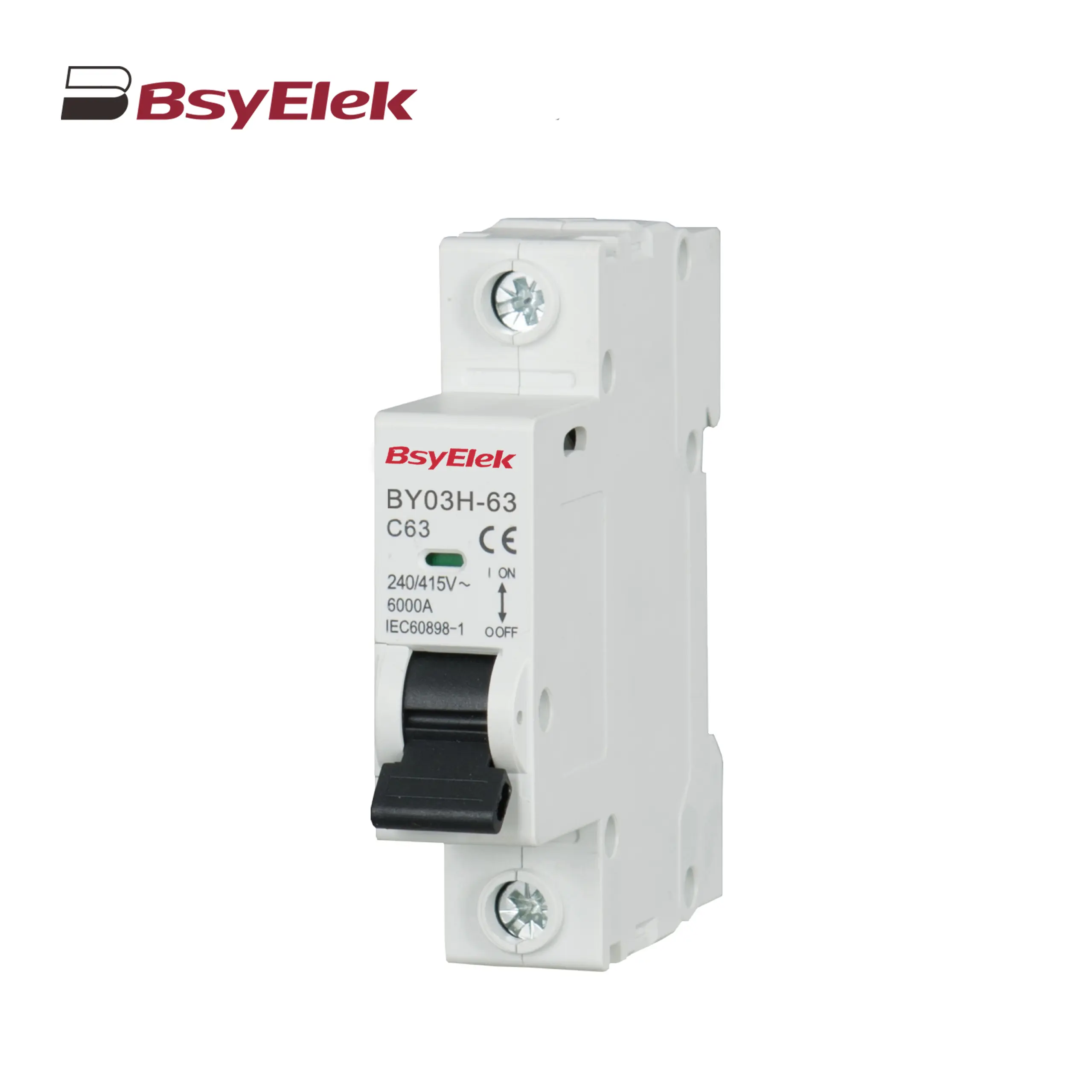 BY03H-63 MCB 6KA Miniature Circuit Breaker
 BY03-63 MCB 4.5KA Miniature Circuit Breaker
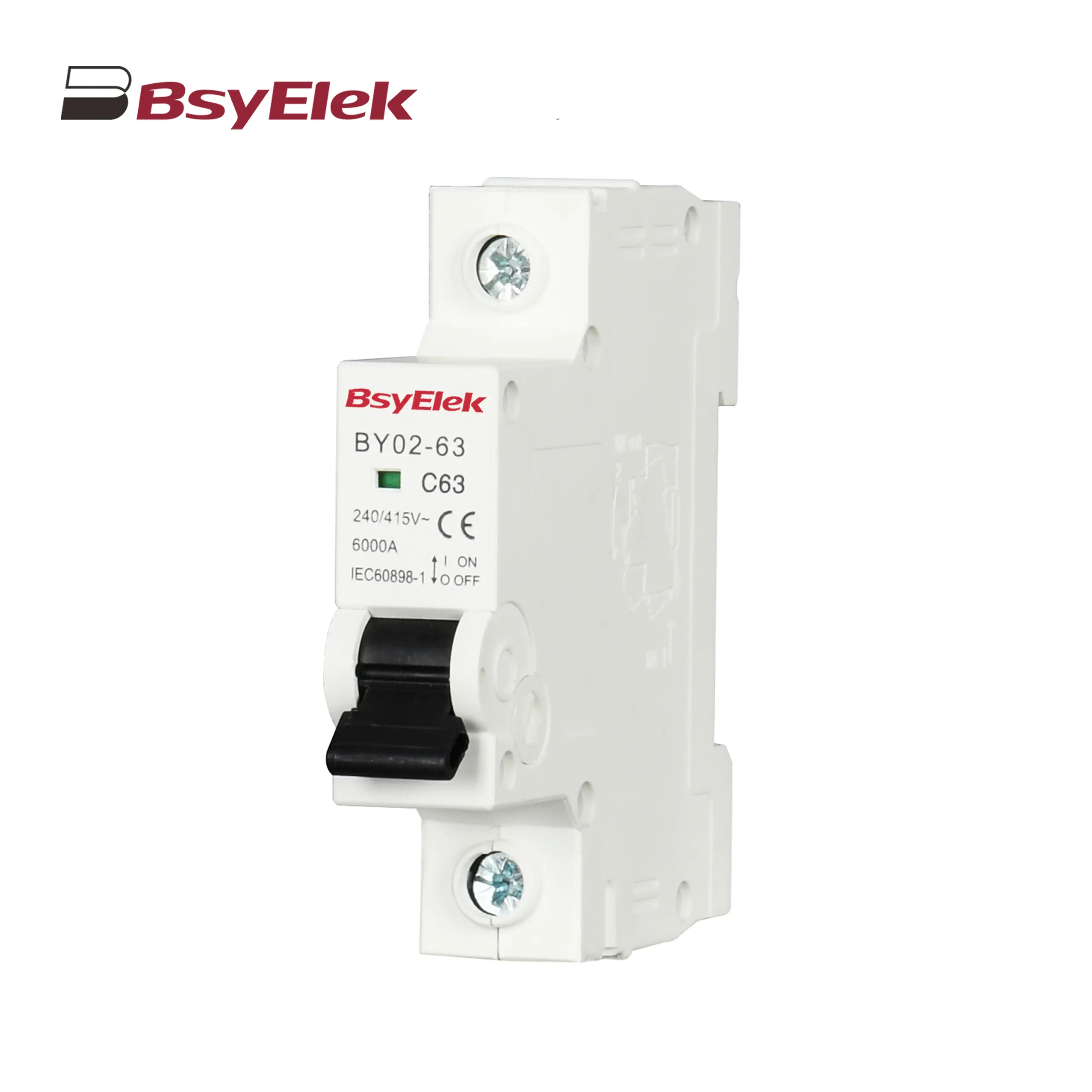 BY02-63 MCB 3kA Miniature Circuit Breaker
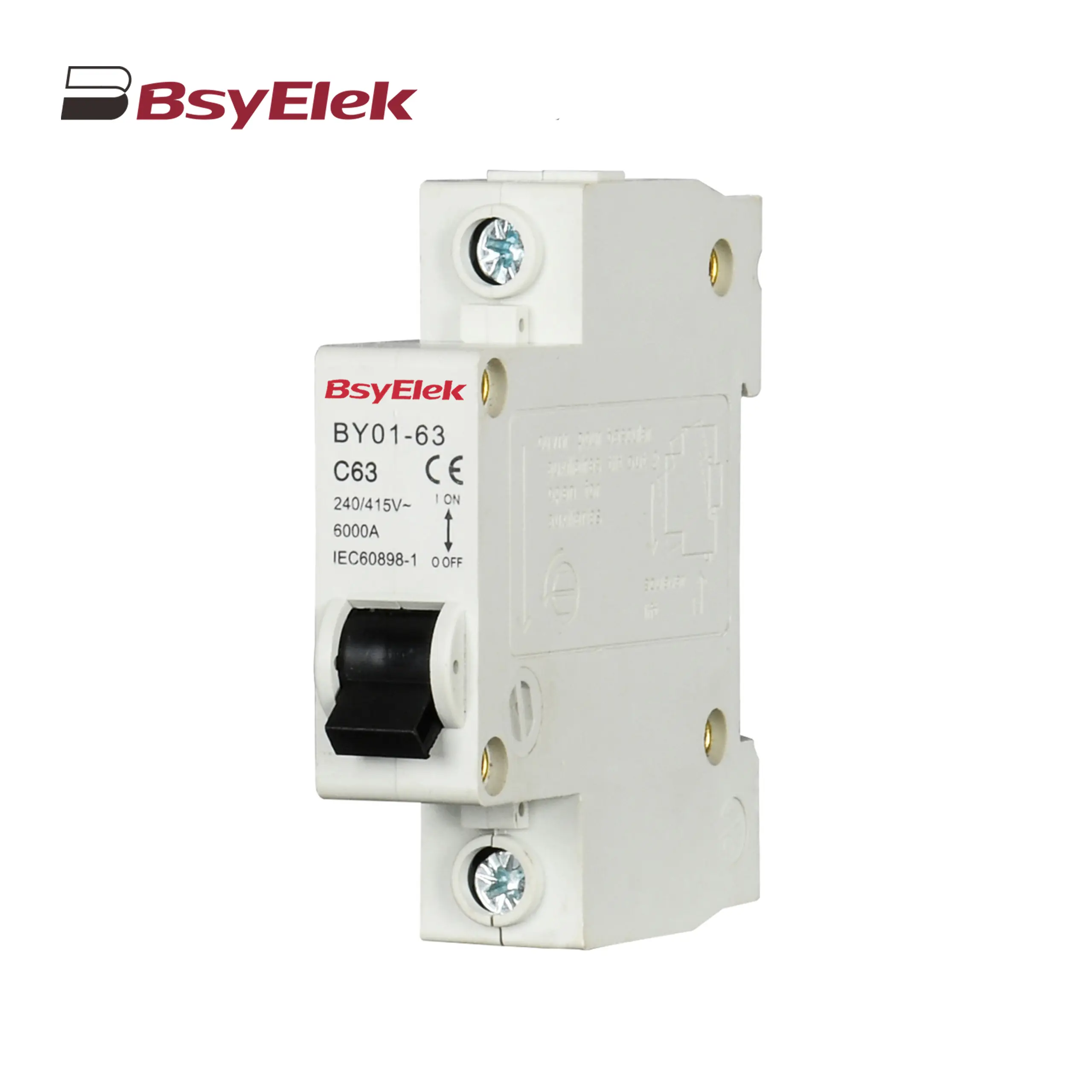 BY01-63 MCB 3kA Miniature Circuit Breaker
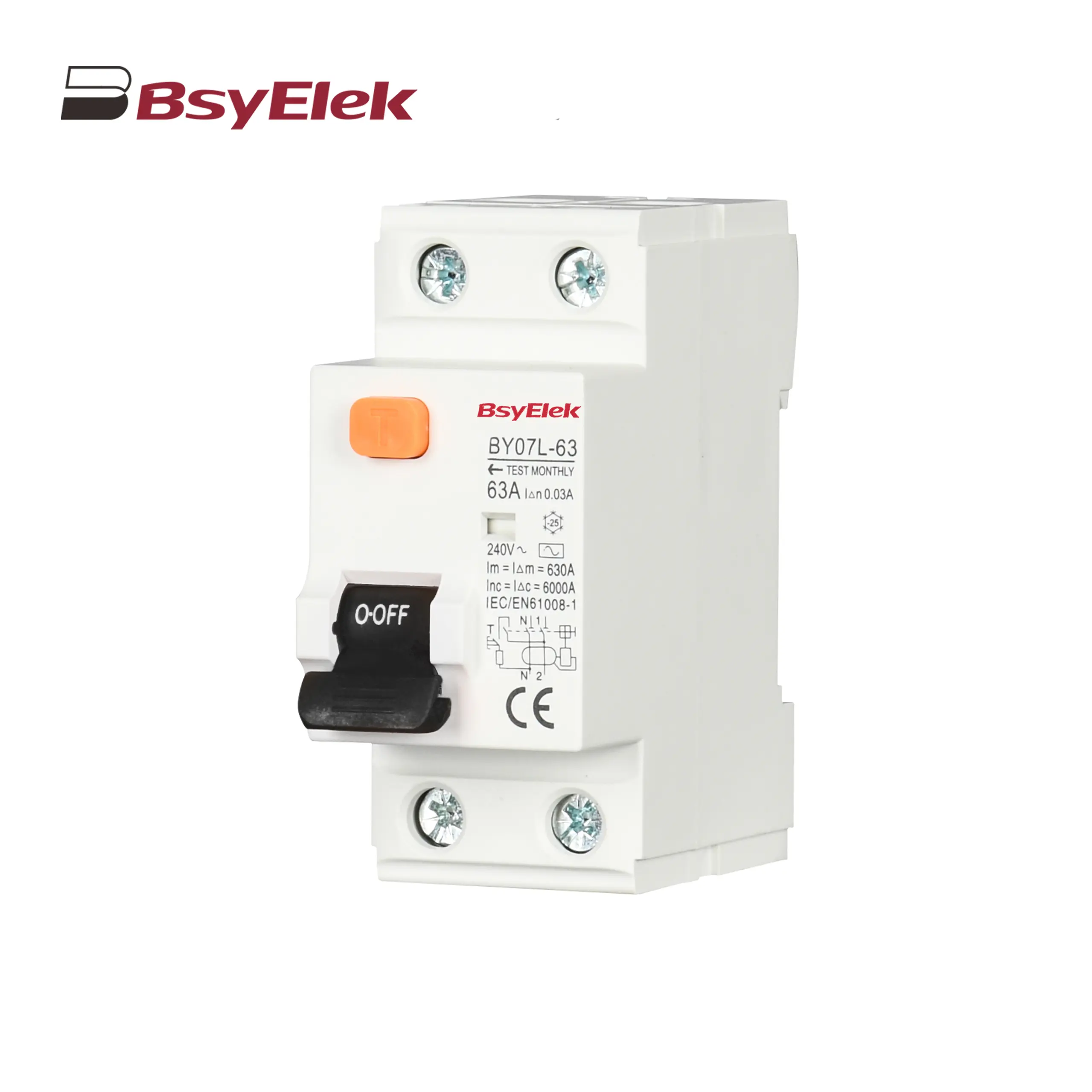 BY07L-63 RCCB 6KA Residual Current Circuit Breaker
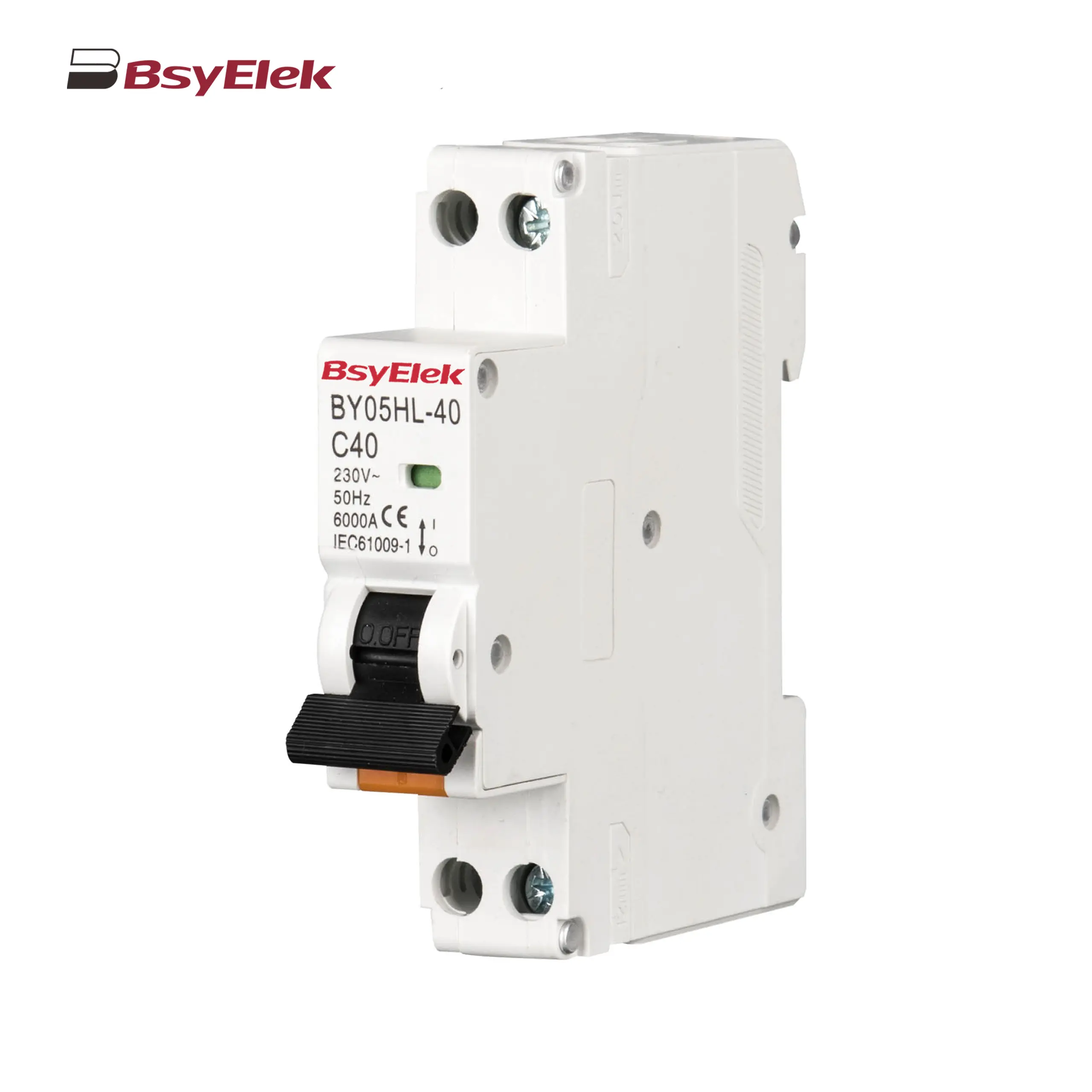 BY05HL-40 RCBO 6KA Residual Current Circuit Breaker with Over-current Protection
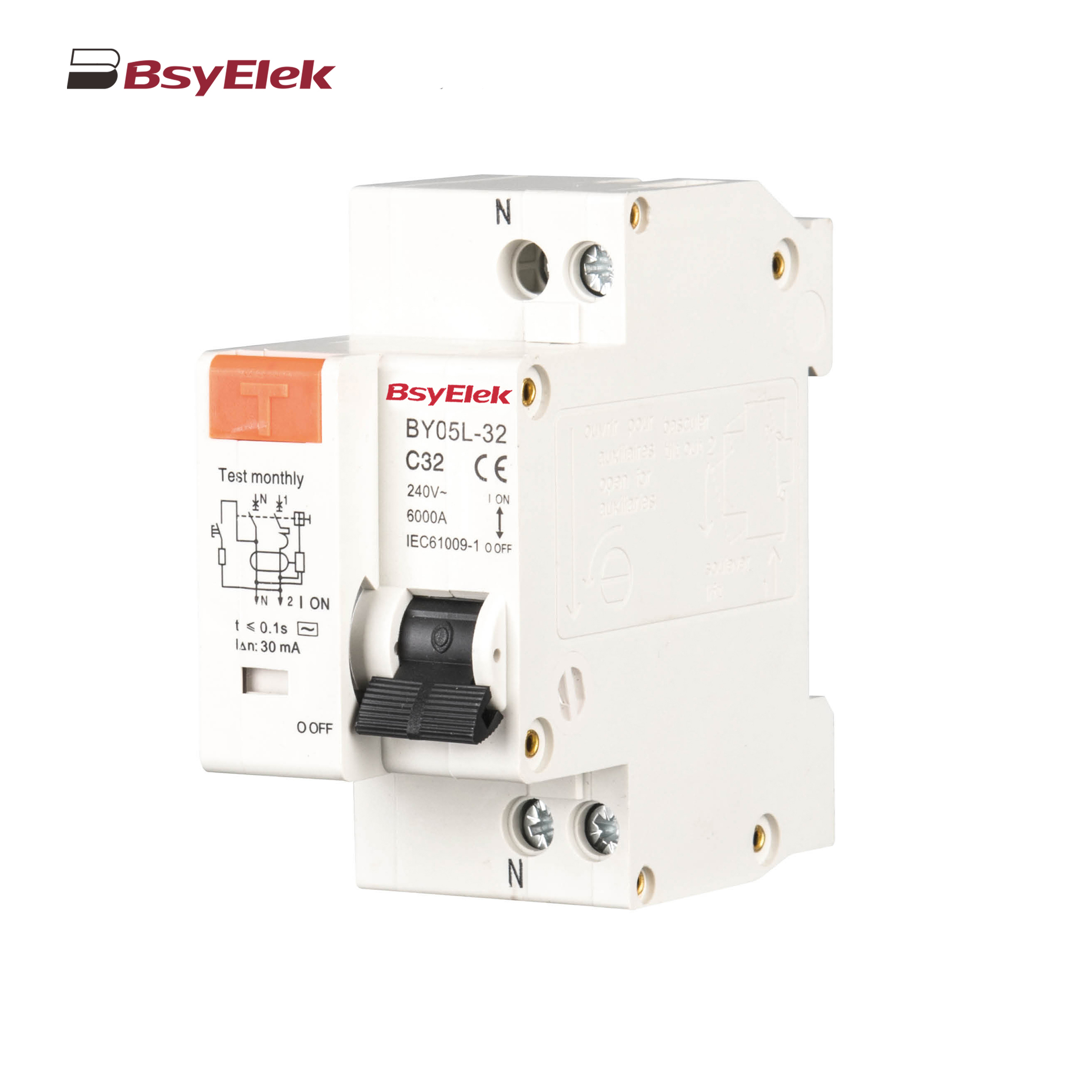 BY05L-32 RCBO 3KA Residual Current Circuit Breaker with Over-current Protection
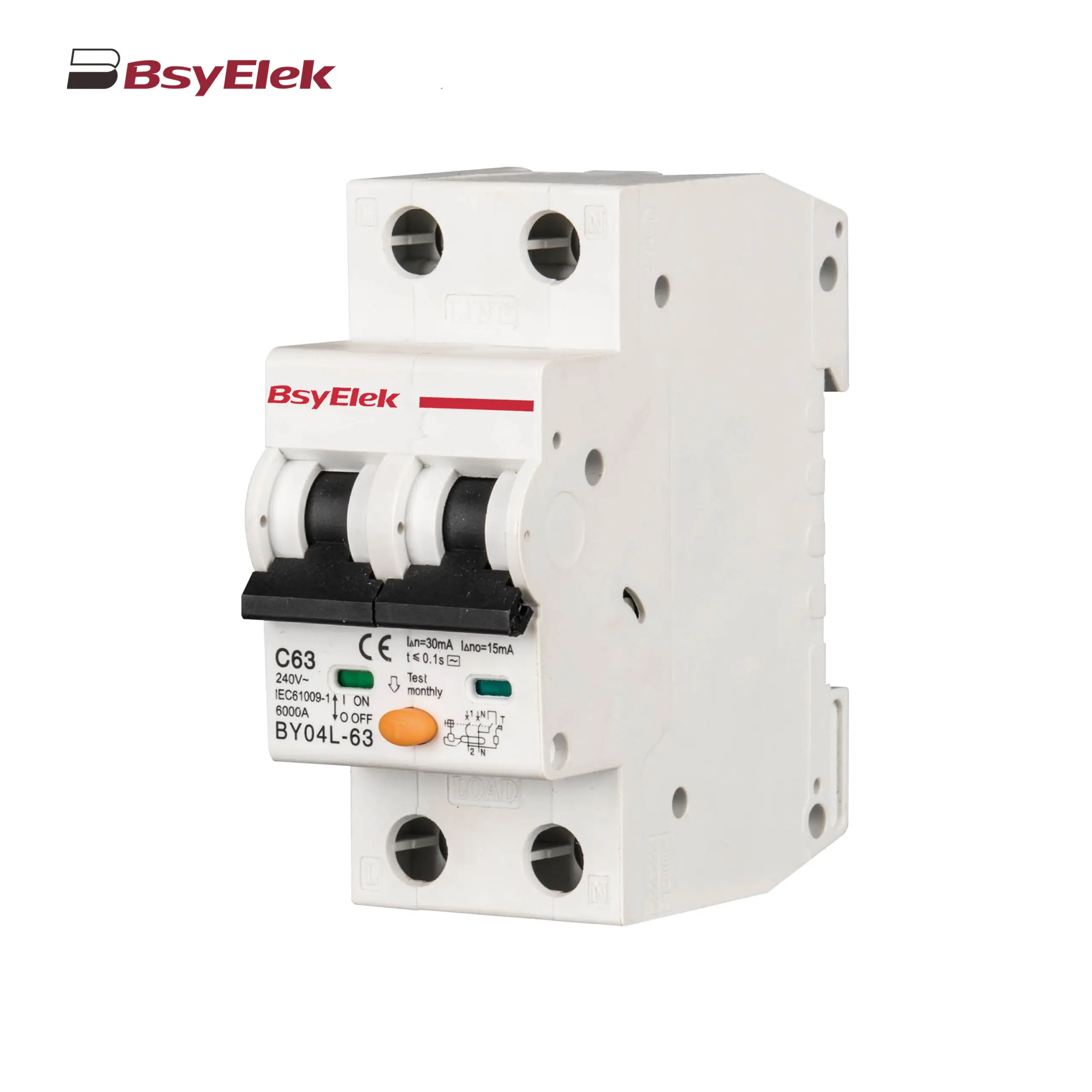 BY04L-63 RCBO 6KA Residual Current Circuit Breaker with Over-current Protection
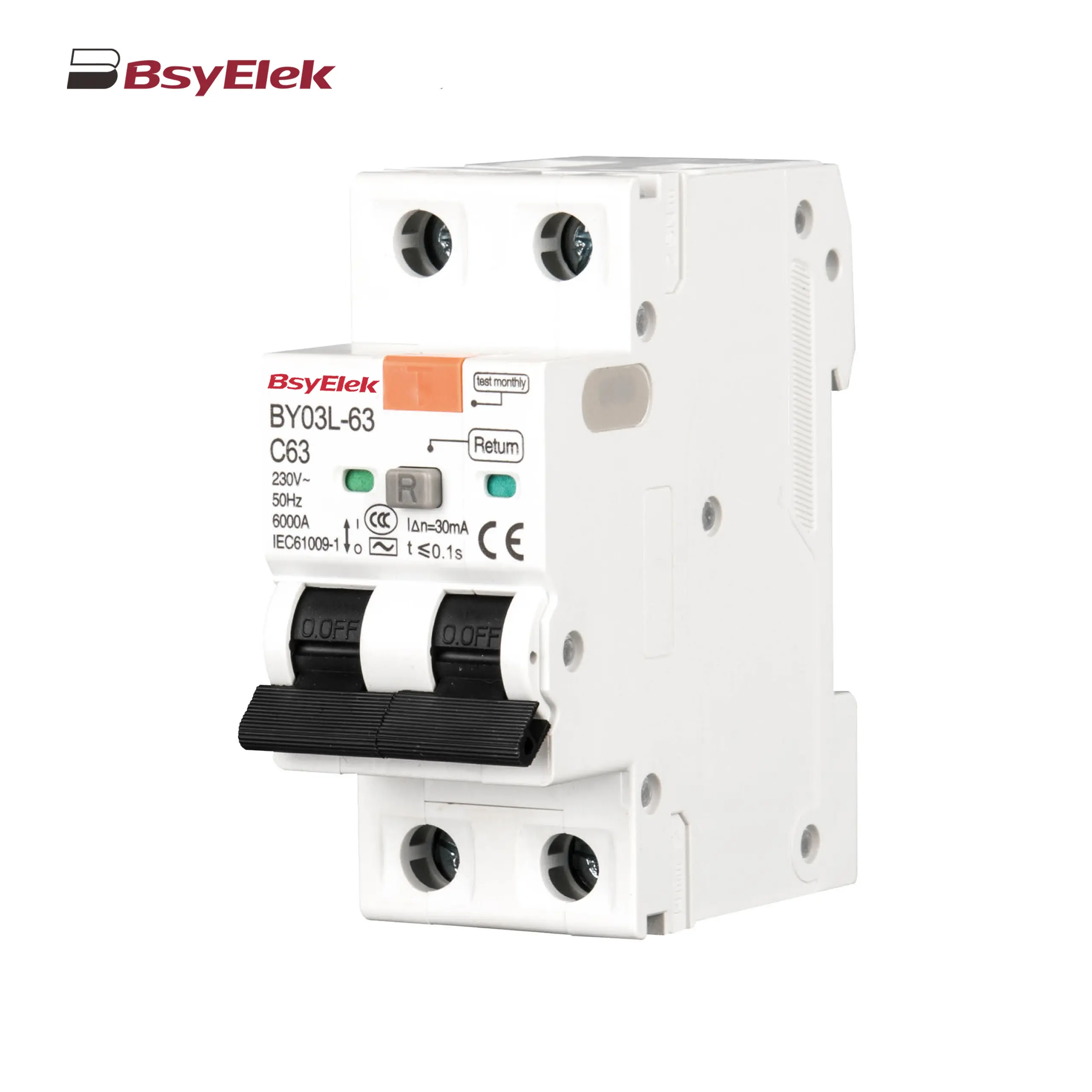 BY03L-63 RCBO 4.5KA Residual Current Circuit Breaker with Over-current Protection
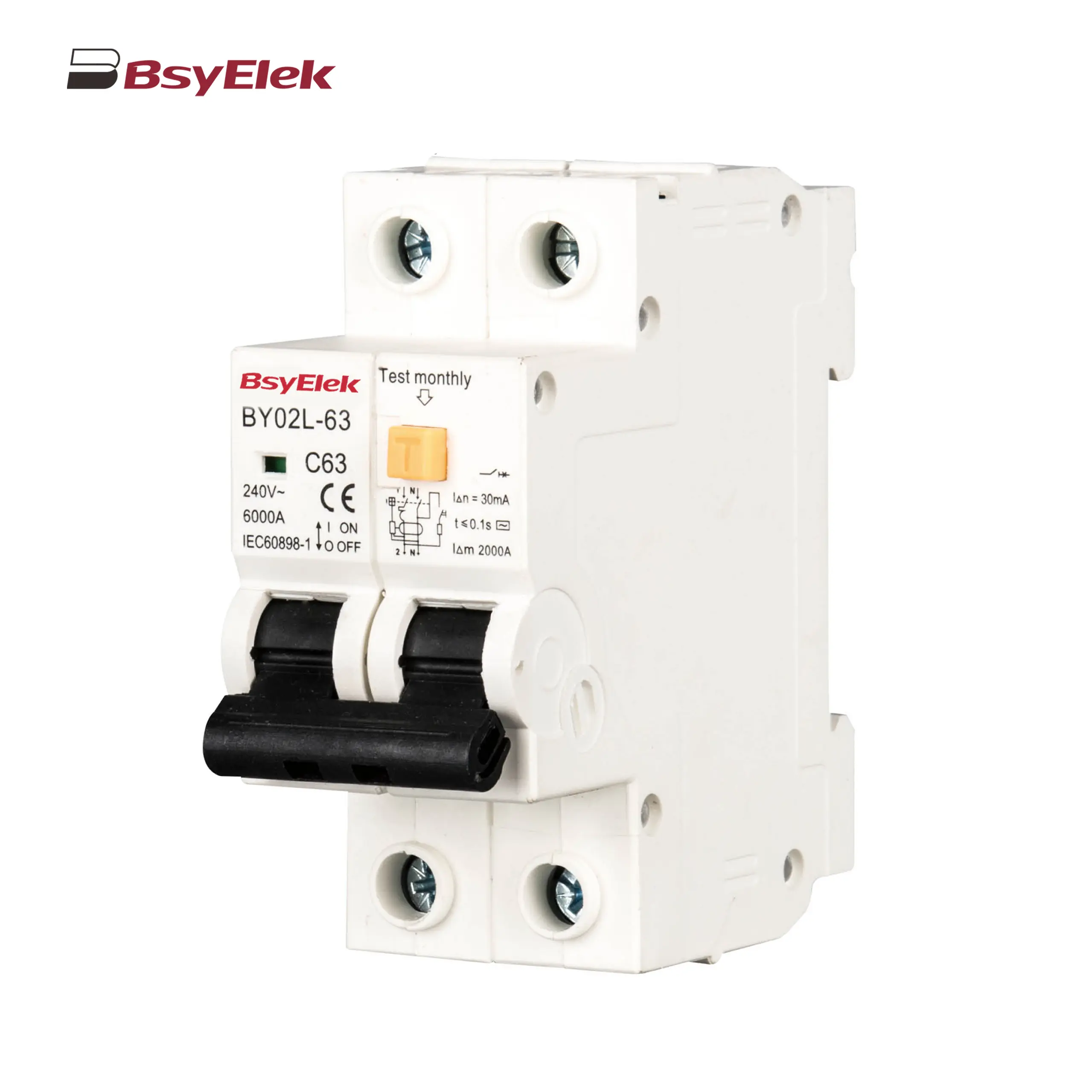 BY02L-63 RCBO 3KA Residual Current Circuit Breaker with Over-current Protection
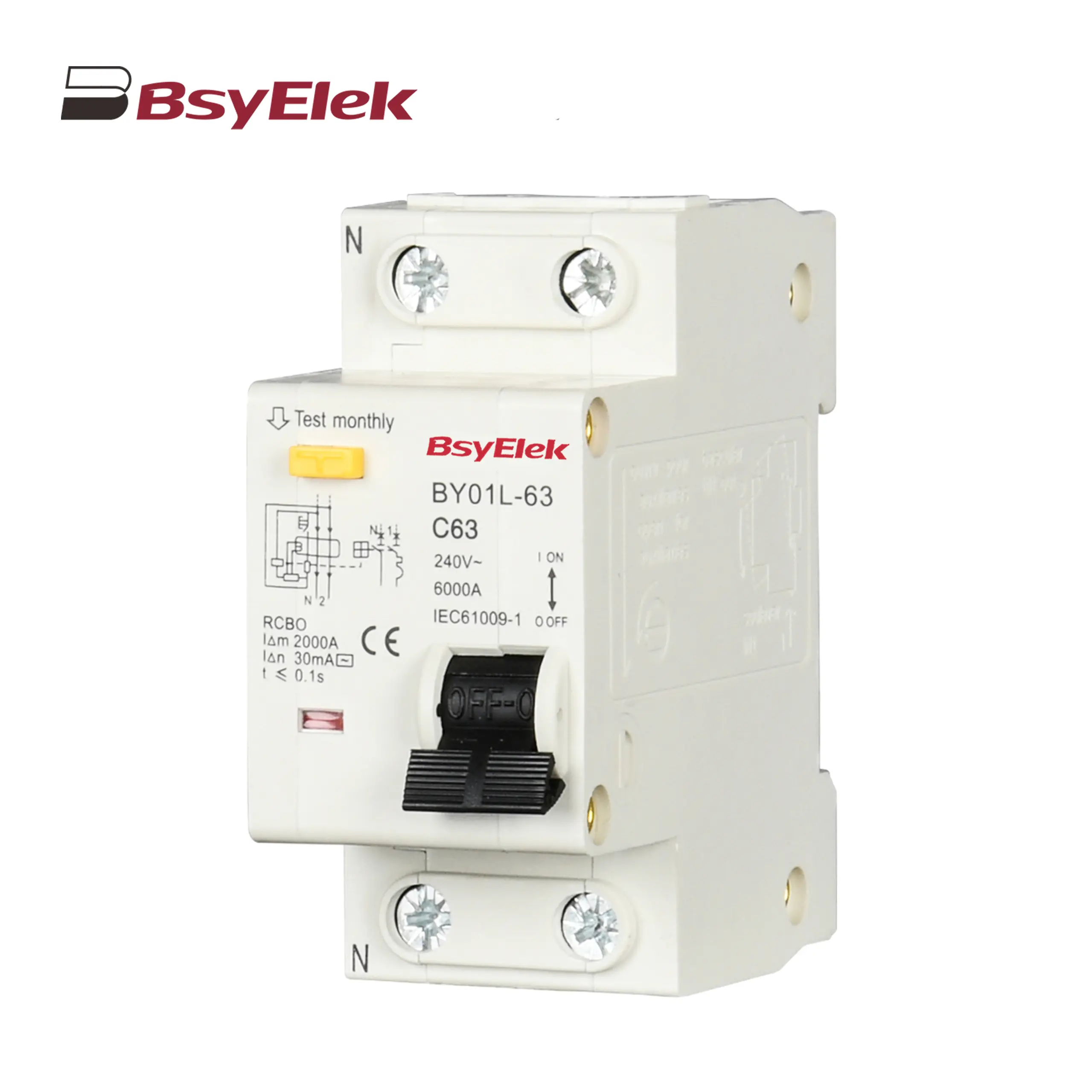 BY01L-63 RCBO 1P+N 3KA Residual Current Circuit Breaker with Over-current Protection
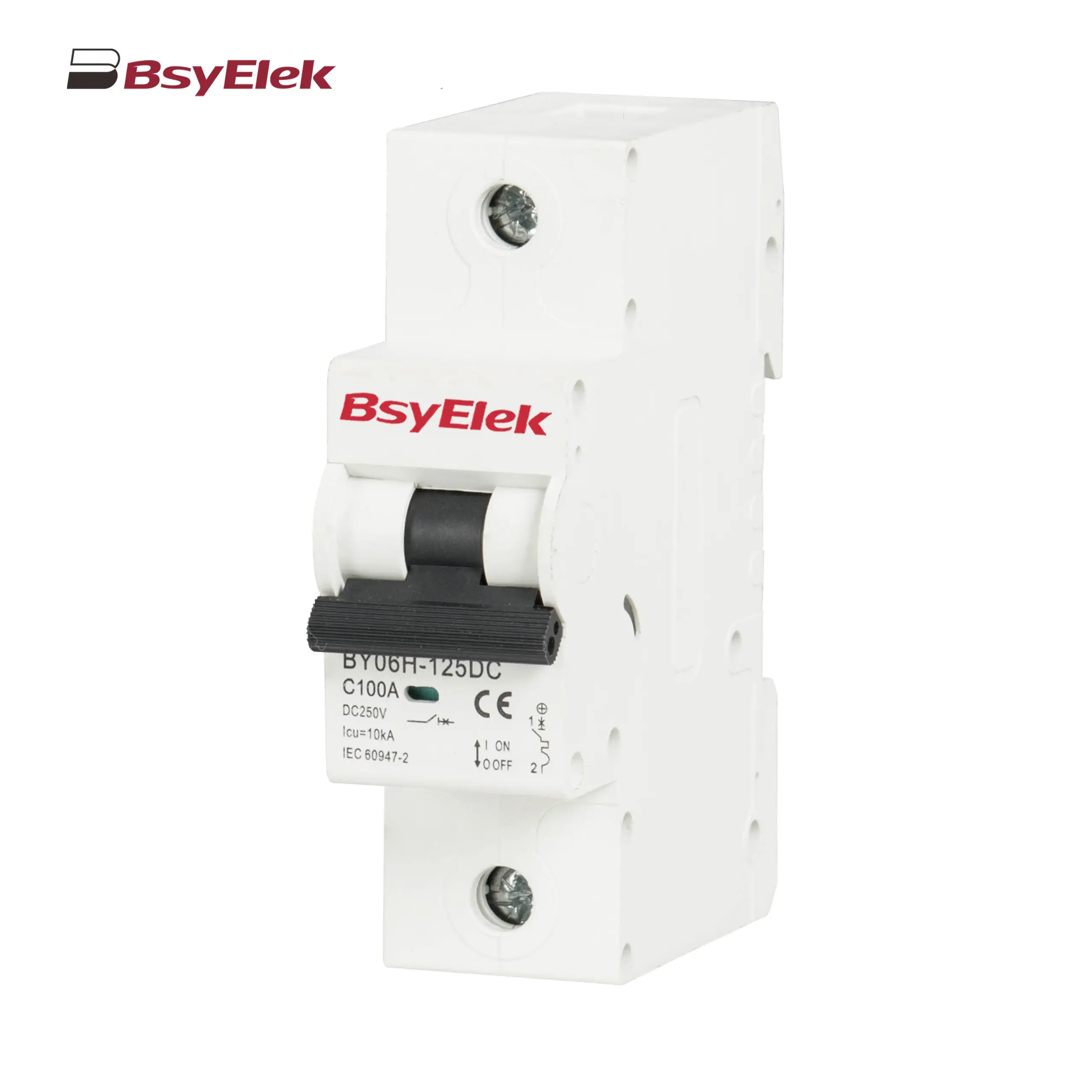 BY06H-125DC MCB 10-15kA DC Miniature Circuit Breaker
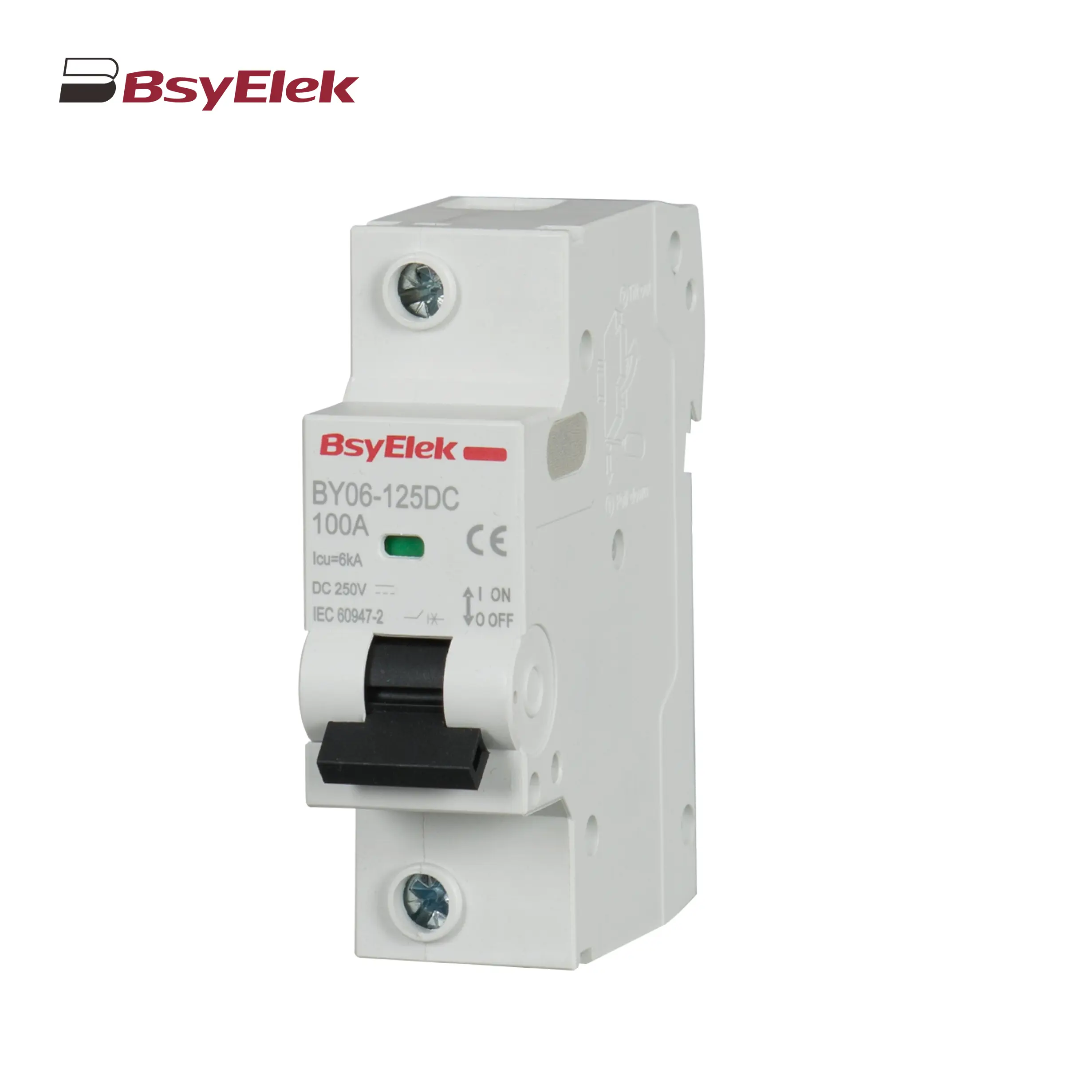 BY06-125DC MCB 6kA DC Miniature Circuit Breaker
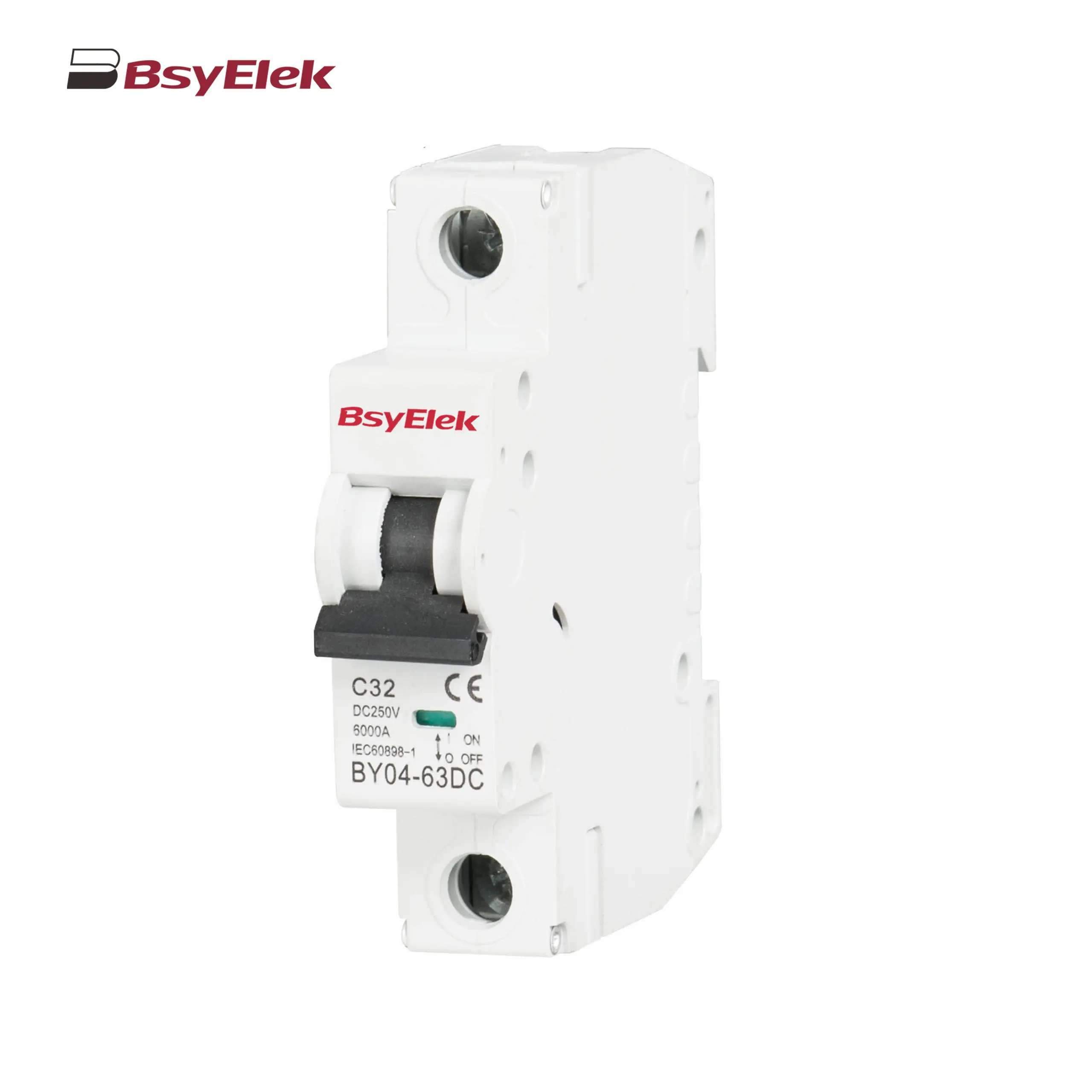 BY04-63DC MCB 6-10kA DC Miniature Circuit Breaker
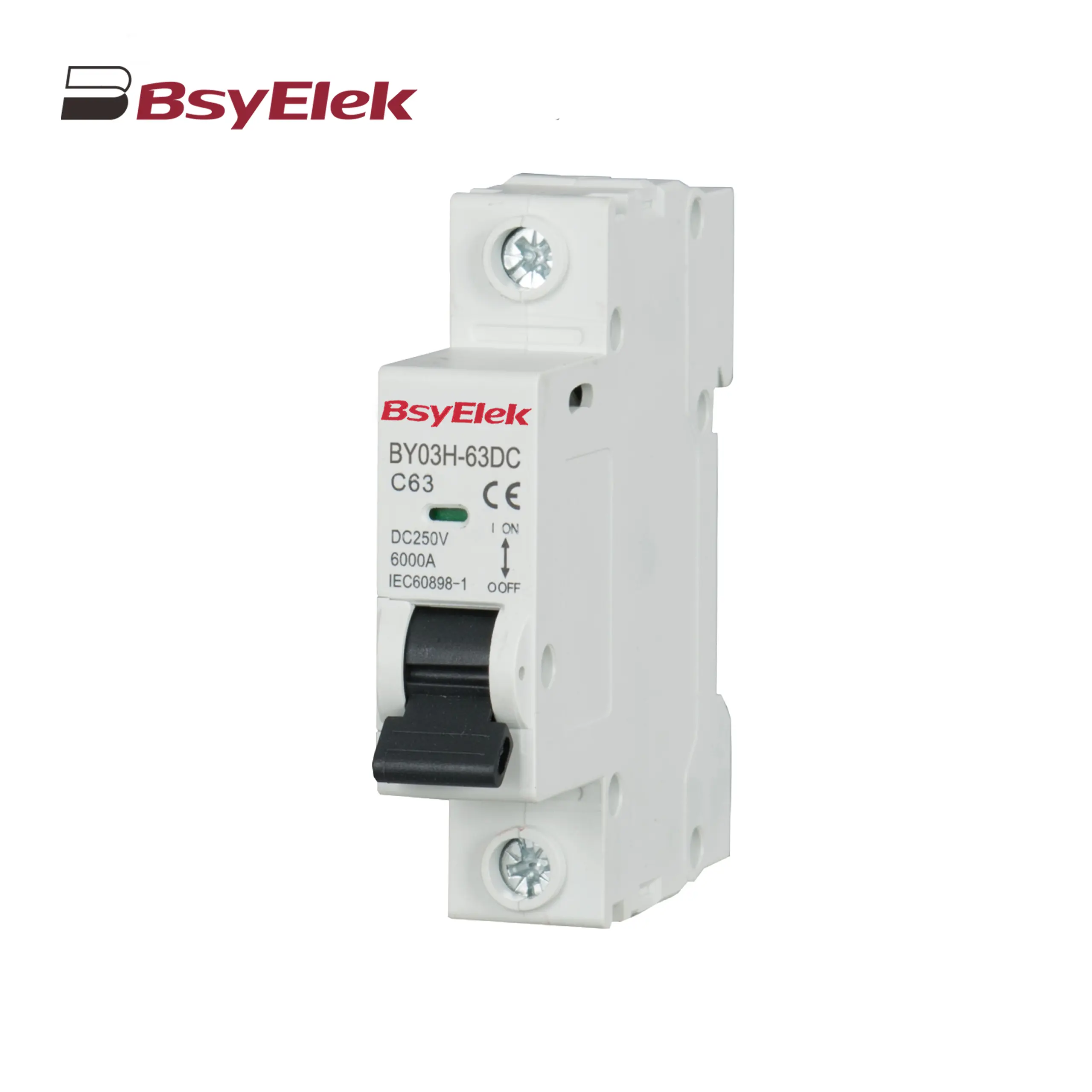 BY03H-63DC MCB 6kA DC Miniature Circuit Breaker
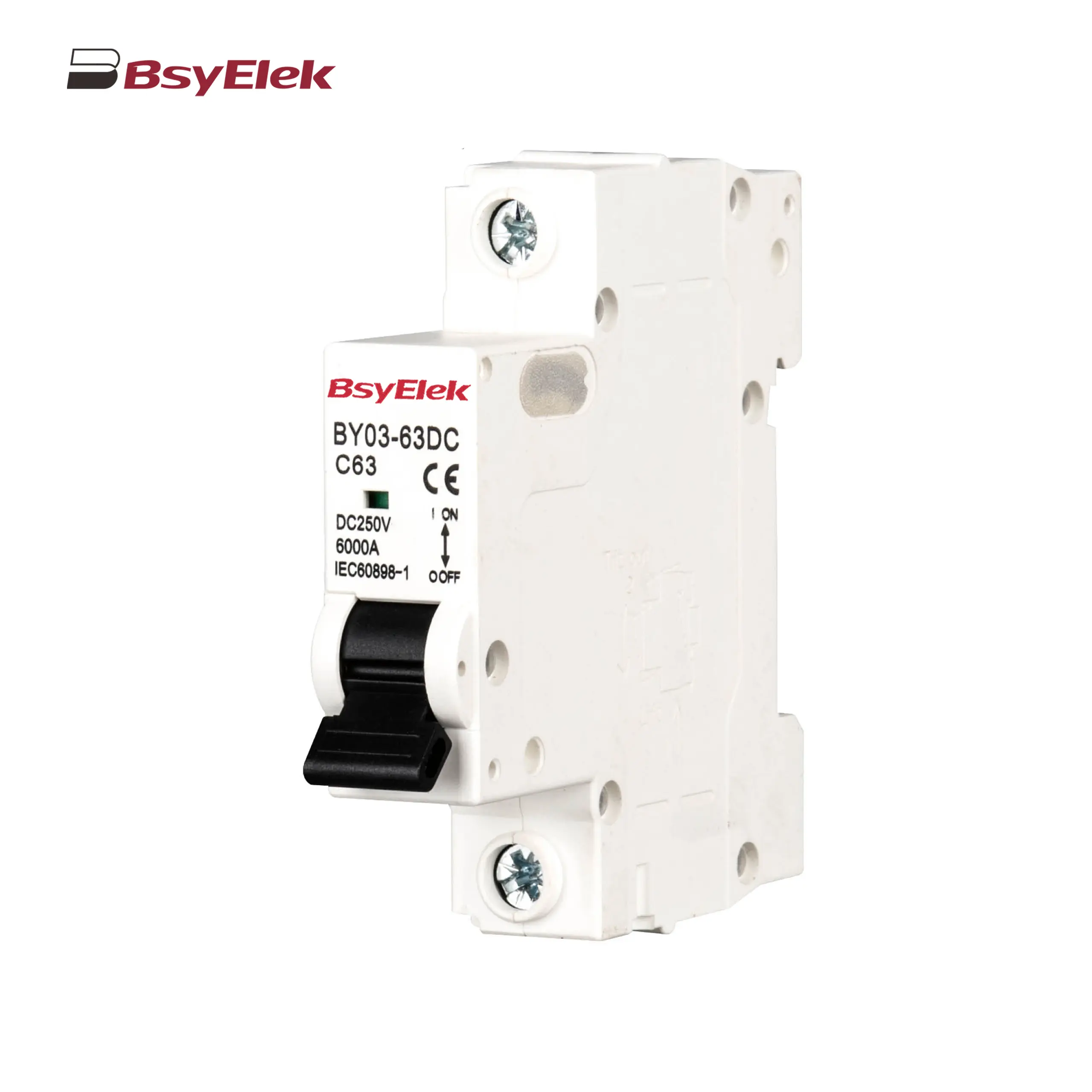 BY03-63DC MCB 4.5kA DC Miniature Circuit Breaker
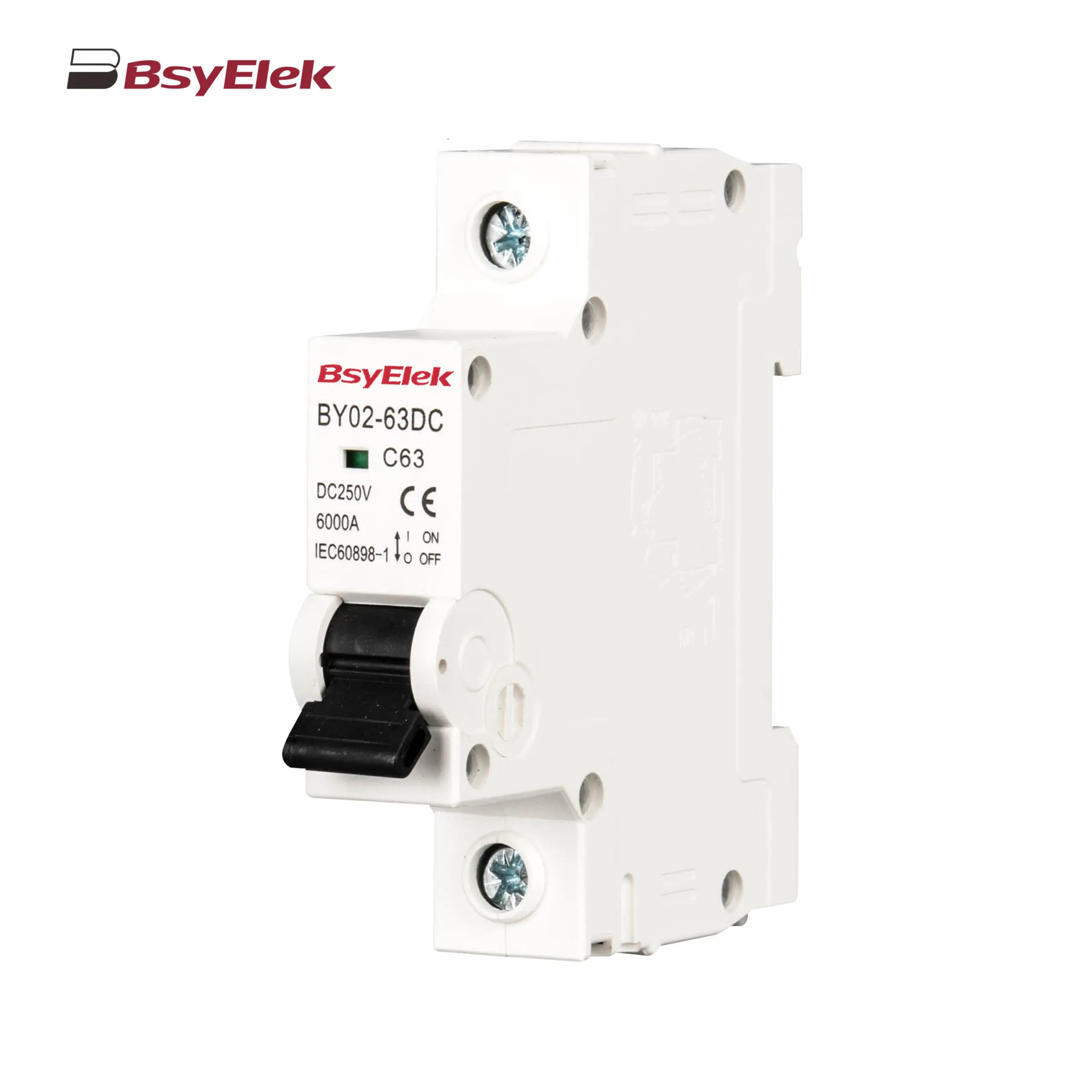 BY02-63DC MCB 3kA DC Miniature Circuit Breaker
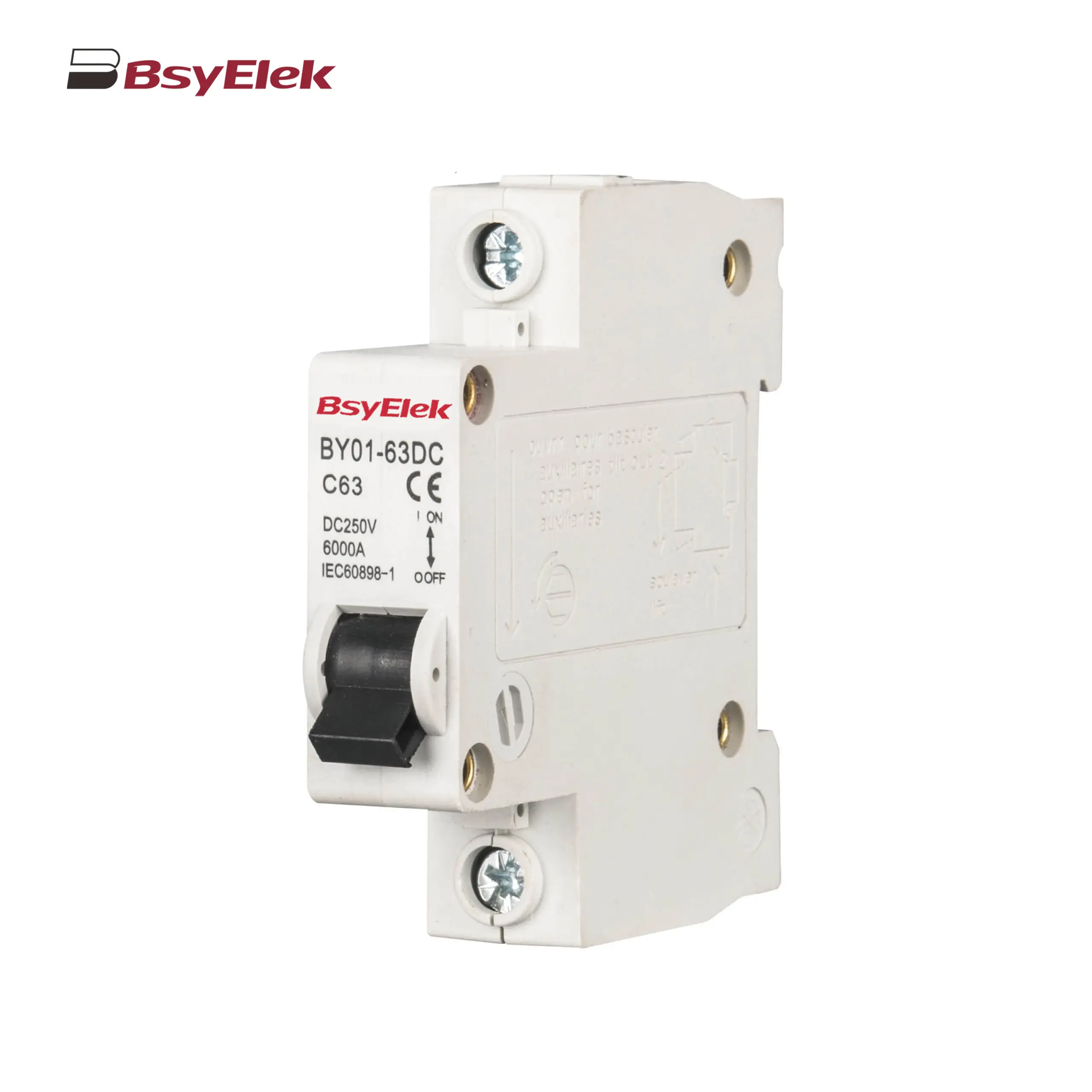 BY01-63DC MCB 3kA DC Miniature Circuit Breaker
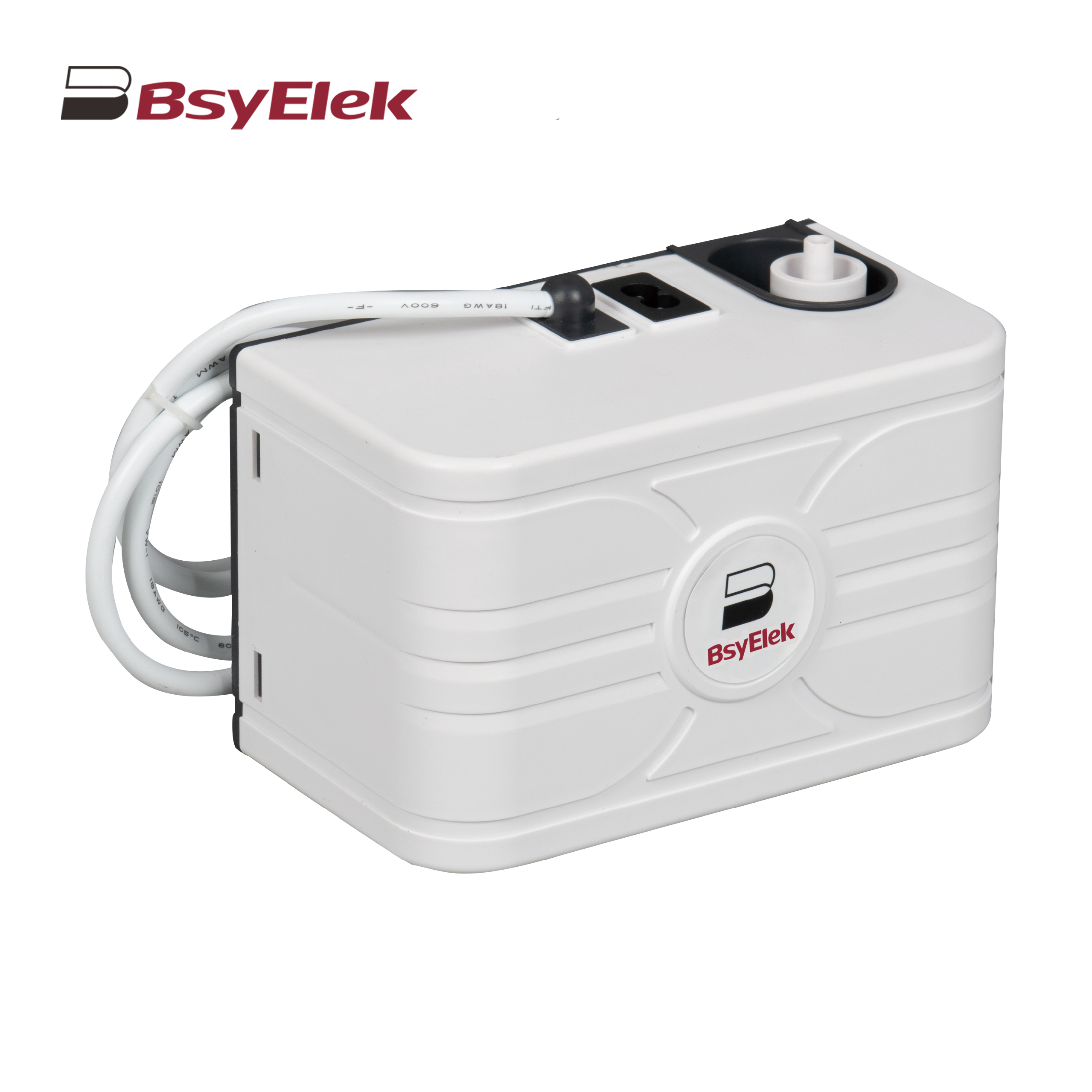 BY-5018 1.8M Engineering Drainage Pump
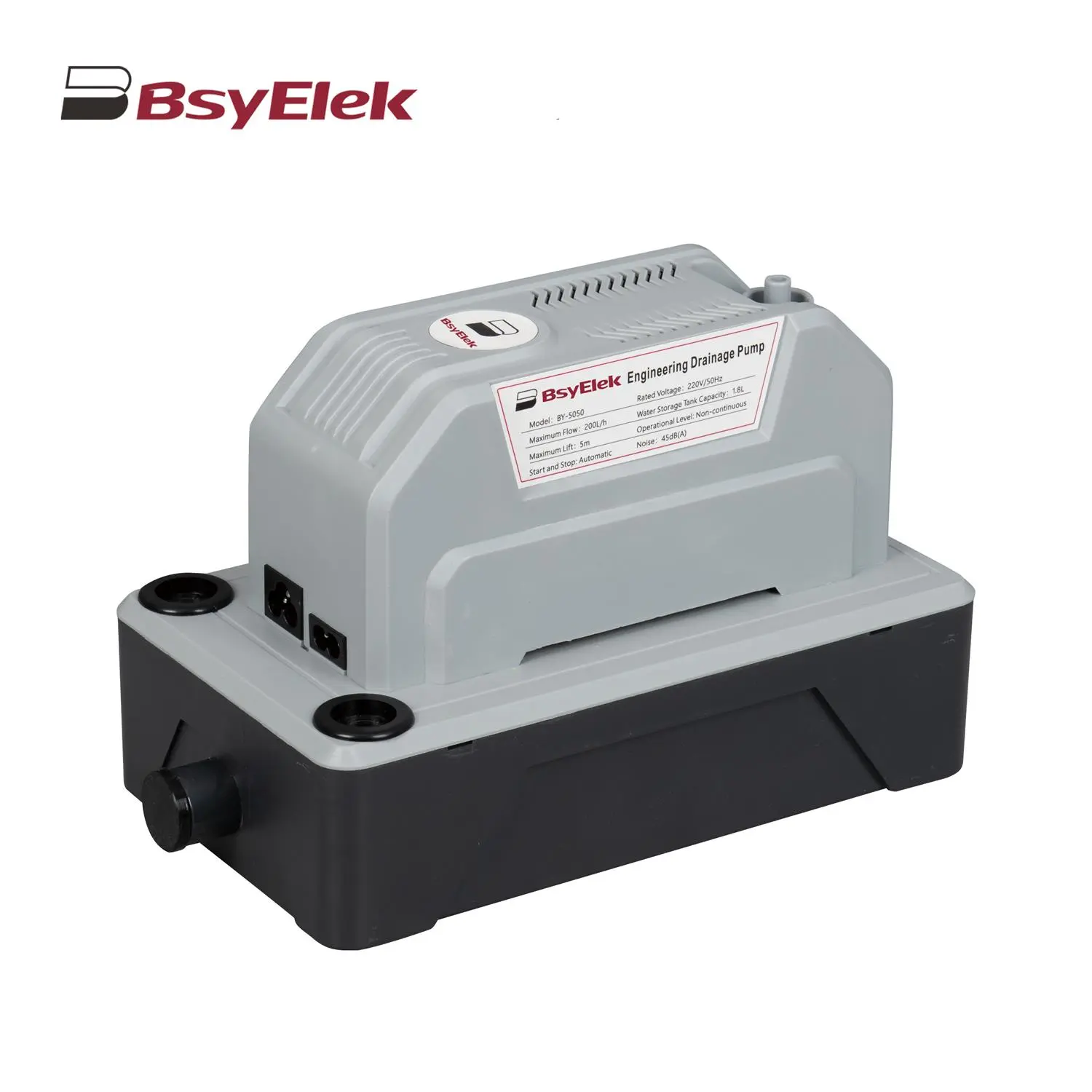 BY-5050 5M Engineering Drainage Pump
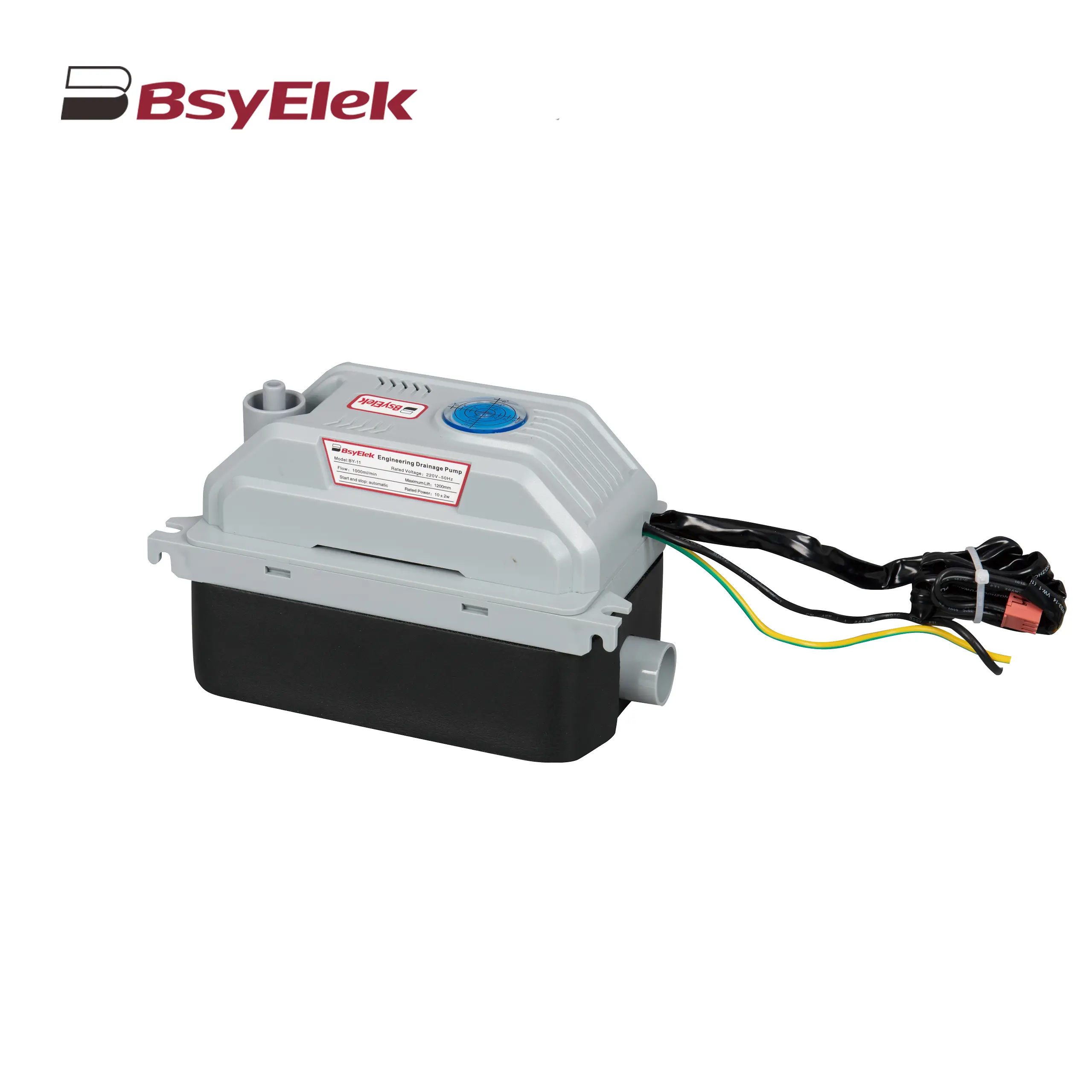 BY-11 1.2M Engineering Drainage Pump
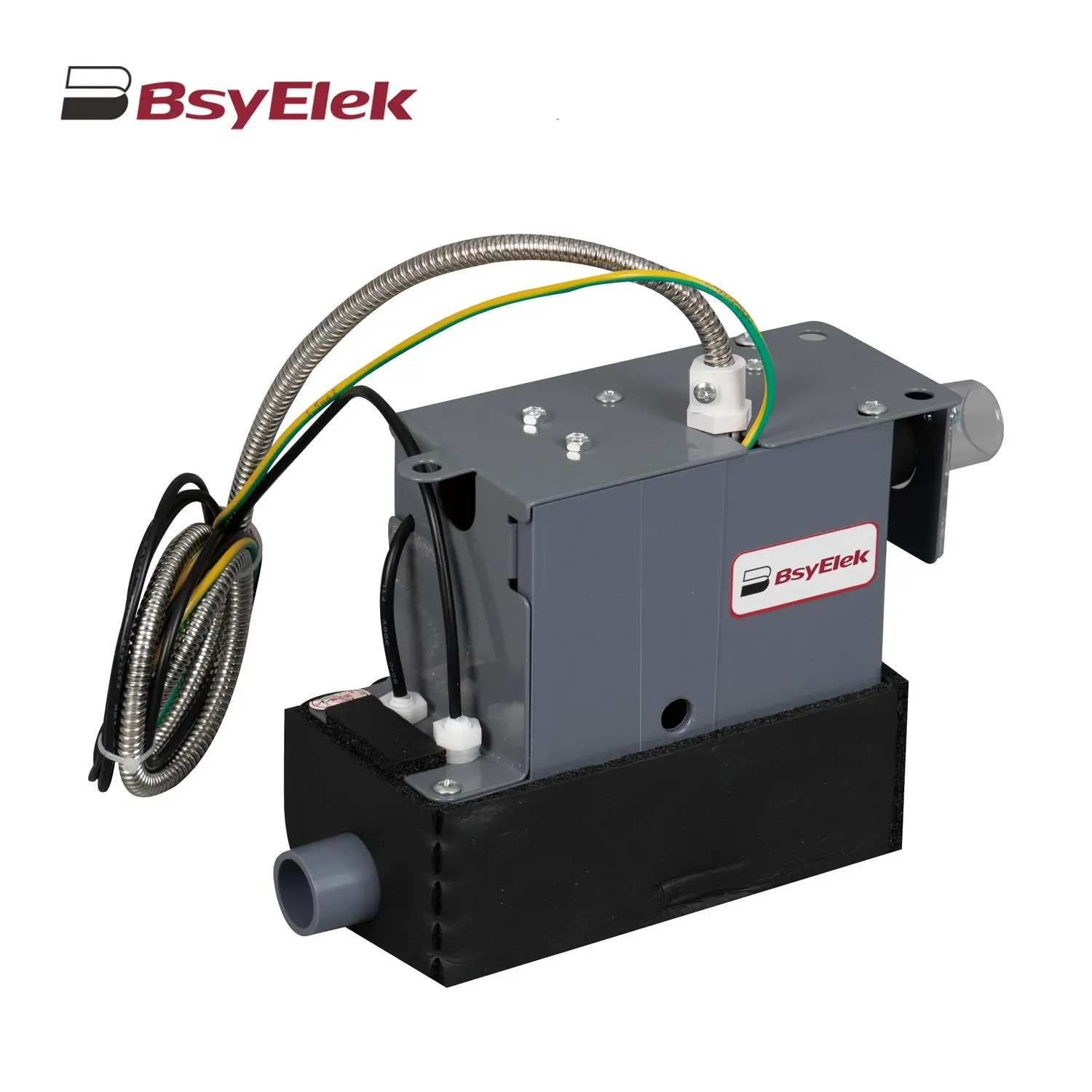 SBH-05 0.7M Original Drainage Pump of Duct Type Air Conditioner
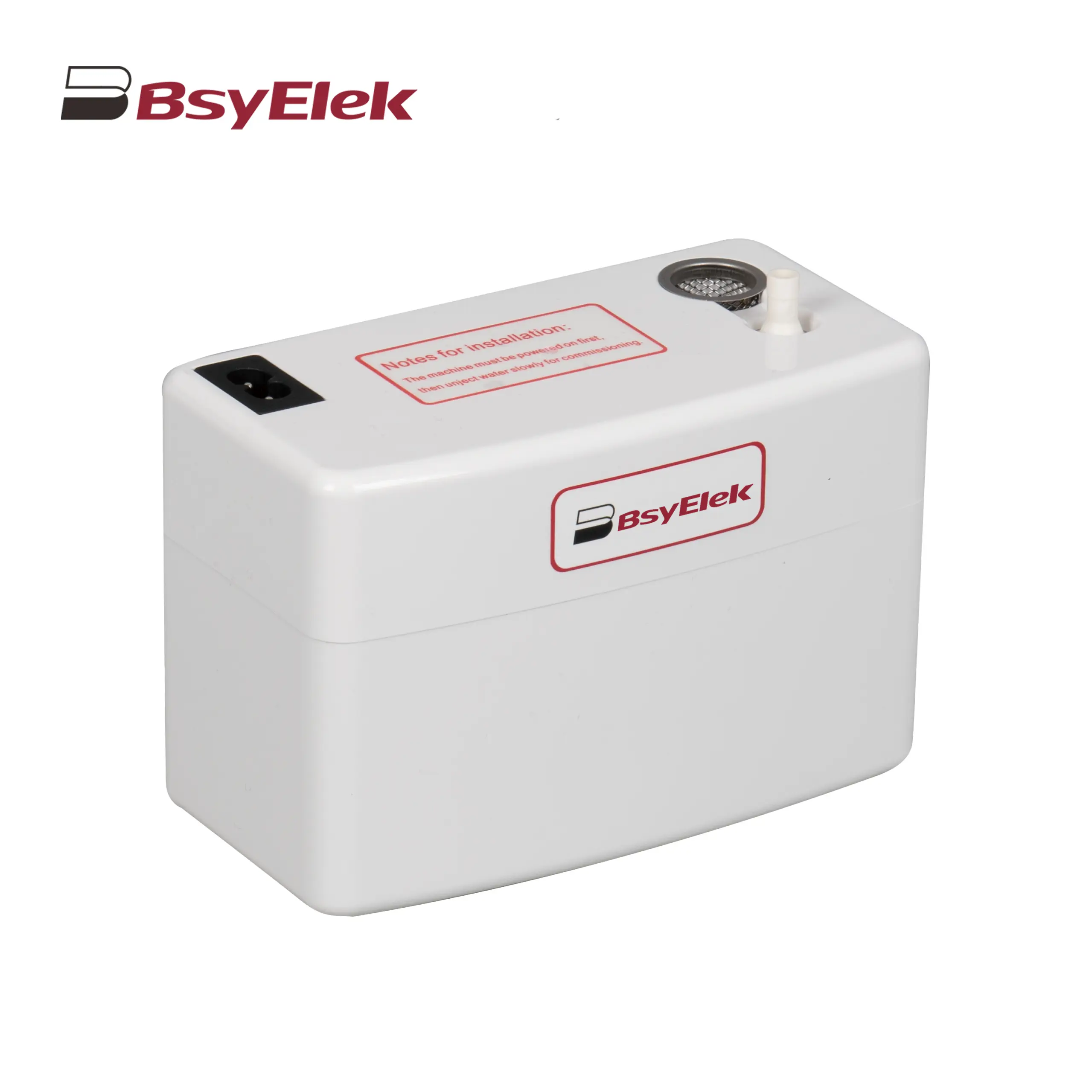 BY-24A/40A 10M Drainage Pump of Air Conditioner
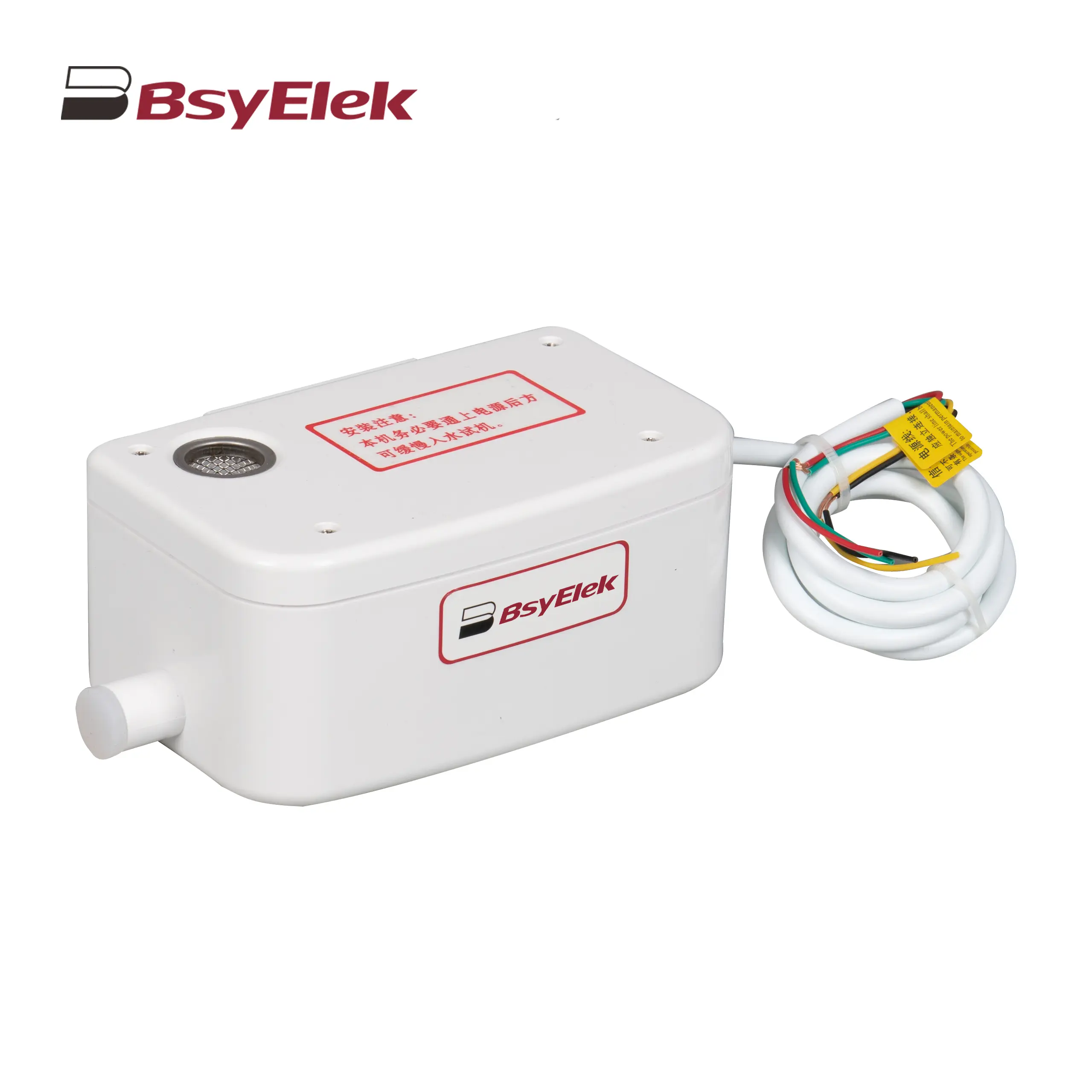 BY-50A 12M Drainage Pump of Air Conditioner
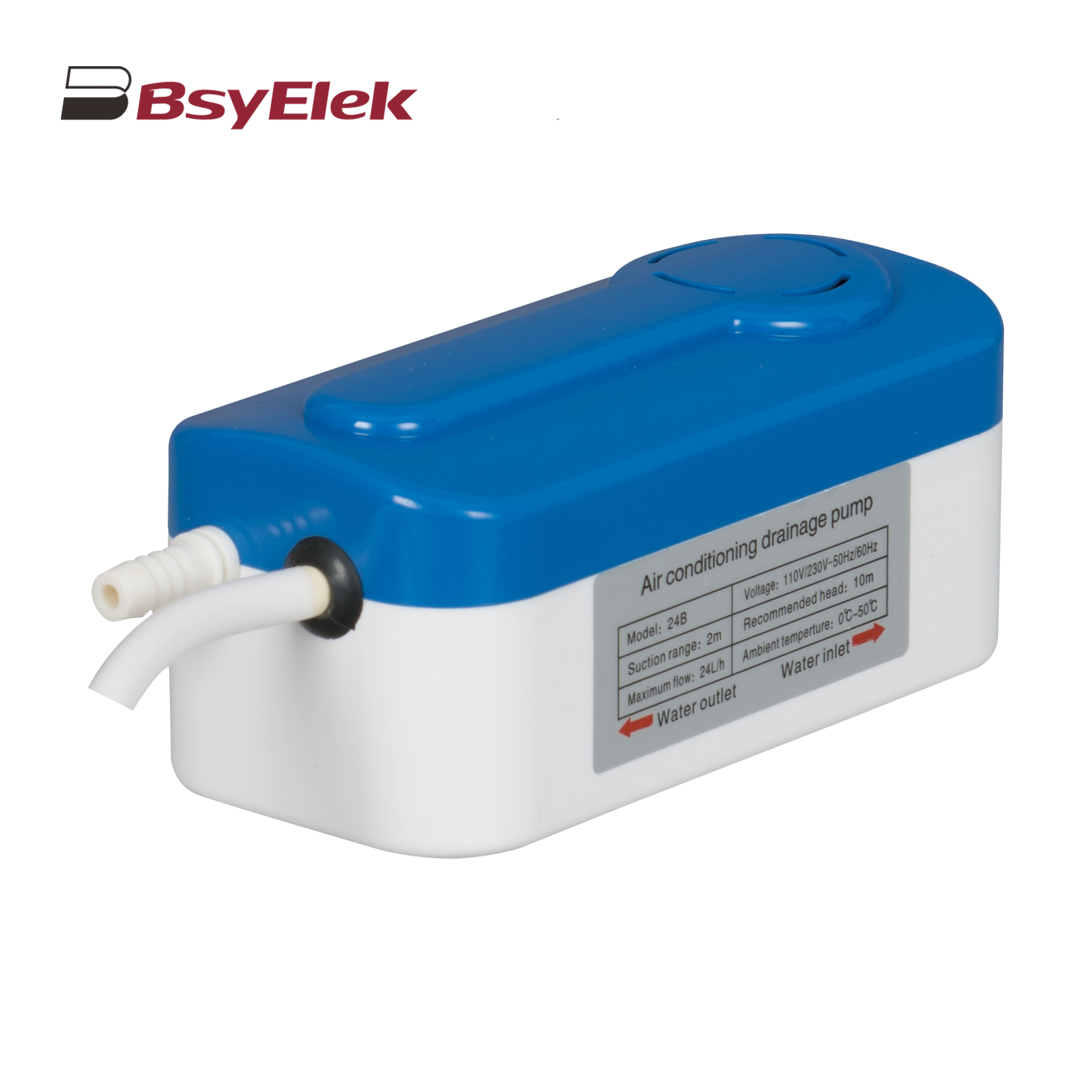 BY-24B/40B 10M Split Type Drainage Pump
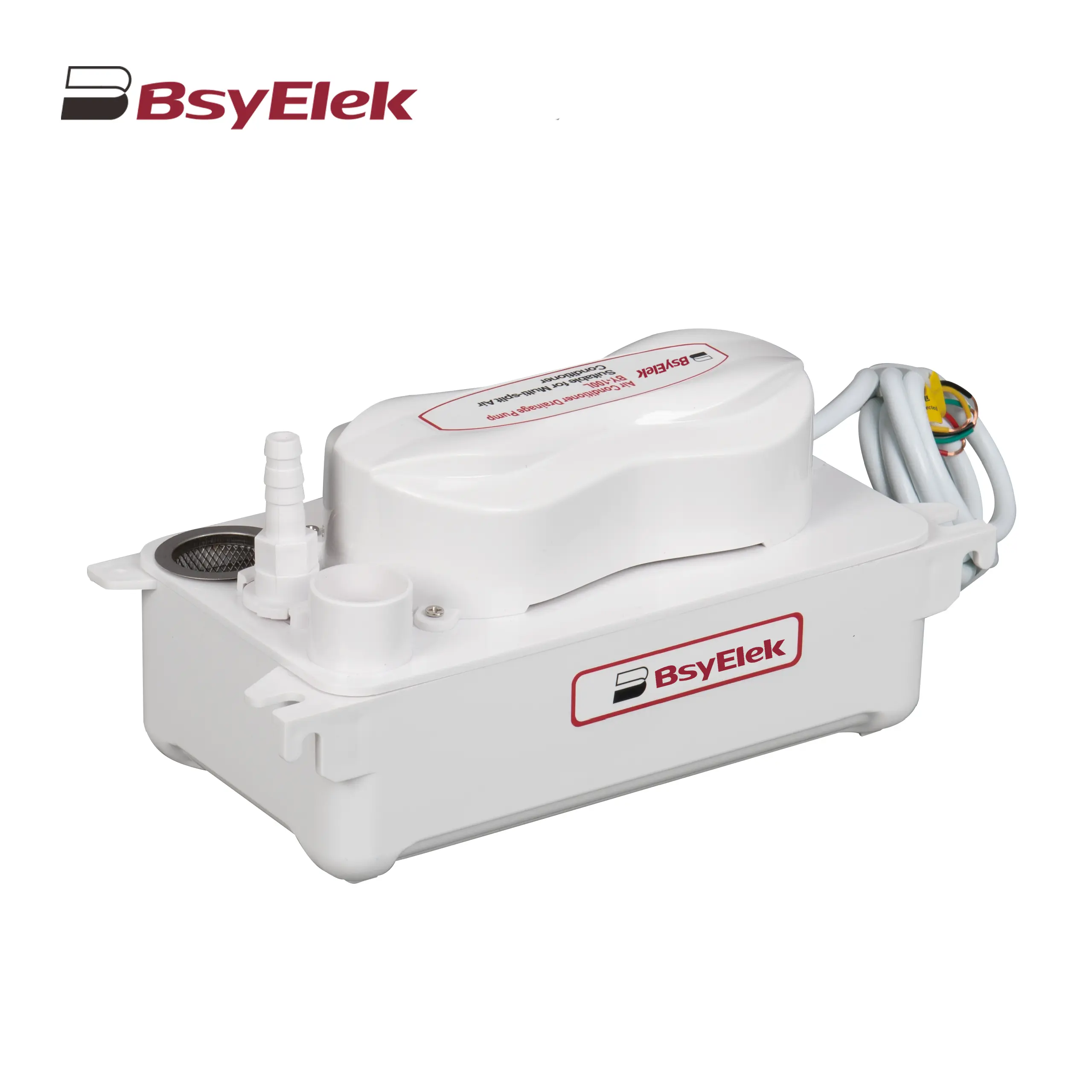 BY-100L 2M Drainage Pump of Air Conditioner
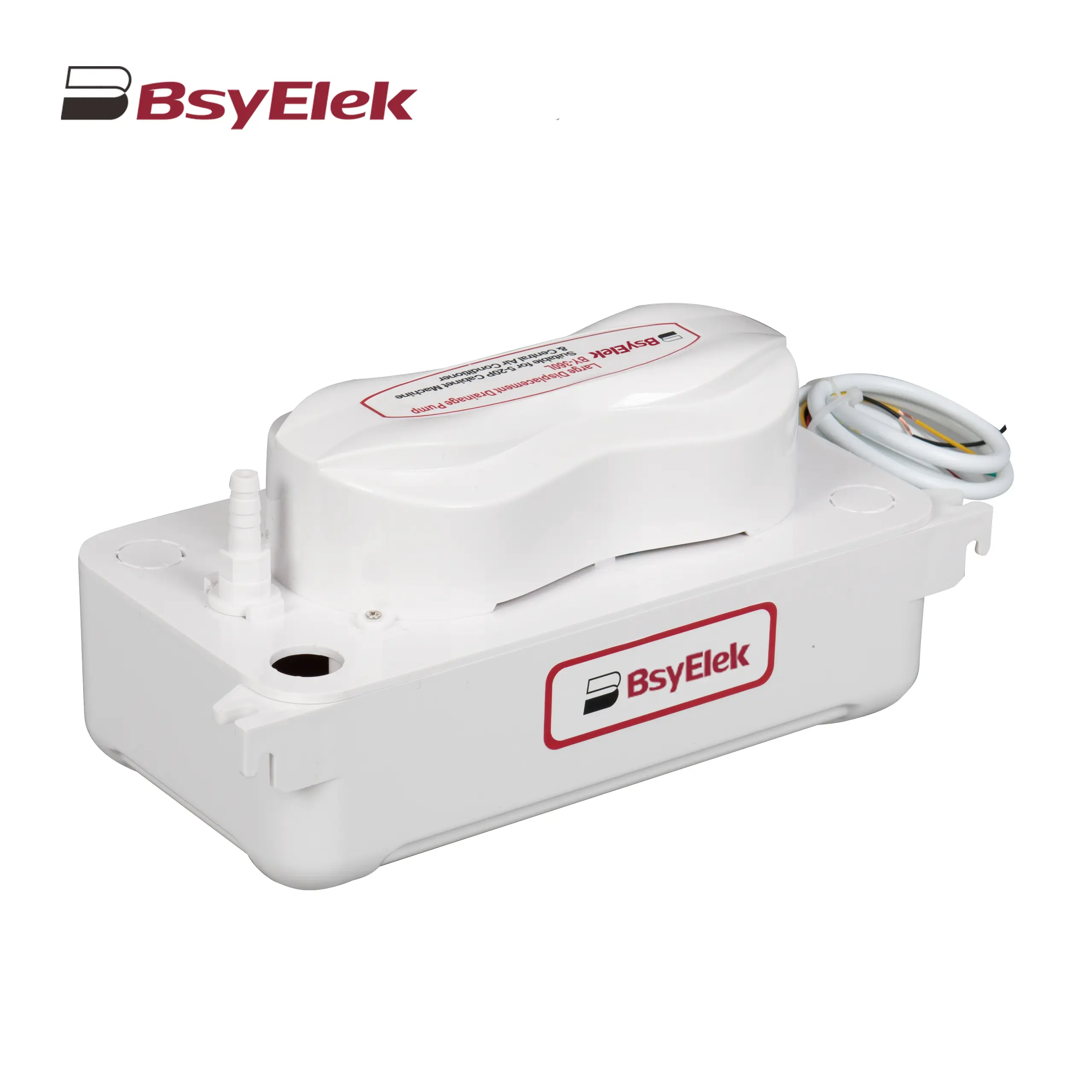 BY-360L 6M Large Displacement Drainage Pump
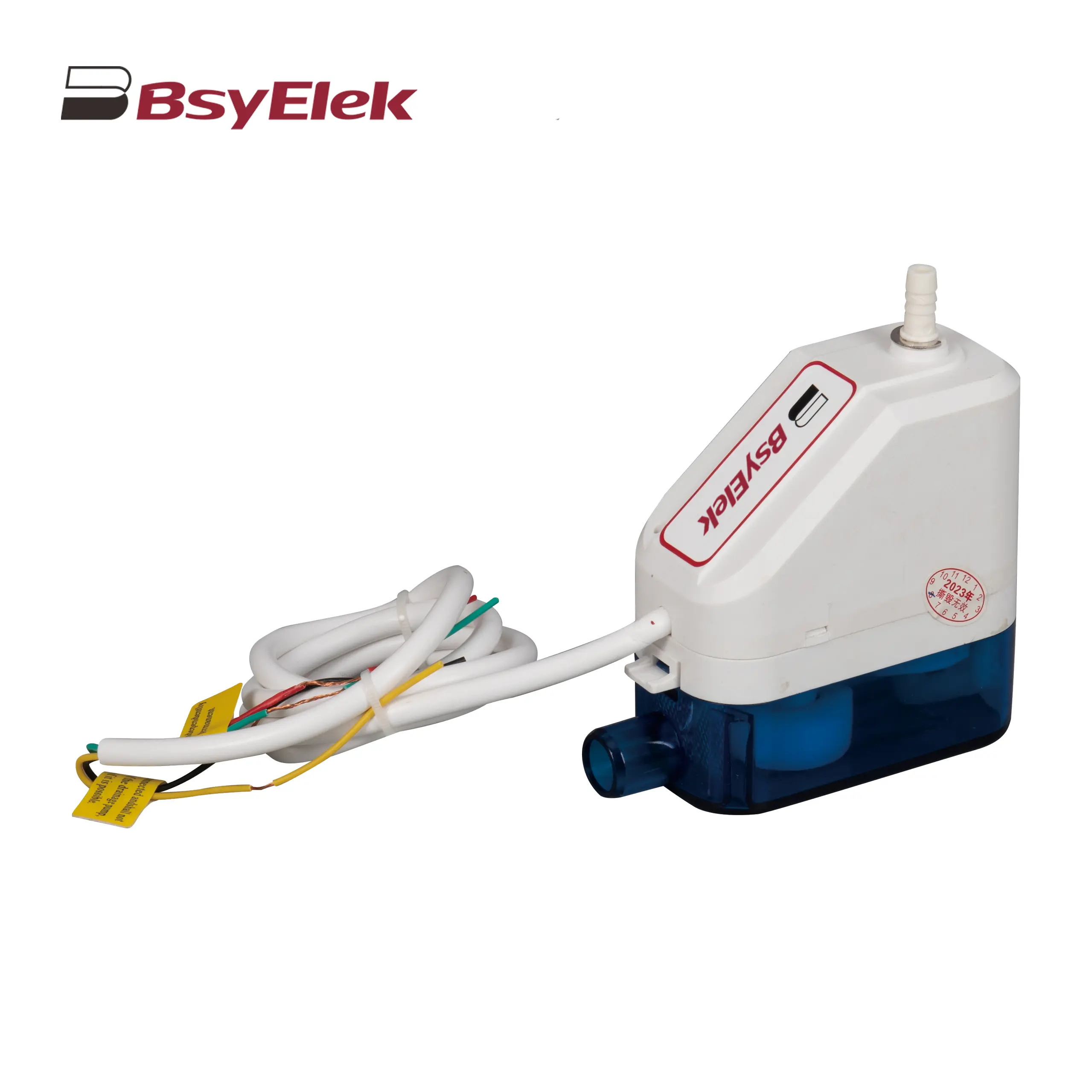 BY-24C/40C 10M Corner Drainage Pump
What is a miniature circuit breaker (MCB)?
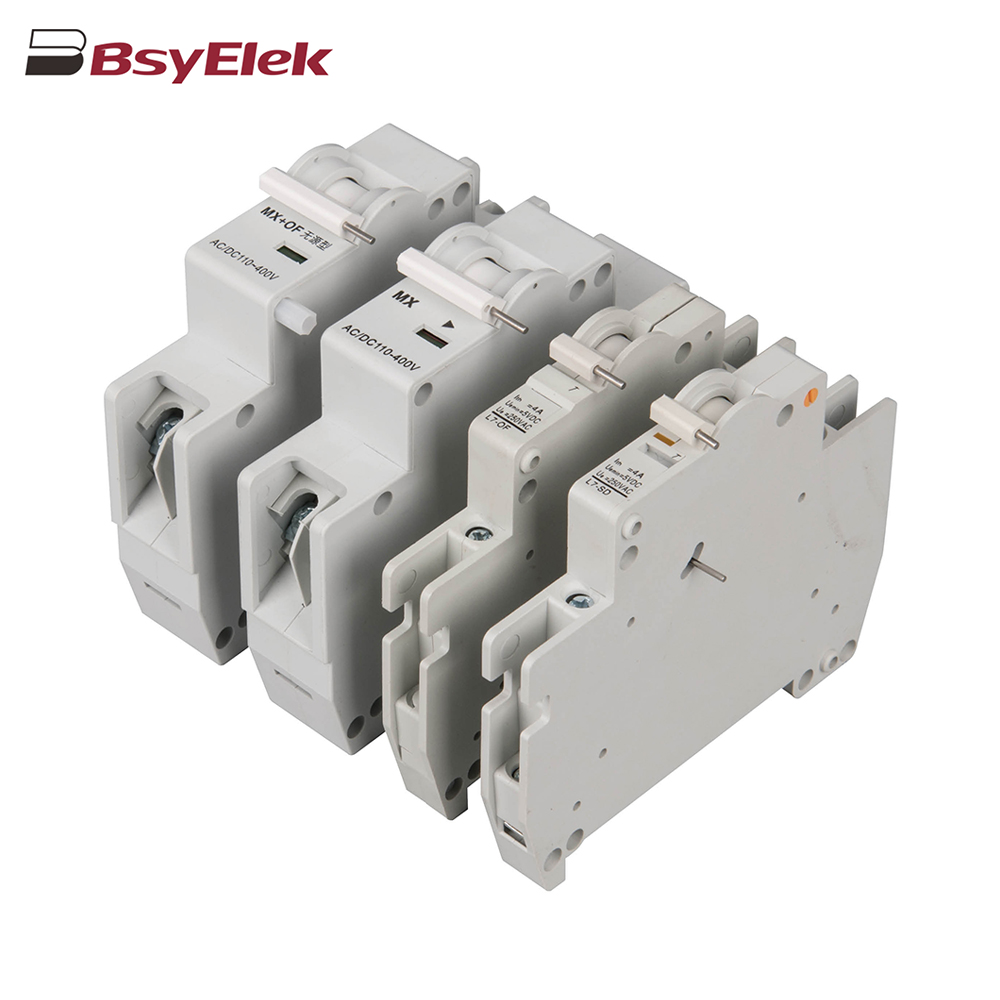 OF SD MX OF MCB Miniature Circuit Breaker Accessories
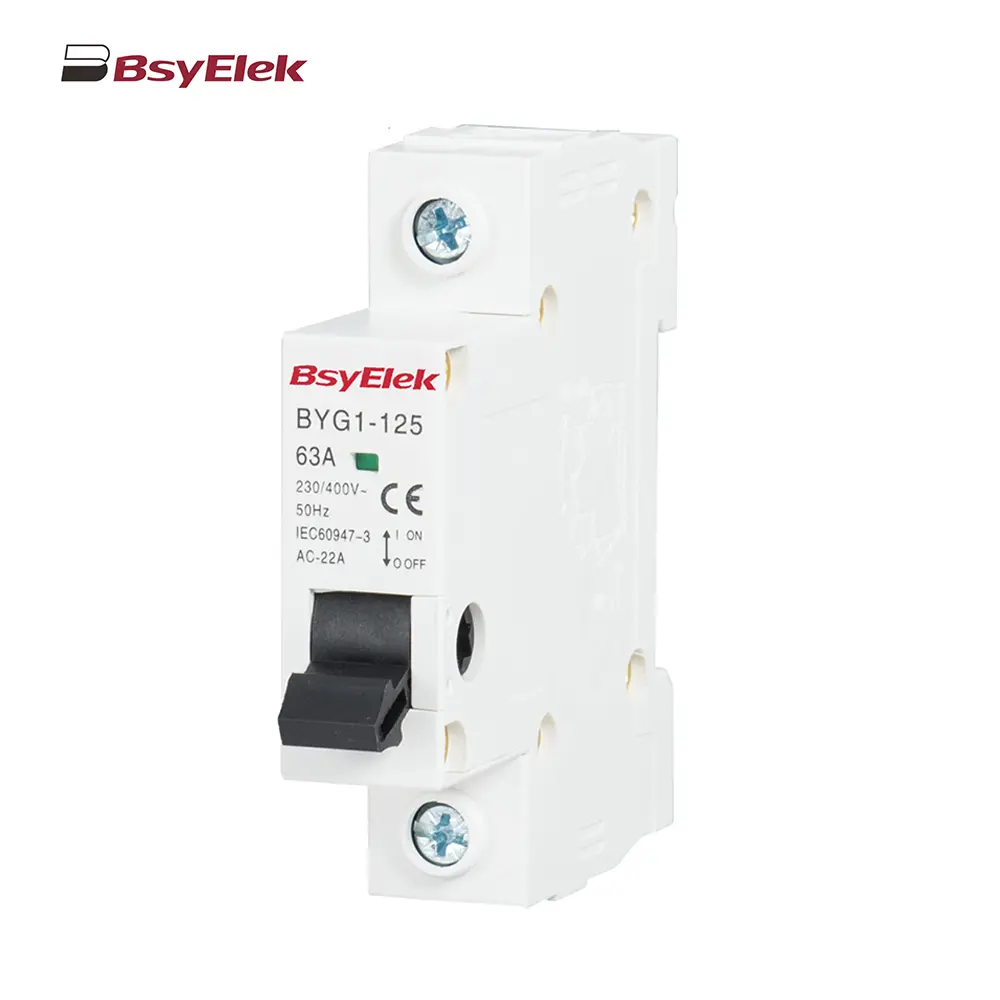 BYG1-125 Main Switch MCB Isolator Switch
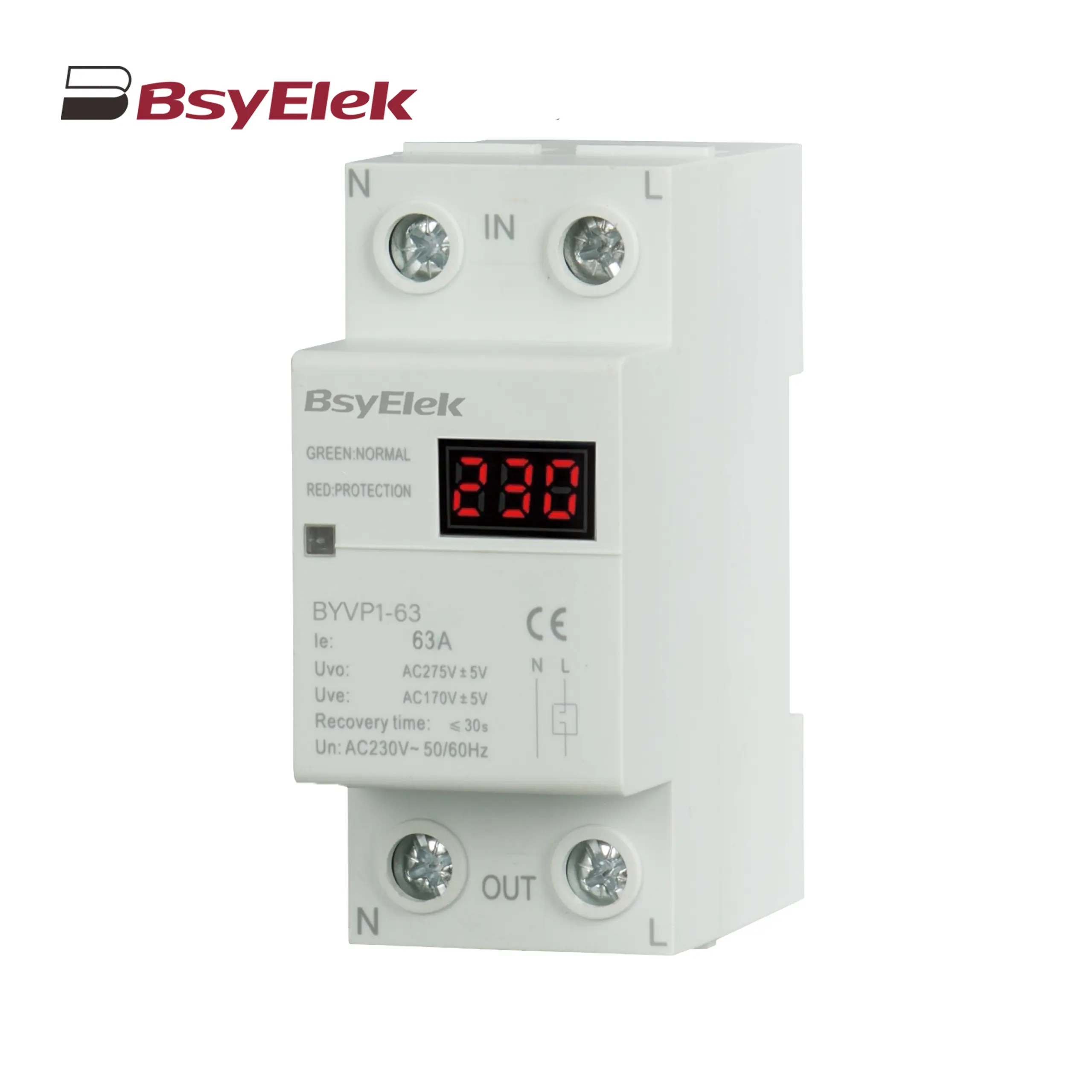 BYVP1-63 100A Single Display Overvoltage and Undervoltage Protector
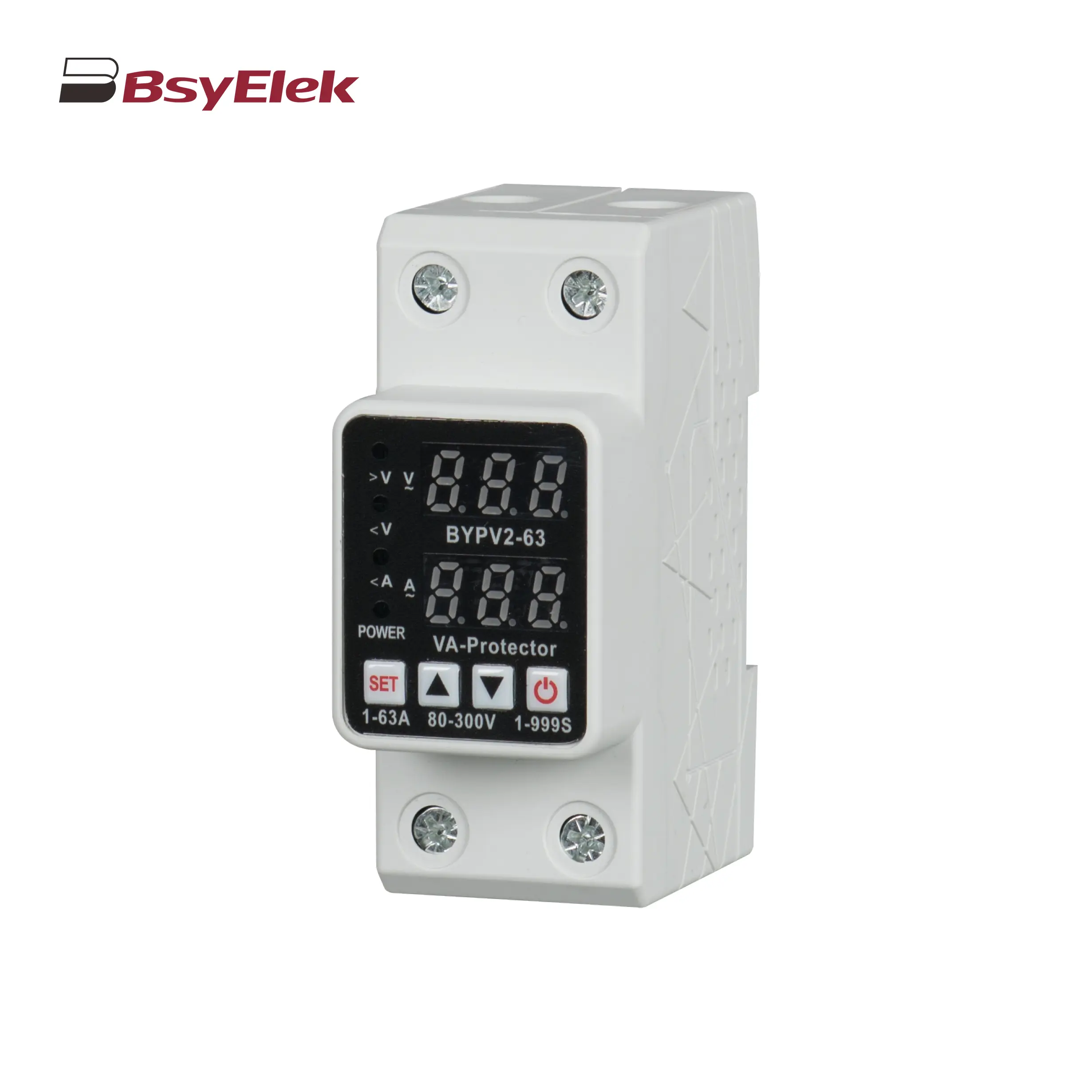 BYVP2-63 40A 63A Adjustable Dual Display Overvoltage and Undervoltage Protector
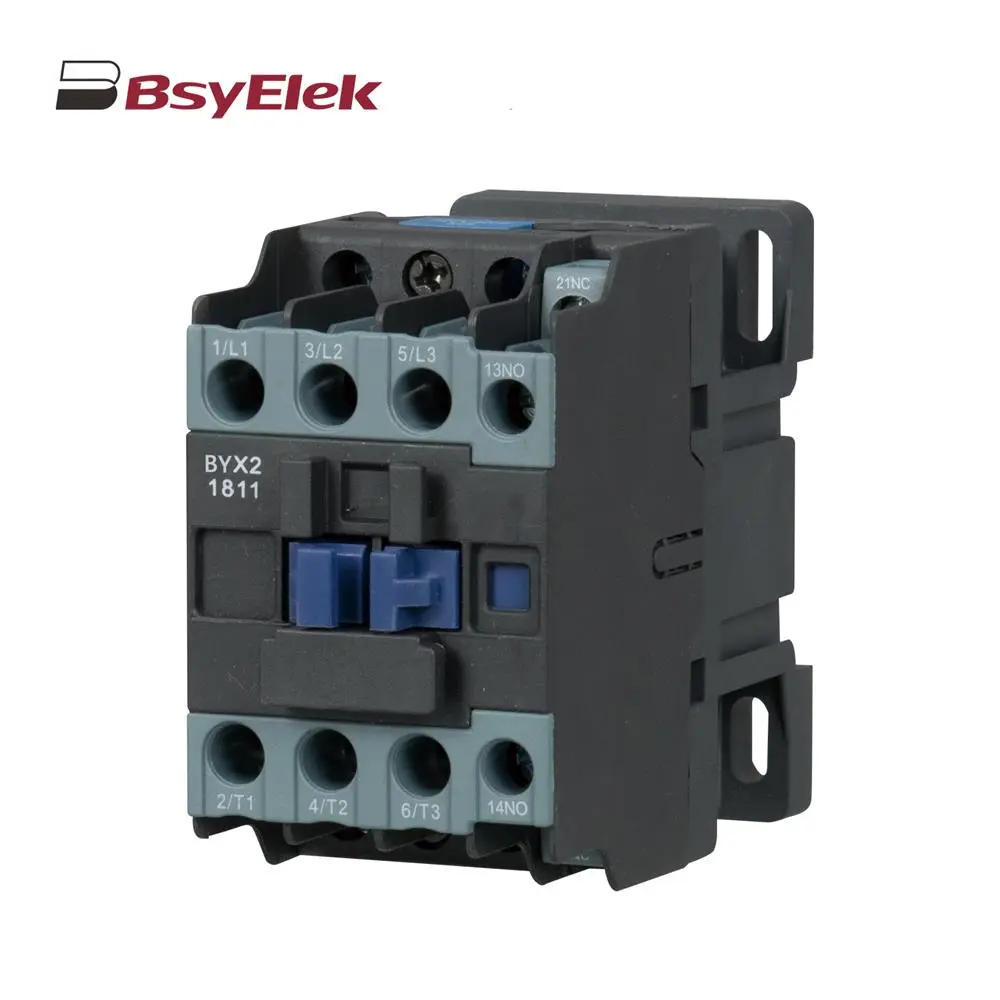 BYX2 6-95A AC Contactor
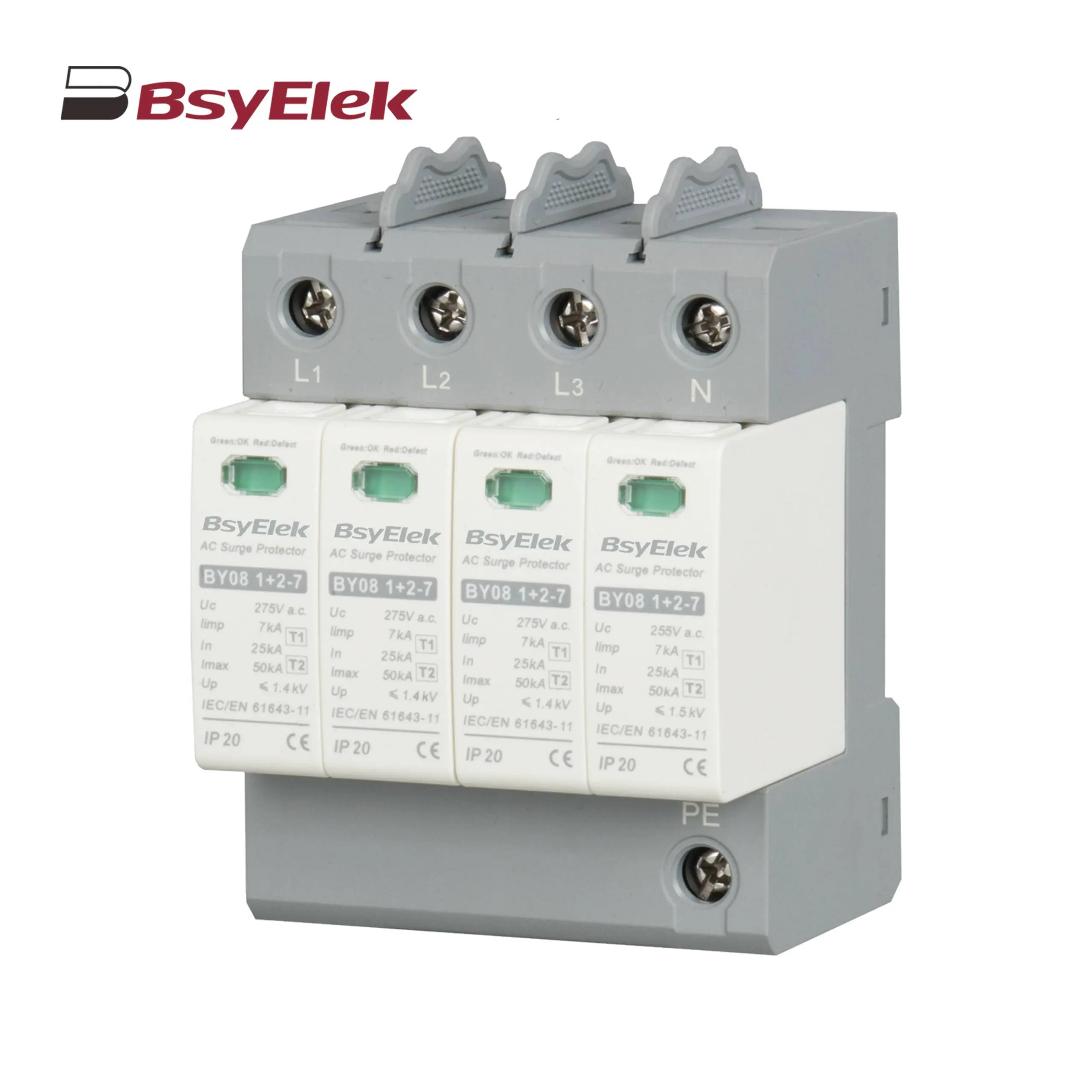 BY08 1+2-7 SPD Class T1+T2 Imax 50KA Surge Protective Device
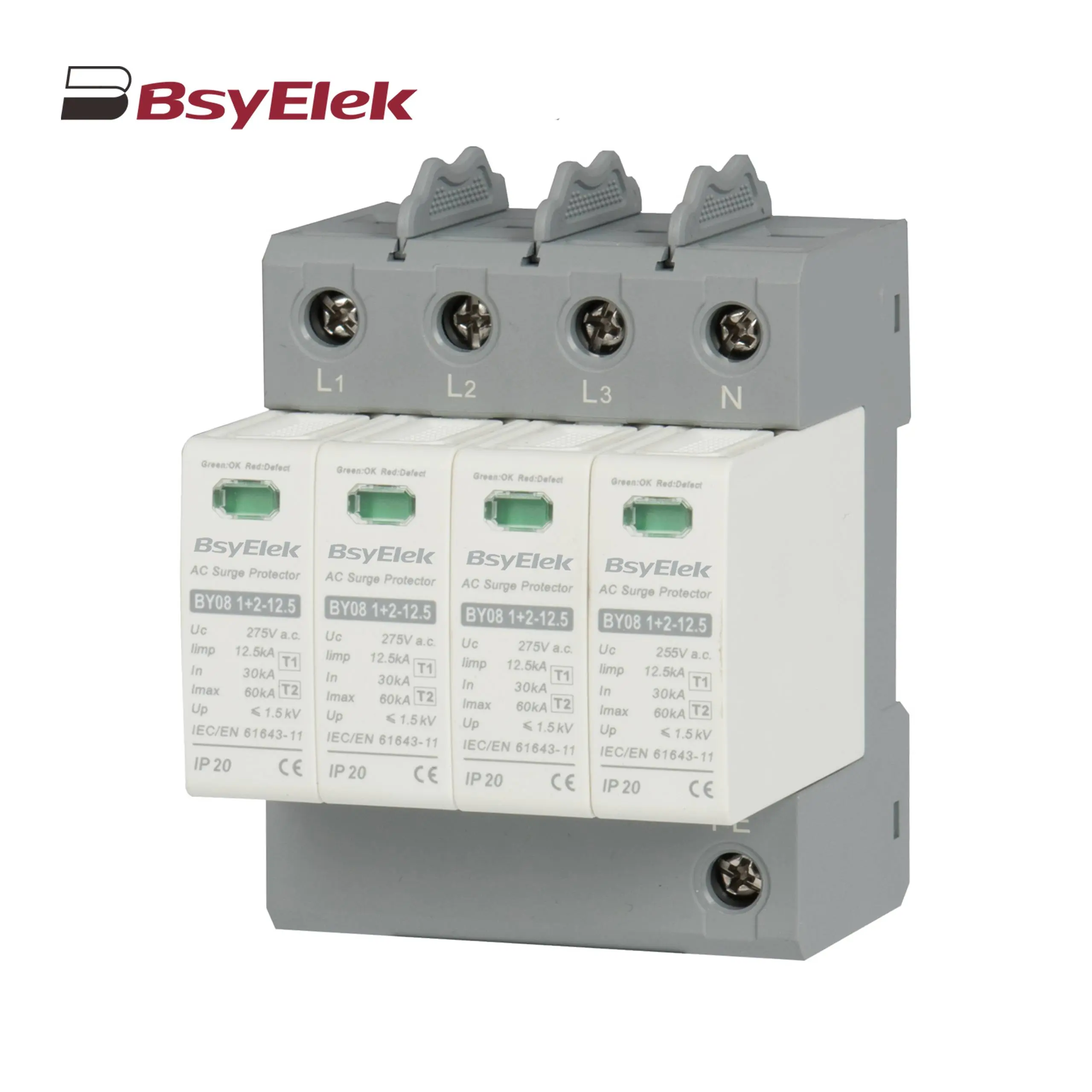 BY08 1+2-12.5 SPD Class T1+T2 Imax 60KA Surge Protective Device
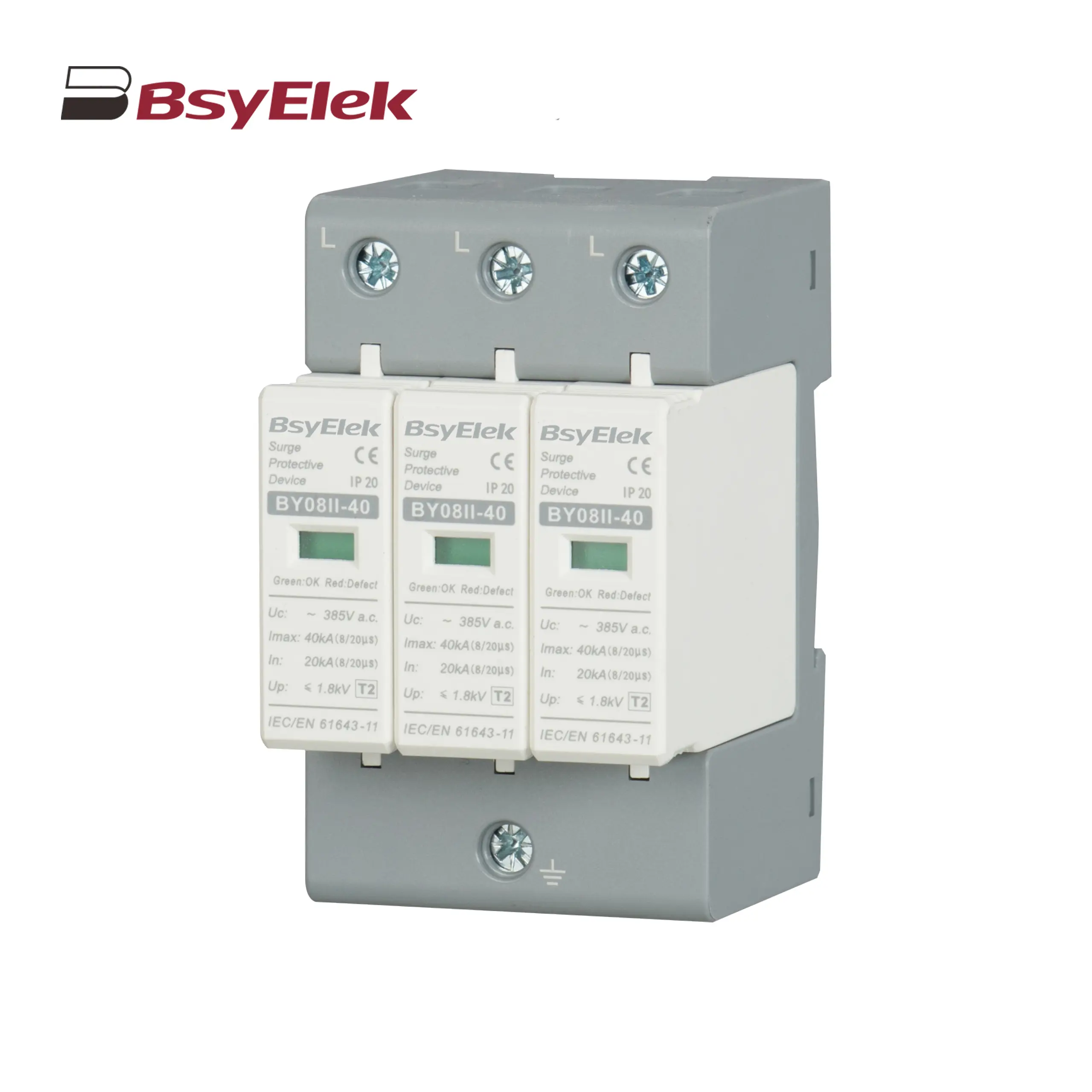 BY08II-40 SPD Class T2 Imax 40KA Surge Protective Device
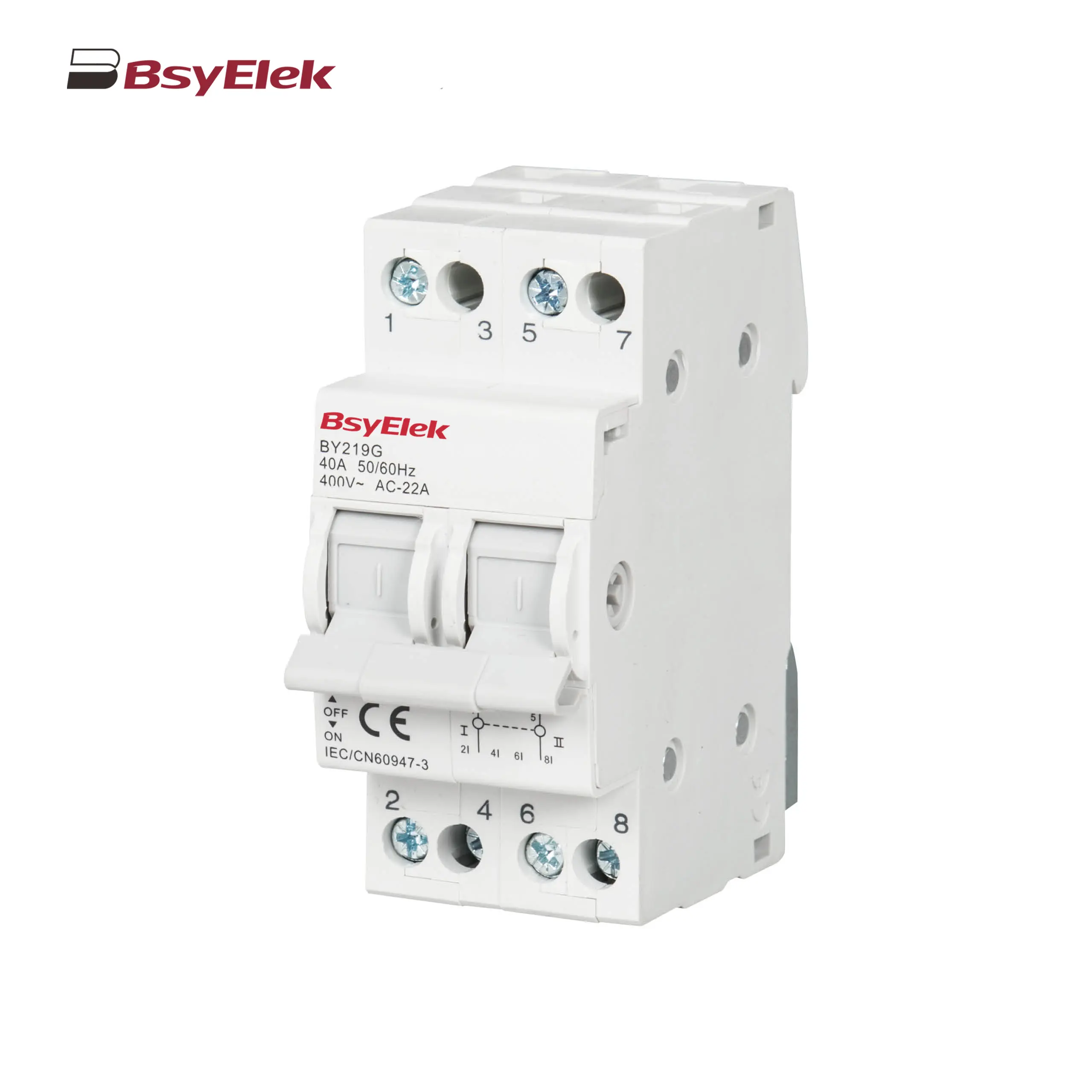 BY19G 63A Manual Changeover Switch
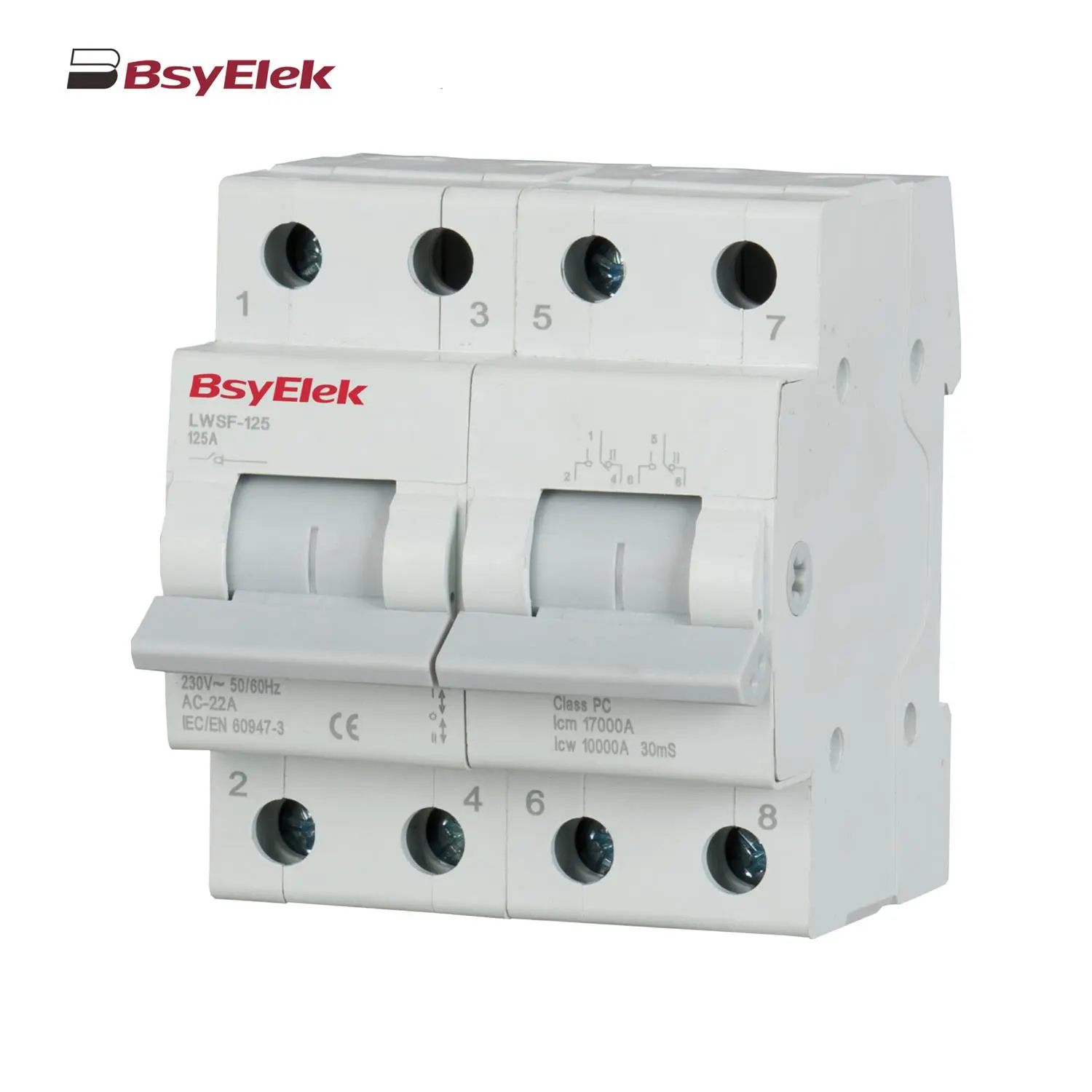 LWSF-125 125A Manual Changeover Switch
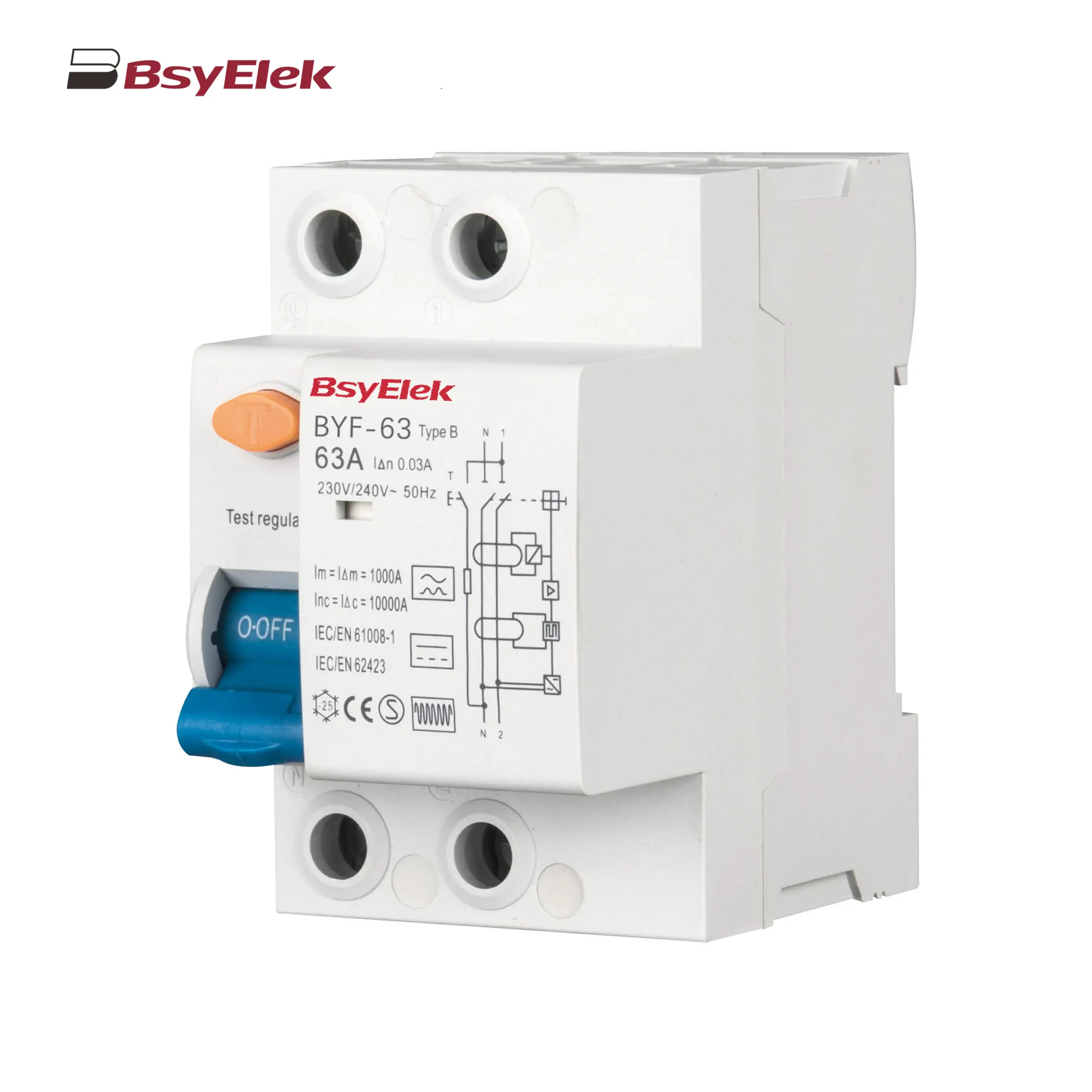 BYF-63 RCD 10KA Type B AC+A+Smoothing DC Residual Current Device
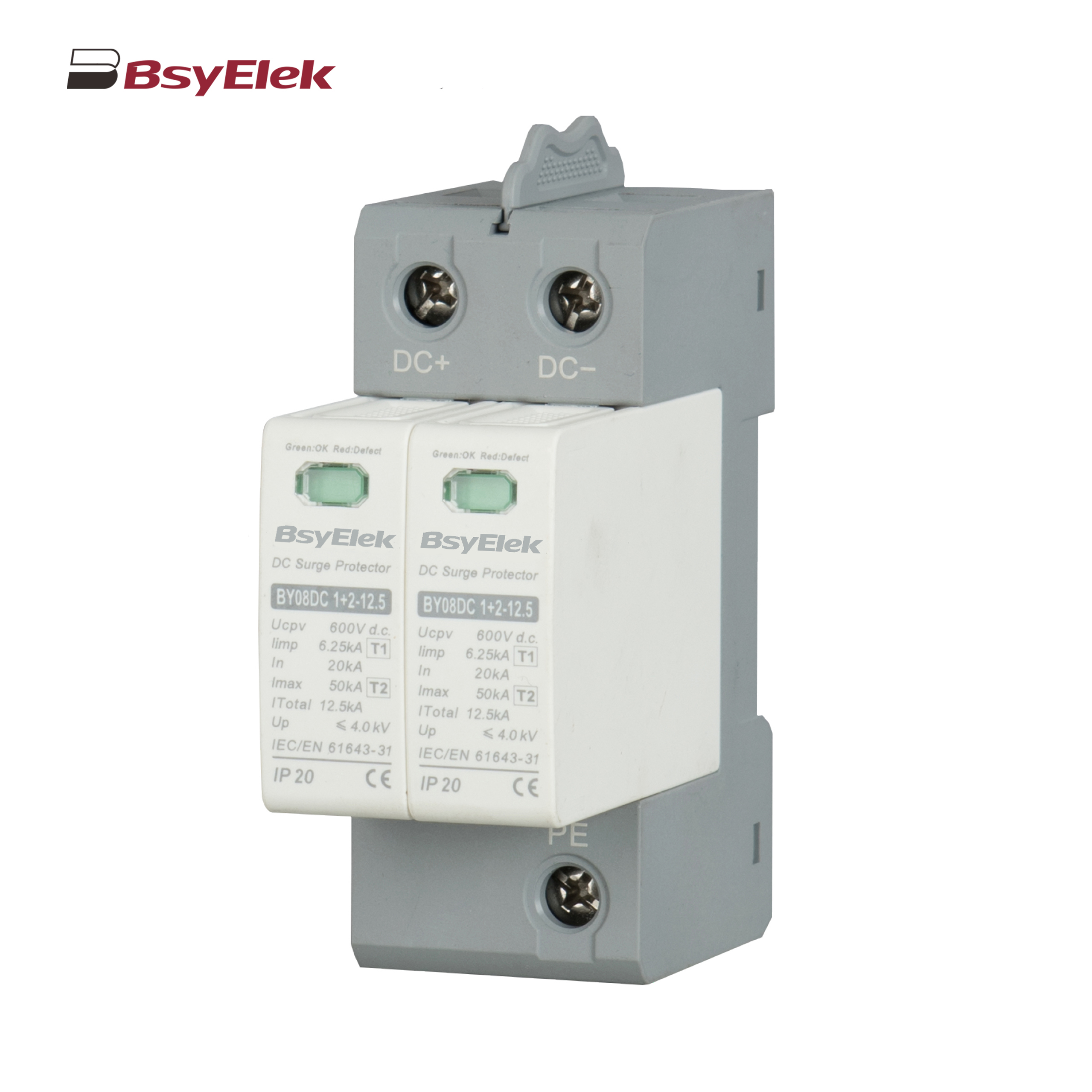 BY08DC 1+2-12.5 SPD Class T1+T2 40KA DC Surge Protective Device
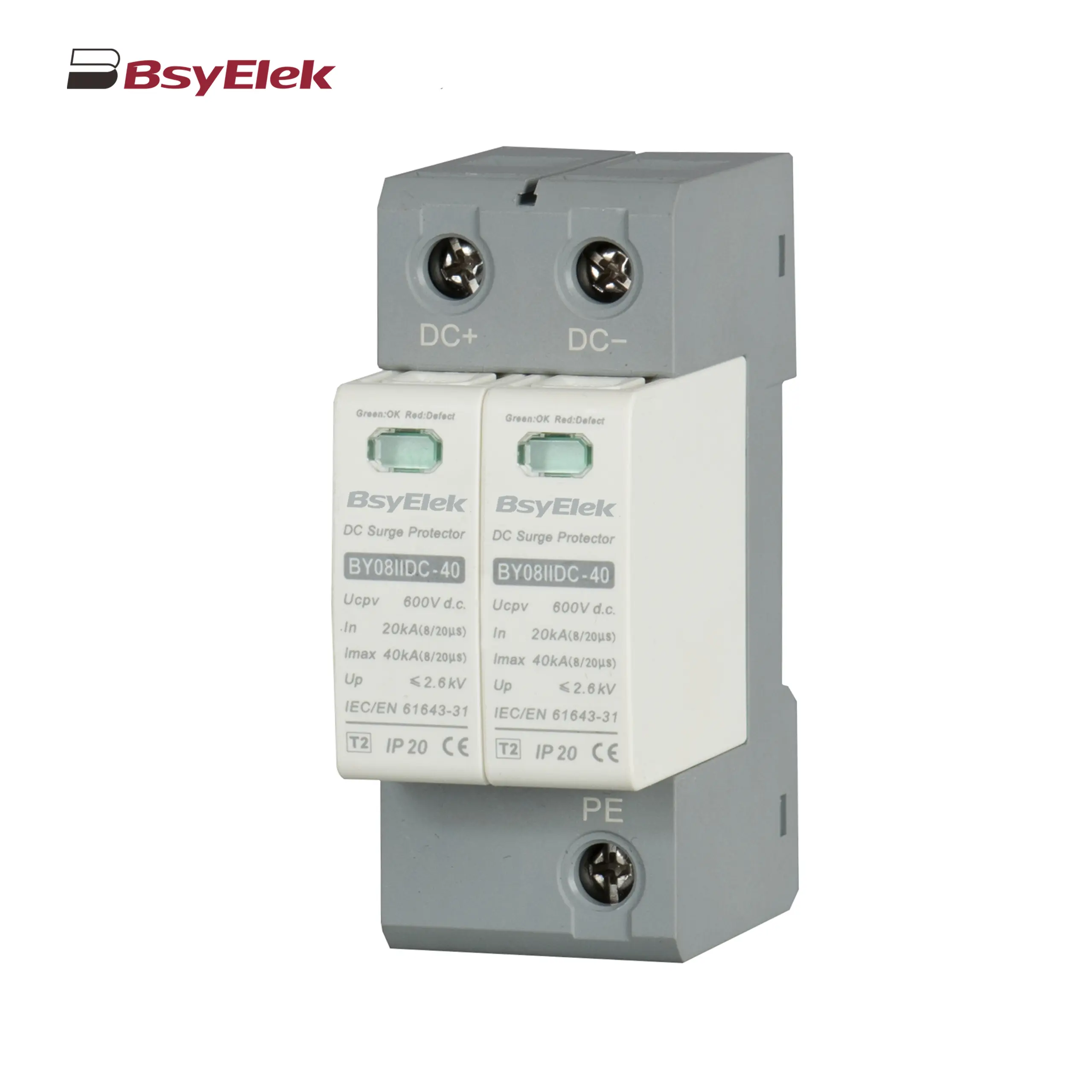 BY08IIDC-40 SPD Class T2 40KA DC Surge Protective Device
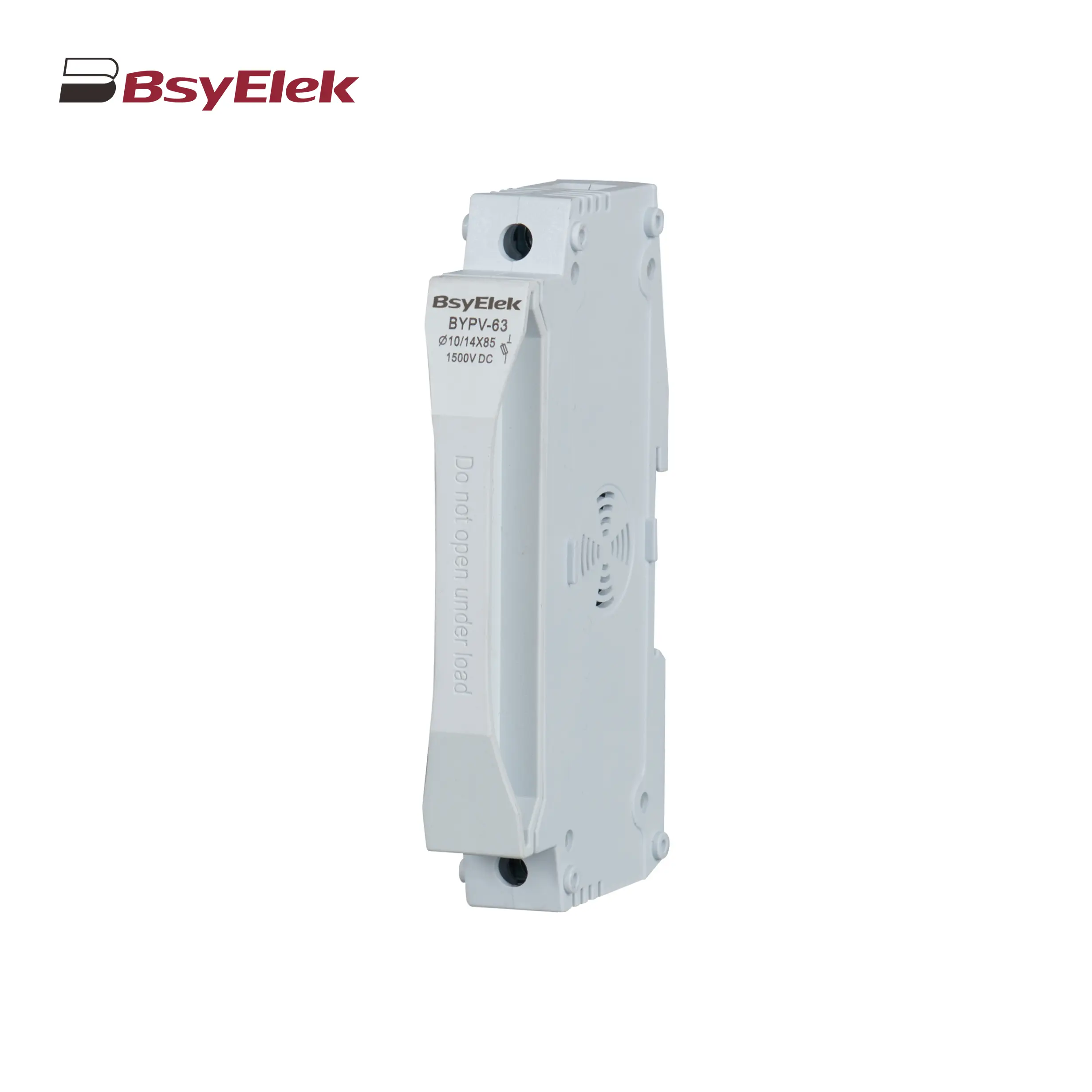 BYPV-63 1500VDC 50A Fuse Holder with 10x85mm 14x85mm Fuse Link
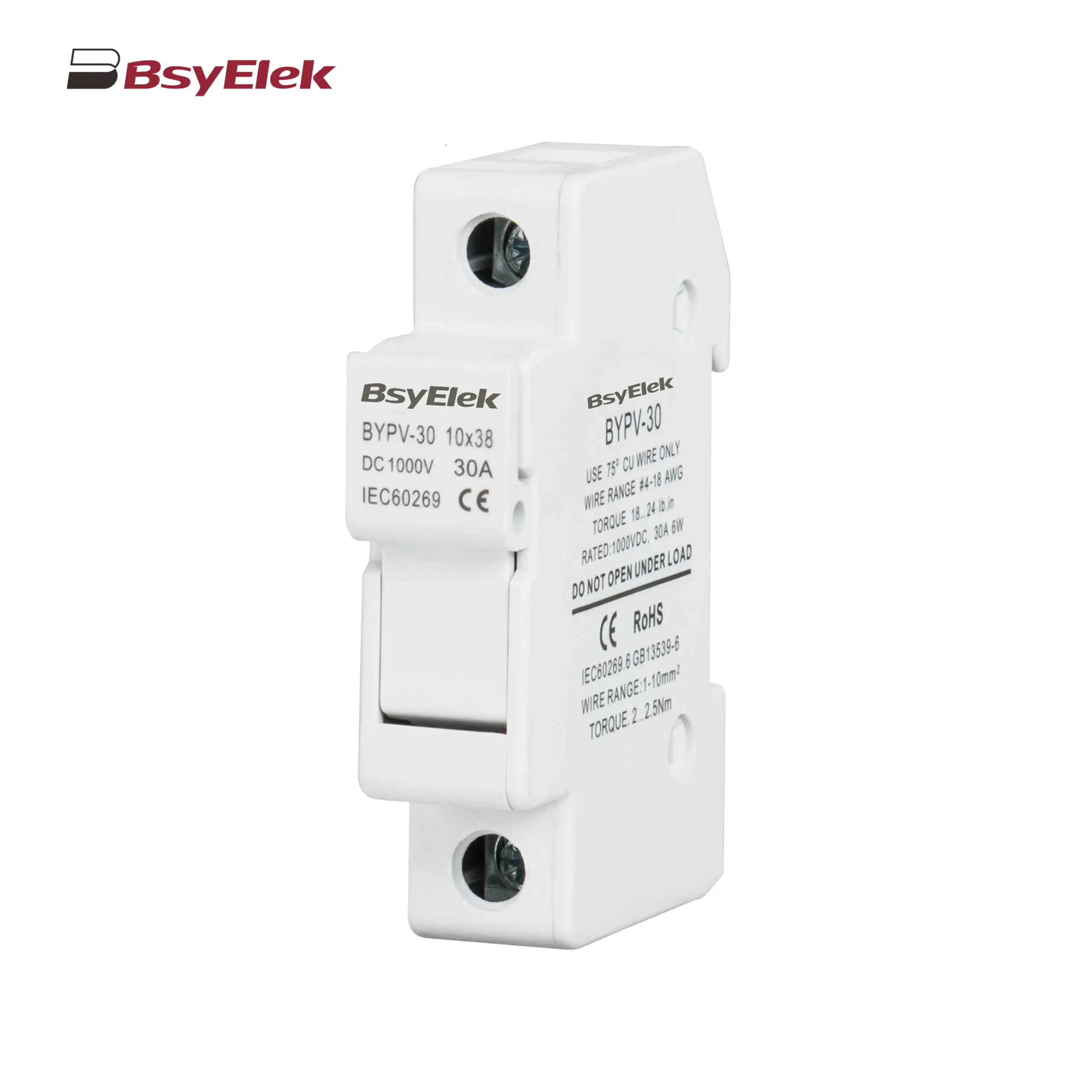 BYPV-30 1000VDC 32A Fuse Holder with 10x38mm Fuse Link
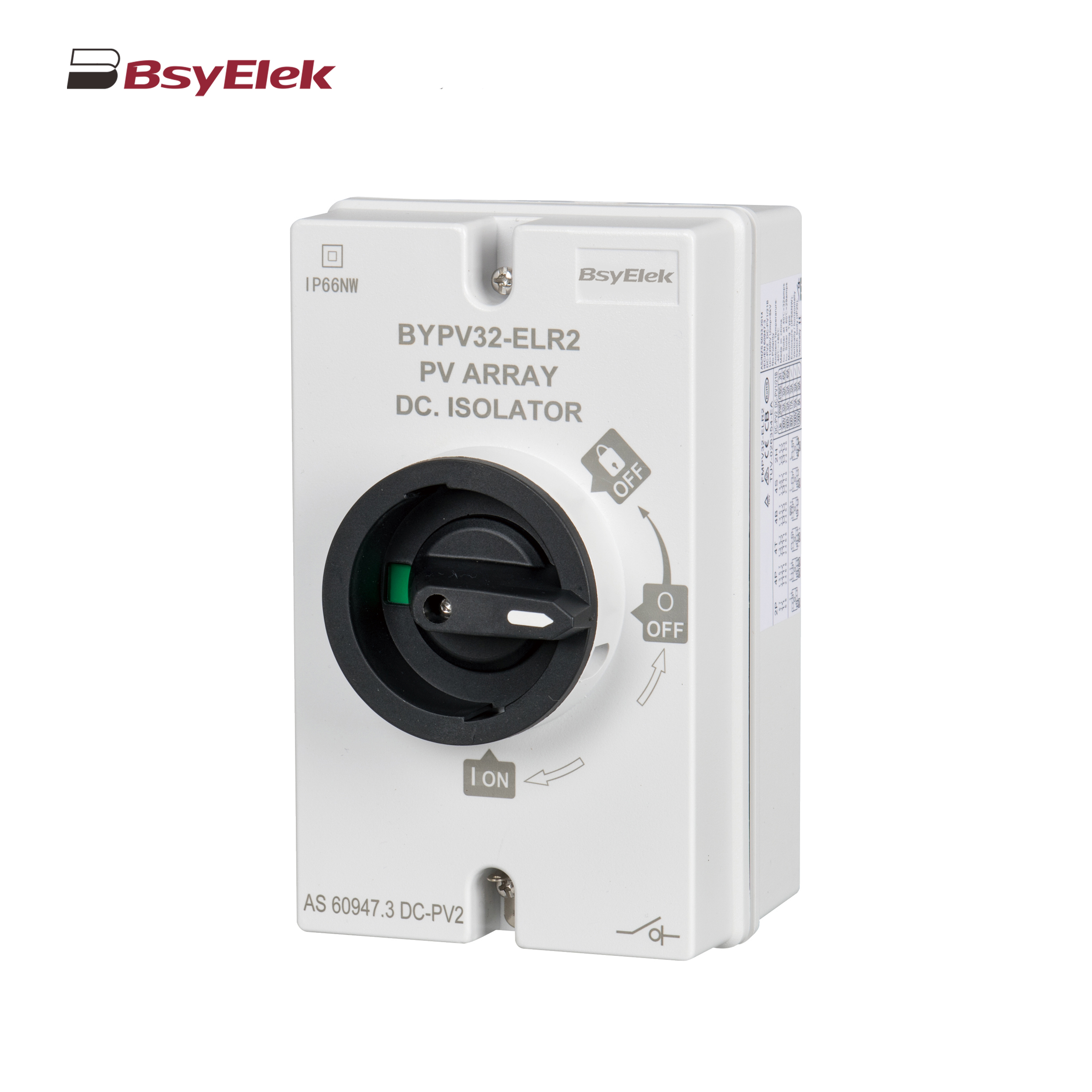 BYPV-ELR2 PV Isolator Switch with Enclosed Version
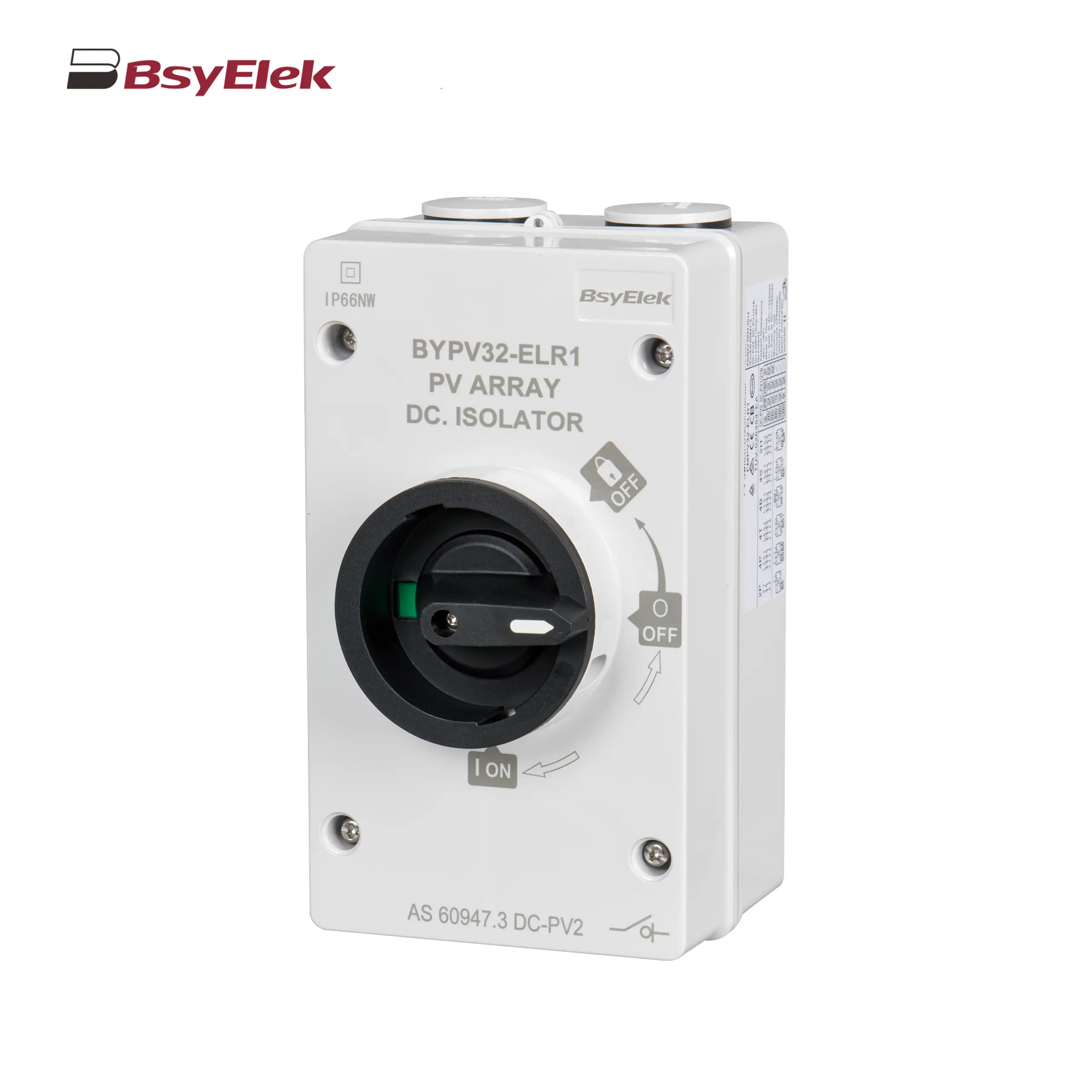 BYPV-ELR1 PV Isolator Switch with Enclosed Version
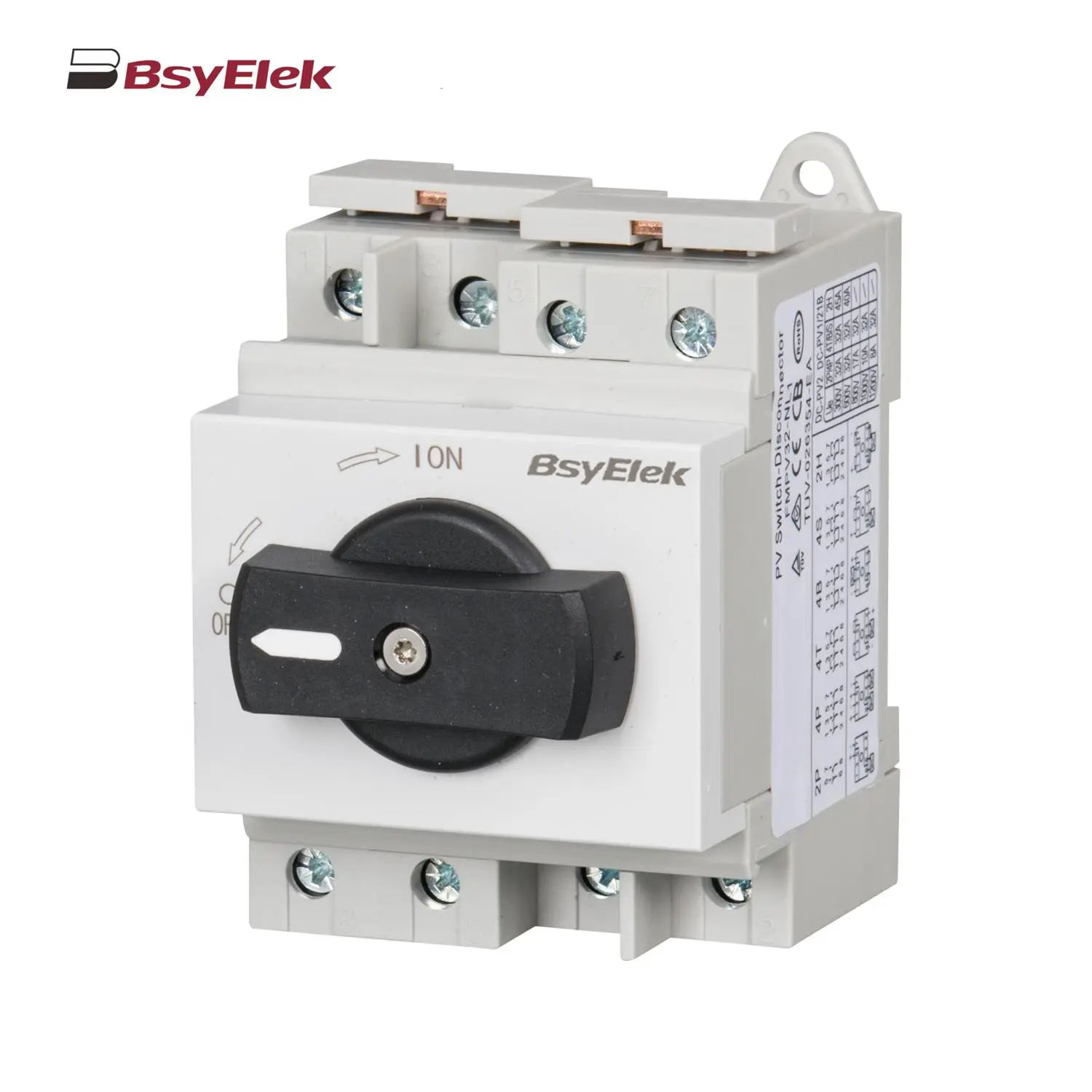 BYPV-NL1/T PV Isolator Switch with Ultra-thin Lever Handle
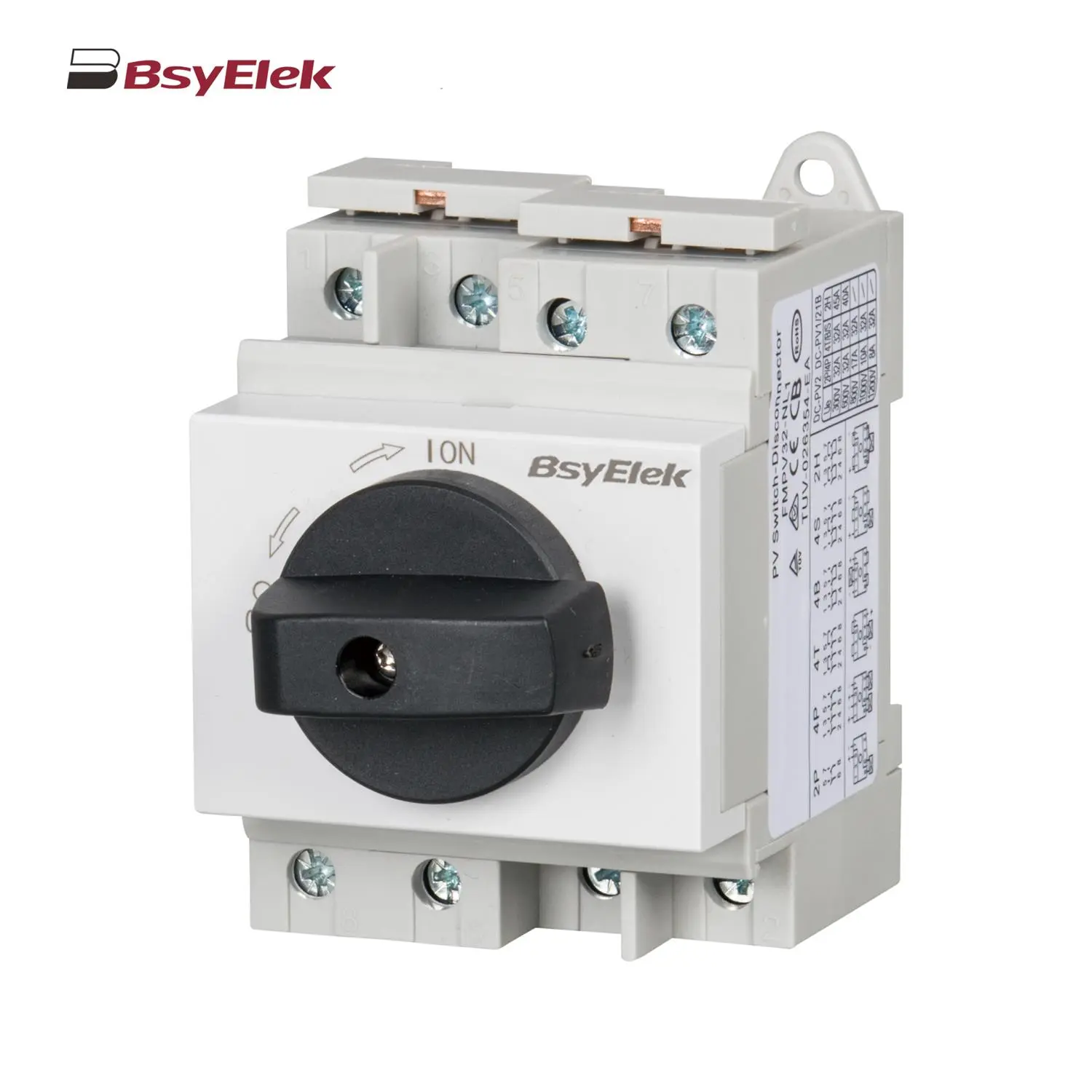 BYPV-NL1 PV Isolator Switch with Lever Handle
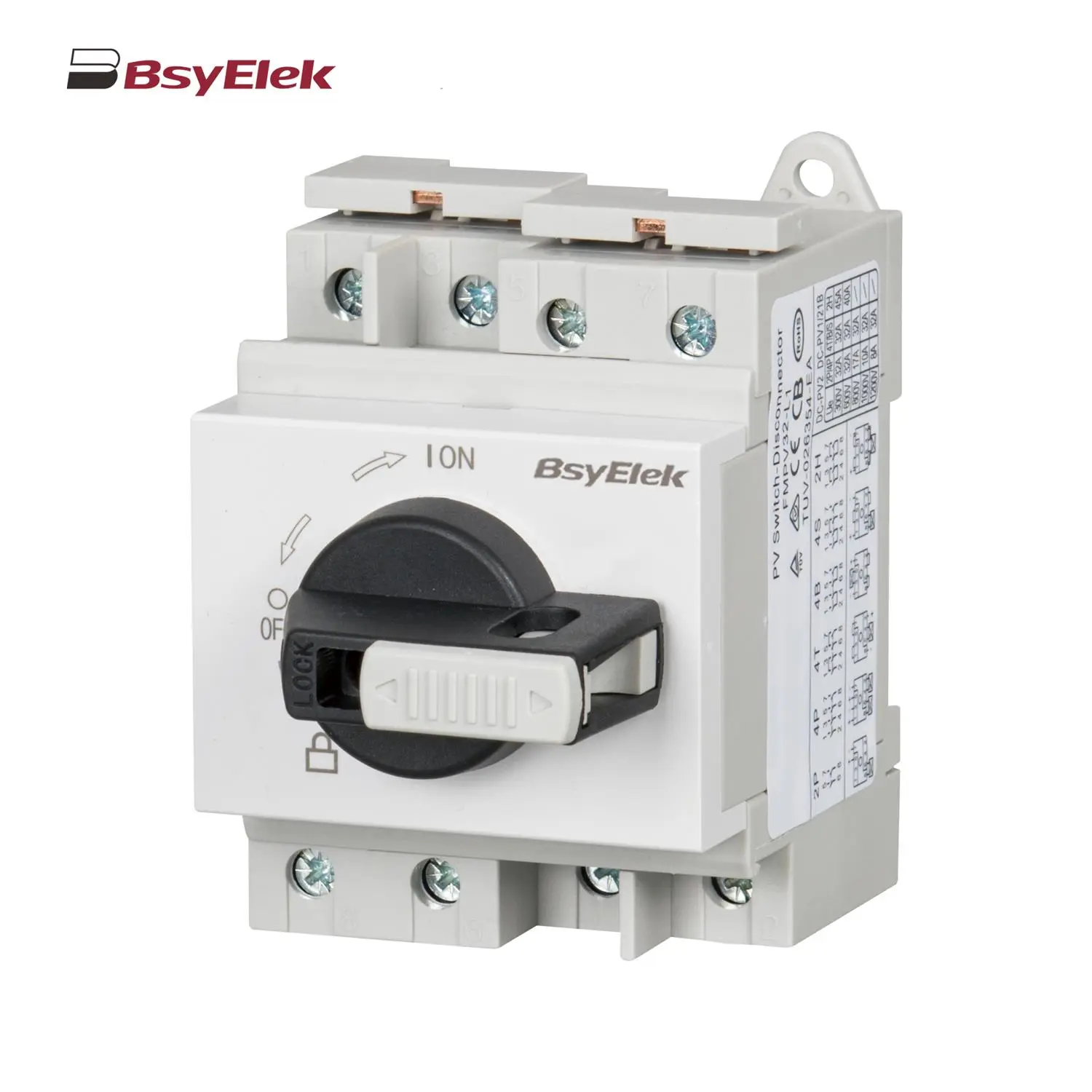 BYPV-L1/L2 PV Isolator Switch with Lockable Lever Handle
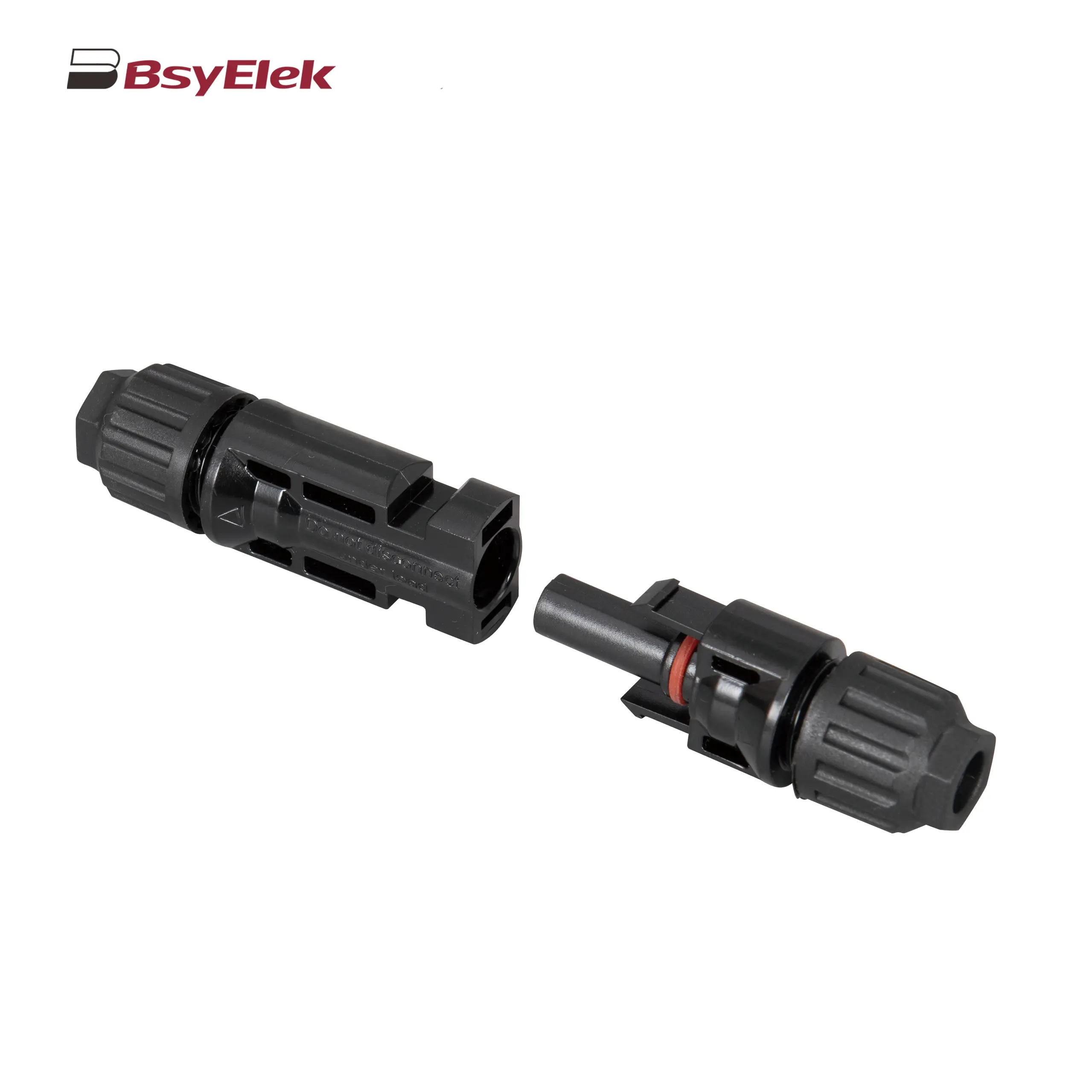 PV-BY-01 30A/50A 1000V Photovoltaic Connector
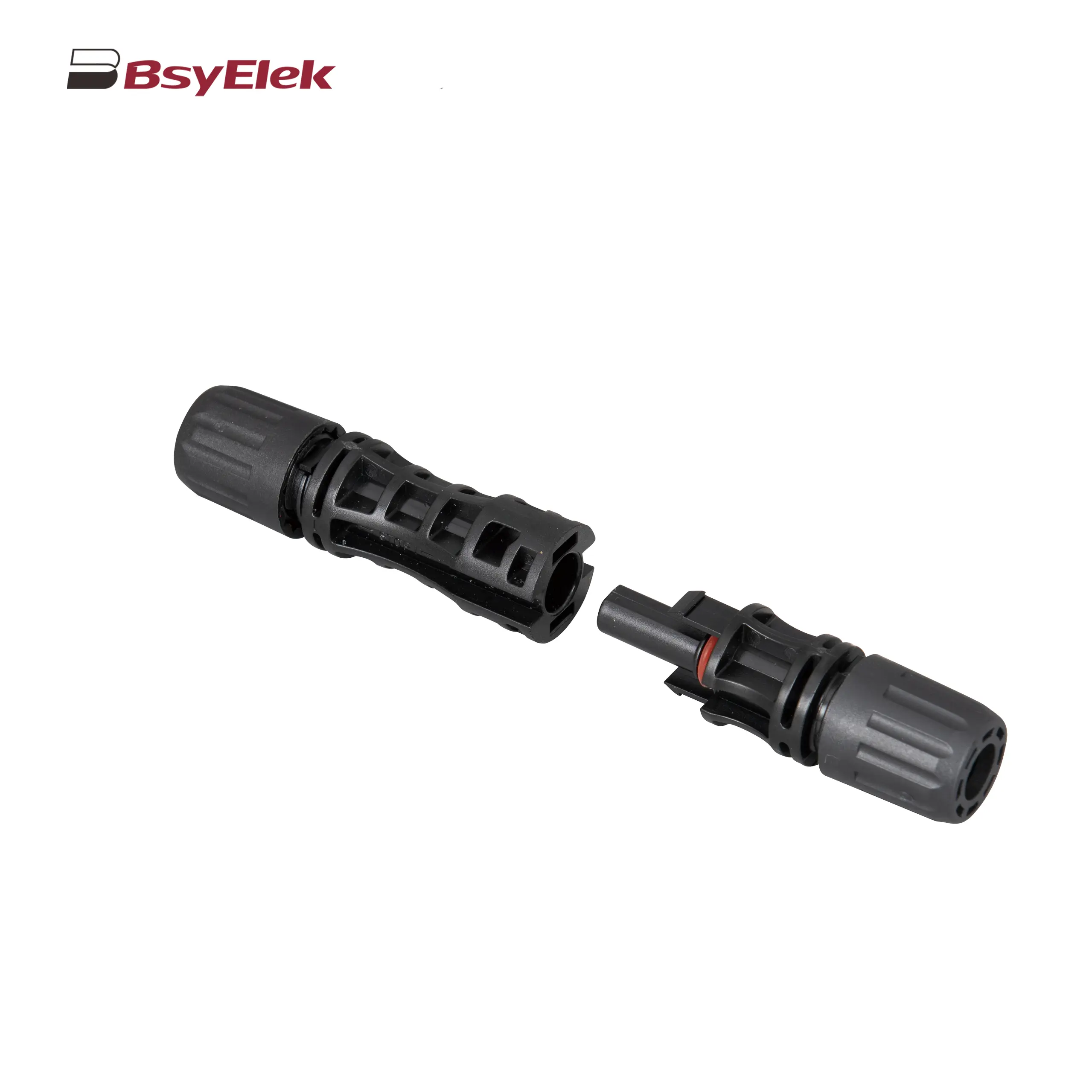 PV-BY-02 30A/50A 1500V Photovoltaic Connector
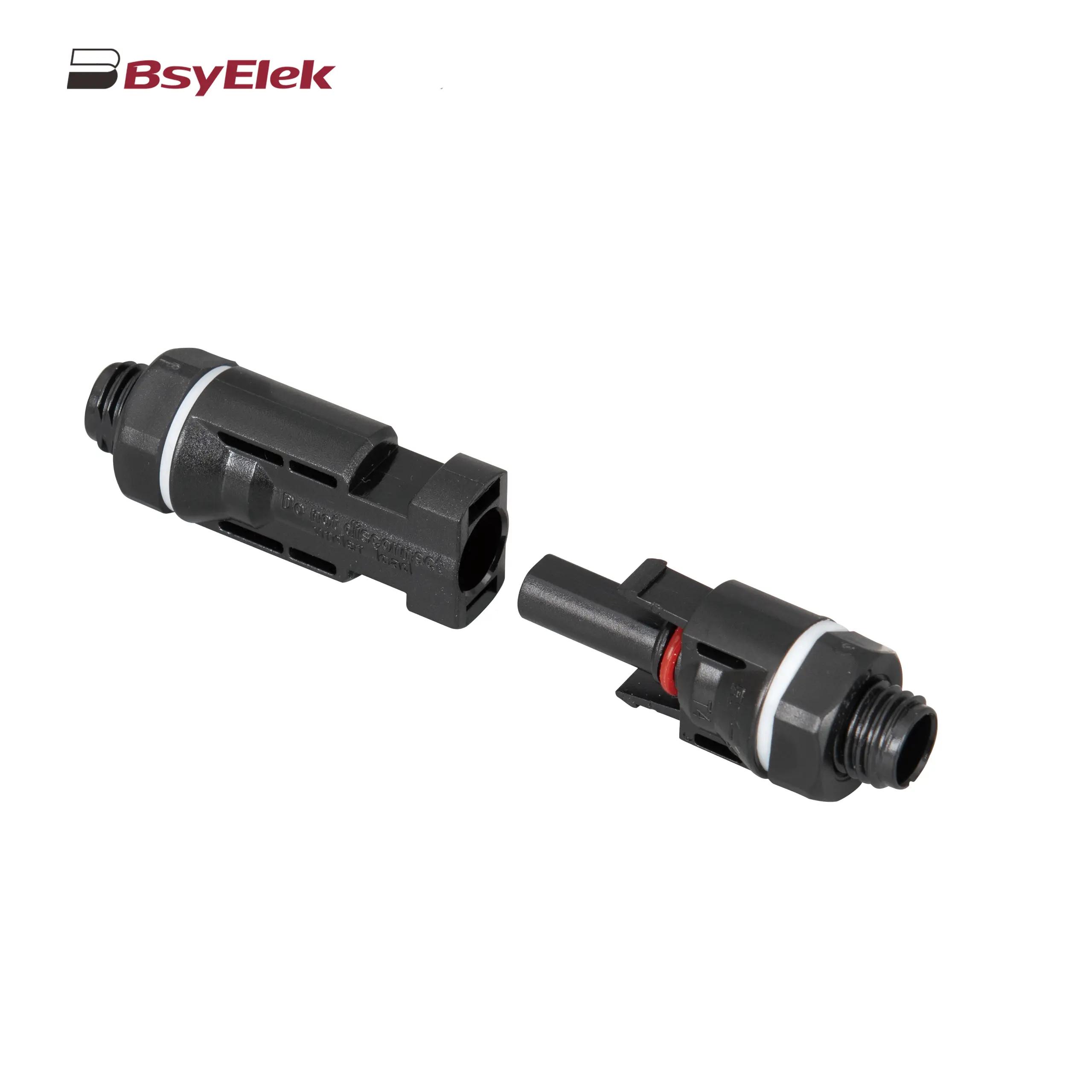 PV-BY-03 30A/50A 1000V Panel Mount Photovoltaic Connector
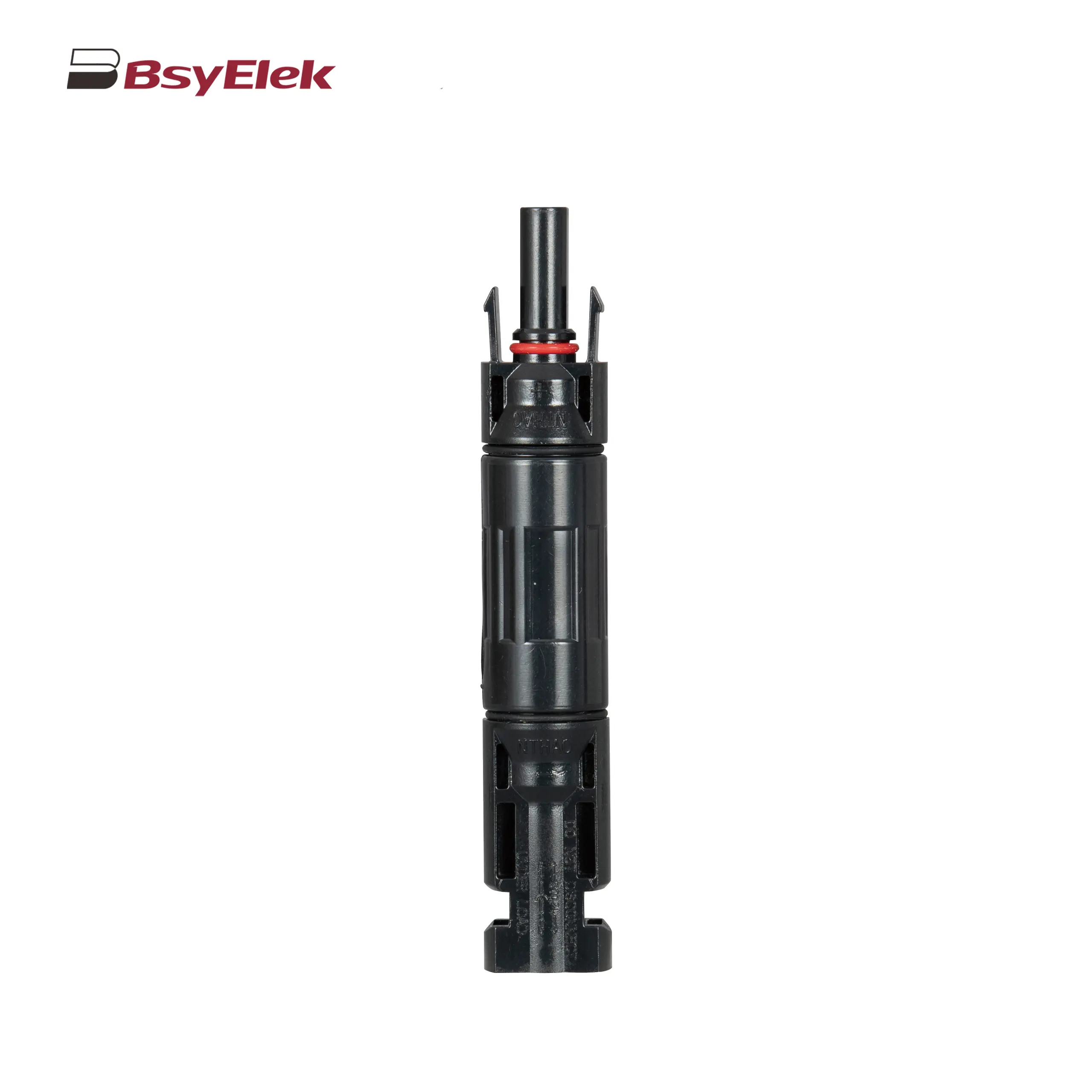 PV-BY-F01 30A 1500V Diode/Fuse Type Connector
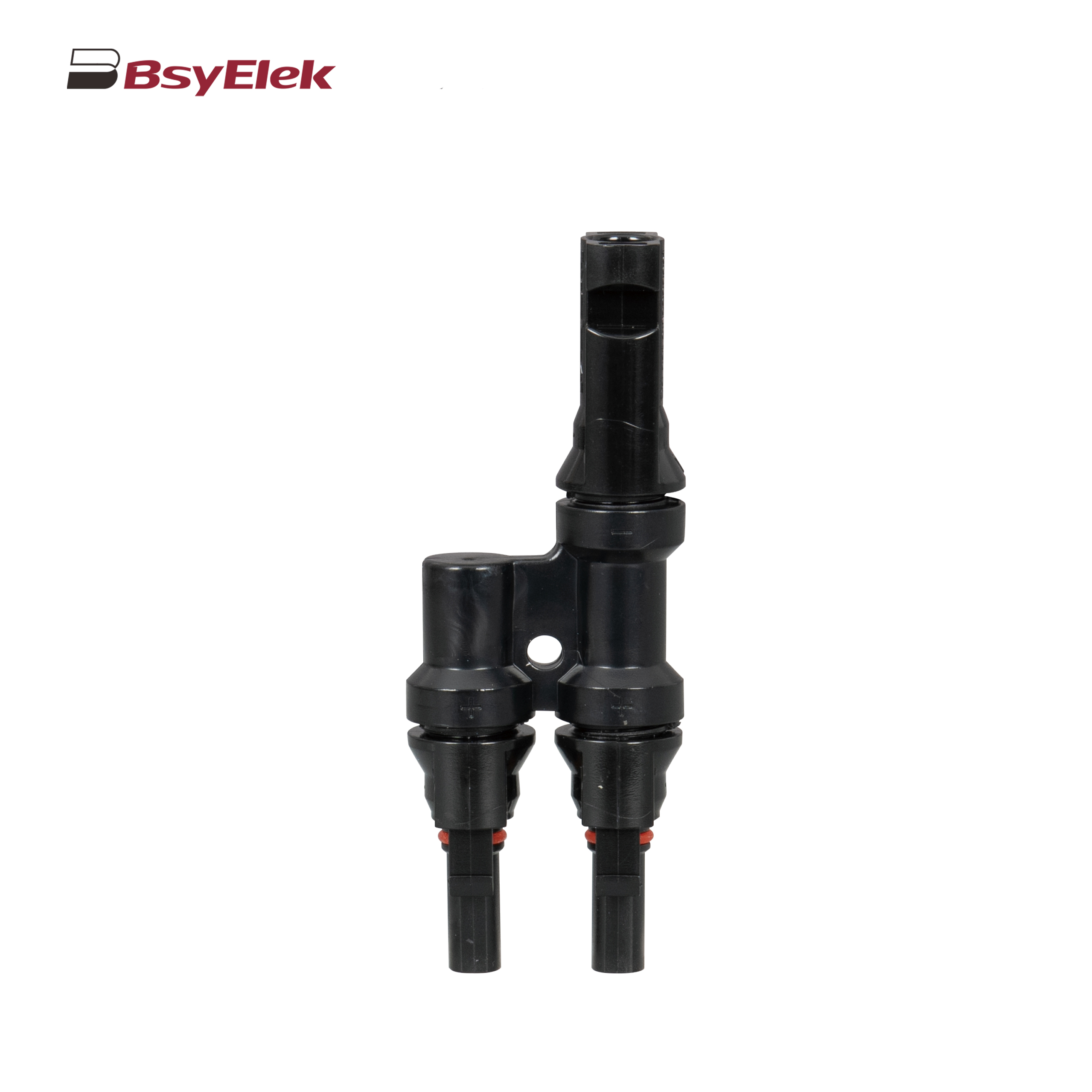 PV-BY-T 50A 1500V T Type Branch Connector
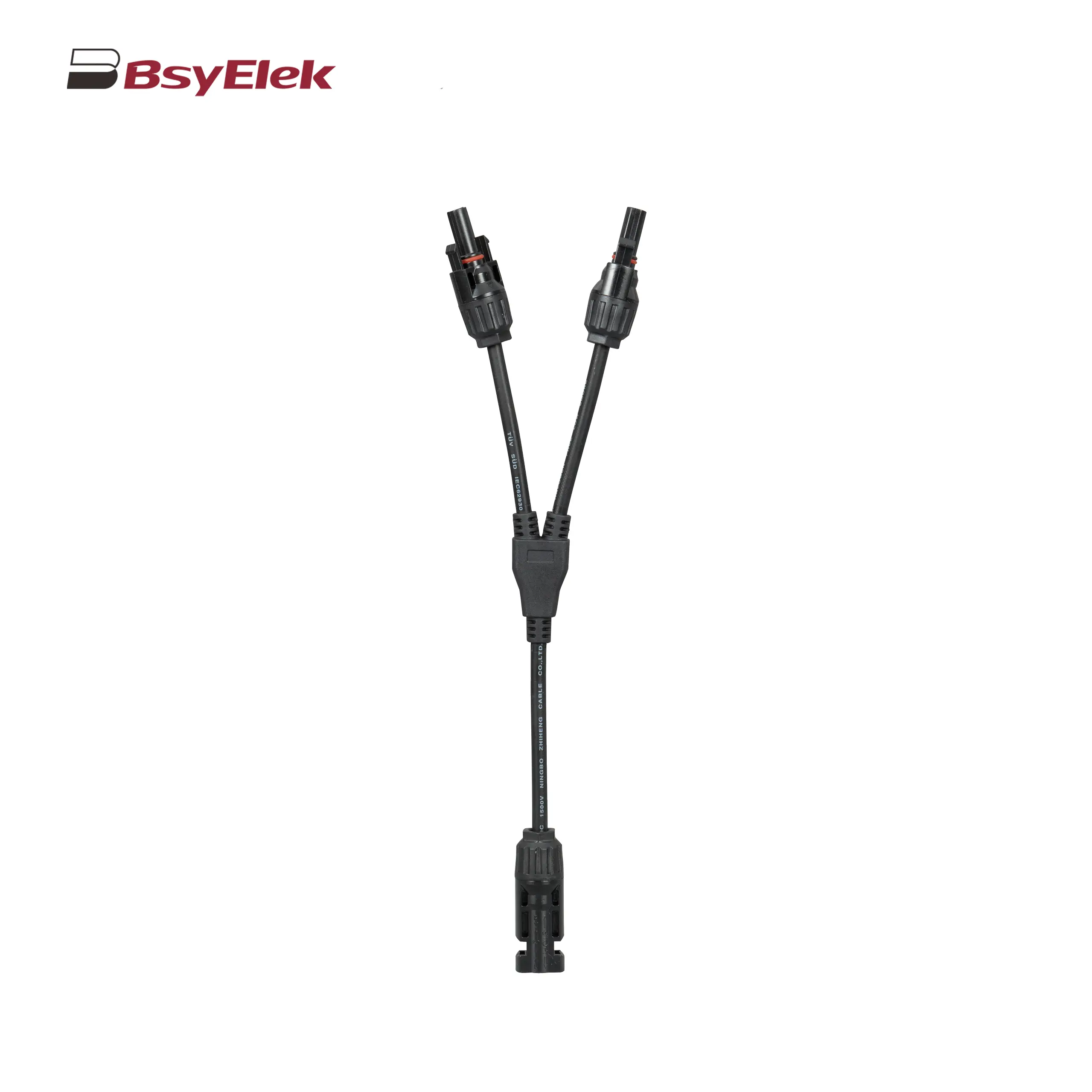 PV-BY-Y 30A 1500V Y Type Branch Connector
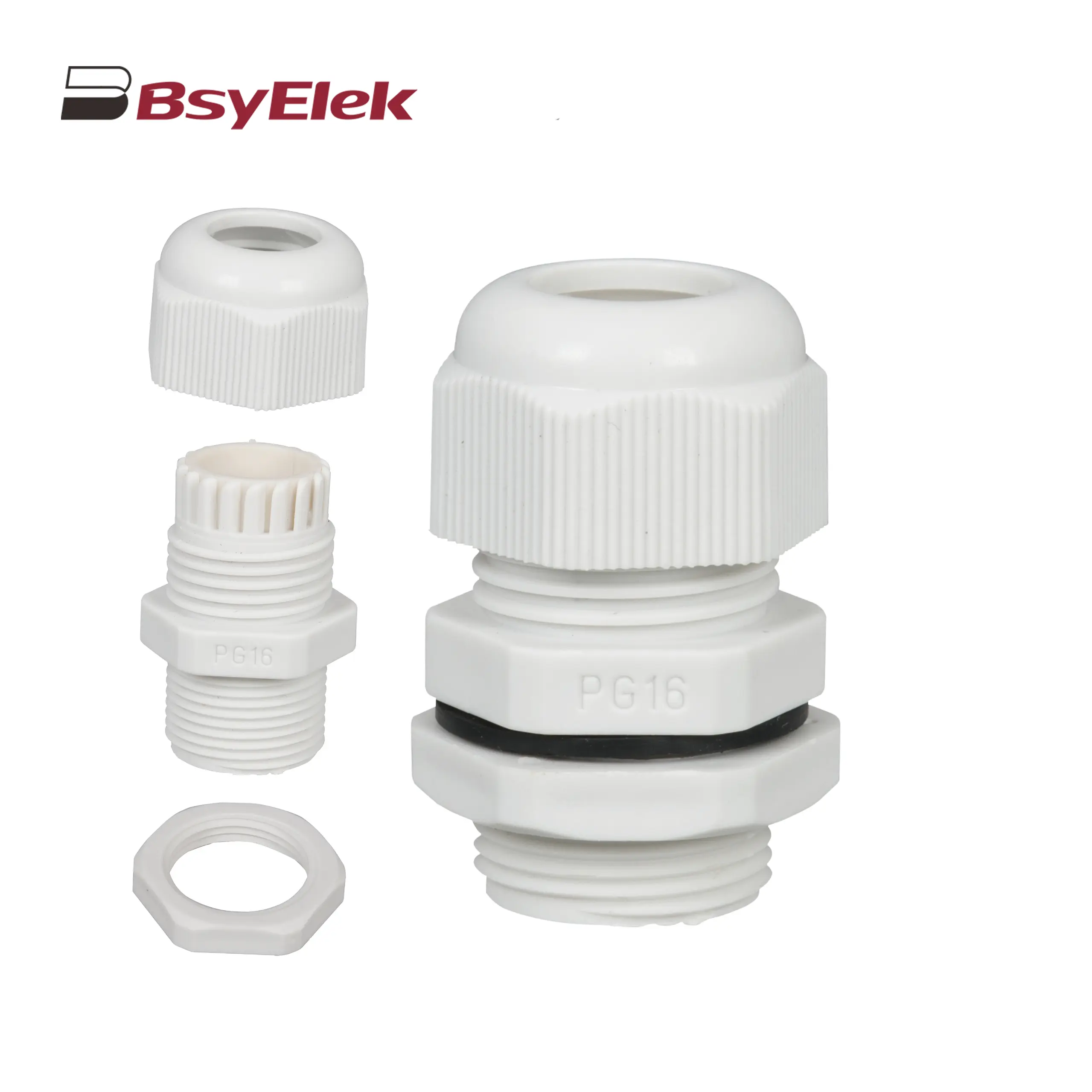 PG Waterproof Cable Gland with Washer
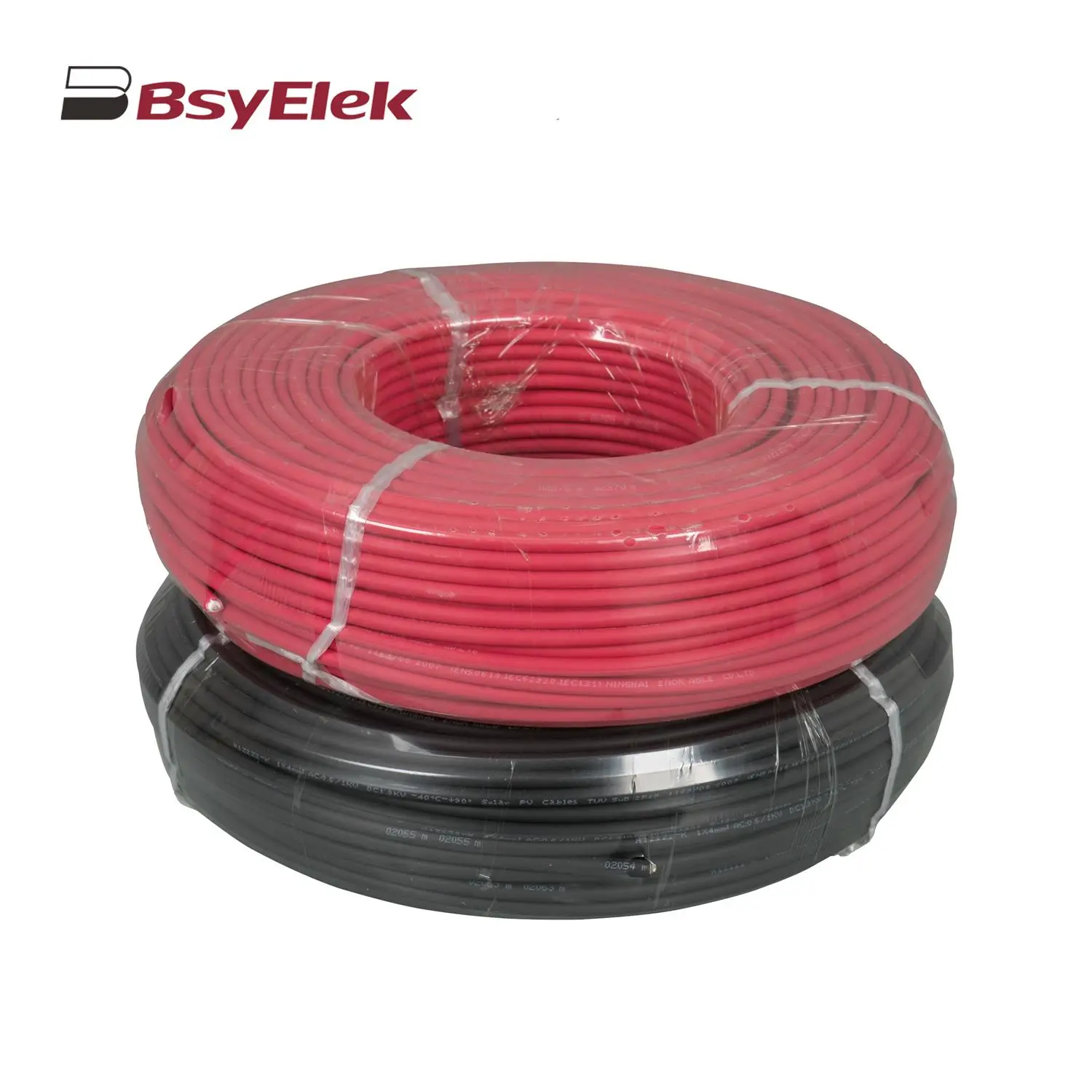 Photovoltaic Cable
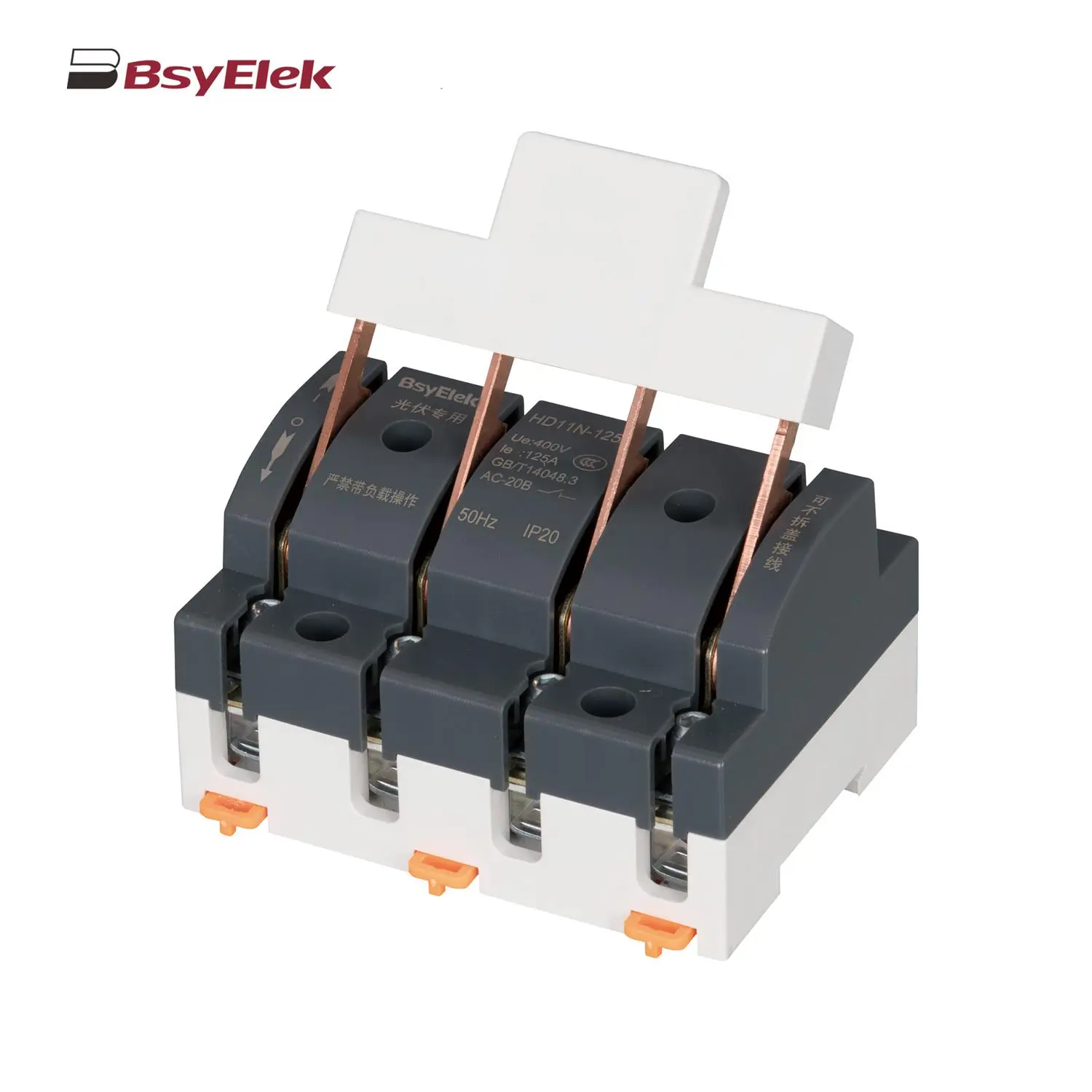 HD11N Photovoltaic Knife Switch
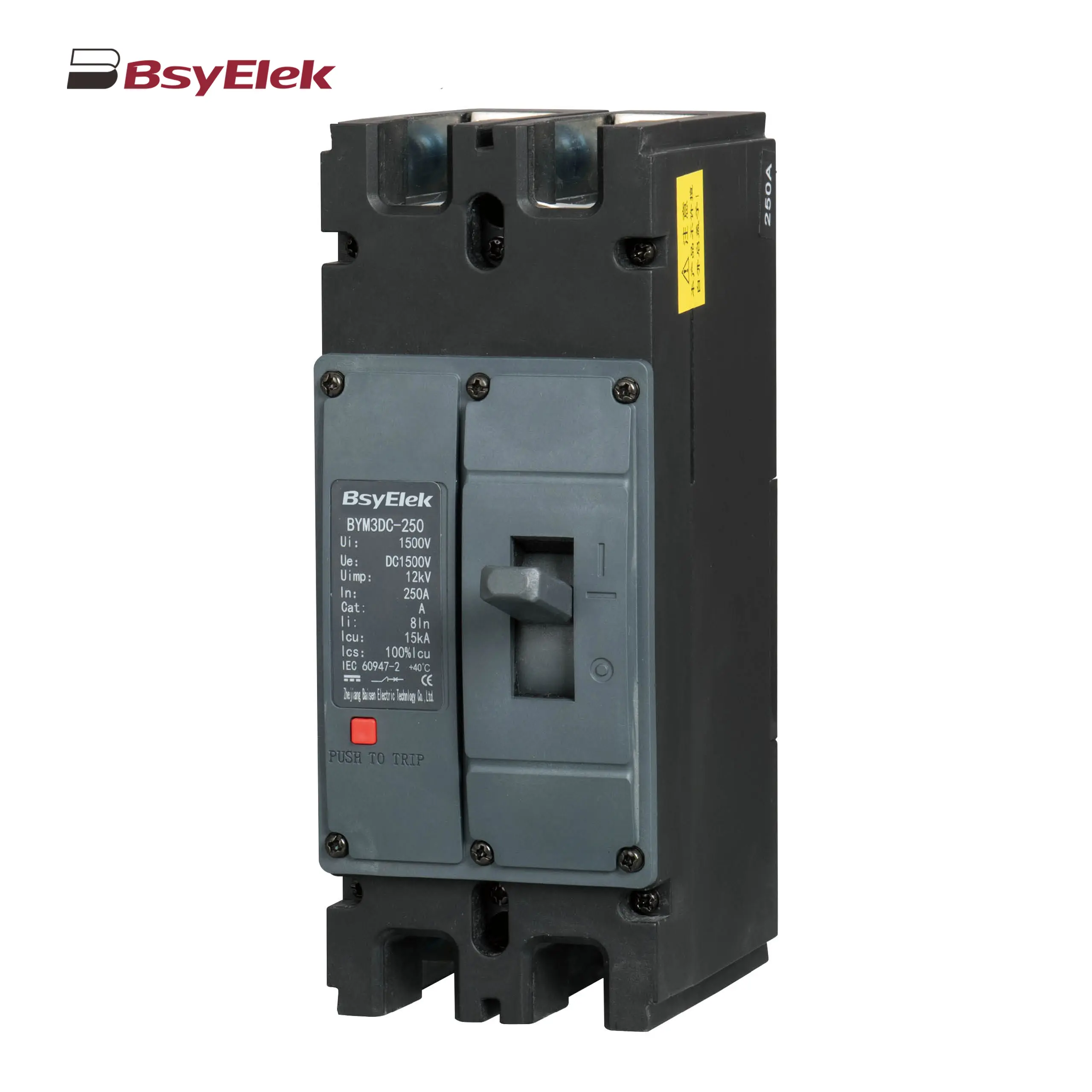 BYM3DC MCCB Photovoltaic DC Molded Case Circuit Breaker
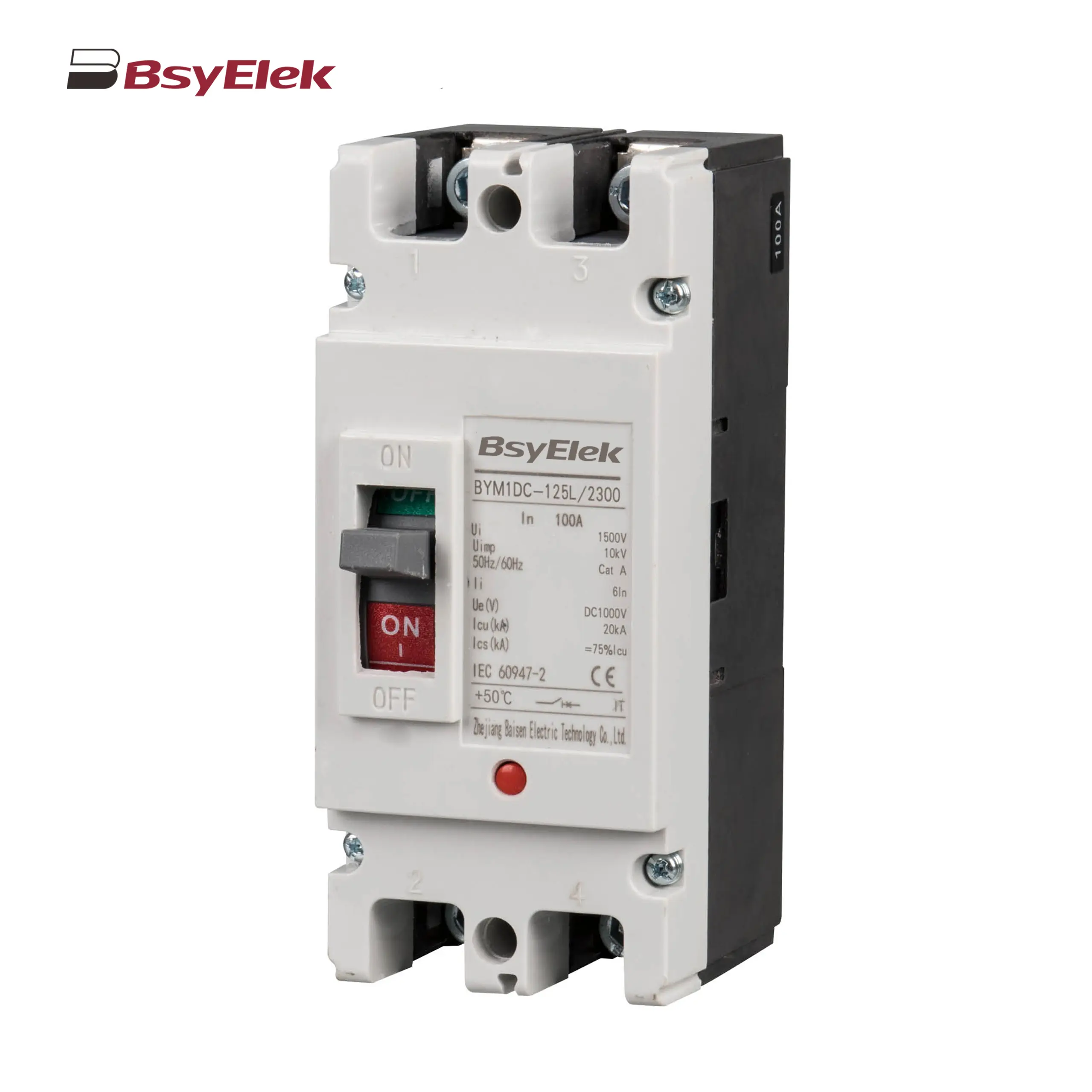 BYM1DC MCCB 1000VDC Thermal Magnetic Type DC Molded Case Circuit Breaker
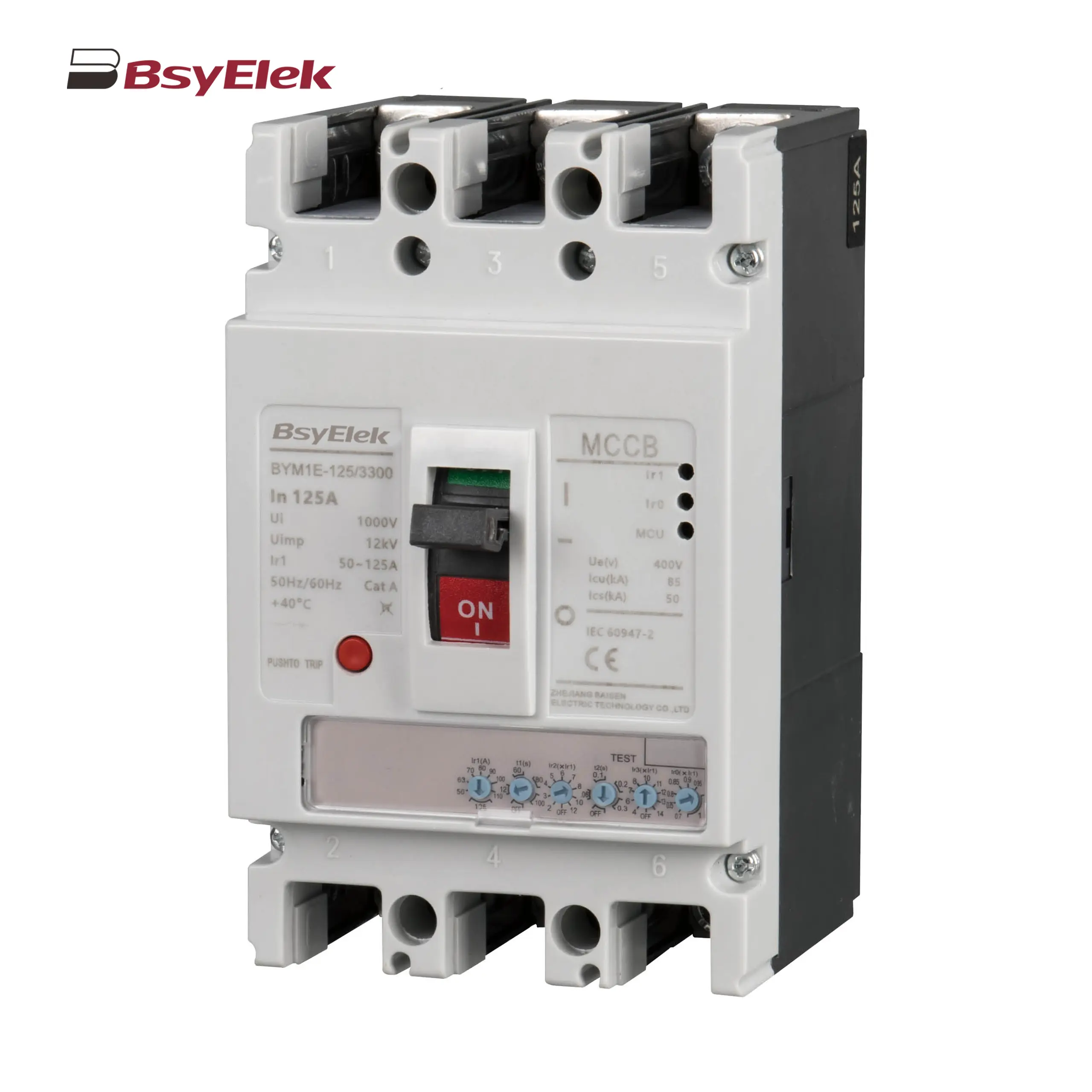 BYM1E MCCB Electronic Type Molded Case Circuit Breaker
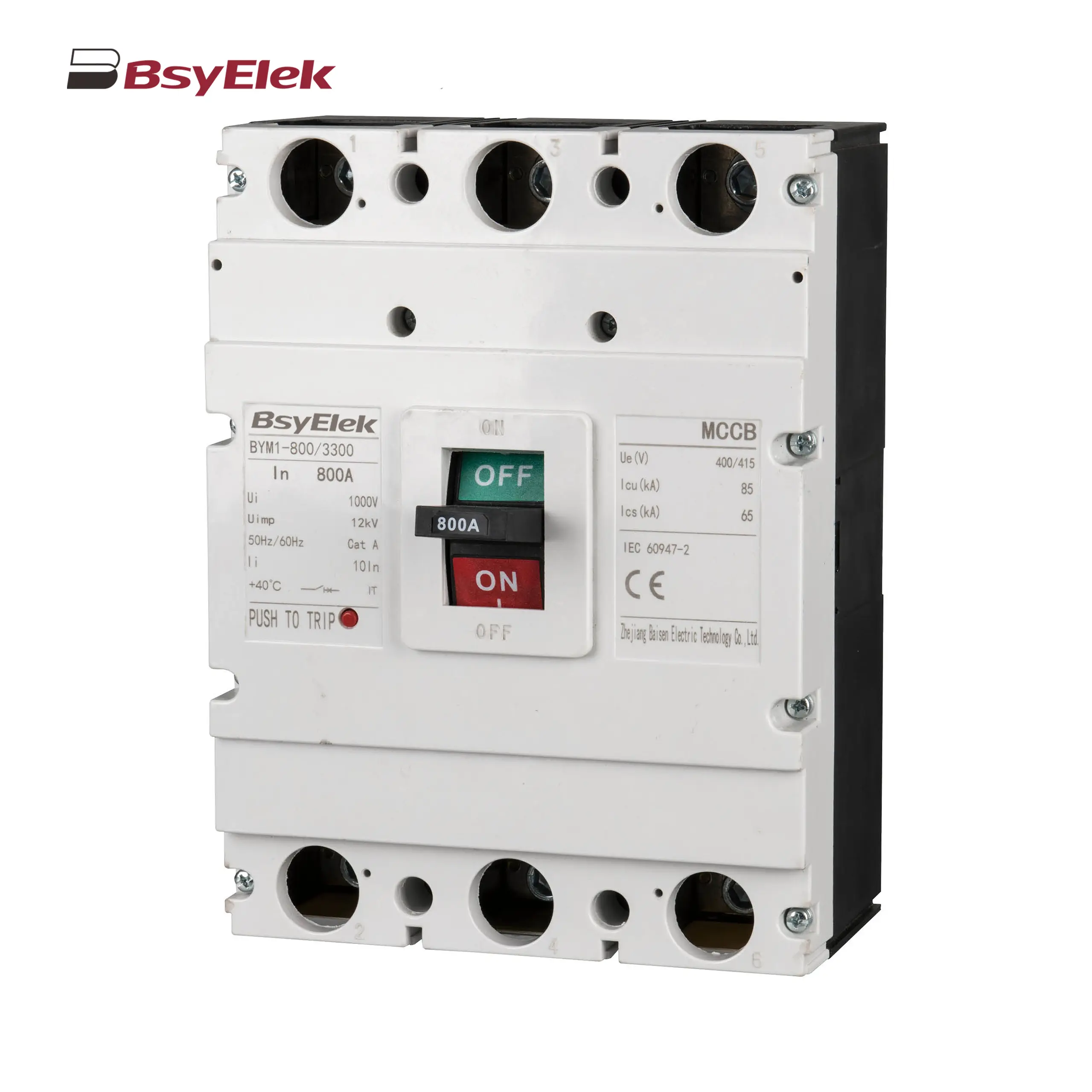 BYM1 MCCB Thermal Magnetic AC Molded Case Circuit Breaker
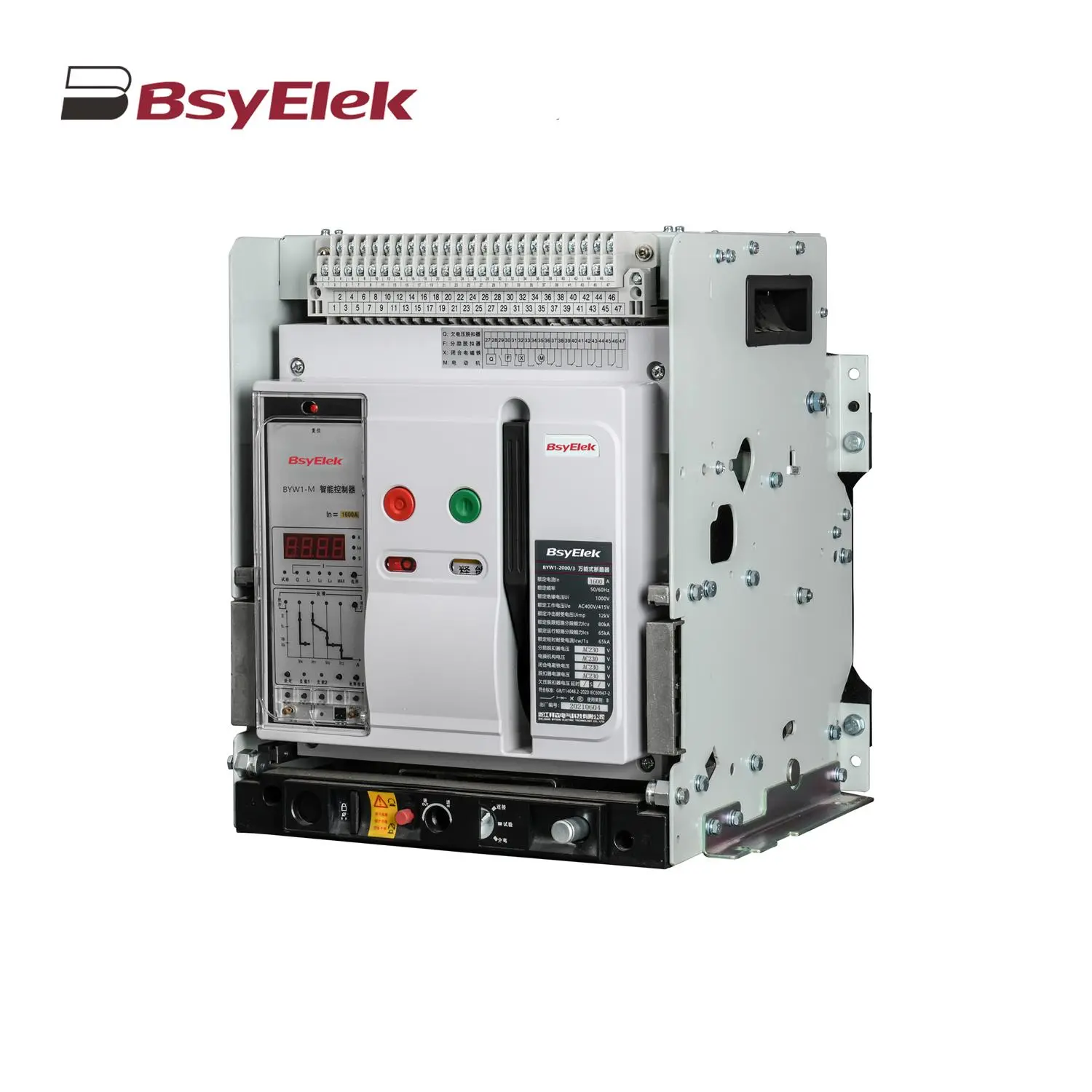 BYW1 ACB Intelligent Universal Air Circuit Breaker
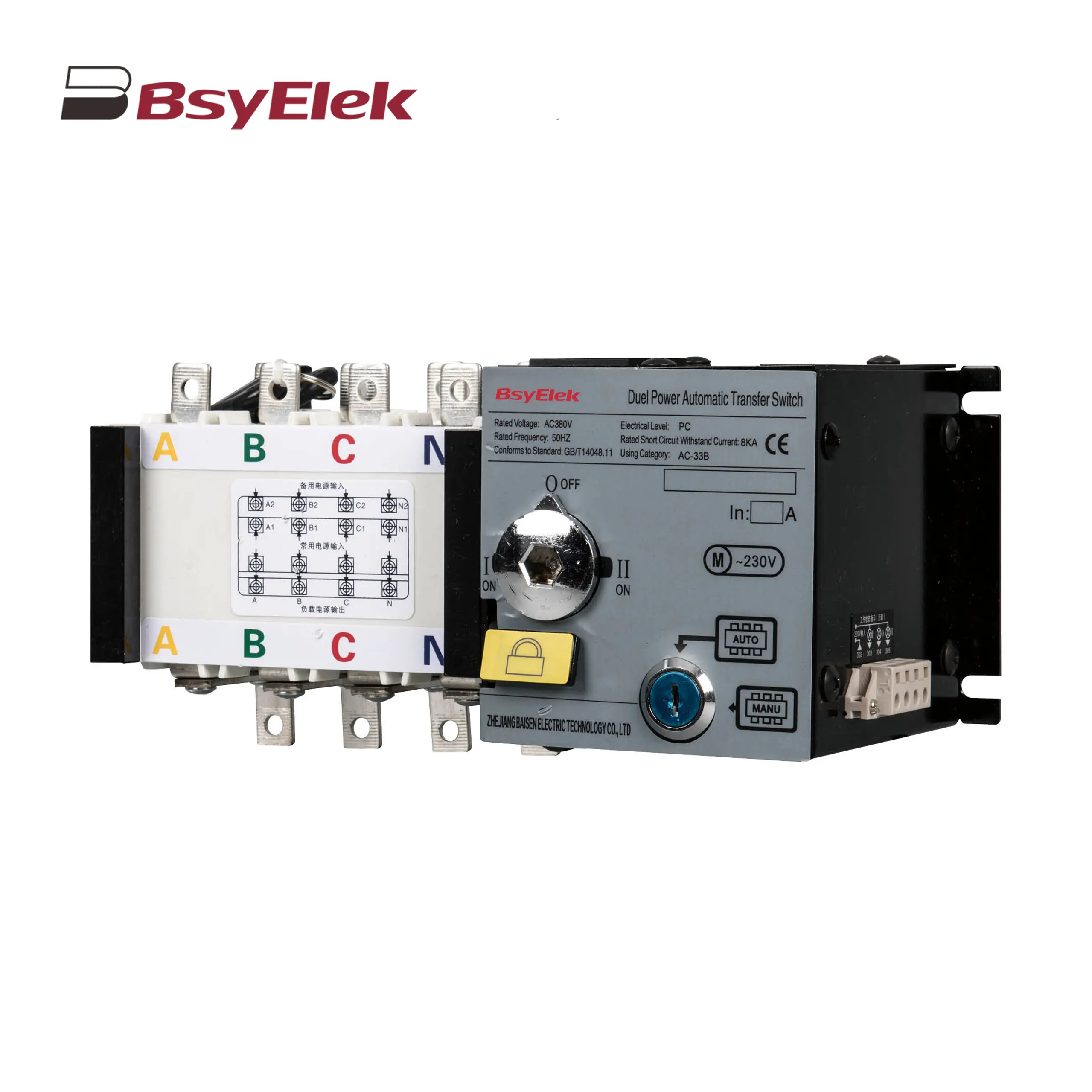 BYQ1 ATS Isolated Type PC Level Dual Power Automatic Transfer Switch
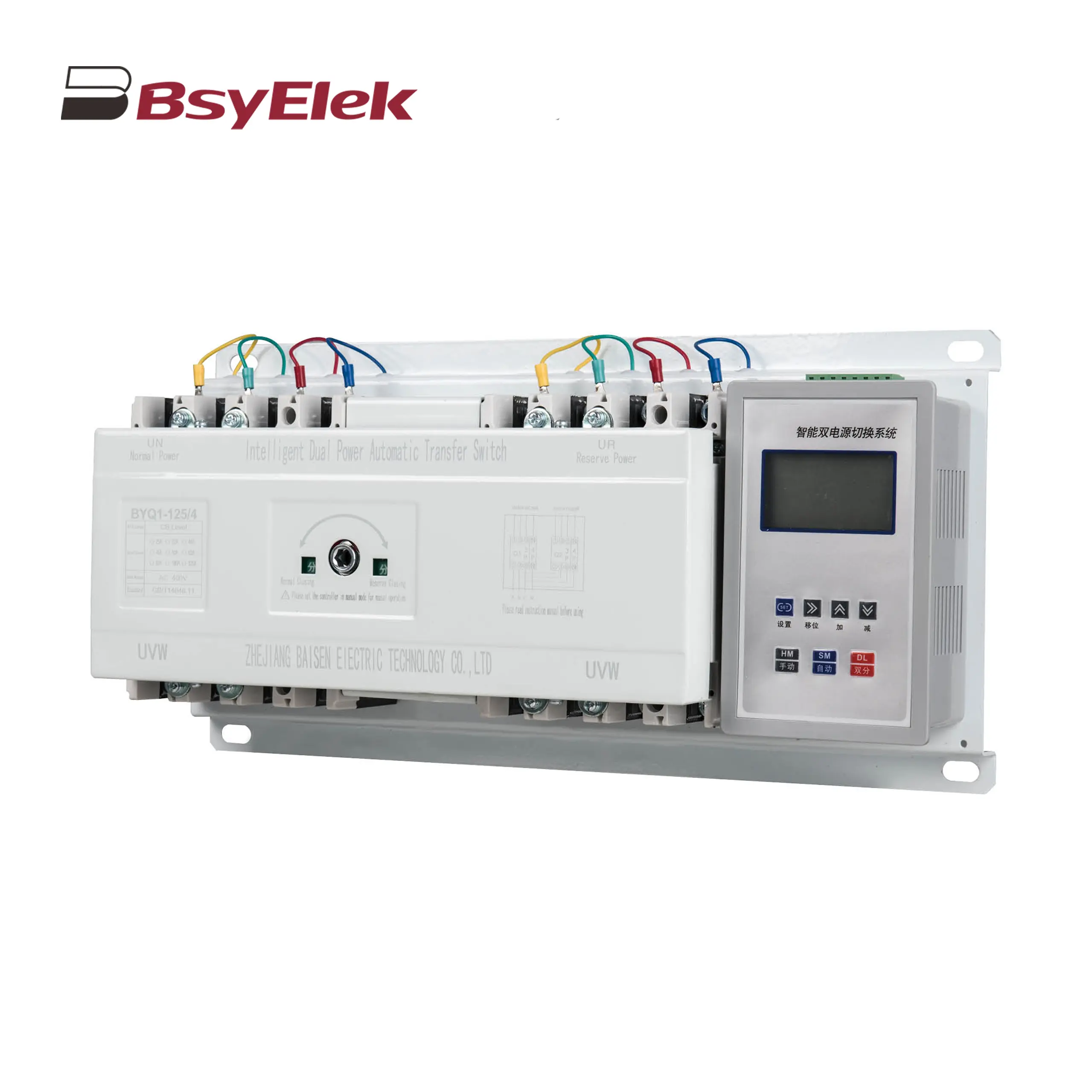 BYQ1 ATS Intelligent Type CB Level Dual Power Automatic Transfer Switch
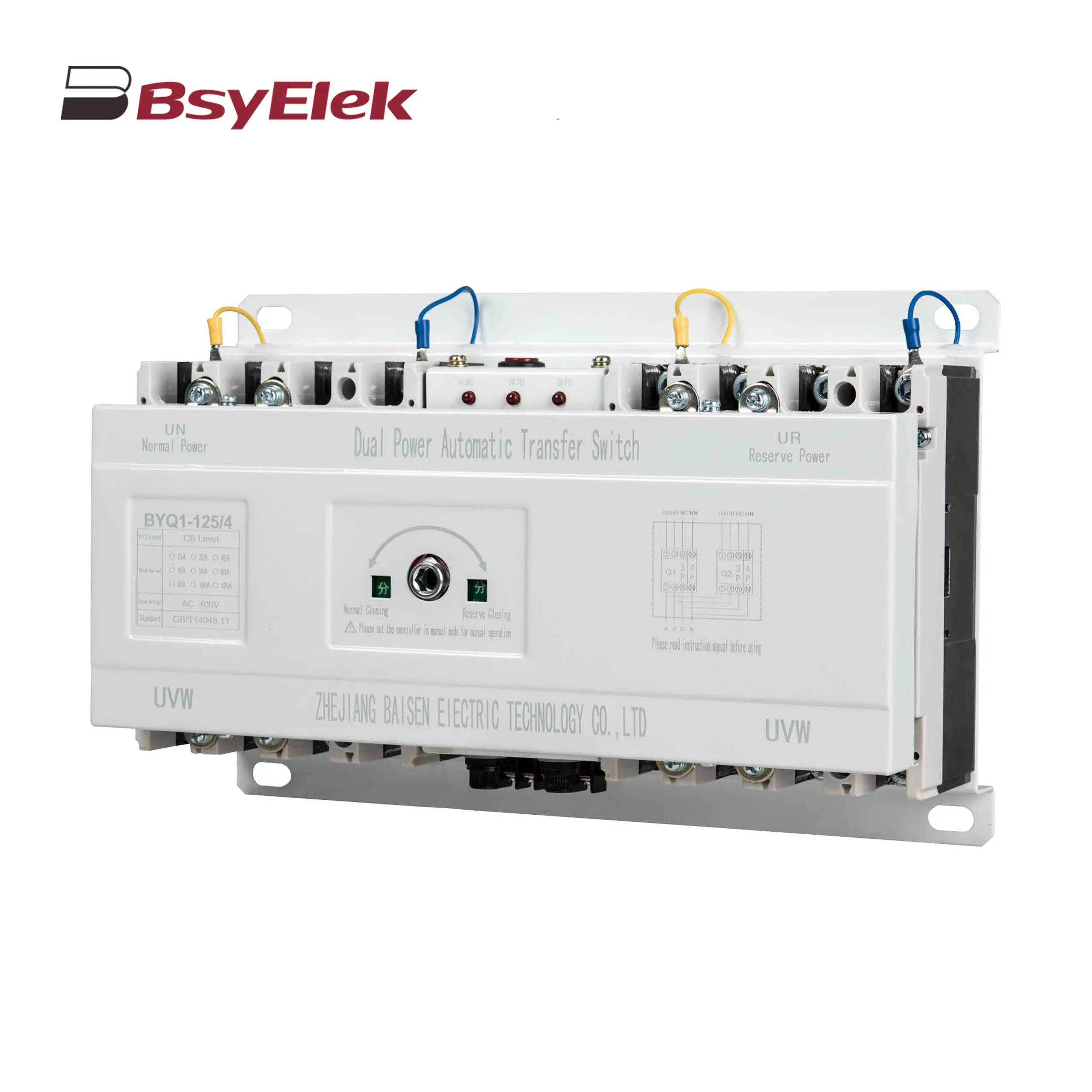 BYQ1 ATS End Type CB Level Dual Power Automatic Transfer Switch
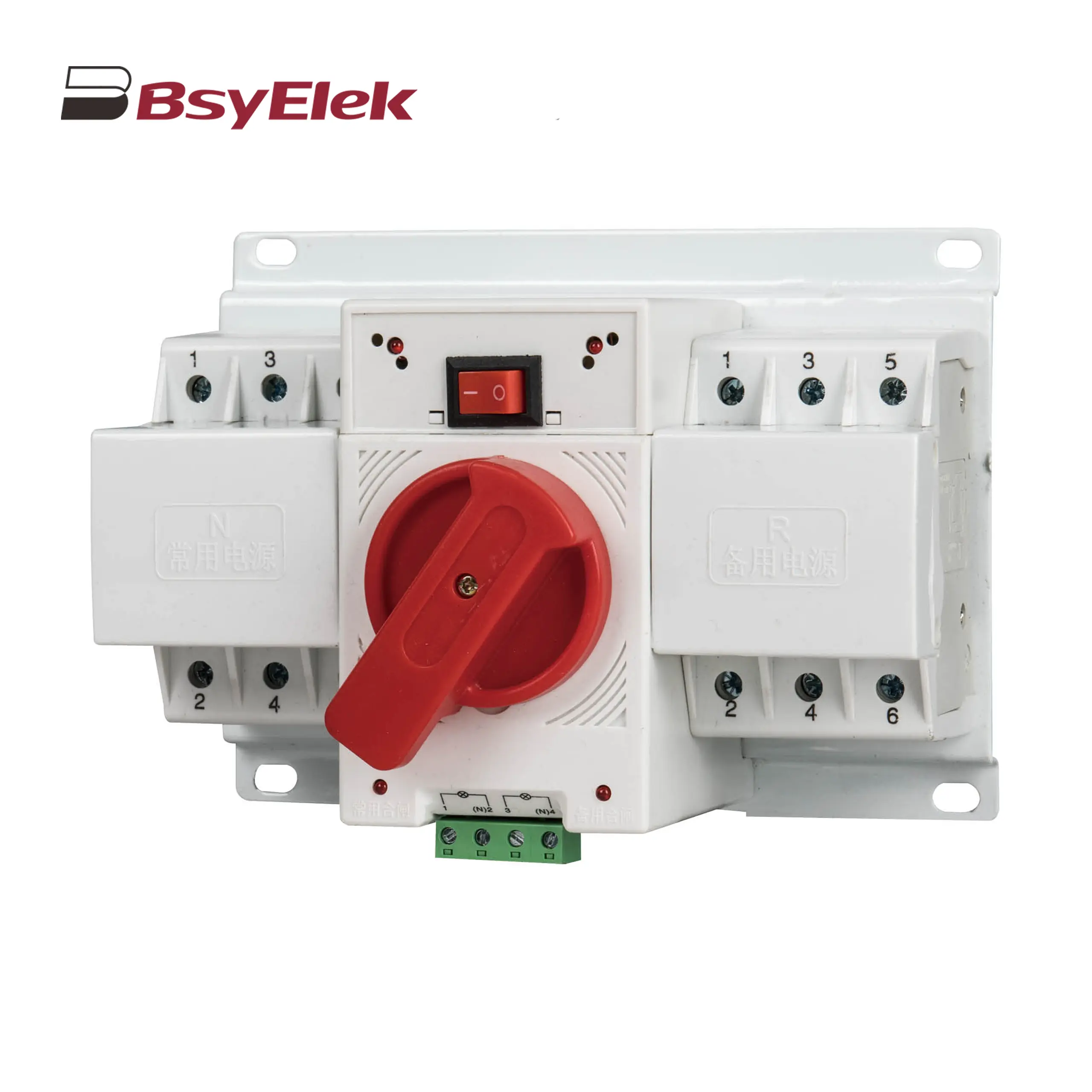 BYQ1 ATS Mini Type CB Level Dual Power Automatic Transfer Switch
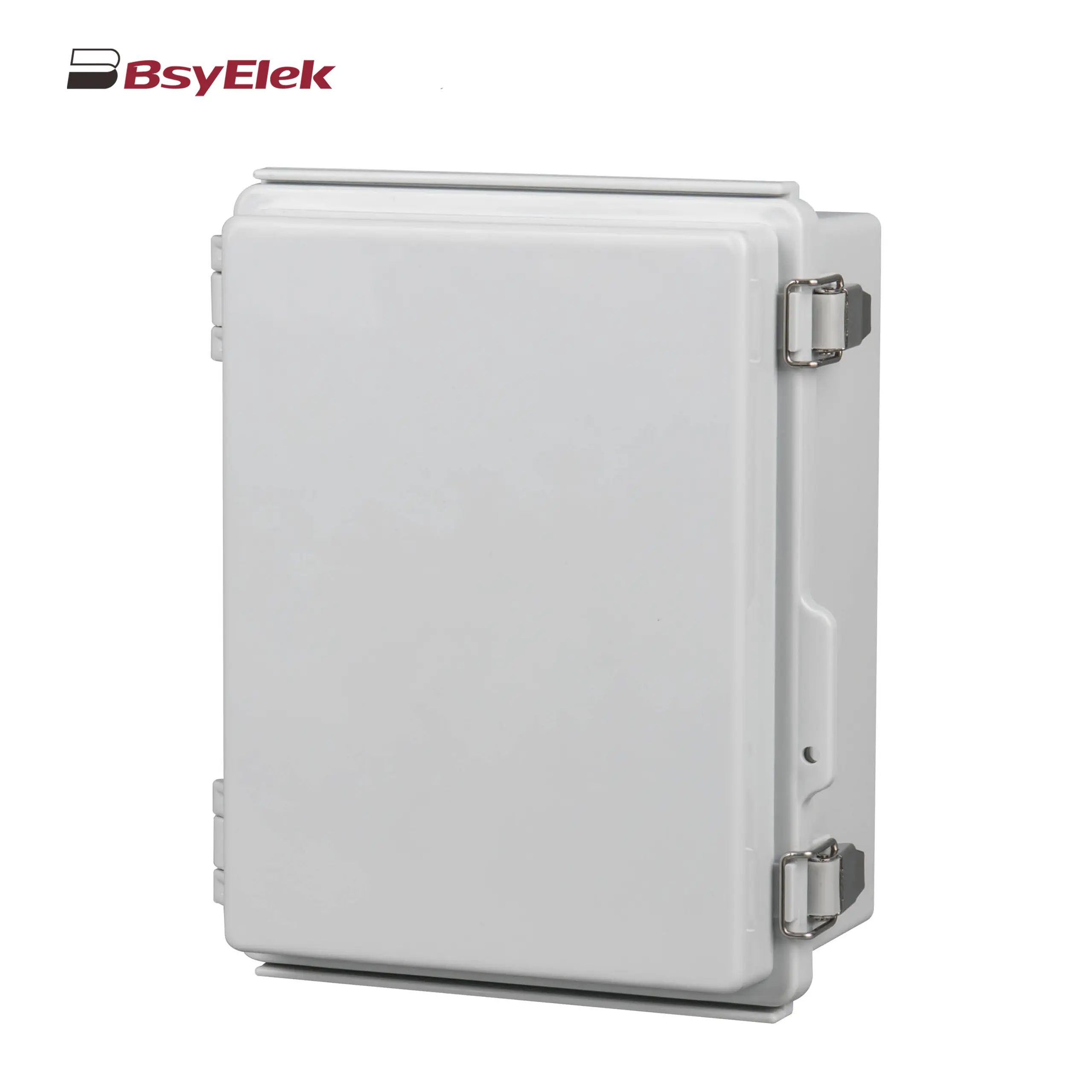 Stainless Steel Hinge Type Electrical Box
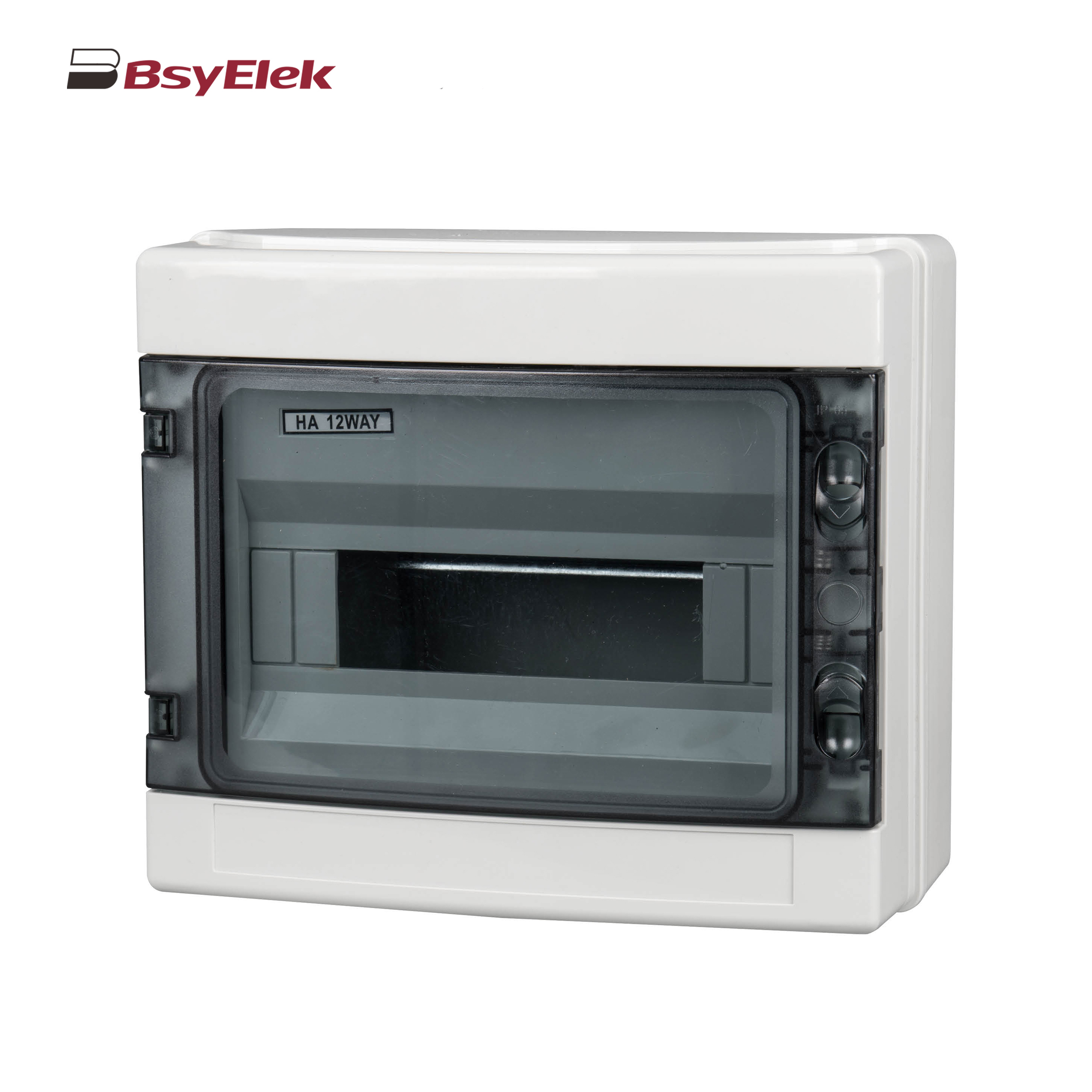 HA Waterproof Distribution Box
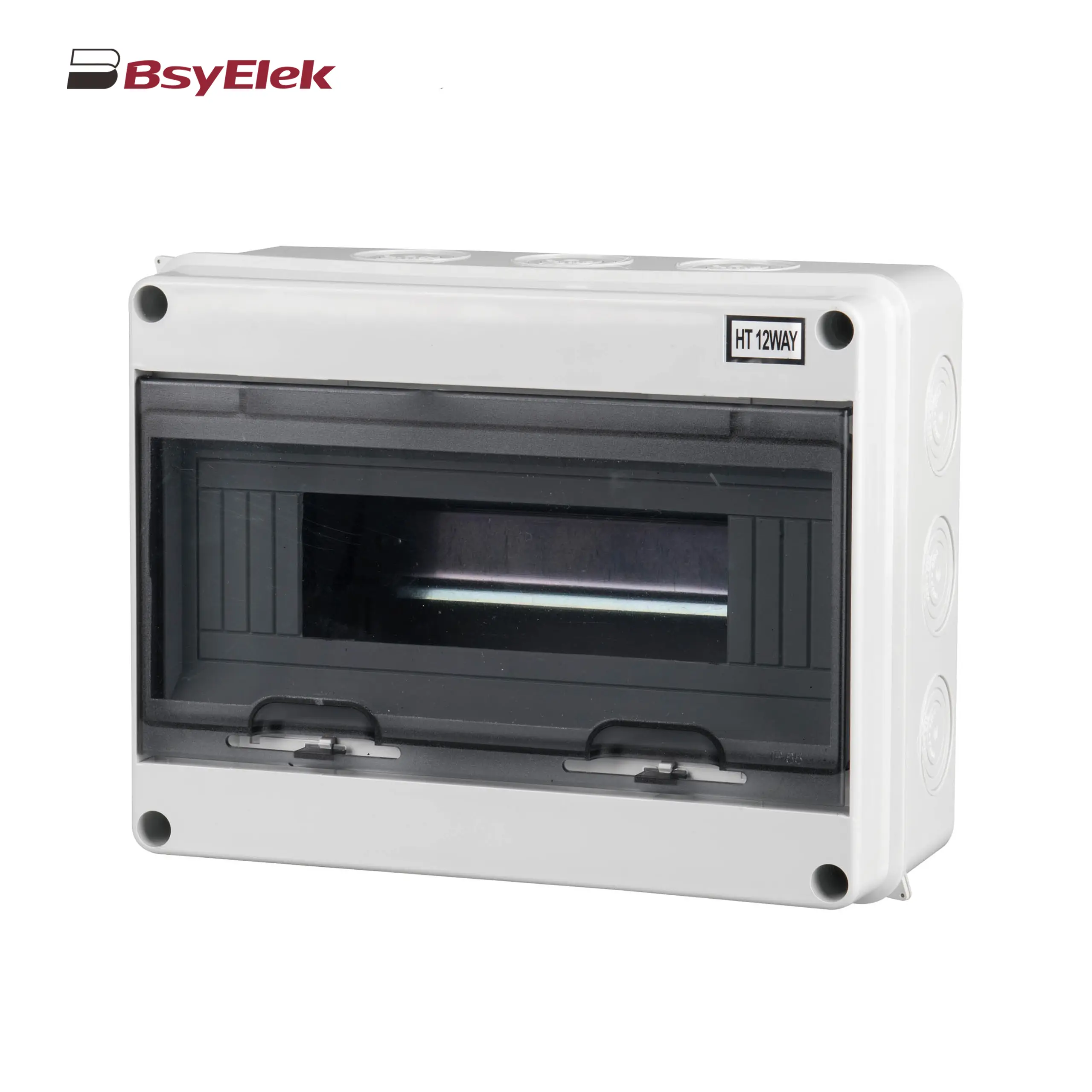 HT Waterproof Distribution Box
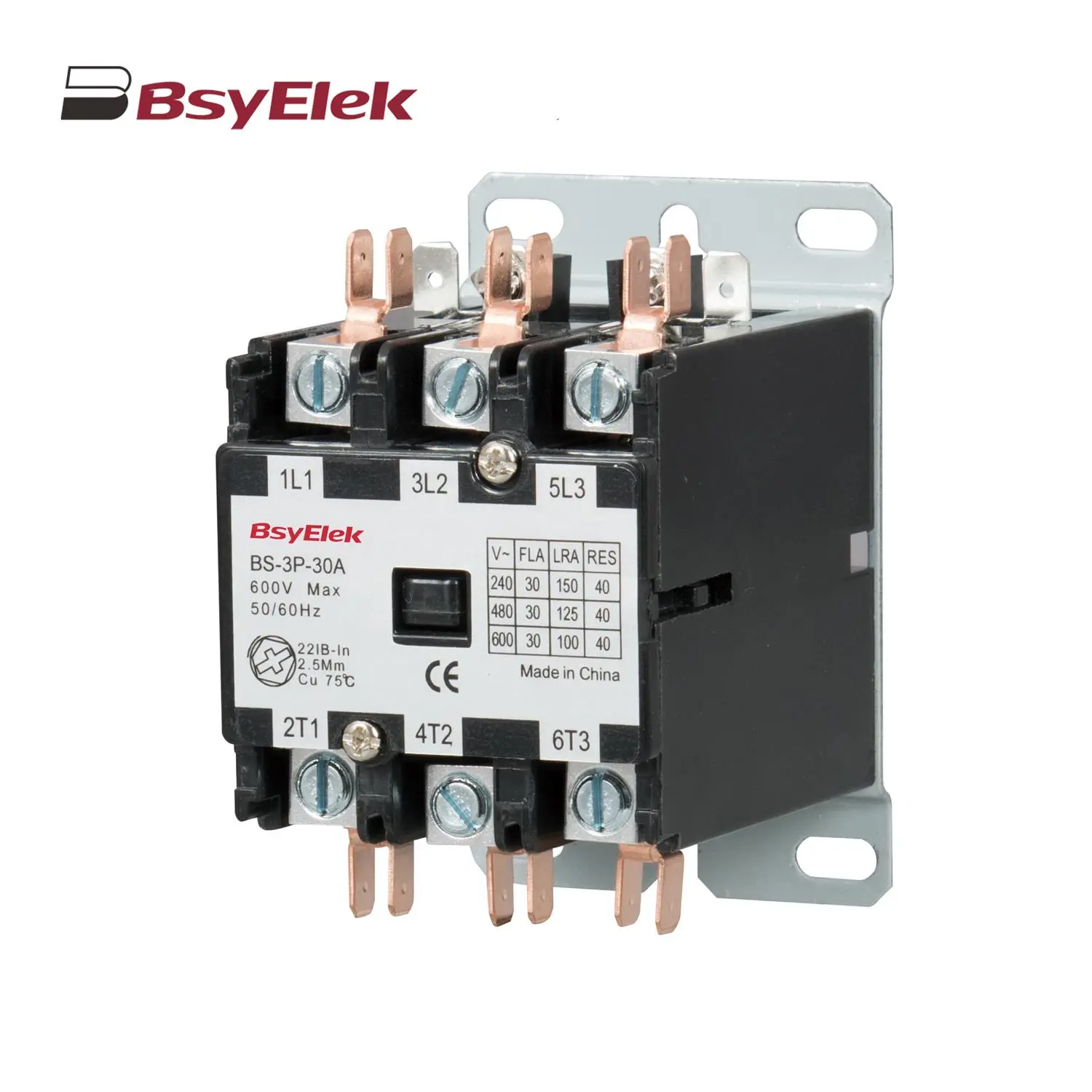 BS Definite Purpose Magnetic AC Contactor