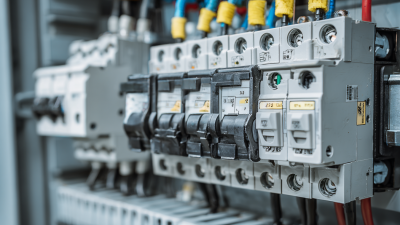
Essential Voltage Protector Tips for Global Buyers to Consider
When considering a Voltage Protector, global buyers face numerous decisions. Understanding key features can aid in making informed choices. Voltage Protectors are essential for safeguarding electrical devices from surges and fluctuations. They help prevent damage that could lead to costly repairs or replacements.
Quality varies widely across different manufacturers. Some products may look similar but fail in performance. Buyers must pay attention to specifications like voltage ratings and response times. A reliable Voltage Protector should have a proven track record and positive user testimonials. Do not overlook warranty details either, as they can reflect the manufacturer’s confidence in their product.
Choosing the right Voltage Protector is crucial. An unsuitable device can do more harm than good. Take the time to assess your specific needs. Conducting thorough research and consulting experts might uncover valuable insights. Remember, not every Voltage Protector will suit every scenario. Always prioritize reliability to ensure your investments in electrical equipment remain protected.
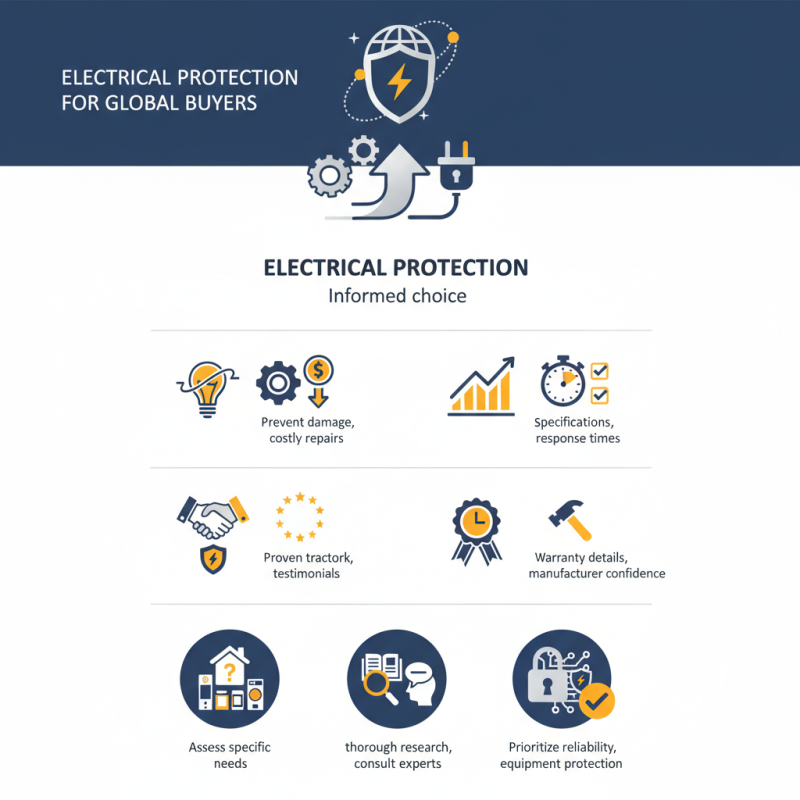
Key Factors to Consider When Buying Voltage Protectors Globally
When considering voltage protectors, global buyers must focus on several key factors to ensure they make informed decisions. The most crucial aspect is the voltage rating, which varies depending on the region. For instance, Europe typically uses 230V systems, while North America operates at 120V. According to a recent market analysis by Frost & Sullivan, improper voltage management can lead to a staggering loss of $26 billion annually in equipment damage.
Additionally, buyers should examine the response time of voltage protectors. Devices with faster response times minimize the risk of damage during voltage spikes. A study published by the Institute of Electrical and Electronics Engineers (IEEE) indicates that protectors with a response time of less than 1 millisecond are significantly more effective. If the protector fails to respond quickly, it may not prevent damage to sensitive equipment.
Cost-effectiveness is another vital consideration. The initial purchase price should be weighed against long-term savings from reduced equipment failure. Buyers often overlook this balance, leading to potential financial losses. An industry report from Transparency Market Research reveals that 30% of organizations don't optimize their protective solutions, undermining their investments over time. Understanding these aspects is essential for making a reliable choice in voltage protectors.
Essential Voltage Protector Tips for Global Buyers to Consider
| Key Factor |
Description |
Importance Level |
| Surge Protection |
Protects devices from voltage spikes that can cause damage. |
High |
| Voltage Regulation |
Maintains a consistent voltage level to ensure device efficiency. |
Critical |
| Environmental Considerations |
Compatibility with local electrical standards and conditions. |
Moderate |
| Usage Rating |
Ensure the protector can handle the total load of connected devices. |
High |
| Warranty and Support |
Availability of customer support and warranty assurance. |
High |
| User Reviews |
Feedback from other users can provide insights into performance. |
Moderate |
Types of Voltage Protectors: Understanding Their Functionality and Uses
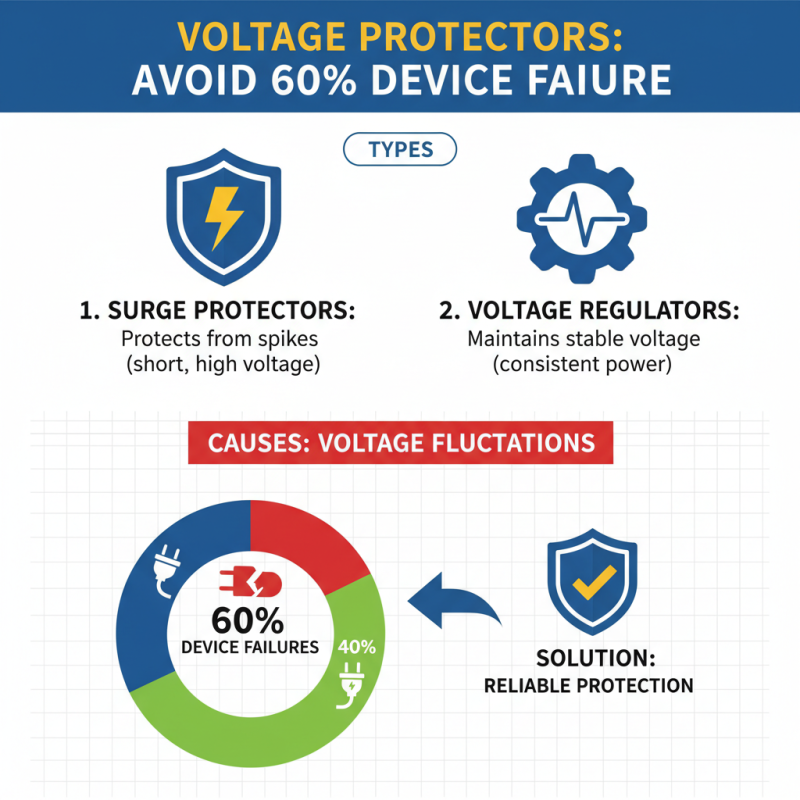
Voltage protectors are essential for safeguarding electrical equipment. Understanding their types and functionalities is crucial for informed purchasing decisions. The two major categories are surge protectors and voltage regulators. Surge protectors shield devices from voltage spikes, while voltage regulators maintain a consistent voltage level. According to recent industry studies, over 60% of electrical device failures stem from voltage fluctuations. This highlights the importance of investing in reliable voltage protection.
When selecting a voltage protector, consider the environment. For instance, areas prone to lightning strikes may require advanced surge protectors. Be mindful of the voltage ratings and compatibility with your devices. Research shows that improper usage can lead to equipment damage. A simple tip: check the device ratings regularly to ensure optimal performance.
Another useful tip is to avoid oversizing voltage protectors. An overly robust protector may not respond adequately to smaller spikes. This can lead to increased wear and tear, reducing overall efficiency. Prioritize selecting protectors designed for specific applications, ensuring proper functionality and durability. This approach not only maximizes protection but also promotes long-term savings. Remember, informed choices lead to better outcomes.
Assessing Compatibility: Voltage Standards Across Different Regions
Understanding voltage standards is crucial for global buyers. Each region has specific requirements that impact device performance.
For instance, North America typically operates on a 120V standard, while many European countries use 230V. In Asia, 220V is common.
A mismatch can lead to device failure or reduced functionality.
Research shows that almost 50% of equipment damage stems from incorrect voltage usage. This statistic highlights the need for buyers to assess voltage compatibility before purchasing.
Voltage protectors are essential tools in this regard. They help regulate incoming voltage and shield devices from surges.
However, not all voltage protectors function equally across different voltage standards.
Surprisingly, only 30% of users consider voltage specifications when buying electronic devices. This oversight can result in significant repair costs or loss of equipment.
Buyers should verify compatibility and invest in quality voltage protection solutions.
Many industry experts recommend conducting thorough research. This helps ensure devices will perform optimally in various environments.
Balancing cost and reliability is vital for sound purchase decisions.
Evaluating Safety Features: What to Look for in Voltage Protectors
When evaluating voltage protectors, safety features are paramount. Look for devices that meet the IEC and UL safety standards. These certifications ensure the protector has been tested for reliability and effectiveness. According to a recent report by the International Electrotechnical Commission, electrical surges can damage appliances, costing consumers thousands annually. A strong voltage protector can mitigate these risks.
Tip: Always check the response time. A protector with a faster response can prevent damage by cutting power during surges. Ideally, seek a unit with a response time under 1 millisecond. This ensures immediate action when a spike occurs, keeping your devices safe.
Another vital feature to consider is joule rating. Higher joule ratings indicate more energy absorption capacity. This is crucial for households with sensitive electronics. Reports suggest that devices with a joule rating above 1,000 are more effective for protecting high-end appliances. However, don't rely solely on ratings. Inspect the warranty offered, as a longer warranty usually indicates better durability and protection performance.
Essential Voltage Protector Safety Features Comparison
Maintenance Tips for Ensuring Longevity of Your Voltage Protector
When it comes to voltage protectors, maintenance is key to ensuring longevity and optimal performance. Regular inspection of these devices can prevent costly failures. According to a 2022 report from the International Electrotechnical Commission, inadequate maintenance leads to 30% of equipment malfunction in industrial settings. Periodic checks help identify wear and tear, potentially extending the life of your voltage protector.
Cleaning is crucial. Dust and moisture can compromise efficiency. A simple wipe-down can enhance performance. The manufacturer’s guidelines often suggest cleaning every 6 months. Many users overlook this step, leading to reduced reliability. Additionally, ensuring connections are tight prevents overheating—one of the leading causes of failures. Technical data indicates that over 15% of voltage protector failures are due to loose connections.
Monitor operating conditions regularly. High temperatures or humidity can stress voltage protectors, impacting functionality. A study published in the Journal of Electrical Engineering found that environmental factors affect longevity by up to 40%. Using proper housing and thermal management can mitigate risks. Data shows that proactive maintenance decreases downtime and unplanned expenditures significantly.



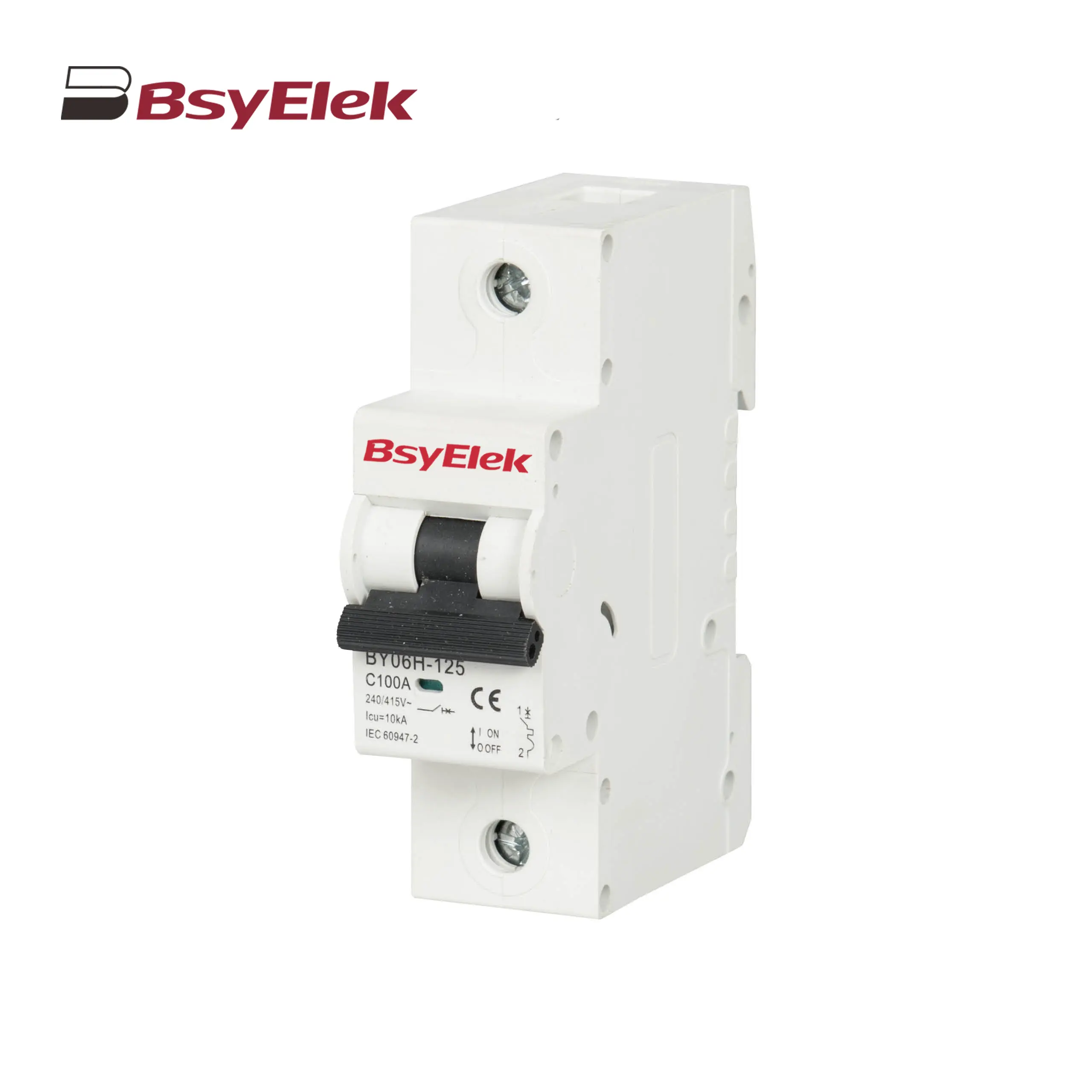 BY06H-125 MCB 10-15KA Miniature Circuit Breaker
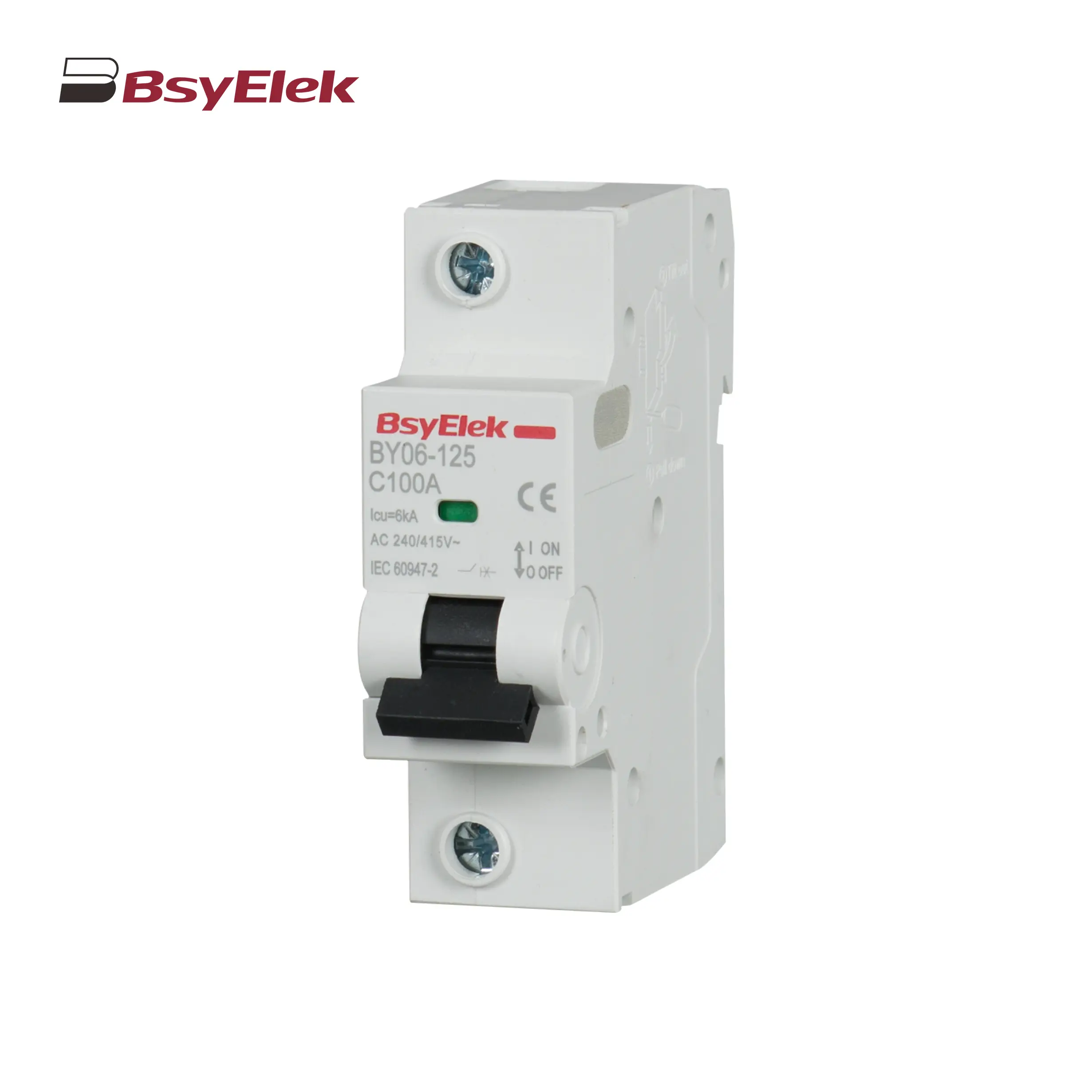 BY06-125 MCB 6KA Miniature Circuit Breaker
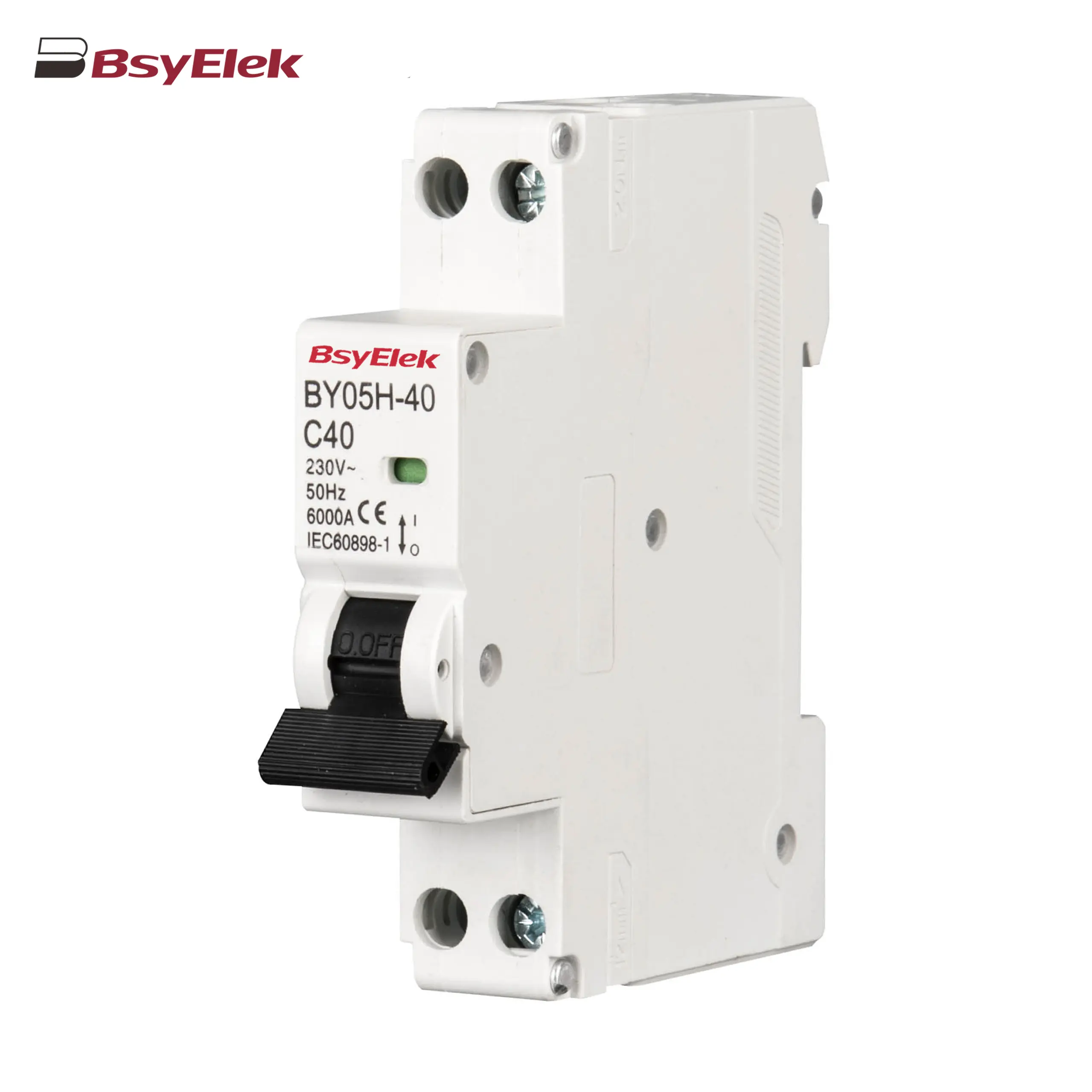 BY05H-40 MCB Single Modular 6KA Miniature Circuit Breaker
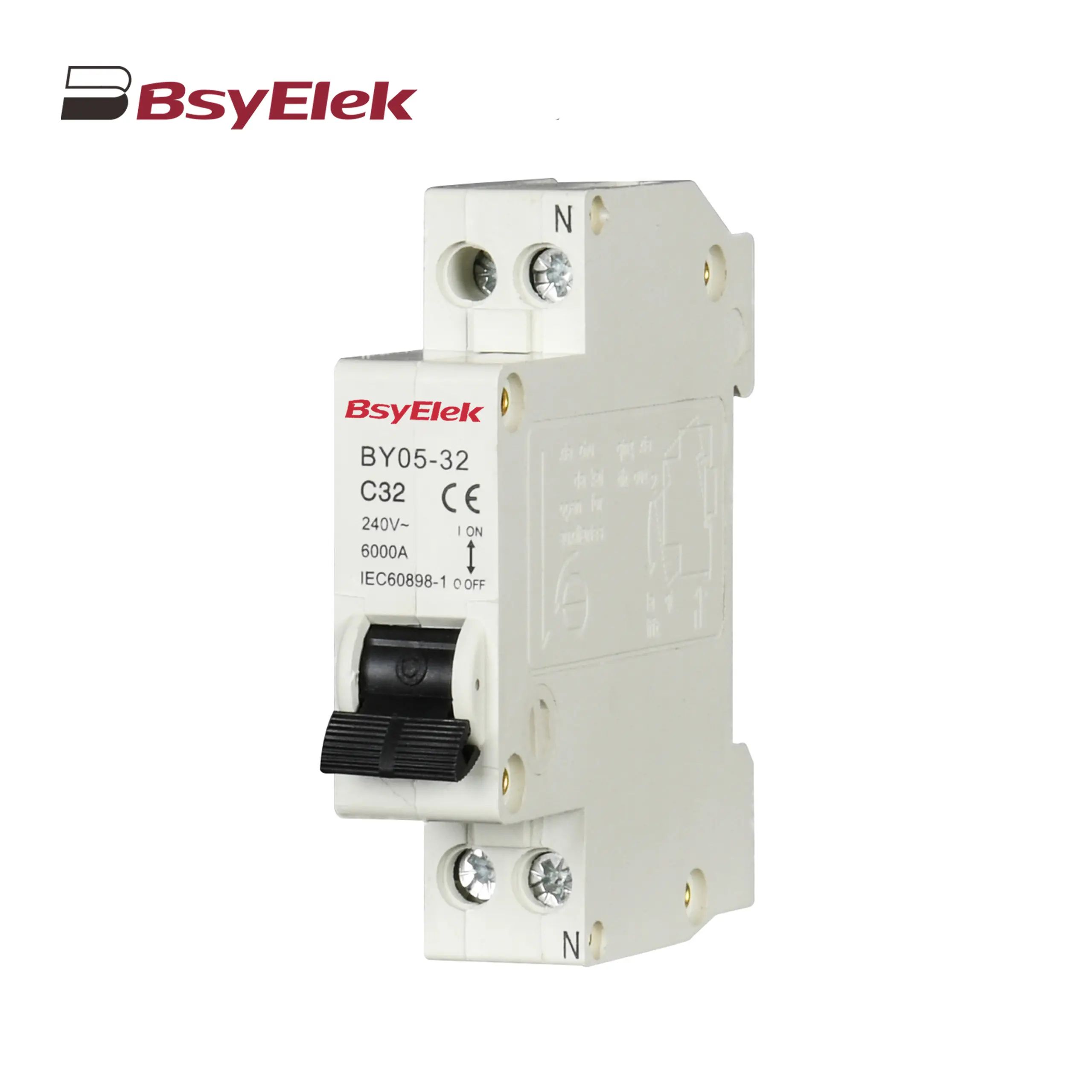 BY05-32 MCB Single Modular 3KA Miniature Circuit Breaker
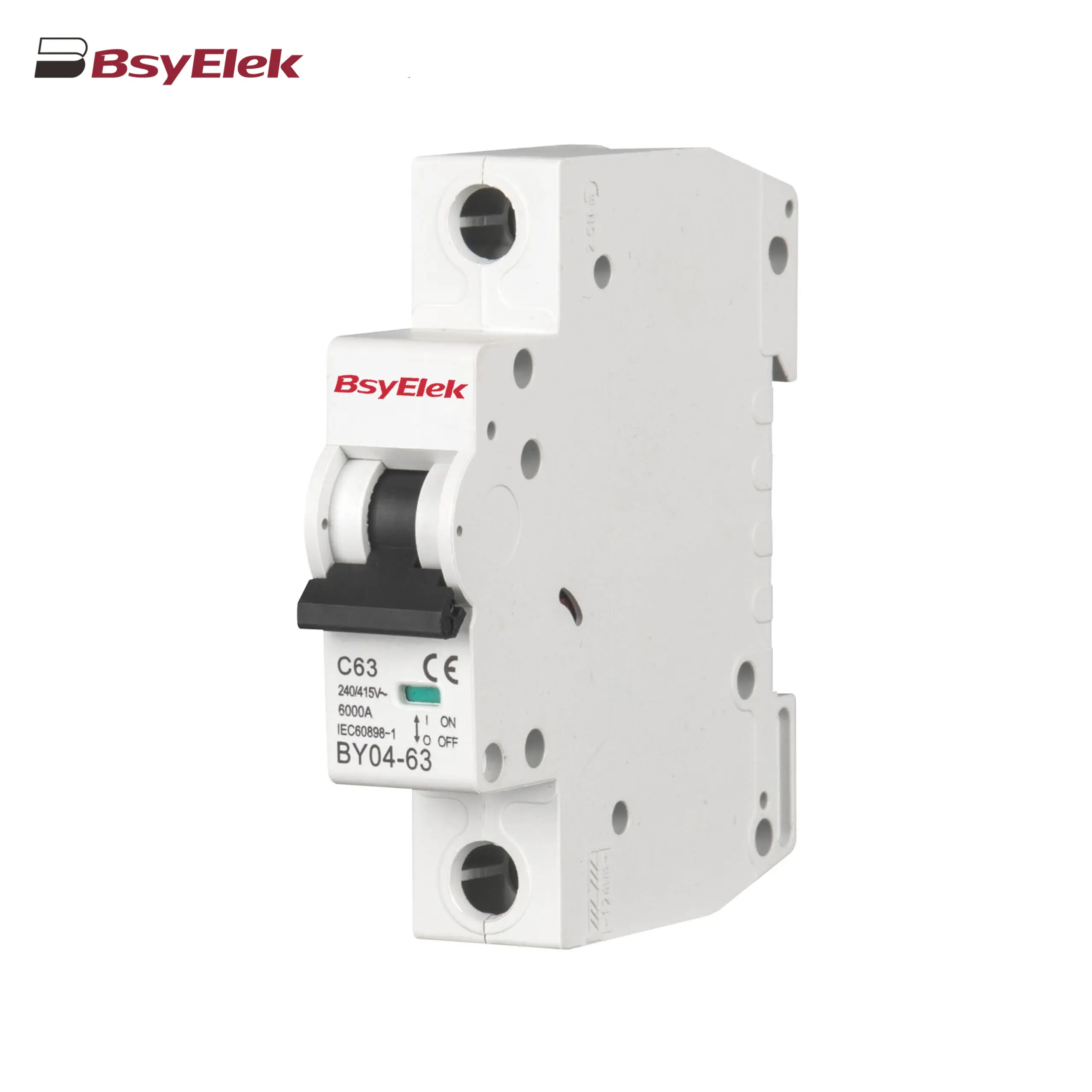 BY04-63 MCB 6-10KA Miniature Circuit Breaker
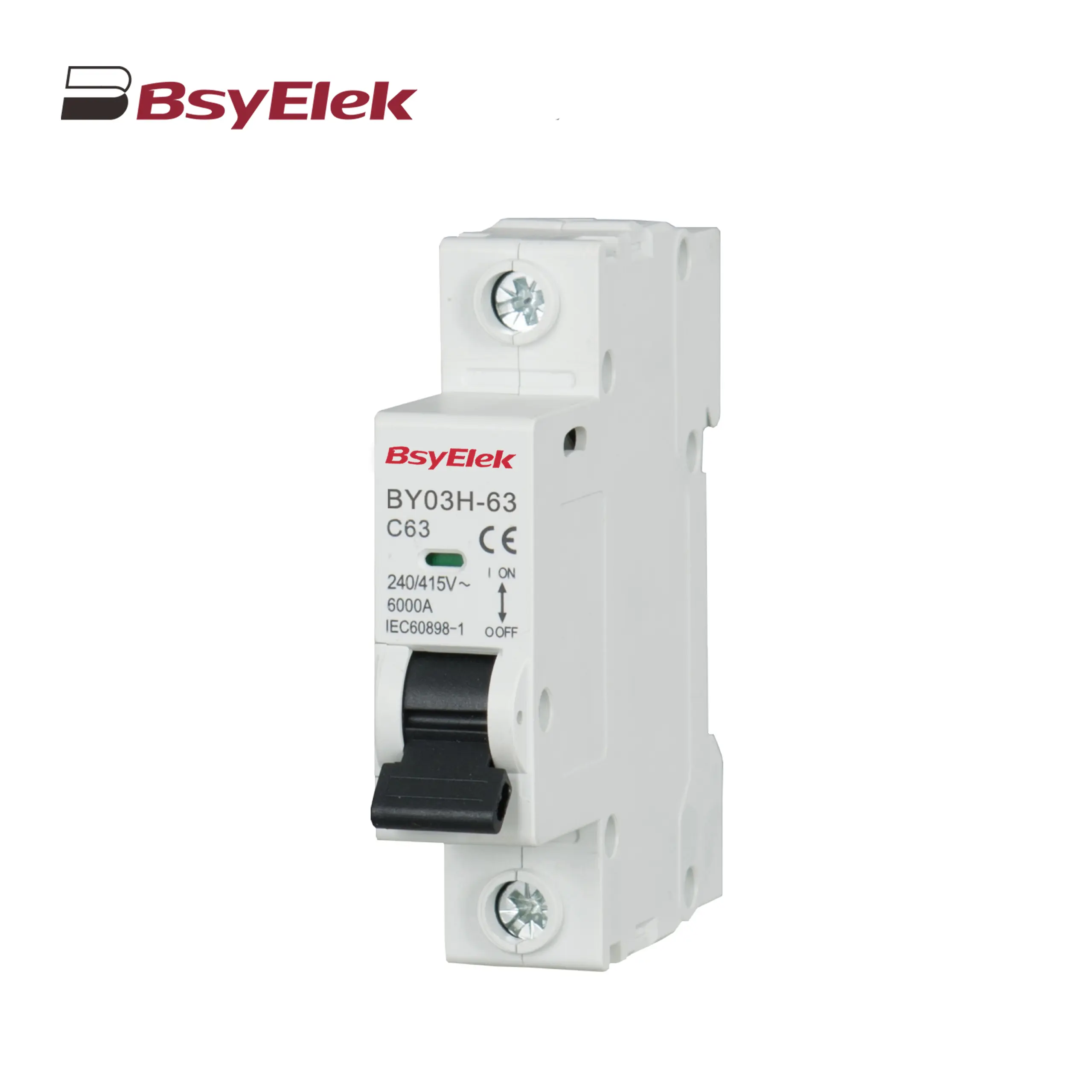 BY03H-63 MCB 6KA Miniature Circuit Breaker
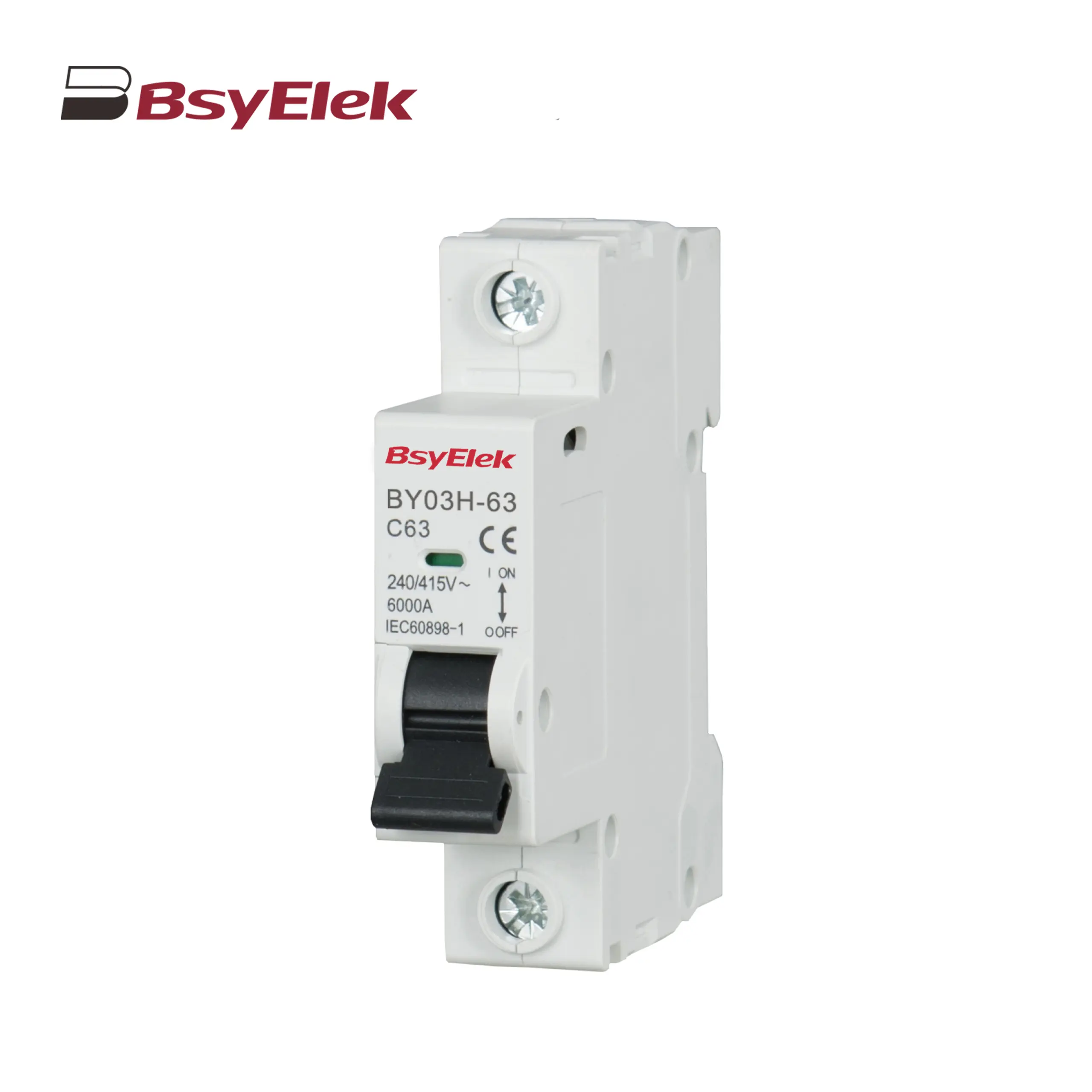 BY03-63 MCB 4.5KA Miniature Circuit Breaker
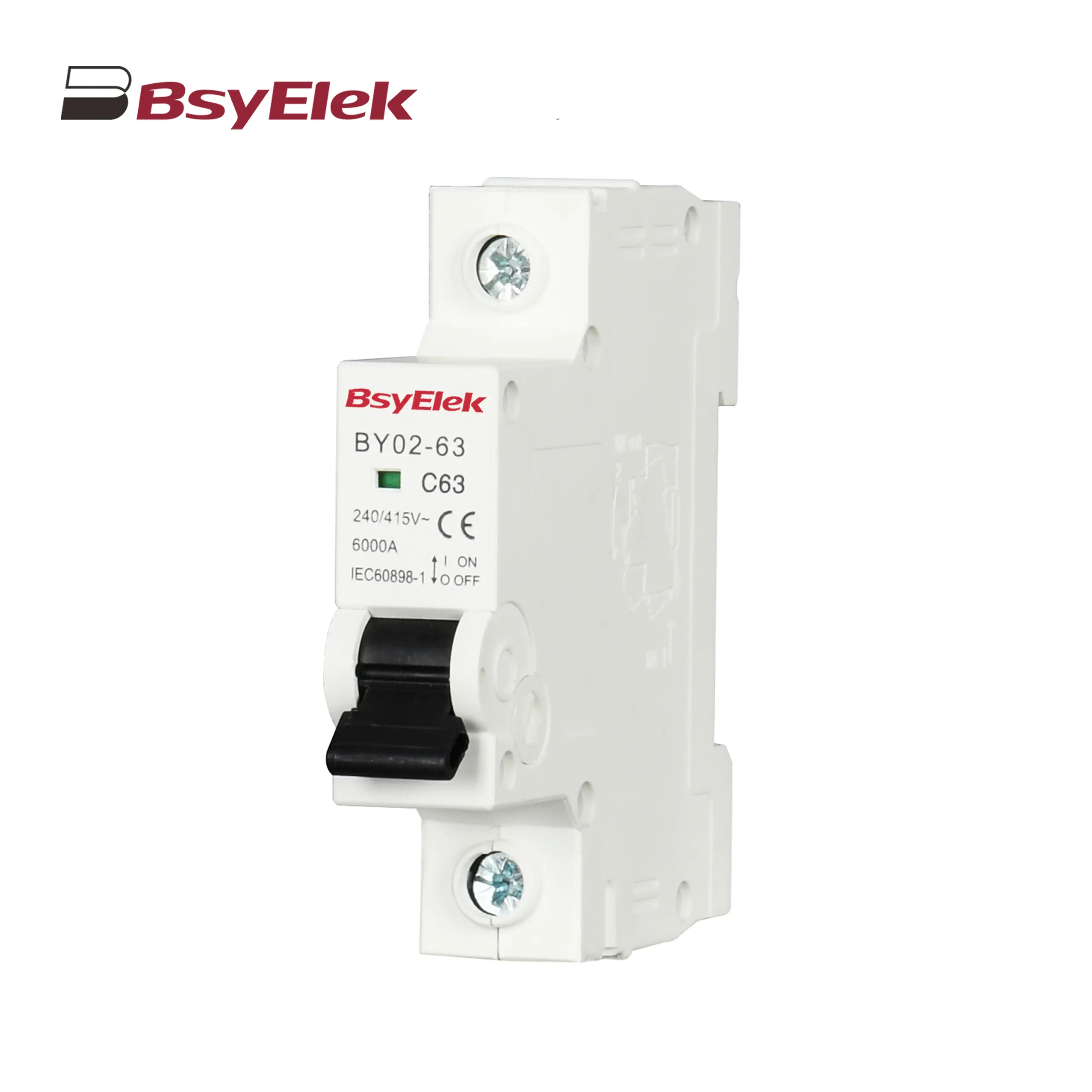 BY02-63 MCB 3kA Miniature Circuit Breaker
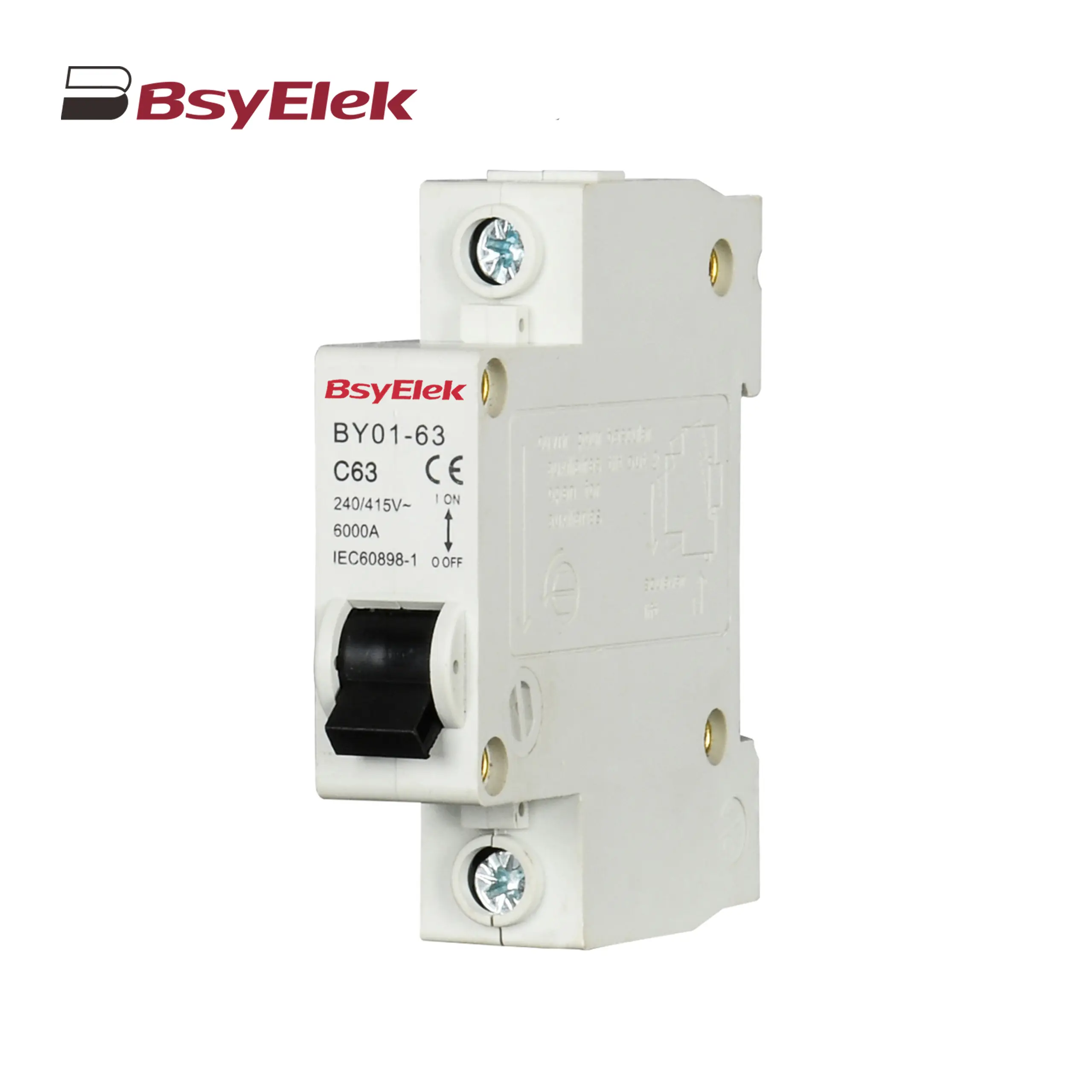 BY01-63 MCB 3kA Miniature Circuit Breaker
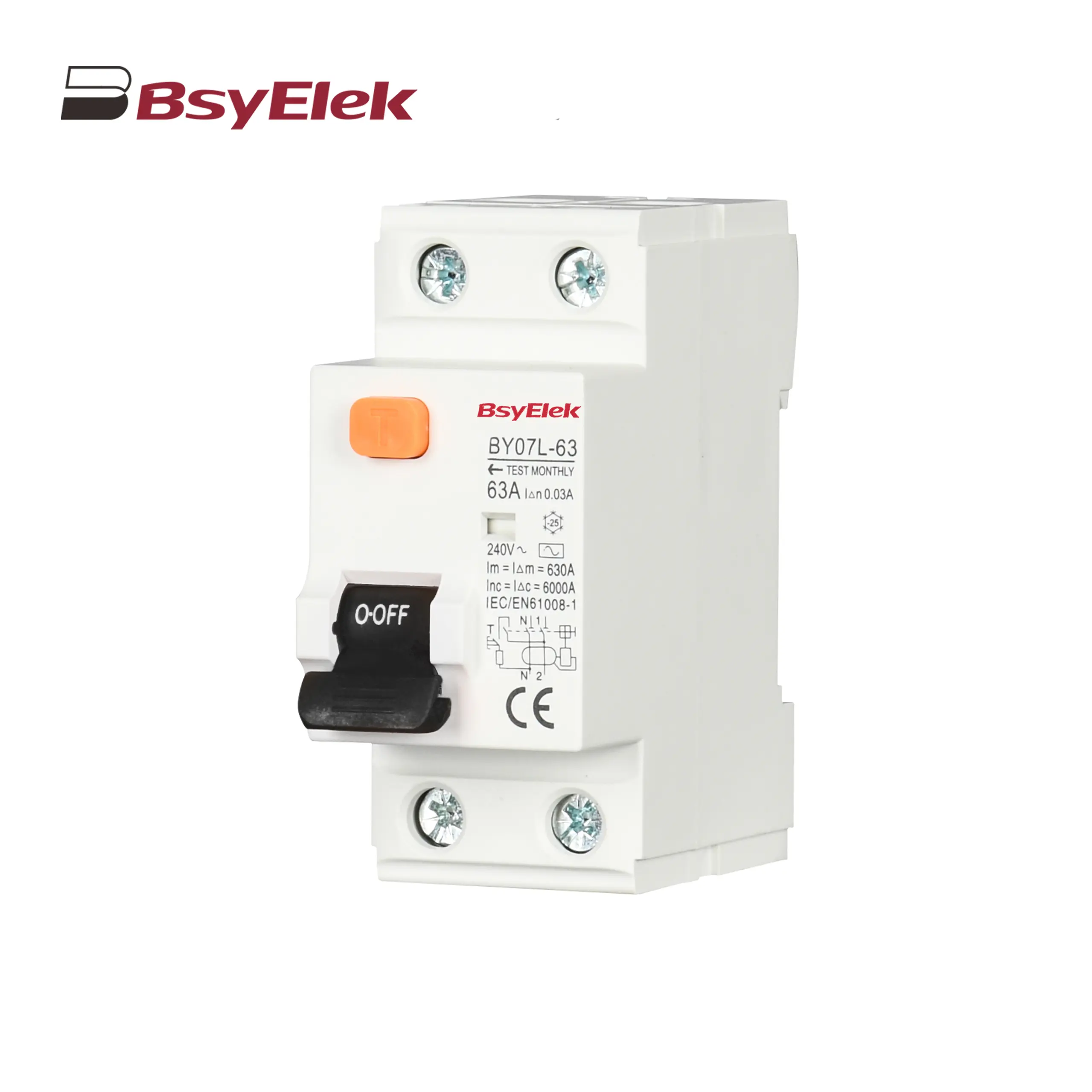 BY07L-63 RCCB 6KA Residual Current Circuit Breaker
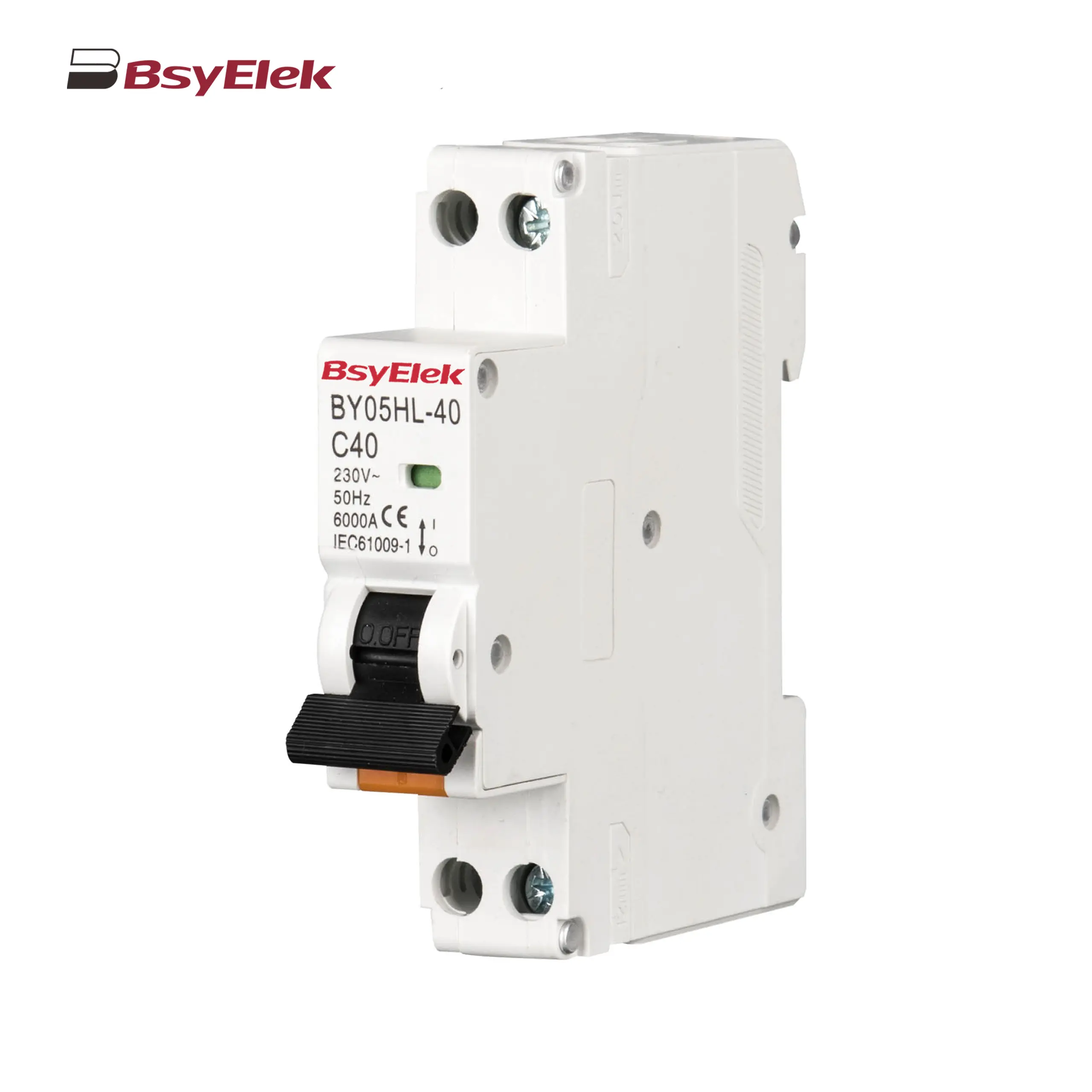 BY05HL-40 RCBO 6KA Residual Current Circuit Breaker with Over-current Protection
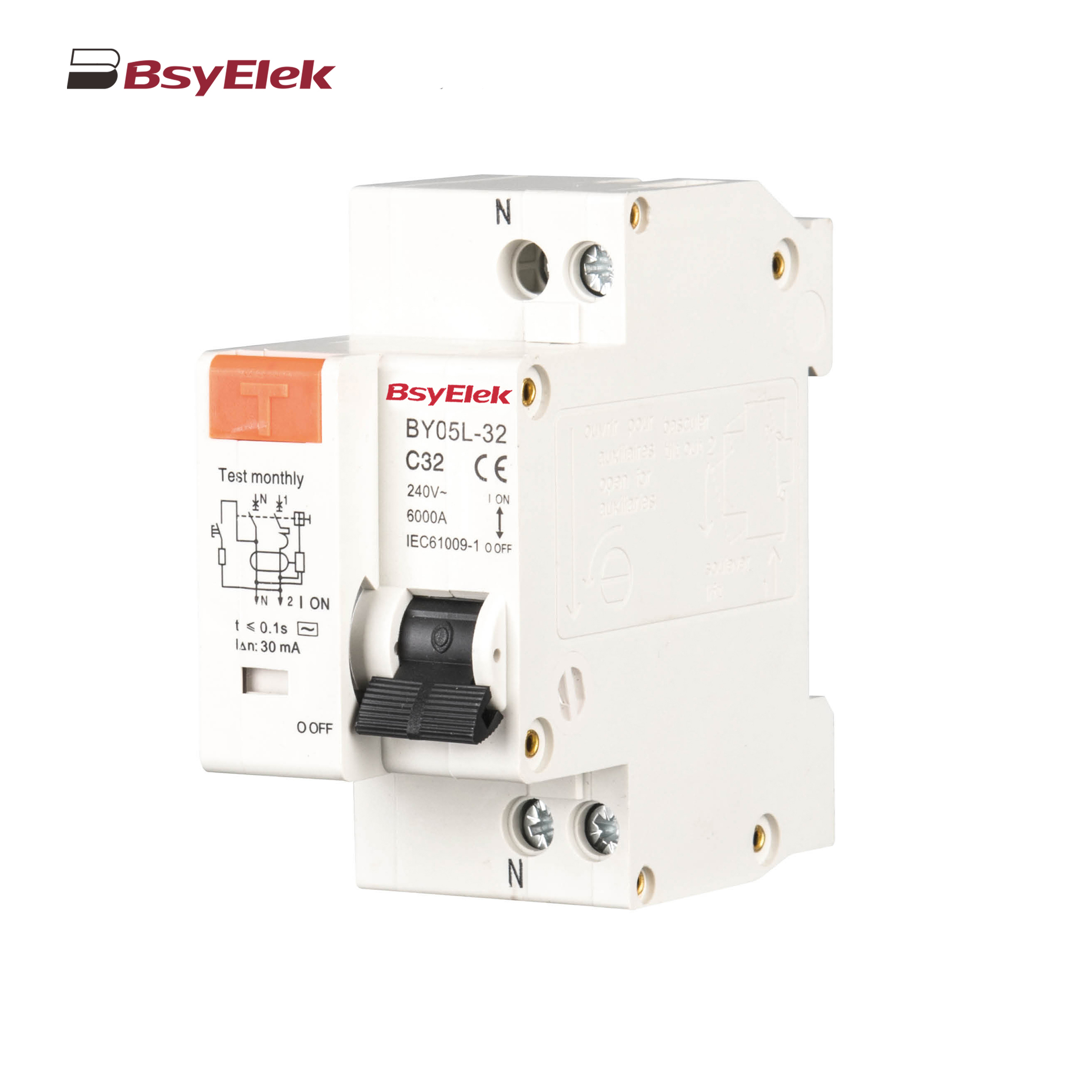 BY05L-32 RCBO 3KA Residual Current Circuit Breaker with Over-current Protection
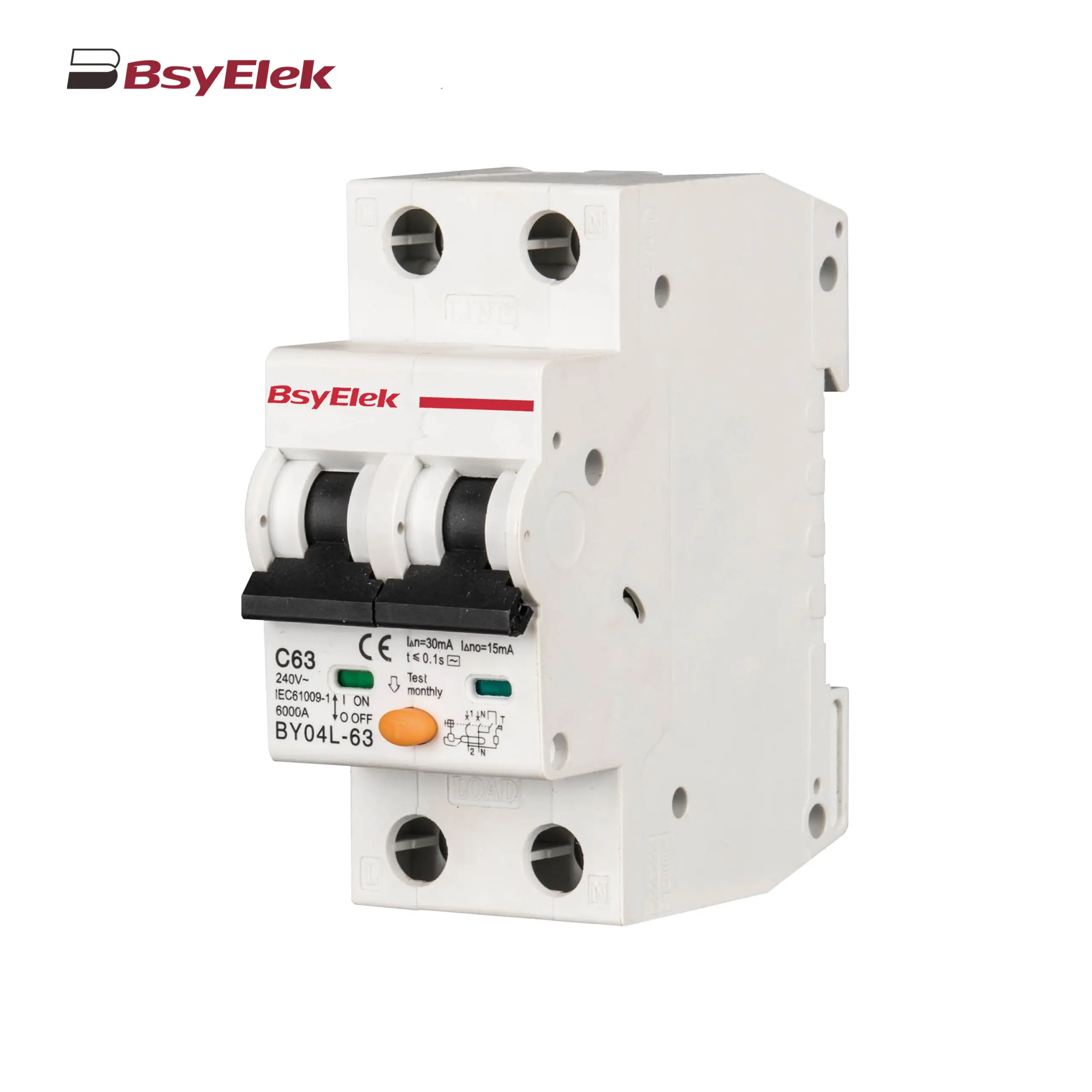 BY04L-63 RCBO 6KA Residual Current Circuit Breaker with Over-current Protection
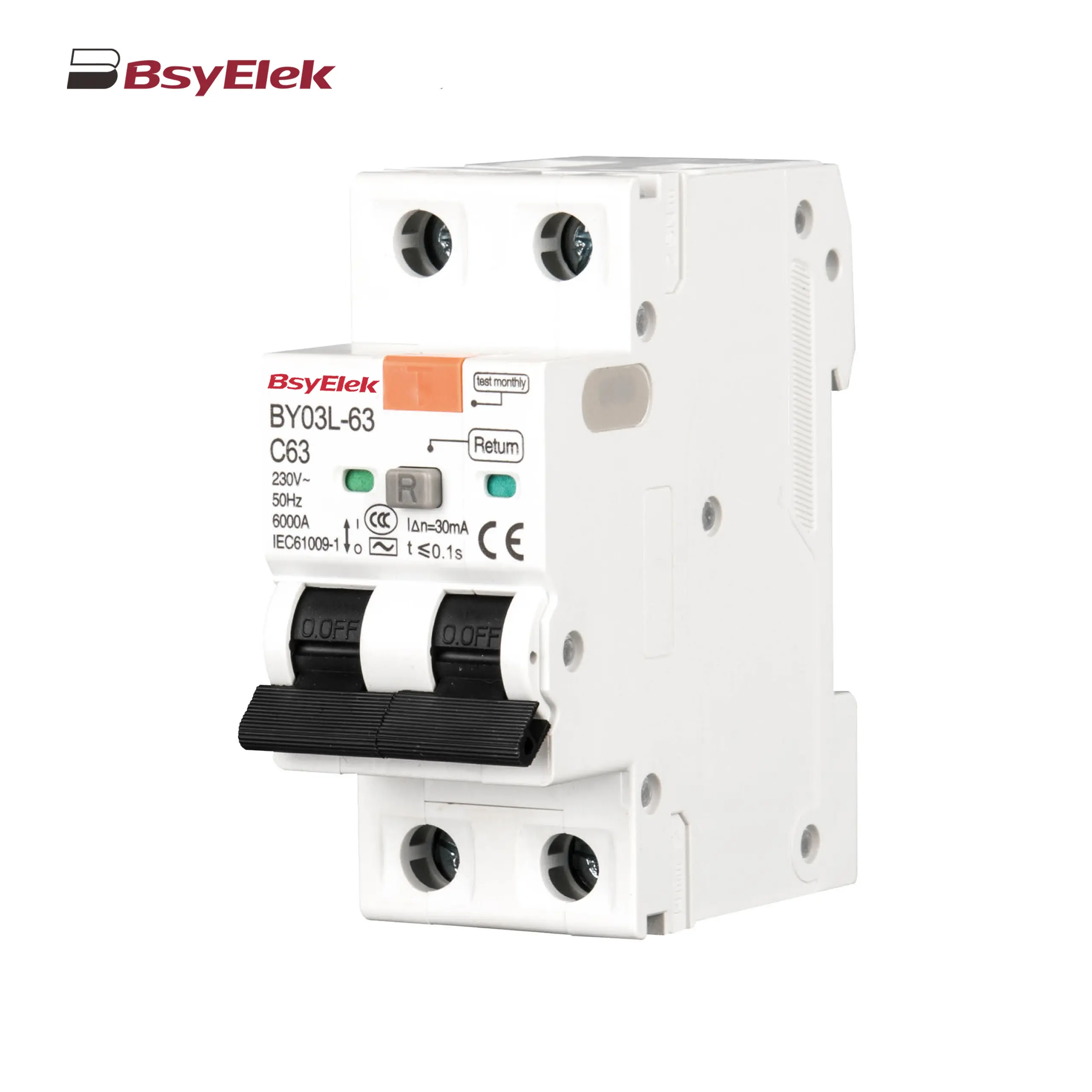 BY03L-63 RCBO 4.5KA Residual Current Circuit Breaker with Over-current Protection
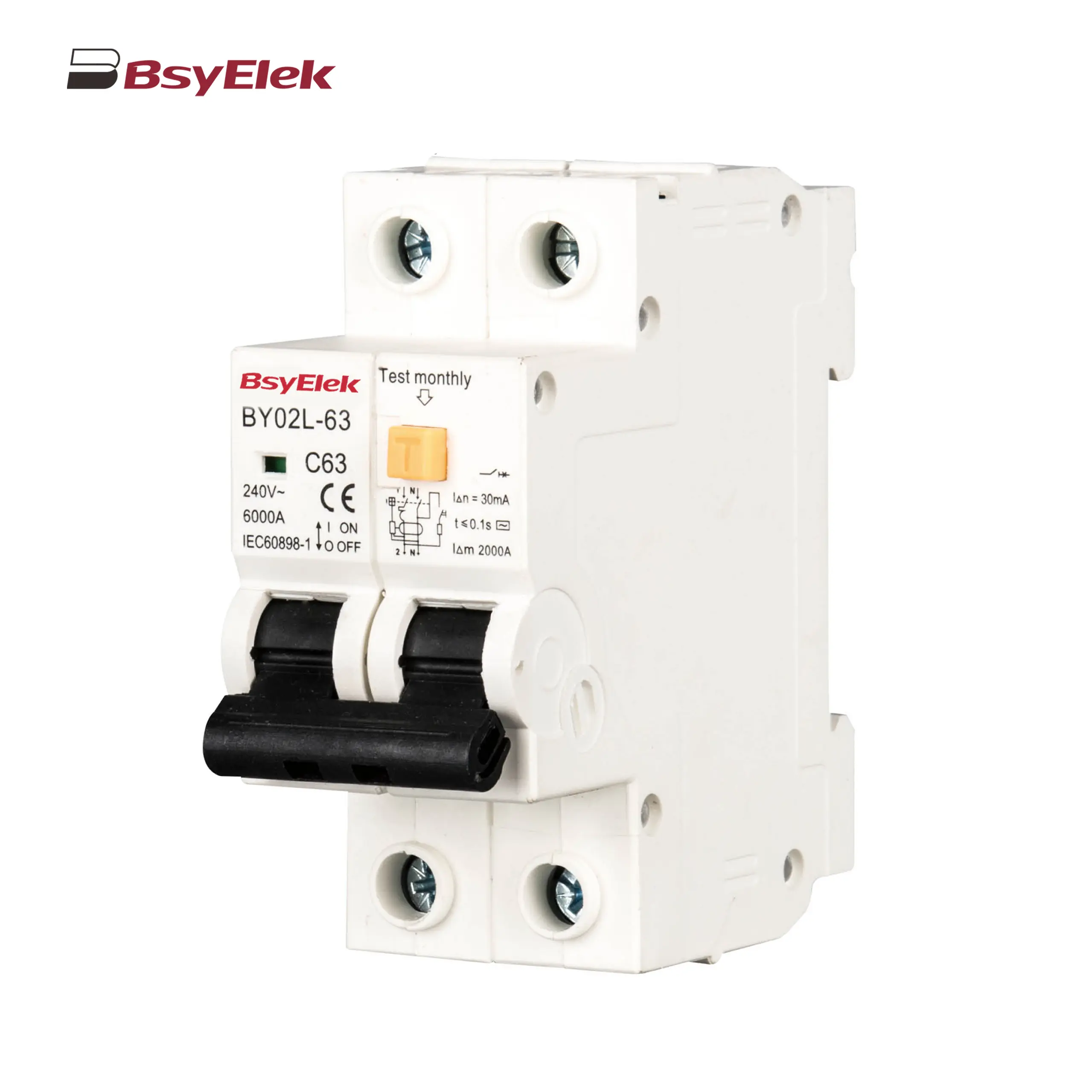 BY02L-63 RCBO 3KA Residual Current Circuit Breaker with Over-current Protection
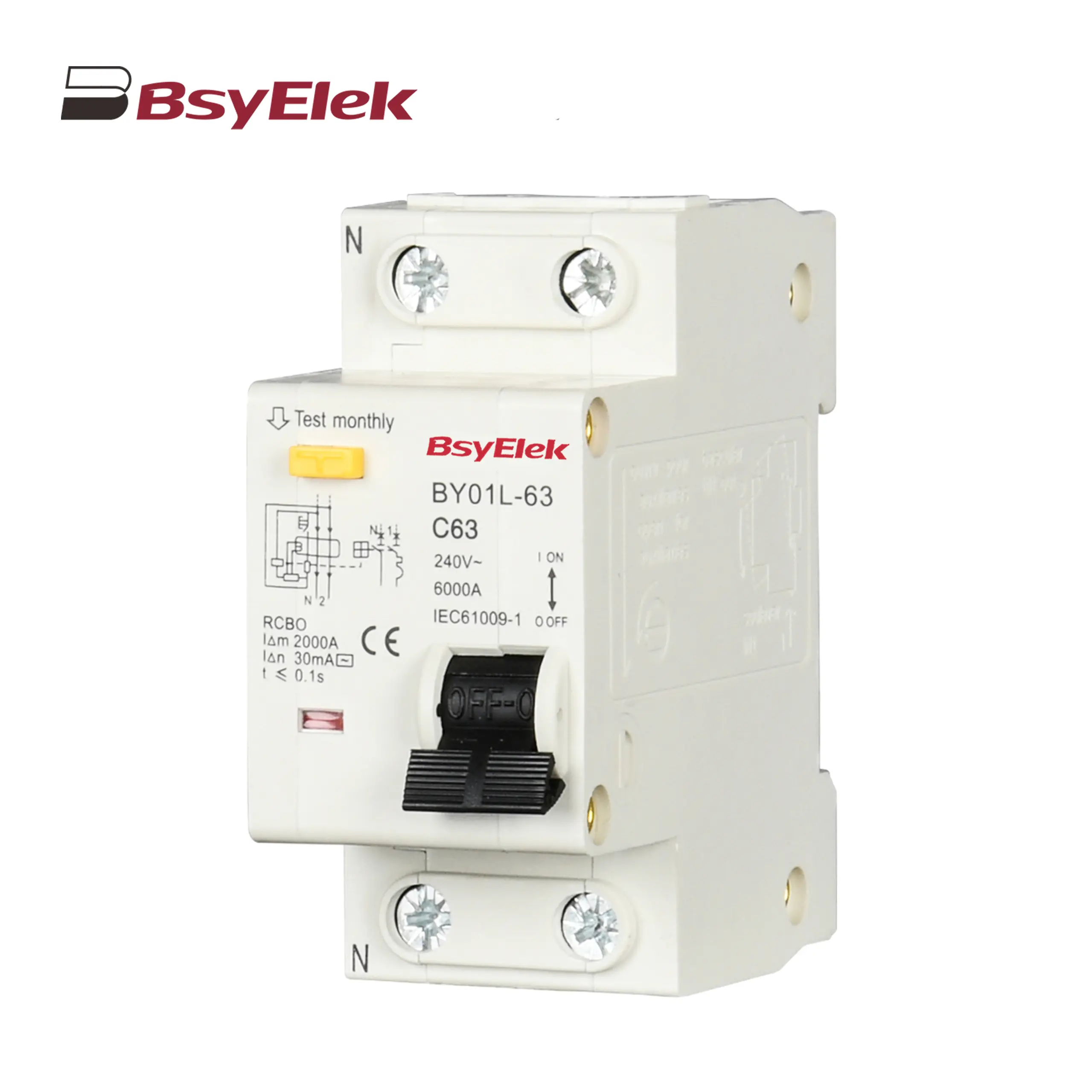 BY01L-63 RCBO 1P+N 3KA Residual Current Circuit Breaker with Over-current Protection
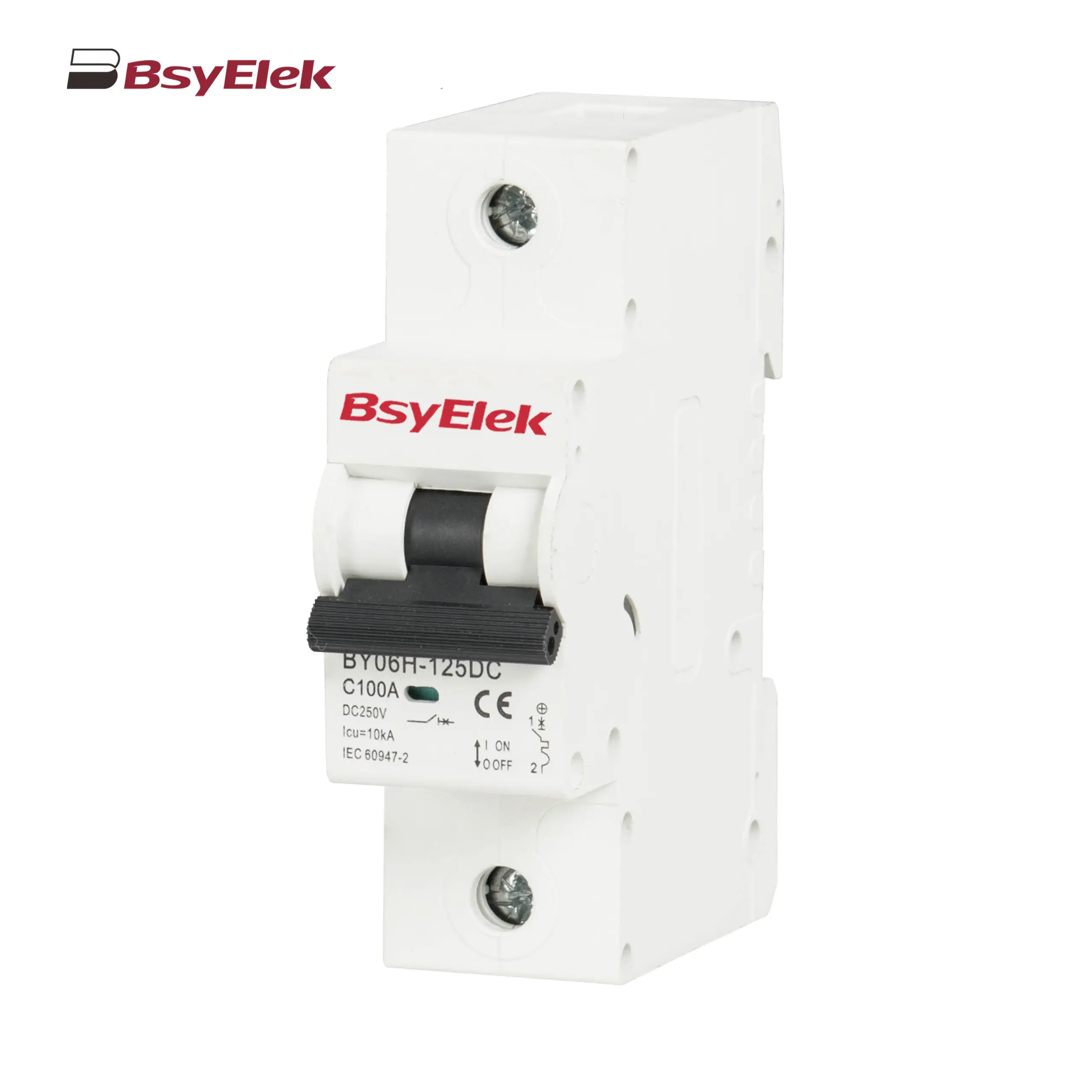 BY06H-125DC MCB 10-15kA DC Miniature Circuit Breaker
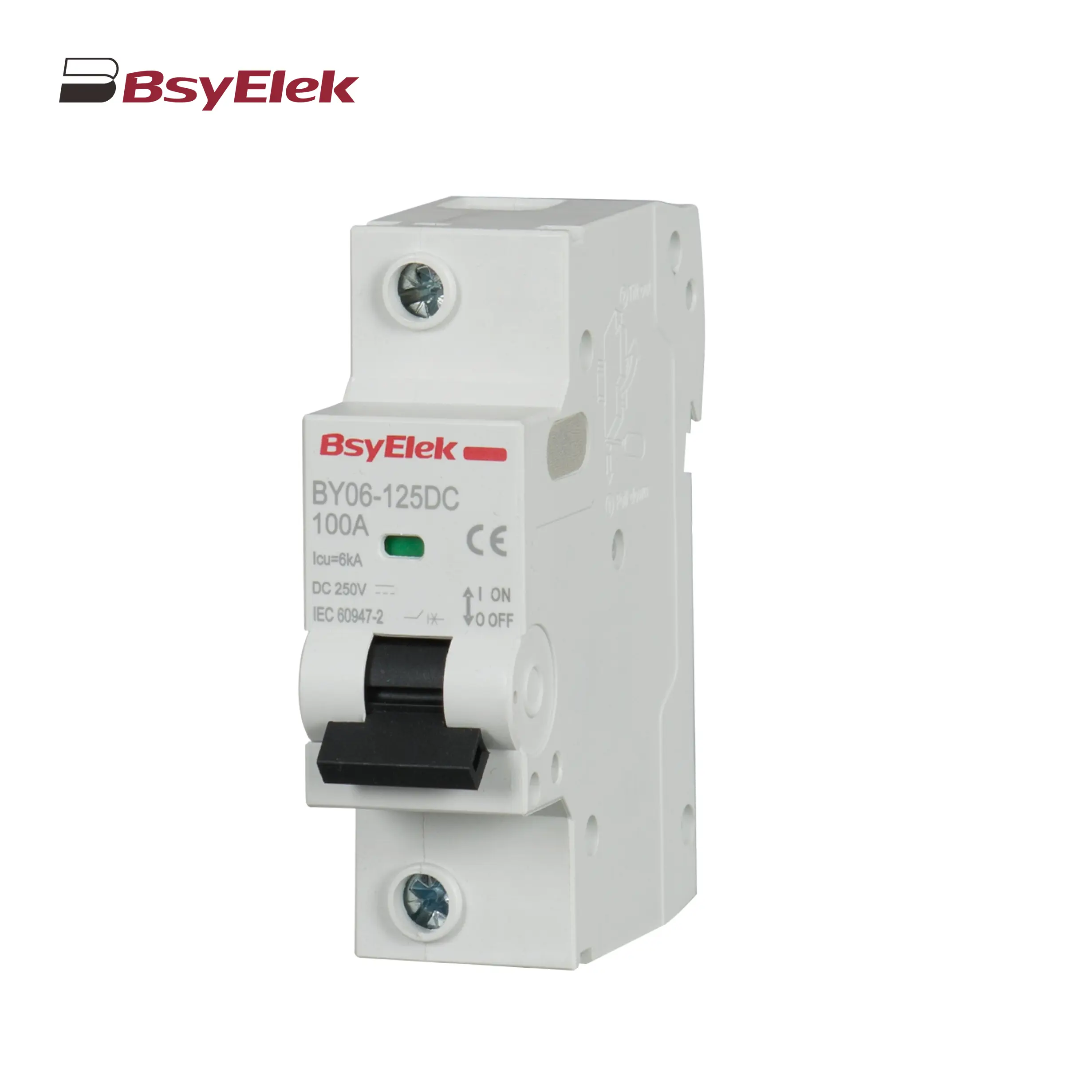 BY06-125DC MCB 6kA DC Miniature Circuit Breaker
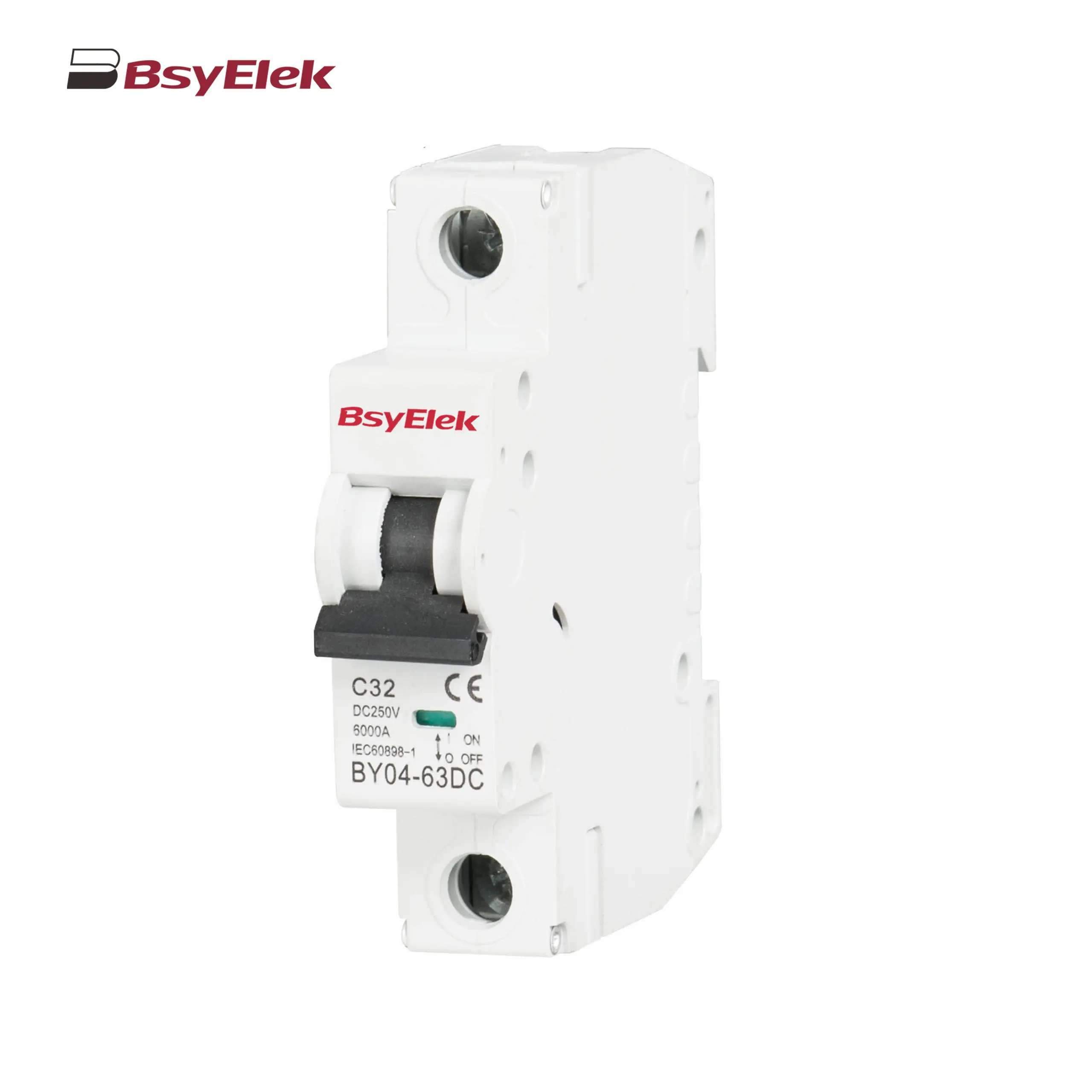 BY04-63DC MCB 6-10kA DC Miniature Circuit Breaker
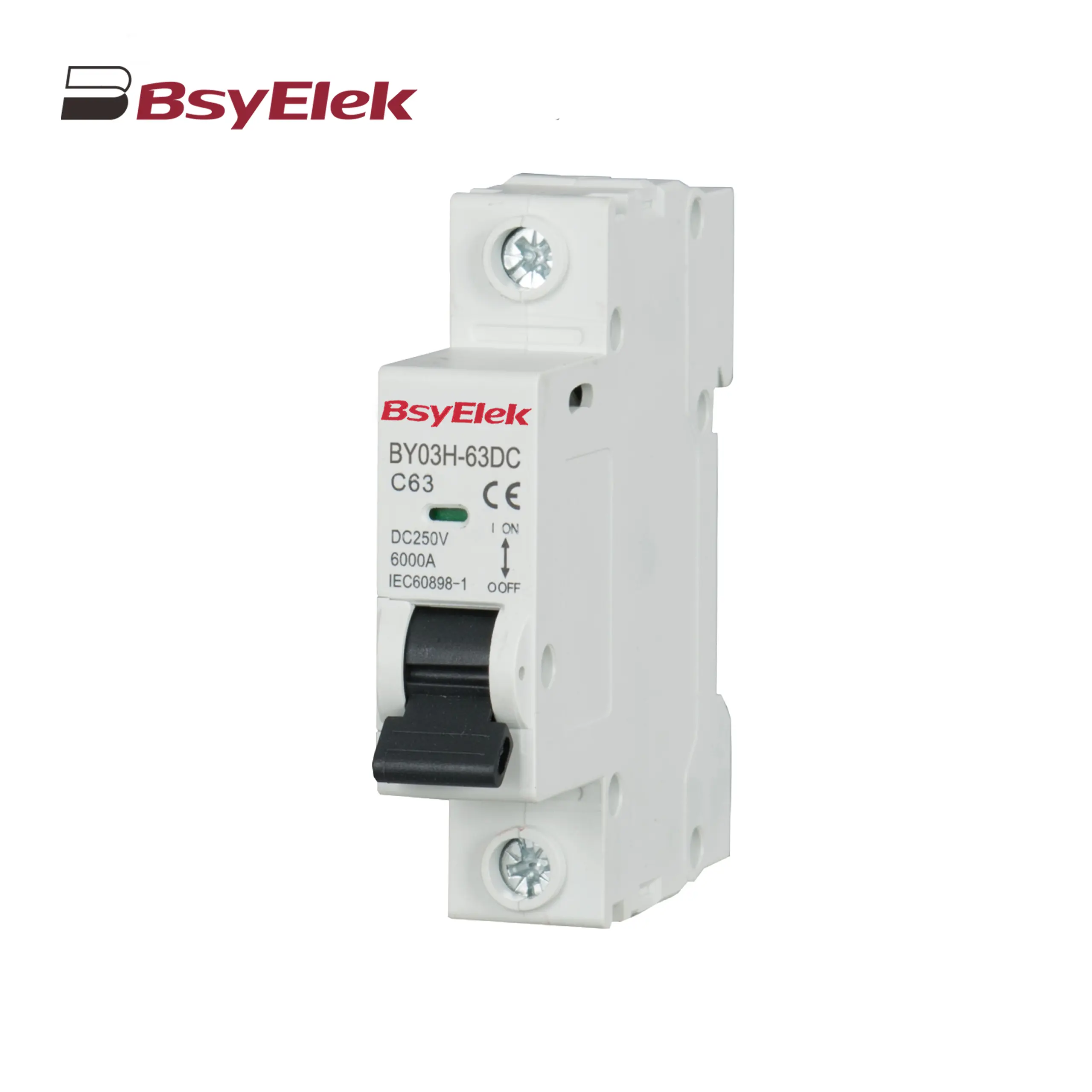 BY03H-63DC MCB 6kA DC Miniature Circuit Breaker
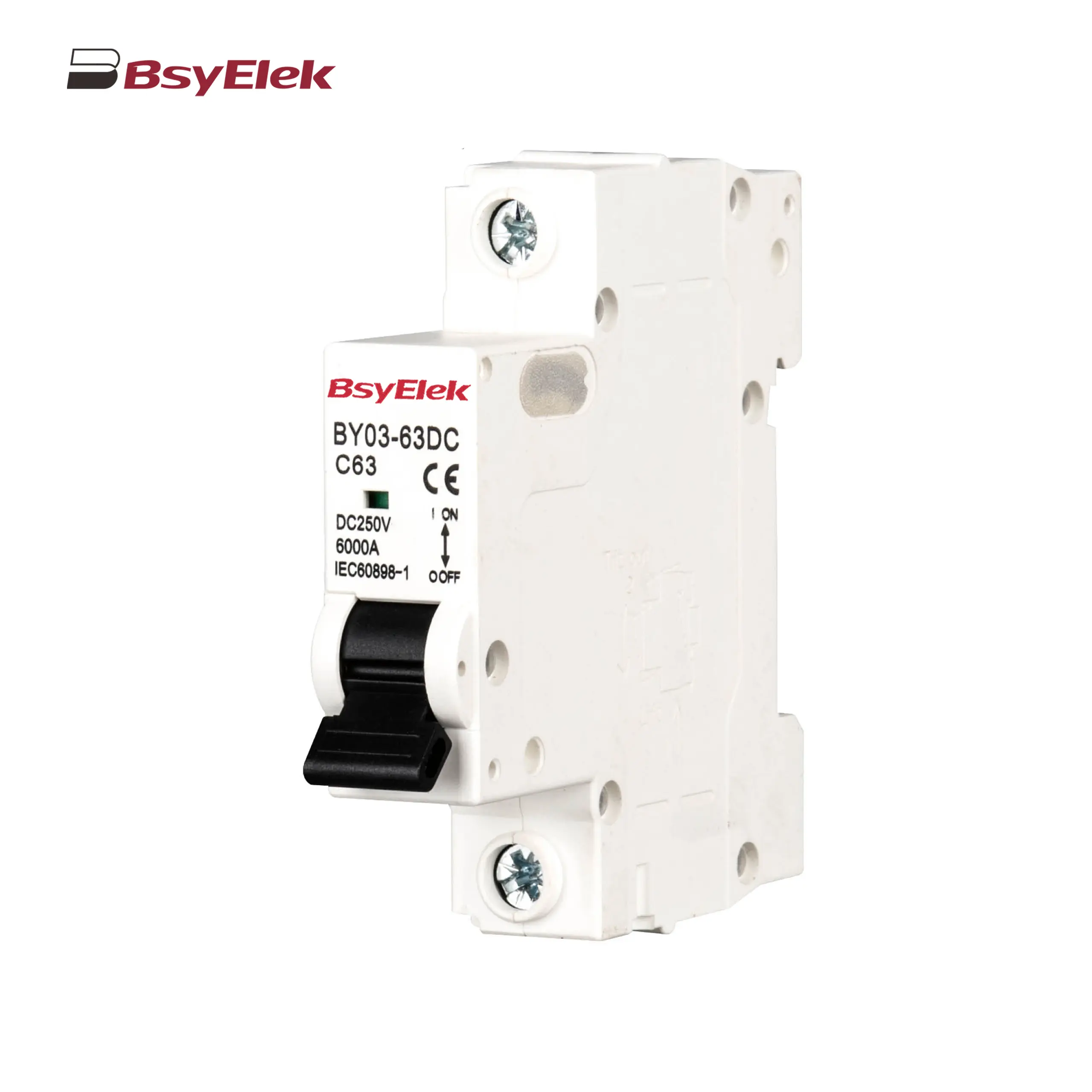 BY03-63DC MCB 4.5kA DC Miniature Circuit Breaker
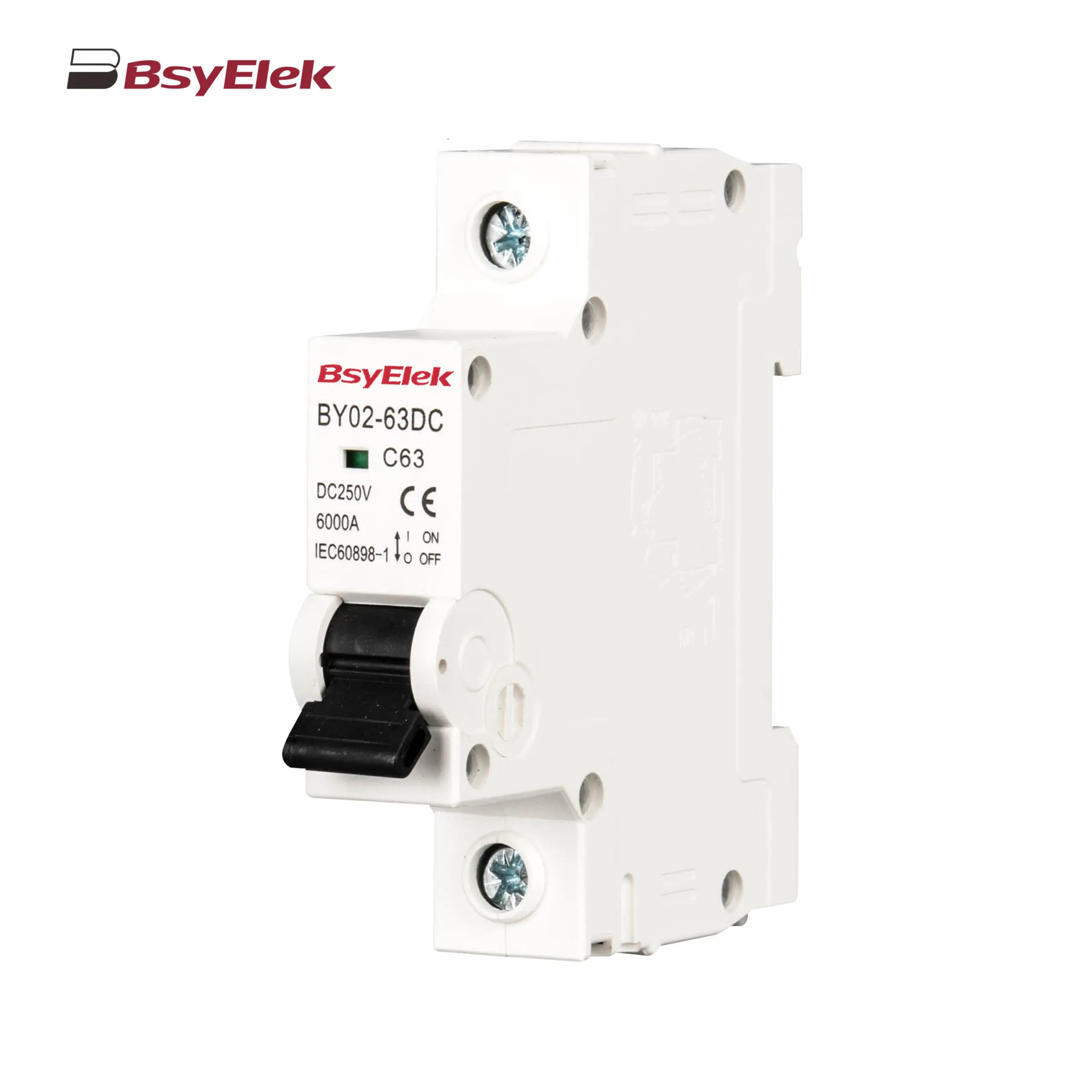 BY02-63DC MCB 3kA DC Miniature Circuit Breaker
 BY01-63DC MCB 3kA DC Miniature Circuit Breaker
 BY-5018 1.8M Engineering Drainage Pump
 BY-5050 5M Engineering Drainage Pump
 BY-11 1.2M Engineering Drainage Pump
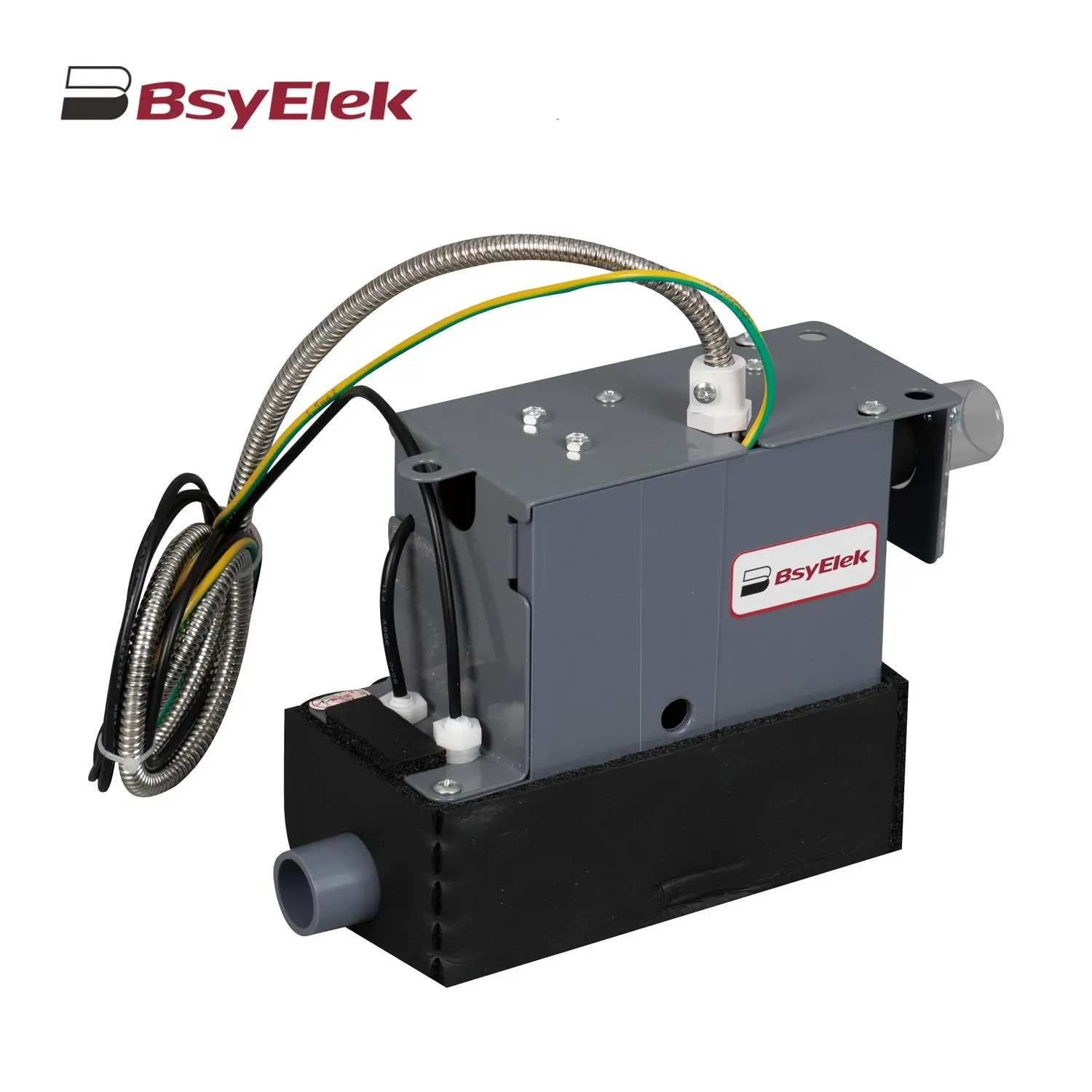 SBH-05 0.7M Original Drainage Pump of Duct Type Air Conditioner
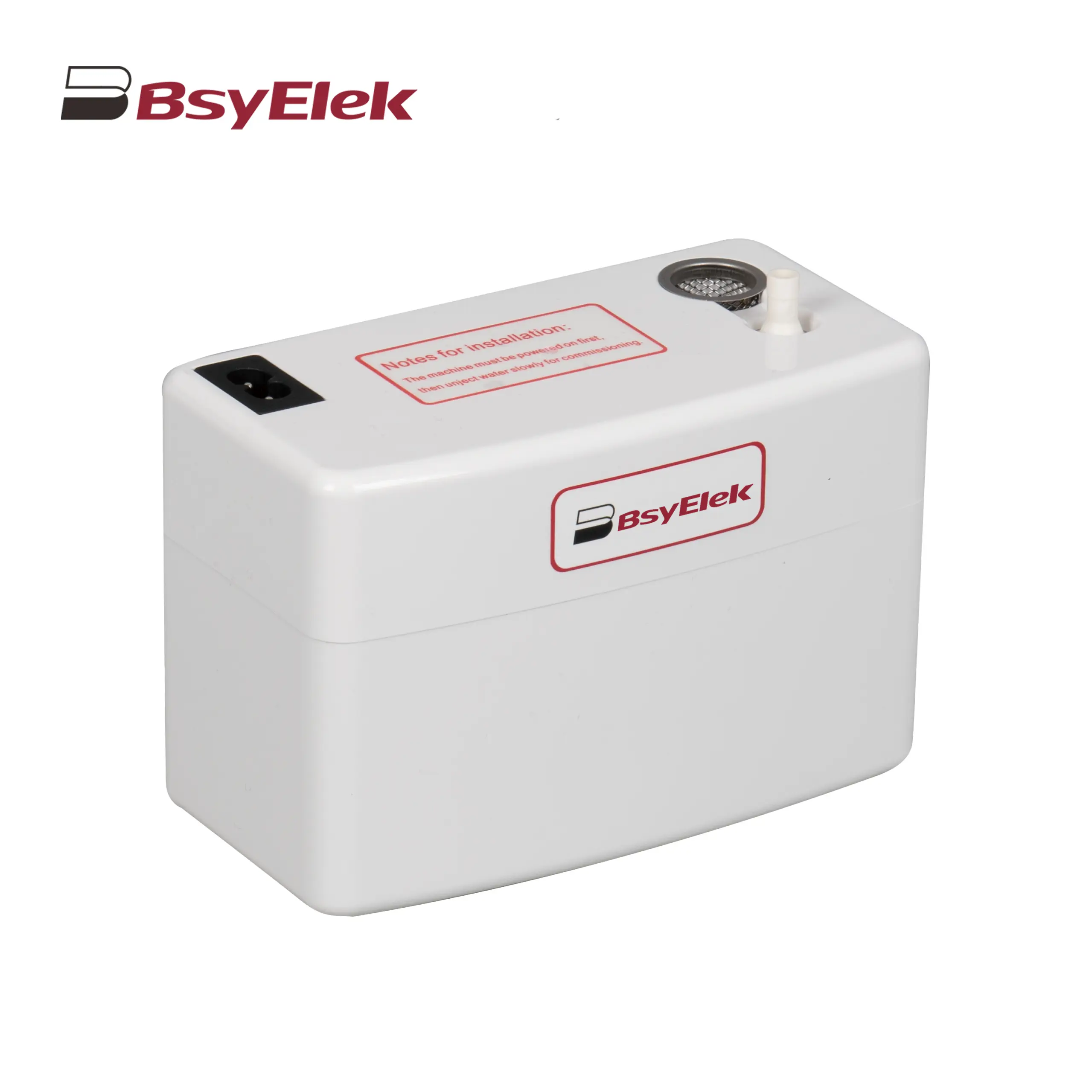 BY-24A/40A 10M Drainage Pump of Air Conditioner
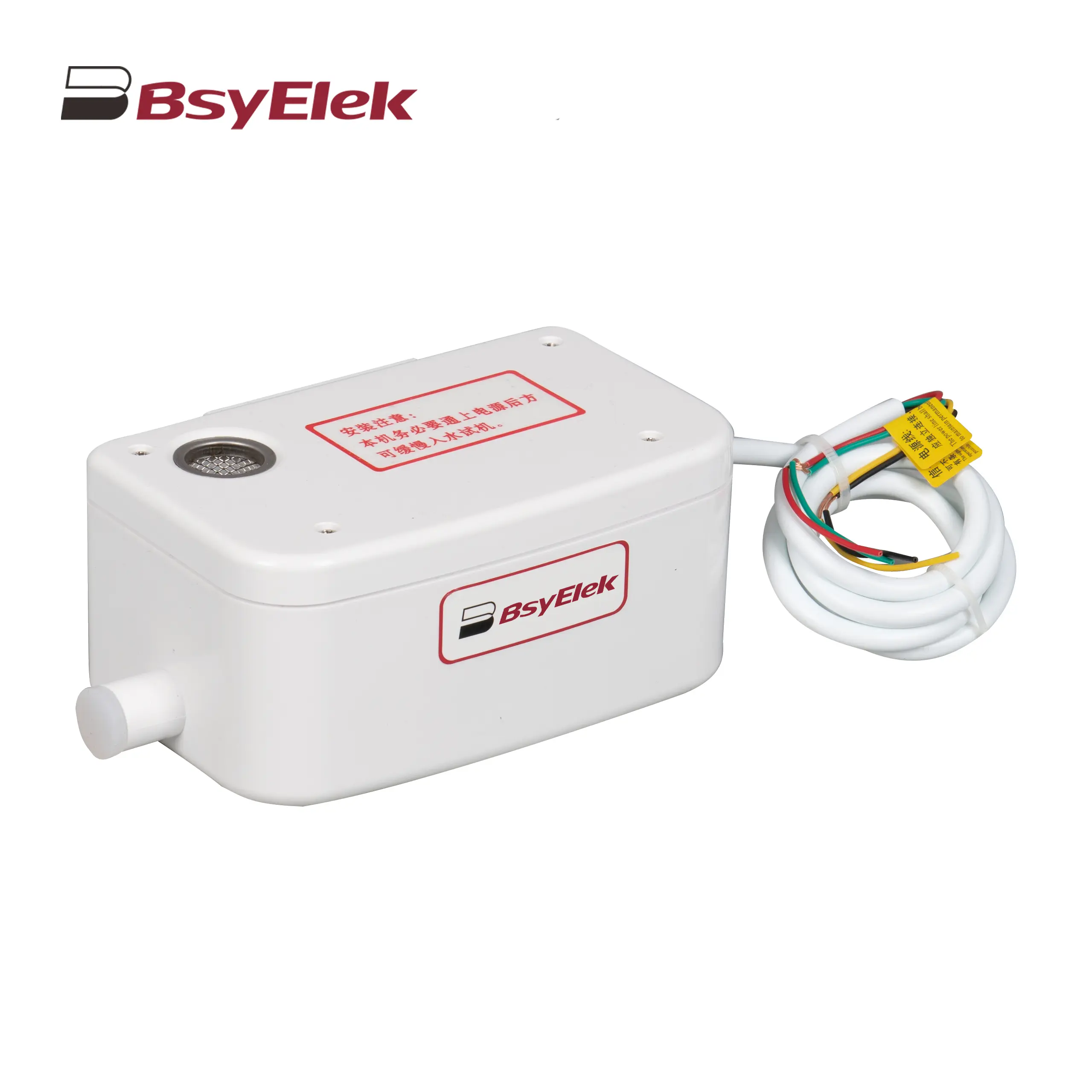 BY-50A 12M Drainage Pump of Air Conditioner
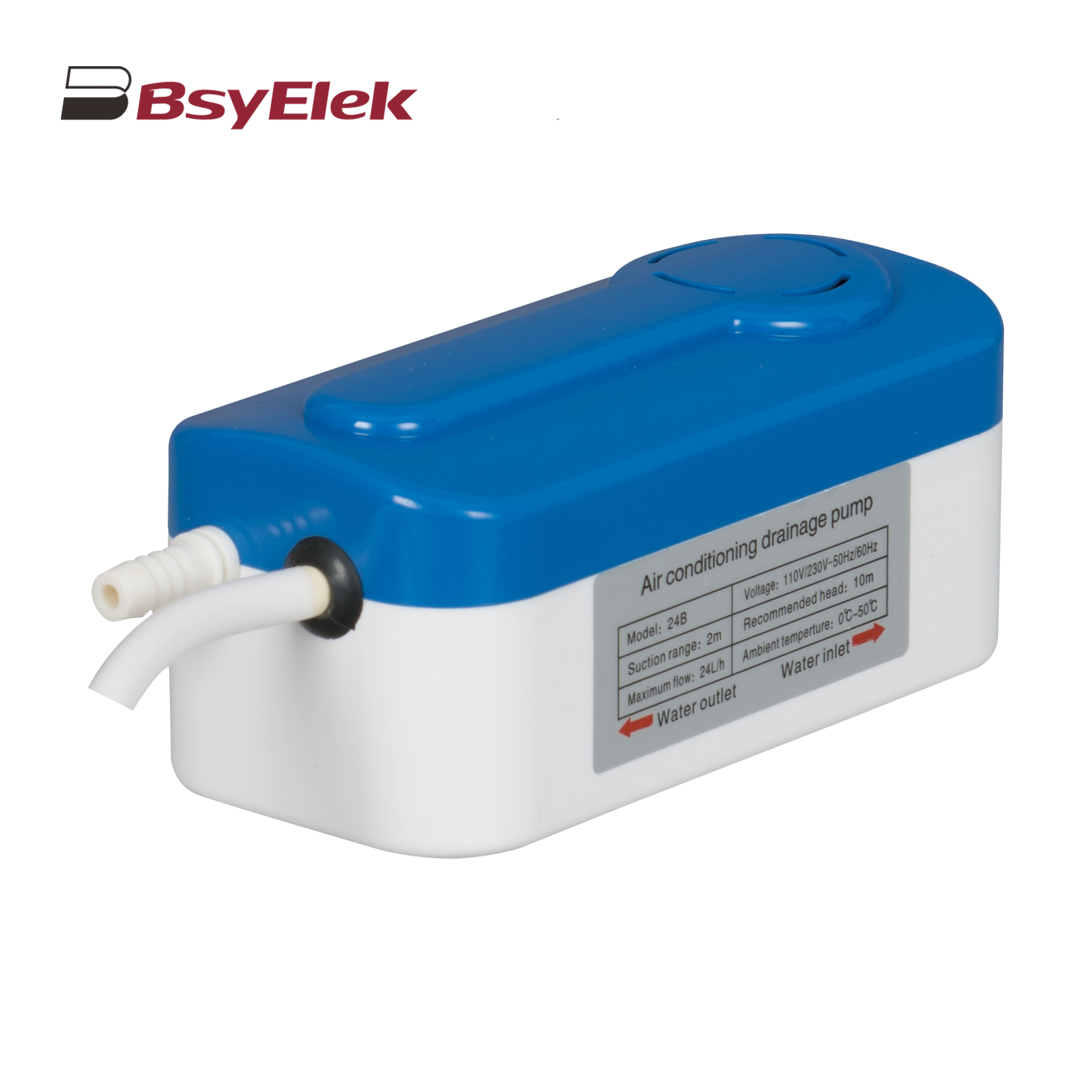 BY-24B/40B 10M Split Type Drainage Pump
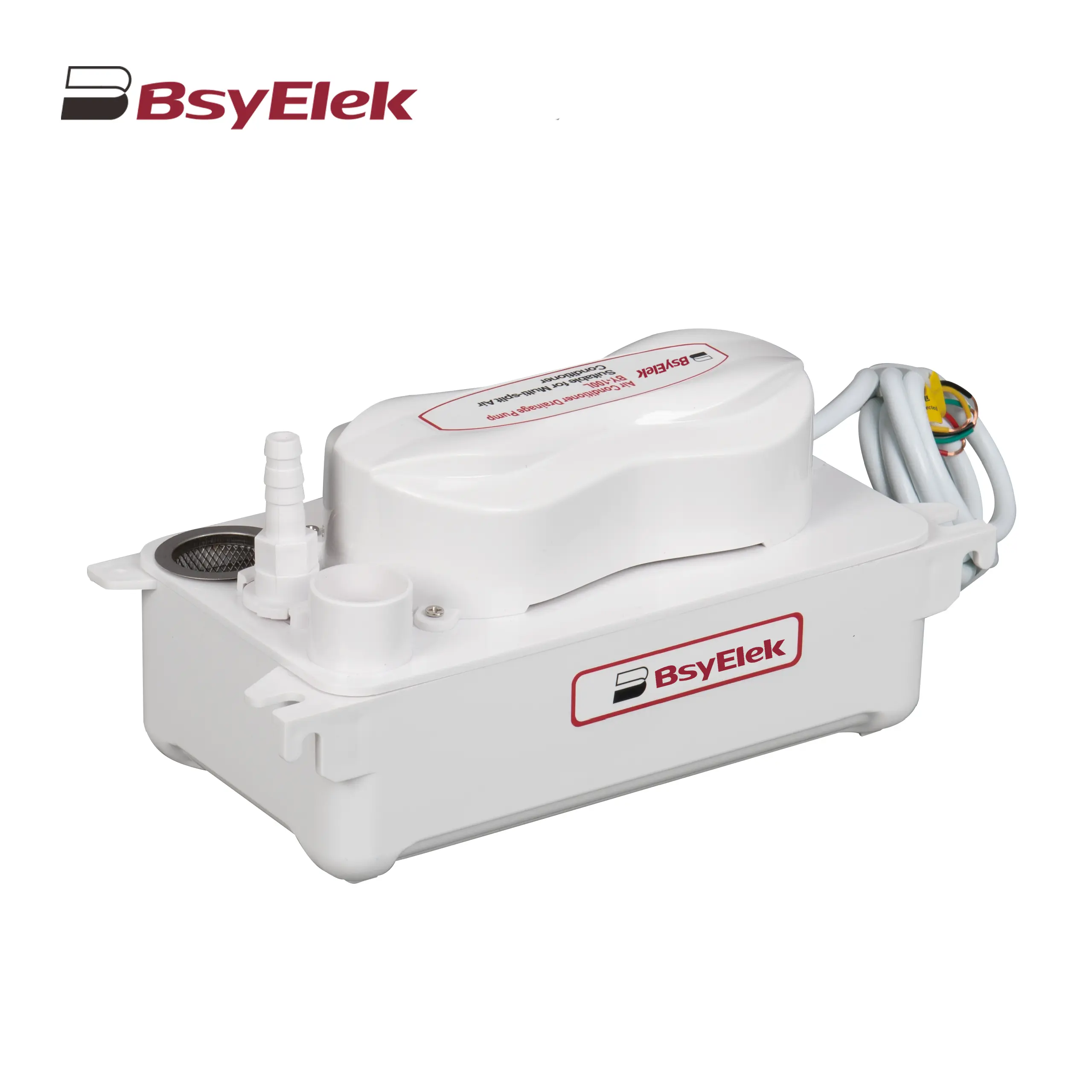 BY-100L 2M Drainage Pump of Air Conditioner
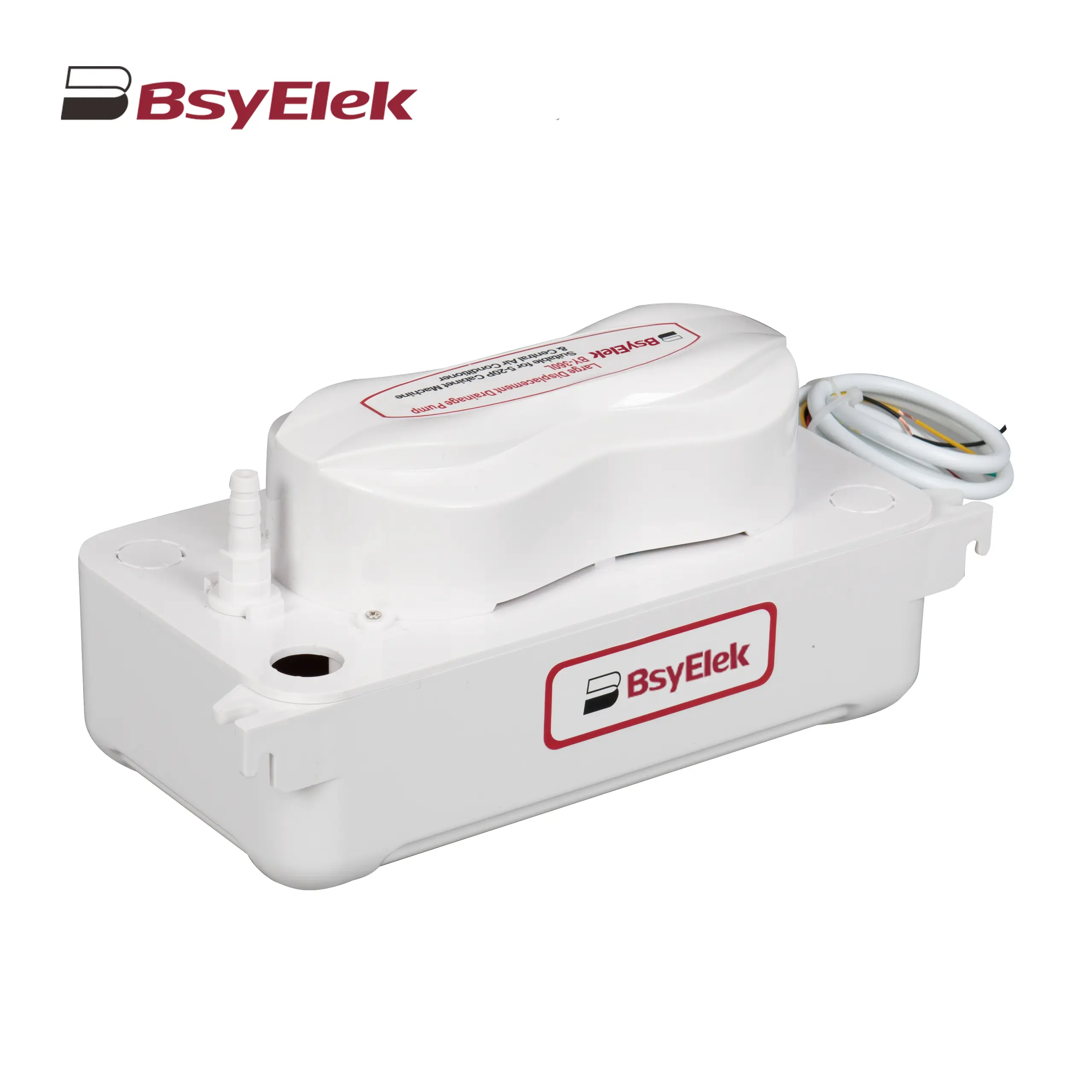 BY-360L 6M Large Displacement Drainage Pump
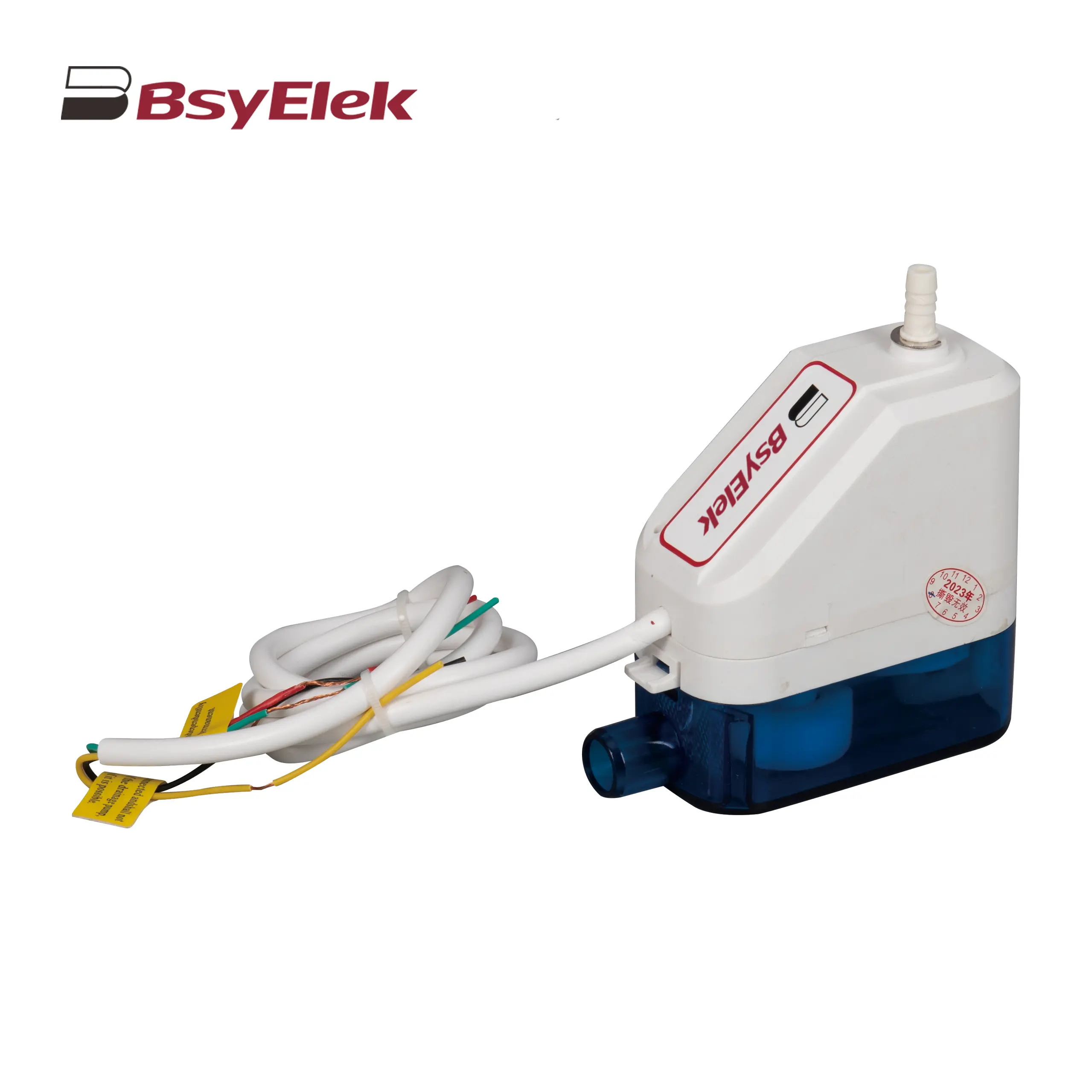 BY-24C/40C 10M Corner Drainage Pump
What is a miniature circuit breaker (MCB)?
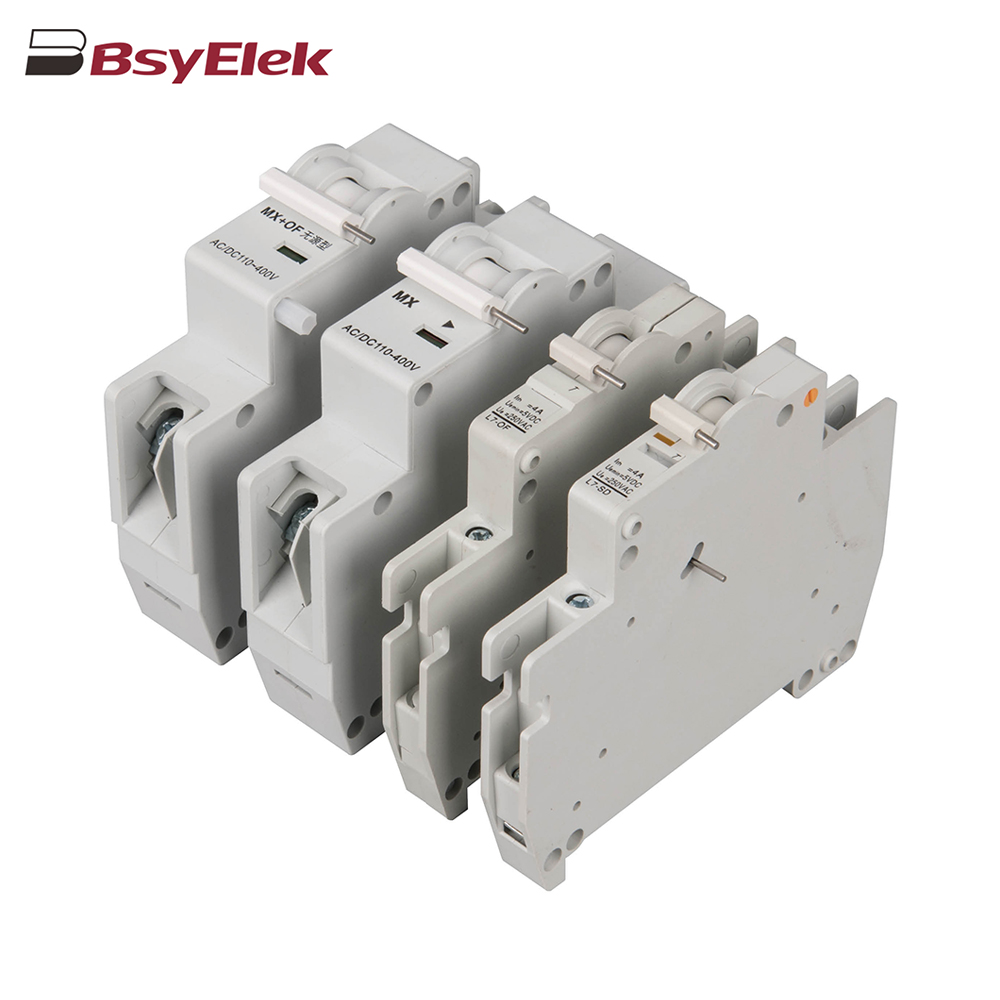 OF SD MX OF MCB Miniature Circuit Breaker Accessories
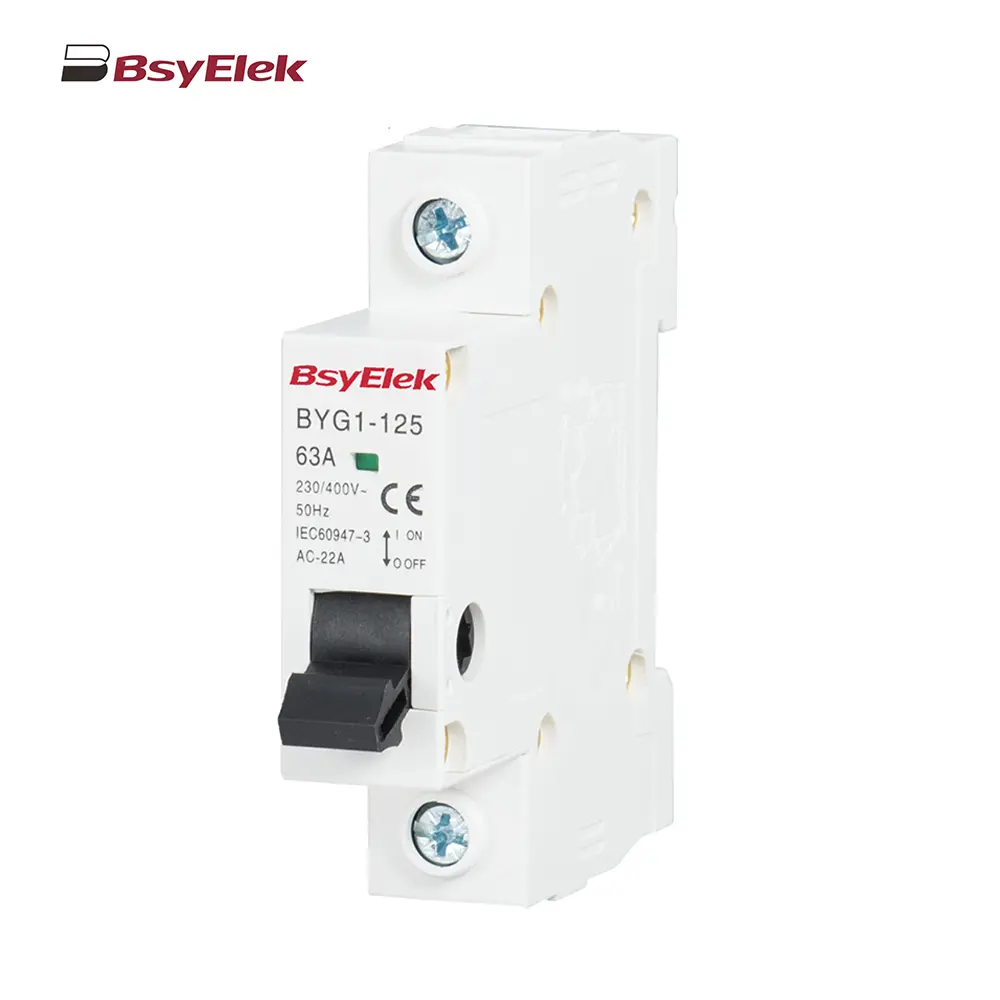 BYG1-125 Main Switch MCB Isolator Switch
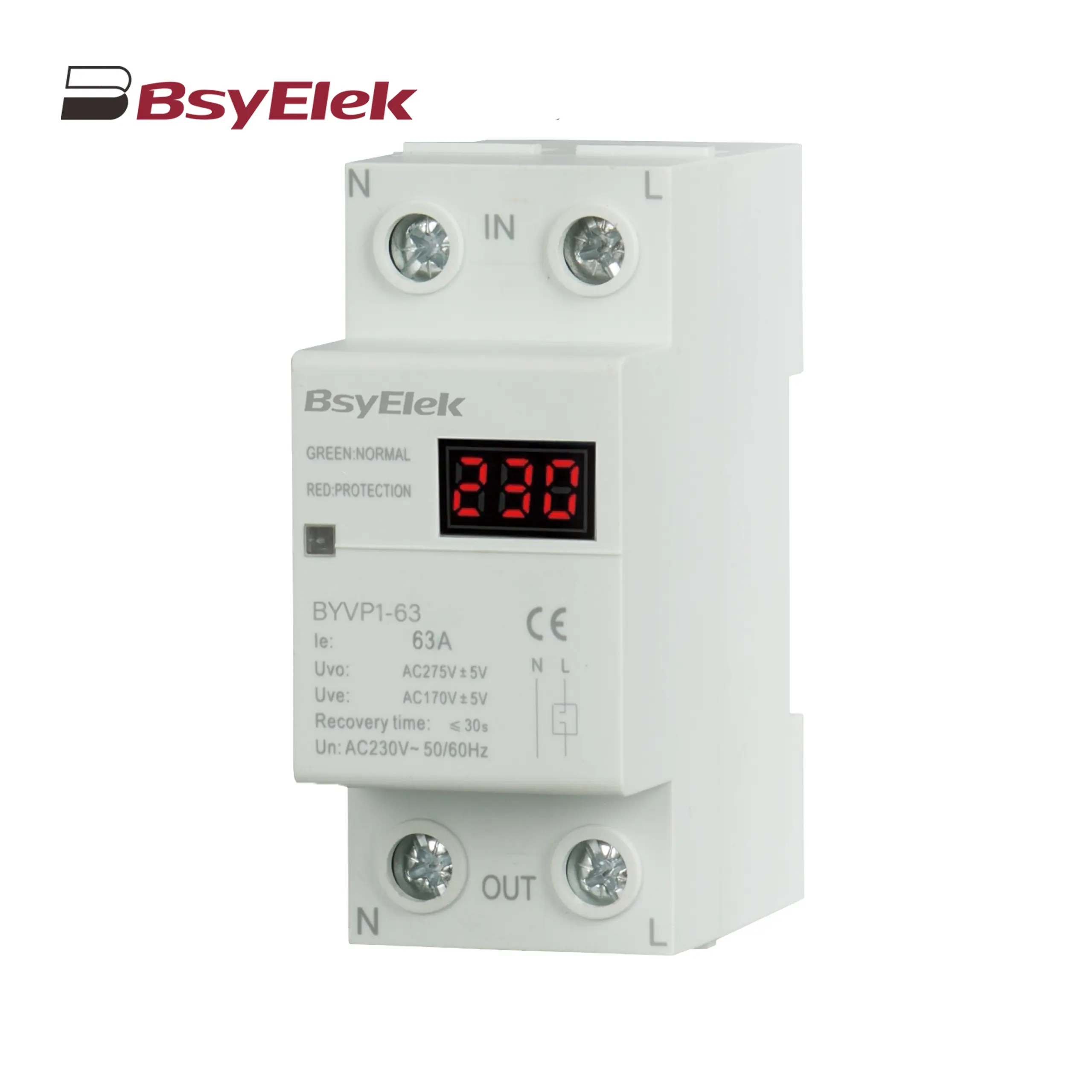 BYVP1-63 100A Single Display Overvoltage and Undervoltage Protector
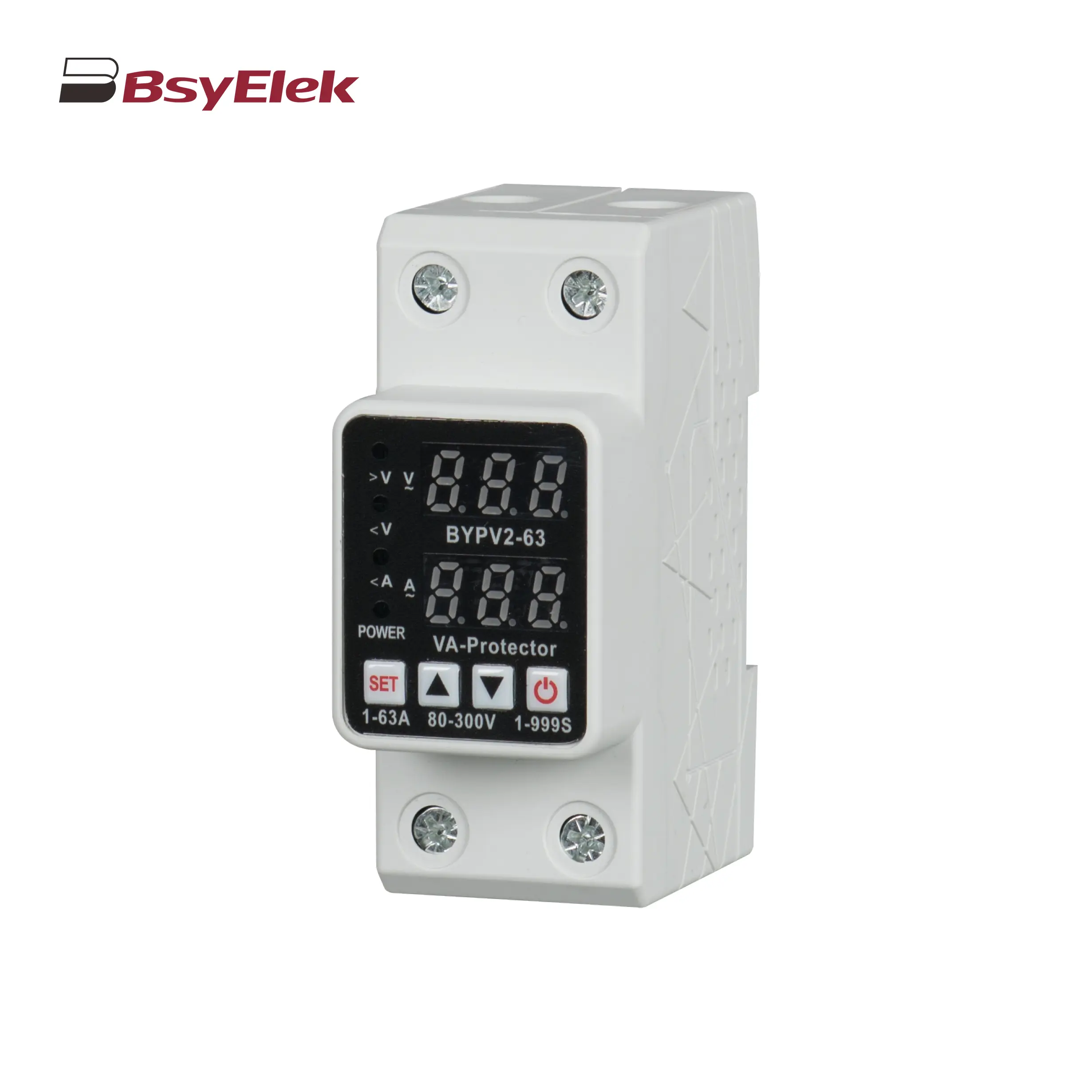 BYVP2-63 40A 63A Adjustable Dual Display Overvoltage and Undervoltage Protector
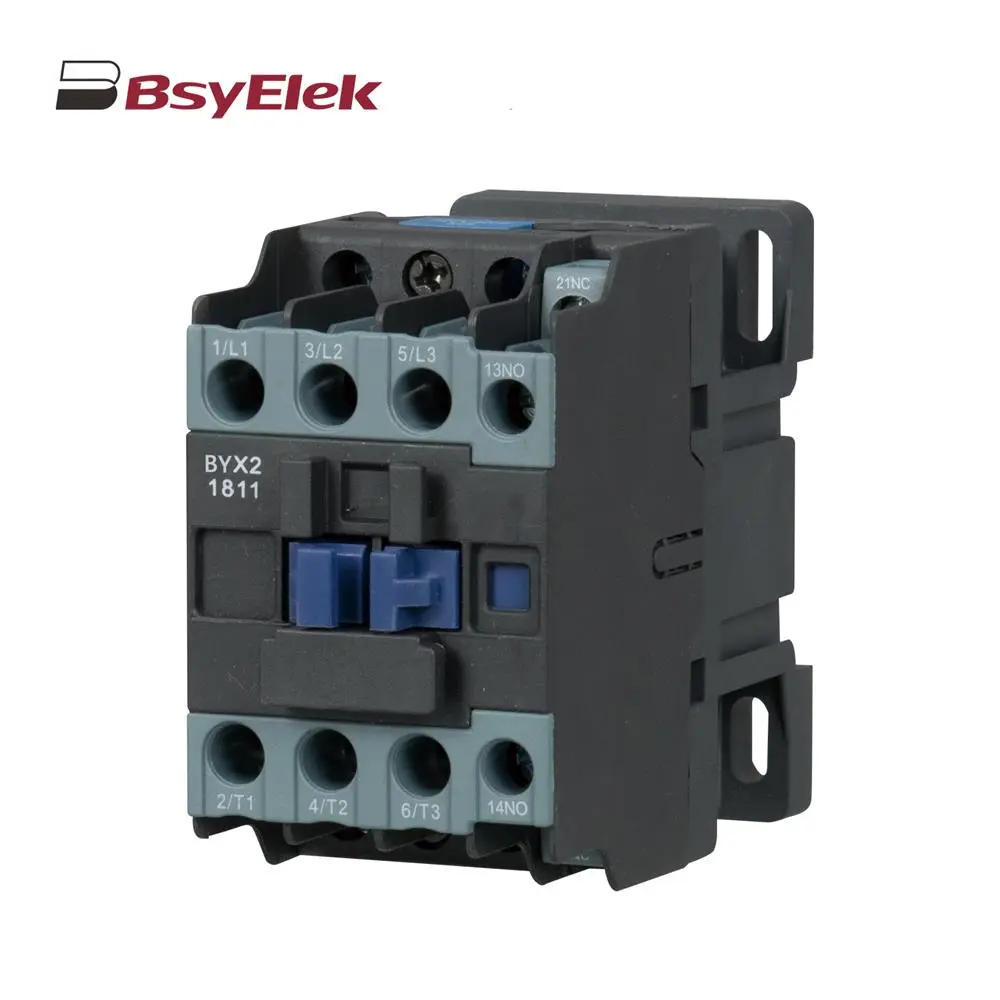 BYX2 6-95A AC Contactor
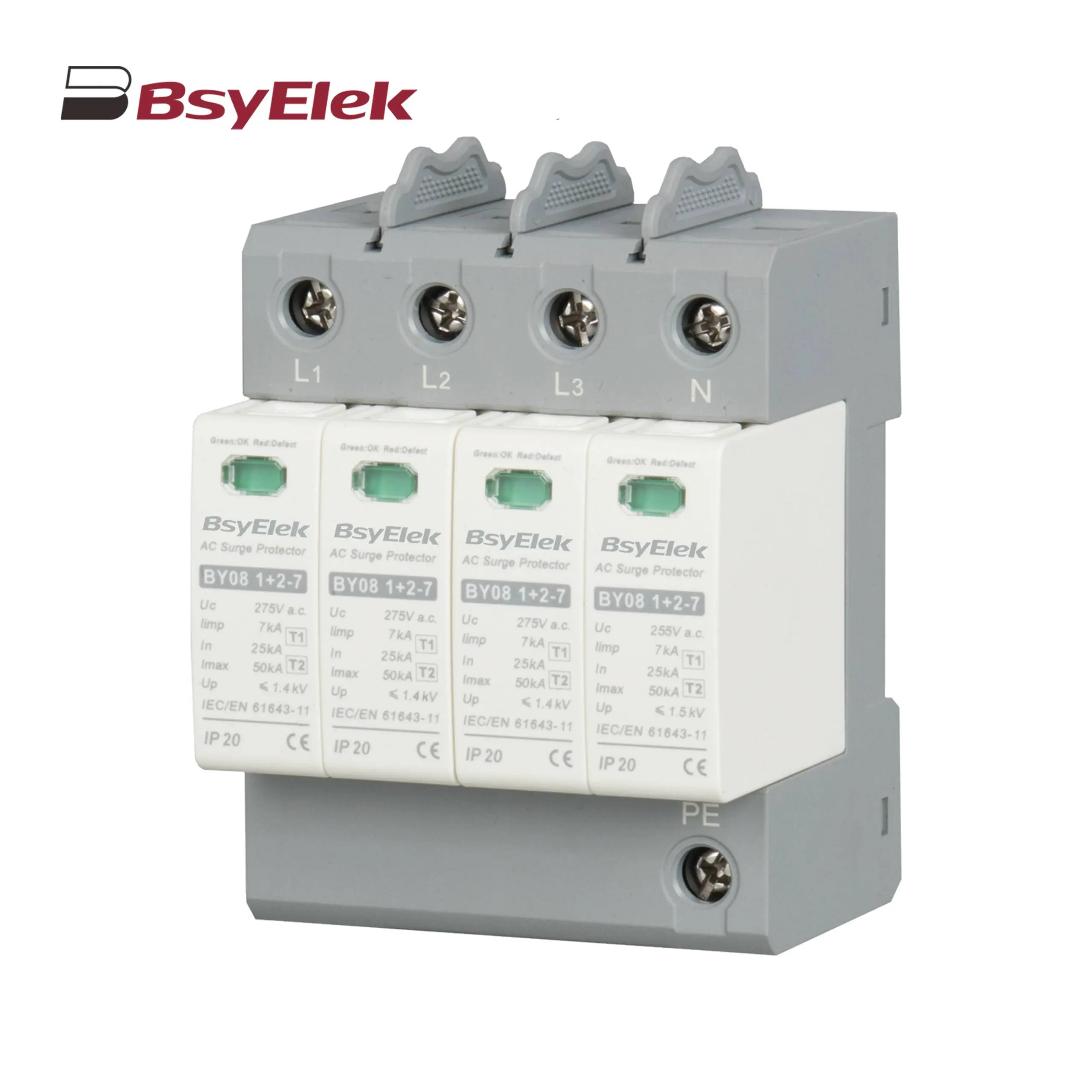 BY08 1+2-7 SPD Class T1+T2 Imax 50KA Surge Protective Device
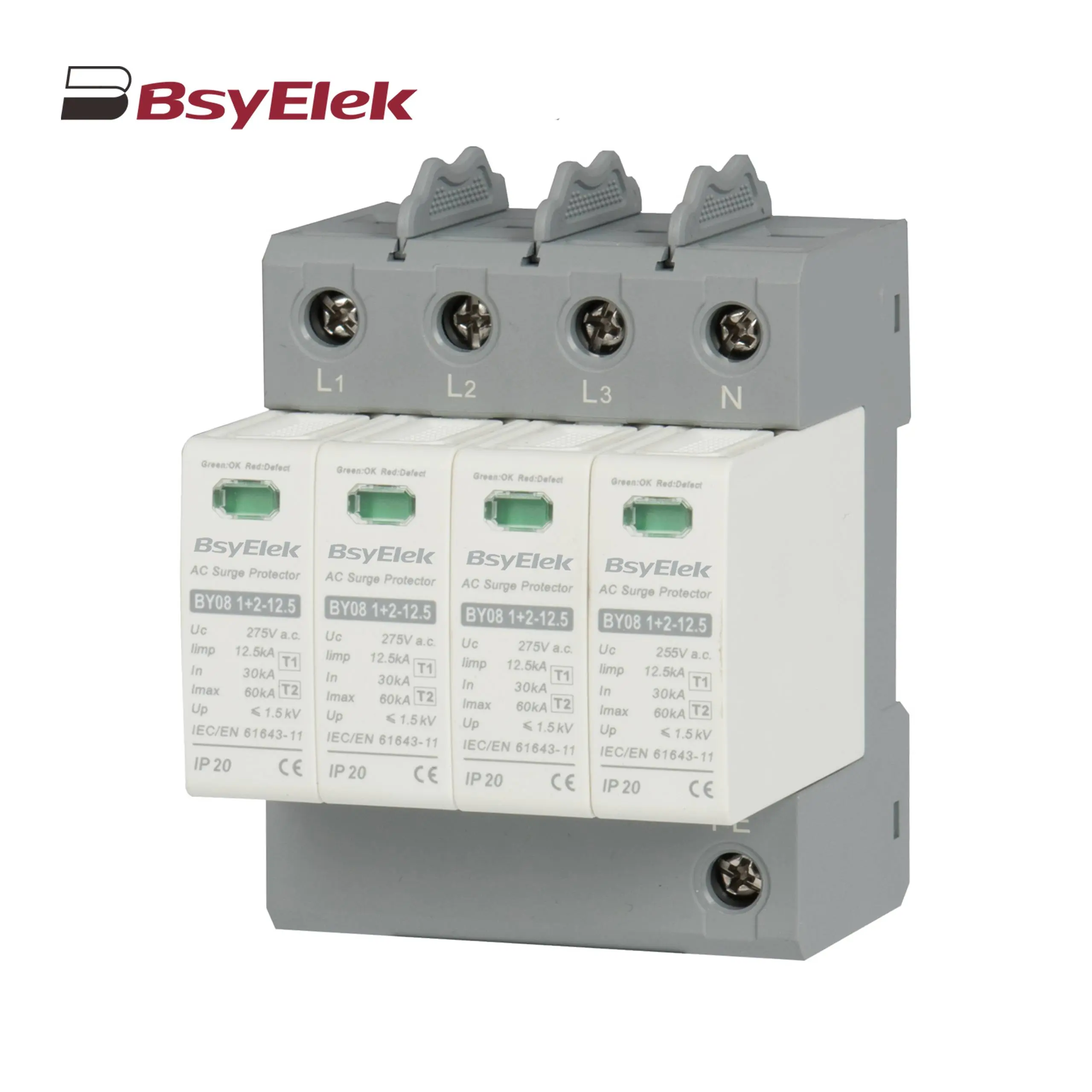 BY08 1+2-12.5 SPD Class T1+T2 Imax 60KA Surge Protective Device
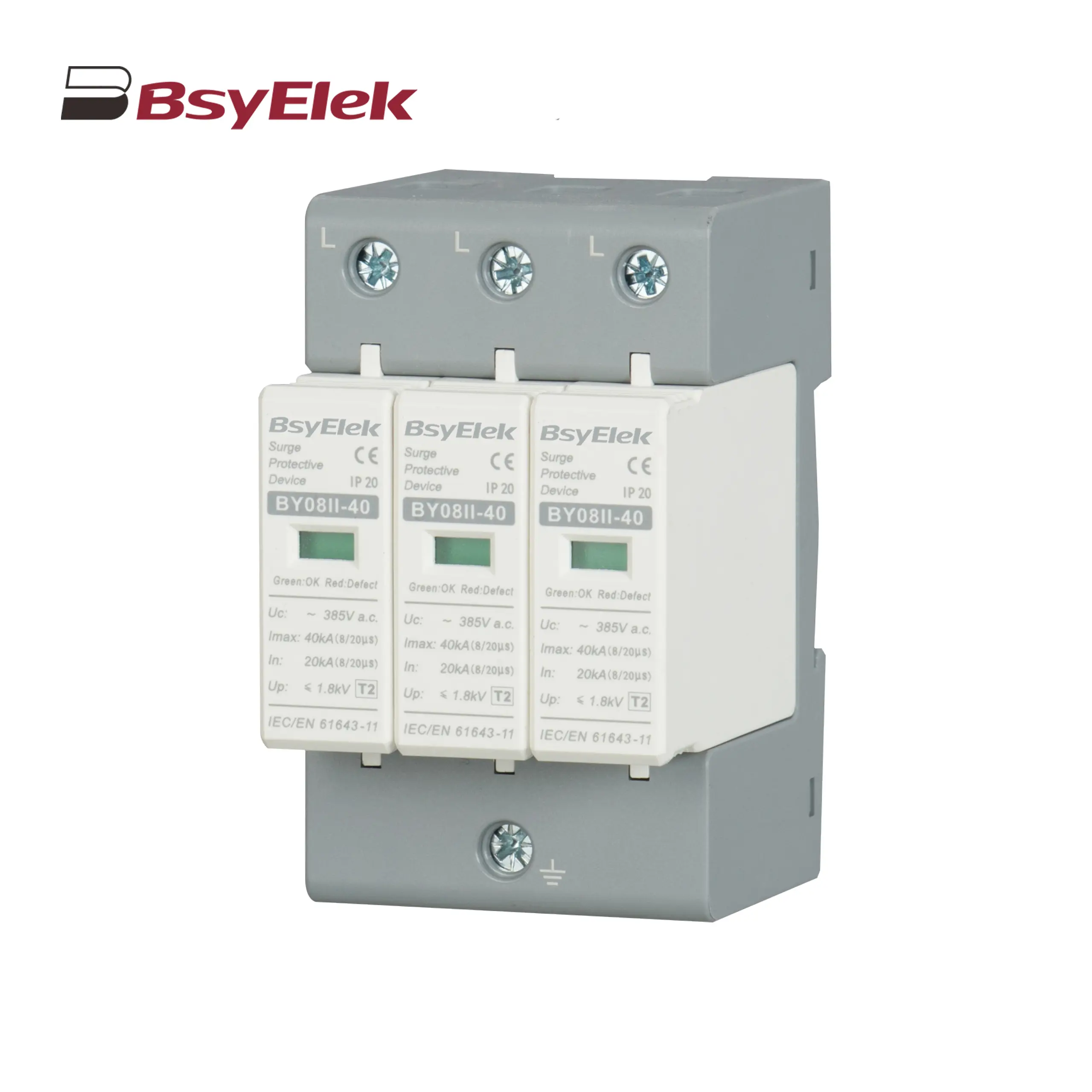 BY08II-40 SPD Class T2 Imax 40KA Surge Protective Device
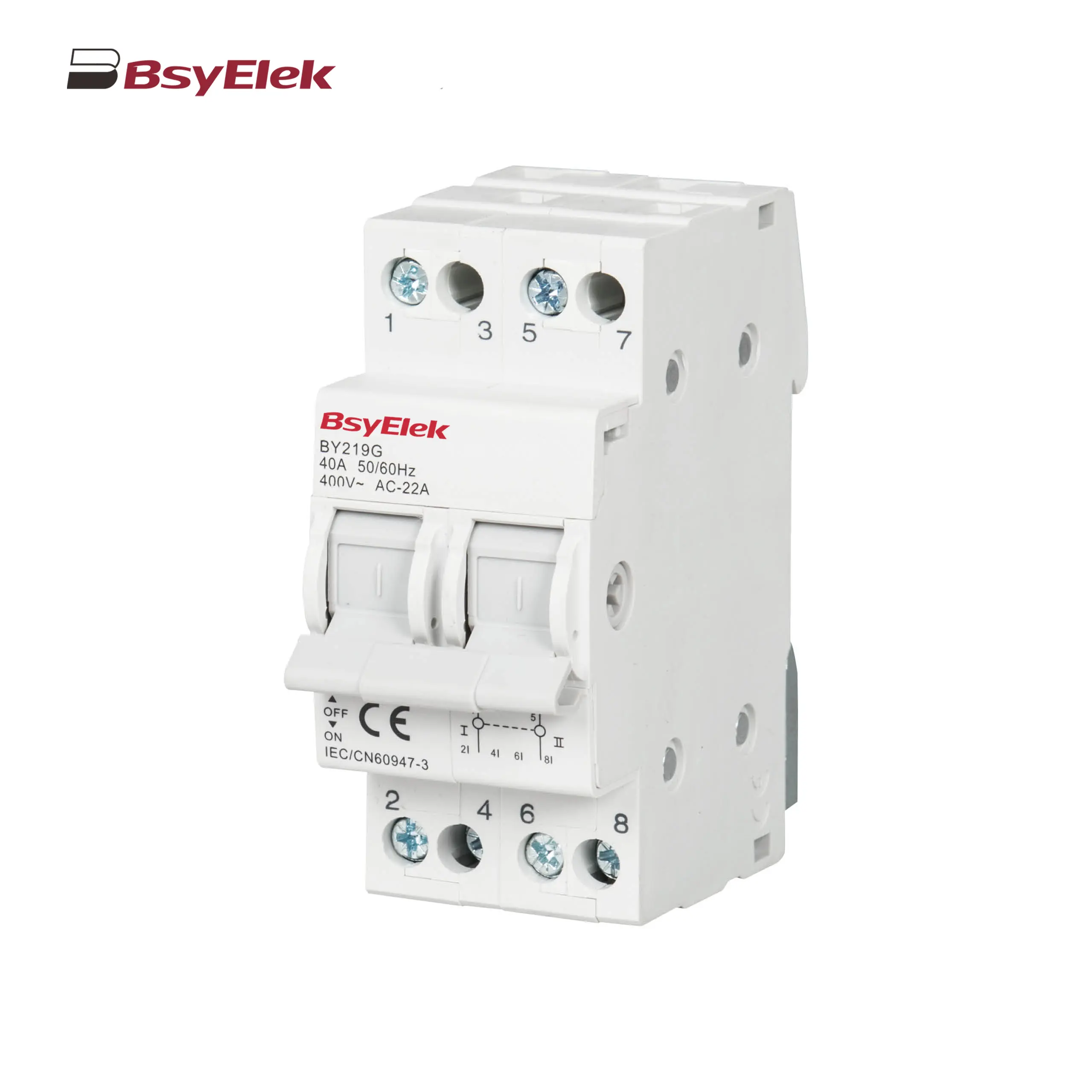 BY19G 63A Manual Changeover Switch
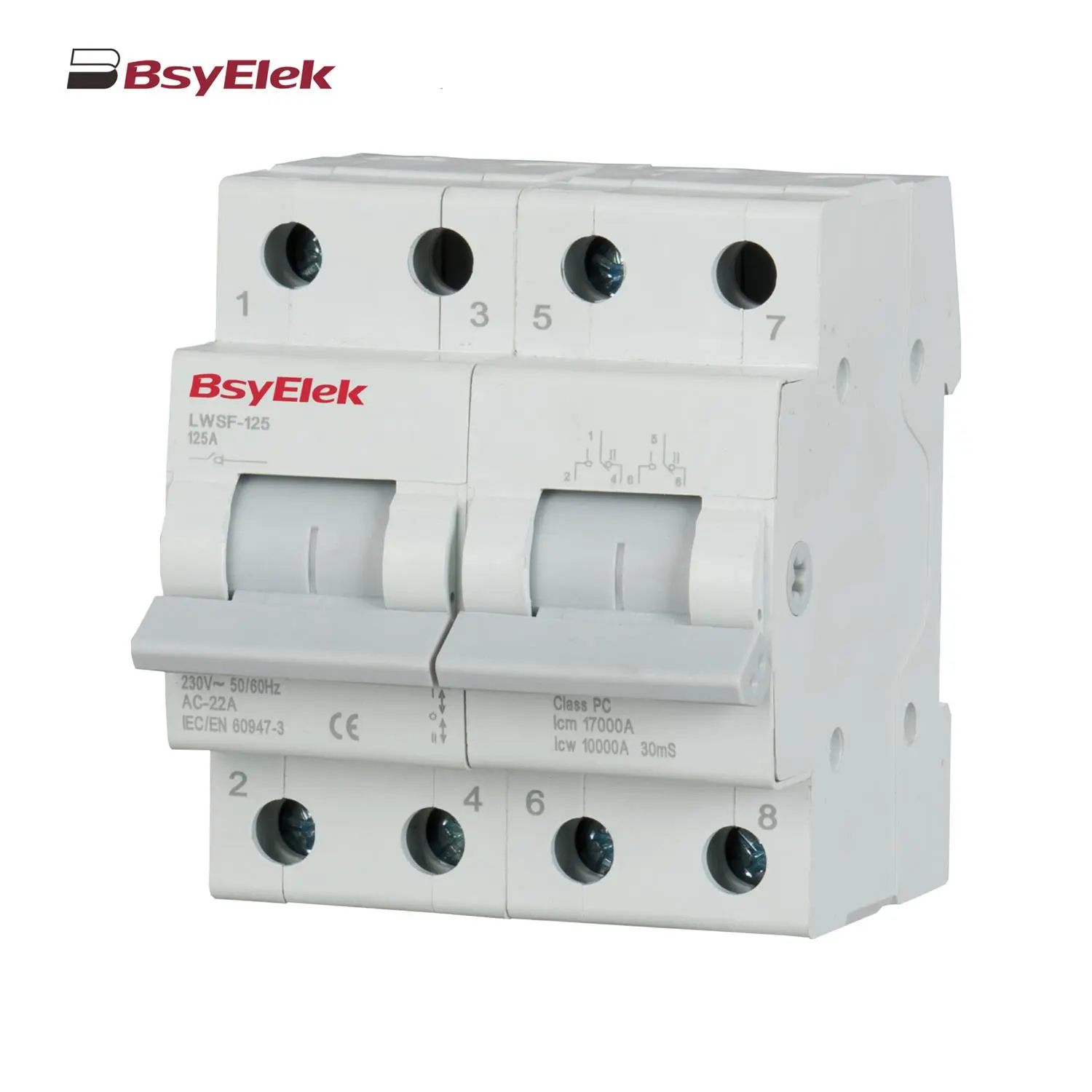 LWSF-125 125A Manual Changeover Switch
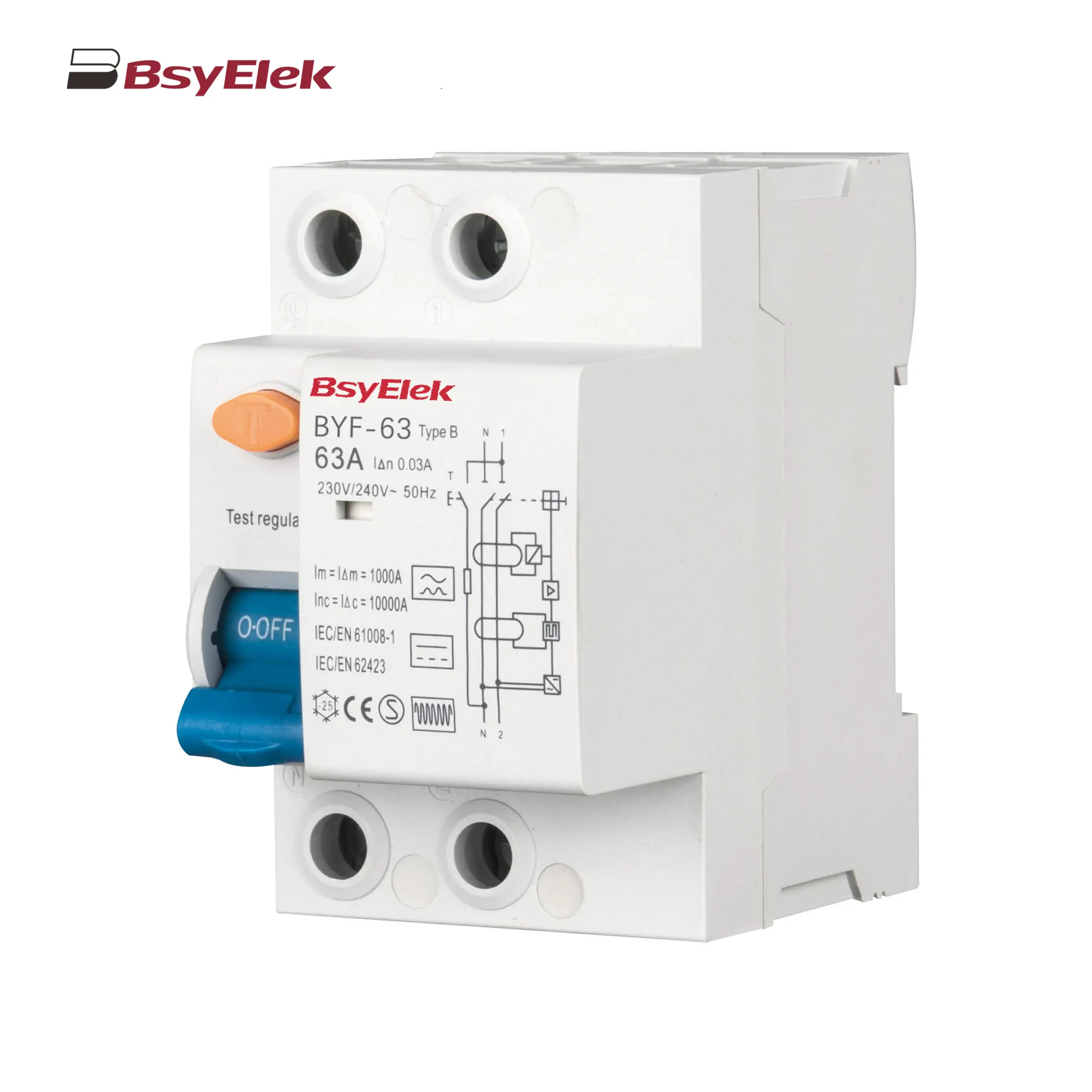 BYF-63 RCD 10KA Type B AC+A+Smoothing DC Residual Current Device
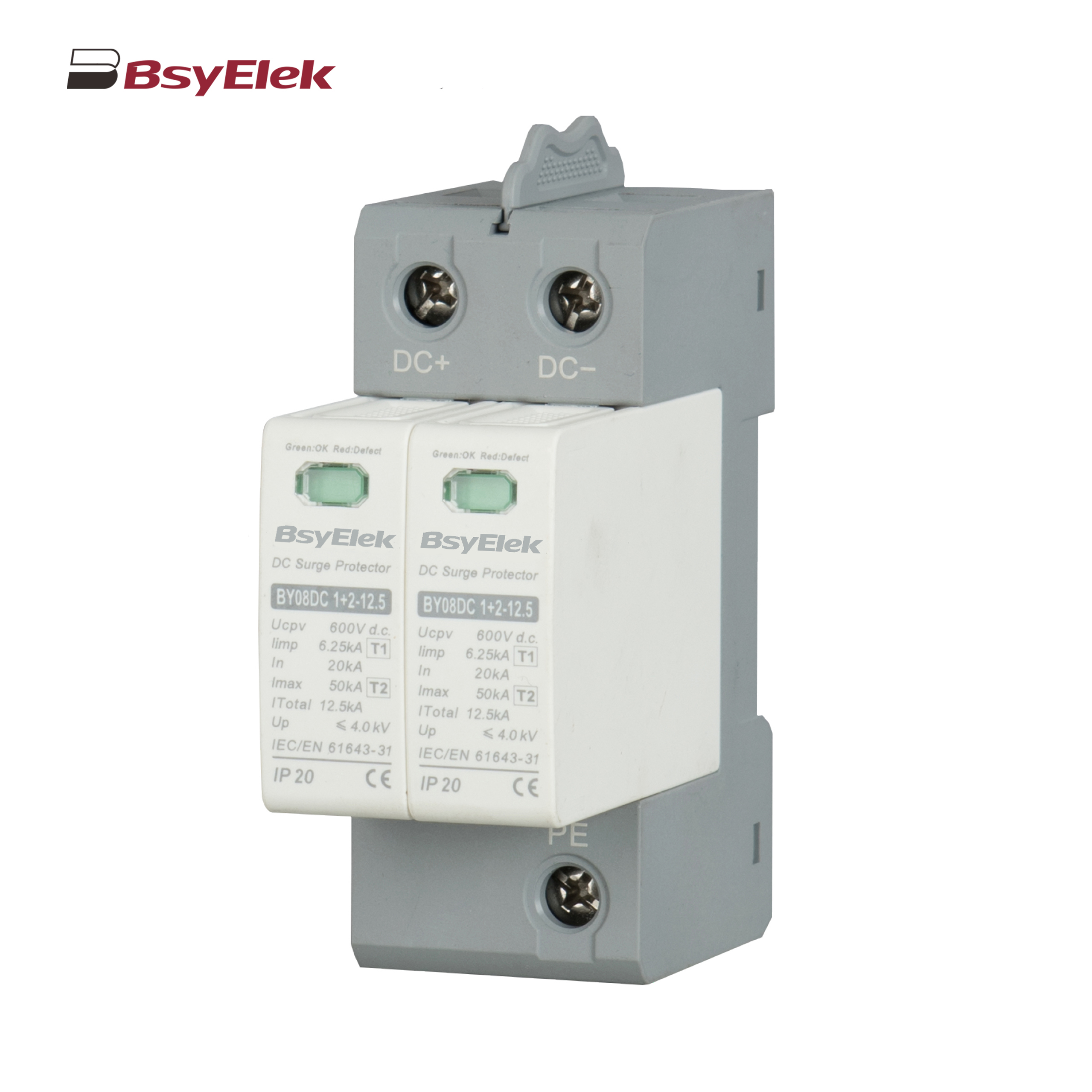 BY08DC 1+2-12.5 SPD Class T1+T2 40KA DC Surge Protective Device
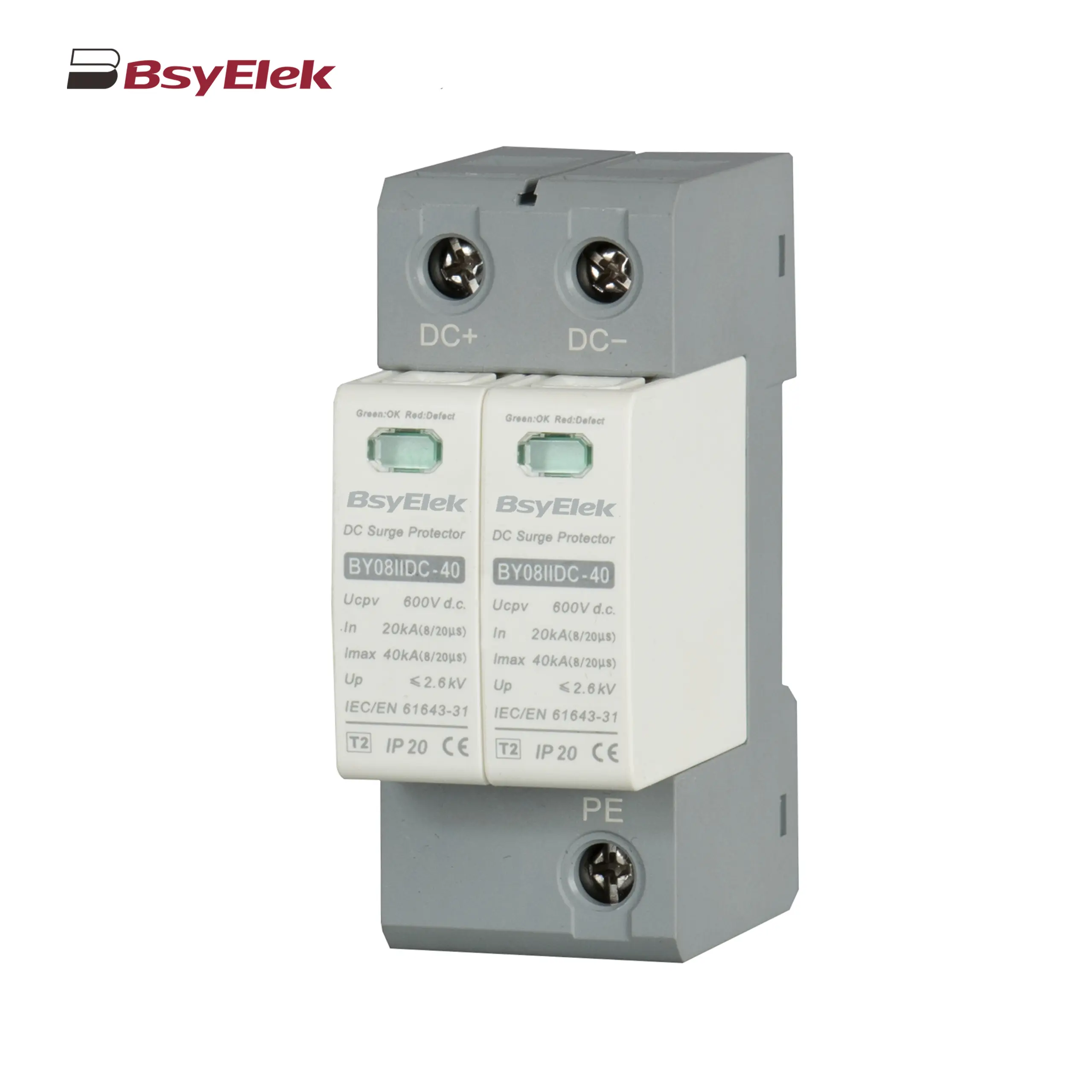 BY08IIDC-40 SPD Class T2 40KA DC Surge Protective Device
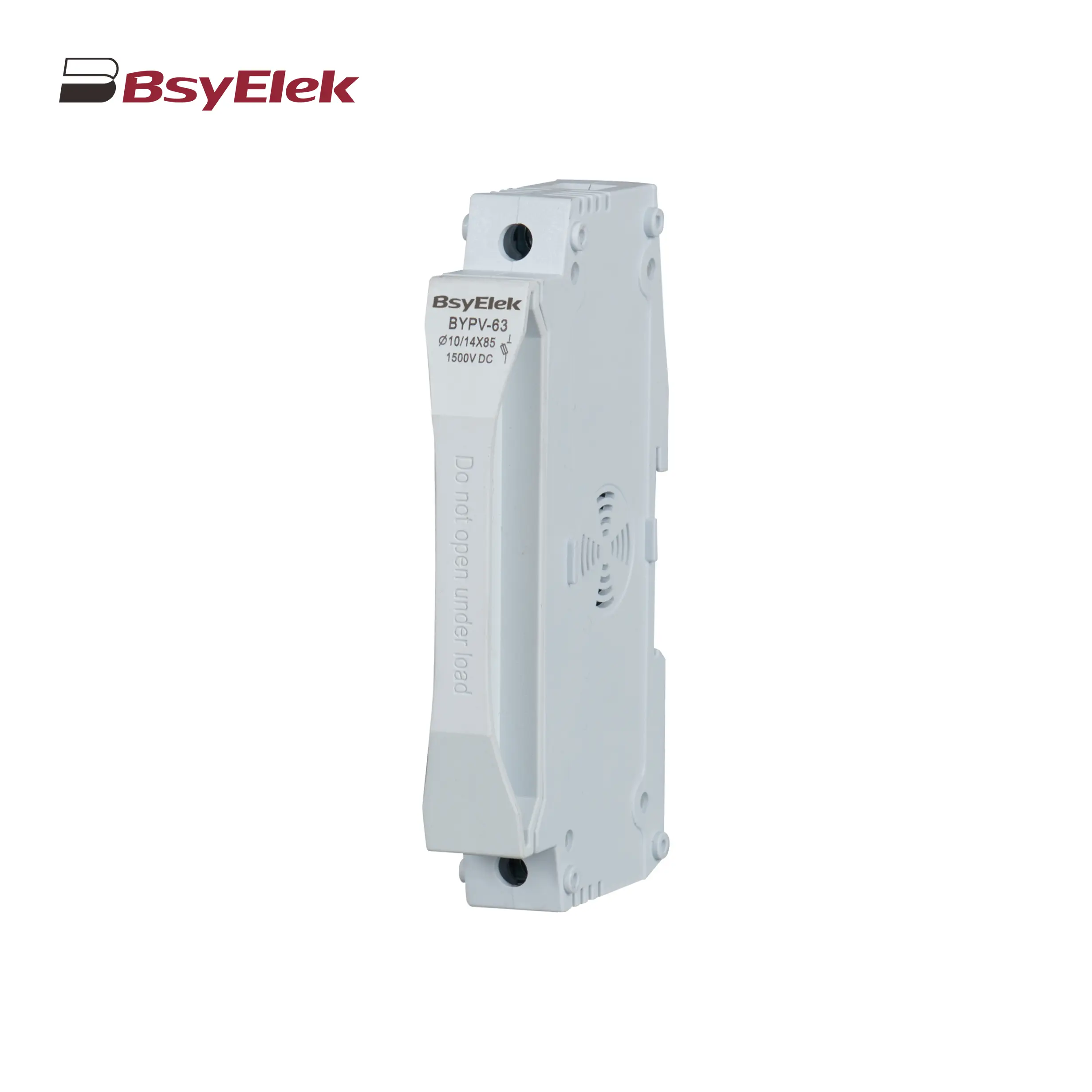 BYPV-63 1500VDC 50A Fuse Holder with 10x85mm 14x85mm Fuse Link
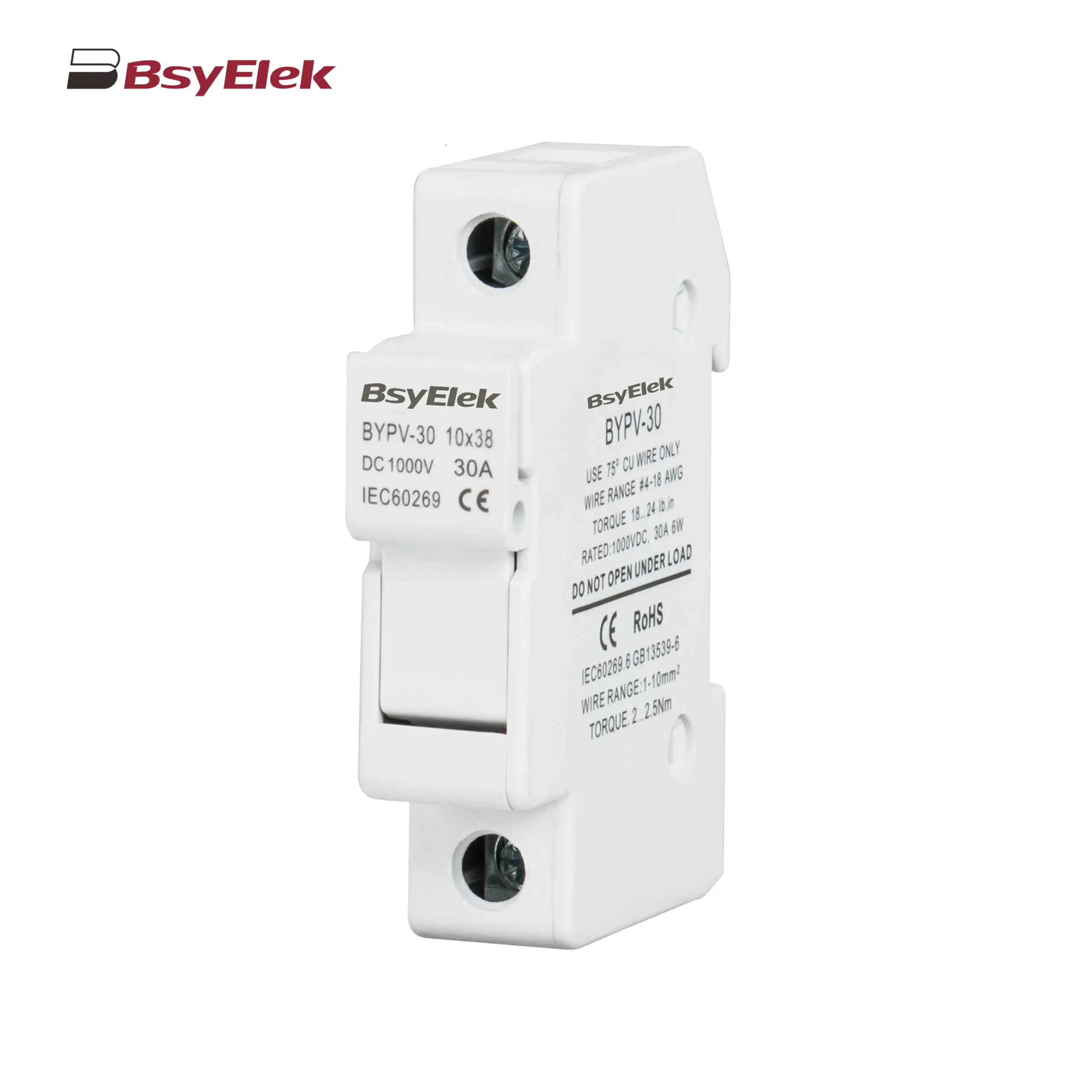 BYPV-30 1000VDC 32A Fuse Holder with 10x38mm Fuse Link
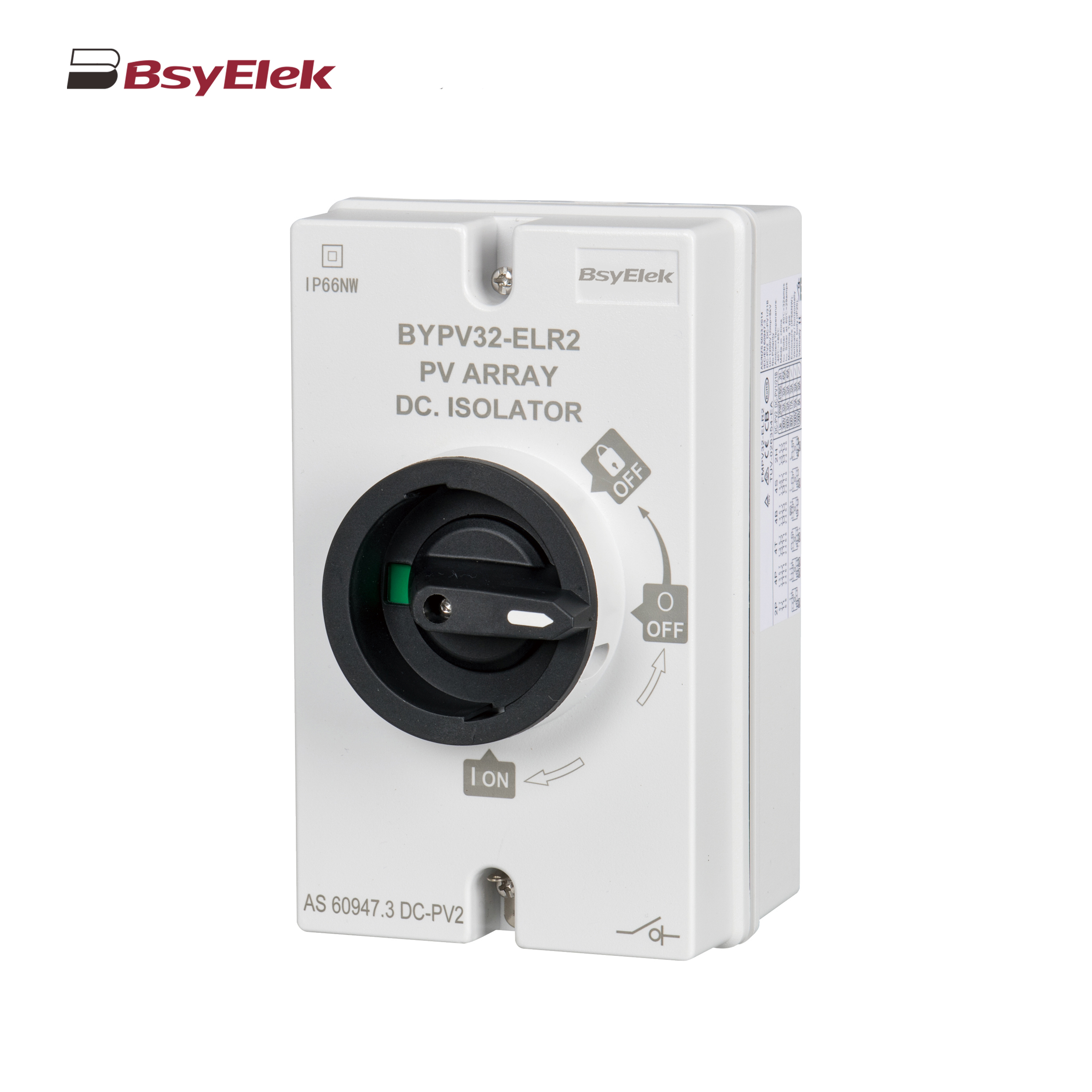 BYPV-ELR2 PV Isolator Switch with Enclosed Version
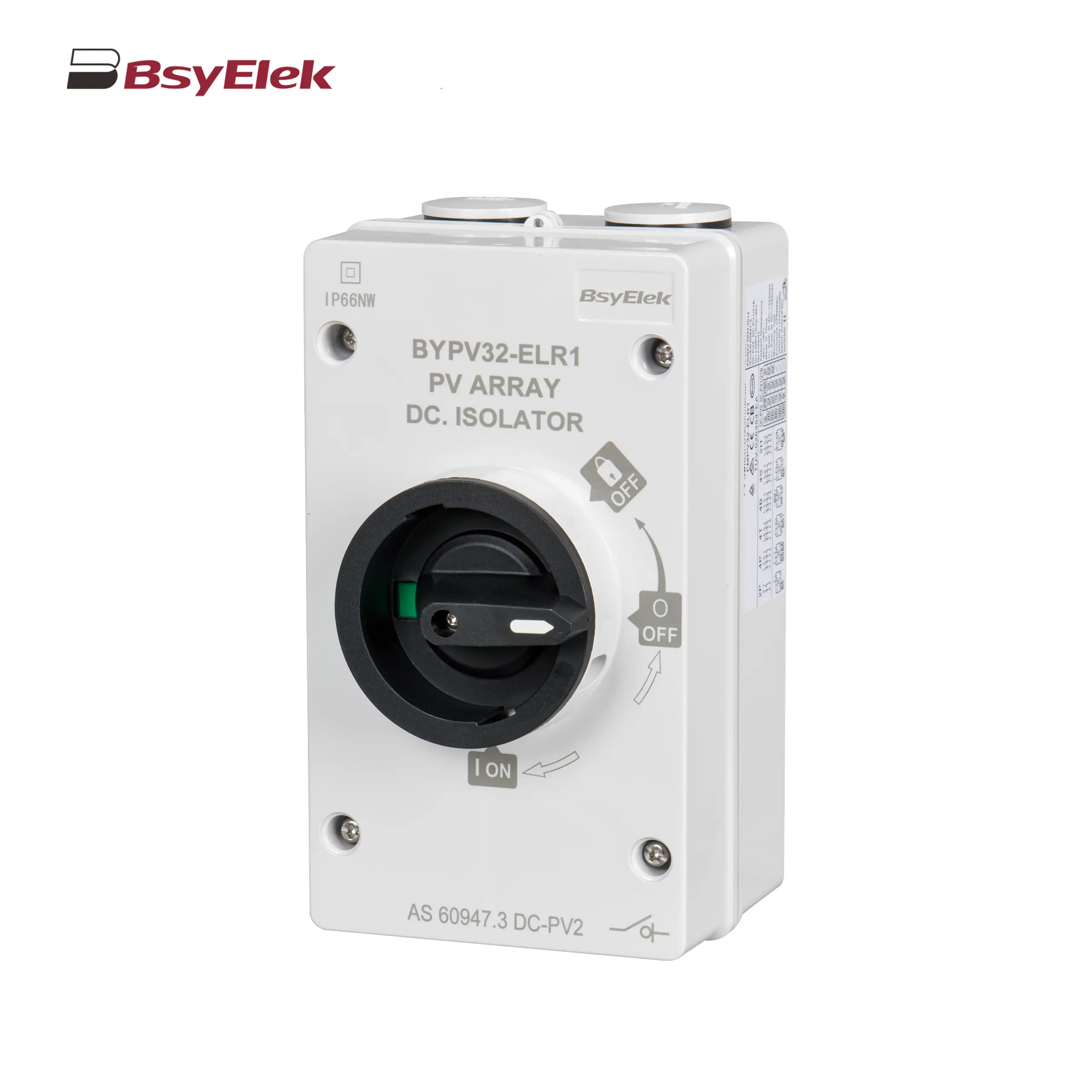 BYPV-ELR1 PV Isolator Switch with Enclosed Version
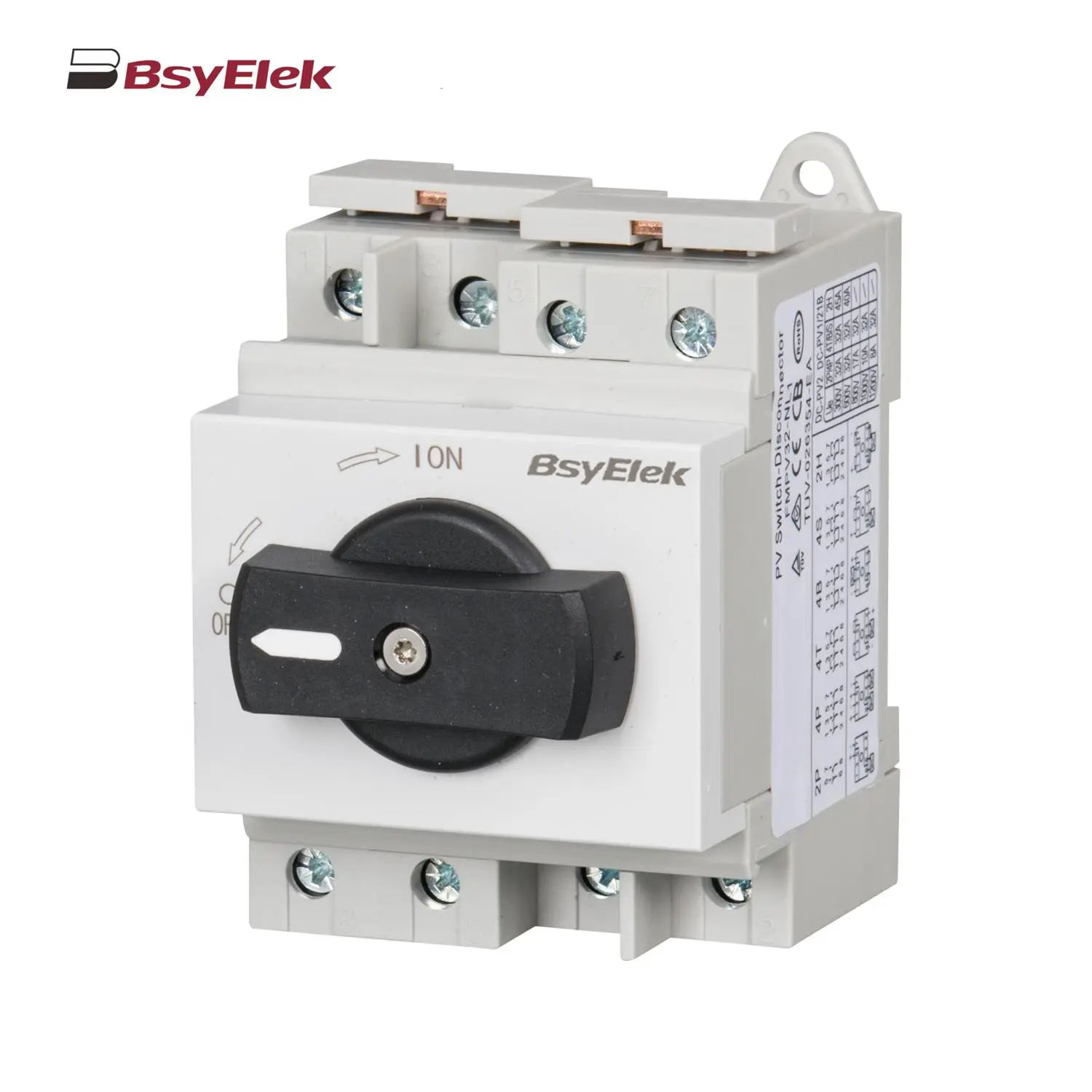 BYPV-NL1/T PV Isolator Switch with Ultra-thin Lever Handle
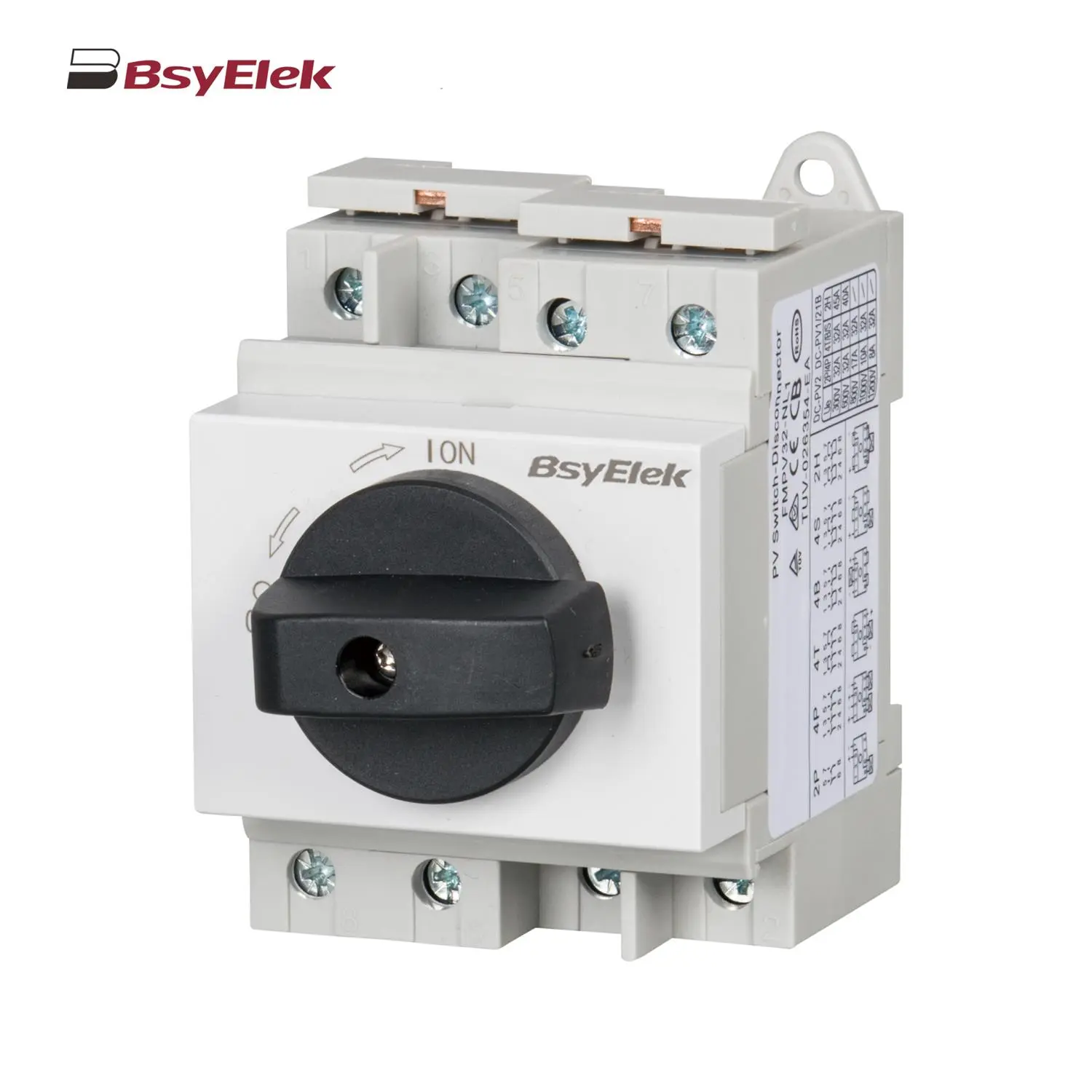 BYPV-NL1 PV Isolator Switch with Lever Handle
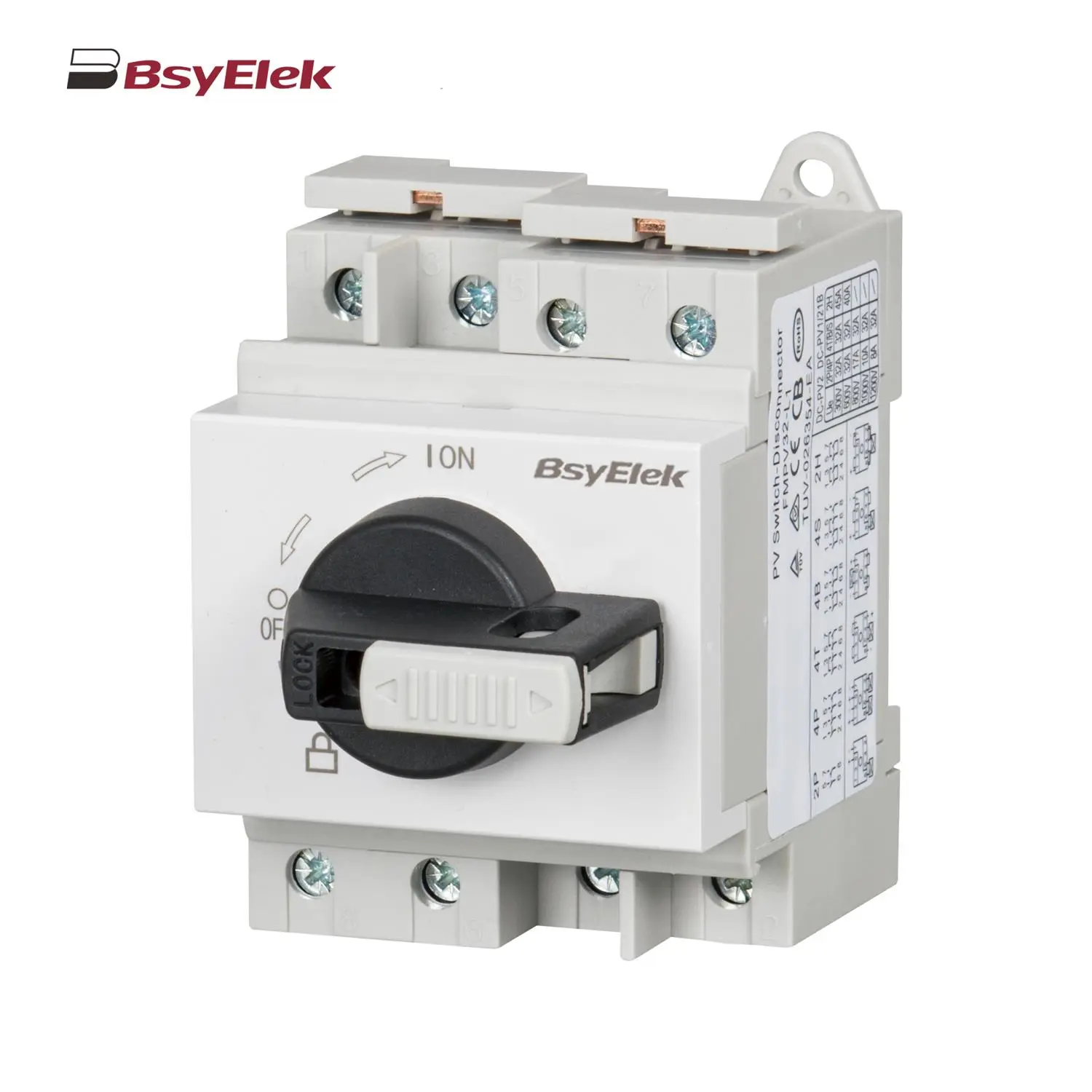 BYPV-L1/L2 PV Isolator Switch with Lockable Lever Handle
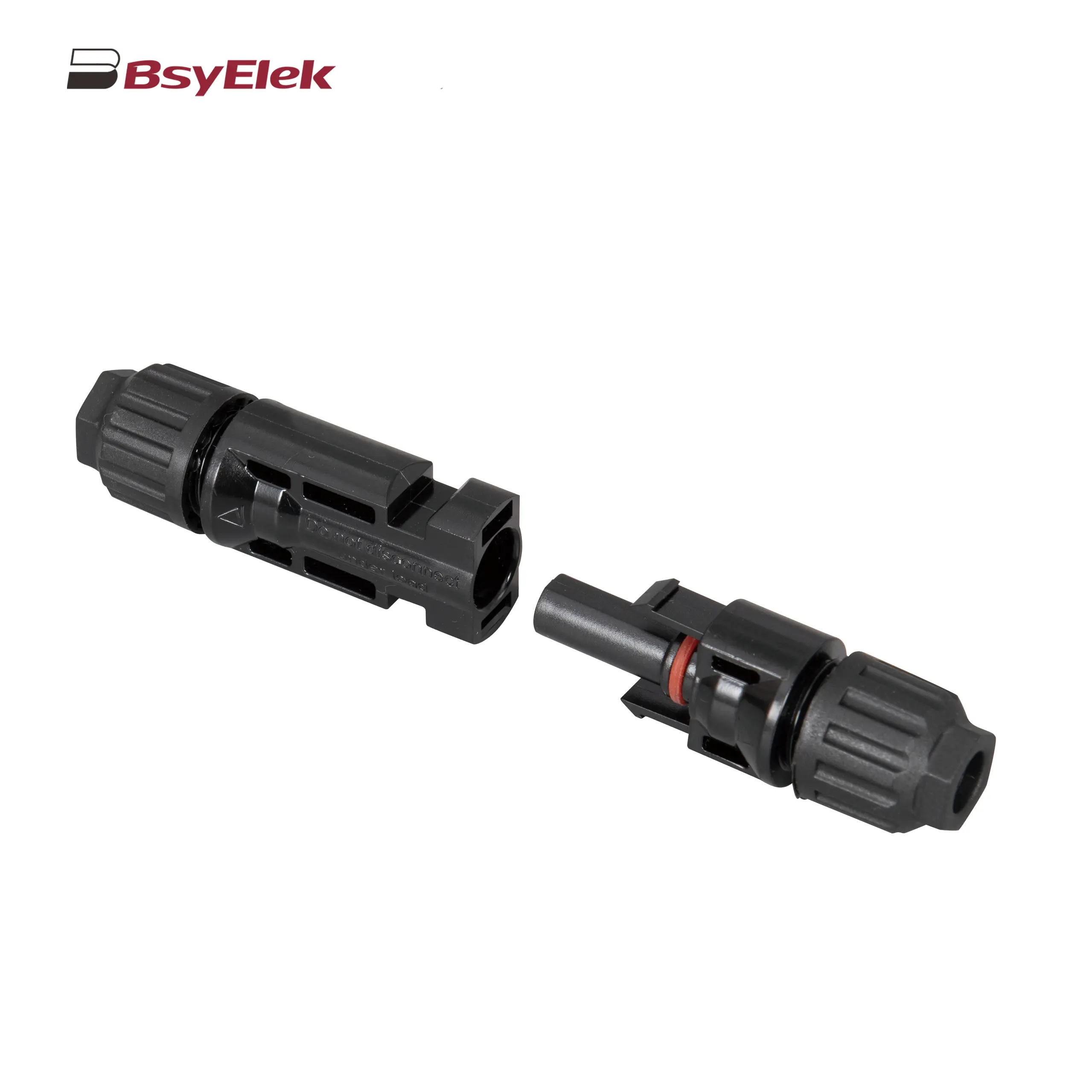 PV-BY-01 30A/50A 1000V Photovoltaic Connector
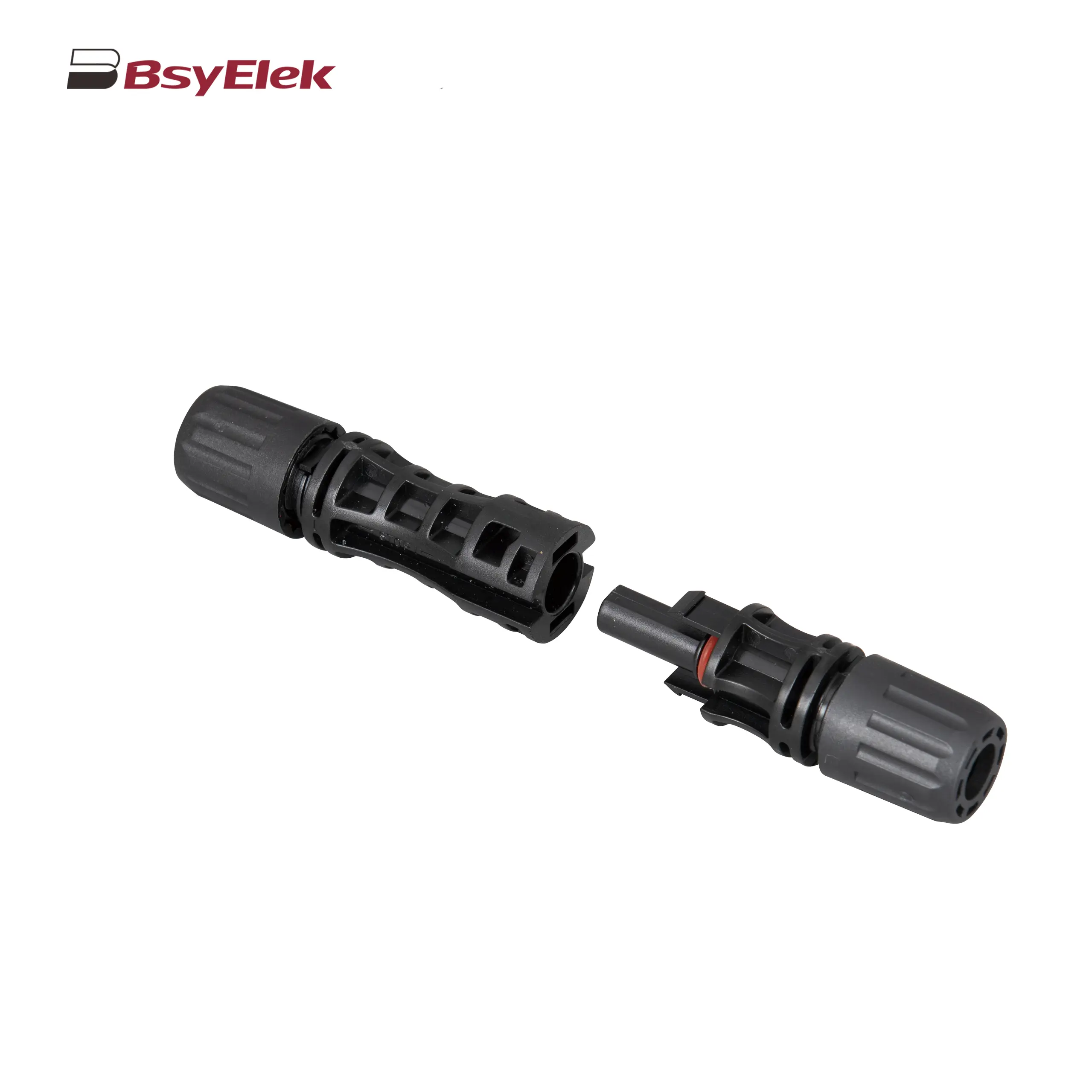 PV-BY-02 30A/50A 1500V Photovoltaic Connector
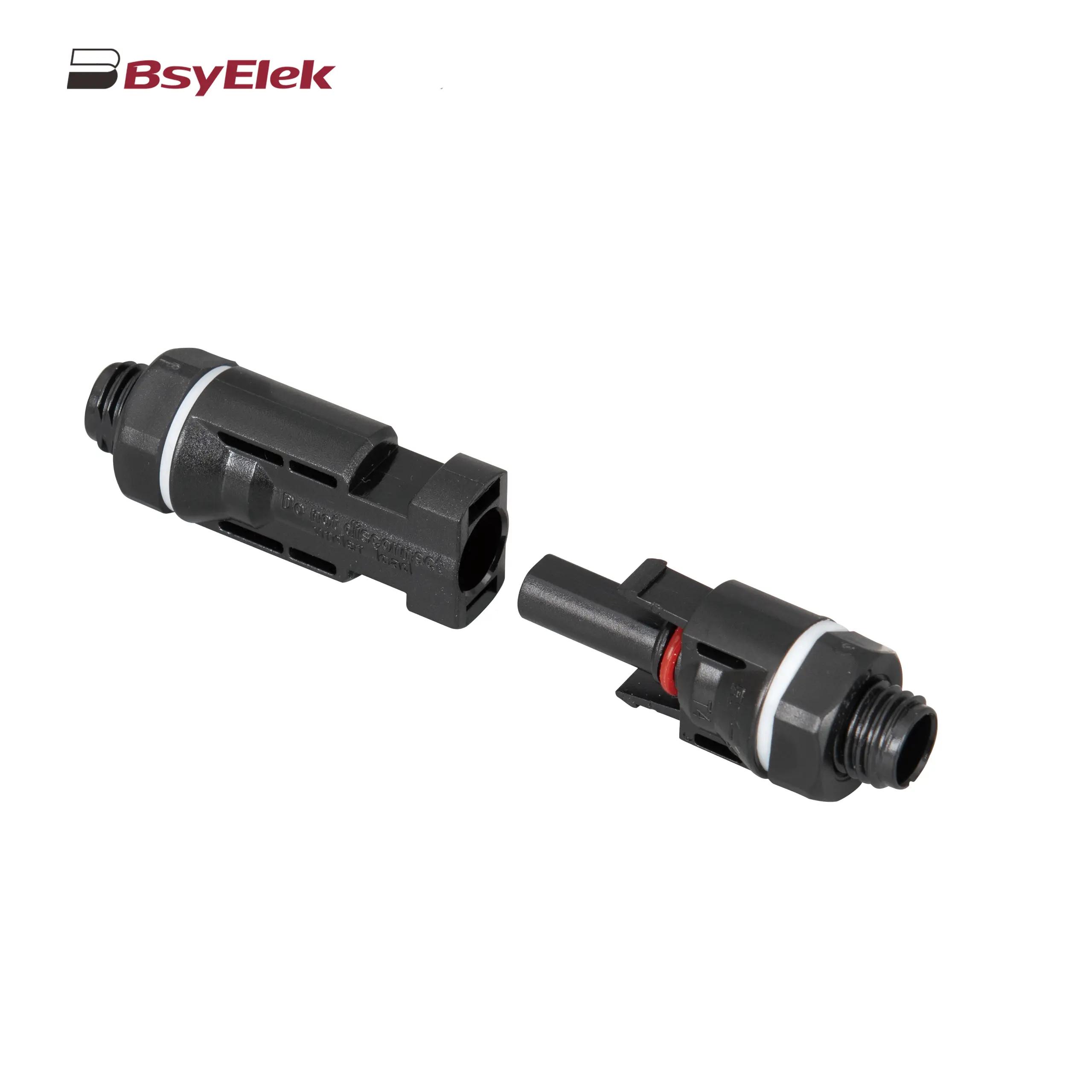 PV-BY-03 30A/50A 1000V Panel Mount Photovoltaic Connector
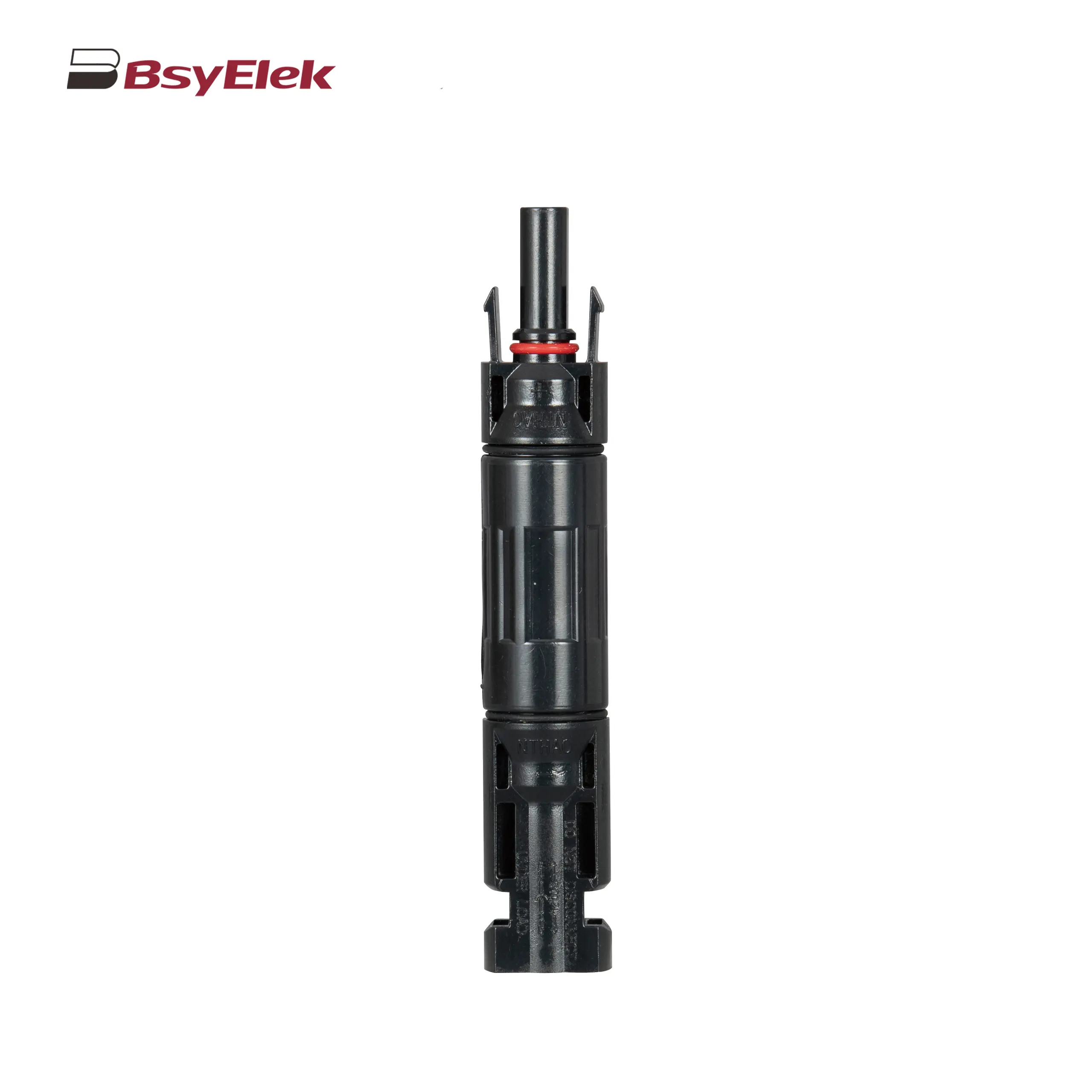 PV-BY-F01 30A 1500V Diode/Fuse Type Connector
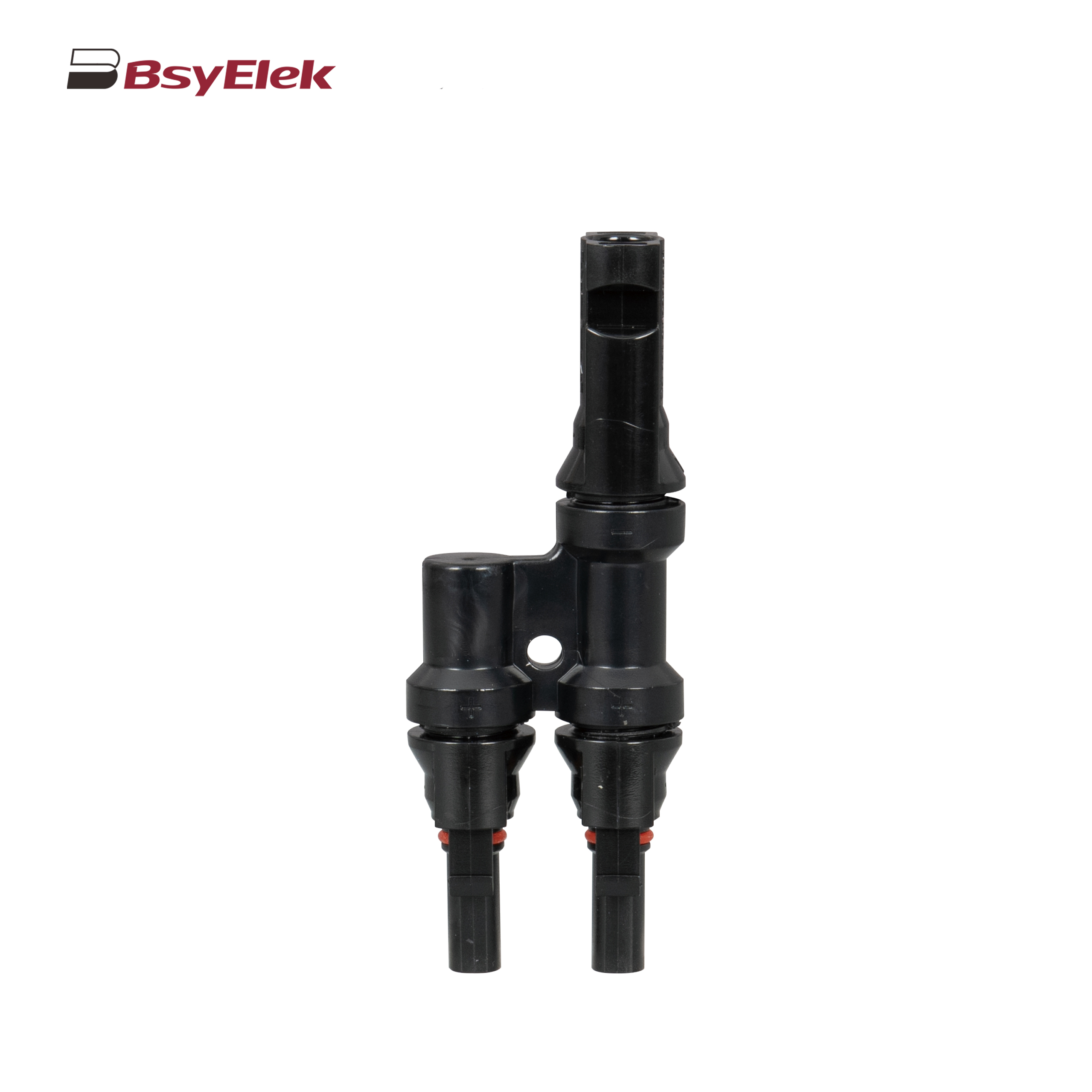 PV-BY-T 50A 1500V T Type Branch Connector
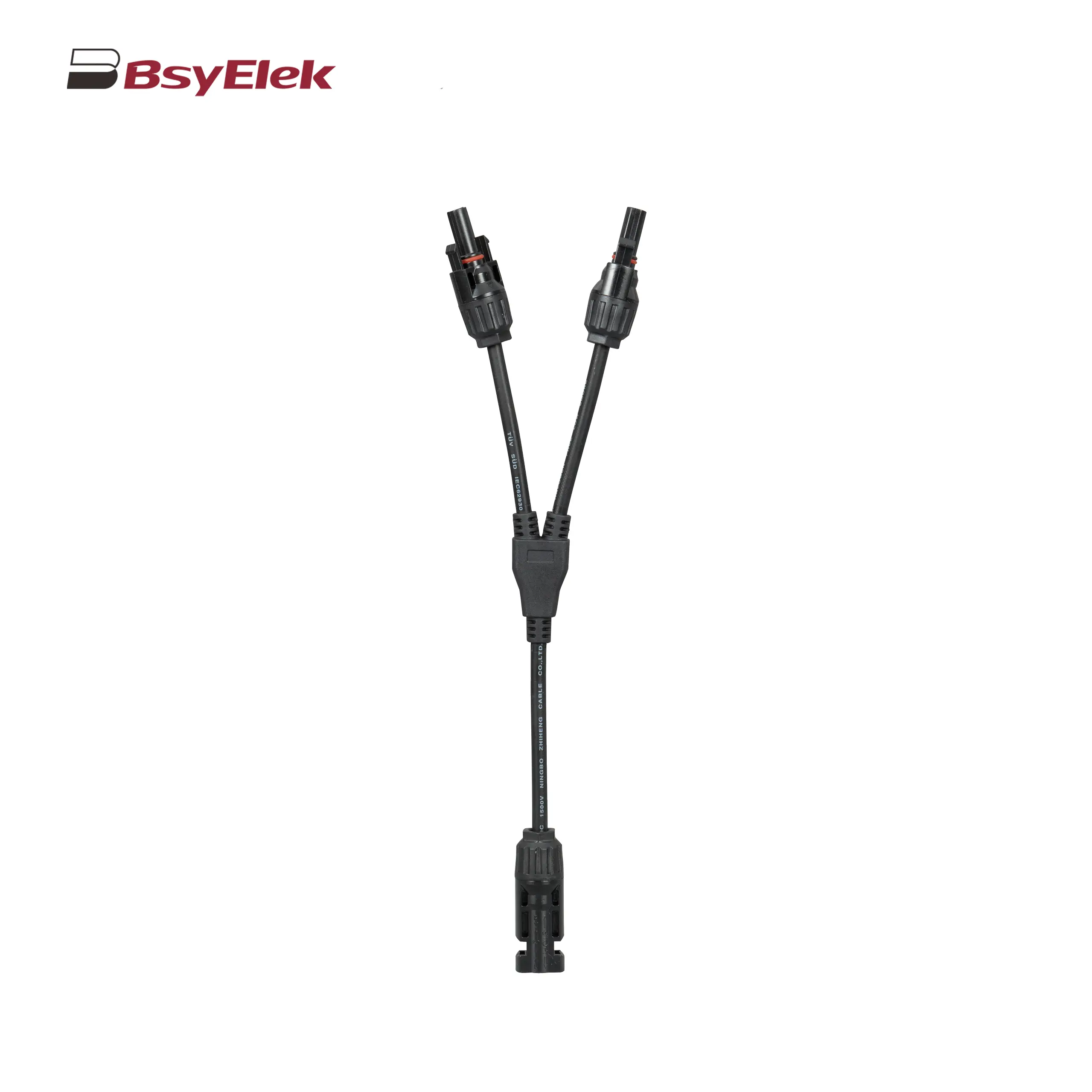 PV-BY-Y 30A 1500V Y Type Branch Connector
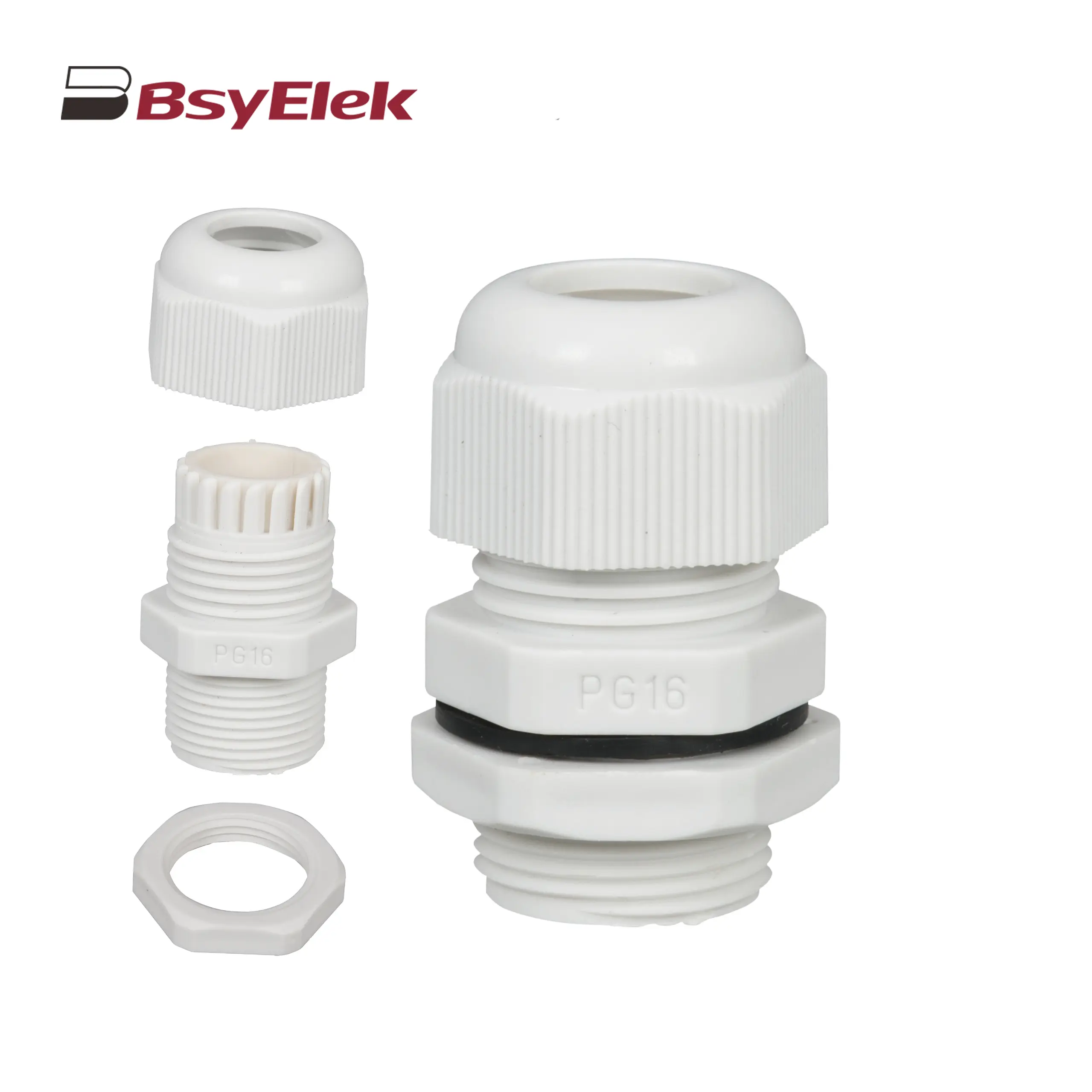 PG Waterproof Cable Gland with Washer
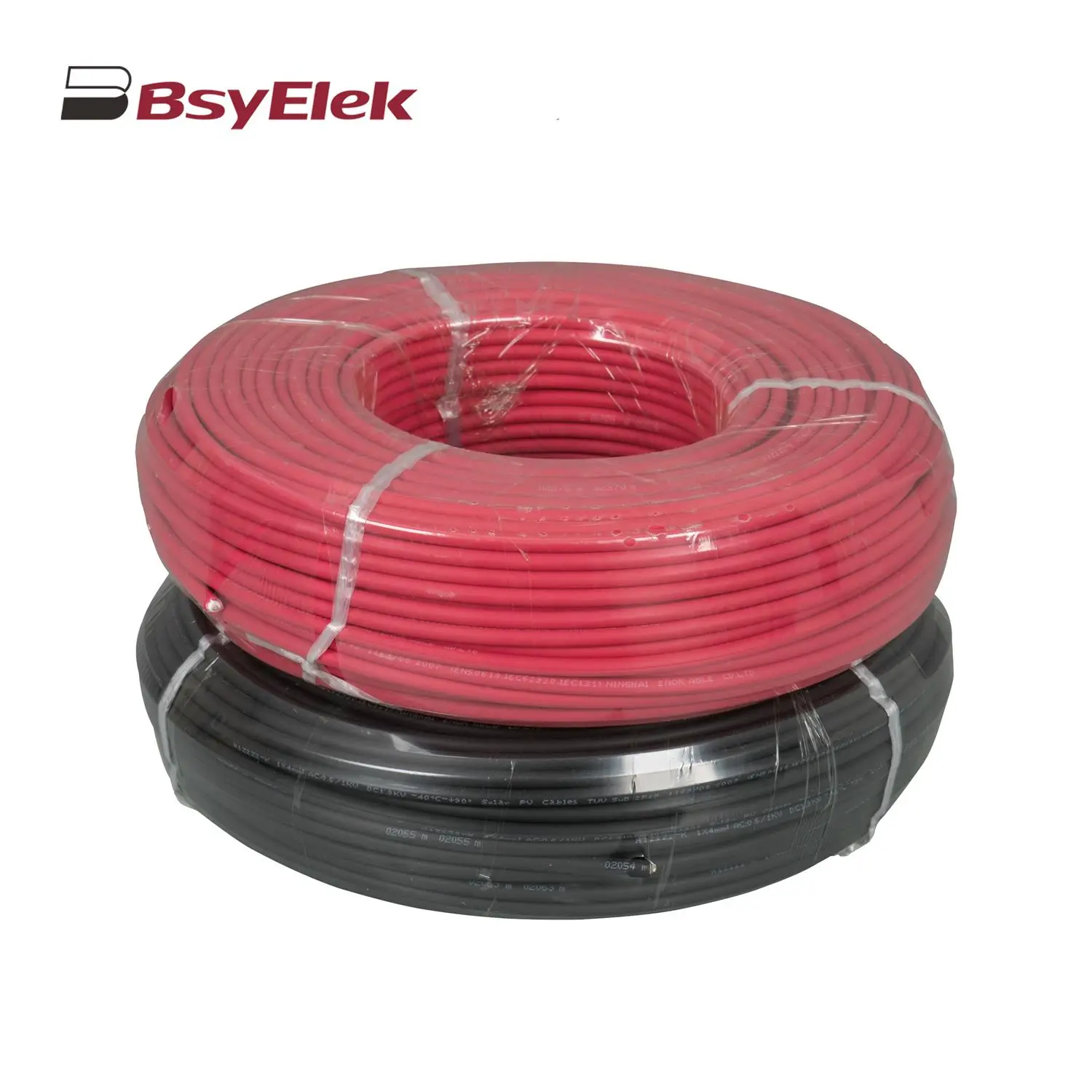 Photovoltaic Cable
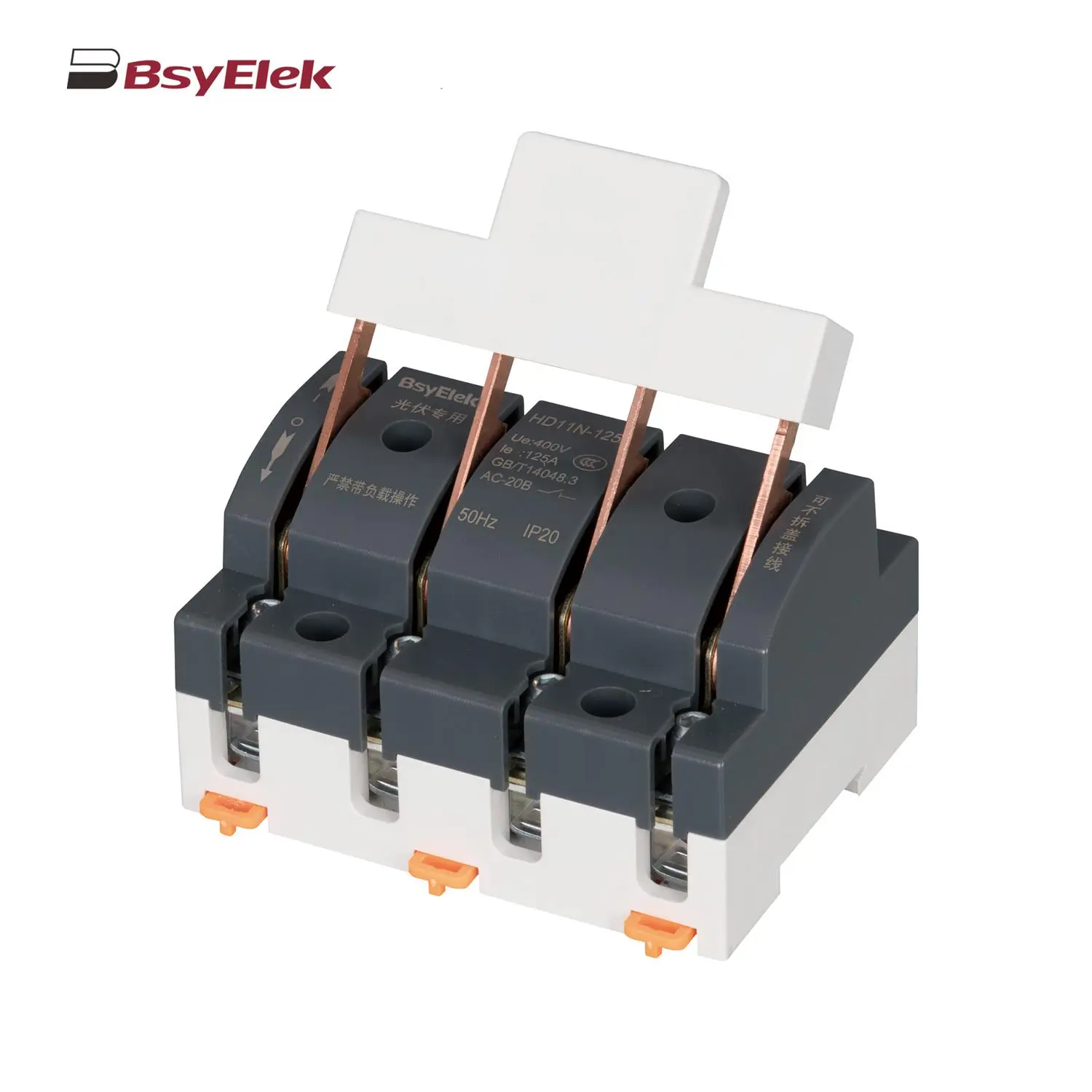 HD11N Photovoltaic Knife Switch
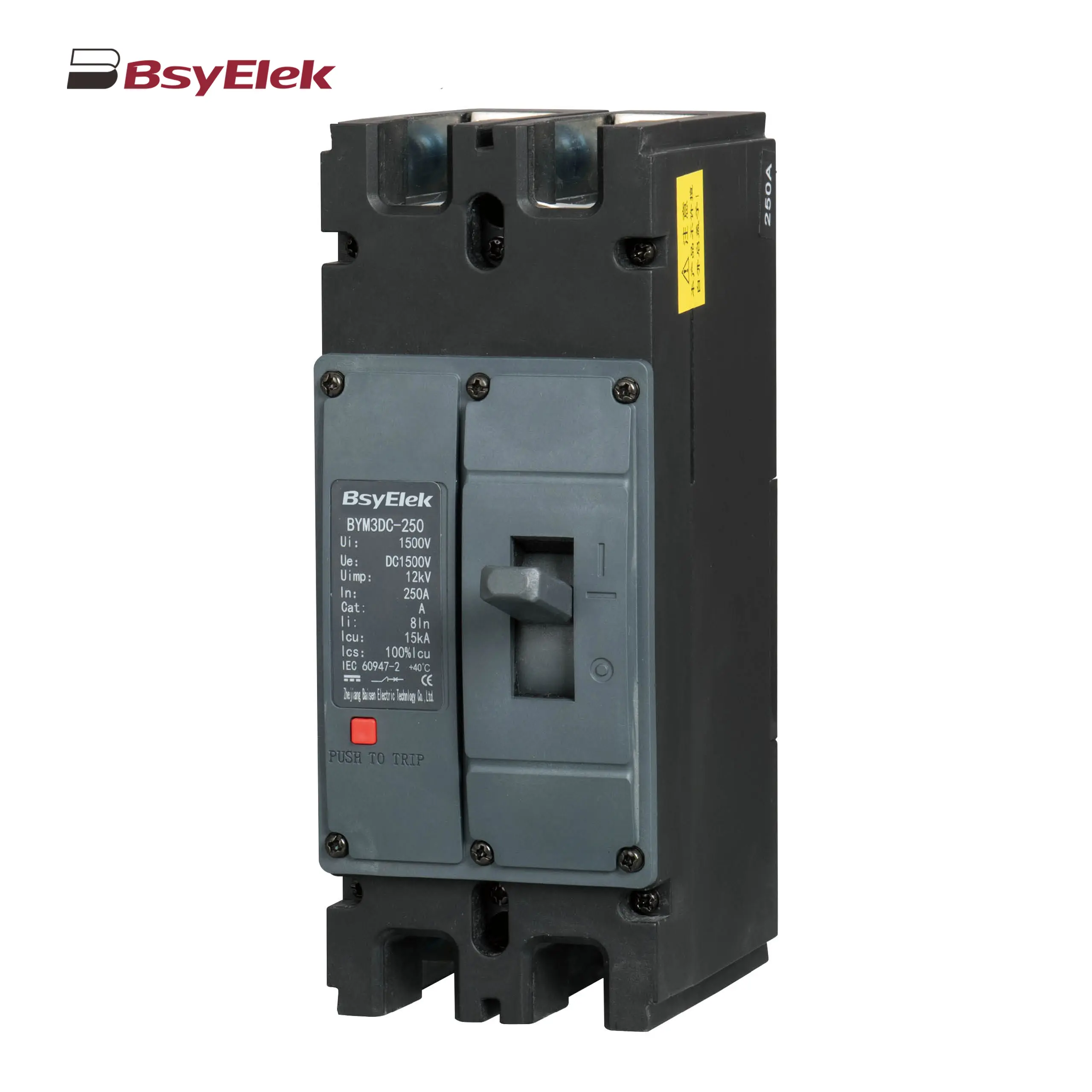 BYM3DC MCCB Photovoltaic DC Molded Case Circuit Breaker
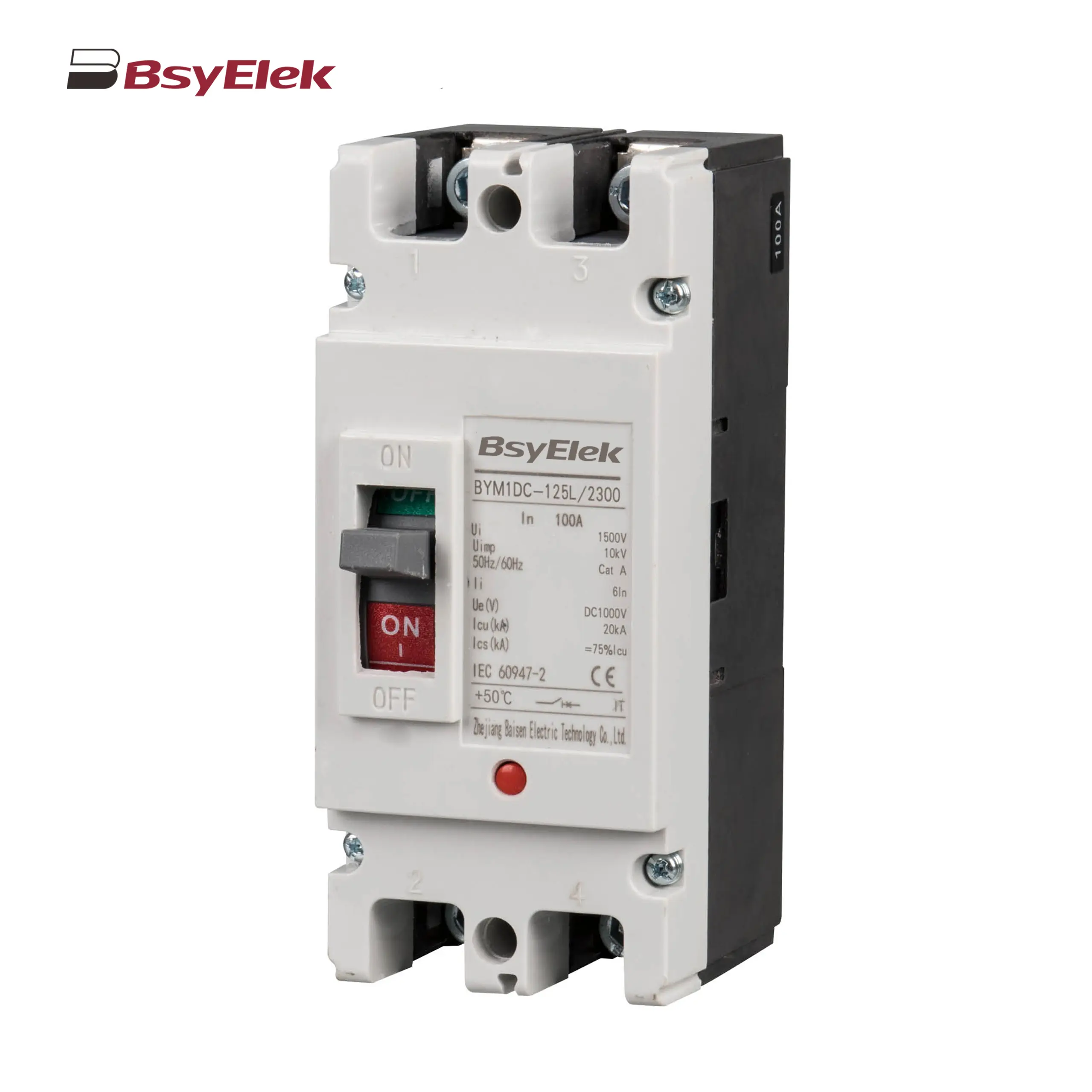 BYM1DC MCCB 1000VDC Thermal Magnetic Type DC Molded Case Circuit Breaker
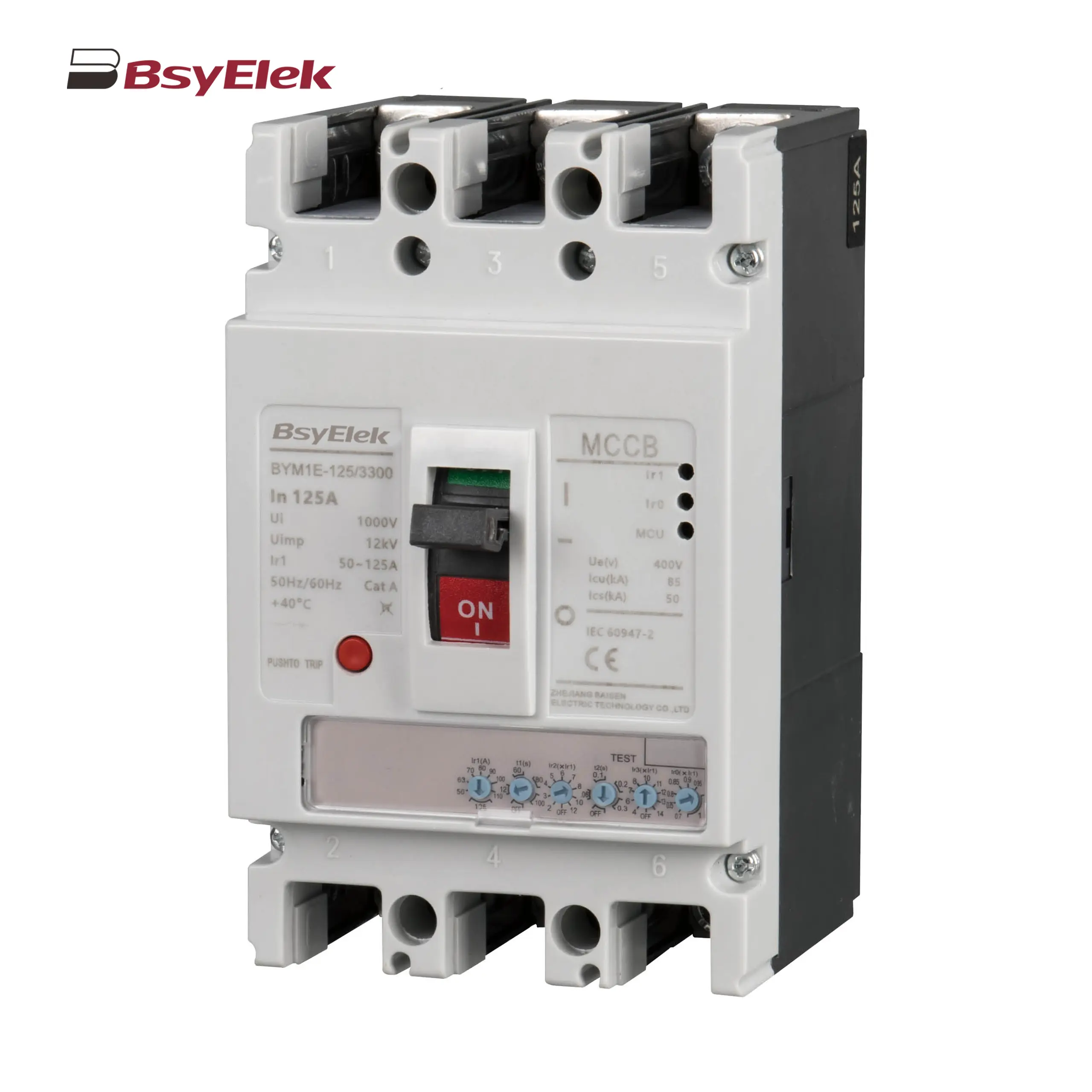 BYM1E MCCB Electronic Type Molded Case Circuit Breaker
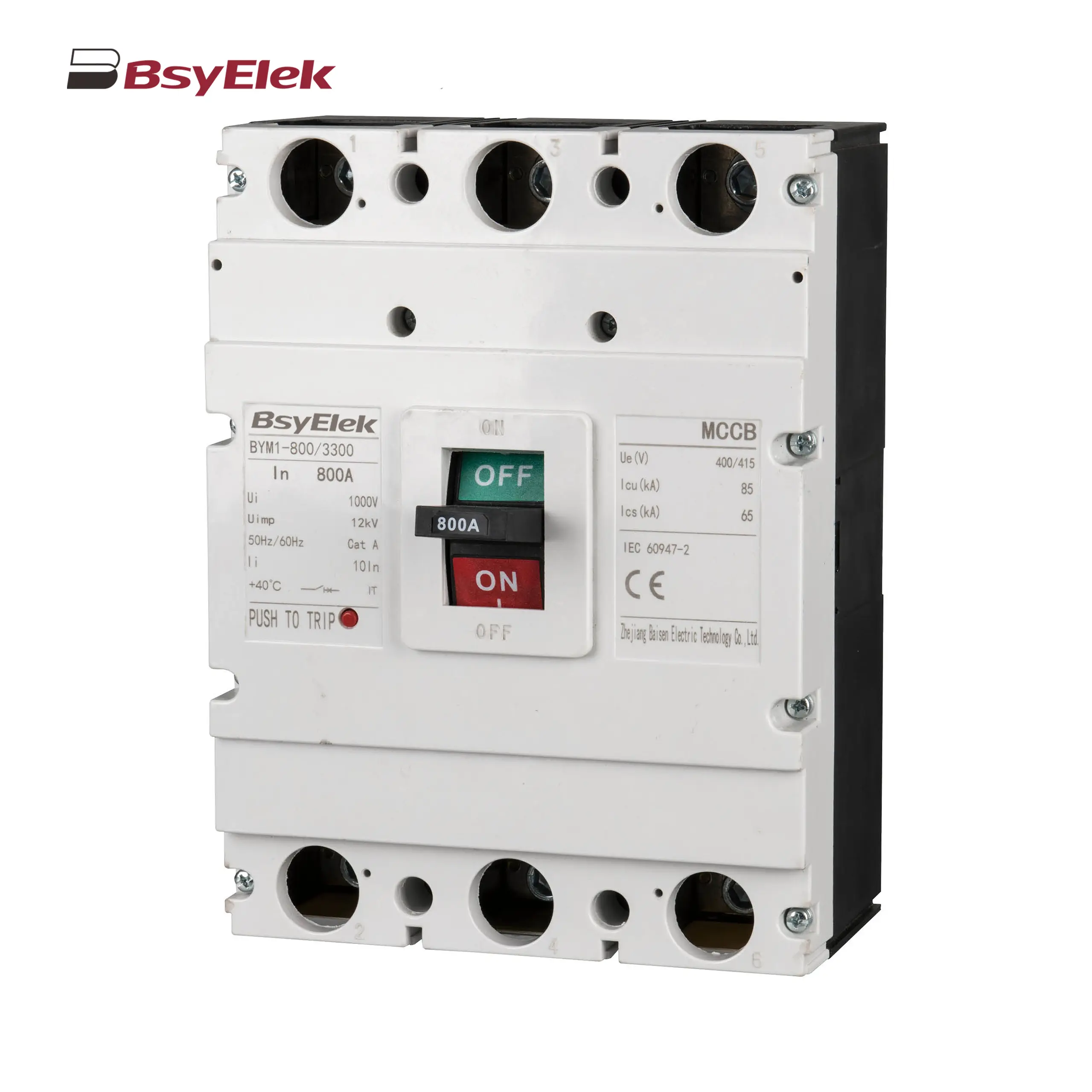 BYM1 MCCB Thermal Magnetic AC Molded Case Circuit Breaker
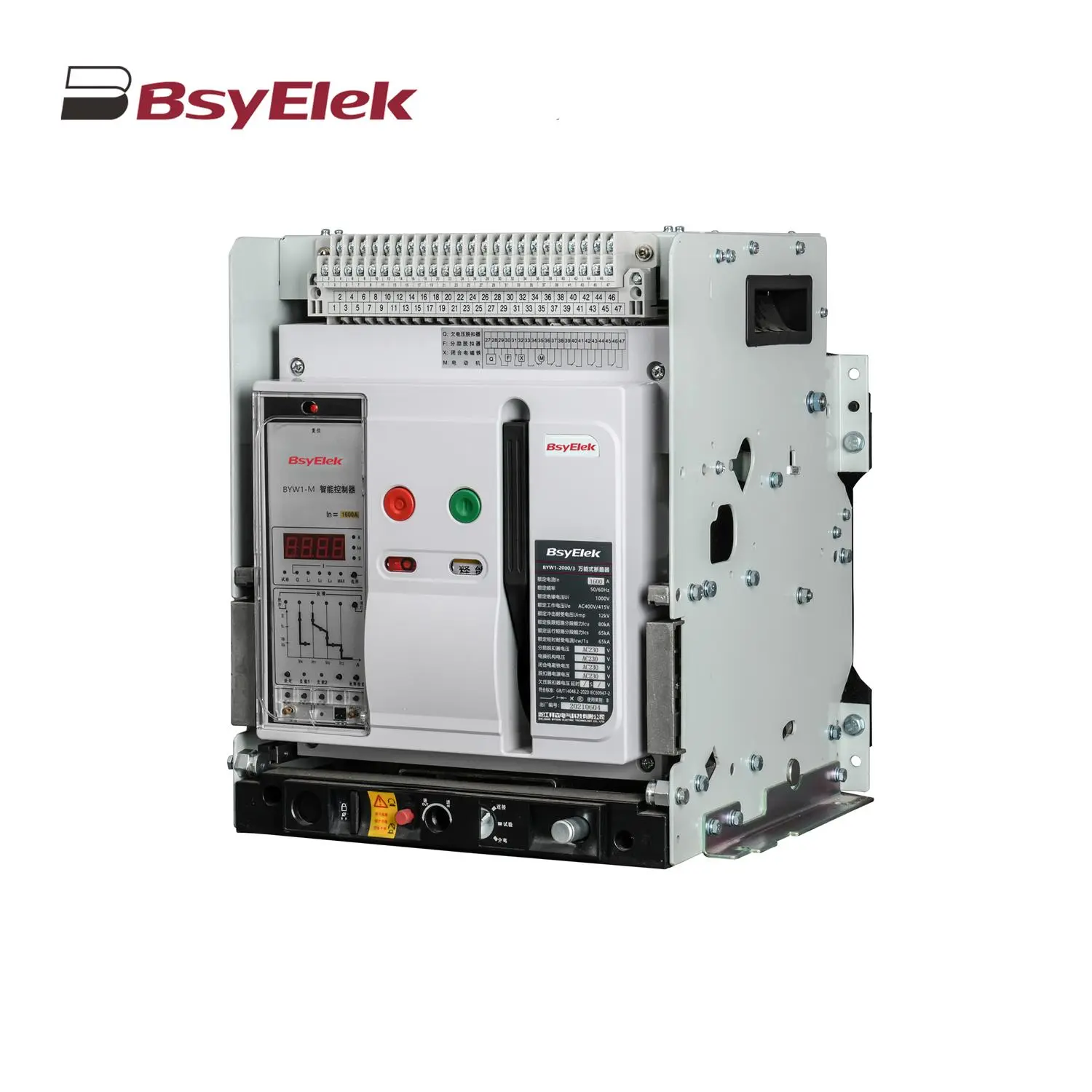 BYW1 ACB Intelligent Universal Air Circuit Breaker
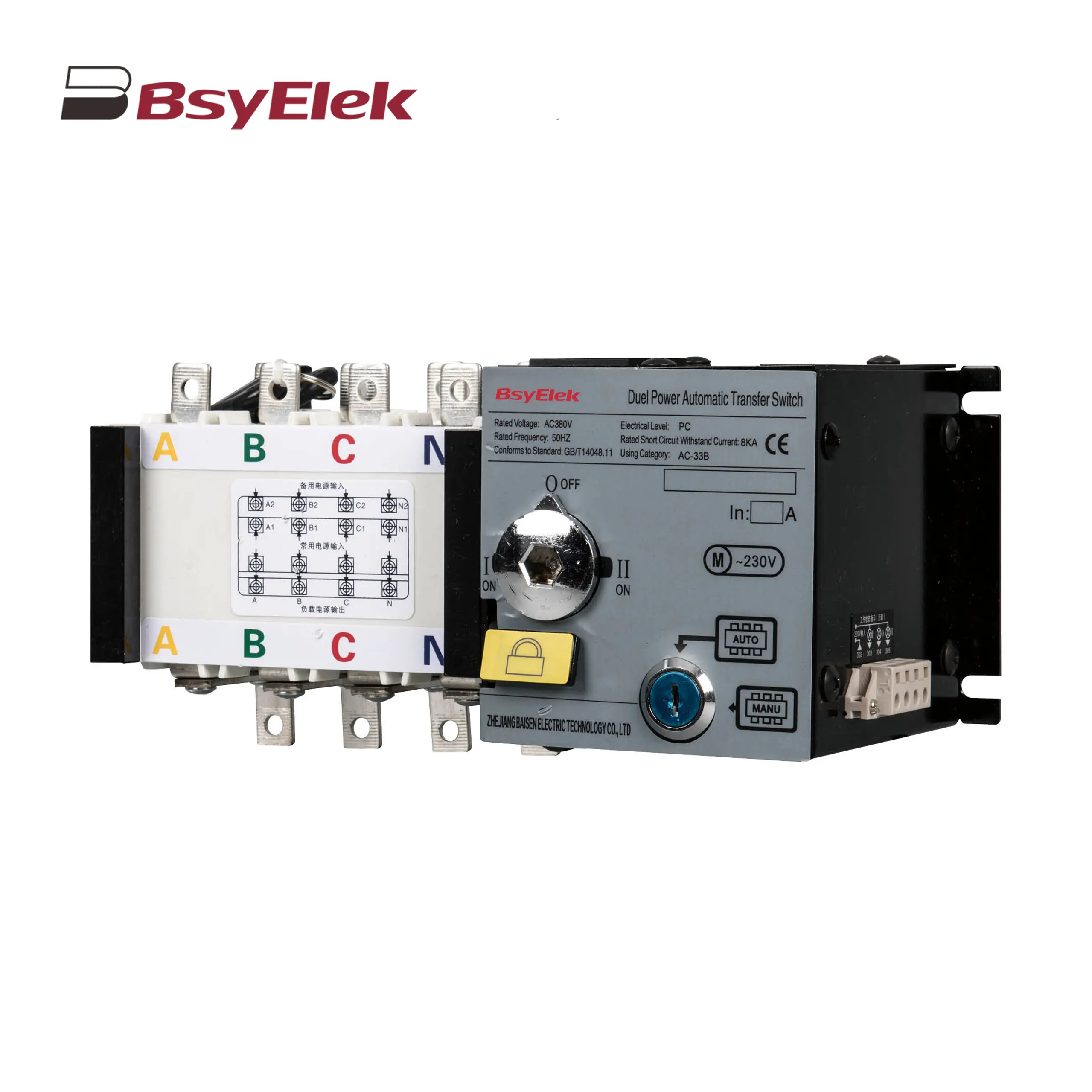 BYQ1 ATS Isolated Type PC Level Dual Power Automatic Transfer Switch
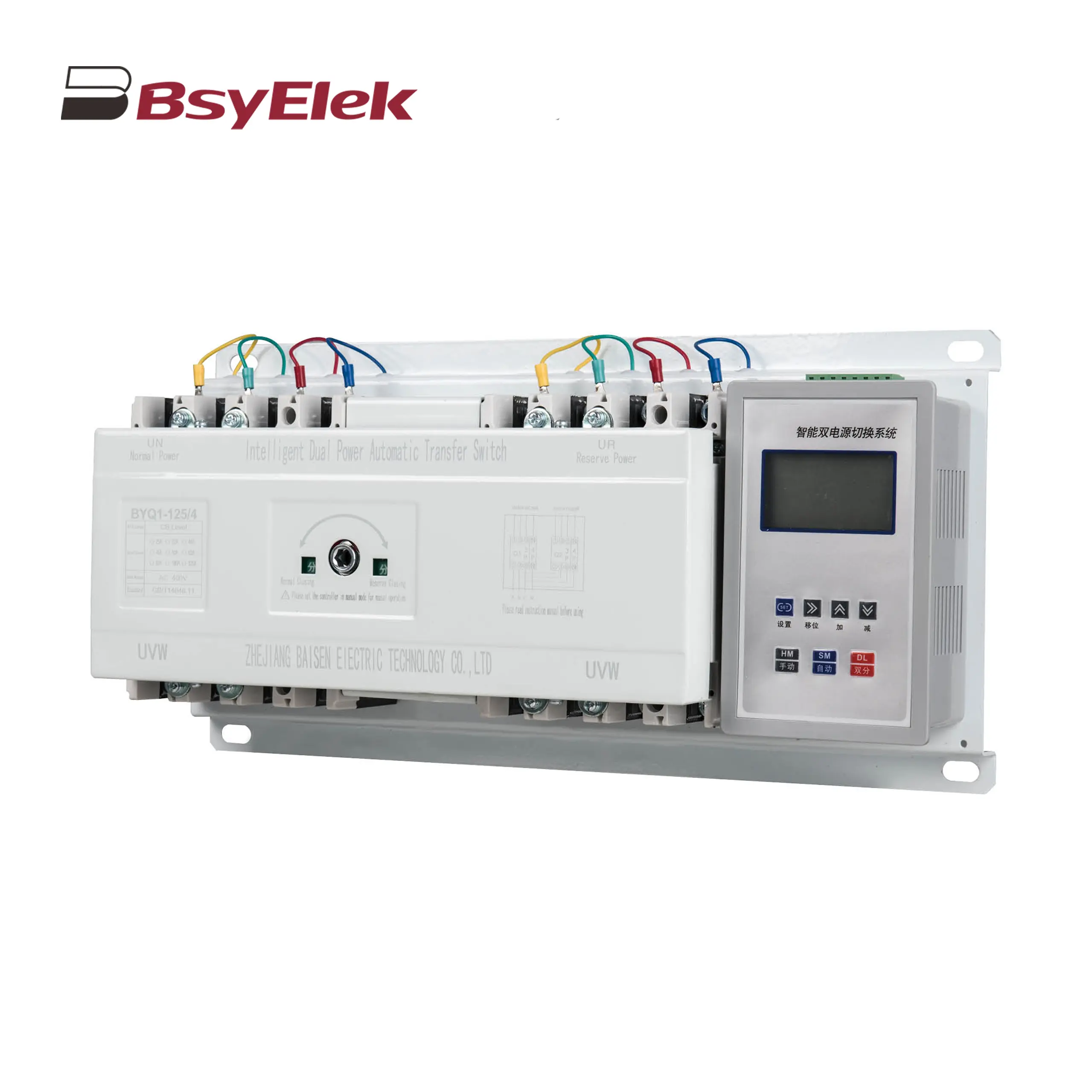 BYQ1 ATS Intelligent Type CB Level Dual Power Automatic Transfer Switch
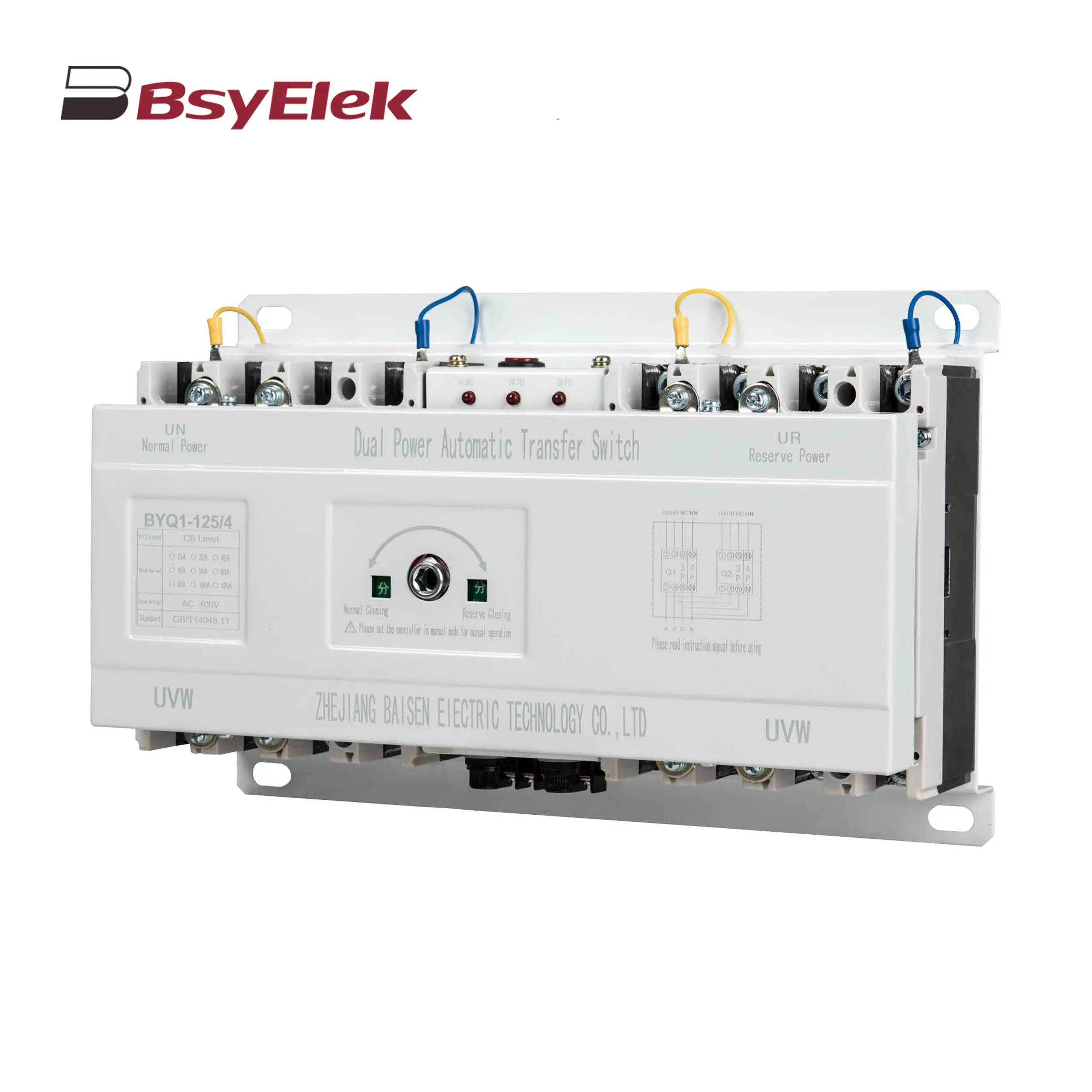 BYQ1 ATS End Type CB Level Dual Power Automatic Transfer Switch
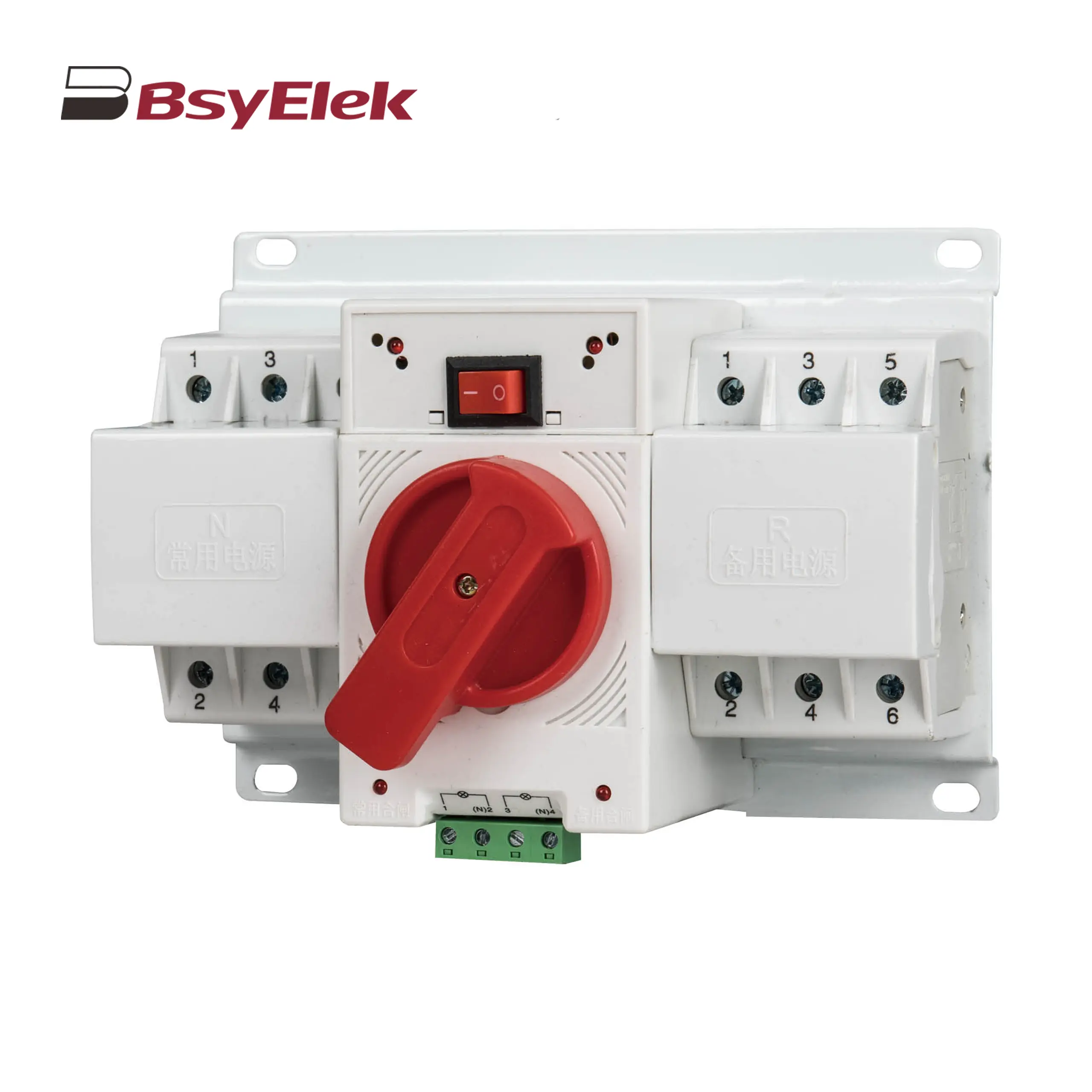 BYQ1 ATS Mini Type CB Level Dual Power Automatic Transfer Switch
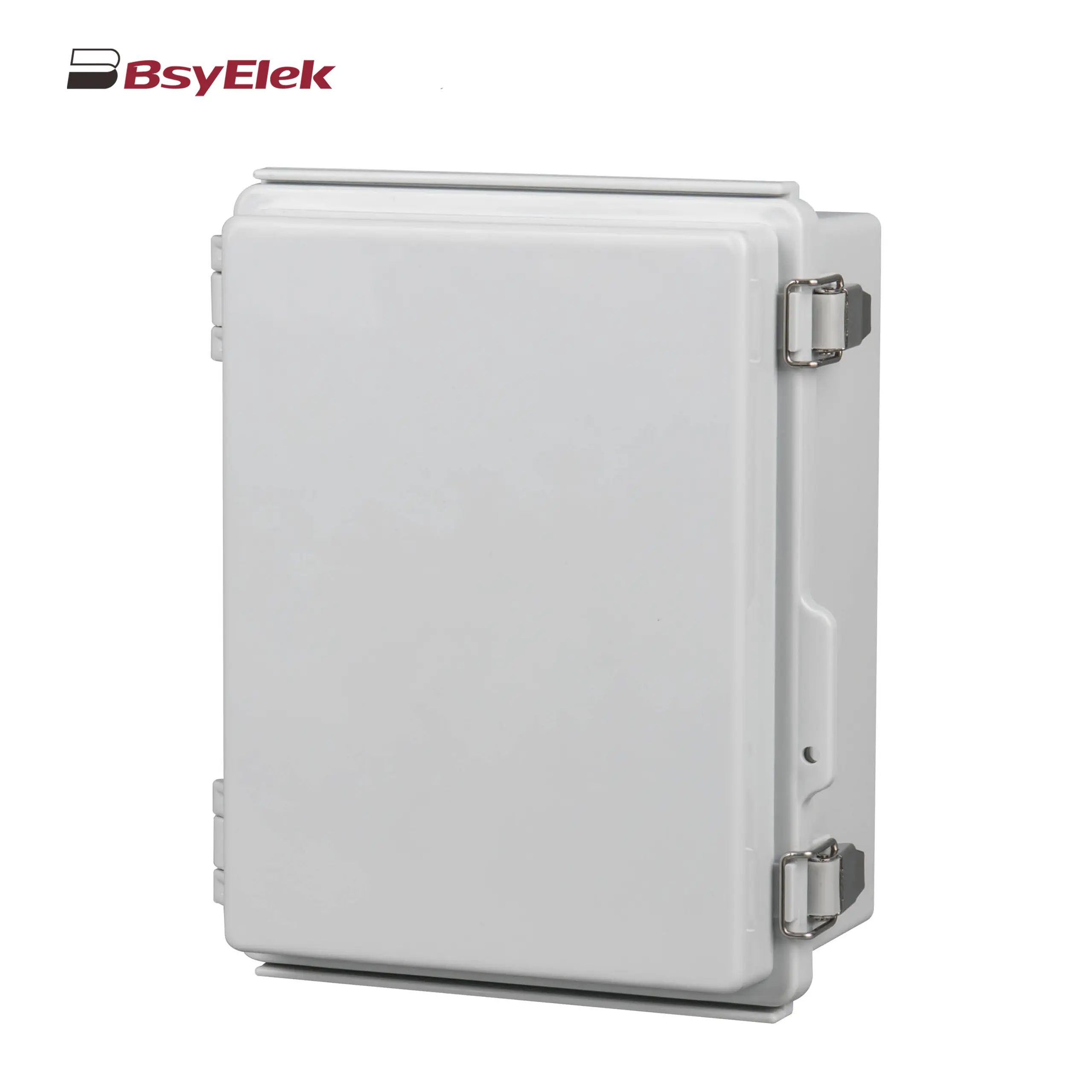 Stainless Steel Hinge Type Electrical Box
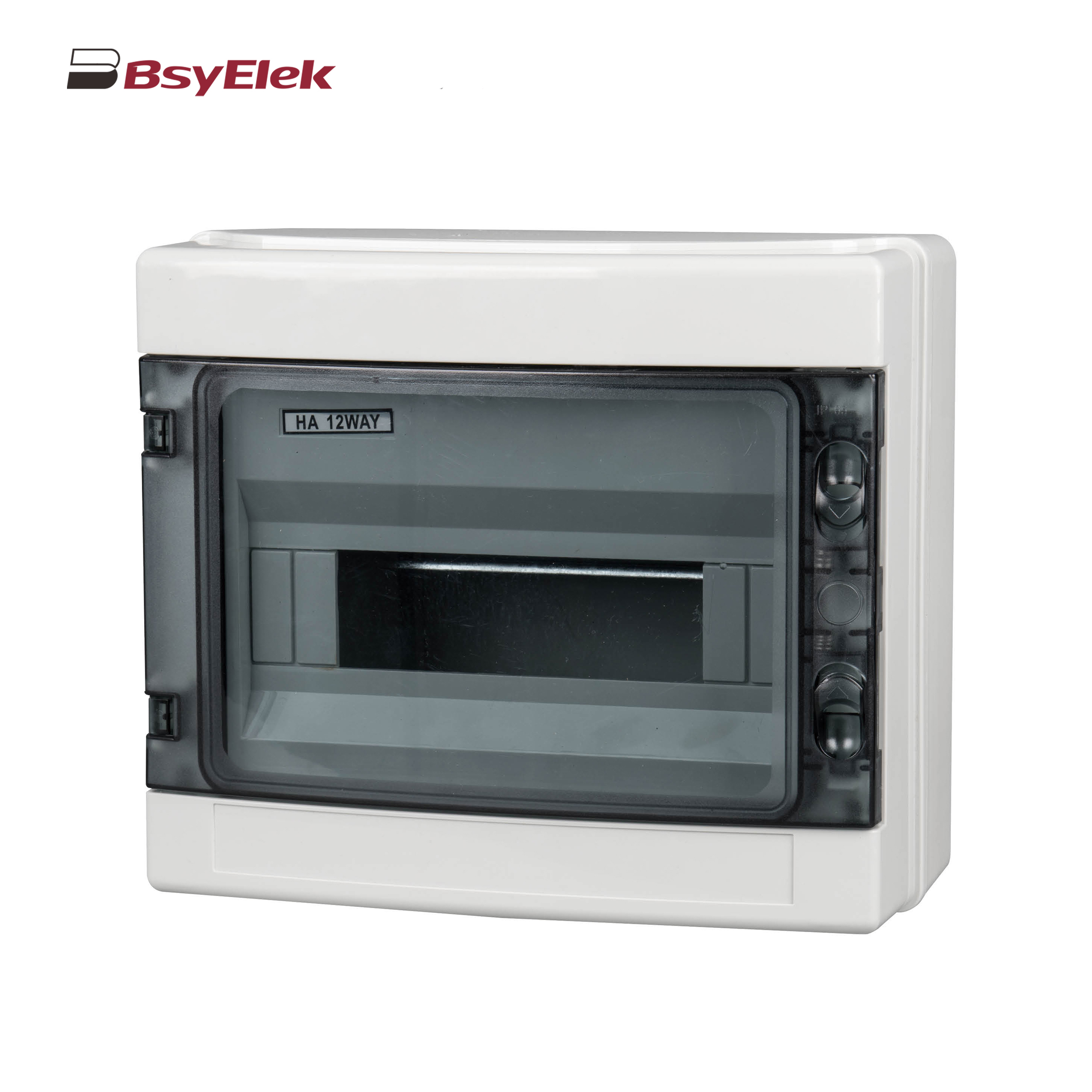 HA Waterproof Distribution Box
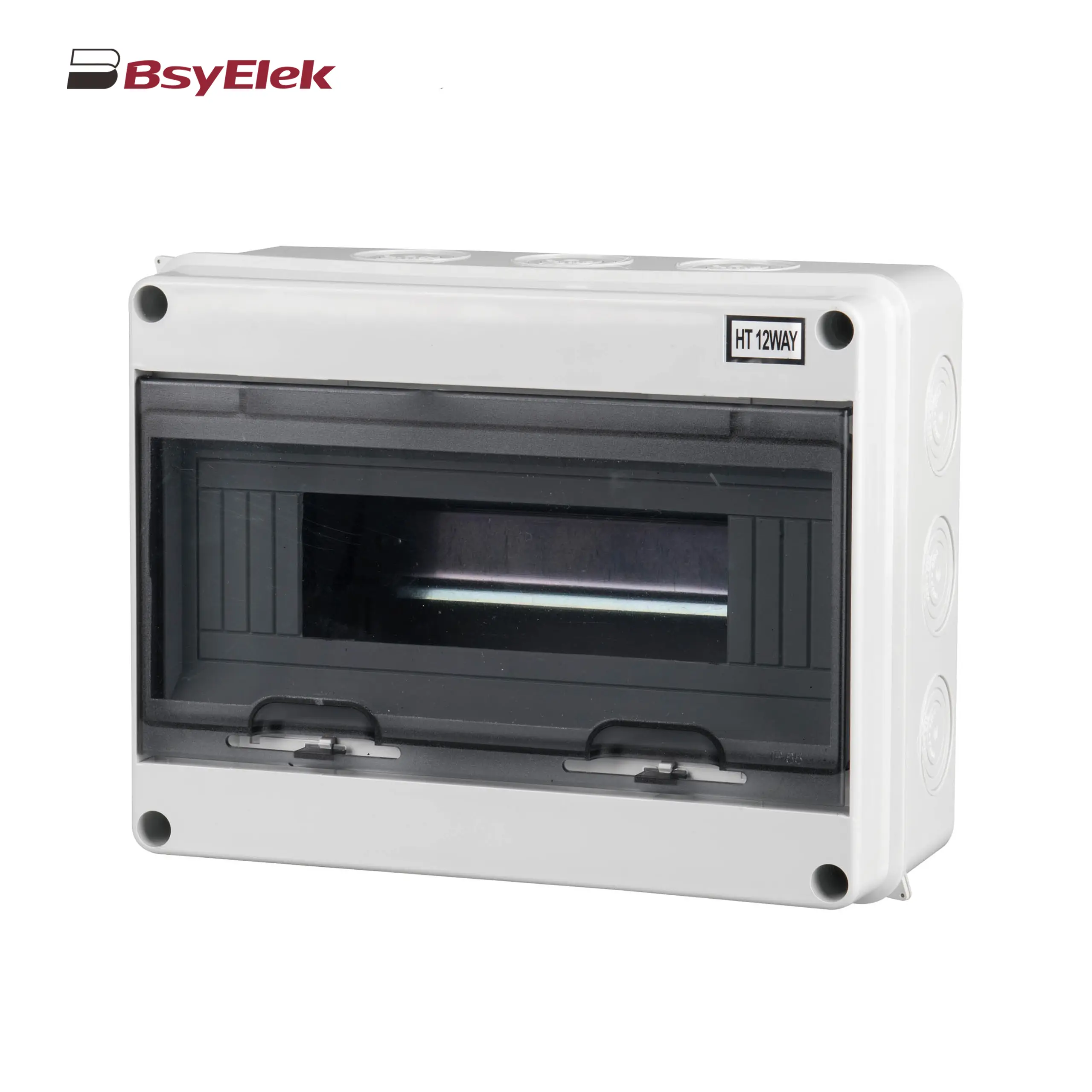 HT Waterproof Distribution Box
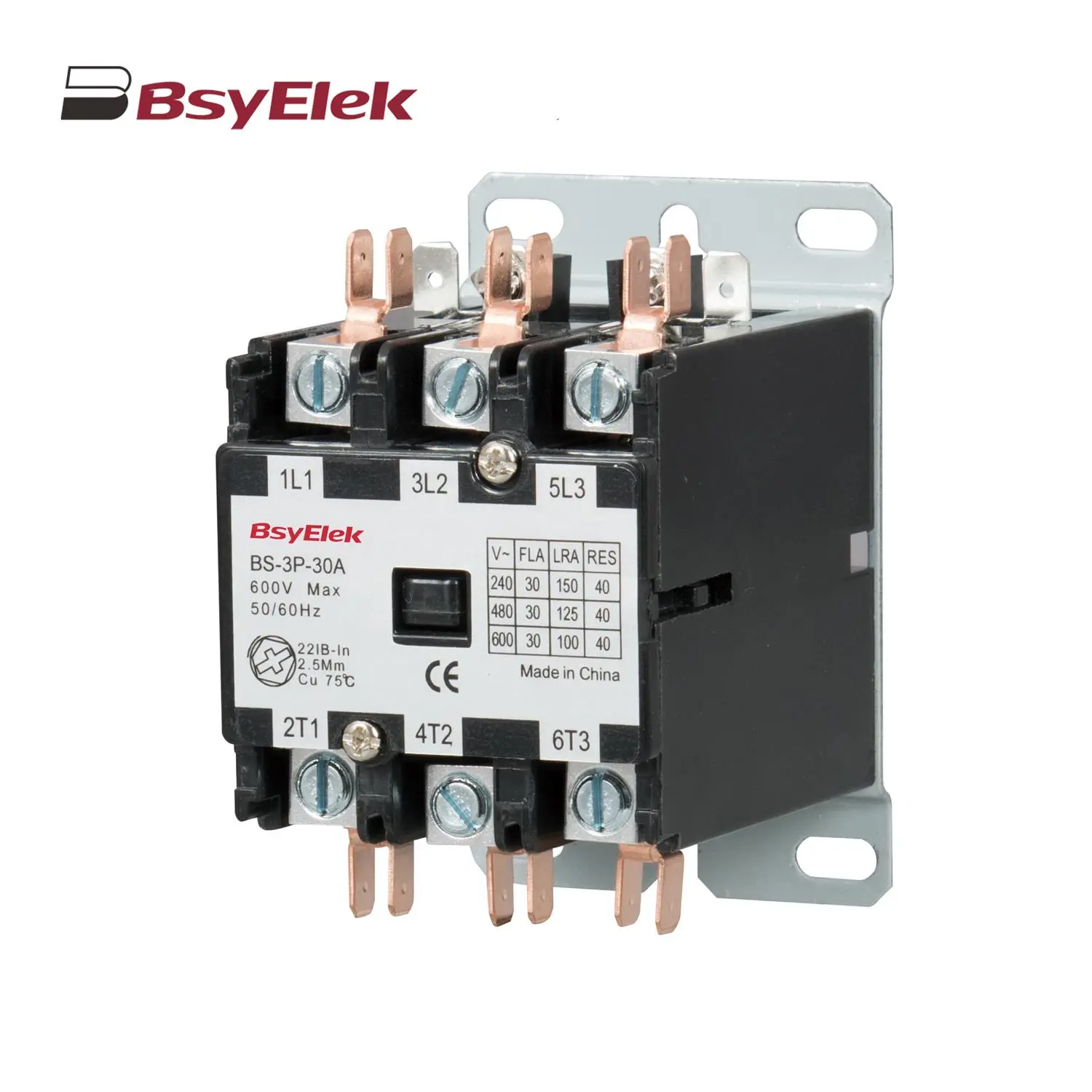 BS Definite Purpose Magnetic AC Contactor