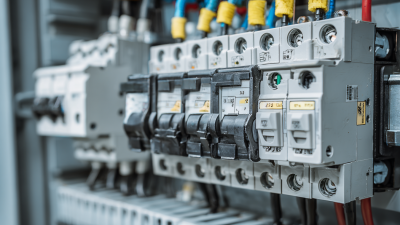
Top 10 Facts About AC Contactors You Should Know?
In the world of electrical systems, AC contactors play a vital role in controlling electrical circuits. Understanding their functionality is essential for both professionals and enthusiasts. An AC contactor is an electrically controlled switch that manages the flow of electricity. This device allows for efficient operation of machinery and lighting.
Many people overlook the importance of AC contactors. They are not just simple switches; they ensure safety in electrical applications. Knowledge about their specifications, ratings, and uses can help prevent mishaps or failures. This understanding can lead to both better performance and energy efficiency in various systems.
There are numerous facts surrounding AC contactors that every technician should know. These facts can enhance reliability and effectiveness in installation and troubleshooting. While the intricacies can be dazzling, recognizing the key points can simplify complex tasks. Embracing this knowledge helps in achieving optimal results in electrical projects, making it worth the effort to learn.
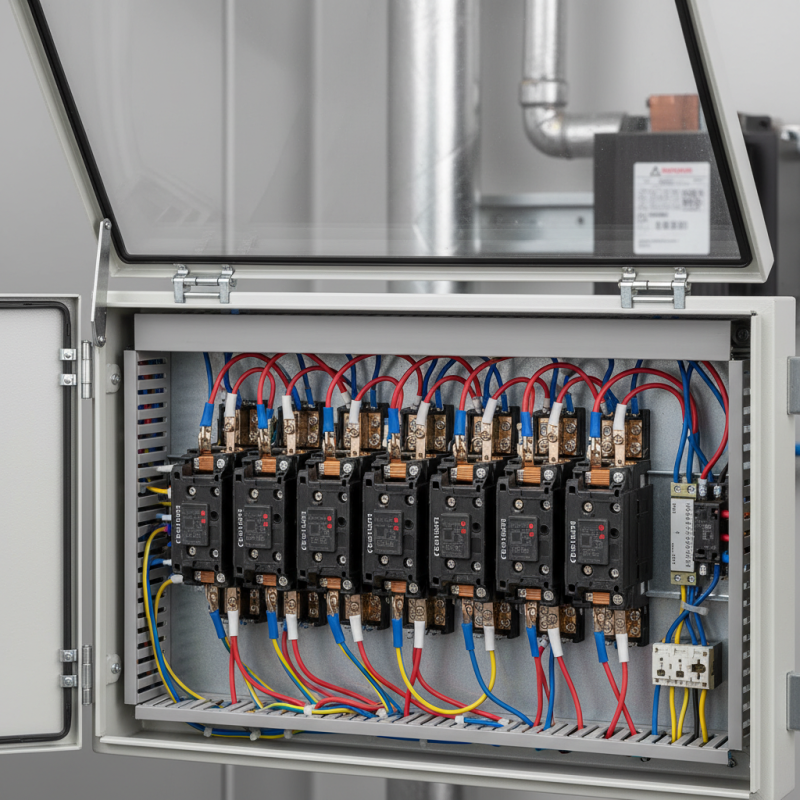
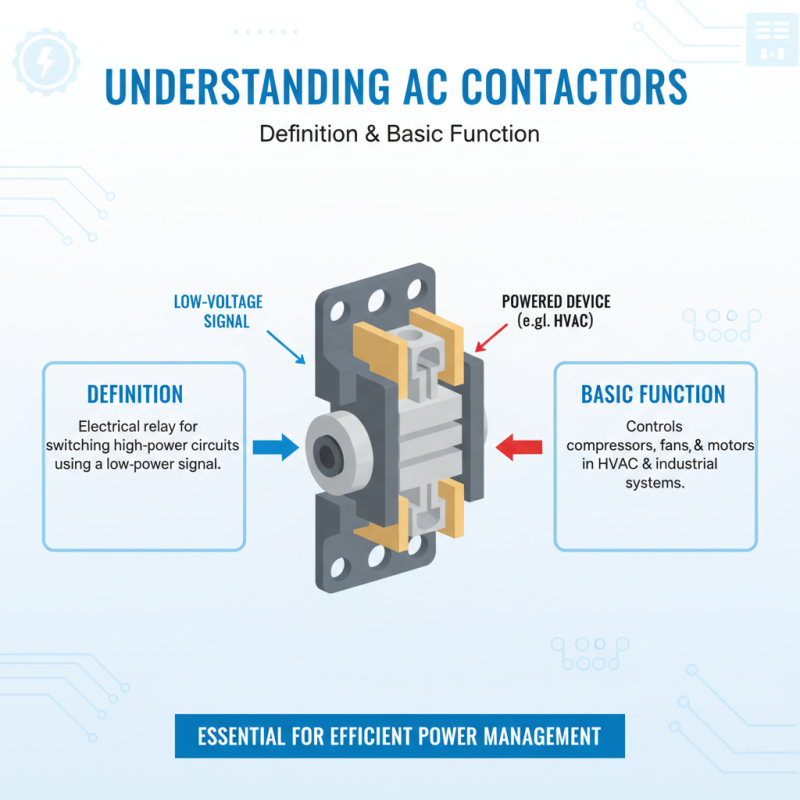
Understanding AC Contactors: Definition and Basic Function
AC contactors play a crucial role in controlling the flow of electricity in HVAC systems and other high-power applications. They act as a relay, allowing high voltage circuits to be turned on or off by a low voltage signal. This function is essential for managing the operation of compressors, fans, and other electric motors efficiently.
When choosing an AC contactor, consider its voltage and current ratings. Incorrect ratings can lead to overheating or system failures. A well-selected contactor ensures longevity and reduces maintenance costs. Ensure that you check the specifications closely.
Maintenance is key. Regular inspections can prevent unexpected failures. A simple visual check can reveal signs of wear or damage. Look for any discoloration on the contact surfaces. Replace contactors that show significant wear to ensure reliable operation.
Remember, knowledge is power. Understanding the basic function of AC contactors helps in making informed decisions. It promotes safe and effective use of electrical systems. Always prioritize professional guidance when unsure about installation or replacement.
Key Components of AC Contactors and Their Roles in Operation
AC contactors play a critical role in the operation of air conditioning systems. These electromechanical switches control the power supply to the compressor, fan, and other components. Understanding their key components can provide deeper insights into their function.
The coil is the heart of an AC contactor. It generates a magnetic field when energized, pulling the contact arms together to complete the circuit. This action allows electricity to flow to the connected equipment. Data shows that quality coils can significantly enhance energy efficiency, potentially reducing operational costs by up to 30%. The contact points are equally essential. They must withstand high currents without welding or burning out. Over time, dirt and wear can affect their performance. Regular maintenance can prolong their lifespan, which industry reports suggest could be up to 10 years with proper care.
The enclosure protects all these parts from environmental hazards. Some are rated for extreme temperatures and moisture exposure. Considering how critical these factors are, manufacturers must adhere to strict standards. However, there are cases where inadequate design leads to overheating or system failures. Investing in high-quality contactors is vital for reliability. In an era where energy optimization is crucial, understanding these components can help prevent unexpected downtimes and save on costs.
Top 10 Facts About AC Contactors
This bar chart illustrates key components of AC contactors and their roles in the operation. The data represents the effective contribution percentage of each component in the overall functionality of AC contactors.
Voltage Ratings and Specifications for Different AC Contactors
When selecting AC contactors, understanding voltage ratings is critical. These ratings indicate the maximum voltage level at which a contactor can operate safely. Different applications require specific voltage levels. Common ratings include 120V, 240V, and 480V. Always ensure the contactor matches the voltage of your system to prevent failures.
Each AC contactor has a specific operational range. Exceeding this range can lead to overheating or malfunction. For instance, a contactor rated for 480V should not be used in a 600V system. This could result in catastrophic failure. It's also essential to check the control voltage, as this is different from the load voltage. Many users overlook this detail, which can lead to poor performance.
Knowing the power factor is equally important. It influences how efficiently the contactor operates. A low power factor can indicate potential problems. Furthermore, keep in mind that environmental factors affect ratings. High temperatures or humidity levels can reduce performance. Always check specifications against operational circumstances to ensure reliability in any installation.
Top 10 Facts About AC Contactors You Should Know
| Fact Number |
Fact Description |
Voltage Rating (V) |
Applications |
| 1 |
AC contactors are electromagnetic switches used for controlling electrical devices. |
120 |
HVAC systems |
| 2 |
They can handle high current loads, usually from 20A to over 100A. |
240 |
Industrial machinery |
| 3 |
Contactors have a minimum and maximum voltage rating to ensure safe operation. |
480 |
Pumps and motors |
| 4 |
They include features such as overload protection and short circuit protection. |
600 |
Heating equipment |
| 5 |
The coils in contactors can operate on low voltages, usually between 24V and 240V. |
24 |
Lighting control |
| 6 |
Contactors are generally rated based on their electrical durability. |
120 |
Fans |
| 7 |
They are often used in conjunction with relays for enhanced control capabilities. |
240 |
Compressors |
| 8 |
AC contactors can be either magnetic or non-magnetic, impacting their operation. |
480 |
Cooling systems |
| 9 |
Regular maintenance can increase the life expectancy of contactors significantly. |
600 |
Electrical distribution |
| 10 |
Selection of the right contactor is critical for safety and performance in systems. |
24 |
Control panels |
Common Applications of AC Contactors in Industrial and Residential Settings
AC contactors are essential devices used to control different types of electrical loads in various settings. In industrial applications, they manage heavy machinery and equipment, ensuring that motors start and stop safely. This allows for efficient operation in factories where time and safety are critical.
In residential settings, AC contactors play a vital role in HVAC systems. They help regulate air conditioning units, providing comfort to homes. These devices ensure that your system runs smoothly, responding quickly to thermostat signals. It is fascinating to see how a small component can influence such a crucial aspect of everyday life.
Tips: When installing or replacing AC contactors, ensure proper voltage ratings are matched with your system. This will enhance safety and performance. Regular maintenance checks can prevent unexpected failures. Additionally, if you notice frequent tripping of the breaker, consider inspecting the contactor for signs of wear or damage. This can save both energy and money in the long run.
Maintenance Tips and Best Practices for Ensuring Contactors Longevity
Maintaining AC contactors is essential for their longevity. Regular inspection helps identify wear and tear early. Check for signs of overheating and corrosion on terminals. These issues can lead to failure if not addressed promptly. Clean connections regularly to ensure optimal performance. Dust and grime can disrupt functionality.
One important tip is to monitor operating cycles. Understanding how frequently contactors engage can provide insights into their longevity. If they cycle too often, it may indicate an underlying issue in the system. This knowledge could prevent premature breakdowns.
Using appropriate lubricants for pivot points can reduce friction. However, over-lubrication is counterproductive. It may attract dust, leading to more issues. Always refer to the specific maintenance guidelines for your equipment. Remember that every system has unique needs. Adjusting maintenance approaches based on these needs is crucial for reliability.



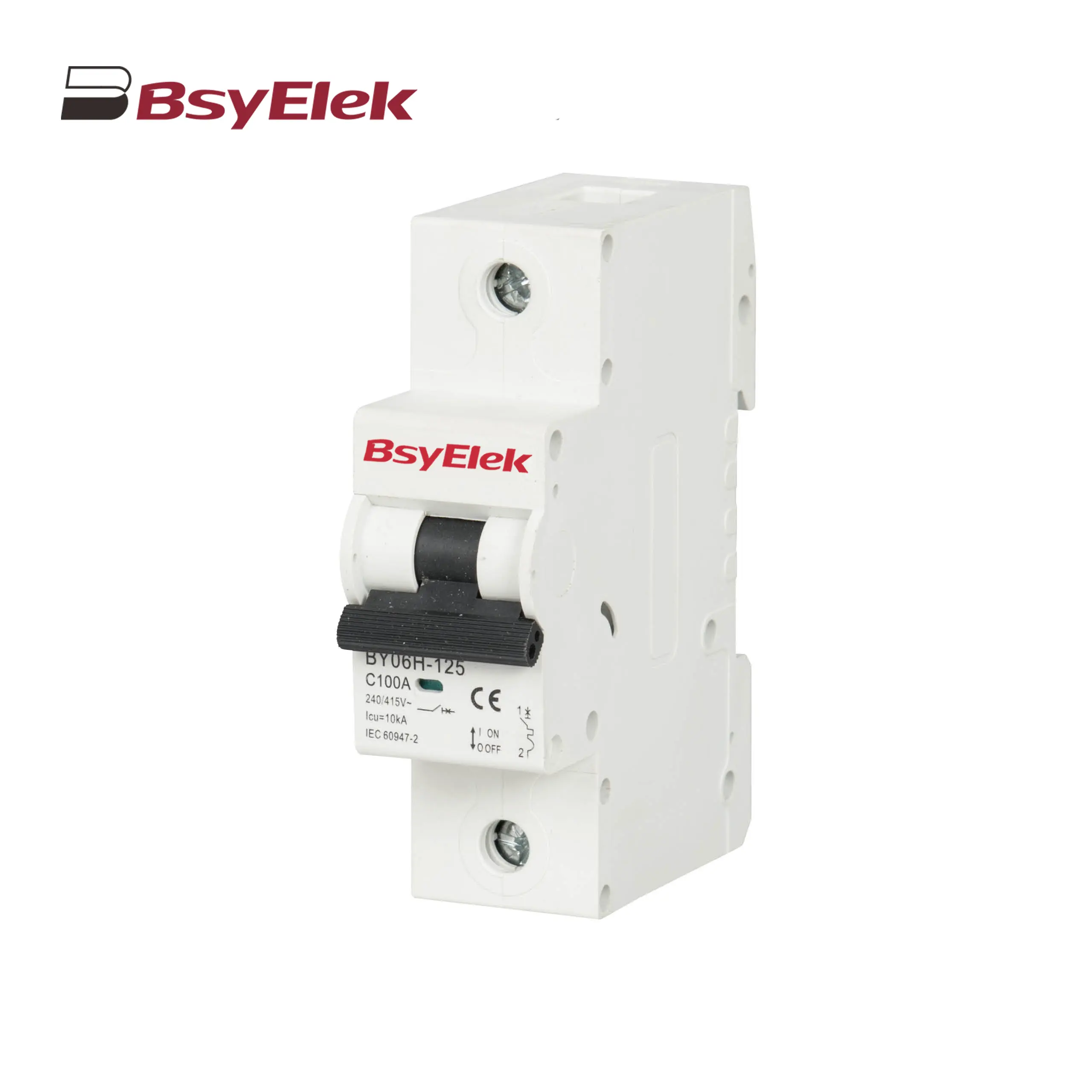 BY06H-125 MCB 10-15KA Miniature Circuit Breaker
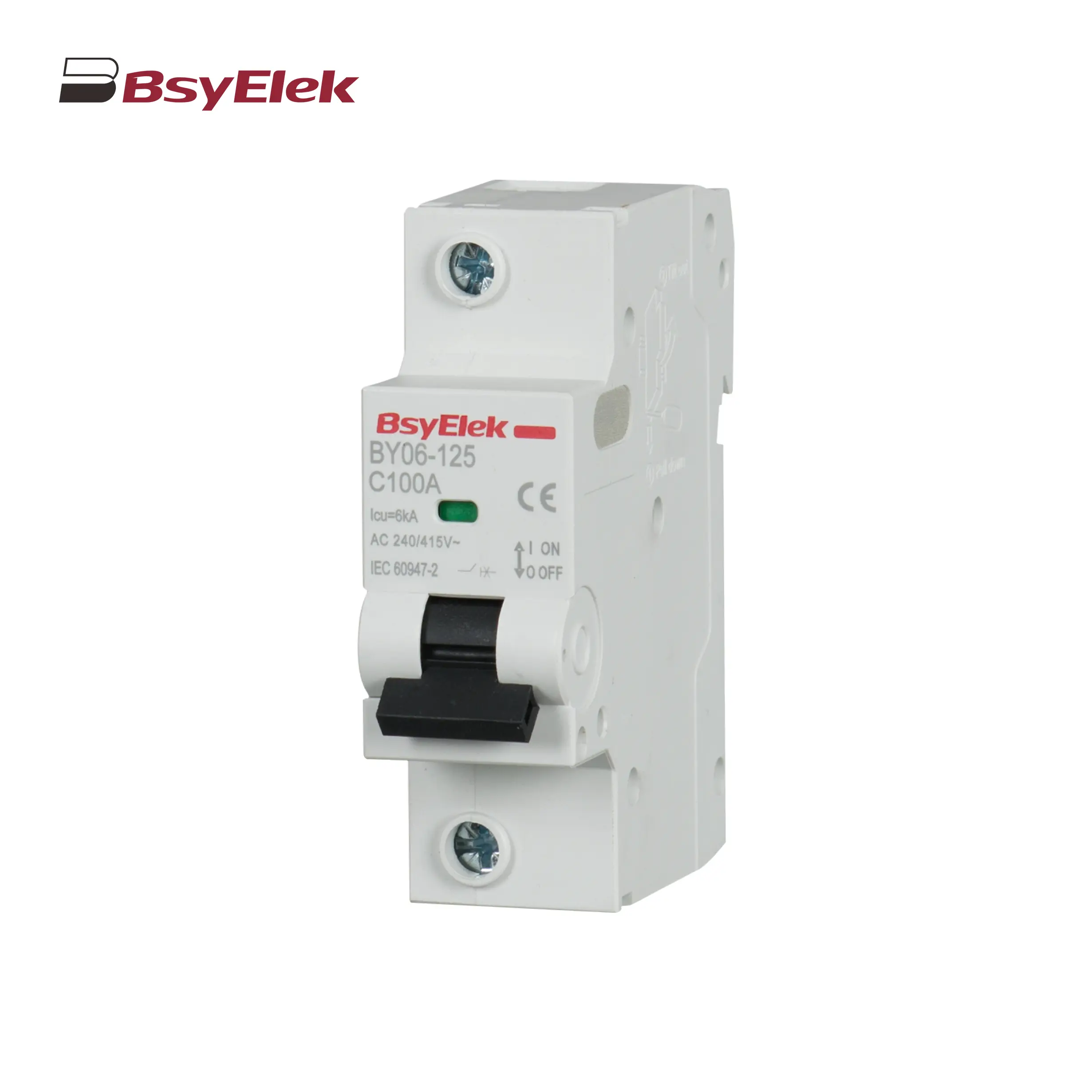 BY06-125 MCB 6KA Miniature Circuit Breaker
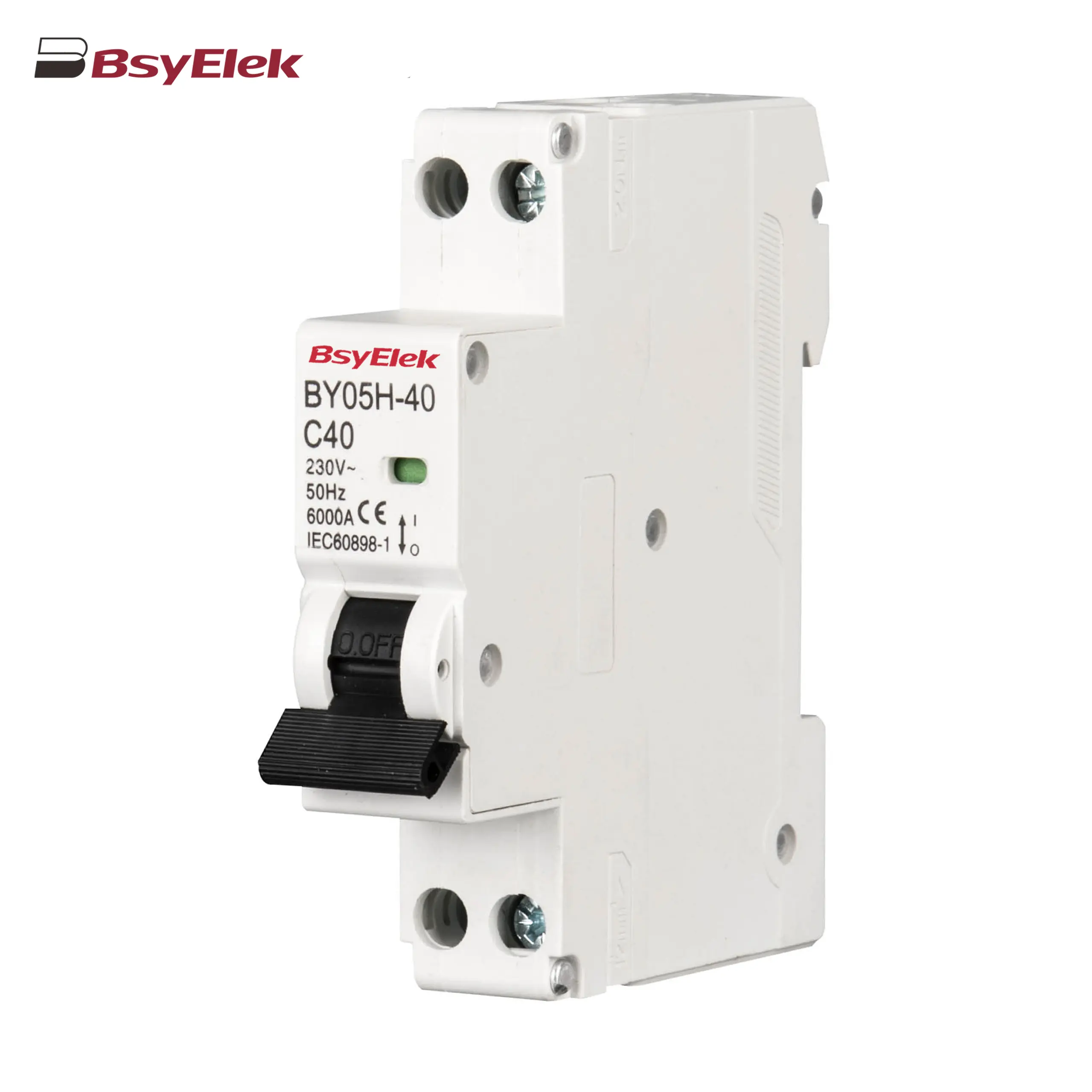 BY05H-40 MCB Single Modular 6KA Miniature Circuit Breaker
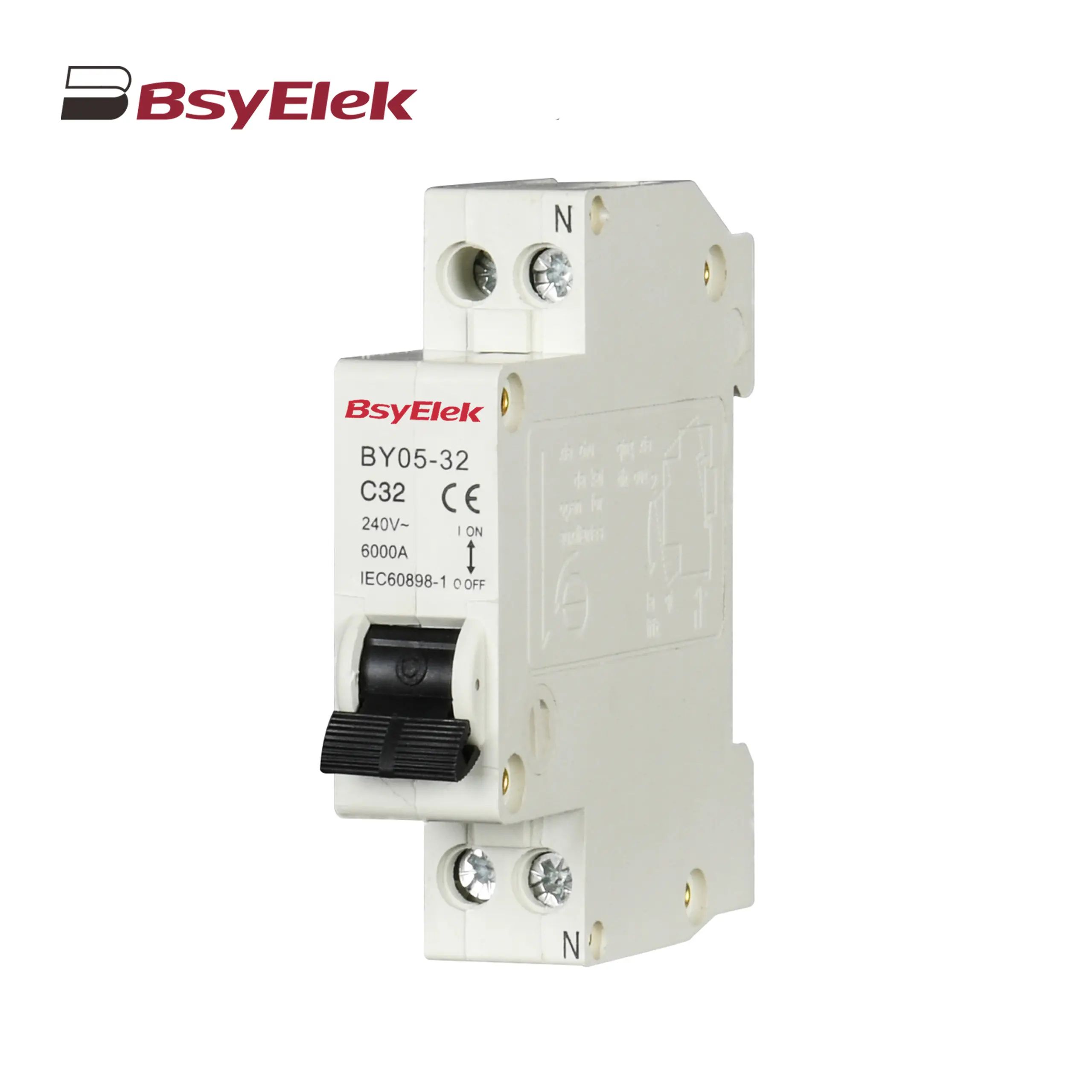 BY05-32 MCB Single Modular 3KA Miniature Circuit Breaker
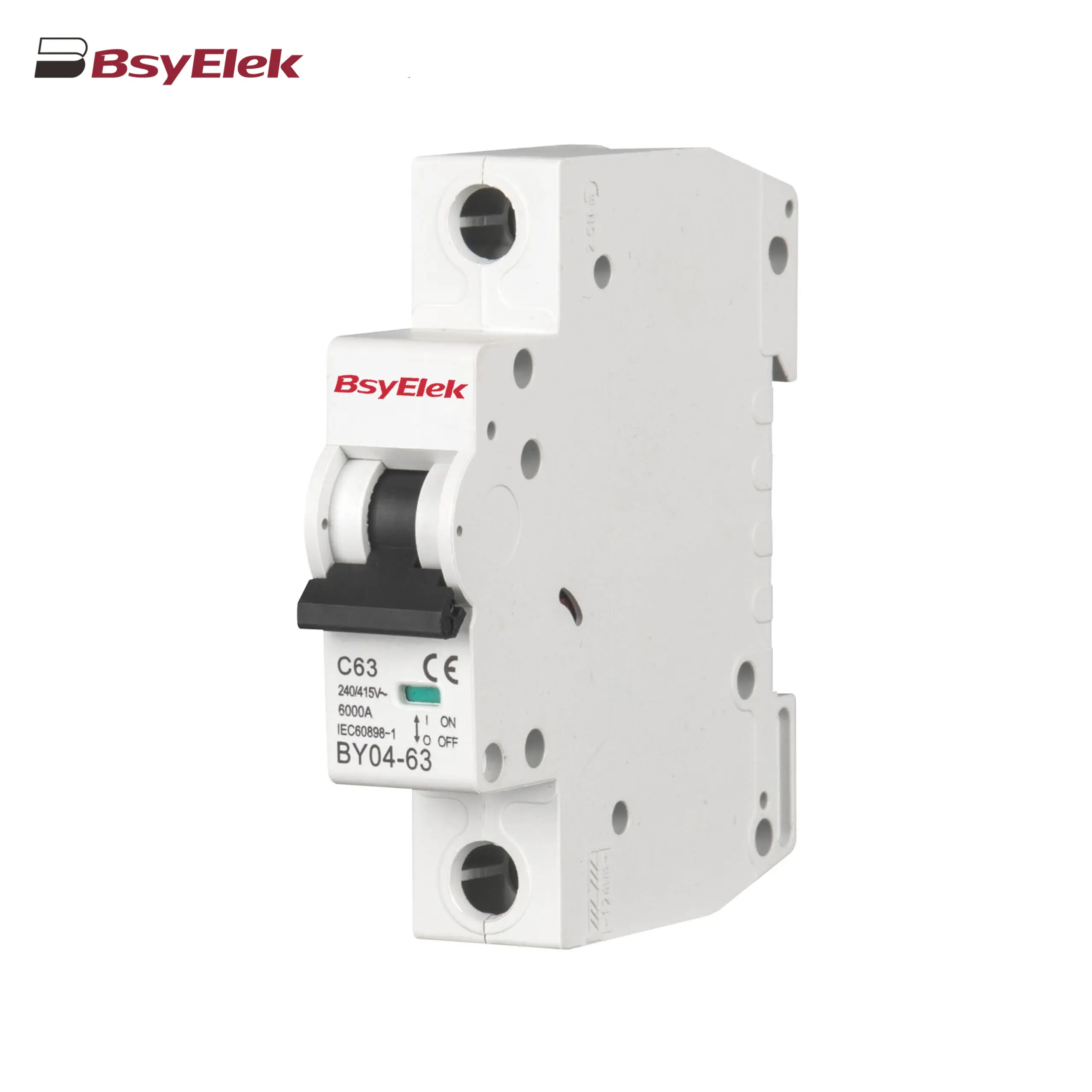 BY04-63 MCB 6-10KA Miniature Circuit Breaker
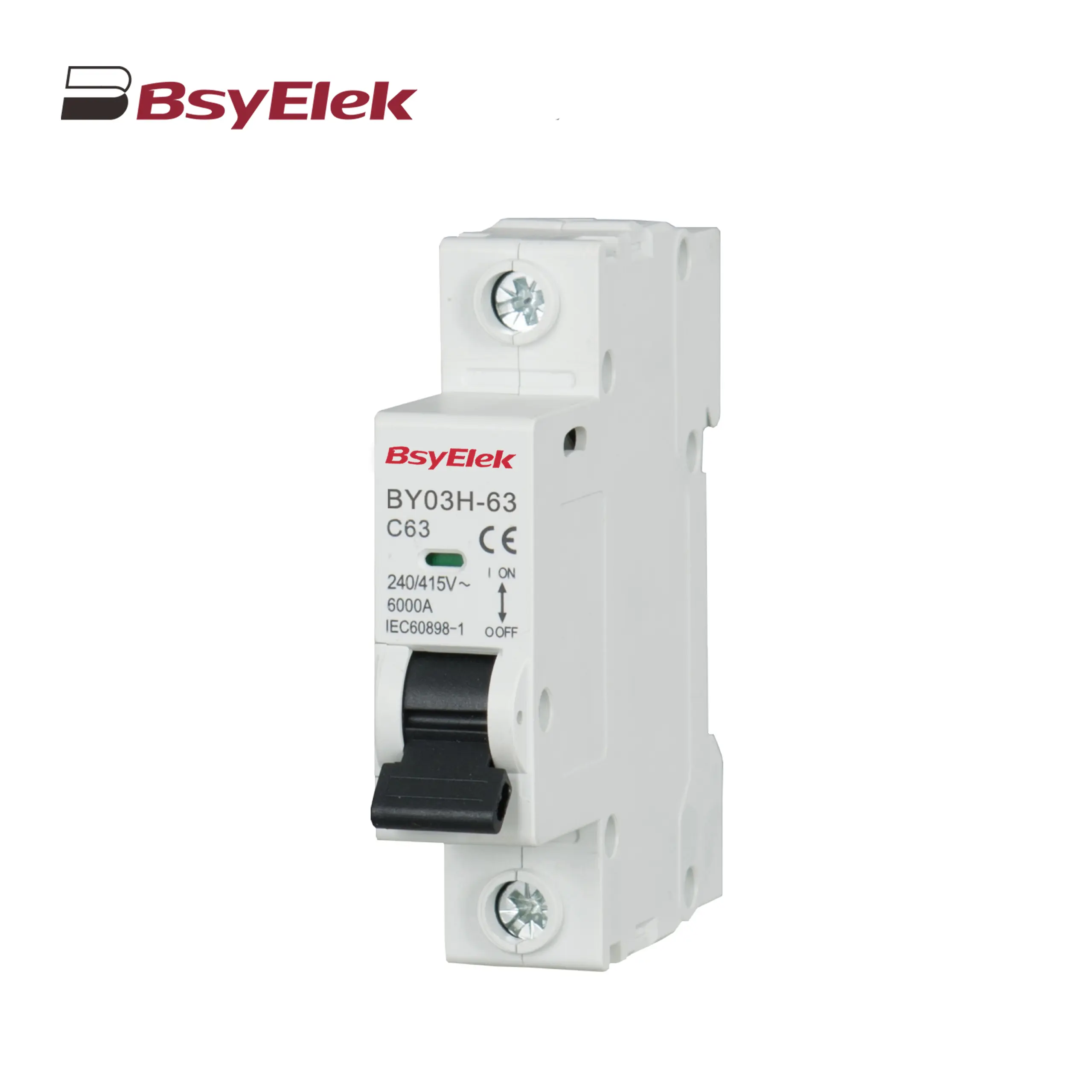 BY03H-63 MCB 6KA Miniature Circuit Breaker
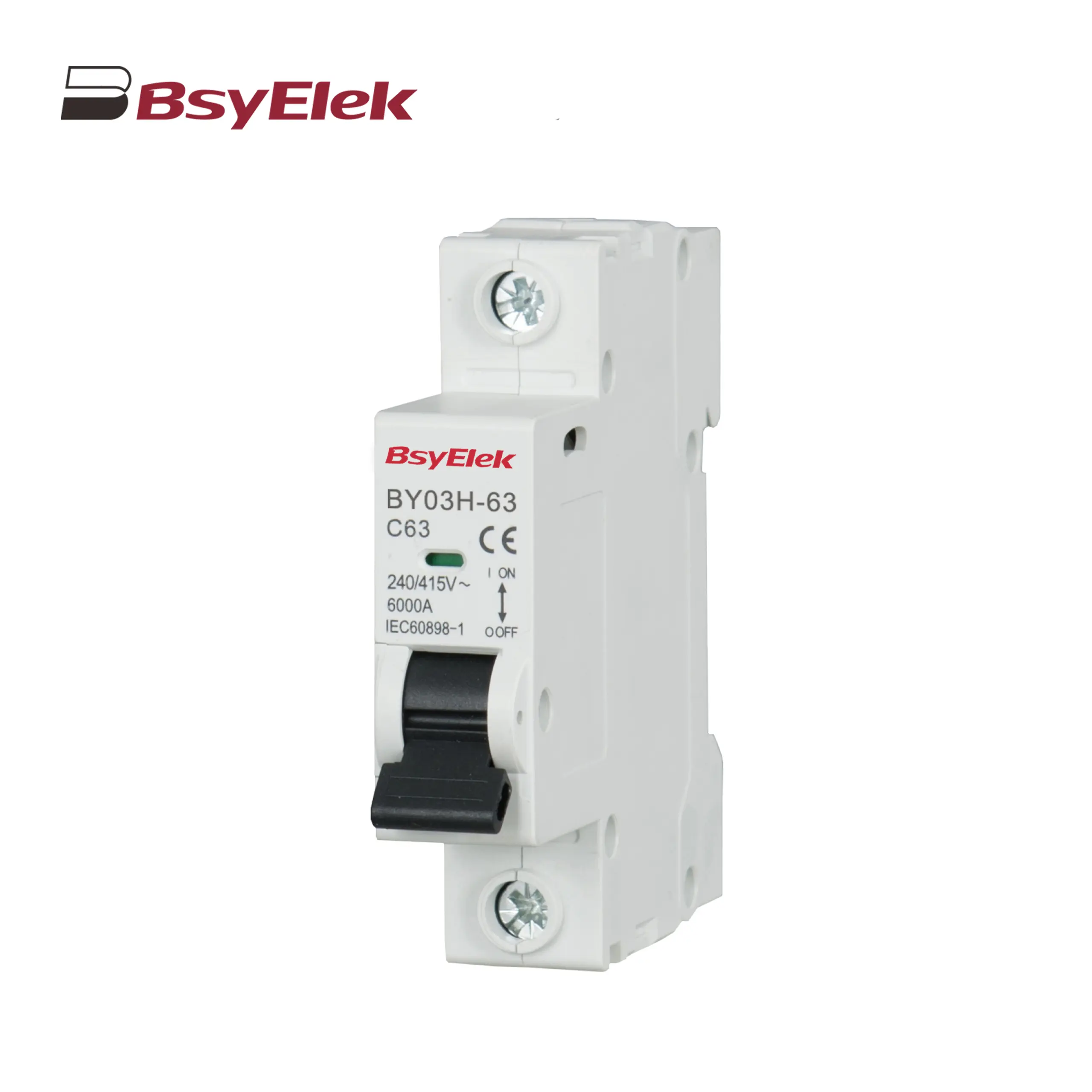 BY03-63 MCB 4.5KA Miniature Circuit Breaker
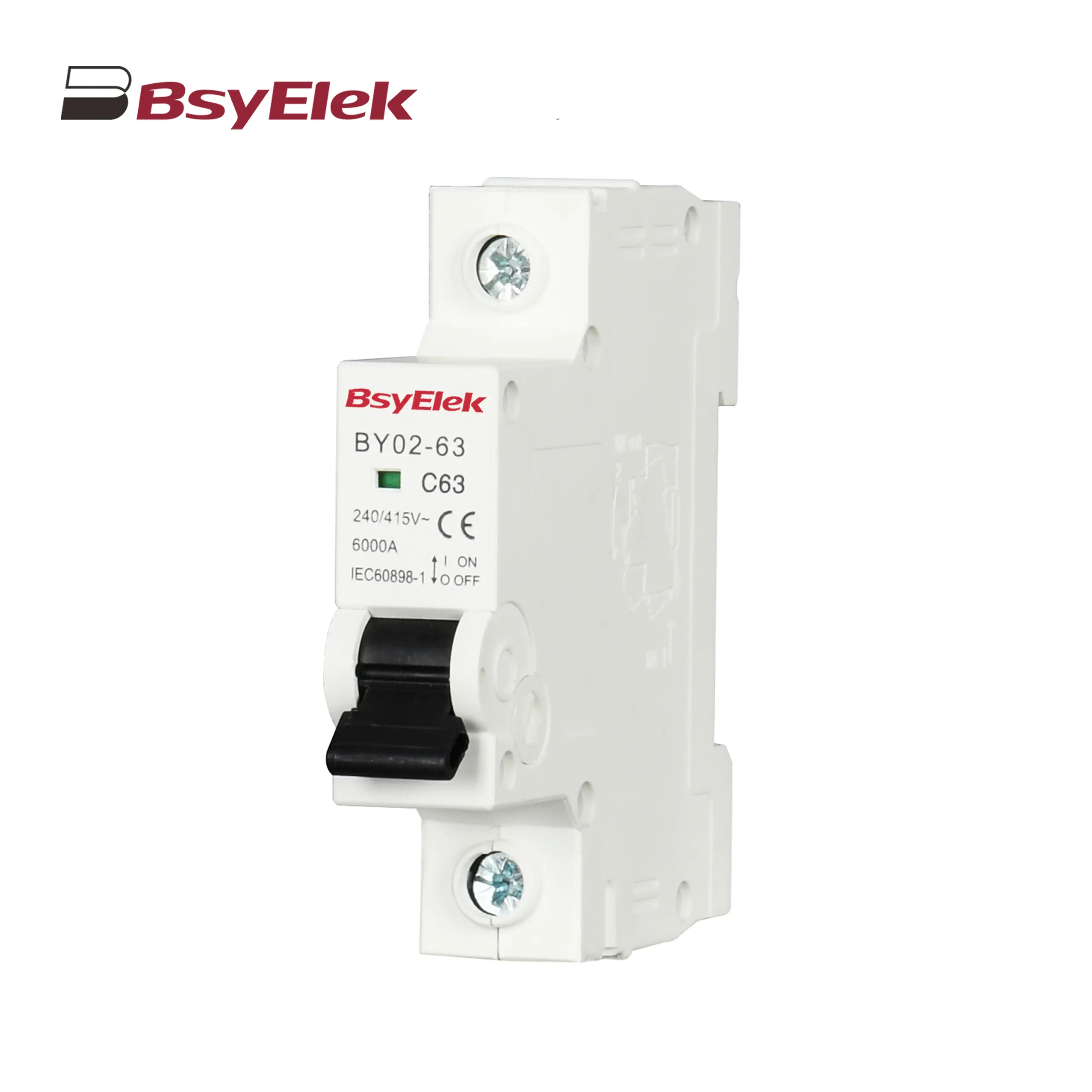 BY02-63 MCB 3kA Miniature Circuit Breaker
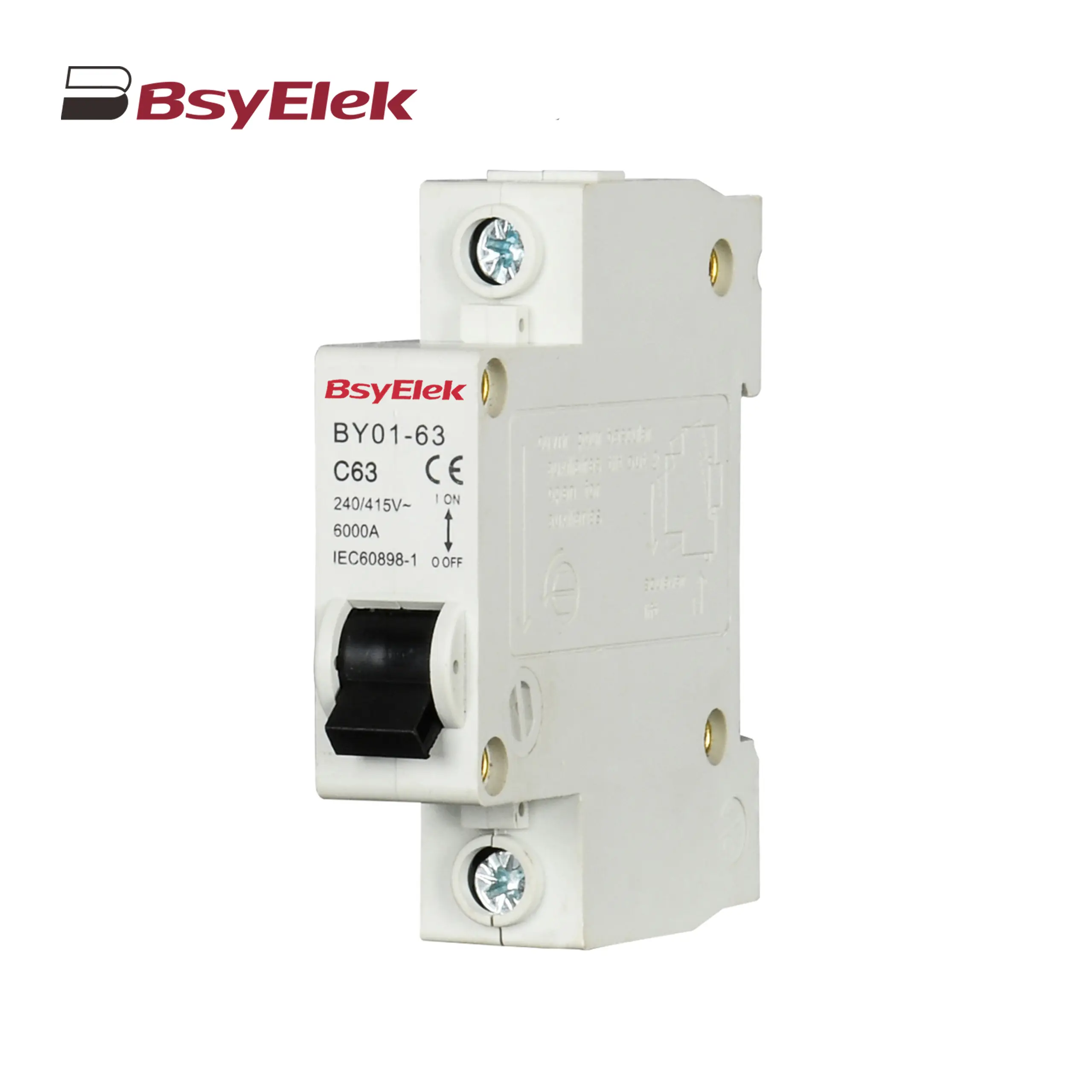 BY01-63 MCB 3kA Miniature Circuit Breaker
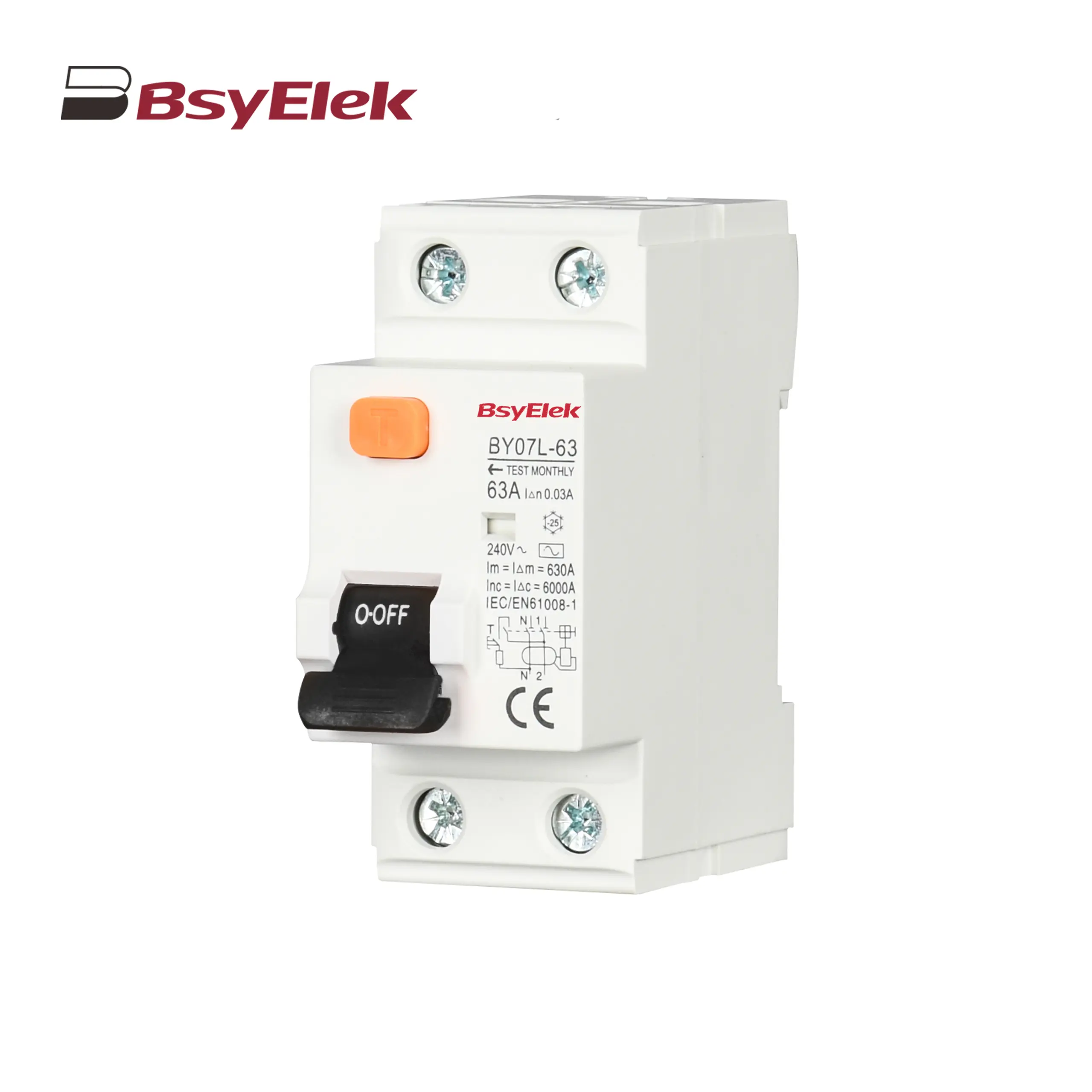 BY07L-63 RCCB 6KA Residual Current Circuit Breaker
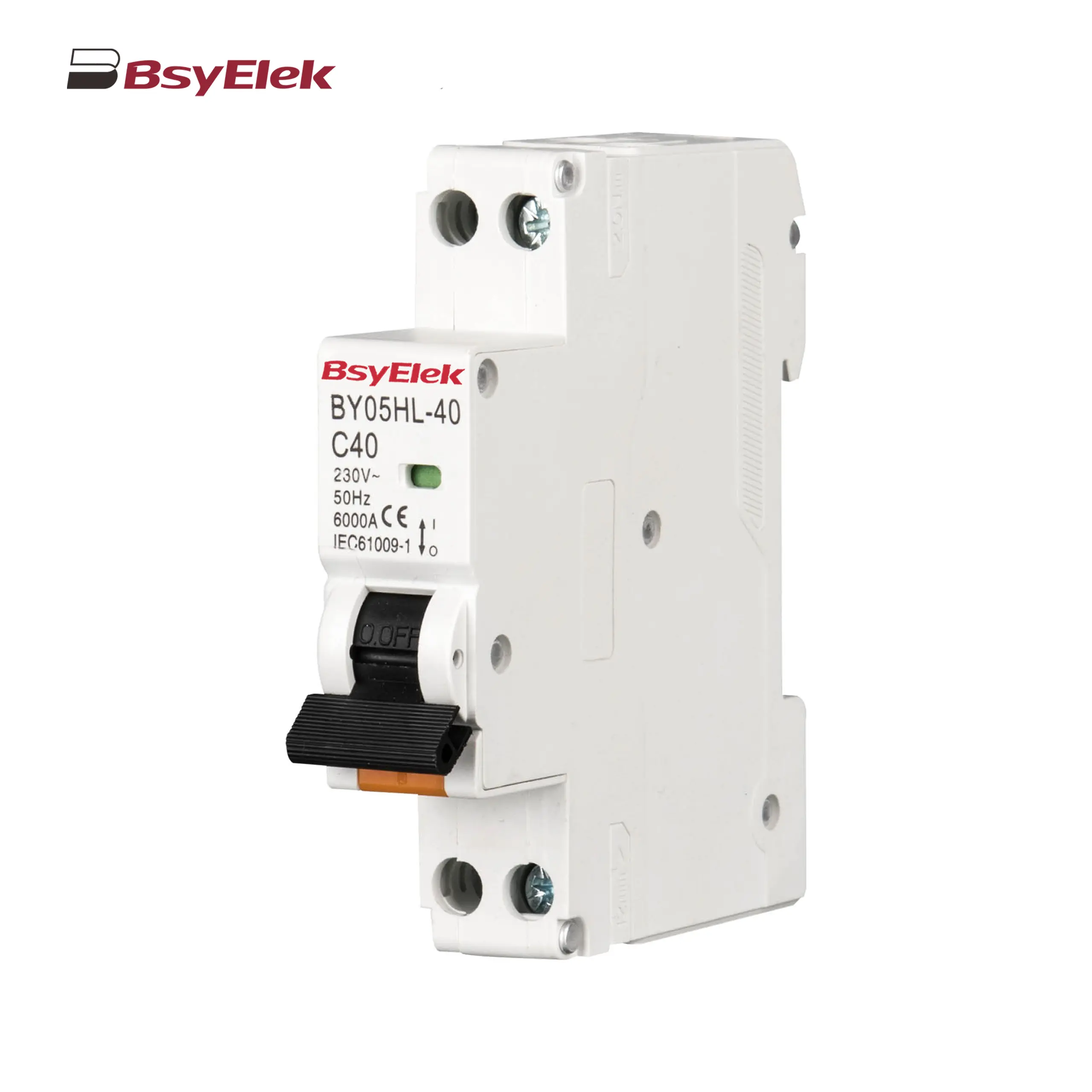 BY05HL-40 RCBO 6KA Residual Current Circuit Breaker with Over-current Protection
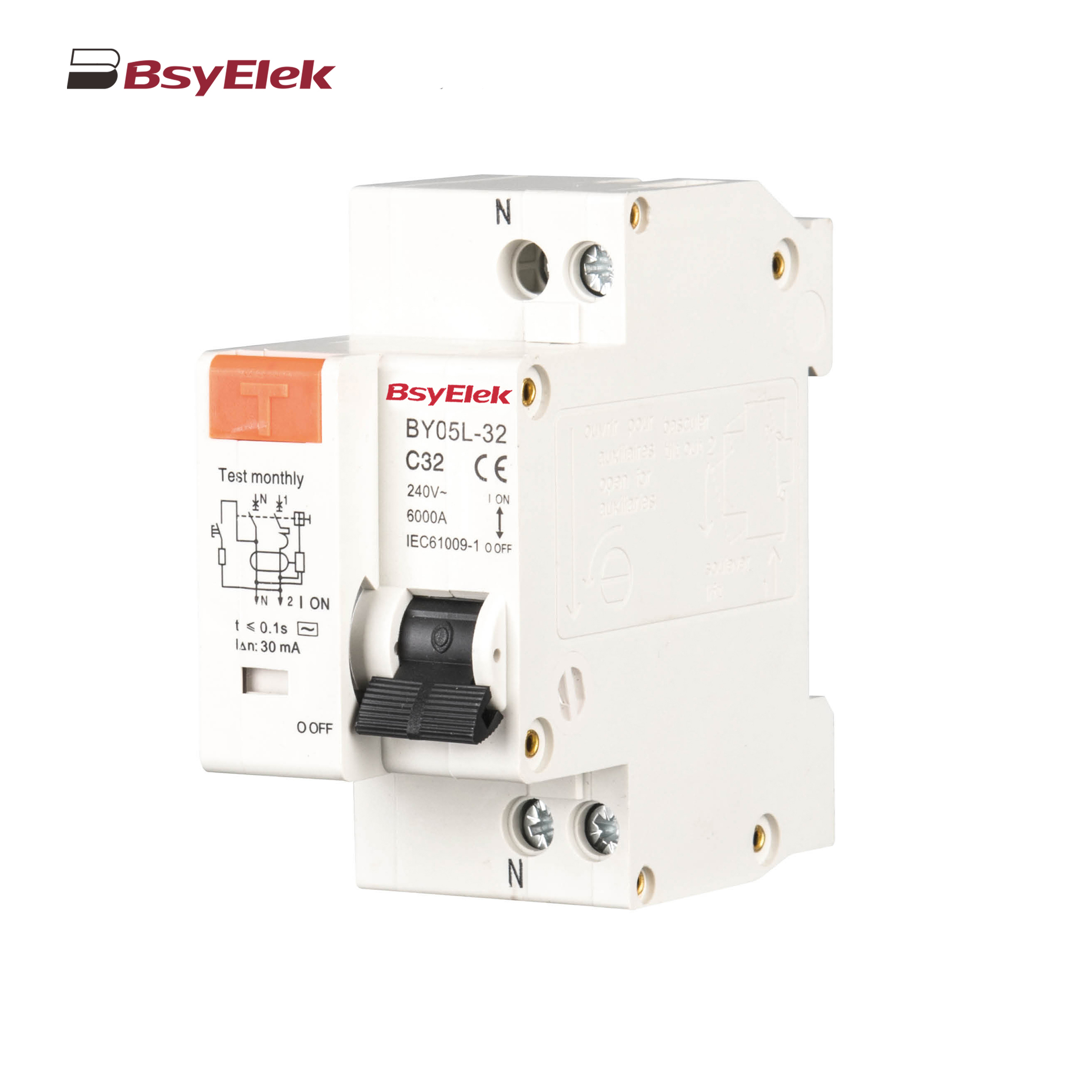 BY05L-32 RCBO 3KA Residual Current Circuit Breaker with Over-current Protection
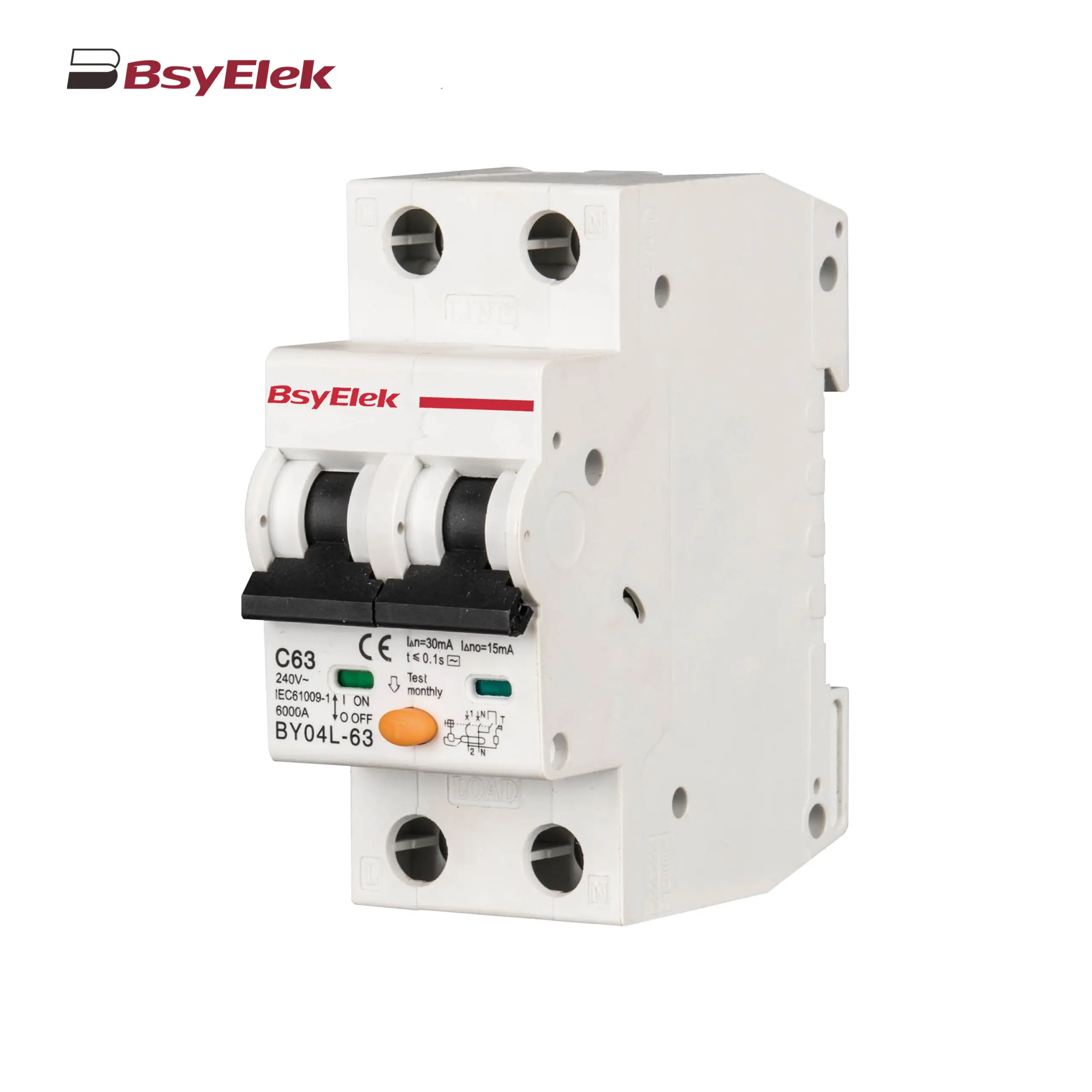 BY04L-63 RCBO 6KA Residual Current Circuit Breaker with Over-current Protection
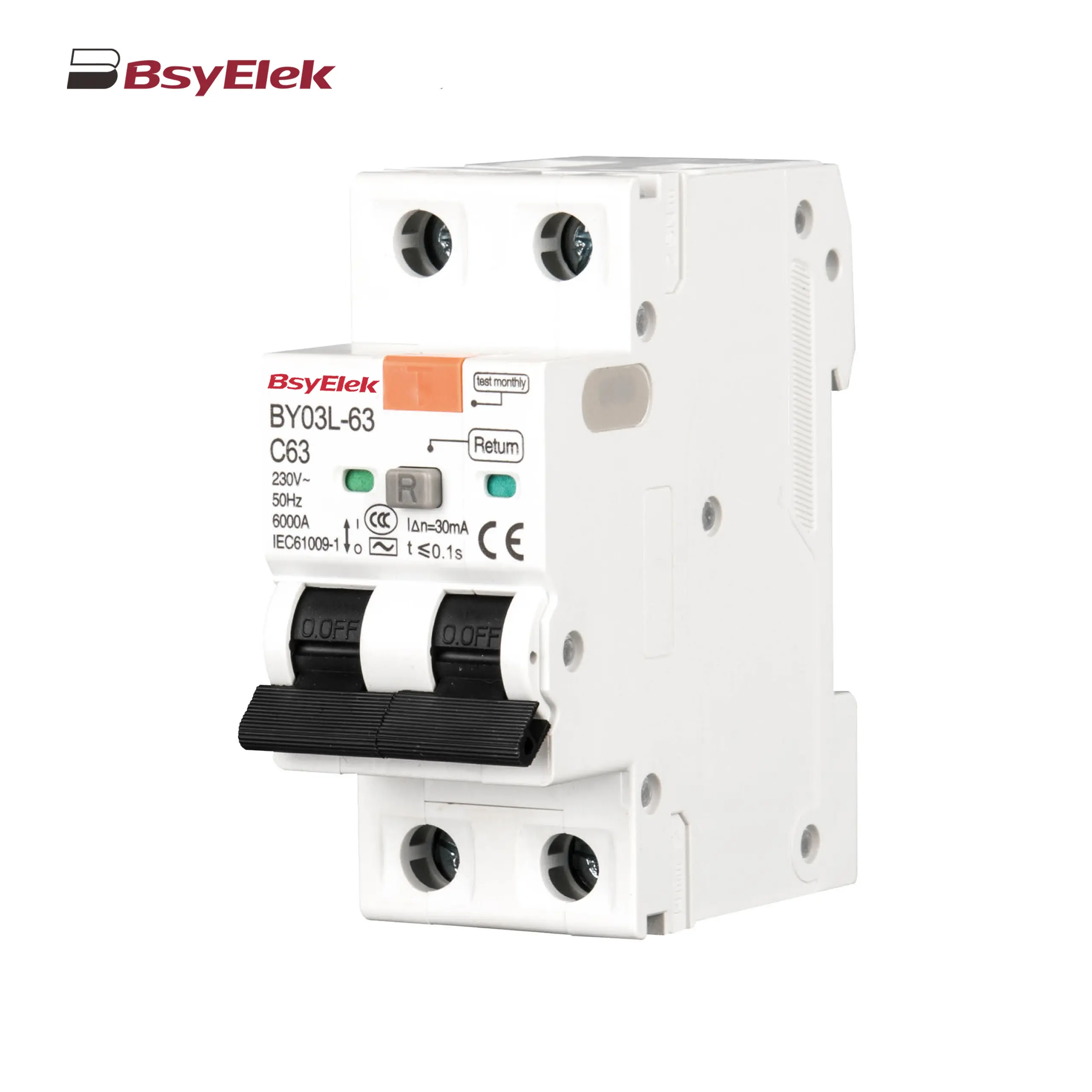 BY03L-63 RCBO 4.5KA Residual Current Circuit Breaker with Over-current Protection
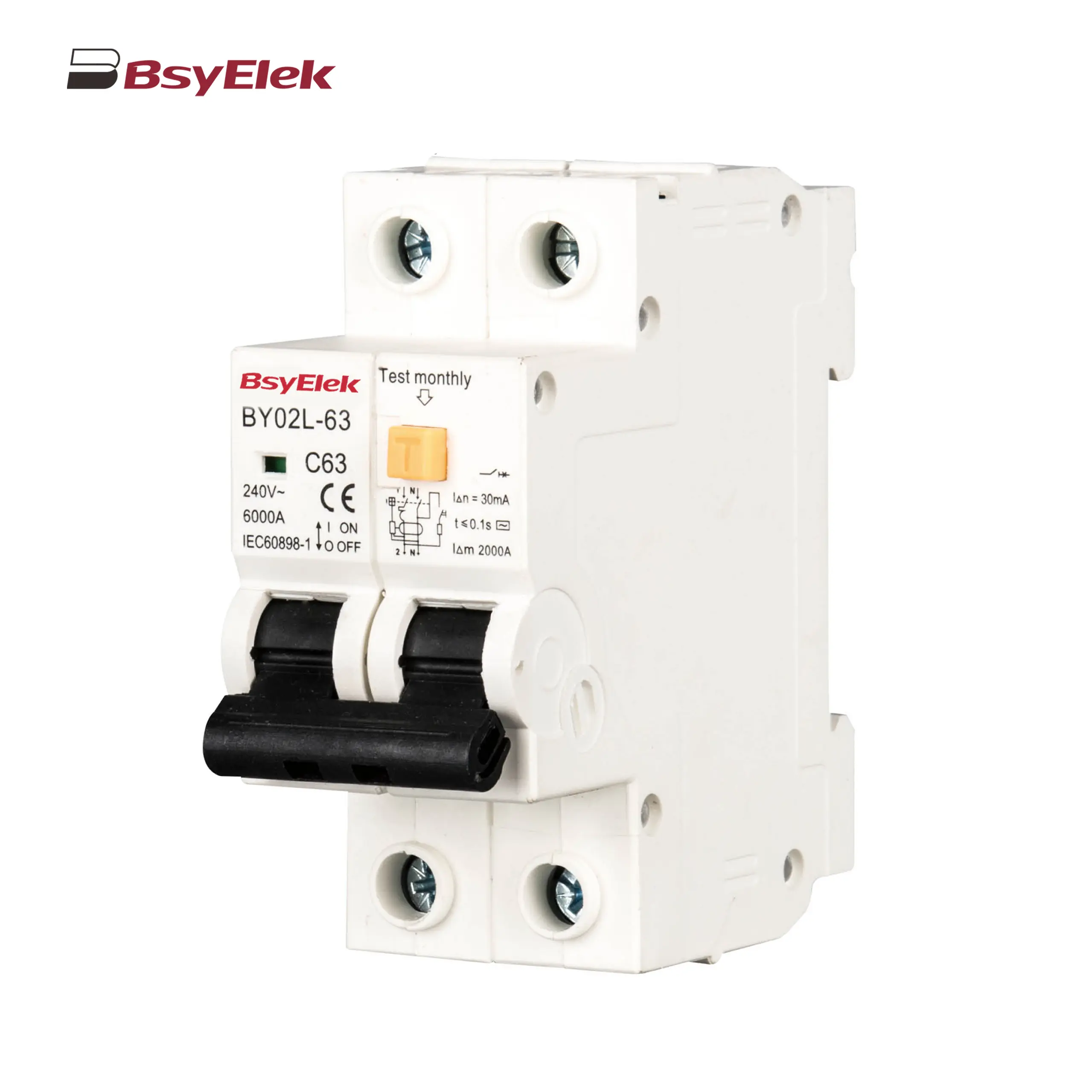 BY02L-63 RCBO 3KA Residual Current Circuit Breaker with Over-current Protection
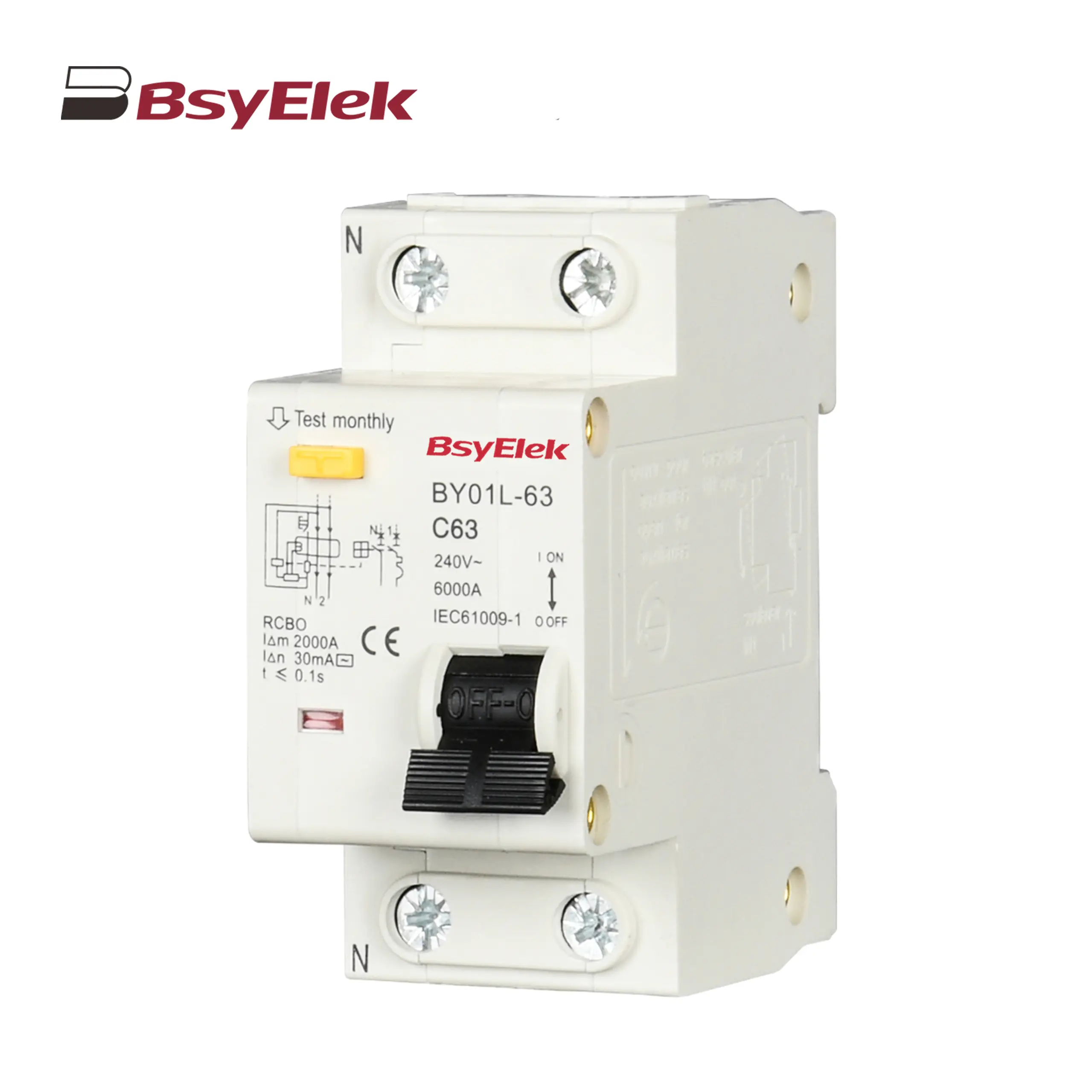 BY01L-63 RCBO 1P+N 3KA Residual Current Circuit Breaker with Over-current Protection
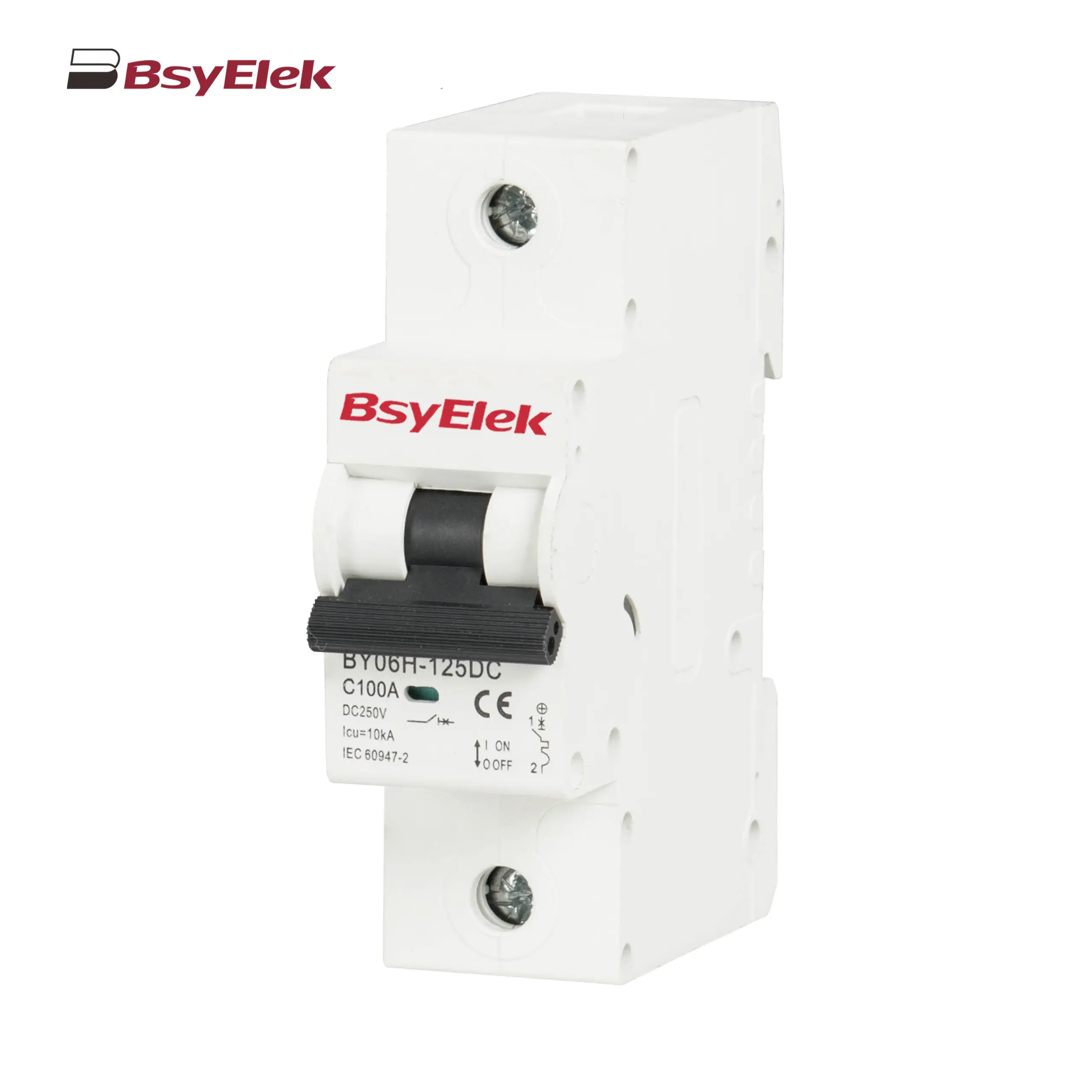 BY06H-125DC MCB 10-15kA DC Miniature Circuit Breaker
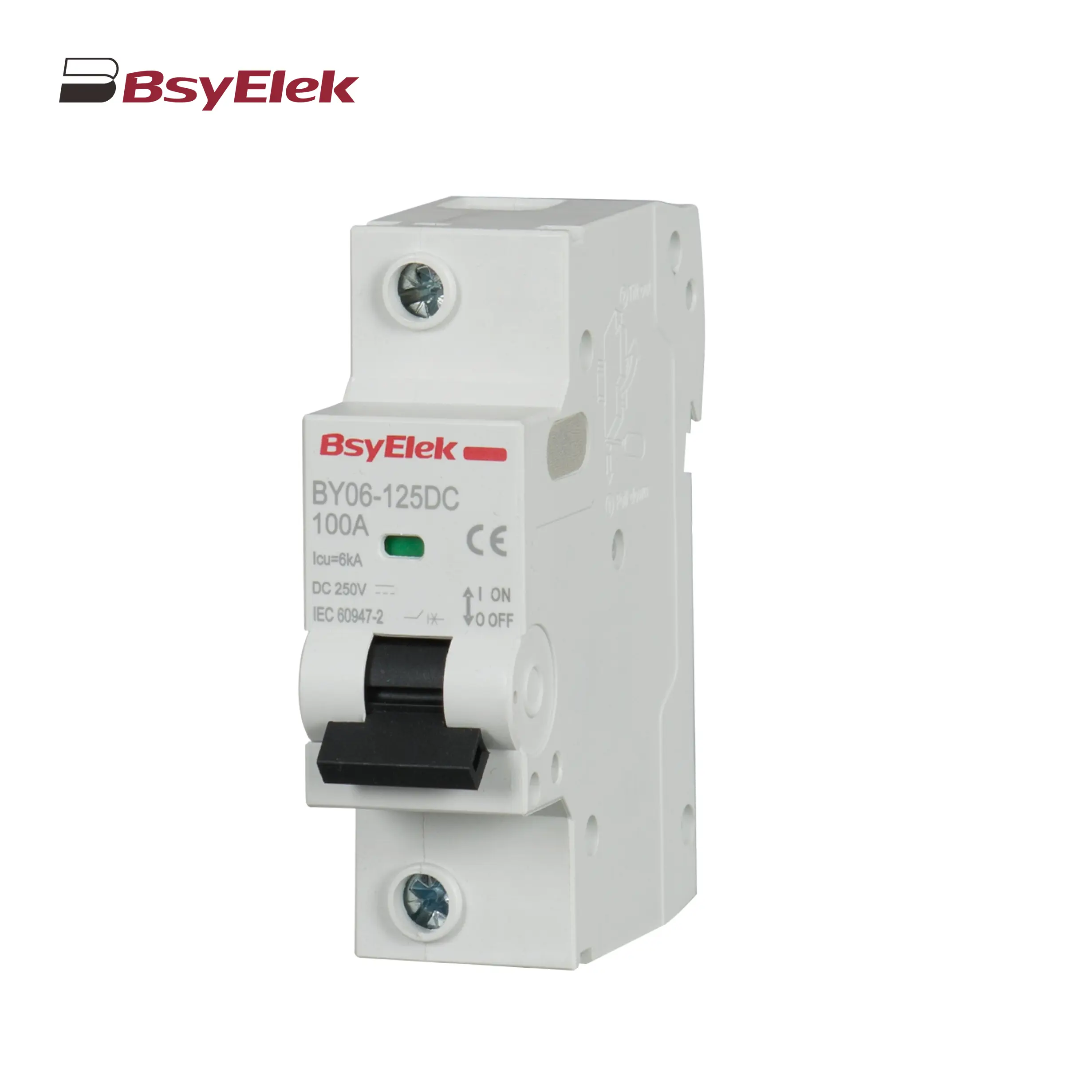 BY06-125DC MCB 6kA DC Miniature Circuit Breaker
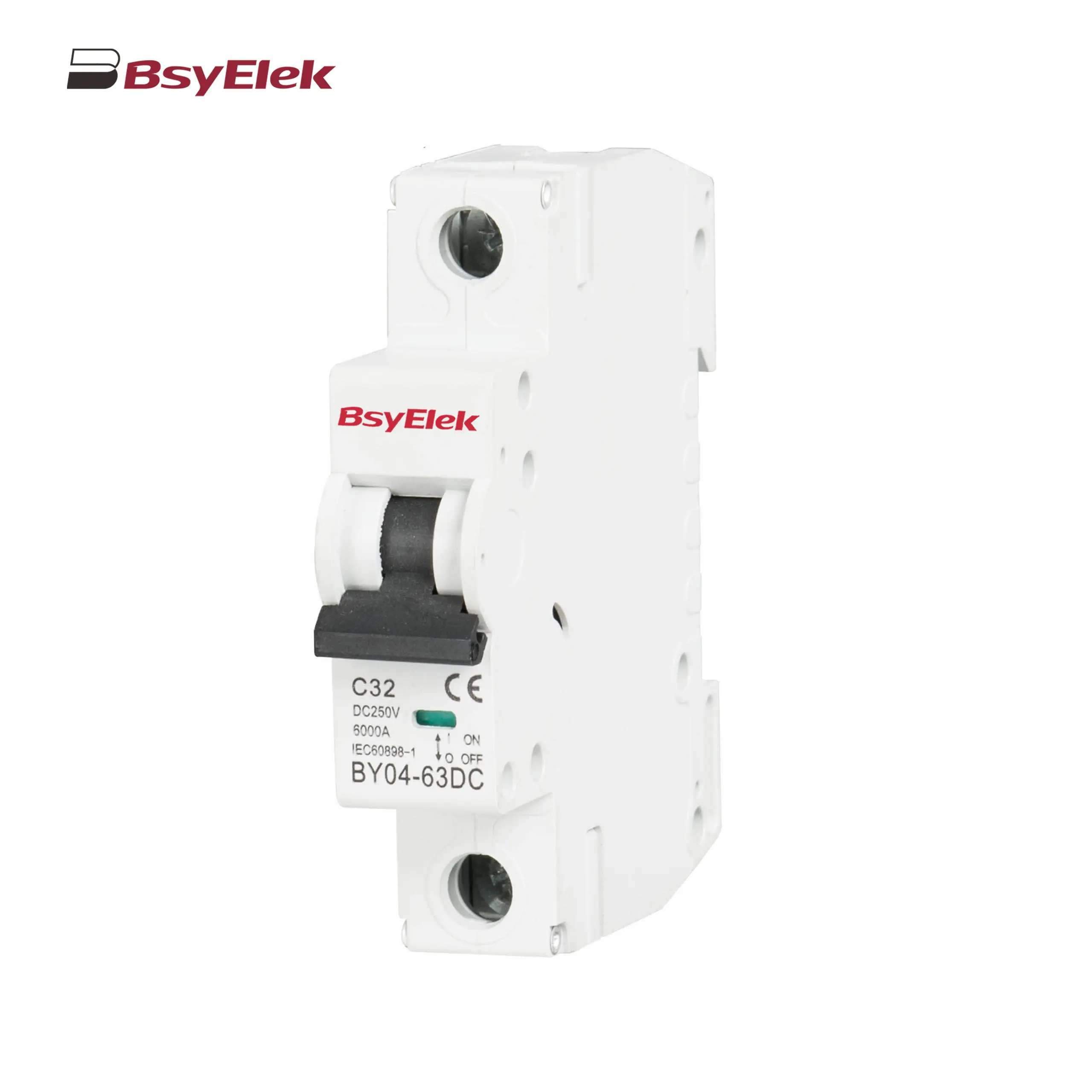 BY04-63DC MCB 6-10kA DC Miniature Circuit Breaker
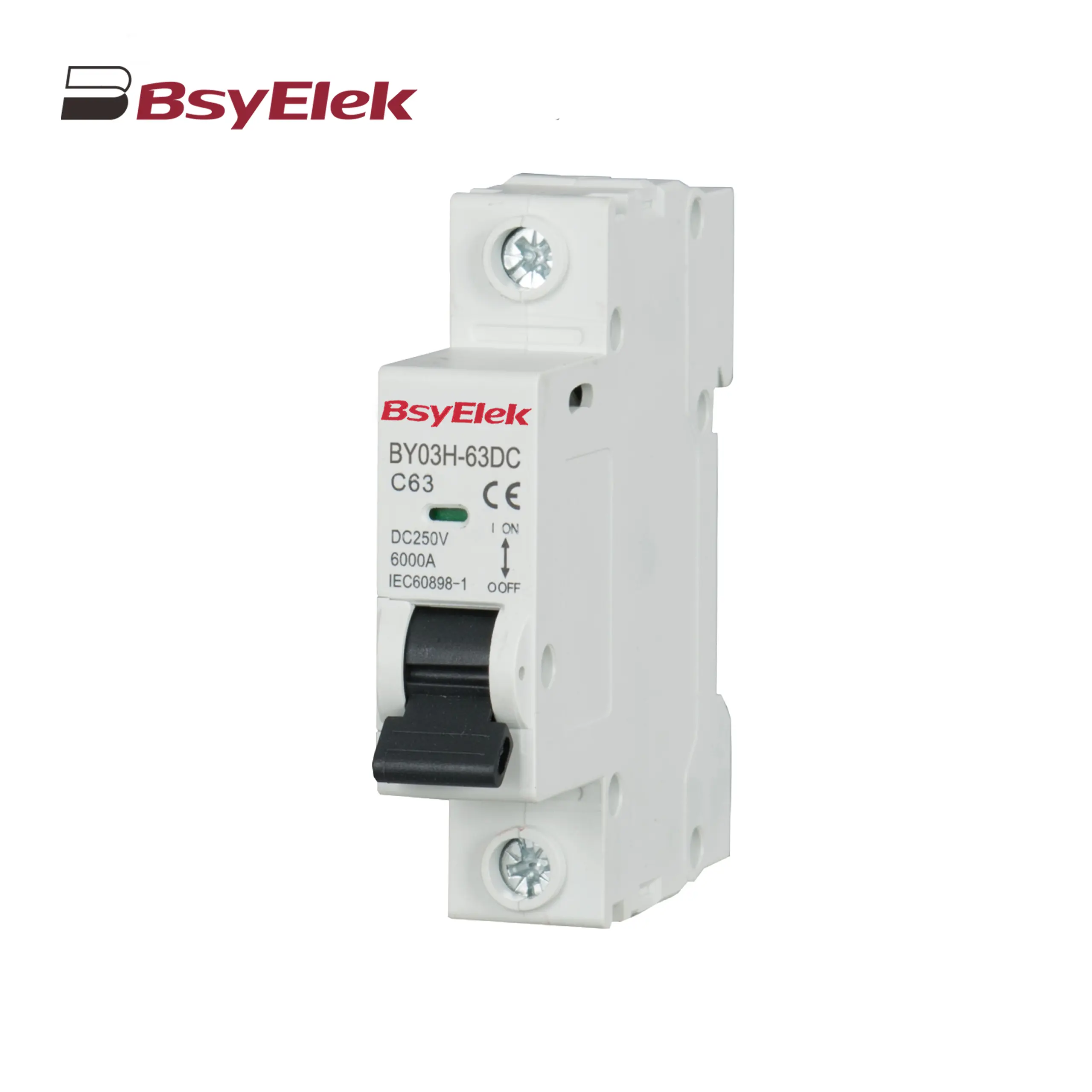 BY03H-63DC MCB 6kA DC Miniature Circuit Breaker
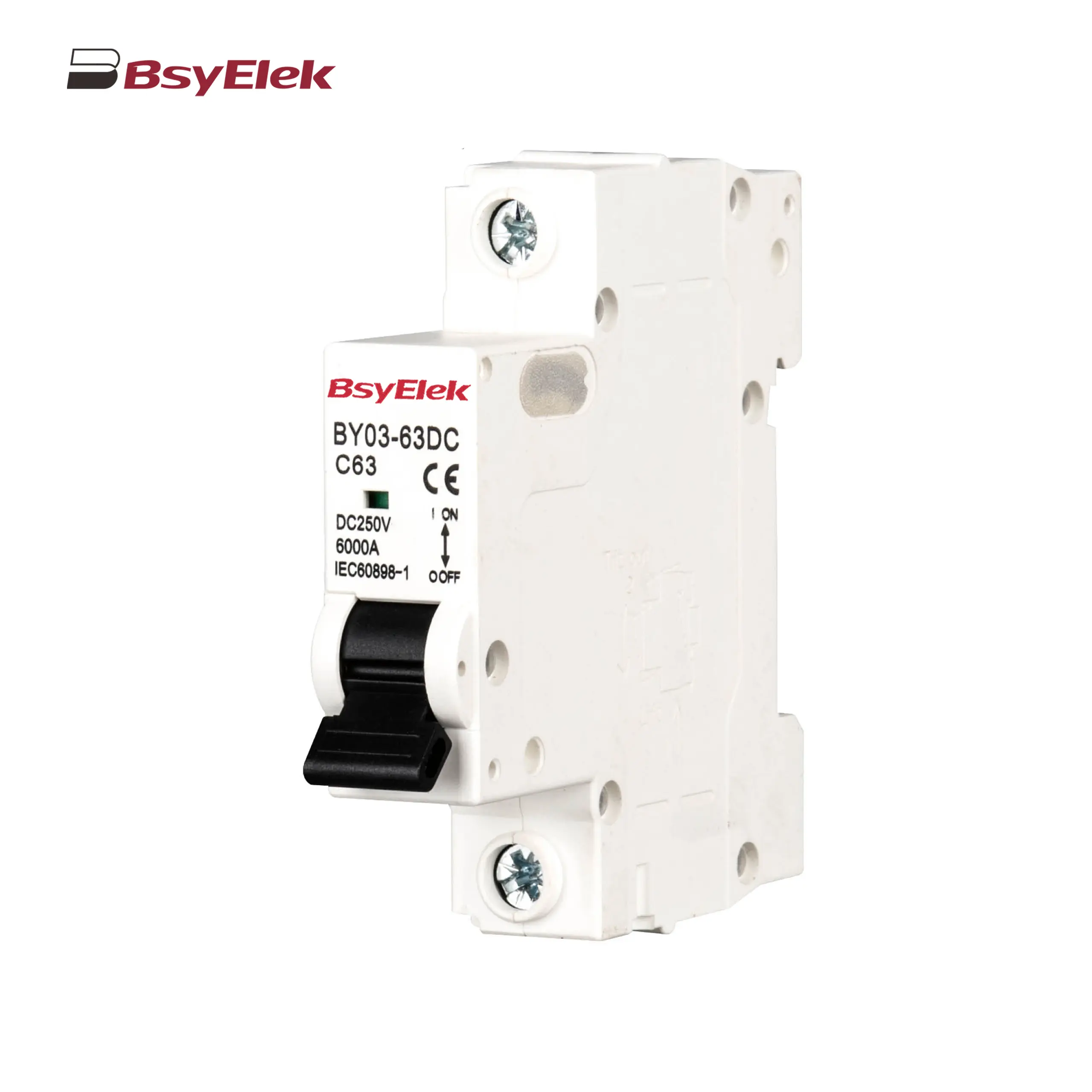 BY03-63DC MCB 4.5kA DC Miniature Circuit Breaker
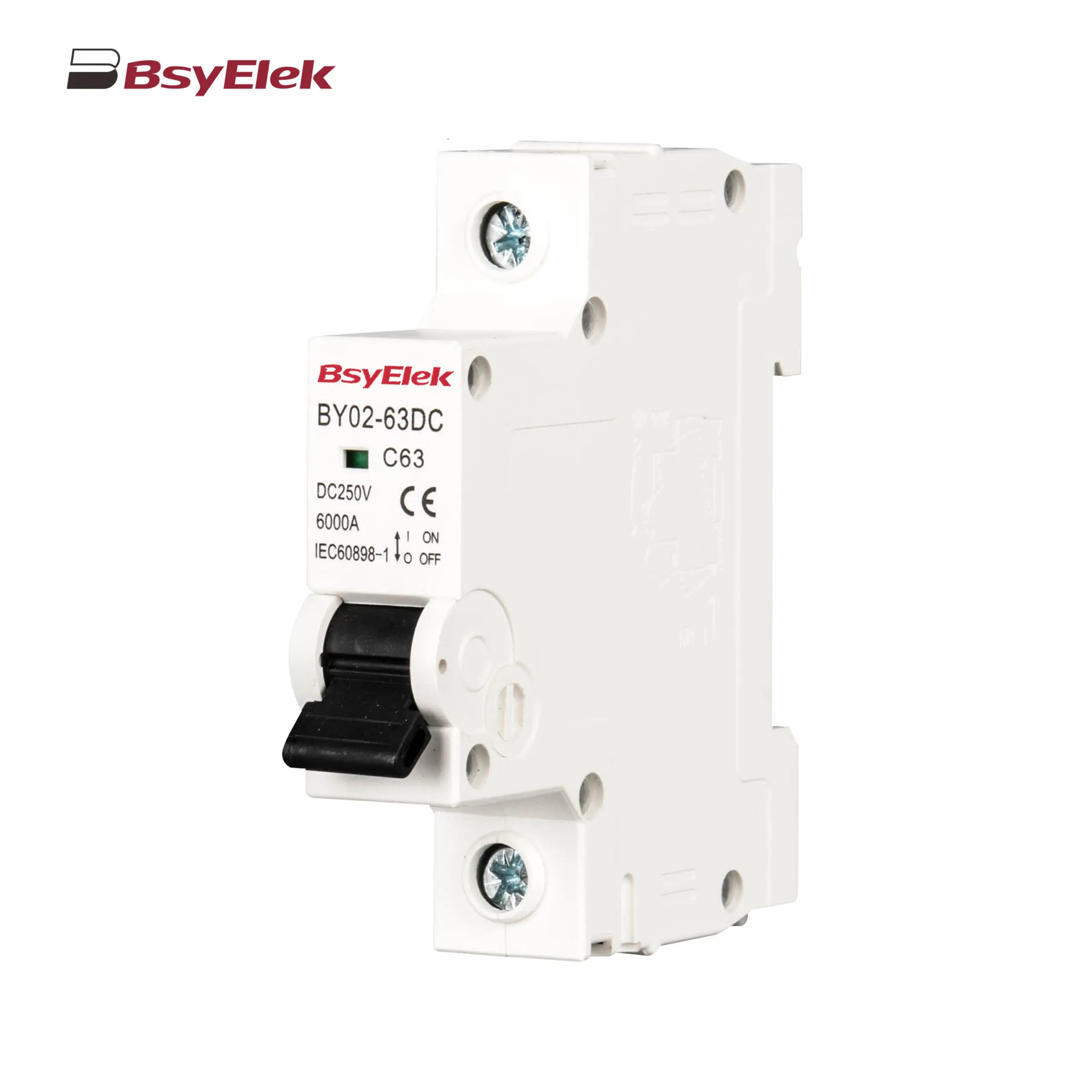 BY02-63DC MCB 3kA DC Miniature Circuit Breaker
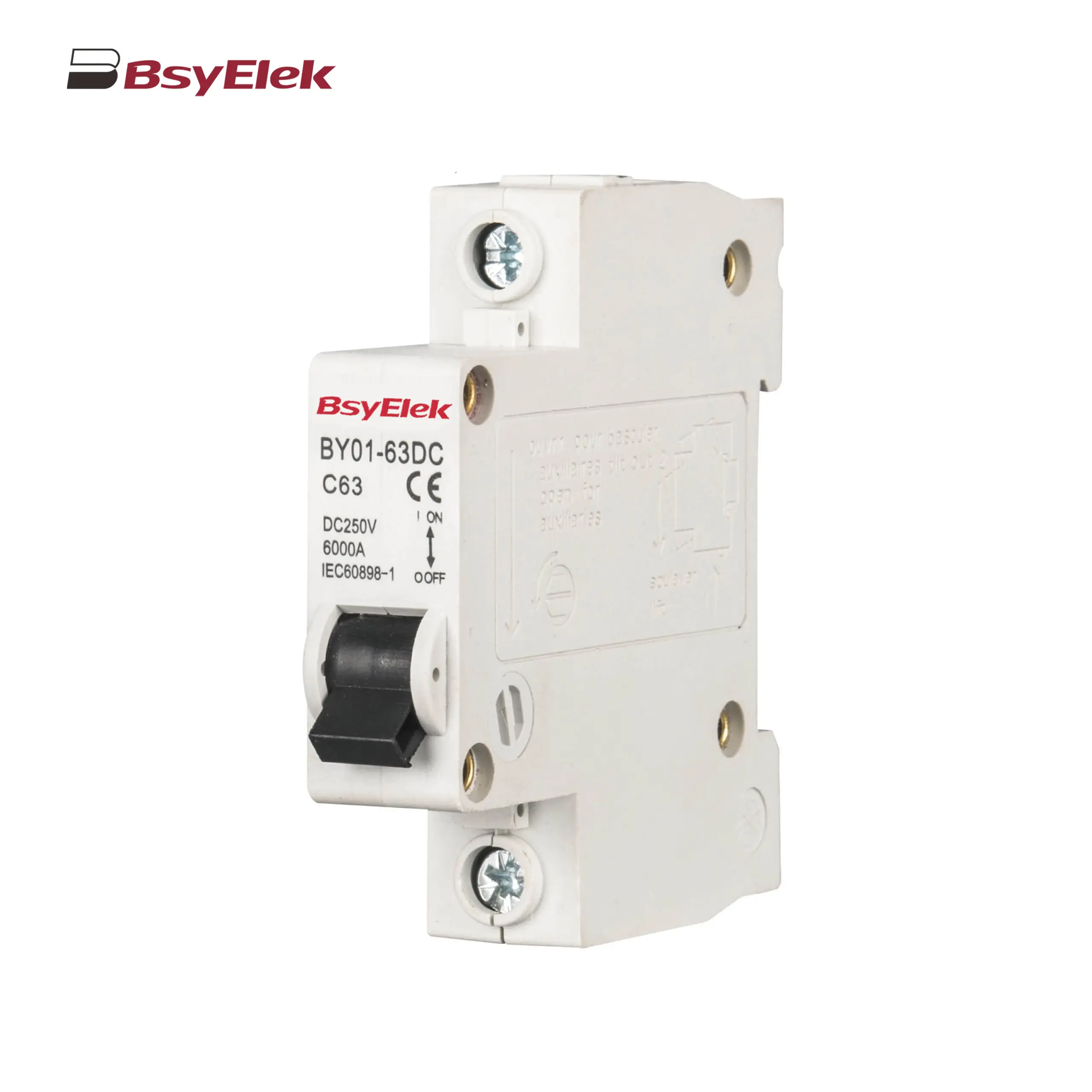 BY01-63DC MCB 3kA DC Miniature Circuit Breaker
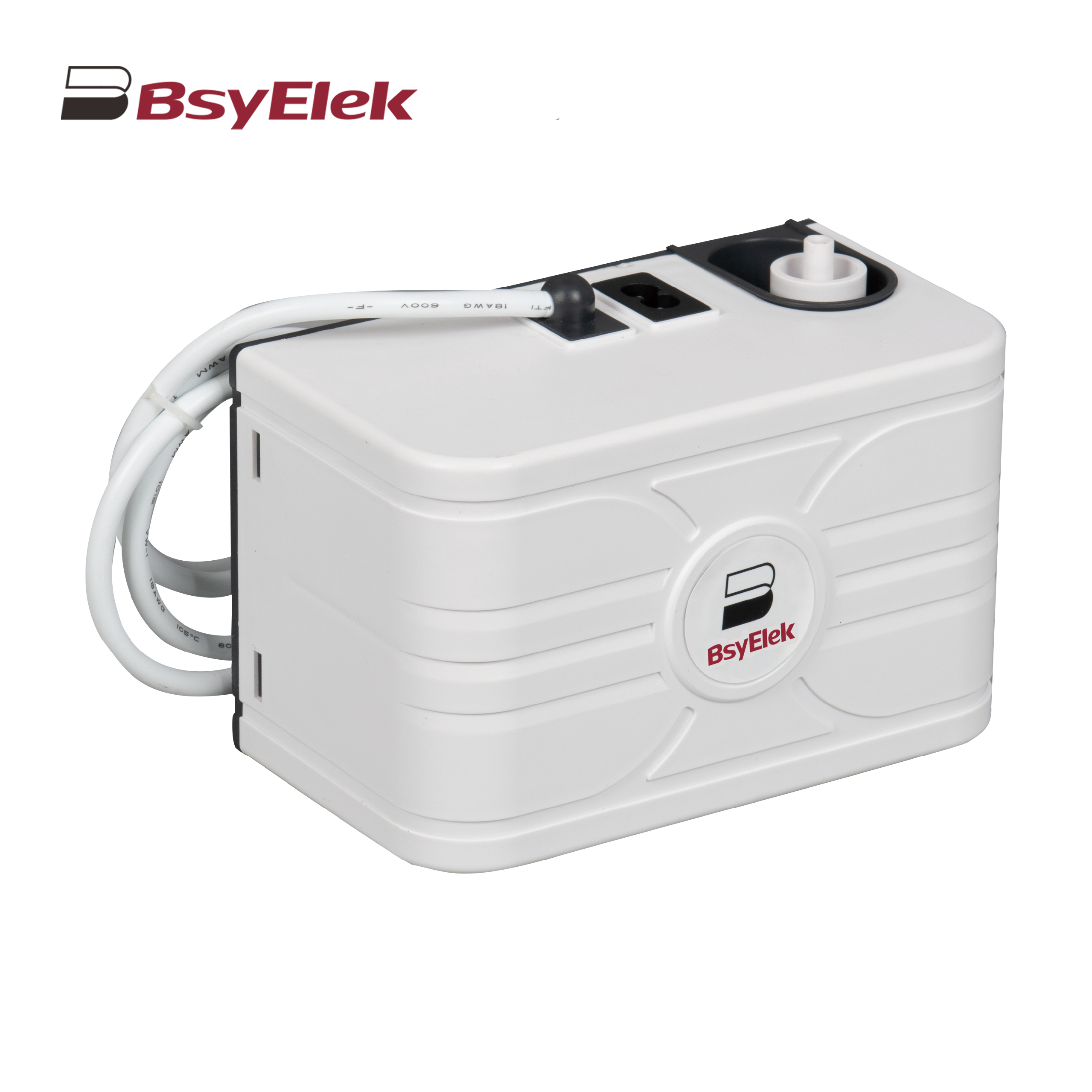 BY-5018 1.8M Engineering Drainage Pump
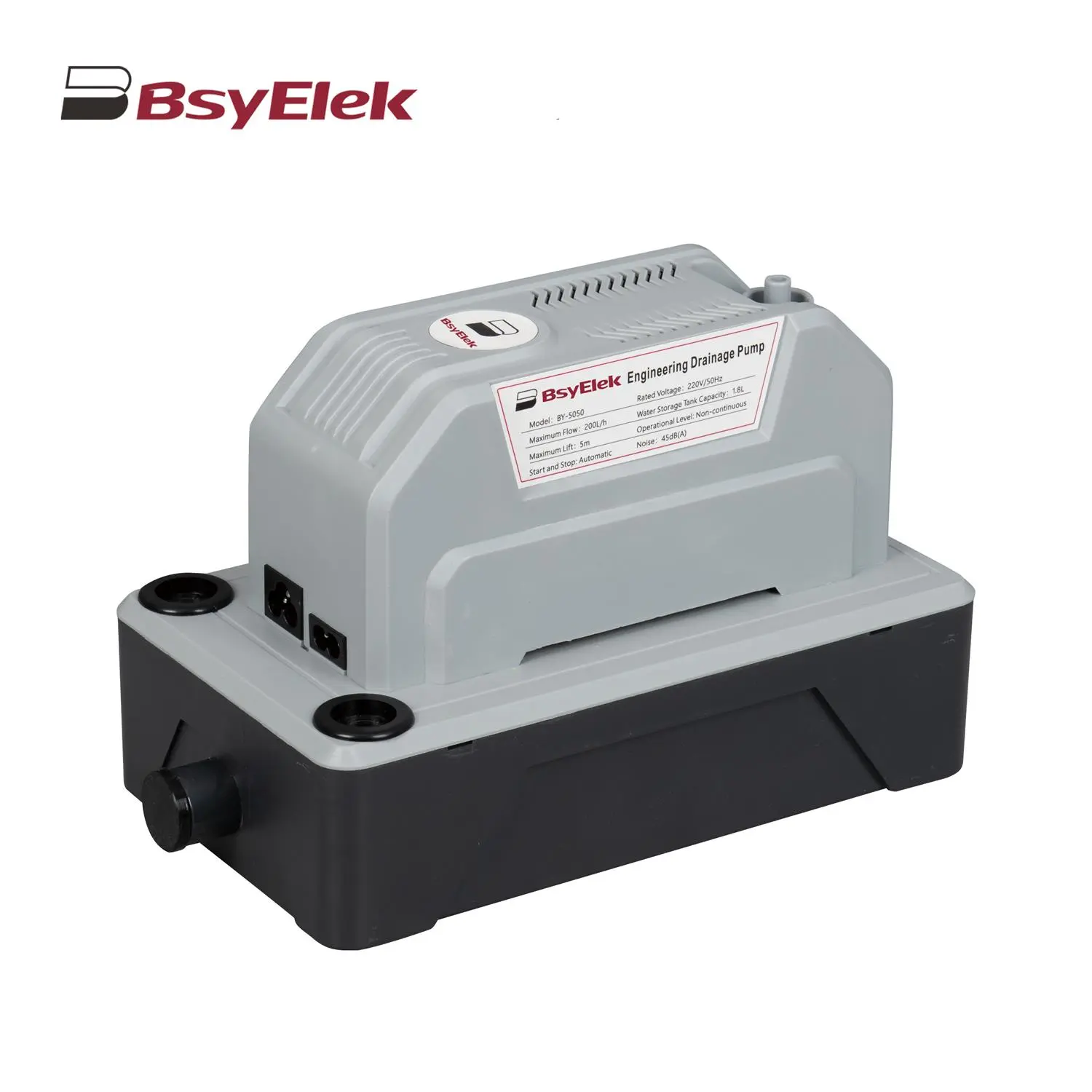 BY-5050 5M Engineering Drainage Pump
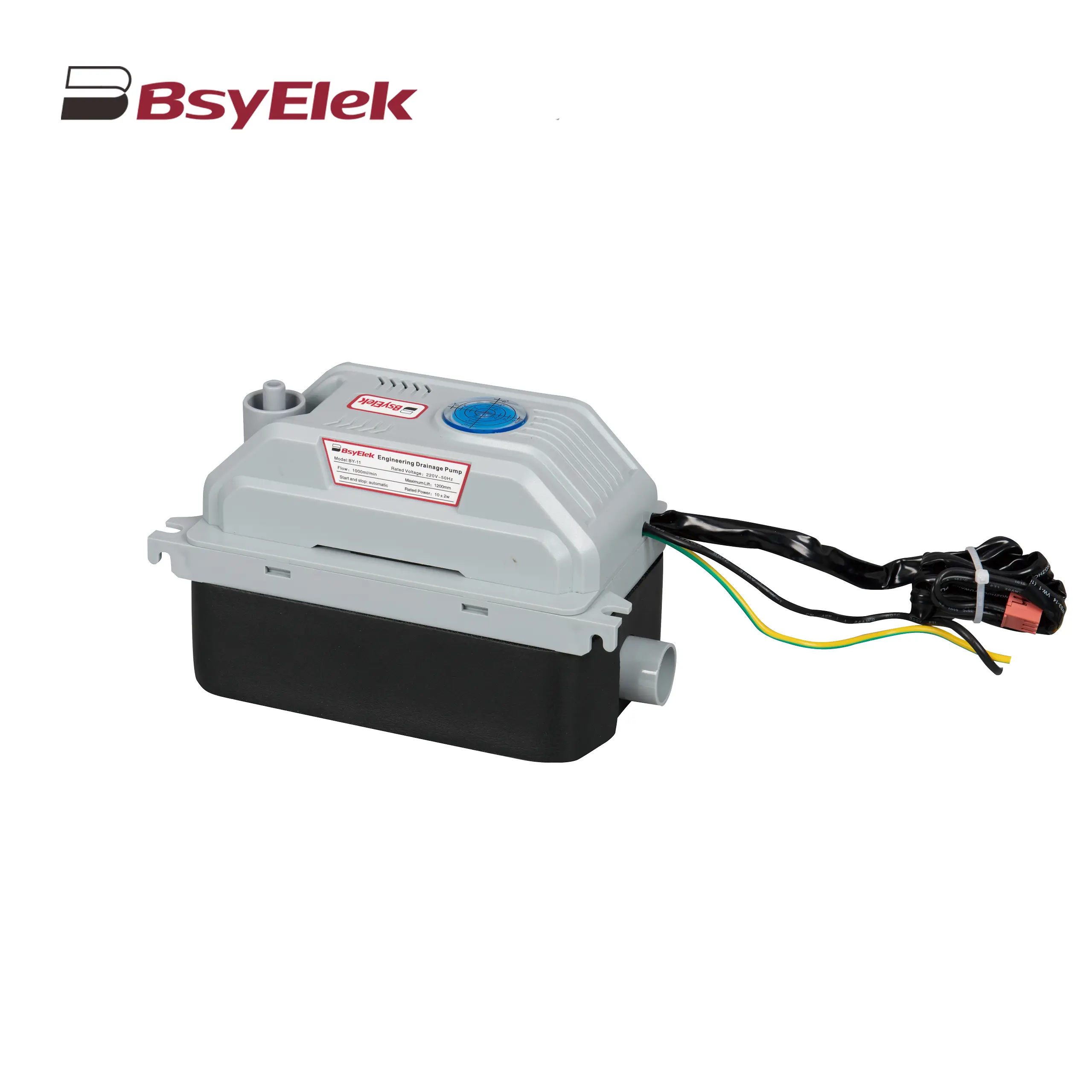 BY-11 1.2M Engineering Drainage Pump
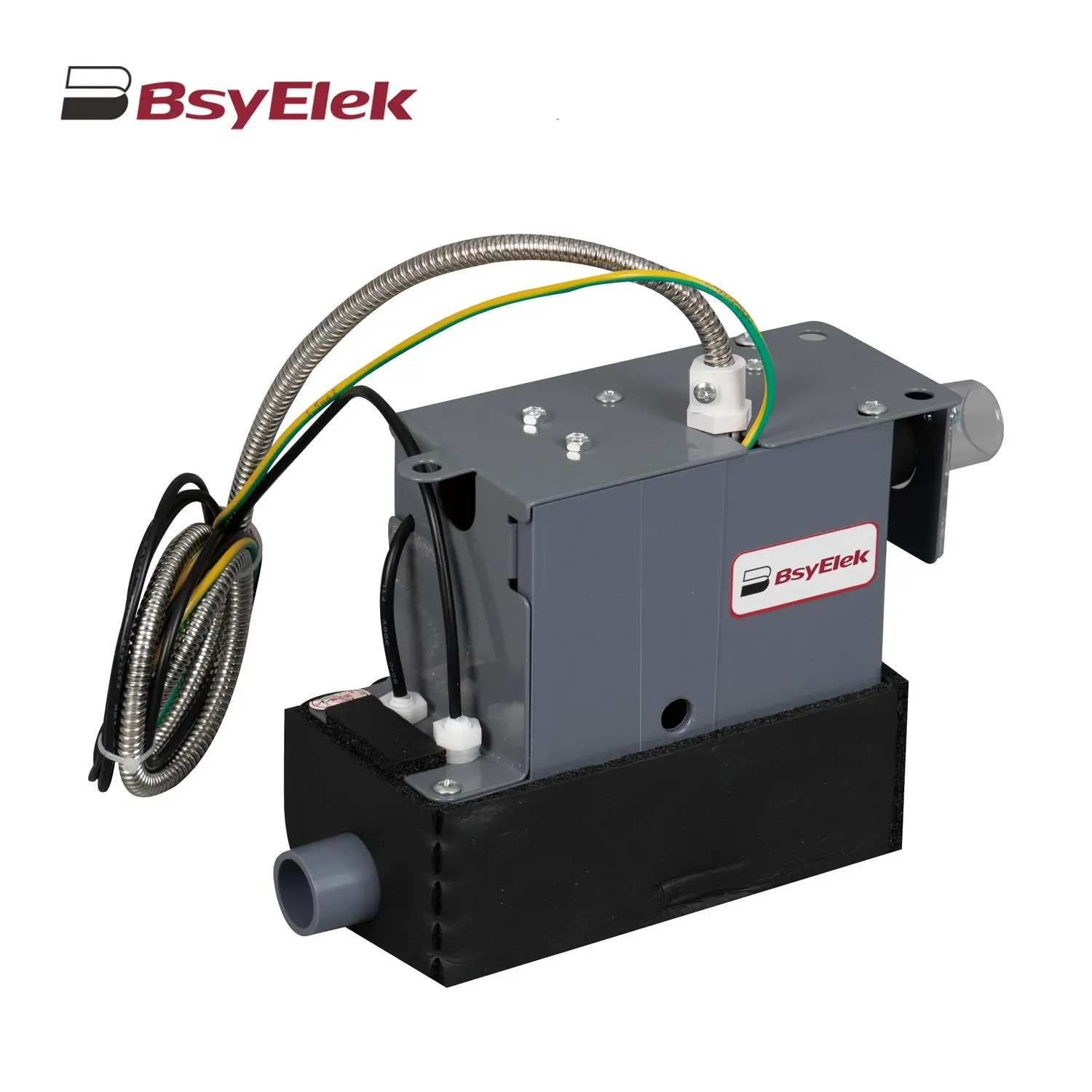 SBH-05 0.7M Original Drainage Pump of Duct Type Air Conditioner
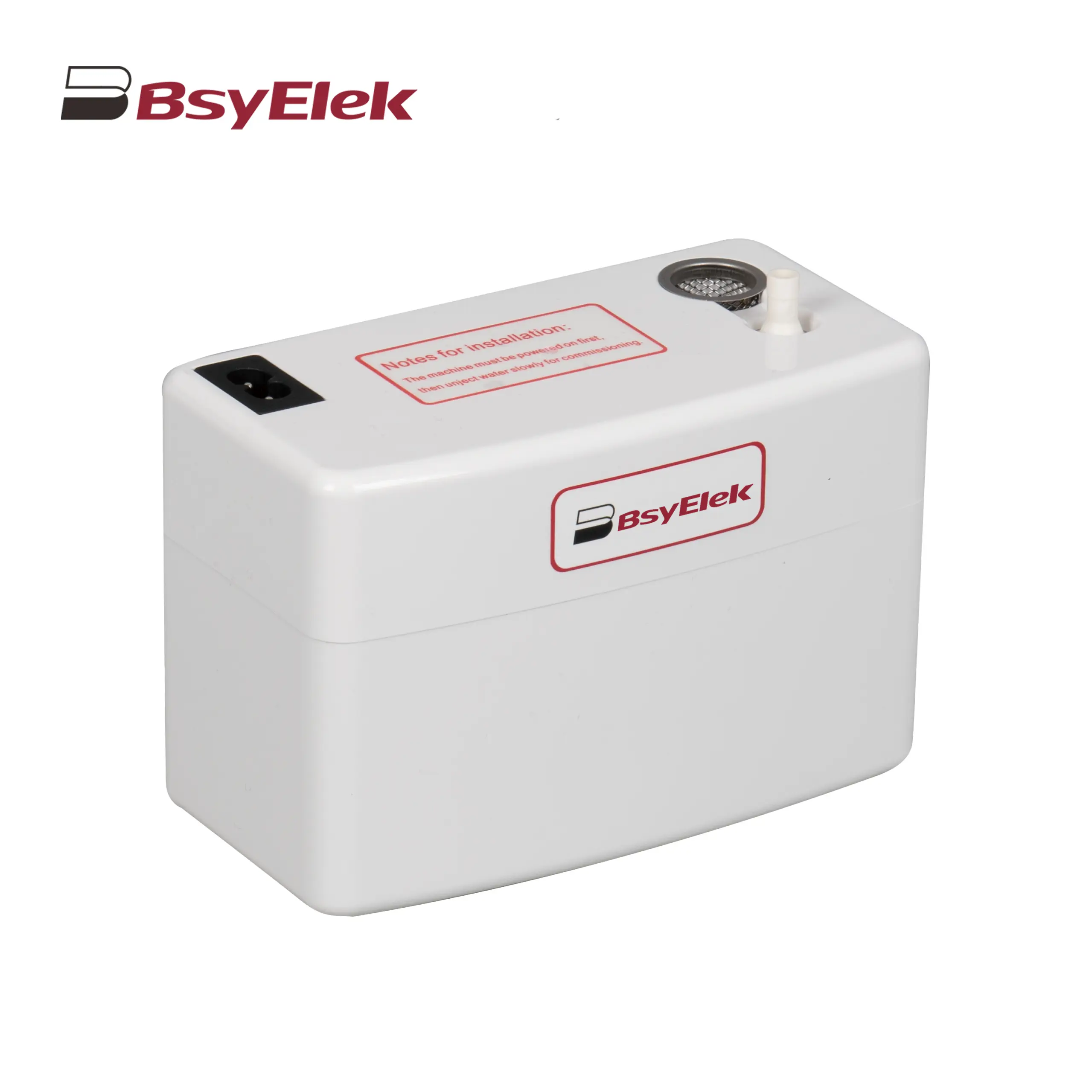 BY-24A/40A 10M Drainage Pump of Air Conditioner
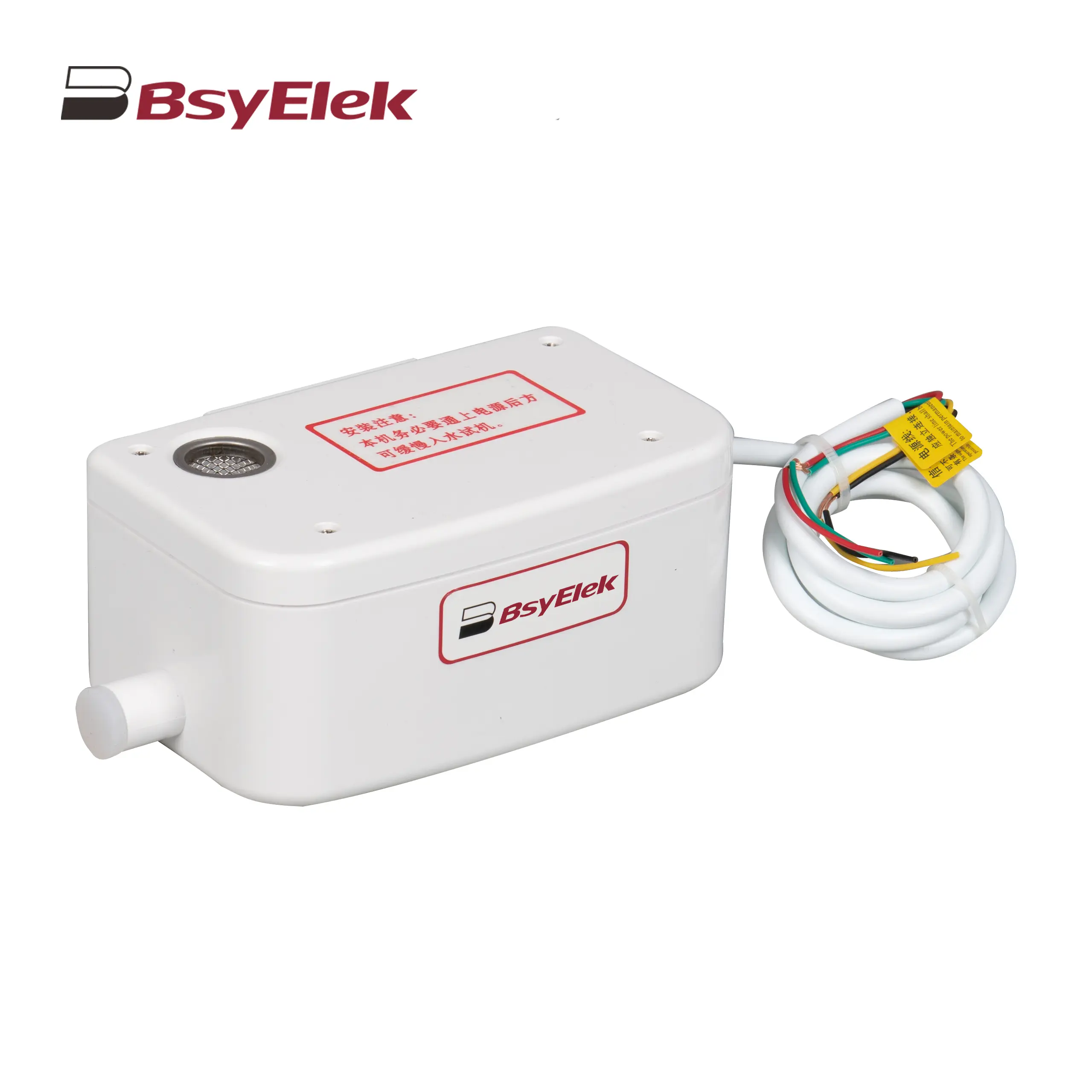 BY-50A 12M Drainage Pump of Air Conditioner
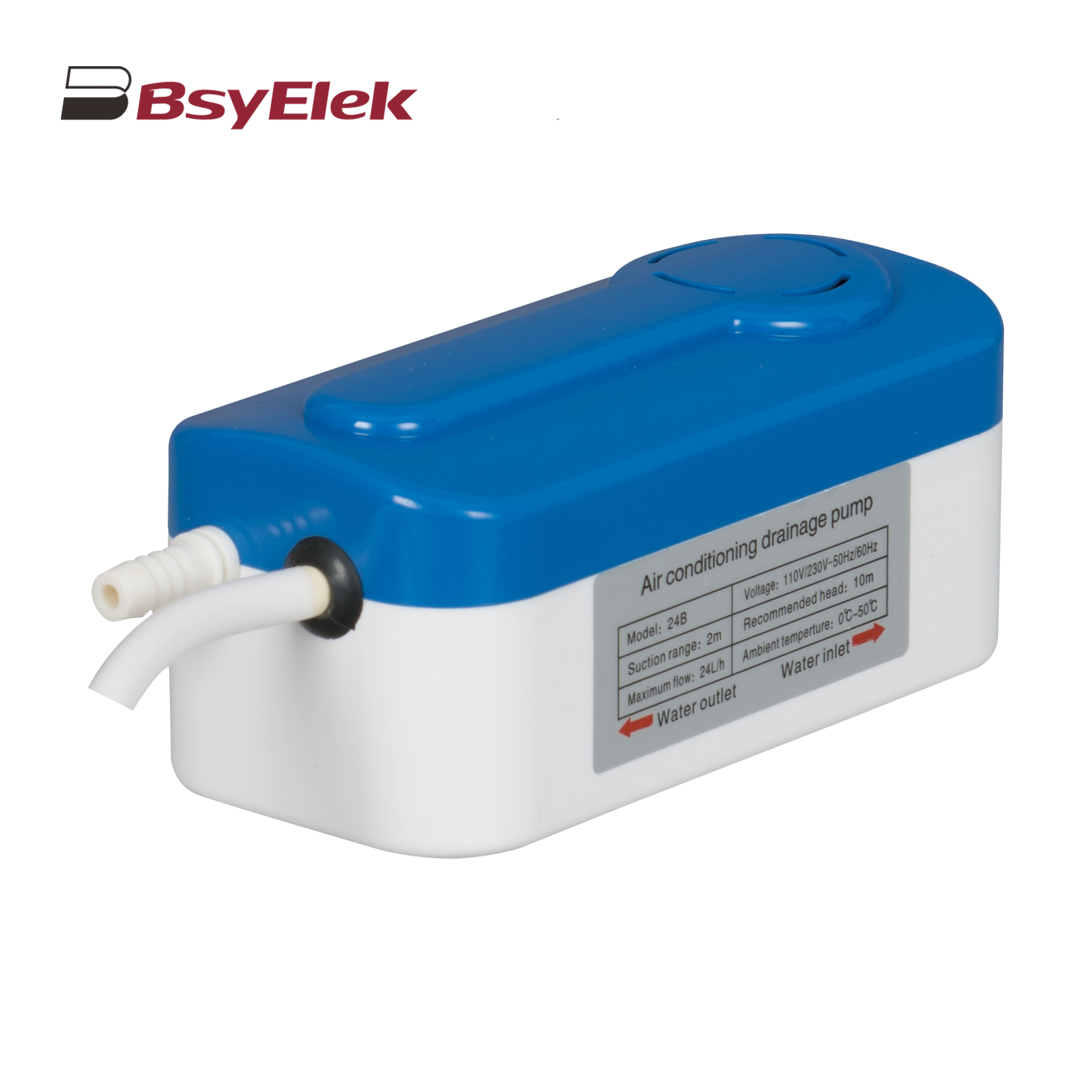 BY-24B/40B 10M Split Type Drainage Pump
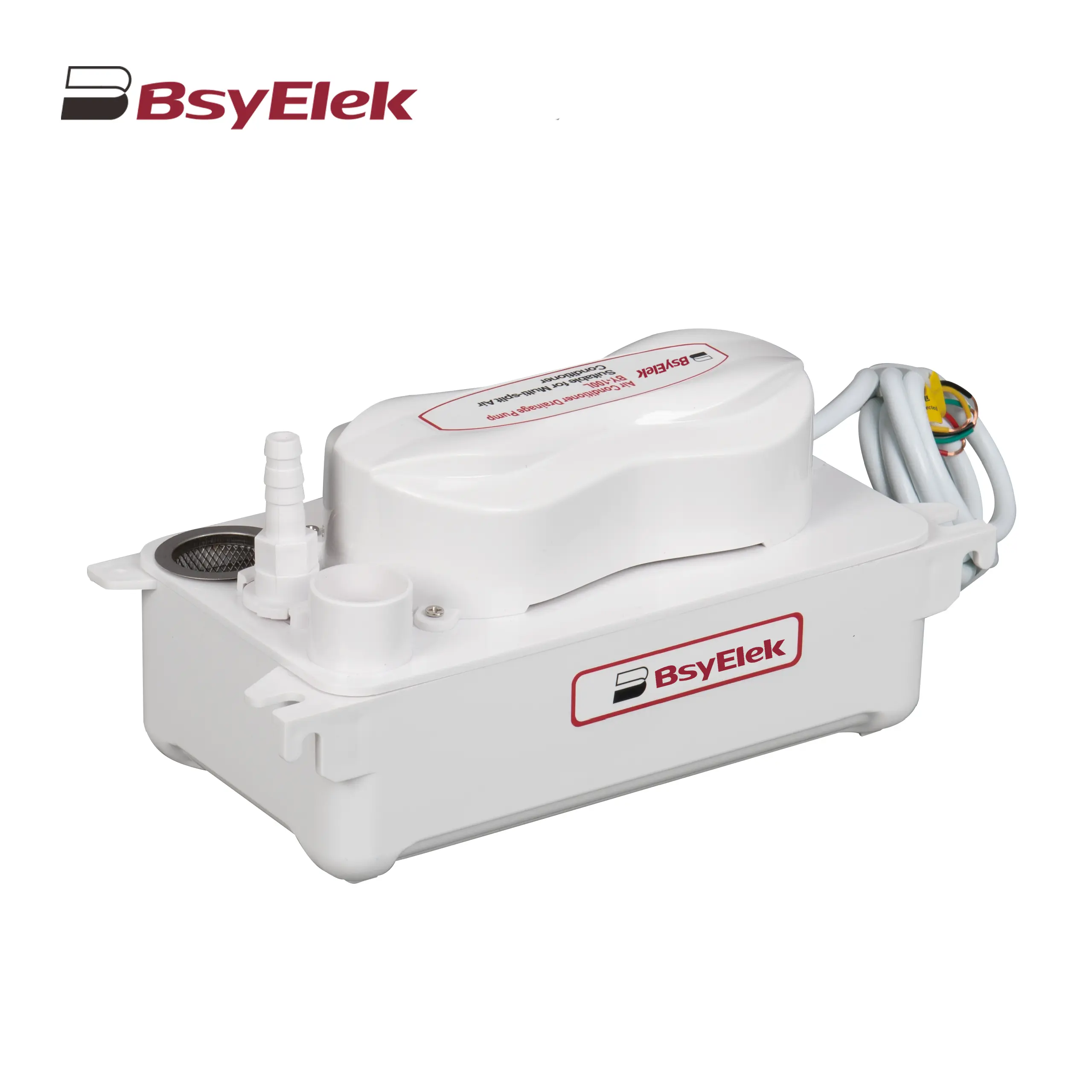 BY-100L 2M Drainage Pump of Air Conditioner
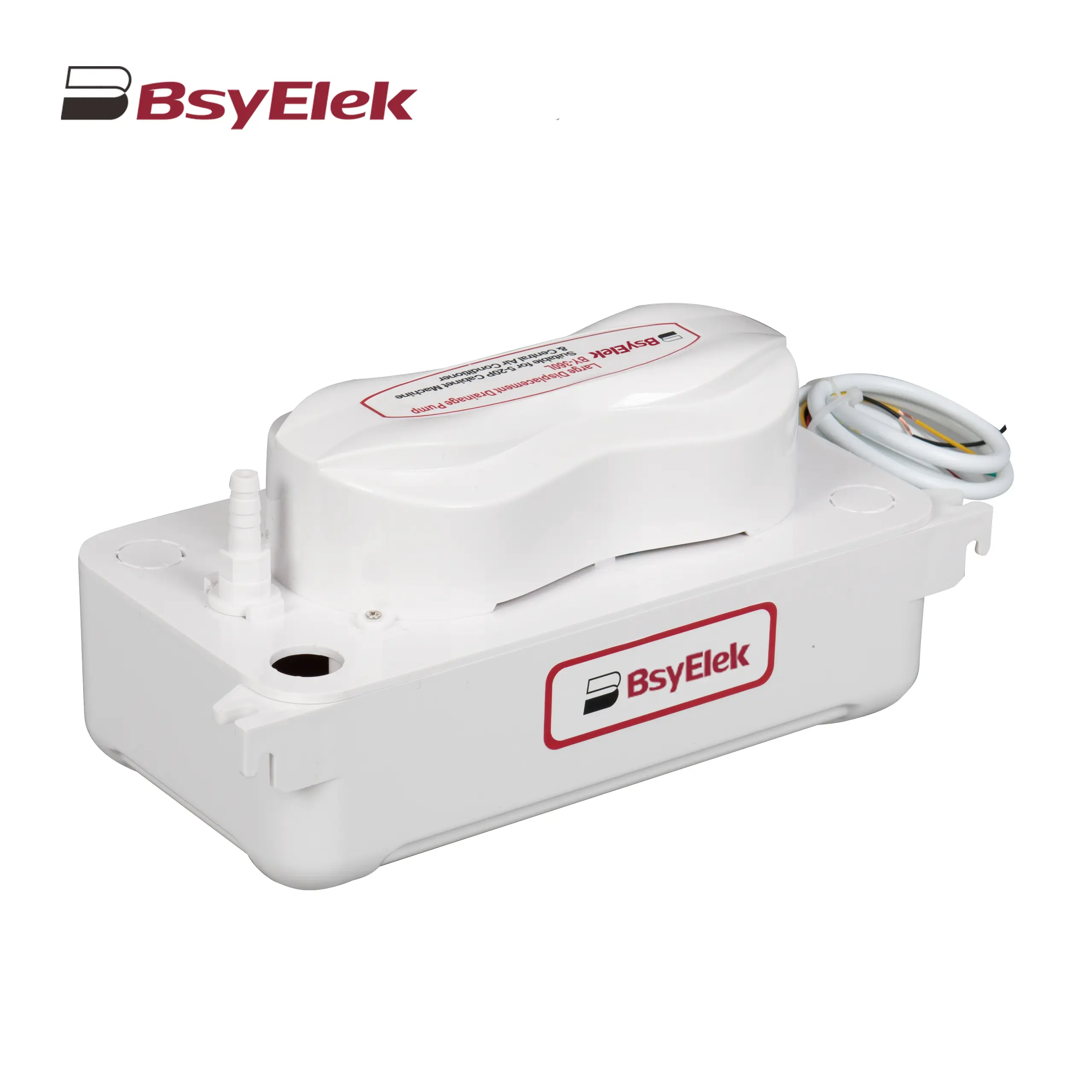 BY-360L 6M Large Displacement Drainage Pump
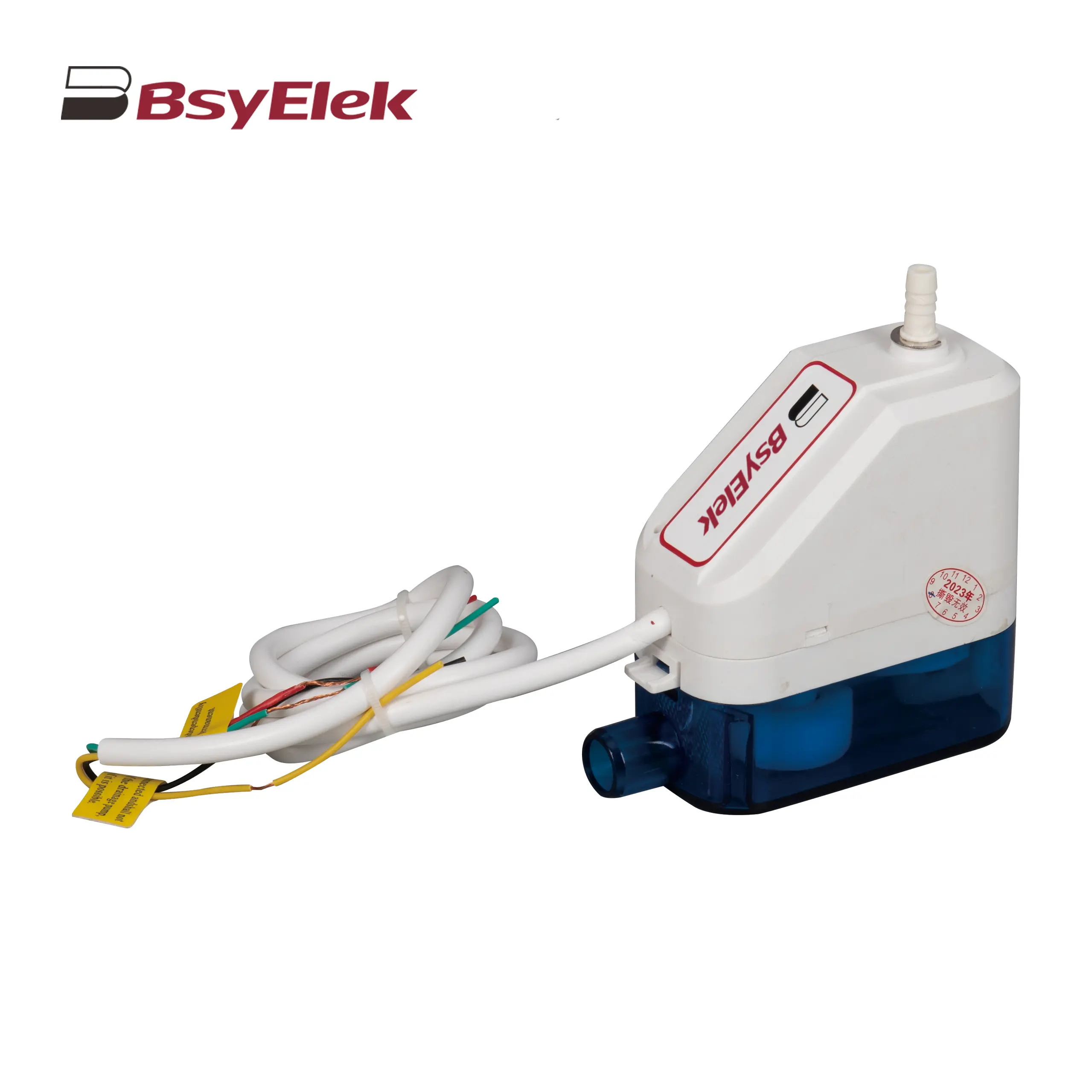 BY-24C/40C 10M Corner Drainage Pump
What is a miniature circuit breaker (MCB)?
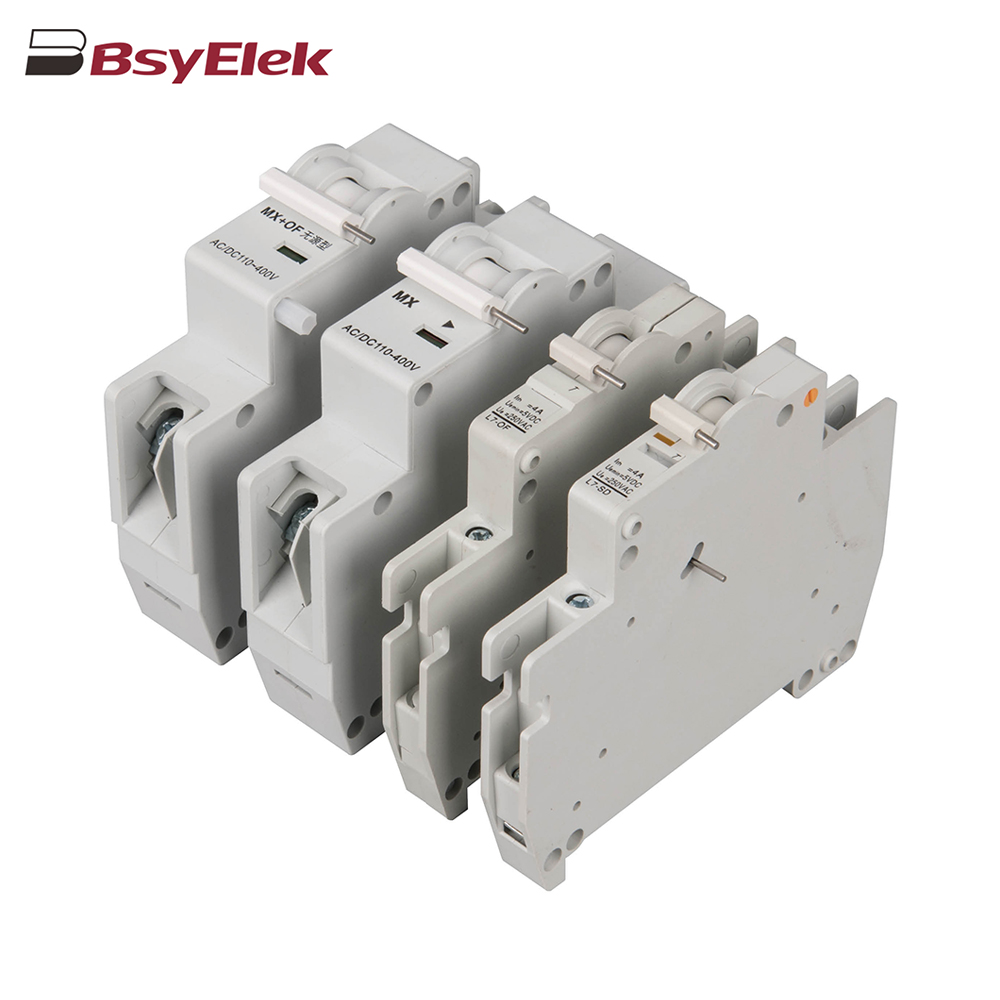 OF SD MX OF MCB Miniature Circuit Breaker Accessories
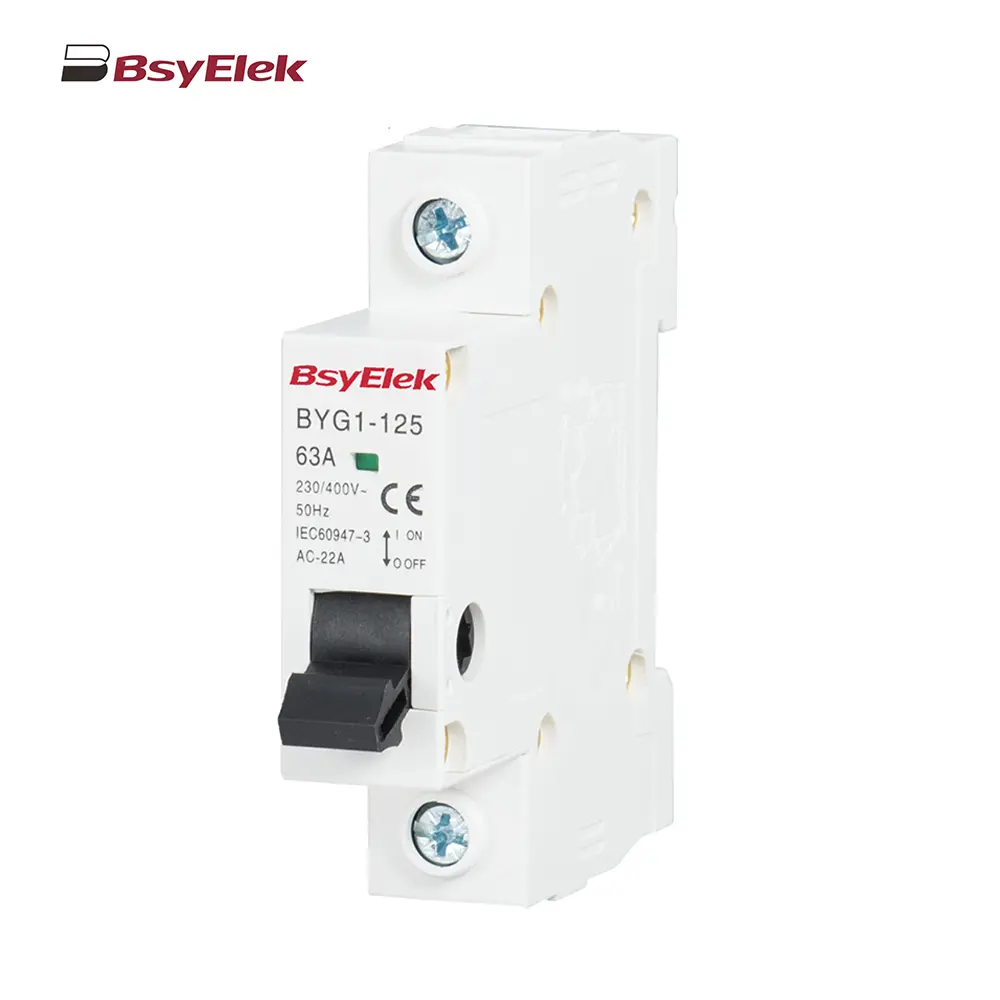 BYG1-125 Main Switch MCB Isolator Switch
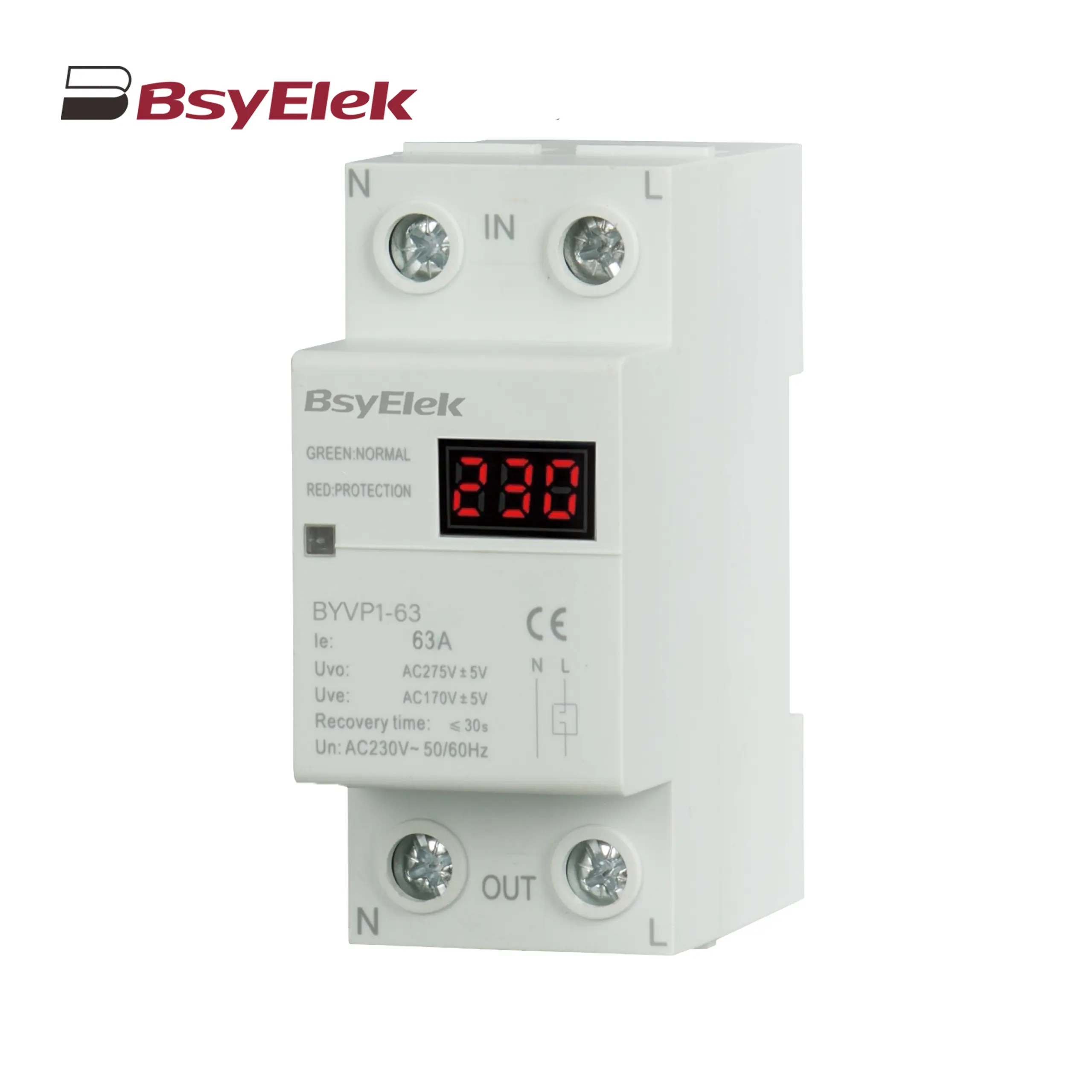 BYVP1-63 100A Single Display Overvoltage and Undervoltage Protector
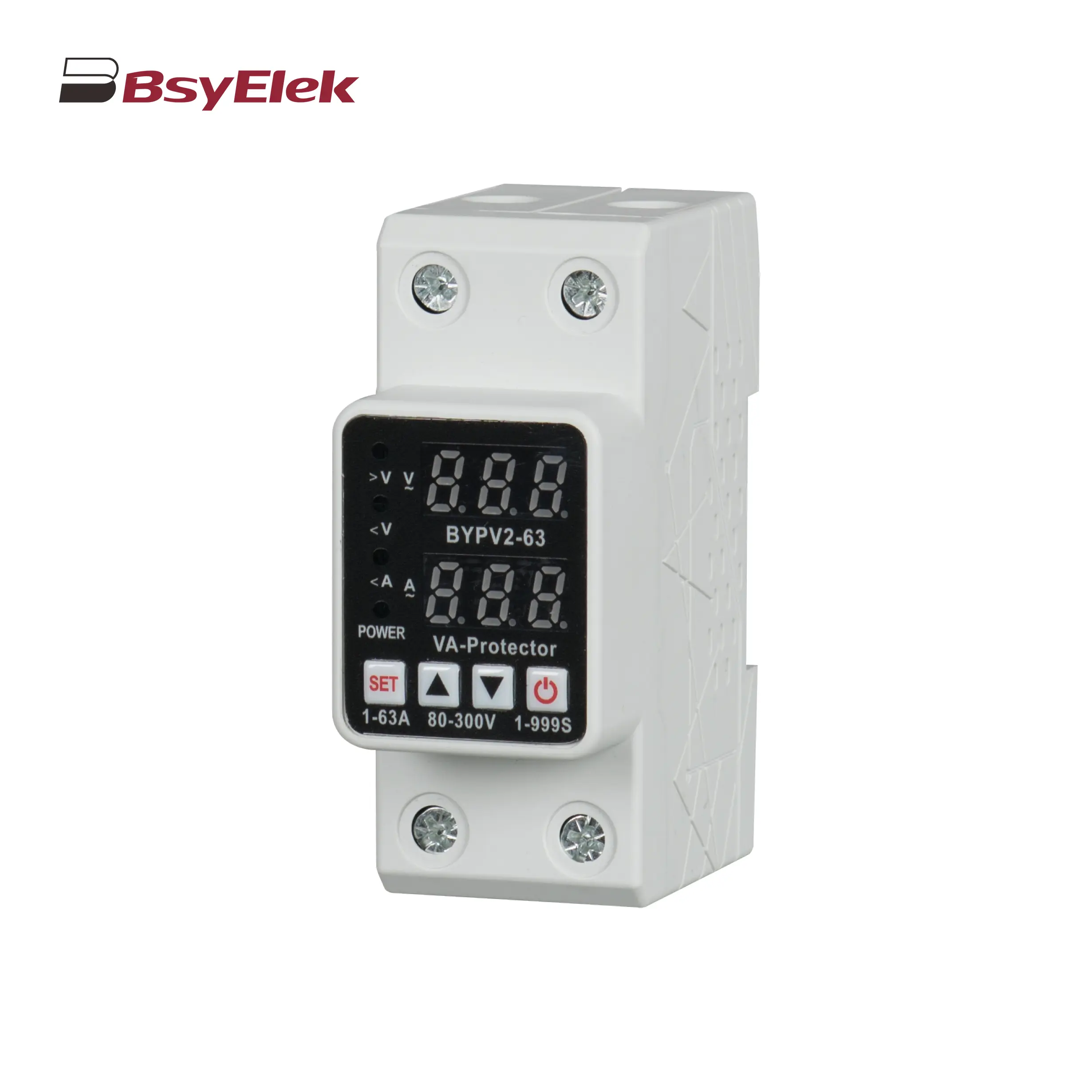 BYVP2-63 40A 63A Adjustable Dual Display Overvoltage and Undervoltage Protector
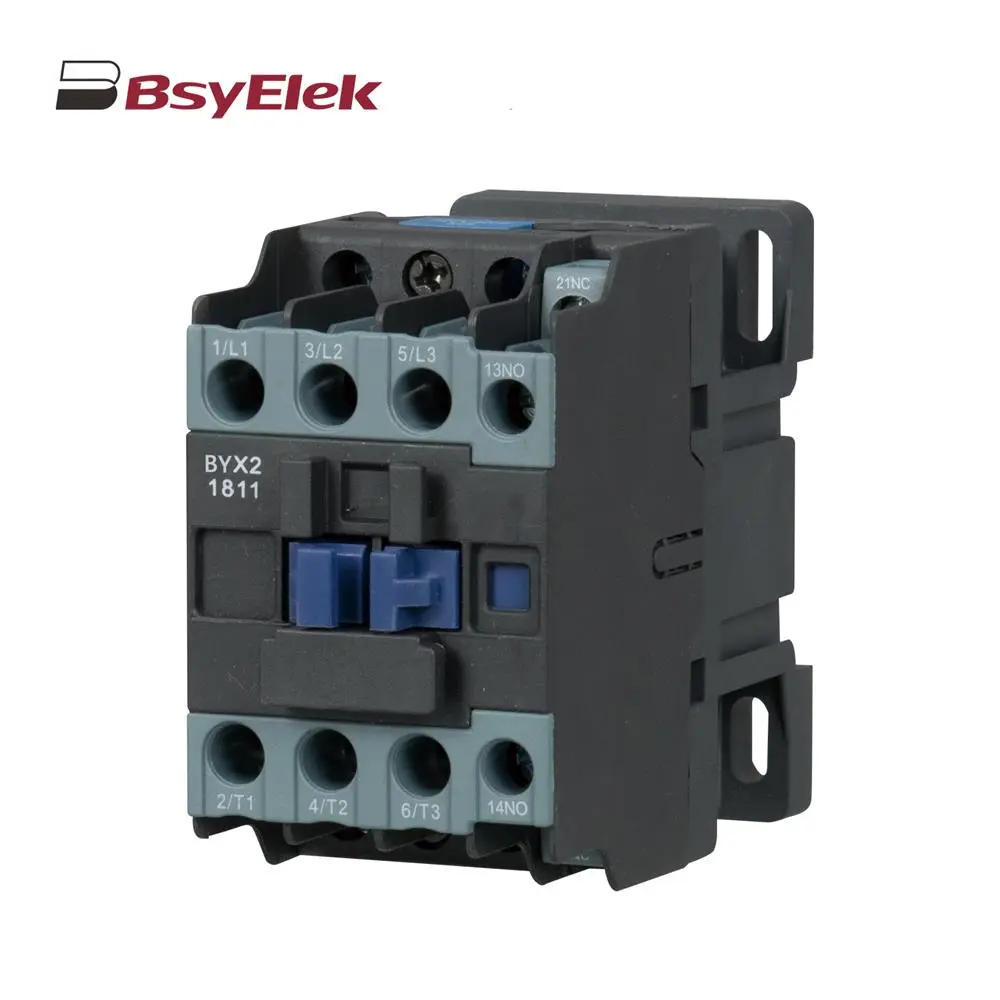 BYX2 6-95A AC Contactor
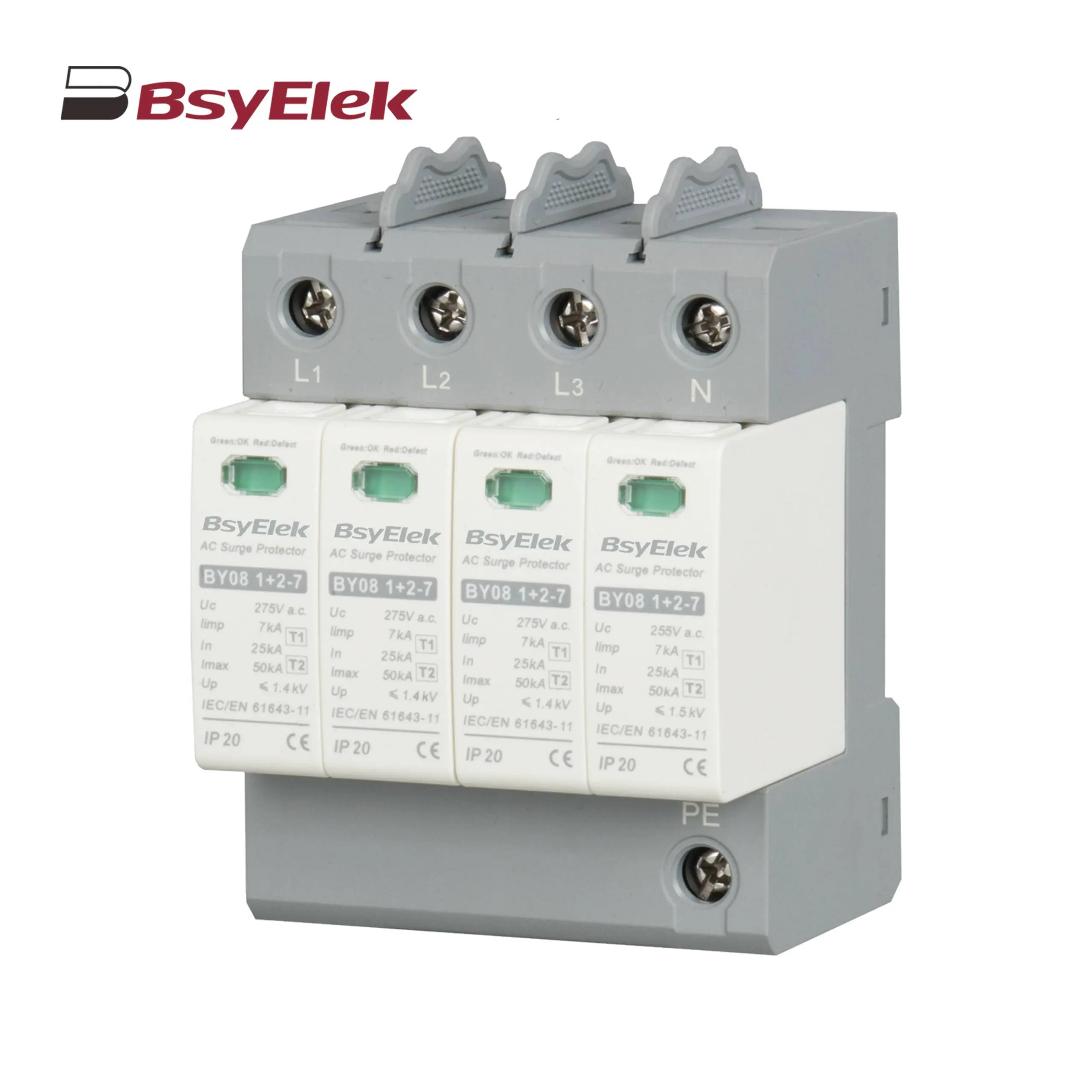 BY08 1+2-7 SPD Class T1+T2 Imax 50KA Surge Protective Device
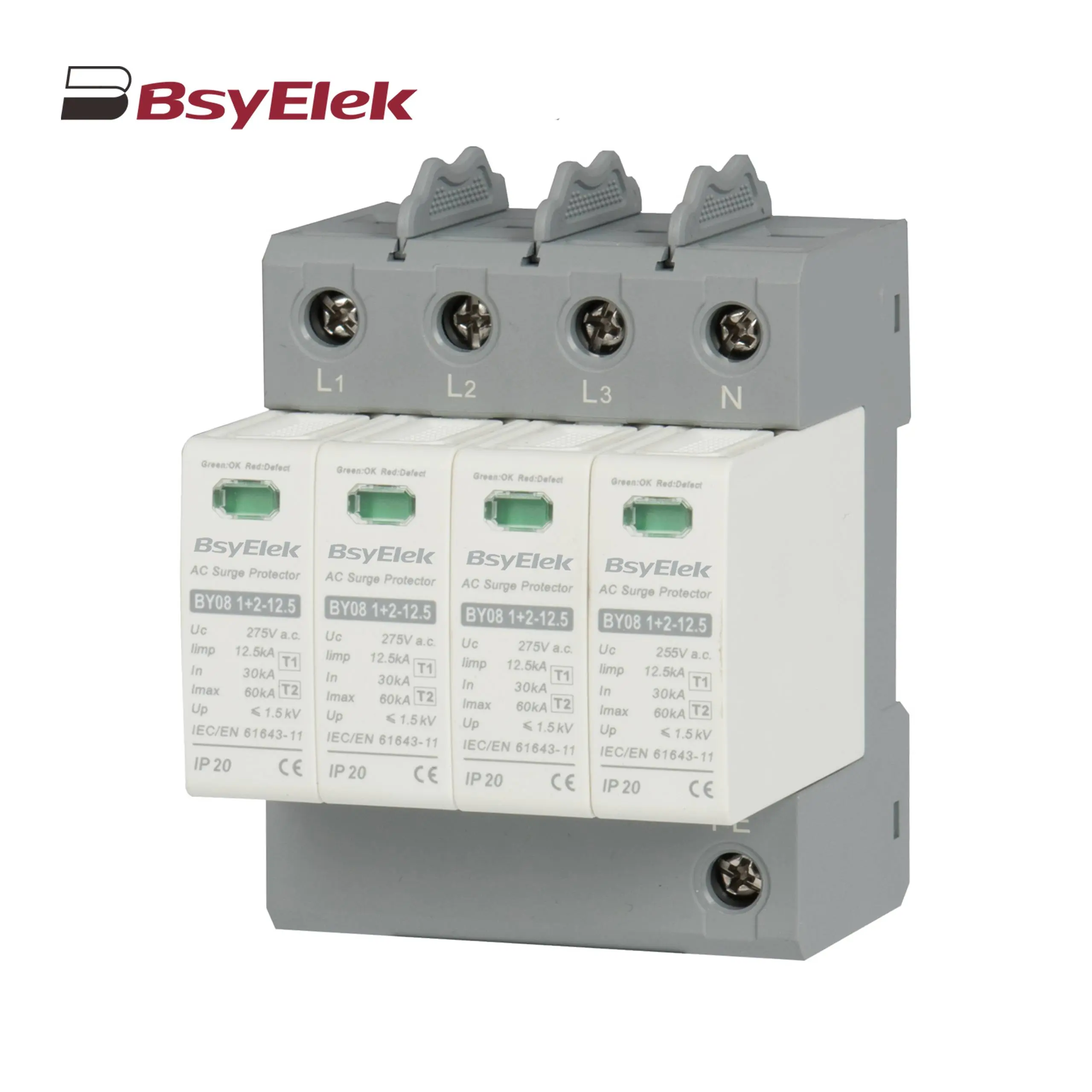 BY08 1+2-12.5 SPD Class T1+T2 Imax 60KA Surge Protective Device
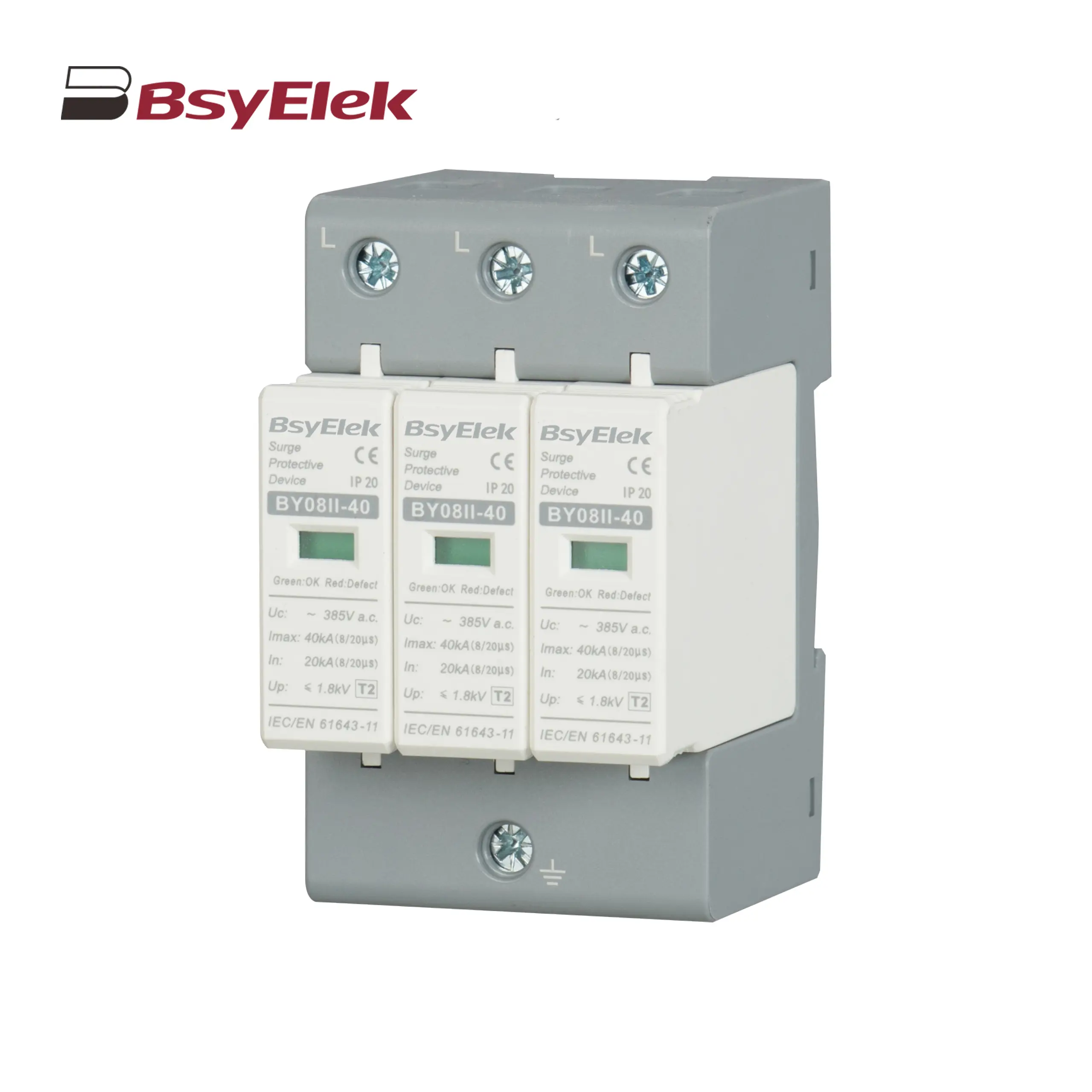 BY08II-40 SPD Class T2 Imax 40KA Surge Protective Device
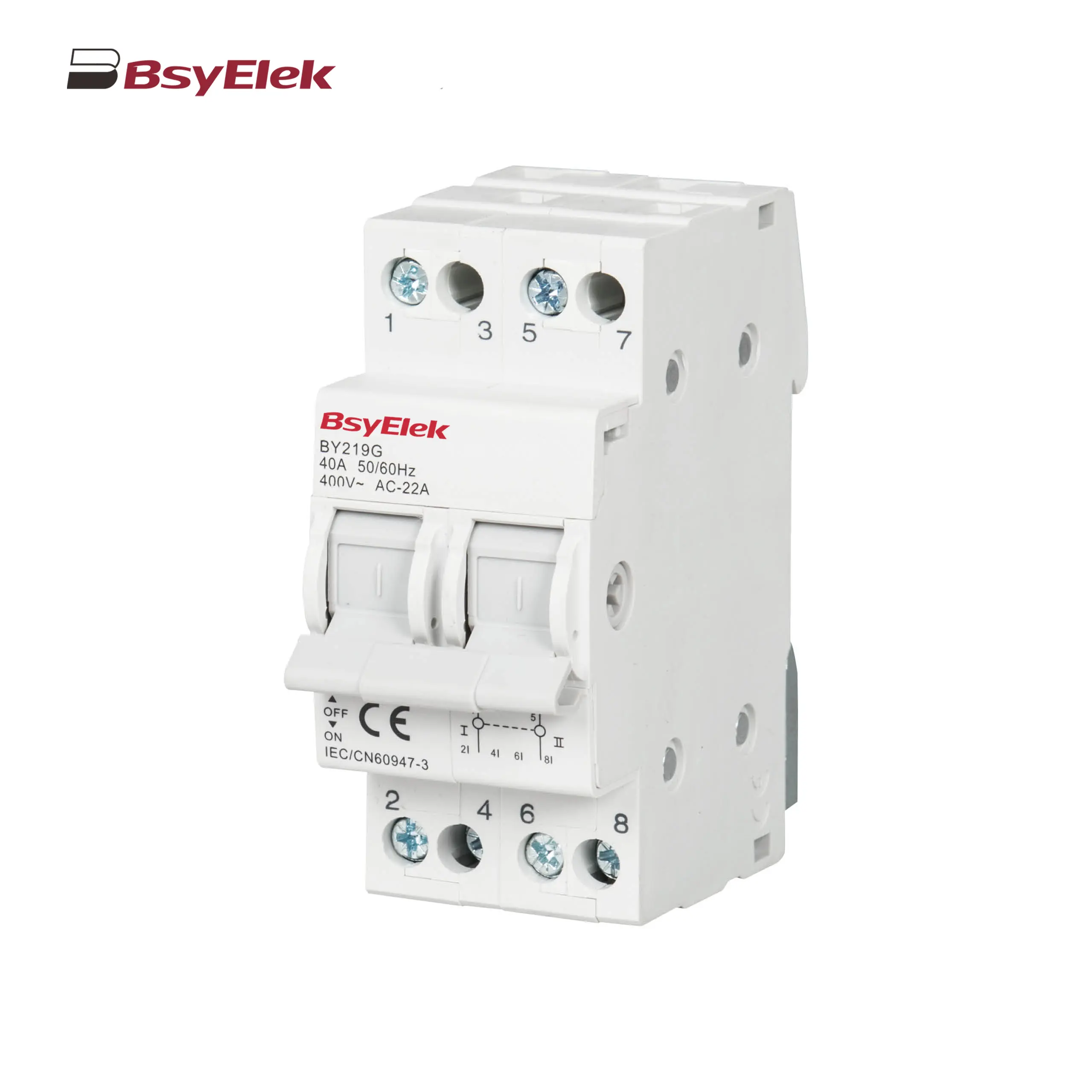 BY19G 63A Manual Changeover Switch
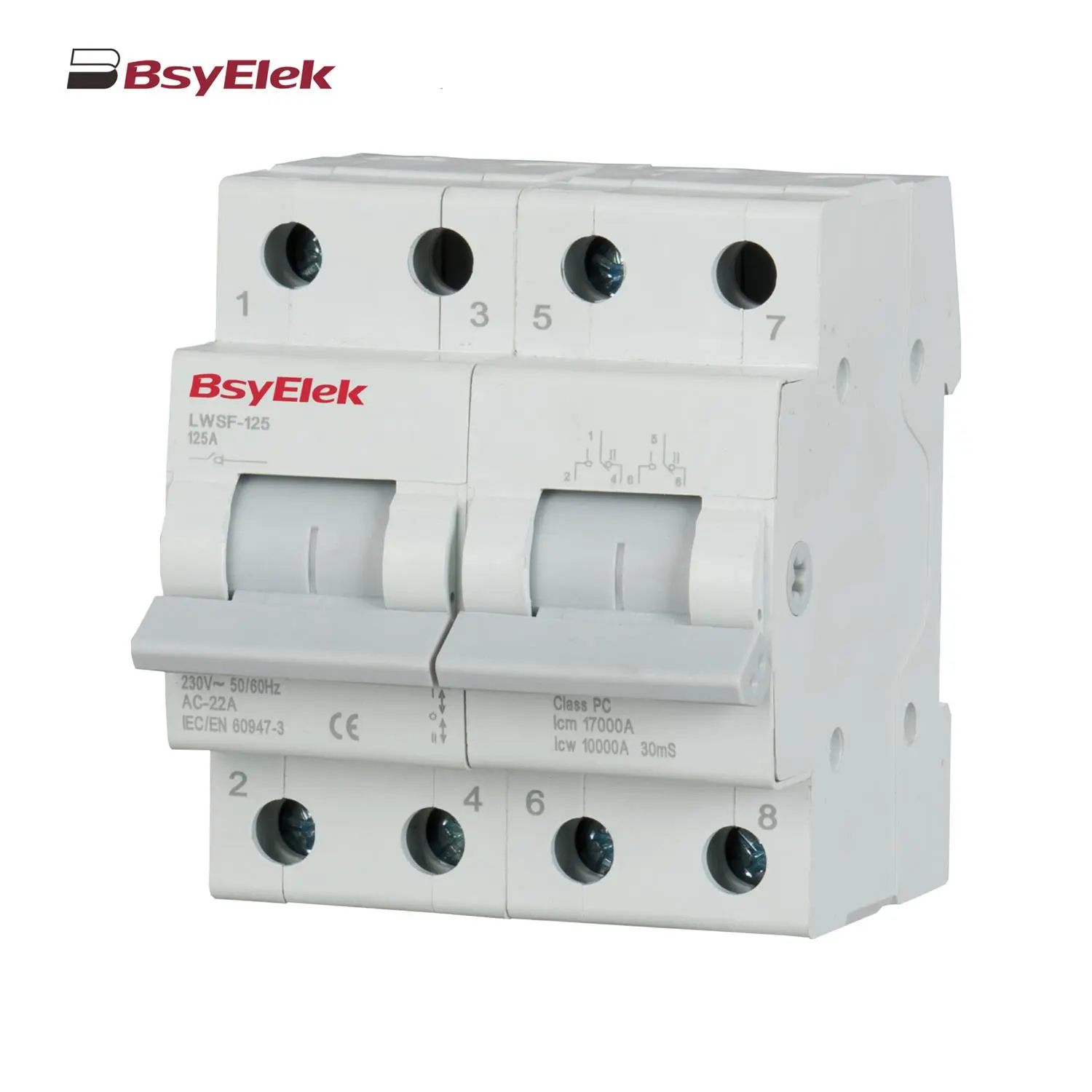 LWSF-125 125A Manual Changeover Switch
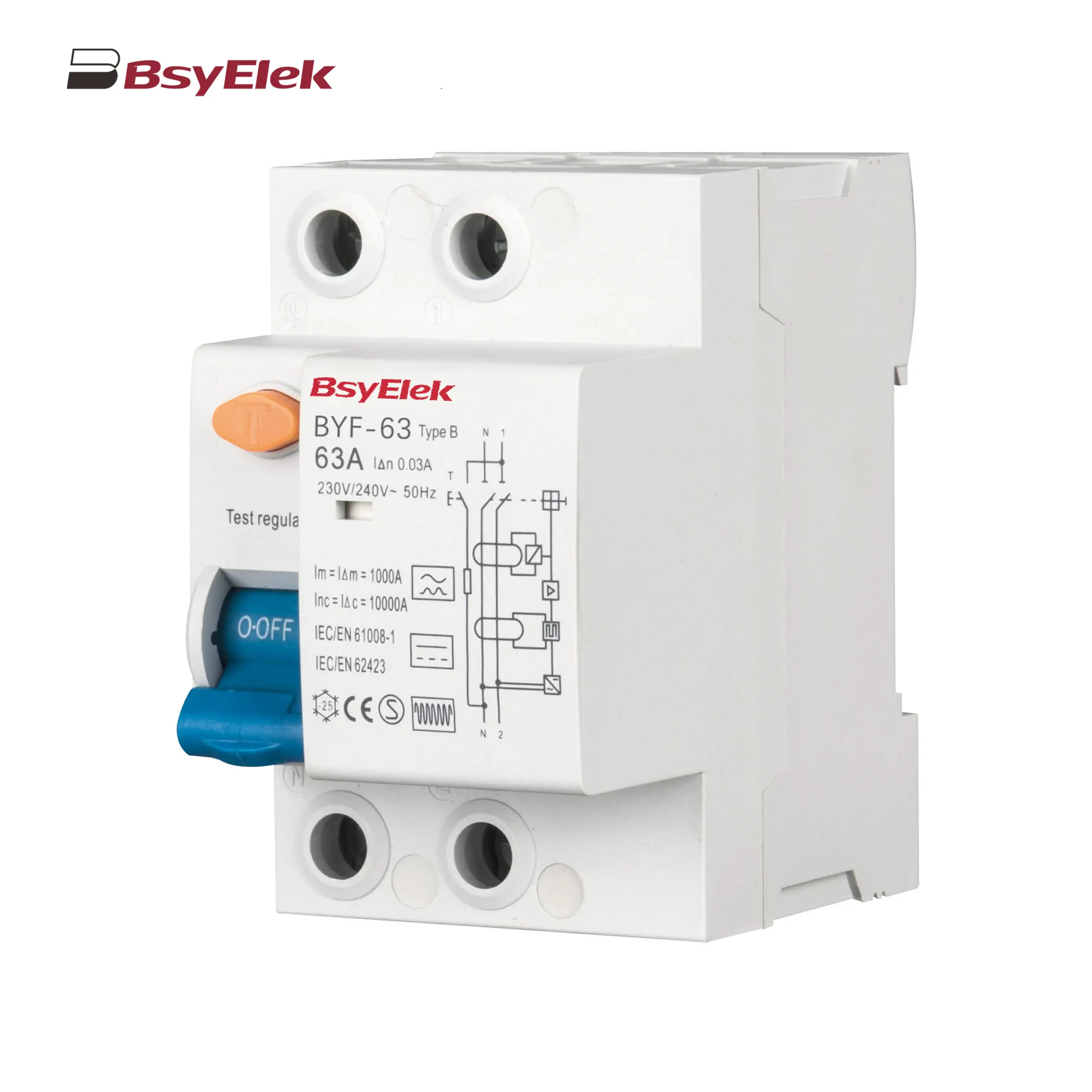 BYF-63 RCD 10KA Type B AC+A+Smoothing DC Residual Current Device
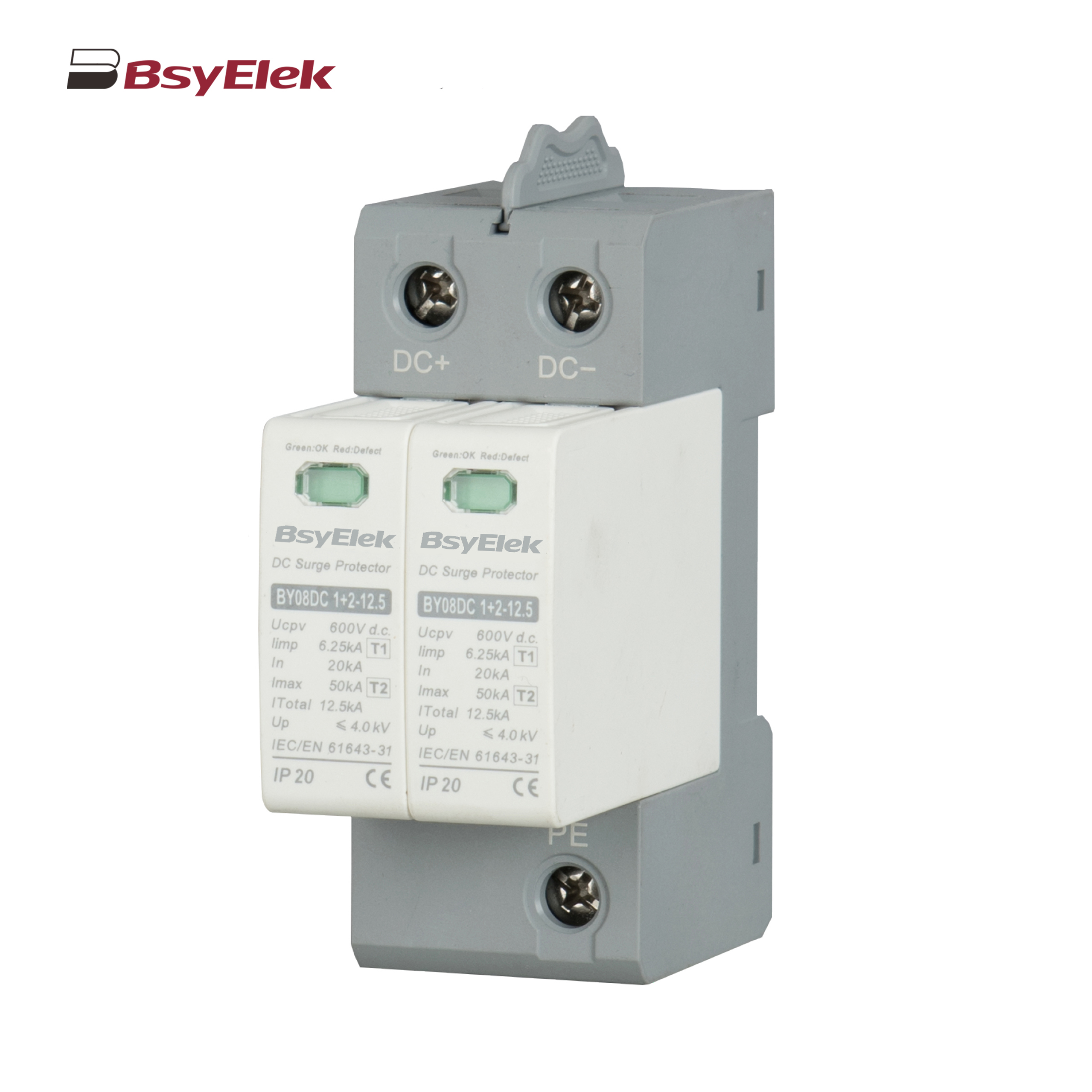 BY08DC 1+2-12.5 SPD Class T1+T2 40KA DC Surge Protective Device
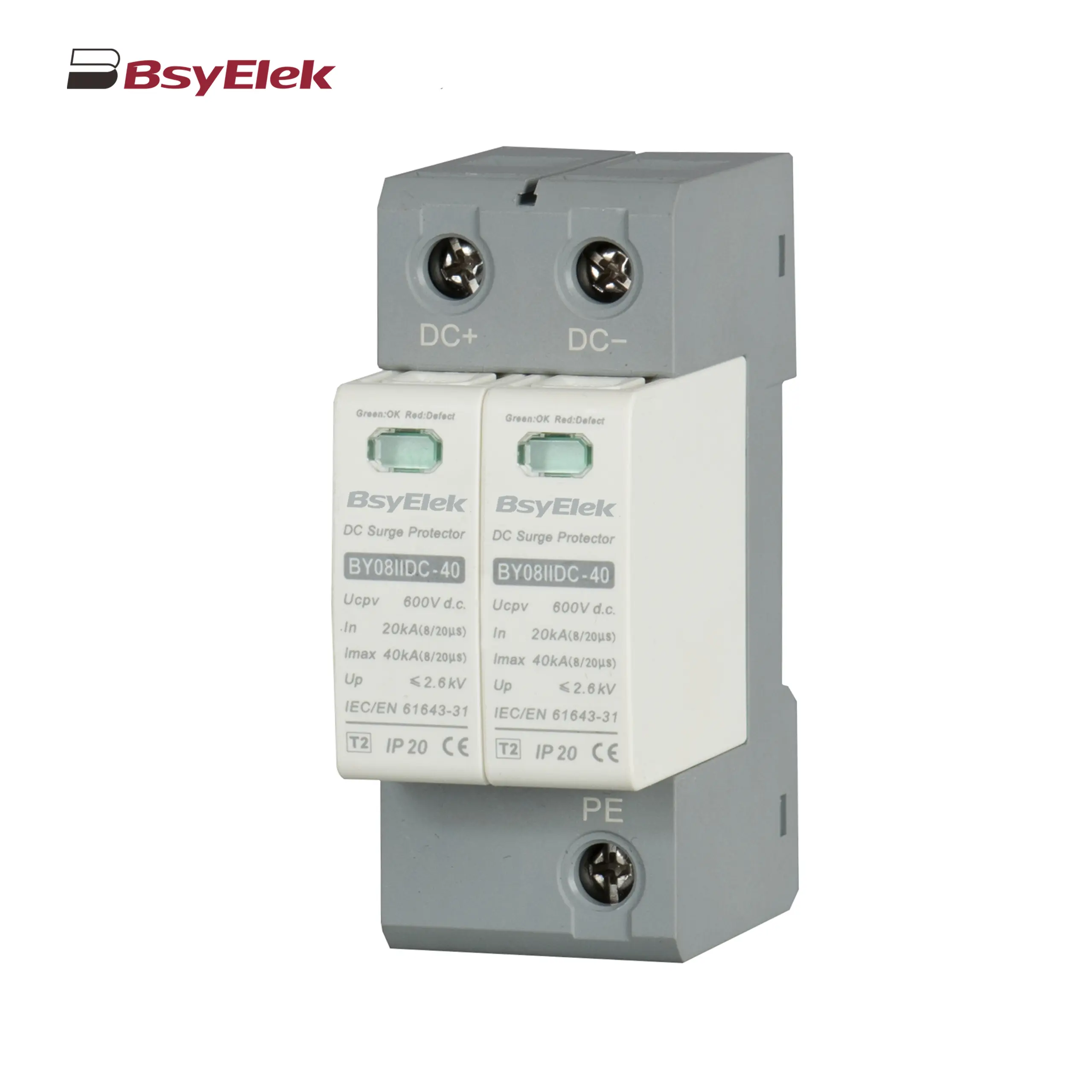 BY08IIDC-40 SPD Class T2 40KA DC Surge Protective Device
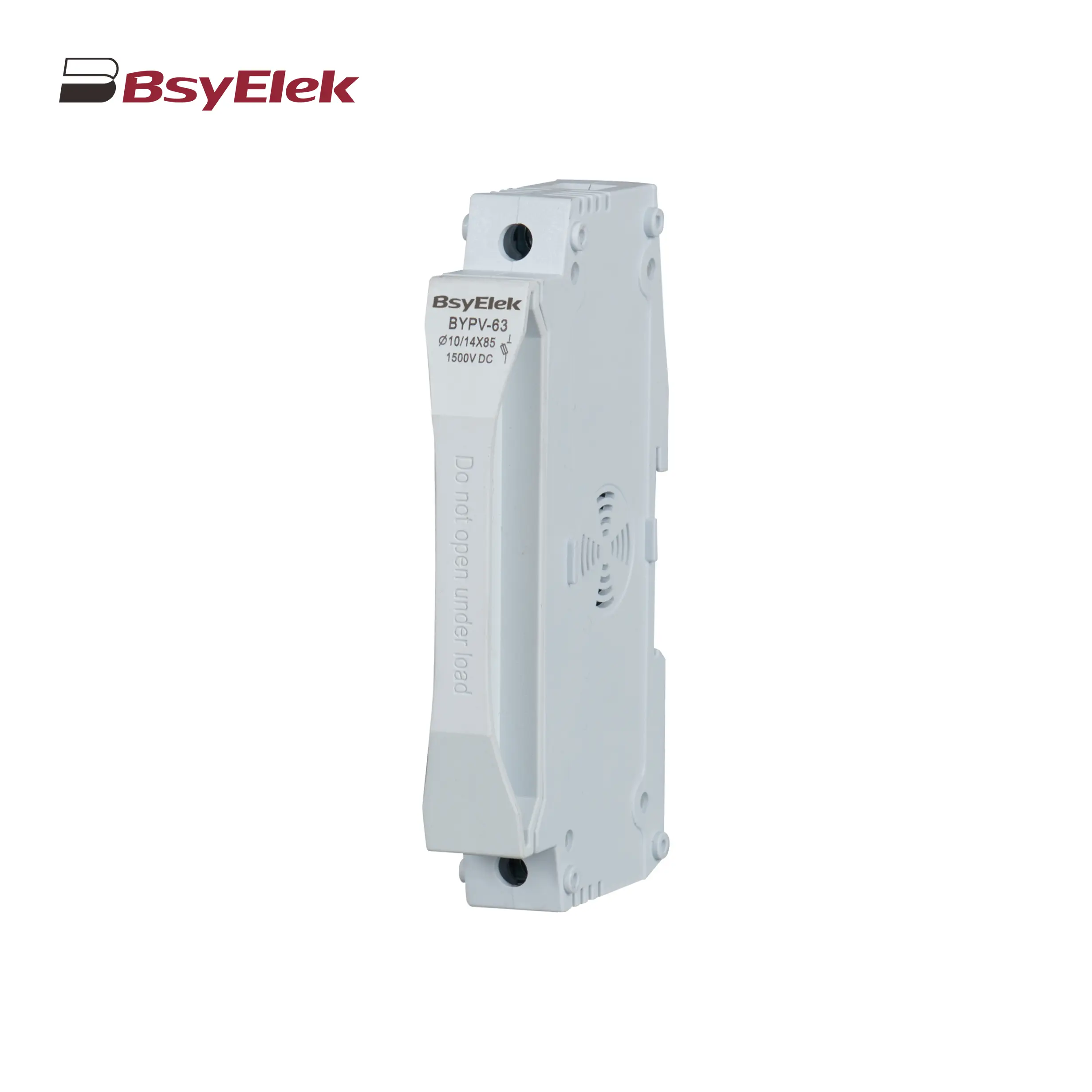 BYPV-63 1500VDC 50A Fuse Holder with 10x85mm 14x85mm Fuse Link
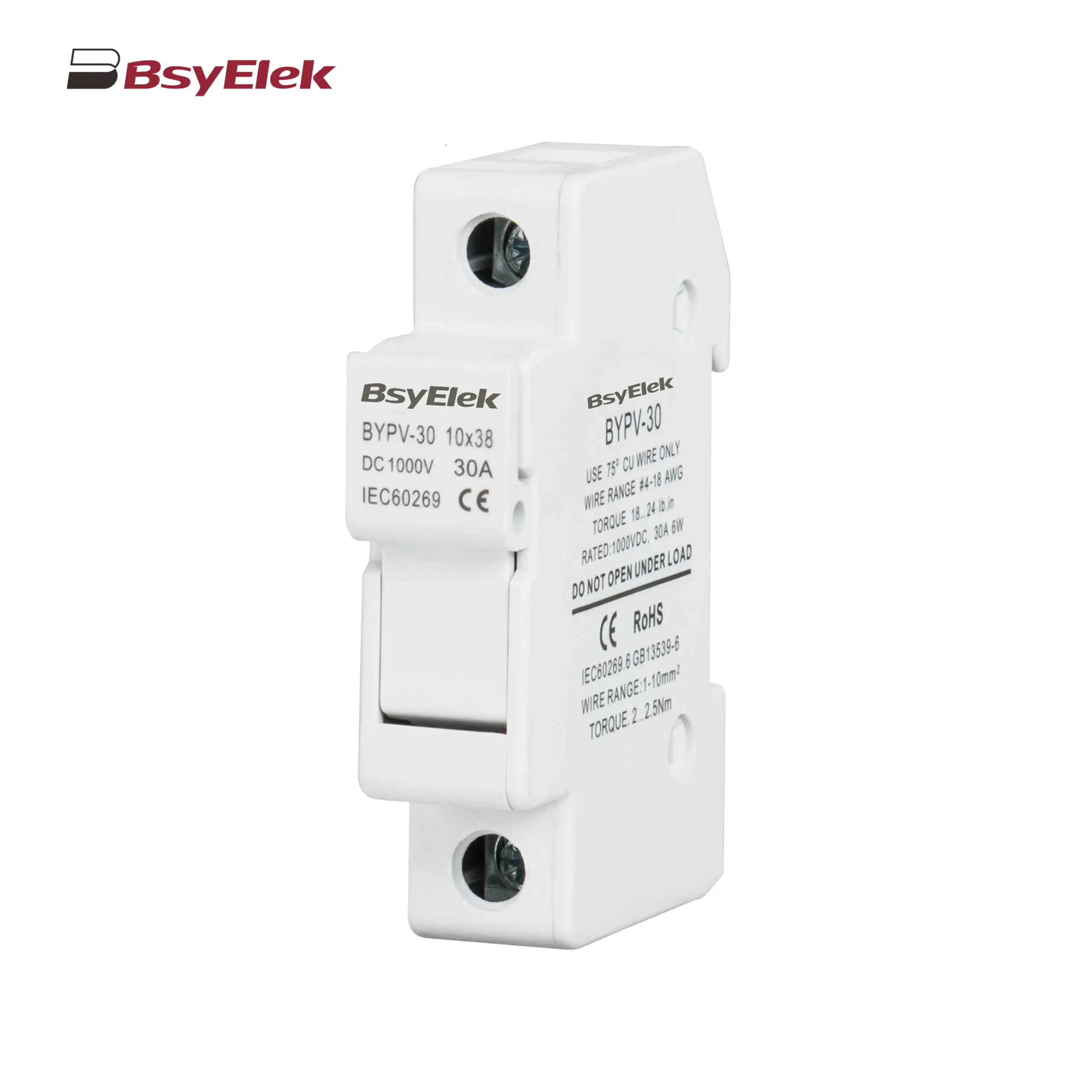 BYPV-30 1000VDC 32A Fuse Holder with 10x38mm Fuse Link
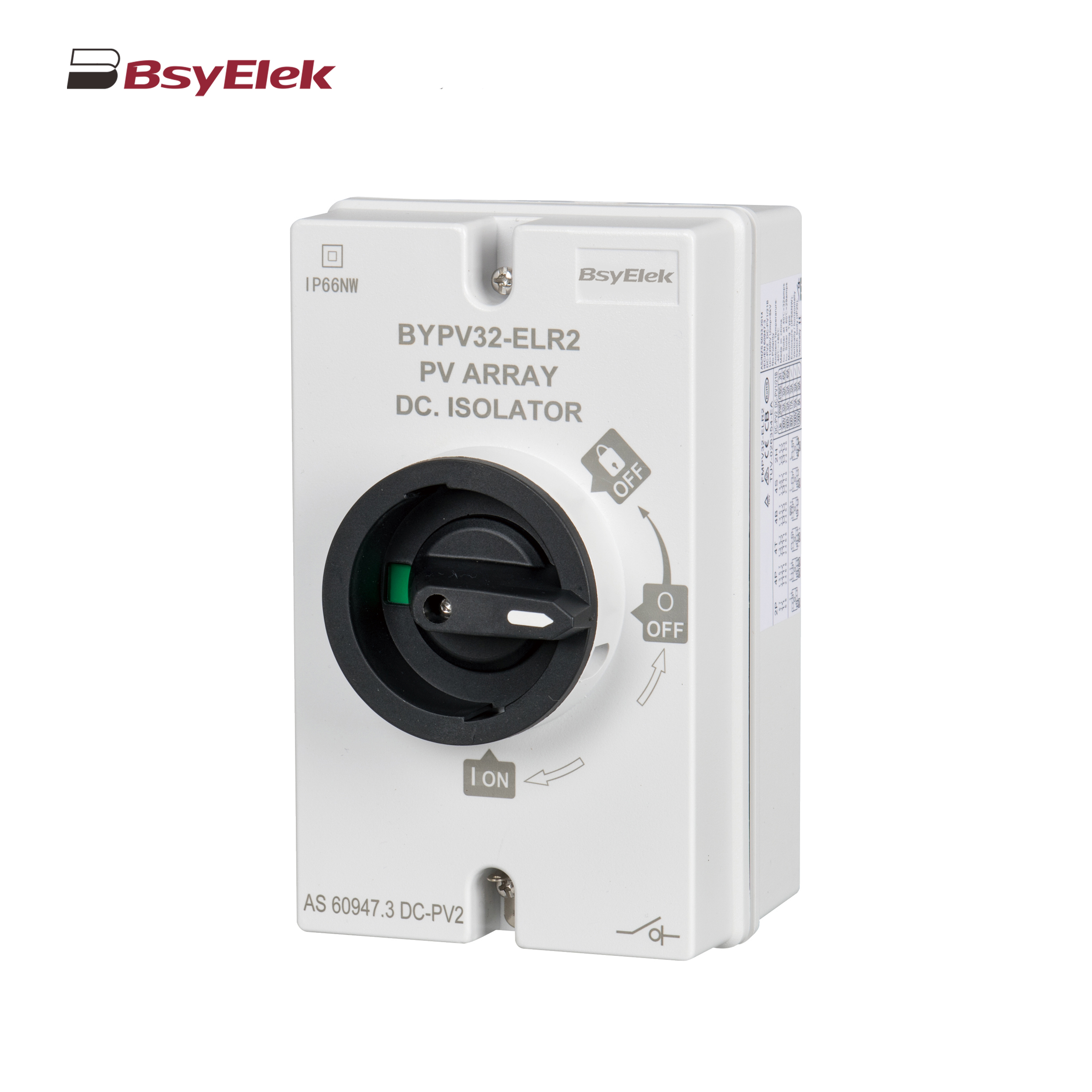 BYPV-ELR2 PV Isolator Switch with Enclosed Version
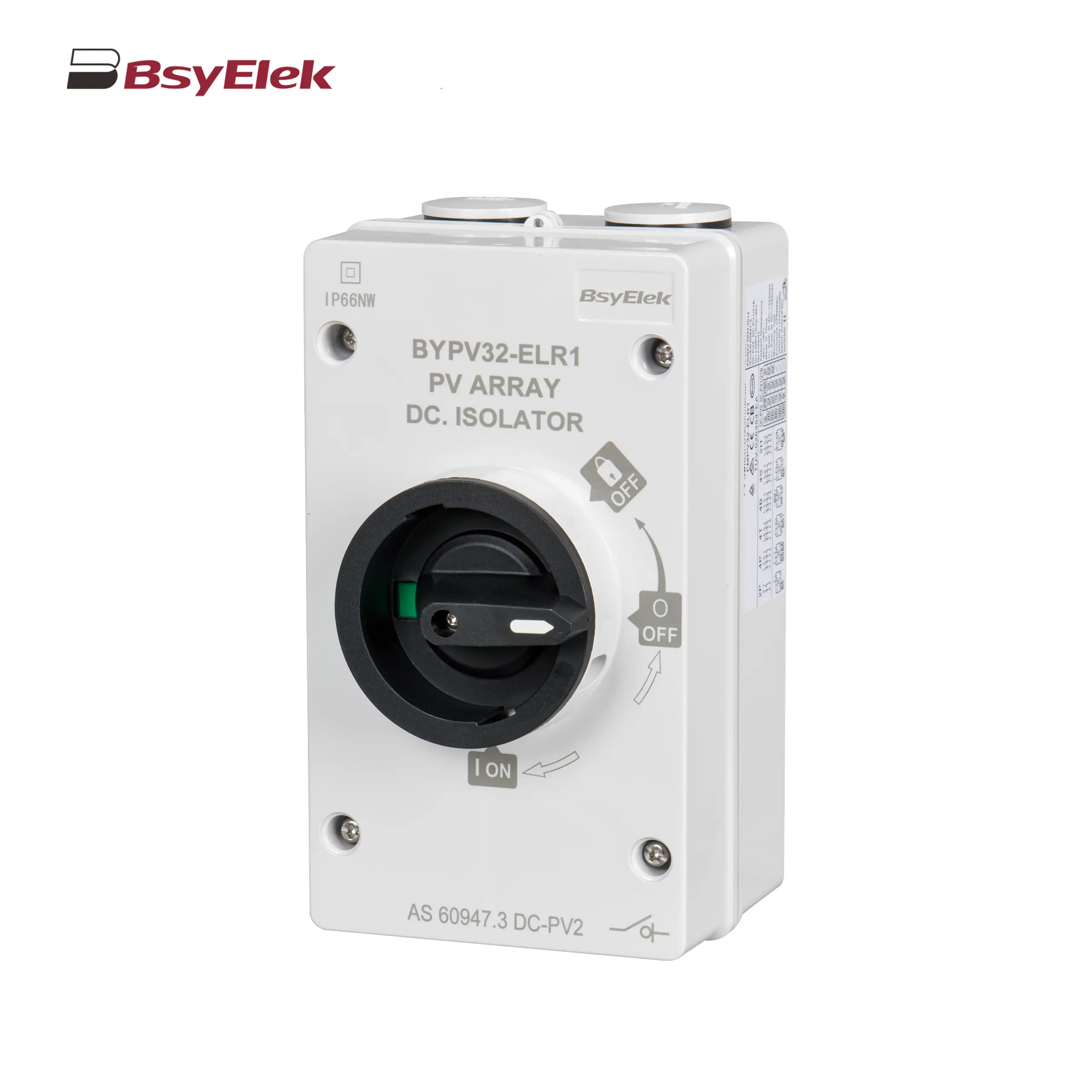 BYPV-ELR1 PV Isolator Switch with Enclosed Version
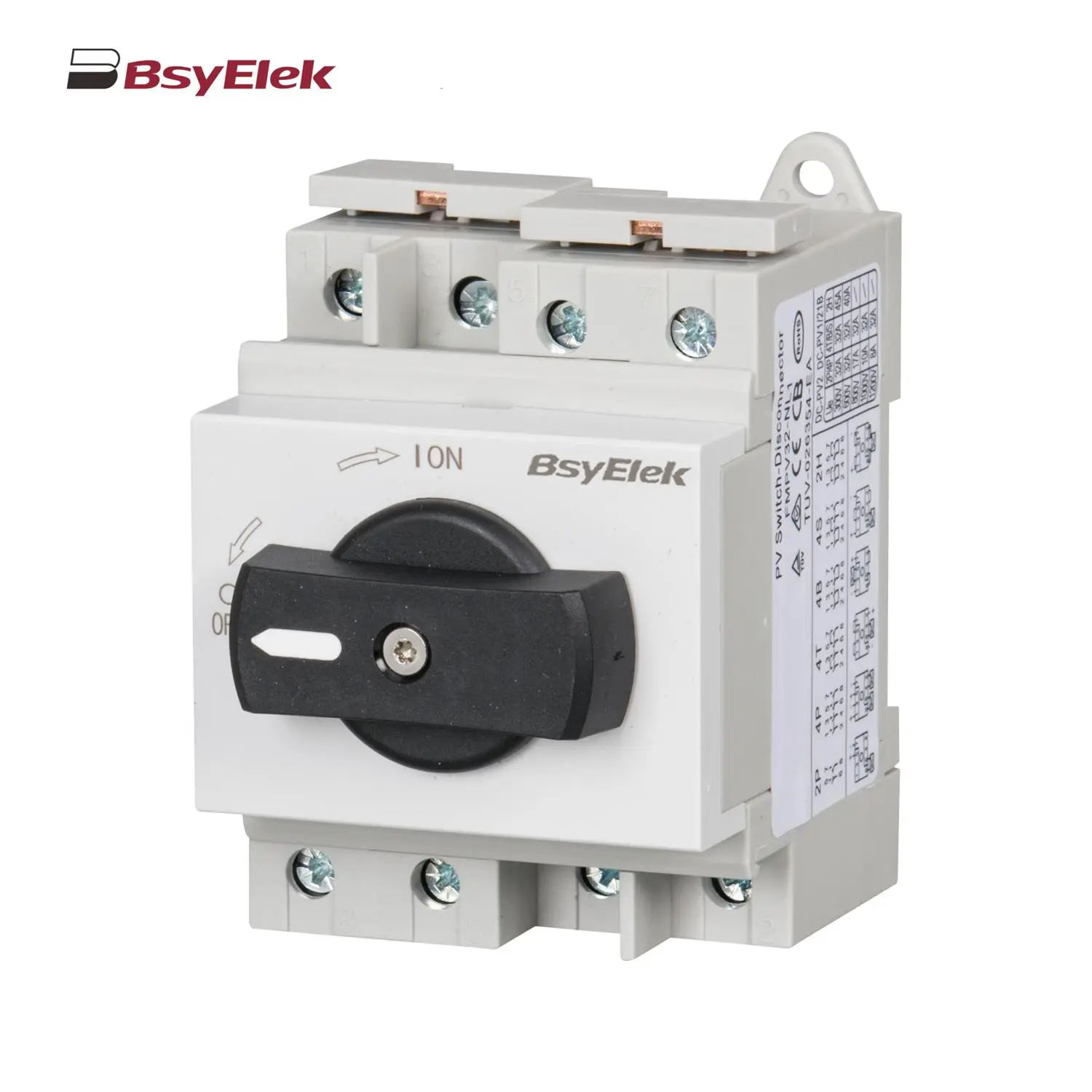 BYPV-NL1/T PV Isolator Switch with Ultra-thin Lever Handle
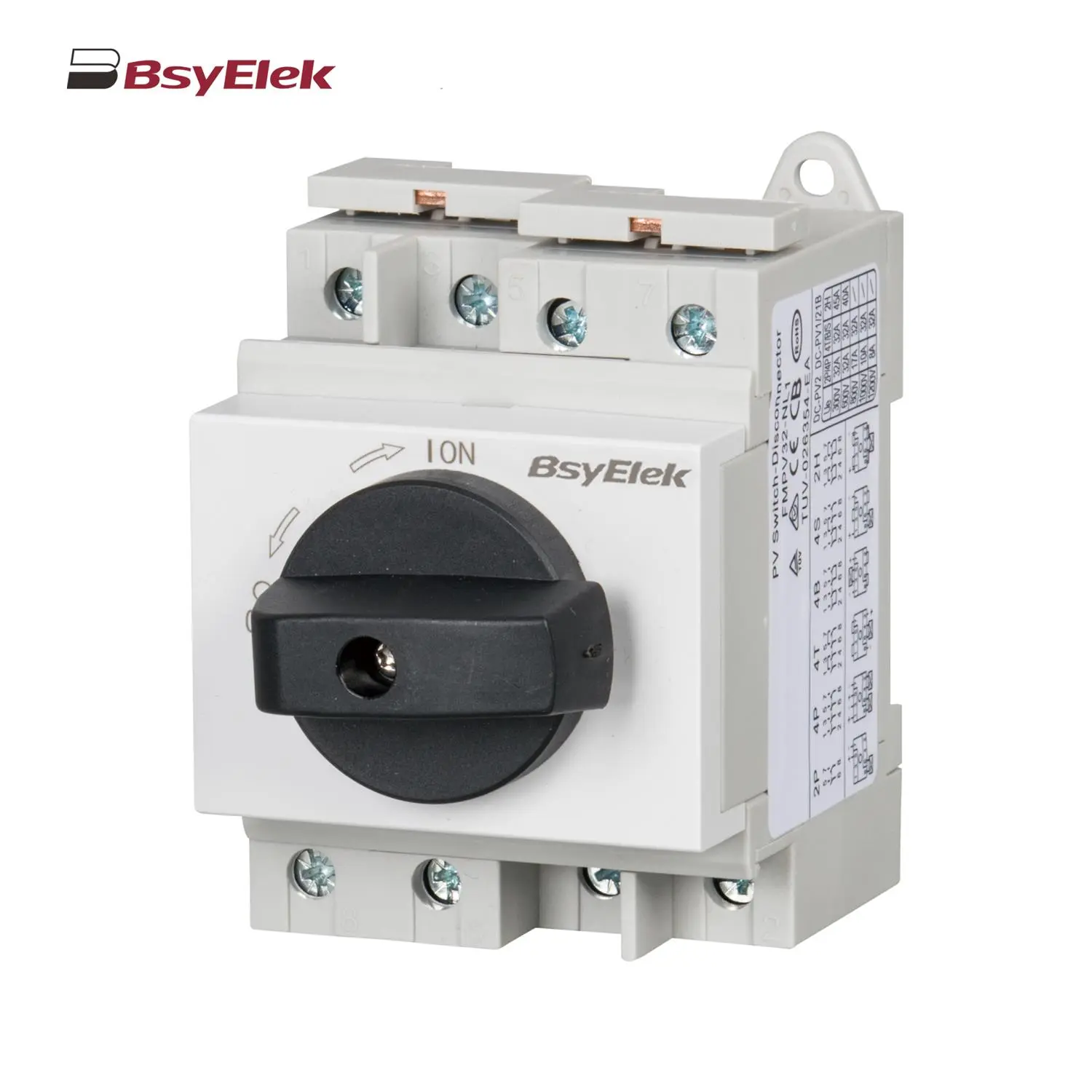 BYPV-NL1 PV Isolator Switch with Lever Handle
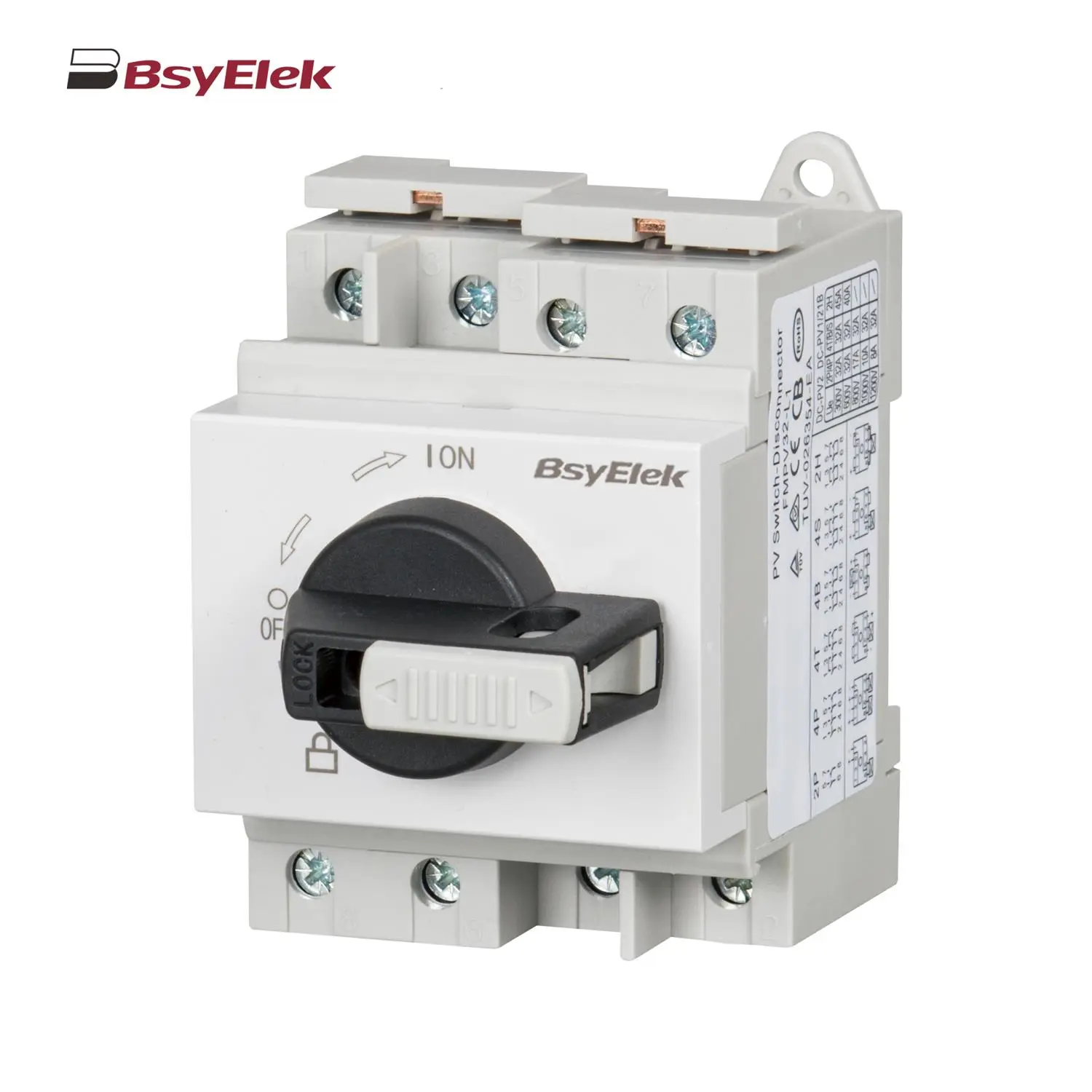 BYPV-L1/L2 PV Isolator Switch with Lockable Lever Handle
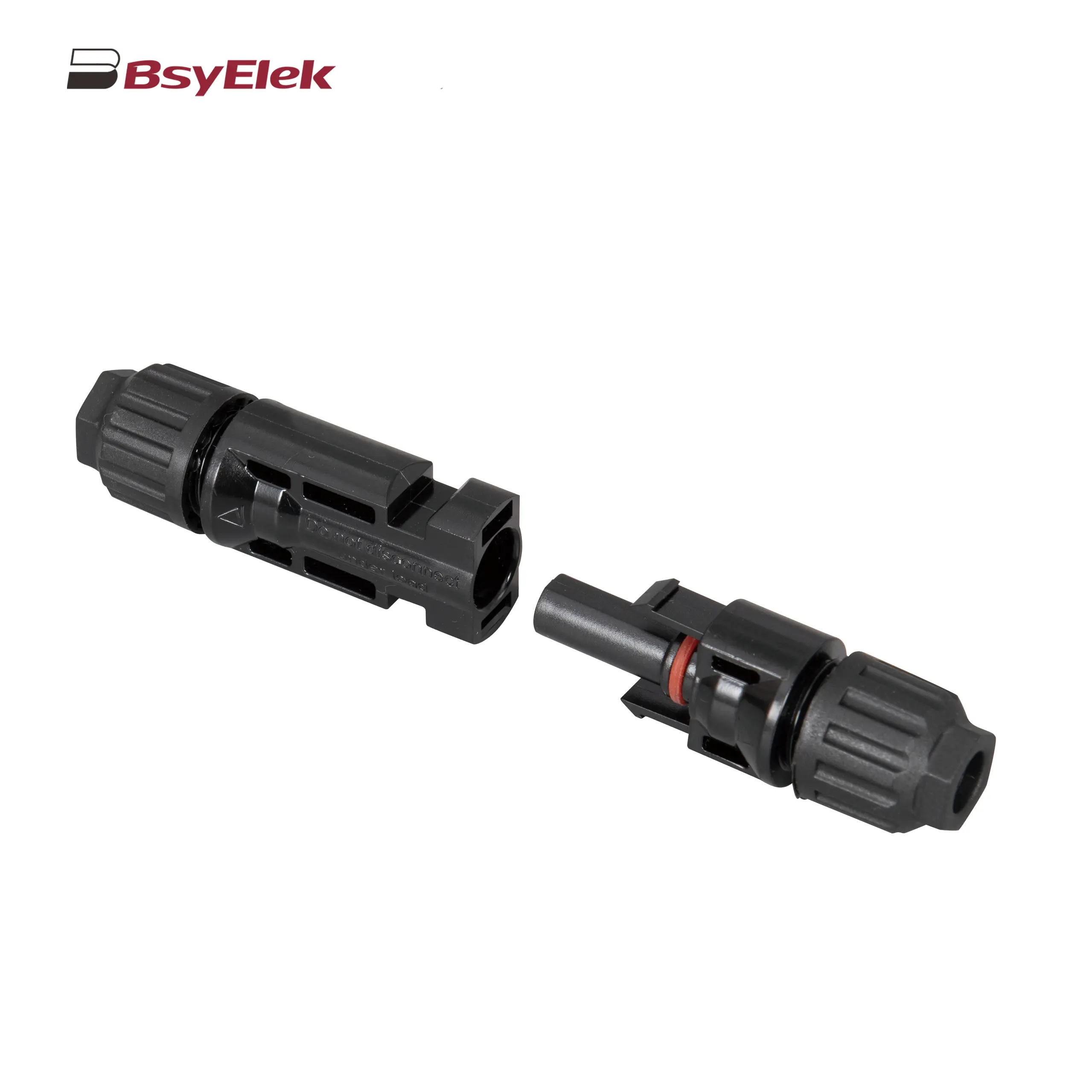 PV-BY-01 30A/50A 1000V Photovoltaic Connector
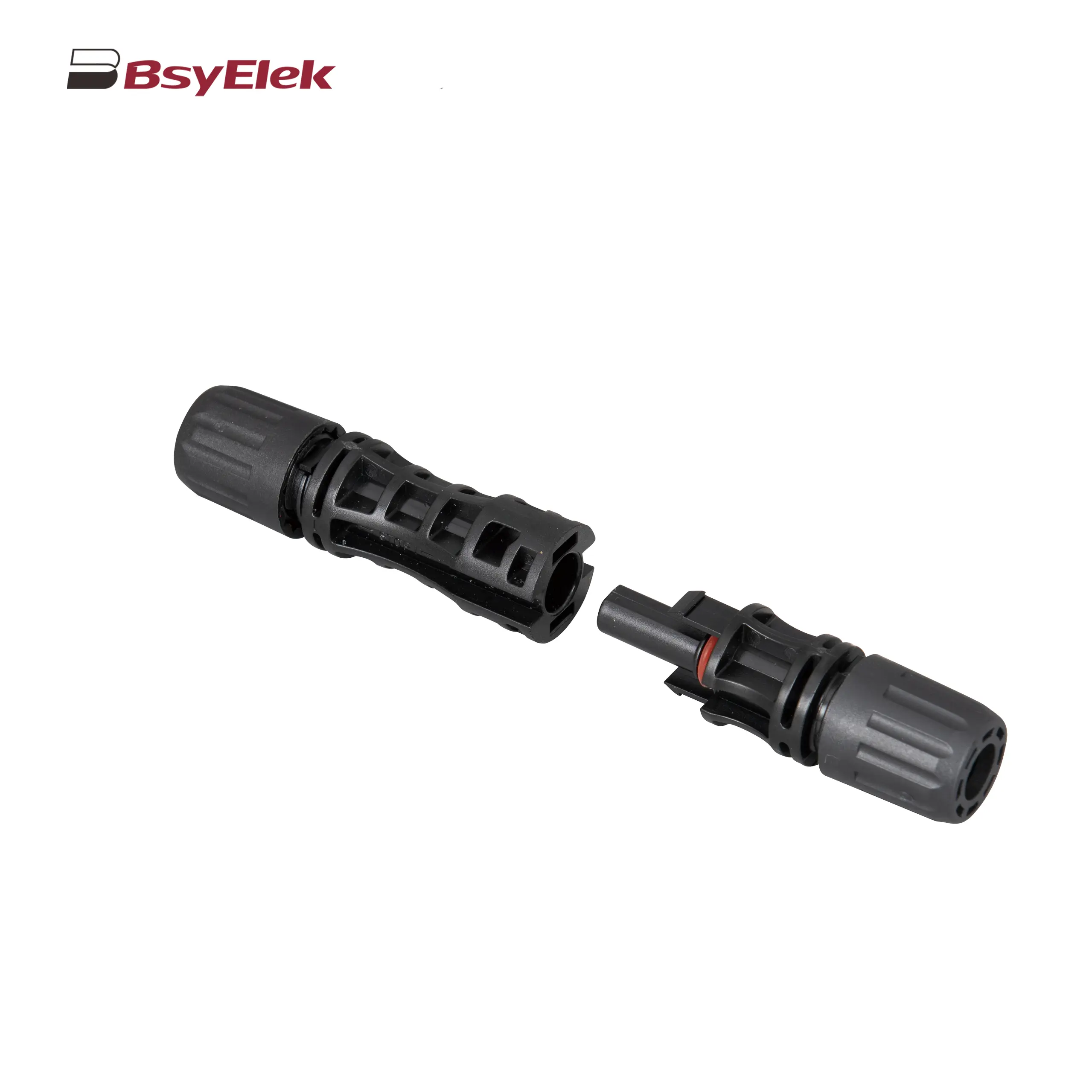 PV-BY-02 30A/50A 1500V Photovoltaic Connector
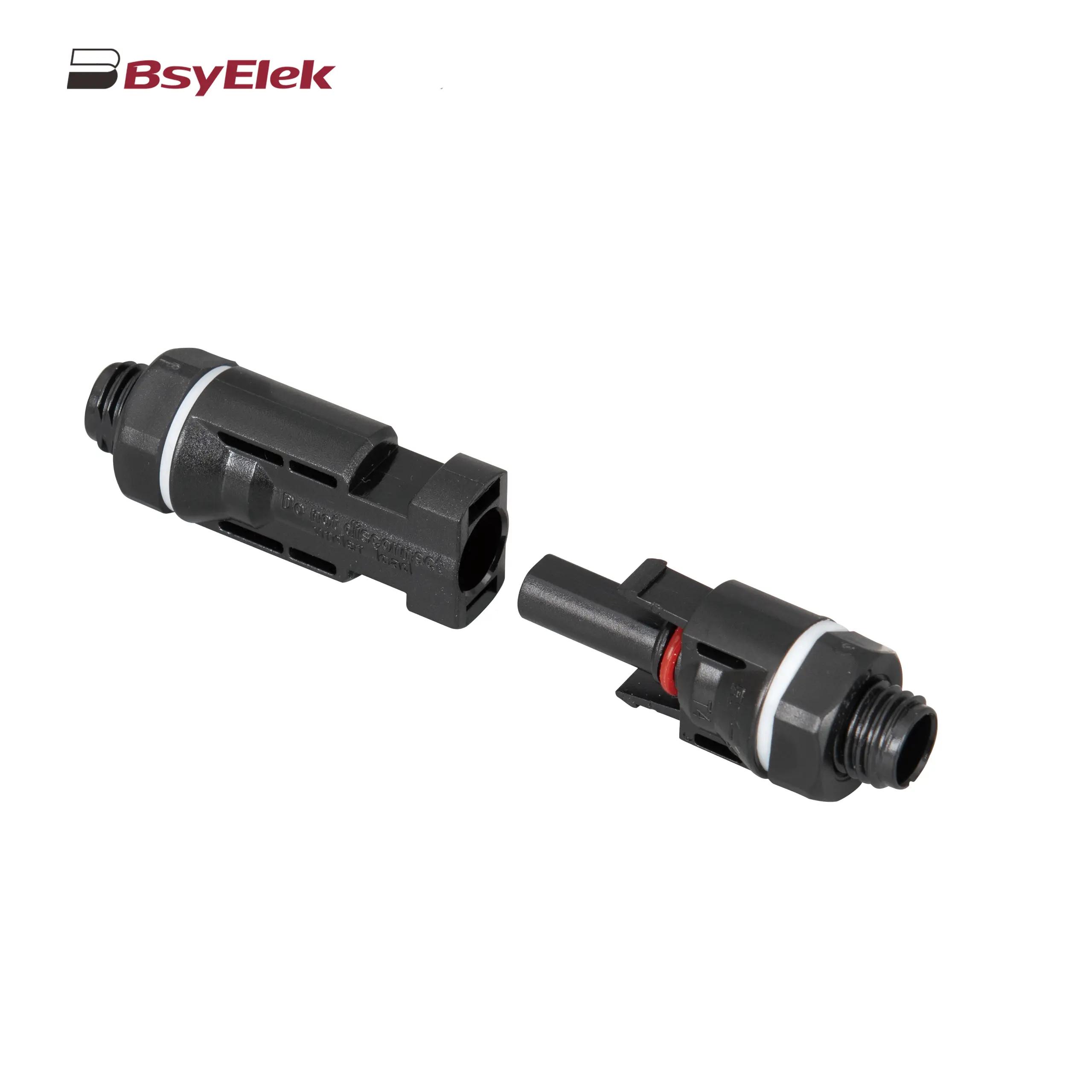 PV-BY-03 30A/50A 1000V Panel Mount Photovoltaic Connector
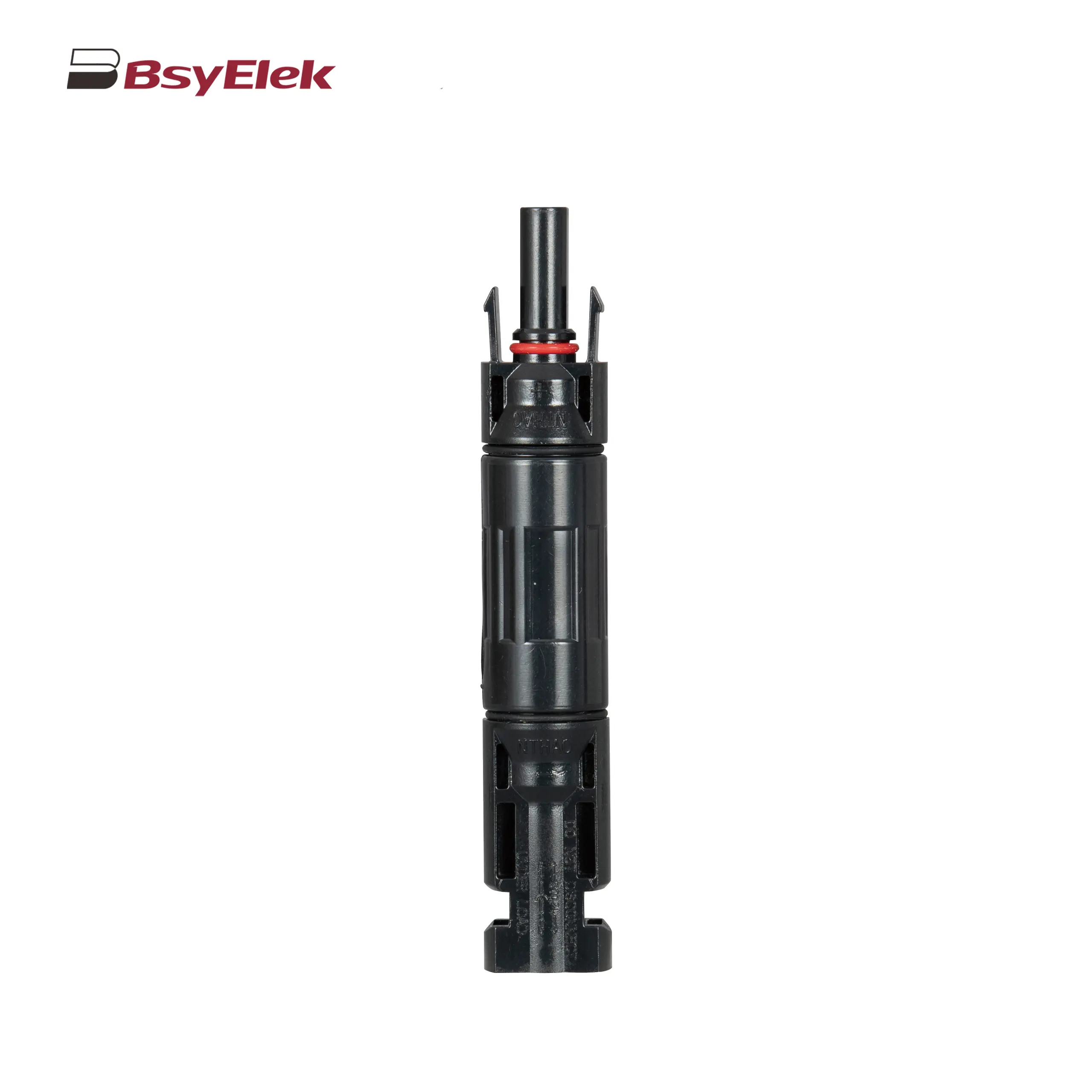 PV-BY-F01 30A 1500V Diode/Fuse Type Connector
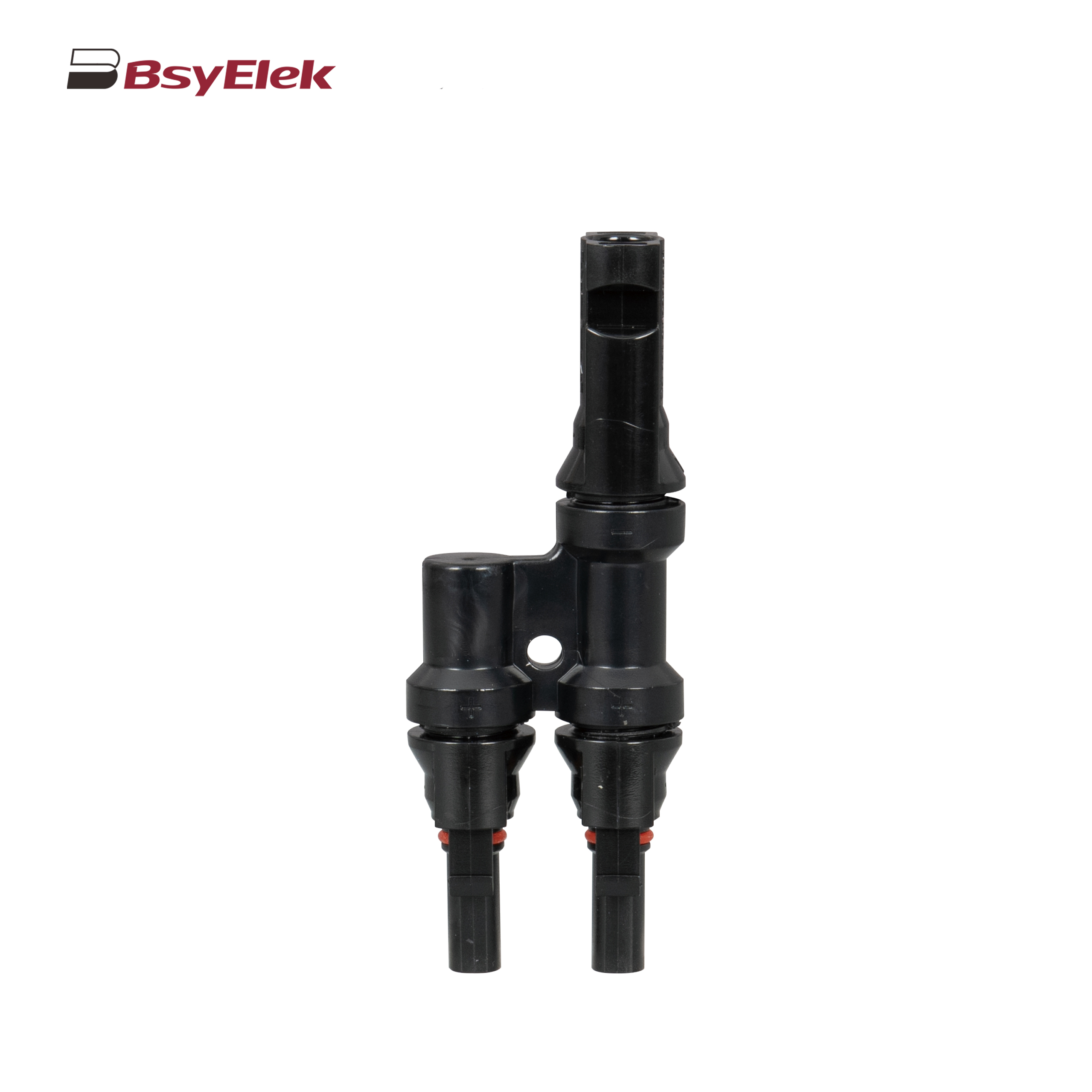 PV-BY-T 50A 1500V T Type Branch Connector
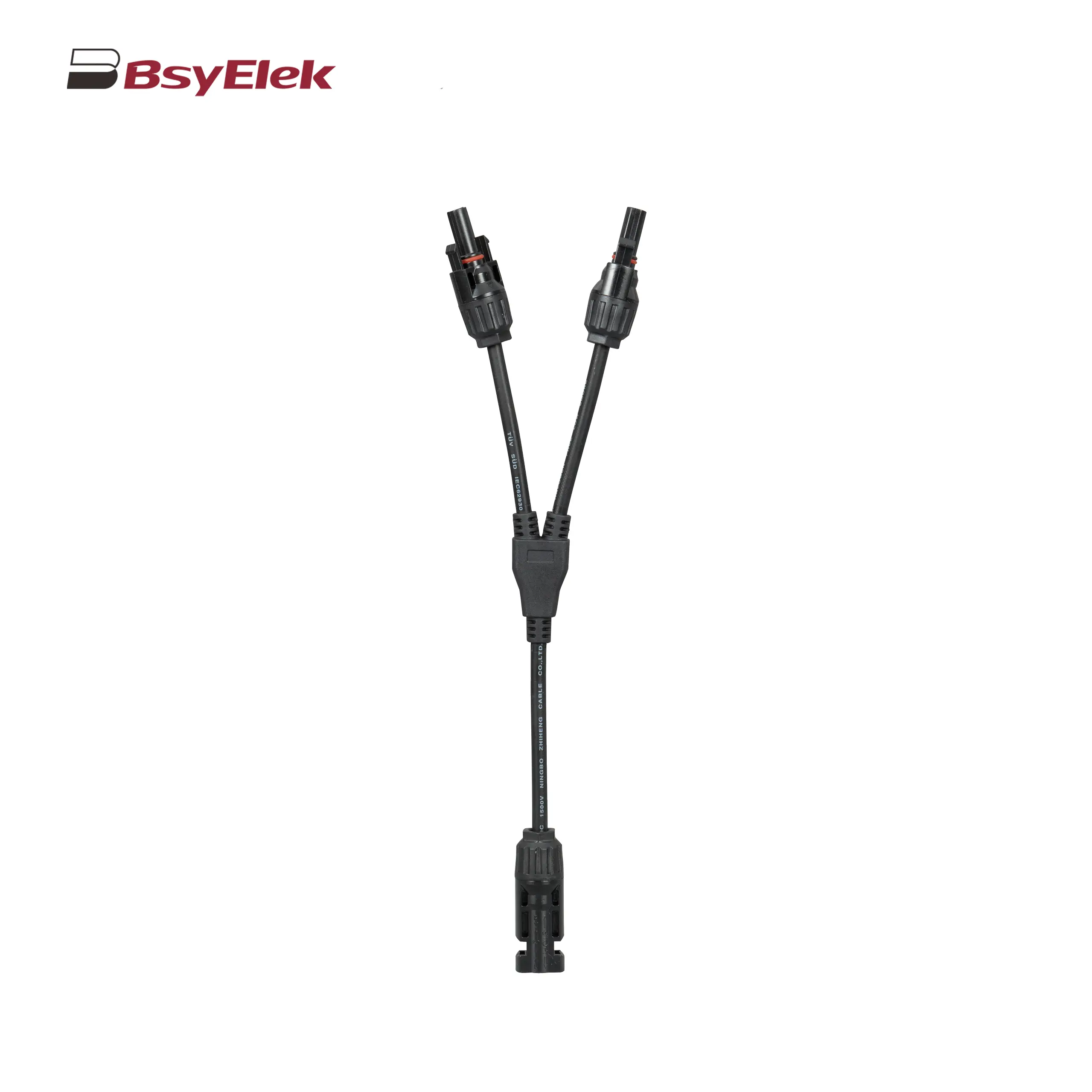 PV-BY-Y 30A 1500V Y Type Branch Connector
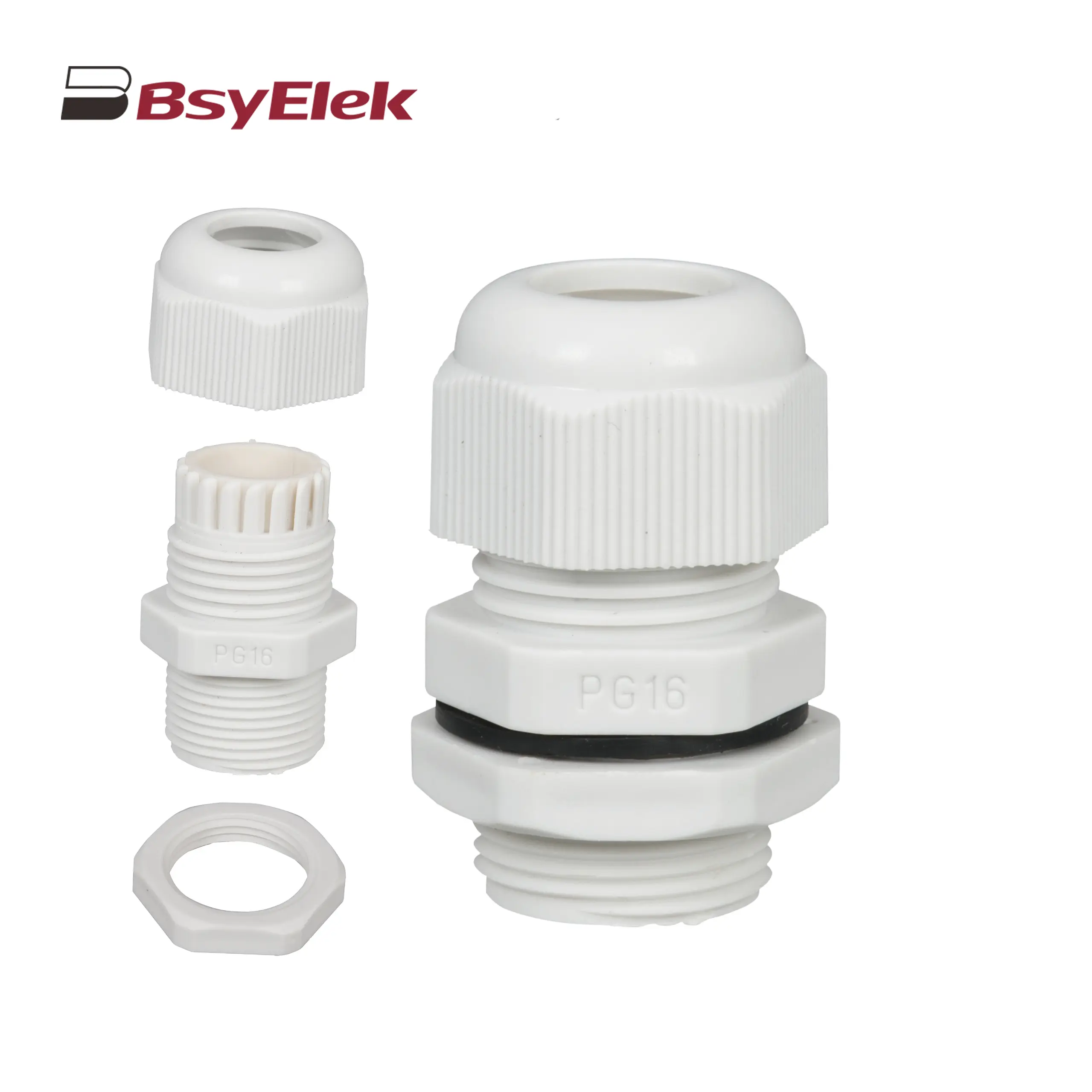 PG Waterproof Cable Gland with Washer
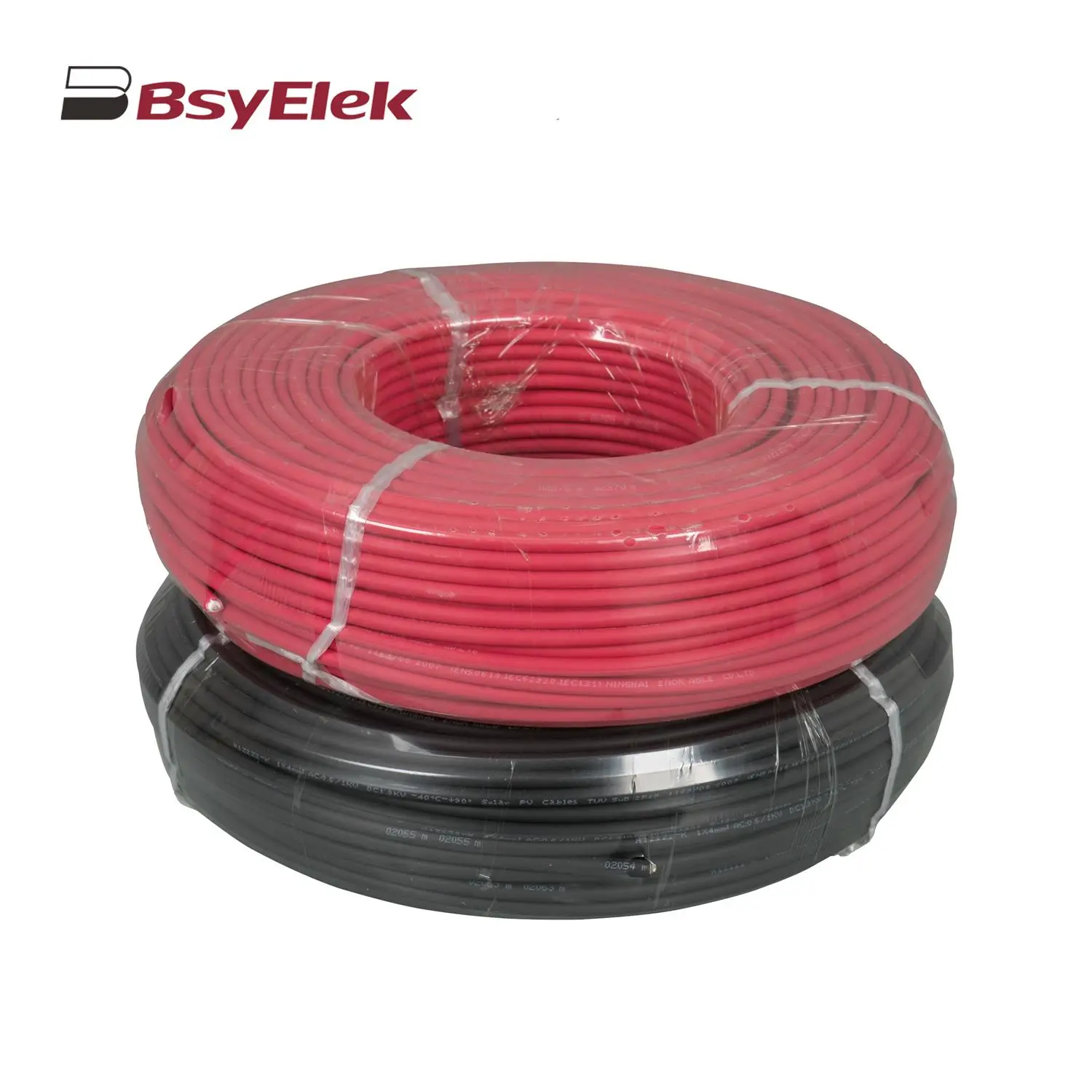 Photovoltaic Cable
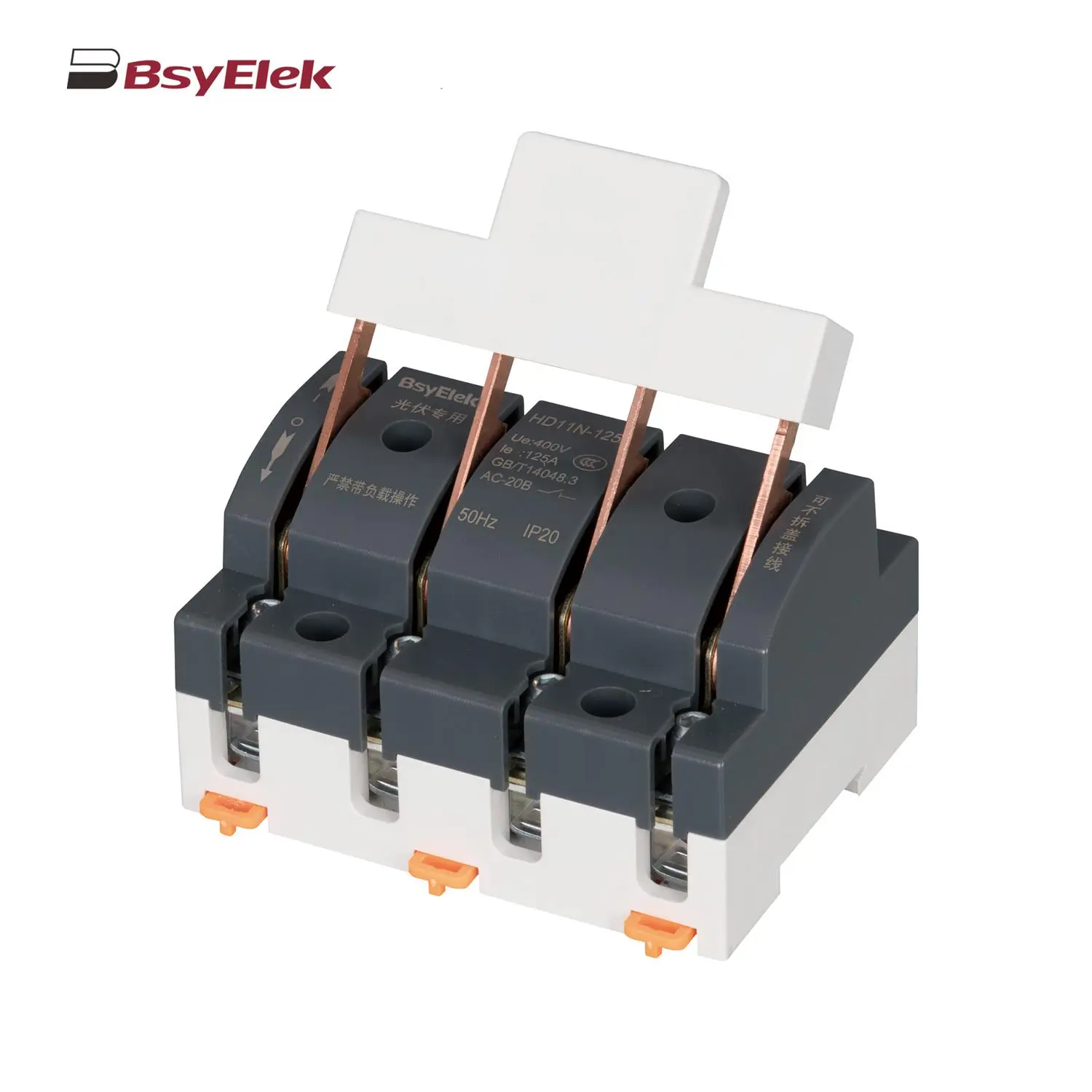 HD11N Photovoltaic Knife Switch
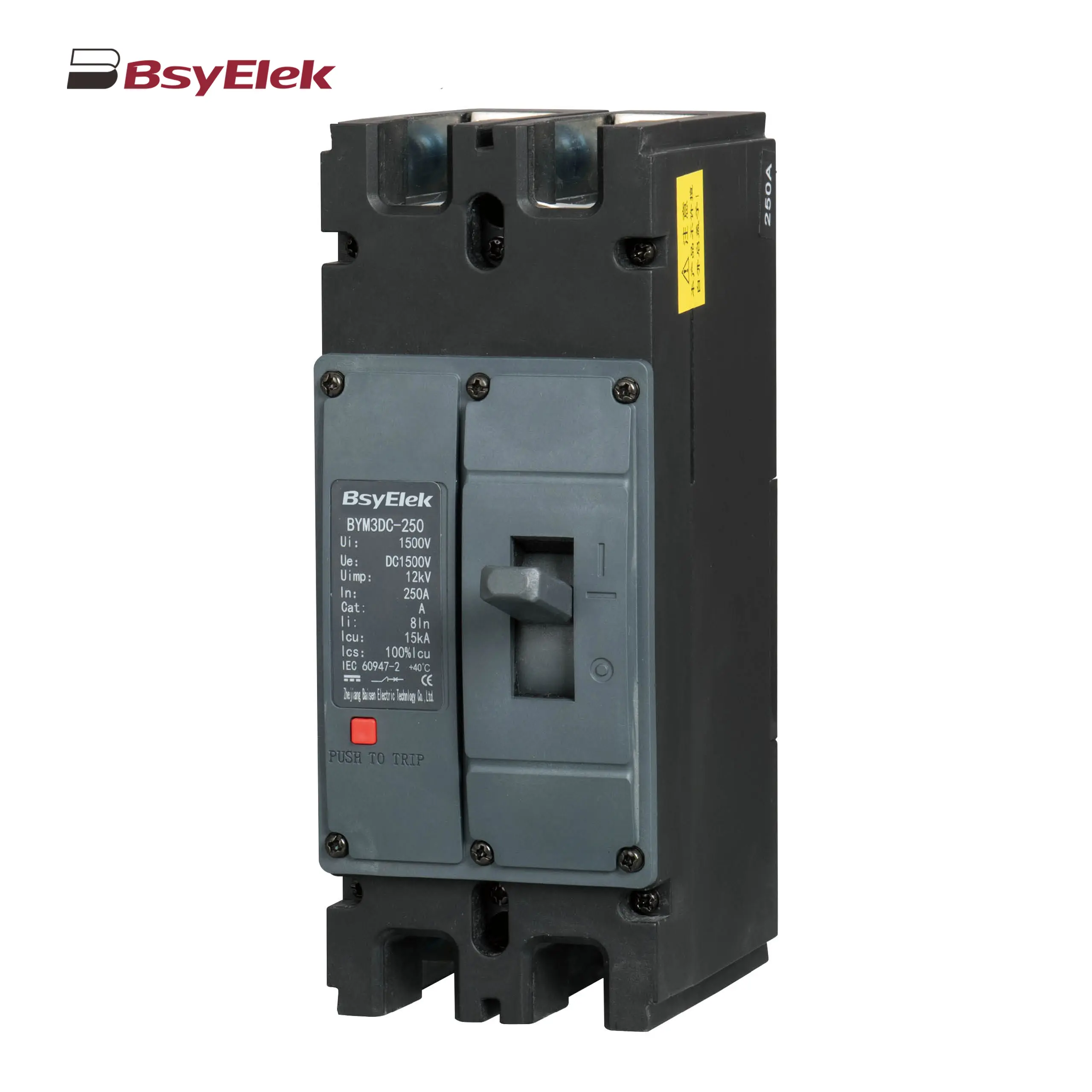 BYM3DC MCCB Photovoltaic DC Molded Case Circuit Breaker
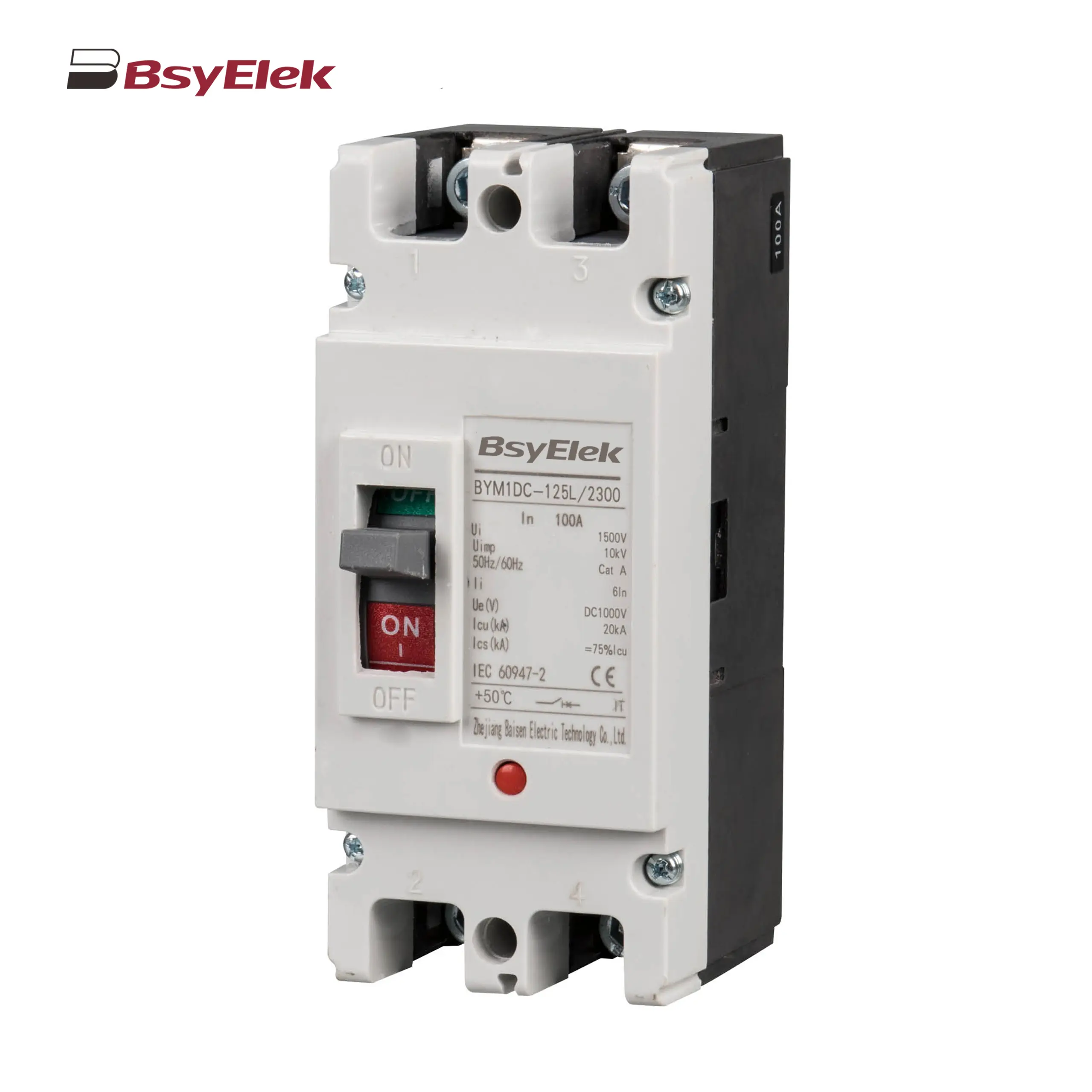 BYM1DC MCCB 1000VDC Thermal Magnetic Type DC Molded Case Circuit Breaker
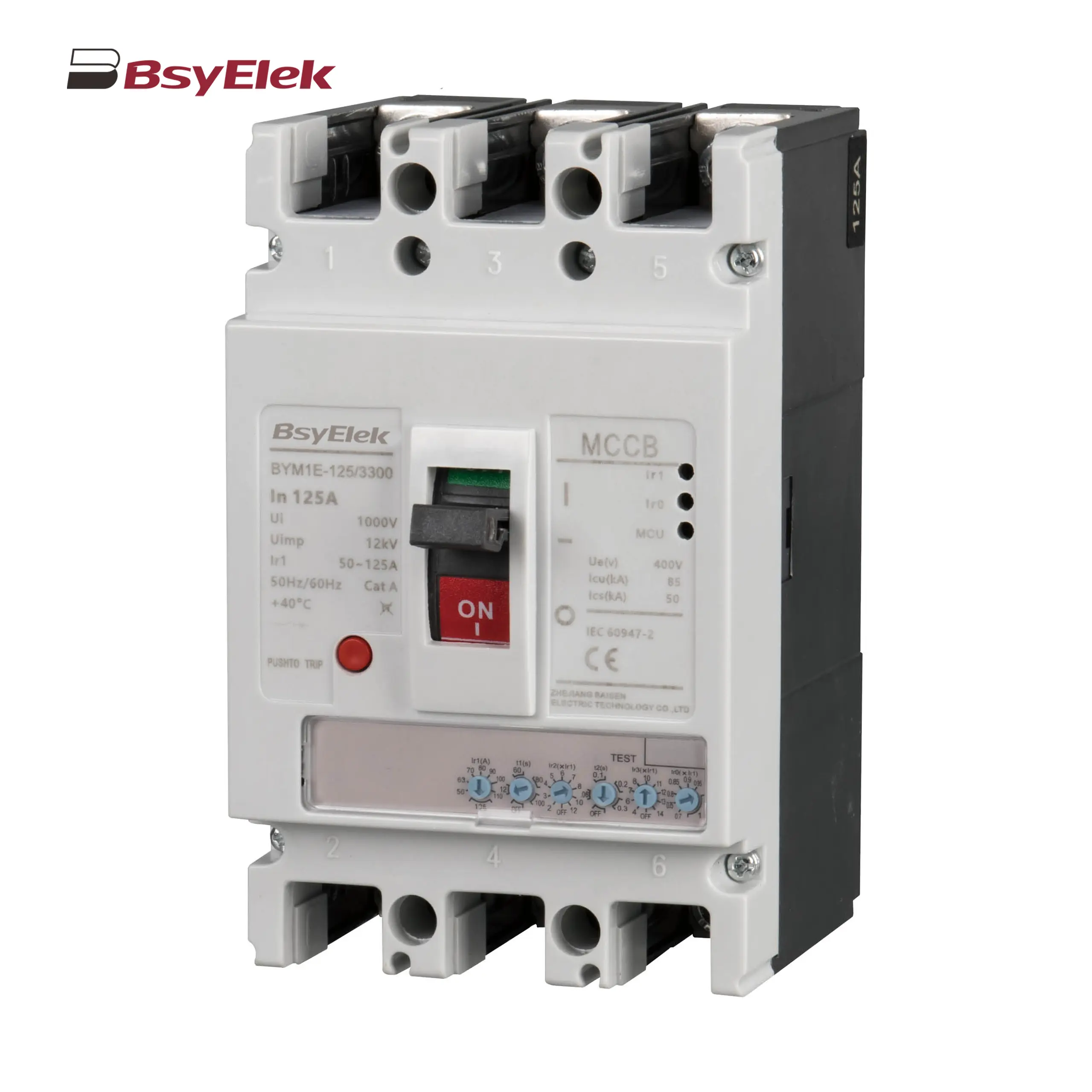 BYM1E MCCB Electronic Type Molded Case Circuit Breaker
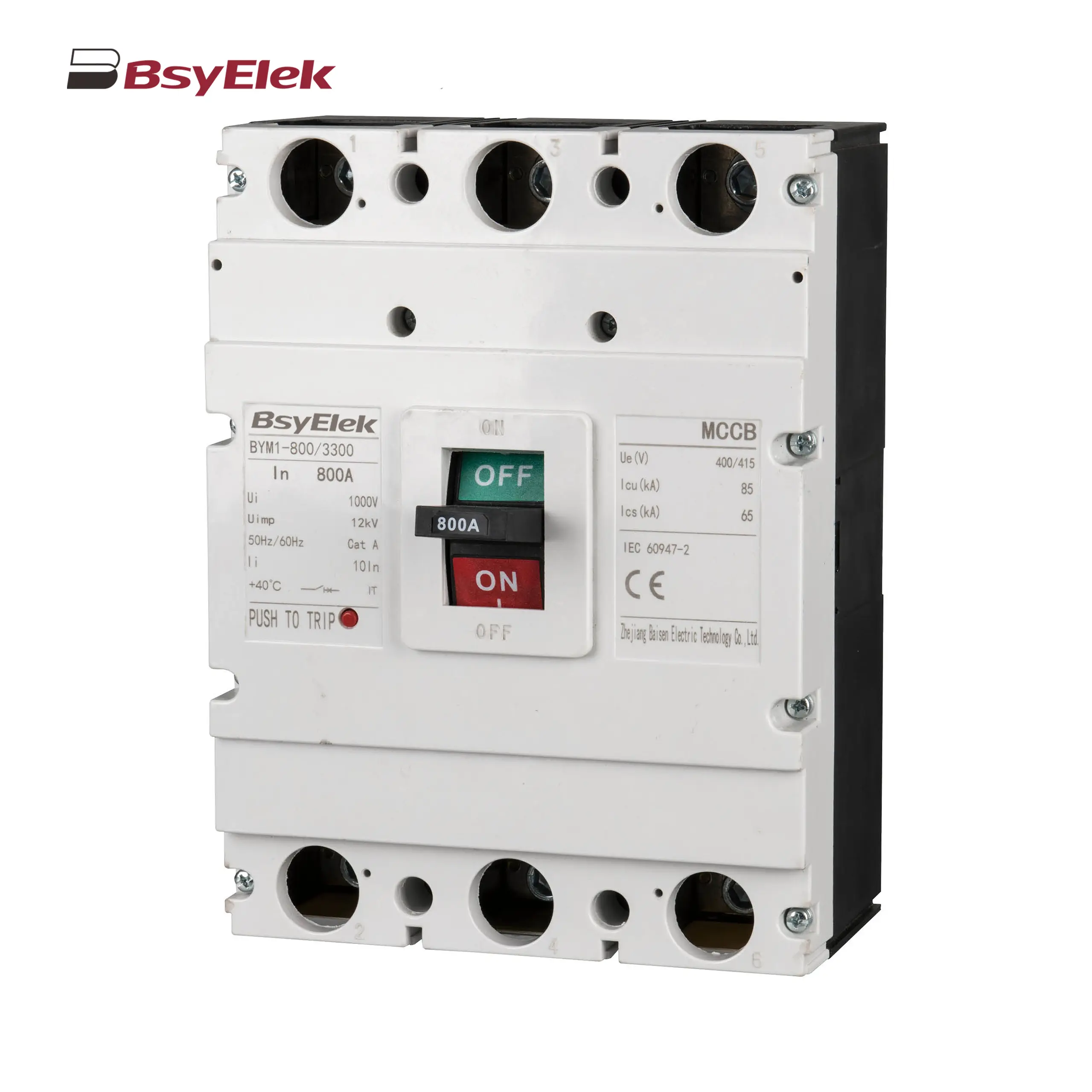 BYM1 MCCB Thermal Magnetic AC Molded Case Circuit Breaker
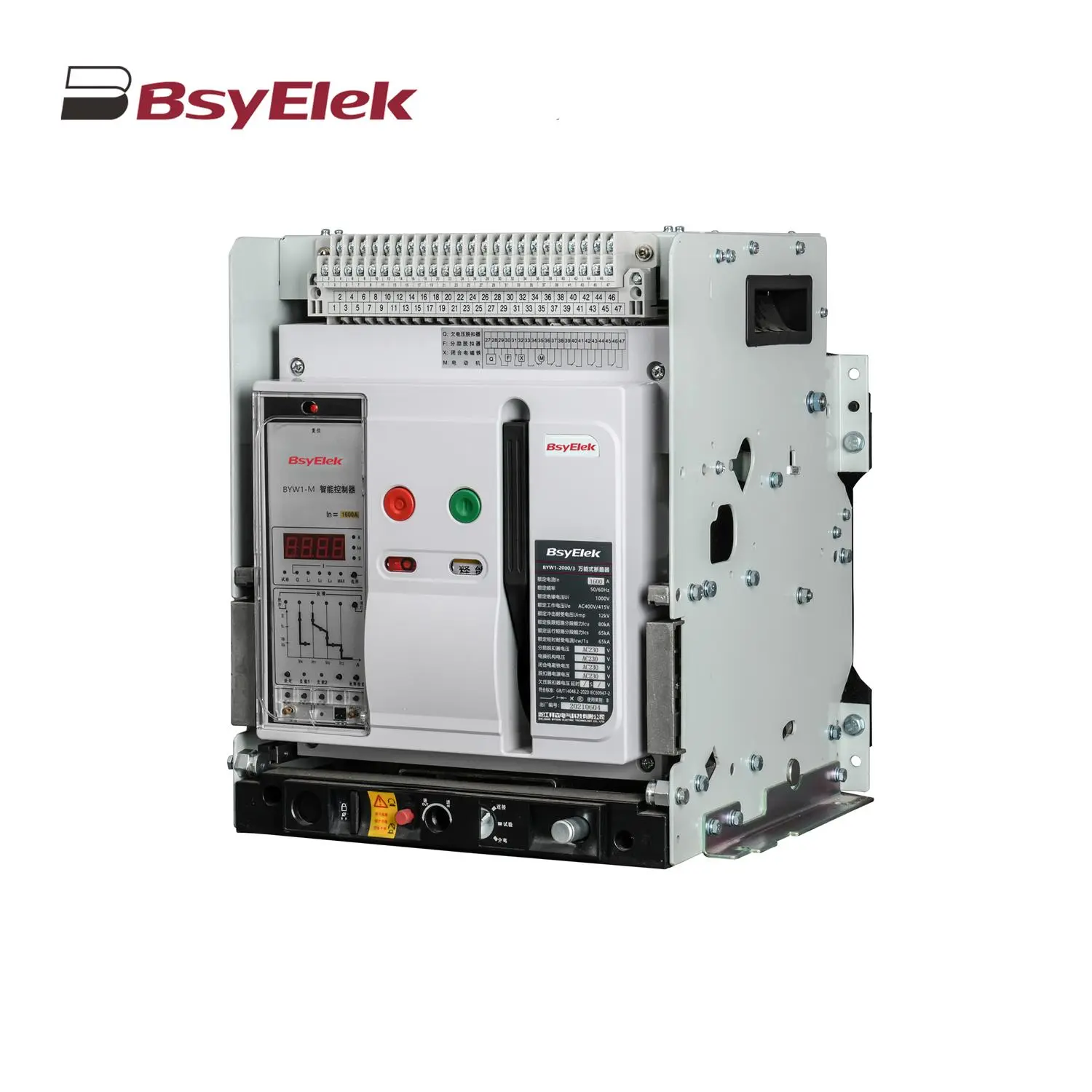 BYW1 ACB Intelligent Universal Air Circuit Breaker
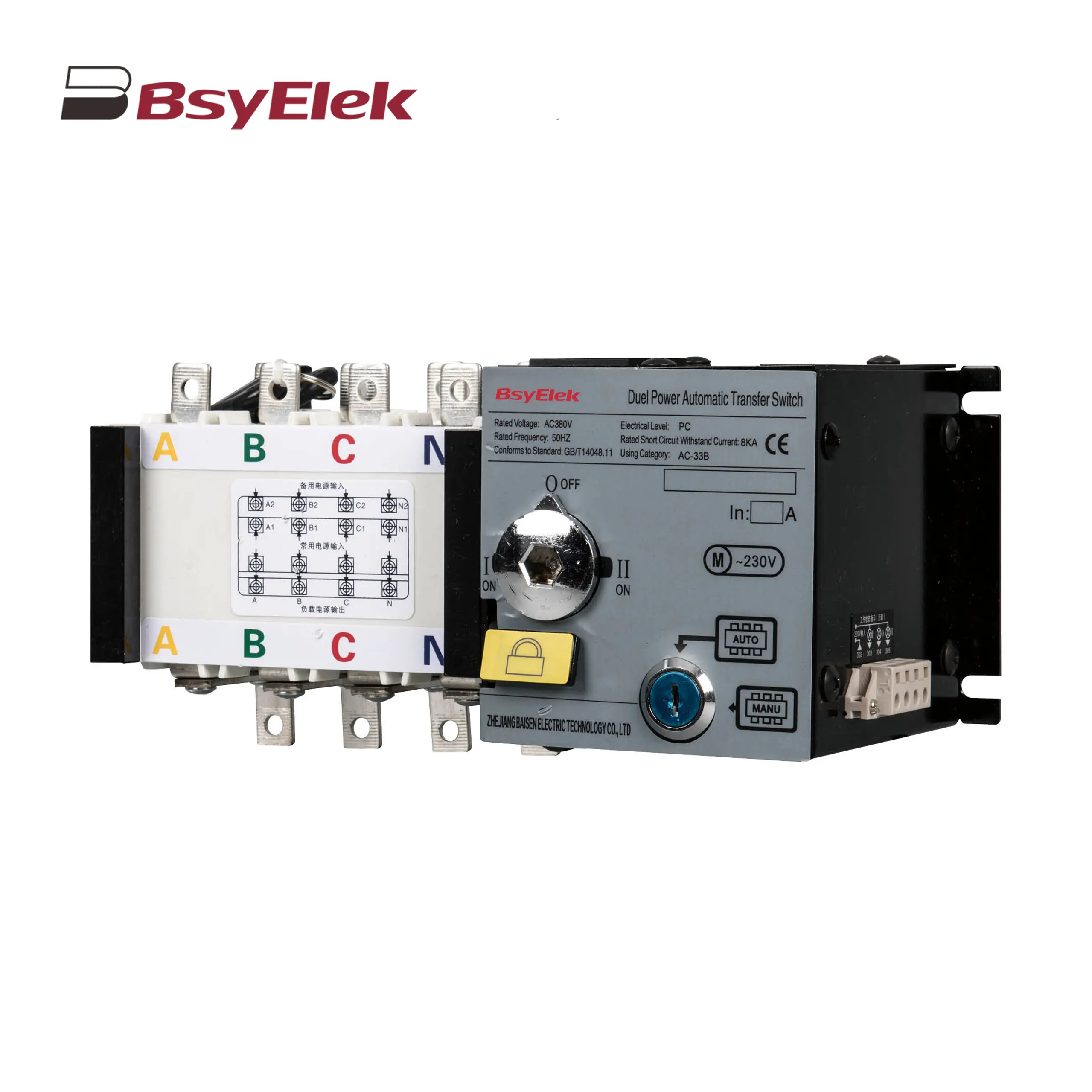 BYQ1 ATS Isolated Type PC Level Dual Power Automatic Transfer Switch
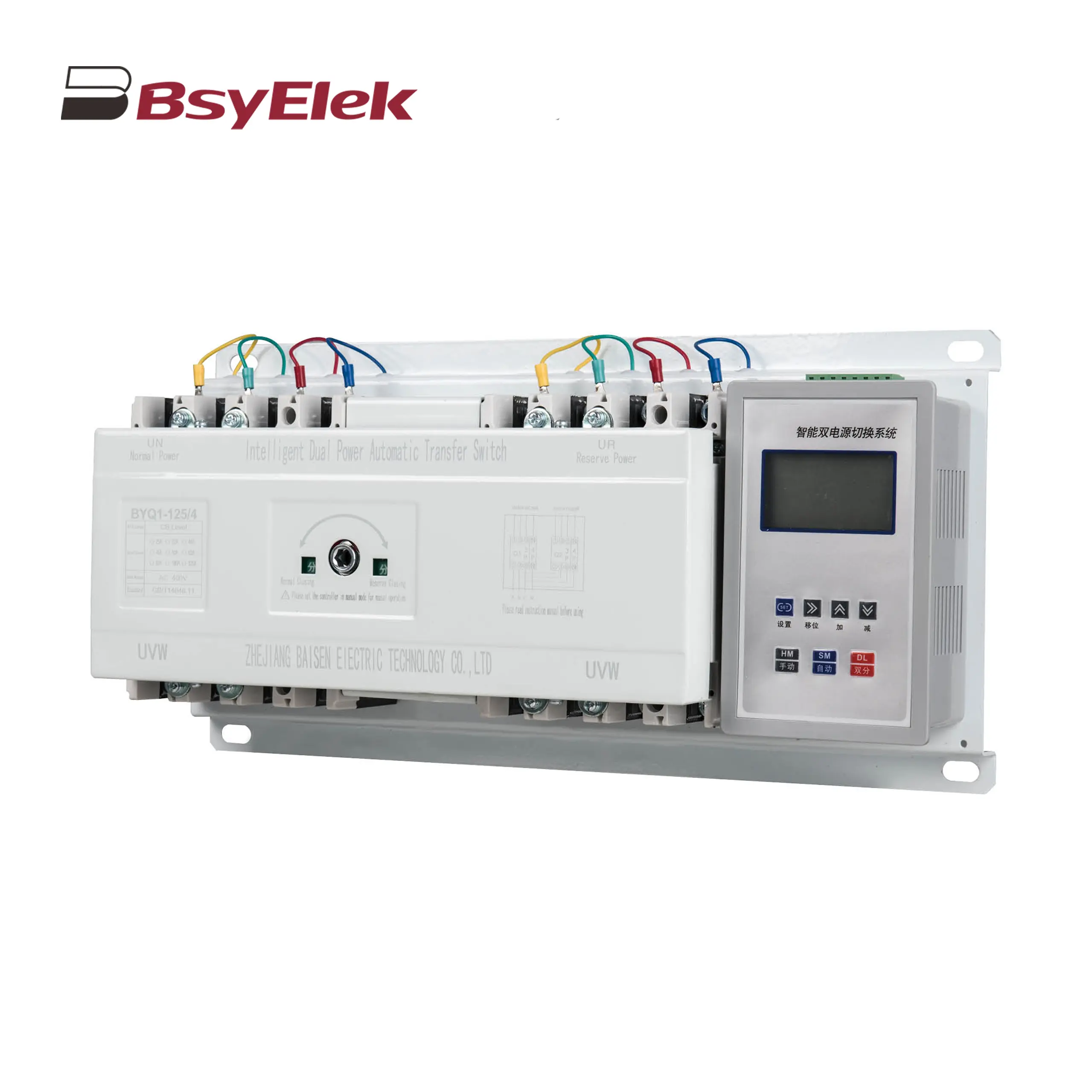 BYQ1 ATS Intelligent Type CB Level Dual Power Automatic Transfer Switch
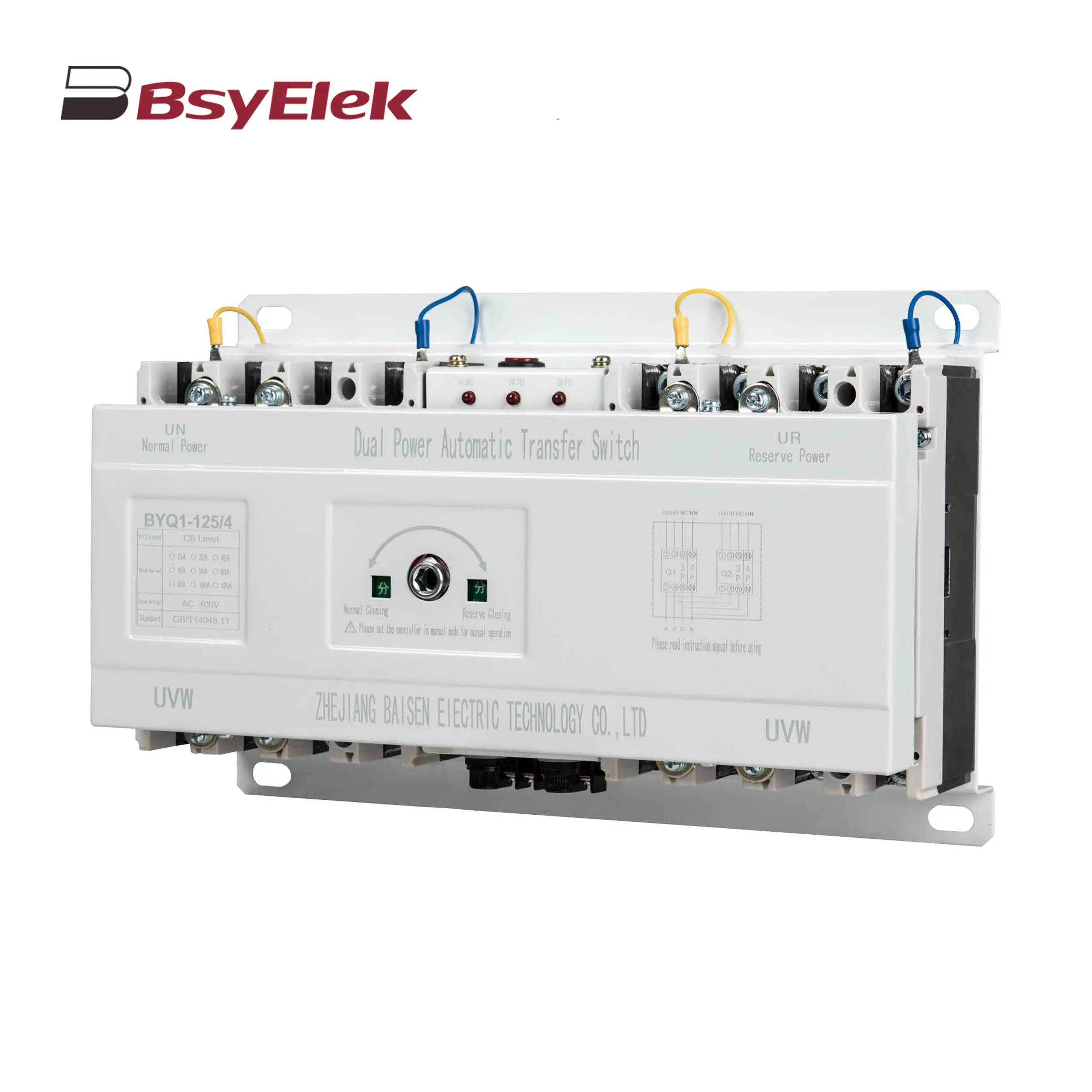 BYQ1 ATS End Type CB Level Dual Power Automatic Transfer Switch
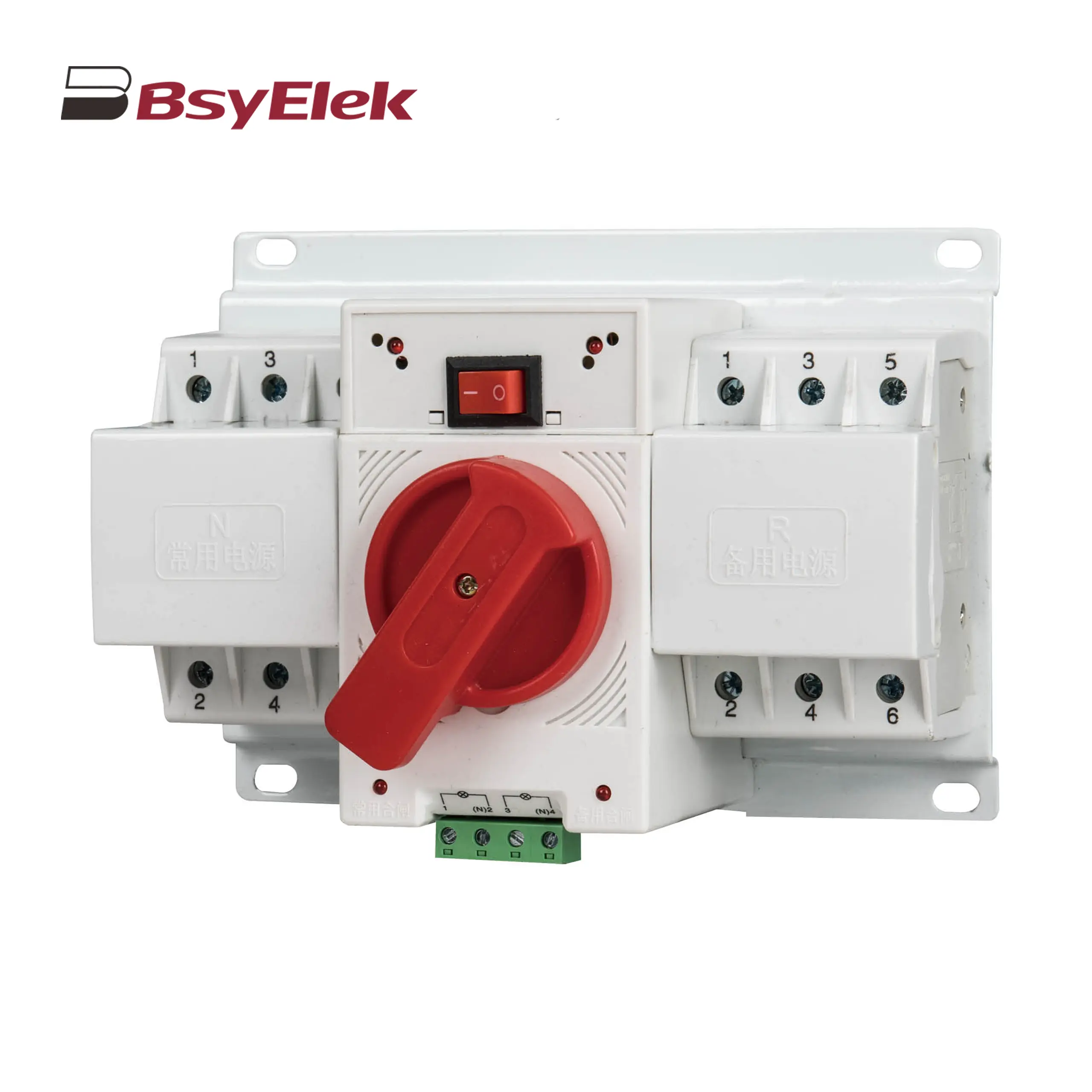 BYQ1 ATS Mini Type CB Level Dual Power Automatic Transfer Switch
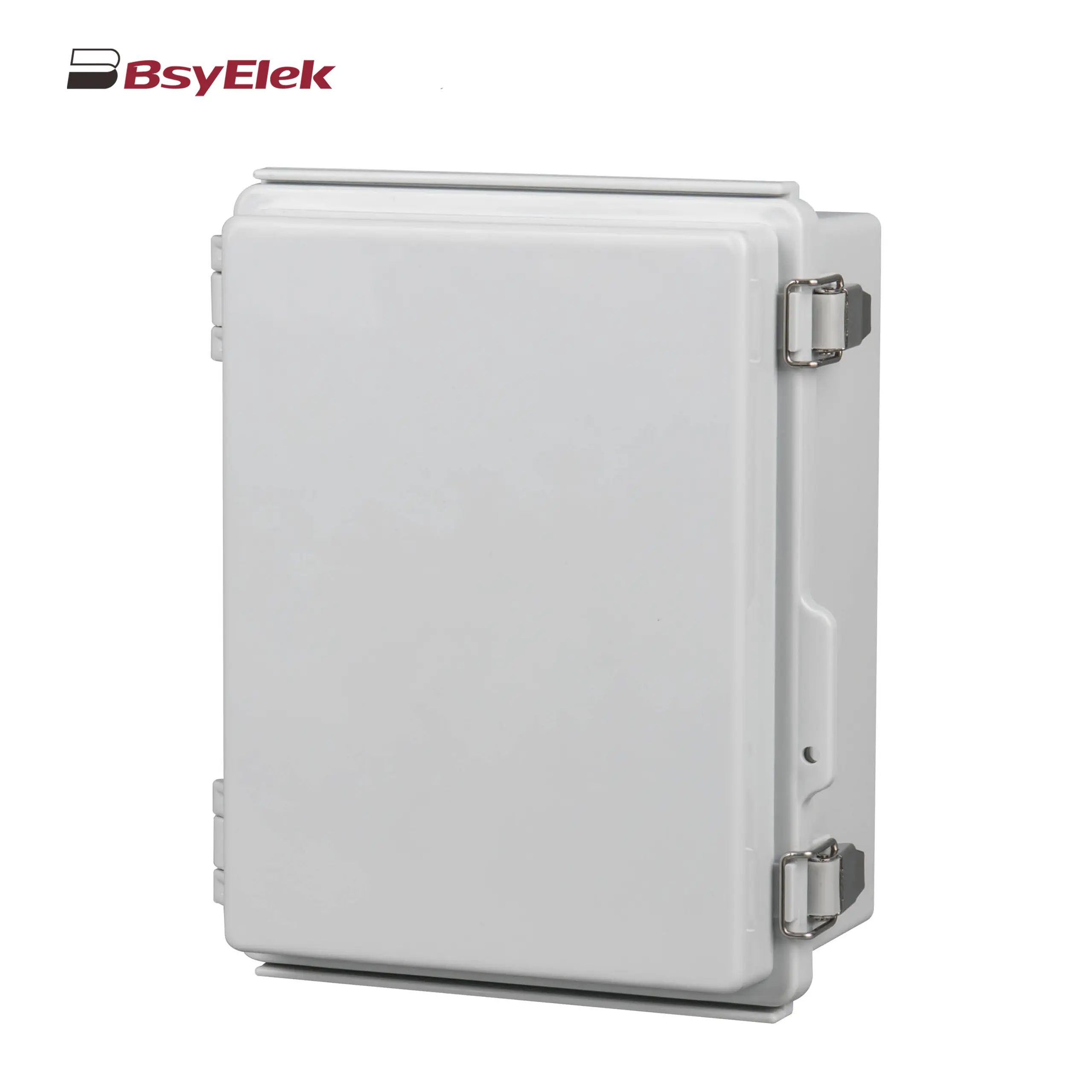 Stainless Steel Hinge Type Electrical Box
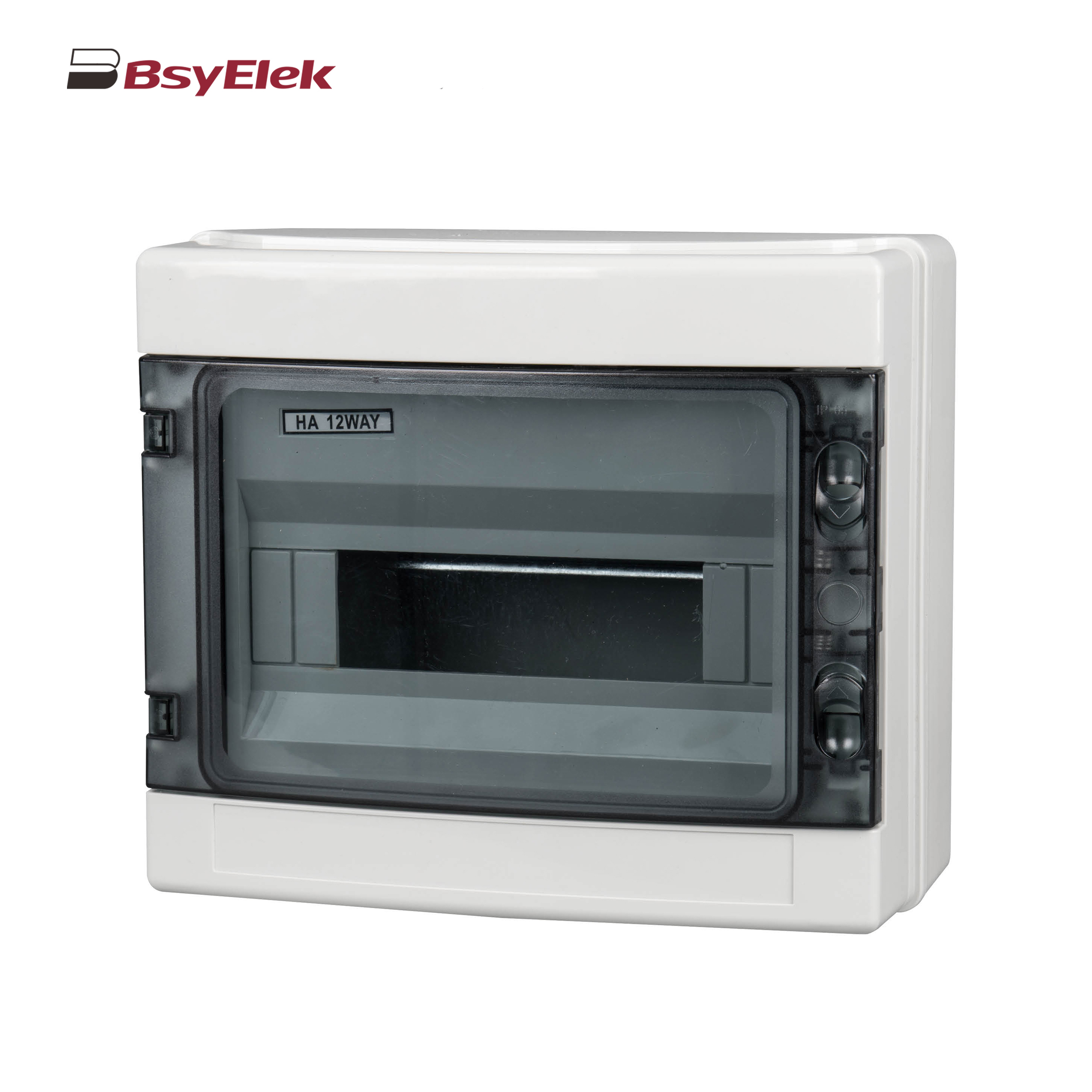 HA Waterproof Distribution Box
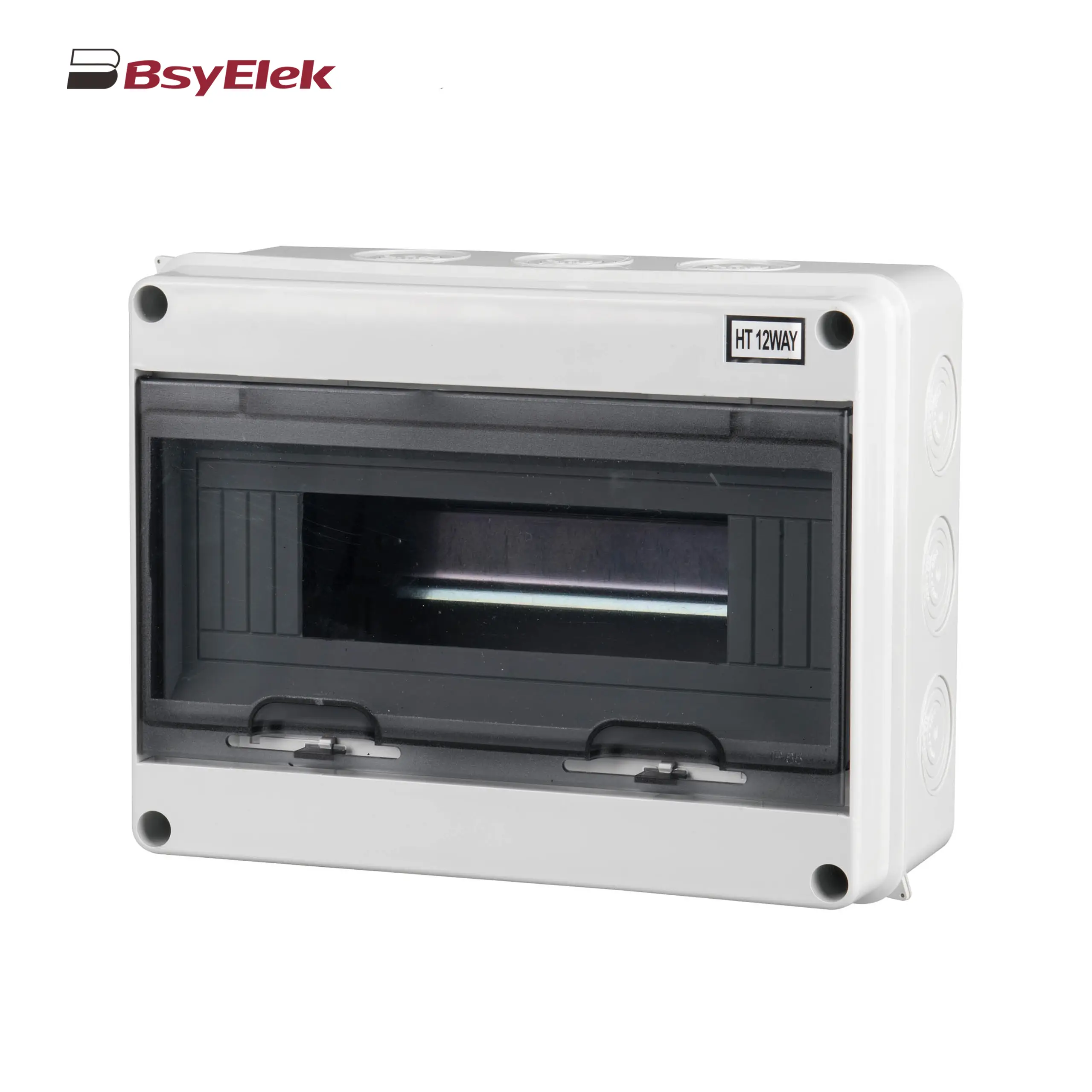 HT Waterproof Distribution Box
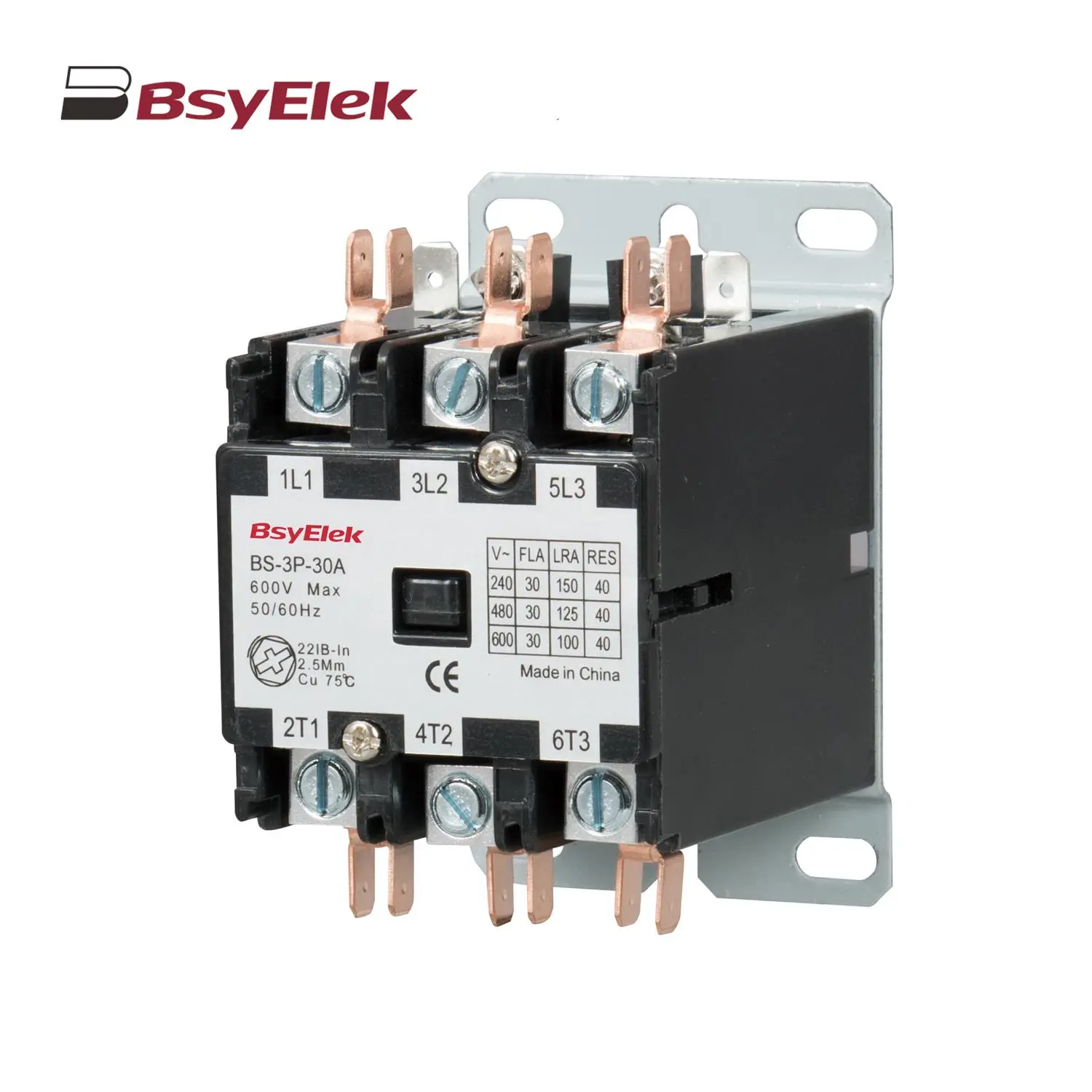 BS Definite Purpose Magnetic AC Contactor