Top 10 Automatic Transfer Switch Benefits for Global Buyers?
As global industries evolve, the need for reliable power management solutions becomes increasingly critical. The Automatic Transfer Switch (ATS) is a vital component in ensuring uninterrupted power supply. According to a recent report from MarketsandMarkets, the ATS market is projected to grow at a CAGR of 6.7%, highlighting its rising importance across various sectors.
Expert John Smith, a leading authority in power systems, emphasizes, “An Automatic Transfer Switch is not just a backup; it guarantees operational continuity.” In today's fast-paced environment, any power disruption can lead to significant financial loss and decreased productivity.
Many organizations underestimate the importance of an Automatic Transfer Switch, often overlooking its role in risk management. While cost is a factor, the long-term benefits far outweigh initial investments. Companies must prioritize reliable power solutions to stay competitive and resilient in an increasingly unpredictable market.

Understanding Automatic Transfer Switches and Their Functionality
Automatic Transfer Switches (ATS) play a crucial role in ensuring uninterrupted power supply. They automatically switch the load between two power sources when a primary source fails. According to recent industry reports, the global ATS market is expected to grow at a CAGR of 6.5% from 2021 to 2026. This growth underscores their increasing importance across various sectors, including healthcare, telecommunications, and data centers.
ATS systems enhance reliability and safety in critical operations. They minimize downtime by seamlessly transitioning power, which is vital for hospitals where every second counts. A study indicated that hospitals using ATS have significantly reduced power outage impacts, enhancing patient care. Despite their benefits, installation and maintenance can be complex. Many users underestimate the importance of regular testing and monitoring, which can lead to failures during power interruptions.
Furthermore, ATS can be integrated with smart technologies. This integration allows for better monitoring and management of energy resources. However, this also introduces the risk of cybersecurity vulnerabilities. As reliance on these systems grows, addressing such challenges becomes paramount to ensure their effectiveness and safety. Users must remain vigilant and well-informed about potential risks associated with ATS installations.
Top 10 Benefits of Automatic Transfer Switches
The Top 10 Benefits of Using Automatic Transfer Switches
Automatic Transfer Switches (ATS) play a crucial role in enhancing electrical reliability. They ensure a seamless transition between the main power supply and backup generators during outages. This reduces the risk of downtime for businesses. An ATS monitors power supply continuously, providing real-time insights into electrical conditions. Such functionality safeguards sensitive equipment from power inconsistencies.
Another significant benefit of ATS is improved safety. These devices eliminate the need for manual intervention during complex power failures. This automation reduces the chances of human error. Additionally, they can integrate with existing systems, simplifying installation and operation. Well-designed ATS systems also offer advanced features, such as remote monitoring and diagnostic capabilities. This allows operators to troubleshoot efficiently.
However, the installation process isn't always straightforward. Complex setups can lead to challenges in configuration. Users may need expert guidance to ensure optimal functioning. While ATS units can be a substantial investment, their long-term cost savings often justify the expense. Inconsistent power can become a critical issue without reliable systems in place. Select the right ATS carefully, as not all options suit every application.
How Automatic Transfer Switches Enhance System Reliability
Automatic Transfer Switches (ATS) significantly enhance system reliability, especially in critical applications. They ensure an uninterrupted power supply by automatically switching between power sources. This is essential for businesses that cannot afford downtime. An ATS reacts swiftly to power outages, minimizing disruptions. It monitors utility power quality and engages backup generators when needed.
When considering an ATS, think about the load it handles. Ensure it matches your specific requirements. A system that cannot handle peak loads may fail. Regular maintenance is vital. Inspect the switch regularly to prevent potential issues. Aging components can compromise reliability.
Tips to keep in mind: always choose a switch that meets industry standards. Training staff on its operation is crucial. Their quick response to power failures can save time and resources. Investing in an ATS can lead to long-term savings. However, evaluate if your organization really needs one. Thoughtful planning can help avoid unnecessary expenses while enhancing reliability.
Cost Savings Associated with Automatic Transfer Switch Implementation
Automatic transfer switches (ATS) are critical in ensuring uninterrupted power. They are especially valuable for businesses aiming to cut operational costs. Implementing ATS can lead to significant cost savings. According to industry reports, businesses can reduce generator fuel consumption by up to 30%. This reduction directly impacts operating expenses.
An interesting aspect is the efficiency gains. ATS can automate power transfer in seconds, preventing production downtime. A study highlighted that companies employing ATS experience an average of 15% less downtime compared to those that do not. This efficiency directly correlates to enhanced profitability. Strategies in power management become much more streamlined with ATS in place.
Tips: Regular maintenance of ATS is essential. Neglecting maintenance can lead to system failures. It’s crucial to have a skilled technician inspect your ATS at least once a year. Investing time in staff training on ATS operation can also prevent costly mistakes. Enhanced knowledge leads to better management of power resources, and ultimately, higher savings. Even minor improvements in understanding ATS usage may lead to more efficient operation.
The Role of Automatic Transfer Switches in Emergency Preparedness
Automatic Transfer Switches (ATS) play a critical role in emergency preparedness. They ensure a reliable power supply during outages, allowing essential services to operate seamlessly. ATS devices automatically switch to backup generators when the main power fails. This quick response is vital for hospitals, data centers, and critical infrastructure.
Tips to consider: Regular maintenance of your ATS is crucial. Check connections and functionality to prevent failures when needed. Also, train staff on how to operate the switch effectively. While most systems are automated, human oversight can provide a safety net.
Power interruptions can be unpredictable. An ATS prepares organizations for these challenges but should not be solely relied upon. Regular drills can help identify weaknesses in your emergency plans. Emphasizing preparedness ensures that everyone knows their roles during a power crisis. Remember, the goal is not only to survive outages but to thrive amidst unexpected challenges.
Top 10 Automatic Transfer Switch Benefits for Global Buyers
| Benefit |
Description |
Importance |
| Uninterrupted Power Supply |
Automatically switches power source in case of an outage. |
Critical for operations that cannot afford downtime. |
| Enhanced Safety |
Minimizes risks of electrical hazards during power transitions. |
Protects users and equipment from electrical incidents. |
| Remote Monitoring |
Can be monitored remotely for operational efficiency. |
Facilitates timely maintenance and troubleshooting. |
| Cost Efficiency |
Reduces the need for manual switching, saving labor costs. |
Improves overall operational efficiency. |
| Durability |
Designed to withstand various environmental conditions. |
Ensures long-term functionality and reliability. |
| Increased Flexibility |
Allows for the integration of multiple power sources. |
Adaptable to various energy solutions and requirements. |
| Compliance with Regulations |
Helps meet local and national power regulations. |
Ensures legal compliance and avoids potential penalties. |
| Increased Reliability |
Provides consistent and reliable power during outages. |
Enhances the credibility of the business operations. |
| Simplified Maintenance |
Streamlines testing and maintenance processes. |
Reduces overall maintenance time and effort. |
| Enhanced Performance |
Optimizes the performance of backup power systems. |
Improves the efficiency and longevity of equipment. |



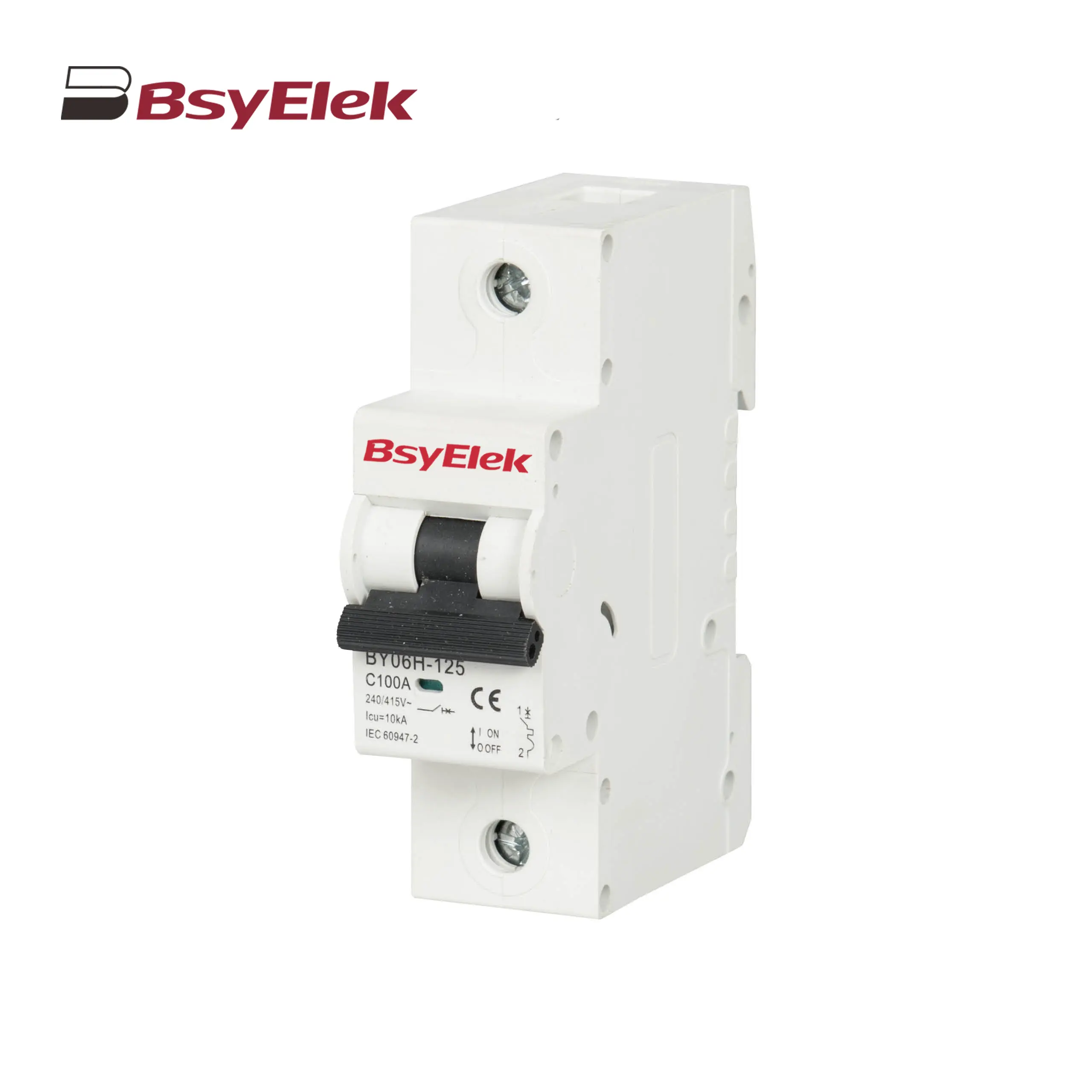 BY06H-125 MCB 10-15KA Miniature Circuit Breaker
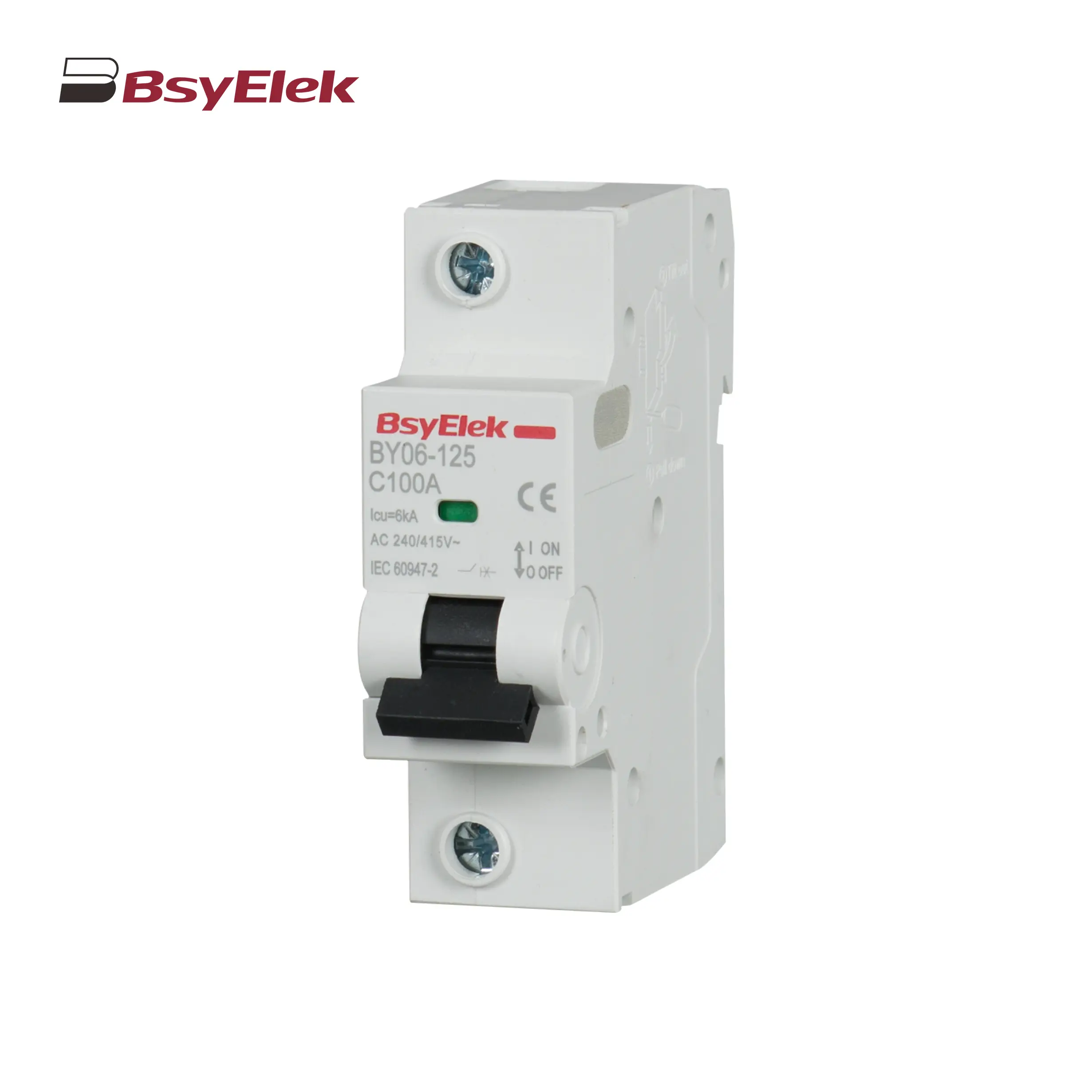 BY06-125 MCB 6KA Miniature Circuit Breaker
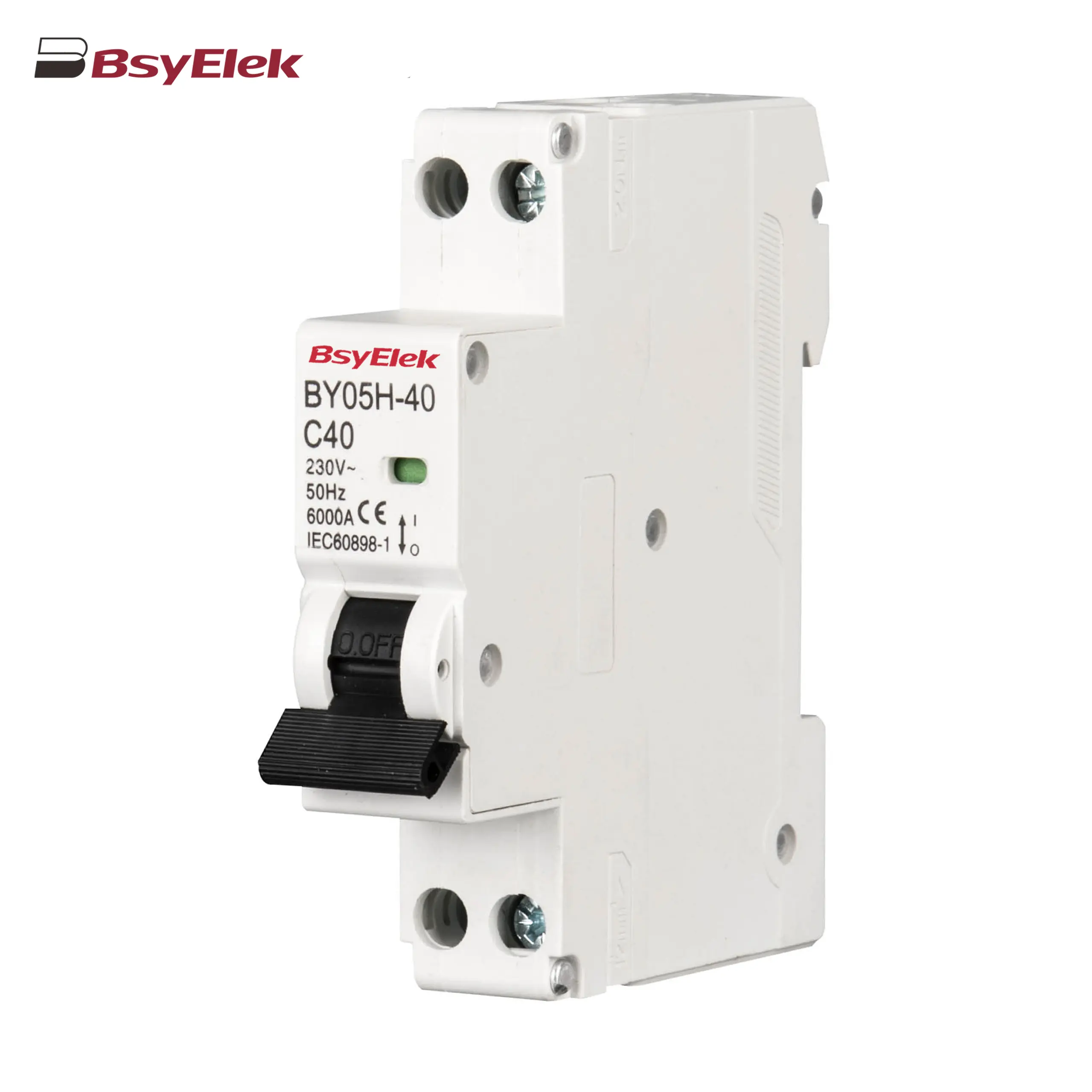 BY05H-40 MCB Single Modular 6KA Miniature Circuit Breaker
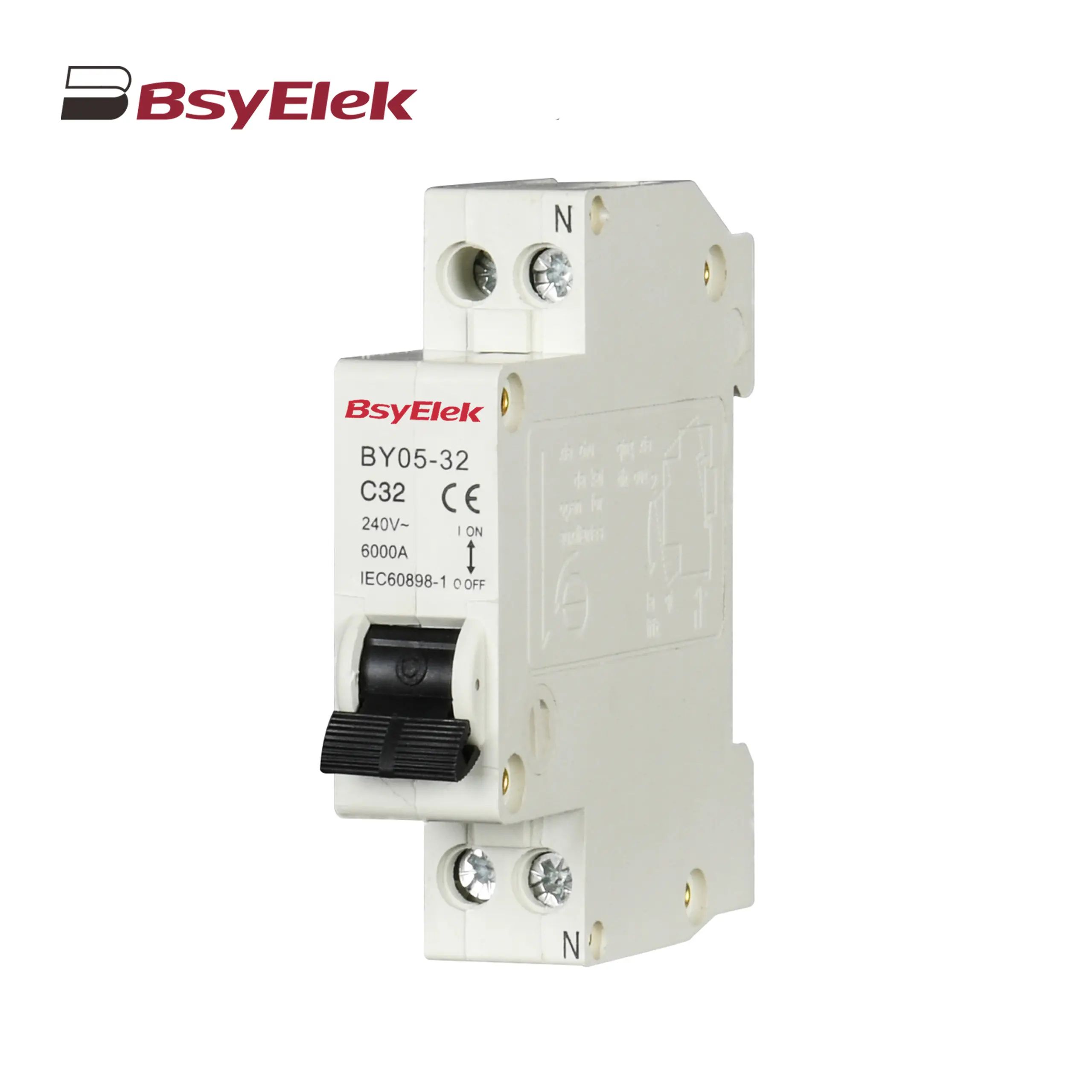 BY05-32 MCB Single Modular 3KA Miniature Circuit Breaker
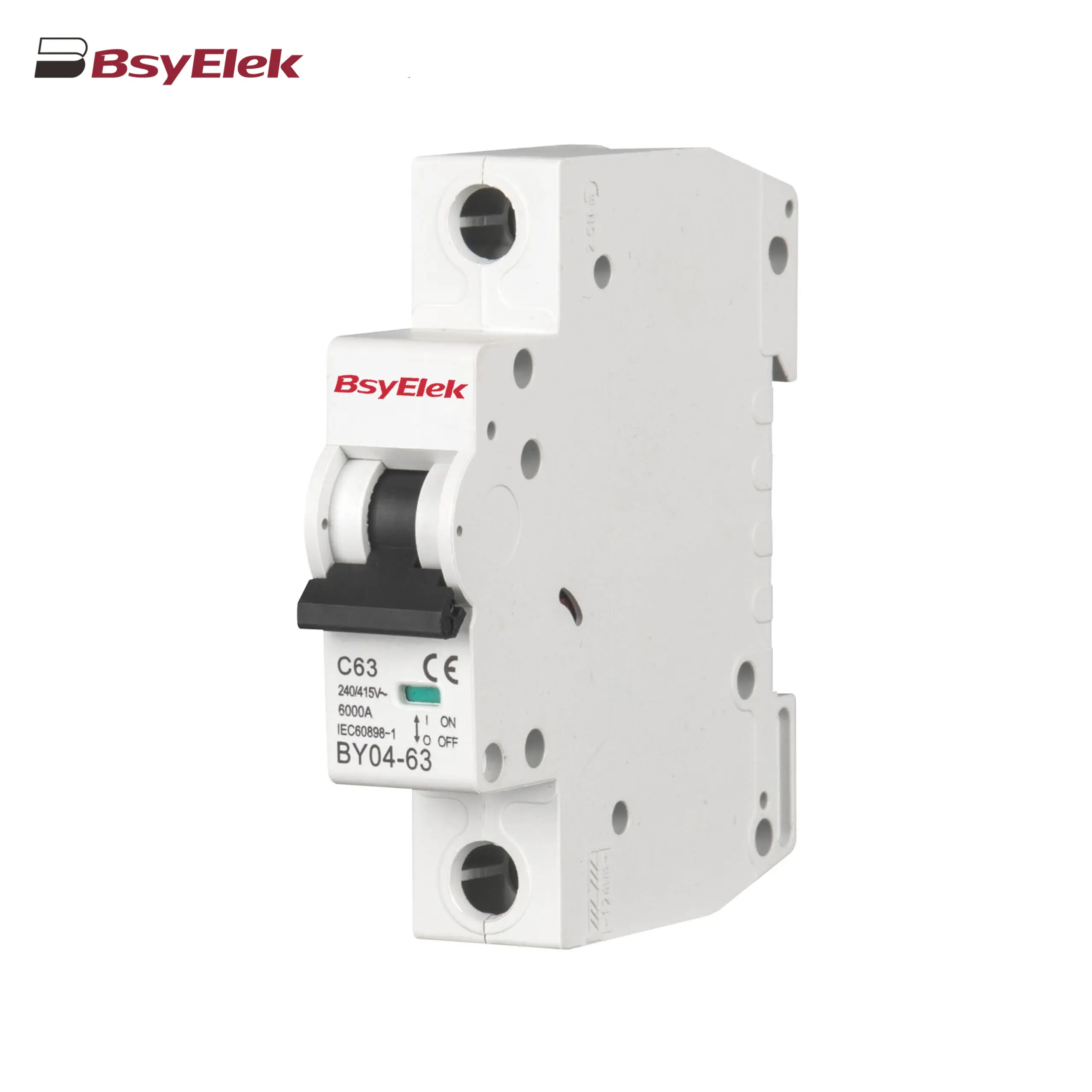 BY04-63 MCB 6-10KA Miniature Circuit Breaker
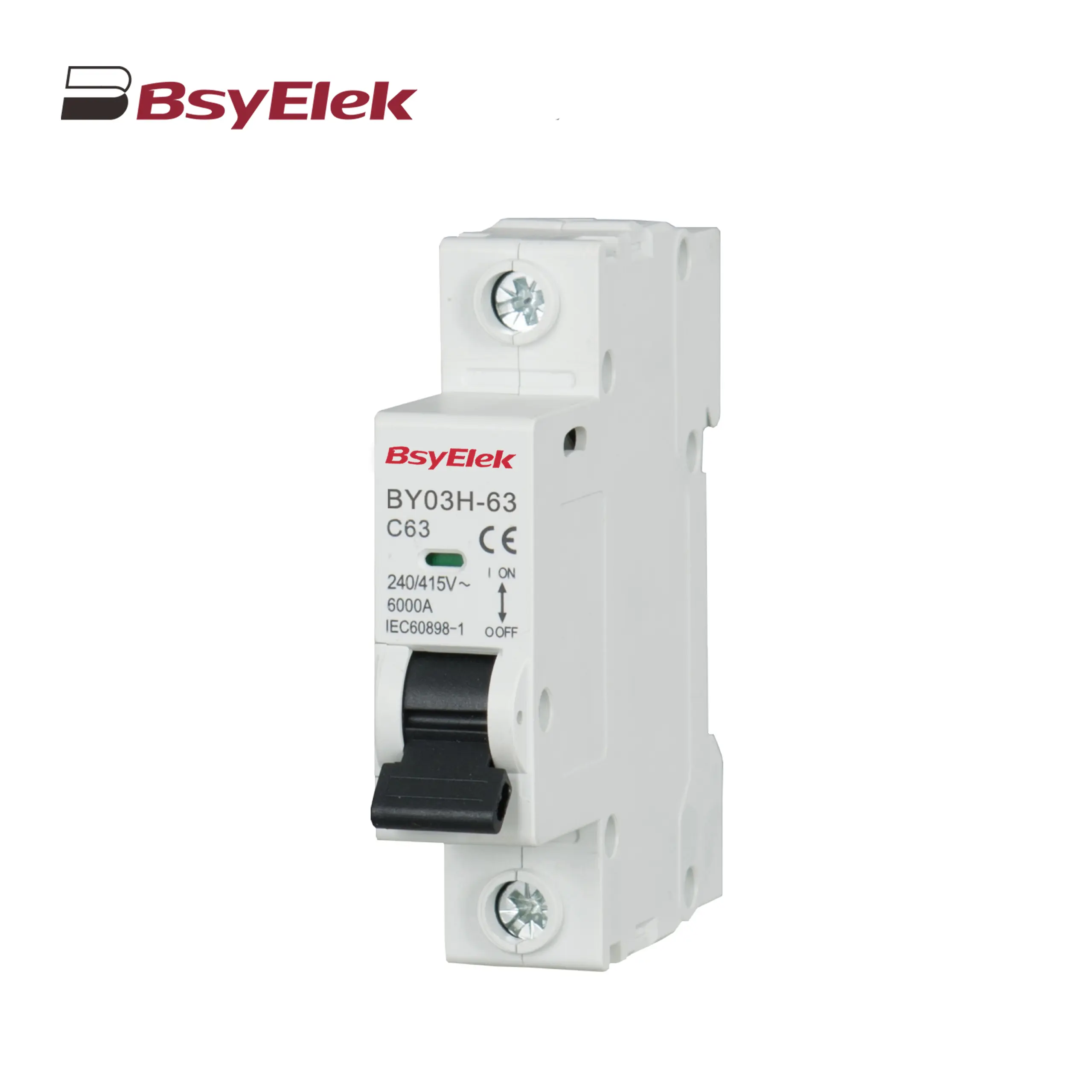 BY03H-63 MCB 6KA Miniature Circuit Breaker
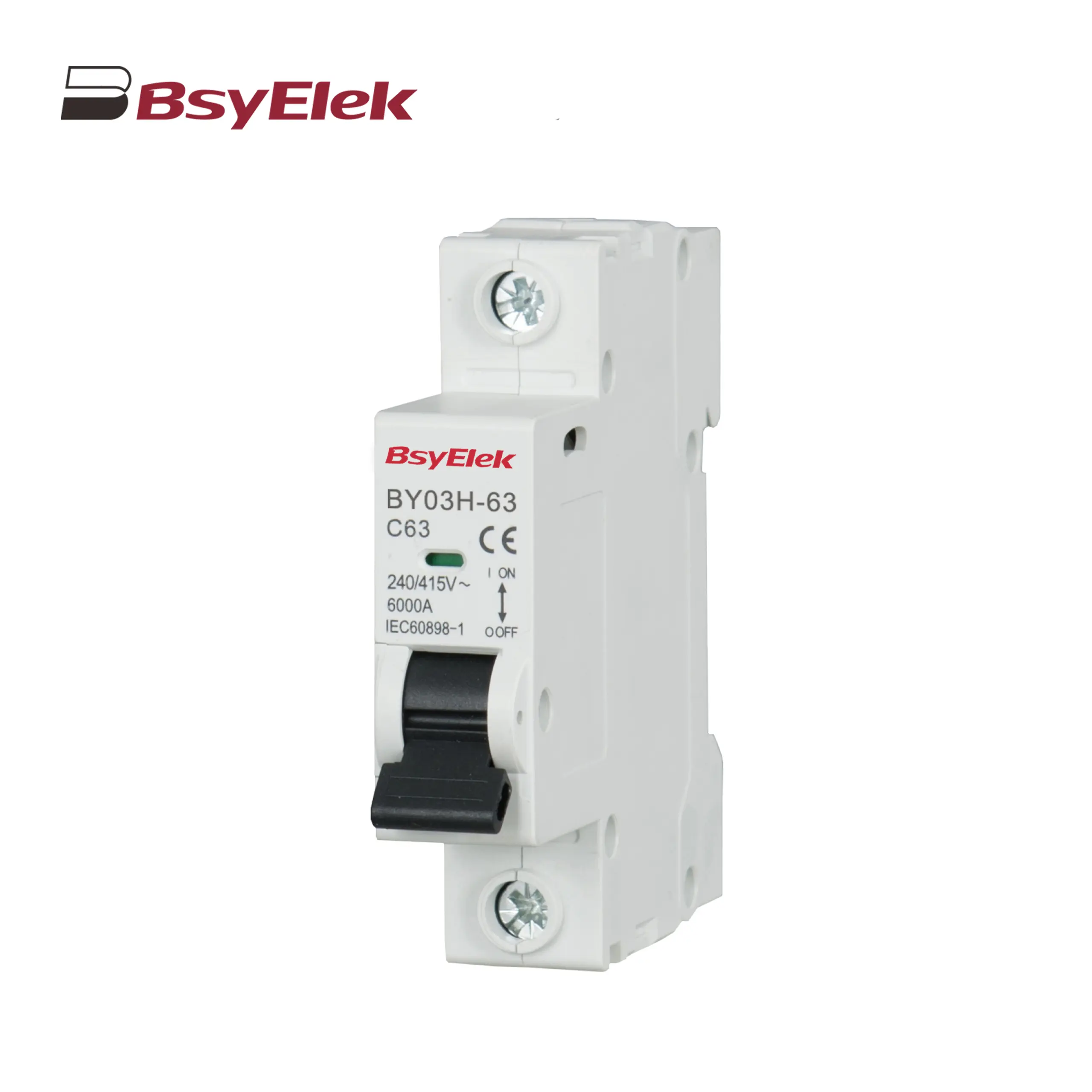 BY03-63 MCB 4.5KA Miniature Circuit Breaker
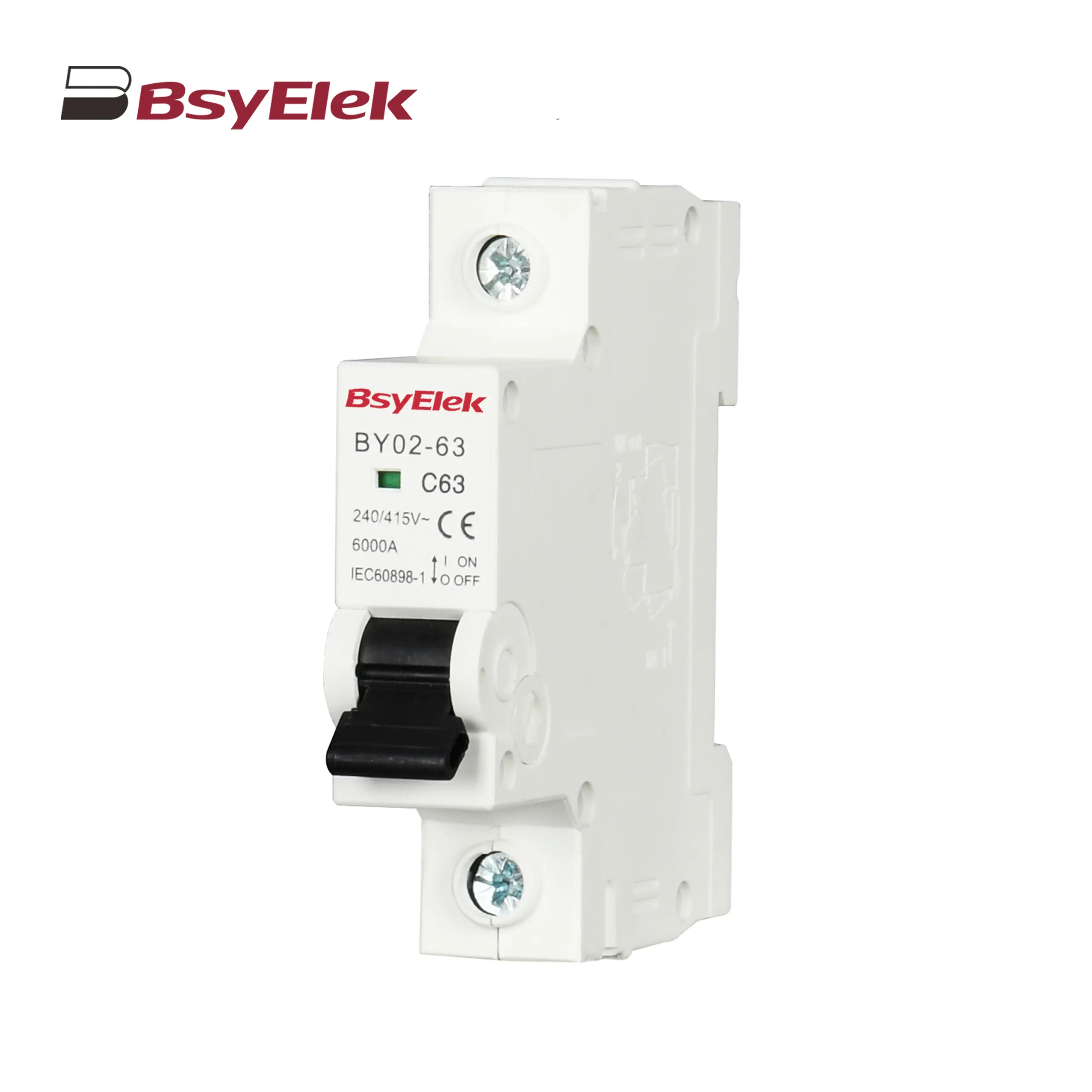 BY02-63 MCB 3kA Miniature Circuit Breaker
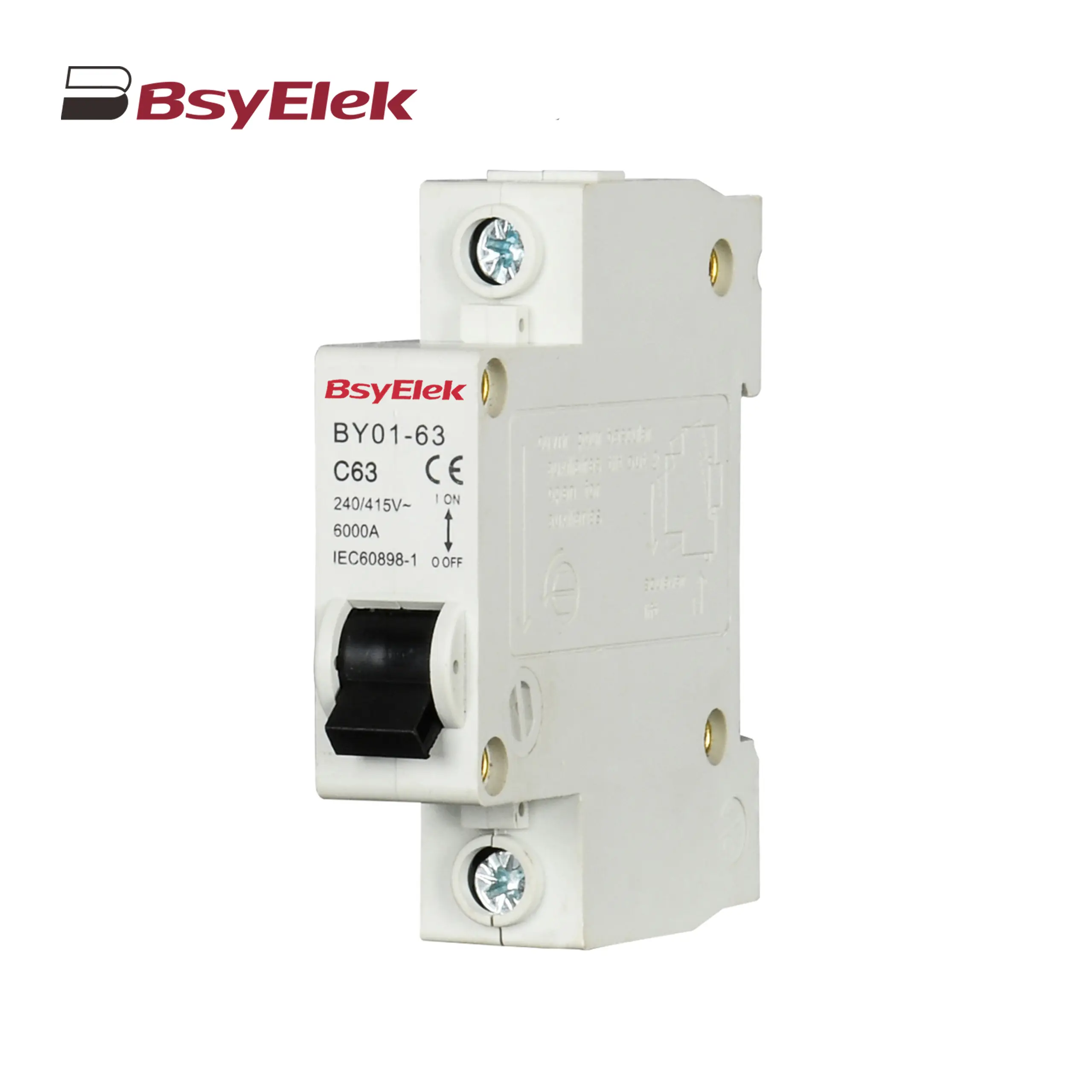 BY01-63 MCB 3kA Miniature Circuit Breaker
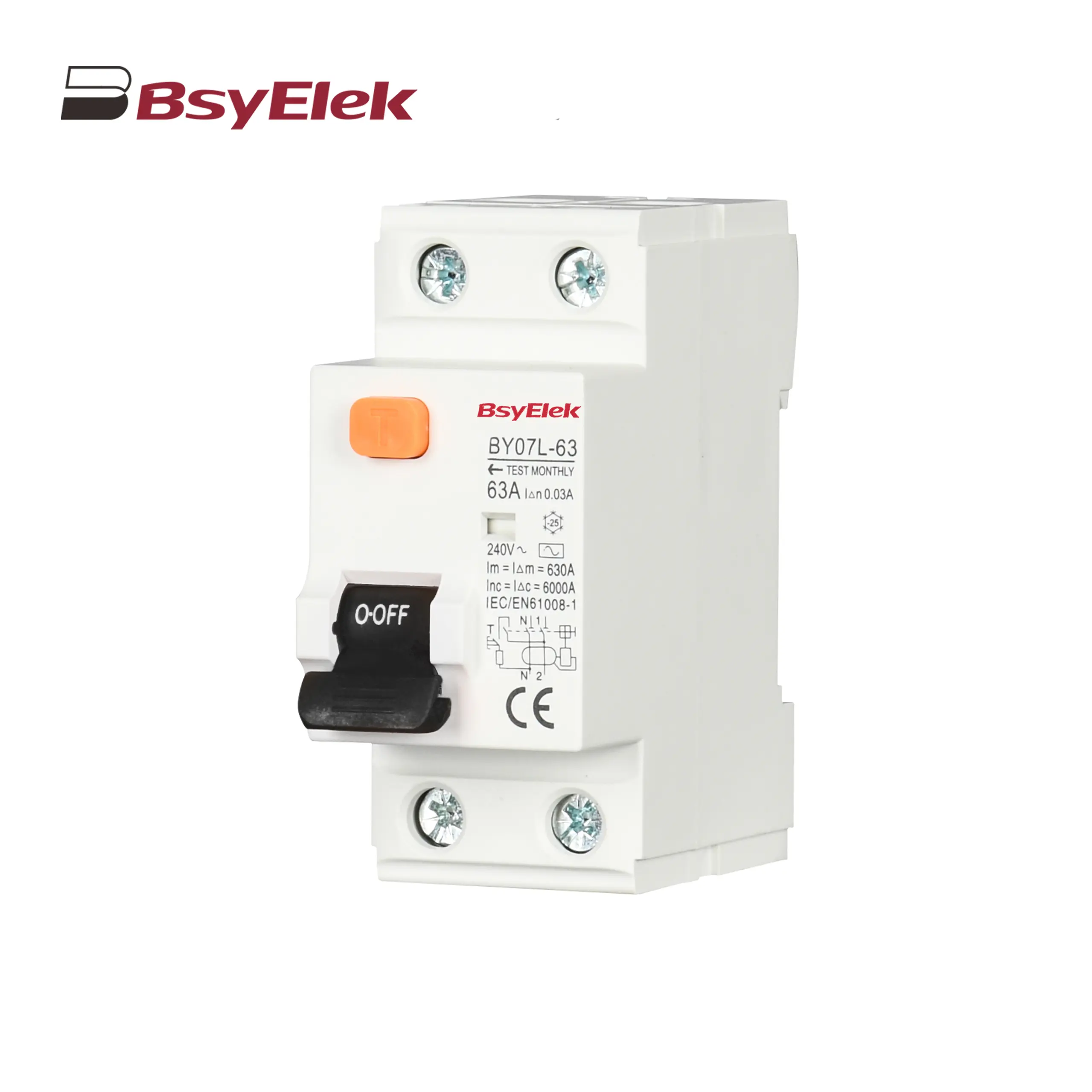 BY07L-63 RCCB 6KA Residual Current Circuit Breaker
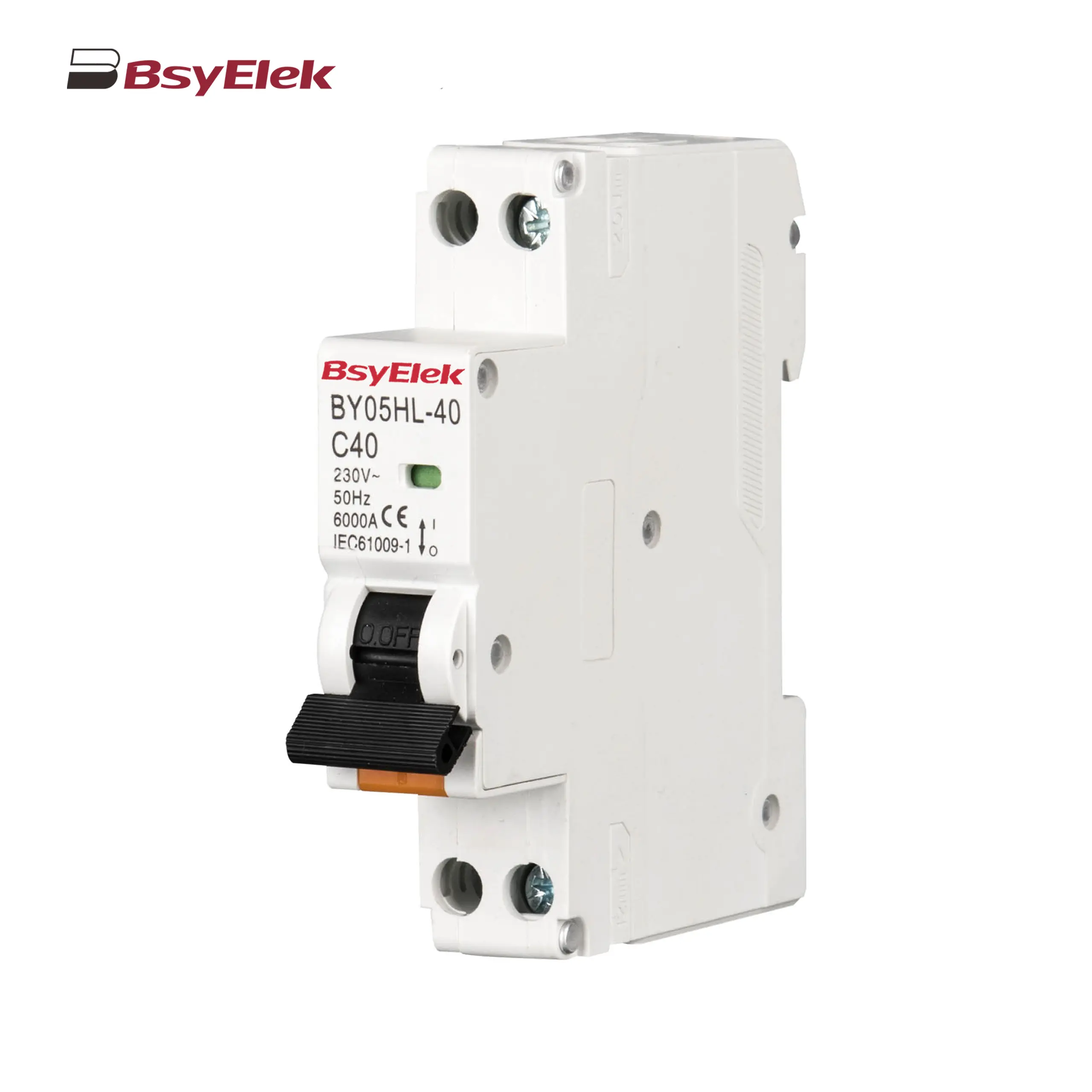 BY05HL-40 RCBO 6KA Residual Current Circuit Breaker with Over-current Protection
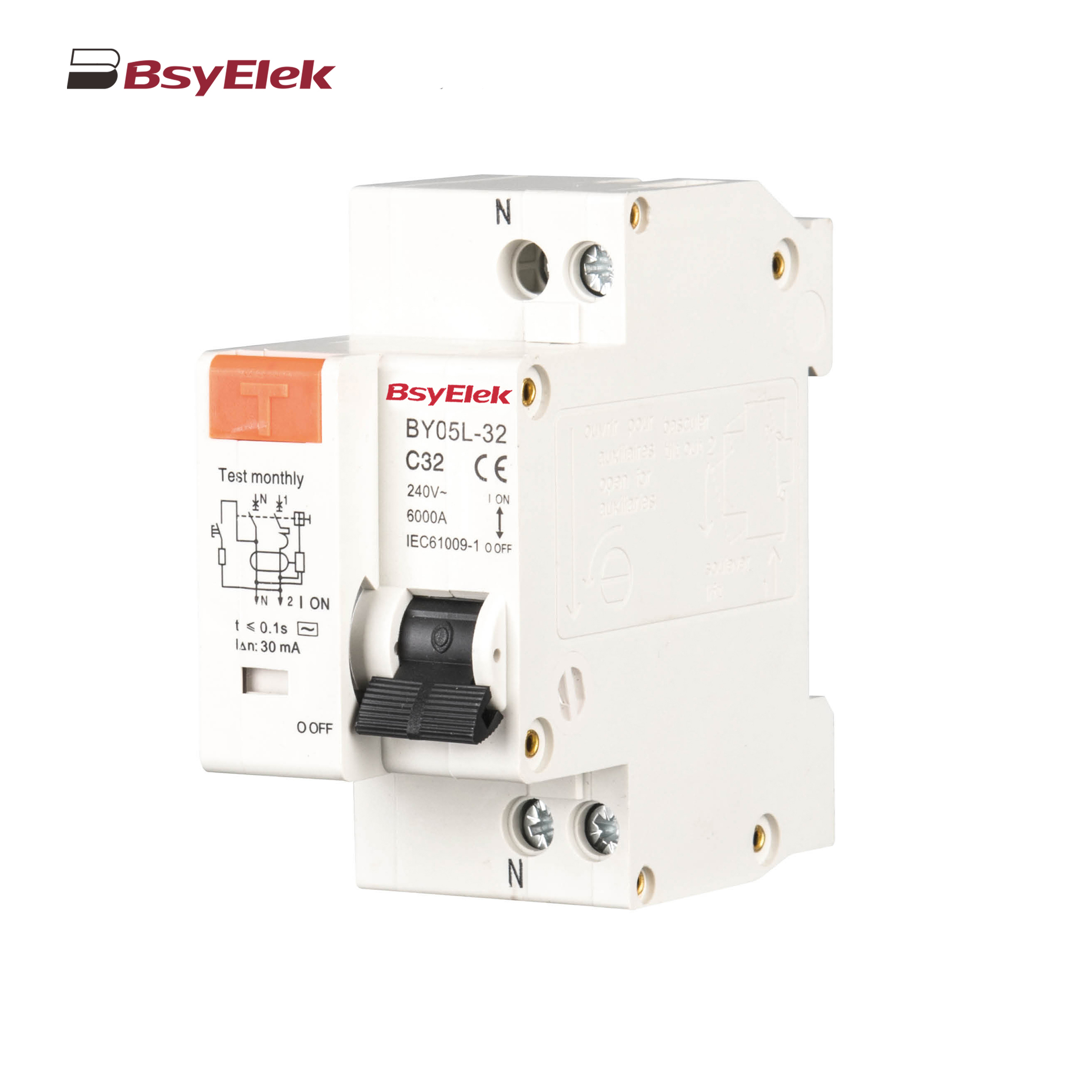 BY05L-32 RCBO 3KA Residual Current Circuit Breaker with Over-current Protection
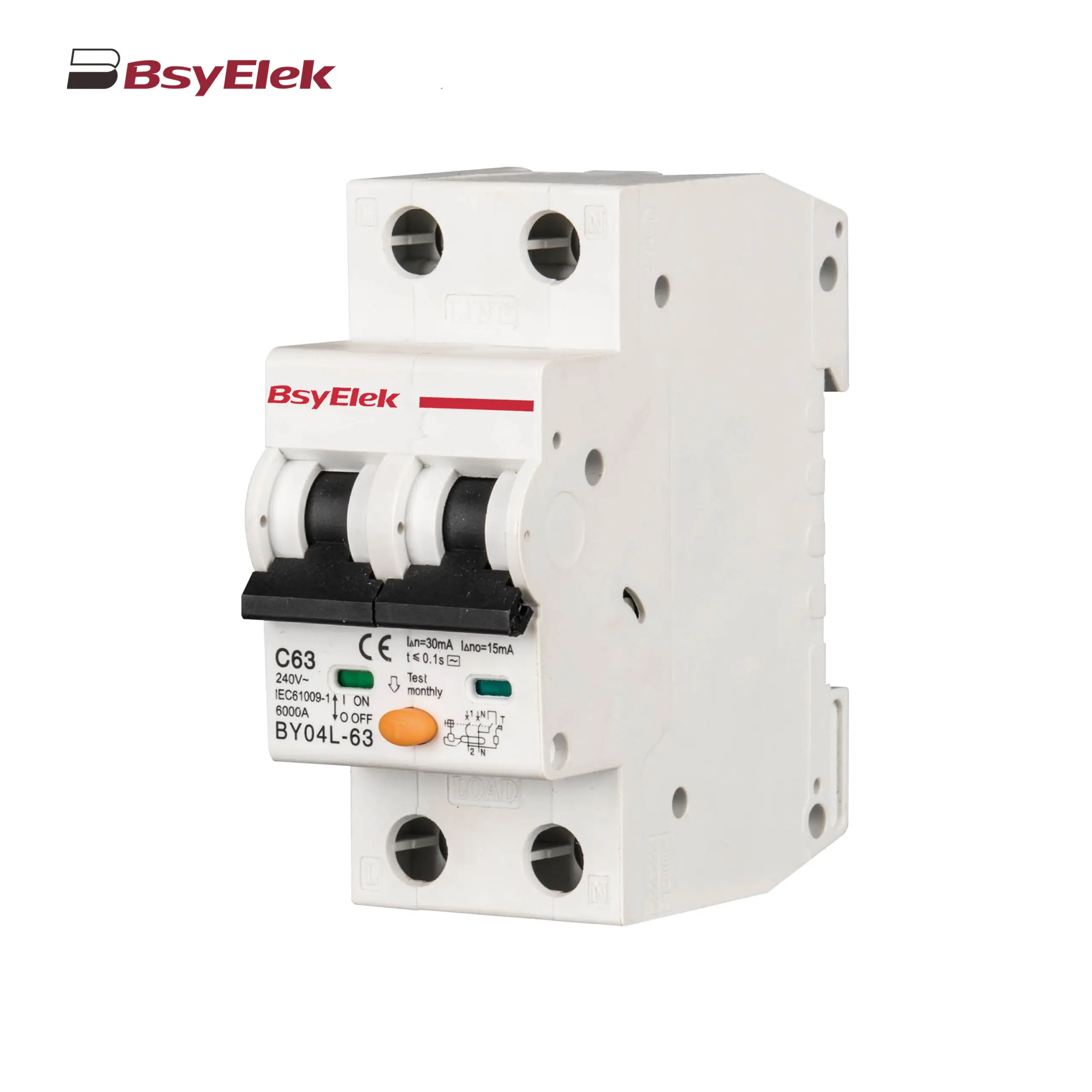 BY04L-63 RCBO 6KA Residual Current Circuit Breaker with Over-current Protection
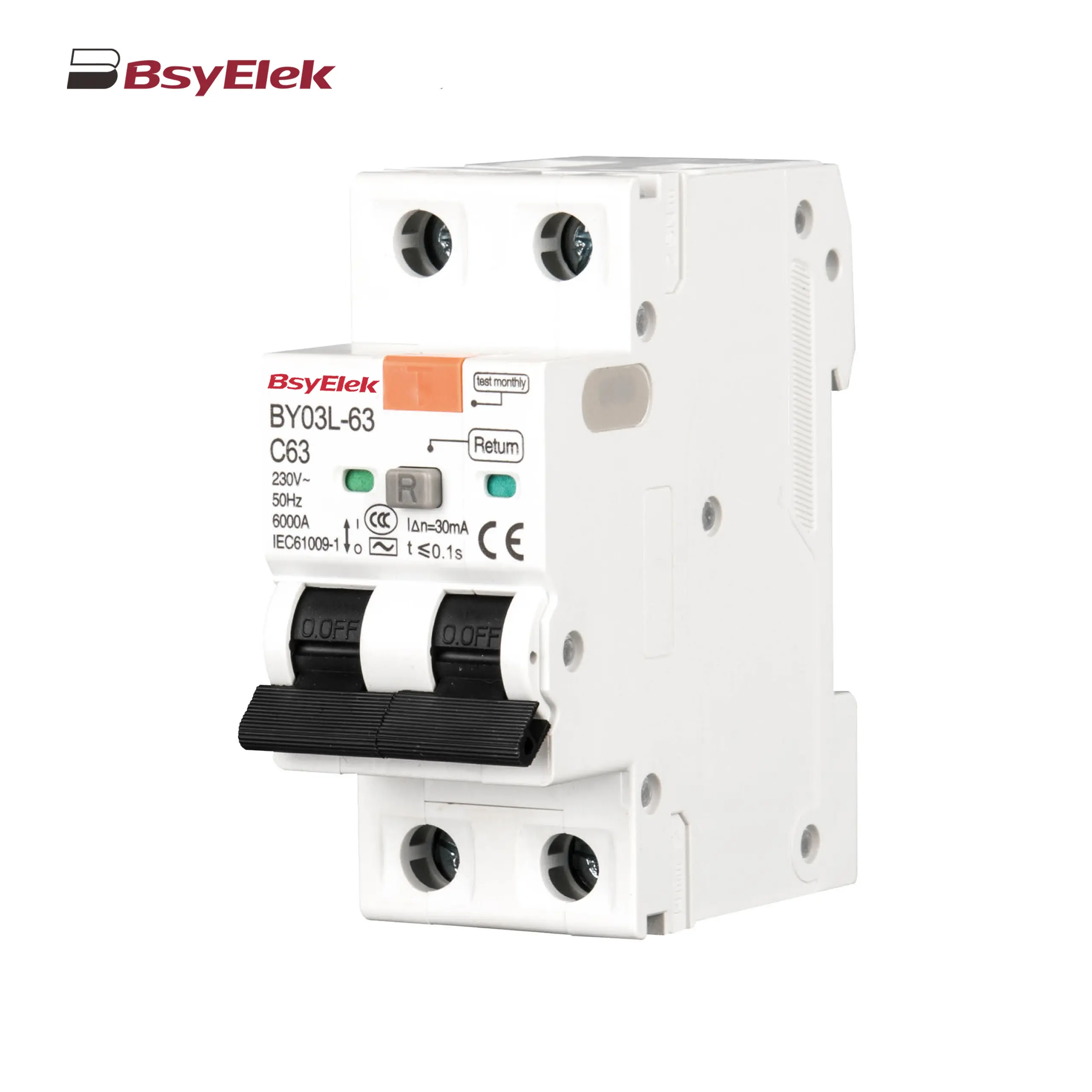 BY03L-63 RCBO 4.5KA Residual Current Circuit Breaker with Over-current Protection
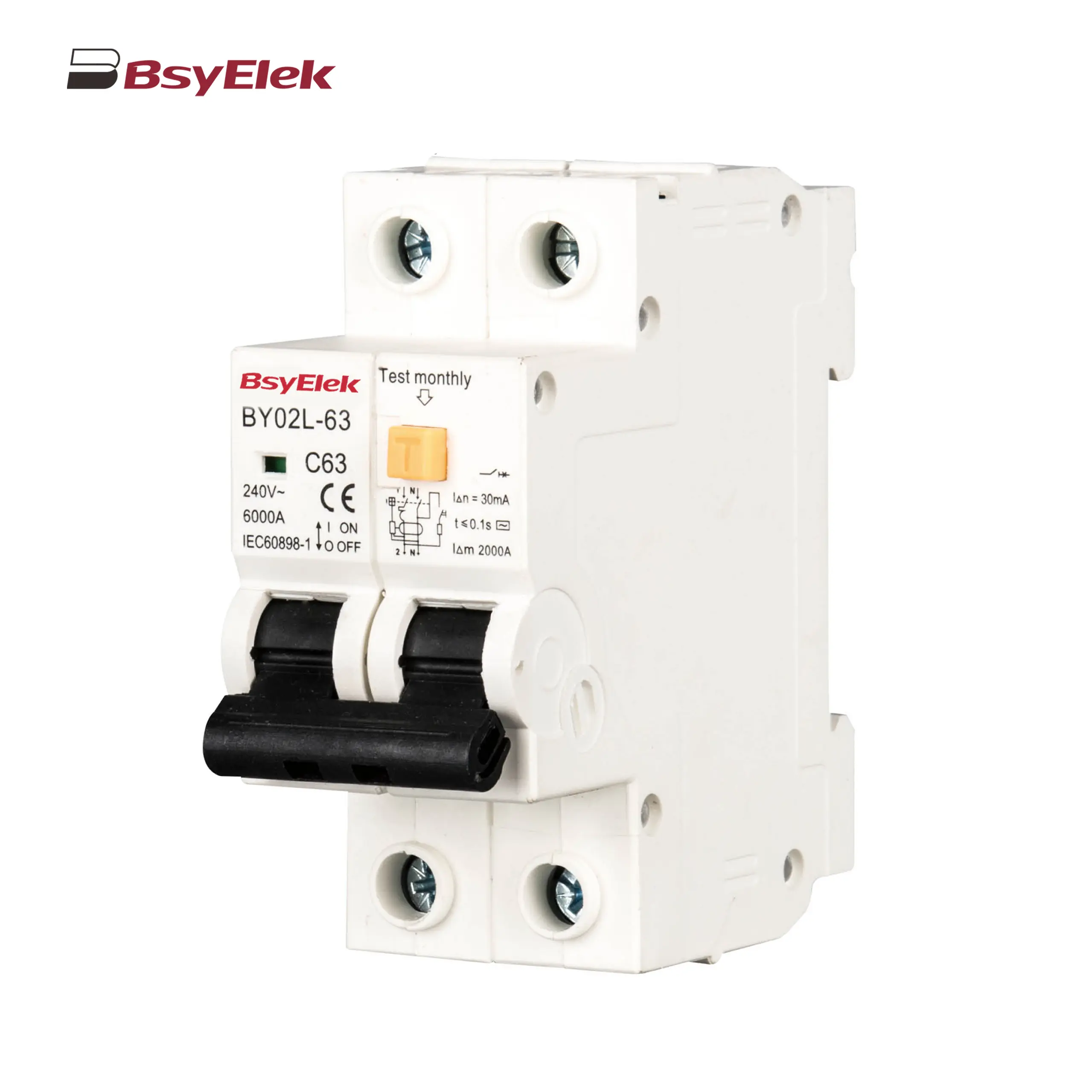 BY02L-63 RCBO 3KA Residual Current Circuit Breaker with Over-current Protection
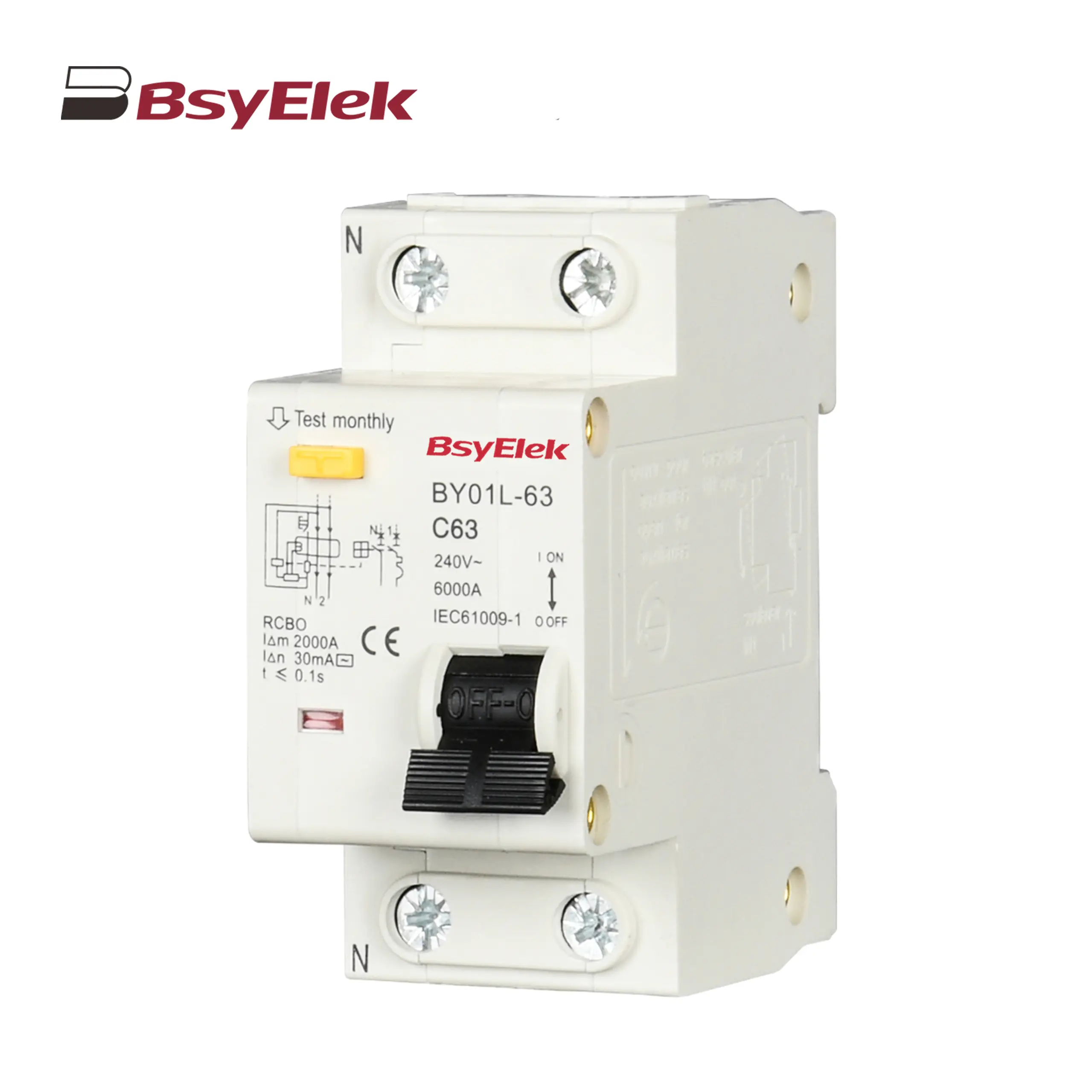 BY01L-63 RCBO 1P+N 3KA Residual Current Circuit Breaker with Over-current Protection
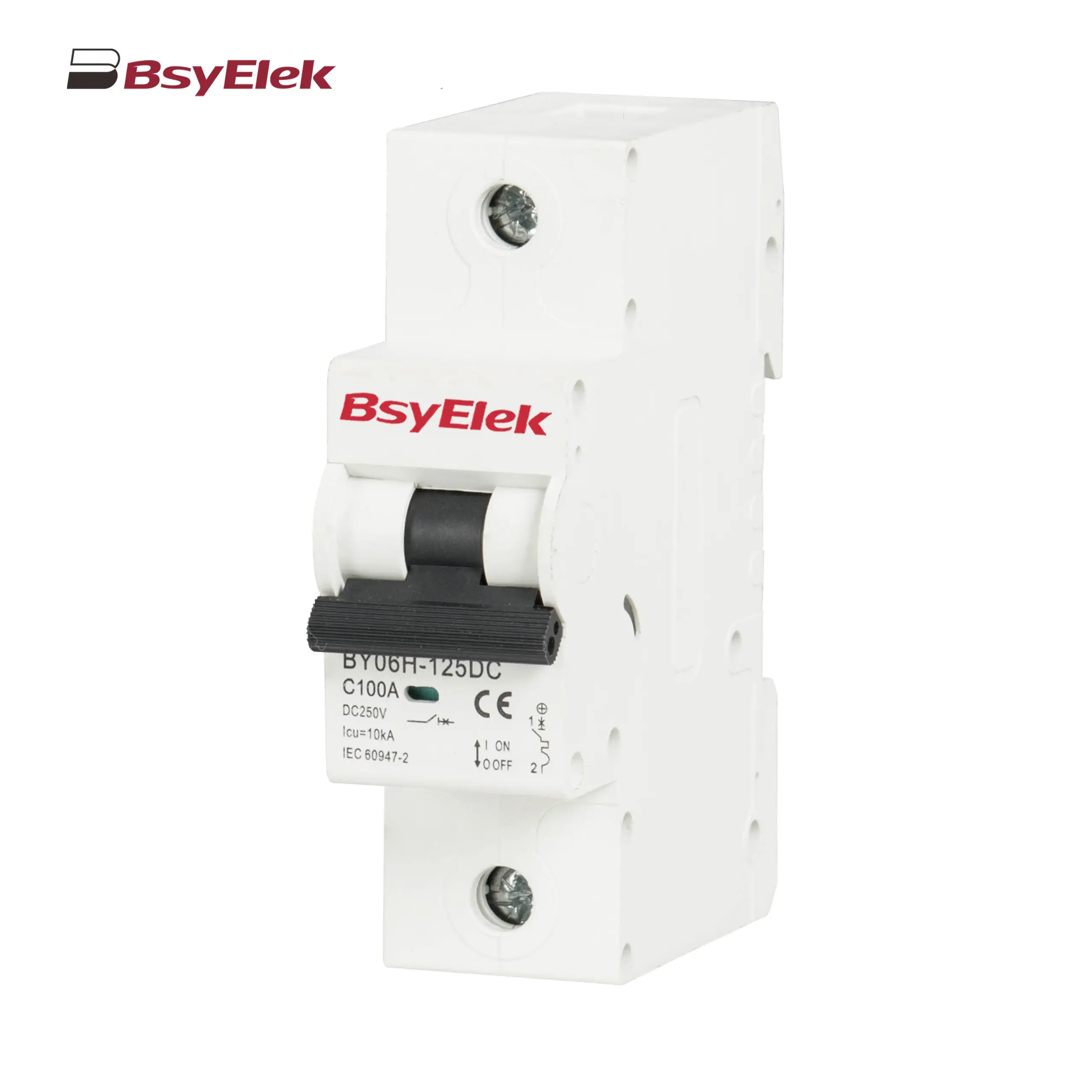 BY06H-125DC MCB 10-15kA DC Miniature Circuit Breaker
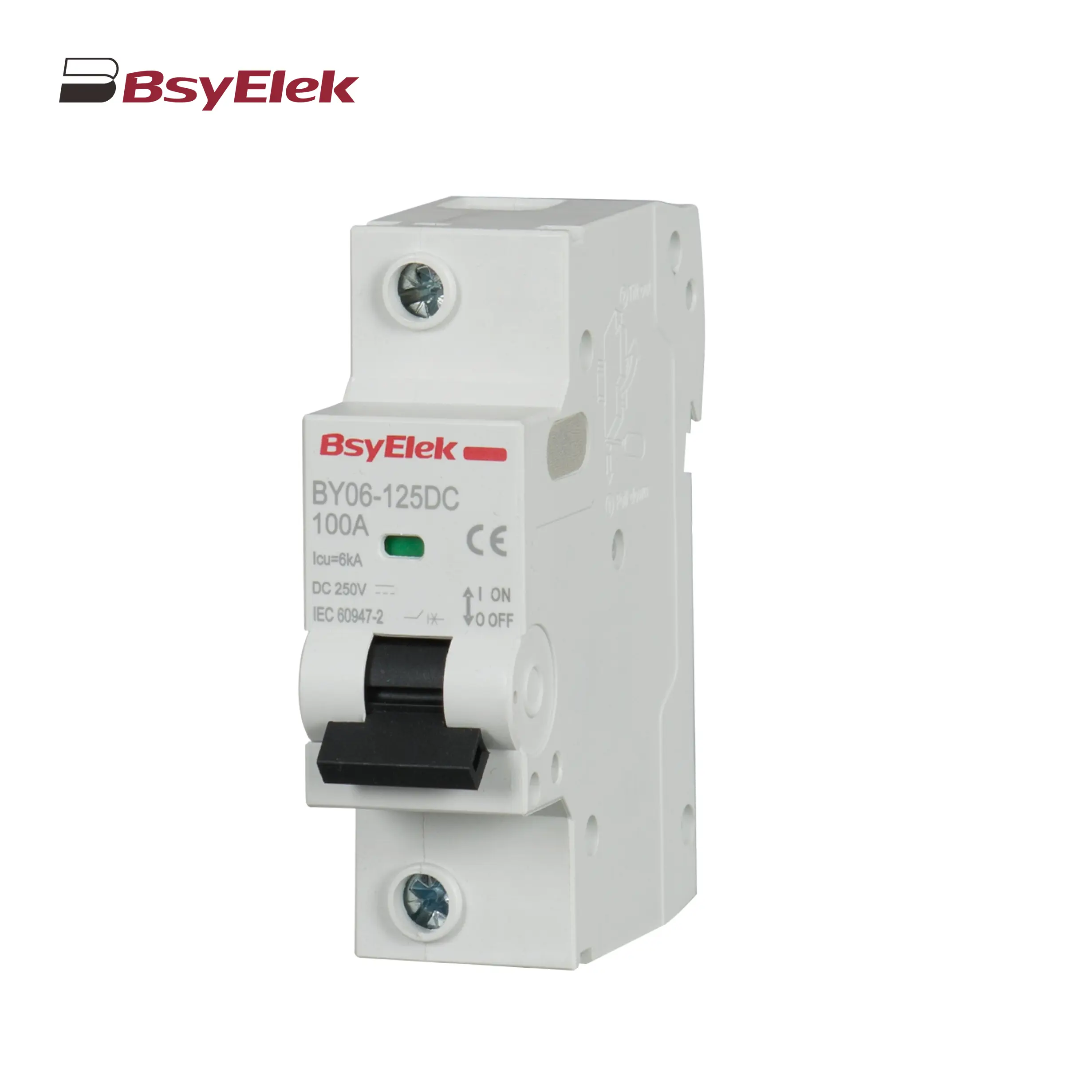 BY06-125DC MCB 6kA DC Miniature Circuit Breaker
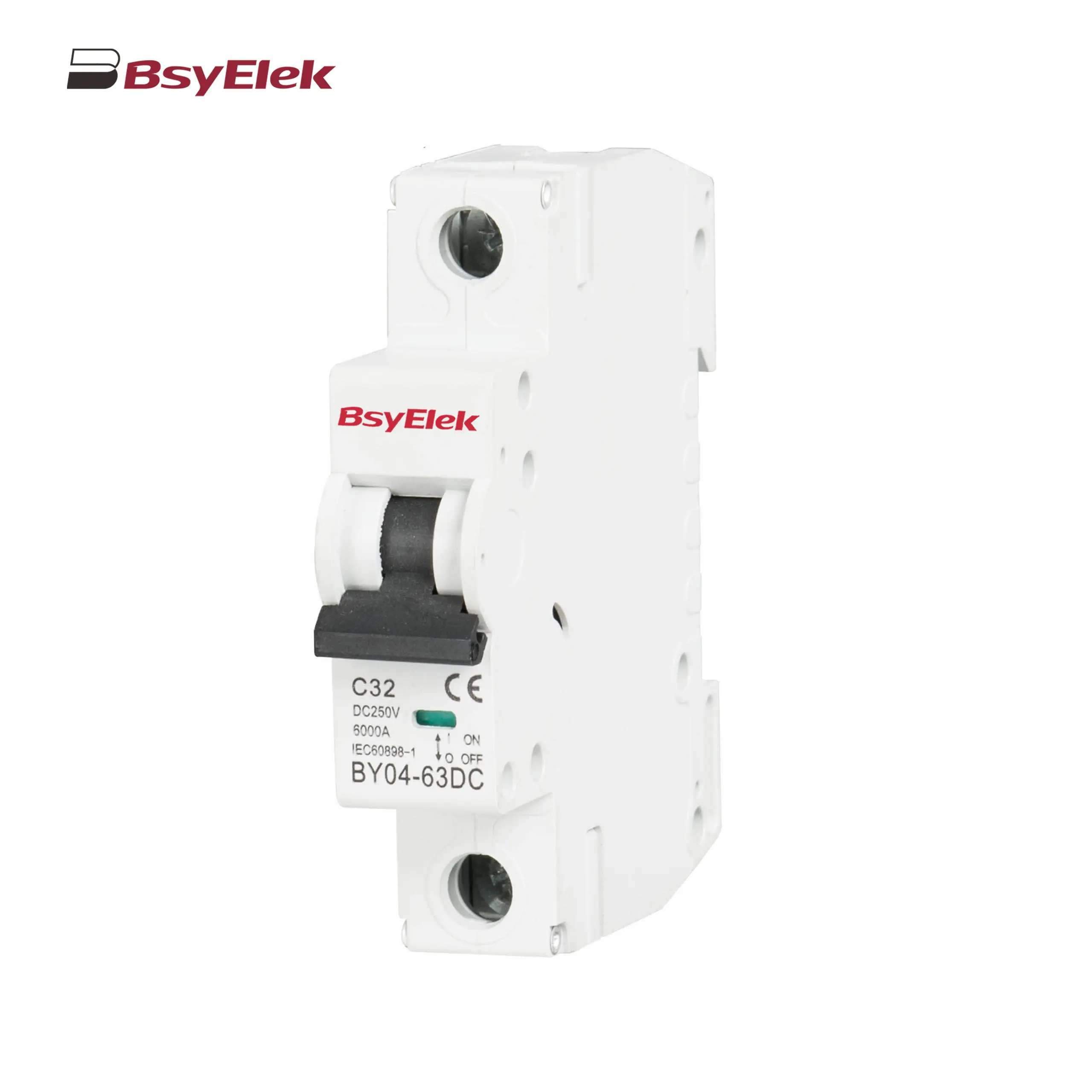 BY04-63DC MCB 6-10kA DC Miniature Circuit Breaker
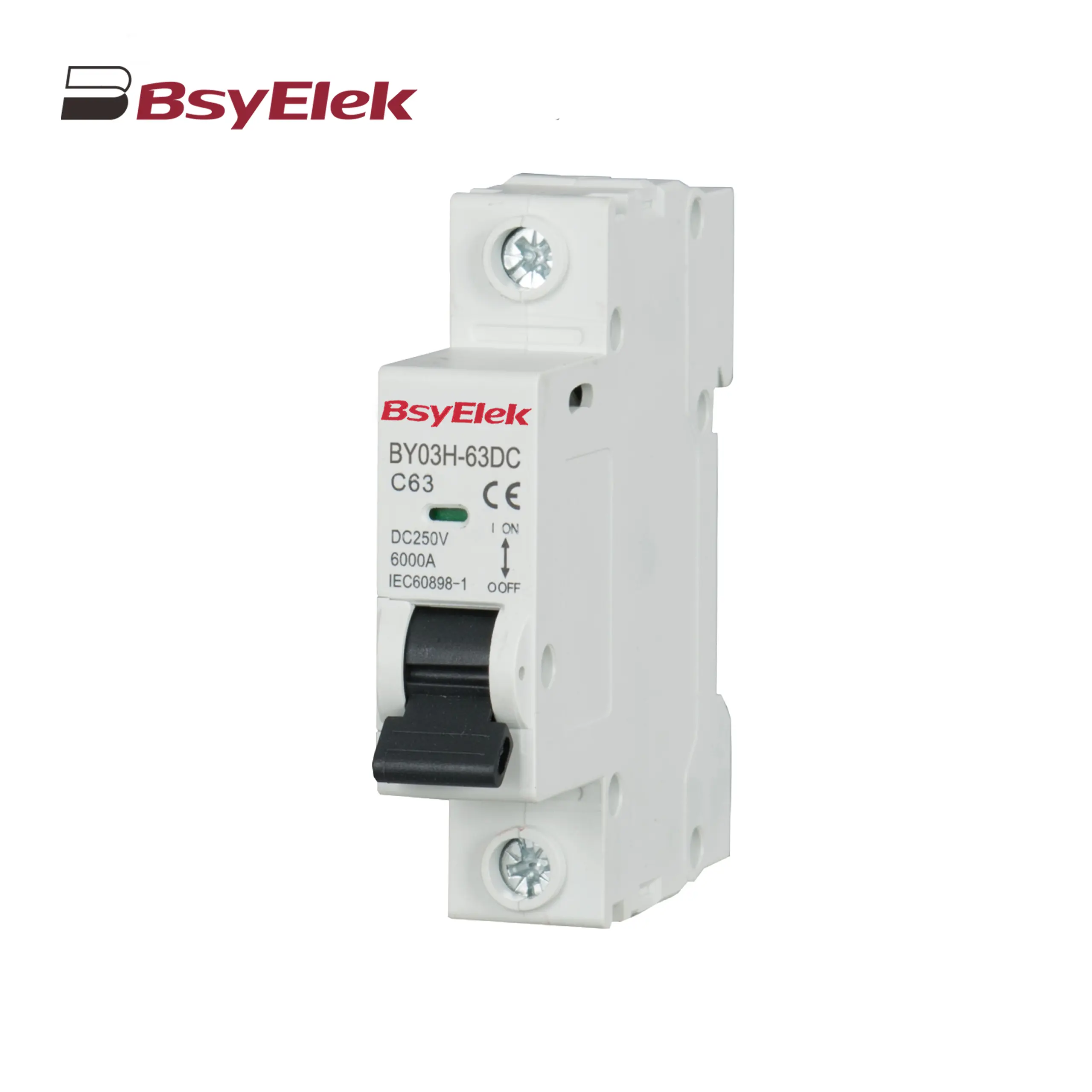 BY03H-63DC MCB 6kA DC Miniature Circuit Breaker
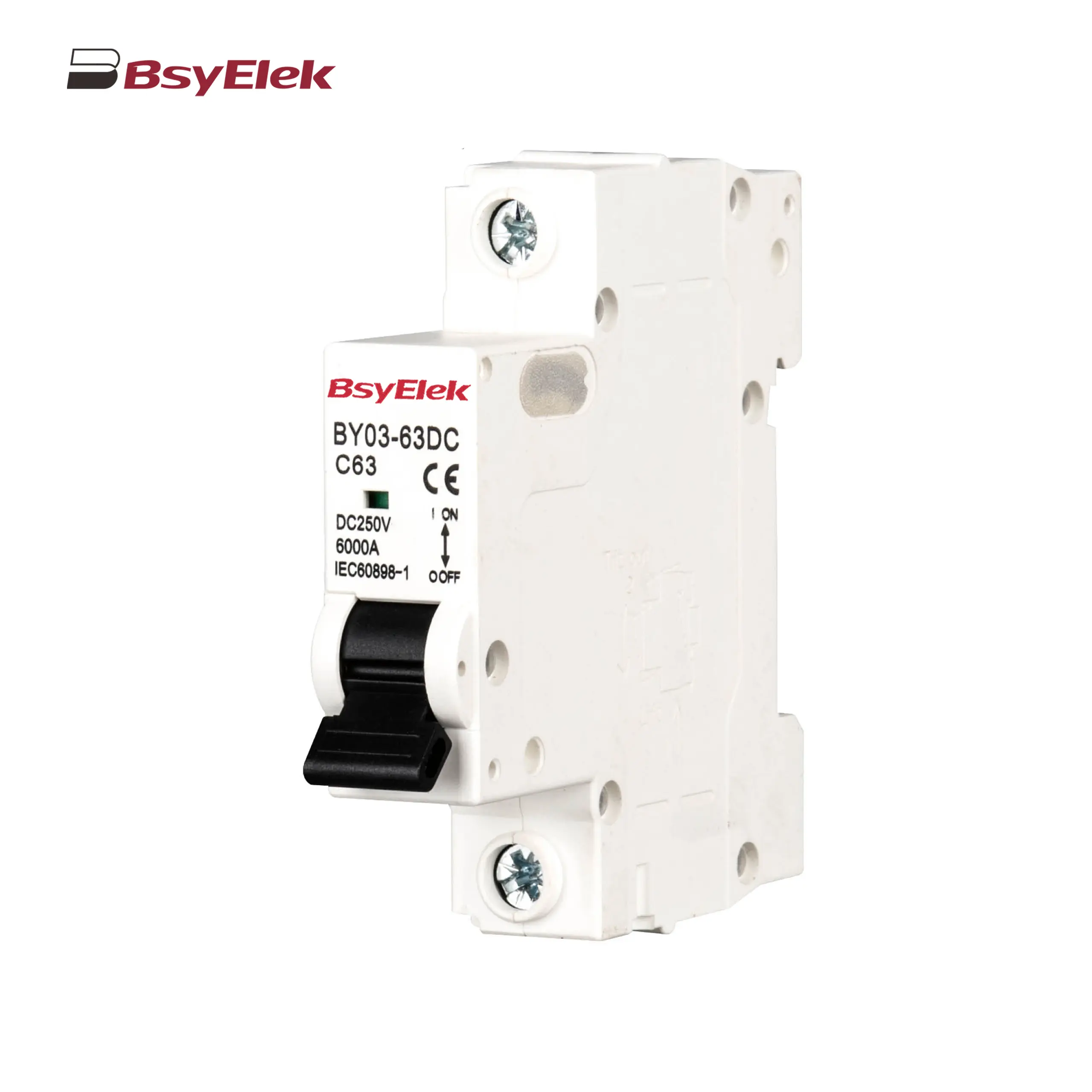 BY03-63DC MCB 4.5kA DC Miniature Circuit Breaker
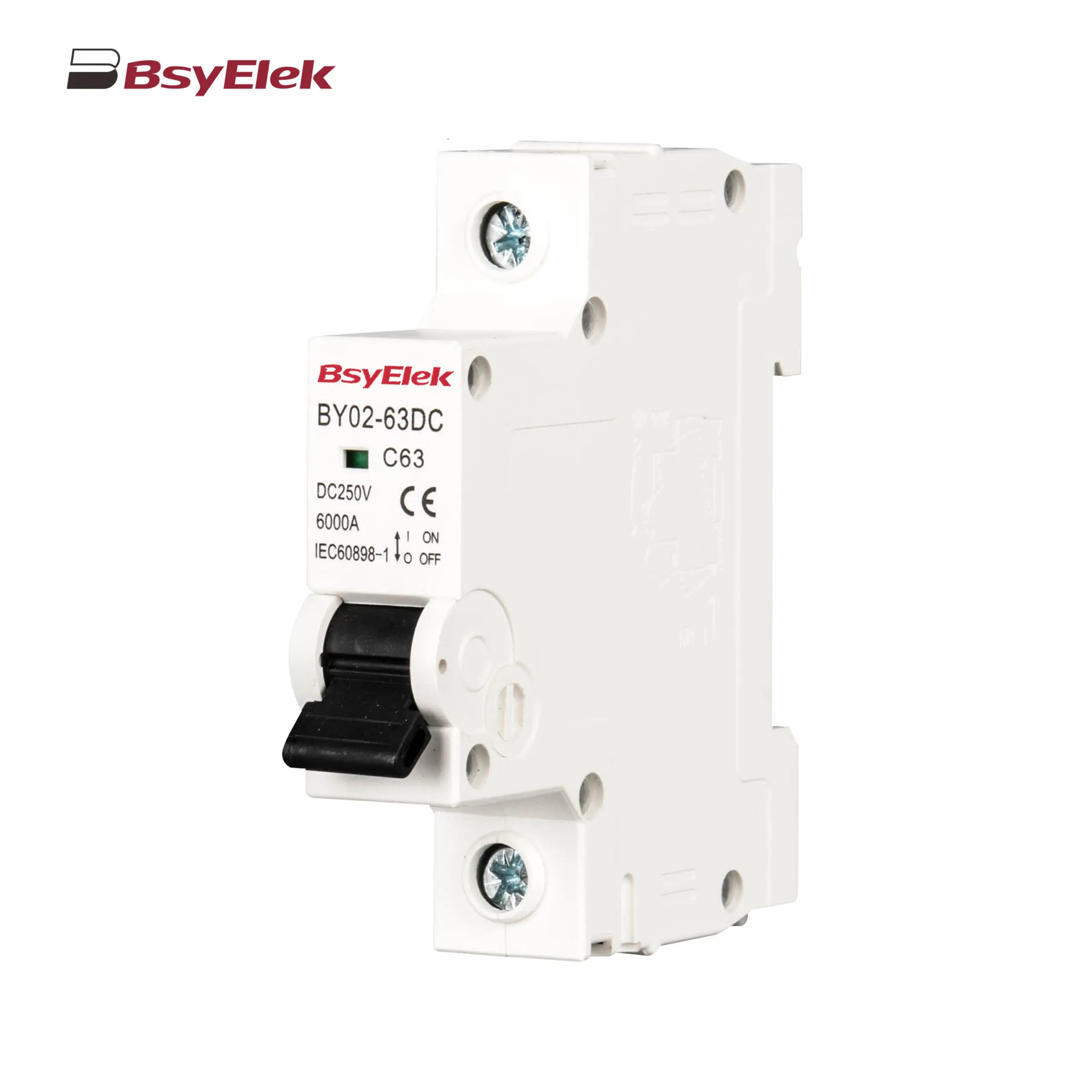 BY02-63DC MCB 3kA DC Miniature Circuit Breaker
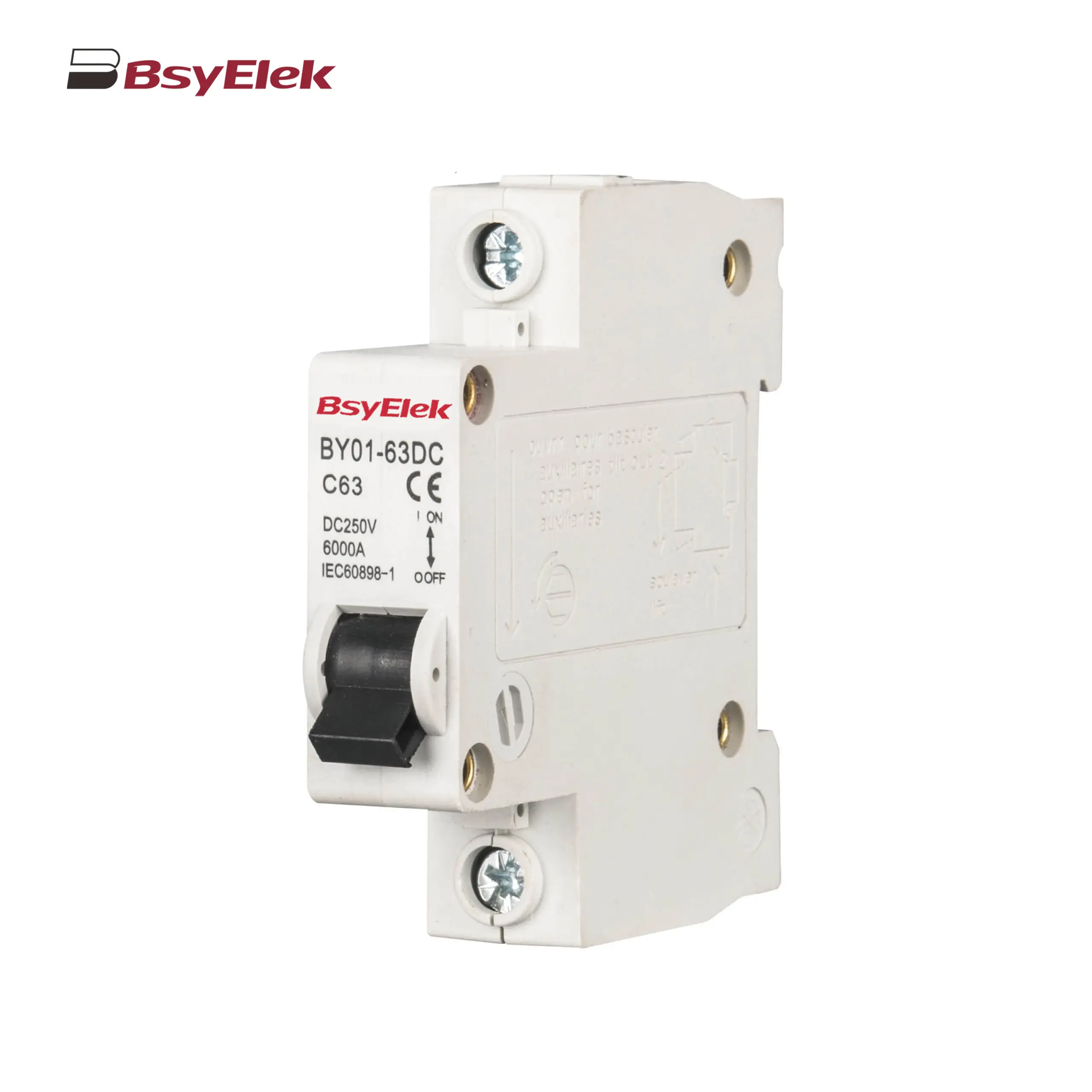 BY01-63DC MCB 3kA DC Miniature Circuit Breaker
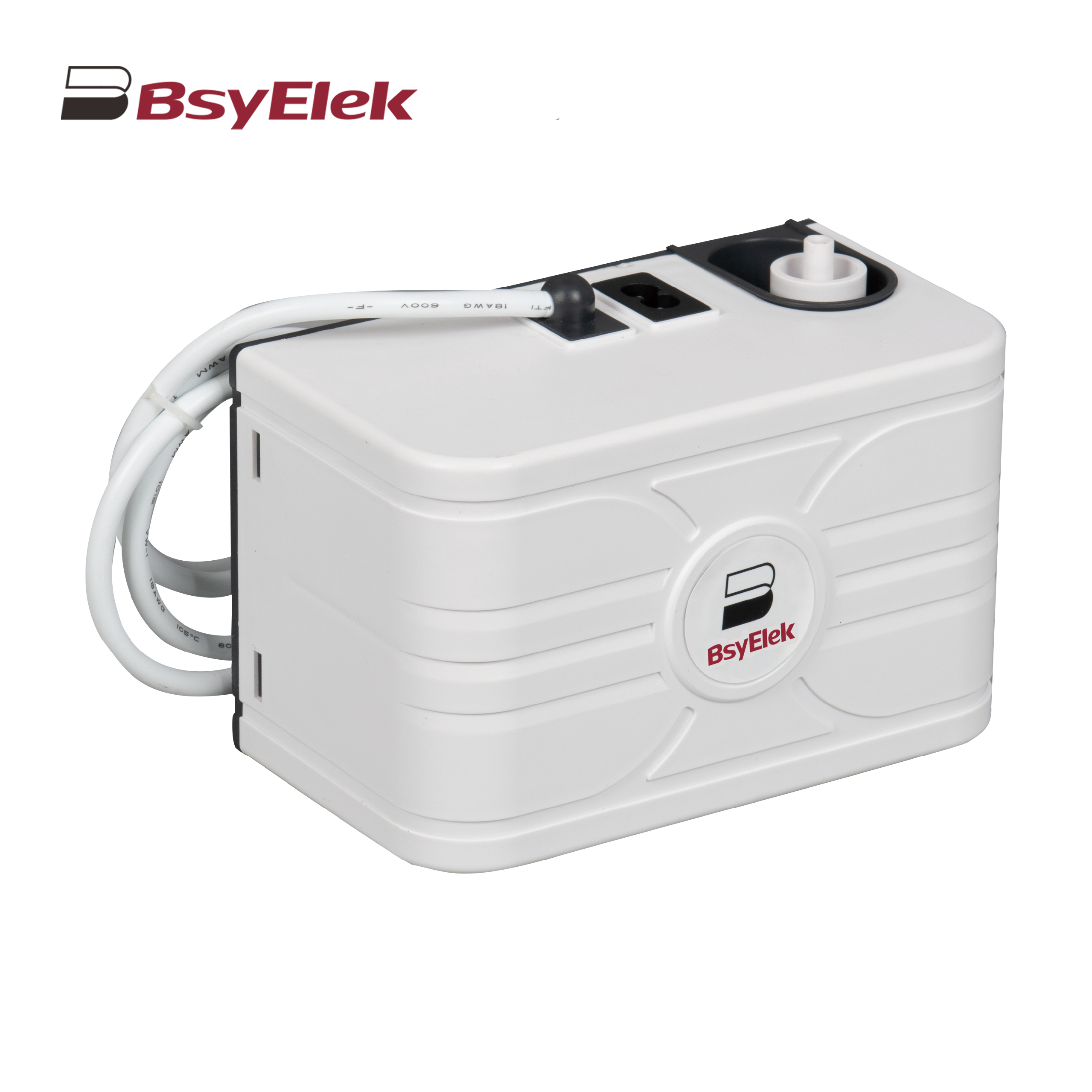 BY-5018 1.8M Engineering Drainage Pump
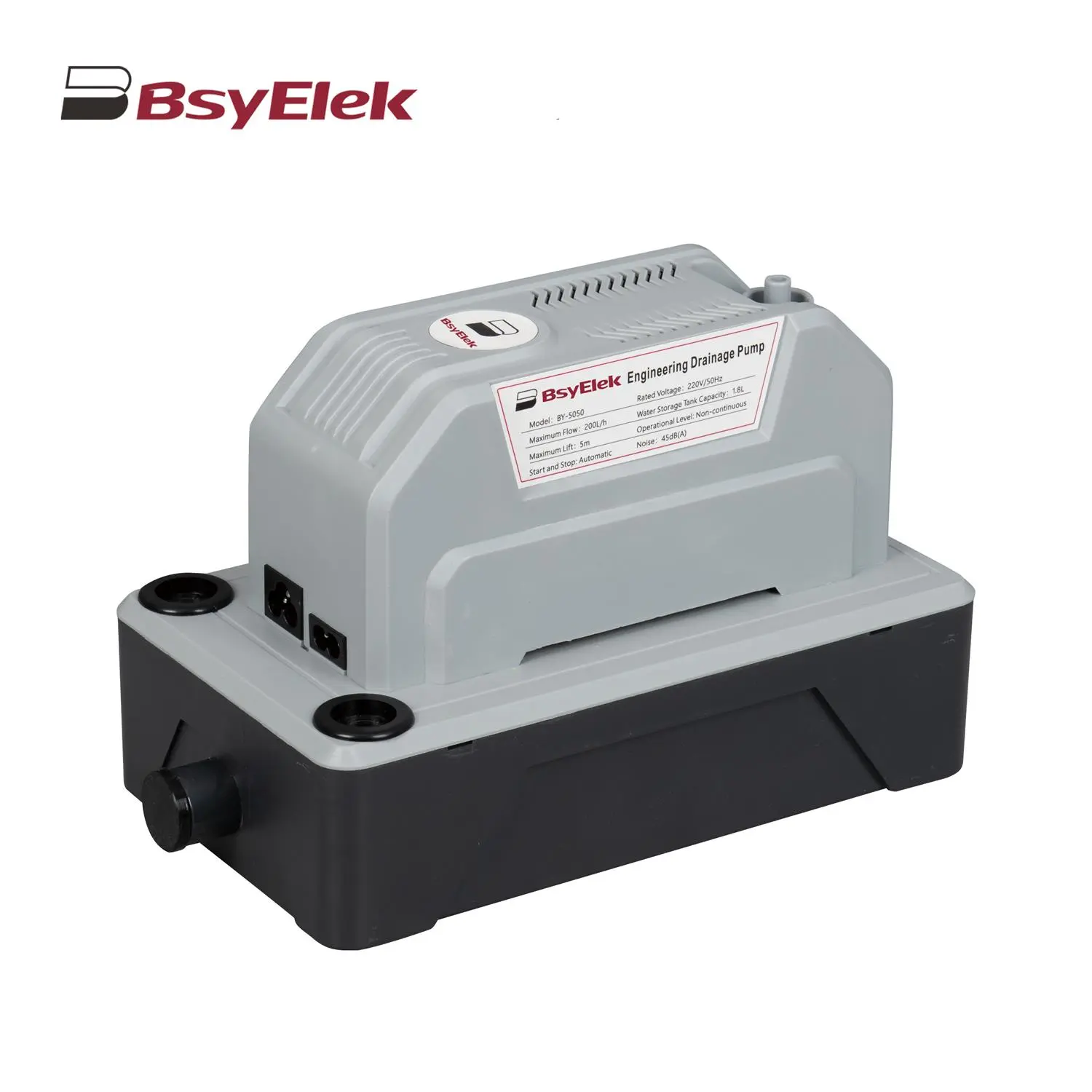 BY-5050 5M Engineering Drainage Pump
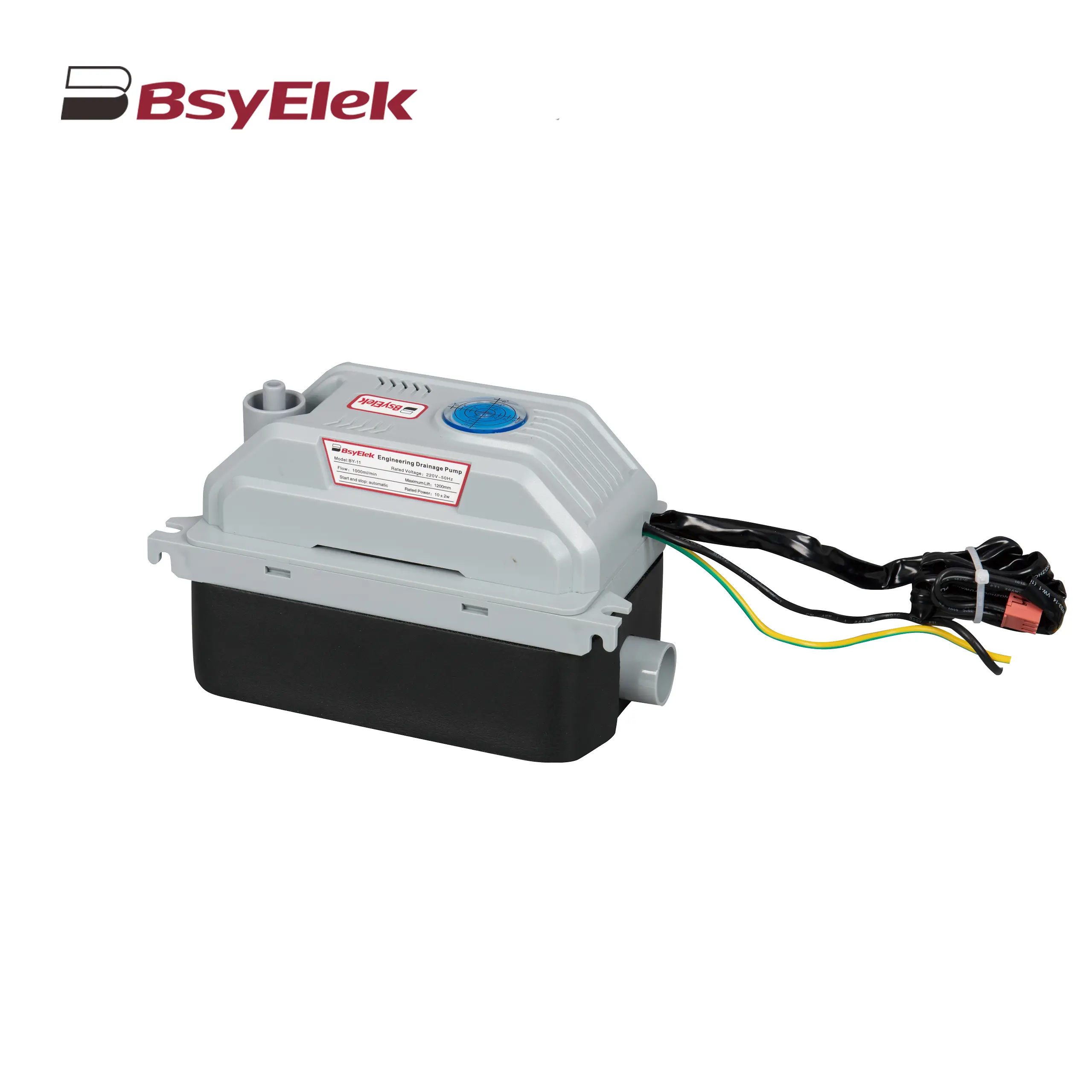 BY-11 1.2M Engineering Drainage Pump
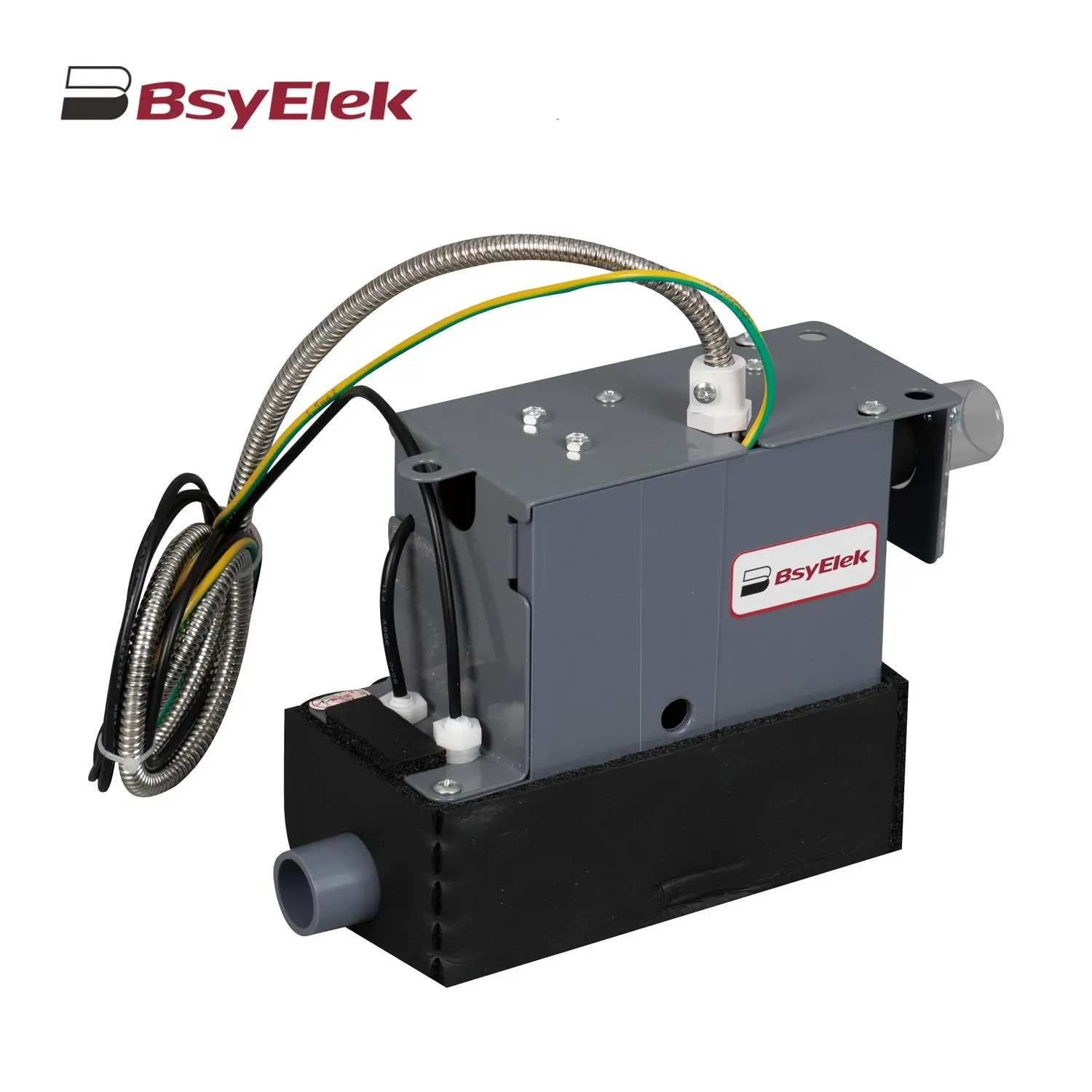 SBH-05 0.7M Original Drainage Pump of Duct Type Air Conditioner
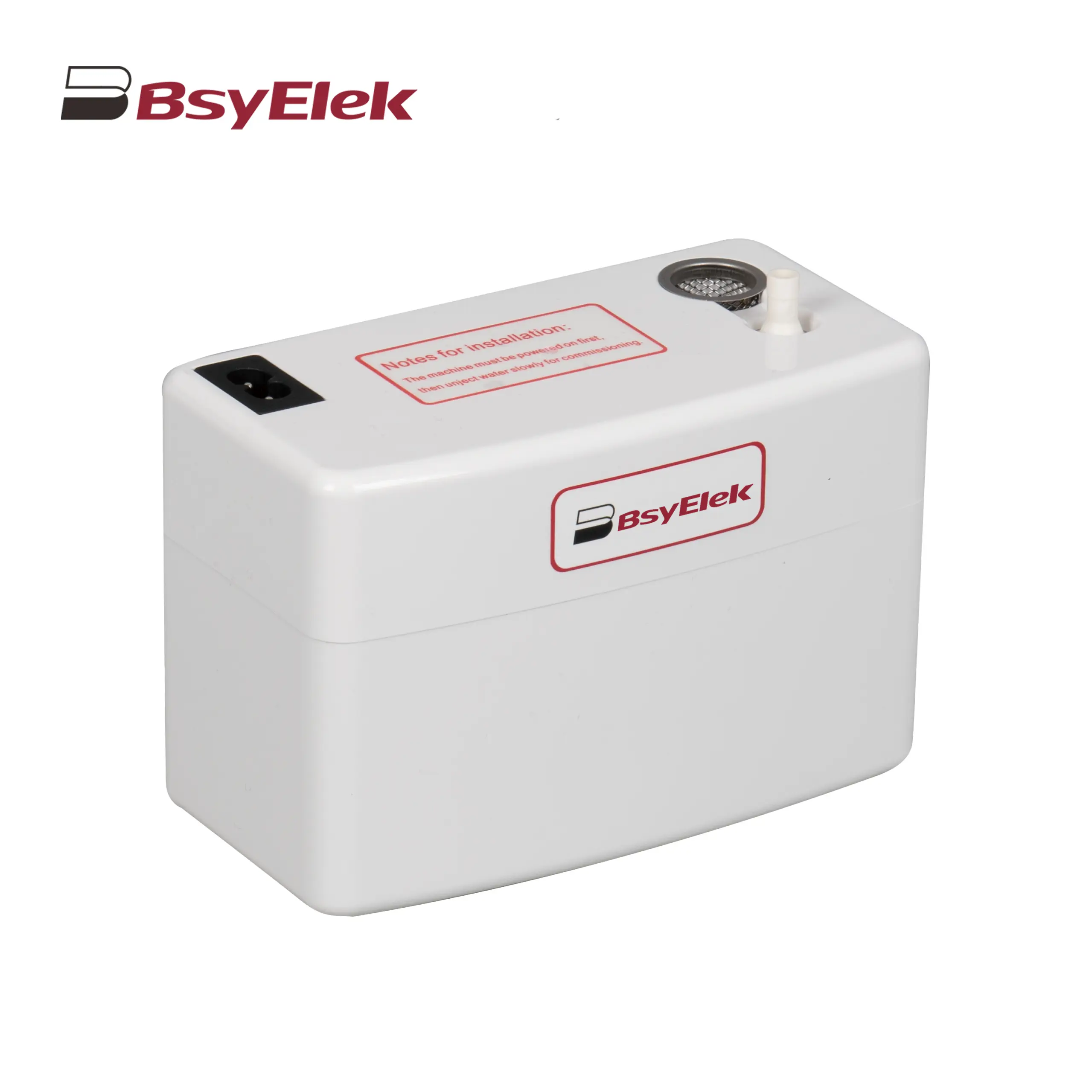 BY-24A/40A 10M Drainage Pump of Air Conditioner
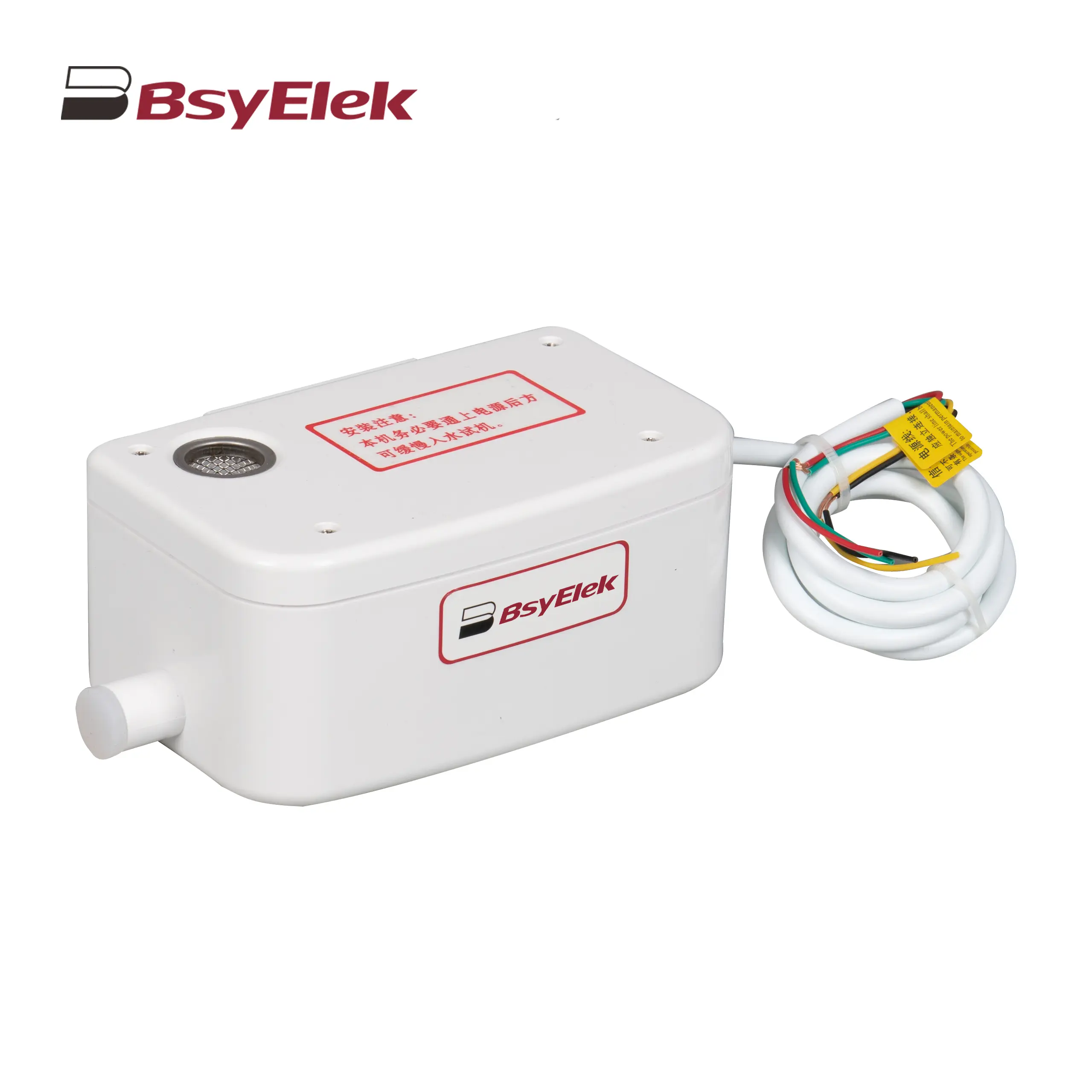 BY-50A 12M Drainage Pump of Air Conditioner
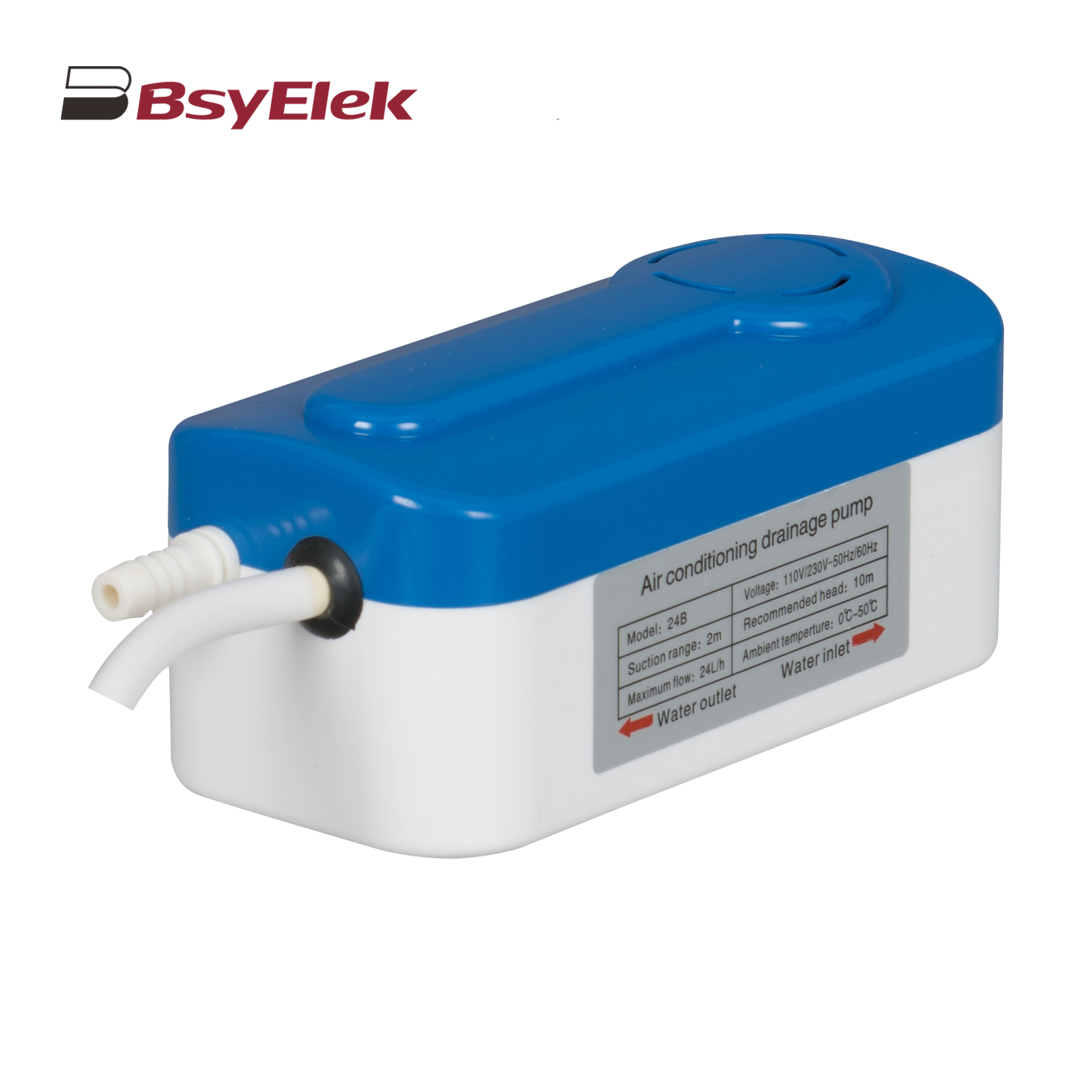 BY-24B/40B 10M Split Type Drainage Pump
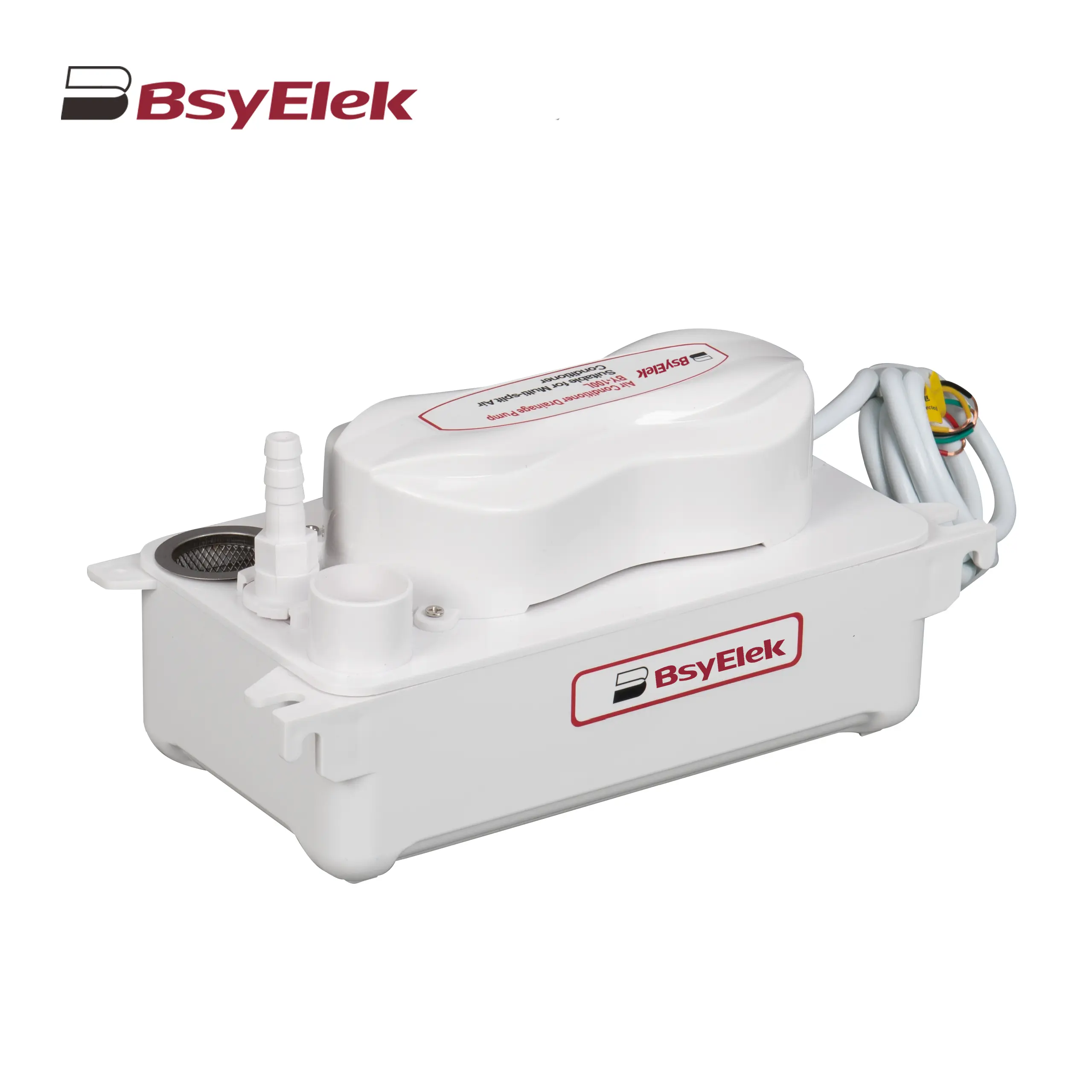 BY-100L 2M Drainage Pump of Air Conditioner
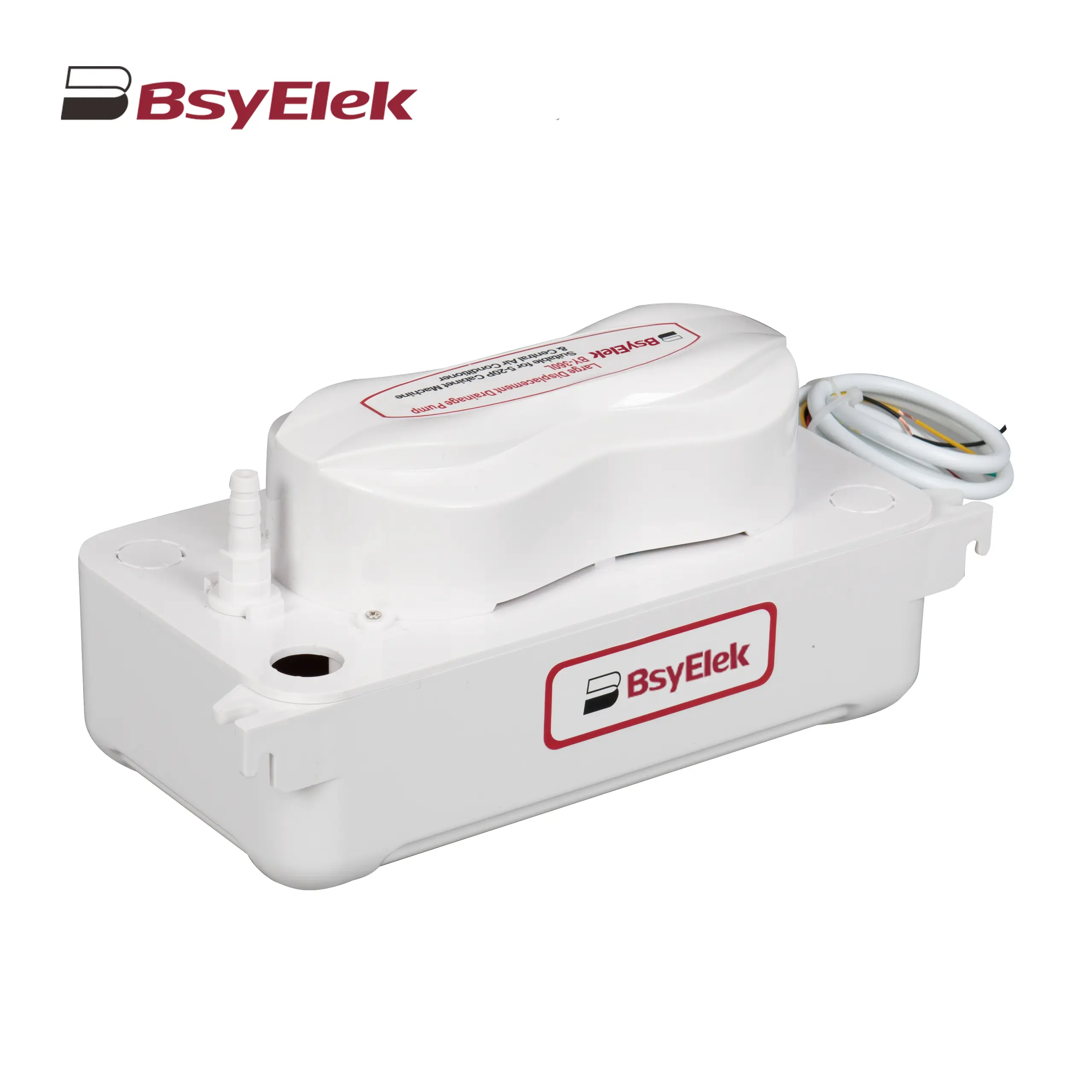 BY-360L 6M Large Displacement Drainage Pump
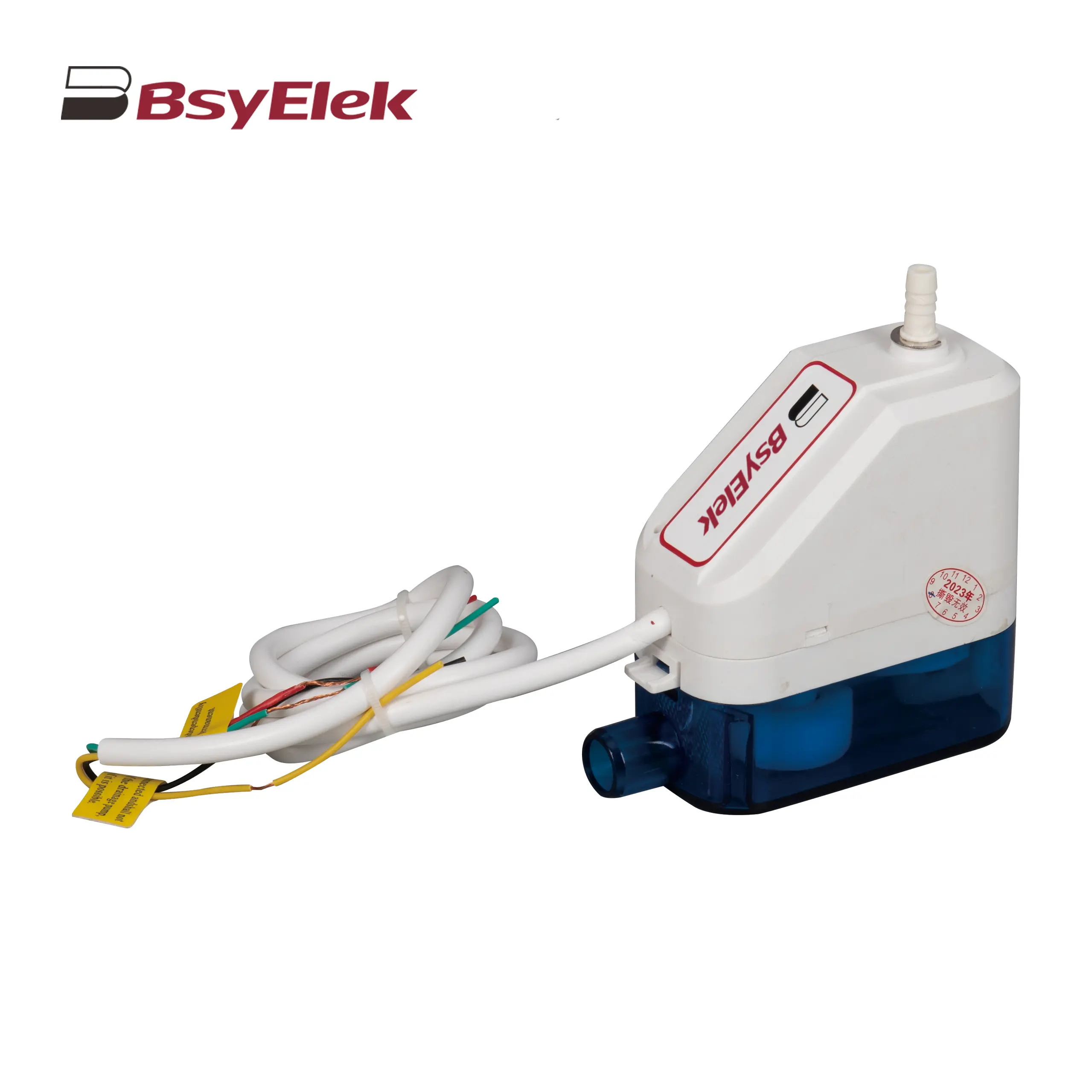 BY-24C/40C 10M Corner Drainage Pump
What is a miniature circuit breaker (MCB)?
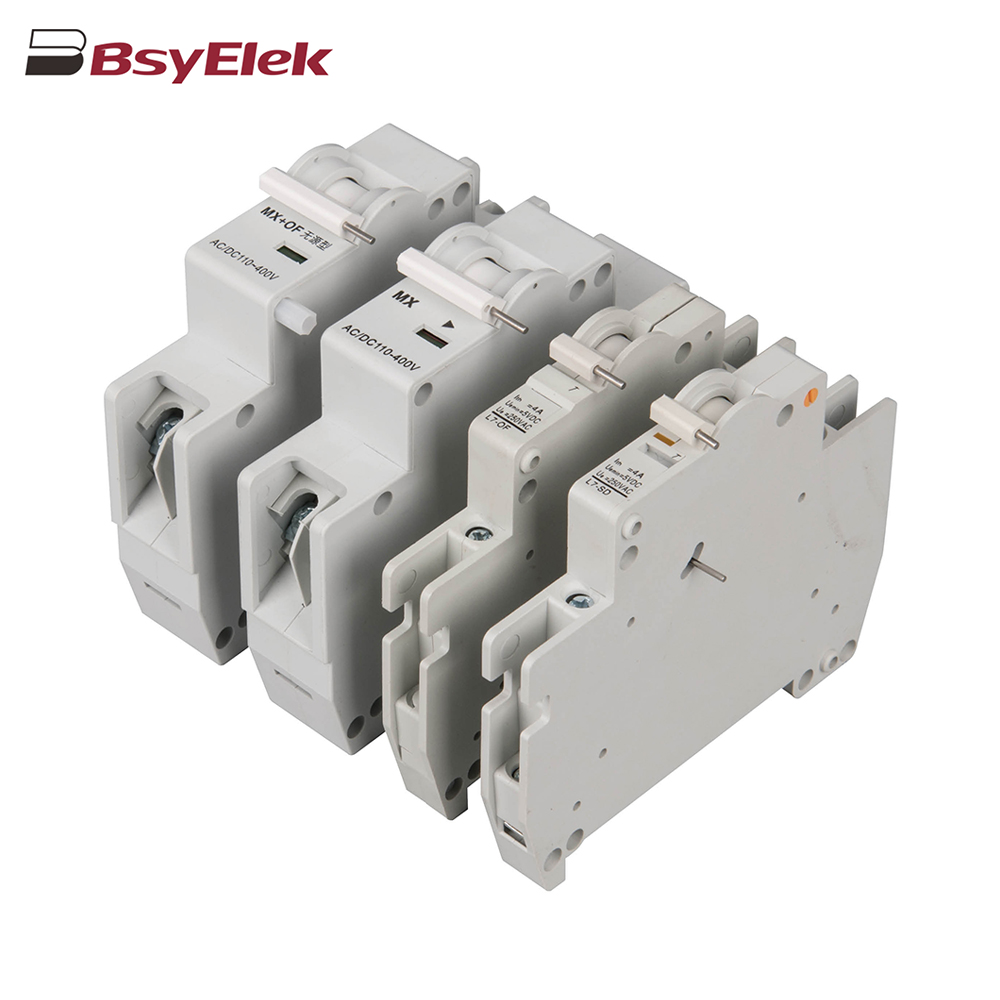 OF SD MX OF MCB Miniature Circuit Breaker Accessories
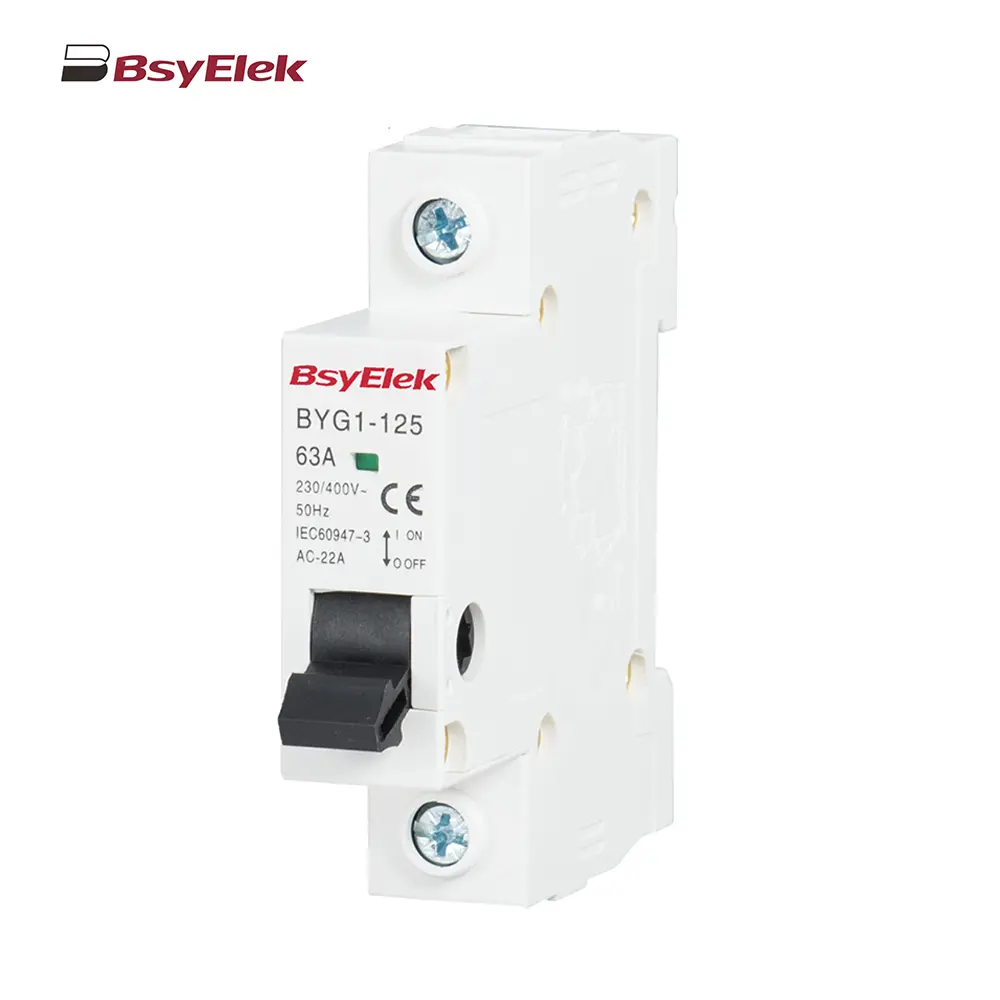 BYG1-125 Main Switch MCB Isolator Switch
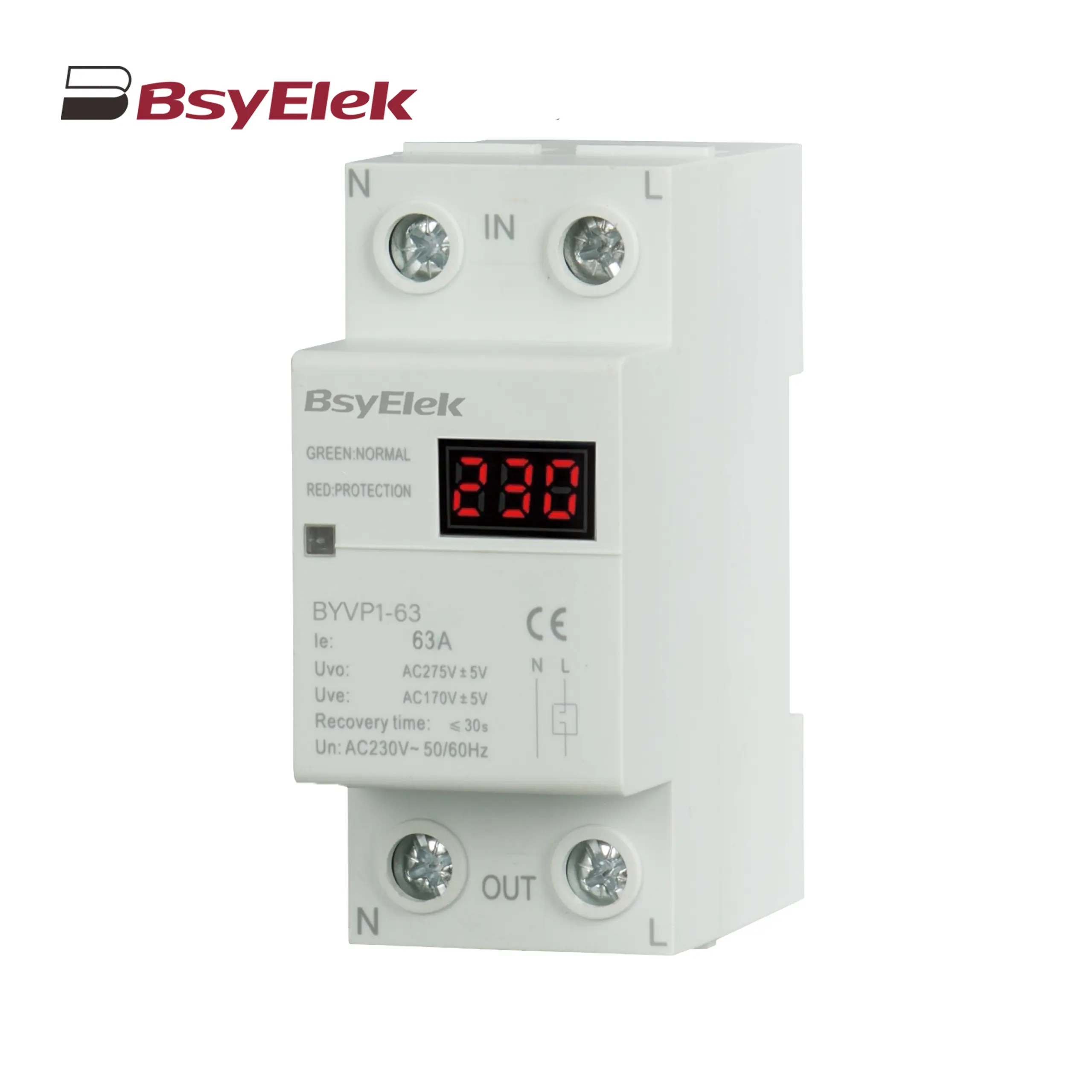 BYVP1-63 100A Single Display Overvoltage and Undervoltage Protector
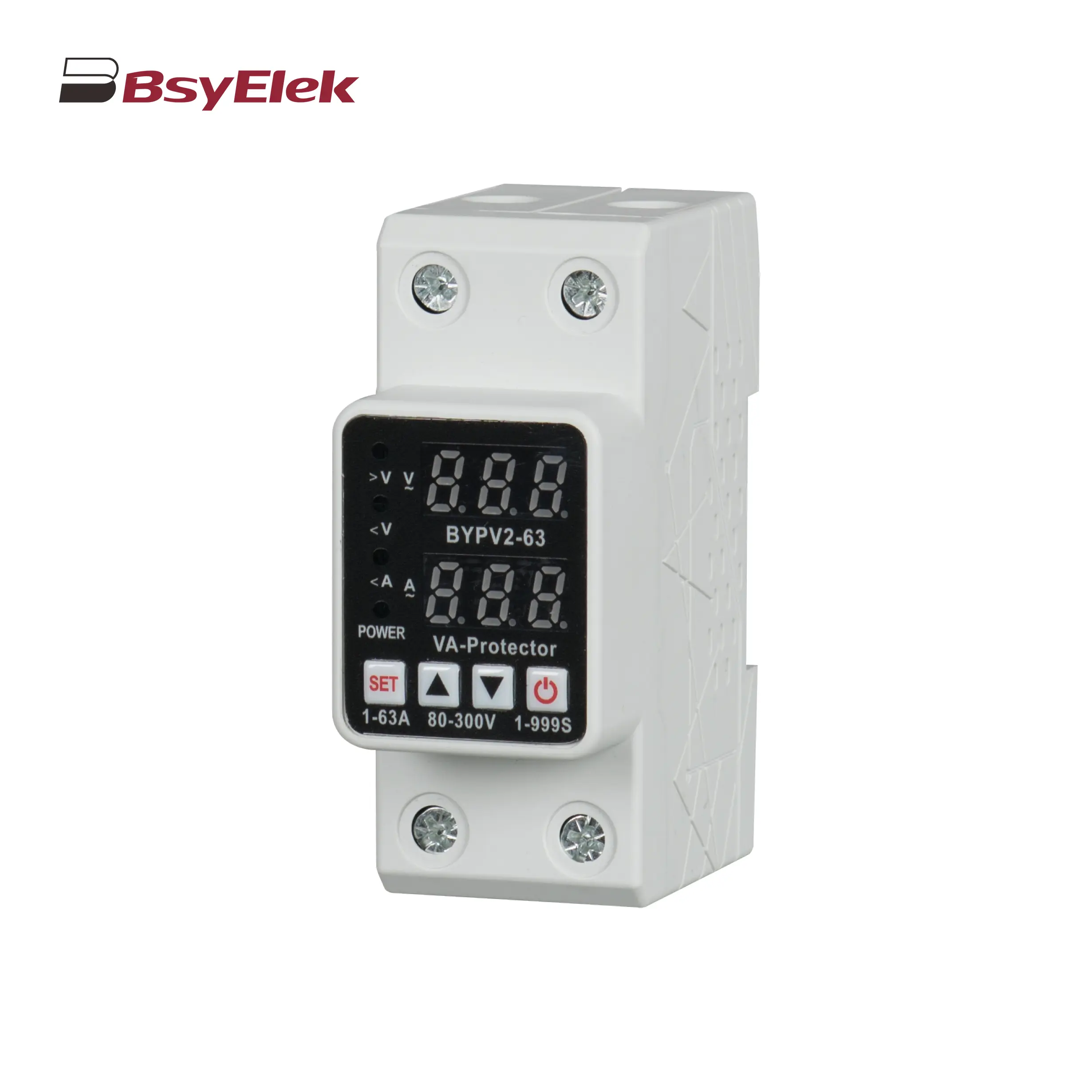 BYVP2-63 40A 63A Adjustable Dual Display Overvoltage and Undervoltage Protector
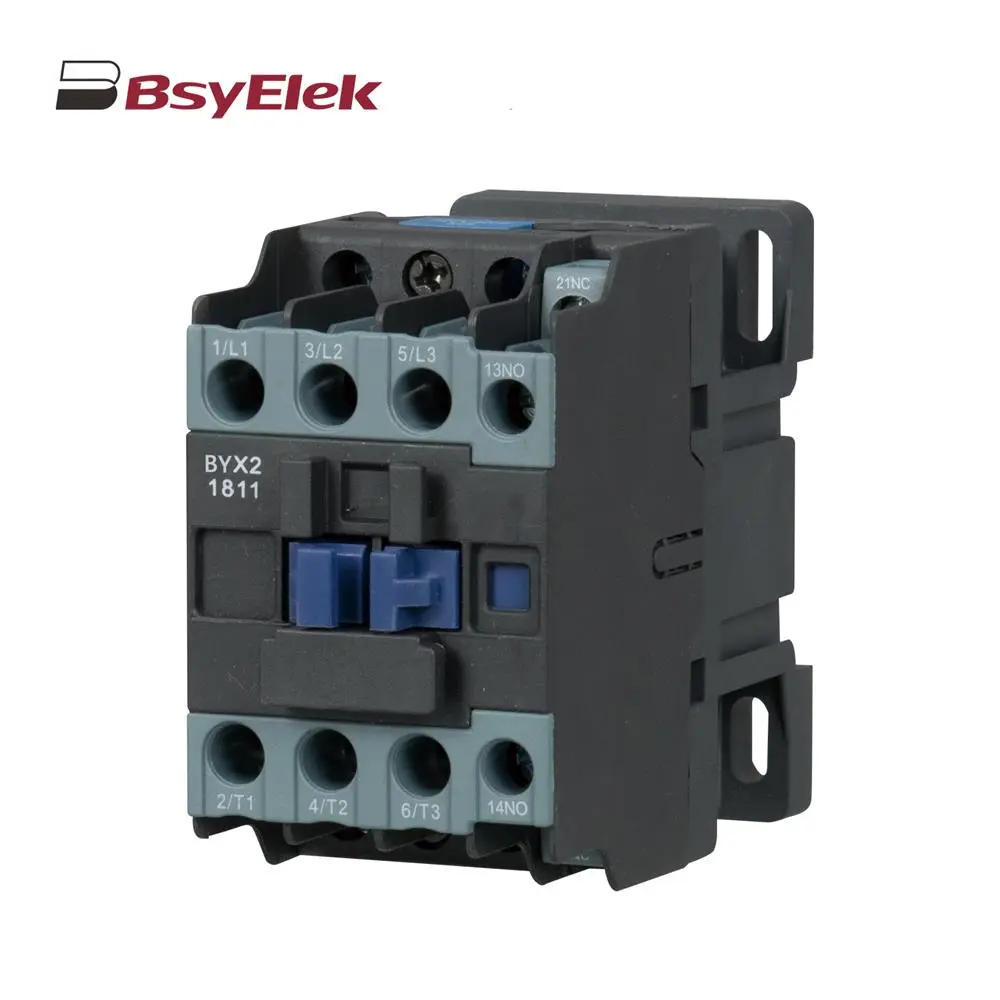 BYX2 6-95A AC Contactor
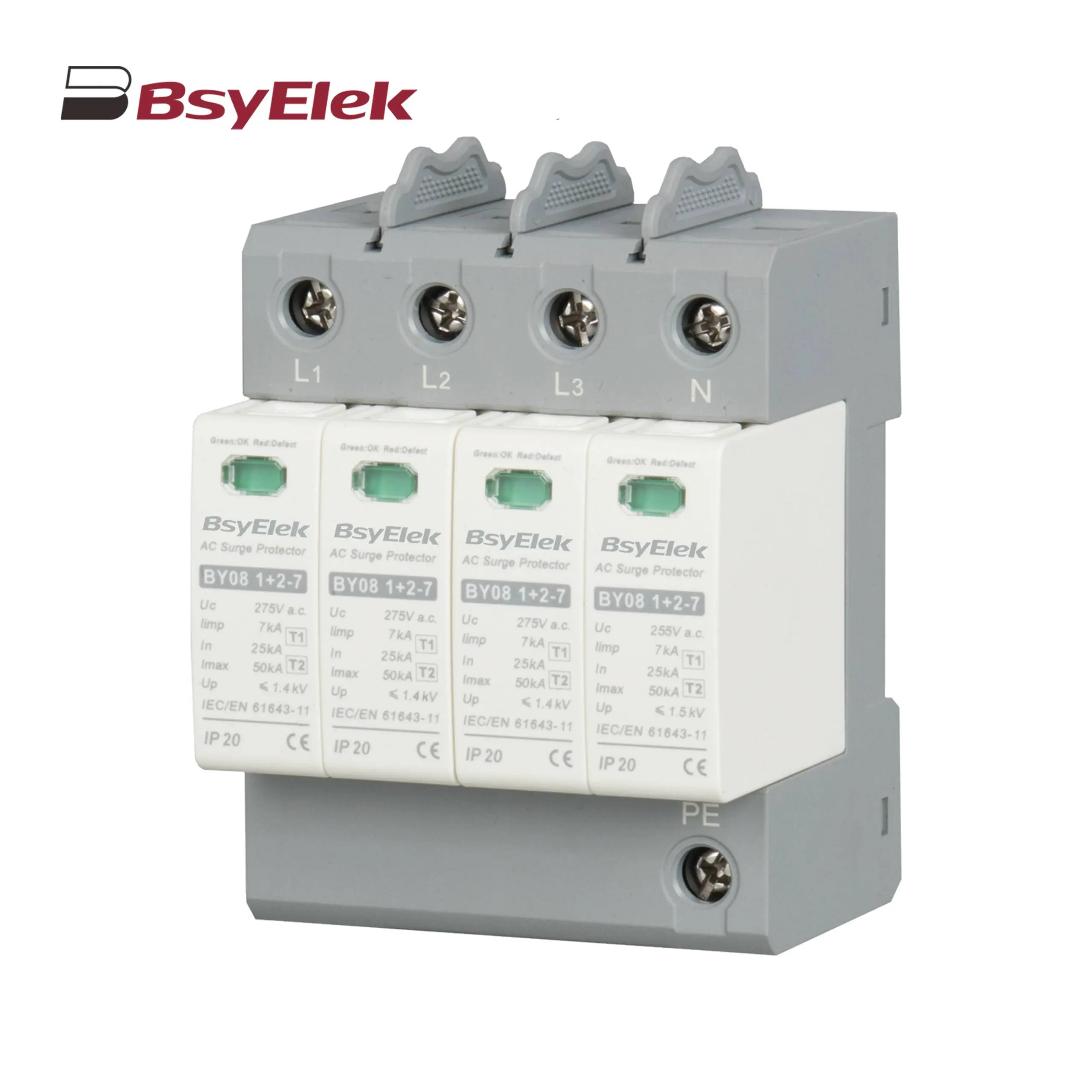 BY08 1+2-7 SPD Class T1+T2 Imax 50KA Surge Protective Device
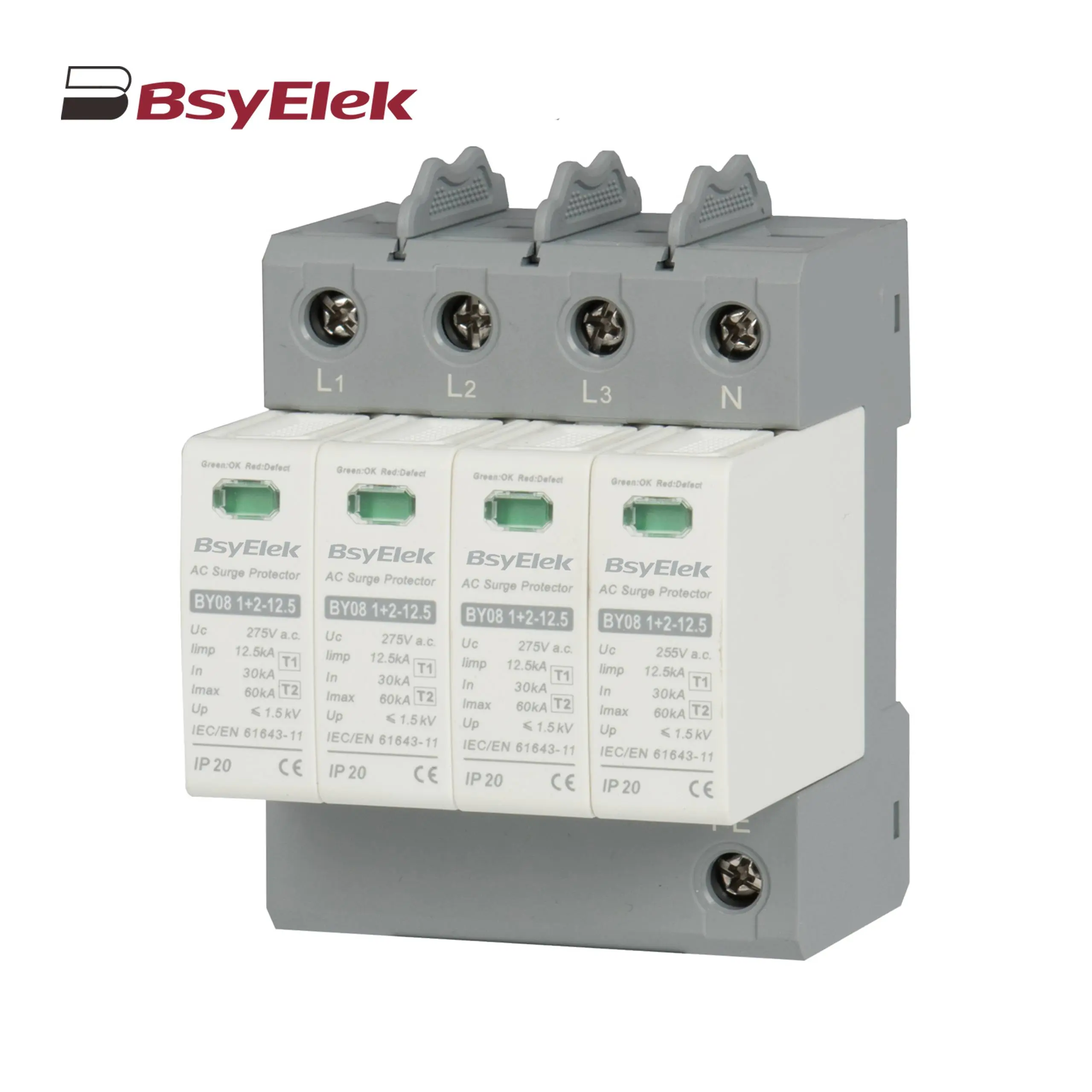 BY08 1+2-12.5 SPD Class T1+T2 Imax 60KA Surge Protective Device
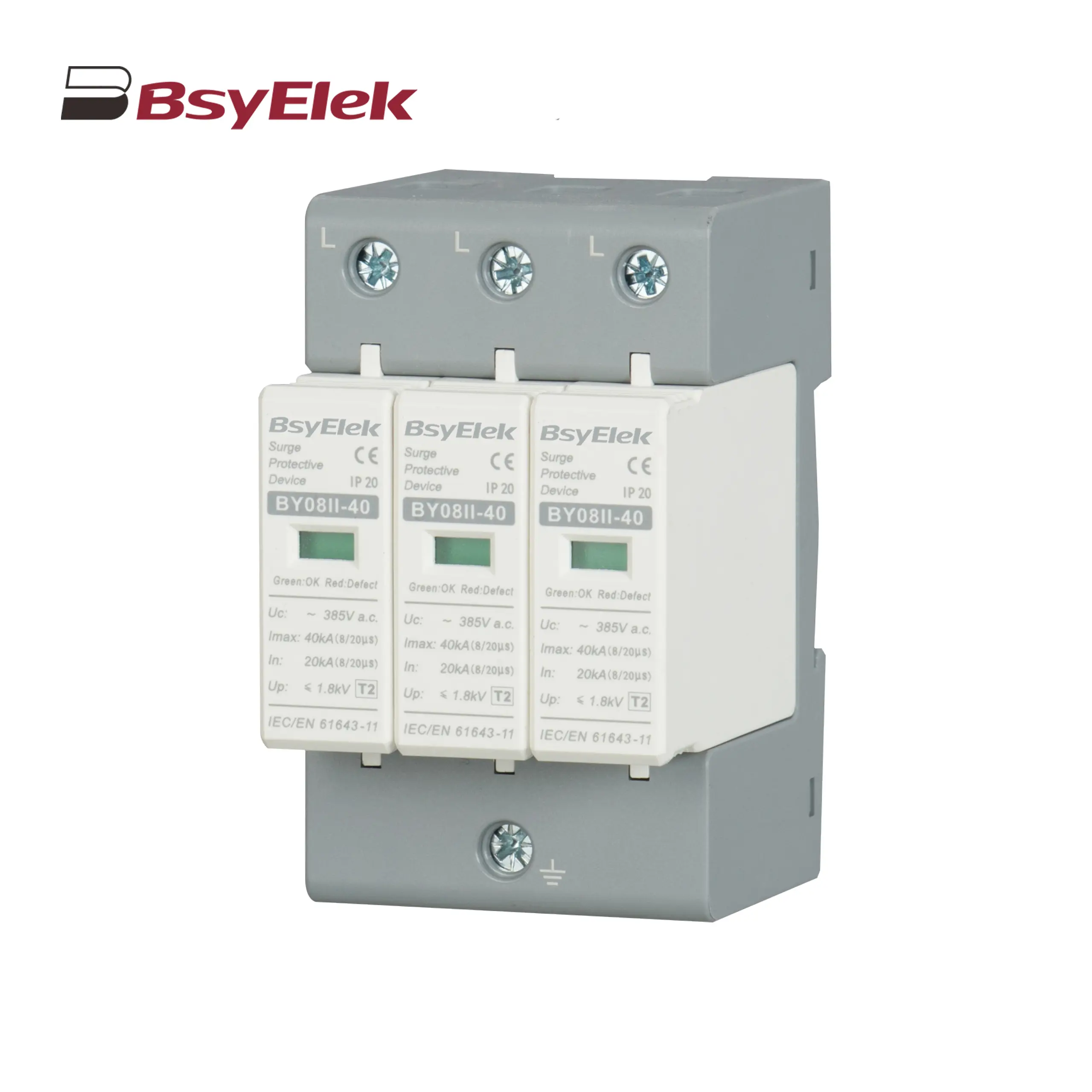 BY08II-40 SPD Class T2 Imax 40KA Surge Protective Device
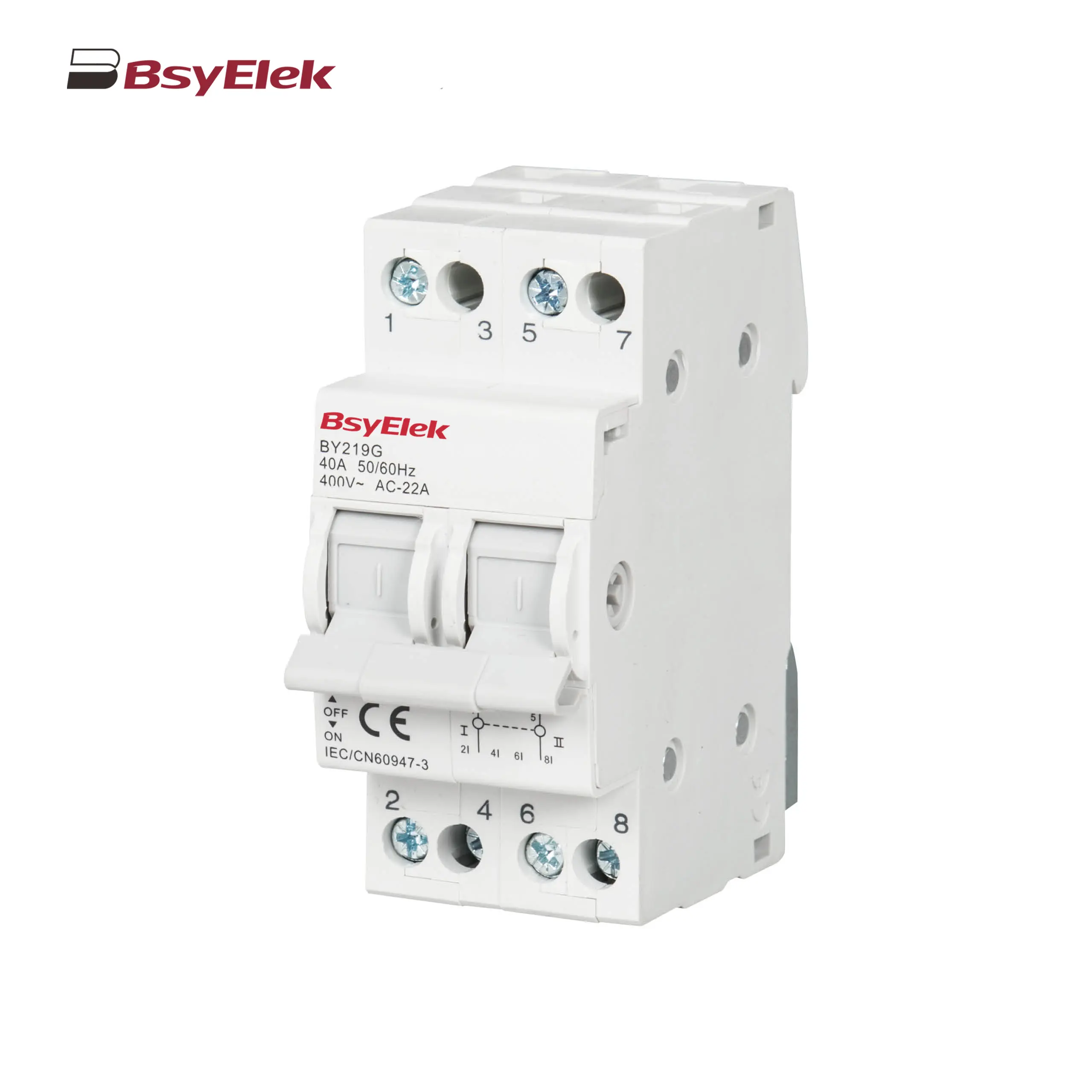 BY19G 63A Manual Changeover Switch
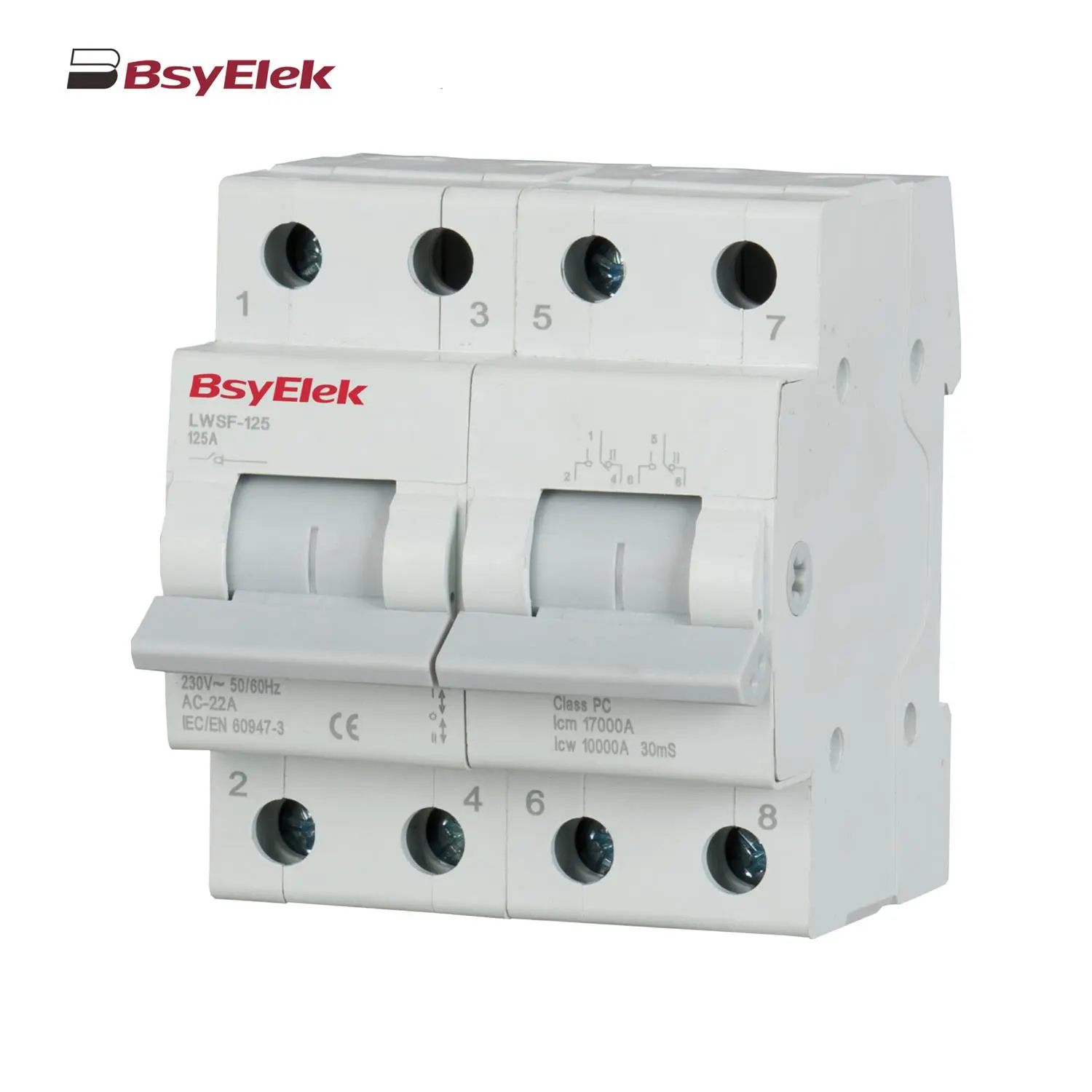 LWSF-125 125A Manual Changeover Switch
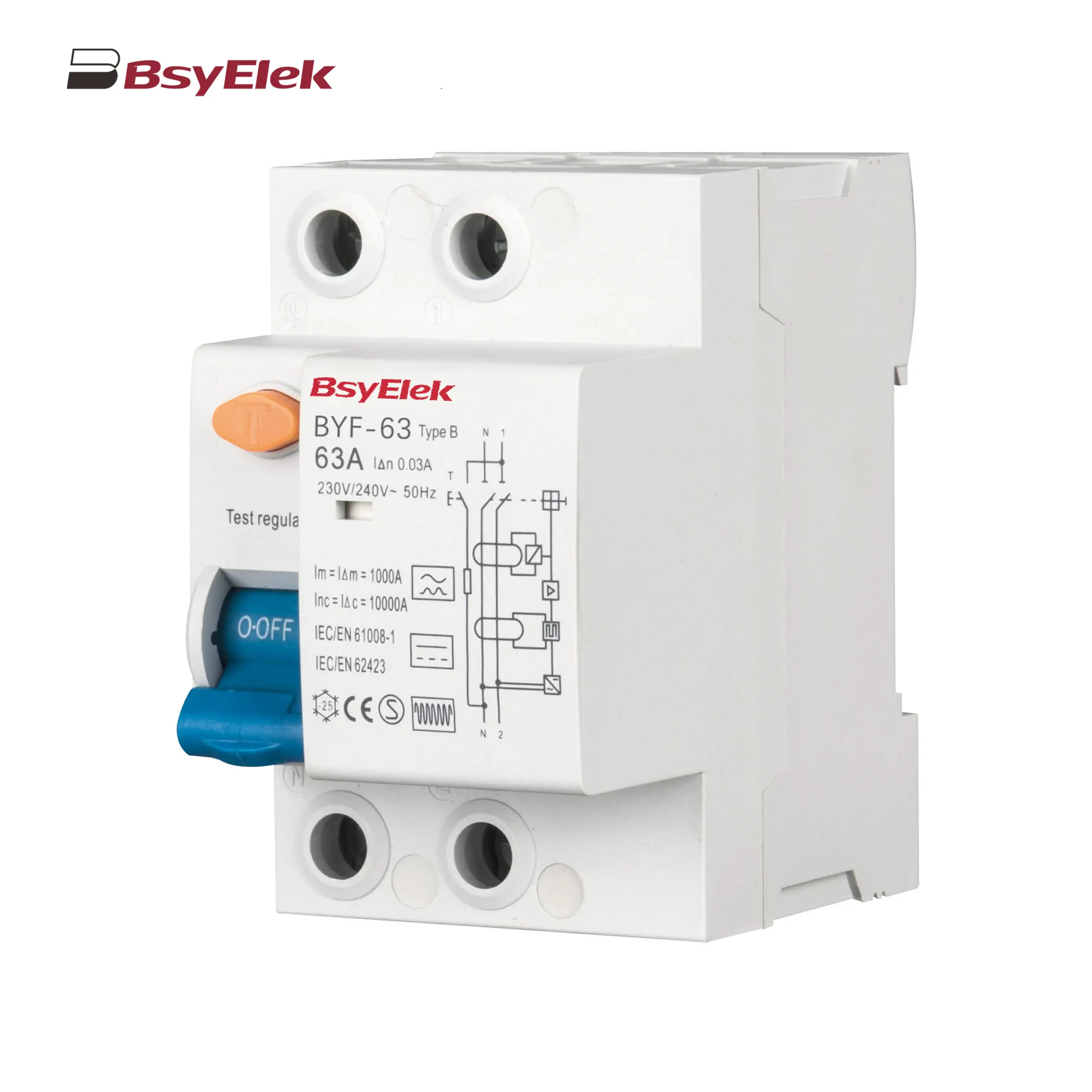 BYF-63 RCD 10KA Type B AC+A+Smoothing DC Residual Current Device
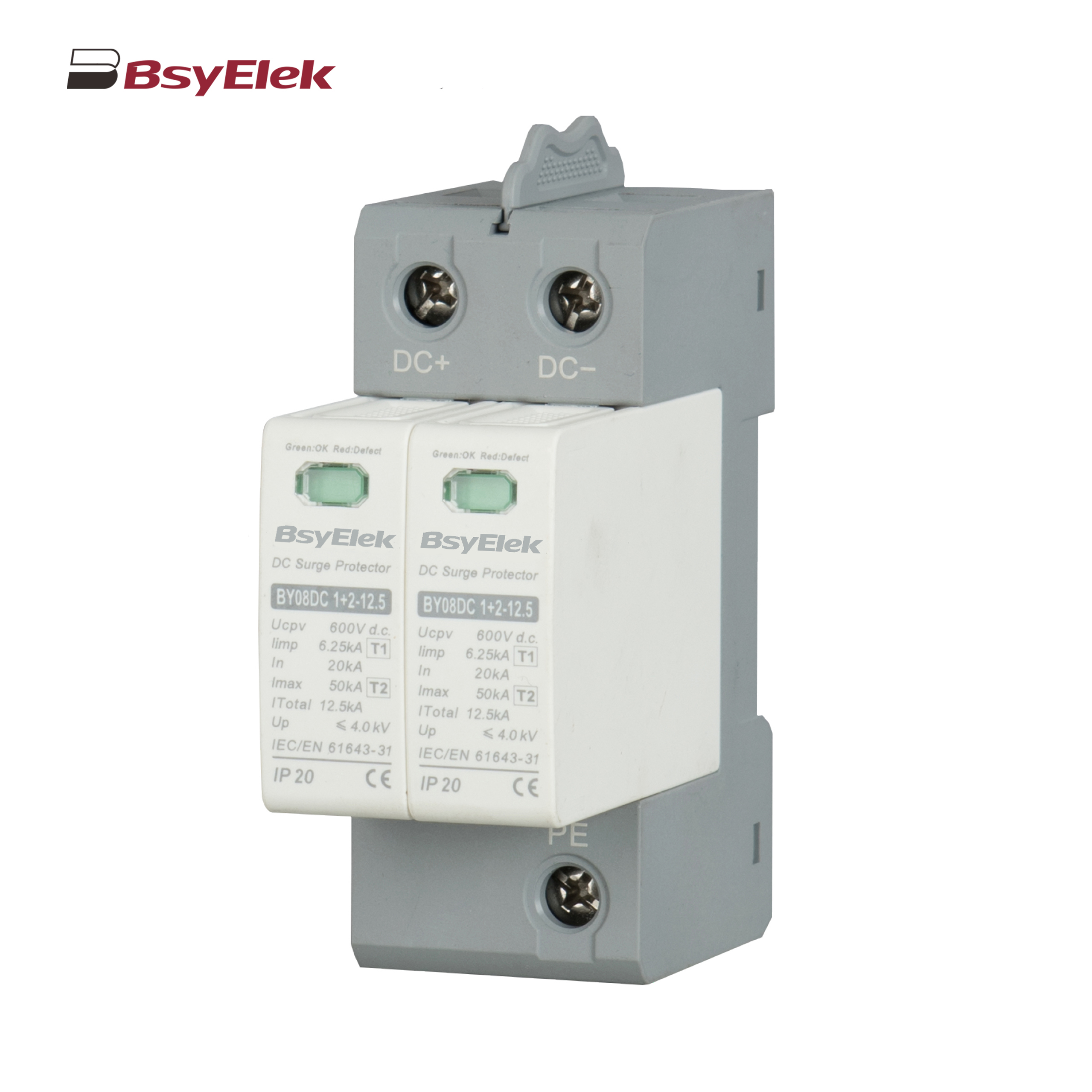 BY08DC 1+2-12.5 SPD Class T1+T2 40KA DC Surge Protective Device
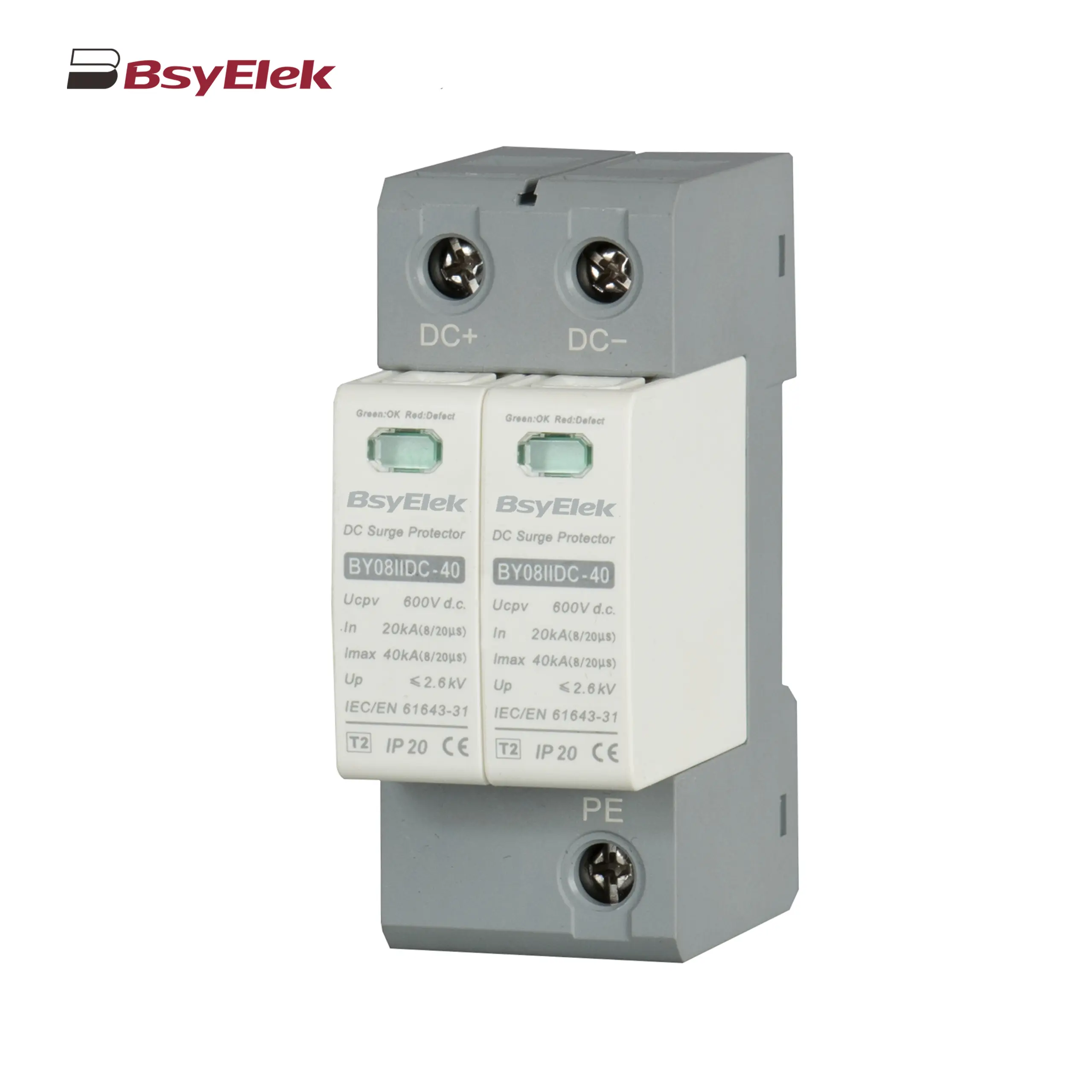 BY08IIDC-40 SPD Class T2 40KA DC Surge Protective Device
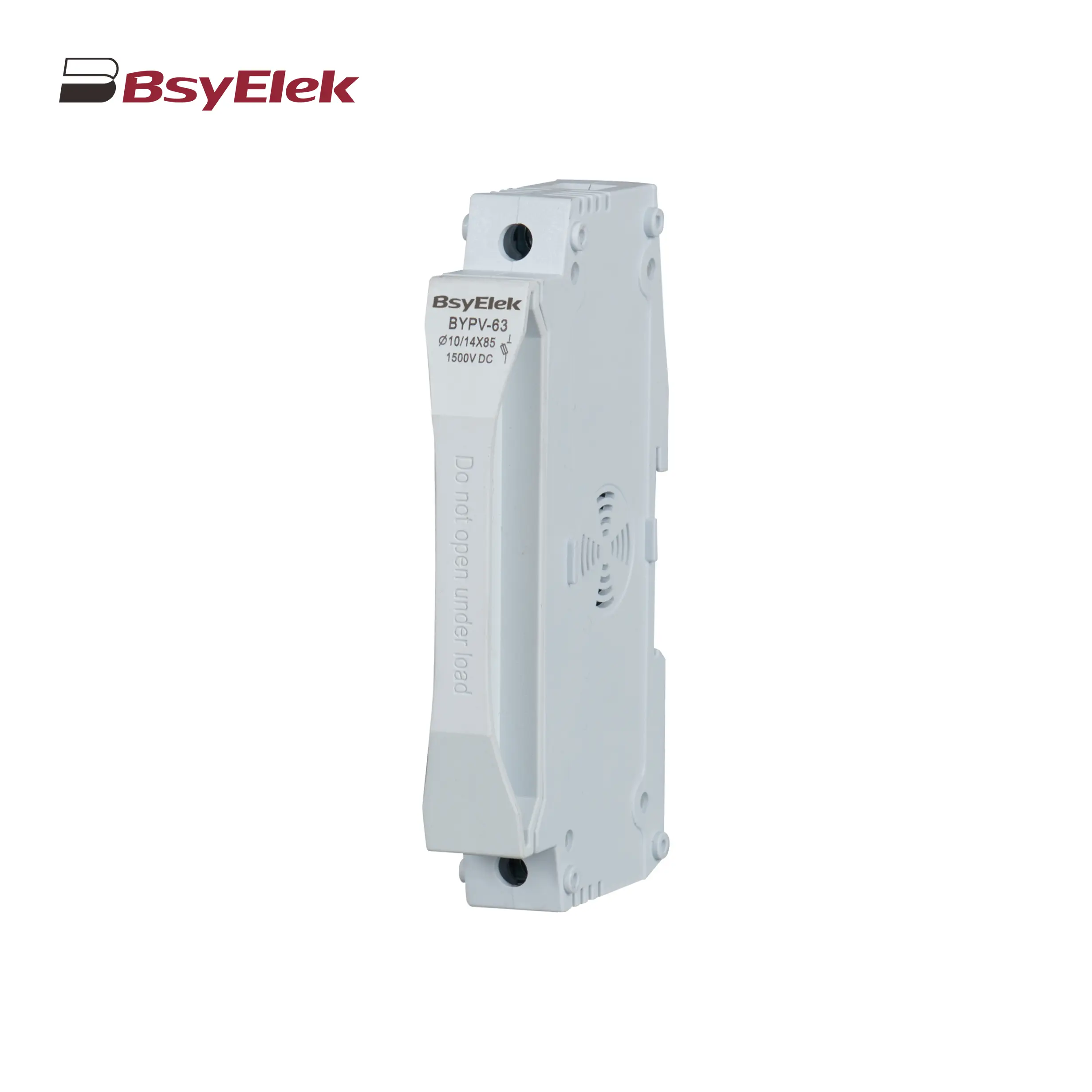 BYPV-63 1500VDC 50A Fuse Holder with 10x85mm 14x85mm Fuse Link
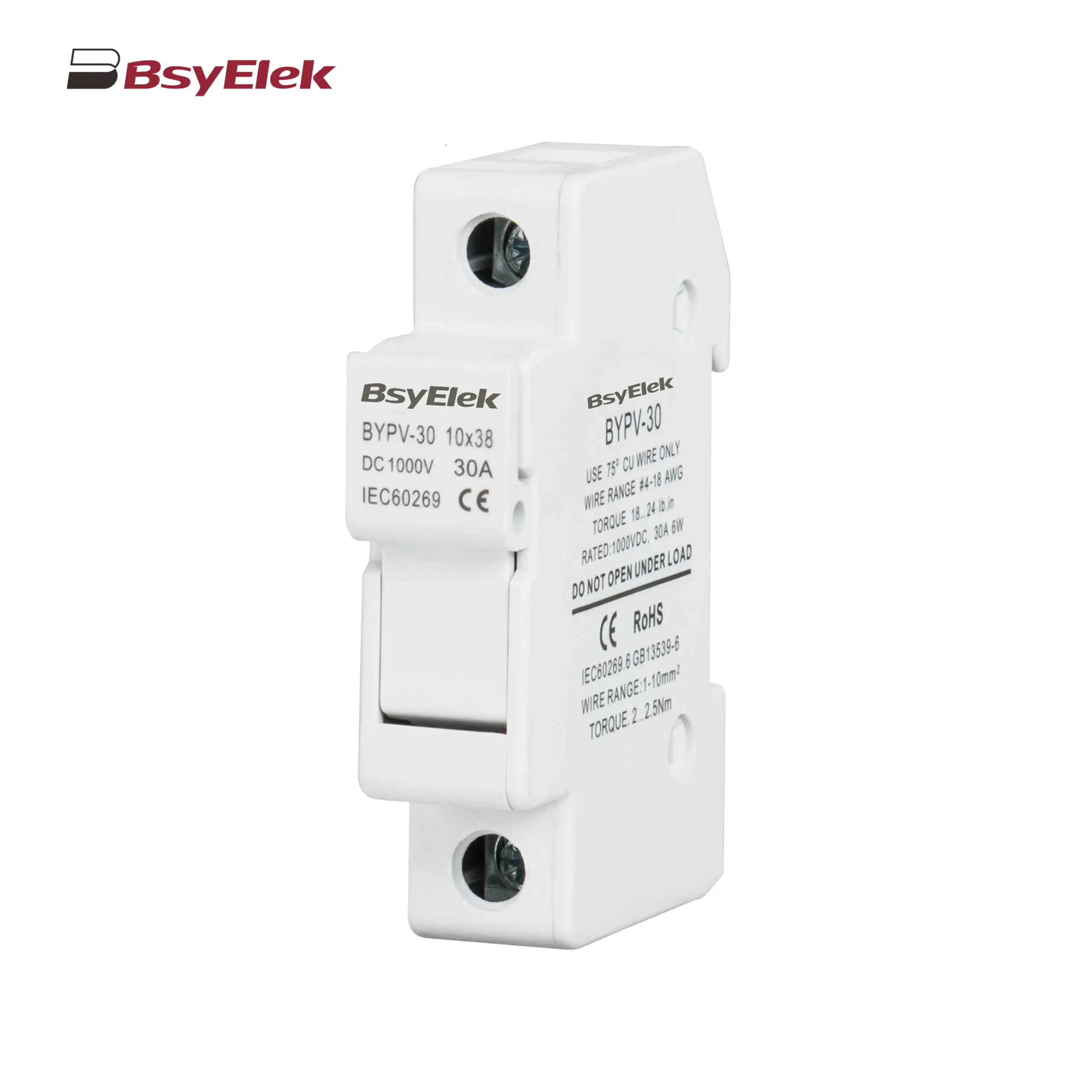 BYPV-30 1000VDC 32A Fuse Holder with 10x38mm Fuse Link
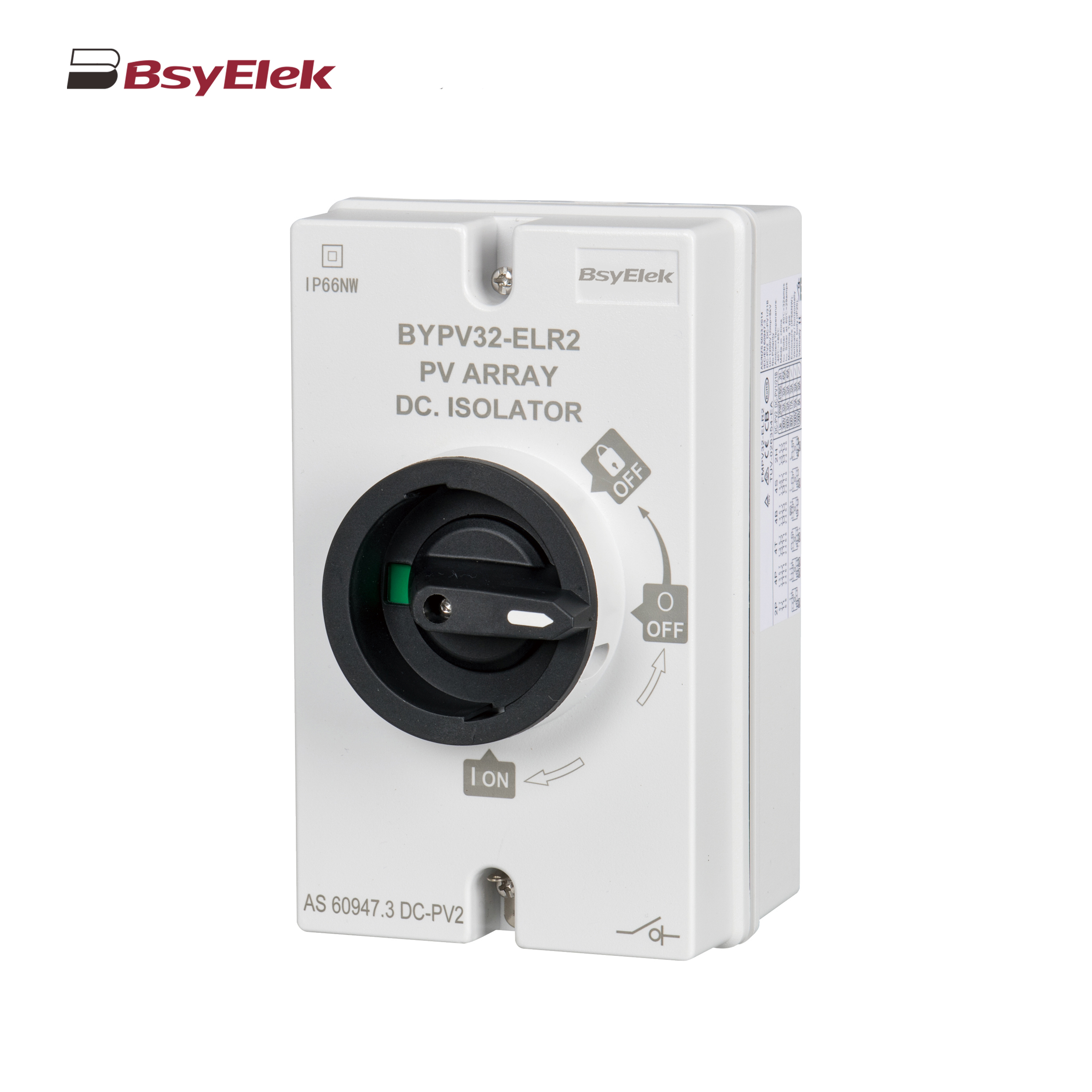 BYPV-ELR2 PV Isolator Switch with Enclosed Version
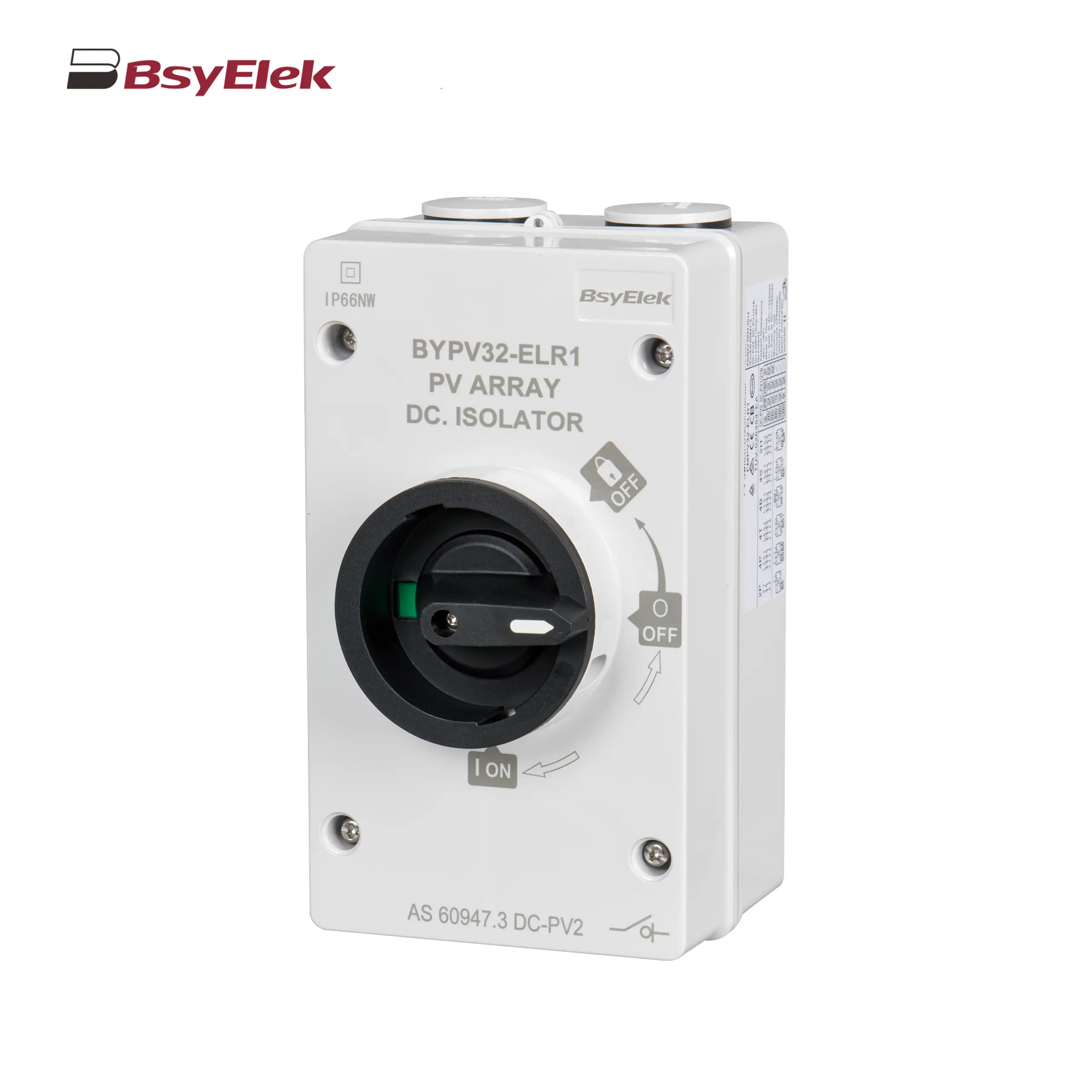 BYPV-ELR1 PV Isolator Switch with Enclosed Version
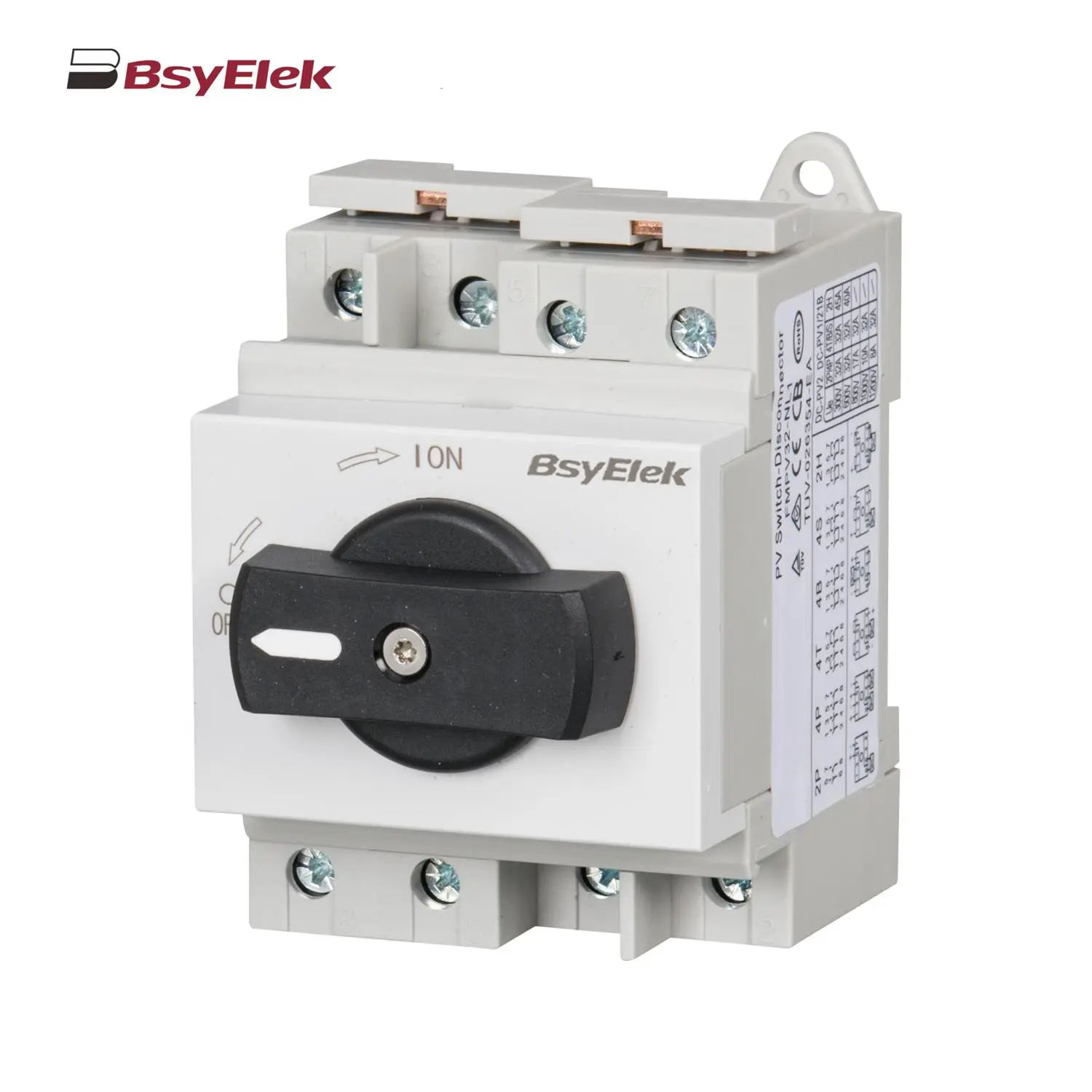 BYPV-NL1/T PV Isolator Switch with Ultra-thin Lever Handle
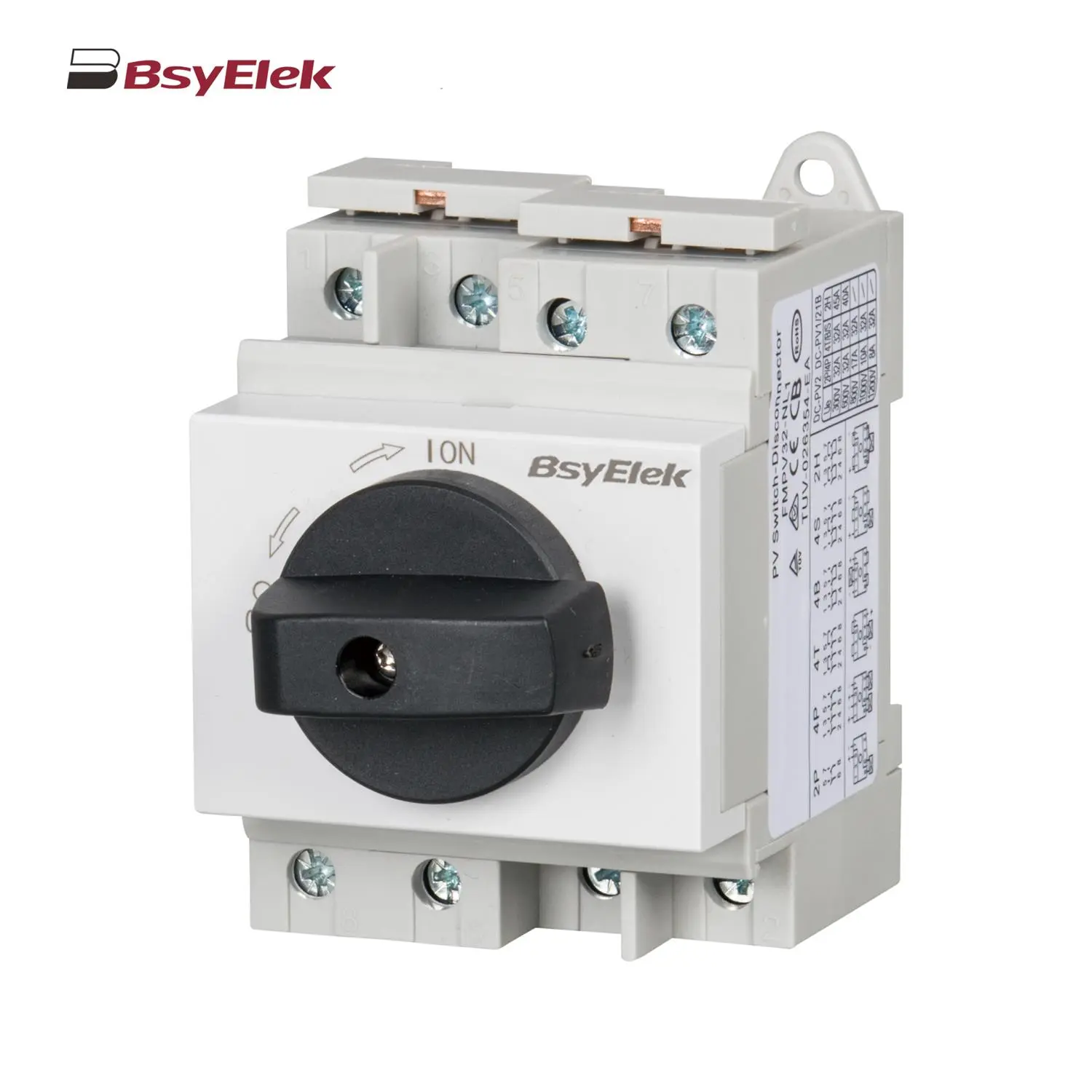 BYPV-NL1 PV Isolator Switch with Lever Handle
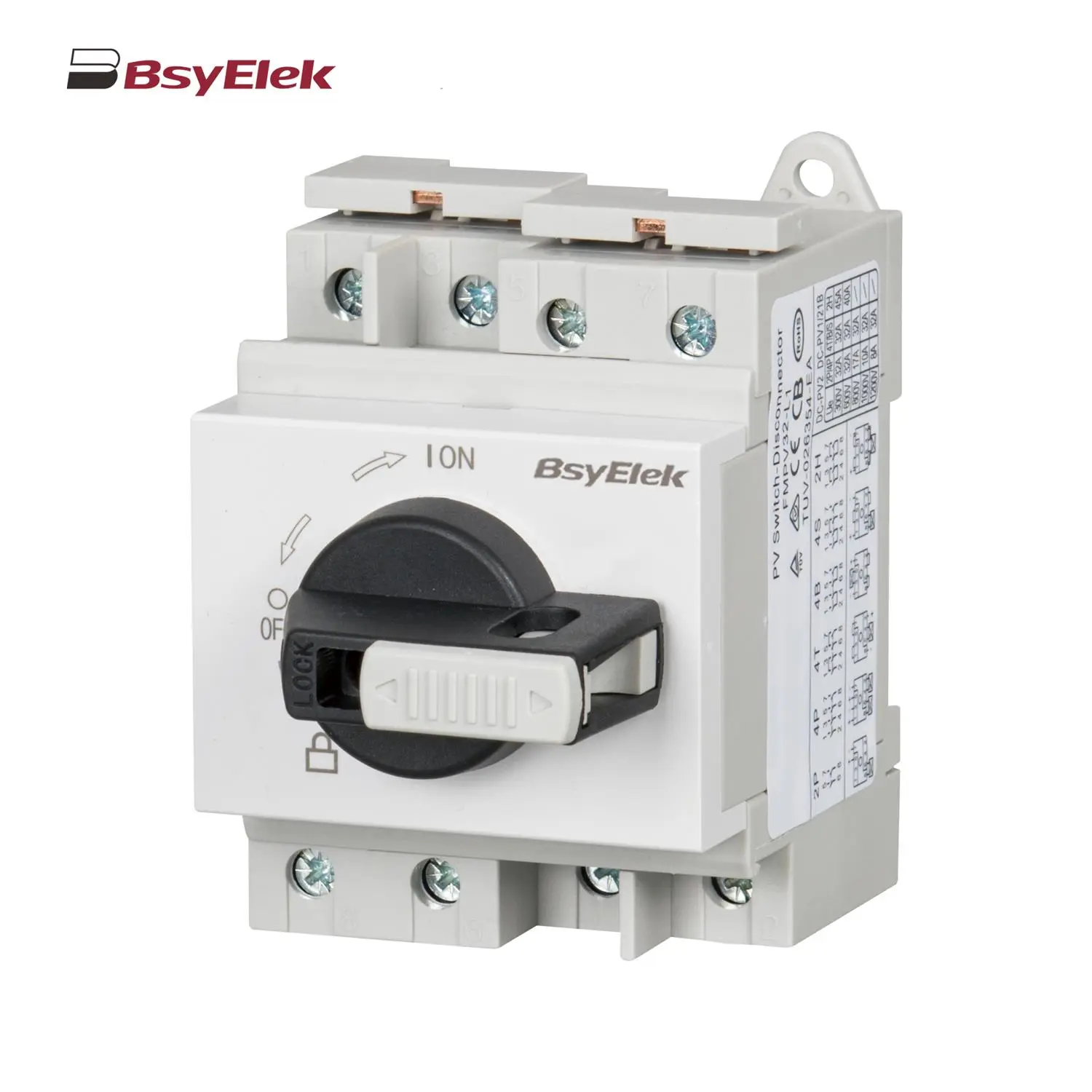 BYPV-L1/L2 PV Isolator Switch with Lockable Lever Handle
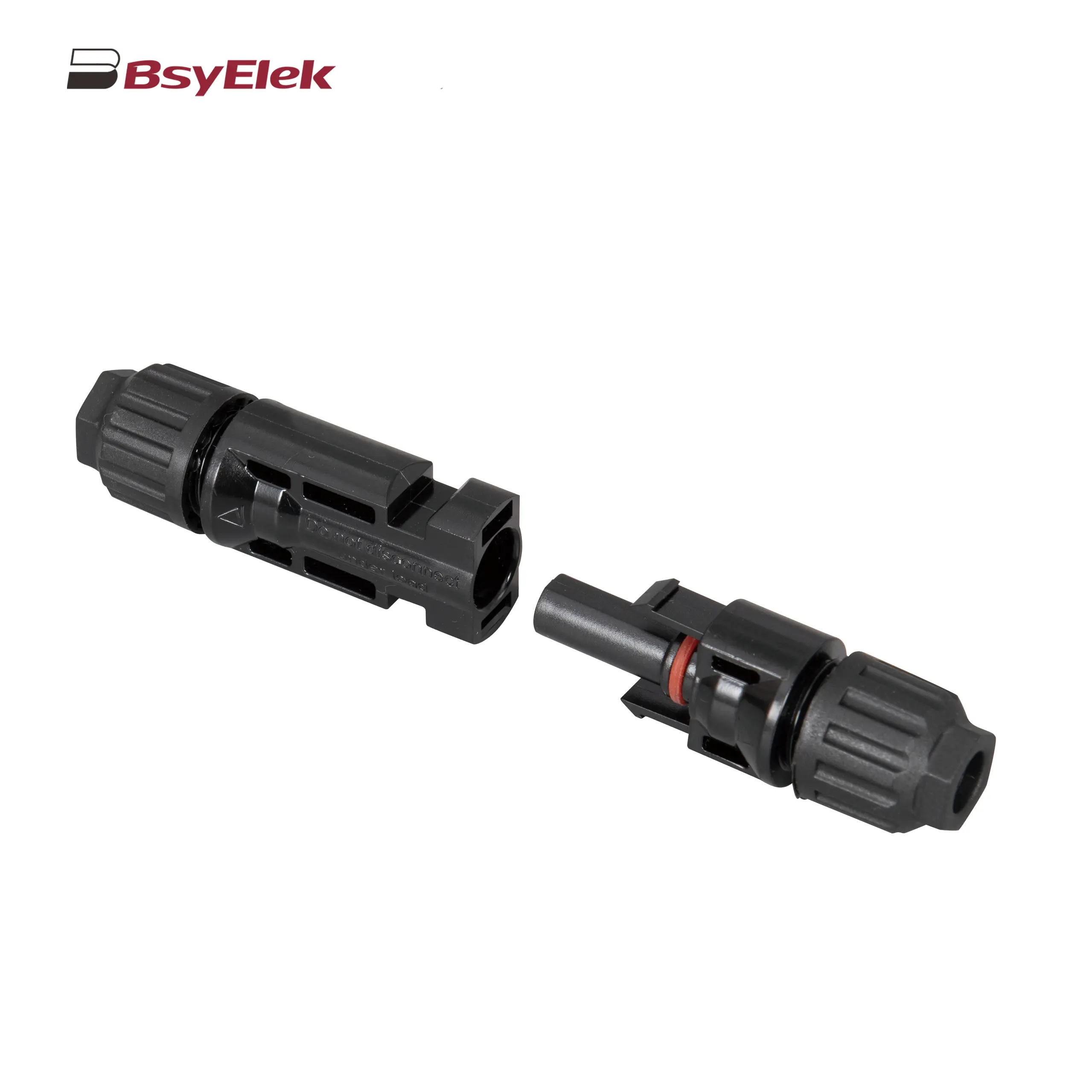 PV-BY-01 30A/50A 1000V Photovoltaic Connector
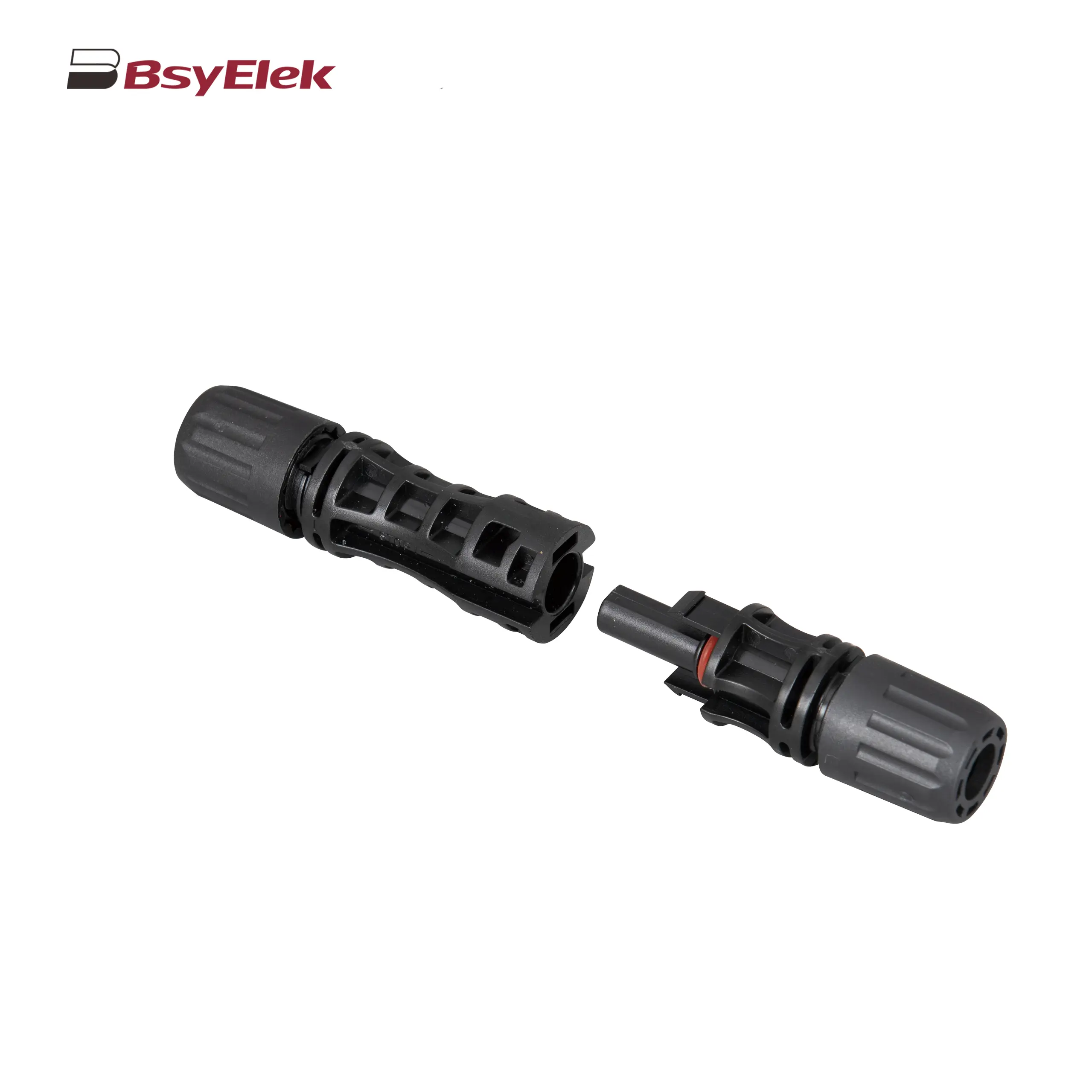 PV-BY-02 30A/50A 1500V Photovoltaic Connector
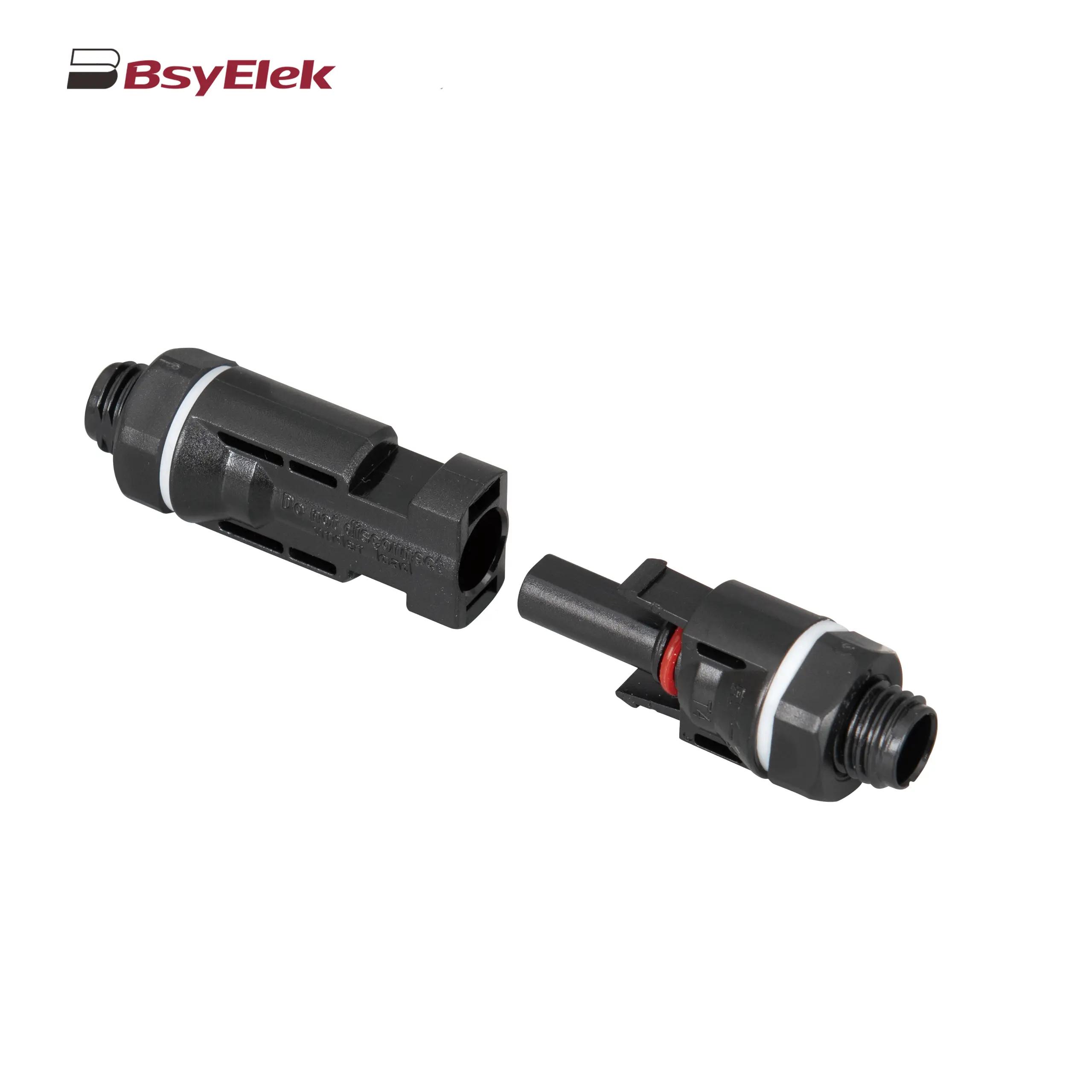 PV-BY-03 30A/50A 1000V Panel Mount Photovoltaic Connector
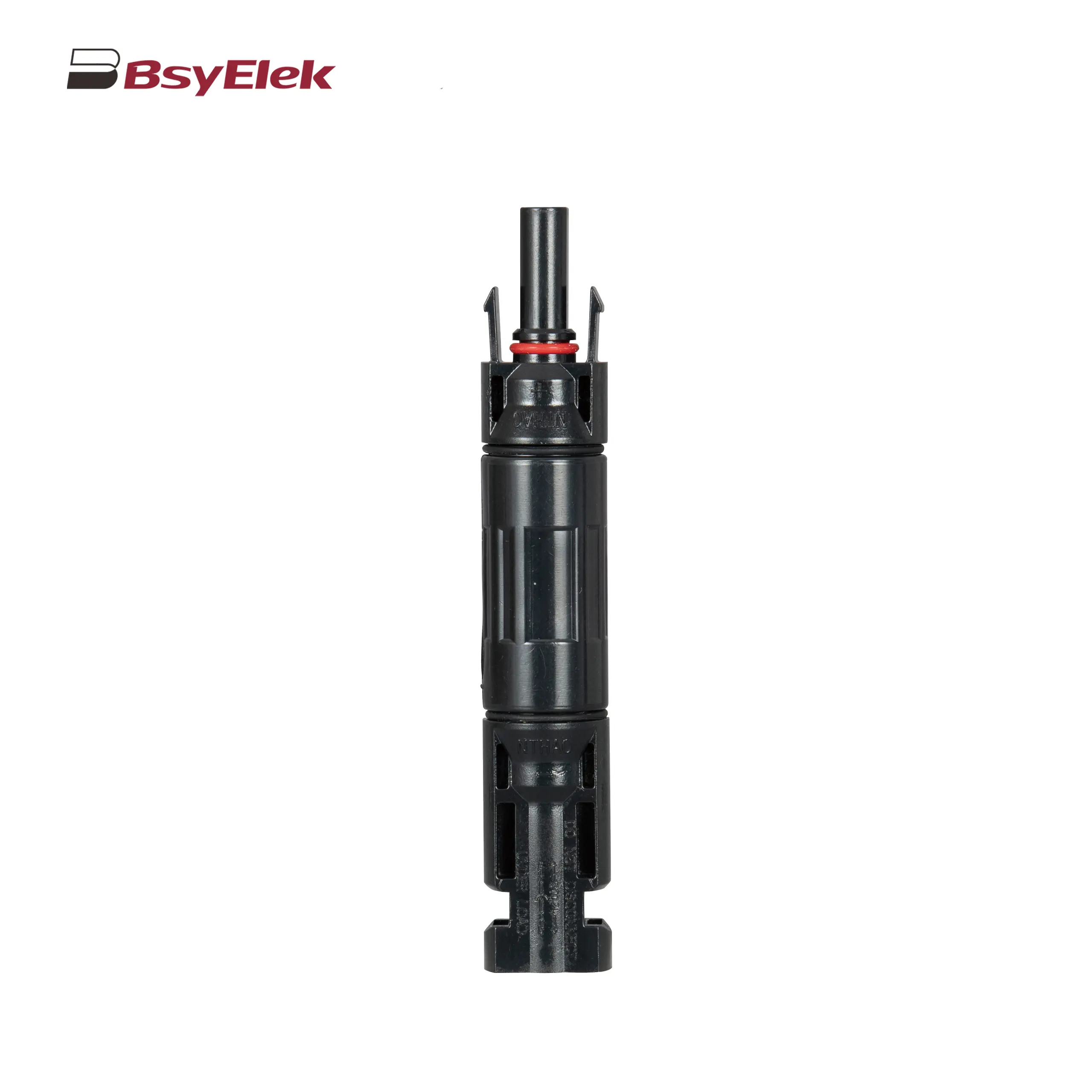 PV-BY-F01 30A 1500V Diode/Fuse Type Connector
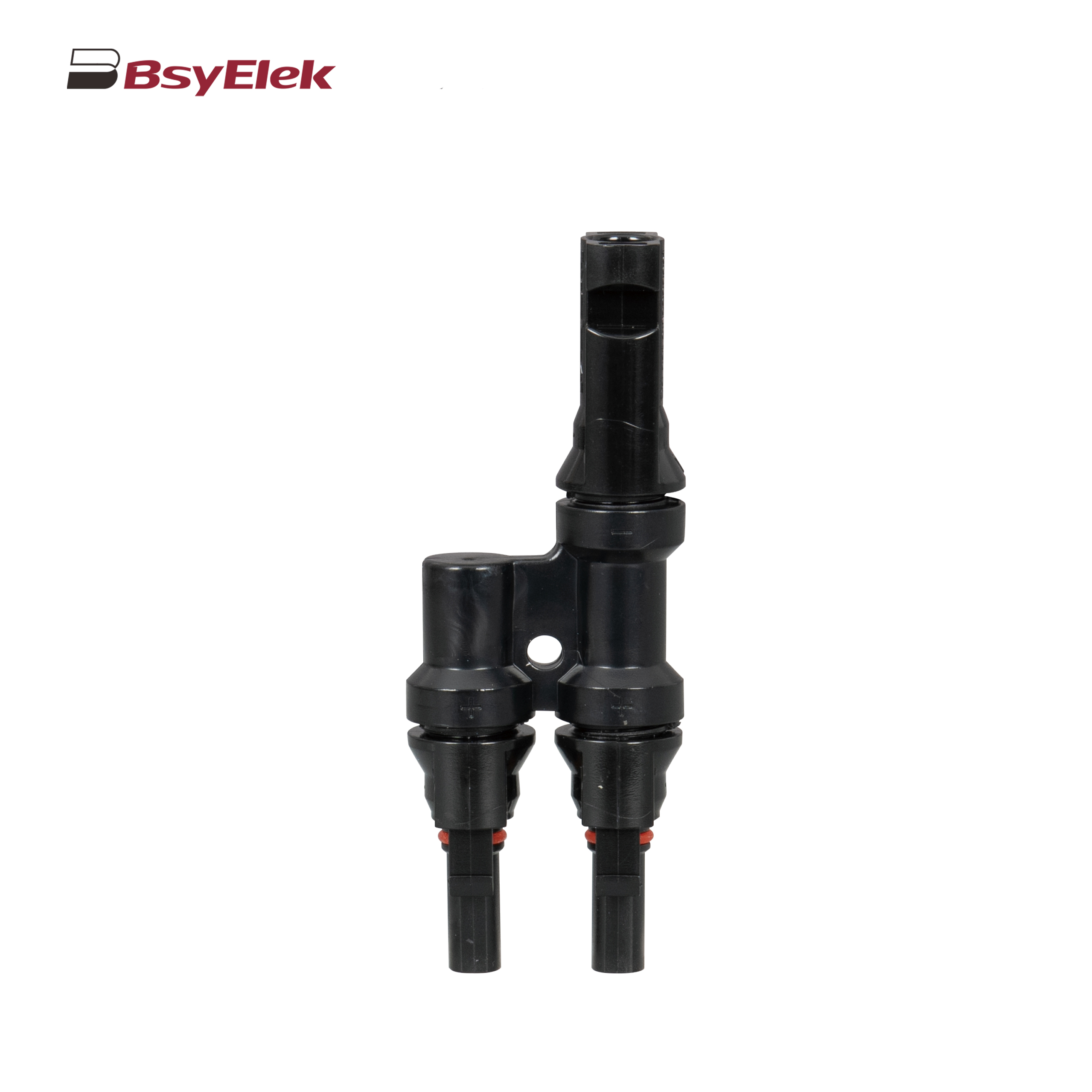 PV-BY-T 50A 1500V T Type Branch Connector
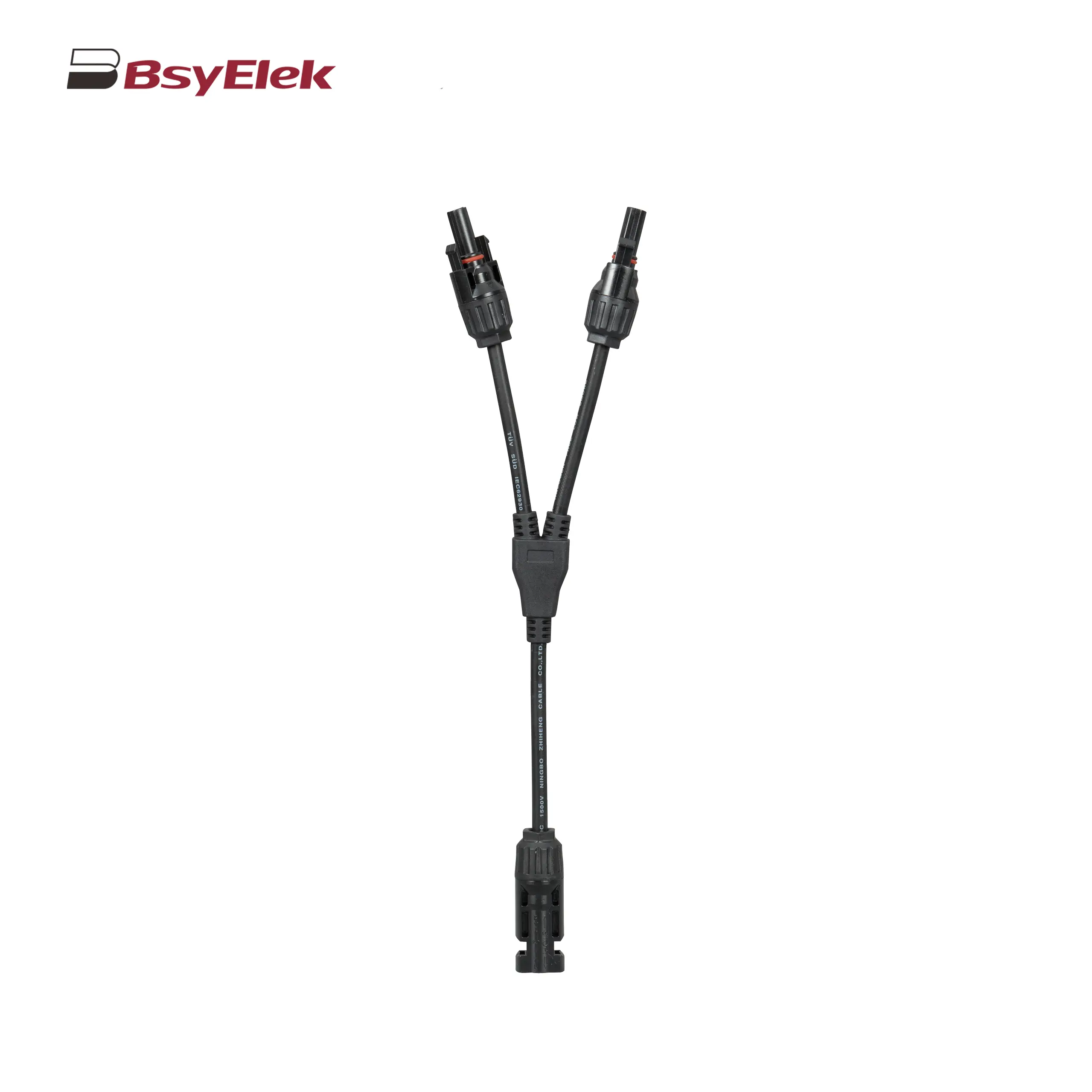 PV-BY-Y 30A 1500V Y Type Branch Connector
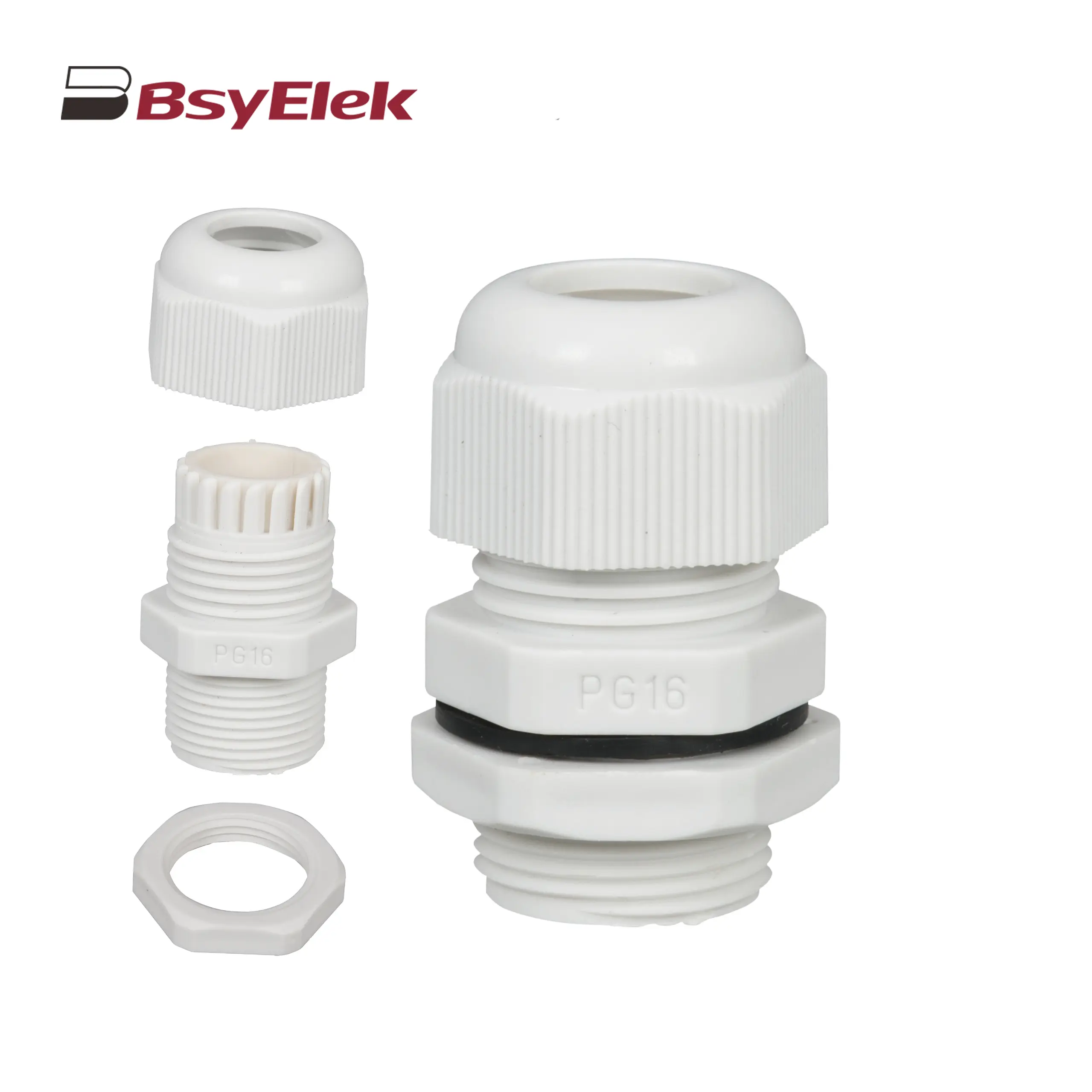 PG Waterproof Cable Gland with Washer
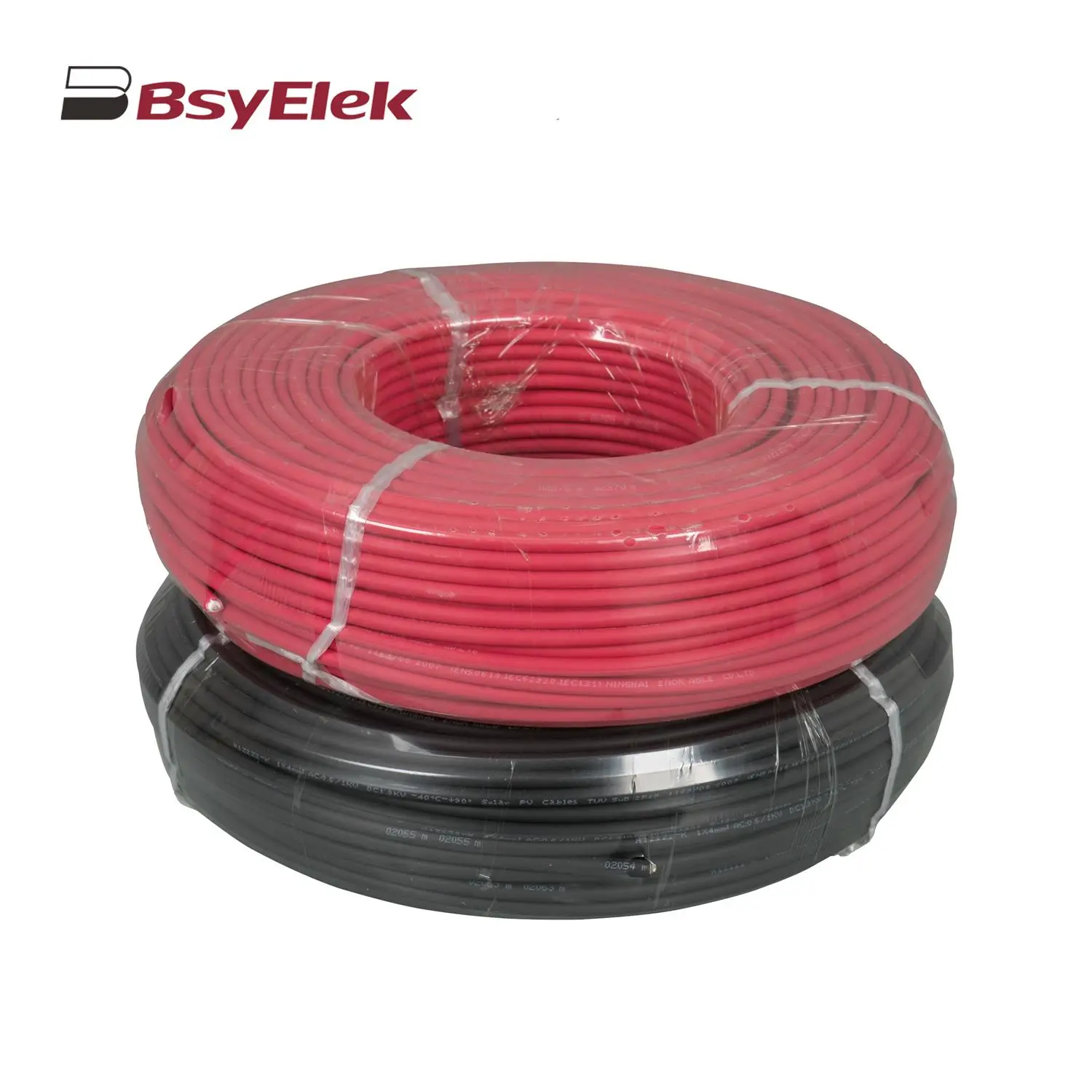 Photovoltaic Cable
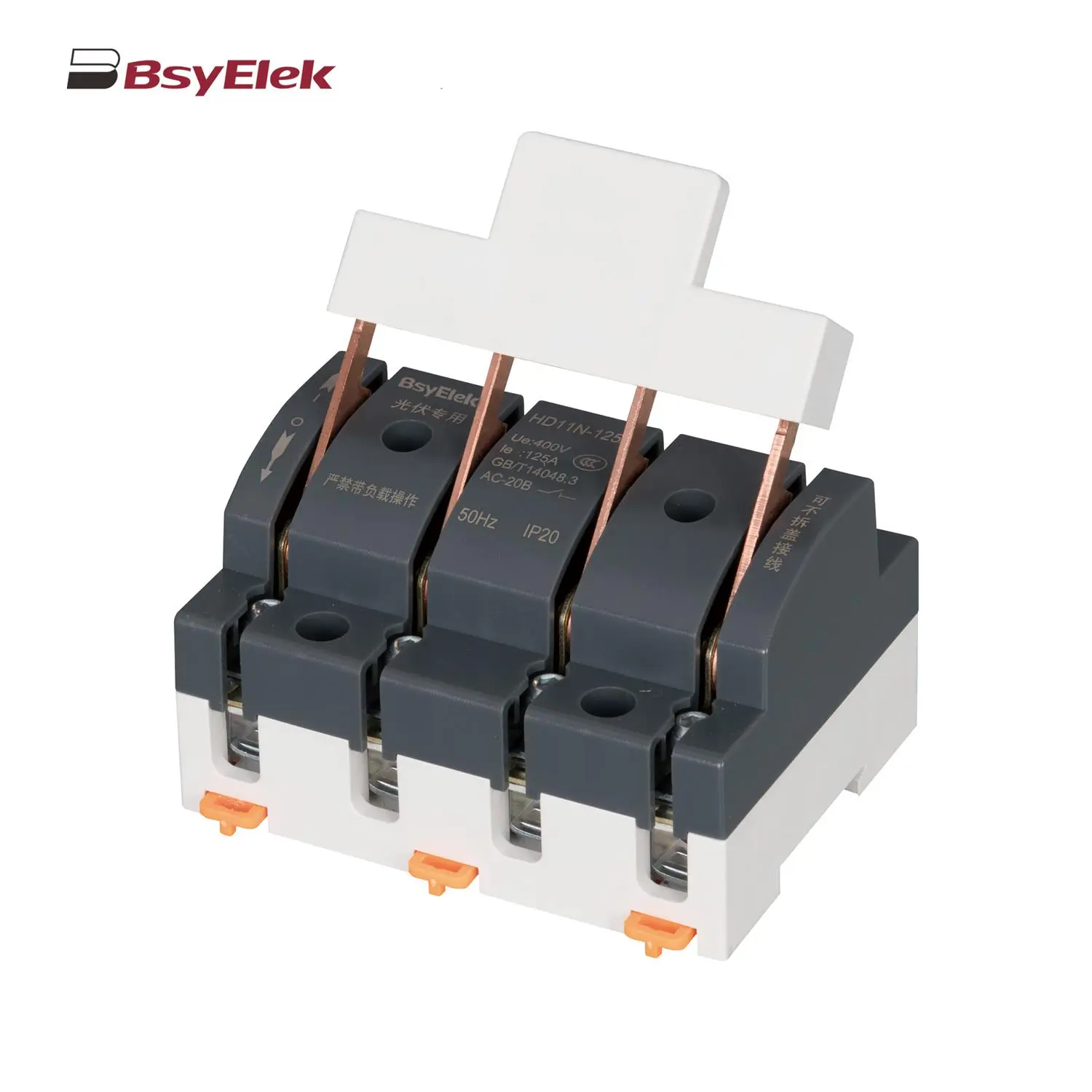 HD11N Photovoltaic Knife Switch
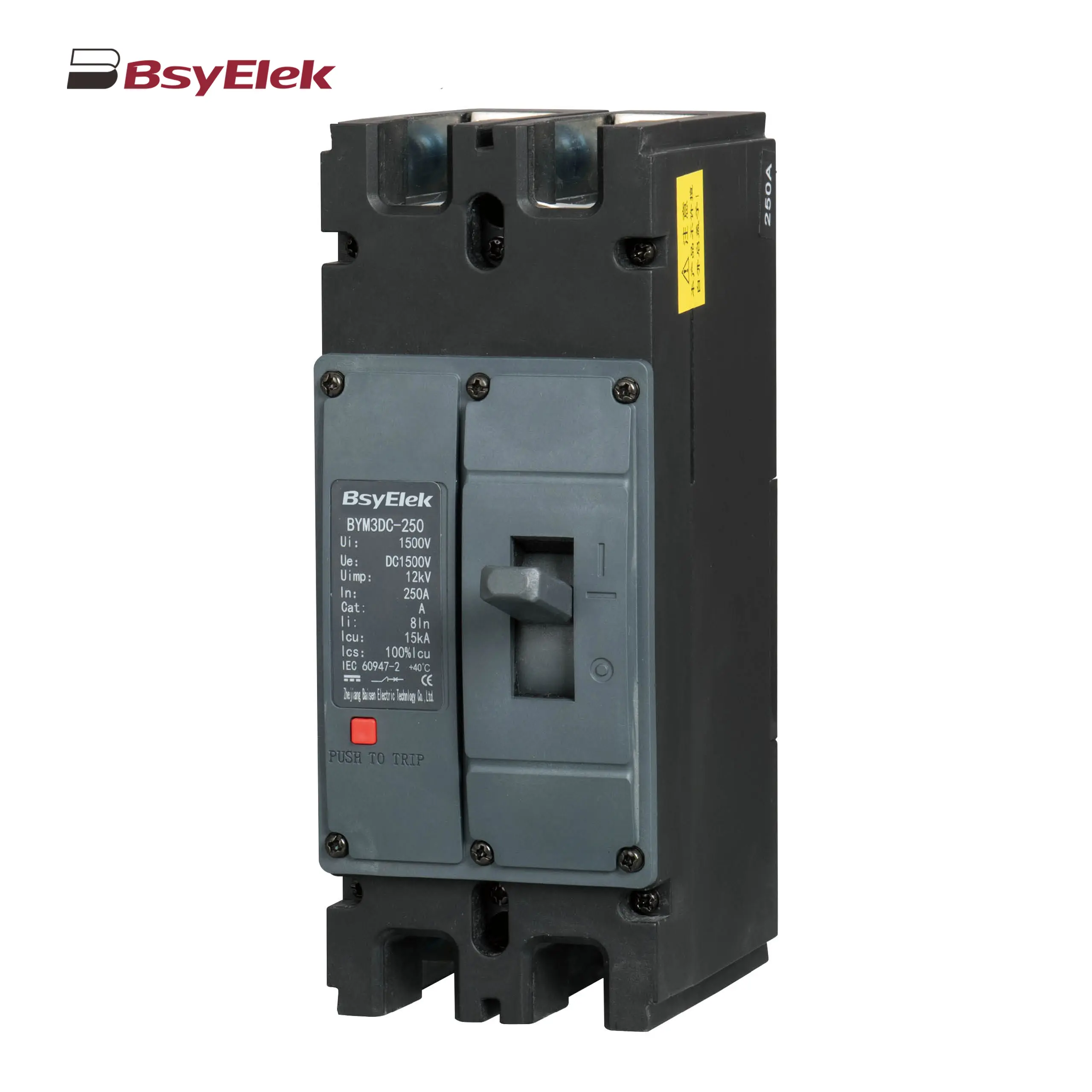 BYM3DC MCCB Photovoltaic DC Molded Case Circuit Breaker
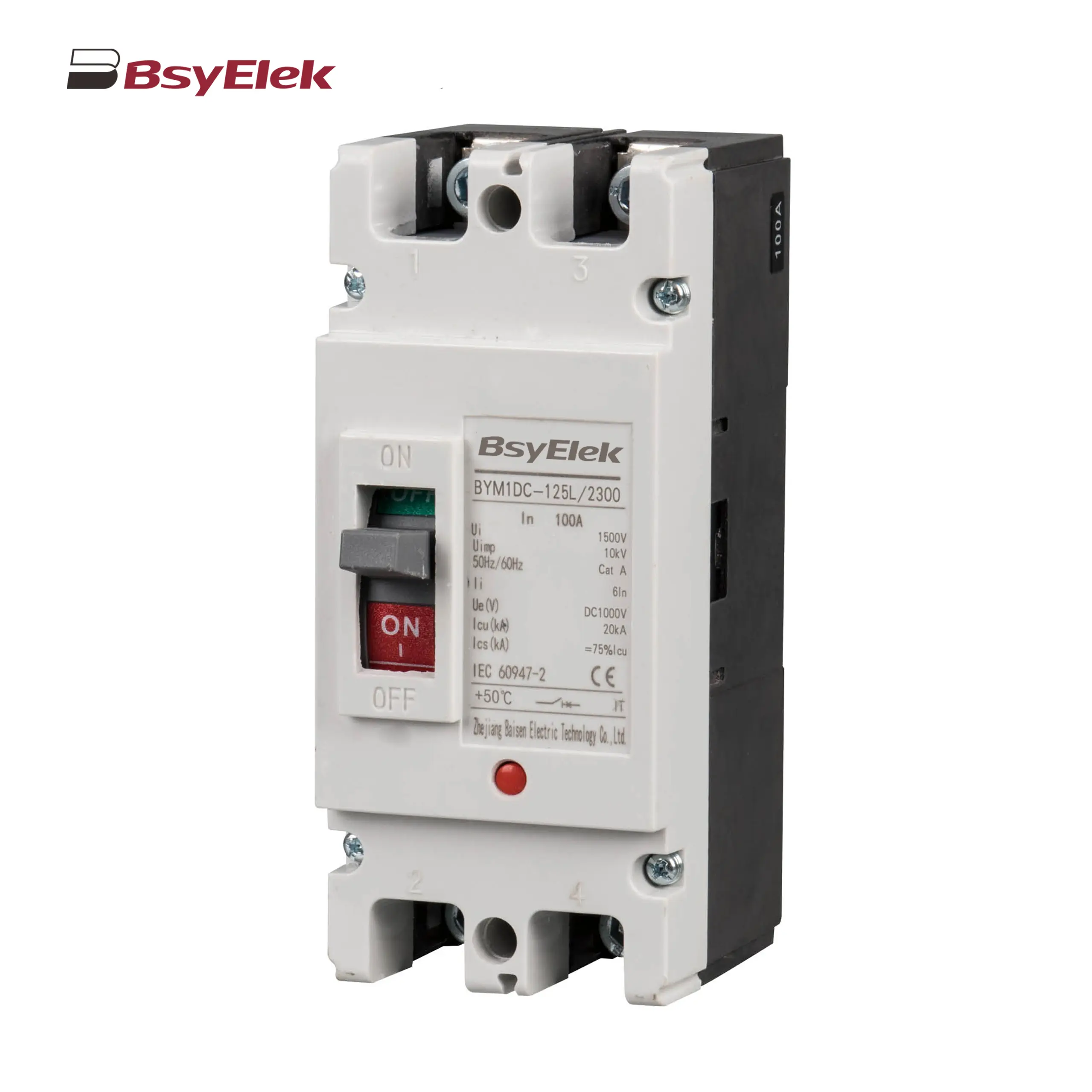 BYM1DC MCCB 1000VDC Thermal Magnetic Type DC Molded Case Circuit Breaker
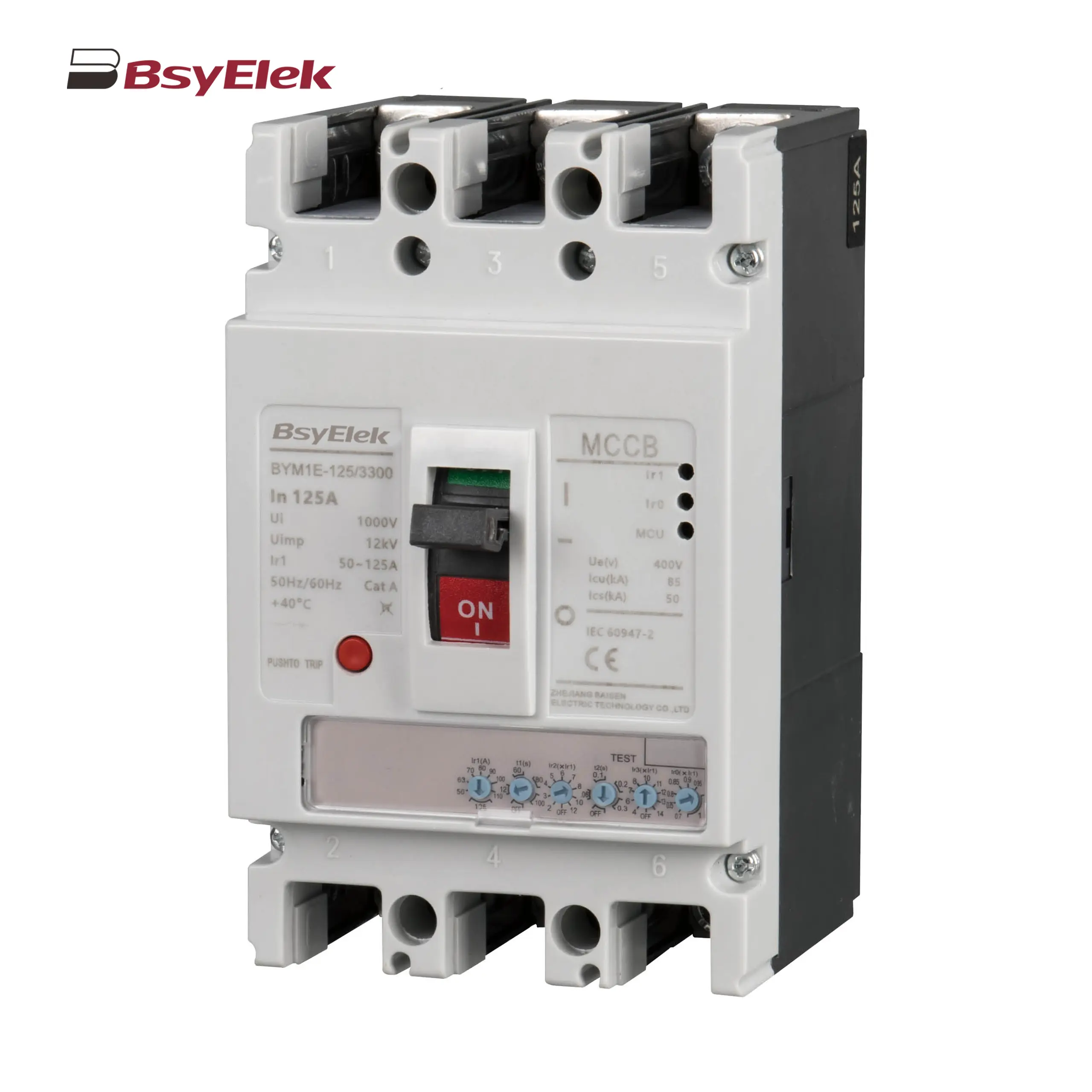 BYM1E MCCB Electronic Type Molded Case Circuit Breaker
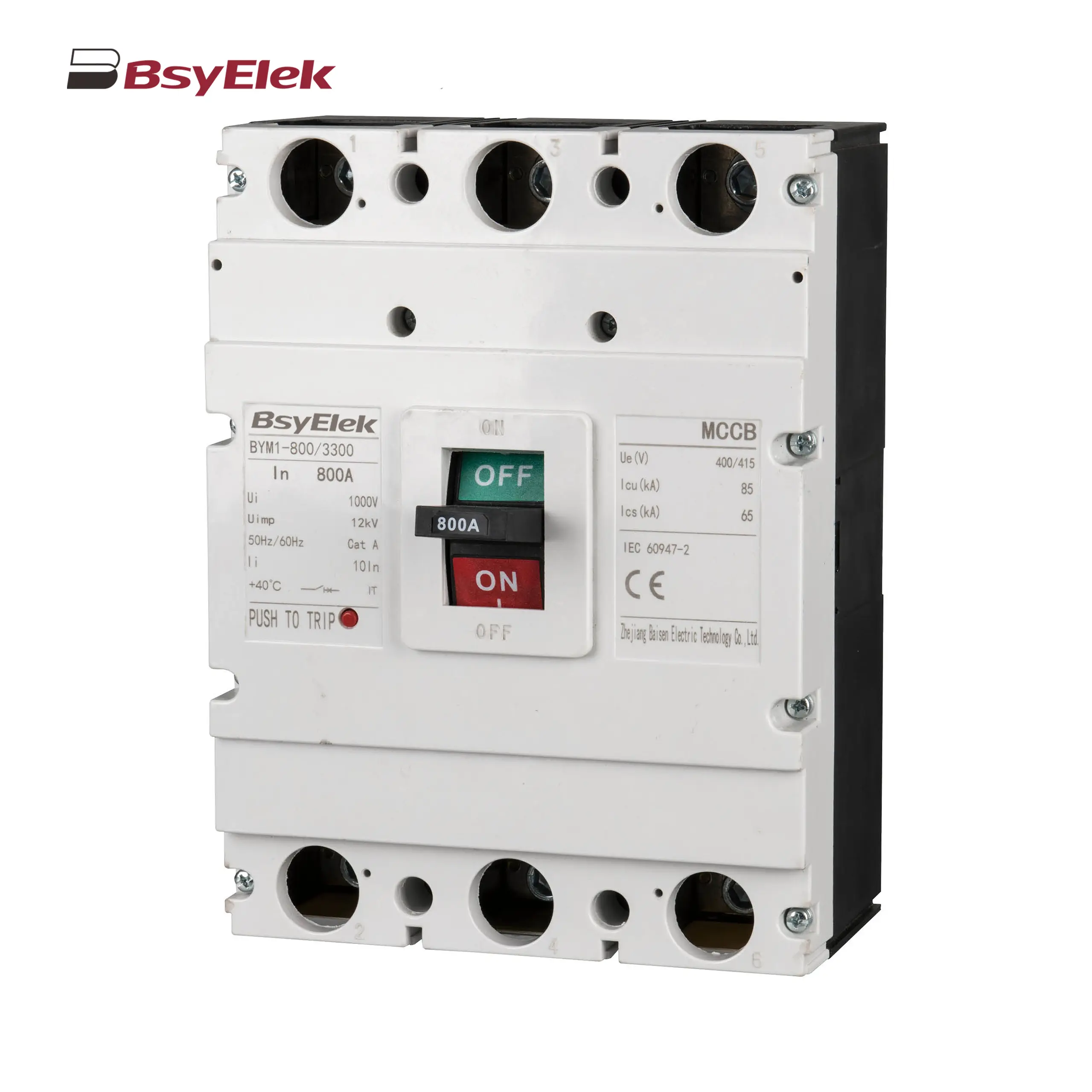 BYM1 MCCB Thermal Magnetic AC Molded Case Circuit Breaker
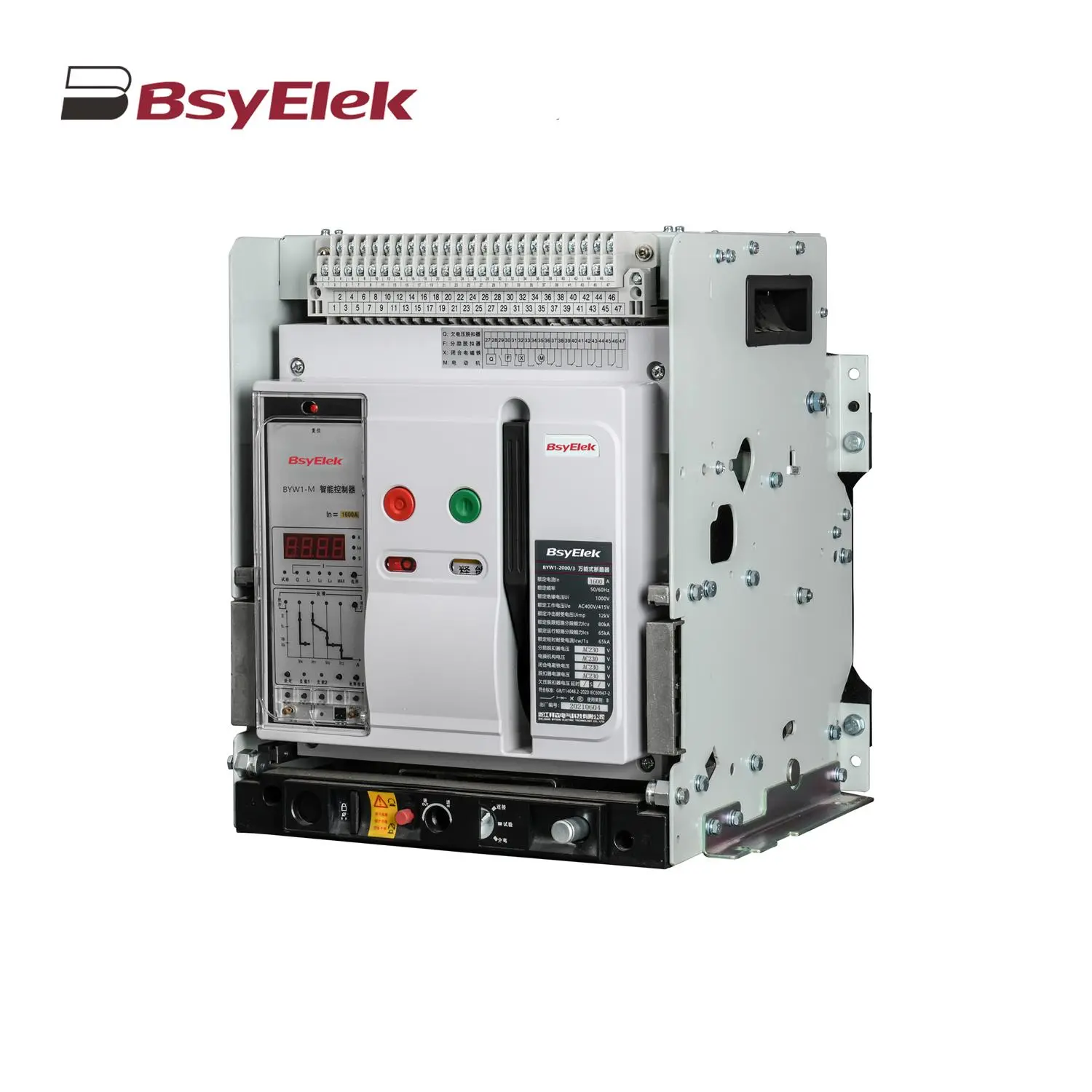 BYW1 ACB Intelligent Universal Air Circuit Breaker
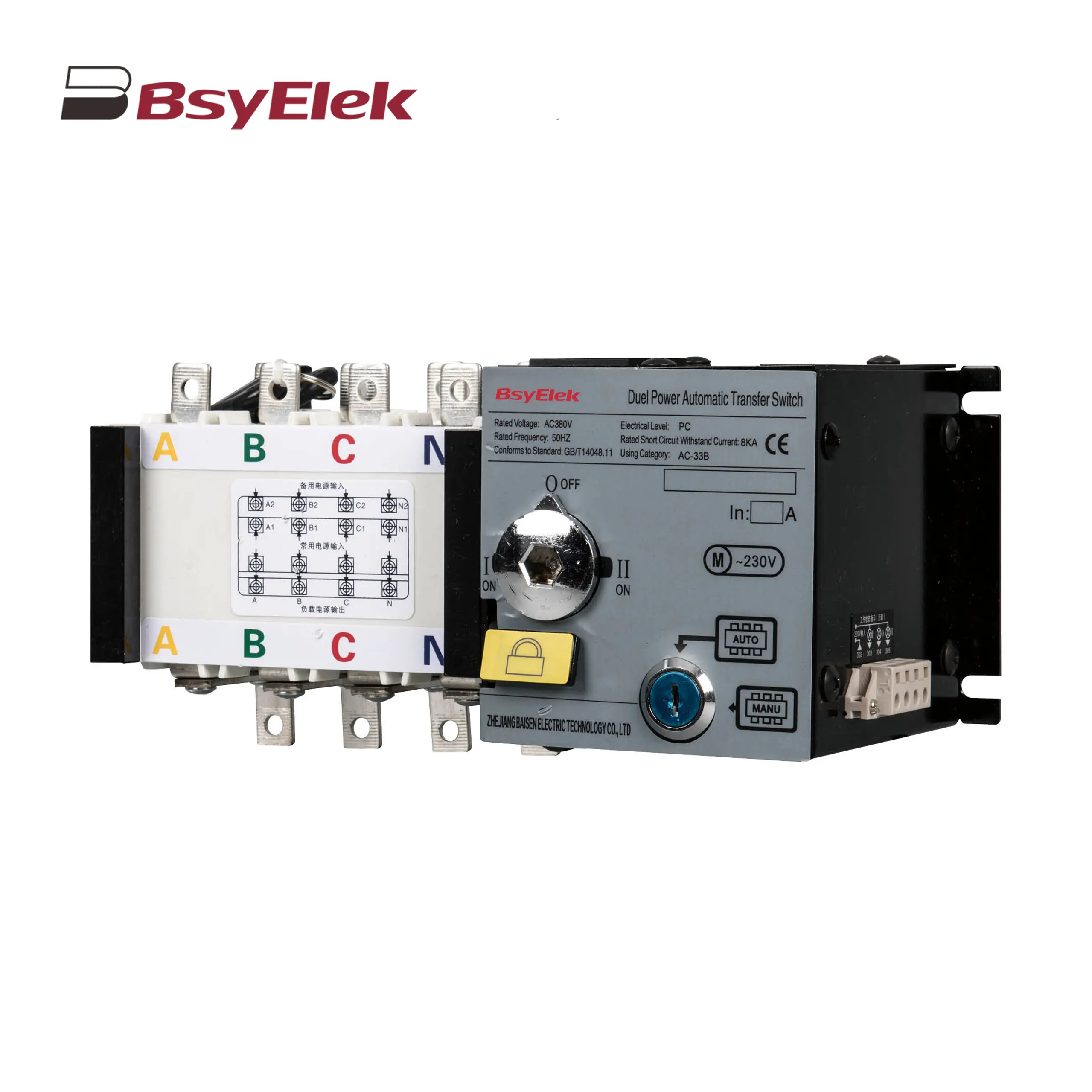 BYQ1 ATS Isolated Type PC Level Dual Power Automatic Transfer Switch
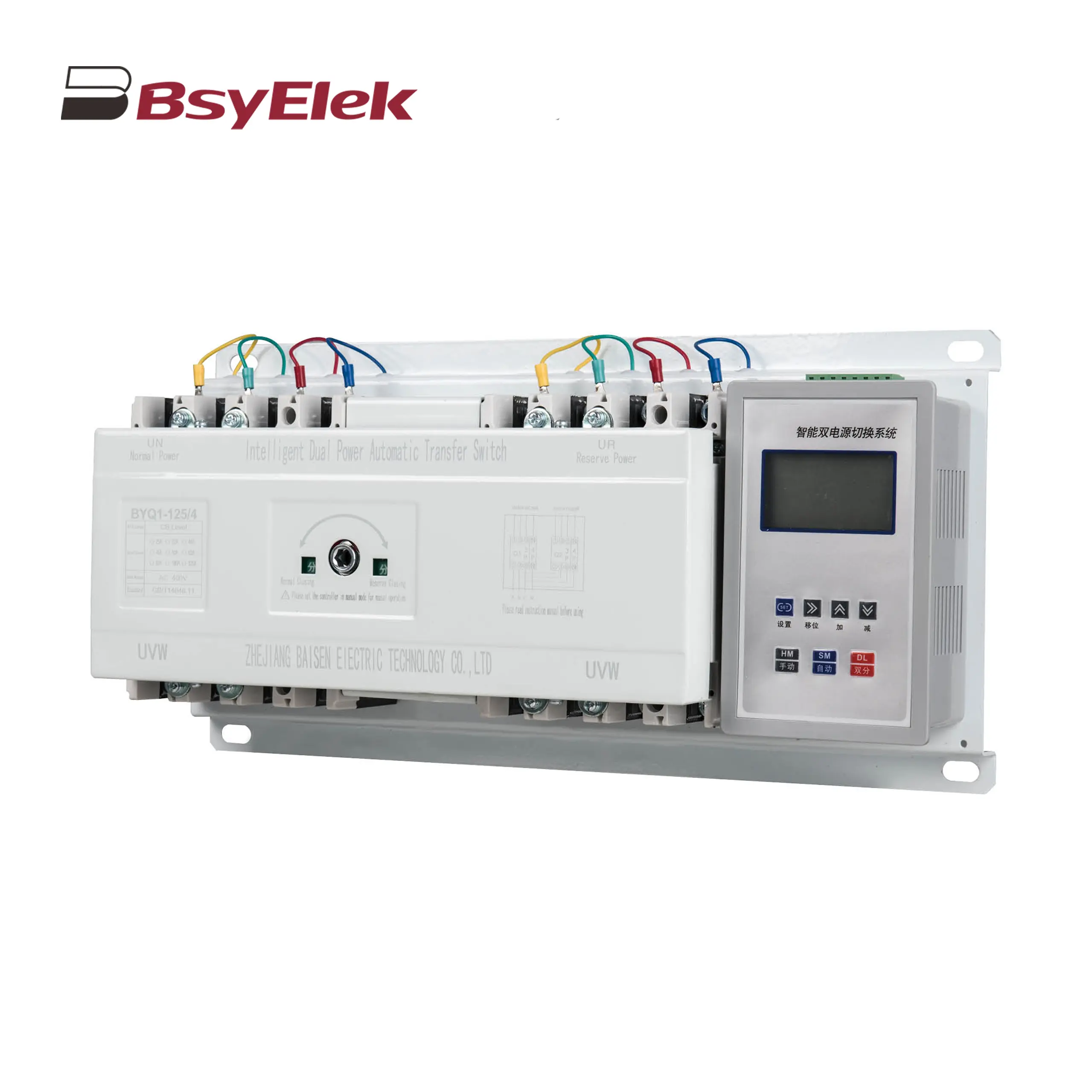 BYQ1 ATS Intelligent Type CB Level Dual Power Automatic Transfer Switch
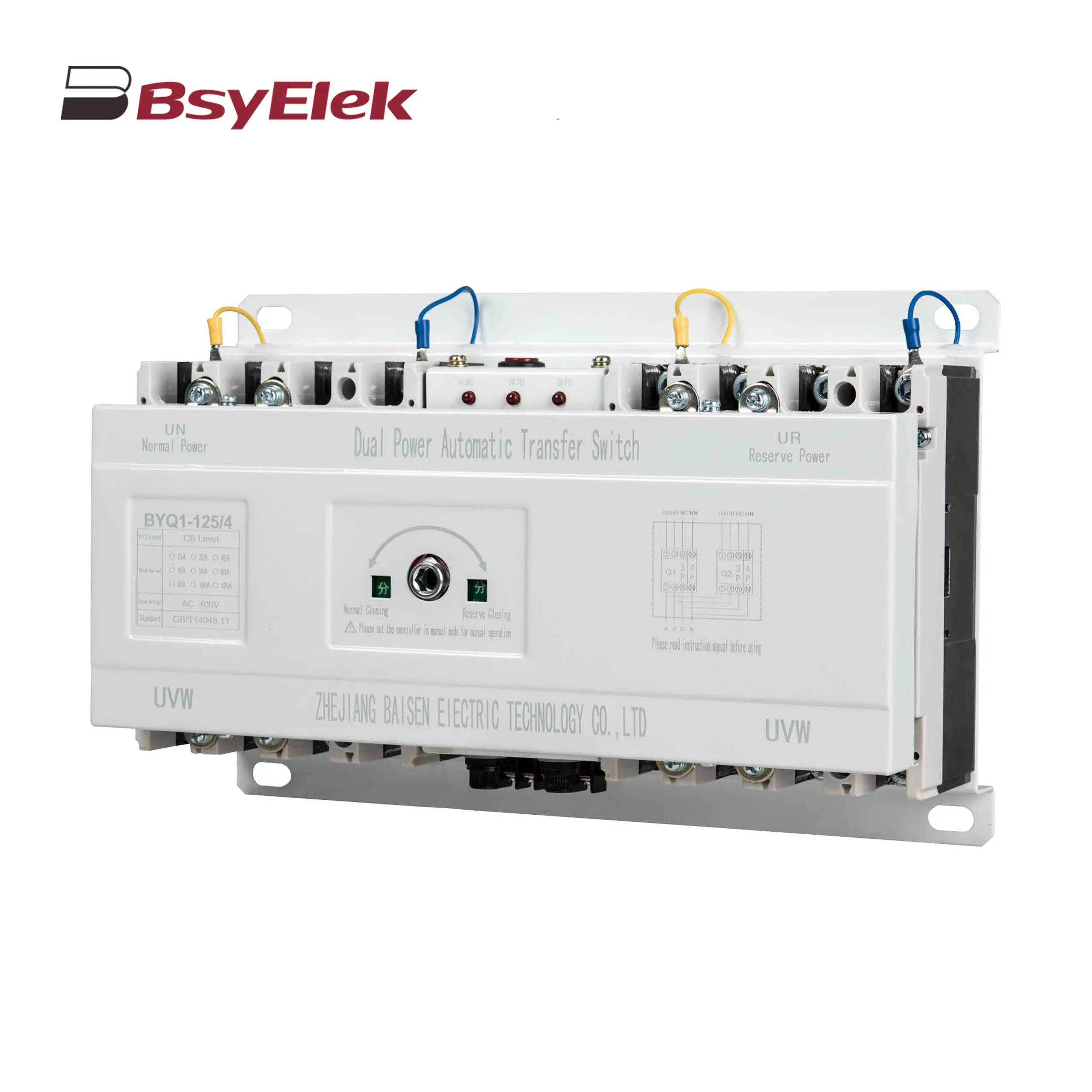 BYQ1 ATS End Type CB Level Dual Power Automatic Transfer Switch
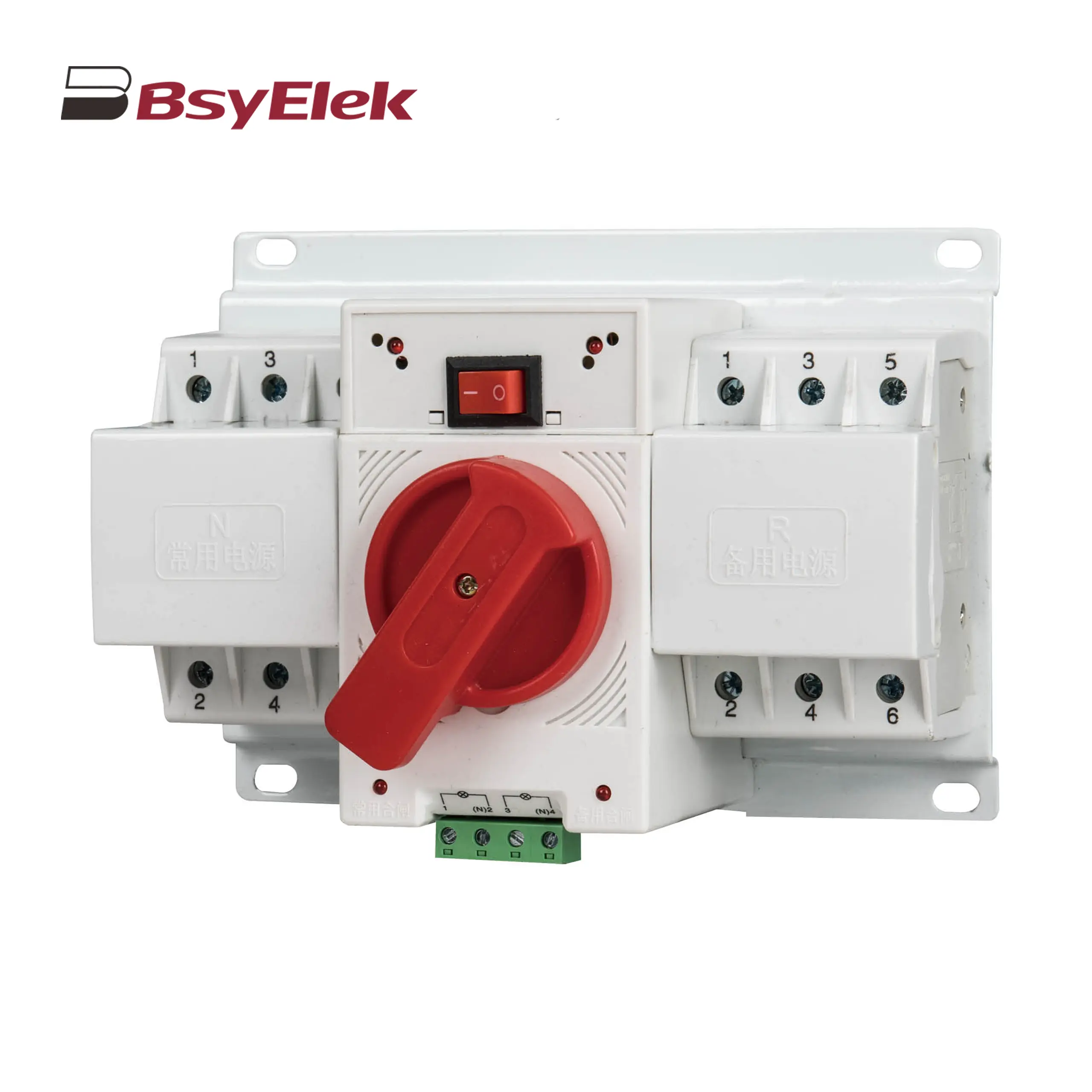 BYQ1 ATS Mini Type CB Level Dual Power Automatic Transfer Switch
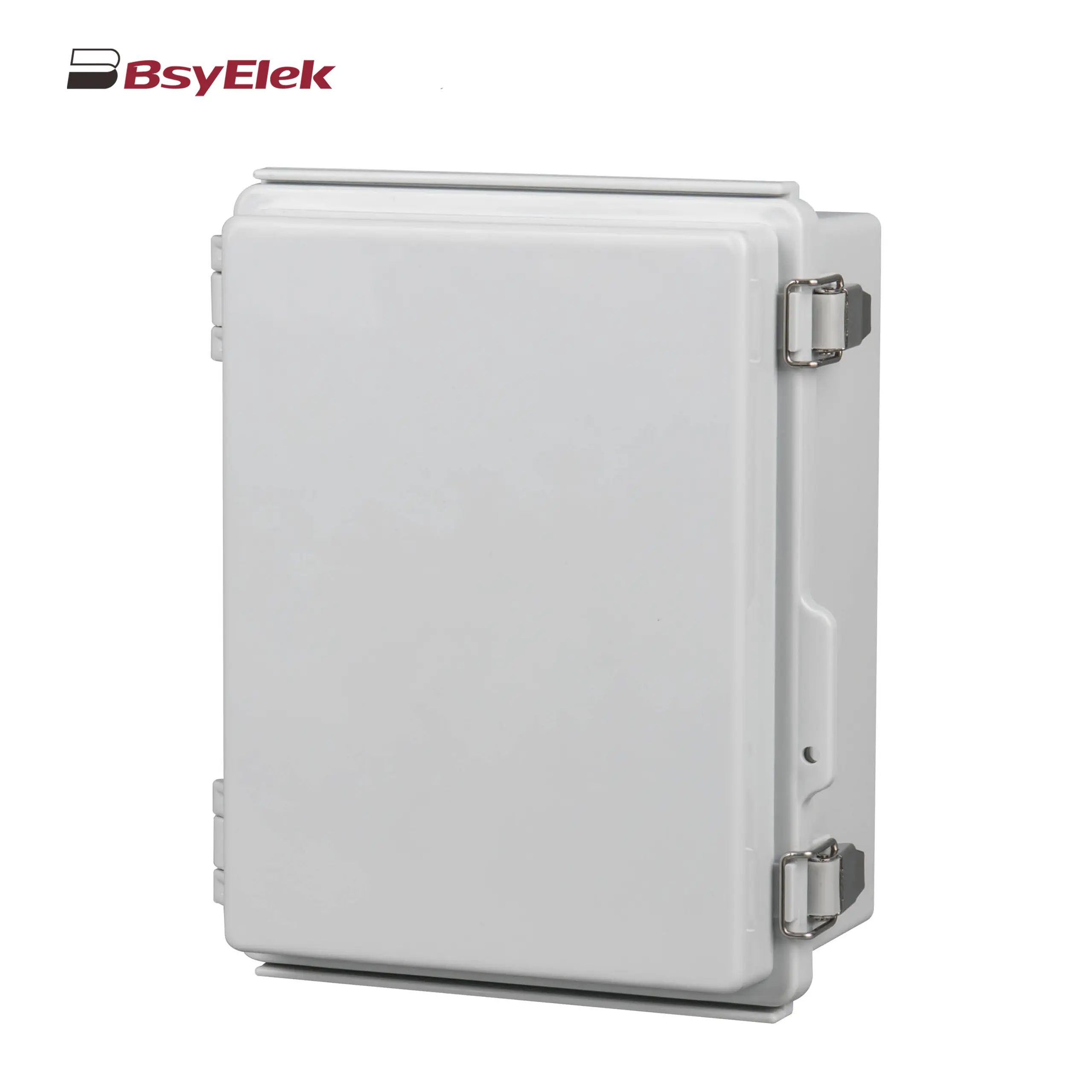 Stainless Steel Hinge Type Electrical Box
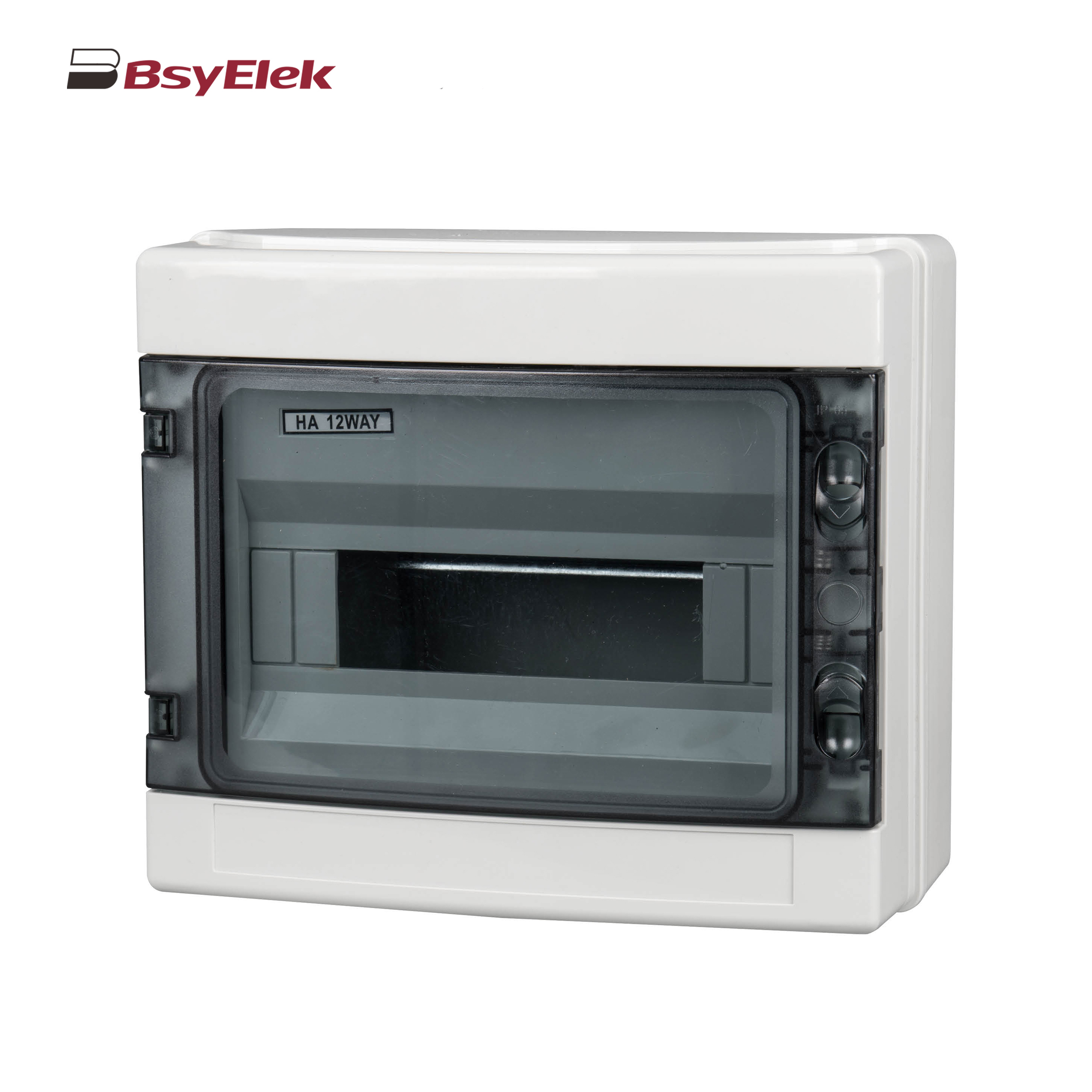 HA Waterproof Distribution Box
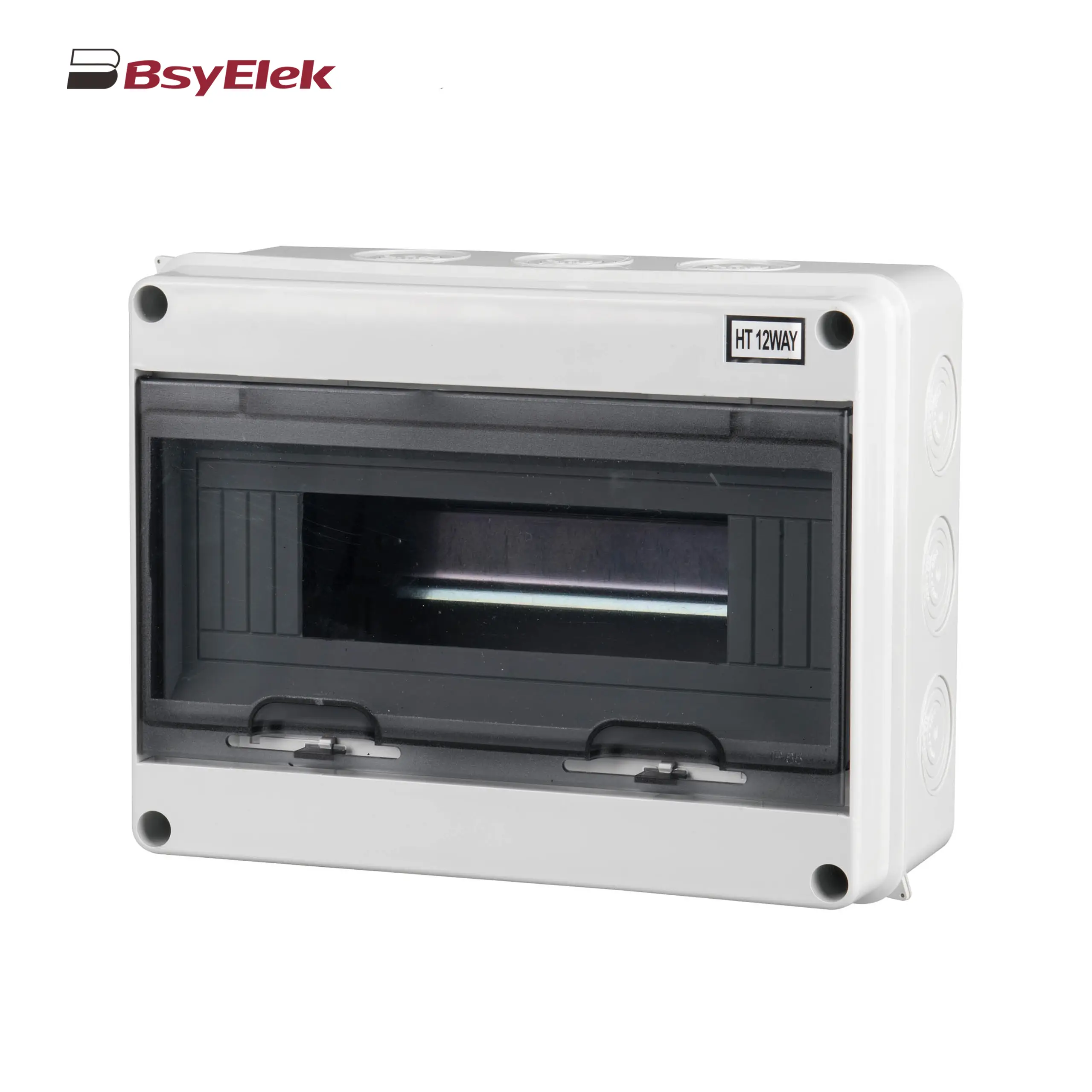 HT Waterproof Distribution Box
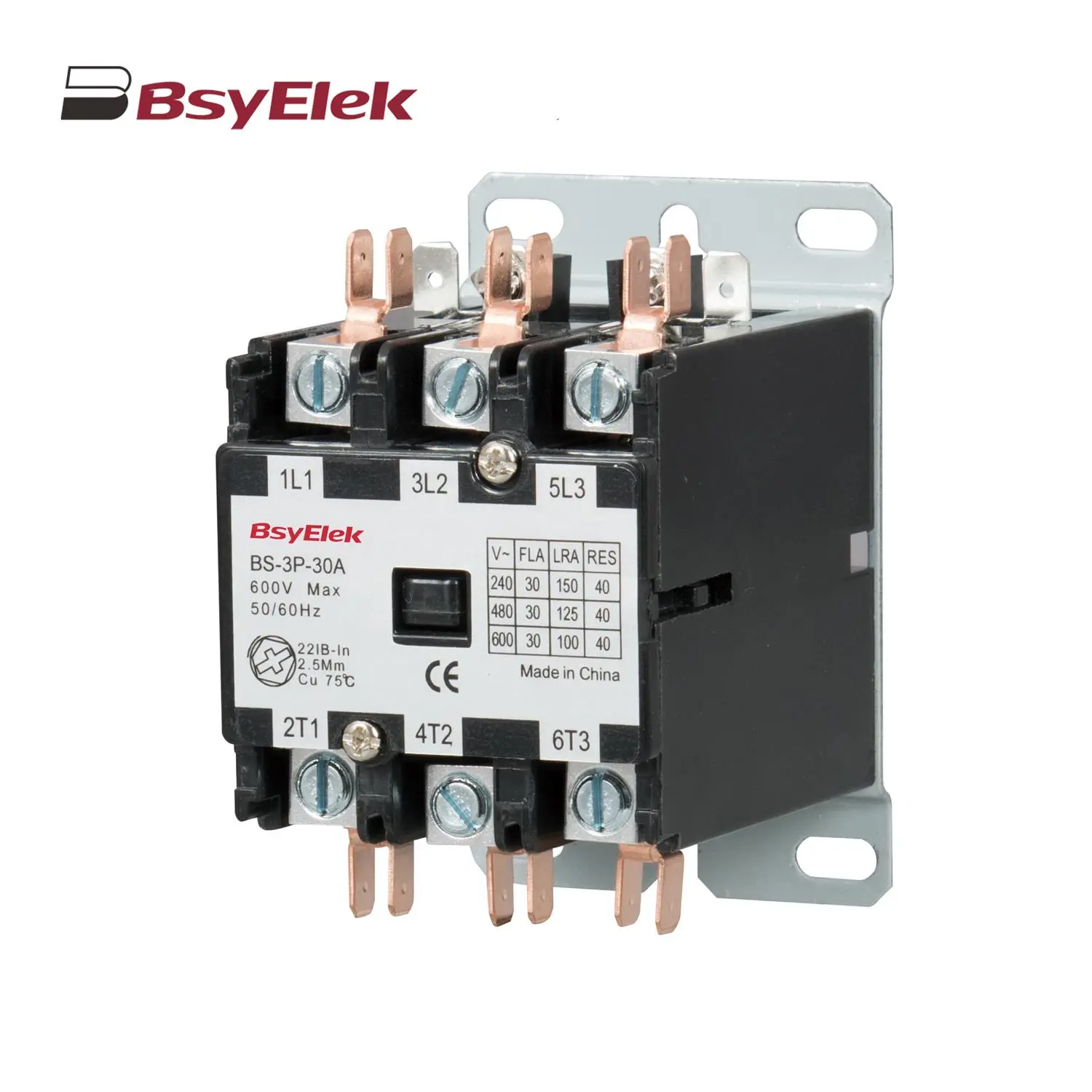 BS Definite Purpose Magnetic AC Contactor