What is a Mini Circuit Breaker and Why You Need It?
In today's world, the importance of electrical safety cannot be overstated. One essential component in ensuring this safety is the Mini Circuit Breaker. This device offers protection against overloads and short circuits, effectively preventing potential hazards. But what exactly is a Mini Circuit Breaker, and why is it crucial for both residential and commercial settings?
A Mini Circuit Breaker functions as an automatic switch. When the current exceeds safe levels, it trips, cutting off electricity. By doing so, it protects appliances and reduces fire risks. Many users, however, overlook its significance. They may assume that standard fuses are sufficient, yet fuses can be slow to respond compared to Mini Circuit Breakers.
Understanding the role of a Mini Circuit Breaker helps us appreciate its value. Not only does it protect our properties, but it also enhances overall safety. Awareness of electrical risks is an ongoing journey. Many still face unexpected power surges or equipment failures. Making informed choices about electrical systems can lead to better protection and increased peace of mind.
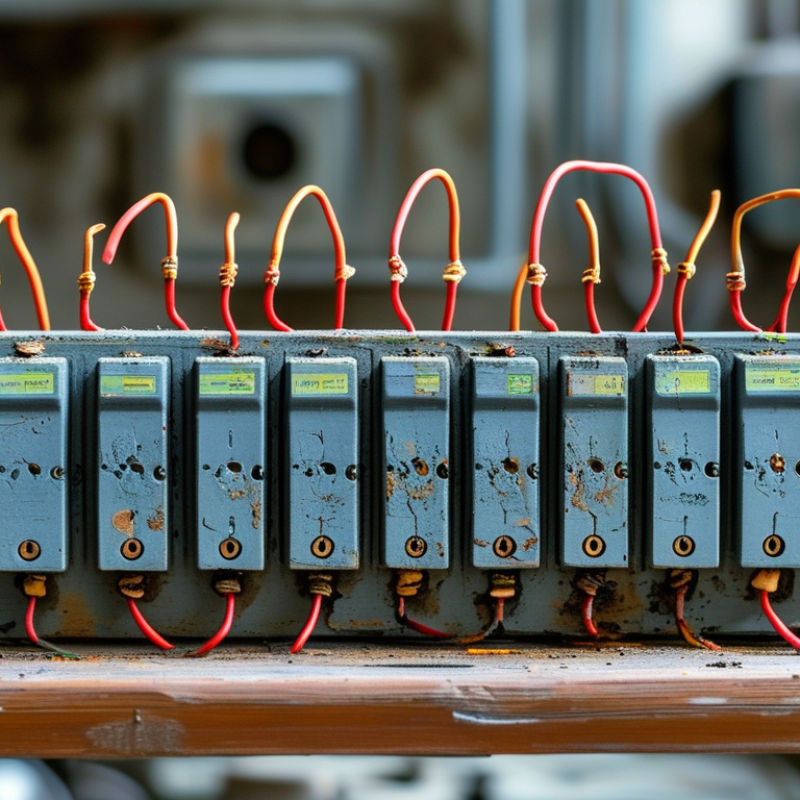
What is a Mini Circuit Breaker?
A mini circuit breaker (MCB) is a vital electrical component found in homes and commercial spaces. It prevents damage caused by overload or short circuits. These devices automatically switch off the electrical supply when excessive current flows through the circuit. Without an MCB, electrical fires and equipment failure could occur, posing safety risks.
Understanding how an MCB operates is crucial. It uses a mechanical mechanism that trips when a fault is detected. This rapid response protects the wiring and connected appliances. In many cases, homeowners may underestimate the importance of having an MCB installed. They might rely on fuses, which are slower and less reliable.
Additionally, MCBs offer a convenient reset feature, unlike traditional fuses that need replacement. This means that when an overload happens, users can restore power with a simple switch. However, selecting the right MCB for your electrical needs requires careful consideration. Factors like current ratings and applications must align correctly. Still, many people fail to seek expert advice, risking inadequate protection. Awareness and understanding of these devices can greatly enhance electrical safety and efficiency.
How Mini Circuit Breakers Work: The Basics Explained
Mini circuit breakers (MCBs) play a crucial role in protecting electrical circuits from overload and short circuit conditions. They function by automatically shutting off the electrical flow when the current exceeds a predetermined limit. This mechanism prevents potential hazards, such as electrical fires. According to industry reports, the demand for MCBs is increasing, driven by growing safety concerns in residential and commercial sectors.
MCBs operate based on two main principles: thermal and electromagnetic mechanisms. The thermal part uses a bimetallic strip that bends under heat generated by excess current. The electromagnetic component reacts instantly to short circuits, providing rapid disconnection. Reports indicate that MCBs can reduce electrical fire risks by up to 80%. This efficiency makes them essential for safeguarding homes and buildings.
Despite their advantages, some may overlook the importance of regular testing. MCBs can fail if not maintained properly, leading to dangerous situations. Professional assessments recommend checking these devices at least once a year. Understanding how MCBs function empowers users to make informed decisions regarding their electrical systems. Awareness and action are key to ensuring safety in our living and working environments.
Benefits of Using a Mini Circuit Breaker in Electrical Systems
A mini circuit breaker (MCB) is essential in modern electrical systems. It offers robust protection against overloads and short circuits. Installing an MCB can significantly enhance safety. Unlike traditional fuses, MCBs automatically reset after tripping. This feature makes them more convenient and reliable for household and industrial uses.
Using an MCB prevents fire hazards caused by faulty wiring or devices. When a fault occurs, the MCB reacts quickly, cutting off the electrical flow. This immediate response minimizes damage and protects sensitive equipment. Moreover, MCBs can be tailored to different applications, providing flexibility in system design.
Tips: Always consider the total load before choosing an MCB. Underestimating your requirements can lead to unwanted trips. Regular inspection is vital. Dust and moisture can affect the performance of the device over time. It’s crucial to keep the area around the MCB clean and dry.
Common Applications of Mini Circuit Breakers in Everyday Life
Mini circuit breakers (MCBs) play a crucial role in protecting your electrical systems. They are designed to automatically cut off the electrical supply in case of overloads or short circuits. This simple yet effective device ensures safety in various applications throughout your home.
In daily life, MCBs are commonly found in residential wiring, electrical panels, and commercial buildings. They provide protection for lighting circuits, kitchen appliances, and heating systems. For example, if a faulty toaster causes a surge, the MCB will trip, preventing potential fires or damage. This safety feature is essential for families and businesses alike.
Tips: Always test your MCBs regularly to ensure functionality. A faulty breaker can lead to dangerous situations. Additionally, consider consulting a qualified electrician to assess your electrical system. They can provide insights into how many MCBs you need based on your electrical load. Remember, safety should never be an afterthought.
What is a Mini Circuit Breaker and Why You Need It? - Common Applications of Mini Circuit Breakers in Everyday Life
| Application Area |
Description |
Benefits |
| Residential |
Used to protect wiring and household appliances from overloads and short circuits. |
Enhances safety and reduces the risk of electrical fires. |
| Commercial |
Installed in offices and retail spaces to ensure electrical safety for larger equipment and systems. |
Prevents downtime by avoiding equipment failure due to electrical faults. |
| Industrial |
Protects heavy machinery and industrial systems from electrical malfunctions. |
Increases operational efficiency and protects valuable equipment. |
| Agricultural |
Used in farming equipment to prevent electrical overloads that could damage machinery. |
Ensures reliable operation of critical farming apparatus. |
| Data Centers |
Protects server racks and critical data infrastructure from electrical surges. |
Safeguards data integrity and minimizes operational risk. |
Choosing the Right Mini Circuit Breaker for Your Needs
When choosing a mini circuit breaker, consider the specific electrical needs of your home or business. Assess the total electrical load and the types of appliances you plan to use. A mini circuit breaker protects against overloads and short circuits, so understanding your power requirements is crucial. Make sure to check the ampere rating. This determines the capacity of the breaker.
It is also important to be aware of the safety features. Look for breakers with surge protection and automatic reset capabilities. Some may not perform as expected. Test them periodically to avoid surprises. Consider the environment where the breaker will be installed. For instance, damp or dusty locations may require special designs.
Lastly, consult with a professional if you feel uncertain. Their expertise can help you make an informed decision. This investment in safety is essential. Overall, don’t rush the process. Take the time to choose the right mini circuit breaker for your application. It could save you from future headaches and ensure electrical safety.
Mini Circuit Breaker Performance Comparison



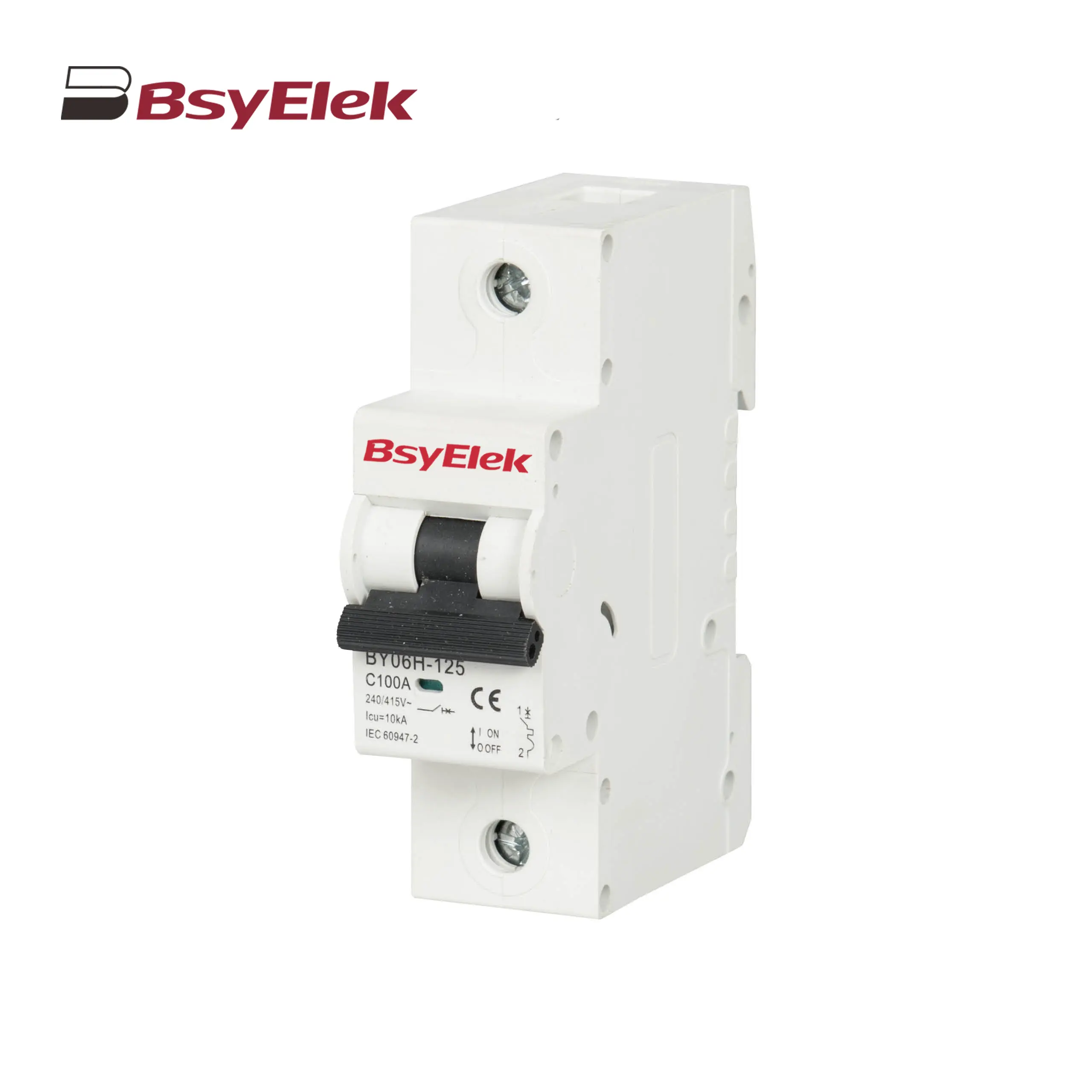 BY06H-125 MCB 10-15KA Miniature Circuit Breaker
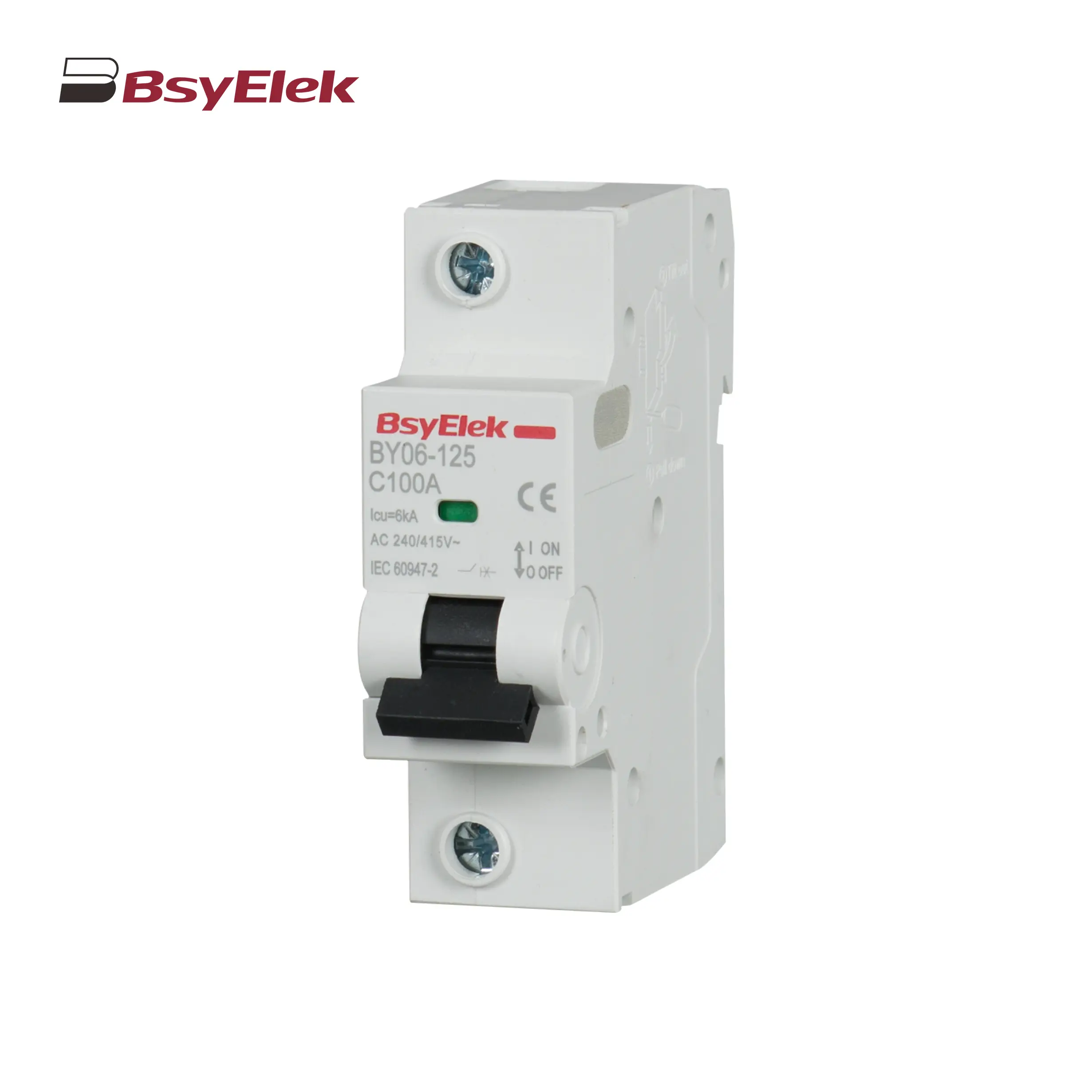 BY06-125 MCB 6KA Miniature Circuit Breaker
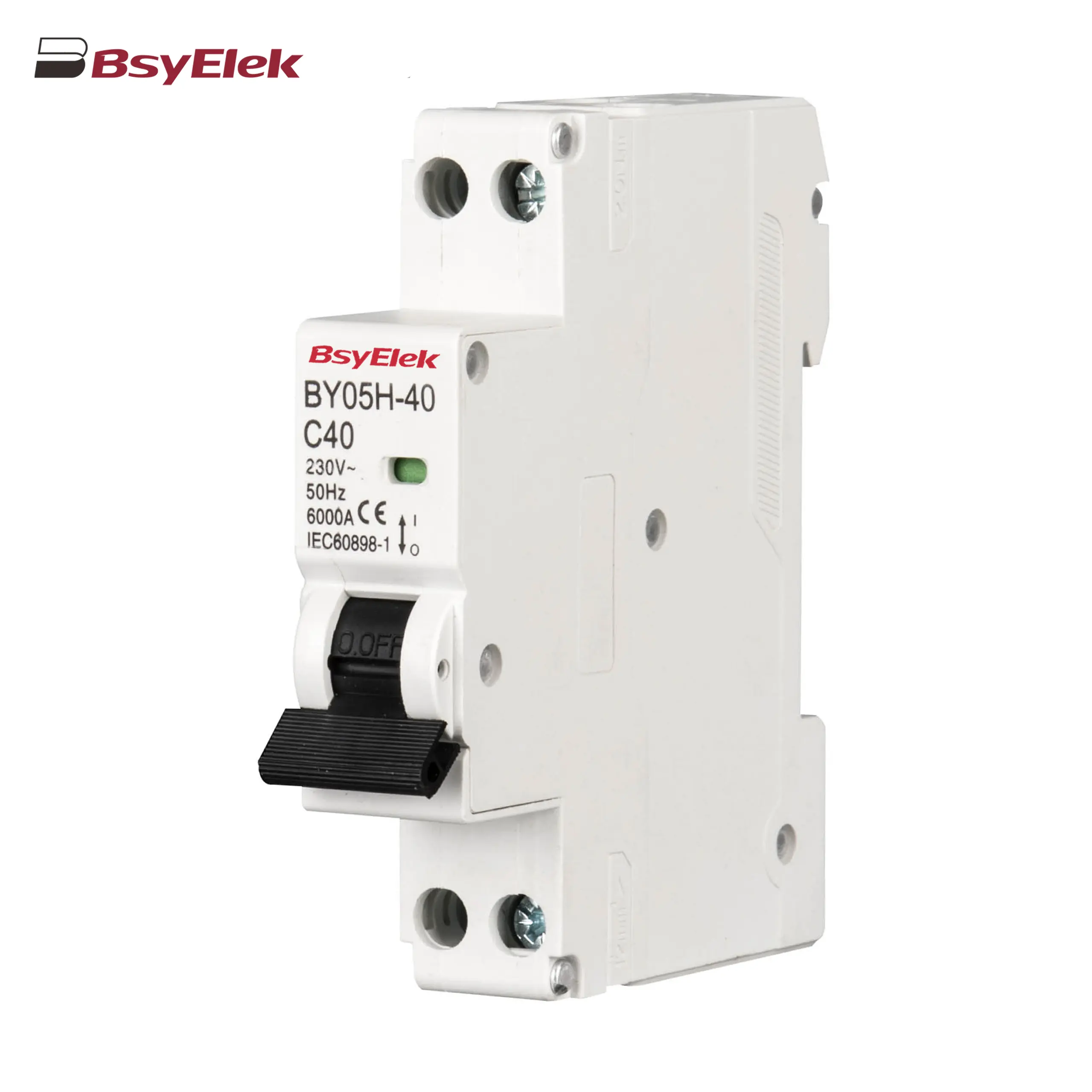 BY05H-40 MCB Single Modular 6KA Miniature Circuit Breaker
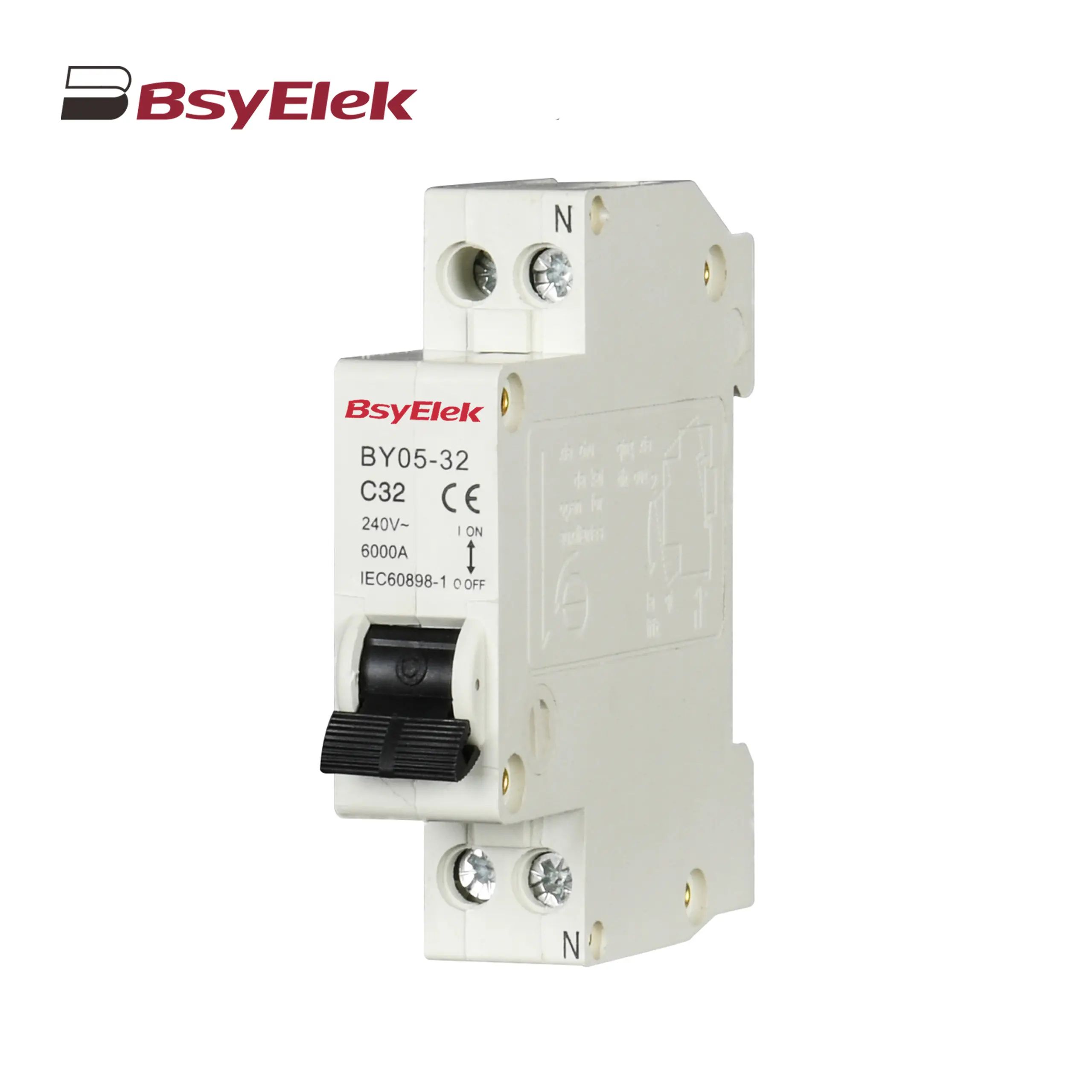 BY05-32 MCB Single Modular 3KA Miniature Circuit Breaker
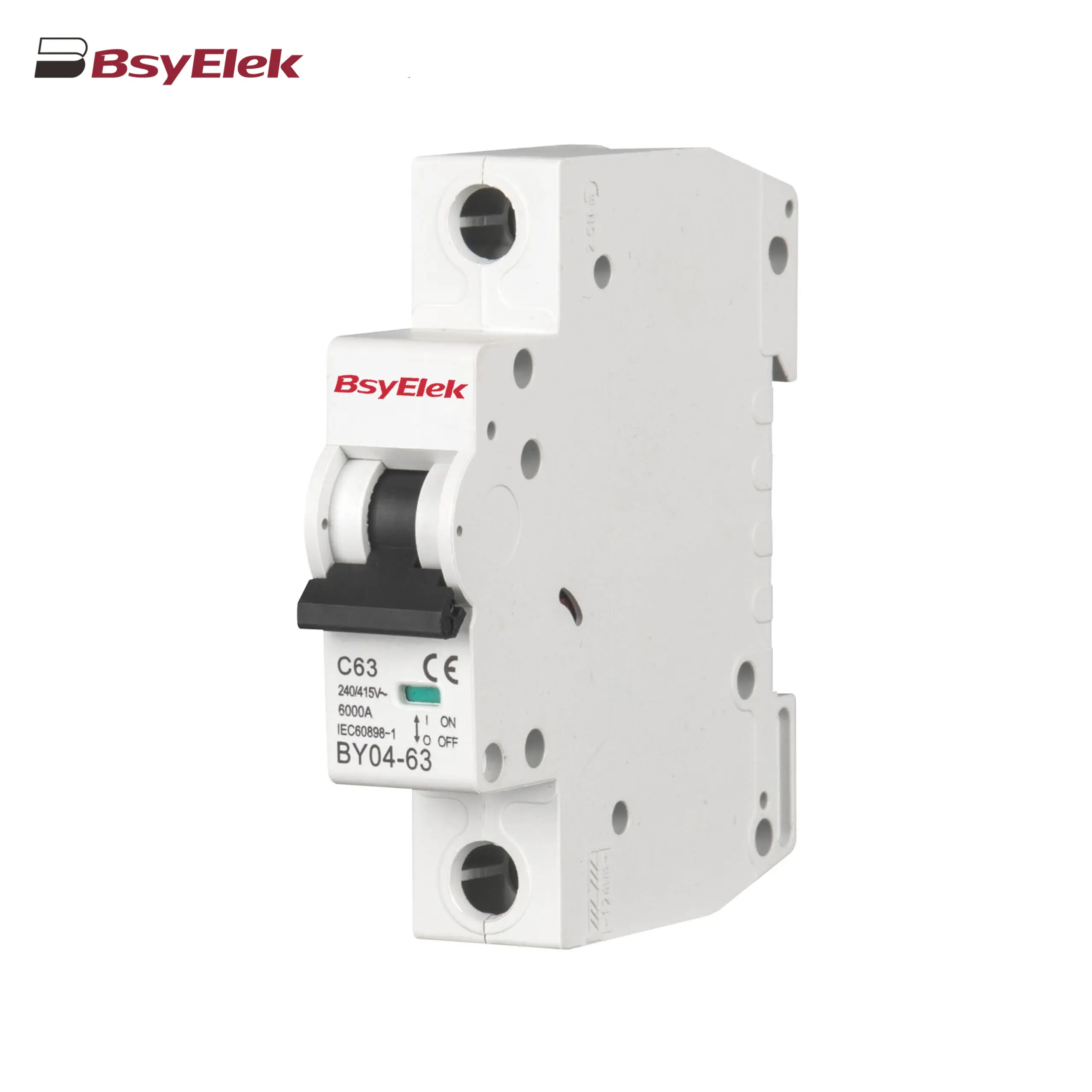 BY04-63 MCB 6-10KA Miniature Circuit Breaker
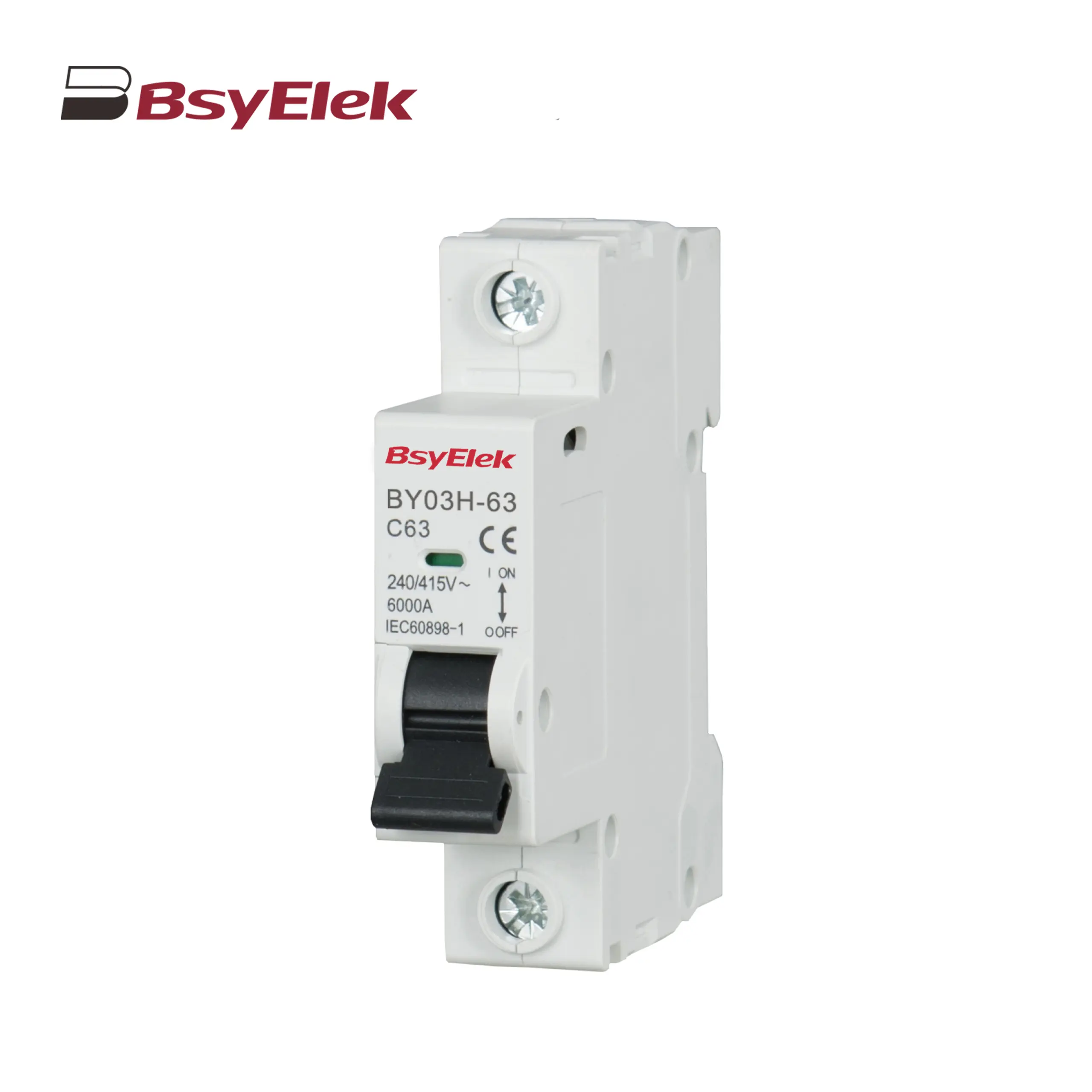
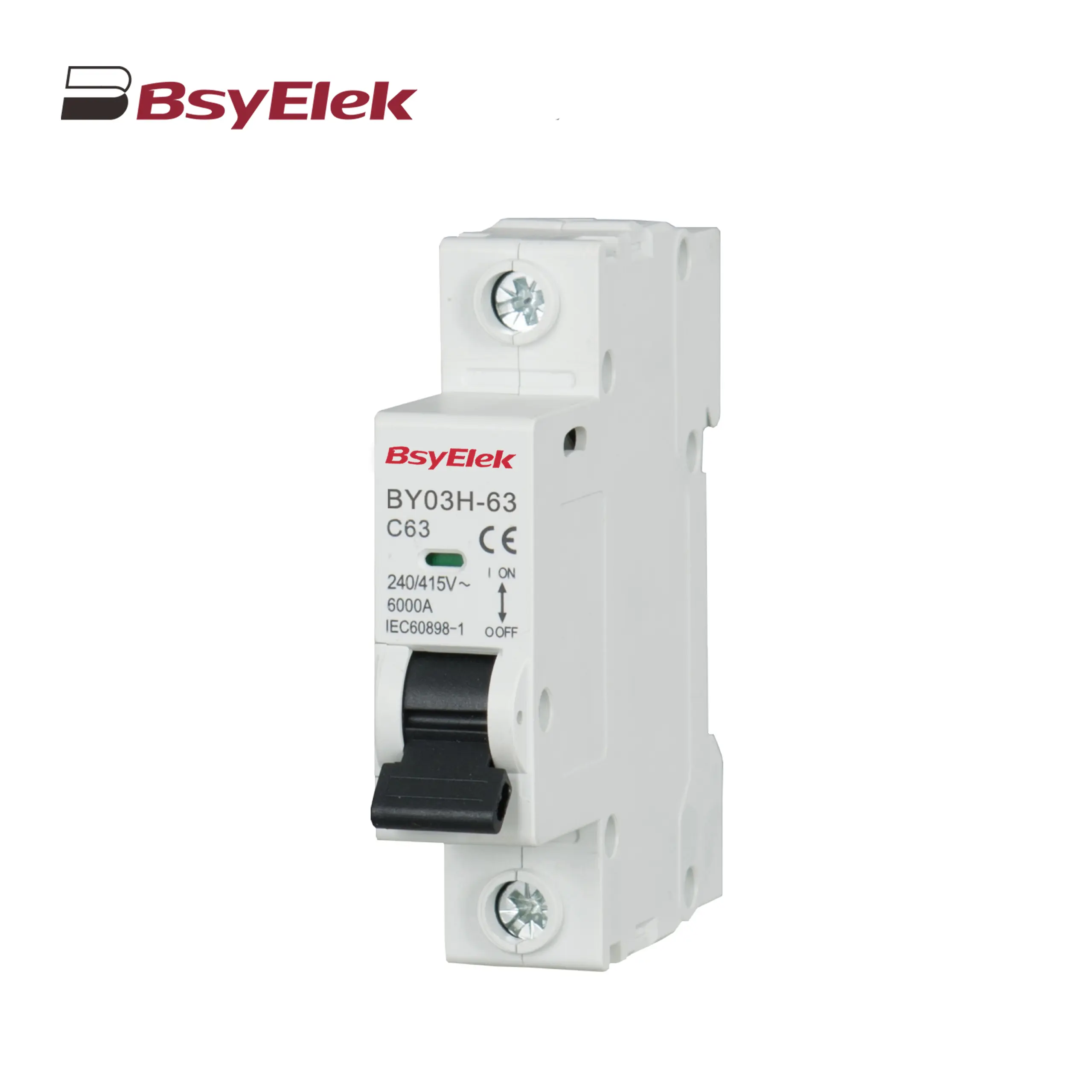 BY03H-63 MCB 6KA Miniature Circuit Breaker
 BY03-63 MCB 4.5KA Miniature Circuit Breaker
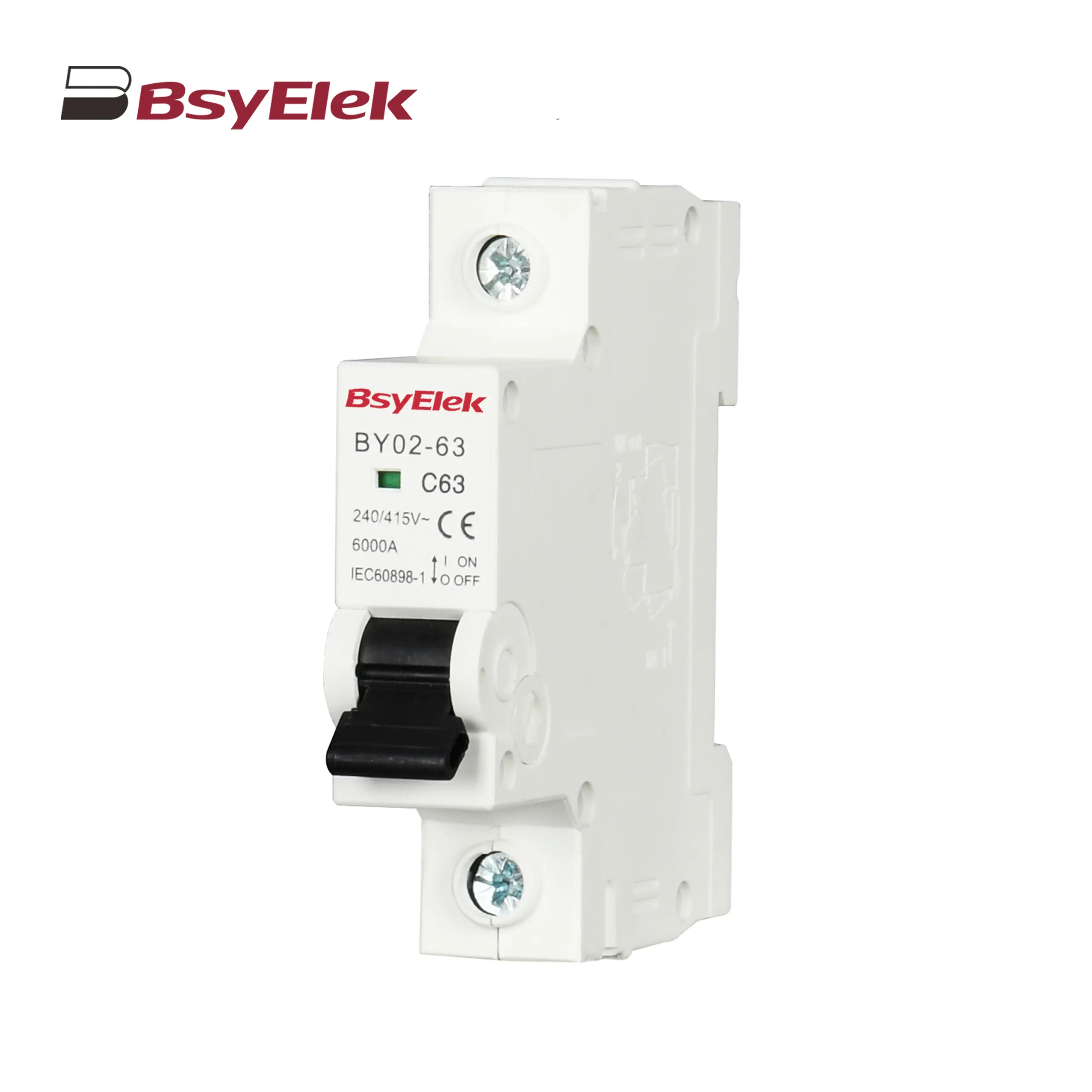 BY02-63 MCB 3kA Miniature Circuit Breaker
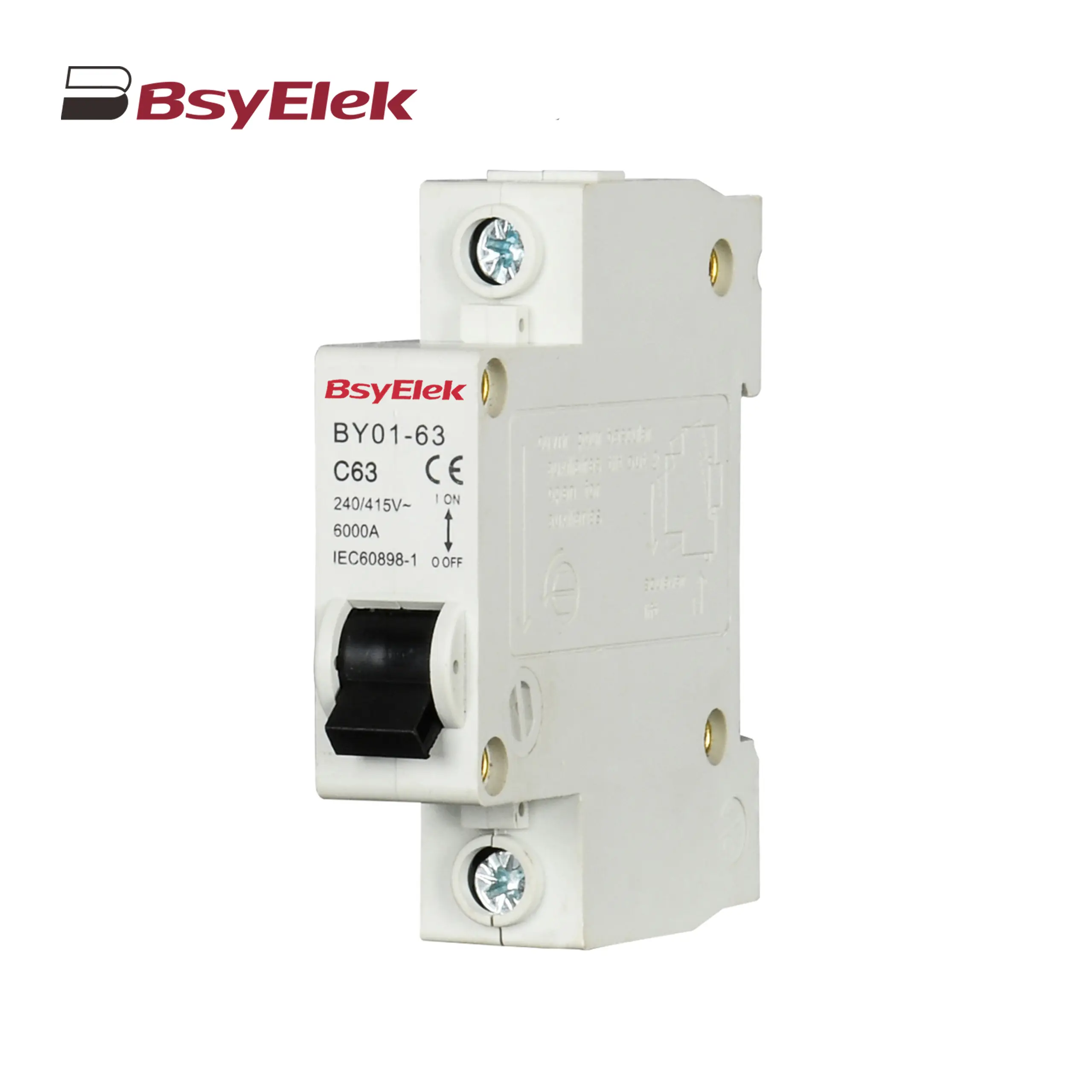 BY01-63 MCB 3kA Miniature Circuit Breaker
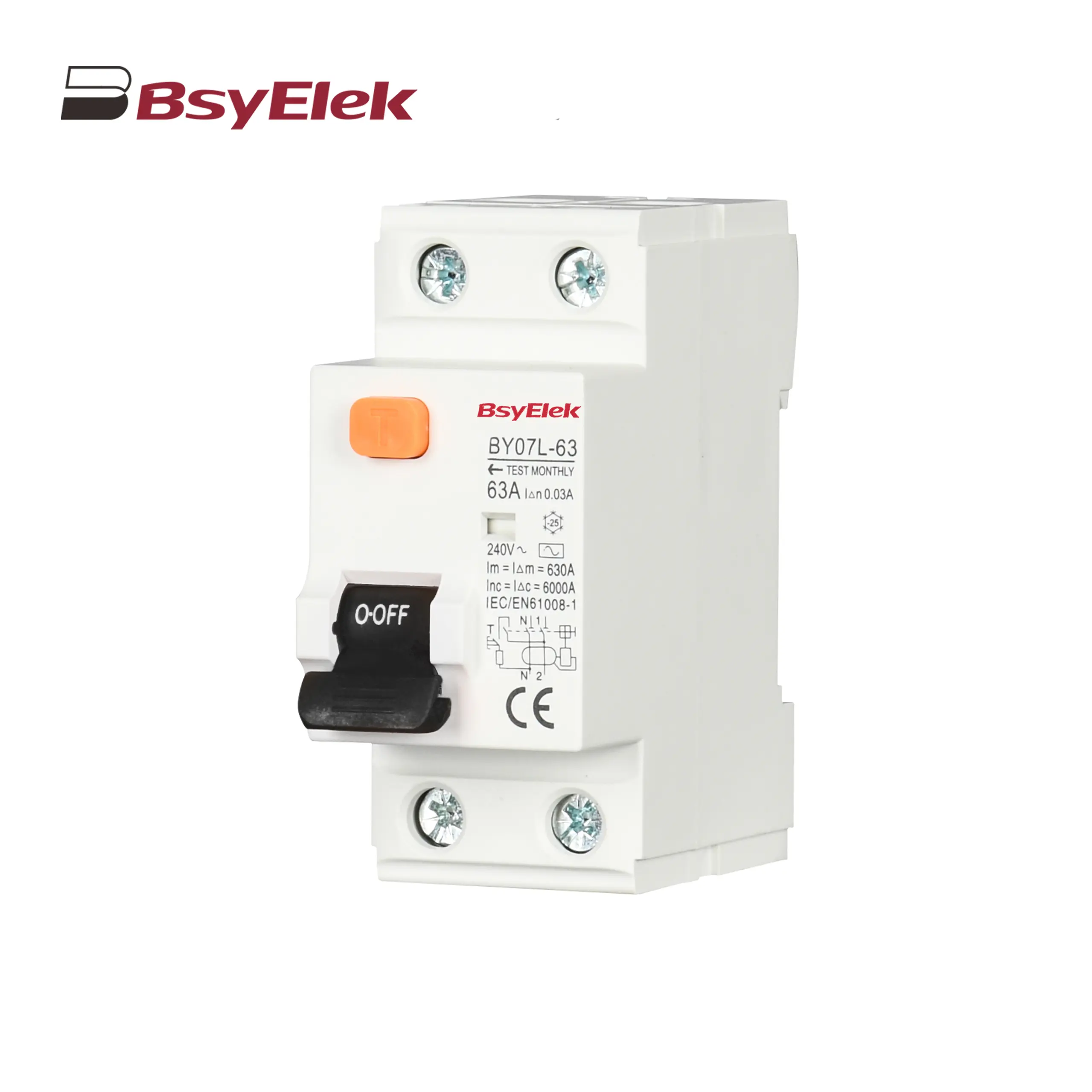 BY07L-63 RCCB 6KA Residual Current Circuit Breaker
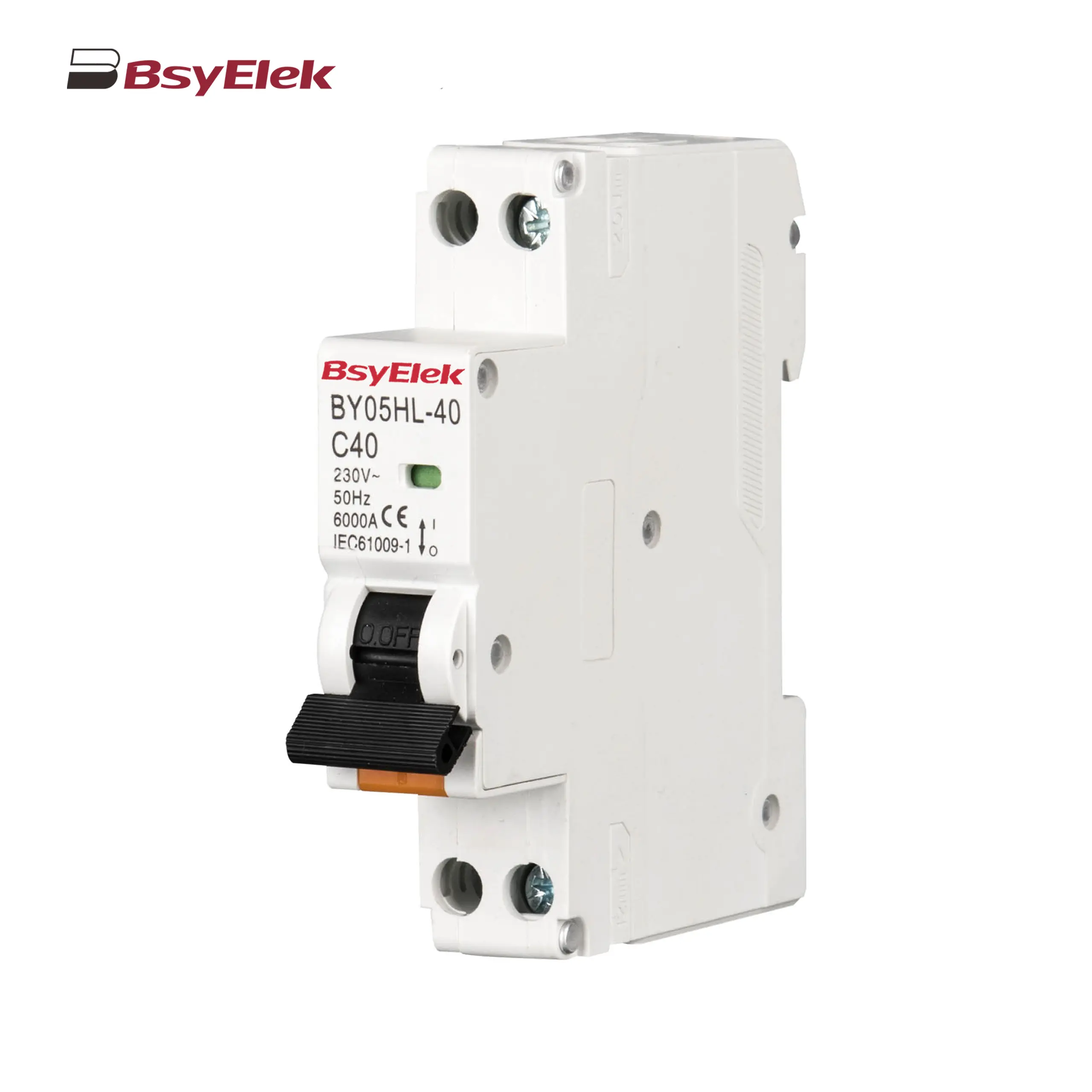 BY05HL-40 RCBO 6KA Residual Current Circuit Breaker with Over-current Protection
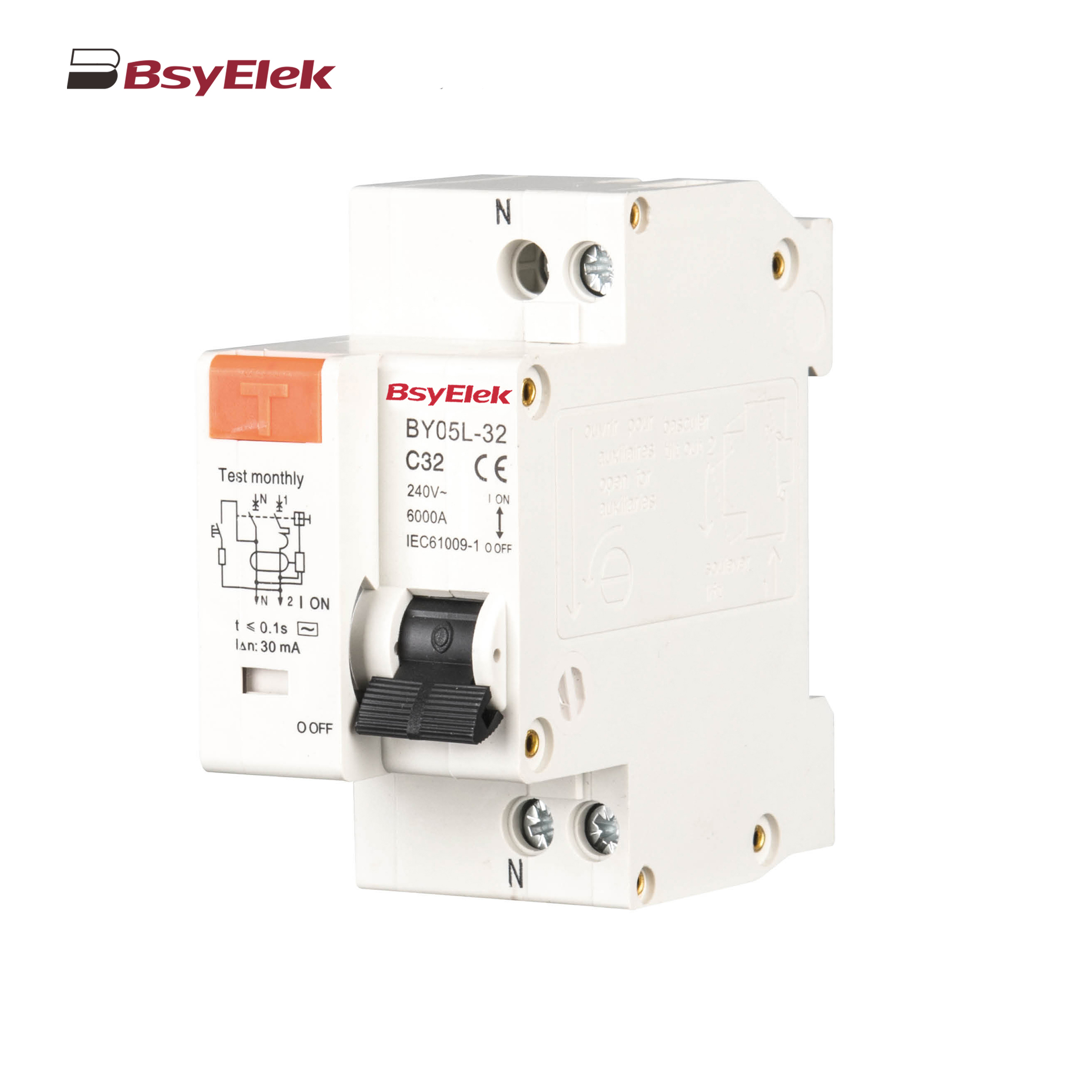 BY05L-32 RCBO 3KA Residual Current Circuit Breaker with Over-current Protection
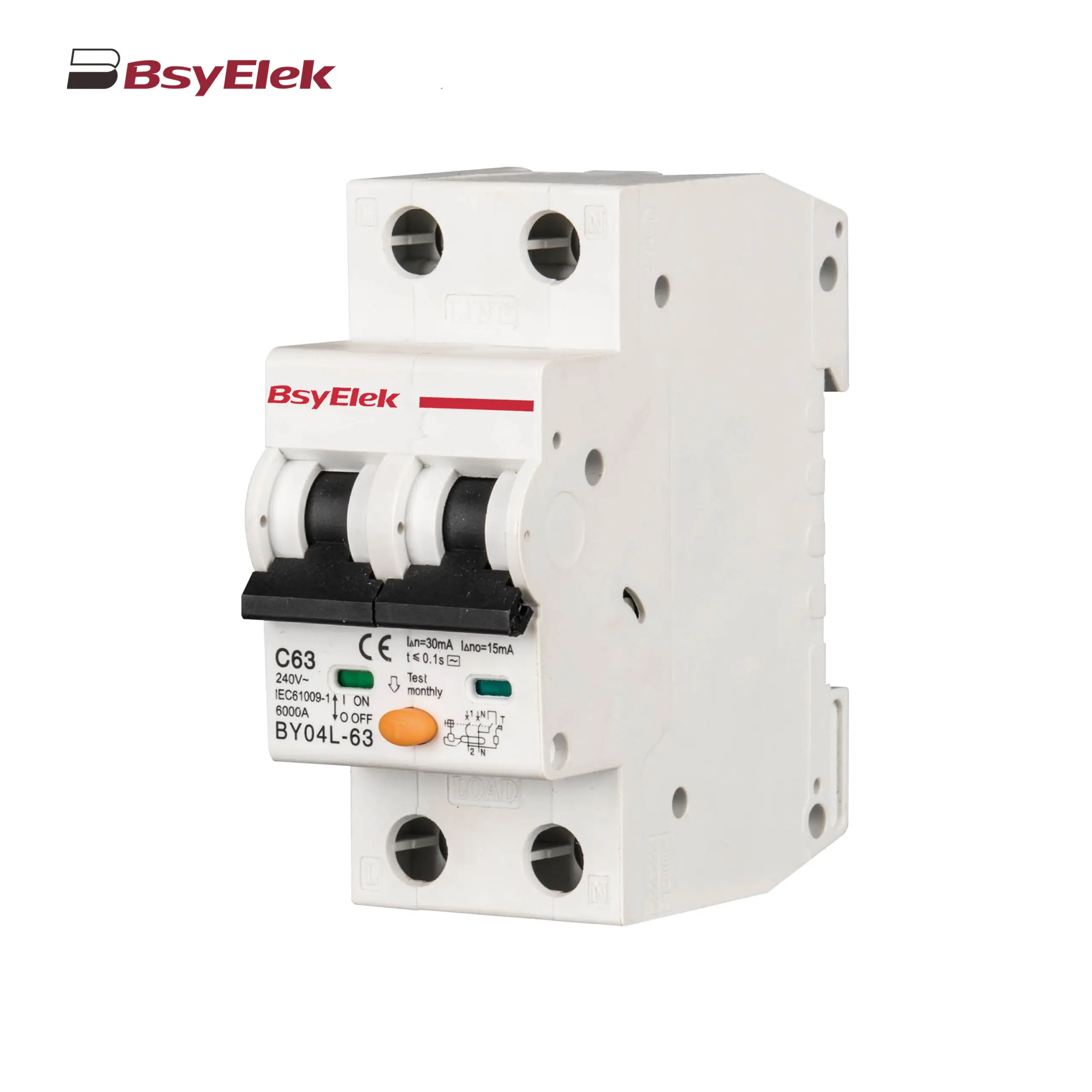 BY04L-63 RCBO 6KA Residual Current Circuit Breaker with Over-current Protection
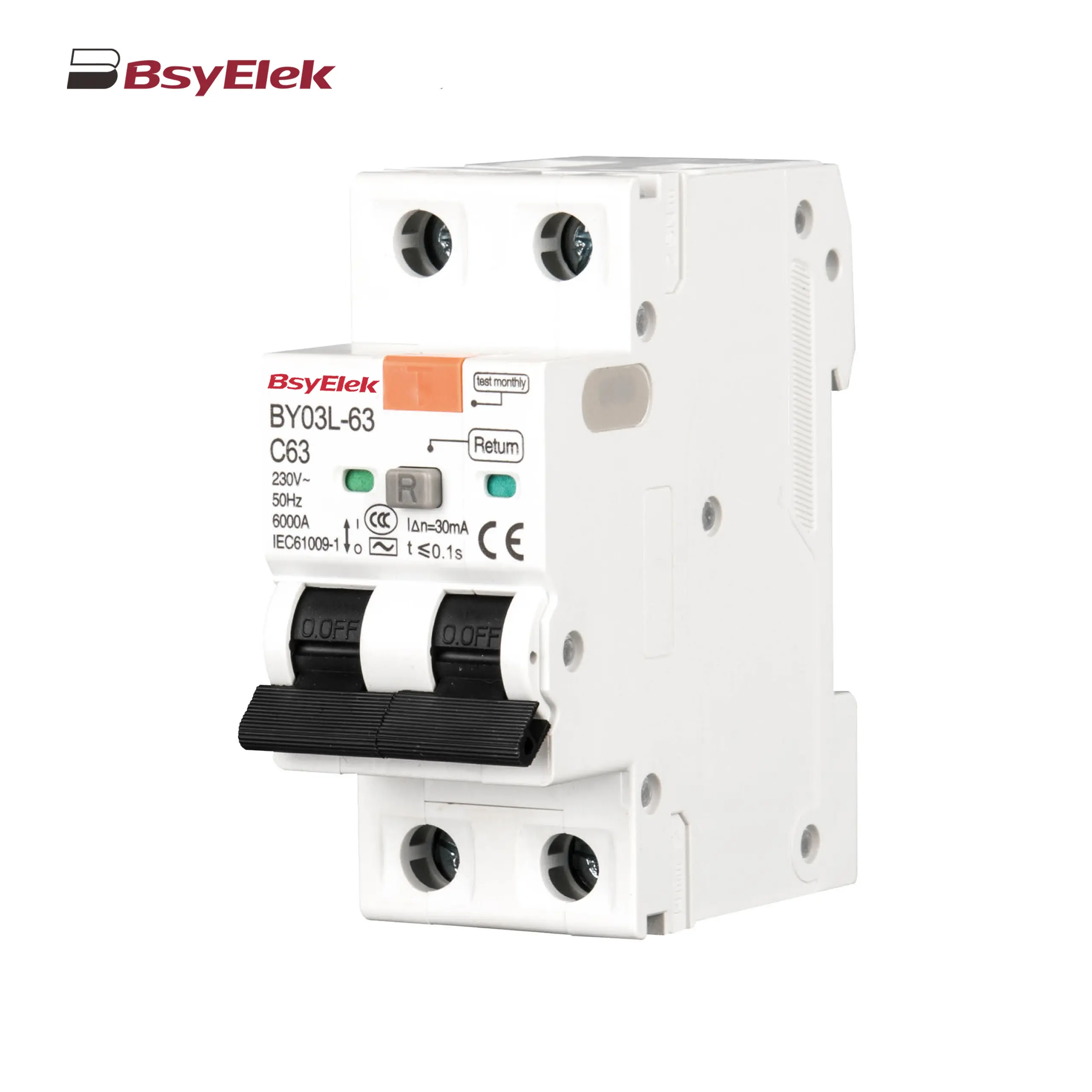 BY03L-63 RCBO 4.5KA Residual Current Circuit Breaker with Over-current Protection
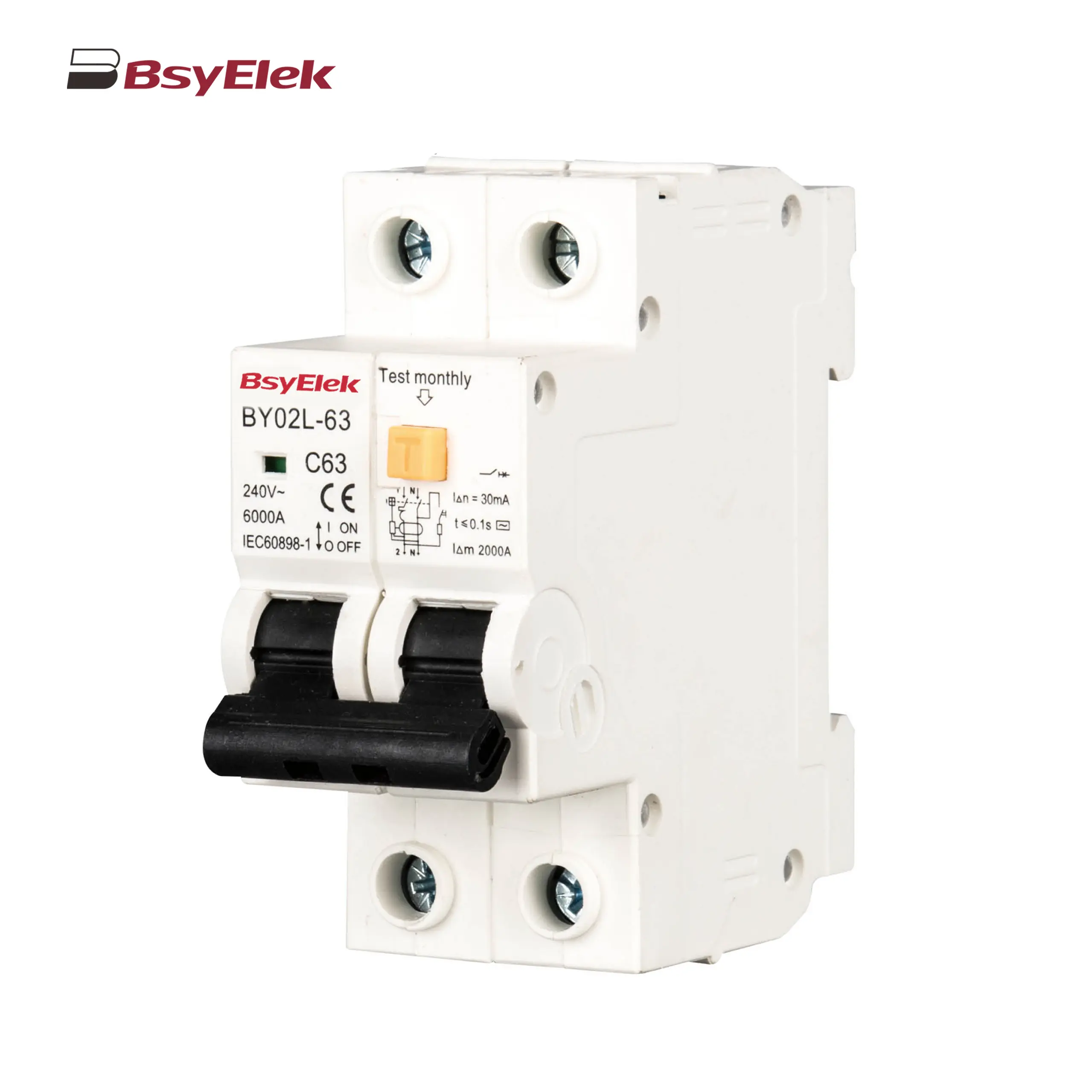 BY02L-63 RCBO 3KA Residual Current Circuit Breaker with Over-current Protection
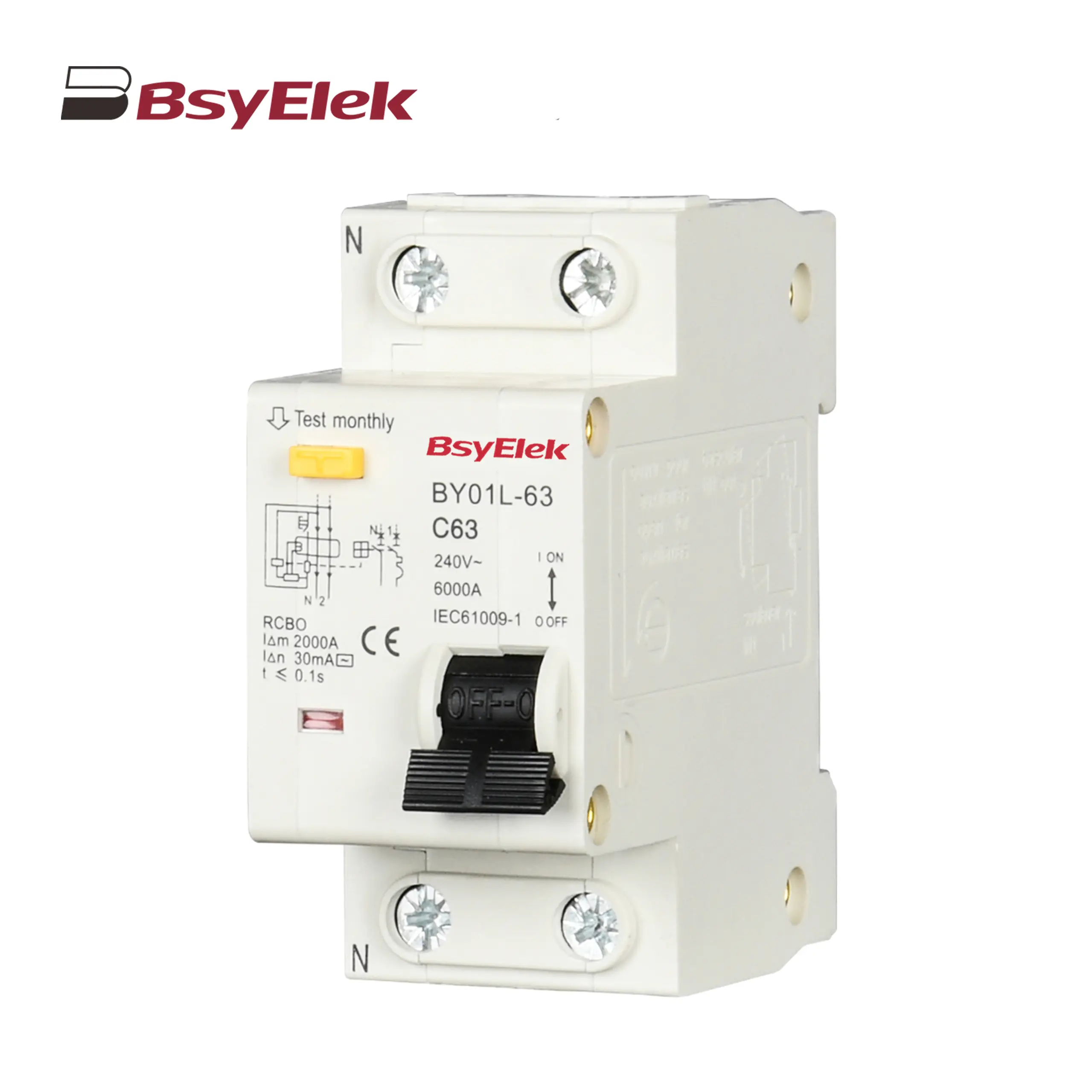 BY01L-63 RCBO 1P+N 3KA Residual Current Circuit Breaker with Over-current Protection
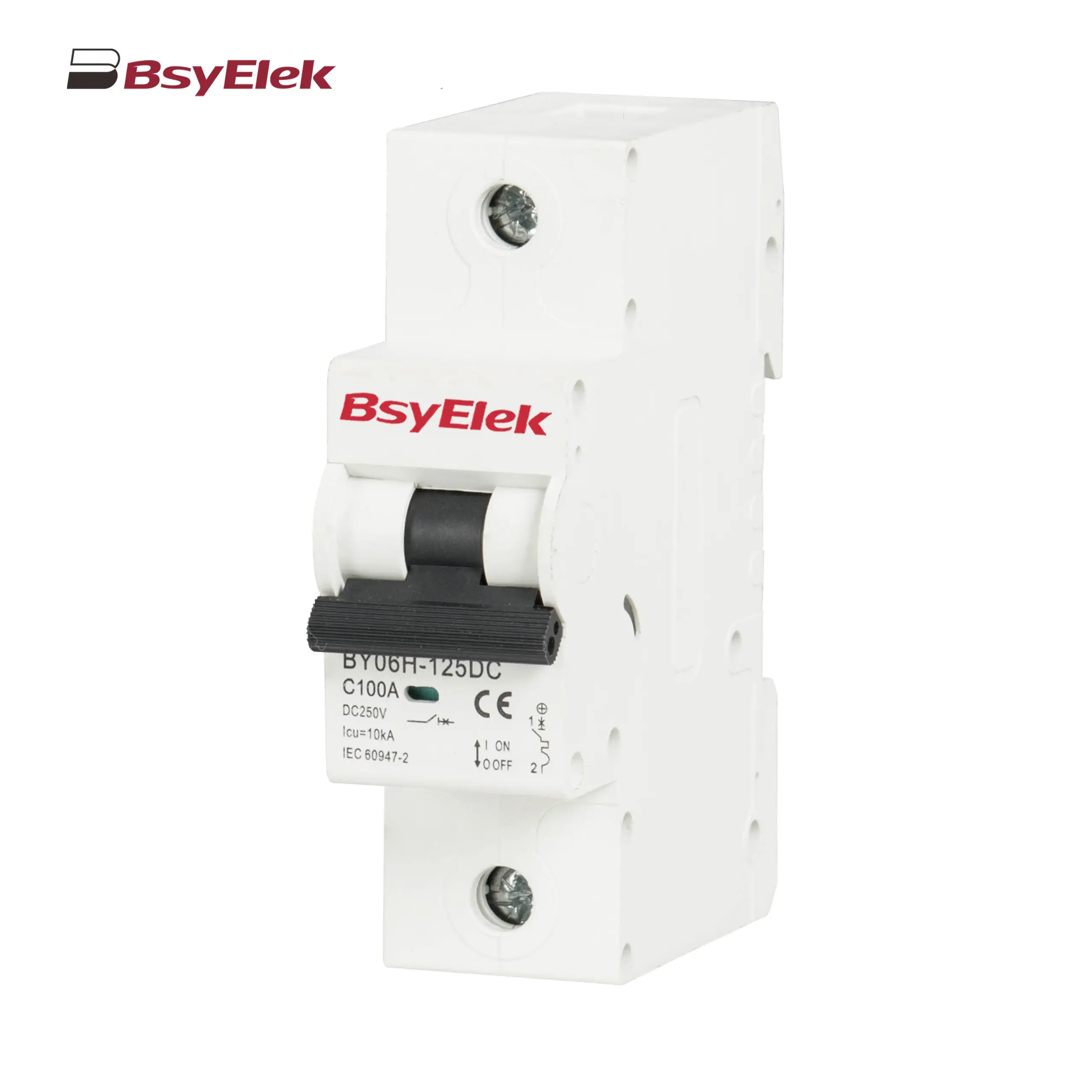 BY06H-125DC MCB 10-15kA DC Miniature Circuit Breaker
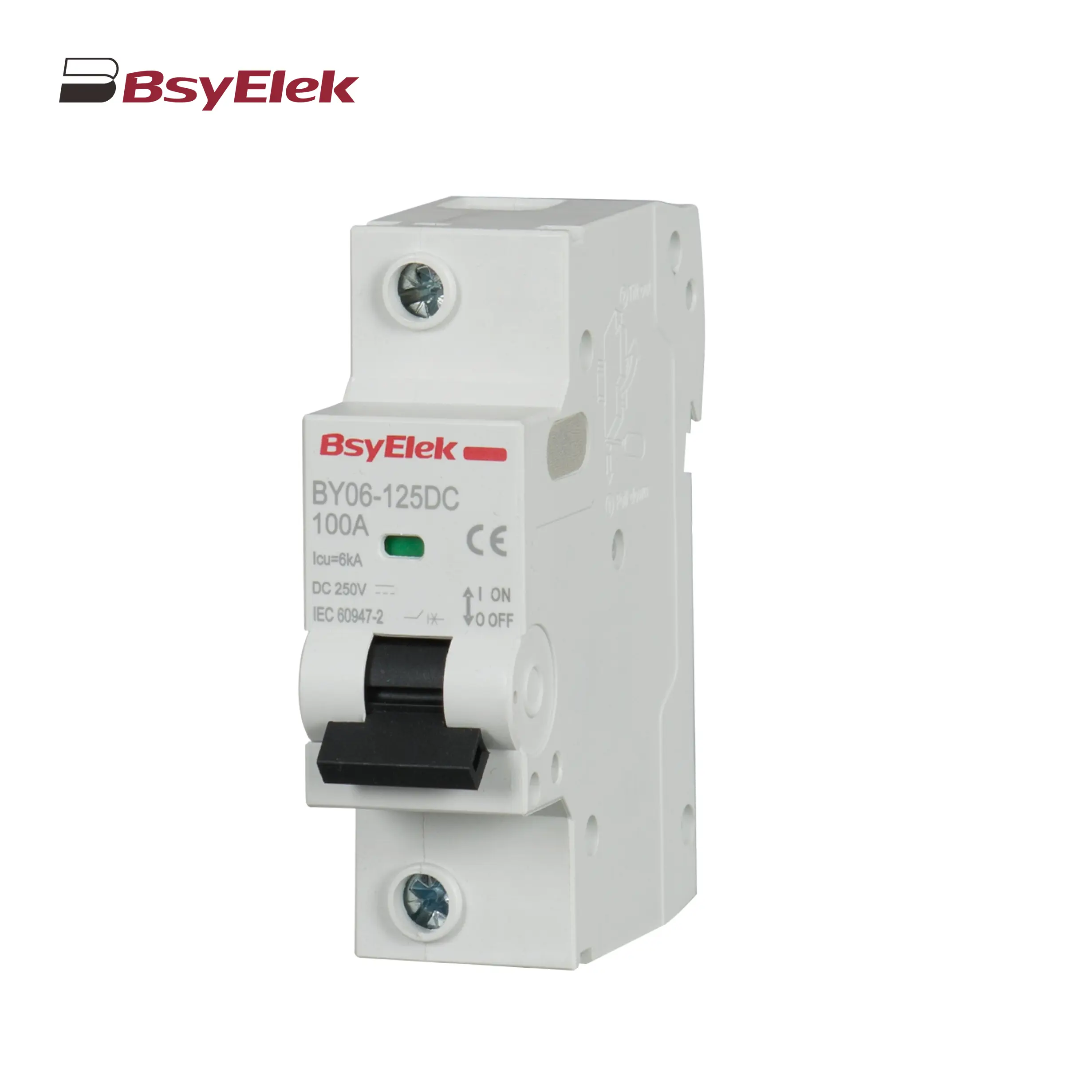 BY06-125DC MCB 6kA DC Miniature Circuit Breaker
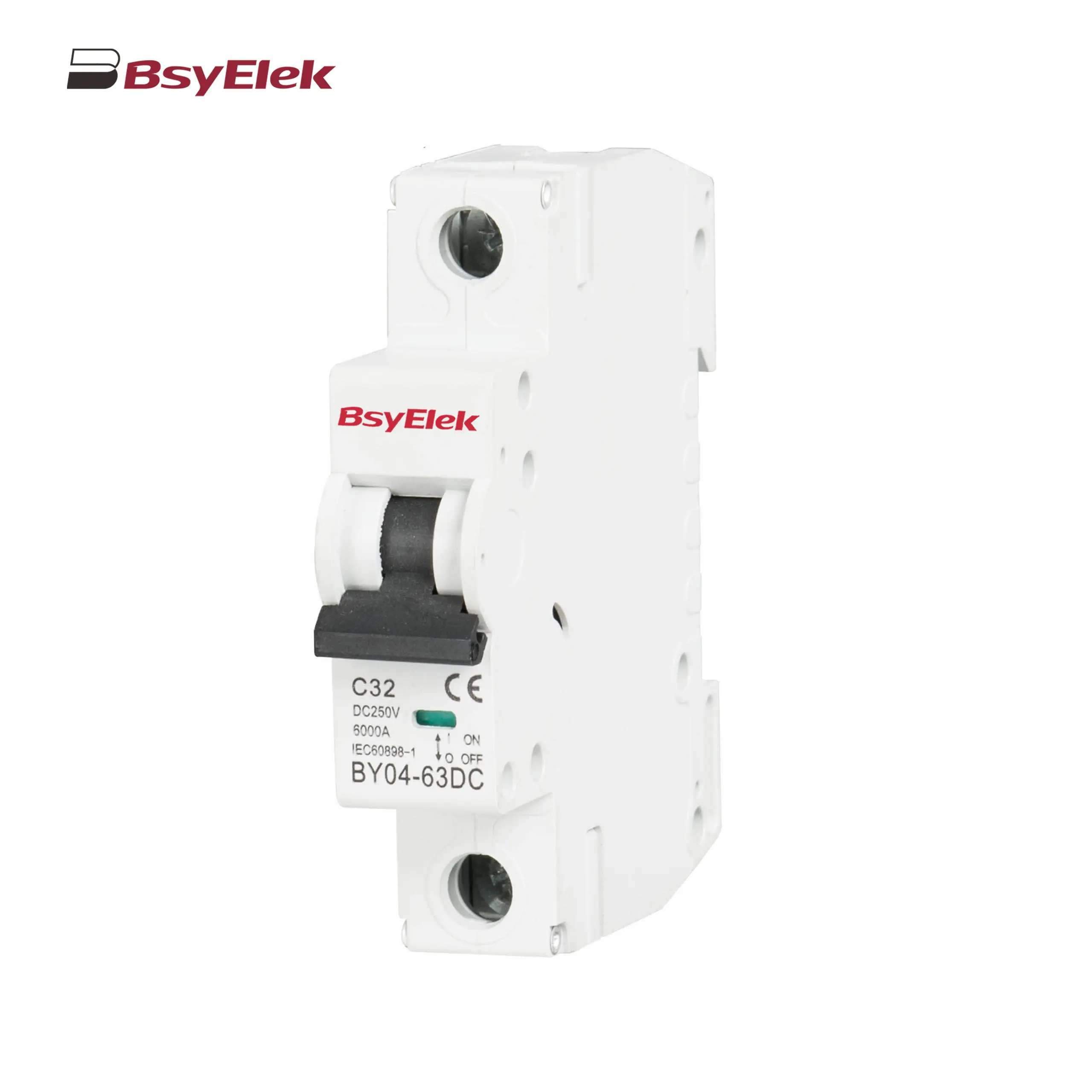 BY04-63DC MCB 6-10kA DC Miniature Circuit Breaker
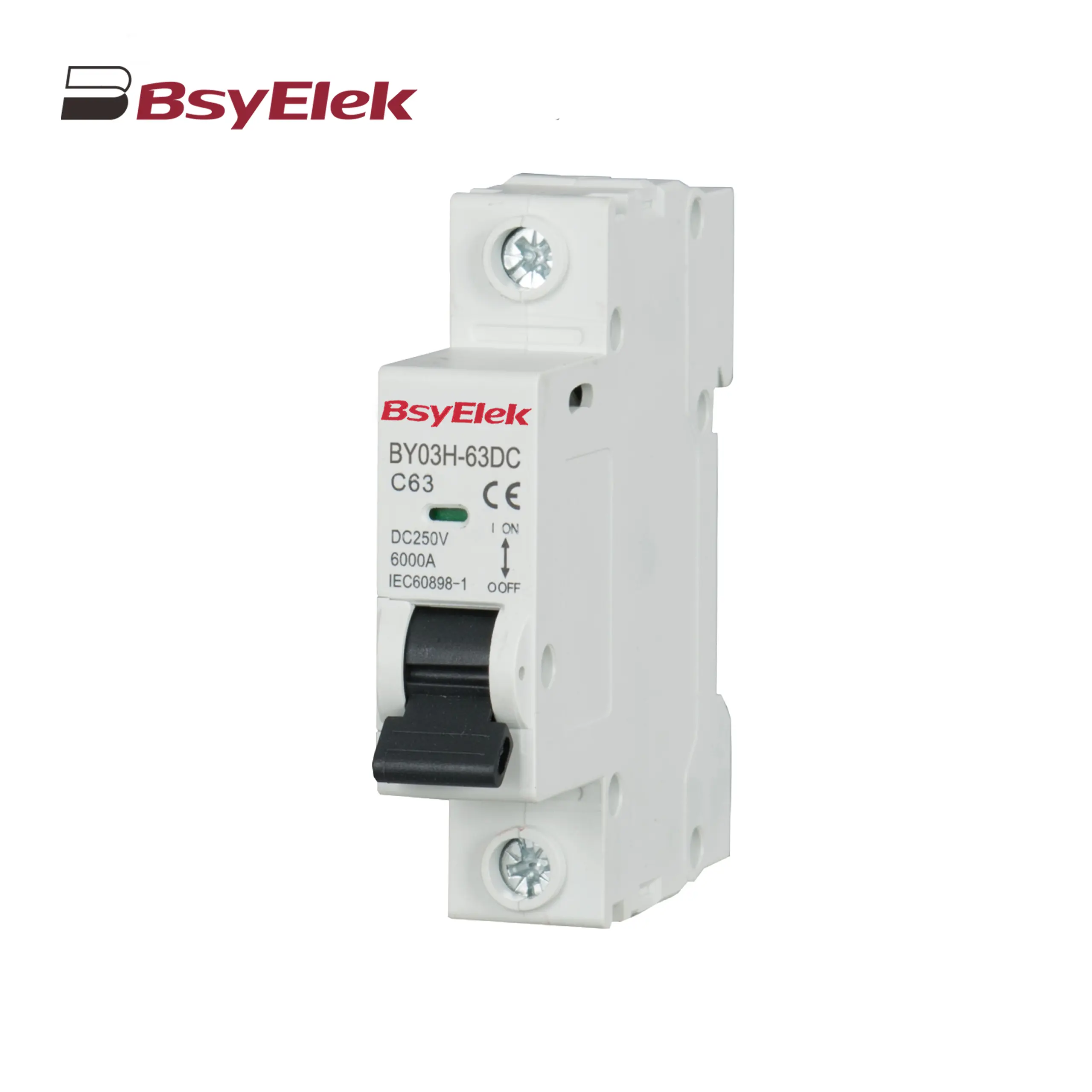 BY03H-63DC MCB 6kA DC Miniature Circuit Breaker
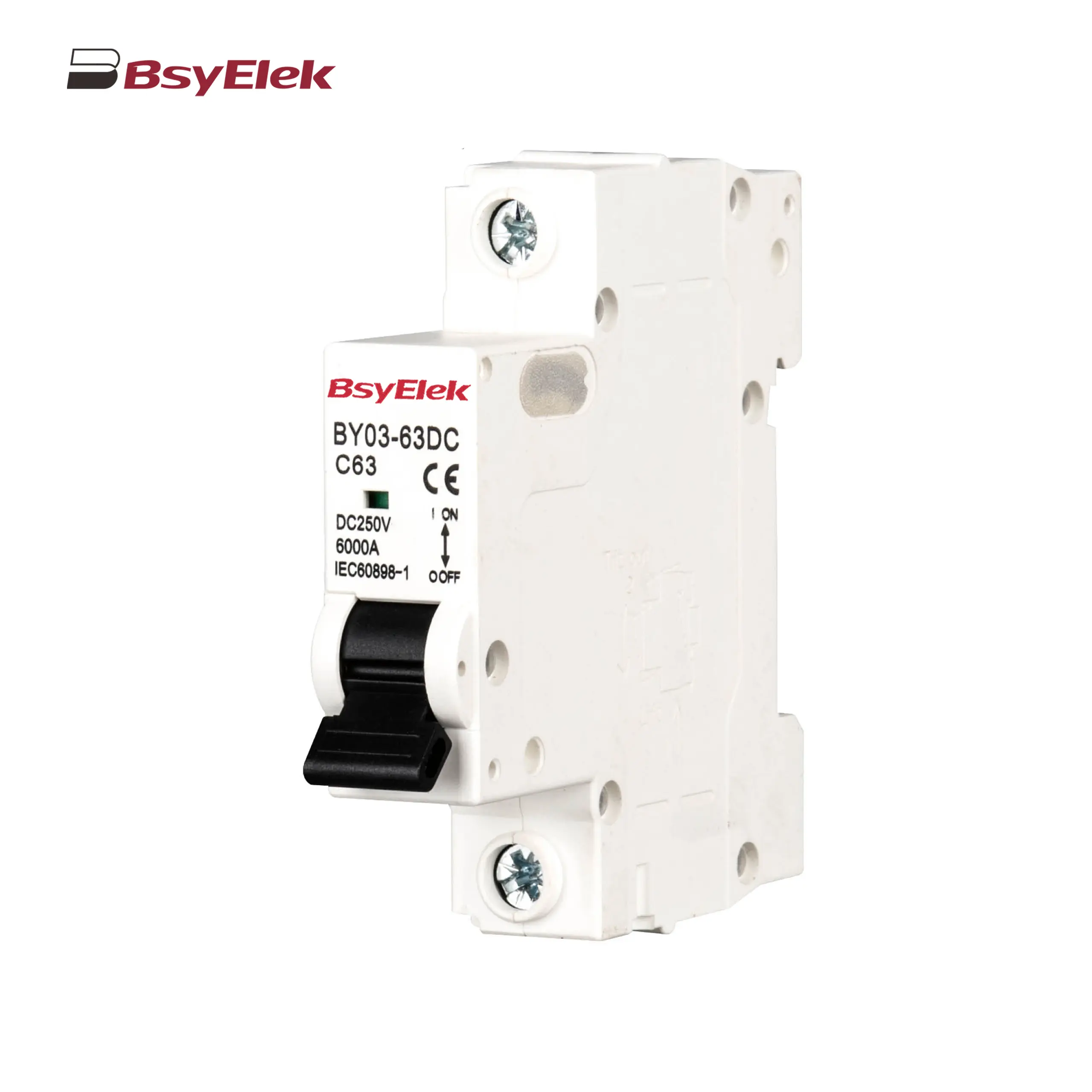 BY03-63DC MCB 4.5kA DC Miniature Circuit Breaker
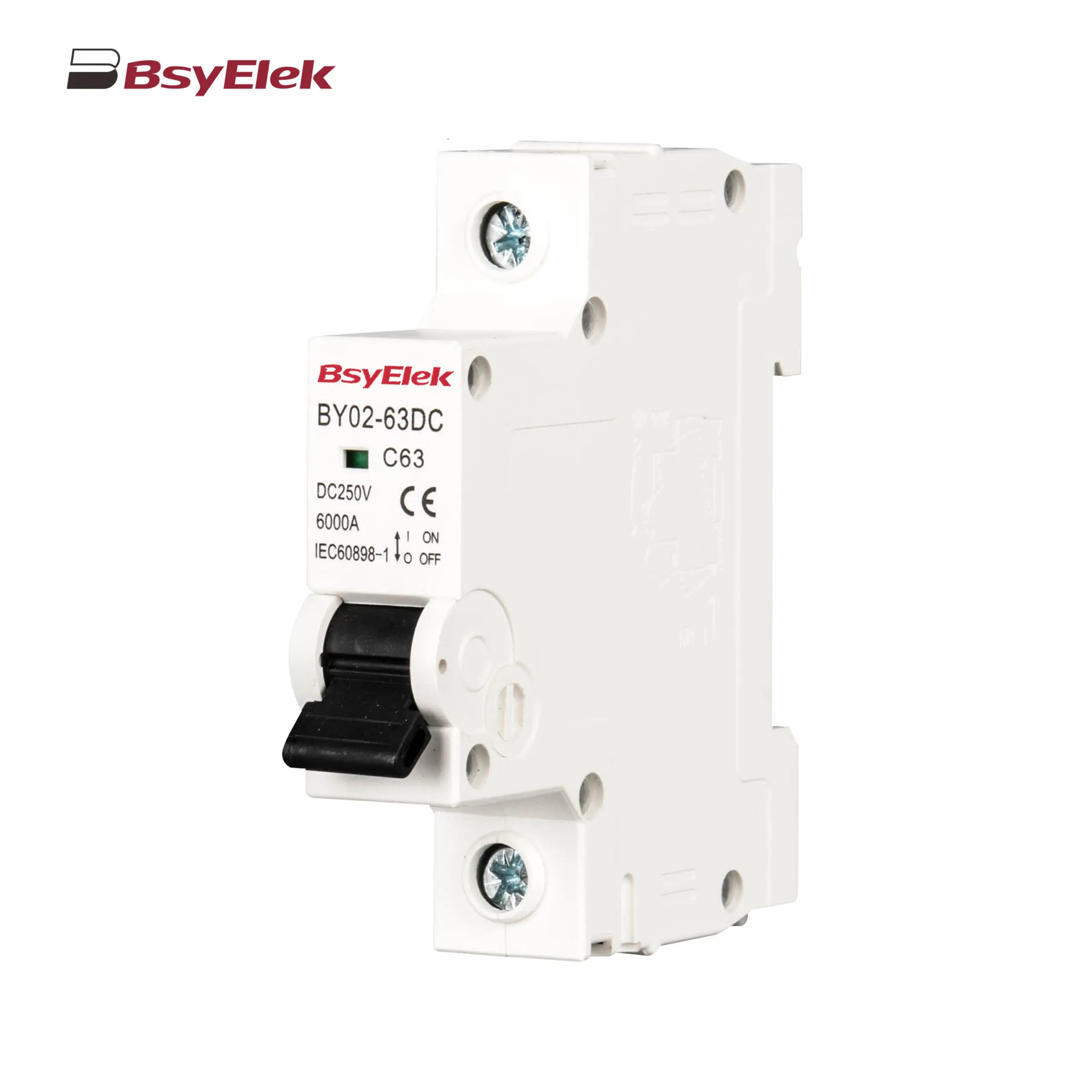 BY02-63DC MCB 3kA DC Miniature Circuit Breaker
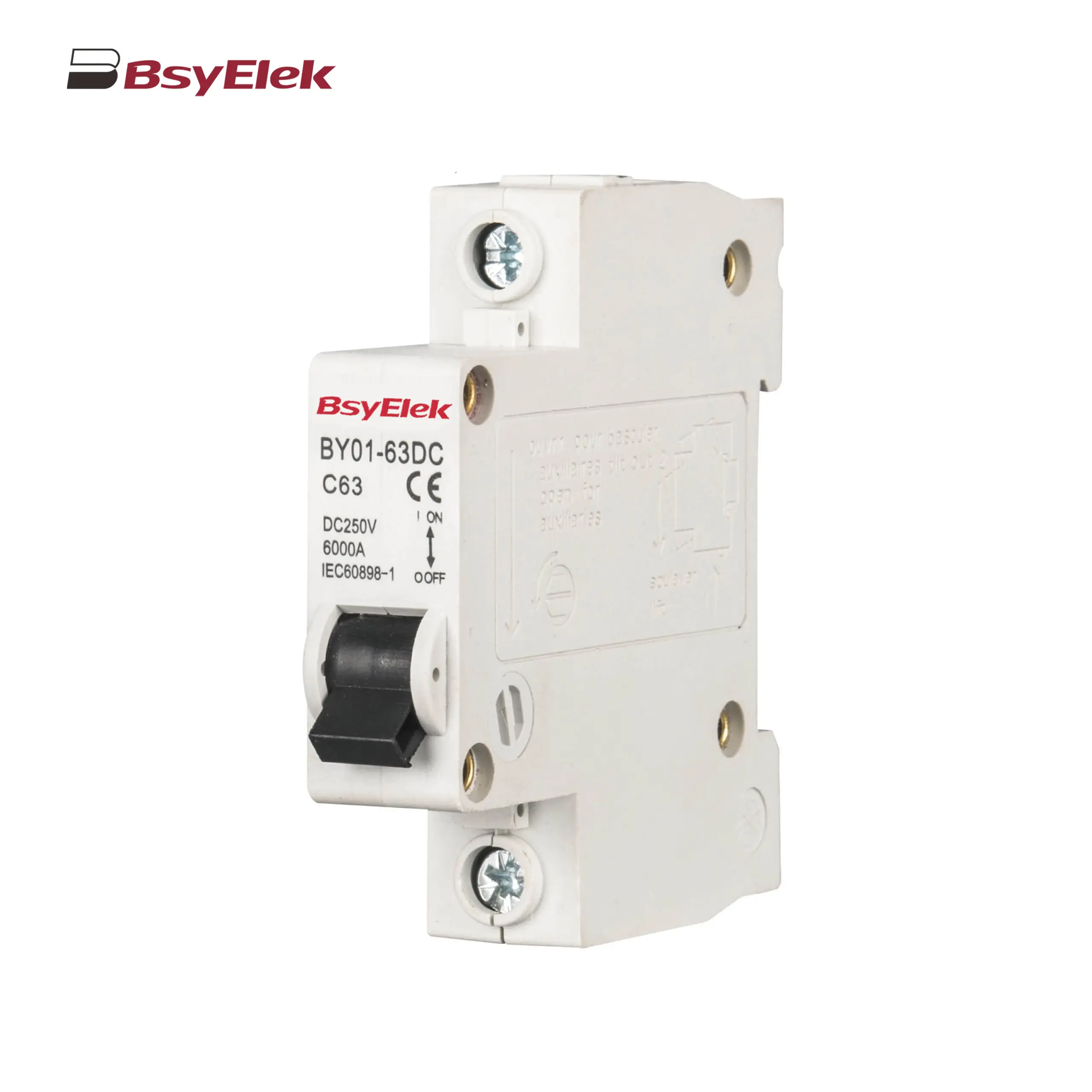 BY01-63DC MCB 3kA DC Miniature Circuit Breaker
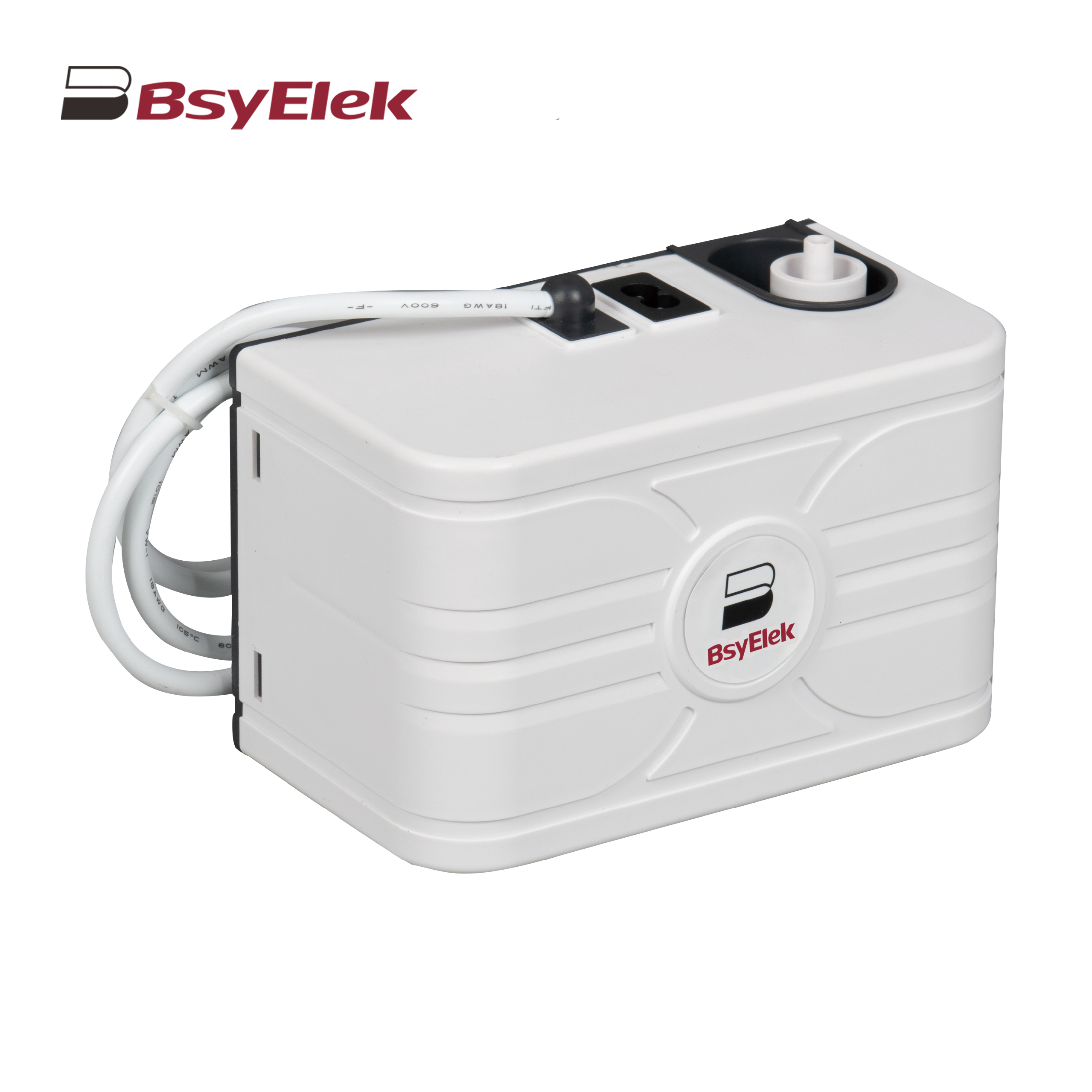 BY-5018 1.8M Engineering Drainage Pump
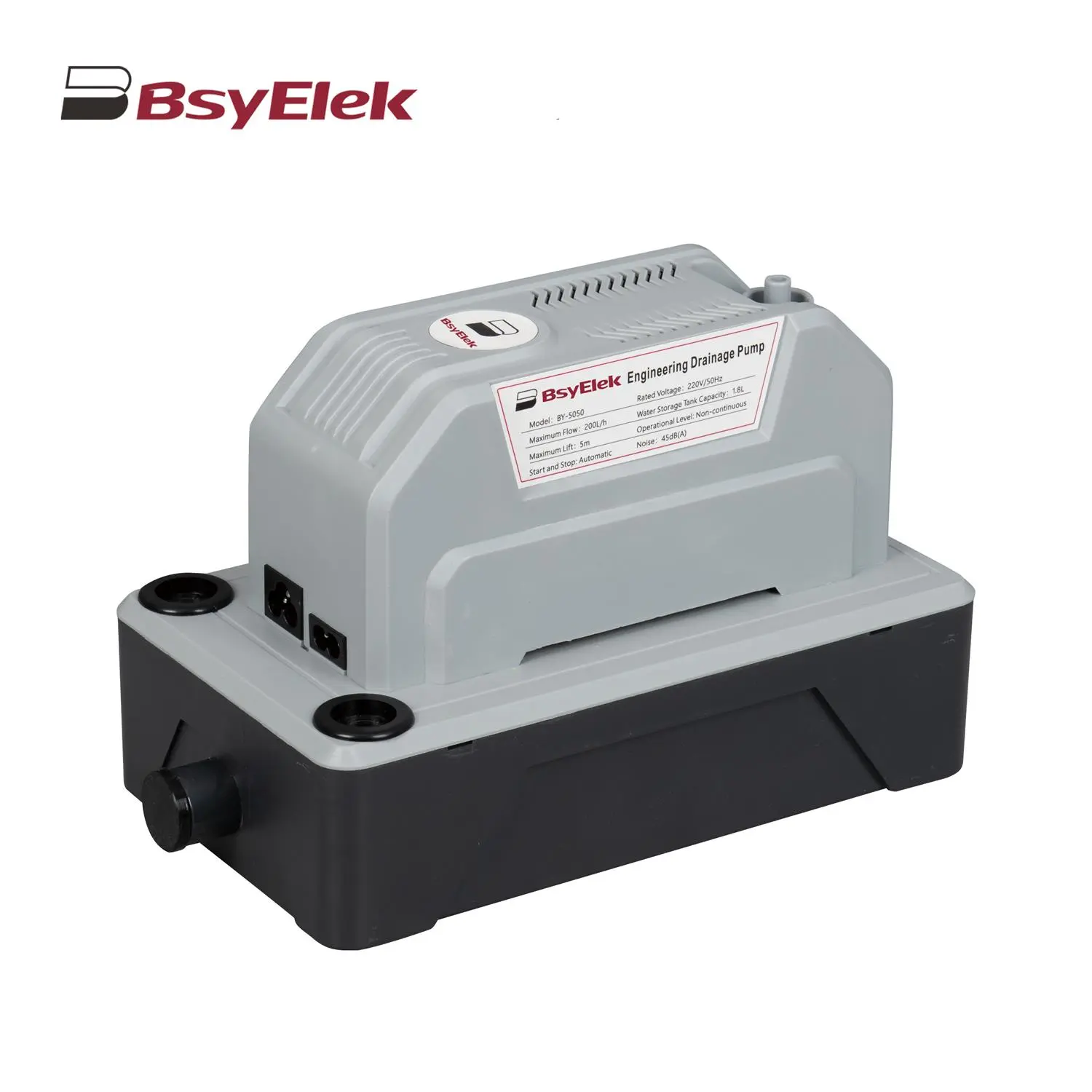 BY-5050 5M Engineering Drainage Pump
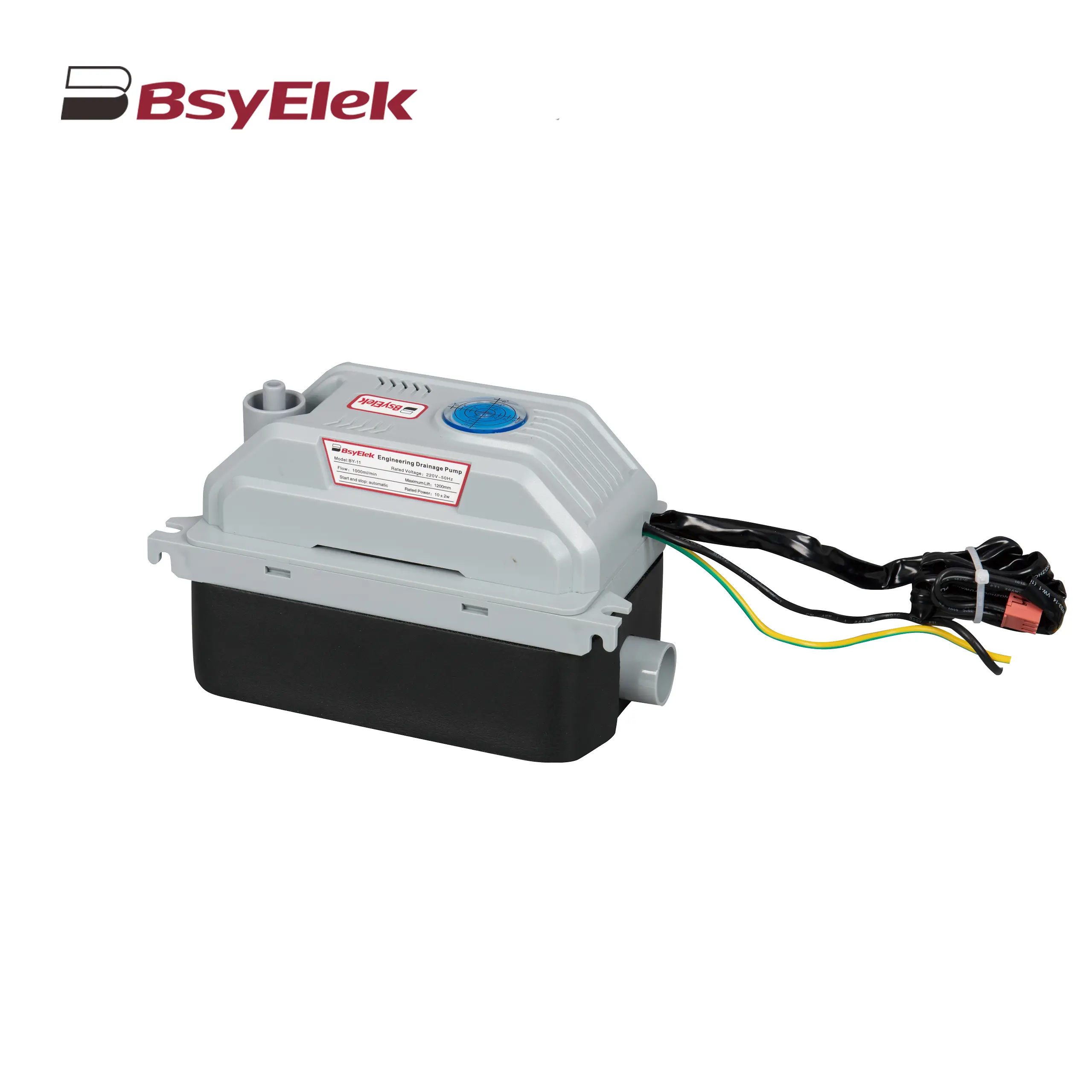 BY-11 1.2M Engineering Drainage Pump
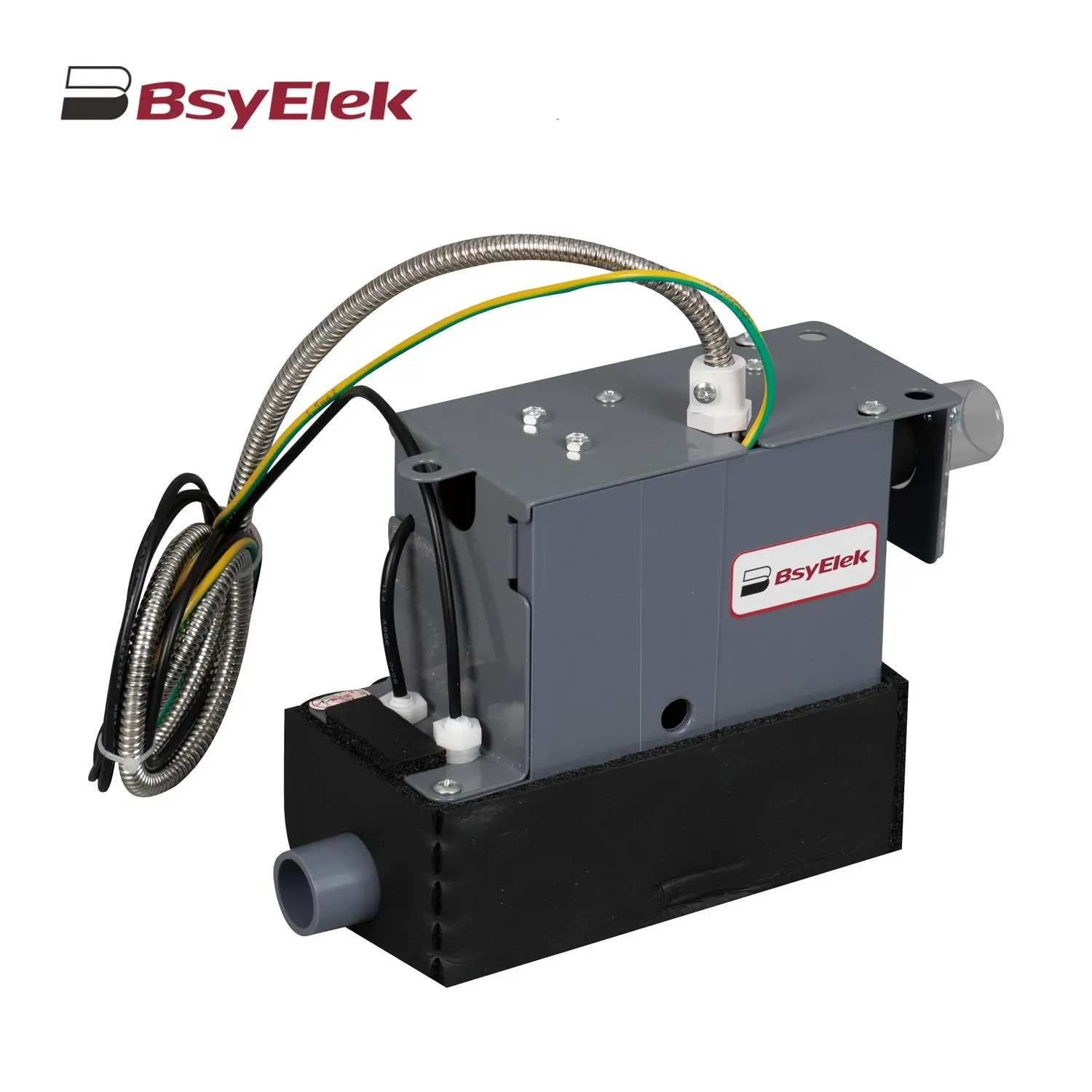 SBH-05 0.7M Original Drainage Pump of Duct Type Air Conditioner
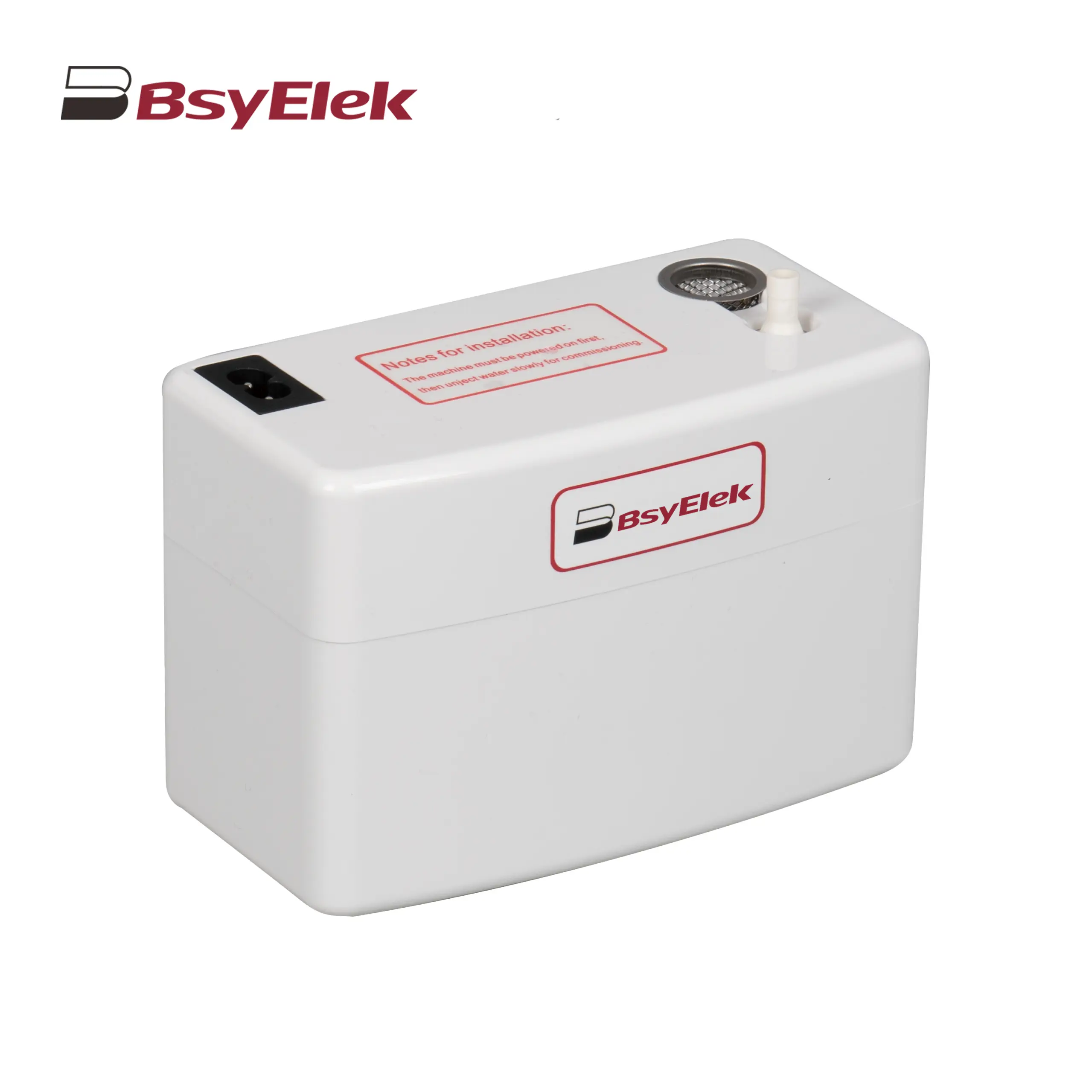 BY-24A/40A 10M Drainage Pump of Air Conditioner
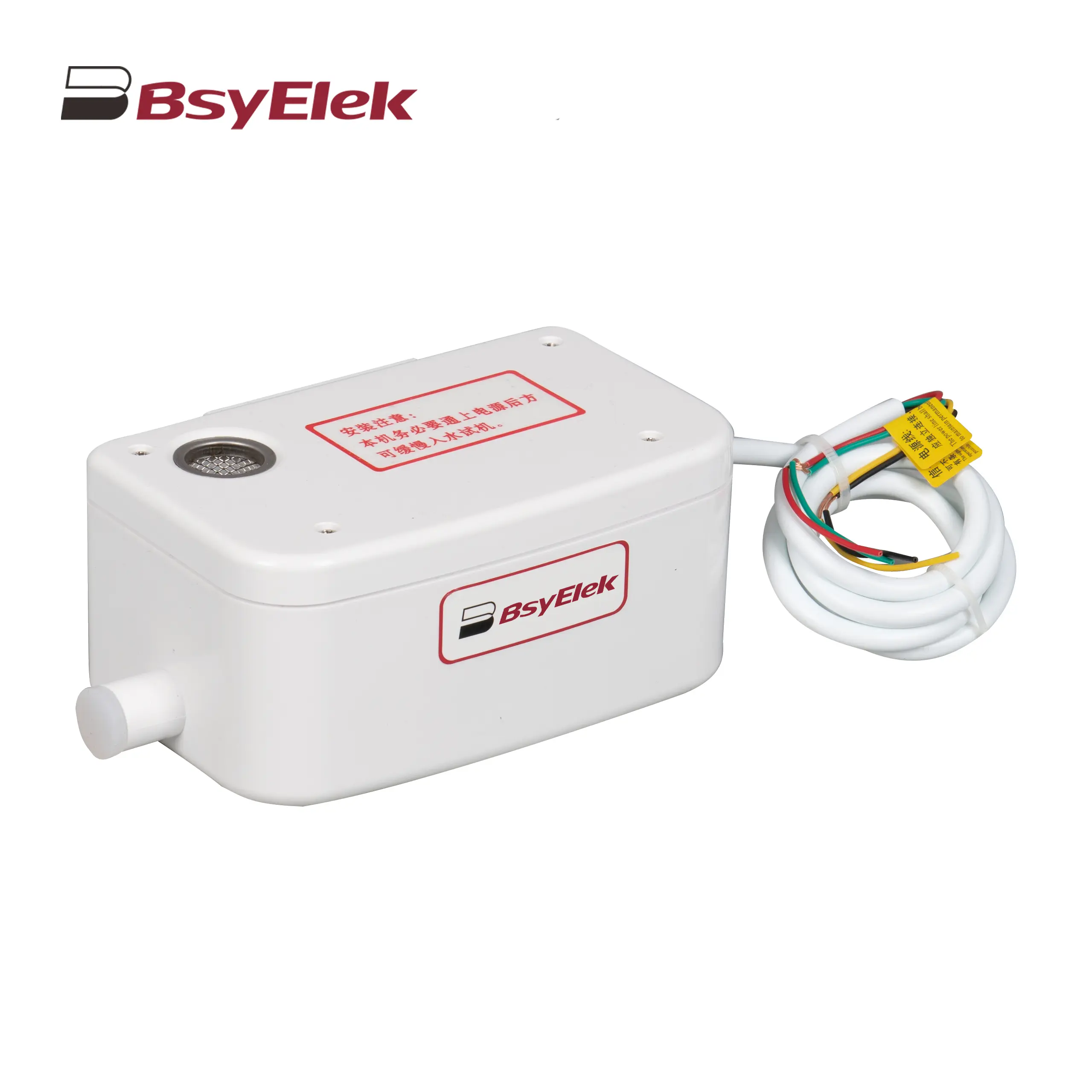 BY-50A 12M Drainage Pump of Air Conditioner
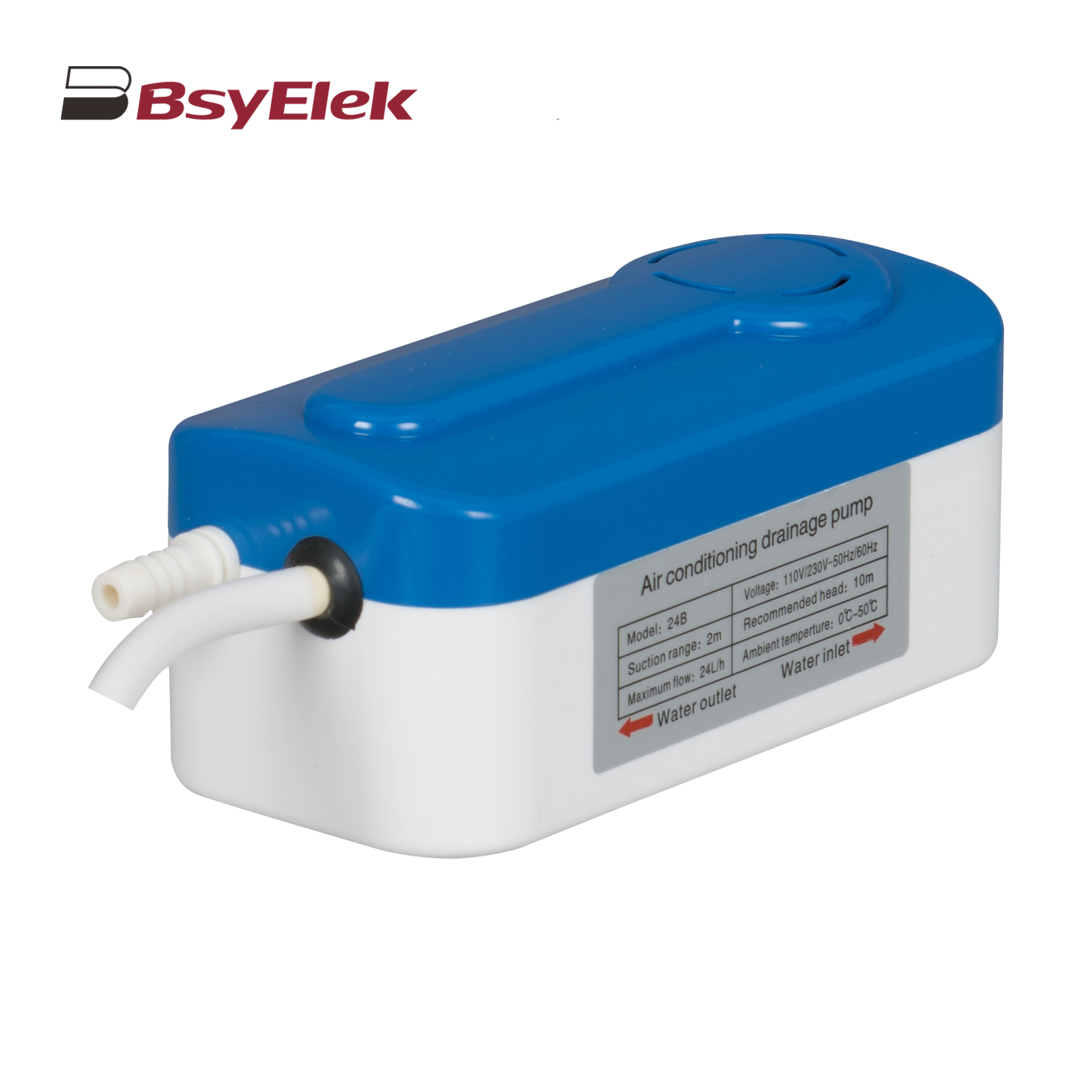 BY-24B/40B 10M Split Type Drainage Pump
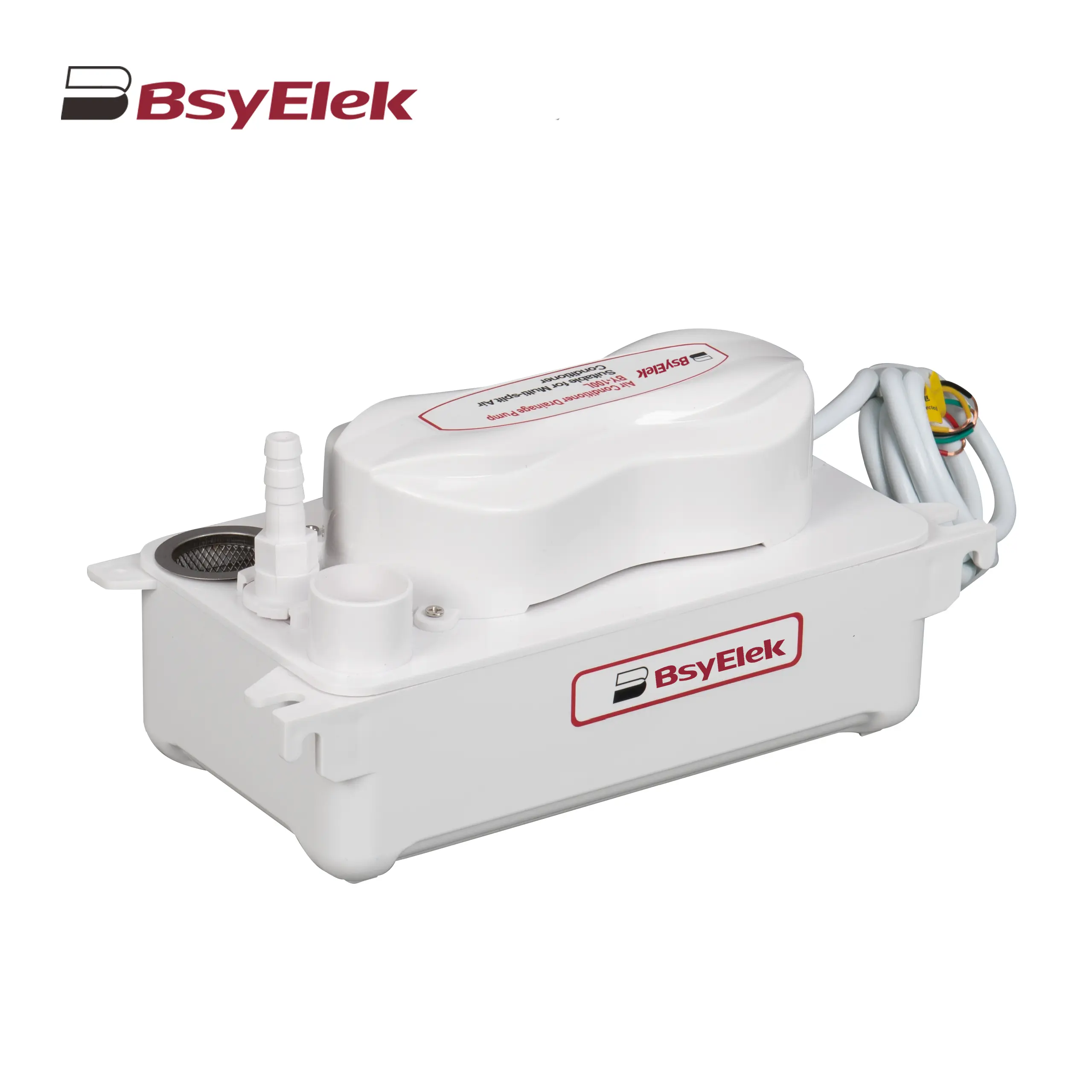 BY-100L 2M Drainage Pump of Air Conditioner
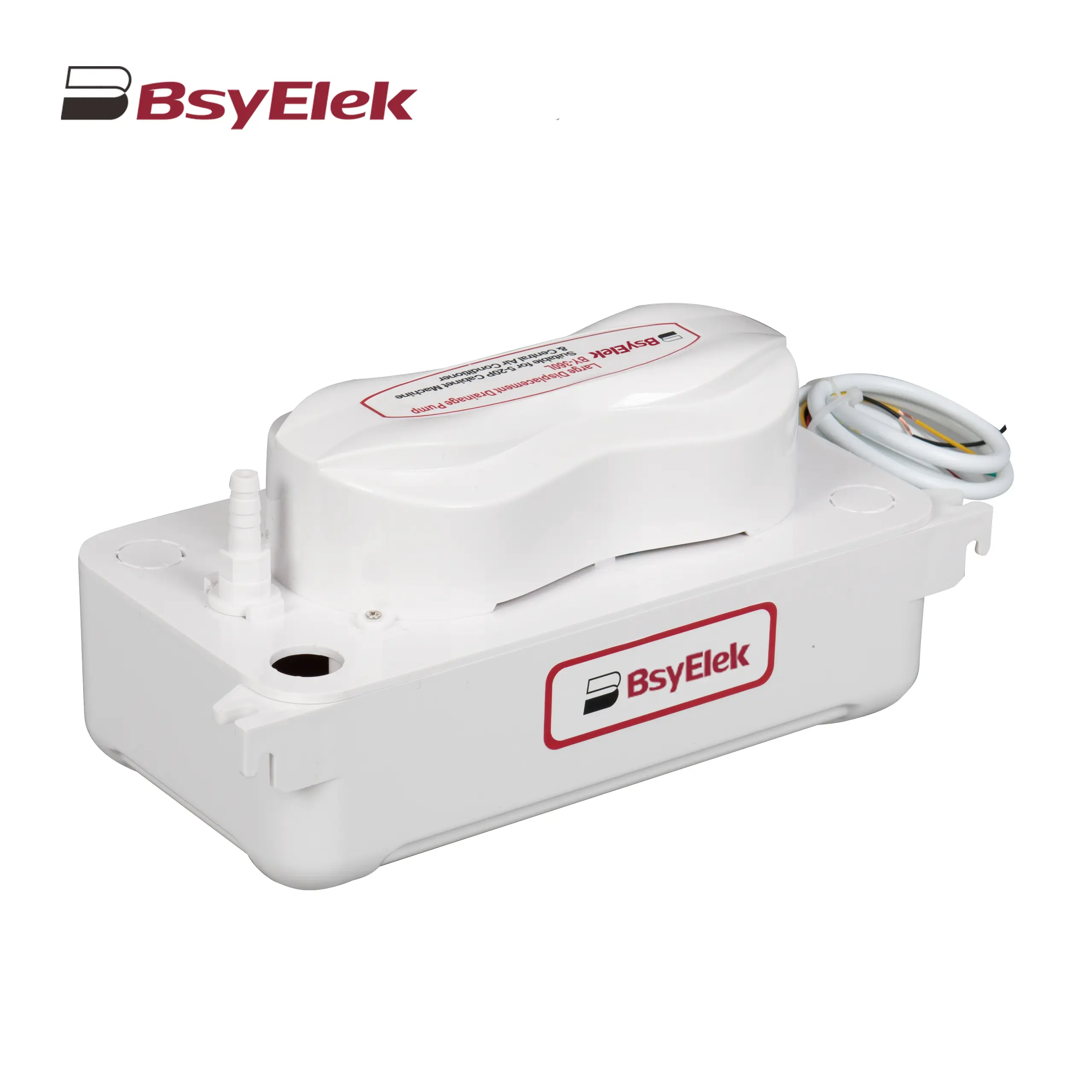 BY-360L 6M Large Displacement Drainage Pump
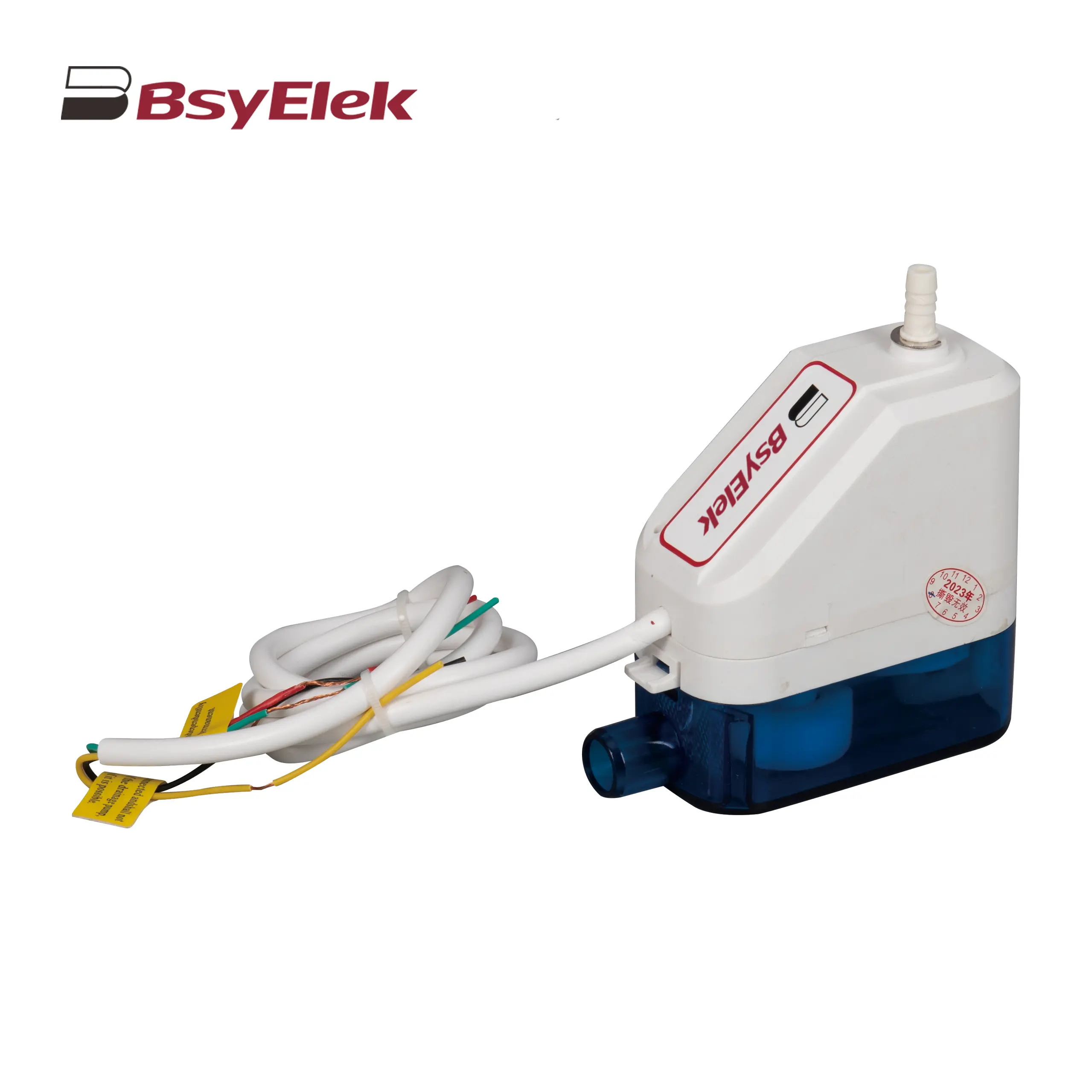 BY-24C/40C 10M Corner Drainage Pump
What is a miniature circuit breaker (MCB)?
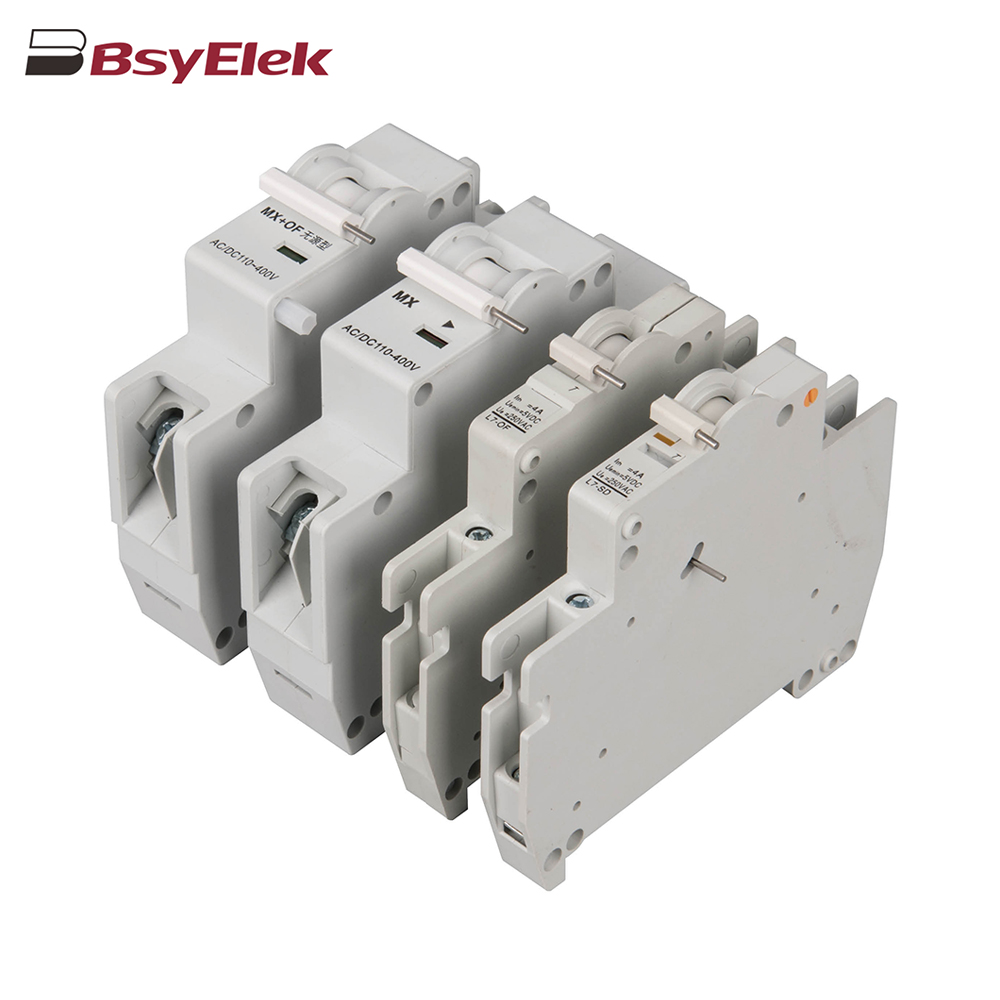 OF SD MX OF MCB Miniature Circuit Breaker Accessories
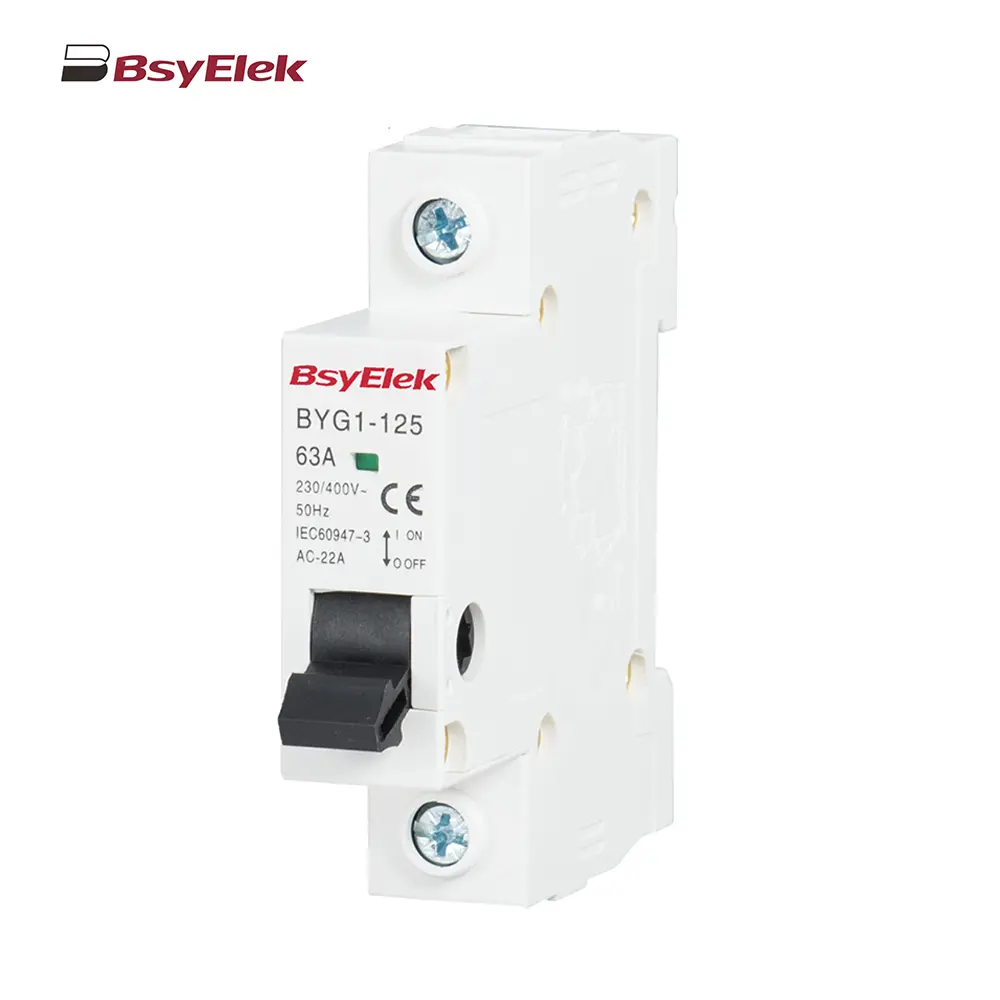 BYG1-125 Main Switch MCB Isolator Switch
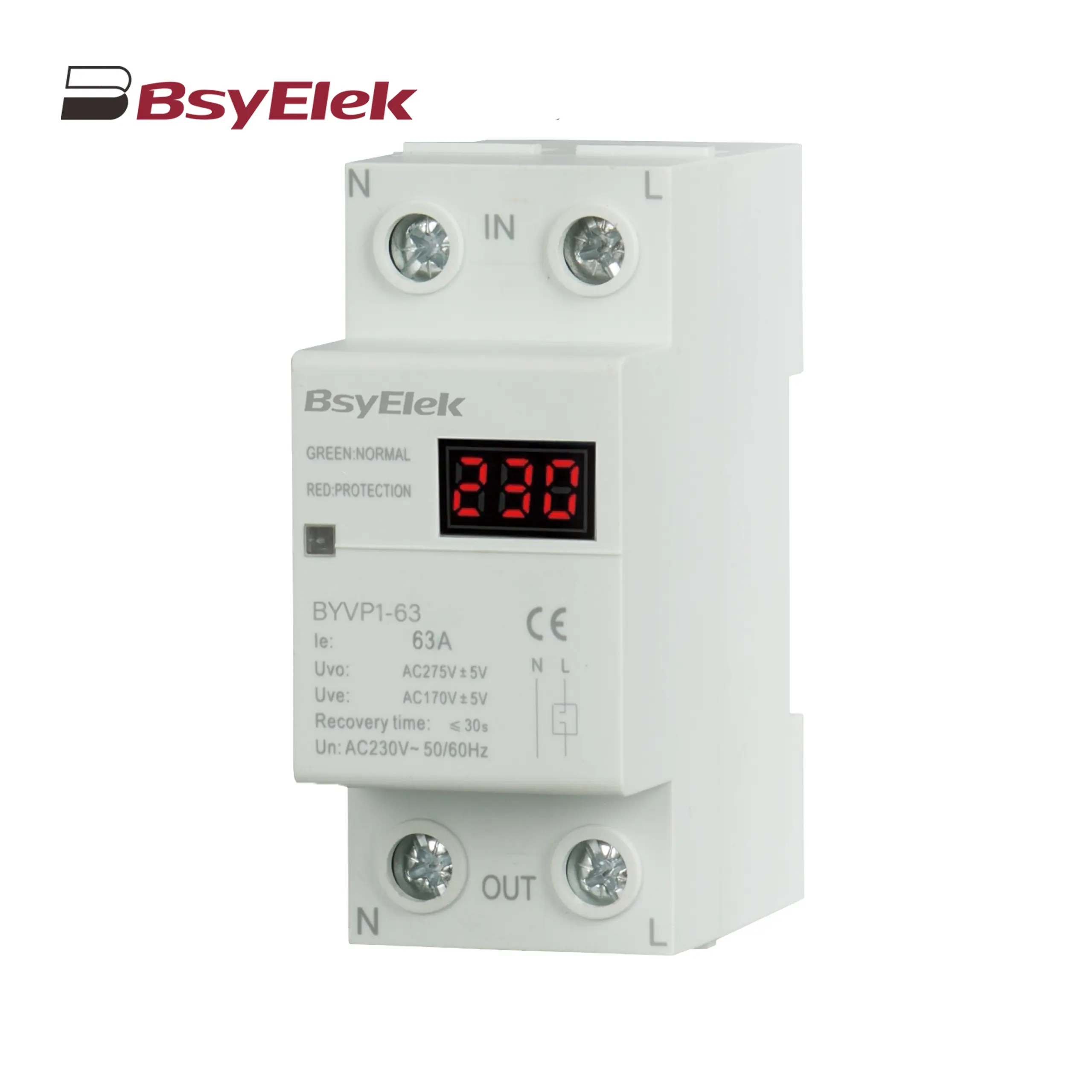 BYVP1-63 100A Single Display Overvoltage and Undervoltage Protector
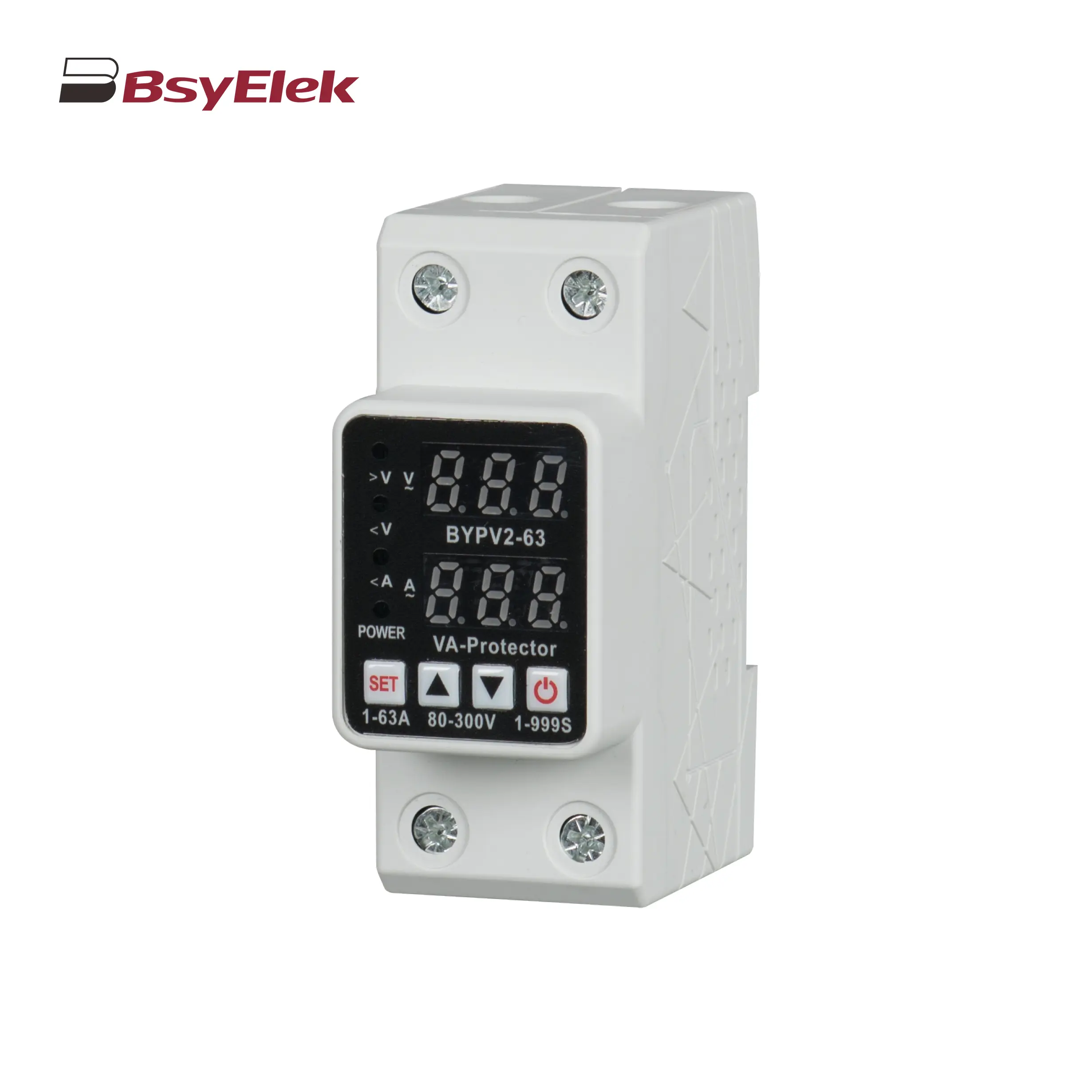 BYVP2-63 40A 63A Adjustable Dual Display Overvoltage and Undervoltage Protector
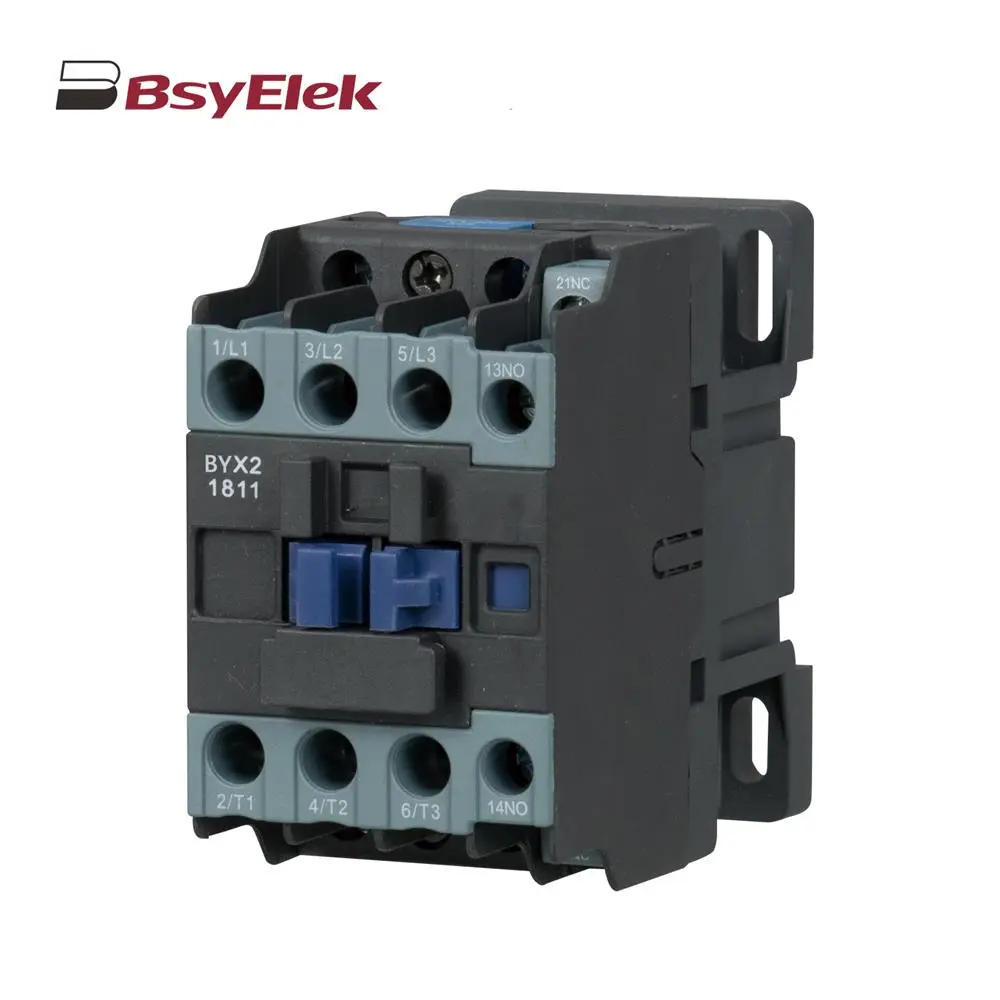 BYX2 6-95A AC Contactor
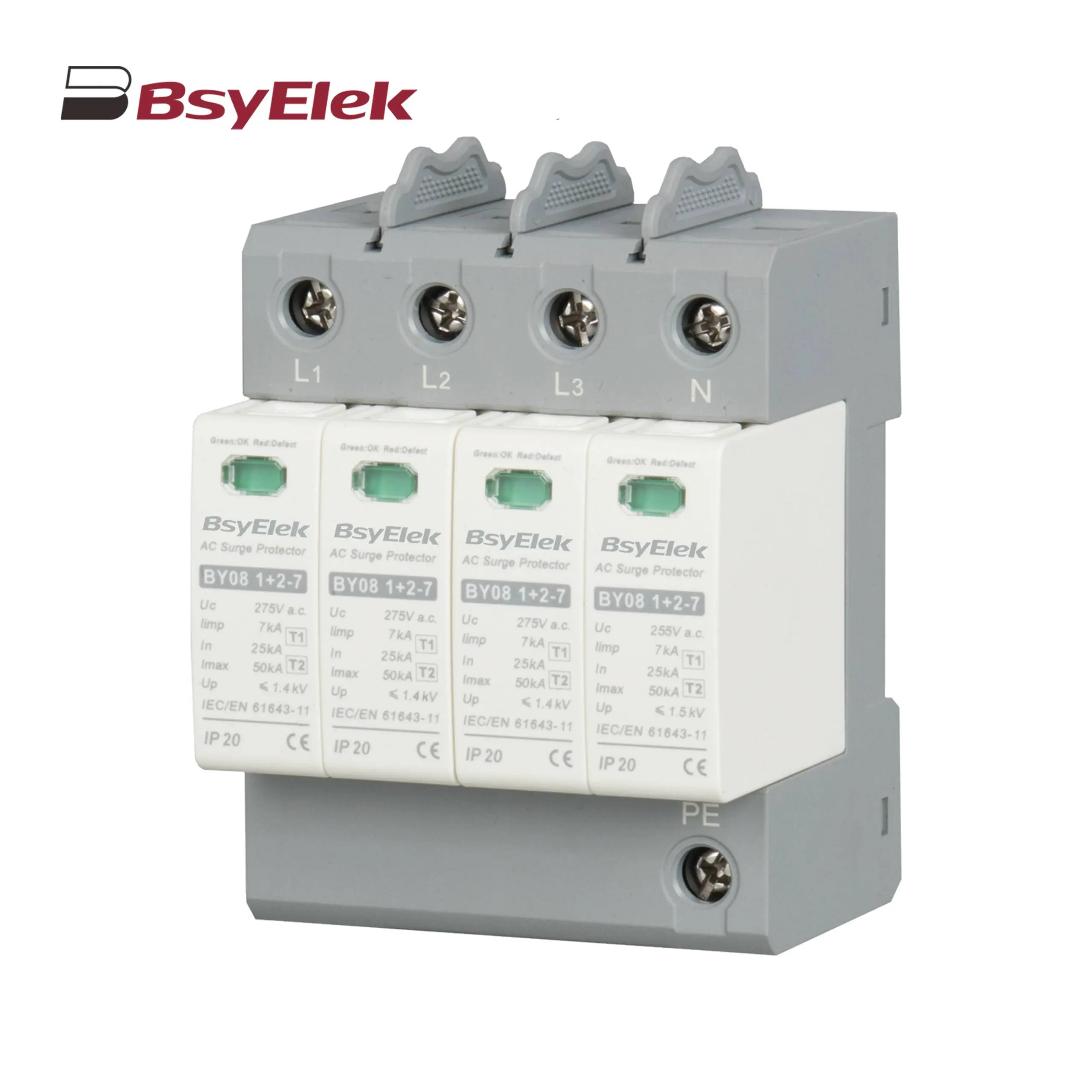 BY08 1+2-7 SPD Class T1+T2 Imax 50KA Surge Protective Device
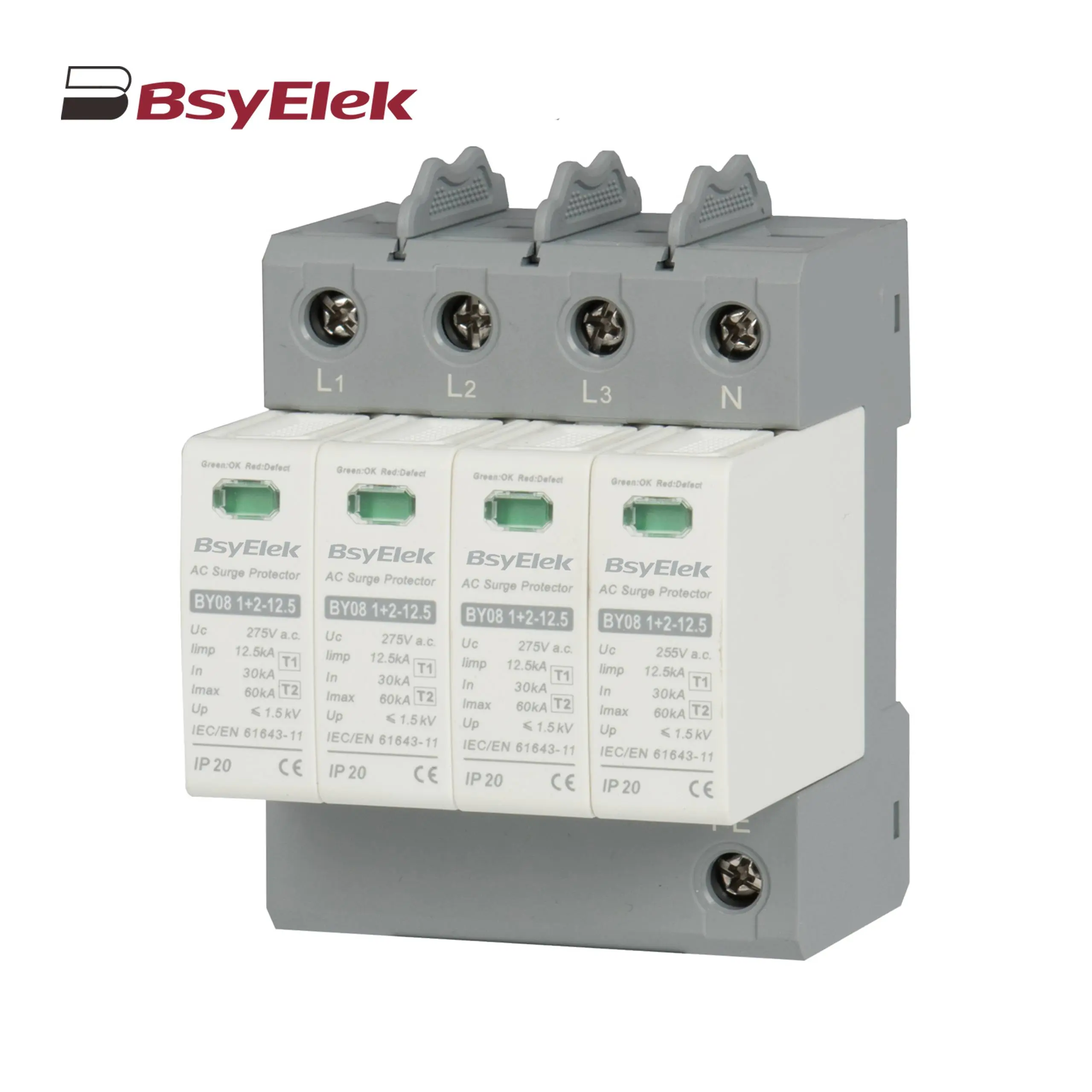 BY08 1+2-12.5 SPD Class T1+T2 Imax 60KA Surge Protective Device
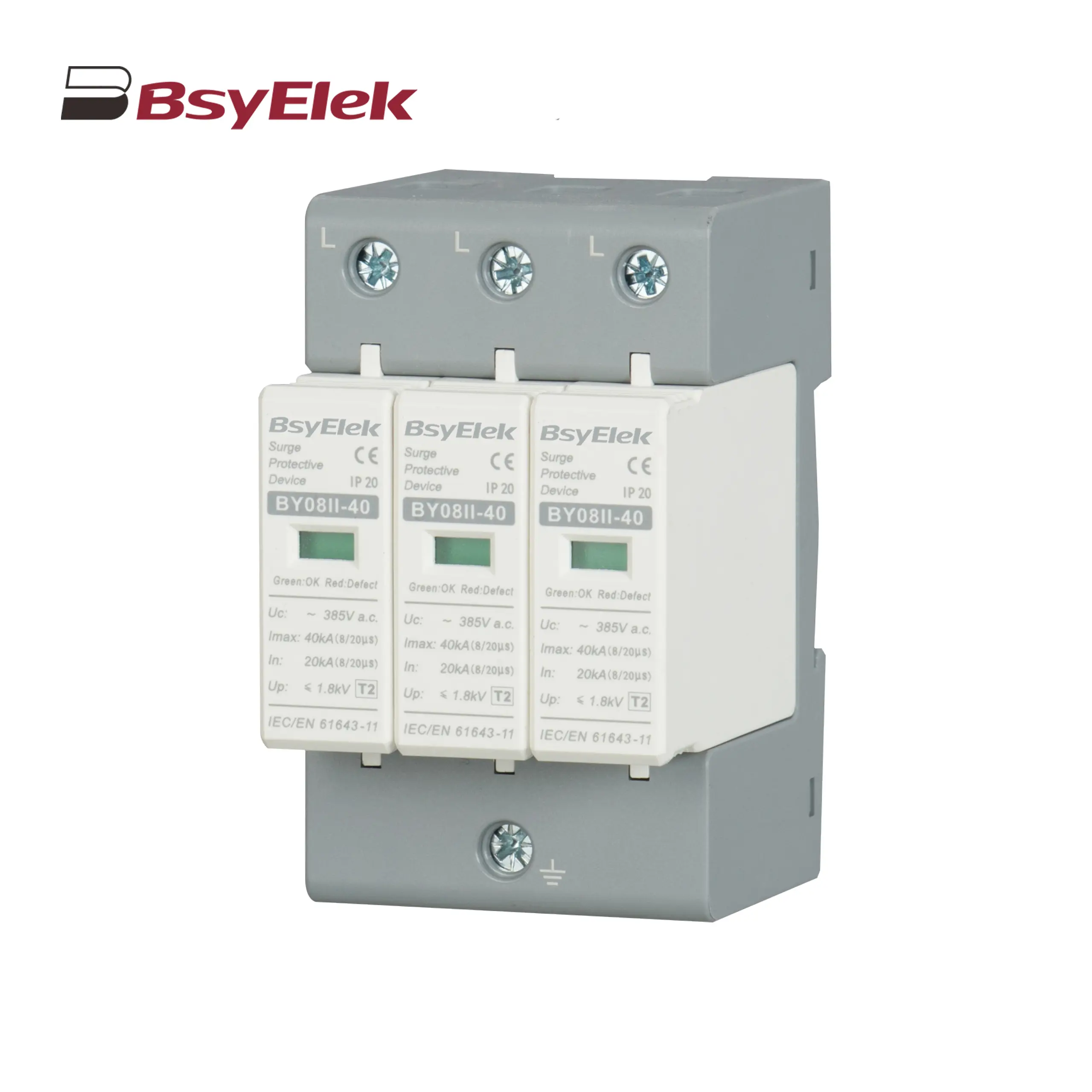 BY08II-40 SPD Class T2 Imax 40KA Surge Protective Device
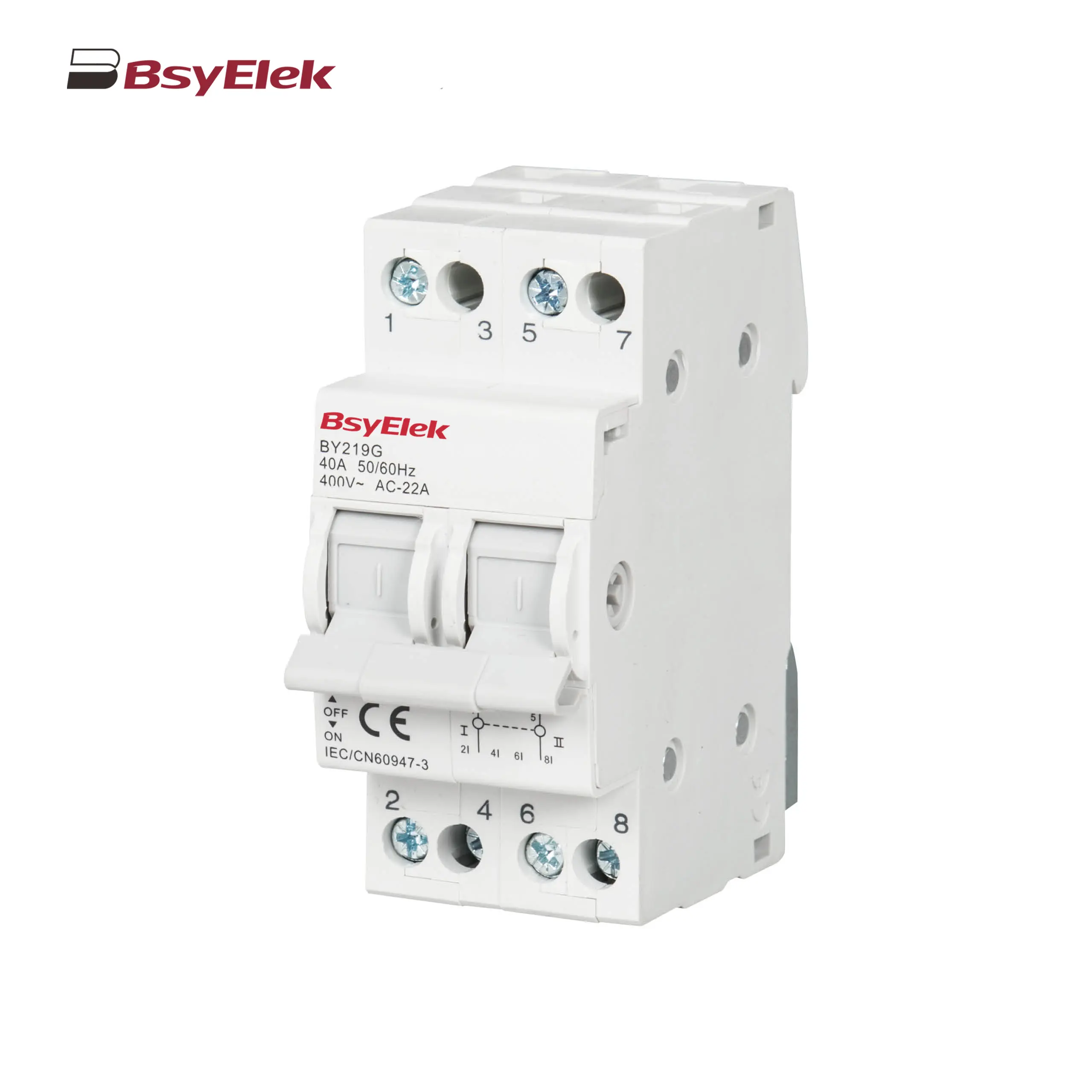 BY19G 63A Manual Changeover Switch
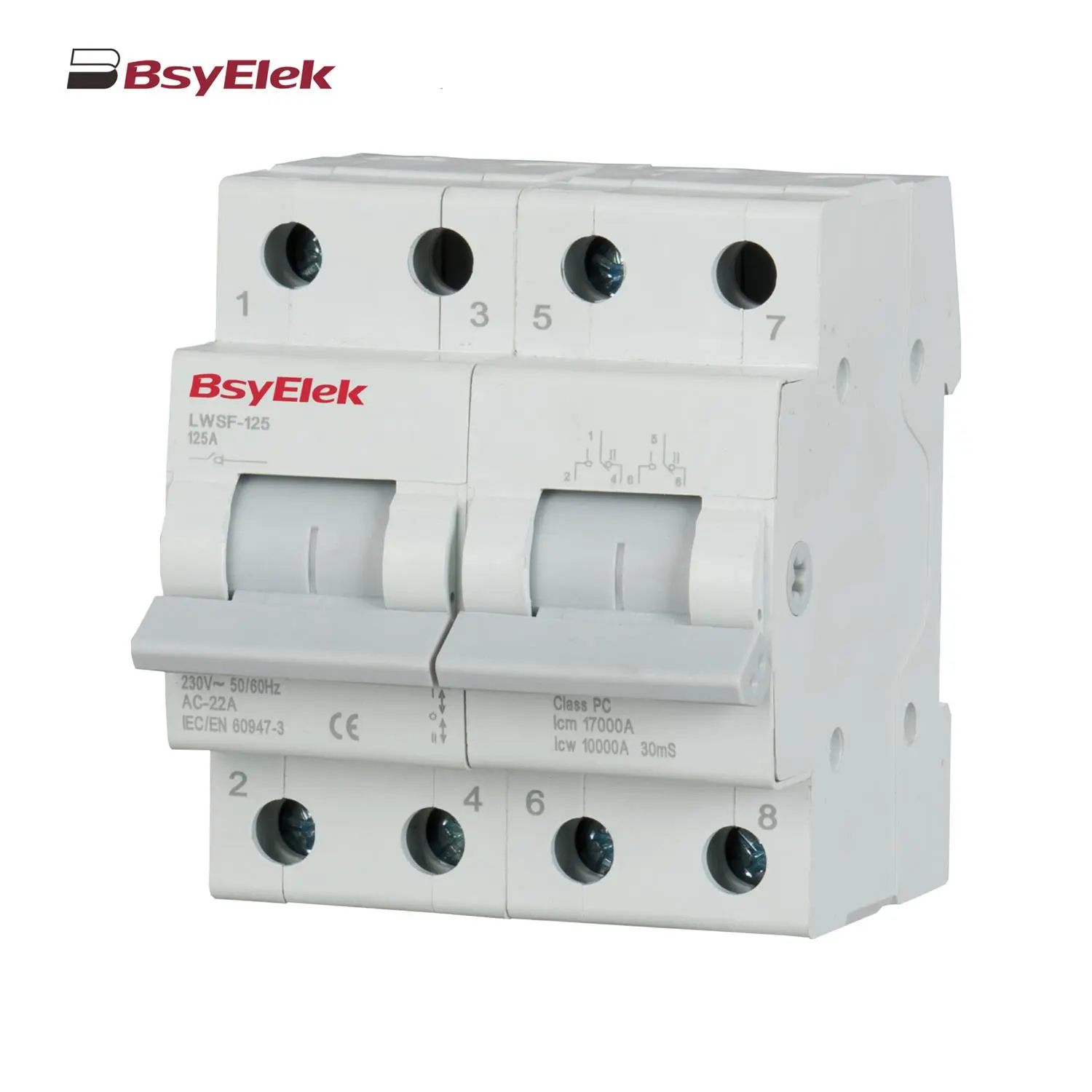 LWSF-125 125A Manual Changeover Switch
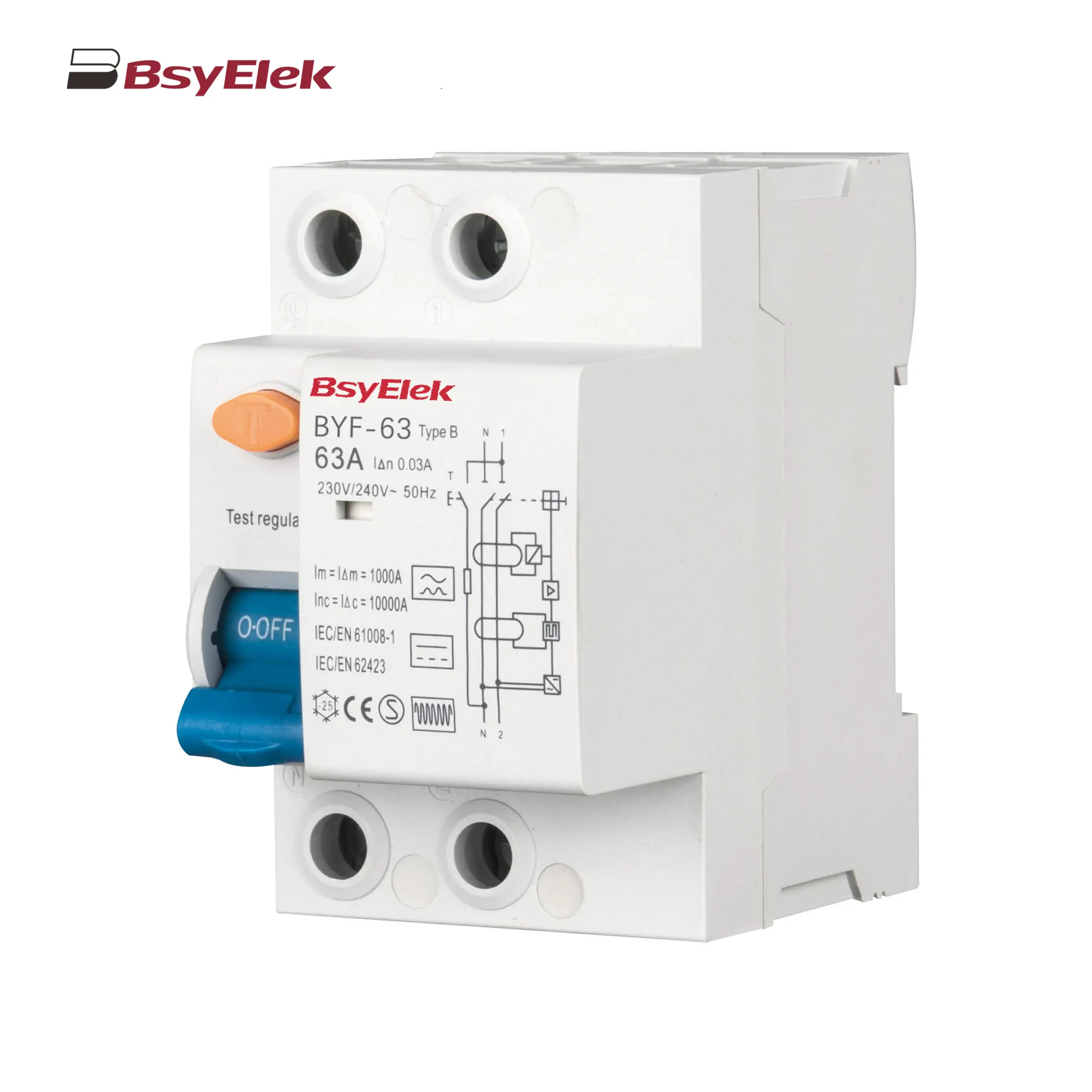 BYF-63 RCD 10KA Type B AC+A+Smoothing DC Residual Current Device
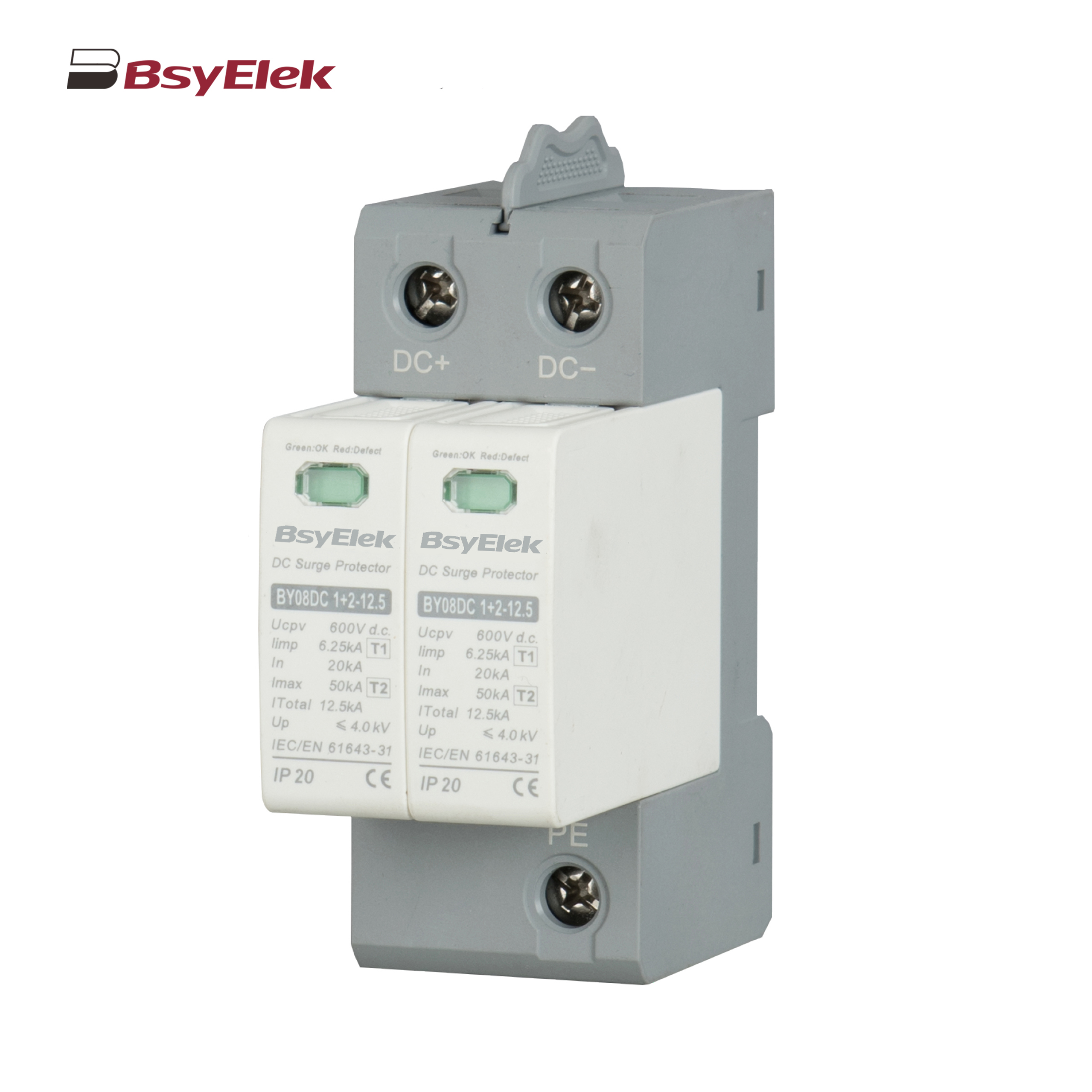 BY08DC 1+2-12.5 SPD Class T1+T2 40KA DC Surge Protective Device
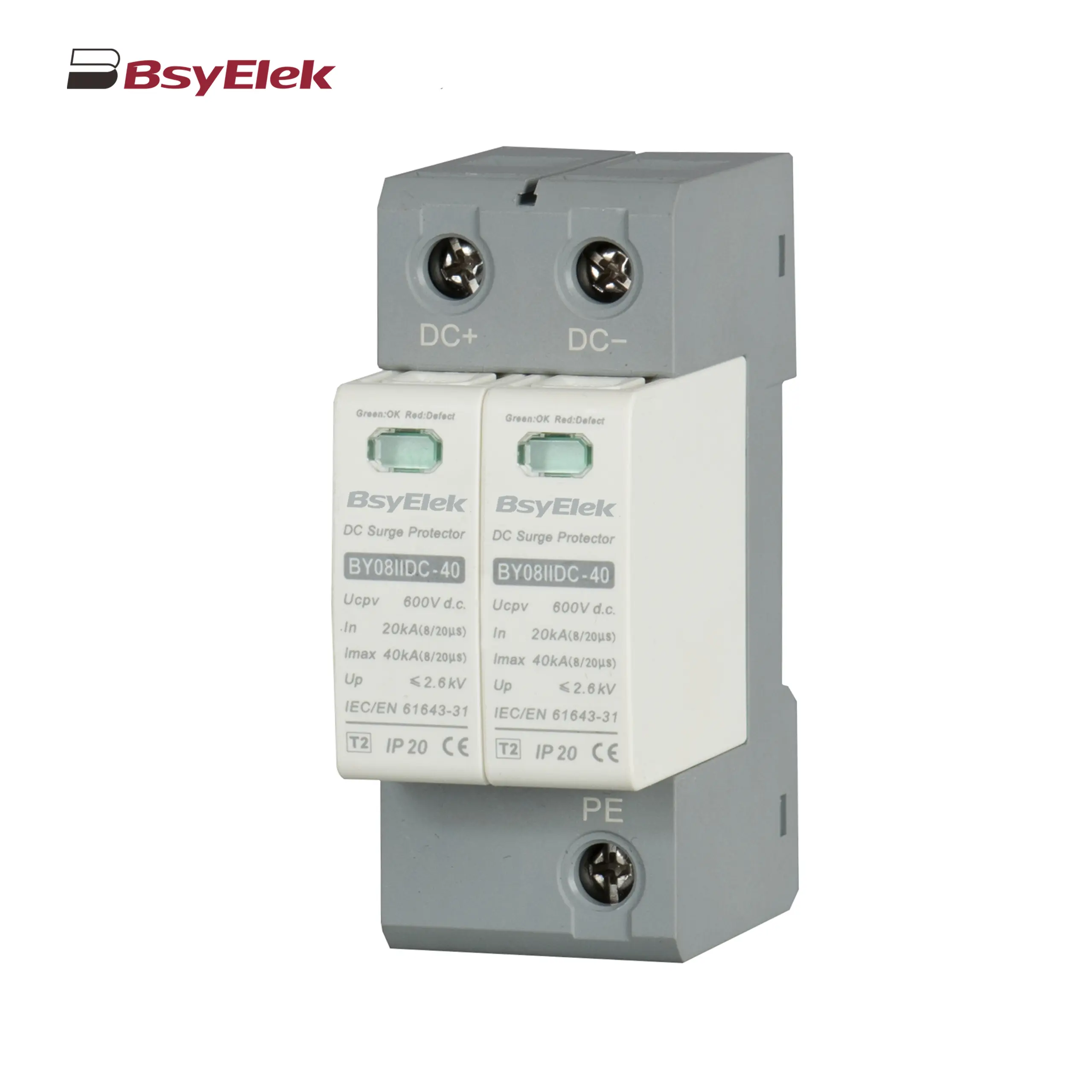 BY08IIDC-40 SPD Class T2 40KA DC Surge Protective Device
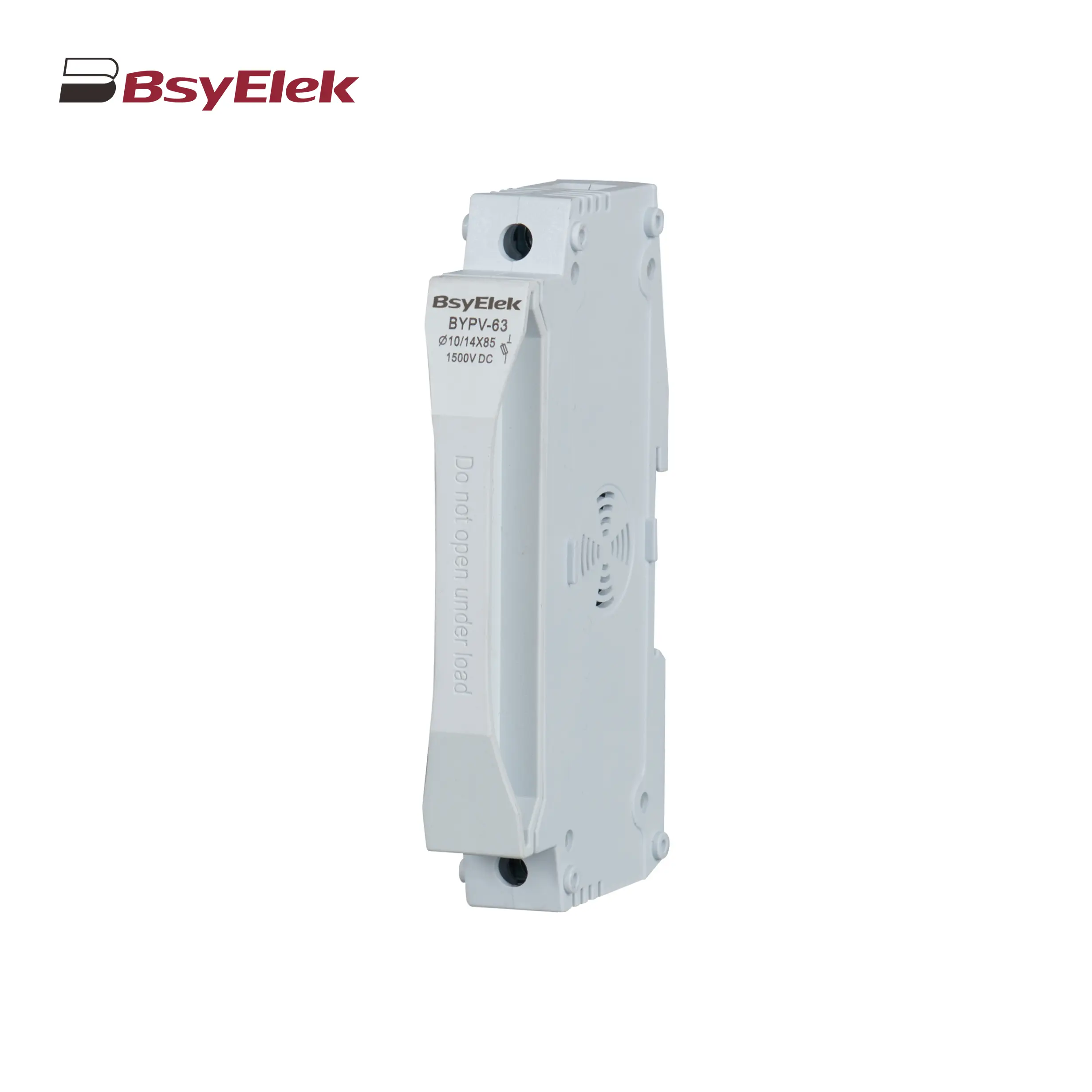 BYPV-63 1500VDC 50A Fuse Holder with 10x85mm 14x85mm Fuse Link
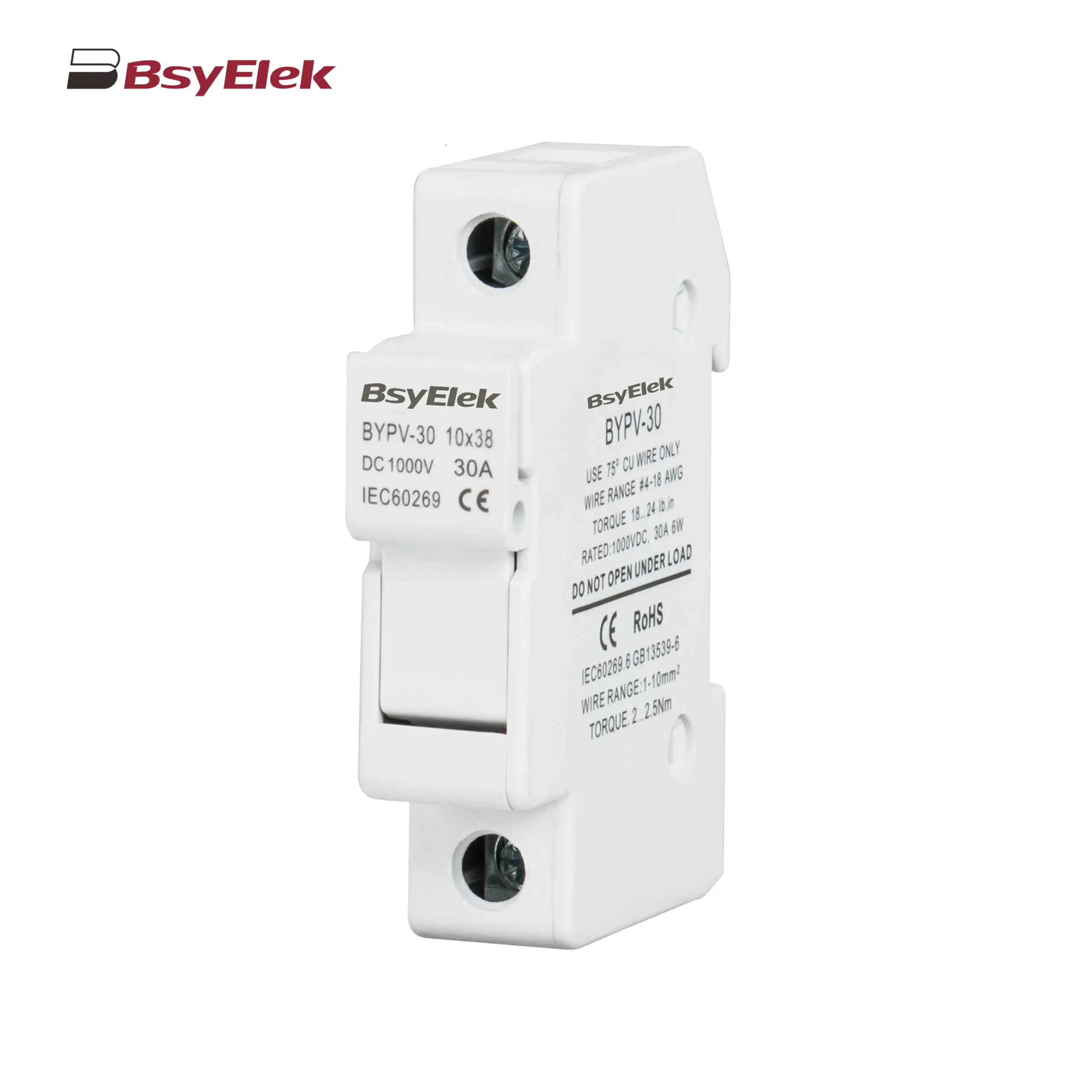 BYPV-30 1000VDC 32A Fuse Holder with 10x38mm Fuse Link
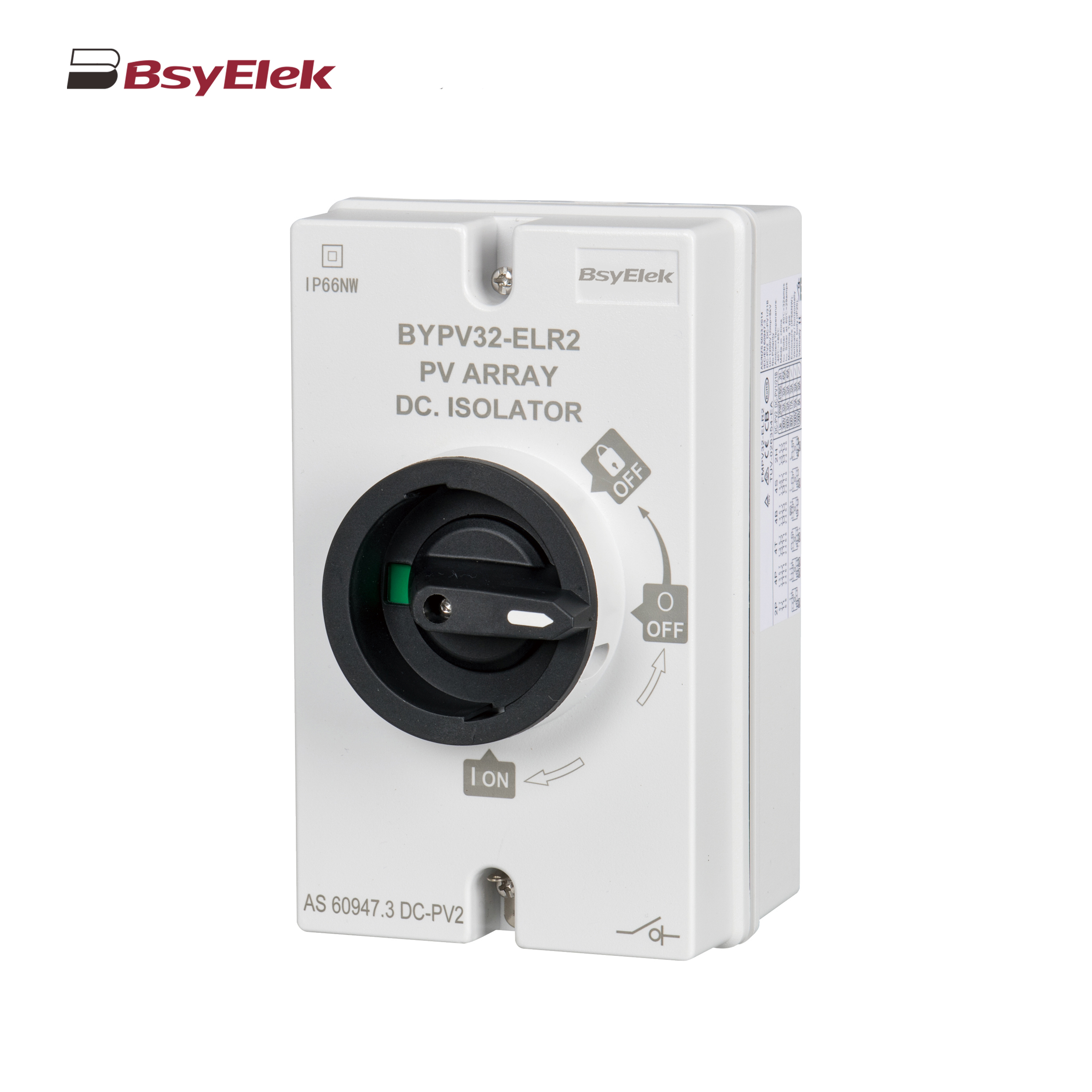 BYPV-ELR2 PV Isolator Switch with Enclosed Version
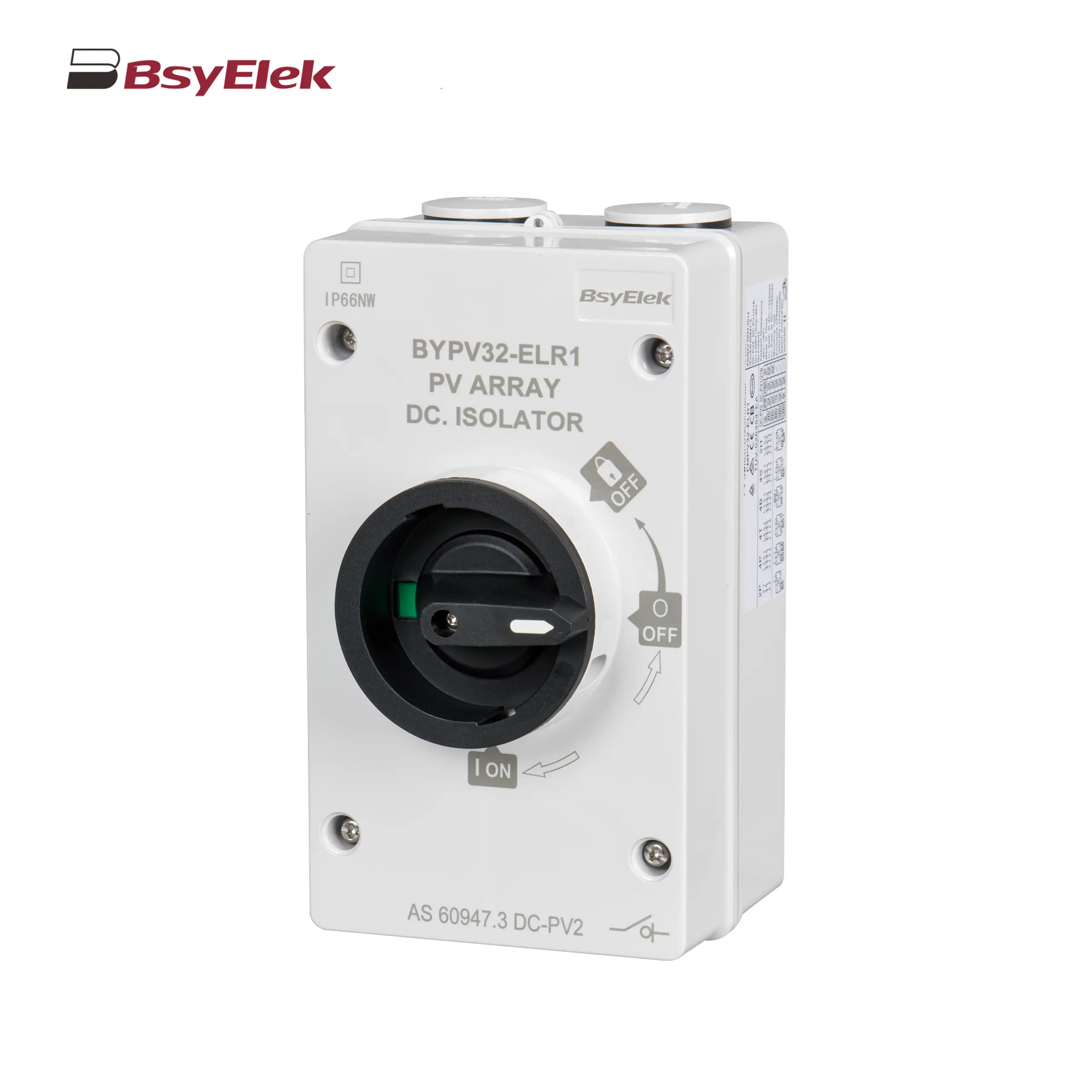 BYPV-ELR1 PV Isolator Switch with Enclosed Version
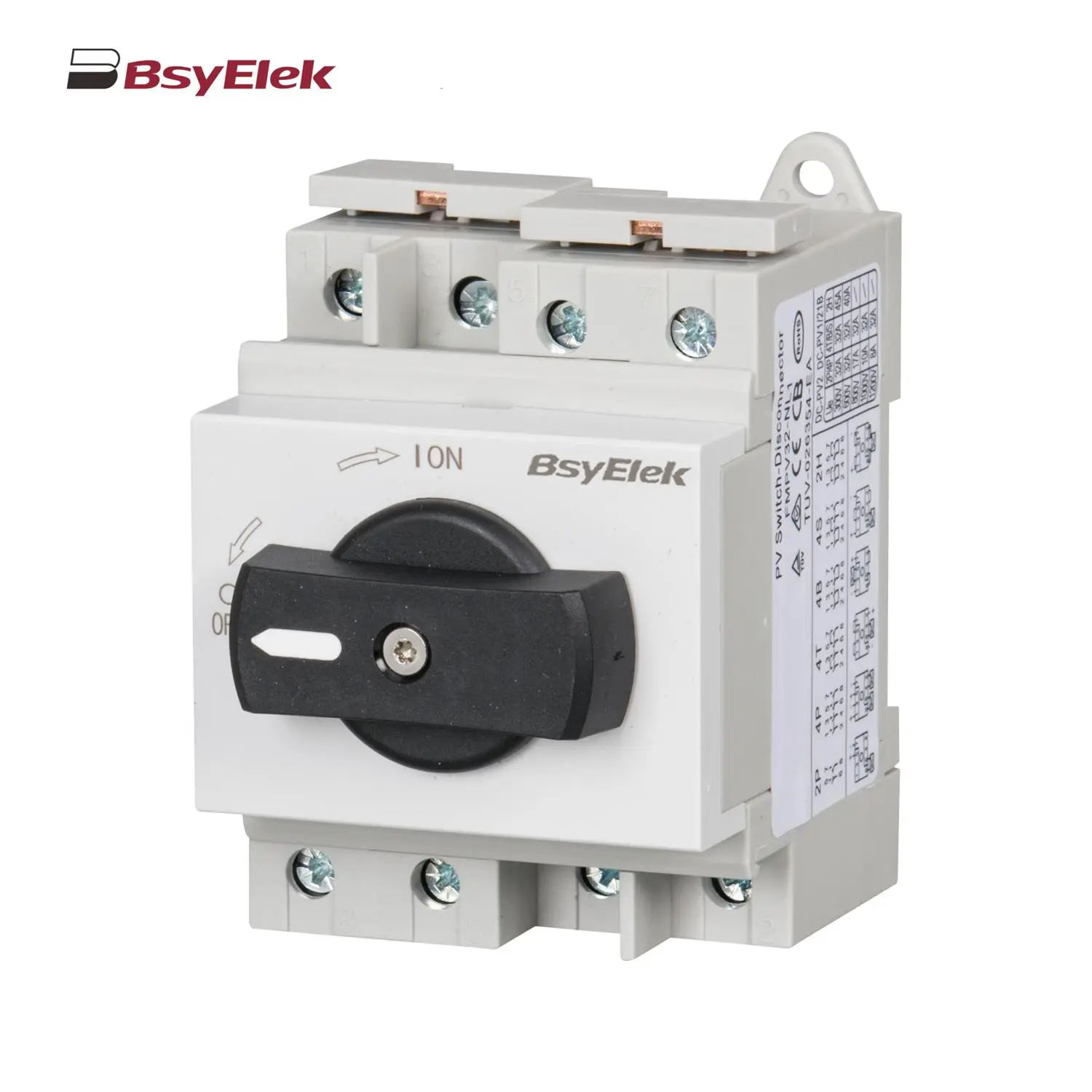 BYPV-NL1/T PV Isolator Switch with Ultra-thin Lever Handle
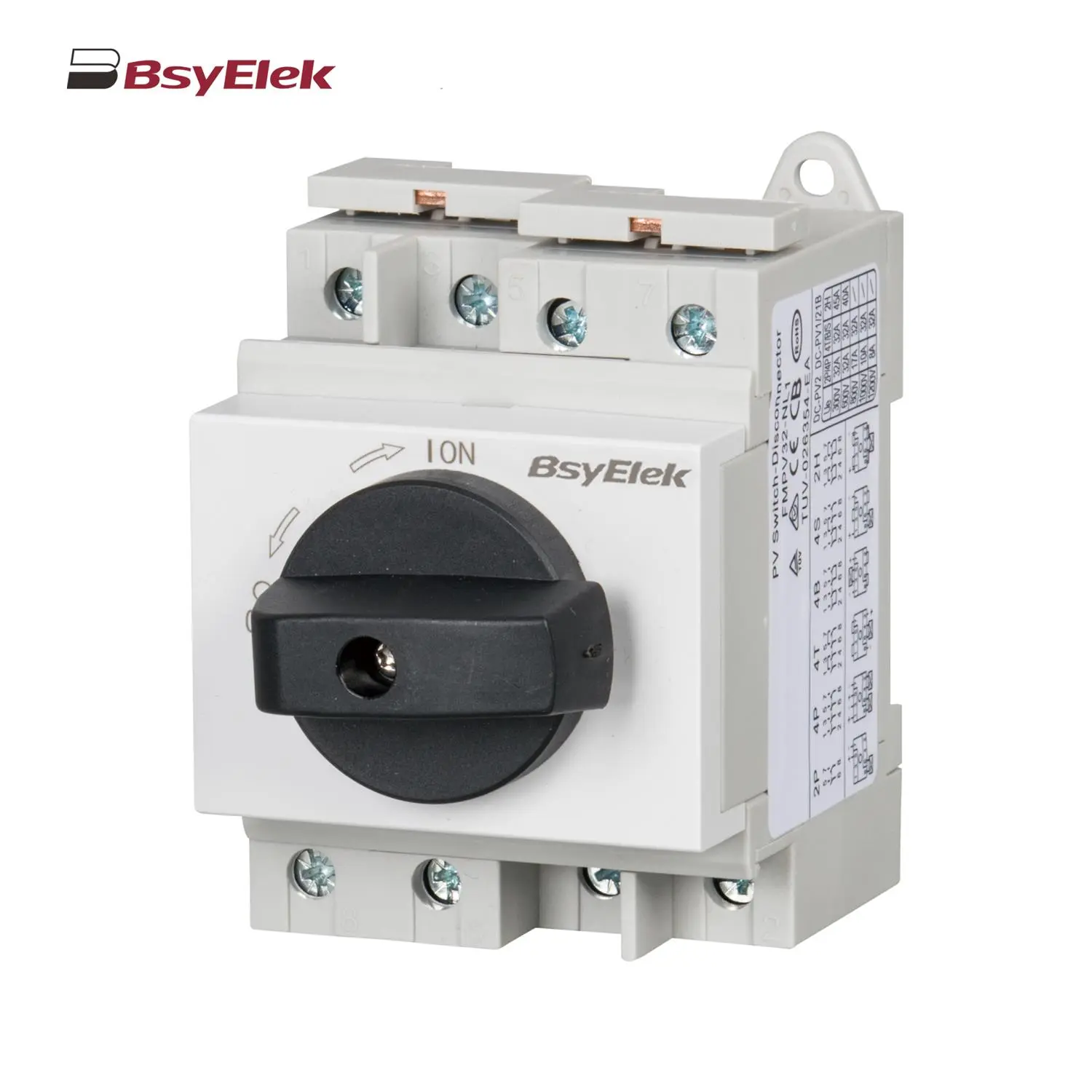 BYPV-NL1 PV Isolator Switch with Lever Handle
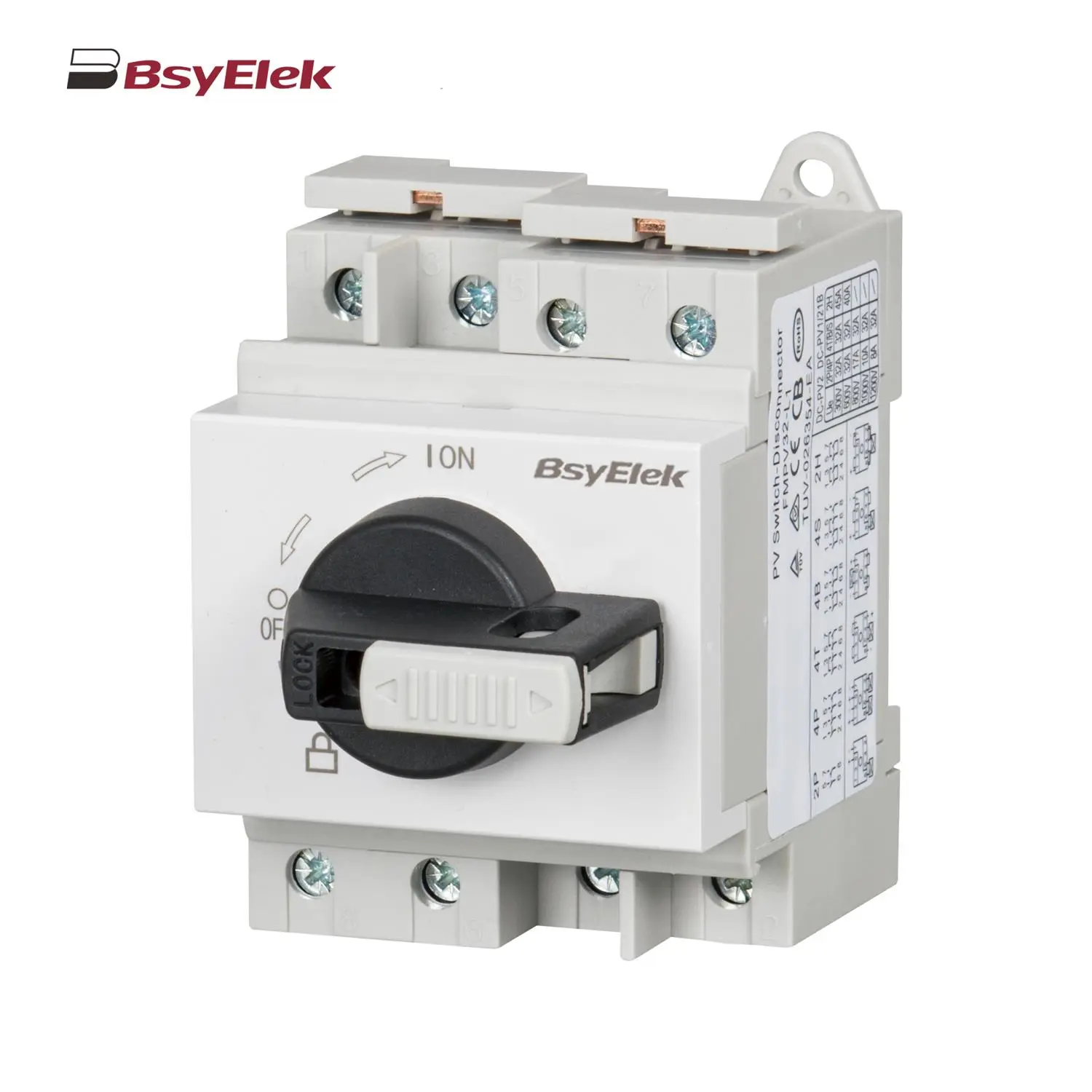 BYPV-L1/L2 PV Isolator Switch with Lockable Lever Handle
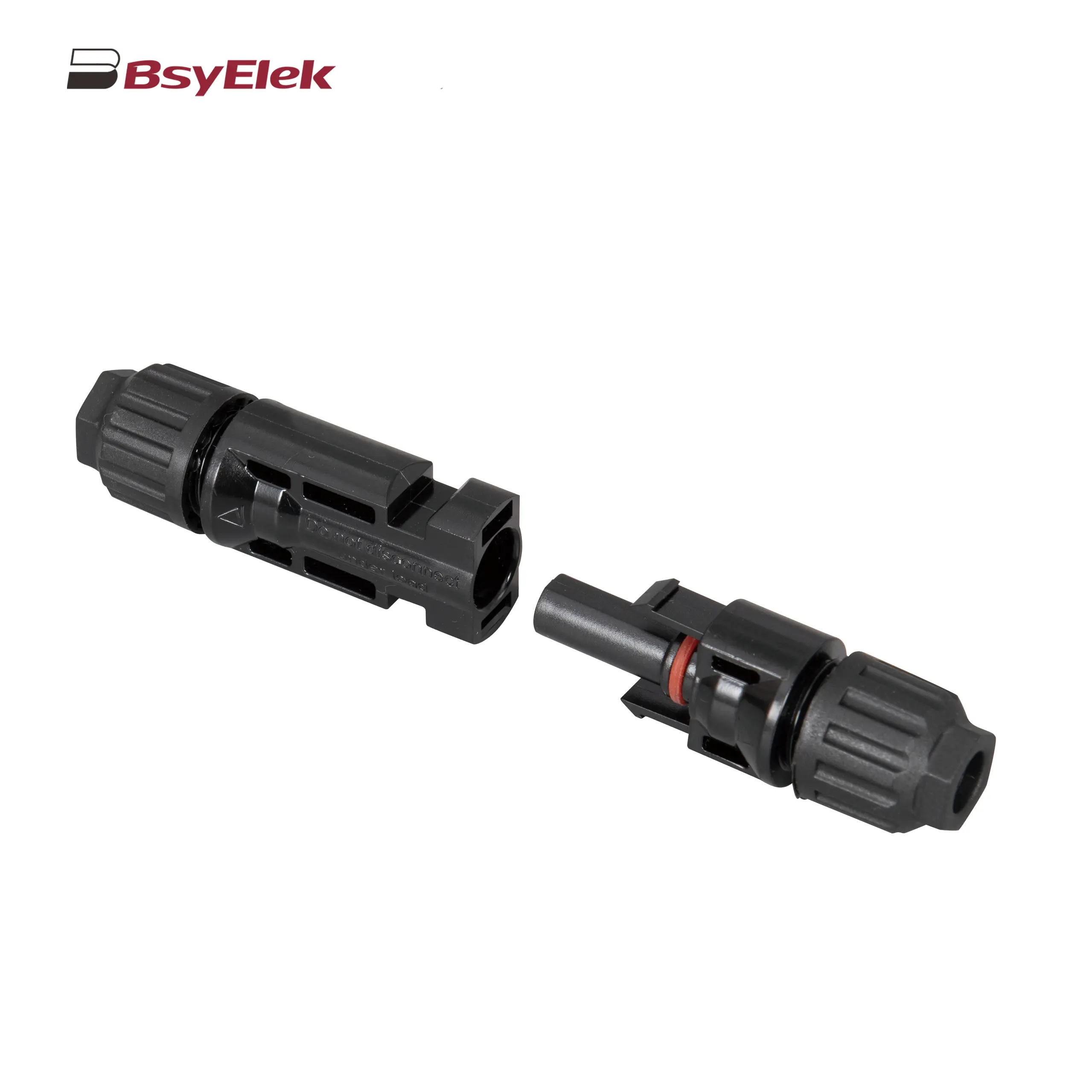 PV-BY-01 30A/50A 1000V Photovoltaic Connector
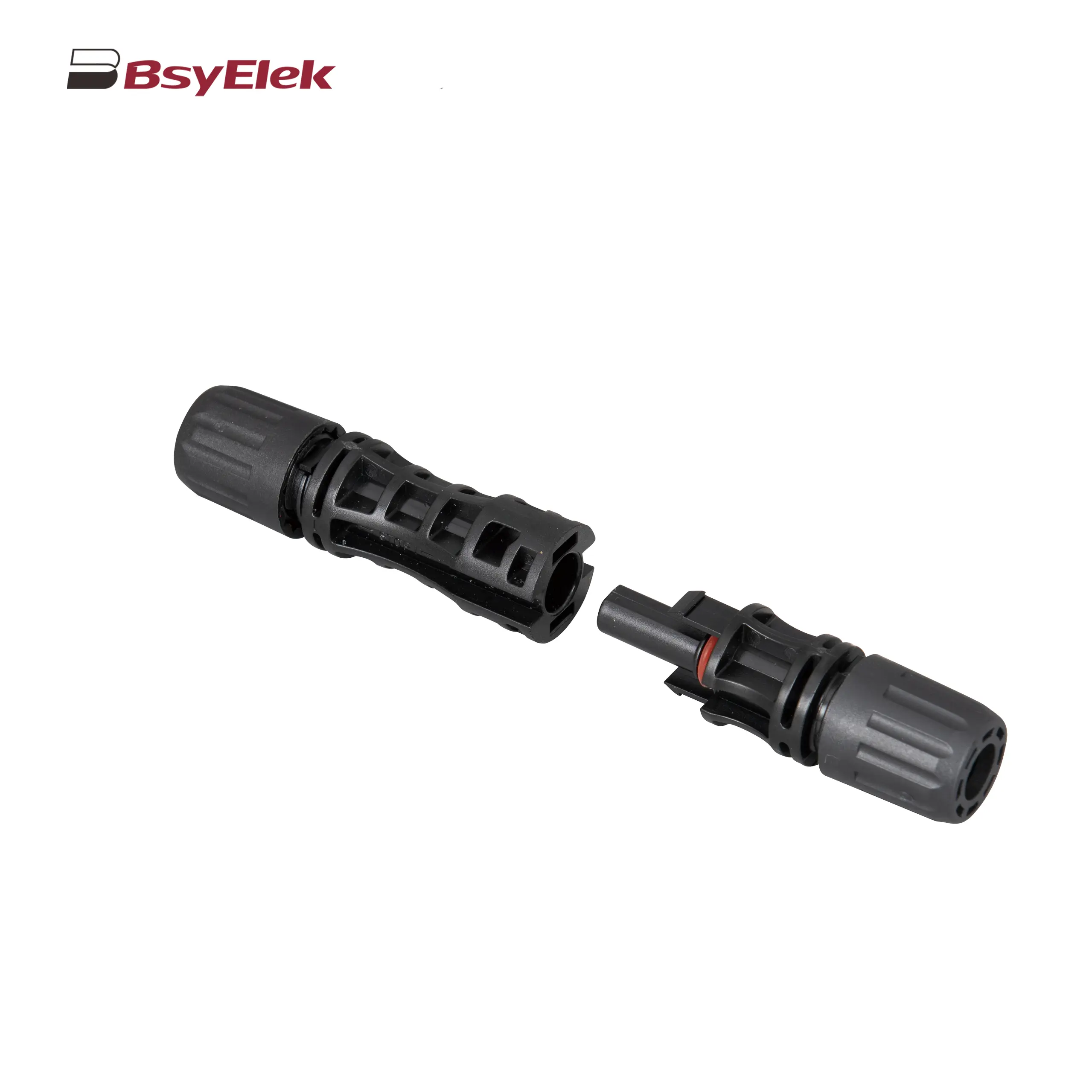 PV-BY-02 30A/50A 1500V Photovoltaic Connector
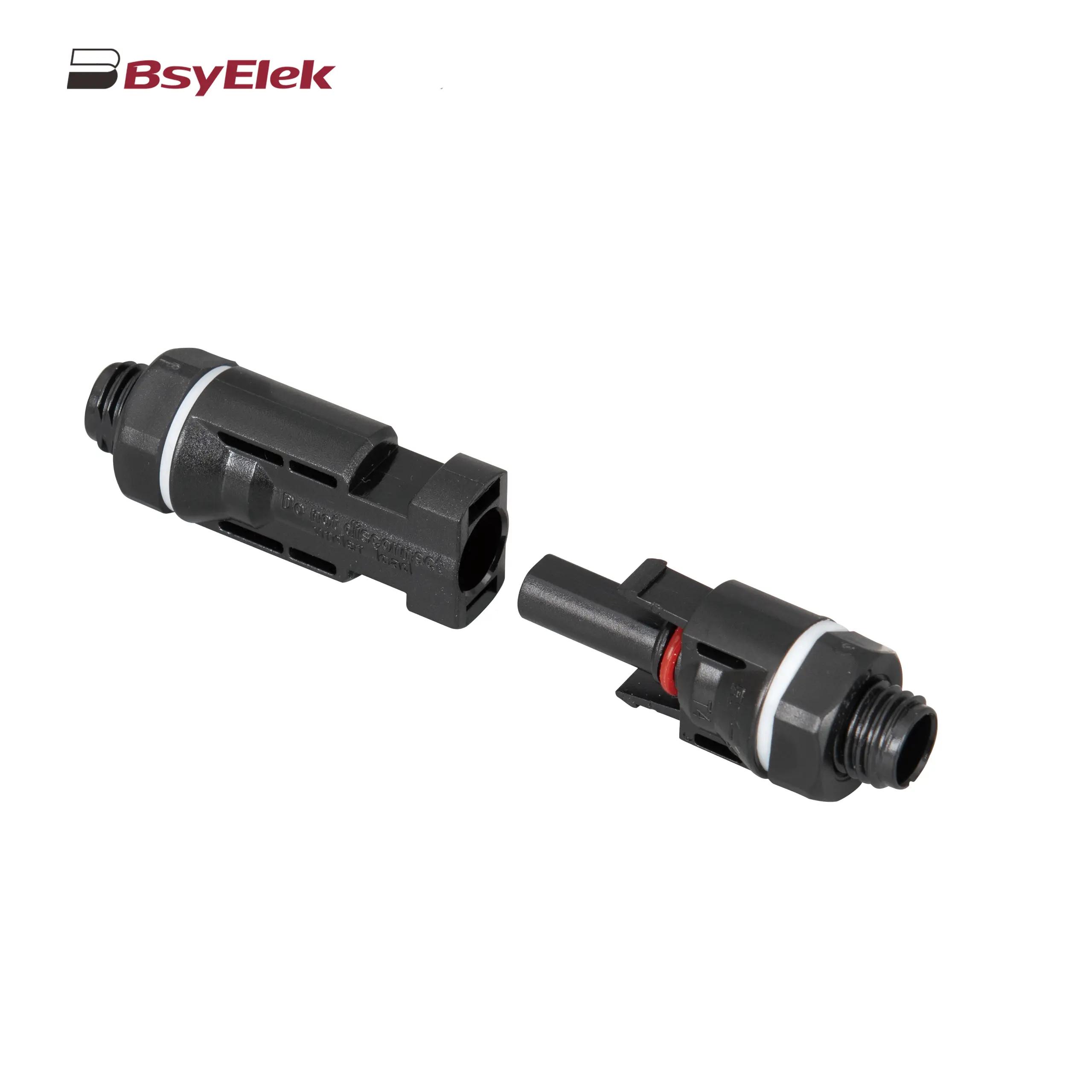 PV-BY-03 30A/50A 1000V Panel Mount Photovoltaic Connector
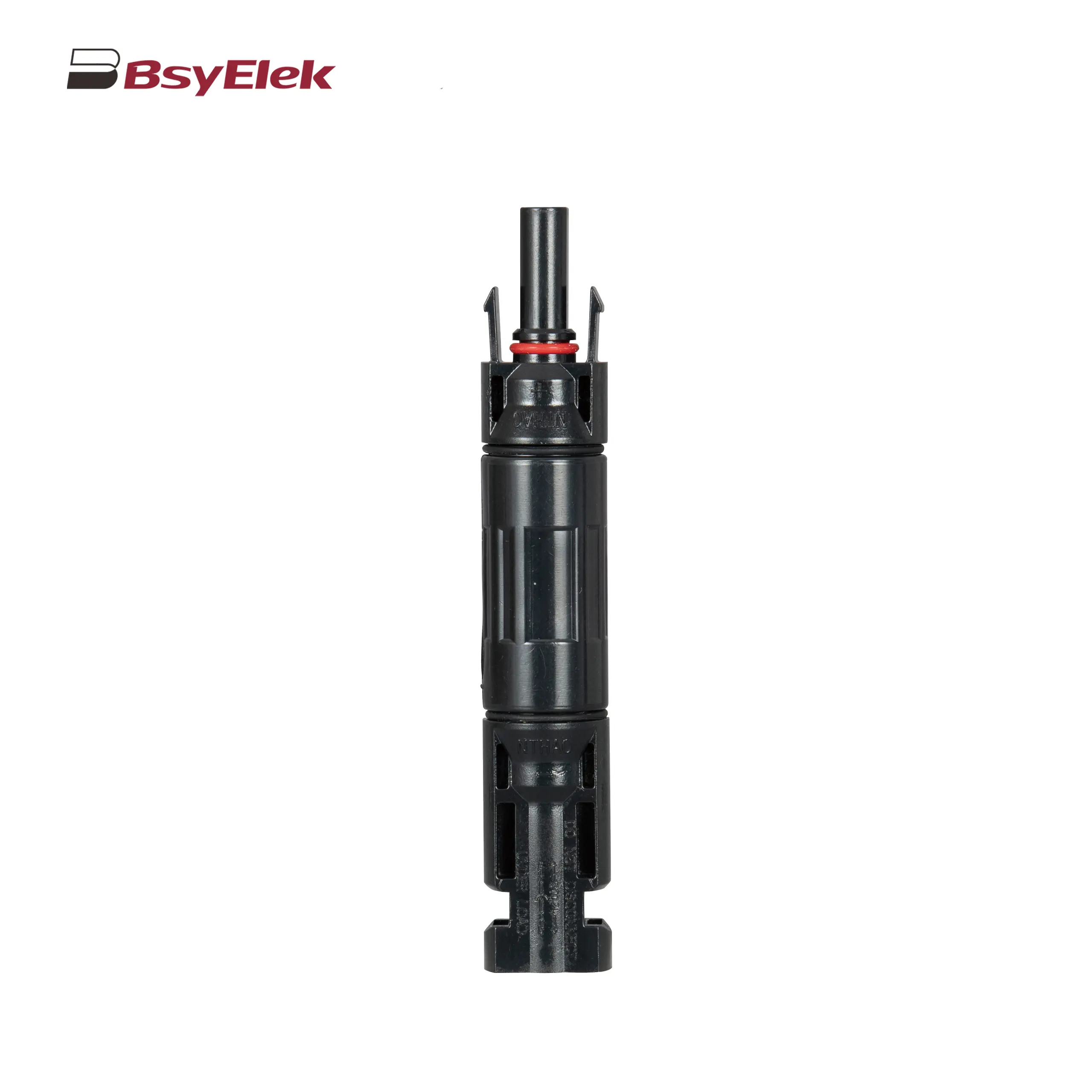 PV-BY-F01 30A 1500V Diode/Fuse Type Connector
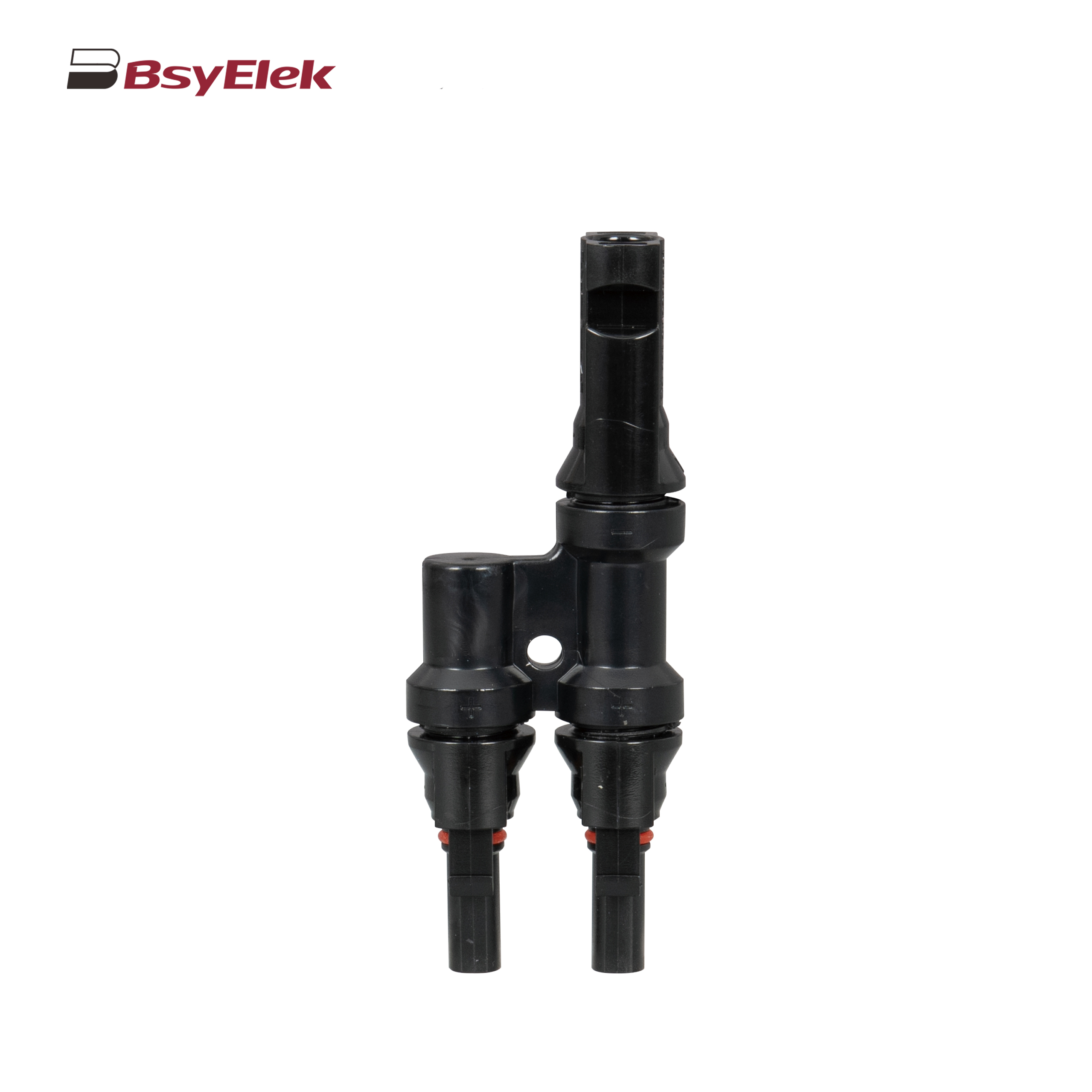 PV-BY-T 50A 1500V T Type Branch Connector
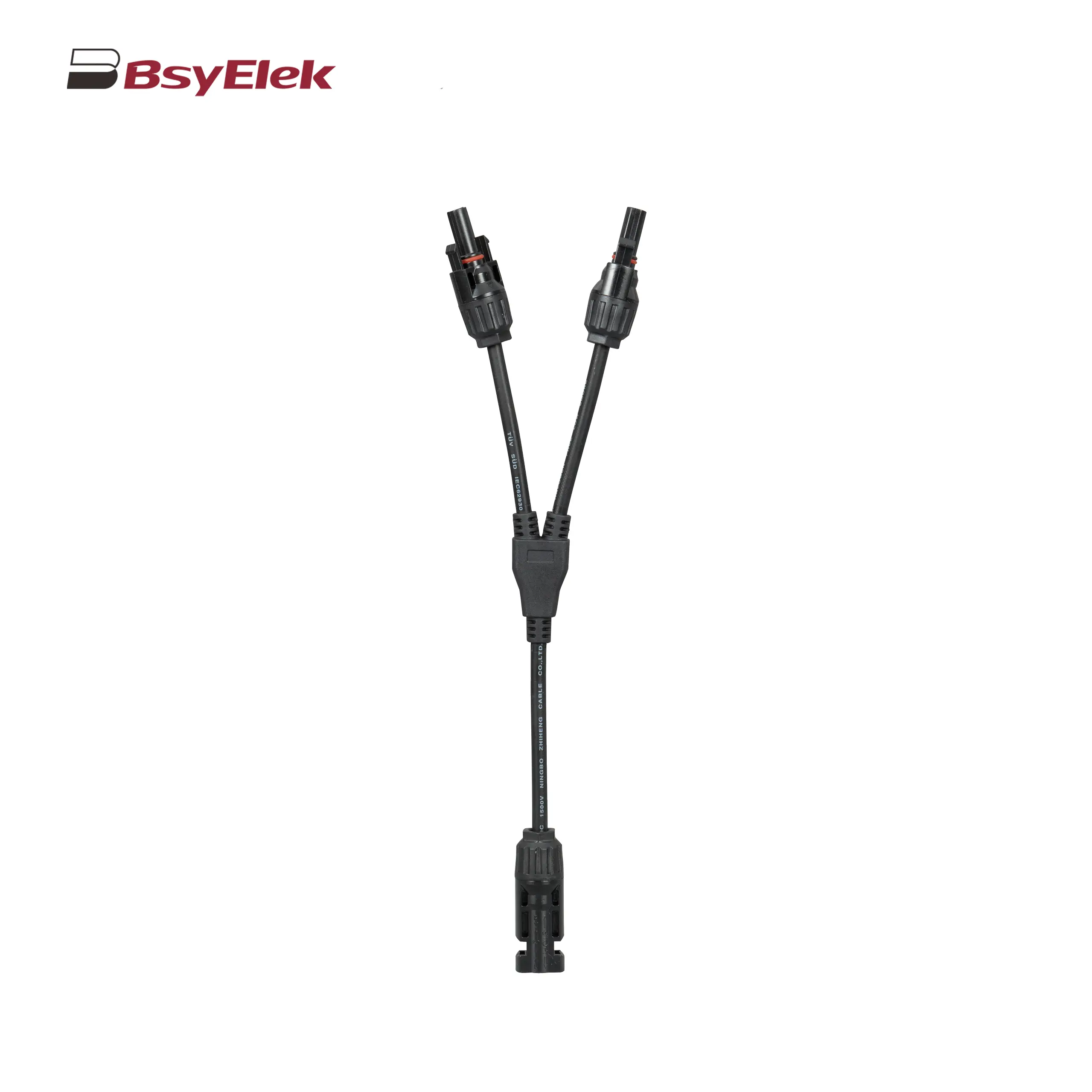 PV-BY-Y 30A 1500V Y Type Branch Connector
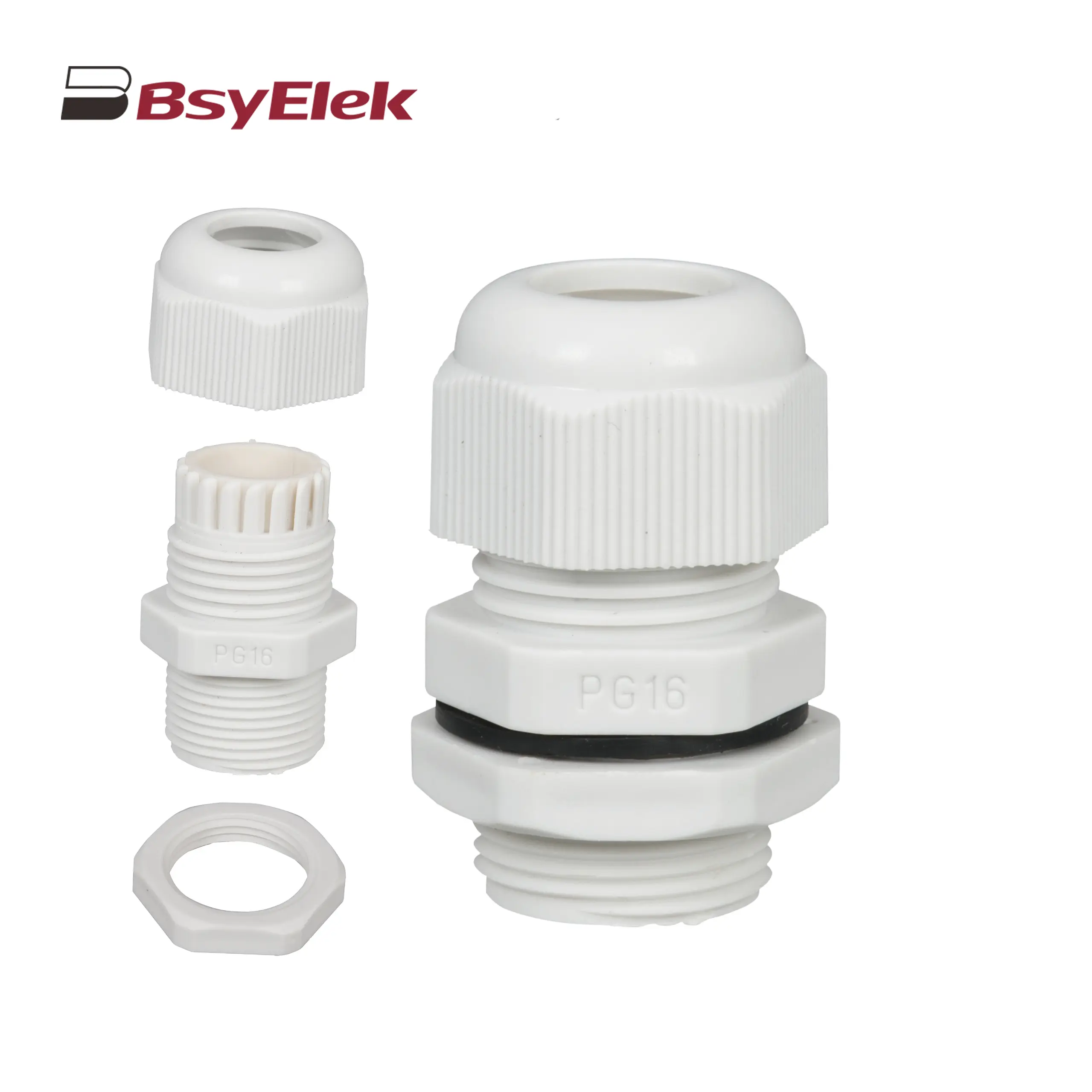 PG Waterproof Cable Gland with Washer
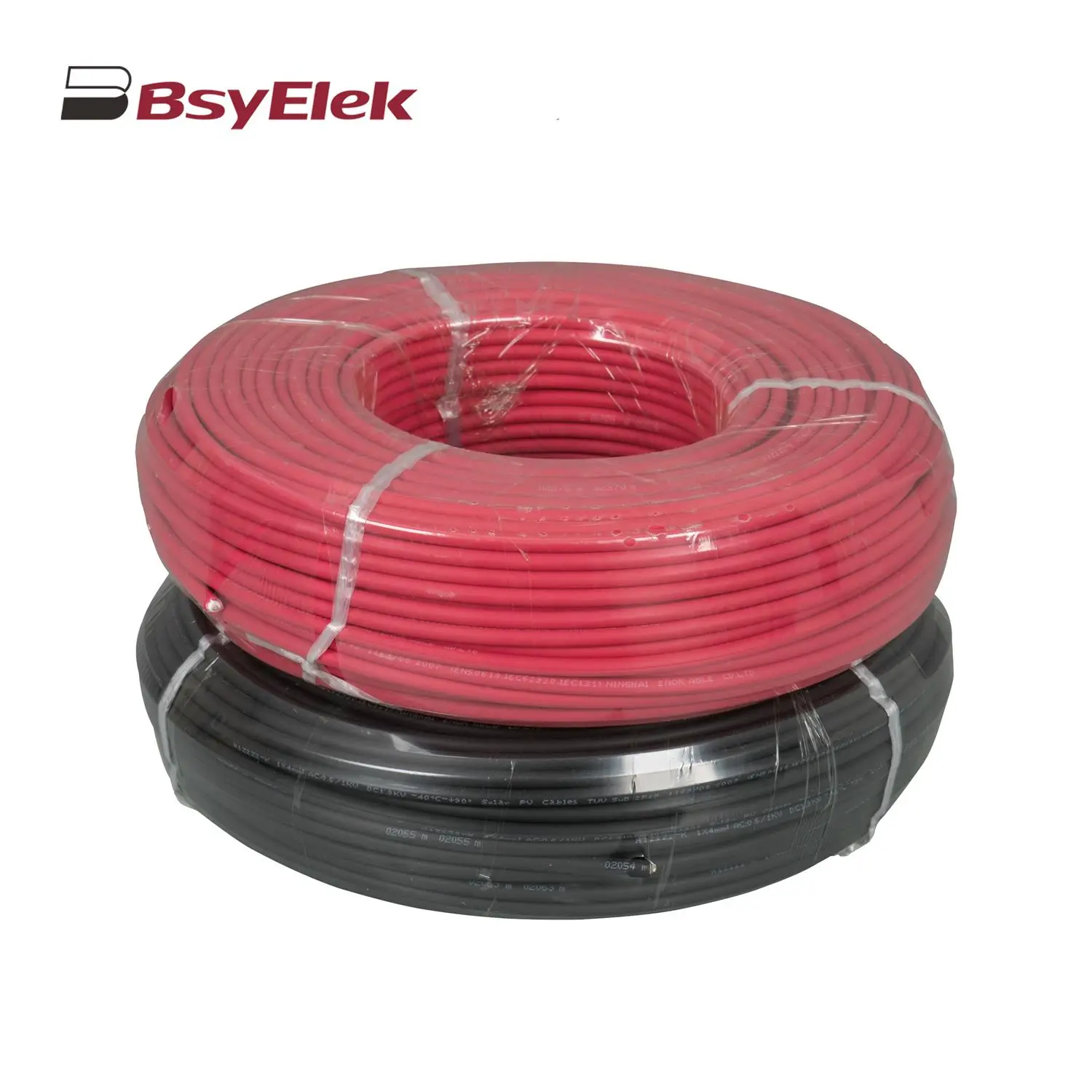 Photovoltaic Cable
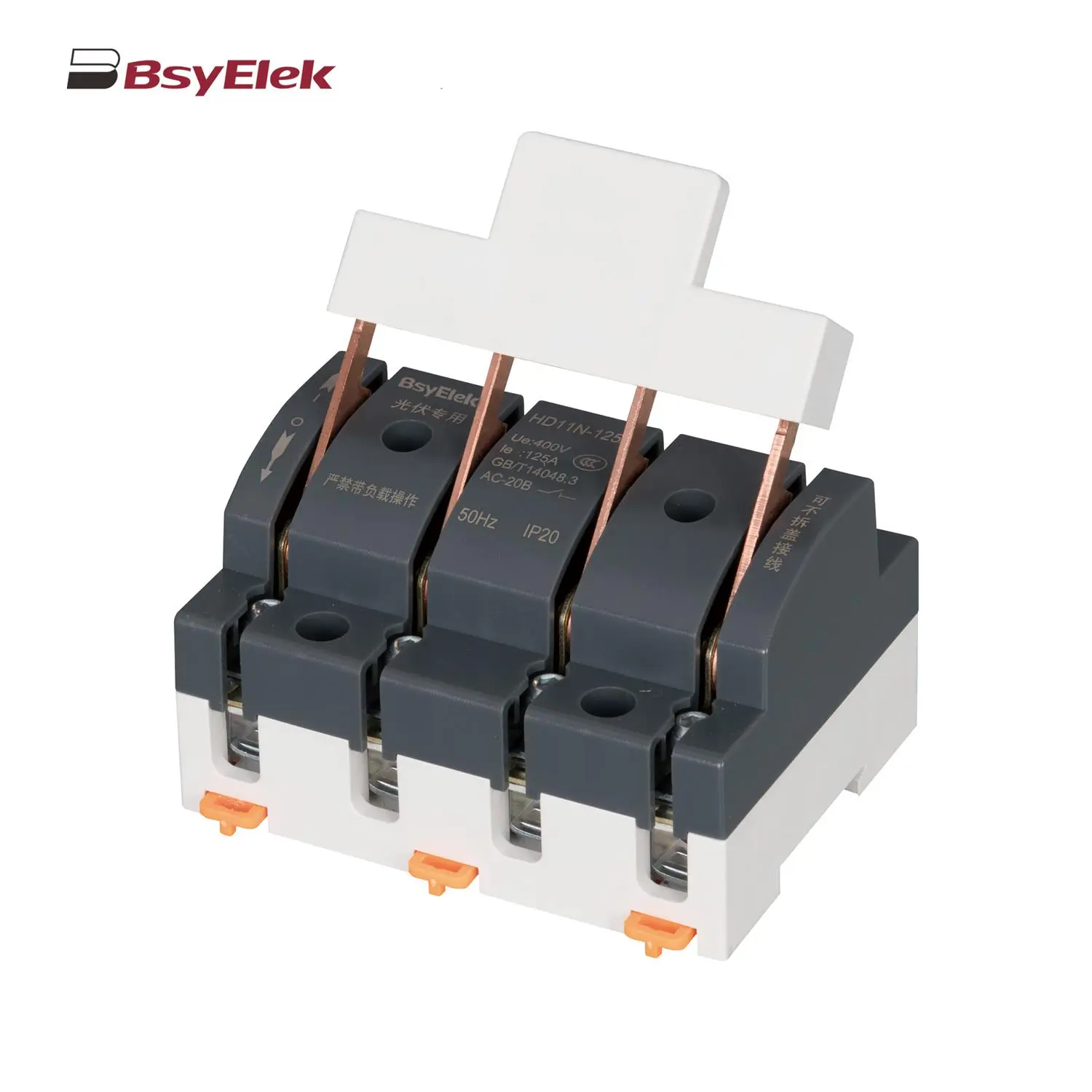 HD11N Photovoltaic Knife Switch
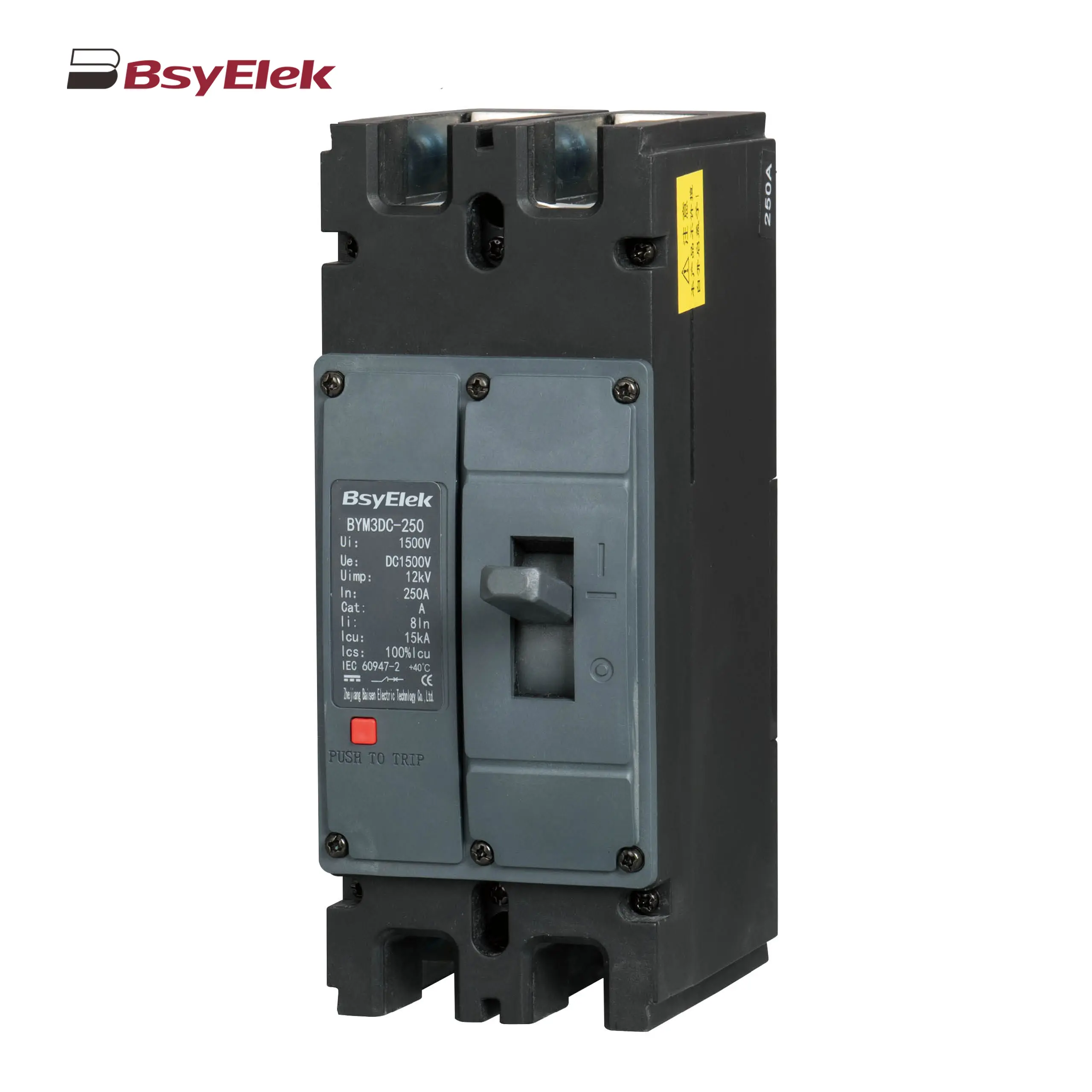 BYM3DC MCCB Photovoltaic DC Molded Case Circuit Breaker
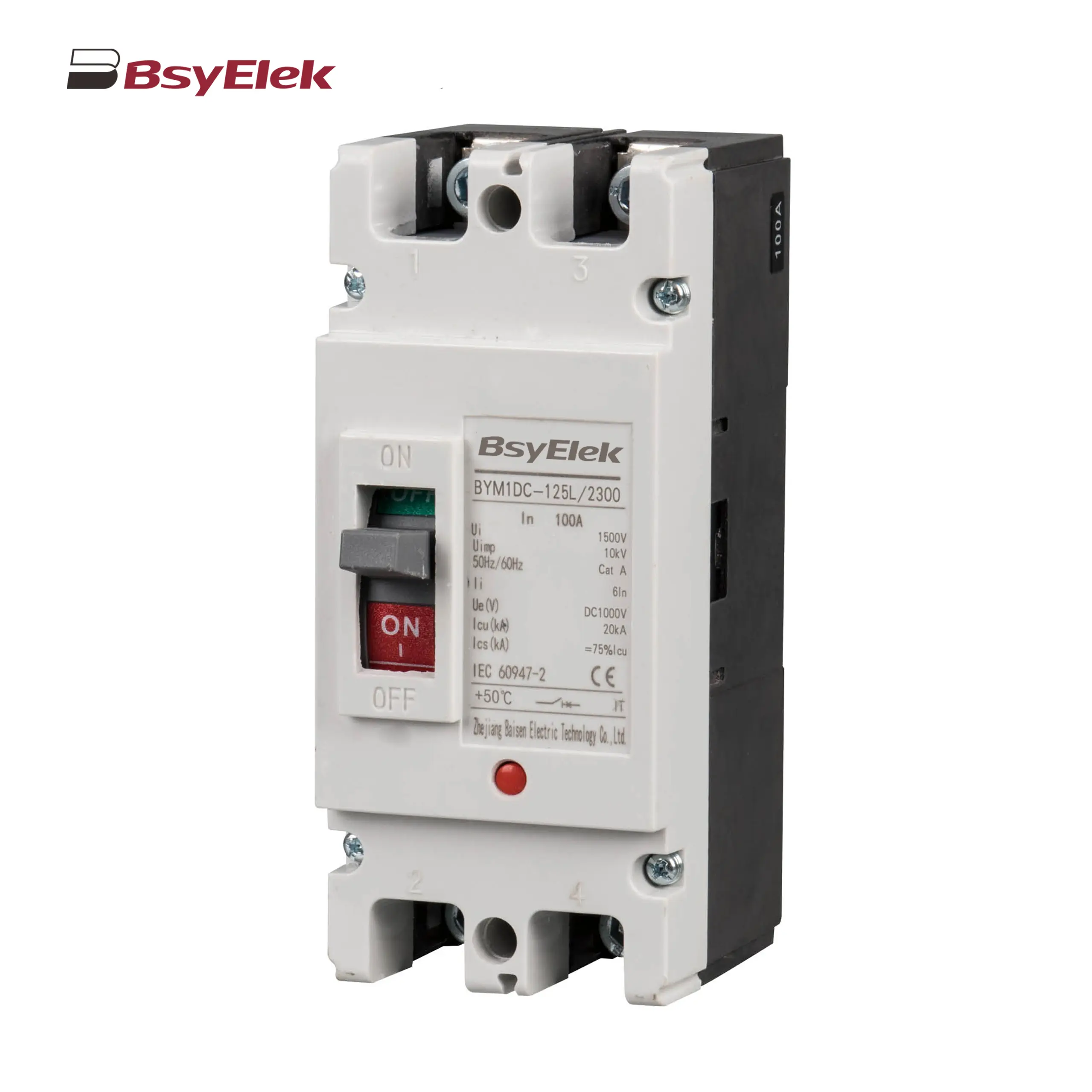 BYM1DC MCCB 1000VDC Thermal Magnetic Type DC Molded Case Circuit Breaker
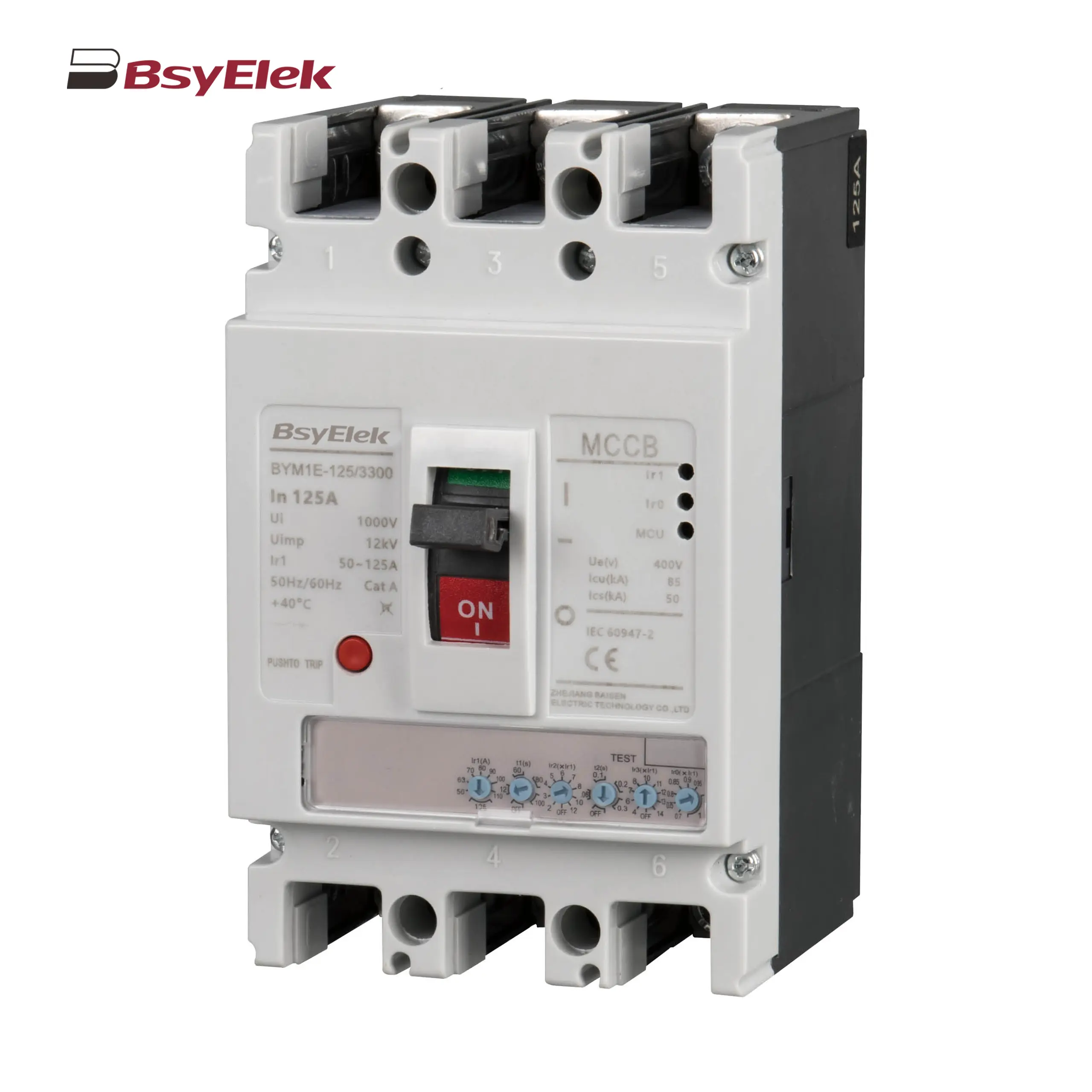 BYM1E MCCB Electronic Type Molded Case Circuit Breaker
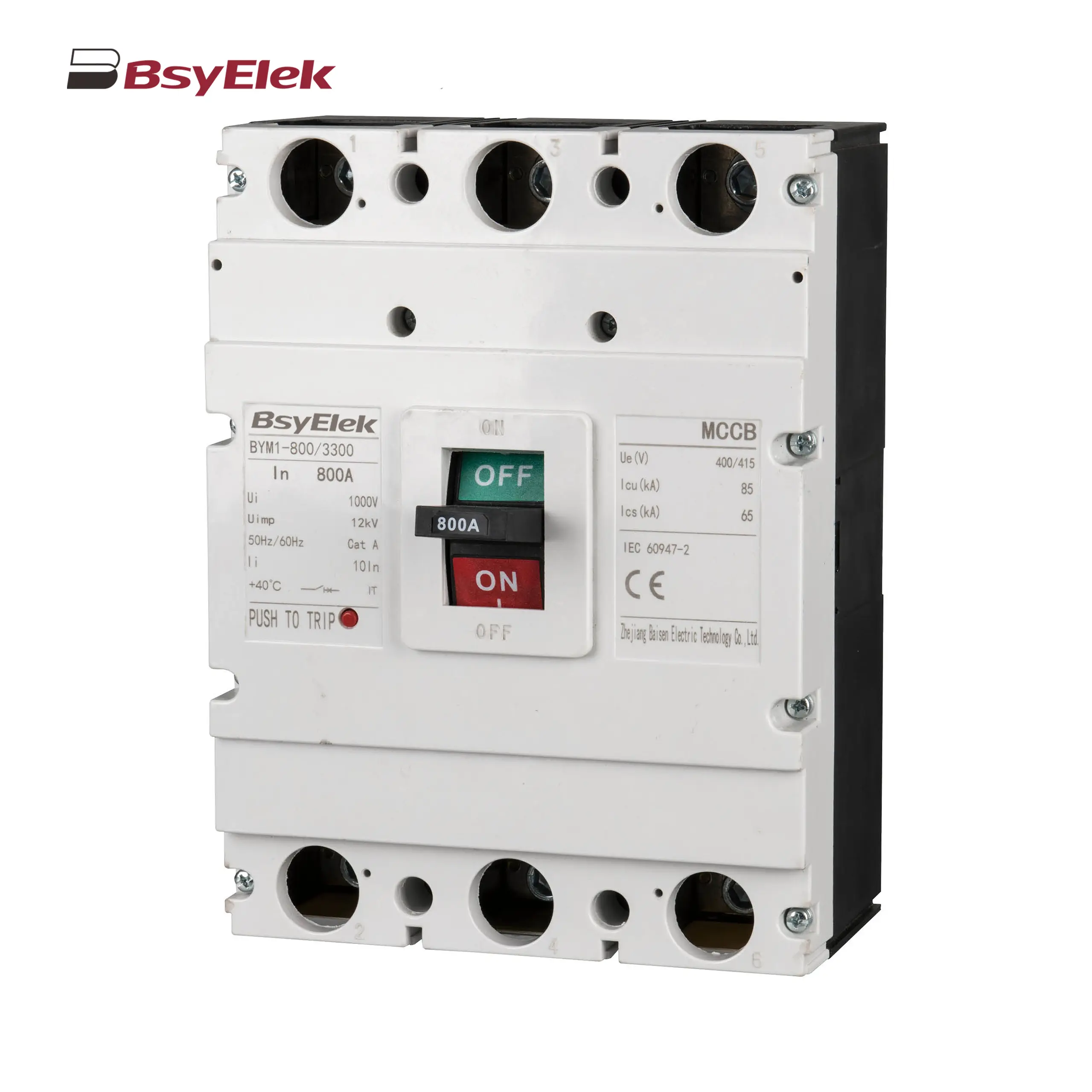 BYM1 MCCB Thermal Magnetic AC Molded Case Circuit Breaker
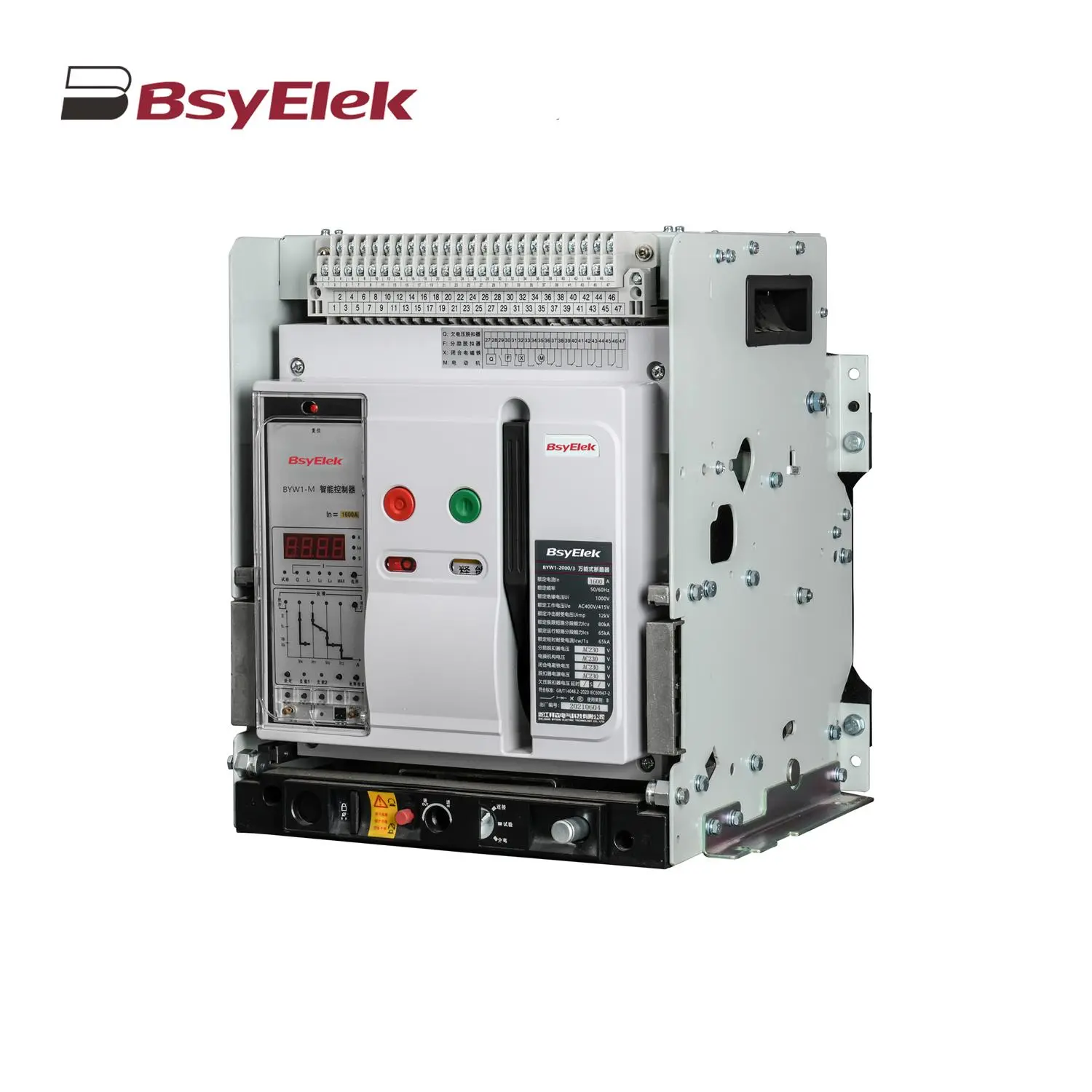 BYW1 ACB Intelligent Universal Air Circuit Breaker
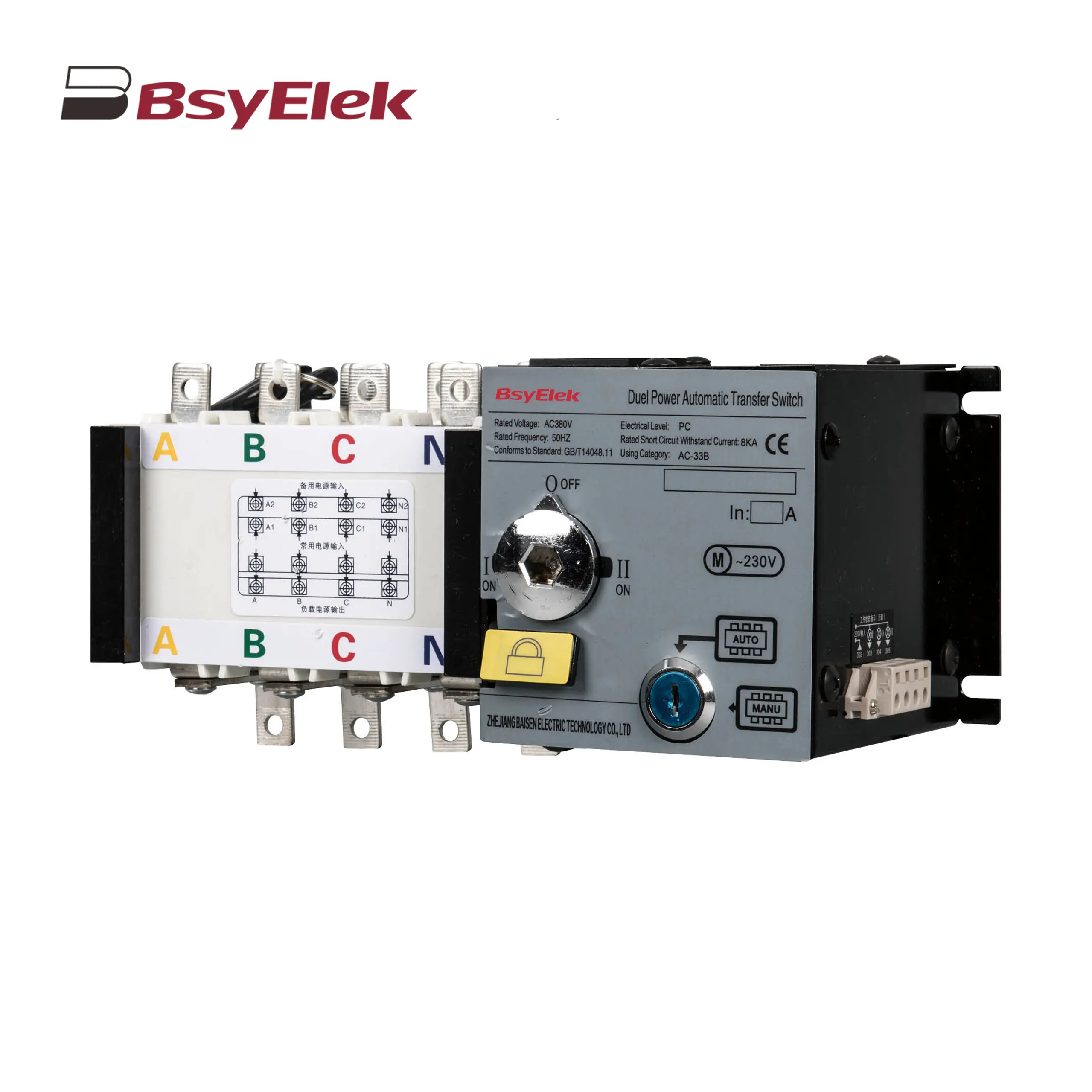 BYQ1 ATS Isolated Type PC Level Dual Power Automatic Transfer Switch
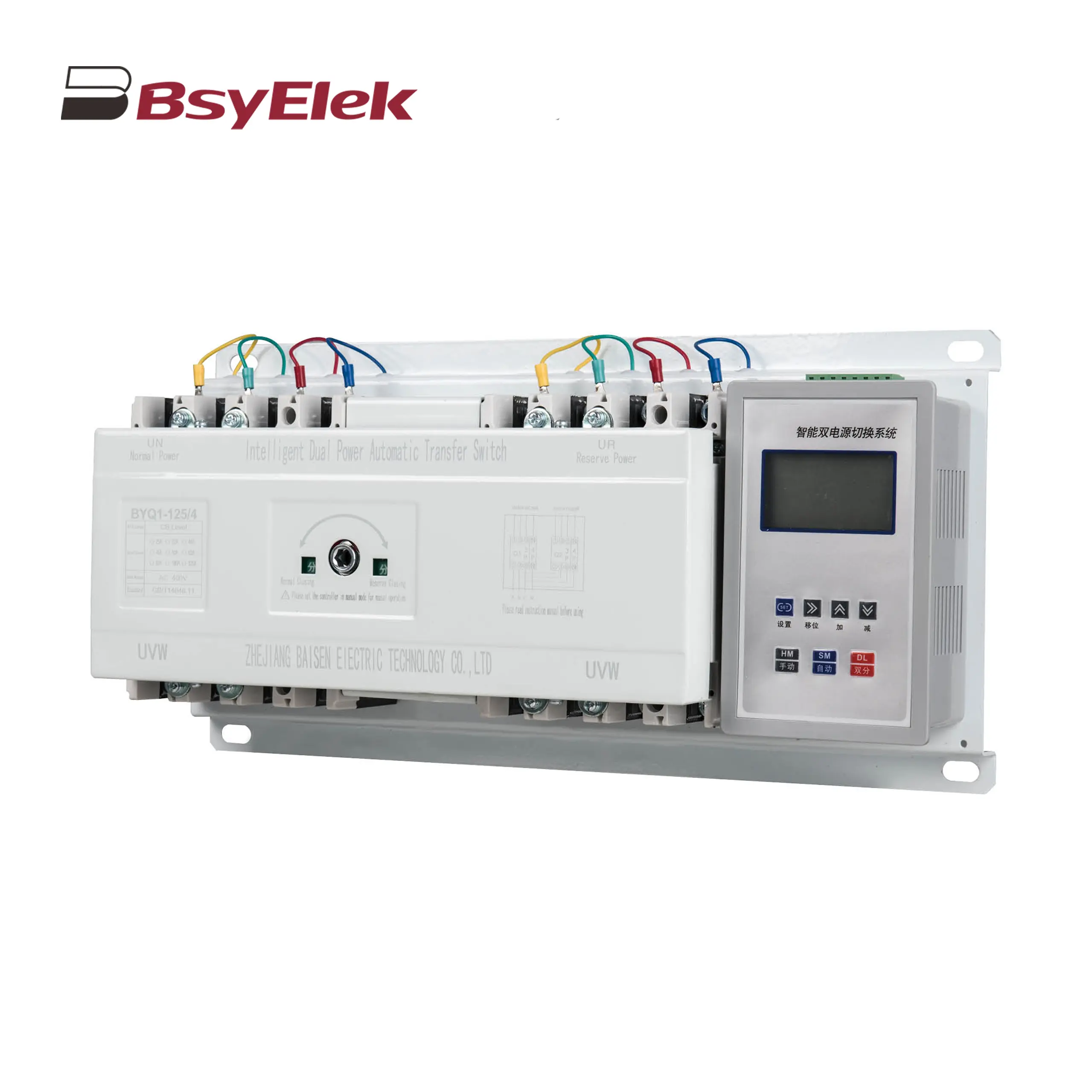 BYQ1 ATS Intelligent Type CB Level Dual Power Automatic Transfer Switch
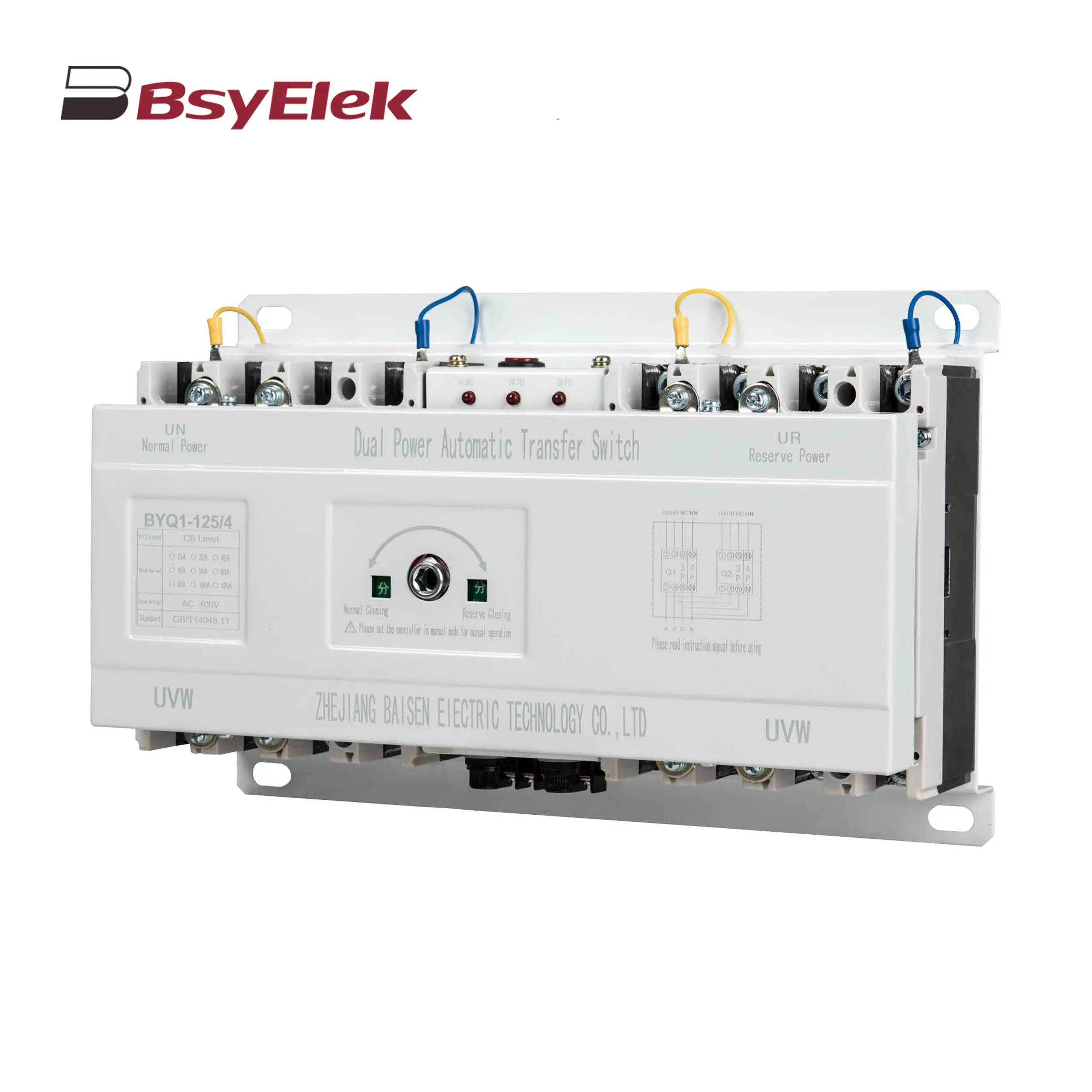 BYQ1 ATS End Type CB Level Dual Power Automatic Transfer Switch
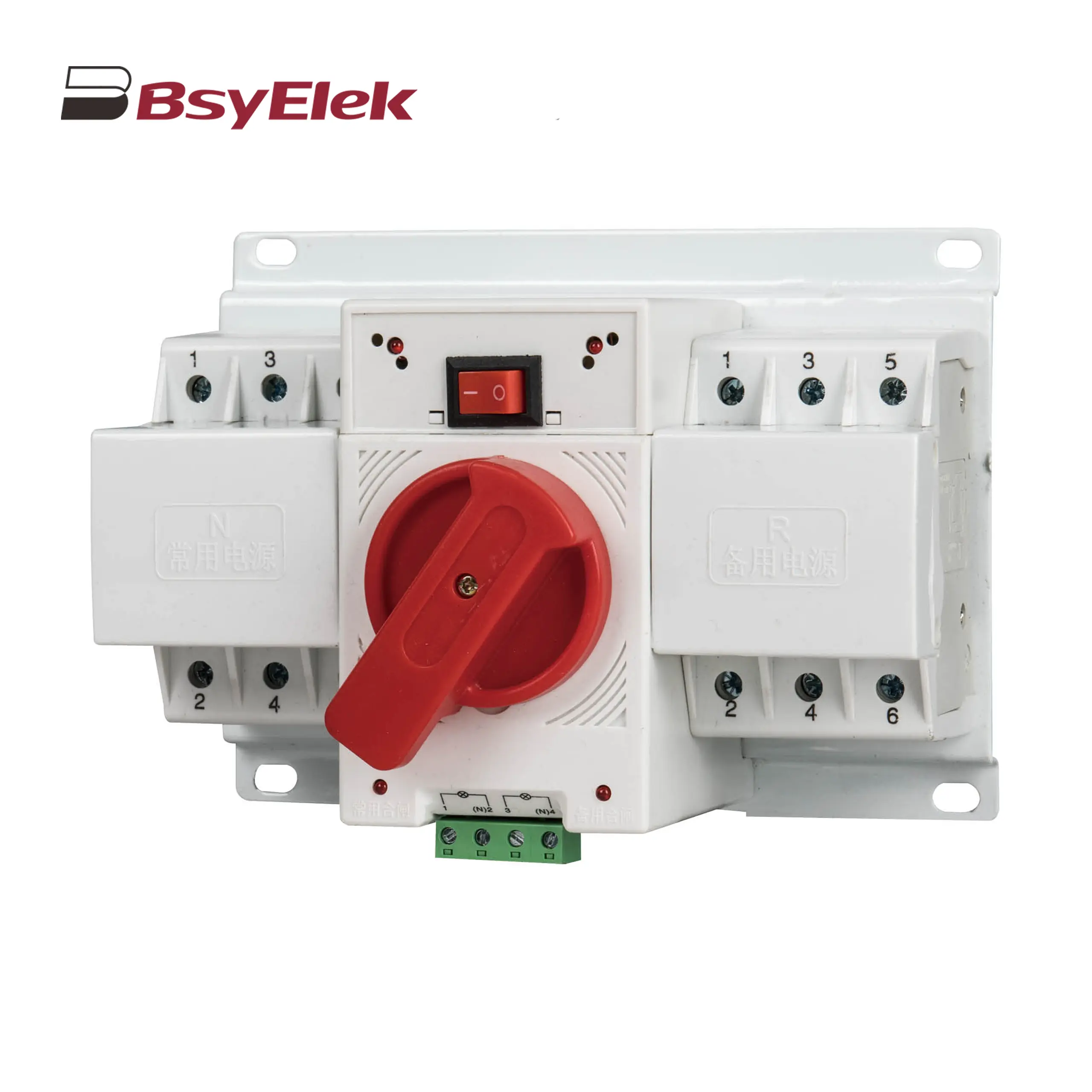 BYQ1 ATS Mini Type CB Level Dual Power Automatic Transfer Switch
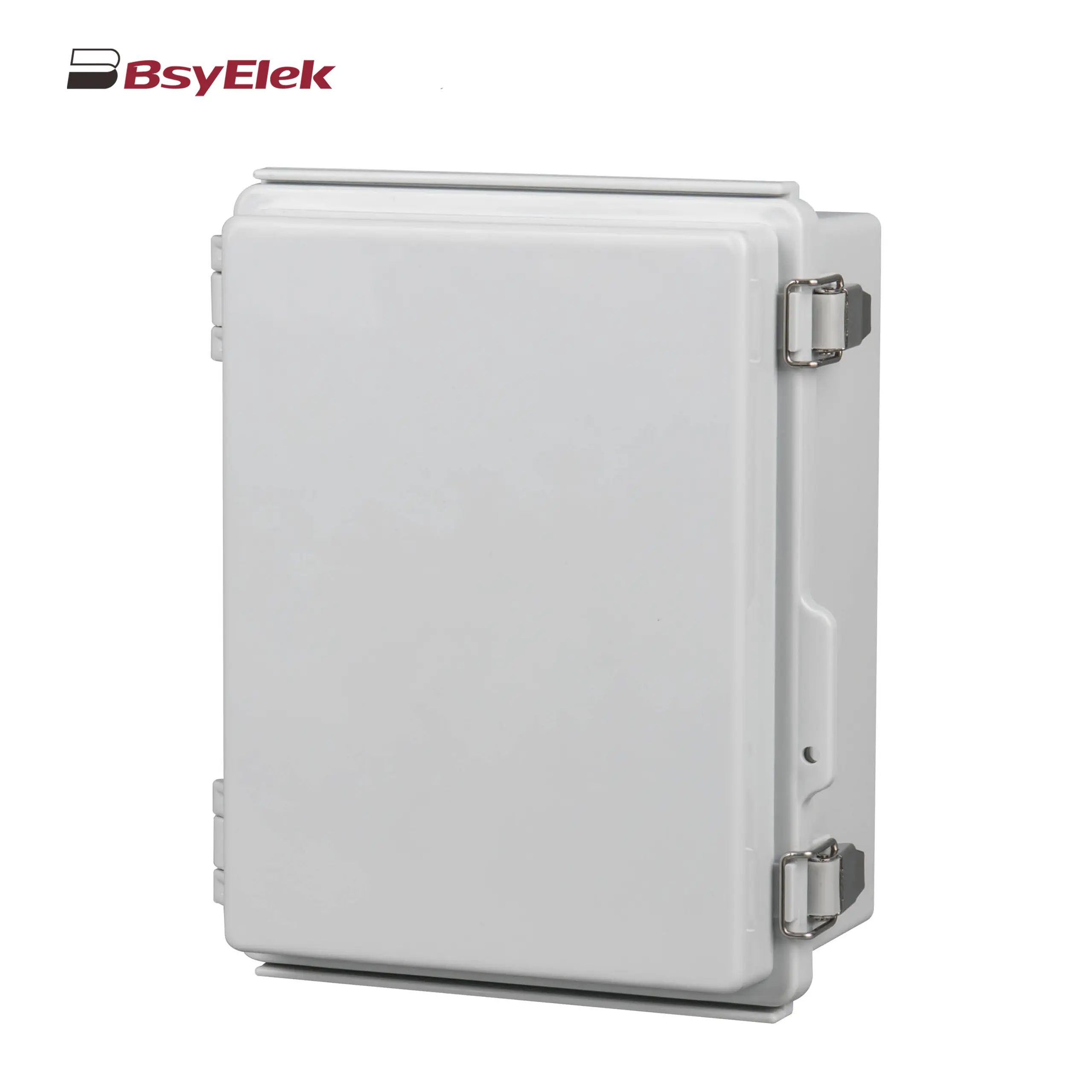 Stainless Steel Hinge Type Electrical Box
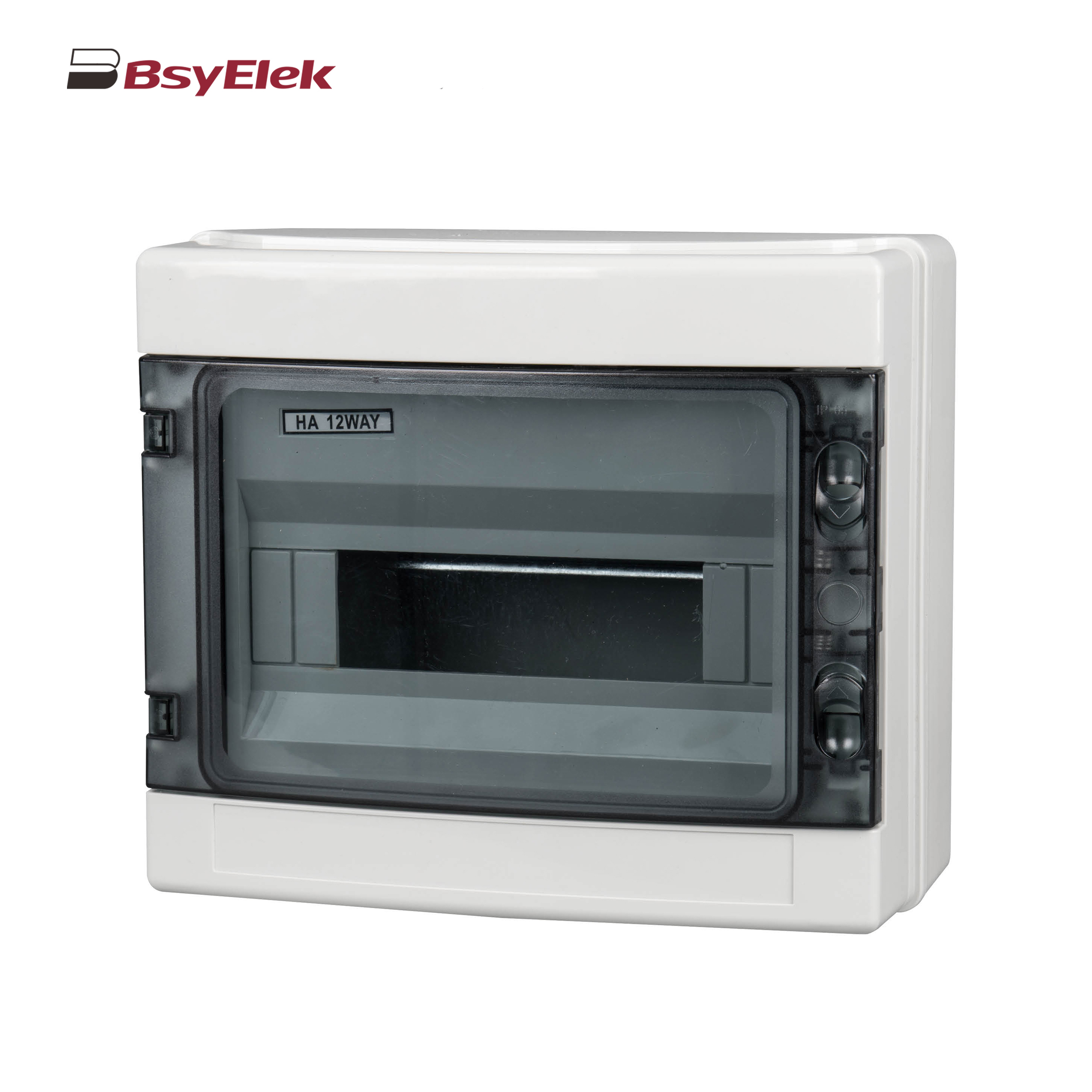 HA Waterproof Distribution Box
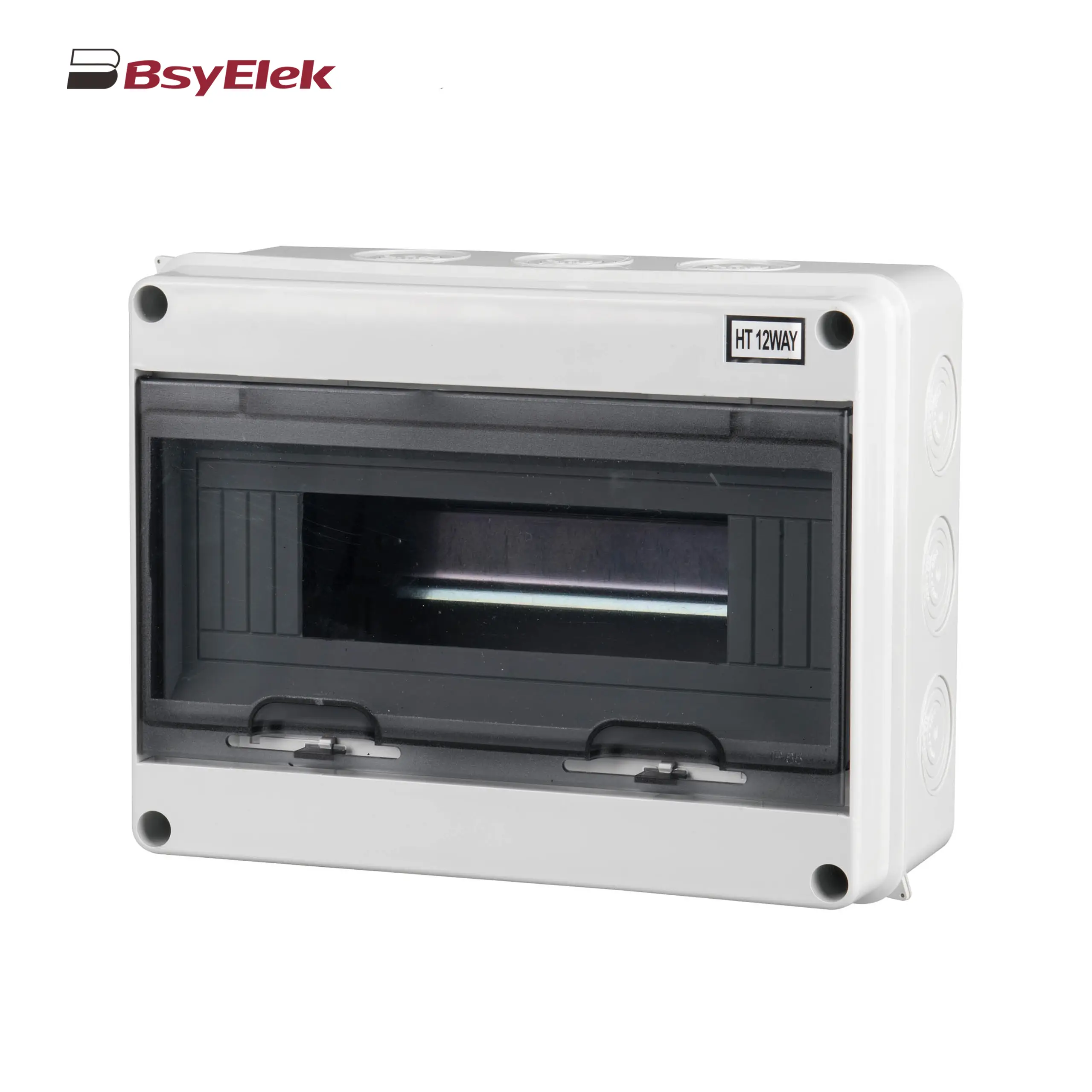 HT Waterproof Distribution Box
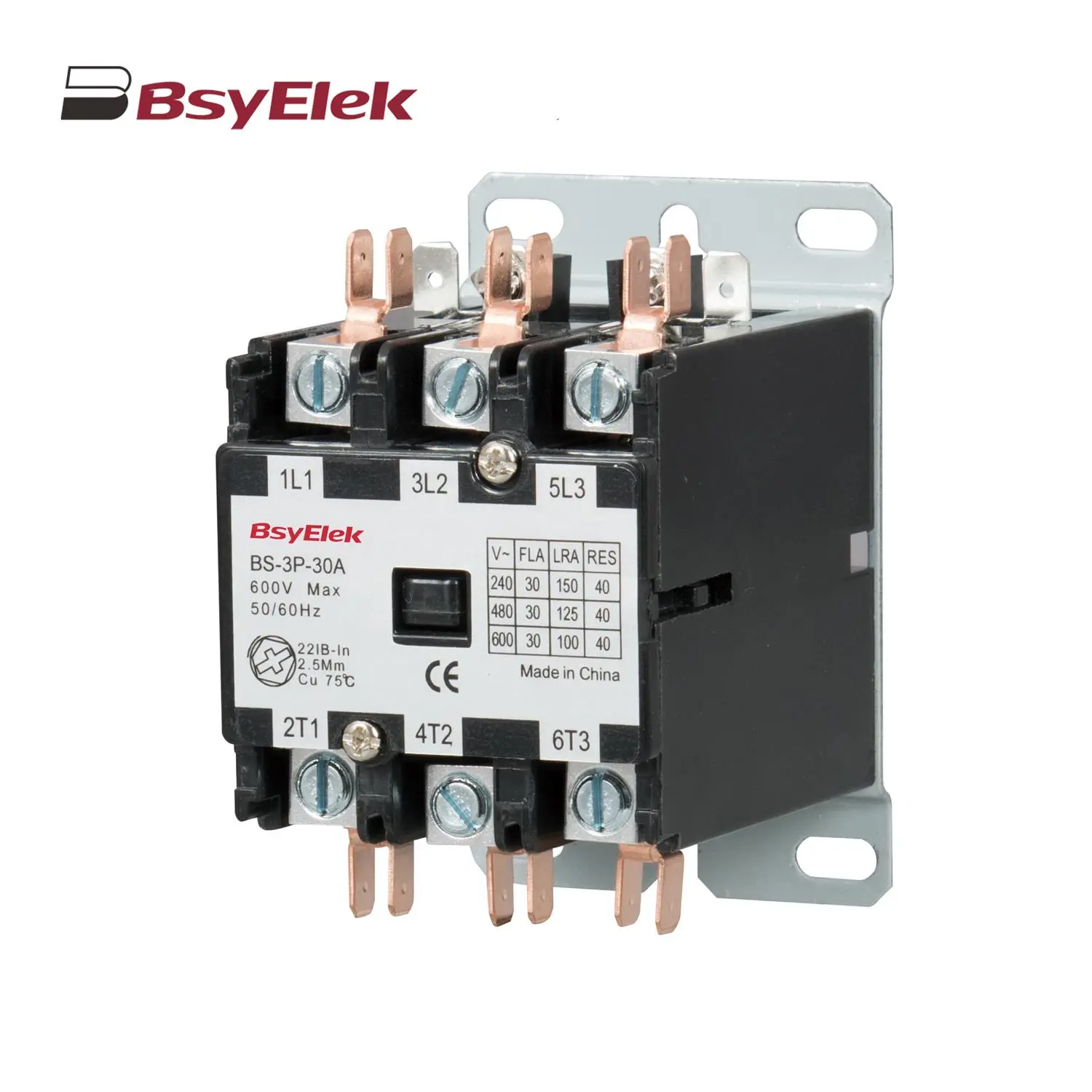 BS Definite Purpose Magnetic AC Contactor