Why is a Disconnect Switch Essential for Electrical Safety?
In today's world, electrical safety is paramount. A Disconnect Switch plays a critical role in ensuring safety in electrical systems. James Smith, a leading expert in electrical engineering, once said, "A reliable disconnect switch is not just a safety feature; it’s a necessity." This statement encapsulates the essential function of these devices in preventing accidents and maintaining safe operations.
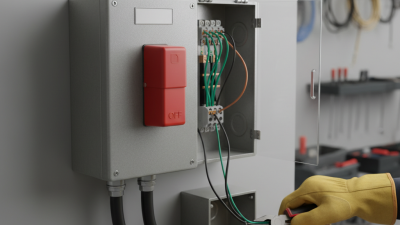
When a technician needs to perform maintenance, the Disconnect Switch provides an immediate way to cut off power. This action minimizes risks of electrical shock or equipment damage. In industrial settings, that split second can save lives and protect machinery. Yet, many overlook the need for a quality disconnect switch. The consequences can be devastating.
Regular inspections and proper training are vital. Users must understand how and when to operate the disconnect switch. An inadequate approach may lead to mechanical failures or unsafe conditions, highlighting the need for awareness in this area. Electrical safety hinges on proper equipment and knowledgeable personnel. Therefore, prioritizing the use of Disconnect Switches and emphasizing their importance is crucial for reducing risks in any electrical setup.
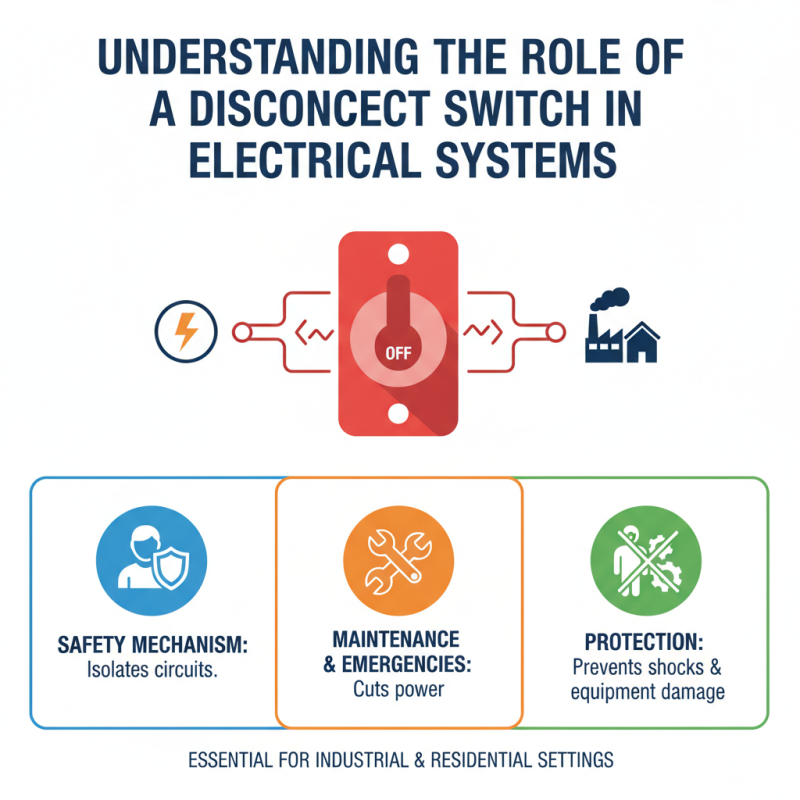
Understanding the Role of a Disconnect Switch in Electrical Systems
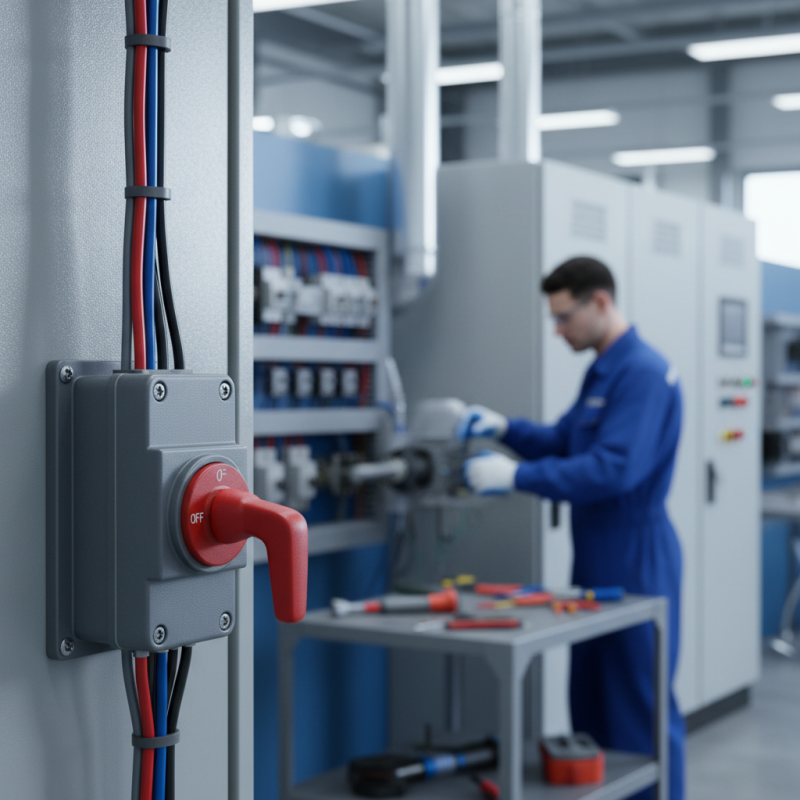
A disconnect switch is a critical component in electrical systems. It serves as a safety mechanism, allowing users to isolate electrical circuits during maintenance or emergencies. By cutting off power, it protects workers from electrical shocks and prevents equipment damage. The simplicity of its operation makes it essential for both industrial and residential settings.
Understanding the function of a disconnect switch helps to appreciate its importance. These switches are designed to handle high voltage and current, enabling safe disconnection of power sources. They can be operated manually or automatically, depending on the system's design. However, choosing the right switch for your specific application requires careful consideration. Not every disconnect switch is suited for every environment or load type.
While they offer significant safety benefits, mistakes can occur. Improper installation or neglecting regular maintenance can lead to failures. It's crucial to regularly inspect disconnect switches to ensure they operate correctly. This degree of attention to detail is often overlooked but vital for overall safety in any electrical system. Understanding these elements reinforces the value of disconnect switches in safeguarding lives and equipment in all electrical installations.
Key Functions of a Disconnect Switch for Electrical Safety
A disconnect switch plays a vital role in maintaining electrical safety. It ensures that electrical circuits can be easily isolated. This is crucial during maintenance or emergencies. Without a reliable method to cut off power, risks can escalate quickly. Operators may face severe shock or electrocution while servicing live equipment.
One key function of a disconnect switch is to provide a clear visual indication of whether a circuit is energized. This feature is invaluable for technicians working in potentially hazardous environments. Visual cues help reduce the risk of accidental activation. Another important role is ensuring compliance with safety standards and regulations. Organizations must follow these guidelines to protect their employees and equipment.
Consider scenarios where disconnect switches are improperly utilized or overlooked. For instance, an outdated switch may malfunction, leaving equipment energized when it should be off. Regular inspections and testing are necessary to ensure reliability. It is essential to maintain an open dialogue about safety practices. Through awareness and prevention, we can enhance our electrical safety standards.
Safety Standards and Regulations for Disconnect Switch Usage
Disconnect switches play a crucial role in electrical safety. They must comply with various safety standards and regulations. These standards govern their design, installation, and operation. Organizations like the National Electrical Manufacturers Association (NEMA) set strict guidelines to ensure reliability and safety.
Compliance with these regulations is not optional. It is vital for protecting both people and property. Certain industries, such as manufacturing and construction, face more stringent requirements. Workers must know how and when to use disconnect switches correctly. Misuse can lead to dangerous situations, such as electrical shock or fires.
Even experienced electricians sometimes overlook proper procedures. This can result in dangerous oversights. Regular training and refreshers are necessary to ensure team members comply with standards. It is essential to foster a culture of safety and awareness on job sites. Recognizing the importance of disconnect switches can ultimately save lives.
Common Applications of Disconnect Switches in Various Industries
Disconnect switches play a vital role in ensuring electrical safety across various industries. In manufacturing, they allow quick isolation of equipment during maintenance. This prevents accidents and protects workers. In the utility sector, disconnect switches help manage electrical loads while ensuring reliable service. Their ability to cut off power reduces the risk of electrical hazards during repairs.
In the healthcare industry, disconnect switches are critical. They ensure that essential medical equipment can be safely serviced. This is vital for patient safety. Similarly, in the renewable energy sector, disconnect switches manage power from solar panels or wind turbines. They allow operators to disconnect systems for maintenance or emergencies.
Despite their importance, not all installations follow best practices. Some facilities overlook proper placement or size when selecting disconnect switches. This can lead to operational inefficiencies or safety hazards. Regular training and audits can help address these weaknesses. Maintaining a culture of safety through proper use of disconnect switches is crucial for all industries.
Best Practices for Selecting and Installing Disconnect Switches
When selecting a disconnect switch, consider its rated current and voltage. A switch must handle electrical loads without overheating. Look for switches that meet or exceed industry standards. This ensures reliability and safety in your electrical system.
Installation is equally critical. Place the disconnect switch within easy reach. This location allows for quick access during emergencies. Ensure it's weatherproof if installed outdoors. Check for proper labeling, so users understand its function. Regular maintenance is vital. Inspect connections and test the switch frequently. Neglecting these tasks can lead to failure when they are needed most.
Reflect on your installation site. Some areas may have unique environmental factors, influencing your choice. Conduct a risk assessment to identify potential hazards. A switch that works in one setting might not be suitable for another. Always stay informed and adaptable to new safety standards. This approach fosters an ongoing commitment to electrical safety.
Why is a Disconnect Switch Essential for Electrical Safety? - Best Practices for Selecting and Installing Disconnect Switches
| Criteria |
Description |
Importance |
Best Practices |
| Type of Disconnect Switch |
Choose between rotary, pull-out, or circuit breaker type. |
Ensures compatibility with electrical system requirements. |
Evaluate system load and environmental conditions before selecting. |
| Rated Current |
Must match or exceed the load current of the circuit. |
Prevents overheating and potential fire hazards. |
Measure maximum current and overload protection requirements. |
| Installation Location |
Should be easily accessible and away from water sources. |
Facilitates quick disconnection in emergencies. |
Follow local electrical codes and safety standards. |
| Maintenance |
Regular inspection and testing for wear and functionality. |
Ensures reliable operation when needed. |
Schedule periodic maintenance checks. |
| Labeling |
Clearly labeled for function and voltage level. |
Reduces risk of incorrect operation. |
Use durable materials for labeling to withstand conditions. |



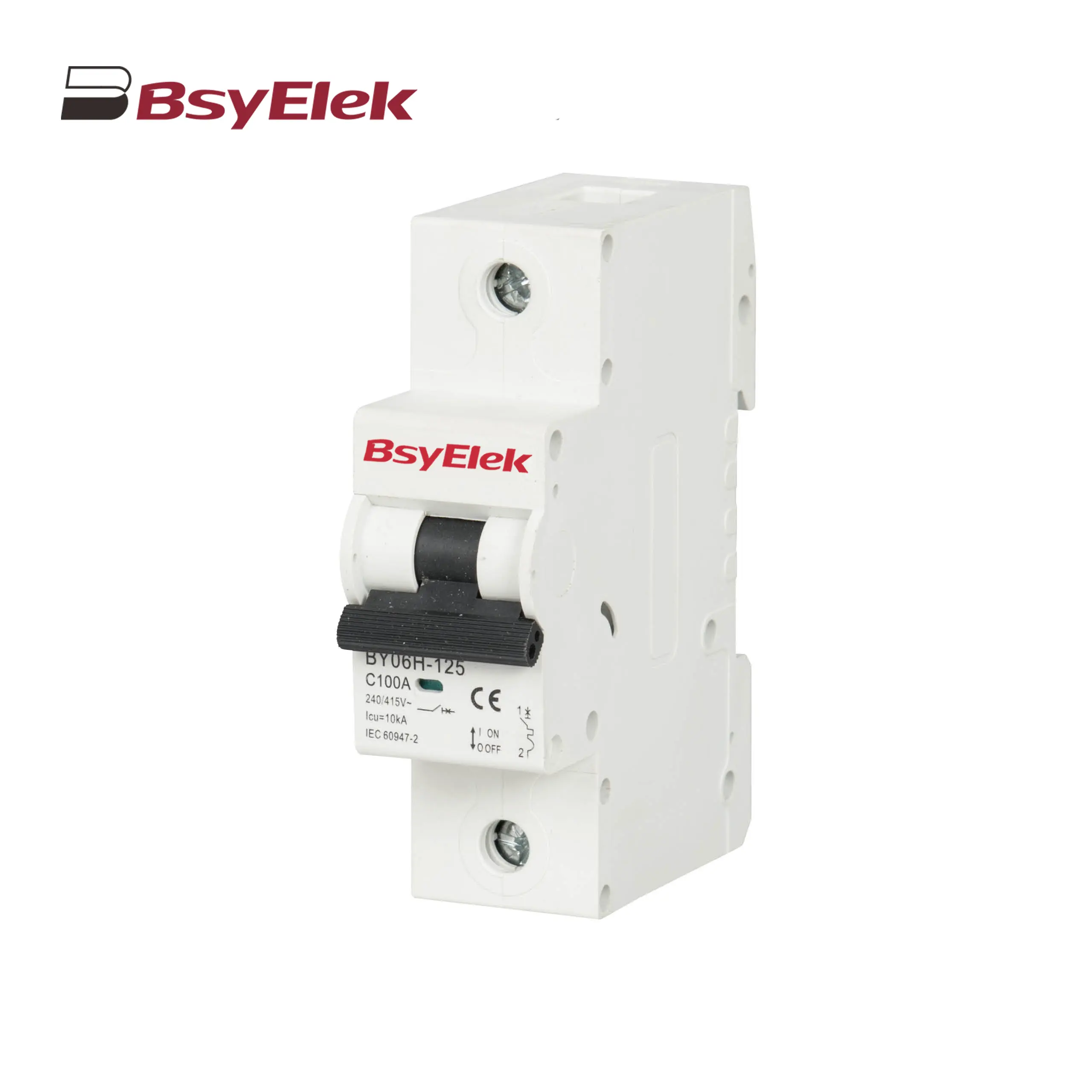 BY06H-125 MCB 10-15KA Miniature Circuit Breaker
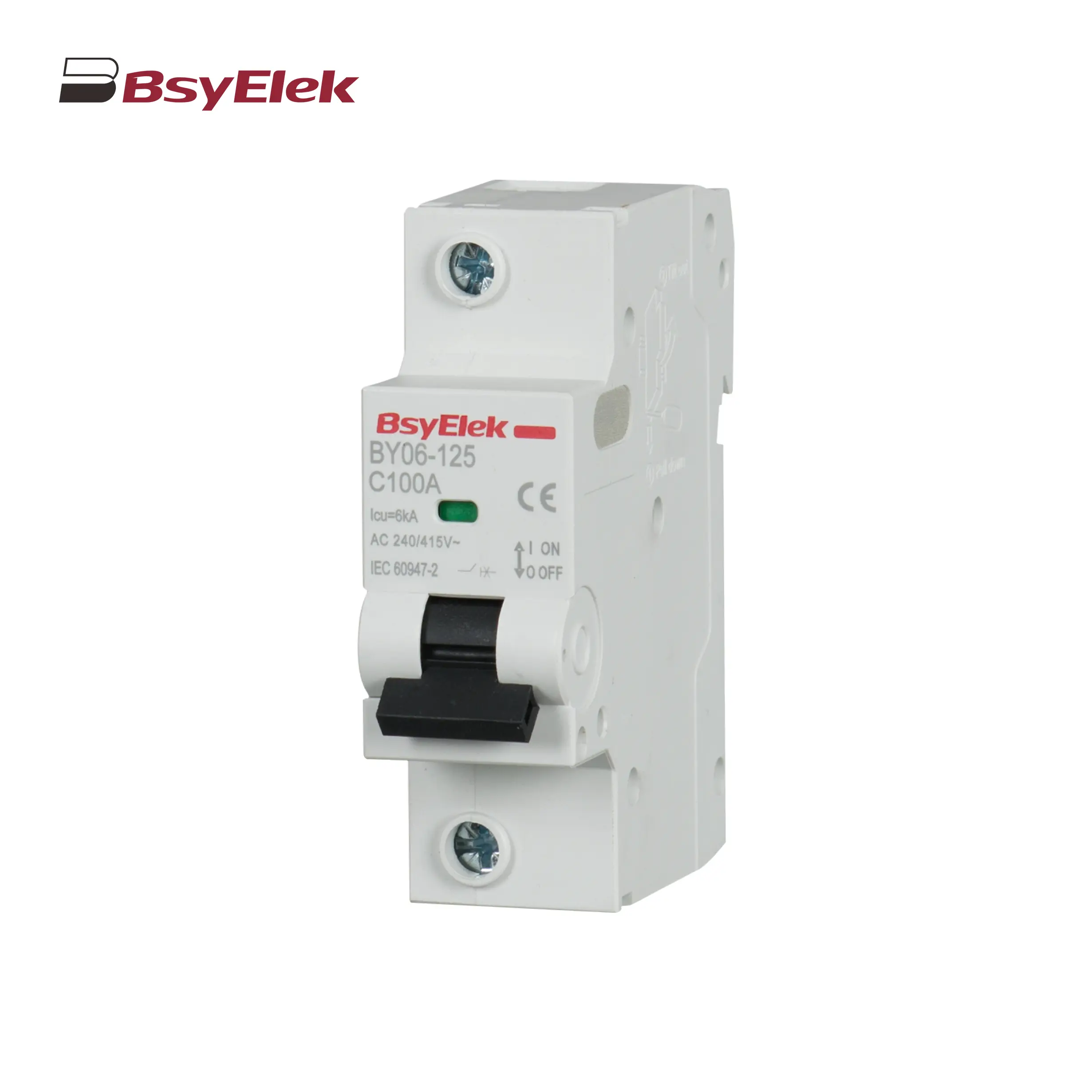 BY06-125 MCB 6KA Miniature Circuit Breaker
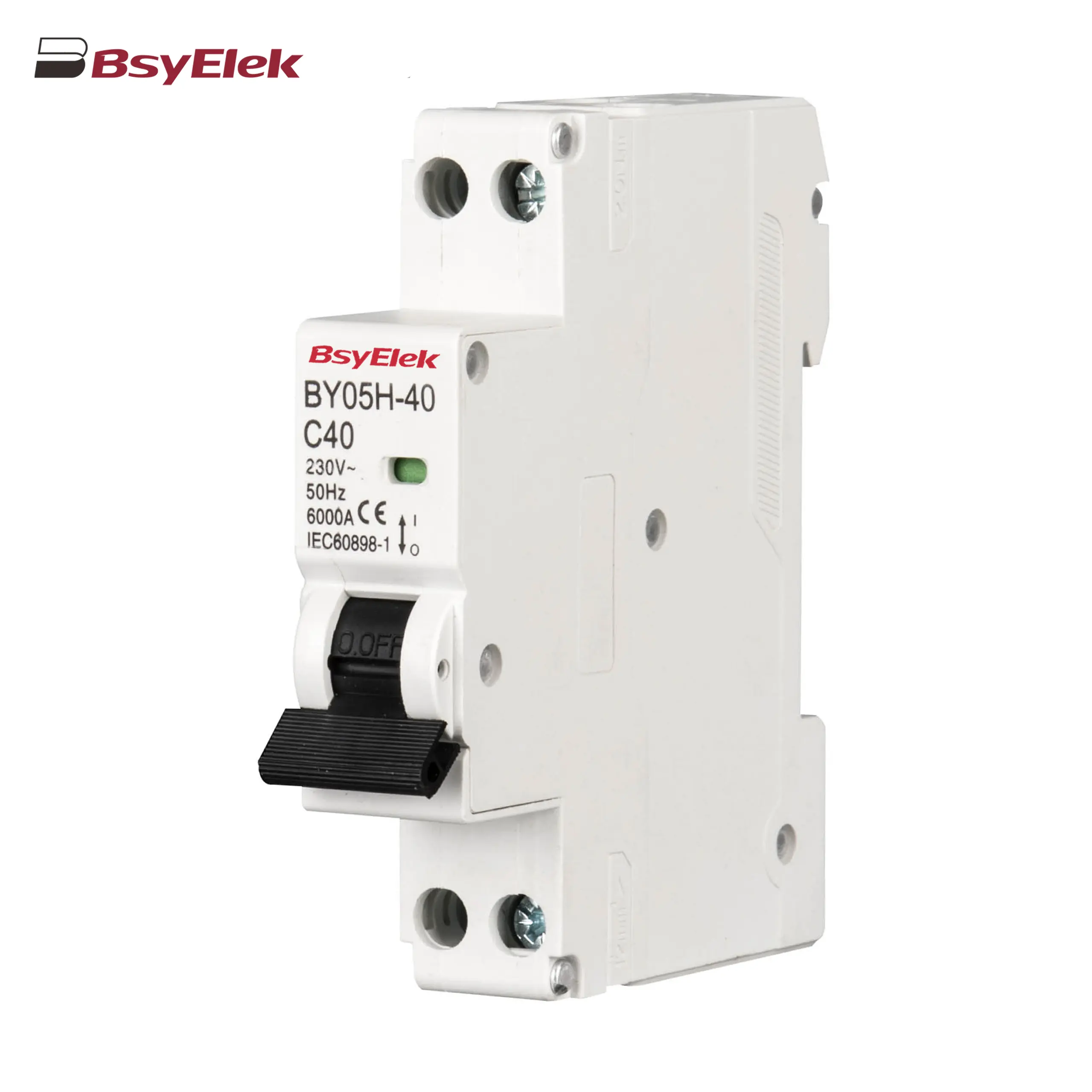 BY05H-40 MCB Single Modular 6KA Miniature Circuit Breaker
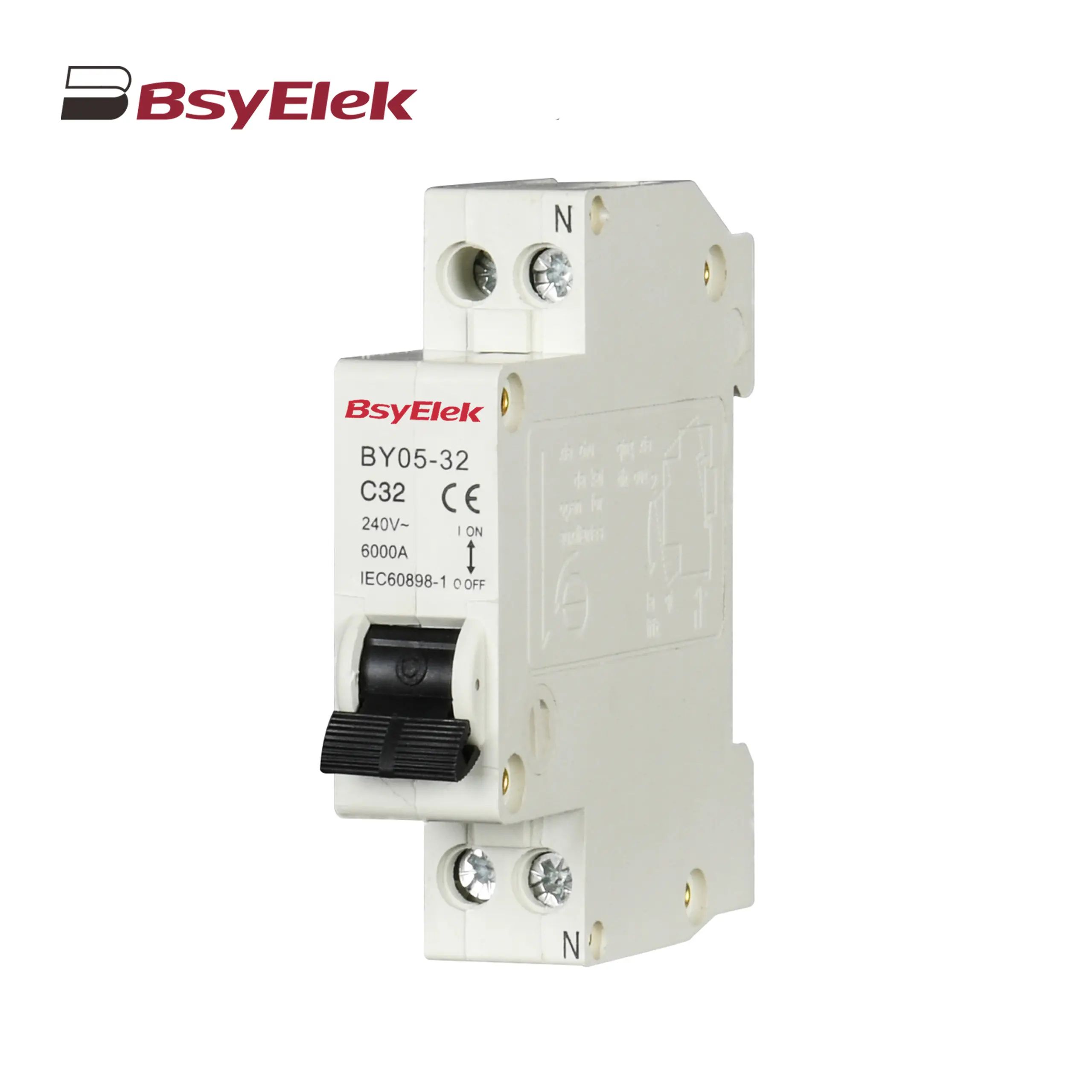 BY05-32 MCB Single Modular 3KA Miniature Circuit Breaker
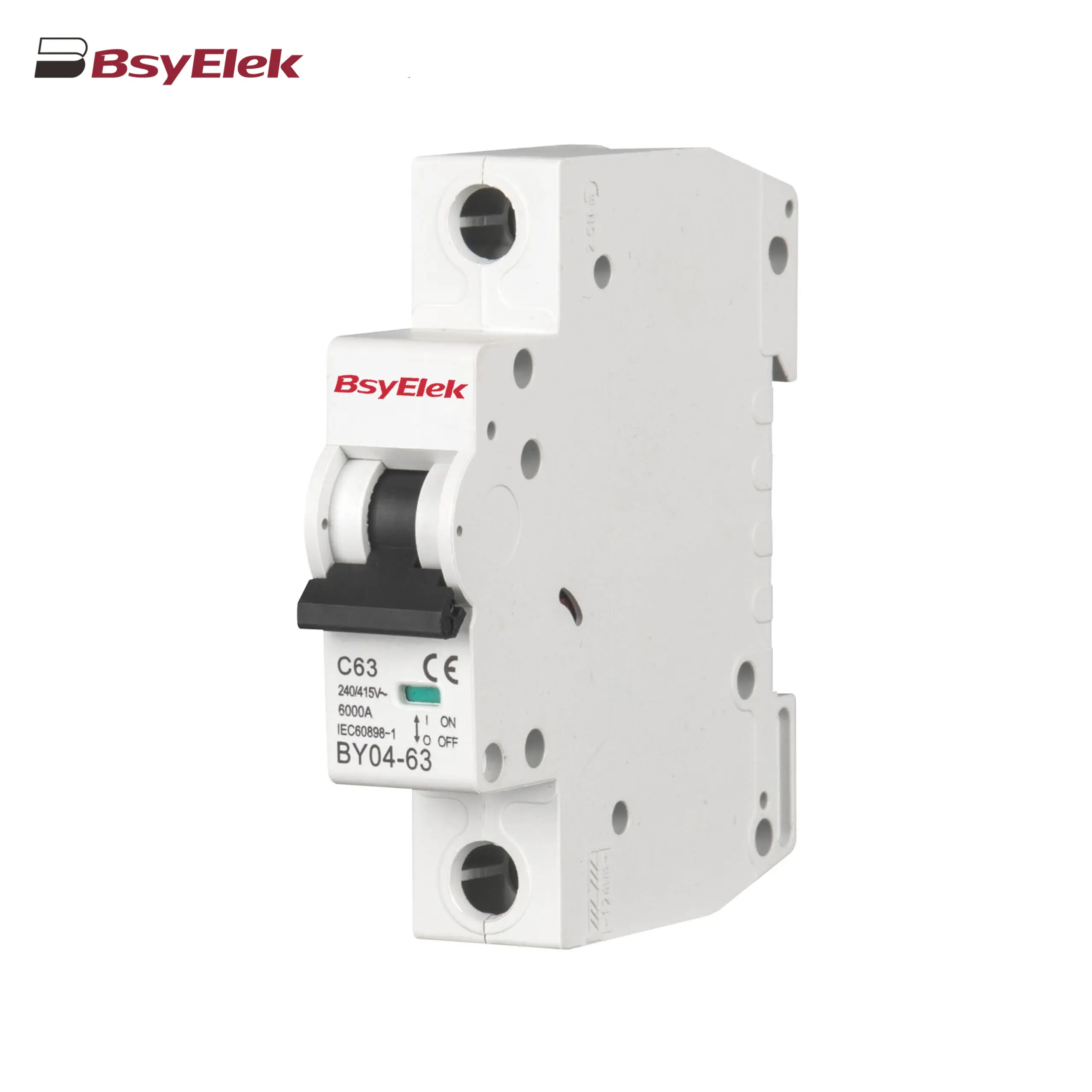 BY04-63 MCB 6-10KA Miniature Circuit Breaker
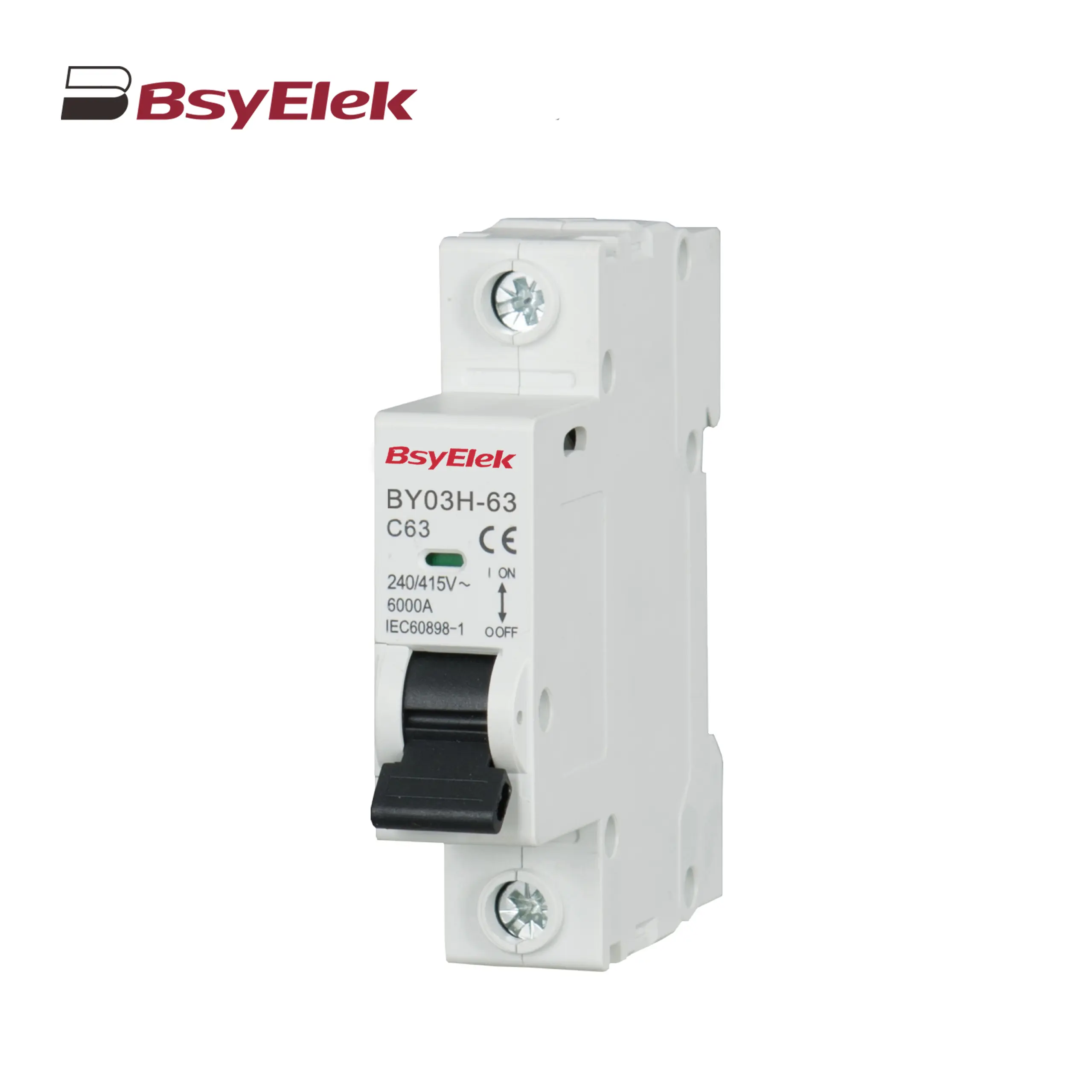 BY03H-63 MCB 6KA Miniature Circuit Breaker
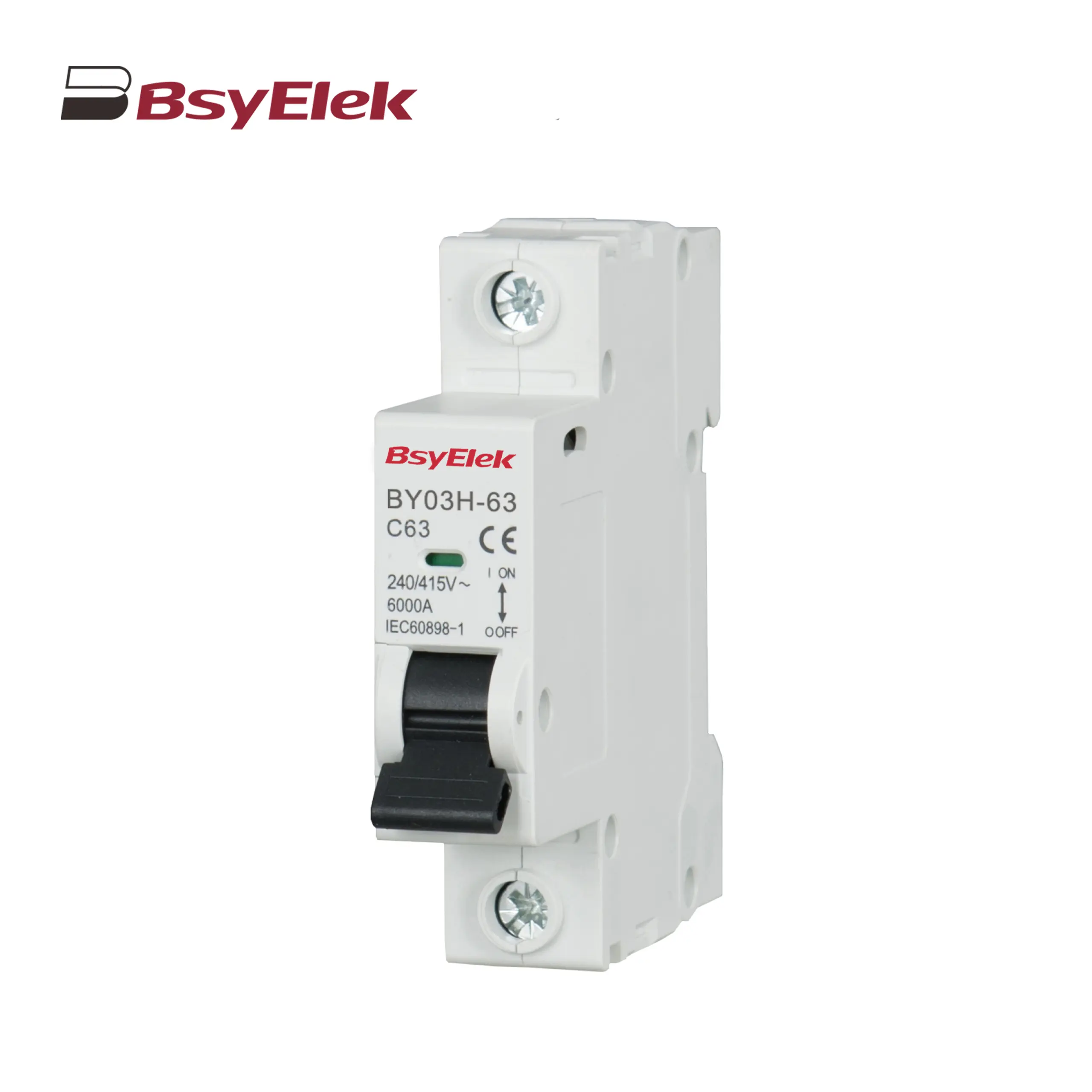 BY03-63 MCB 4.5KA Miniature Circuit Breaker
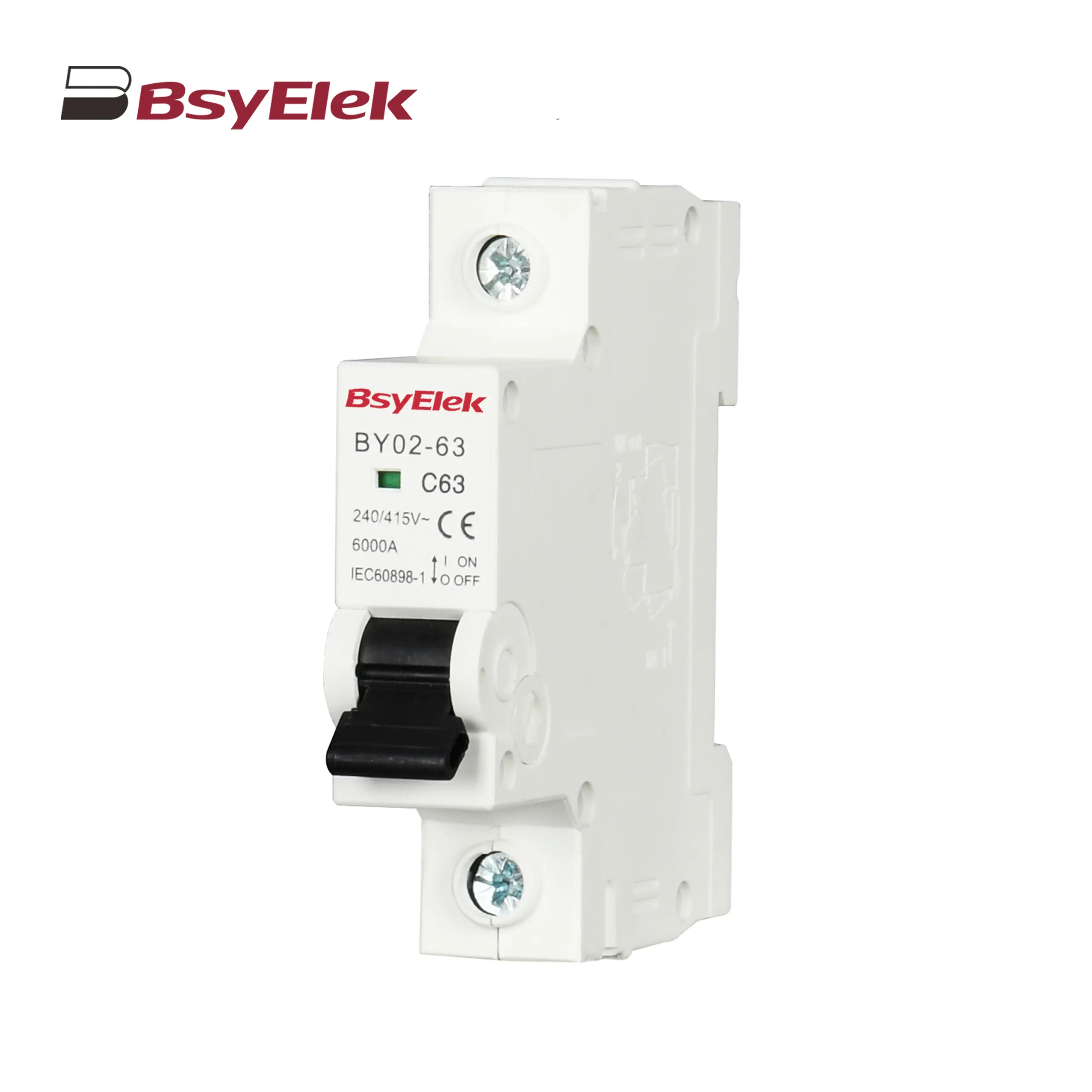 BY02-63 MCB 3kA Miniature Circuit Breaker
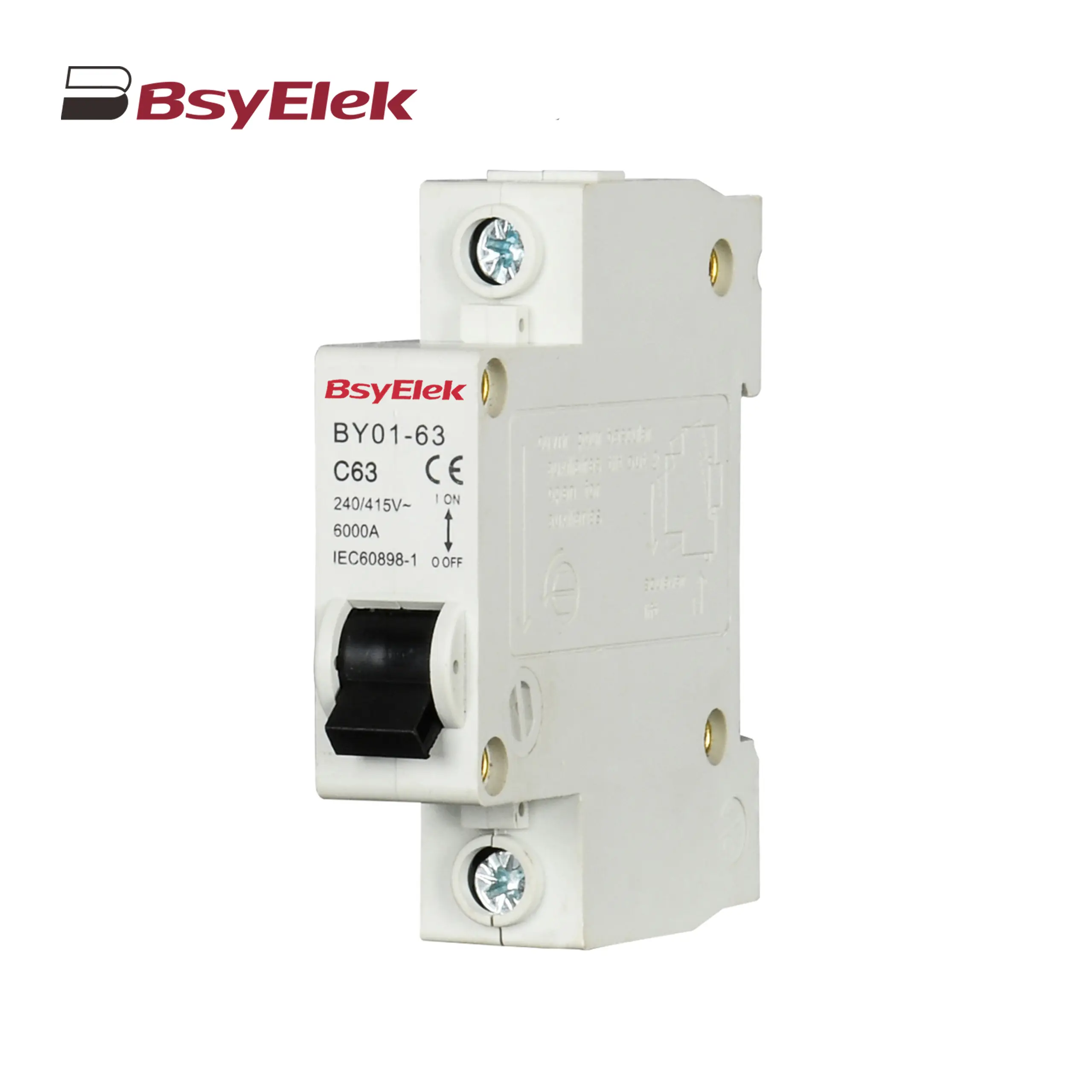 BY01-63 MCB 3kA Miniature Circuit Breaker
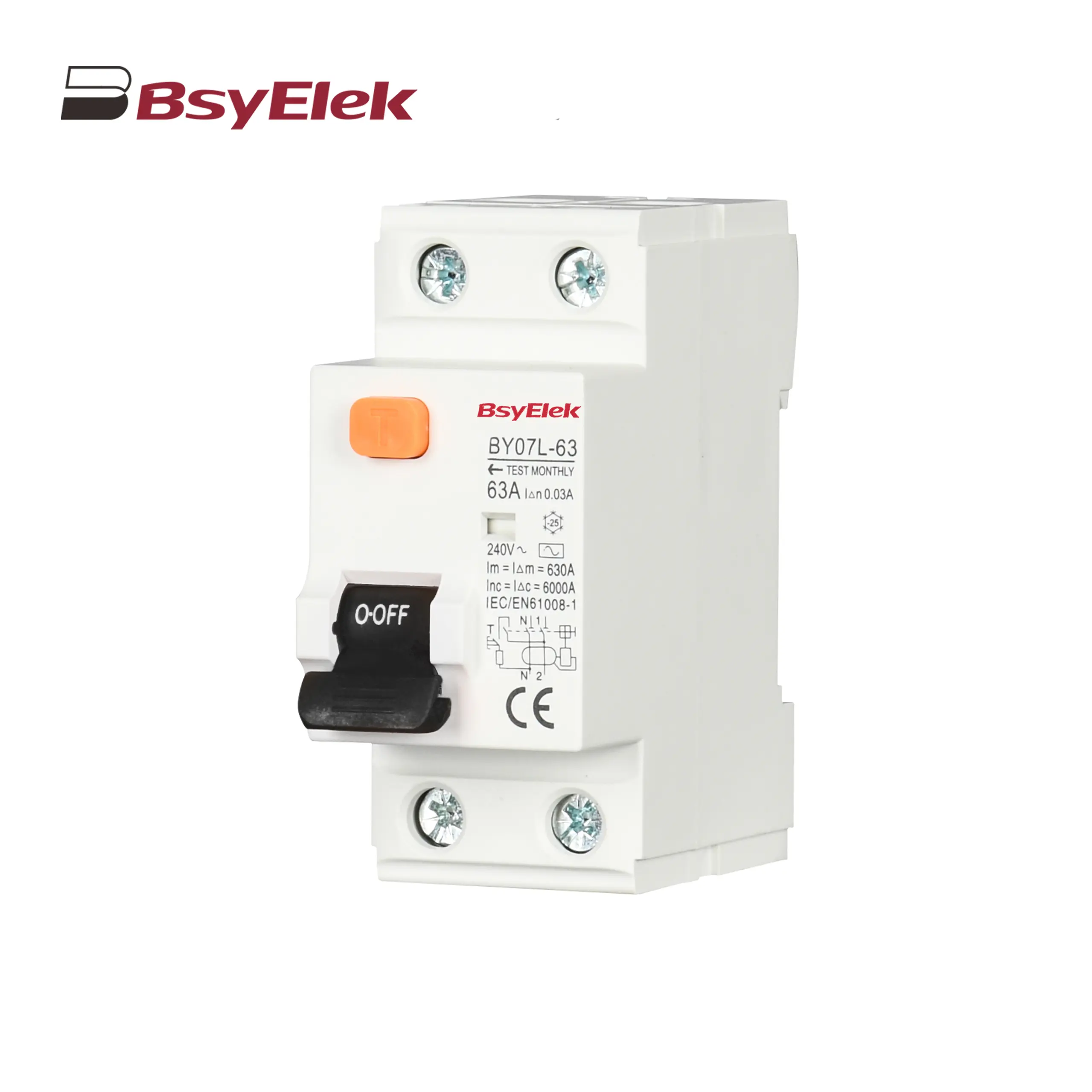 BY07L-63 RCCB 6KA Residual Current Circuit Breaker
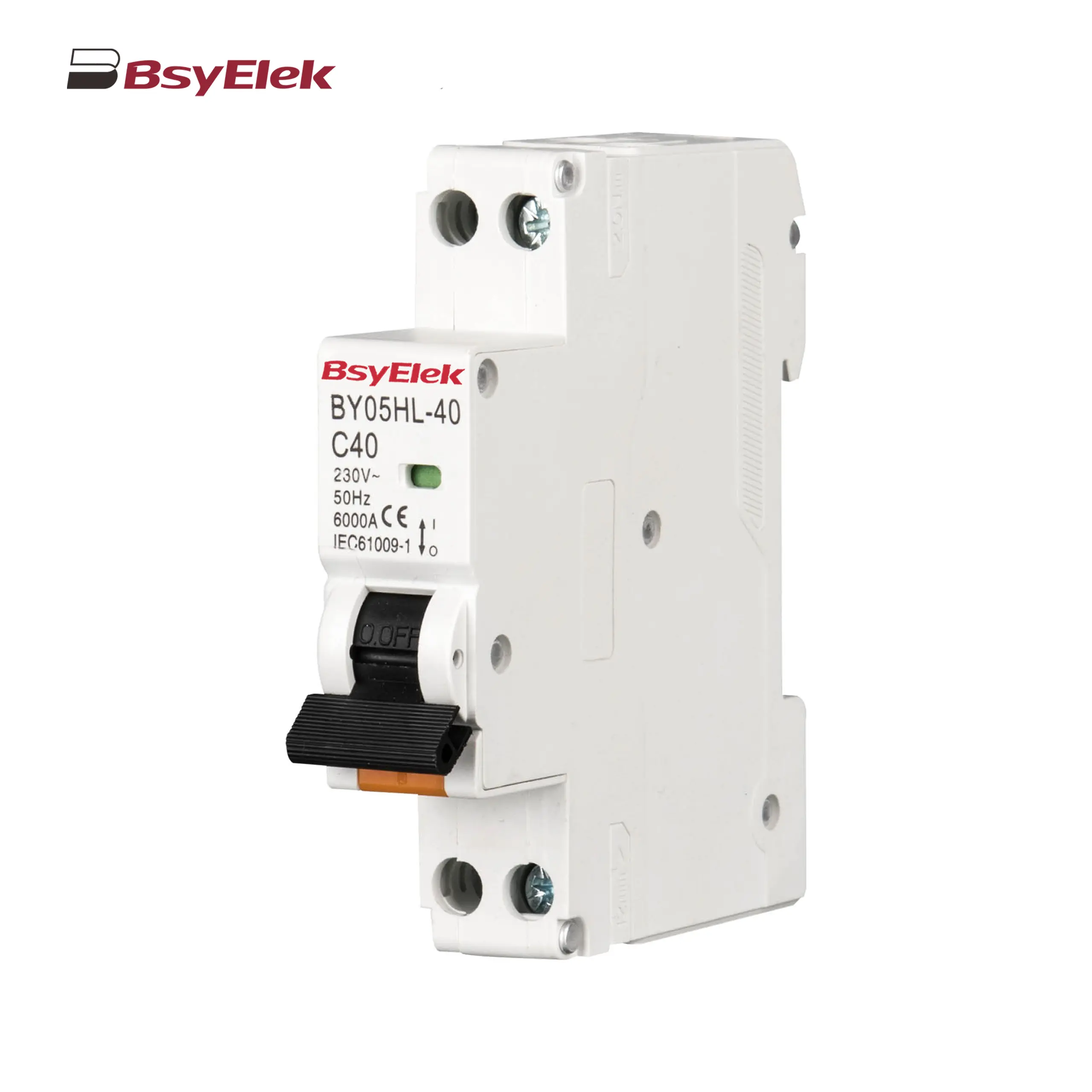 BY05HL-40 RCBO 6KA Residual Current Circuit Breaker with Over-current Protection
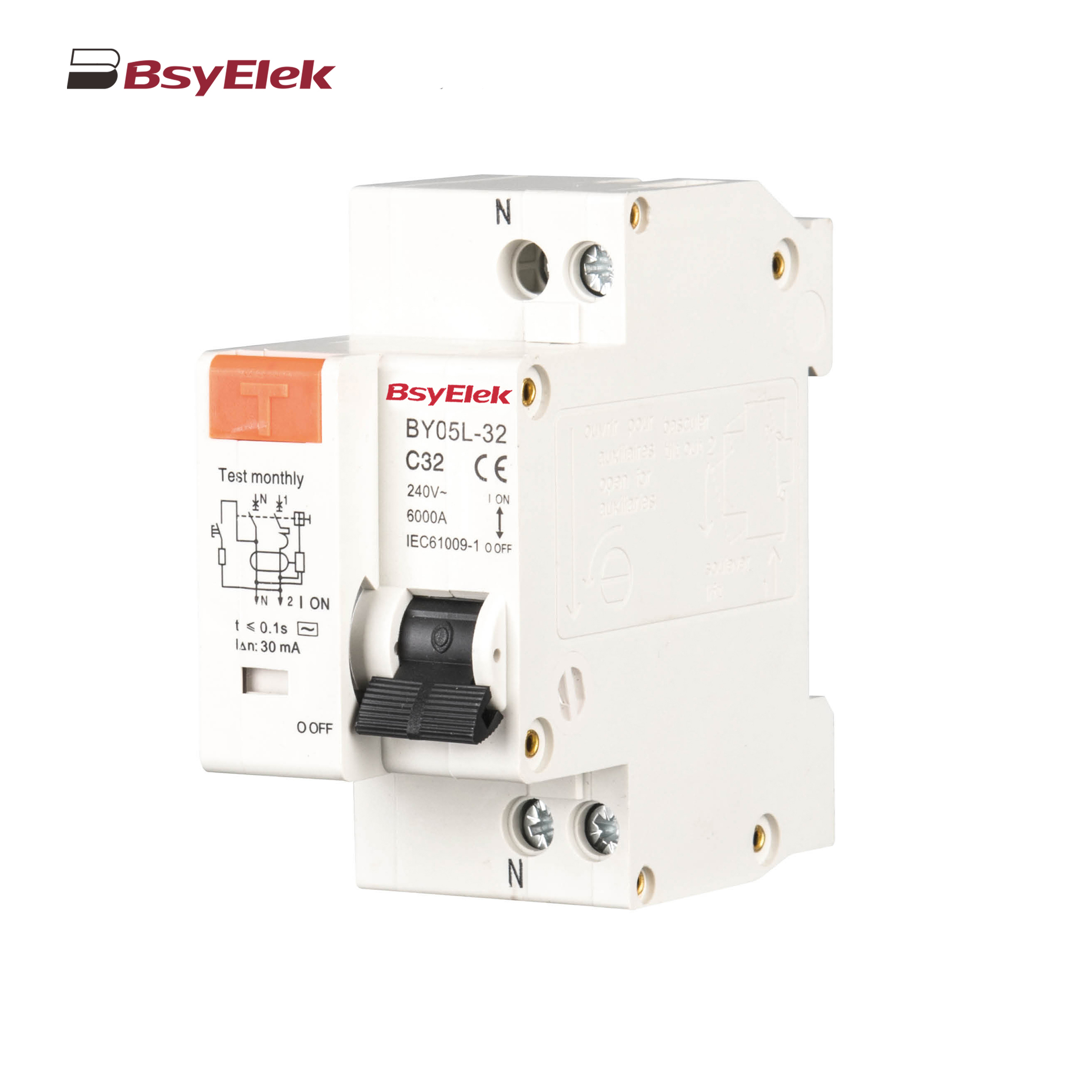 BY05L-32 RCBO 3KA Residual Current Circuit Breaker with Over-current Protection
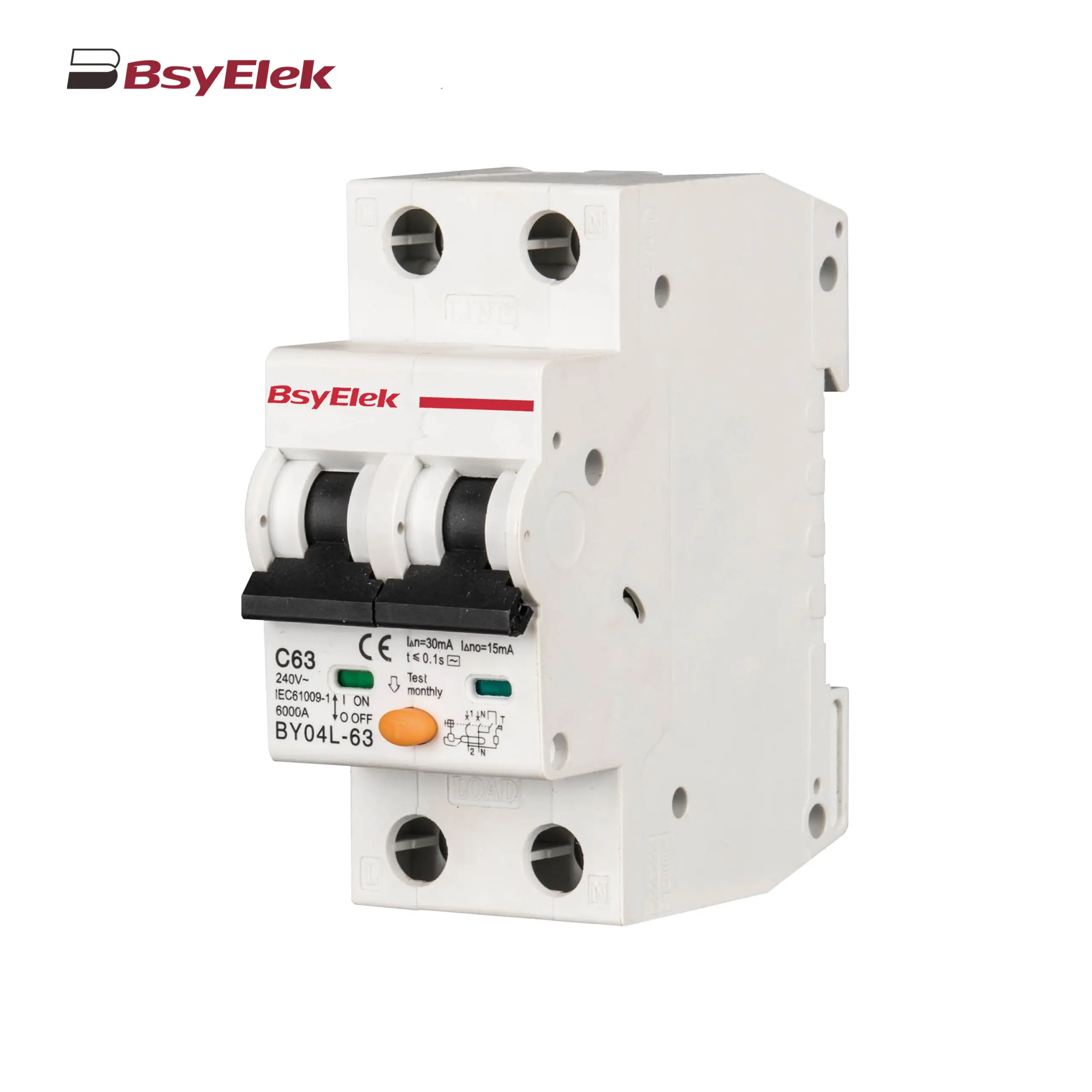 BY04L-63 RCBO 6KA Residual Current Circuit Breaker with Over-current Protection
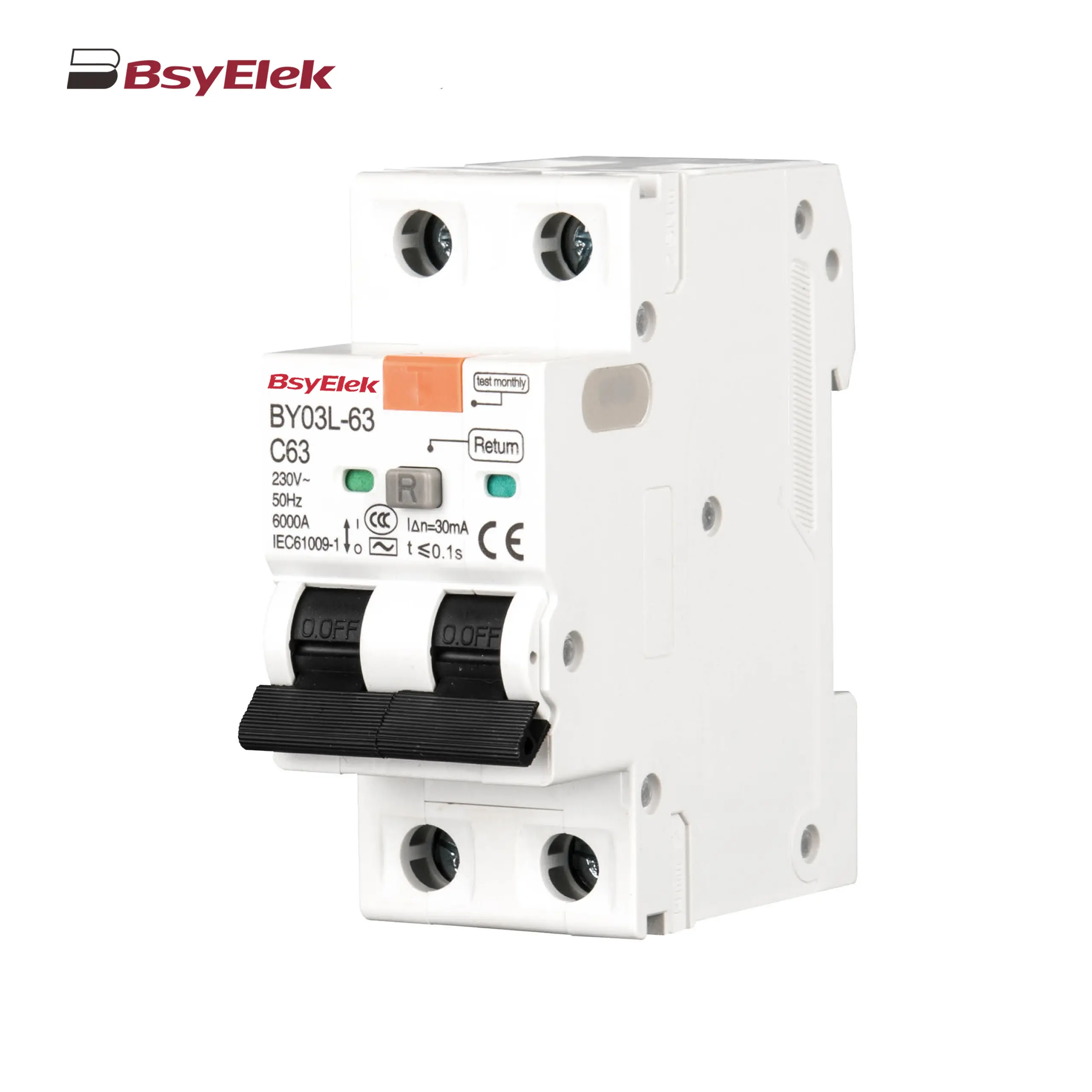 BY03L-63 RCBO 4.5KA Residual Current Circuit Breaker with Over-current Protection
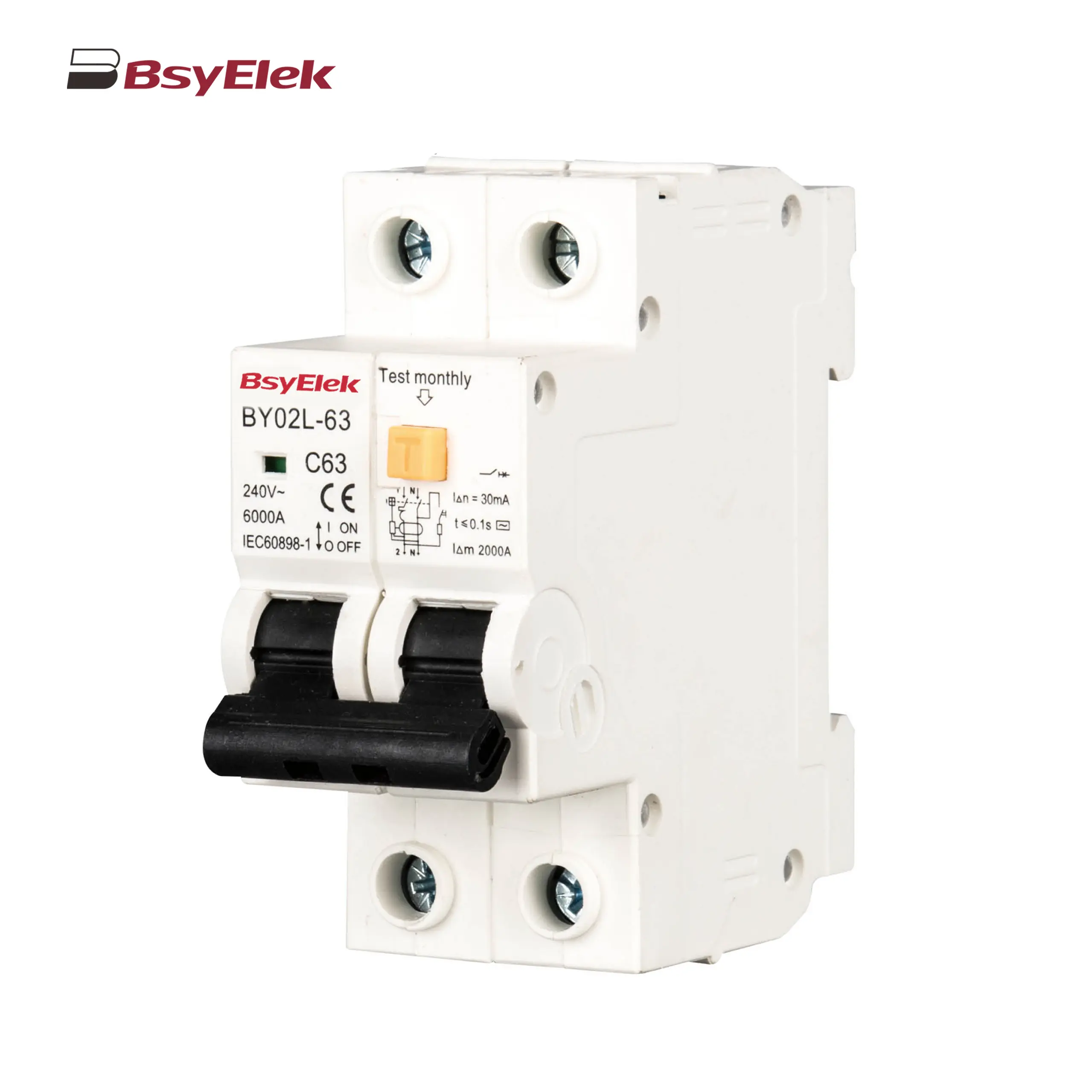 BY02L-63 RCBO 3KA Residual Current Circuit Breaker with Over-current Protection
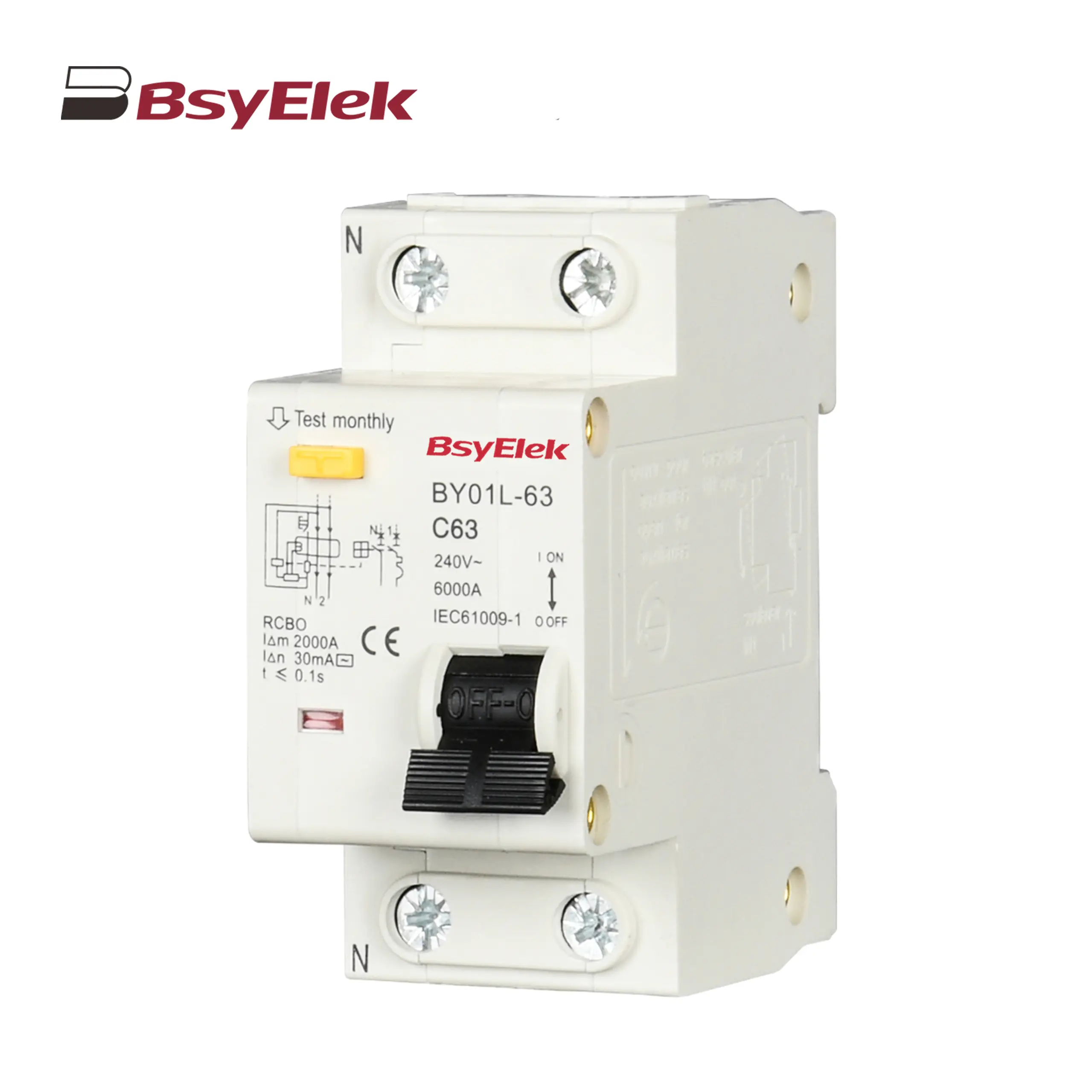 BY01L-63 RCBO 1P+N 3KA Residual Current Circuit Breaker with Over-current Protection
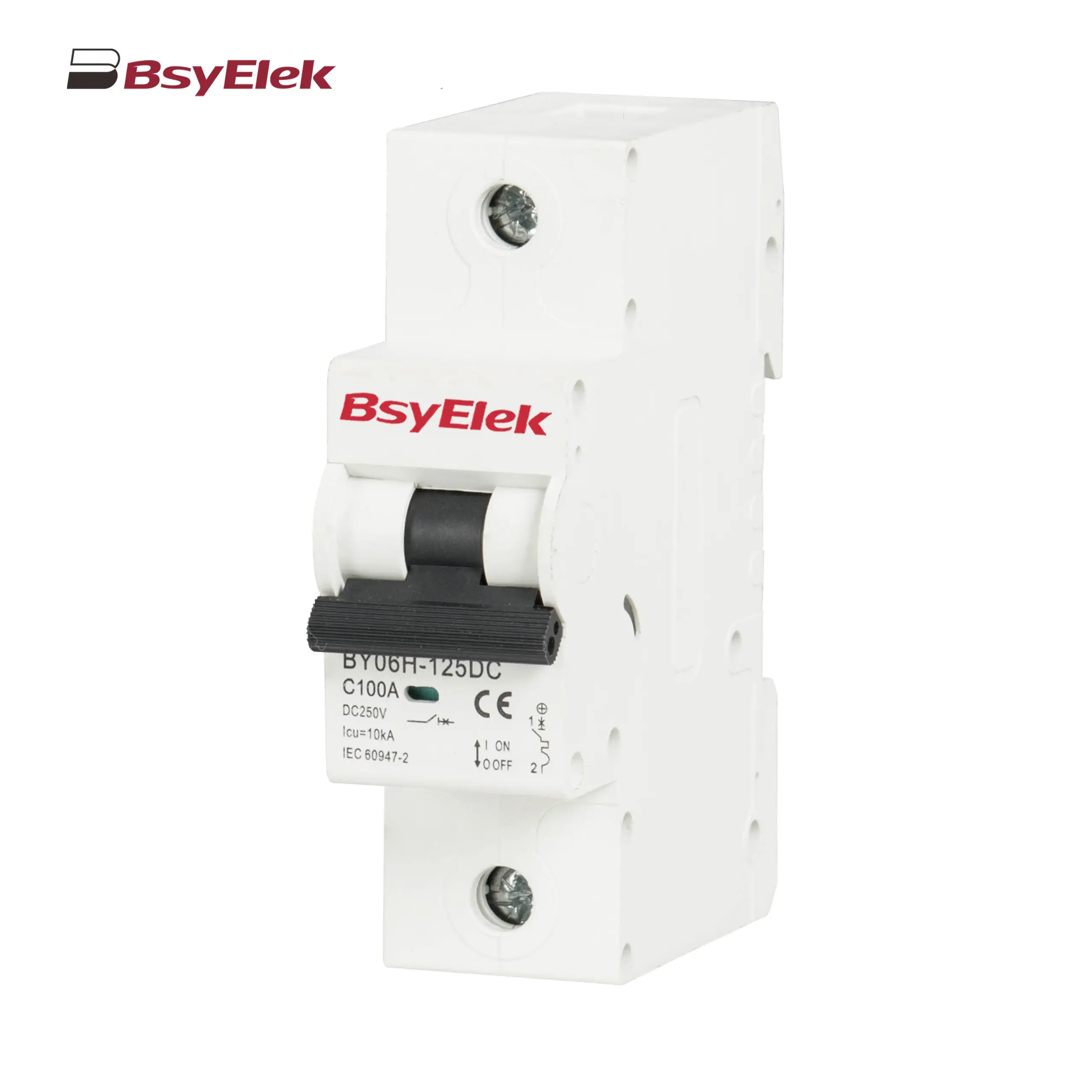 BY06H-125DC MCB 10-15kA DC Miniature Circuit Breaker
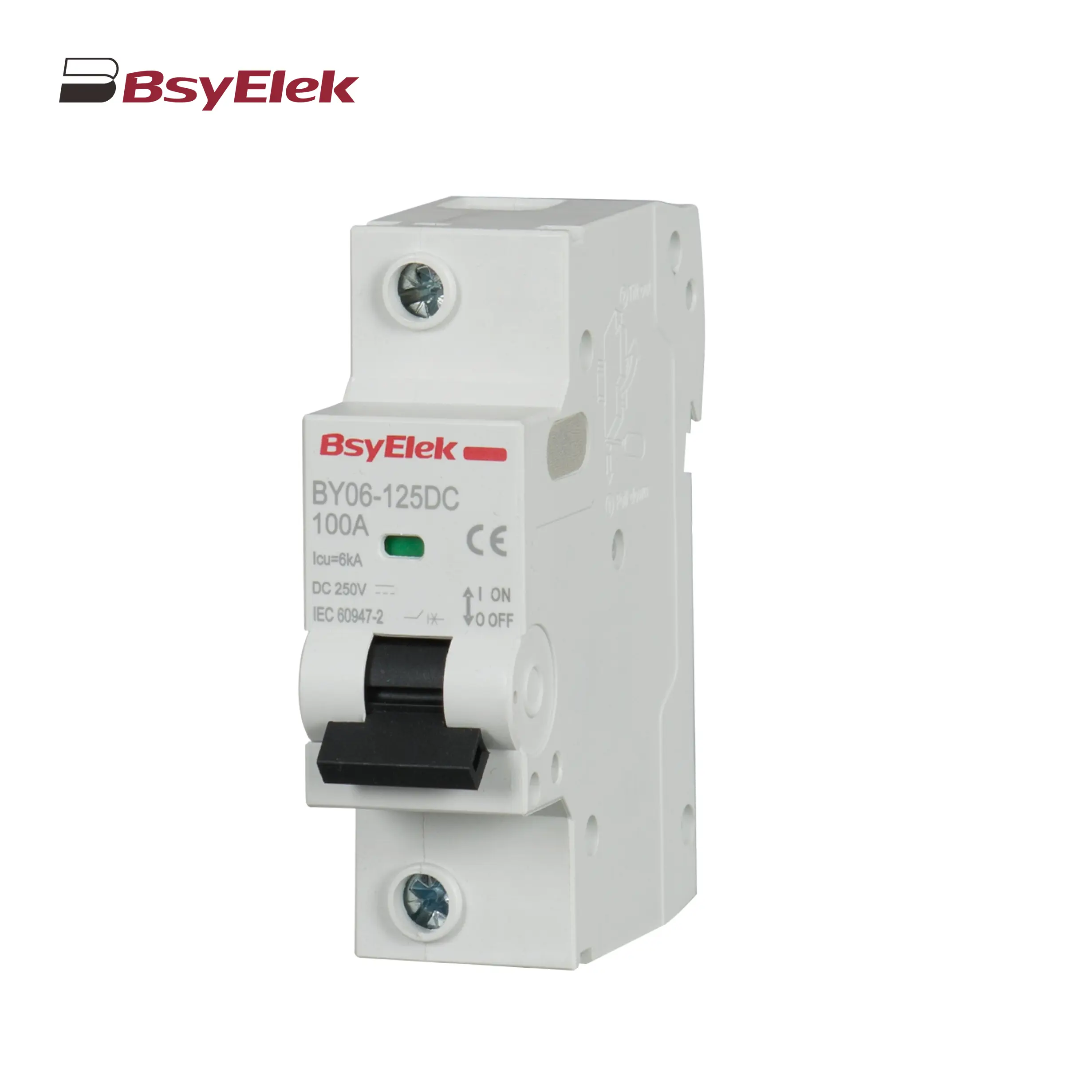 BY06-125DC MCB 6kA DC Miniature Circuit Breaker
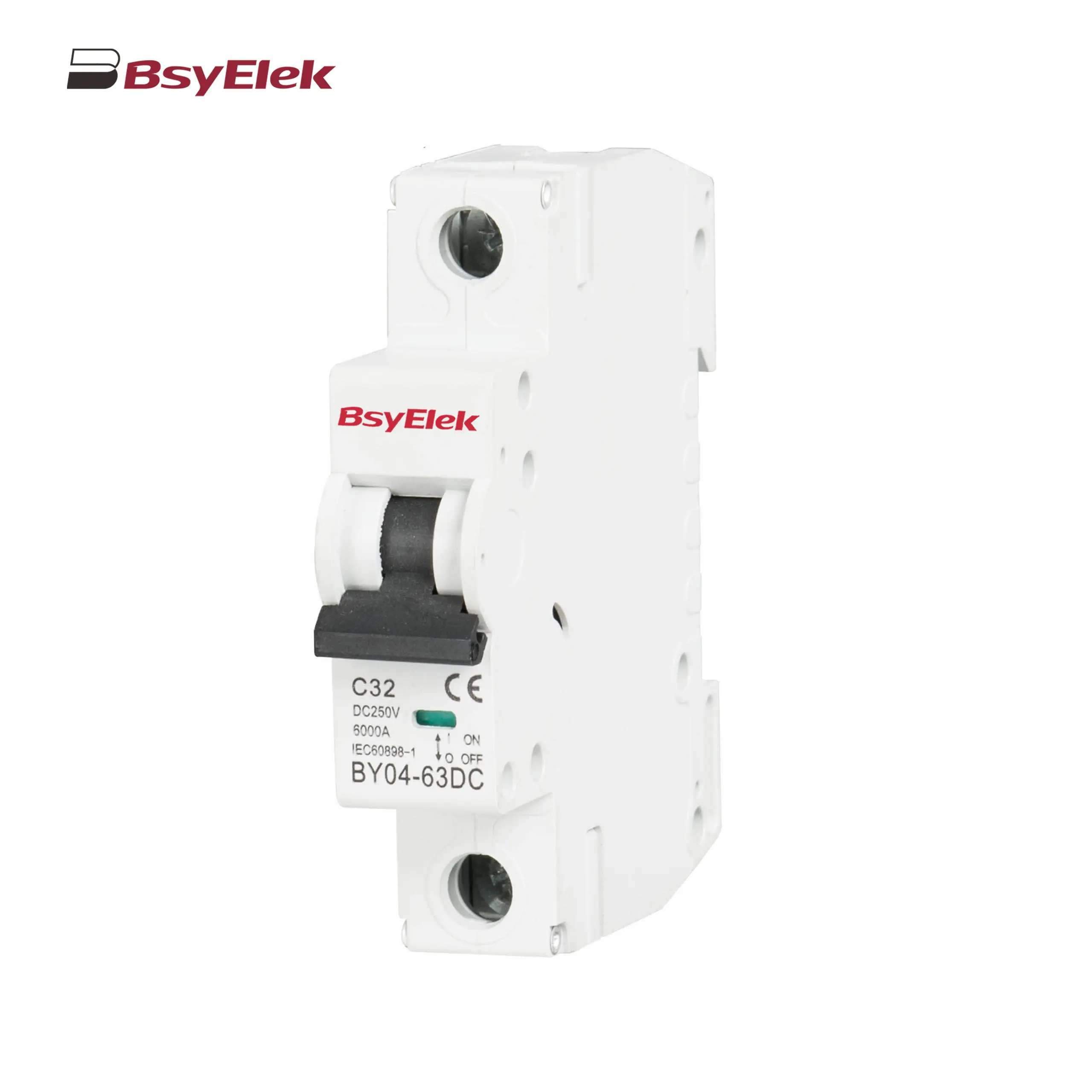 BY04-63DC MCB 6-10kA DC Miniature Circuit Breaker
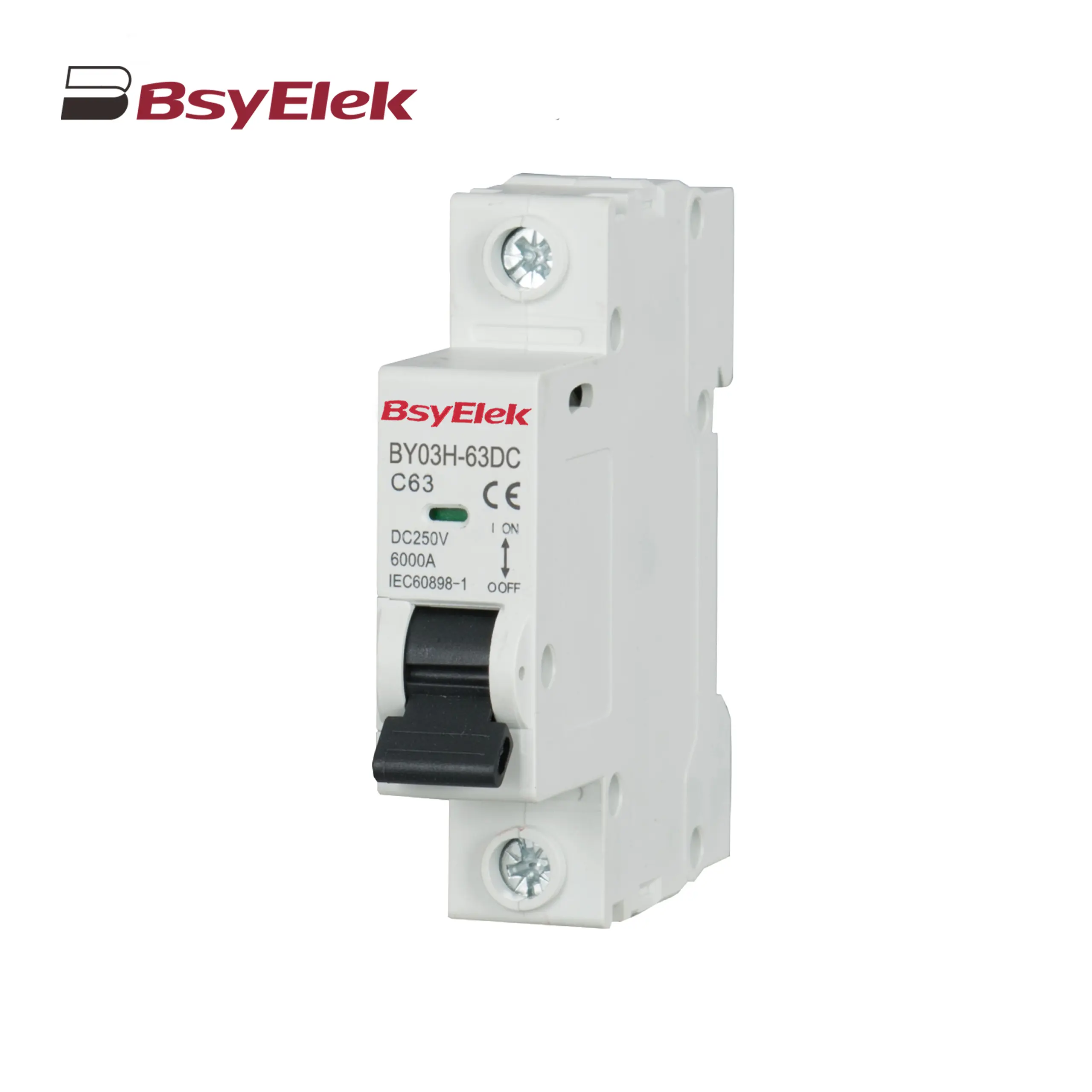 BY03H-63DC MCB 6kA DC Miniature Circuit Breaker
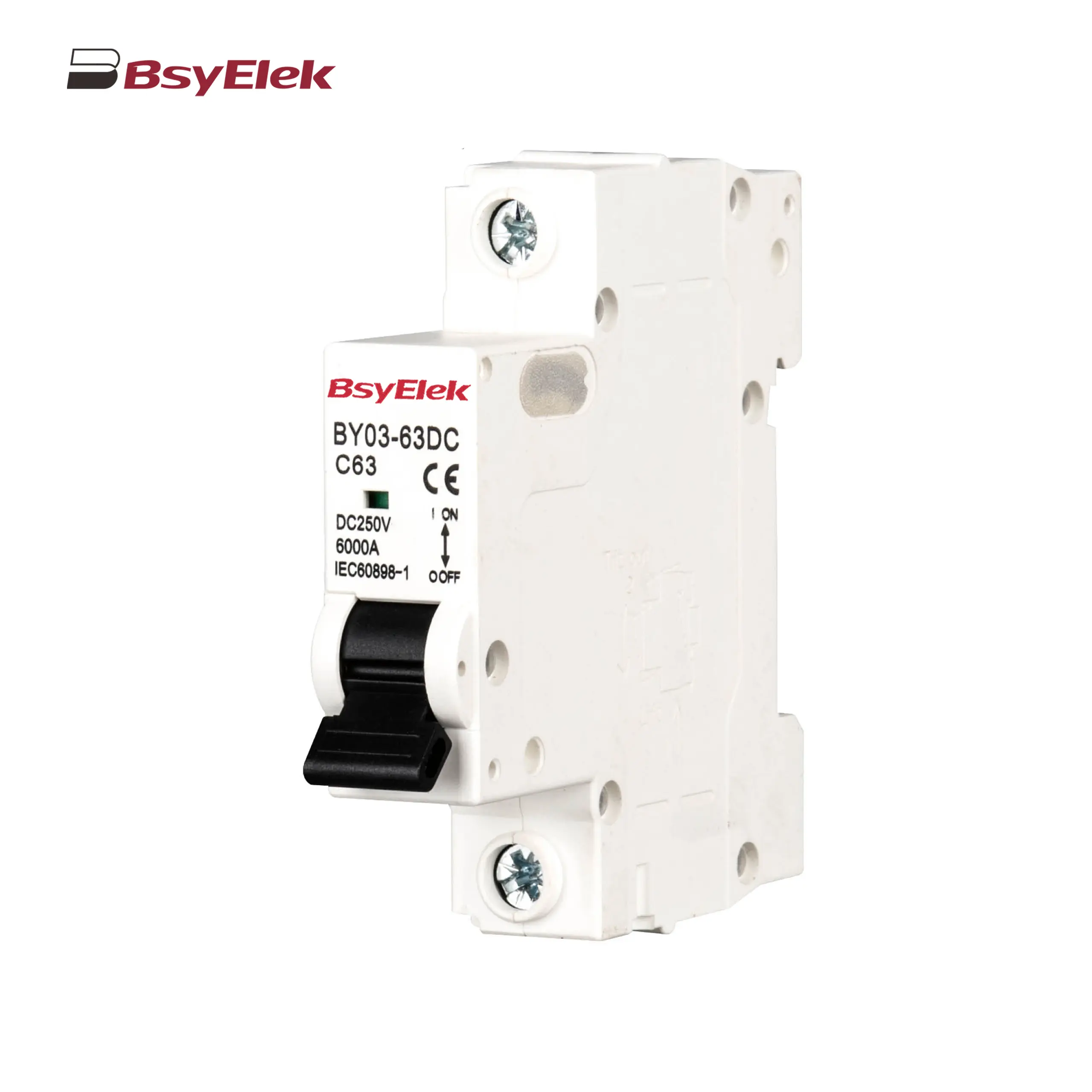 BY03-63DC MCB 4.5kA DC Miniature Circuit Breaker
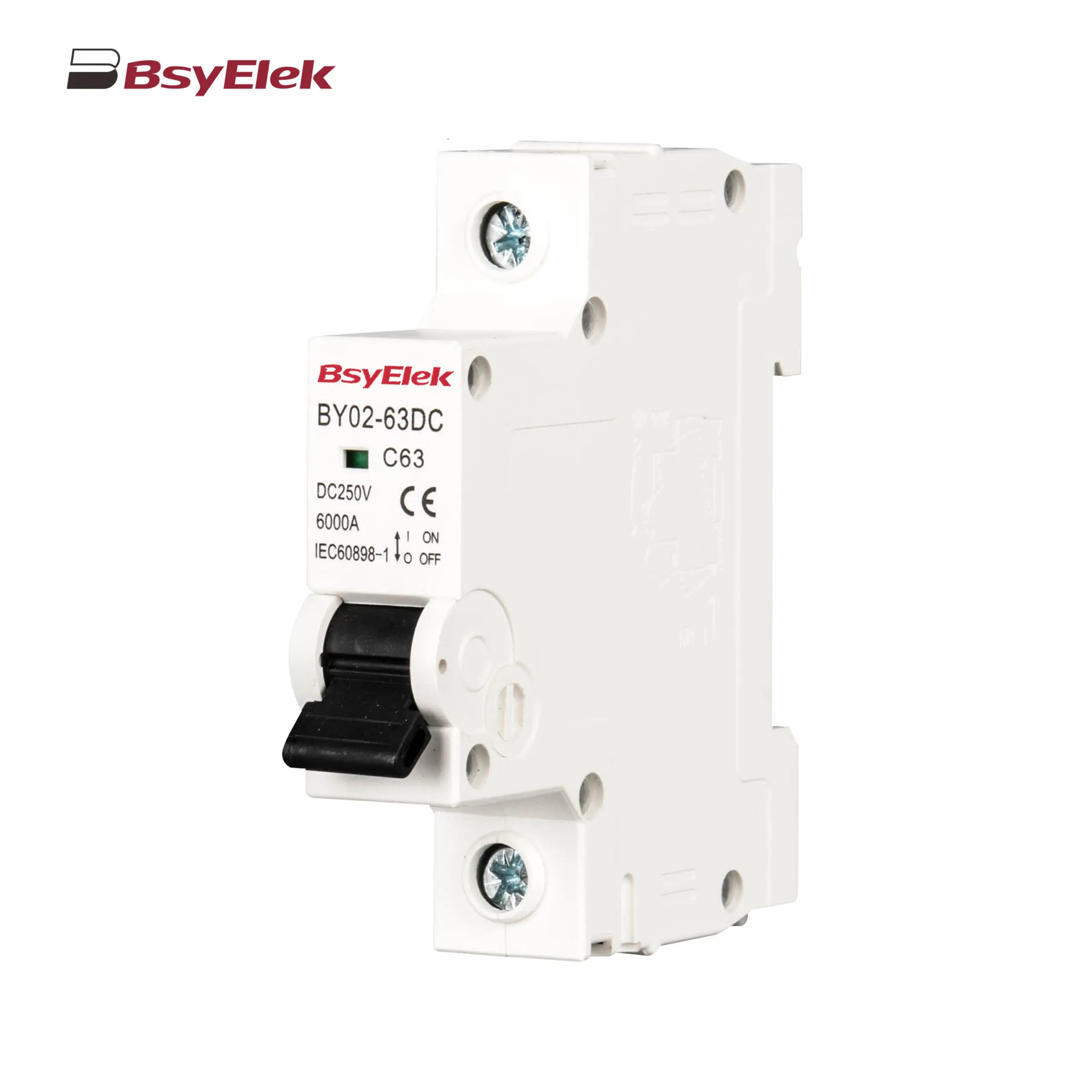 BY02-63DC MCB 3kA DC Miniature Circuit Breaker
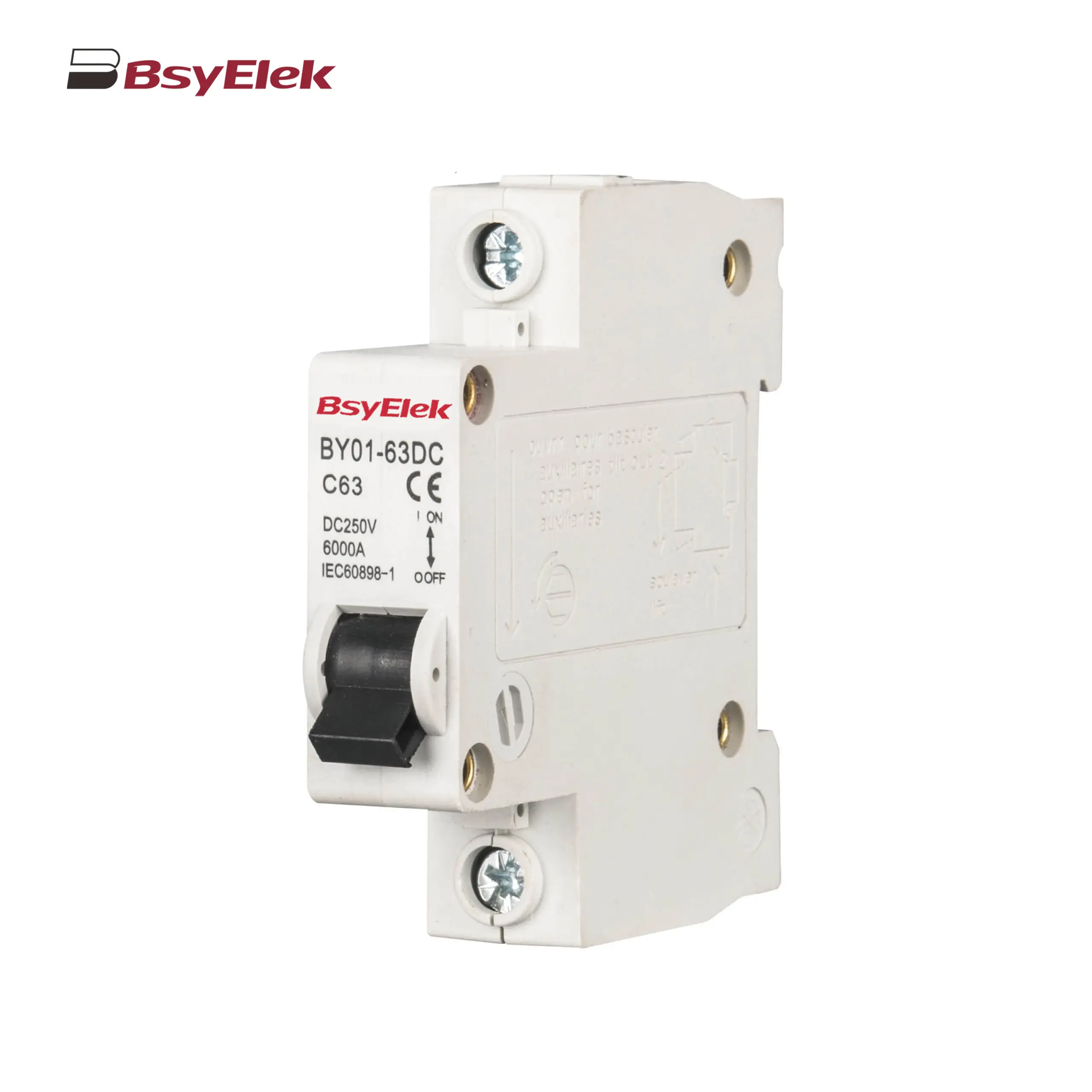 BY01-63DC MCB 3kA DC Miniature Circuit Breaker
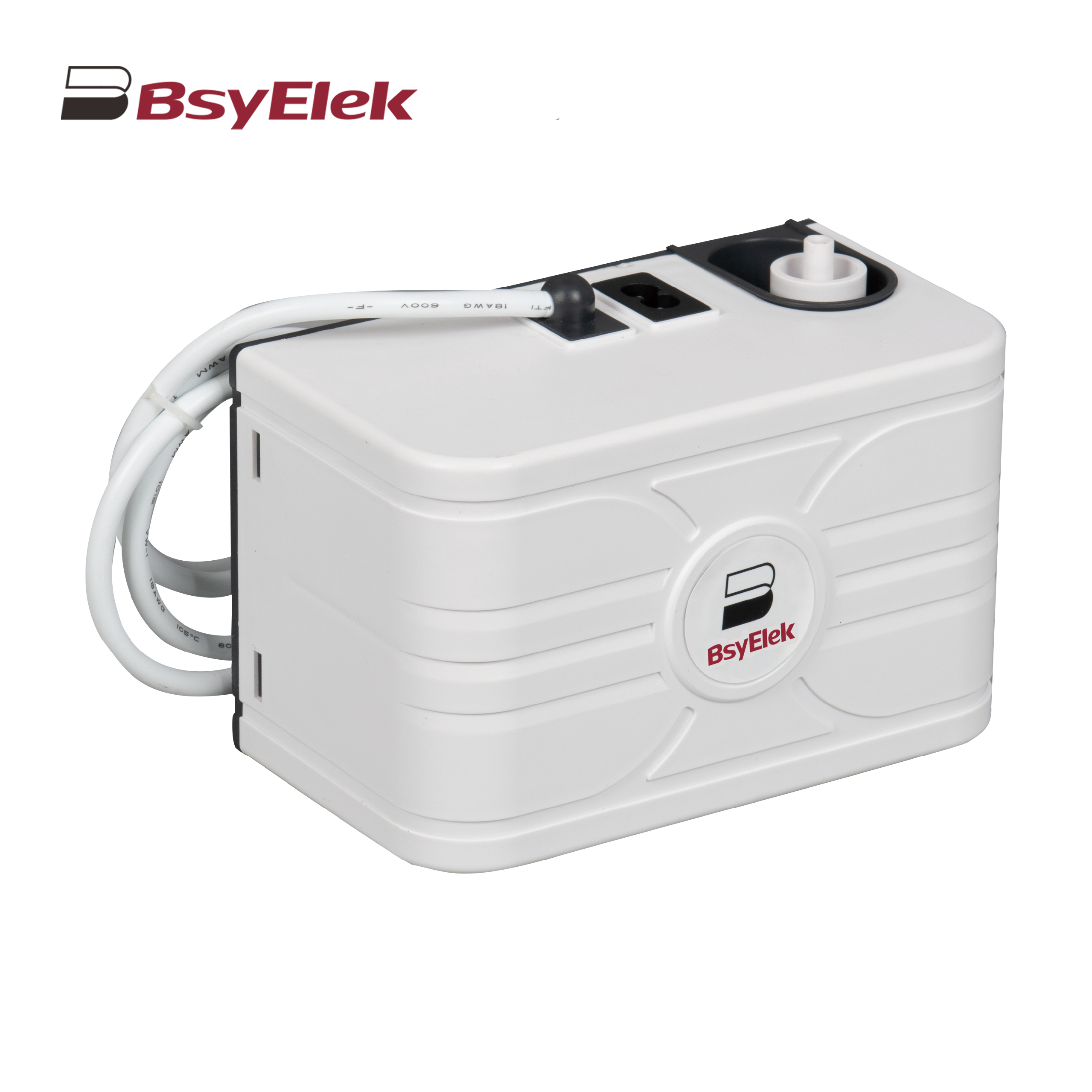 BY-5018 1.8M Engineering Drainage Pump
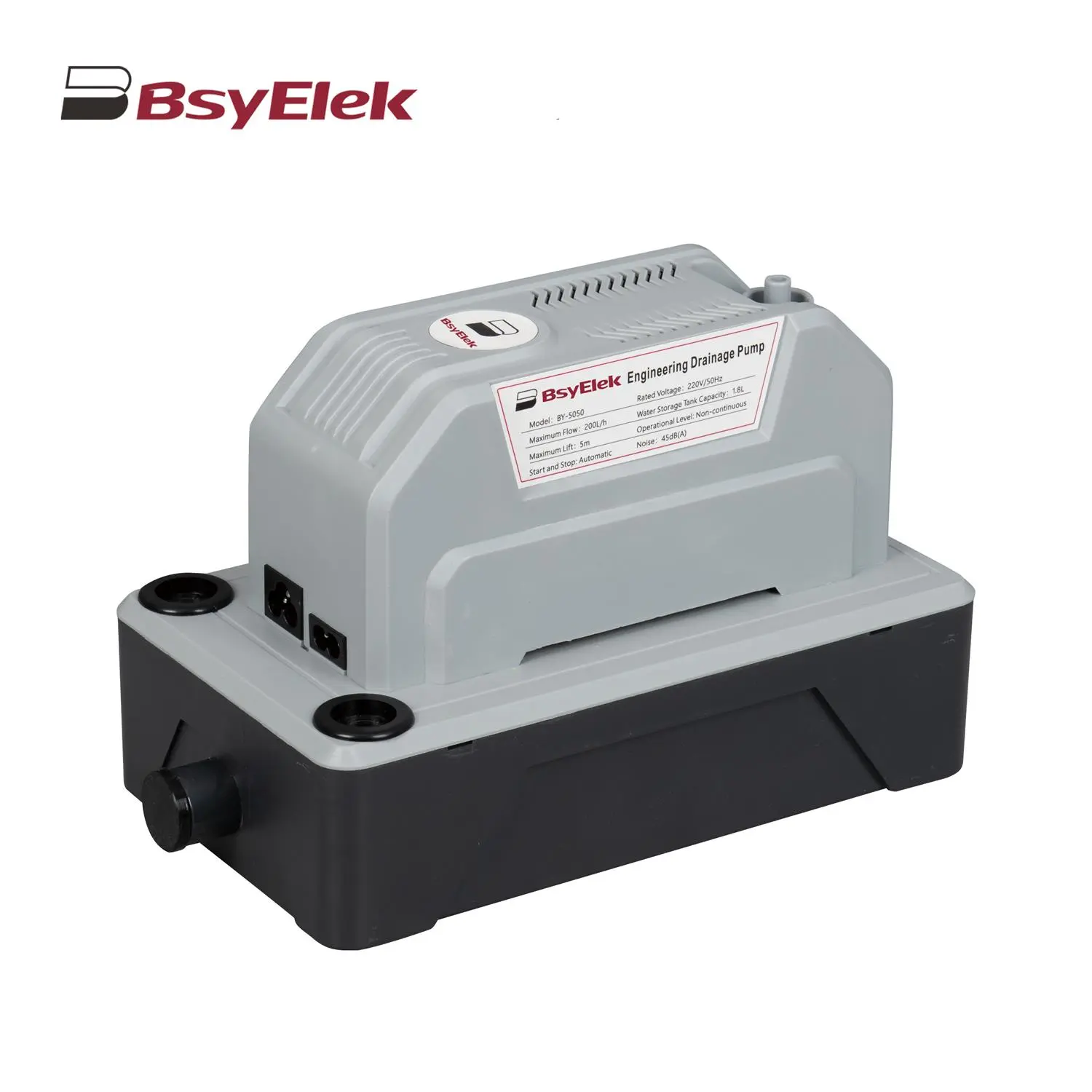 BY-5050 5M Engineering Drainage Pump
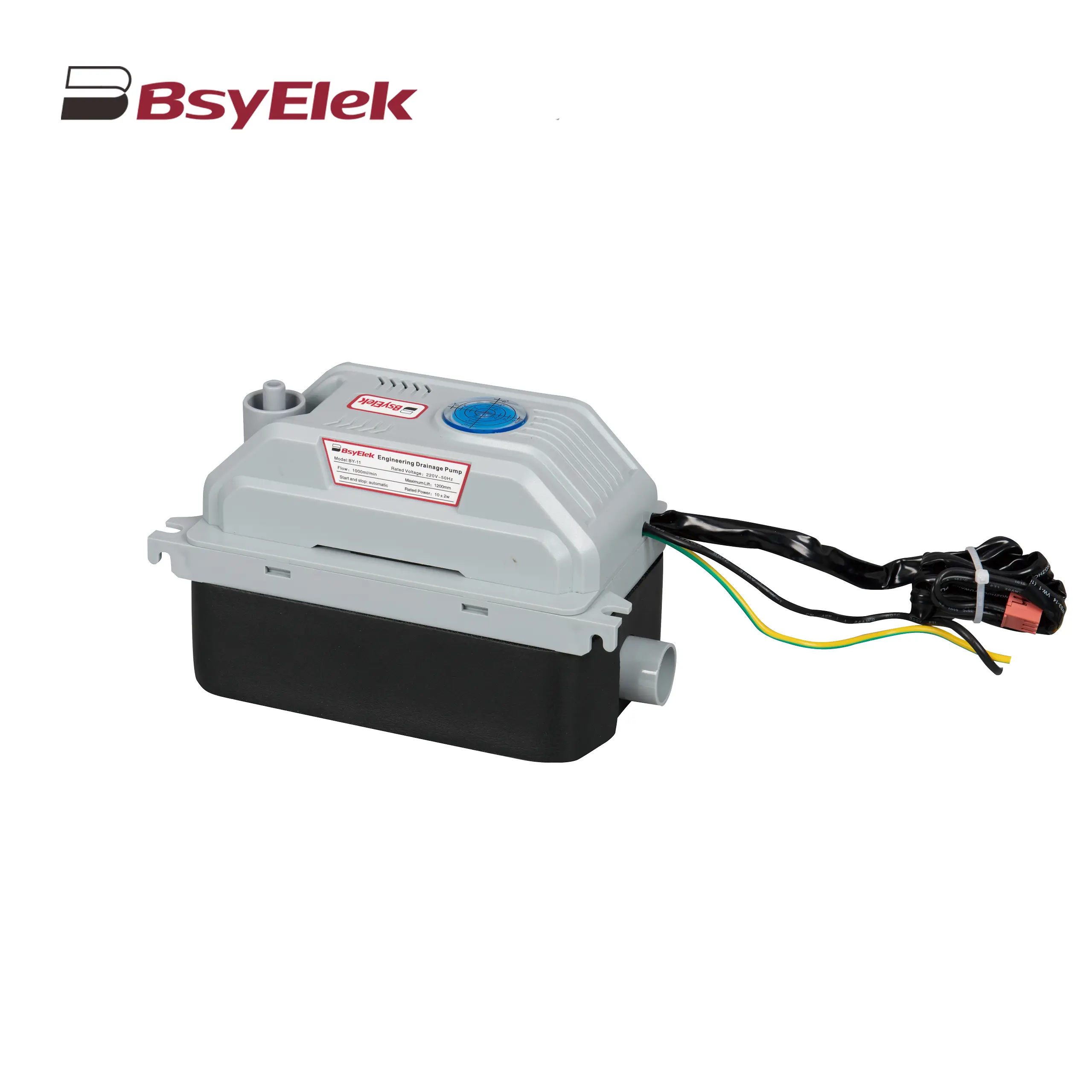 BY-11 1.2M Engineering Drainage Pump
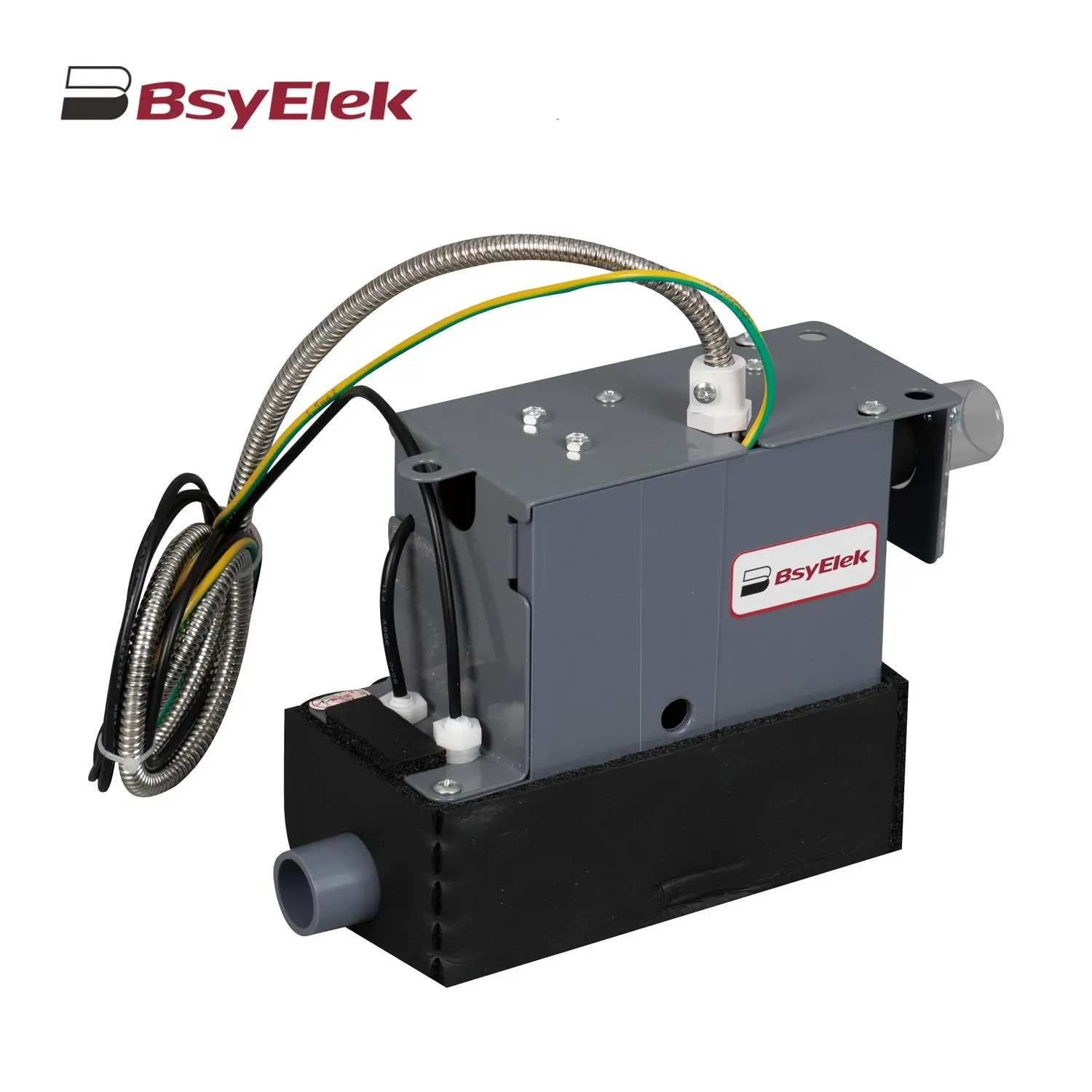 SBH-05 0.7M Original Drainage Pump of Duct Type Air Conditioner
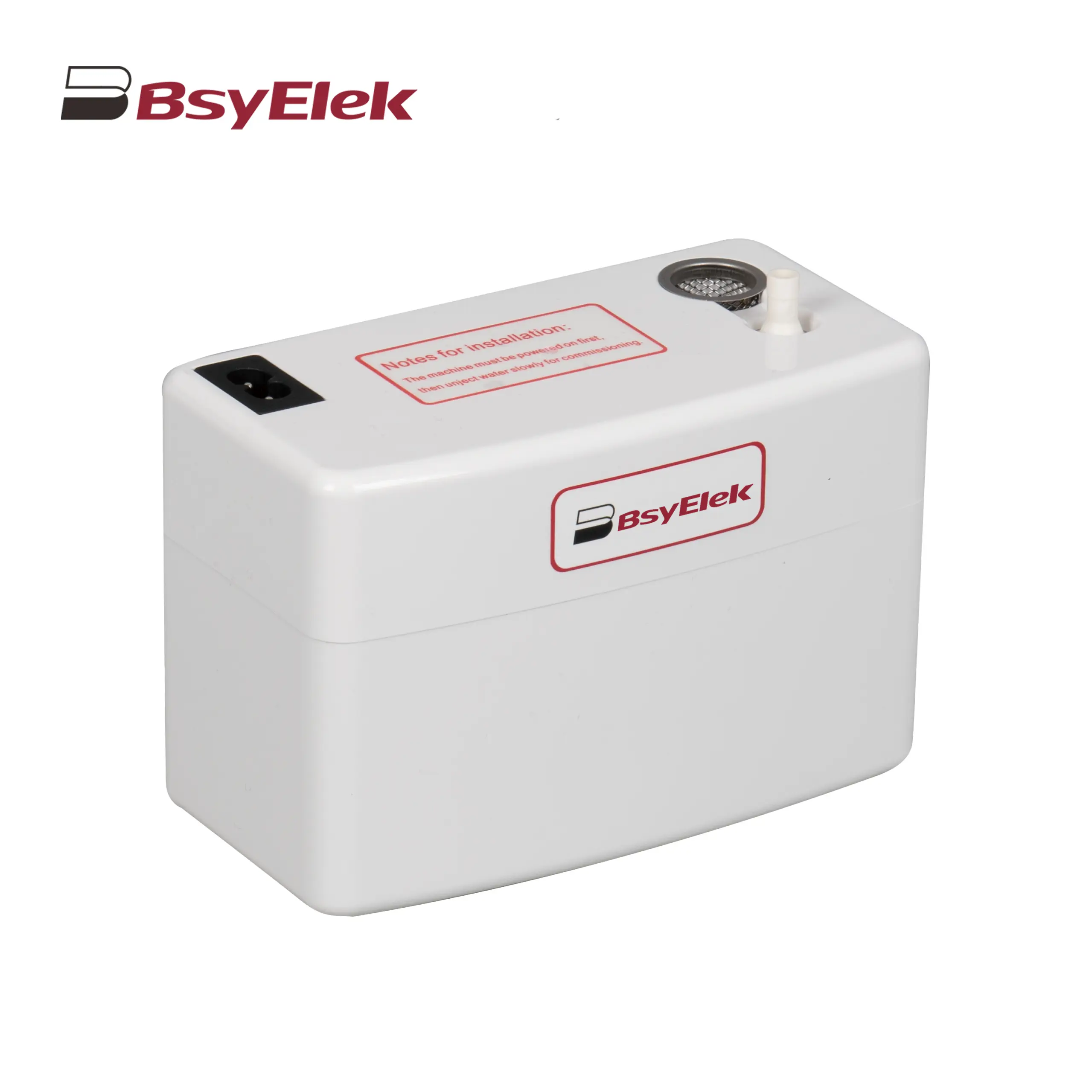 BY-24A/40A 10M Drainage Pump of Air Conditioner
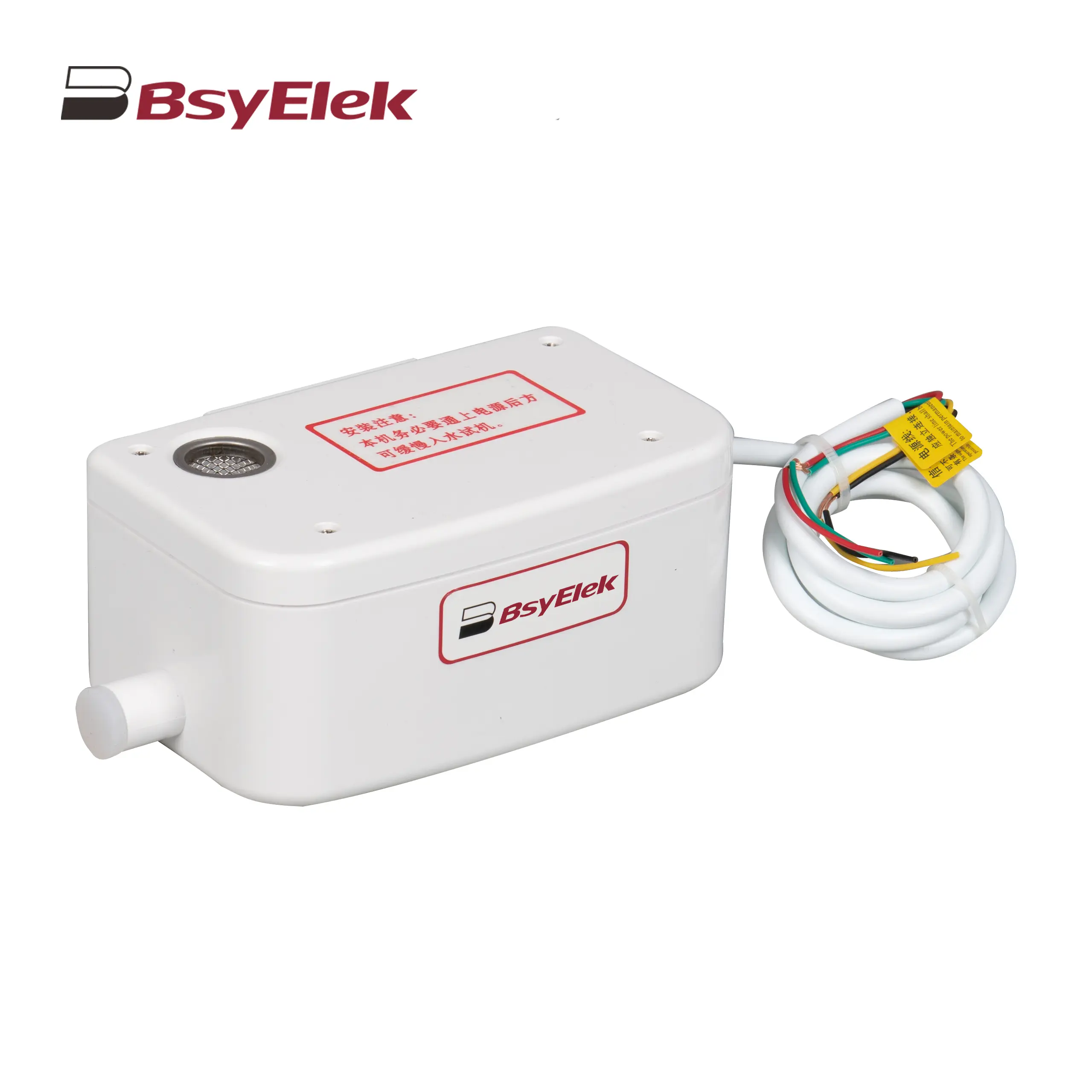 BY-50A 12M Drainage Pump of Air Conditioner
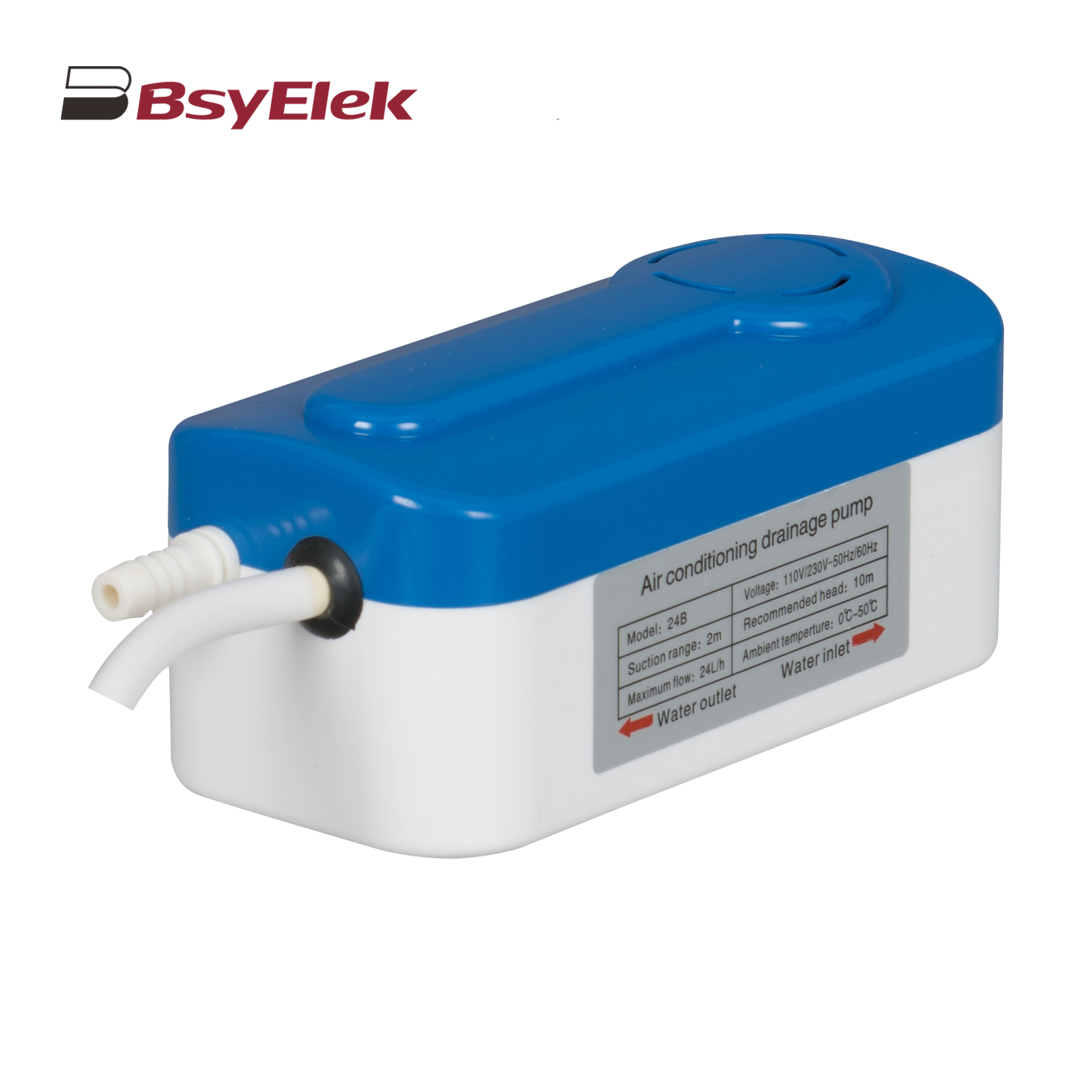 BY-24B/40B 10M Split Type Drainage Pump
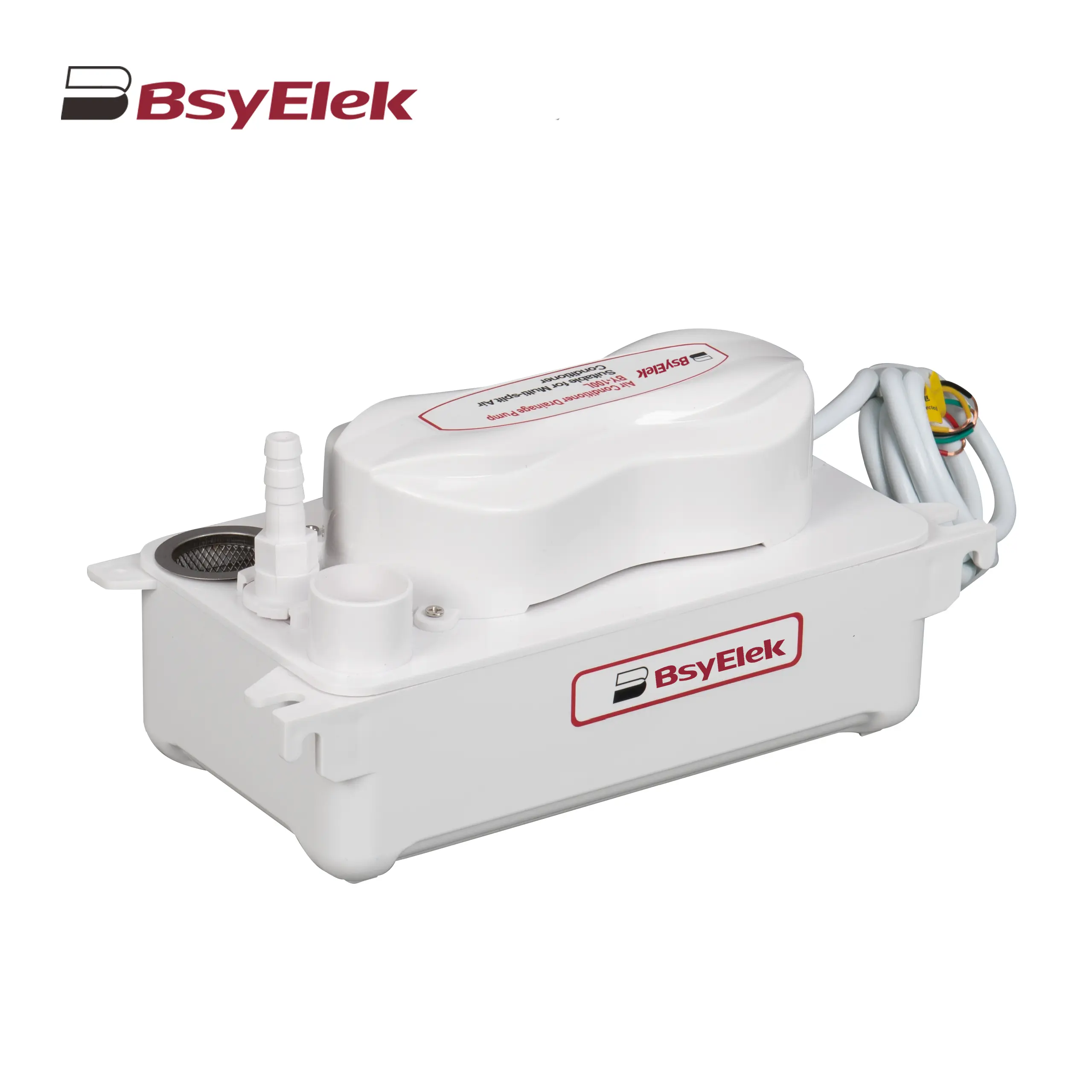 BY-100L 2M Drainage Pump of Air Conditioner
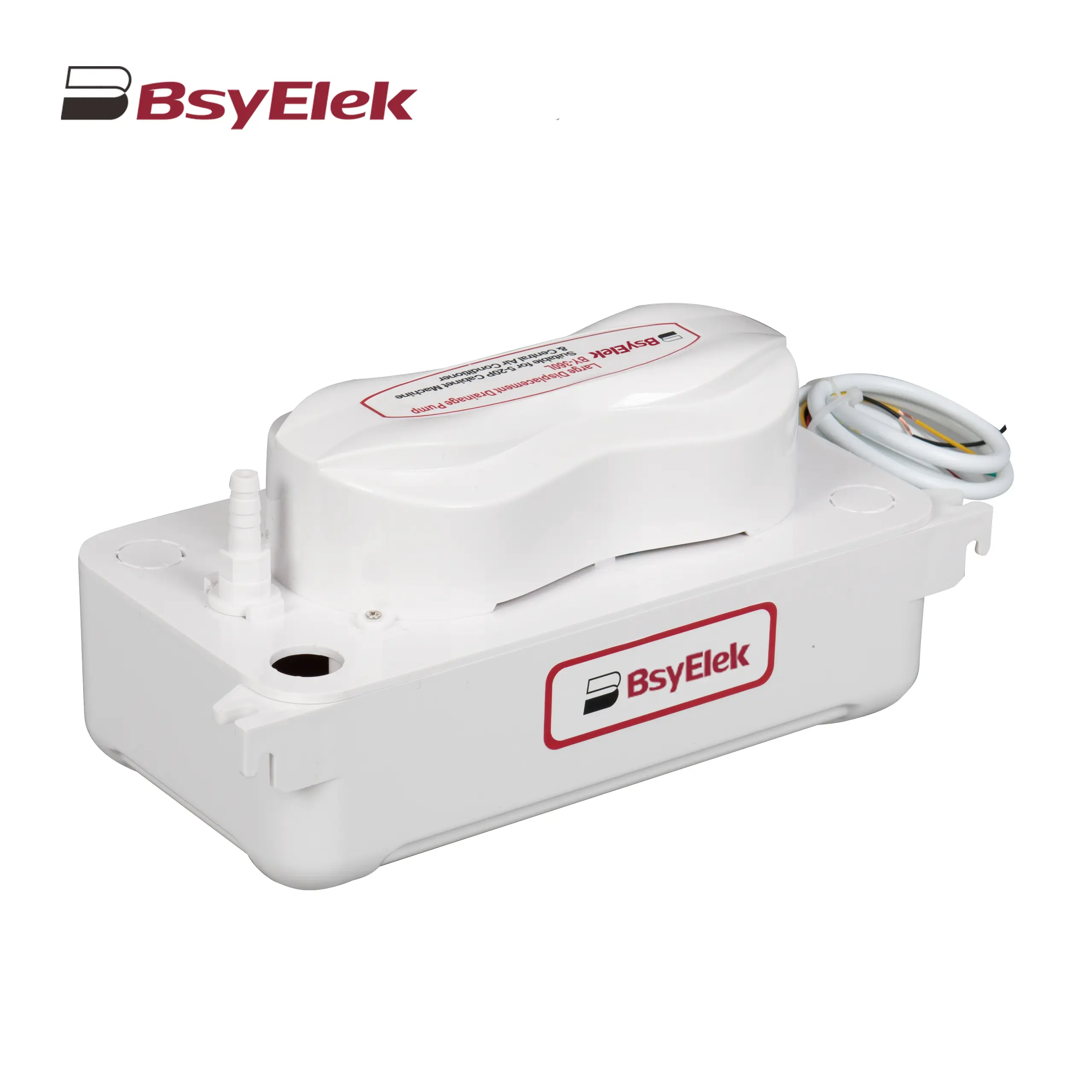 BY-360L 6M Large Displacement Drainage Pump
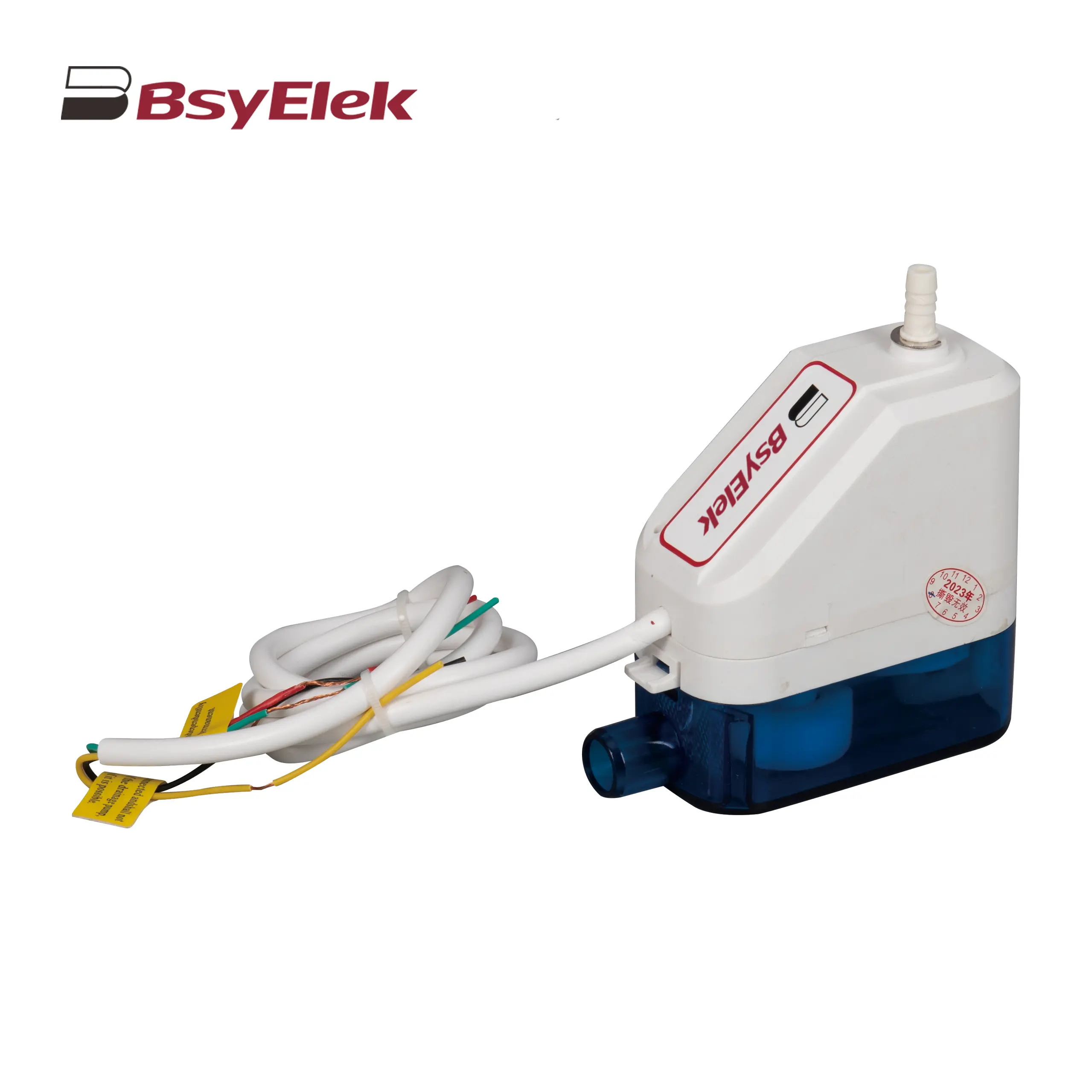 BY-24C/40C 10M Corner Drainage Pump
What is a miniature circuit breaker (MCB)?
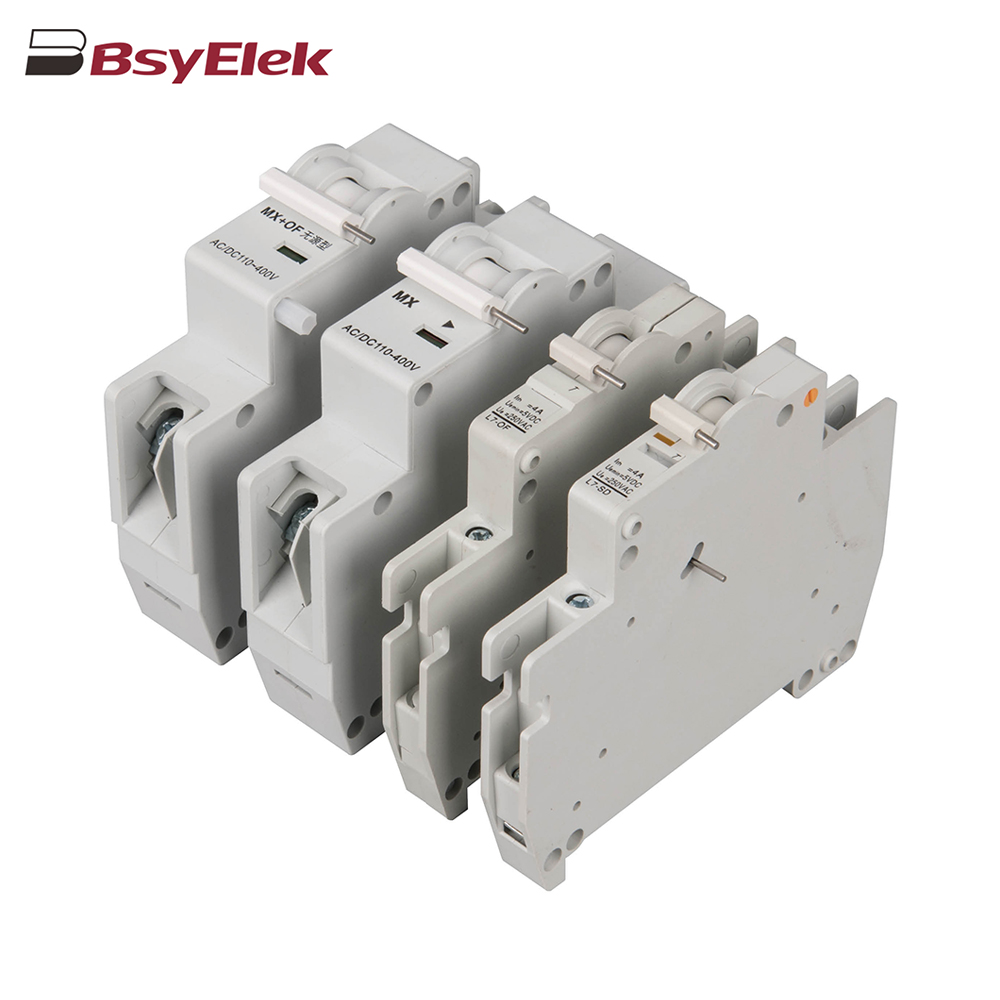 OF SD MX OF MCB Miniature Circuit Breaker Accessories
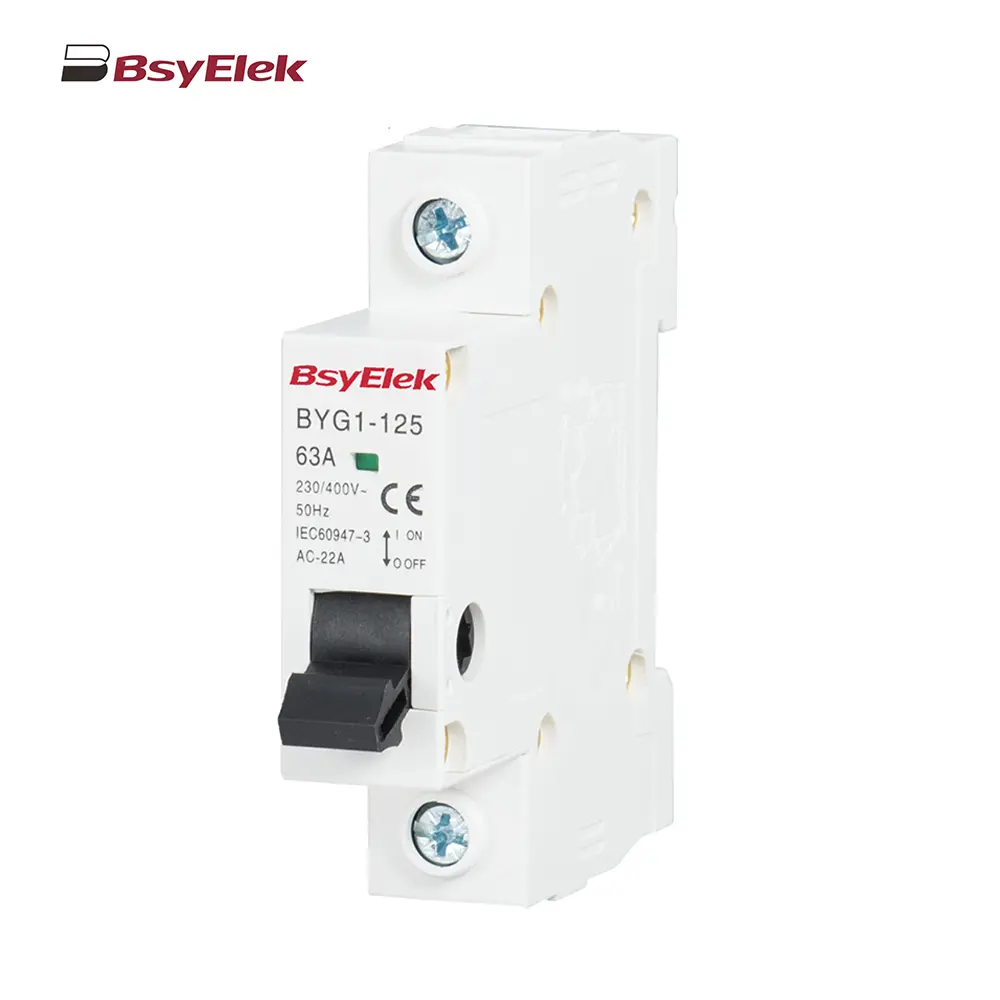 BYG1-125 Main Switch MCB Isolator Switch
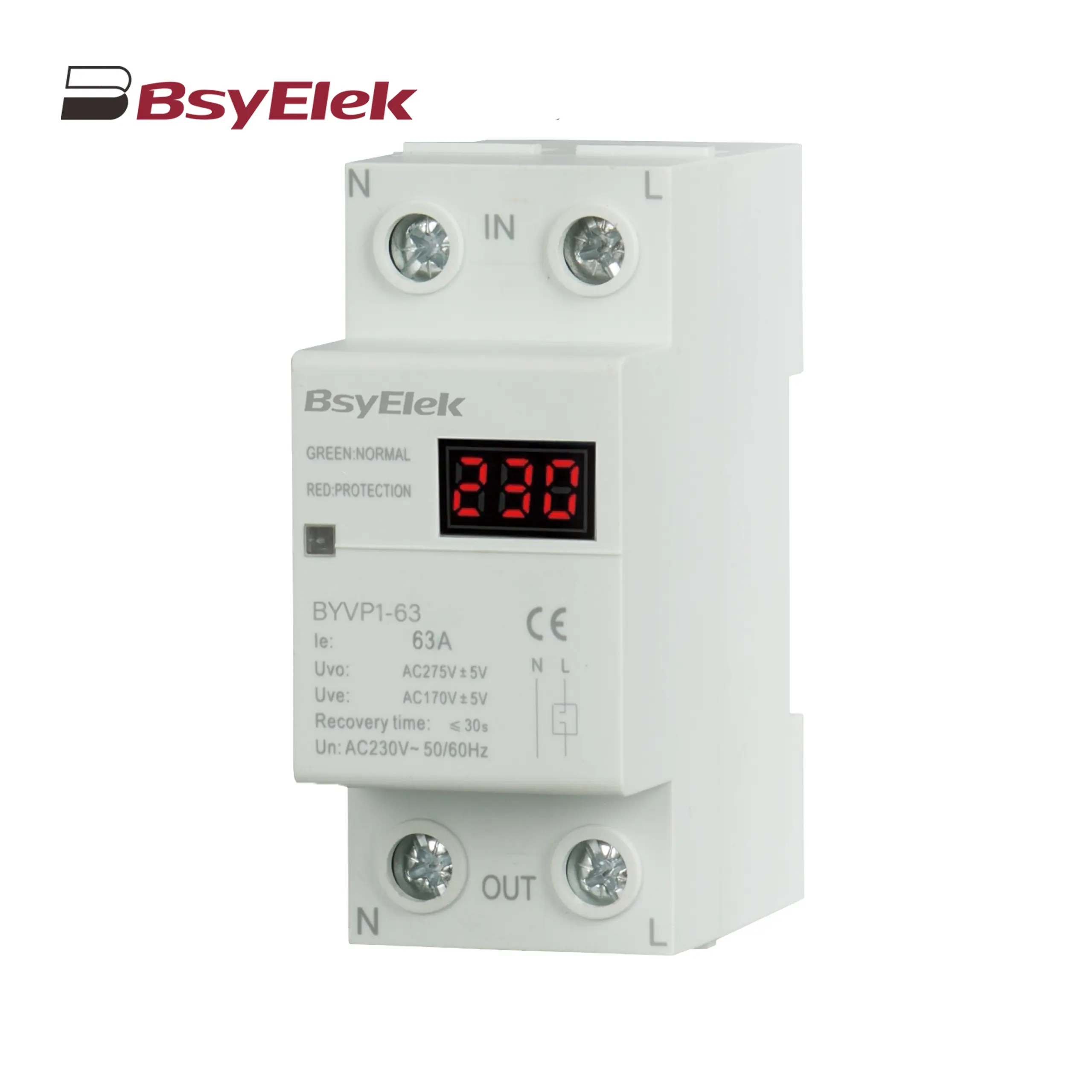 BYVP1-63 100A Single Display Overvoltage and Undervoltage Protector
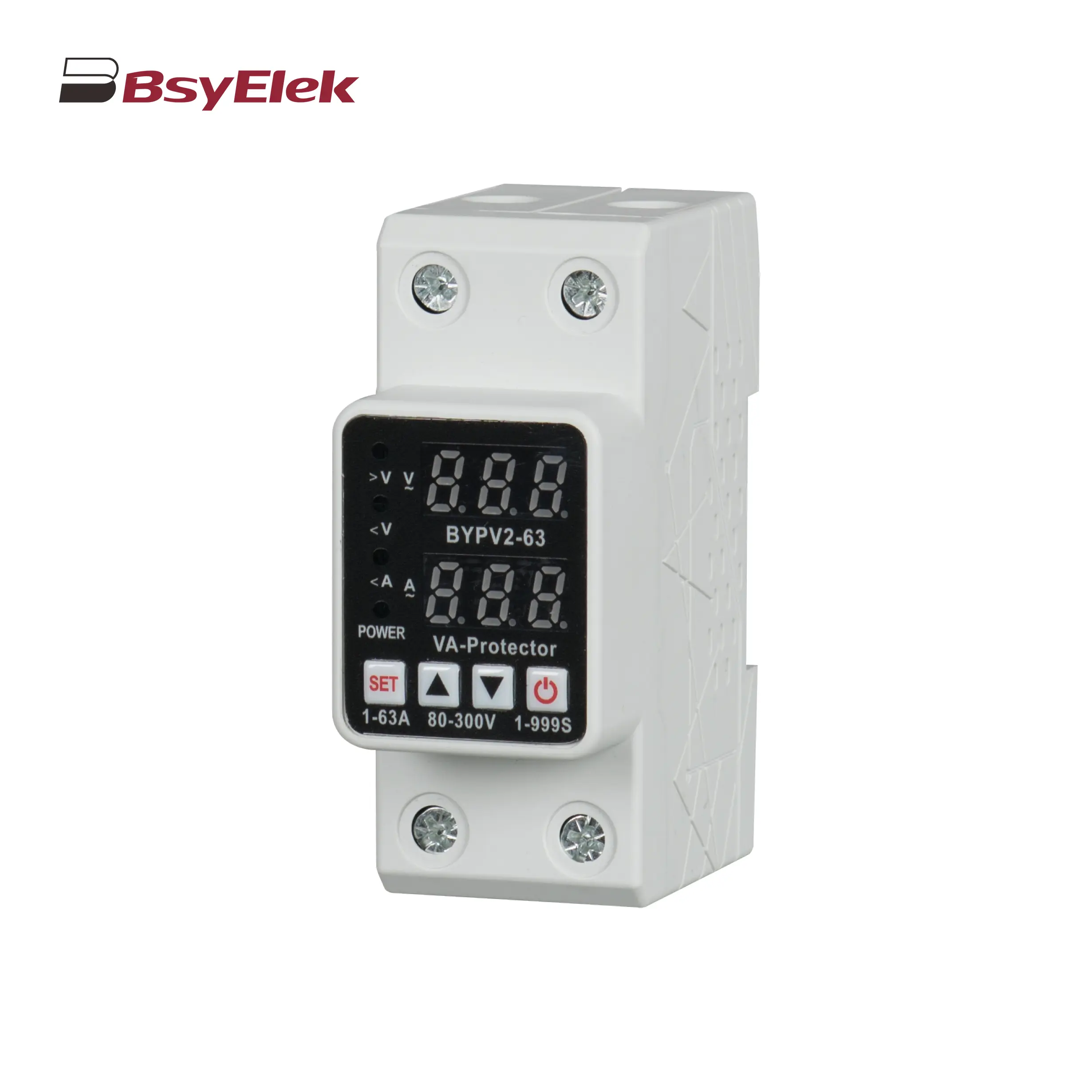 BYVP2-63 40A 63A Adjustable Dual Display Overvoltage and Undervoltage Protector
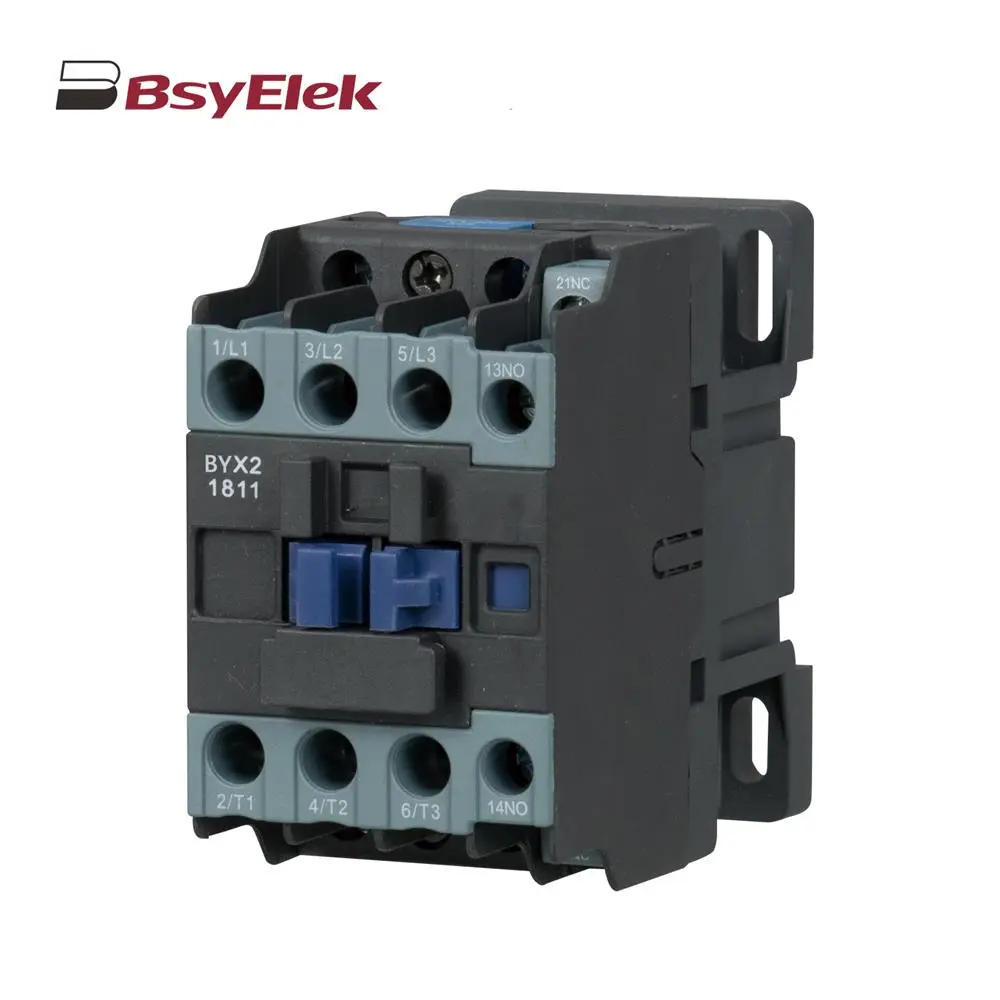 BYX2 6-95A AC Contactor
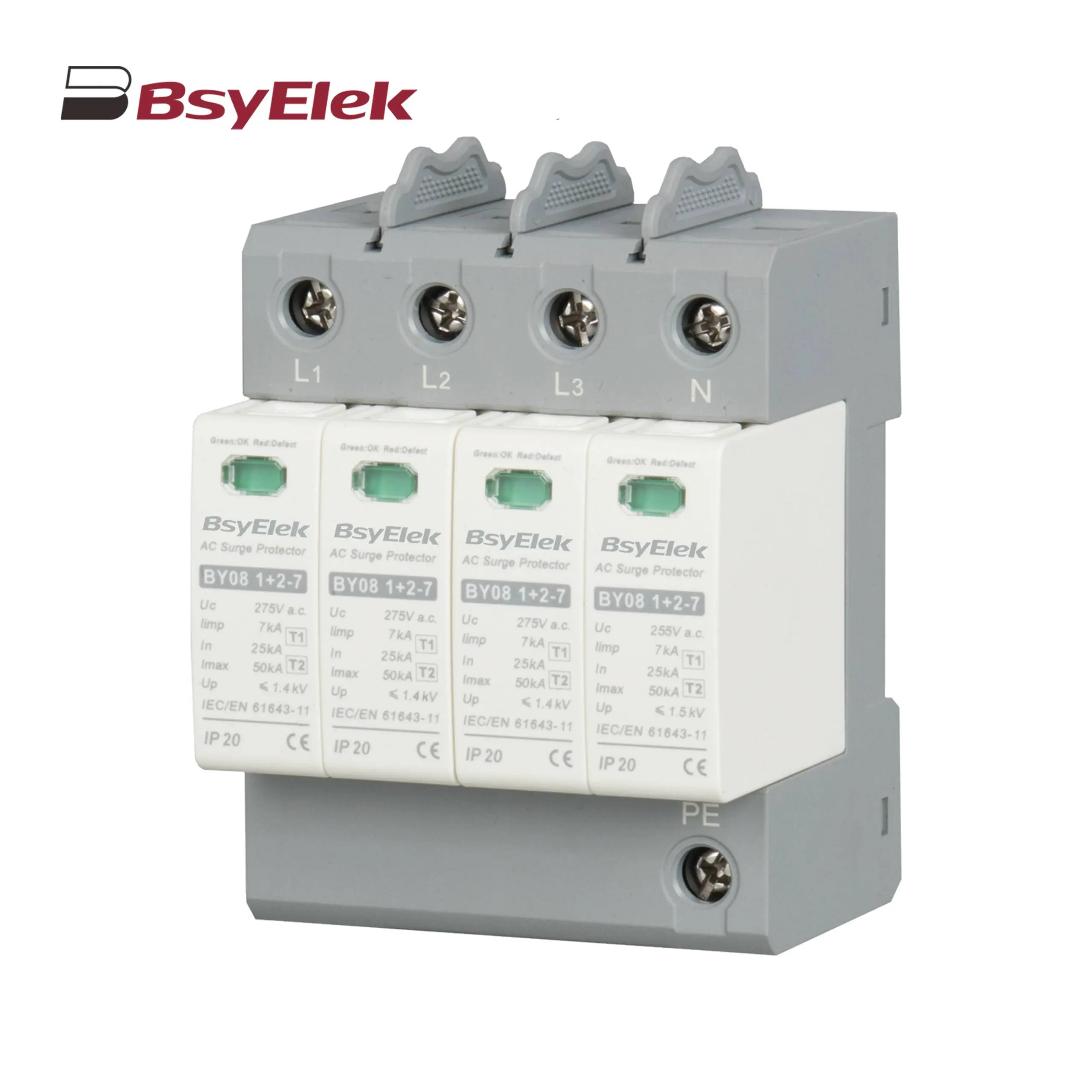 BY08 1+2-7 SPD Class T1+T2 Imax 50KA Surge Protective Device
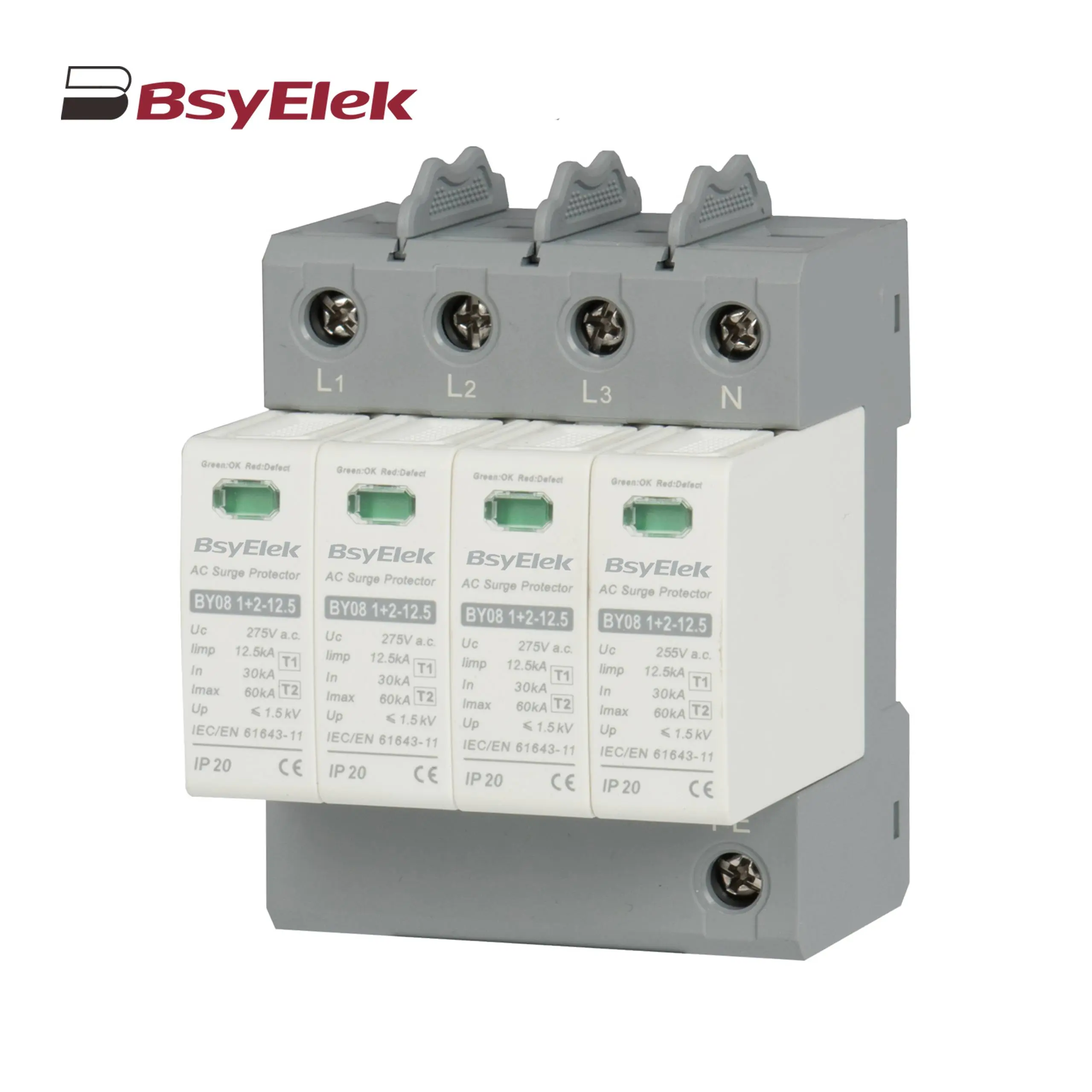 BY08 1+2-12.5 SPD Class T1+T2 Imax 60KA Surge Protective Device
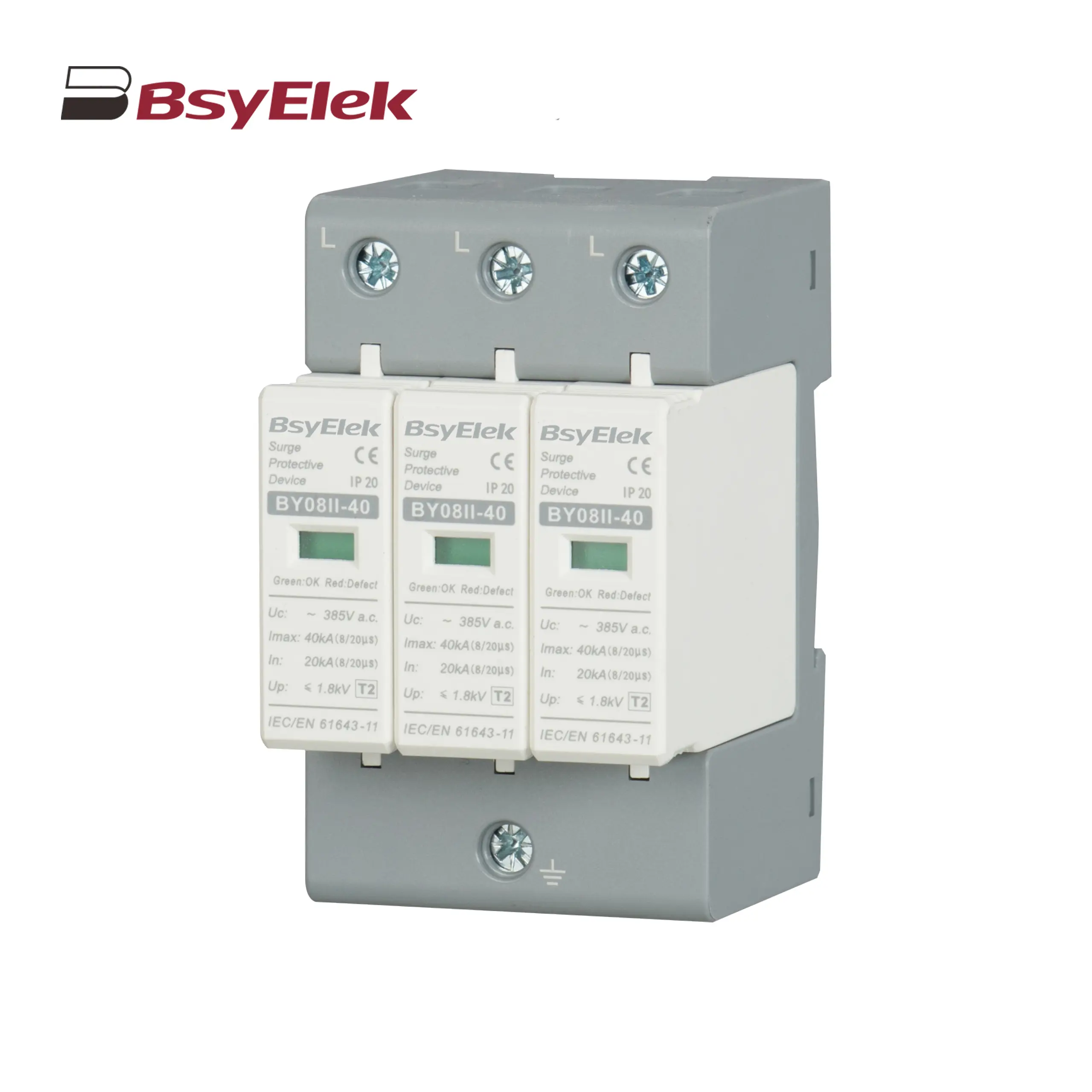 BY08II-40 SPD Class T2 Imax 40KA Surge Protective Device
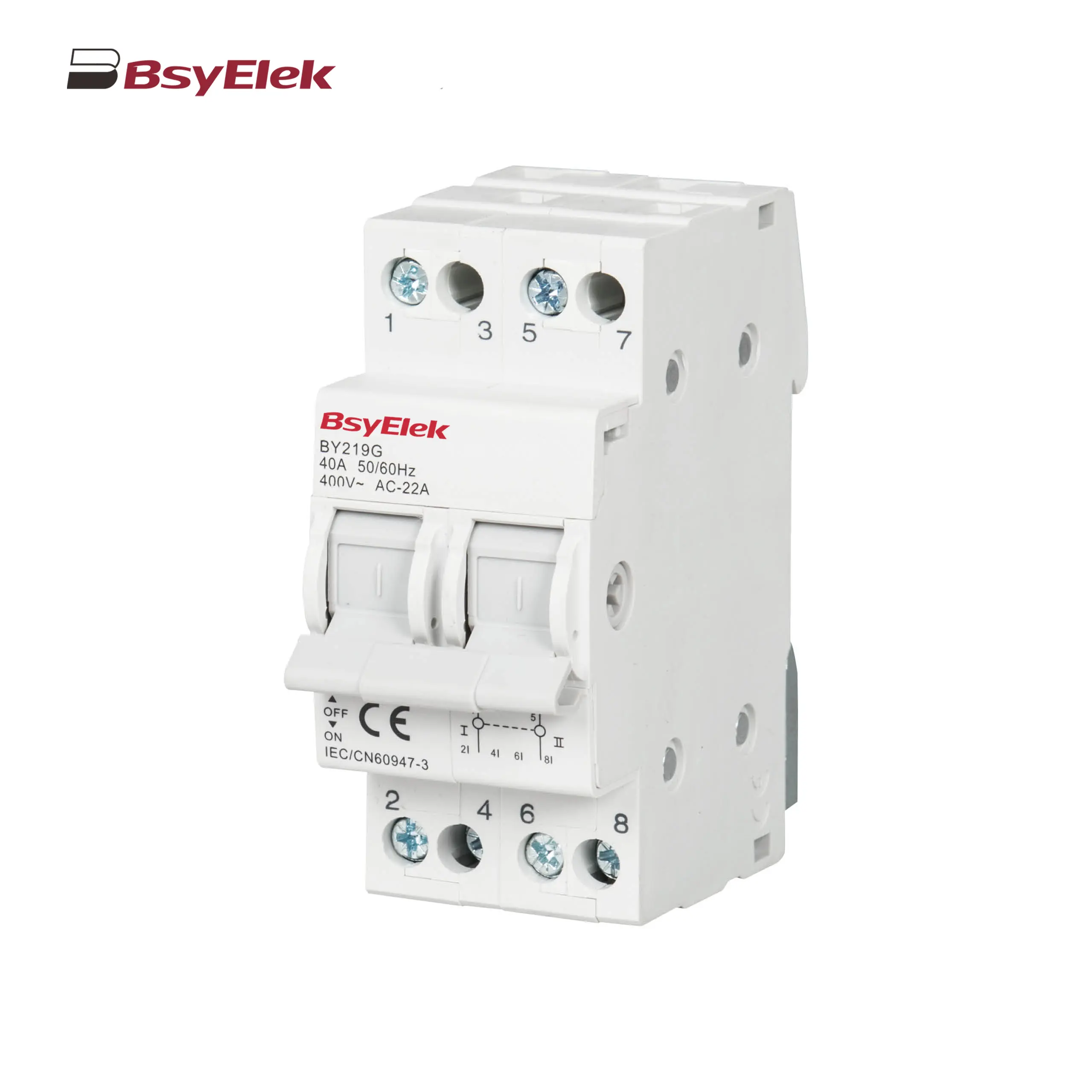 BY19G 63A Manual Changeover Switch
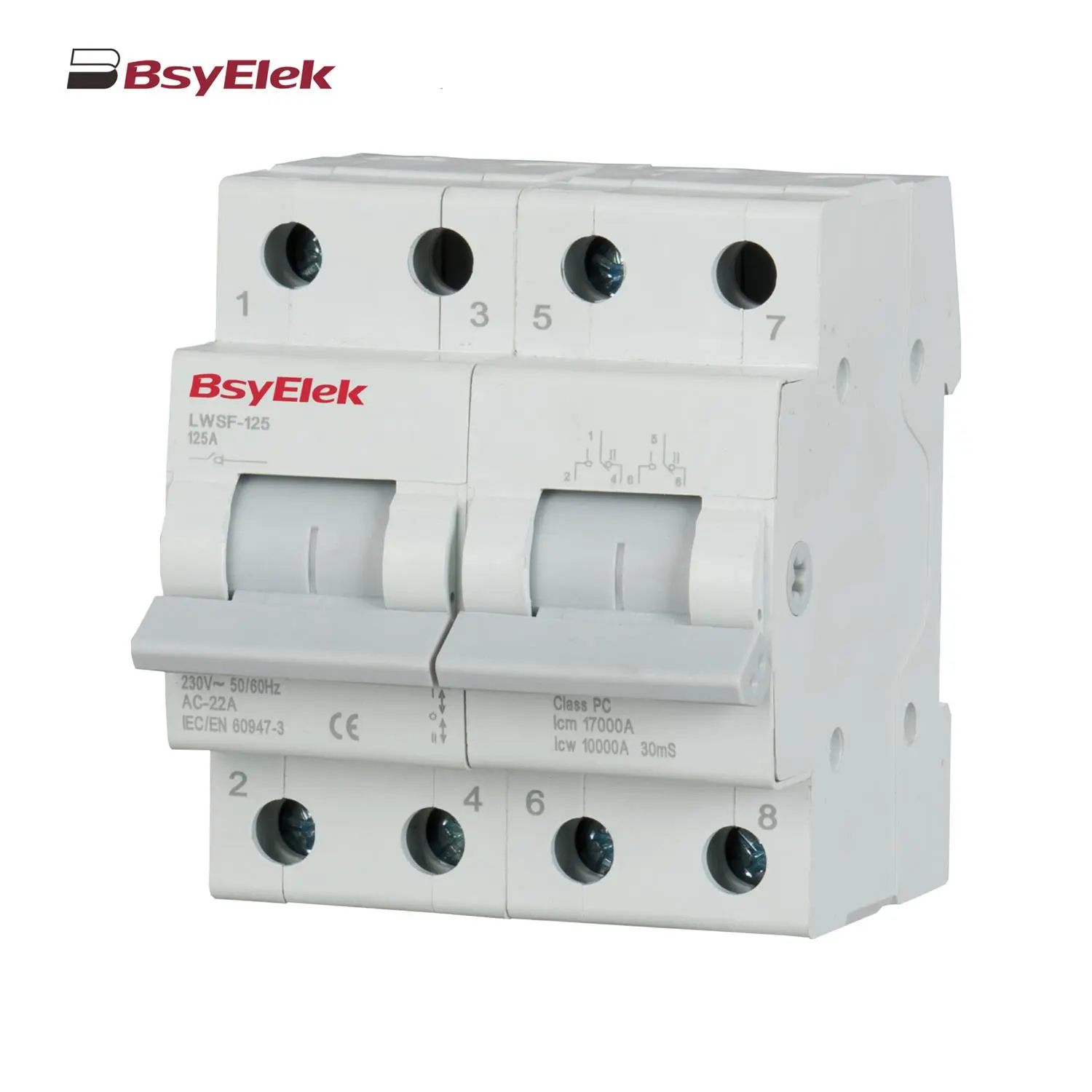 LWSF-125 125A Manual Changeover Switch
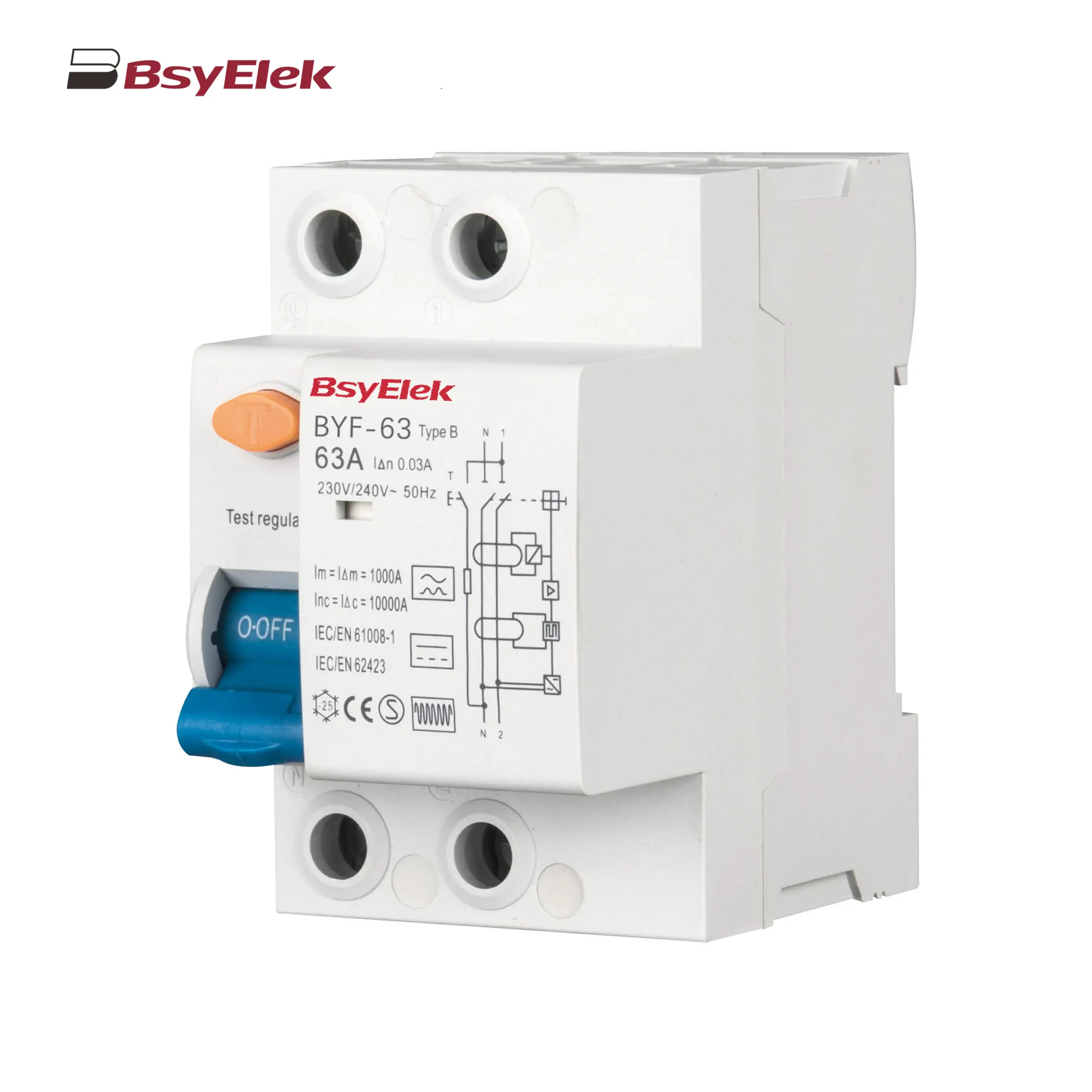 BYF-63 RCD 10KA Type B AC+A+Smoothing DC Residual Current Device
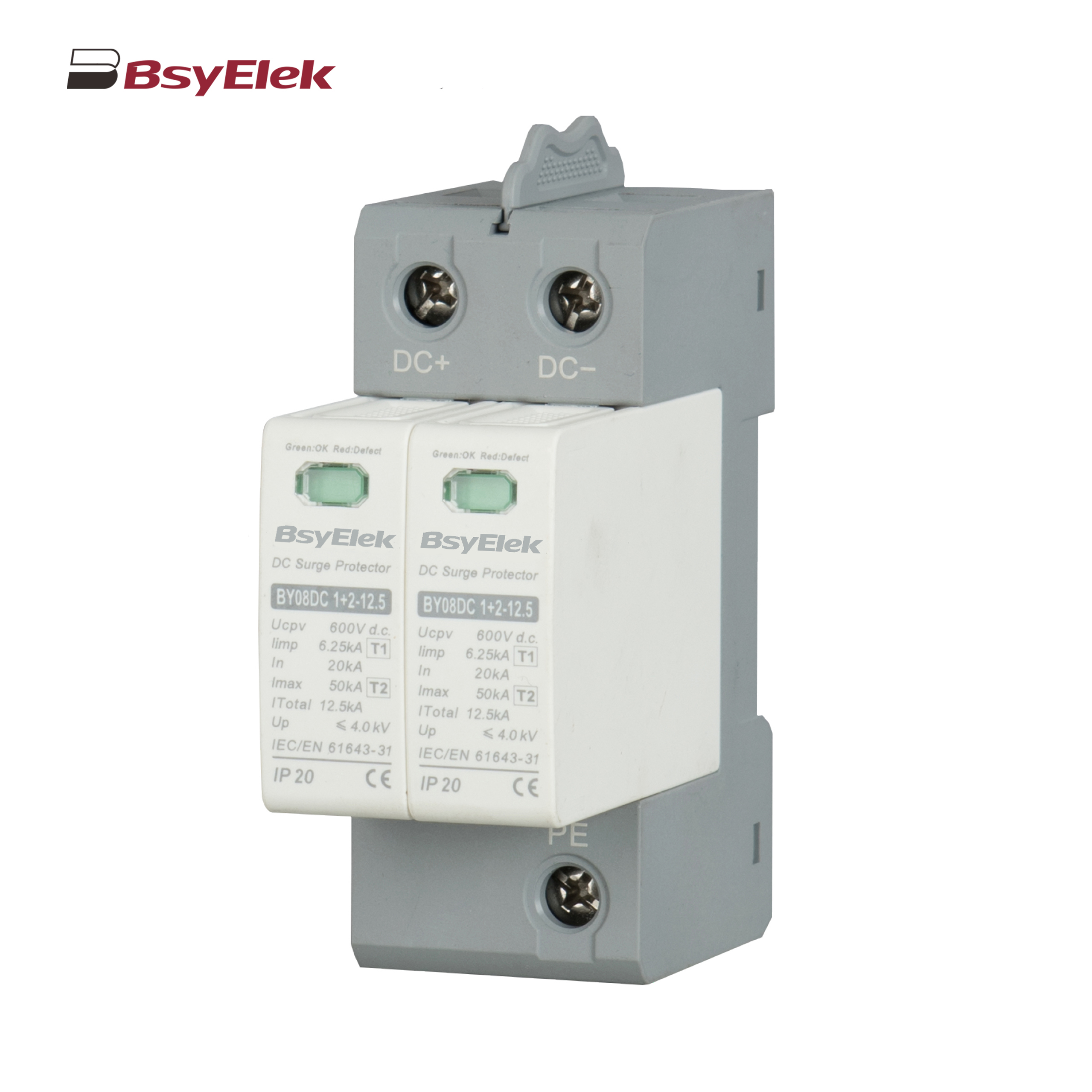 BY08DC 1+2-12.5 SPD Class T1+T2 40KA DC Surge Protective Device
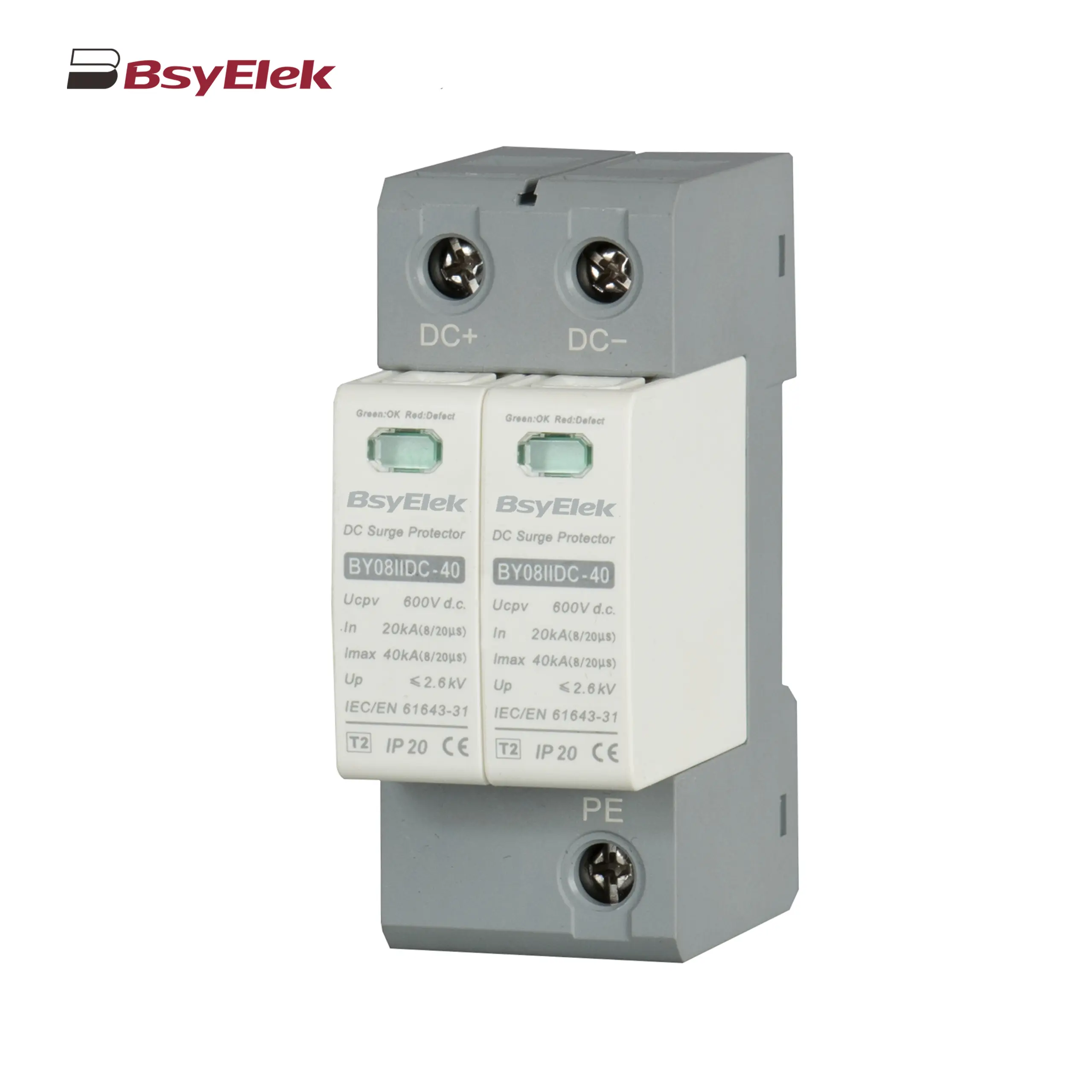 BY08IIDC-40 SPD Class T2 40KA DC Surge Protective Device
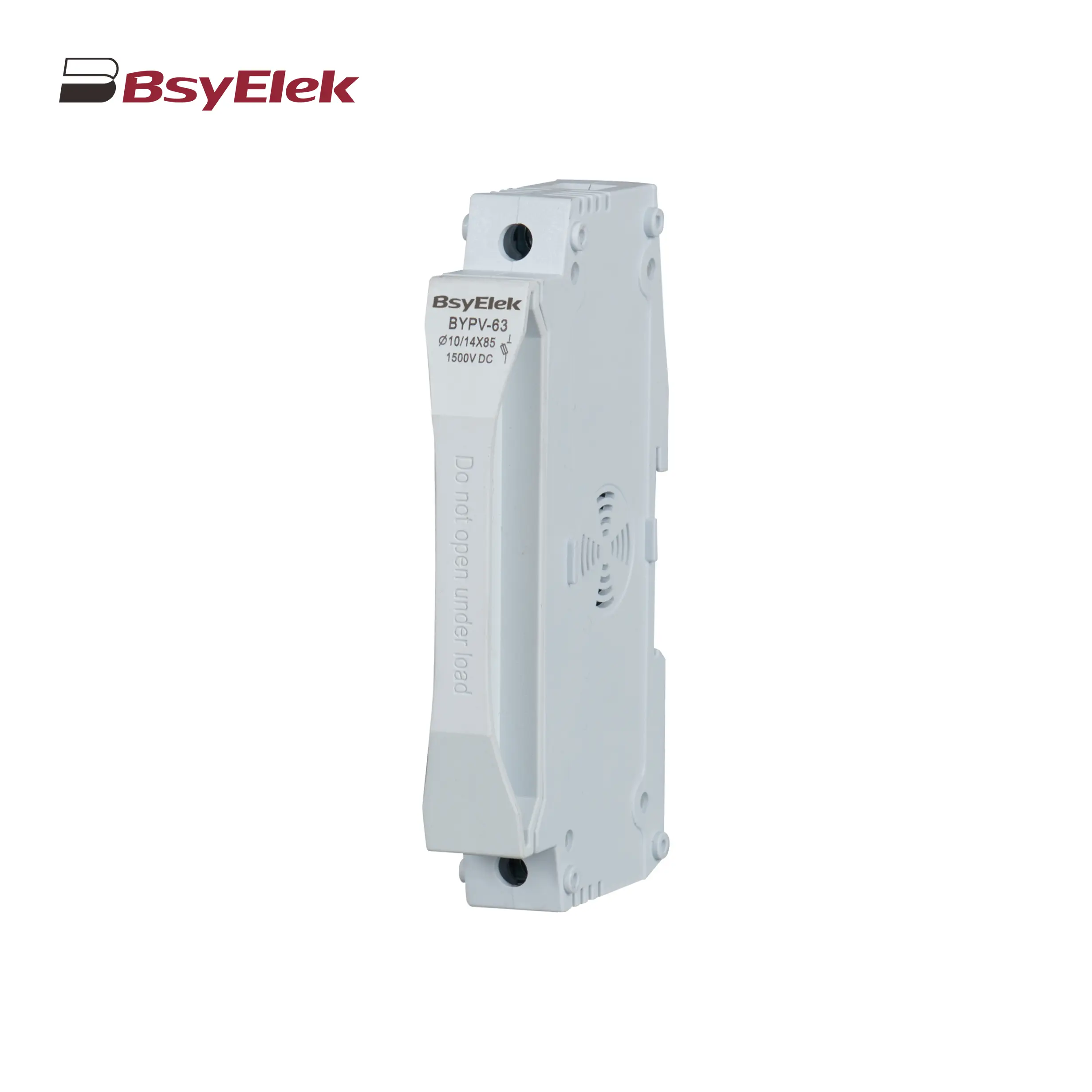 BYPV-63 1500VDC 50A Fuse Holder with 10x85mm 14x85mm Fuse Link
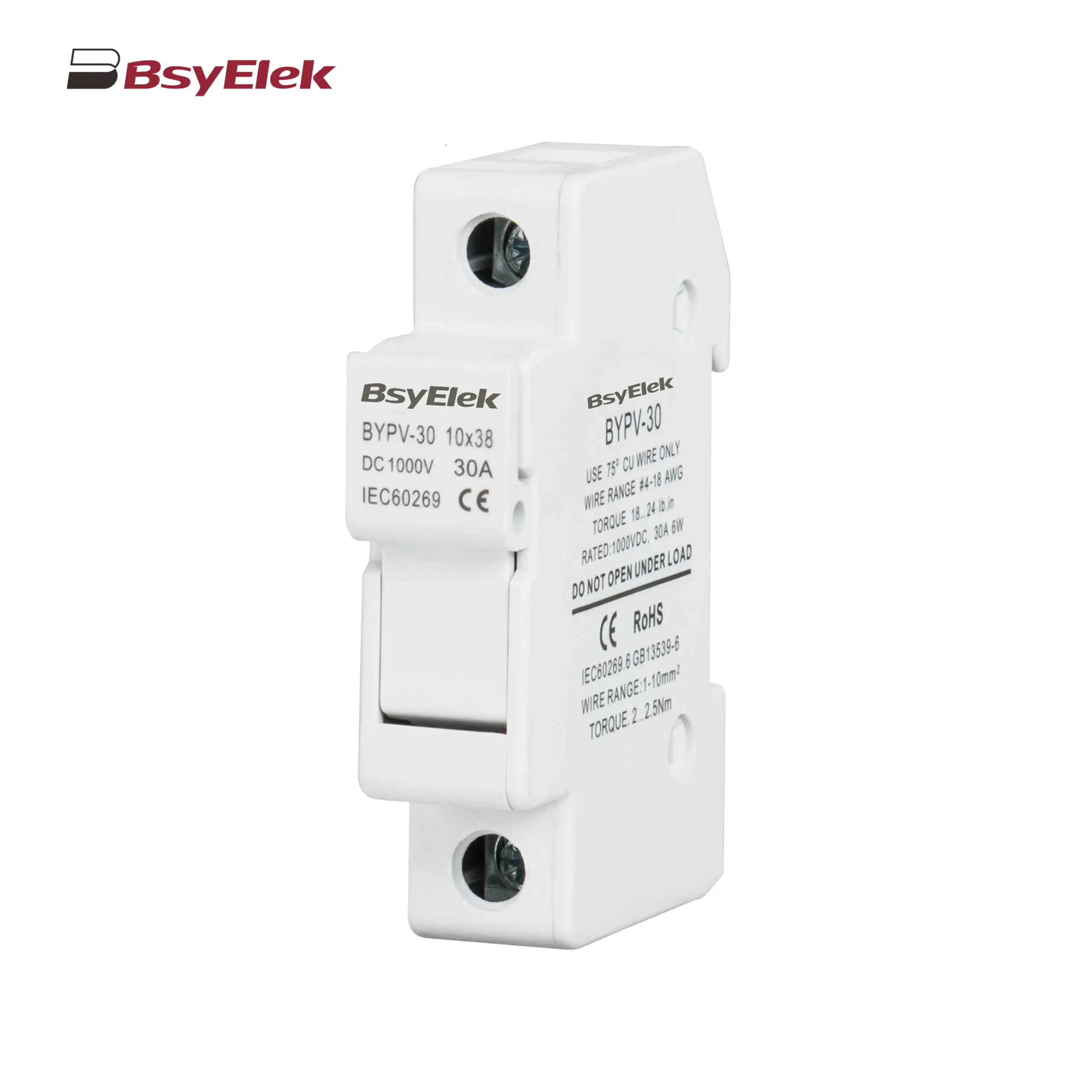 BYPV-30 1000VDC 32A Fuse Holder with 10x38mm Fuse Link
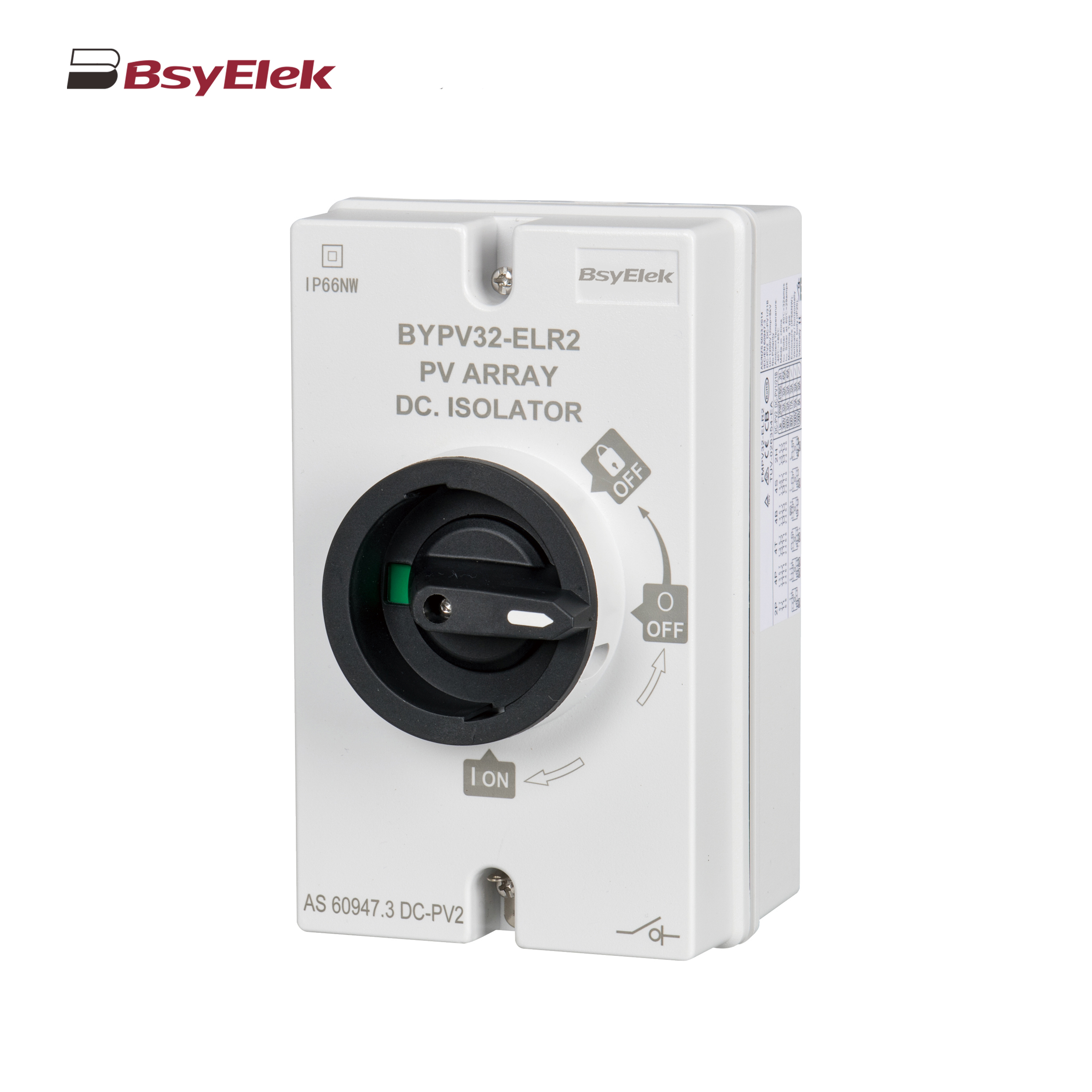 BYPV-ELR2 PV Isolator Switch with Enclosed Version
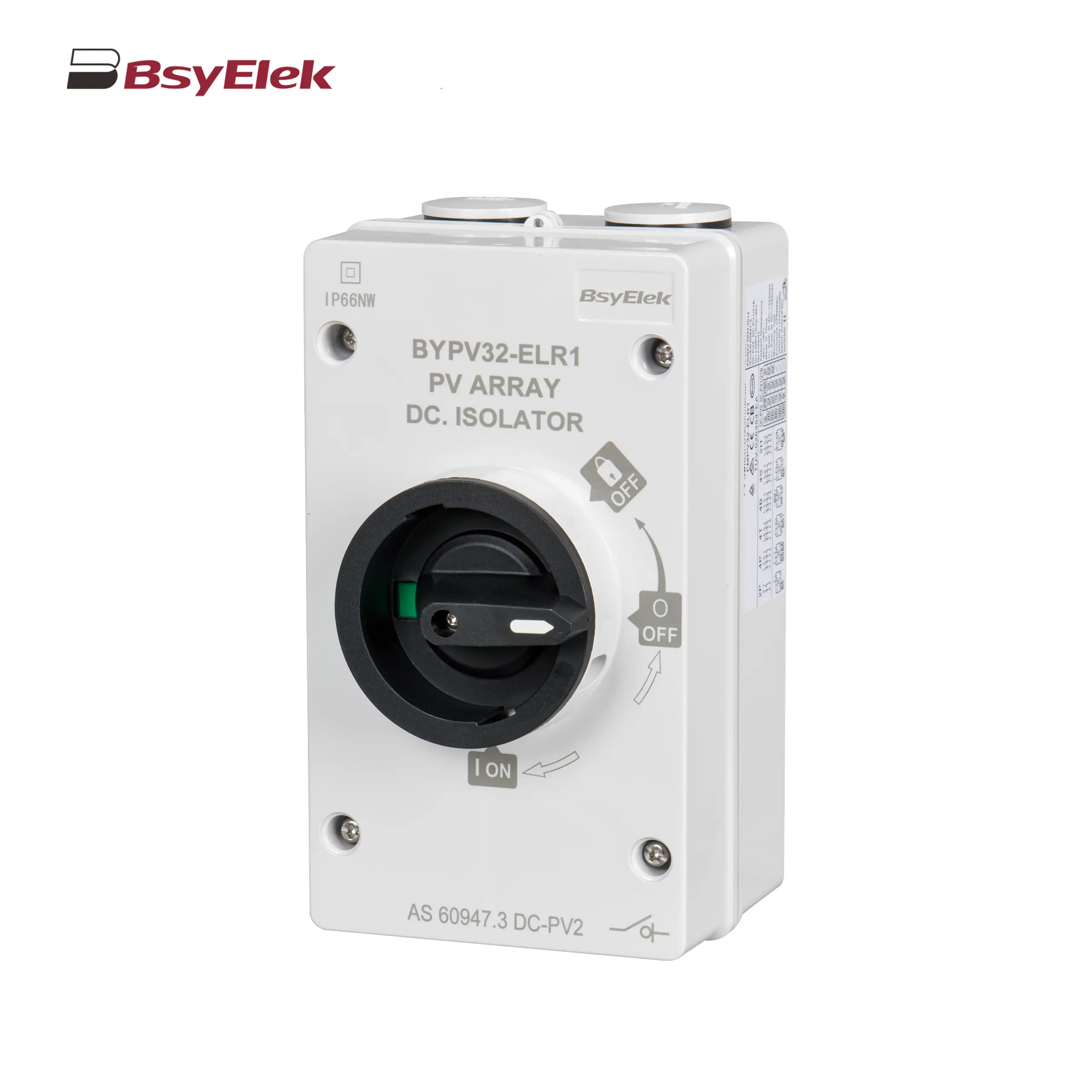 BYPV-ELR1 PV Isolator Switch with Enclosed Version
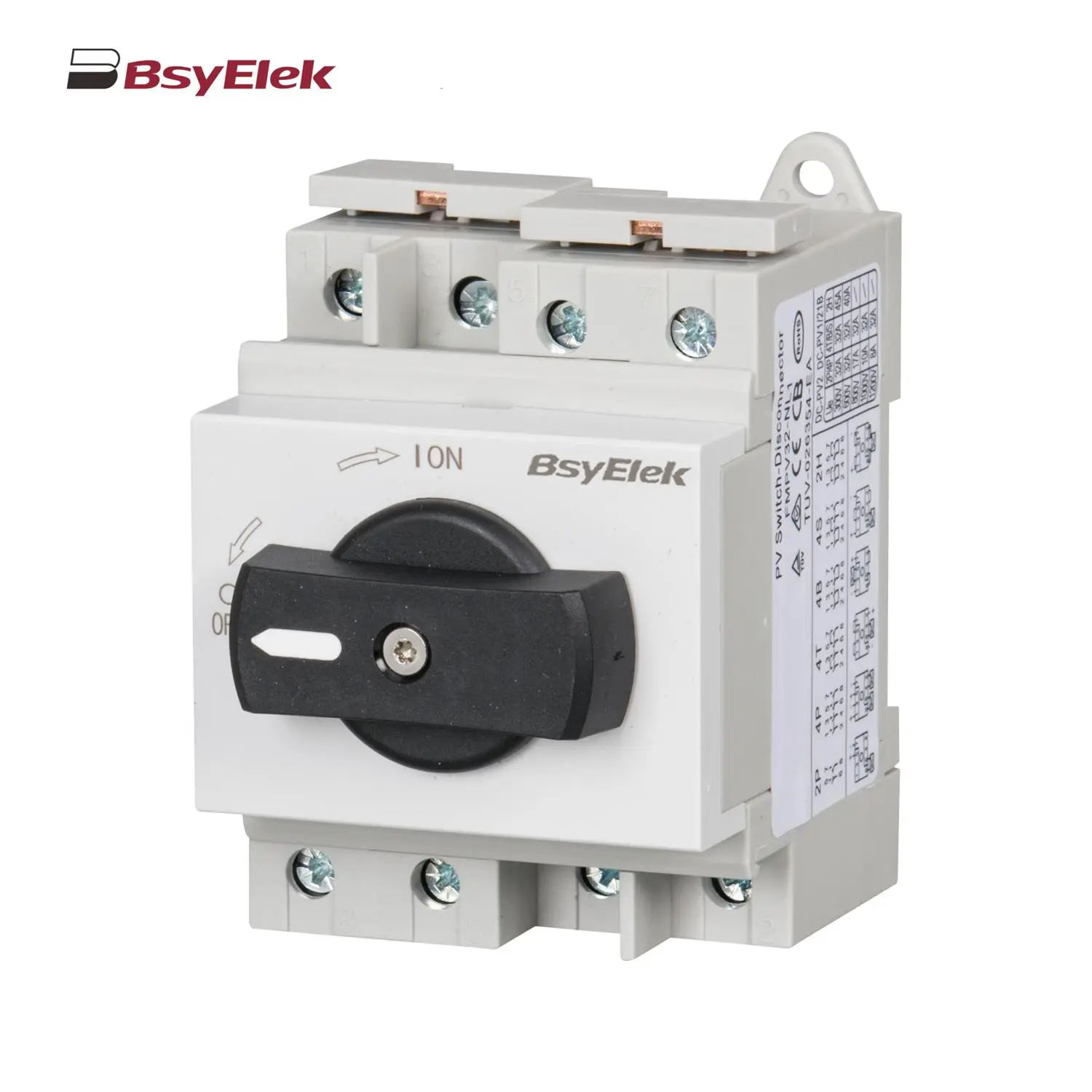 BYPV-NL1/T PV Isolator Switch with Ultra-thin Lever Handle
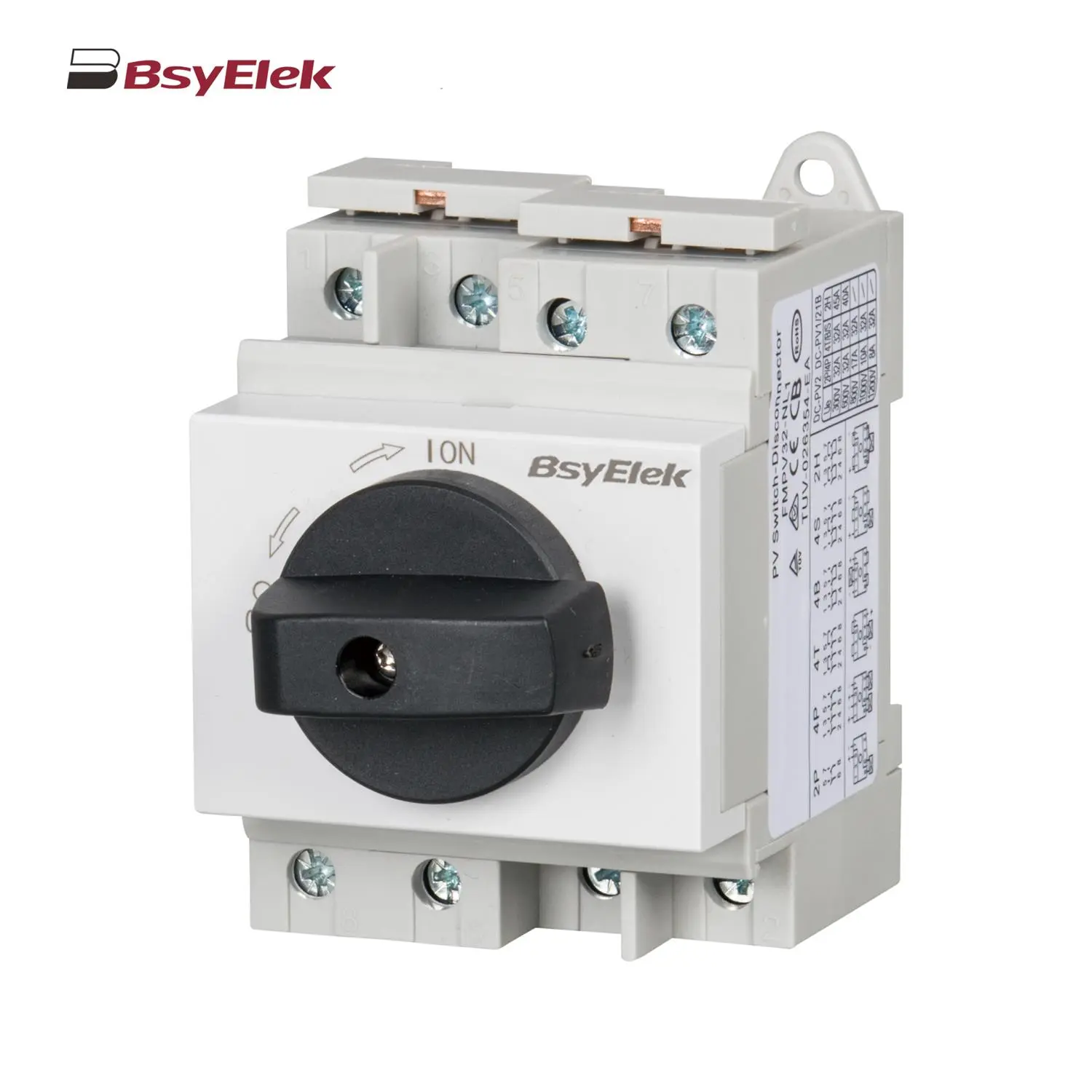 BYPV-NL1 PV Isolator Switch with Lever Handle
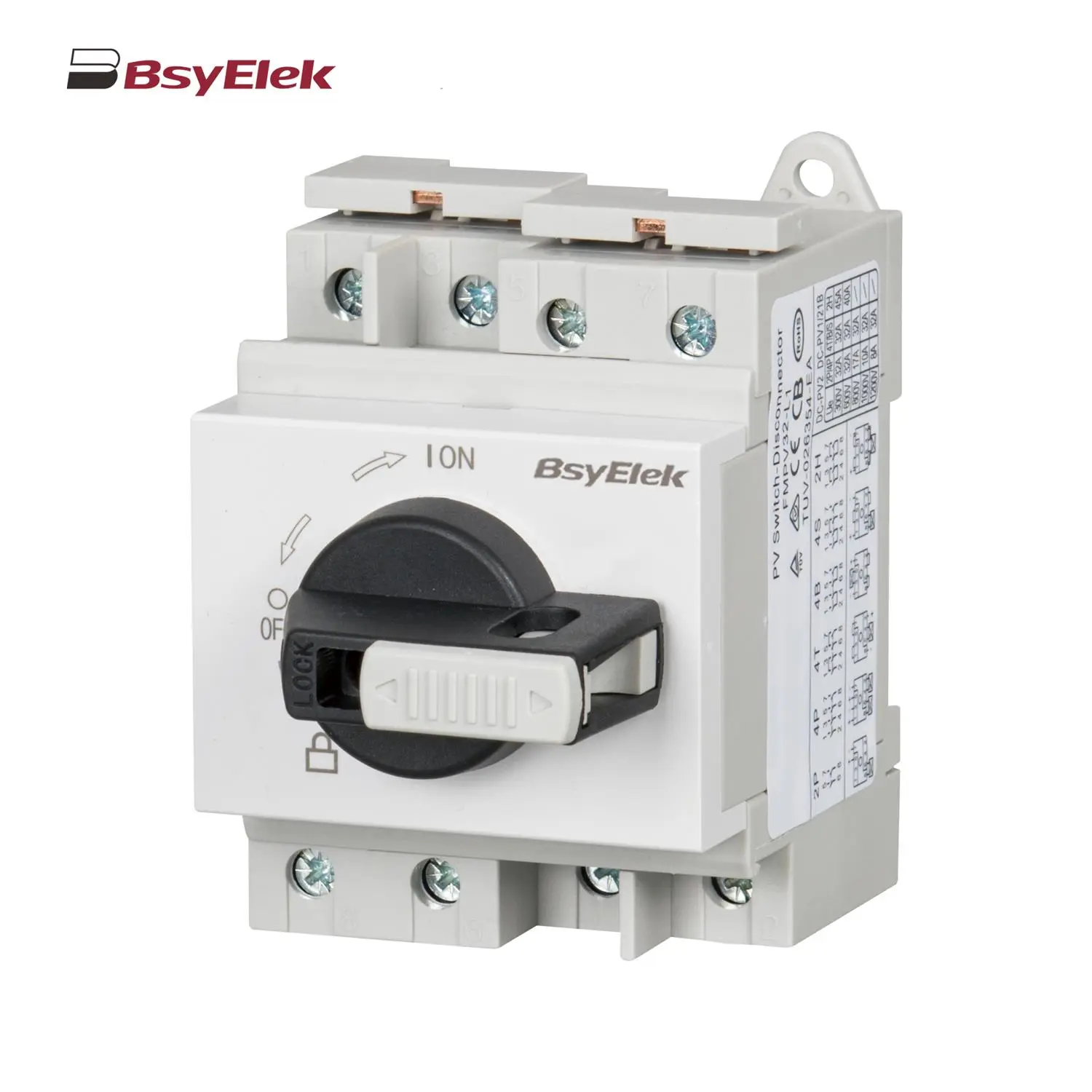 BYPV-L1/L2 PV Isolator Switch with Lockable Lever Handle
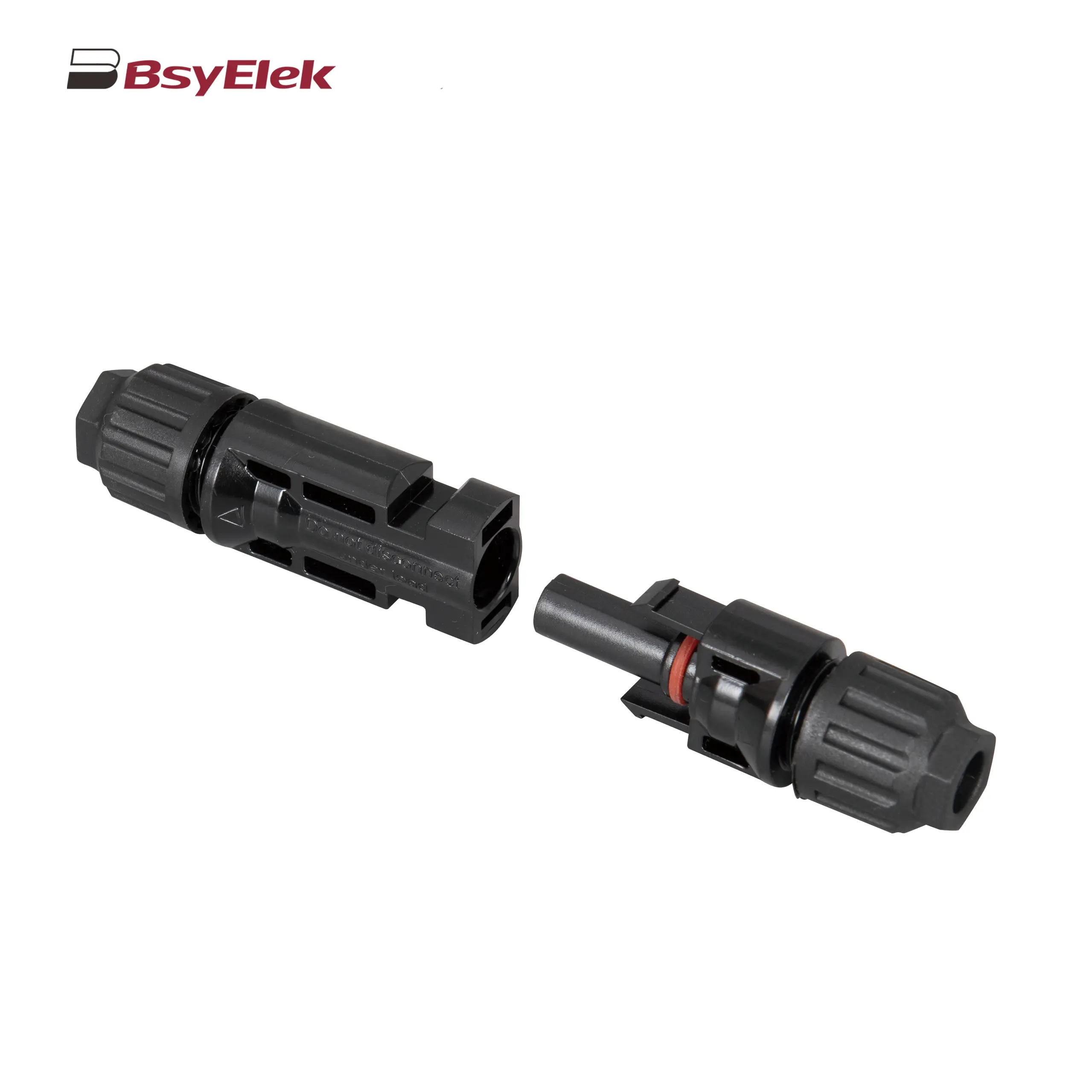 PV-BY-01 30A/50A 1000V Photovoltaic Connector
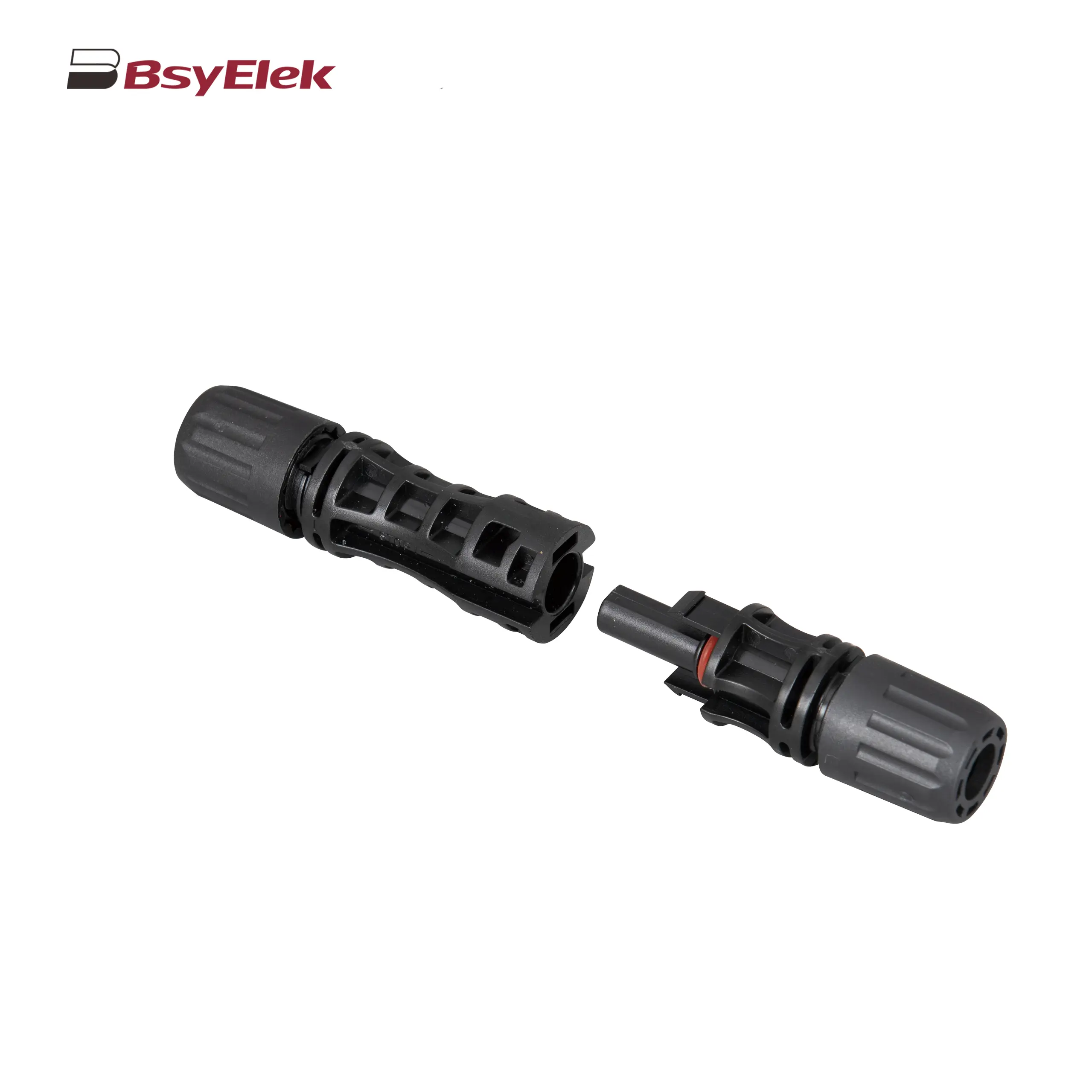 PV-BY-02 30A/50A 1500V Photovoltaic Connector
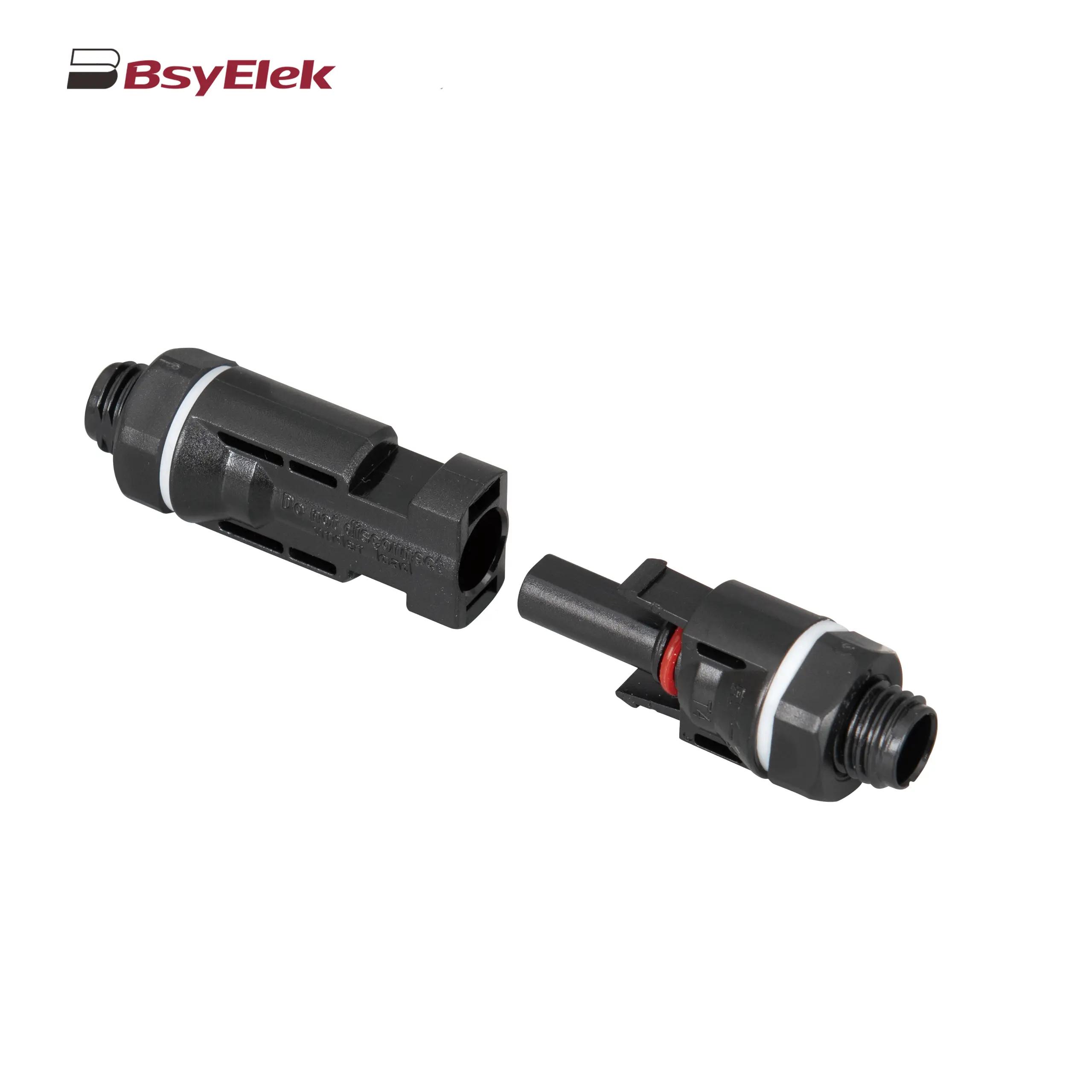 PV-BY-03 30A/50A 1000V Panel Mount Photovoltaic Connector
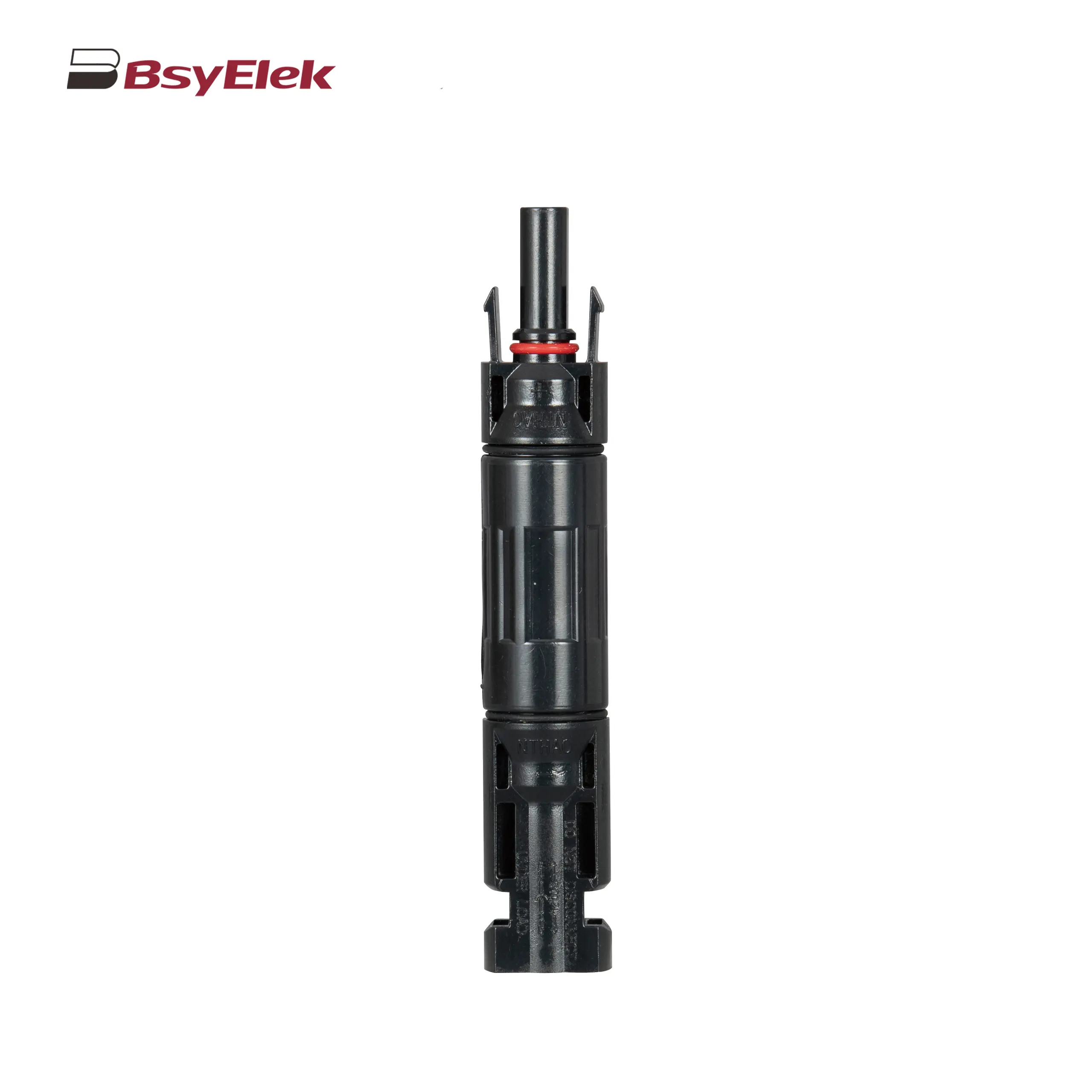 PV-BY-F01 30A 1500V Diode/Fuse Type Connector
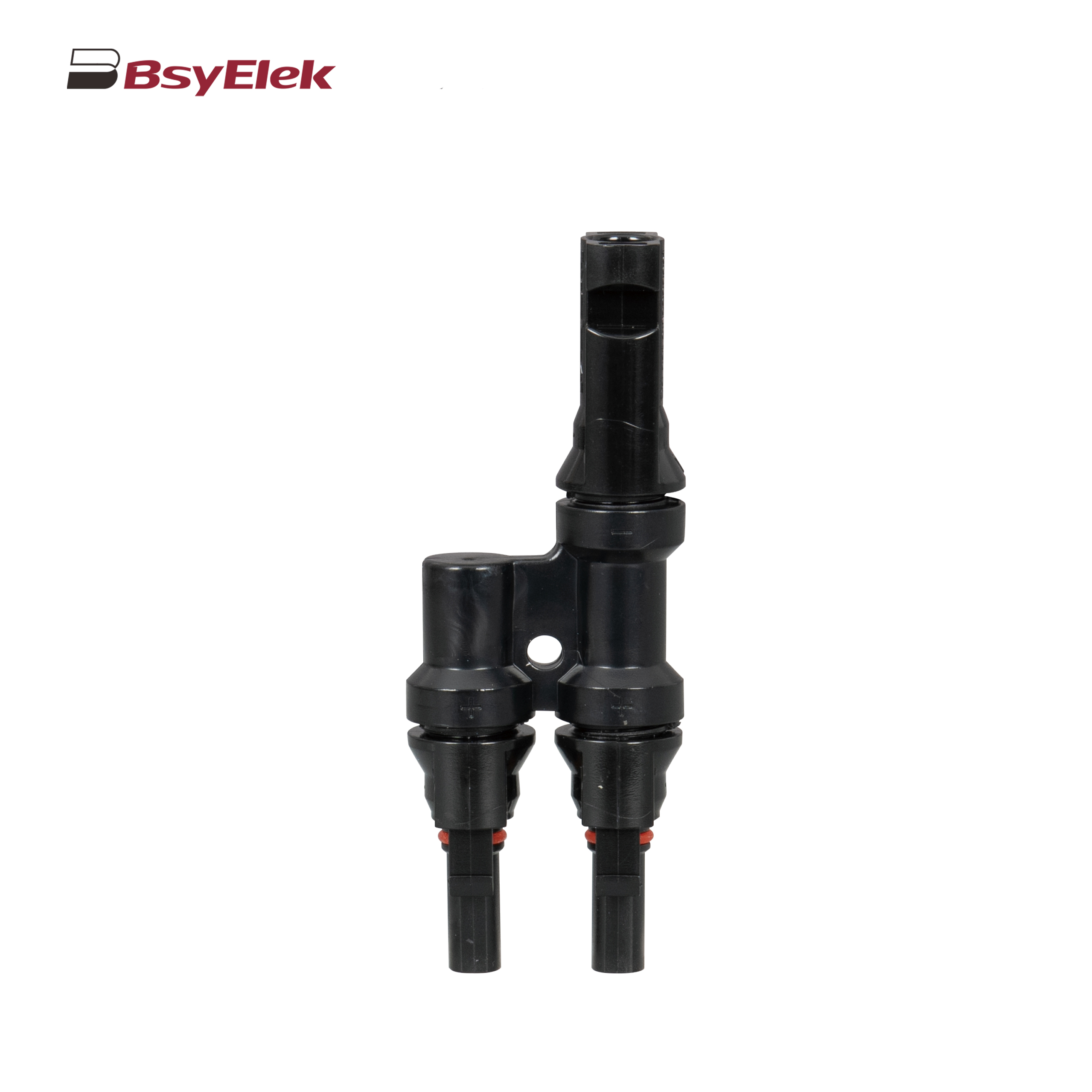 PV-BY-T 50A 1500V T Type Branch Connector
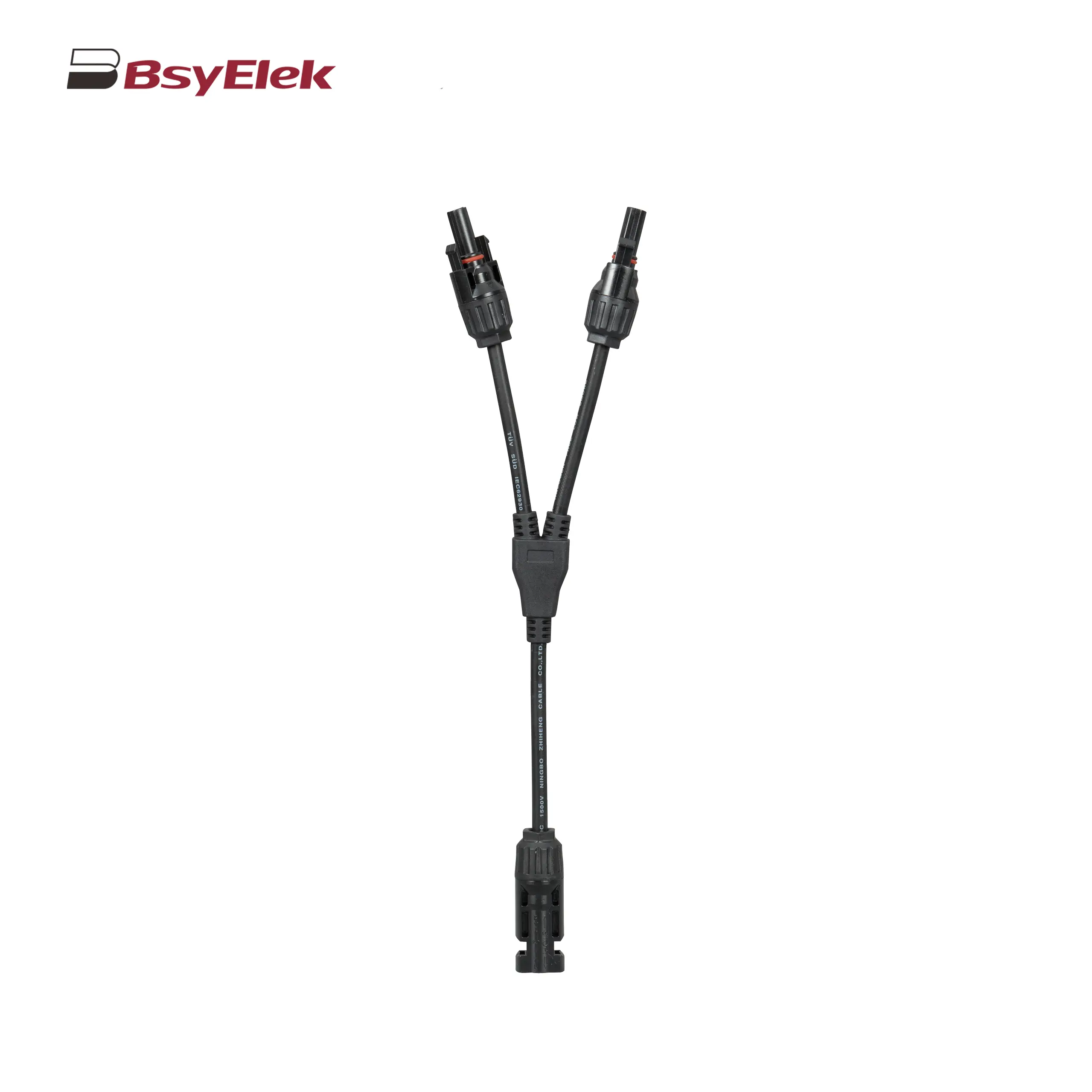 PV-BY-Y 30A 1500V Y Type Branch Connector
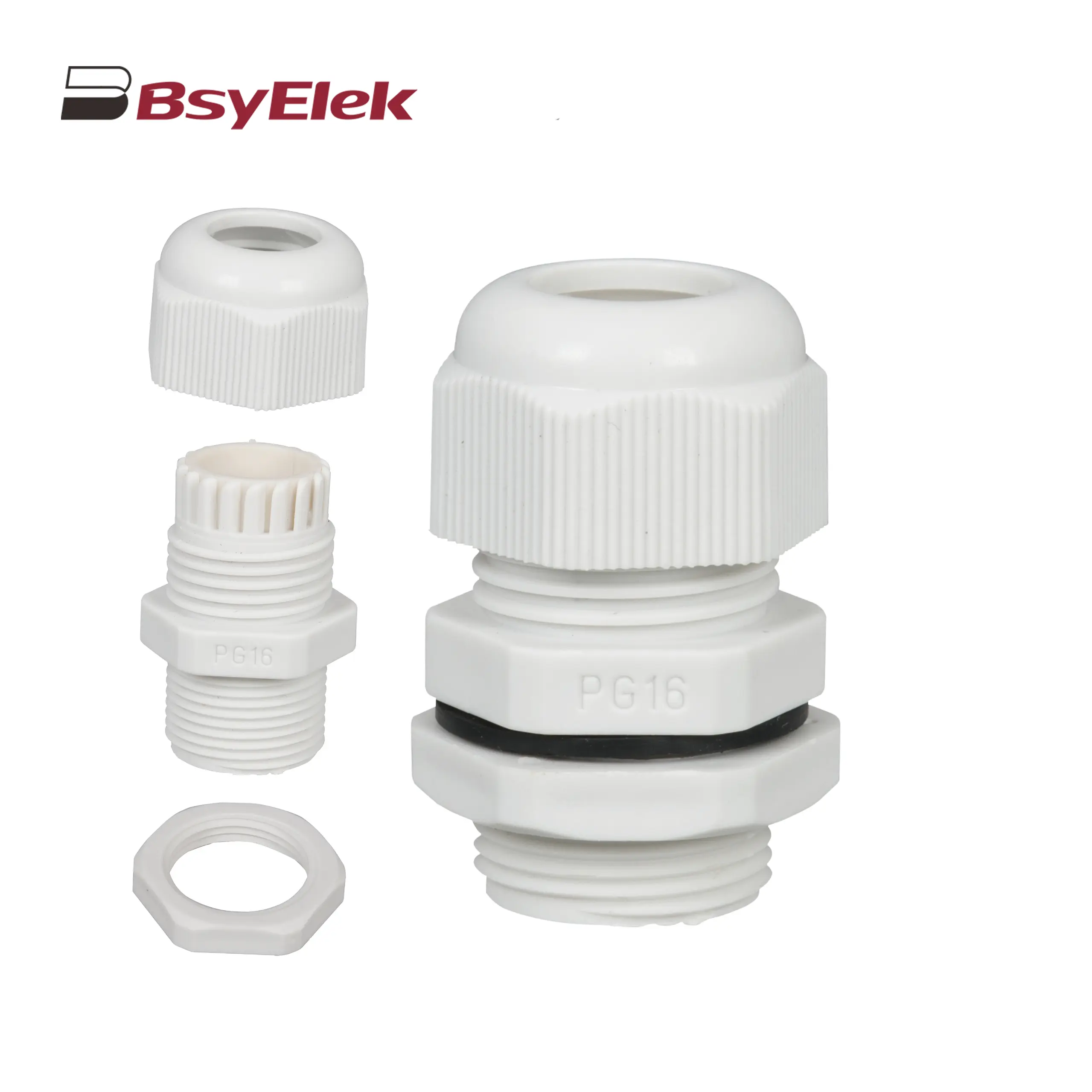 PG Waterproof Cable Gland with Washer
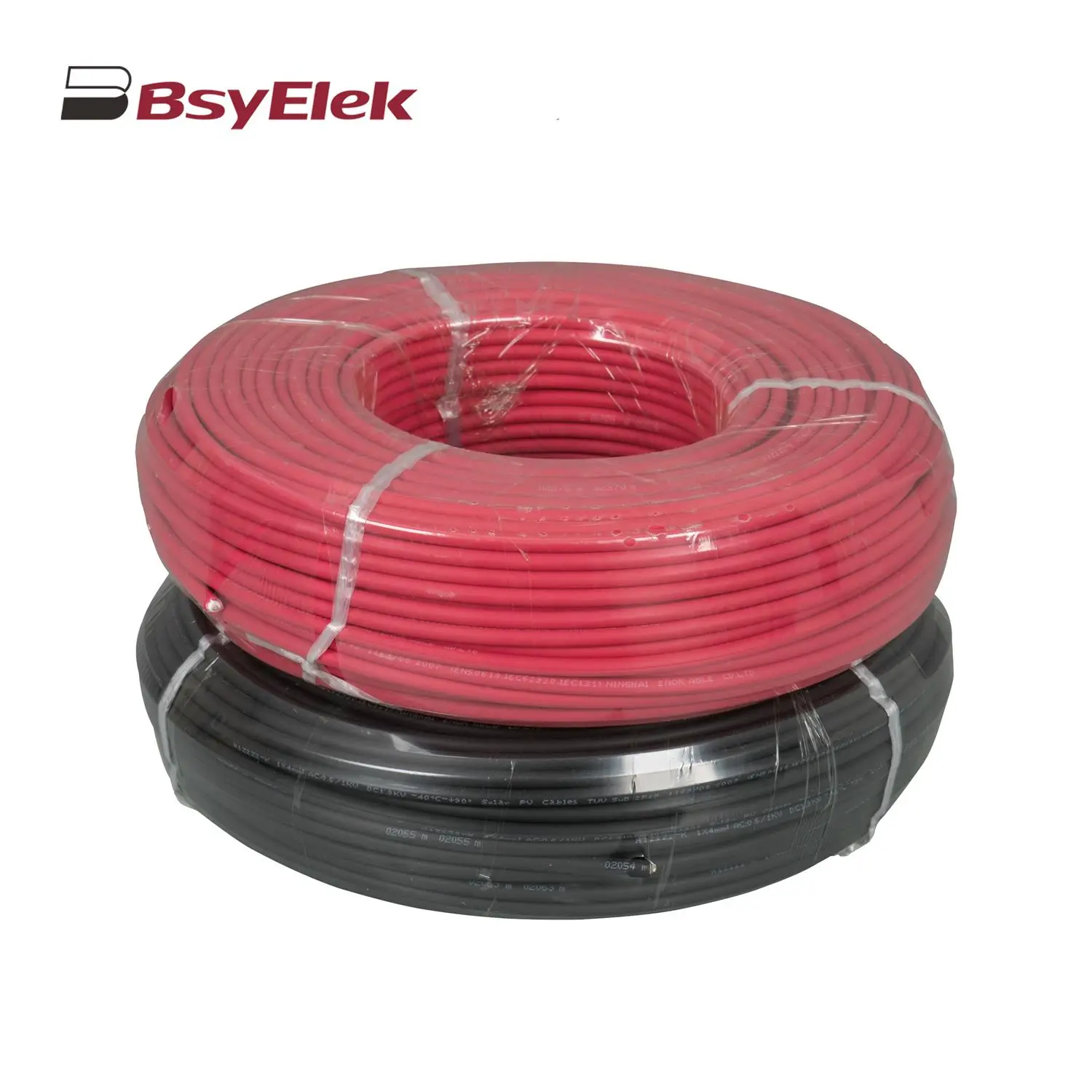 Photovoltaic Cable
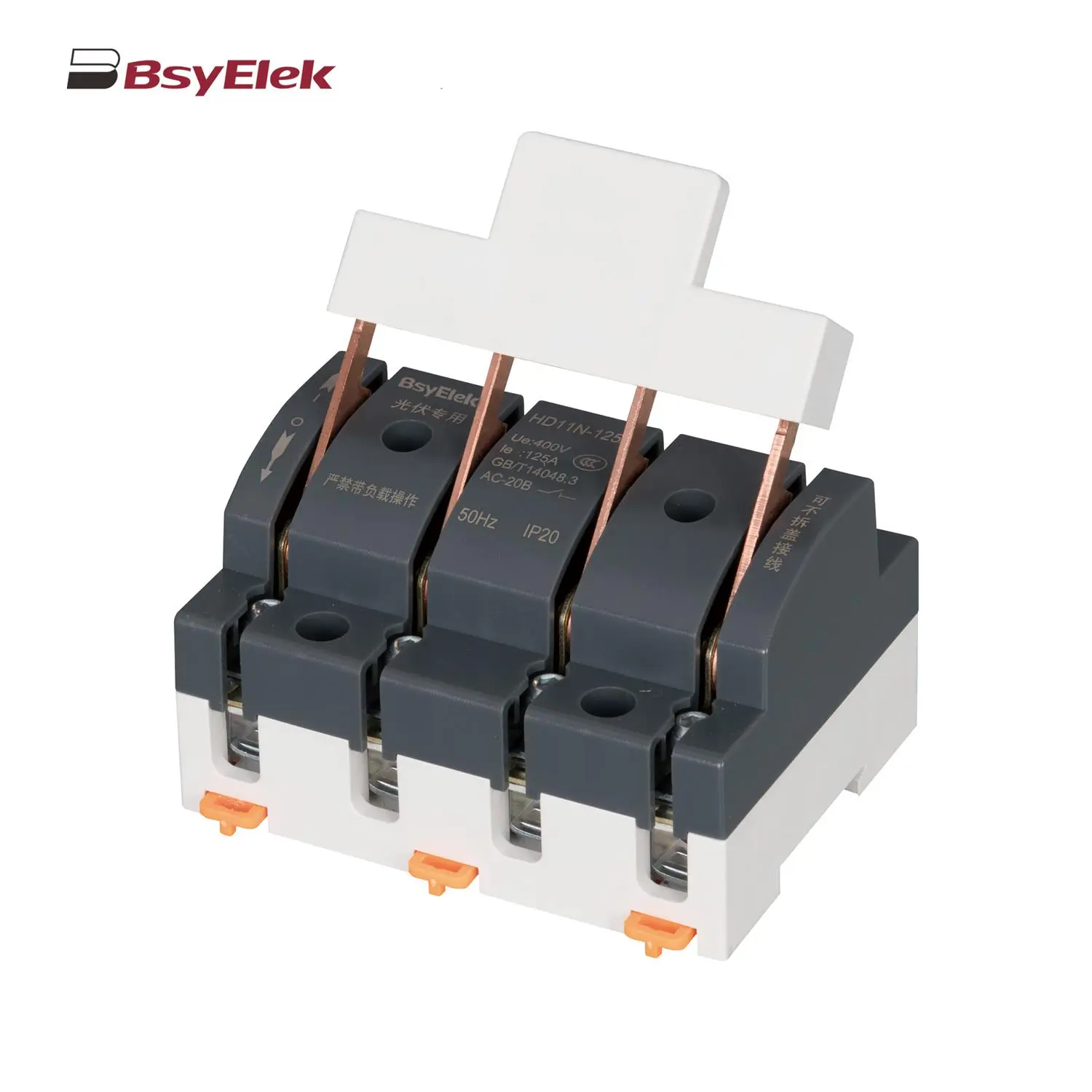 HD11N Photovoltaic Knife Switch
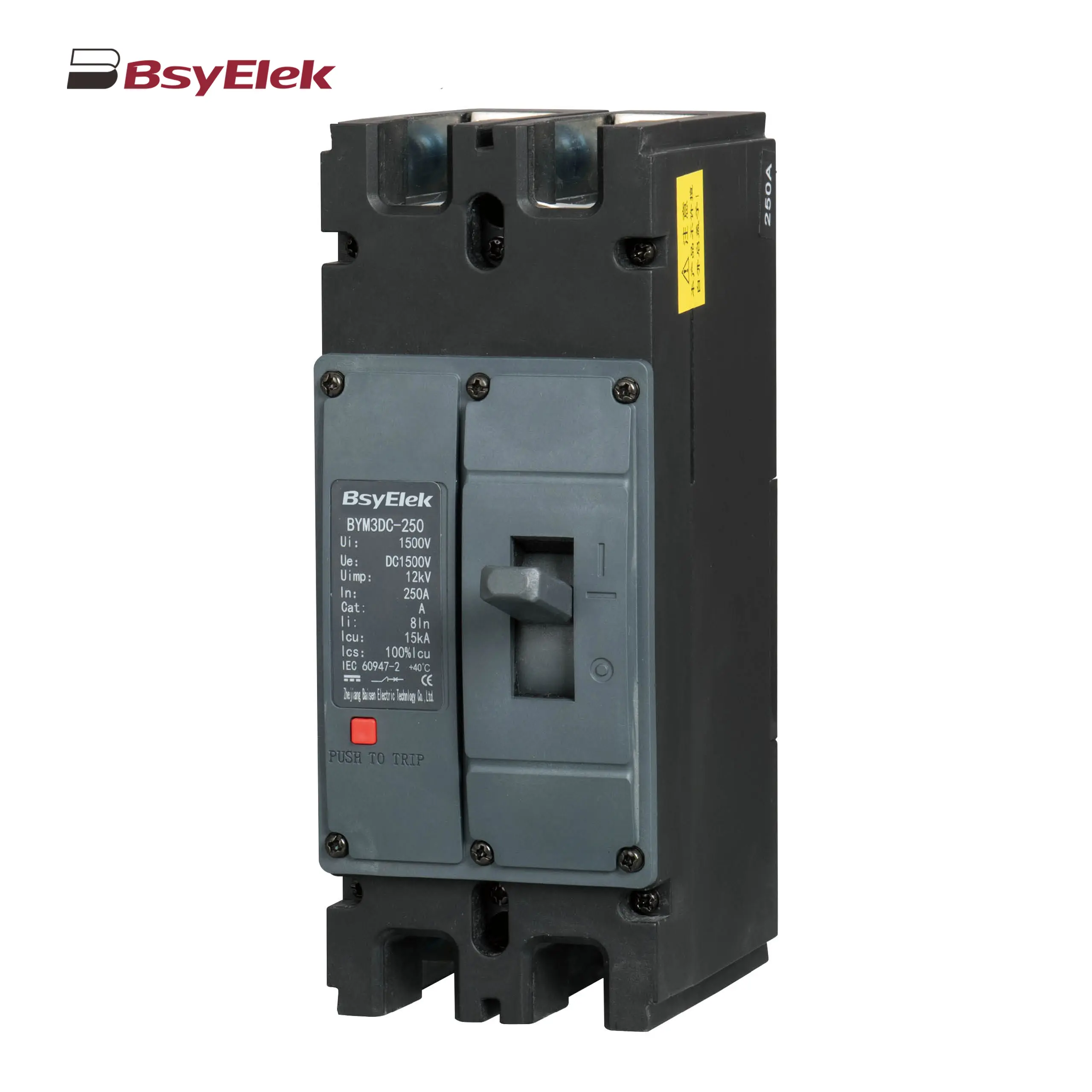 BYM3DC MCCB Photovoltaic DC Molded Case Circuit Breaker
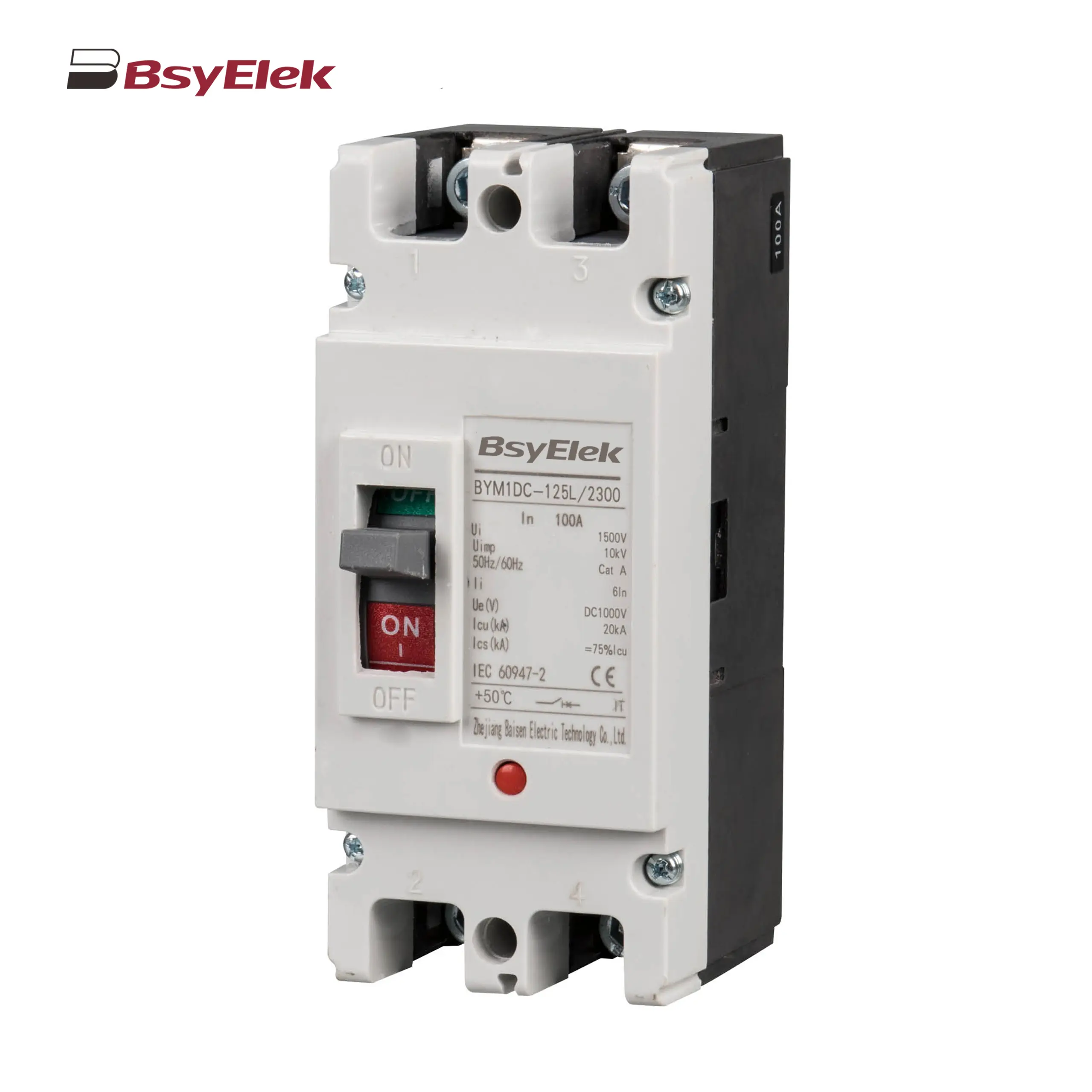 BYM1DC MCCB 1000VDC Thermal Magnetic Type DC Molded Case Circuit Breaker
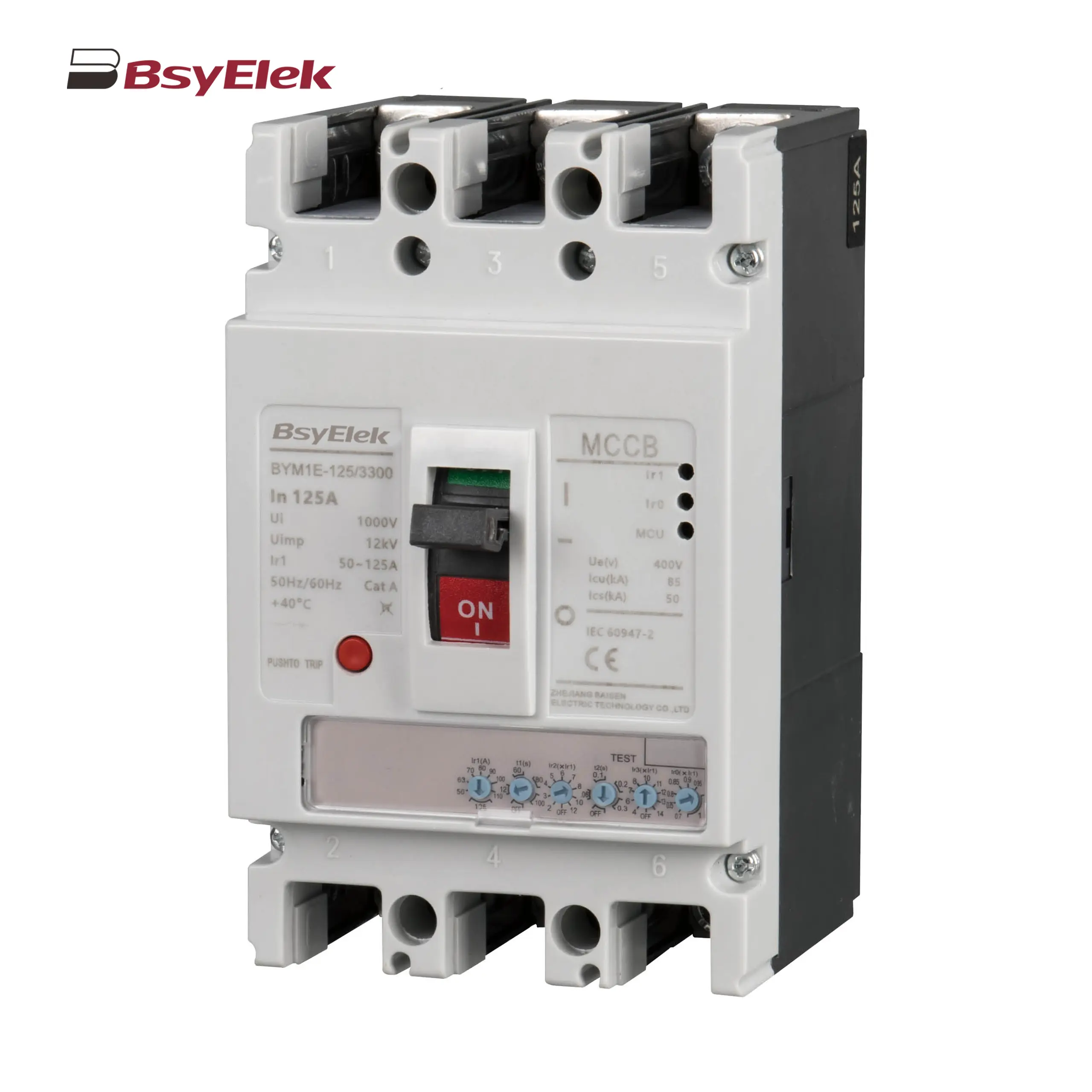 BYM1E MCCB Electronic Type Molded Case Circuit Breaker
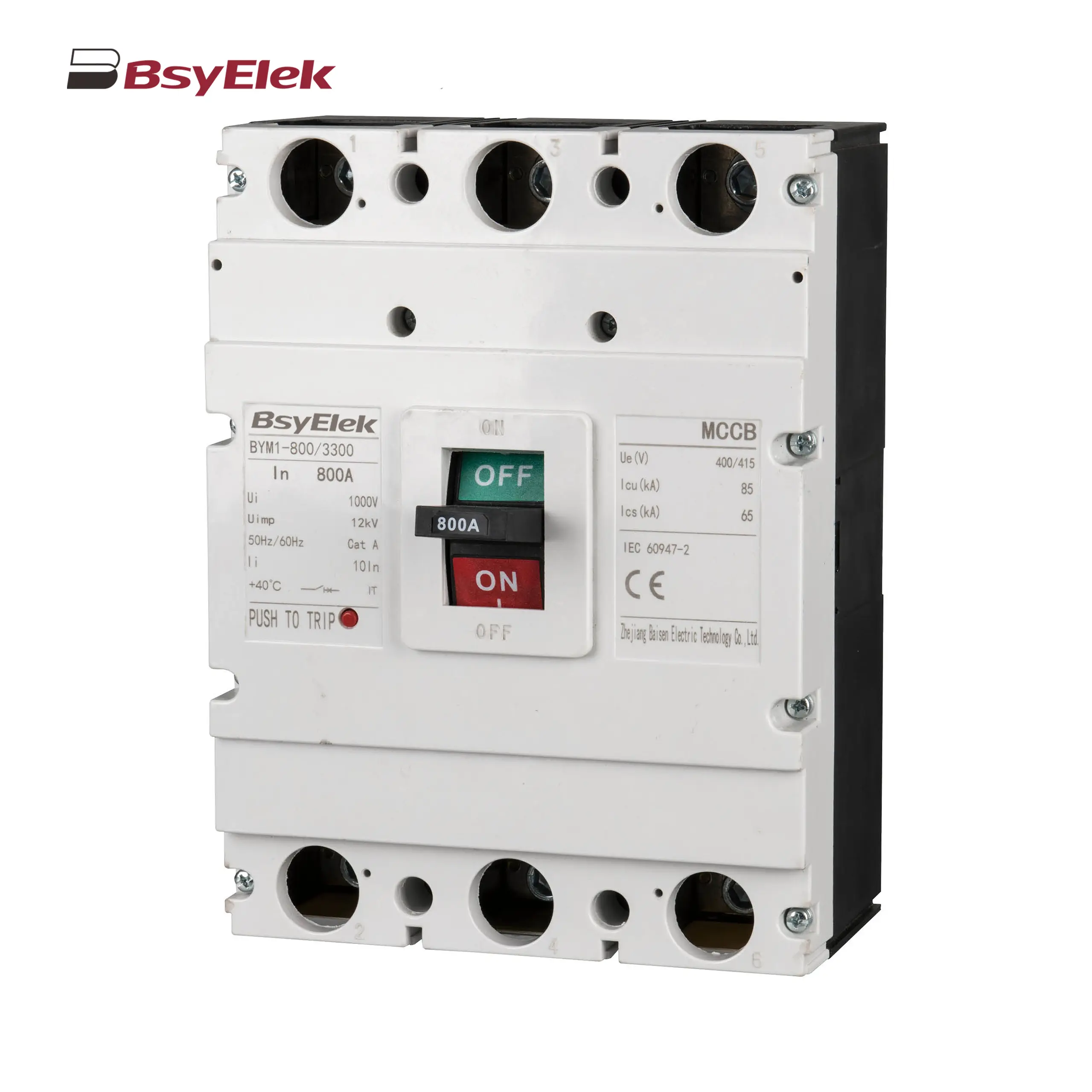 BYM1 MCCB Thermal Magnetic AC Molded Case Circuit Breaker
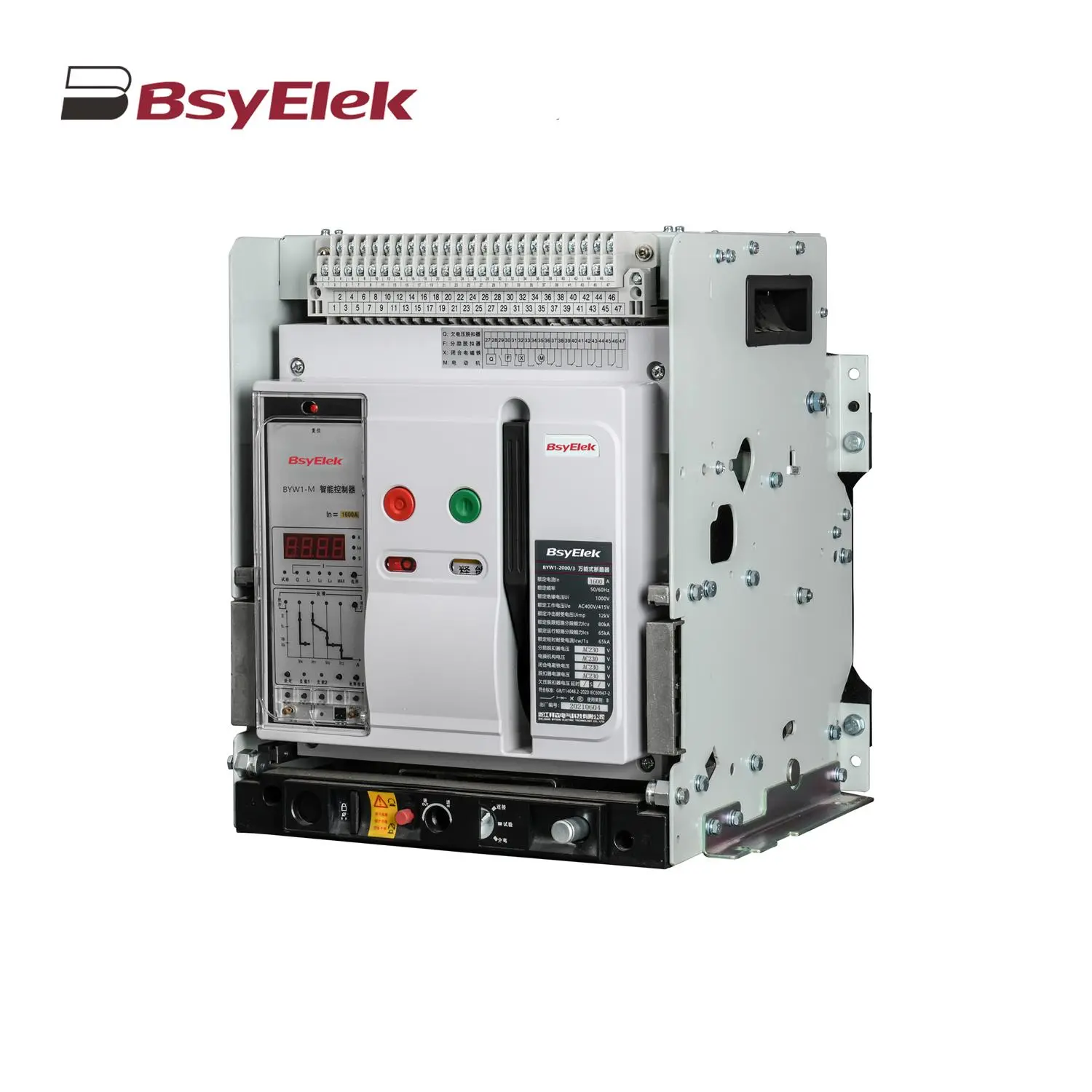 BYW1 ACB Intelligent Universal Air Circuit Breaker
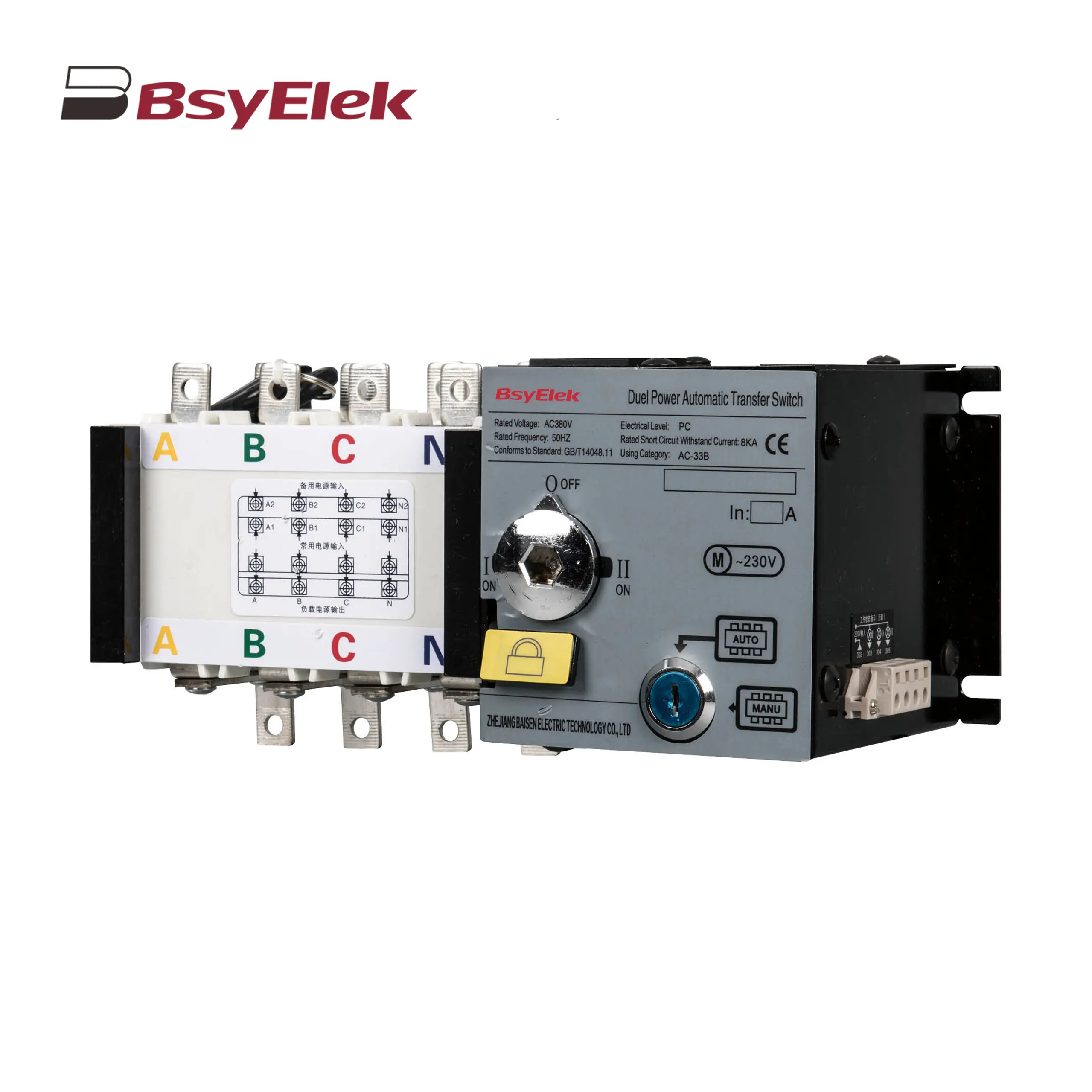 BYQ1 ATS Isolated Type PC Level Dual Power Automatic Transfer Switch
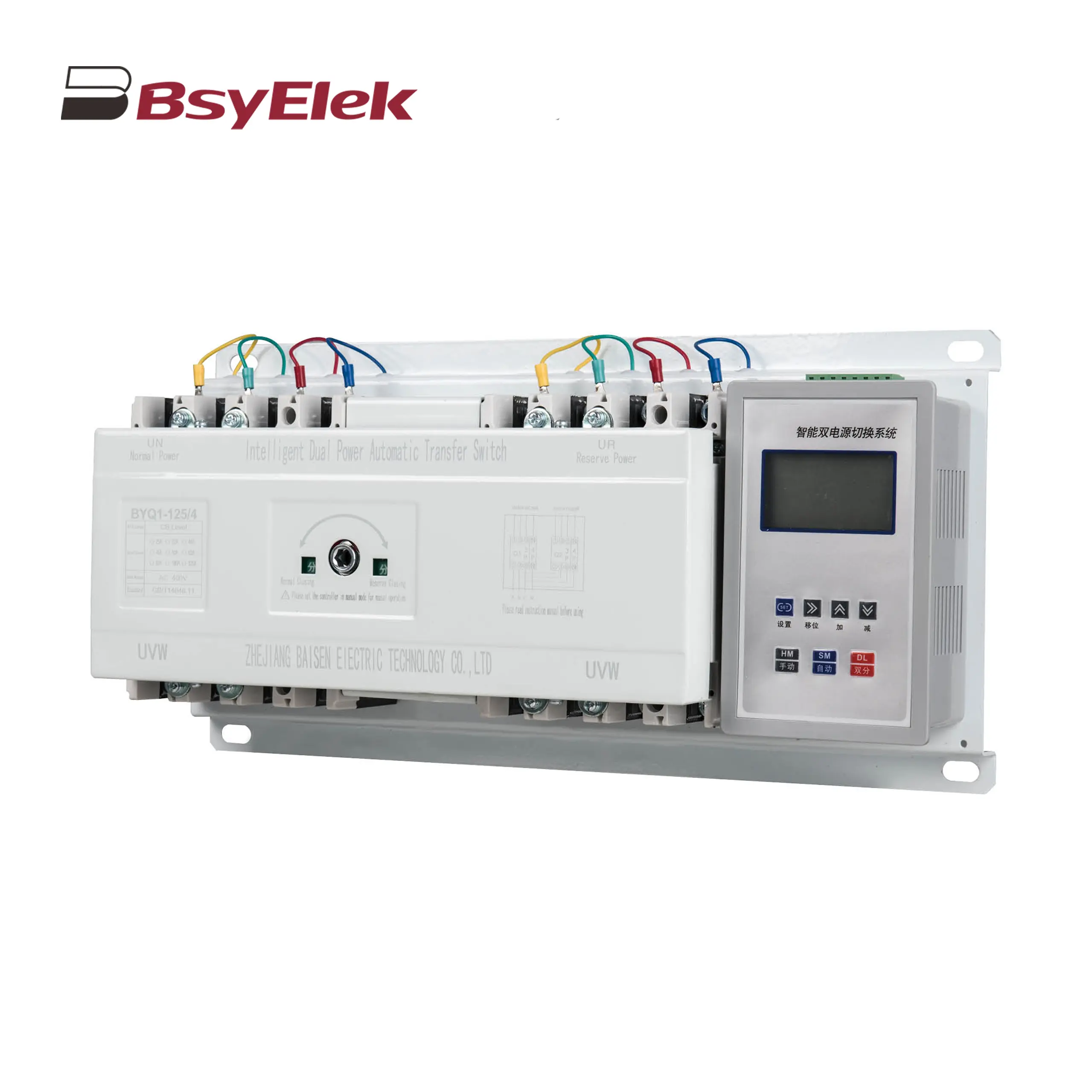 BYQ1 ATS Intelligent Type CB Level Dual Power Automatic Transfer Switch
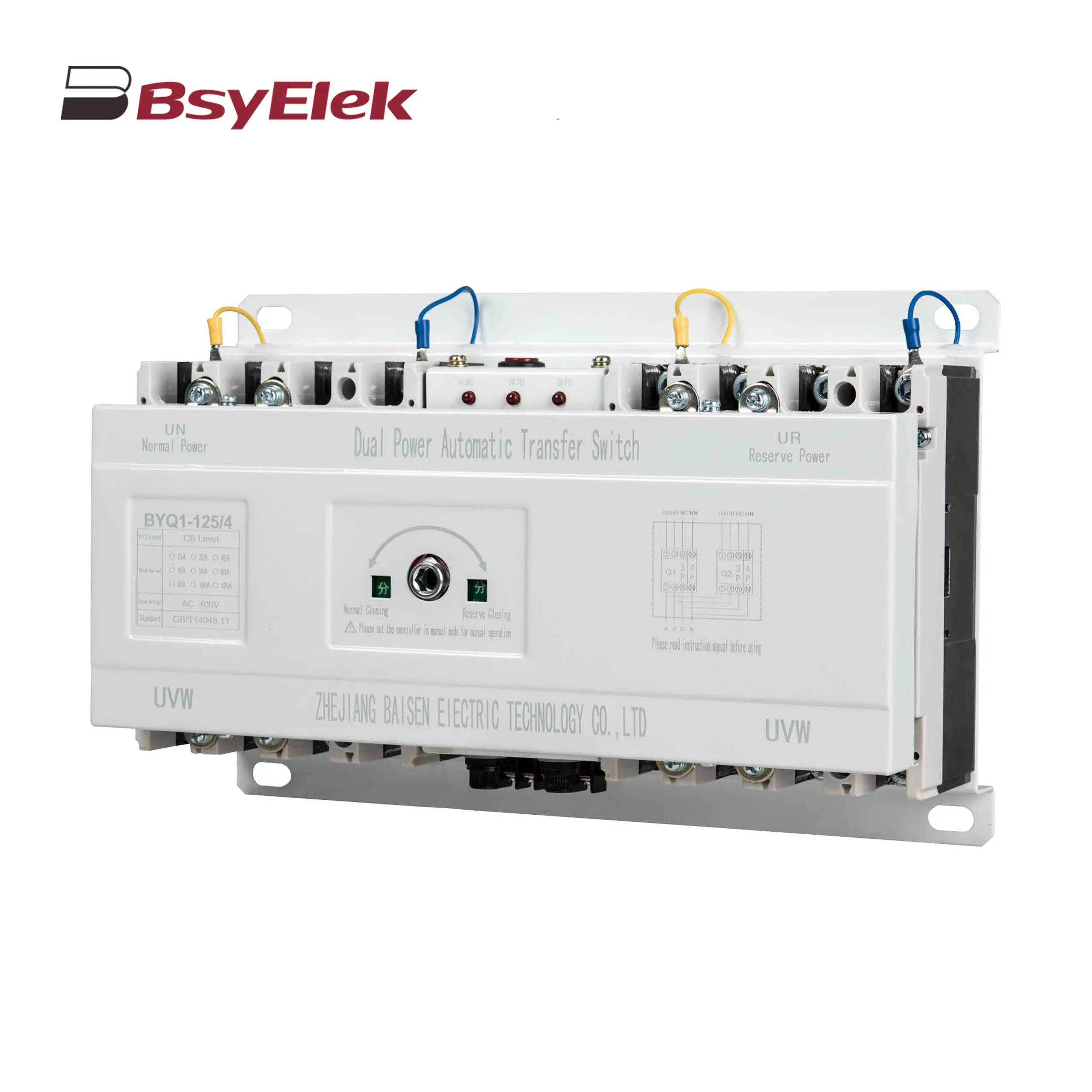 BYQ1 ATS End Type CB Level Dual Power Automatic Transfer Switch
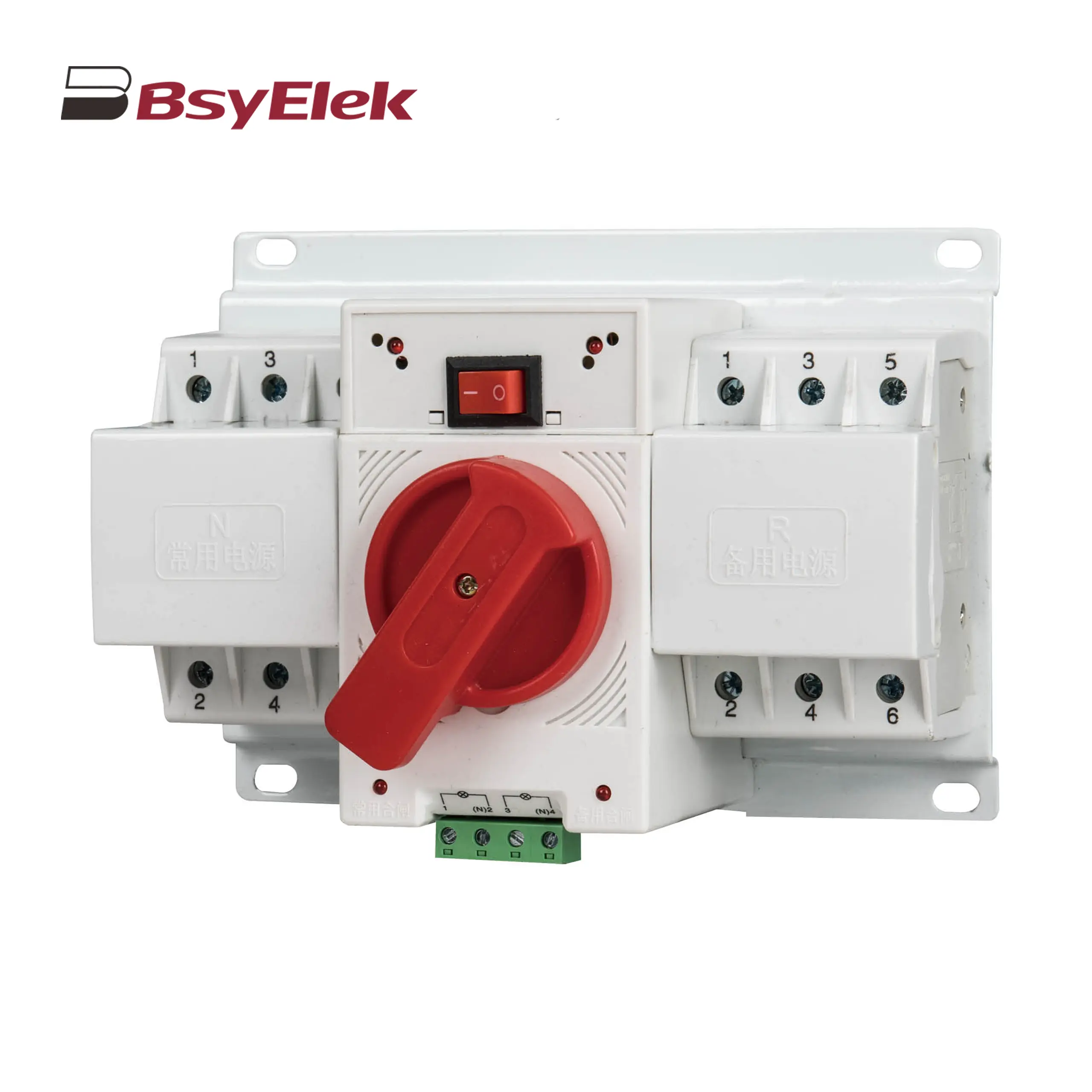 BYQ1 ATS Mini Type CB Level Dual Power Automatic Transfer Switch
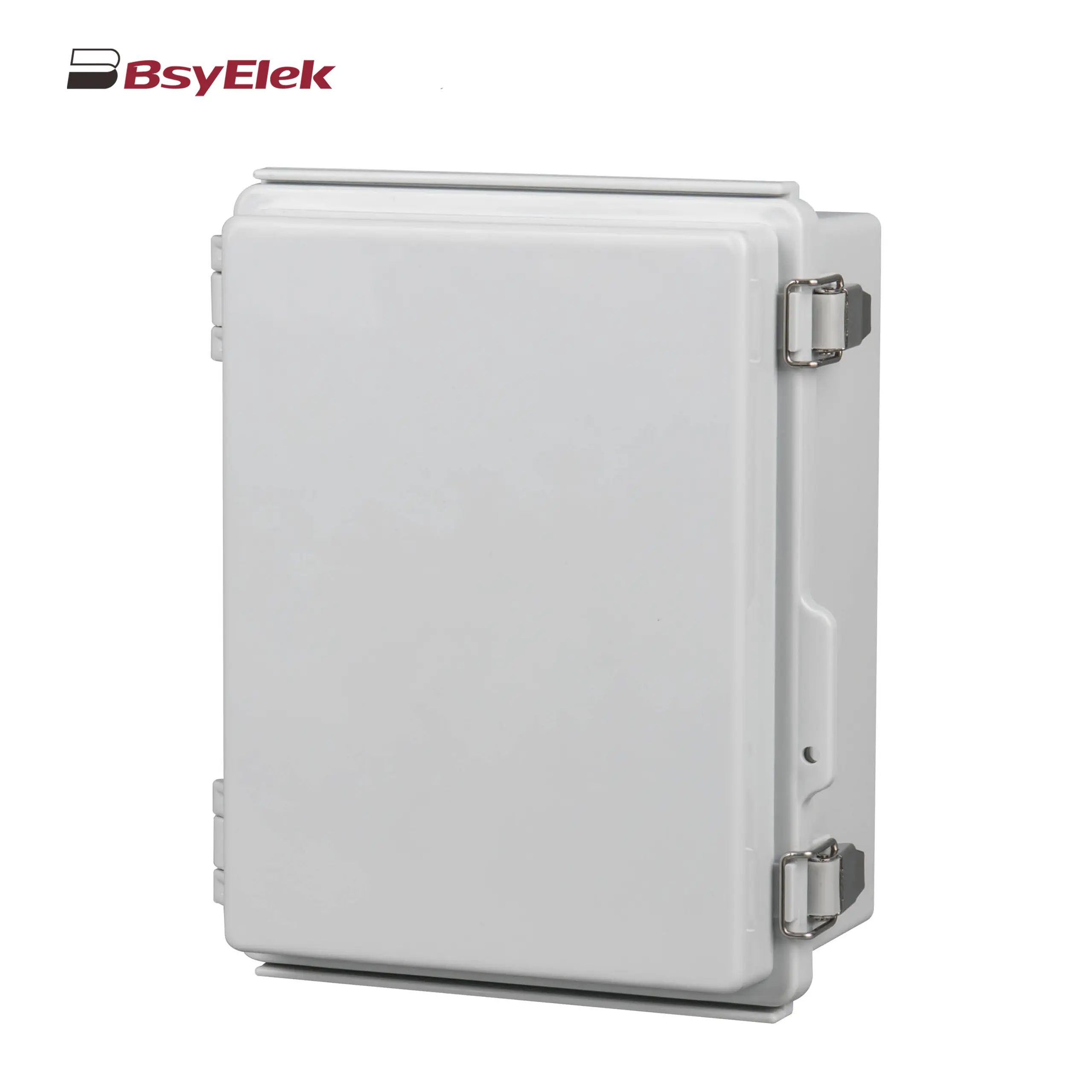 Stainless Steel Hinge Type Electrical Box
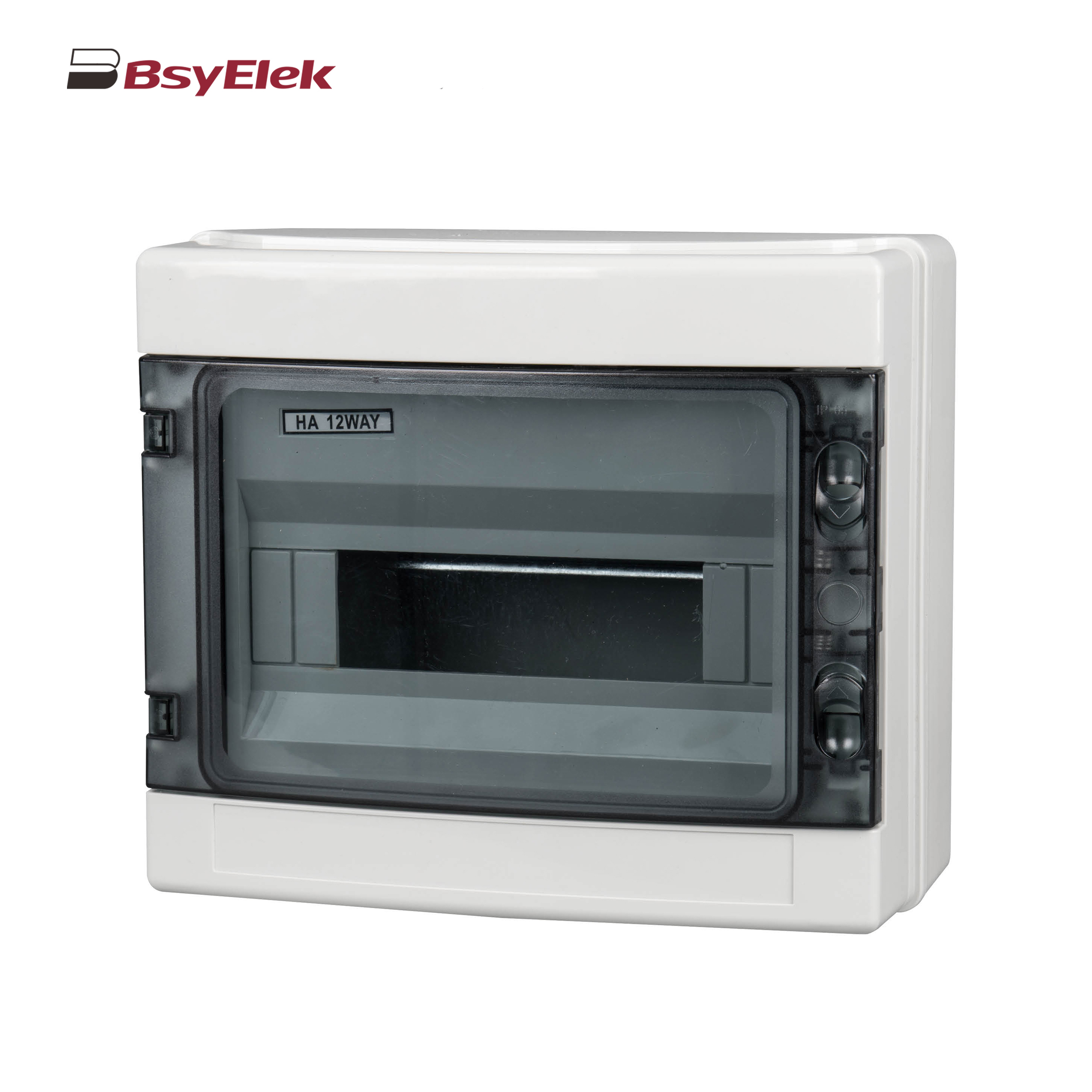 HA Waterproof Distribution Box
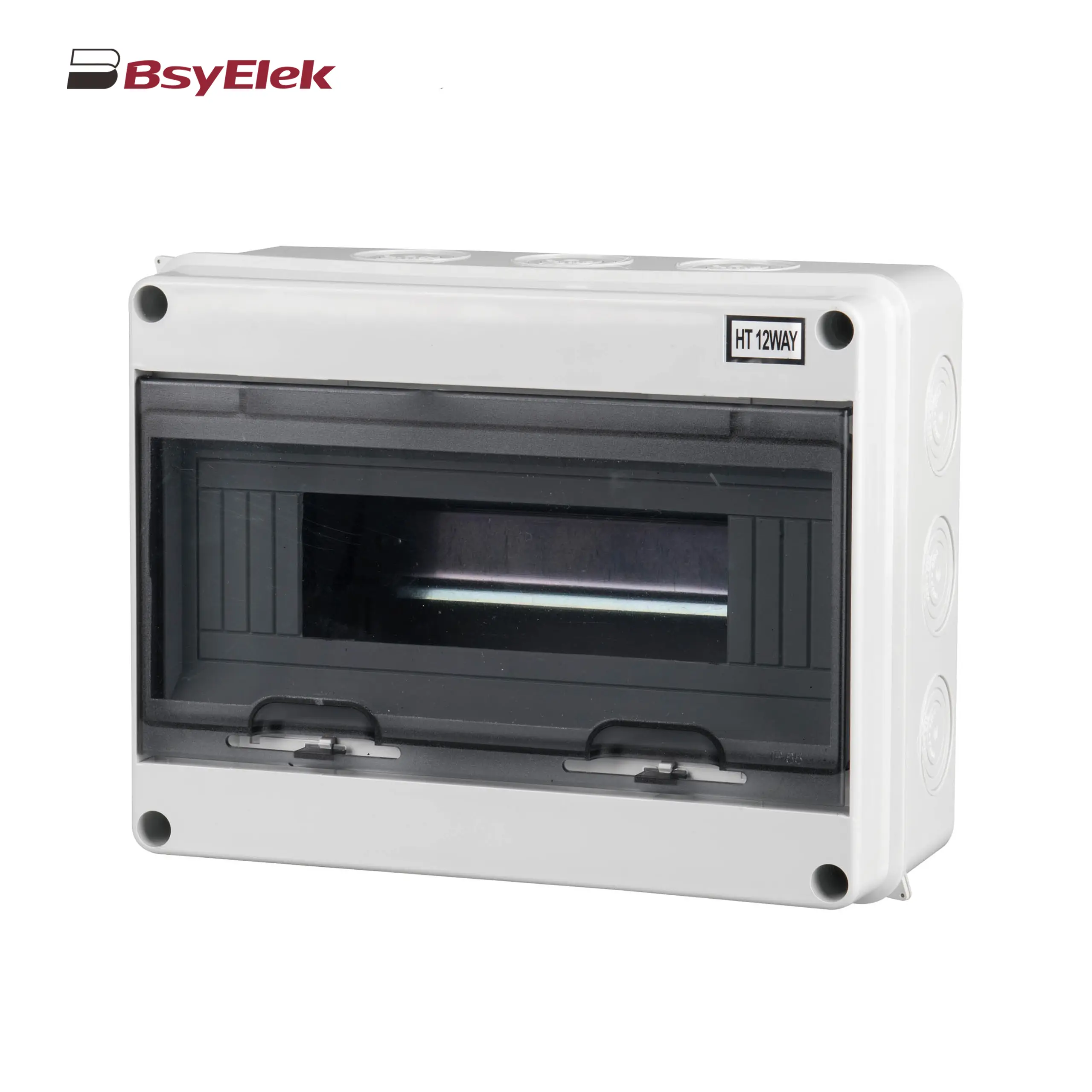 HT Waterproof Distribution Box
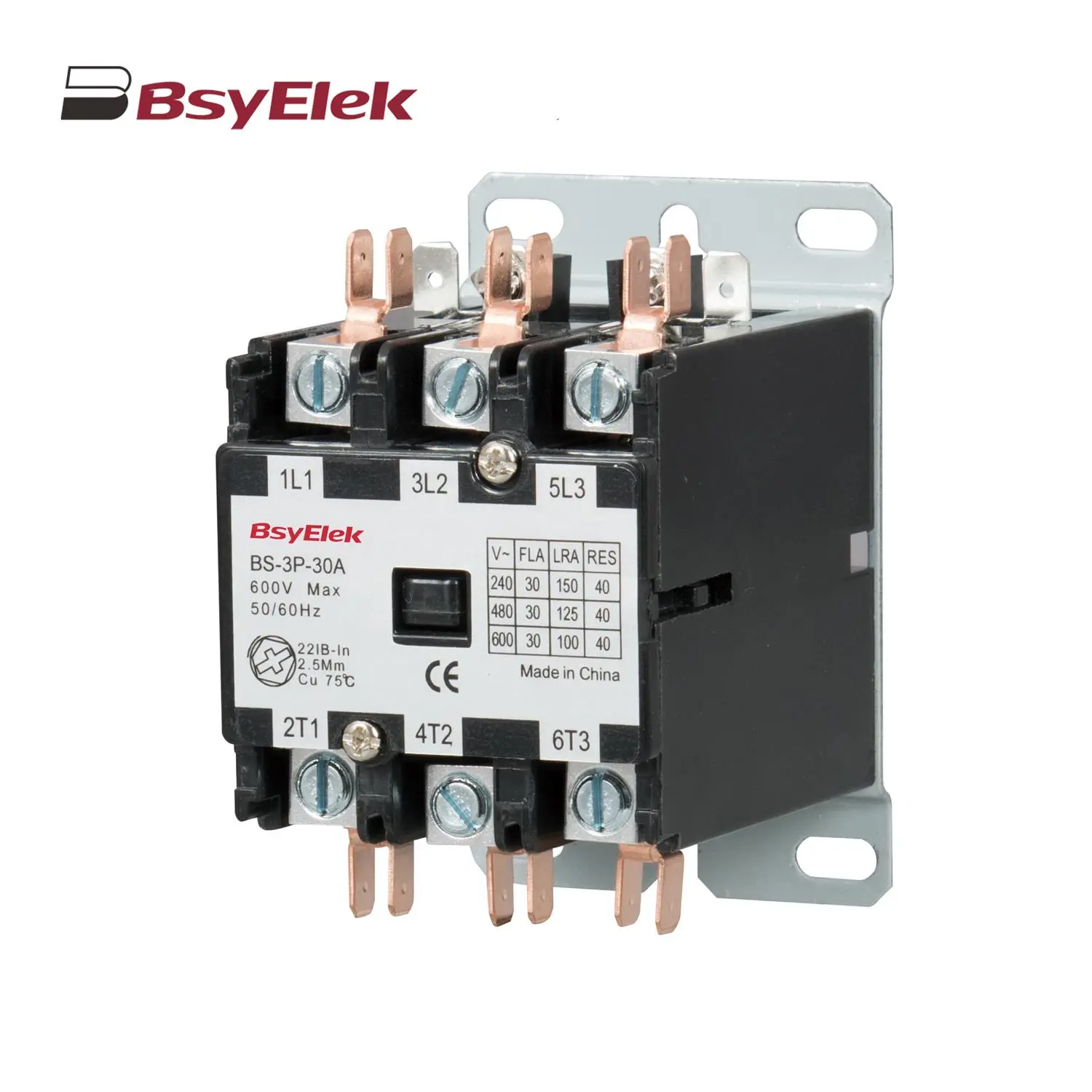 BS Definite Purpose Magnetic AC Contactor