How to Choose the Right Spider Coupling for Your Needs?
Choosing the right spider coupling can be a daunting task. With various options available, understanding your specific needs is crucial. According to Dr. Emily Carter, a leading expert in power transmission, "Selecting the correct spider coupling is essential for optimizing performance and longevity." Her insight highlights the importance of making an informed choice.
In industrial applications, spider couplings connect shafts, accommodating misalignment and reducing vibration. A wrong selection can lead to mechanical failures and costly downtime. Different sizes, materials, and designs are available, making your selection process even more complex. The right coupling enhances system efficiency and reduces wear, proving its worth over time.
A thoughtful approach is needed. Consider your operational environment, torque requirements, and potential misalignment. It’s easy to overlook details, but a miscalculation could lead to serious issues later. As you embark on this decision, reflect on your specific needs. Your choice in a spider coupling could greatly impact your machinery's effectiveness.
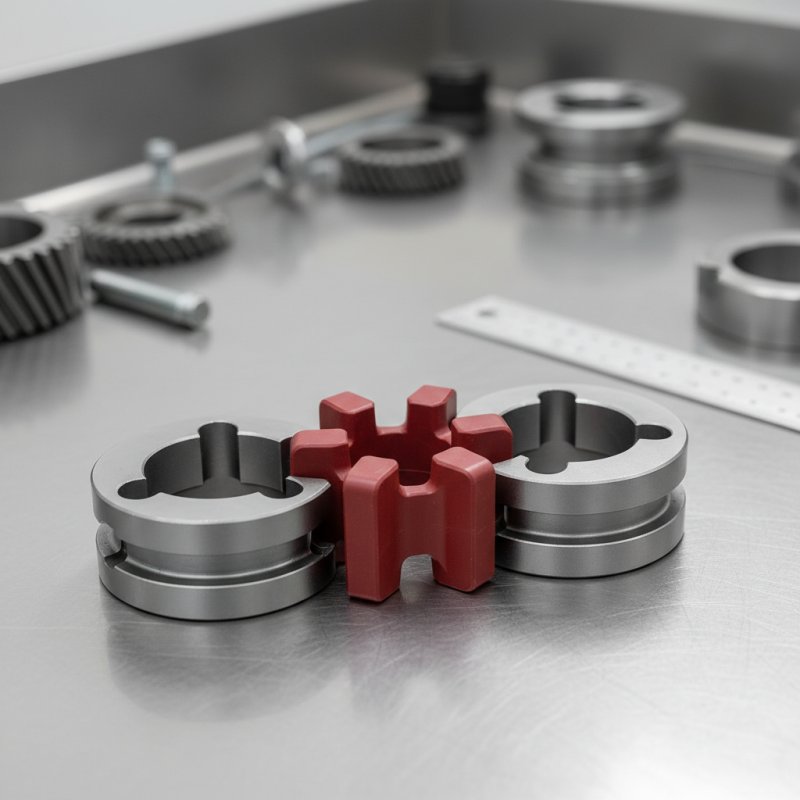
Factors to Consider When Selecting a Spider Coupling
Choosing the right spider coupling requires careful consideration of several factors. One primary factor is the application. Different applications demand different torque capacities and flexibility levels. According to recent industry reports, proper torque ratings can significantly enhance machinery efficiency. This makes application analysis critical.
Material choice is another important factor. Common materials include rubber, polyurethane, and metal. Each offers distinct advantages. For example, polyurethane can handle higher temperatures and loads but may wear faster in certain conditions. Ensure that the coupling material can withstand environmental factors like temperature and chemicals.
Tip: Always conduct failure mode analysis when selecting a coupling. Knowing potential failure points can guide you in choosing the most suitable option.
The size and spacing of components must also be considered. If they aren't aligned correctly, the coupling can't perform efficiently. Some installations fail simply due to improper sizing. Reviews and case studies often highlight
misalignments as a leading cause of mechanical issues.
Tip: When in doubt, consult with an engineer or a technical expert to avoid costly mistakes. Your choice in spider coupling impacts not just performance, but also
overall system longevity.
Types of Spider Couplings and Their Applications
Spider couplings are essential components in mechanical systems. They provide flexibility and vibration dampening, which helps in various applications. Different types of spider couplings suit different needs.
There are three main types of spider couplings: elastomeric, metallic, and custom designs.
Elastomeric types offer high elasticity and are ideal for dampening vibrations. They are common in agricultural equipment and industrial machinery.
Metallic spider couplings provide sturdiness for high-torque applications. They are often used in electric motors and pumps.
Custom spider couplings can be tailored for unique requirements, offering a versatile solution.
Tip: Always consider the operating environment before selecting a spider coupling. Factors like temperature, exposure to chemicals, and load requirements matter.
Bear in mind that selecting the wrong type can lead to premature failure. It is important to review your system's specifications carefully. Balancing these factors is crucial for optimal performance. An incorrect choice may lead to costly downtimes or safety hazards.
Tip: Running tests or consulting with industry experts can offer valuable insights. This could save time and resources that might be wasted on poor choices.
Determining Torque Requirements for Your Application
Choosing the right spider coupling involves understanding the torque requirements specific to your application. Torque is a crucial factor in determining how much load the coupling can handle. It's essential to consider the maximum and minimum torque levels your system experiences during operation. Too much torque can lead to failure, while too little may cause slippage.
To gauge your torque needs, start by analyzing the machinery involved. Identify the peak torque output during operation. Conduct tests if possible, as real-world conditions can differ significantly from theoretical calculations. Also, remember that the torque requirement can change due to various factors like speed fluctuations and load variations.
Sometimes, estimating torque can be tricky. You might decide on a coupling based on average values and later find it inadequate. This situation is frustrating and costly. Testing multiple configurations may be necessary to find the right fit. Always reflect on your choices and be ready to adapt to changing demands. Each application is unique, demanding its specific torque solution.
Torque Requirements for Different Applications
This bar chart illustrates the torque requirements for different applications such as electric motors, pneumatic tools, hydraulic systems, conveyor systems, and fans & blowers. Understanding these requirements is essential for selecting the right spider coupling for your needs.
Material Compatibility and Environmental Considerations
When selecting a spider coupling, material compatibility is crucial. Different environments can impact the longevity and performance of these mechanical components. For instance, rubber couplings perform well in moderate temperatures but may degrade in extreme heat. Industry reports show that over 30% of coupling failures stem from material incompatibility. This emphasizes the need for thorough assessments.
Consider the surrounding conditions. Will there be exposure to chemicals? High humidity? These factors can compromise the coupling's integrity. For harsh environments, look for materials like stainless steel or specialized polymers. They resist corrosion and provide better durability.
Tips: Always request material data sheets from suppliers. They help compare options. Don't overlook installation conditions. Improper installation can lead to unexpected failures regardless of material. Regular inspections of couplings can catch wear early. Maintaining a proactive approach is essential for optimal performance. Aim for a balanced, informed choice to ensure efficiency and reliability in your operations.
Installation and Maintenance Guidelines for Spider Couplings
Installation of spider couplings requires careful attention. The coupling must align properly with both shafts. Misalignment can lead to excess wear and even failure. According to industry reports, about 30% of mechanical failures stem from improper installation. Always check for any visible gaps. Use a feeler gauge if needed.
Maintenance is equally crucial for long-term performance. Regular inspections should be part of your routine. Look for signs of wear on the elastomeric spider. The material may degrade over time. Replace it if you notice cracks or deformities. Studies indicate that maintaining spider couplings can extend their lifespan by up to 50%. Lubrication is essential but should be done sparingly. Too much grease can attract dust and debris, offsetting any benefits.
Understanding these nuances helps in making informed choices. Many overlook these details, leading to costly downtimes. Addressing these common mistakes can make a significant difference in operational efficiency. Recognizing that even a small misalignment can have substantial repercussions is key. Make adjustments where necessary and monitor performance closely.
How to Choose the Right Spider Coupling for Your Needs? - Installation and Maintenance Guidelines for Spider Couplings
| Coupling Type | Torque Capacity (Nm) | Max Speed (RPM) | Temperature Range (°C) | Material | Maintenance Requirements |
| Standard Spider Coupling | 50 - 500 | 3000 | -20 to 80 | Nylon | Low, visual checks |
| Heavy-Duty Spider Coupling | 1000 - 10000 | 2000 | -30 to 100 | Steel | Moderate, grease every 6 months |
| Corrosion-Resistant Spider Coupling | 300 - 3000 | 2500 | 0 to 80 | Stainless Steel | Regular, inspect for wear |
| Flexible Spider Coupling | 75 - 750 | 4000 | -20 to 70 | Polyurethane | Minimal, visual inspection |



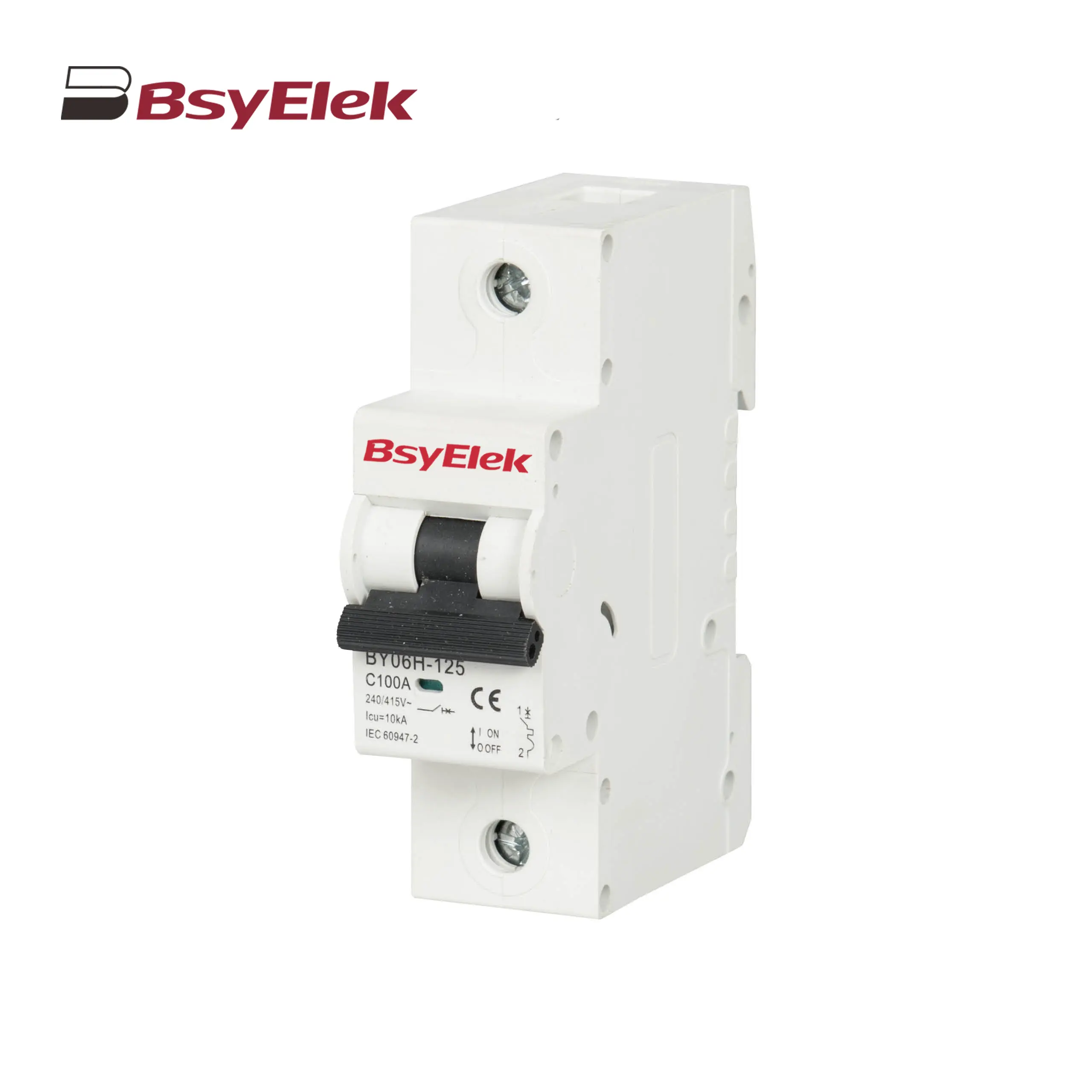 BY06H-125 MCB 10-15KA Miniature Circuit Breaker
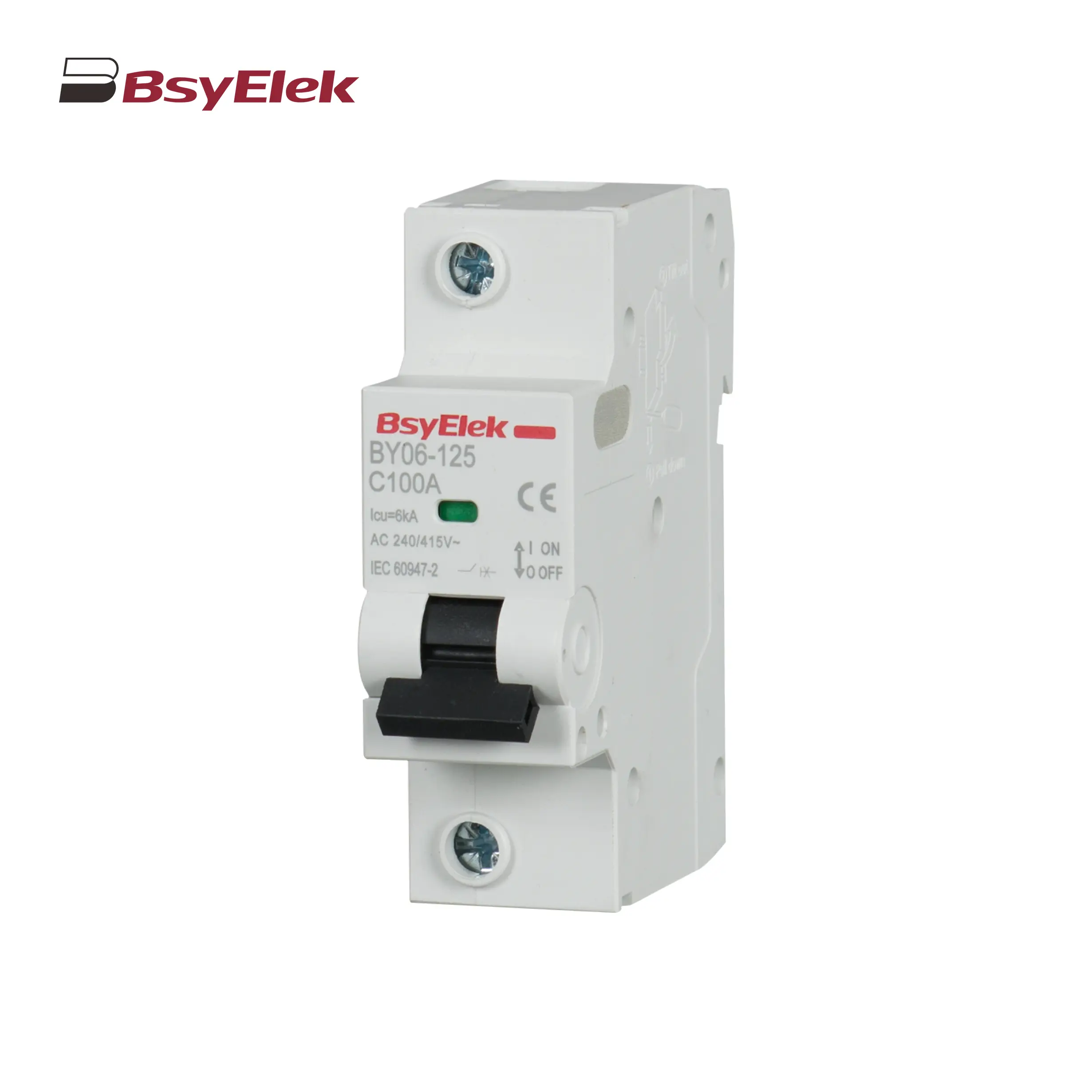 BY06-125 MCB 6KA Miniature Circuit Breaker
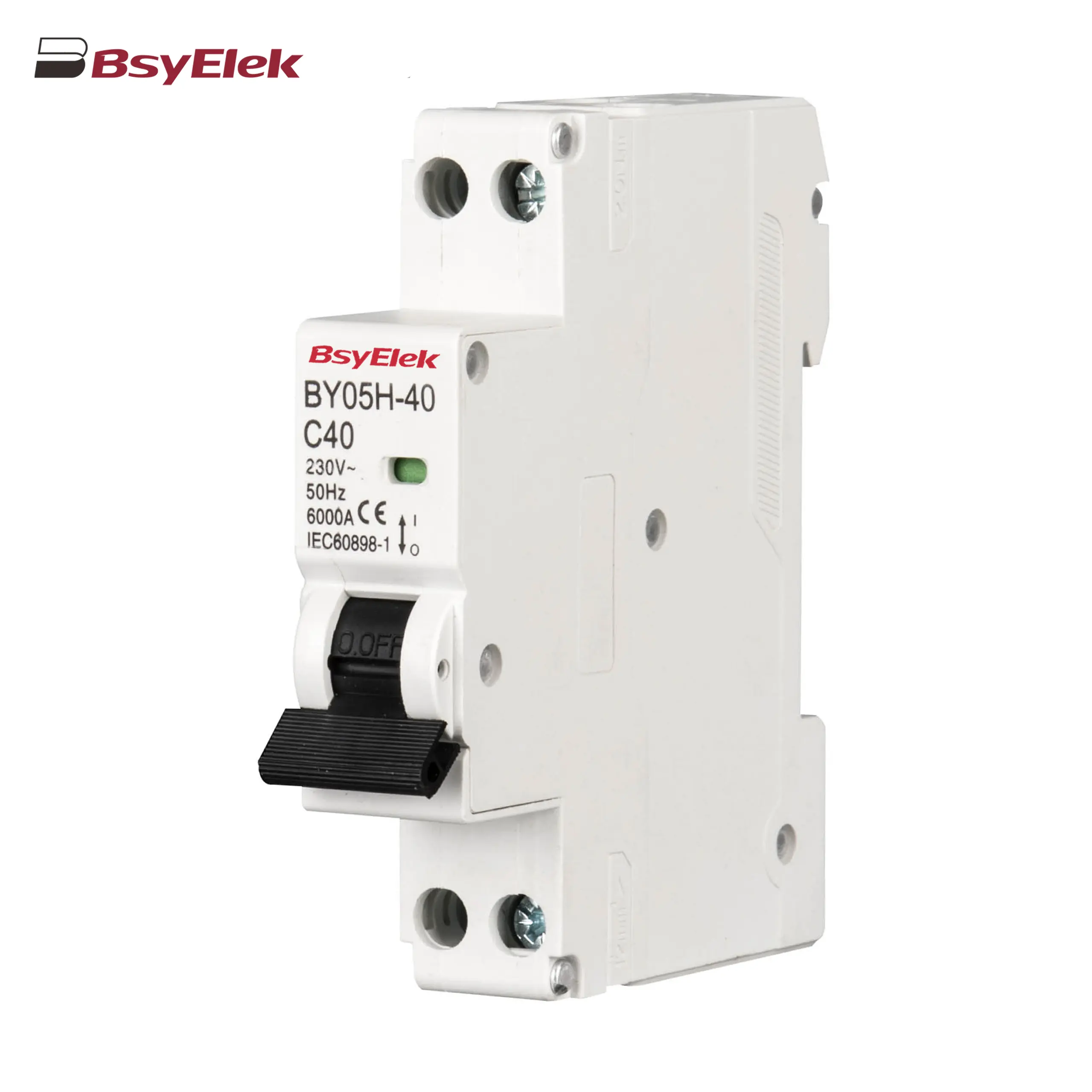 BY05H-40 MCB Single Modular 6KA Miniature Circuit Breaker
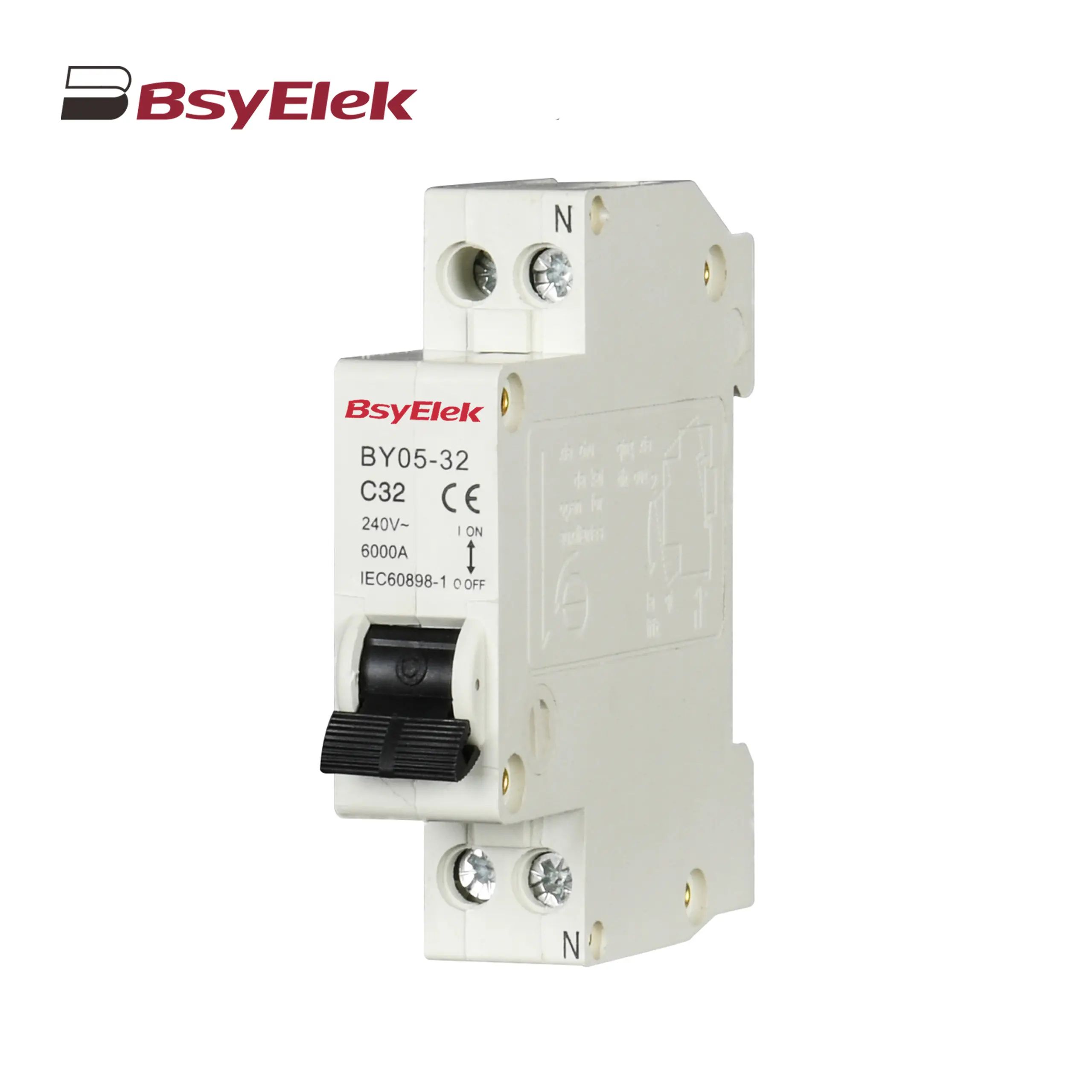 BY05-32 MCB Single Modular 3KA Miniature Circuit Breaker
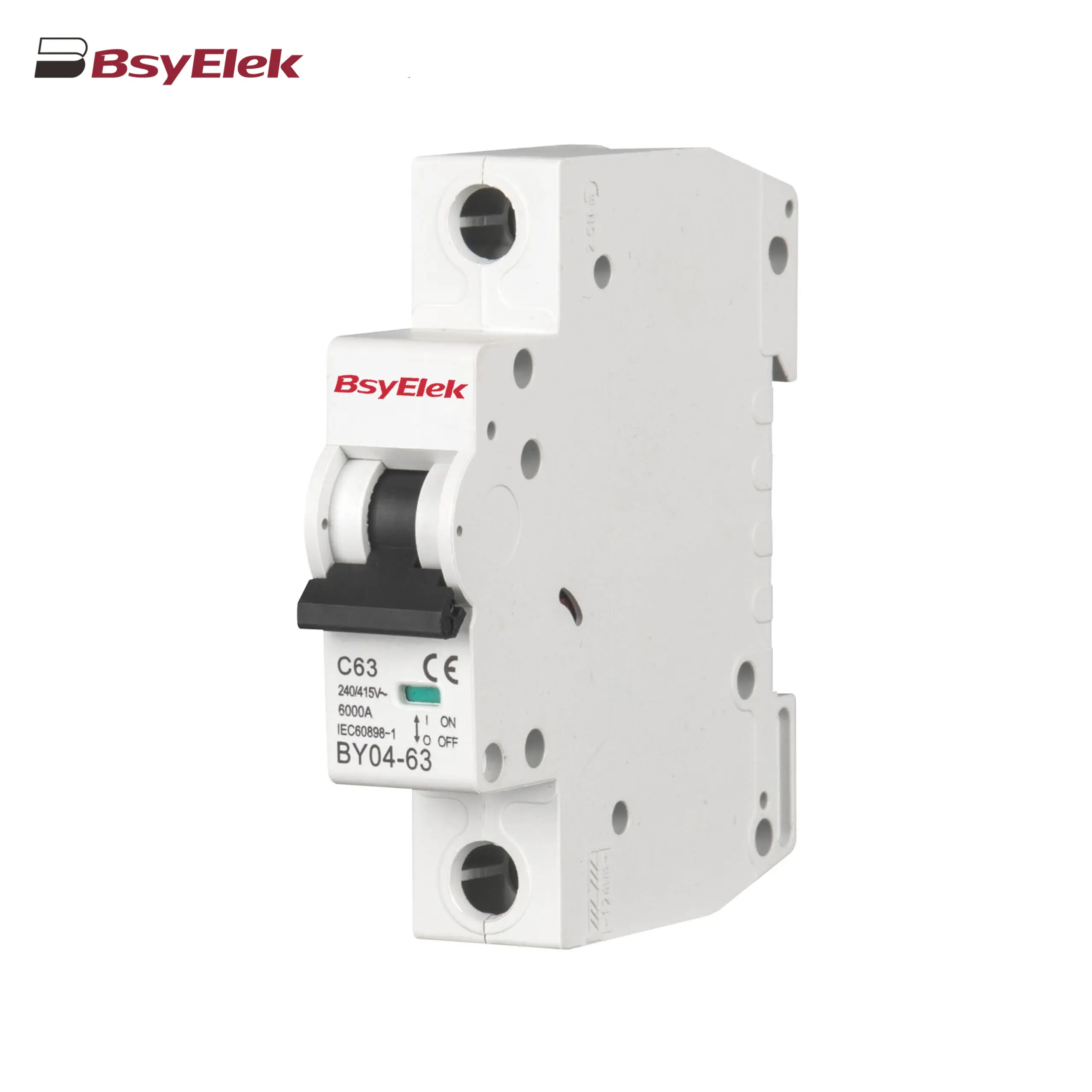 BY04-63 MCB 6-10KA Miniature Circuit Breaker
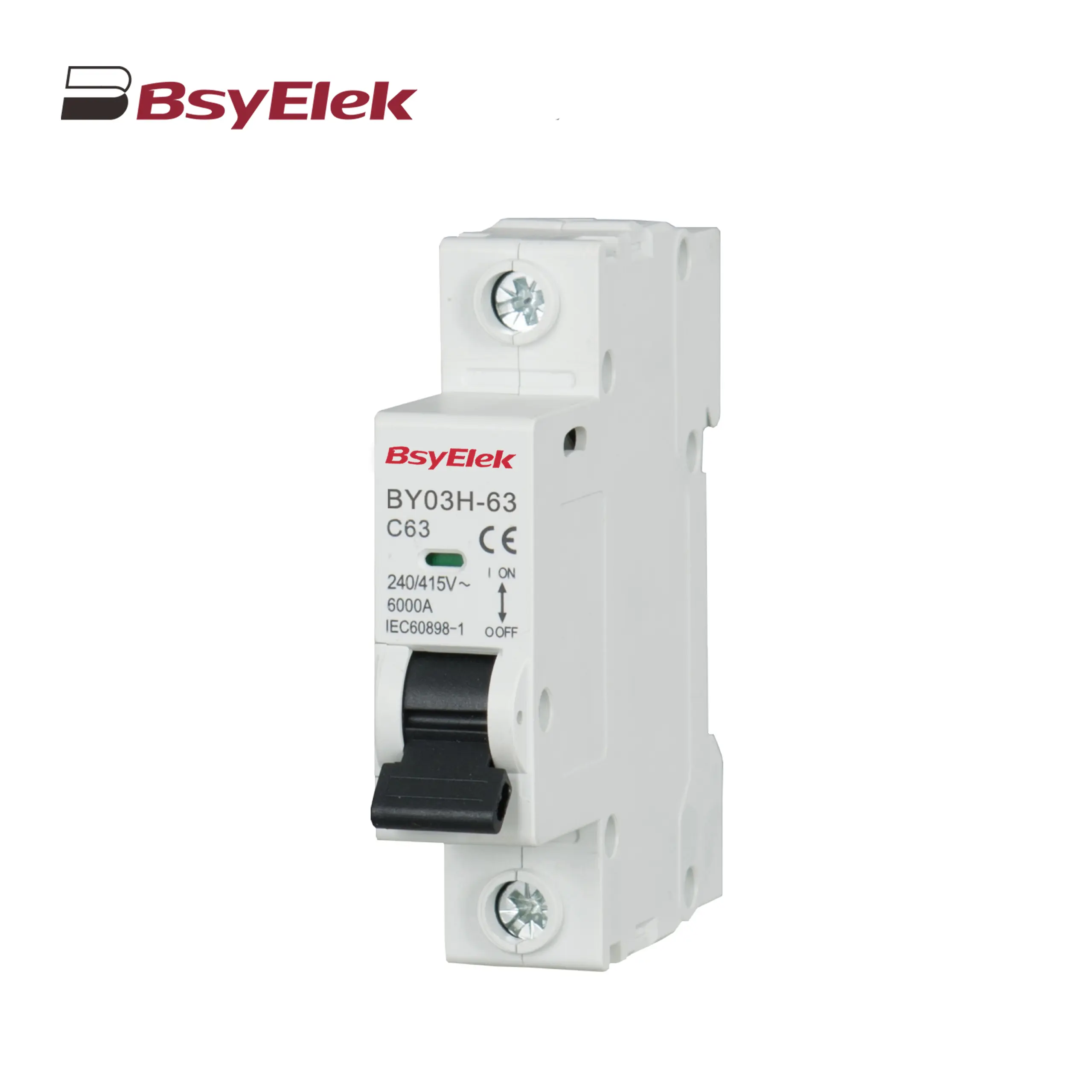 BY03H-63 MCB 6KA Miniature Circuit Breaker
 BY03-63 MCB 4.5KA Miniature Circuit Breaker
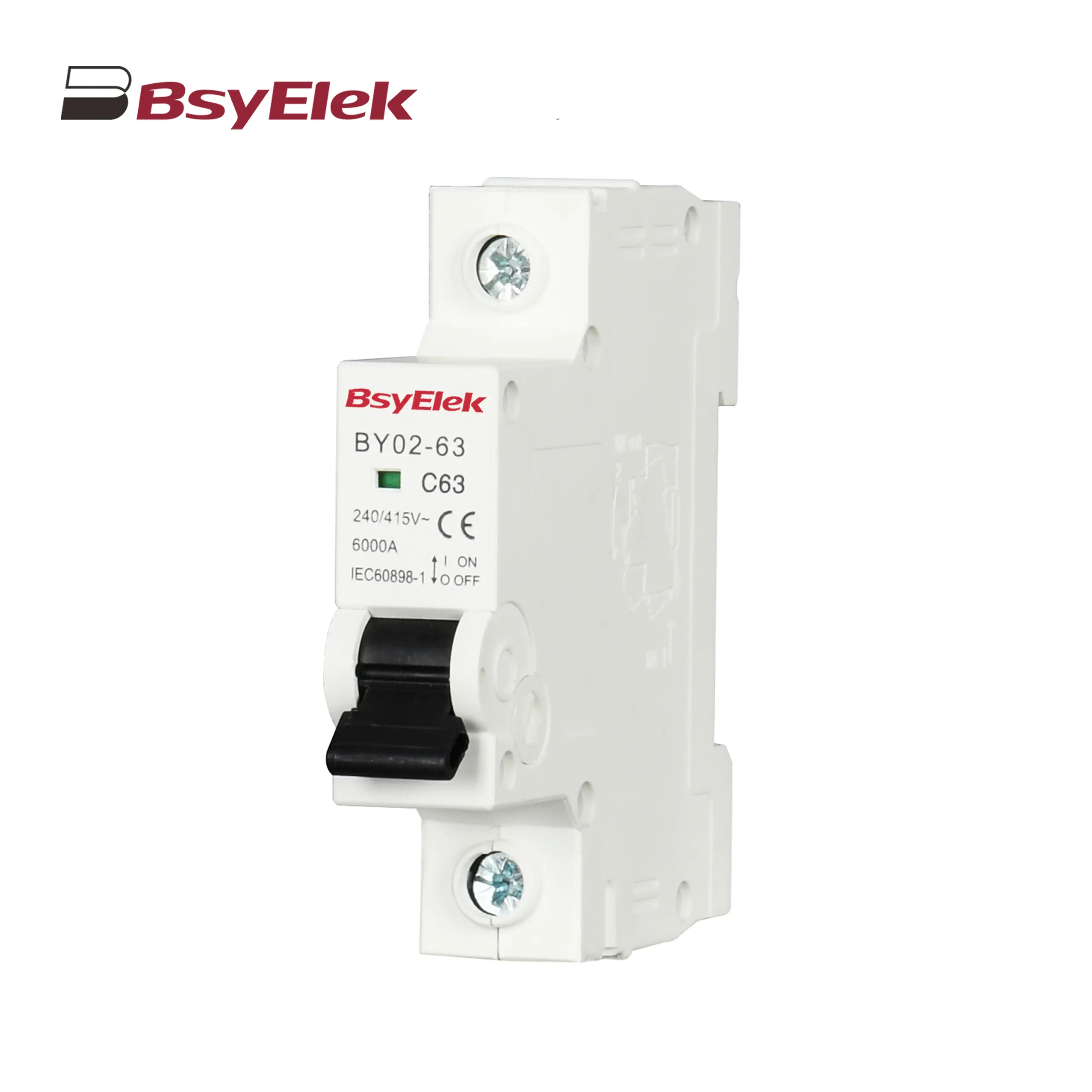 BY02-63 MCB 3kA Miniature Circuit Breaker
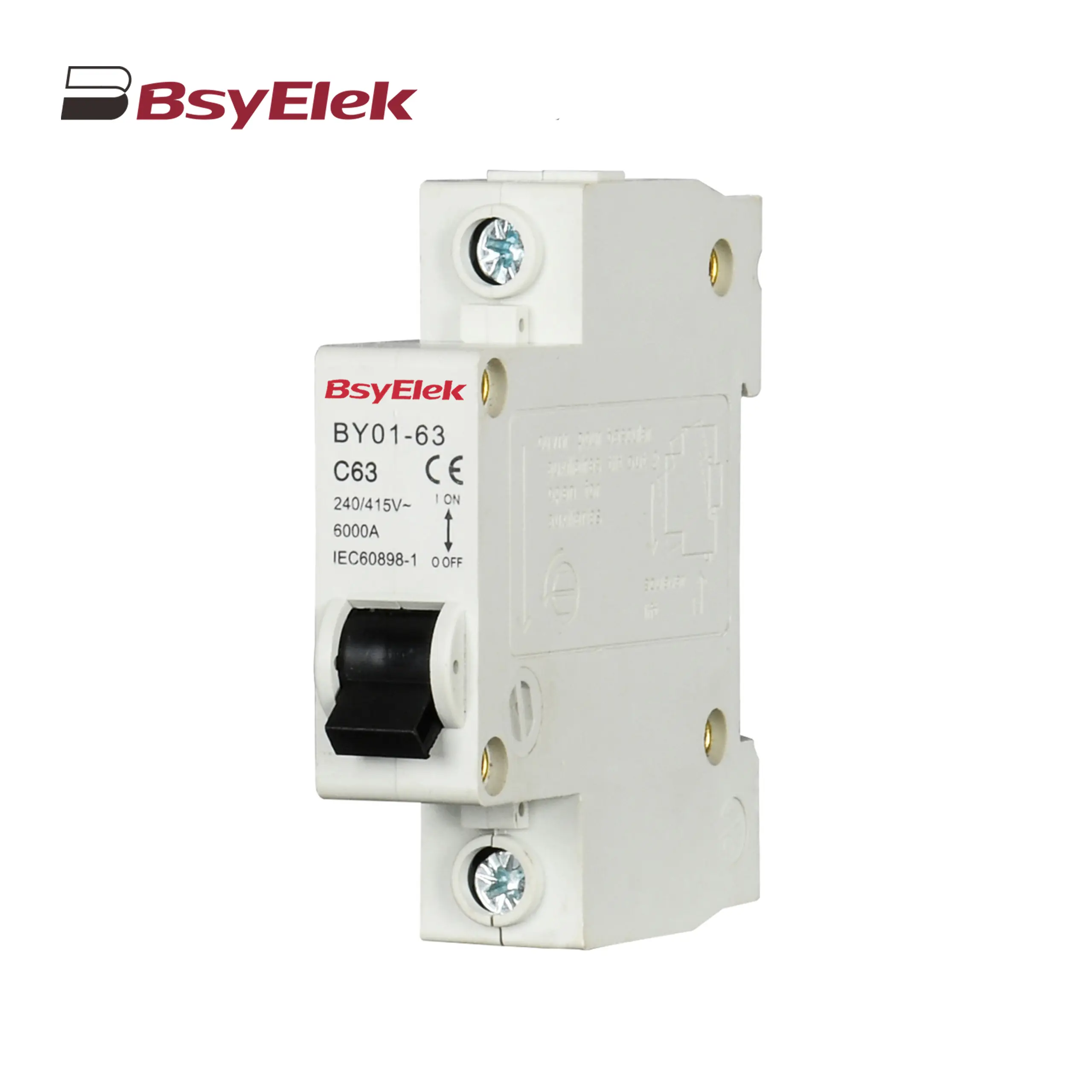 BY01-63 MCB 3kA Miniature Circuit Breaker
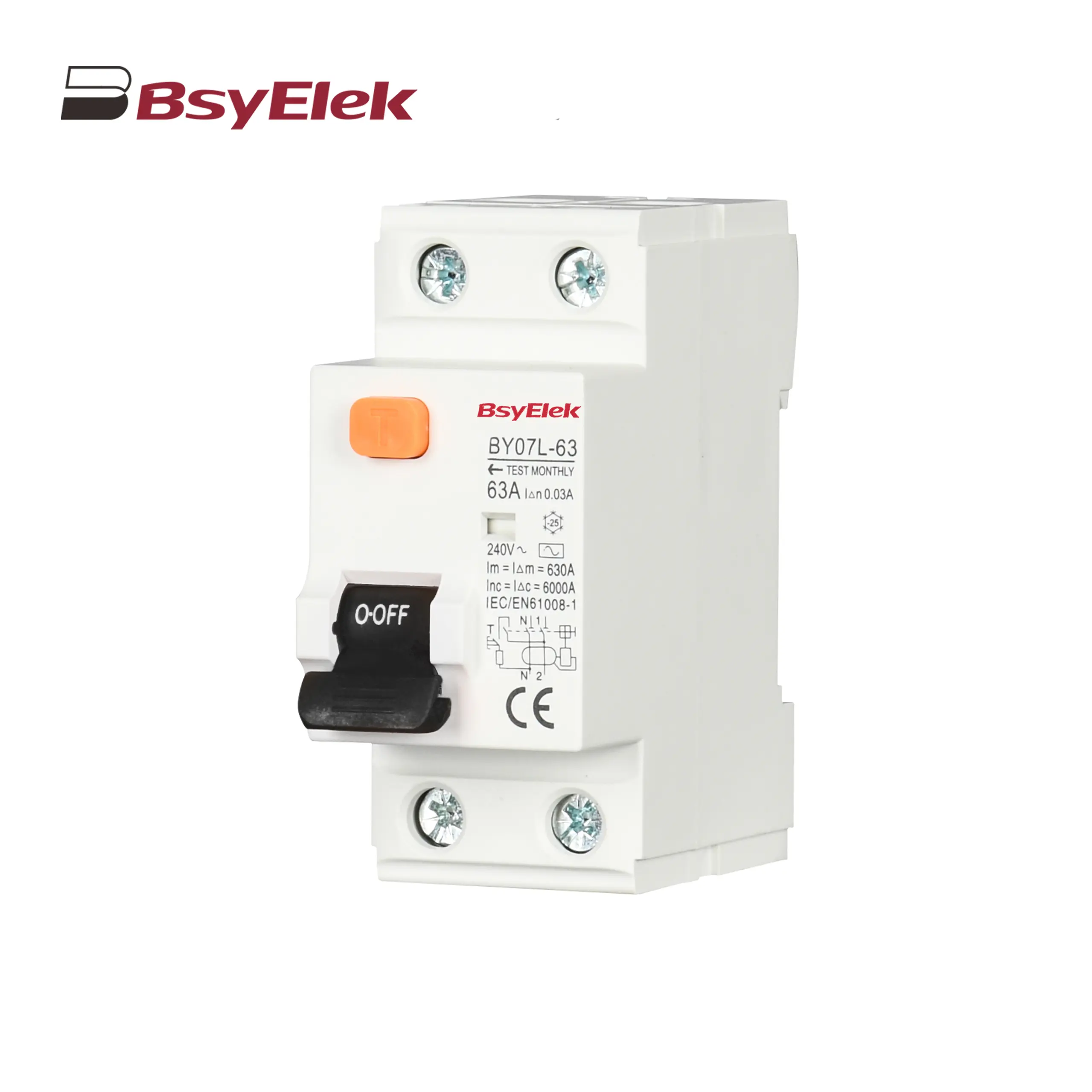 BY07L-63 RCCB 6KA Residual Current Circuit Breaker
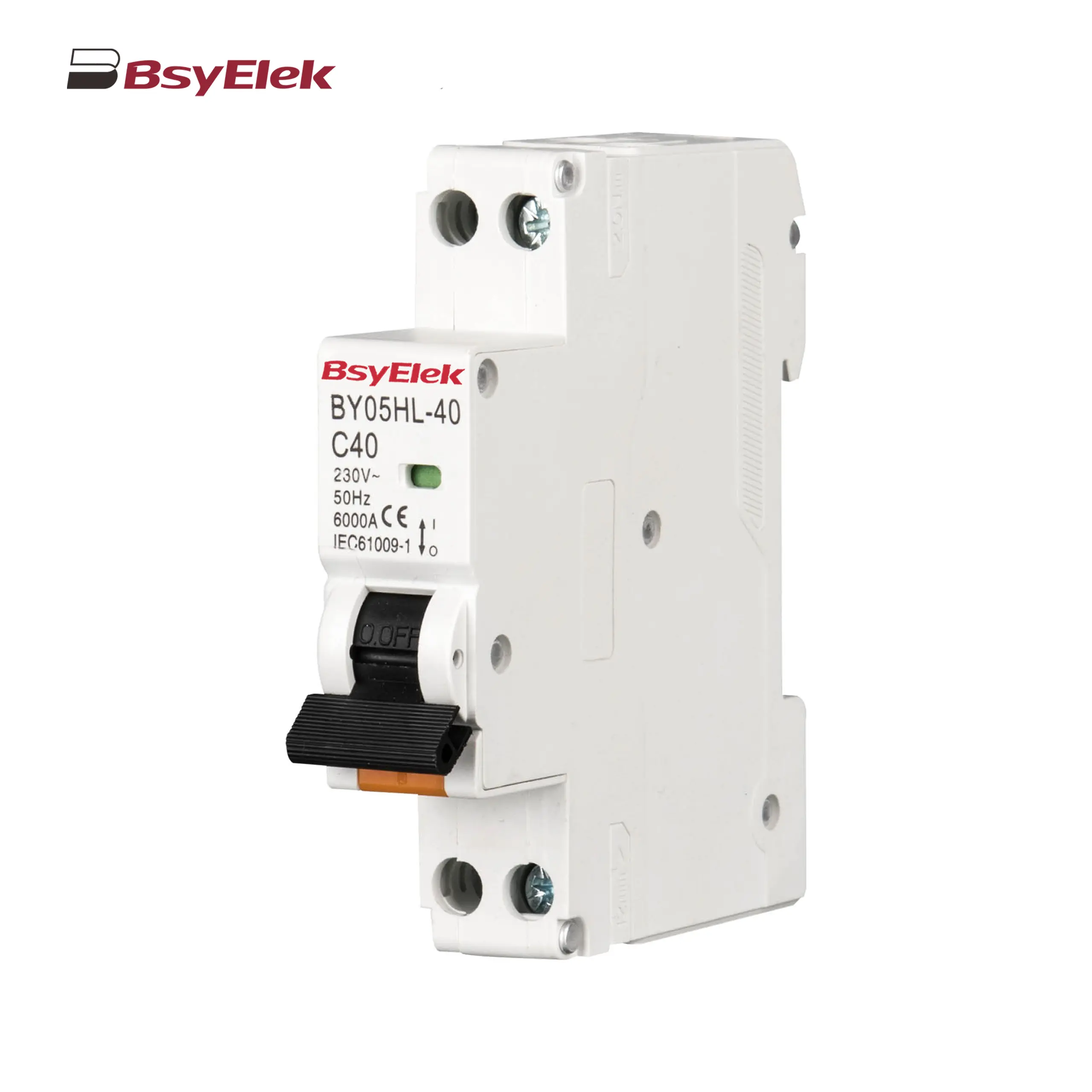 BY05HL-40 RCBO 6KA Residual Current Circuit Breaker with Over-current Protection
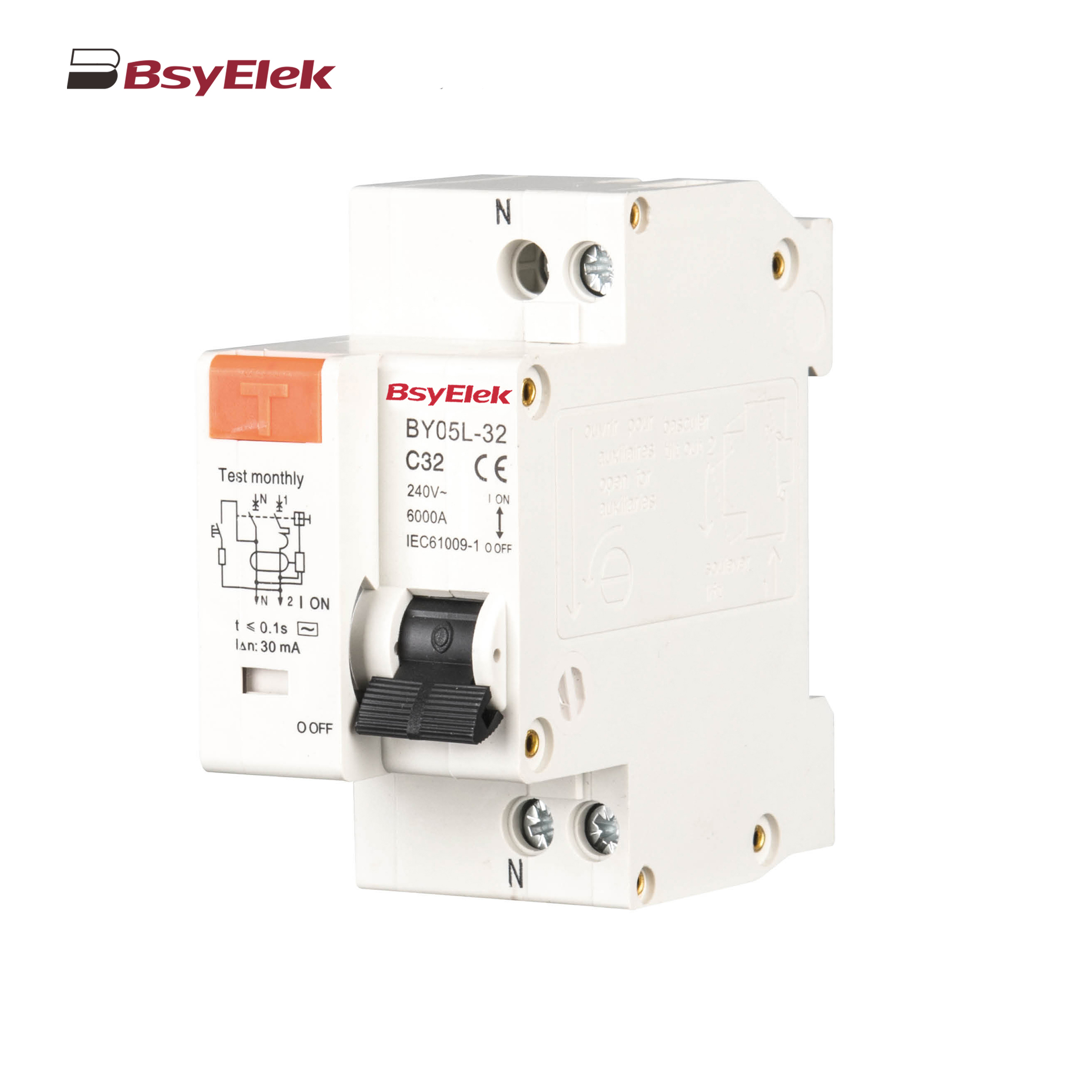 BY05L-32 RCBO 3KA Residual Current Circuit Breaker with Over-current Protection
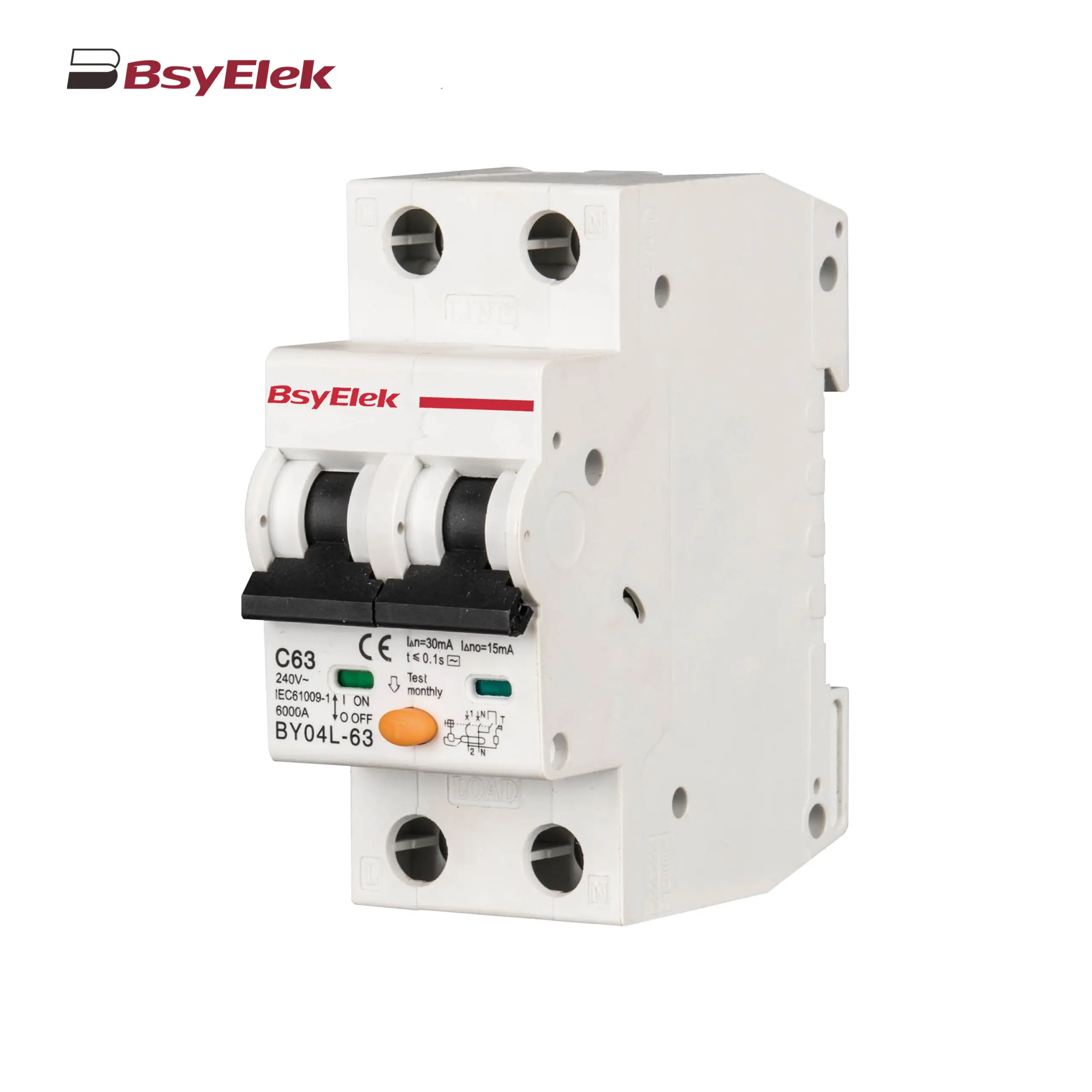 BY04L-63 RCBO 6KA Residual Current Circuit Breaker with Over-current Protection
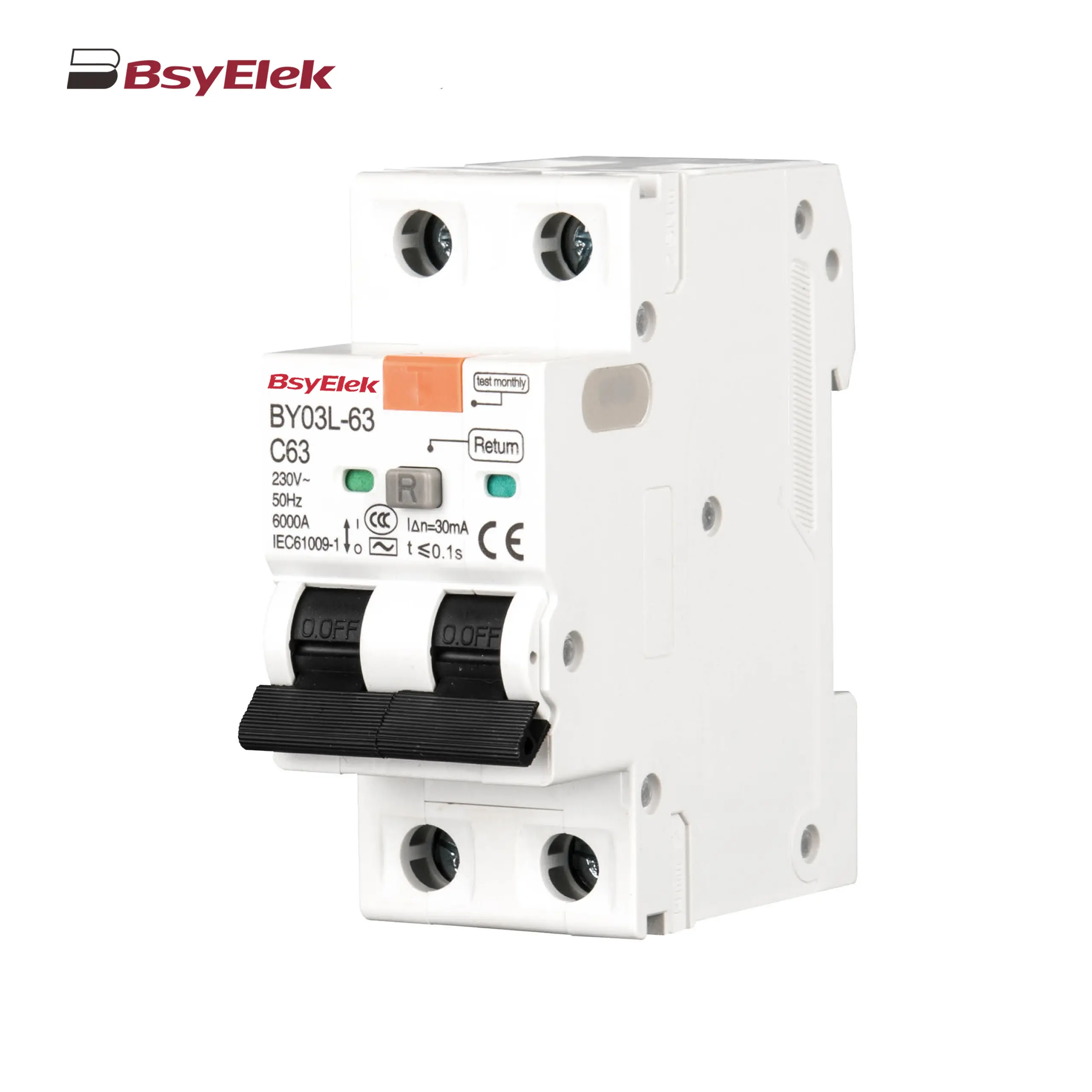 BY03L-63 RCBO 4.5KA Residual Current Circuit Breaker with Over-current Protection
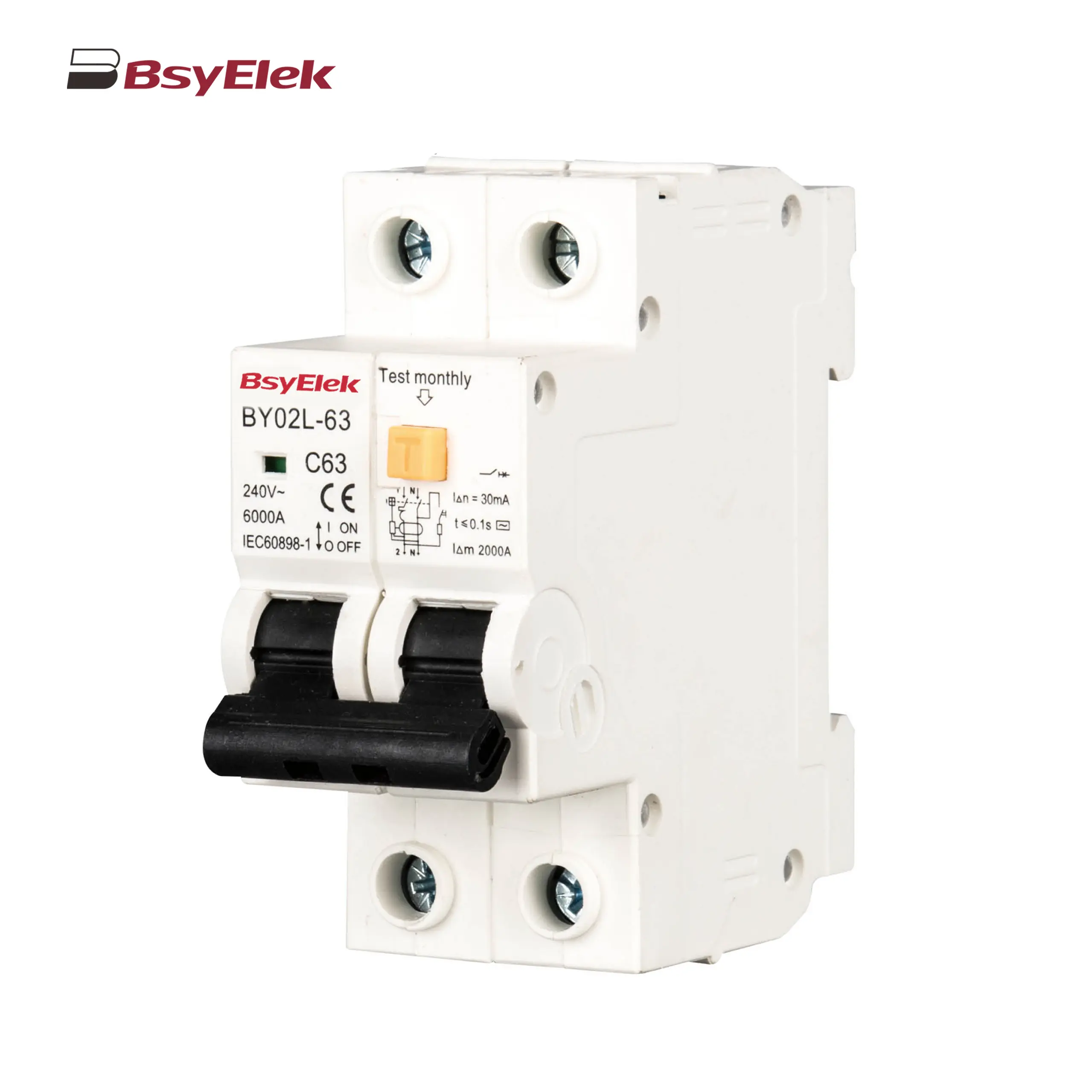 BY02L-63 RCBO 3KA Residual Current Circuit Breaker with Over-current Protection
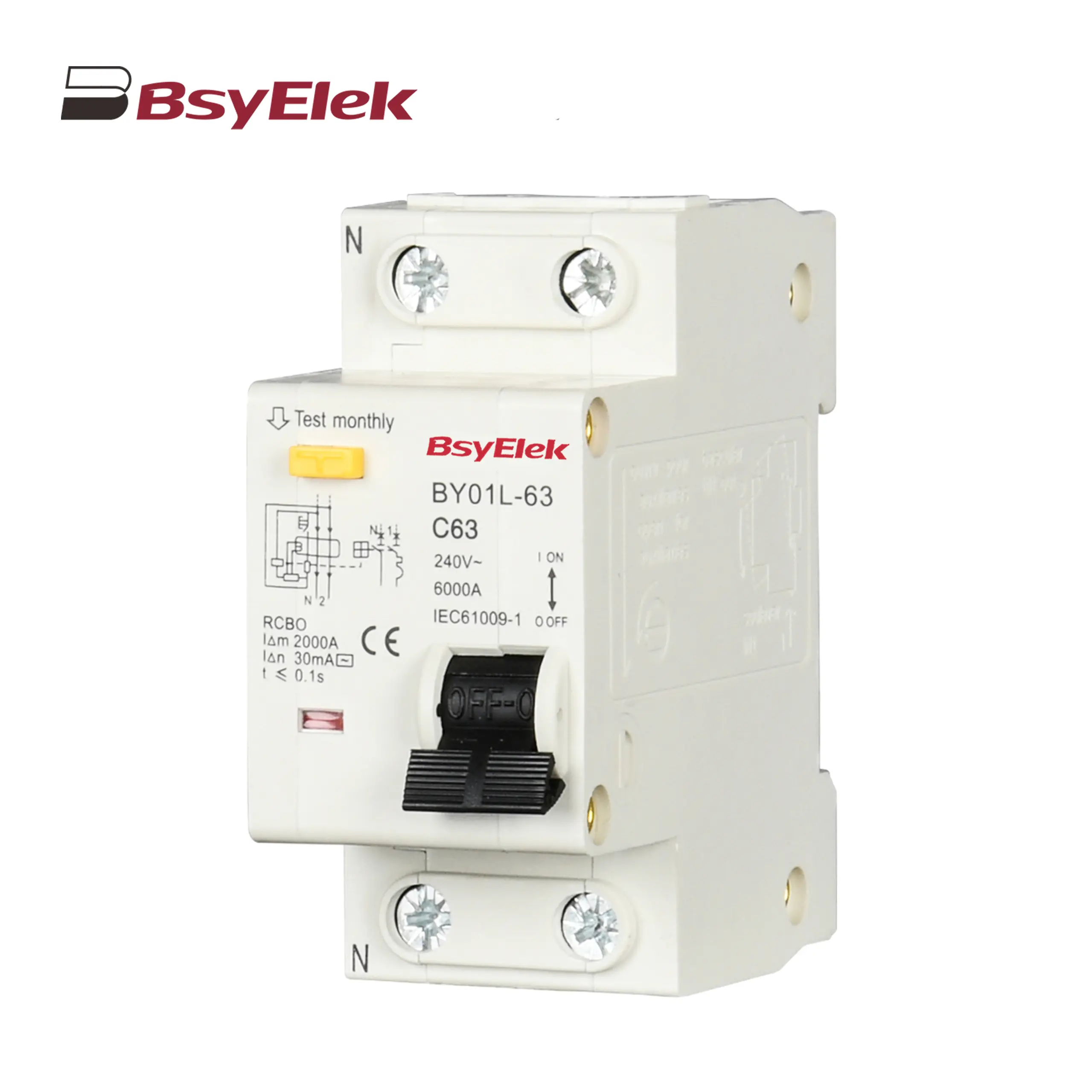 BY01L-63 RCBO 1P+N 3KA Residual Current Circuit Breaker with Over-current Protection
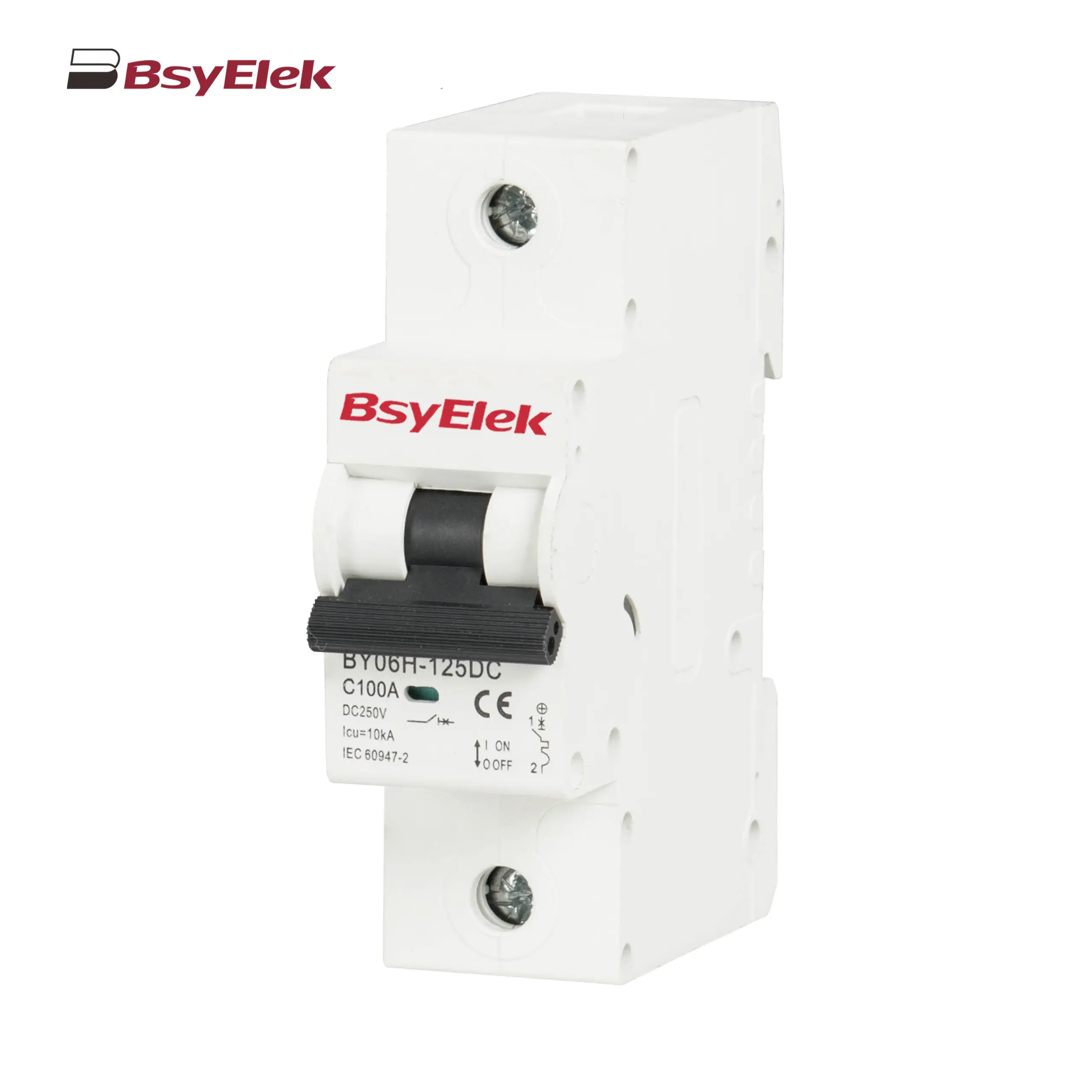 BY06H-125DC MCB 10-15kA DC Miniature Circuit Breaker
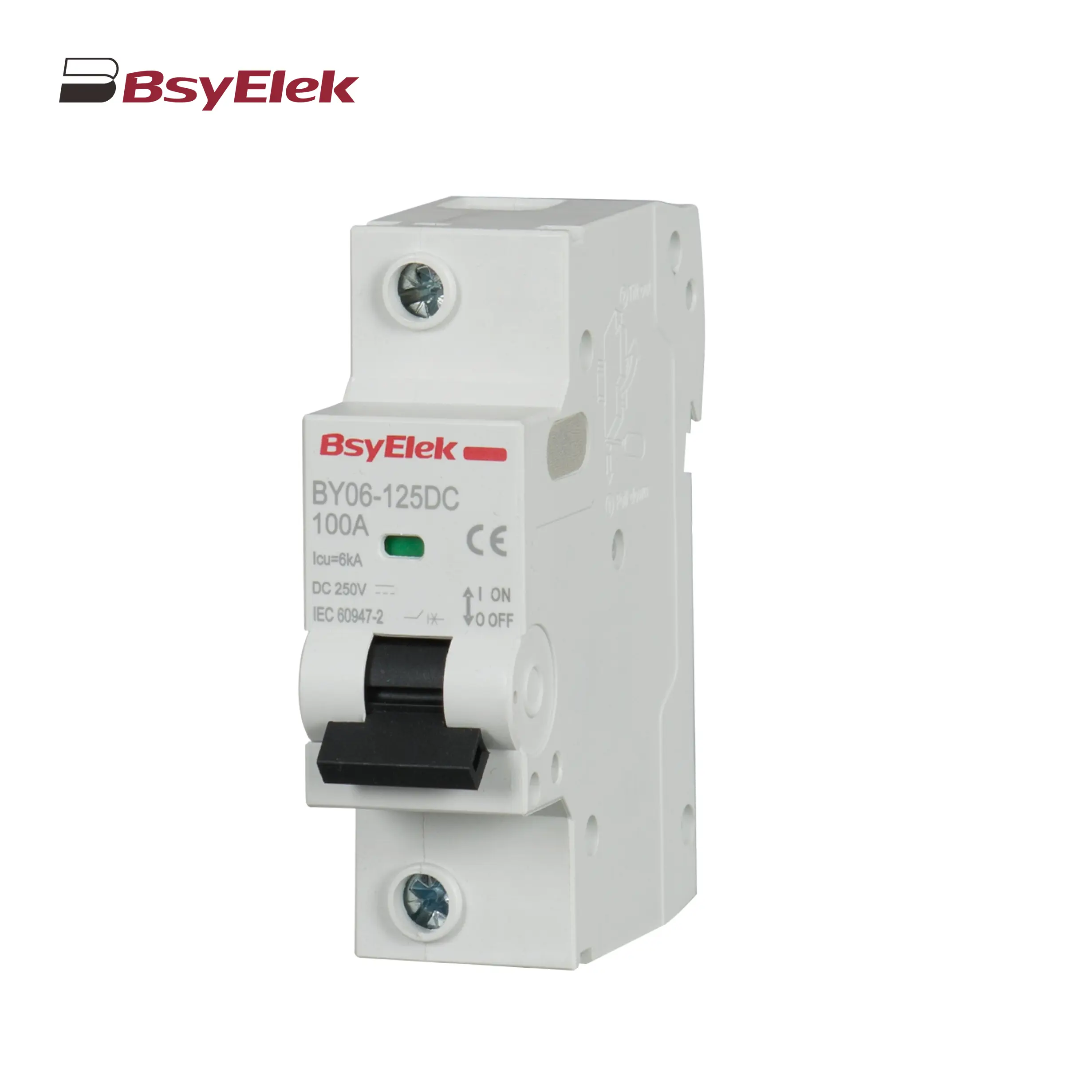 BY06-125DC MCB 6kA DC Miniature Circuit Breaker
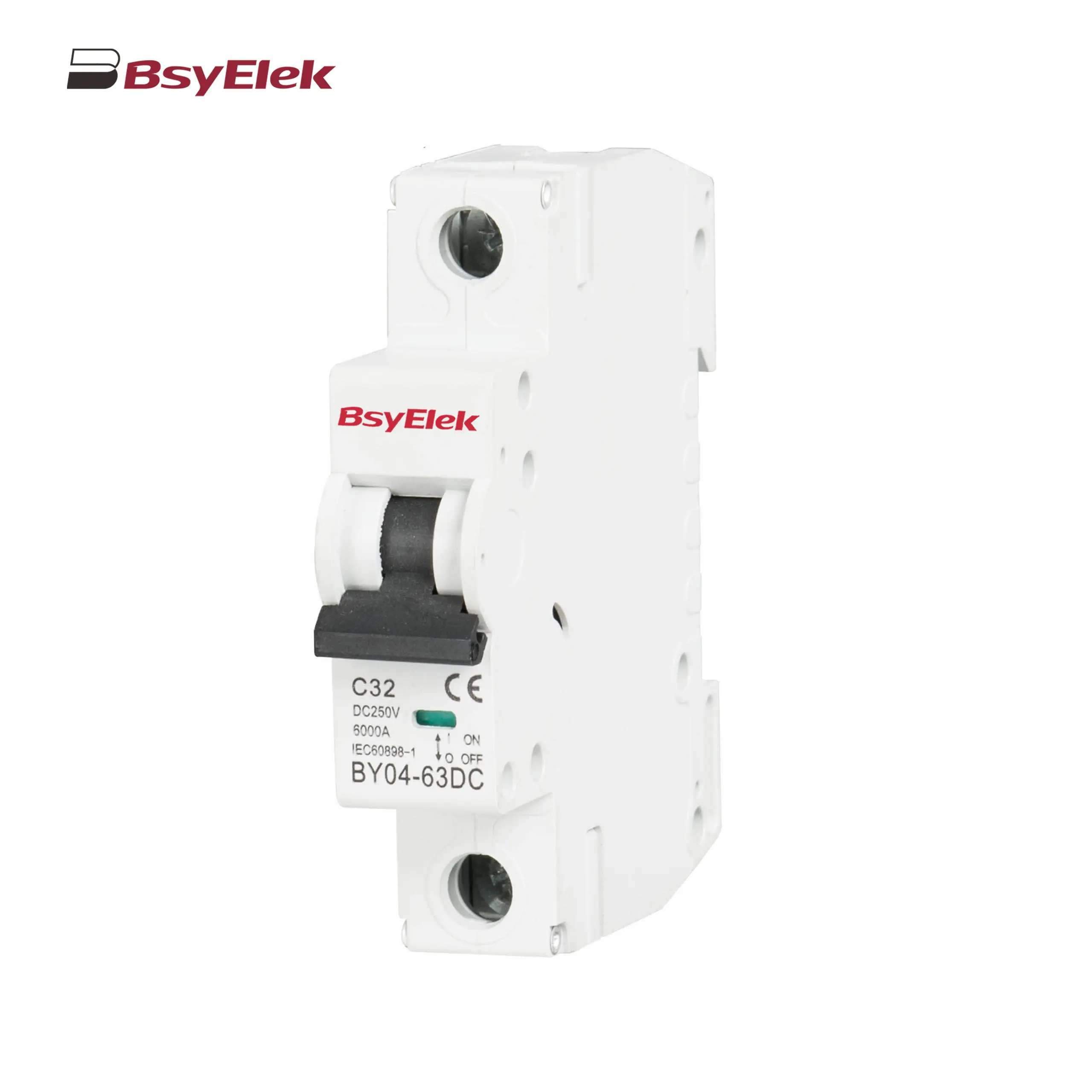 BY04-63DC MCB 6-10kA DC Miniature Circuit Breaker
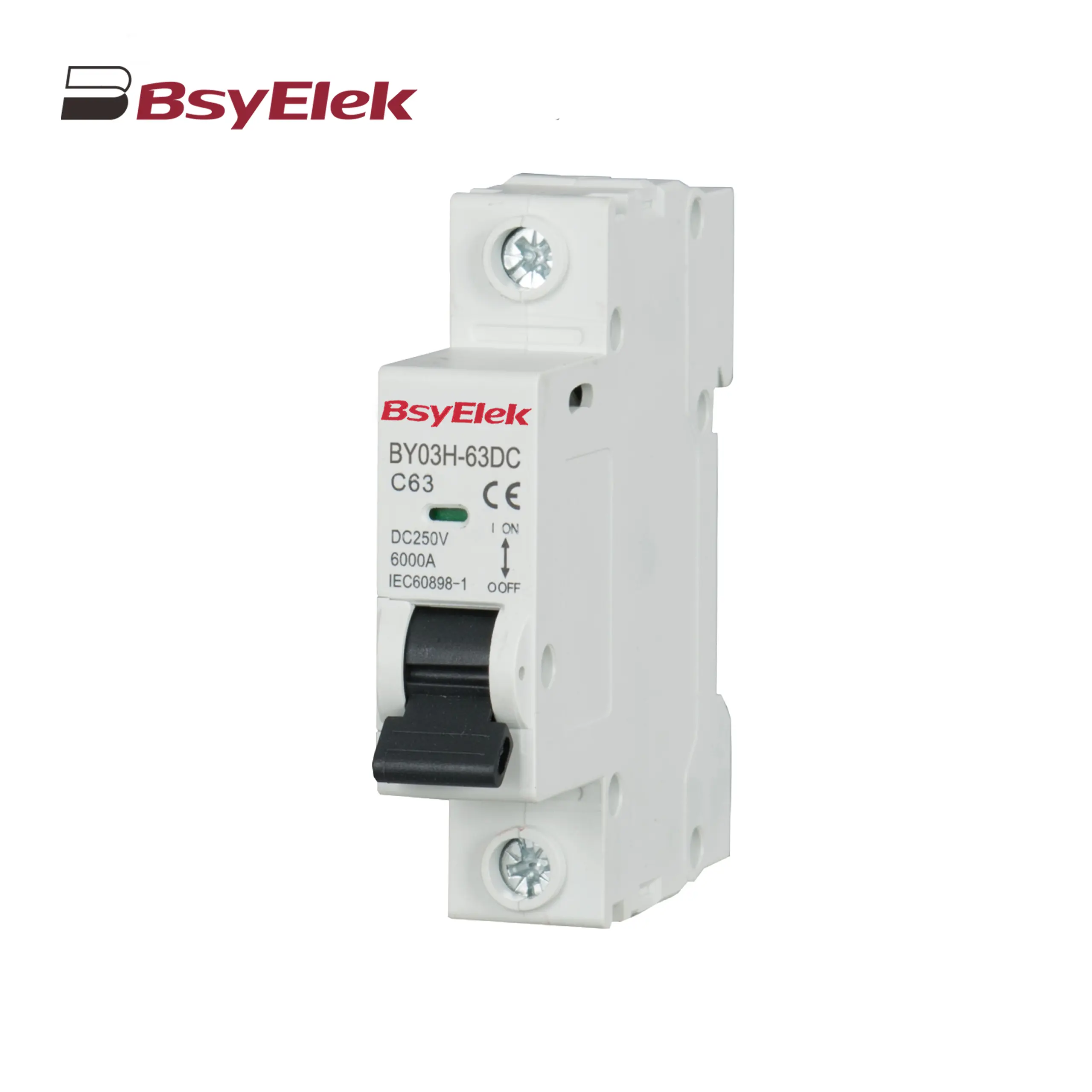 BY03H-63DC MCB 6kA DC Miniature Circuit Breaker
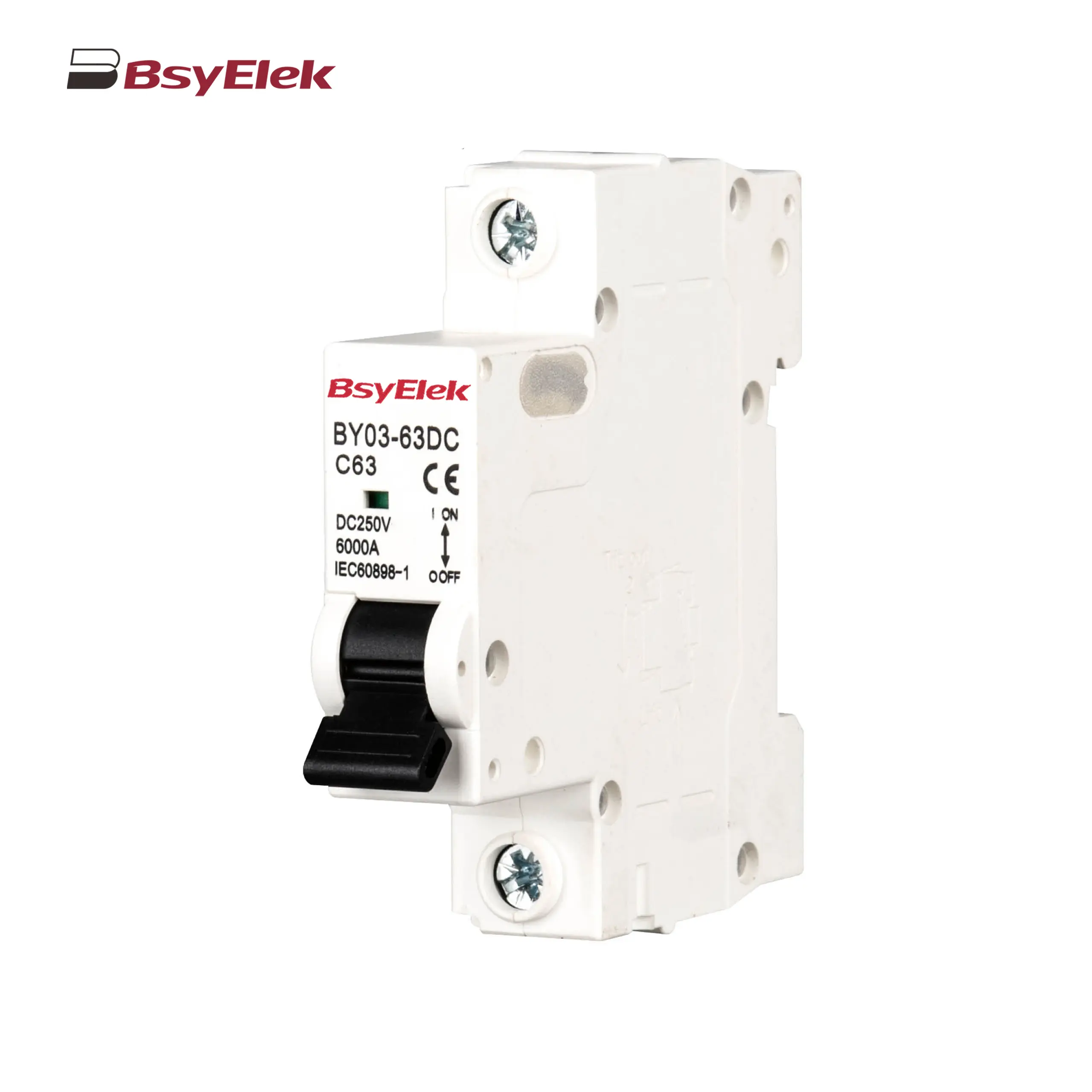 BY03-63DC MCB 4.5kA DC Miniature Circuit Breaker
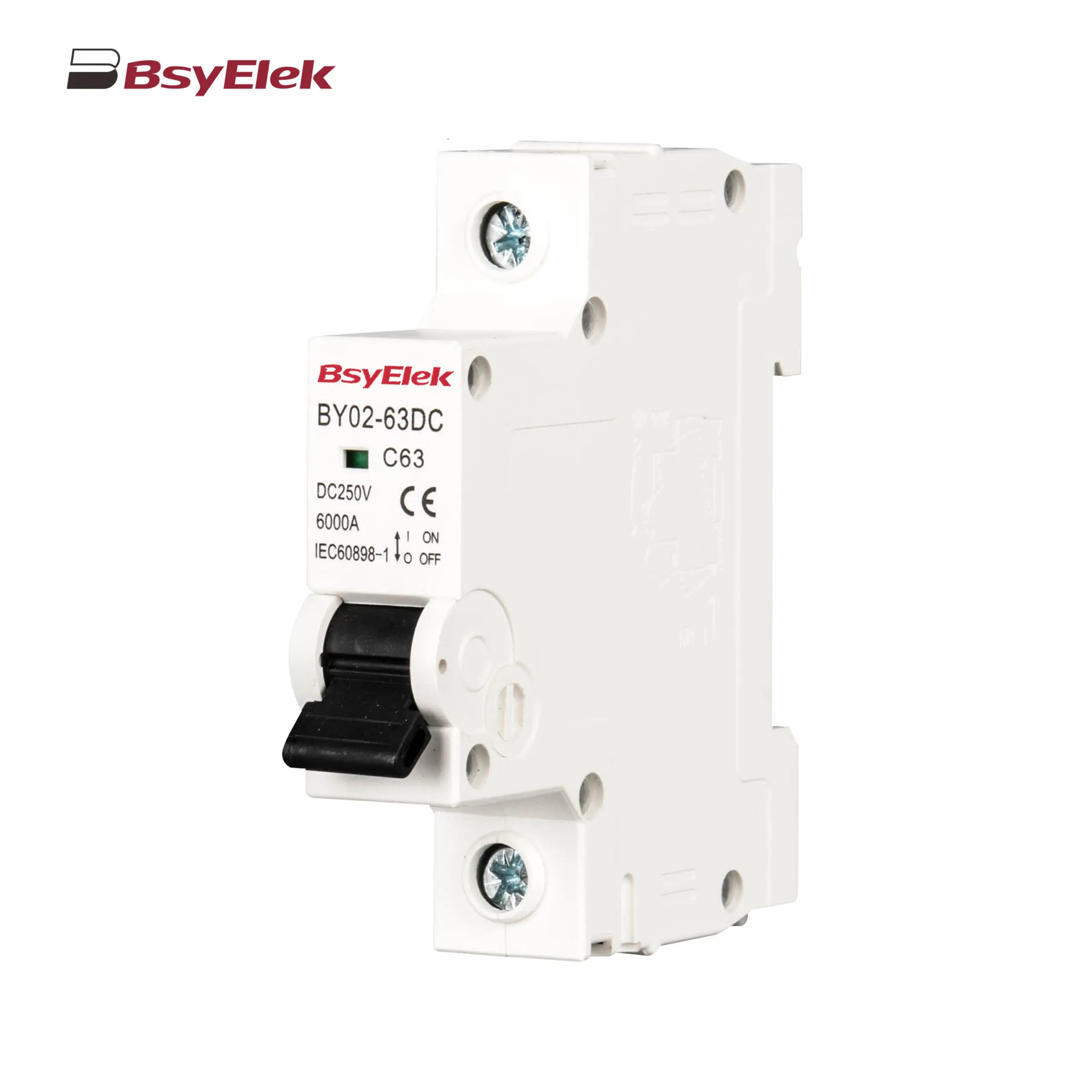 BY02-63DC MCB 3kA DC Miniature Circuit Breaker
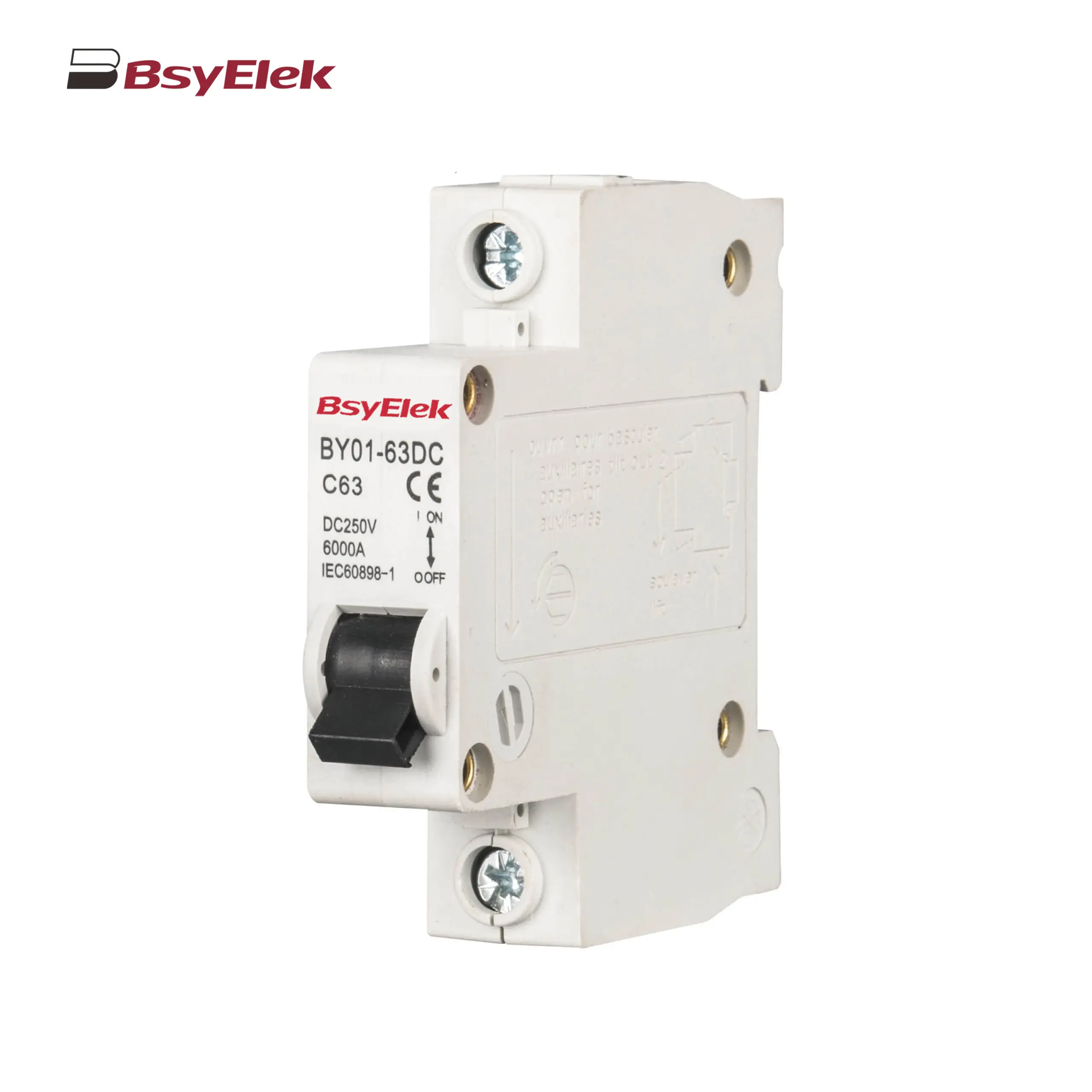 BY01-63DC MCB 3kA DC Miniature Circuit Breaker
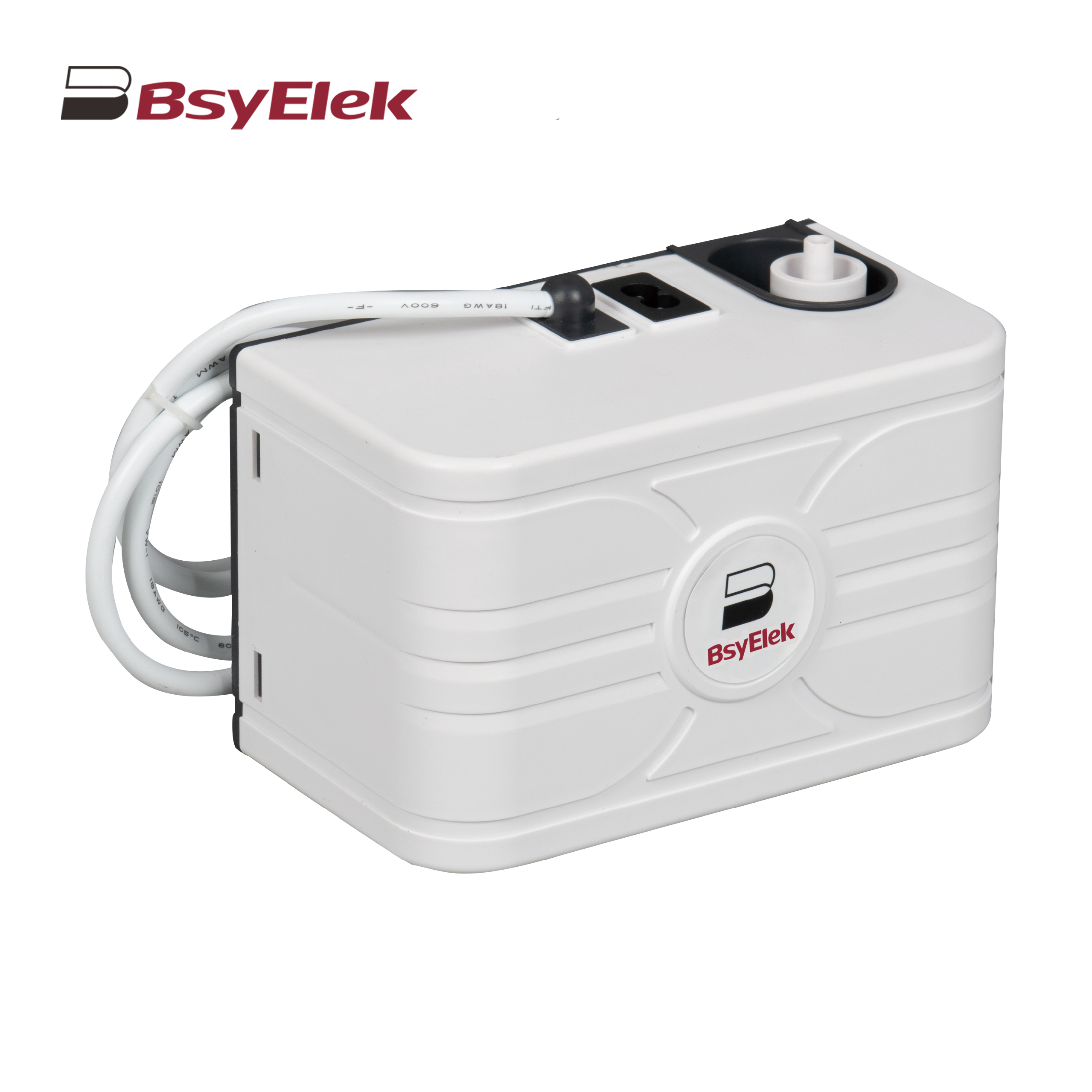 BY-5018 1.8M Engineering Drainage Pump
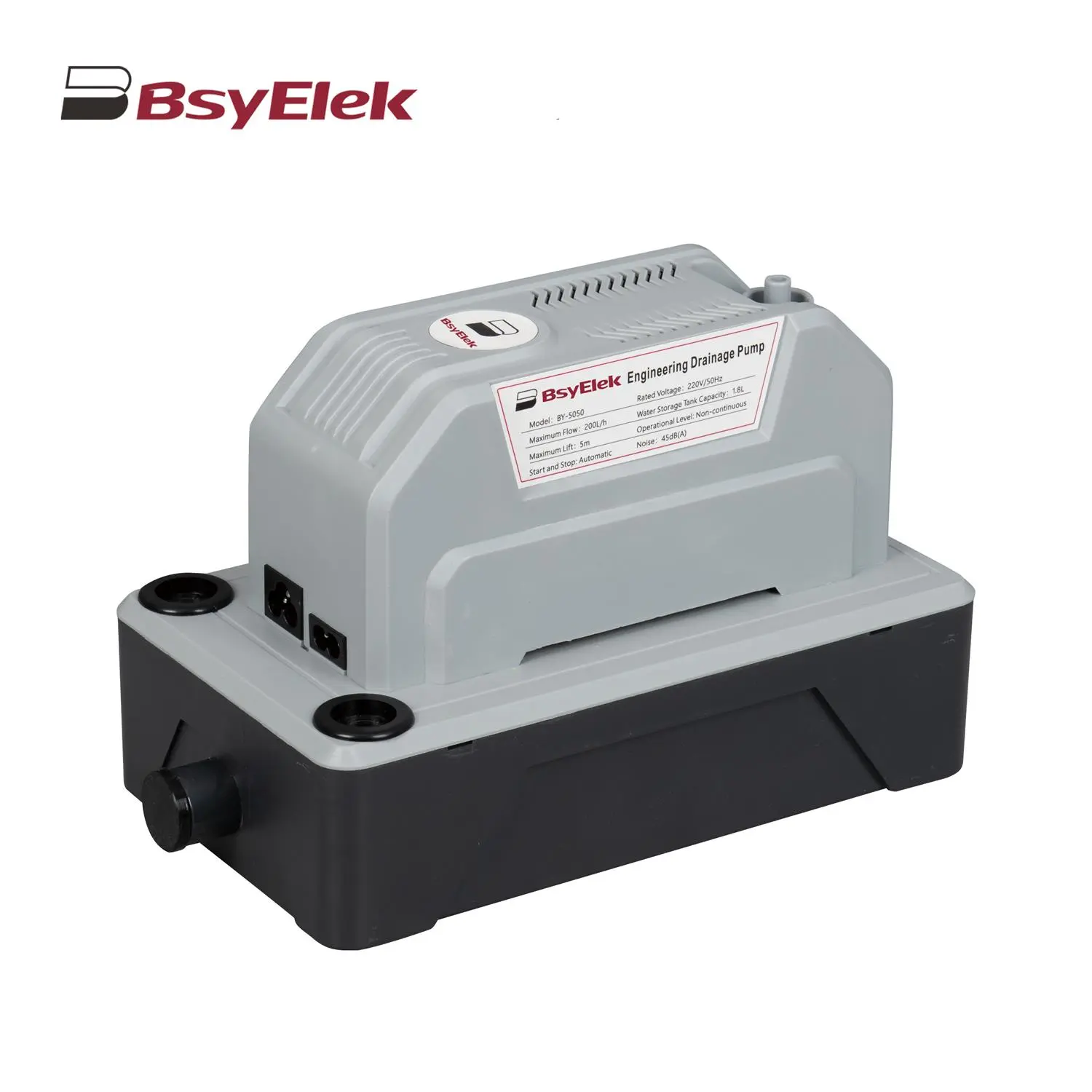 BY-5050 5M Engineering Drainage Pump
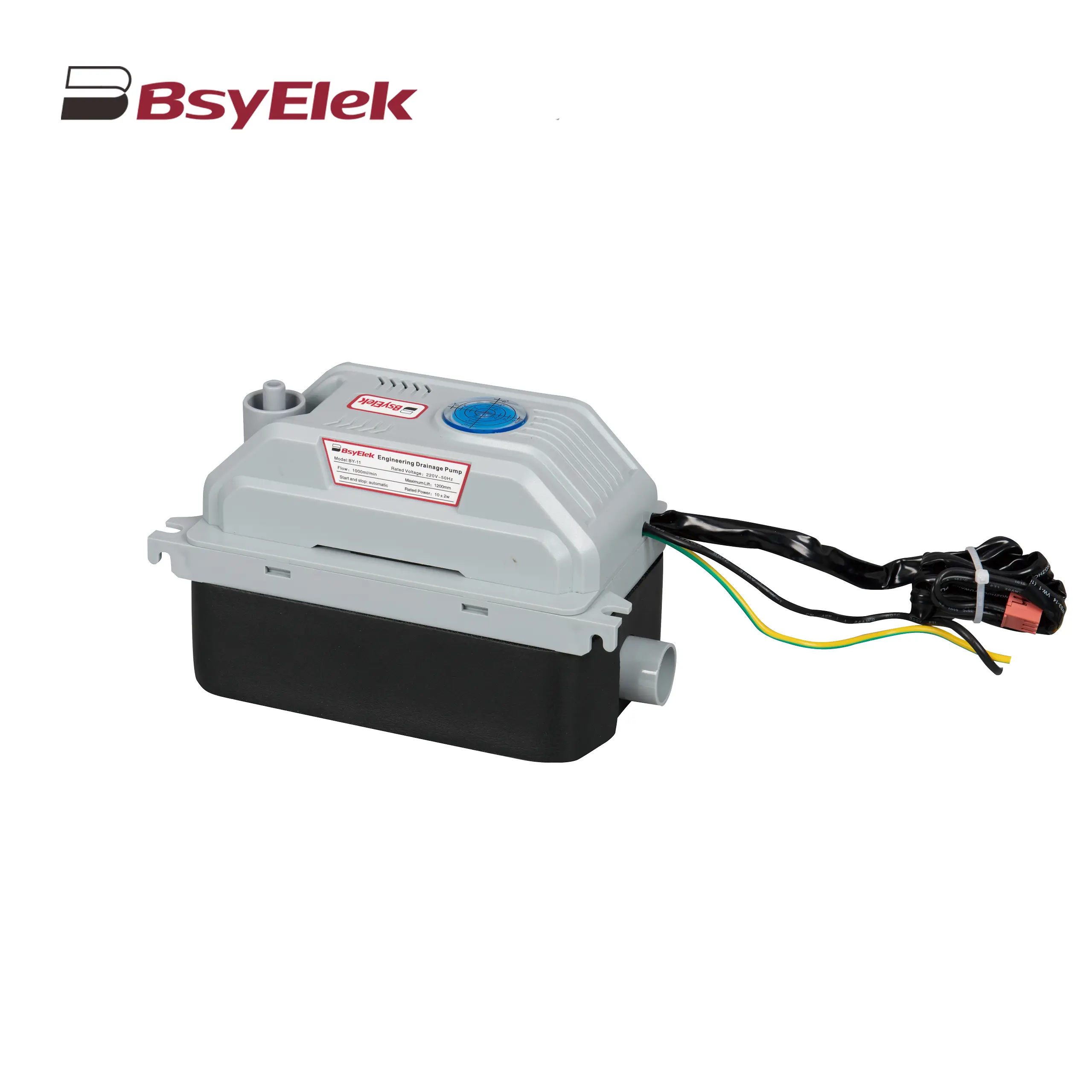 BY-11 1.2M Engineering Drainage Pump
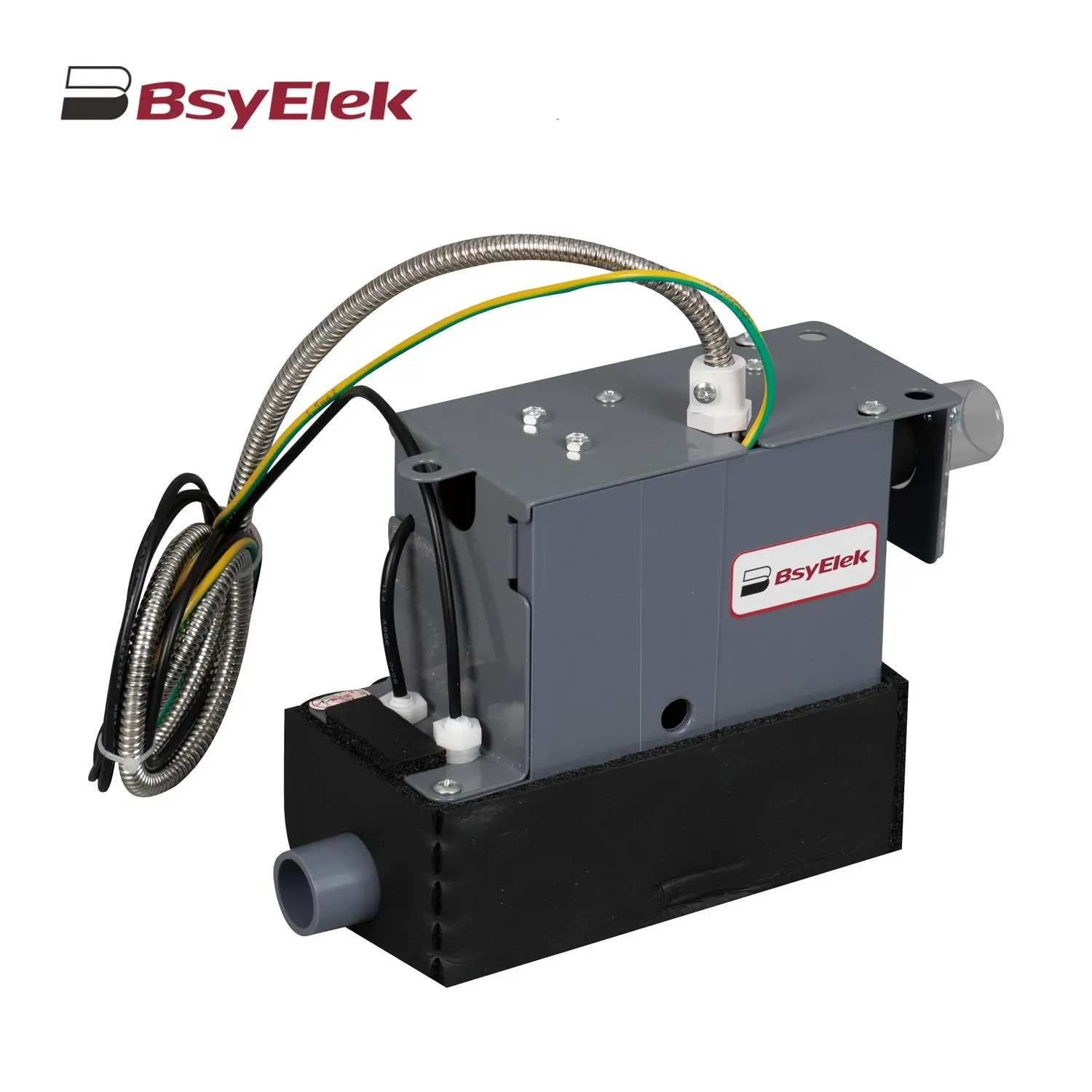 SBH-05 0.7M Original Drainage Pump of Duct Type Air Conditioner
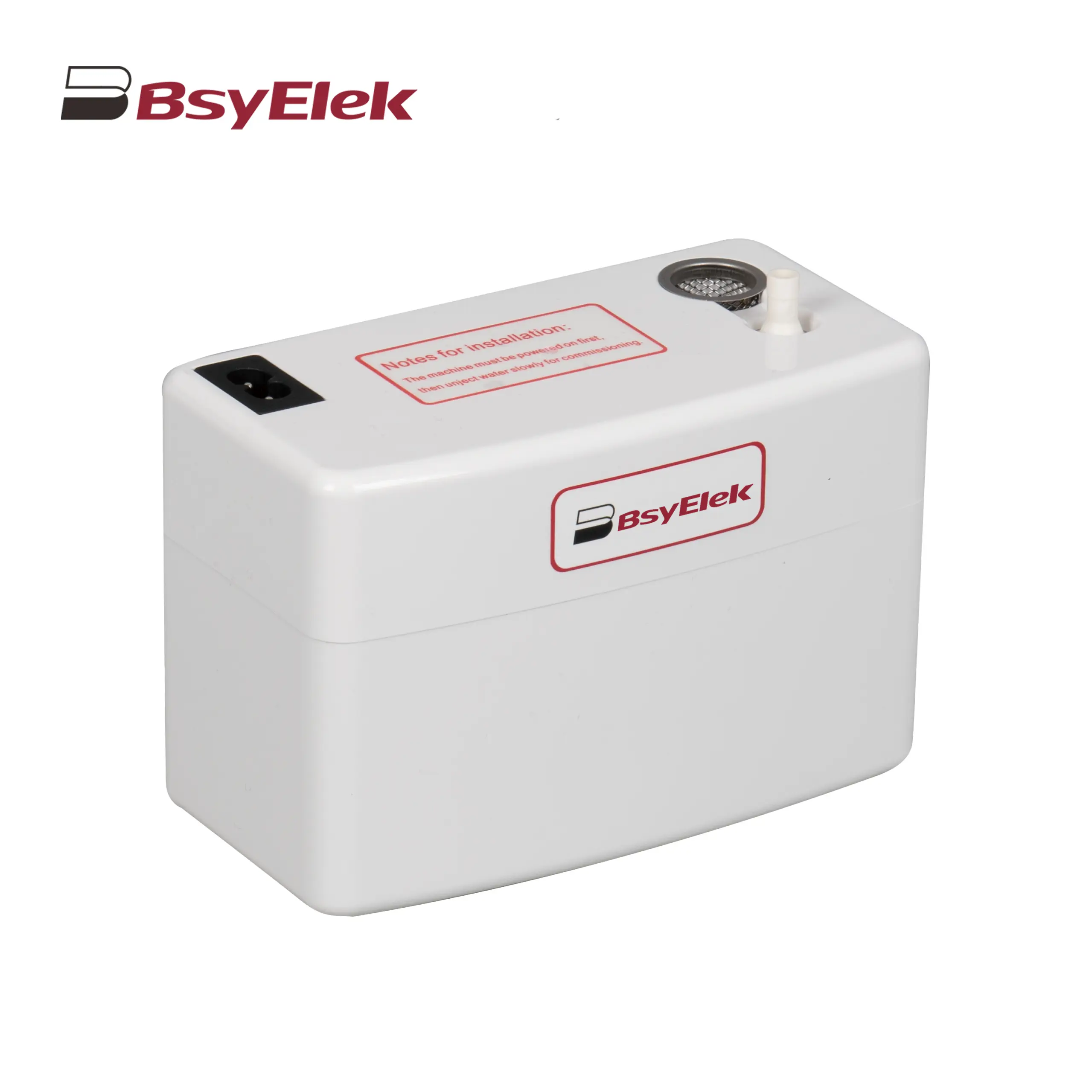 BY-24A/40A 10M Drainage Pump of Air Conditioner
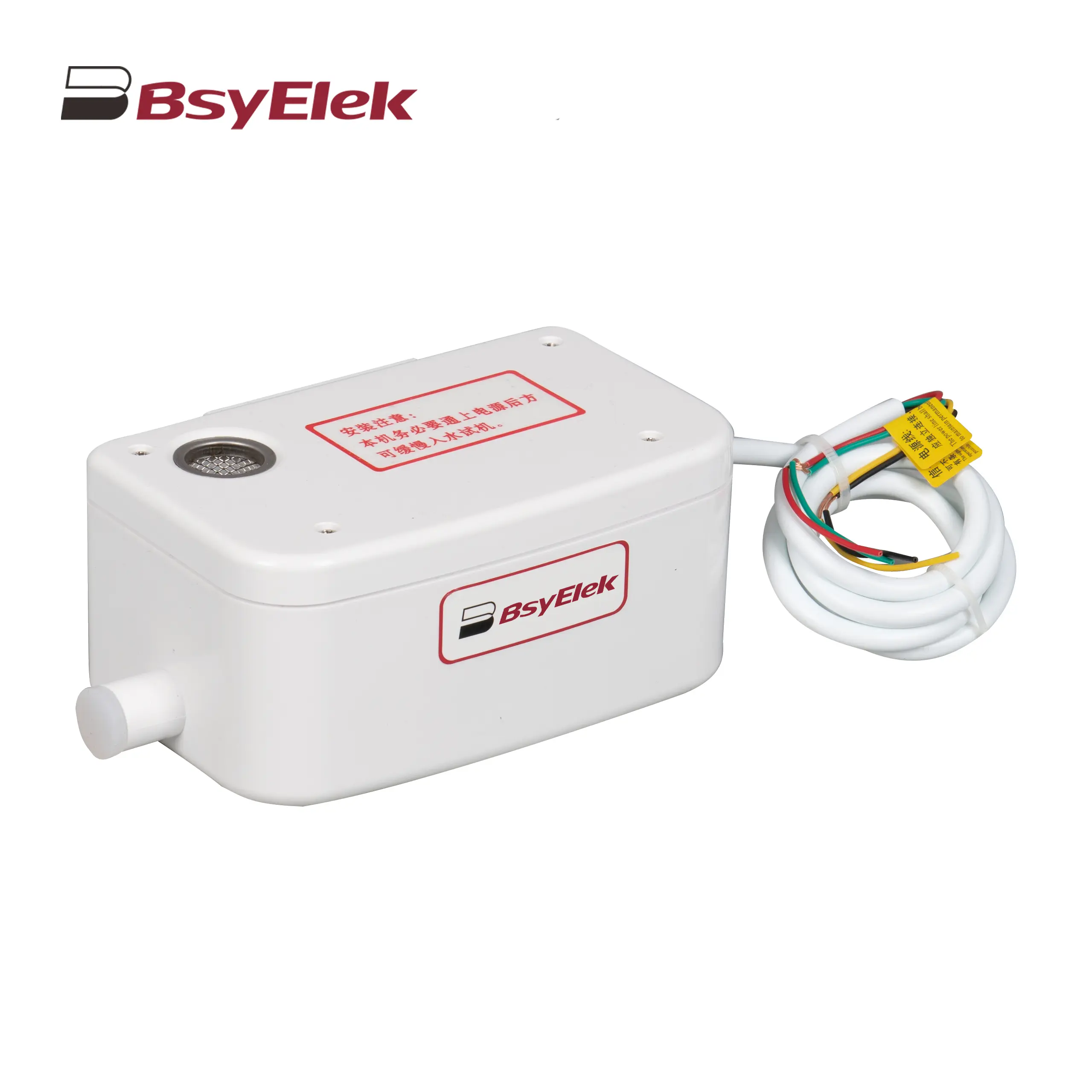 BY-50A 12M Drainage Pump of Air Conditioner
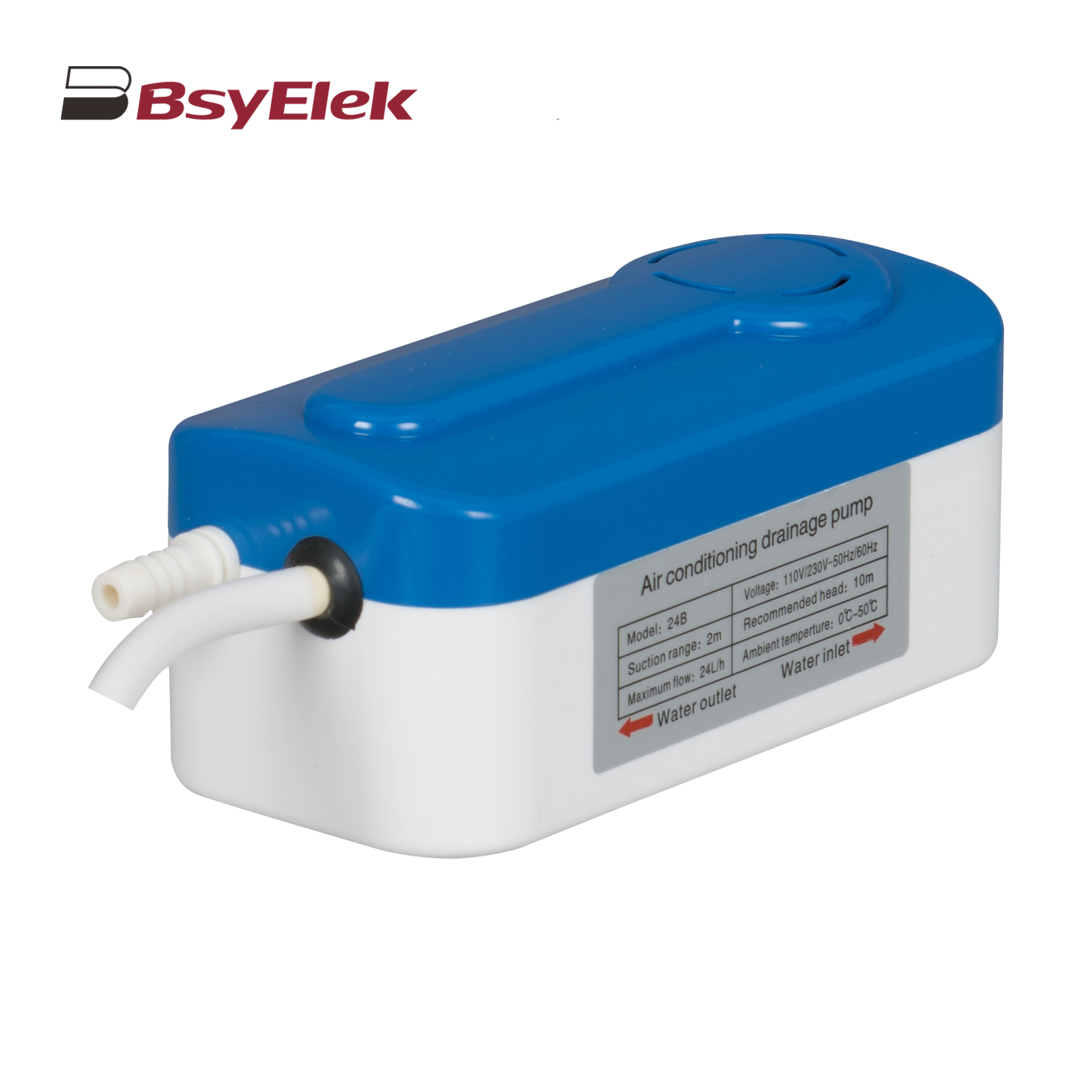 BY-24B/40B 10M Split Type Drainage Pump
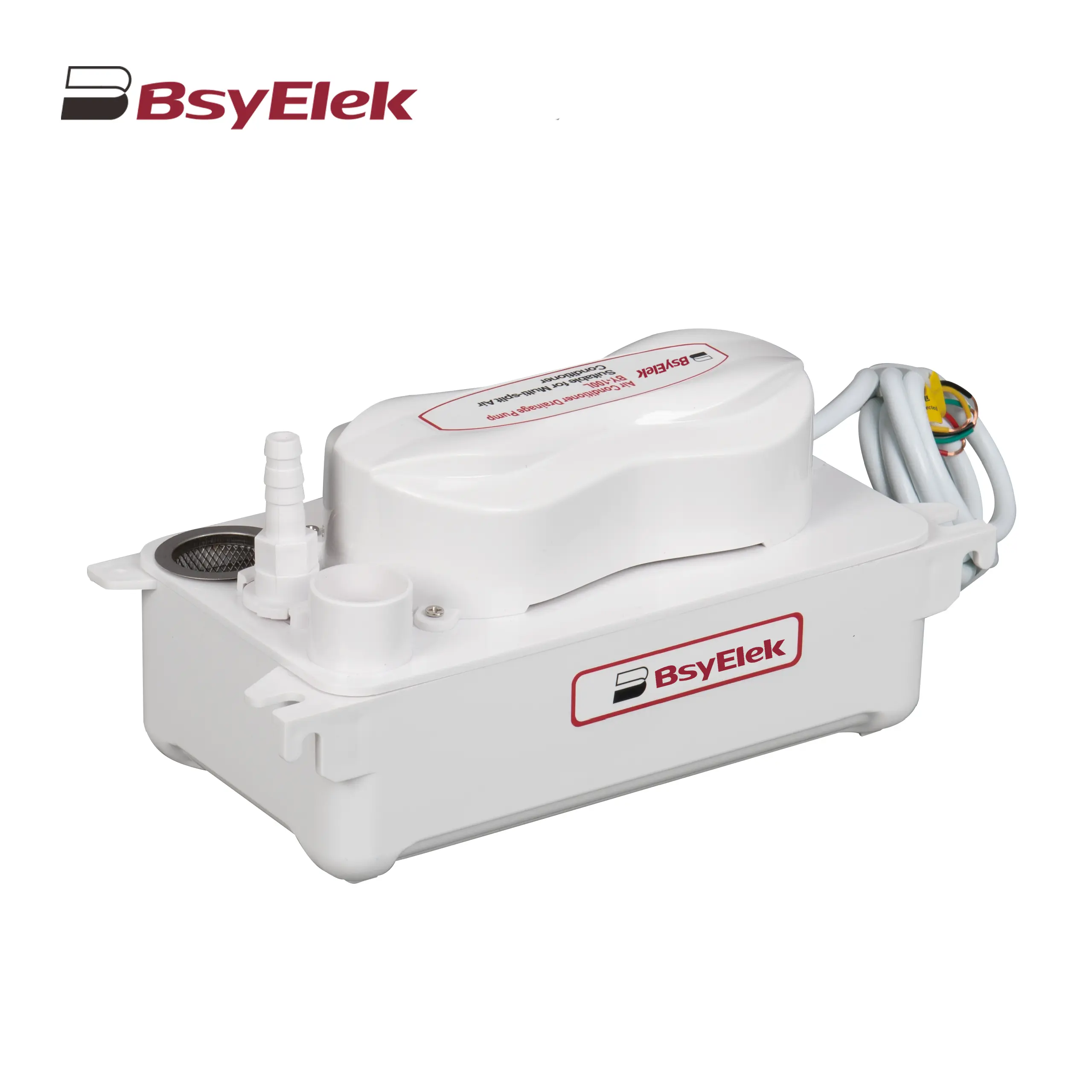 BY-100L 2M Drainage Pump of Air Conditioner
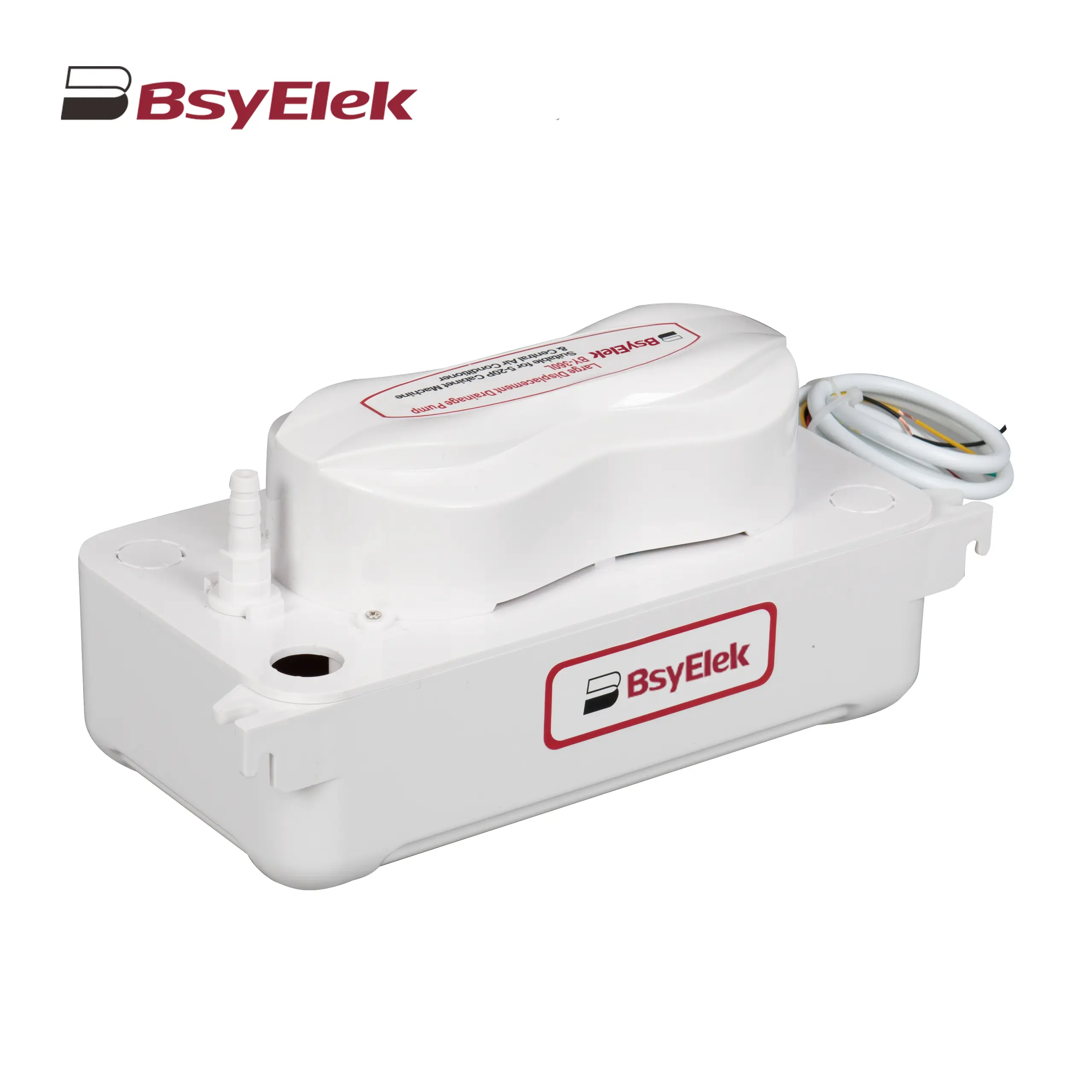 BY-360L 6M Large Displacement Drainage Pump
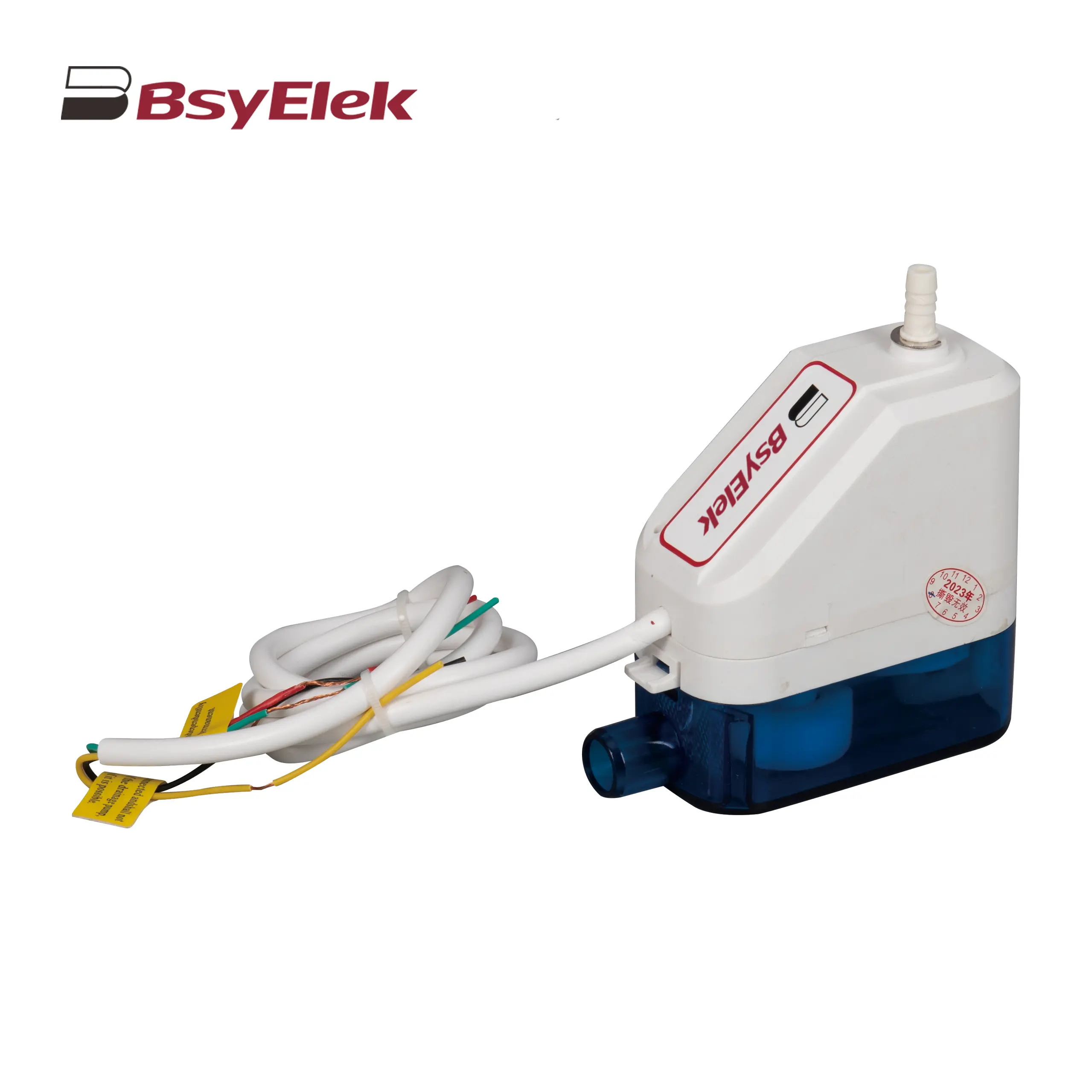 BY-24C/40C 10M Corner Drainage Pump
What is a miniature circuit breaker (MCB)?
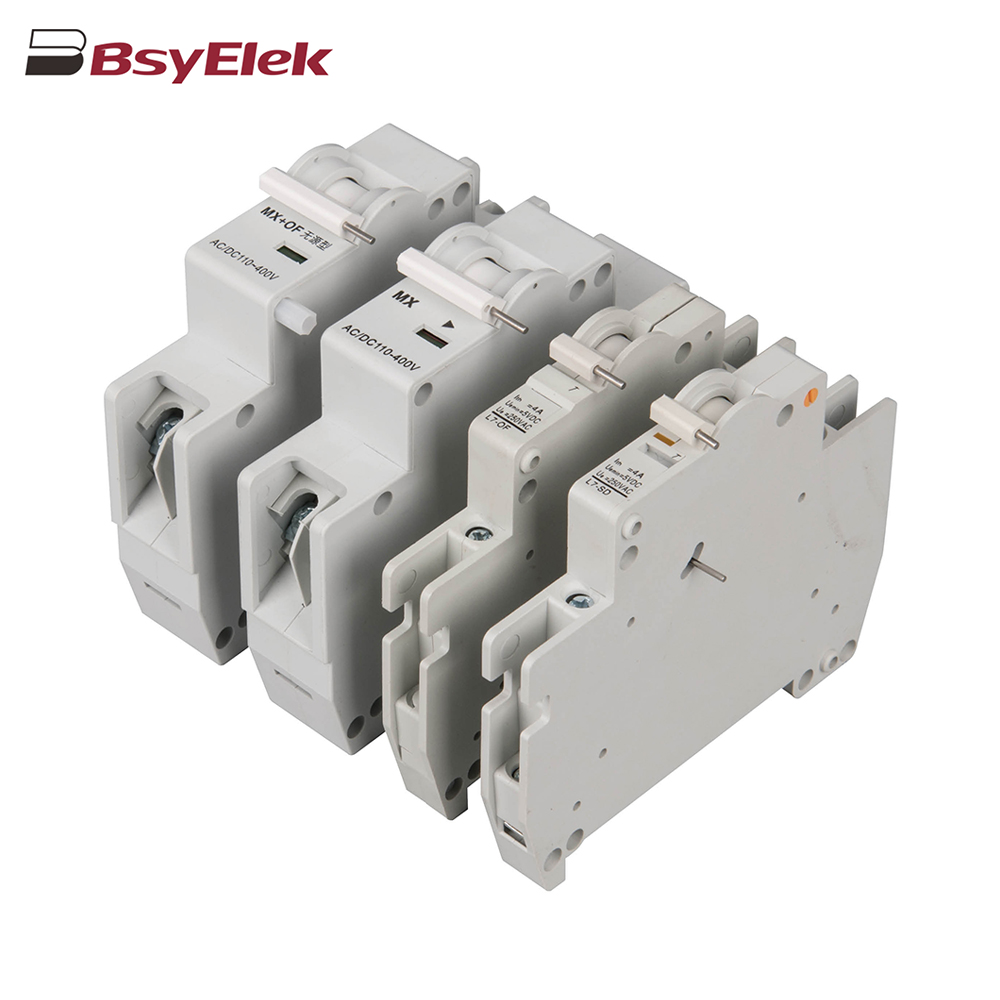 OF SD MX OF MCB Miniature Circuit Breaker Accessories
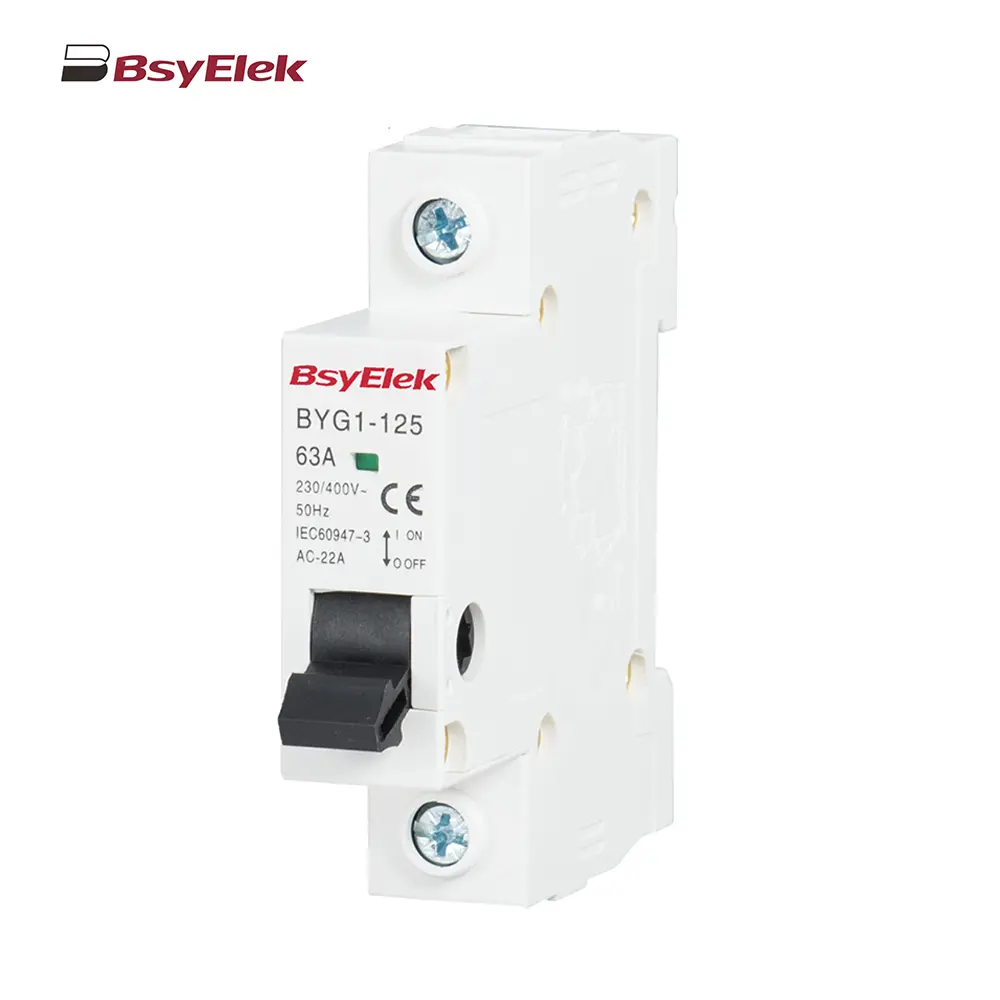 BYG1-125 Main Switch MCB Isolator Switch
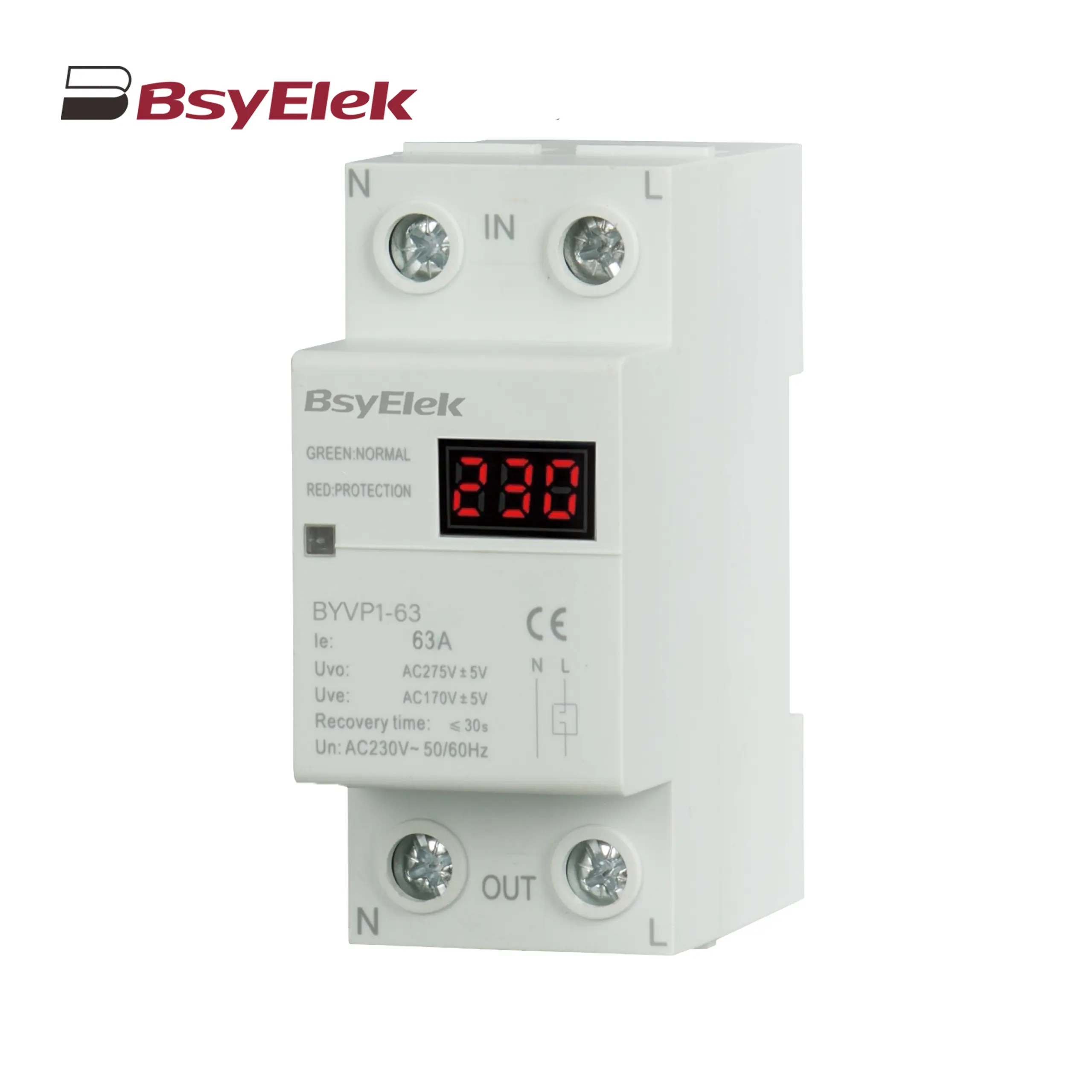 BYVP1-63 100A Single Display Overvoltage and Undervoltage Protector
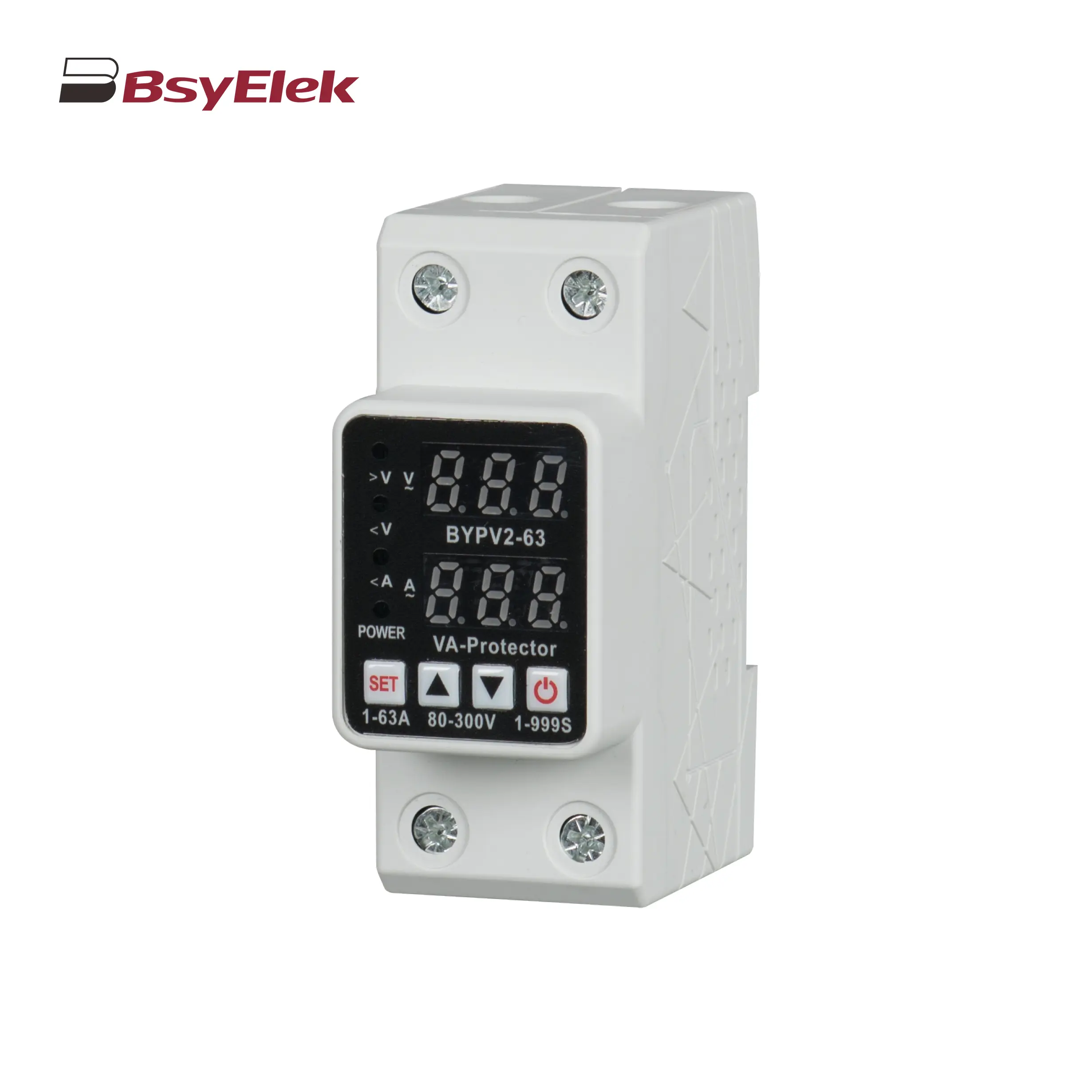 BYVP2-63 40A 63A Adjustable Dual Display Overvoltage and Undervoltage Protector
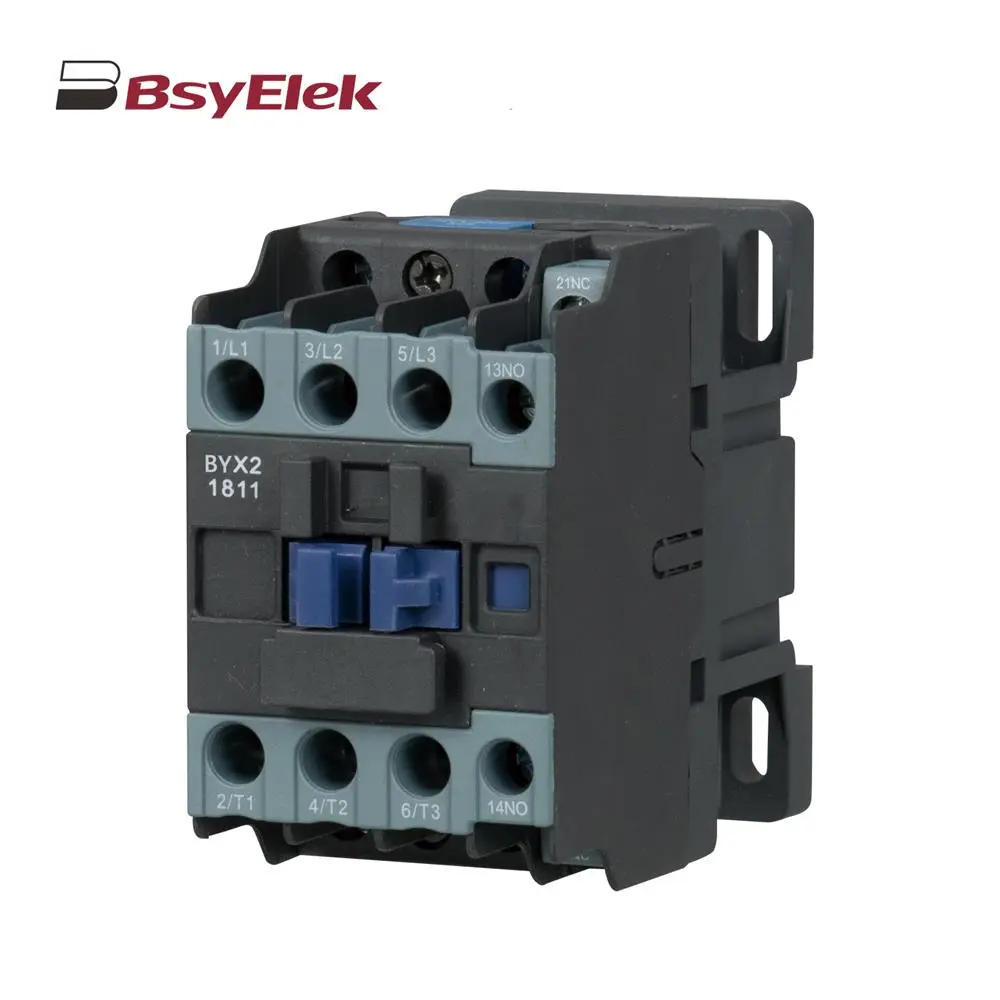 BYX2 6-95A AC Contactor
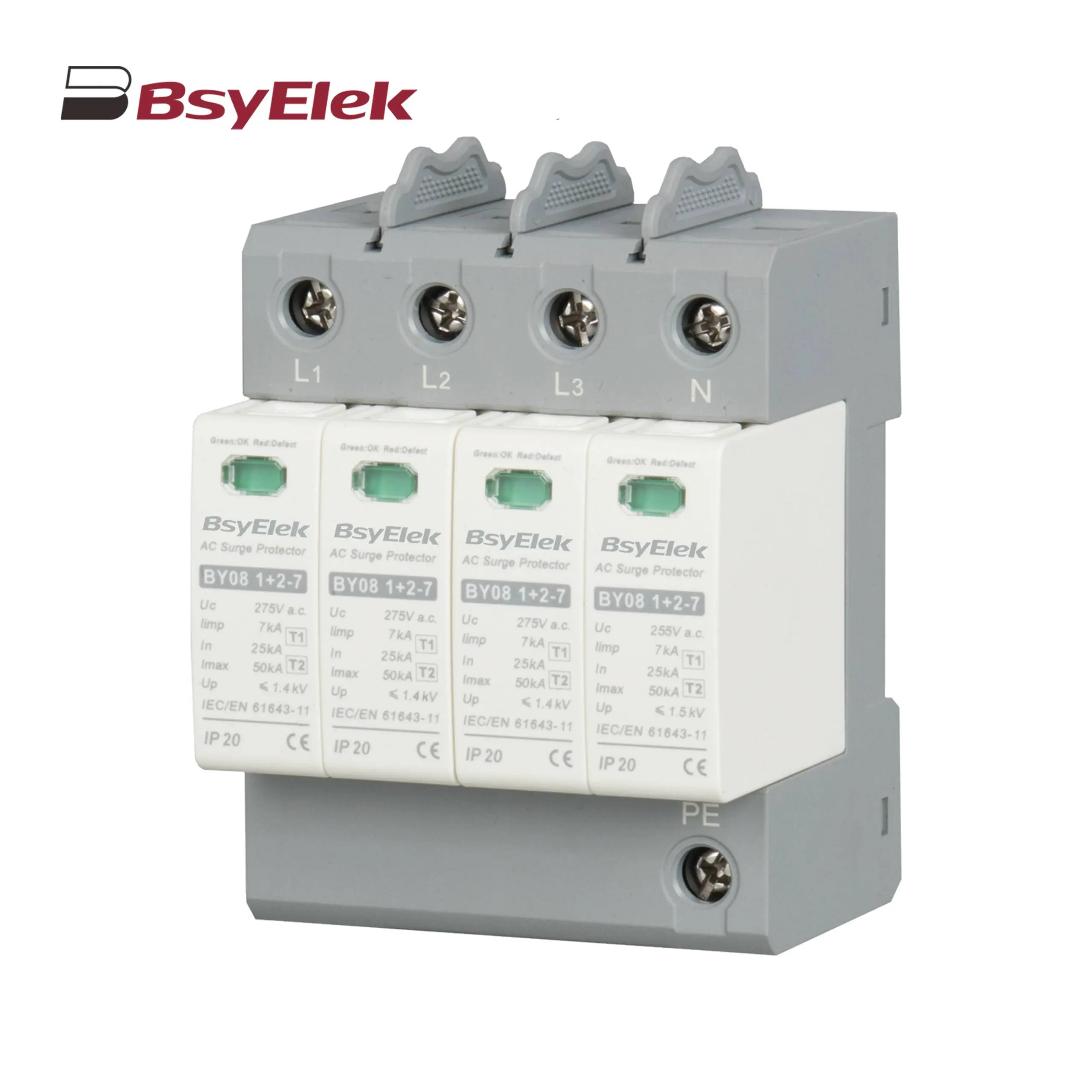 BY08 1+2-7 SPD Class T1+T2 Imax 50KA Surge Protective Device
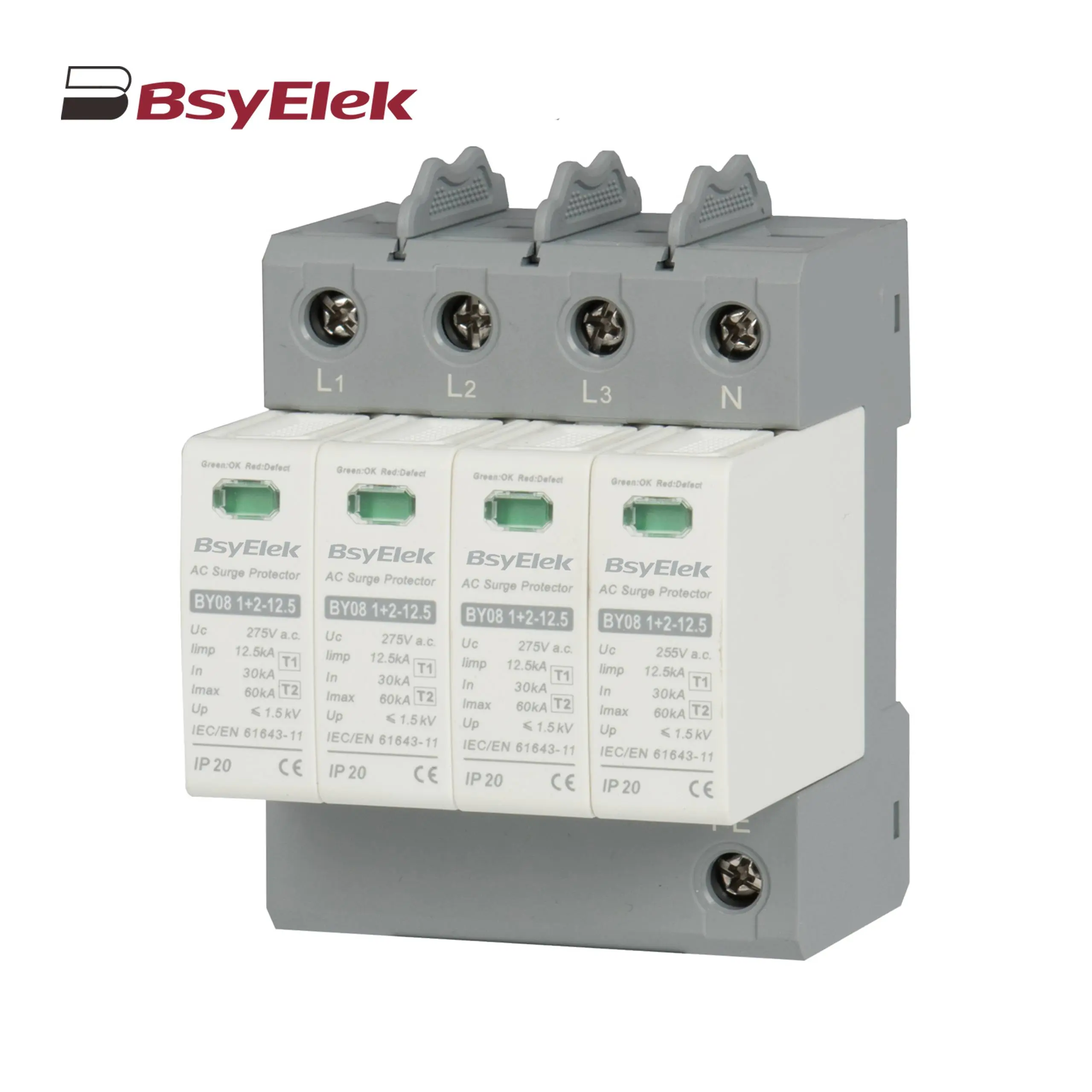 BY08 1+2-12.5 SPD Class T1+T2 Imax 60KA Surge Protective Device
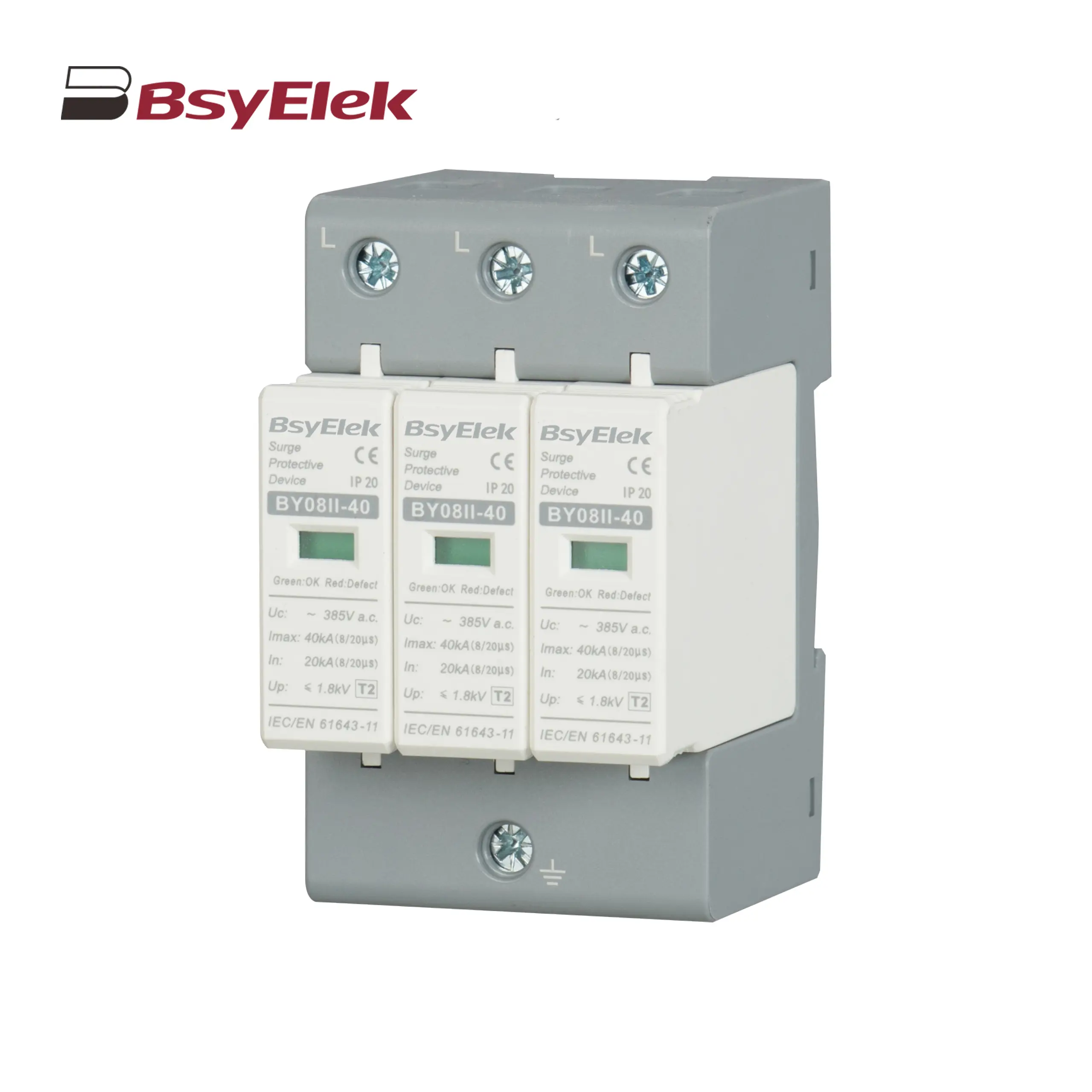 BY08II-40 SPD Class T2 Imax 40KA Surge Protective Device
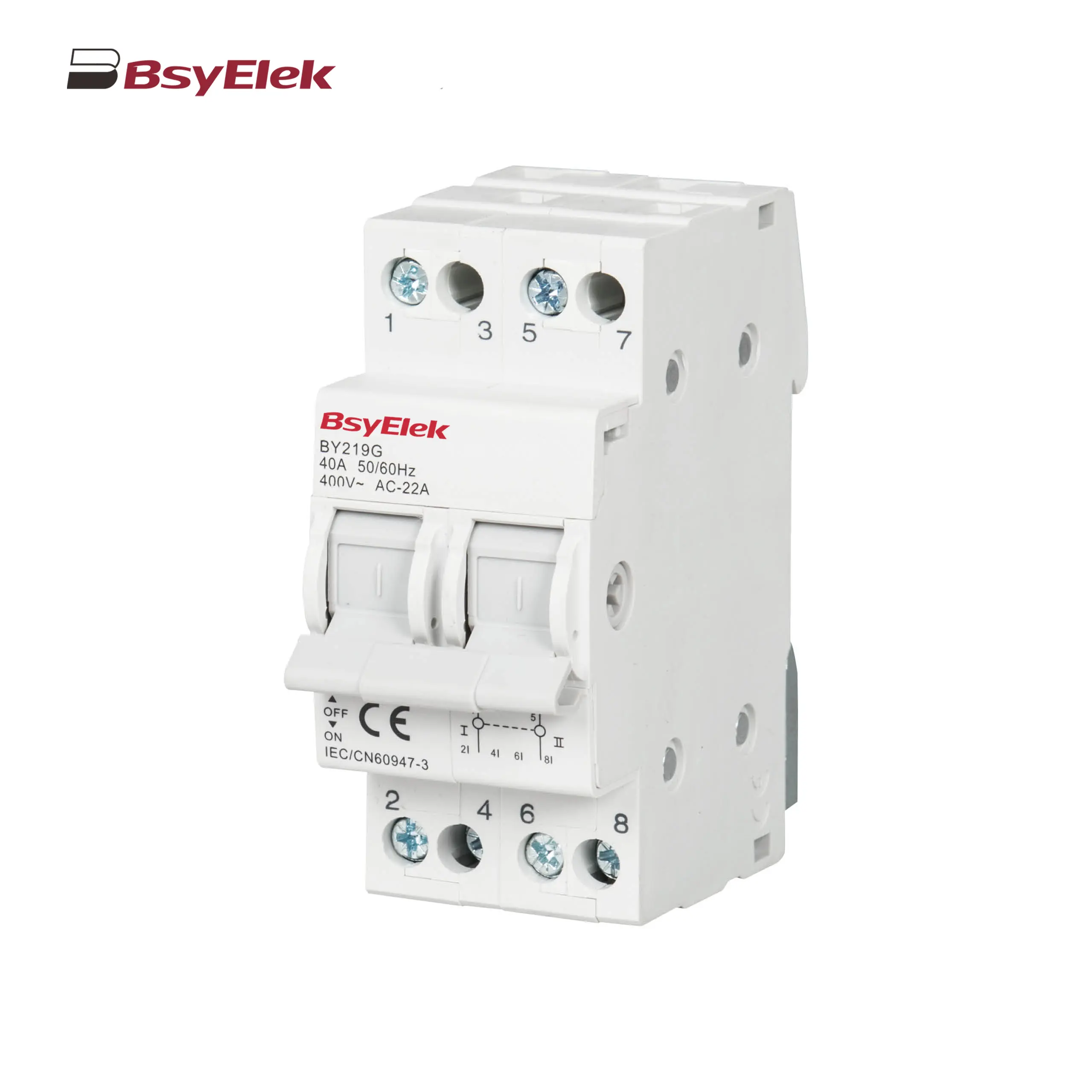 BY19G 63A Manual Changeover Switch
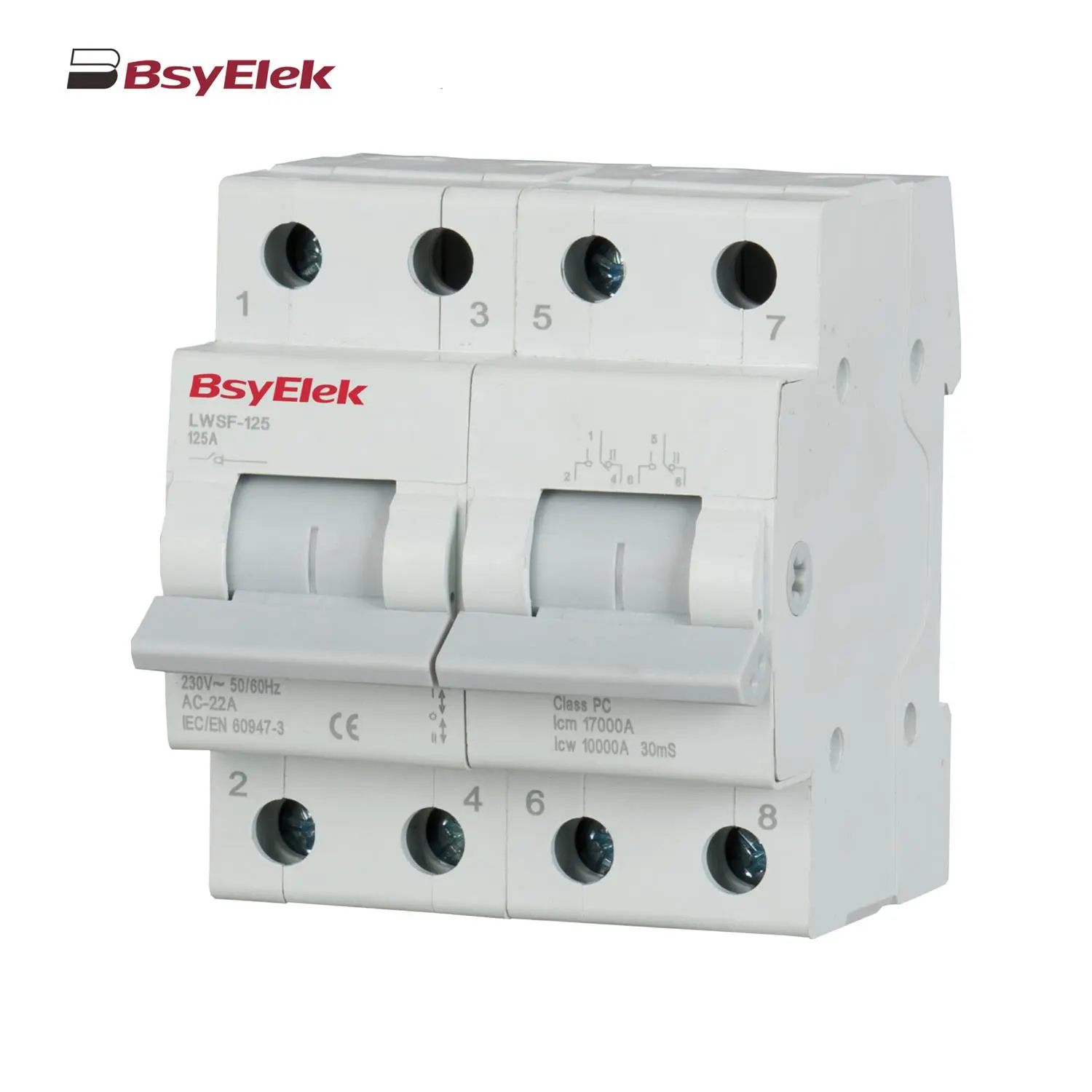 LWSF-125 125A Manual Changeover Switch
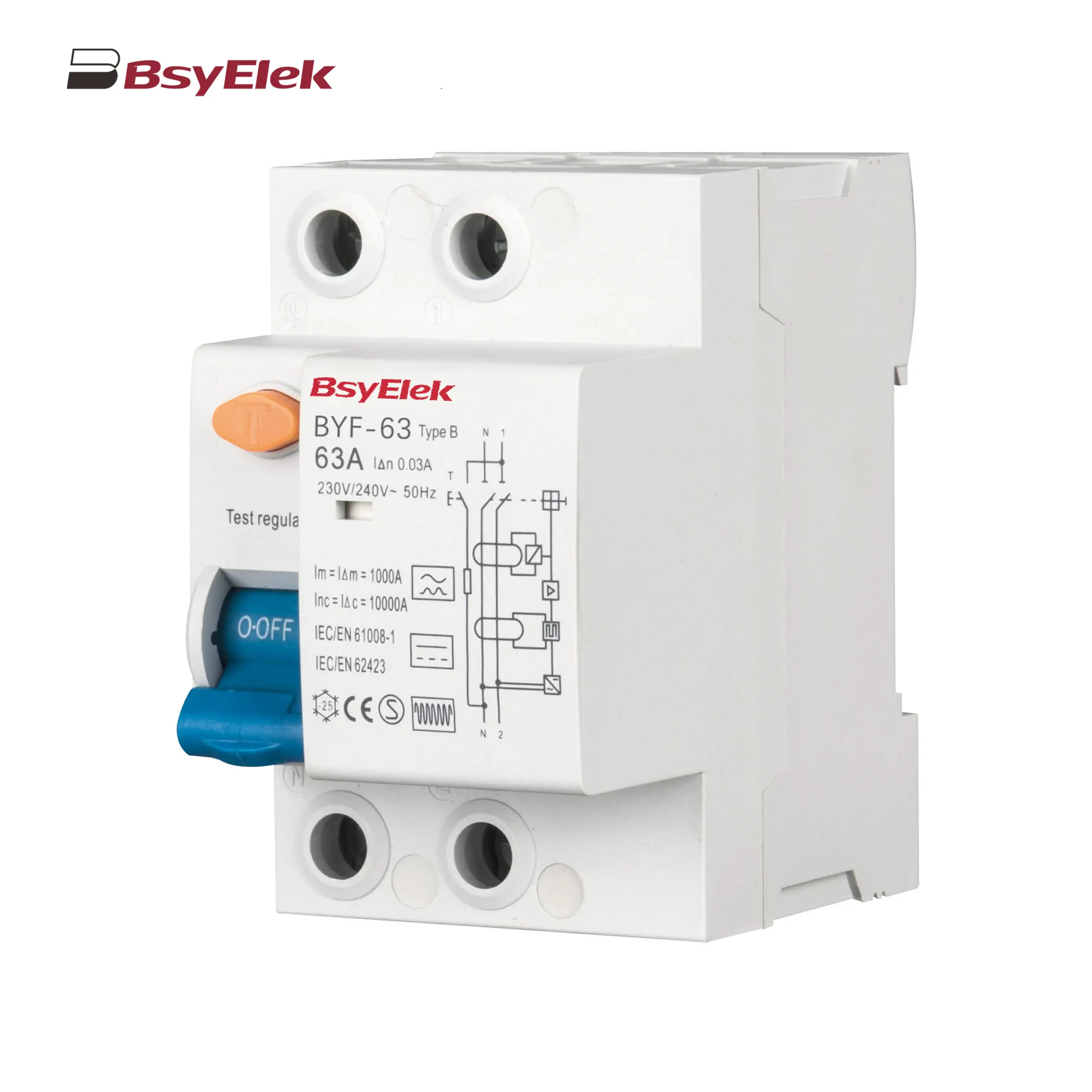 BYF-63 RCD 10KA Type B AC+A+Smoothing DC Residual Current Device
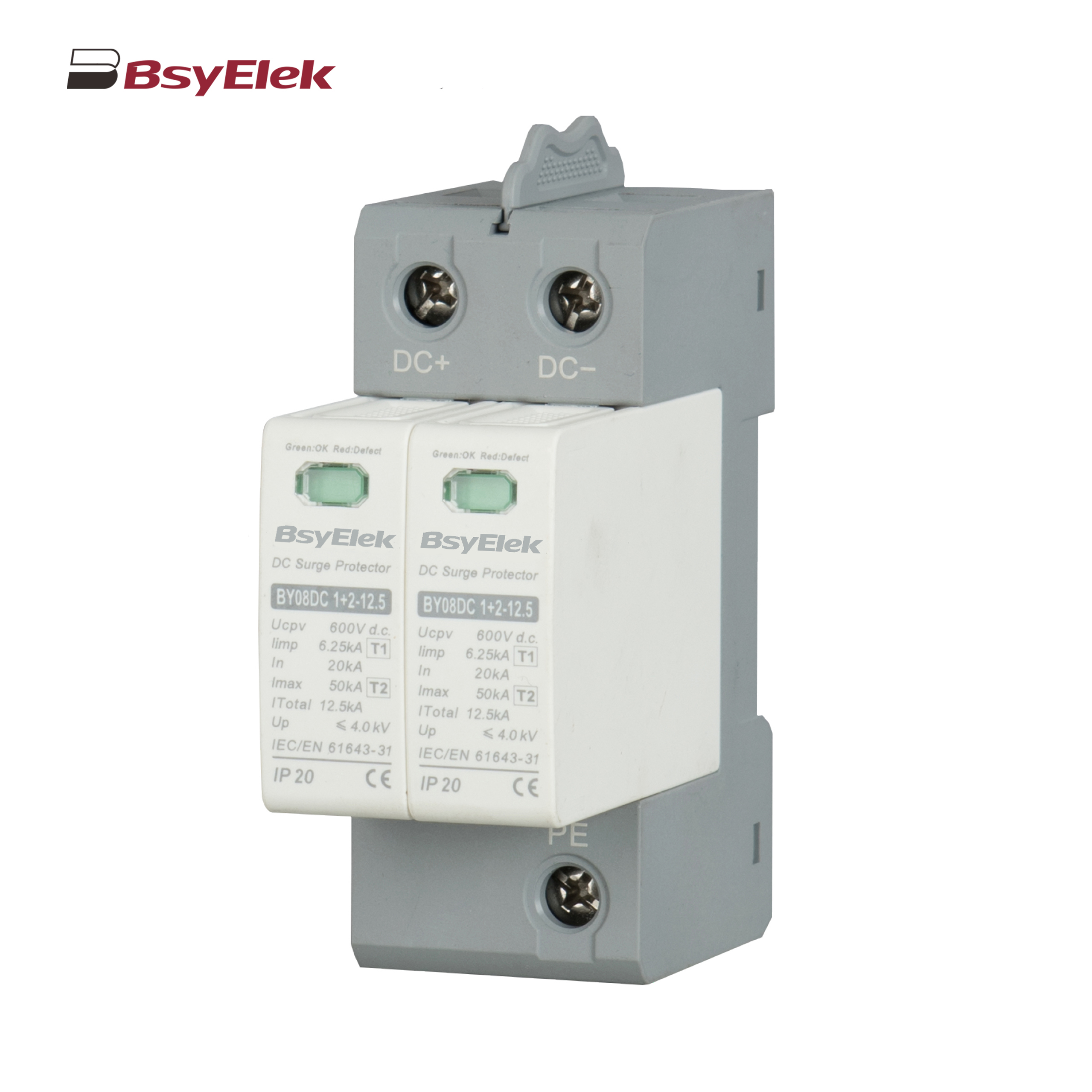 BY08DC 1+2-12.5 SPD Class T1+T2 40KA DC Surge Protective Device
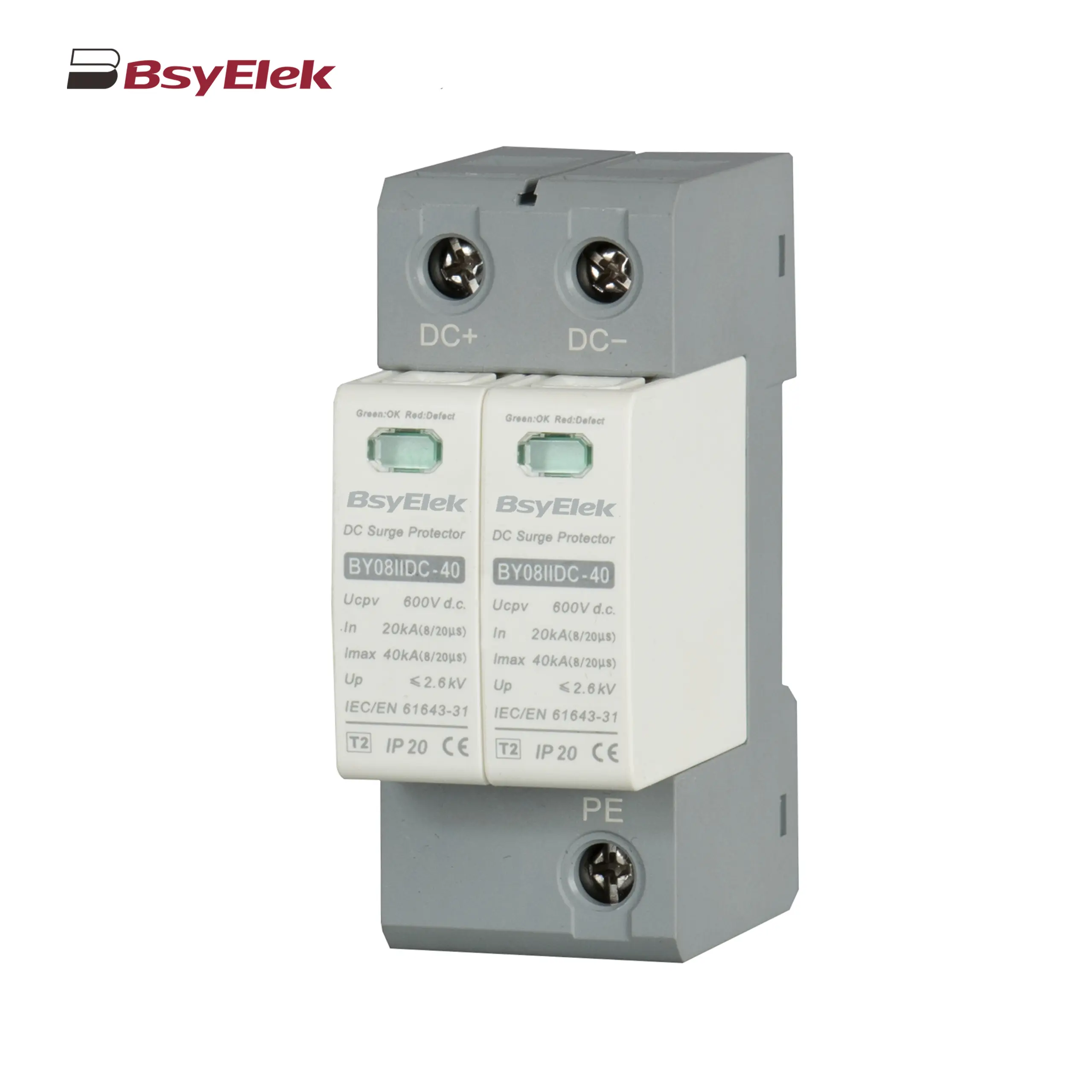 BY08IIDC-40 SPD Class T2 40KA DC Surge Protective Device
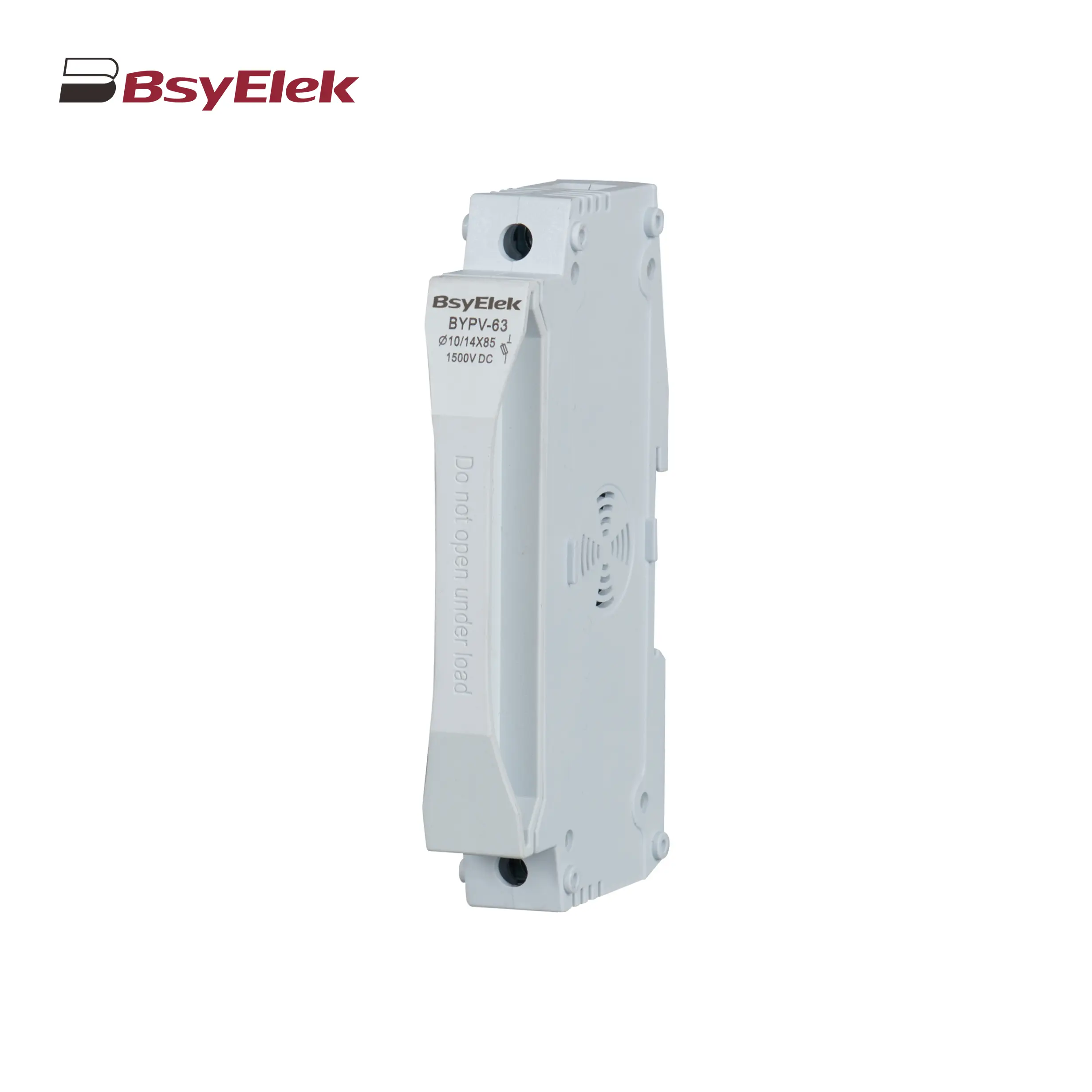 BYPV-63 1500VDC 50A Fuse Holder with 10x85mm 14x85mm Fuse Link
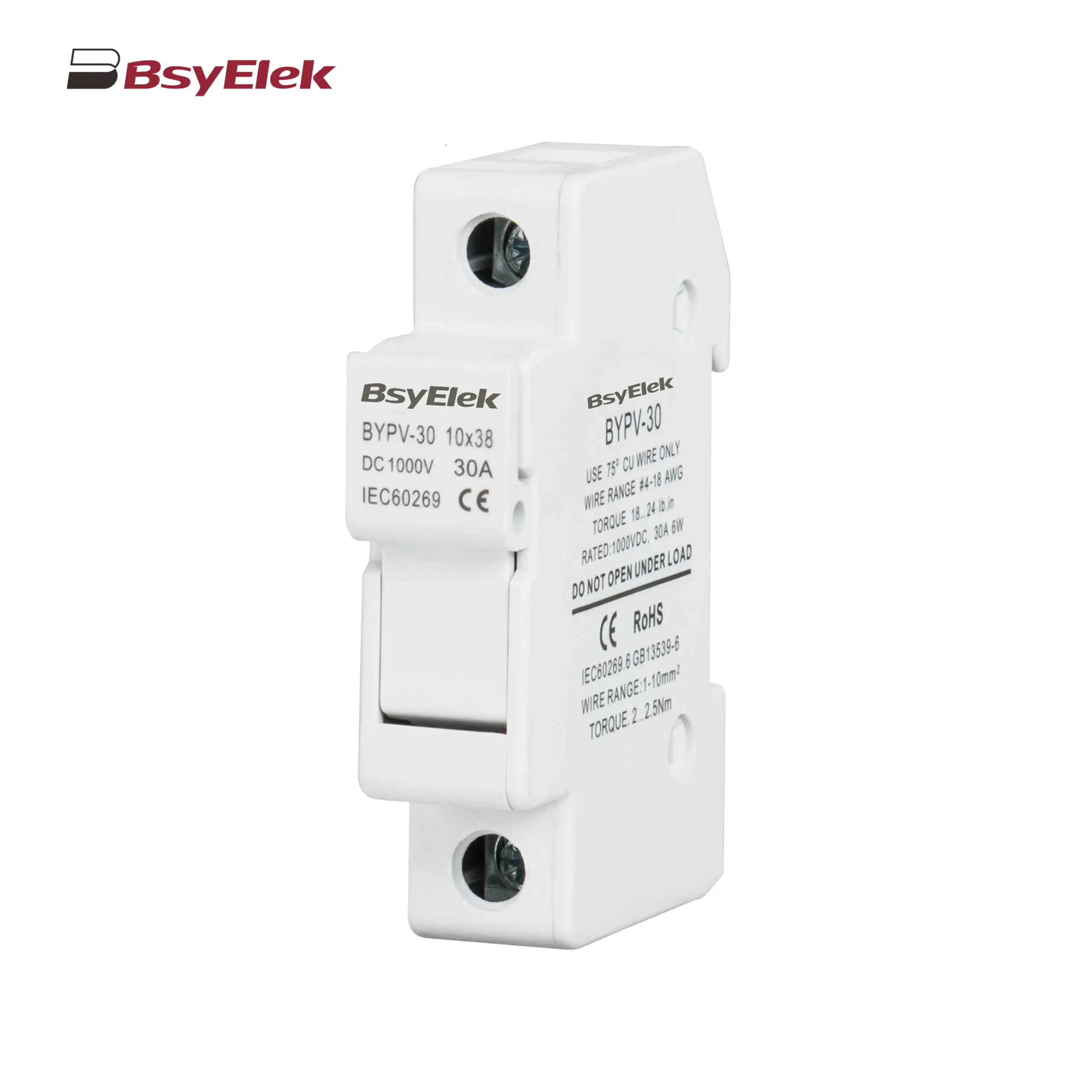 BYPV-30 1000VDC 32A Fuse Holder with 10x38mm Fuse Link
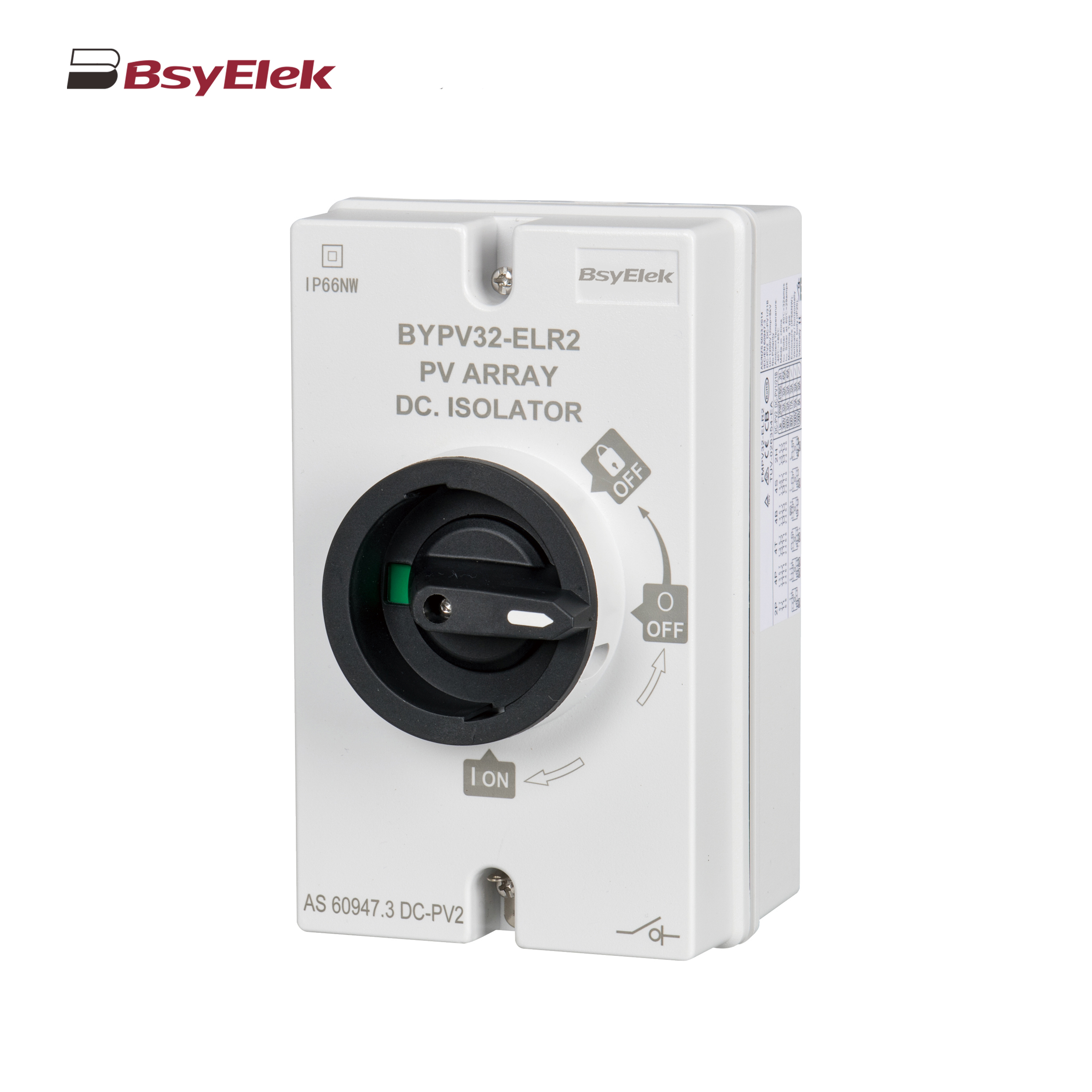 BYPV-ELR2 PV Isolator Switch with Enclosed Version
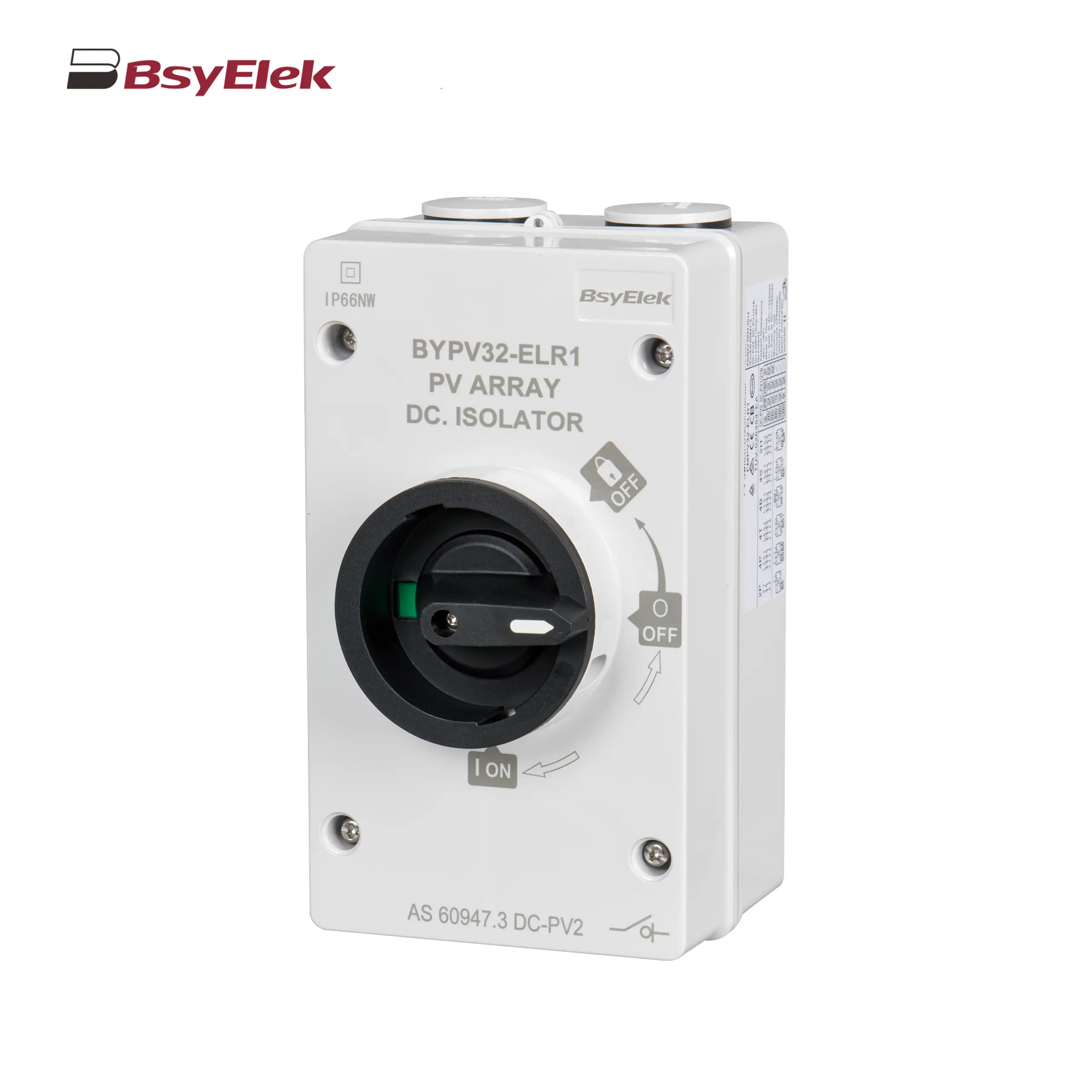 BYPV-ELR1 PV Isolator Switch with Enclosed Version
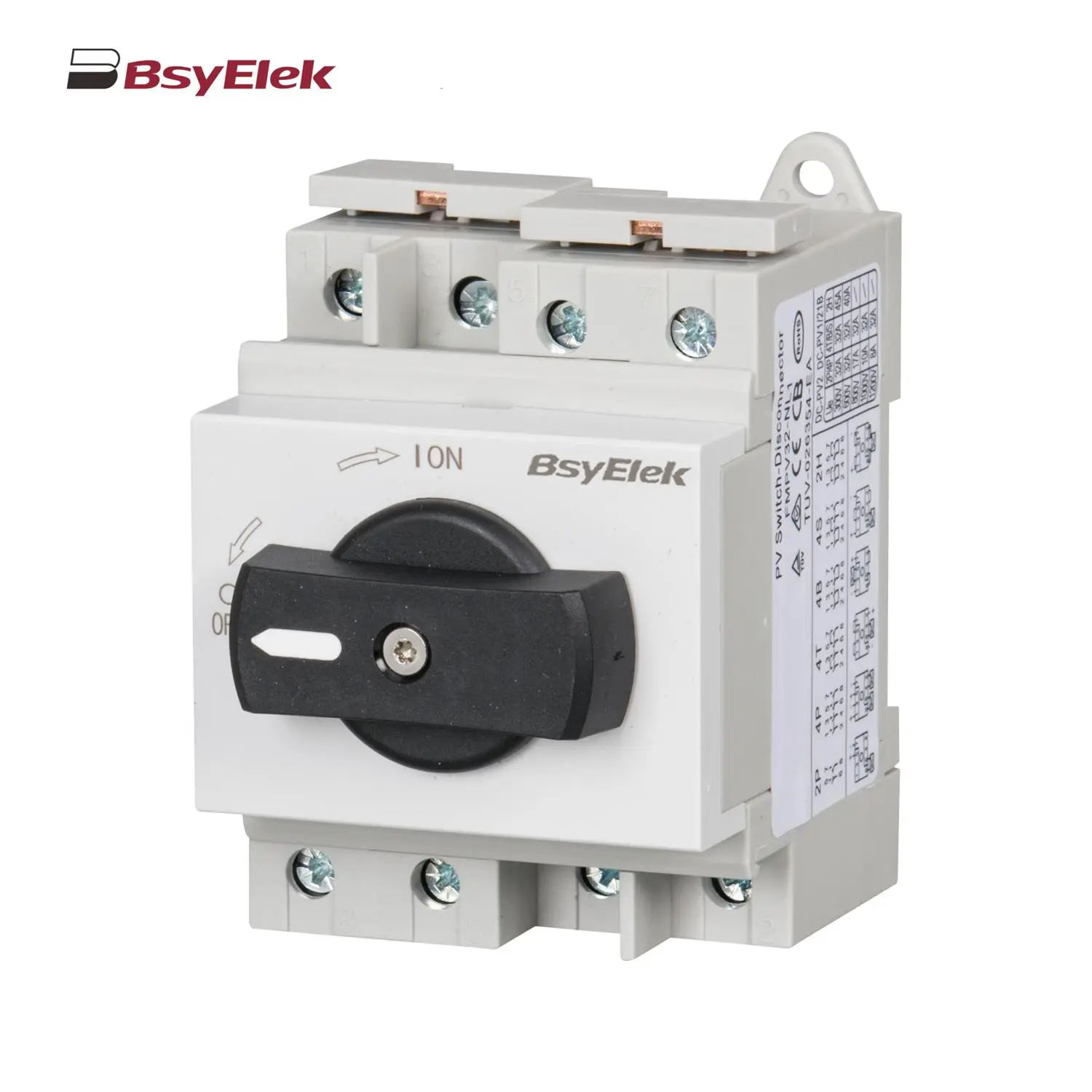 BYPV-NL1/T PV Isolator Switch with Ultra-thin Lever Handle
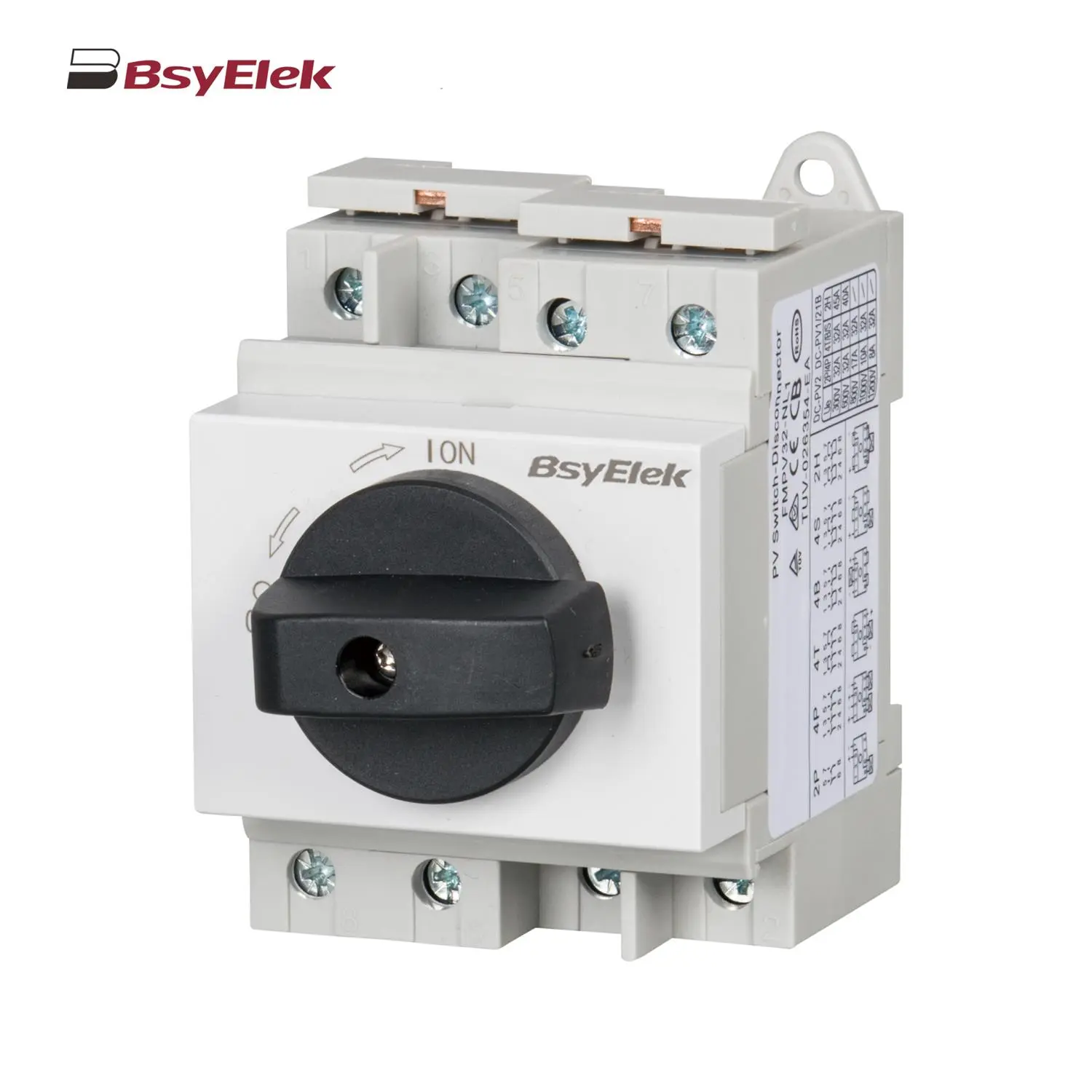 BYPV-NL1 PV Isolator Switch with Lever Handle
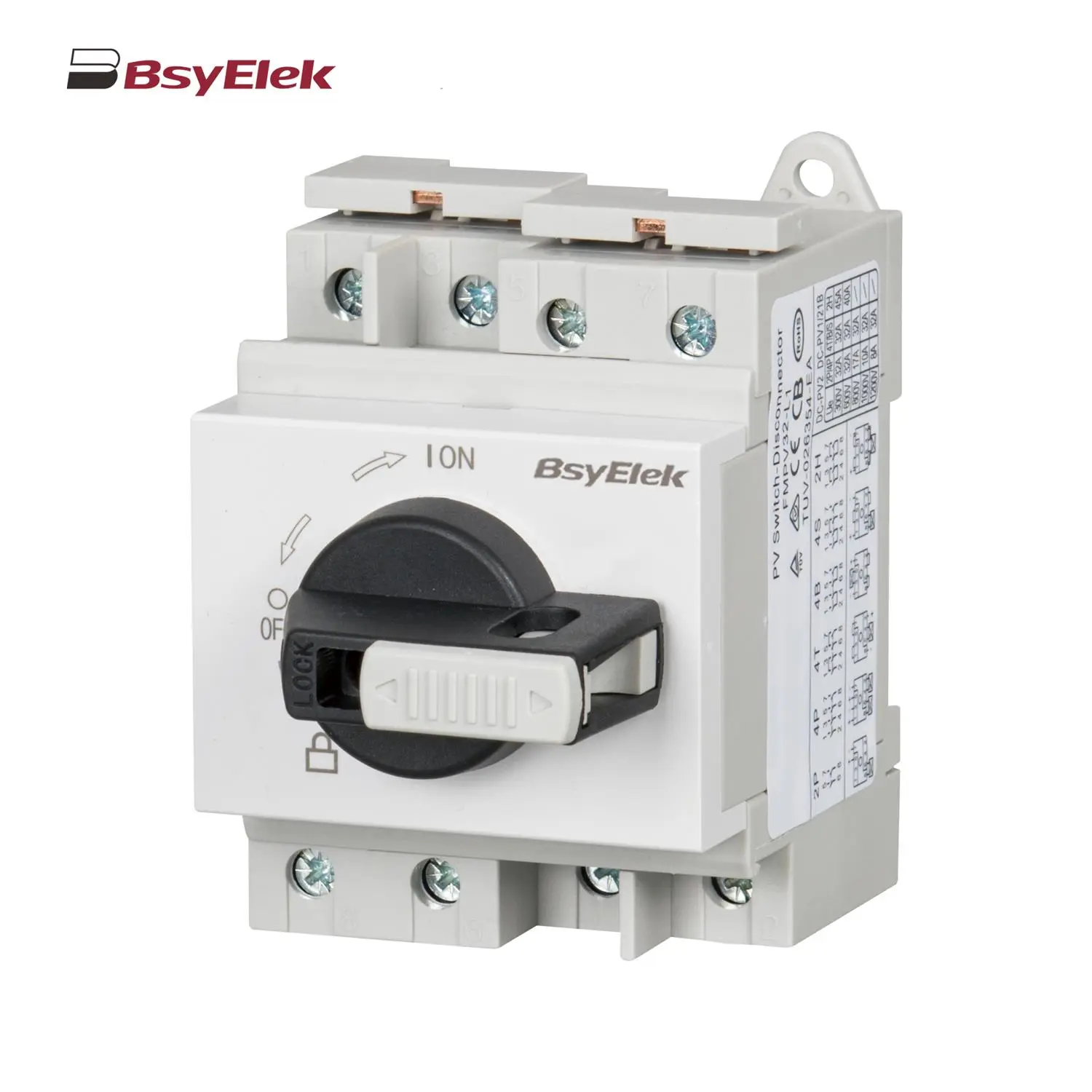 BYPV-L1/L2 PV Isolator Switch with Lockable Lever Handle
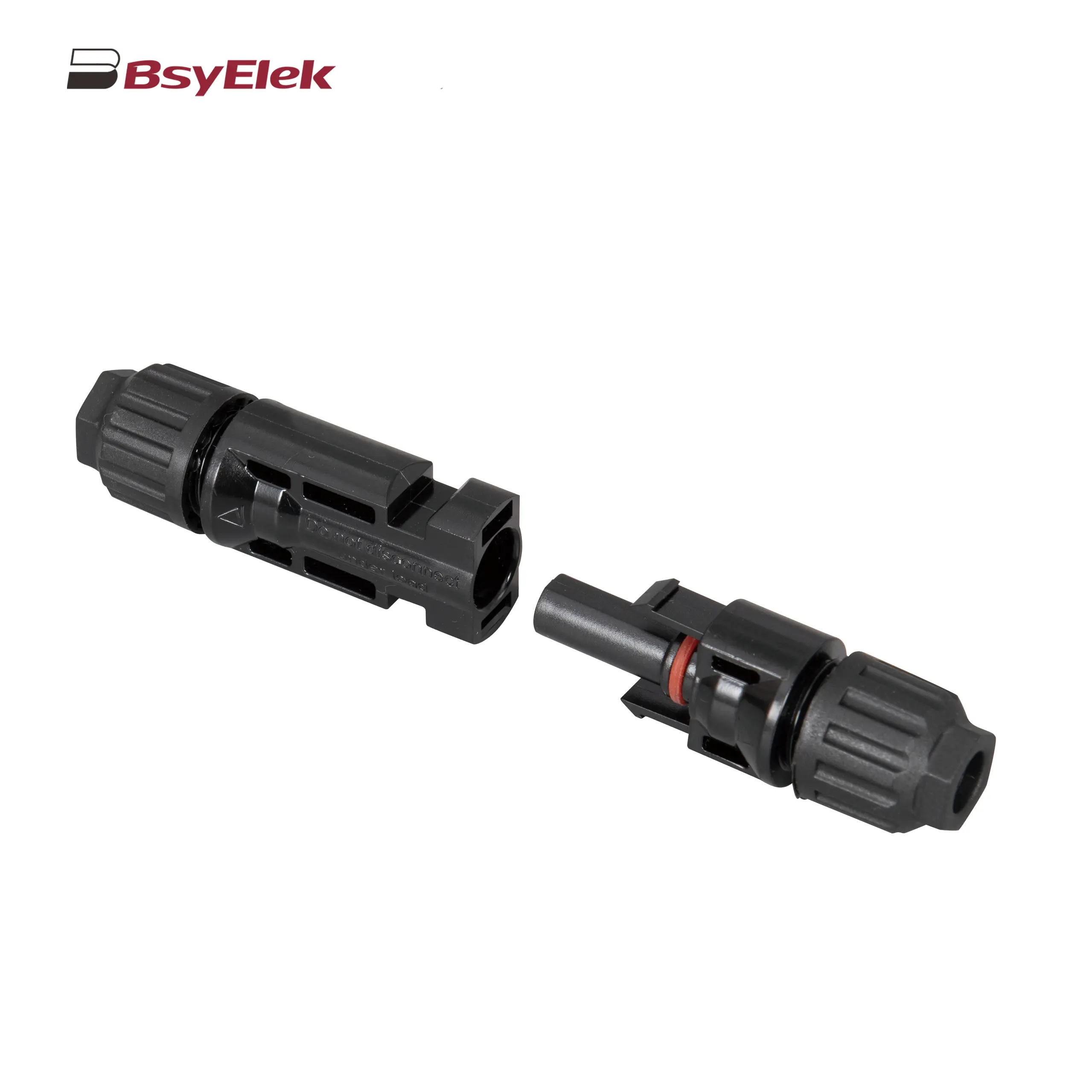 PV-BY-01 30A/50A 1000V Photovoltaic Connector
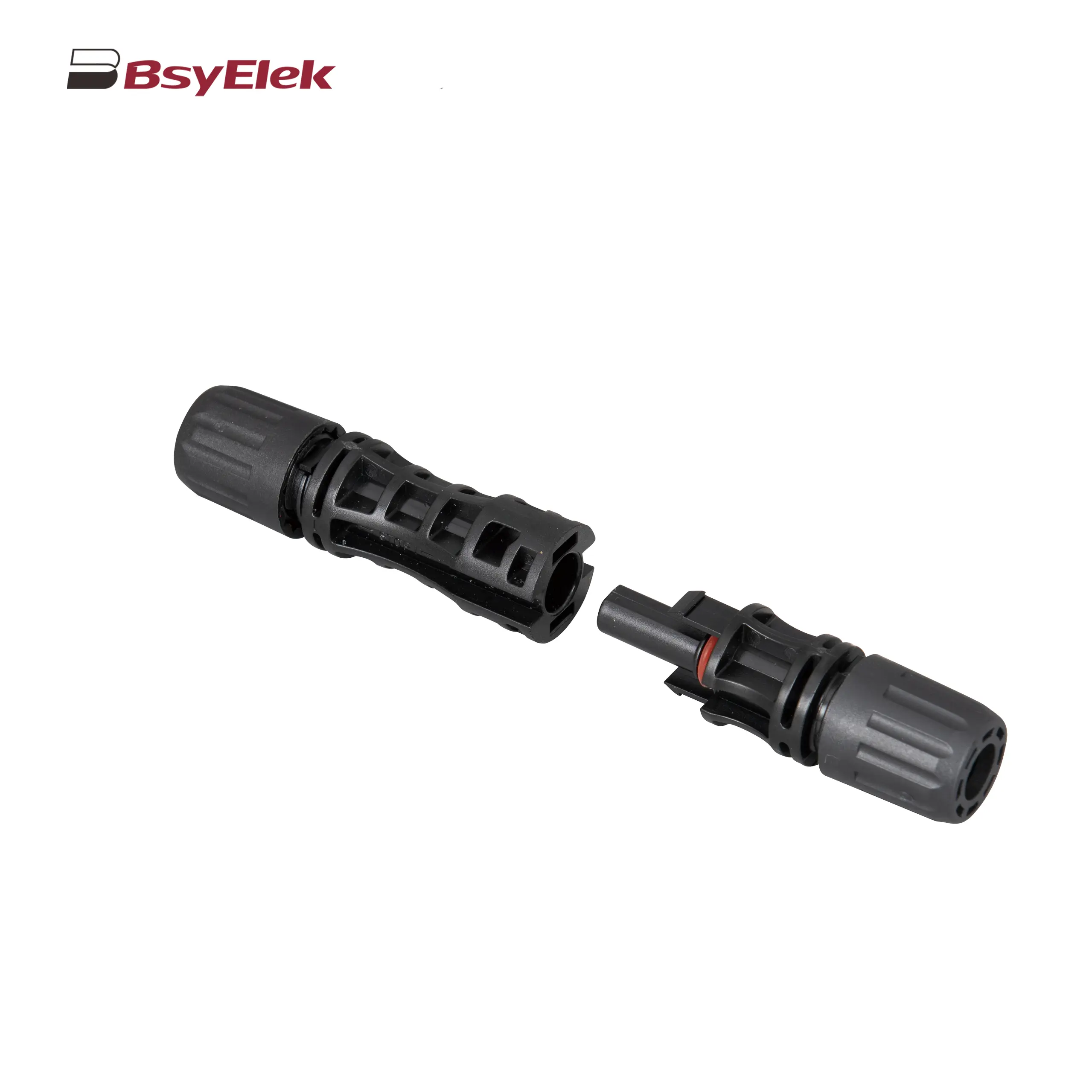 PV-BY-02 30A/50A 1500V Photovoltaic Connector
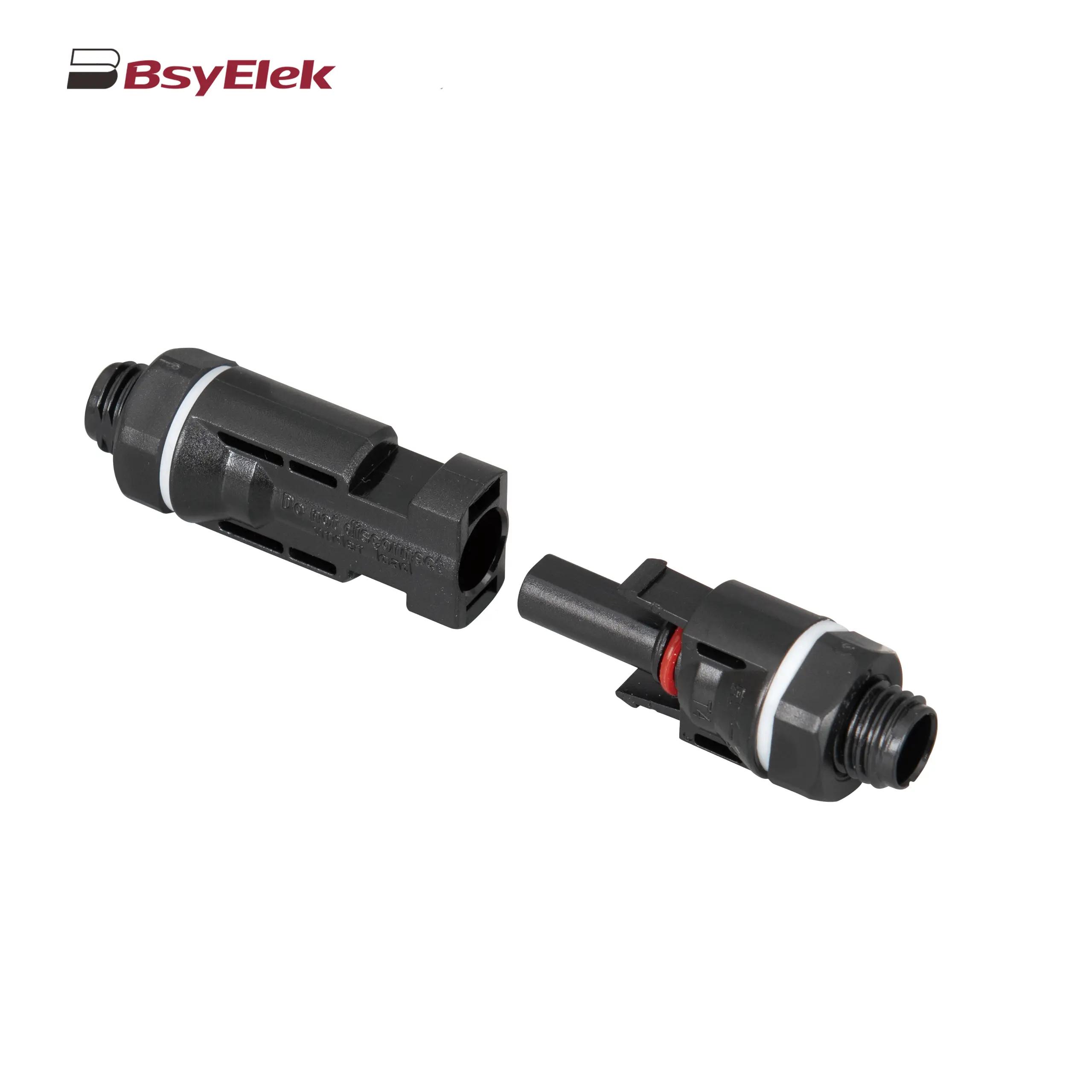 PV-BY-03 30A/50A 1000V Panel Mount Photovoltaic Connector
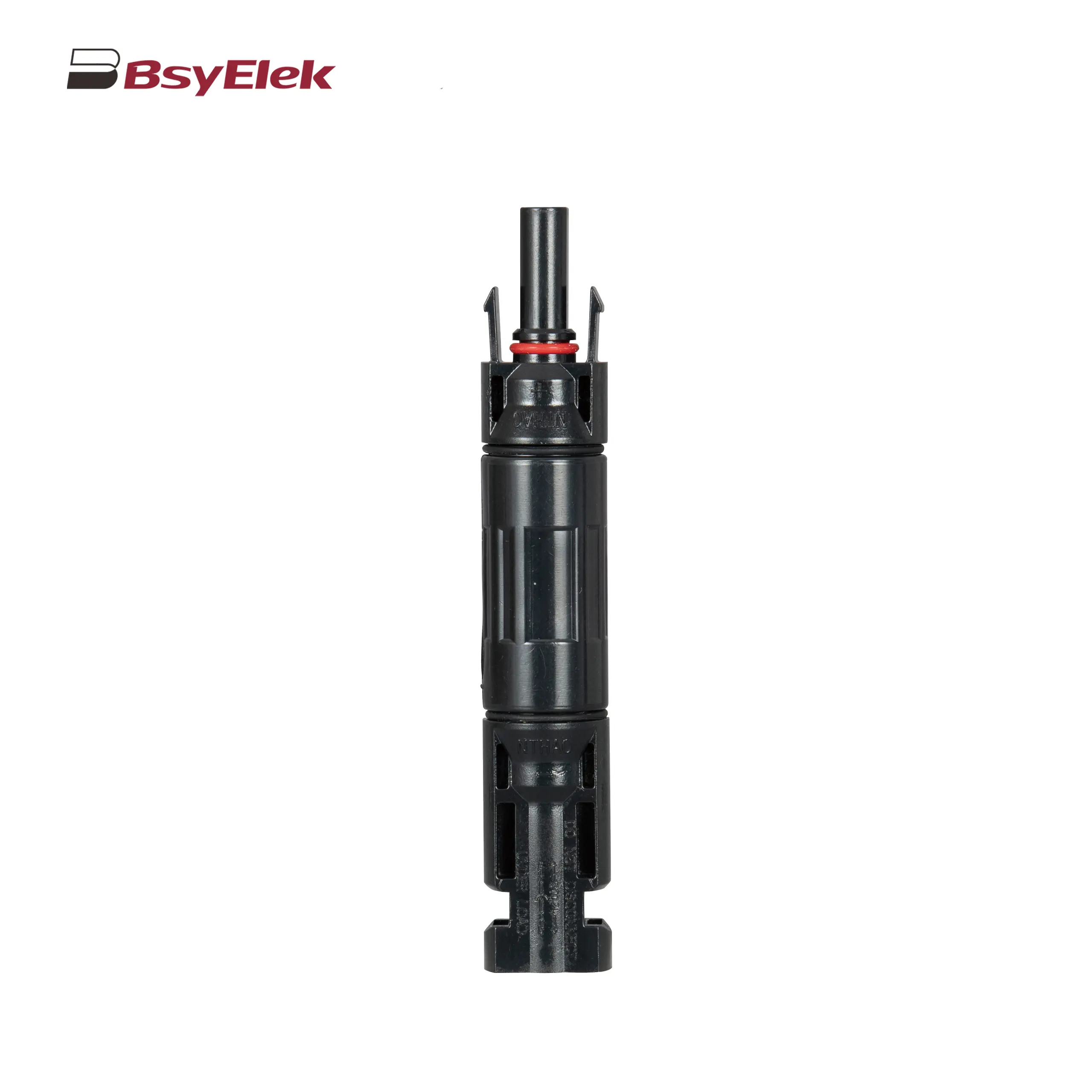 PV-BY-F01 30A 1500V Diode/Fuse Type Connector
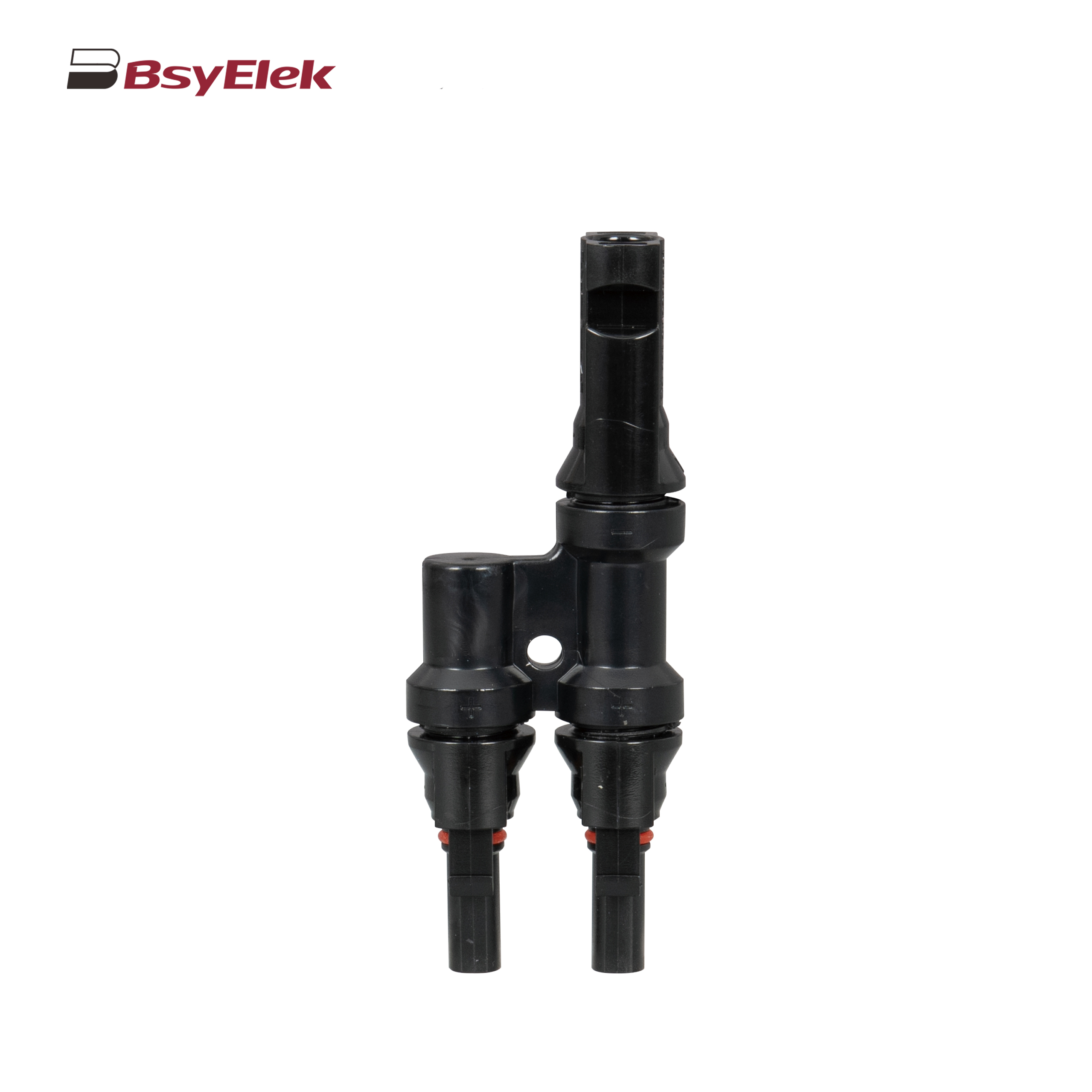 PV-BY-T 50A 1500V T Type Branch Connector
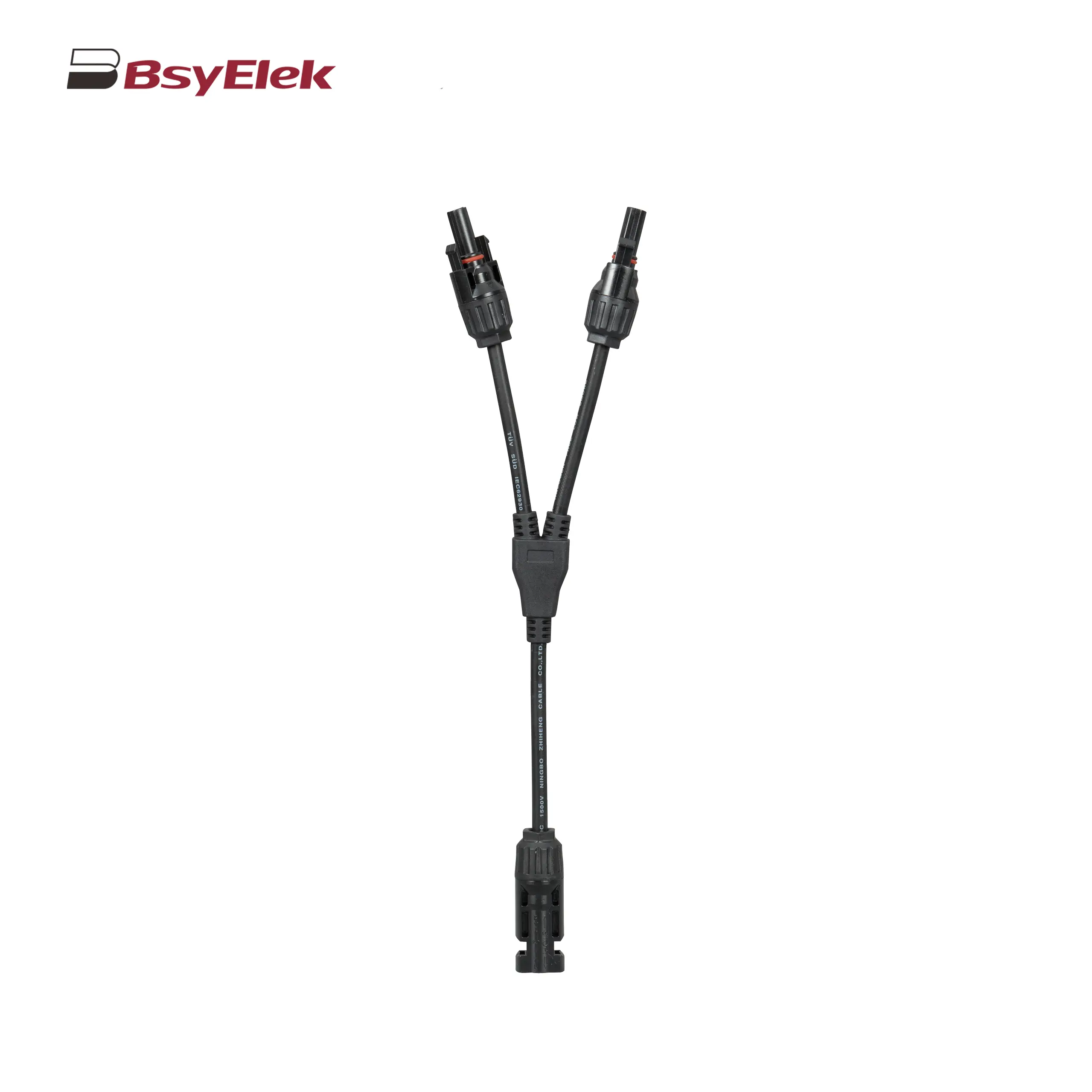 PV-BY-Y 30A 1500V Y Type Branch Connector
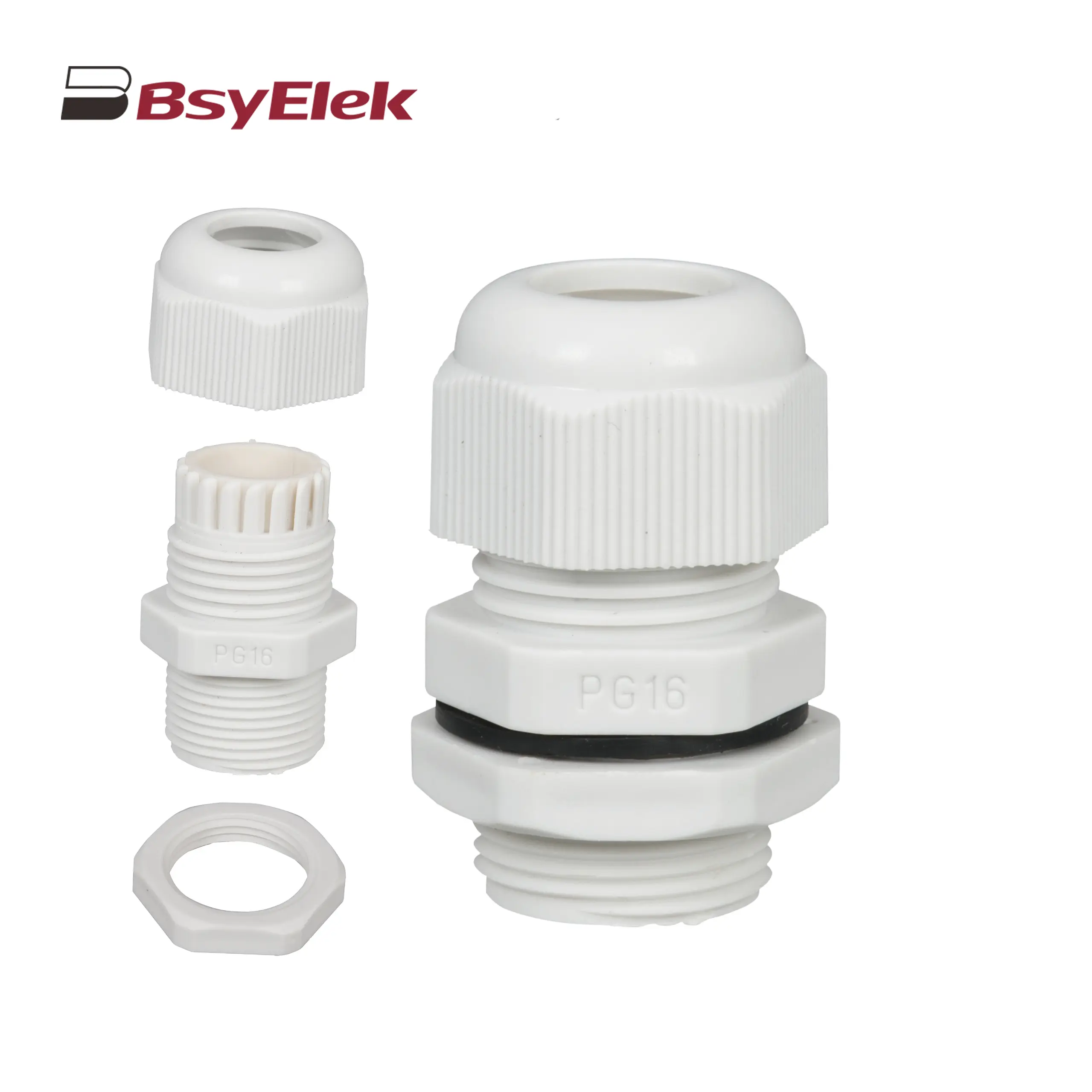 PG Waterproof Cable Gland with Washer
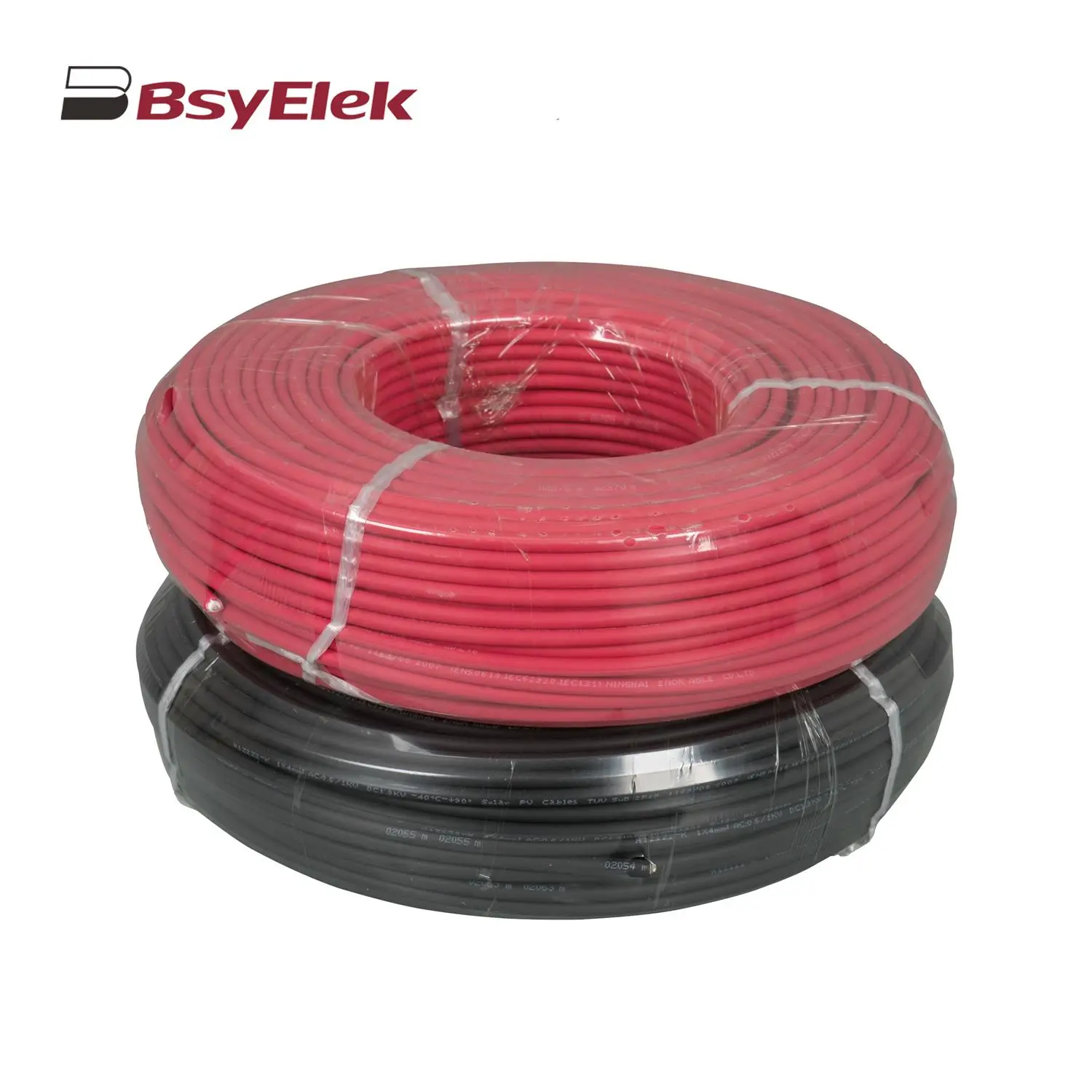 Photovoltaic Cable
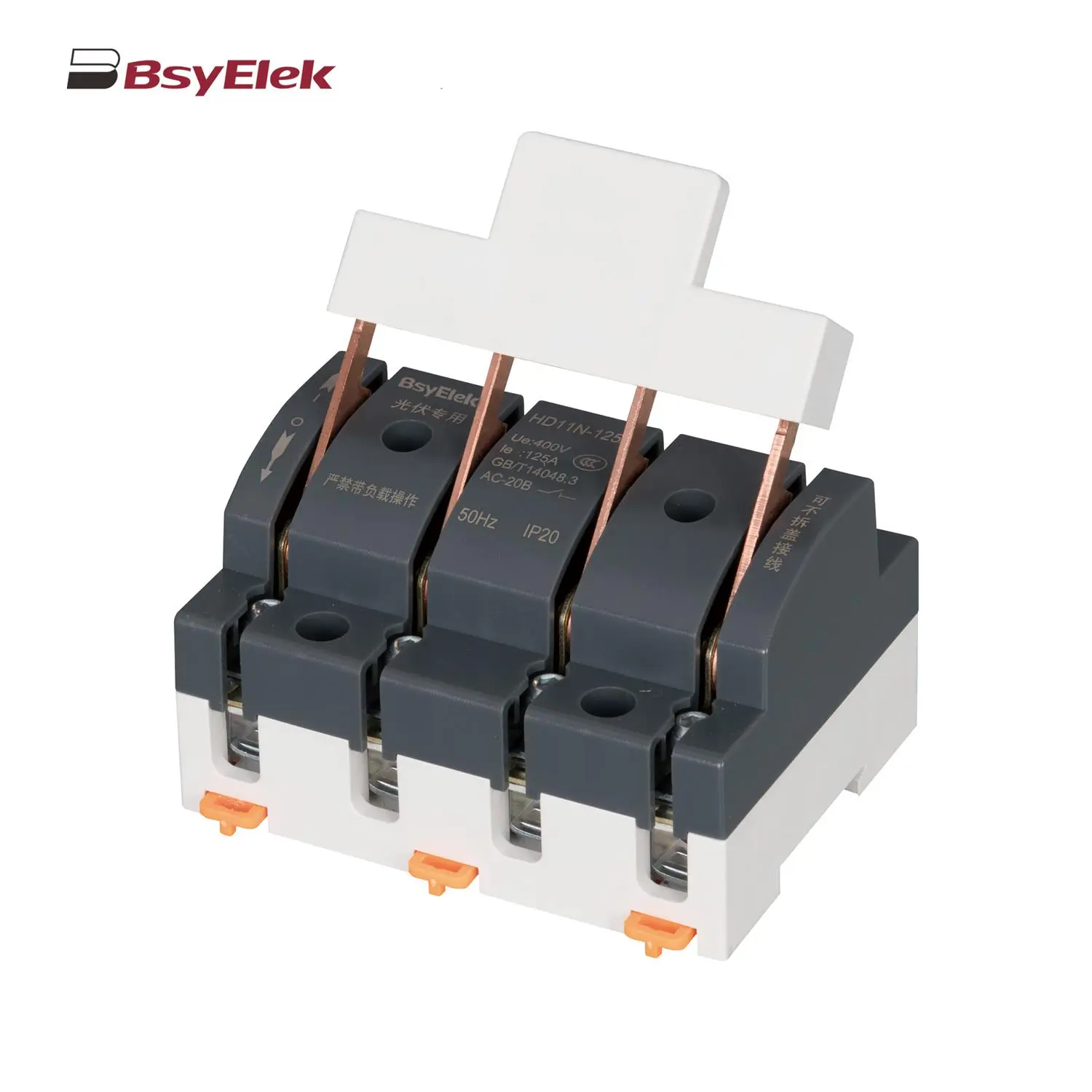 HD11N Photovoltaic Knife Switch
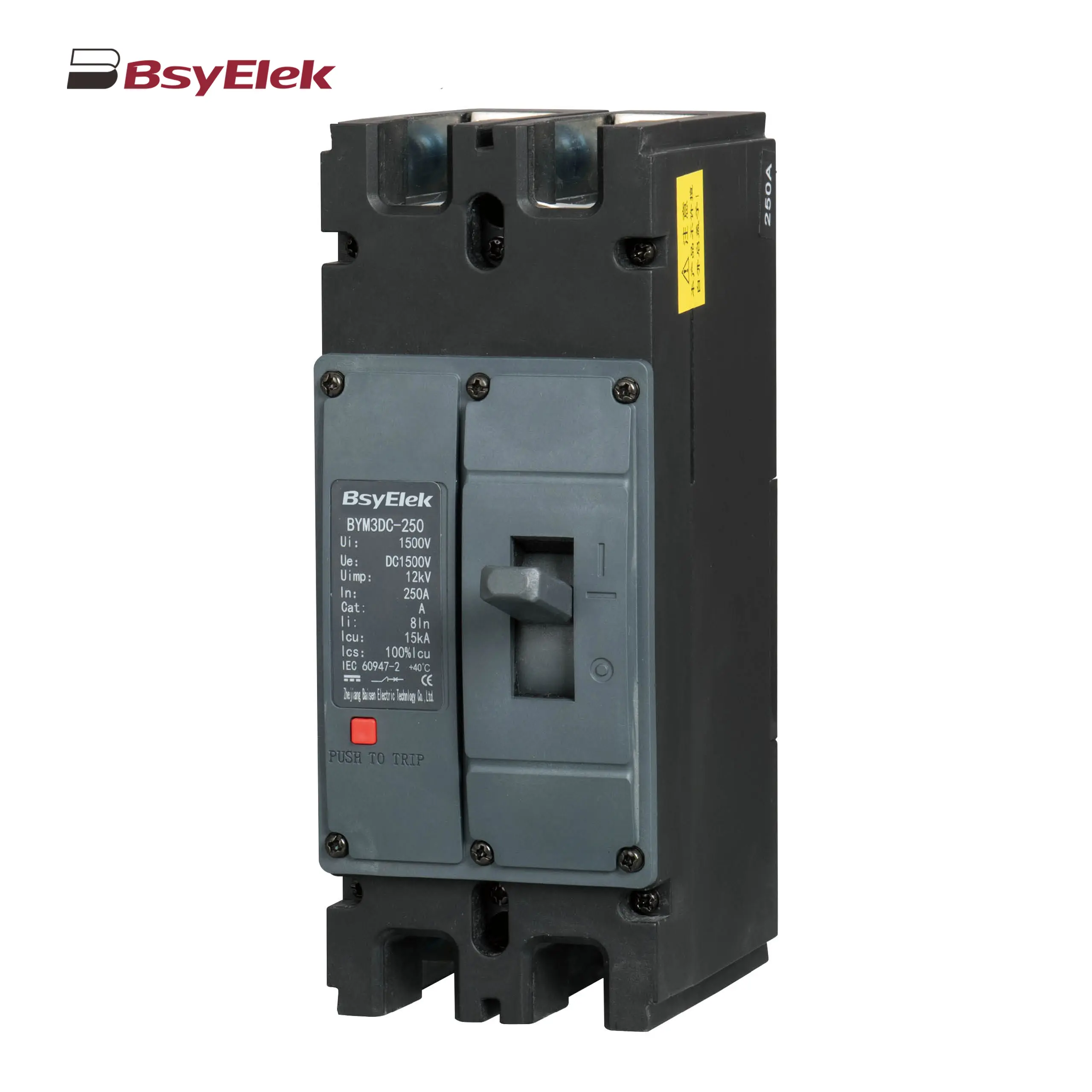 BYM3DC MCCB Photovoltaic DC Molded Case Circuit Breaker
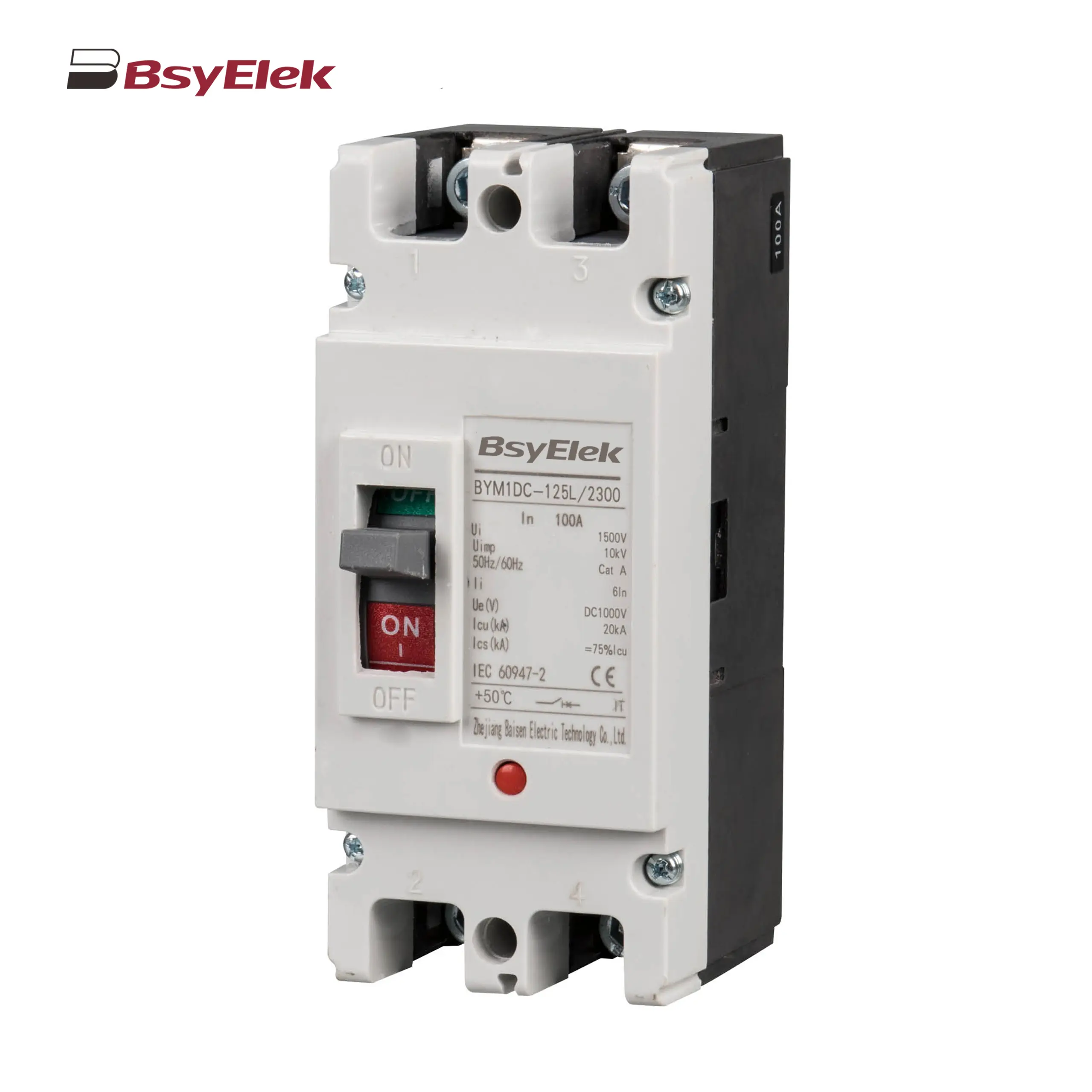 BYM1DC MCCB 1000VDC Thermal Magnetic Type DC Molded Case Circuit Breaker
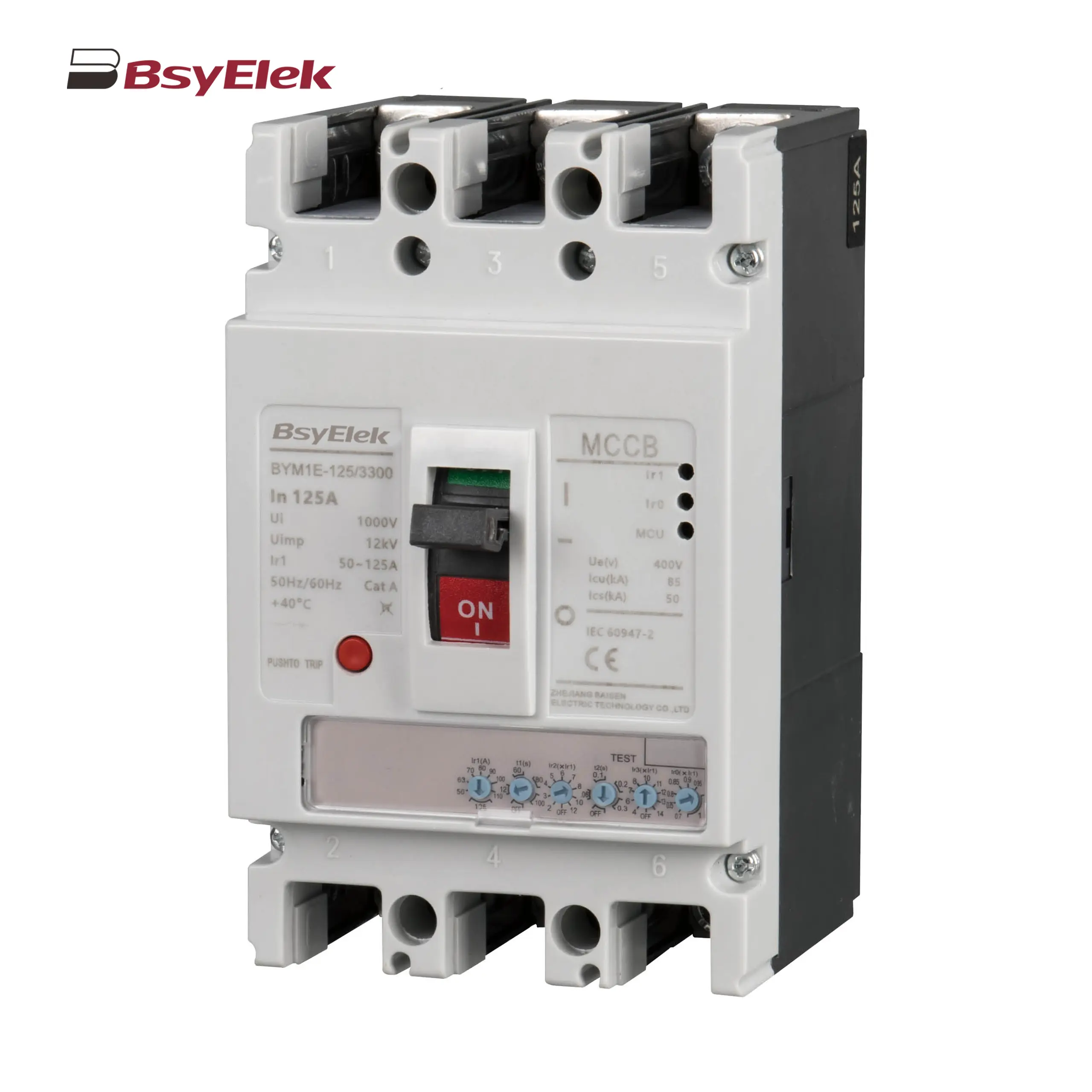 BYM1E MCCB Electronic Type Molded Case Circuit Breaker
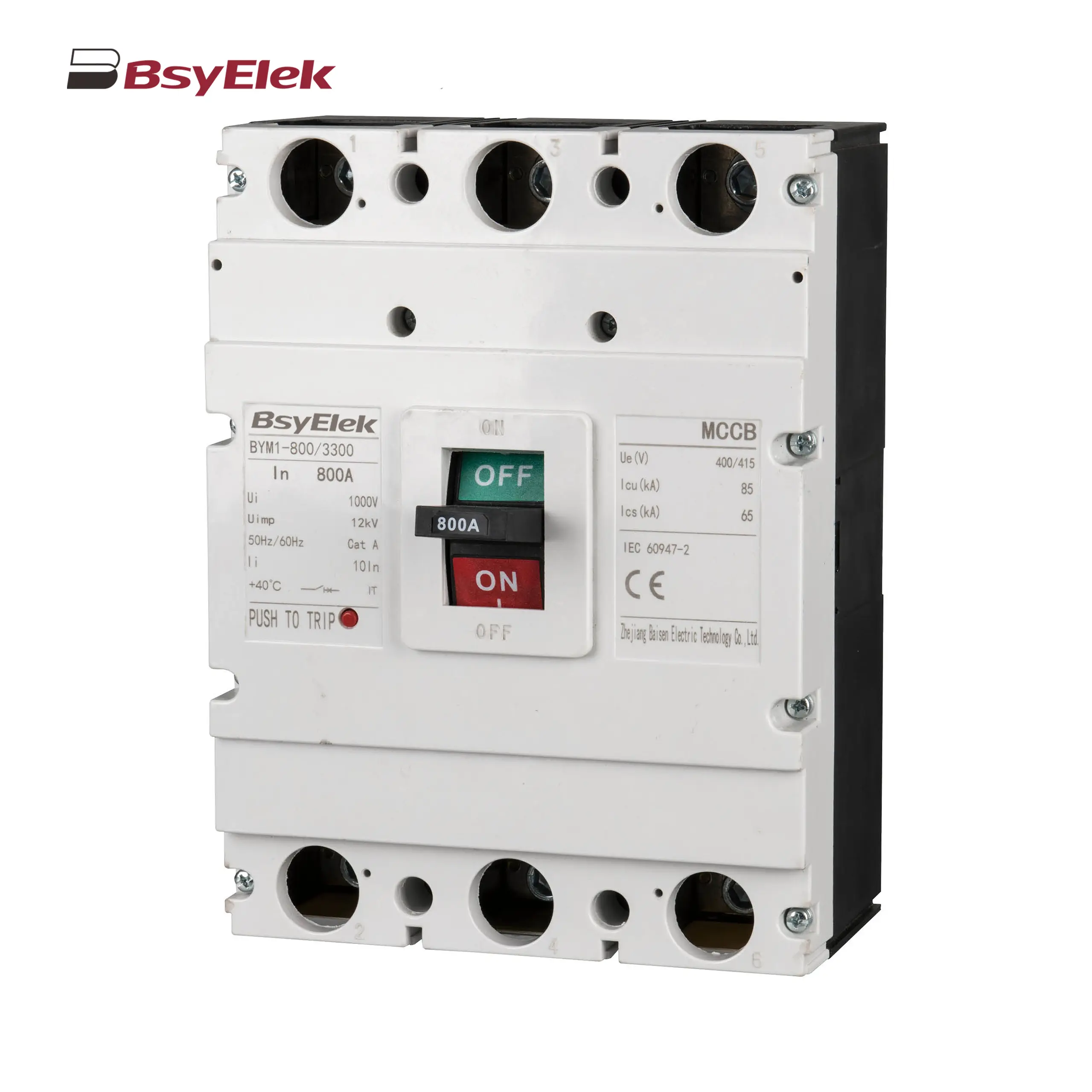 BYM1 MCCB Thermal Magnetic AC Molded Case Circuit Breaker
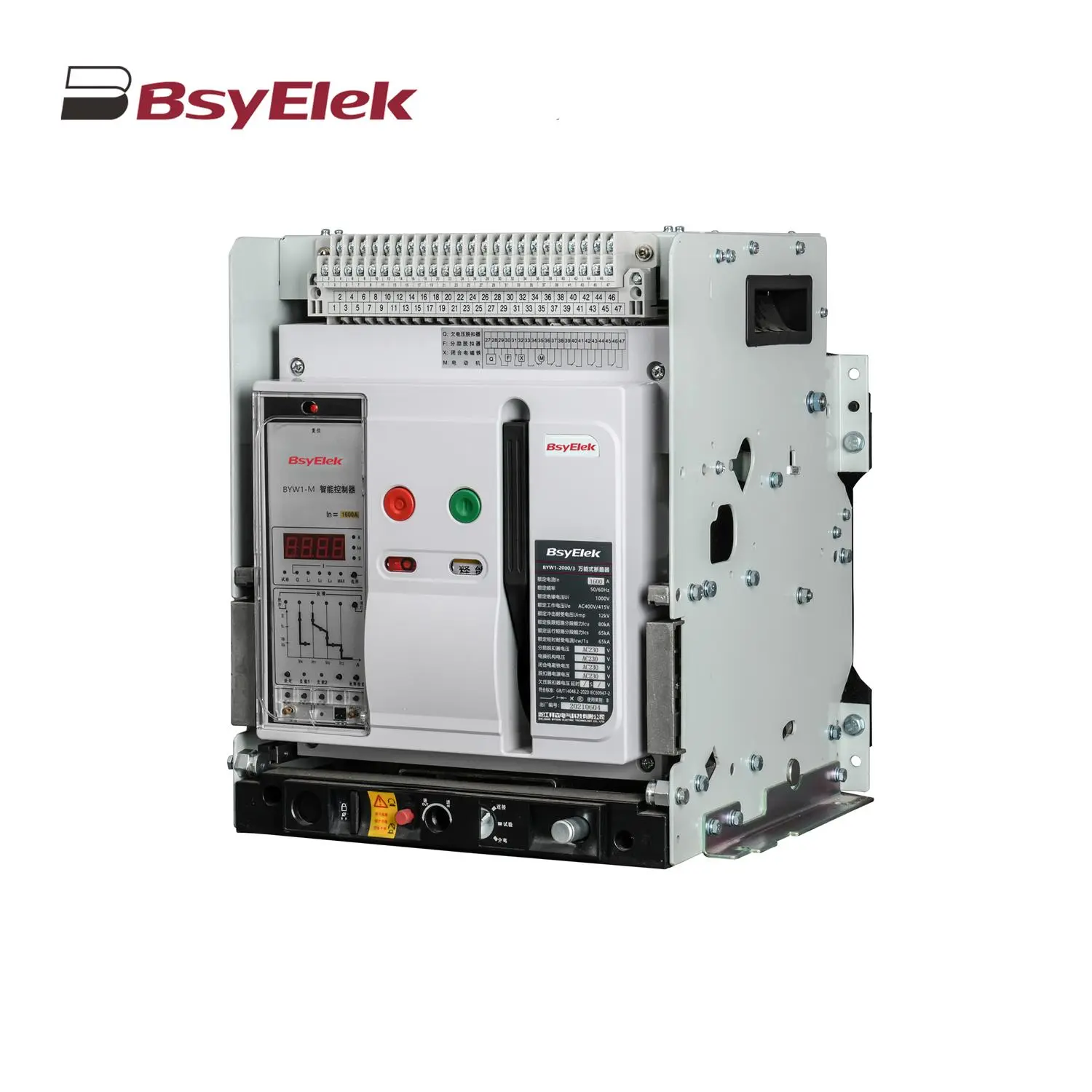 BYW1 ACB Intelligent Universal Air Circuit Breaker
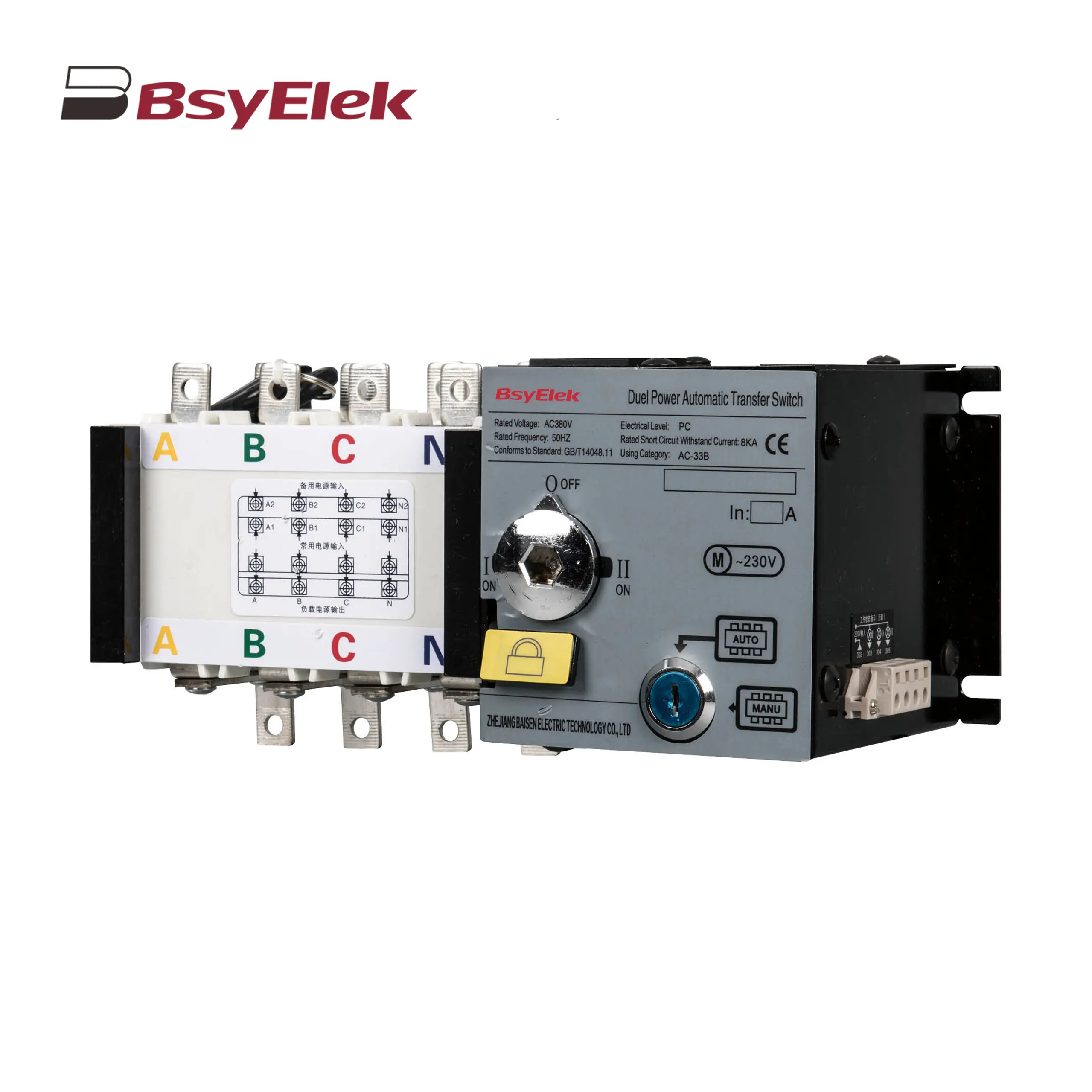 BYQ1 ATS Isolated Type PC Level Dual Power Automatic Transfer Switch
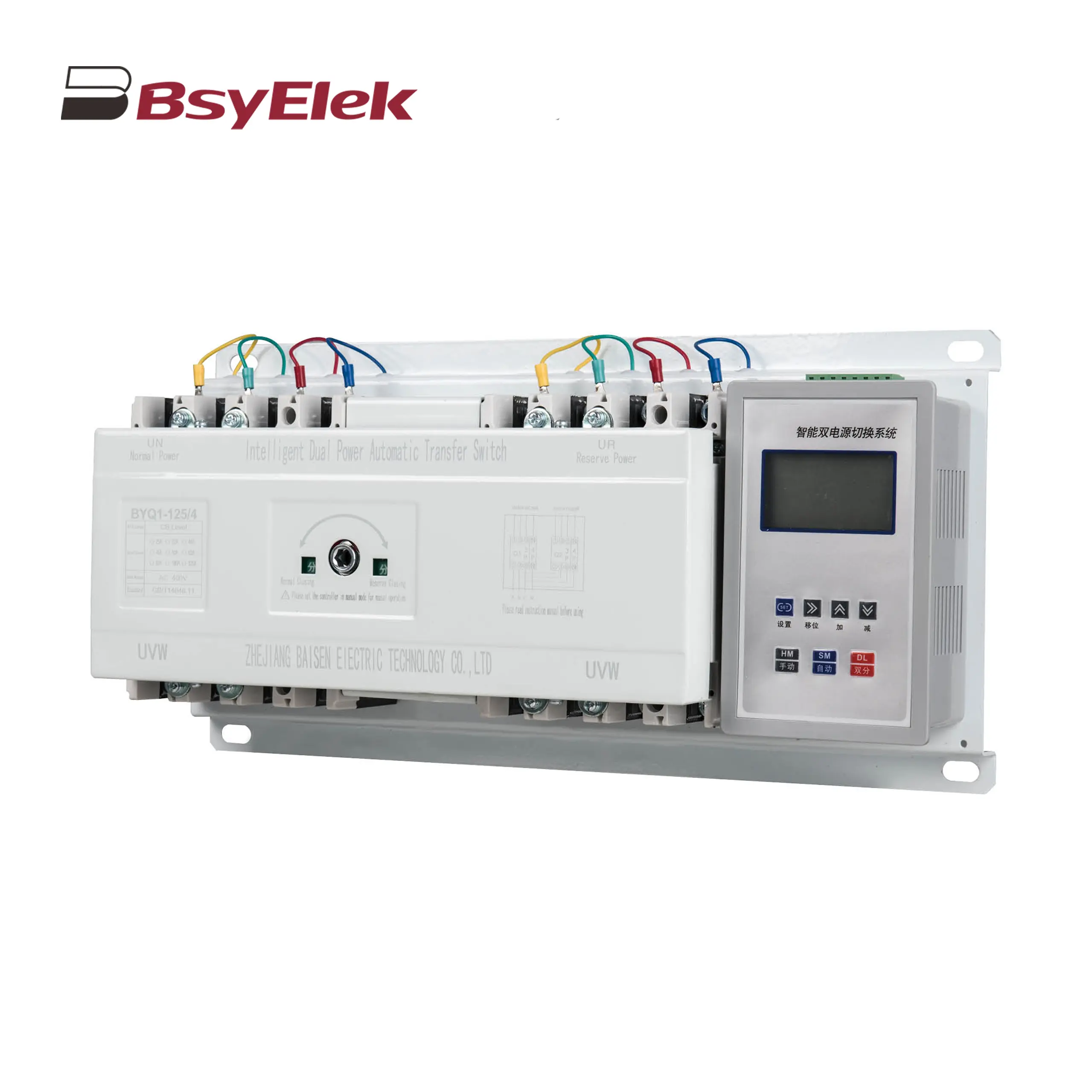 BYQ1 ATS Intelligent Type CB Level Dual Power Automatic Transfer Switch
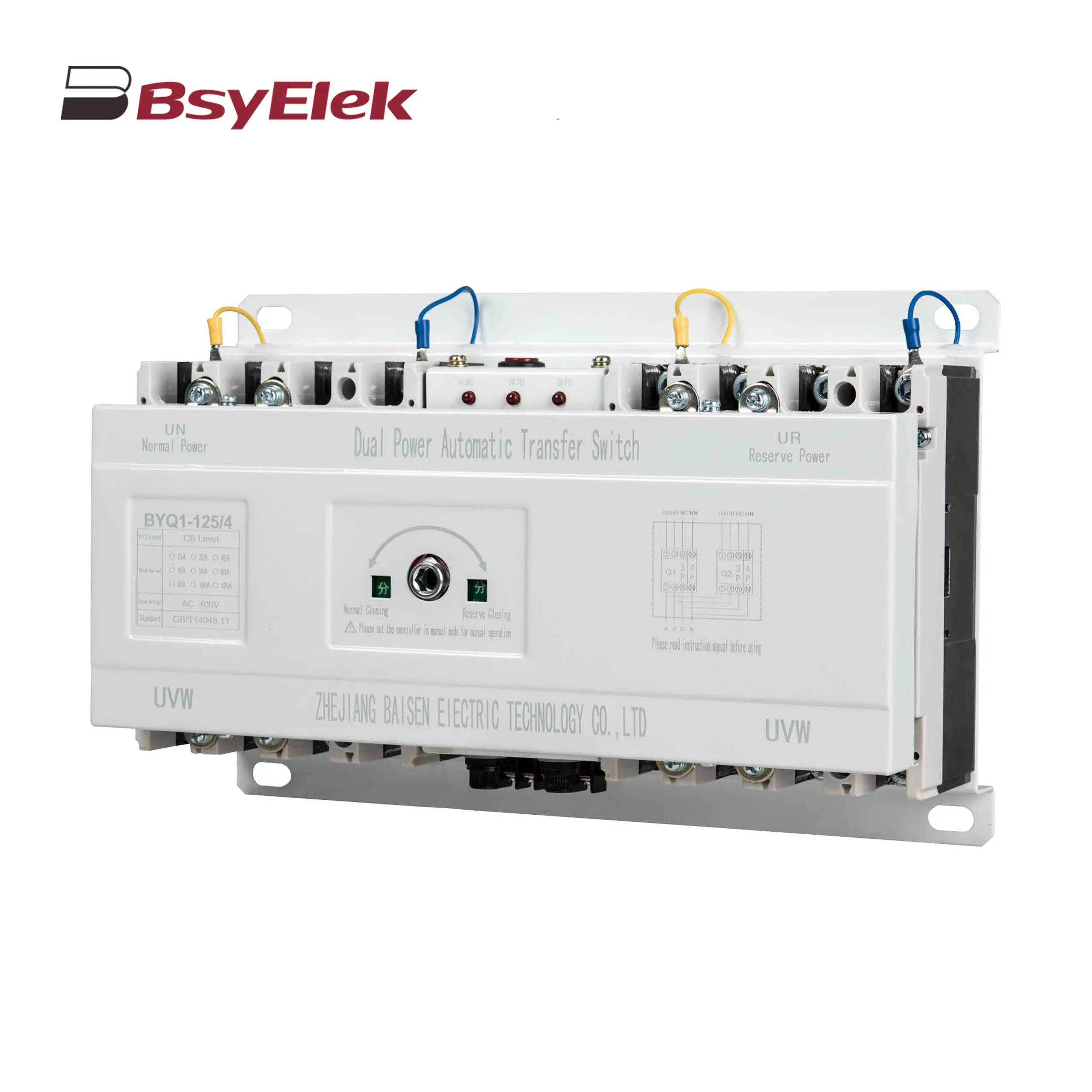 BYQ1 ATS End Type CB Level Dual Power Automatic Transfer Switch
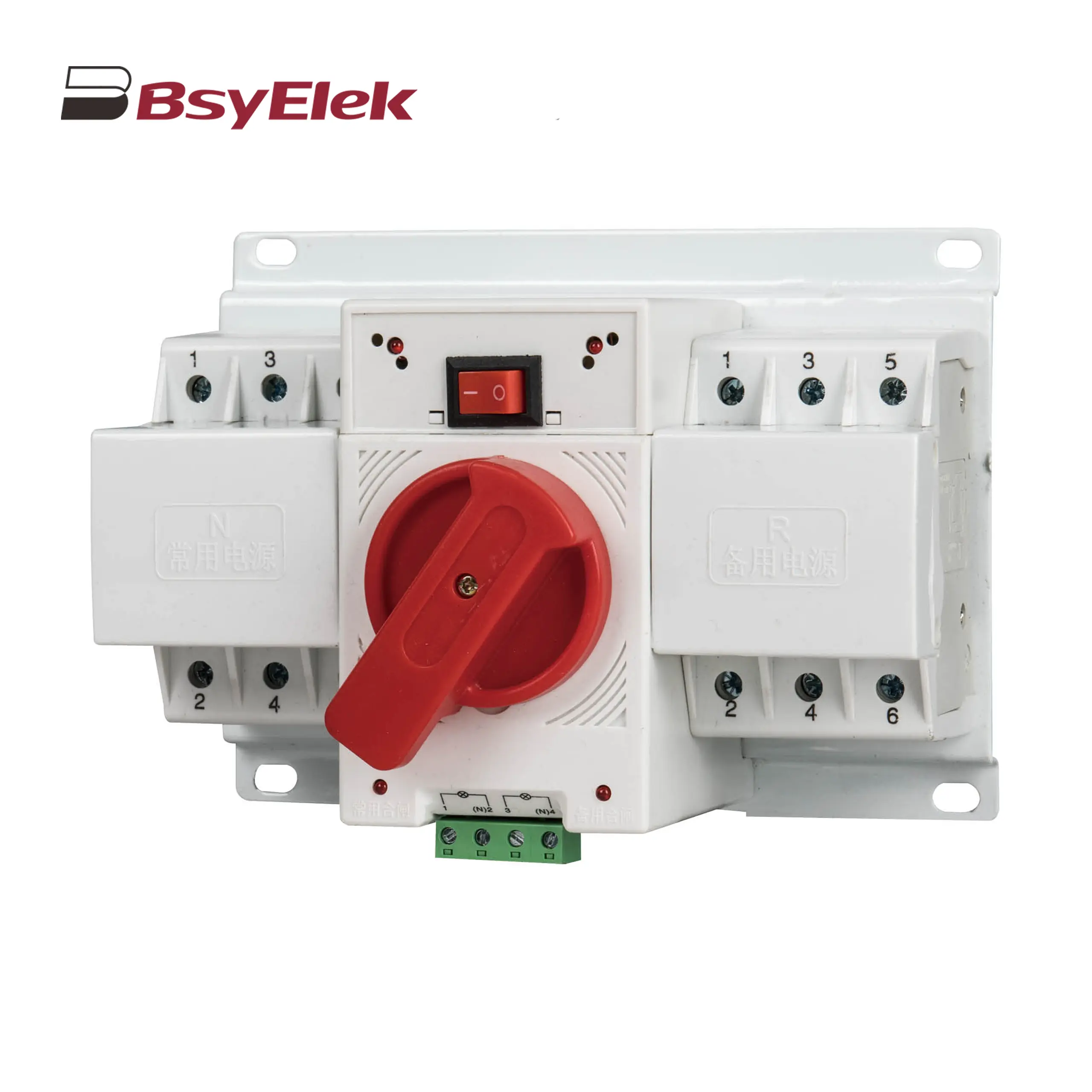 BYQ1 ATS Mini Type CB Level Dual Power Automatic Transfer Switch
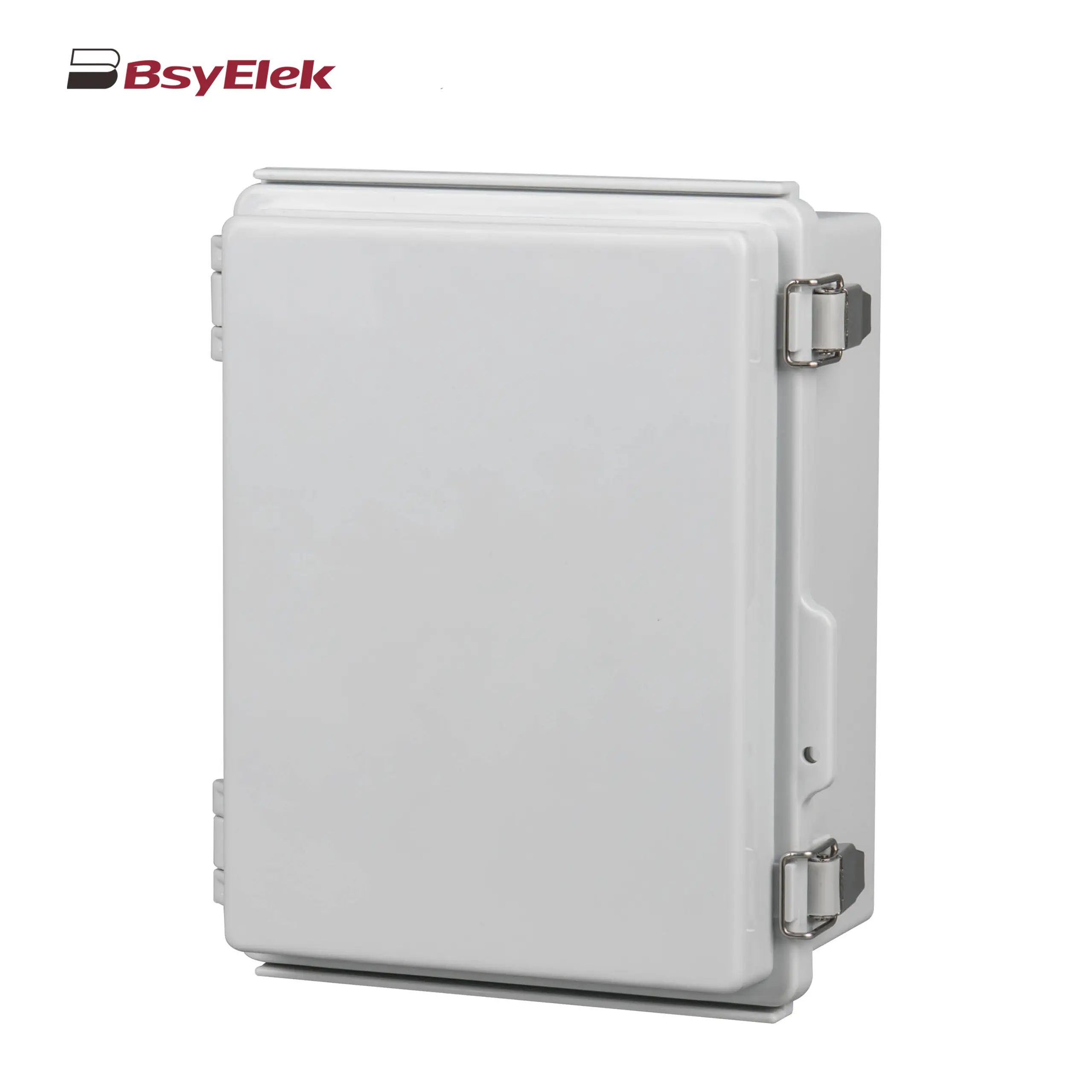 Stainless Steel Hinge Type Electrical Box
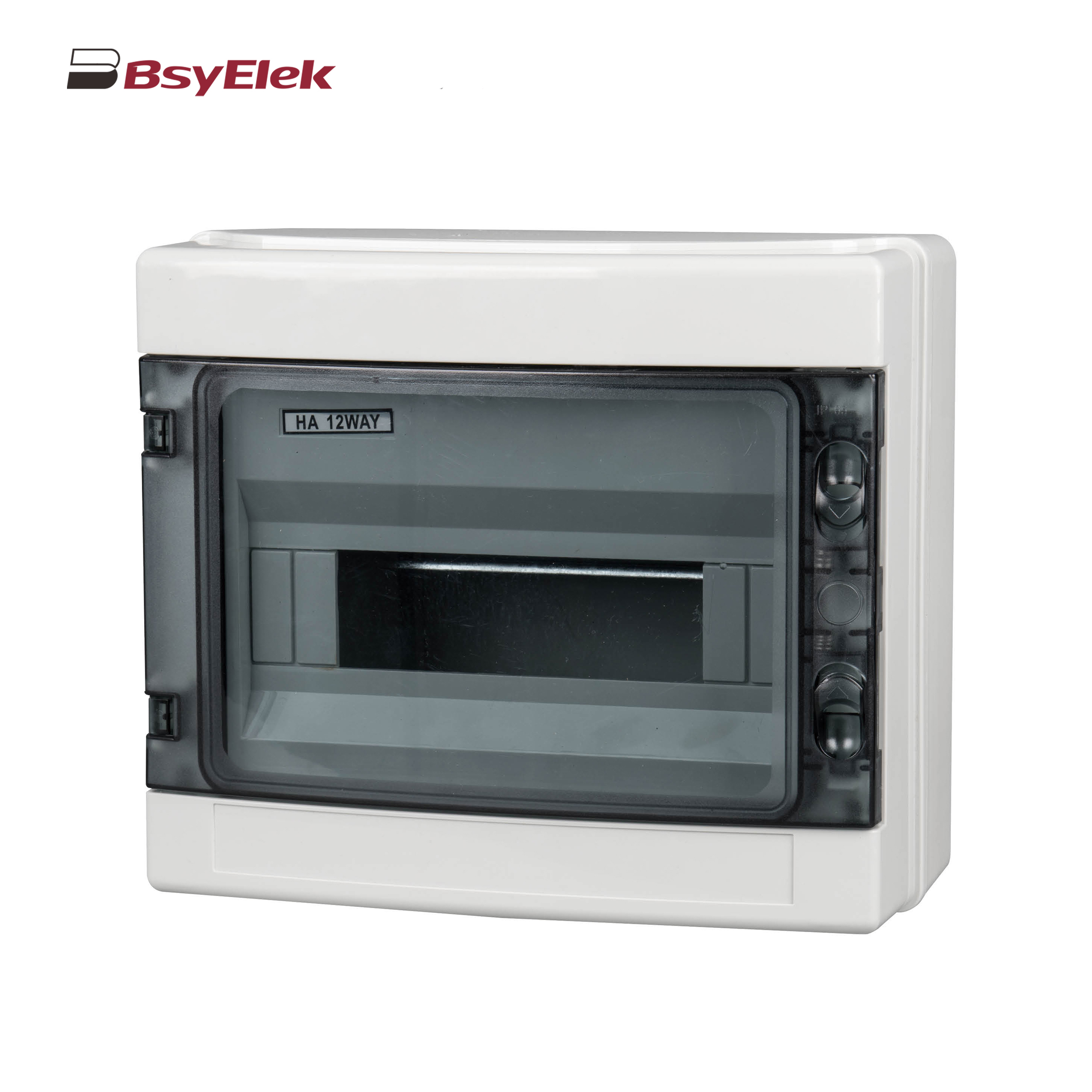 HA Waterproof Distribution Box
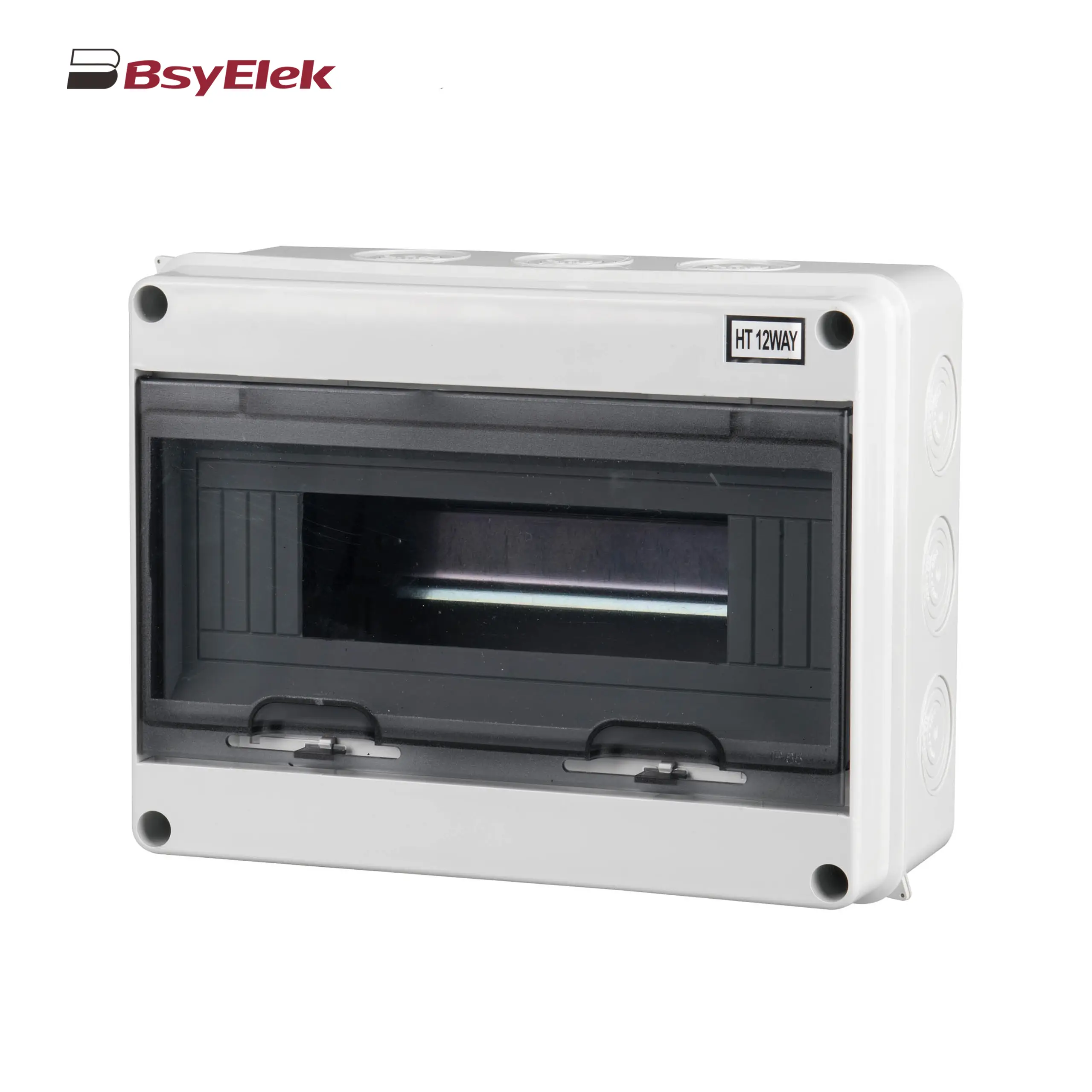 HT Waterproof Distribution Box
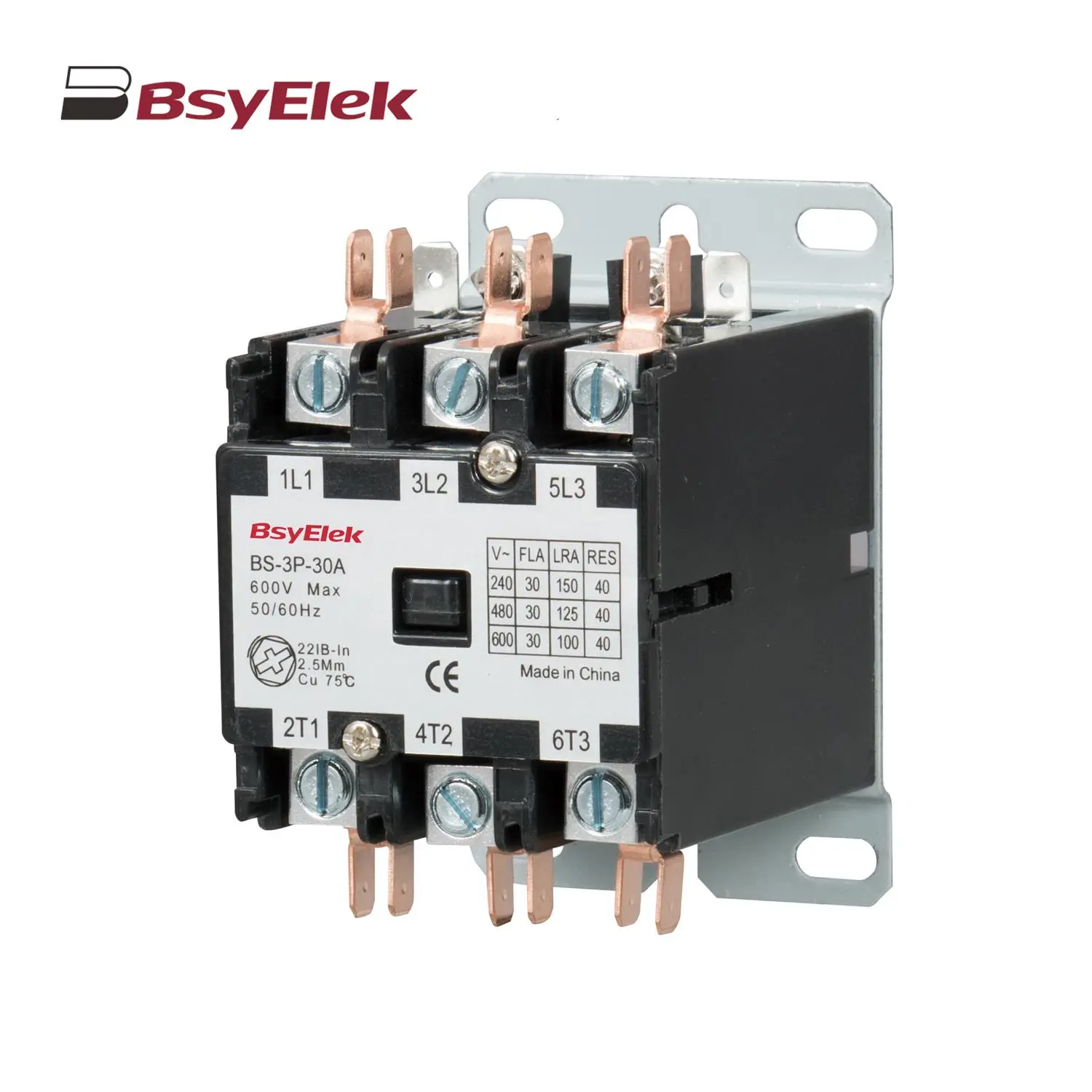 BS Definite Purpose Magnetic AC Contactor