The Best Molded Case Circuit Breakers for Every Application in 2023
In the ever-evolving landscape of electrical engineering, the Molded Case Circuit Breaker (MCCB) remains a pivotal component in ensuring safety and reliability in various applications. As we delve into 2023, industry expert Dr. Emily Carter emphasizes the critical role of MCCBs, stating, "Choosing the right Molded Case Circuit Breaker not only protects your system from overloads but also enhances operational efficiency." This insight reflects the increasing demands placed on electrical infrastructures and the importance of selecting the most suitable circuit breaker for diverse operational environments.
As technology advances, so do the specifications and features of Molded Case Circuit Breakers. With applications ranging from industrial to residential, it is crucial to consider factors such as rated current, breaking capacity, and environmental conditions when selecting an MCCB. The latest models offer enhanced functionalities that cater to a variety of needs while maintaining compliance with safety standards. Thus, understanding the nuances of these circuit breakers can significantly impact performance and safety in electrical systems.
In this guide, we will explore the best Molded Case Circuit Breakers available in 2023, providing insights into their applications, benefits, and innovative features. By equipping yourself with this knowledge, you can make informed decisions that align with both safety requirements and operational goals, ultimately leading to more resilient electrical solutions.

Overview of Molded Case Circuit Breakers (MCCBs)
Molded Case Circuit Breakers (MCCBs) are essential components in electrical systems, designed to provide overcurrent protection and isolation for various applications. These devices have evolved significantly over recent years, adapting to the growing demand for reliability and efficiency in electrical distribution. According to a market research report by ResearchAndMarkets, the global MCCB market was valued at approximately USD 3.3 billion in 2022 and is projected to grow at a compound annual growth rate (CAGR) of 5.4% from 2023 to 2030. This growth is driven by the increasing installations in industrial and commercial sectors, where effective circuit protection is paramount.
MCCBs operate by detecting overloads and short circuits, opening the circuit to prevent damage to electrical equipment and reduce the risk of fire hazards. Their versatility makes them suitable for various applications, including motor control, lighting systems, and power distribution. Recent advancements in technology have improved the functionality of MCCBs, incorporating features such as electronic trip settings, which enhance their ability to withstand transient currents without nuisance tripping. As more industries prioritize safety and energy efficiency, choosing the right MCCB for specific applications becomes increasingly crucial. A comprehensive understanding of their specifications, including rated current, breaking capacity, and mounting options, enables users to select the most suitable circuit breaker for their needs.
The Best Molded Case Circuit Breakers for Every Application in 2023
| Application |
Rated Current (A) |
Voltage Rating (V) |
Breaking Capacity (kA) |
Features |
| Industrial Machinery |
250 |
480 |
65 |
Adjustable Trip Settings |
| Commercial Lighting |
150 |
240 |
35 |
Compact Design |
| HVAC Systems |
200 |
480 |
50 |
Thermal Magnetic Trip |
| Residential Use |
125 |
120/240 |
22 |
Ground Fault Protection |
| Data Centers |
300 |
480 |
70 |
Remote Monitoring |
Key Features to Consider When Choosing MCCBs
When selecting the best molded case circuit breakers (MCCBs) for various applications in 2023, it's crucial to focus on several key features that influence performance and reliability. One primary consideration is the current rating of the MCCB, usually expressed in amperes (A). According to industry reports, the global molded case circuit breaker market was valued at approximately $6 billion in 2022 and is projected to grow significantly, driven by rising demand for reliable electrical solutions in commercial and industrial sectors. Choosing the correct current rating ensures adequate protection against overloads and short circuits, thereby enhancing safety.
Another critical feature is the breaking capacity, which refers to the maximum fault current the MCCB can safely interrupt without sustaining damage. Various sources indicate that as industrial systems become more complex, the potential fault currents can exceed 100kA, necessitating MCCBs designed to handle such extreme conditions. Additionally, integrated features like thermal-magnetic trip mechanisms and electronic trip units offer enhanced sensitivity and discrimination, allowing these breakers to respond more effectively to specific fault conditions. By understanding these features and their implications, users can select MCCBs that not only meet regulatory standards but also provide superior protection and operational efficiency.
Top Applications and Industries for Molded Case Circuit Breakers
Molded Case Circuit Breakers (MCCBs) are essential components across a variety of industries, offering reliable protection against overloads and short circuits. They are widely used in applications ranging from commercial buildings to industrial facilities. In commercial settings, these breakers are crucial for safeguarding electrical systems in office spaces, retail outlets, and healthcare facilities. Their ability to handle varying electrical loads makes them a preferred choice for managing energy distribution effectively.
In industrial environments, MCCBs excel due to their robust design and versatility. They are commonly employed in machinery, motor control systems, and large manufacturing processes. The adaptability of molded case circuit breakers to specific operational requirements enables industries to maintain safety standards while optimizing performance. Additionally, their compact size allows for easy installation in equipment panels, streamlining the overall setup.
Tips to consider when selecting MCCBs:
- Evaluate the expected load ratings and understand the specific application requirements.
- Ensure proper sizing and coordination with other overcurrent devices for maximizing system efficiency and safety.
- Regular maintenance and testing are crucial to ensure that the breakers function correctly under all conditions, providing peace of mind in your electrical infrastructure.
Comparison of Leading MCCB Brands in 2023
When selecting molded case circuit breakers (MCCBs) for various applications in 2023, it’s crucial to compare the leading brands based on their performance characteristics, reliability, and innovative features. Each manufacturer brings unique strengths to the table, influencing the choice for specific operational needs. Key factors to consider include the breaking capacity, thermal-magnetic trip response, and environmental ratings, which can significantly affect the effectiveness of the circuit protection in different conditions.
In addition to technical specifications, brand reputation and customer service play a vital role in selecting the right MCCB. Organizations often favor brands that offer comprehensive support and resources, especially when it comes to installation and maintenance. Evaluating user feedback and industry reviews can provide insights into the long-term reliability and performance of each brand's products. This multifaceted comparison enables end-users to make informed decisions tailored to their operational requirements, ensuring optimal safety and efficiency in electrical systems.
The Best Molded Case Circuit Breakers in 2023
Installation and Maintenance Tips for MCCBs
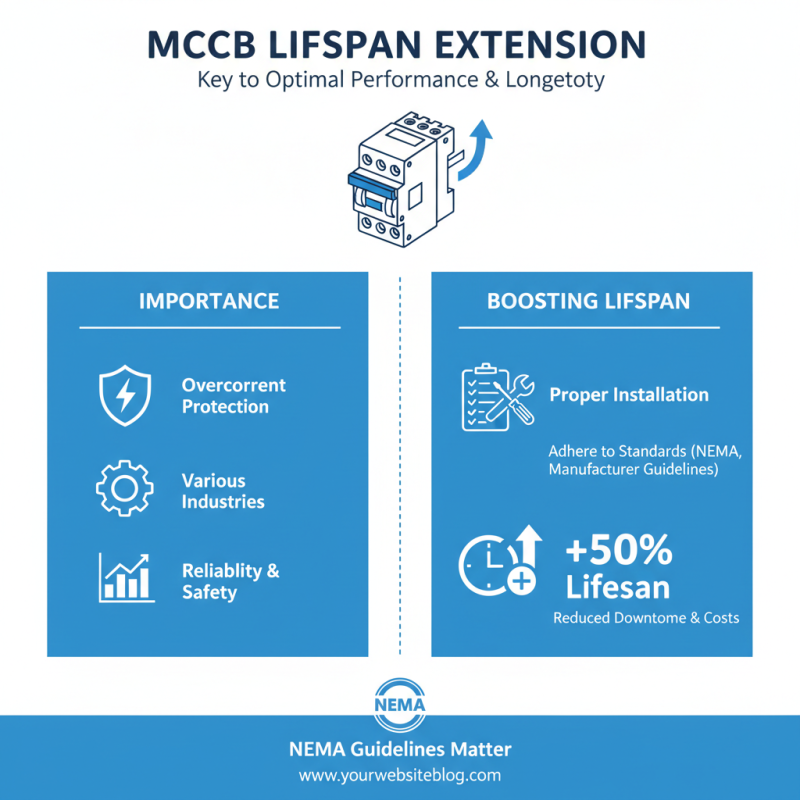
Molded Case Circuit Breakers (MCCBs) are essential for providing overcurrent protection in electrical circuits across various industries. Proper installation and maintenance are critical to ensure their longevity and optimal performance. According to the National Electrical Manufacturers Association (NEMA), ensuring the right installation practices can enhance the lifespan of MCCBs by up to 50%. This highlights the importance of adhering to manufacturer guidelines and industry standards during installation.
One essential installation tip is to ensure that MCCBs are mounted securely to minimize vibrations and electrical arcing. Additionally, it is crucial to check that the ambient temperature does not exceed the manufacturer's specified limits, as higher temperatures can significantly affect the breaker’s trip characteristics and overall functioning. Regular inspections should include checking for signs of wear, loose connections, and the cleanliness of terminals to prevent any undue stress on the breaker.
Routine maintenance can drastically improve the reliability of MCCBs. Periodically inspect connections for tightening and corrosion, as deterioration in these areas can lead to increased resistance and overheating. Implementing a thermal imaging inspection can also identify hot spots before they progress into more significant issues, potentially leading to circuit failure. It is recommended that companies adopt a preventive maintenance schedule to regularly assess the condition of their MCCBs, which can ultimately save costs on emergency repairs and downtime.



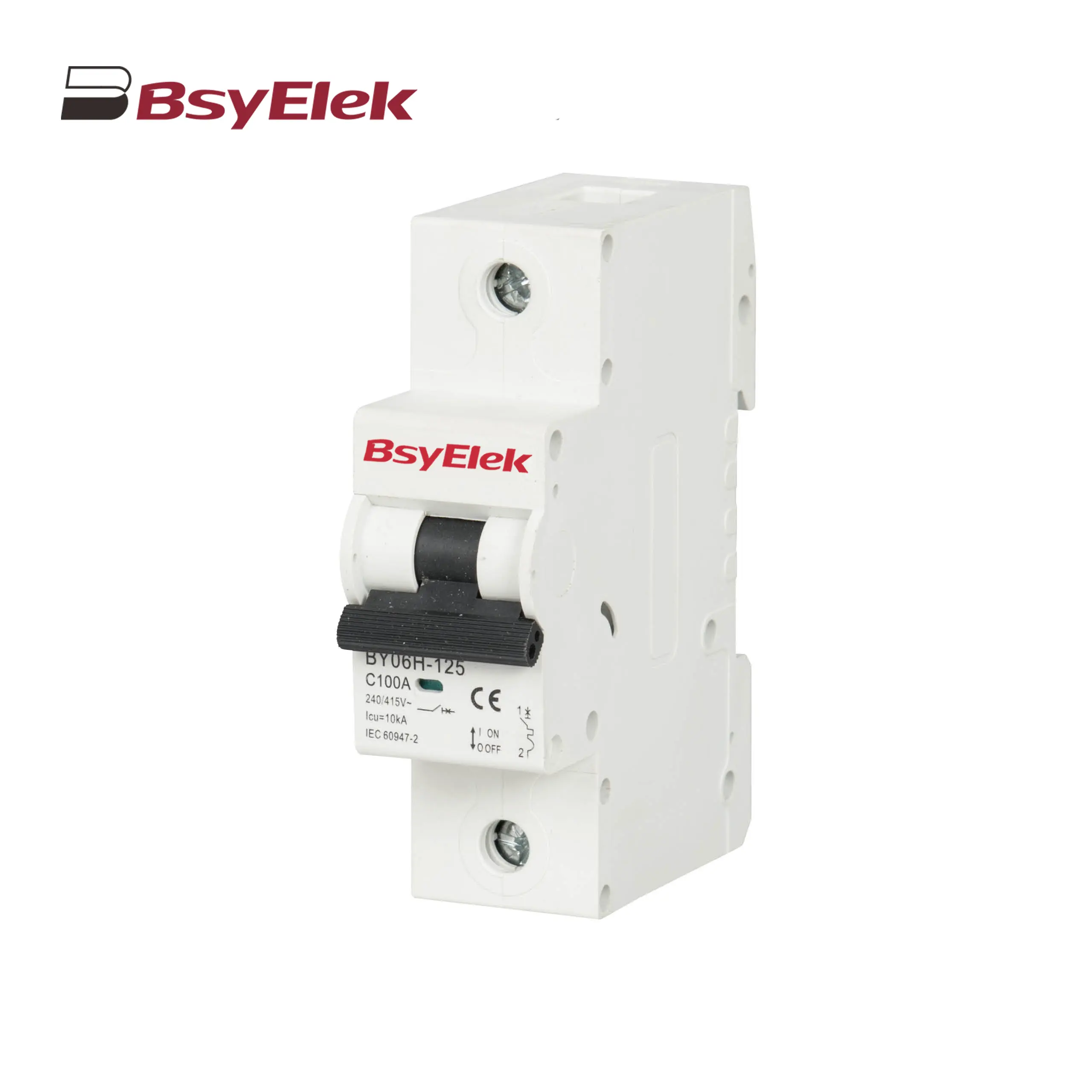 BY06H-125 MCB 10-15KA Miniature Circuit Breaker
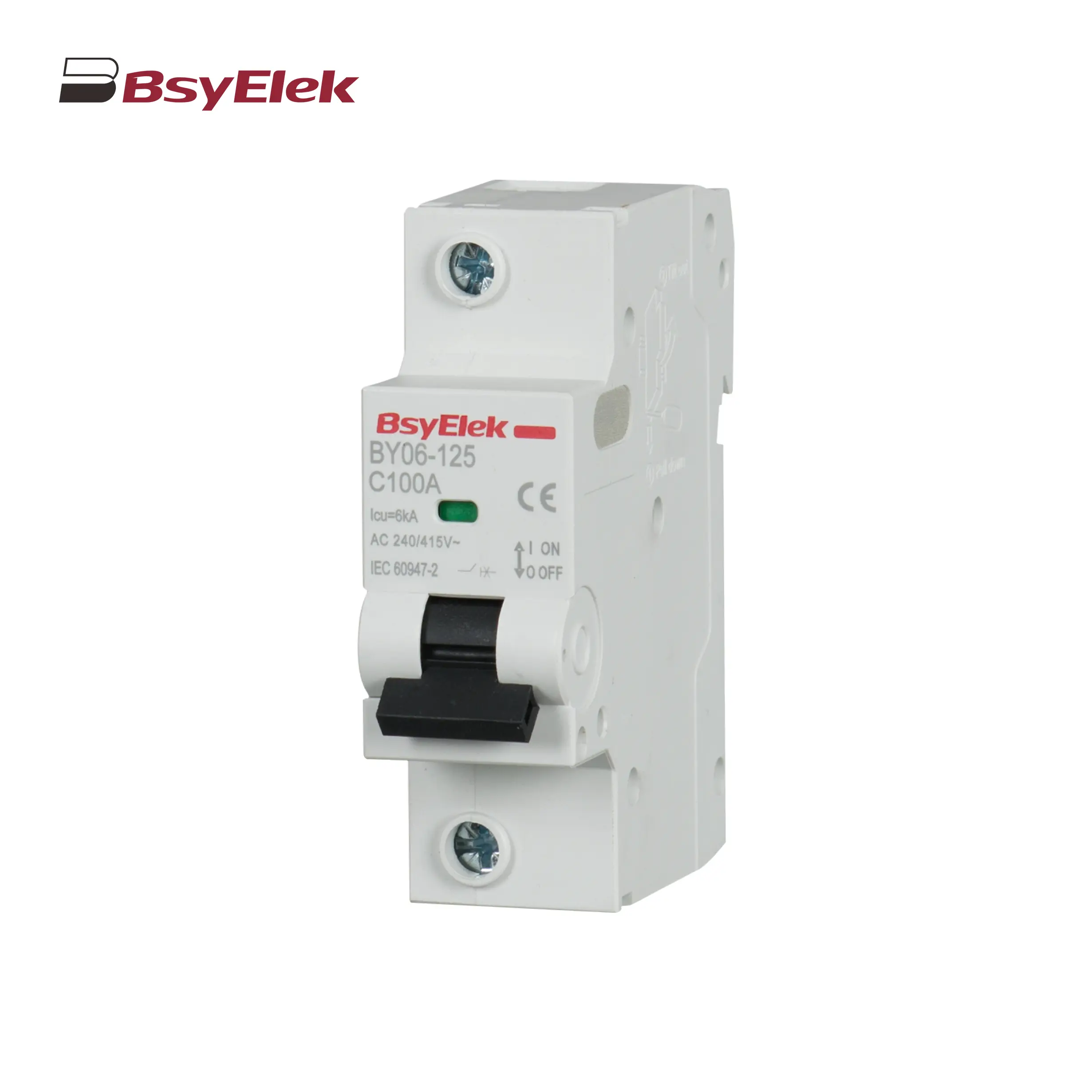 BY06-125 MCB 6KA Miniature Circuit Breaker
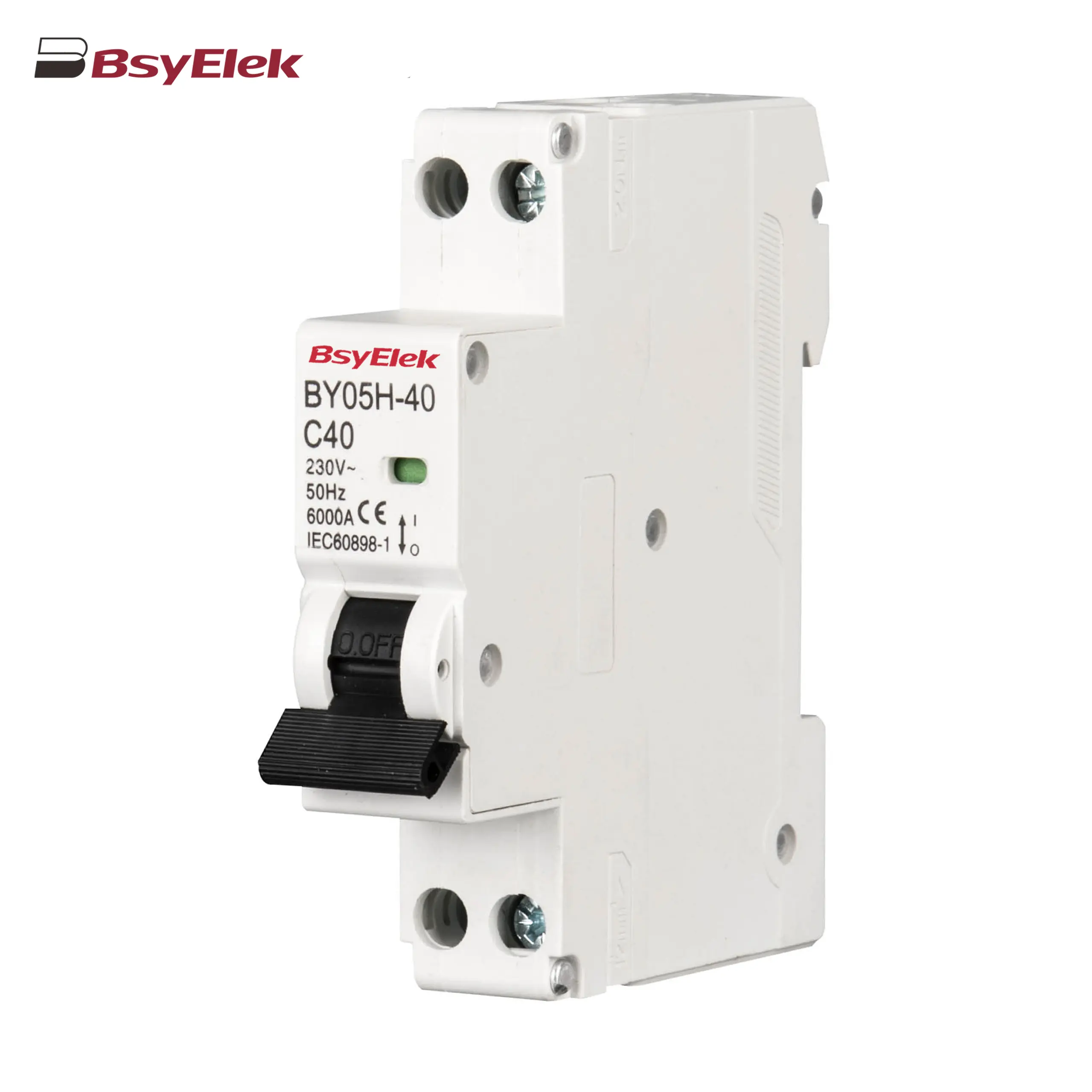 BY05H-40 MCB Single Modular 6KA Miniature Circuit Breaker
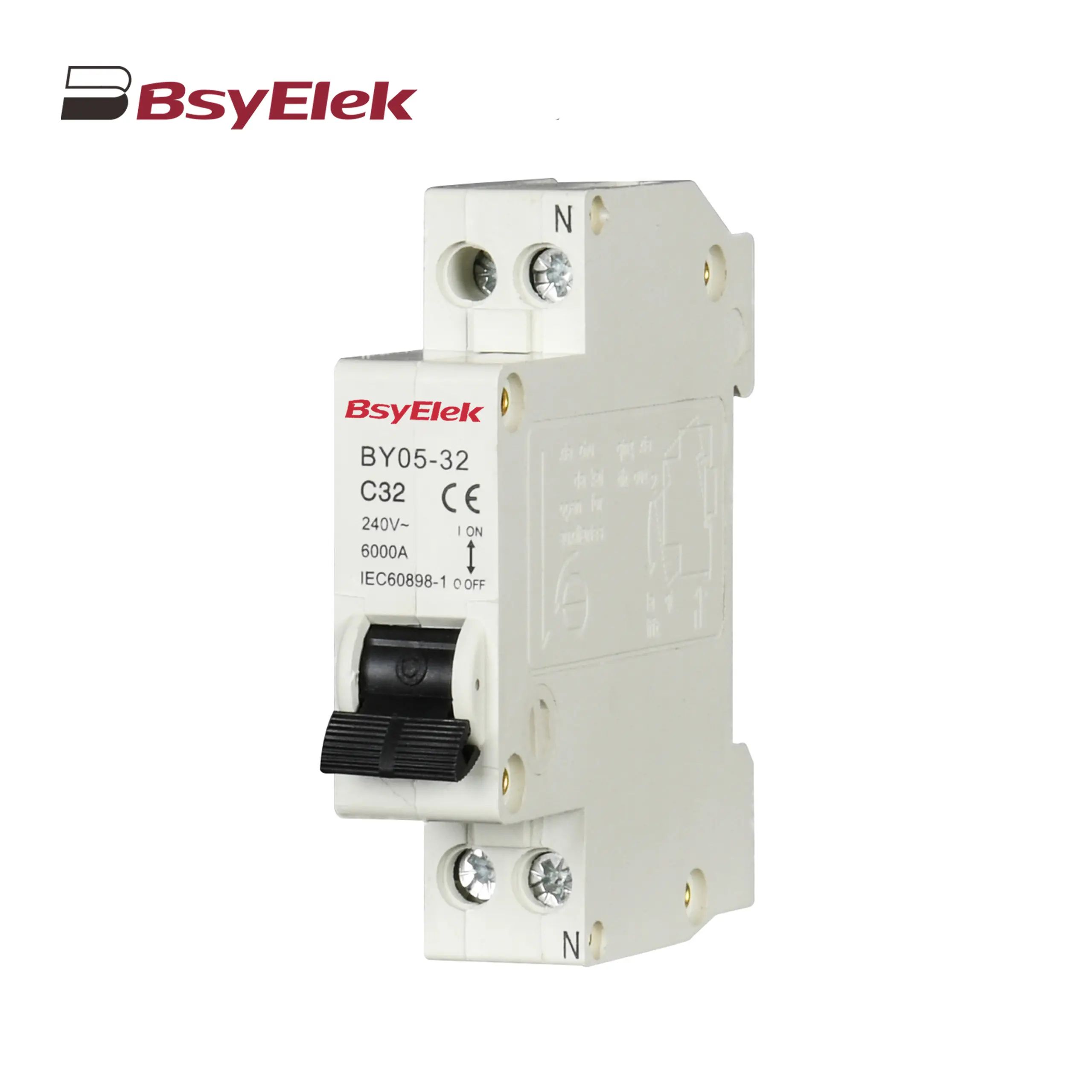 BY05-32 MCB Single Modular 3KA Miniature Circuit Breaker
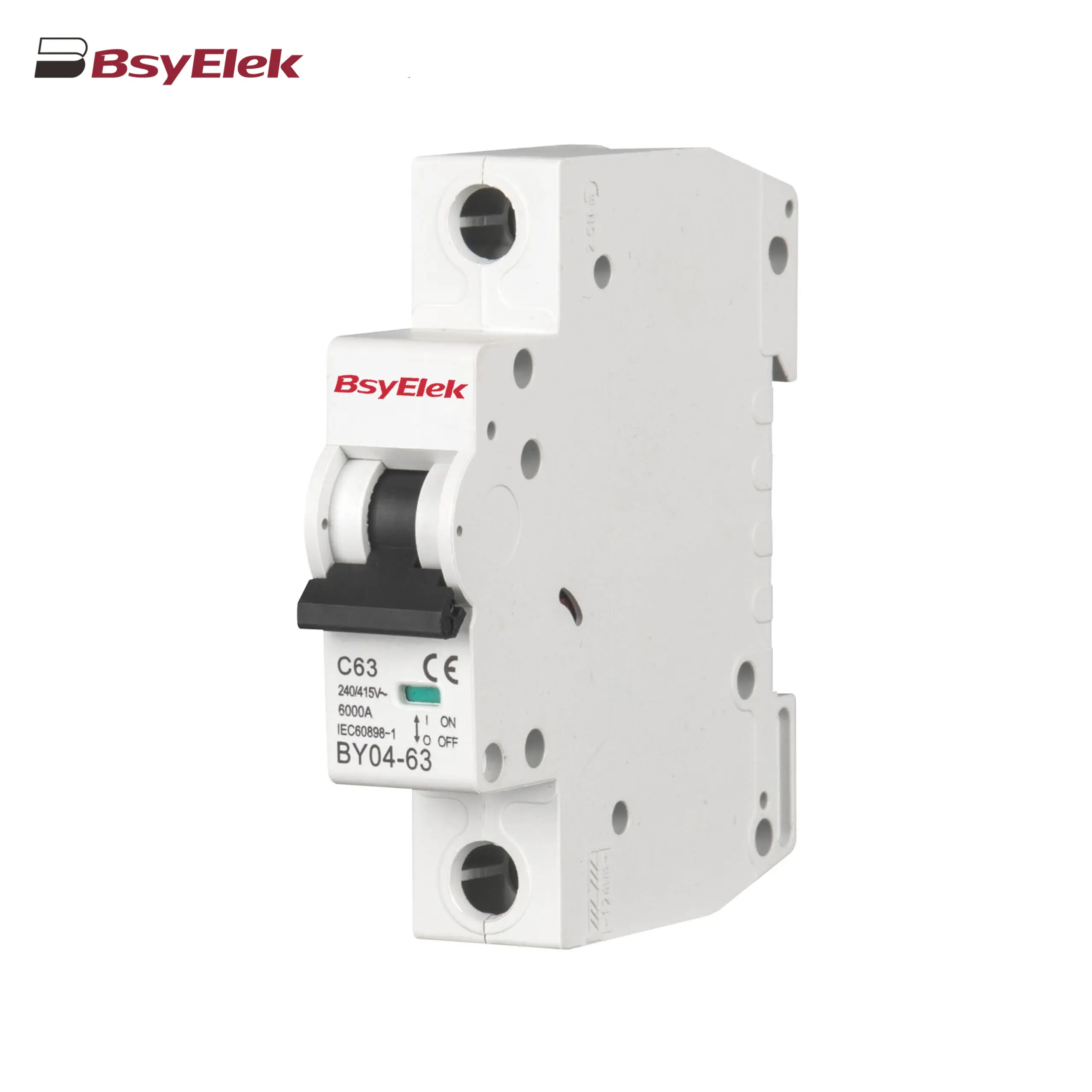 BY04-63 MCB 6-10KA Miniature Circuit Breaker
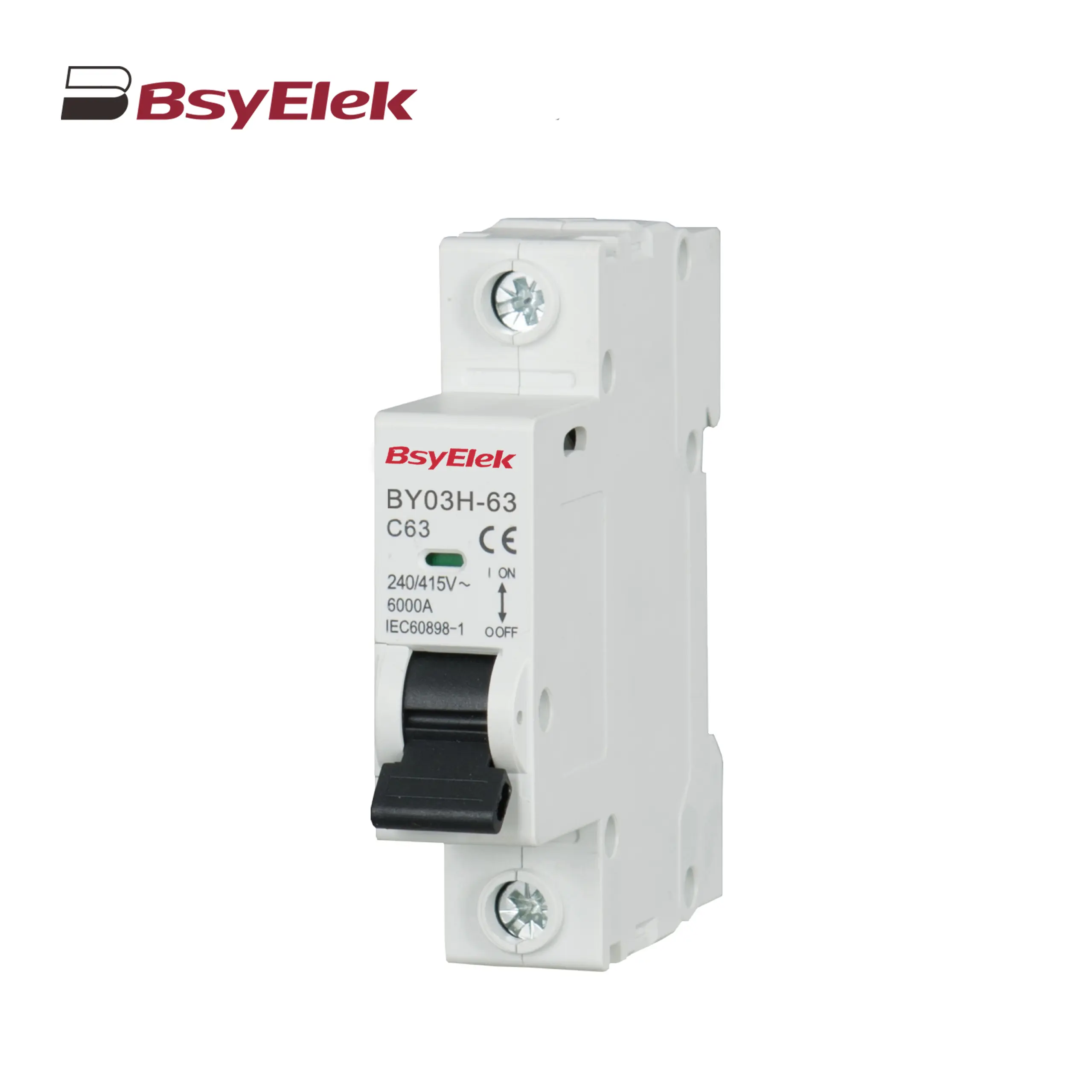 BY03H-63 MCB 6KA Miniature Circuit Breaker
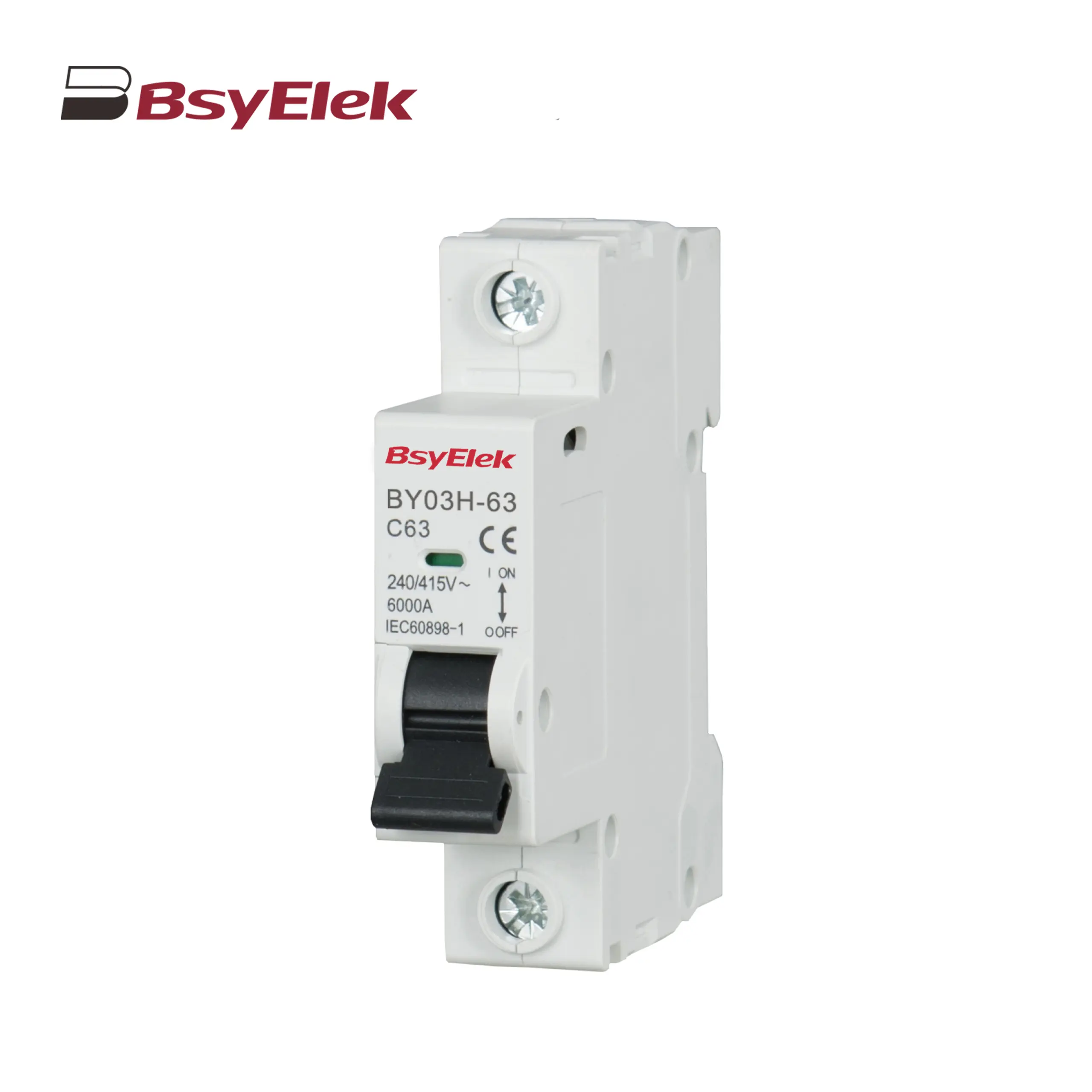 BY03-63 MCB 4.5KA Miniature Circuit Breaker
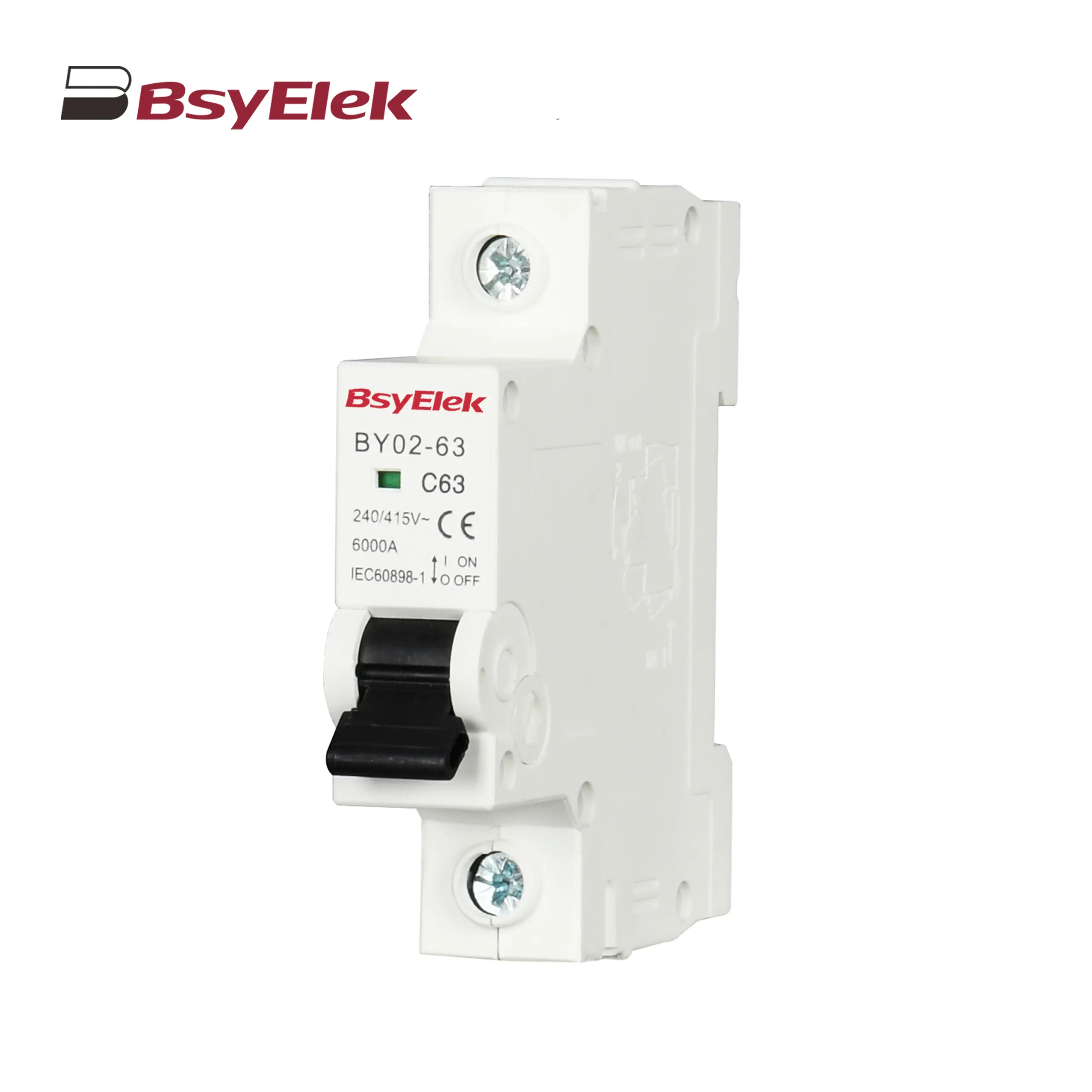 BY02-63 MCB 3kA Miniature Circuit Breaker
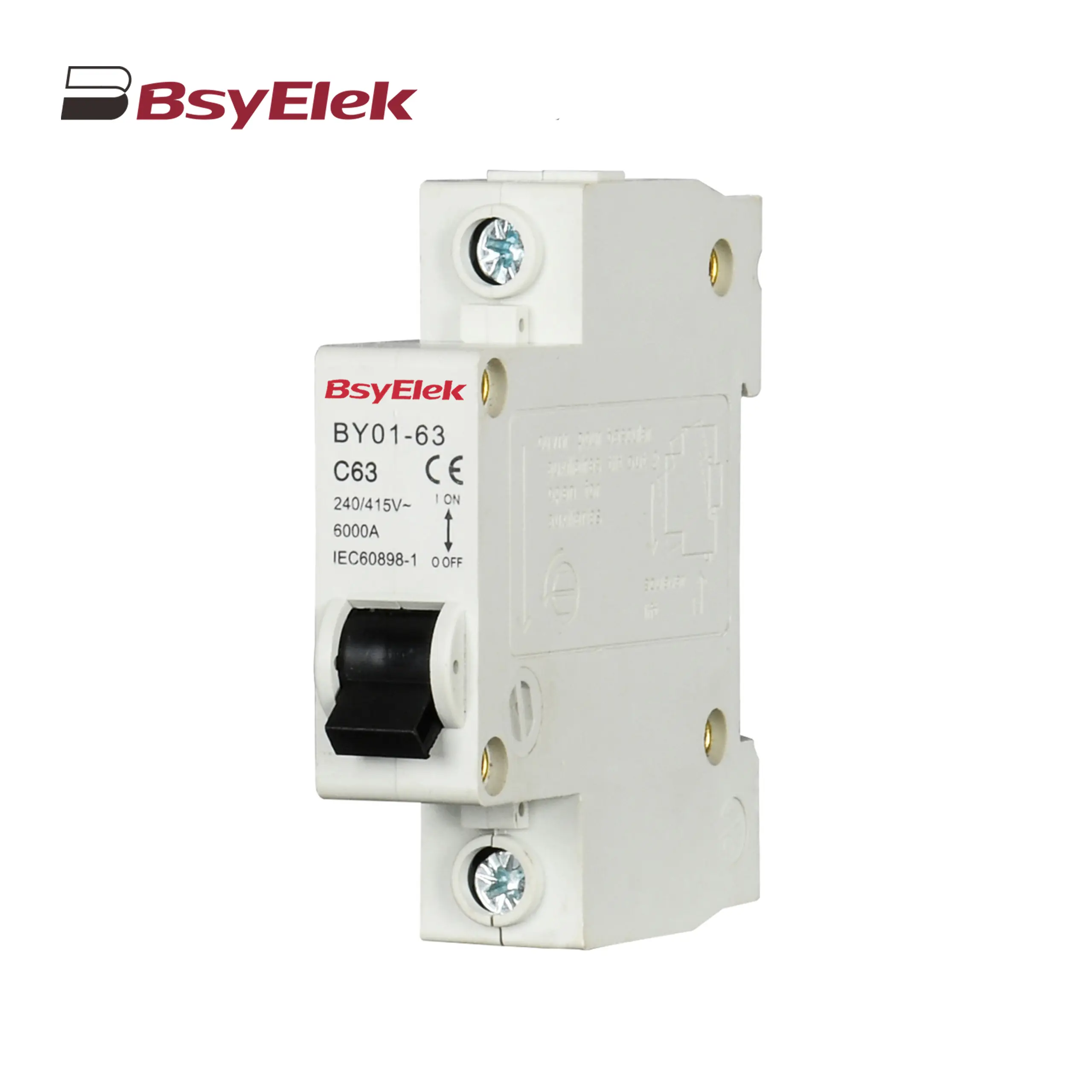 BY01-63 MCB 3kA Miniature Circuit Breaker
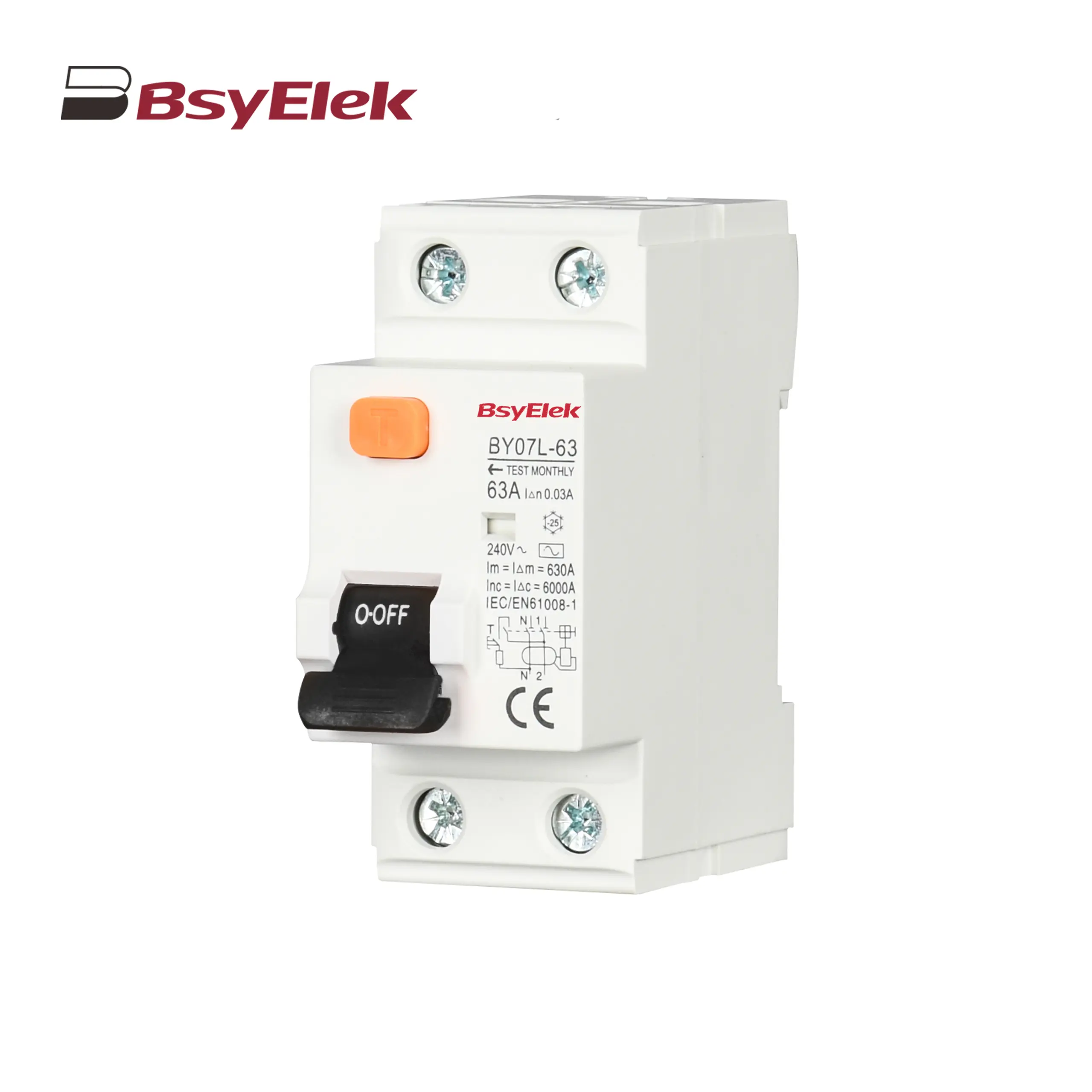 BY07L-63 RCCB 6KA Residual Current Circuit Breaker
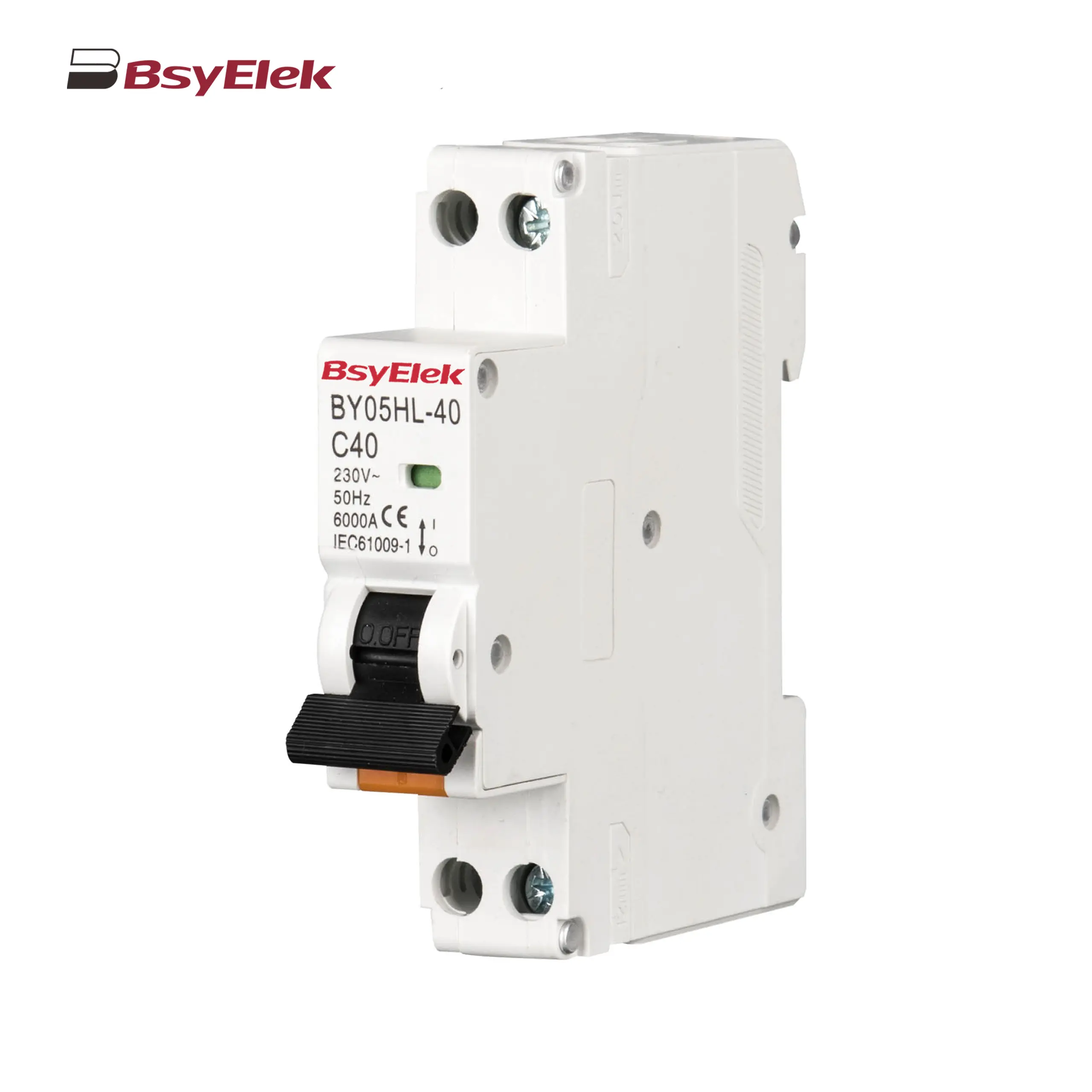 BY05HL-40 RCBO 6KA Residual Current Circuit Breaker with Over-current Protection
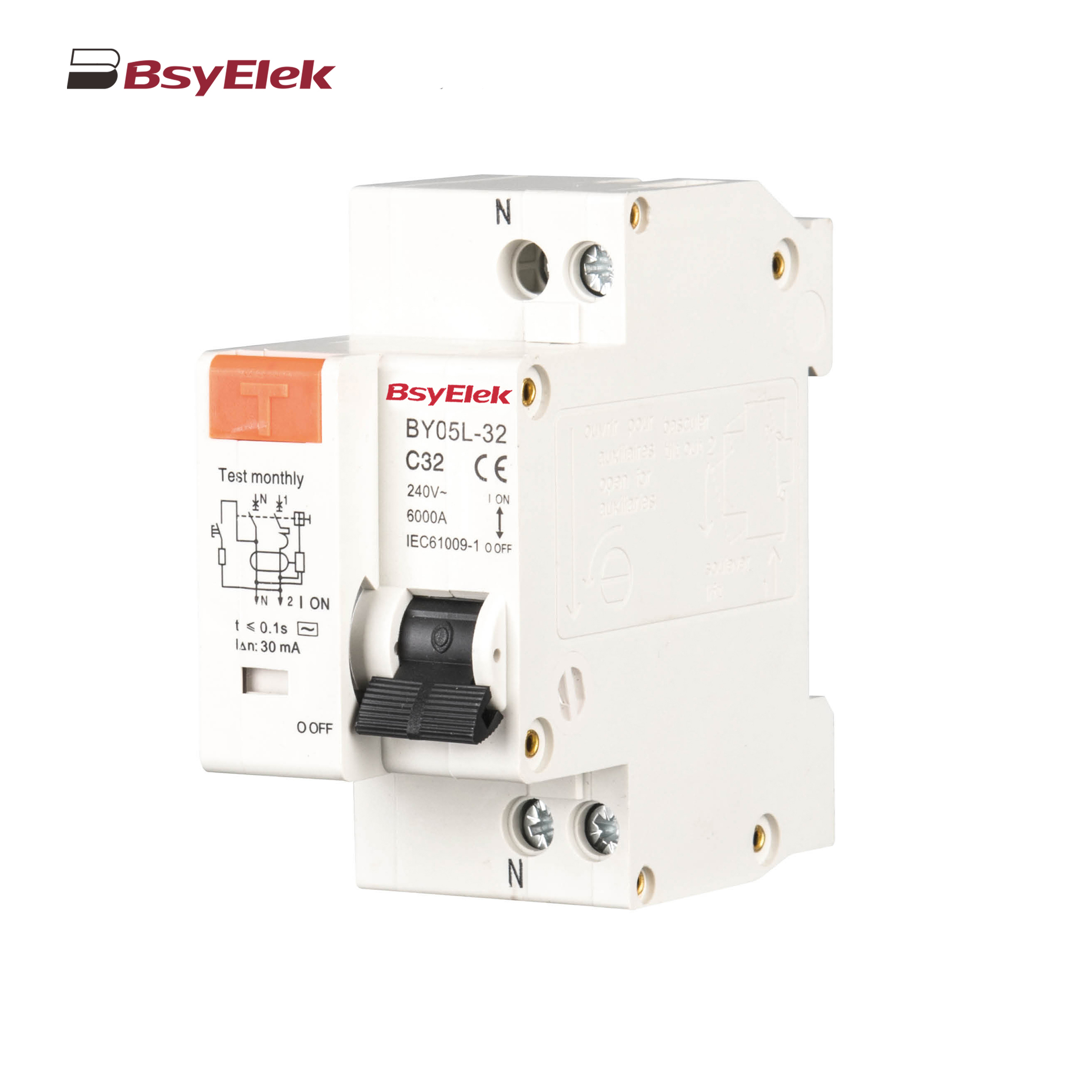 BY05L-32 RCBO 3KA Residual Current Circuit Breaker with Over-current Protection
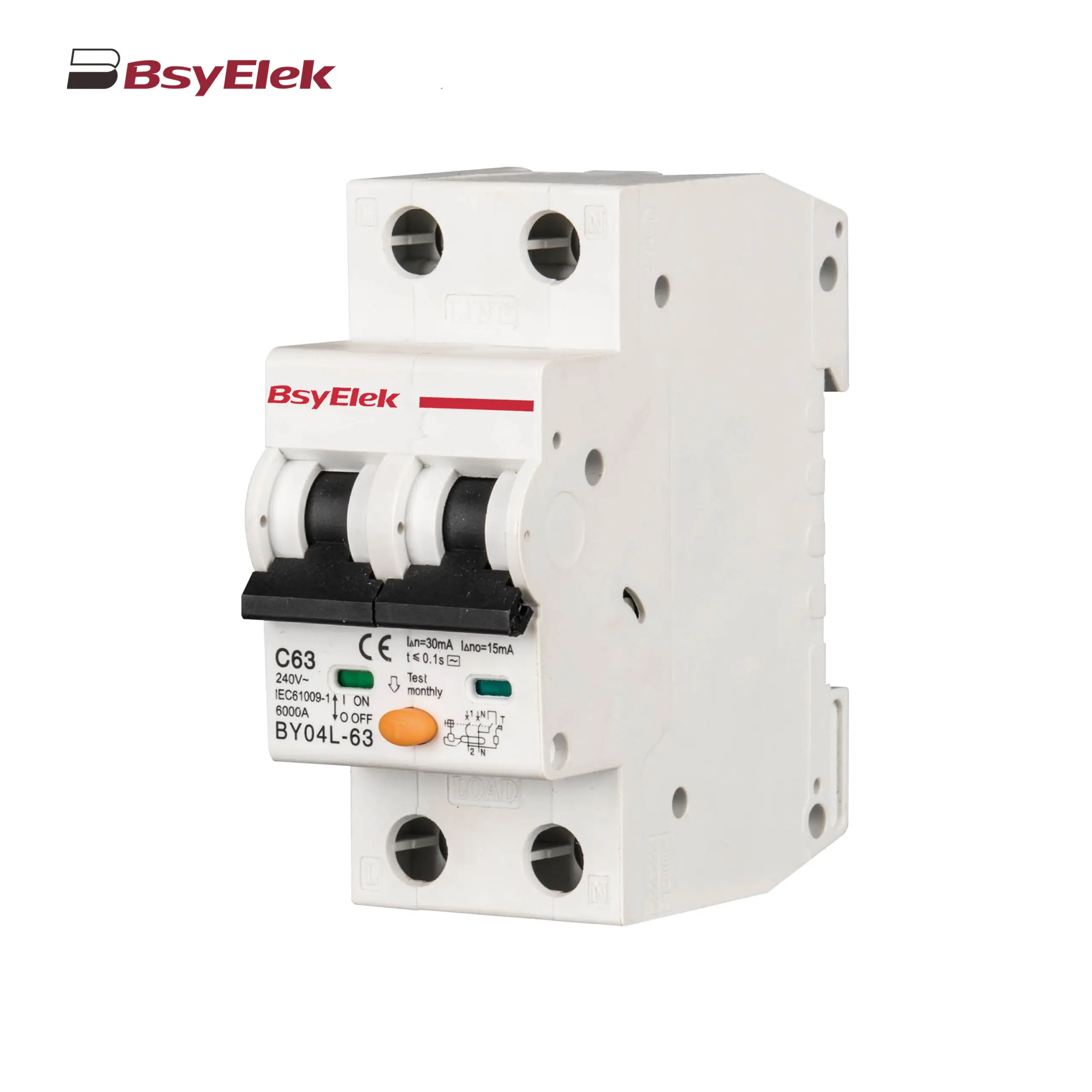 BY04L-63 RCBO 6KA Residual Current Circuit Breaker with Over-current Protection
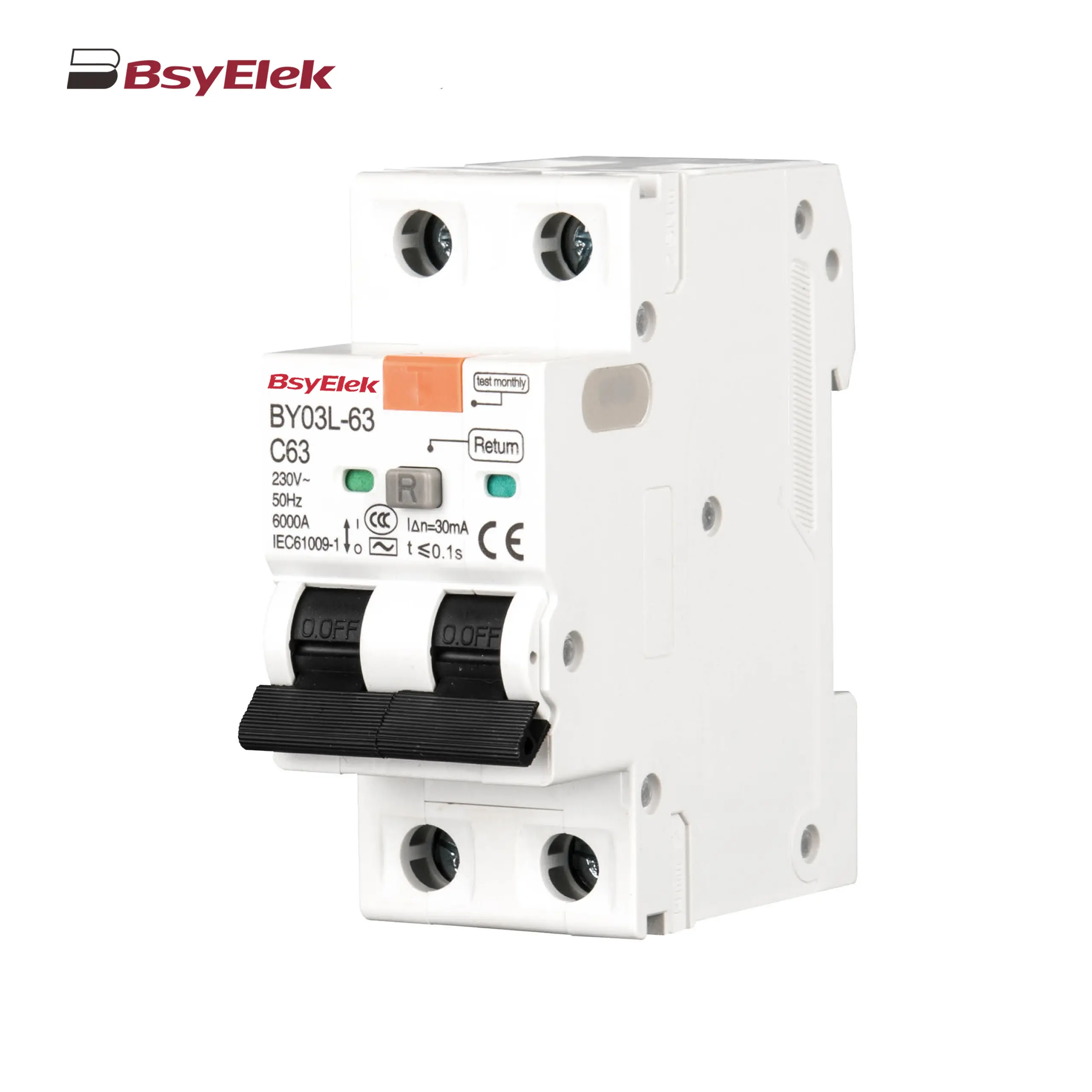 BY03L-63 RCBO 4.5KA Residual Current Circuit Breaker with Over-current Protection
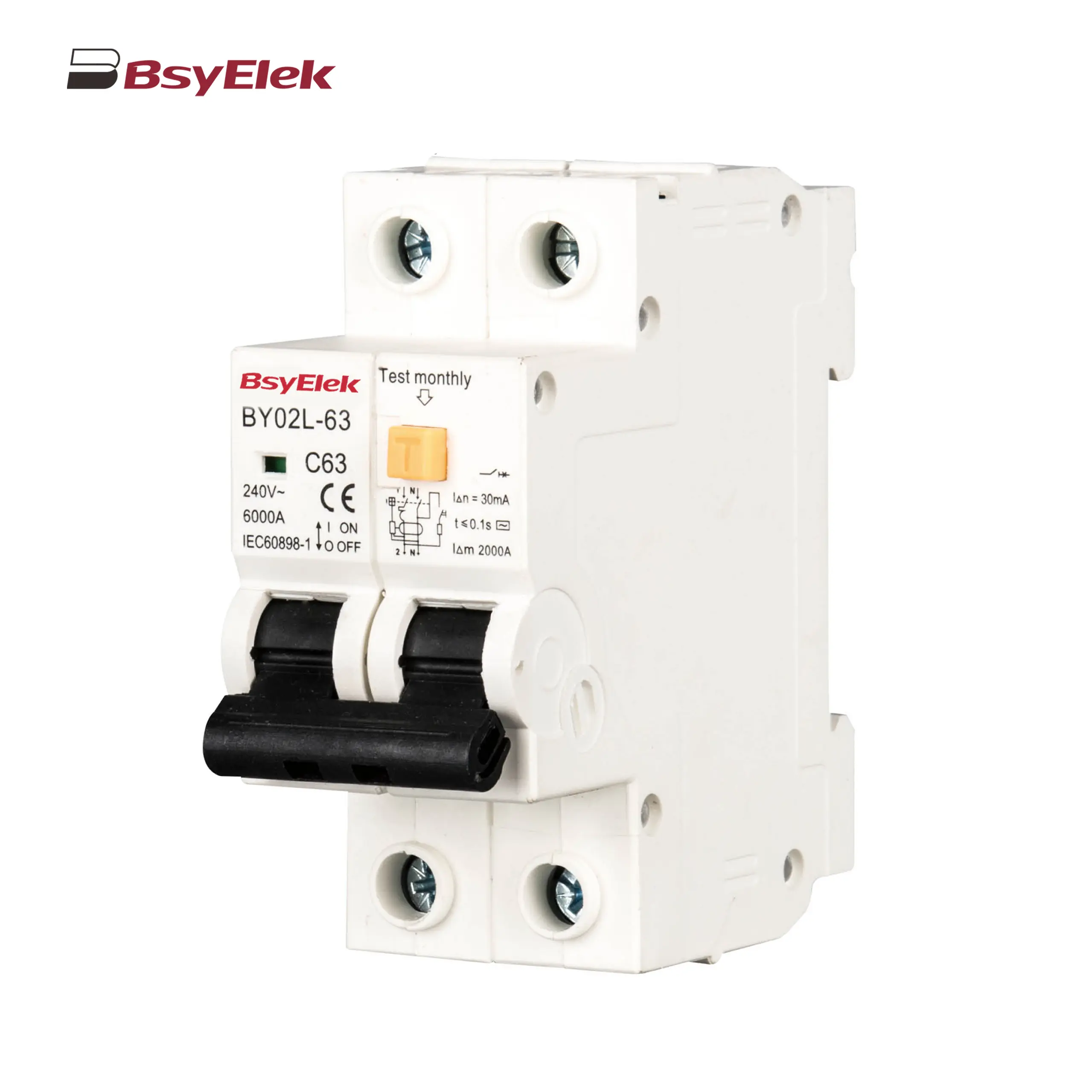 BY02L-63 RCBO 3KA Residual Current Circuit Breaker with Over-current Protection
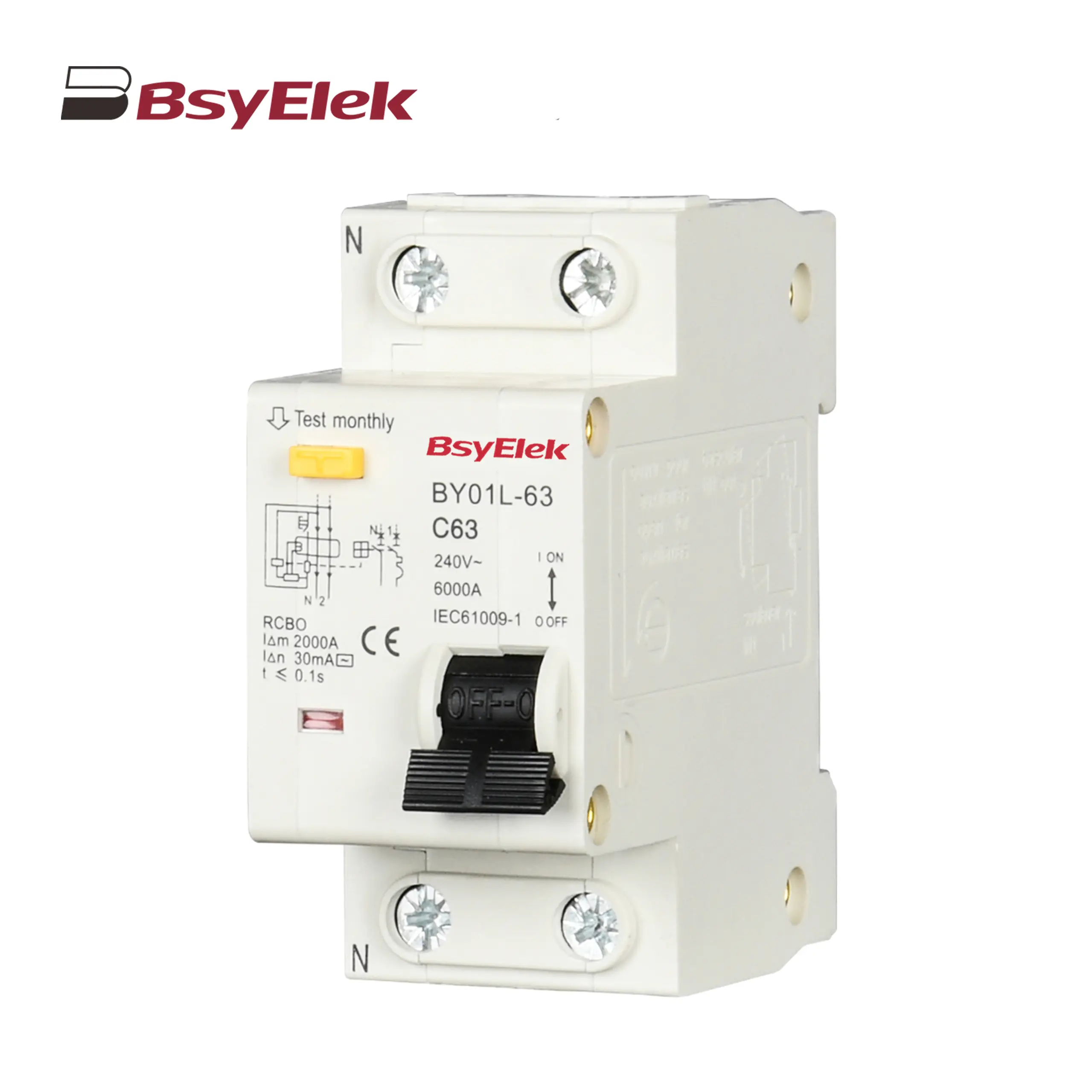 BY01L-63 RCBO 1P+N 3KA Residual Current Circuit Breaker with Over-current Protection
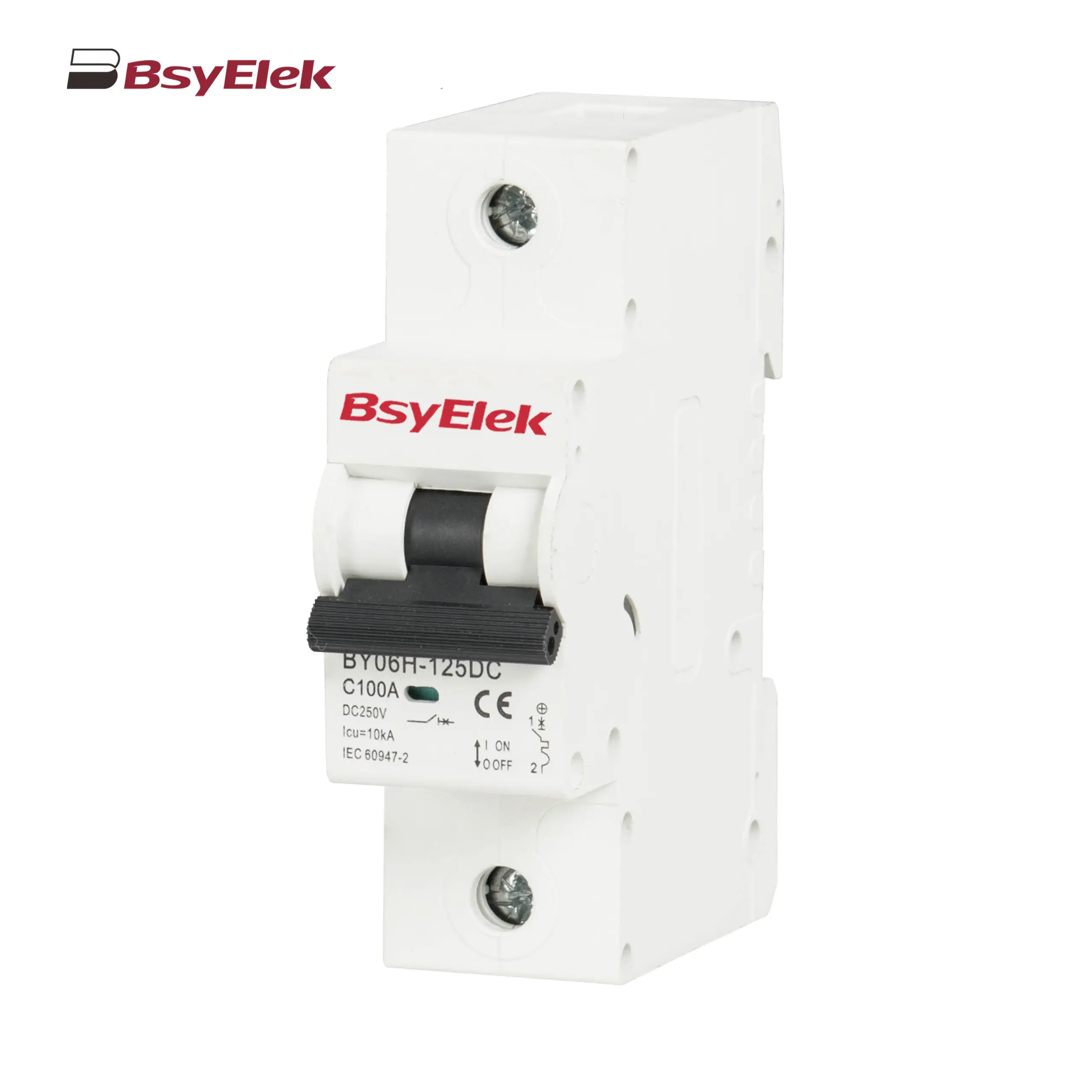 BY06H-125DC MCB 10-15kA DC Miniature Circuit Breaker
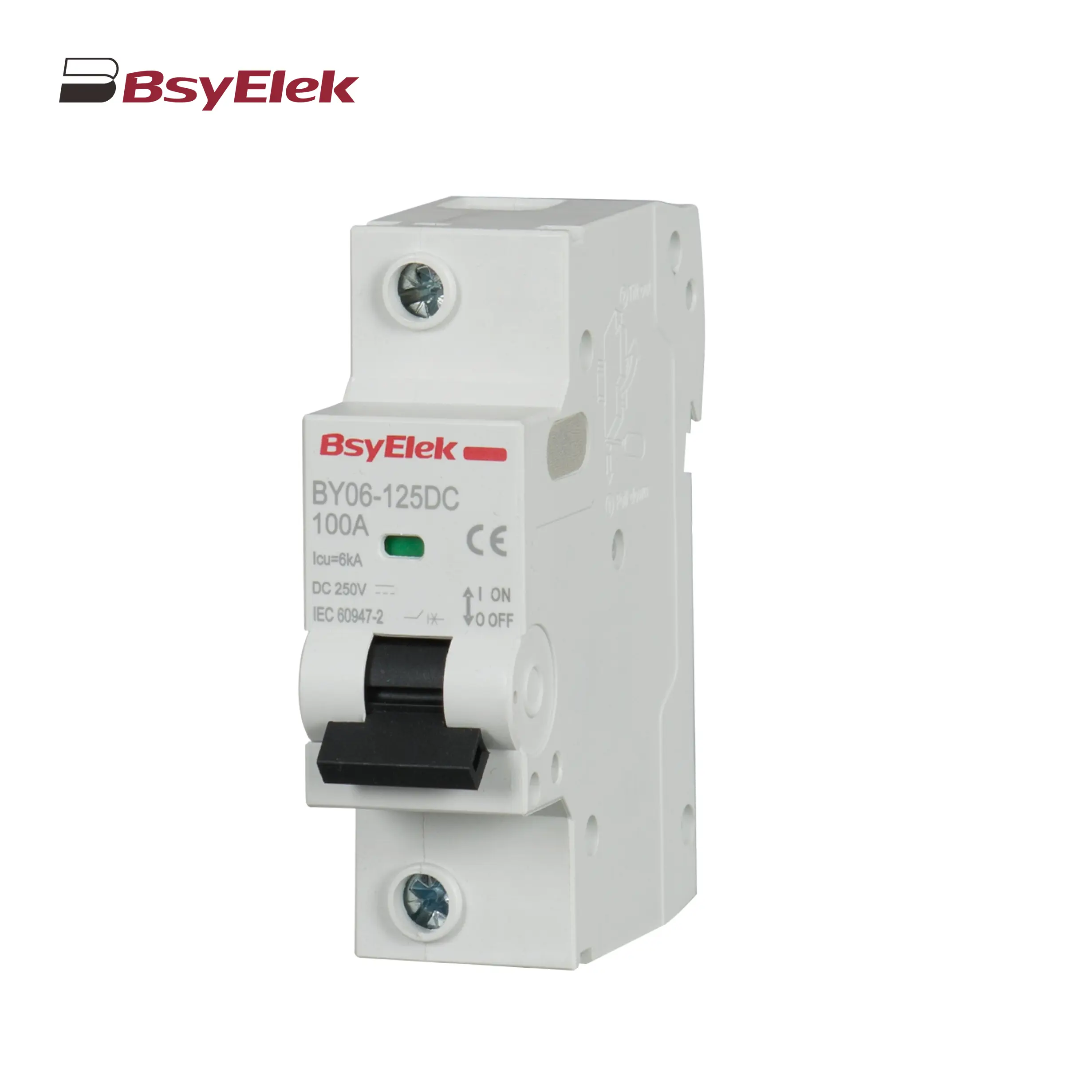 BY06-125DC MCB 6kA DC Miniature Circuit Breaker
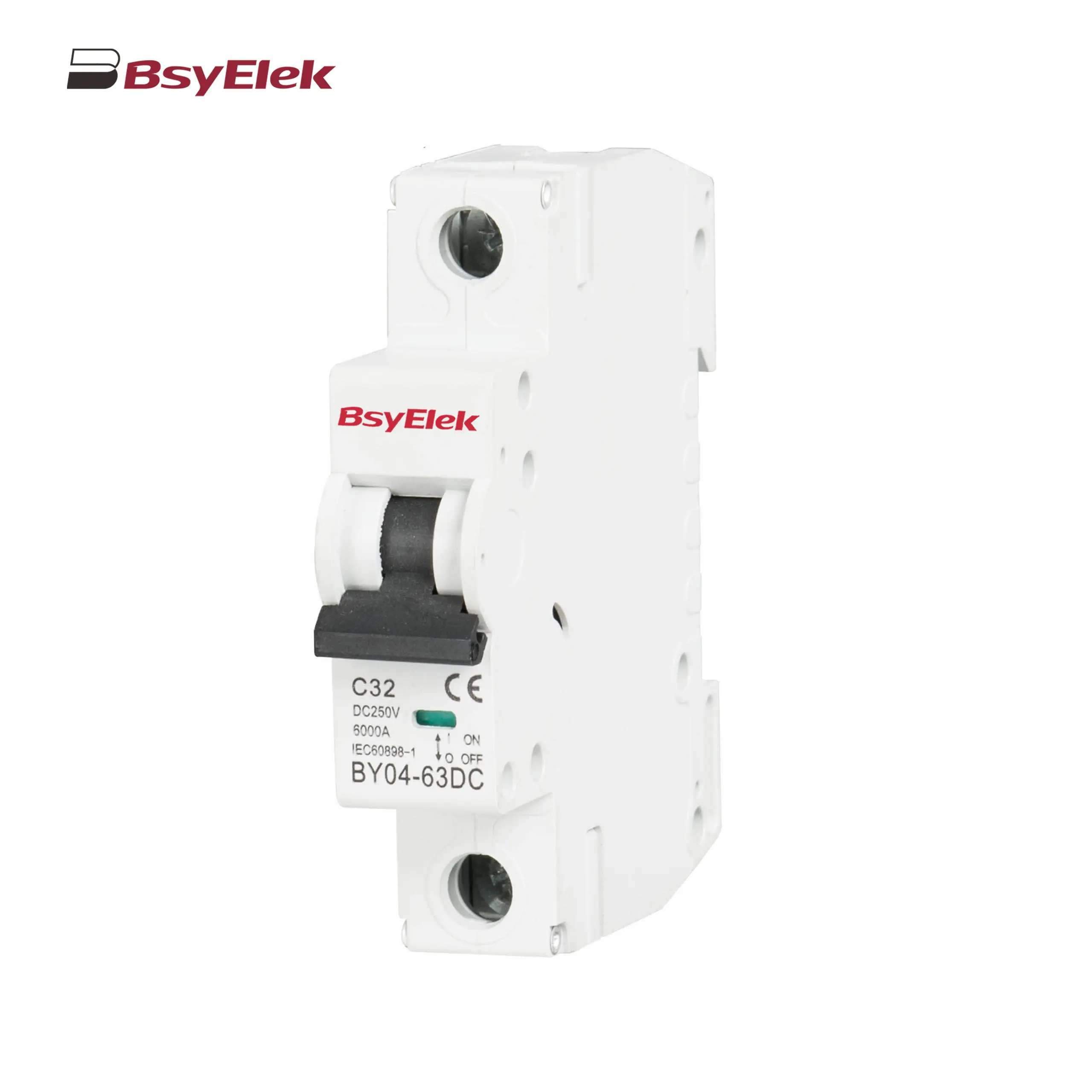 BY04-63DC MCB 6-10kA DC Miniature Circuit Breaker
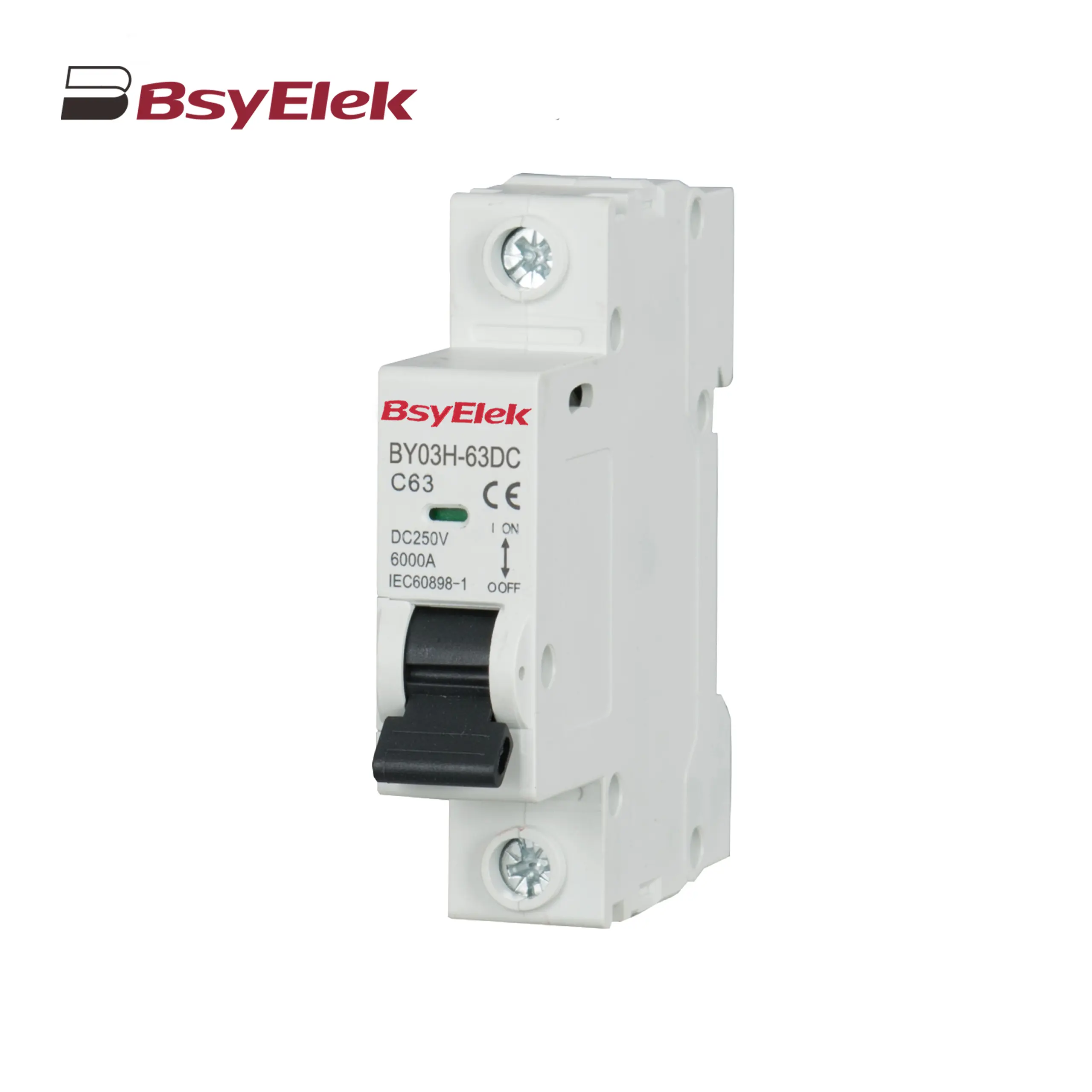 BY03H-63DC MCB 6kA DC Miniature Circuit Breaker
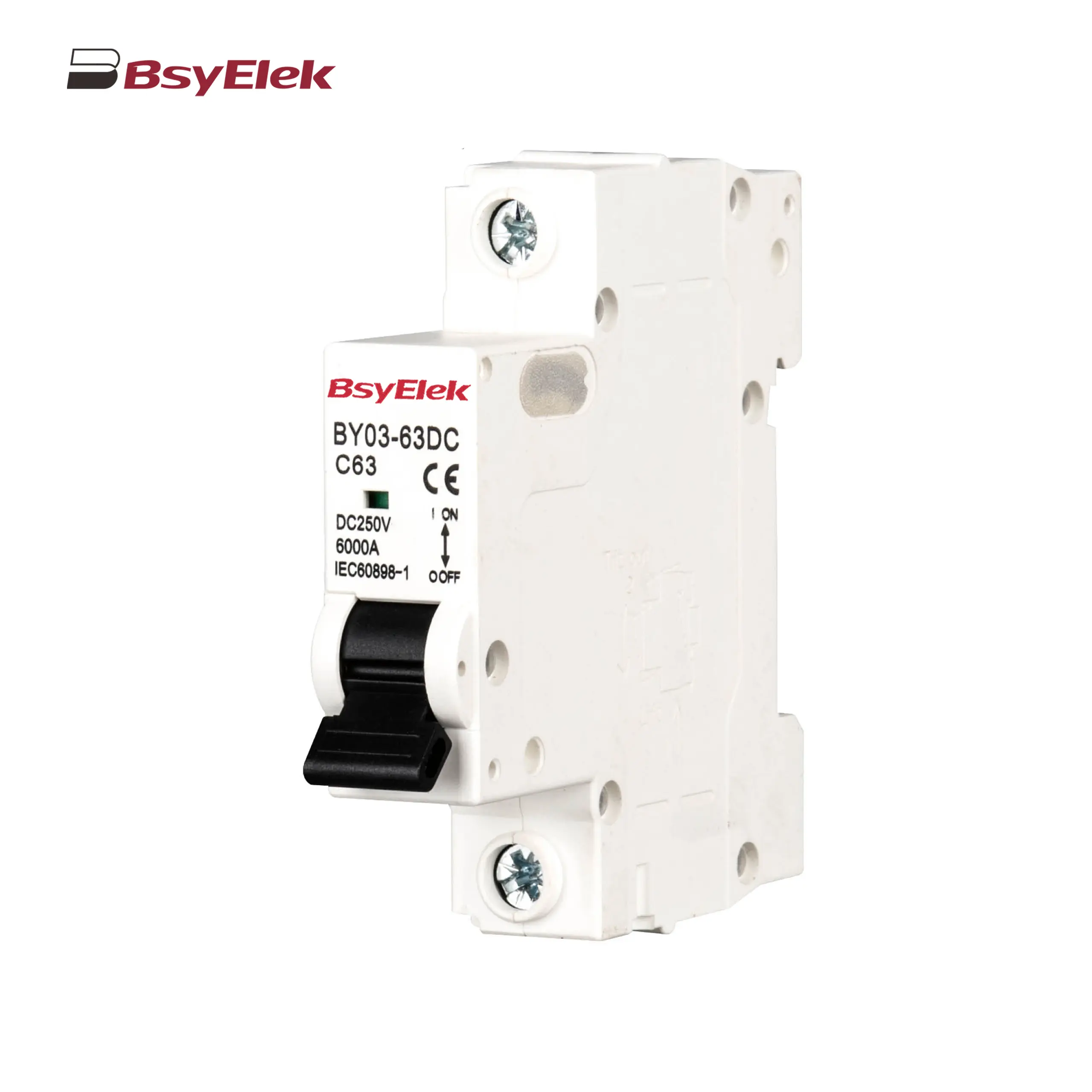 BY03-63DC MCB 4.5kA DC Miniature Circuit Breaker
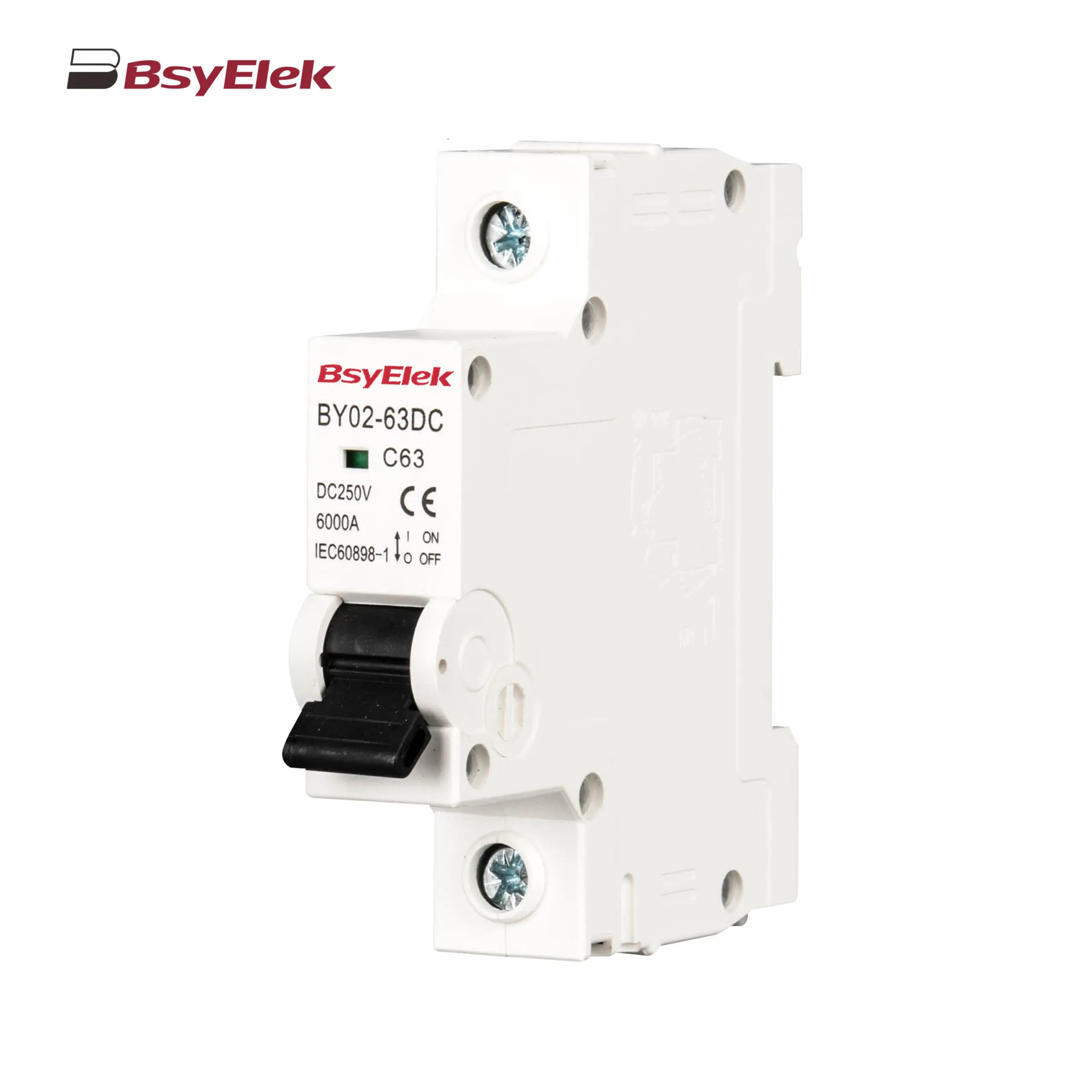 BY02-63DC MCB 3kA DC Miniature Circuit Breaker
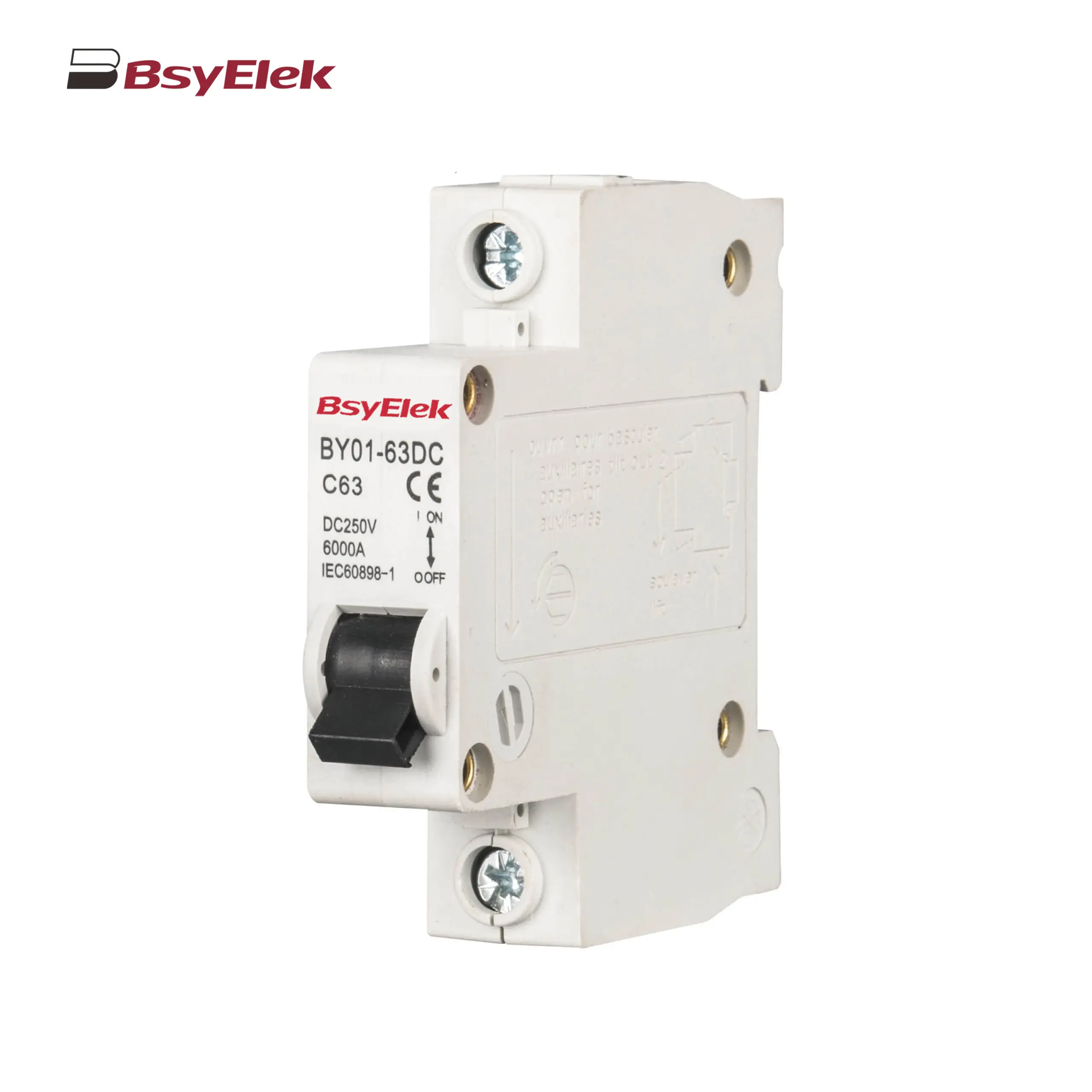 BY01-63DC MCB 3kA DC Miniature Circuit Breaker
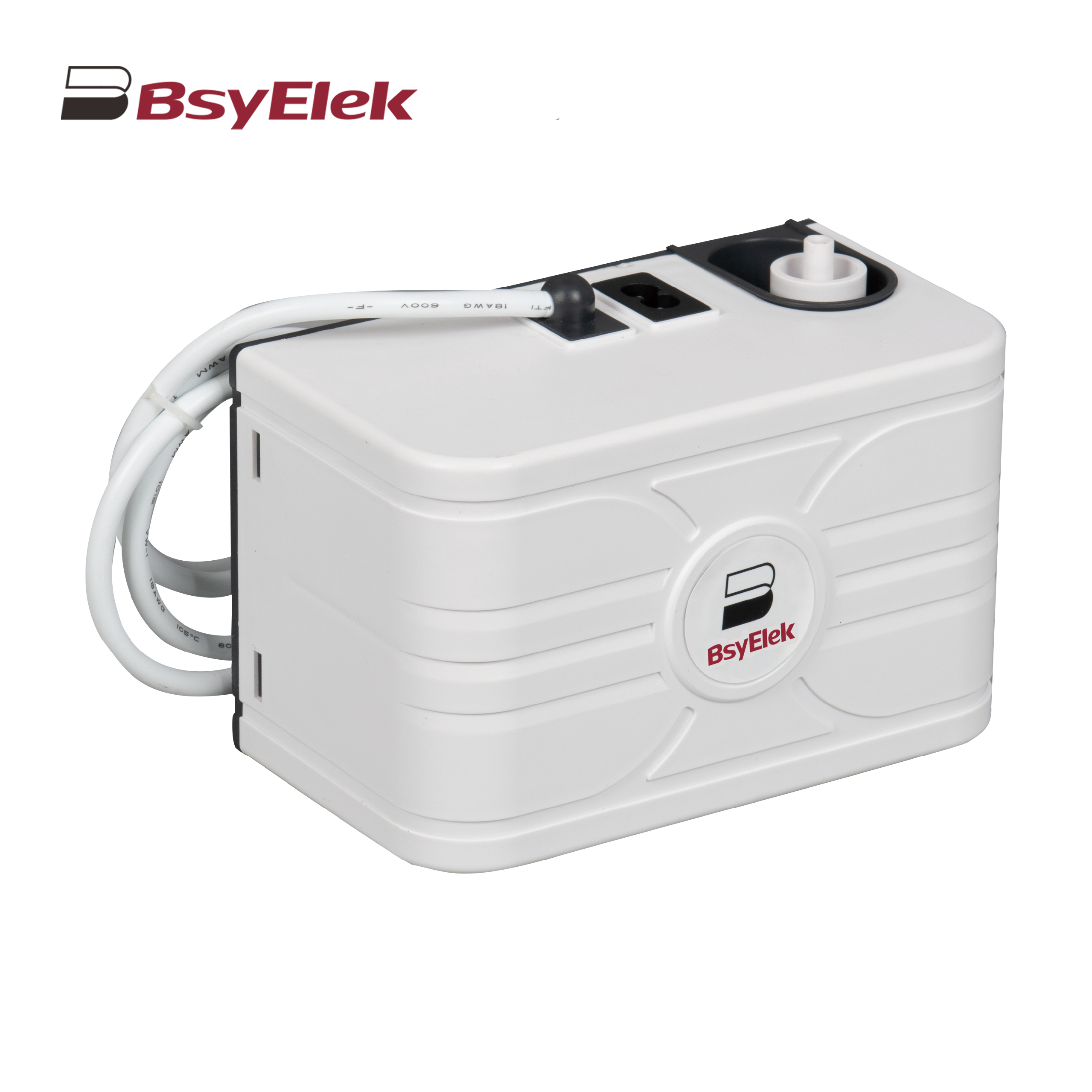 BY-5018 1.8M Engineering Drainage Pump
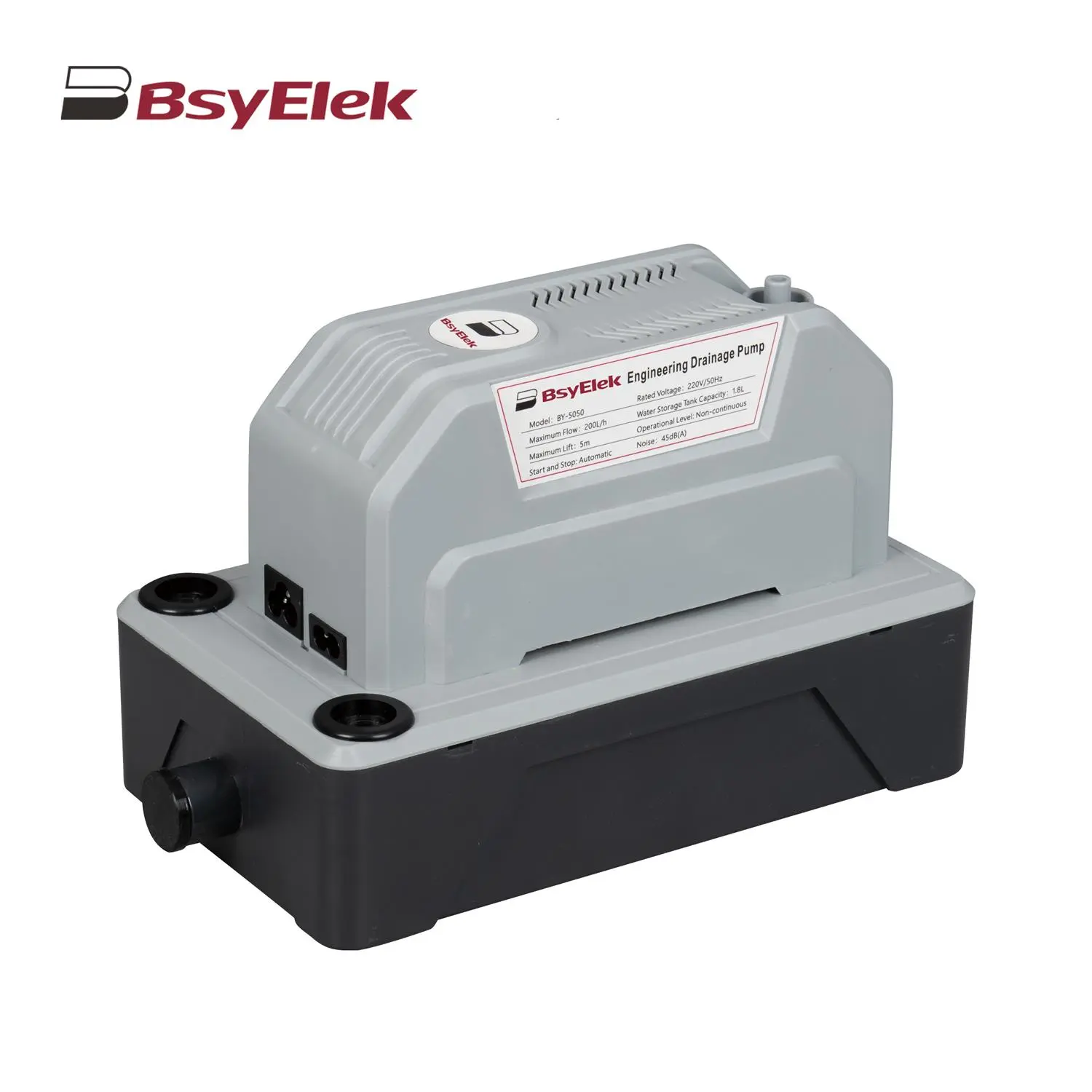 BY-5050 5M Engineering Drainage Pump
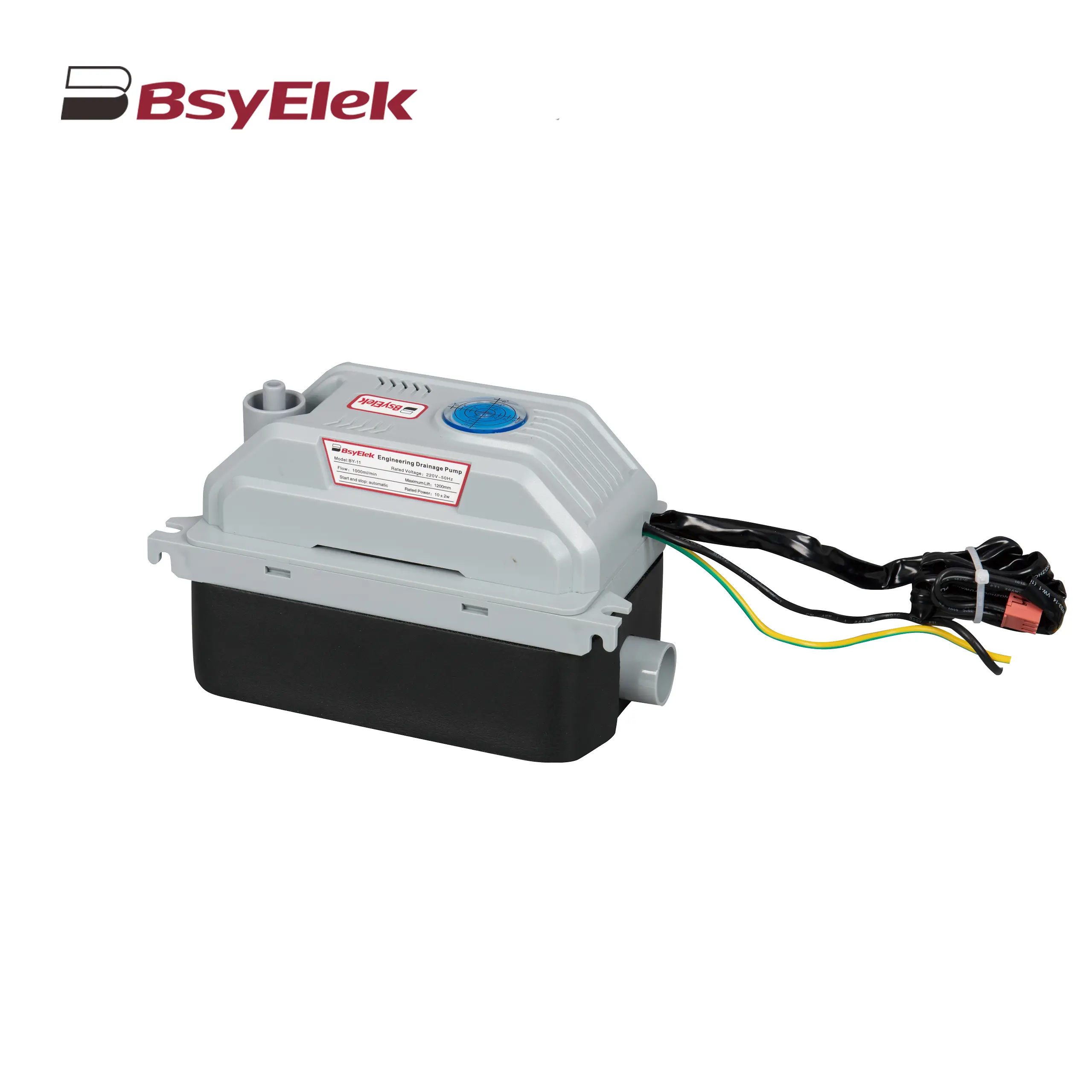 BY-11 1.2M Engineering Drainage Pump
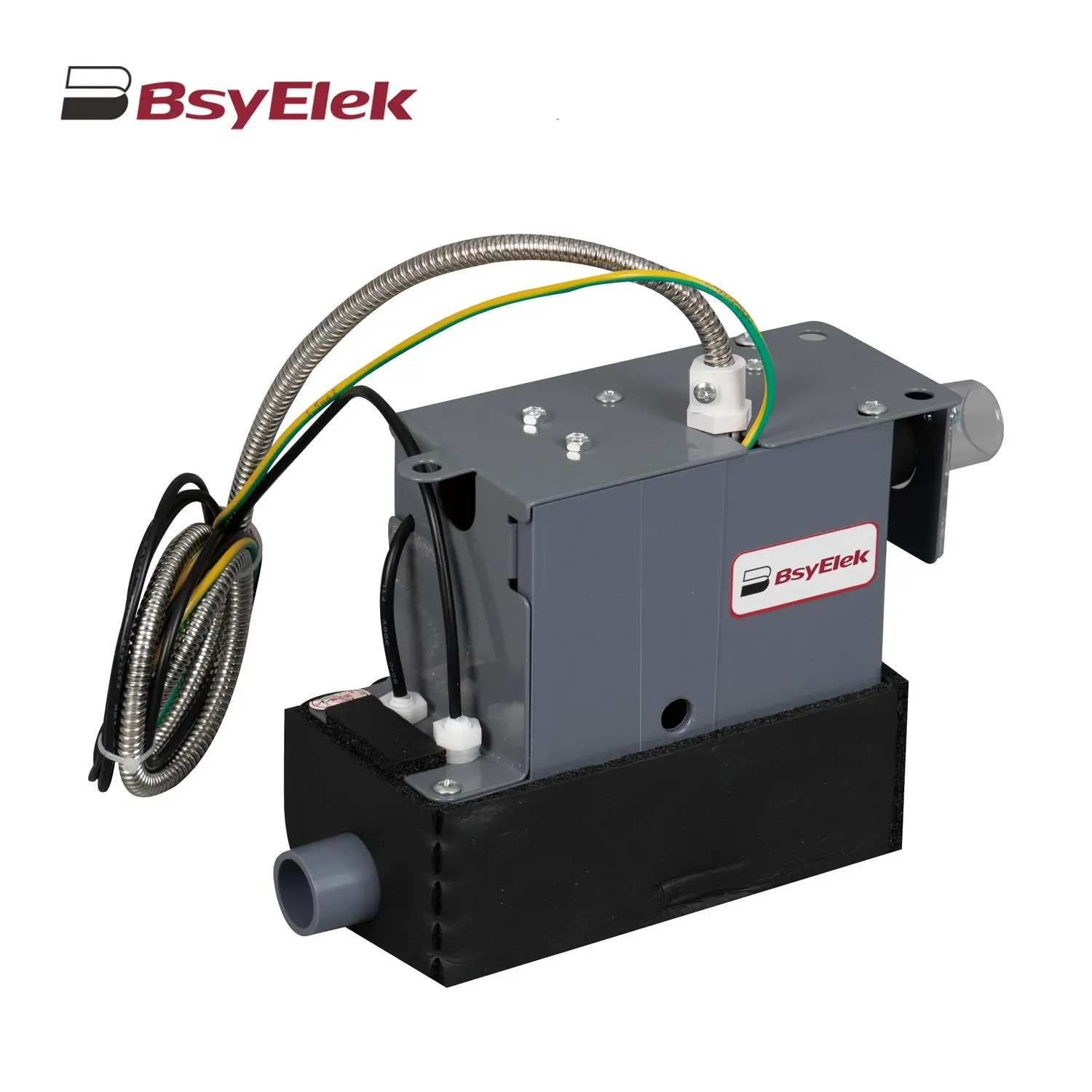 SBH-05 0.7M Original Drainage Pump of Duct Type Air Conditioner
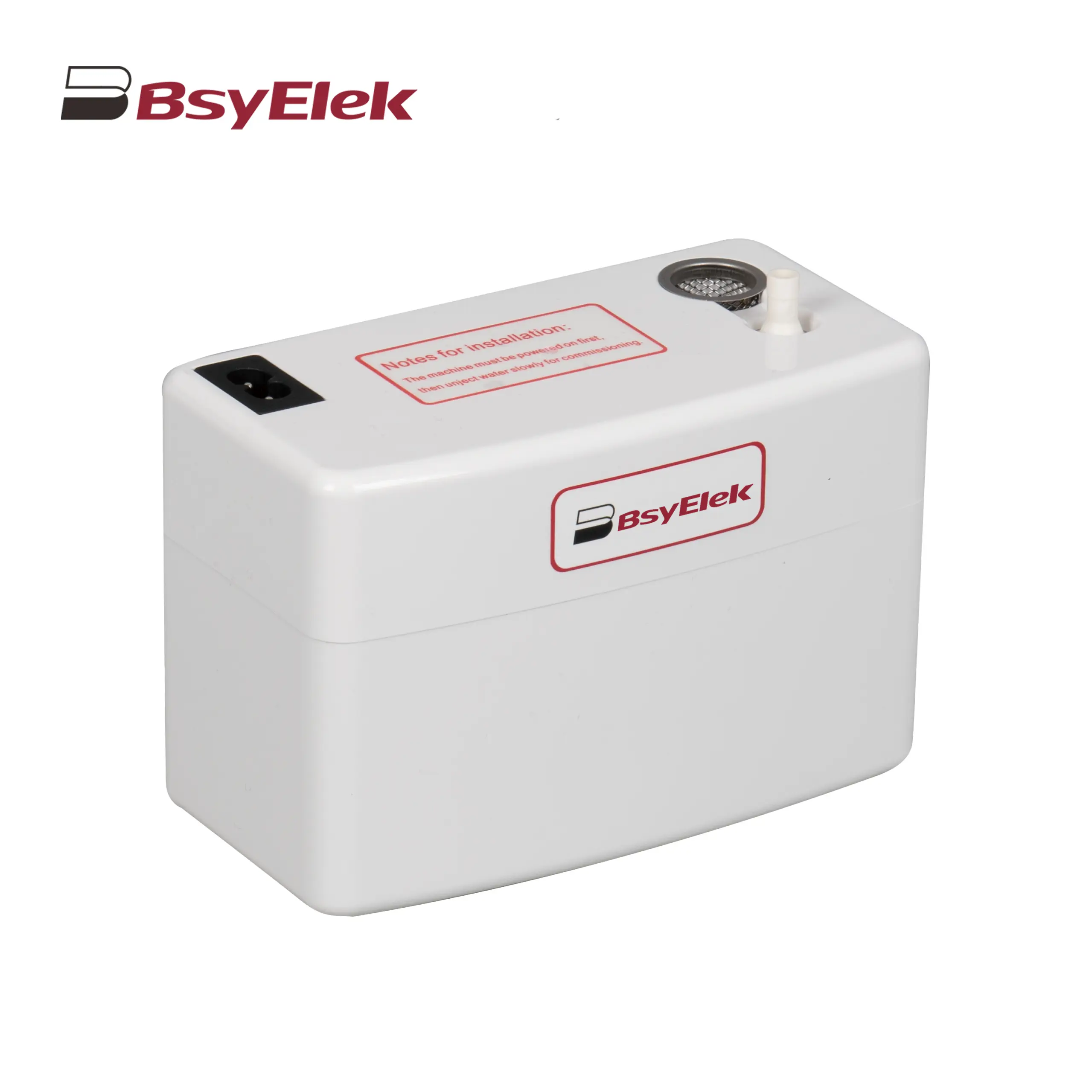 BY-24A/40A 10M Drainage Pump of Air Conditioner
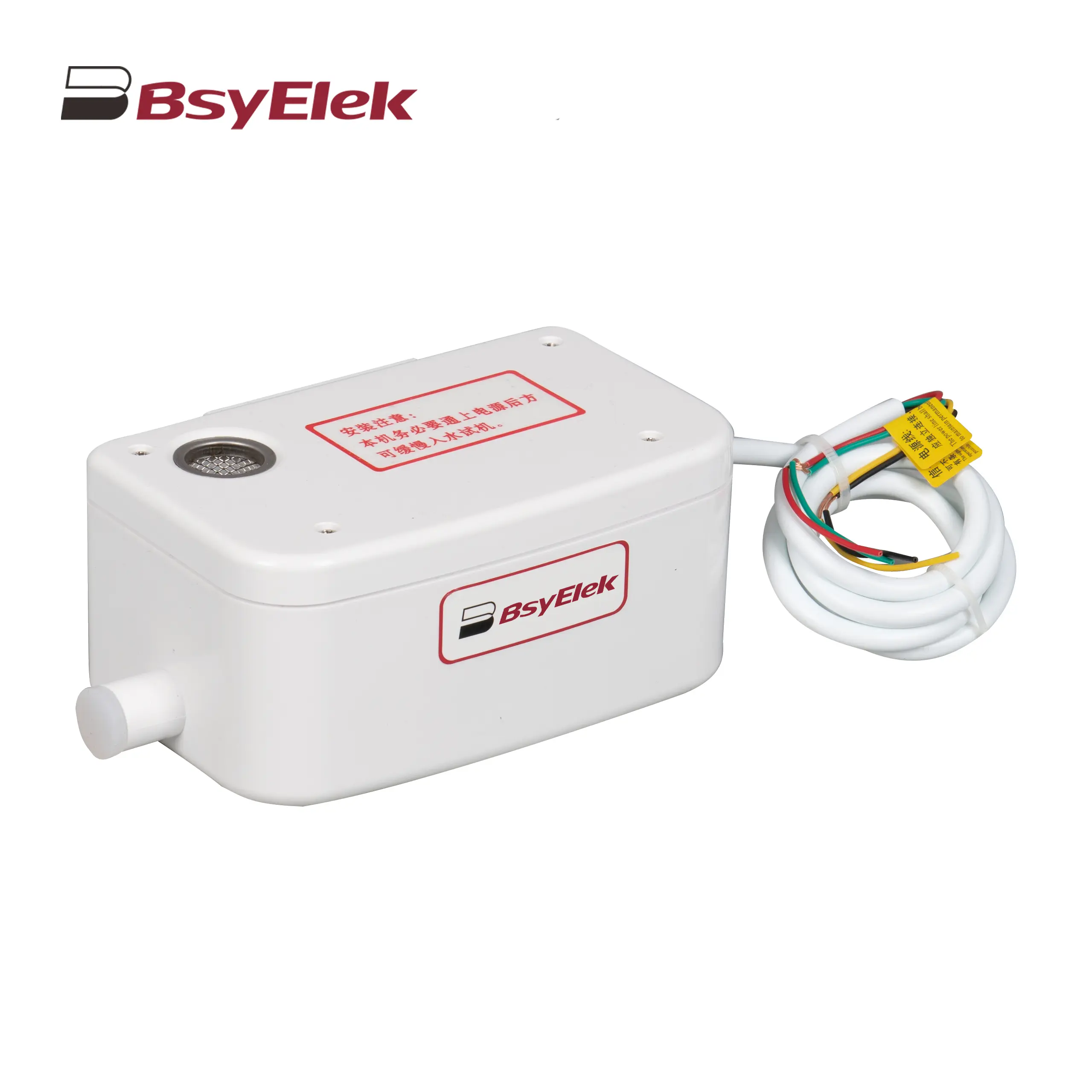 BY-50A 12M Drainage Pump of Air Conditioner
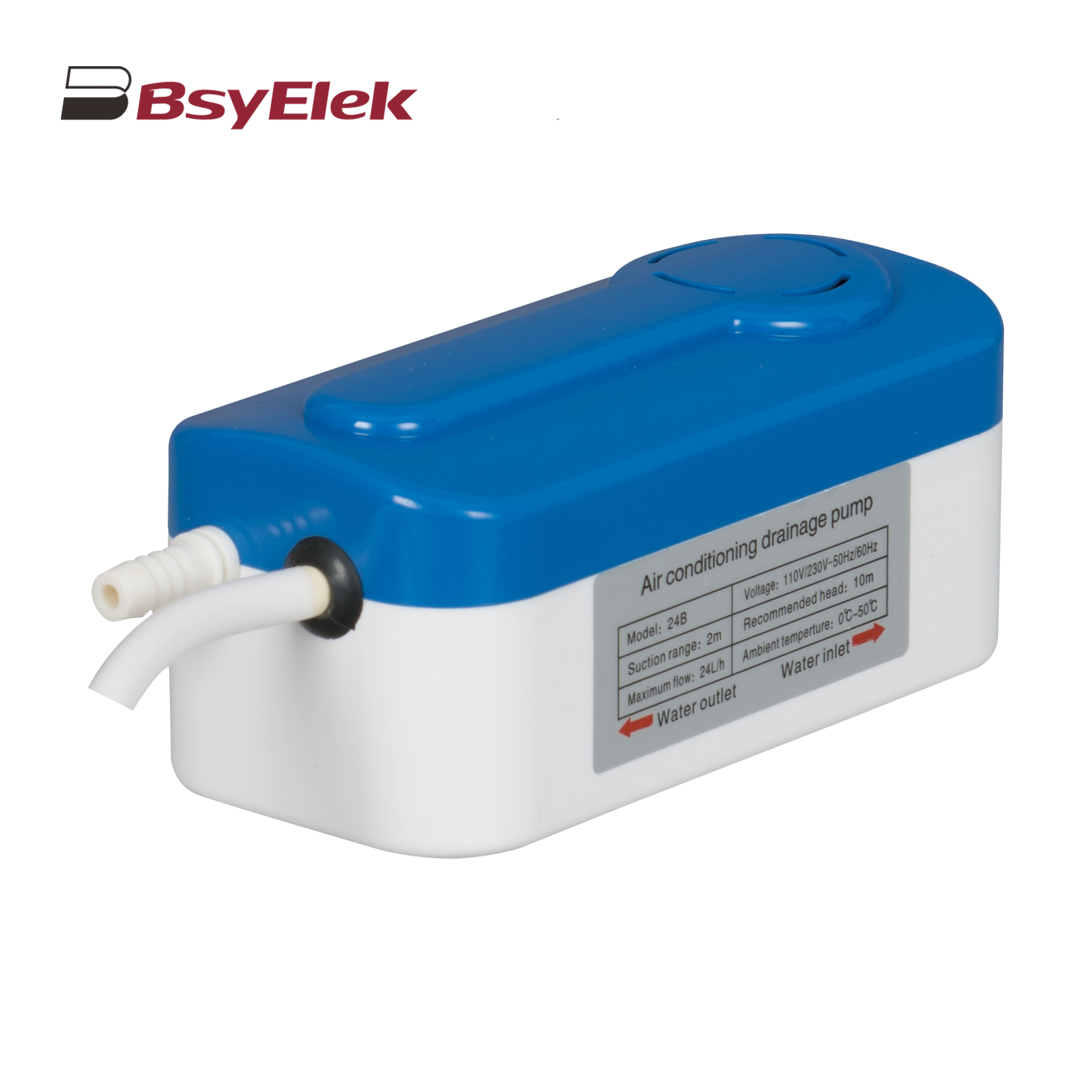 BY-24B/40B 10M Split Type Drainage Pump
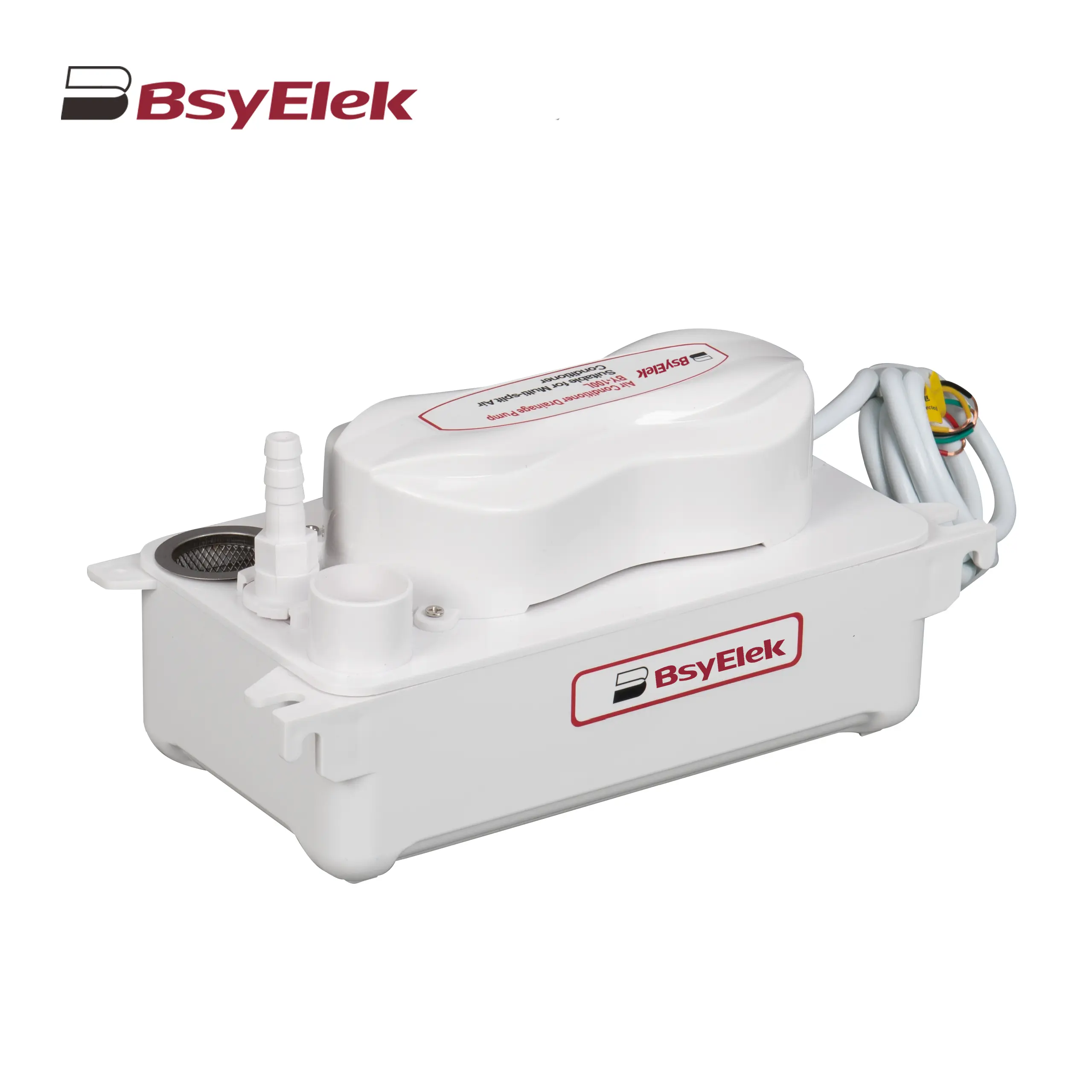 BY-100L 2M Drainage Pump of Air Conditioner
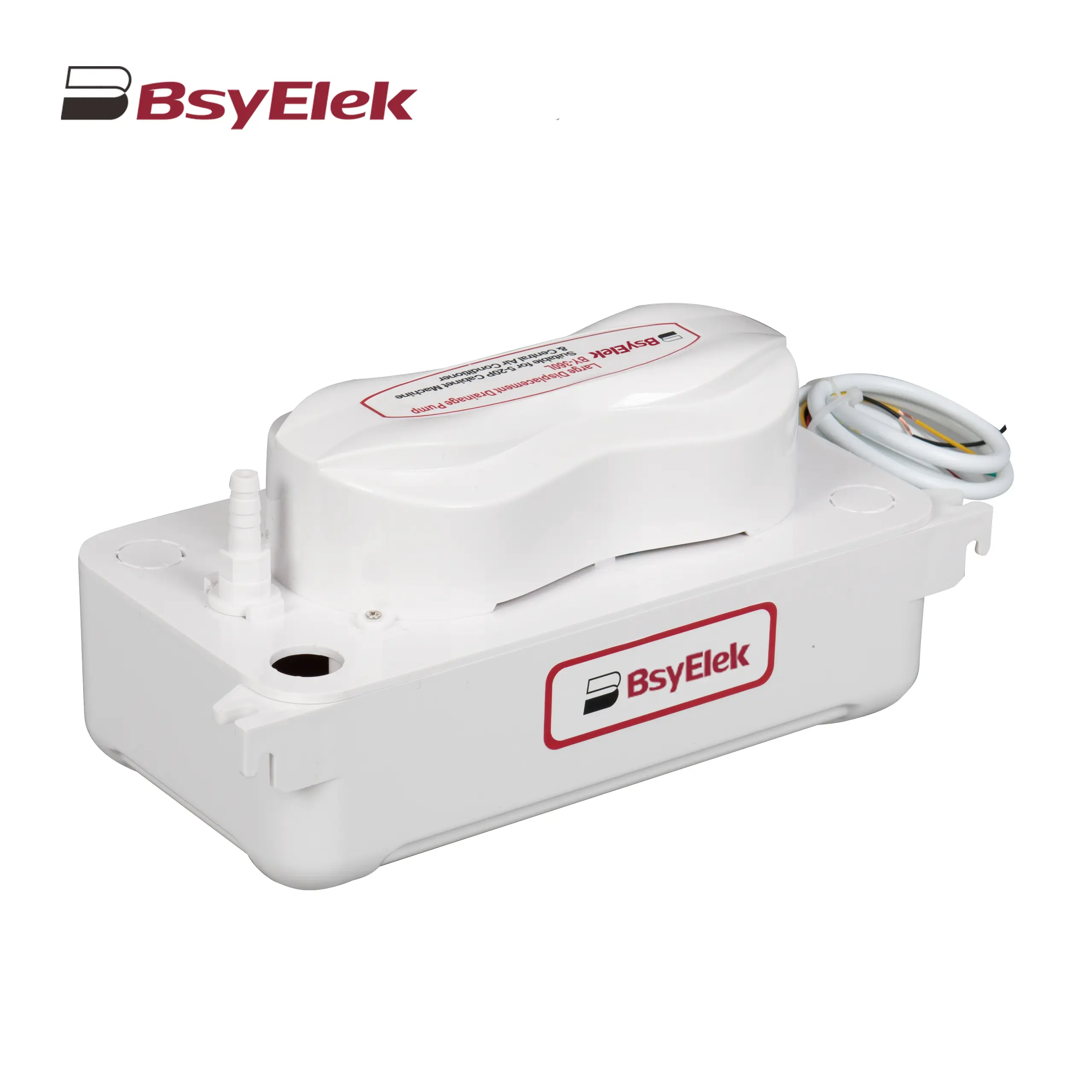 BY-360L 6M Large Displacement Drainage Pump
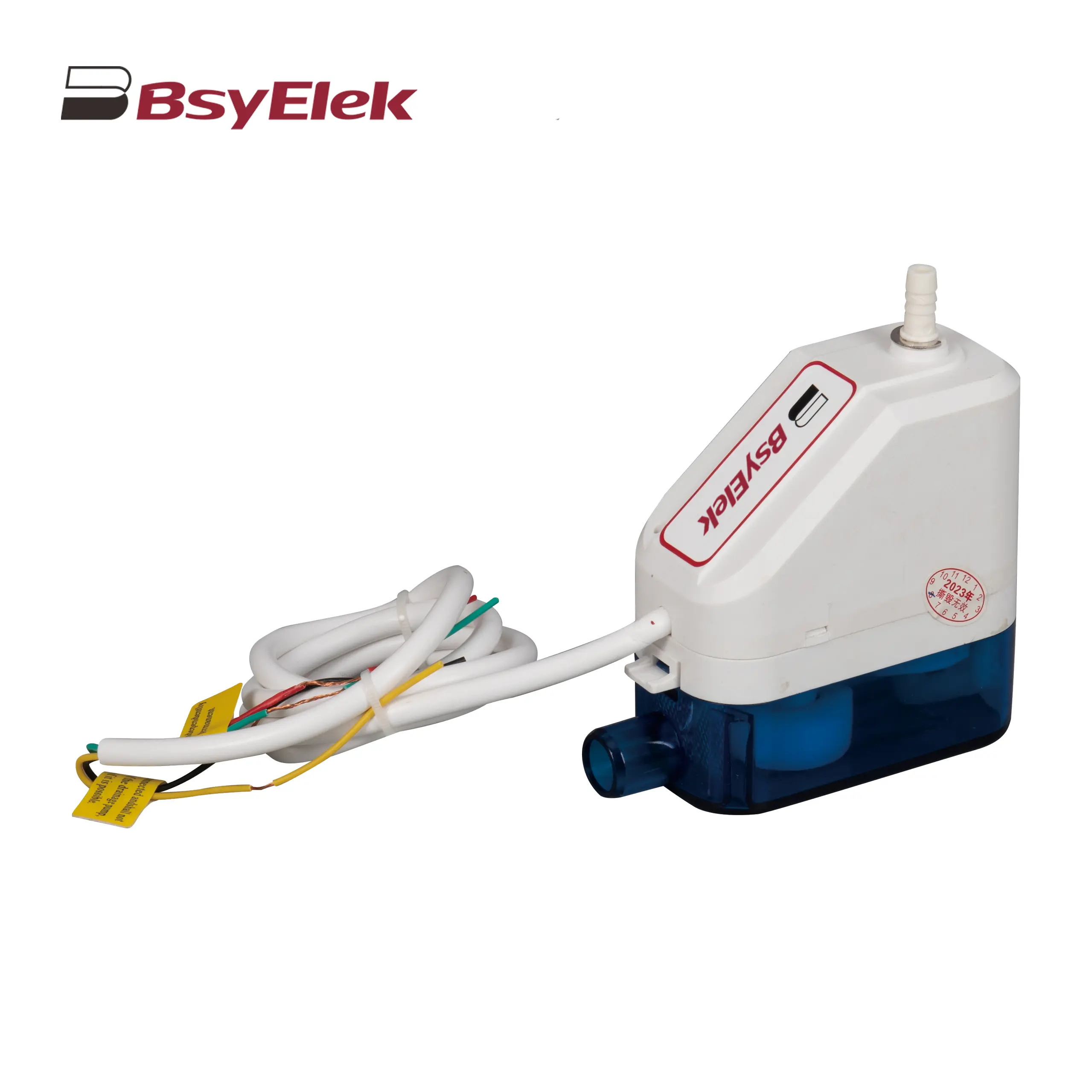 BY-24C/40C 10M Corner Drainage Pump
What is a miniature circuit breaker (MCB)?
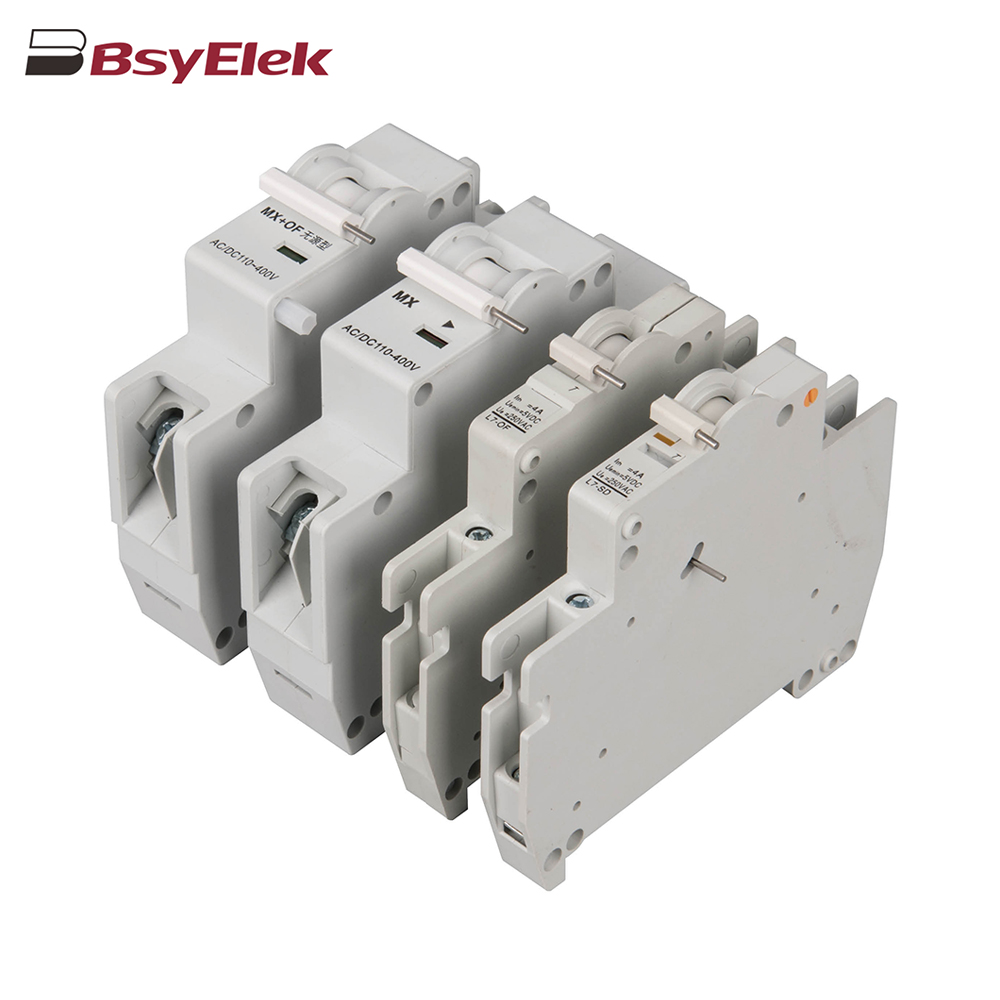 OF SD MX OF MCB Miniature Circuit Breaker Accessories
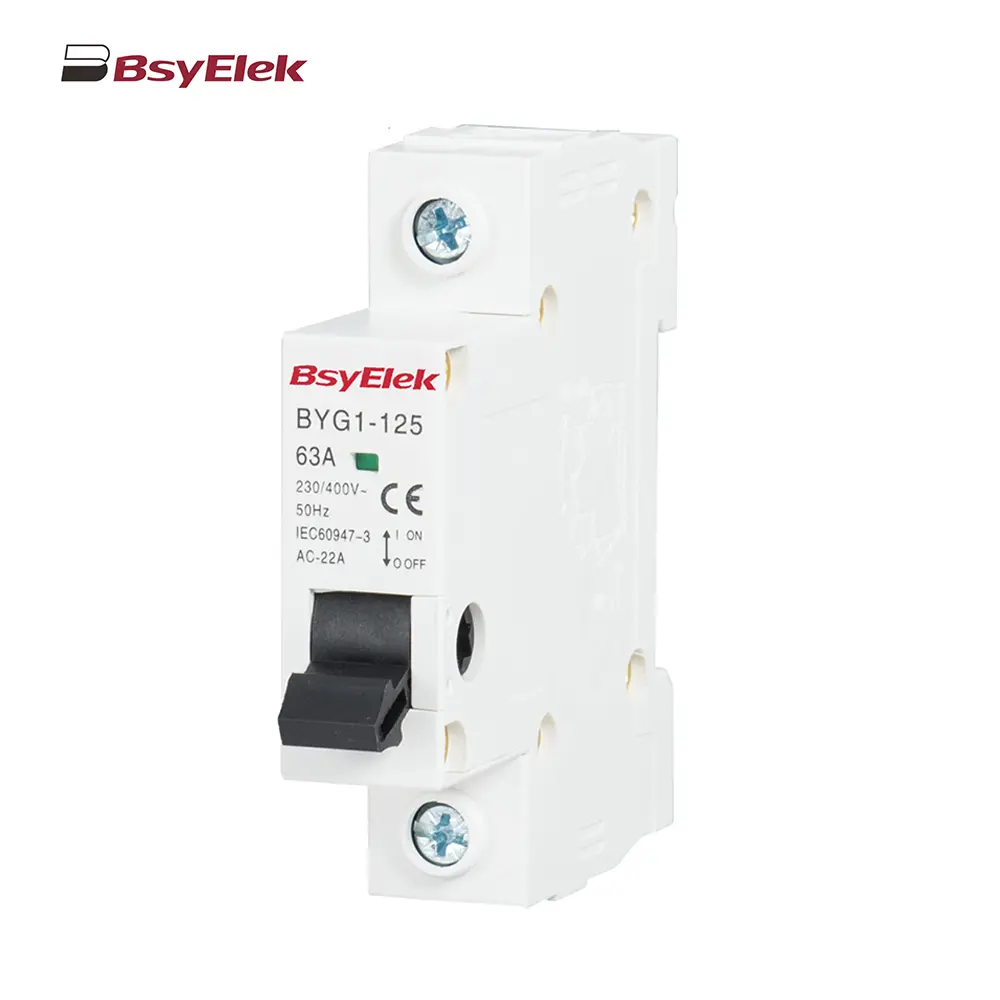 BYG1-125 Main Switch MCB Isolator Switch
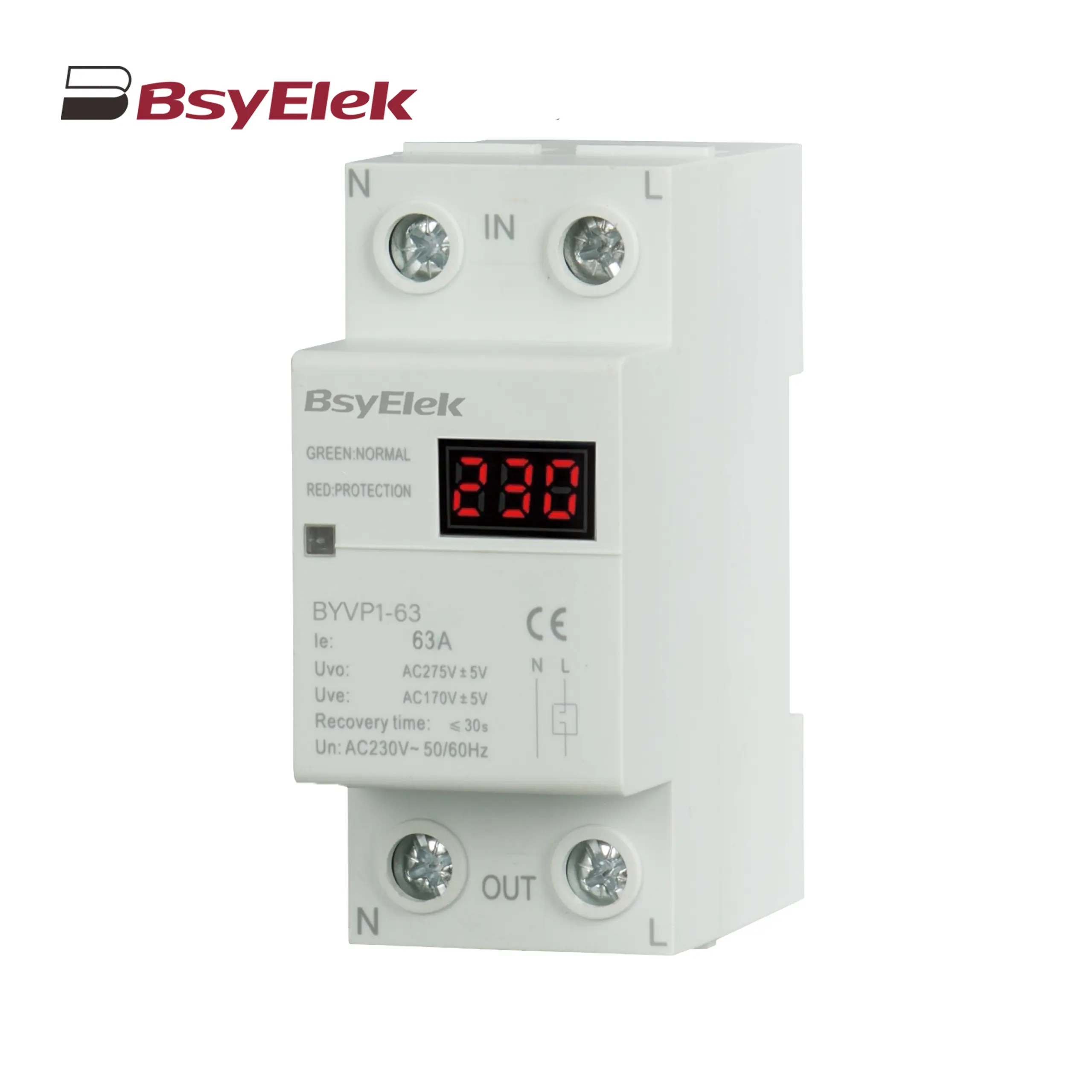 BYVP1-63 100A Single Display Overvoltage and Undervoltage Protector
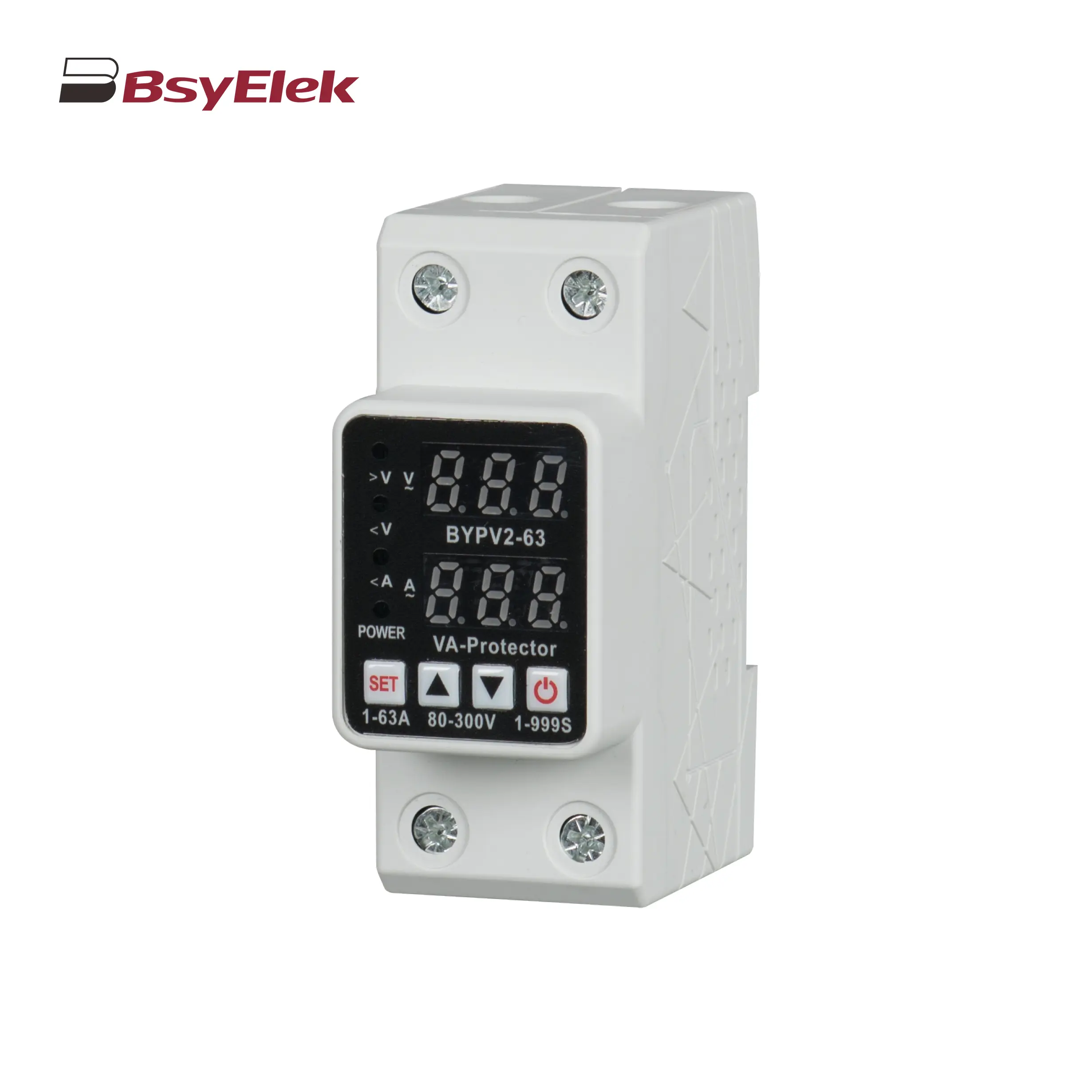 BYVP2-63 40A 63A Adjustable Dual Display Overvoltage and Undervoltage Protector
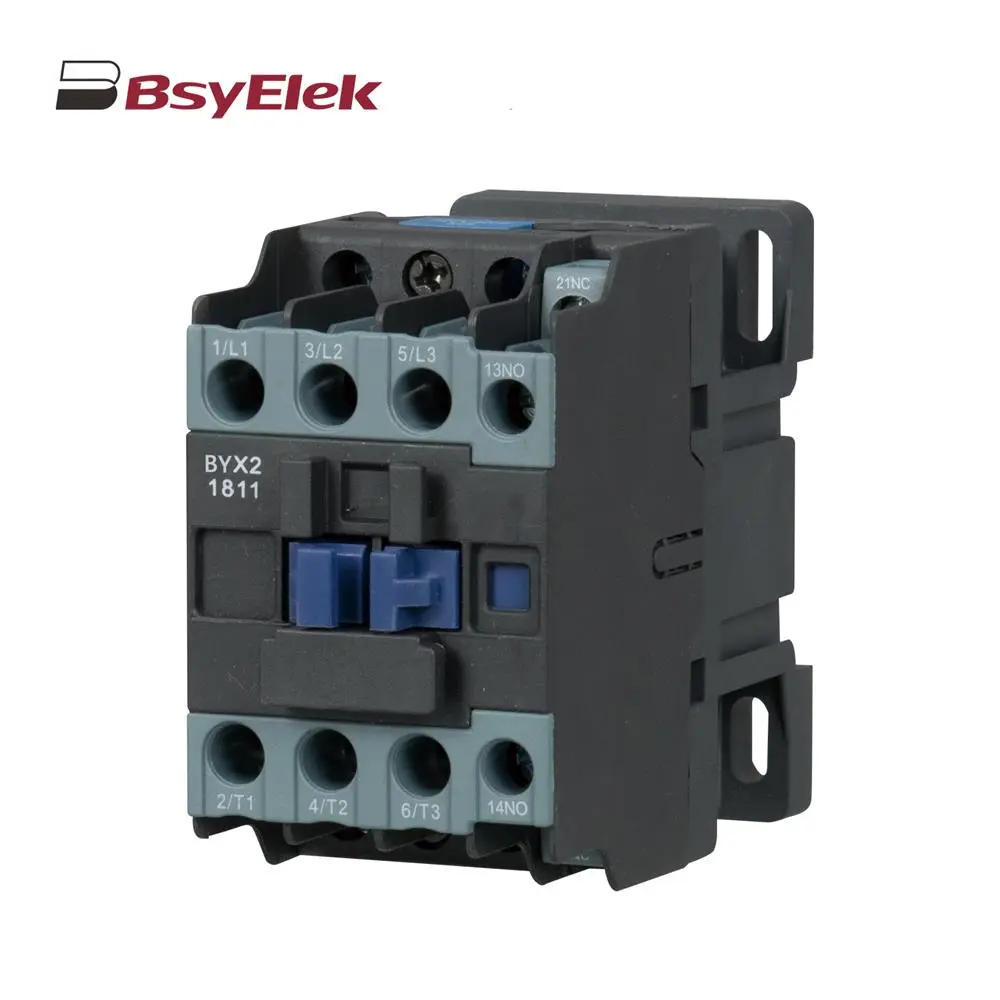 BYX2 6-95A AC Contactor
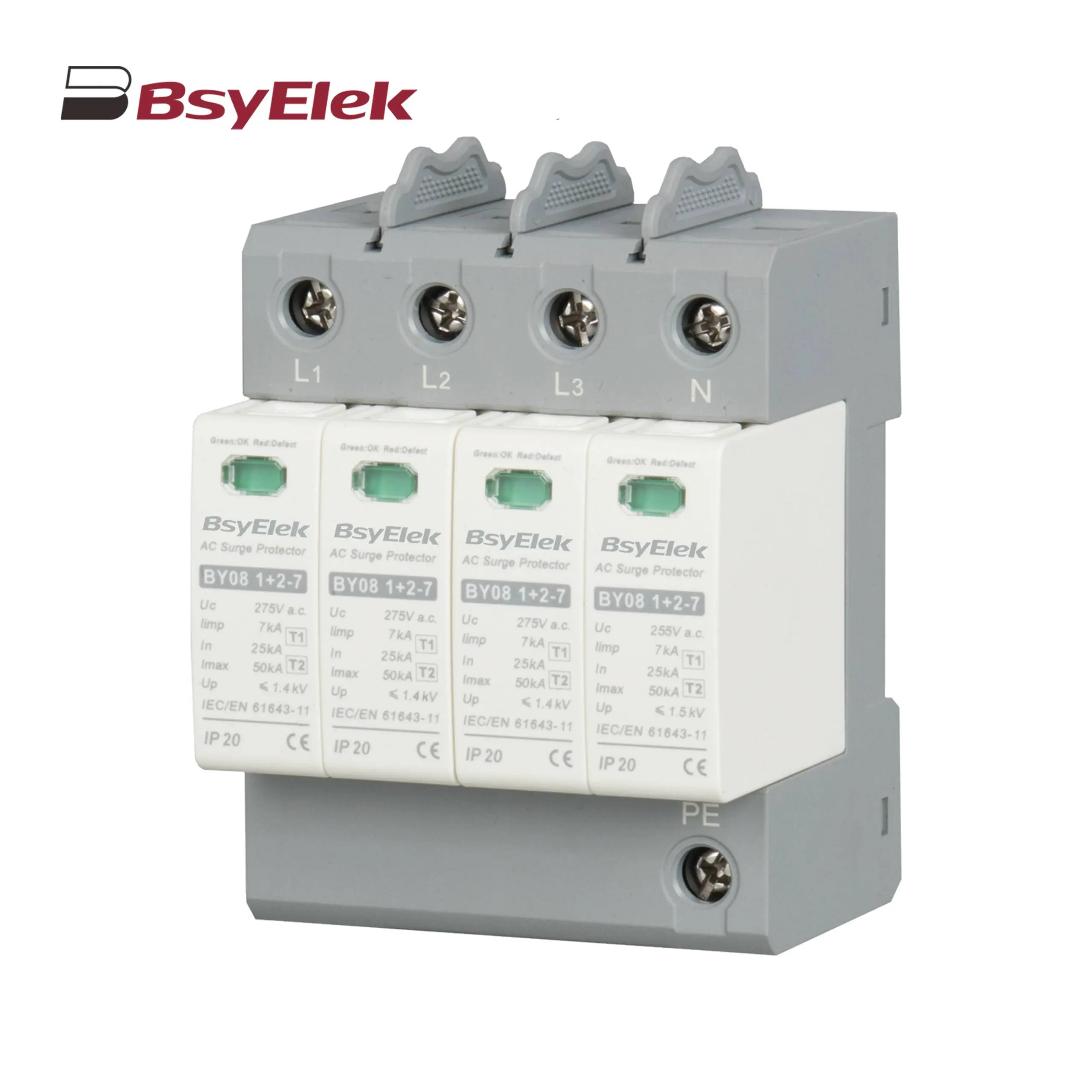 BY08 1+2-7 SPD Class T1+T2 Imax 50KA Surge Protective Device
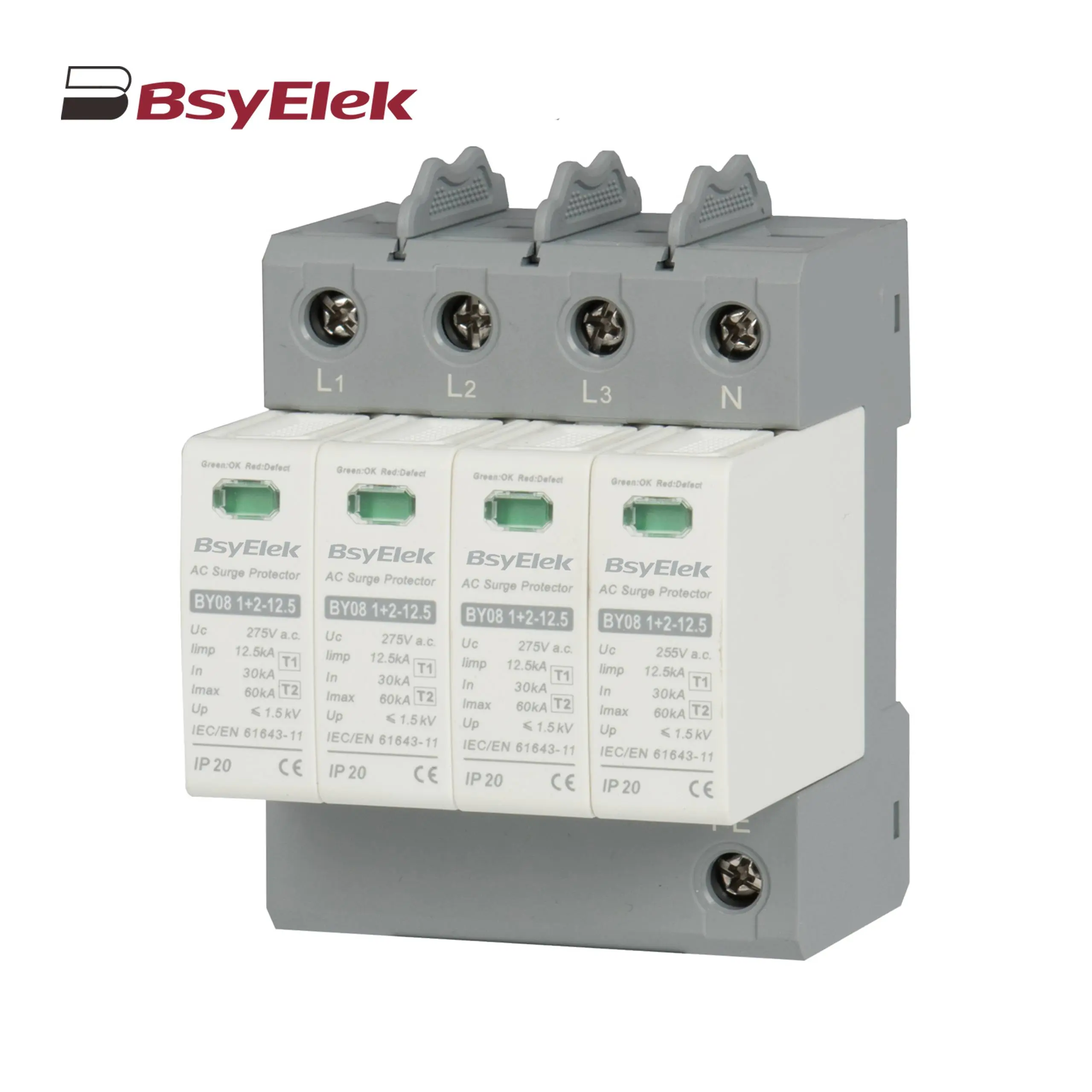 BY08 1+2-12.5 SPD Class T1+T2 Imax 60KA Surge Protective Device
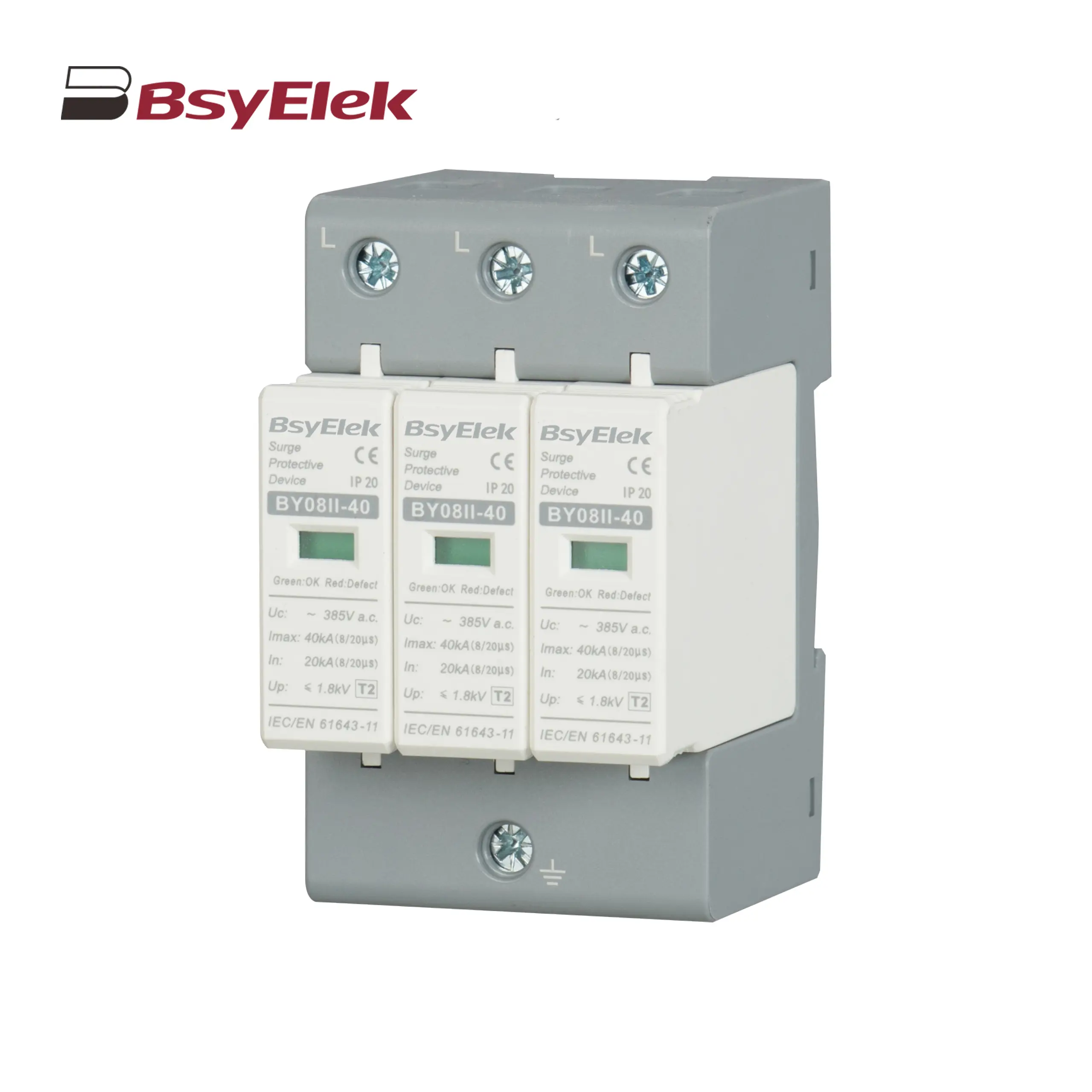 BY08II-40 SPD Class T2 Imax 40KA Surge Protective Device
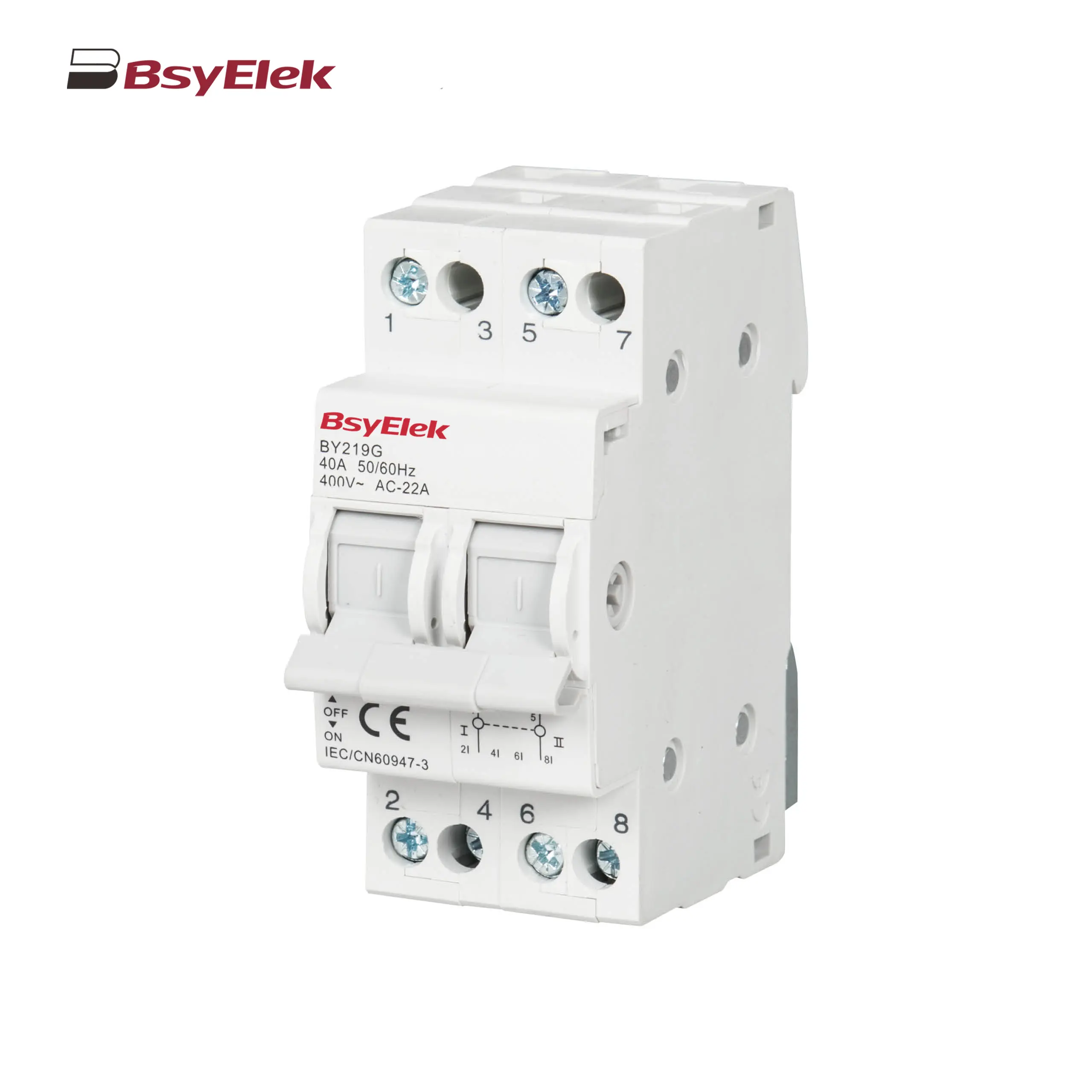 BY19G 63A Manual Changeover Switch
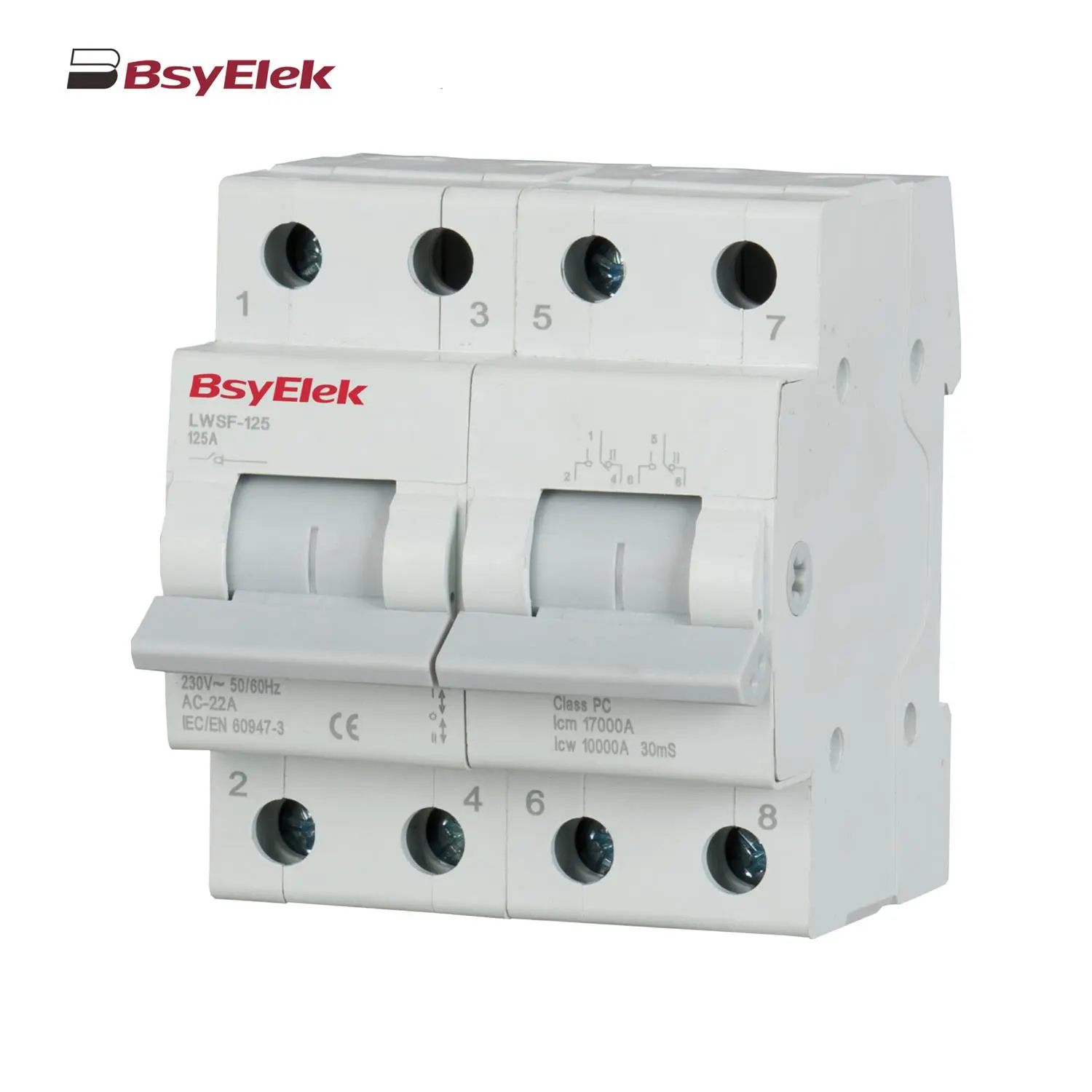 LWSF-125 125A Manual Changeover Switch
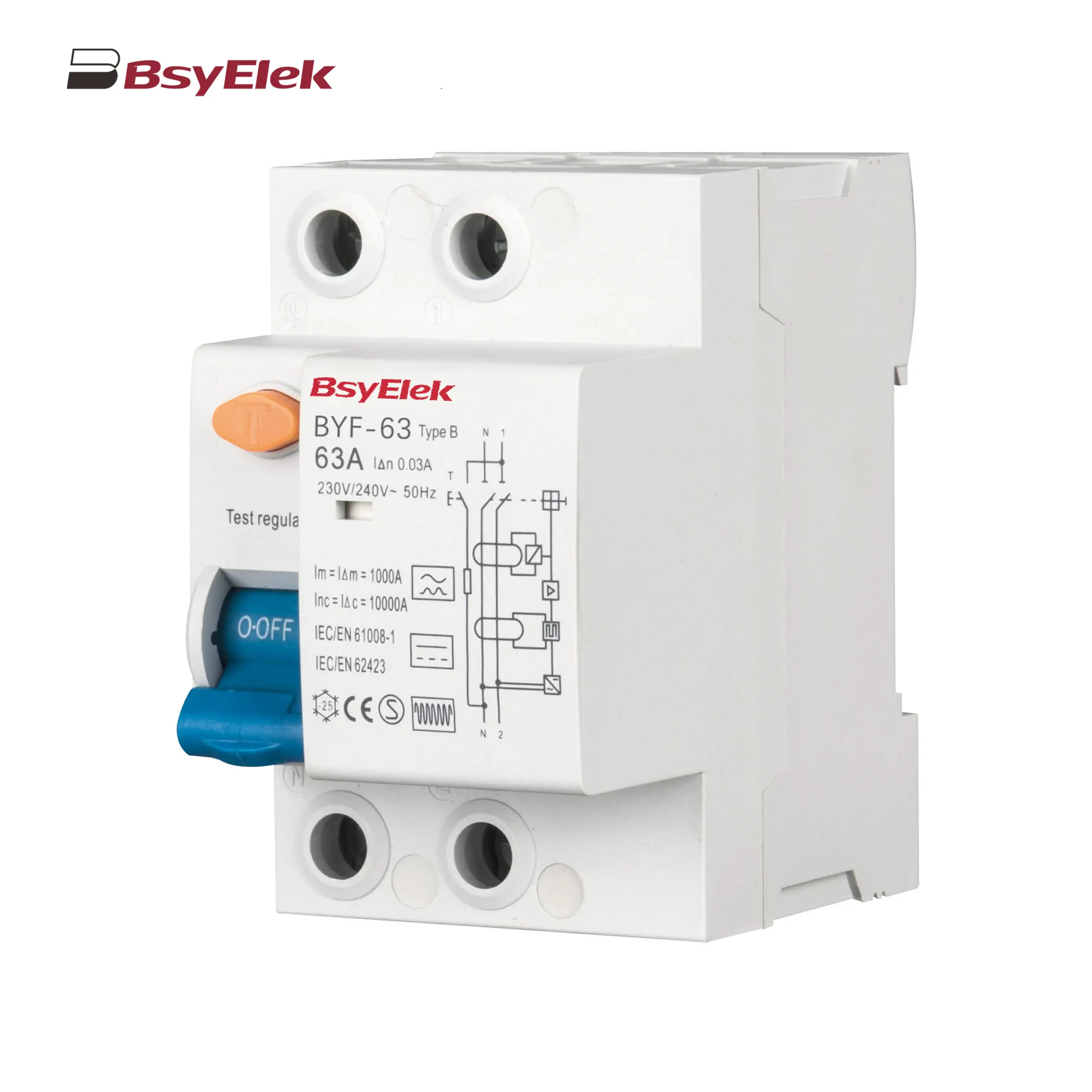 BYF-63 RCD 10KA Type B AC+A+Smoothing DC Residual Current Device
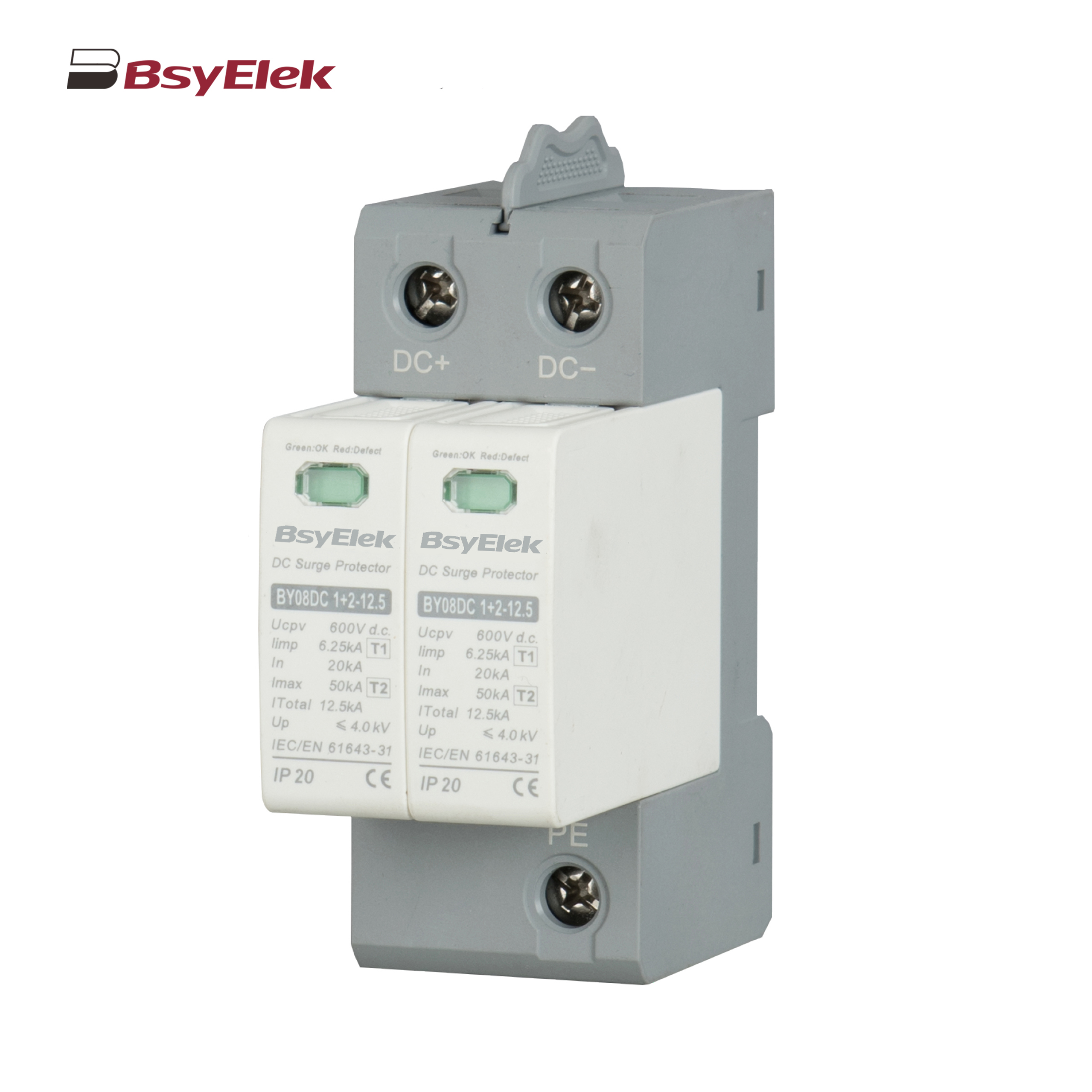 BY08DC 1+2-12.5 SPD Class T1+T2 40KA DC Surge Protective Device
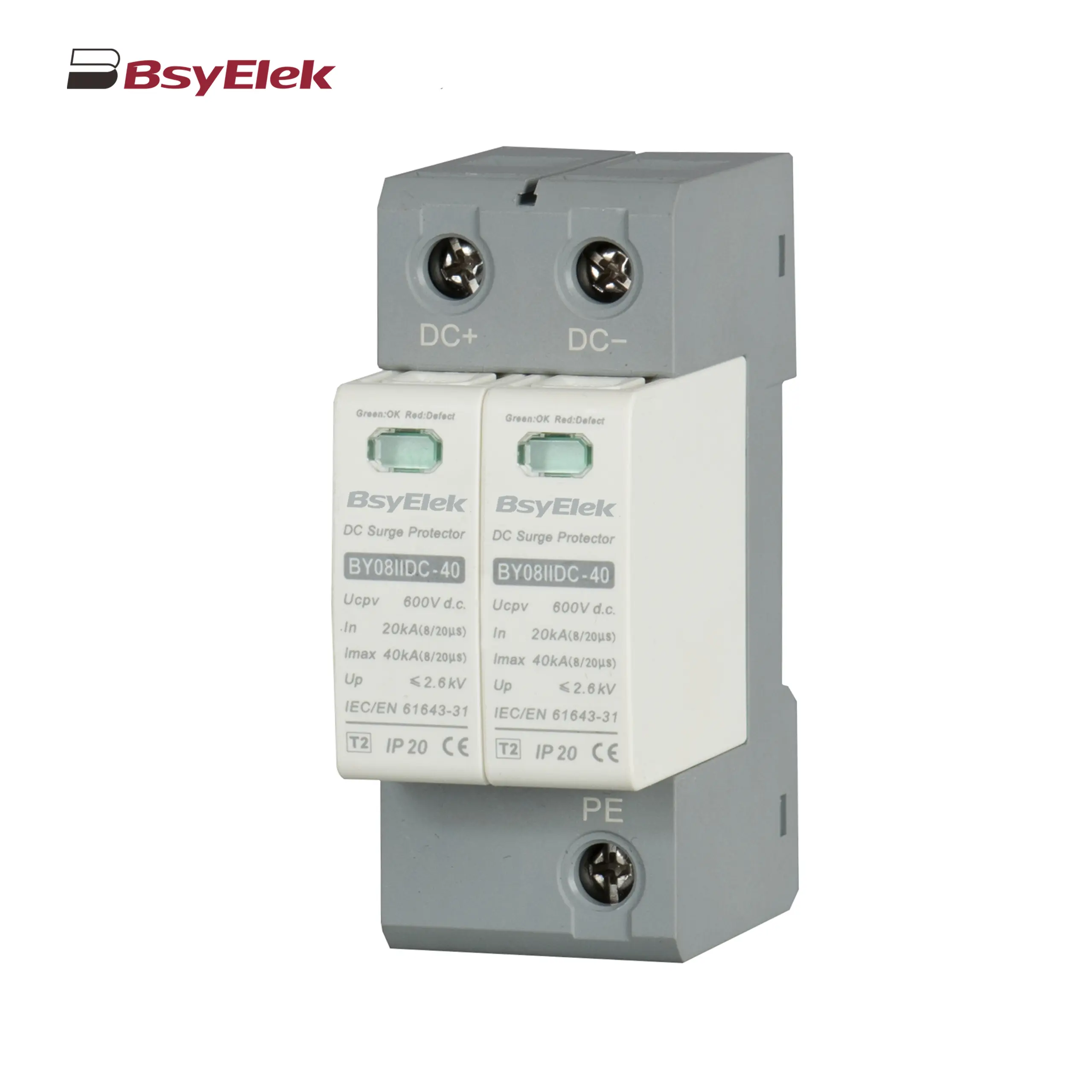 BY08IIDC-40 SPD Class T2 40KA DC Surge Protective Device
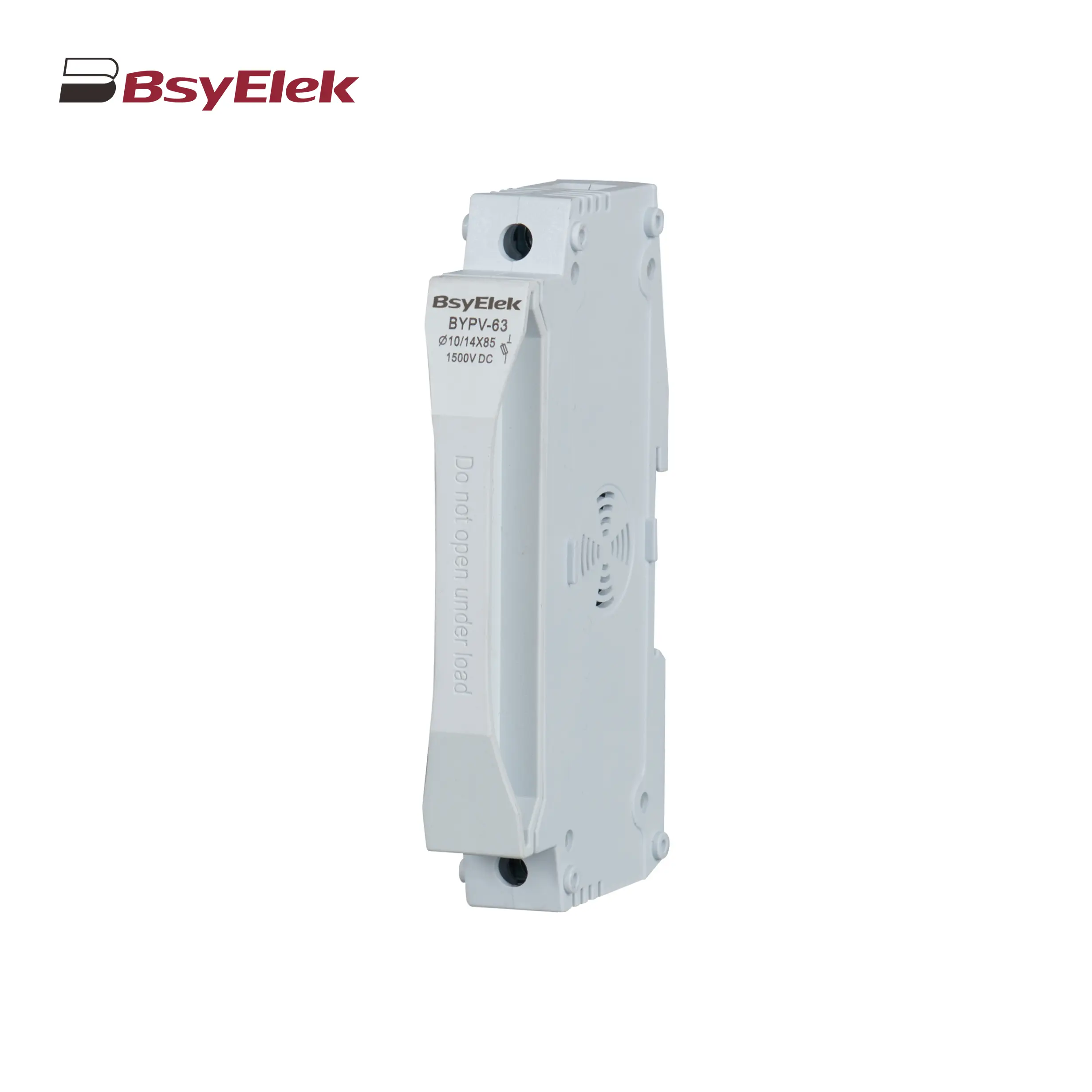 BYPV-63 1500VDC 50A Fuse Holder with 10x85mm 14x85mm Fuse Link
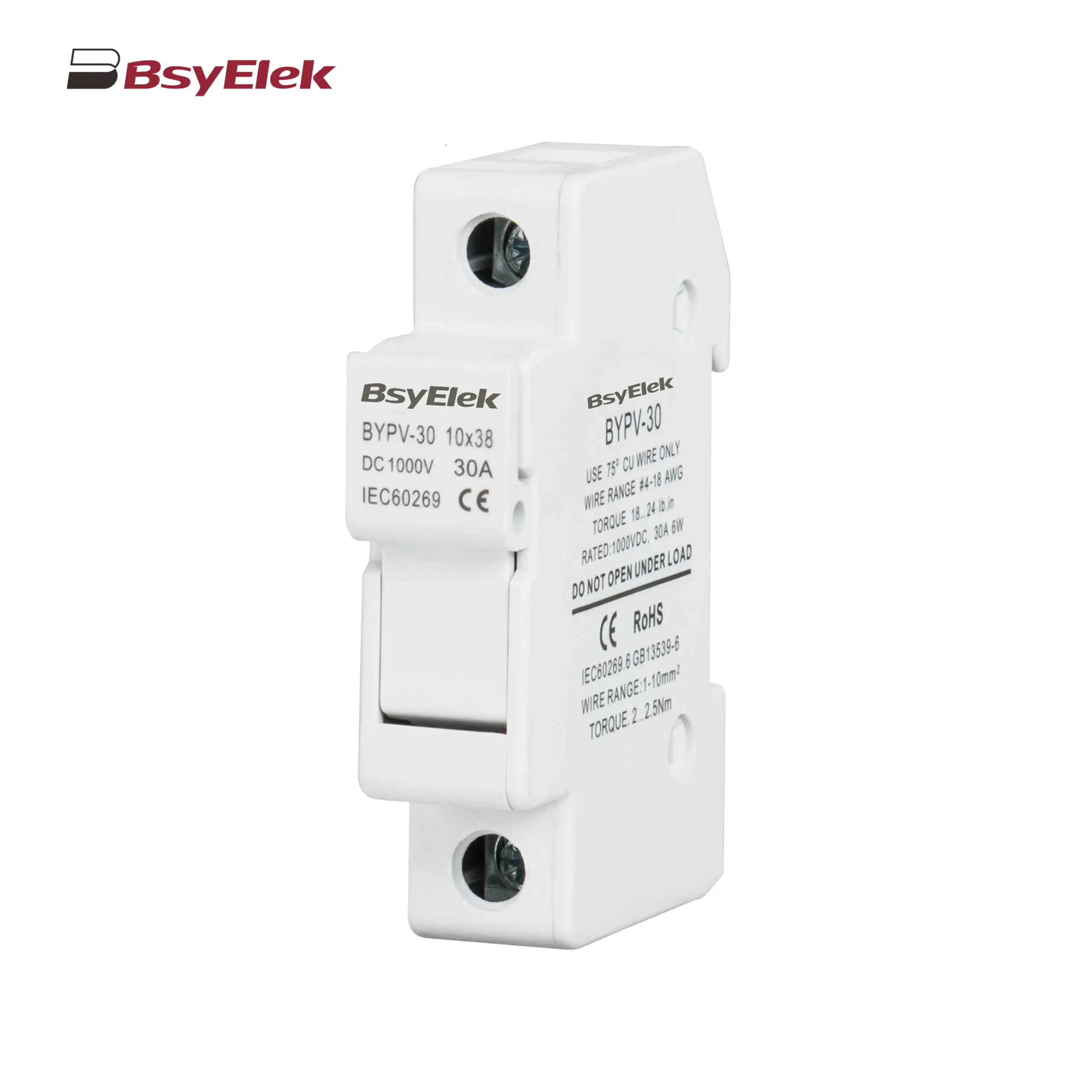 BYPV-30 1000VDC 32A Fuse Holder with 10x38mm Fuse Link
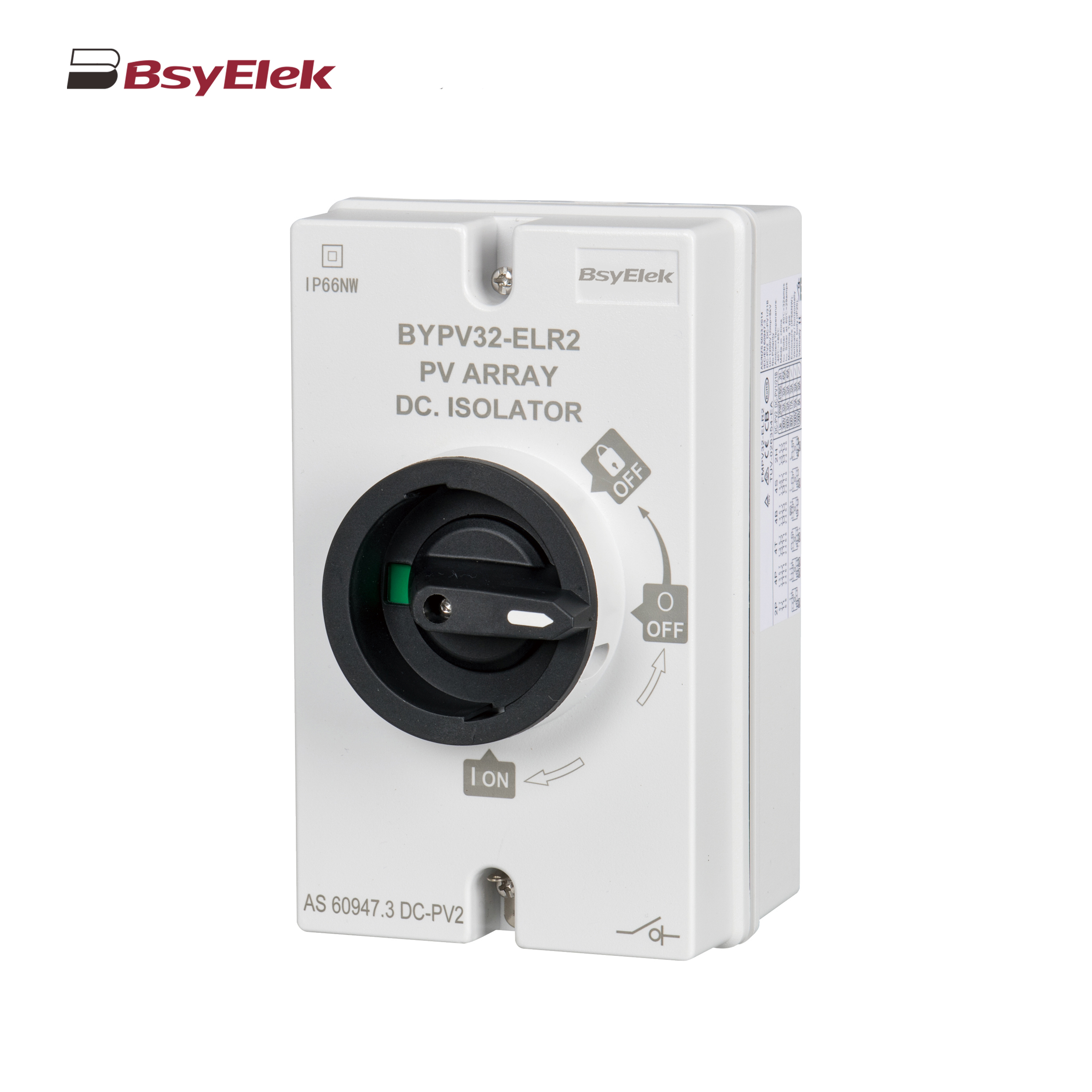 BYPV-ELR2 PV Isolator Switch with Enclosed Version
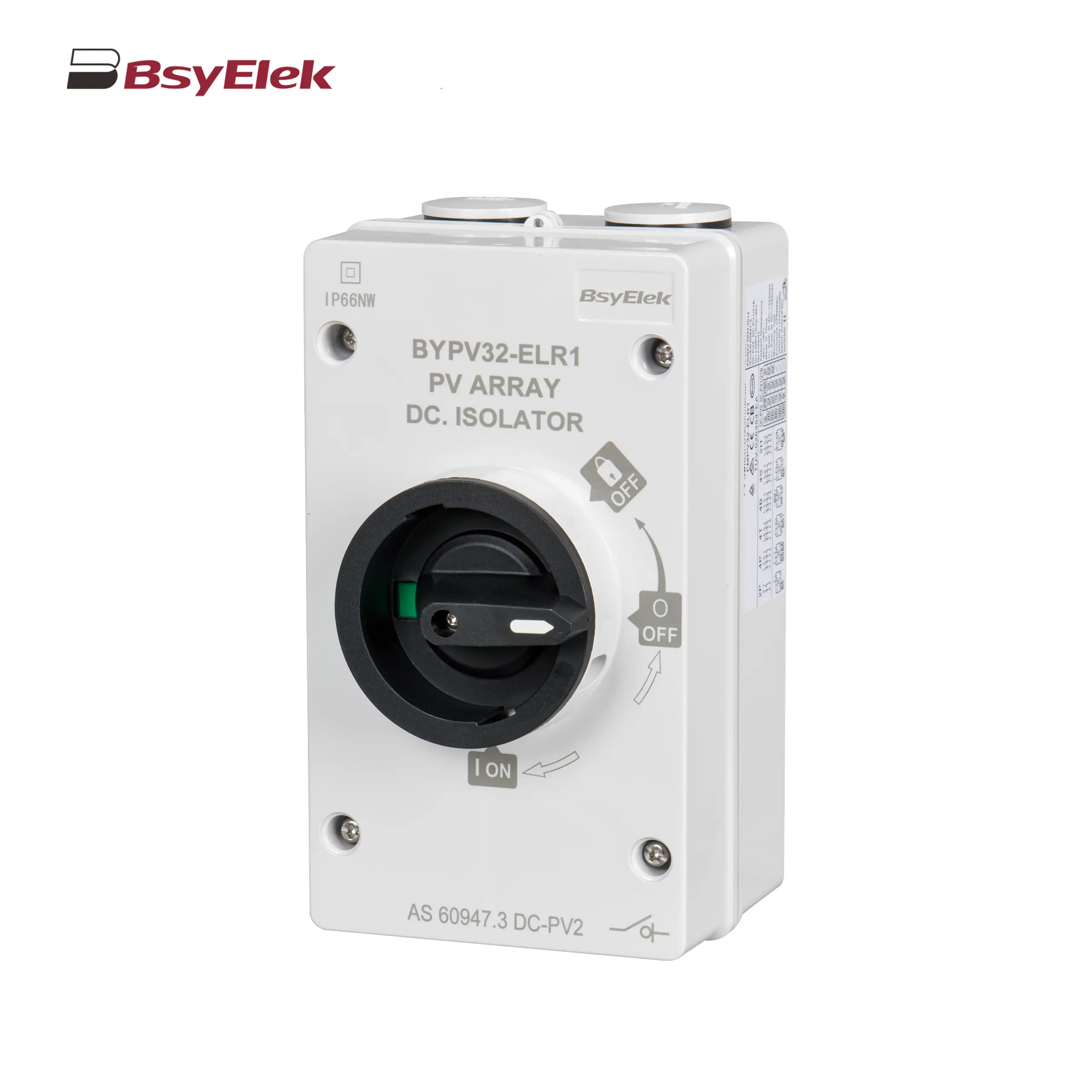 BYPV-ELR1 PV Isolator Switch with Enclosed Version
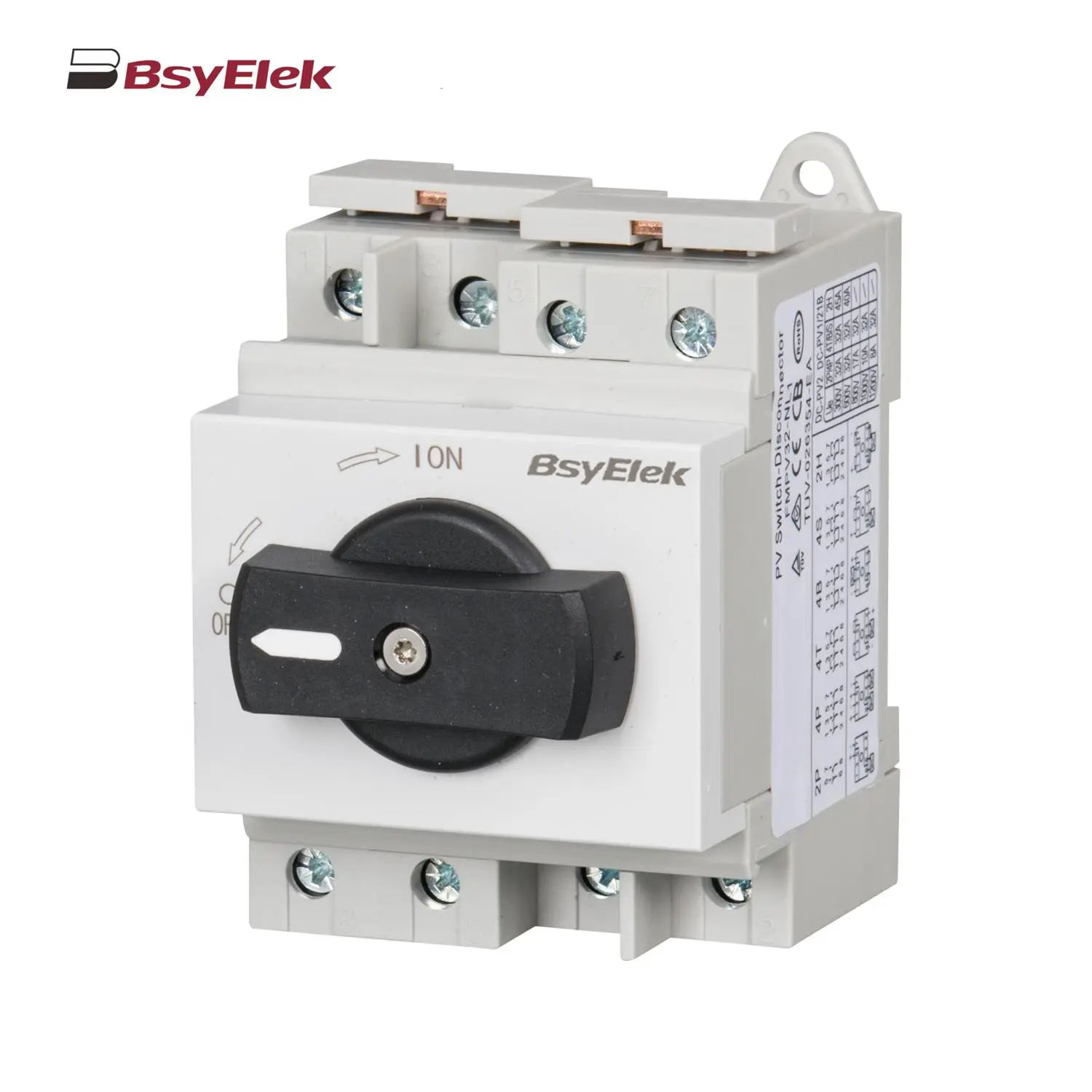 BYPV-NL1/T PV Isolator Switch with Ultra-thin Lever Handle
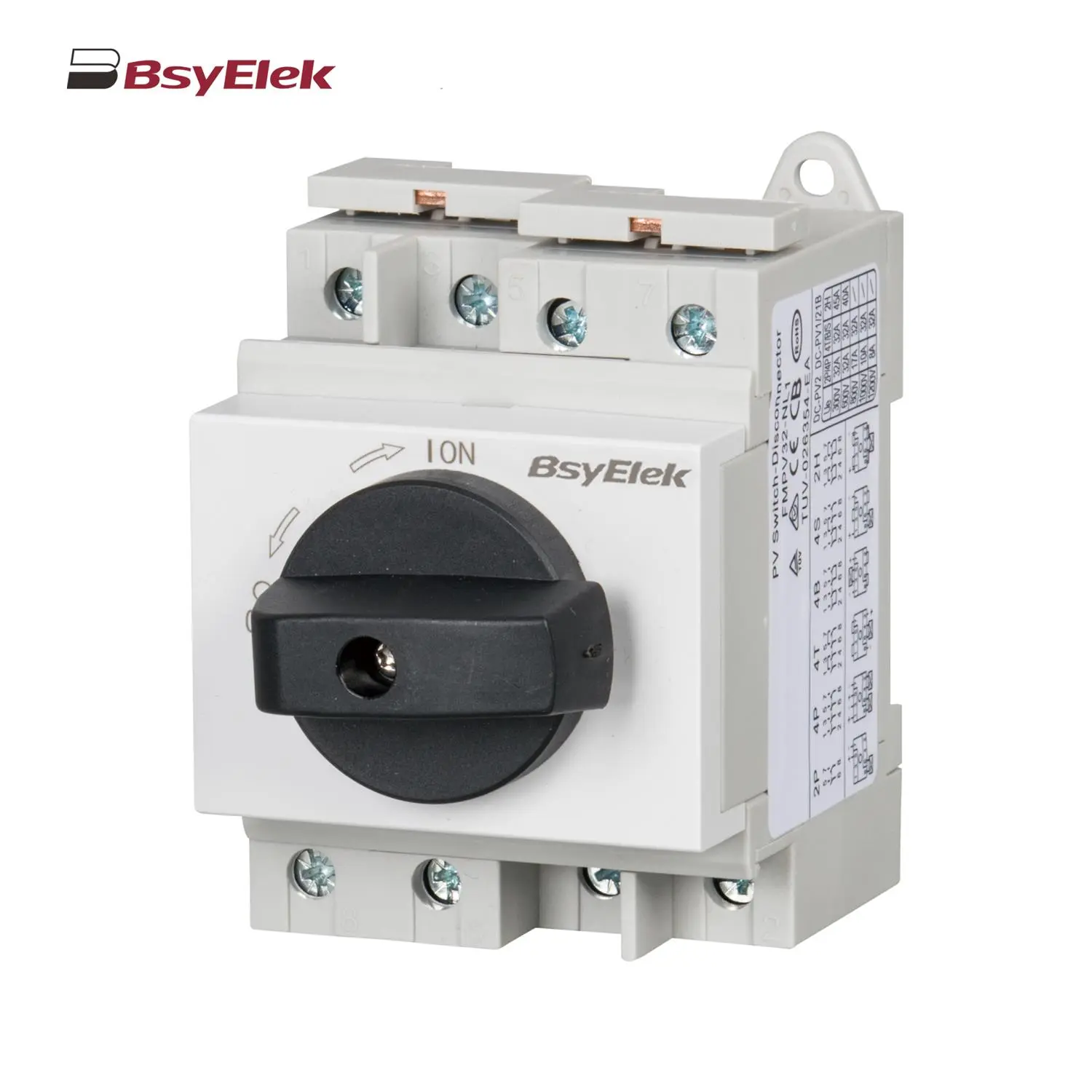 BYPV-NL1 PV Isolator Switch with Lever Handle
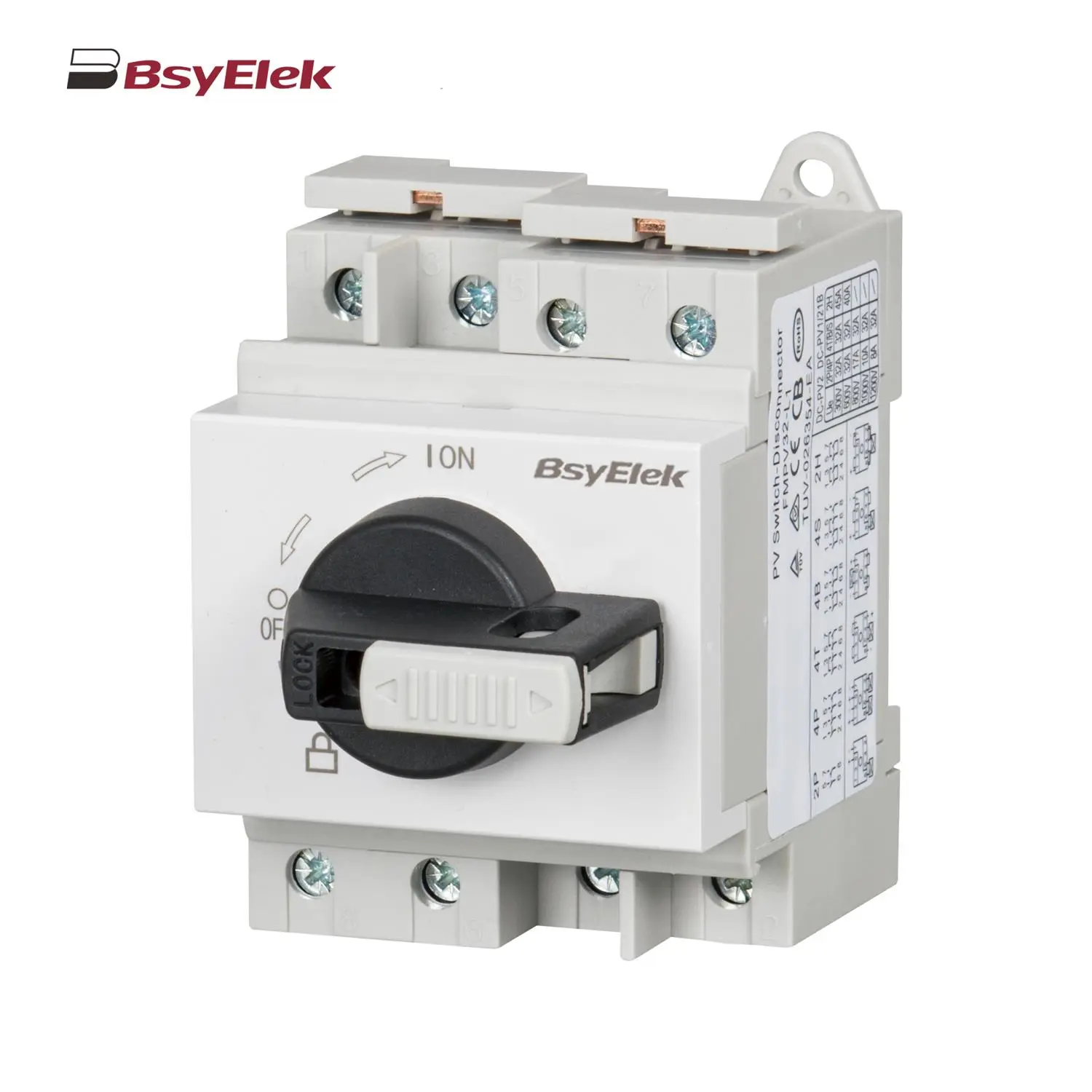 BYPV-L1/L2 PV Isolator Switch with Lockable Lever Handle
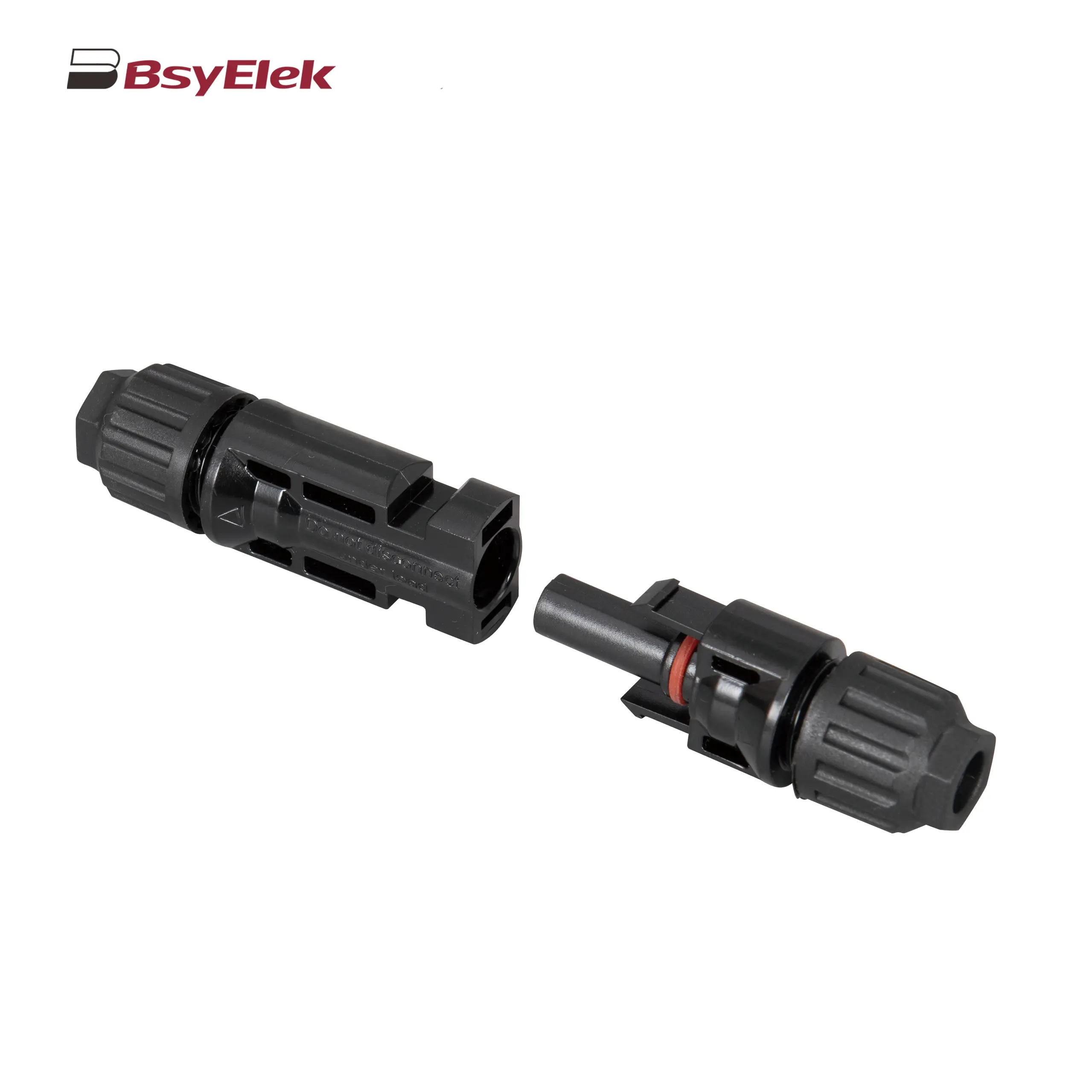 PV-BY-01 30A/50A 1000V Photovoltaic Connector
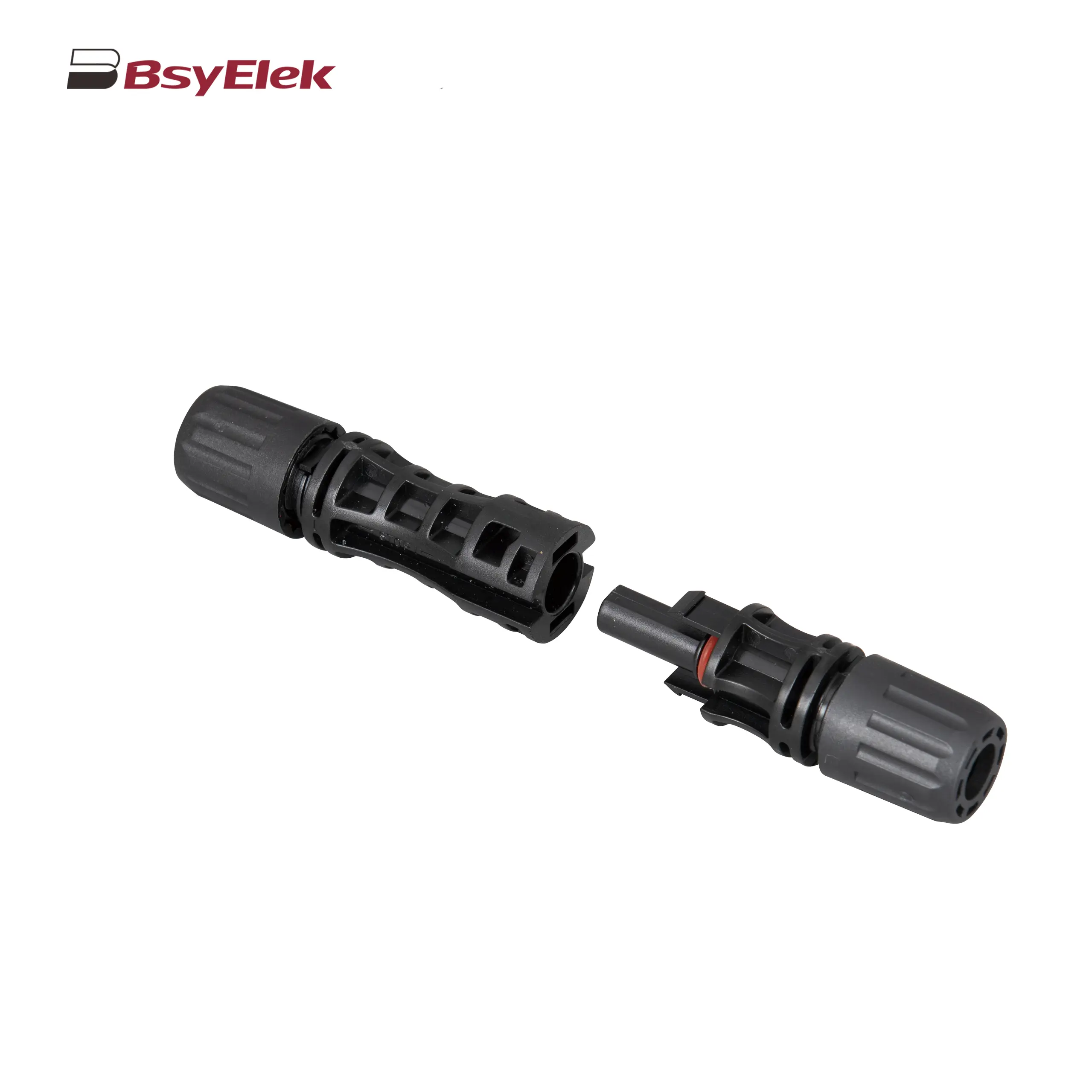 PV-BY-02 30A/50A 1500V Photovoltaic Connector
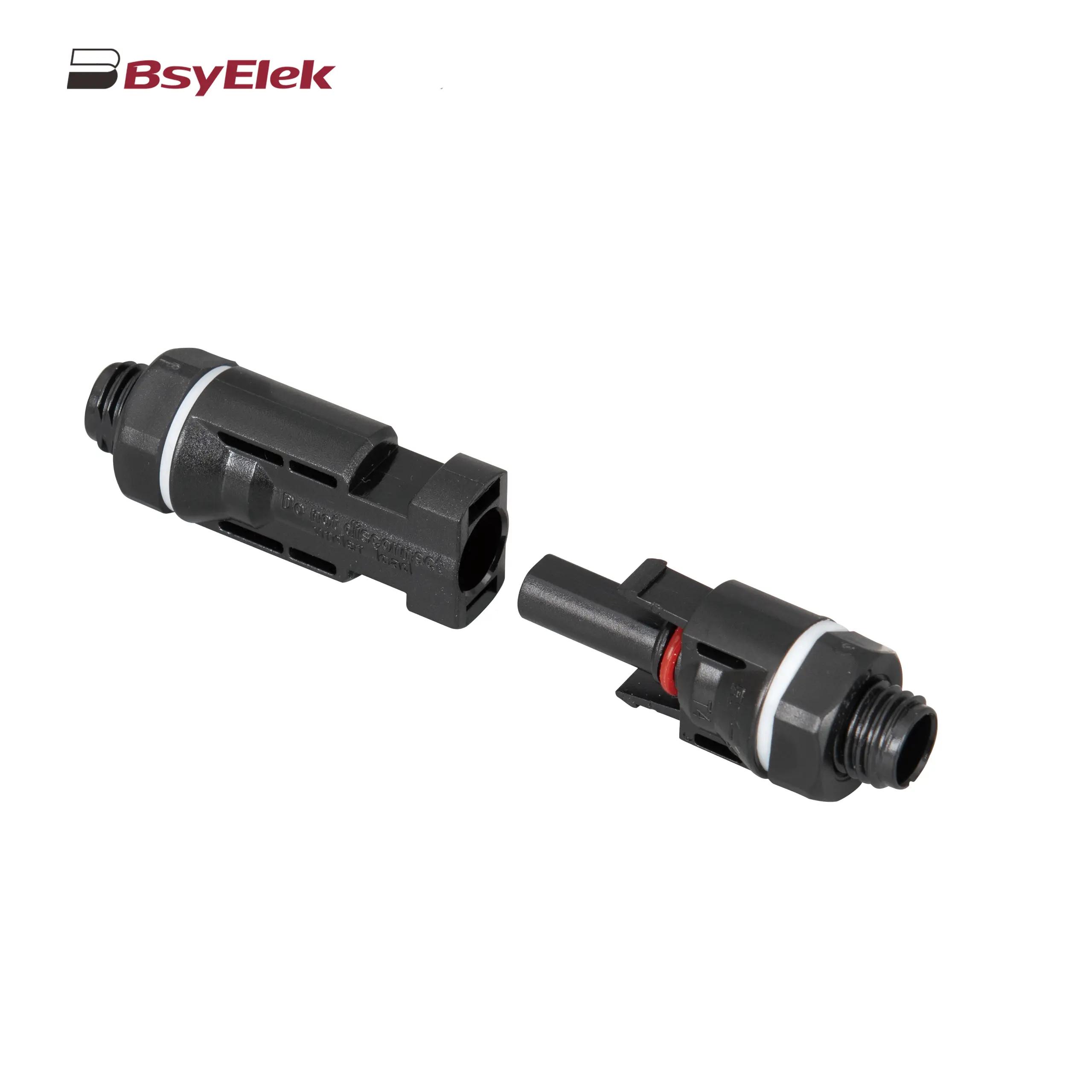 PV-BY-03 30A/50A 1000V Panel Mount Photovoltaic Connector
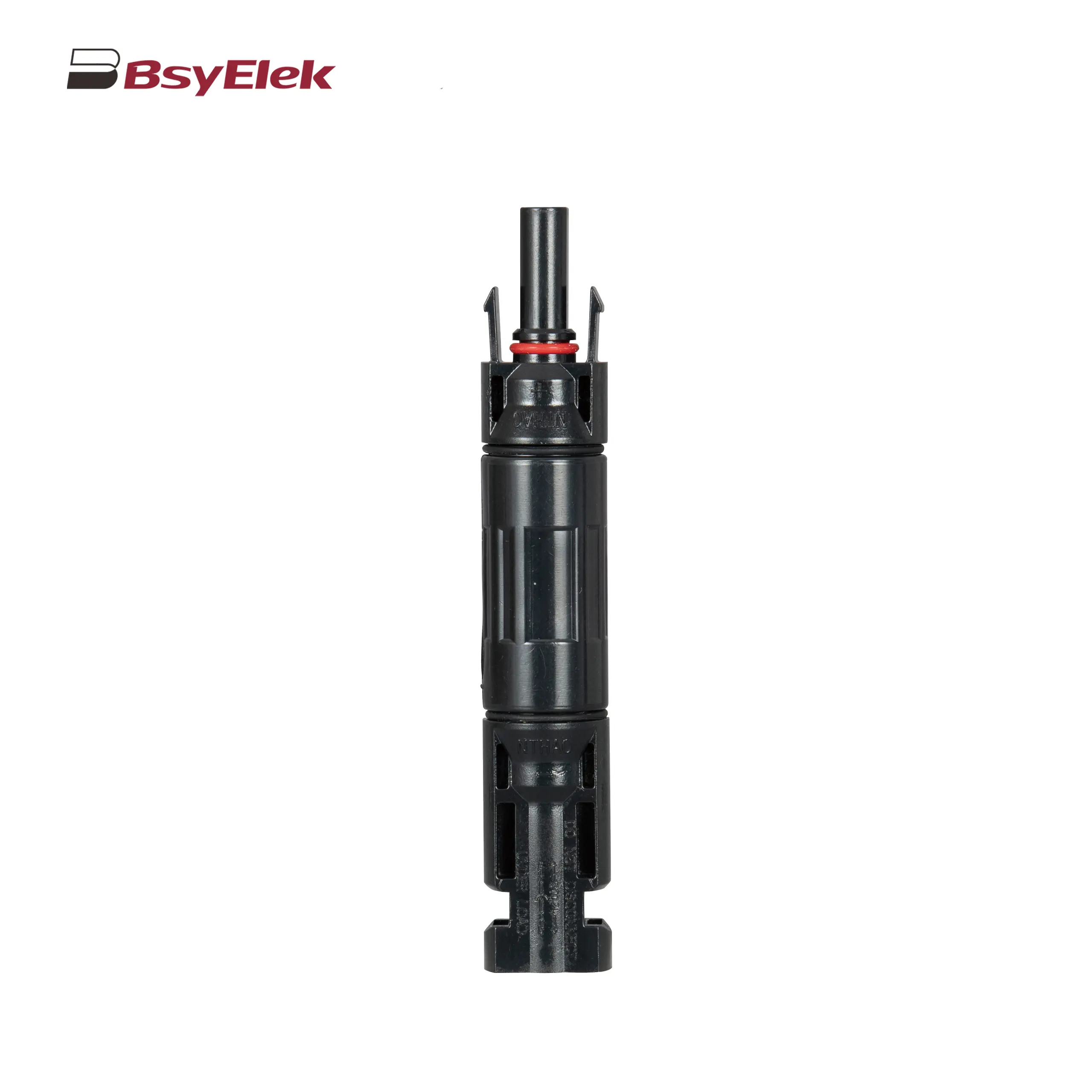 PV-BY-F01 30A 1500V Diode/Fuse Type Connector
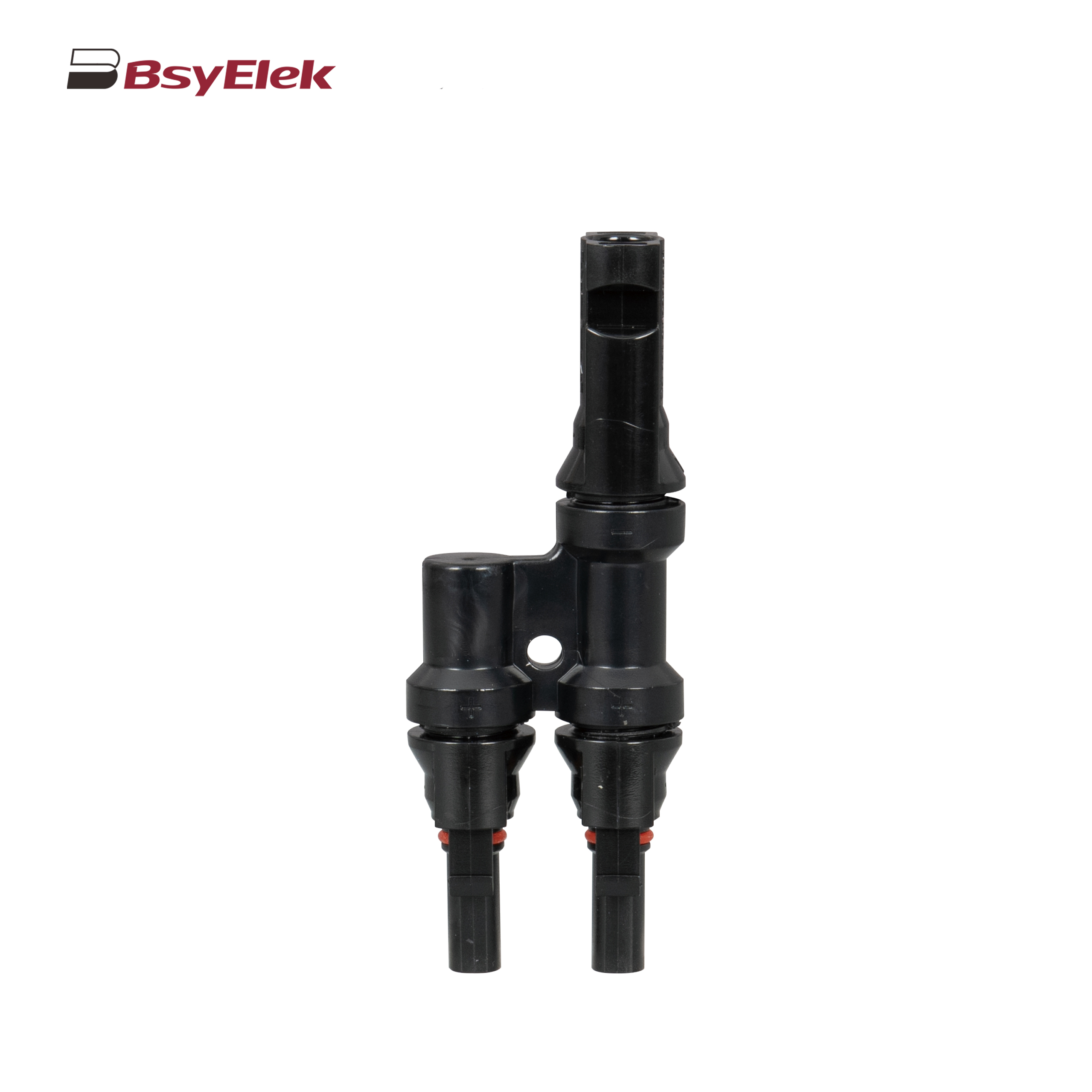 PV-BY-T 50A 1500V T Type Branch Connector
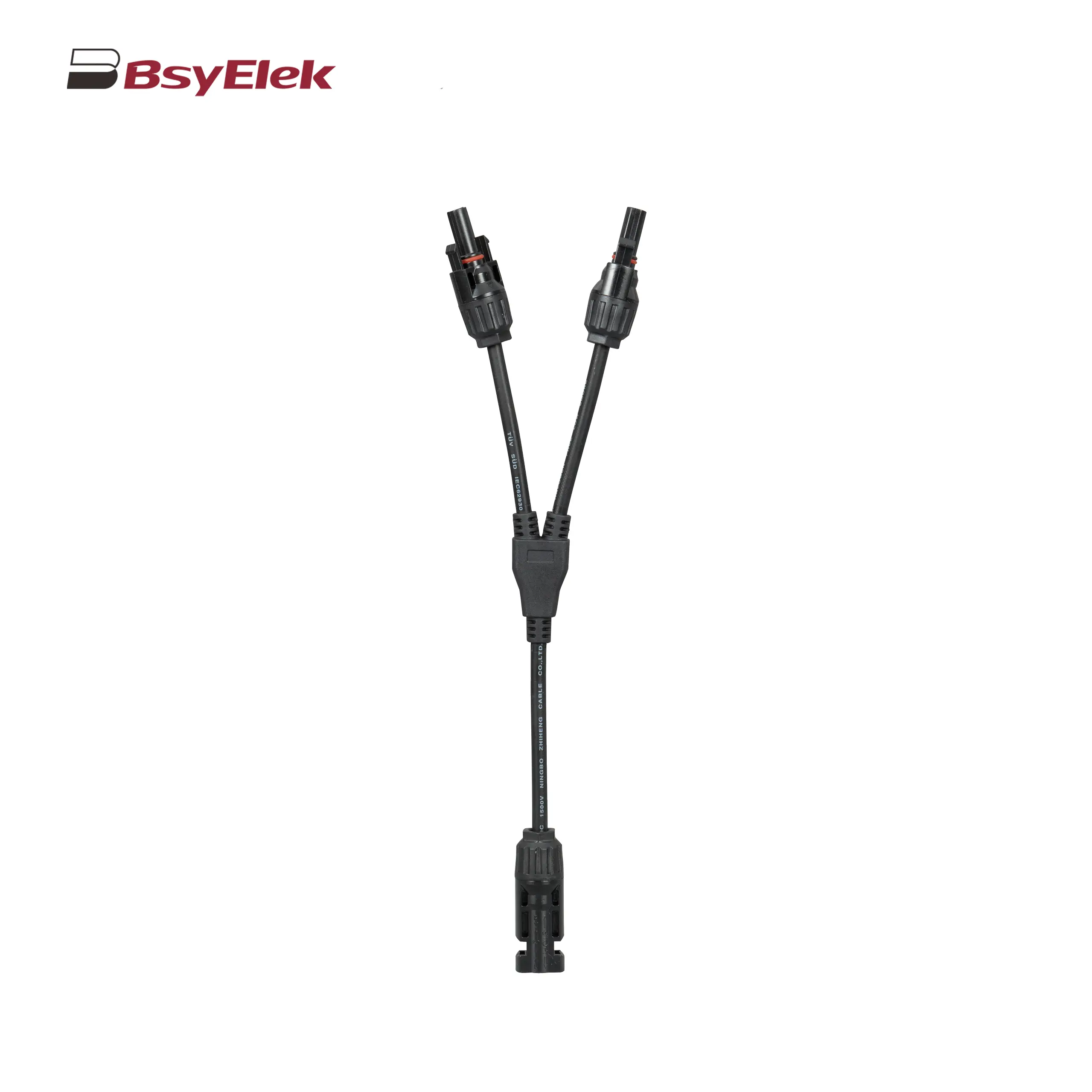 PV-BY-Y 30A 1500V Y Type Branch Connector
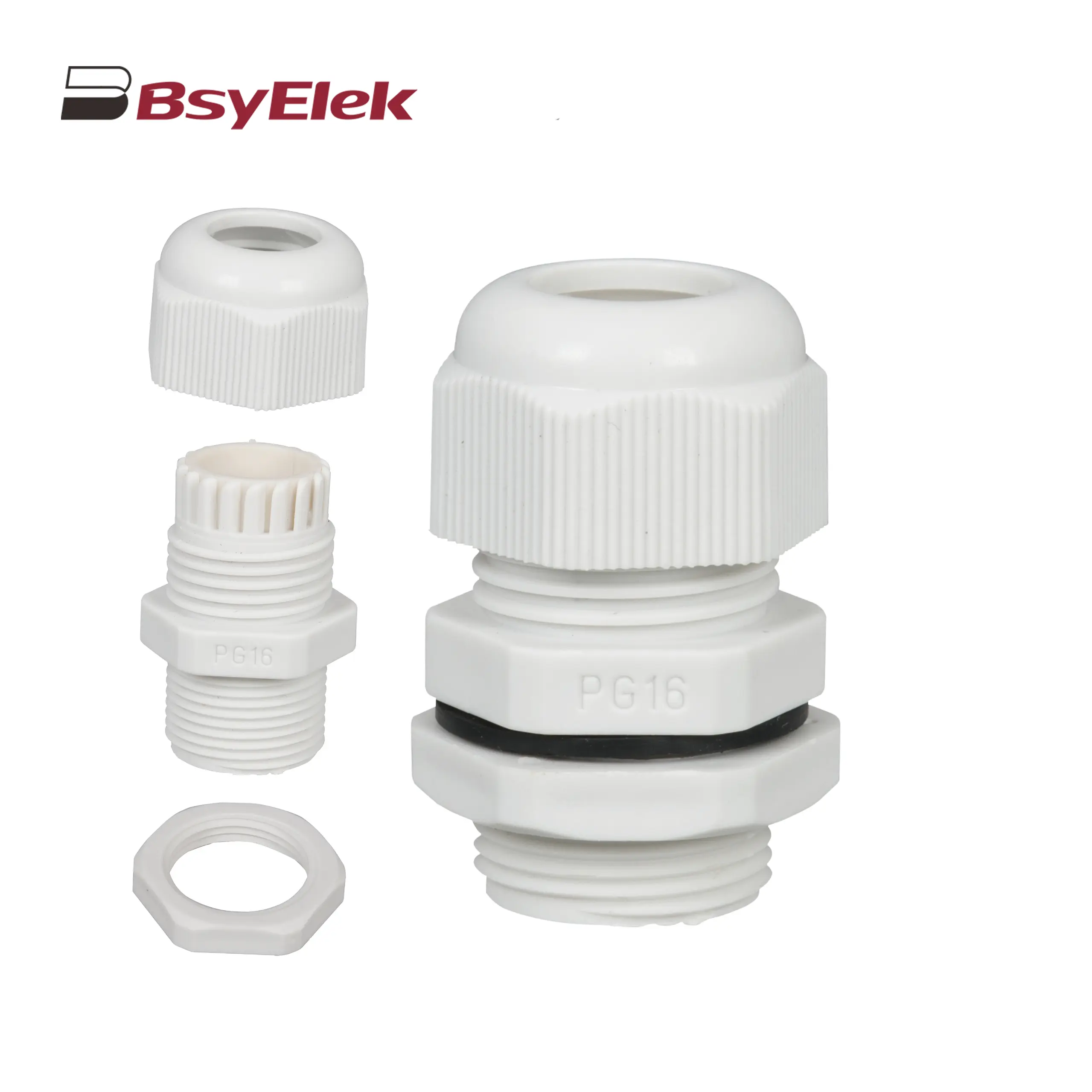 PG Waterproof Cable Gland with Washer
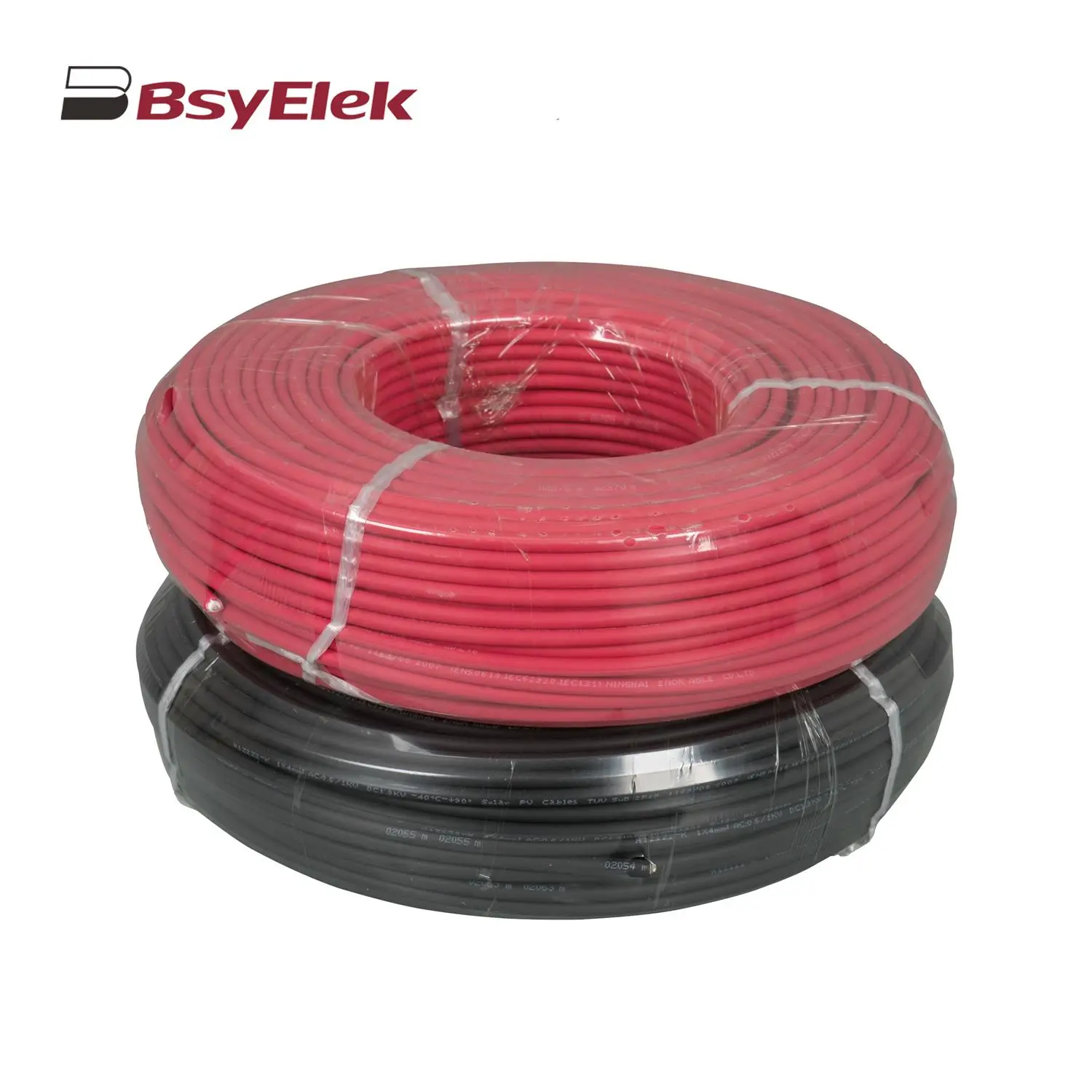 Photovoltaic Cable
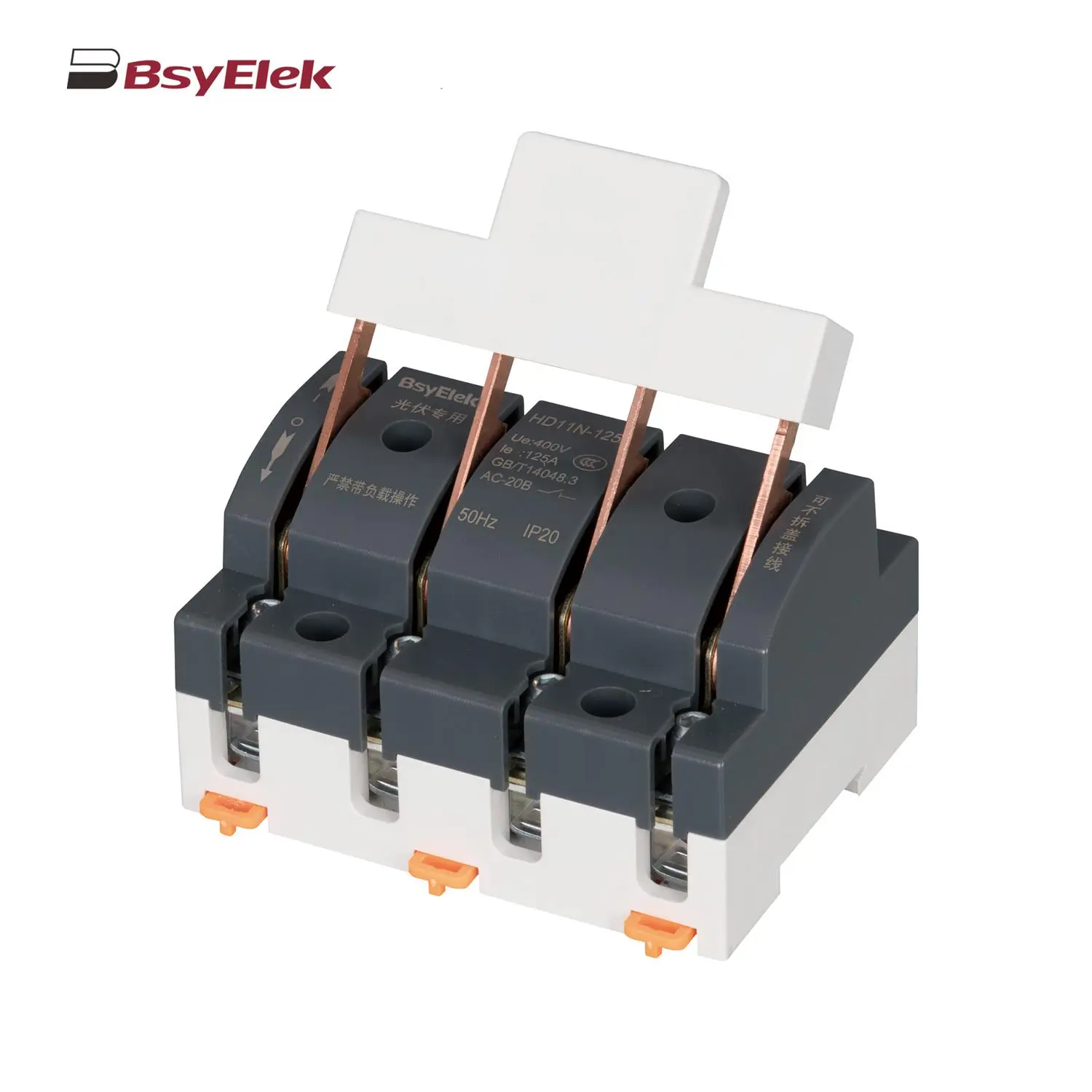 HD11N Photovoltaic Knife Switch
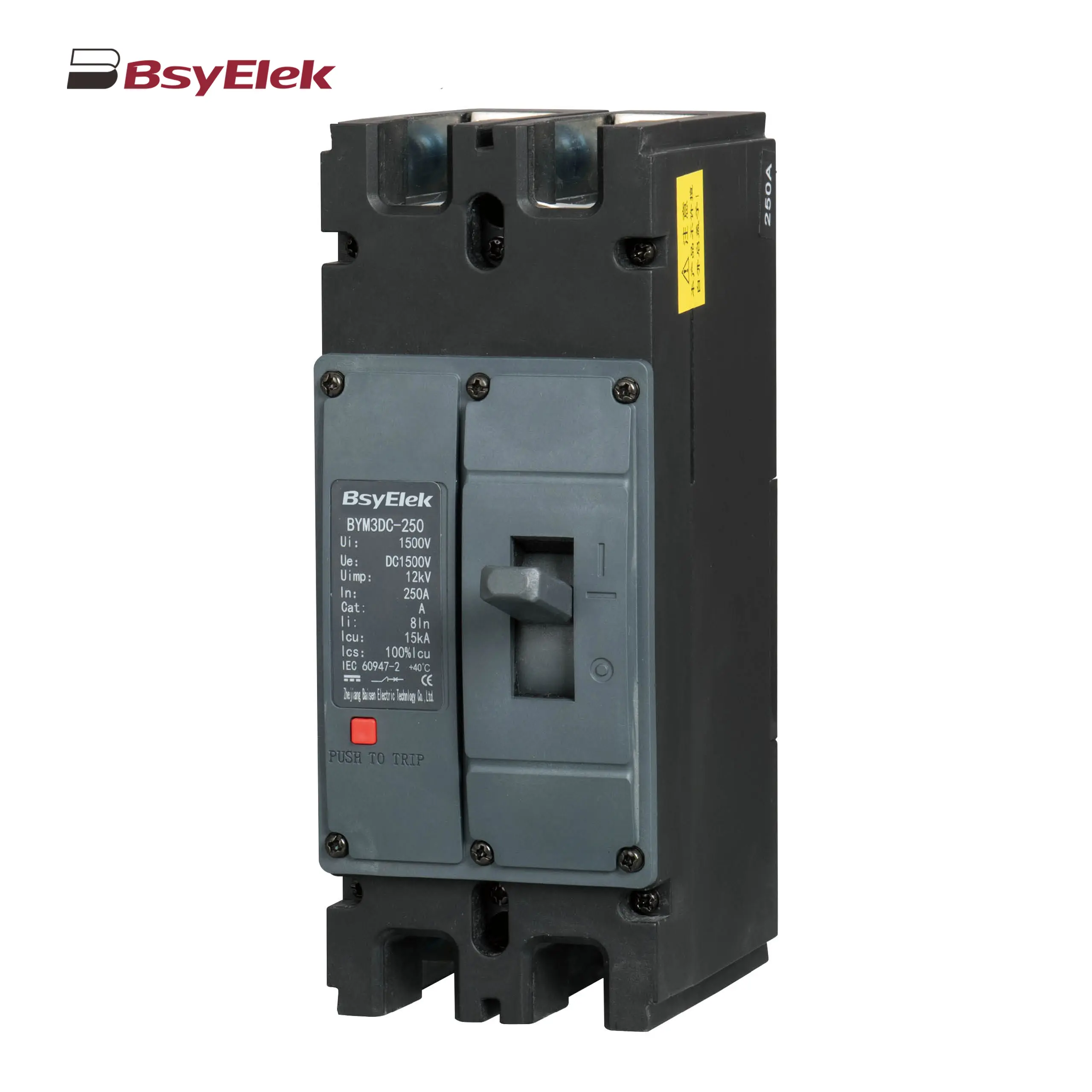 BYM3DC MCCB Photovoltaic DC Molded Case Circuit Breaker
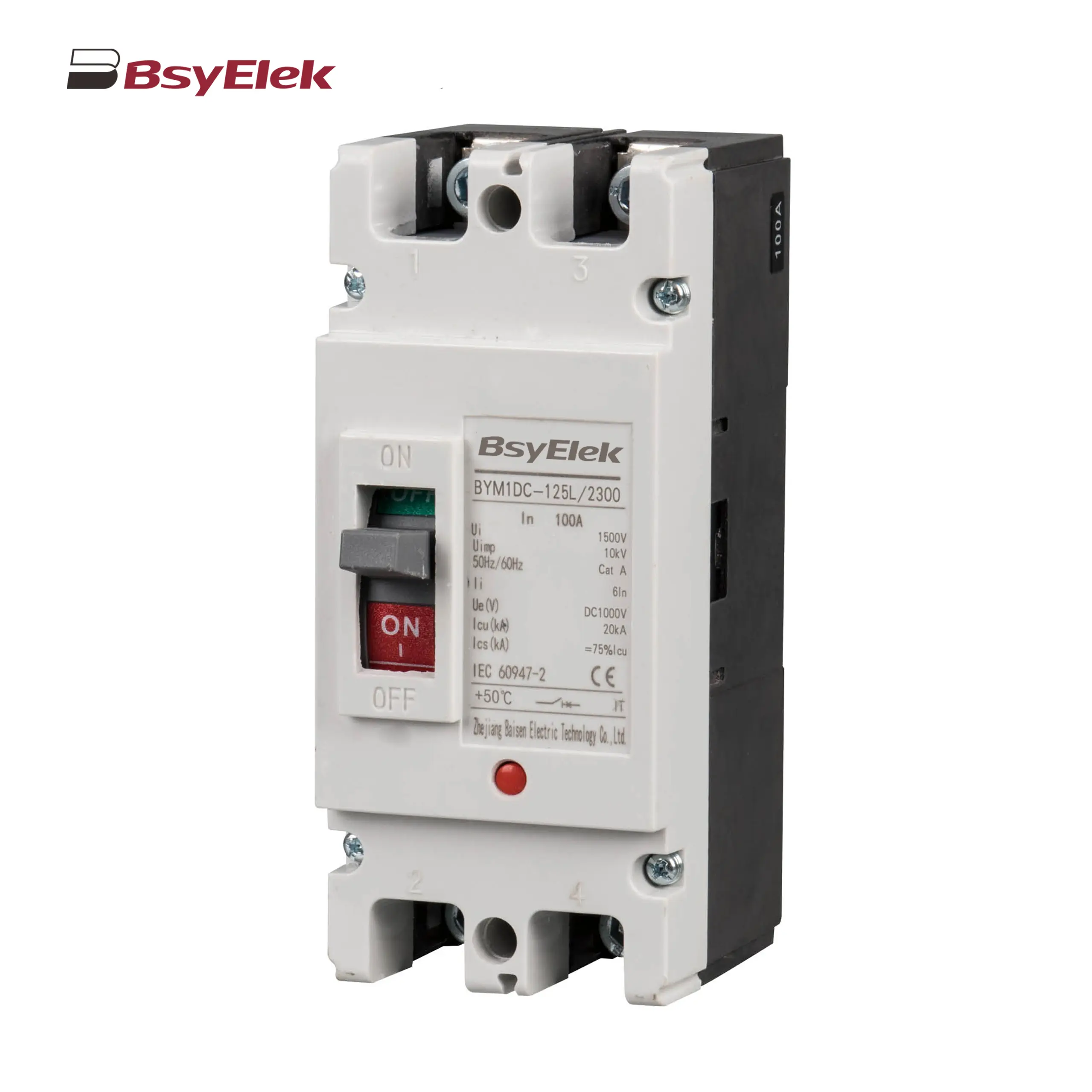 BYM1DC MCCB 1000VDC Thermal Magnetic Type DC Molded Case Circuit Breaker
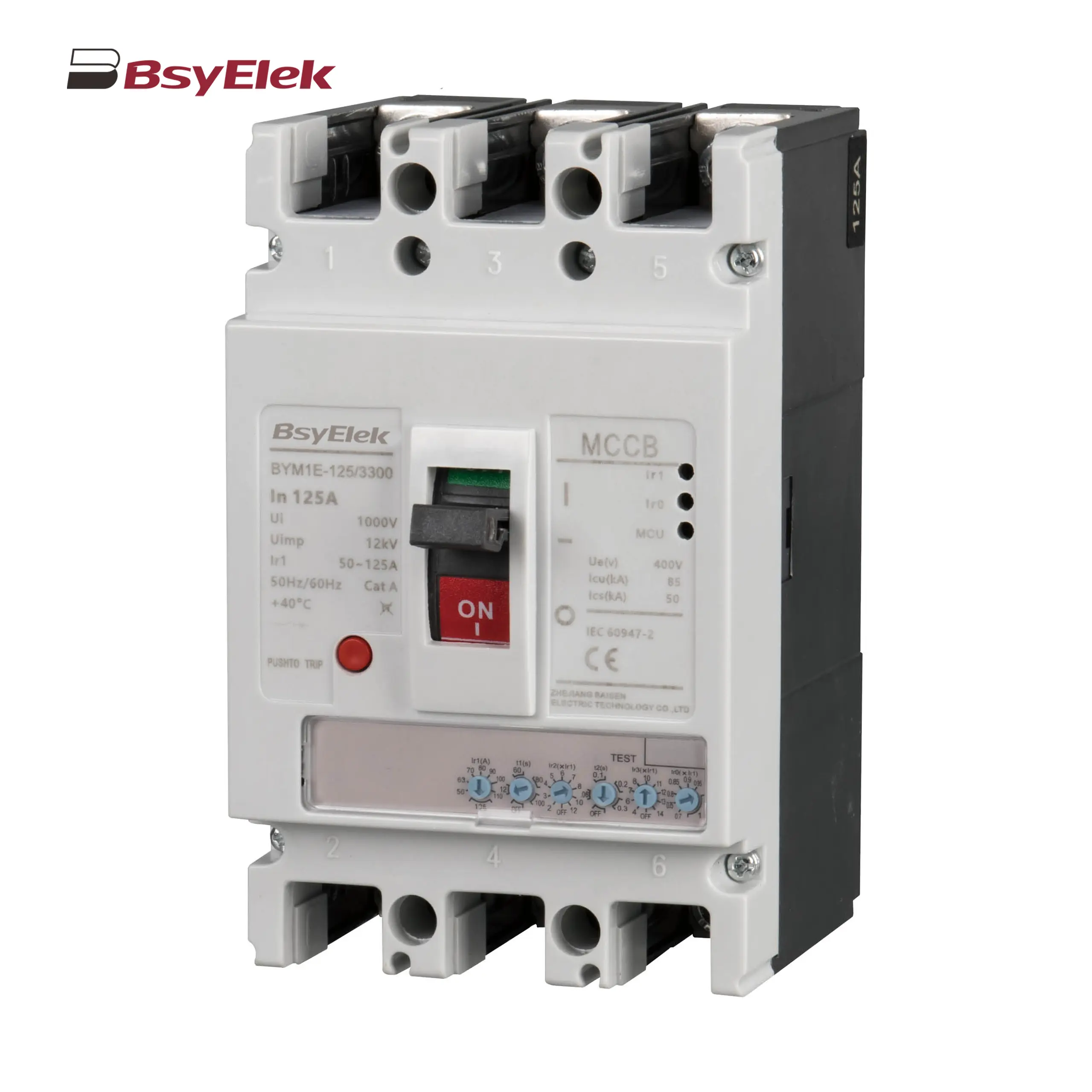 BYM1E MCCB Electronic Type Molded Case Circuit Breaker
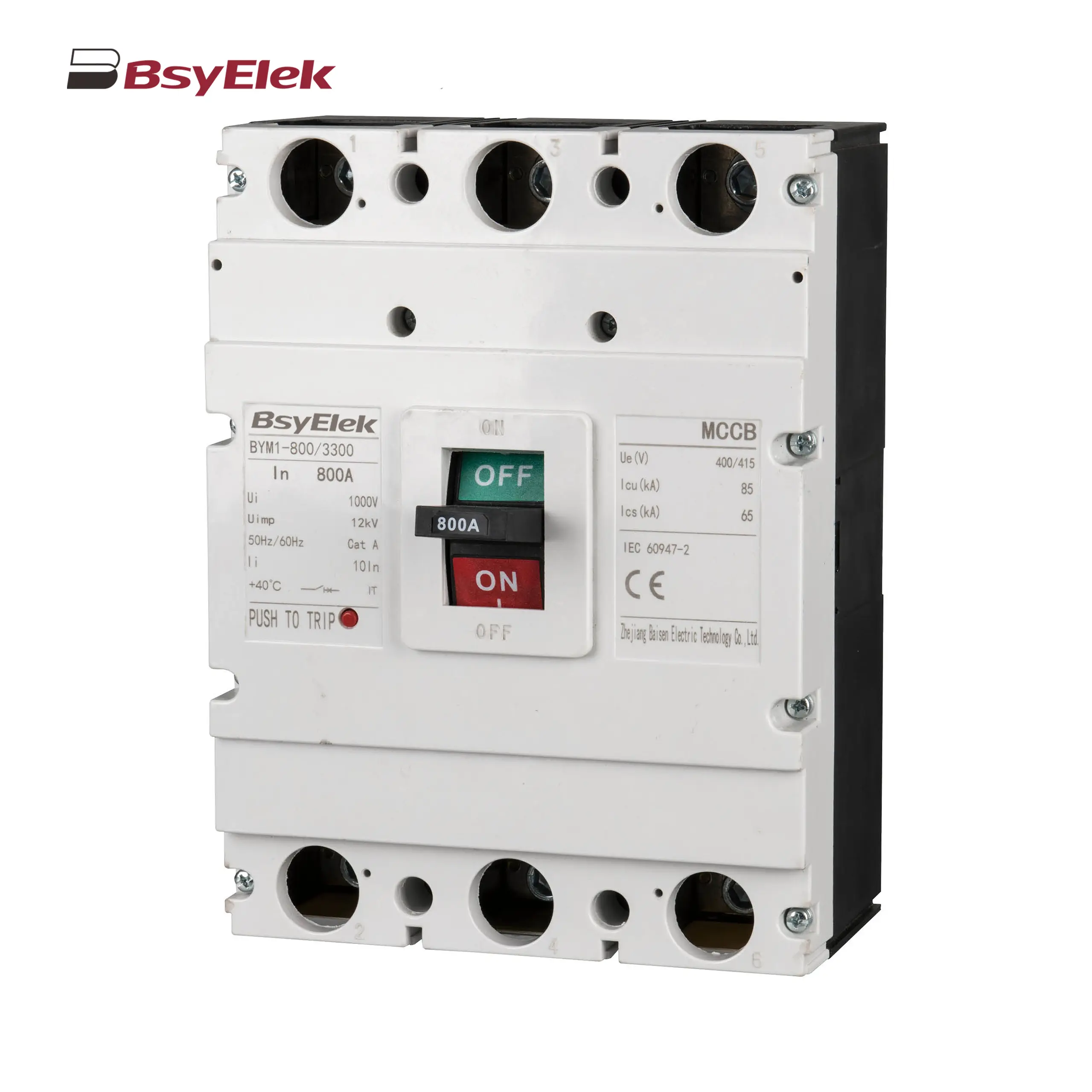 BYM1 MCCB Thermal Magnetic AC Molded Case Circuit Breaker
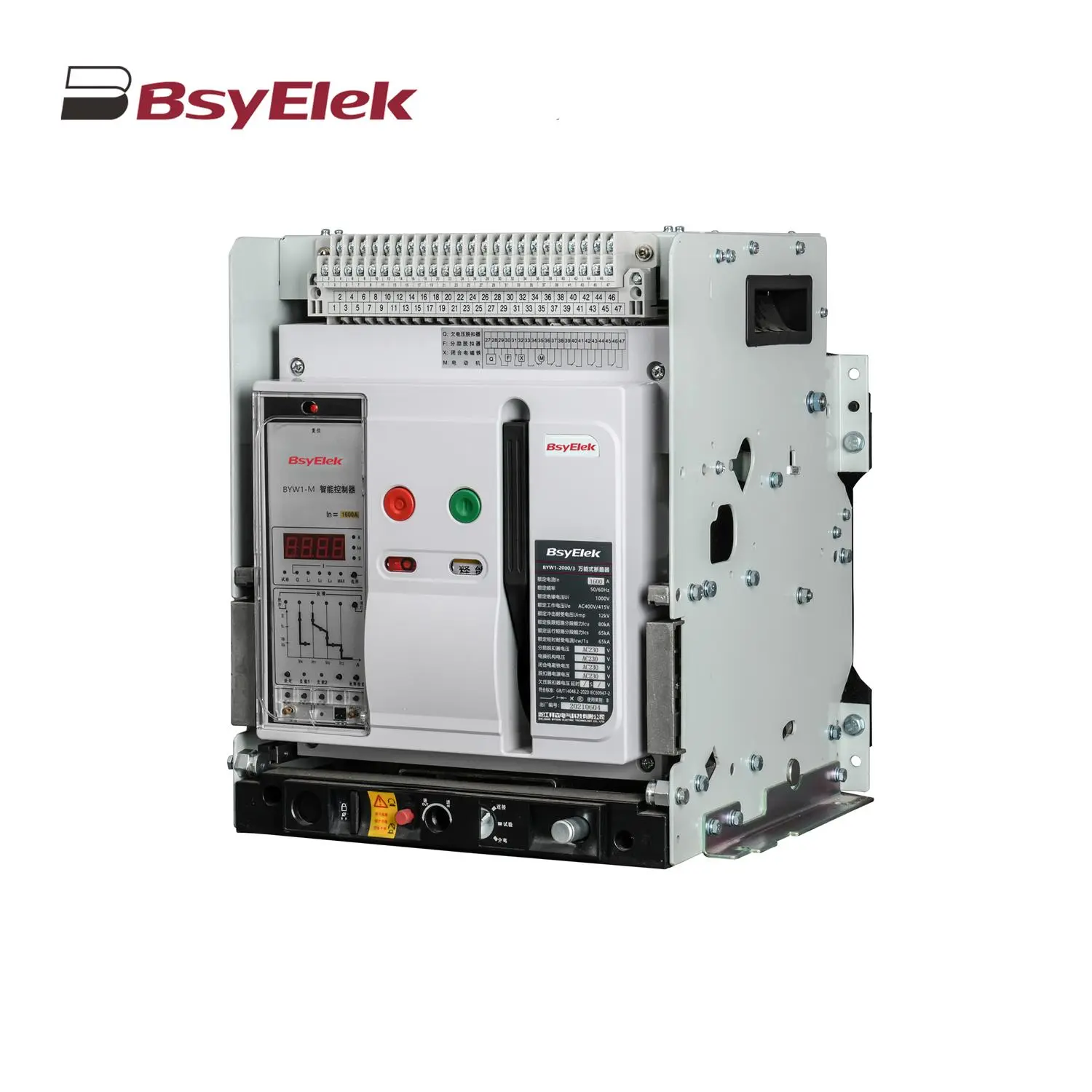 BYW1 ACB Intelligent Universal Air Circuit Breaker
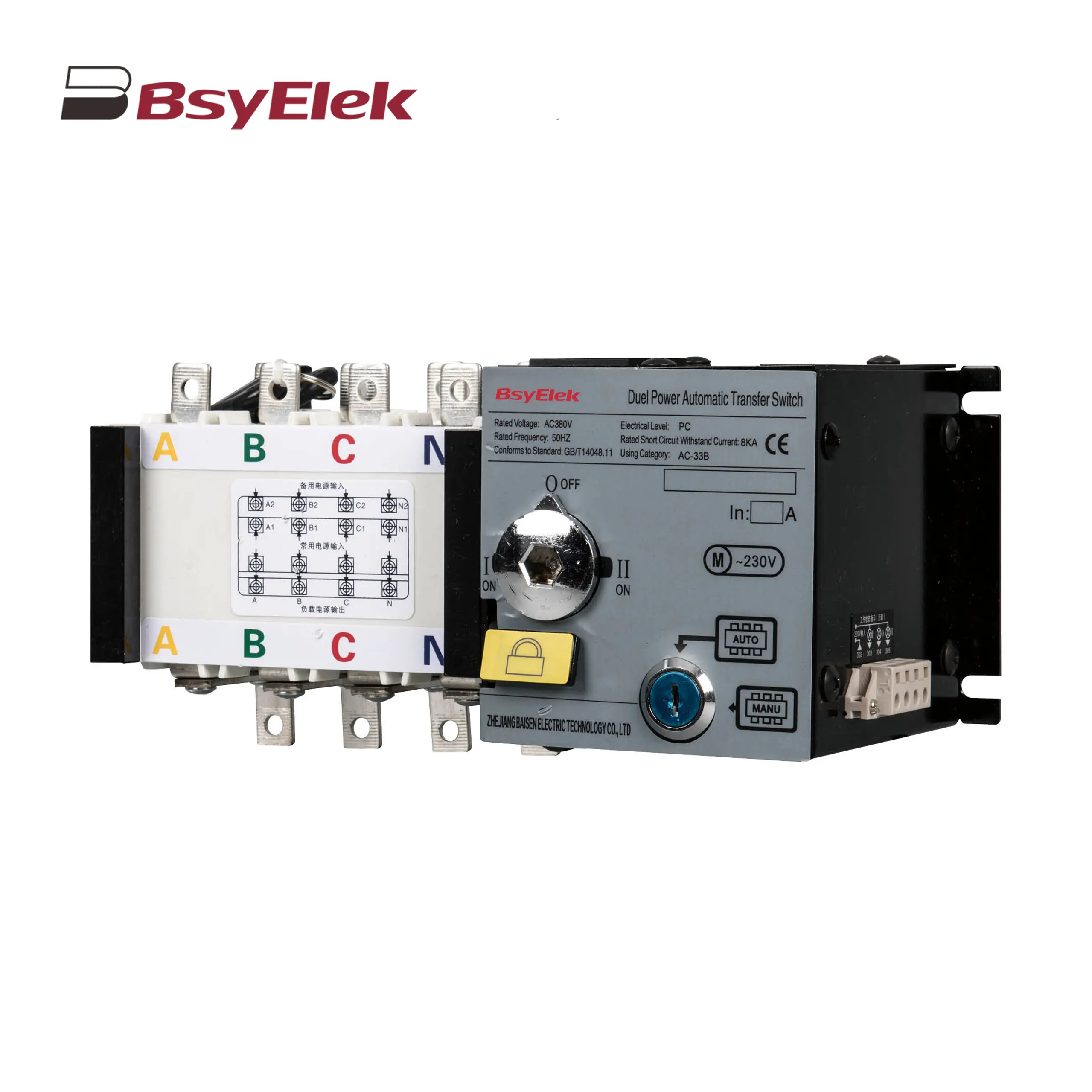 BYQ1 ATS Isolated Type PC Level Dual Power Automatic Transfer Switch
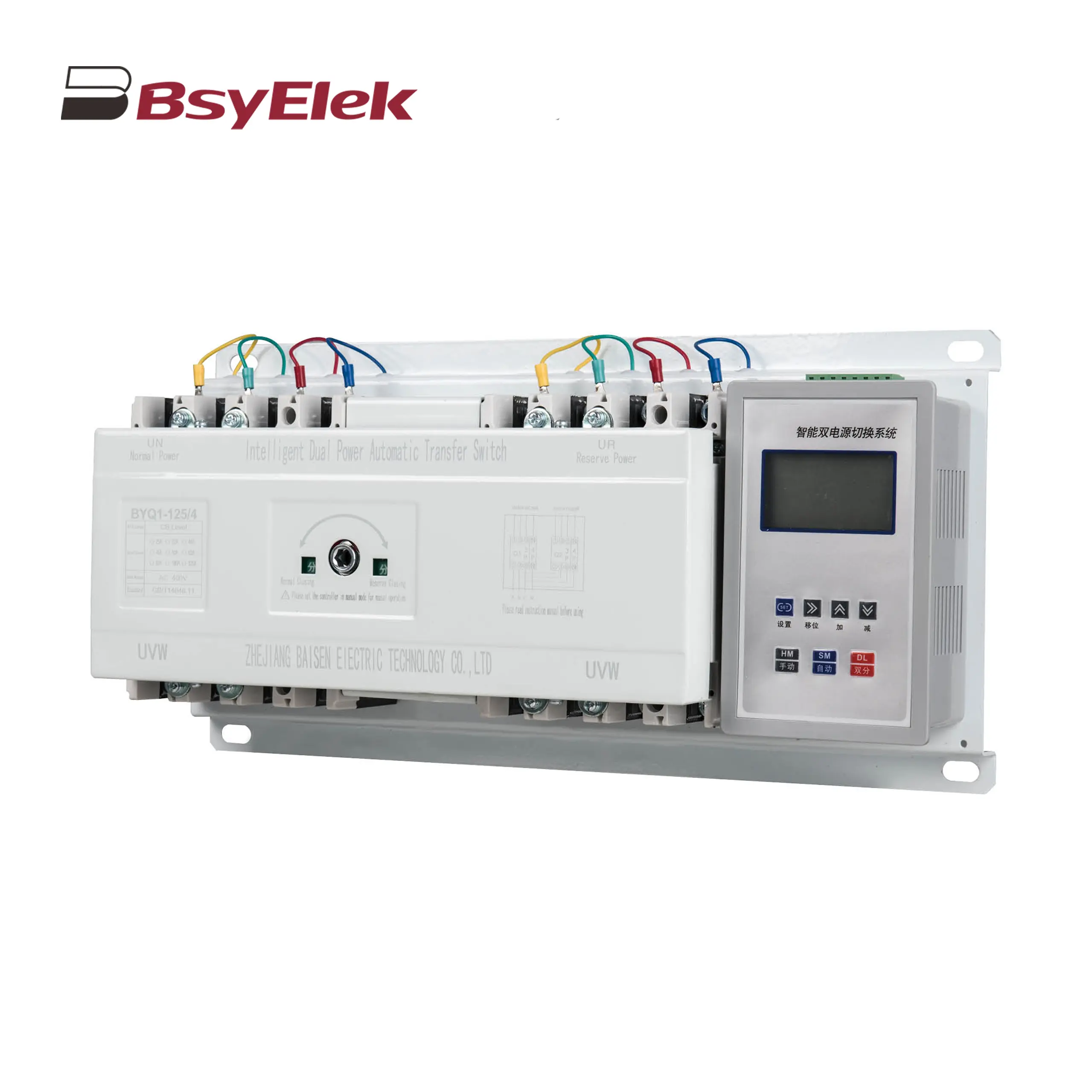 BYQ1 ATS Intelligent Type CB Level Dual Power Automatic Transfer Switch
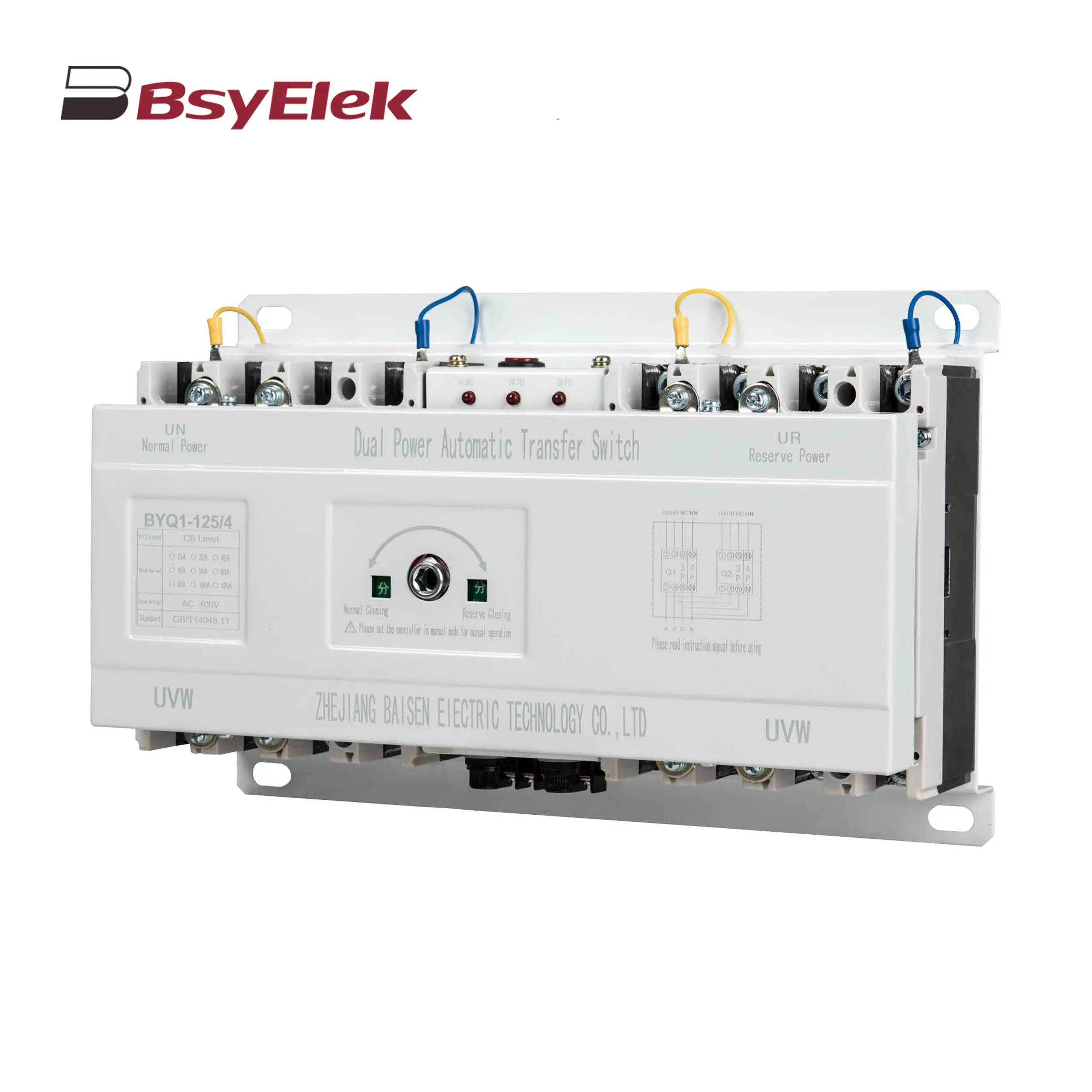 BYQ1 ATS End Type CB Level Dual Power Automatic Transfer Switch
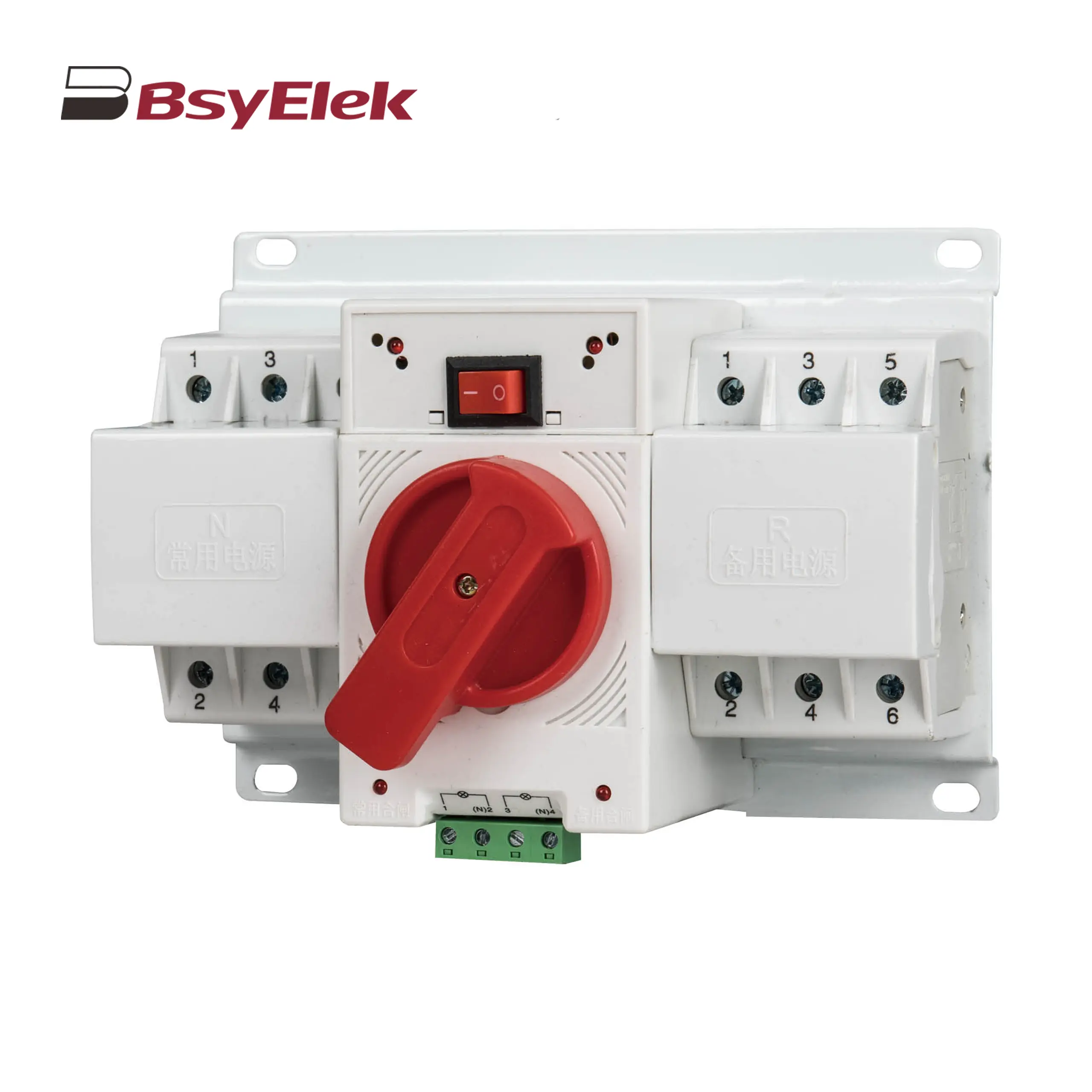 BYQ1 ATS Mini Type CB Level Dual Power Automatic Transfer Switch
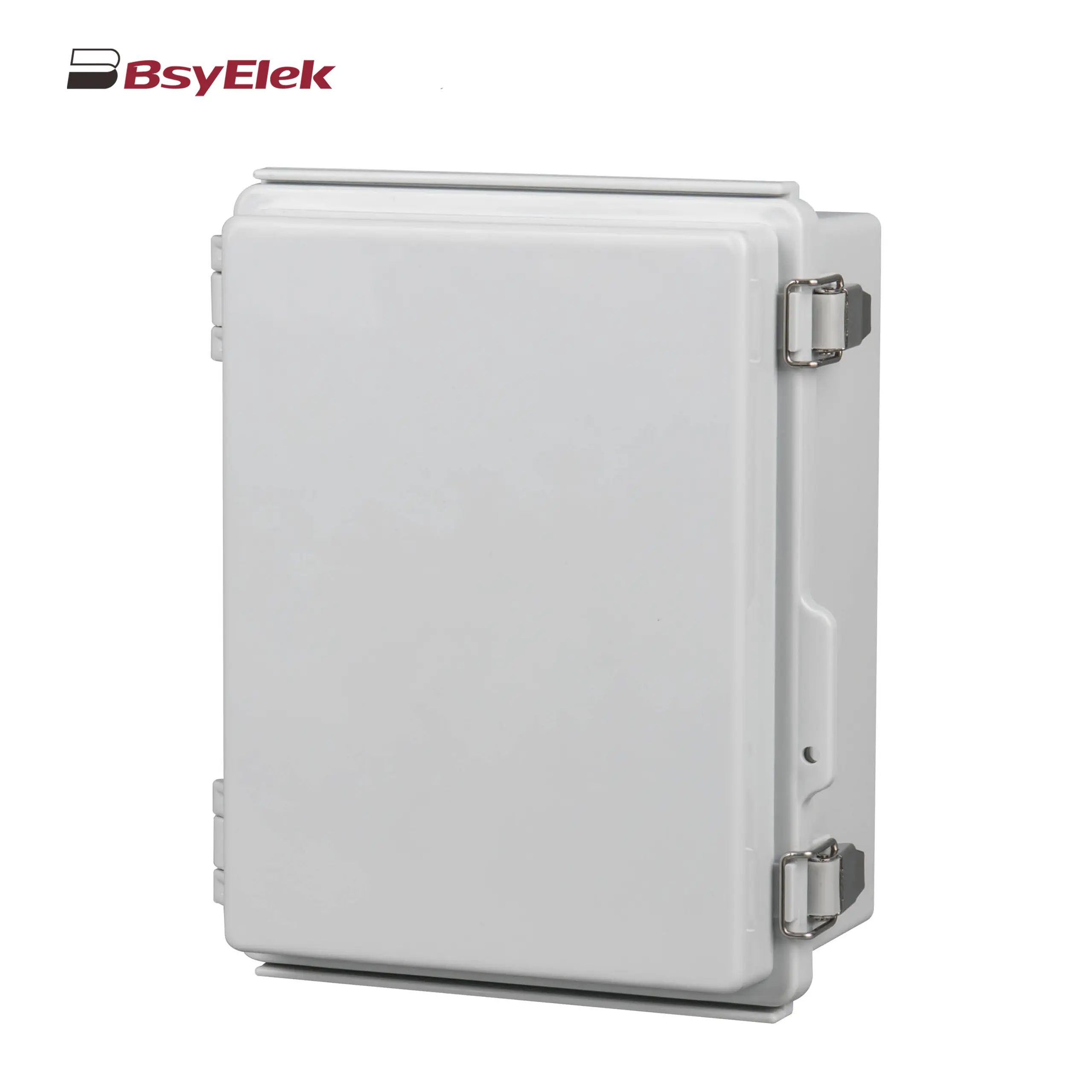 Stainless Steel Hinge Type Electrical Box
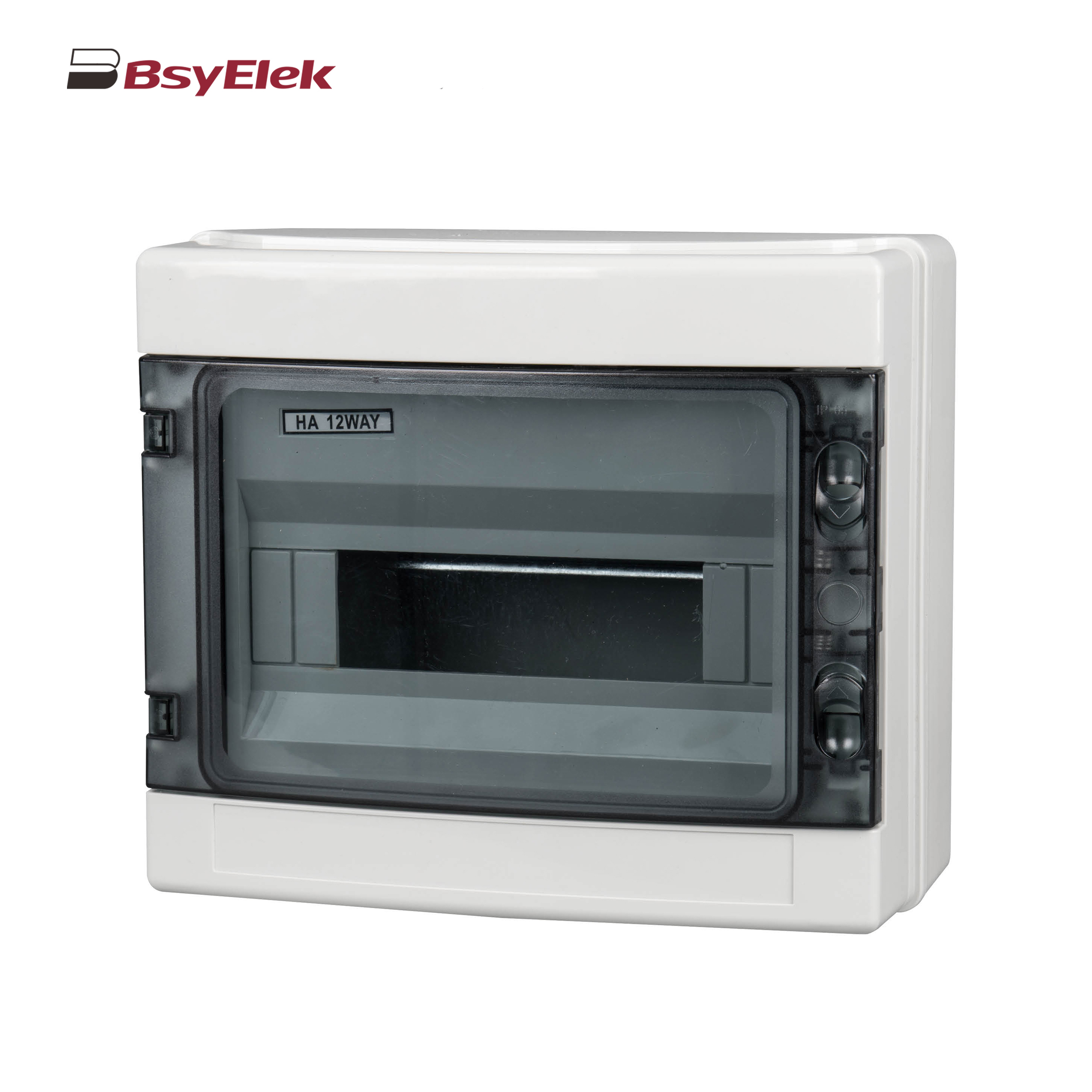 HA Waterproof Distribution Box
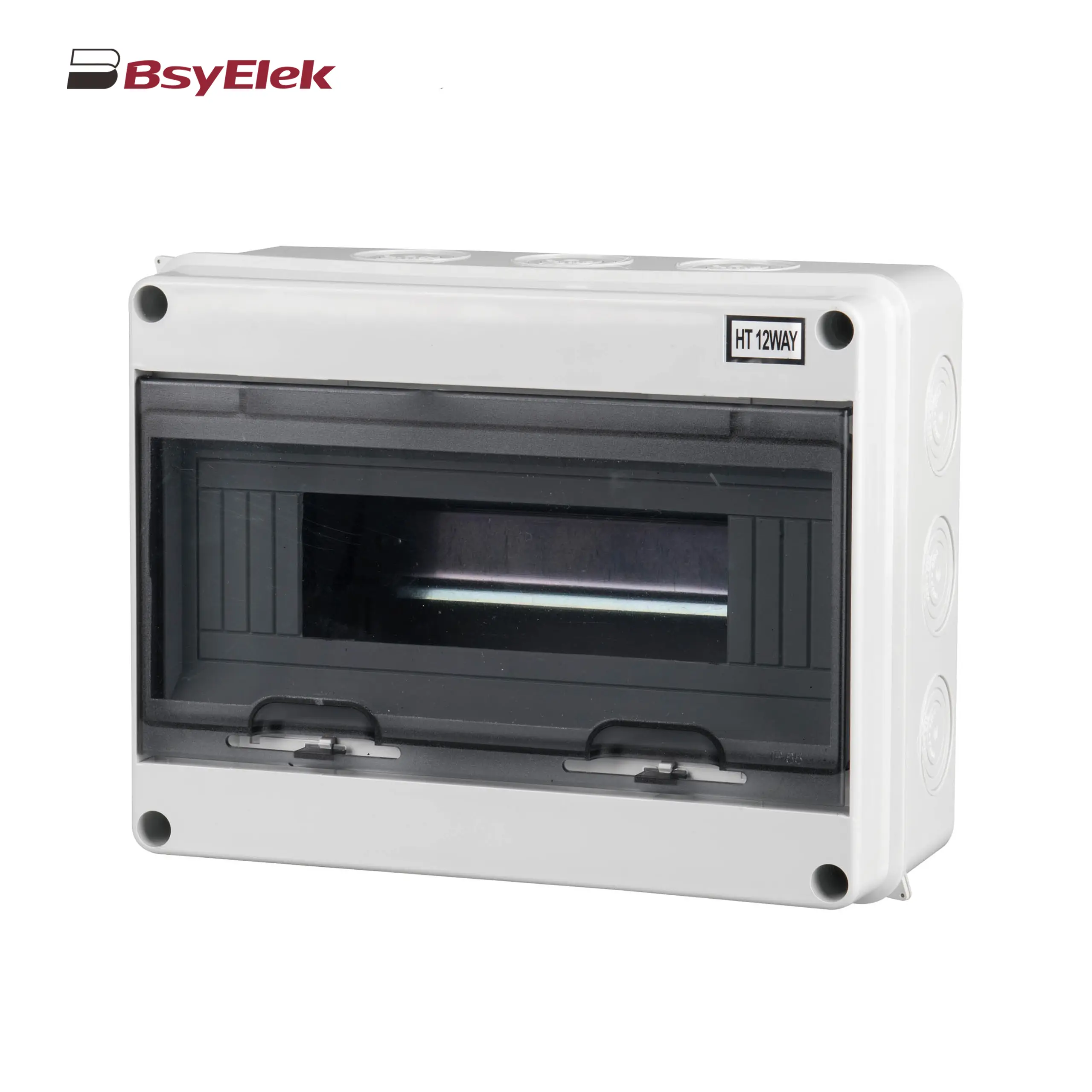 HT Waterproof Distribution Box
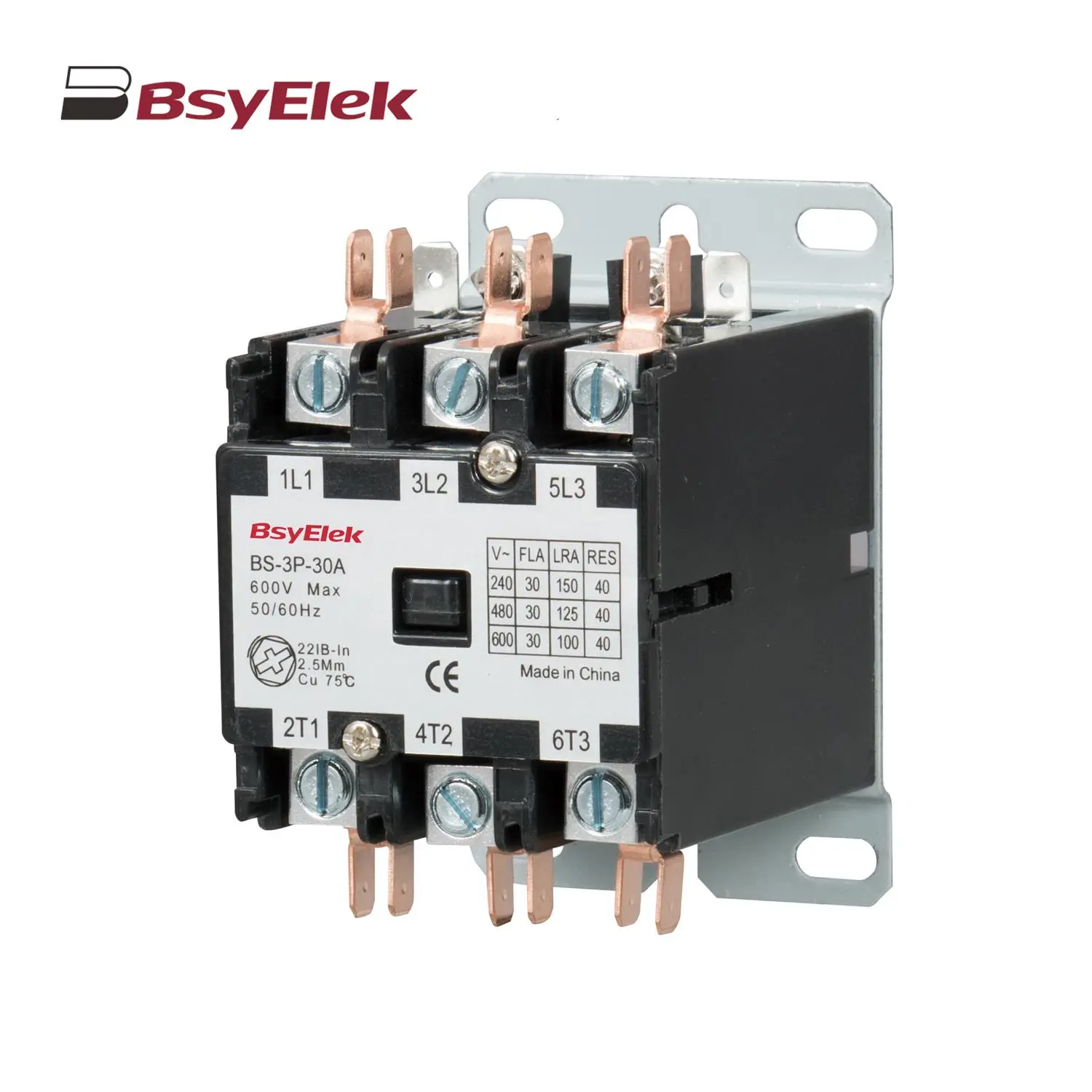 BS Definite Purpose Magnetic AC Contactor