Top 10 Benefits of Using Residual Current Circuit Breakers?
Residual Current Circuit Breaker (RCCB) technology plays a vital role in modern electrical safety. According to the National Fire Protection Association, electrical failures are a leading cause of residential fires. Implementing RCCBs can significantly reduce this risk by detecting ground faults. Studies show that these devices can prevent up to 90% of electrocutions in homes.
The use of RCCBs is essential for both residential and commercial settings. The World Health Organization reports that 22,000 people die from electrocution annually. By employing RCCBs, we can drastically lower these statistics. Moreover, the International Electrotechnical Commission emphasizes that these devices ensure compliance with electrical safety standards. Proper installation and usage of RCCBs can lead to safer environments.
Despite their efficacy, not all users recognize the importance of RCCBs. Some may overlook these devices in their safety measures or fail to understand their functions fully. It’s crucial to educate the public on the advantages of RCCBs, as heightened awareness can save lives. Balancing safety and reliability can enhance the effectiveness of electrical systems.
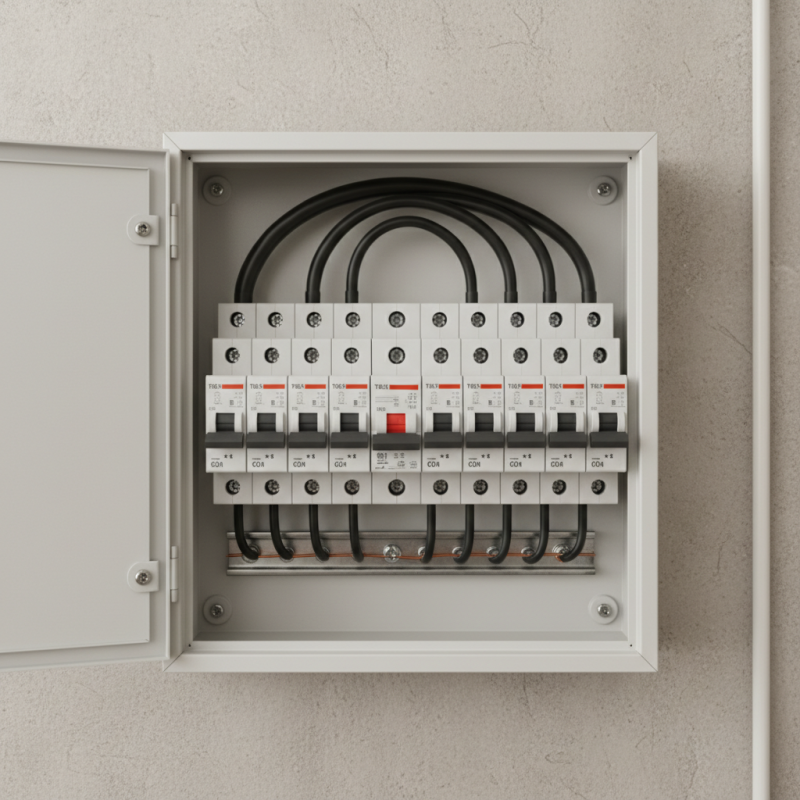
Understanding Residual Current Circuit Breakers (RCCBs)
Residual Current Circuit Breakers, or RCCBs, are essential devices for modern electrical safety. They detect imbalances in electrical current. This action prevents potential electric shocks and fires. When current leaks occur, RCCBs quickly disconnect the power. This rapid response can be lifesaving. They are particularly beneficial in areas with moisture, like kitchens and bathrooms.
Understanding the technology behind RCCBs is crucial. These devices monitor the flow of current through live and neutral wires. If they sense any difference, they react immediately. This quick detection is vital for safety. The units are sensitive and can protect against even minor leaks. Their effectiveness can sometimes depend on installation quality. Poorly installed devices may not function as intended.
While RCCBs offer many benefits, they are not foolproof. They can fail if not maintained properly. Regular testing is essential for reliability. Many users often forget this simple task. Additionally, RCCBs cannot prevent overload currents. Home wiring systems must be designed properly. This ensures comprehensive electrical safety. Understanding these nuances makes a big difference in how RCCBs perform. Always consult with professionals for optimal installation and maintenance.
Top 10 Benefits of Using Residual Current Circuit Breakers (RCCBs)
| Benefit |
Description |
| Safety |
RCCBs reduce the risk of electric shock by disconnecting the circuit when a fault is detected. |
| Fire Prevention |
They help prevent electrical fires caused by ground faults or leakage currents. |
| Ease of Installation |
RCCBs are generally easy to install in existing electrical systems. |
| Compact Size |
Their compact design allows for installation in limited space without compromising functionality. |
| Cost-Effective |
They are an affordable investment in safety, potentially reducing insurance premiums. |
| User-Friendly |
Simple push-button reset operation enhances user convenience. |
| Compliance with Regulations |
RCCBs help meet local and international electrical safety standards. |
| Lifespan |
They generally have a long operational lifespan with minimal maintenance required. |
| Protection for Equipment |
By avoiding electrical overloads, they protect sensitive electronic equipment. |
| Enhanced Awareness |
RCCBs provide users with a greater awareness of potential electrical hazards. |
Enhanced Safety for Electrical Systems with RCCBs
Residual Current Circuit Breakers (RCCBs) play a vital role in enhancing the safety of electrical systems. Their main function is to detect imbalances in the electrical current. If an imbalance occurs, such as when current leaks through insulation or a person, the RCCB will trip. This quick action prevents severe electrical shocks and fires, significantly reducing safety risks.
In residential and commercial settings, the safety benefits of RCCBs can’t be overstated. They protect both people and property from electrical hazards. RCCBs are especially critical in damp areas like bathrooms or kitchens, where the risk of electric shock is higher. Regular testing of RCCBs ensures their efficiency, yet many people overlook this crucial maintenance step. While some may argue that older systems are sufficient, the reality is that modern RCCBs offer improved technology, reducing the chances of failure.
There are limitations to consideration. Not all RCCBs respond equally to different types of current leakage. In some cases, a malfunction can arise if not properly installed. Users must understand their RCCB's specifications and ensure compliance with safety standards. Knowledge and awareness are key to maximizing safety with these devices.
Prevention of Electrical Fires through RCCB Usage
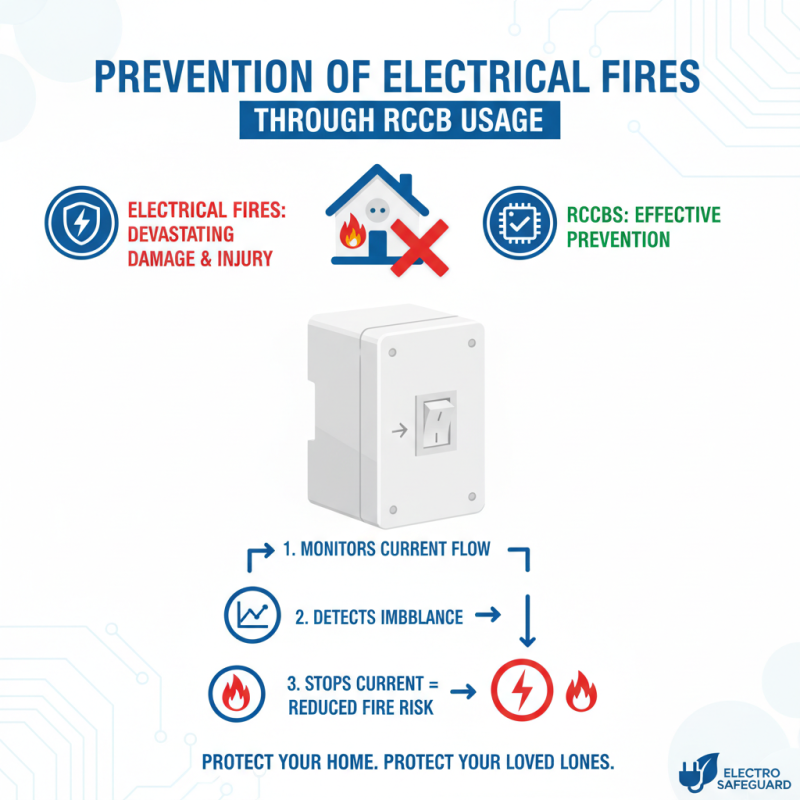
Electrical fires can be devastating, leading to property loss and personal injury. One effective way to prevent such disasters is by using Residual Current Circuit Breakers (RCCBs). These devices monitor the flow of electrical current through circuits. If an imbalance is detected, an RCCB stops the current flow, reducing the risk of fires caused by electrical faults.
Using an RCCB enhances electrical safety significantly. It acts quickly, often in milliseconds, to disconnect the circuit. This rapid response can prevent situations where such faults can escalate. However, while RCCBs provide a strong layer of protection, it's important to remember they require regular testing and maintenance. Without proper care, their effectiveness may deteriorate over time.
Homeowners should also consider that RCCBs do not protect against all electrical hazards. For instance, they won't guard against overloads or short circuits. It's wise to combine their use with other safety measures, such as circuit breakers and fuses. Awareness and proactive maintenance are key factors in safeguarding your home against electrical fires.
Importance of RCCBs in Protecting Against Electrocution
Residual Current Circuit Breakers (RCCBs) are vital in protecting against electrocution. They serve as a safeguard in both residential and commercial settings, sensing current leaks and cutting off power instantly. According to the National Fire Protection Association, electrical malfunctions account for about 20% of home fires. RCCBs significantly reduce this risk by detecting abnormal currents that could lead to electrocution.
In homes, a misplaced appliance can lead to severe accidents. RCCBs can detect a mere 30mA of leakage current in milliseconds, offering critical protection. Data from the Electrical Safety Foundation International shows that over 300 people die each year from electrocution in the United States alone. By installing RCCBs, households can drastically lower this figure.
However, it's not flawless. RCCBs require regular testing to ensure proper functioning. Many users neglect this, leading to a false sense of security. In the industry, the failure rate of RCCBs due to lack of maintenance is concerning. It serves as a reminder that technology alone cannot ensure safety; user awareness and education are essential.
Cost-Efficiency and Long-Term Benefits of Using RCCBs
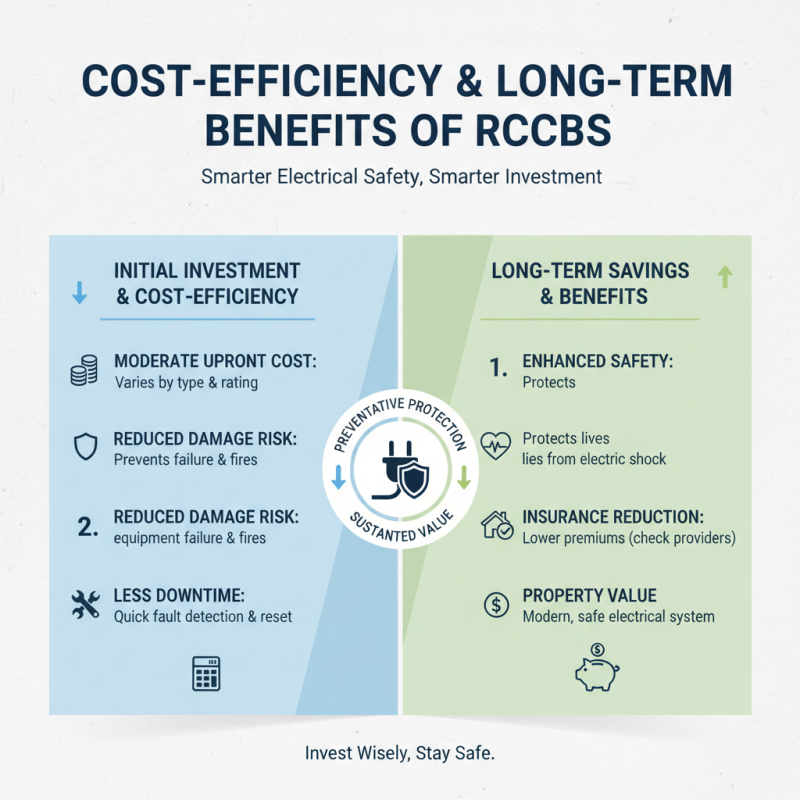
Residual Current Circuit Breakers (RCCBs) play a crucial role in modern electrical safety. Their primary function is to prevent electrical shocks and fires by disconnecting the supply when abnormal currents are detected. Investing in RCCBs can significantly enhance safety in both residential and commercial settings. However, it's essential to consider their cost-efficiency and long-term benefits carefully.
Initially, the upfront cost of RCCBs may seem high. Yet, their ability to prevent accidents can save money in the long run. Hospital bills from electrical injuries can add up quickly. Plus, the potential damage from electrical fires might lead to massive property losses. Over time, the savings in insurance premiums can offset the initial investment.
RCCBs also contribute to energy efficiency. By ensuring that electrical systems operate correctly, they help reduce energy waste. Properly functioning RCCBs can lower overall electricity costs. While it may be tempting to skip installing them, the potential risks are significant. Reflecting on safety and efficiency should lead to a clear decision: RCCBs are essential for safe and cost-effective electrical systems.



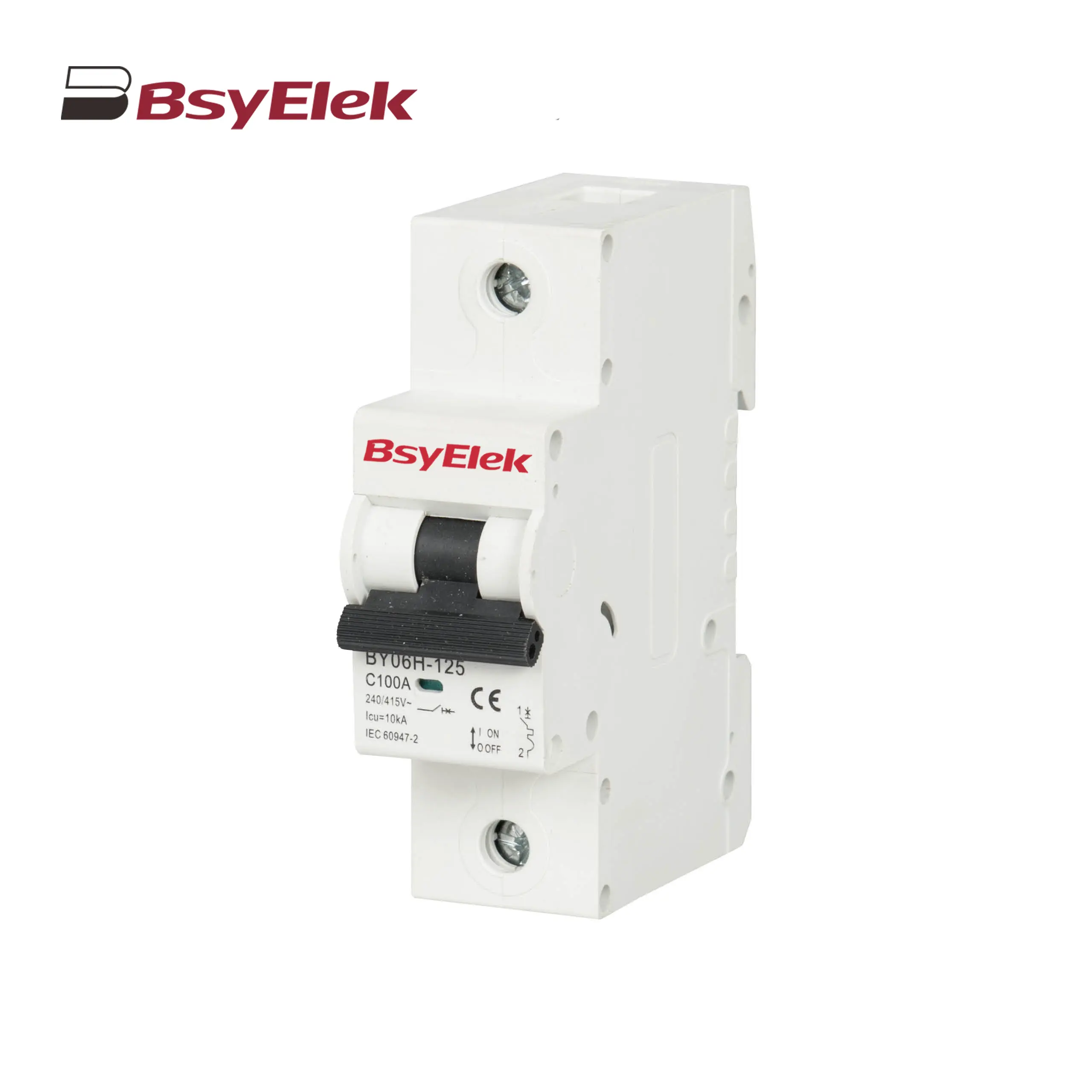 BY06H-125 MCB 10-15KA Miniature Circuit Breaker
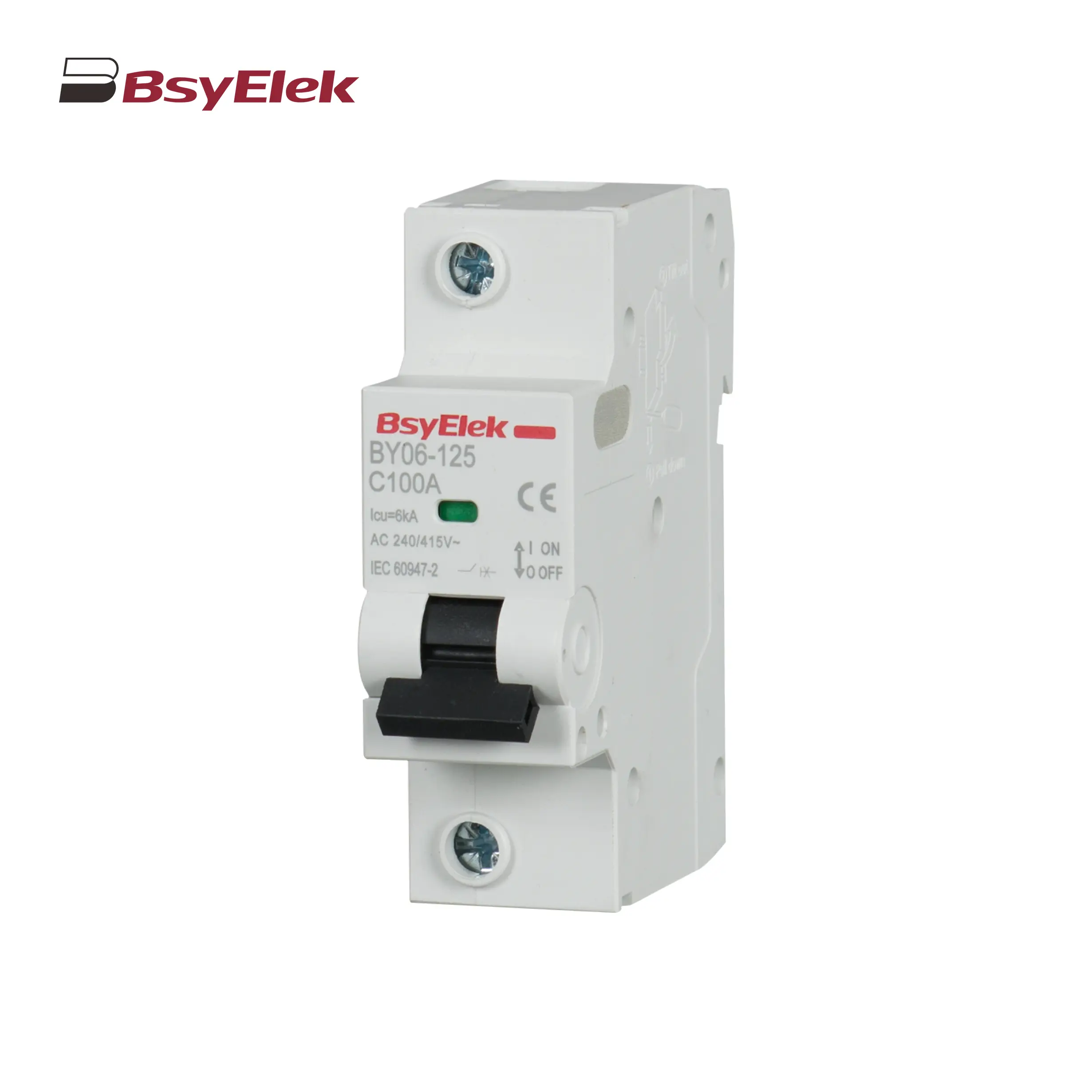 BY06-125 MCB 6KA Miniature Circuit Breaker
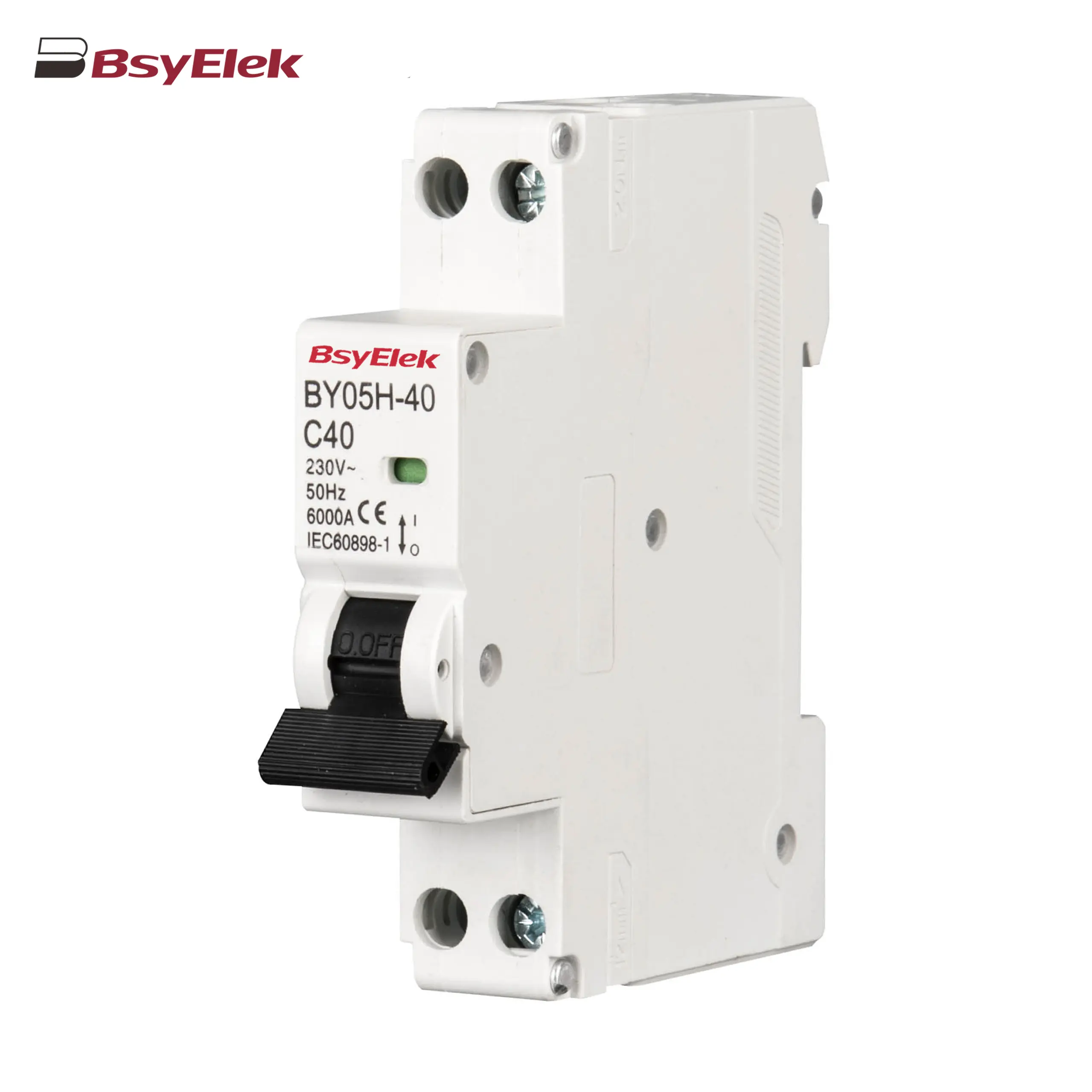 BY05H-40 MCB Single Modular 6KA Miniature Circuit Breaker
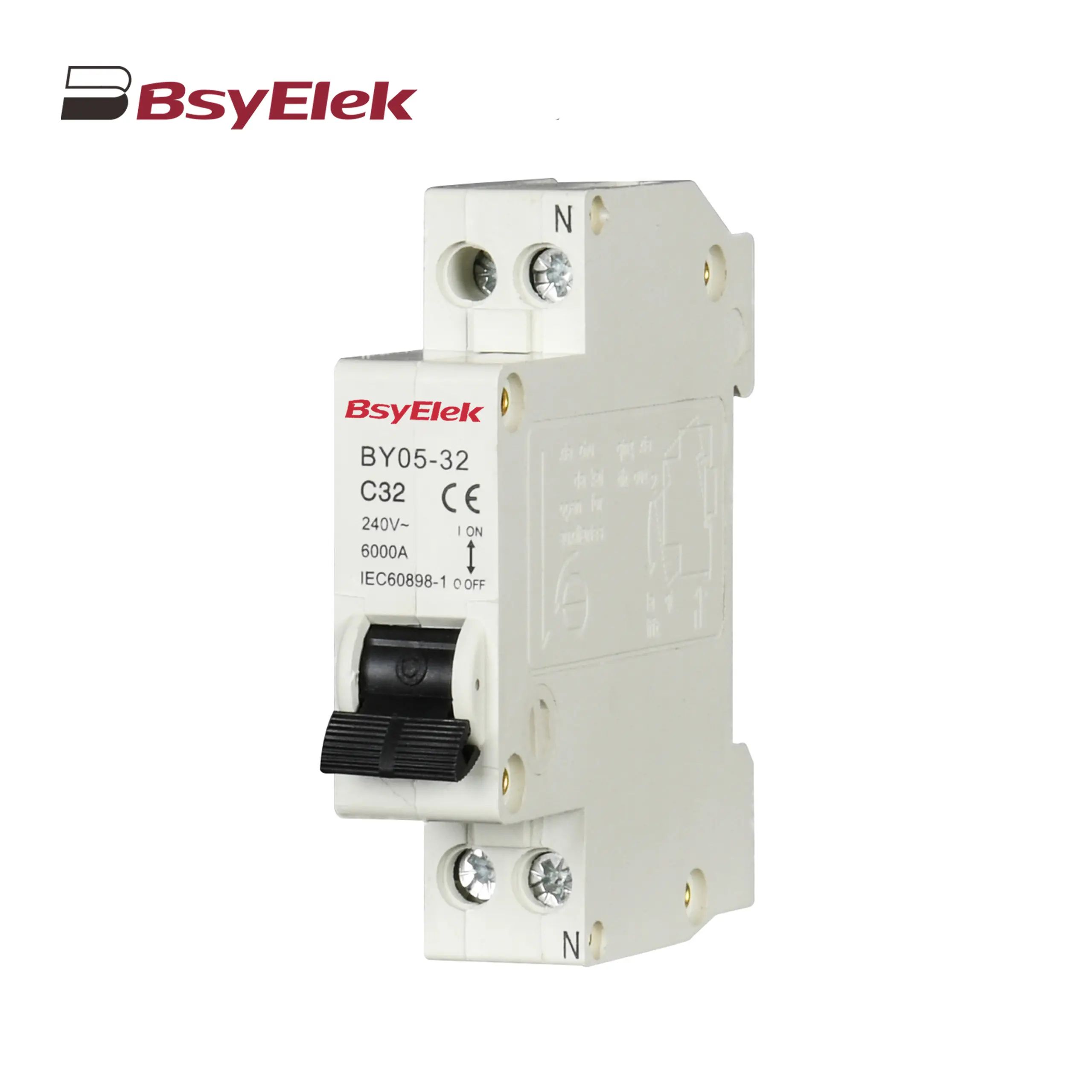 BY05-32 MCB Single Modular 3KA Miniature Circuit Breaker
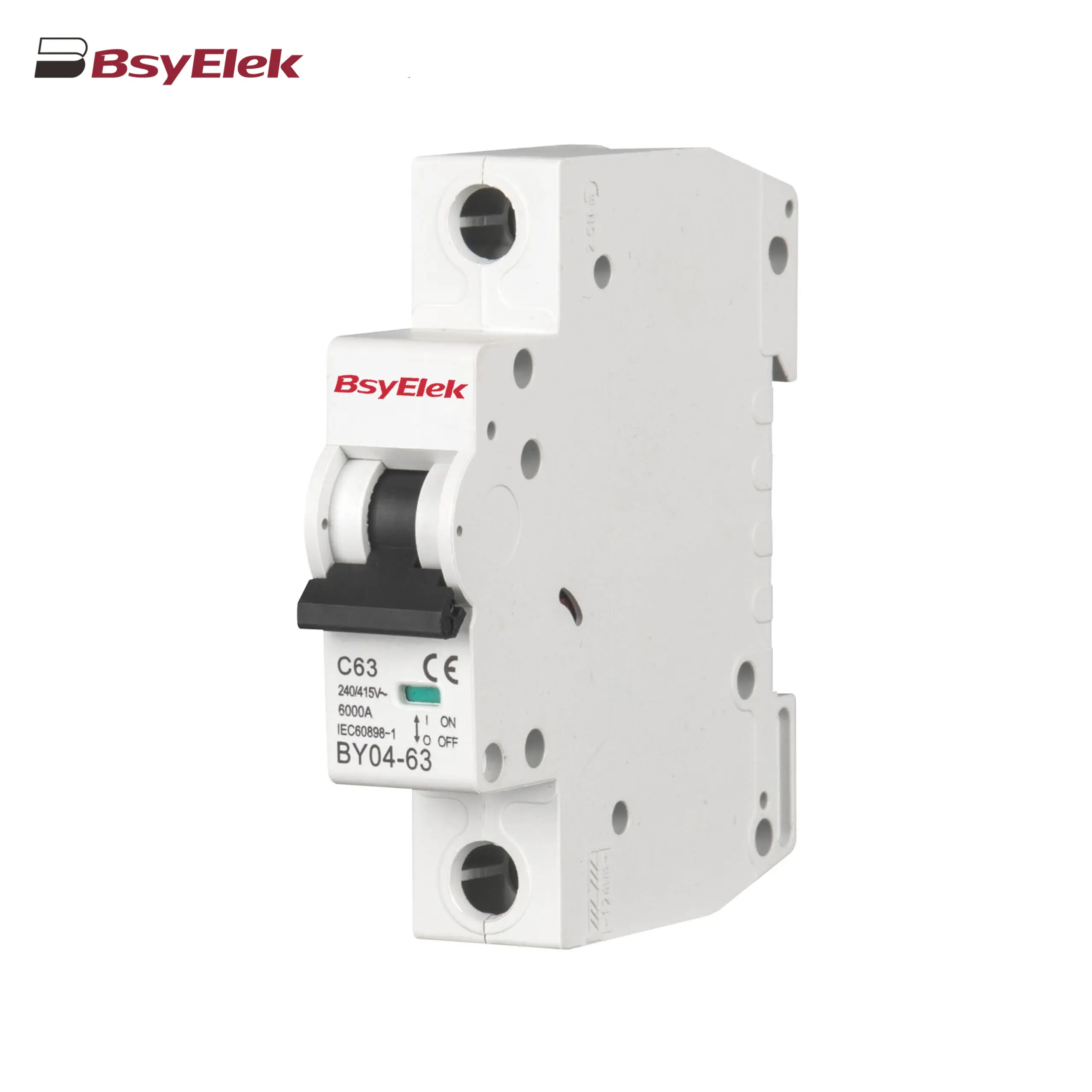 BY04-63 MCB 6-10KA Miniature Circuit Breaker
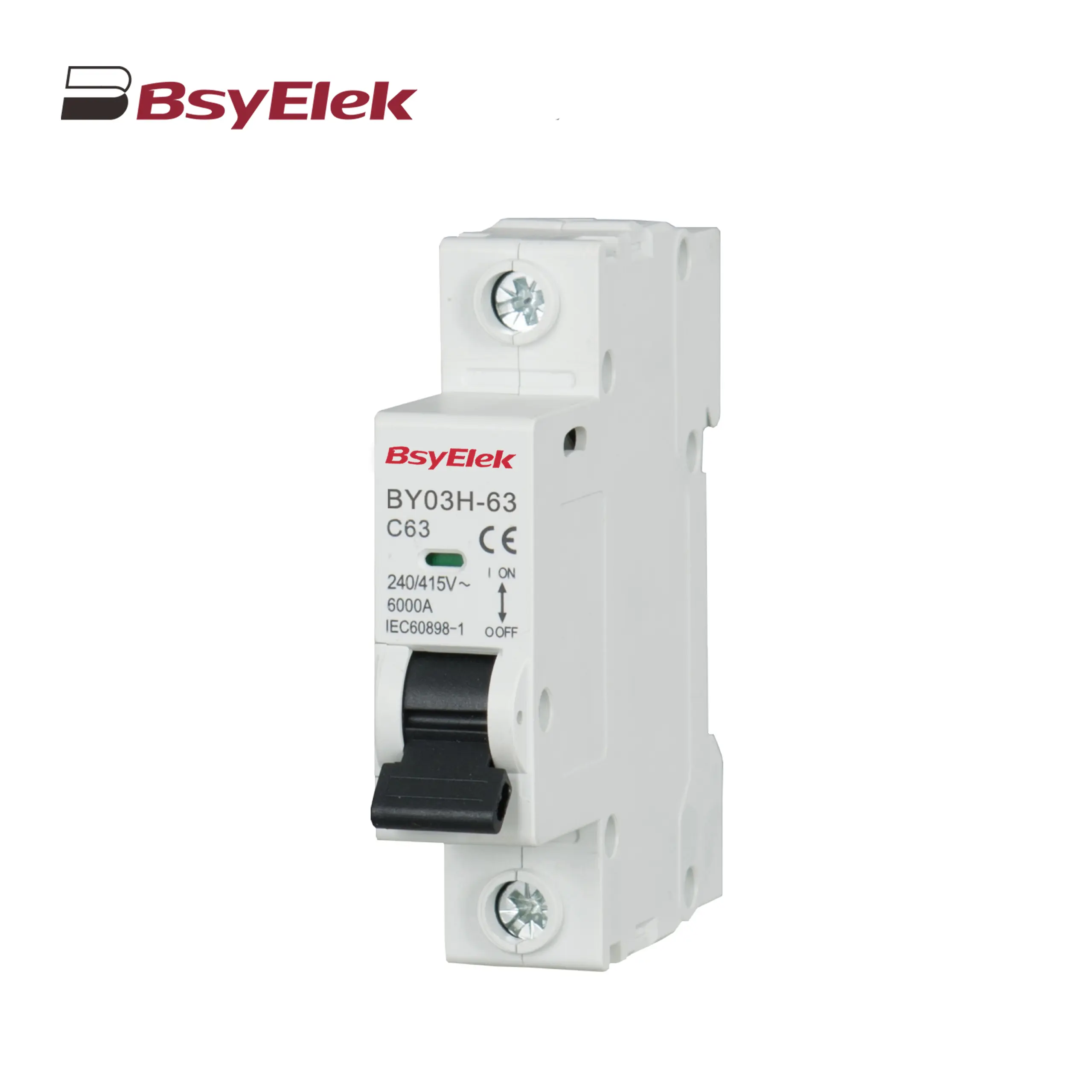 BY03H-63 MCB 6KA Miniature Circuit Breaker
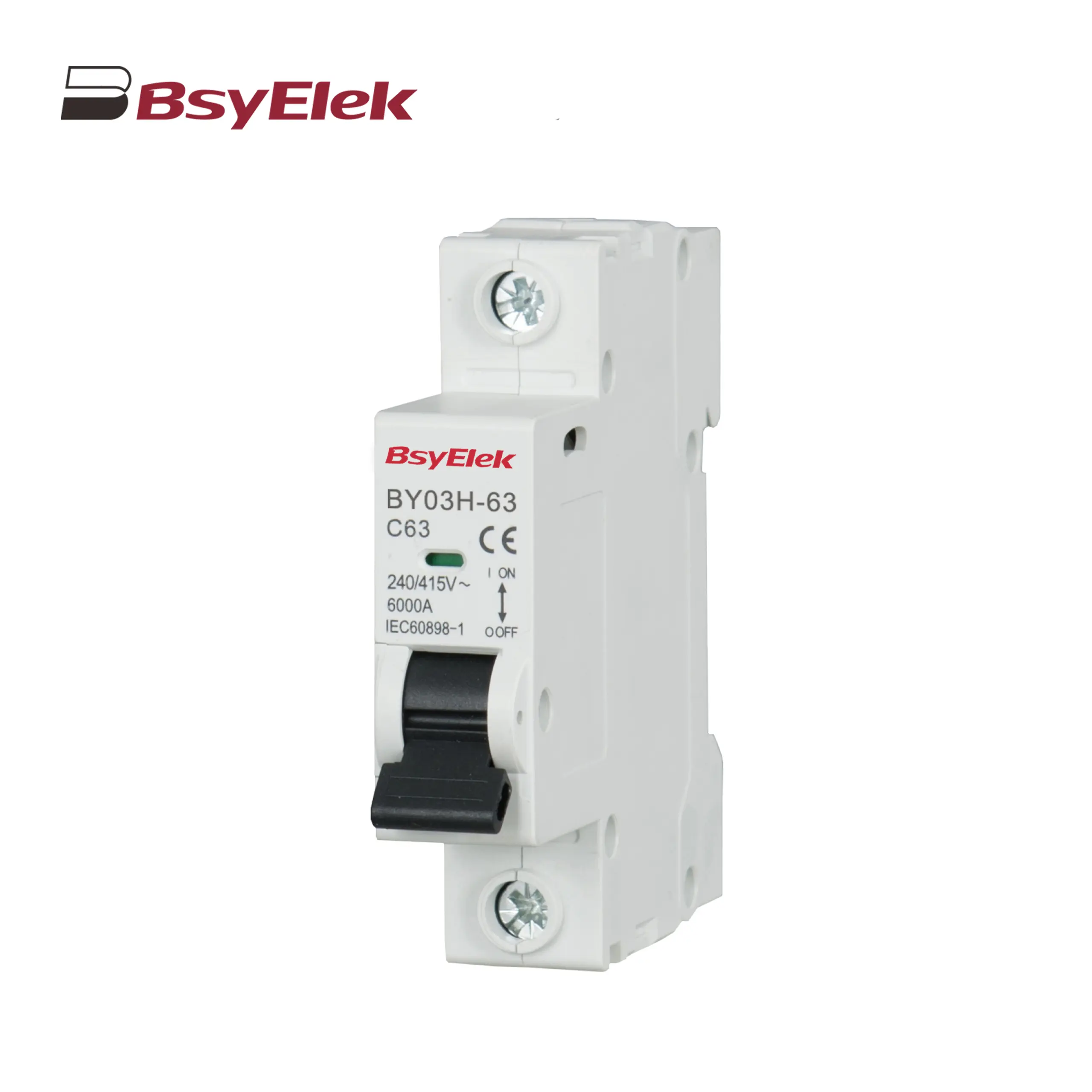 BY03-63 MCB 4.5KA Miniature Circuit Breaker
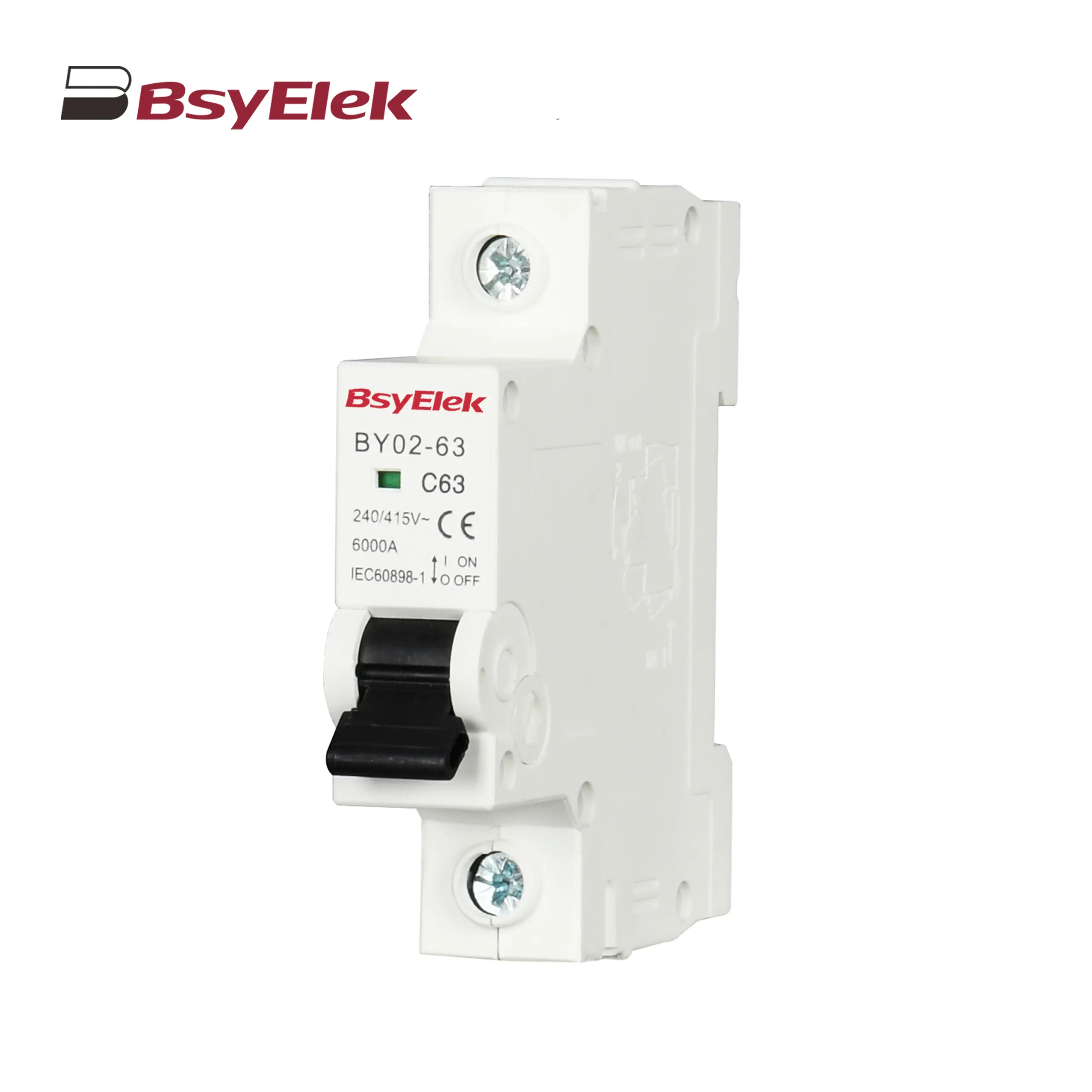 BY02-63 MCB 3kA Miniature Circuit Breaker
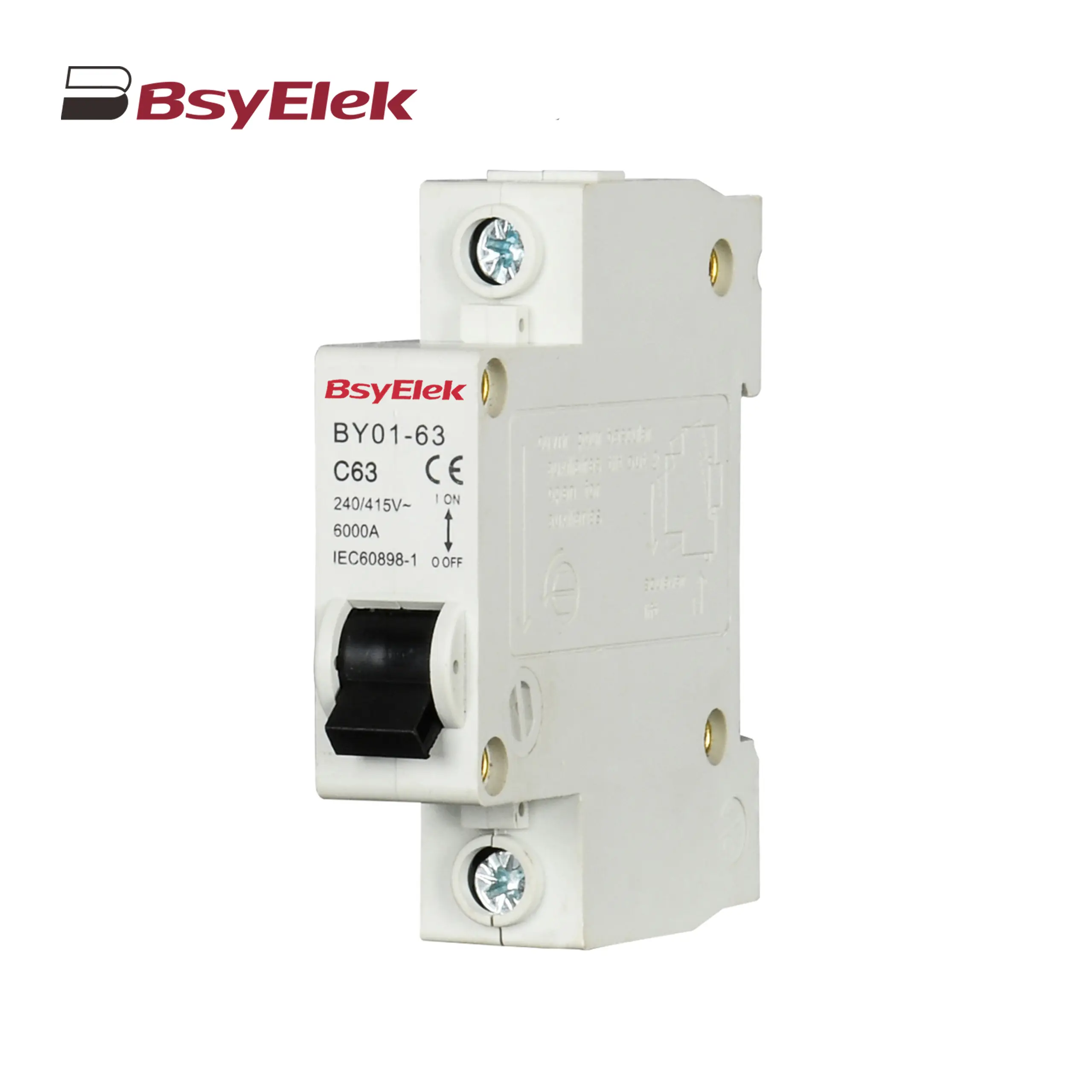 BY01-63 MCB 3kA Miniature Circuit Breaker
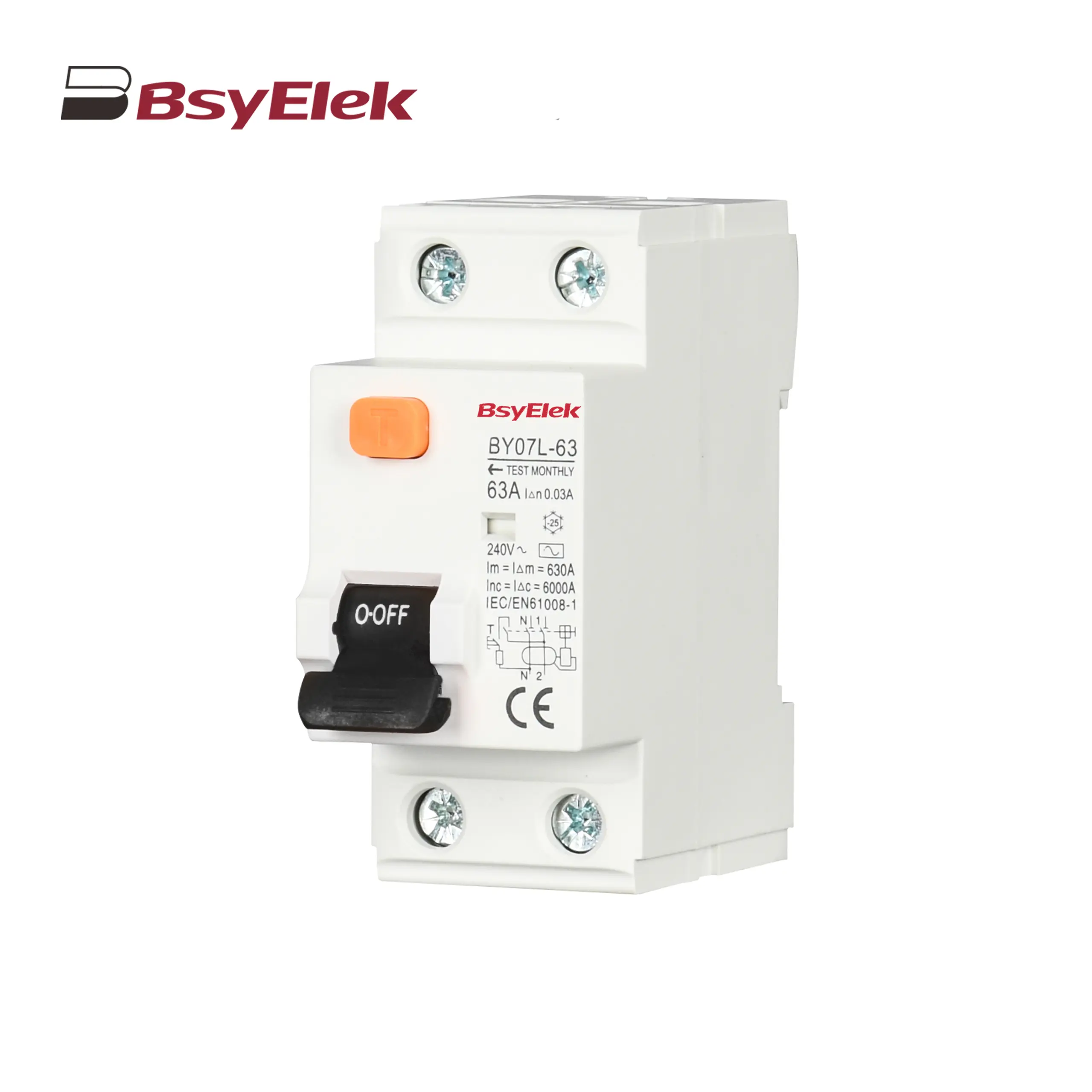 BY07L-63 RCCB 6KA Residual Current Circuit Breaker
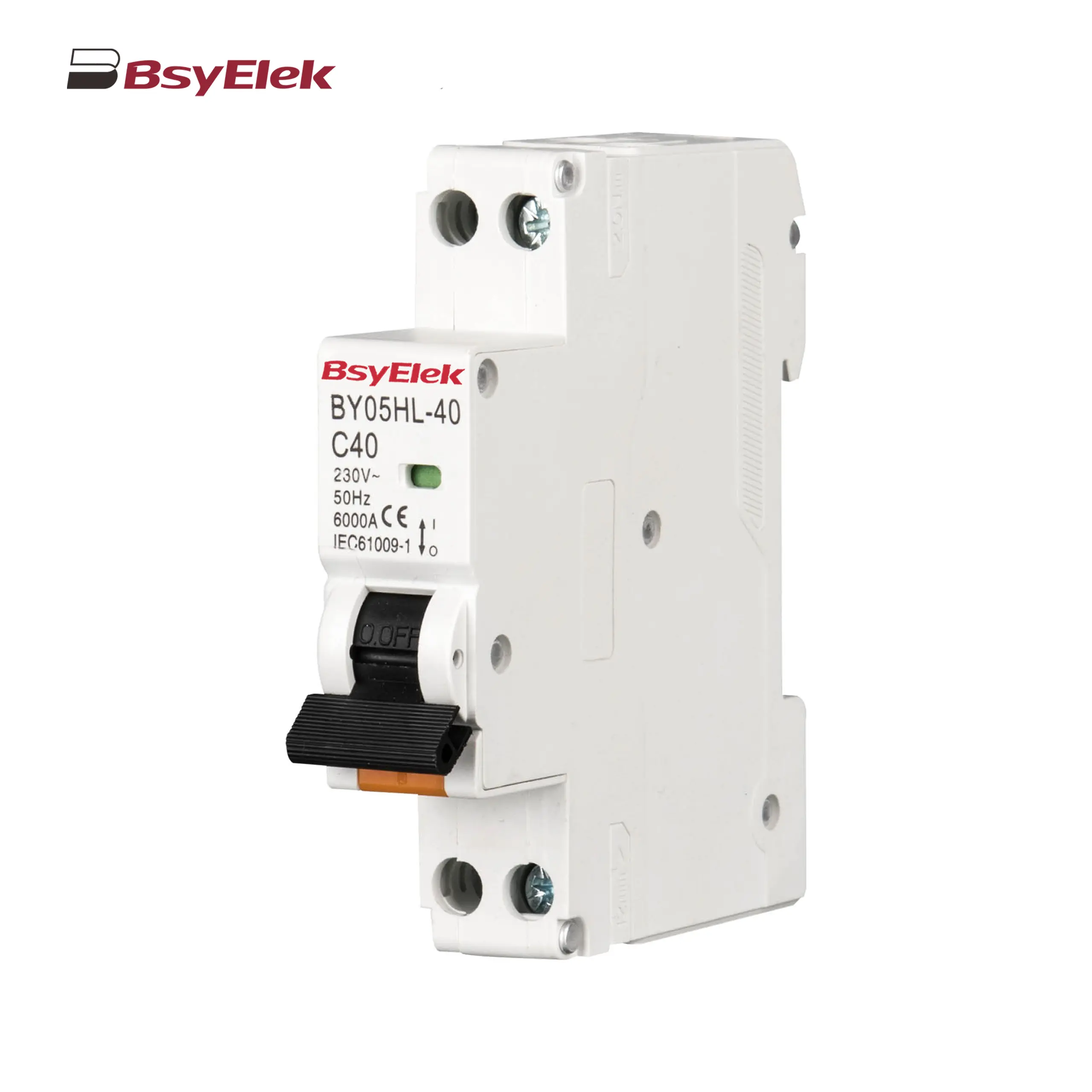 BY05HL-40 RCBO 6KA Residual Current Circuit Breaker with Over-current Protection
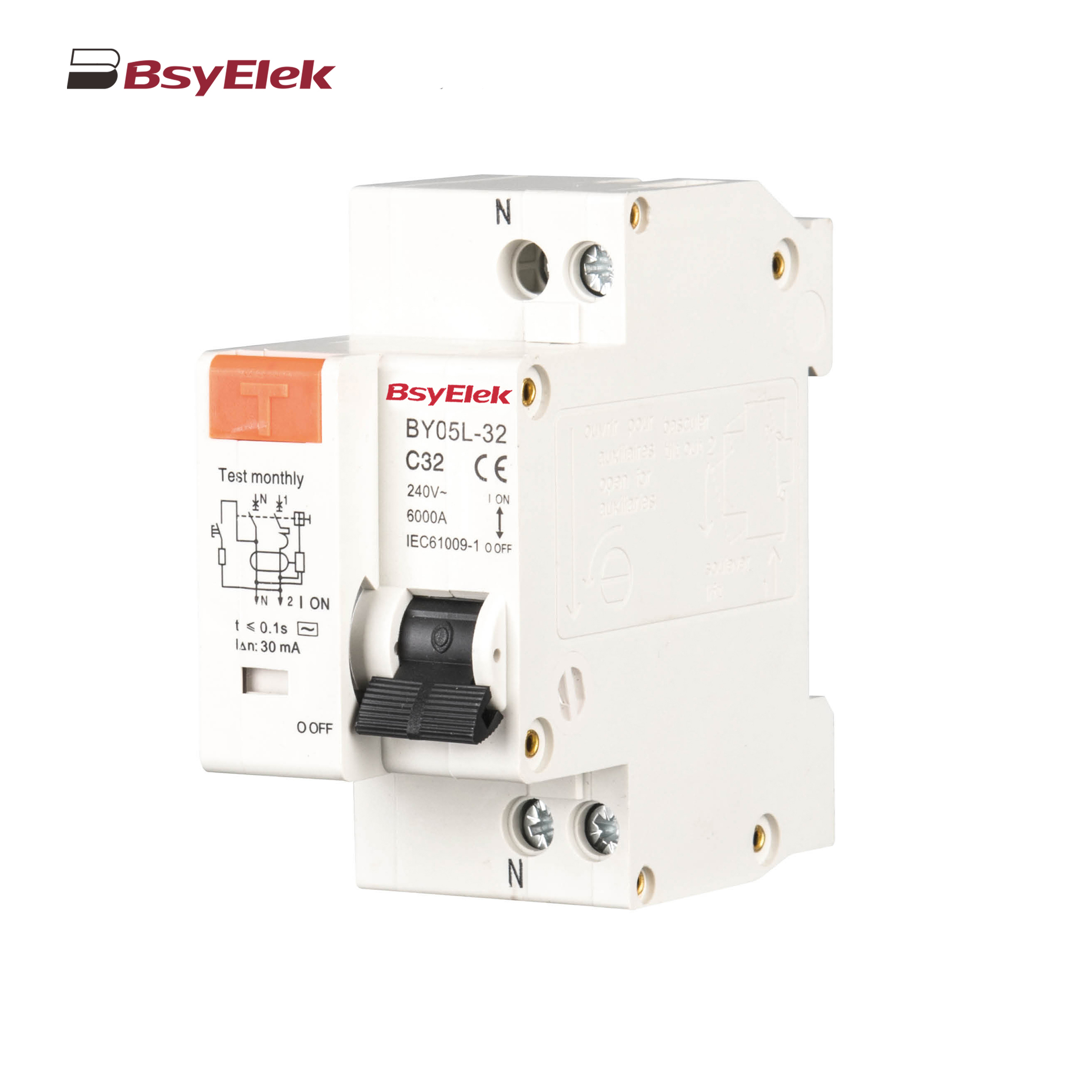 BY05L-32 RCBO 3KA Residual Current Circuit Breaker with Over-current Protection
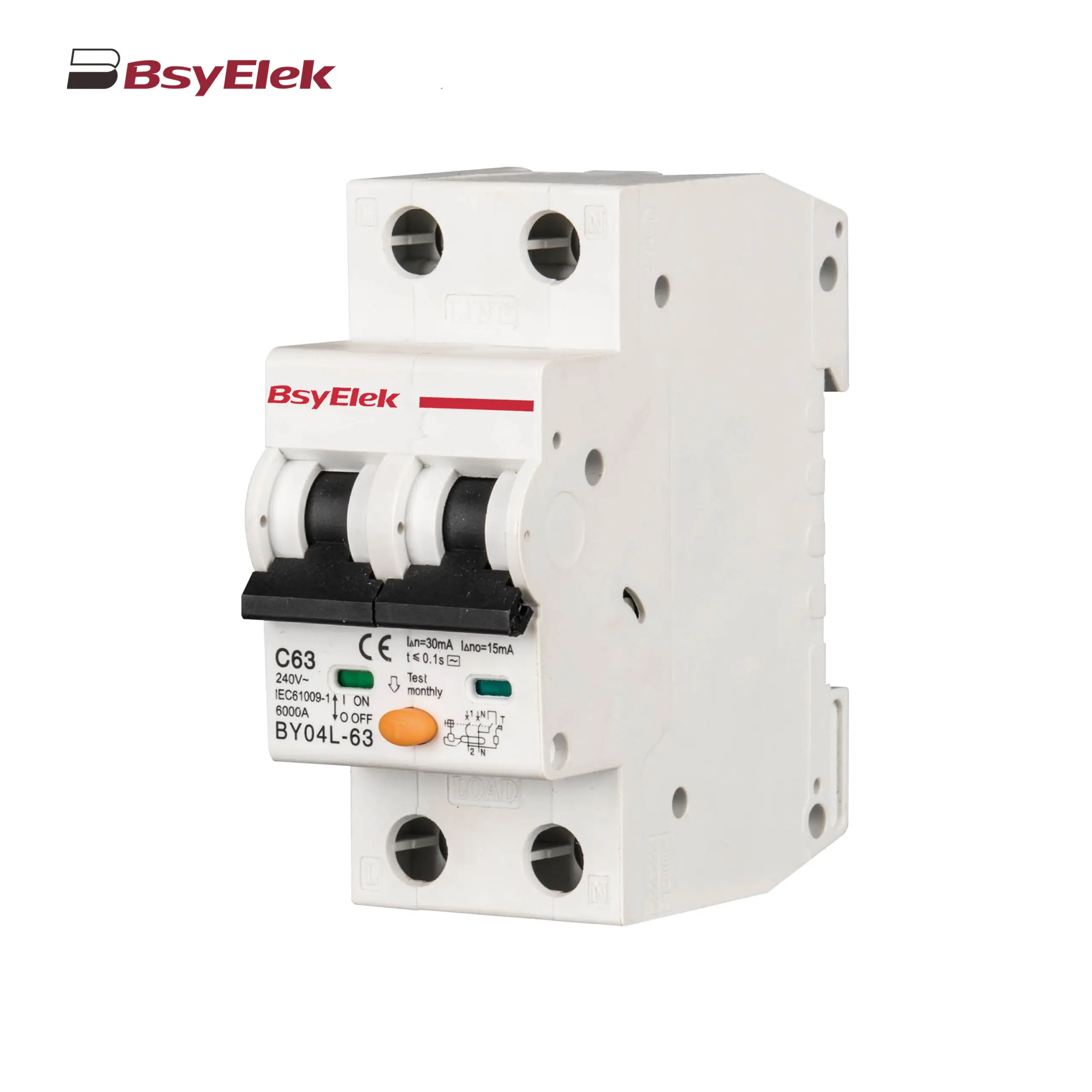 BY04L-63 RCBO 6KA Residual Current Circuit Breaker with Over-current Protection
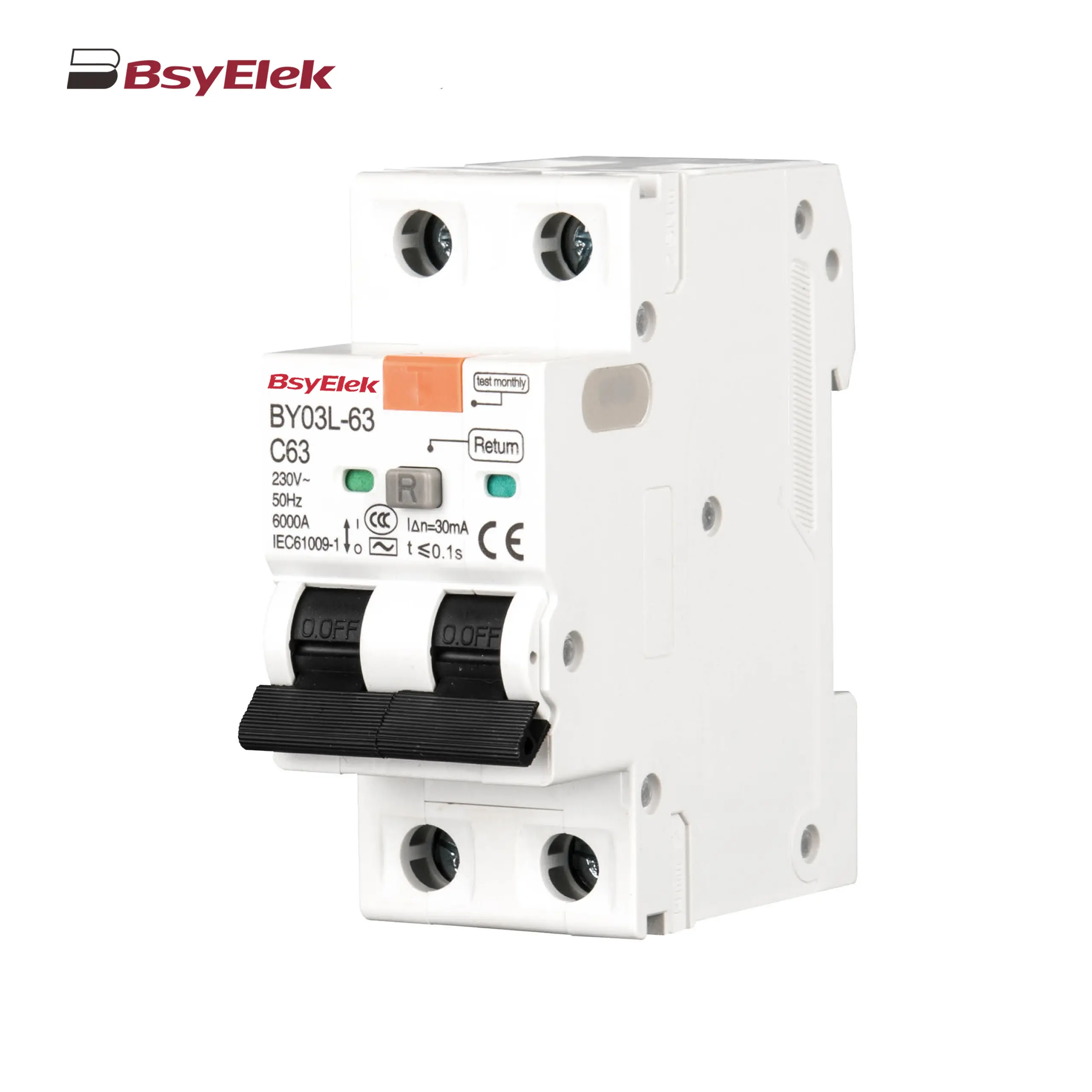 BY03L-63 RCBO 4.5KA Residual Current Circuit Breaker with Over-current Protection
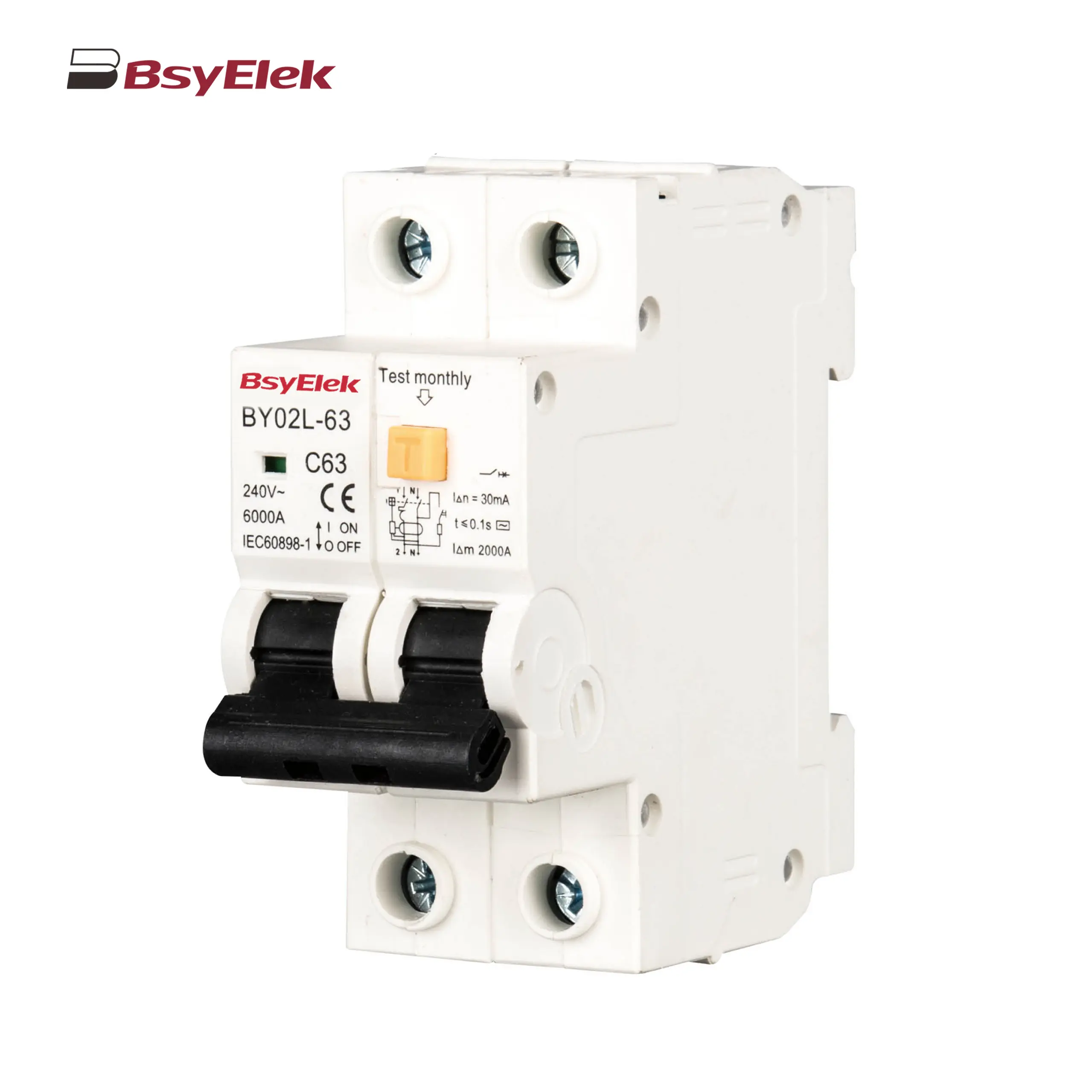 BY02L-63 RCBO 3KA Residual Current Circuit Breaker with Over-current Protection
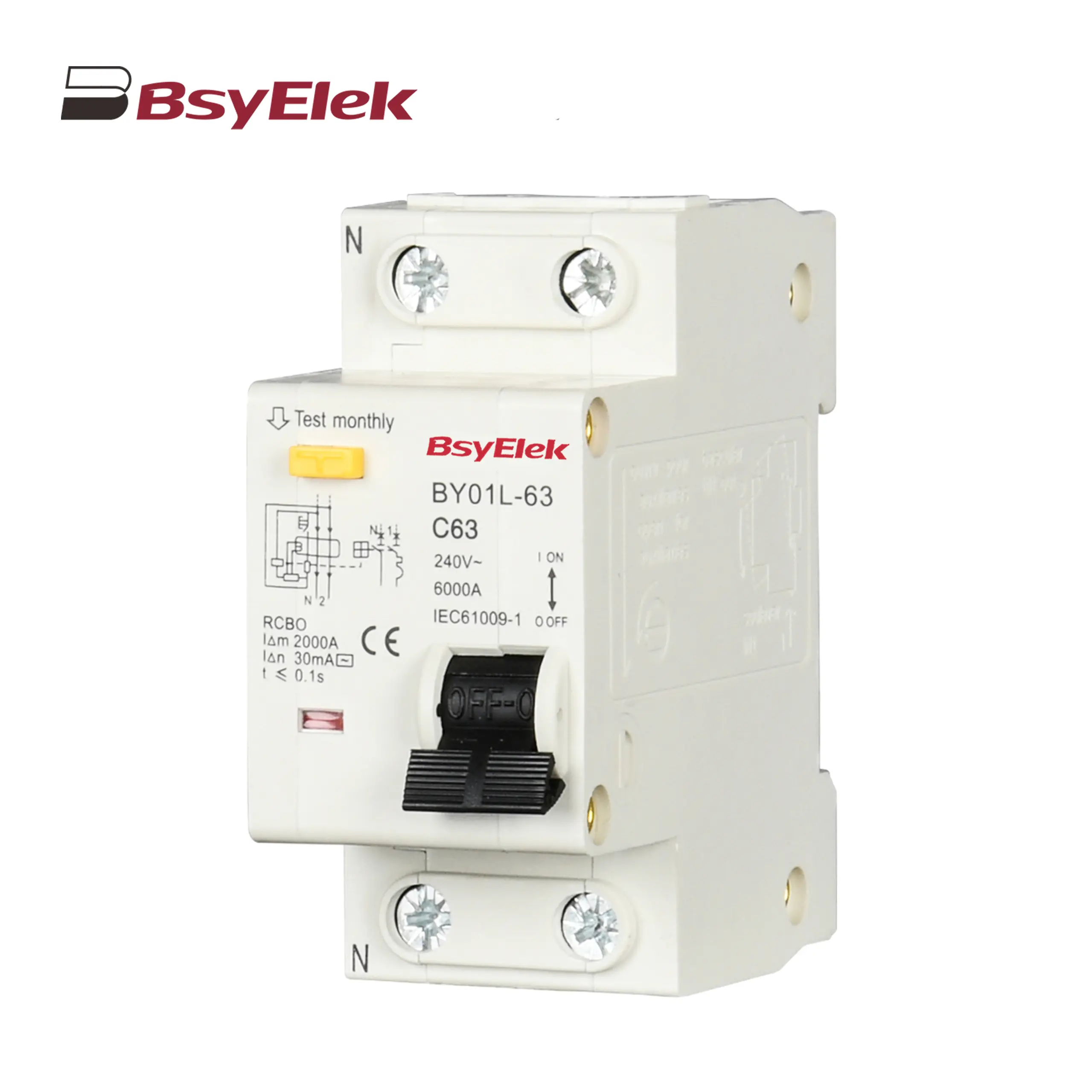 BY01L-63 RCBO 1P+N 3KA Residual Current Circuit Breaker with Over-current Protection
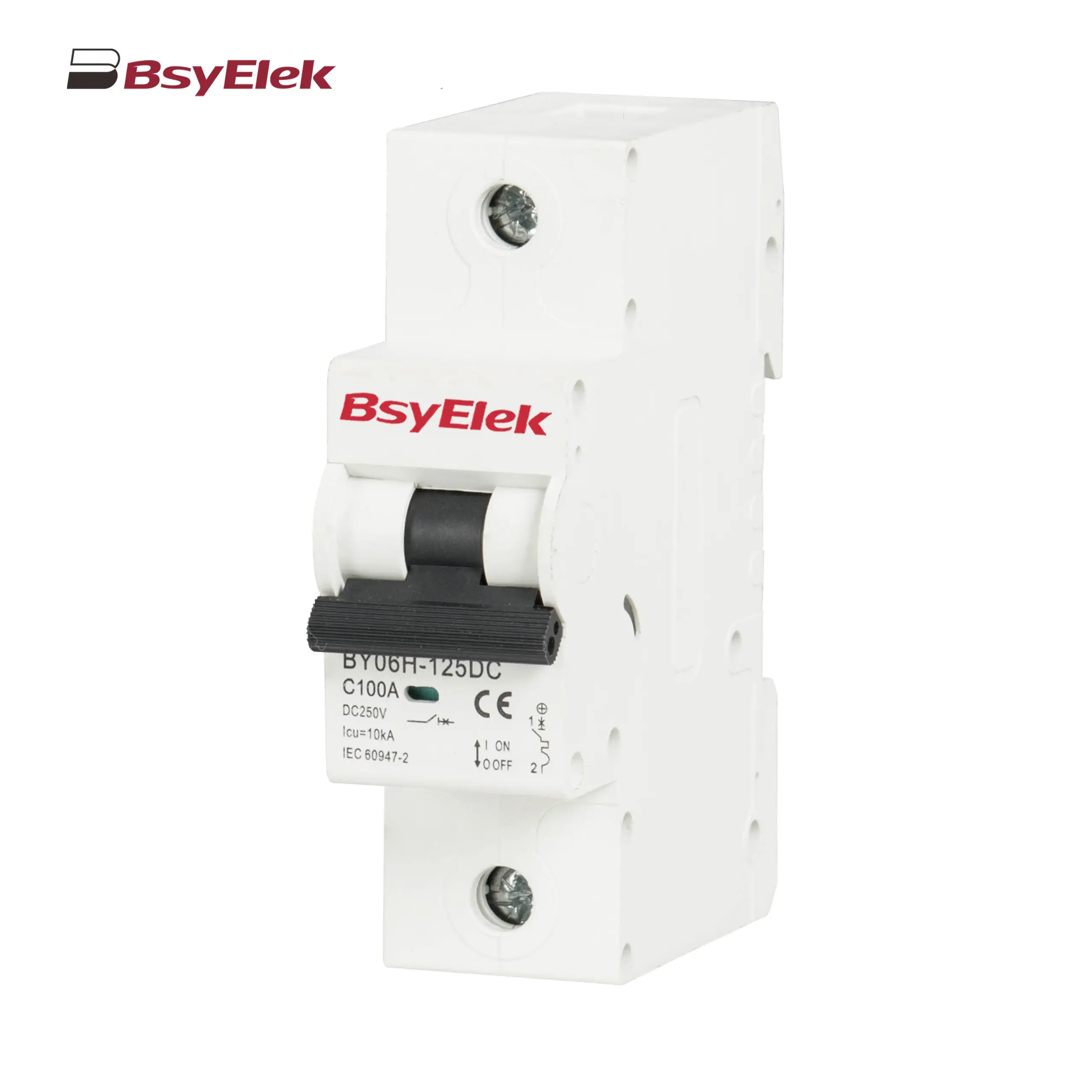 BY06H-125DC MCB 10-15kA DC Miniature Circuit Breaker
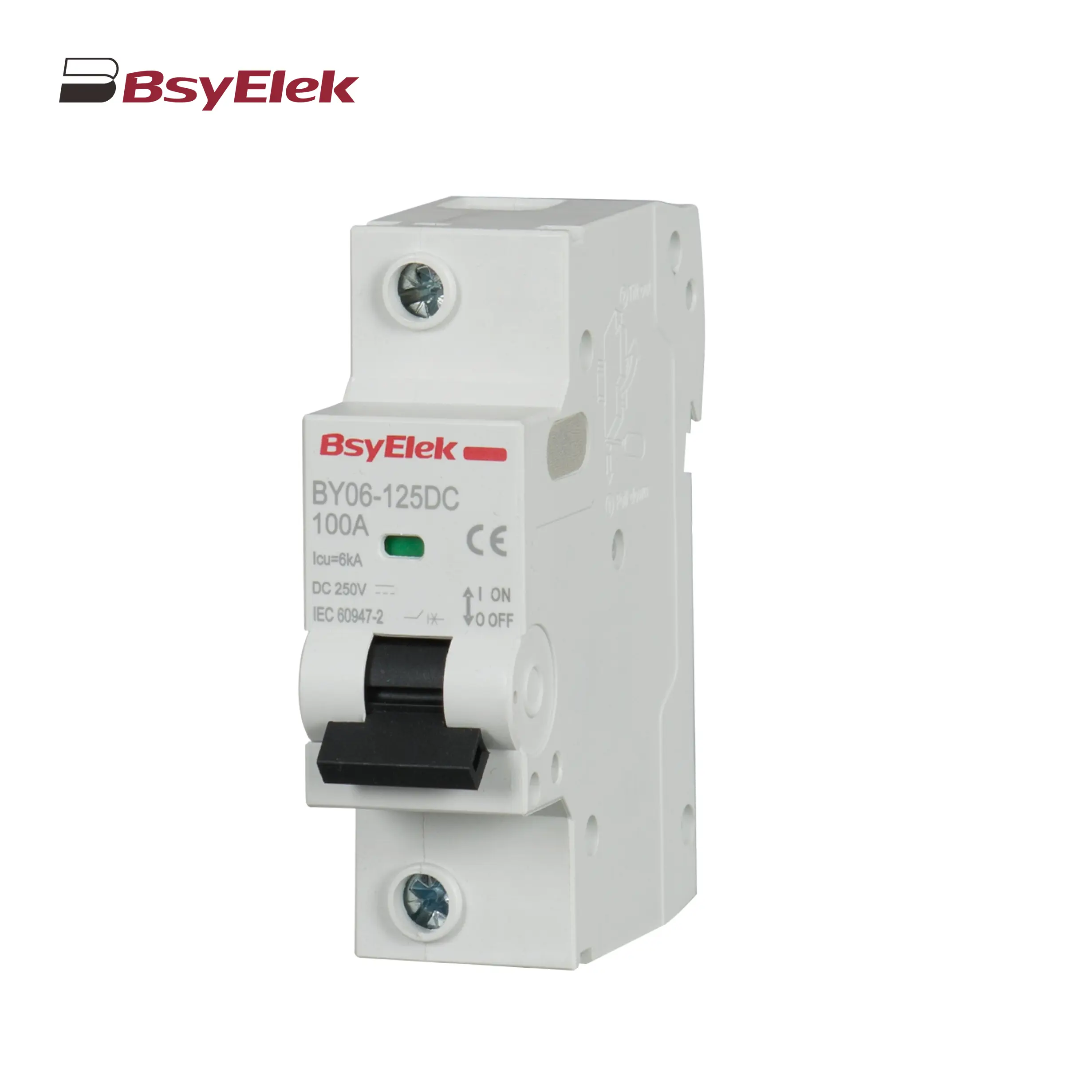 BY06-125DC MCB 6kA DC Miniature Circuit Breaker
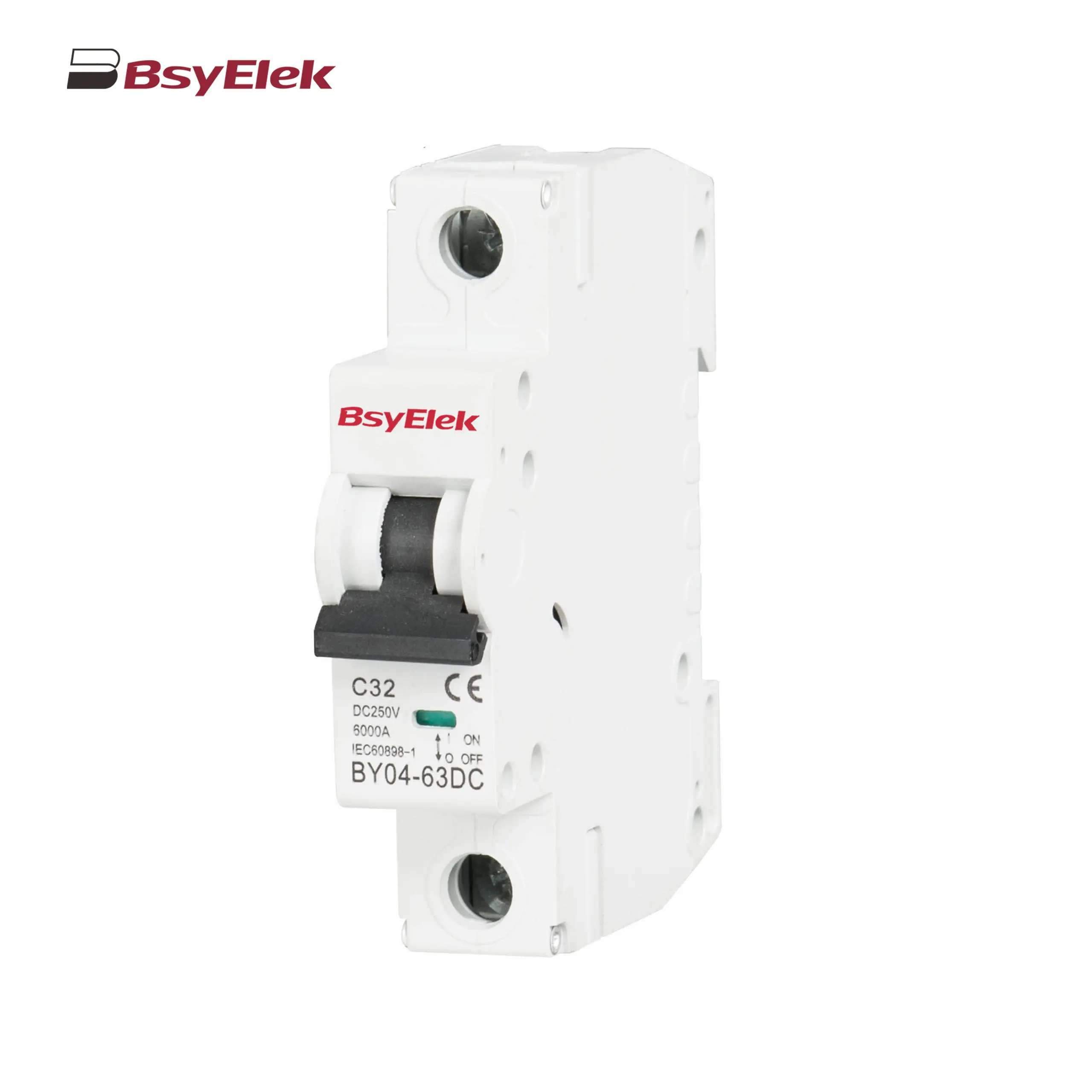 BY04-63DC MCB 6-10kA DC Miniature Circuit Breaker
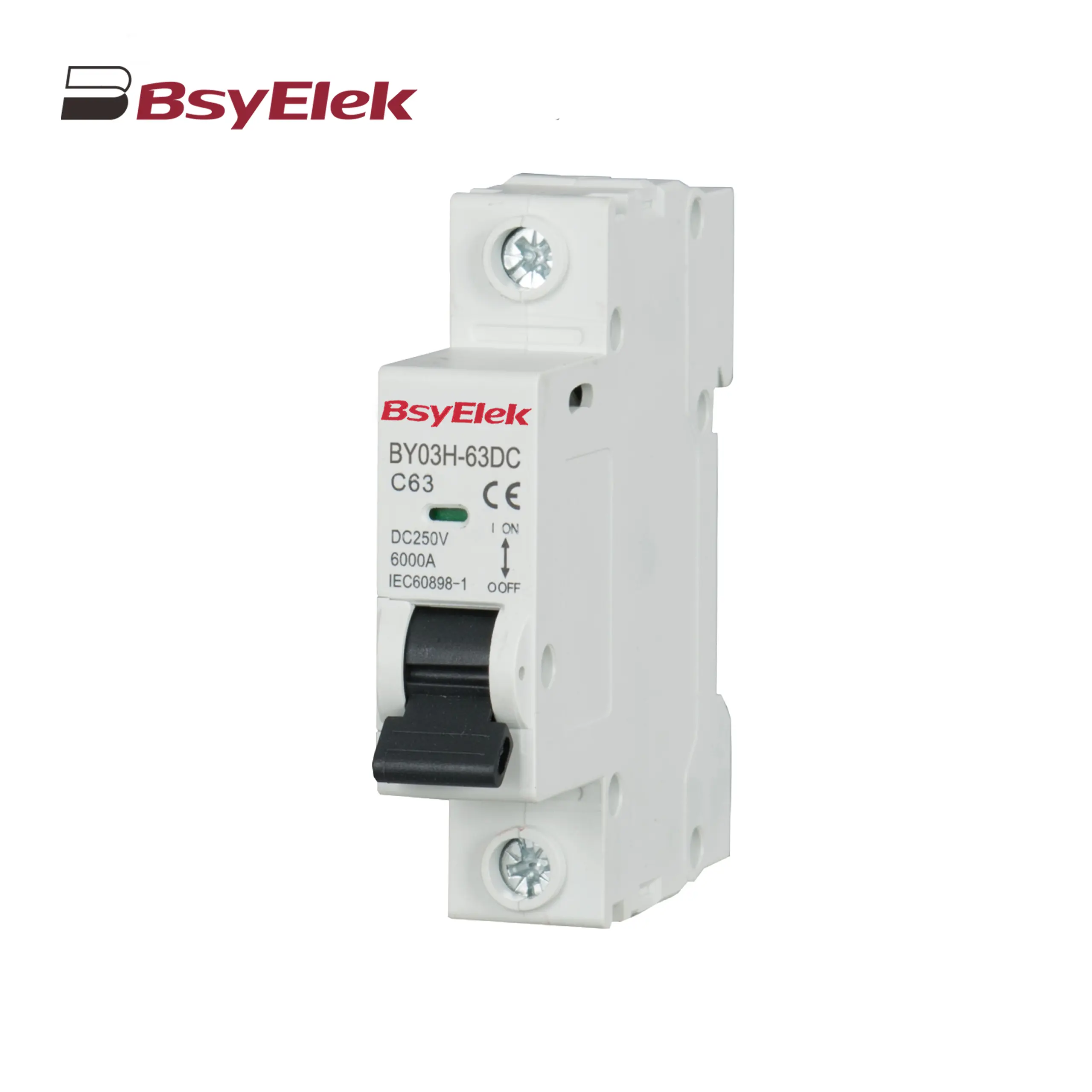 BY03H-63DC MCB 6kA DC Miniature Circuit Breaker
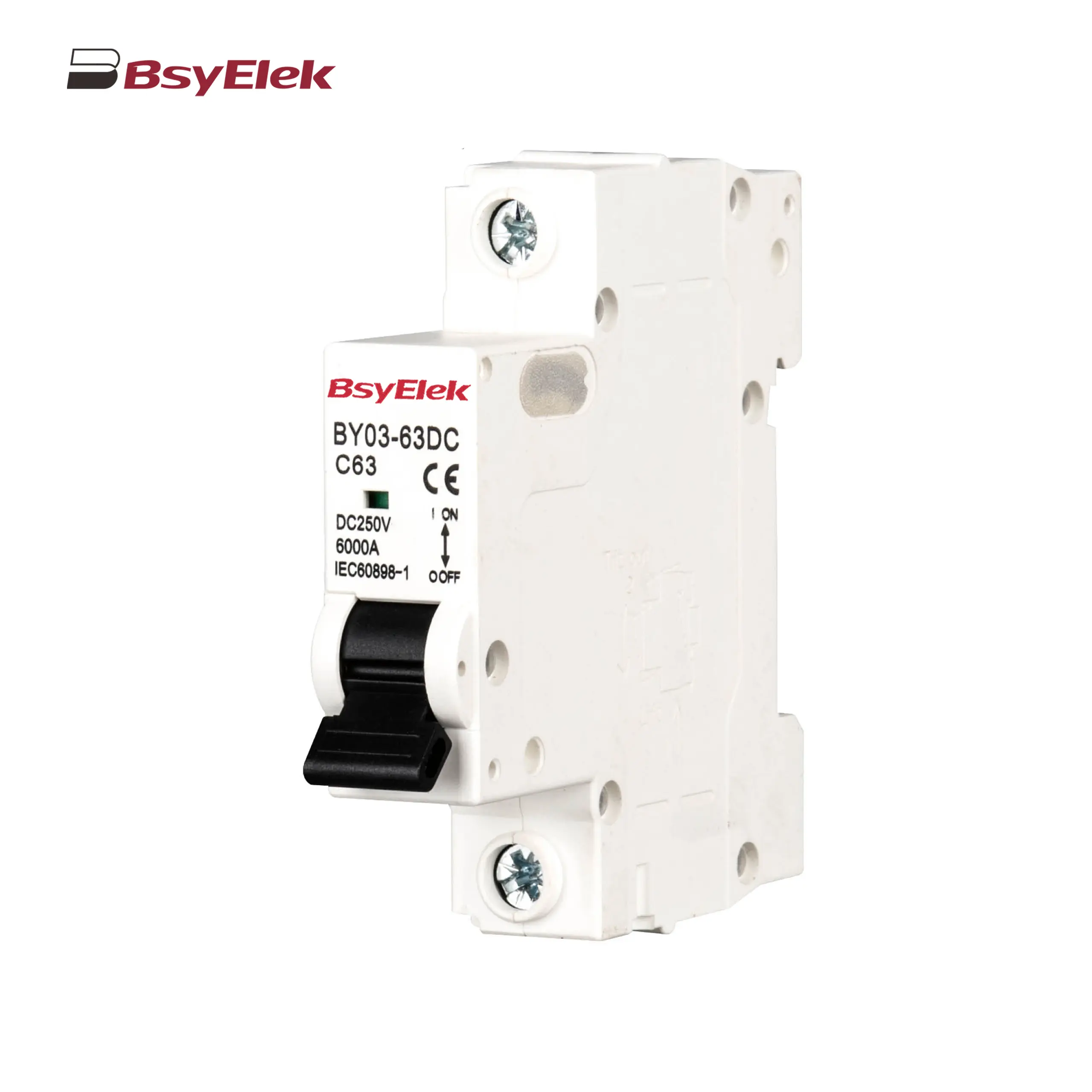 BY03-63DC MCB 4.5kA DC Miniature Circuit Breaker
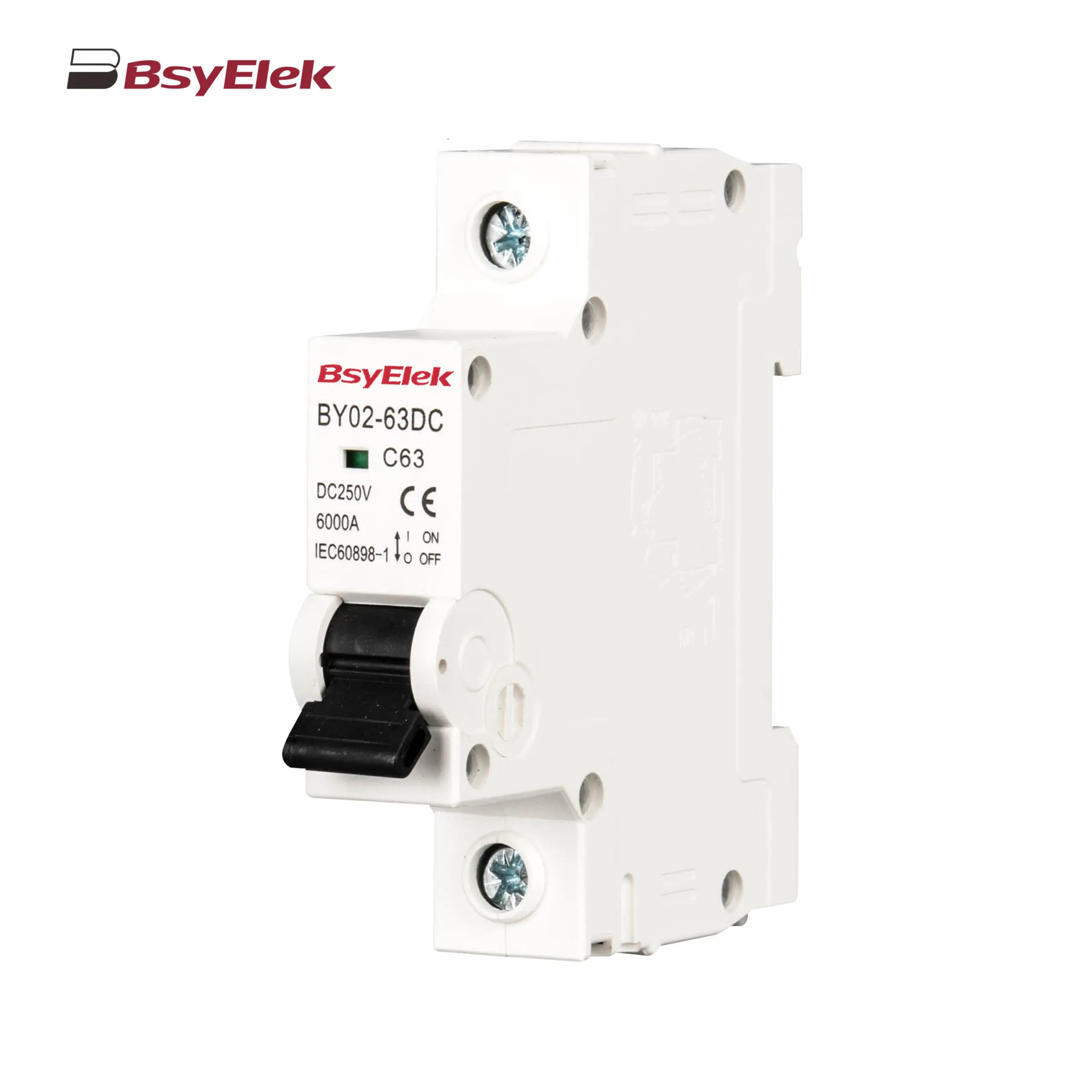 BY02-63DC MCB 3kA DC Miniature Circuit Breaker
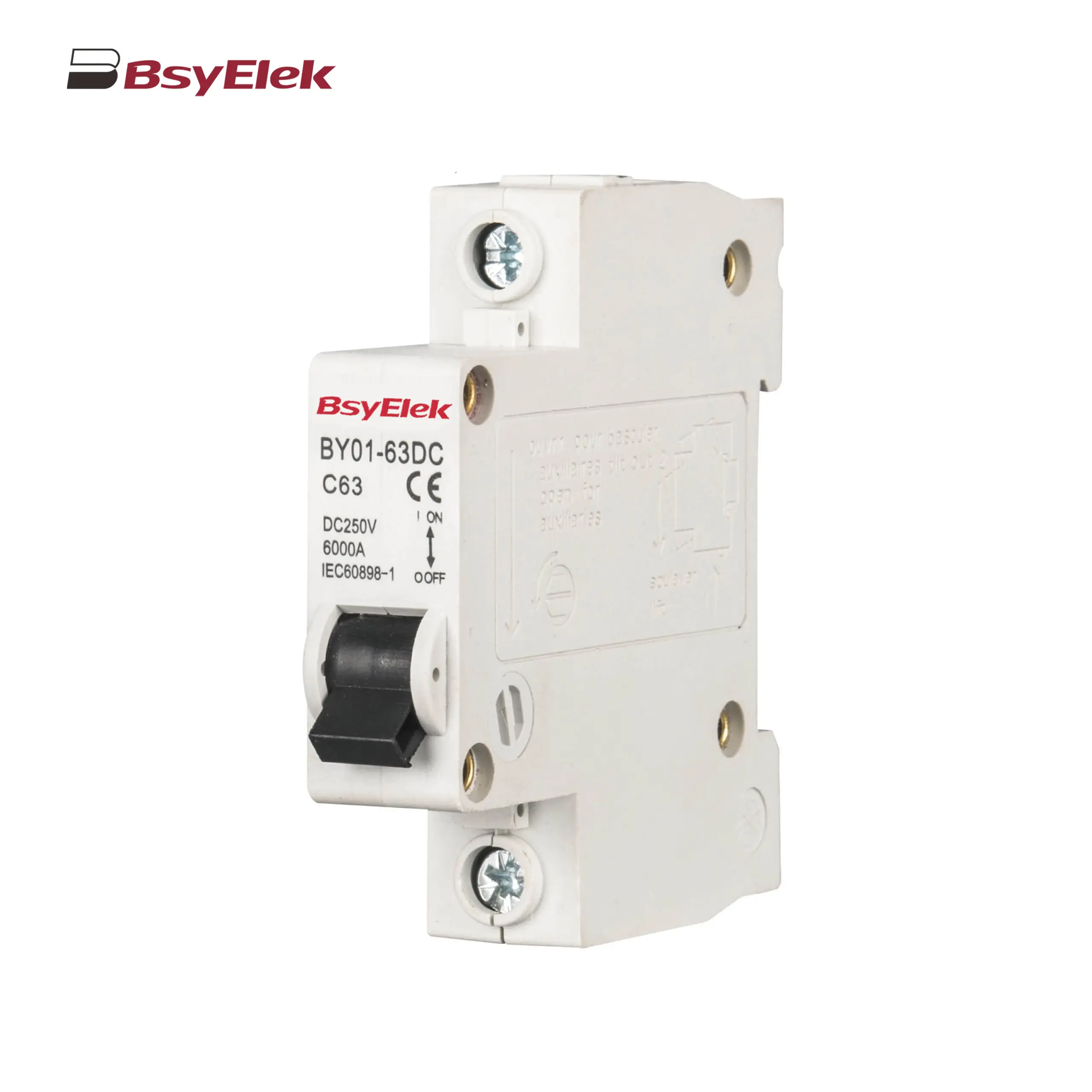 BY01-63DC MCB 3kA DC Miniature Circuit Breaker
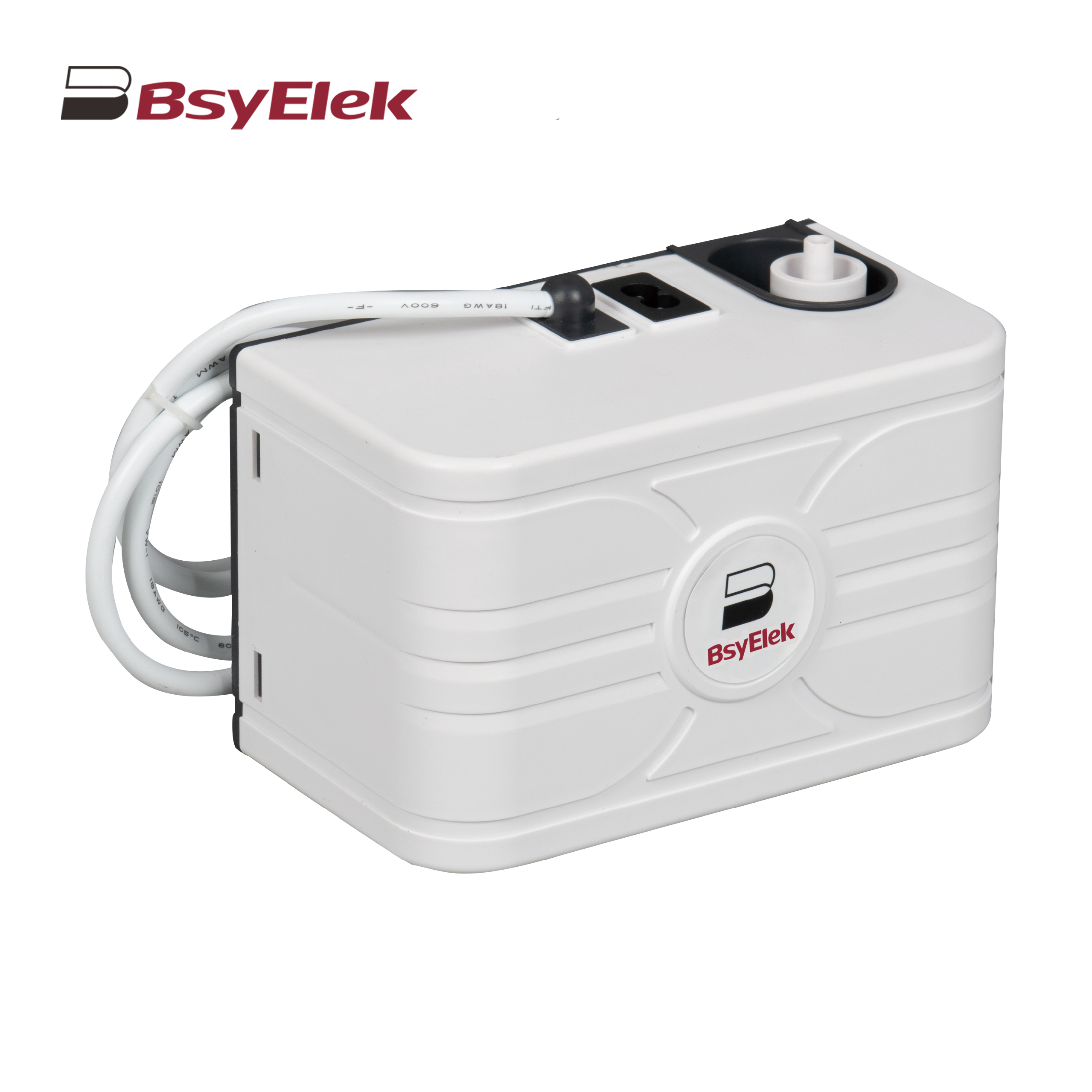 BY-5018 1.8M Engineering Drainage Pump
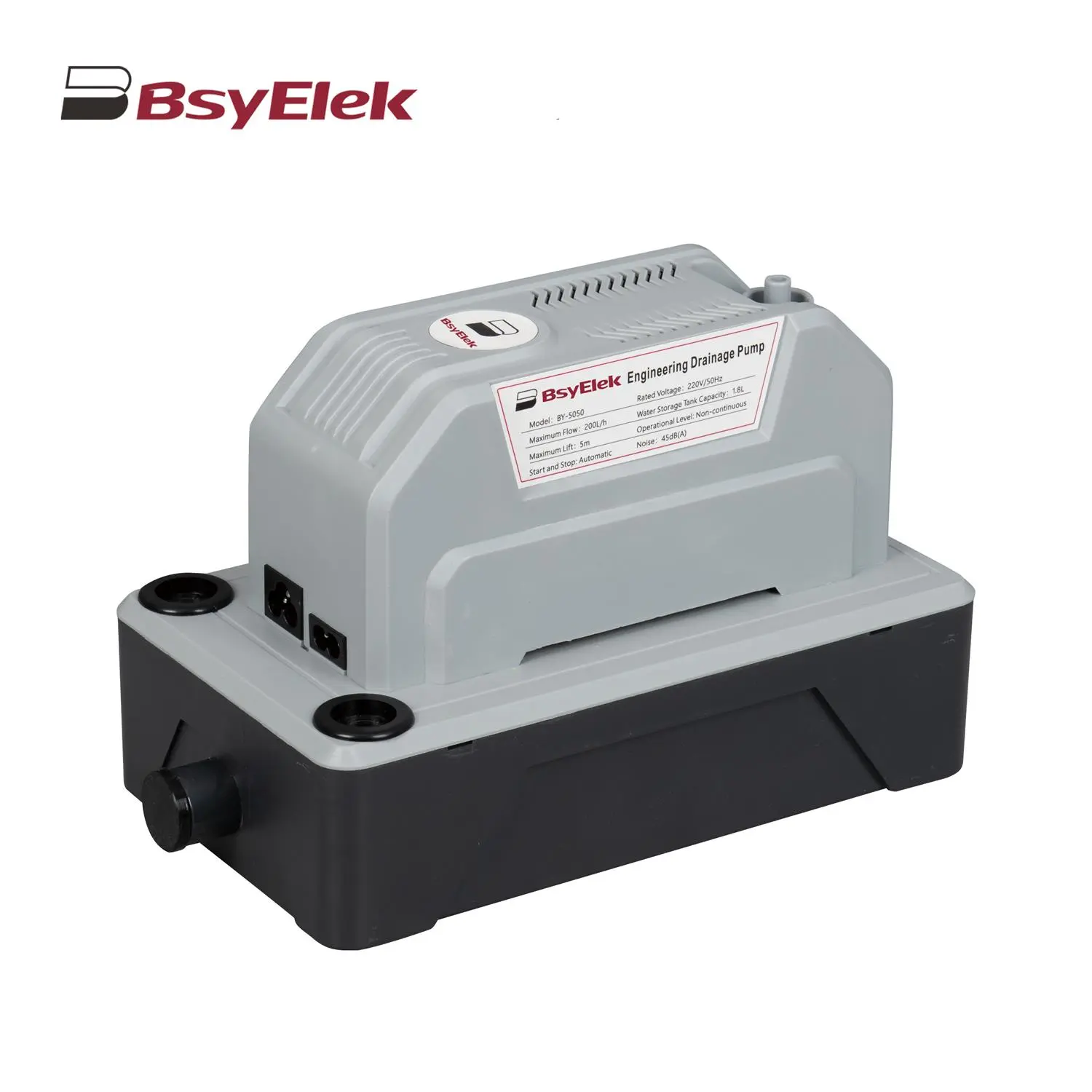 BY-5050 5M Engineering Drainage Pump
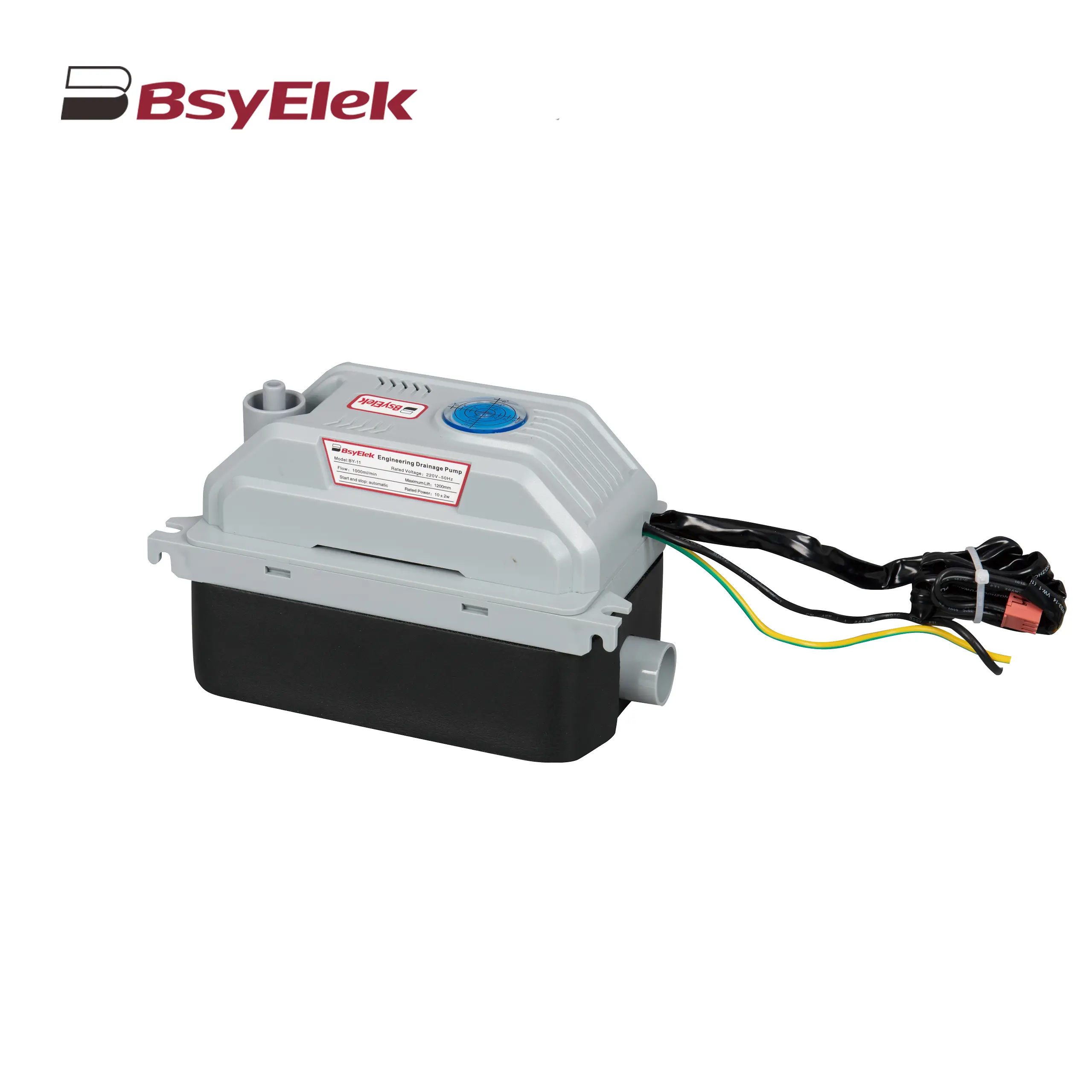 BY-11 1.2M Engineering Drainage Pump
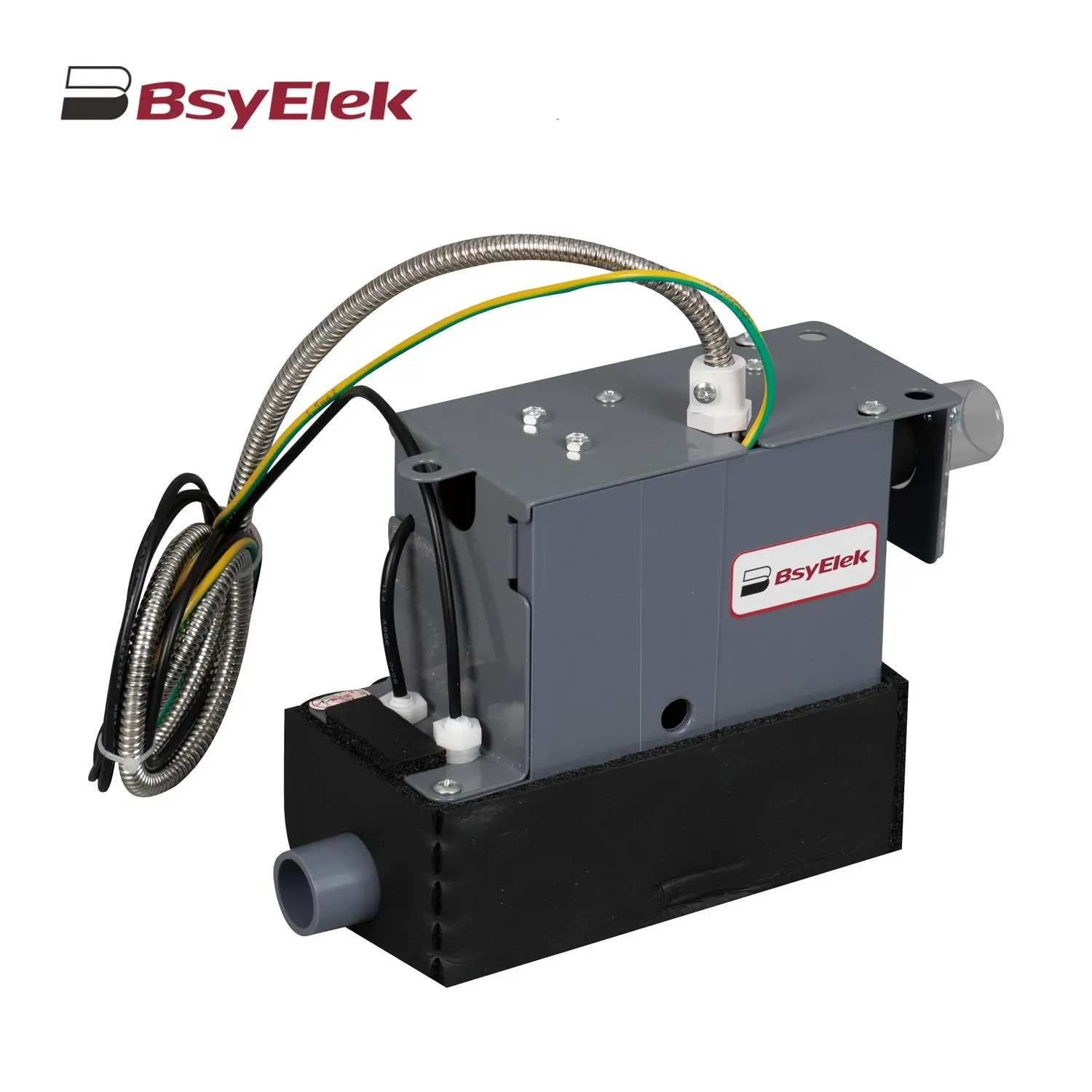 SBH-05 0.7M Original Drainage Pump of Duct Type Air Conditioner
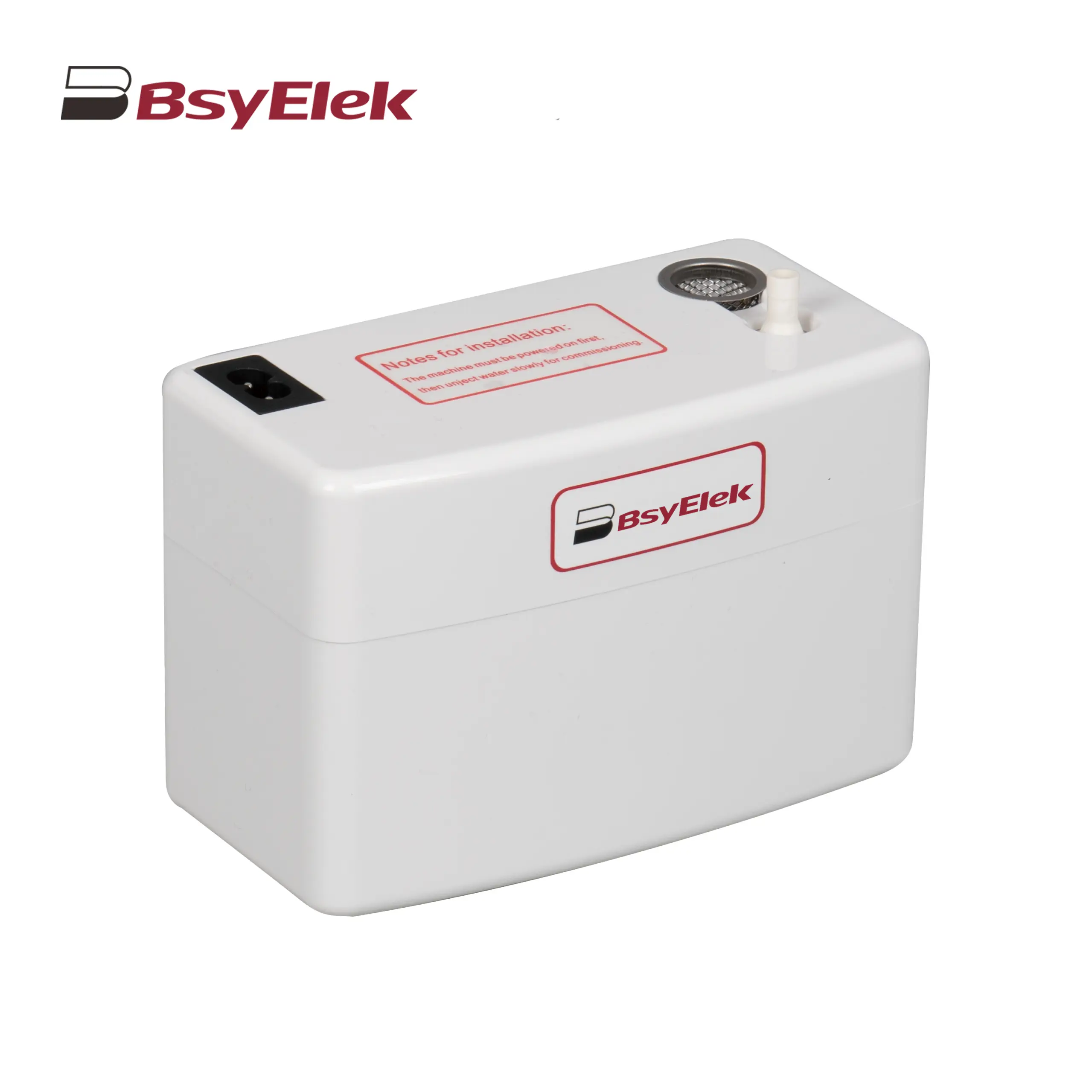 BY-24A/40A 10M Drainage Pump of Air Conditioner
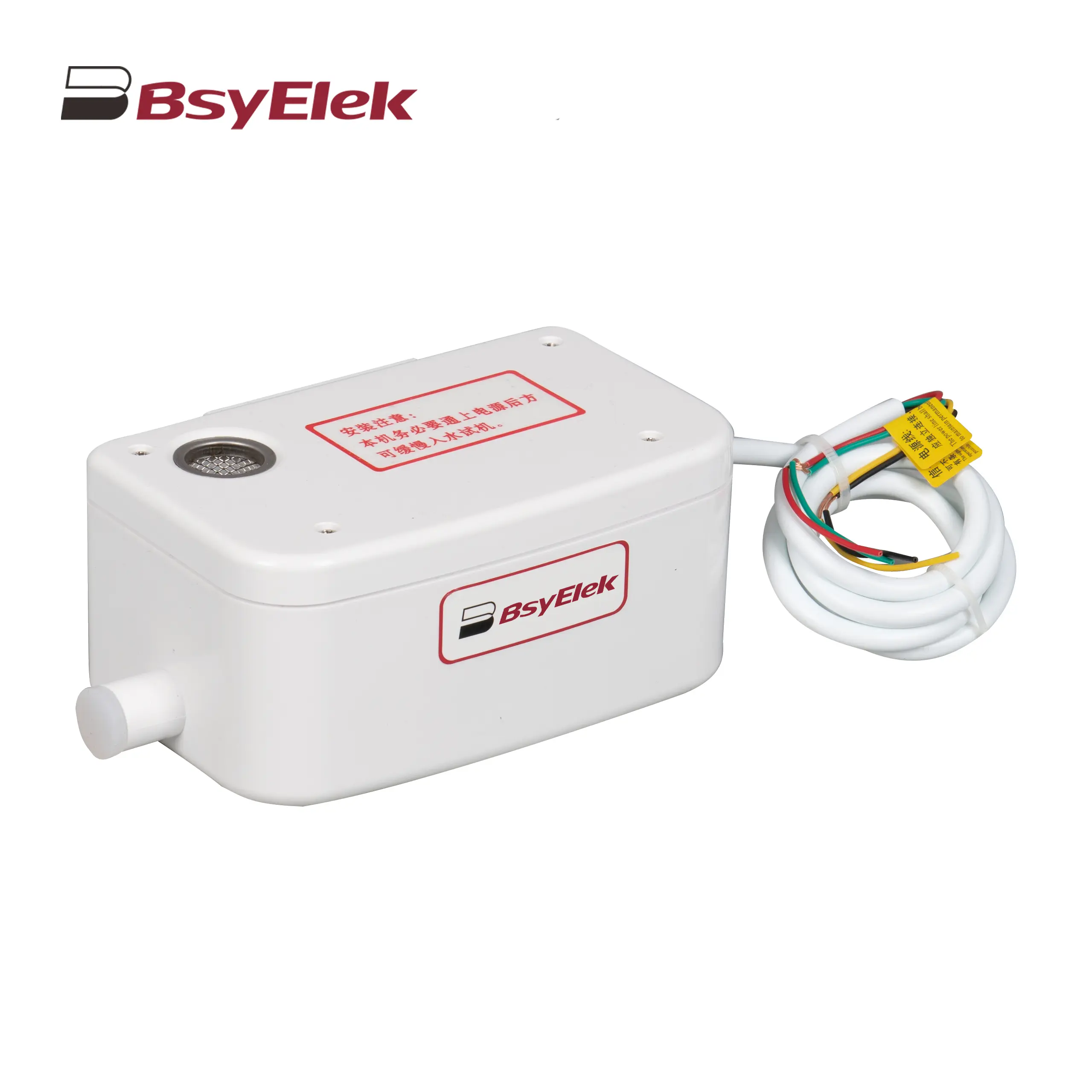 BY-50A 12M Drainage Pump of Air Conditioner
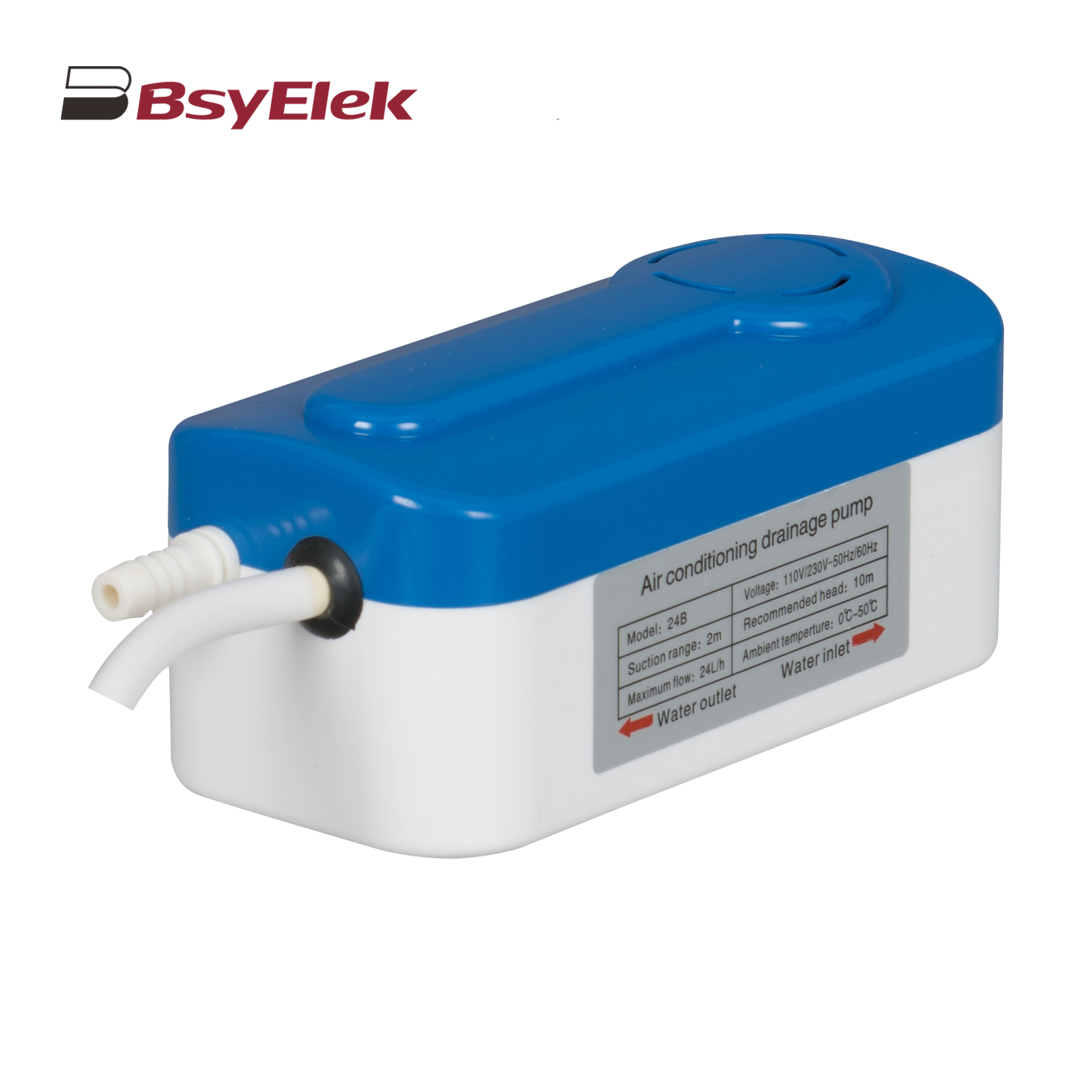 BY-24B/40B 10M Split Type Drainage Pump
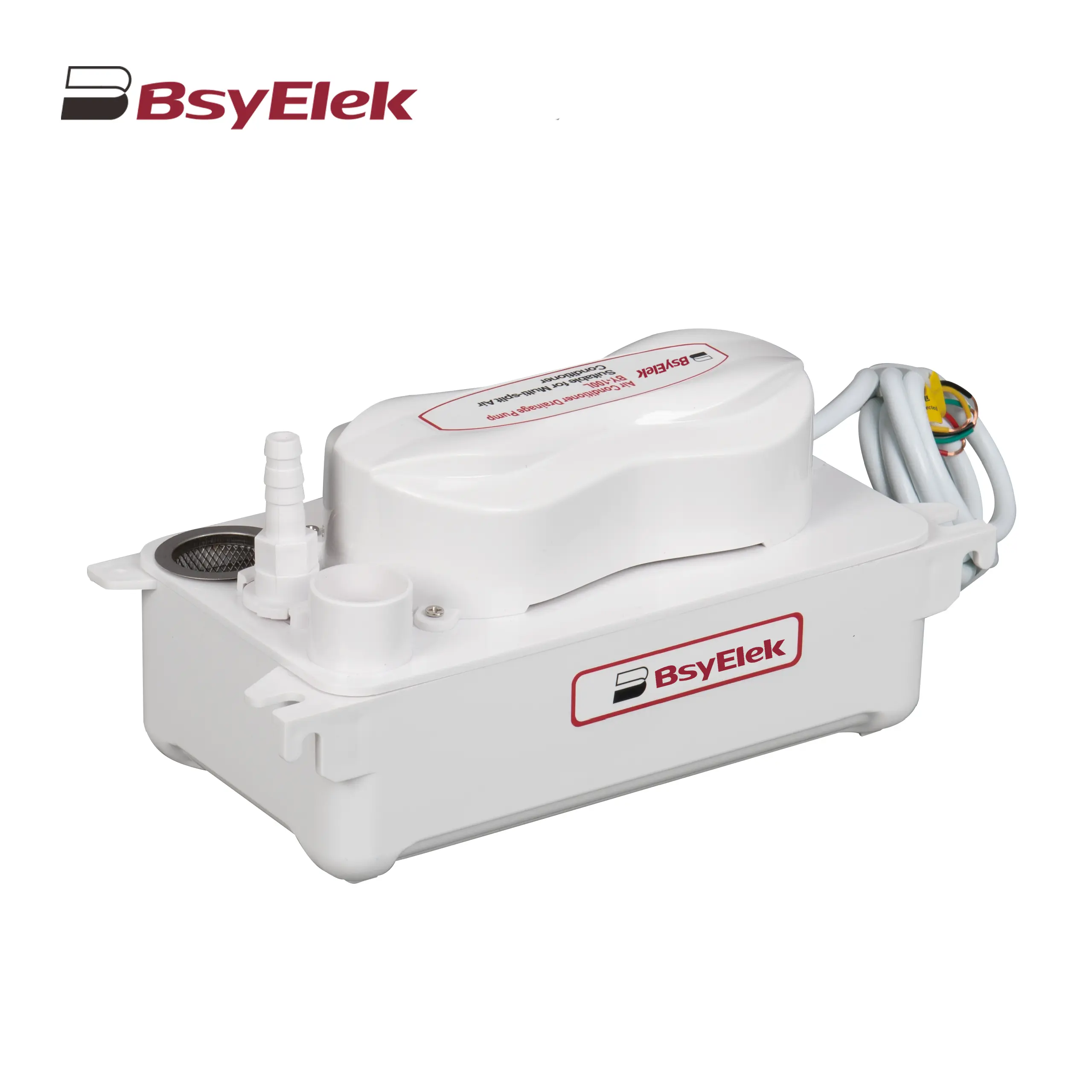 BY-100L 2M Drainage Pump of Air Conditioner
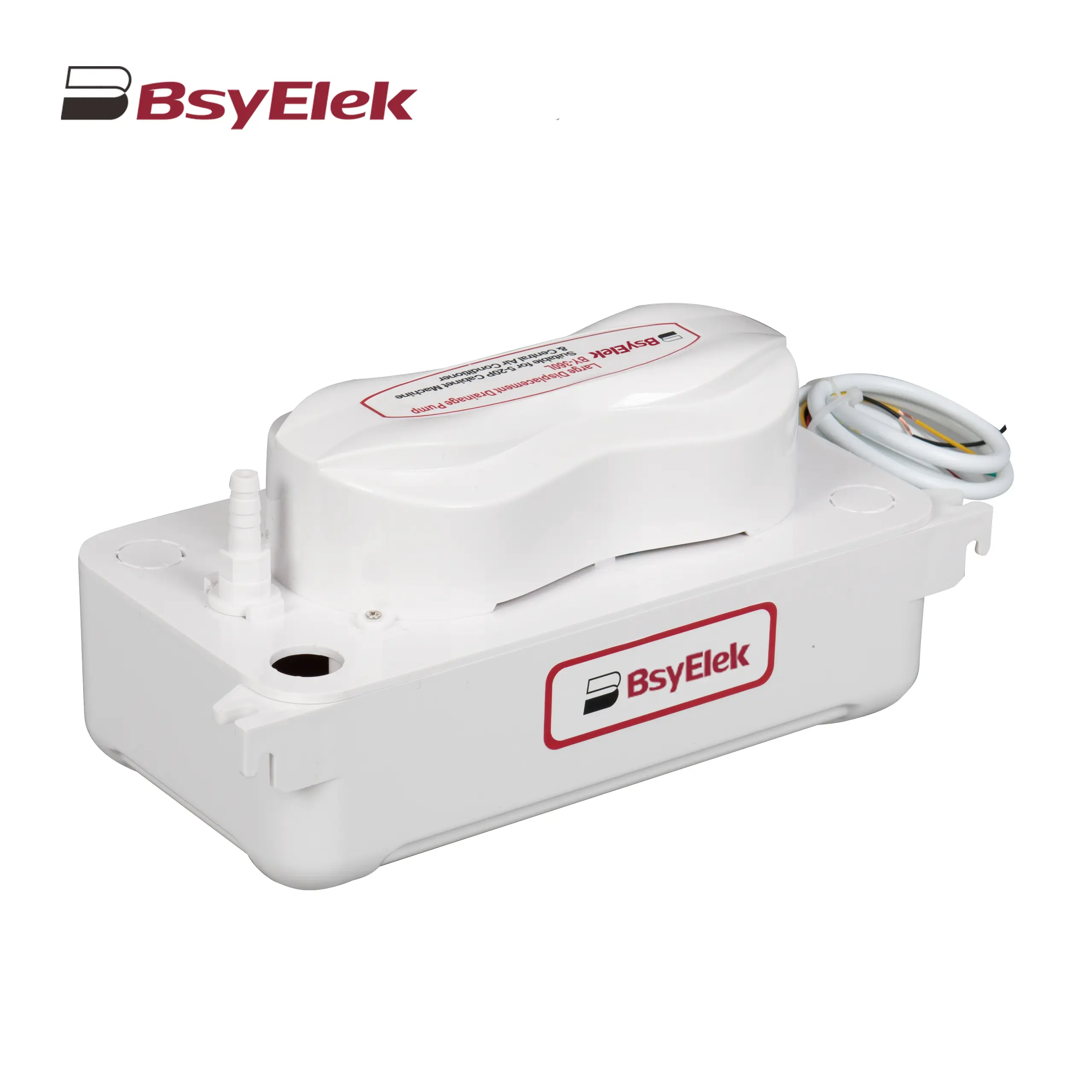 BY-360L 6M Large Displacement Drainage Pump
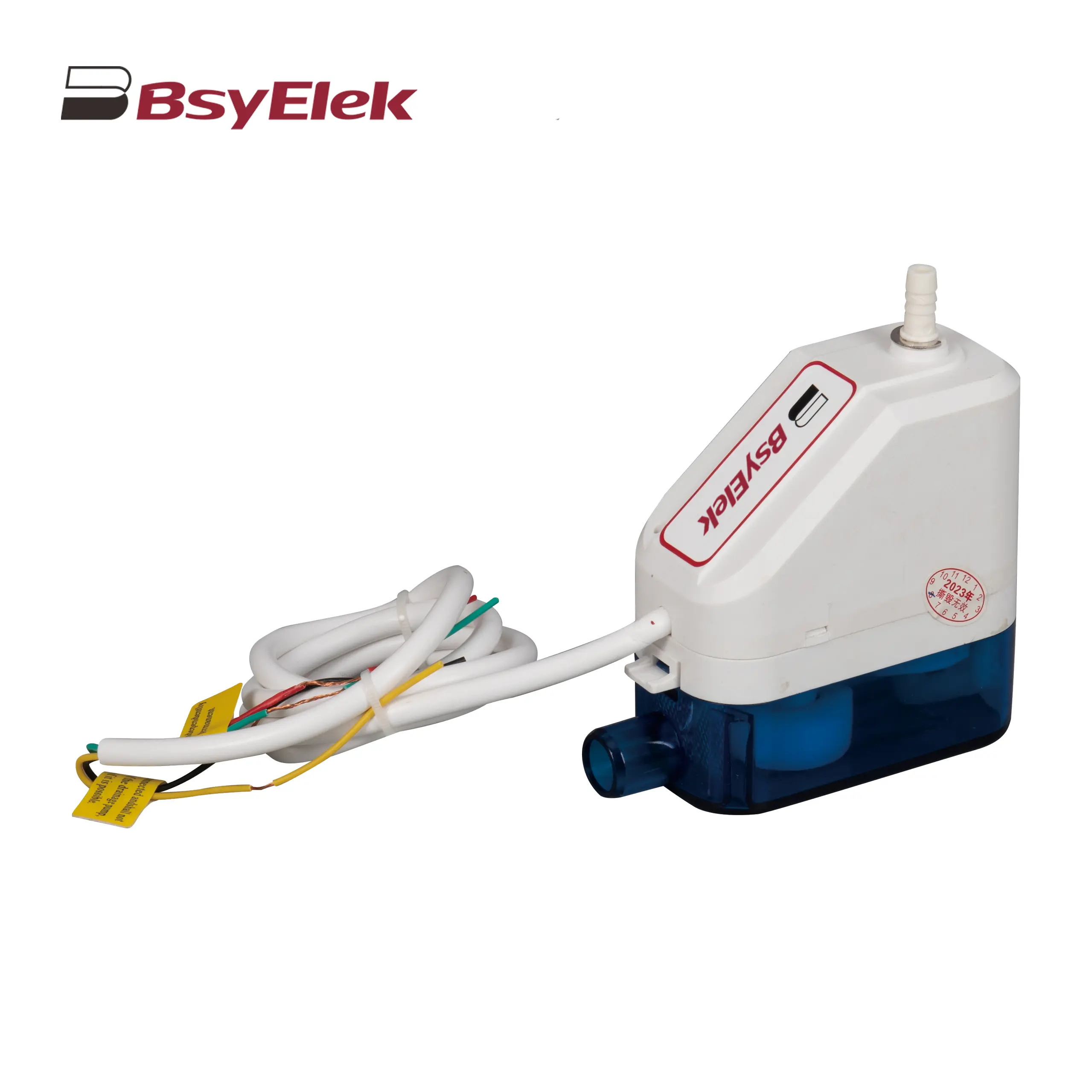 BY-24C/40C 10M Corner Drainage Pump
What is a miniature circuit breaker (MCB)?
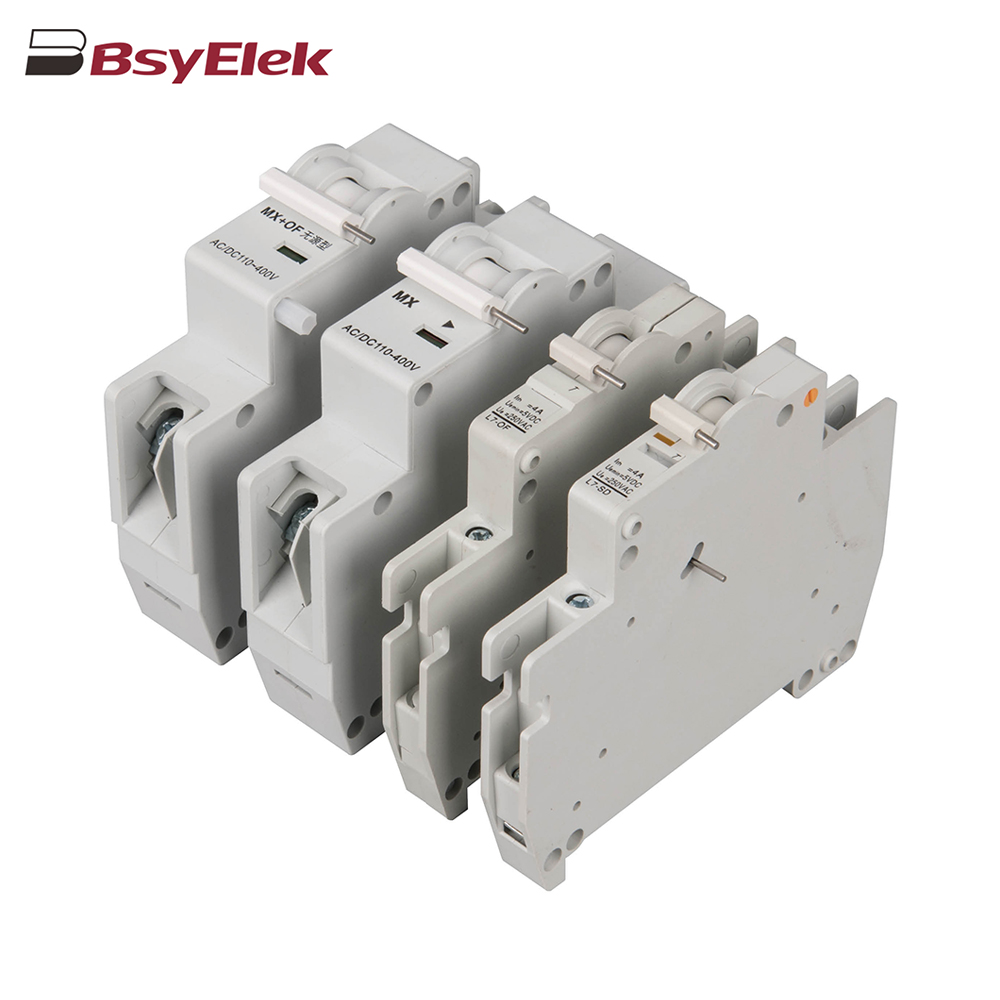 OF SD MX OF MCB Miniature Circuit Breaker Accessories
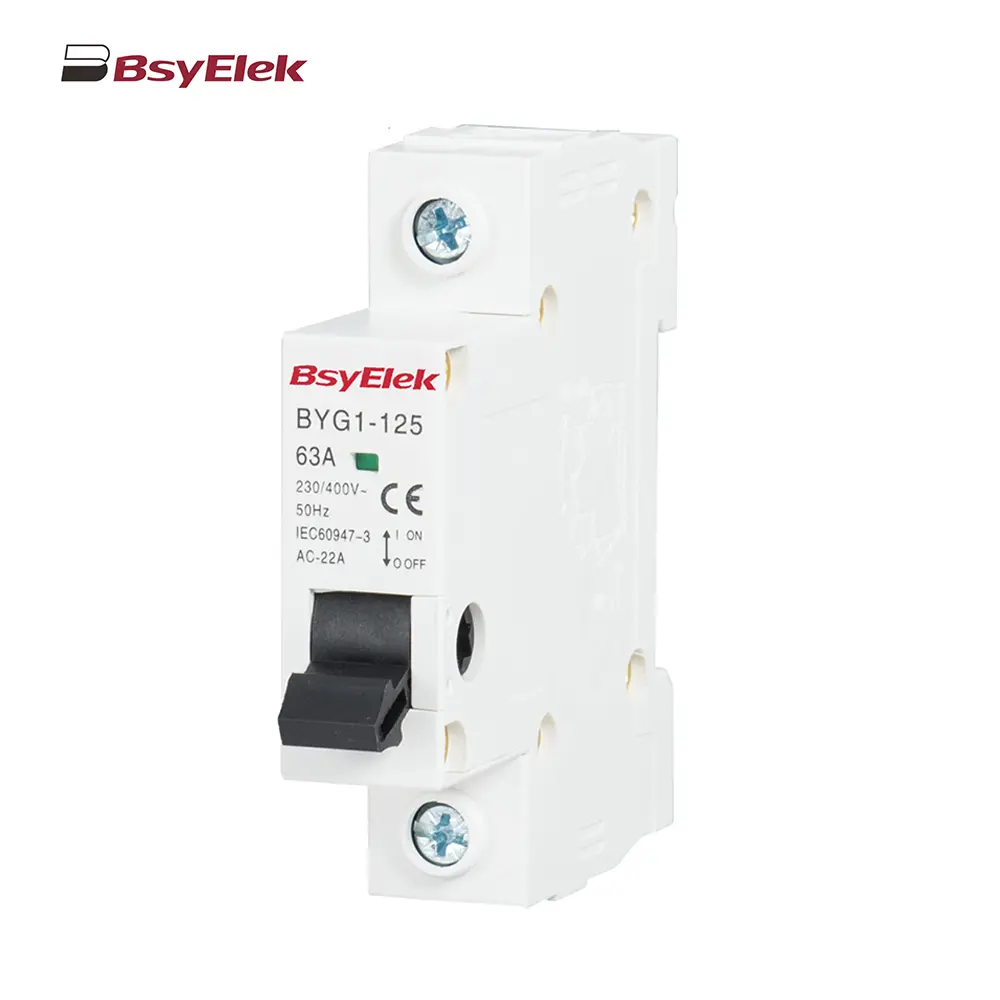 BYG1-125 Main Switch MCB Isolator Switch
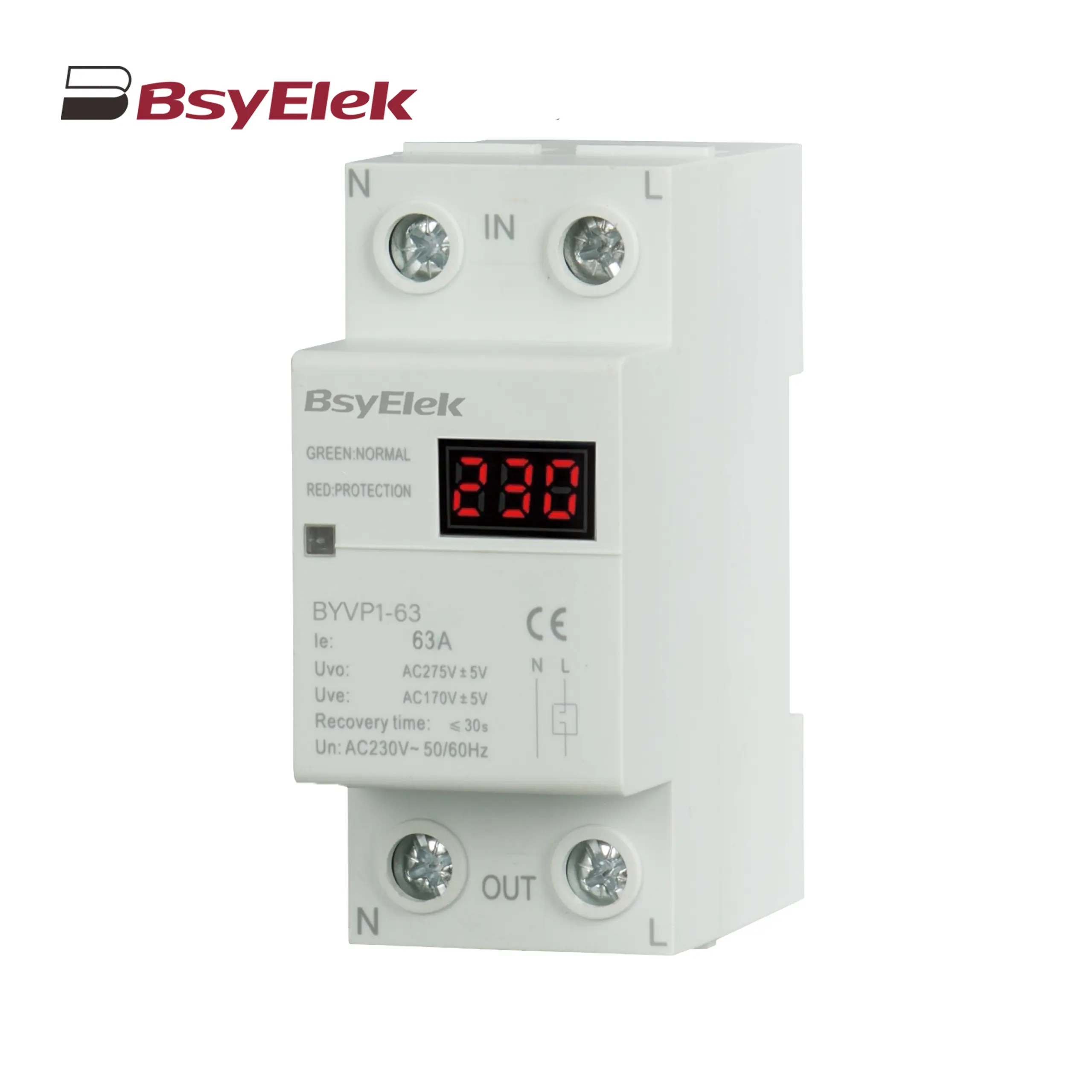 BYVP1-63 100A Single Display Overvoltage and Undervoltage Protector
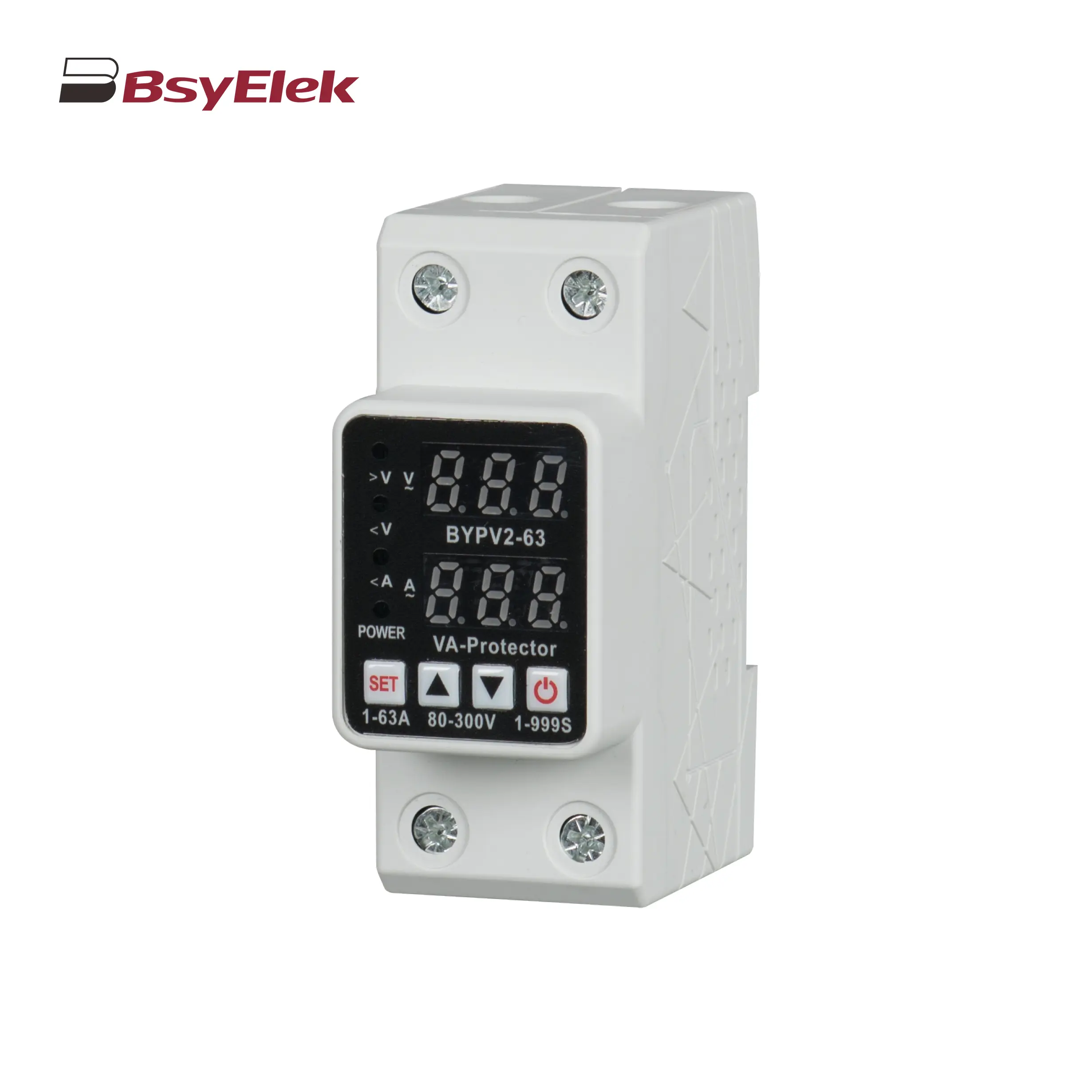 BYVP2-63 40A 63A Adjustable Dual Display Overvoltage and Undervoltage Protector
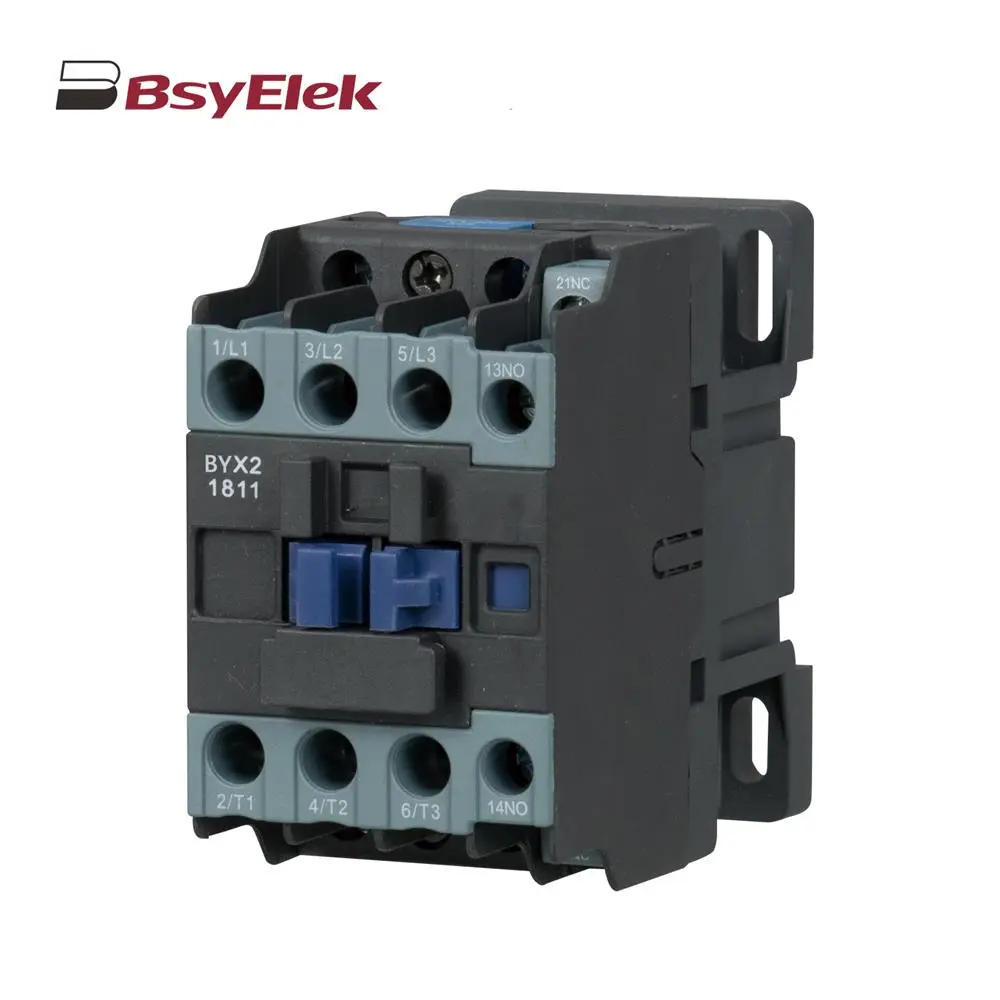 BYX2 6-95A AC Contactor
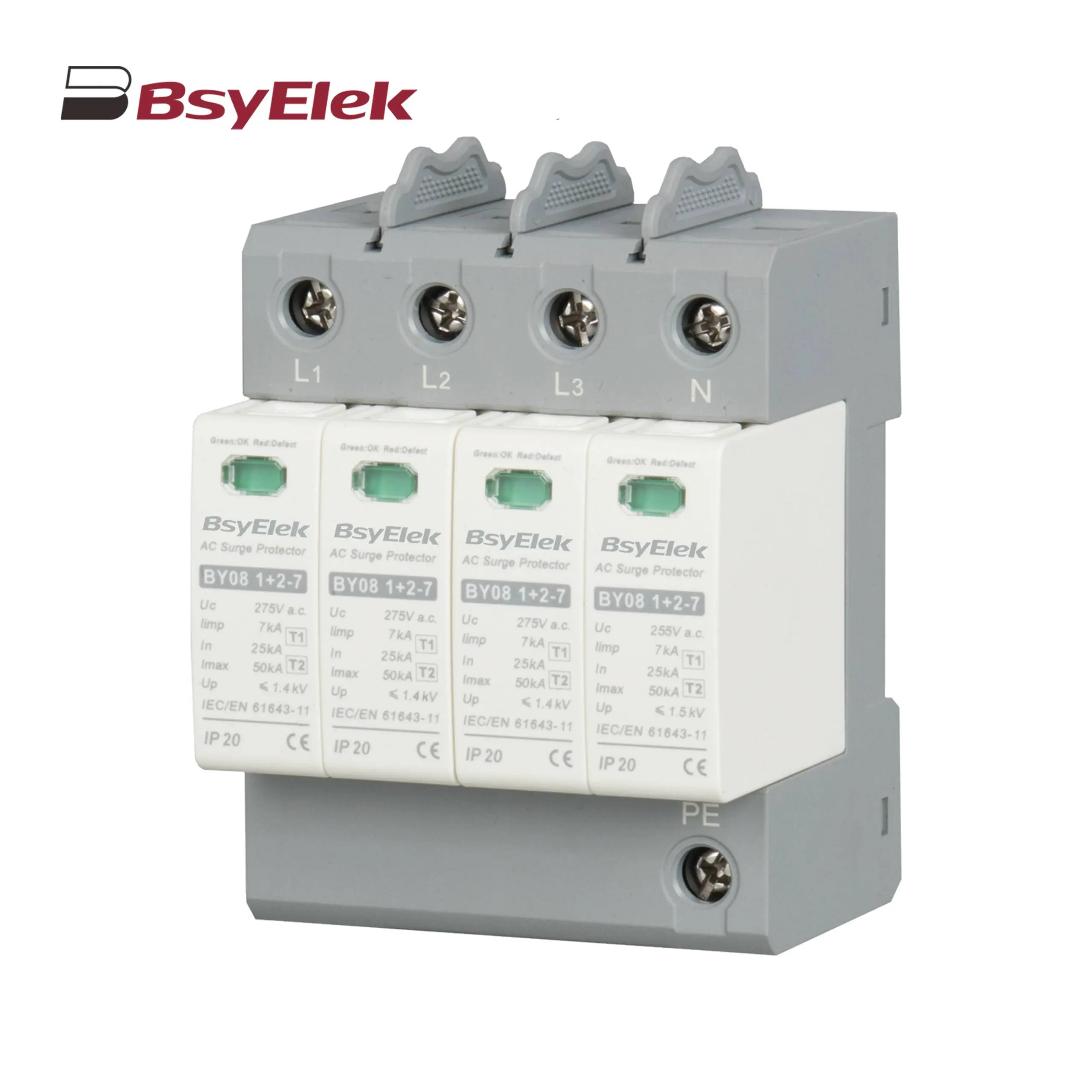 BY08 1+2-7 SPD Class T1+T2 Imax 50KA Surge Protective Device
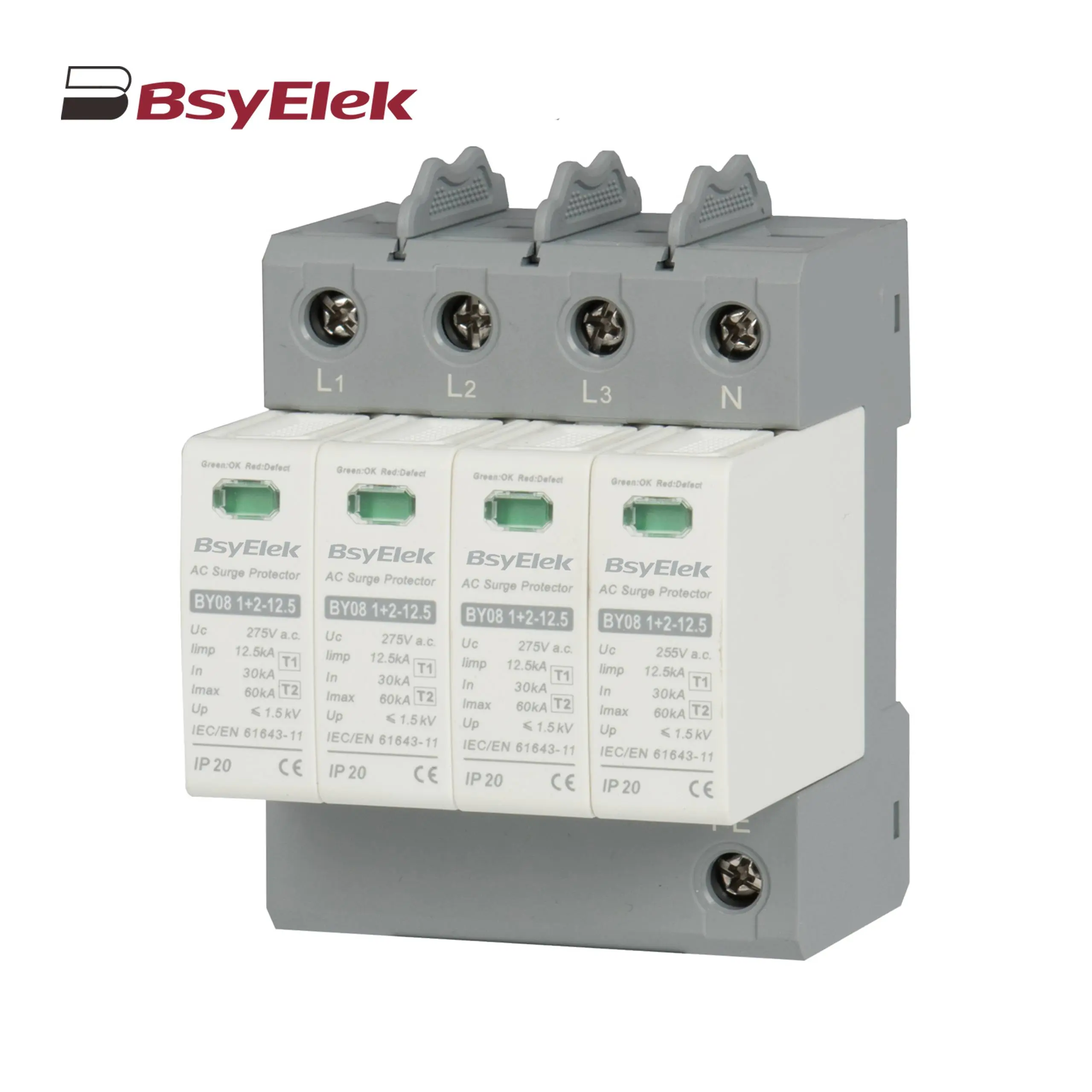 BY08 1+2-12.5 SPD Class T1+T2 Imax 60KA Surge Protective Device
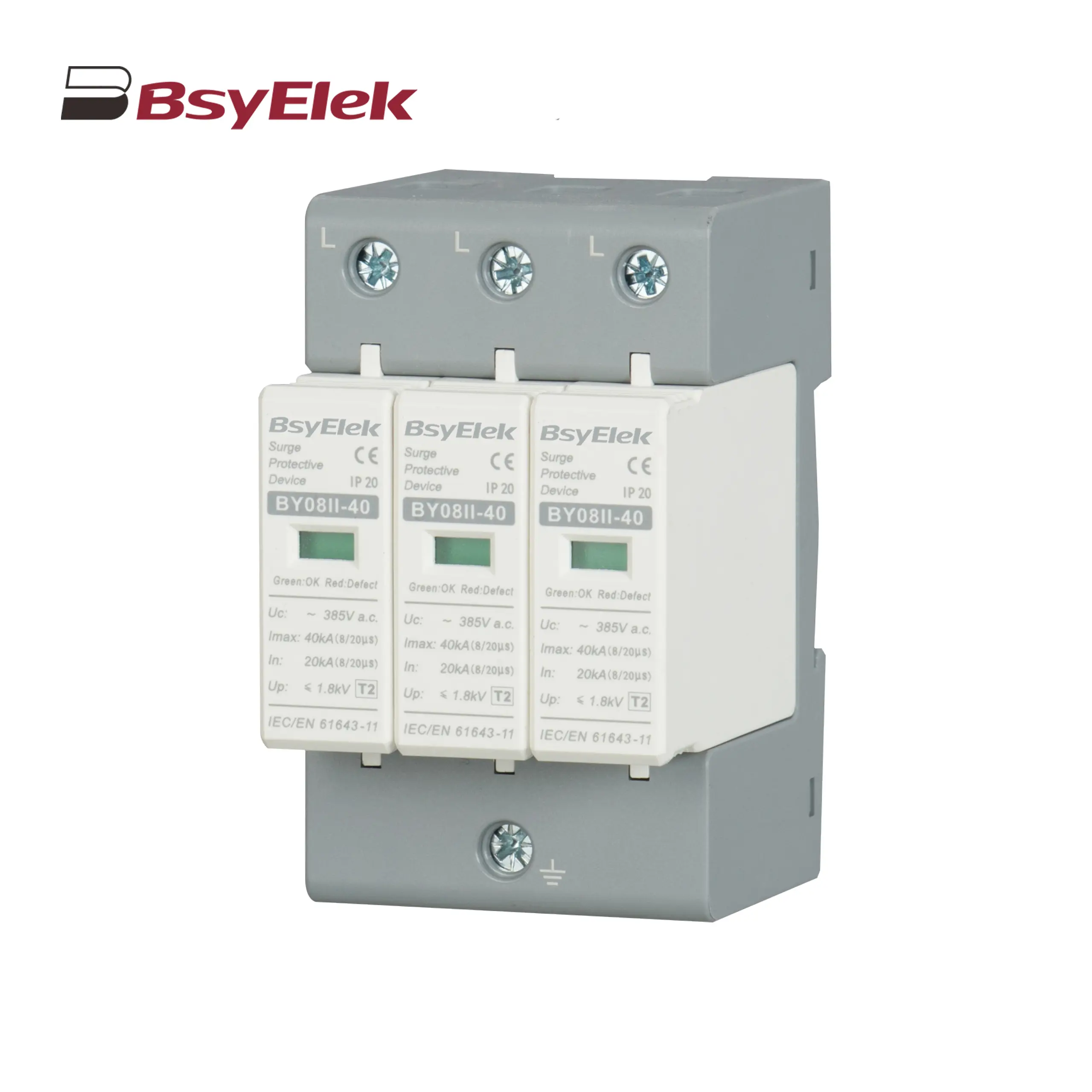 BY08II-40 SPD Class T2 Imax 40KA Surge Protective Device
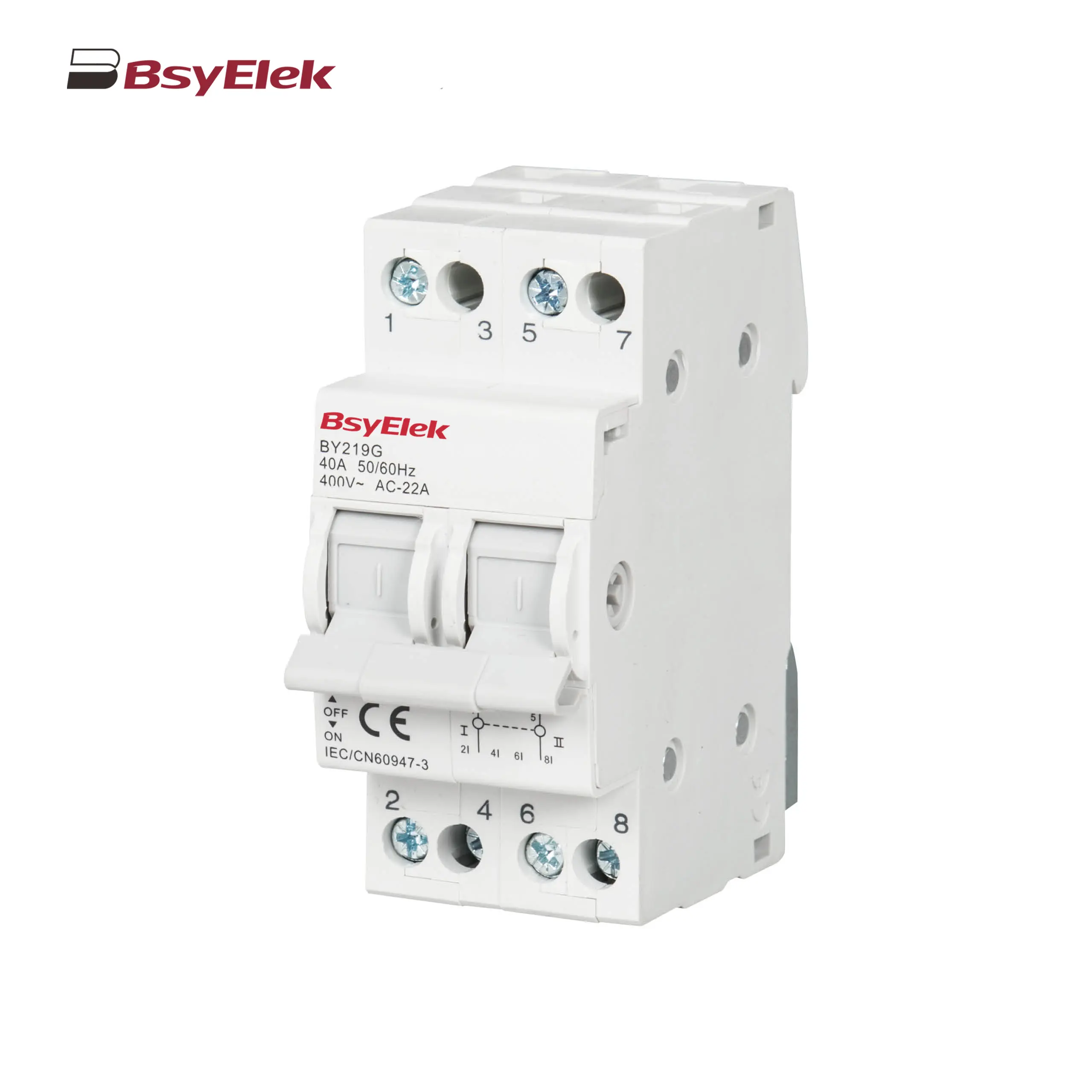 BY19G 63A Manual Changeover Switch
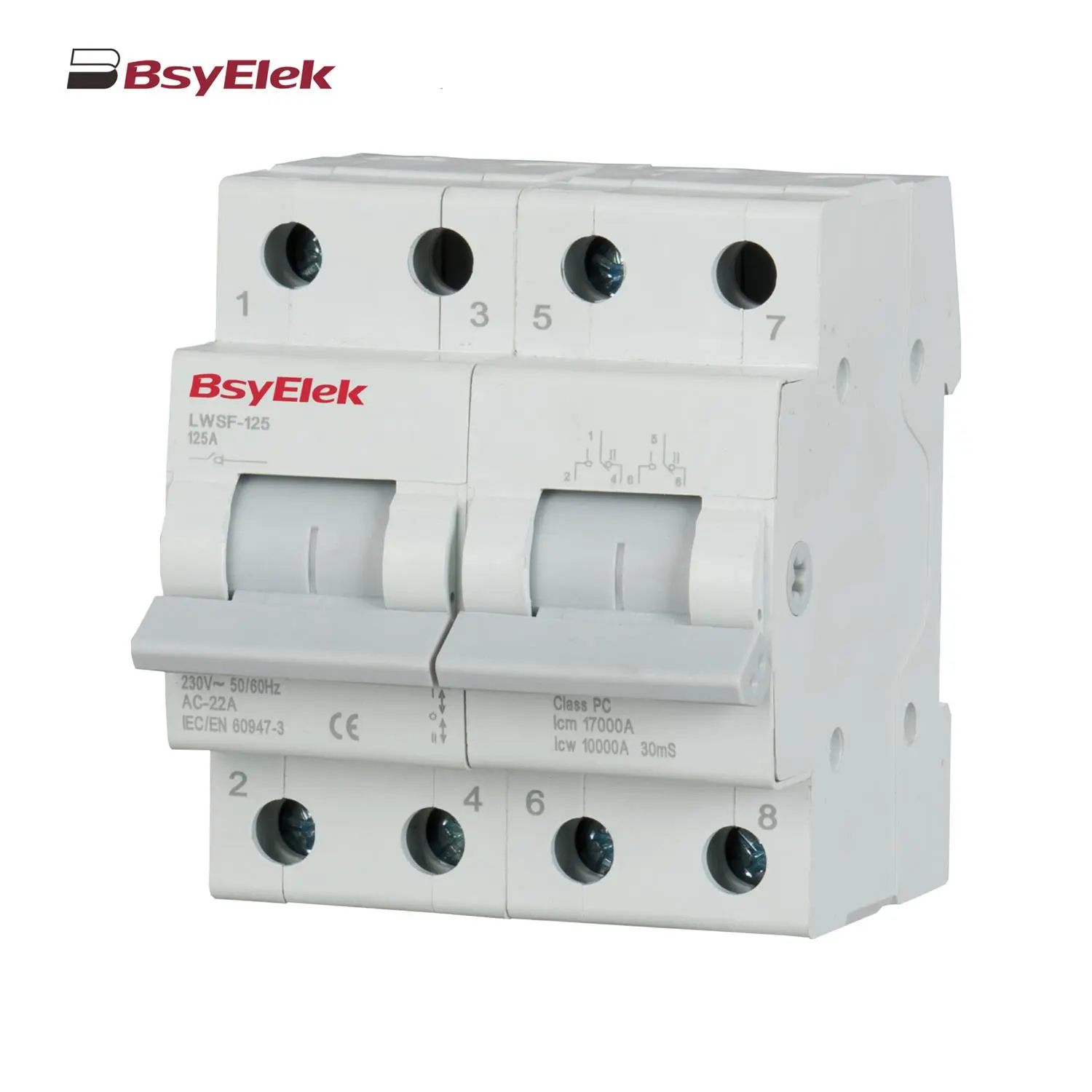 LWSF-125 125A Manual Changeover Switch
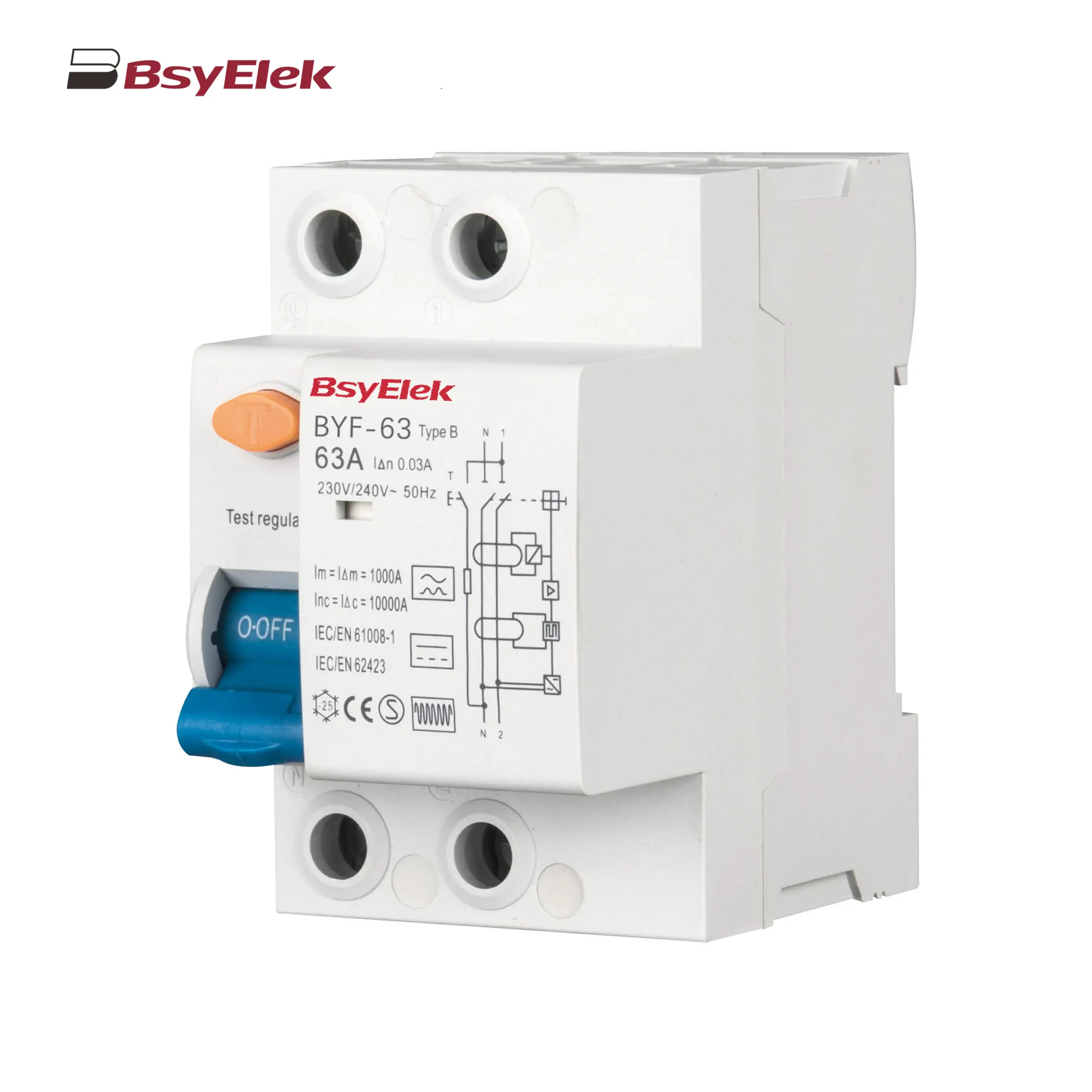 BYF-63 RCD 10KA Type B AC+A+Smoothing DC Residual Current Device
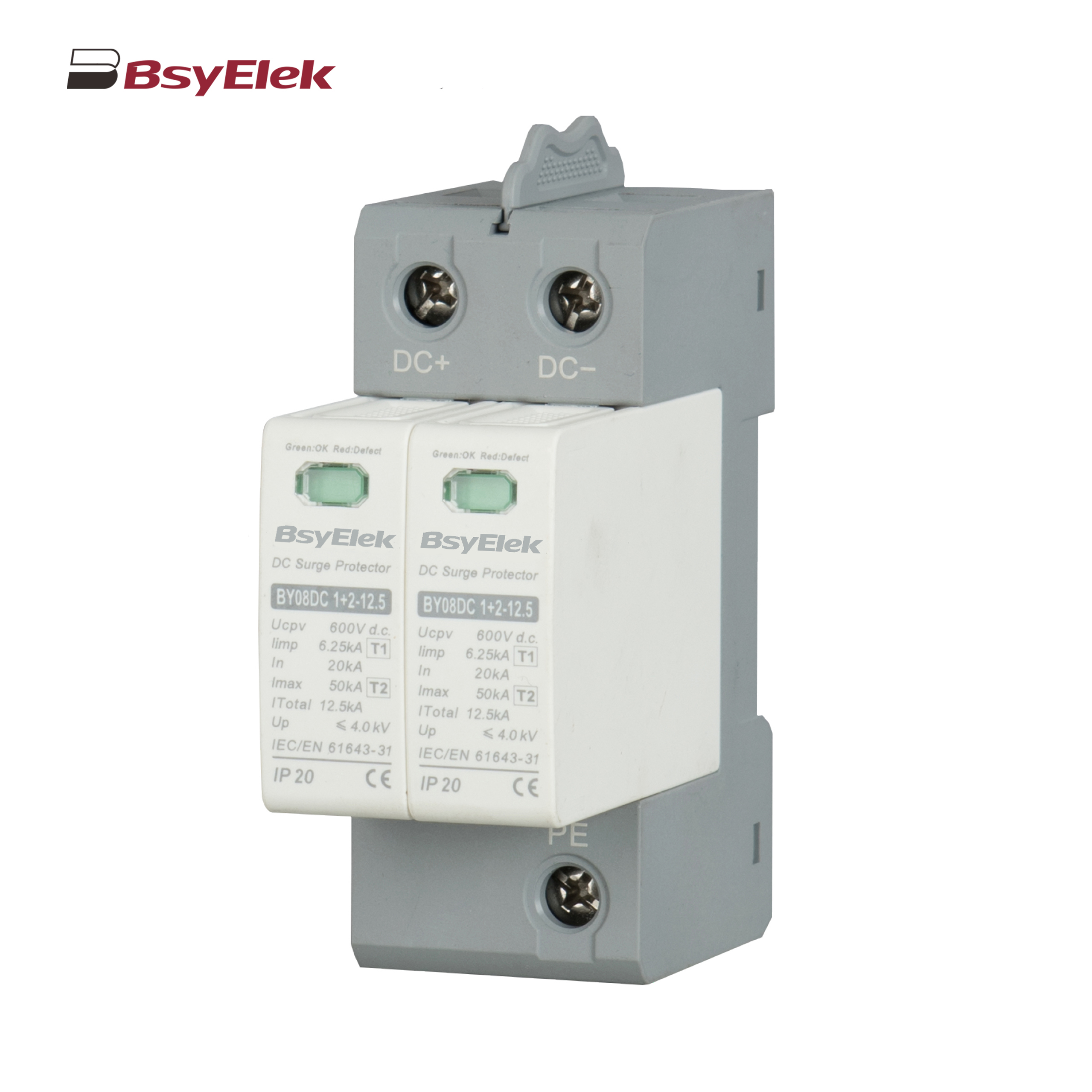 BY08DC 1+2-12.5 SPD Class T1+T2 40KA DC Surge Protective Device
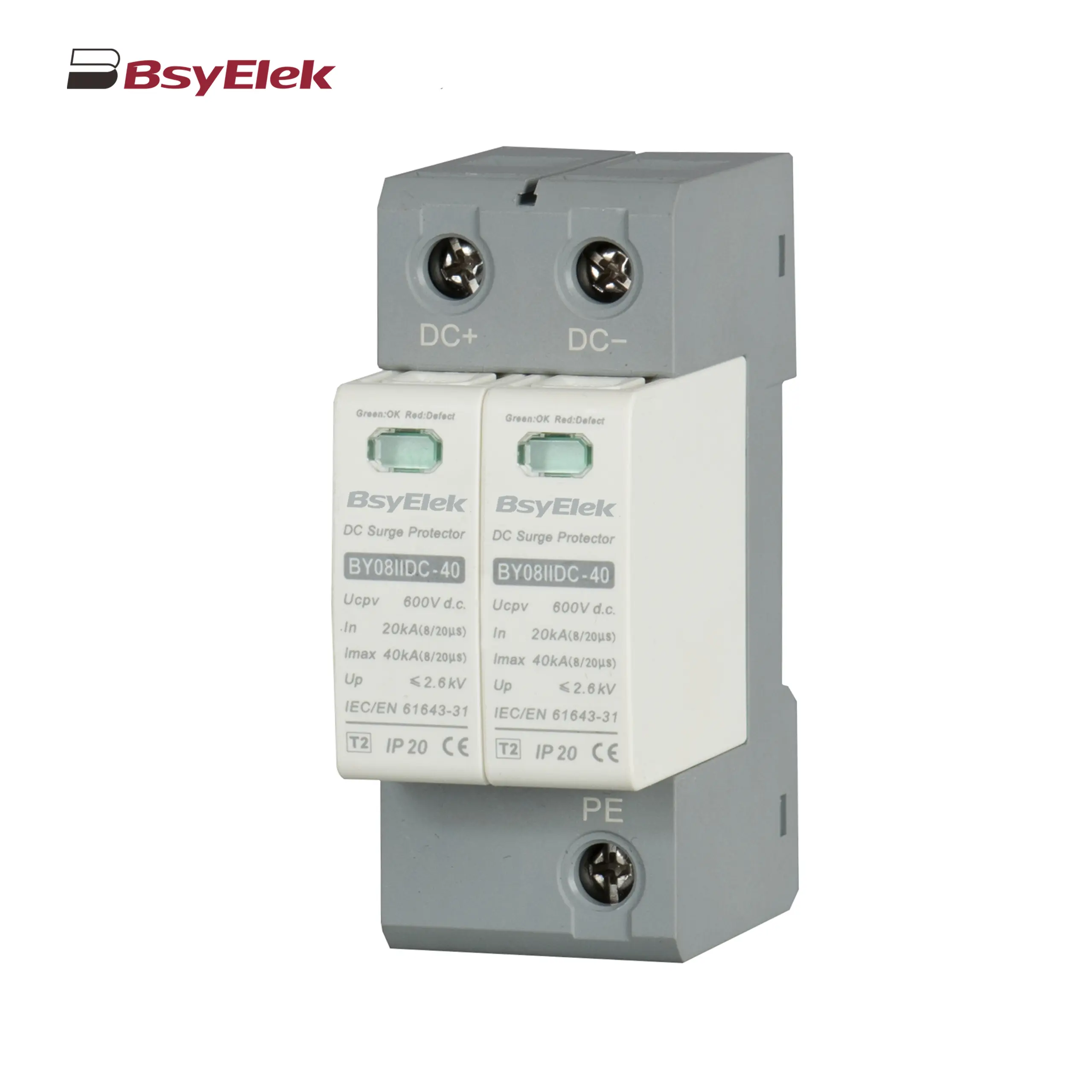 BY08IIDC-40 SPD Class T2 40KA DC Surge Protective Device
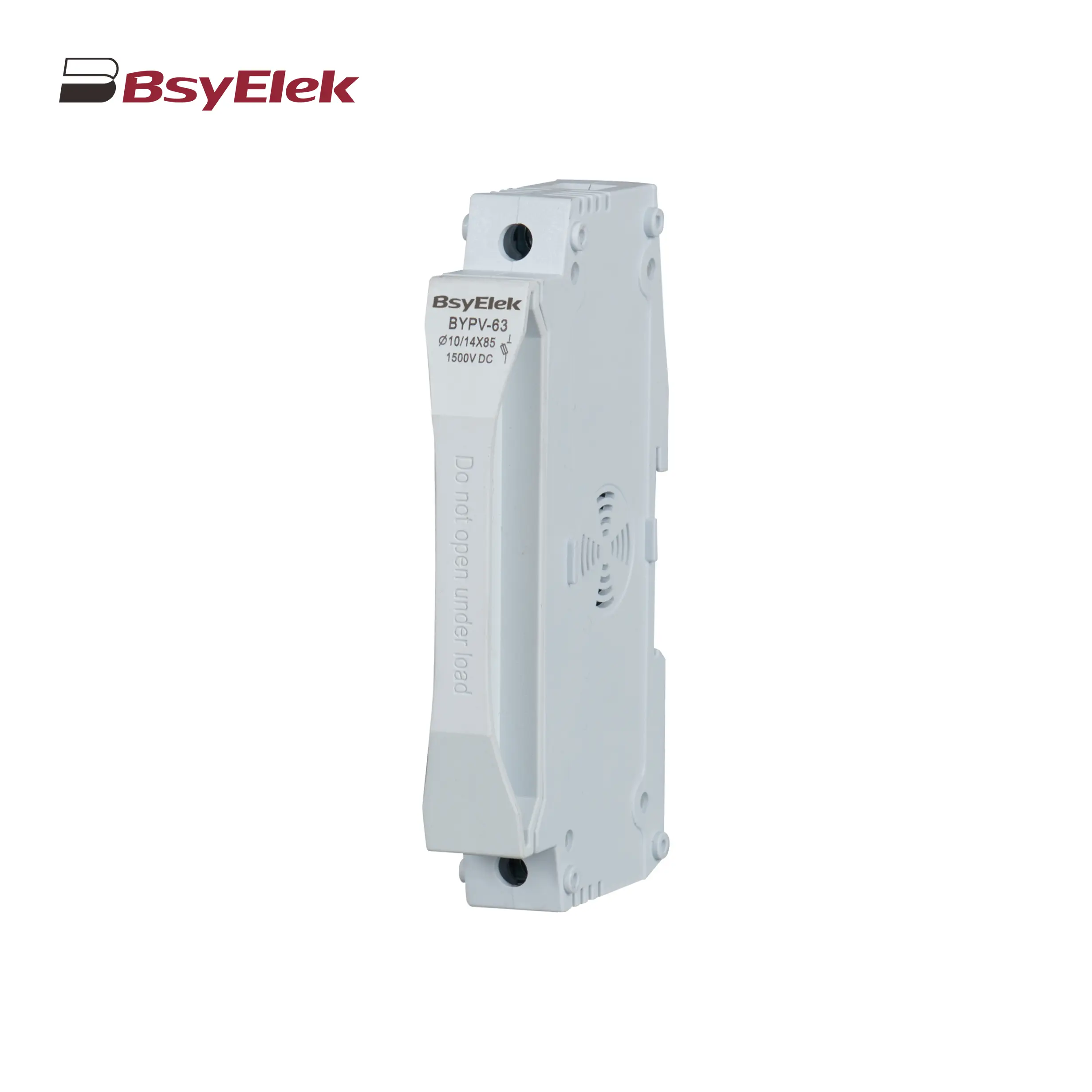 BYPV-63 1500VDC 50A Fuse Holder with 10x85mm 14x85mm Fuse Link
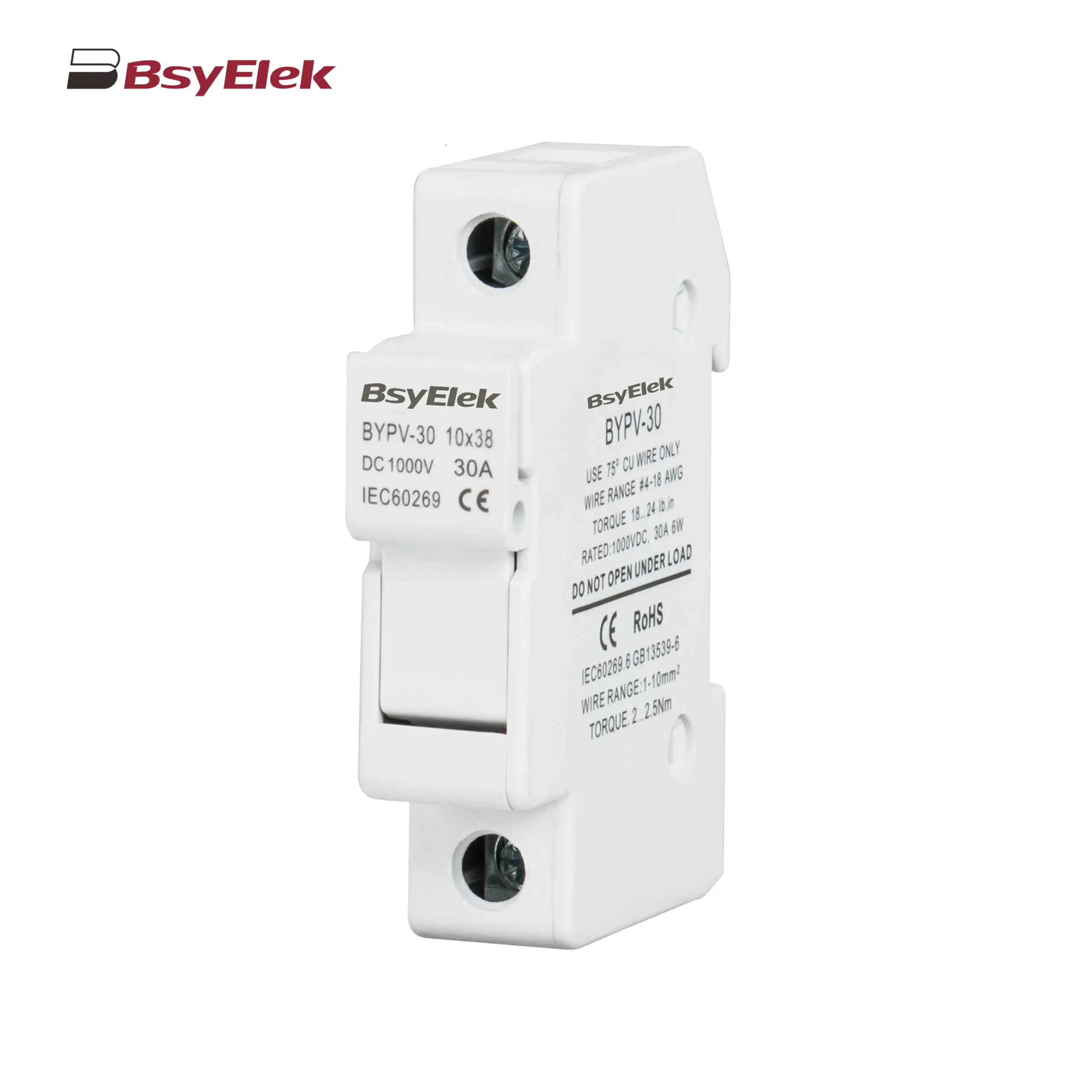 BYPV-30 1000VDC 32A Fuse Holder with 10x38mm Fuse Link
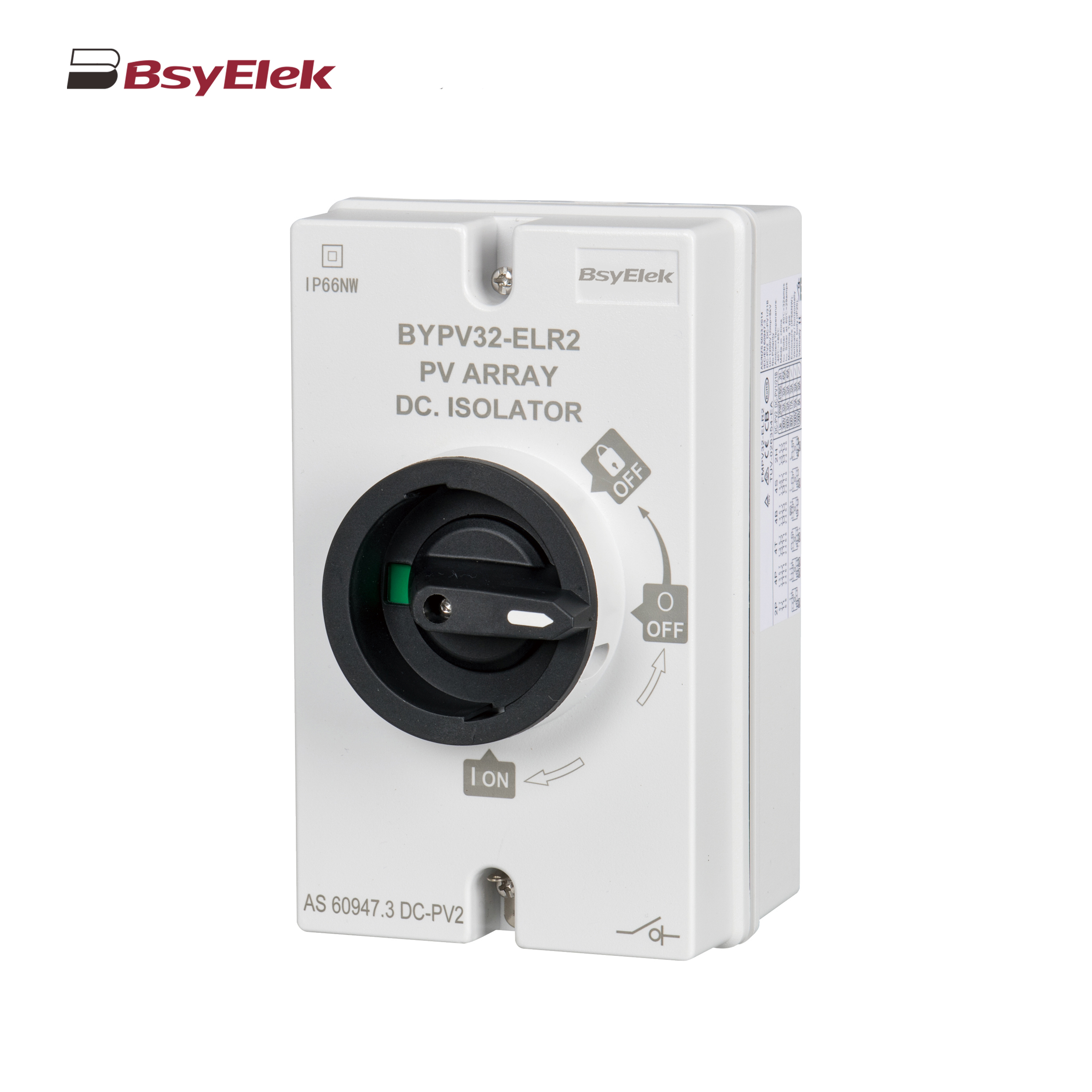 BYPV-ELR2 PV Isolator Switch with Enclosed Version
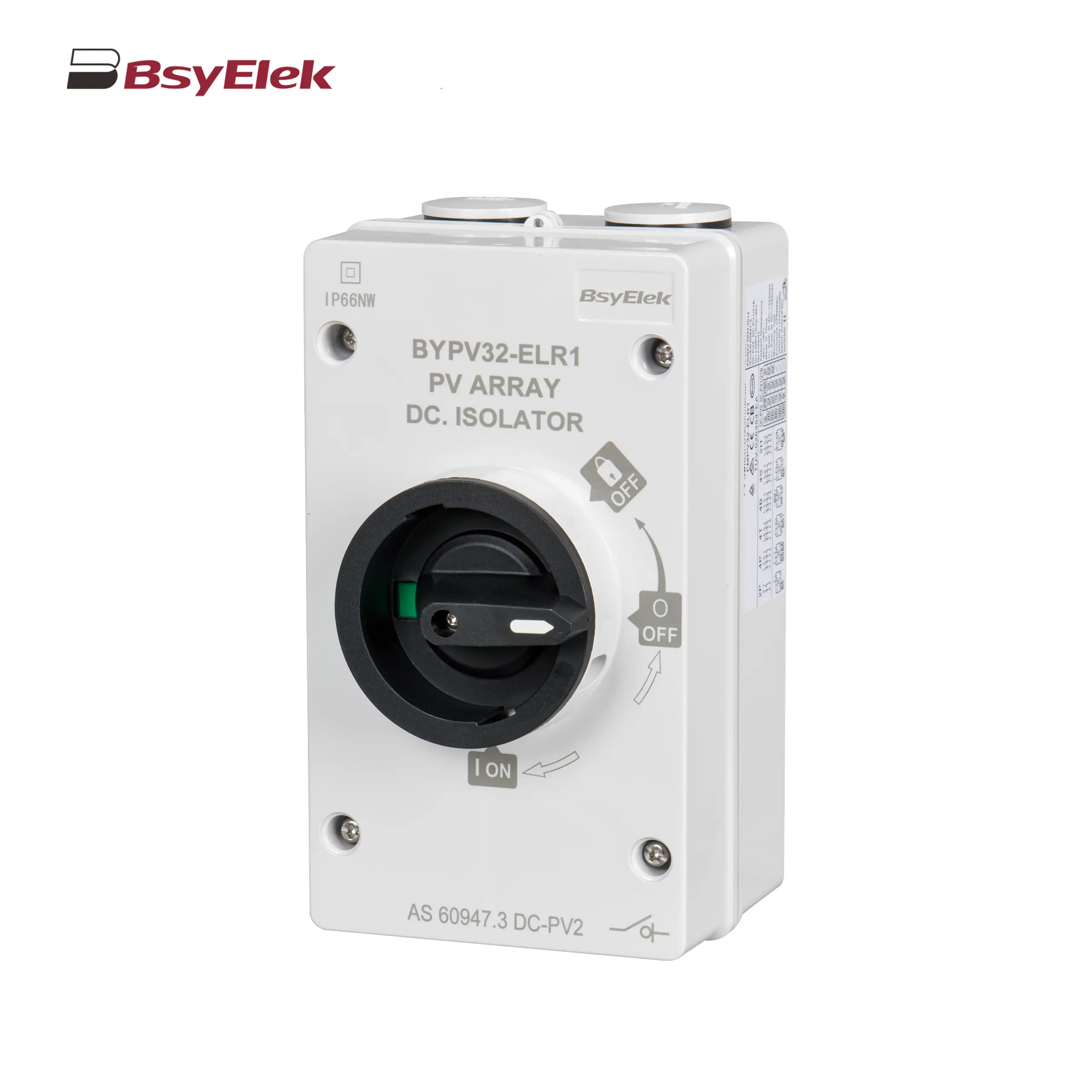 BYPV-ELR1 PV Isolator Switch with Enclosed Version
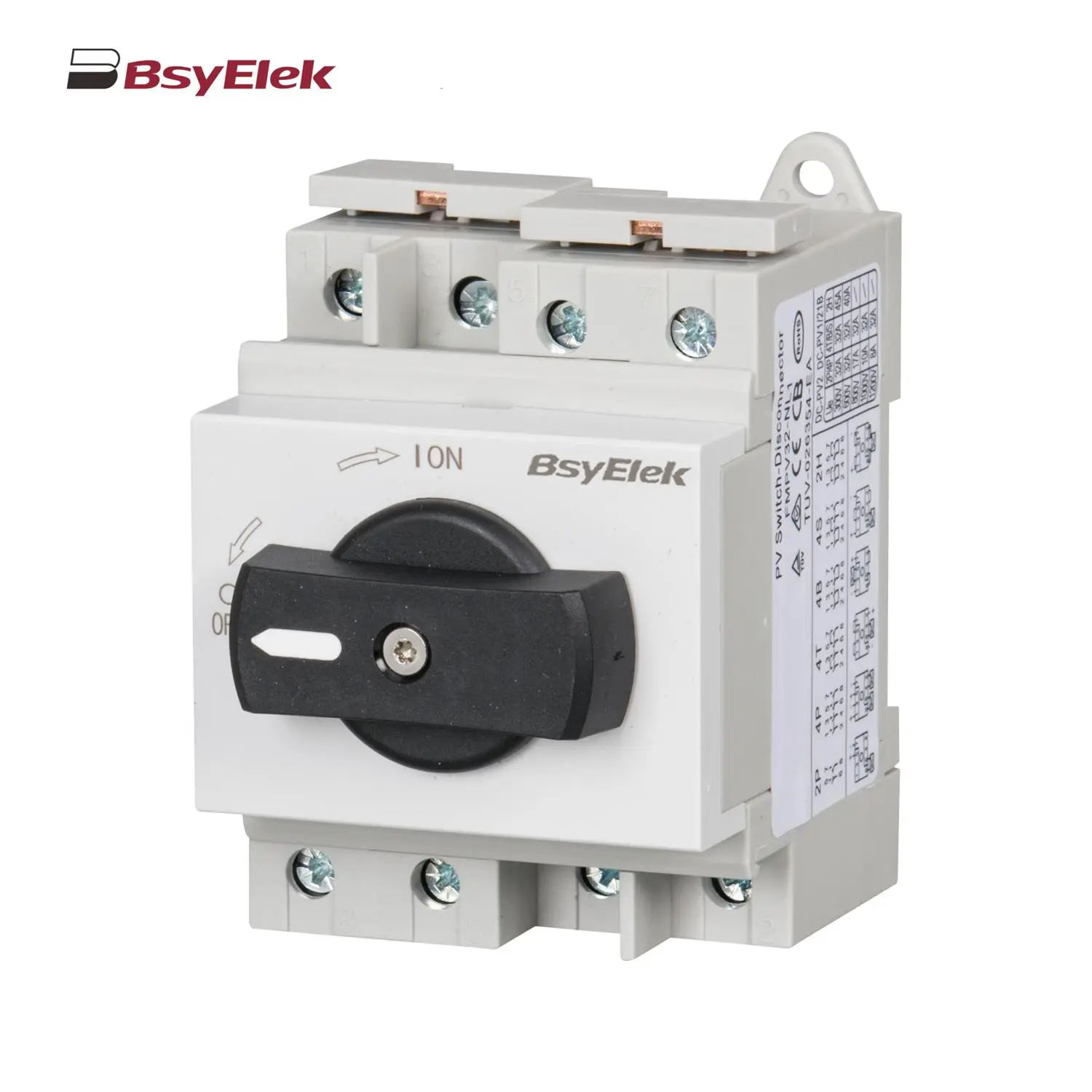 BYPV-NL1/T PV Isolator Switch with Ultra-thin Lever Handle
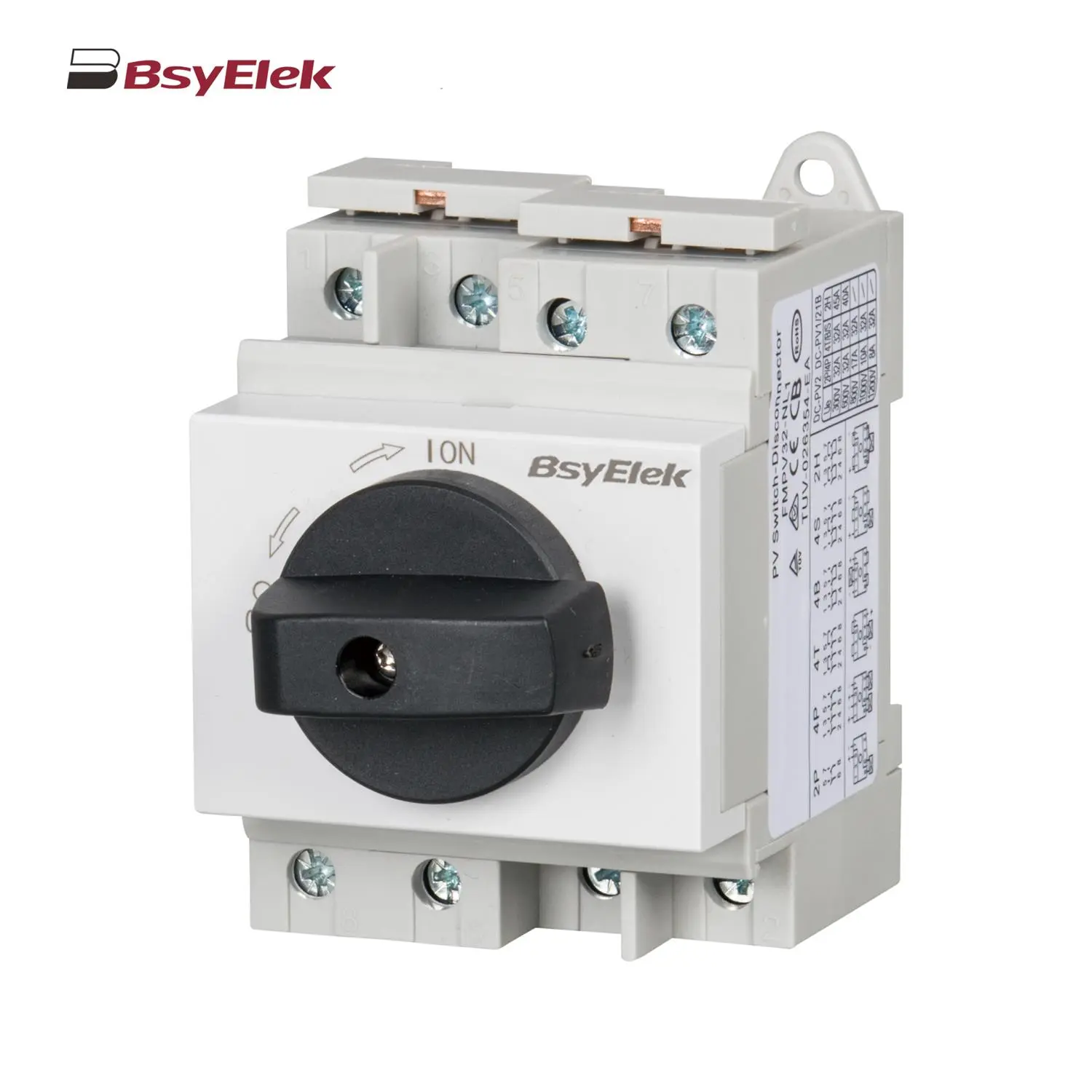 BYPV-NL1 PV Isolator Switch with Lever Handle
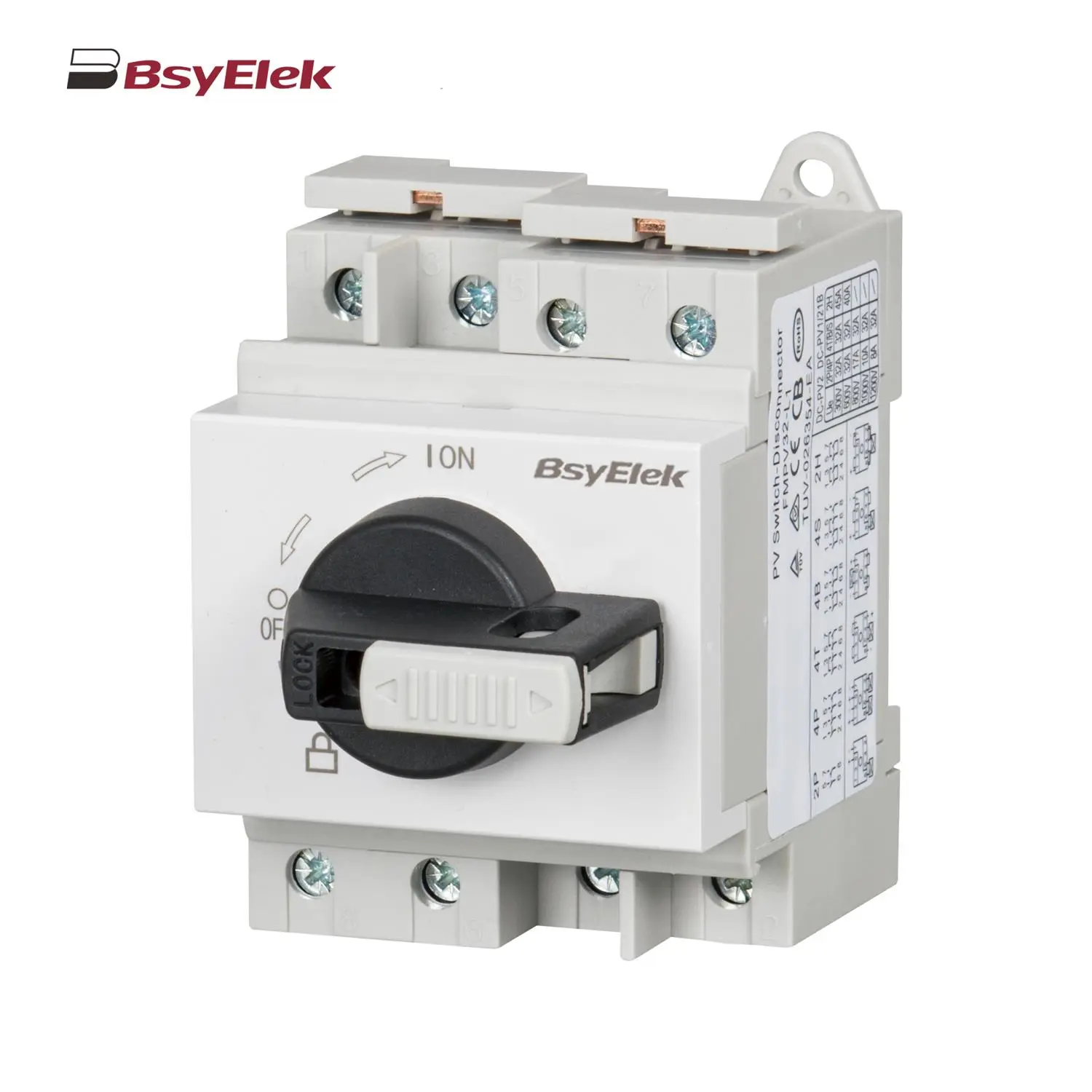 BYPV-L1/L2 PV Isolator Switch with Lockable Lever Handle
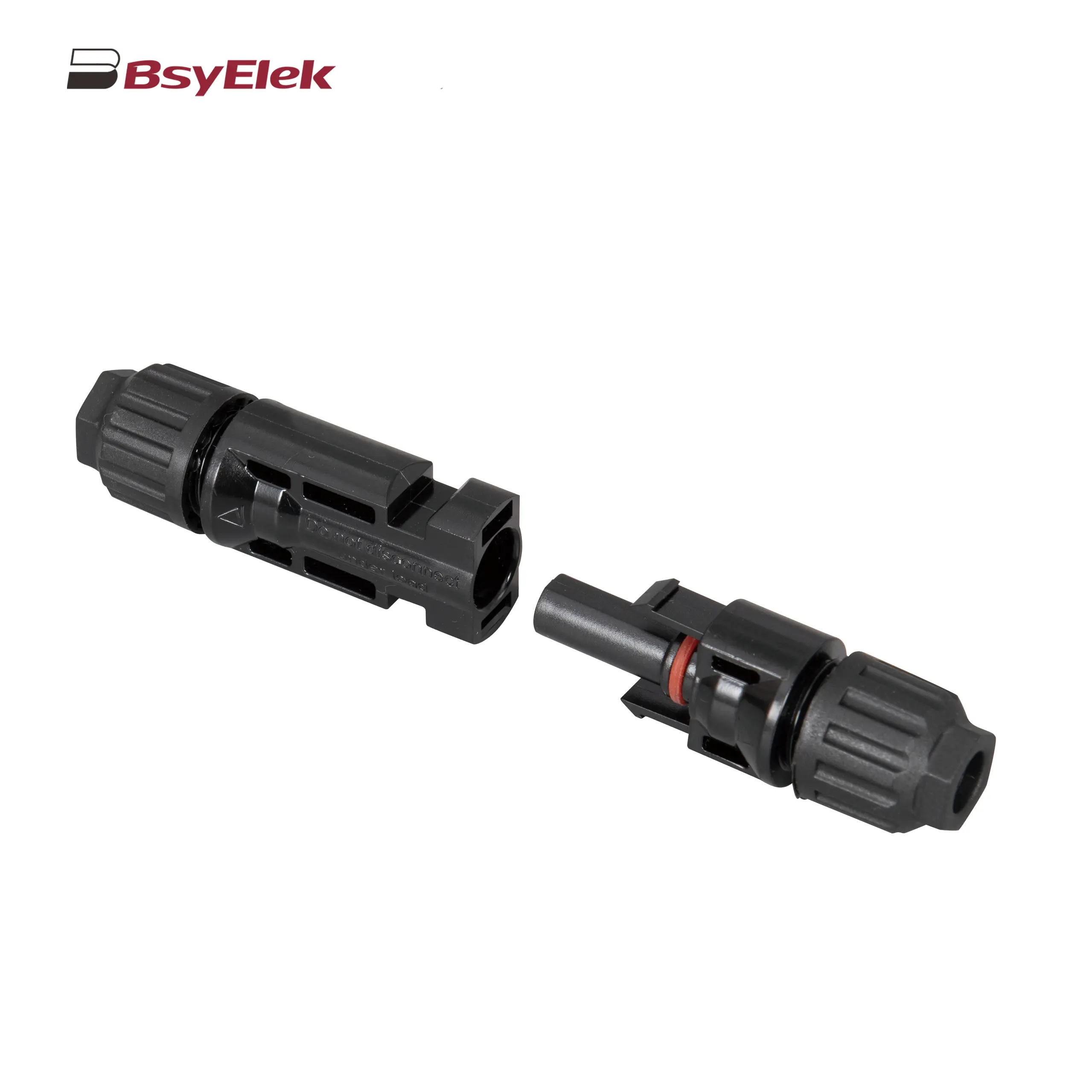 PV-BY-01 30A/50A 1000V Photovoltaic Connector
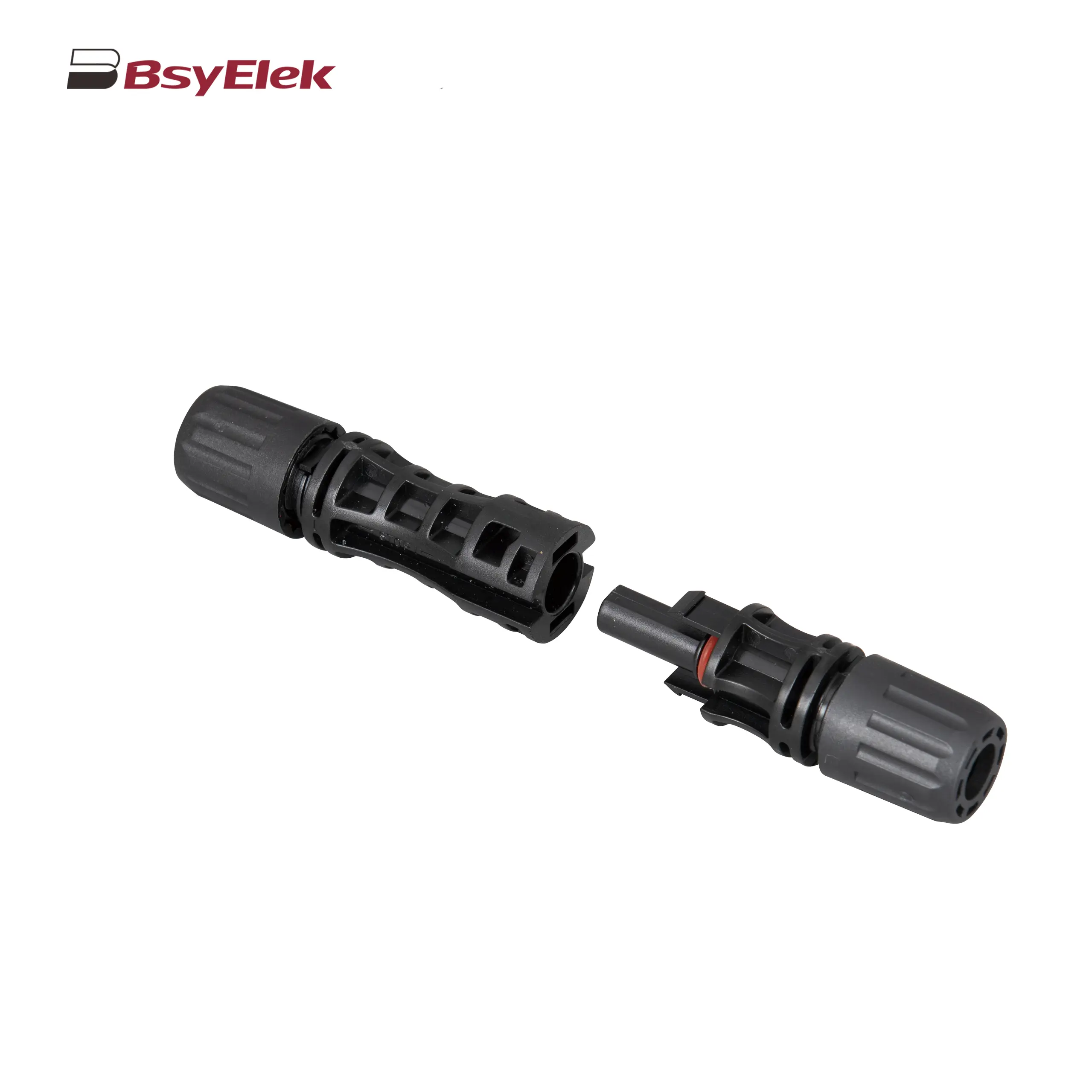 PV-BY-02 30A/50A 1500V Photovoltaic Connector
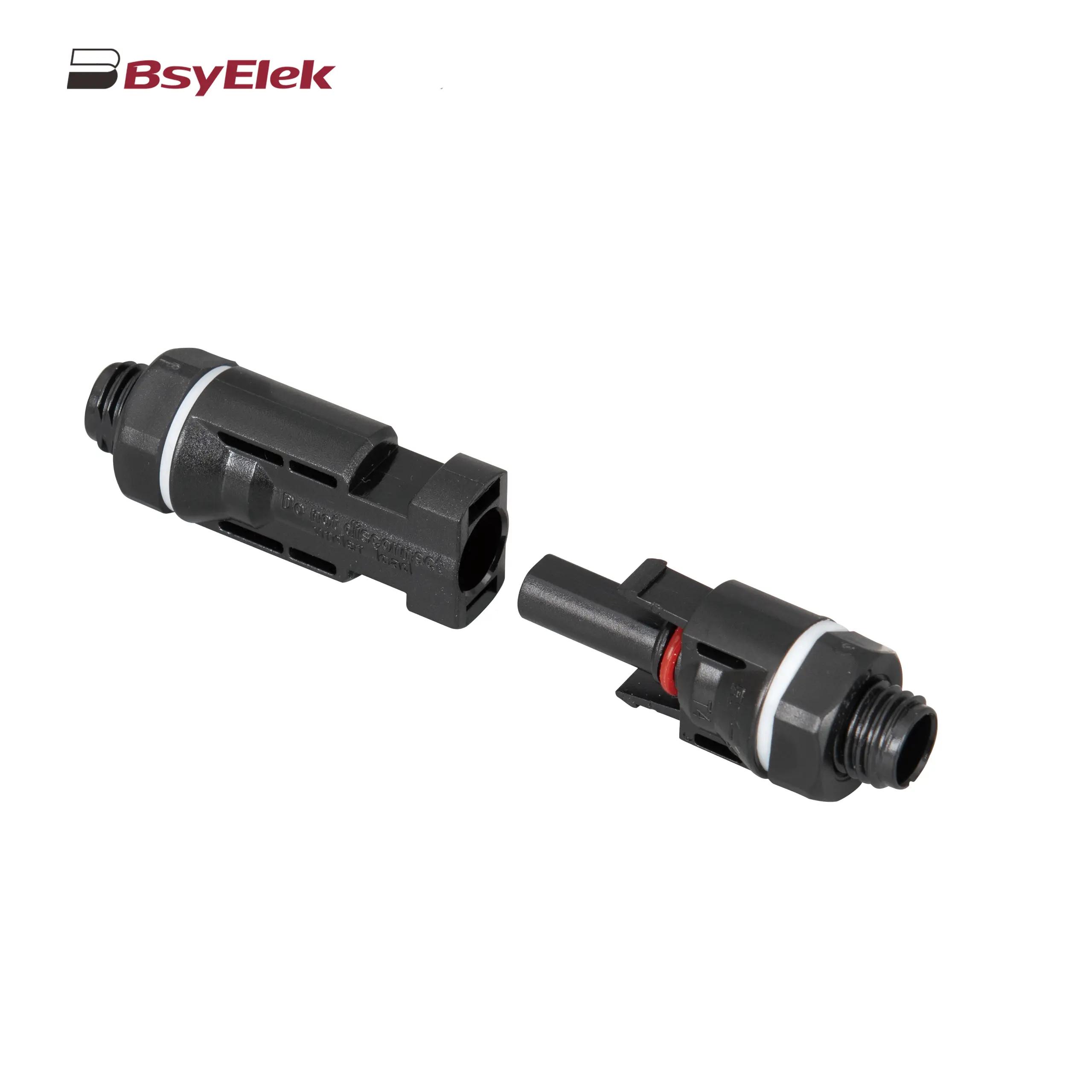 PV-BY-03 30A/50A 1000V Panel Mount Photovoltaic Connector
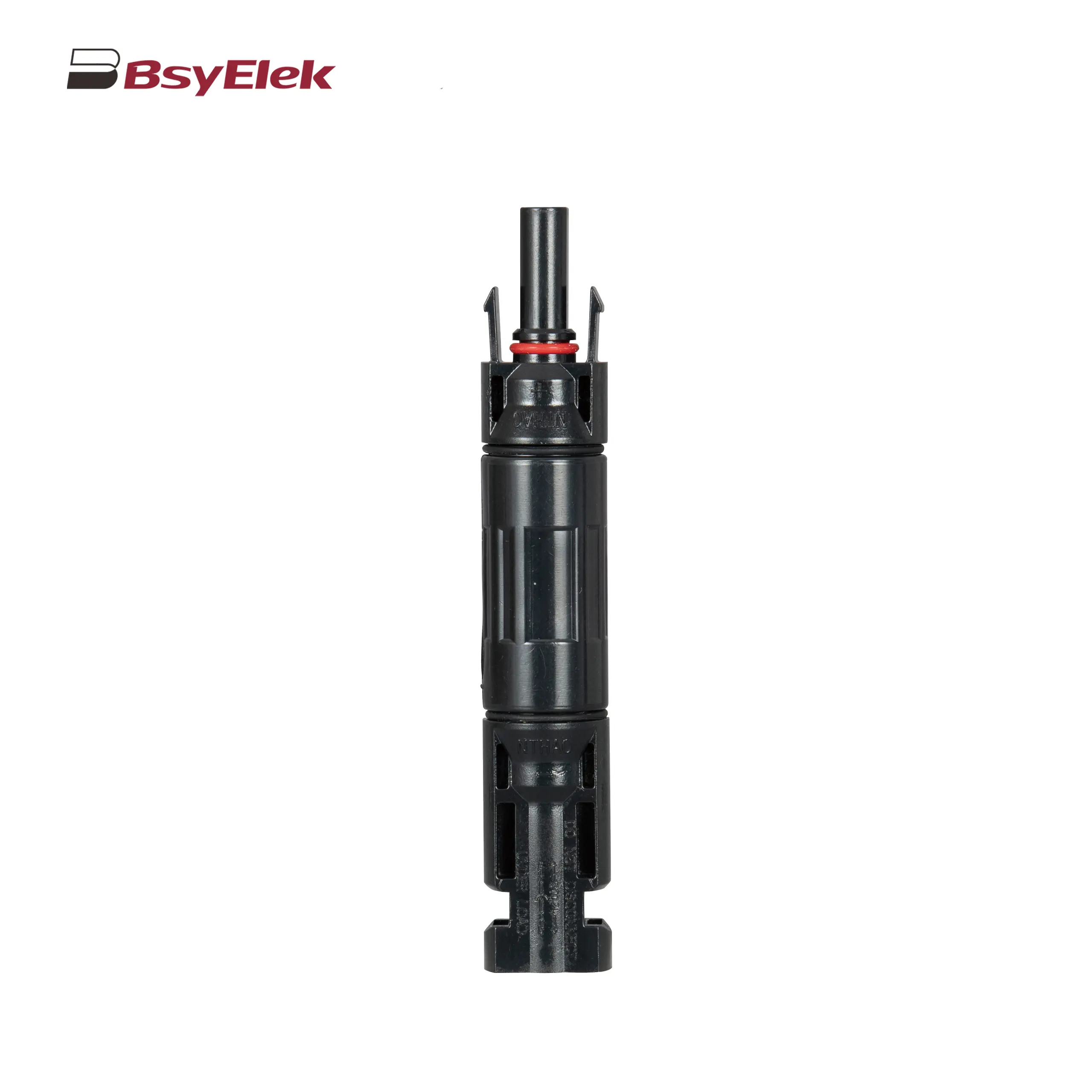 PV-BY-F01 30A 1500V Diode/Fuse Type Connector
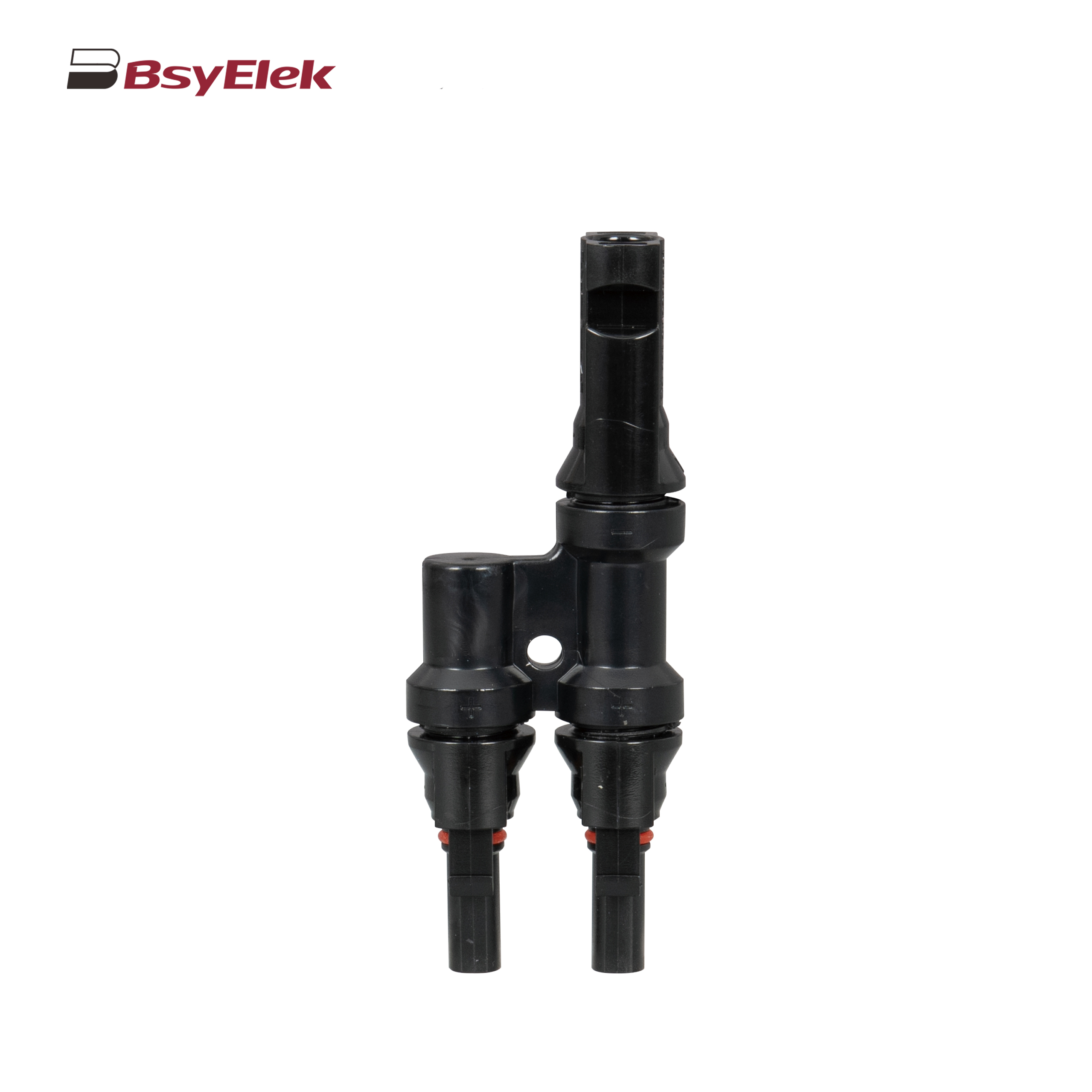 PV-BY-T 50A 1500V T Type Branch Connector
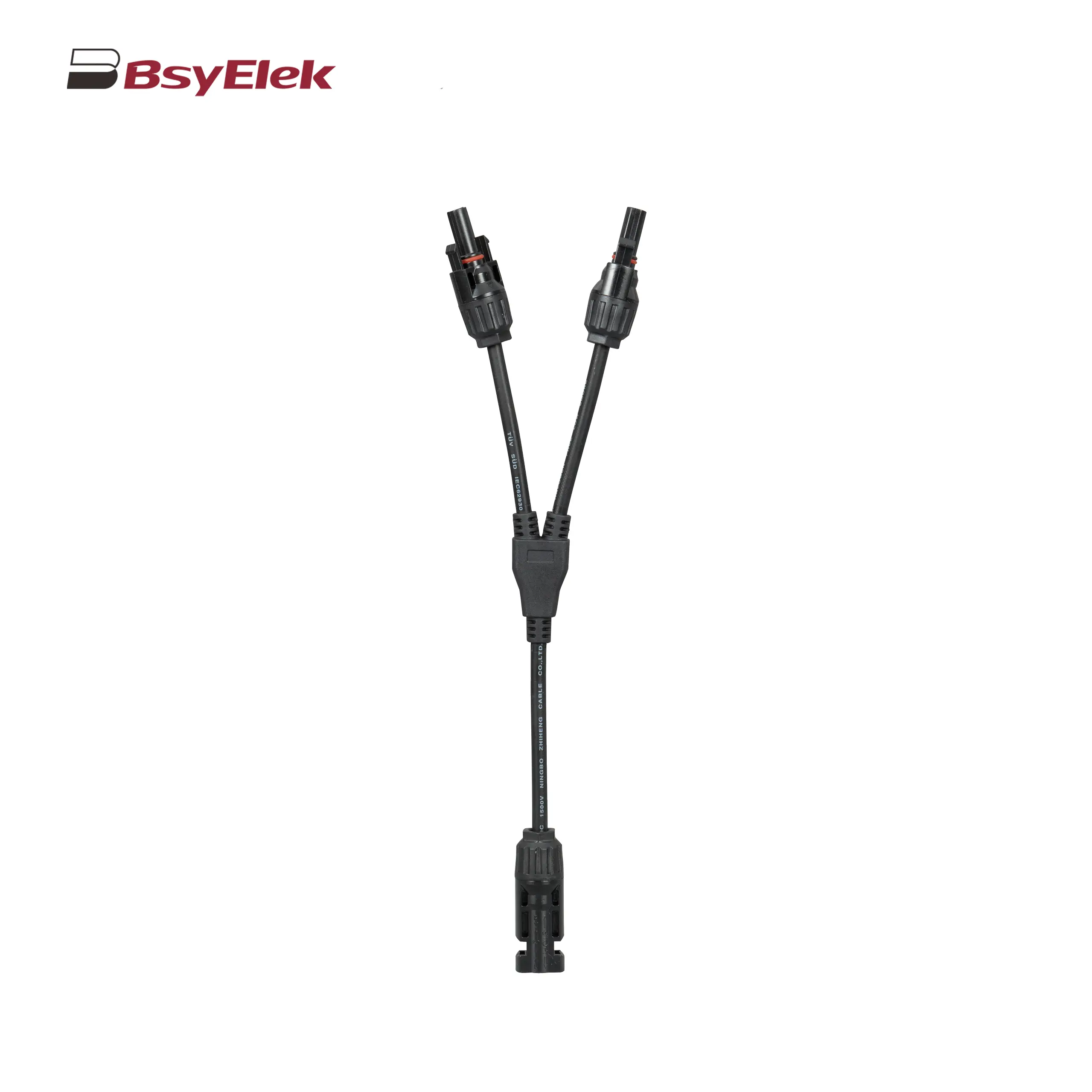 PV-BY-Y 30A 1500V Y Type Branch Connector
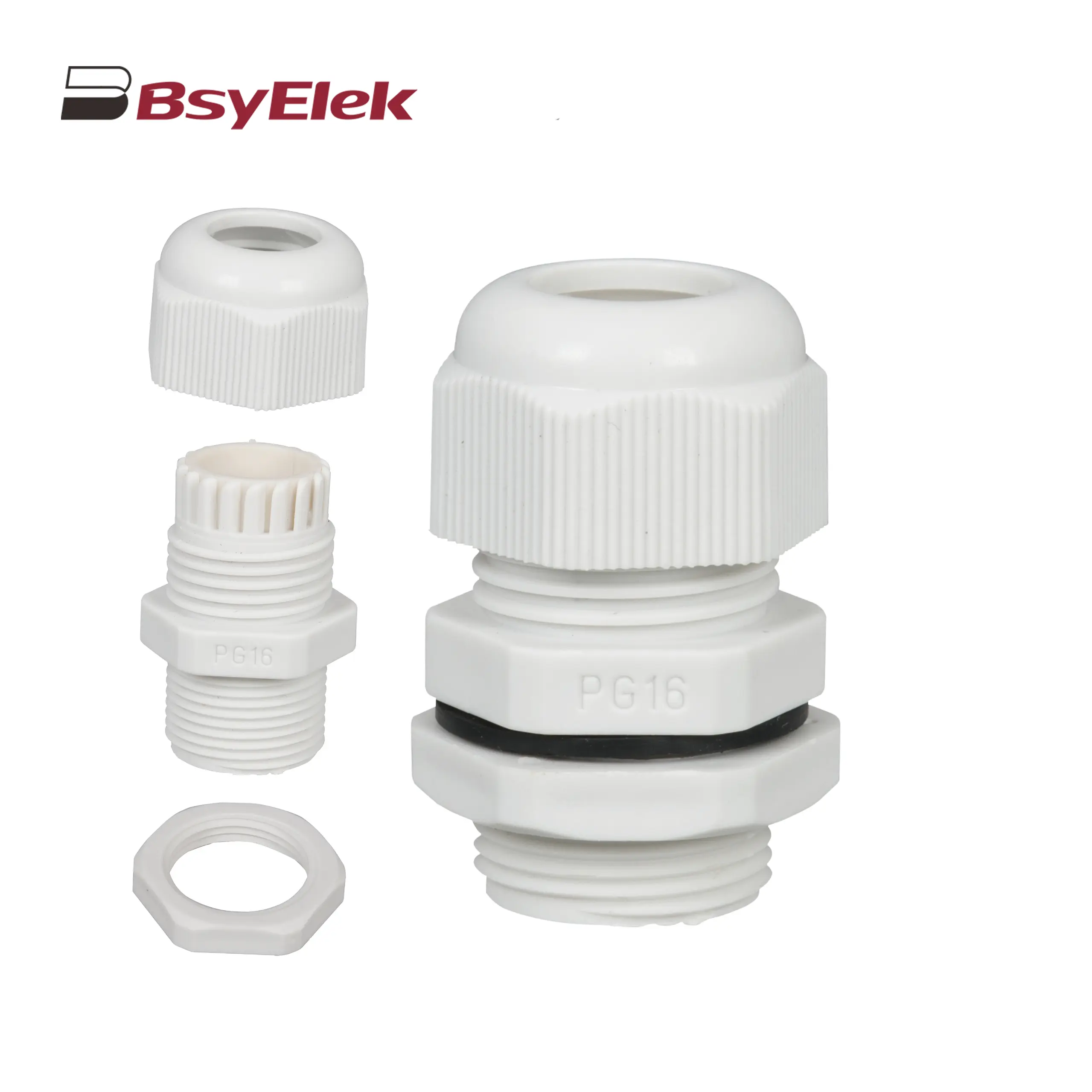 PG Waterproof Cable Gland with Washer
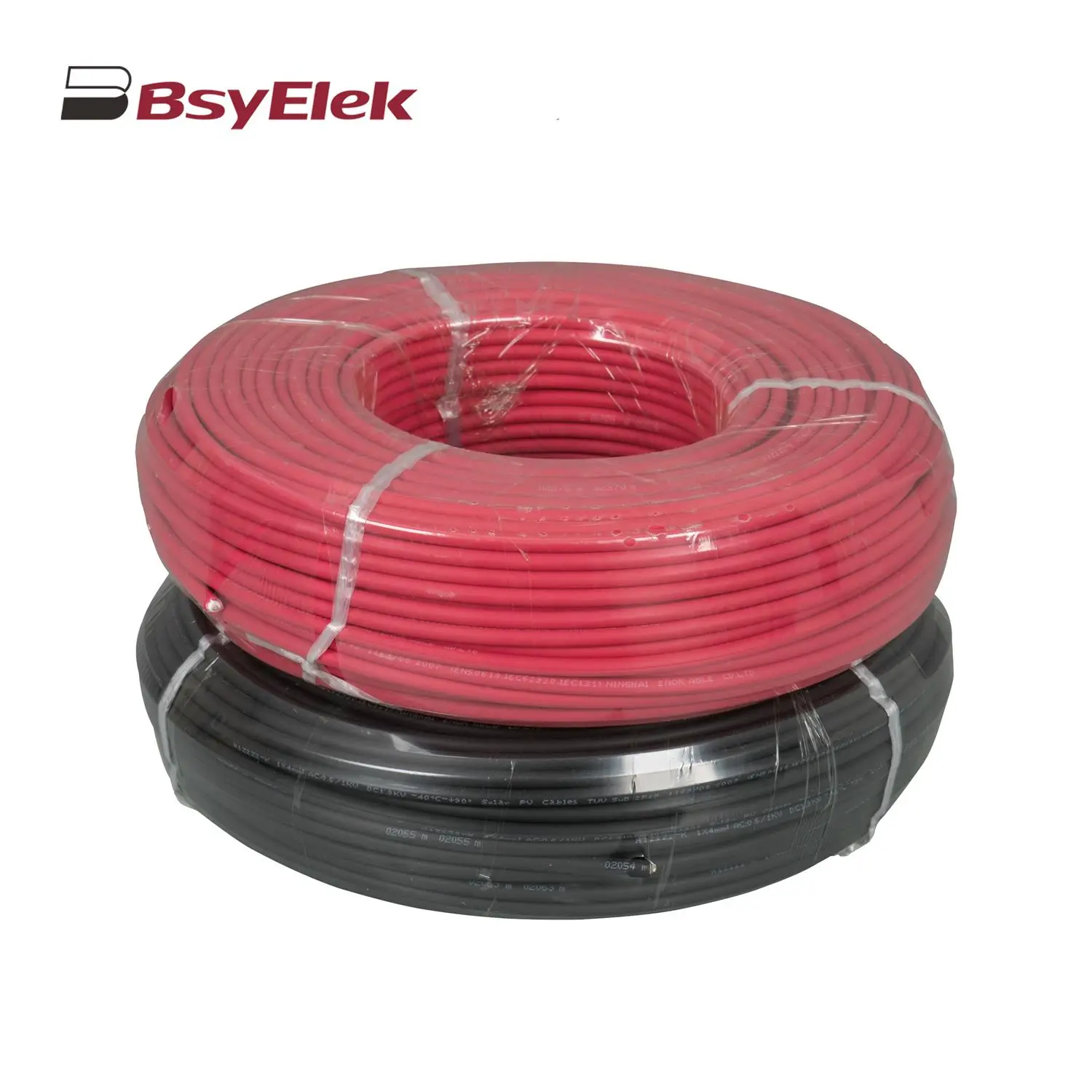 Photovoltaic Cable
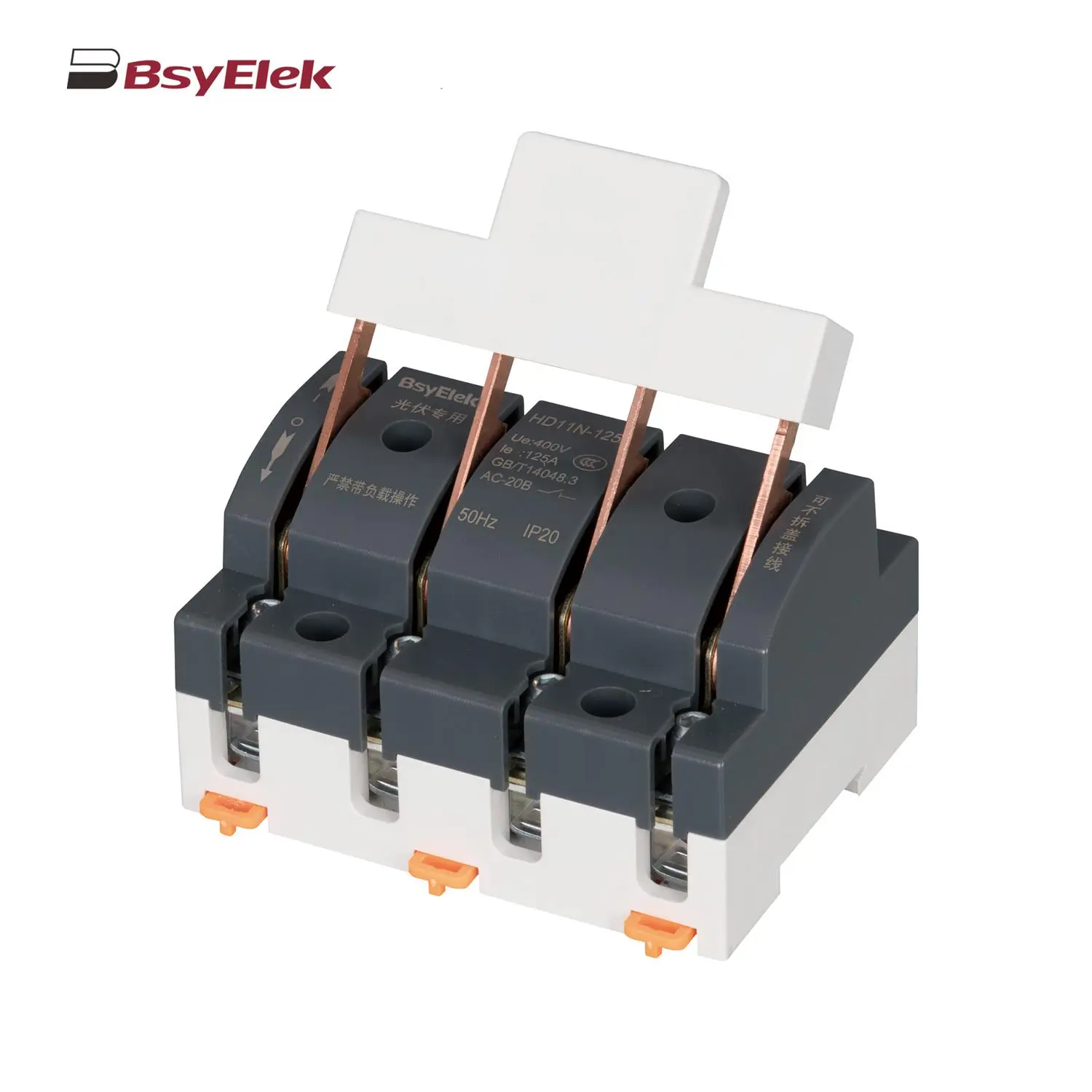 HD11N Photovoltaic Knife Switch
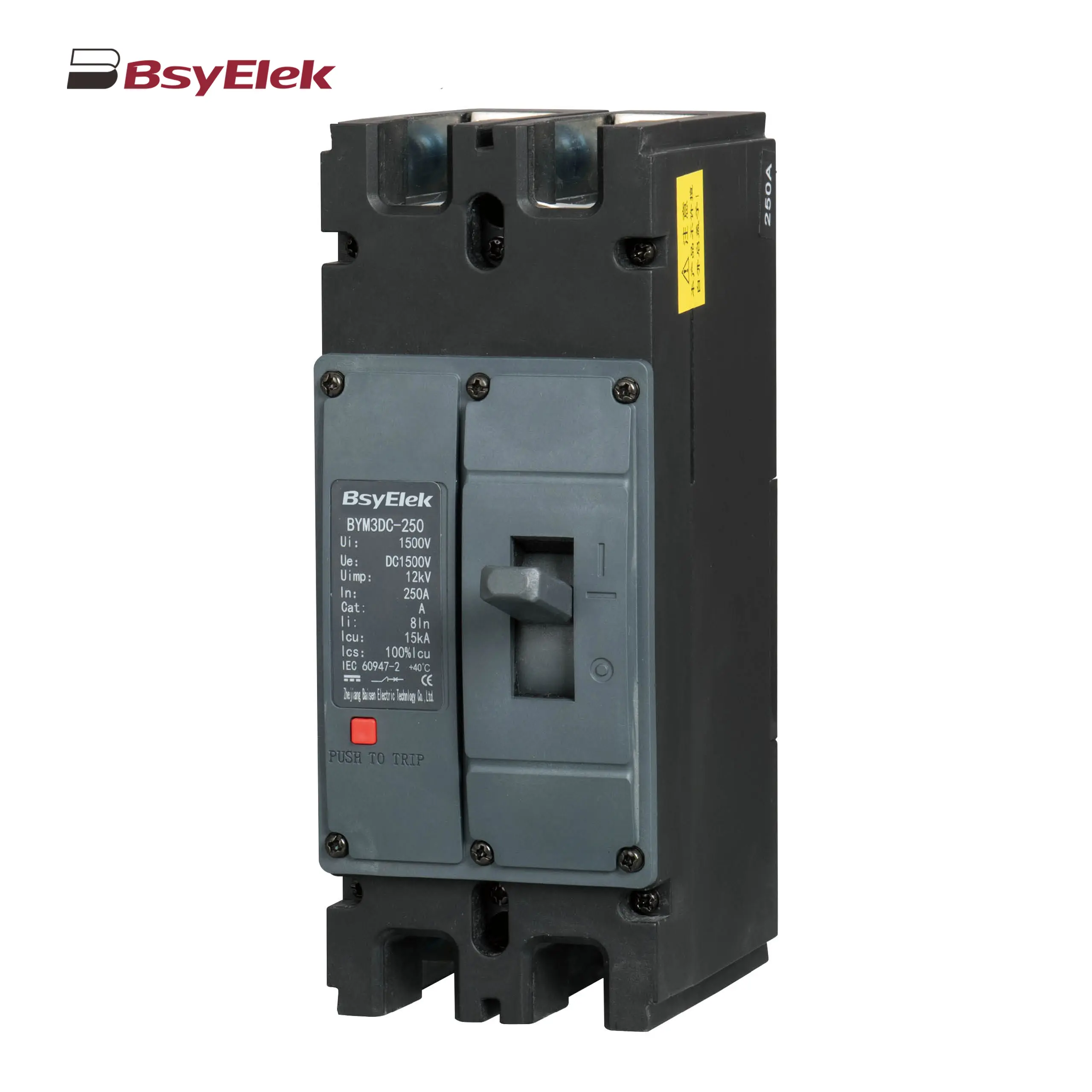 BYM3DC MCCB Photovoltaic DC Molded Case Circuit Breaker
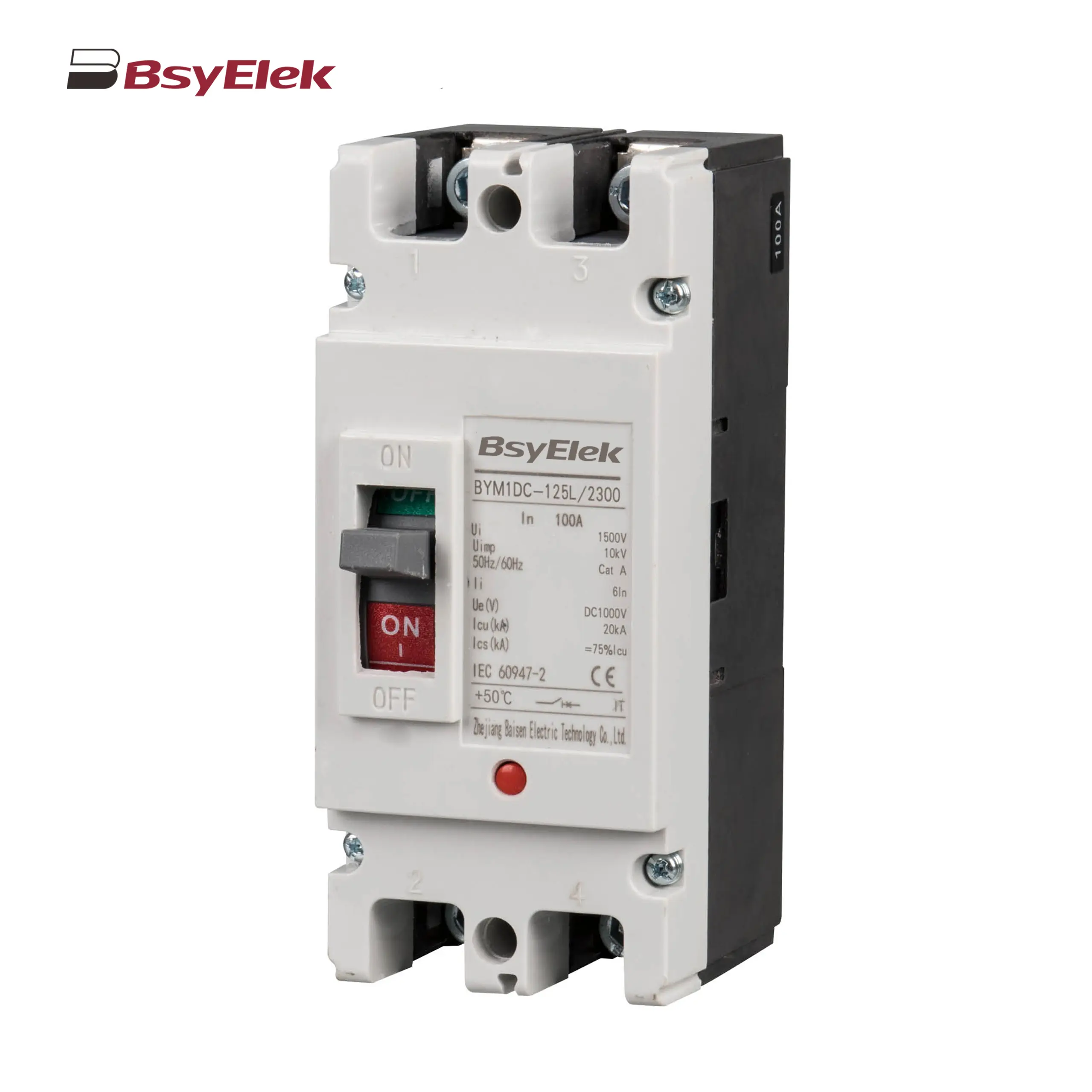 BYM1DC MCCB 1000VDC Thermal Magnetic Type DC Molded Case Circuit Breaker
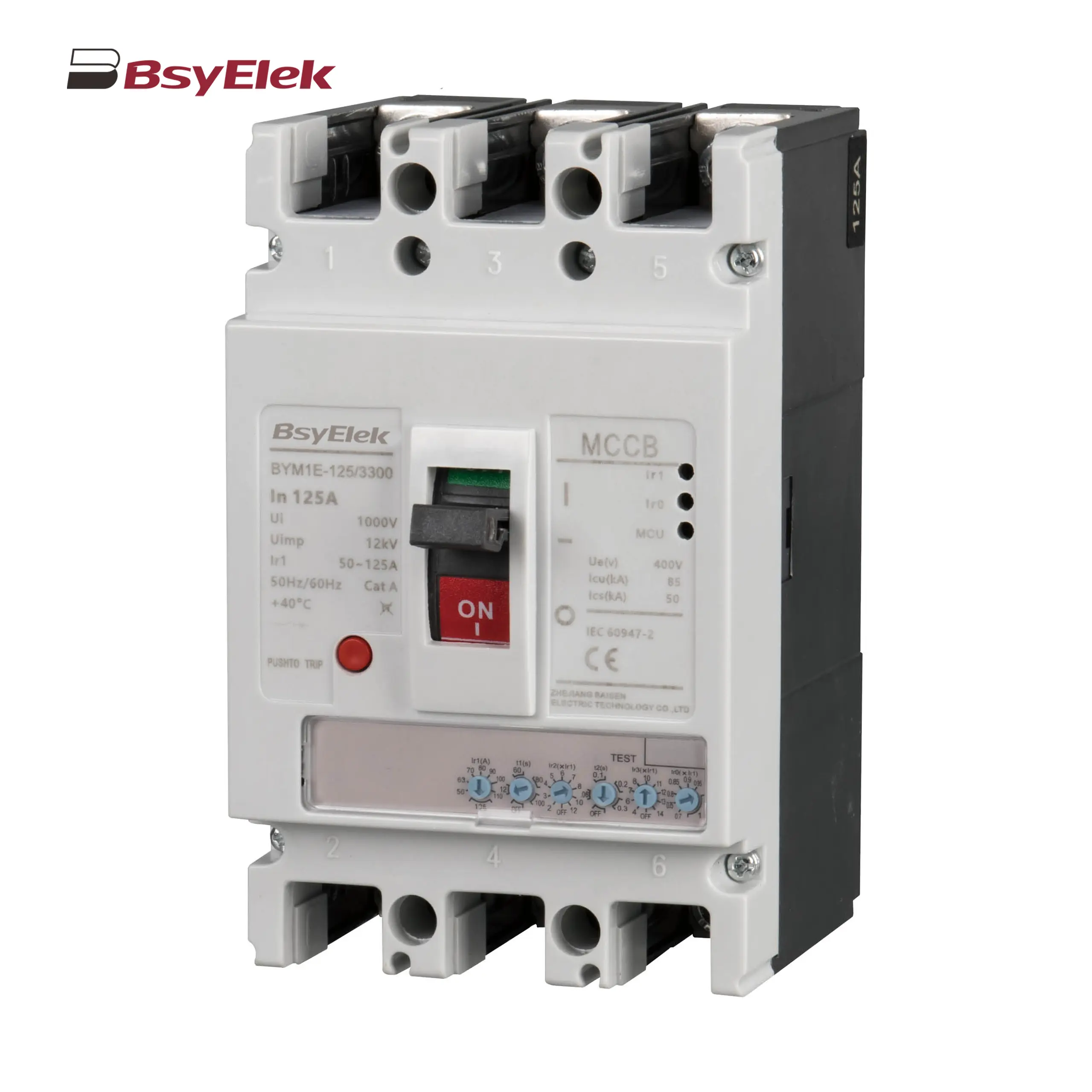 BYM1E MCCB Electronic Type Molded Case Circuit Breaker
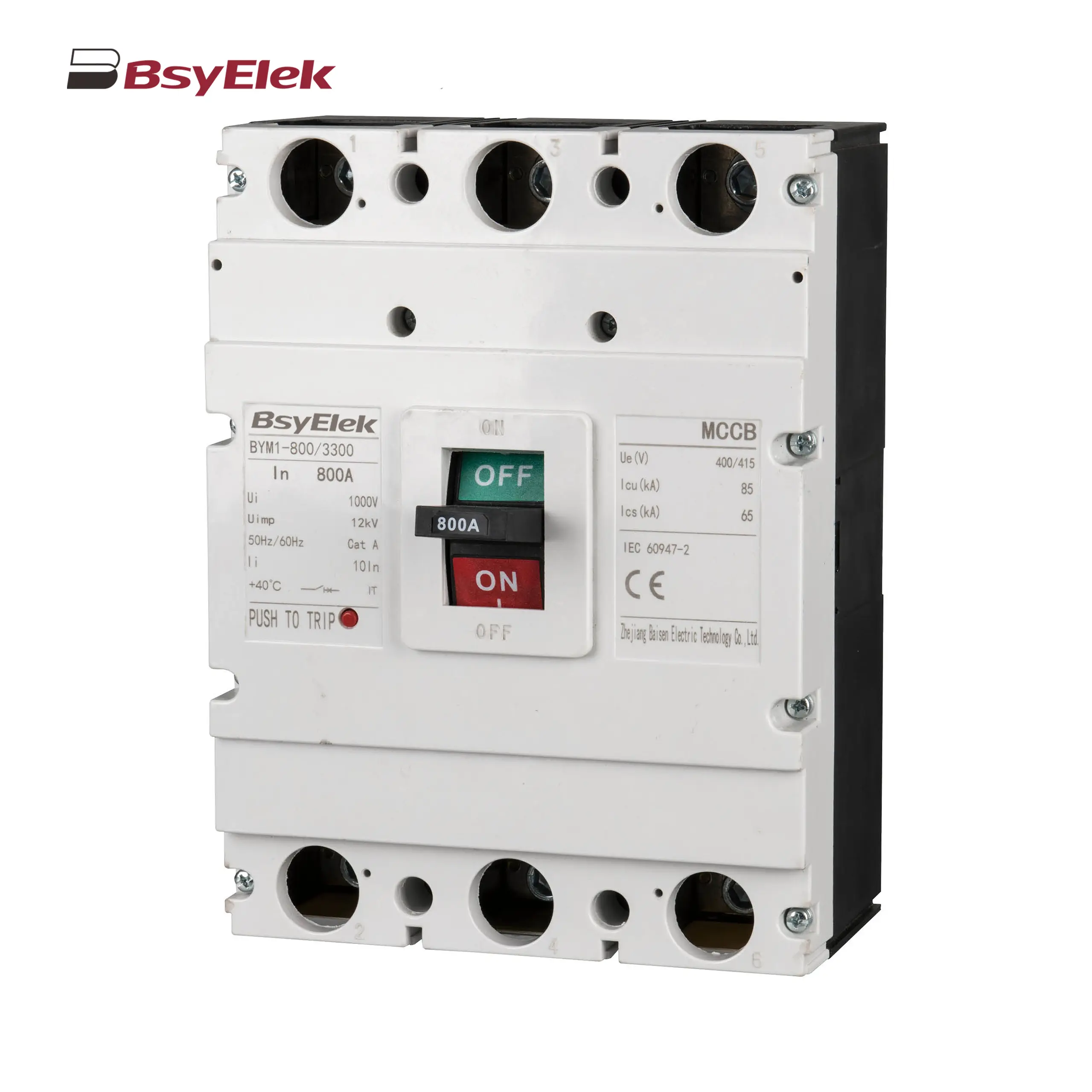 BYM1 MCCB Thermal Magnetic AC Molded Case Circuit Breaker
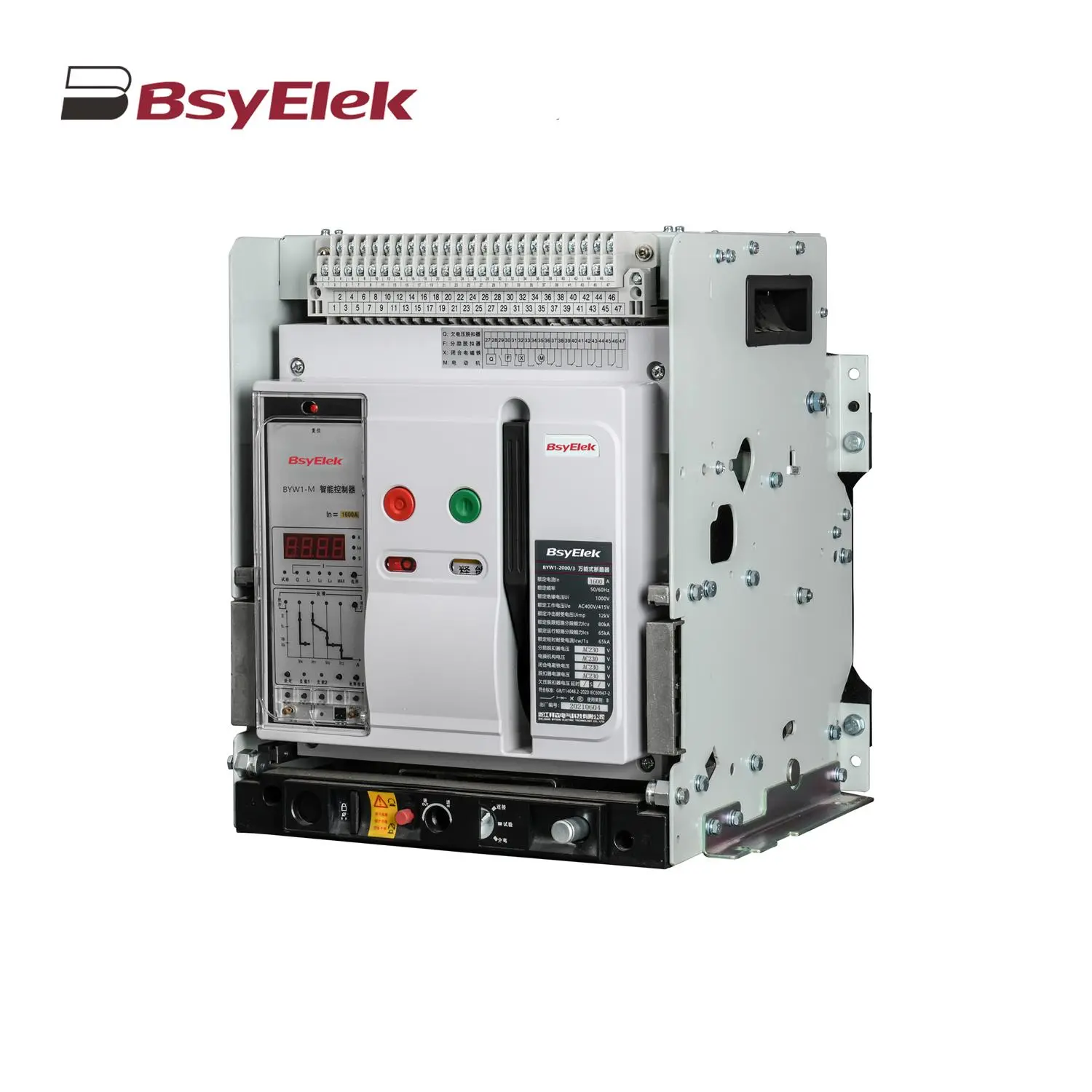 BYW1 ACB Intelligent Universal Air Circuit Breaker
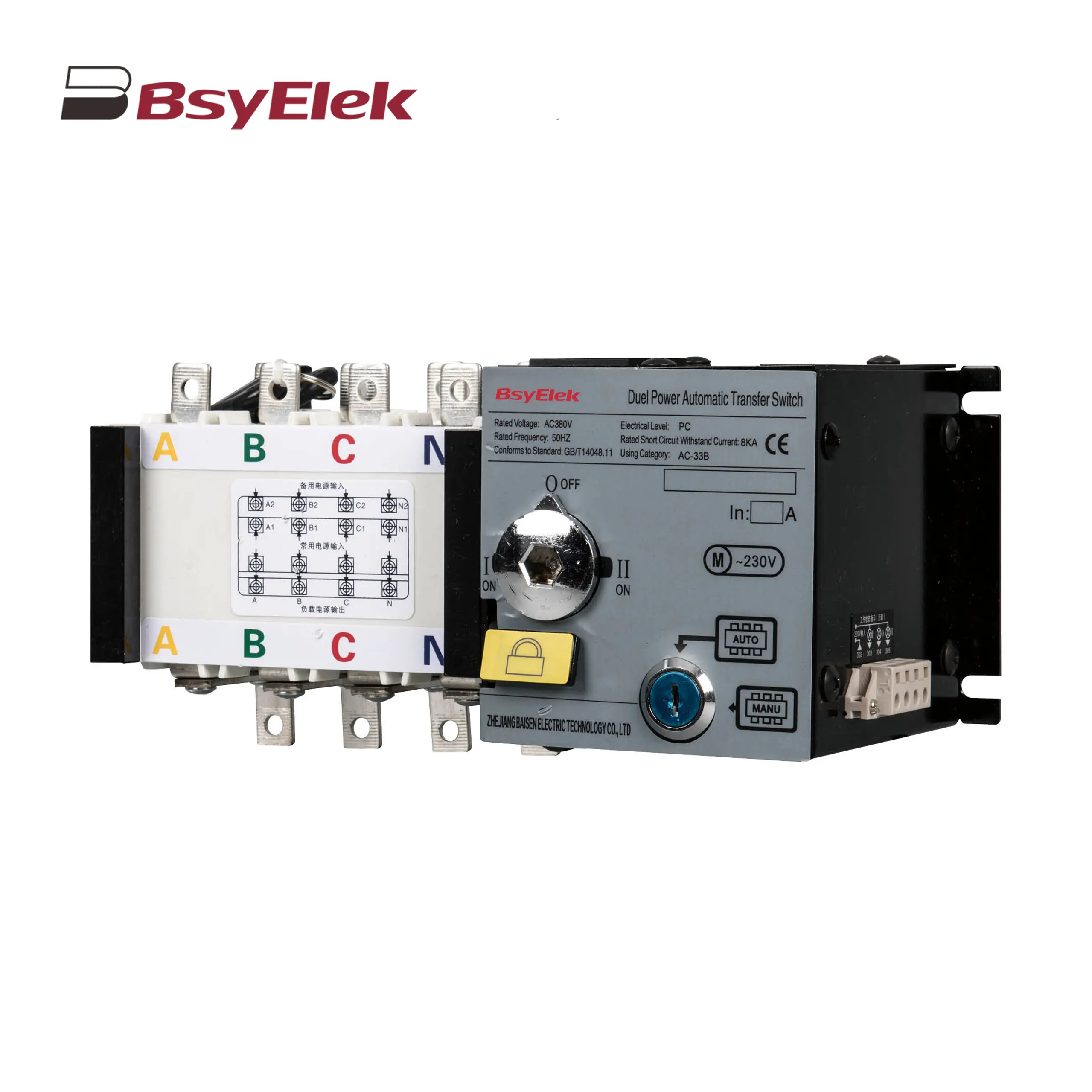 BYQ1 ATS Isolated Type PC Level Dual Power Automatic Transfer Switch
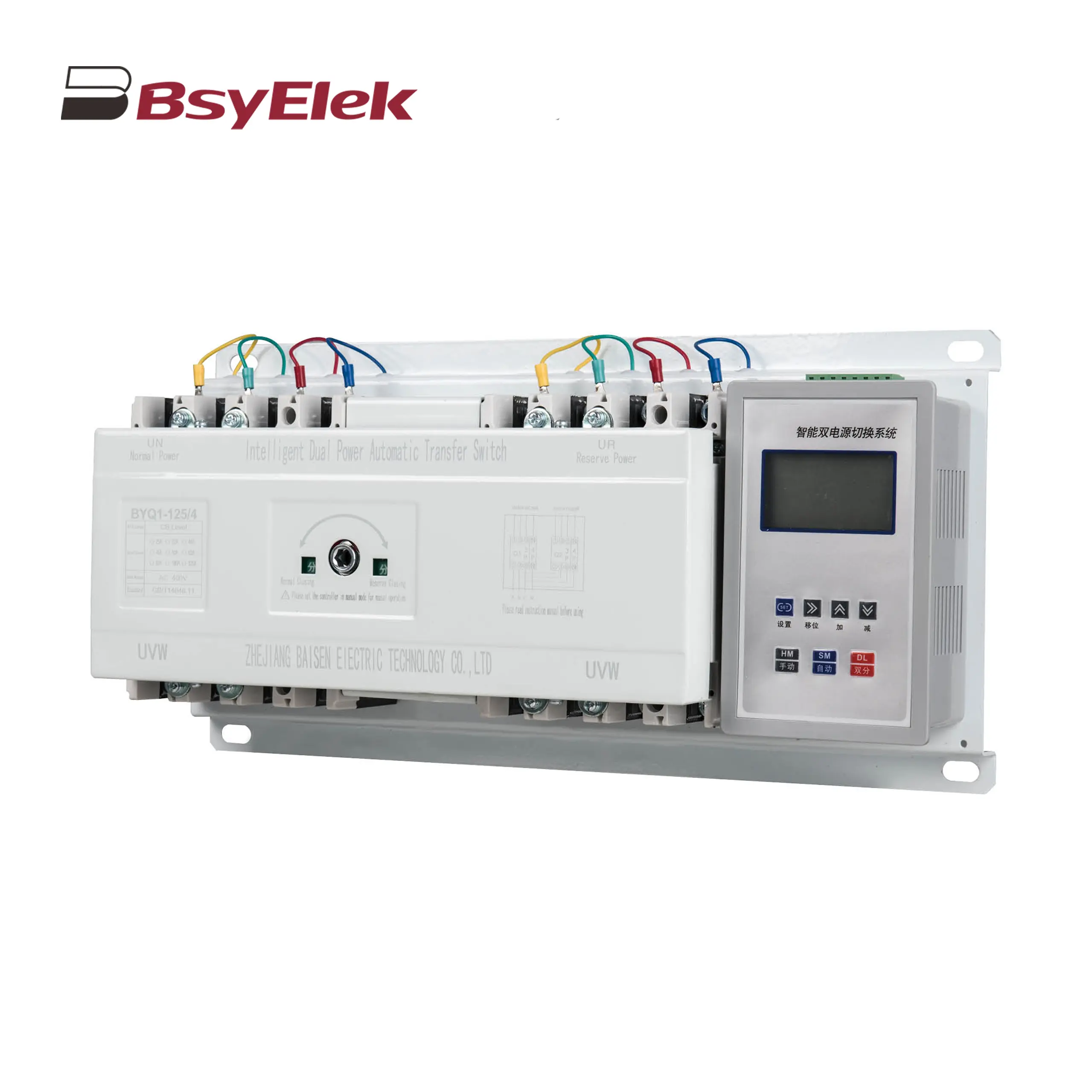 BYQ1 ATS Intelligent Type CB Level Dual Power Automatic Transfer Switch
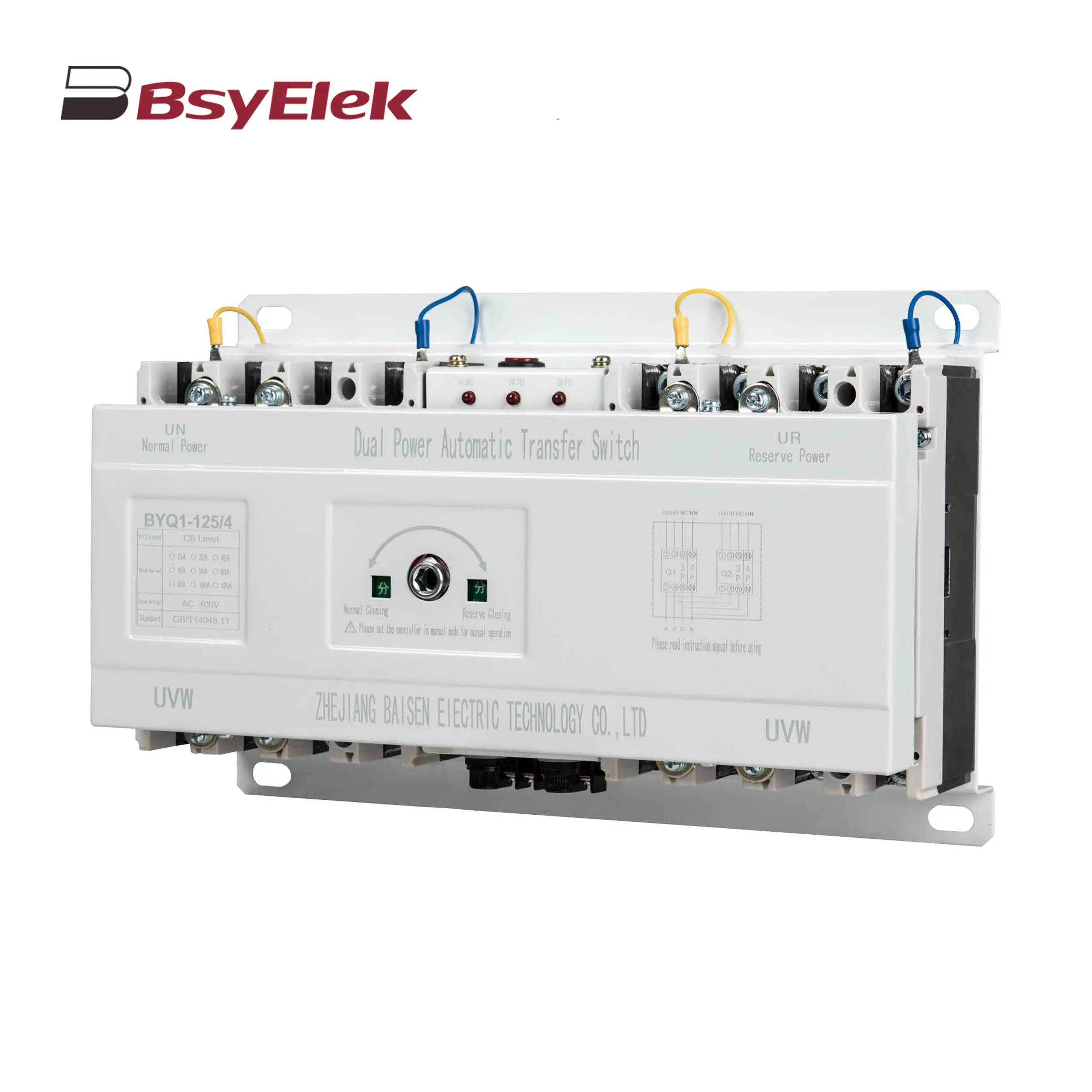 BYQ1 ATS End Type CB Level Dual Power Automatic Transfer Switch
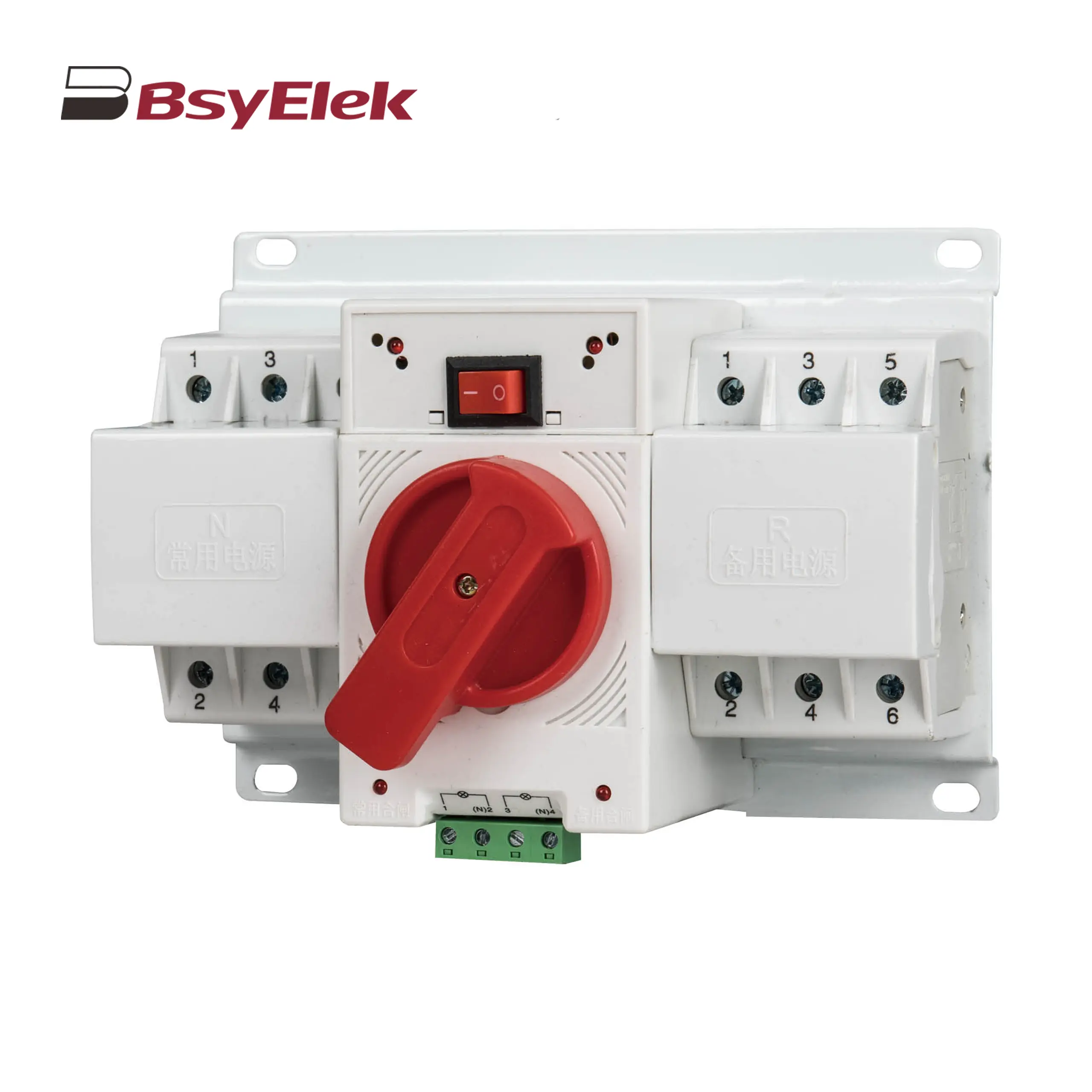 BYQ1 ATS Mini Type CB Level Dual Power Automatic Transfer Switch
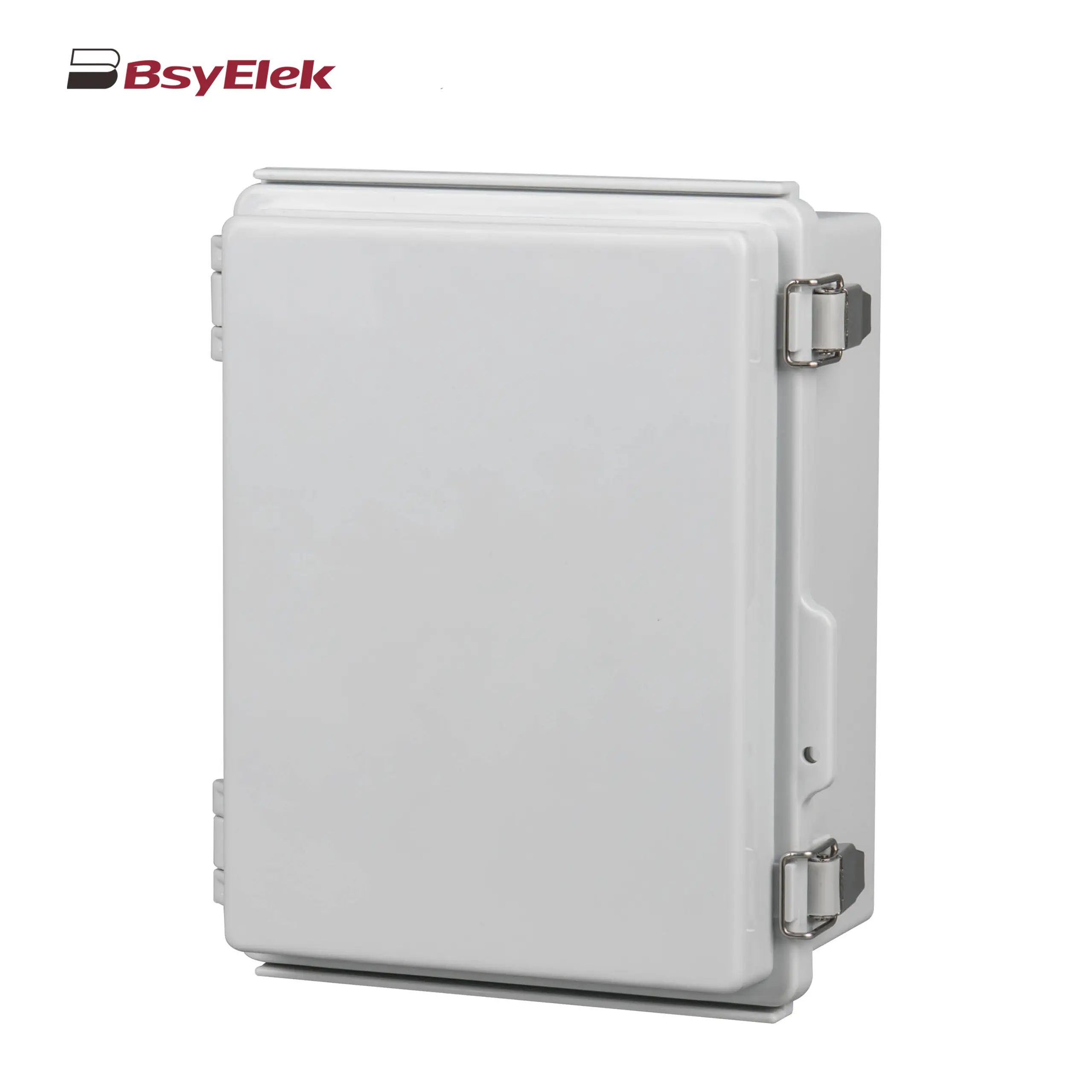 Stainless Steel Hinge Type Electrical Box
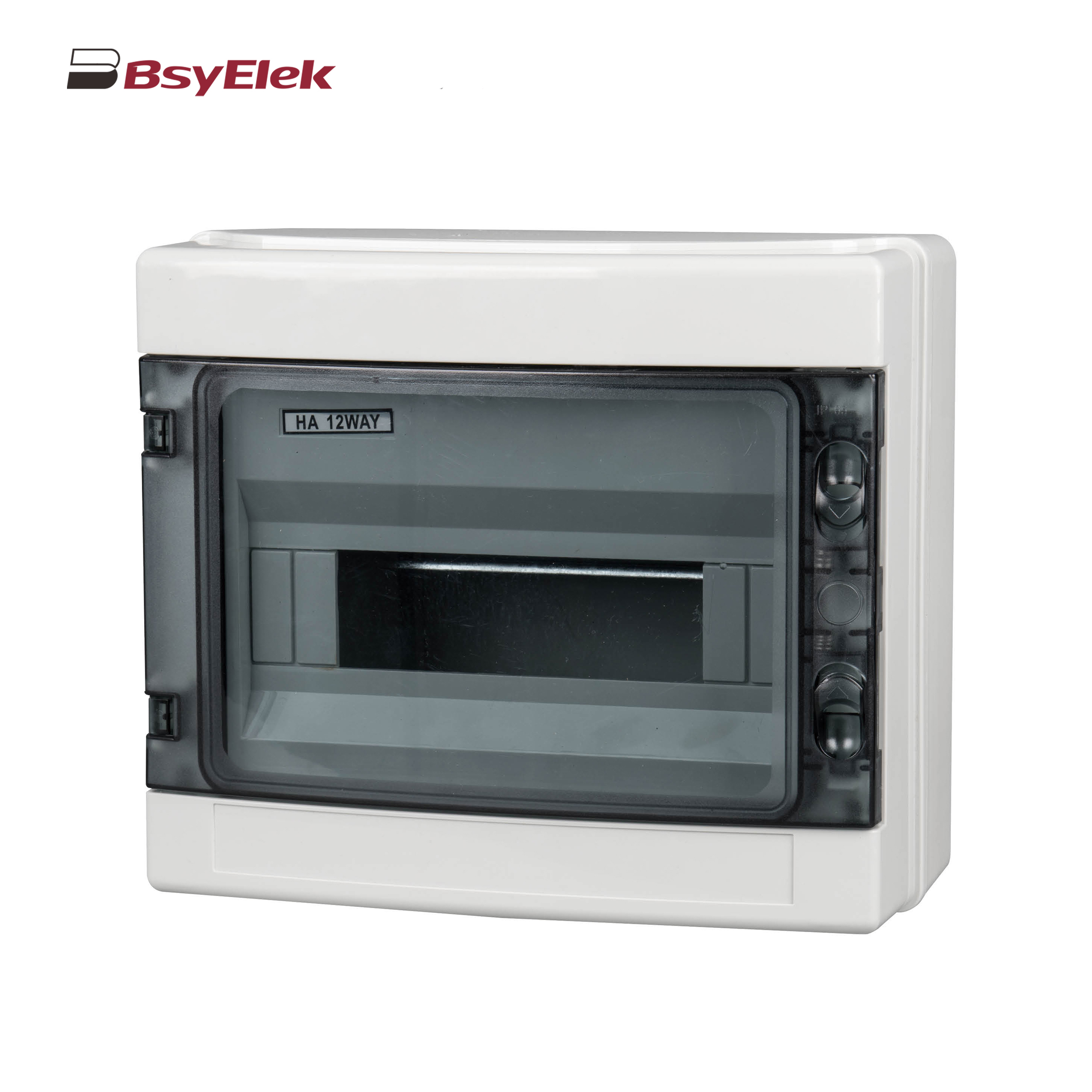 HA Waterproof Distribution Box
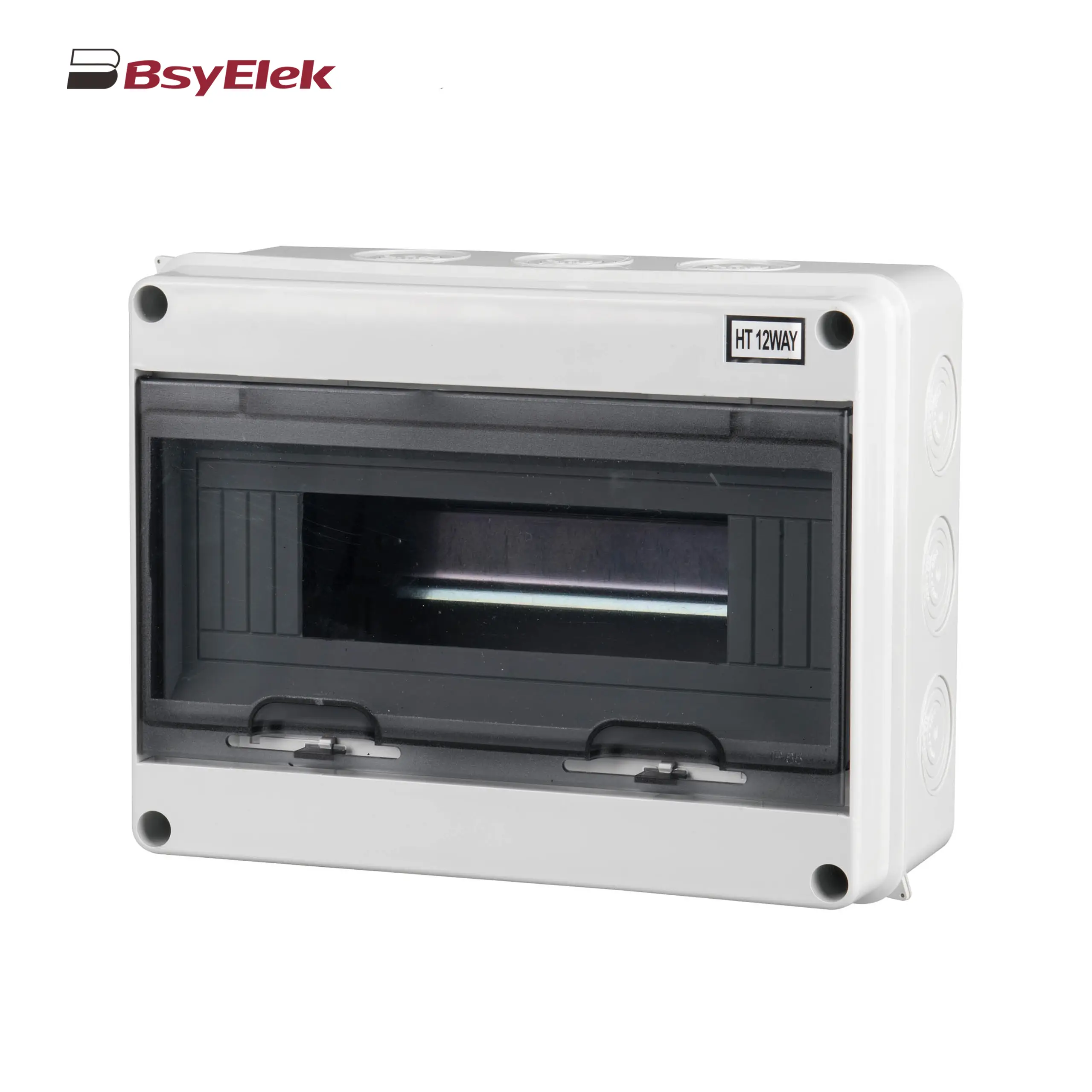 HT Waterproof Distribution Box
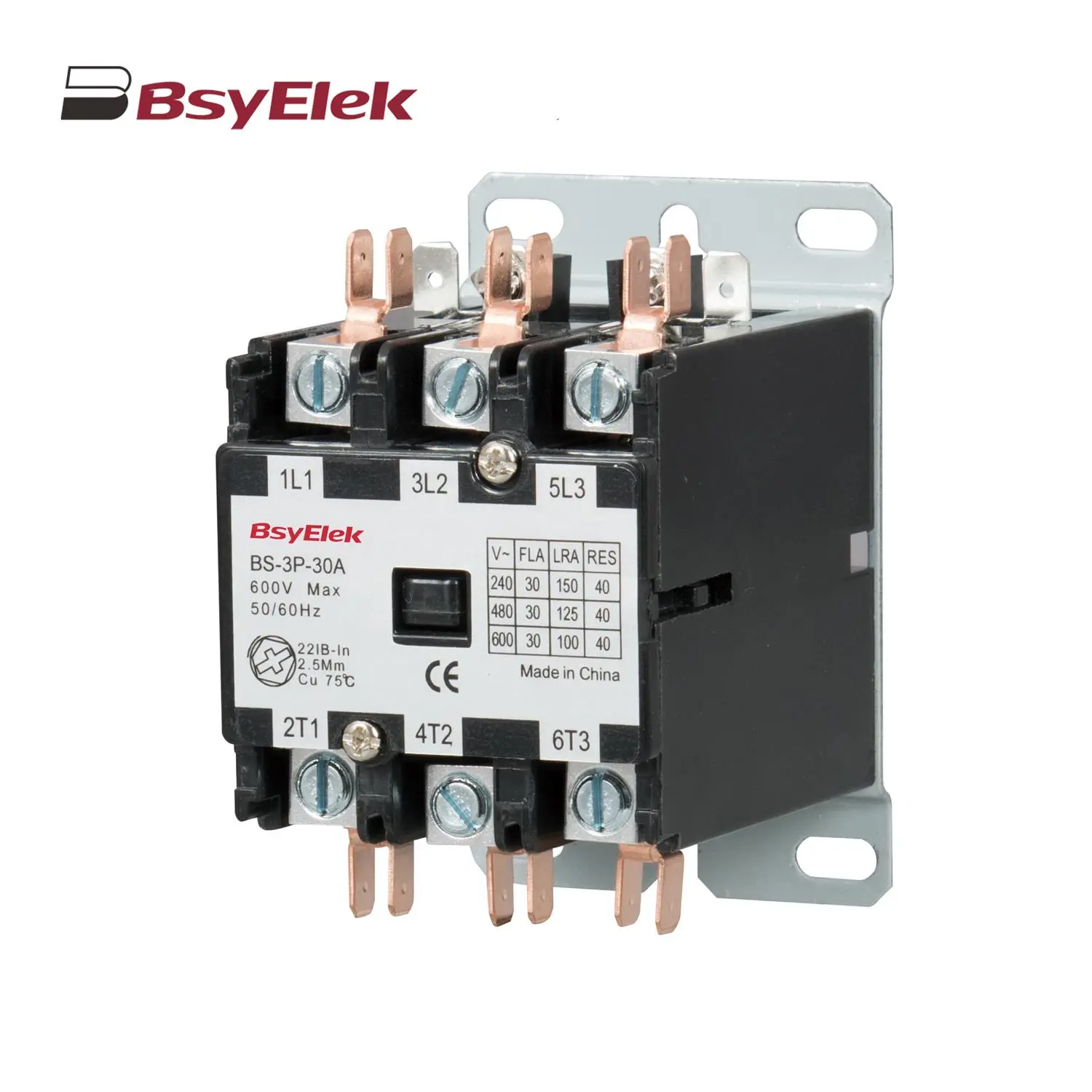 BS Definite Purpose Magnetic AC Contactor