What Are the Benefits of Using an Automatic Transfer Switch?
The use of an Automatic Transfer Switch (ATS) has become essential for many facilities. According to John Smith, an industry expert, "An ATS ensures a seamless power transition during outages." This technology offers numerous benefits, making it popular among business owners.
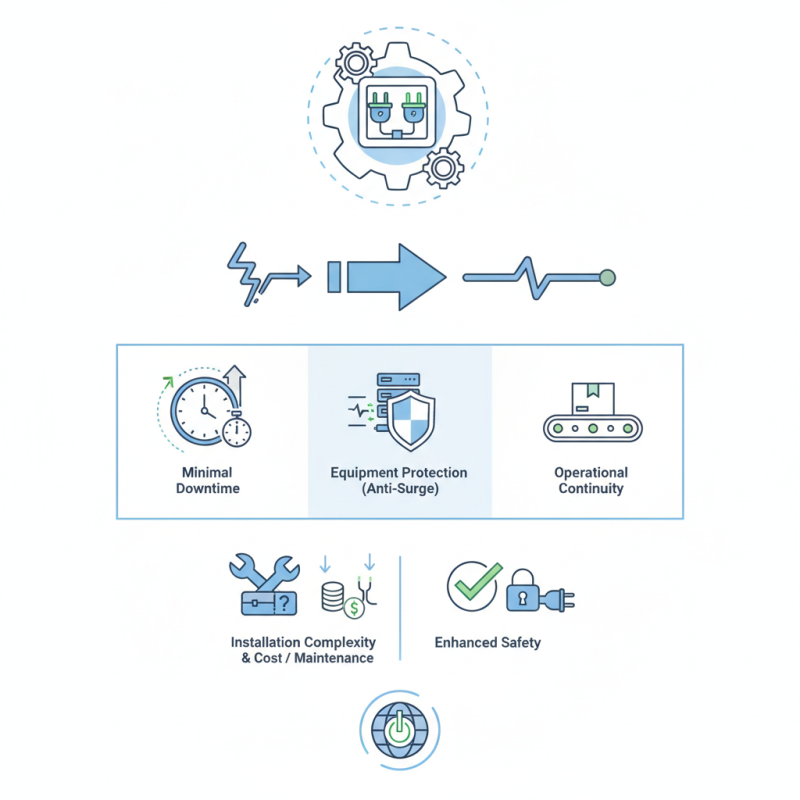
One key advantage of an Automatic Transfer Switch is reliability. It takes minimal time to transfer power, ensuring operations run smoothly. During unexpected blackouts, this switch can activate backup generators quickly, minimizing downtime. Additionally, the ATS helps reduce the risk of equipment damage by preventing power surges.
However, it’s not without challenges. Some users find the installation process complex and costly. Regular maintenance is also necessary to ensure optimal performance. Despite these drawbacks, the benefits of an ATS— including enhanced safety and operational continuity— outweigh the negatives for many organizations. It serves as a critical safeguard against power interruptions in today's power-dependent world.
Understanding Automatic Transfer Switches: A Comprehensive Overview
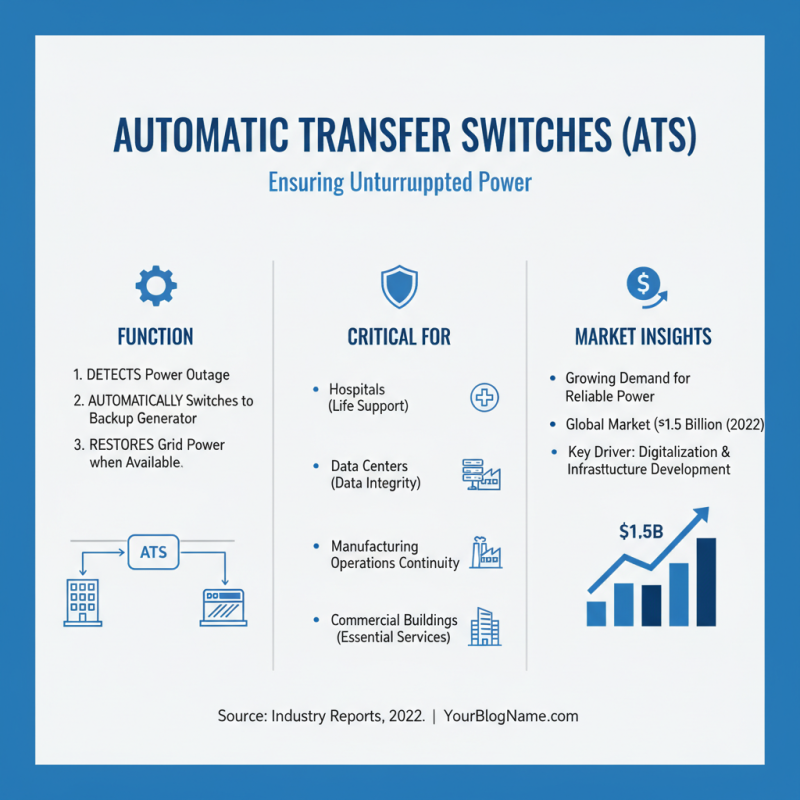
An automatic transfer switch (ATS) is a critical component for ensuring seamless power management. It automatically detects outages and switches power sources without manual intervention. This ability to respond instantly keeps essential systems running, especially in critical environments like hospitals and data centers. Many times, it works quietly in the background, ensuring operations continue smoothly.
Understanding how ATS functions is essential for maximizing its benefits. When a power failure occurs, the ATS senses it almost immediately. It activates a backup generator or another power source. This transition usually takes just seconds, minimizing downtime. However, it’s important to consider that not all ATS systems are created equal. Some might require regular maintenance, and if ignored, could malfunction when needed most.
In some situations, users may feel the need to manually intervene. That raises questions about reliability. It’s a balance between technology and human oversight. Understanding your specific power needs will ultimately guide you in choosing the right system. Monitoring performance consistently can prevent unexpected failures, reminding us that an automatic system still requires human awareness.
Key Advantages of Implementing Automatic Transfer Switches
Automatic transfer switches (ATS) provide crucial benefits for both commercial and residential settings. These devices ensure seamless power transitions during outages. According to a report by the National Fire Protection Association, businesses lose over $150 billion annually due to power interruptions. An ATS minimizes downtime considerably, making it a smart investment.
One key advantage of ATS is enhanced safety. By swiftly switching to backup power, ATS reduces the risk of equipment damage. This is especially vital in critical environments like hospitals, where seconds can save lives. In fact, a survey from the Electric Power Research Institute shows that facilities with ATS experience 30% fewer power-related incidents than those without.
Tips: Regular maintenance is essential for ATS reliability. Inspections should occur at least twice a year. Also, educate staff on proper ATS use. Knowledge can prevent costly mistakes during emergencies. Always have a backup plan in place, as technology can be unpredictable. Emphasizing staff training fosters a culture of preparedness.
Organizations can leverage ATS systems to enhance resilience against power disruptions. Still, challenges exist. Differing installation costs can be a burden for smaller businesses. Understanding local utility connections may require expertise. It’s important to weigh these factors before implementing an ATS system.
Benefits of Using an Automatic Transfer Switch
This chart illustrates the key advantages of implementing Automatic Transfer Switches (ATS), highlighting their importance in ensuring a reliable power supply, minimizing downtime, and enhancing safety while remaining cost-effective.
How Automatic Transfer Switches Enhance Power Reliability
Automatic Transfer Switches (ATS) play a crucial role in enhancing power reliability. When the primary power source fails, an ATS quickly shifts to a backup generator. This seamless transition minimizes downtime and keeps essential systems operational. Imagine a hospital reliant on its systems; an ATS ensures that surgeries can proceed without interruption.
During storms or outages, businesses face significant risks. An ATS safeguards against data loss and network failures. It can detect power issues and react instantly. However, relying solely on technology can be risky if the ATS malfunctions. Regular maintenance is essential to prevent failures. People often overlook these checks until something goes wrong, leading to lost productivity.
Additionally, ATS systems can vary in complexity. Some are simple and efficient, while others might be prone to more technical snags. It’s important to evaluate your specific needs and the environment. A system that works well for one setup might not be ideal for another. Thus, careful planning and ongoing evaluation are key to maximizing reliability in power management.
What Are the Benefits of Using an Automatic Transfer Switch? - How Automatic Transfer Switches Enhance Power Reliability
| Benefit |
Description |
Impact on Reliability |
| Seamless Power Transfer |
Automatically switches to backup power during outages, minimizing downtime. |
High |
| Reduced Manual Intervention |
Eliminates the need for manual switching in emergency situations. |
Medium |
| Improved Safety |
Reduces risks associated with manual transfer, preventing electrical accidents. |
High |
| Monitoring Capabilities |
Allows for real-time monitoring of power supply status and switch operation. |
Medium |
| Cost Efficiency |
Reduces costs related to power interruptions and manual labor. |
Low to Medium |
The Role of Automatic Transfer Switches in Emergency Power Systems
Automatic Transfer Switches (ATS) play a crucial role in emergency power systems. They automatically switch to backup power during outages. This process is essential for maintaining operations in critical facilities, like hospitals and data centers. According to industry reports, the demand for uninterrupted power is increasing. In 2022, the global market for ATS reached approximately $1.5 billion, reflecting its importance.
The efficiency of an ATS ensures minimal downtime. When the primary power source fails, the switch engages backup generators within seconds. This quick response can prevent significant losses. Notably, data centers face severe risks. A single outage can cost them thousands of dollars per minute. Accurate data from the U.S. Department of Energy indicates that power interruptions affect more than a quarter of businesses each year, highlighting the need for reliable automatic switch systems.
Despite their advantages, automatic transfer switches require regular maintenance. Neglecting this can lead to failures precisely when they are needed. Issues can arise from environmental factors, like humidity or temperature changes, affecting performance. Users must regularly test and monitor these systems to ensure they function correctly during emergencies. This proactive approach can reduce risks associated with power loss, ultimately protecting both critical infrastructure and revenue.
Installation and Maintenance of Automatic Transfer Switches: Best Practices
Automatic transfer switches (ATS) are essential for ensuring seamless power supply during outages. Proper installation and maintenance are critical to their performance. Statistics reveal that around 30% of power outages are caused by equipment failure, emphasizing the need for well-maintained systems.
Installation should always comply with local codes and regulations. This reduces risks and ensures reliability.
Regular inspections are vital. Experts recommend checking connections and testing the switch monthly. Over time, components may wear down. This can lead to potential failures or performance issues. It's not uncommon for facilities to overlook these aspects, assuming everything is functioning well. However, neglecting routine maintenance often results in costly repairs.
Documentation of each service is important. Tracking issues can help identify patterns over time. Facilities that perform ongoing monitoring report a 25% reduction in downtime. Using a professional team for installation can lead to better adherence to best practices. Missteps in setup might cause unexpected failures down the line.
Always remember, a well-maintained ATS is a safeguard against unexpected power loss.



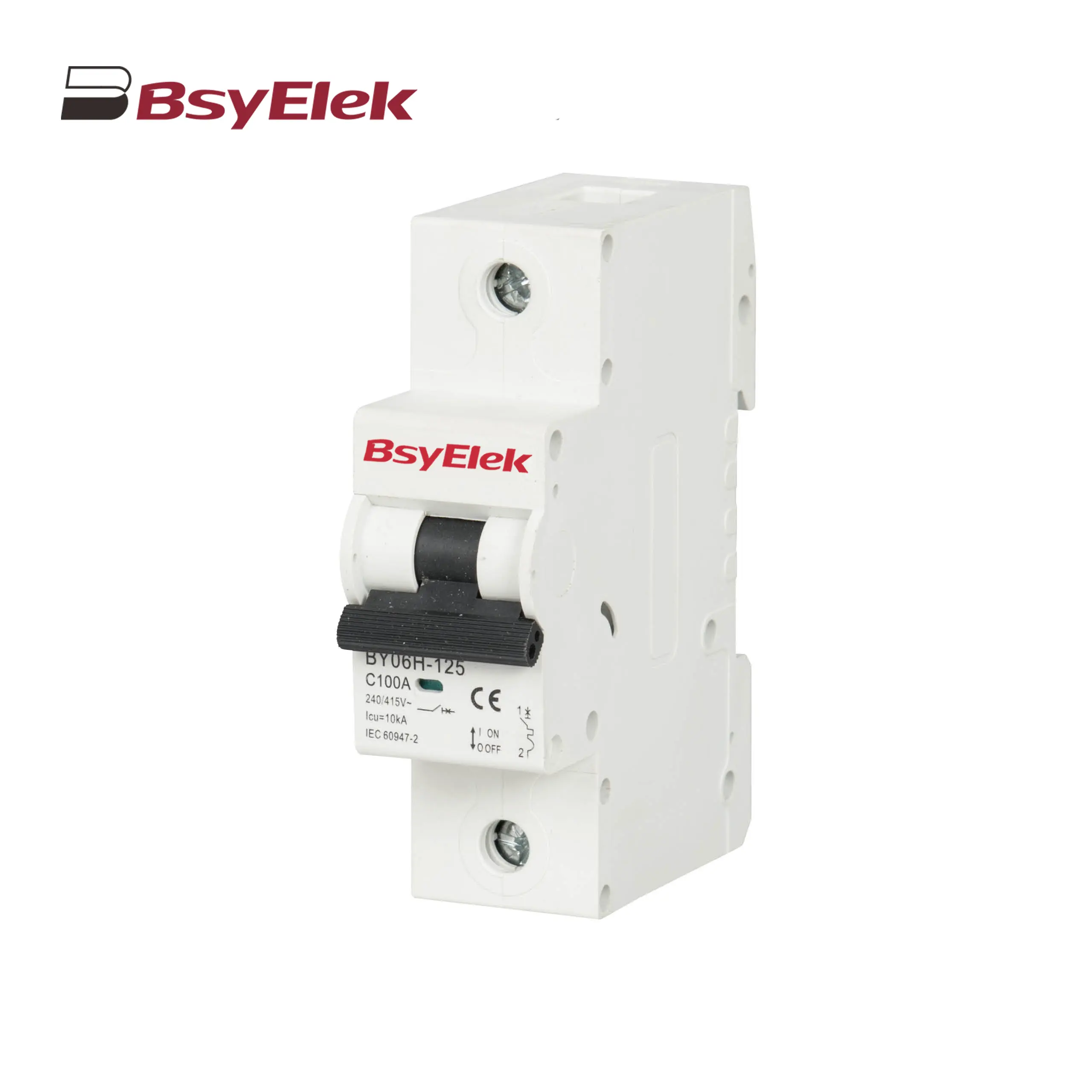 BY06H-125 MCB 10-15KA Miniature Circuit Breaker
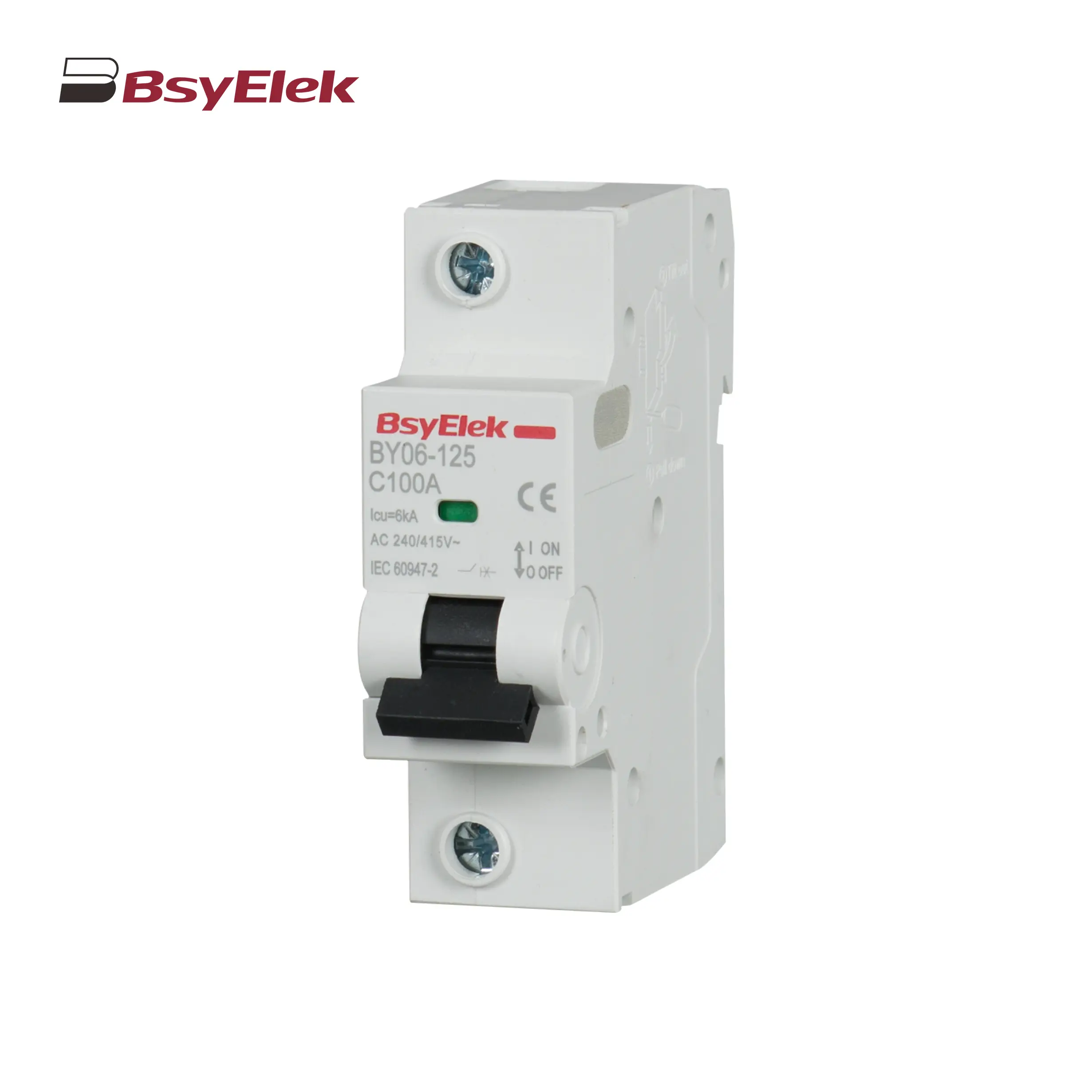 BY06-125 MCB 6KA Miniature Circuit Breaker
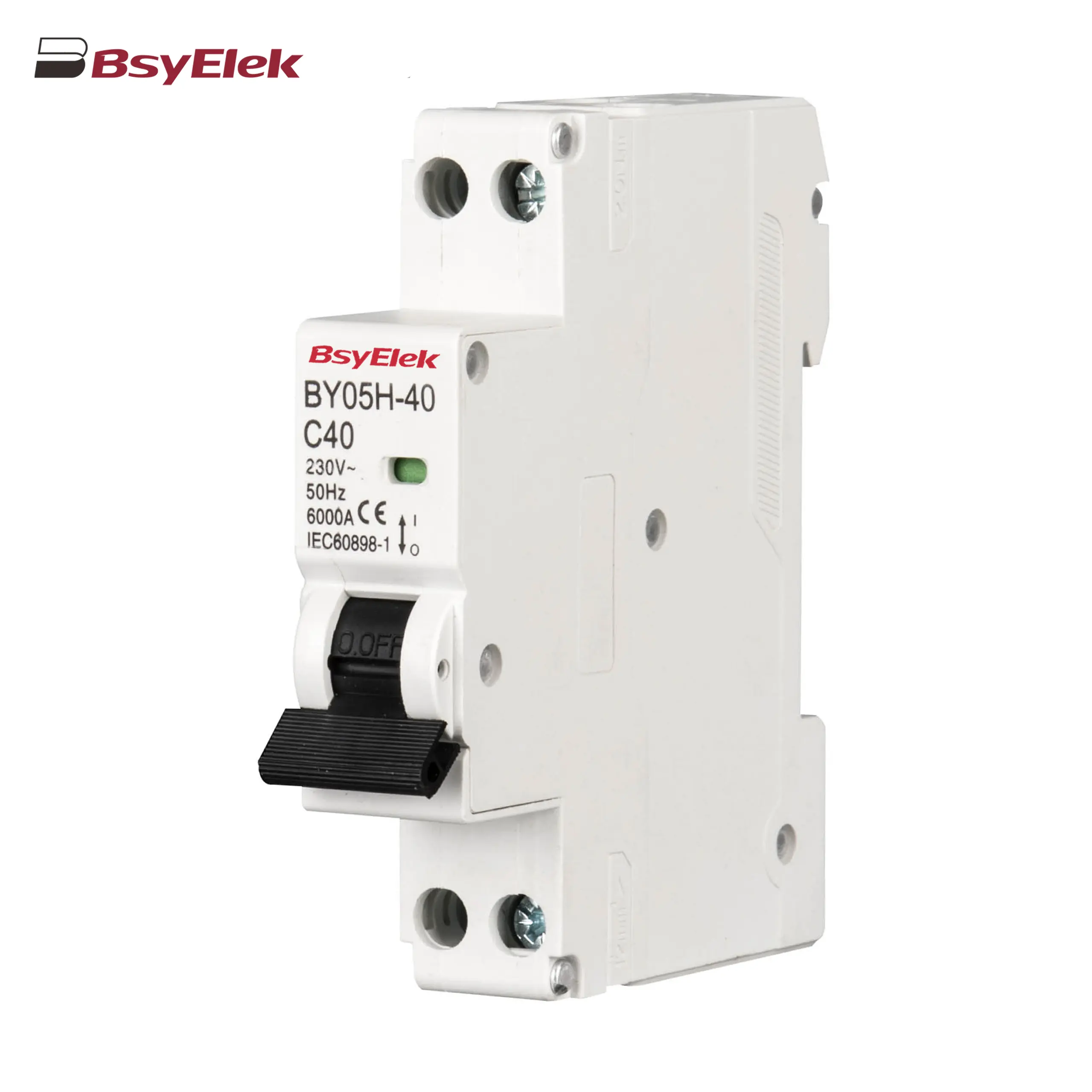 BY05H-40 MCB Single Modular 6KA Miniature Circuit Breaker
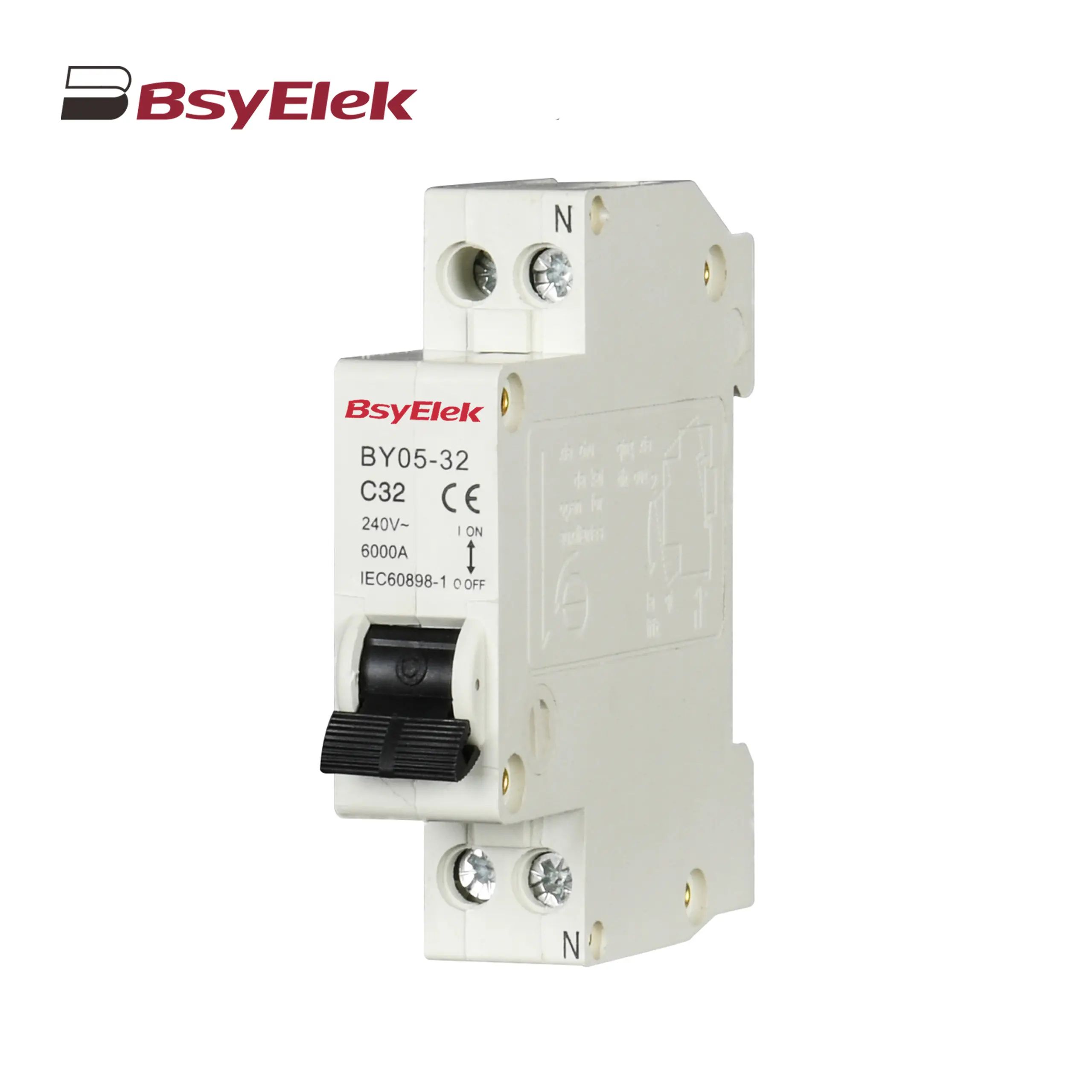 BY05-32 MCB Single Modular 3KA Miniature Circuit Breaker
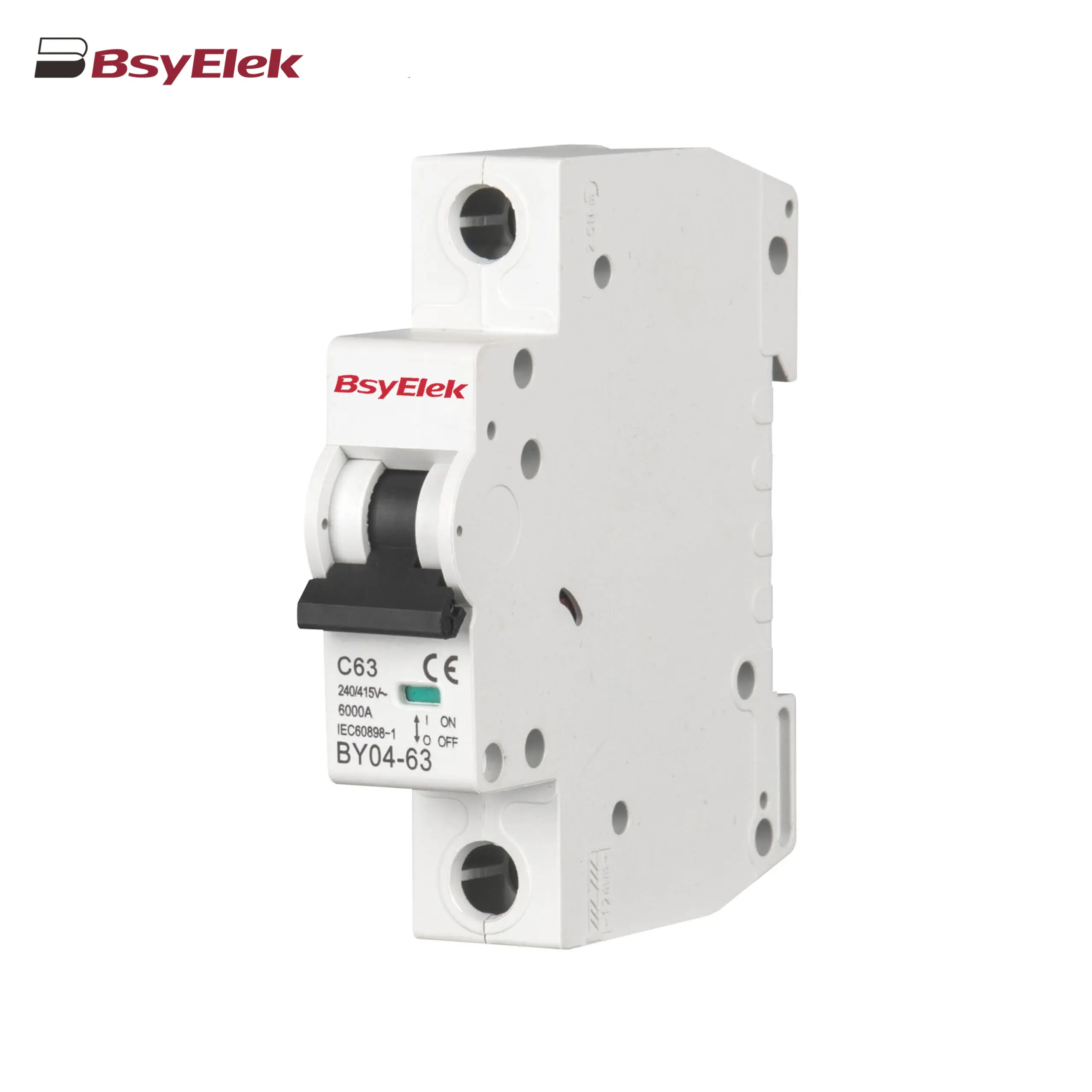 BY04-63 MCB 6-10KA Miniature Circuit Breaker
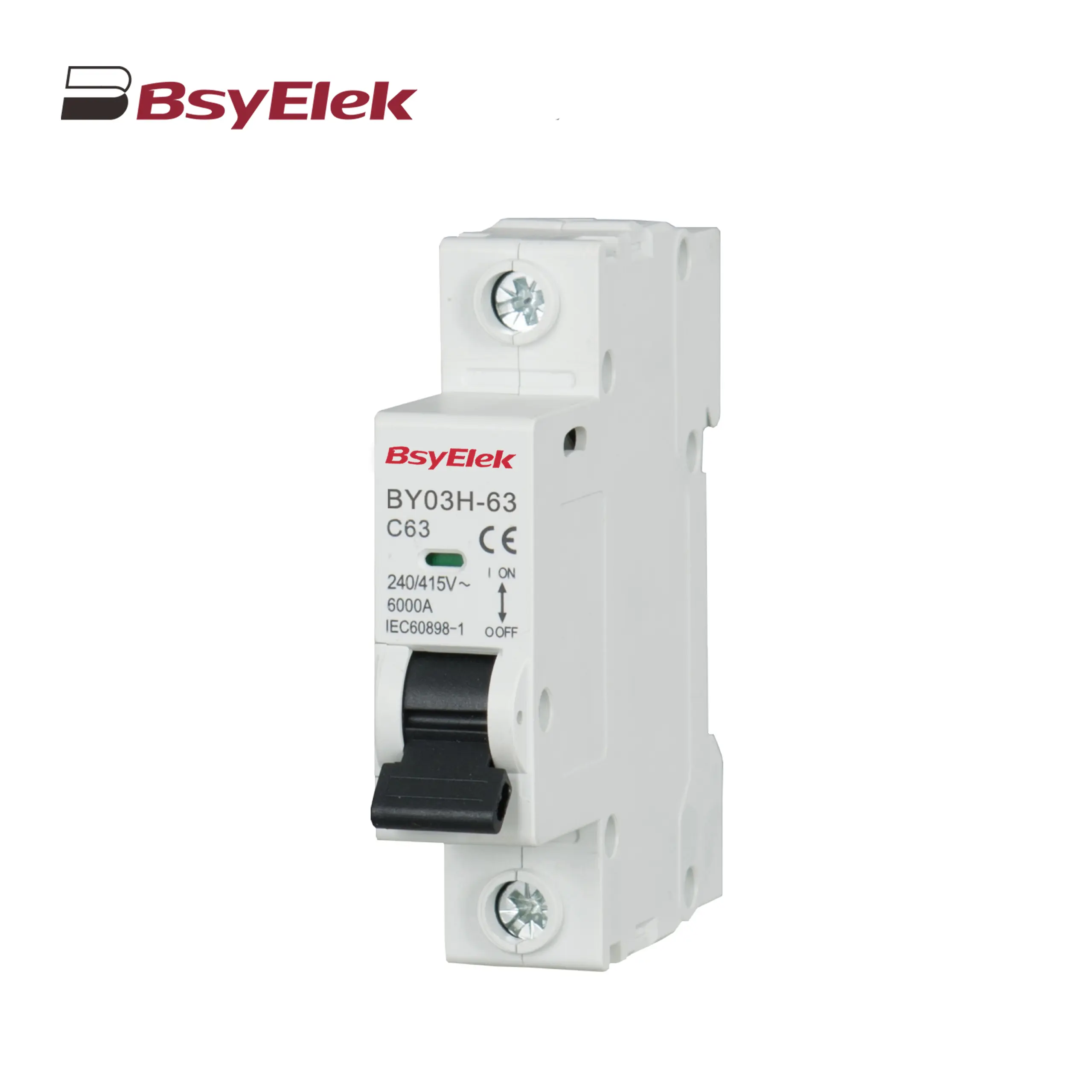 BY03H-63 MCB 6KA Miniature Circuit Breaker
 BY03-63 MCB 4.5KA Miniature Circuit Breaker
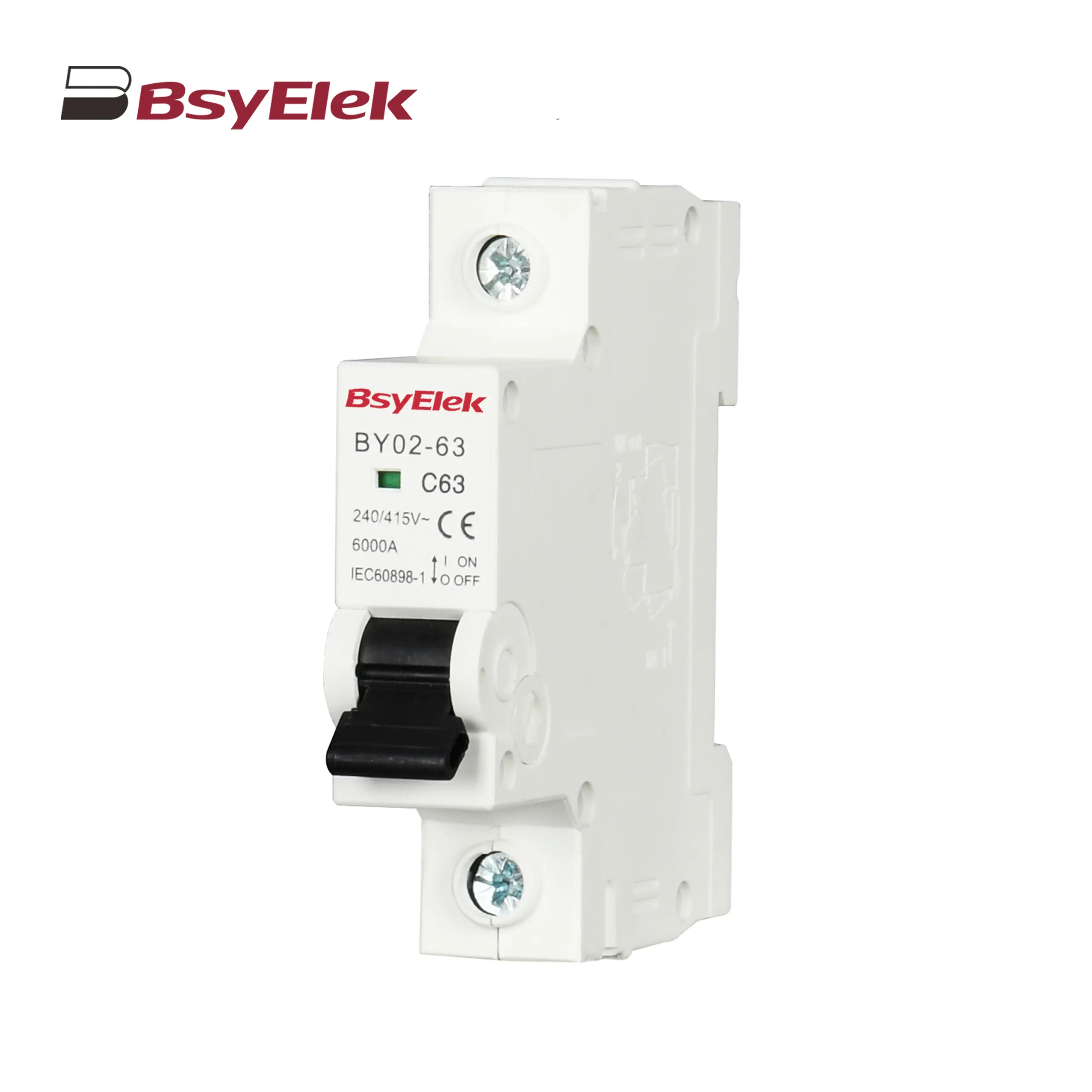 BY02-63 MCB 3kA Miniature Circuit Breaker
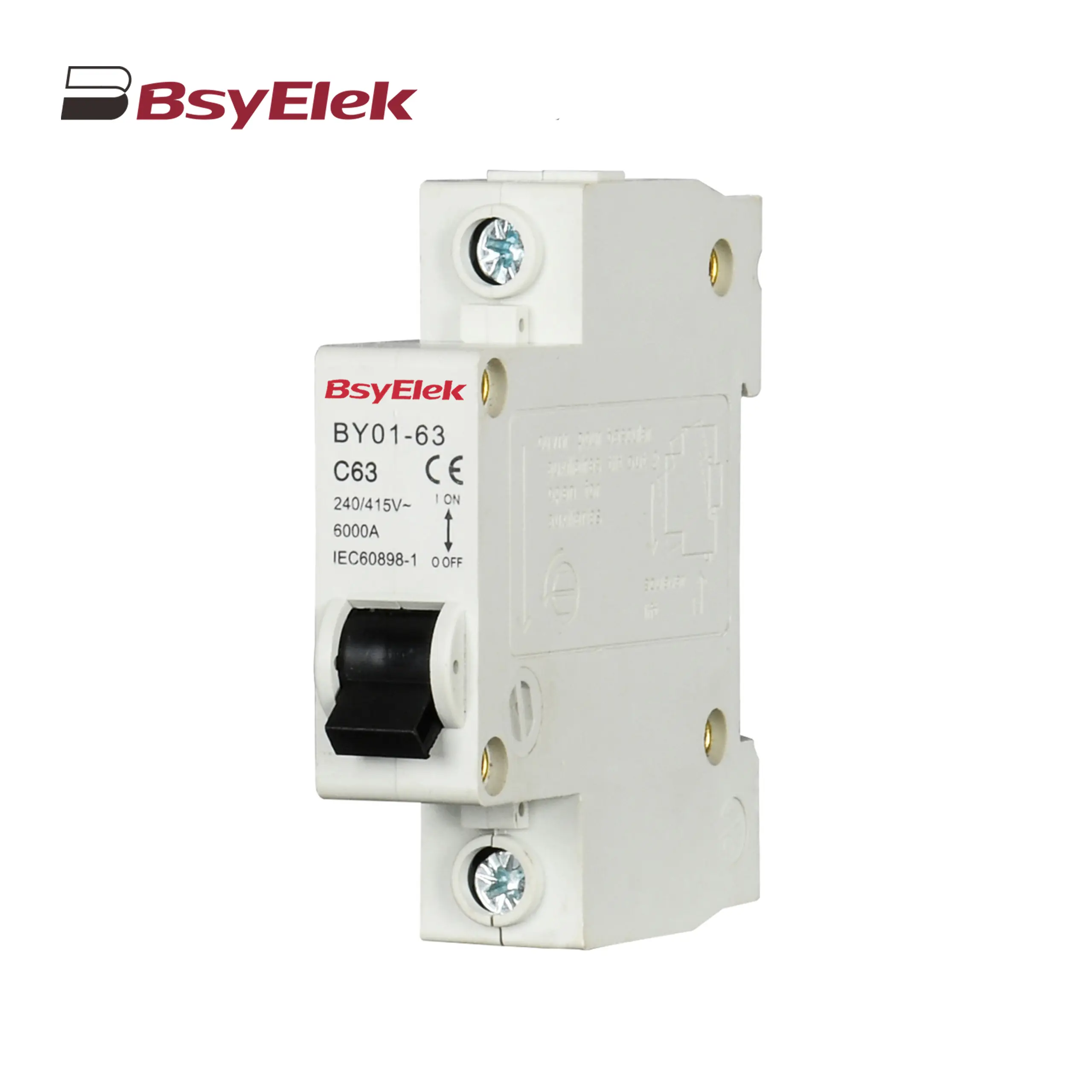 BY01-63 MCB 3kA Miniature Circuit Breaker
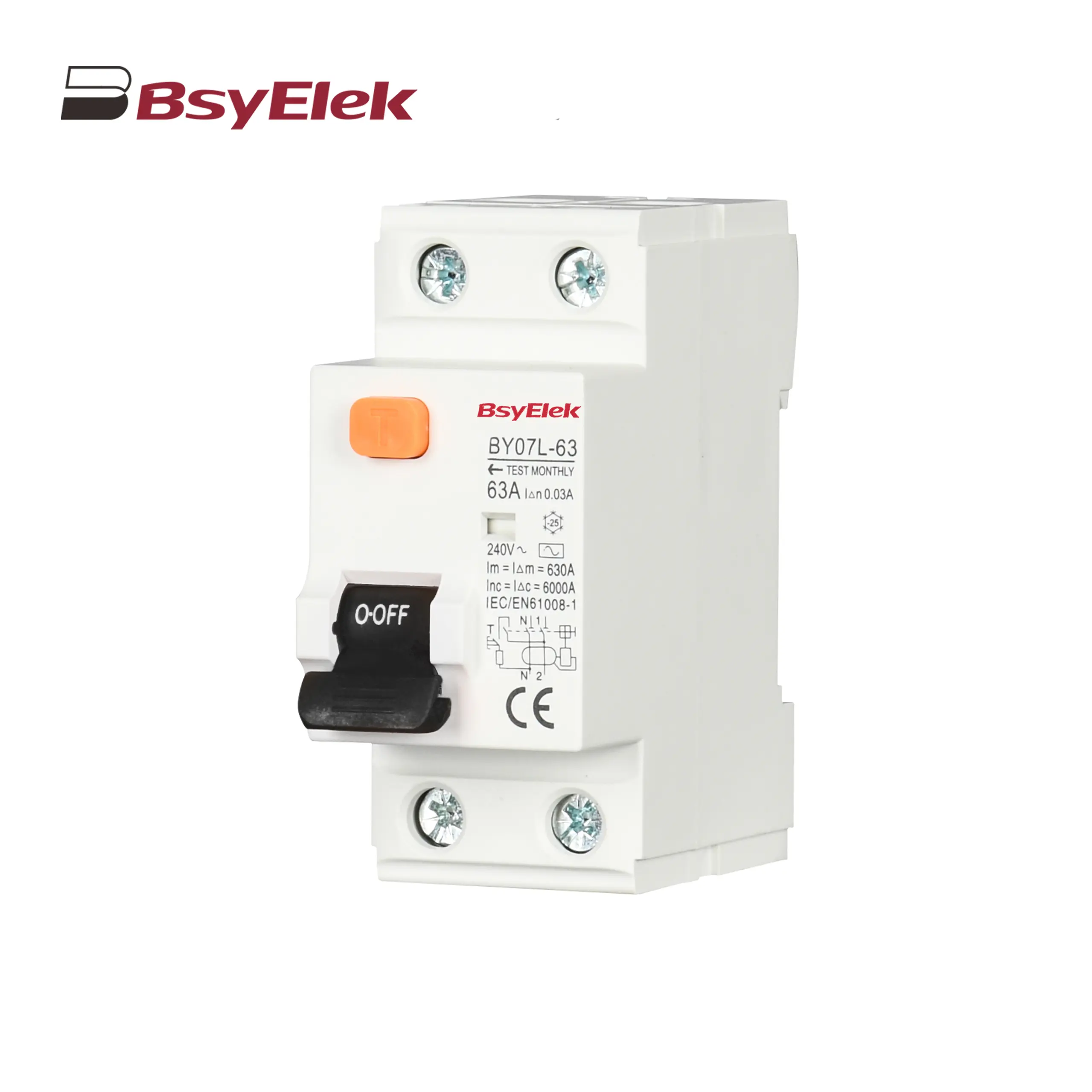 BY07L-63 RCCB 6KA Residual Current Circuit Breaker
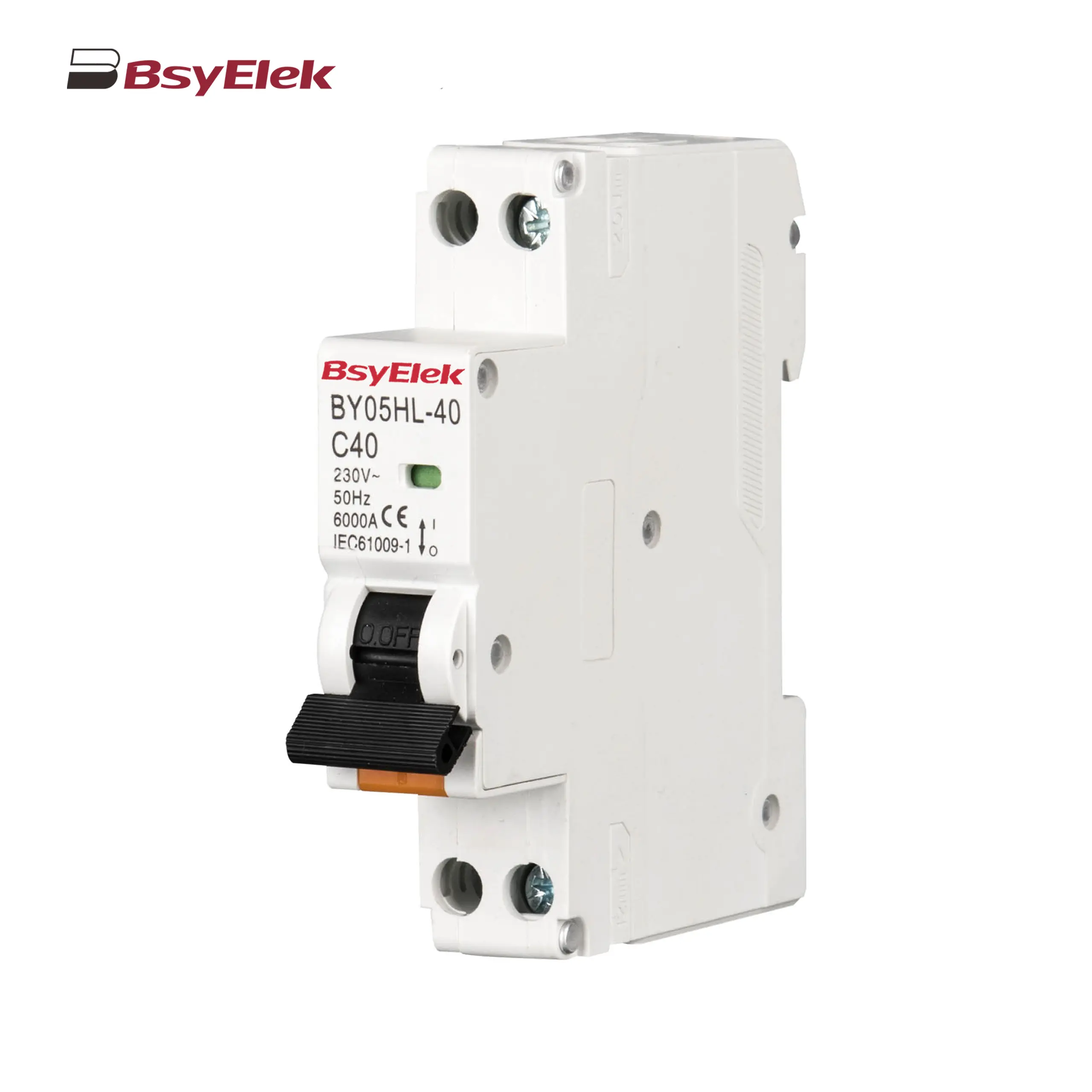 BY05HL-40 RCBO 6KA Residual Current Circuit Breaker with Over-current Protection
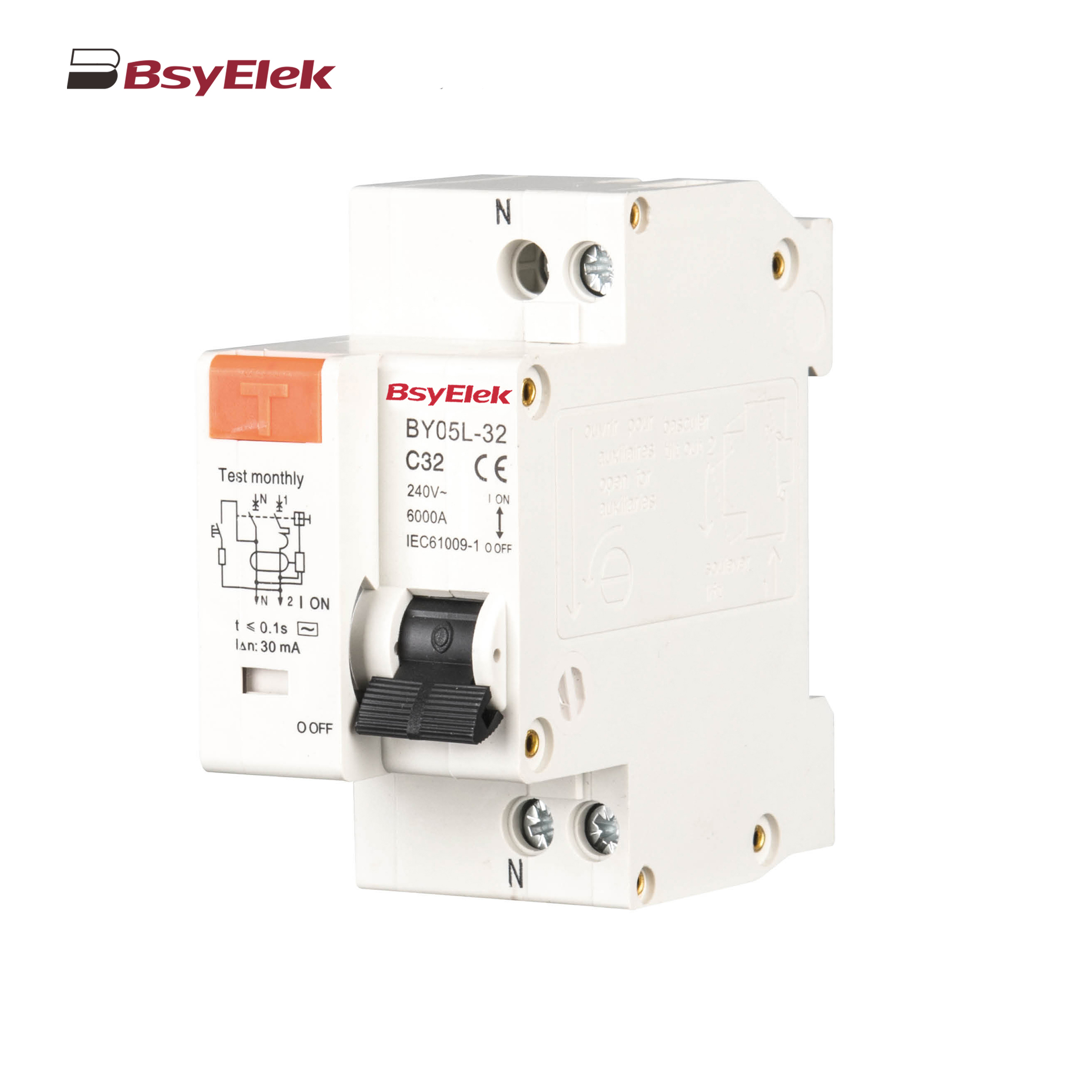 BY05L-32 RCBO 3KA Residual Current Circuit Breaker with Over-current Protection
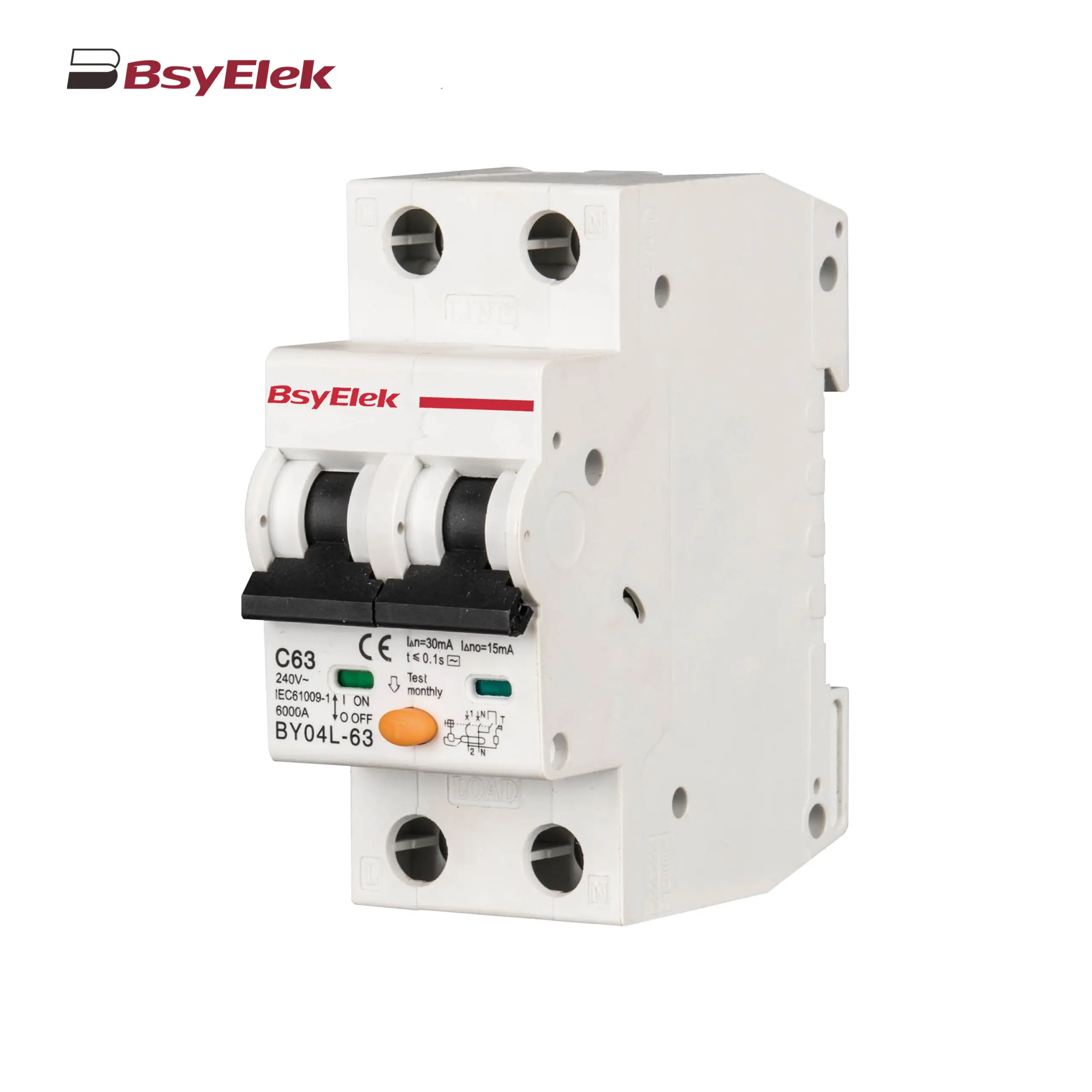 BY04L-63 RCBO 6KA Residual Current Circuit Breaker with Over-current Protection
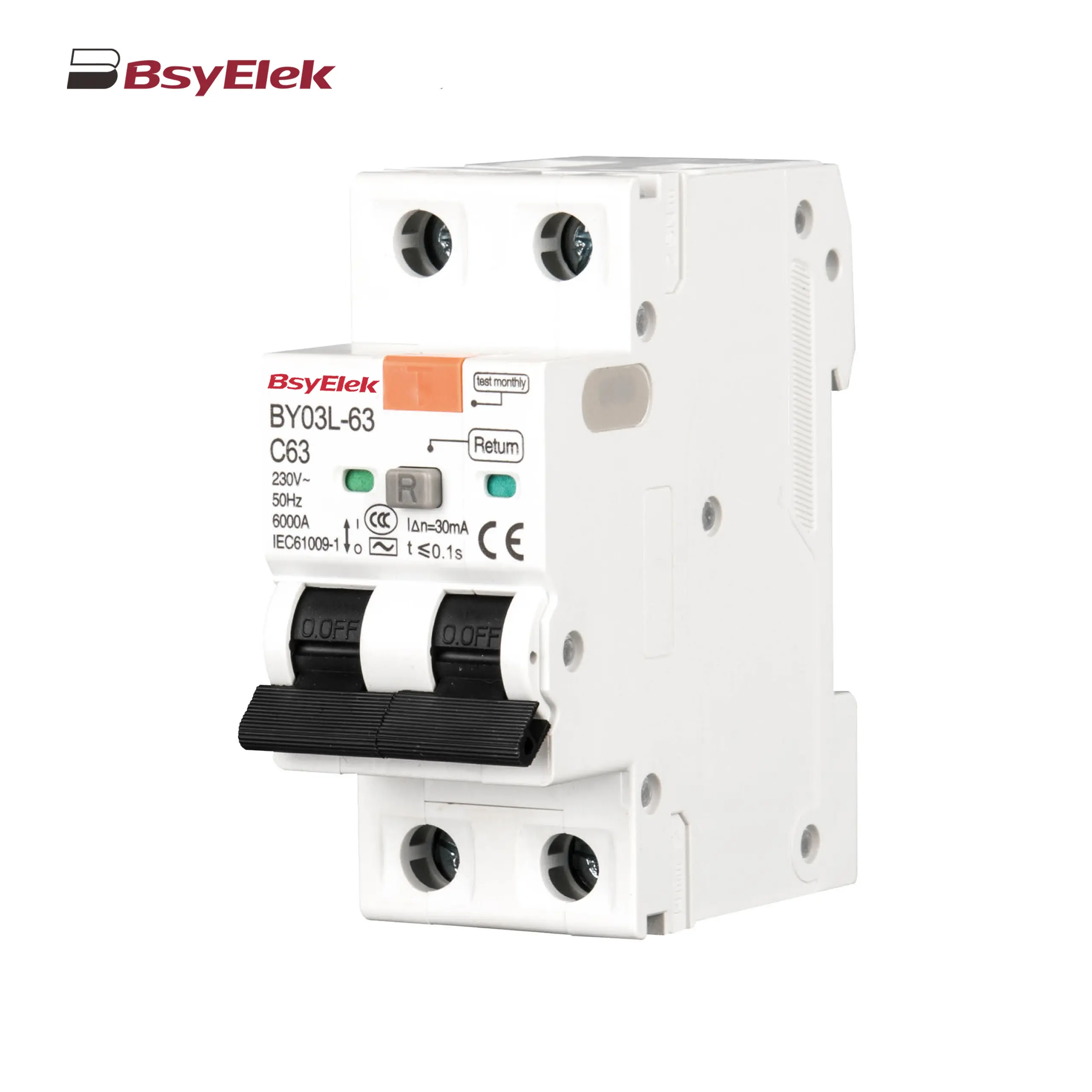 BY03L-63 RCBO 4.5KA Residual Current Circuit Breaker with Over-current Protection
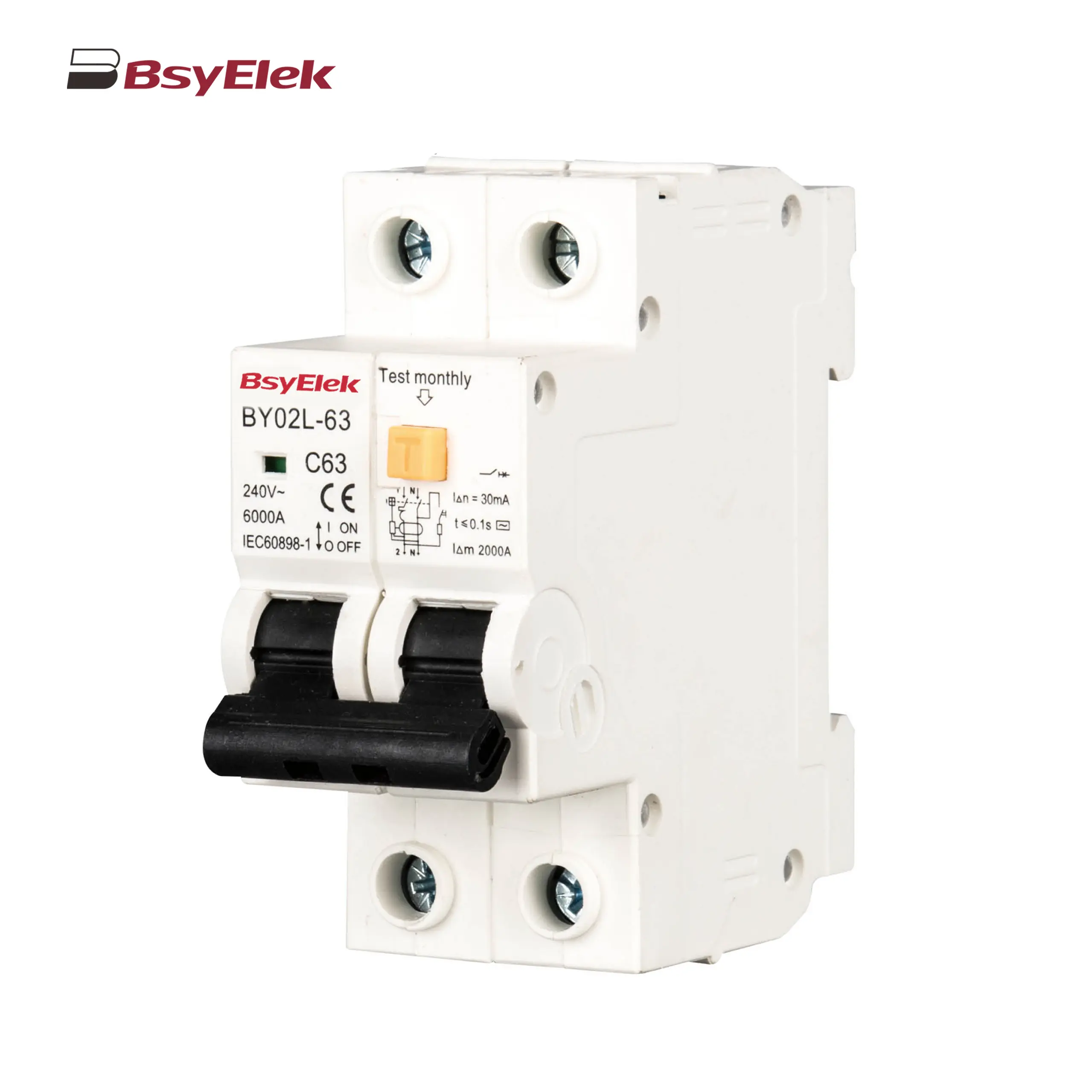 BY02L-63 RCBO 3KA Residual Current Circuit Breaker with Over-current Protection
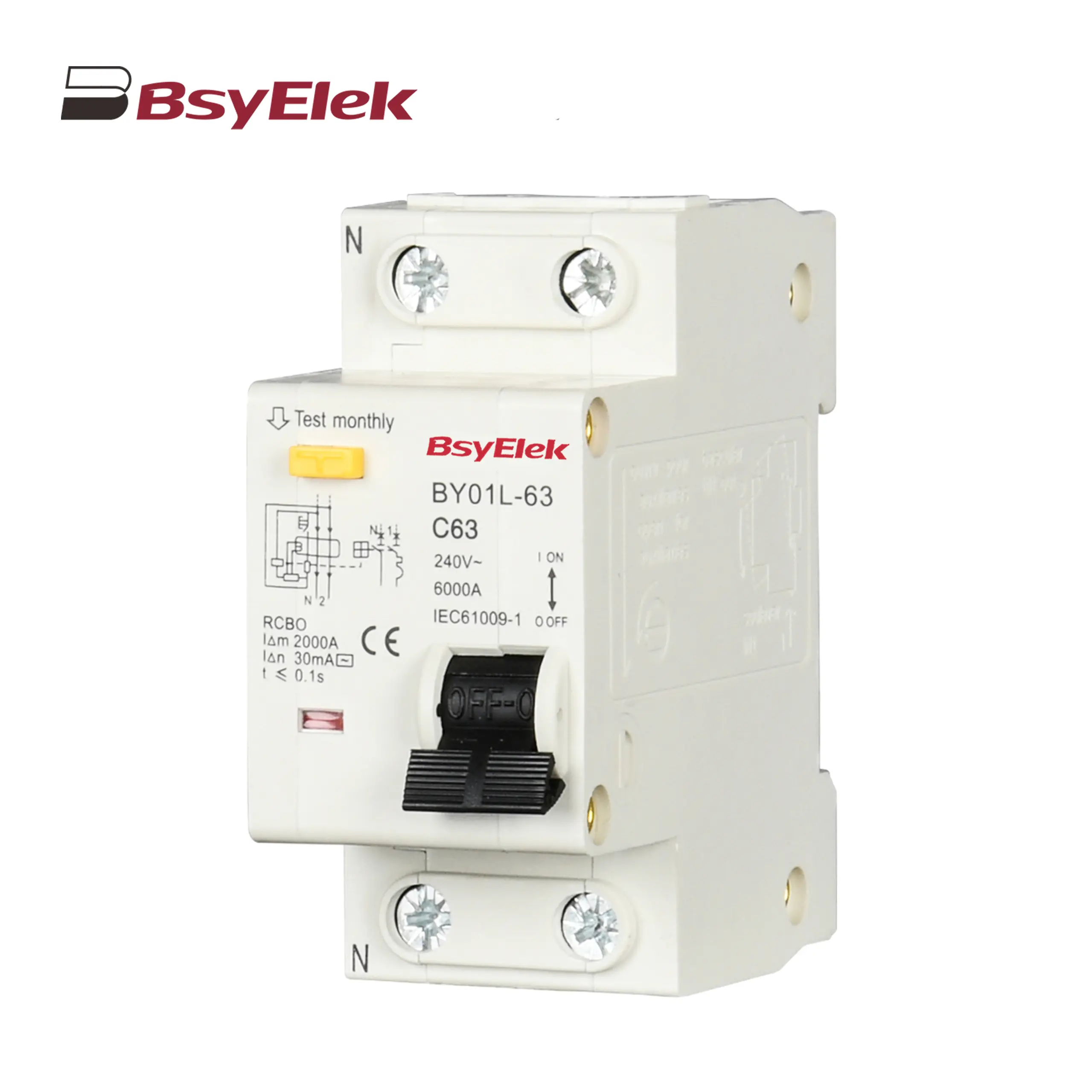 BY01L-63 RCBO 1P+N 3KA Residual Current Circuit Breaker with Over-current Protection
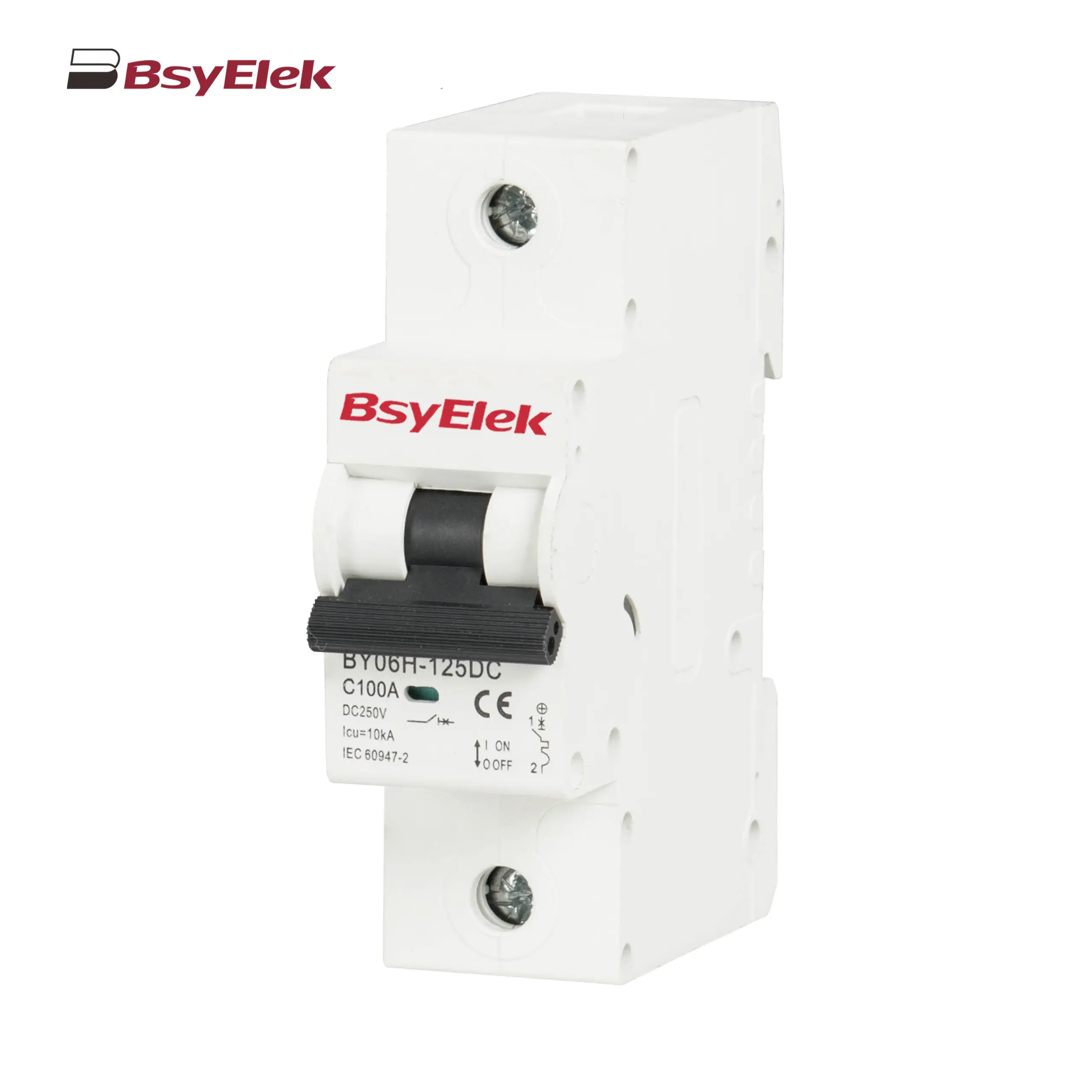 BY06H-125DC MCB 10-15kA DC Miniature Circuit Breaker
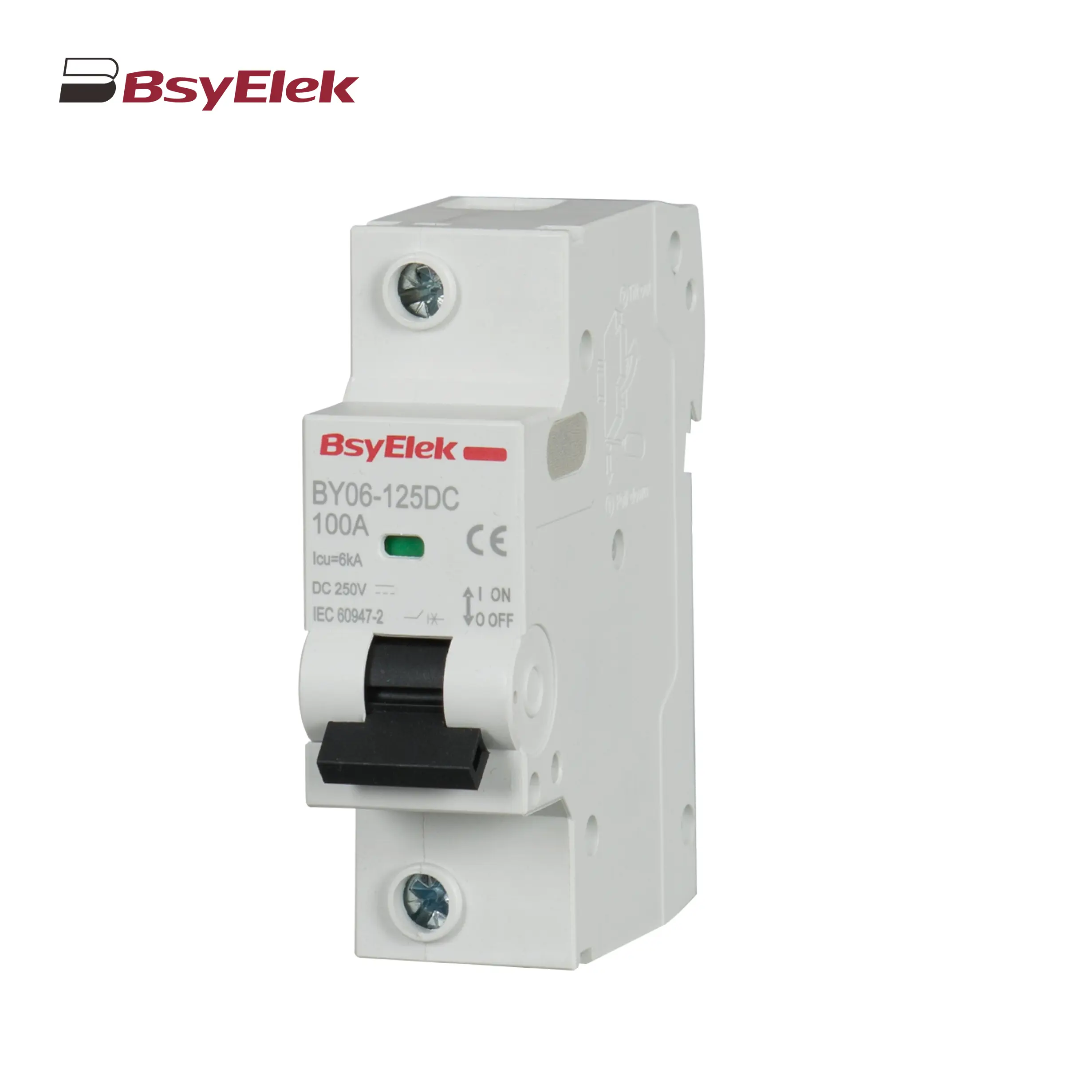 BY06-125DC MCB 6kA DC Miniature Circuit Breaker
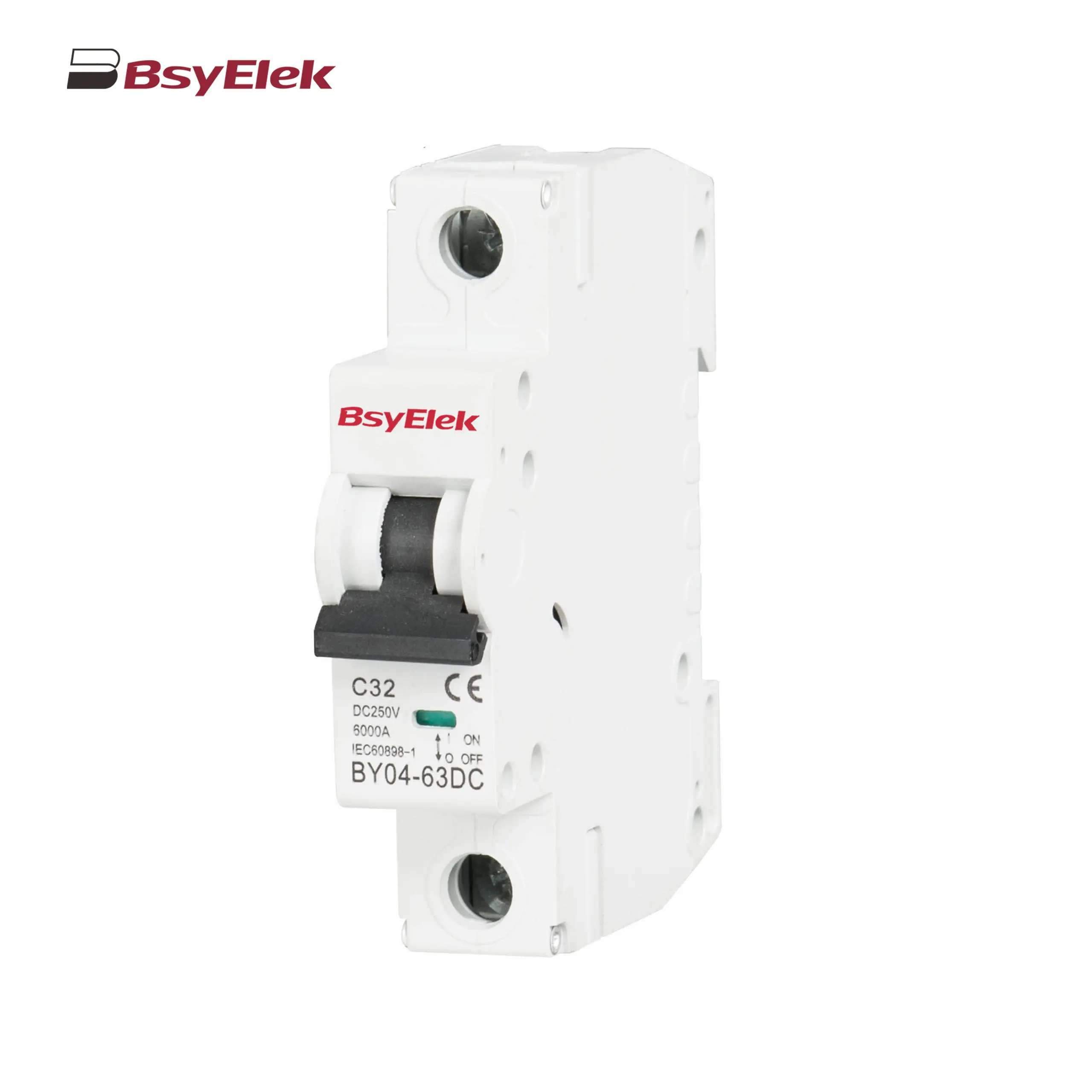 BY04-63DC MCB 6-10kA DC Miniature Circuit Breaker
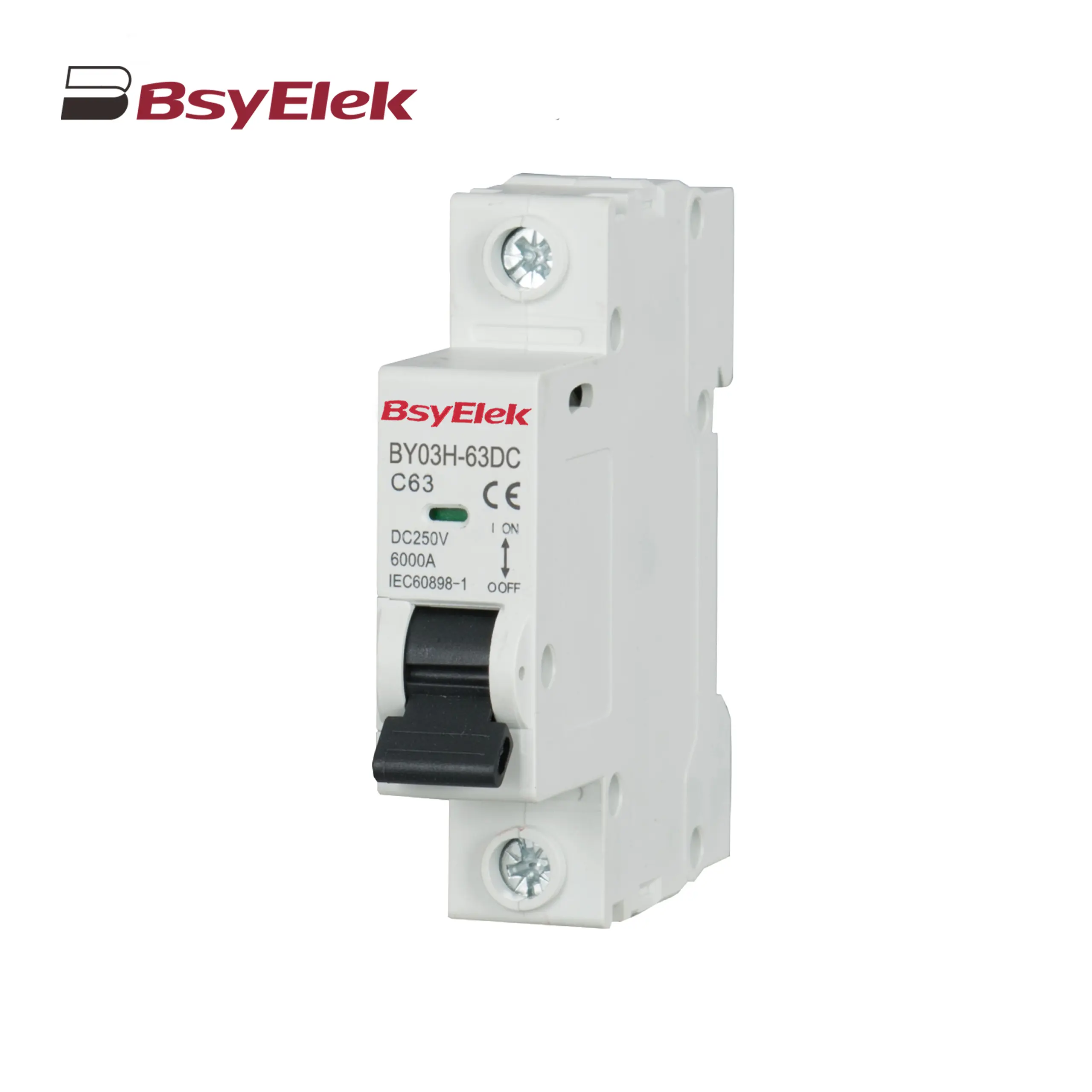 BY03H-63DC MCB 6kA DC Miniature Circuit Breaker
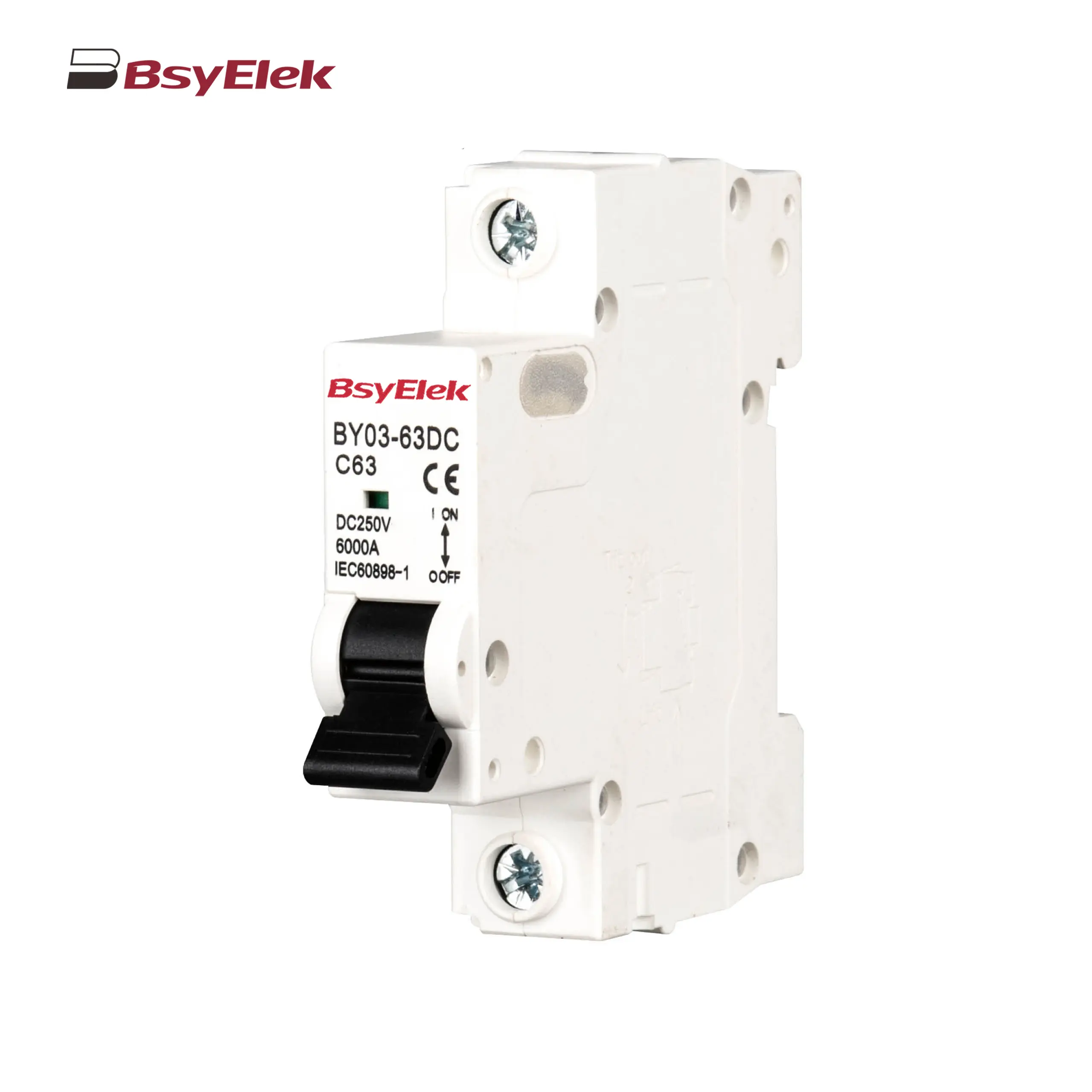 BY03-63DC MCB 4.5kA DC Miniature Circuit Breaker
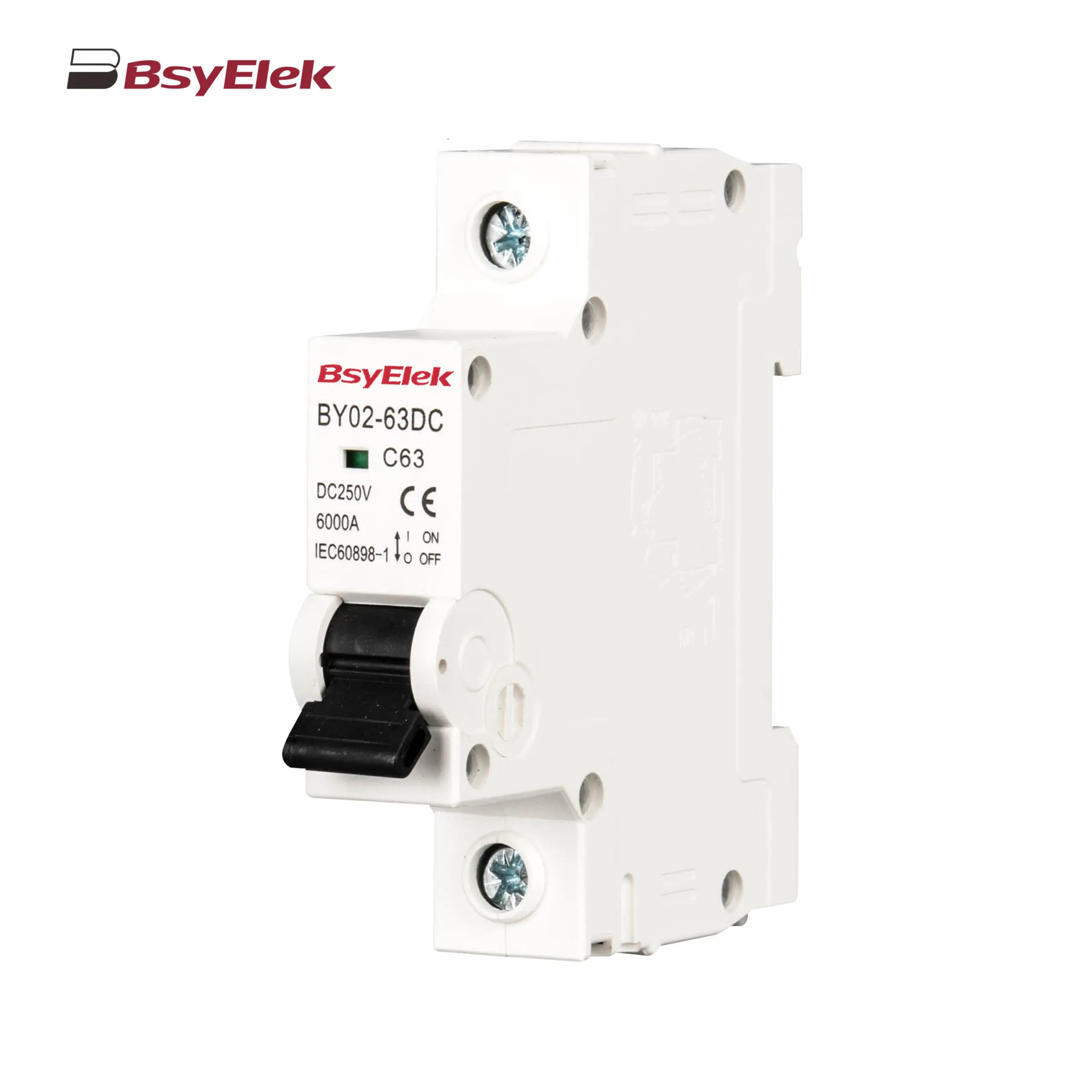 BY02-63DC MCB 3kA DC Miniature Circuit Breaker
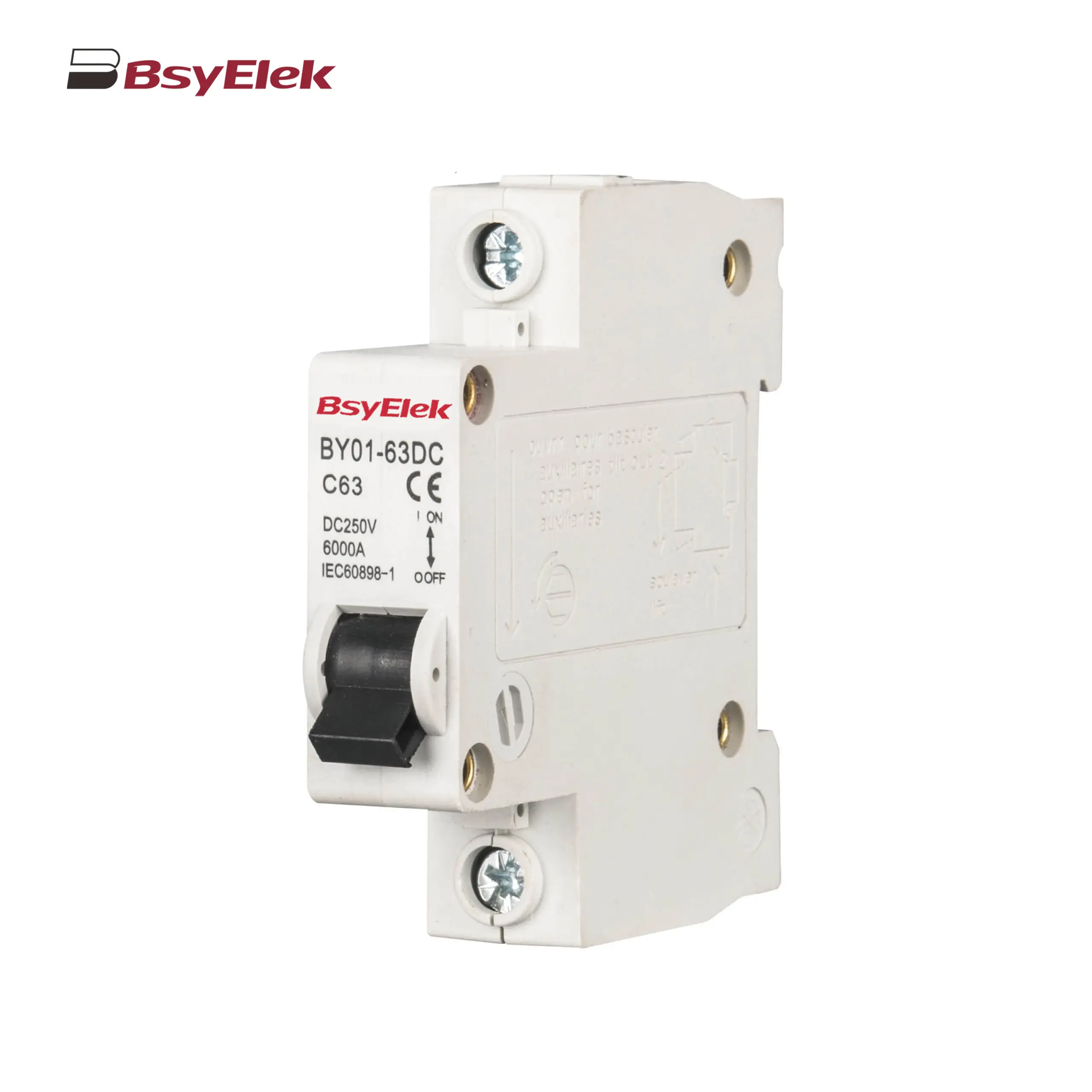 BY01-63DC MCB 3kA DC Miniature Circuit Breaker
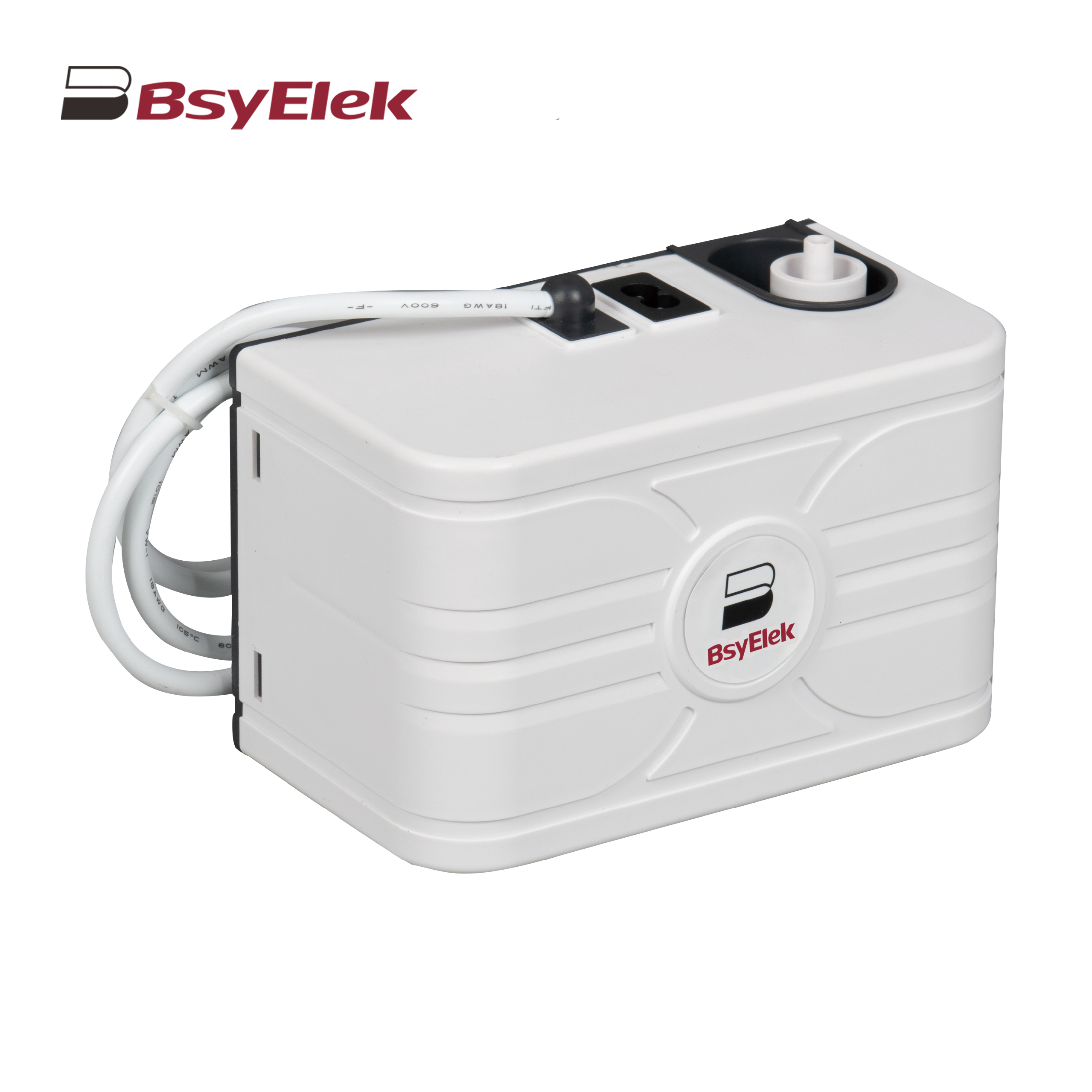 BY-5018 1.8M Engineering Drainage Pump
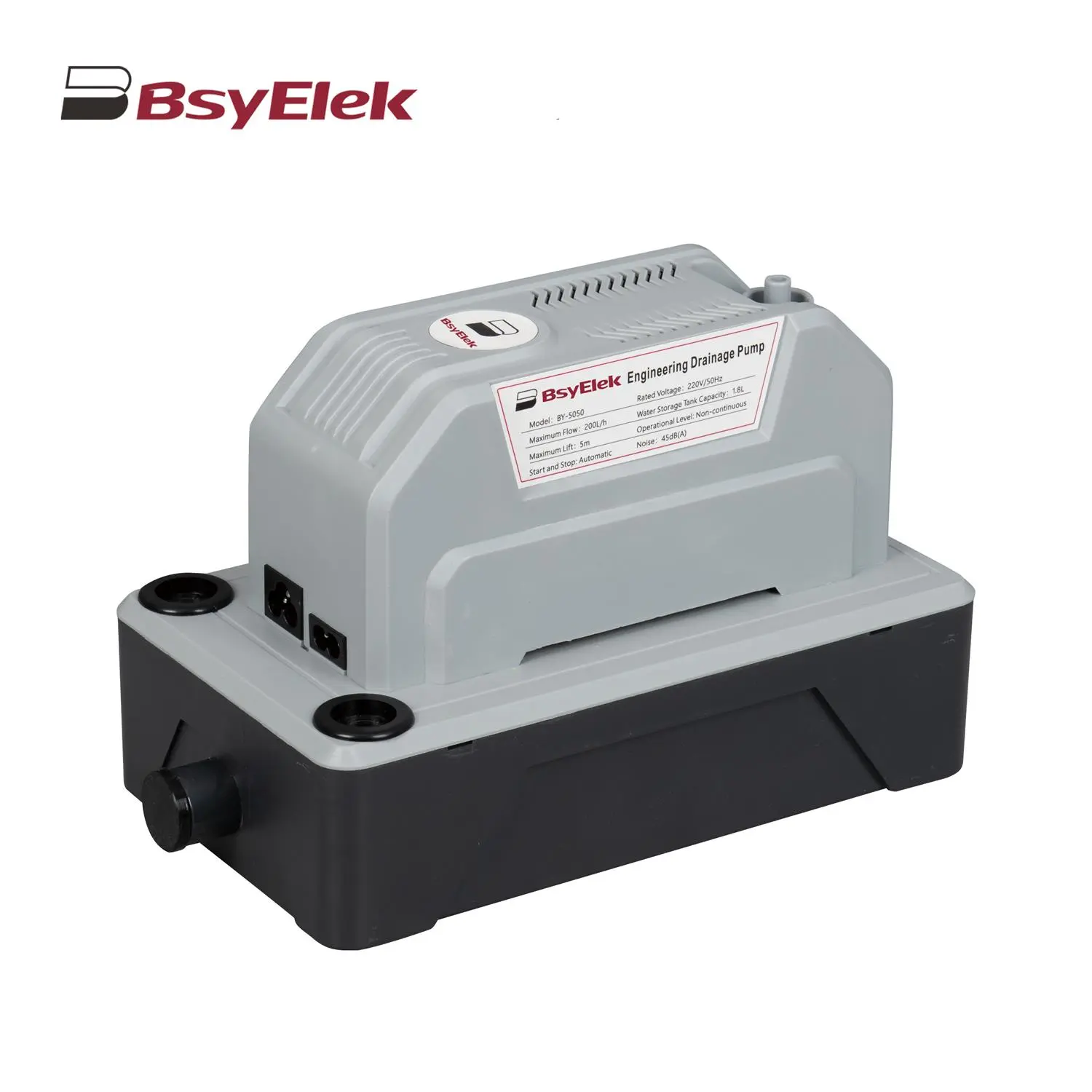 BY-5050 5M Engineering Drainage Pump
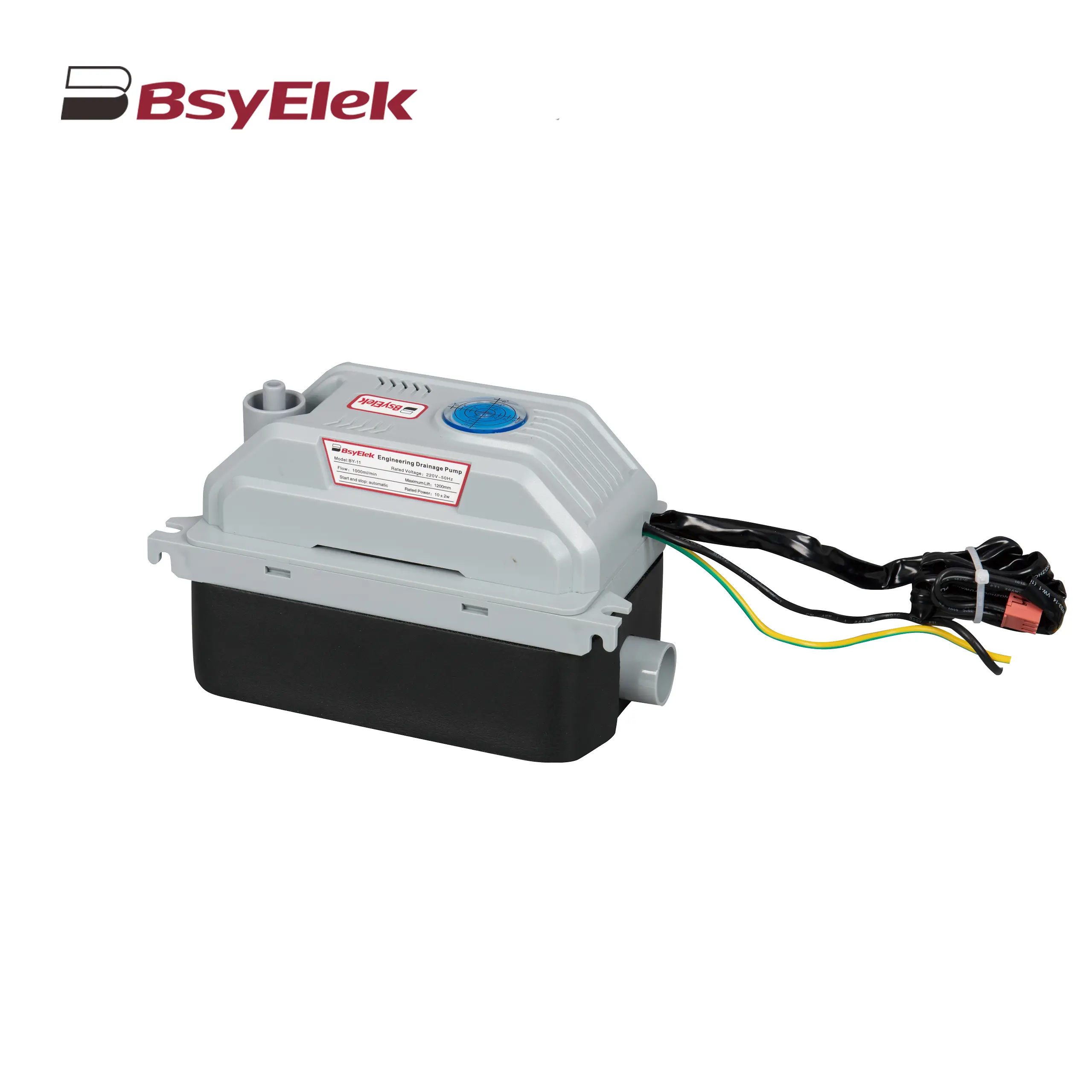 BY-11 1.2M Engineering Drainage Pump
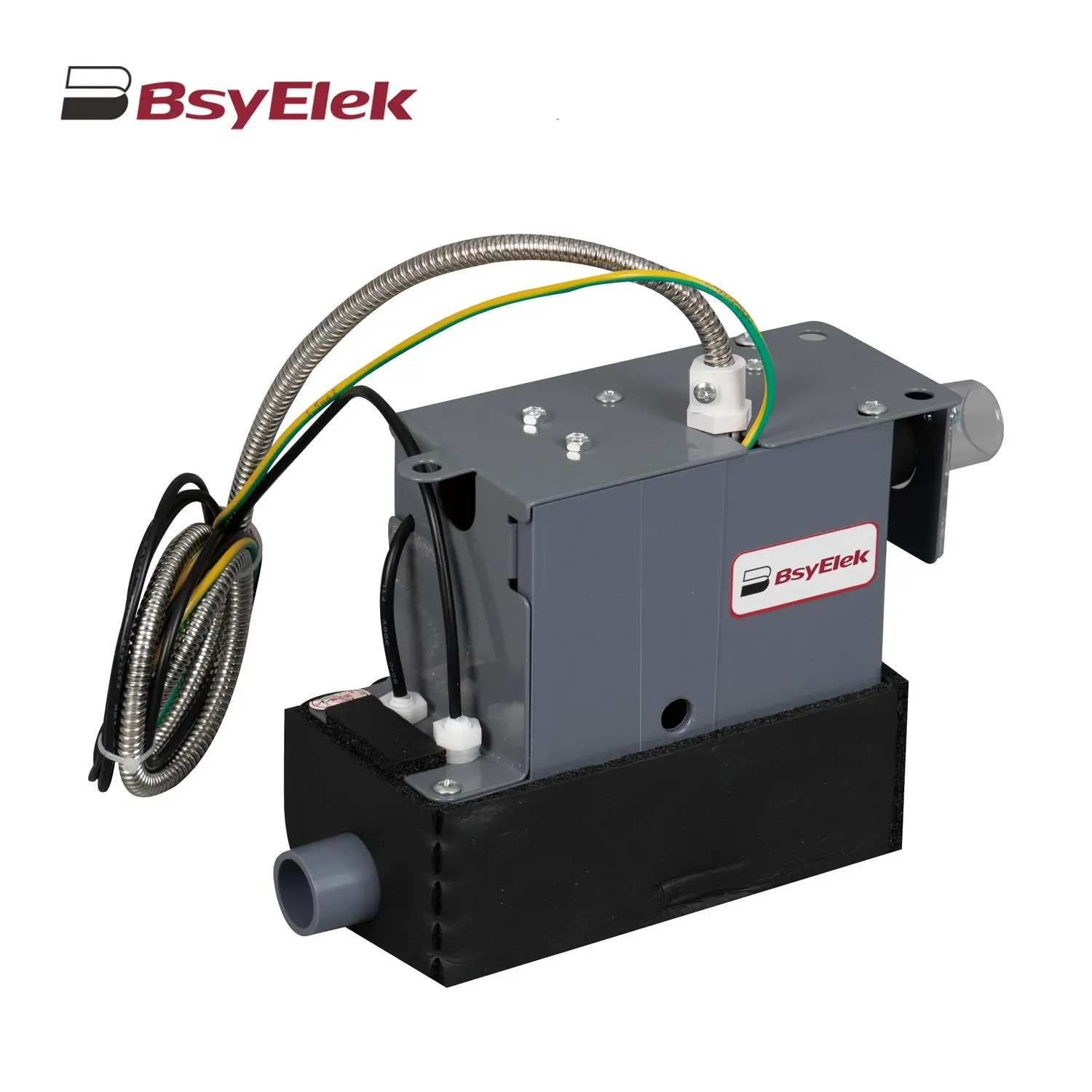 SBH-05 0.7M Original Drainage Pump of Duct Type Air Conditioner
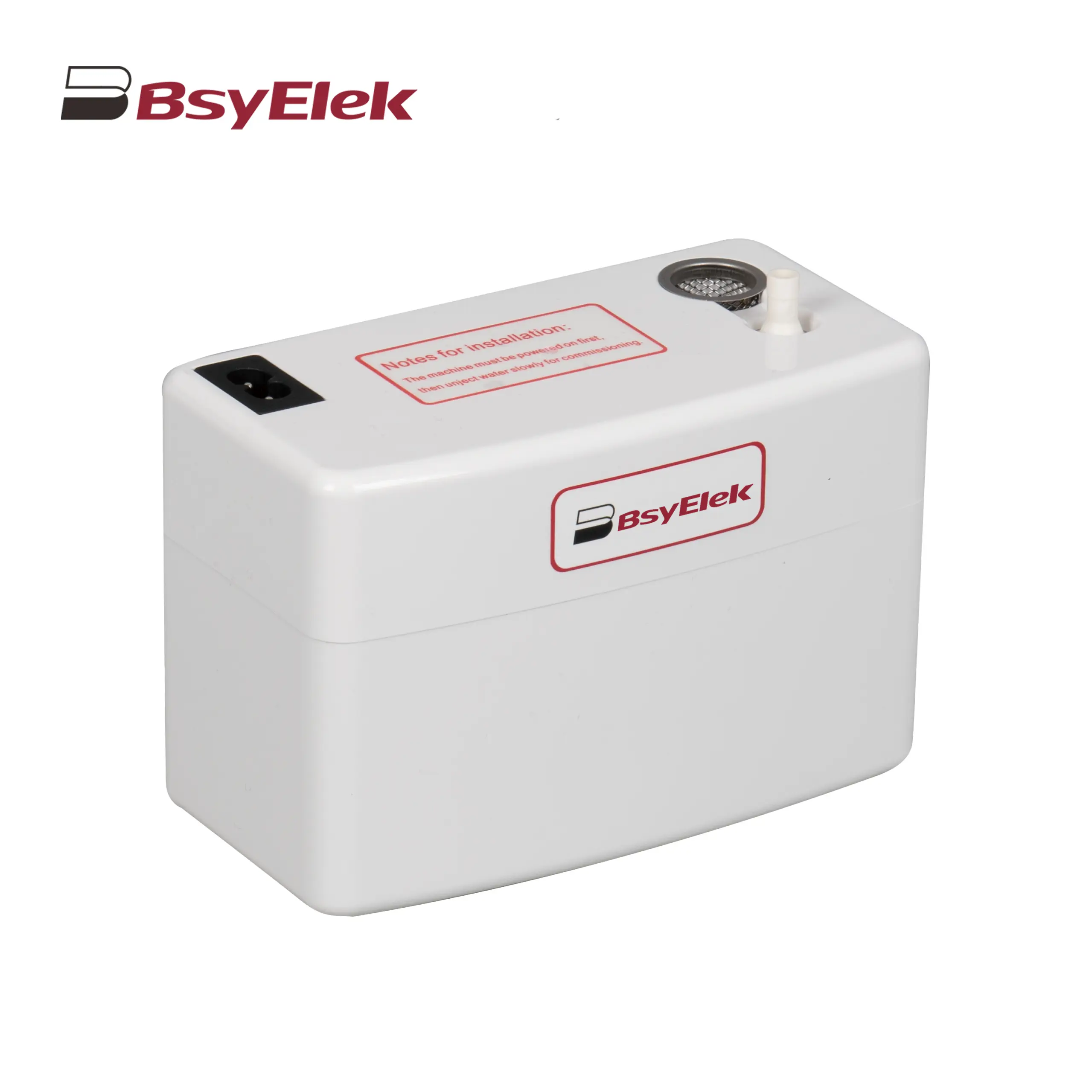 BY-24A/40A 10M Drainage Pump of Air Conditioner
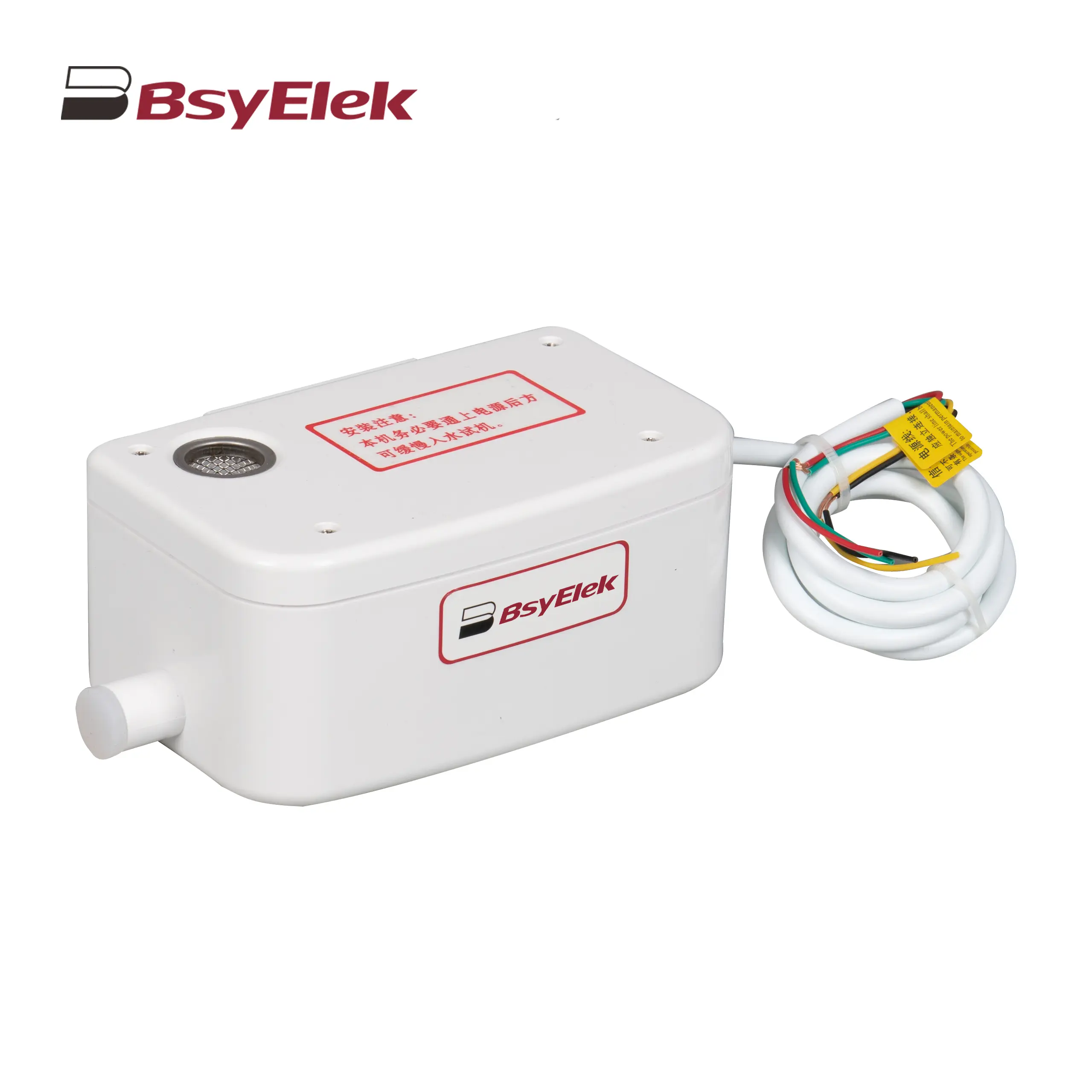 BY-50A 12M Drainage Pump of Air Conditioner
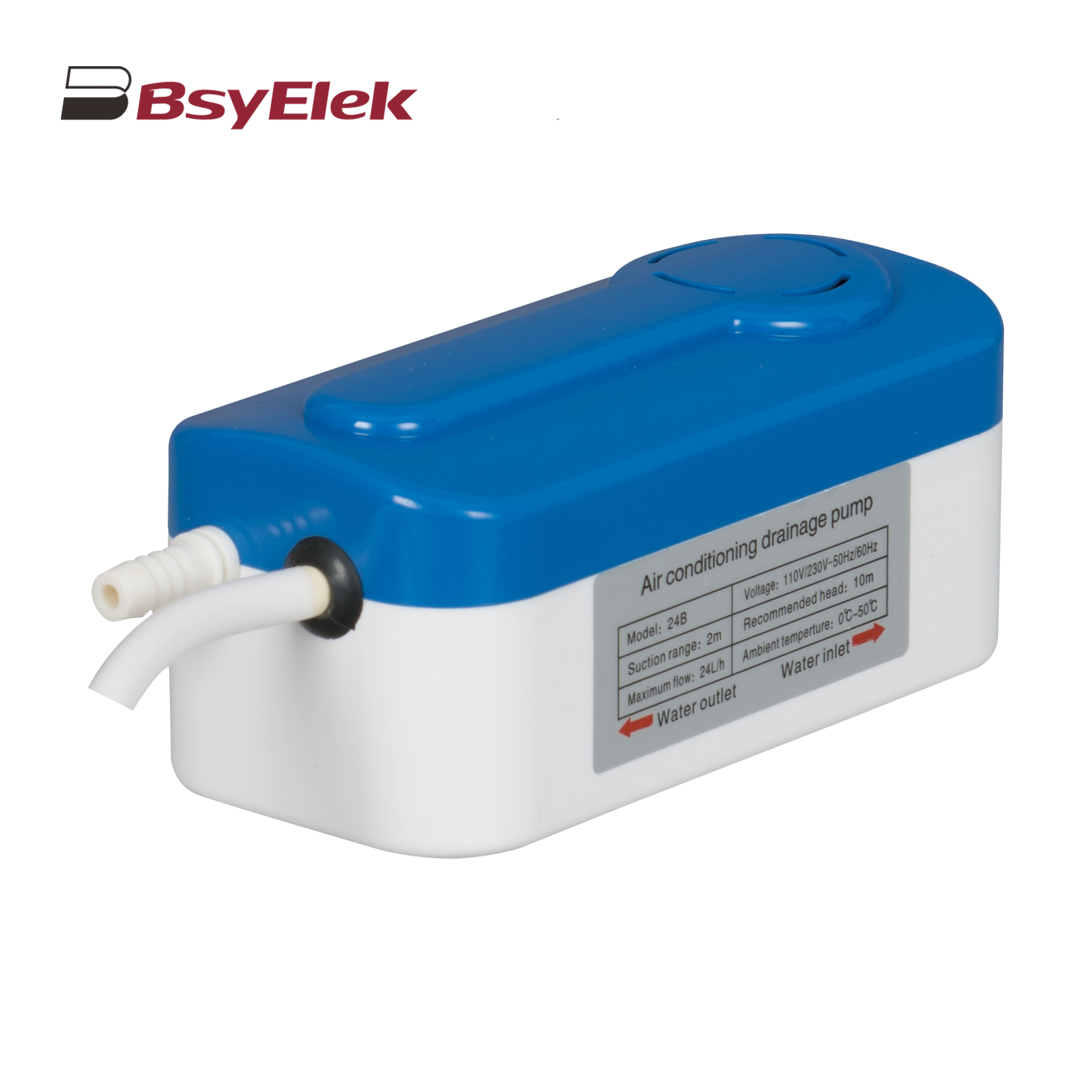 BY-24B/40B 10M Split Type Drainage Pump
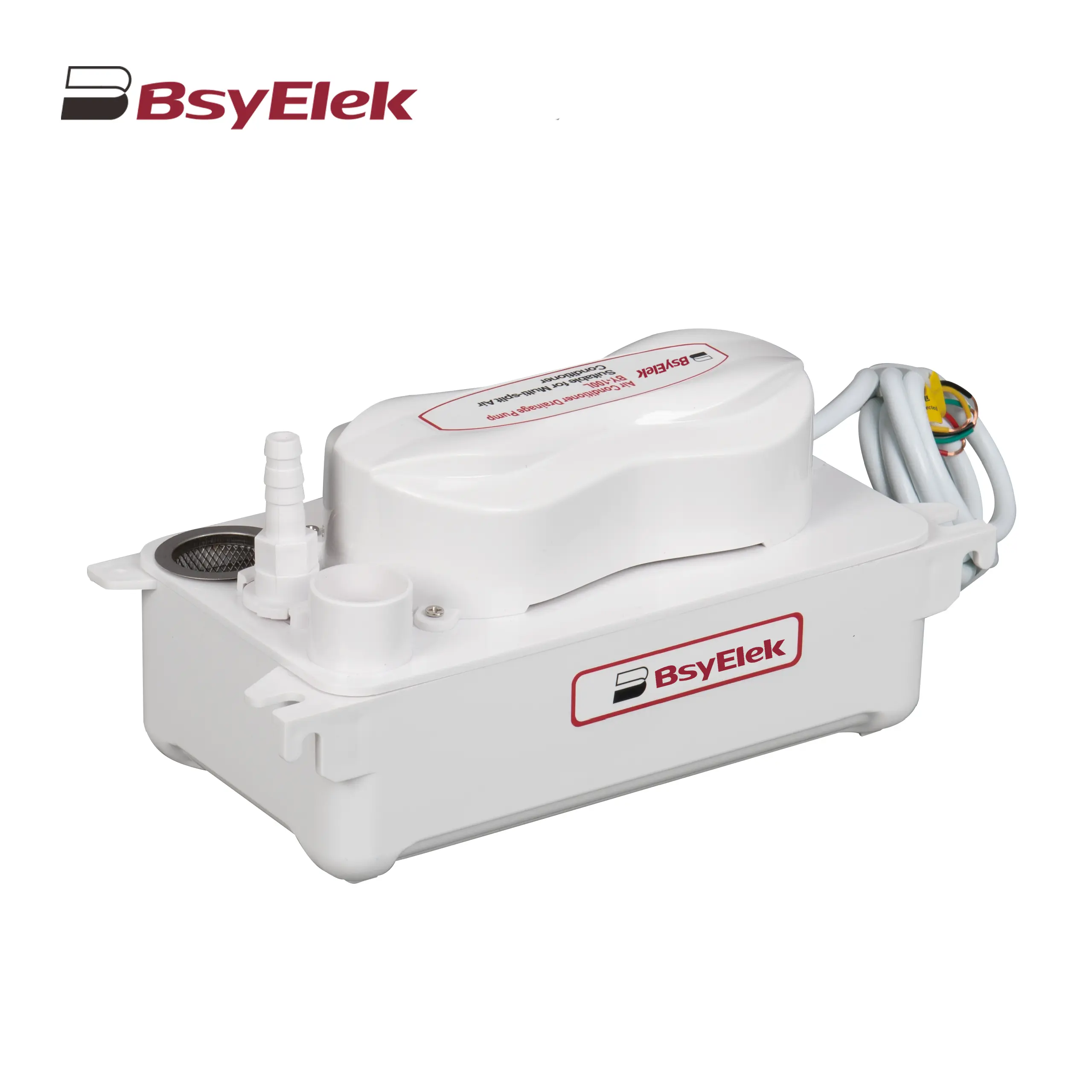 BY-100L 2M Drainage Pump of Air Conditioner
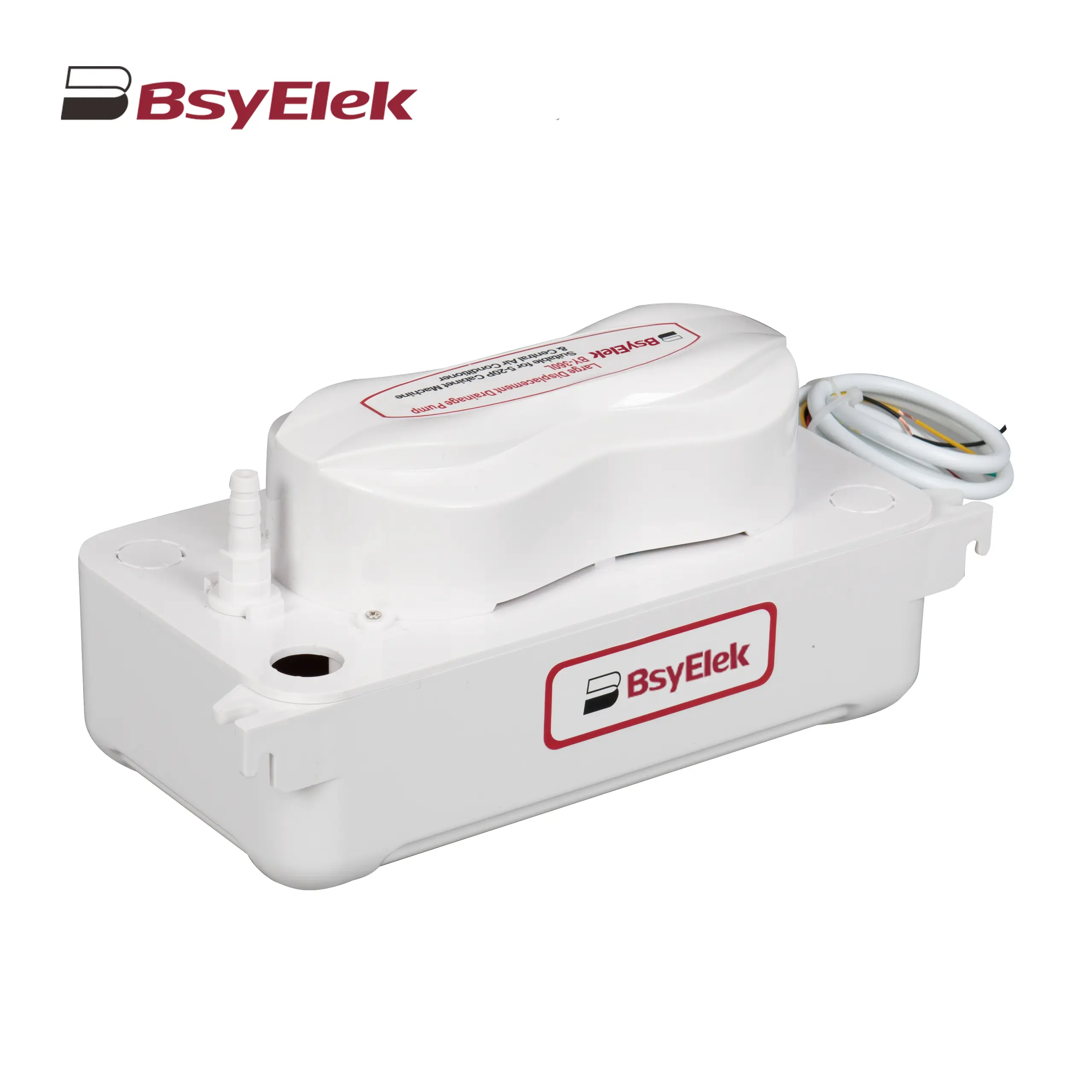 BY-360L 6M Large Displacement Drainage Pump
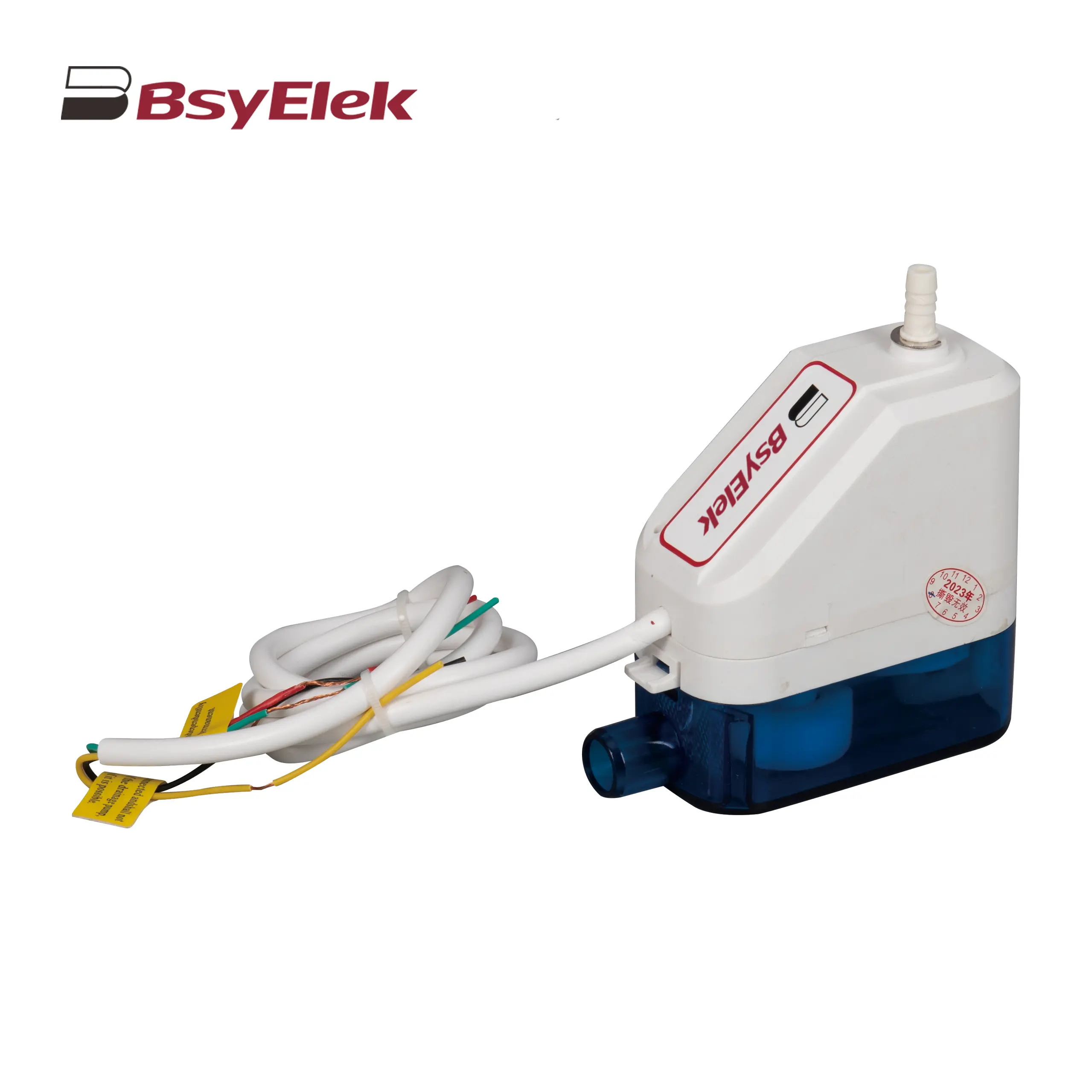 BY-24C/40C 10M Corner Drainage Pump
What is a miniature circuit breaker (MCB)?
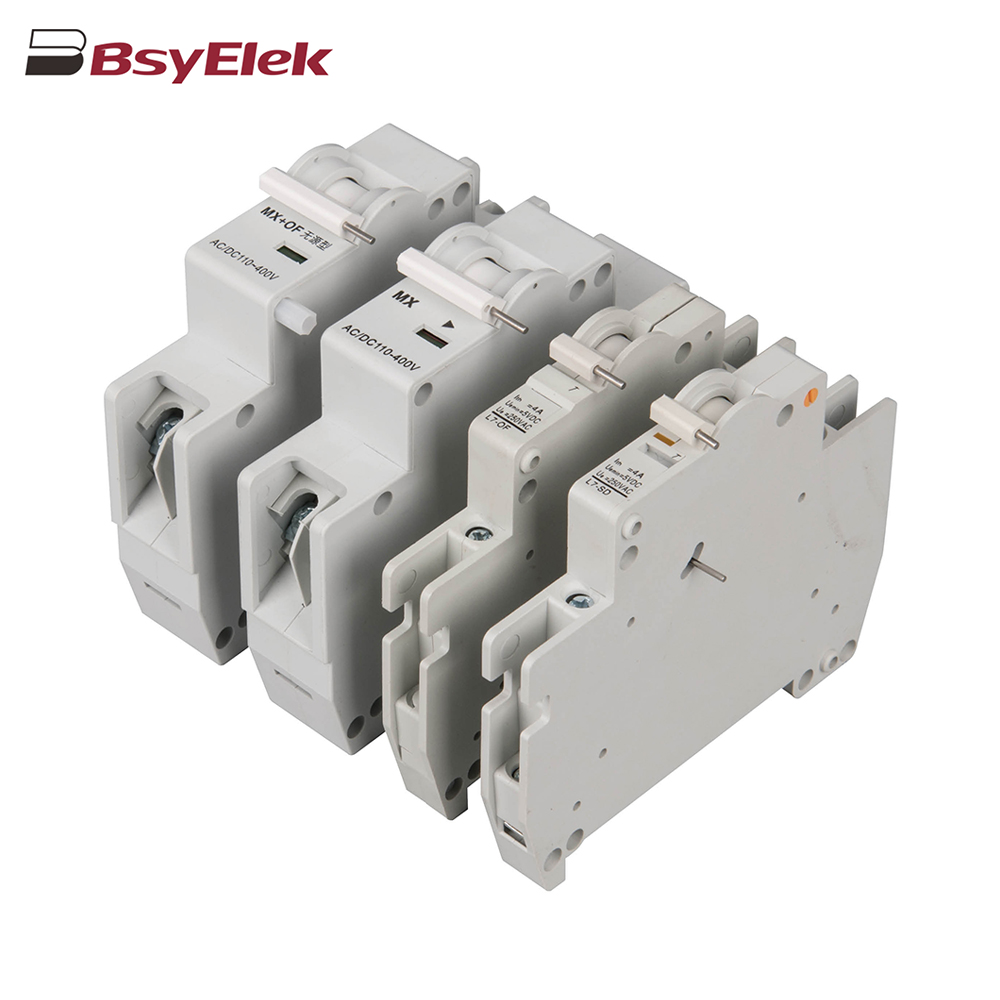 OF SD MX OF MCB Miniature Circuit Breaker Accessories
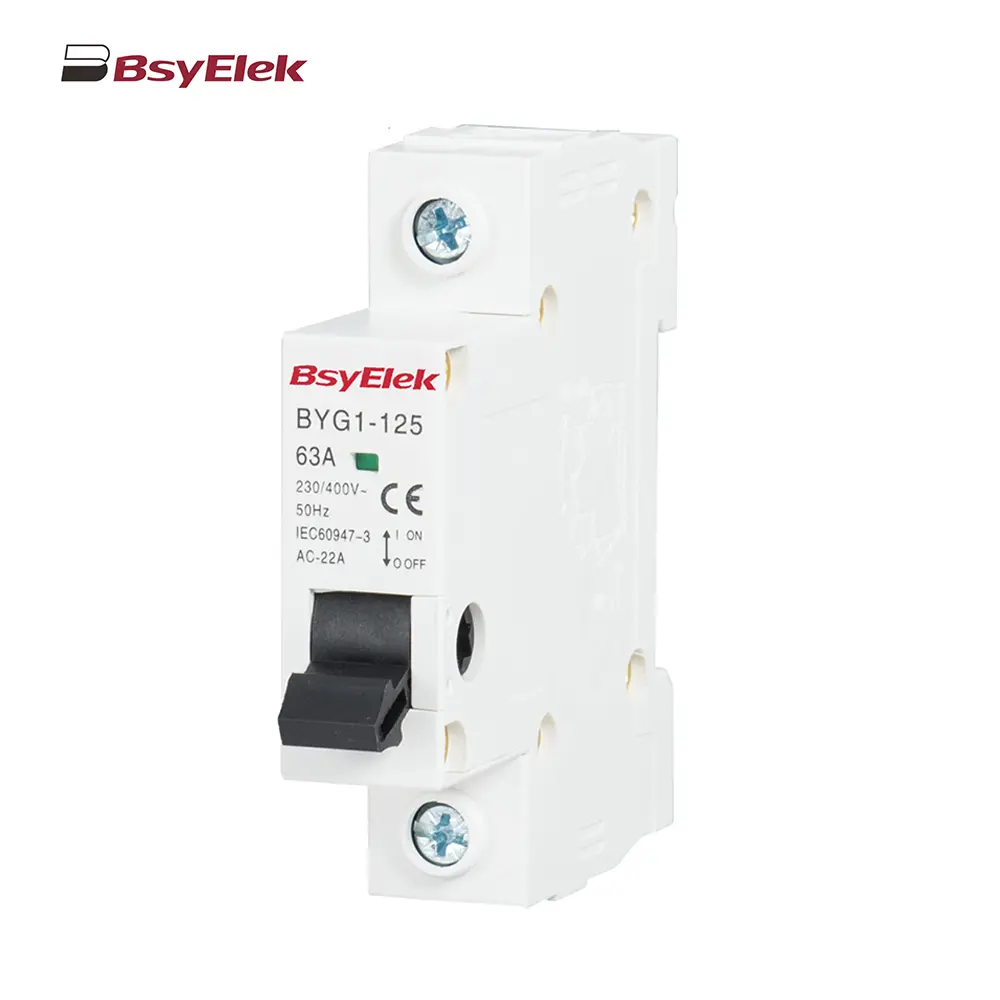 BYG1-125 Main Switch MCB Isolator Switch
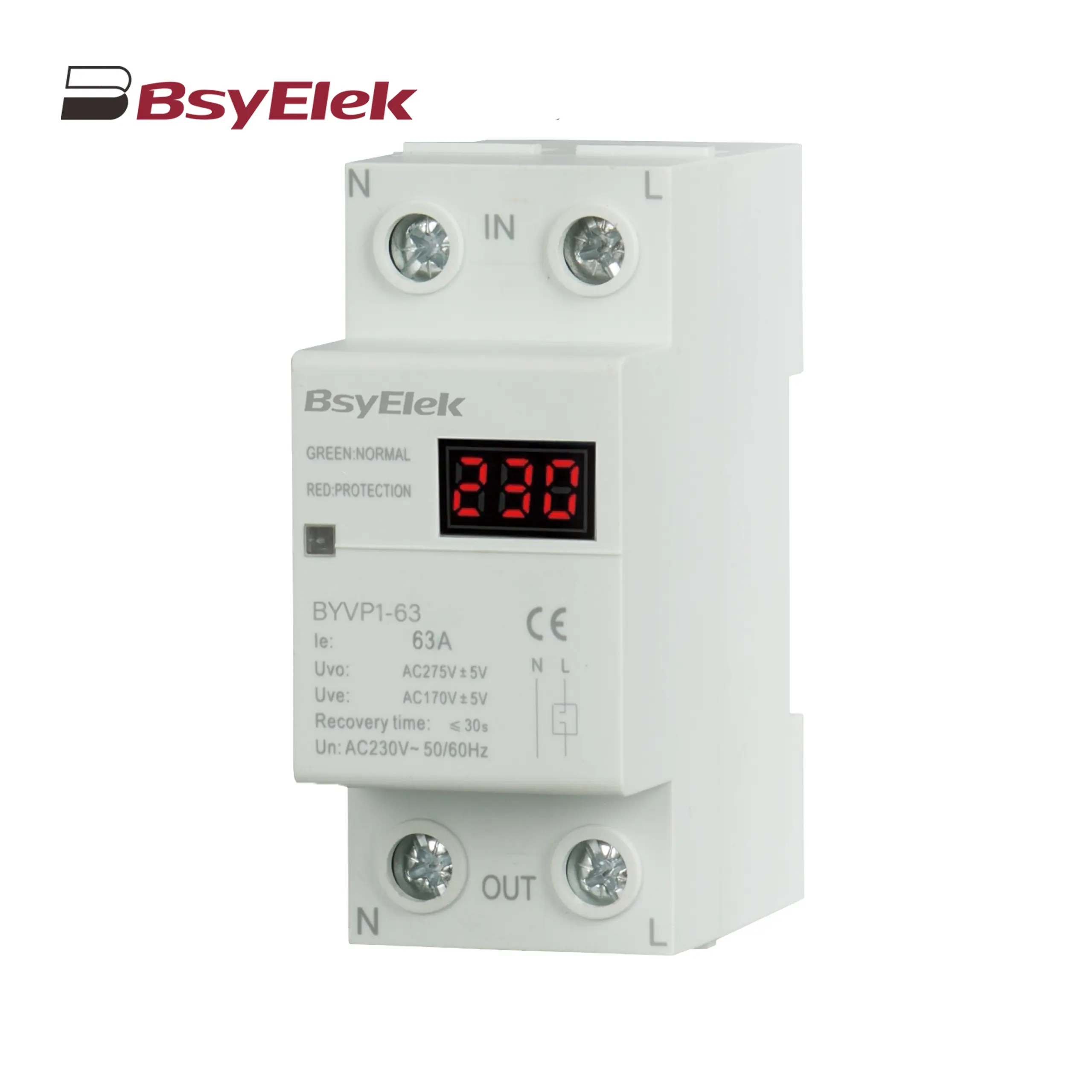 BYVP1-63 100A Single Display Overvoltage and Undervoltage Protector
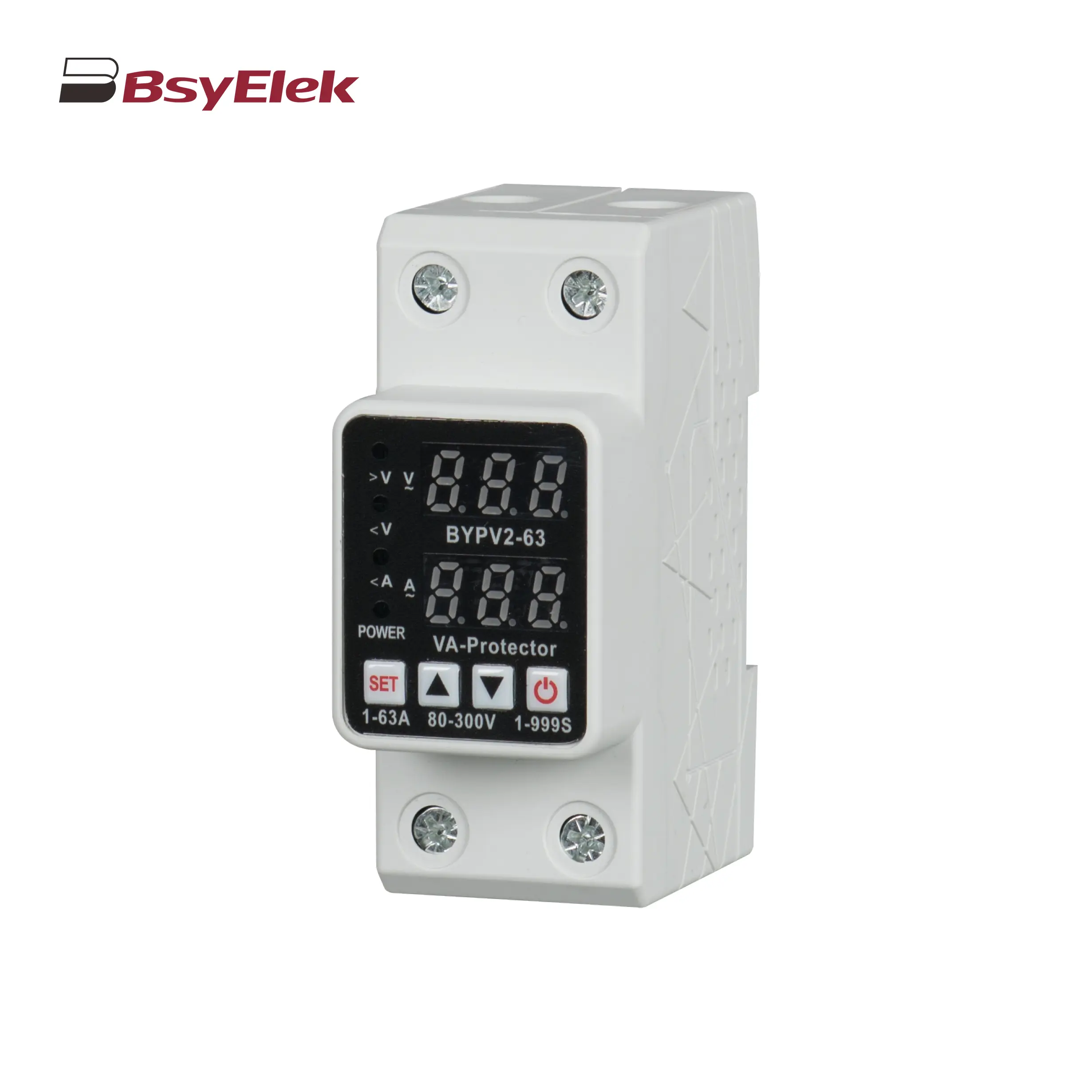 BYVP2-63 40A 63A Adjustable Dual Display Overvoltage and Undervoltage Protector
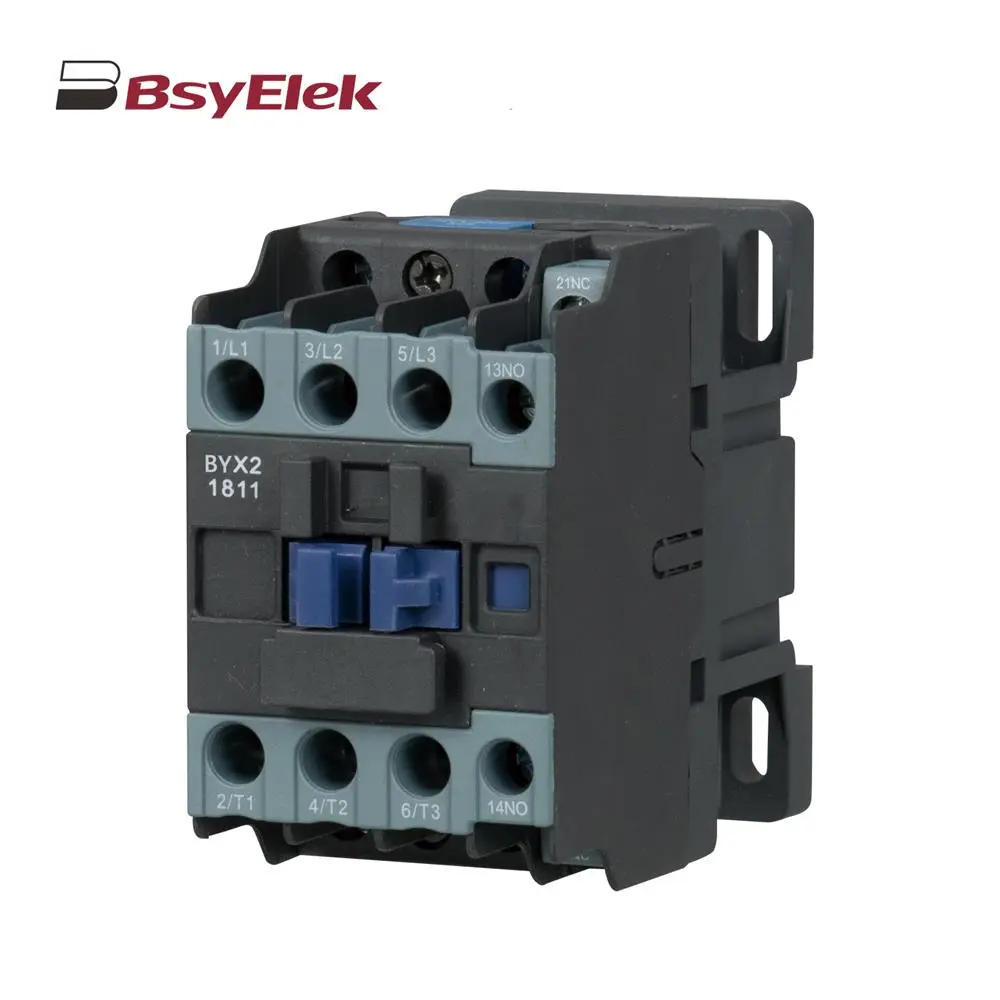 BYX2 6-95A AC Contactor
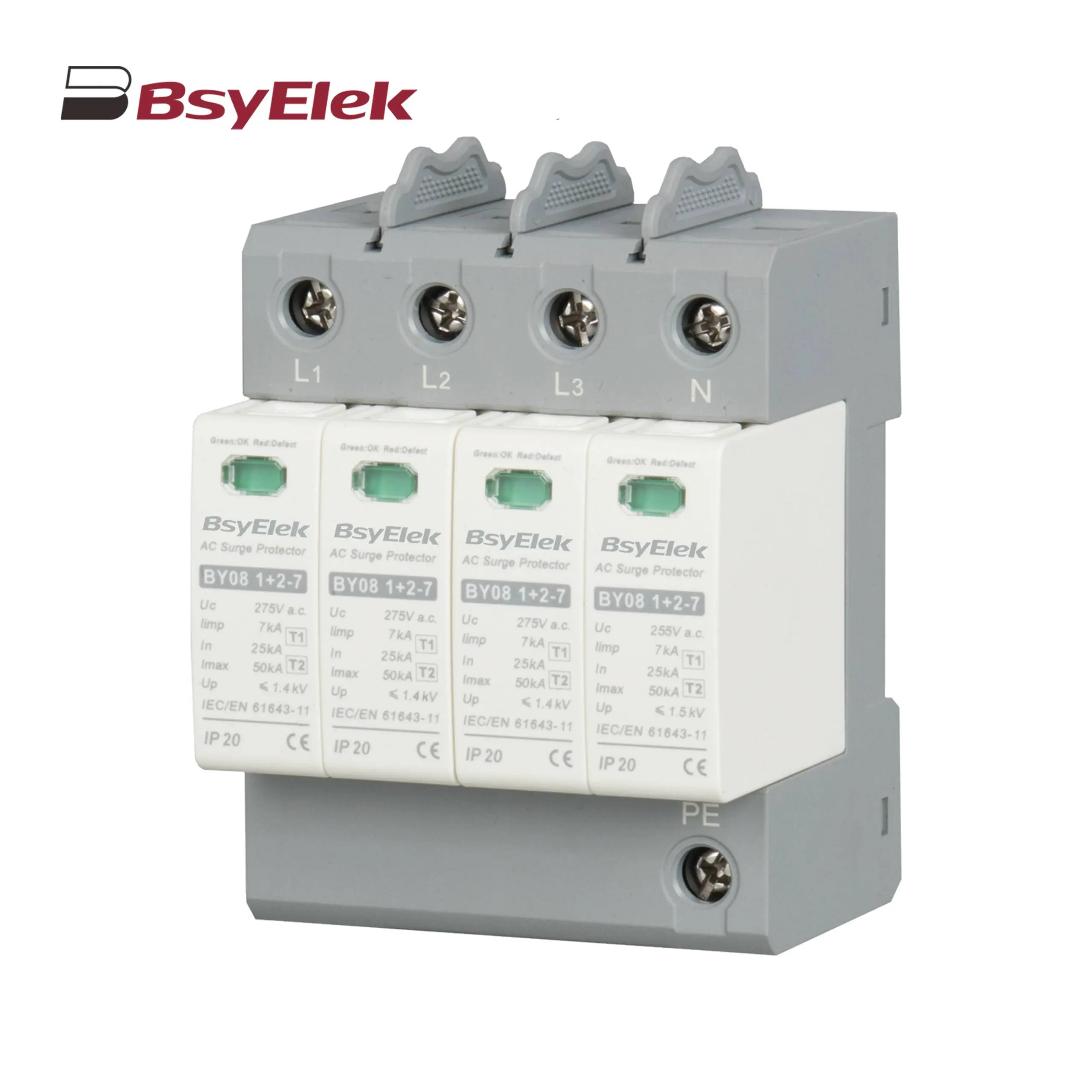 BY08 1+2-7 SPD Class T1+T2 Imax 50KA Surge Protective Device
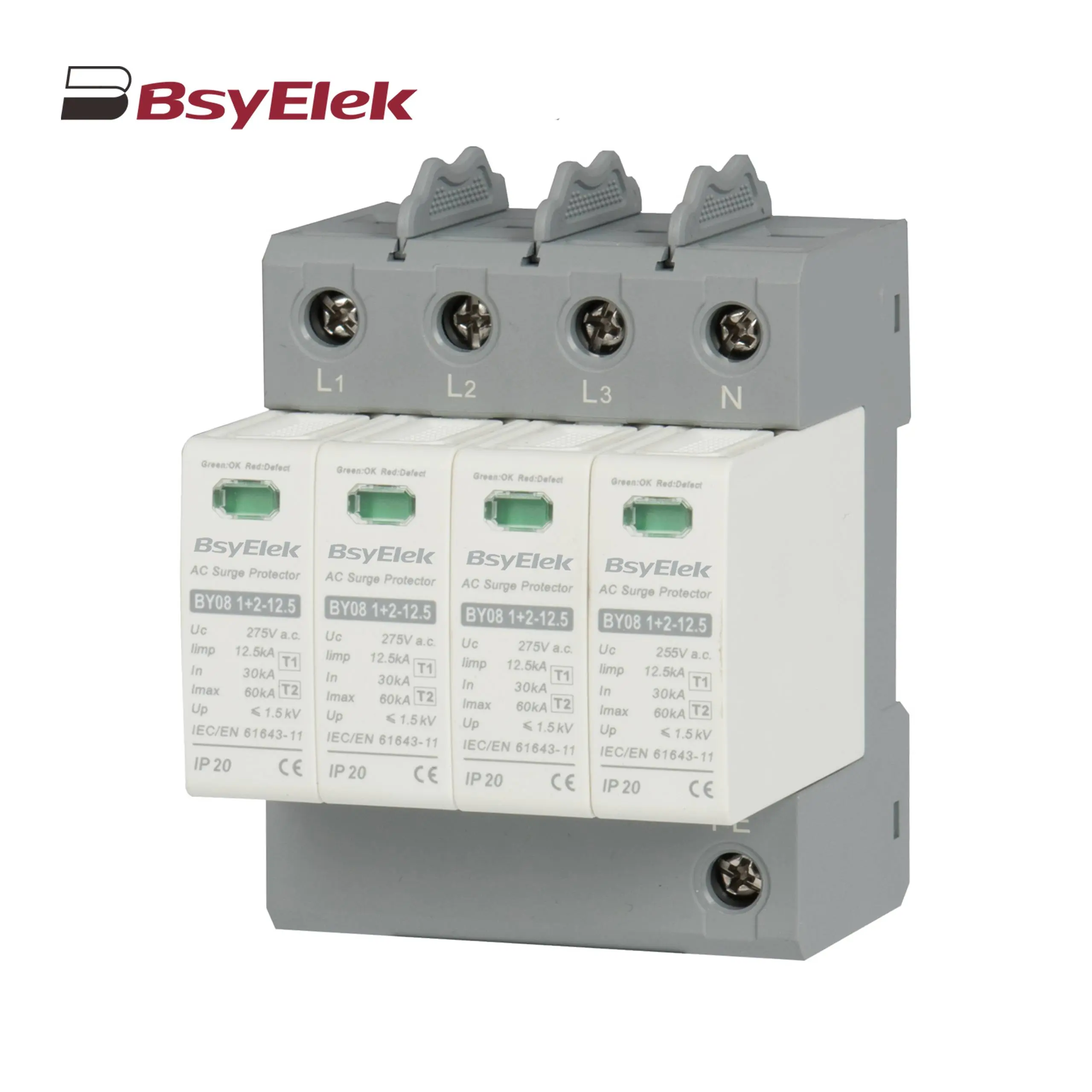 BY08 1+2-12.5 SPD Class T1+T2 Imax 60KA Surge Protective Device
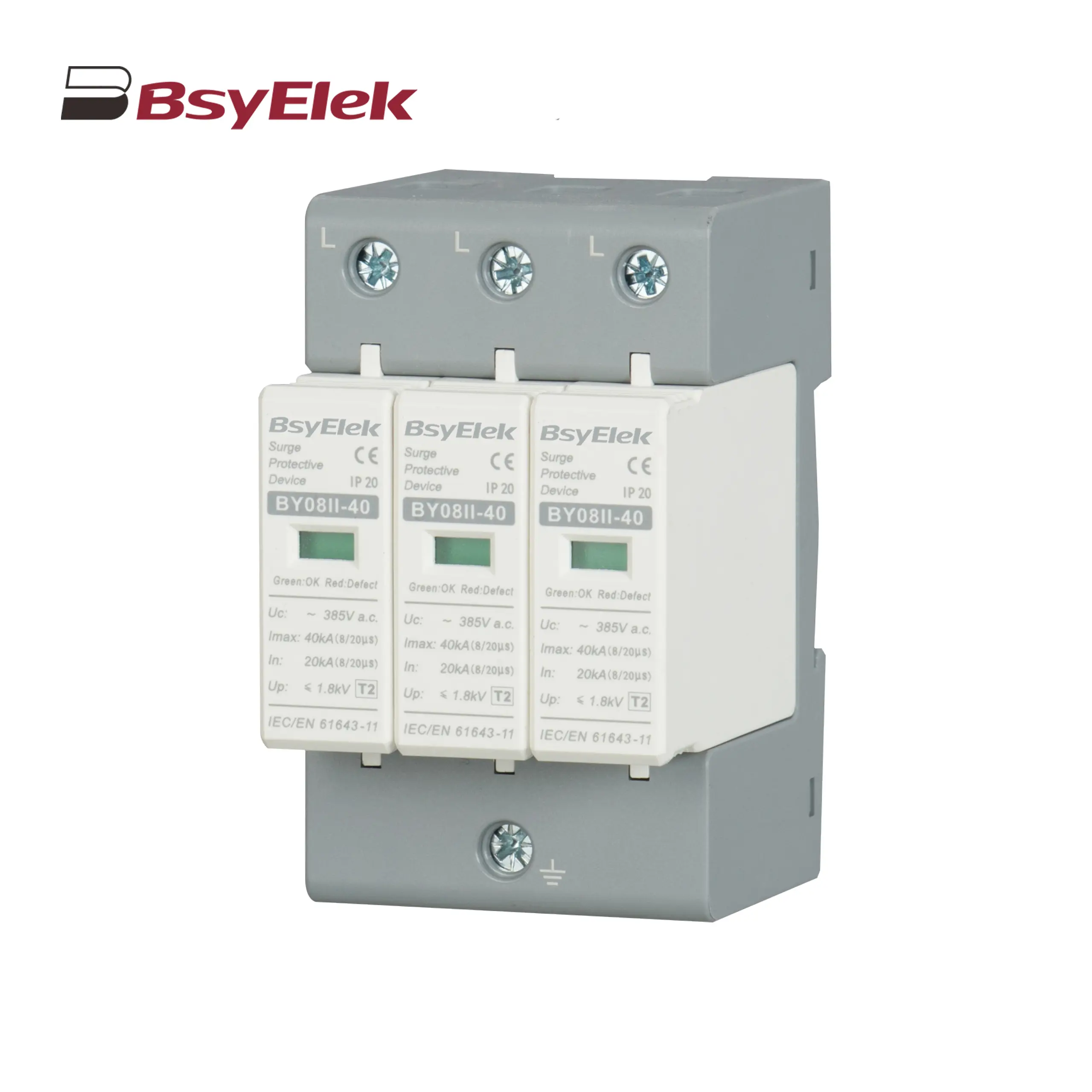 BY08II-40 SPD Class T2 Imax 40KA Surge Protective Device
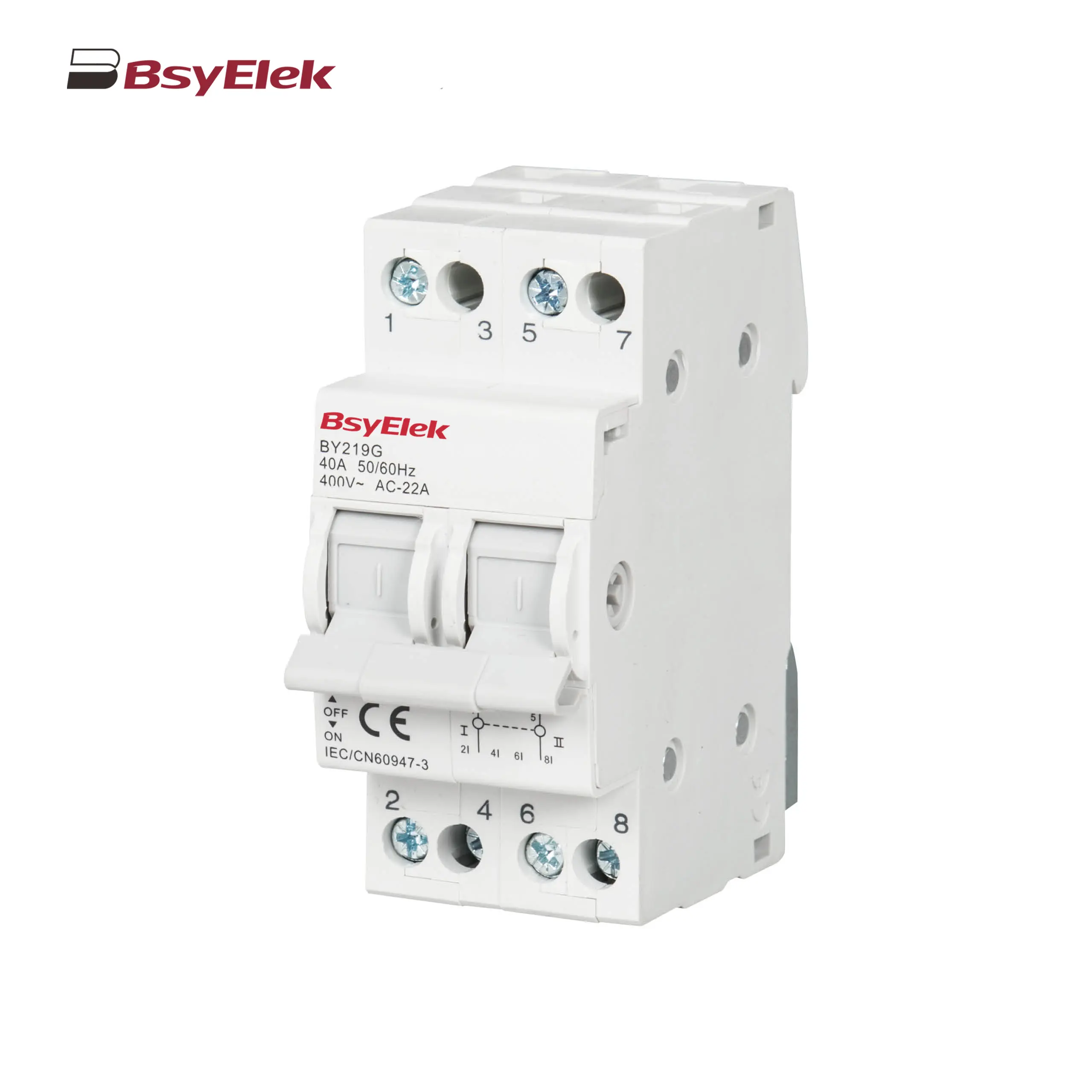 BY19G 63A Manual Changeover Switch
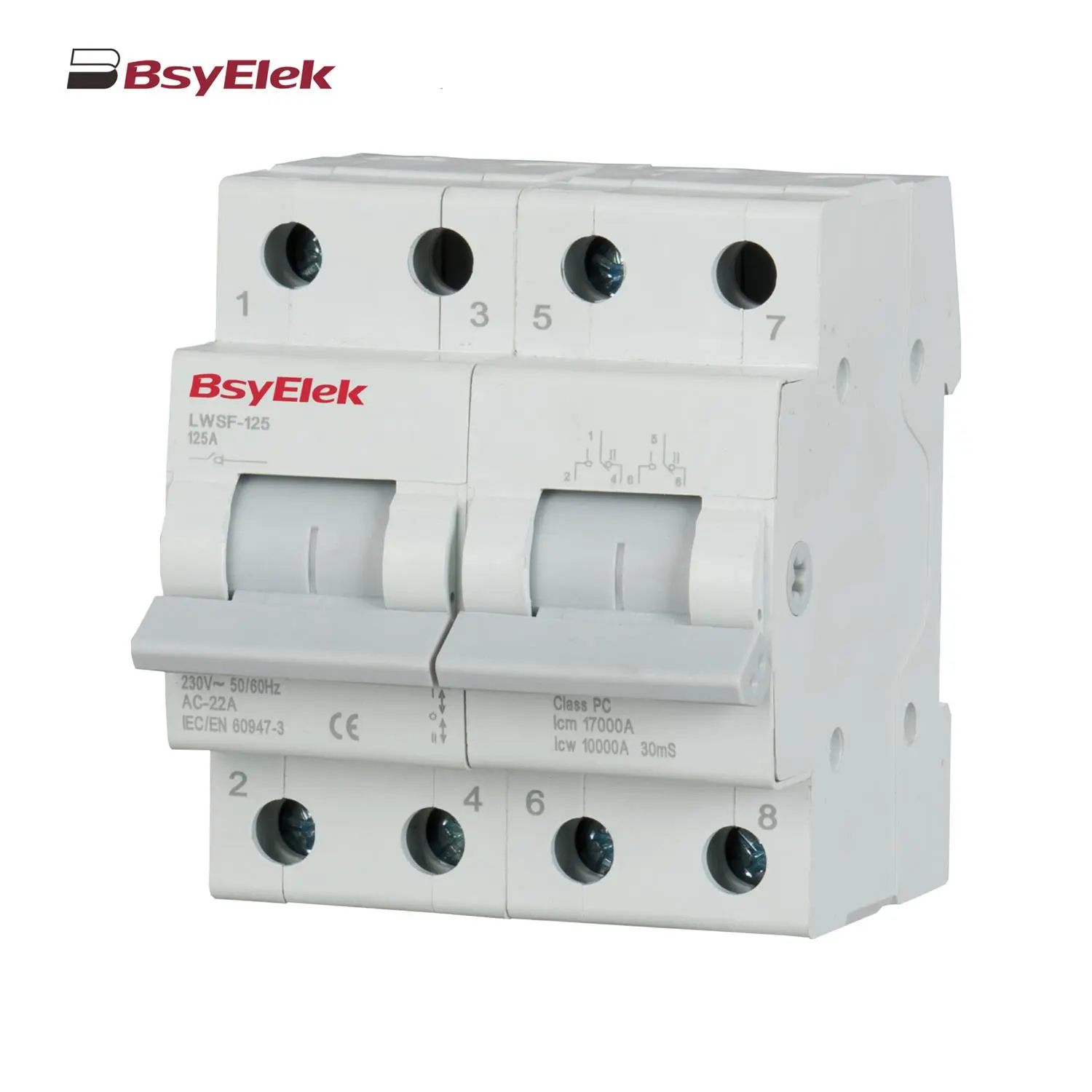 LWSF-125 125A Manual Changeover Switch
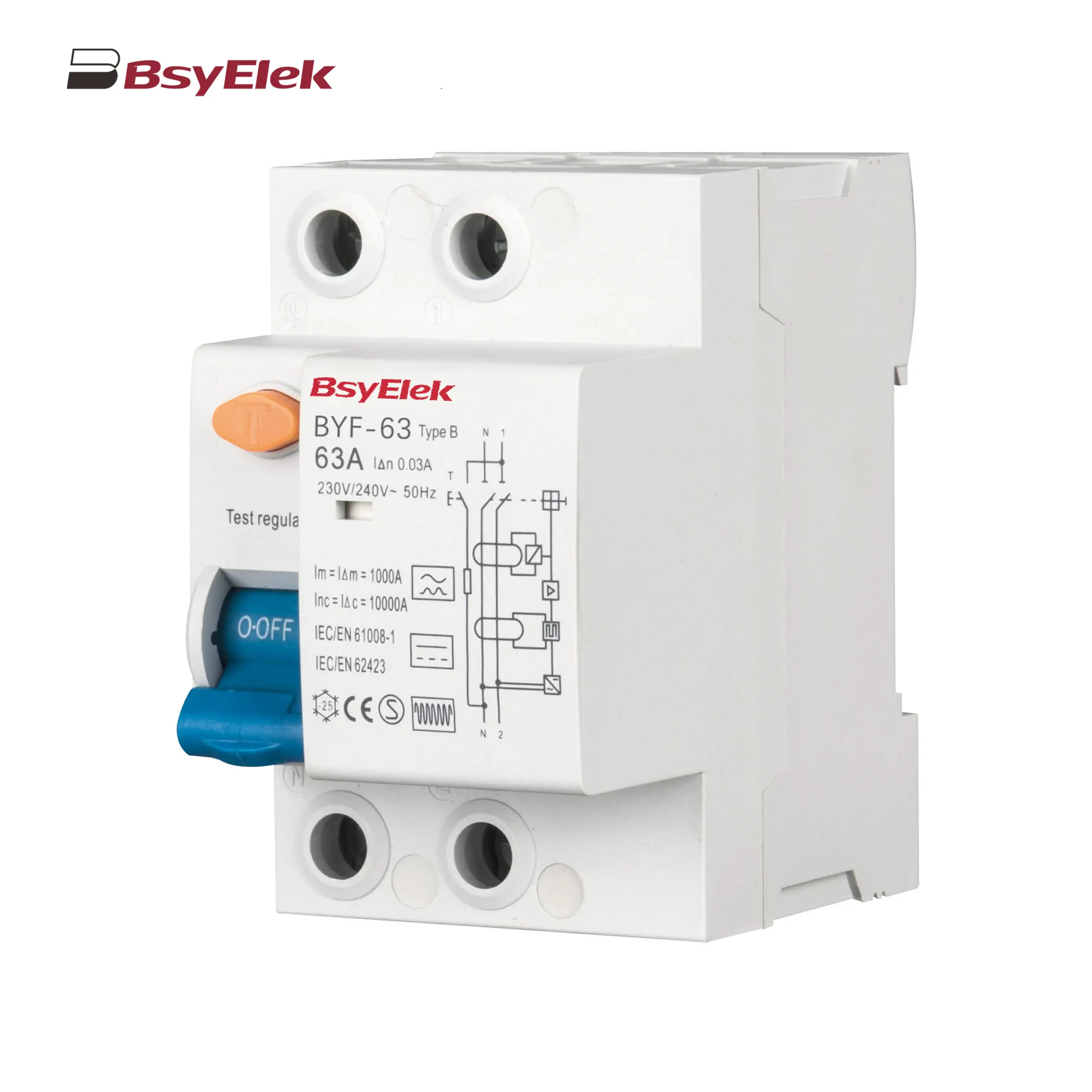 BYF-63 RCD 10KA Type B AC+A+Smoothing DC Residual Current Device
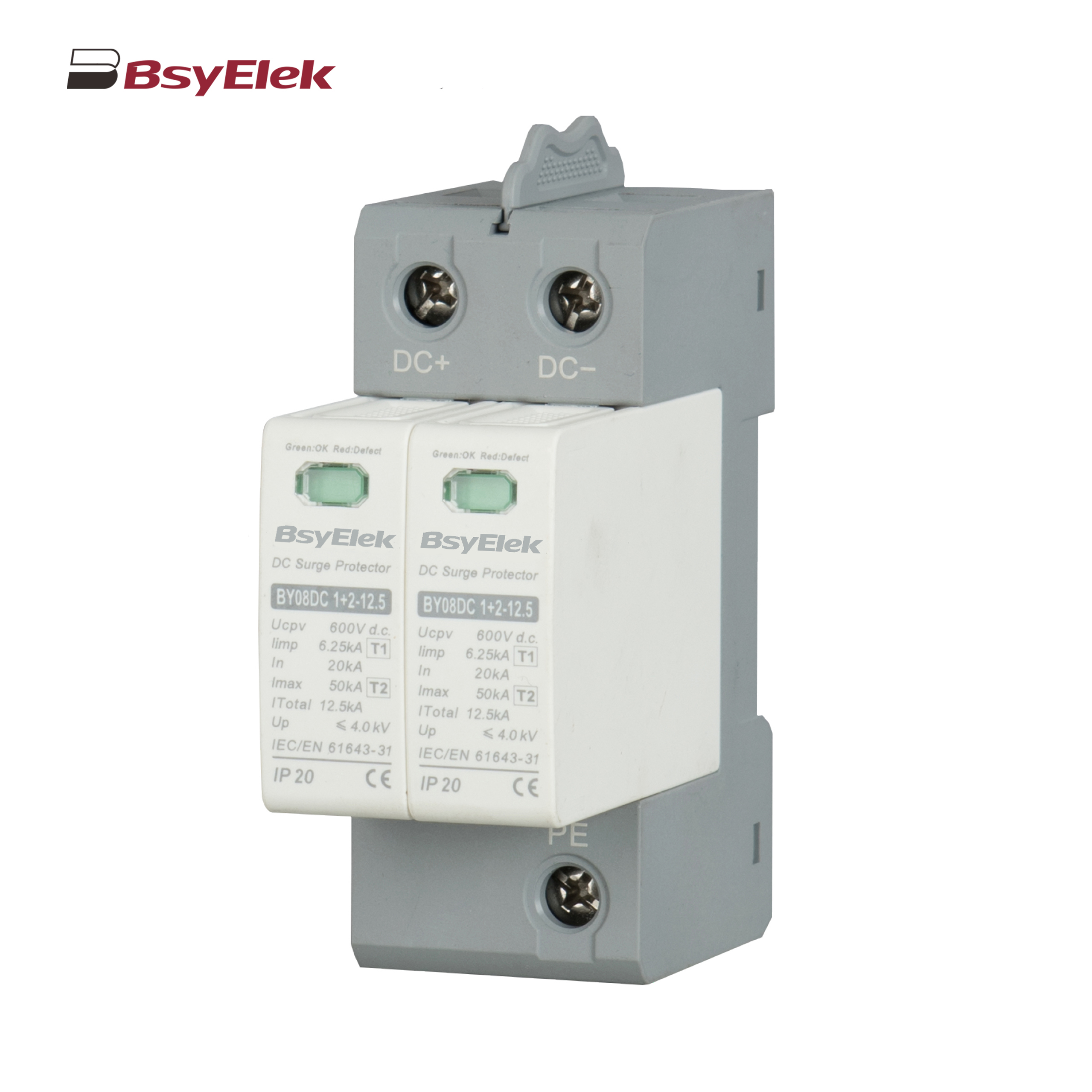 BY08DC 1+2-12.5 SPD Class T1+T2 40KA DC Surge Protective Device
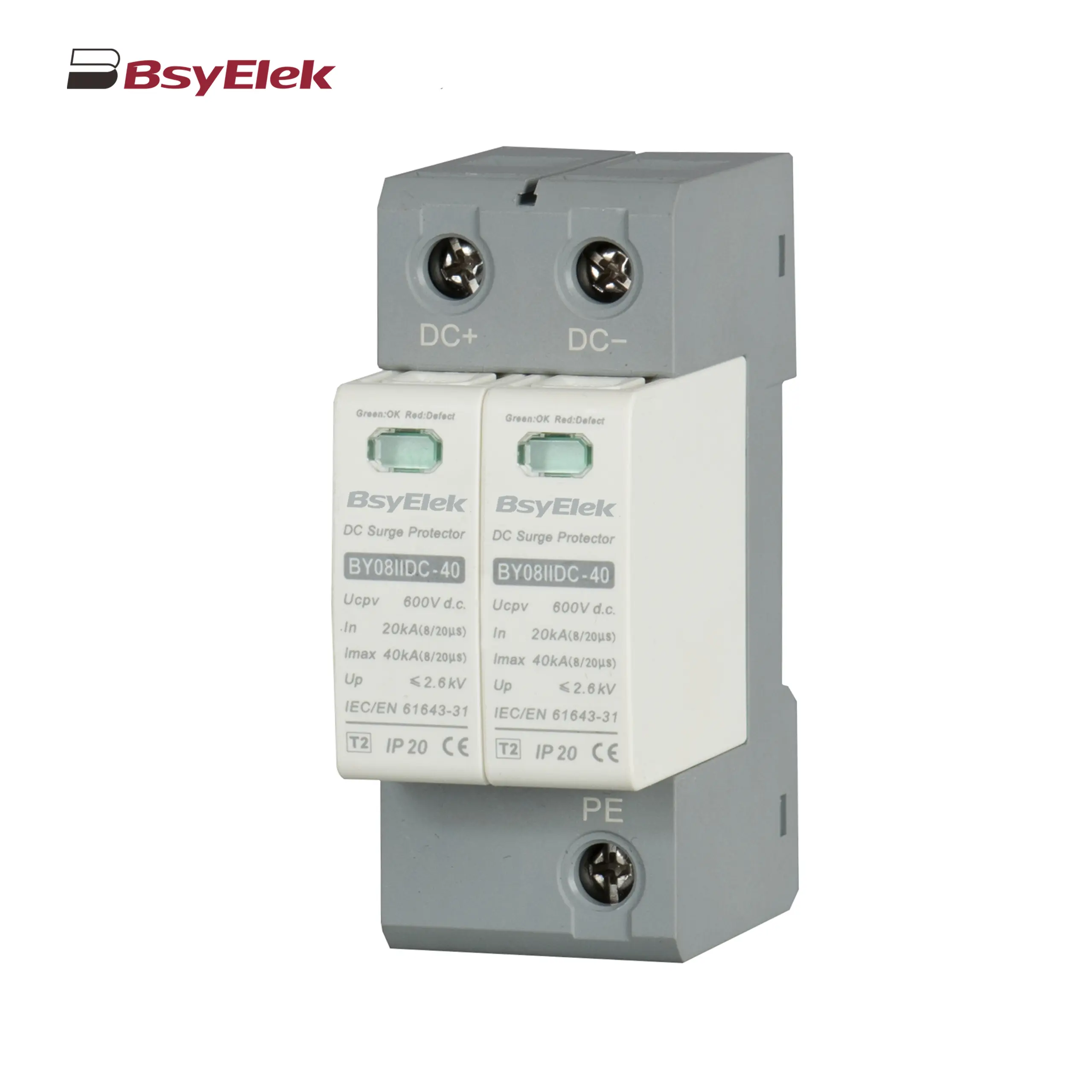 BY08IIDC-40 SPD Class T2 40KA DC Surge Protective Device
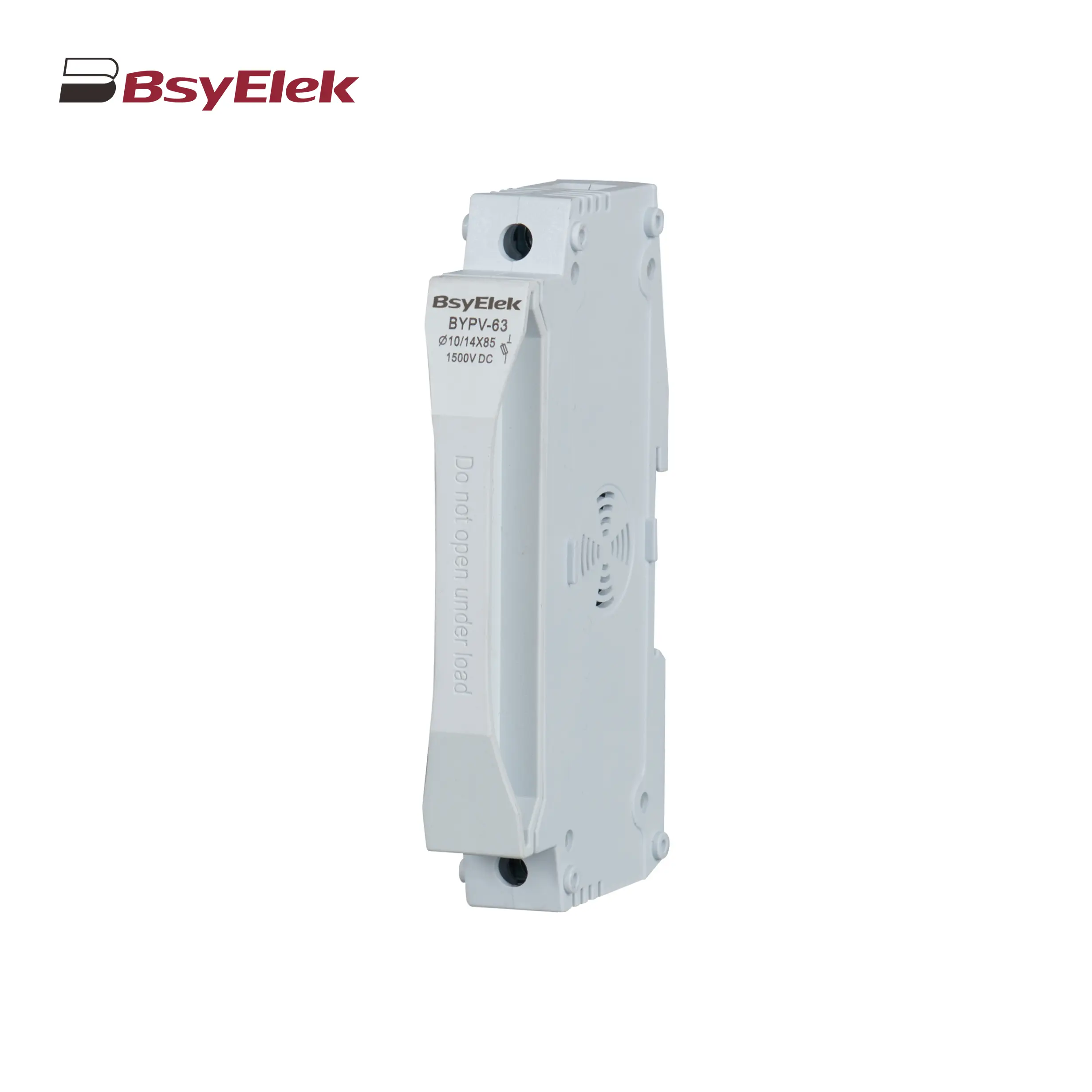 BYPV-63 1500VDC 50A Fuse Holder with 10x85mm 14x85mm Fuse Link
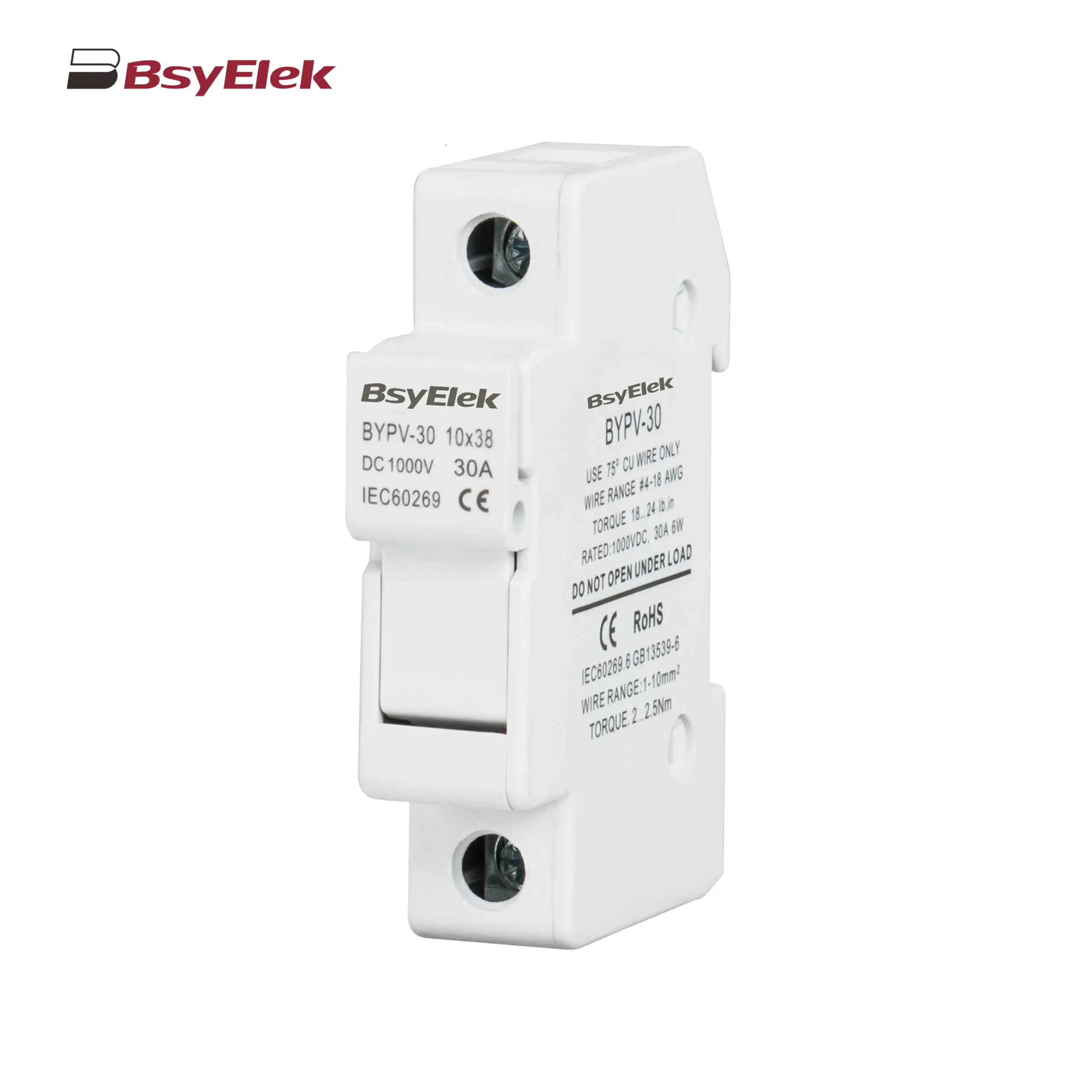 BYPV-30 1000VDC 32A Fuse Holder with 10x38mm Fuse Link
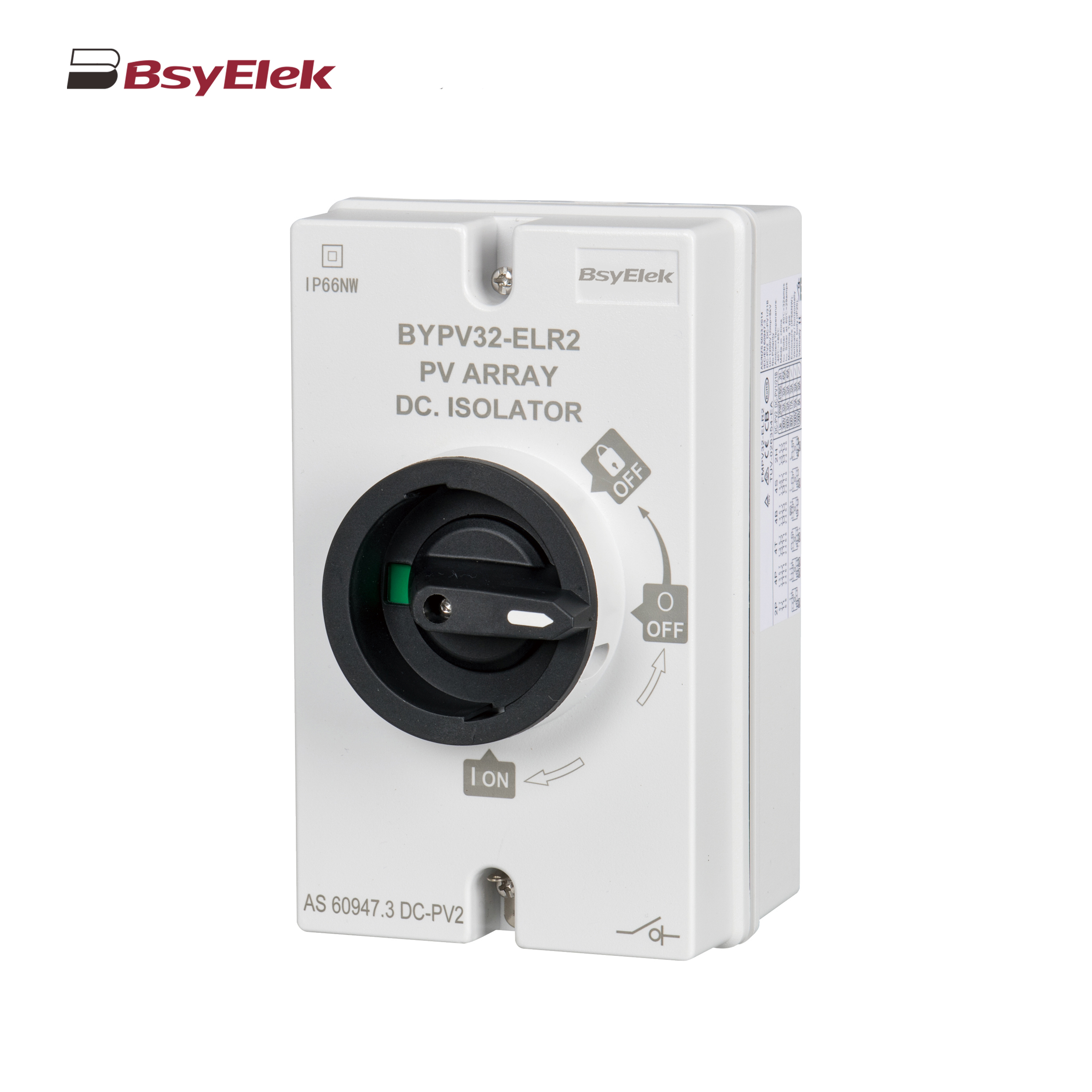 BYPV-ELR2 PV Isolator Switch with Enclosed Version
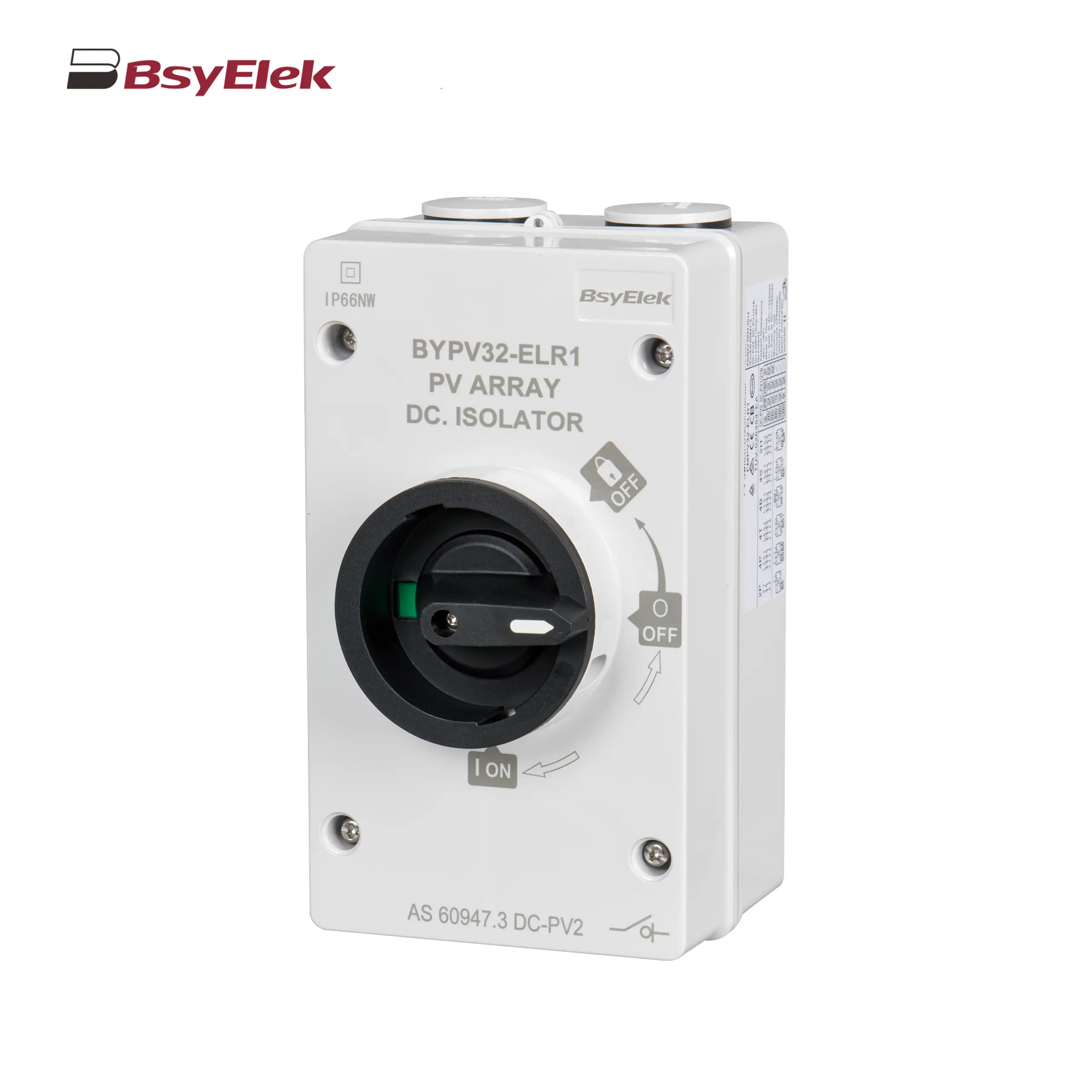 BYPV-ELR1 PV Isolator Switch with Enclosed Version
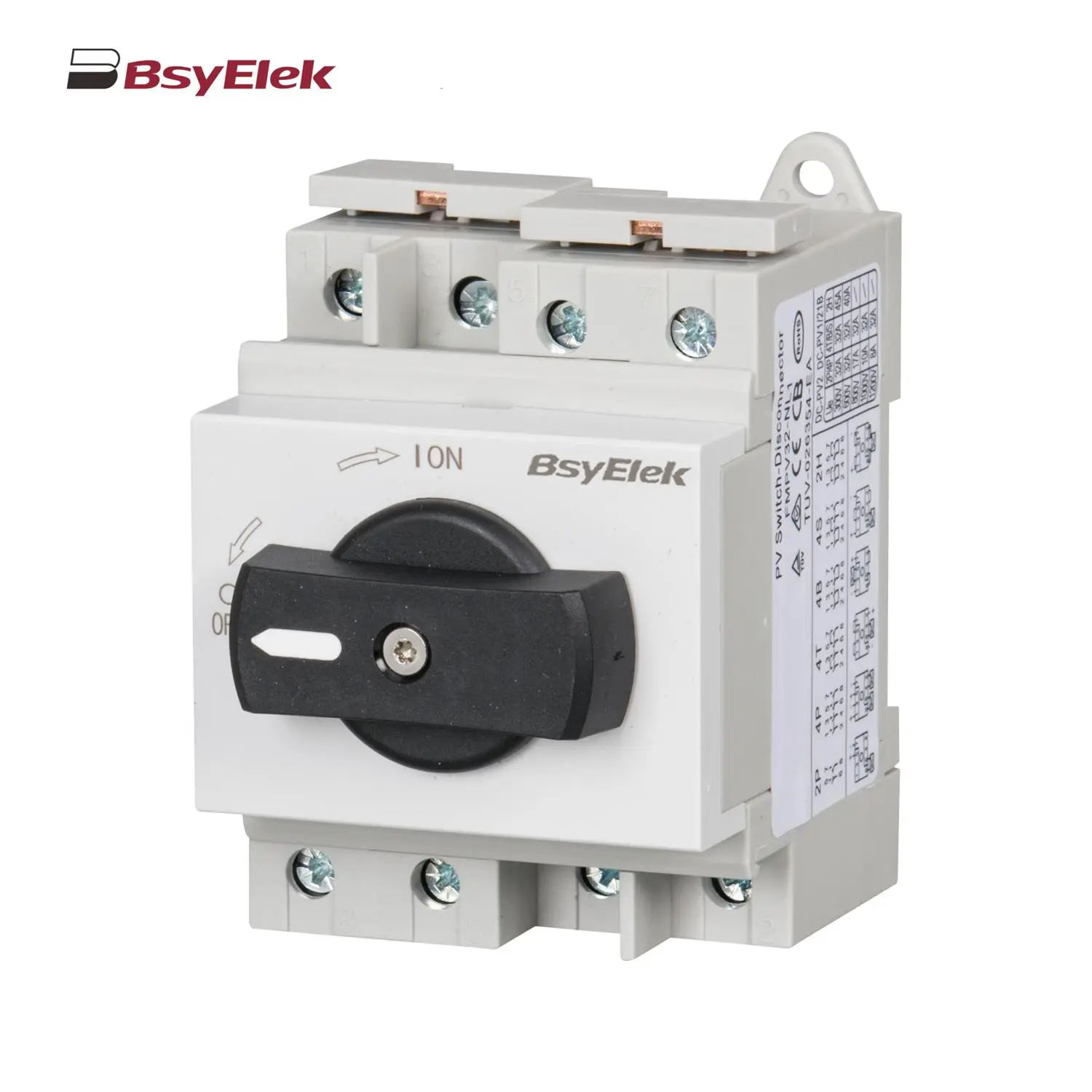 BYPV-NL1/T PV Isolator Switch with Ultra-thin Lever Handle
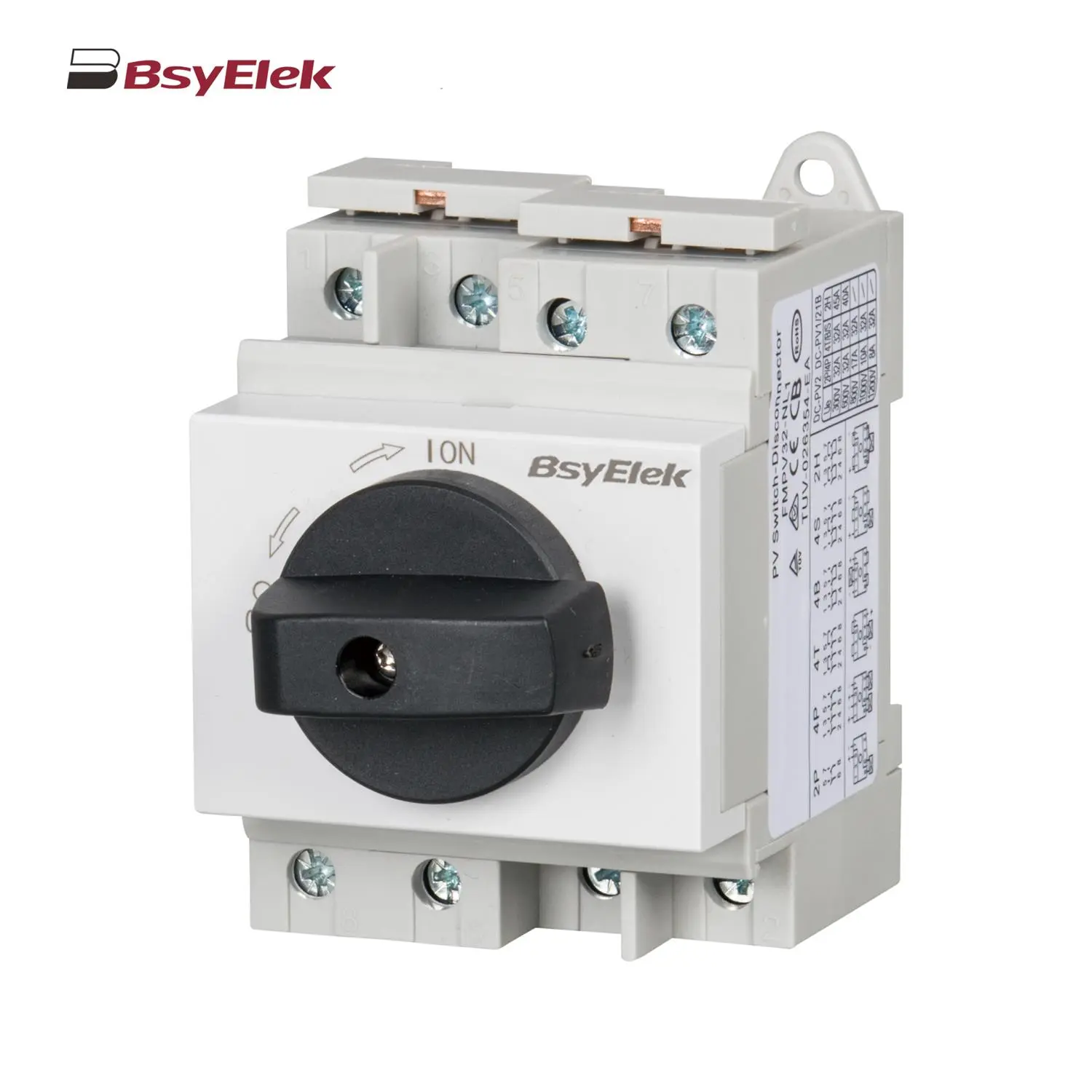 BYPV-NL1 PV Isolator Switch with Lever Handle
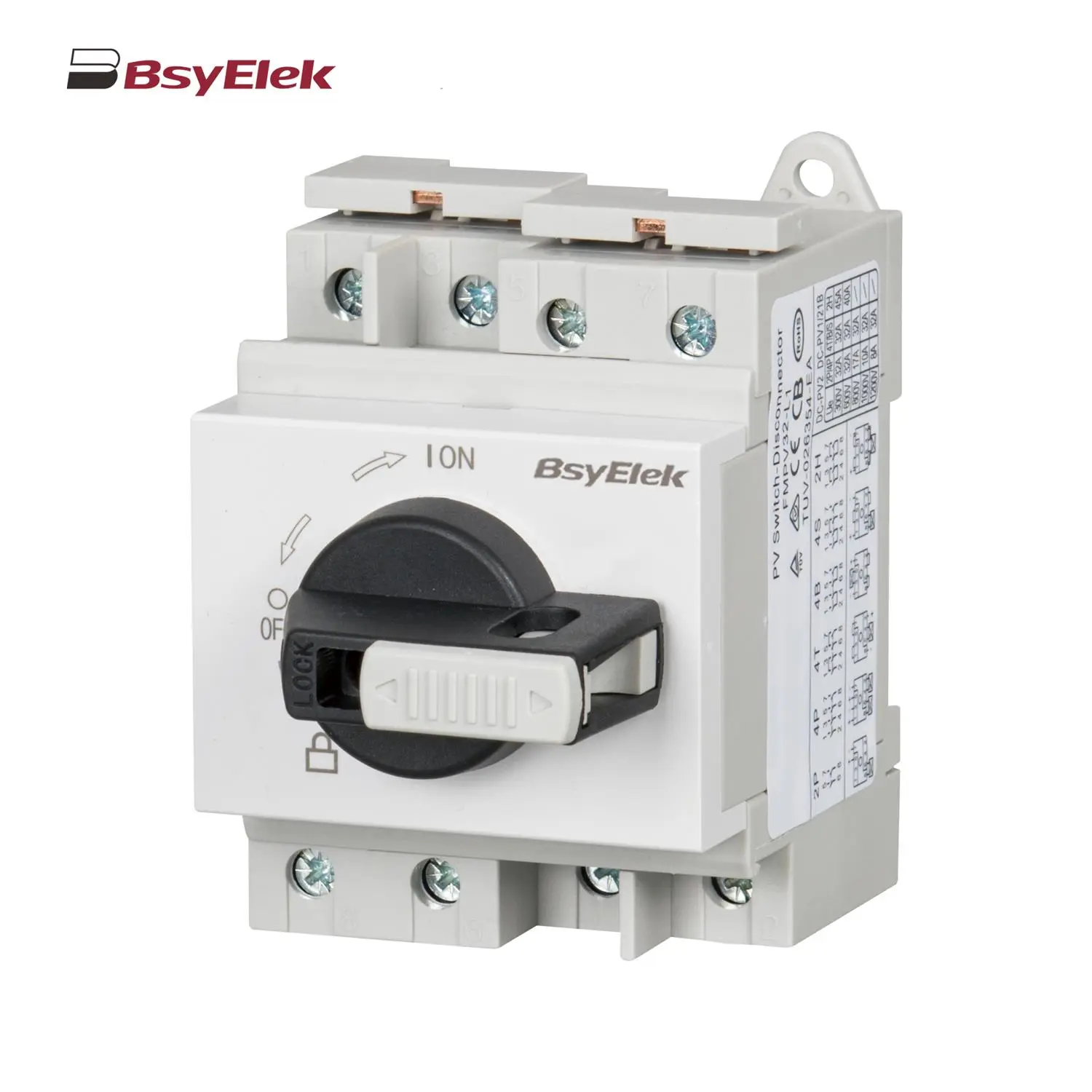 BYPV-L1/L2 PV Isolator Switch with Lockable Lever Handle
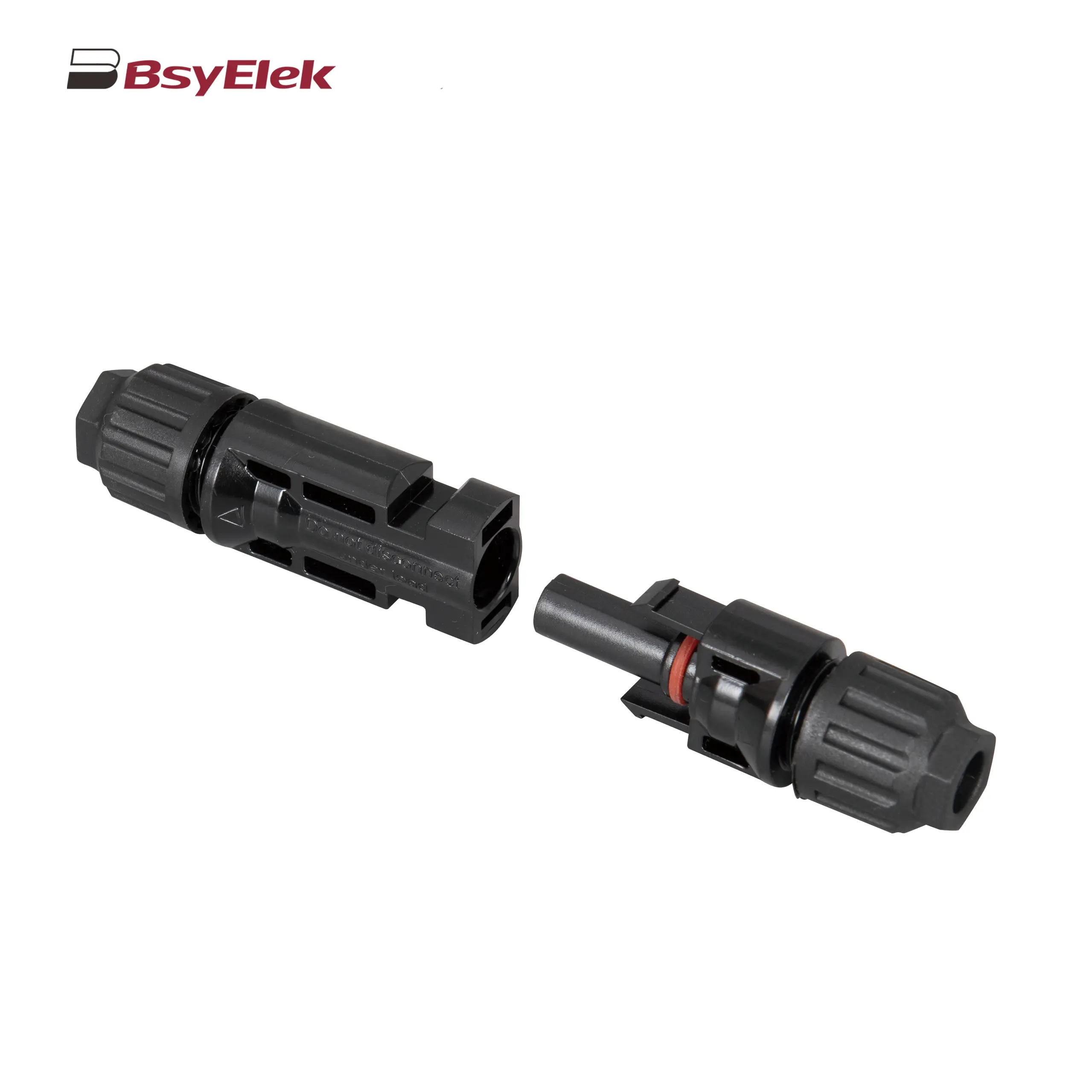 PV-BY-01 30A/50A 1000V Photovoltaic Connector
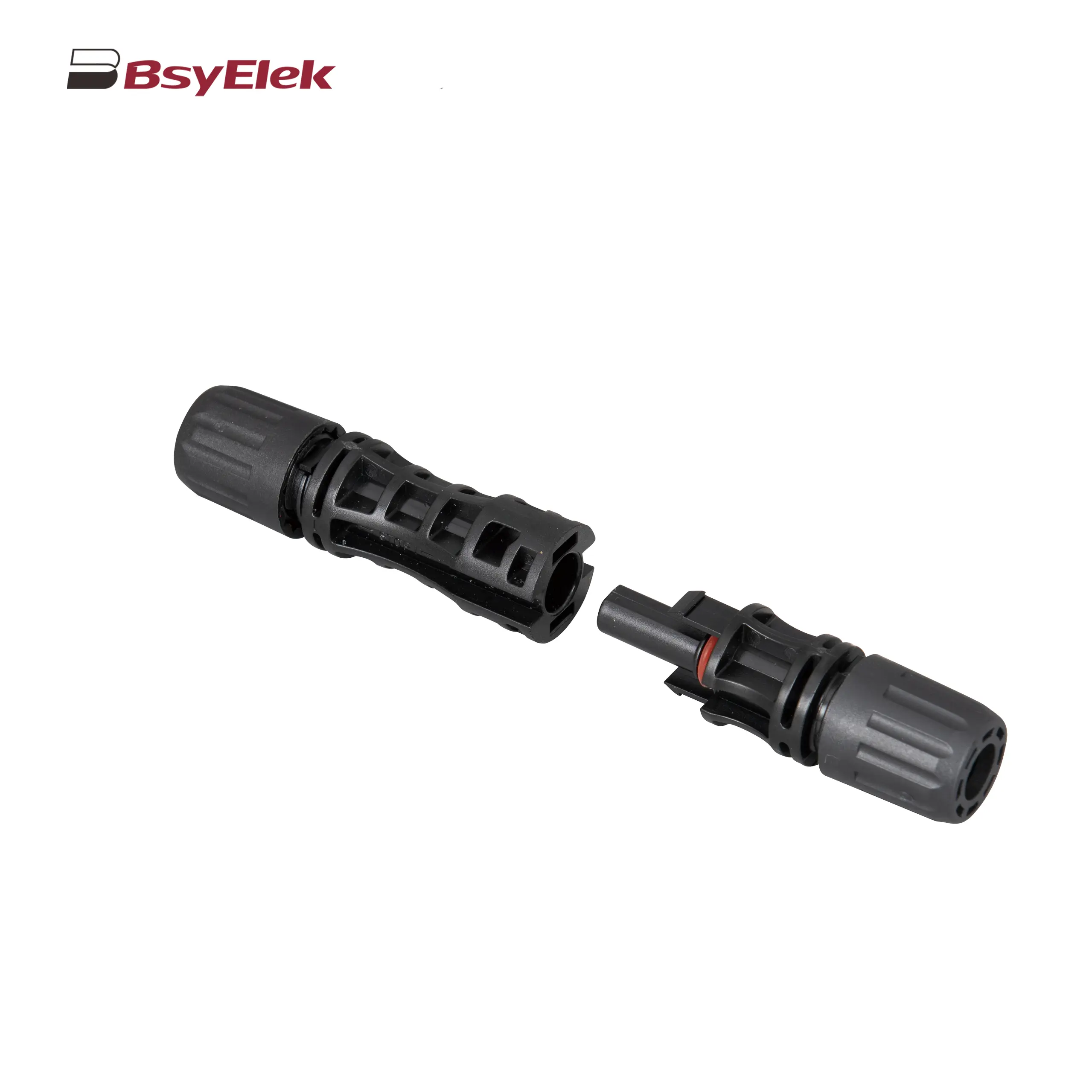 PV-BY-02 30A/50A 1500V Photovoltaic Connector
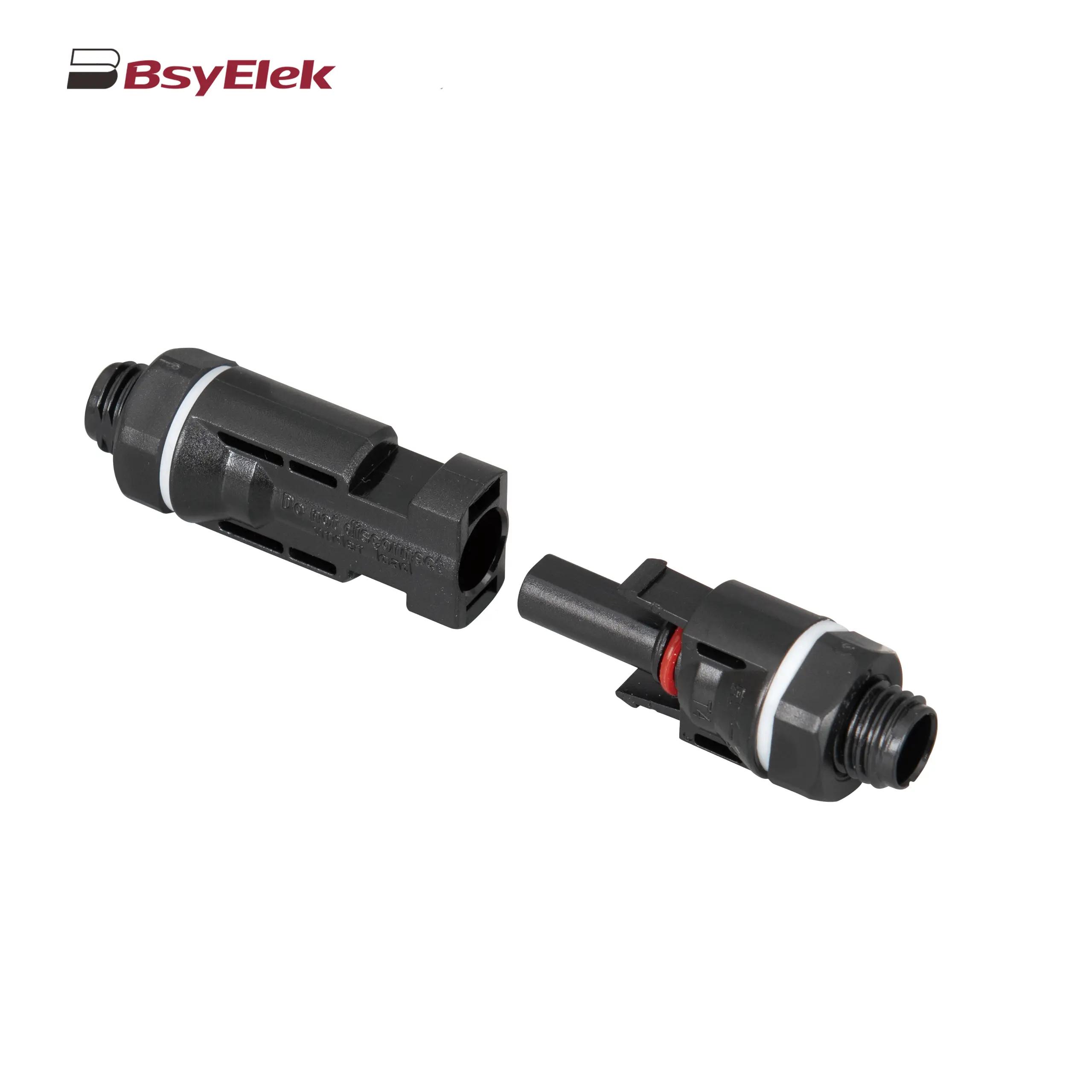 PV-BY-03 30A/50A 1000V Panel Mount Photovoltaic Connector
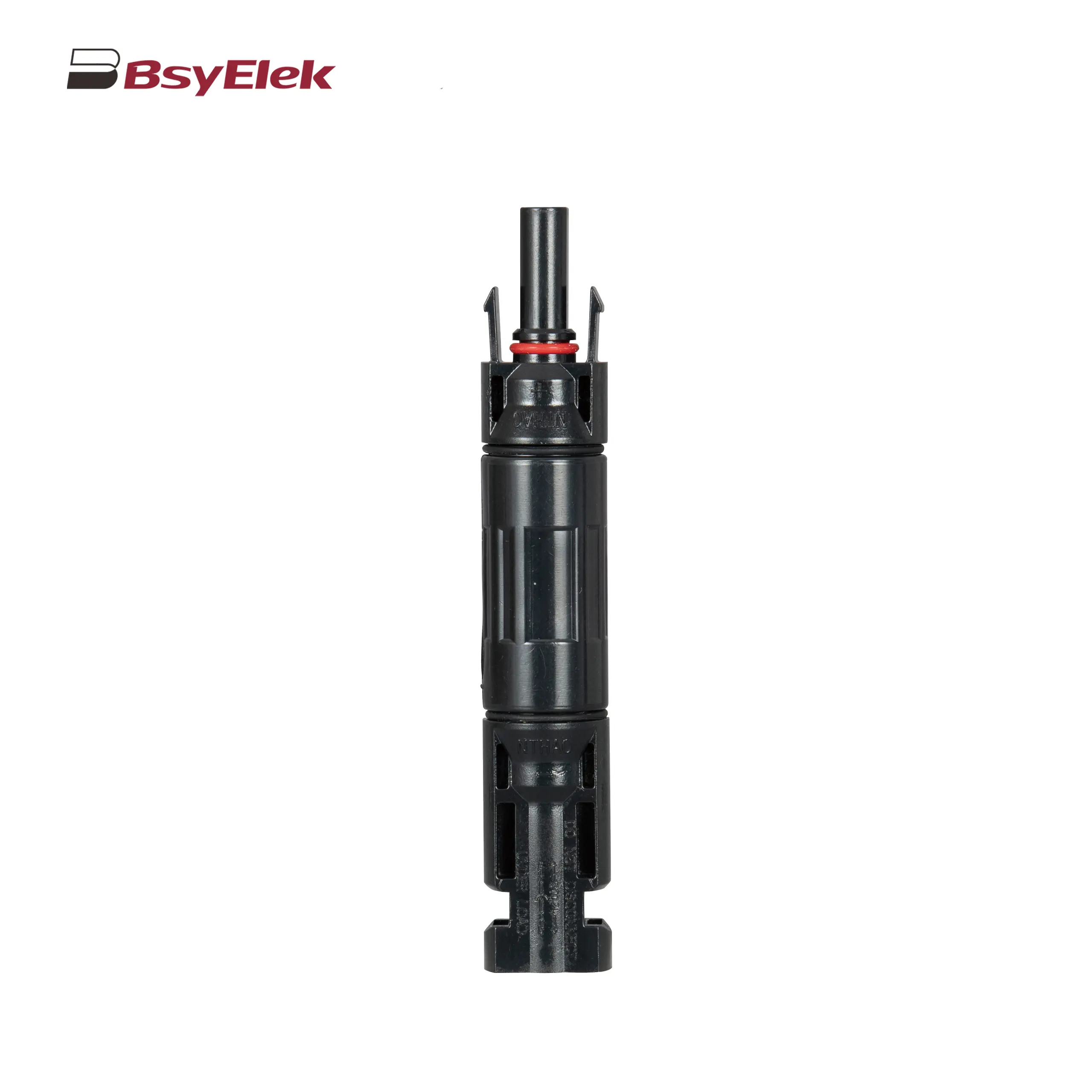 PV-BY-F01 30A 1500V Diode/Fuse Type Connector
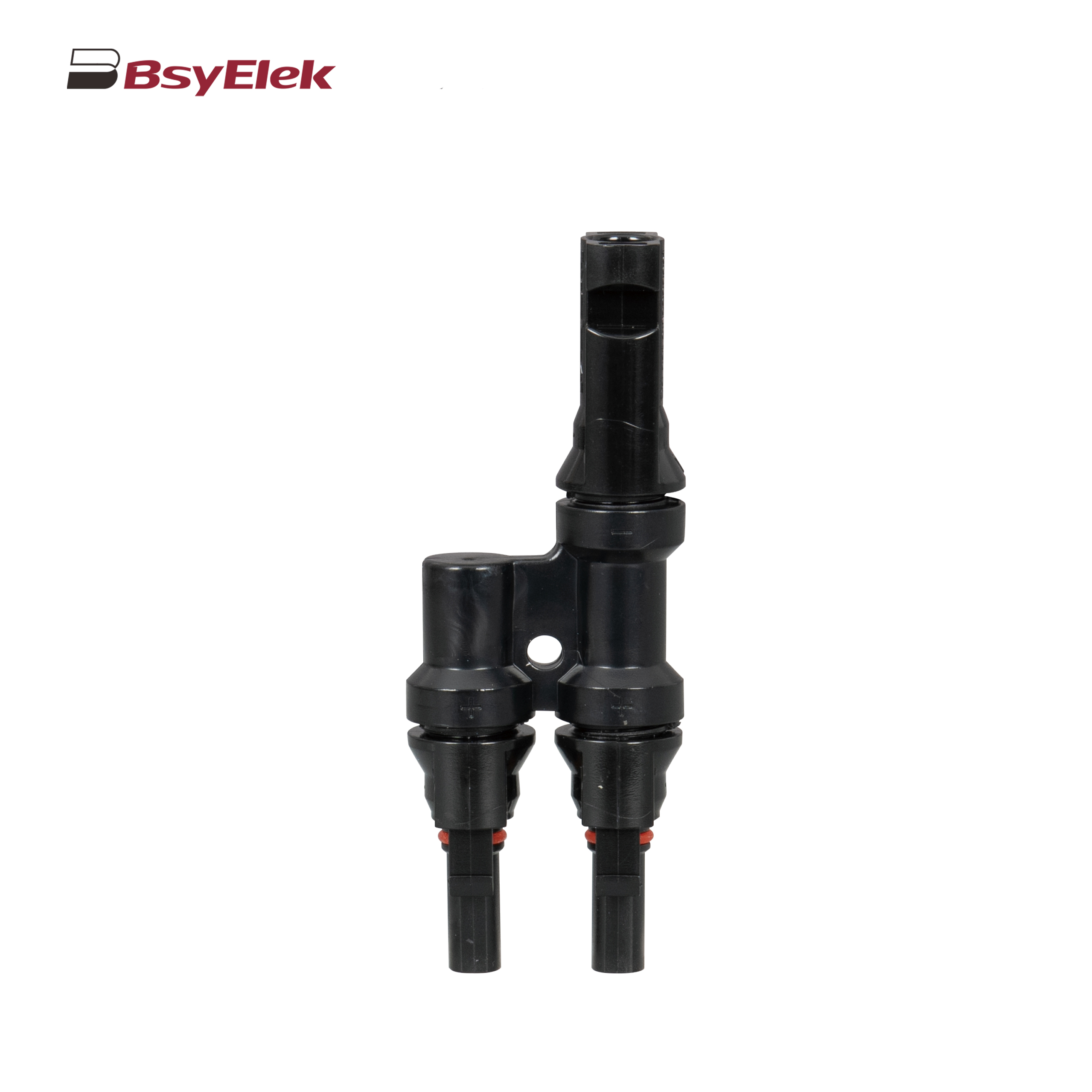 PV-BY-T 50A 1500V T Type Branch Connector
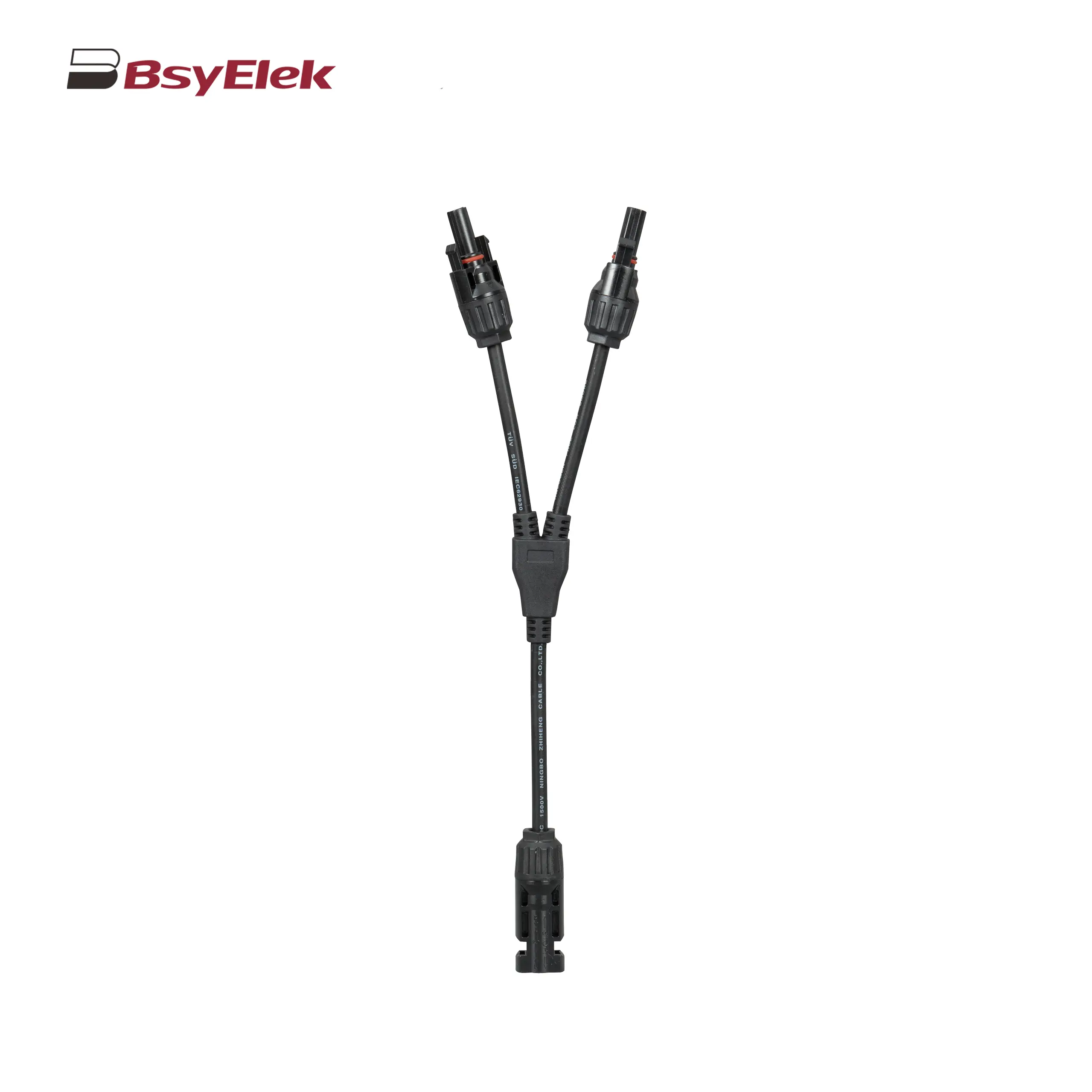 PV-BY-Y 30A 1500V Y Type Branch Connector
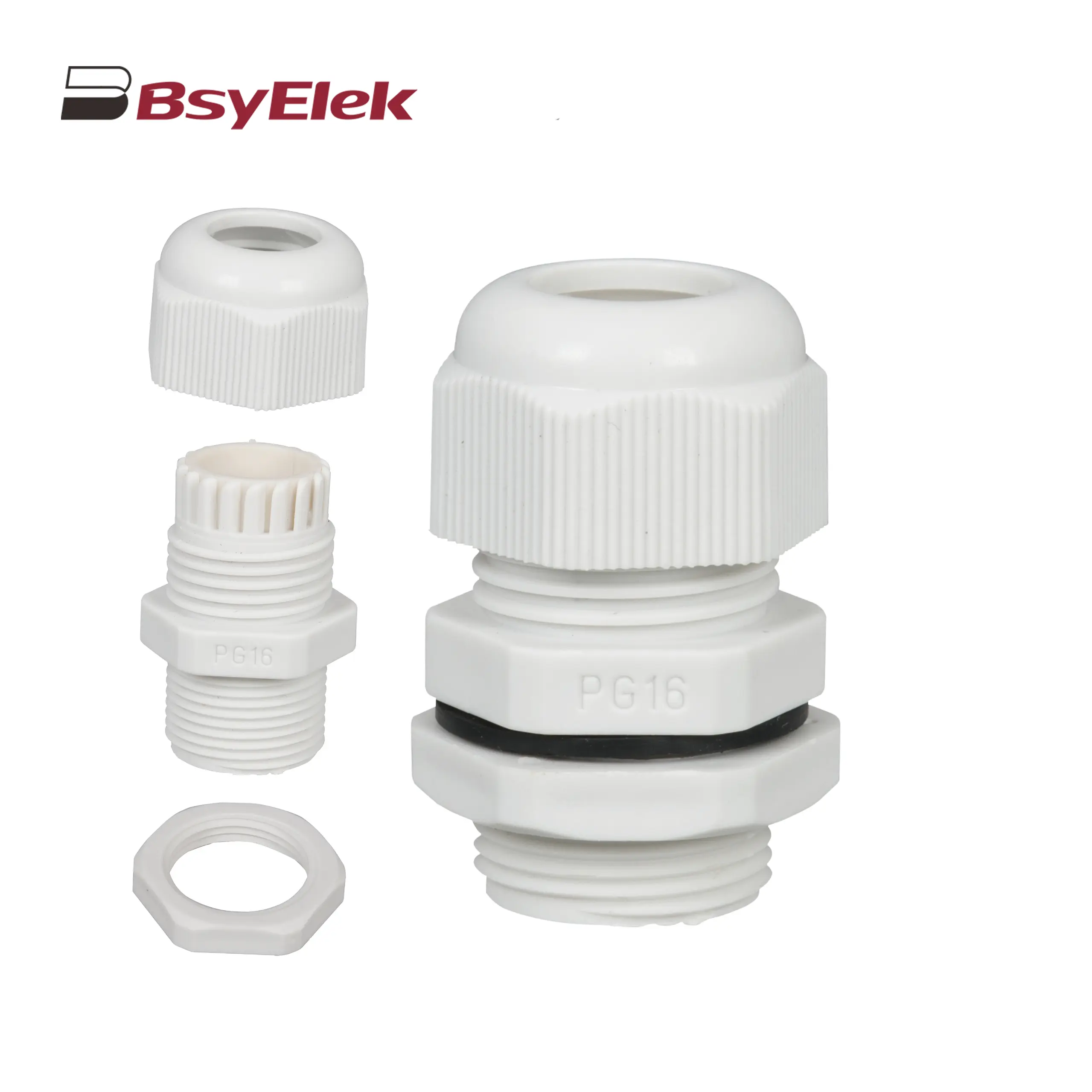 PG Waterproof Cable Gland with Washer
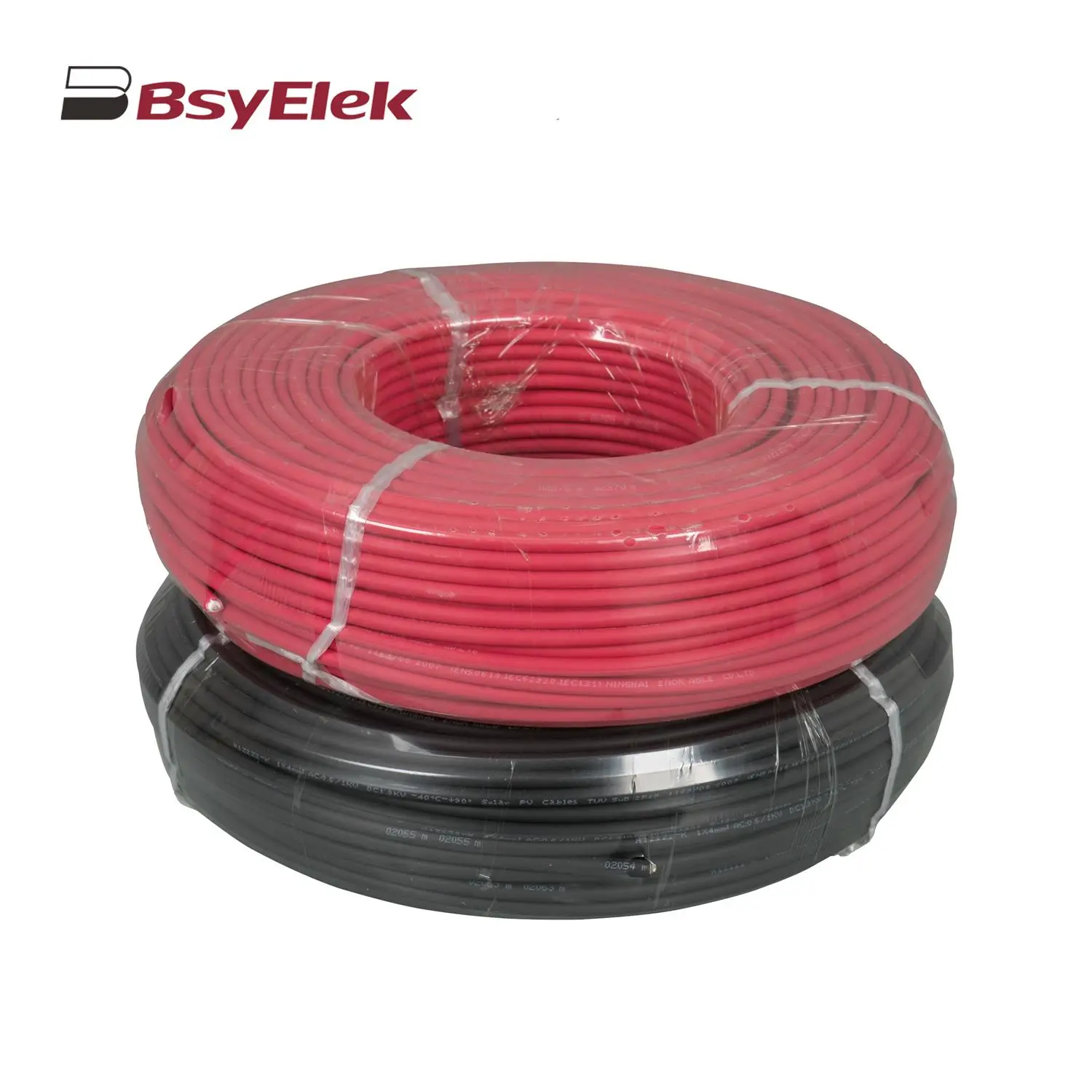 Photovoltaic Cable
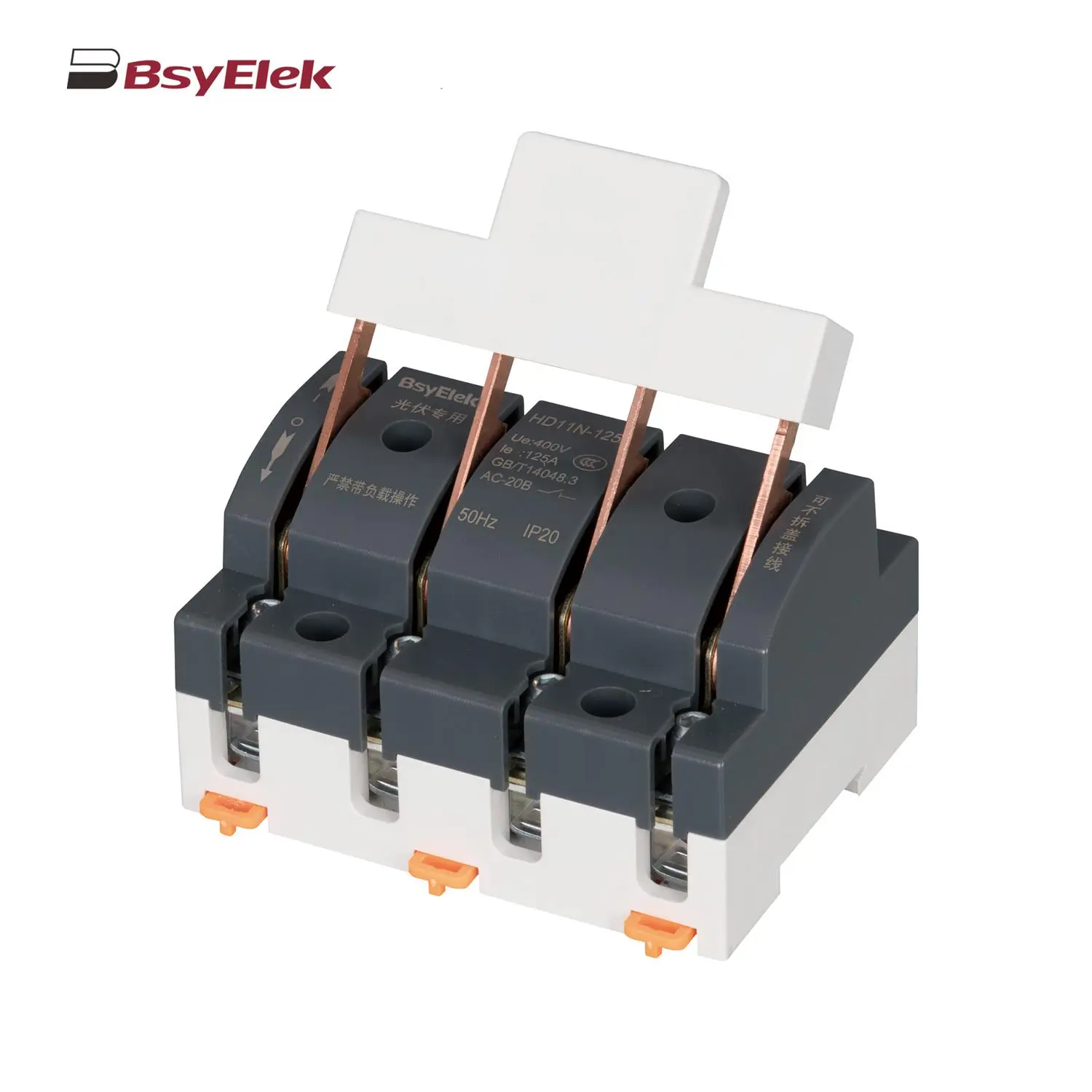 HD11N Photovoltaic Knife Switch
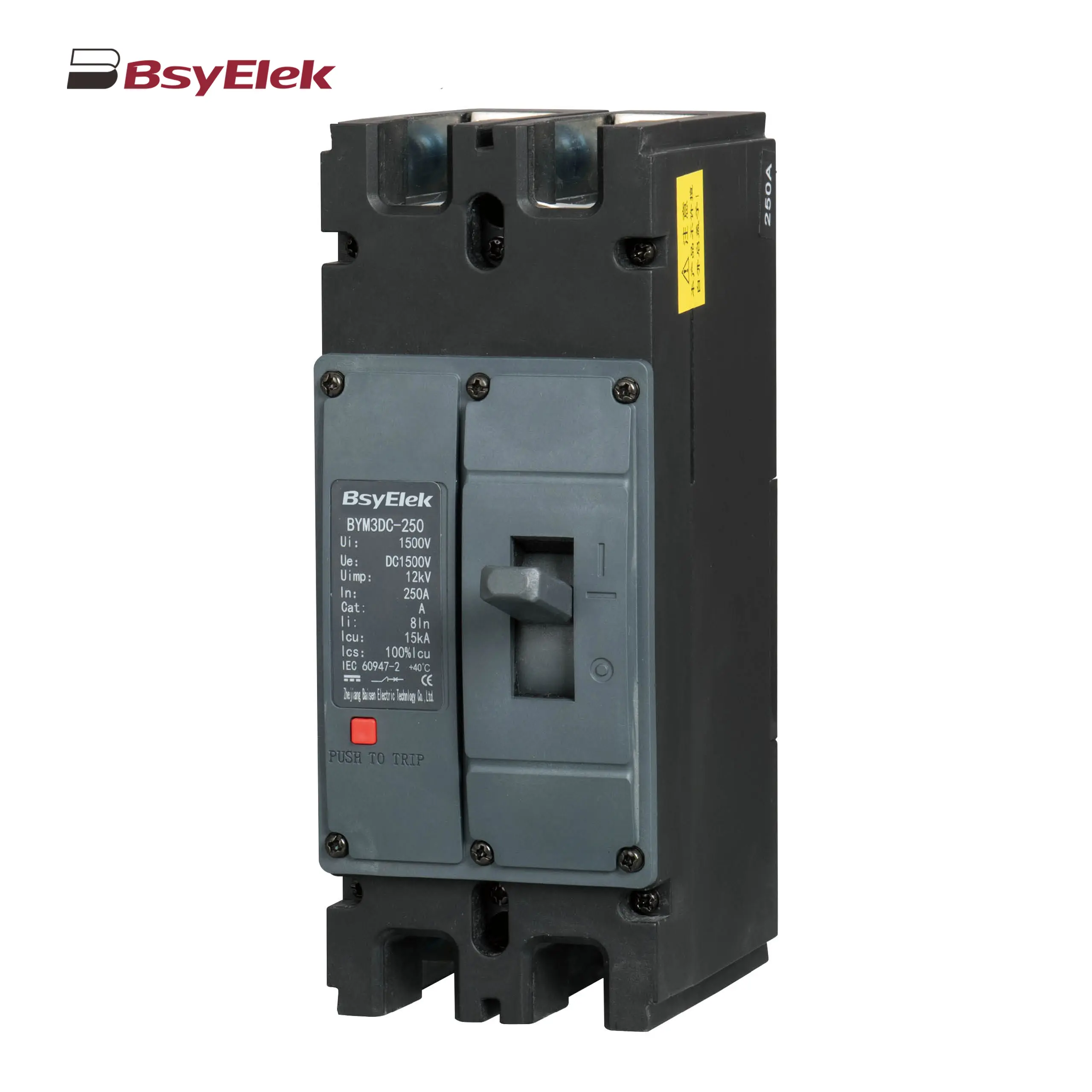 BYM3DC MCCB Photovoltaic DC Molded Case Circuit Breaker
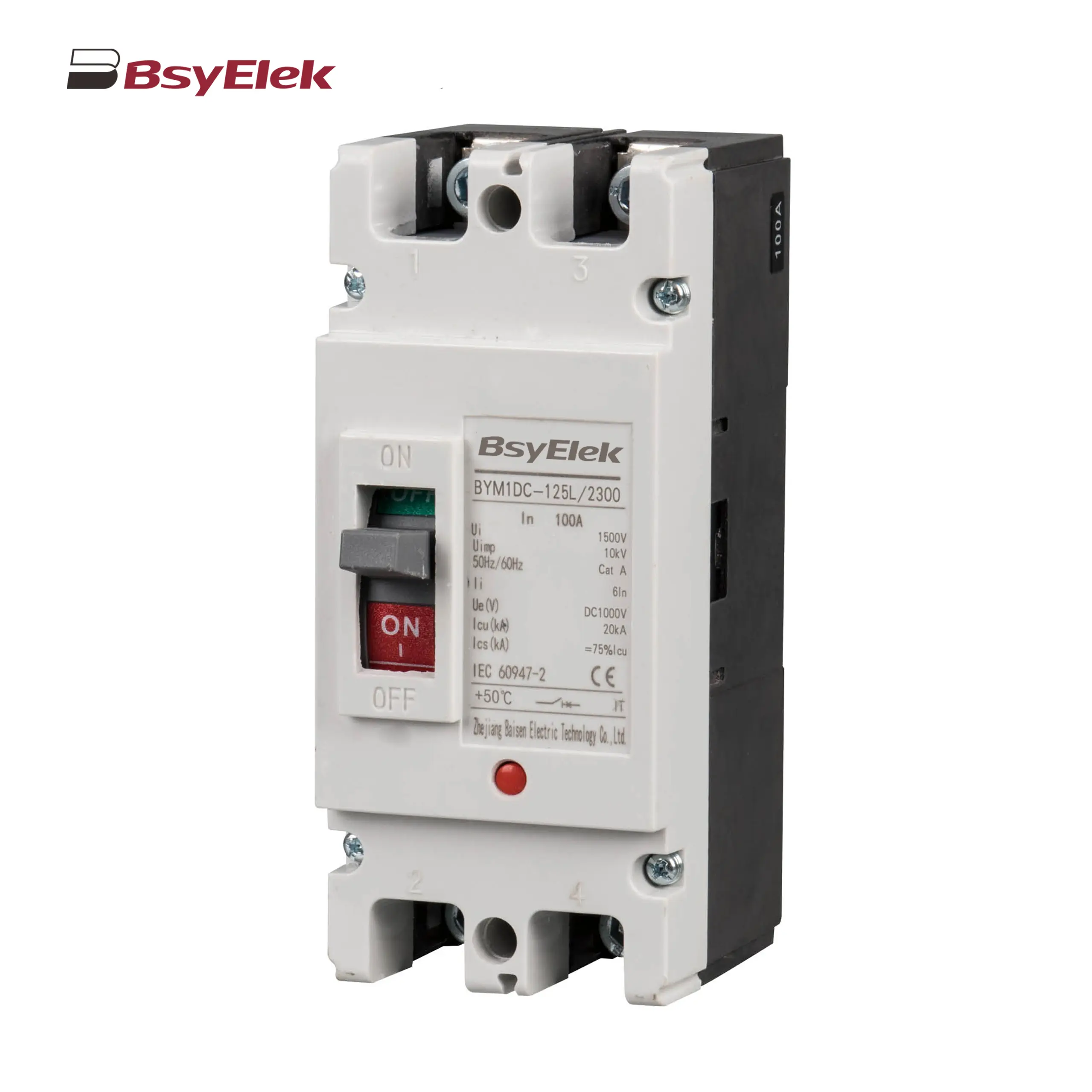 BYM1DC MCCB 1000VDC Thermal Magnetic Type DC Molded Case Circuit Breaker
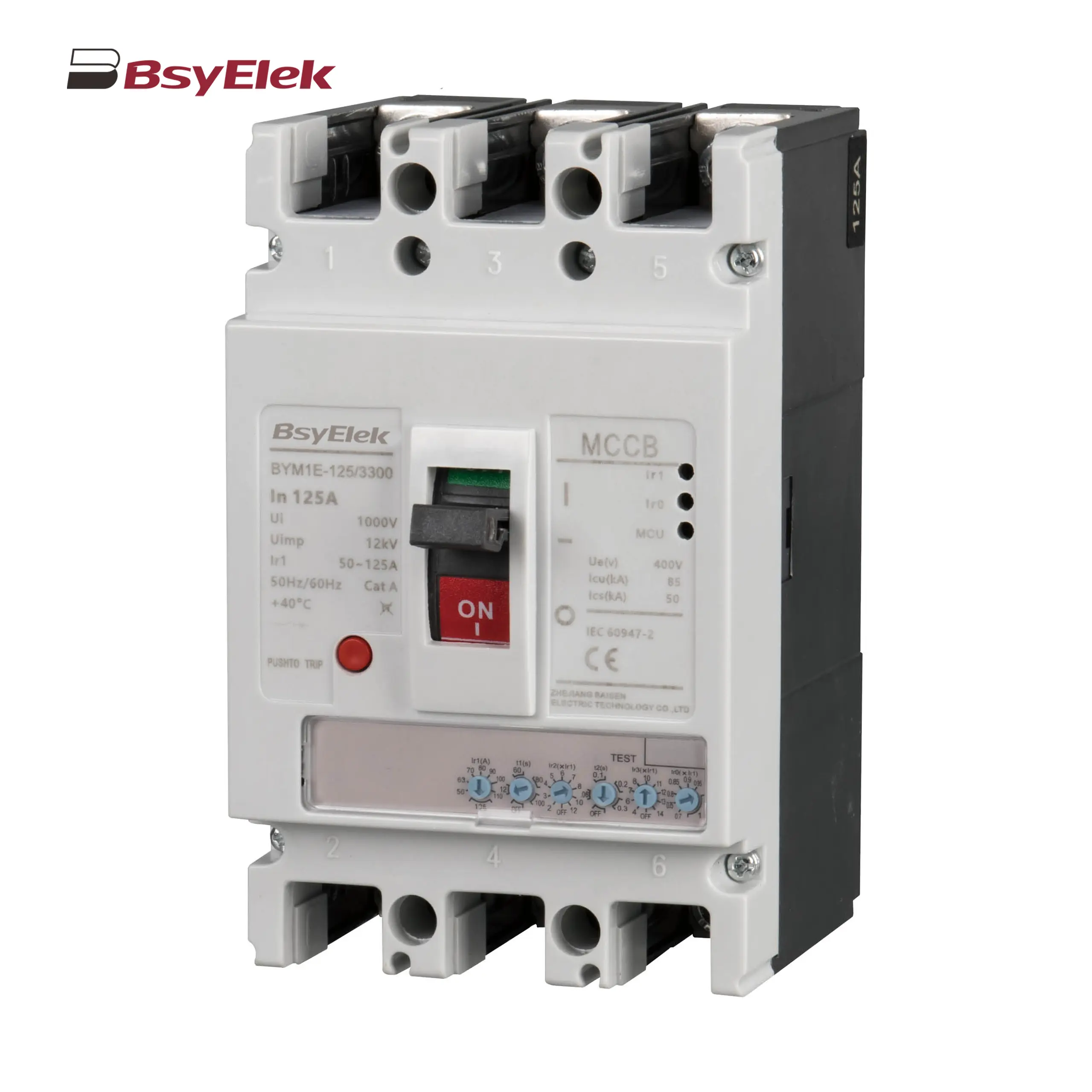 BYM1E MCCB Electronic Type Molded Case Circuit Breaker
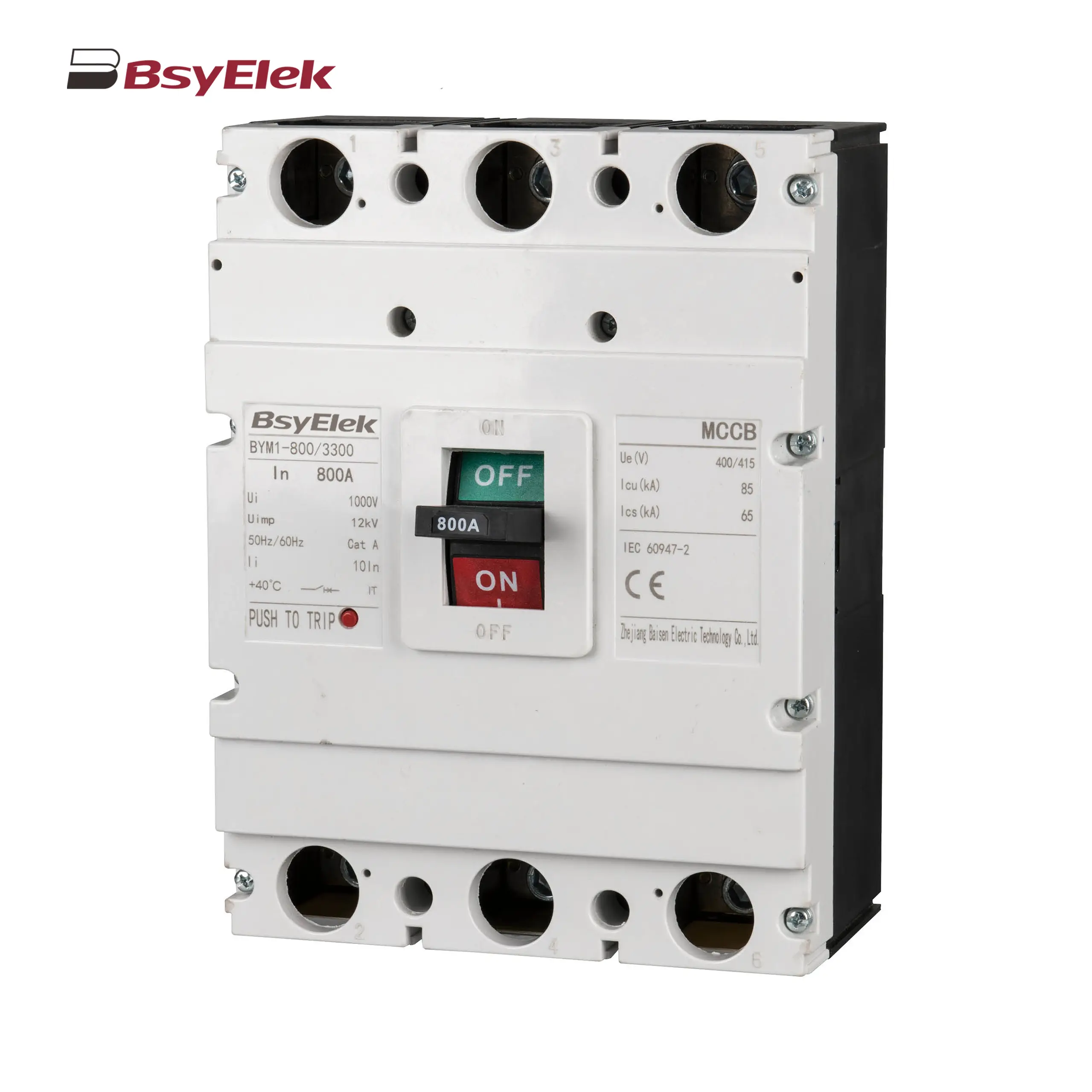 BYM1 MCCB Thermal Magnetic AC Molded Case Circuit Breaker
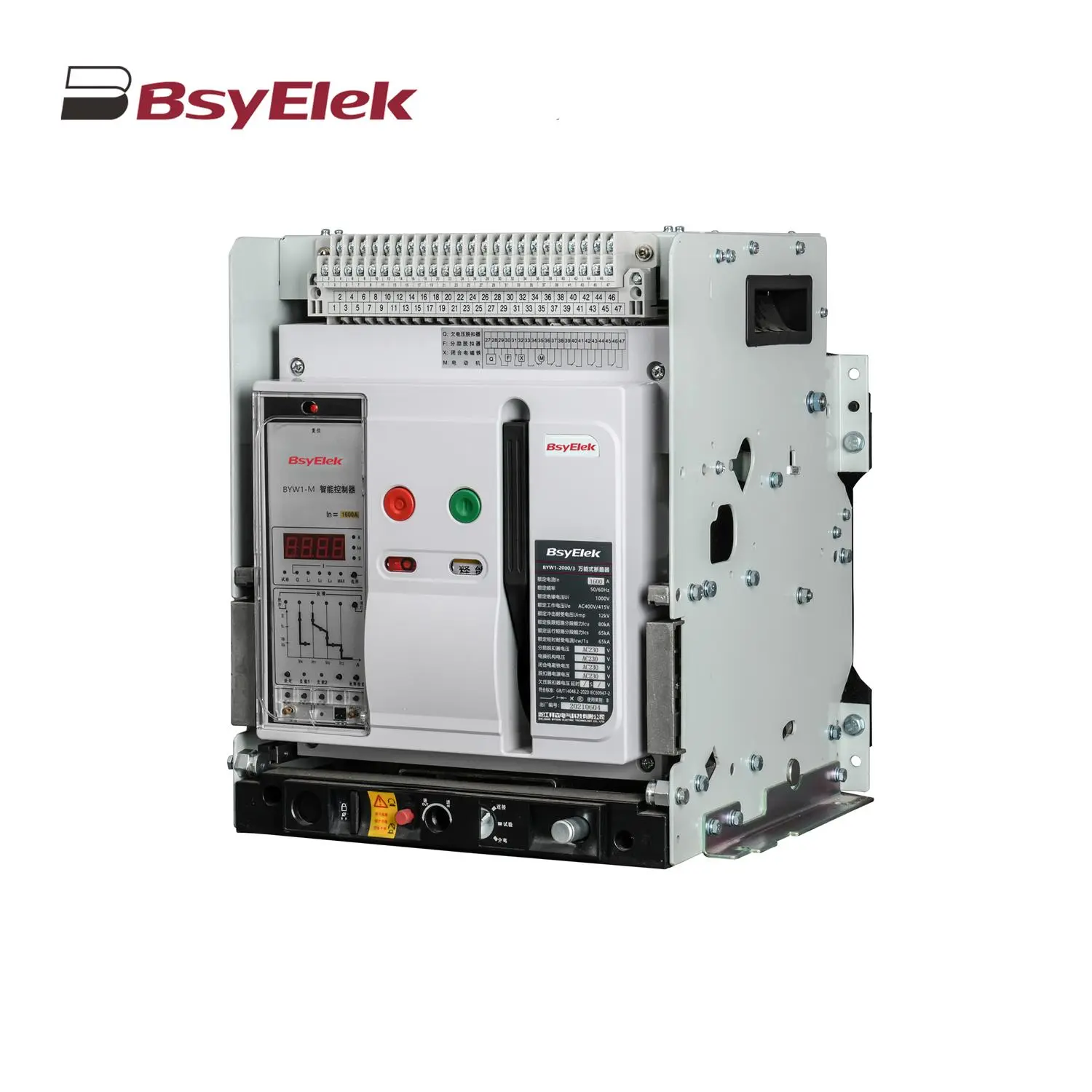 BYW1 ACB Intelligent Universal Air Circuit Breaker
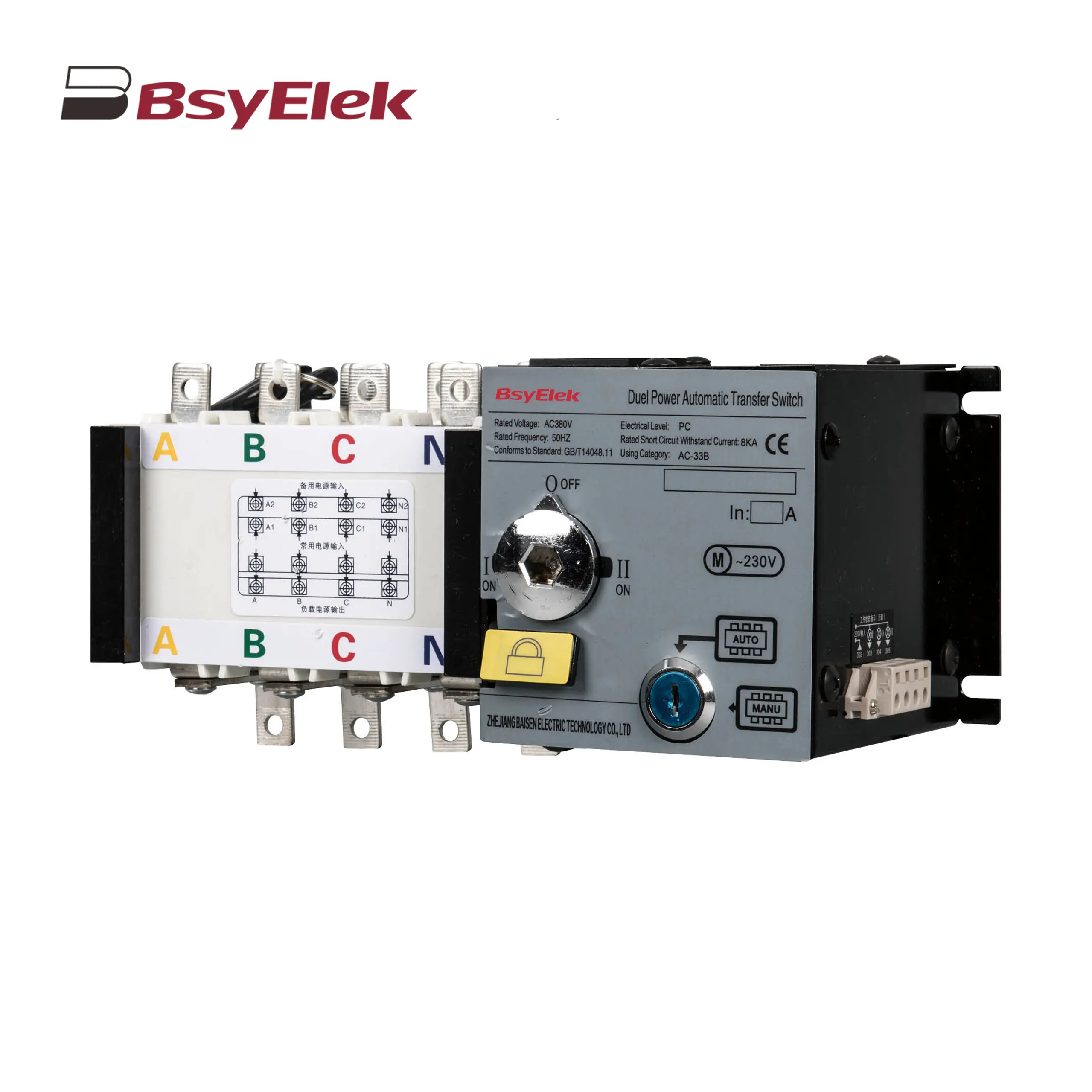 BYQ1 ATS Isolated Type PC Level Dual Power Automatic Transfer Switch
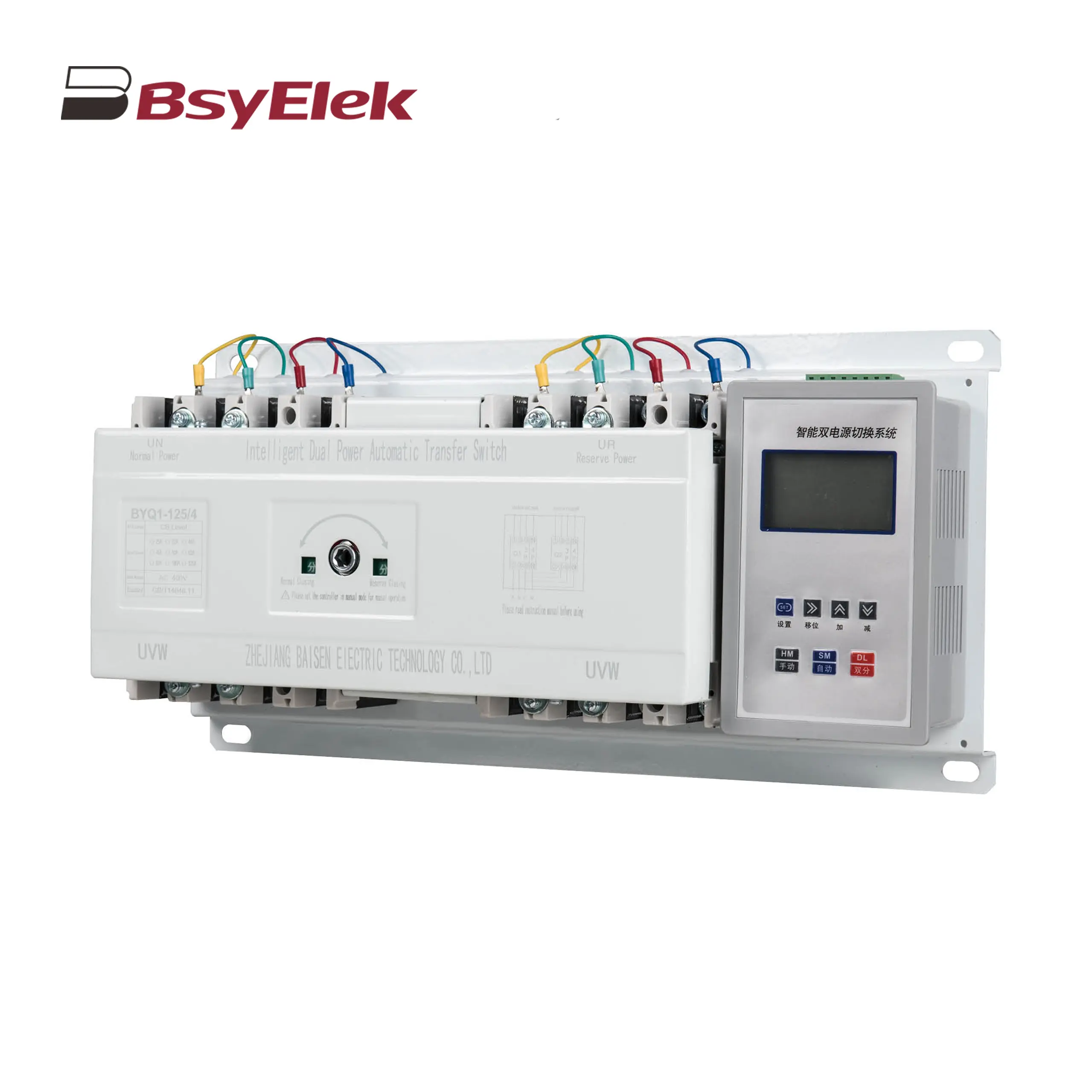 BYQ1 ATS Intelligent Type CB Level Dual Power Automatic Transfer Switch
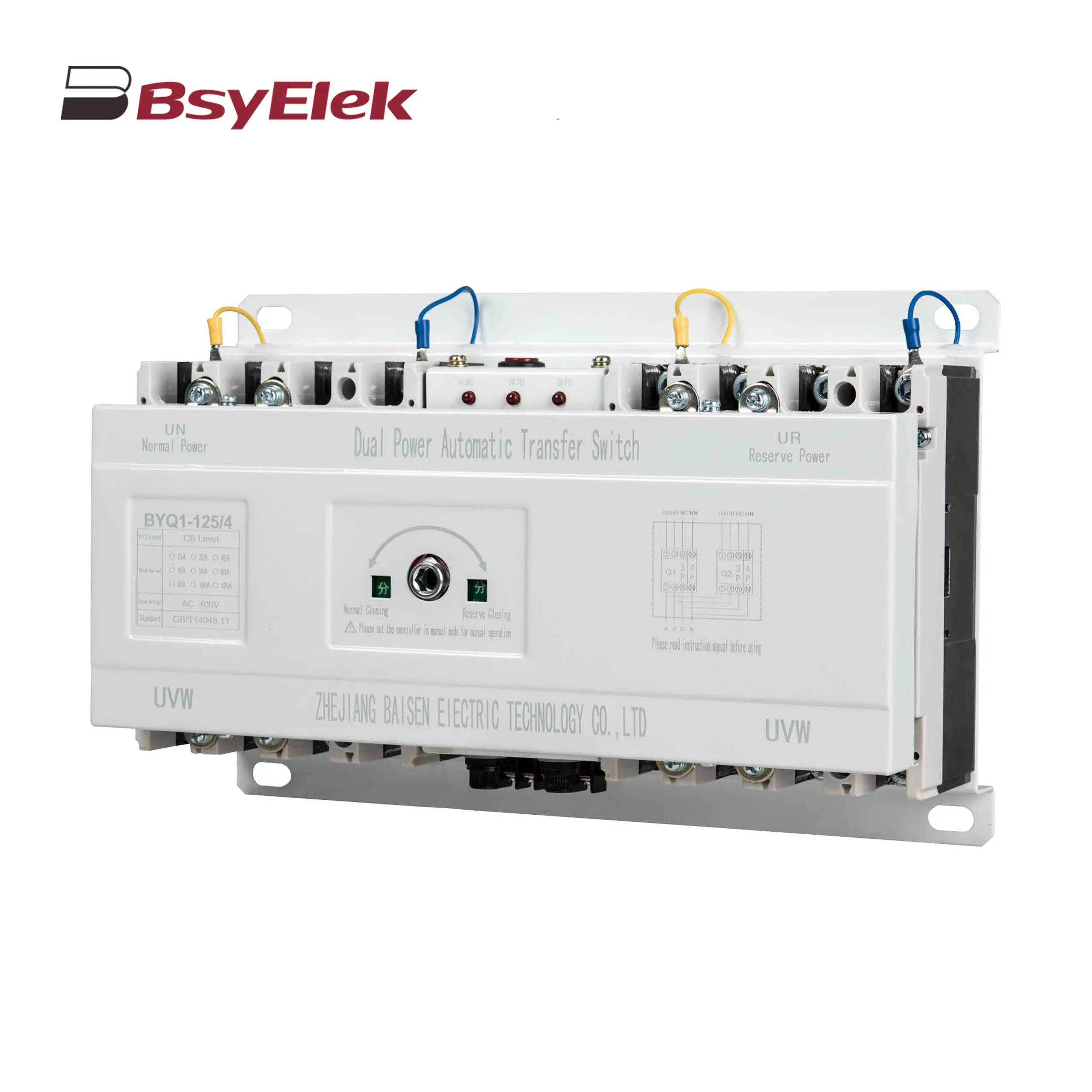 BYQ1 ATS End Type CB Level Dual Power Automatic Transfer Switch
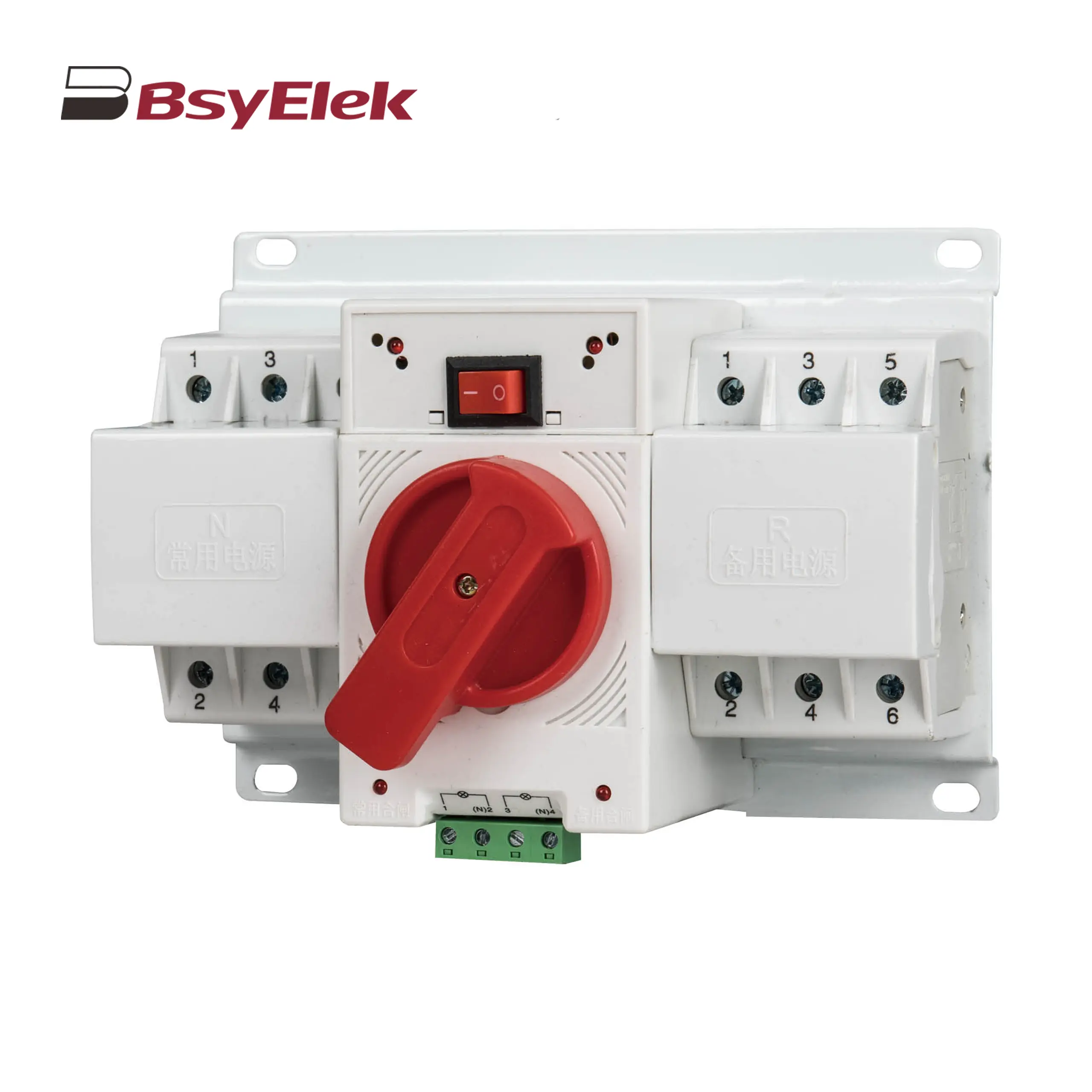 BYQ1 ATS Mini Type CB Level Dual Power Automatic Transfer Switch
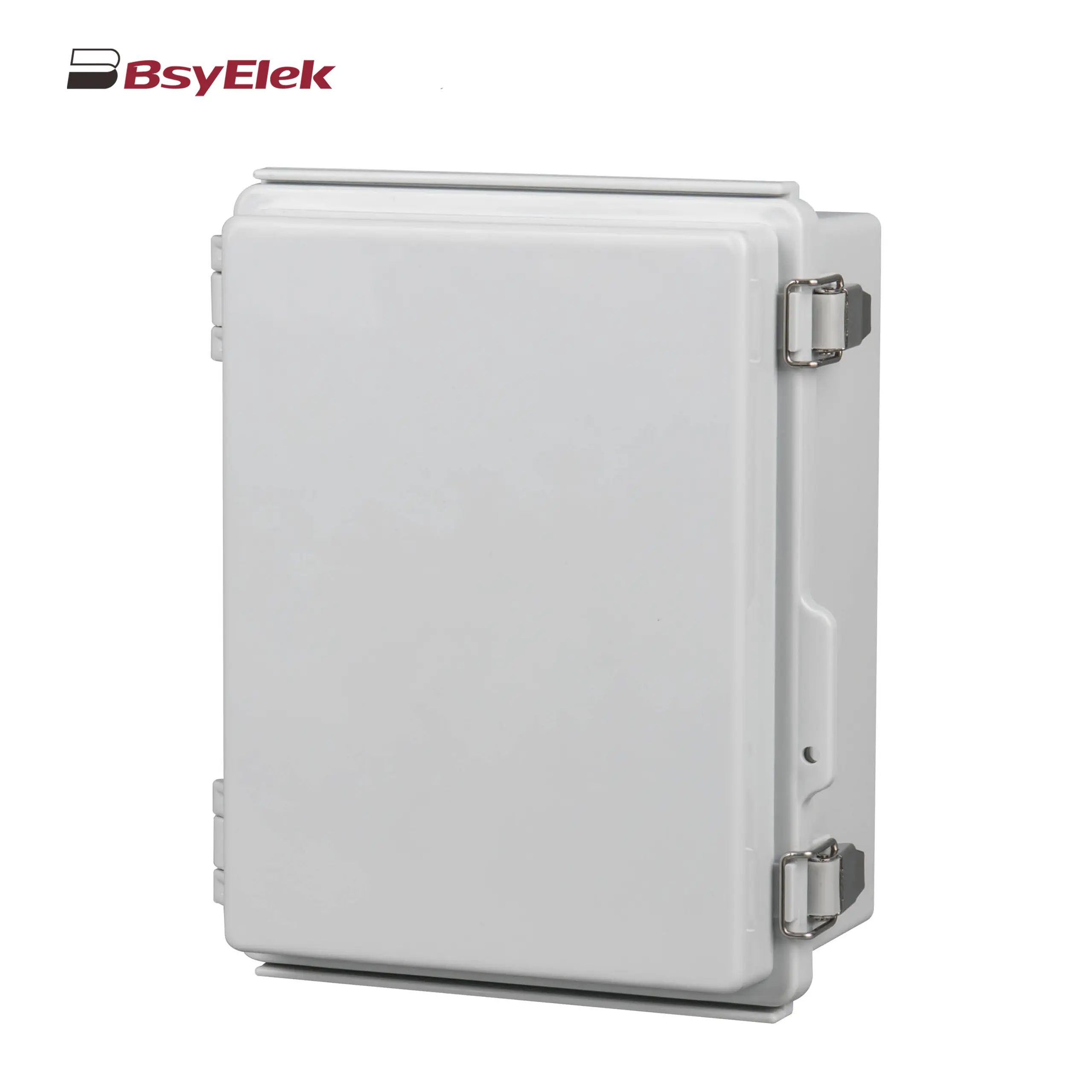 Stainless Steel Hinge Type Electrical Box
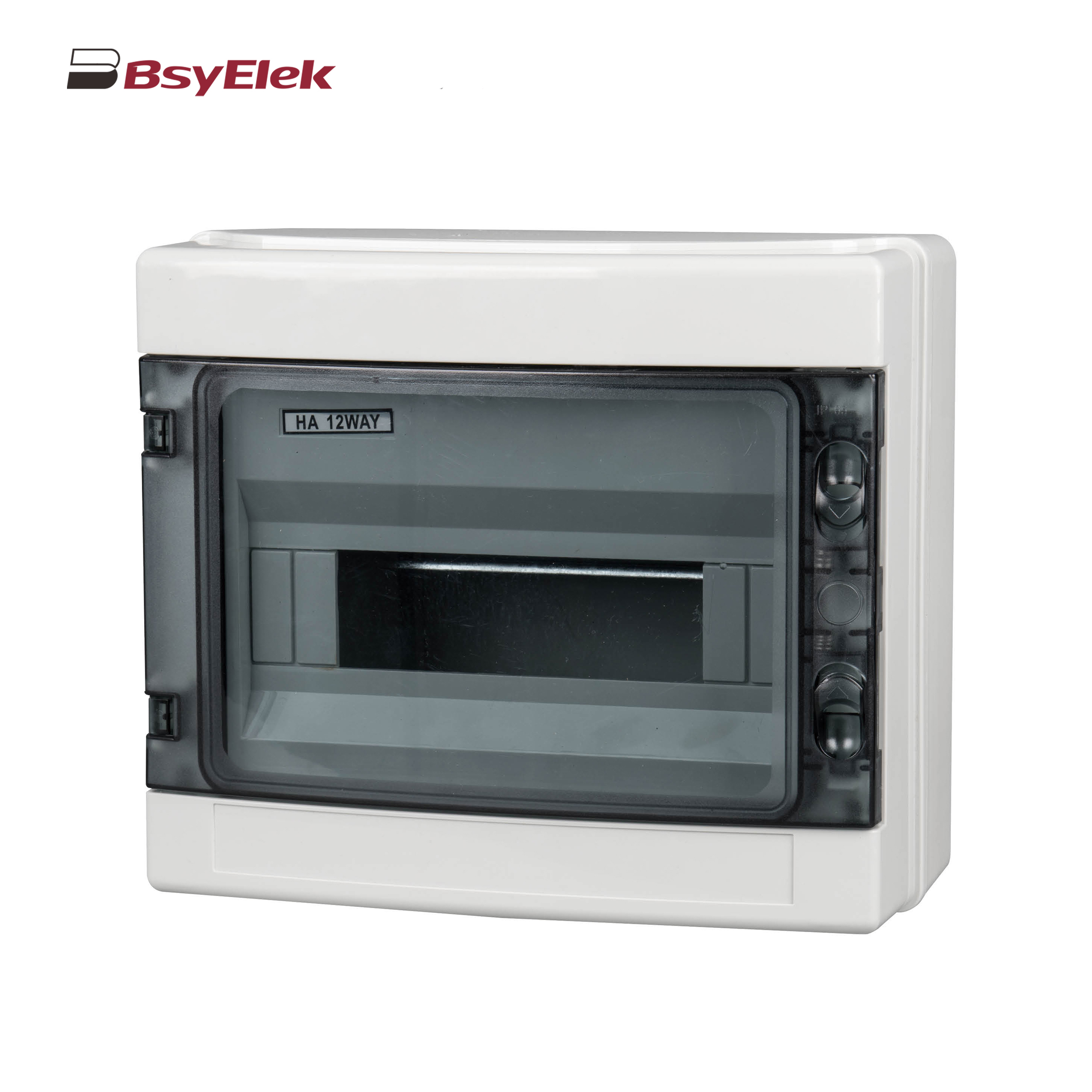 HA Waterproof Distribution Box
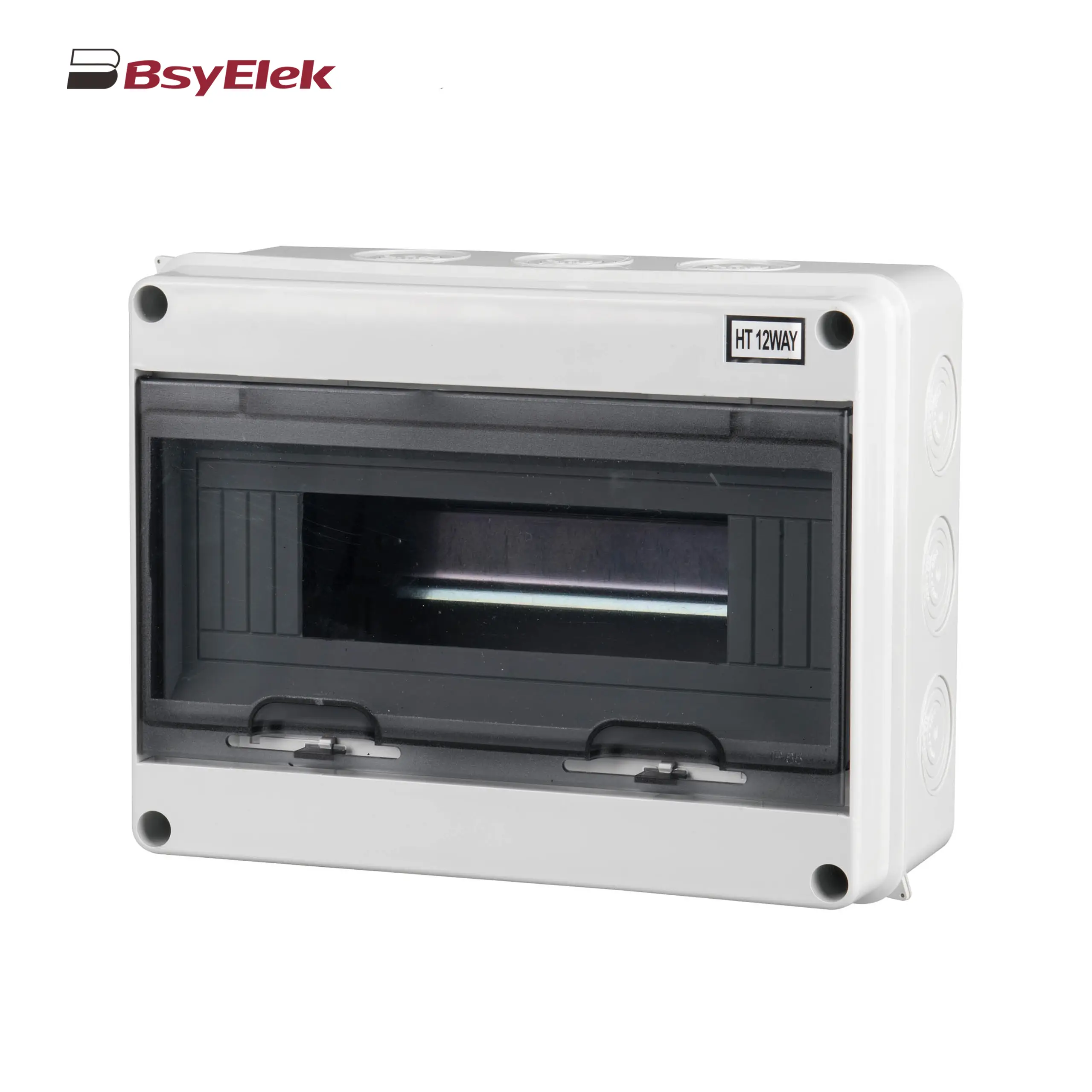 HT Waterproof Distribution Box
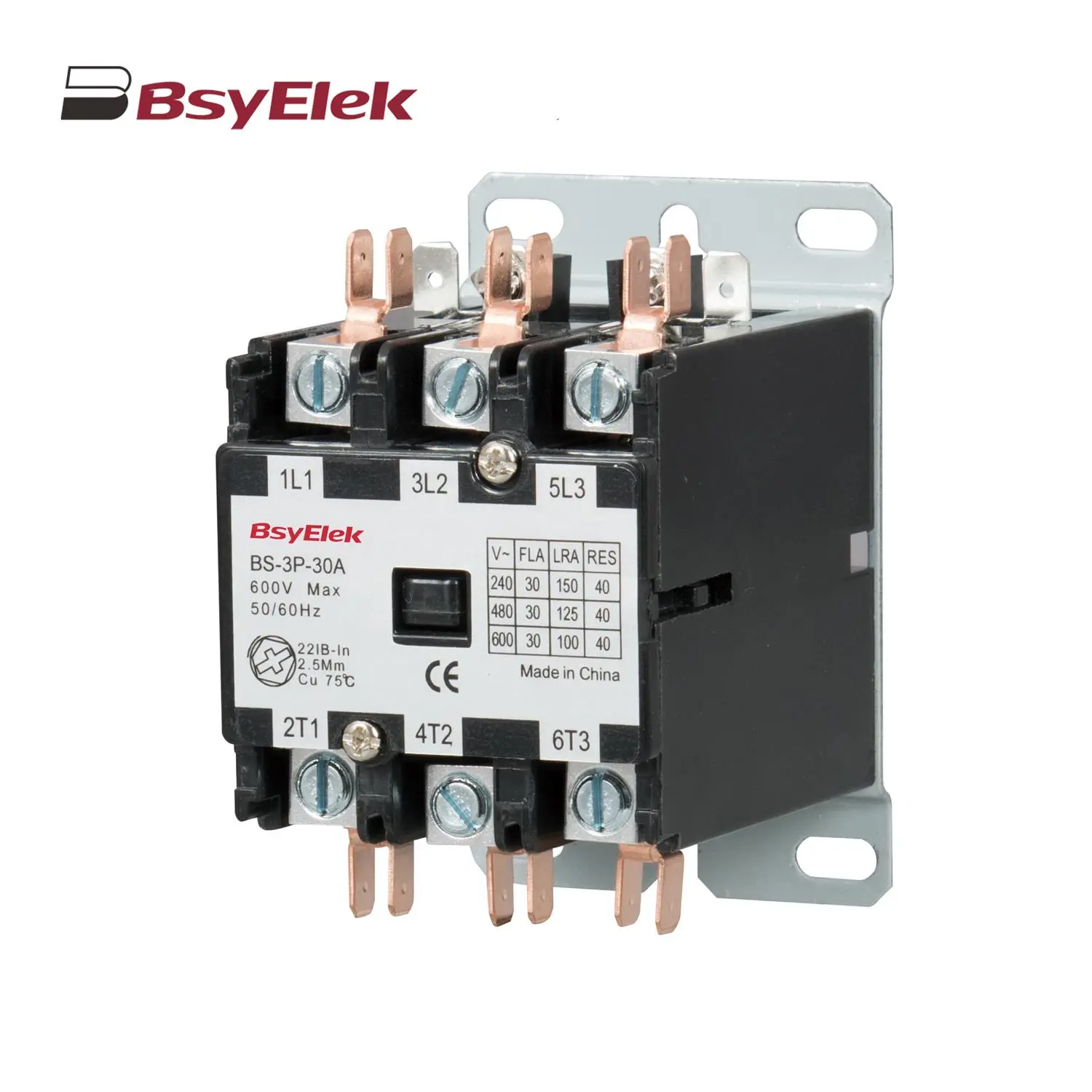 BS Definite Purpose Magnetic AC Contactor