Top 10 Benefits of Dual Power Automatic Transfer Switch?
In a world reliant on continuous power supply, the importance of a reliable energy source cannot be overstated. The Dual Power Automatic Transfer Switch is a sophisticated solution designed for both residential and commercial applications. It ensures a seamless transition between multiple power sources, enhancing reliability during outages. This technology has become increasingly popular due to its many advantages.
The Dual Power Automatic Transfer Switch offers exceptional flexibility. Users can switch between utility power and generator energy, optimizing their power usage. Its automatic features eliminate manual intervention, adding convenience for users. Moreover, the design enhances safety by reducing risks associated with power failures. Engineers are constantly improving these systems, striving for higher efficiency and reliability.
Despite these benefits, challenges remain. Users might overlook regular maintenance, which is crucial for optimal performance. System failures can arise from poor installation or incorrect settings. Awareness and training can help mitigate these issues. Understanding the significance of the Dual Power Automatic Transfer Switch leads to more informed decisions about energy management. Embracing this technology offers a path to stability in an unpredictable power landscape.

Understanding Dual Power Automatic Transfer Switches
Dual Power Automatic Transfer Switches (ATS) play a crucial role in ensuring uninterrupted power supply. They seamlessly switch between primary and backup power sources, minimizing disruptions during outages. Data from the National Electrical Manufacturers Association indicates that businesses can lose thousands hourly due to power failures. Integrating dual power ATS can significantly mitigate this risk.
Understanding their functionality is essential for optimal use. These switches utilize advanced mechanisms to monitor power quality and automatically transfer loads. A professional report from the Electric Power Research Institute notes that ATS can lower operational costs by nearly 20%. However, improper installation and maintenance can lead to equipment failures, which is a significant concern.
Experts recommend routine inspections to ensure performance reliability. Frequent checks safeguard against unexpected breakdowns. Moreover, while ATS enhance system reliability, they do not eliminate the need for regular power audits. Such audits can uncover potential issues, allowing for proactive measures. Balancing technology with diligent monitoring is vital for long-term success.
Top 10 Benefits of Dual Power Automatic Transfer Switch
| Benefit |
Description |
| Seamless Power Transition |
Ensures uninterrupted power by automatically switching to backup power sources during an outage. |
| Enhanced Reliability |
Reduces the risk of downtime and increases operational reliability in critical environments. |
| Improved Safety |
Automates switching to prevent unsafe conditions during power failures. |
| Cost Efficiency |
Reduces operational costs by minimizing power loss and downtime expenses. |
| User-Friendly Operation |
Simplifies management of power sources with automatic controls, reducing manual intervention. |
| Flexible Configuration |
Offers flexible setups based on specific power requirements and configurations. |
| Monitoring Capabilities |
Equipped with monitoring systems to track performance and status in real-time. |
| Compatibility with Generators |
Acts as an interface between primary power and backup generators, ensuring smooth operation. |
| Reduced Maintenance |
Minimizes maintenance needs through reliable and automated operations. |
| Regulatory Compliance |
Helps businesses comply with regulations for power supply and emergency readiness. |
Key Features of Dual Power Automatic Transfer Switches
Dual power automatic transfer switches (ATS) are designed for seamless power management. They switch between power sources automatically. This ensures a consistent power supply to critical systems. One key feature is the fast response time. These switches react quickly to power outages, often within seconds. This minimizes downtime for vital operations.
Another important aspect is their ability to monitor both power sources. They provide real-time data on voltage and current levels. This continuous monitoring enhances system reliability. Users can detect issues before they escalate. Some models also include remote monitoring capabilities. This allows for oversight from different locations, ensuring greater flexibility.
Reliability is crucial in emergency situations. Dual power ATS often meet stringent safety standards. However, factors like installation quality can affect overall performance. It is essential to assess the environment where the switch will be used. Consider potential risks such as flooding or extreme temperatures. Regular maintenance is necessary for optimal functioning, reminding us that even the best technology needs care.
Enhanced Power Reliability with Dual Power Systems
In today’s fast-paced world, power reliability is crucial for businesses and homes alike.
Dual power systems enhance this reliability through the use of Automatic Transfer Switches (ATSW).
These switches automatically alternate between two power sources, ensuring a seamless transition during outages.
The result? Minimal disruption and peace of mind during critical operations.
Utilizing dual power systems can safeguard against unexpected power failures.
These switches help maintain an uninterrupted power supply by quickly redirecting power to a backup source.
In many cases, manual switching can lead to delays and human error.
An ATSW eliminates these risks by automating the process.
Moreover, having dual sources encourages energy efficiency, ultimately saving costs.
While dual power systems offer clear advantages, they require careful planning.
Installation can be complex and needs expertise.
Assessing the power load and ensuring compatibility with existing systems is essential.
Additionally, regular maintenance of ATSW is necessary for optimal functionality.
These factors can make implementation challenging but are crucial for achieving enhanced reliability.
Cost Efficiency and Savings of Using Dual Power Switches
Dual power automatic transfer switches (ATS) bring significant cost efficiency to businesses. These devices ensure seamless power supply during outages. When one power source fails, the other activates automatically. This reduces downtime and maintains operation. Organizations experience fewer interruptions and lower operational costs.
Investing in dual power switches can lead to considerable savings. While initial costs might seem high, the long-term benefits are undeniable. Reduced fuel consumption during outages results in lower energy costs. Maintenance is typically less intensive than with separate systems. This means fewer repair expenses over time.
Despite these benefits, users must be aware of installation complexities. Proper planning and configuration are essential for optimal performance. Some businesses may face challenges in integrating existing systems with new power solutions. It is crucial to reflect on these aspects before the switch. Effective training for staff on these systems can enhance reliability and safety.
Top 10 Benefits of Dual Power Automatic Transfer Switch
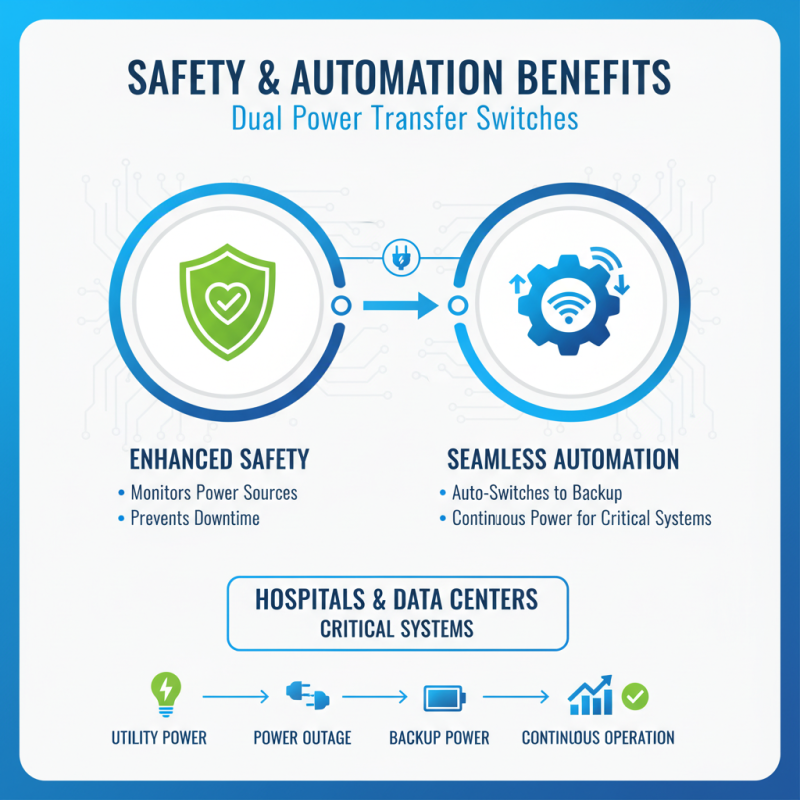
Safety and Automation Benefits of Dual Power Transfer Switches
Dual power automatic transfer switches (ATS) enhance safety and automation in modern power systems. These devices monitor utility and backup power sources seamlessly. In an event of a power outage, the ATS quickly switches to a secondary power source. This ensures continuous operation for critical systems like hospitals and data centers.
Automation significantly reduces the risk of human error. Manual switching is prone to mistakes during emergencies. An ATS removes that risk by automating the process. It ensures that power is restored swiftly, improving system reliability. Additionally, dual power ATS units can be configured for redundancy, meaning one source can back up another. This setup is vital for enhancing operational security.
However, it’s essential to recognize that not all setups are perfect. Regular maintenance is needed to ensure optimal performance. Users must also stay informed about potential failures. Monitoring systems should be in place to report issues promptly. Understanding the limits of technology is crucial for a smooth operation. Proper training on using ATS can bridge gaps in knowledge and implementation.



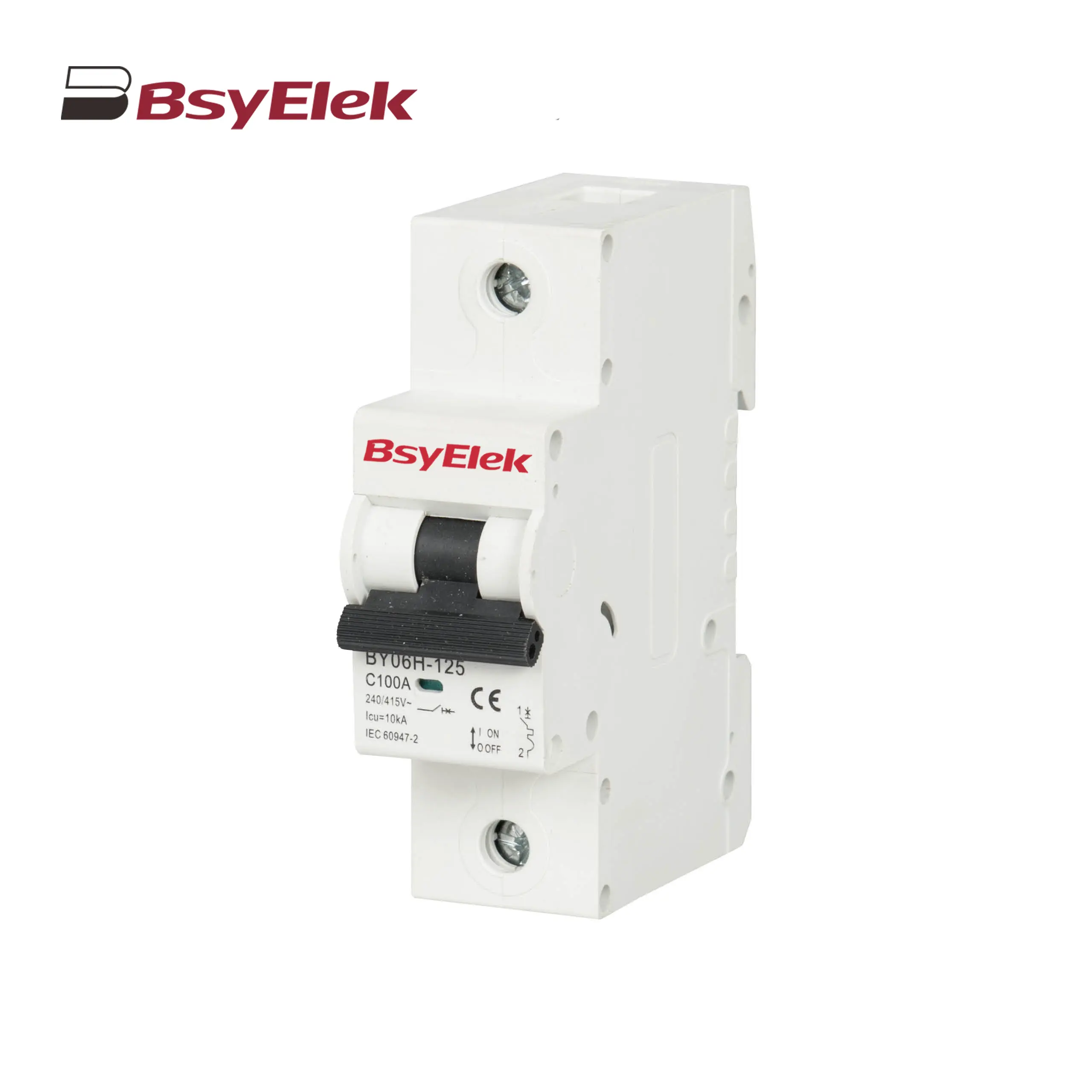 BY06H-125 MCB 10-15KA Miniature Circuit Breaker
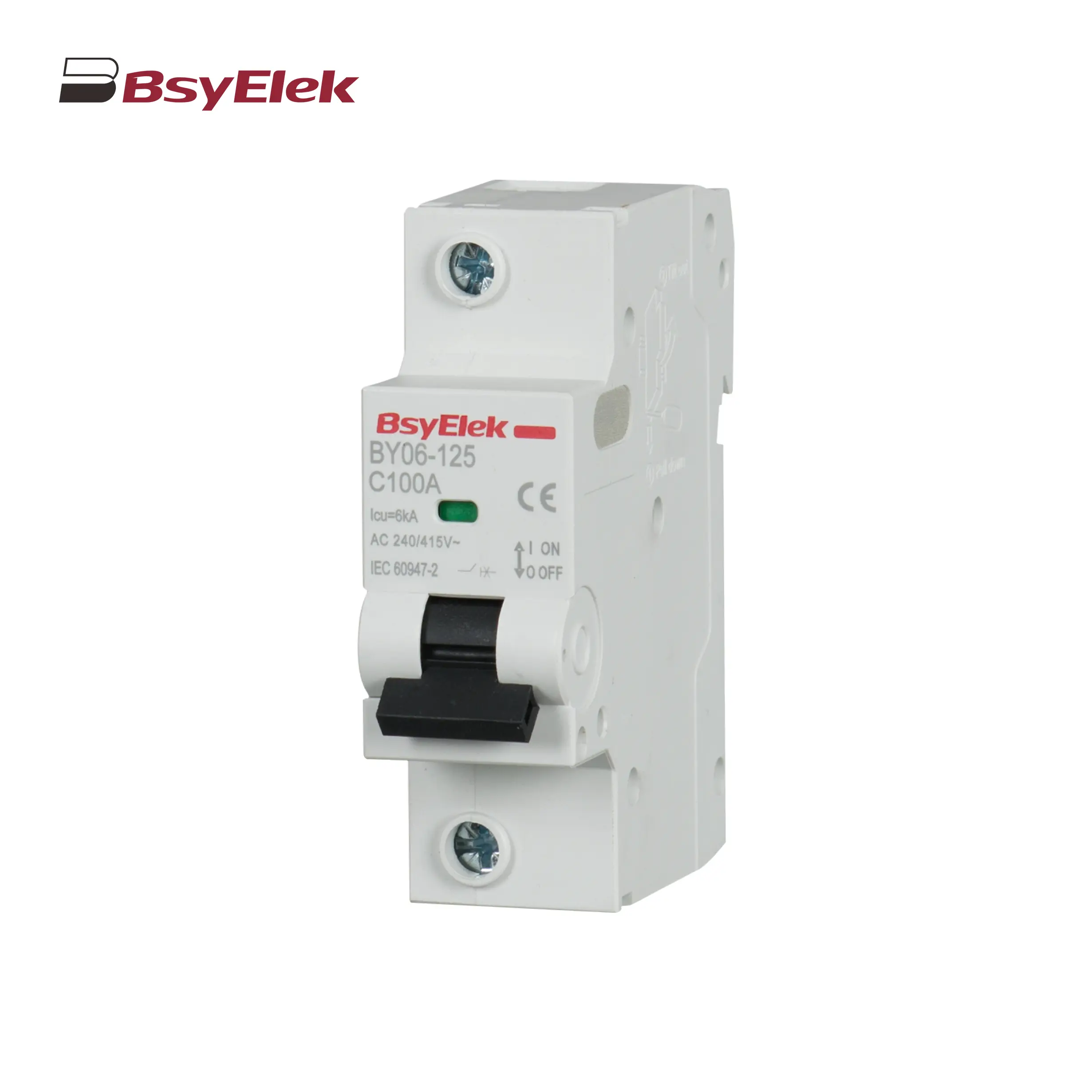 BY06-125 MCB 6KA Miniature Circuit Breaker
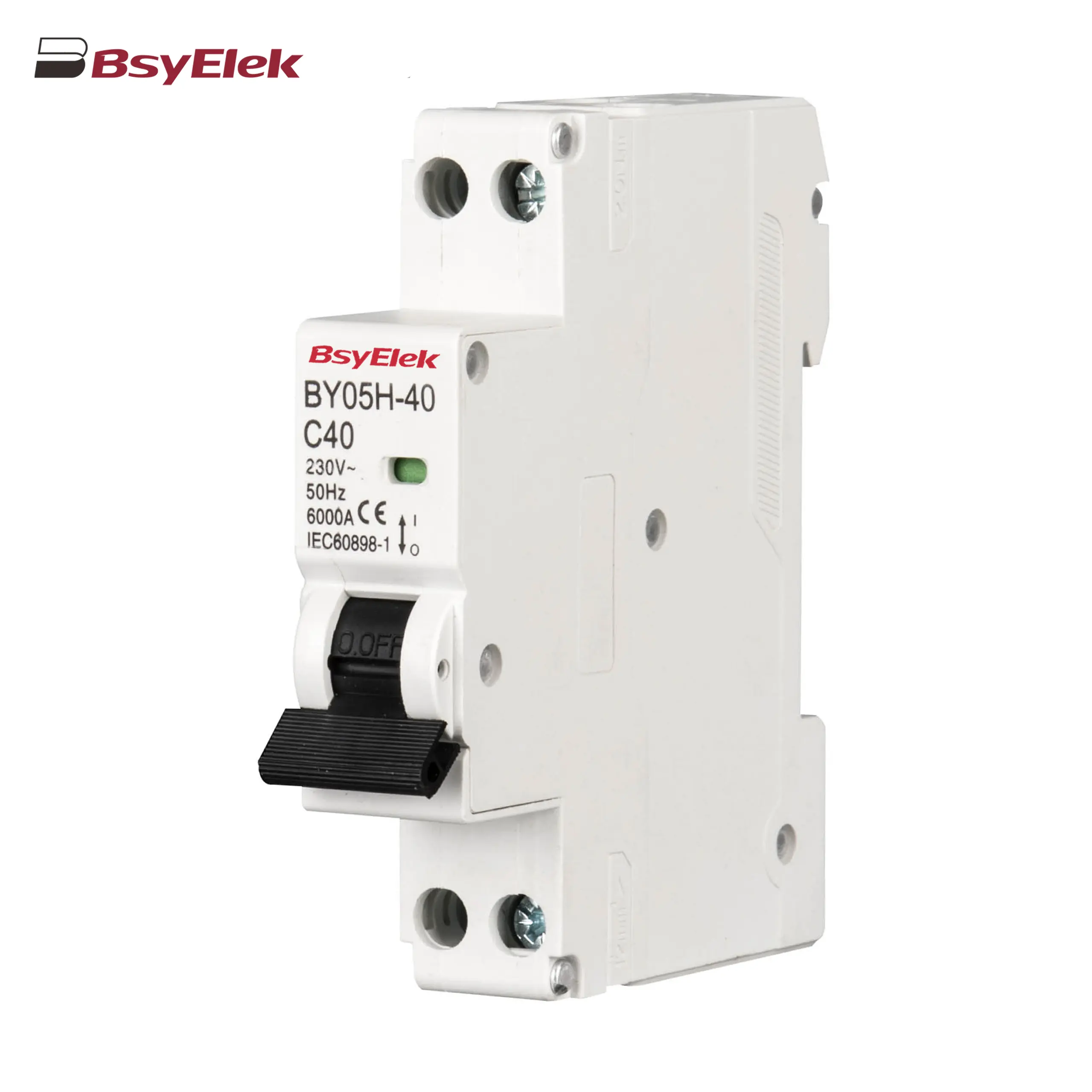 BY05H-40 MCB Single Modular 6KA Miniature Circuit Breaker
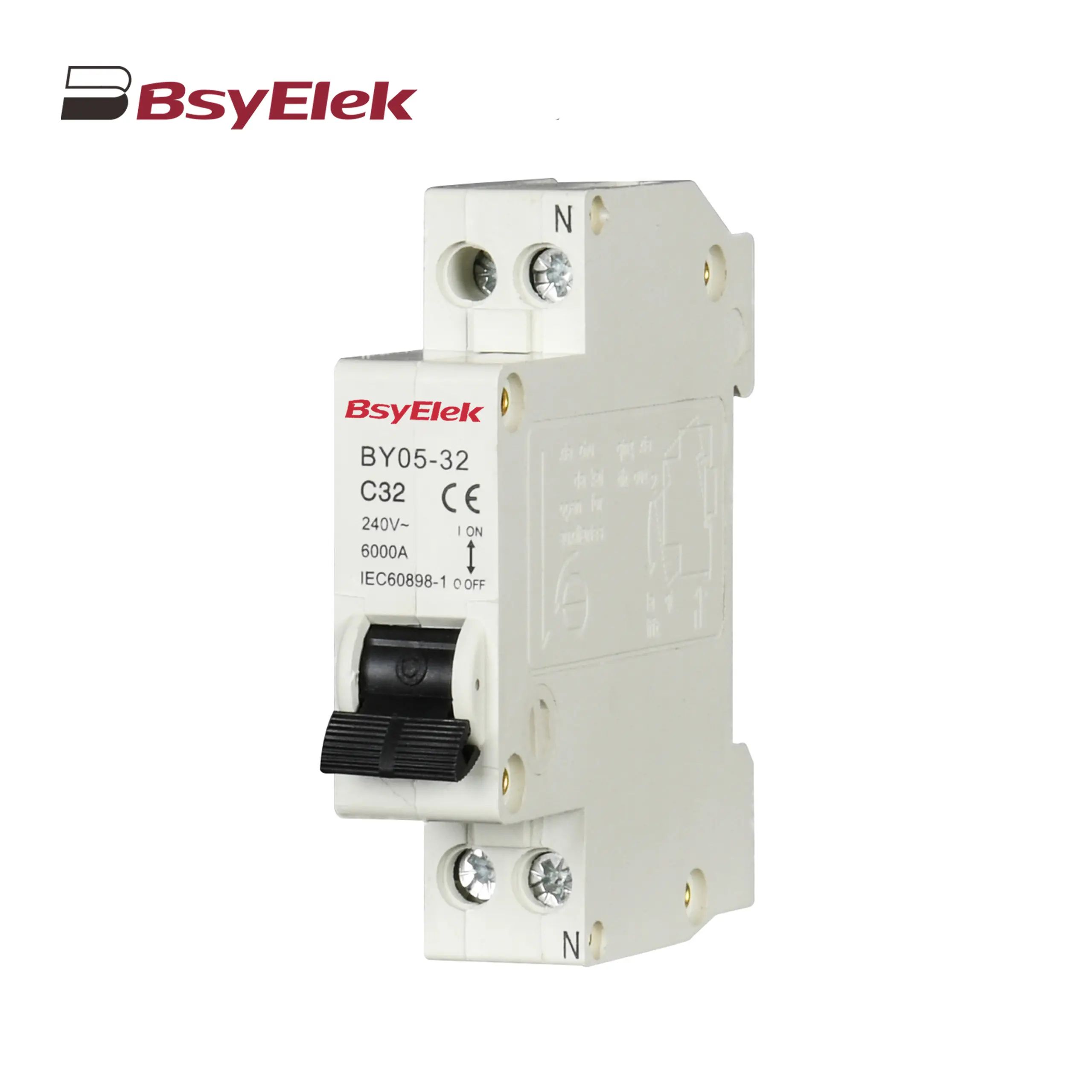 BY05-32 MCB Single Modular 3KA Miniature Circuit Breaker
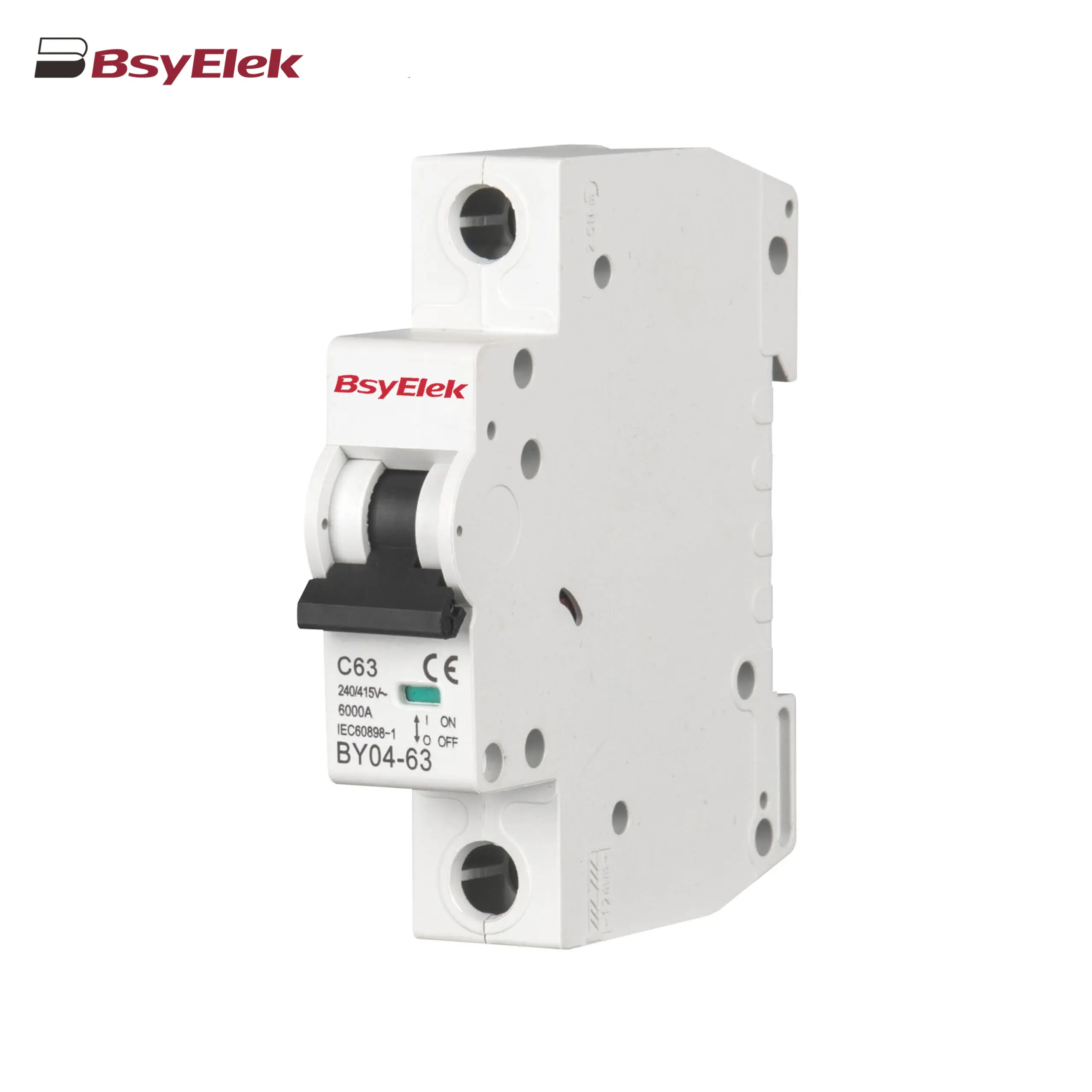 BY04-63 MCB 6-10KA Miniature Circuit Breaker
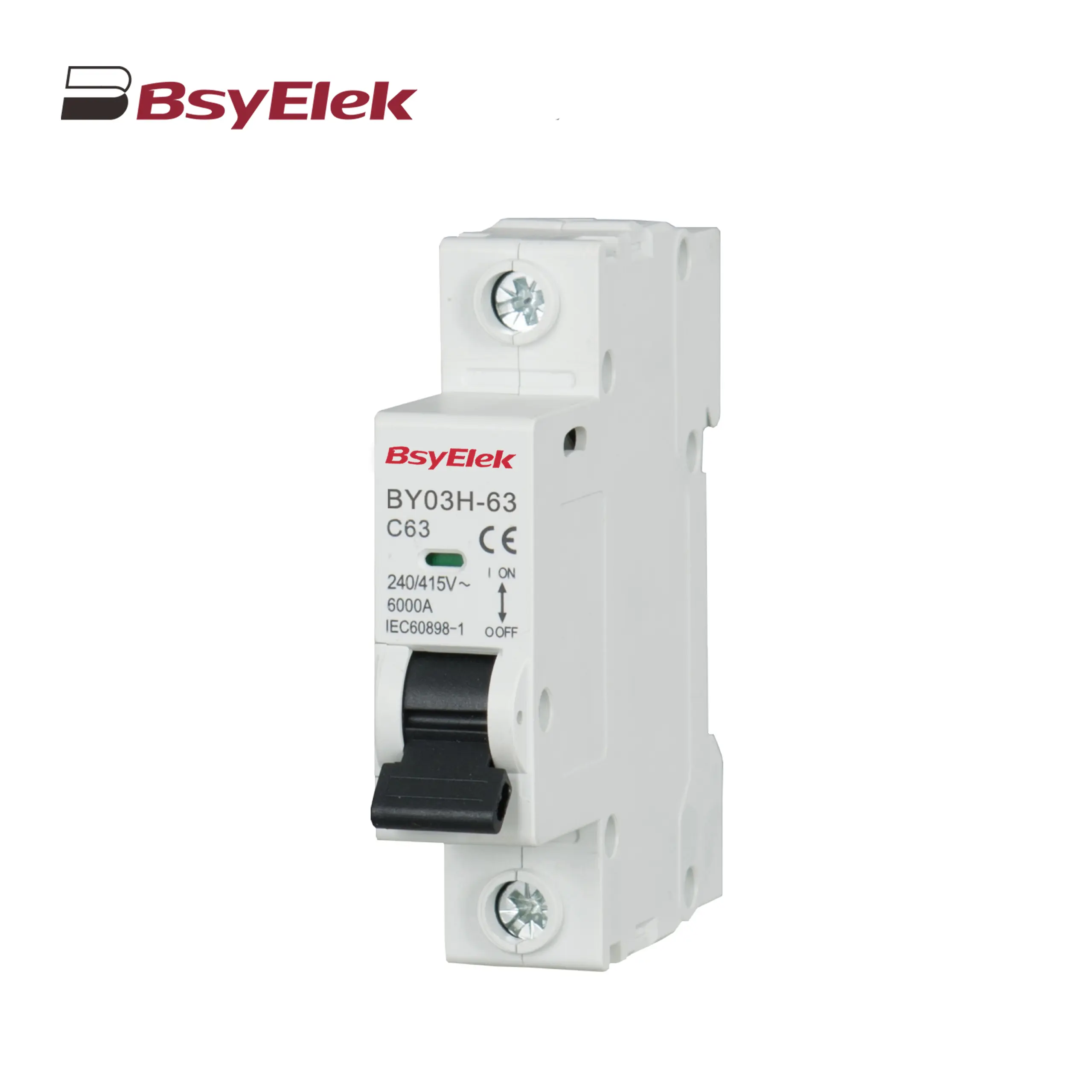 BY03H-63 MCB 6KA Miniature Circuit Breaker
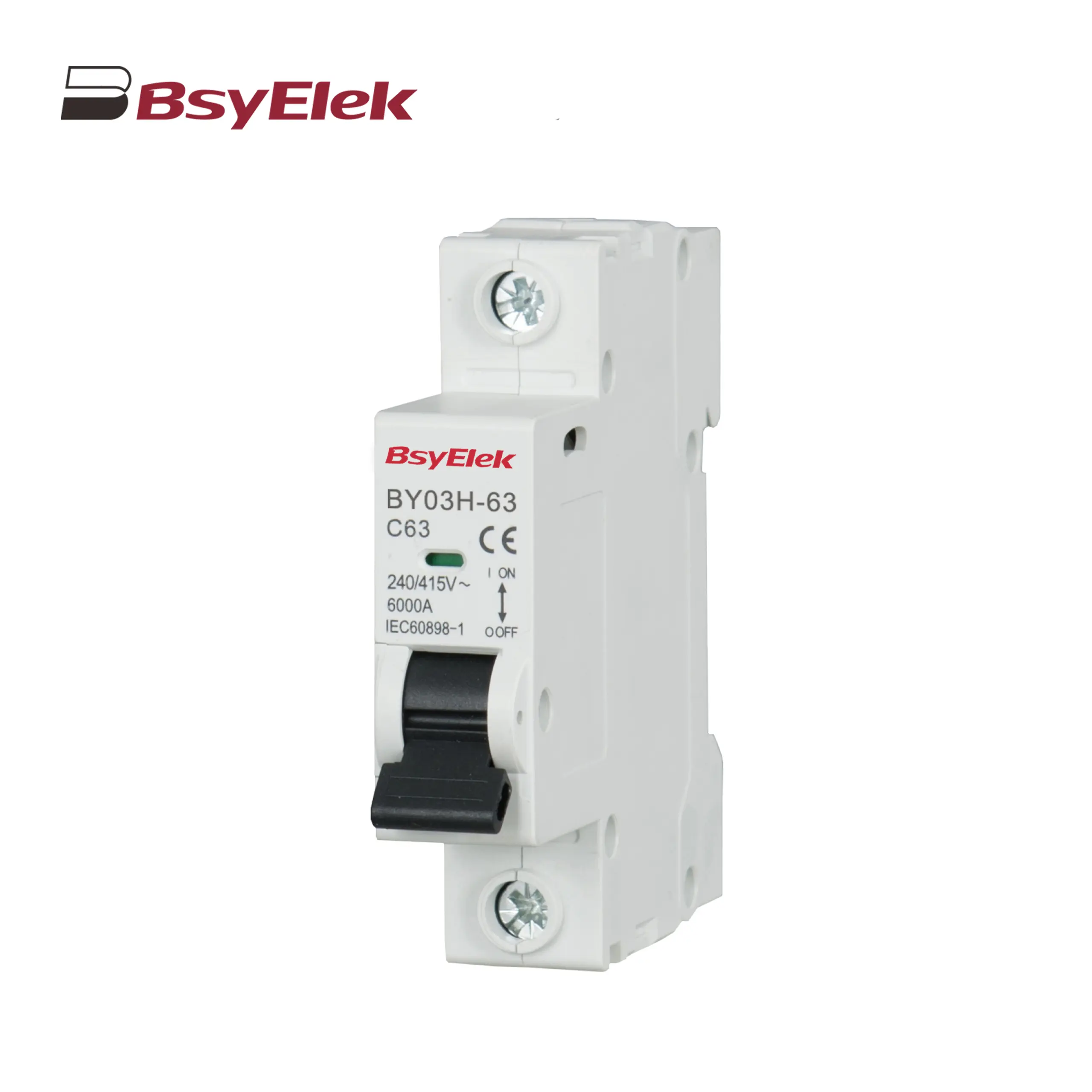 BY03-63 MCB 4.5KA Miniature Circuit Breaker
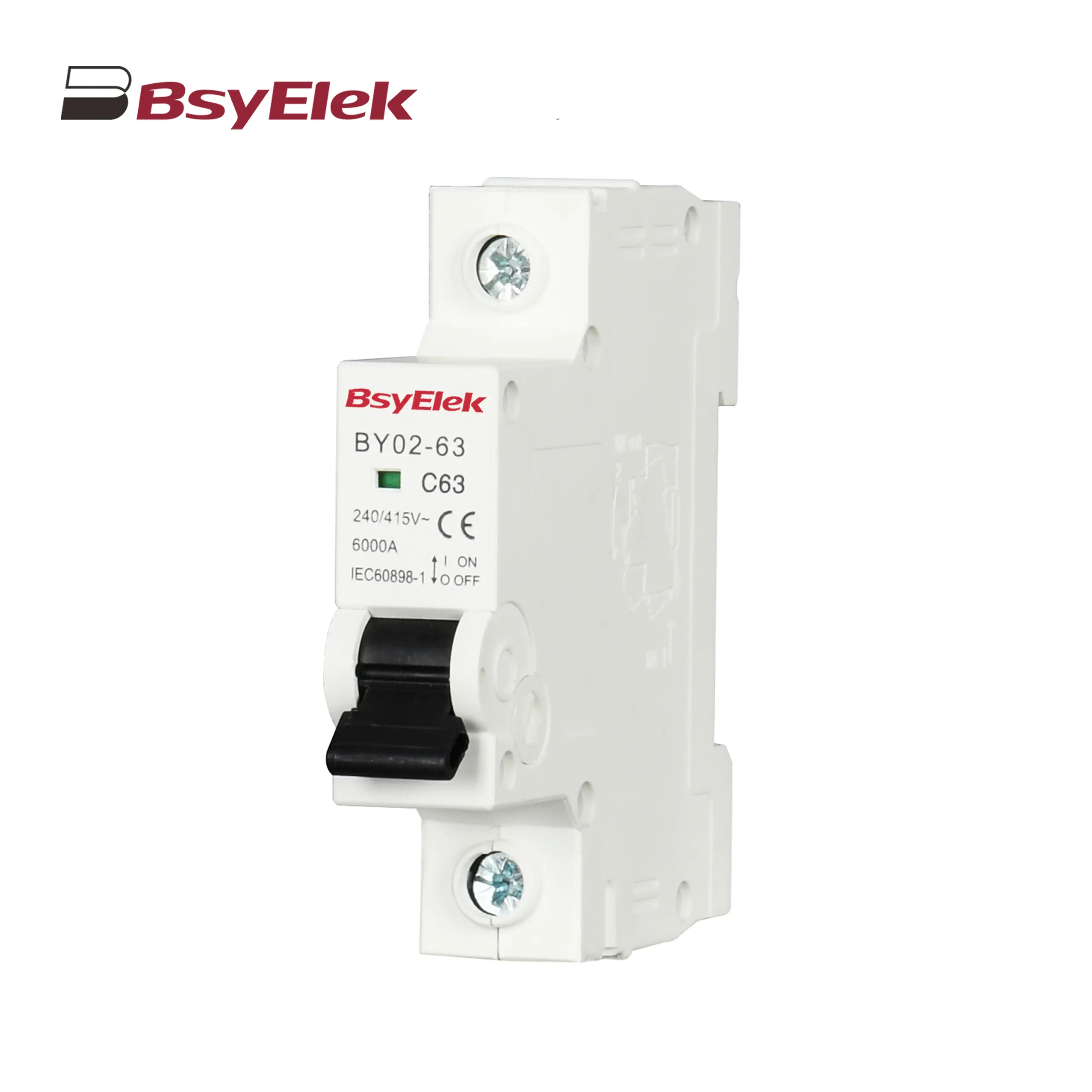 BY02-63 MCB 3kA Miniature Circuit Breaker
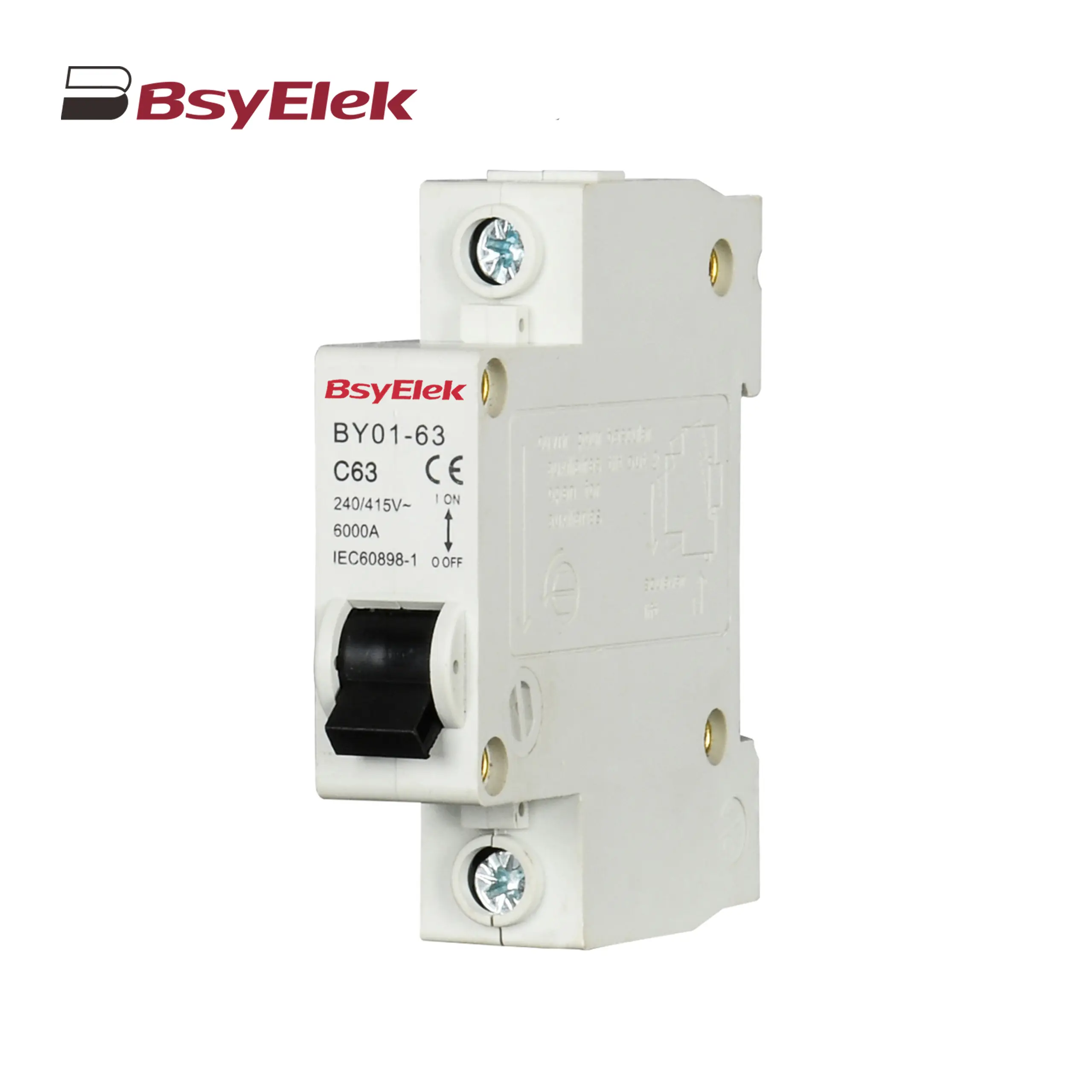 BY01-63 MCB 3kA Miniature Circuit Breaker
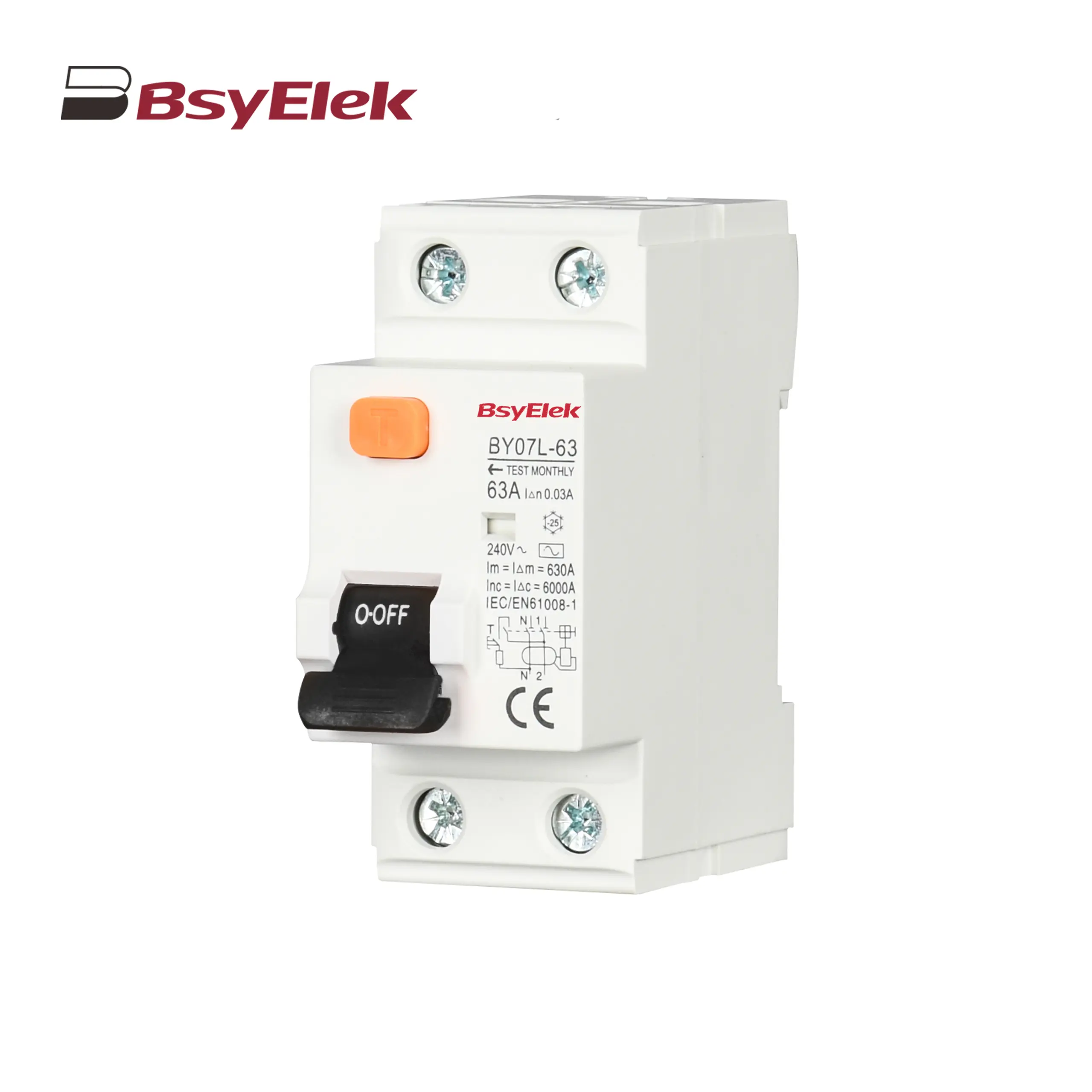 BY07L-63 RCCB 6KA Residual Current Circuit Breaker
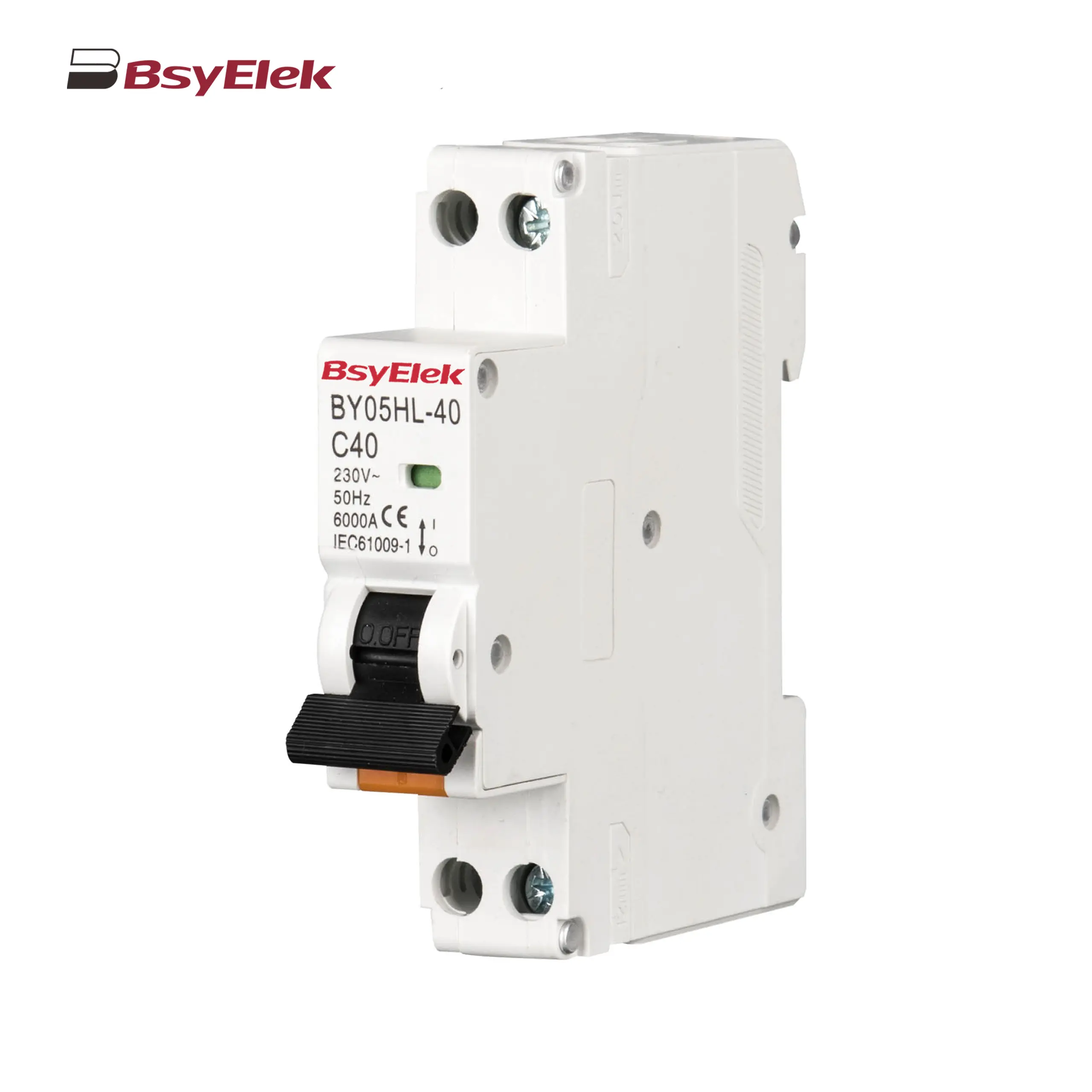 BY05HL-40 RCBO 6KA Residual Current Circuit Breaker with Over-current Protection
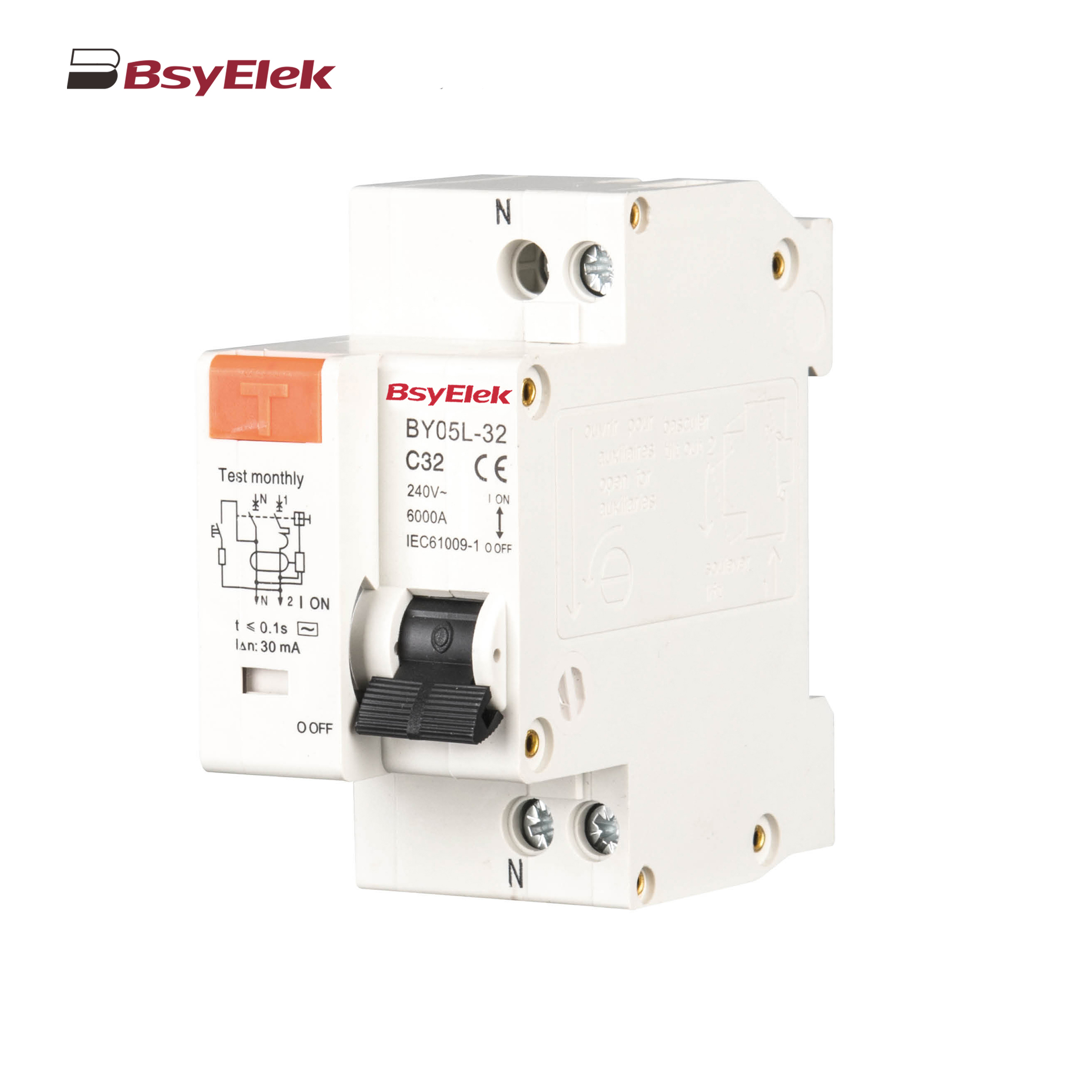 BY05L-32 RCBO 3KA Residual Current Circuit Breaker with Over-current Protection
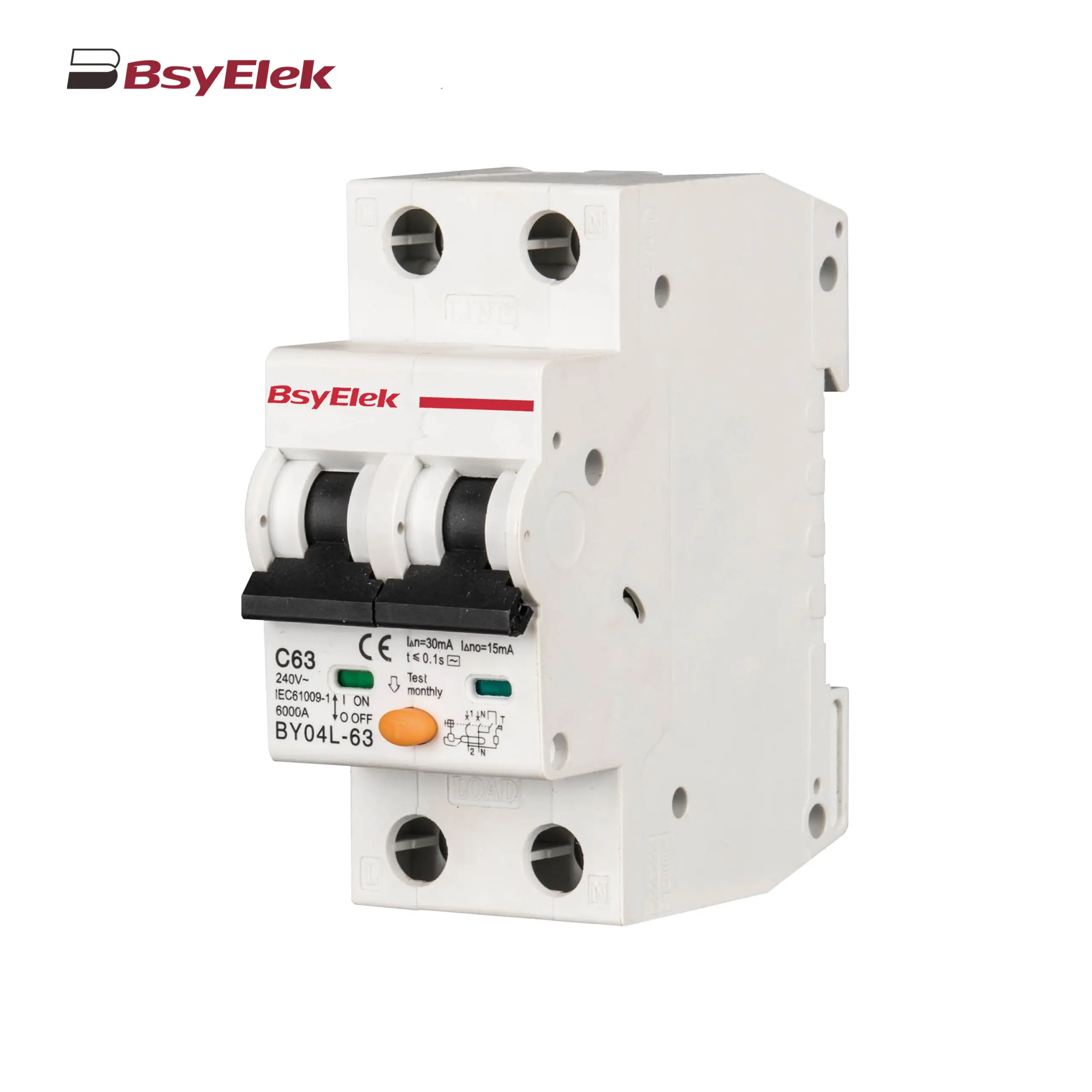 BY04L-63 RCBO 6KA Residual Current Circuit Breaker with Over-current Protection
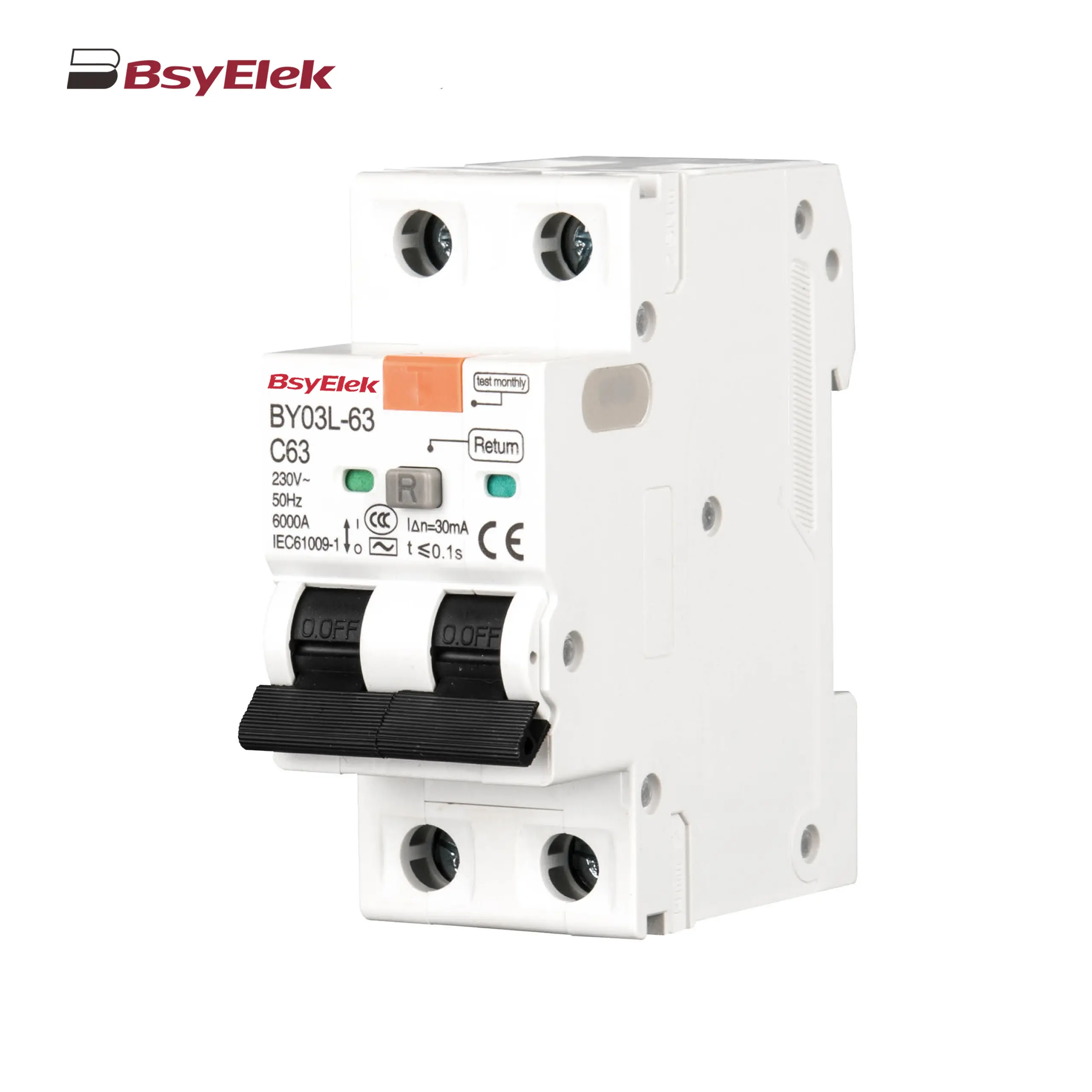 BY03L-63 RCBO 4.5KA Residual Current Circuit Breaker with Over-current Protection
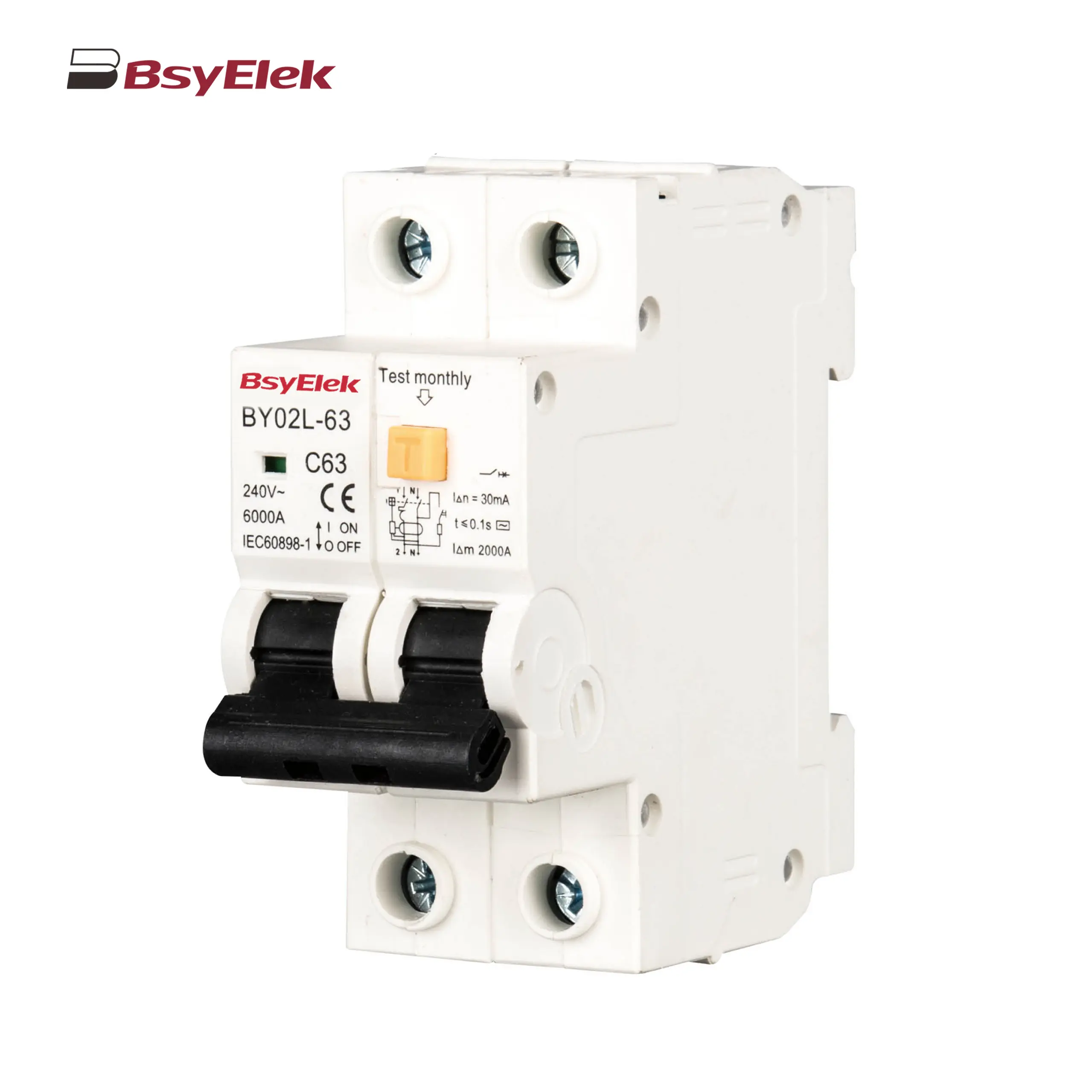 BY02L-63 RCBO 3KA Residual Current Circuit Breaker with Over-current Protection
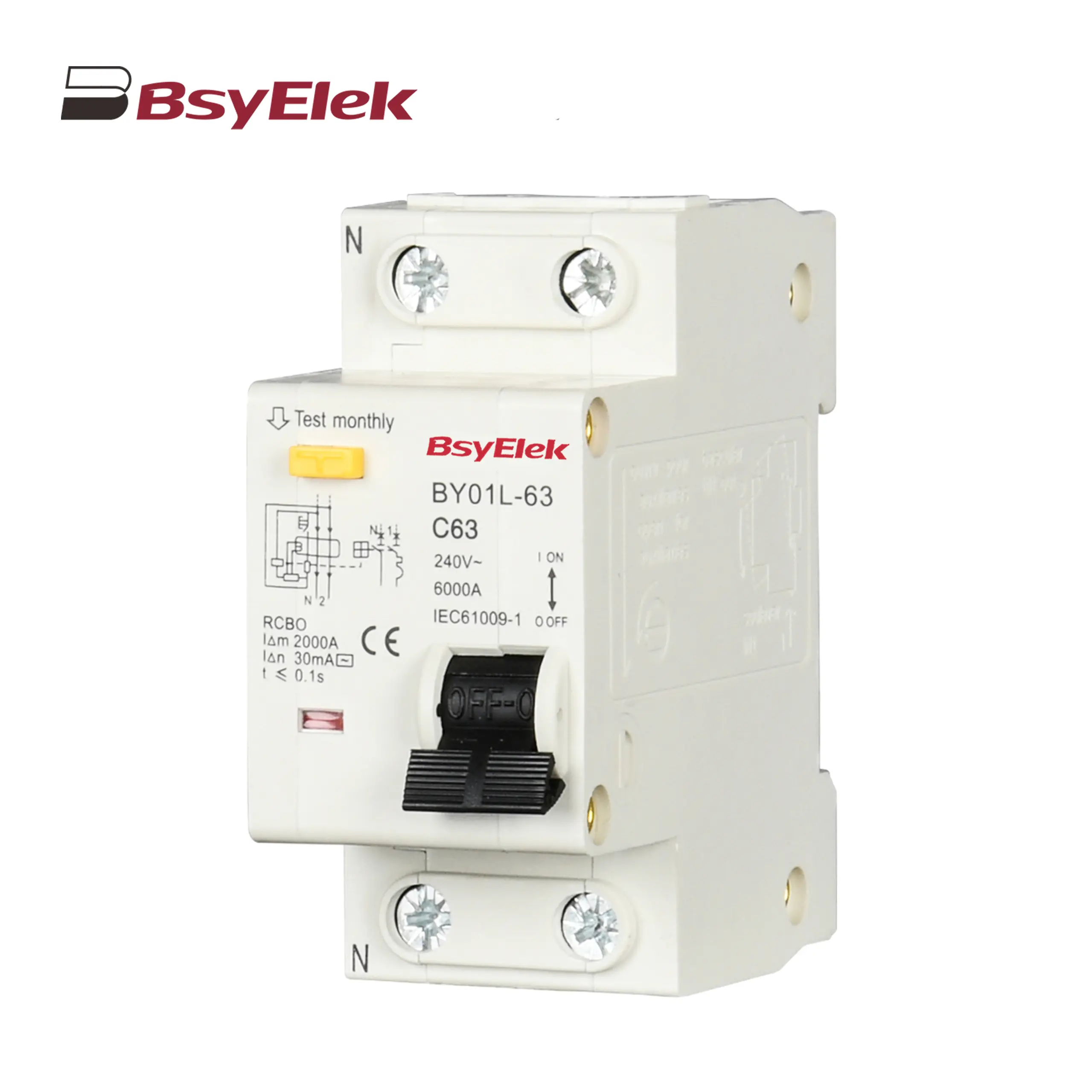 BY01L-63 RCBO 1P+N 3KA Residual Current Circuit Breaker with Over-current Protection
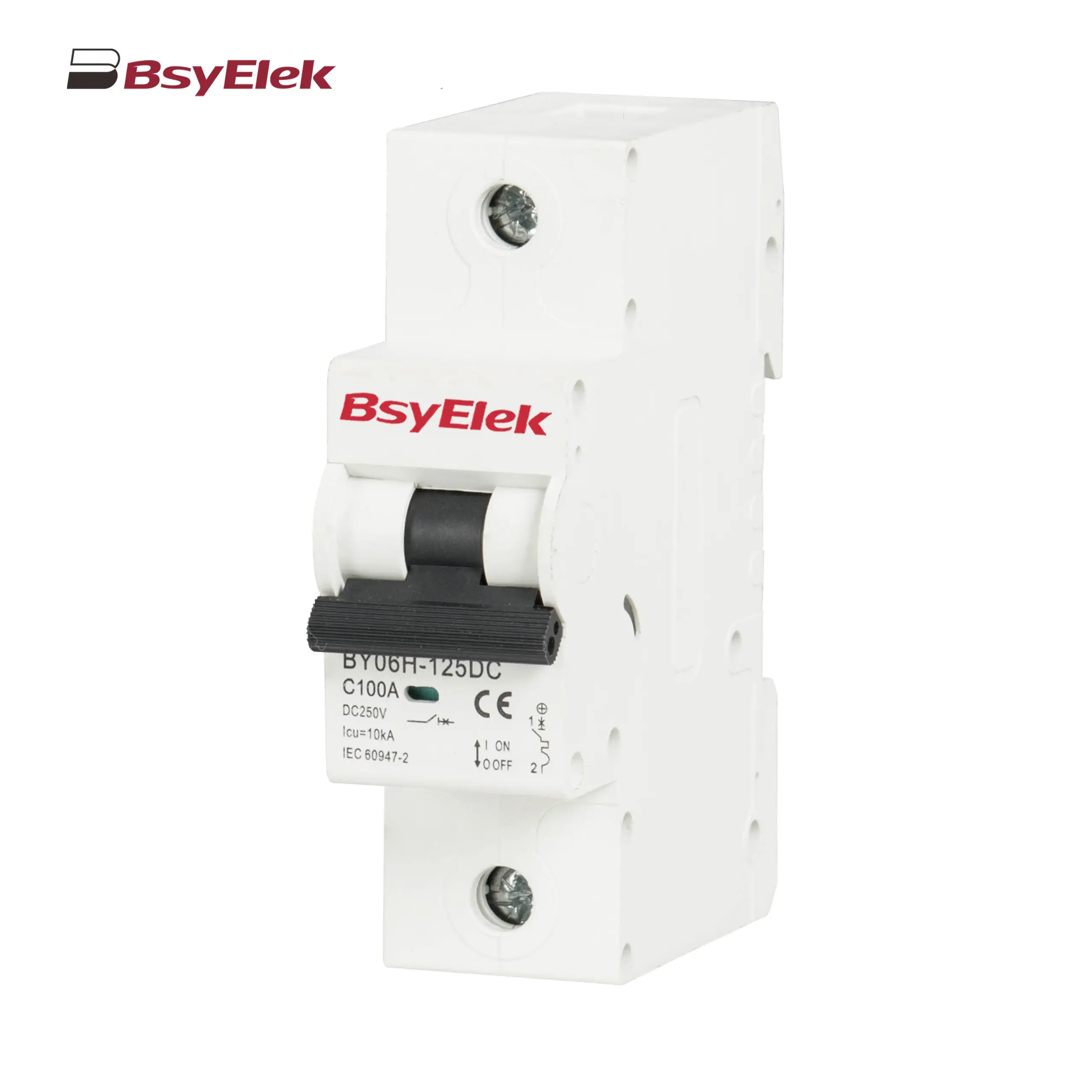 BY06H-125DC MCB 10-15kA DC Miniature Circuit Breaker
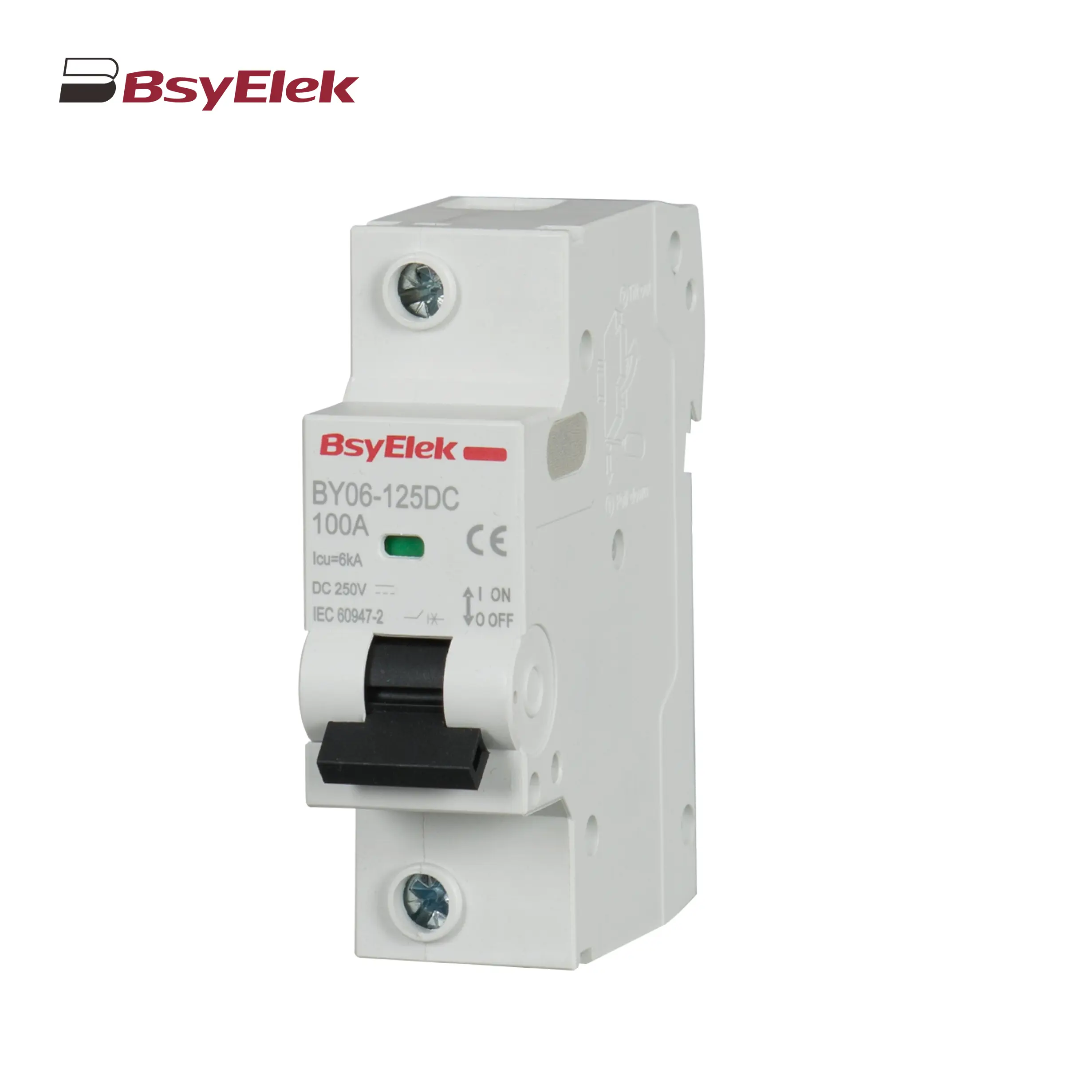 BY06-125DC MCB 6kA DC Miniature Circuit Breaker
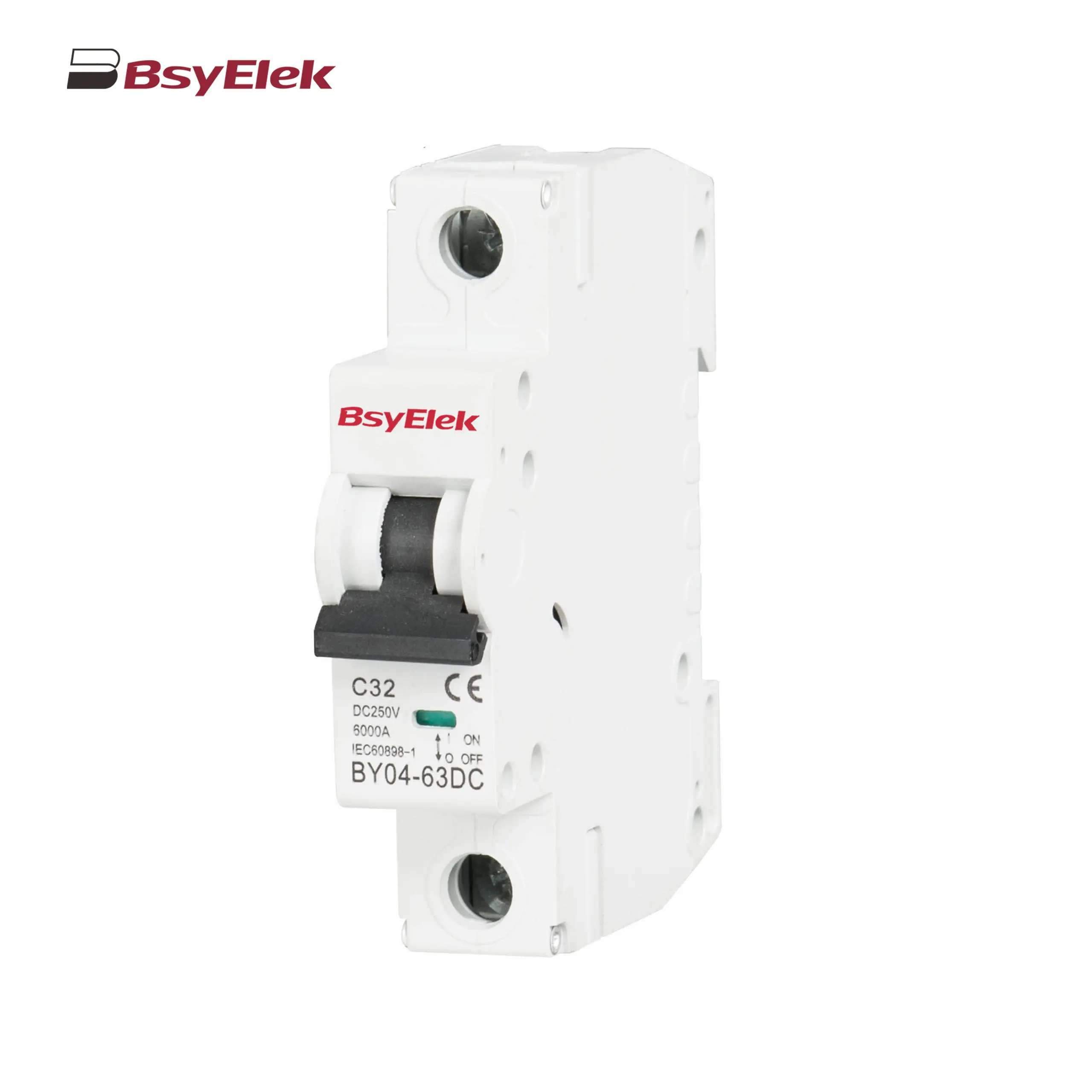 BY04-63DC MCB 6-10kA DC Miniature Circuit Breaker
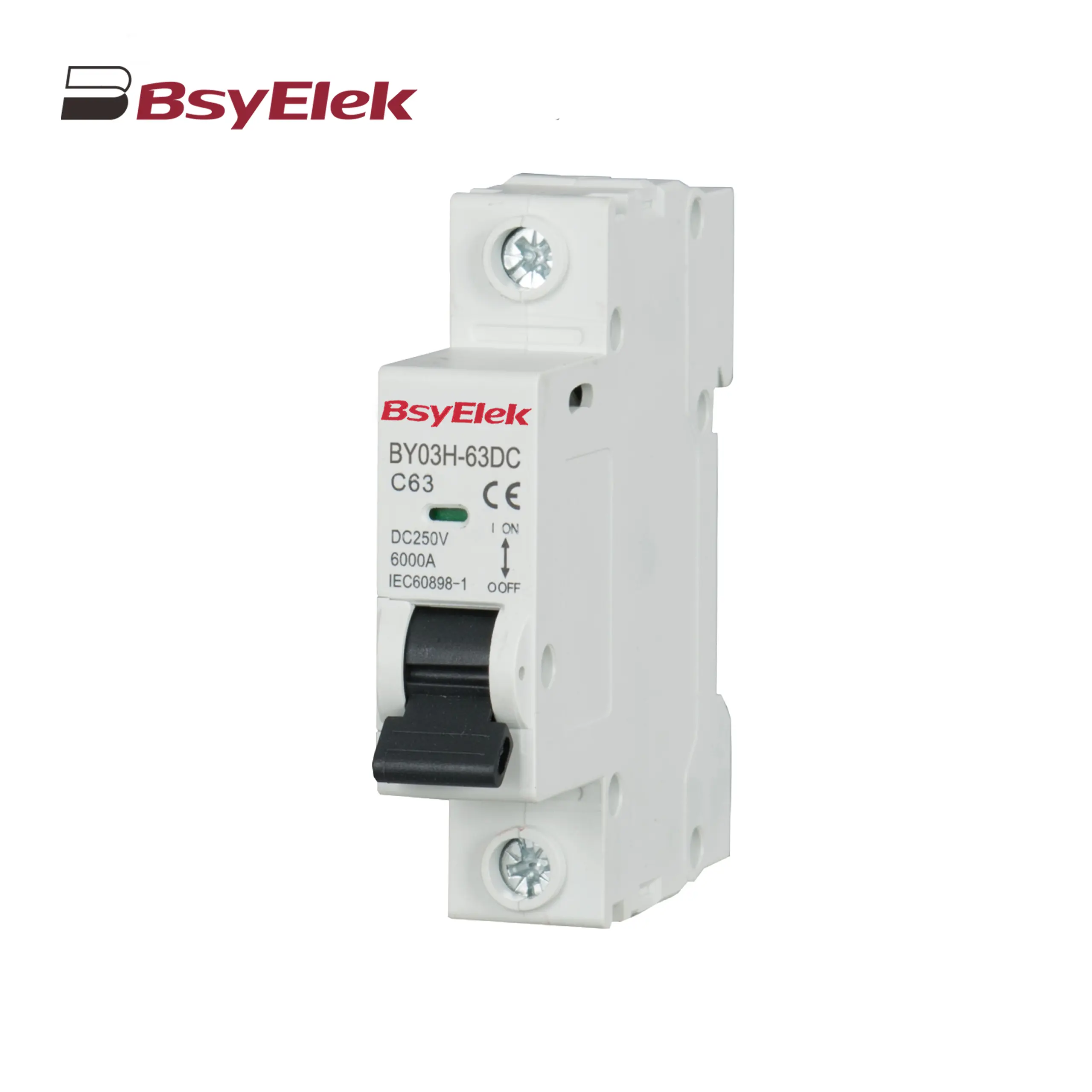 BY03H-63DC MCB 6kA DC Miniature Circuit Breaker
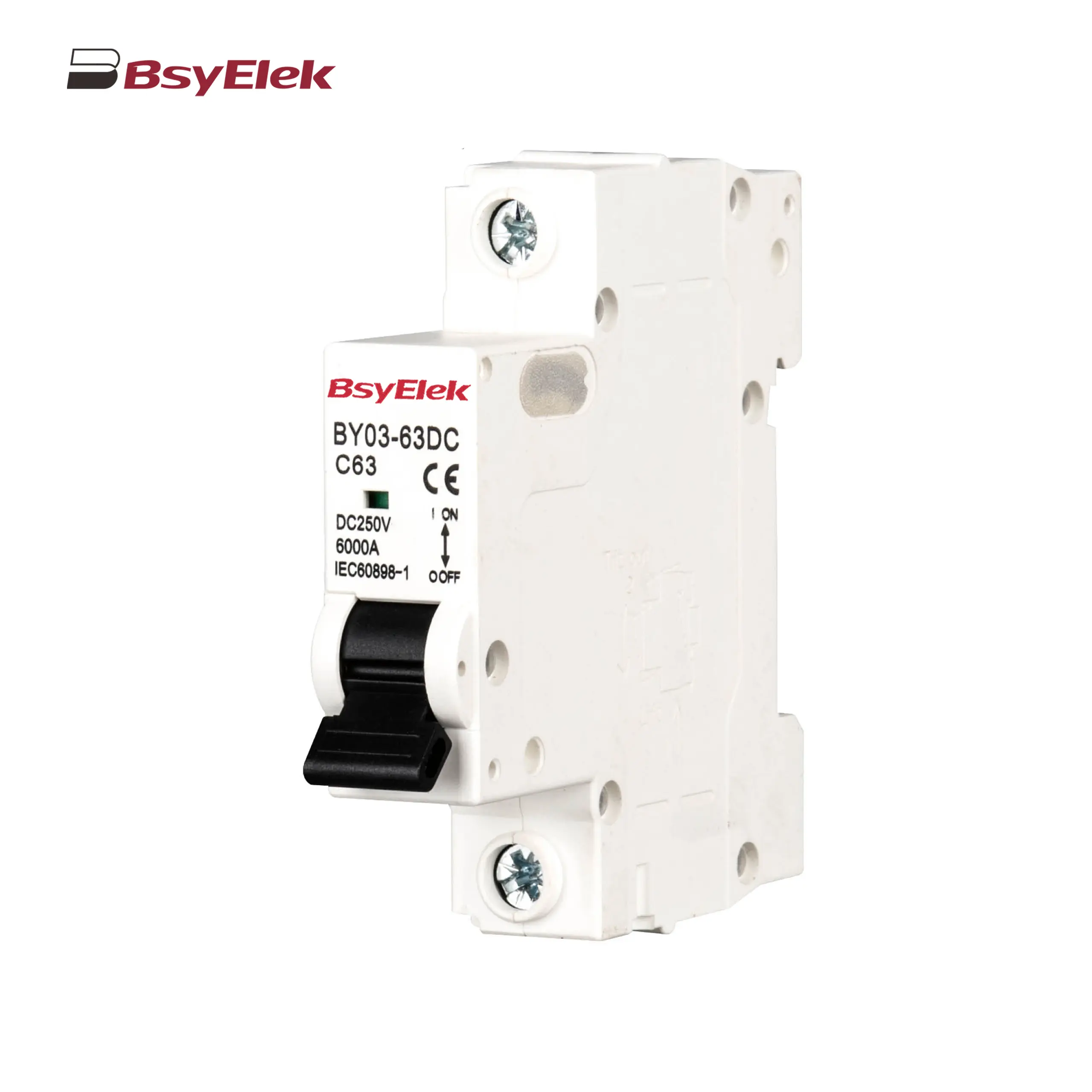 BY03-63DC MCB 4.5kA DC Miniature Circuit Breaker
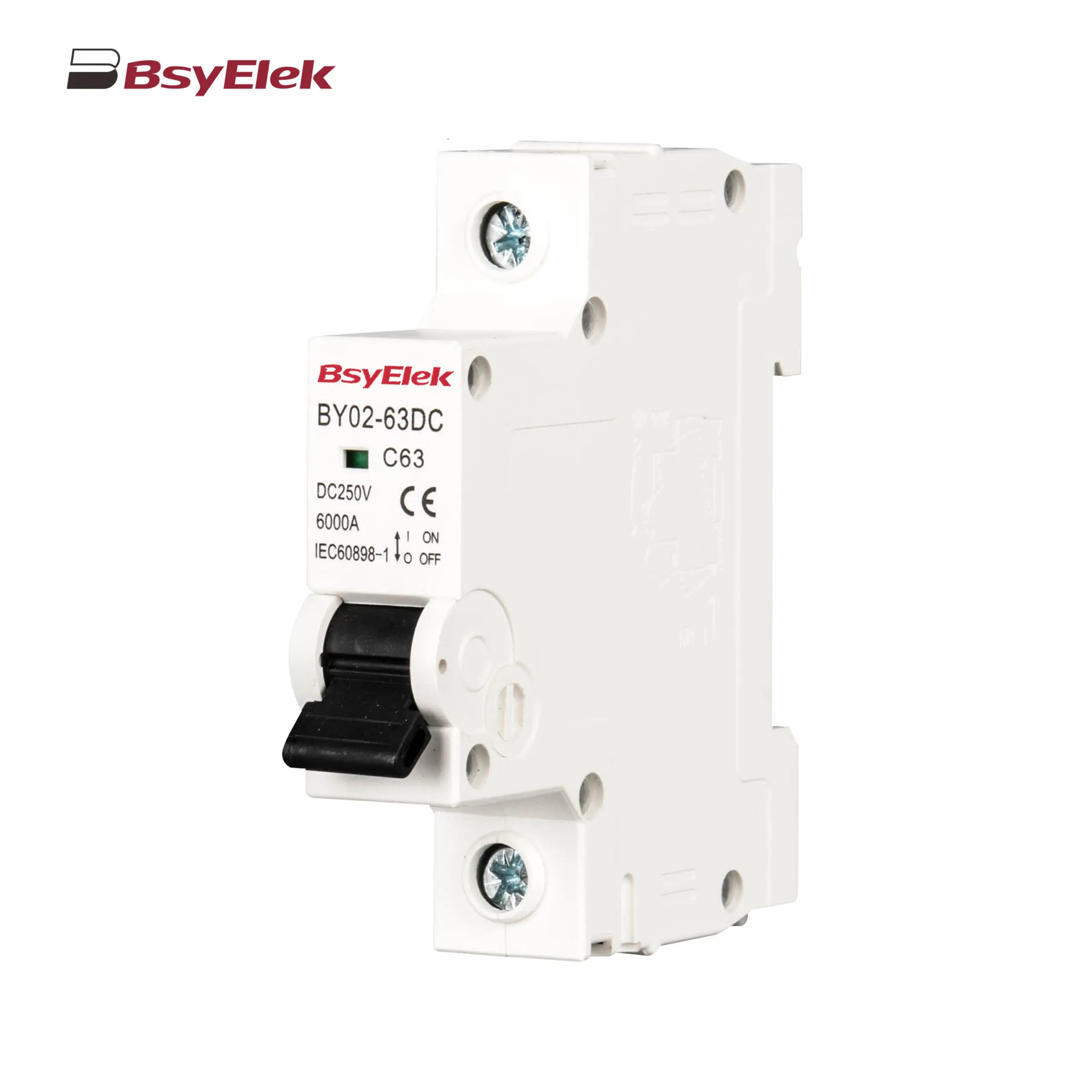 BY02-63DC MCB 3kA DC Miniature Circuit Breaker
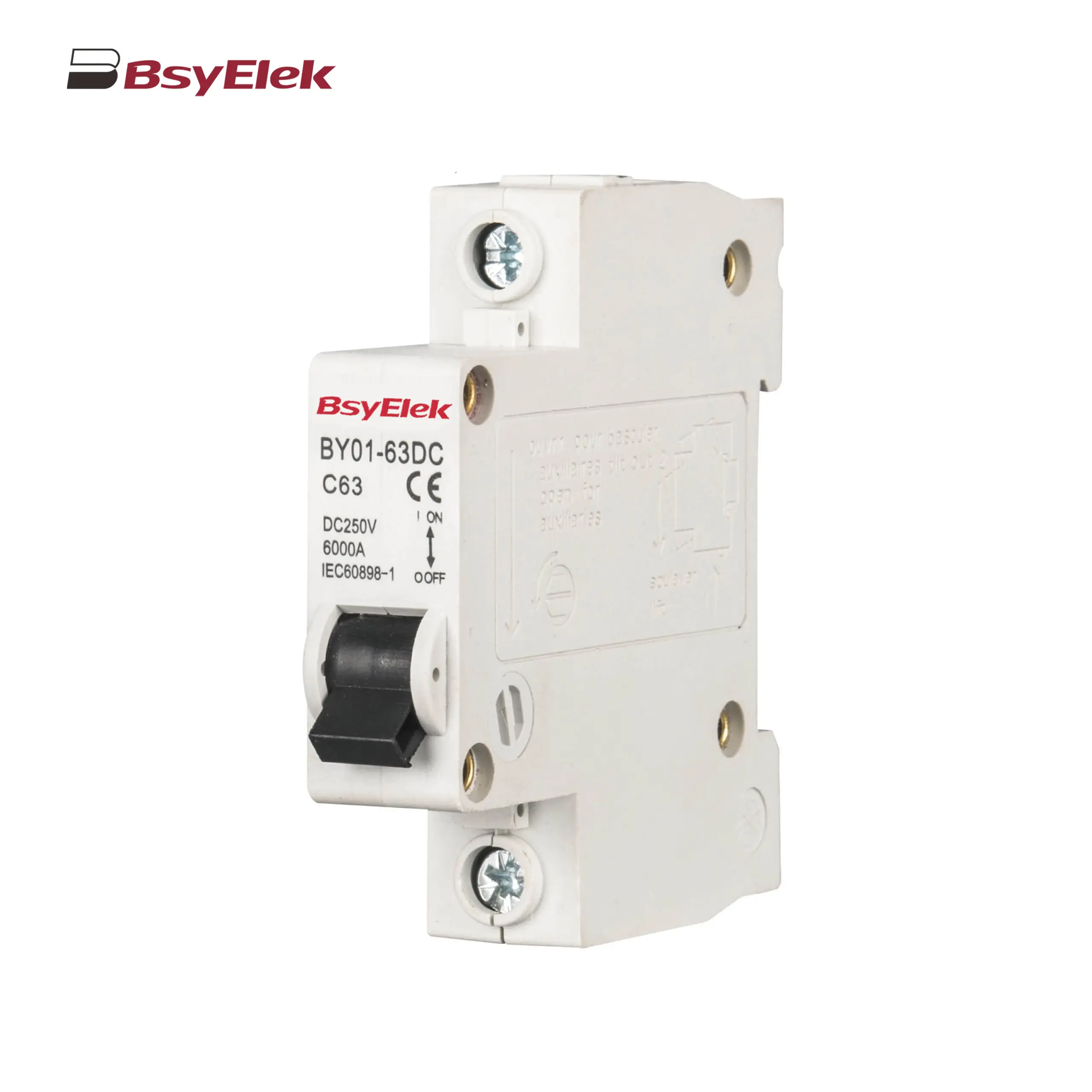 BY01-63DC MCB 3kA DC Miniature Circuit Breaker
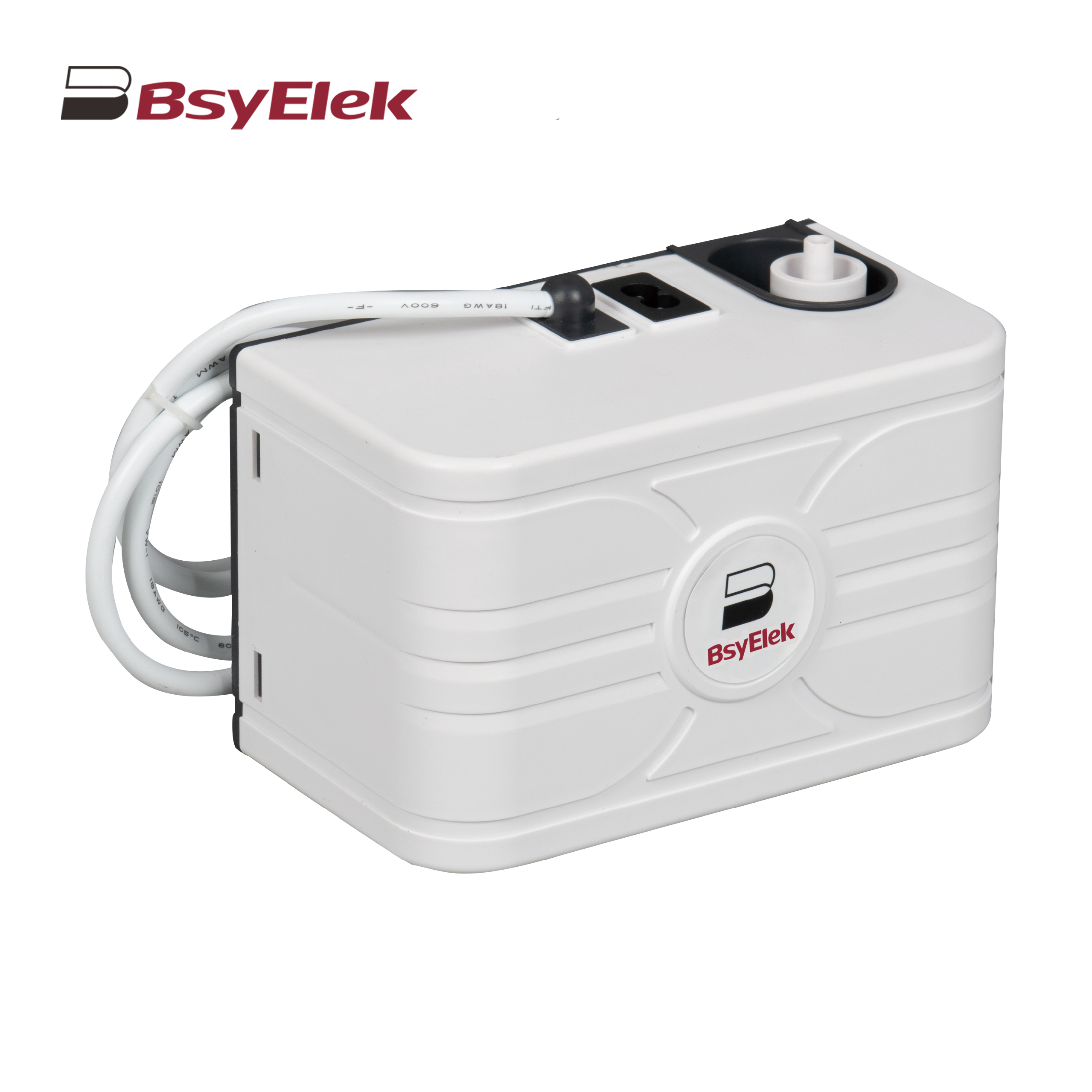 BY-5018 1.8M Engineering Drainage Pump
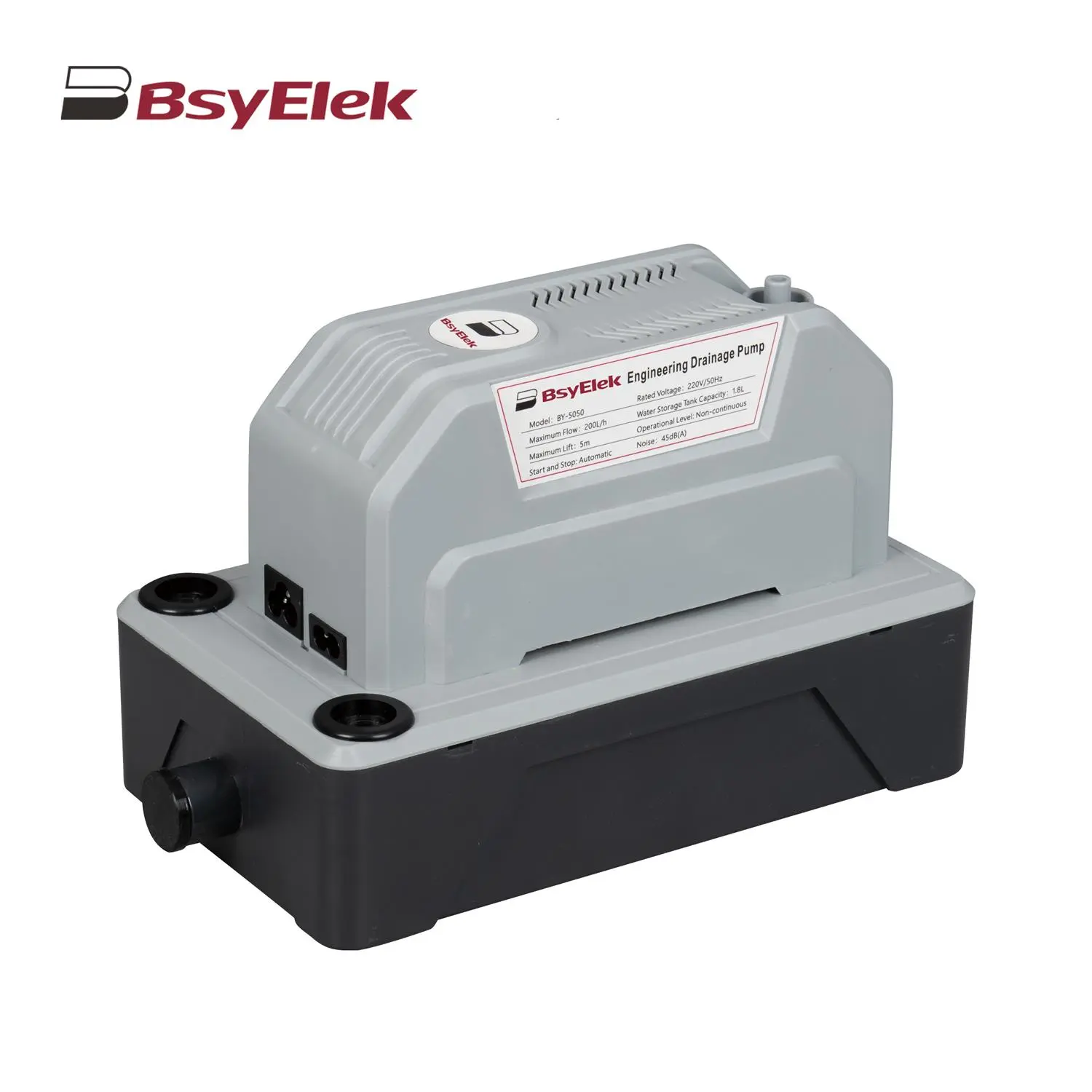 BY-5050 5M Engineering Drainage Pump
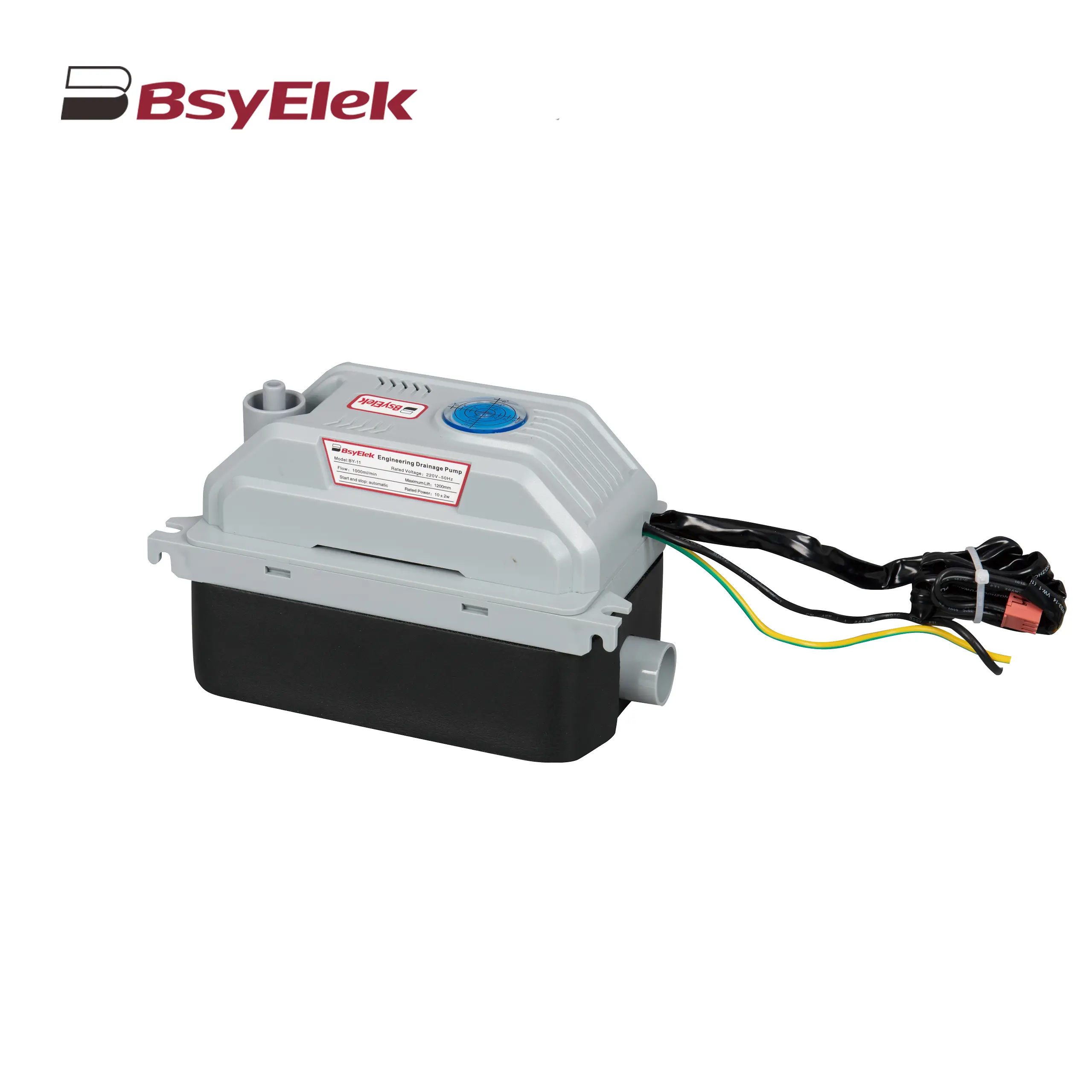 BY-11 1.2M Engineering Drainage Pump
 SBH-05 0.7M Original Drainage Pump of Duct Type Air Conditioner
 BY-24A/40A 10M Drainage Pump of Air Conditioner
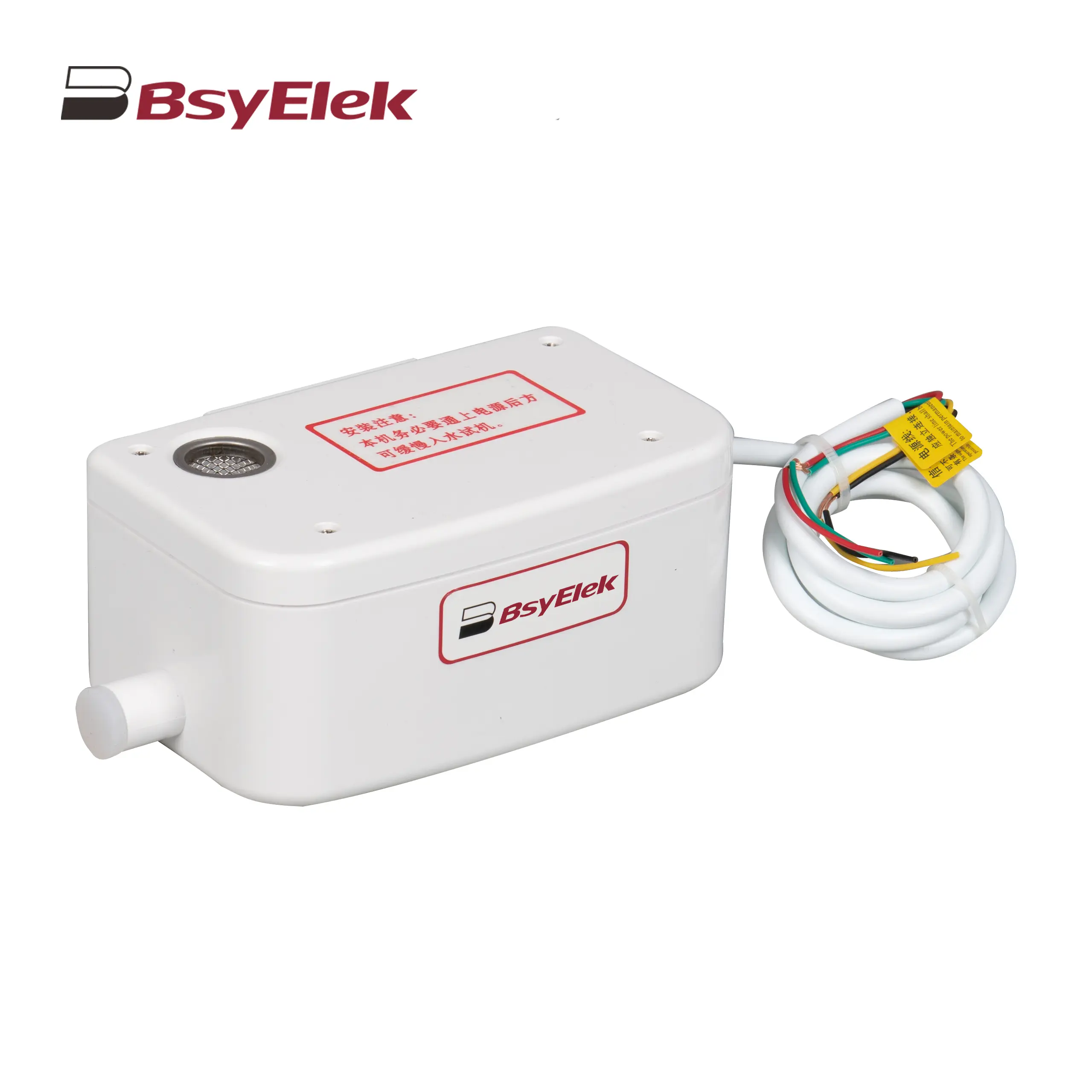 BY-50A 12M Drainage Pump of Air Conditioner
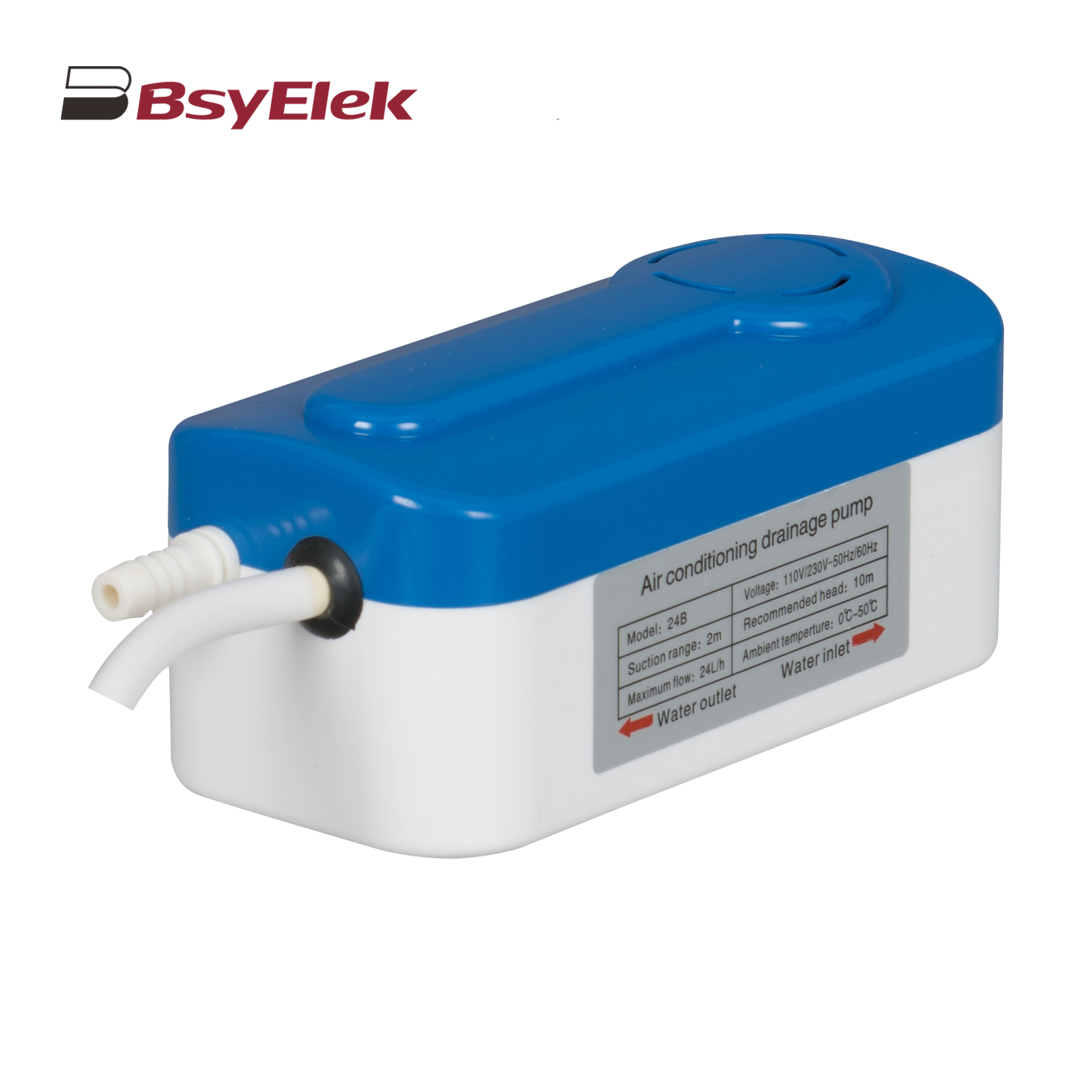 BY-24B/40B 10M Split Type Drainage Pump
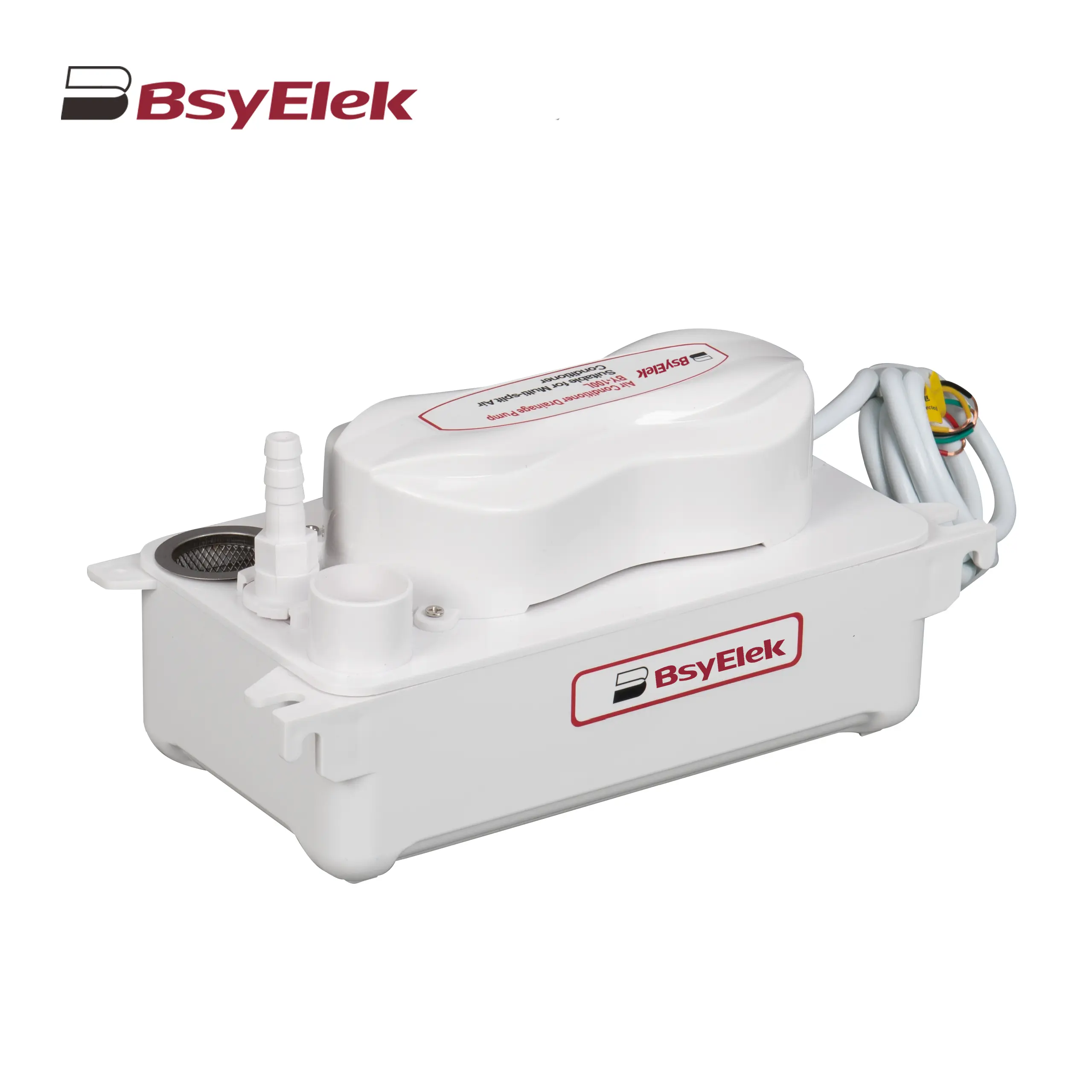 BY-100L 2M Drainage Pump of Air Conditioner
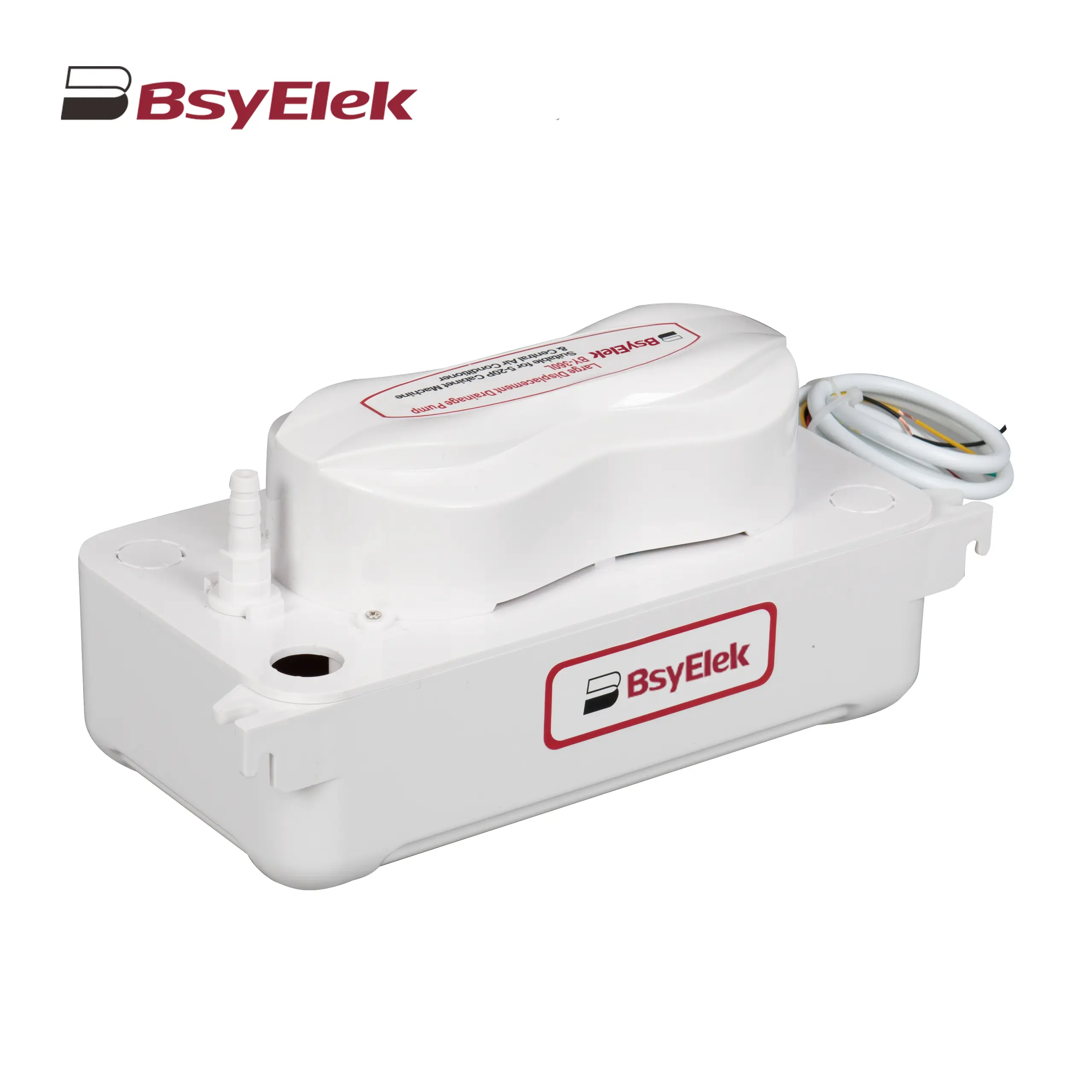 BY-360L 6M Large Displacement Drainage Pump
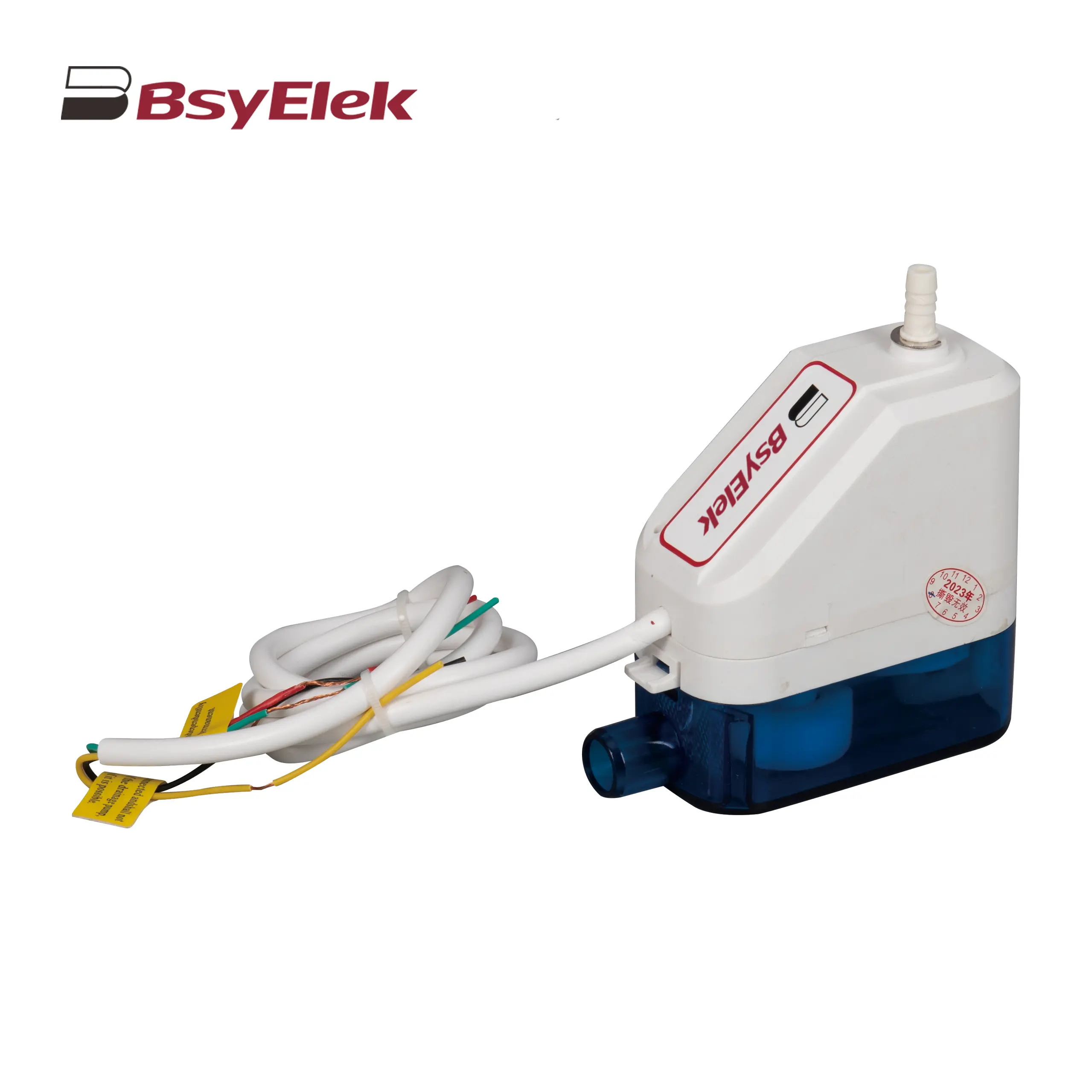 BY-24C/40C 10M Corner Drainage Pump
What is a miniature circuit breaker (MCB)?
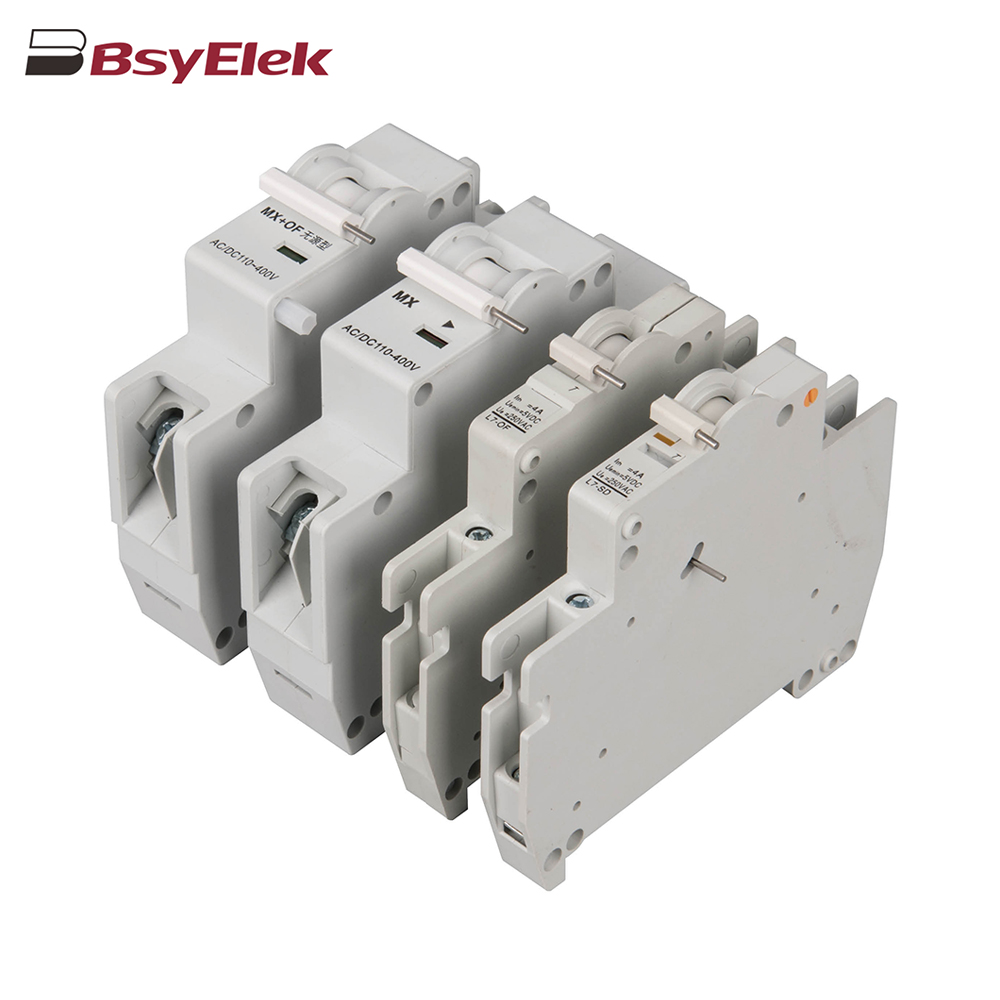 OF SD MX OF MCB Miniature Circuit Breaker Accessories
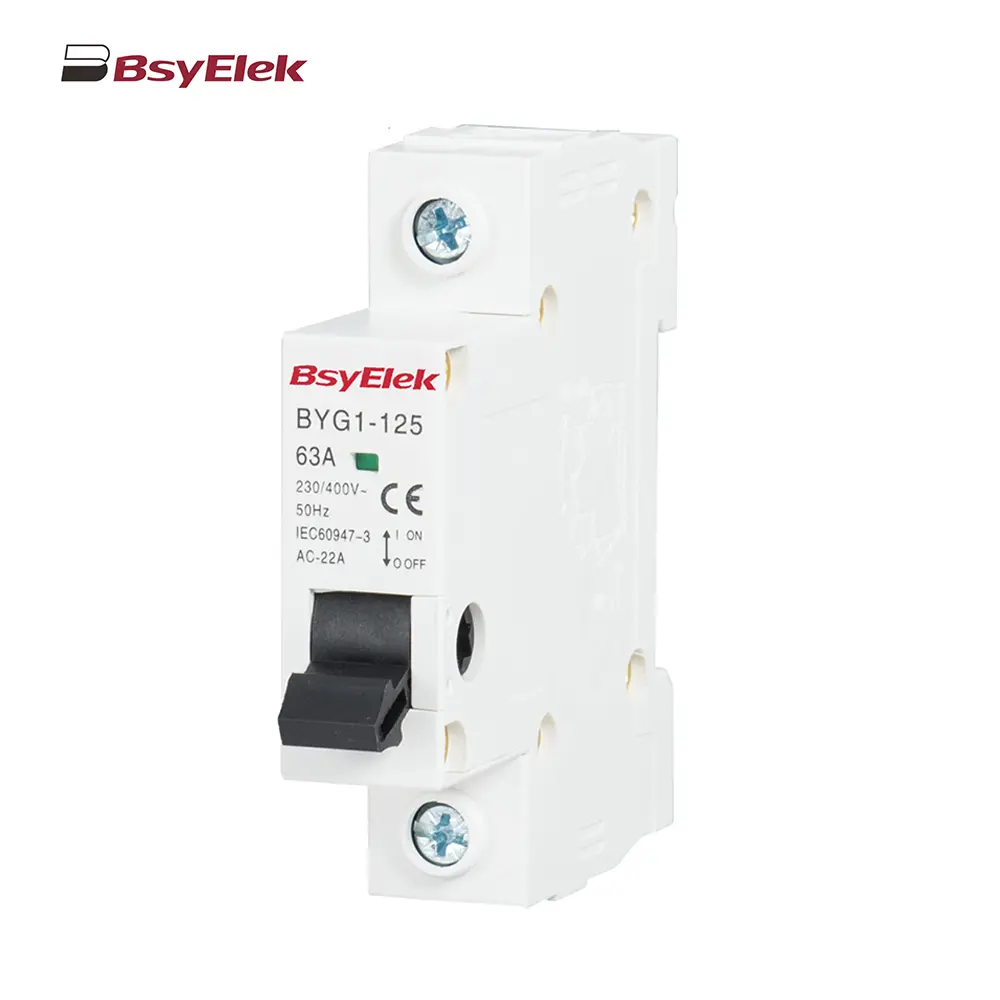 BYG1-125 Main Switch MCB Isolator Switch
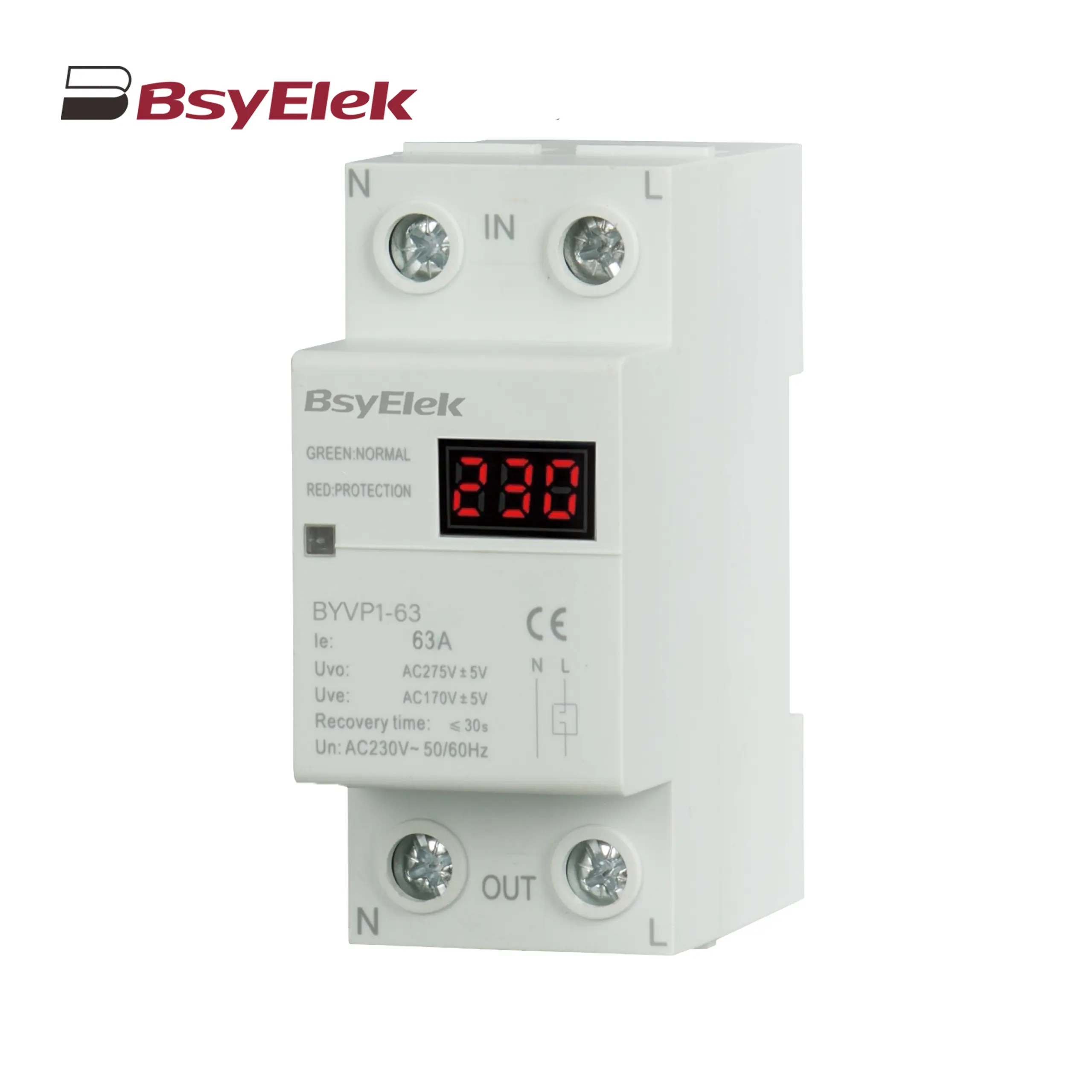 BYVP1-63 100A Single Display Overvoltage and Undervoltage Protector
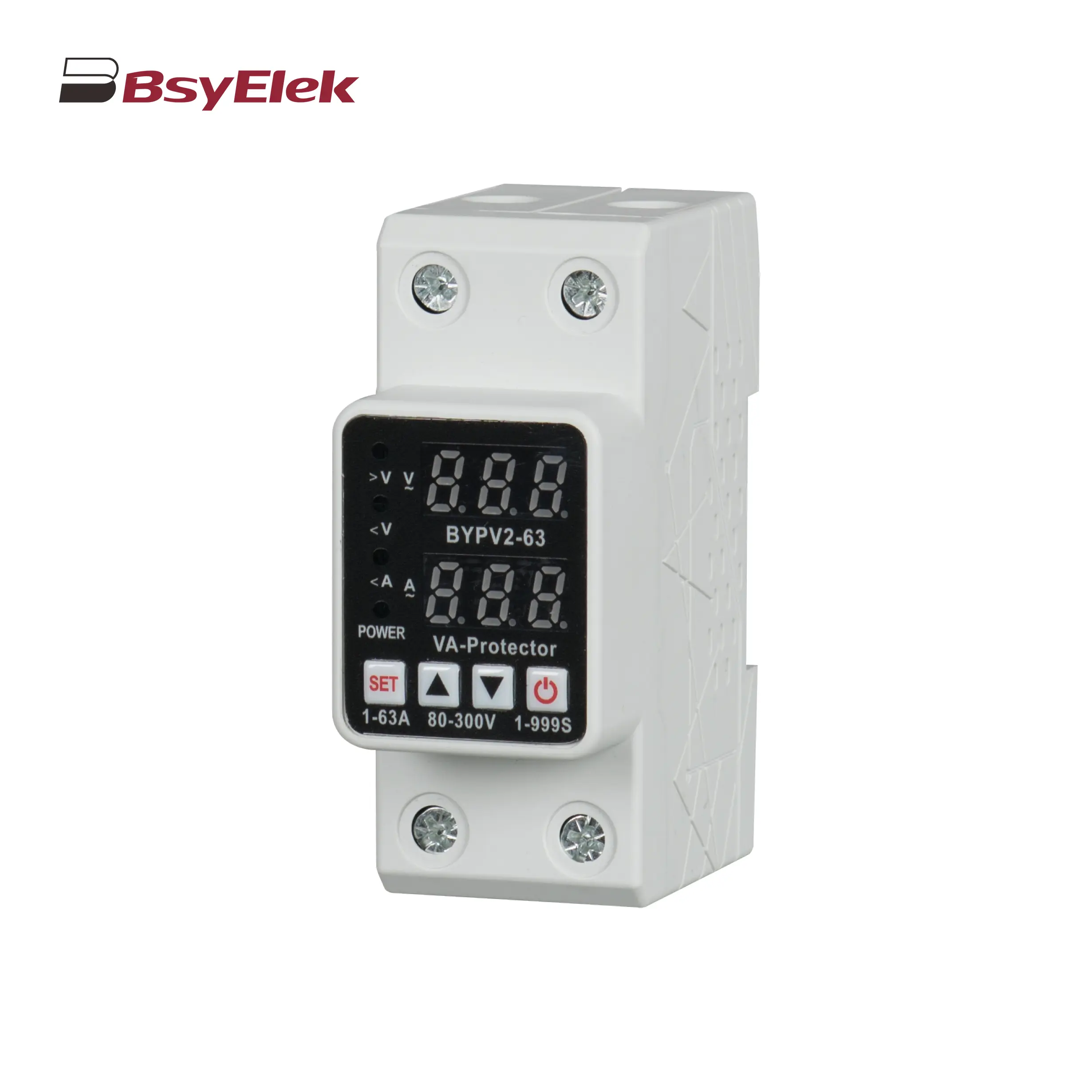 BYVP2-63 40A 63A Adjustable Dual Display Overvoltage and Undervoltage Protector
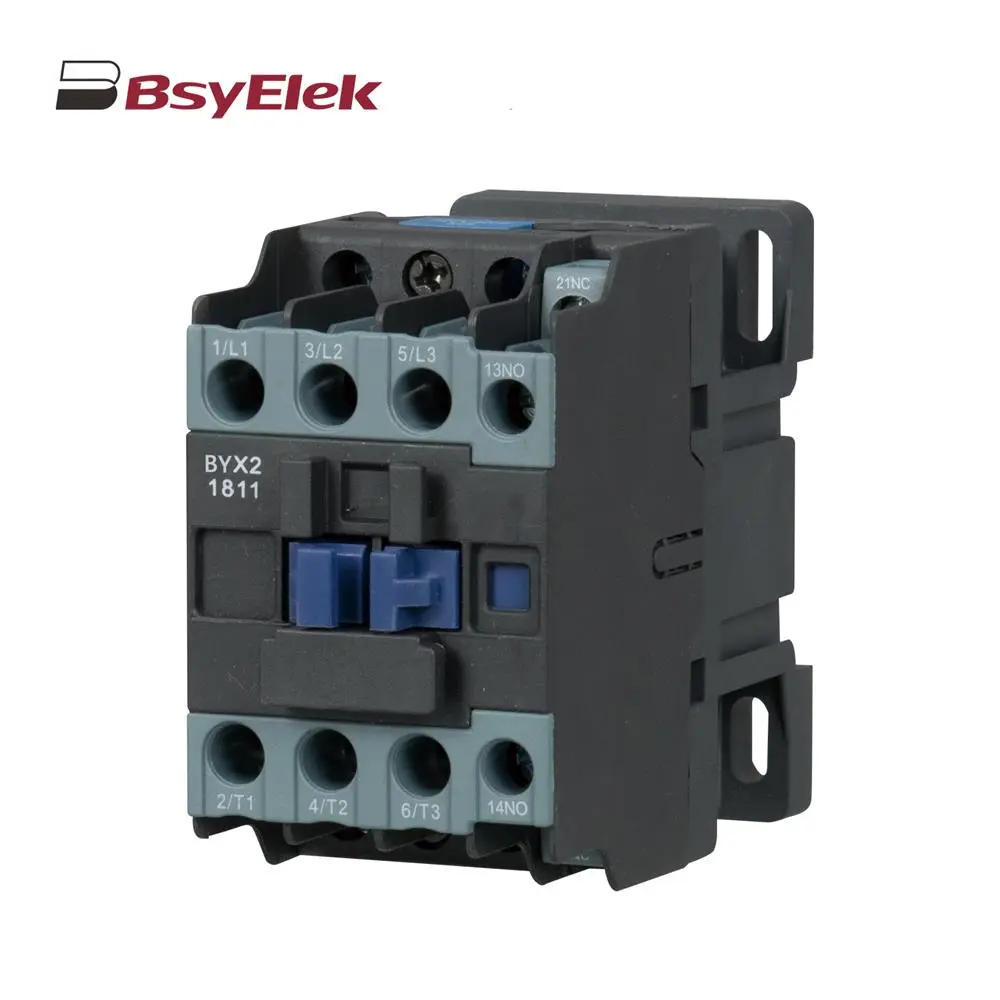 BYX2 6-95A AC Contactor
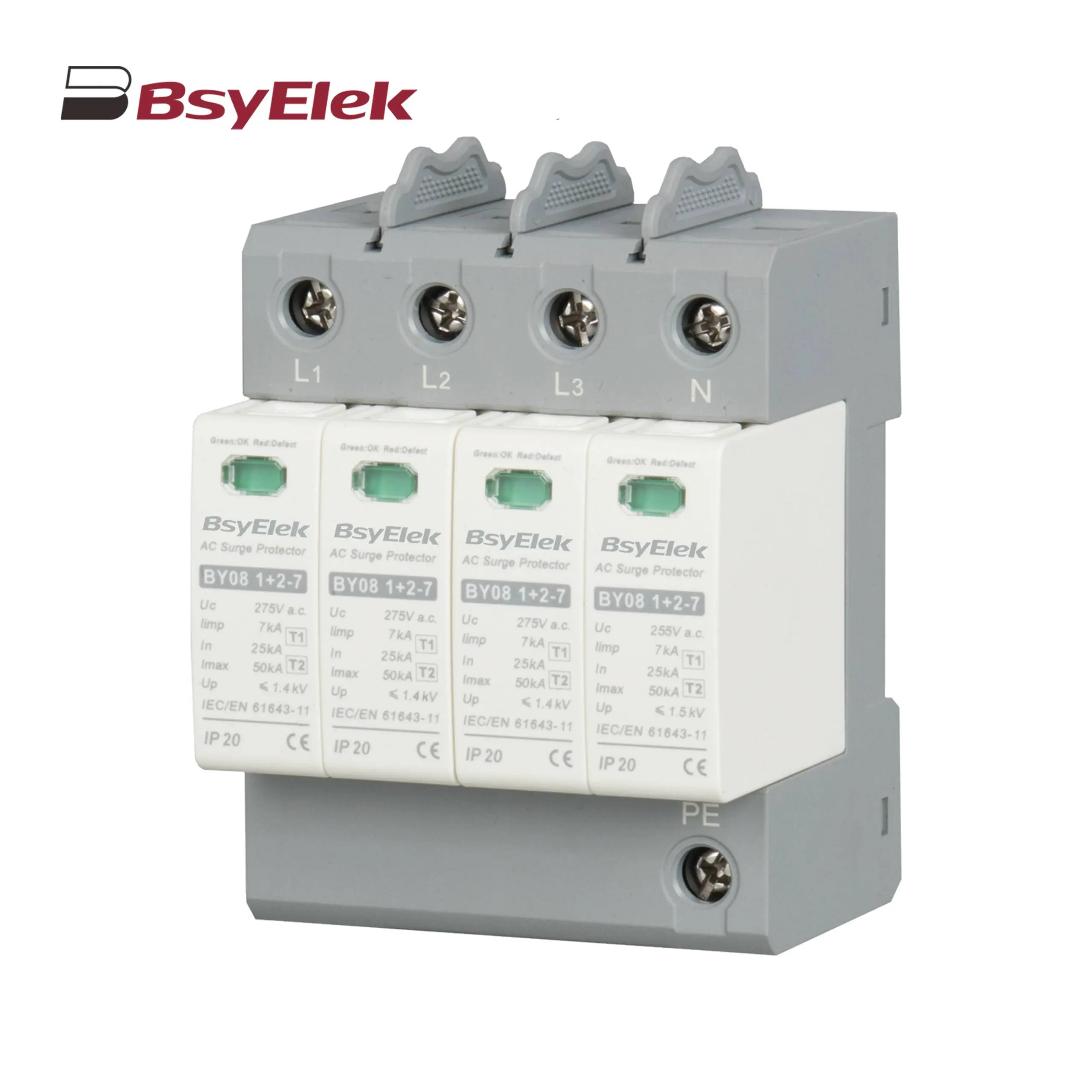 BY08 1+2-7 SPD Class T1+T2 Imax 50KA Surge Protective Device
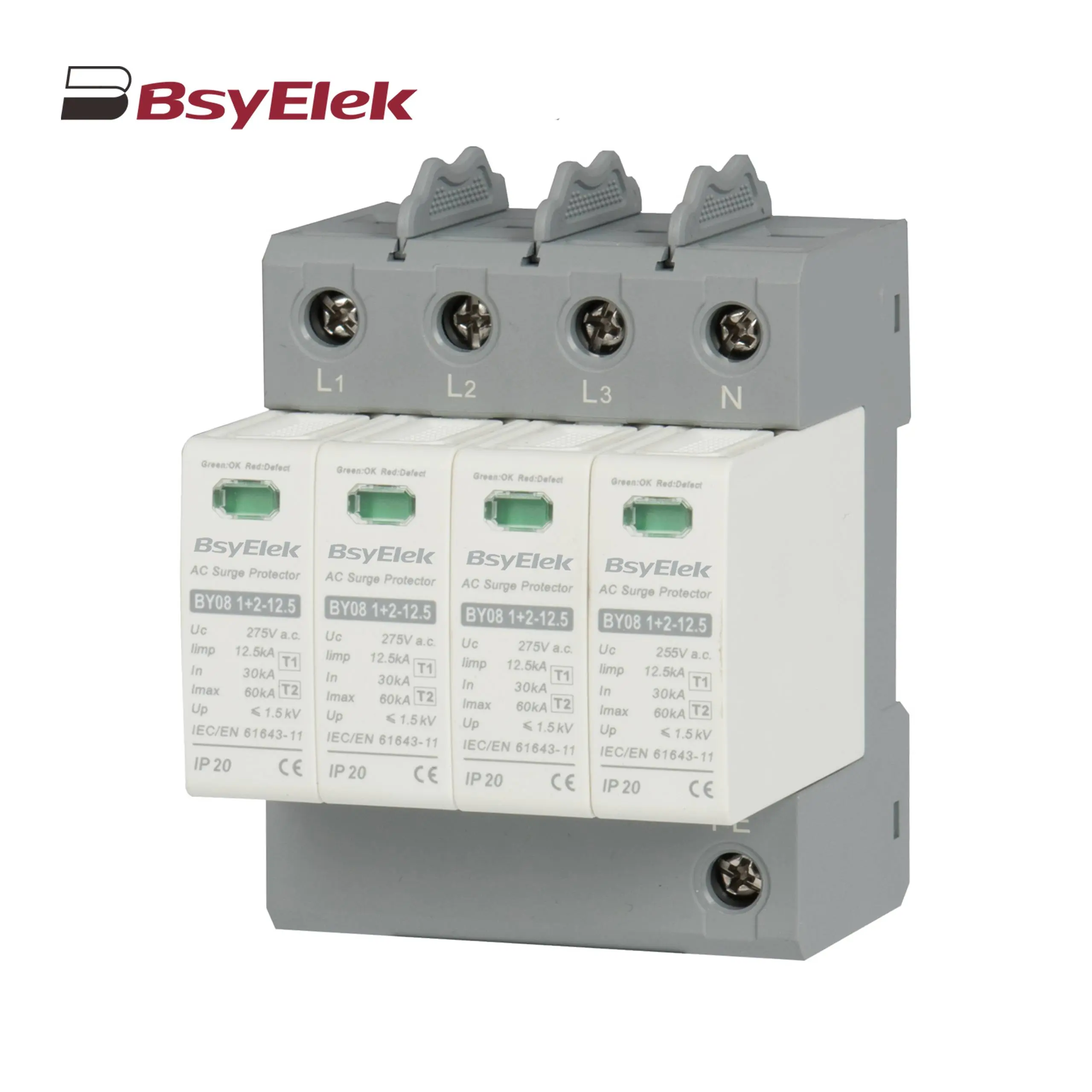 BY08 1+2-12.5 SPD Class T1+T2 Imax 60KA Surge Protective Device
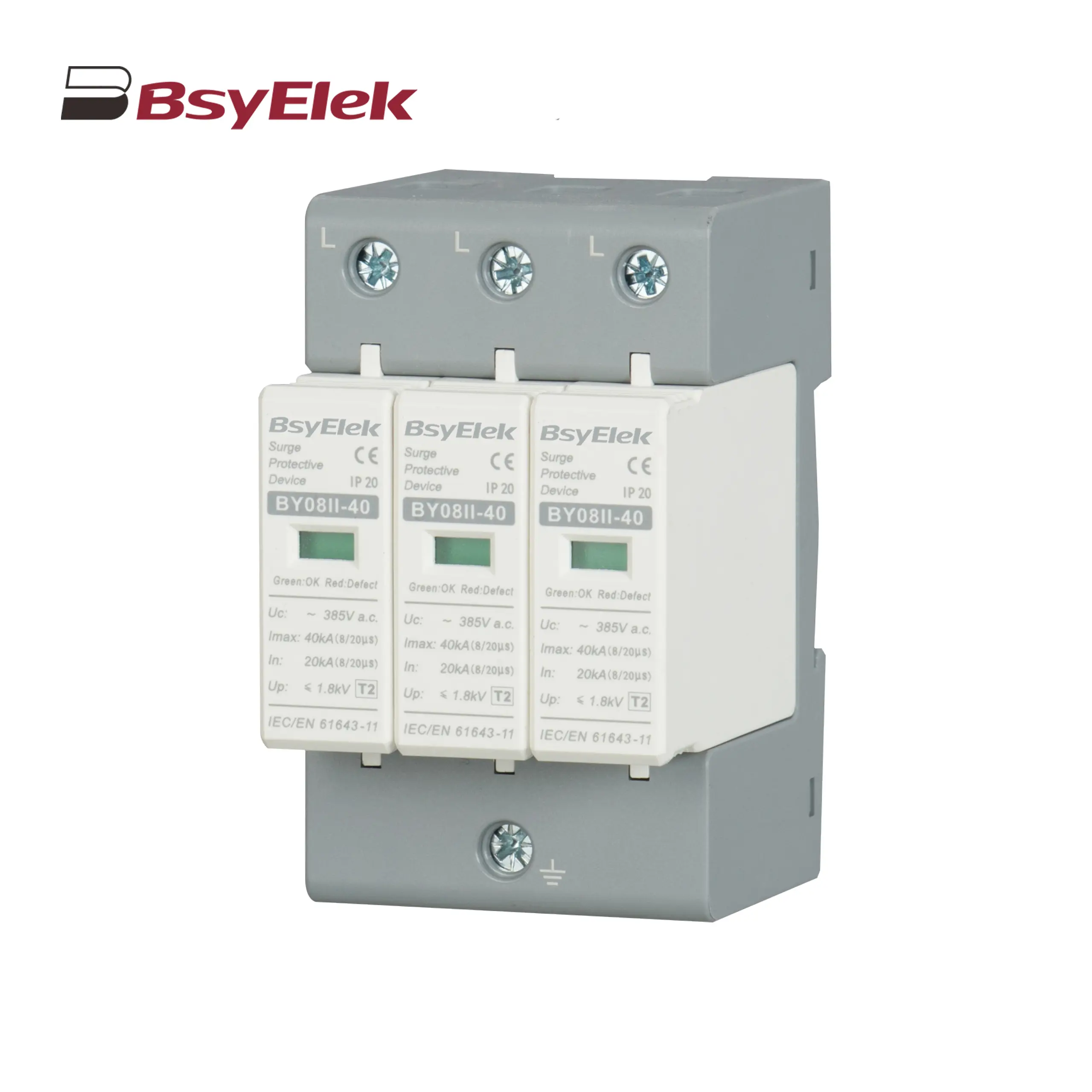 BY08II-40 SPD Class T2 Imax 40KA Surge Protective Device
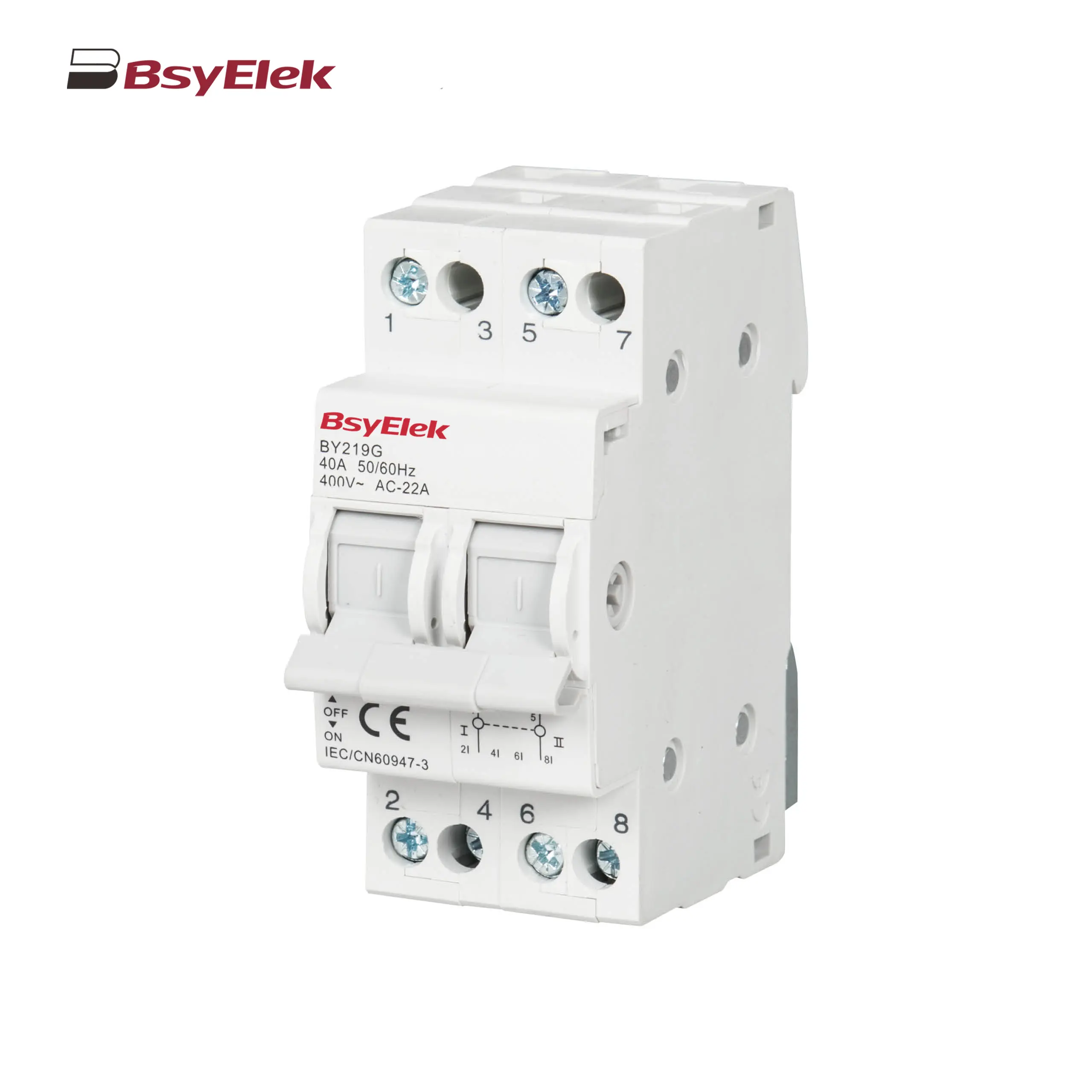 BY19G 63A Manual Changeover Switch
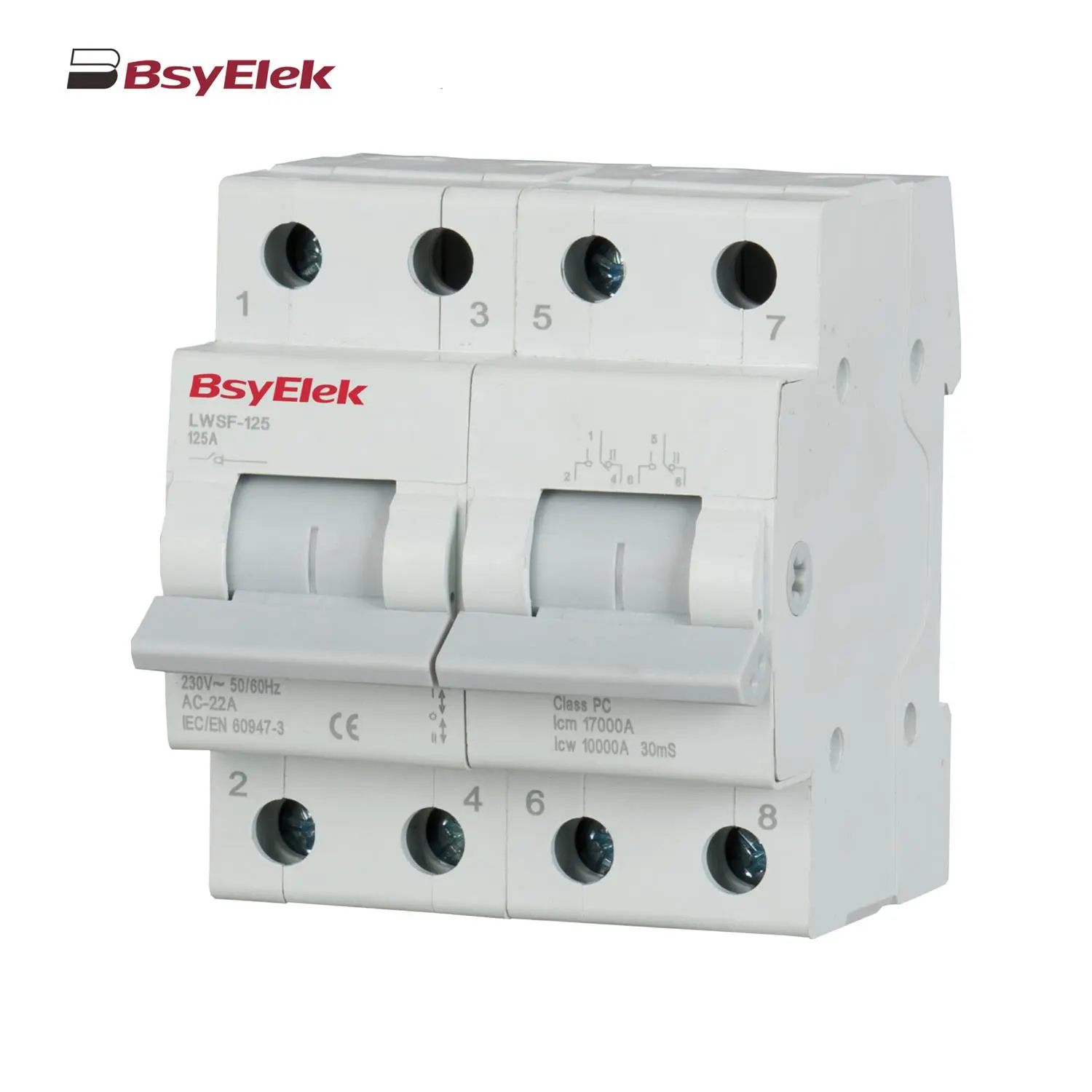 LWSF-125 125A Manual Changeover Switch
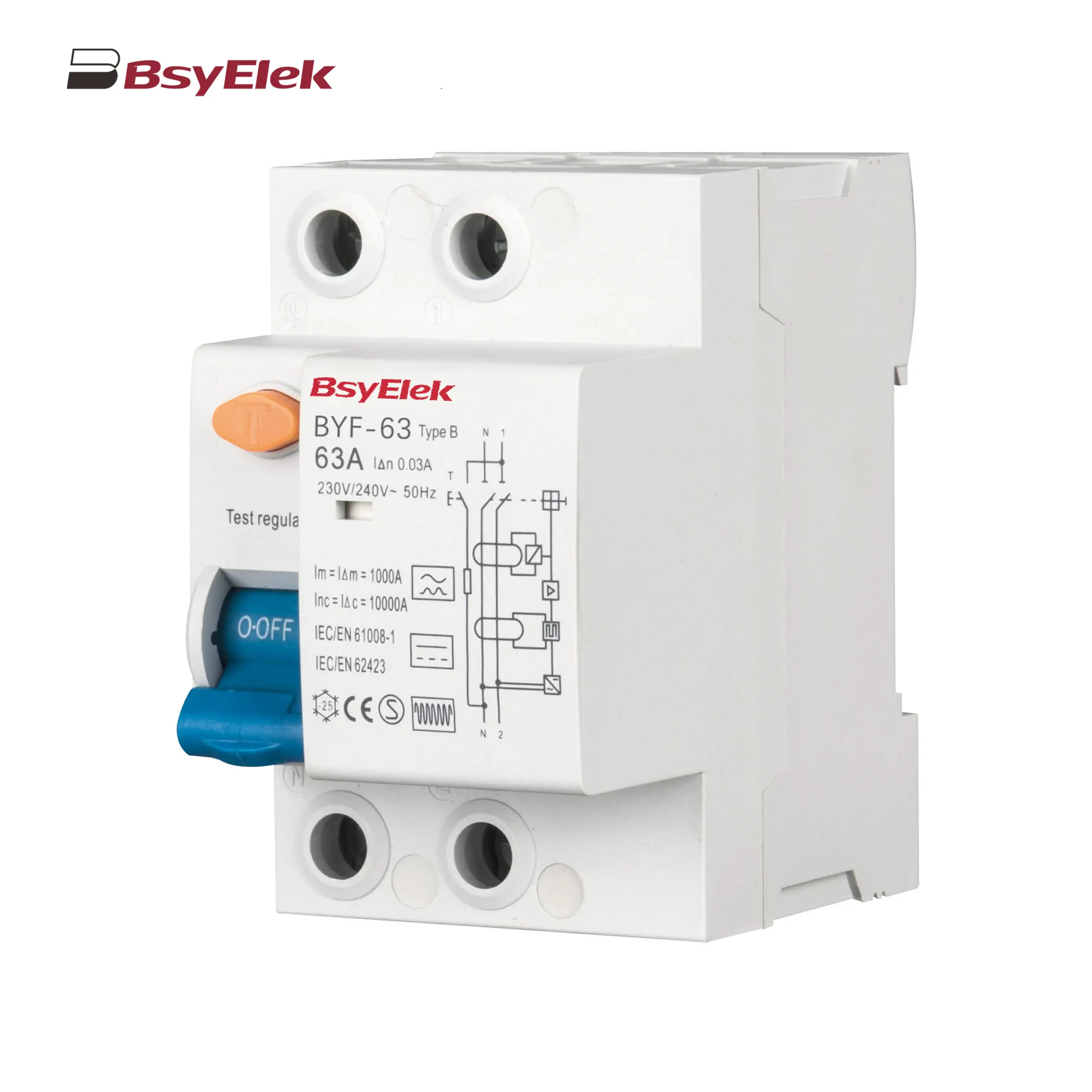 BYF-63 RCD 10KA Type B AC+A+Smoothing DC Residual Current Device
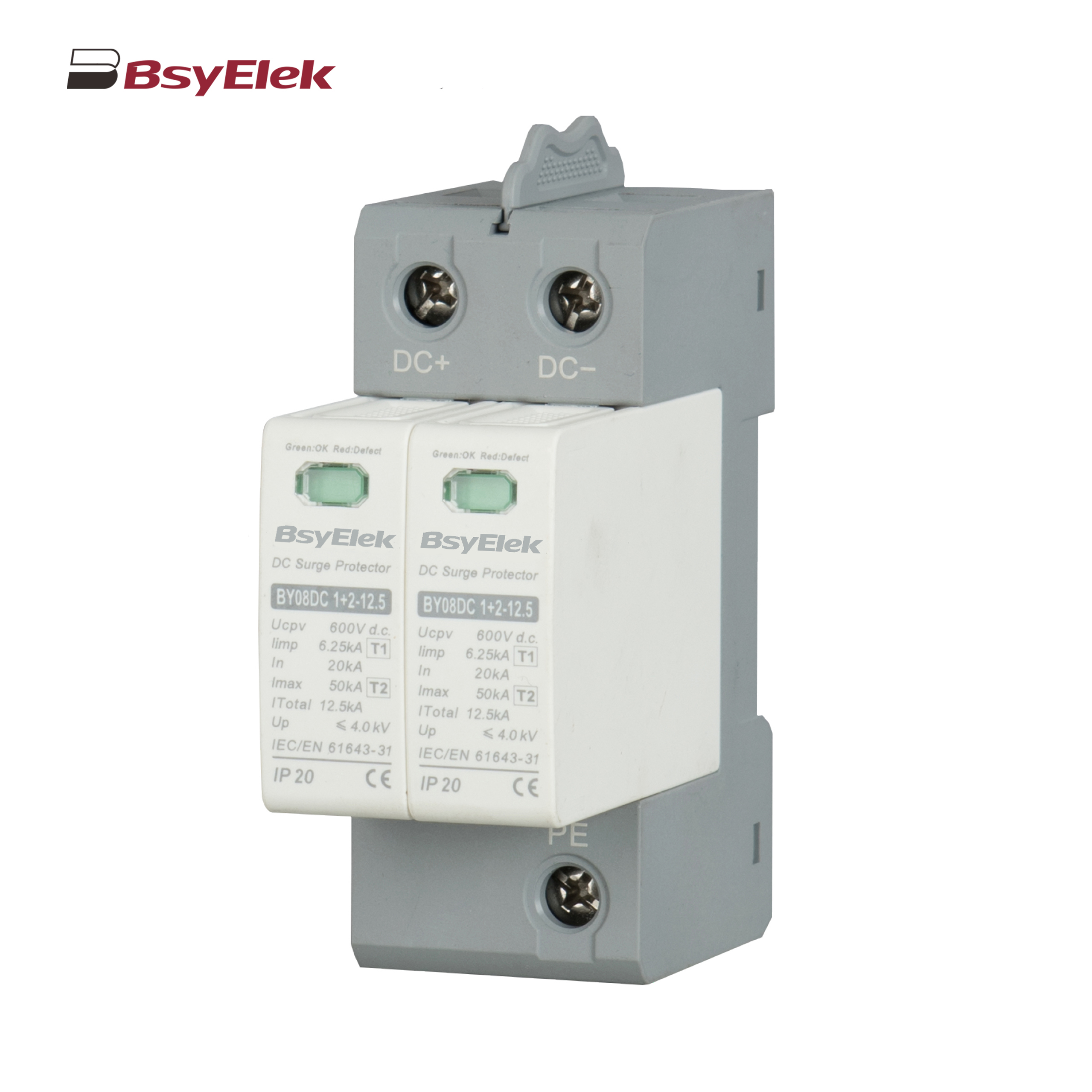 BY08DC 1+2-12.5 SPD Class T1+T2 40KA DC Surge Protective Device
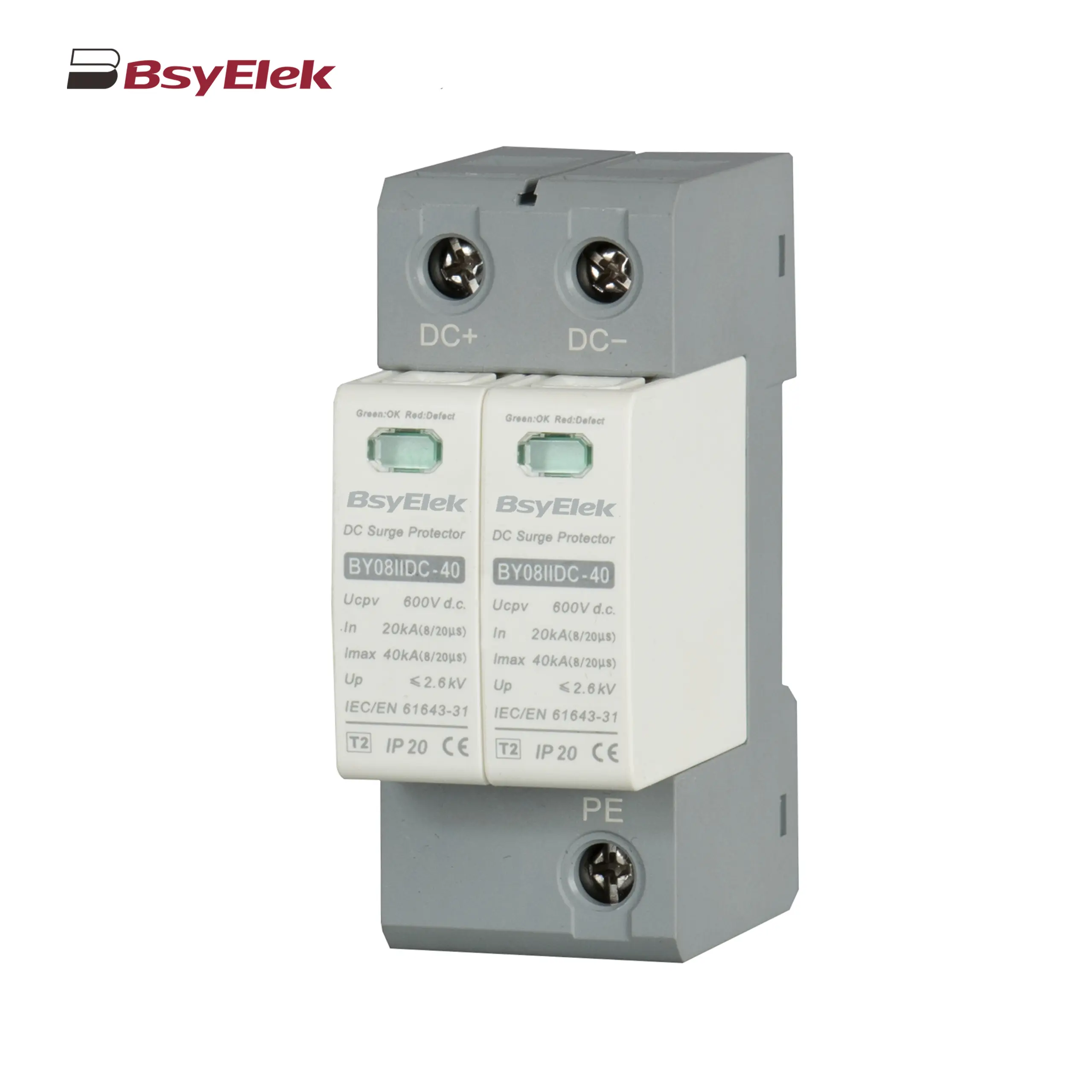 BY08IIDC-40 SPD Class T2 40KA DC Surge Protective Device
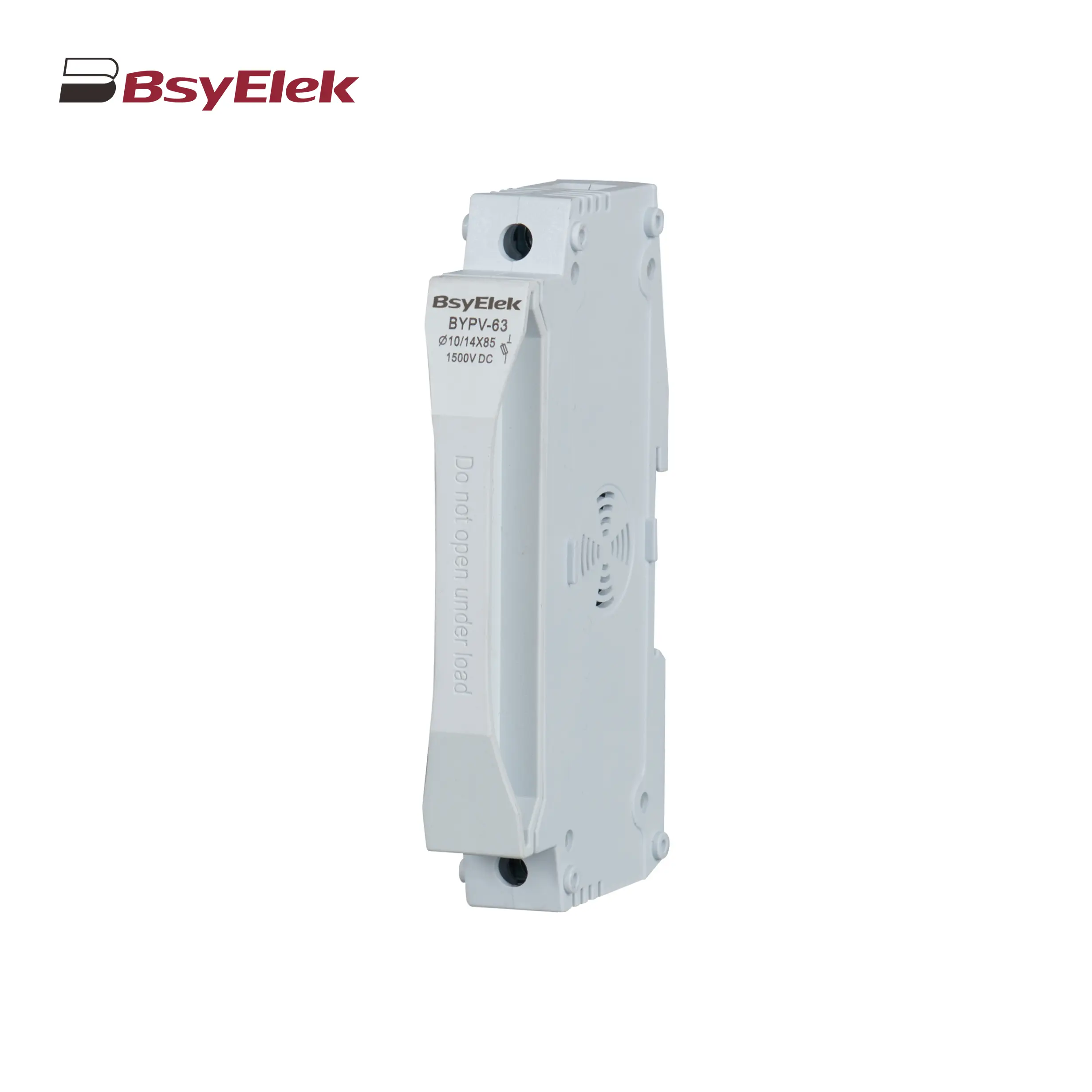 BYPV-63 1500VDC 50A Fuse Holder with 10x85mm 14x85mm Fuse Link
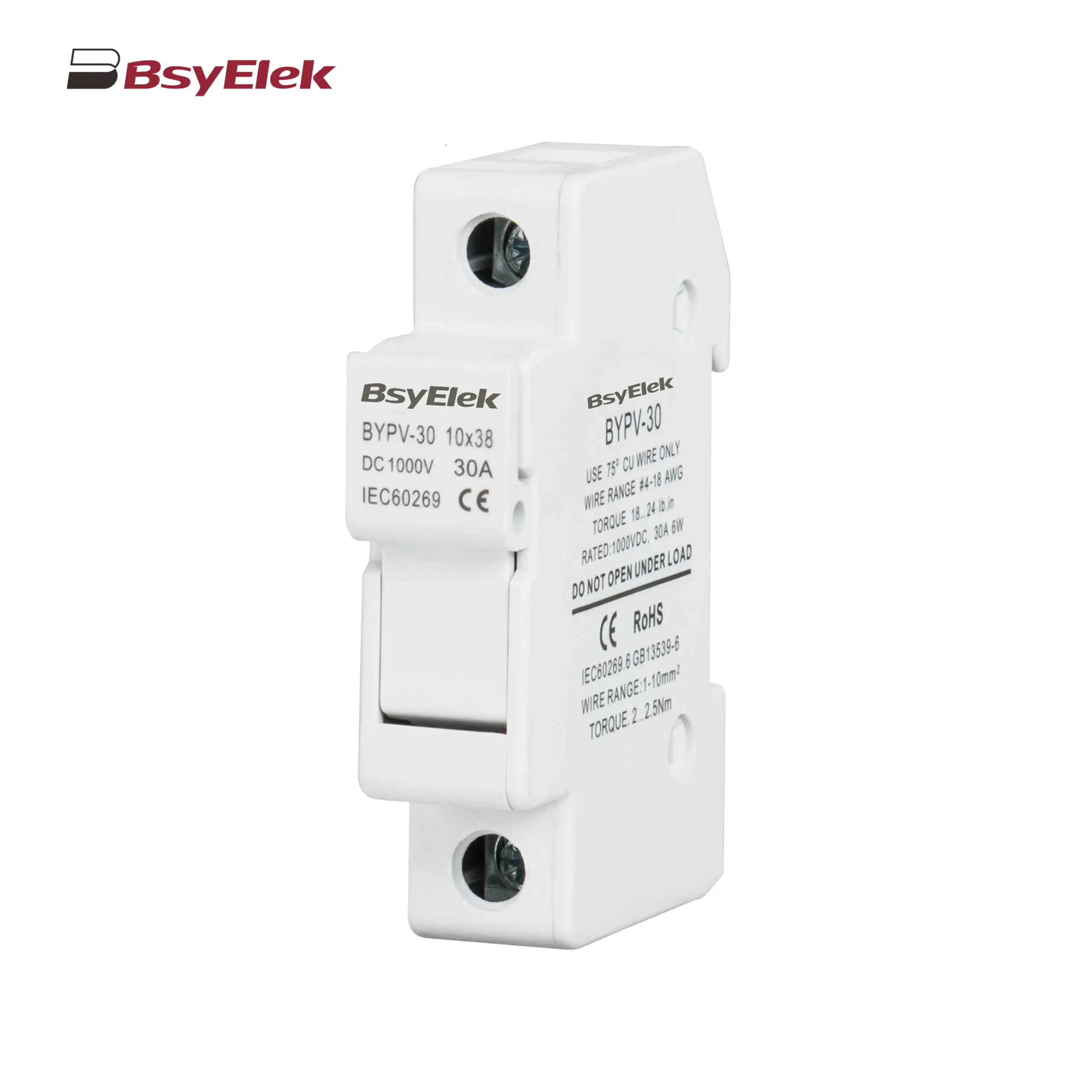 BYPV-30 1000VDC 32A Fuse Holder with 10x38mm Fuse Link
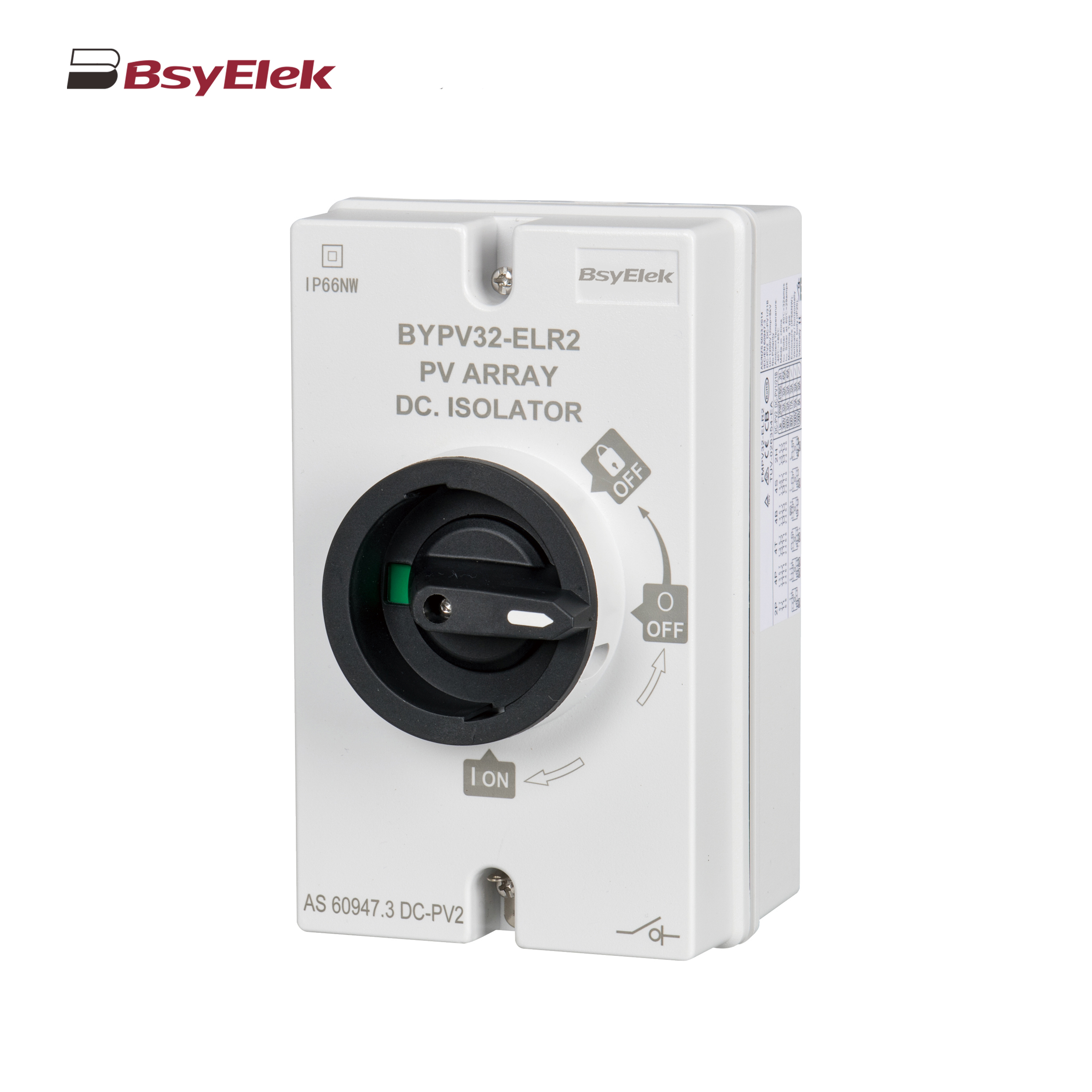 BYPV-ELR2 PV Isolator Switch with Enclosed Version
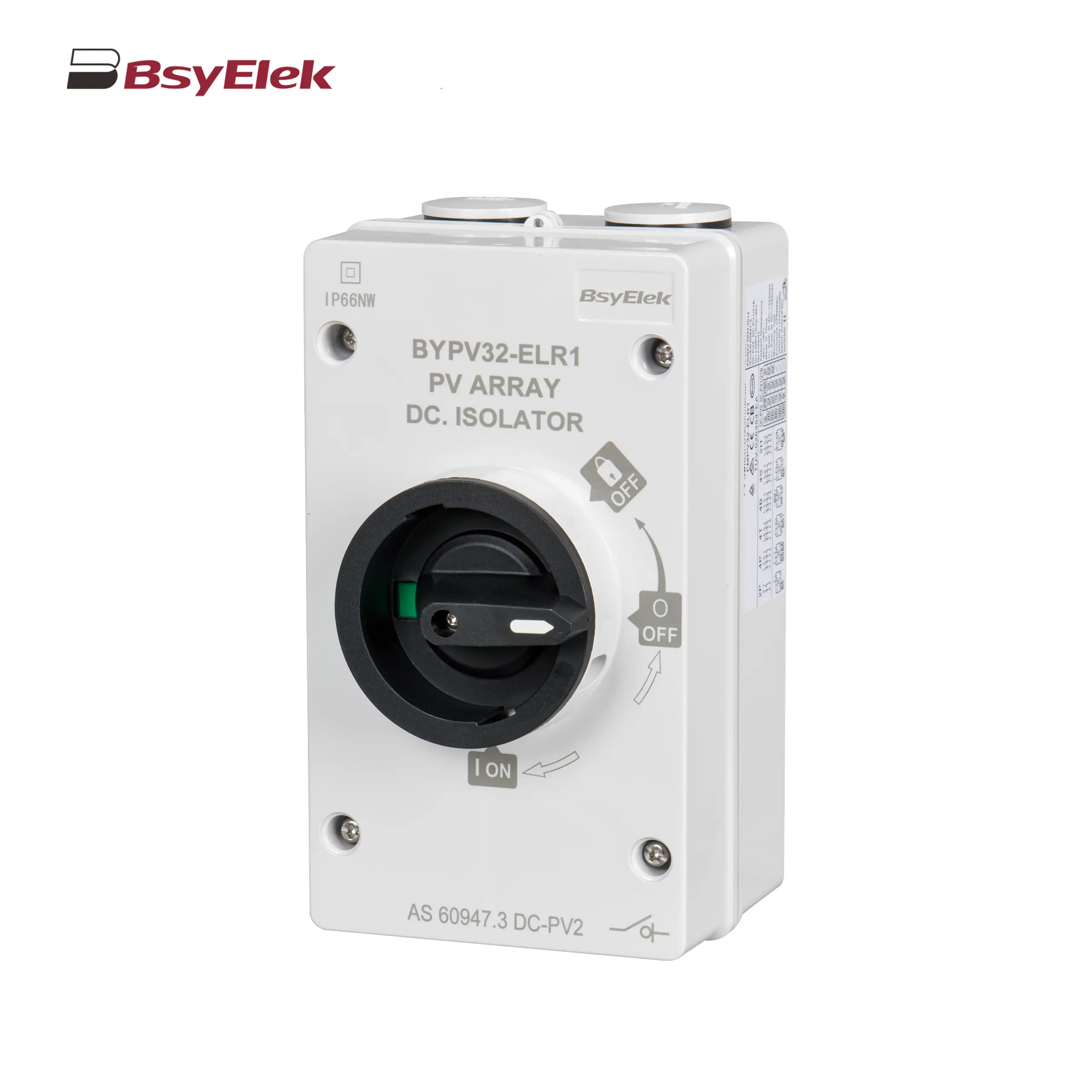 BYPV-ELR1 PV Isolator Switch with Enclosed Version
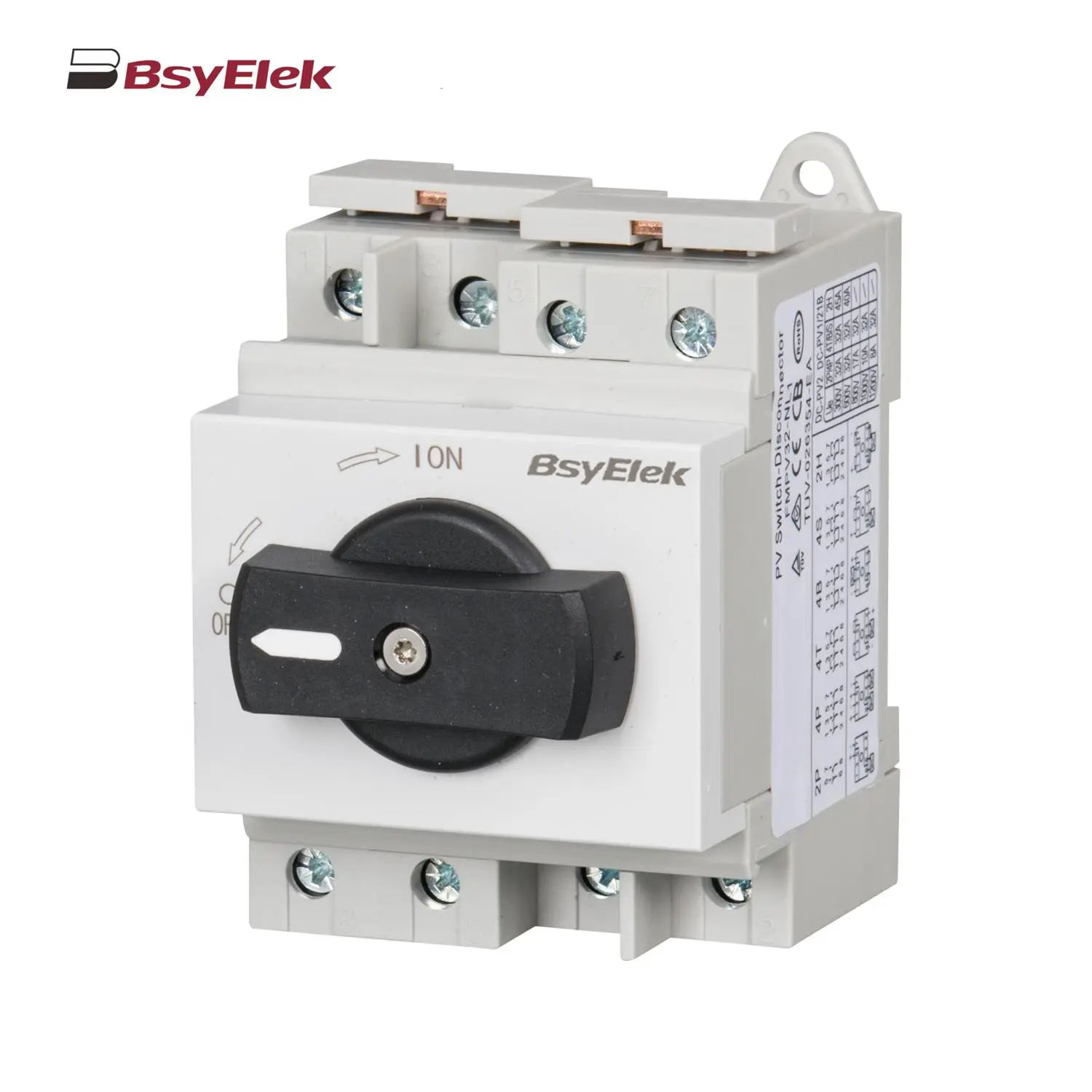 BYPV-NL1/T PV Isolator Switch with Ultra-thin Lever Handle
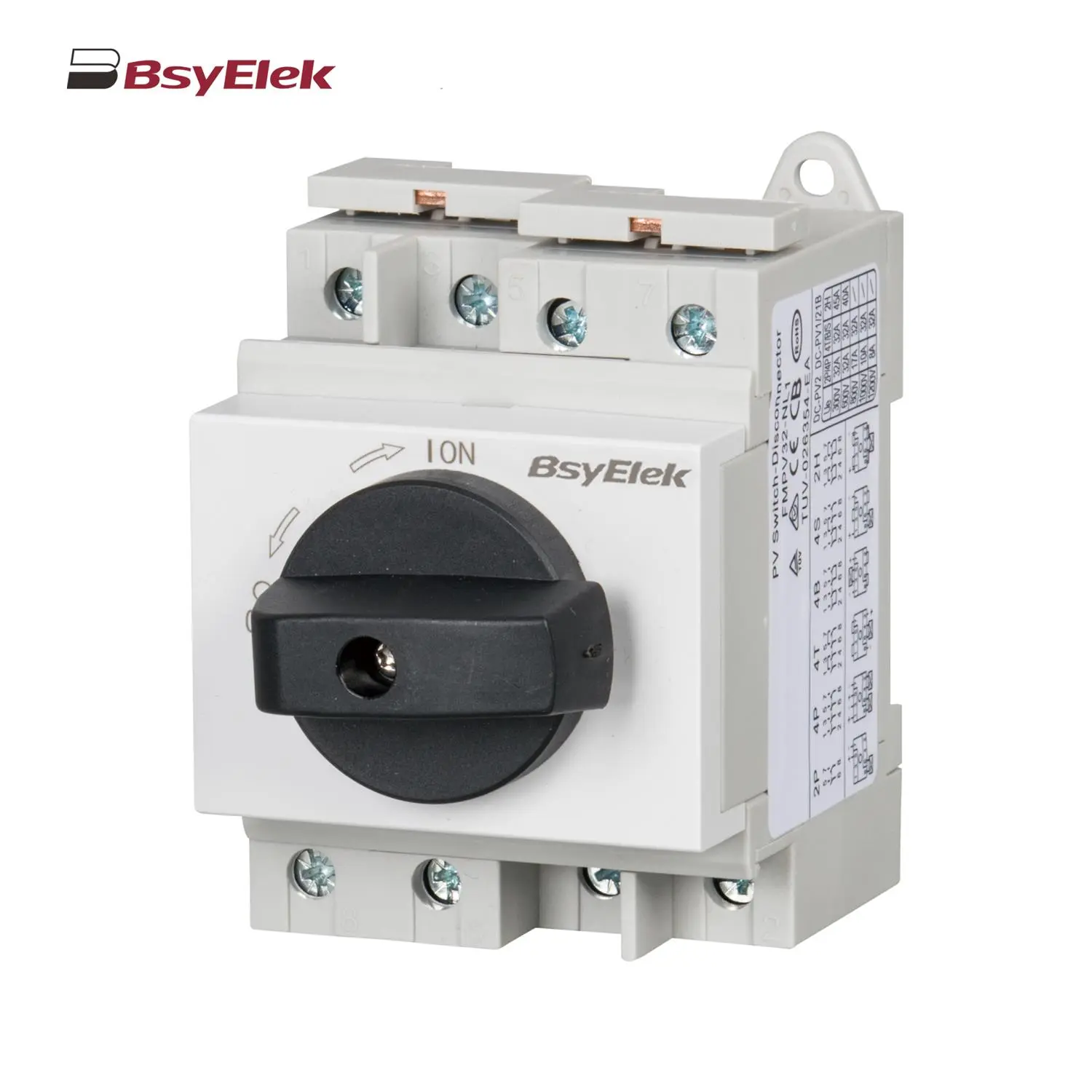 BYPV-NL1 PV Isolator Switch with Lever Handle
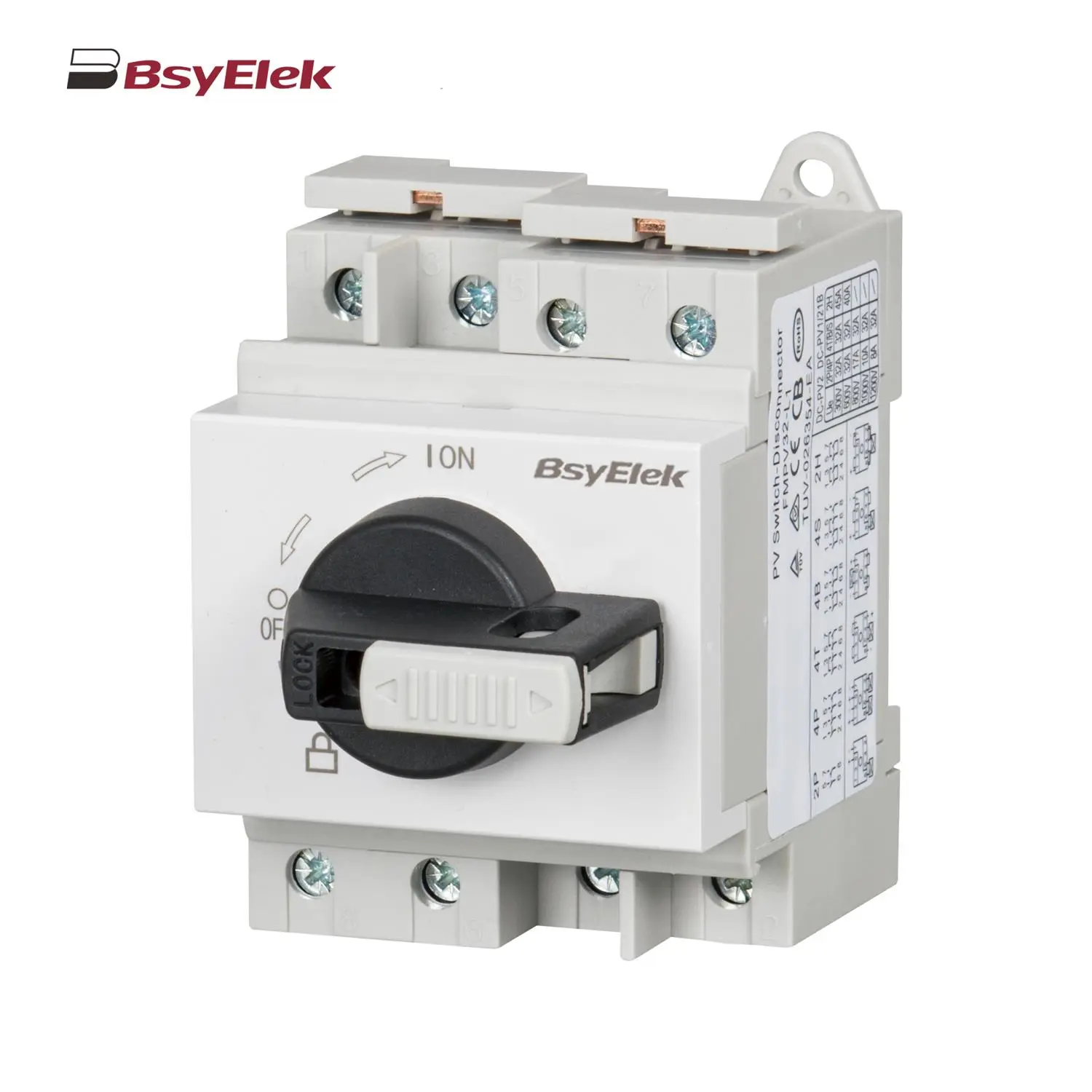 BYPV-L1/L2 PV Isolator Switch with Lockable Lever Handle
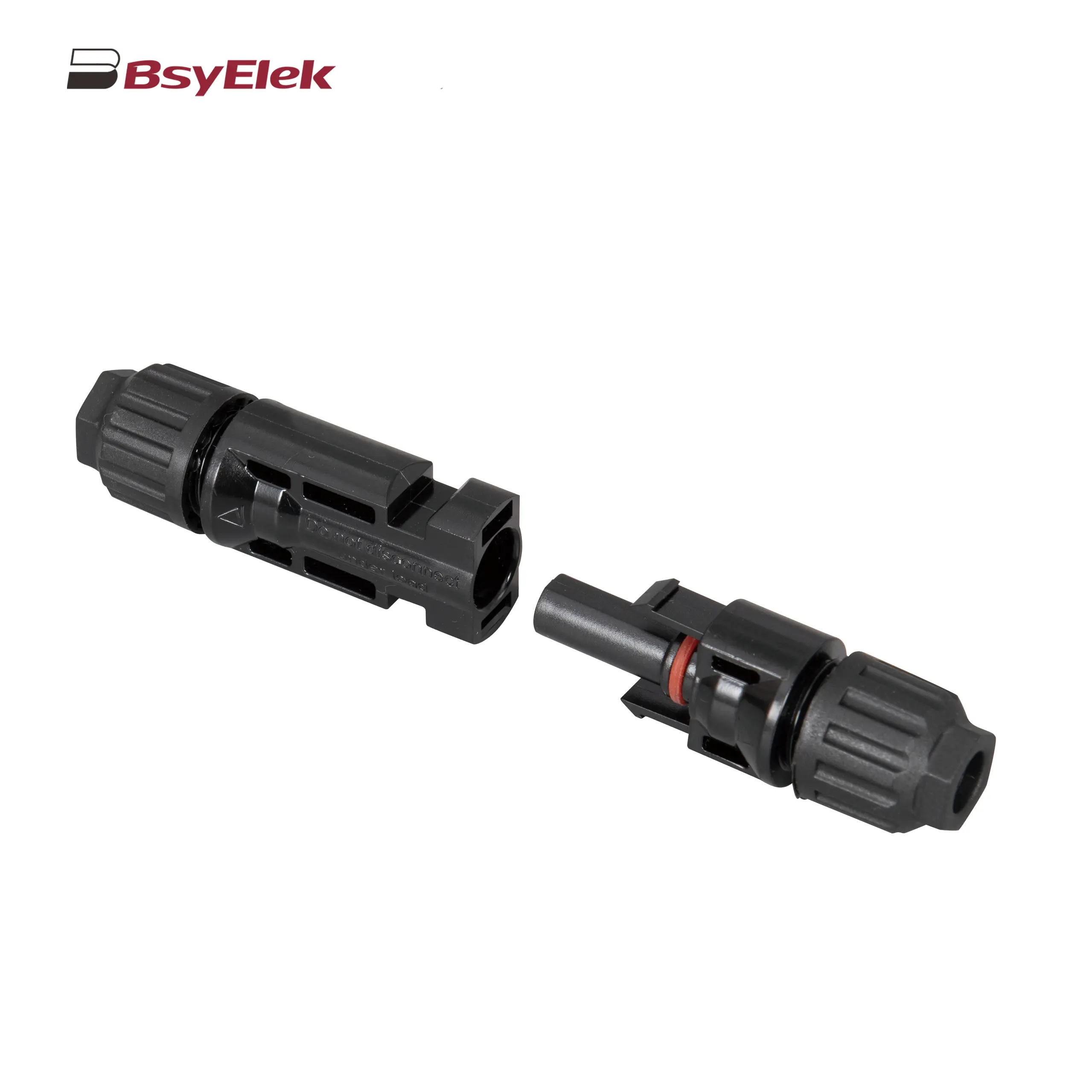 PV-BY-01 30A/50A 1000V Photovoltaic Connector
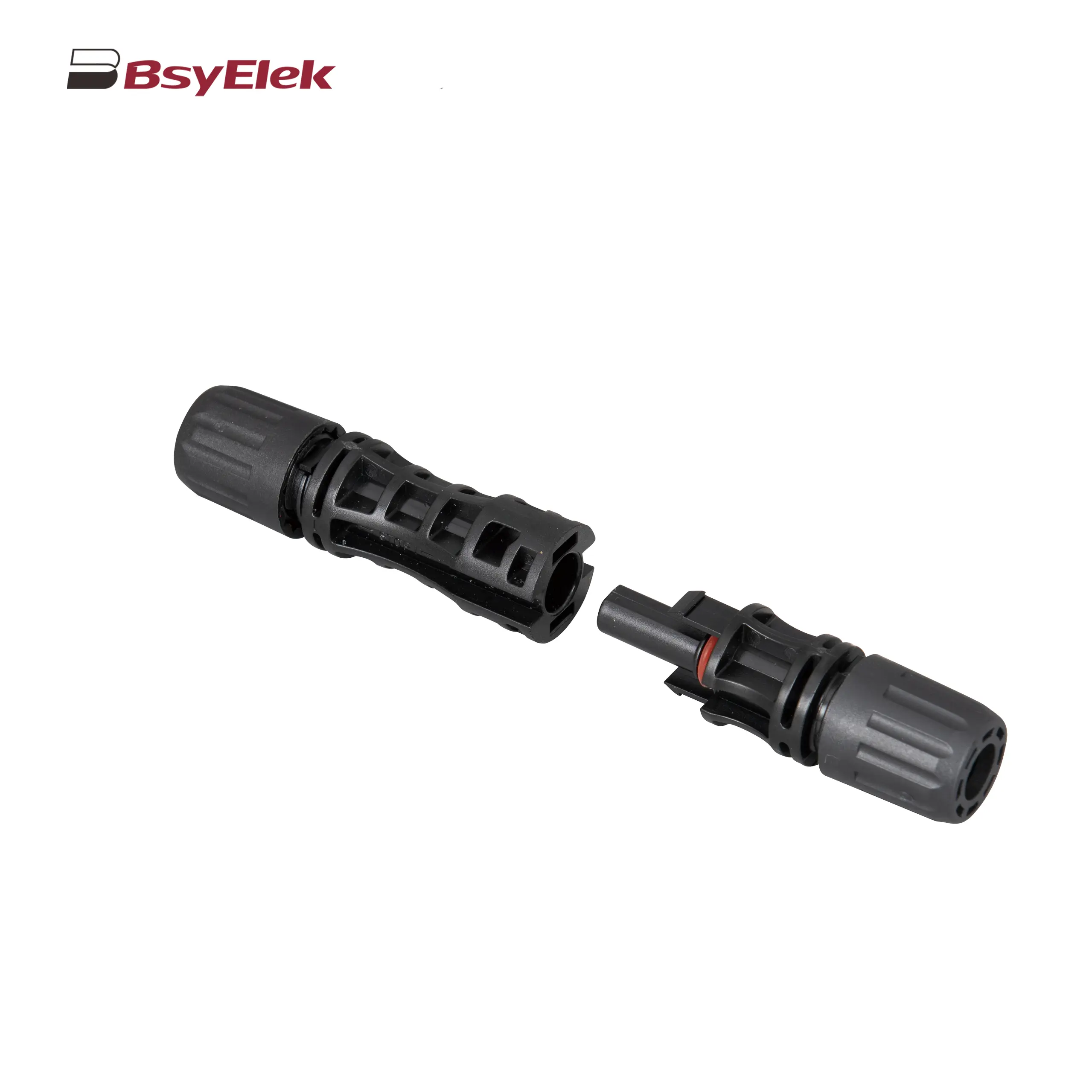 PV-BY-02 30A/50A 1500V Photovoltaic Connector
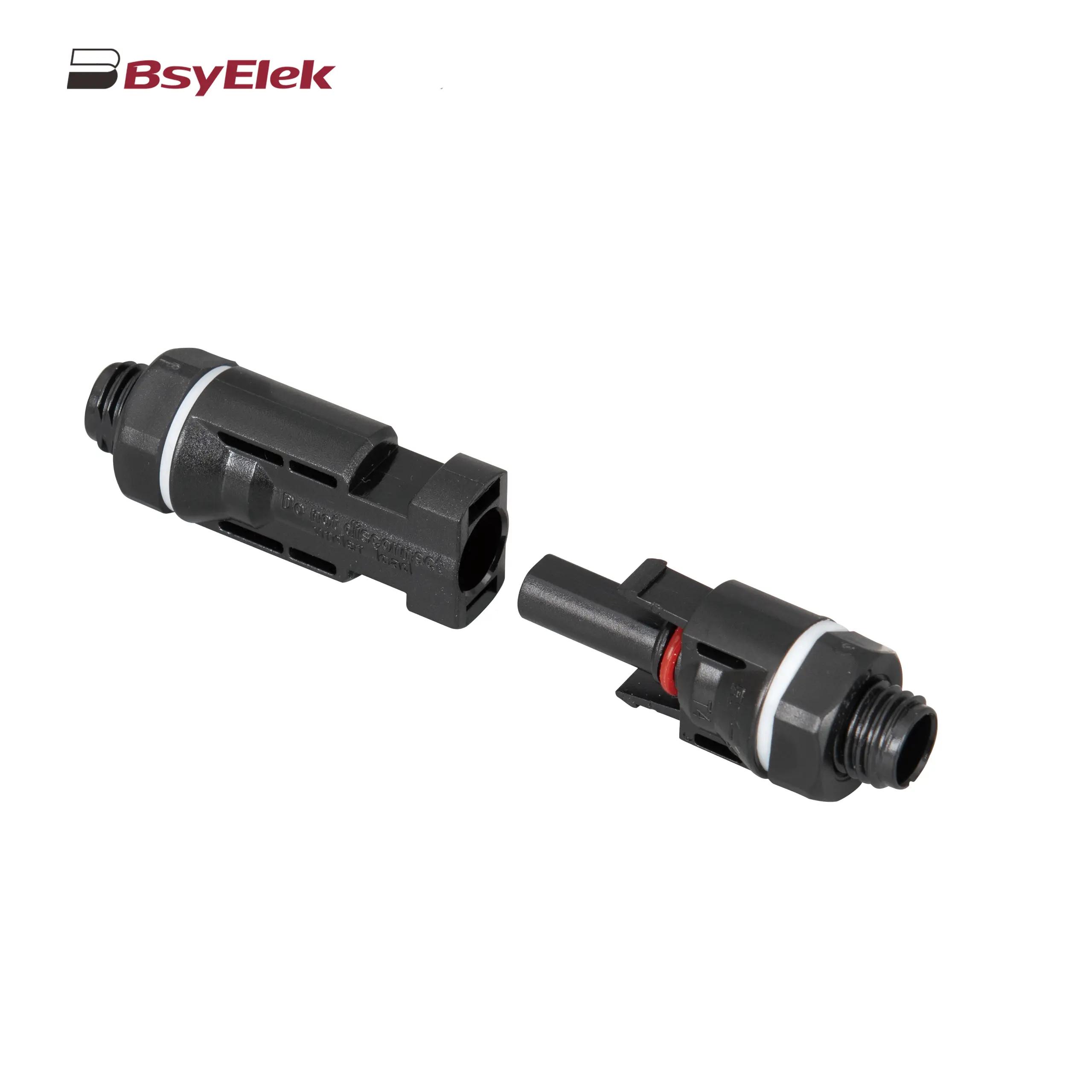 PV-BY-03 30A/50A 1000V Panel Mount Photovoltaic Connector
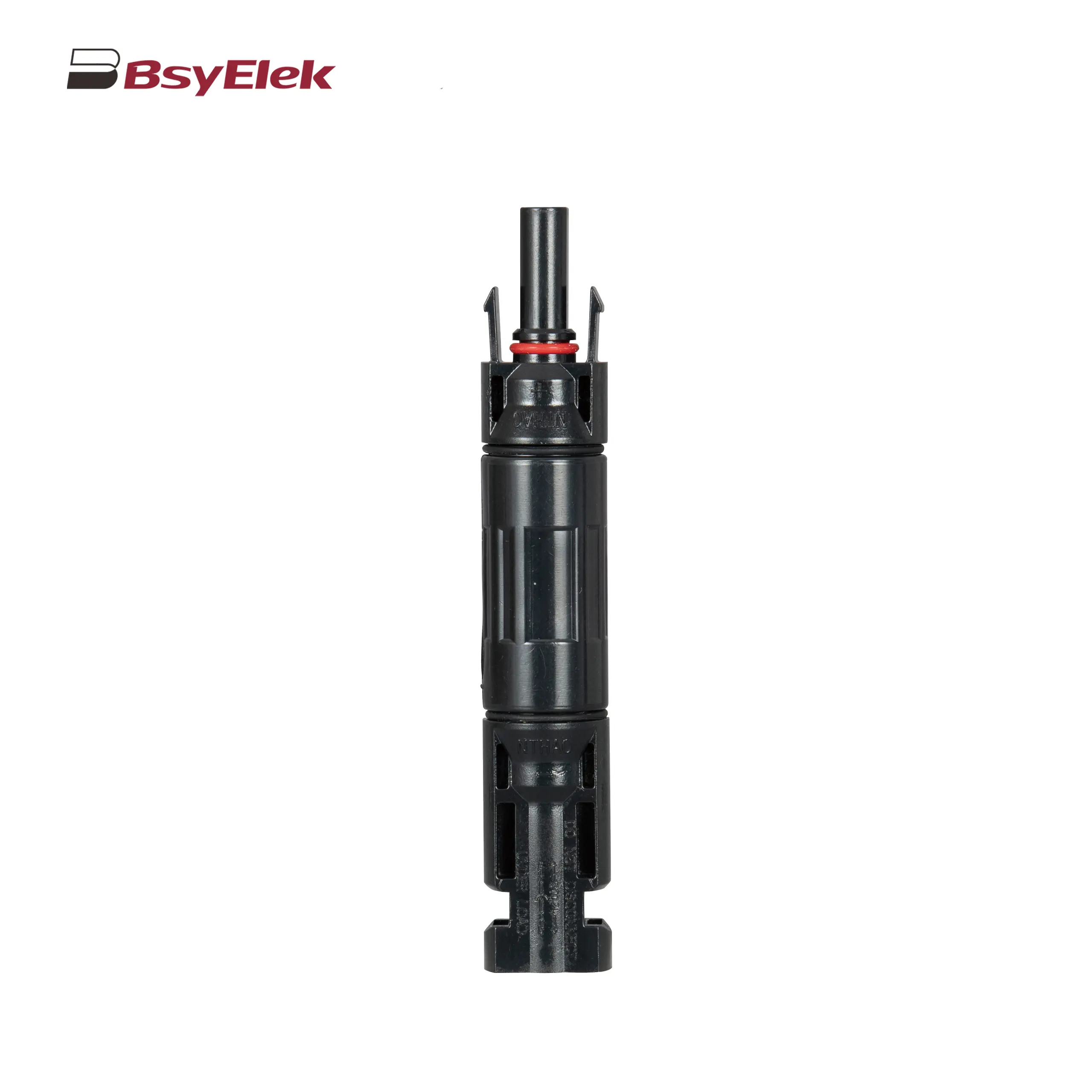 PV-BY-F01 30A 1500V Diode/Fuse Type Connector
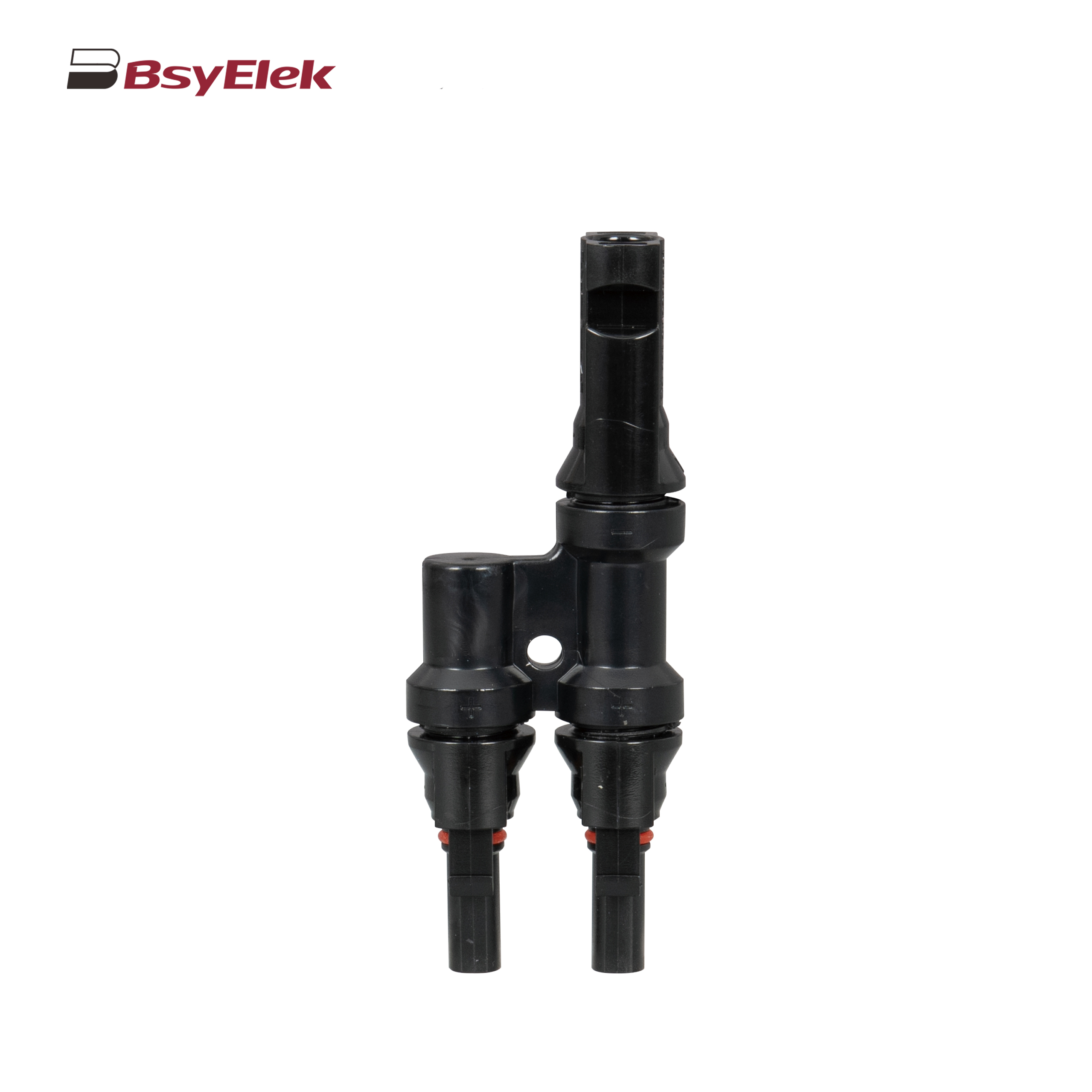 PV-BY-T 50A 1500V T Type Branch Connector
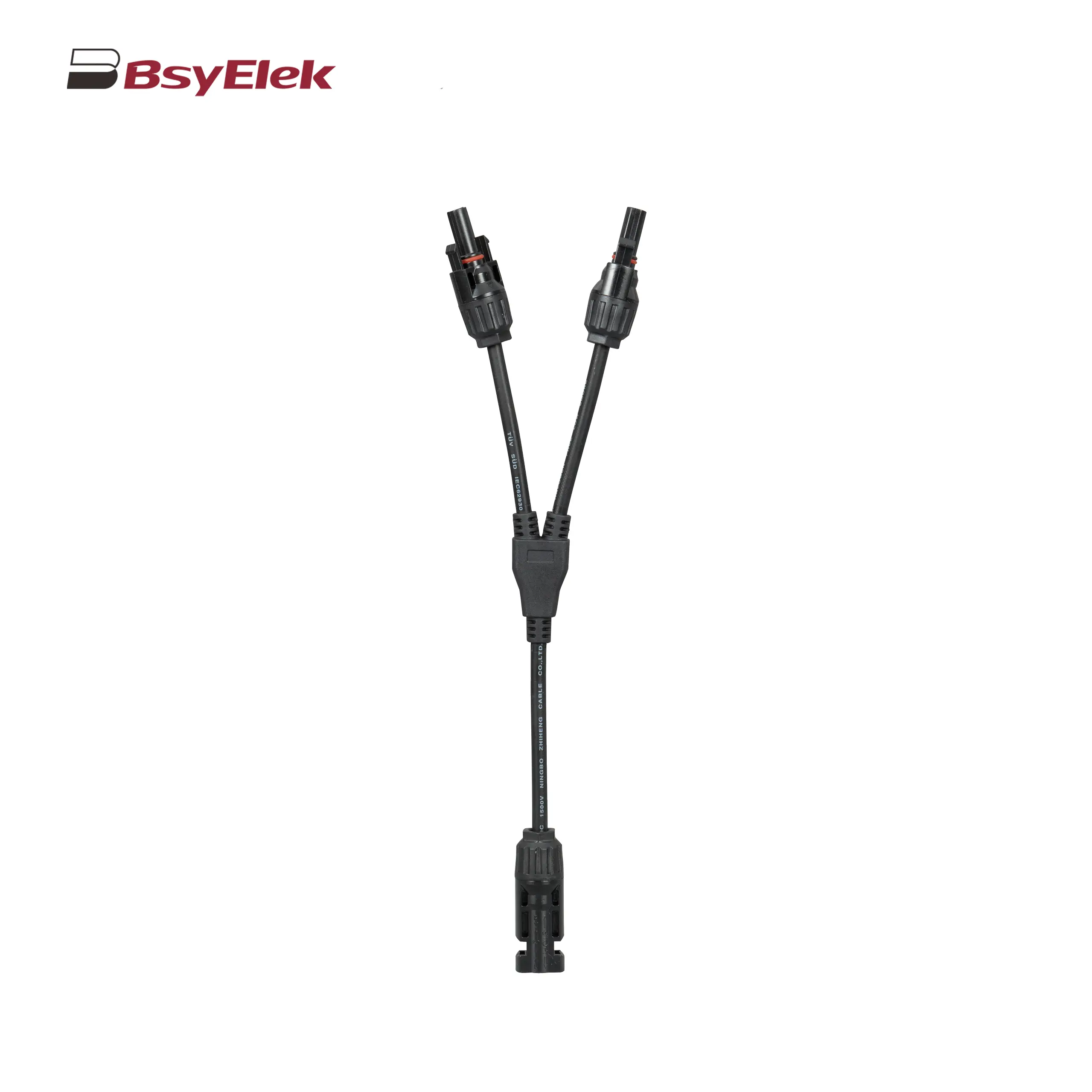 PV-BY-Y 30A 1500V Y Type Branch Connector
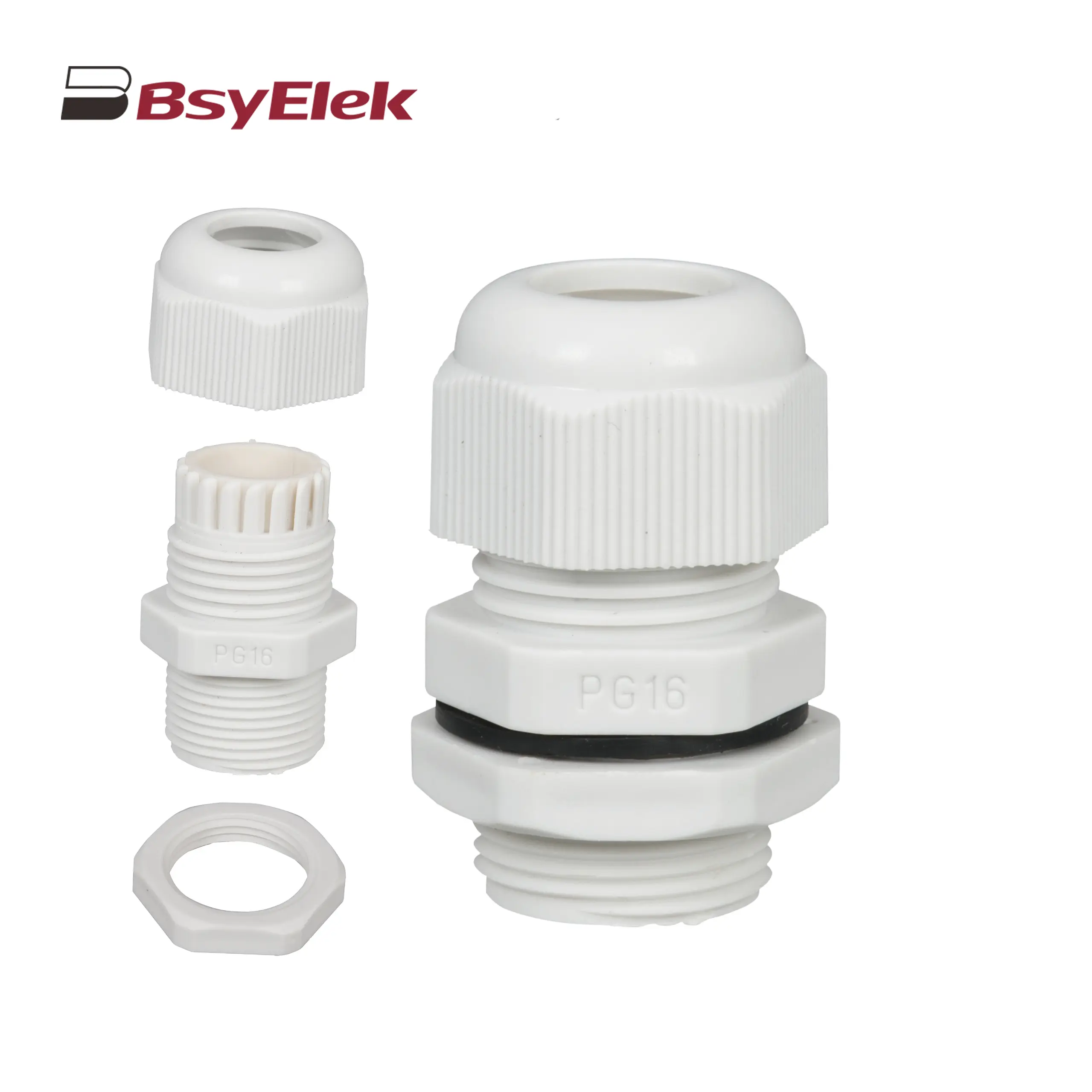 PG Waterproof Cable Gland with Washer
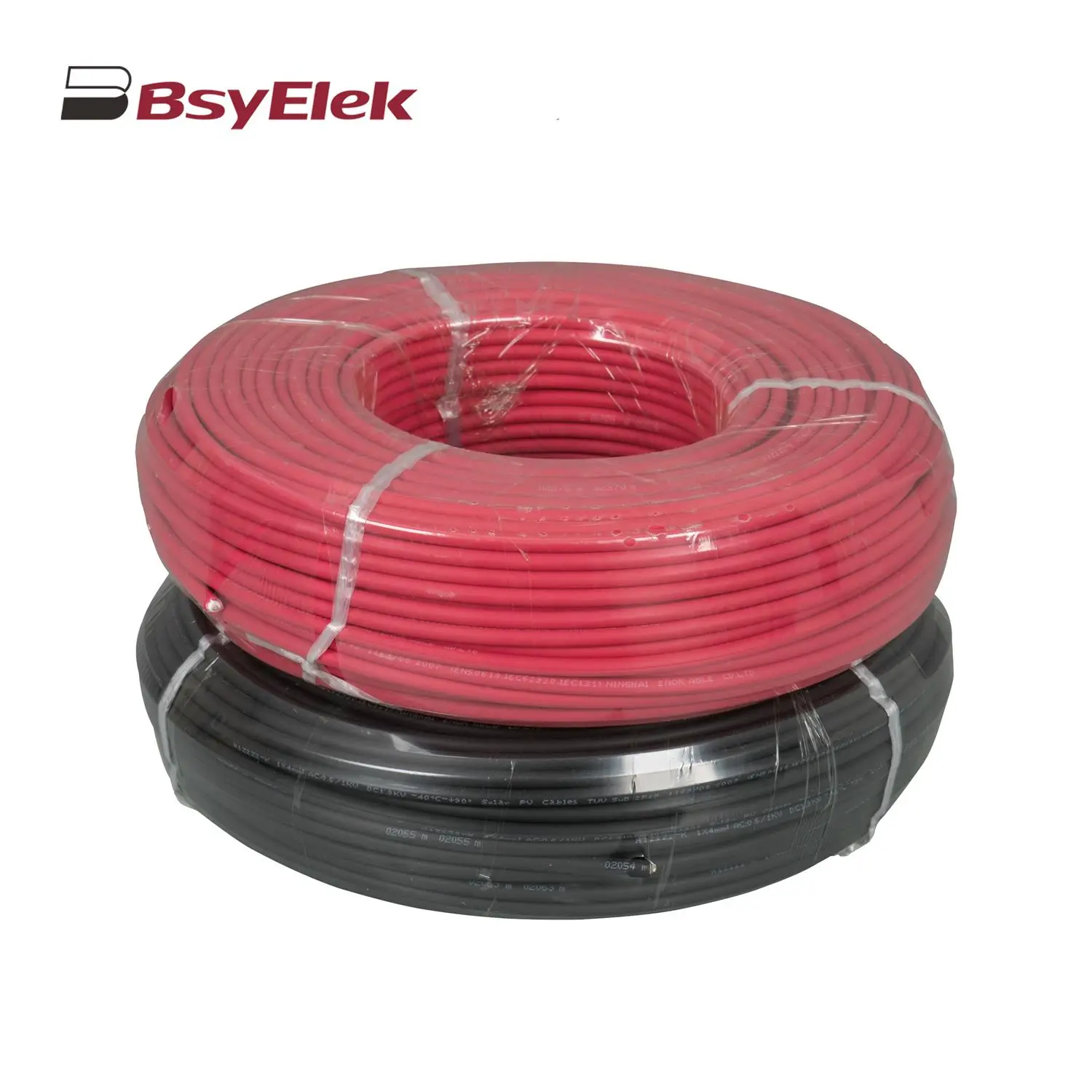 Photovoltaic Cable
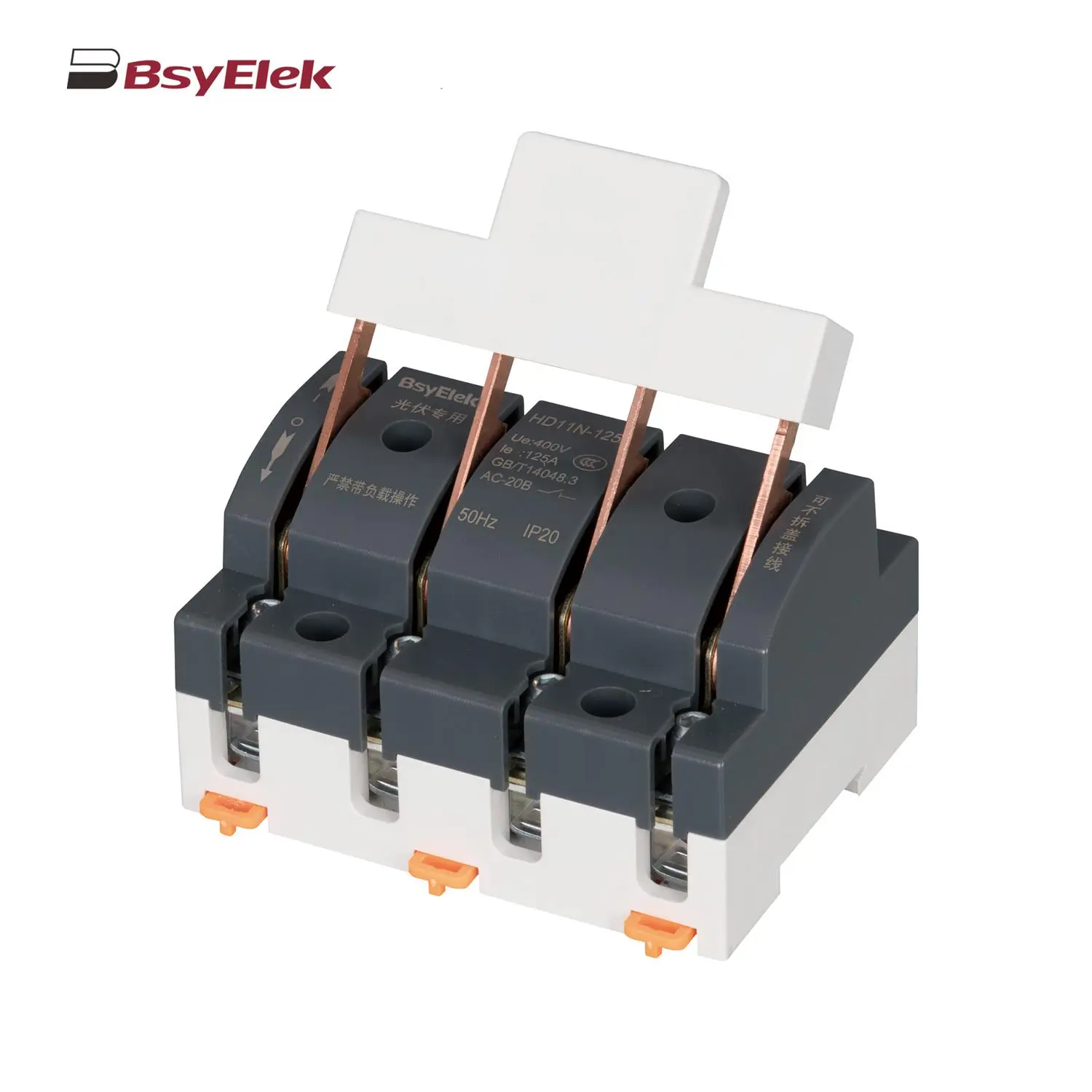 HD11N Photovoltaic Knife Switch
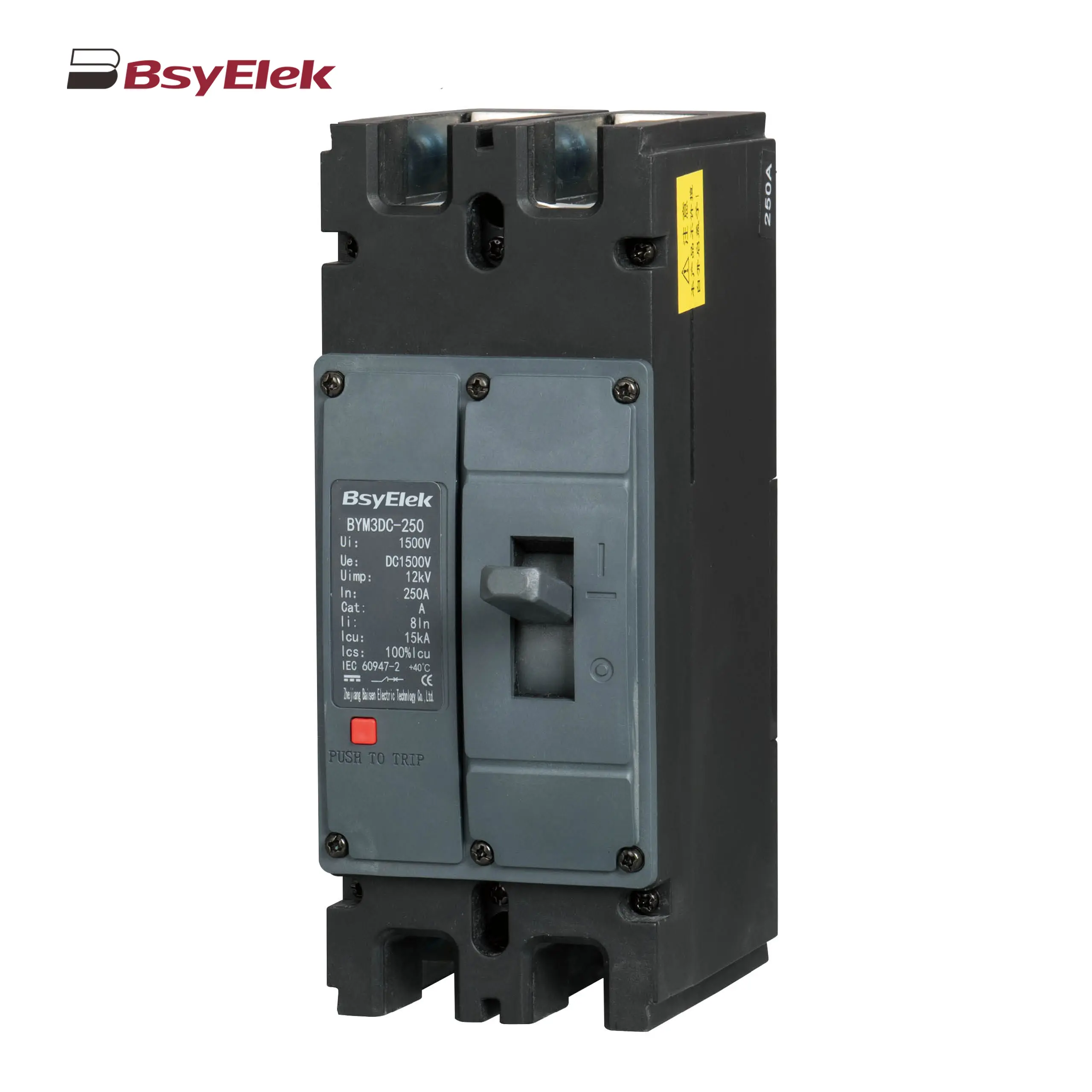 BYM3DC MCCB Photovoltaic DC Molded Case Circuit Breaker
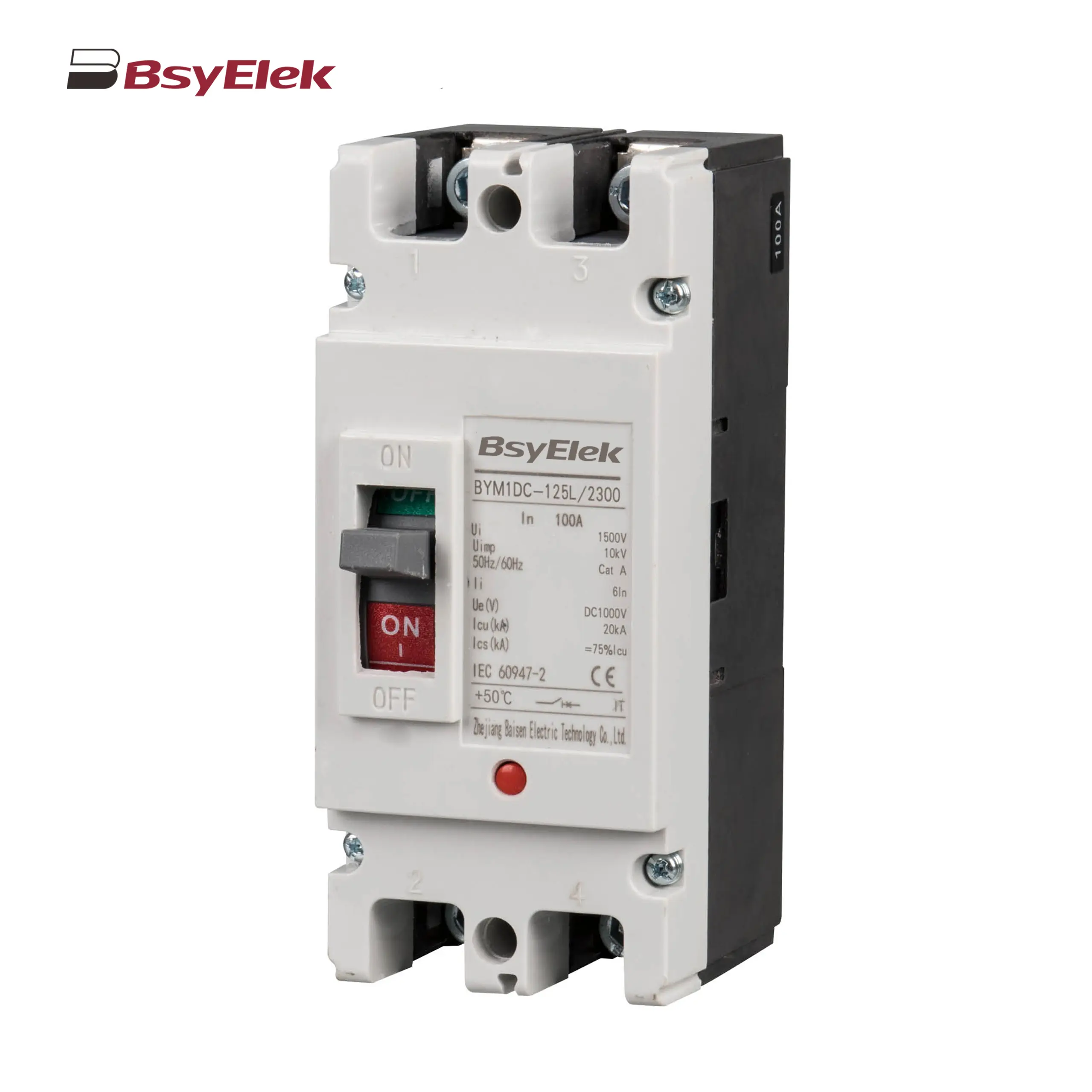 BYM1DC MCCB 1000VDC Thermal Magnetic Type DC Molded Case Circuit Breaker
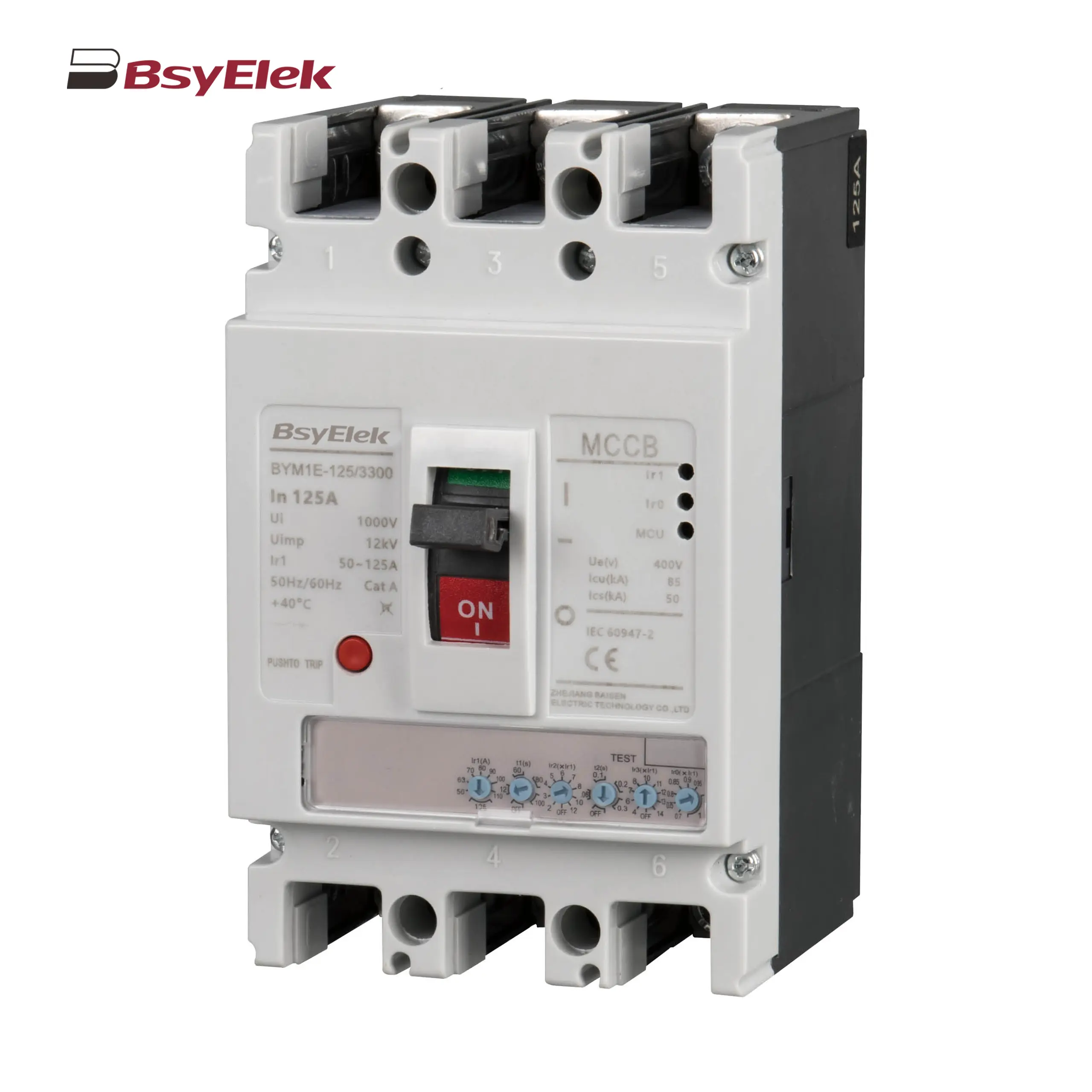 BYM1E MCCB Electronic Type Molded Case Circuit Breaker
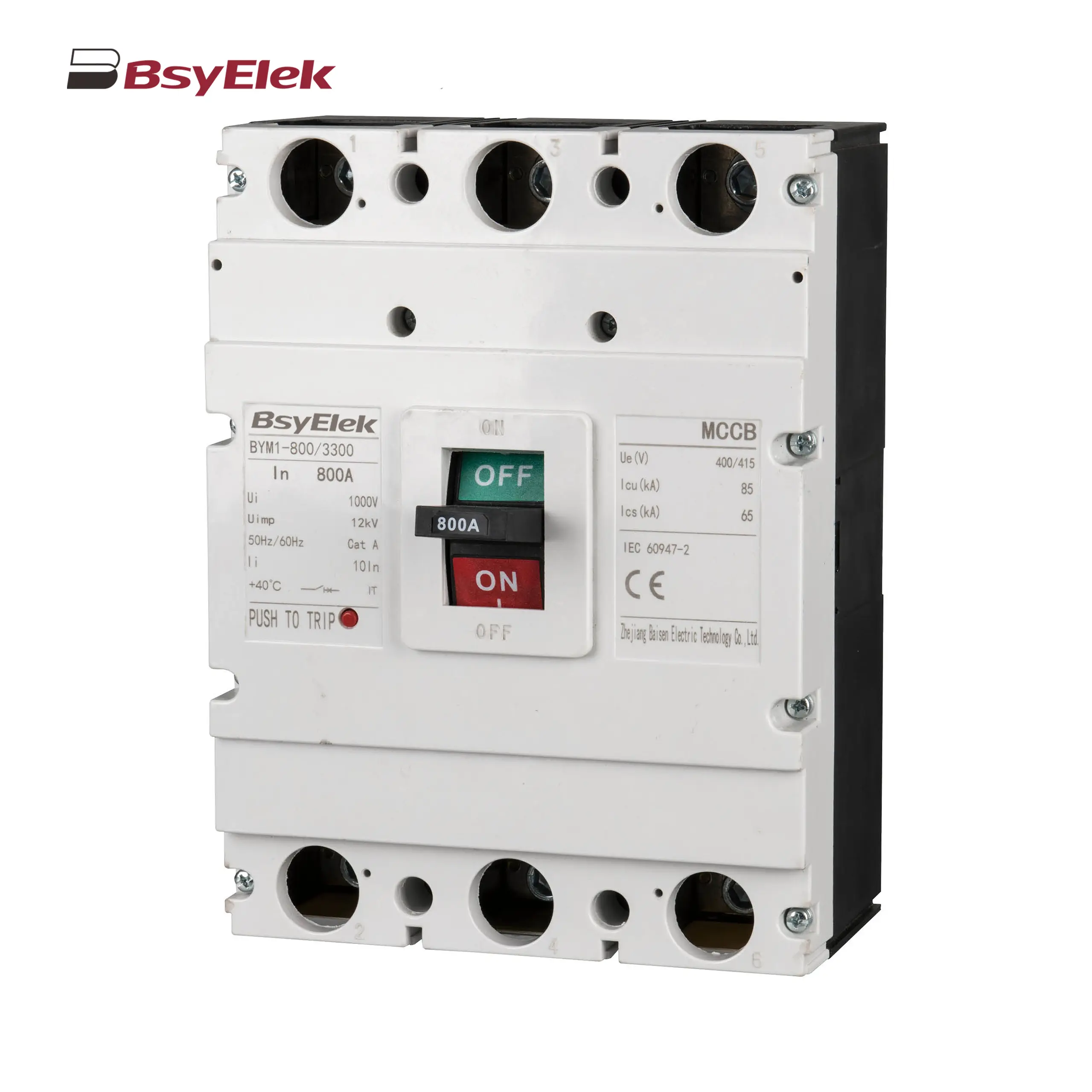 BYM1 MCCB Thermal Magnetic AC Molded Case Circuit Breaker
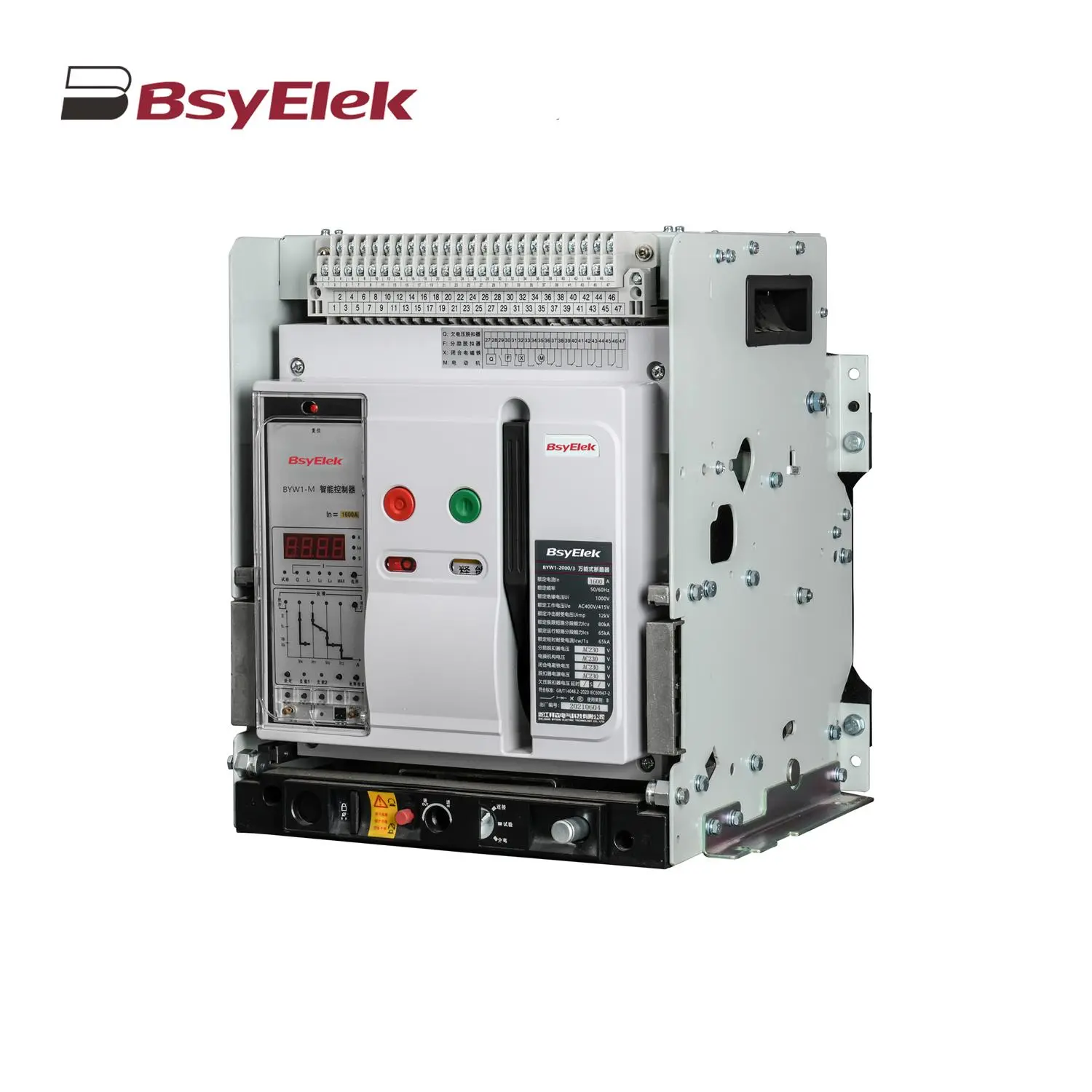 BYW1 ACB Intelligent Universal Air Circuit Breaker
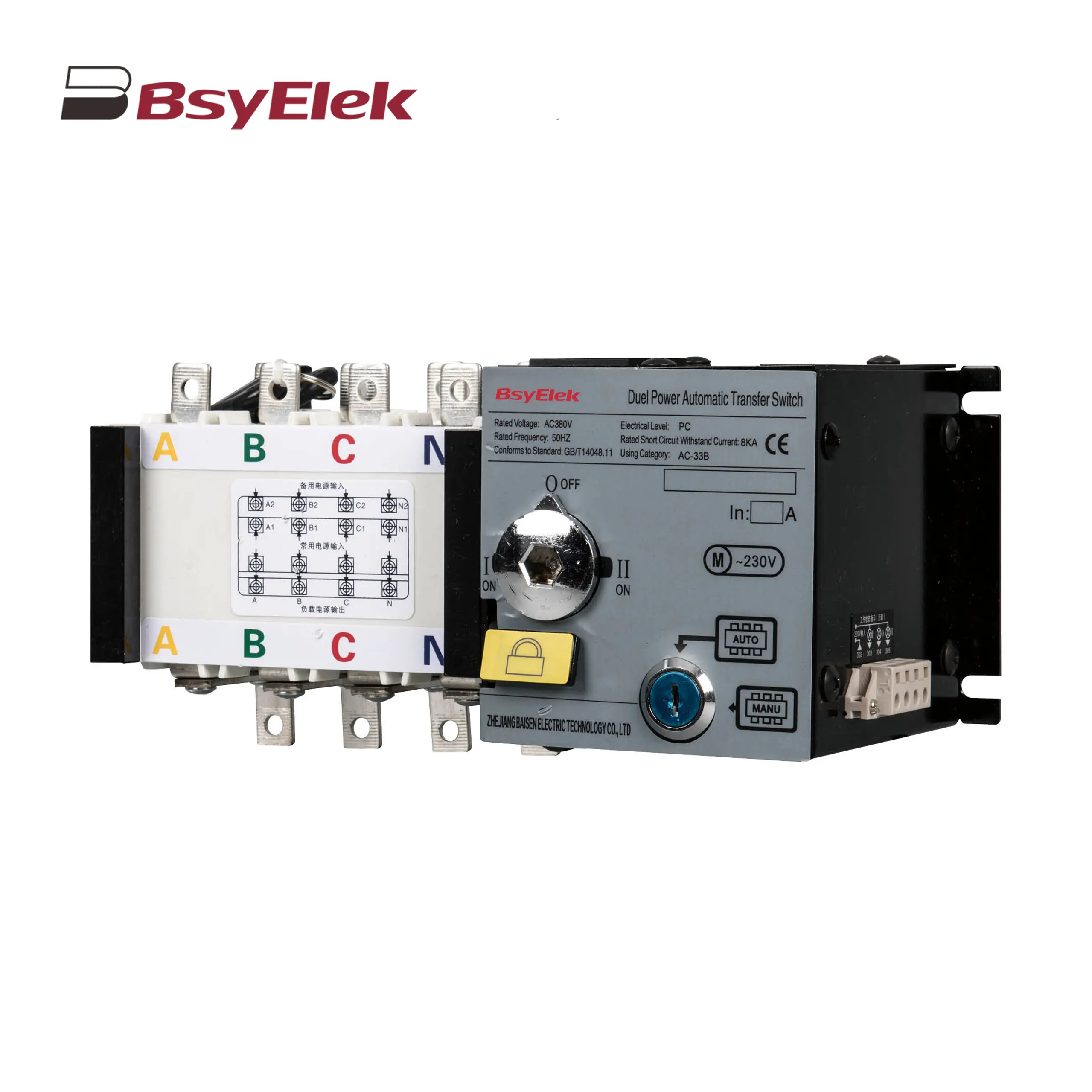 BYQ1 ATS Isolated Type PC Level Dual Power Automatic Transfer Switch
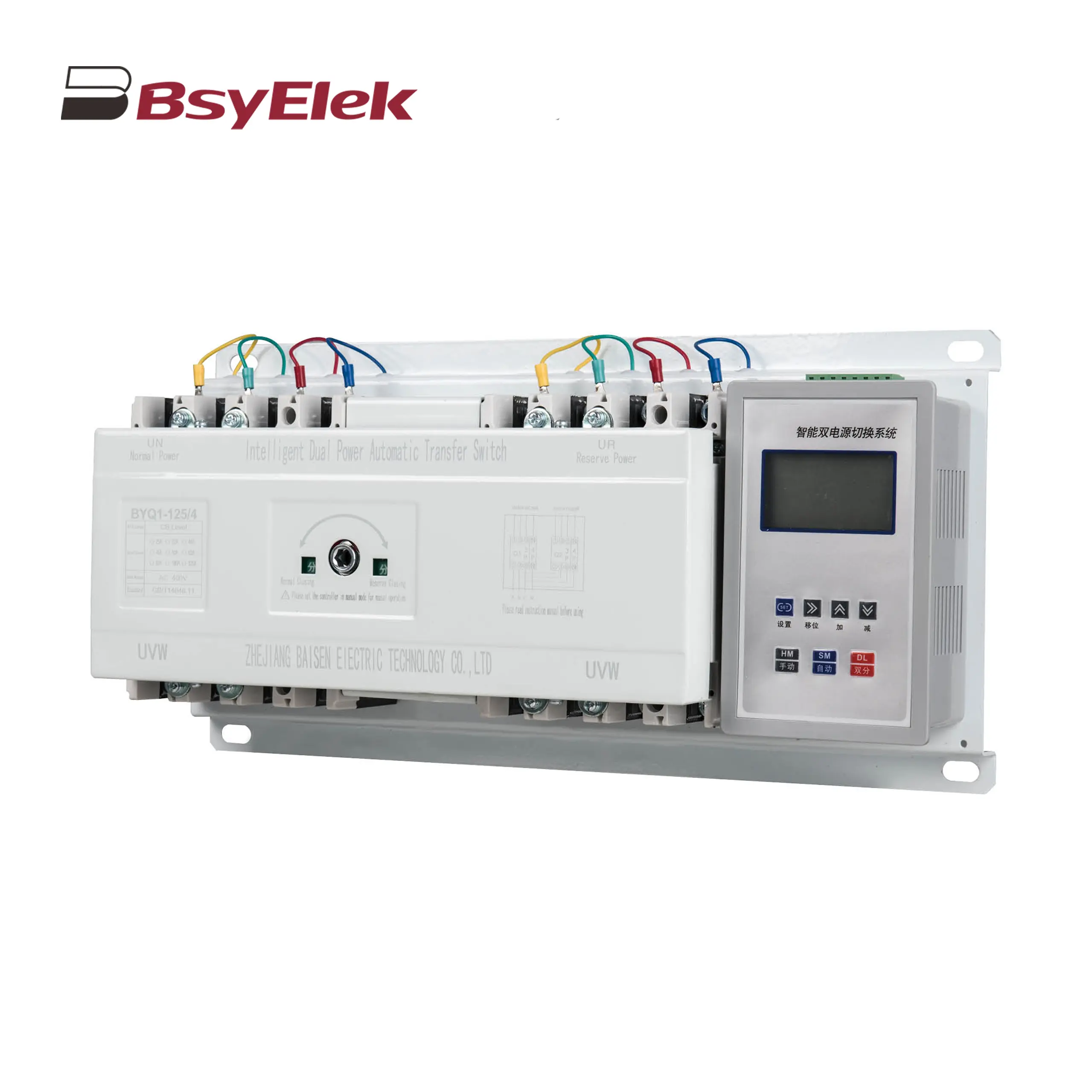 BYQ1 ATS Intelligent Type CB Level Dual Power Automatic Transfer Switch
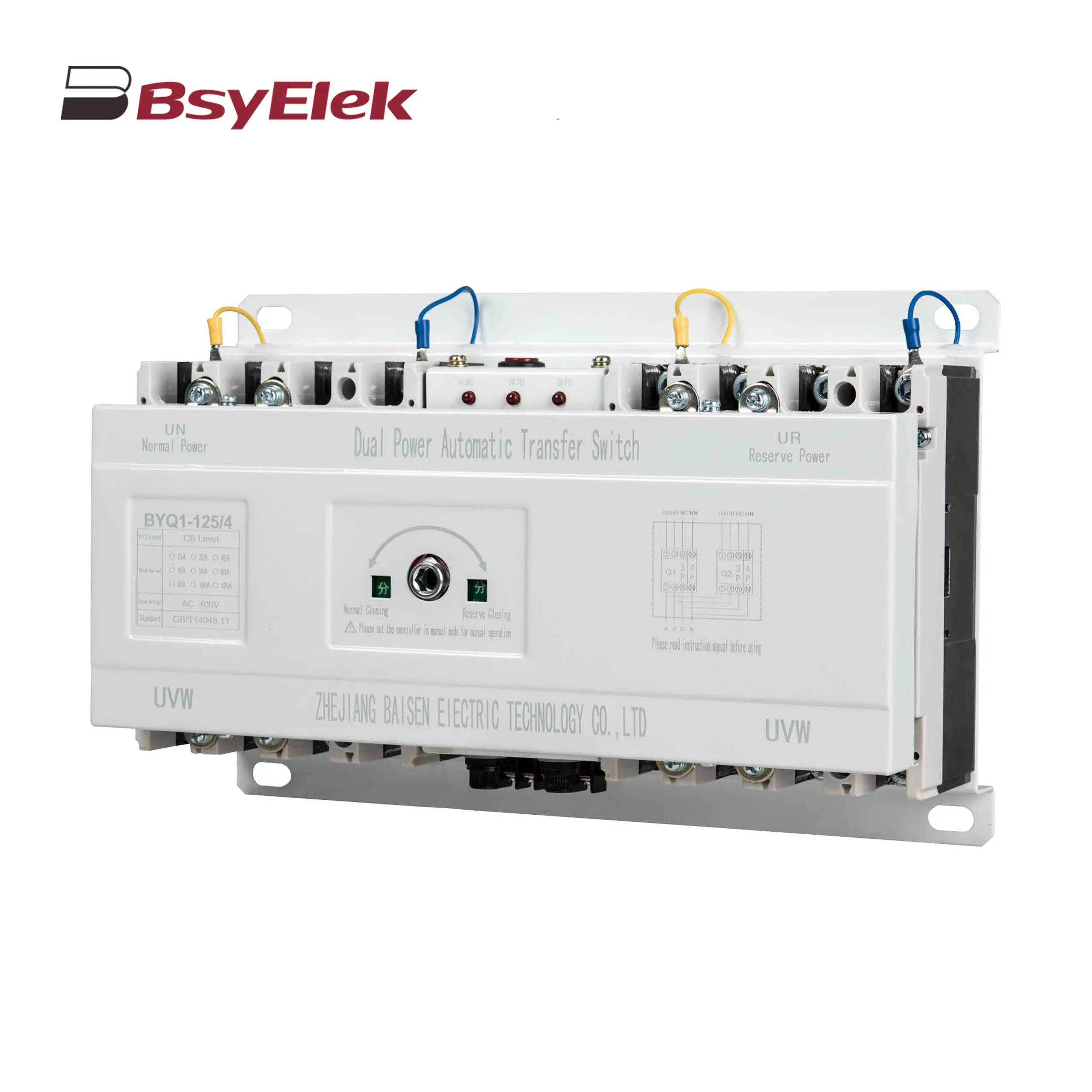 BYQ1 ATS End Type CB Level Dual Power Automatic Transfer Switch
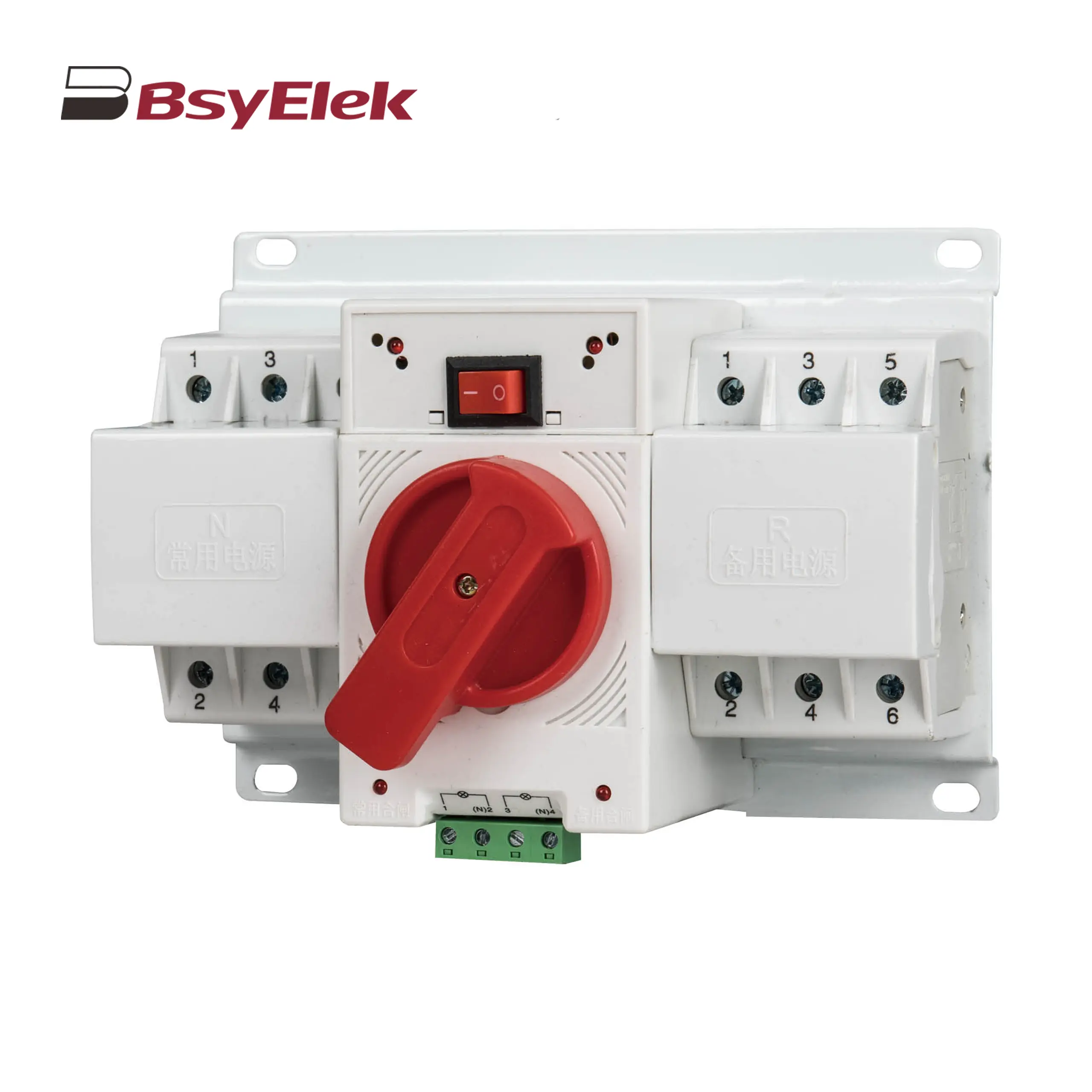 BYQ1 ATS Mini Type CB Level Dual Power Automatic Transfer Switch
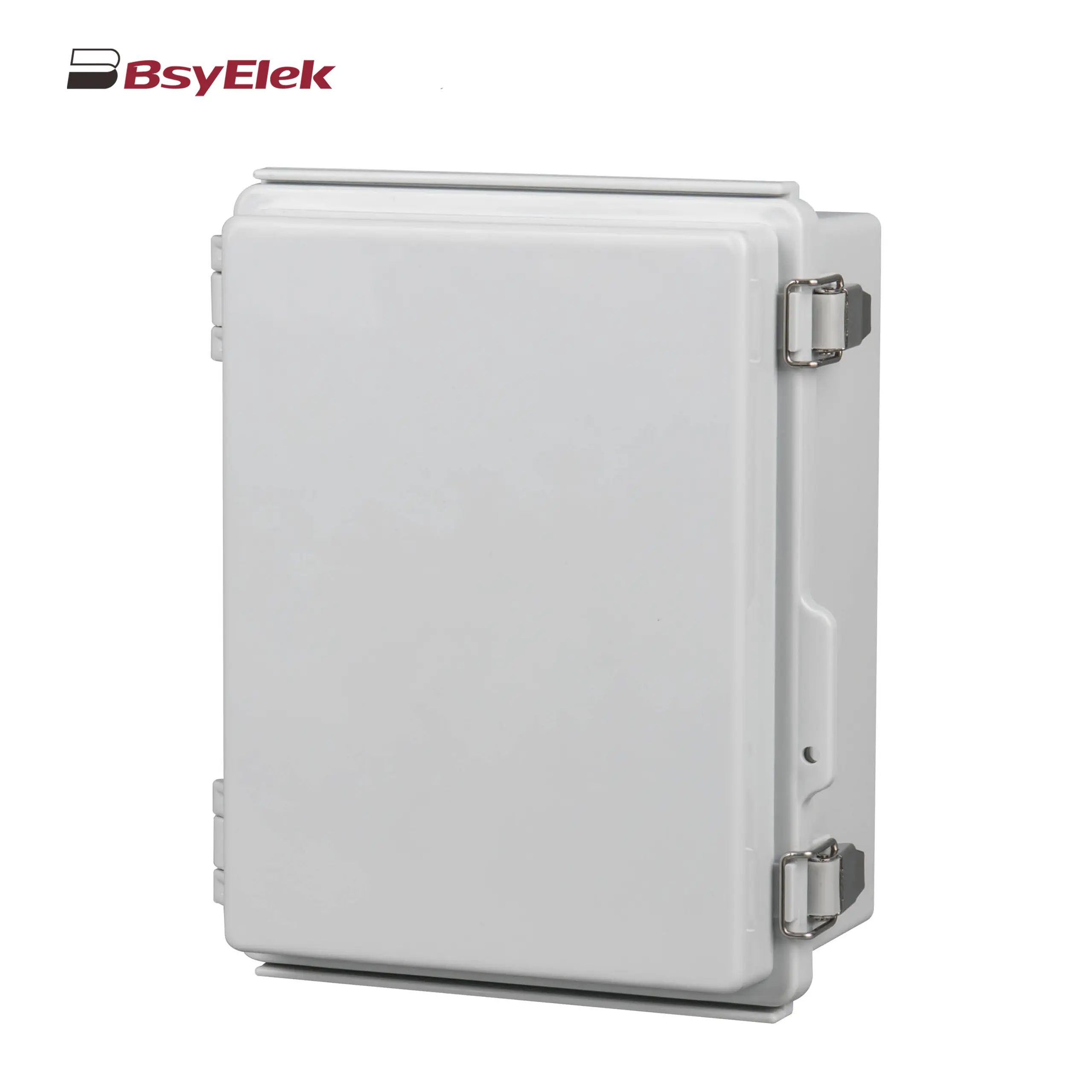 Stainless Steel Hinge Type Electrical Box
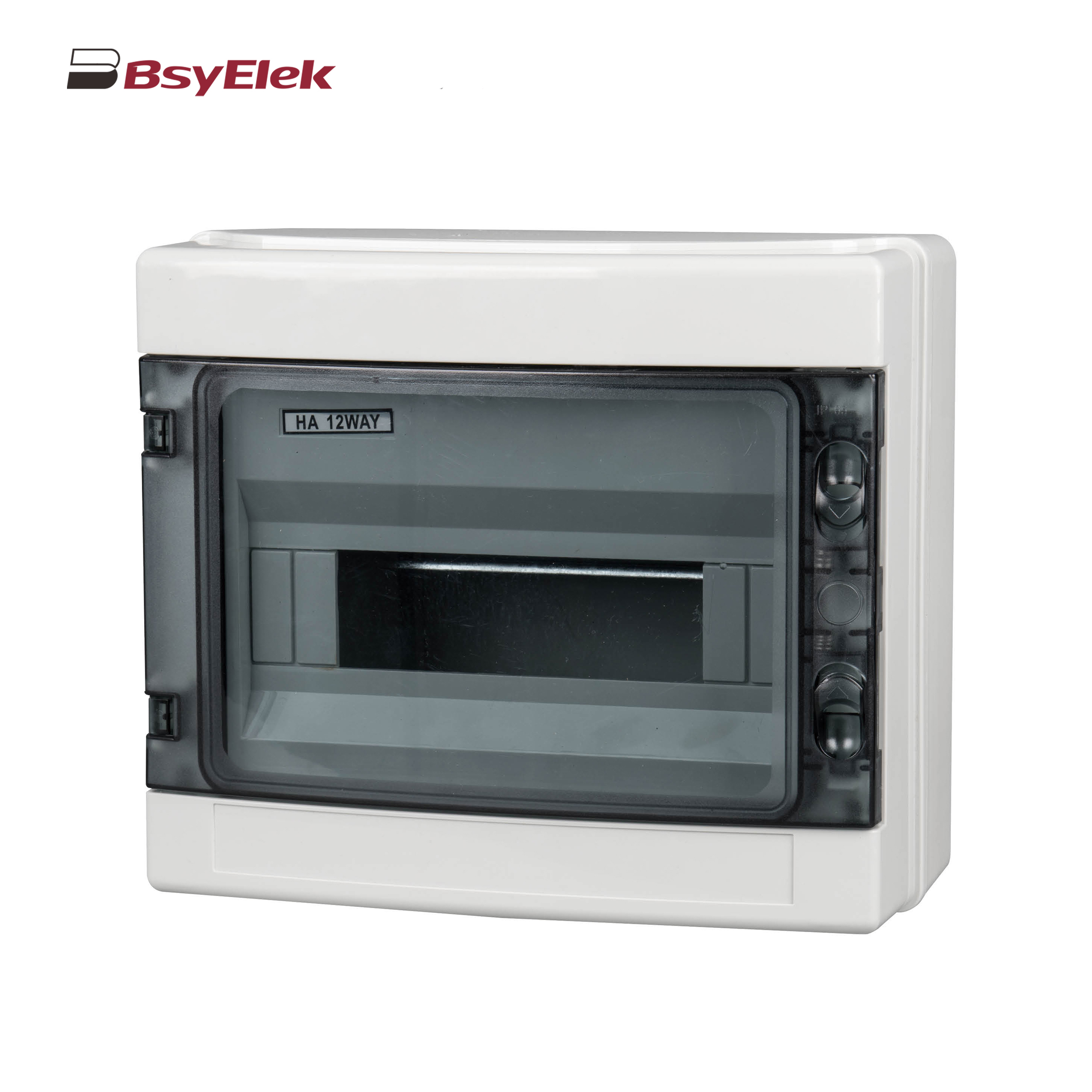 HA Waterproof Distribution Box
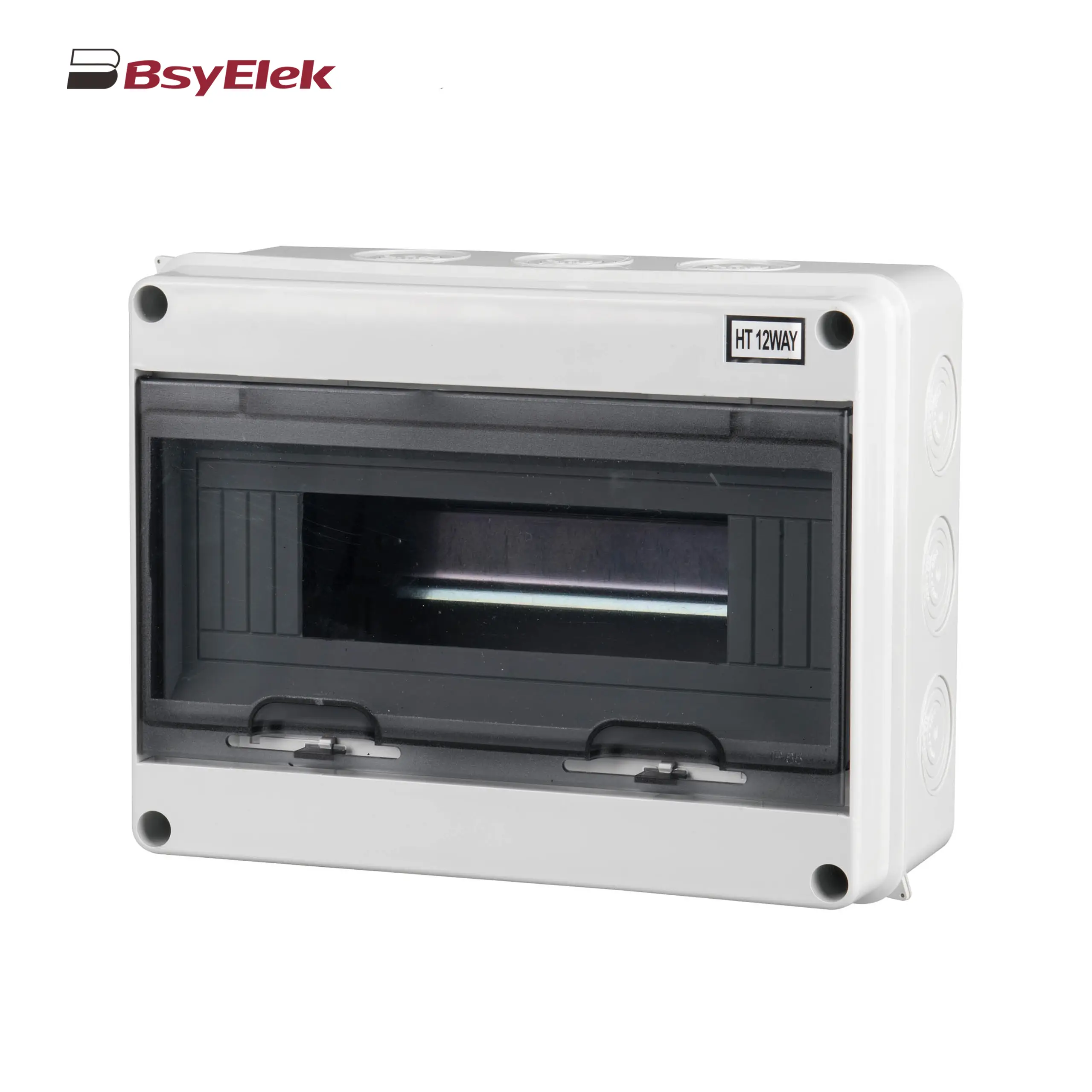 HT Waterproof Distribution Box
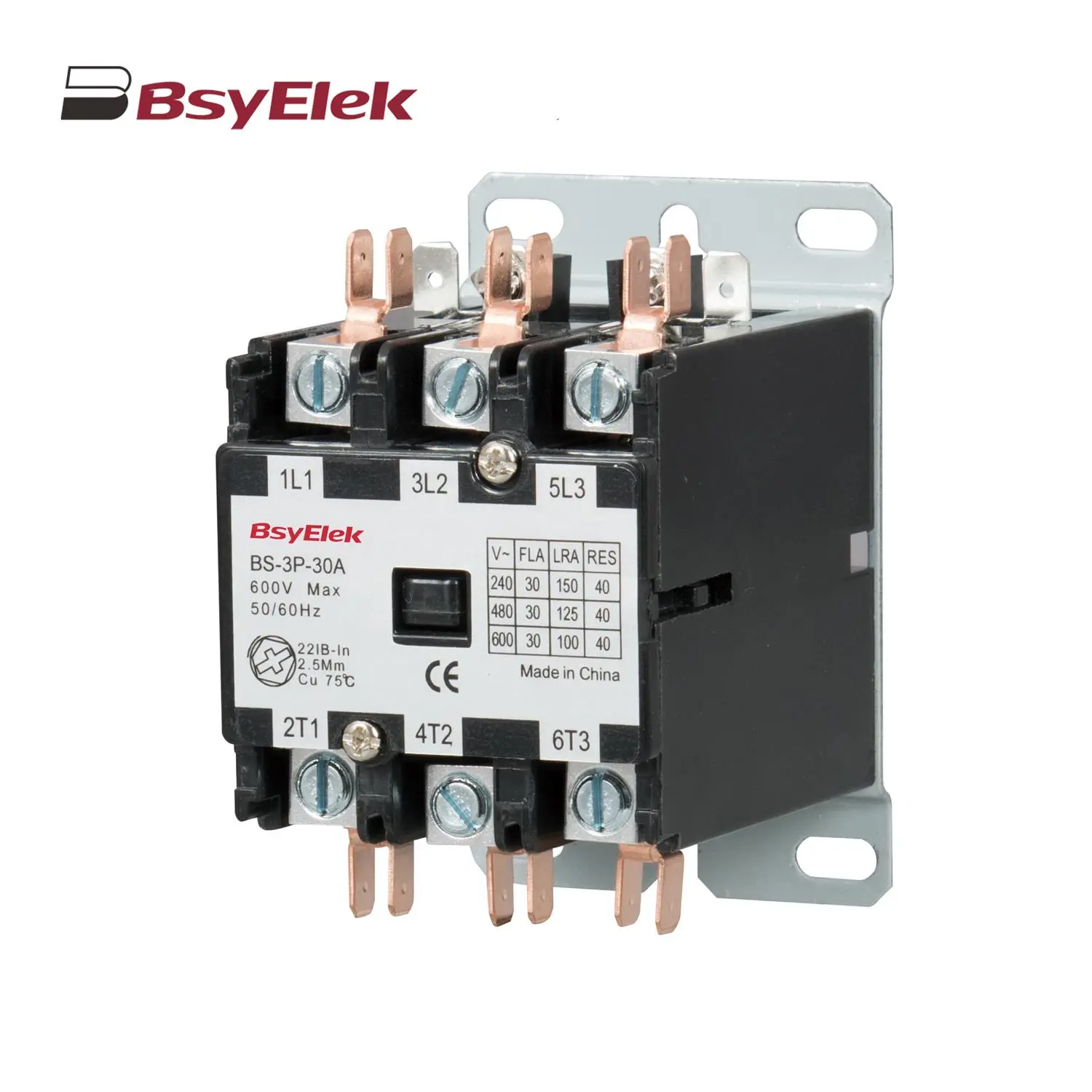 BS Definite Purpose Magnetic AC Contactor