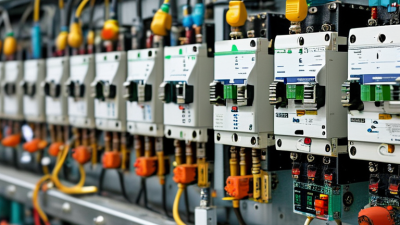
Ultimate Guide to Air Conditioner Drainage Pump Solutions?
In the world of climate control, the importance of an efficient Air Conditioner Drainage Pump cannot be overstated. Leading HVAC expert, Dr. Emily Chen, emphasizes this point by stating, "A reliable drainage pump is essential for optimal air conditioning performance." Ensuring proper drainage improves system efficiency and enhances indoor air quality.
Air Conditioner Drainage Pumps play a critical role in removing condensation. Without them, excess moisture can lead to damaging leaks and mold growth. Despite their significance, many homeowners overlook the importance of regular maintenance and inspection. Ignoring this can result in system failures and costly repairs that could have been prevented.
Understanding the intricacies of Air Conditioner Drainage Pumps can be daunting. Some may struggle with identifying signs of potential issues. However, being proactive and informed can save time and money in the long run. Engaging with professionals can provide valuable insights into keeping your drainage system in top shape.
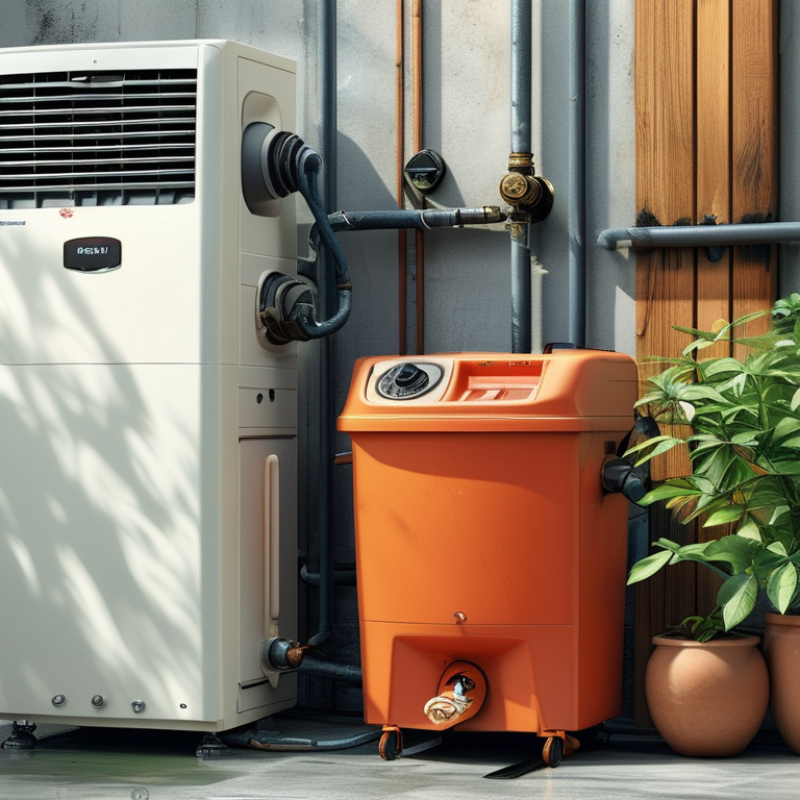
Understanding Air Conditioner Drainage Pumps and Their Importance
Air conditioner drainage pumps play a crucial role in maintaining indoor air quality. By effectively removing condensation, these pumps prevent water damage and mold growth. Studies indicate that improper drainage can lead to severe moisture issues in HVAC systems. In fact, a report from the U.S. Department of Energy suggests that up to 30% of HVAC-related issues stem from inadequate water removal.
The importance of these pumps cannot be overstated. They ensure that moisture is expelled efficiently, which enhances the overall performance of the air conditioning unit. A well-functioning drainage system can also improve energy efficiency by up to 15%. However, many homeowners overlook routine maintenance and the potential for clogs. Regular checks can help avoid costly repairs and ensure longevity. Recognizing the signs of a failing pump, such as unusual sounds or leaking, is vital for timely intervention.
Investing time in understanding these pumps is essential. Knowledge empowers homeowners to make informed decisions regarding their HVAC systems. Reliable resources are available, yet many people remain unaware of the risks posed by neglecting drainage issues. A proactive approach can save time and money, and create a healthier living environment.
Types of Air Conditioner Drainage Pumps: Features and Applications
Air conditioner drainage pumps play a crucial role in managing excess water condensation. These pumps are essential in environments where gravity drainage is not feasible. Several types of pumps are available, each serving specific needs. The most common types include condensate pumps, mini-split pumps, and sump pumps.
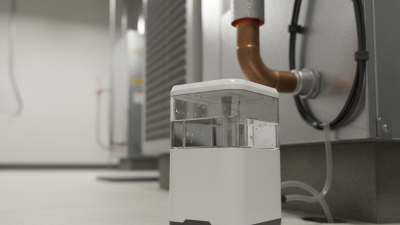
Condensate pumps are designed to remove water from HVAC systems. They are reliable and efficient, often featuring built-in float switches that activate the pump when water levels rise. Mini-split pumps are compact and perfect for small spaces. They often come with a lower capacity, making them suitable for residential units. Sump pumps handle larger volumes of water and are essential in basements and crawl spaces, where water accumulation can lead to structural damage.
When choosing a pump, it’s important to consider your specific application. Each type has unique features that can lead to operational challenges. For example, a condensate pump may struggle if installed improperly. Users often overlook maintenance, leading to reduced efficiency over time. Choosing the wrong pump can lead to water damage, so careful assessment is vital.
Installation Guidelines for Air Conditioner Drainage Pumps
When installing an air conditioner drainage pump, proper guidelines are essential for optimal performance. Begin by selecting a suitable location for the pump. It should be close to the air conditioning unit and a power source. Ensure the area is level and free from debris to prevent blockages. Familiarity with local building codes helps in adhering to regulations during installation.
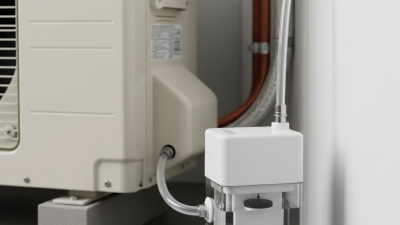
Connecting the drainage pump requires careful work. Use PVC pipes to direct condensation away from the unit. Make sure the inlet is securely attached to avoid leaks. Regularly inspect all fittings for wear or damage, as these can lead to issues over time. It’s not uncommon to overlook these simple connections, but neglect can result in significant problems later.
After installation, testing the drainage pump becomes critical. Monitor its operation during heavy cooling periods. Listen for unusual noises that might indicate malfunctions. Routine maintenance is necessary for longevity. Emptying any accumulated water in the reservoir ensures it operates efficiently, so don’t forget this detail. Remember, attention to these small tasks can make a big difference in performance.
Common Problems and Troubleshooting Tips for Drainage Pumps
Air conditioner drainage pumps play a crucial role in managing condensate. However, they can face several common issues. One frequent problem is clogging. Debris, such as dust and algae, can accumulate in the pump or drain line. This blockage can lead to water overflow, causing potential damage to surroundings. Regular inspection and cleaning can help prevent this situation.
Another common issue is the pump failing to operate. This malfunction can stem from electrical problems or worn-out components. Pay attention to odd noises or an unexpected absence of water flow. Checking the power supply and ensuring proper connections is essential. Sometimes, you might notice leaks around the pump. Assess the seals and joints to identify the cause.
It’s important to recognize that even well-maintained pumps can malfunction. Users often overlook the need for routine maintenance. Ignoring small issues can lead to bigger troubles down the road. Keeping a log of maintenance work and problems can significantly enhance your pump's reliability. Regularly addressing these concerns will ensure your air conditioner functions efficiently.
Maintenance Best Practices for Optimal Pump Performance
Maintaining an air conditioner drainage pump is crucial for ensuring its optimal performance. Regular inspections can help identify potential issues before they become major problems. Check for clogs in the pump and drainage lines frequently. Using a flashlight, look for any buildup that could hinder water flow. If there is standing water in the pan, it may indicate a malfunction.
It's also important to clean the pump regularly. This can be done by using a mixture of water and vinegar. Pour it into the pump and let it sit for a few minutes. This solution helps to disinfect and clear any mineral deposits. Be cautious, though; too much vinegar can damage some components. Always follow safety protocols while performing maintenance to prevent accidents.
Monitor the power supply to the pump as well. Faulty electrical connections can lead to pump failures. Ensure that the cord is intact and free of damage. A reliable power source is essential for the pump's functionality. Keep an eye on unusual sounds or inconsistent operation. These signs can indicate deeper issues requiring immediate attention. Regular maintenance helps prolong the life of your drainage pump and ensures its reliable operation.
Ultimate Guide to Air Conditioner Drainage Pump Solutions - Maintenance Best Practices for Optimal Pump Performance
| Maintenance Task |
Frequency |
Tools Required |
Notes |
| Check for Clogs |
Monthly |
Vacuum, Snake Tool |
Ensure pump drainage is clear to prevent overflow. |
| Inspect Pump Operation |
Quarterly |
Multimeter, Screwdriver |
Check electrical connections and pump cycling. |
| Clean or Replace Filters |
Every 6 Months |
Filter Cleaner, Gloves |
Replace filters if heavily soiled. |
| Test Safety Switch |
Annually |
Test Light |
Ensure pump shuts off during failure. |
| Assess Overall Condition |
Annually |
Visual Inspection Tools |
Look for signs of wear and corrosion. |



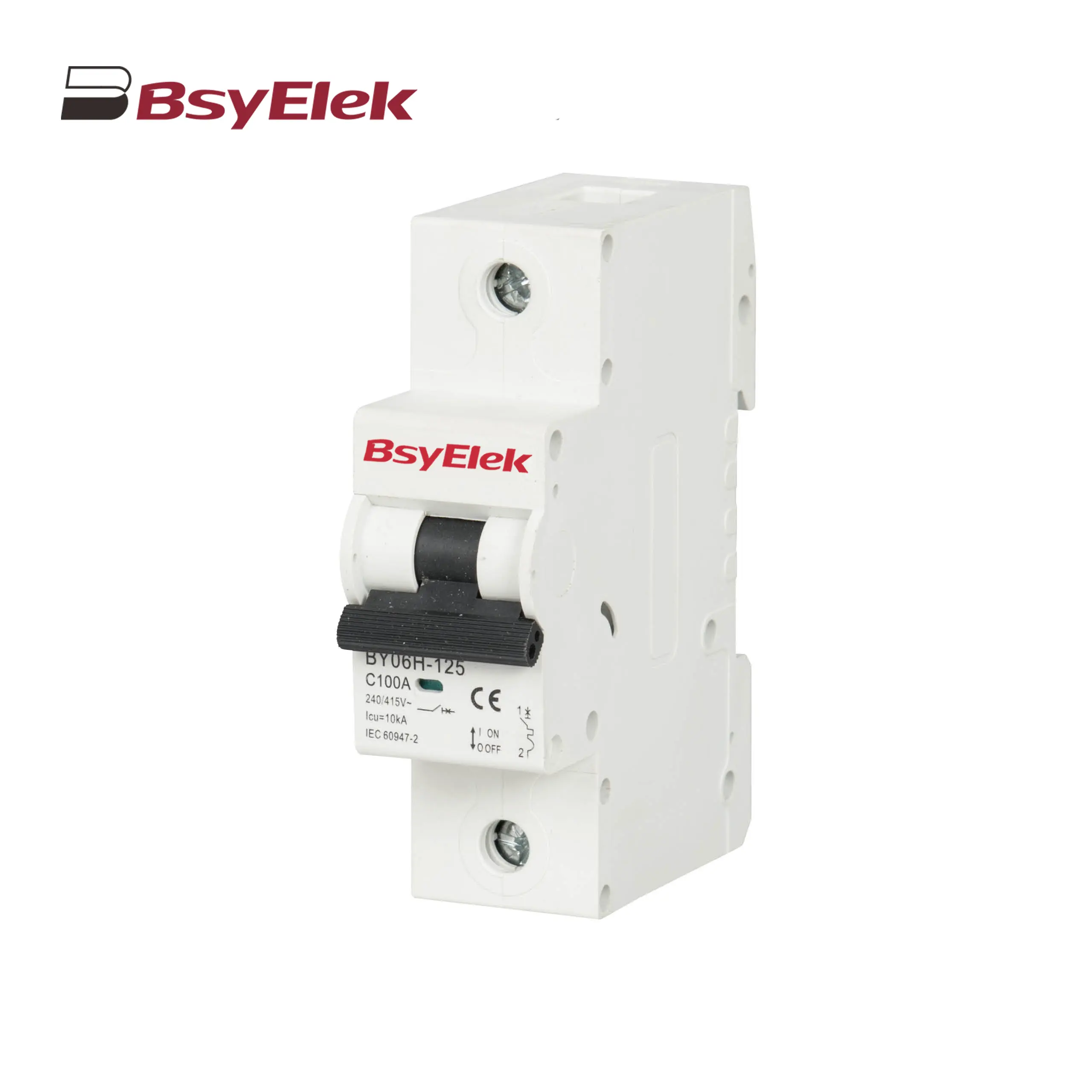 BY06H-125 MCB 10-15KA Miniature Circuit Breaker
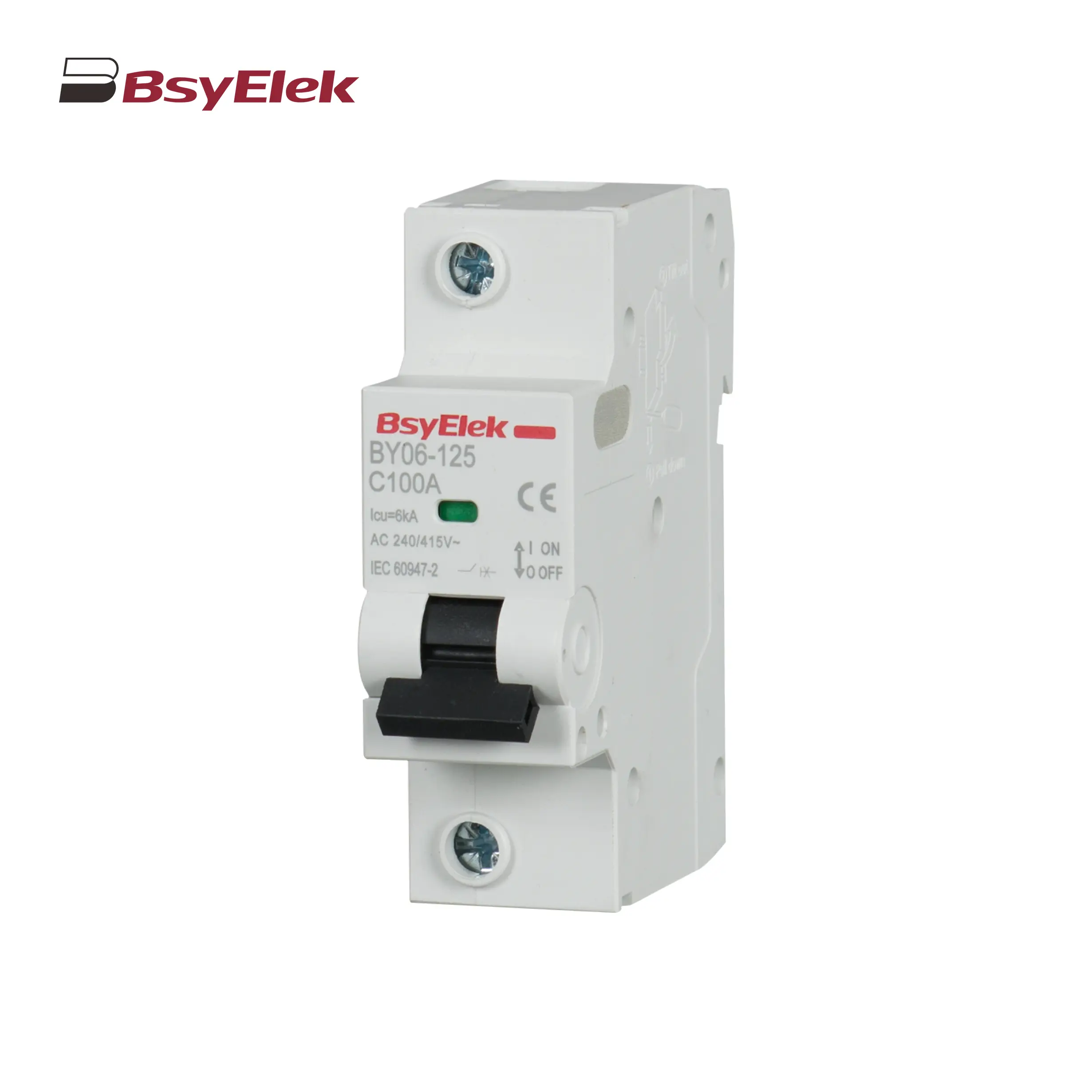 BY06-125 MCB 6KA Miniature Circuit Breaker
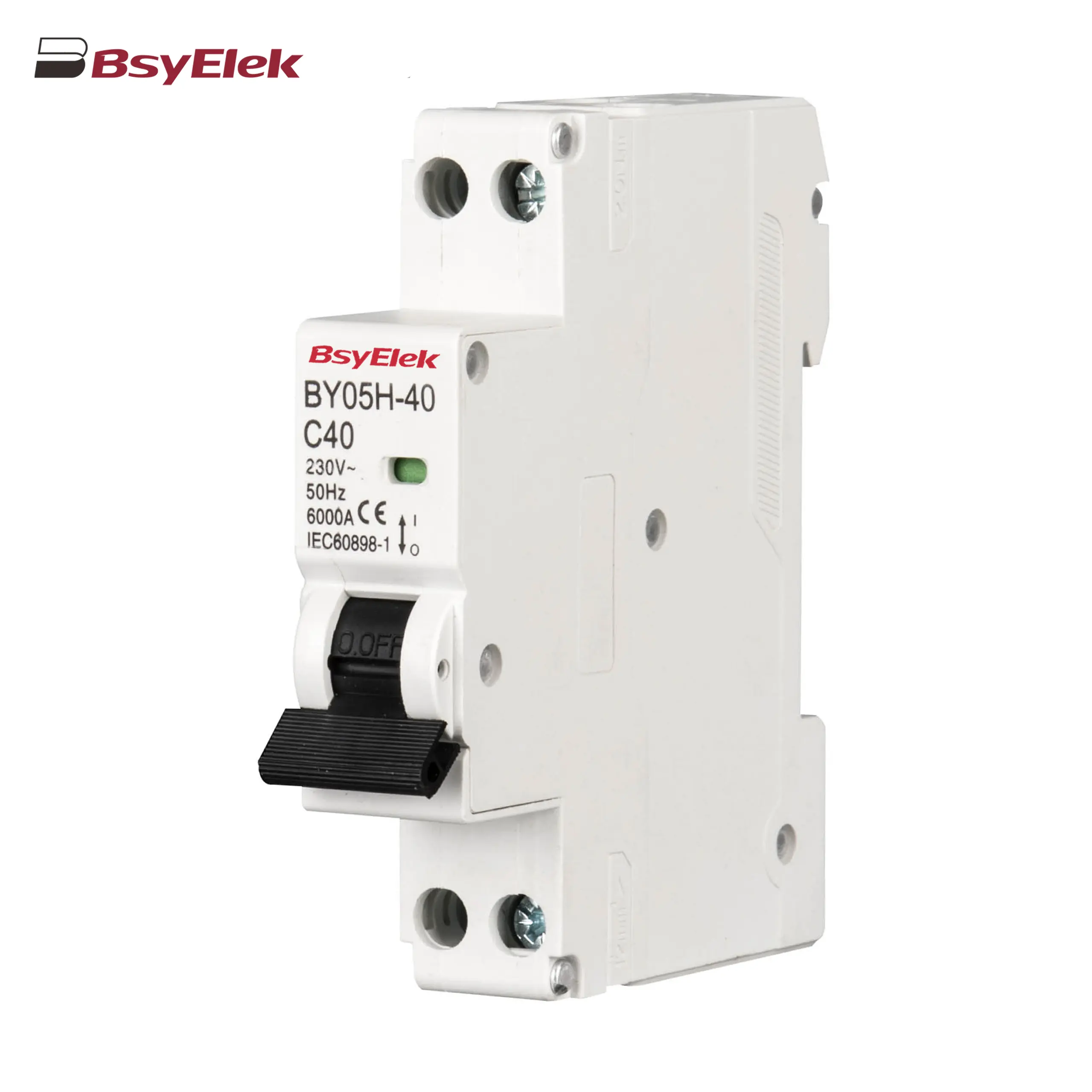 BY05H-40 MCB Single Modular 6KA Miniature Circuit Breaker
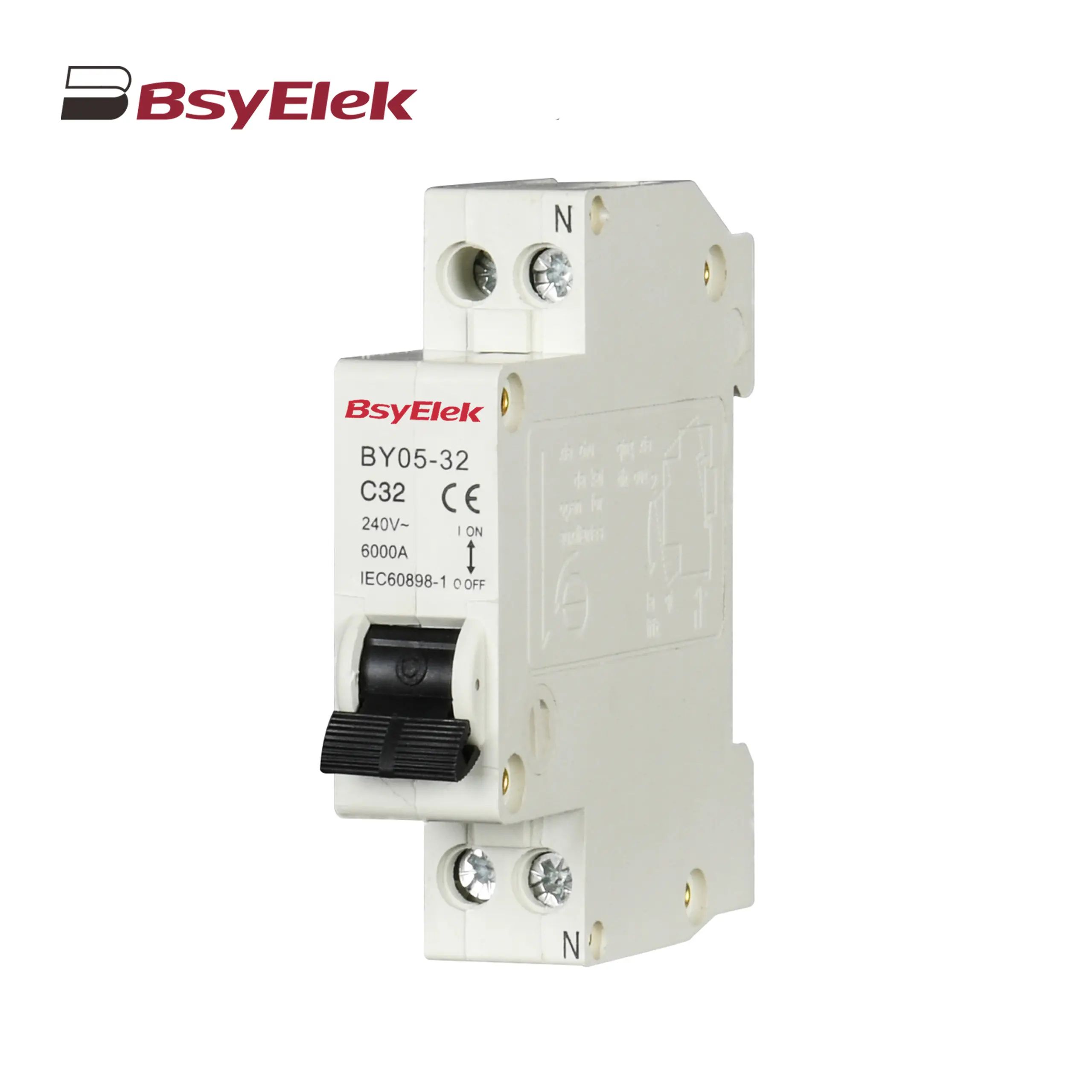 BY05-32 MCB Single Modular 3KA Miniature Circuit Breaker
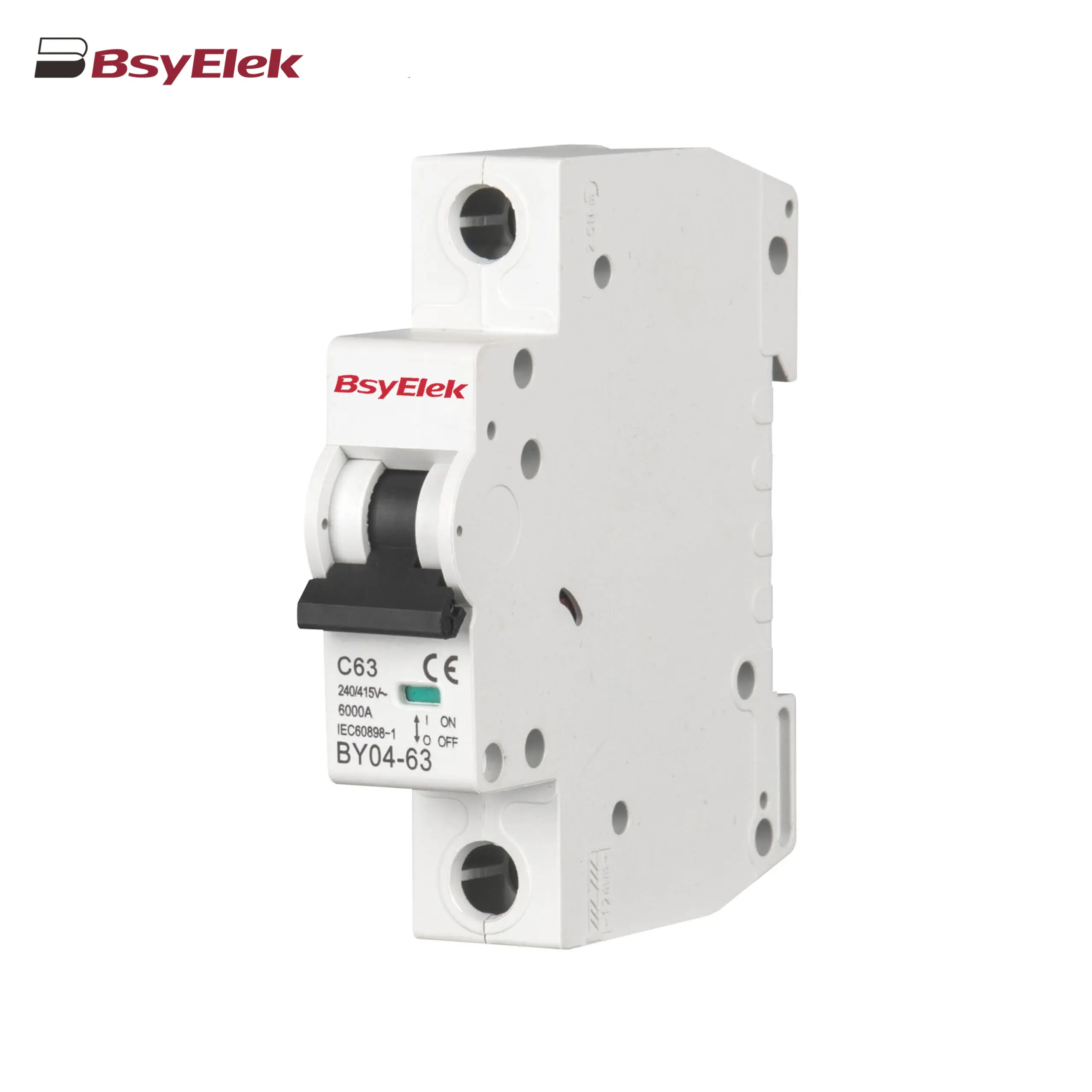 BY04-63 MCB 6-10KA Miniature Circuit Breaker
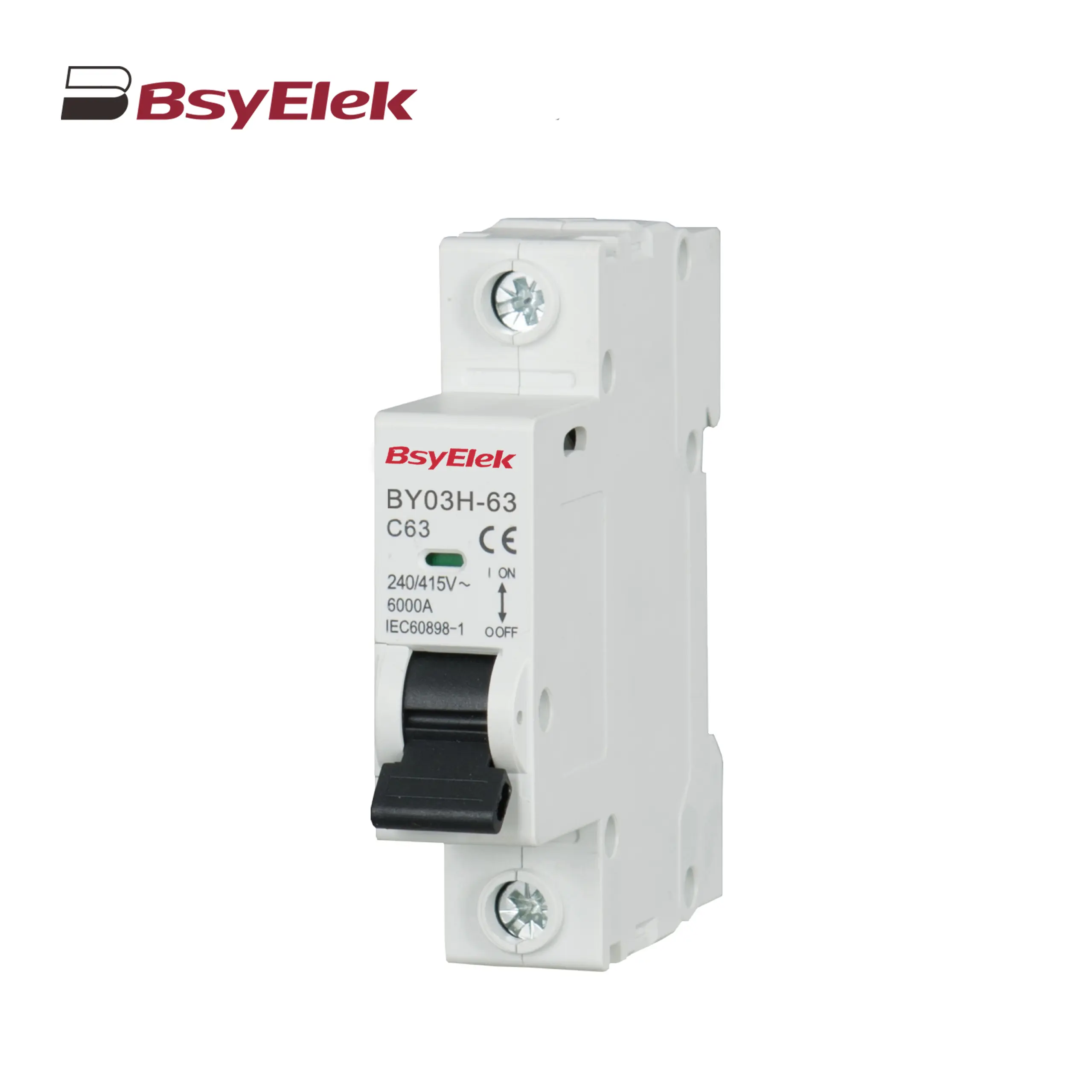 BY03H-63 MCB 6KA Miniature Circuit Breaker
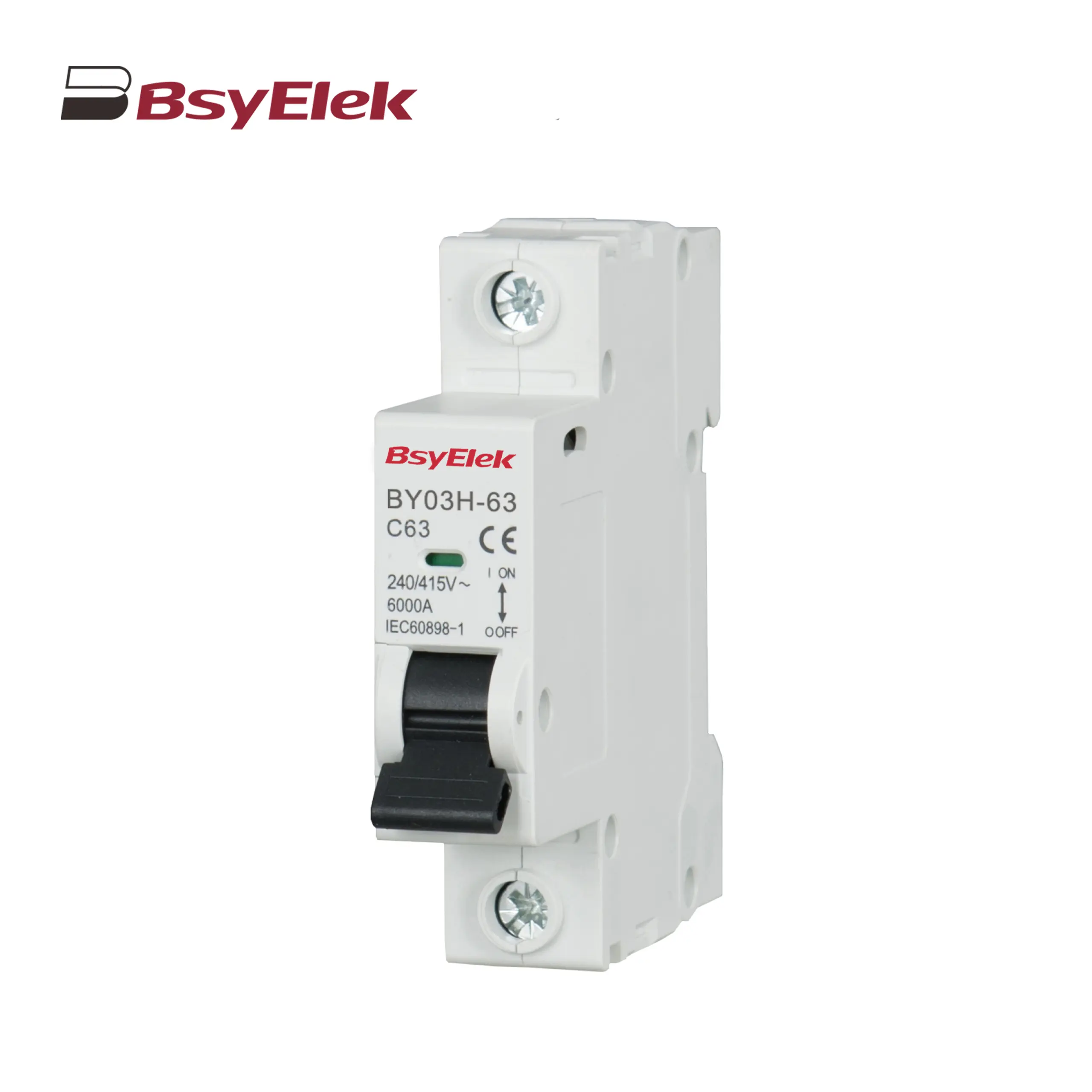 BY03-63 MCB 4.5KA Miniature Circuit Breaker
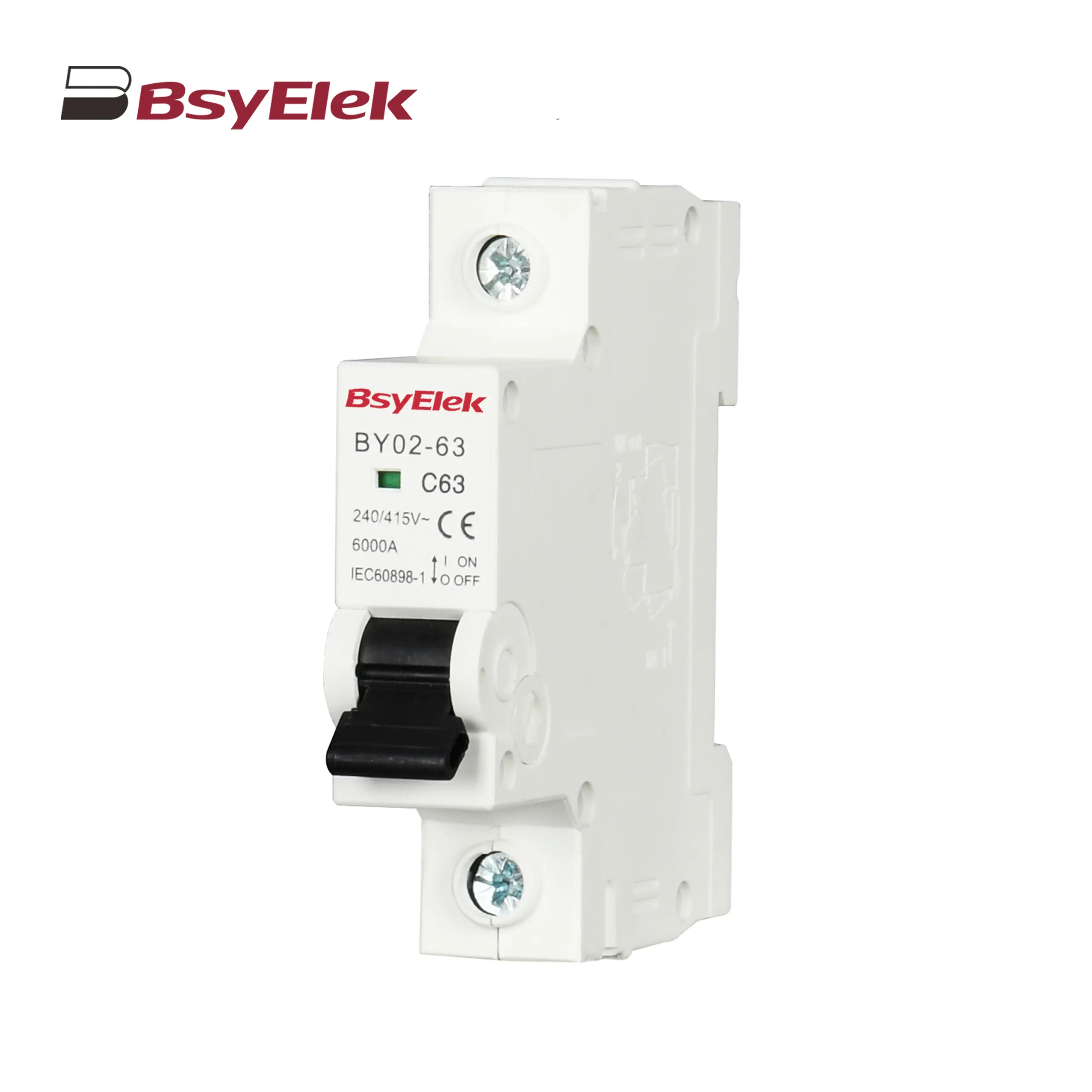 BY02-63 MCB 3kA Miniature Circuit Breaker
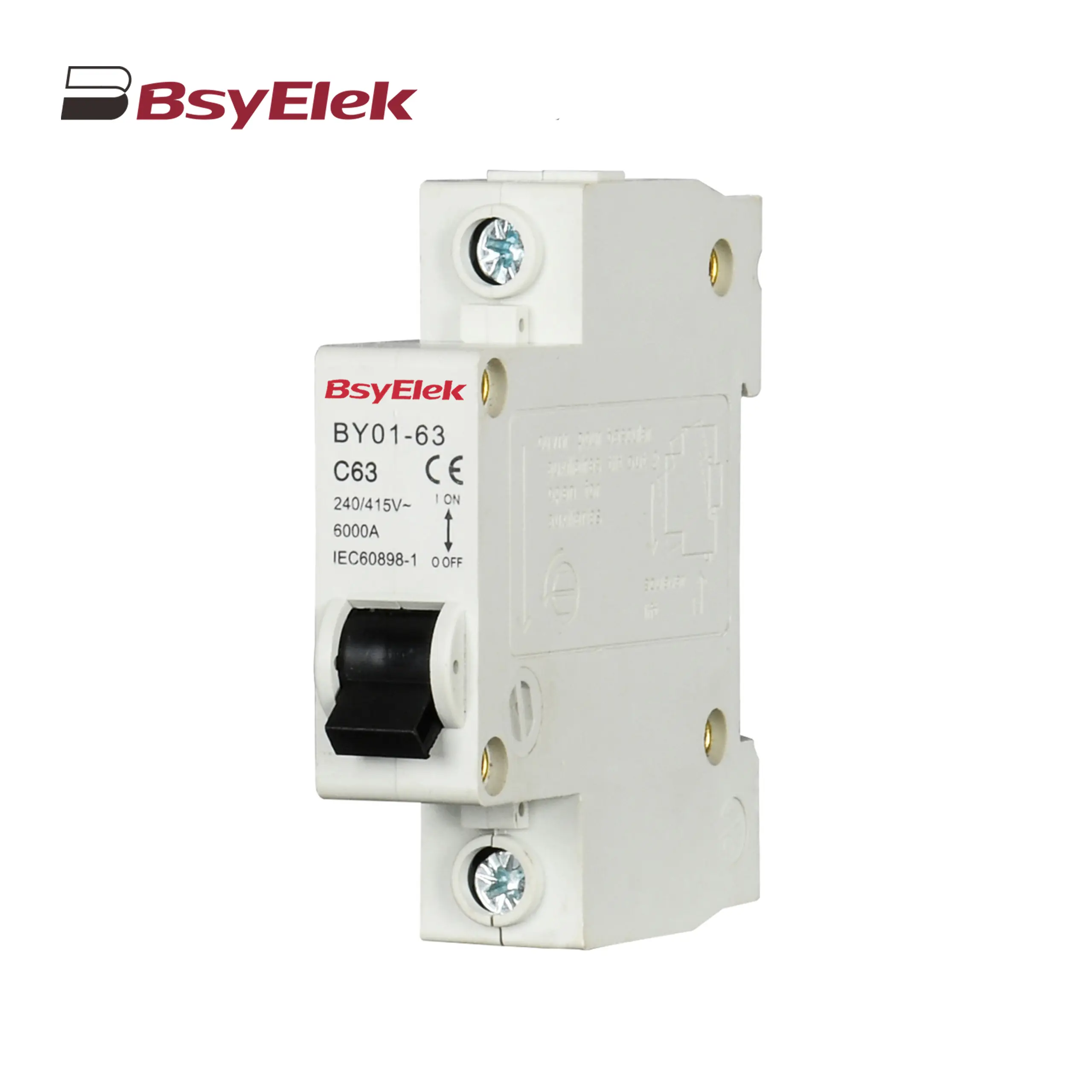 BY01-63 MCB 3kA Miniature Circuit Breaker
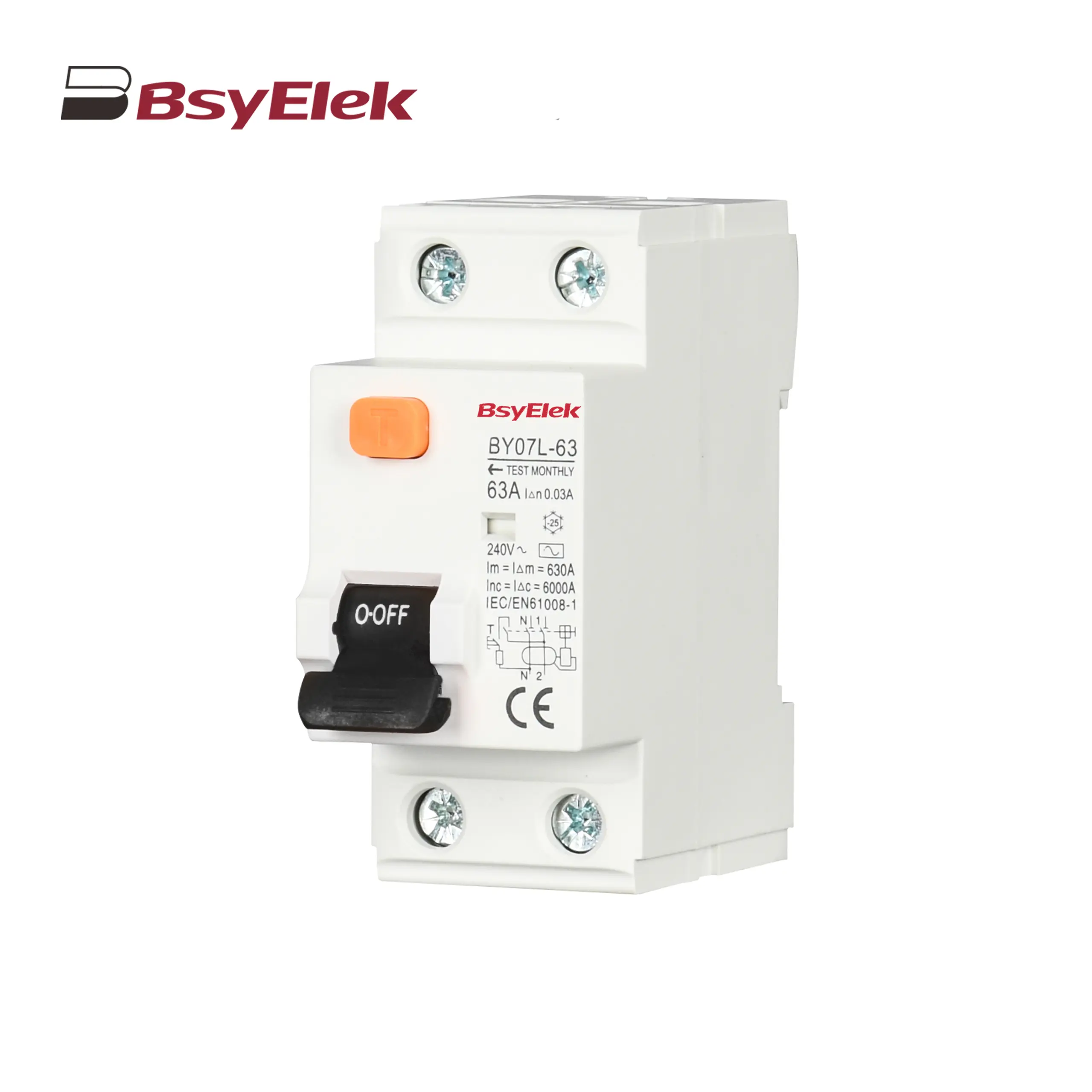 BY07L-63 RCCB 6KA Residual Current Circuit Breaker
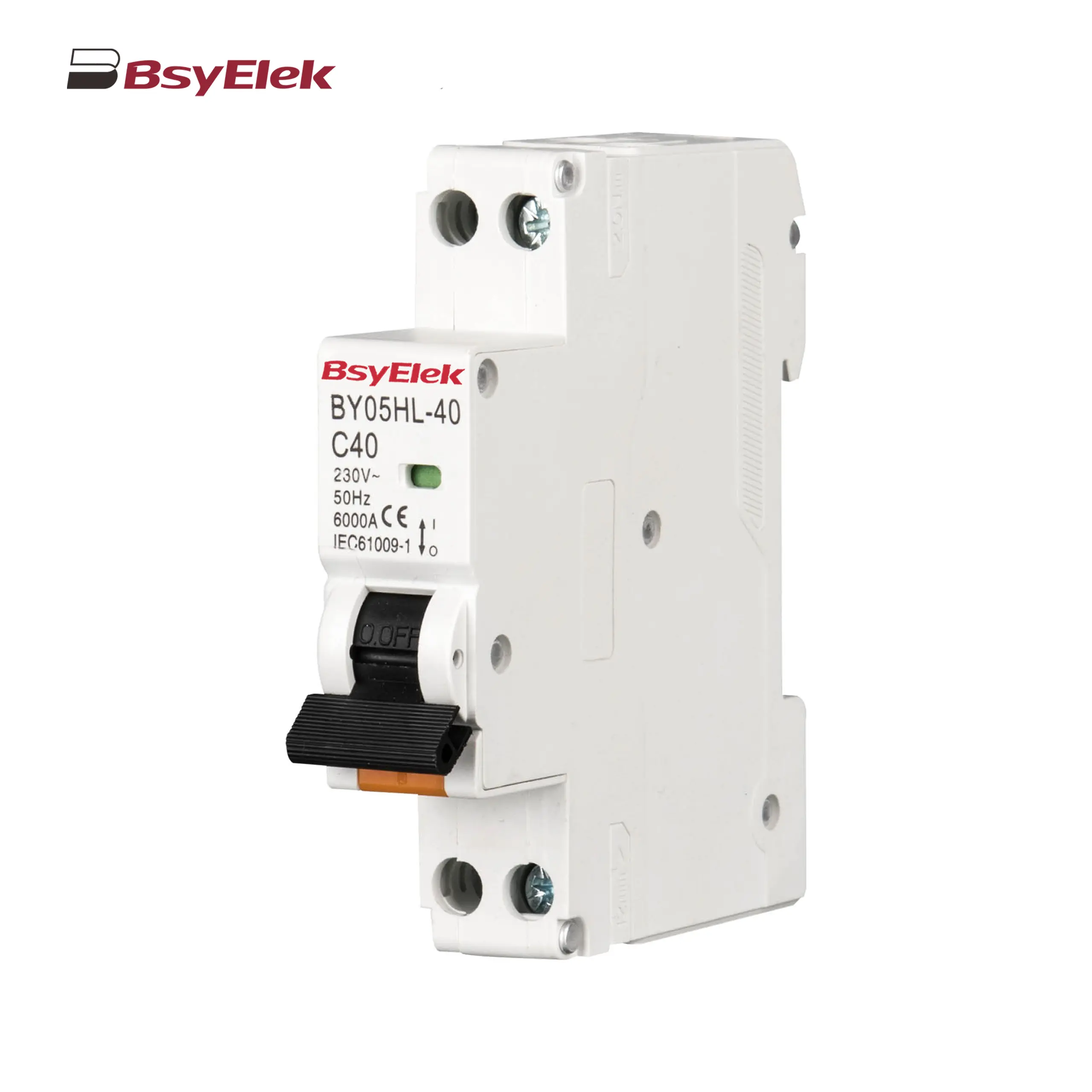 BY05HL-40 RCBO 6KA Residual Current Circuit Breaker with Over-current Protection
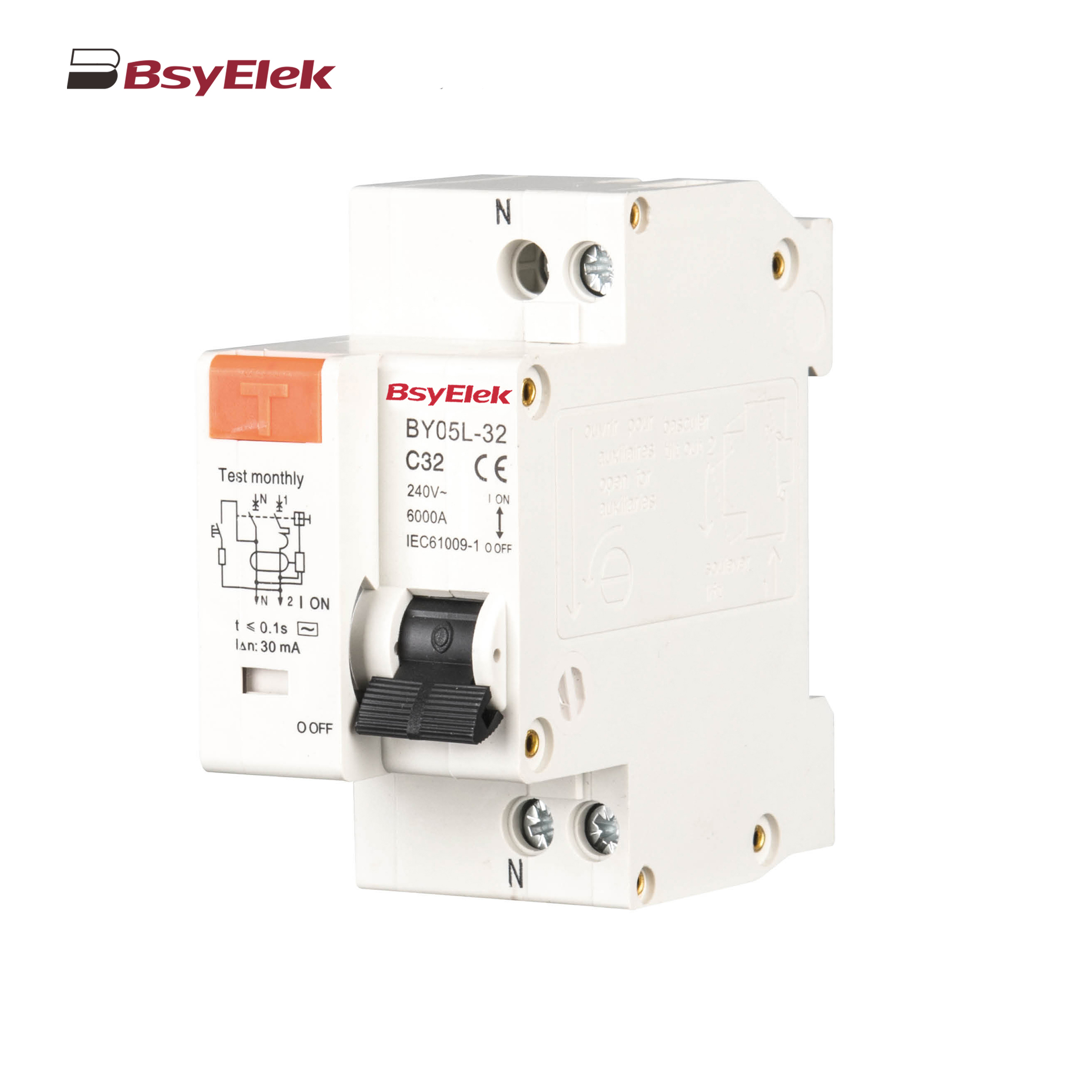 BY05L-32 RCBO 3KA Residual Current Circuit Breaker with Over-current Protection
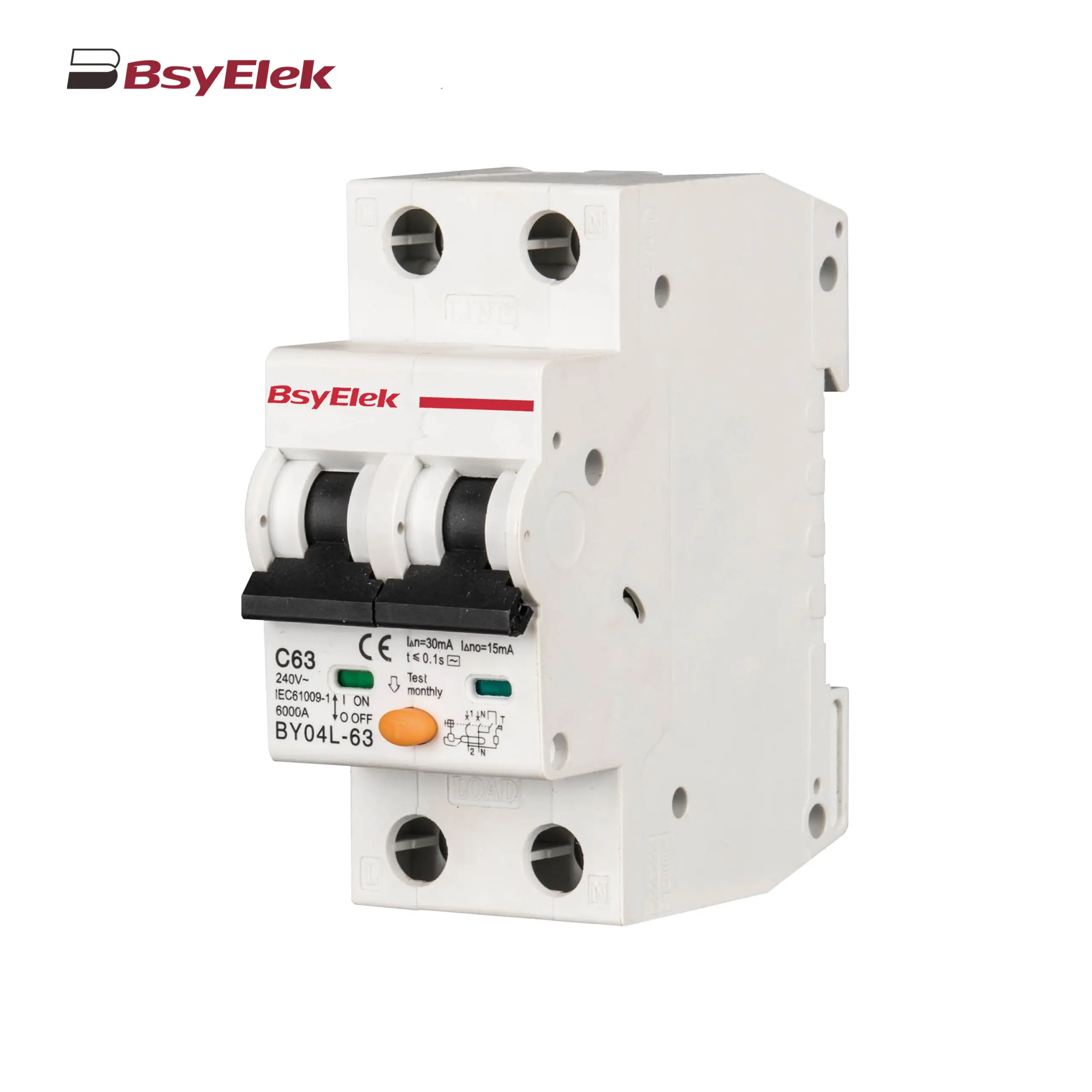 BY04L-63 RCBO 6KA Residual Current Circuit Breaker with Over-current Protection
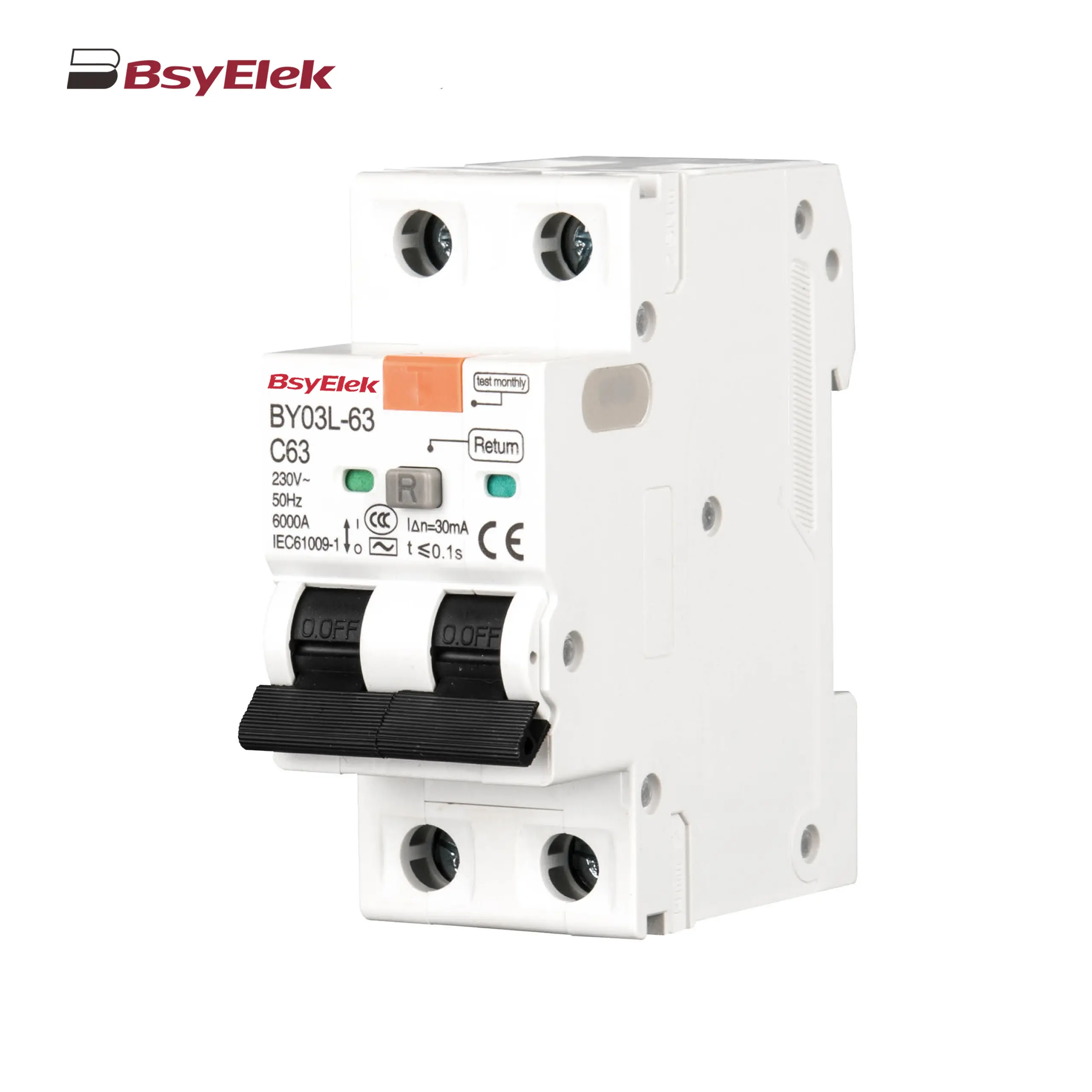 BY03L-63 RCBO 4.5KA Residual Current Circuit Breaker with Over-current Protection
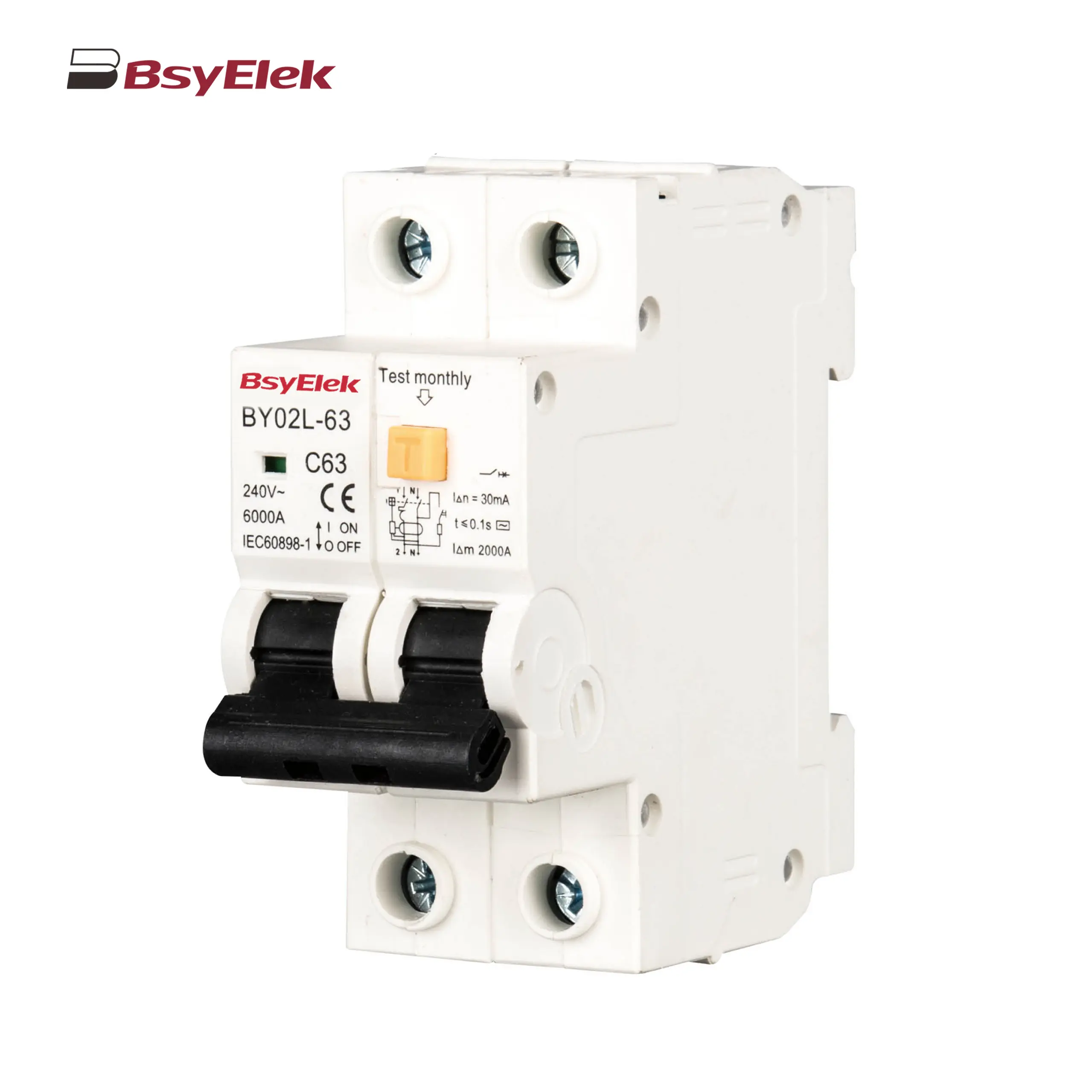 BY02L-63 RCBO 3KA Residual Current Circuit Breaker with Over-current Protection
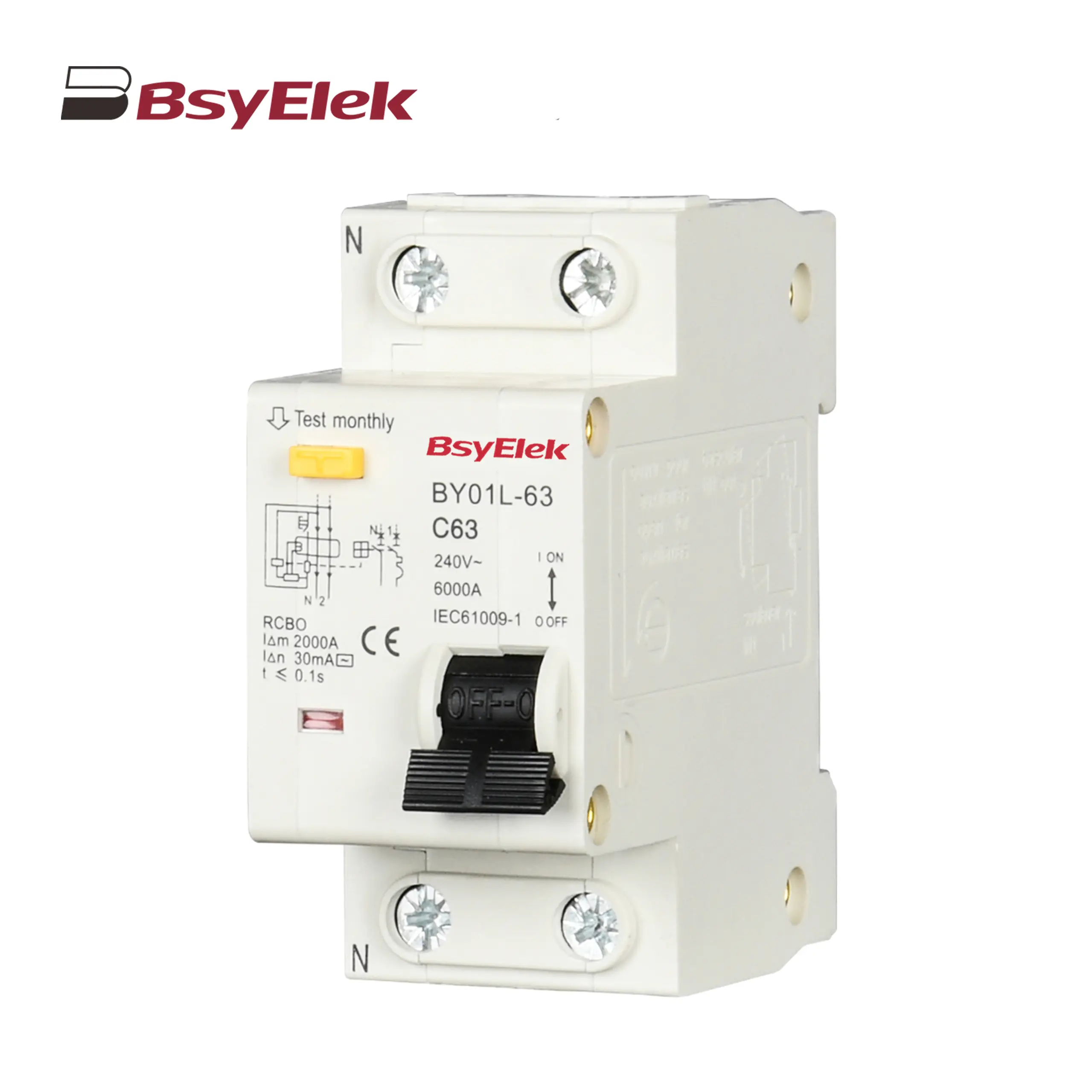 BY01L-63 RCBO 1P+N 3KA Residual Current Circuit Breaker with Over-current Protection
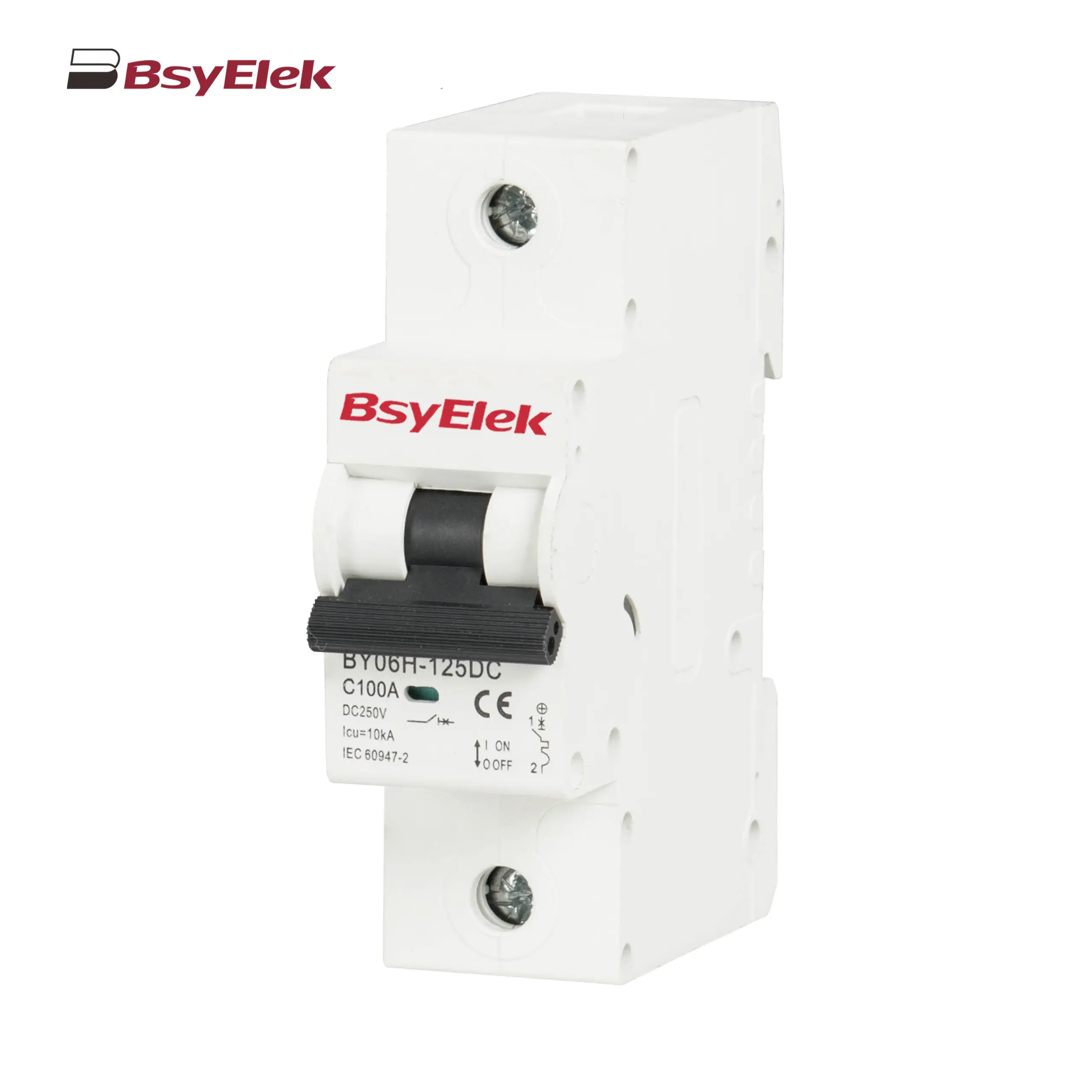 BY06H-125DC MCB 10-15kA DC Miniature Circuit Breaker
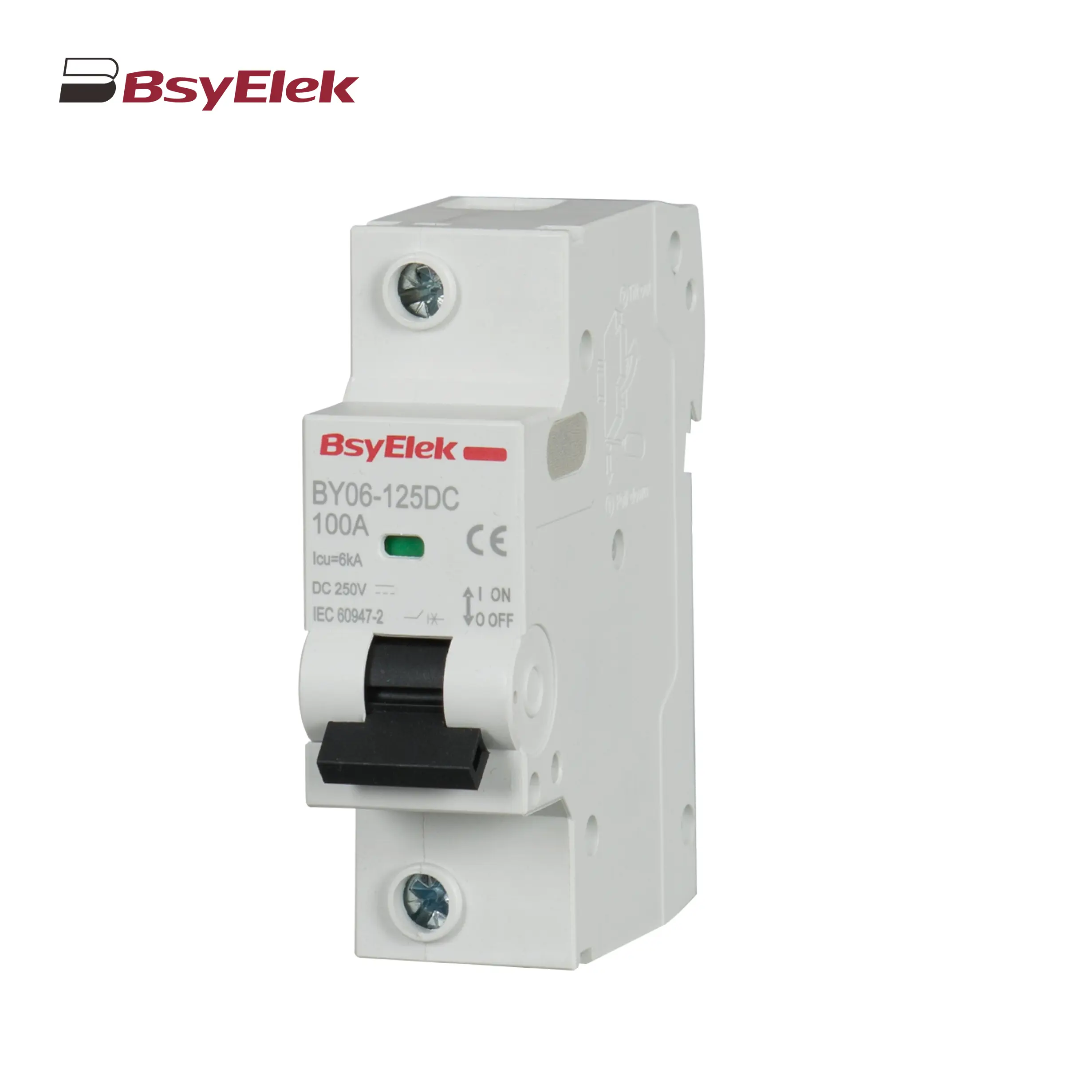 BY06-125DC MCB 6kA DC Miniature Circuit Breaker
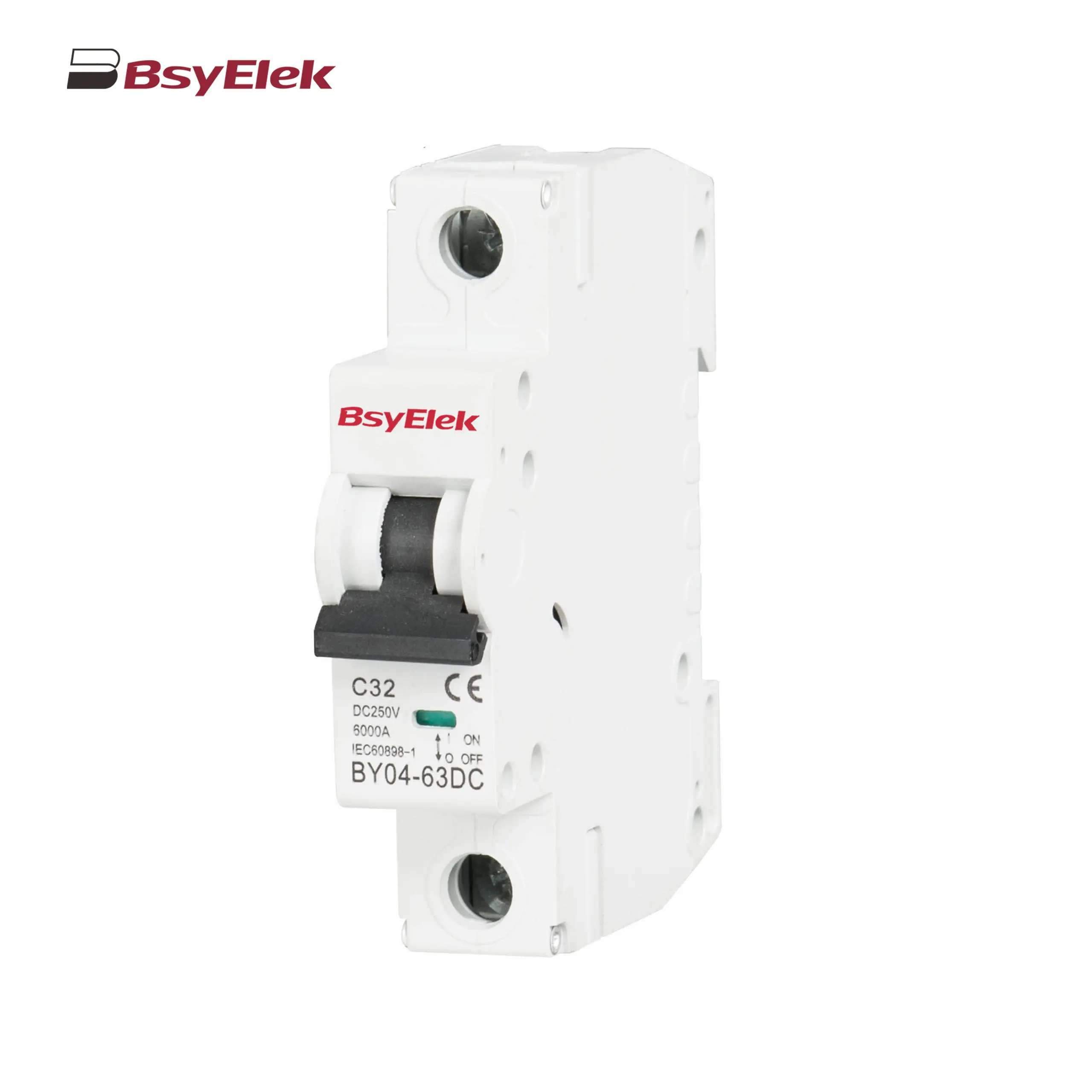 BY04-63DC MCB 6-10kA DC Miniature Circuit Breaker
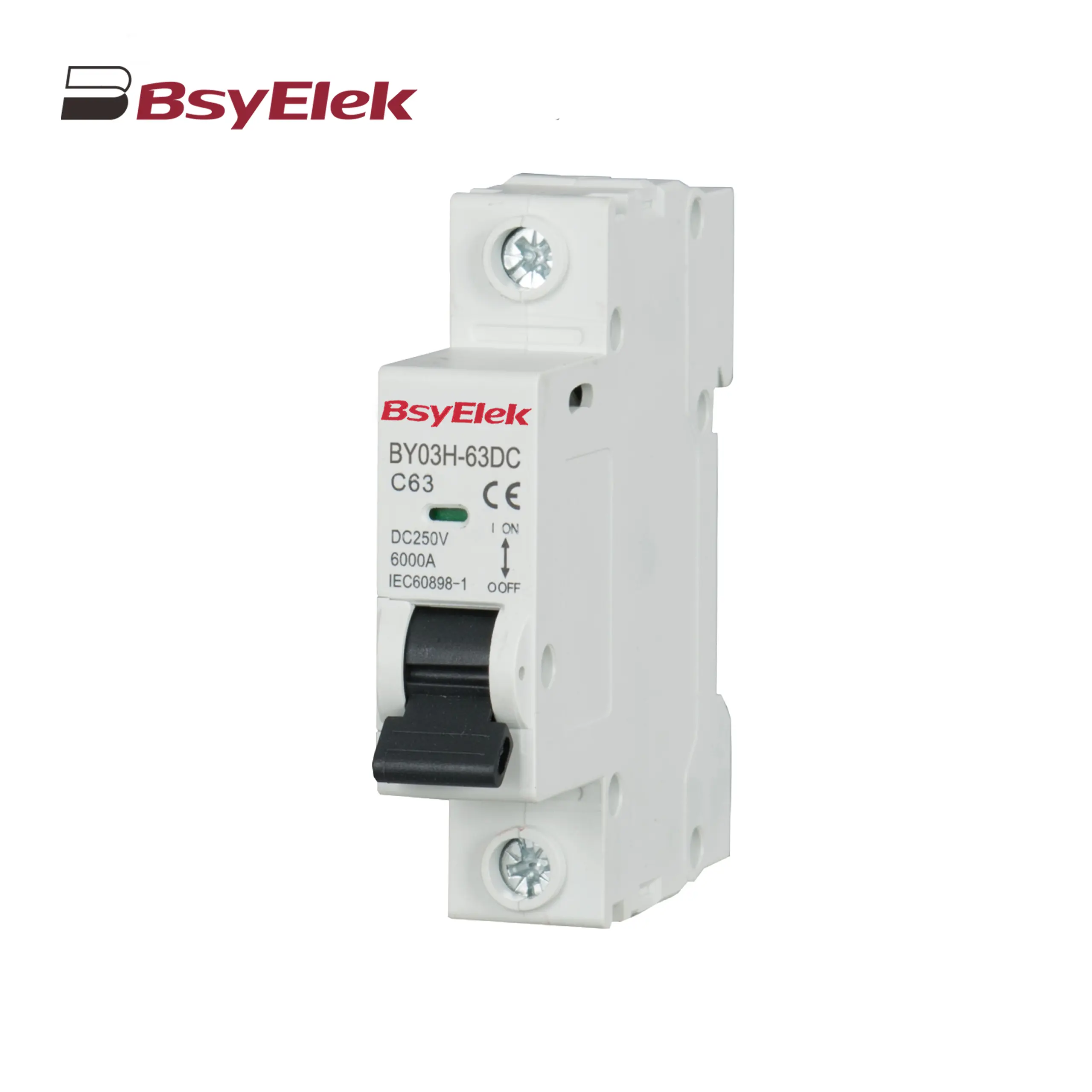 BY03H-63DC MCB 6kA DC Miniature Circuit Breaker
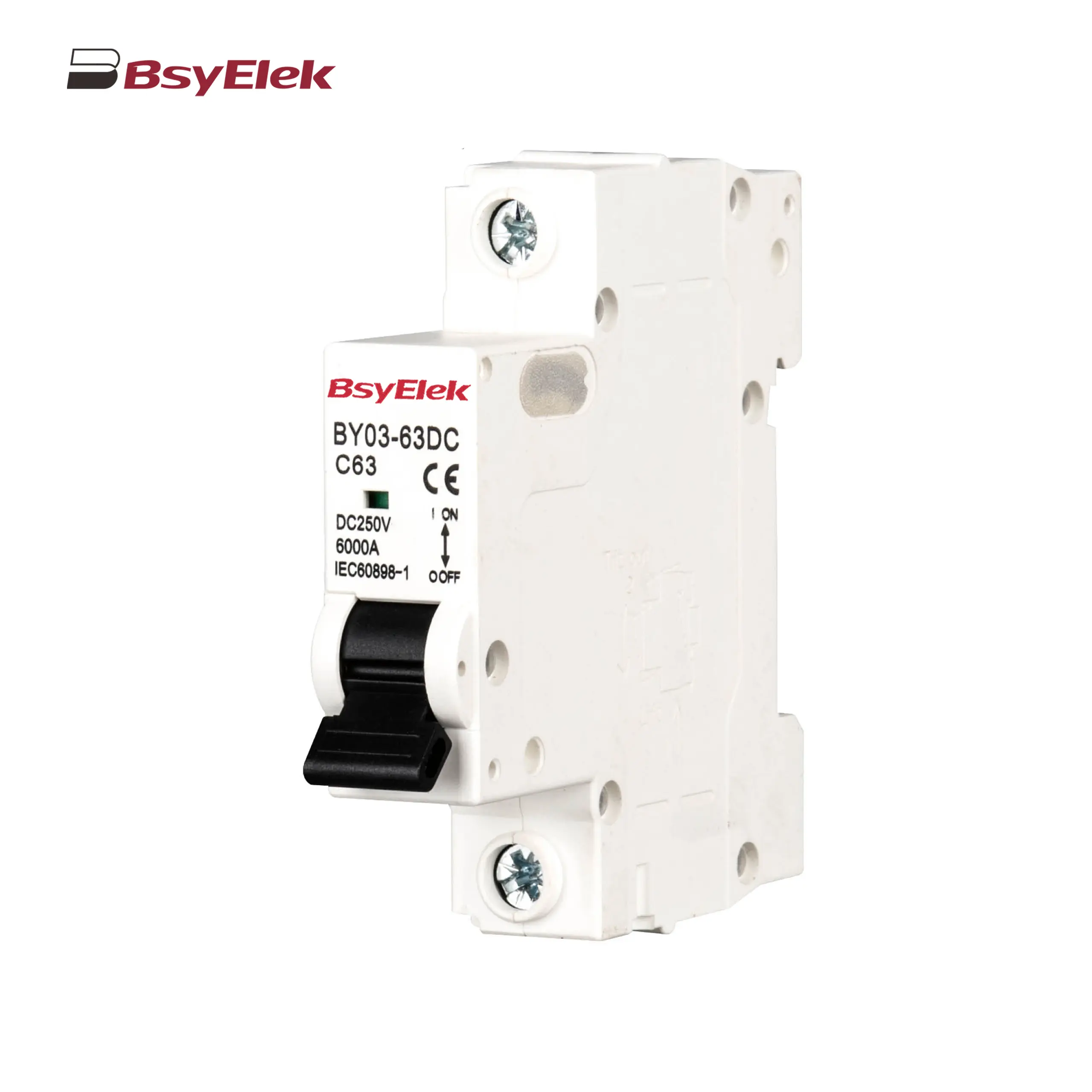 BY03-63DC MCB 4.5kA DC Miniature Circuit Breaker
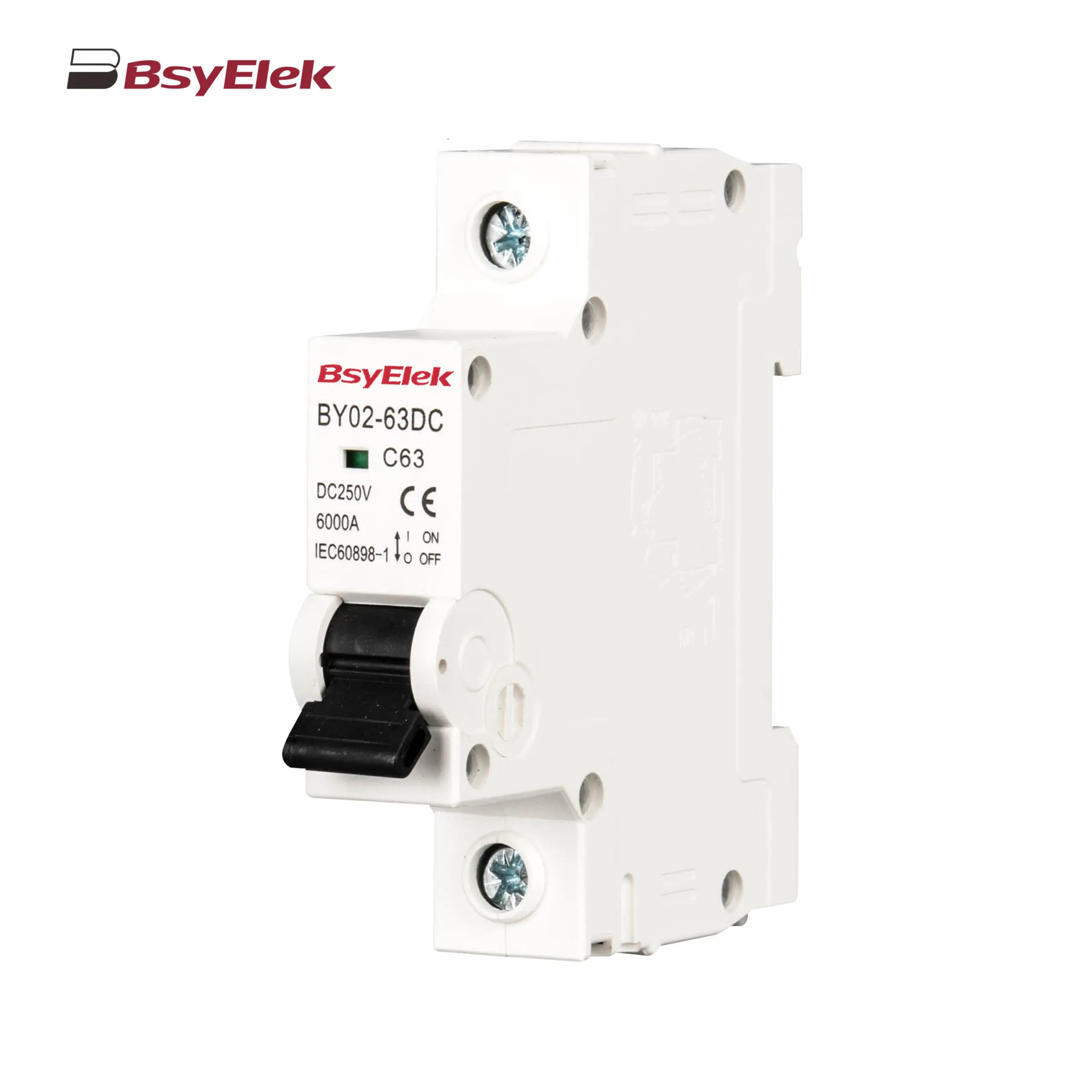 BY02-63DC MCB 3kA DC Miniature Circuit Breaker
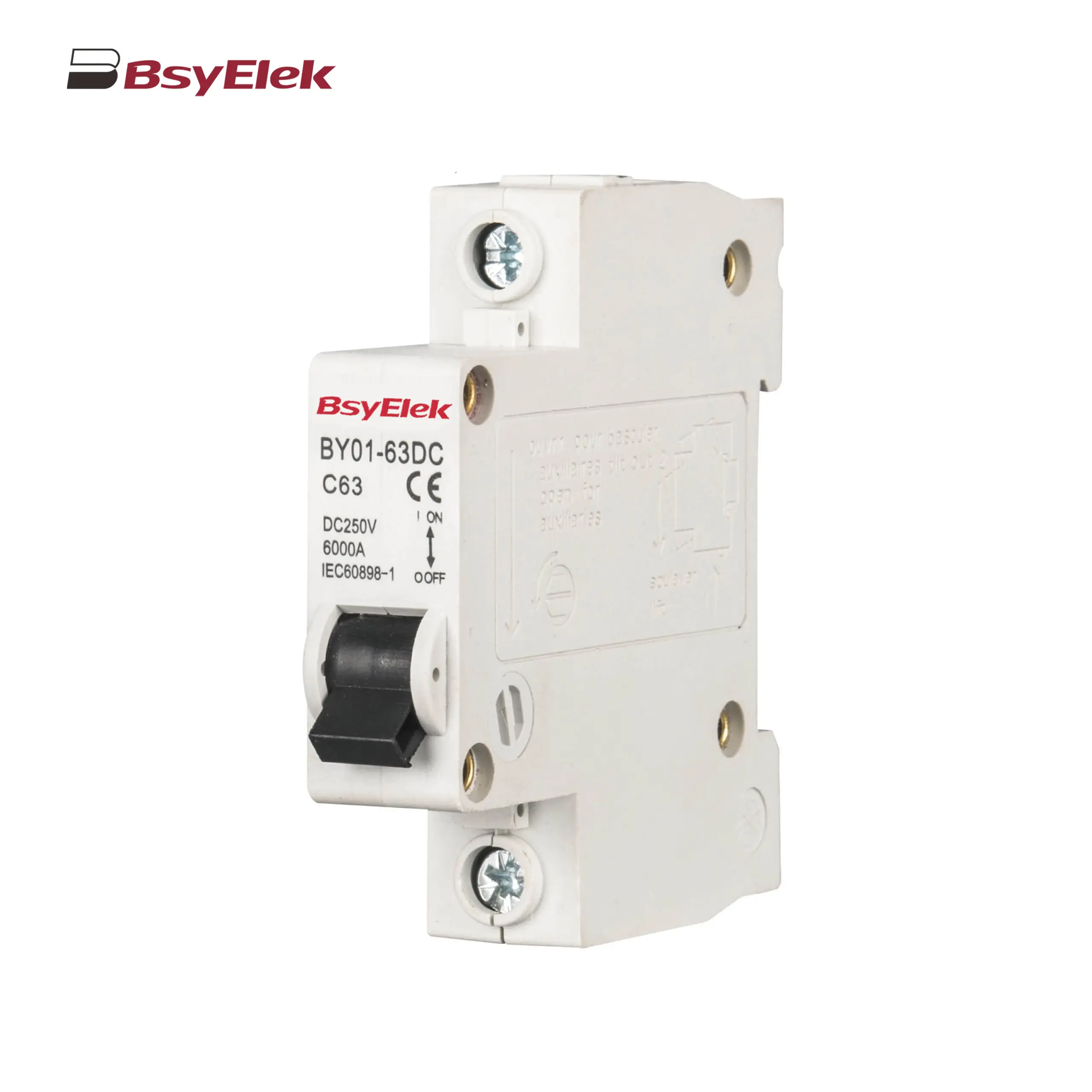 BY01-63DC MCB 3kA DC Miniature Circuit Breaker
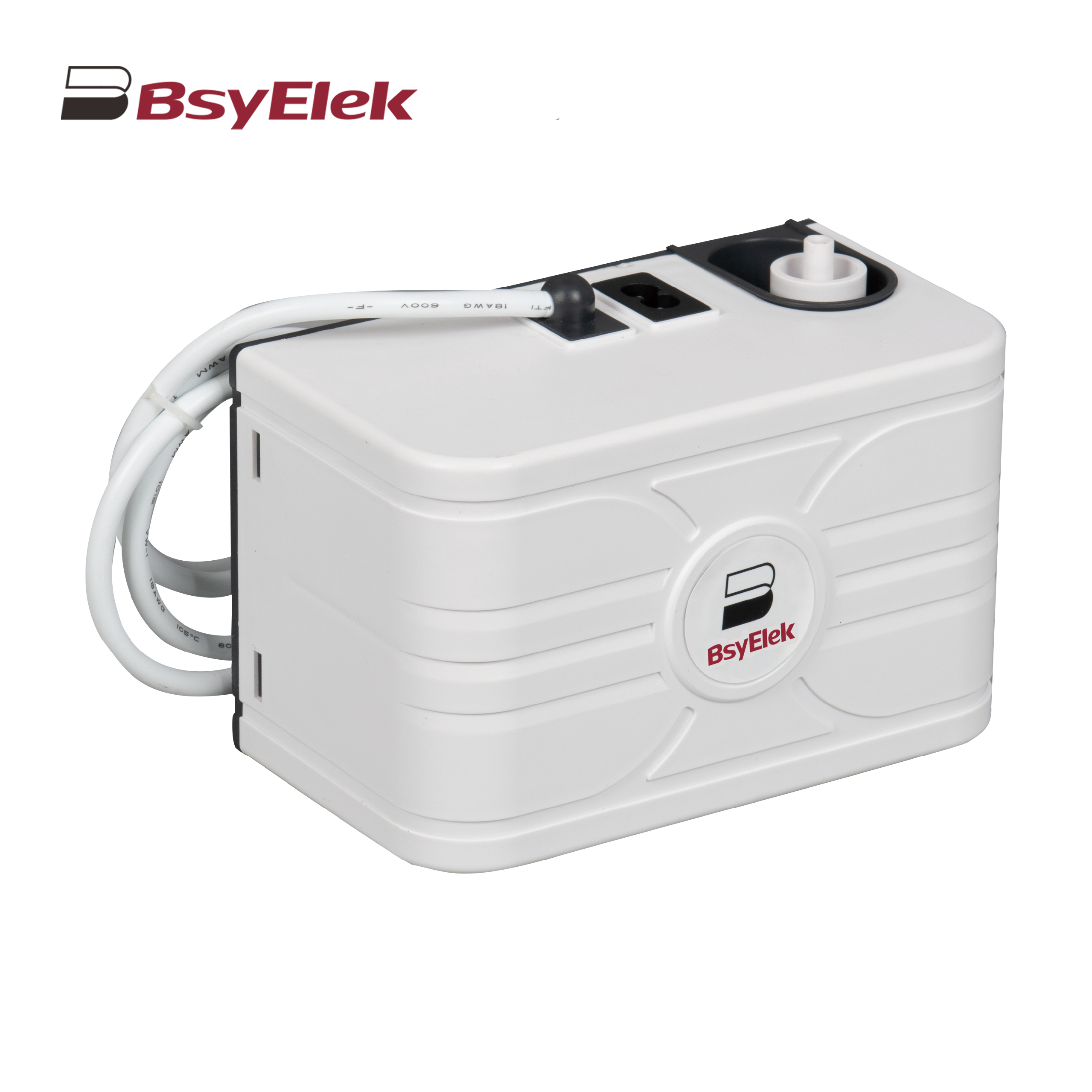 BY-5018 1.8M Engineering Drainage Pump
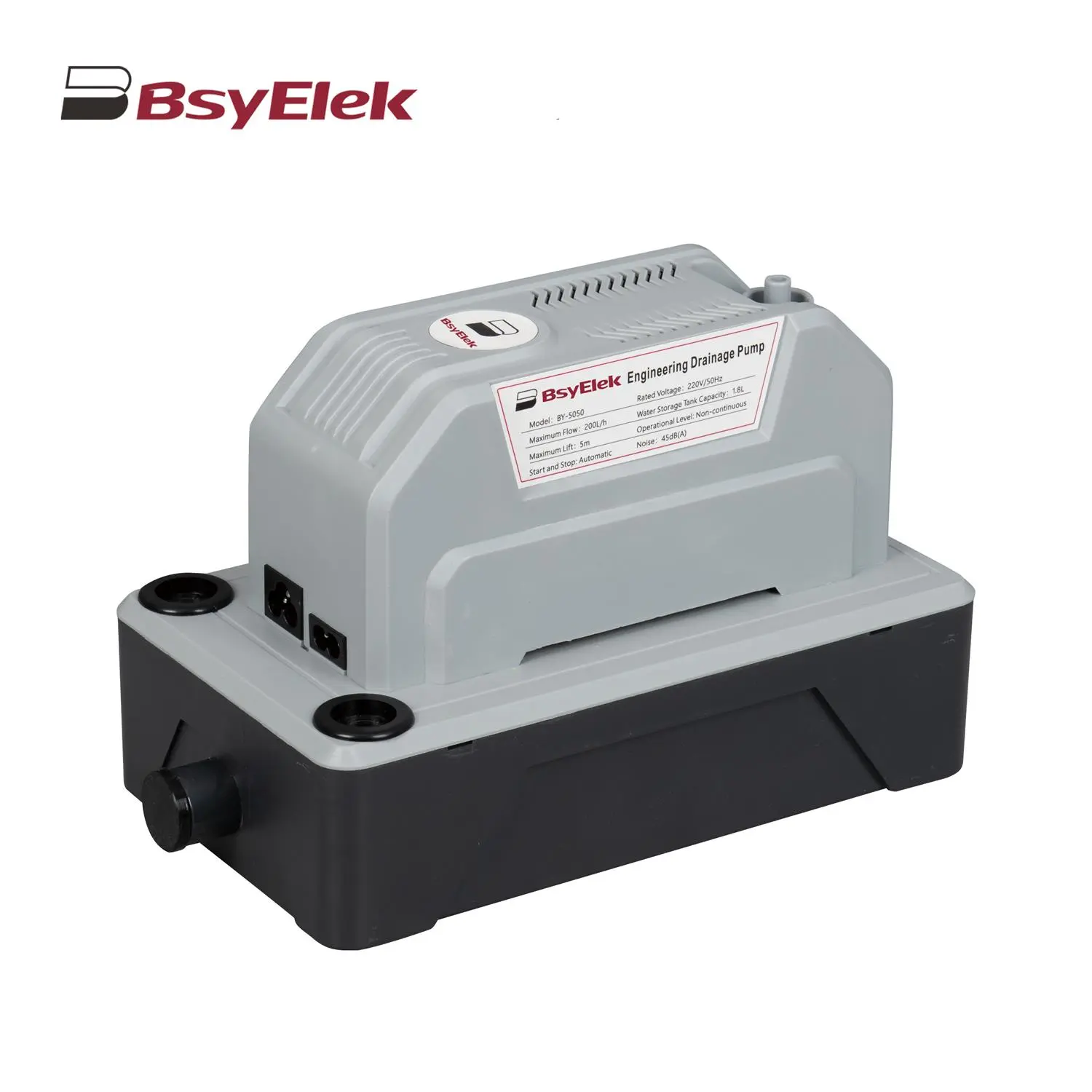 BY-5050 5M Engineering Drainage Pump
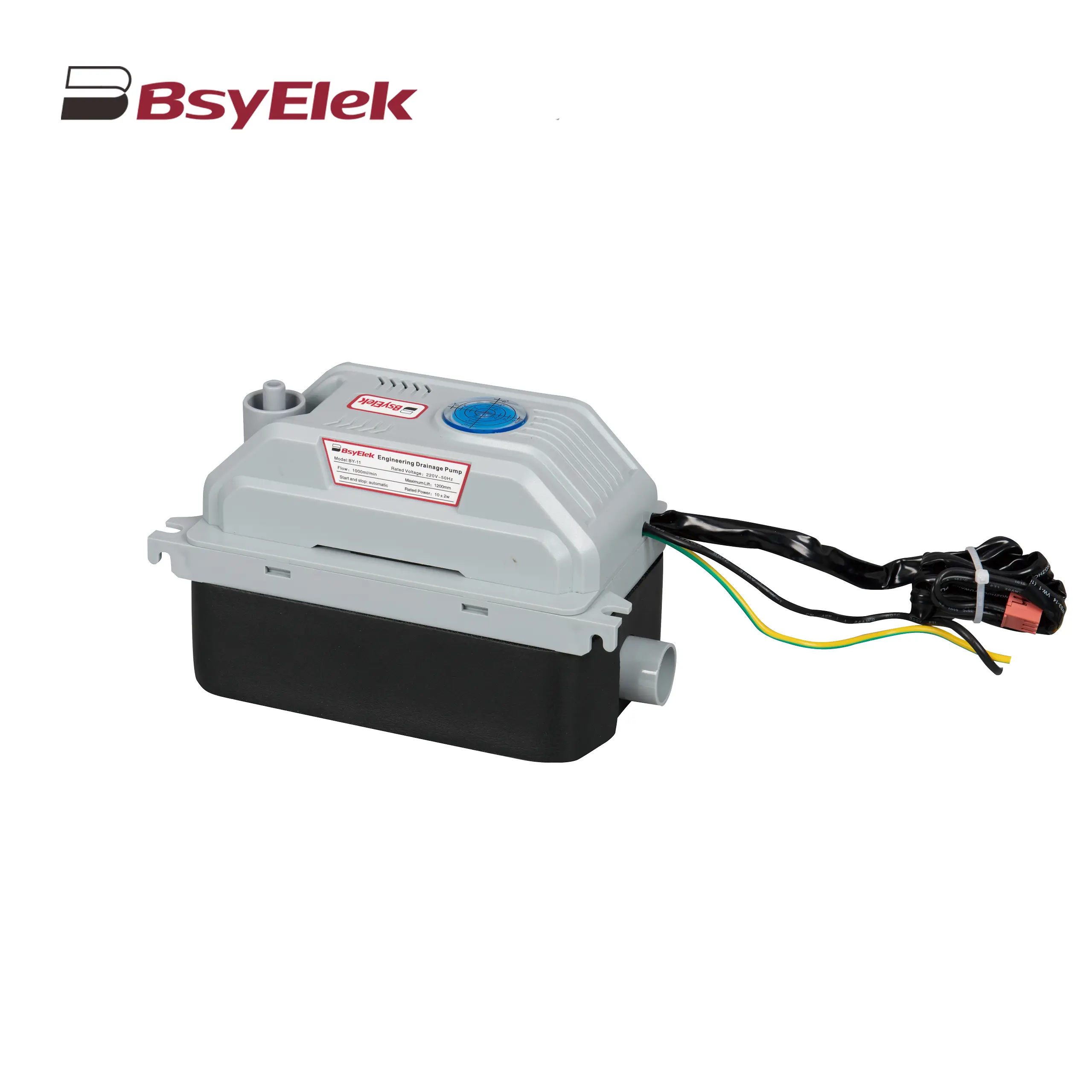 BY-11 1.2M Engineering Drainage Pump
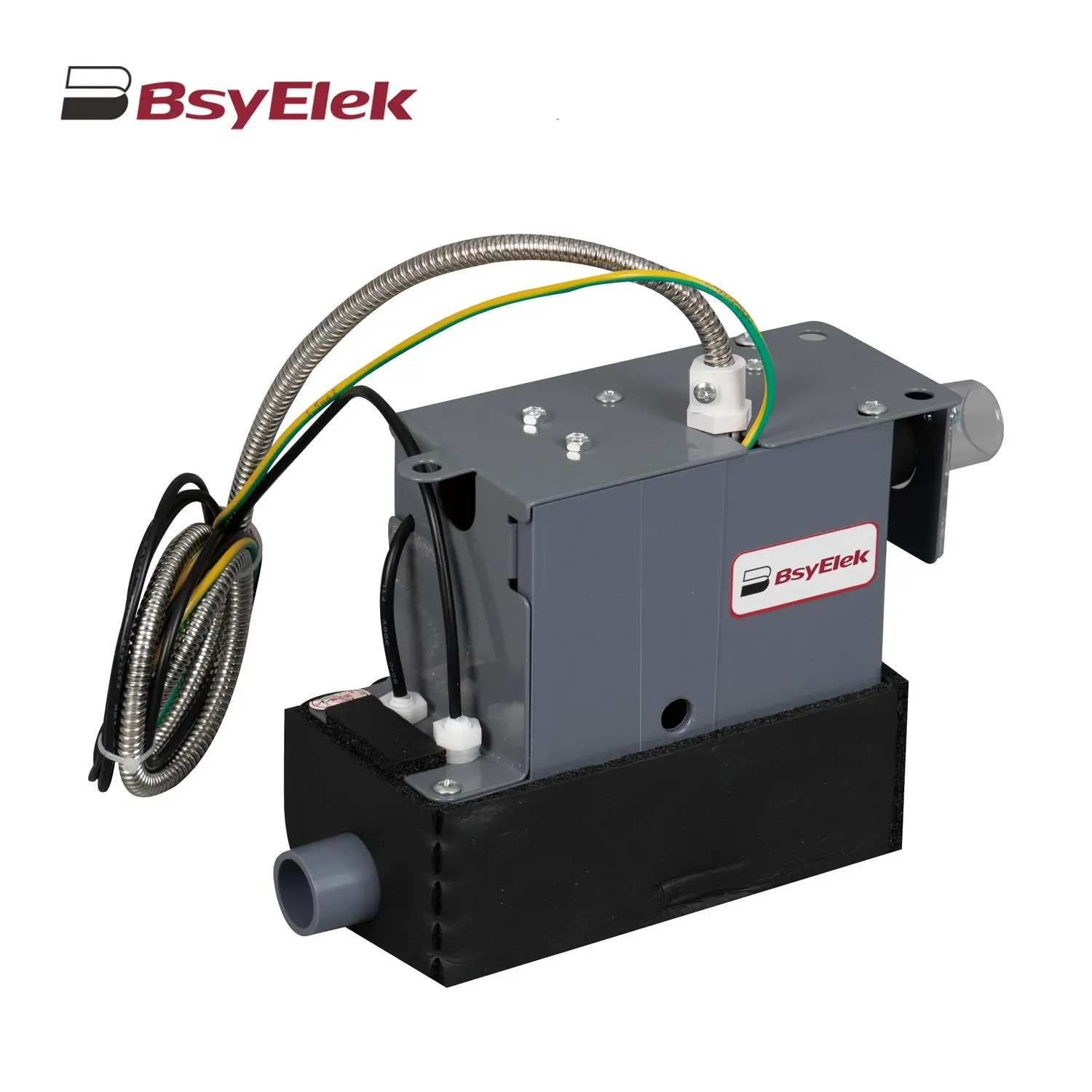 SBH-05 0.7M Original Drainage Pump of Duct Type Air Conditioner
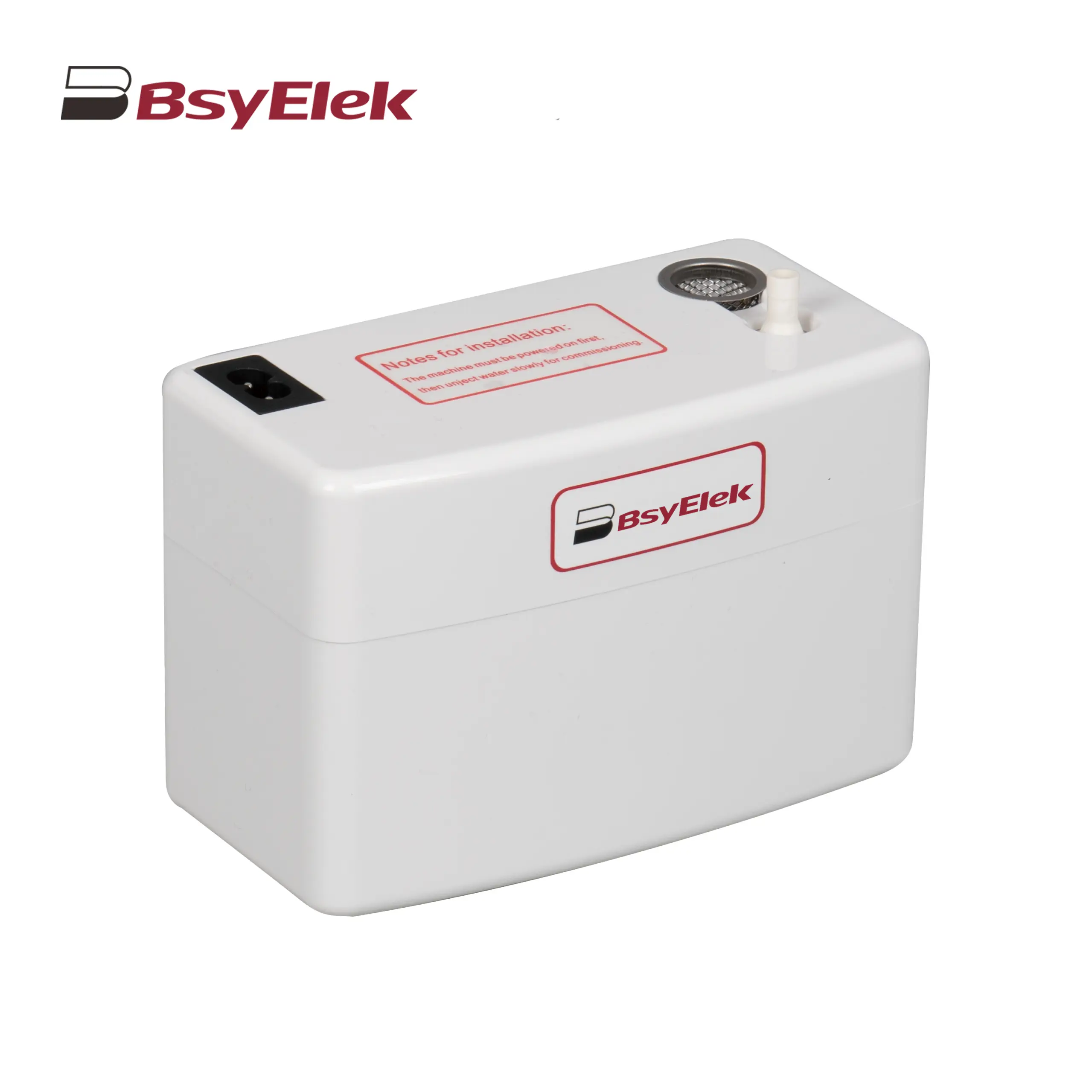 BY-24A/40A 10M Drainage Pump of Air Conditioner
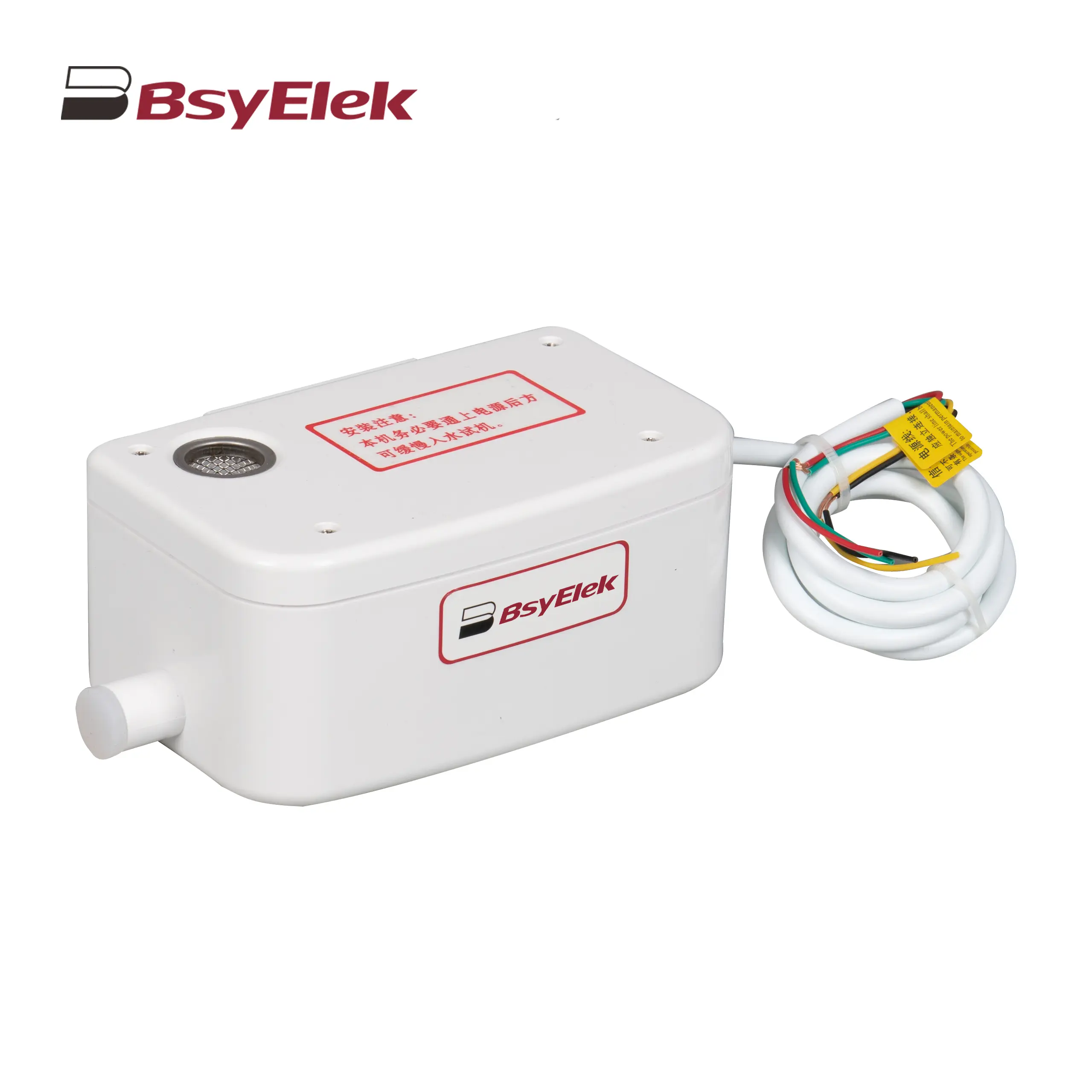 BY-50A 12M Drainage Pump of Air Conditioner
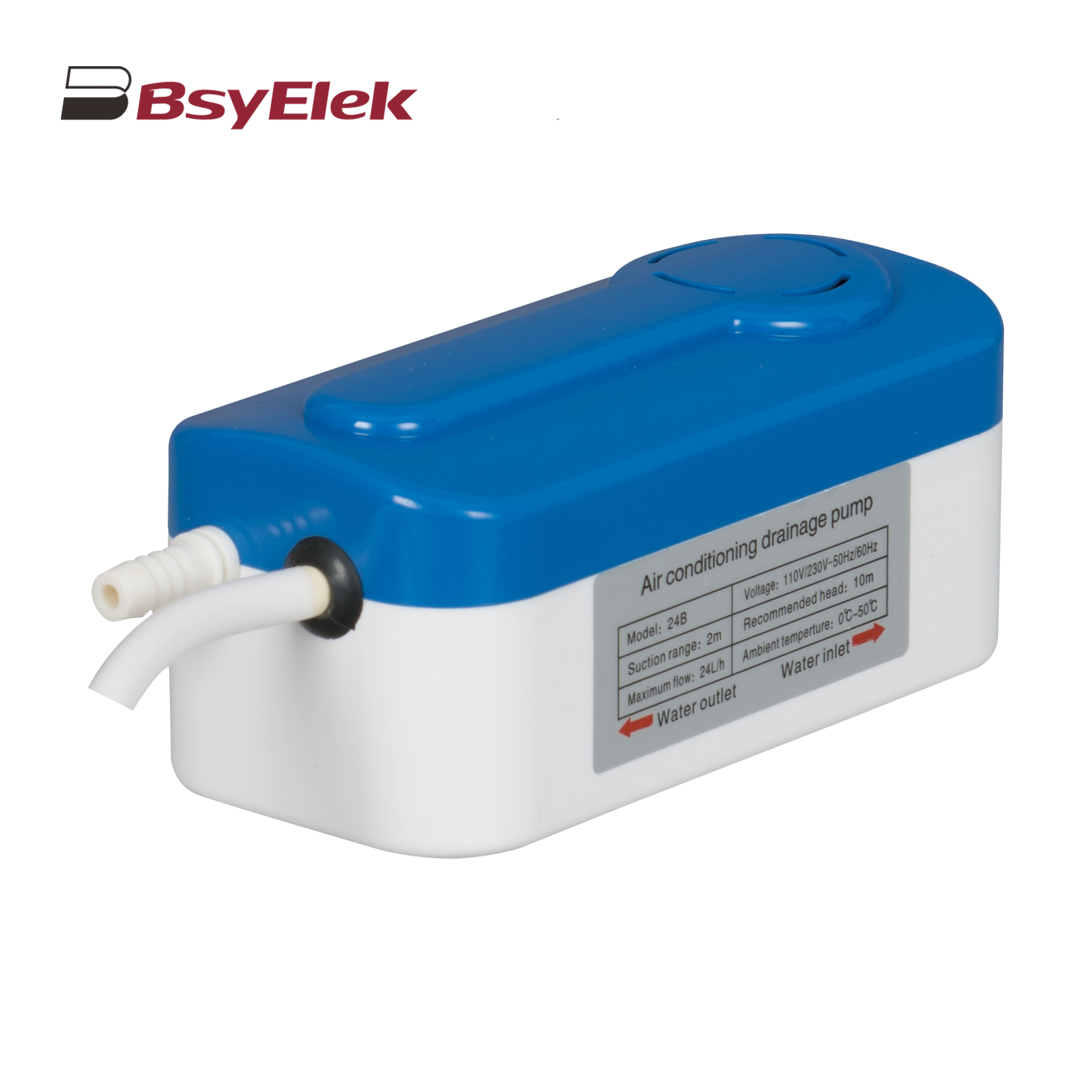 BY-24B/40B 10M Split Type Drainage Pump
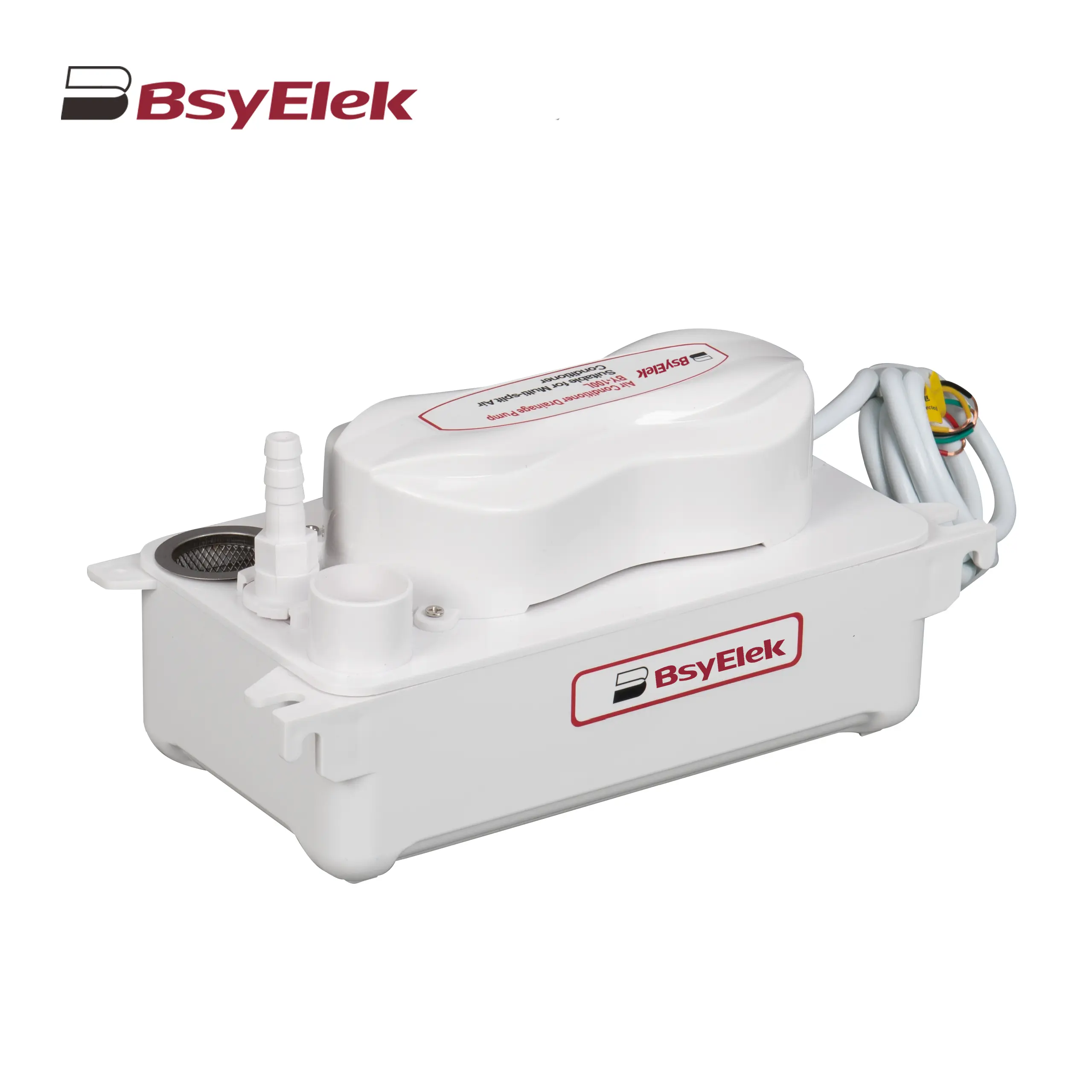 BY-100L 2M Drainage Pump of Air Conditioner
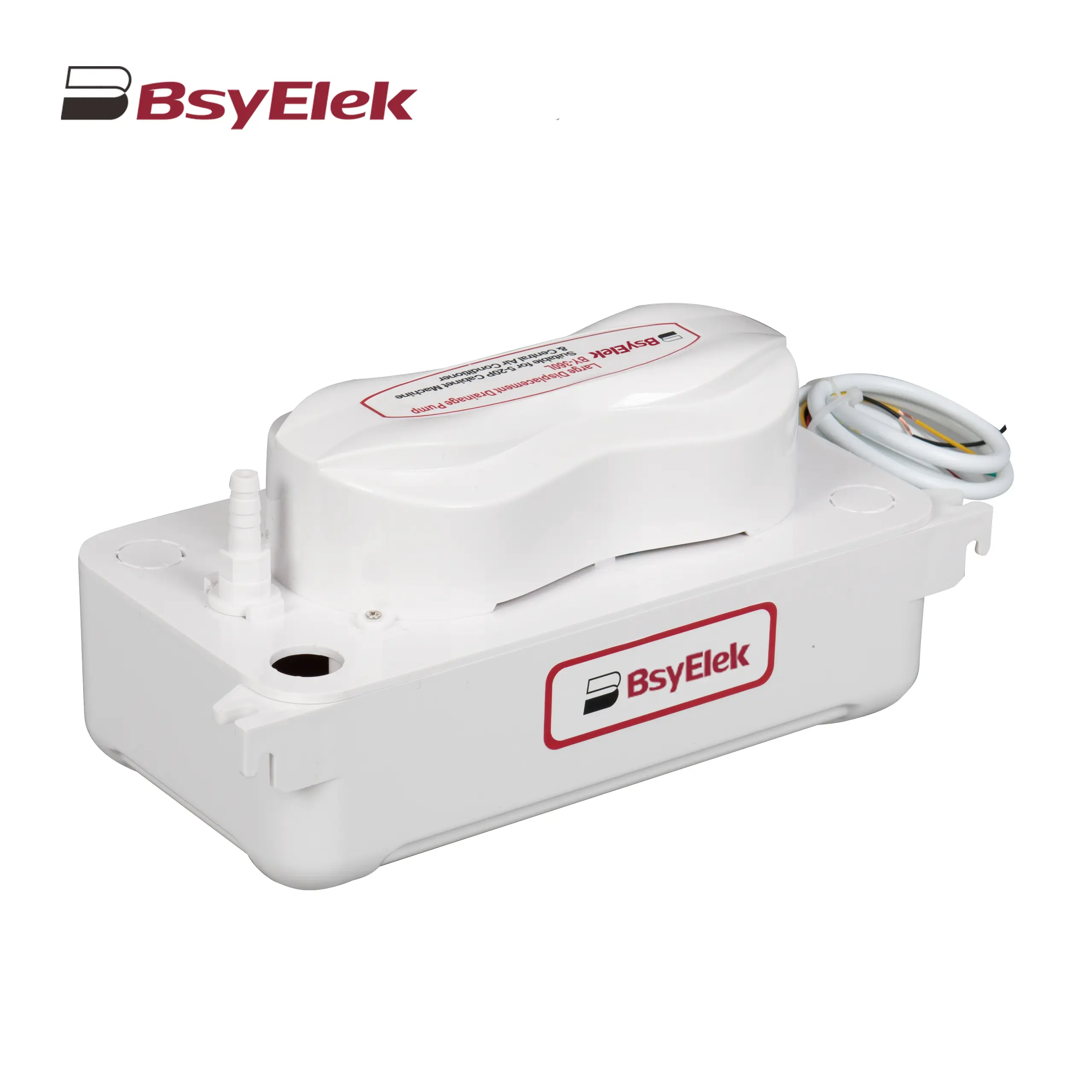 BY-360L 6M Large Displacement Drainage Pump
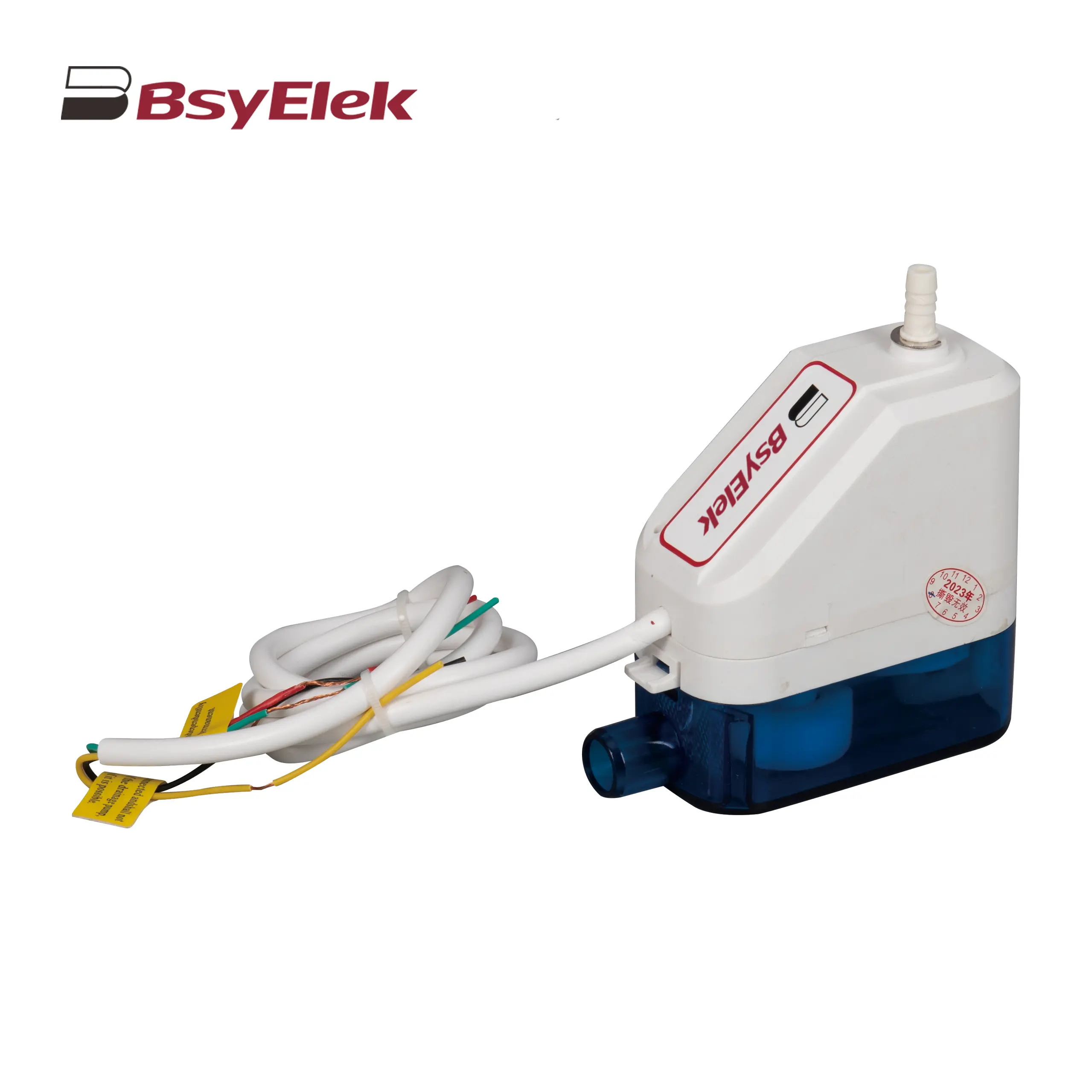 BY-24C/40C 10M Corner Drainage Pump
What is a miniature circuit breaker (MCB)?
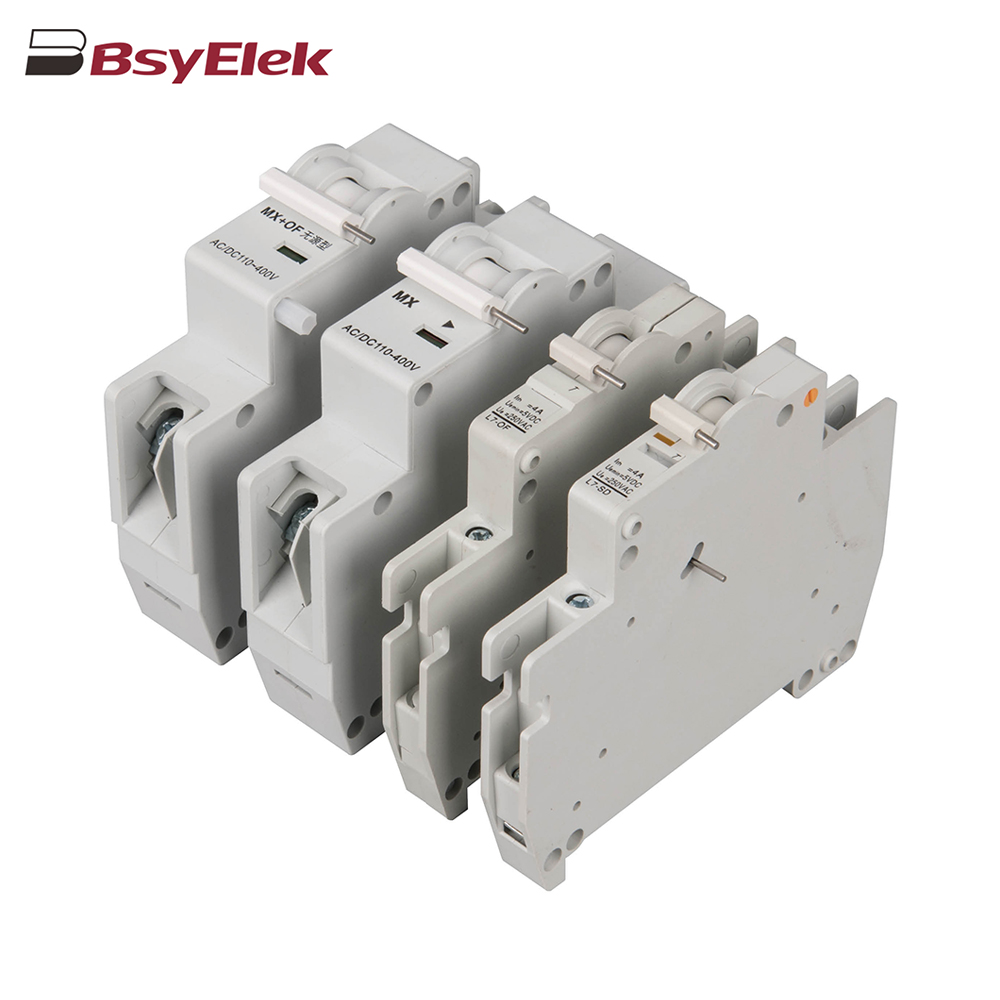 OF SD MX OF MCB Miniature Circuit Breaker Accessories
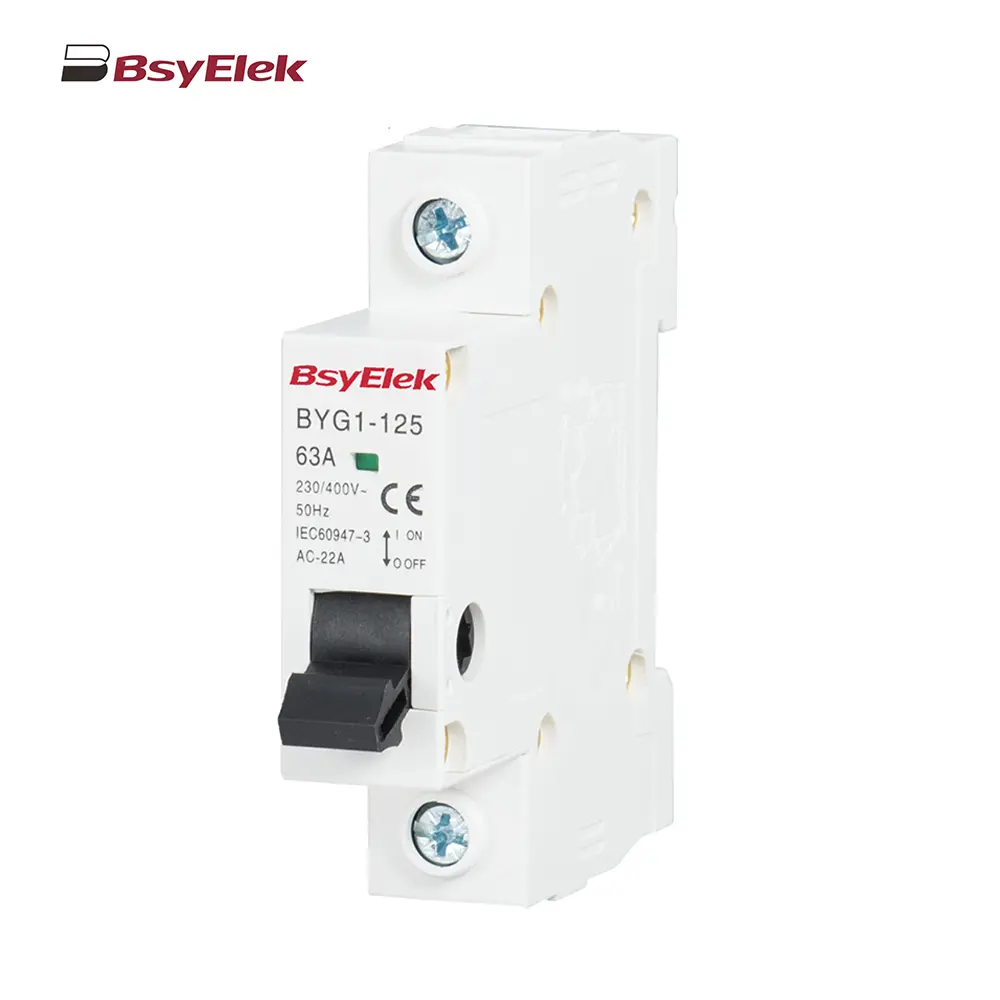 BYG1-125 Main Switch MCB Isolator Switch
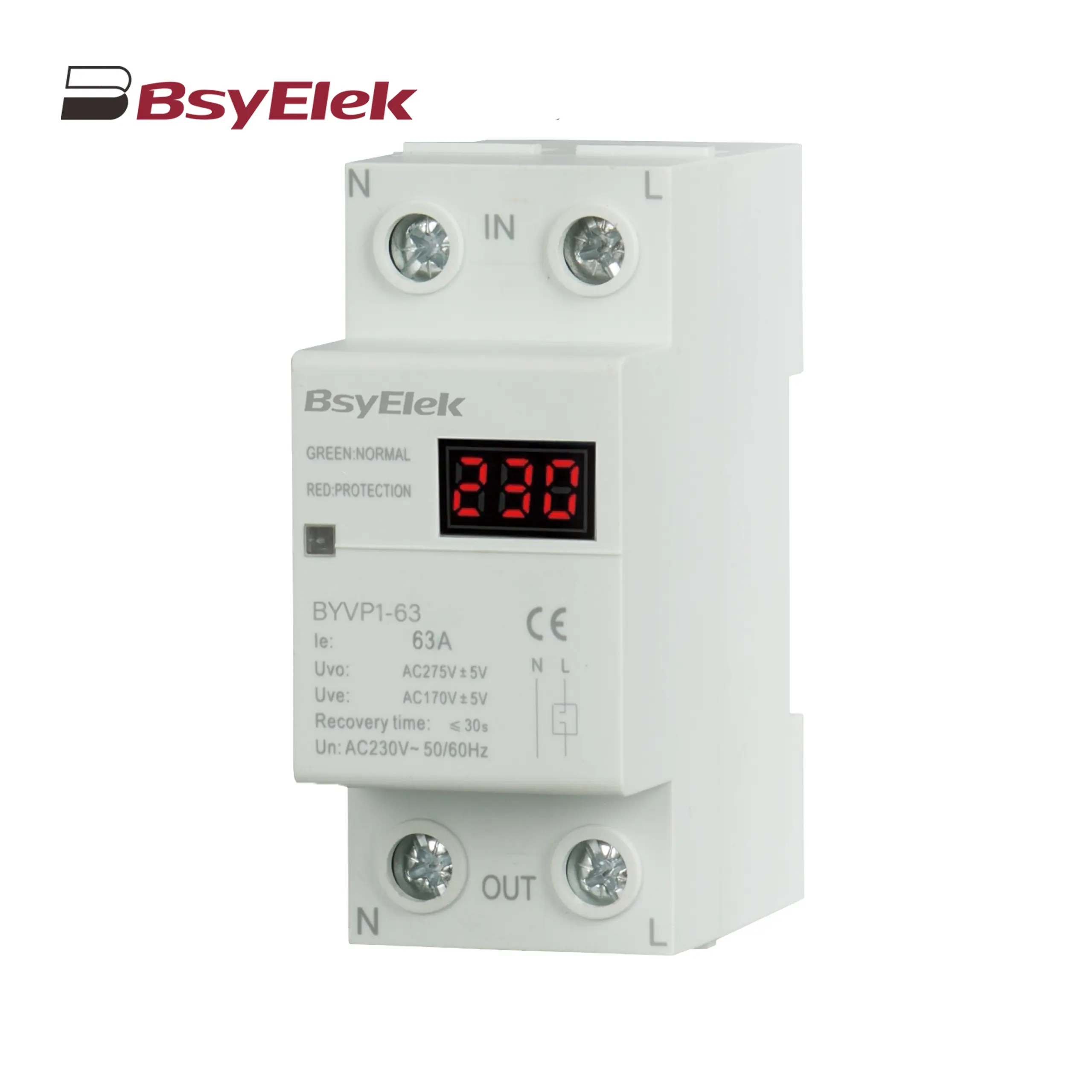 BYVP1-63 100A Single Display Overvoltage and Undervoltage Protector
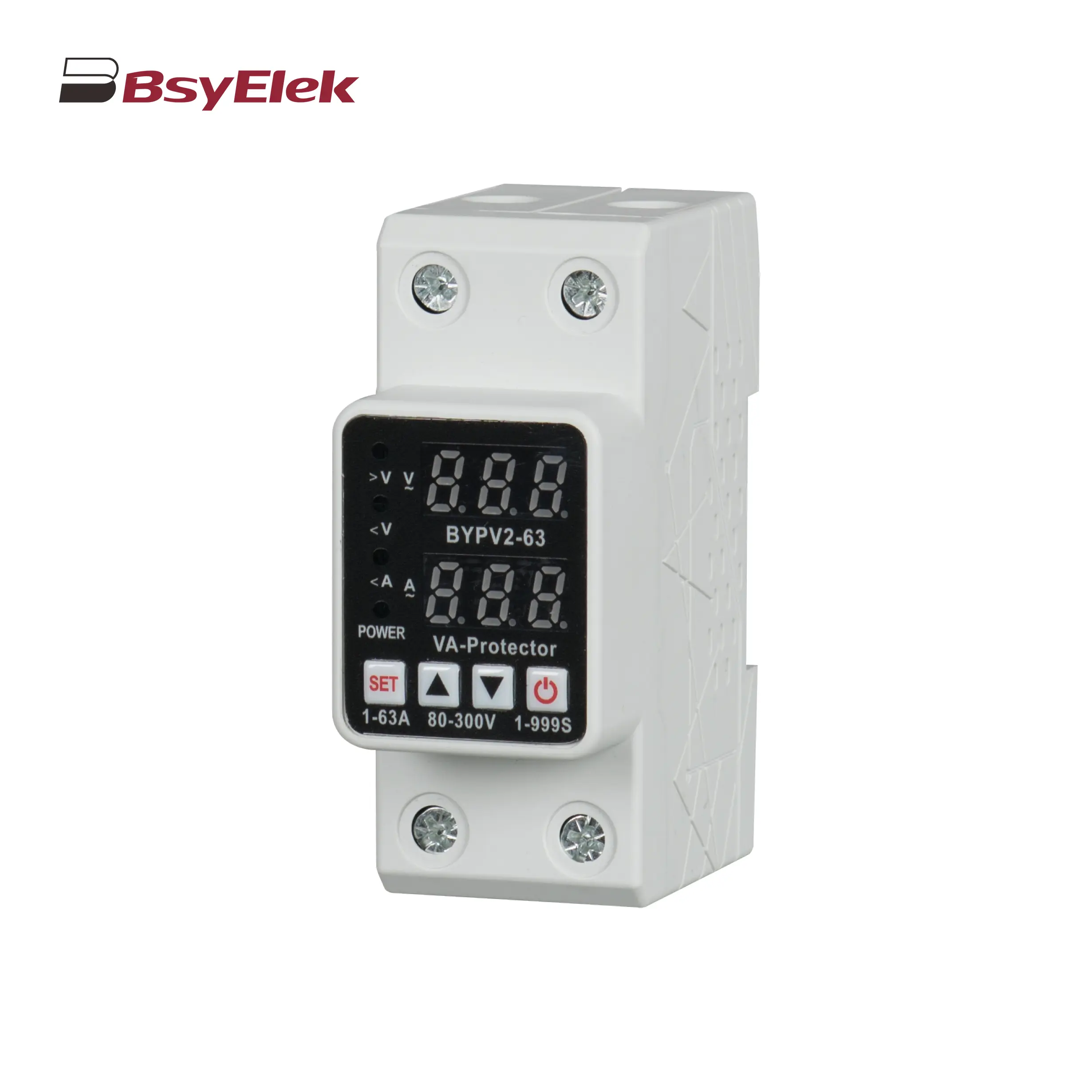 BYVP2-63 40A 63A Adjustable Dual Display Overvoltage and Undervoltage Protector
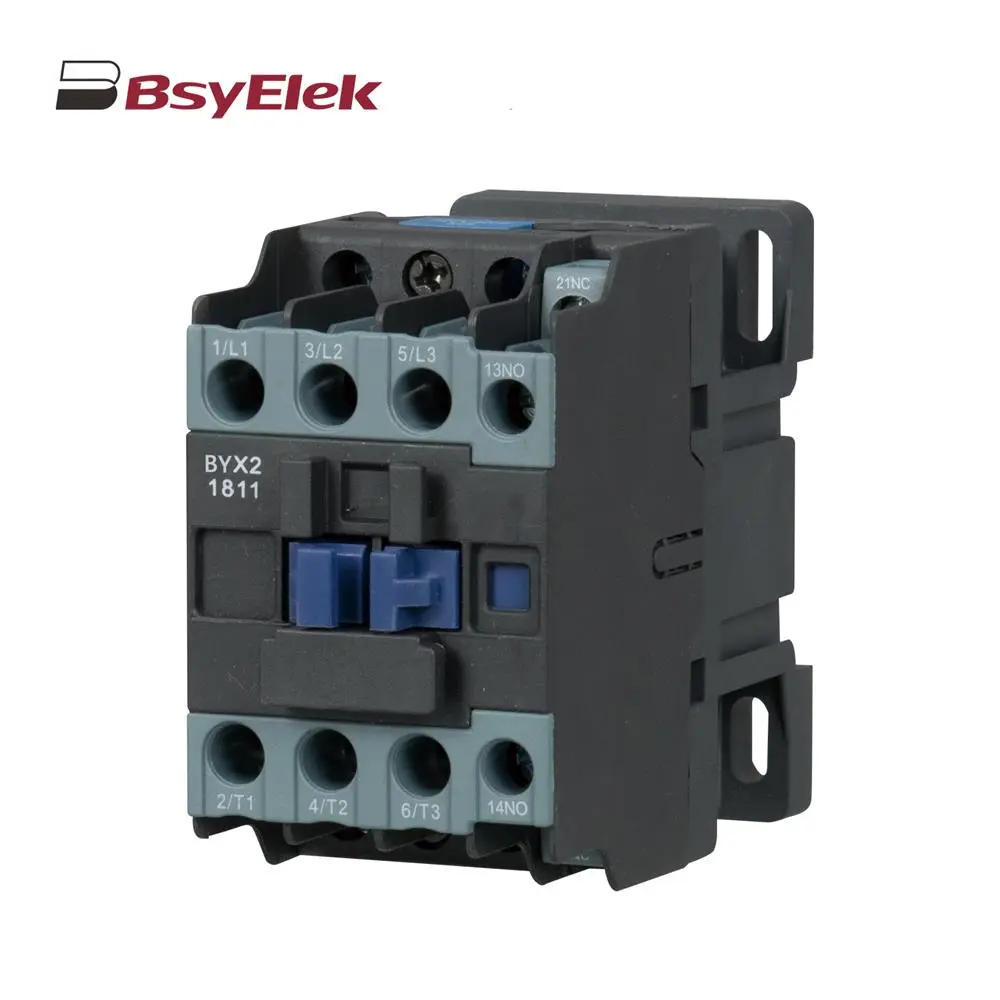 BYX2 6-95A AC Contactor
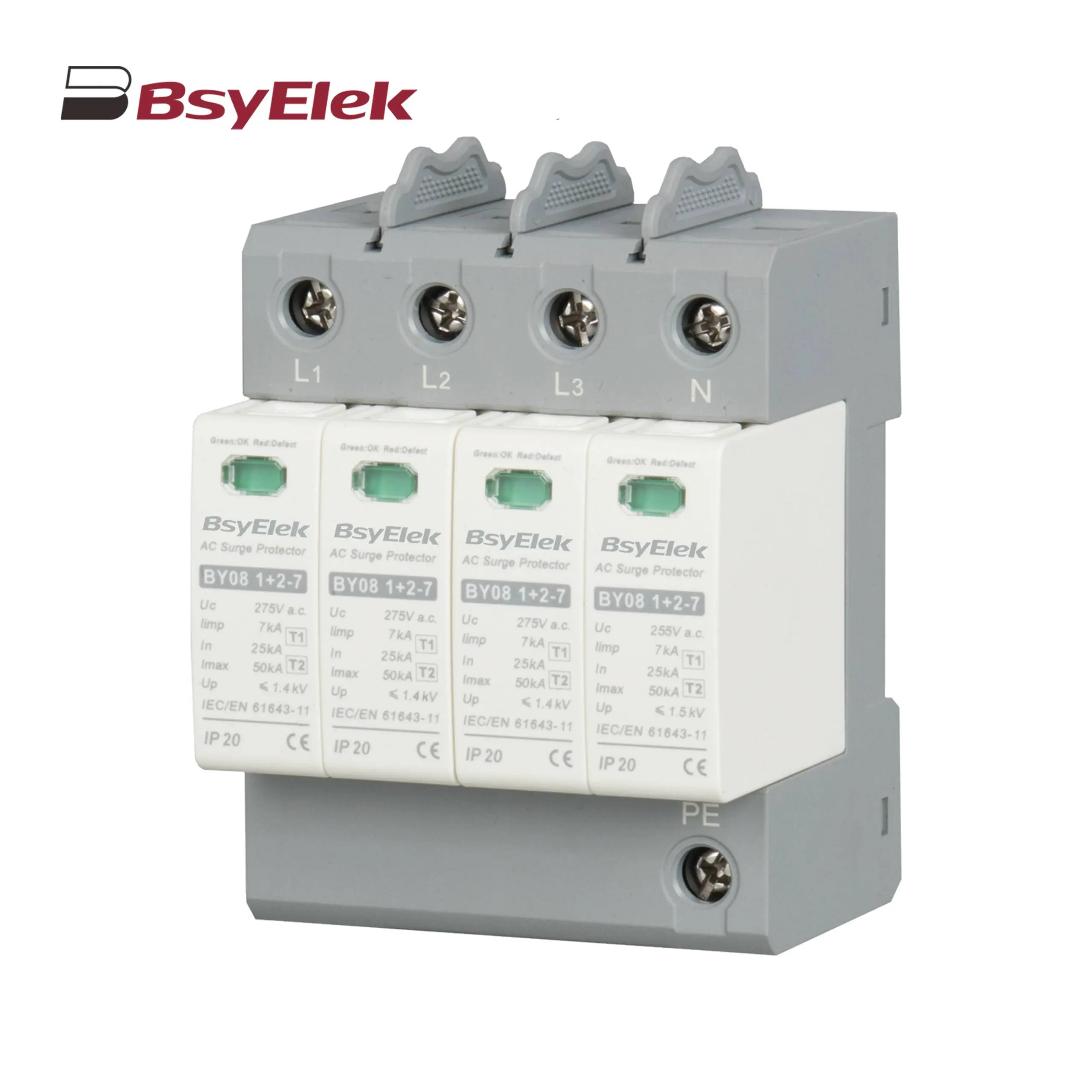 BY08 1+2-7 SPD Class T1+T2 Imax 50KA Surge Protective Device
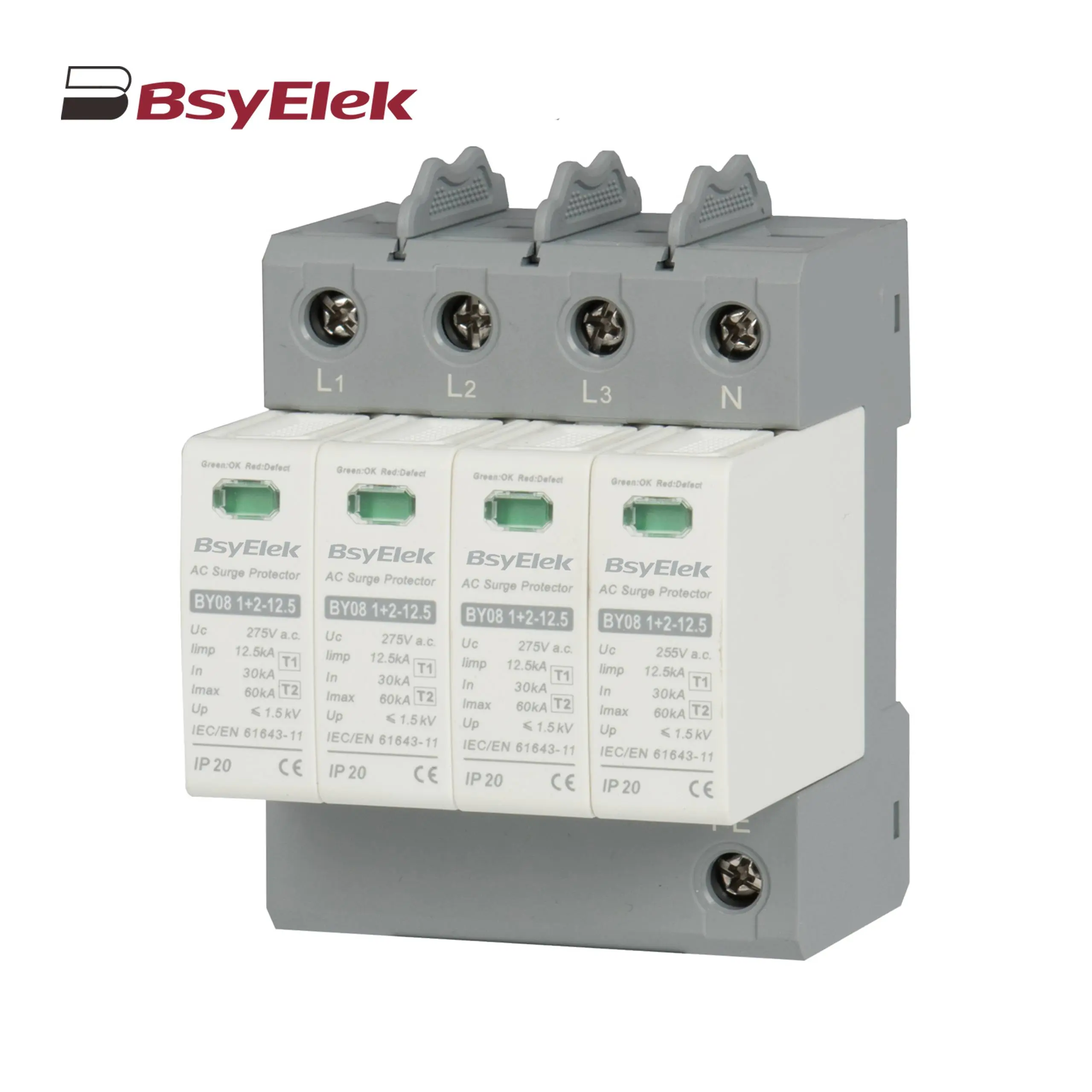 BY08 1+2-12.5 SPD Class T1+T2 Imax 60KA Surge Protective Device
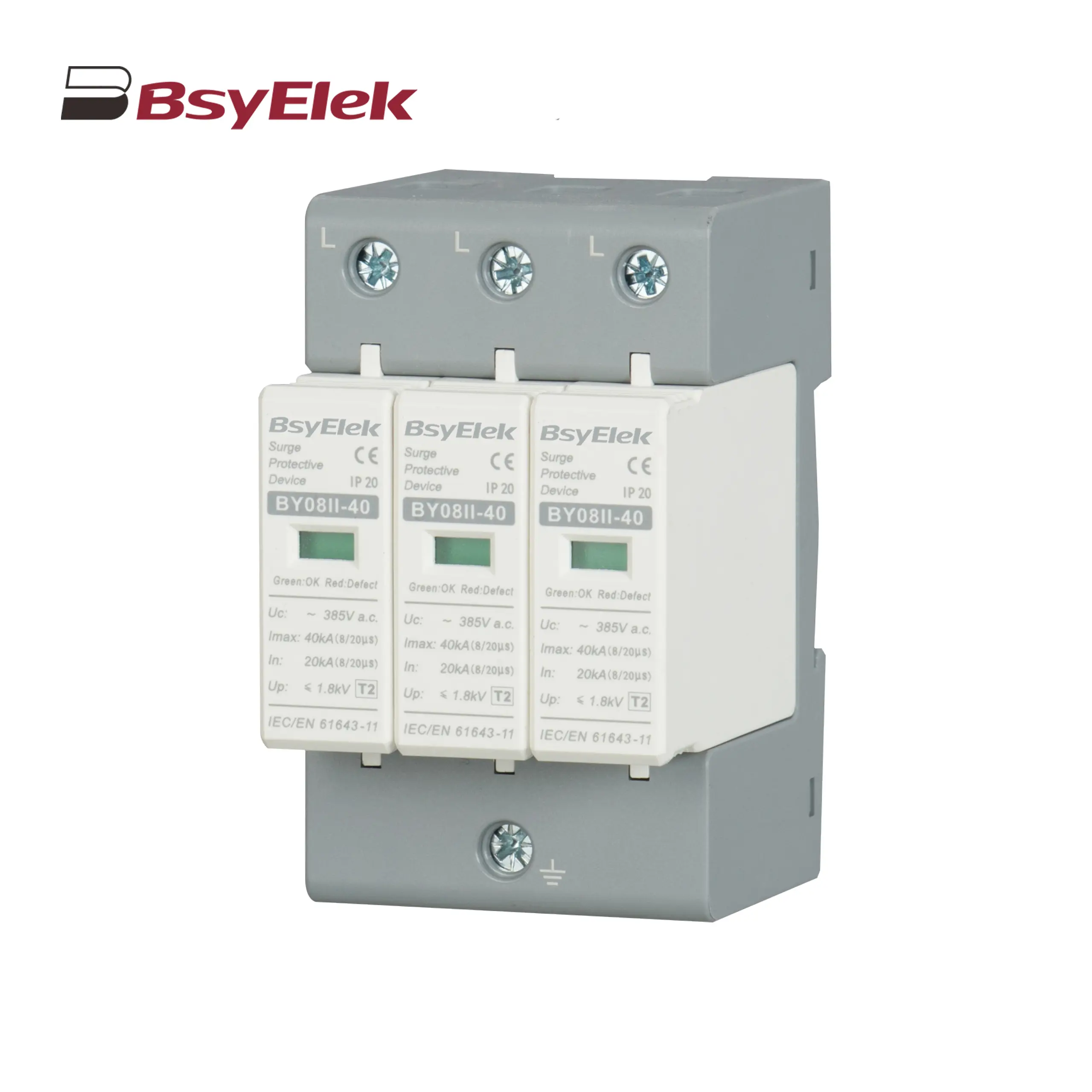 BY08II-40 SPD Class T2 Imax 40KA Surge Protective Device
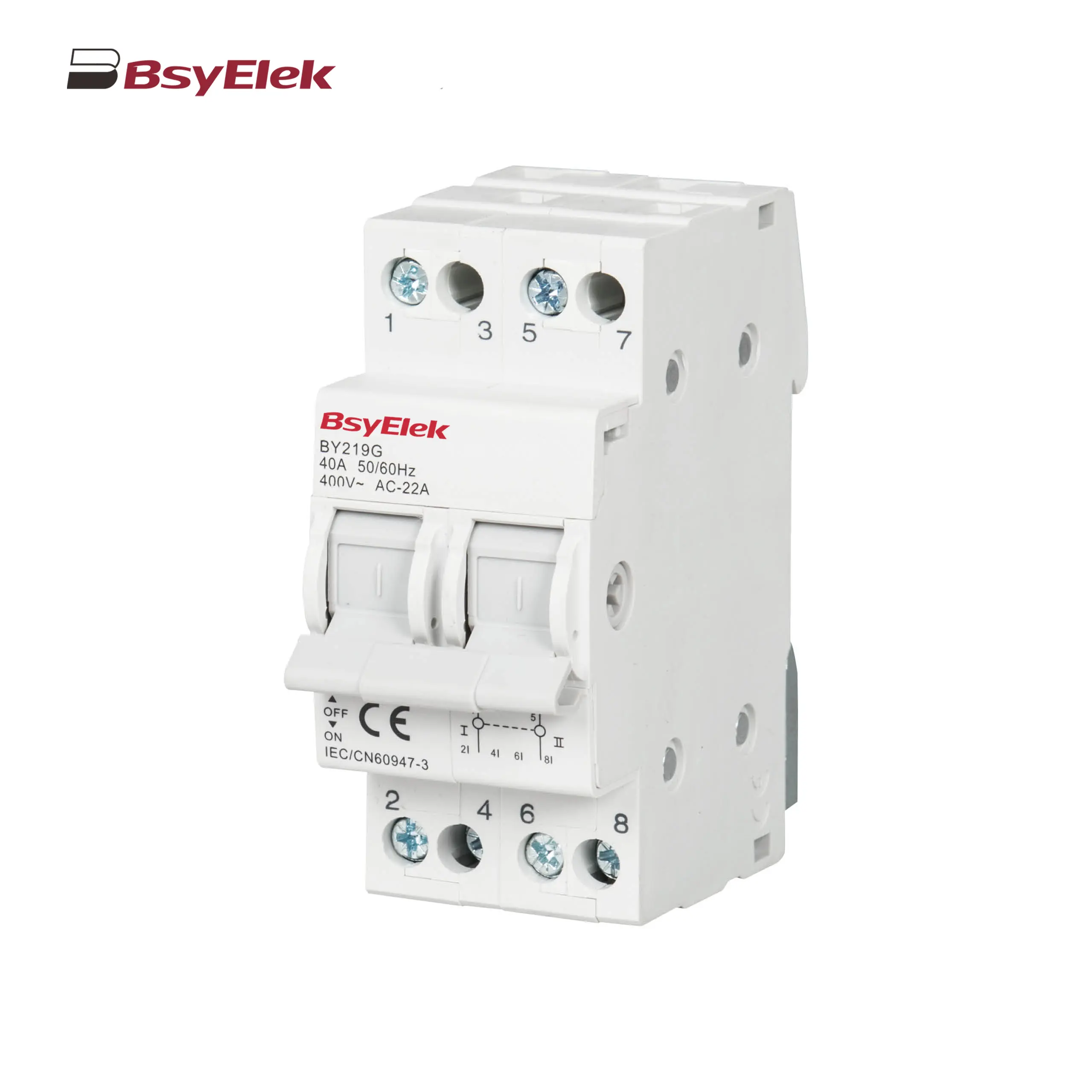 BY19G 63A Manual Changeover Switch
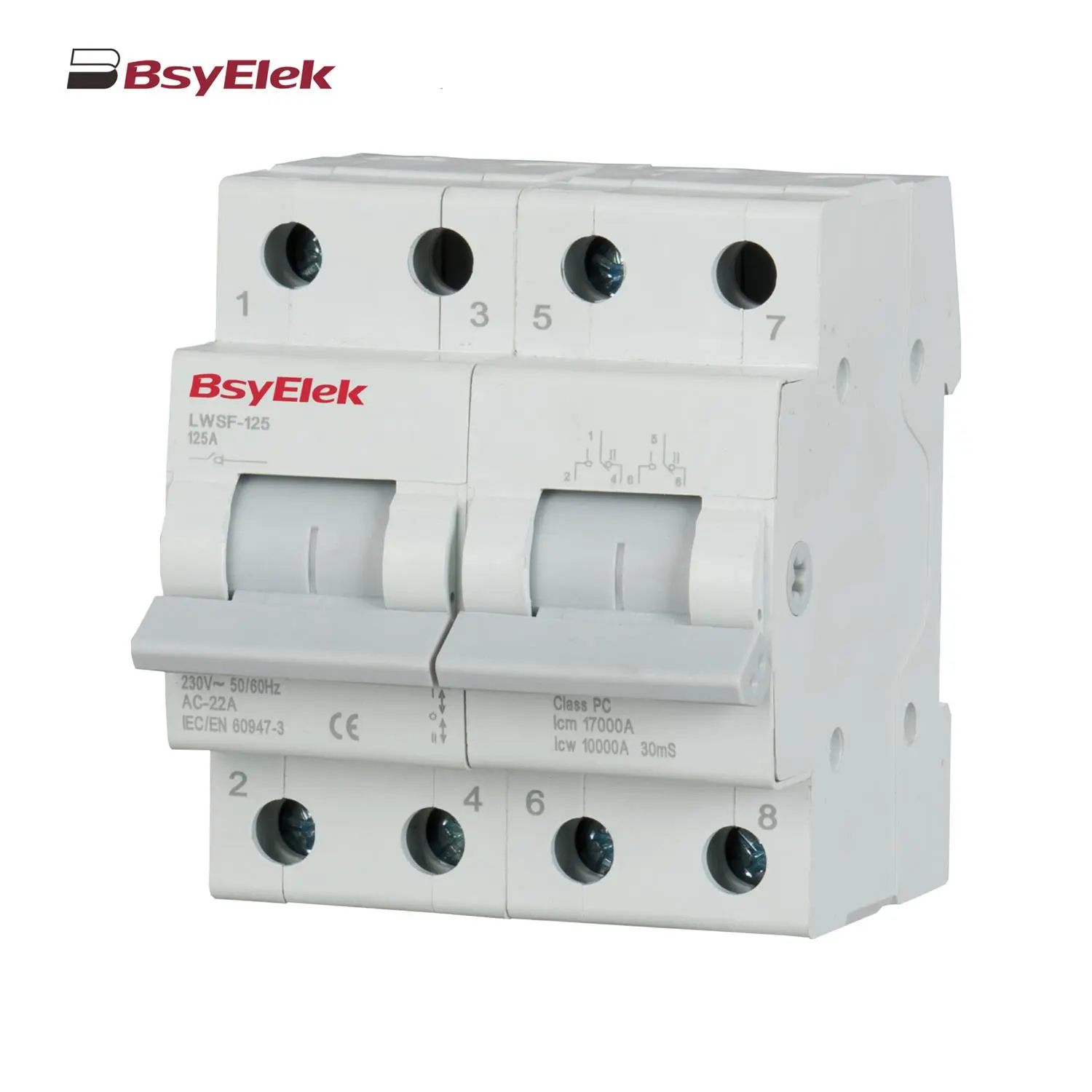 LWSF-125 125A Manual Changeover Switch
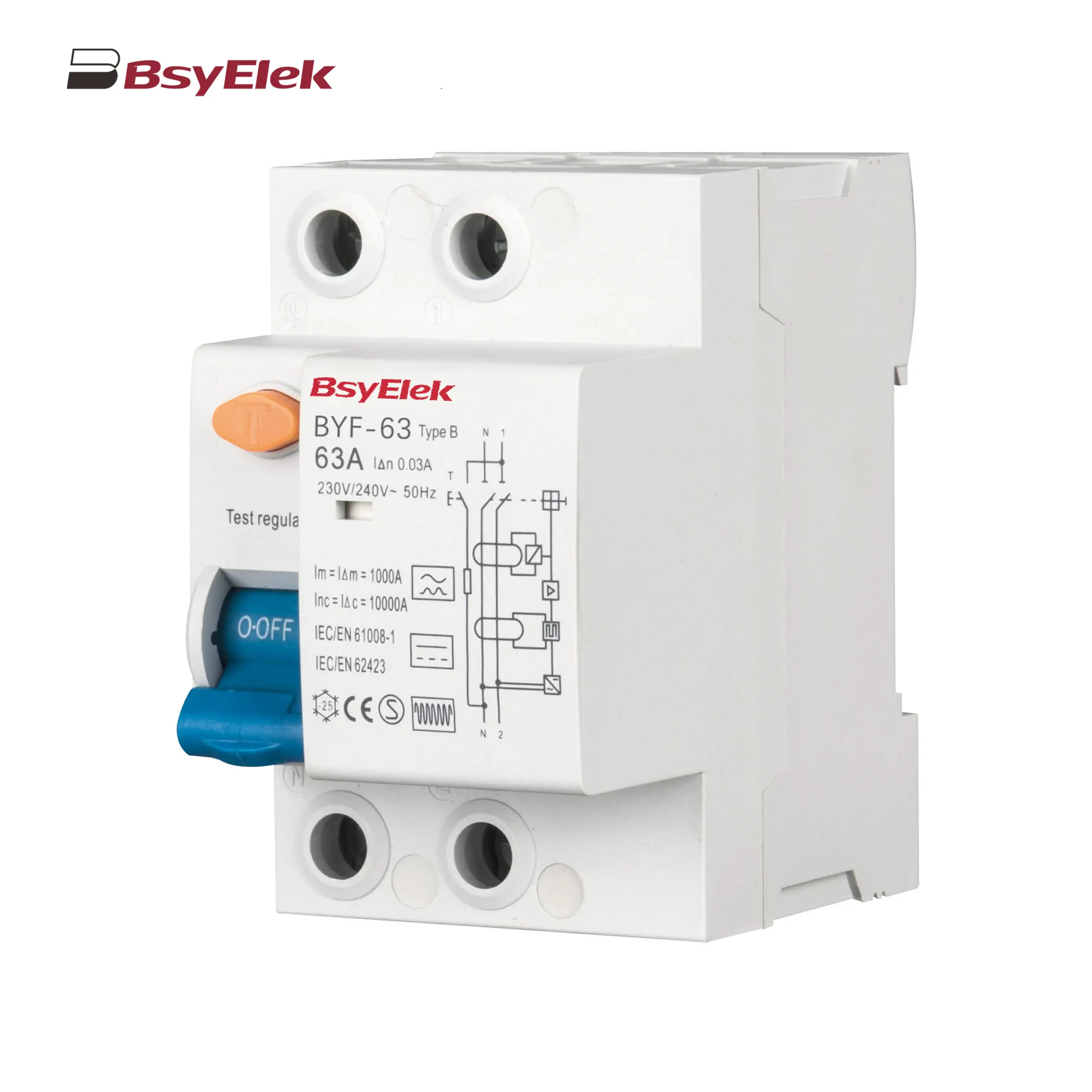 BYF-63 RCD 10KA Type B AC+A+Smoothing DC Residual Current Device
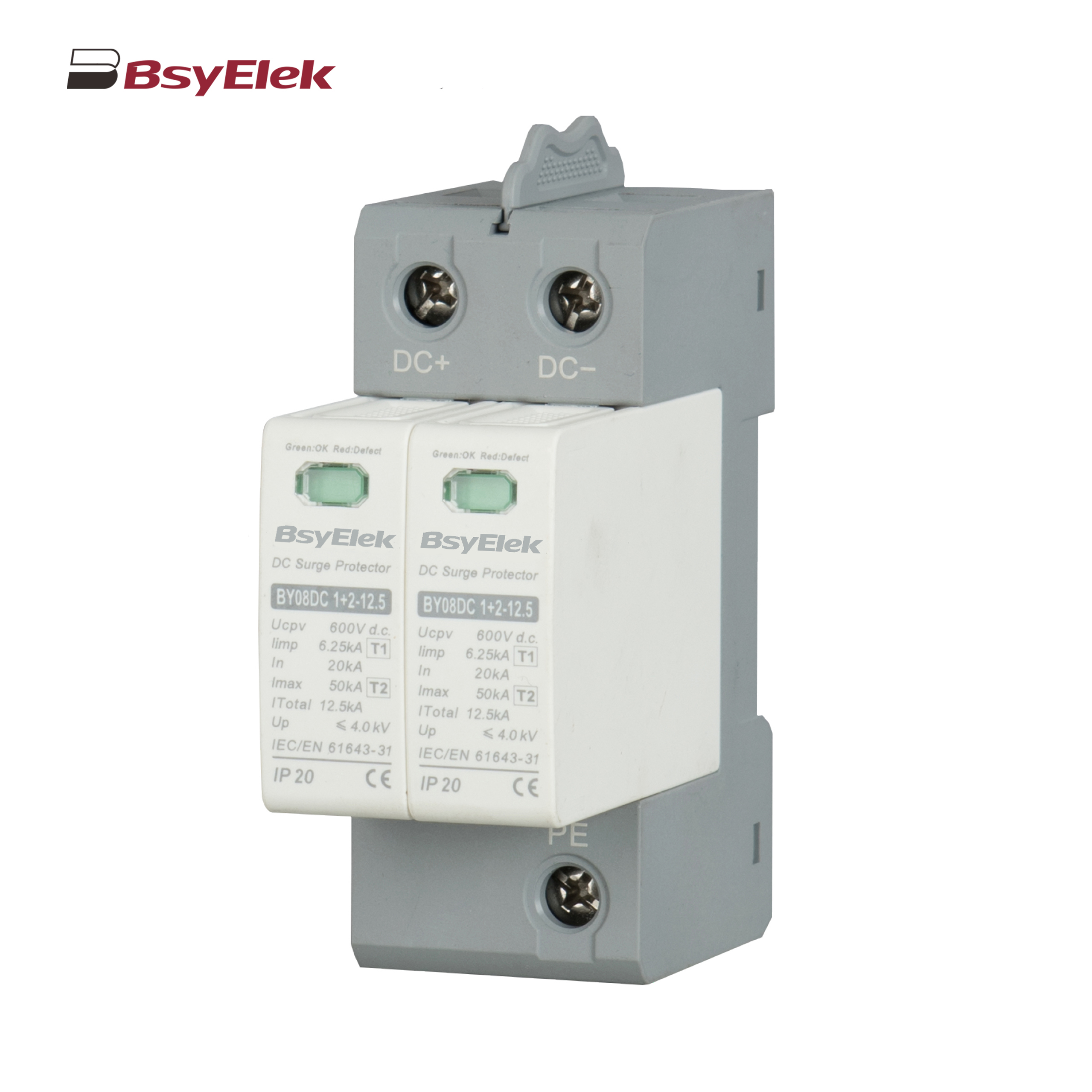 BY08DC 1+2-12.5 SPD Class T1+T2 40KA DC Surge Protective Device
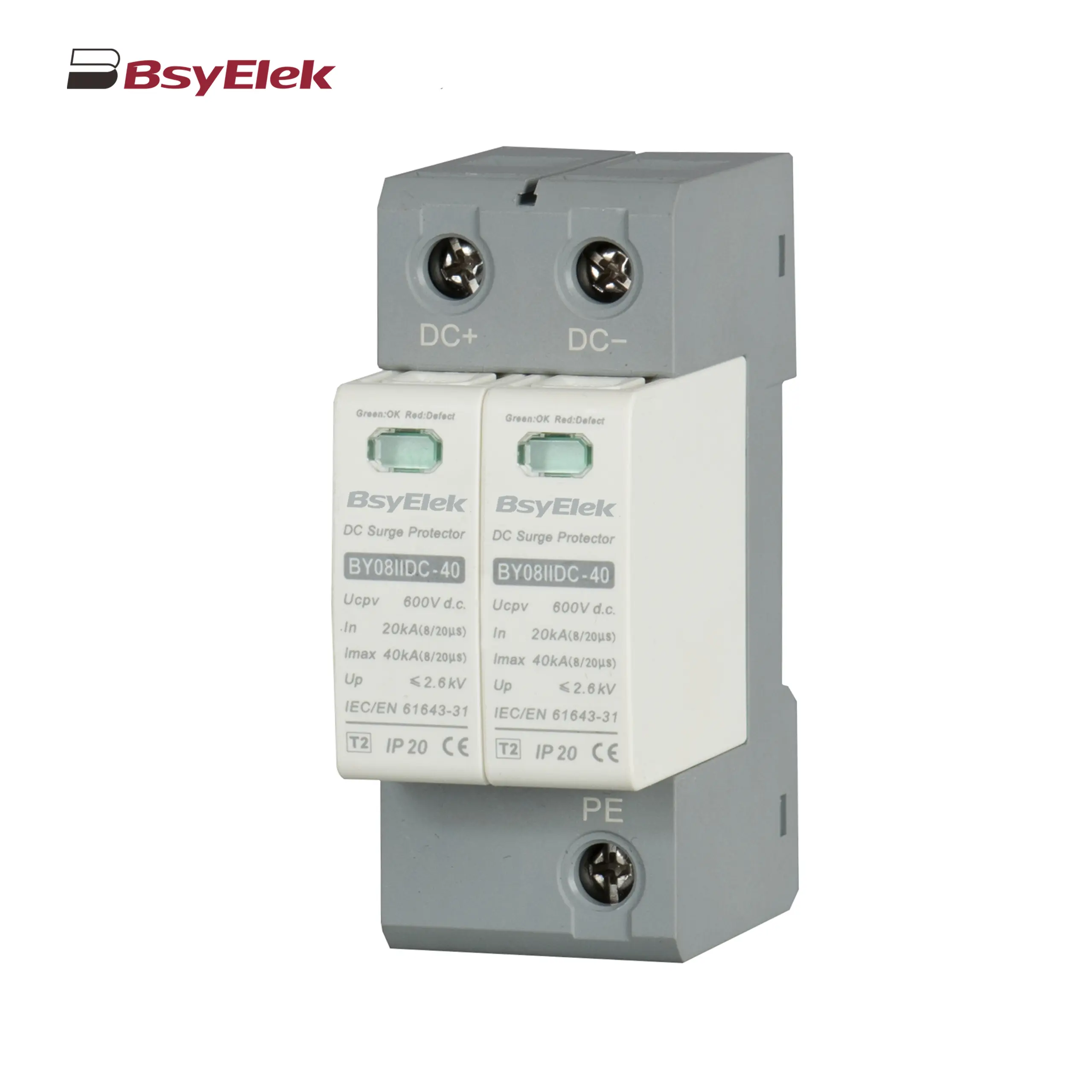 BY08IIDC-40 SPD Class T2 40KA DC Surge Protective Device
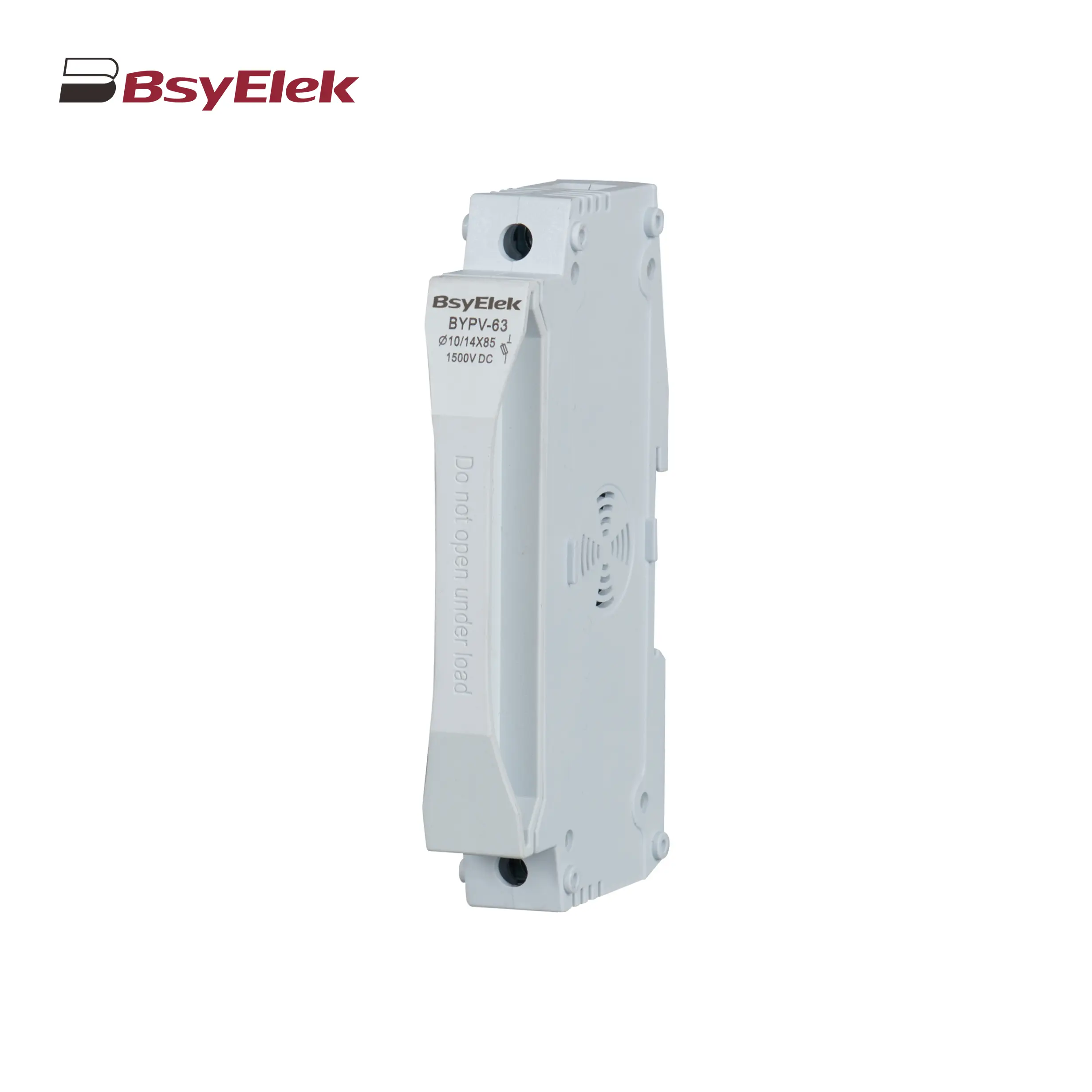 BYPV-63 1500VDC 50A Fuse Holder with 10x85mm 14x85mm Fuse Link
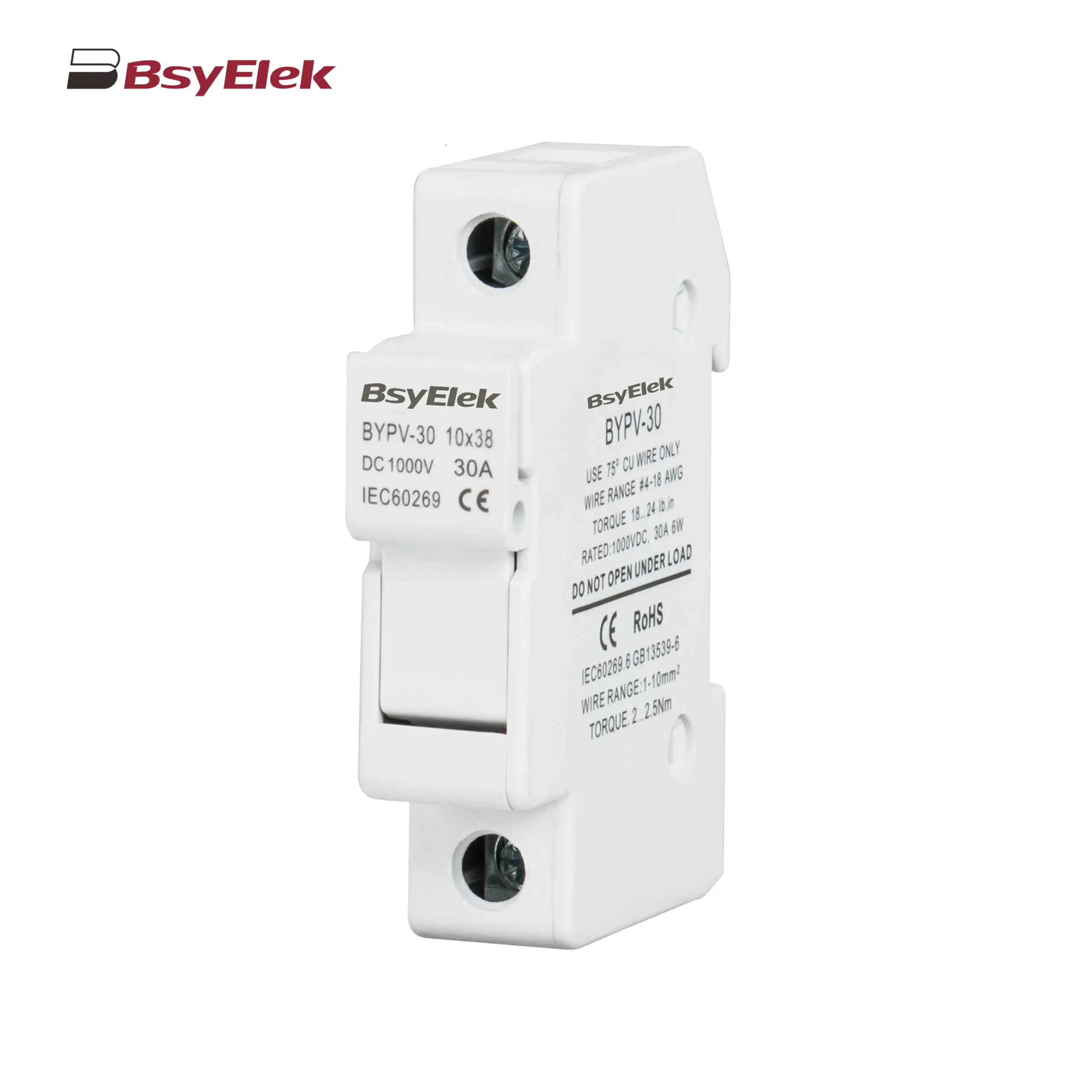 BYPV-30 1000VDC 32A Fuse Holder with 10x38mm Fuse Link
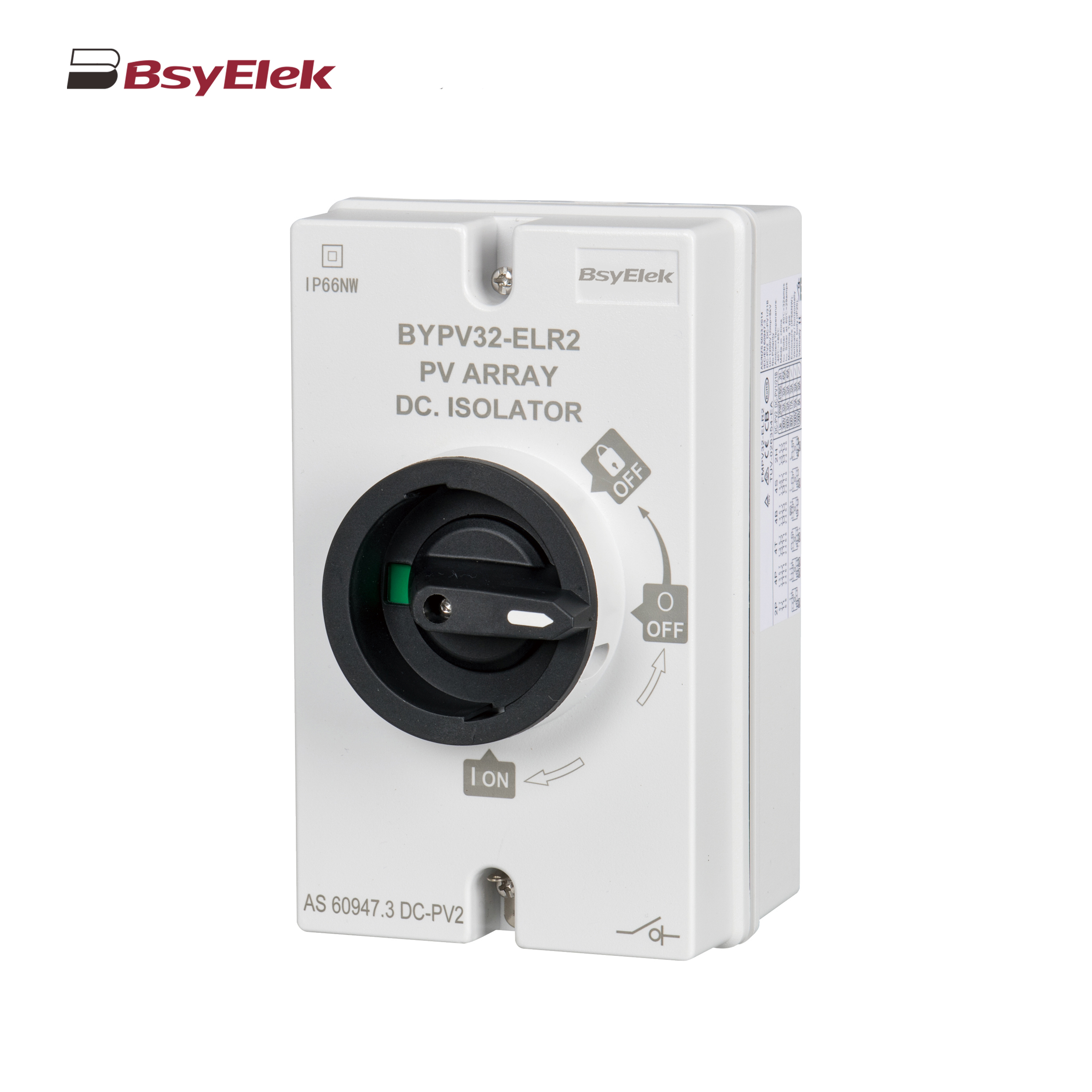 BYPV-ELR2 PV Isolator Switch with Enclosed Version
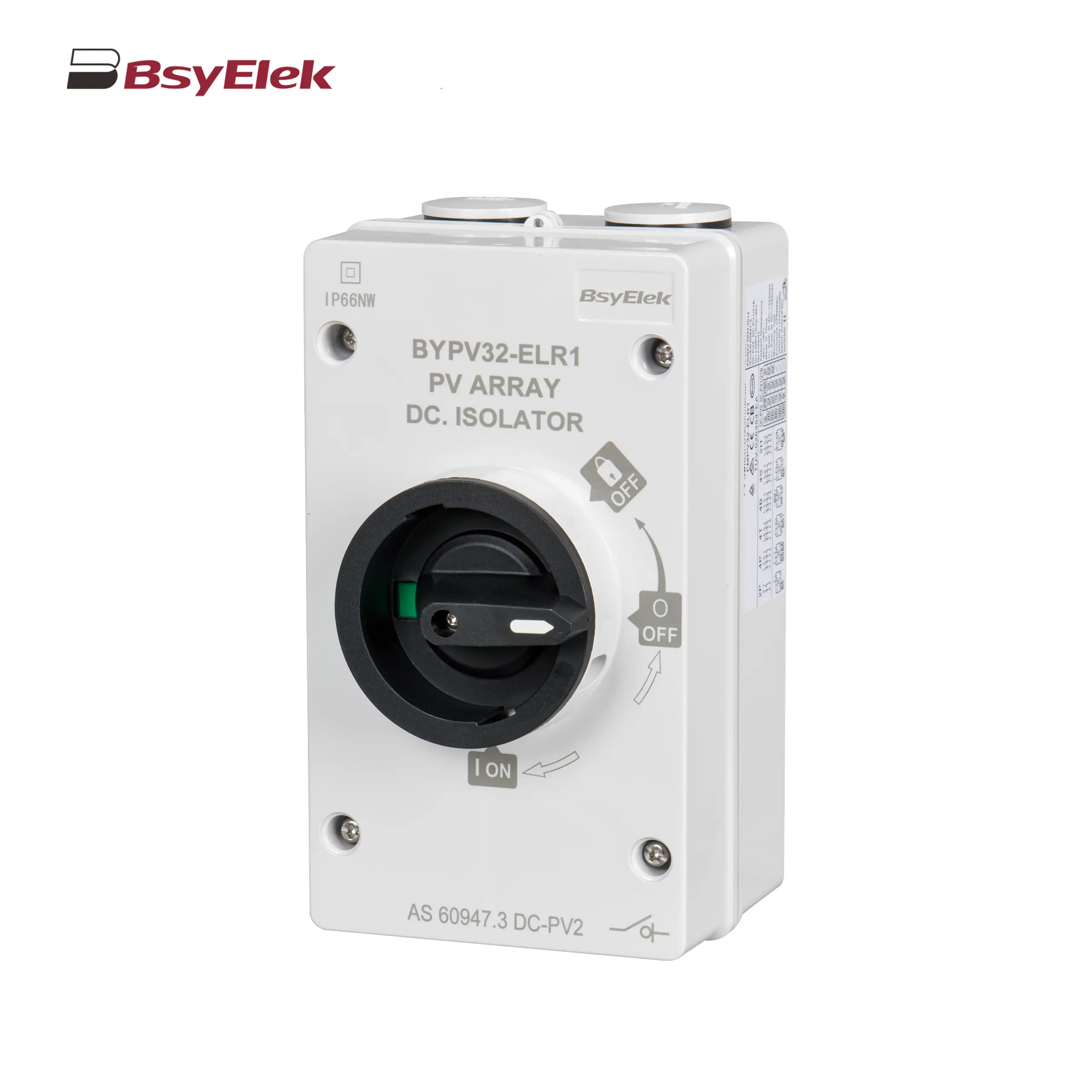 BYPV-ELR1 PV Isolator Switch with Enclosed Version
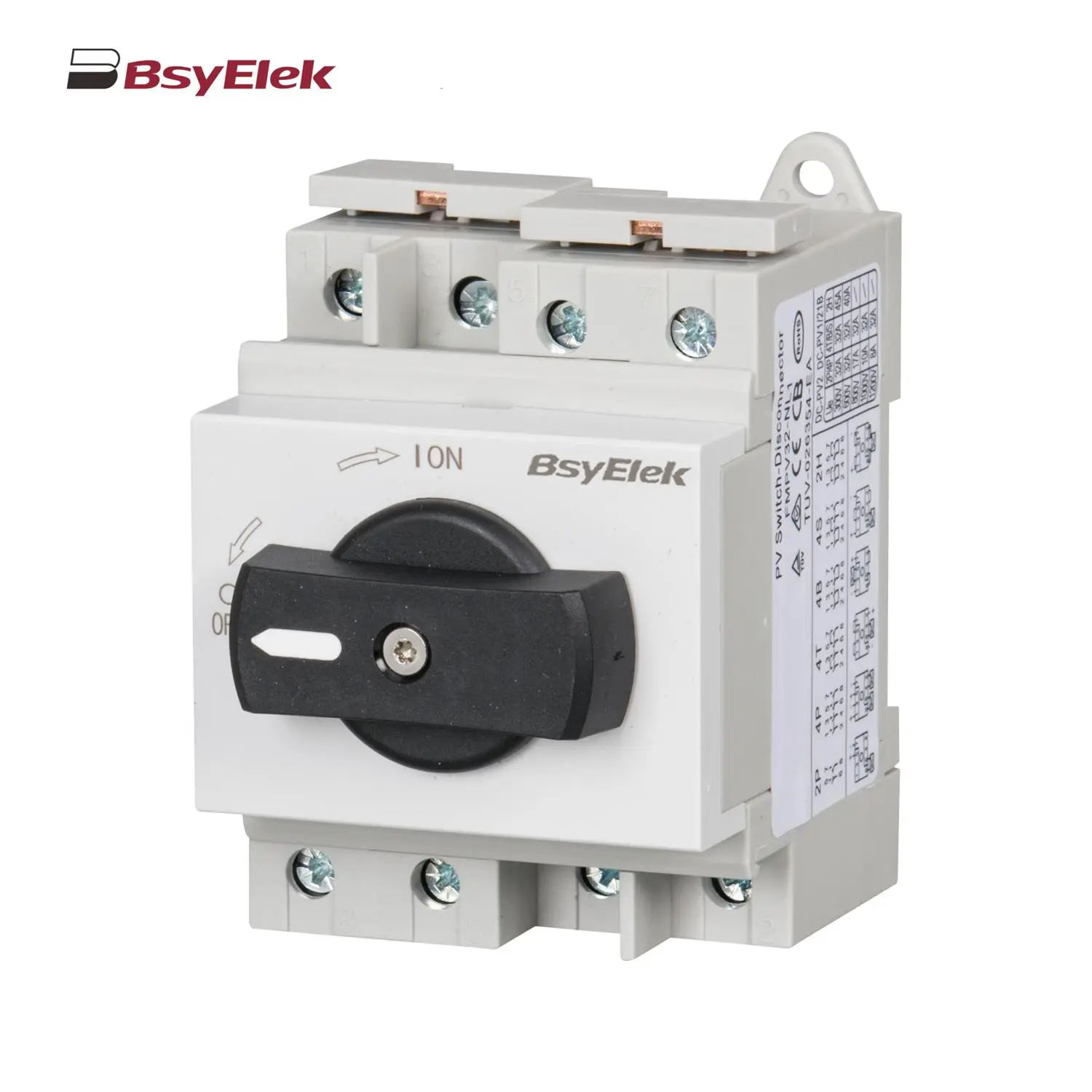 BYPV-NL1/T PV Isolator Switch with Ultra-thin Lever Handle
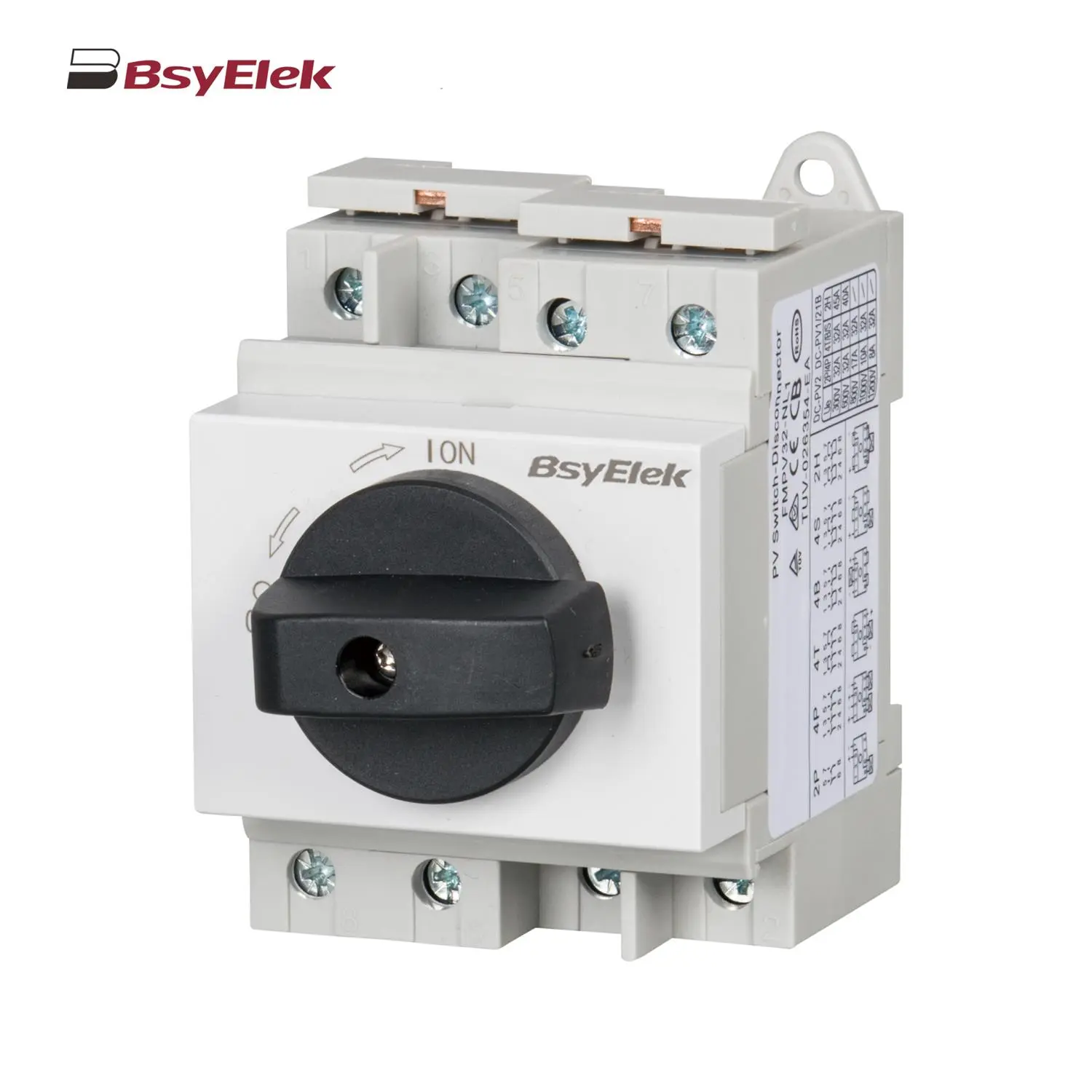 BYPV-NL1 PV Isolator Switch with Lever Handle
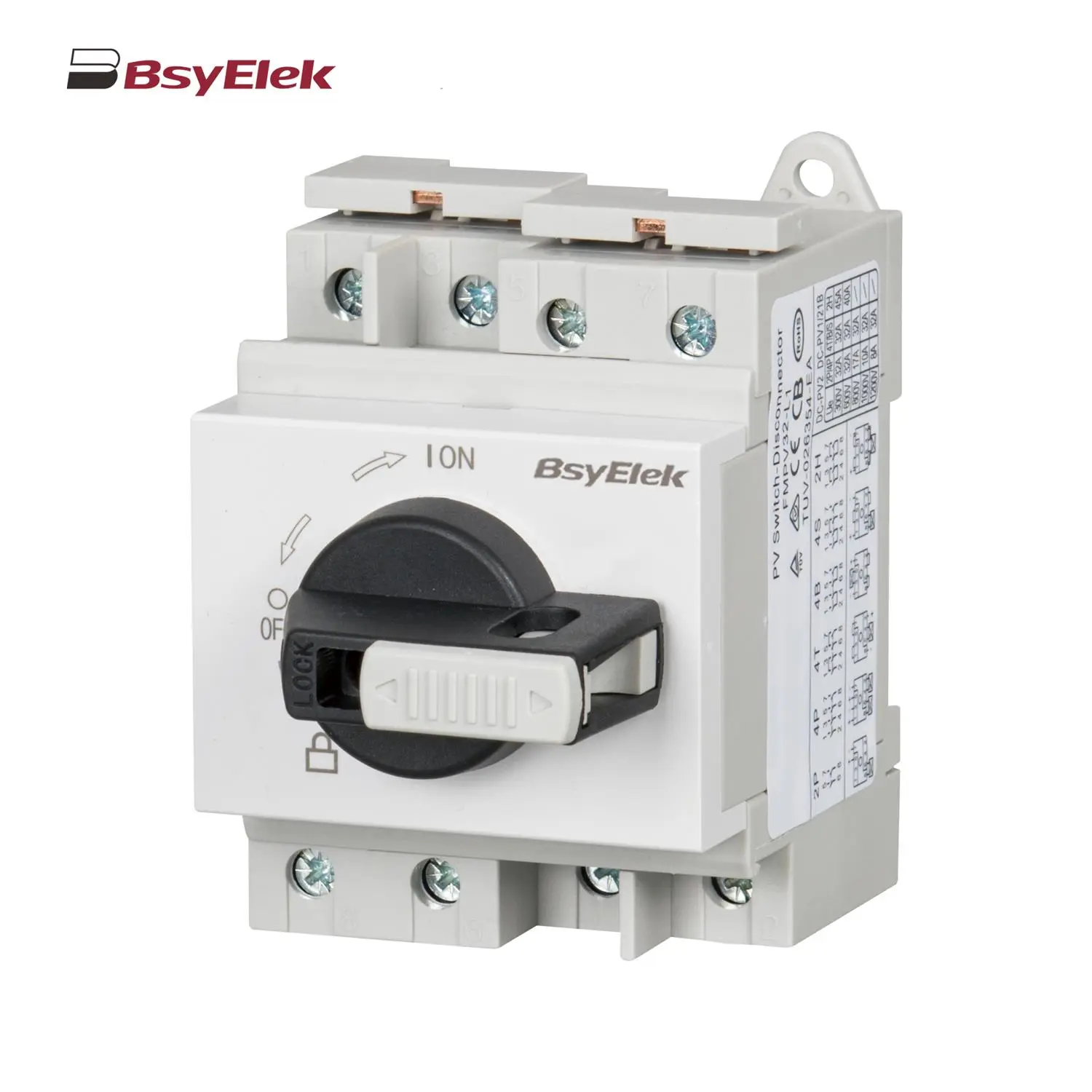 BYPV-L1/L2 PV Isolator Switch with Lockable Lever Handle
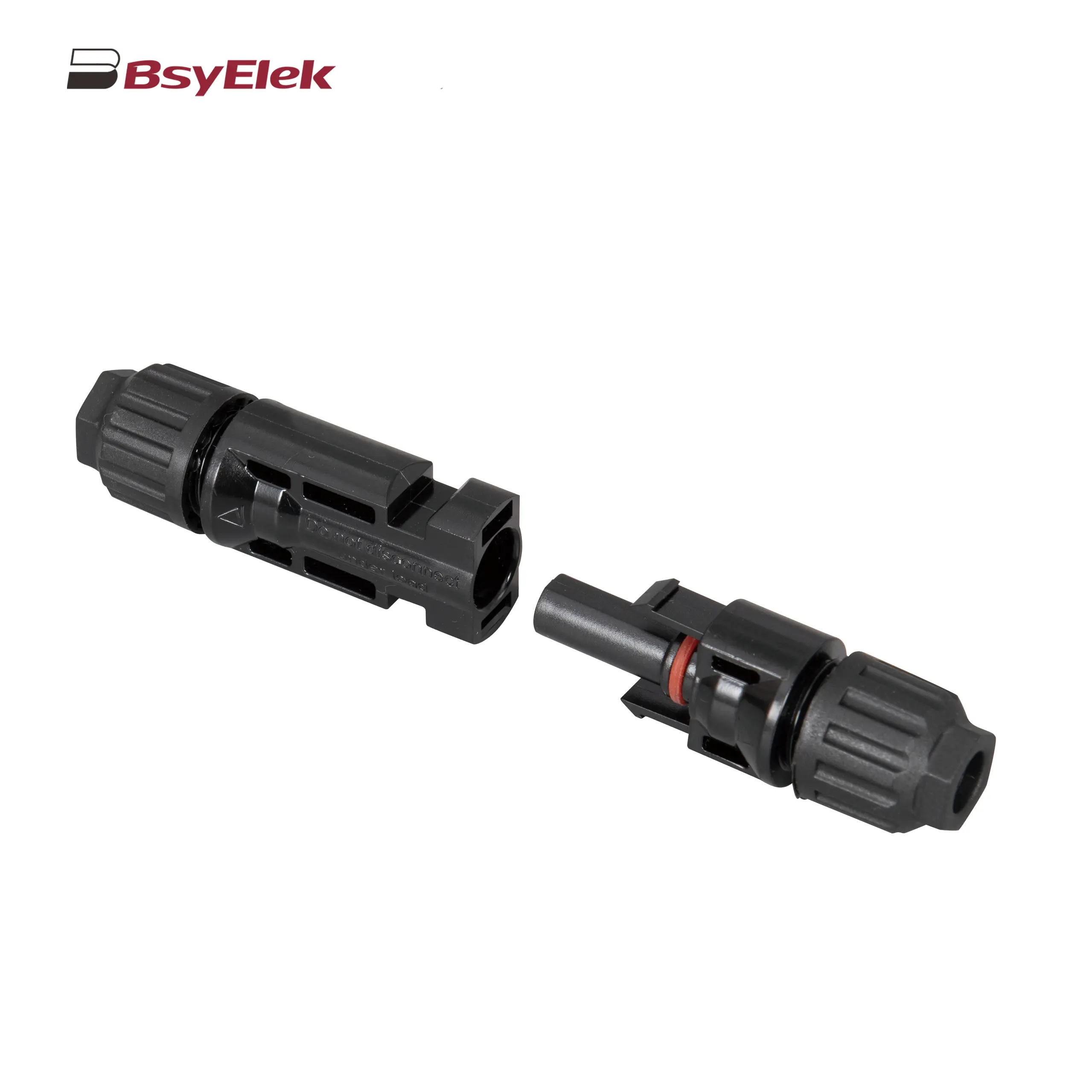 PV-BY-01 30A/50A 1000V Photovoltaic Connector
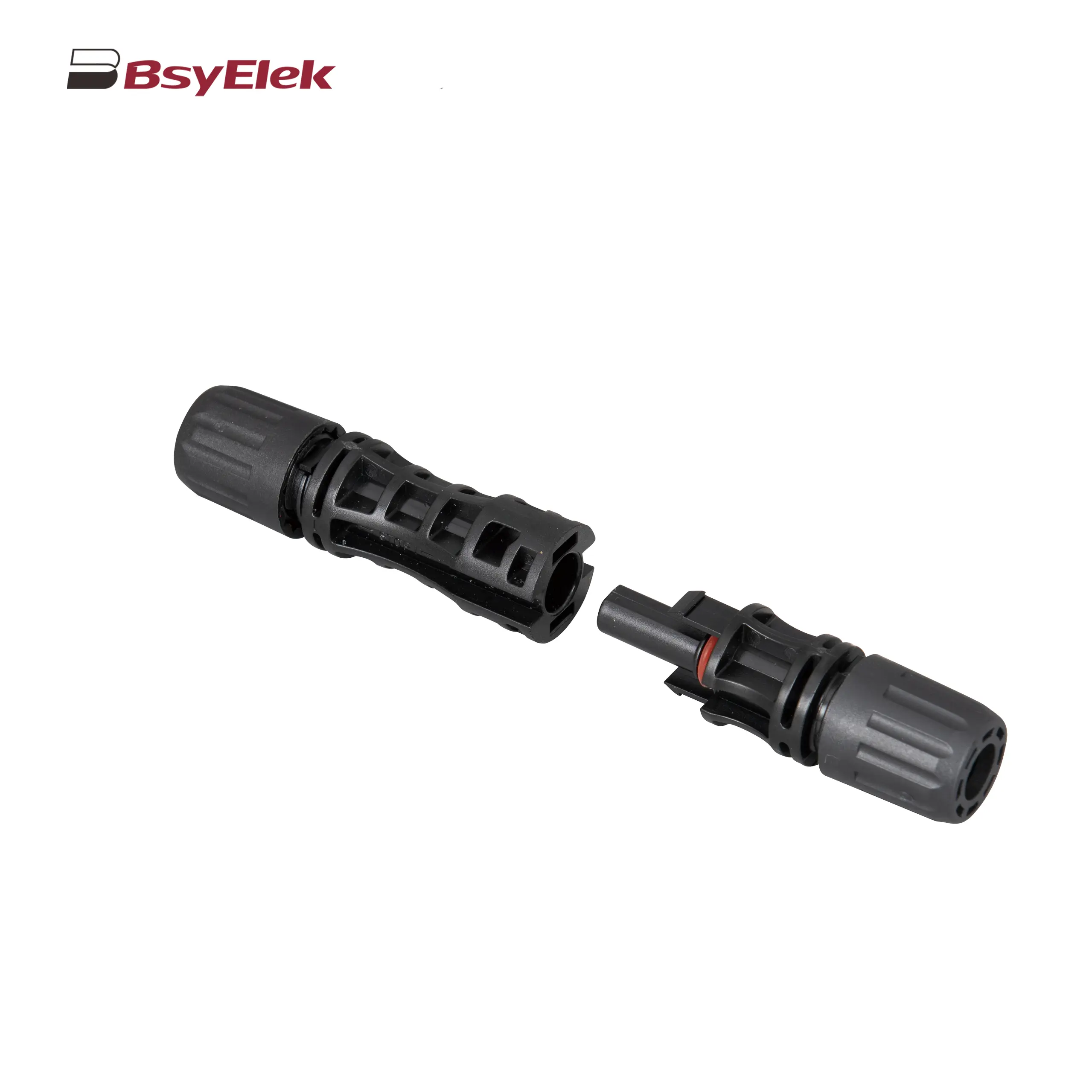 PV-BY-02 30A/50A 1500V Photovoltaic Connector
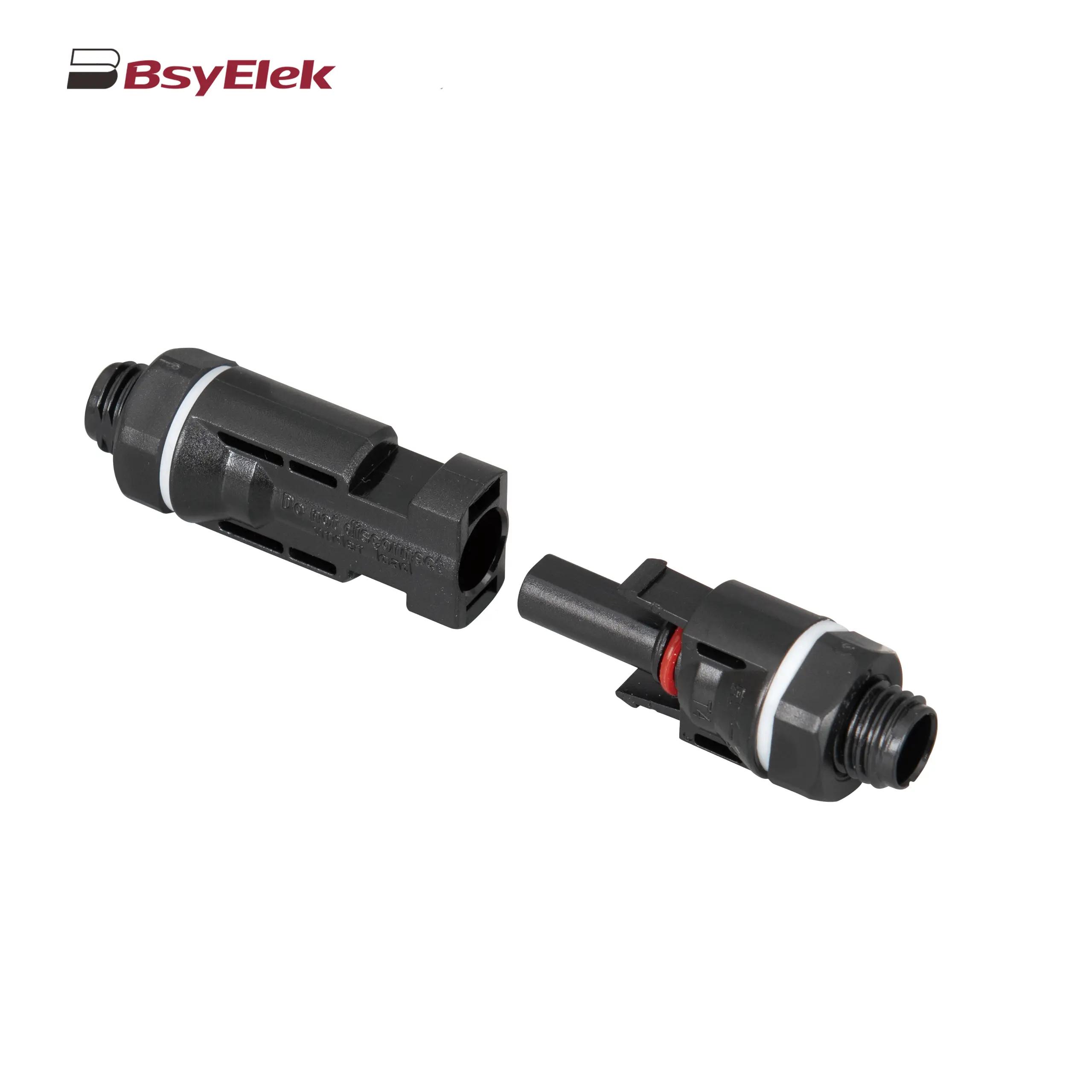 PV-BY-03 30A/50A 1000V Panel Mount Photovoltaic Connector
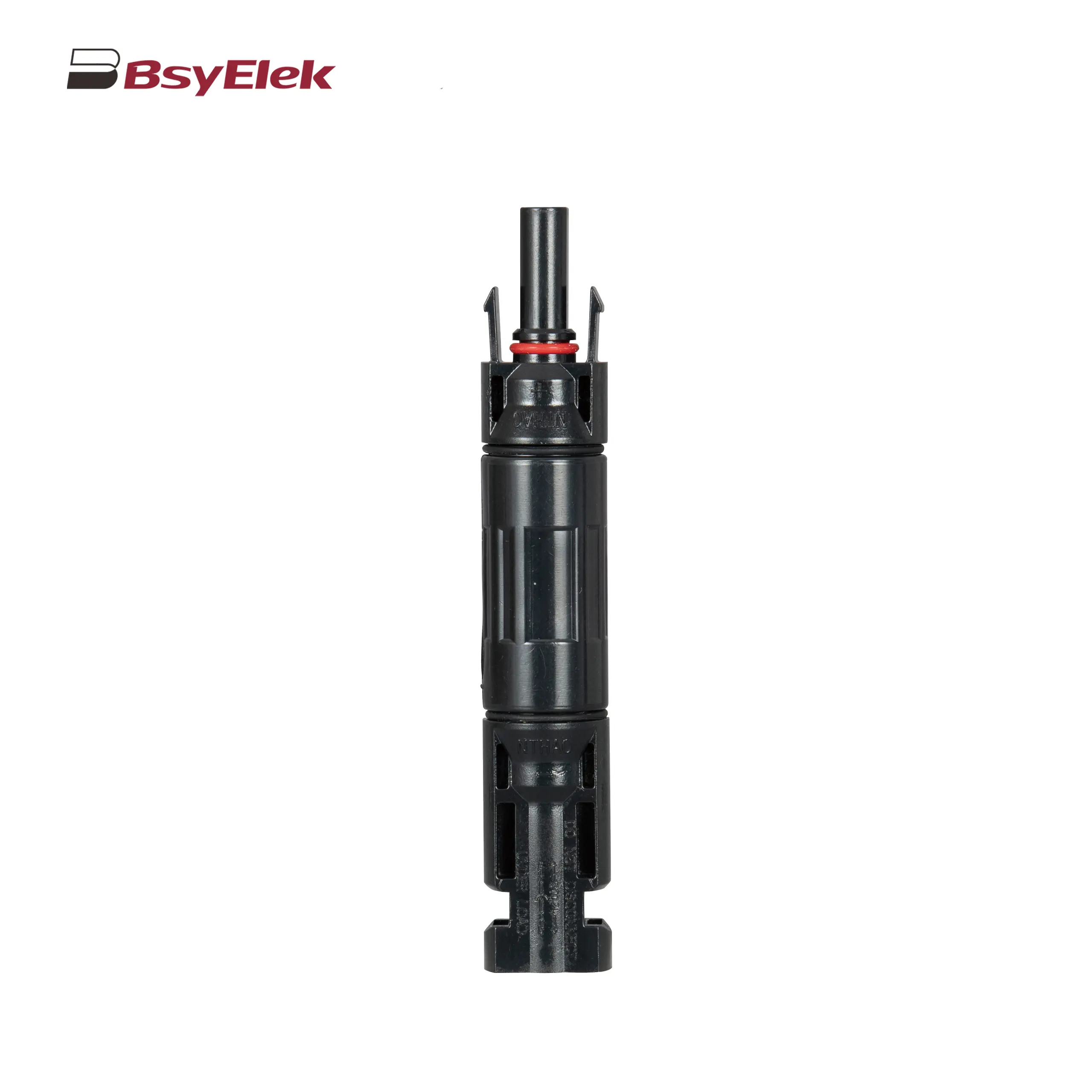 PV-BY-F01 30A 1500V Diode/Fuse Type Connector
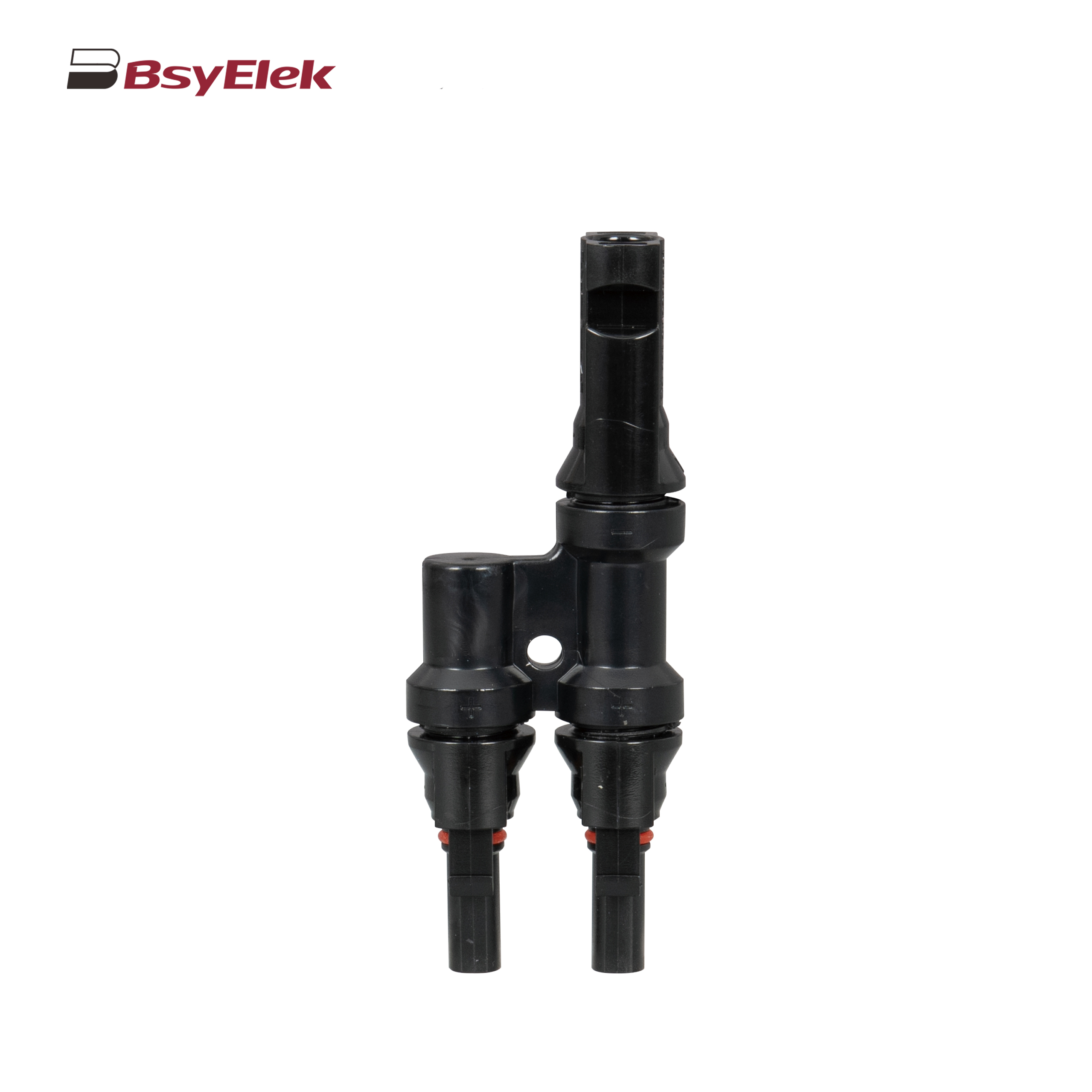 PV-BY-T 50A 1500V T Type Branch Connector
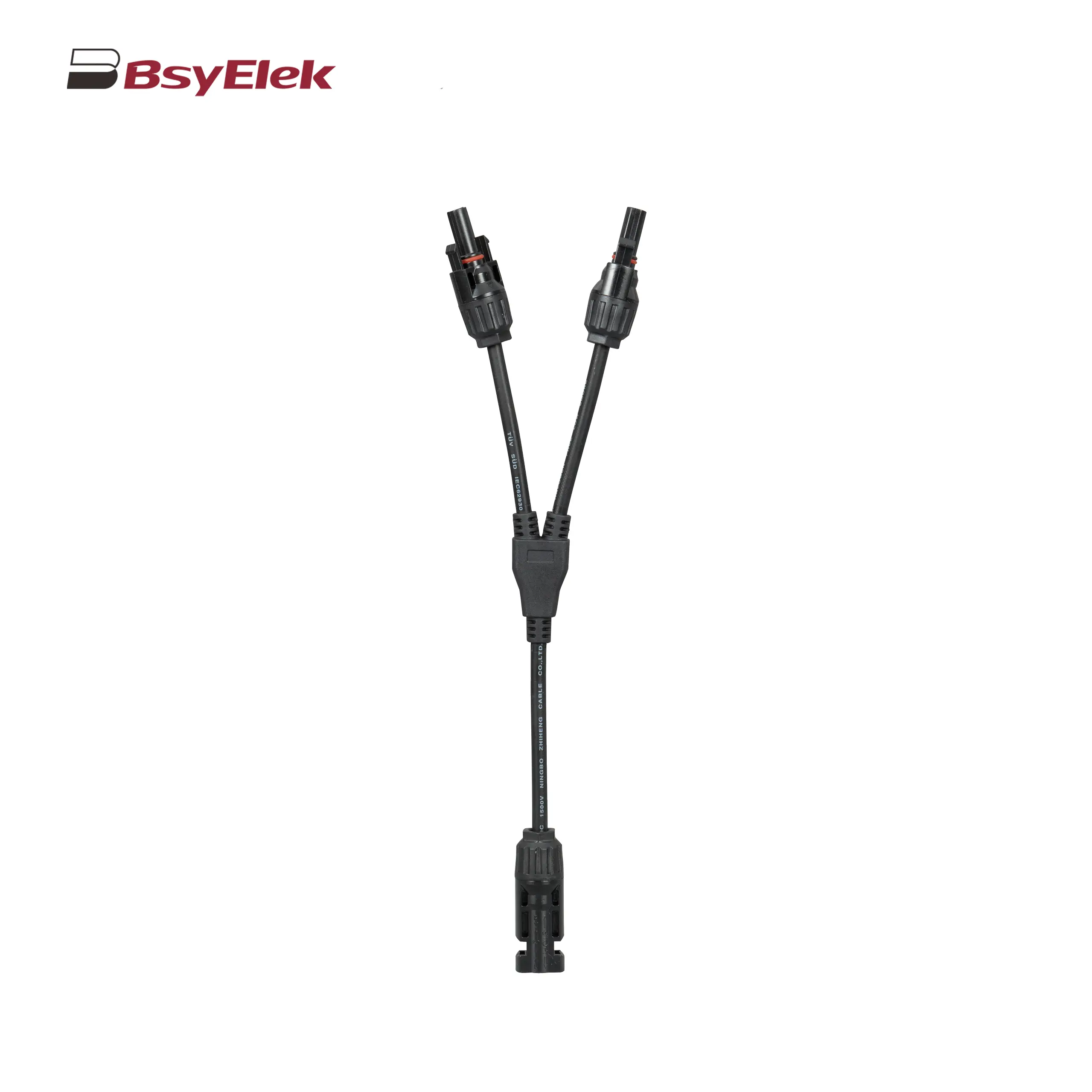 PV-BY-Y 30A 1500V Y Type Branch Connector
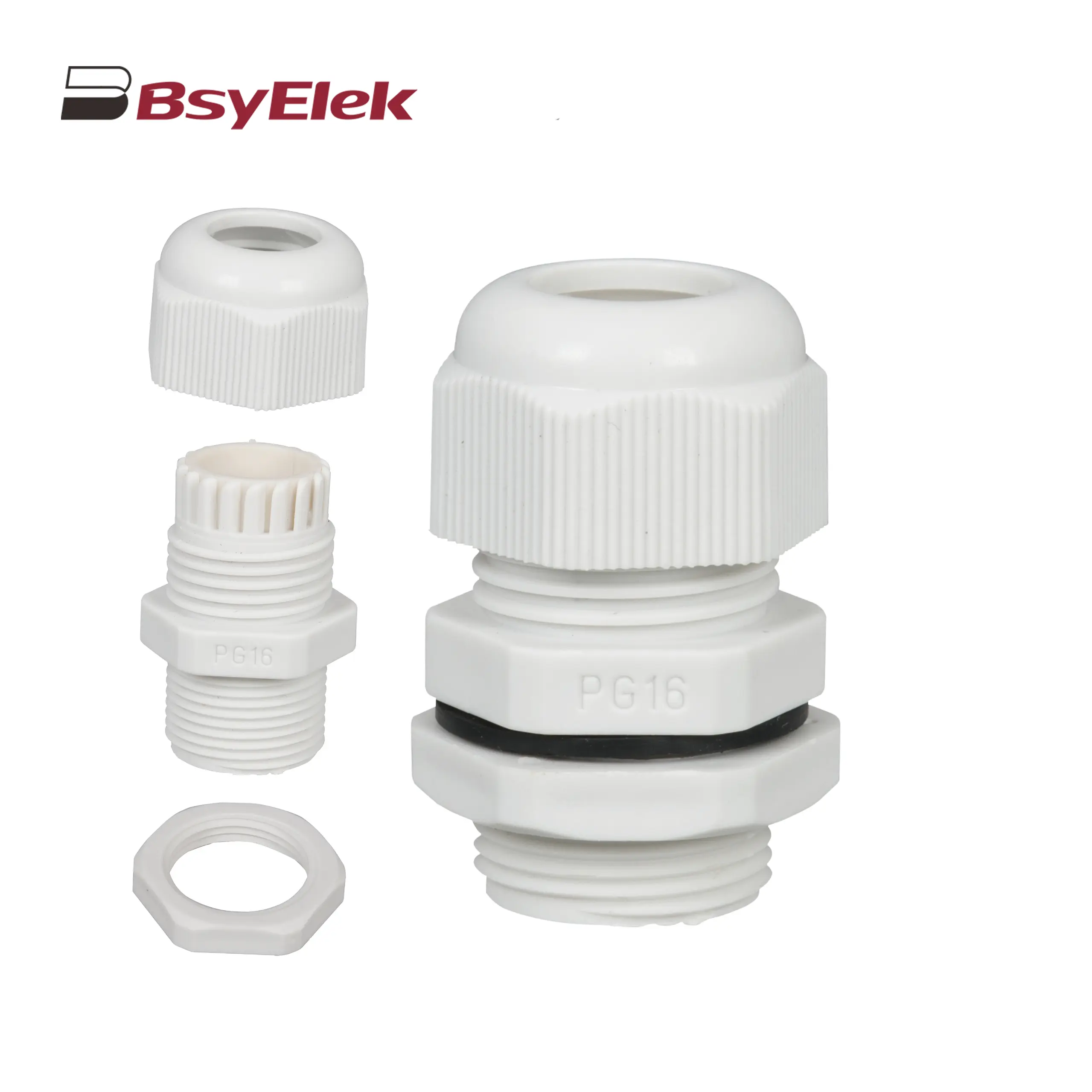 PG Waterproof Cable Gland with Washer
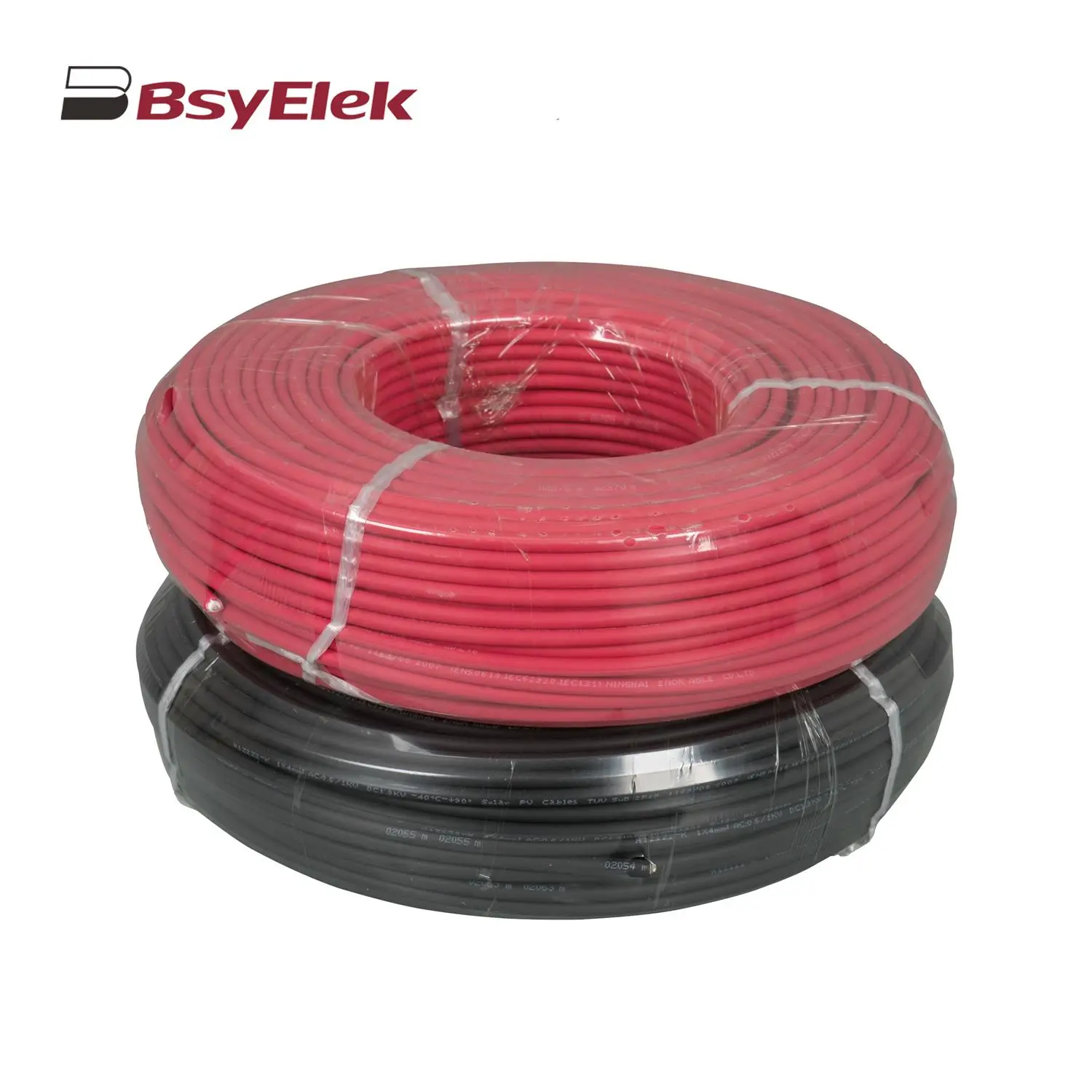 Photovoltaic Cable
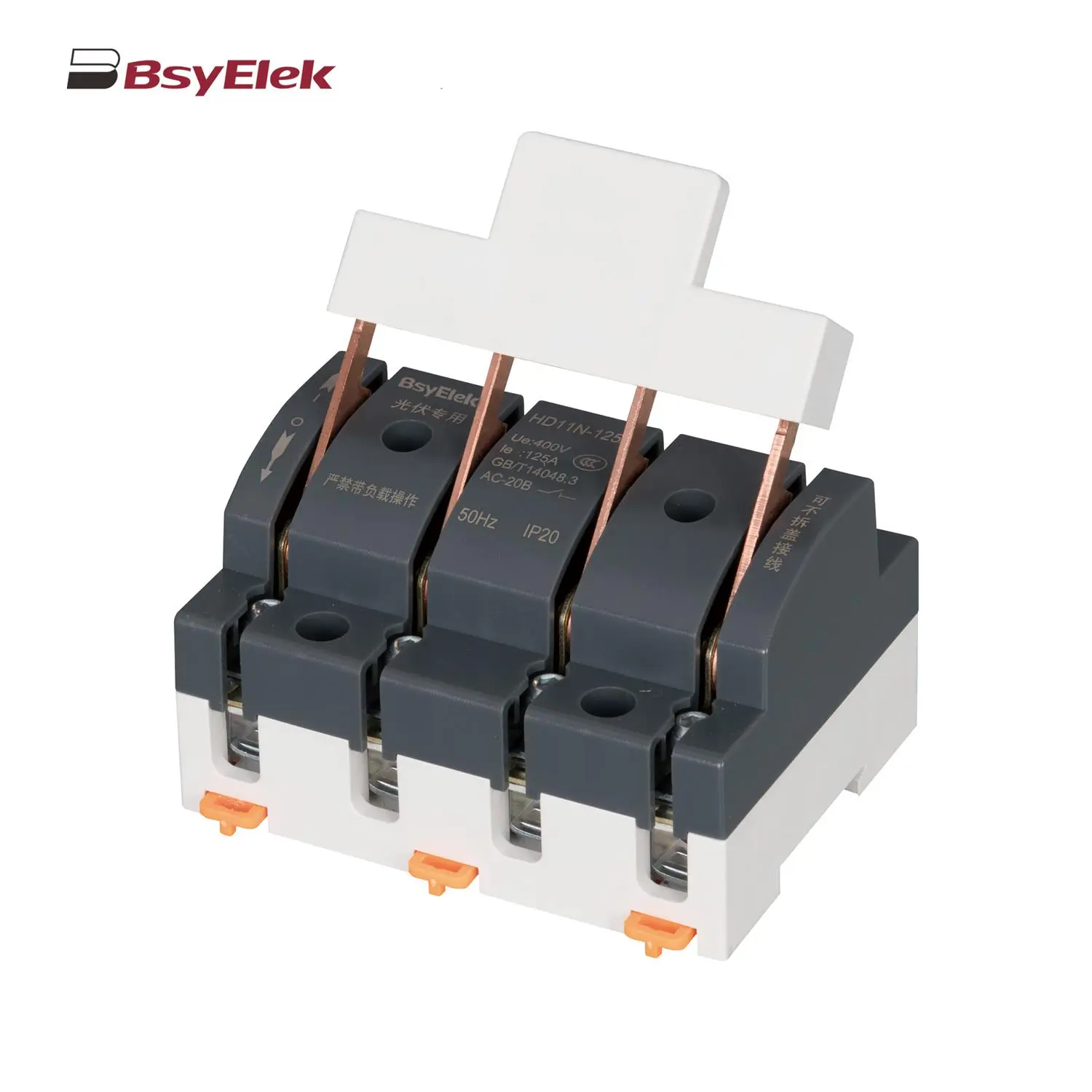 HD11N Photovoltaic Knife Switch
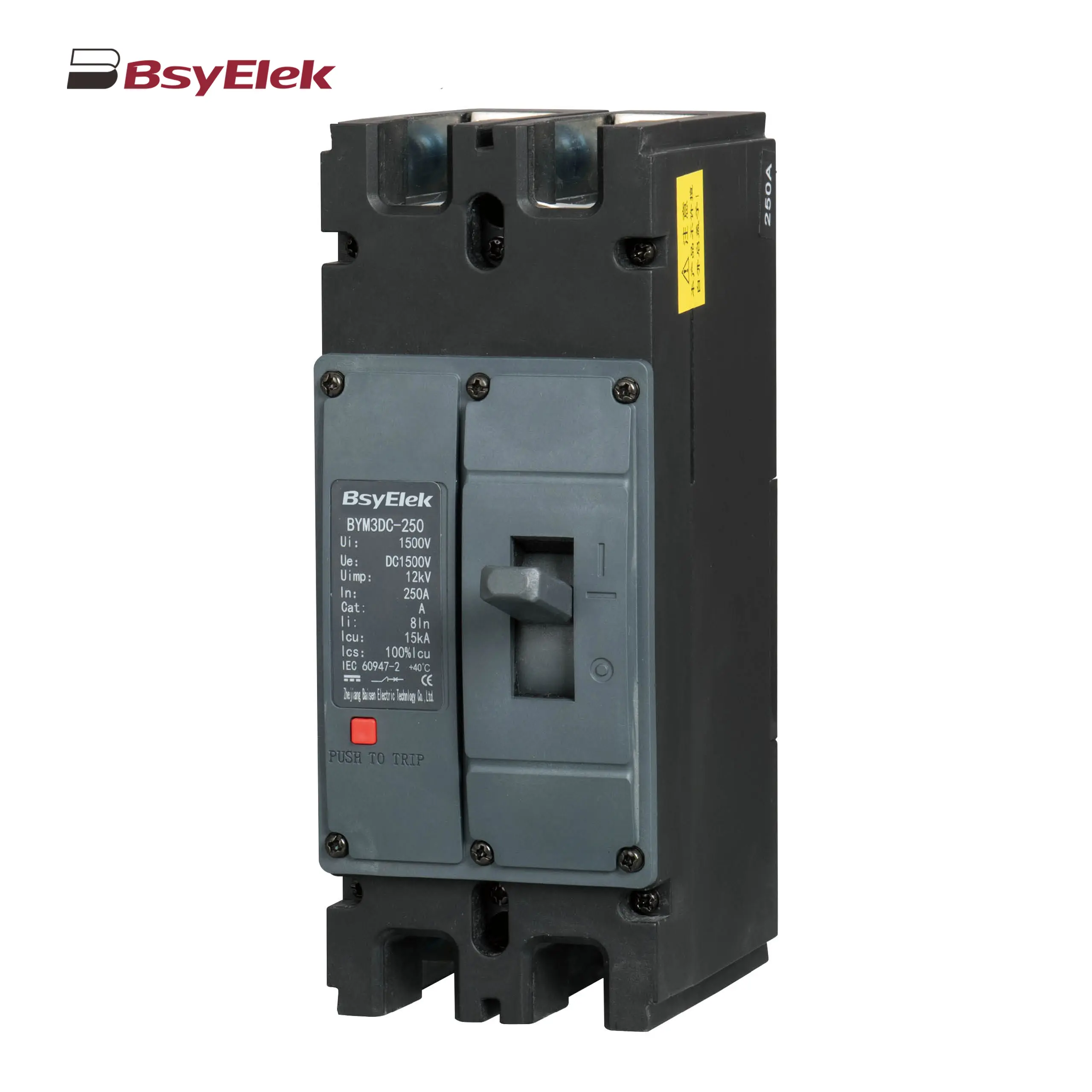 BYM3DC MCCB Photovoltaic DC Molded Case Circuit Breaker
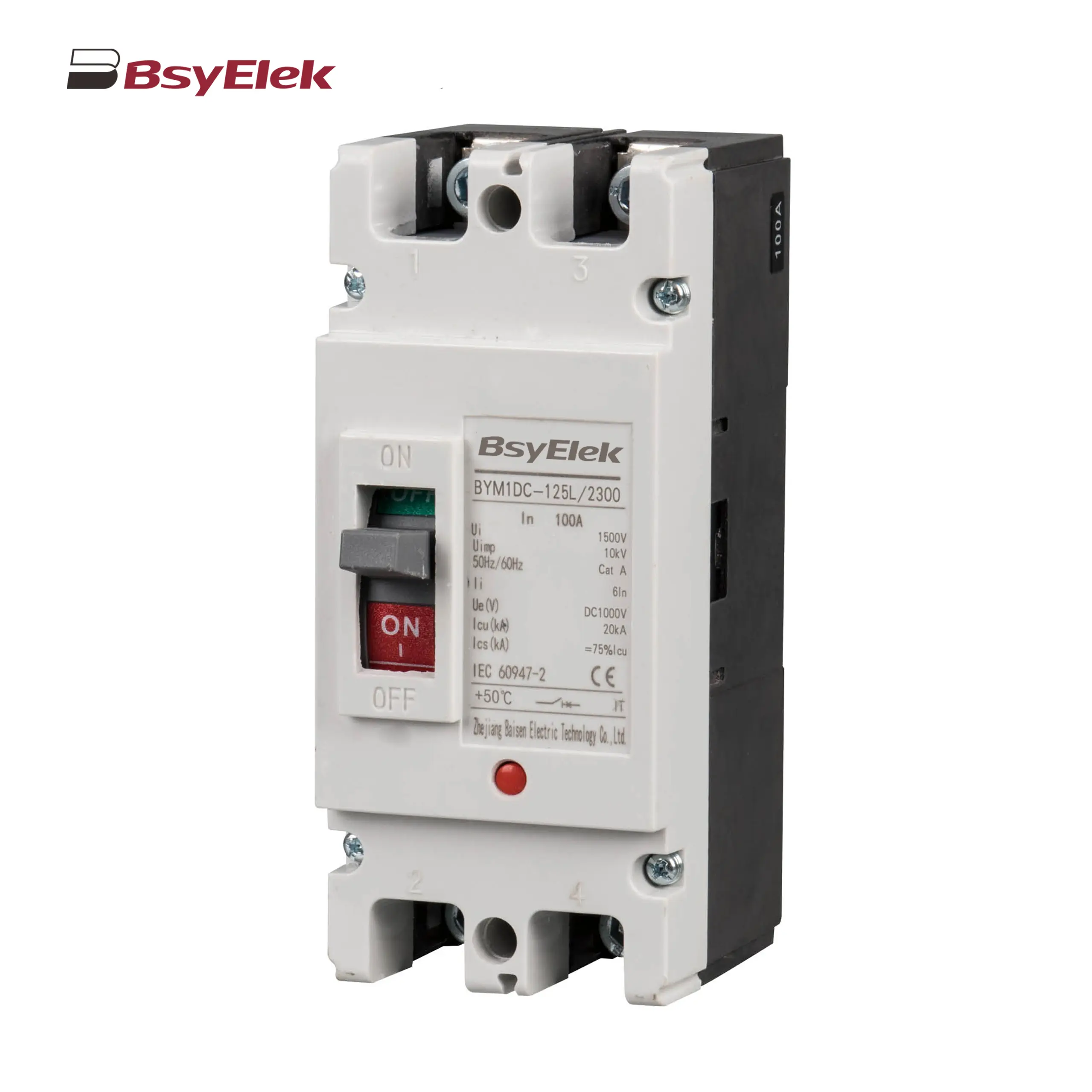 BYM1DC MCCB 1000VDC Thermal Magnetic Type DC Molded Case Circuit Breaker
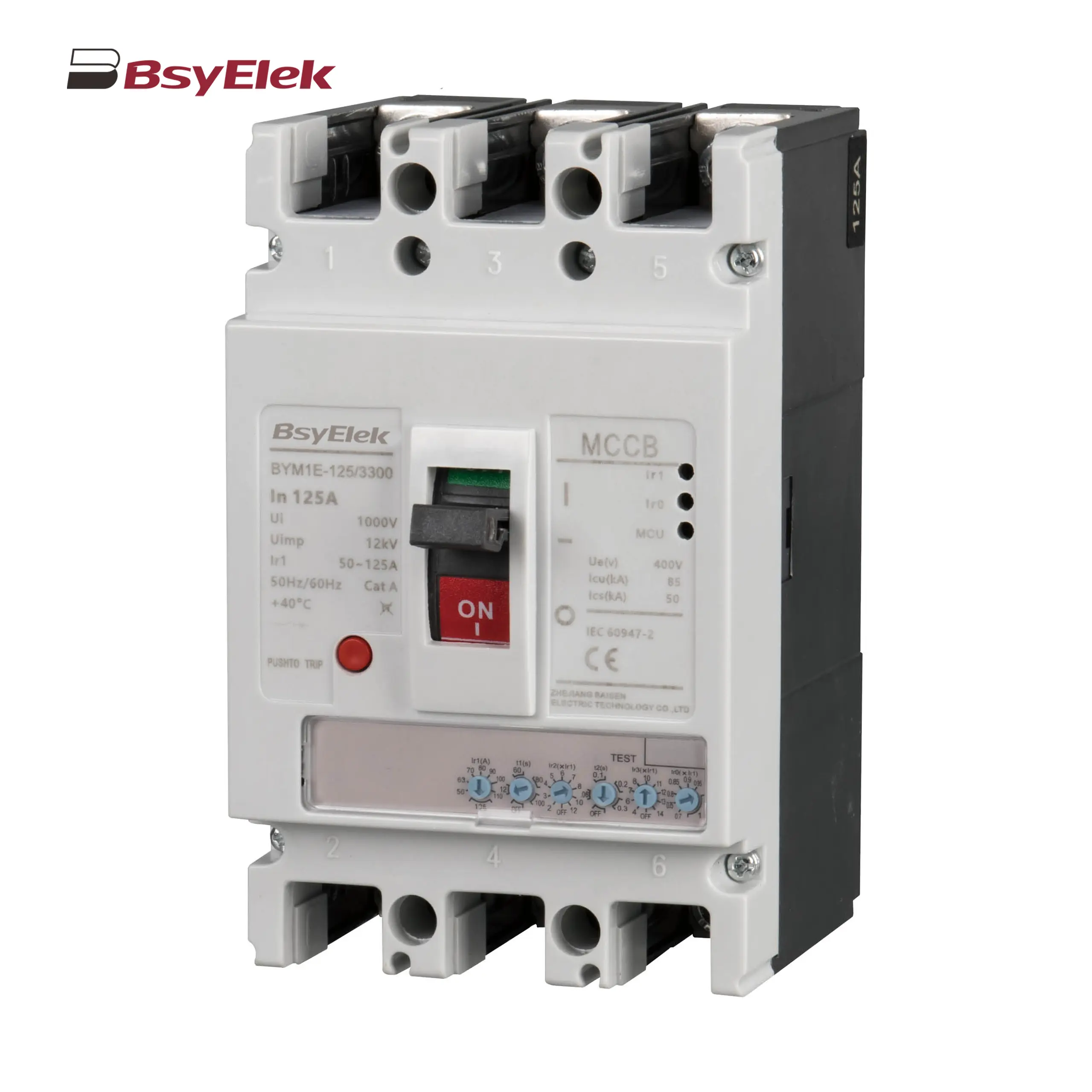 BYM1E MCCB Electronic Type Molded Case Circuit Breaker
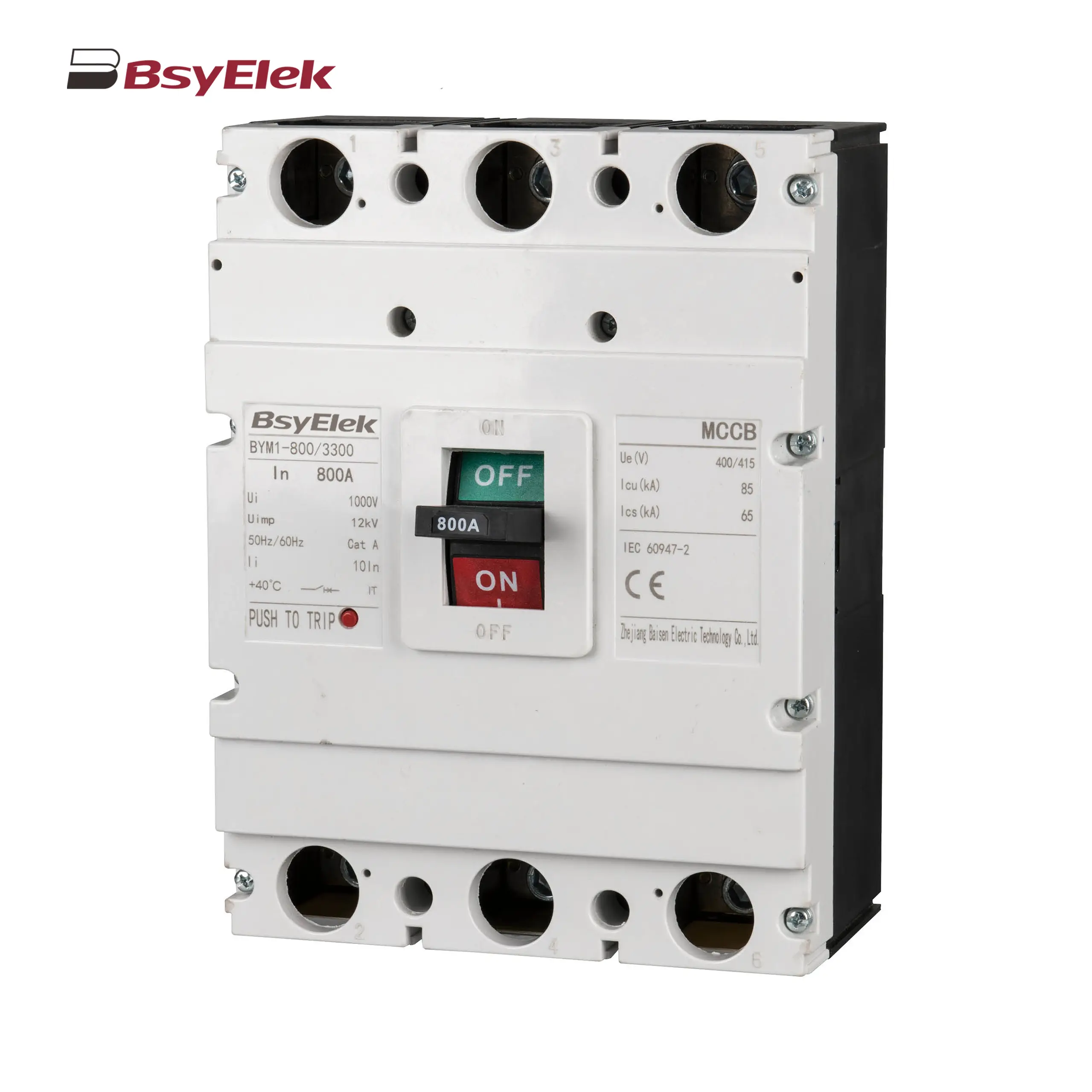 BYM1 MCCB Thermal Magnetic AC Molded Case Circuit Breaker
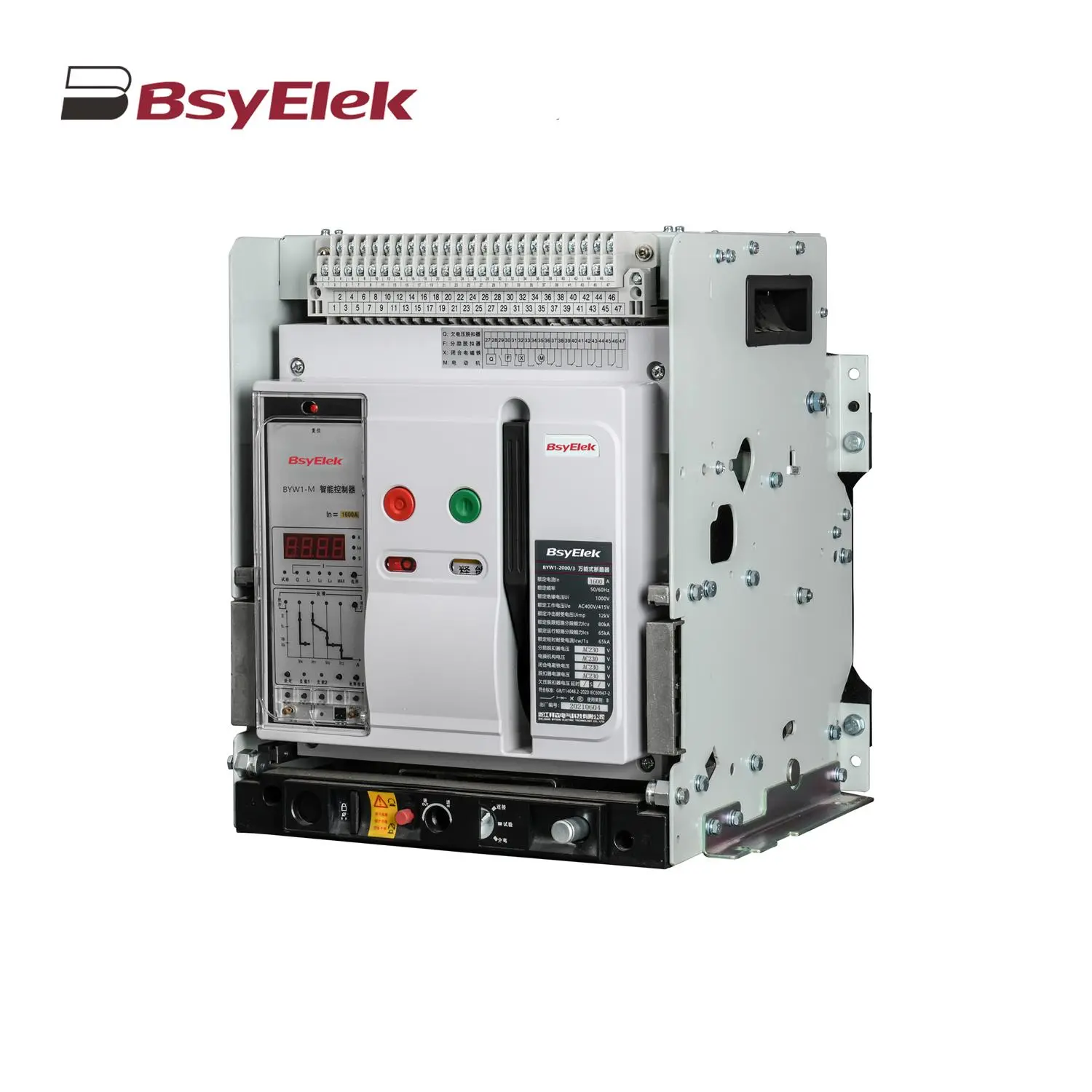 BYW1 ACB Intelligent Universal Air Circuit Breaker
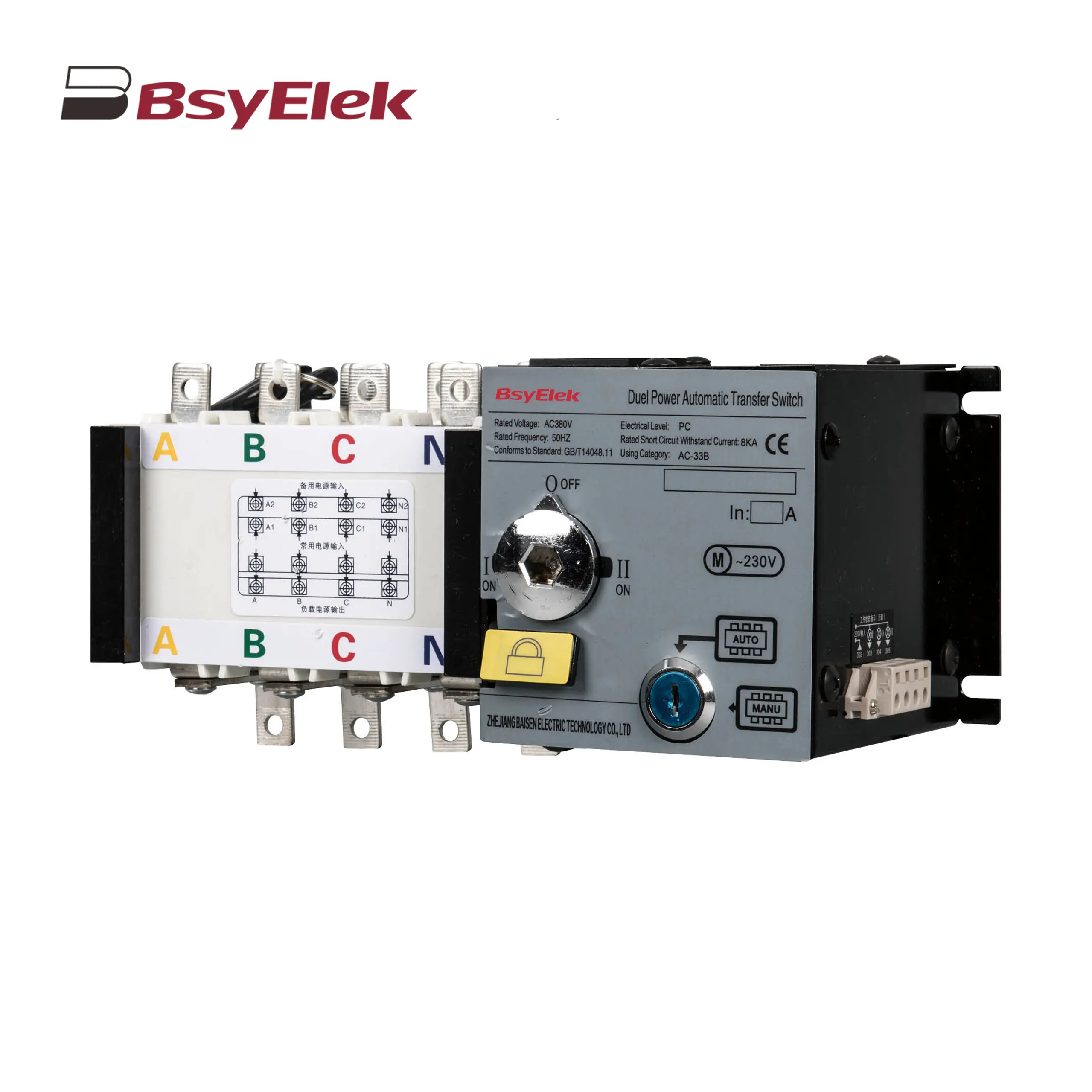 BYQ1 ATS Isolated Type PC Level Dual Power Automatic Transfer Switch
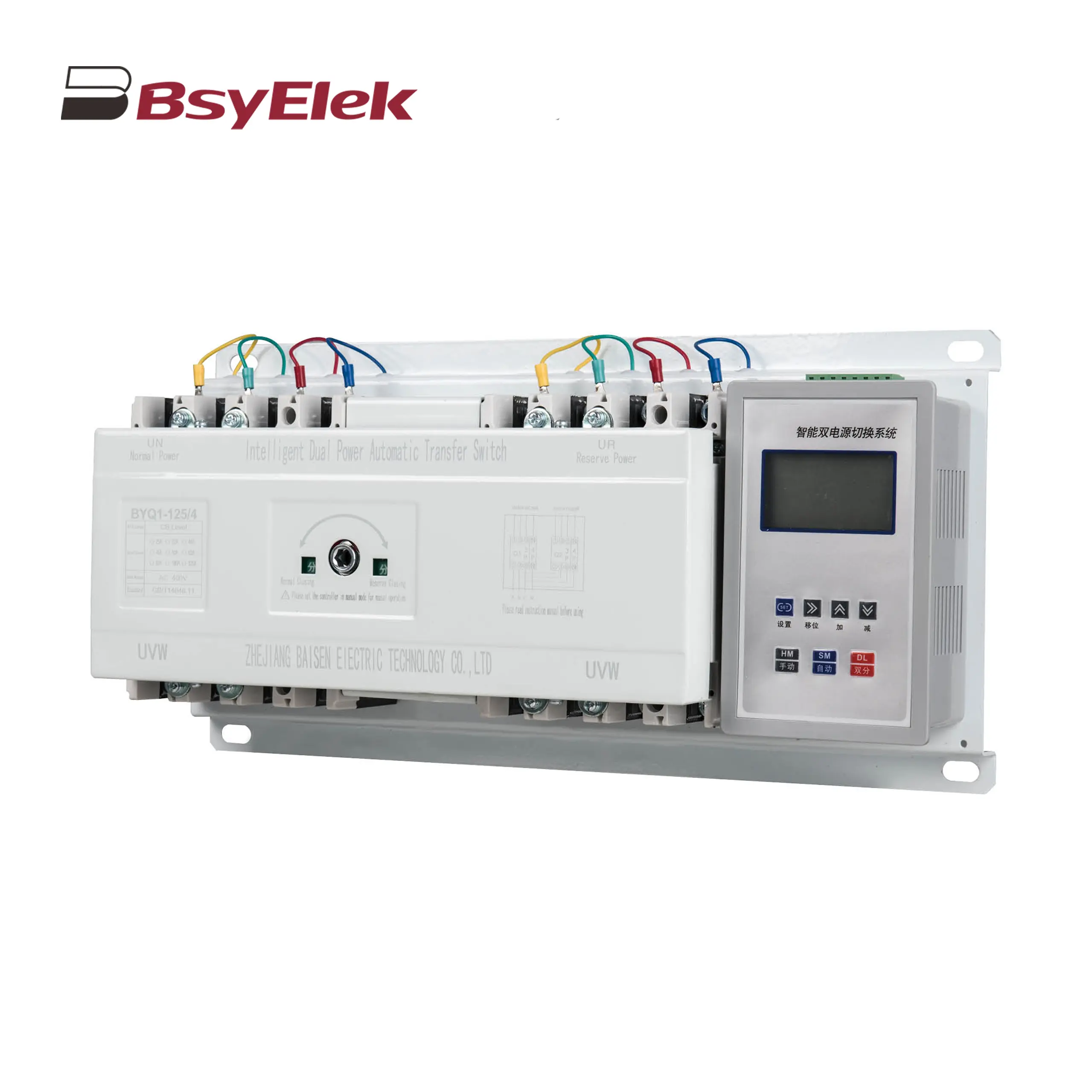 BYQ1 ATS Intelligent Type CB Level Dual Power Automatic Transfer Switch
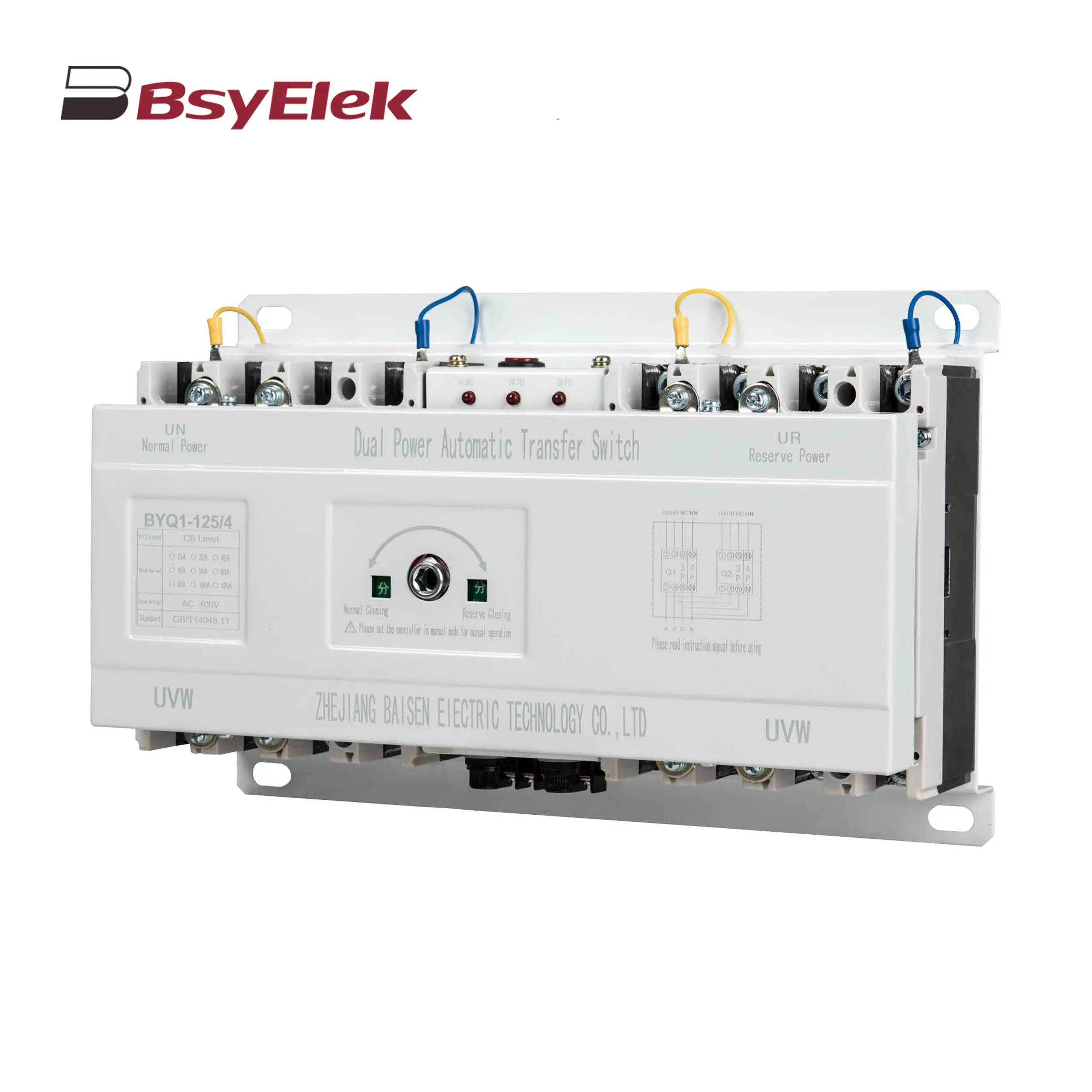 BYQ1 ATS End Type CB Level Dual Power Automatic Transfer Switch
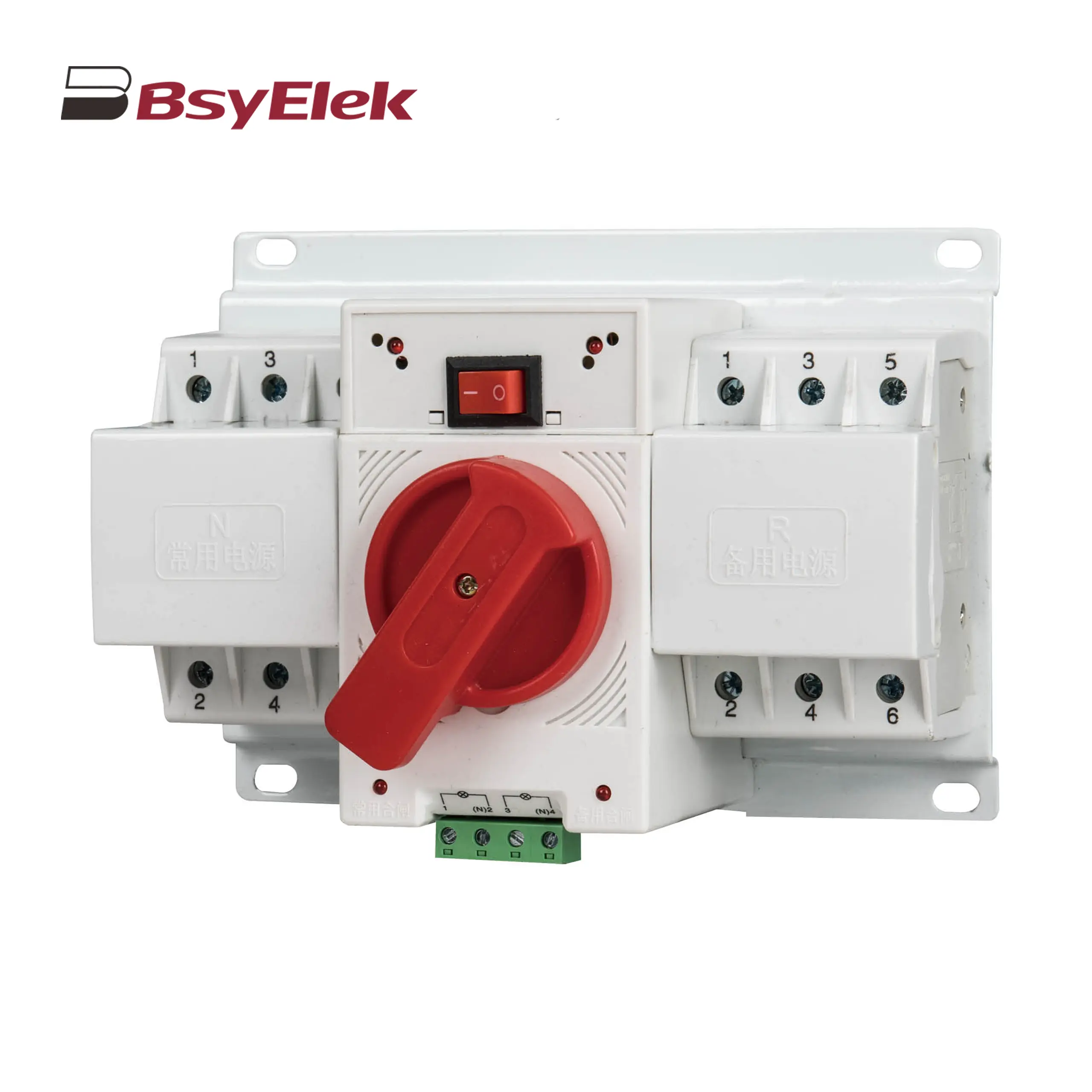 BYQ1 ATS Mini Type CB Level Dual Power Automatic Transfer Switch
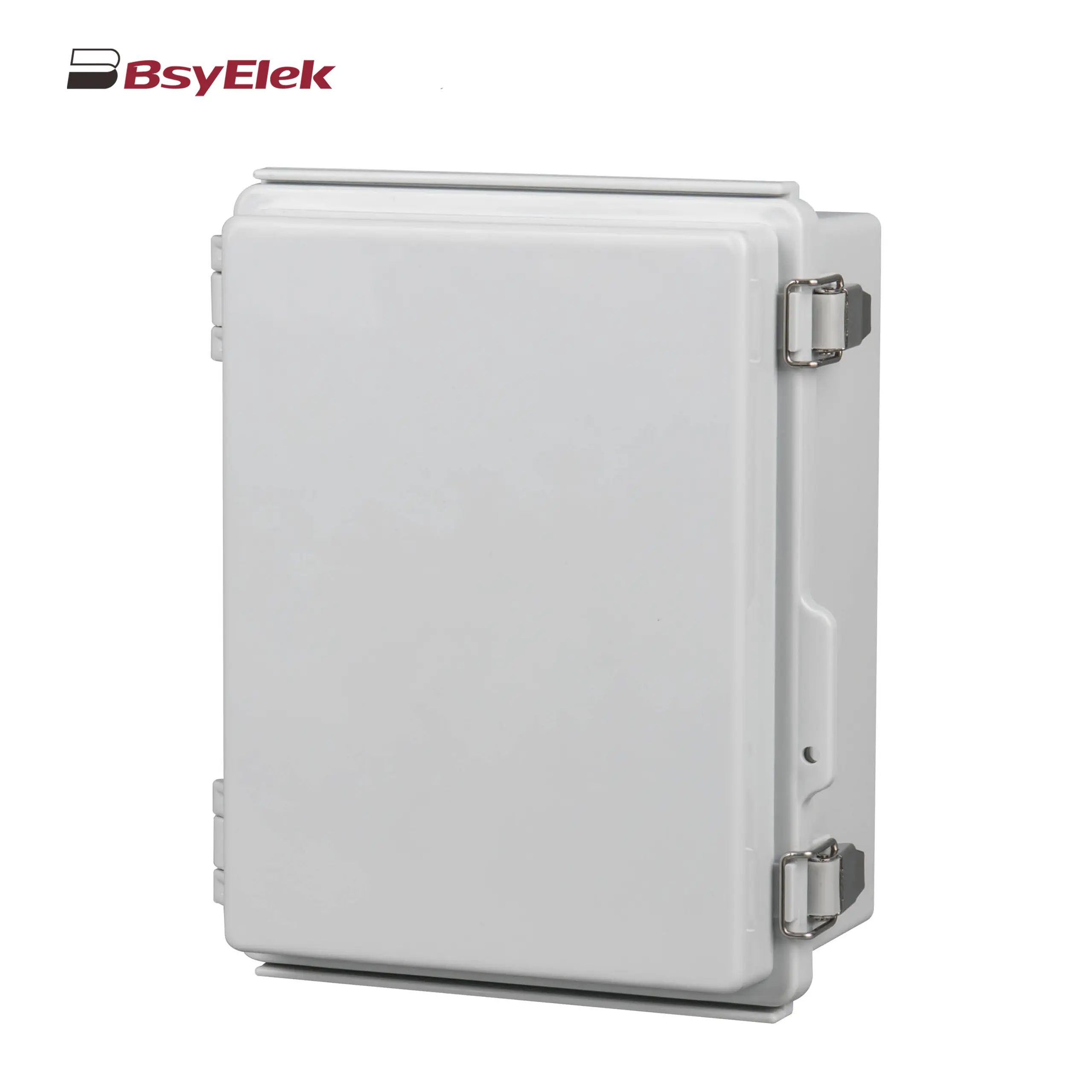 Stainless Steel Hinge Type Electrical Box
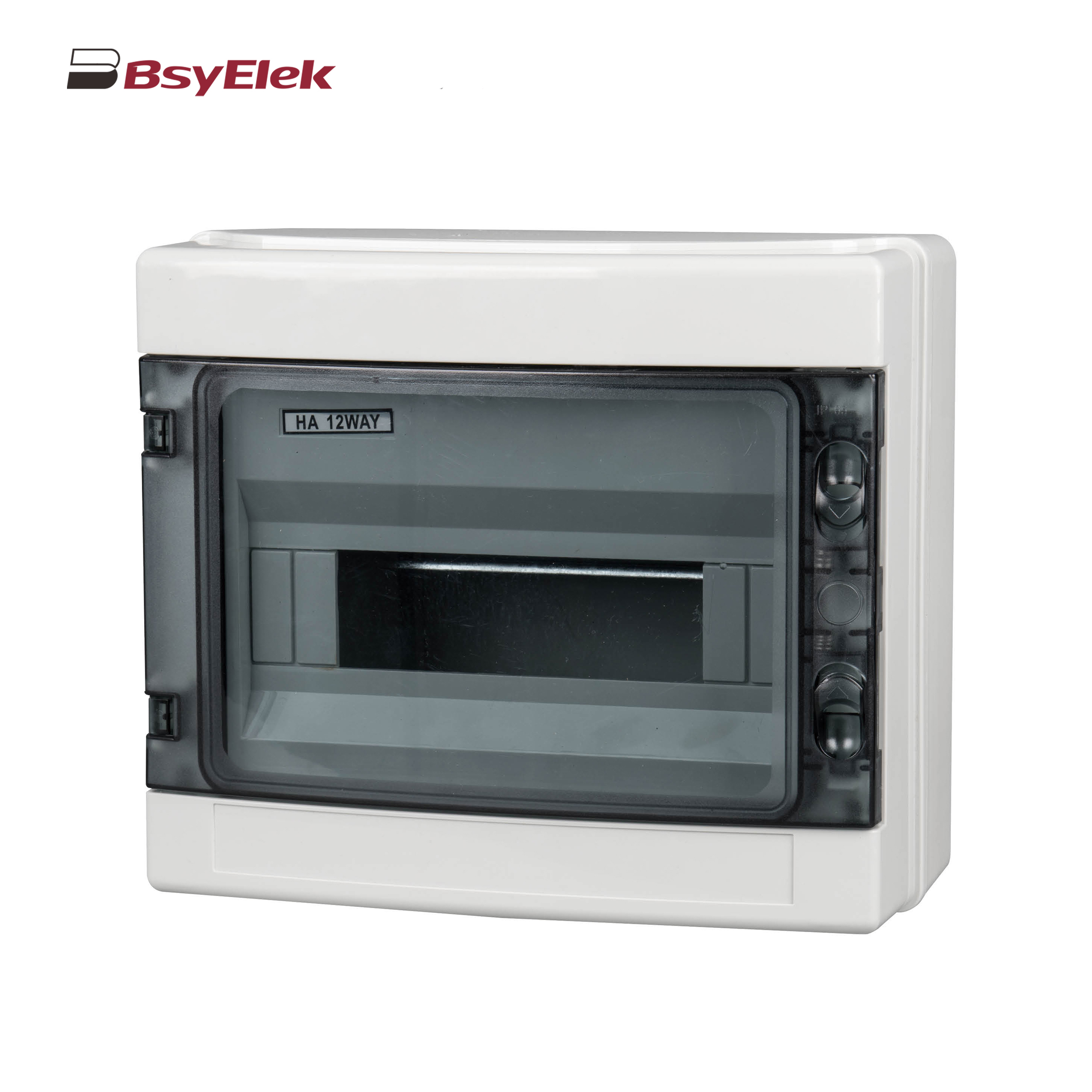 HA Waterproof Distribution Box
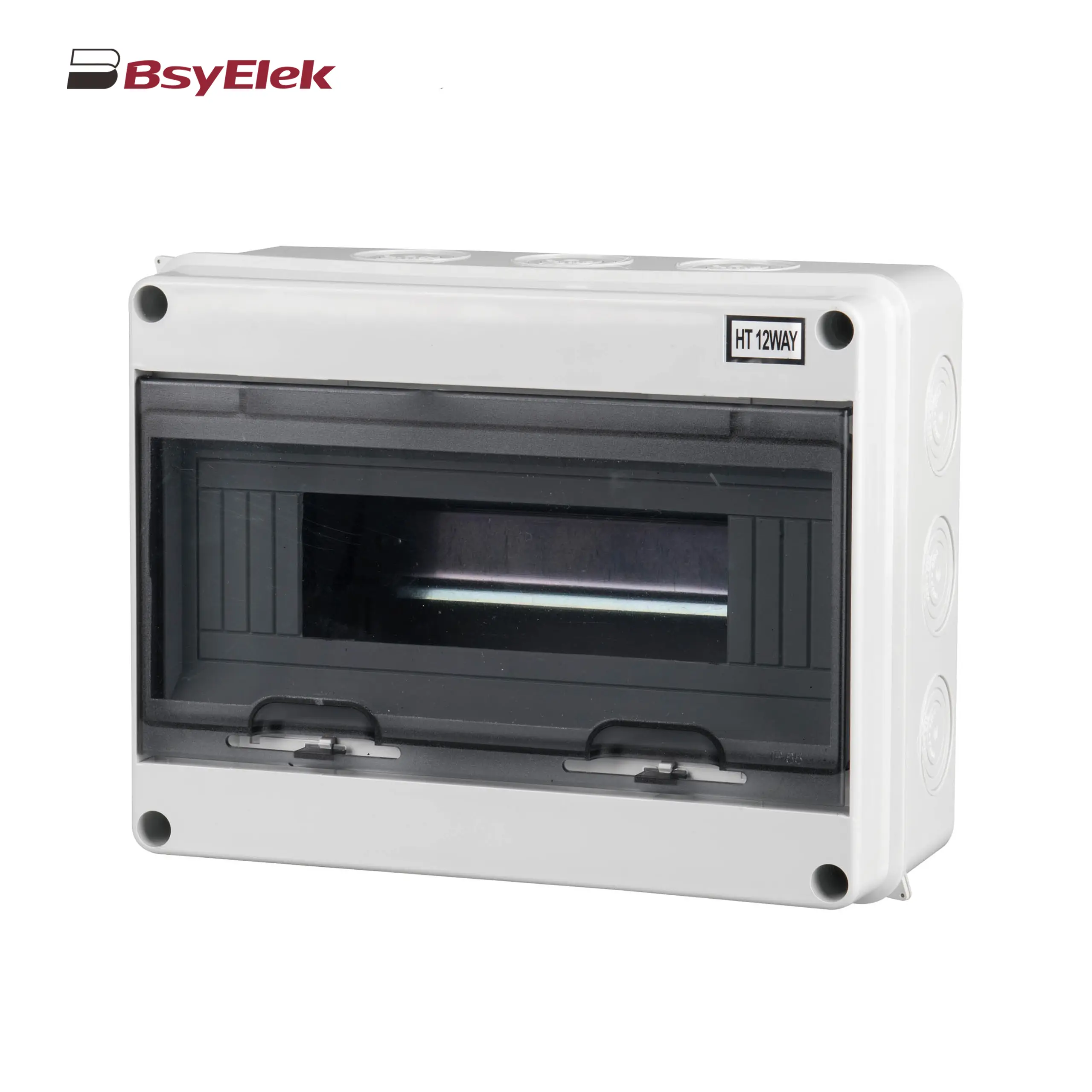 HT Waterproof Distribution Box
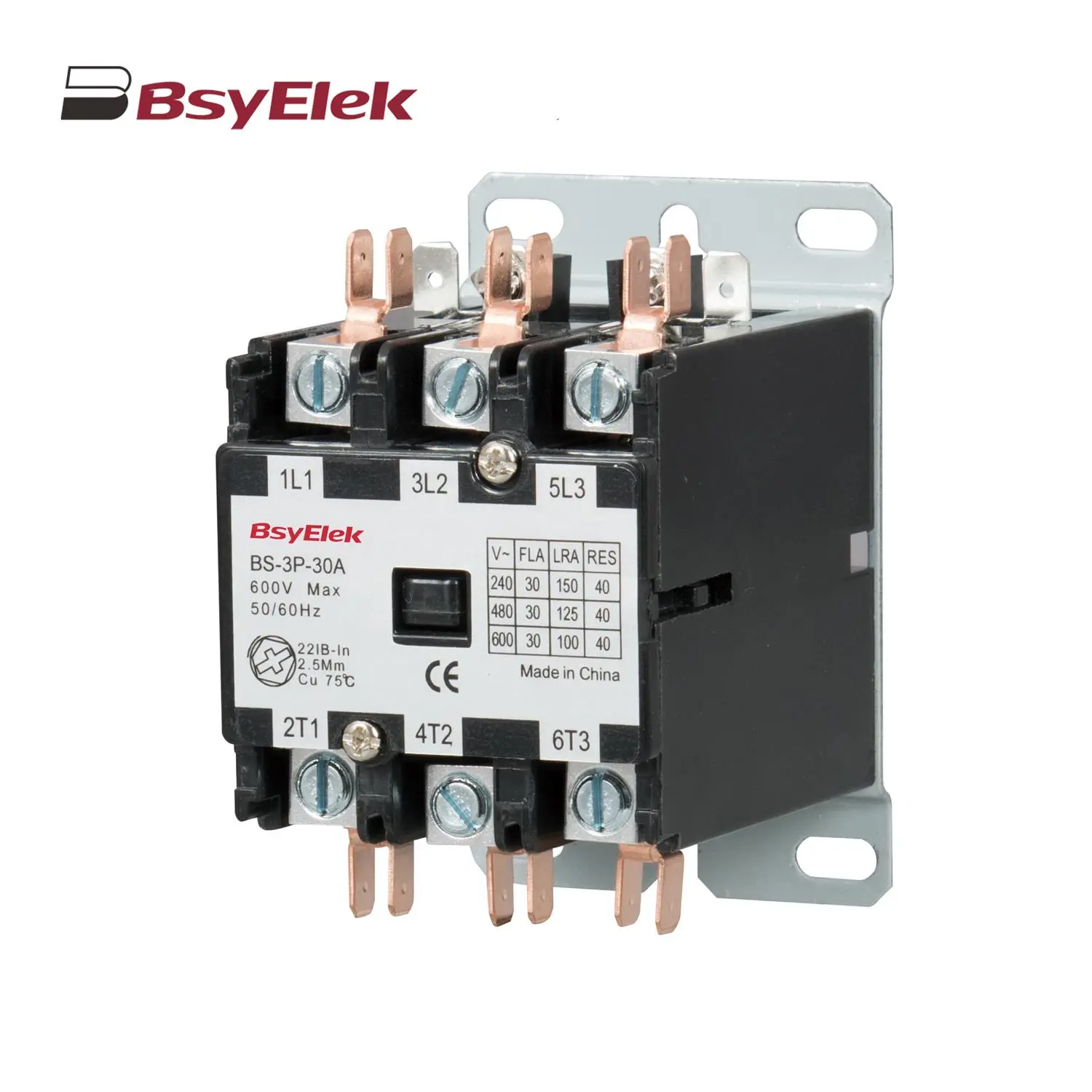 BS Definite Purpose Magnetic AC Contactor